Advertisement

China smartphone AP shipments to stagnate in Q1 2021: Report

The shipments of smartphone AP (application processors) in China will reportedly not see any changes sequentially in the first quarter of this year. This flat trend arrives despite the market seeing a significant rise of 57 percent back in 2020.

China

According to a DigiTimes report, the smartphone AP shipments, which includes those for mobile exports as well, will stagnate in the first quarter of 2021. Furthermore, the former Huawei budget smartphone unit, Honor, has also started raising its chip inventory, with other brands also pushing to raise their orders to also maintain their high inventory levels as well. At the moment, the 8 inch and 12 inch foundaries are packed with orders and are running at full capacity due to smartphone makers driving up orders.

The report also added that about 211.6 million smartphone APs were shipped to Chinese companies in the fourth quarter of last year. This marked a rise of 9.9 percent quarter on quarter and 7.7 percent year on year. The market performed better than expected with robust shipments, with brands like Xiaomi, Oppo, and Vivo seeking to expand their market share in the domestic market as the current market leader struggles after US sanctions.
China

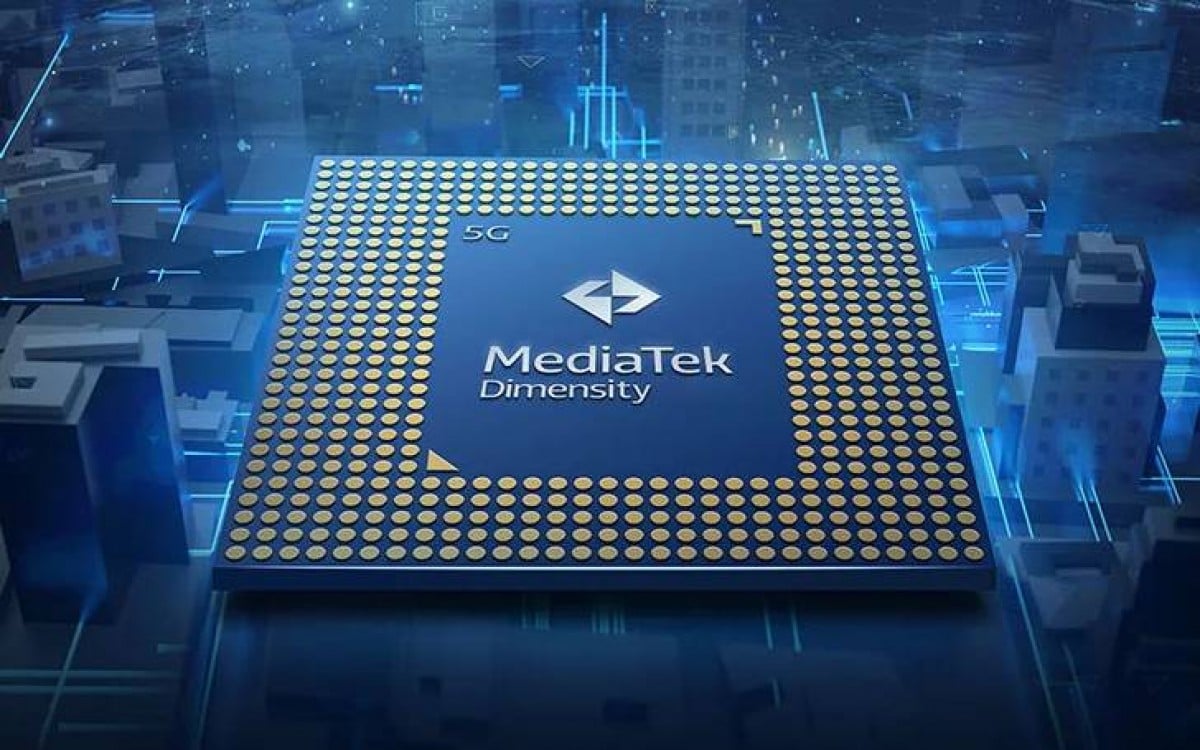
Notably, MediaTek was one of the top suppliers of smartphone APs in China, accounting for 42.5 percent of all shipments during the final quarter of last year. The chipmaker was followed by Qualcomm that had a market share of 41.5 percent and Huawei’s HiSilicon with a 9.5 percent share. DigiTimes estimates that MediaTek will remain the market leader in the first quarter, while Qualcomm will remain will be close behind.

RELATED:


Samsung Galaxy M02 launched in India as a rebranded Galaxy A02

Samsung has finally launched the Galaxy M02 in India after teasing it for the past few days. The entry-level smartphone offers a large screen, a huge battery, and a dual-camera setup. Let us take a look at the entire specs, features, price, and availability of this handset.

Galaxy M02 Specifications and Features

The newly announced Galaxy M02 is nothing but a rebranded Galaxy A02 that went official last week in Thailand. It sports a 6.5-inch PLS TFT LCD panel with a resolution of  720 x 1600 pixels (HD+). The screen has a dewdrop notch at the top and hence, Samsung advertises it as an ‘Infinity-V Display’.

Under the hood, the device features a MediaTek MT6739W SoC paired with 2GB/3GB RAM and 32GB internal storage. Unfortunately, despite launching in the second month of 2021, the smartphone runs Android 10 (One UI Core 2.x) instead of the latest Android 11-based One UI Core 3.0.

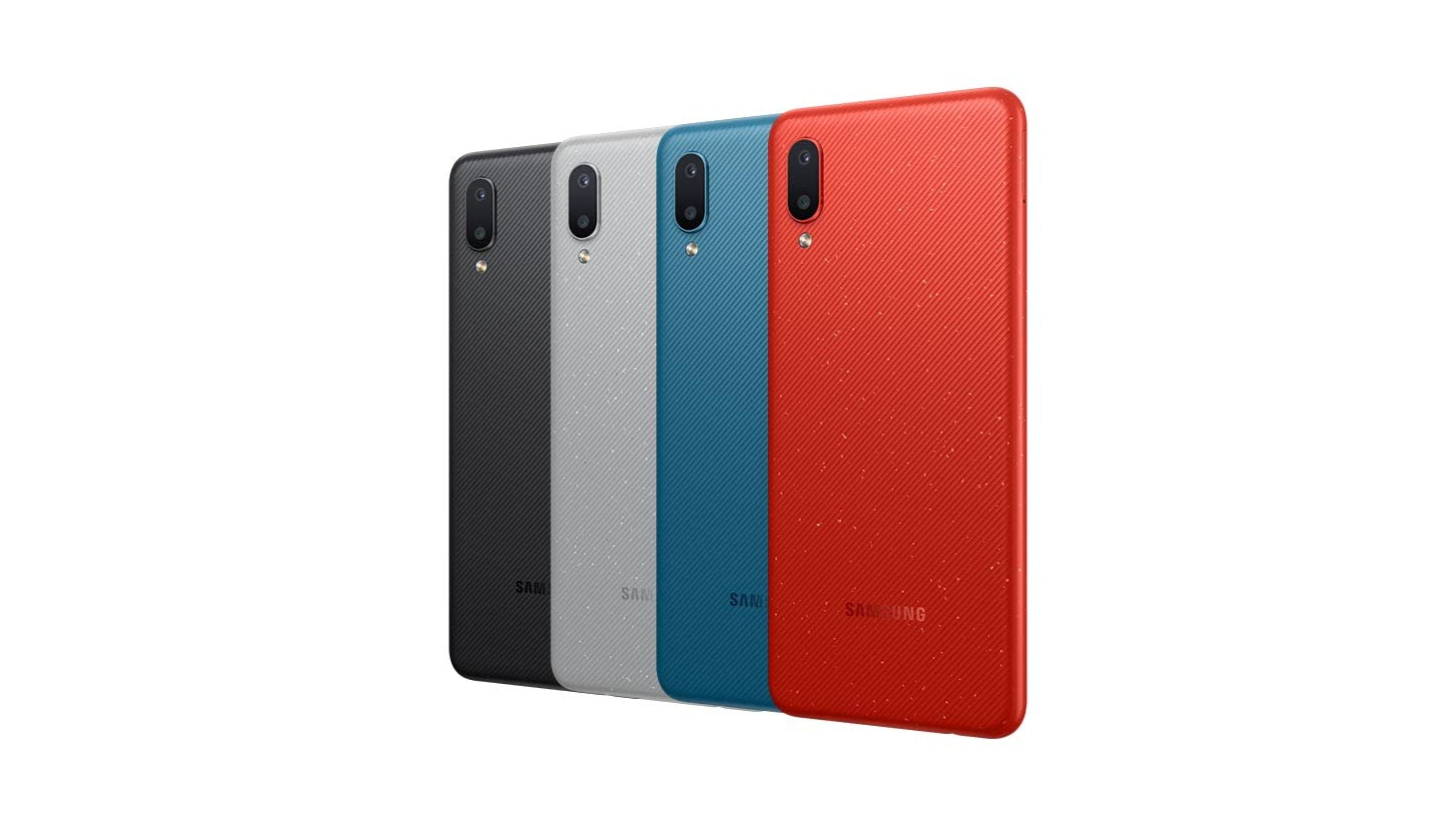
Samsung Galaxy M02 All Colors Featured

As for optics, the phone comes with a 13MP (wide) + 2MP (macro) vertically aligned dual-camera setup on the back and a 5MP front-facing camera in the notch for selfies and video calls. It is interesting to see the company opting for a macro shooter, rather than the commonly used depth sensor.

Other features of this handset are dual-SIM, 4G, VoLTE, single-band WiFi, Bluetooth 5.0, and GNSS (GPS, GLONASS), grip sensor, accelerometer, proximity sensor, dedicated microSD card slot (up to 1TB), 3.5mm headphone jack, MicroUSB port, and a 5,000mAh battery.

Lastly, the phone’s body is made of polycarbonate with a grippy pattern and comes in four colors, namely Denim Black, Denim Blue, Denim Gray, and Denim Red. It measures 164.0 x 75.9 x 9.1mm in dimensions and weighs 206g.

Galaxy M02 Pricing and Availability

The Samsung Galaxy M02 will be retailing for the following price tags.

  • 2GB + 32GB – ₹6,999 (Introductory Offer – ₹6,799)
  • 3GB + 32GB – ₹7,499

It will go on sale starting February 9 and can be purchased from Samsung online store, Amazon India, and leading offline store across India.


RELATED:


Xiaomi blocks users from installing Google’s GMS on its smartphones in China

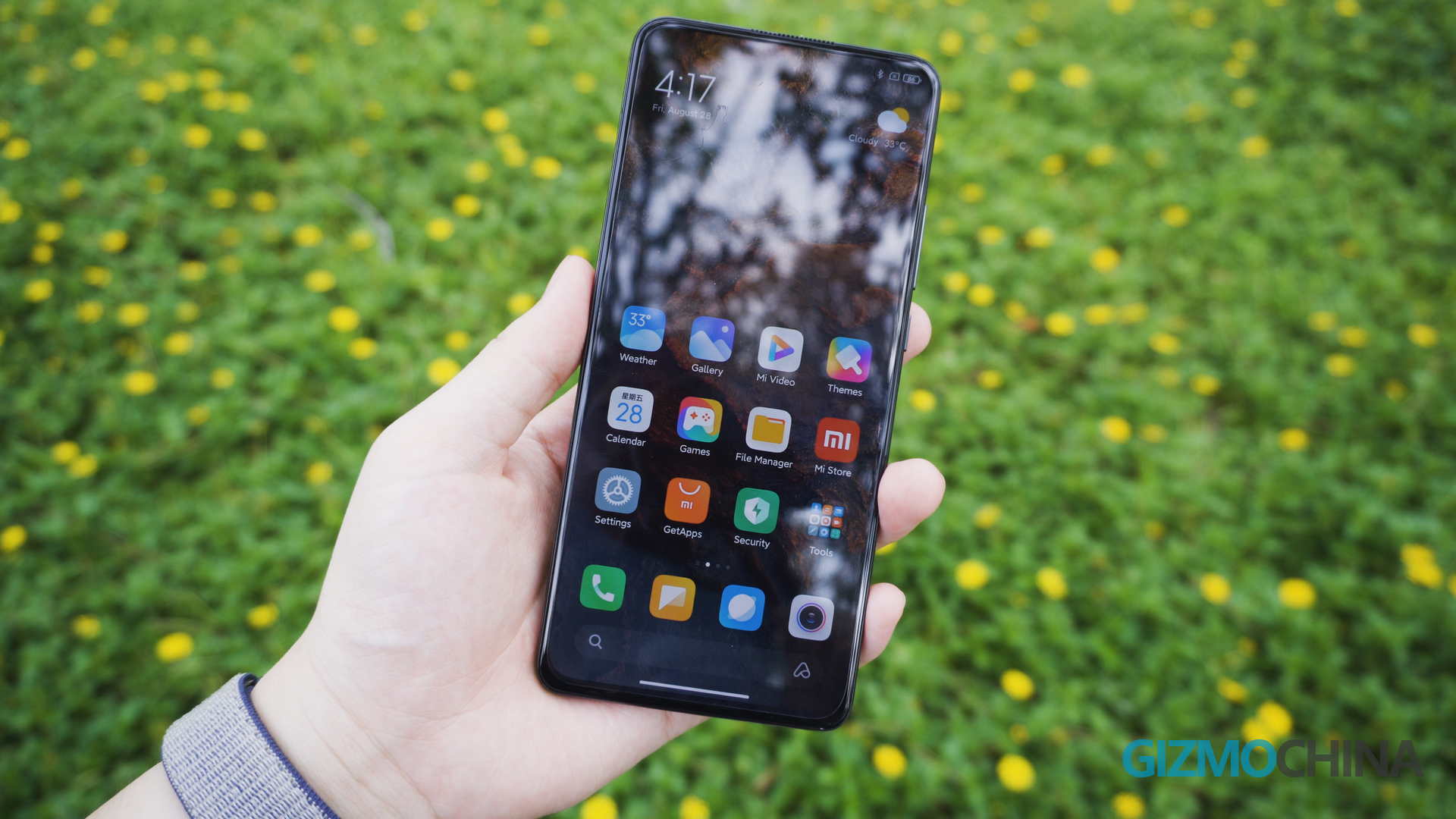
Xiaomi has its own Android-based operating system named MIUI and the company has been regularly updating it. Recently, some users of MIUI started reporting that they weren’t able to install Google Mobile Services (GMS) on their smartphones.

The restrictions seem to have come after the rollout of MIUI 12.5. Now, the China-based smartphone maker has responded to those reports and said that the company no longer allows users to install or sideload GMS applications because of compliances.

Redmi K30 Pro Ultra Review MIUI Xiaomi featured

The company confirmed that the devices that don’t come with the Google service framework won’t be able to install GMS applications. This isn’t surprising as most of the devices in China don’t have support for GMS as Google services are banned in the country.

While Xiaomi has not revealed the list of models affected by this policy change, some users have reported that Redmi K30 Ultra and Redmi 10X 5G are among those models that don’t support sideloading GMS apps.

It’s noteworthy that the restrictions apply to devices in the company’s home market, i.e. China, and users in other regions should be able to install Google Mobile Services as well as related applications on their Android smartphones.

RELATED:


Visionox may receive 5 million Huawei and 10 million Honor orders in 2021: Report

A new report has revealed that Visionox might receive large orders from Huawei, and its former subsidiary, Honor. The supplier will provide the smartphone OEMs with AMOLED displays, with unit orders numbering in the millions.

Visionox InV See

According to a TechWeb report, a person close to the supplier has stated that the company might be receiving 5 million orders from Huawei and about 10 million orders from Honor for AMOLED panels. Back in January 2021, Visionox had announced that its net profit for 2020 is expected to be around 141 million to 210 million Yuan (roughly 21 to 31 million US Dollars), which marks a year on year increase of 120 to 227 percent. The company attributed this growth to its continuous innovation and rising demands.

Notably, Visionox is also the company behind the first mass produced display that supports an under screen camera. Furthermore, it also has an exclusive deal with ZTE to provide these displays for the company’s flagship ZTE Axon 20 smartphone. It even provides high end hyperboloid curved displays to major OEMs for their smartwatch lineup and even smartphones. A few of its major customers include Chinese tech giants like Xiaomi, ZTE, Huami, and South Korea’s LG as well. Recently, the company even picked up Oppo, Motorola, and more as their new customers.

Visionox

So, Huawei and Honor putting in large orders with the company is great news for the supplier. Meanwhile, Honor placing in larger orders is also indicative of both companies’ current position, as Huawei struggles with its smartphone division due to US sanctions that had caused it to sell its budget sub brand to ensure its survival. At the moment, Honor is pushing to launch its products, especially in China, to establish itself as a major contender in its home market of China.

RELATED:


Google is shutting down in-house Stadia game development studios

A couple of years ago, Google launched its own game streaming service named Google Stadia and the company had plans of developing some of the games on its own for its newly introduced services. However, it seems that things didn’t work out well.

Google has announced that the company is shutting down its in-house game development studios for the Stadia platform. With this, the company will now be focusing on provided content from third-party developers.

google stadia

The company is shutting down studios in Montreal and Los Angeles. Along with that, Google has also confirmed that Jade Raymond, who was hired by the company to lead this new game development division, is also leaving the company.

Making the announcement, Stadia Vice President and General Manager Phil Harrison confirmed that Google will continue to invest in the Stadia platform. Explaining the reason behind shutting down the game development studios, he says, “creating best-in-class games from the ground up takes many years and significant investment, and the cost is going up exponentially. Given our focus on building on the proven technology of Stadia as well as deepening our business partnerships, we’ve decided that we will not be investing further in bringing exclusive content from our internal development team SG&E [Stadia Games and Entertainment], beyond any near-term planned games.”

A few months ago, Jack Buser, Director of Games at Stadia had said that the company has around 400 games in the work for the streaming service and also added that exclusive games from studios like Harmonix and Supermassive are in development.

RELATED: 

Facebook to notify users on personalized ads prior to Apple privacy changes

Earlier this week, Facebook announced that it would send out notifications for iPhone users across the globe regarding how data is used to provide personalized ads. This arrived just prior to incoming privacy policy changes from Apple.

Facebook

According to a Reuters report, the social media giant is rolling out these notifications before Apple, due to the potential harm that the new privacy updates might bring to Facebook’s advertising business. The new notification will arrive in the form of a full screen prompt that would ask both Facebook and Instagram users to allow their apps and website to be used for personalized ads. The platform will even ask users to “support businesses that rely on ads to reach customers.”

For those unaware, the company is already fighting a public battle against the Cupertino based giant’s plan to ask its userbase whether they wish to allow apps to track their activity across other websites or even applications. Facebook has warned users that Apple’s notifications “suggest there is a tradeoff between personalized advertising and privacy.” Further adding that this move would hurt small businesses that rely on ads from their platform.

Facebook

At the moment, it is unknown when exactly the new prompt will pop up on the two social media platforms, although, Apple is expected to roll out its privacy notifications soon. The brand stated that these prompts will start appearing on most iPhone models within the next few months. So stay tuned for more, as we will be providing more updates when additional information is available regarding the matter.

RELATED:


POCO M3 for Rs 10,999 (~$150) brings SD662, 48MP triple cameras, 6,000mAh battery and more

Last year in September, POCO India launched the POCO M2 smartphone. Today, the company held an online unveiling event in India to announce the POCO M3 smartphone, which was previously announced for the global markets in November. The POCO M3 midrange brings features a tall aspect ratio screen, a Snapdragon 662 chipset, a 6,000mAh battery, and 48-megapixel triple cameras with a starting price of Rs 9,999.

POCO M3 specifications and features

Place on the front of the POCO M3 (Review) is an IPS LCD panel of 6.53 inches. The 60Hz display offers a Full HD+ resolution of 1080 x 2340 pixels and a 19.5:9 aspect ratio.  It comes with Gorilla Glass 3 protection. It boots to MIUI 12 for POCO, which is based on Android 10 OS. The handset comes with support for Widevine L1 for playback of streaming content from OTT platforms. The screen is protected by Gorilla Glass 3. For security, the POCO M3 features face unlock and a side-mounted fingerprint scanner.

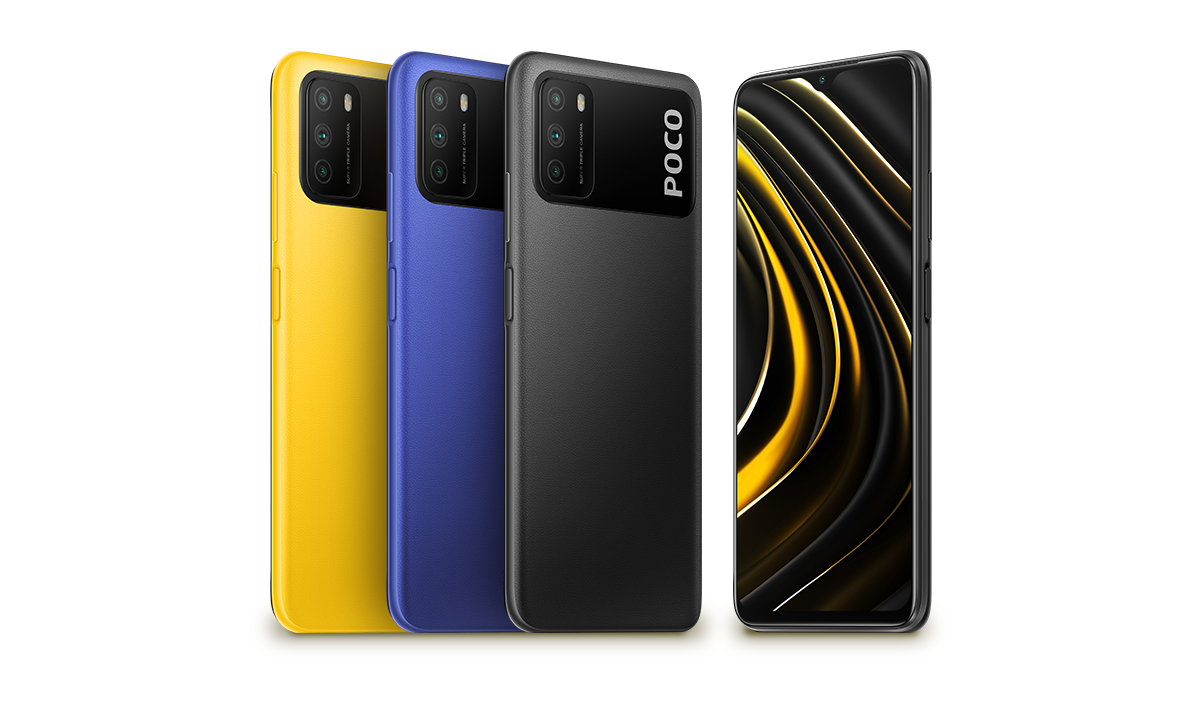
The waterdrop notch available on the display has an 8-megapixel selfie camera. The unique large-sized rectangle-shaped camera housing on the backside of the phone has a 48-megapixel main camera with f/1.79 aperture and a pair of f/2.4 aperture 2-megapixel sensor for depth effects and macro shots. The POCO M3 supports photography features like AI beautify, AI scene detection, night mode, portrait mode, panorama, time-lapse, 120fps slow-motion video recording, and 1080p video shooting at 30fps.

POCO M3
POCO M3

The POCO M3 has Snapdragon 662 chipset under its hood along with LPDDR4x RAM and UFS 2.1 / 2.2 storage options. There is a microSD card slot for additional storage. The phone comes with 18W fast charging support for its 6,000mAh battery. It also supports reverse charging.

The POCO M3 comes with other features such as dual stereo speakers, an IR blaster, dual 4G VoLTE, Wi-Fi 802.11ac, Bluetooth 5.0, GPS, USB-C, and a 3.5mm headphone jack. The handset measures 162.3 x 77.3 x 9.6mm and it weighs 198 grams.

POCO M3 price in India

Here are pricing and color variants of the POCO M3:

  • 6 GB RAM + 64 GB storage – Rs 10,999 (~$150)
  • 6 GB RAM + 128 GB storage – Rs 11,999 (~$164)
  • Color variants: POCO Yellow, Cool Blue, and Power Black

The POCO M3 will go on sale starting from Feb. 9 at 12PM (local time) in India through Flipkart. Buyers with ICIC Bank cards can avail flat discount of Rs 1,000 on the device.

RELATED:

OPPO Find X3 Pro key specifications leaked online ahead of expected launch in March

OPPO is expected to soon launch its flagship smartphone — OPPO Find X3 Pro. Some of the information related to this upcoming device has leaked online and as the launch nears, more details about the phones keep surfacing.

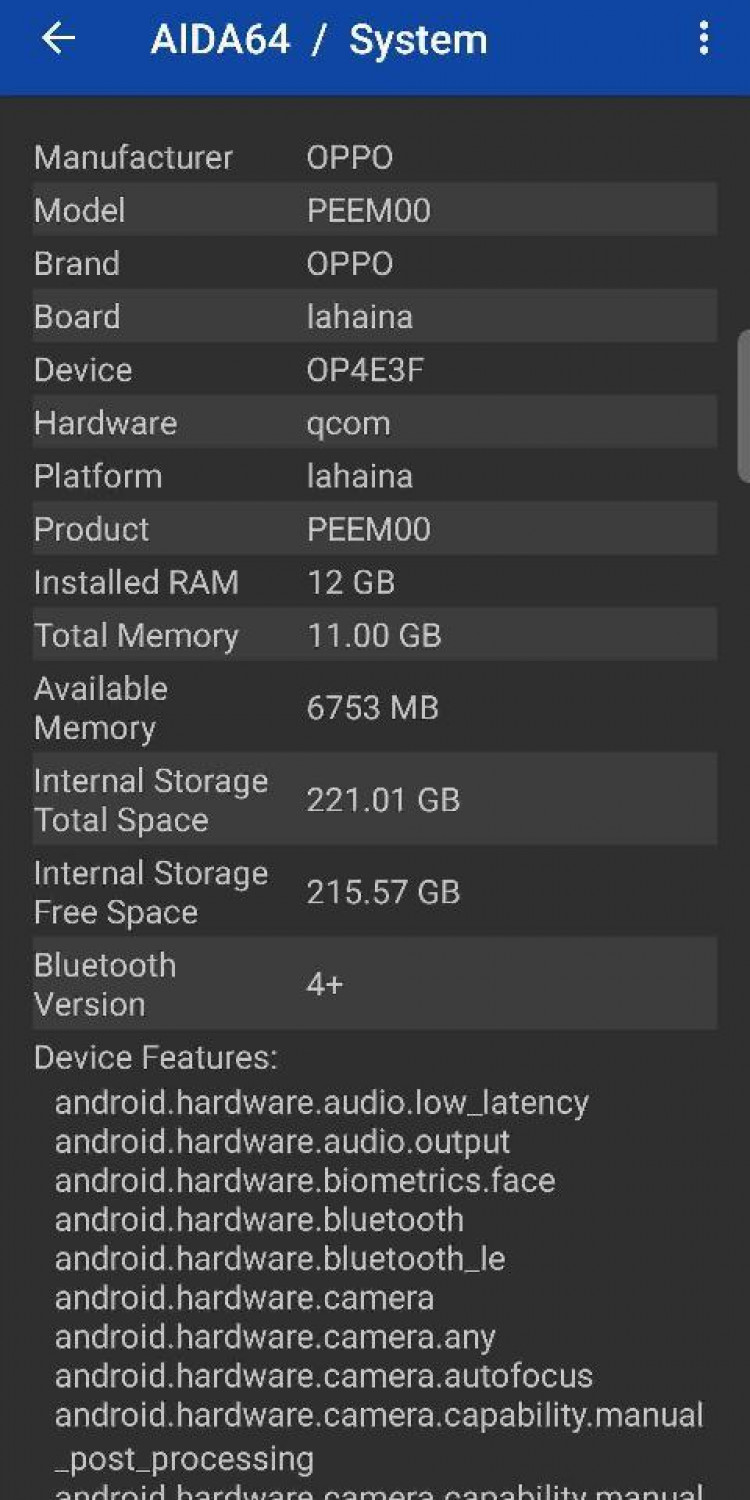
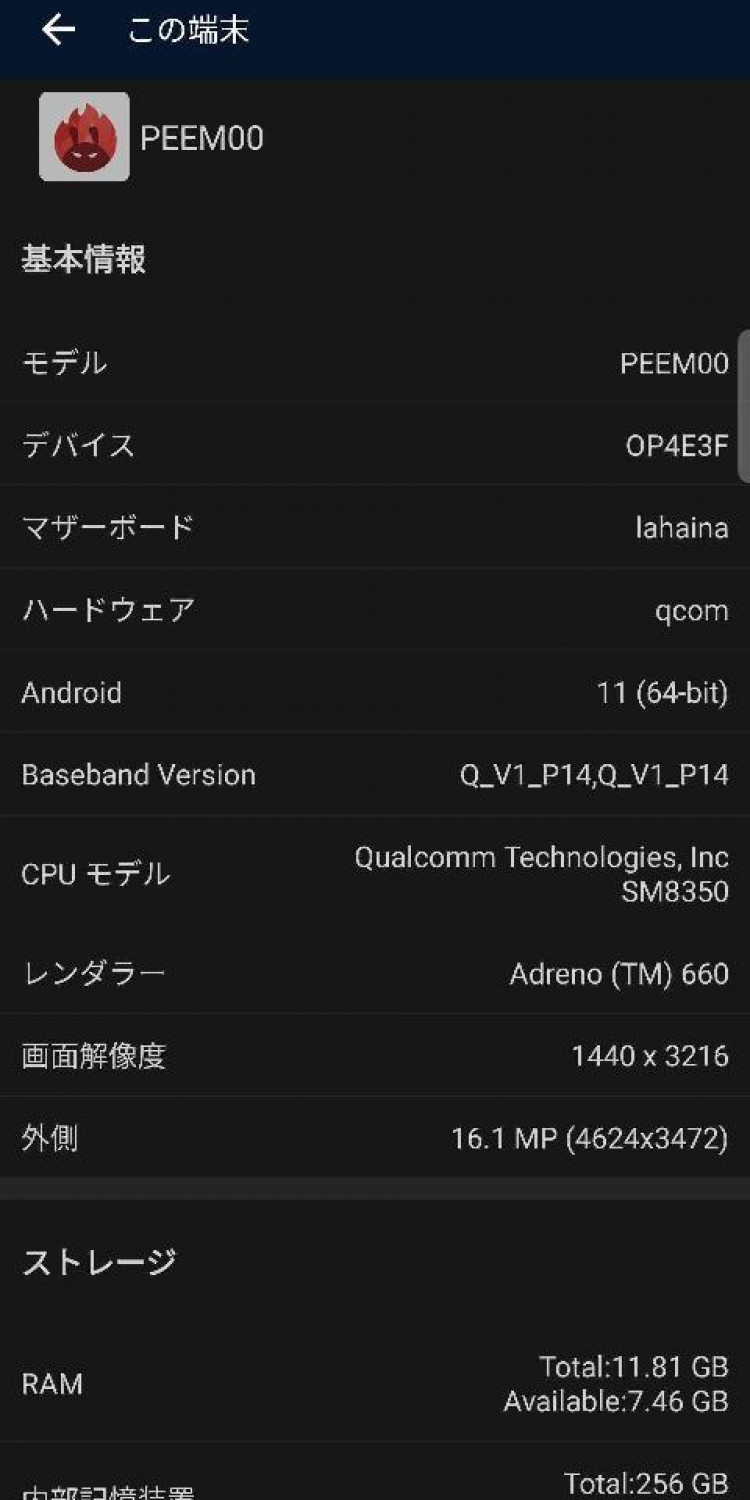
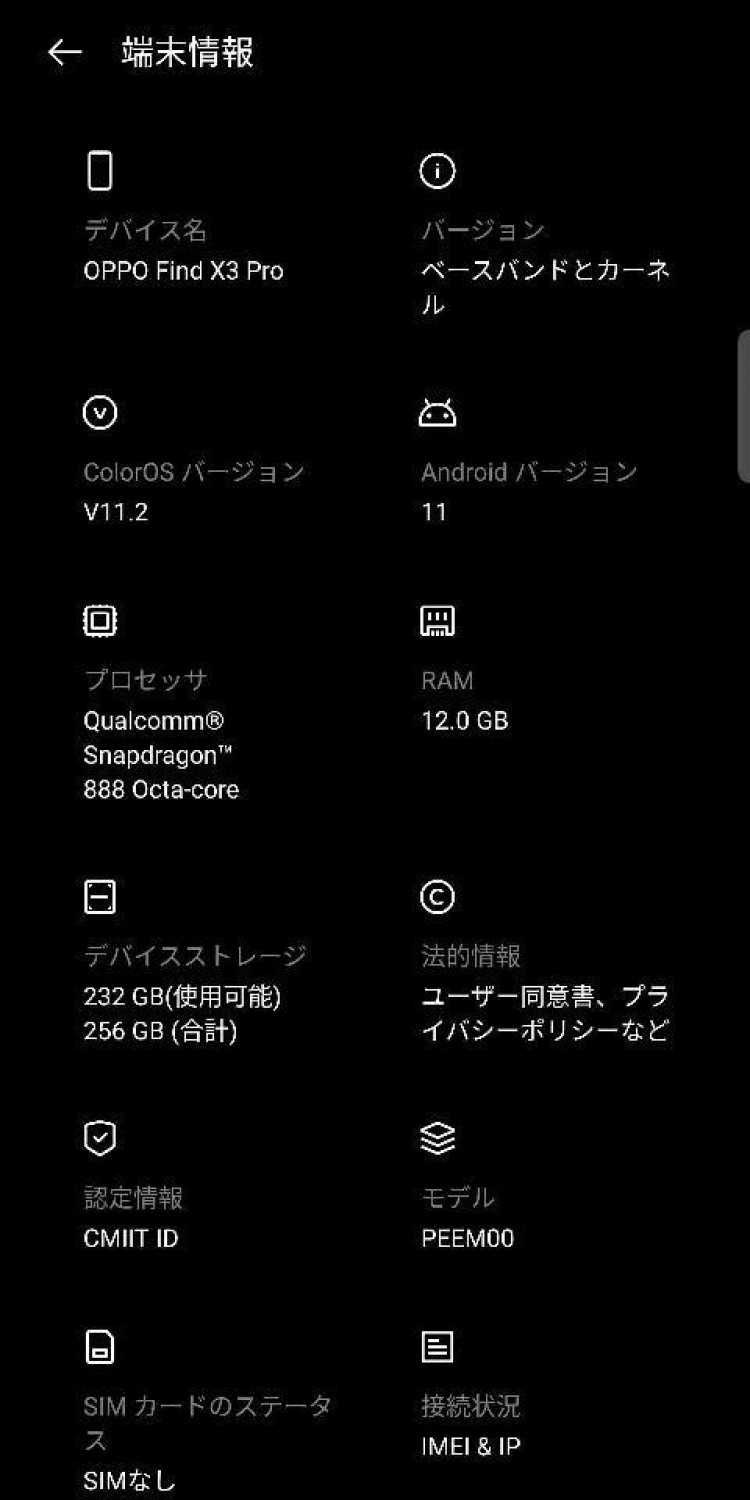
In the latest leak related to the OPPO Find X3 Pro, the smartphone’s key specifications have been revealed. The OPPO phone with a model number PEEM00, which is believed to the Find X3 Pro, has appeared in a cloud-based benchmarking platform.

It reveals that the smartphone will be powered by the latest Qualcomm Snapdragon 888 chipset, which is powering most of the flagship phones launched in recent weeks. The leak also indicates that the phone is running the Android 11 operating system with ColorOS 11.

As for the internals, the device packs 12GB of RAM and 256GB of internal storage. It features an OLED display, measuring 6.7-inch and offers 3216 x 1440 pixels screen resolution and an adaptive refresh rate that ranges from 10Hz to 120Hz.

OPPO Flagship Smartphone
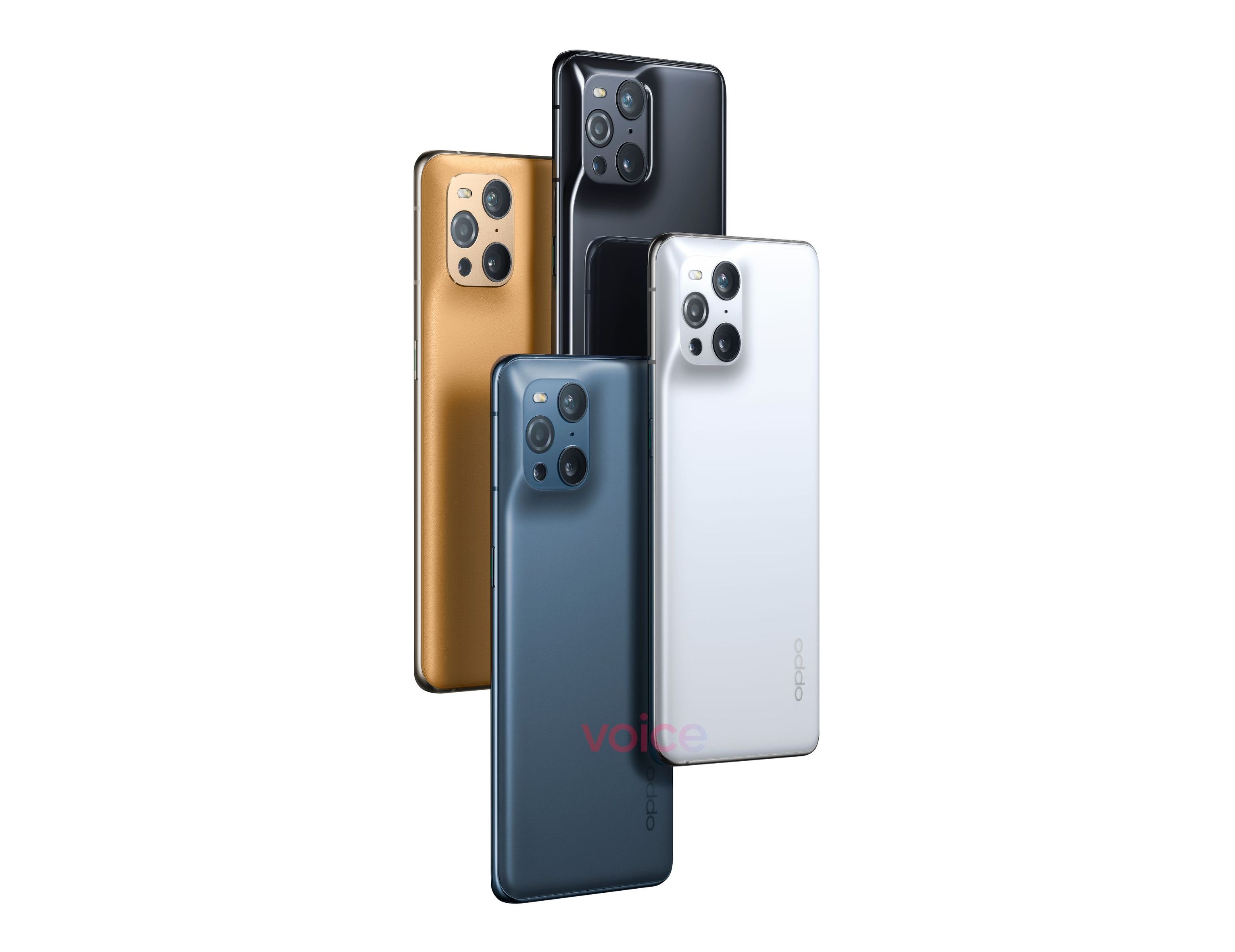
Leaked OPPO Find X3 Pro render by Evan Blass

Coming to the camera department, the device is expected to have a quad-camera setup on the back and will come with features like 25x “microscope” macro zoom. Earlier reports have indicated that the device may pack two 50MP Sony IMX766 sensors.

Prior to this leak, the Find X3 Pro smartphone’s renders were leaked, showcasing the upcoming phone’s design. A few days ago, it passed through the FCC certification process and it was reported that the phone may get launched in March this year.

RELATED: 

Realme X7 Pro 5G full specifications for India emerge on official website

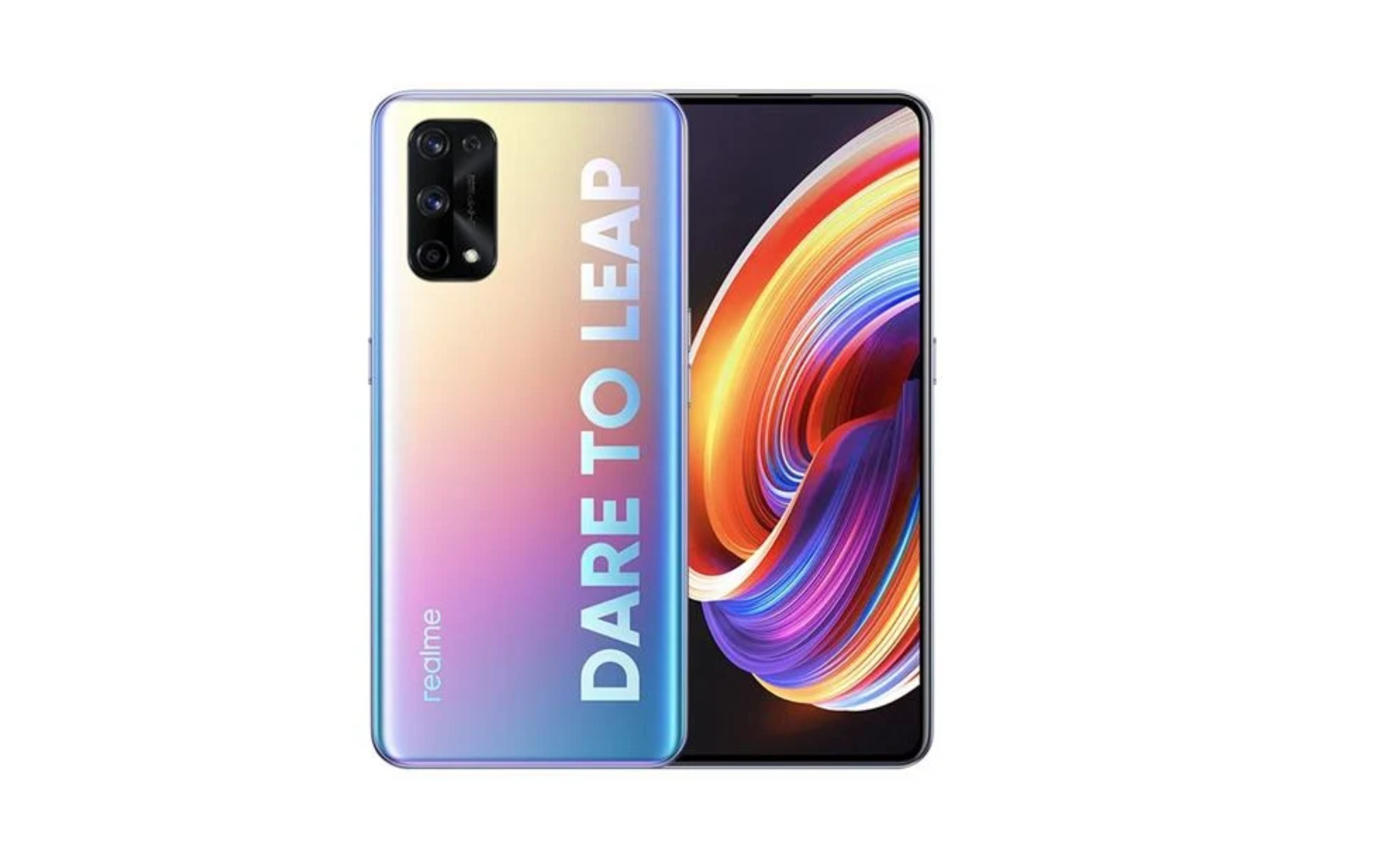
On Thursday, Realme will be launching the Realme X7 5G and Realme X7 Pro 5G smartphones in India. The former is believed to arrive as a rebadged version of the Realme V15 5G phone that went official last month in China. Ahead of the launch, Realme India has officially listed the Realme X7 Pro 5G phone with full specifications and images.

Realme X7 Pro 5G specifications and features

A 6.55-inch S-AMOLED FHD+ display with a 120Hz refresh rate is available on the Realme X7 Pro 5G. After the OPPO Reno5 Pro 5G, it will be the second Dimensity 1000+ SoC powered phone to arrive in India. It has 8GB of LPDDR4x RAM and 128GB / 256 GB of UFS 2.1 storage.

The Realme X7 Pro 5G has a 32-megaixel front-facing camera. The rectangle-shaped camera module has a Sony IMX686 64-megapixel primary camera, a 119-degree 8-megapixel superwide sensor, a 2-megapixel macro lens, and a 2-megapixel B&W lens.

realme-X7-Pro-5G-Featured

The Realme X7 Pro 5G has a 4,500mAh battery to keep the lights on. The handset supports 65W SuperDart charge technology. The handset lacks a microSD card slot and a 3.5mm audio jack. It boots to Realme UI based Android 11 OS. Readers can visit the source link to know to see detailed information on its specs.

Realme X7 Pro 5G variants and color options

The Realme X7 Pro 5G could be coming to India in options like 8 GB RAM + 128 GB storage and 8 GB RAM + 256 GB storage. The smartphone will be available in three hues like Skyline White, Aerolite Black, and Iridescent. It is speculated the highest variant of the Realme X7 5G could be priced at Rs 21,999 (~$301). Hence, it is likely the Realme X7 Pro 5G may arrive with sub-Rs 25,000 (~$342) pricing in the country.

RELATED:

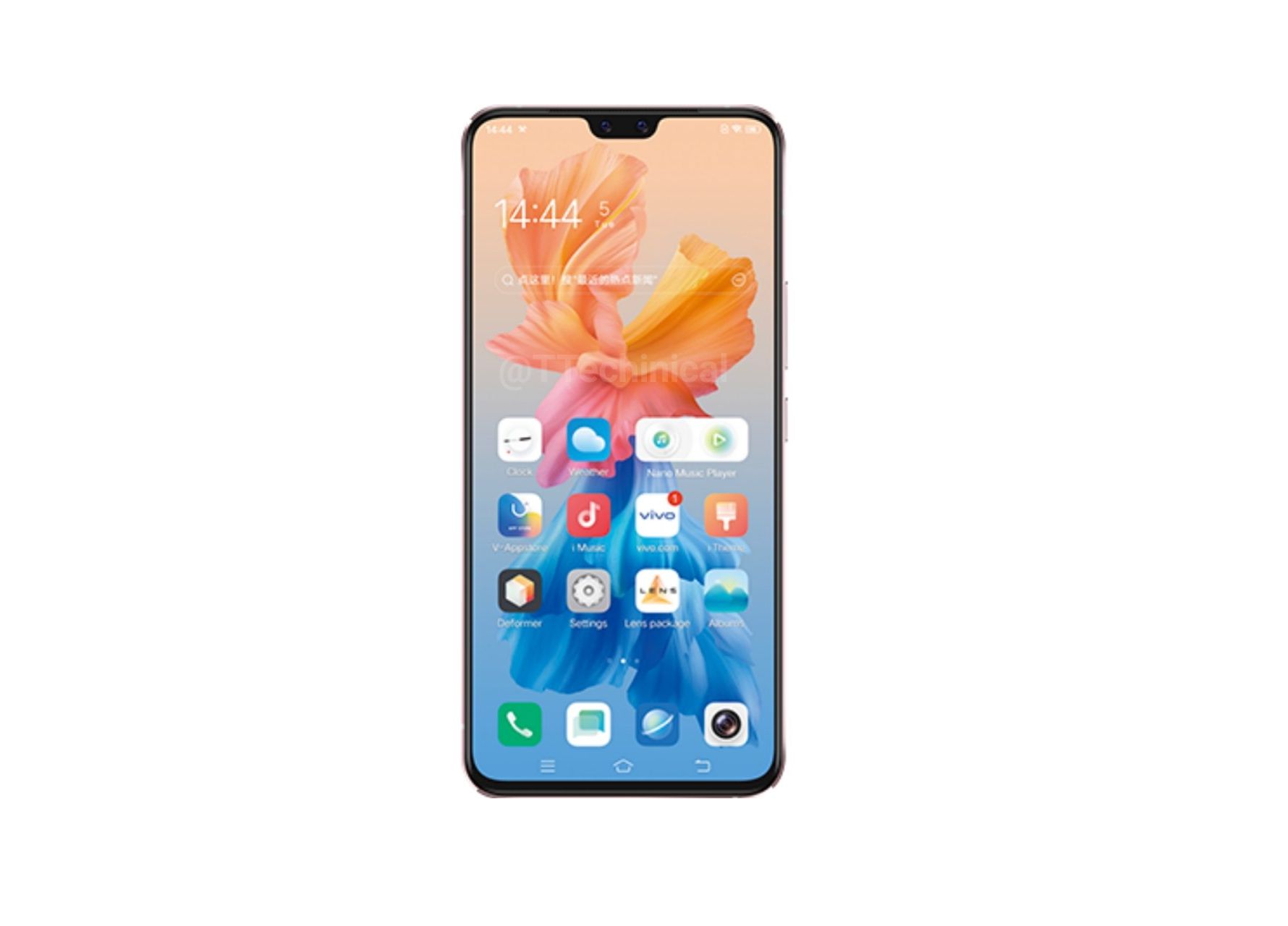
Vivo S9 launch date could be March 6; Dimensity 1100 chipset, 44MP dual selfie camera expected

Vivo is reportedly working on the Vivo S9 5G smartphone. Like the predecessor Vivo S7 5G, it will be a selfie-centric phone. A tipster from China (via) has claimed that the Vivo S9 may go official on March 6. The leakster has also shared the key specifications of the smartphone.

According to the tipster, the Vivo S9 5G will be launching on March 6. The leak claims that the device will be equipped with a 6.4-inch notch screen and it may arrive with a 44-megapixel ultrawide dual selfie camera. Hence, it appears that the Vivo S9 5G may inherit the same 6.44-inch AMOLED screen with wide notch which was made available on the Vivo S7 5G.

The leak claims that the Vivo S9 5G will be coming to the market as the world’s first Dimensity 1100 SoC powered phone. This reminds us of the Vivo V2072A phone that had appeared at the Google Play Console. It was spotted with Dimensity 1100 chip and a wide notch display. Hence, it seems that the V2072A model number may belong to the Vivo S9 5G smartphone.

Vivo V2072A
Vivo V2072A phone is expected to debut as the Vivo S9 in China next month

The Vivo V2072A Google Play Console listing had revealed that it has 12 GB of RAM and Android 11 OS. Like the predecessor model, the device may arrive with up to 256 GB of storage. The other specs of the smartphone are currently under wraps.

In related news, Vivo is likely to soon launch an S-series phone called Vivo S7t 5G. It is rumored to be packed with same specs as the Snapdragon 765G powered Vivo S7 5G. However, the presence of Dimensity 820 SoC is said to be the major difference on the Vivo S7t 5G.

RELATED:

Honor V40 5G smartphone to go on sale in China today; price starts at 3,599 yuan ($557)

Honor recently launched its first major smartphone after splitting from Huawei — Honor V40 5G. The device went on sale in China a couple of weeks ago and in the first sale, all the units were sold out in about three minutes.

Now, the Honor V40 will again be on sale today in China. As for the phone’s pricing, the 8GB RAM + 128GB storage model is priced at 3,599 yuan (approximately $557) while 8GB RAM + 256GB storage model costs 3,999 yuan, which is approximately $619. It comes in three color options — Black, Silver, and Rose Gold.

Honor V40 5G
Honor V40 5G

The smartphone features a 6.72-inch screen with a dual punch-hole design and is the first V-series phone from Honor to feature an OLED panel. The screen offers a Full HD+ resolution of 1236 x 2676 pixels resolution, a 120HZ refresh rate, a 300Hz touch sampling rate, and a DCI-P3 color gamut. The display is also integrated with a fingerprint sensor.

Under the hood, the device is powered by the MediaTek Dimensity 1000+ 5G chipset along with 8GB of LPDDR4x RAM and 128GB or 256GB of UFS 2.1 storage. In the camera department, the phone has a 50-megapixel main camera, an 8-megapixel ultrawide lens, a 2-megapixel macro lens, a laser autofocus unit, and an LED flash.

On the front side, it features a 16-megapixel sensor and a ToF (Time-of-Flight) lens for depth estimation. As for software, the phone runs Magic UI 4.0 based on the Android 11 operating system with GPU Turbo X for graphic acceleration. It has a 4,200mAh battery that carries support for 66W superfast wired charging and 50W fast wireless charging.

RELATED: 

Vivo X60 series smartphones to reportedly launch in India in March or April

In December 2020, Vivo officially launched its flagship smartphone lineup — Vivo X60 series, and shortly after that, the devices were available for purchase in China, with a starting price of 4,998 yuan which is about $778.

A couple of weeks later, the company launched the Vivo X60 Pro+ smartphone powered by the Qualcomm Snapdragon 888 SoC. Now, the smartphone is all set to make its way to the Indian market in the coming months.

vivo X60 Pro Featured 01

As per the report, the X60 lineup, including the Vivo X60 Pro+, could get launched in India in the month of March or April. We expect to get more information about this launch in the coming weeks.

The Vivo X60 Pro+ features a 6.56-inch display that offers a screen resolution of 2376 x 1080 pixels along with a 120Hz refresh rate and 240Hz touch sampling rate. Under the hood, the device is powered by the Qualcomm Snapdragon 888 chipset, paired with 8GB or 12GB of RAM and 128GB or 256GB internal storage.

In the camera department, the phone has a 48MP Sony IMX598 primary camera, a 50MP Samsung GN1 sensor with an f/1.57 aperture, a 32MP f/2.08 portrait camera with a 50mm focal length, and an 8MP f/3.4 periscope camera that has OIS 5x optical zoom and 60x super zoom. On the front, there is a selfie camera of 32MP with an f/2.45 aperture.

The smartphone supports dual SIM, an in-display fingerprint scanner, face unlock, NFC, Bluetooth 5.2 with support for SBC, AAC, aptX HD, and LDAC. It is running OriginOS 1.0 based on Android 11. It packs a 4200mAh battery with support for a 55W flash charge.

RELATED: 

Samsung Galaxy M62 receives NBTC certification, likely to launch soon

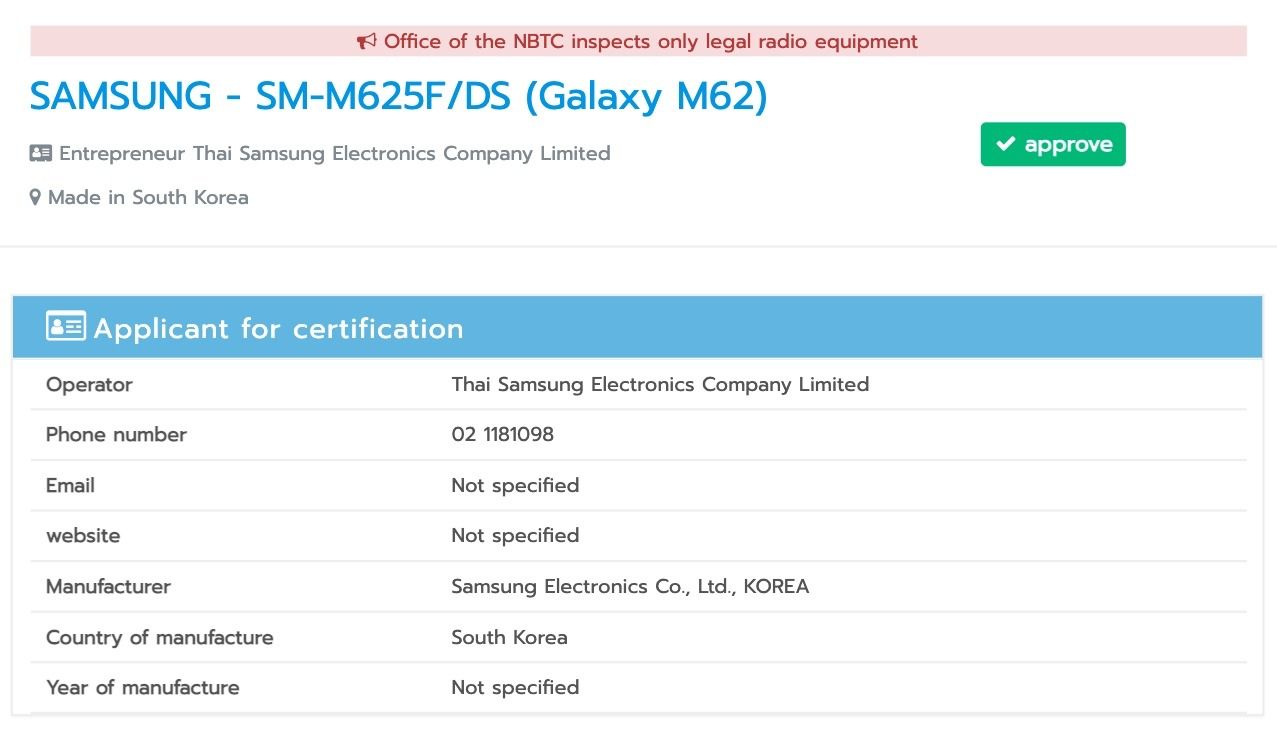
The upcoming Samsung Galaxy M62 smartphone has received certification from the National Broadcasting Telecommunications Commission (NBTC) authority of Thailand (via. Pricebaba). With yet another certification under the belt, it seems that Samsung may soon launch the Galaxy M62 smartphone in different markets.

As usual, the NBTC certification only reveals that the SM-M625F/DS moniker is associated with the Galaxy M62 smartphone and has no information on its specs. The moniker and model number were last seen at the Bluetooth SIG certification. The handset has also received Wi-Fi Alliance approval in the recent past. These certifications show that the Galaxy M62 carries support for Bluetooth 5.0, dual-band Wi-Fi, and Android 11 OS.

Samsung Galaxy M62 NBTC certification

It is believed that Samsung is also gearing up to launch a phone named Galaxy F62. It could be a rebranded version or its specs could be a lot like the Galaxy M62. The SM-E625F/DS model number that belongs to the Galaxy F62 and the SM-M625F model number were both found in FCC certification. It revealed a couple of more specs such as 4G LTE, NFC support, and a 7,000mAh battery with 25W fast charging support.

The Galaxy F62 was spotted with an Exynos 9825 chipset and 6 GB of RAM at the Geekbench benchmarking platform. It is speculated that the device could be equipped with up to 256 GB of native storage. The Galaxy F62 has also bagged certification from the BIS authority of India and its support page is also live on Samsung India’s website.

The leaked shots of the Galaxy F62’s panel revealed that it could be sporting an AMOLED panel with an in-screen fingerprint reader. It could be equipped with a square-shaped camera module. The images revealed the presence of connectivity ports such as a 3.5mm audio jack and a USB-C. Apart from the Galaxy M62 / Galaxy F62 smartphone, the South Korean company is also expected to launch phones like Galaxy F12, Galaxy A72, and Galaxy A52 this month.

RELATED:

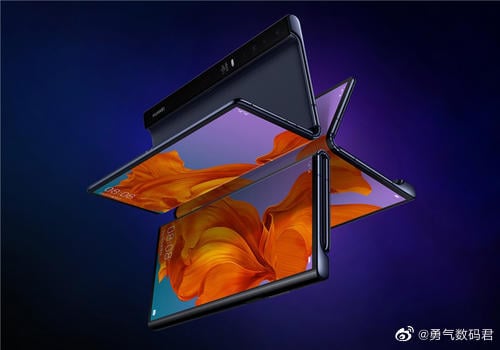
Huawei Mate X2 tipped to launch soon with an in-folding design different from Samsung’s

Despite the US sanctions, recent data released by market research firm Canalys shows that Huawei still leads the smartphone market in China. That could get eroded if the ban on the use of US technology is not lifted by the new US administration. But before that will happen, Huawei still has a fast depleting stockpile of inventory for 5nm chipsets. The company will reportedly be releasing the Mate X2 foldable smartphone soon with a 5nm chip onboard.

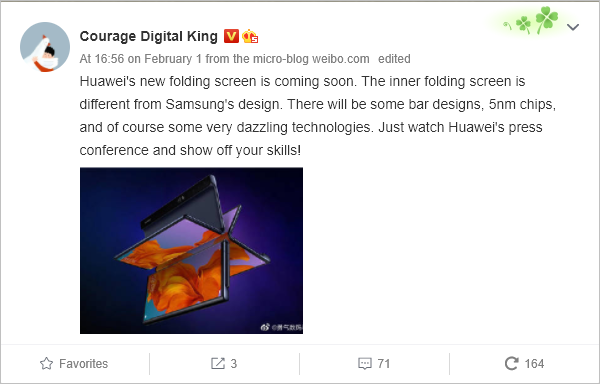
The source of the latest rumor about the Mate X2 is a Weibo tipster named Courage Digital King who hinted that Huawei’s new generation foldable phone models will be released soon, believed to be before the end of February.

The Mate X2 is said to adopt an in-folding design just like what Samsung utilized on its own foldable phones. However, the tipster disclosed that Huawei’s in-folding design is different from that of Samsung.  Also, the phone is said to pack a 5nm chipset that is believed to be the Hisilicon Kirin 9000 series. Expect the flagship device to also have “some very dazzling new technologies” onboard.

The Mate X2 foldable phone was earlier reported to have passed the network access audit of the Ministry of Industry and Information Technology (MIIT) and China’s 3C certification.

According to available details, the device will have a dimension of 161.8×145.8×8.2mm. It will also feature an 8.01-inch main display while the secondary screen size is 6.45 inches. The main screen will have a resolution of 2480×2220 pixels and a 120Hz refresh rate. The display will be supplied by Samsung and BOE.Huawei Mate X2

The premium foldable phone is also expected to pack a built-in 4400mAh battery, and supports 66W super flash charging. Further, it will not use UTG (ultra-thin glass), but choose scratch-resistant CPI (colorless) polyimide.

In other respects, the machine is expected to be equipped with support Bluetooth 5.1 and run EMUI 11 based on Android 10.

RELATED;


AMD reportedly looking to outsource its GPU & APU production to Samsung

Samsung Semiconductor Inc is the subsidiary of Samsung Electronics responsible for the manufacture of semiconductor solutions. The brand may not be the biggest player in the field as there is TSMC but the Korean tech giant is investing heavily in its foundry business in a bid to win more clients. Samsung is in competition with TSMC, the world’s largest contract manufacturer of chipsets. TSMC’s inability to meet demand has enabled Samsung to corner some of the orders originally intended for TSMC.Samsung M-series

Companies are now exceedingly looking toward Samsung for their production needs and AMD reportedly finds itself in a similar position. As indicated by another report, the organization is hoping to re-appropriate its GPU and APU creation to Samsung. TSMC as of now handles the total of AMD’s orders.

TSMC’s assembling hubs stay popular. Apple remains its greatest client and it supposedly made sure about TSMC’s full 5nm limit the previous summer. TSMC’s 3nm hub is additionally expected to be utilized essentially for Apple. AMD is dependent on TSMC for the assembling of its Ryzen CPU/APU arrangement and Radeon GPUs just as its chips for gaming consoles and server farms. It needs to make sure about extra creation limit to not face interruption in the provisions of its items that are in demand. Word on the street in South Korea is that AMD is considering re-appropriating a lump of its CPU and APU creation to Samsung.AMD Logo

On the off chance that that is undoubtedly the situation, AMD could be the primary organization to use Samsung’s 3nm node. There’s no official confirmation of this as of now. However, it’s altogether inside the domain of plausibility. It is an obvious fact that TSMC can’t keep up with orders. Along these lines, Samsung is in an incredible situation to win clients who can’t make sure about the limit at TSMC. Samsung and AMD likewise have a current relationship. The two are dealing with a custom portable GPU that will be used for impending Samsung Exynos processors.

RELATED;

(source, via)


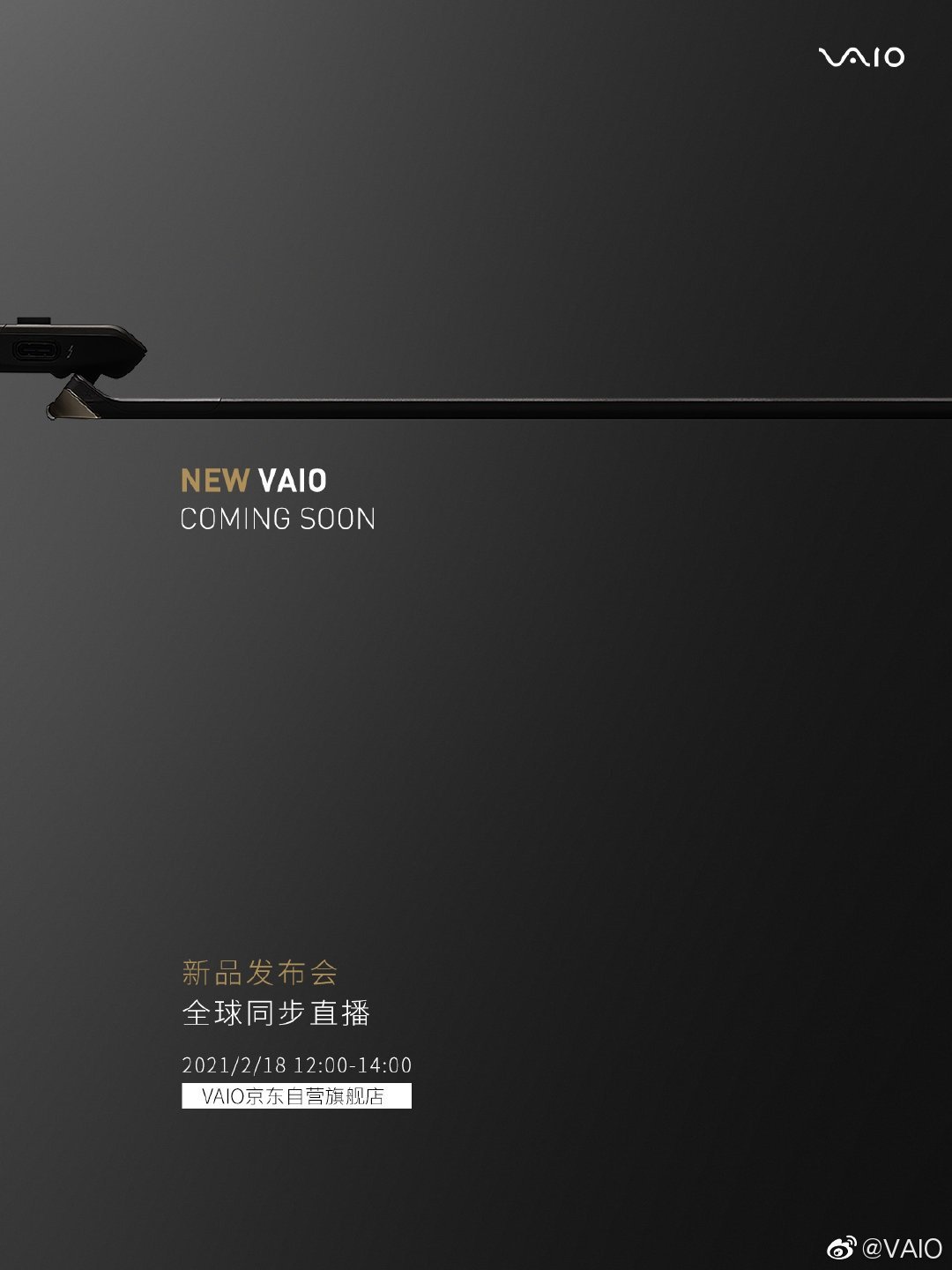
VAIO releases a teaser poster pointing at a new Z series launch on February 18

Notebook brand VAIO has released a poster on Monday indicating that it will hold a press conference on February 18. The conference will be held from 12:00 to 14:00 GMT+8 and will be broadcast live globally. Although the company didn’t announce the name of the product, the teaser shows a thin and light notebook with a sunken screen hinge and a very thin body may debut on that day.vaio

It can be seen from the poster that the hinge part of the new notebook is similar to the letter “Z”, so the new product to be released is expected to be the VAIO Z series. The new series is expected to be equipped with an OLED screen.

The VAIO brand previously belonged to Sony and became a separated entity from Sony Group in 2014 after it was sold. The brand did not enter the Chinese market due to market reasons after its independence but decided to return in August 2017.

Previously, a Weibo tipster @ZACKBUKS had rumored previously that “the new VAIO Z is coming.” This teaser poster just officially confirmed that rumor. VAIO Z series notebooks have not launched new products for a long time. This series is the flagship thin and light notebook. It has high-density packaging technology and heat dissipation design technology. The high-density layout of electronic components on the motherboard minimizes the size of the motherboard.

Furthermore, the heat dissipation system of the VAIO Z series notebooks is also the key to achieving high performance and efficient heat dissipation. Special cooling fans and heat dissipation ducts are used, and low-frequency speed units that can be independently controlled are used to prevent resonance and suppress noise.

We bring you more details of the product when it is officially unveiled.

RELATED;

(via)


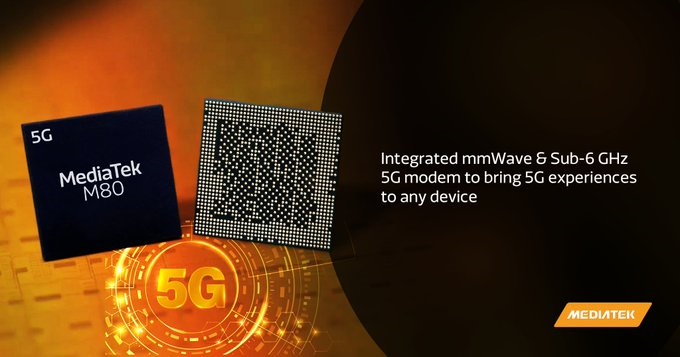
The new Helio M80 is MediaTek’s first modem to support mmWave

MediaTek has been churning out a lot of 5G chipsets but none of these processors have support for the mmWave spectrum. The Taiwanese semiconductor company has now announced a new modem called the Helio M80, and it has support for mmWave.

MediaTek Helio M80 5G modem

The Helio M80 is the successor to the Helio M70 modem found inside the Dimensity 1000 series. The new modem not only brings support for mmWave networks but also touts faster uplink (3.76 Gbps) and downlink (7.67 Gbps) speeds. That is a big boost over the Helio M70’s 2.5Gbps and 4.7Gbps uplink and downlink speeds respectively.

MediaTek says in the press release that the new modem supports both non-standalone (NSA) and standalone (SA) architectures, dual 5G SIM, dual 5G NSA and SA networks, and dual Voice over New Radio (VoNR). Below is the full list of radio access technologies that the modem offers:

  • 3GPP Release 16 standard
  • Sub-6 GHz and mmWave dual connectivity and carrier aggregation
  • 5G NR (FR1) with carrier aggregation
  • 5G mmWave (FR2) up to 8CC
  • 5G carrier aggregation with Mixed Duplex (TDD + FDD)
  • Dynamic spectrum sharing (DSS) ready

The Helio M80 modem also comes with MediaTek’s UltraSave technologies for power-saving. ”The UltraSave Network Environment Detection and UltraSave OTA Content Awareness technologies dynamically adjust power configuration and operating frequency based on the network environment” says the press release. MediaTek adds that the modem will regularly remain powered in connected standby even when there is no data activity thanks to its Connected Mode DRX technology.

The new modem will reach customers later this year, so there is a chance we may see it in a processor before the end of 2021. MediaTek also has two other 5G modems that should appear on devices this year. There is the MediaTek T700 which will power 5G PCs launching this year and there is the MediaTek T750 that is designed for fixed wireless routers and mobile hotspot devices.


RELATED:

Prices of mobile phones, accessories may increase as India hikes customs duty

The Indian government has just released its budget report for 2021-2022. One of the highlights of the budget presentation is the announcement of a 2.5% increase in customs duty on some mobile phone parts and power banks to stimulate local capacity and enhance value addition in the electronics segment.

From April 1, 2021, the new rule will come into force. Areas affected are parts for manufacture of specified parts of mobile phones, like Printed Circuit Board Assembly (PCBA), Camera module and  Connectors and Inputs, parts and sub-parts for the manufacture of Lithium-ion battery and battery pack are among the parts that will now get a 2.5% customs duty. Previously, these parts were exempted from custom duty payments.

The Indian government is also increasing the import duty of Printed Circuit Board Assembly and Moulded Plastic, for the manufacture of charger or adapter by 5% from 10% to 15% and duty of Inputs and parts [apart from PCBA and moulded plastic] of the mobile charger from 0% to 2.5%. This will be applicable from tomorrow, February 2nd, 2021.

This policy is bound to lead to an increase in the prices of mobile phones, as well as a few other accessories and power banks that use imported parts, especially the Apple iPhone. 

Finance Minister Nirmala Sitharaman stated that the country has made progress in supporting local capacity, as domestic electronic manufacturing continues to grow. He stressed that India now exports mobile phones and chargers. 

It remains to be seen, however, what the impact of this new policy will be. In the short term, the impact may be felt in the increased costs of imported phones and some other affected accessories. However, this could also help fast track the growth of local manufacturers to become global players in the coming years.

RELATED;

(source)

MediaTek corners components supply from Apple for Beats headphones

Taiwanese fabless semiconductor company, MediaTek has just made a big entry into Apple‘s supply chain for Beats headphones, according to sources familiar with the matter. Apple is the parent company of Beats and its headset factories.

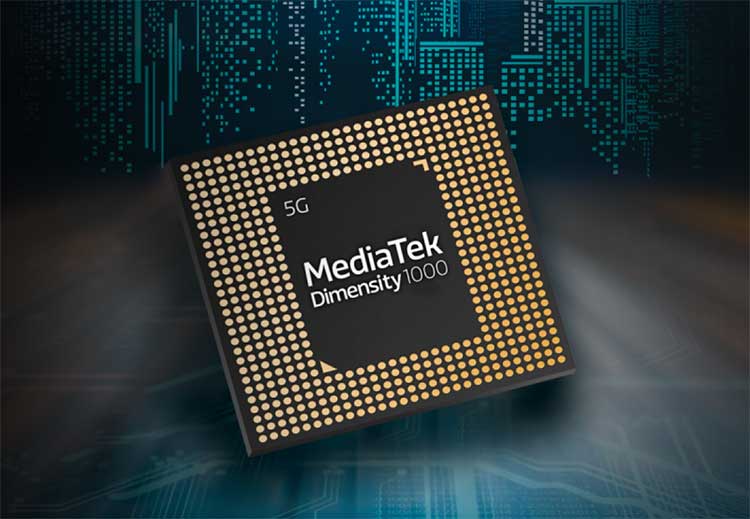
MTK Dimensity 1000
MediaTek Dimensity 1000

MediaTek was chosen by Beats to produce some important components for its headphones, according to reports. This is the first time MediaTek has had this kind of supply collaboration with Apple as a sole supplier of some components for Apple’s products. At this time, it is yet unclear what specific components the company will be supplying.
It is expected that the first orders from Apple will ship as early as February 2021 -that is according to industry insiders.

In spite of Apple’s discontinuation of the inclusion of headphones inside the iPhone’s package, the company continues to expand its product offering and its range of Beats headphones.

Early estimates point out that close to 200 million iPhones will be sold this year, translating to a similar figure for Apple-branded Beats headphones, in addition to other segments of the market demanding the product. The implications of this huge sales outlay from the perspective of Media Tek is that it will expand its business outlook of the rising company.

MediaTek is a Taiwanese semiconductor company that manufactures chips for wireless communications, high-definition television, smartphones and tablet computers, navigation systems, and a wide array of products. Media Tek claimed a 14% market share of worldwide smartphone sales in 2017. It produced about 1.5 billion devices in 2018.

Apple is a global leader in smartphones, tablets, and PC production and sales. Its flagship products, the iPhone and iPad have enjoyed a tremendous amount of patronage and goodwill in recent years. Its smart wearables lineup of fitness devices and the Apple AirPods are a few other areas where the US company has had a strong performance.

RELATED:


Grab Vamvo L6200 Video Projector for just $156.76 at Amazon (Coupon)

Watching your favorite content on the big screen makes it much more exciting and entertaining. To help you get this experience, Amazon US has recently offered a massive discount on Vamvo L6200 Video Projector and can be brought for only $156.76. Interested users can click on the $30 coupon on the Amazon webpage to avail this offer.Vamvo L6200 Video ProjectorVamvo L6200 Video Projector has a resolution of 1920 x 1080p and a contrast ratio of 8000:1 that produces 80% brighter and 50% crisp images. It boasts an energy-saving feature that reduces power consumption and extends the battery life of up to 50,000 hours. The cooling system prevents overheating while its distinctively designed fan diminishes the noise for seamless use. It supports ports like HDMI, USB, VGA, AV, micro SD card, and an audio jack of 3. 5mm. This means the user can connect devices like laptops, Blu-ray players, gaming consoles, or any streaming device.

Vamvo L6200 Video Projector can be basically used as a home theatre for a seamless viewing experience. Currently, it is being sold at a discounted rate of $156.76 on Amazon.us. Interested users can add an on-screen coupon worth $30 to redeem this offer. The deal is only valid for a limited time, so make the most of it while it lasts.