Advertisement

Samsung Galaxy S21 Series: Expected Specs, Features, and Price ahead of January 14 launch

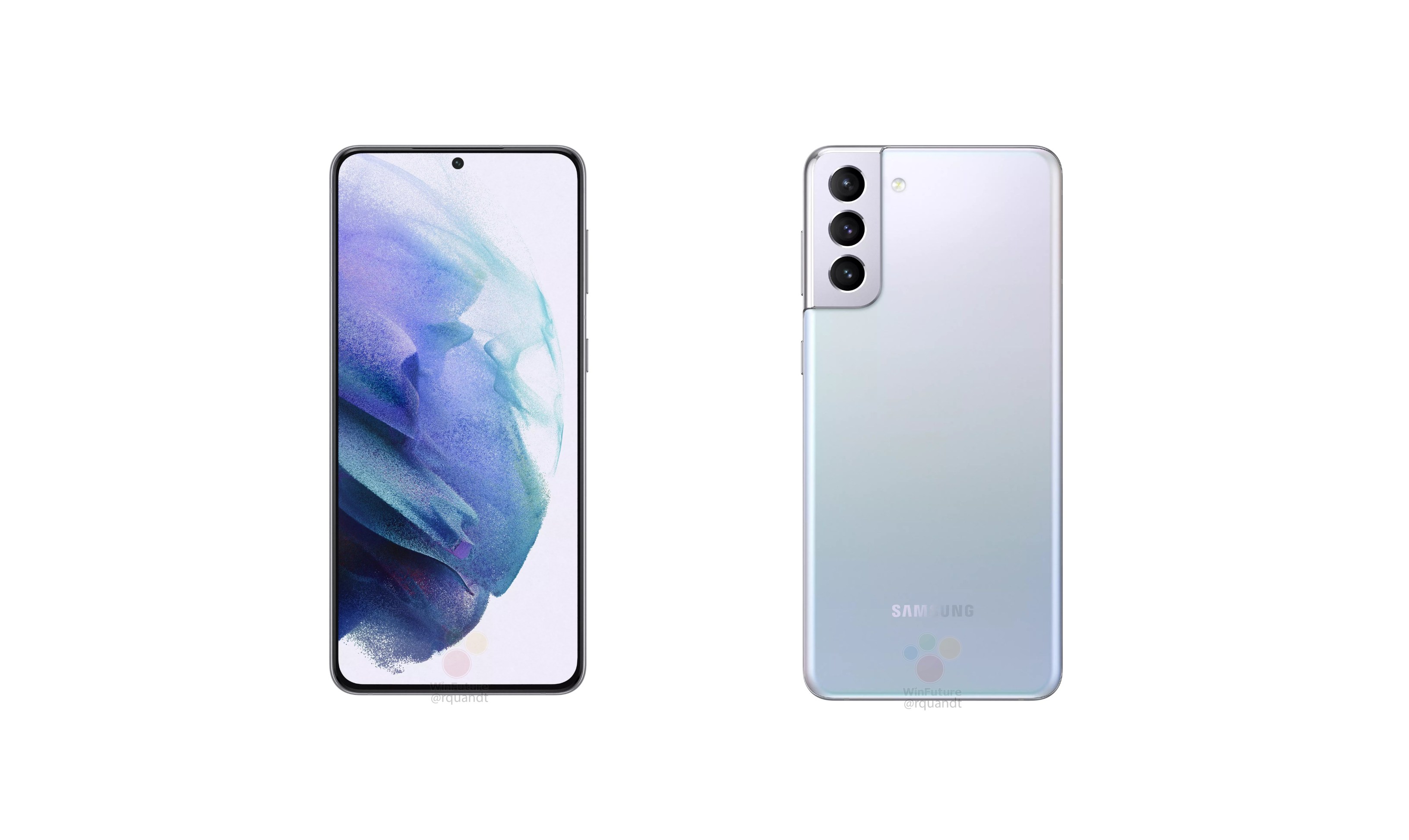
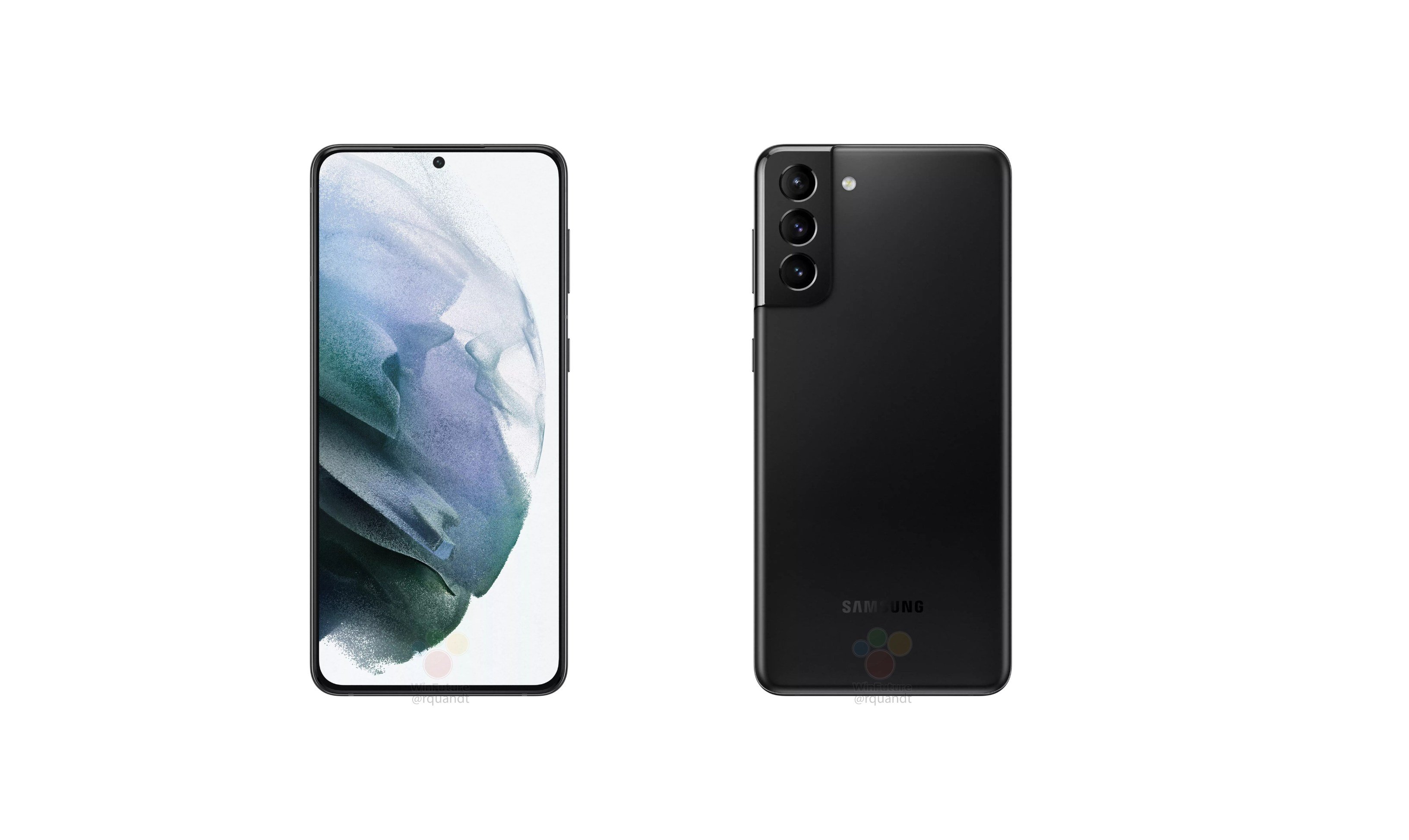
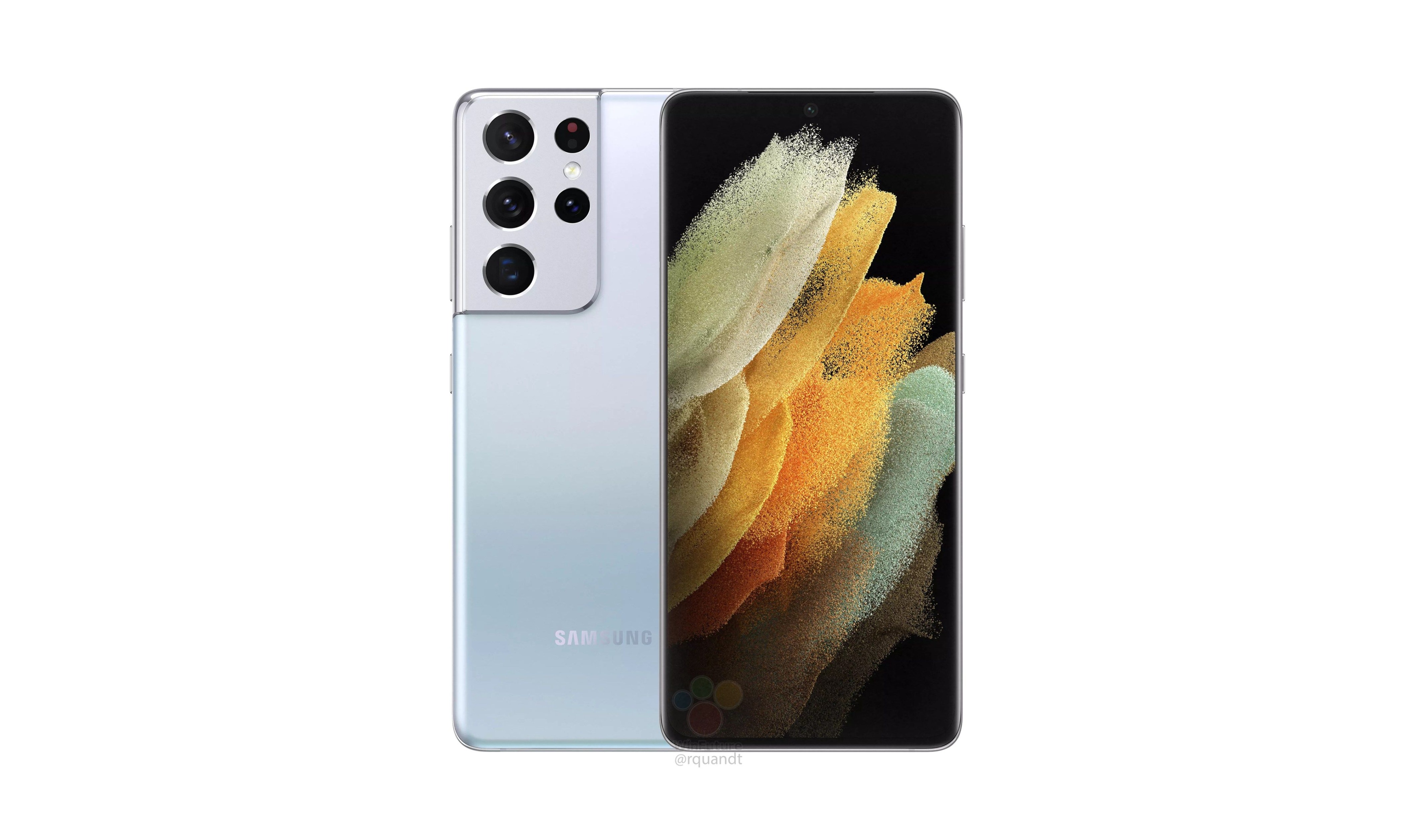
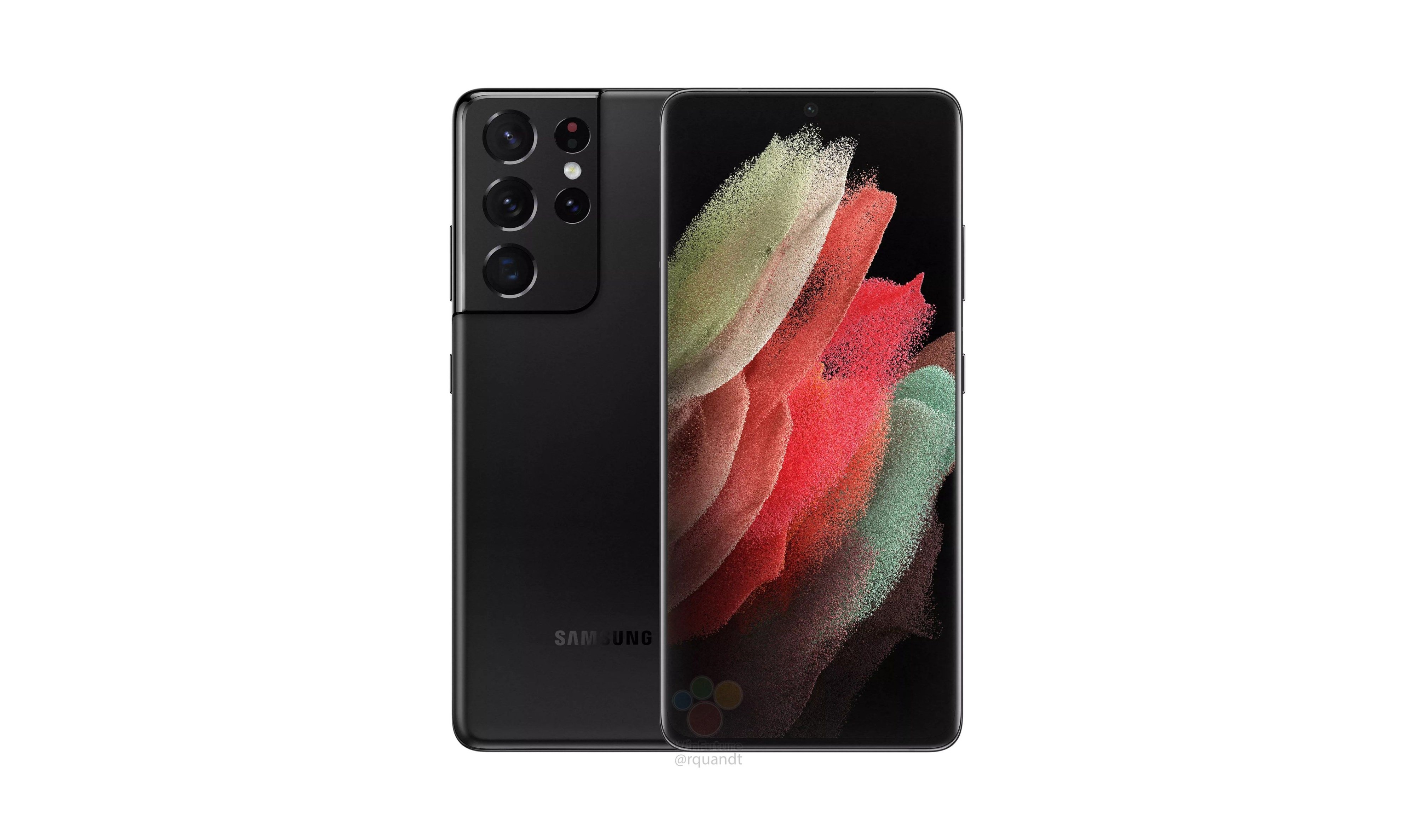
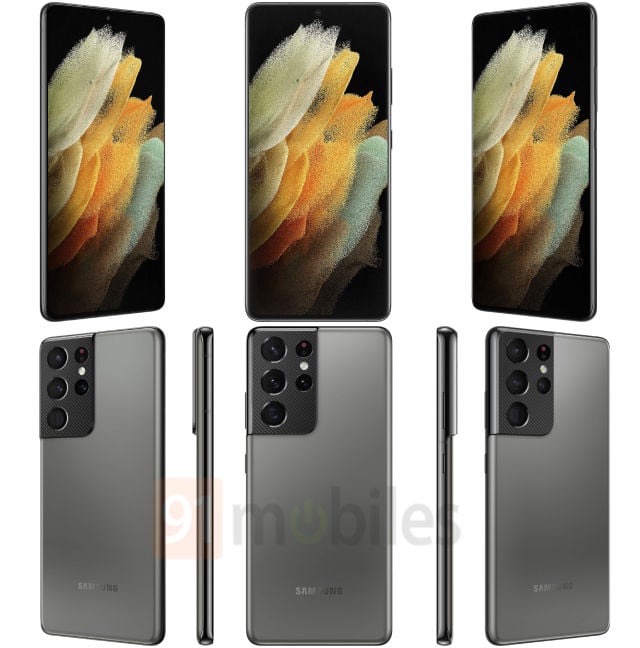
Samsung will definitely be the showstopper in a couple of days. The company has already unveiled its next-gen flagship Exynos 2100 SoC. The next stop is the Galaxy S21 series consisting of Galaxy S21, Galaxy S21+, and Galaxy S21 Ultra 5G smartphones. Samsung has already confirmed an Unpacked event on January 14 at 10 AM EST/8.30 PM IST/11 PM Beijing Time. Ahead of the event, let’s look at the devices’ Expected Specs and Price.
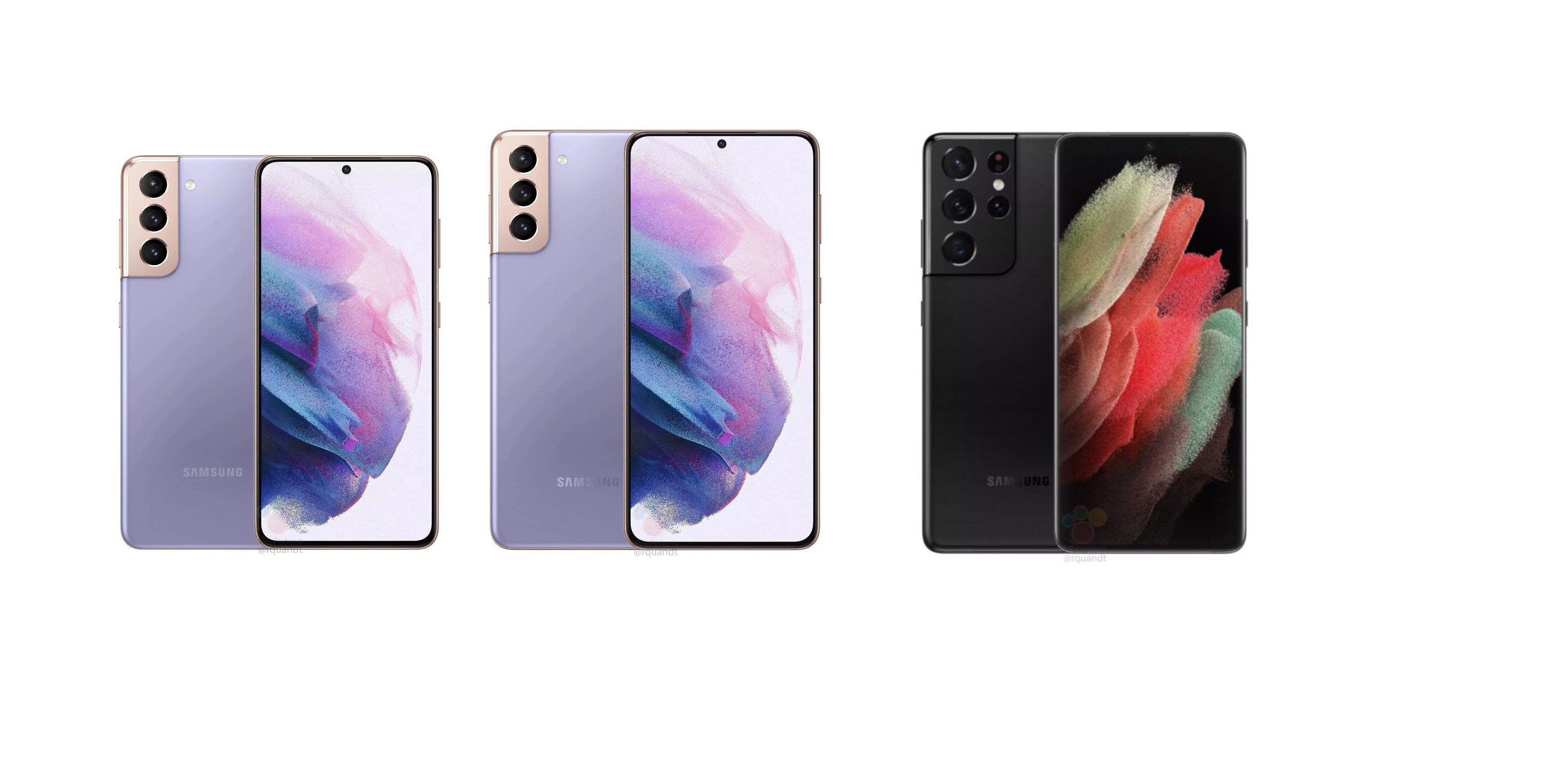
Galaxy S21 Series- What is Changing?

So far, from the leaked reports, we can spot three major changes with the Galaxy S21 series: Plastic Build on the Vanilla Galaxy S21, Revamped Camera layout, and S-Pen support on the S21 Ultra. Rest assured, the entire series will probably carry over the legacy of premium flagships with Exynos 2100(Rest of the World)/Snapdragon 888(US, China) chipsets, high-performance LPDDR5 RAM, UFS 3.1 storage.

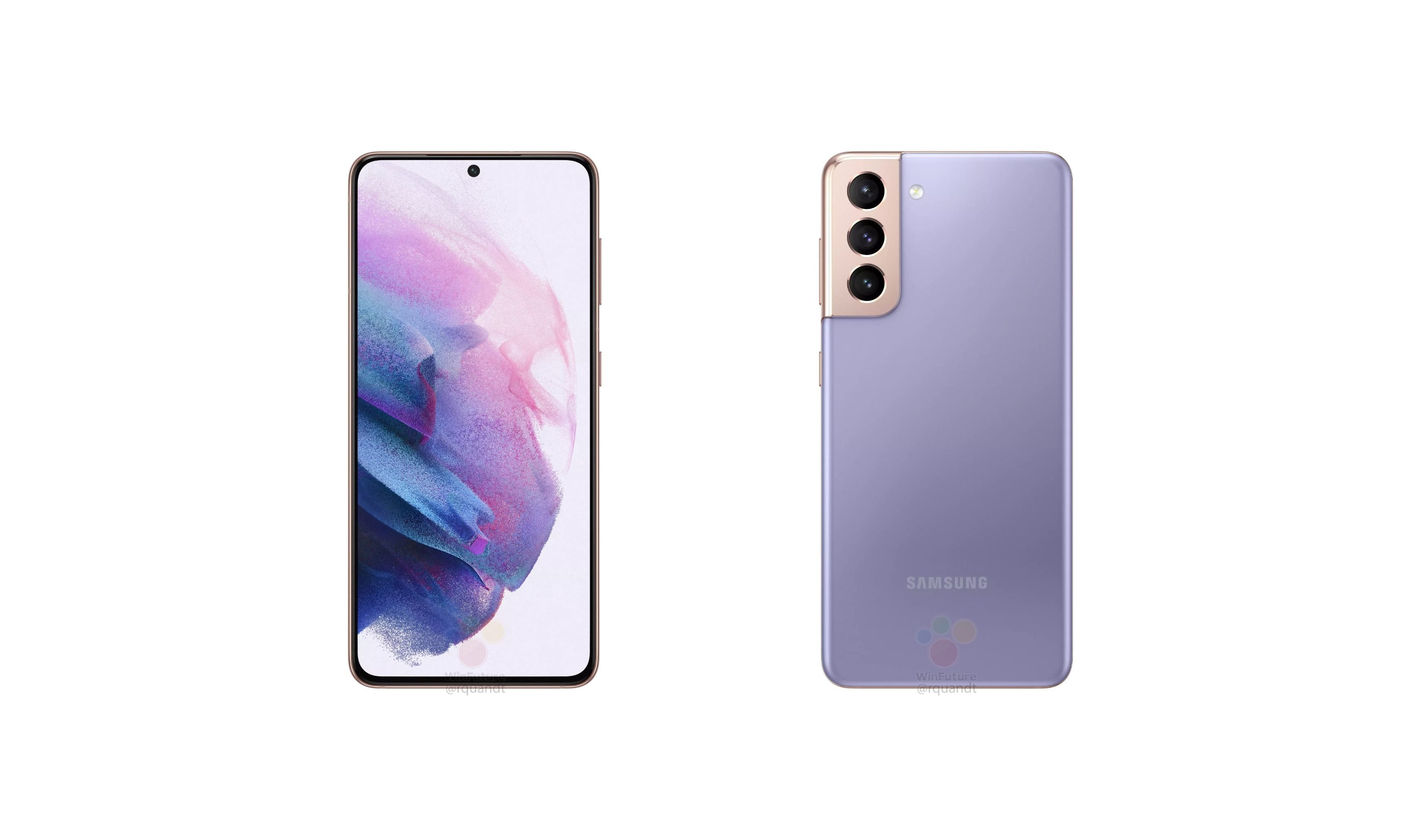
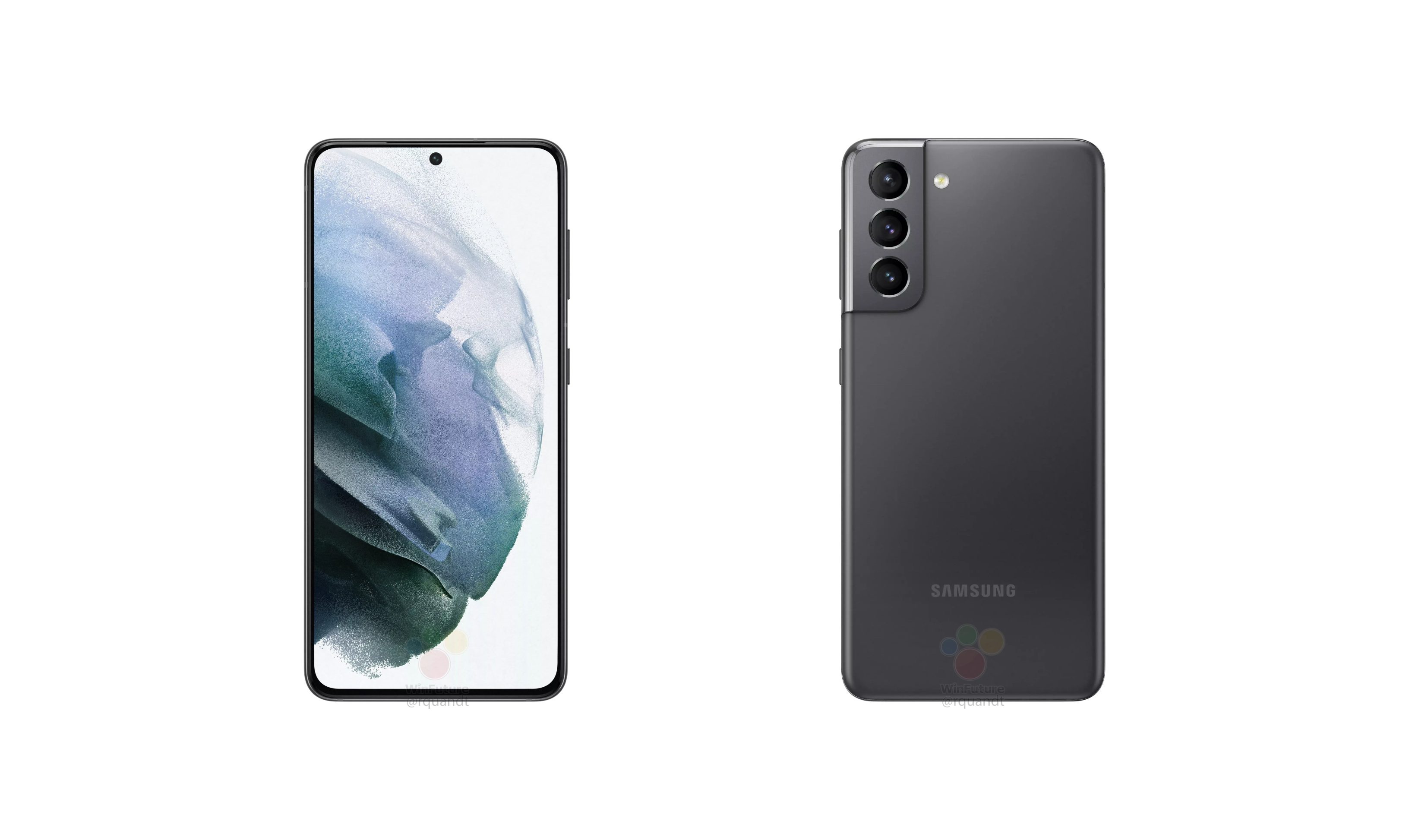
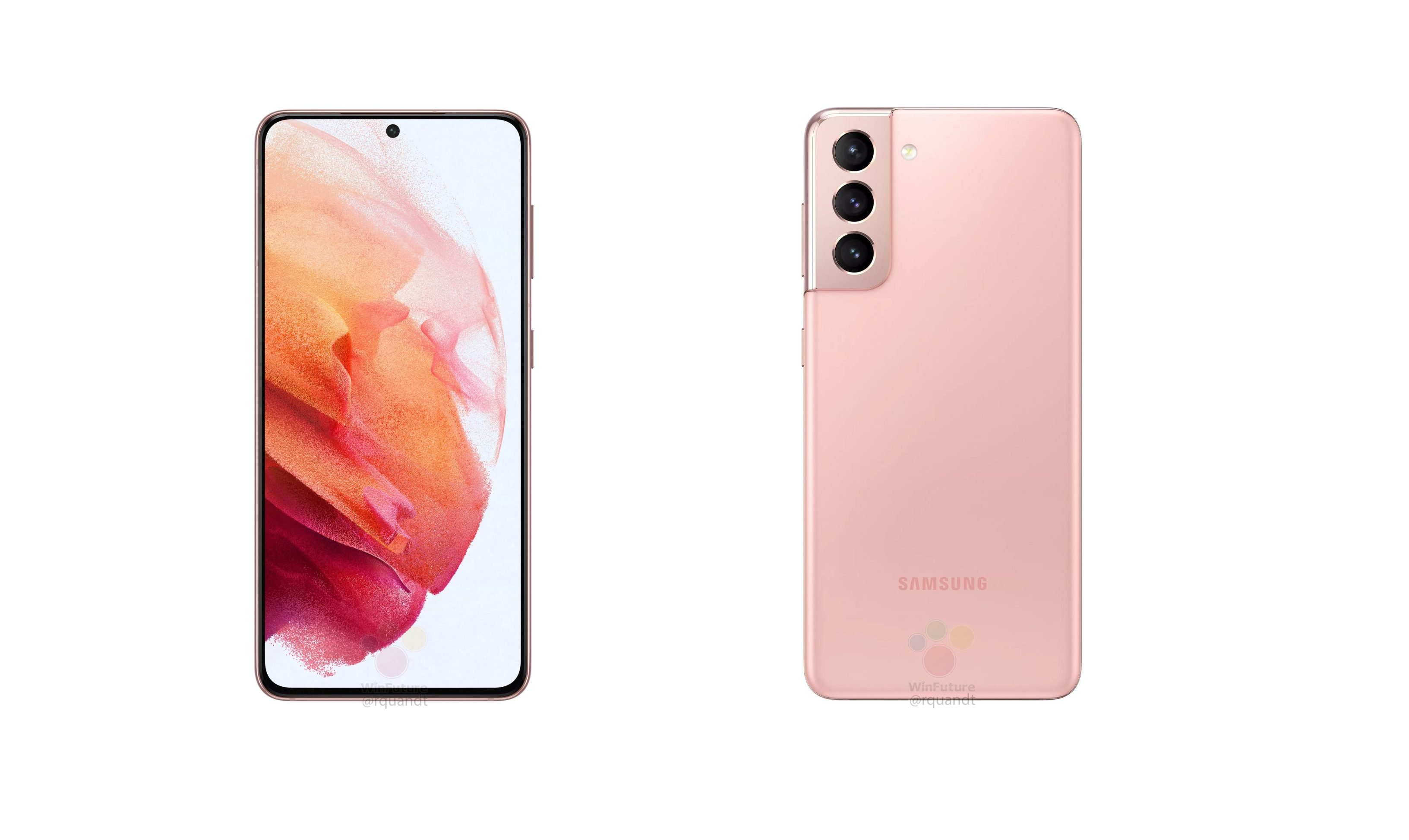
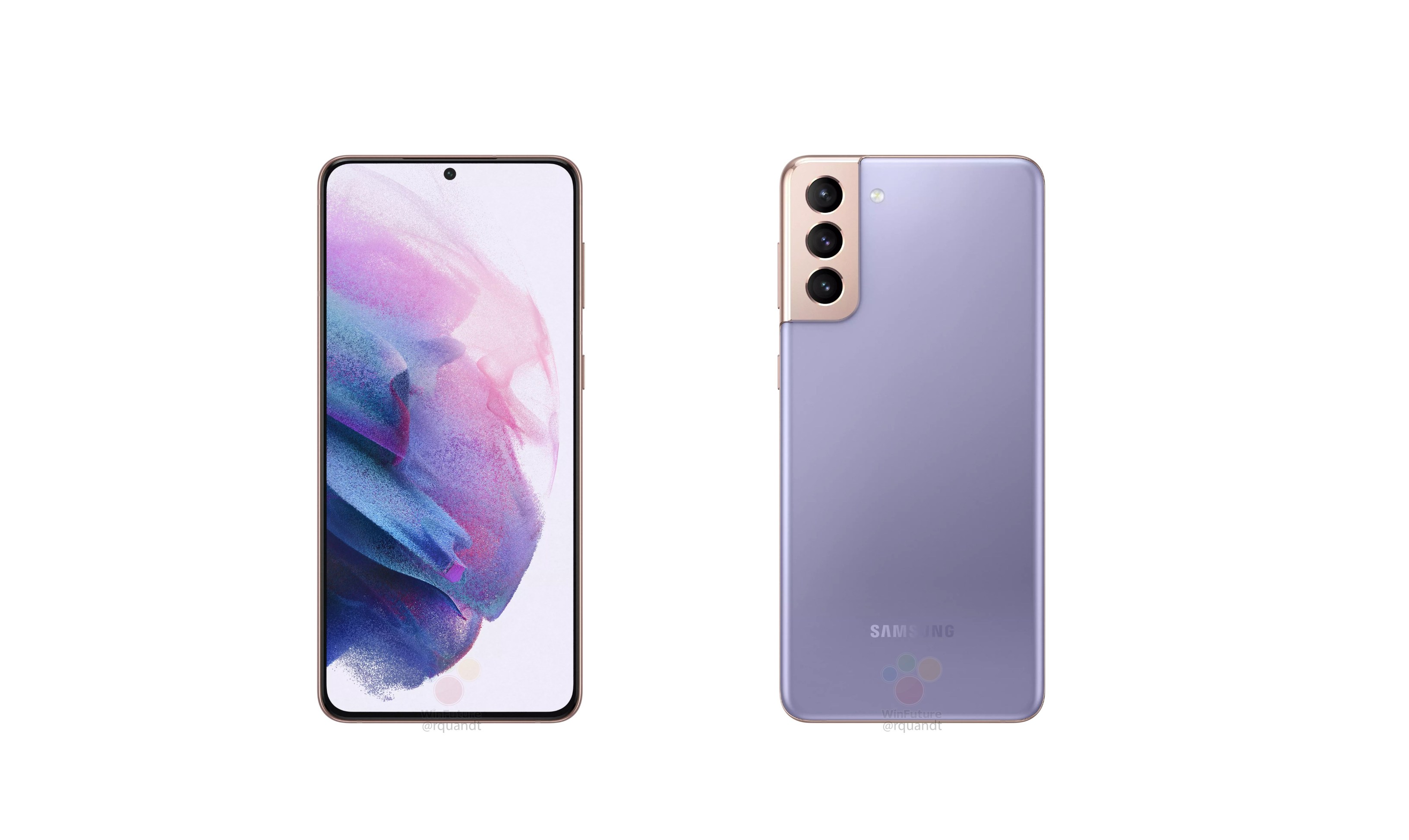
At the front, there will be a centered punch-hole display(Infinity-O) that could be protected by Corning Gorilla Glass Victus. However, you get to lose a few perks like a MicroSD slot(except for the Ultra), in-box Adapter, and earphones. That said, you can also look at the official wallpapers, video teasers, cases(back covers), and the leaked Over The Horizon Theme of the upcoming series.

Samsung Galaxy S21 5G and S21+ 5G: Expected Specifications
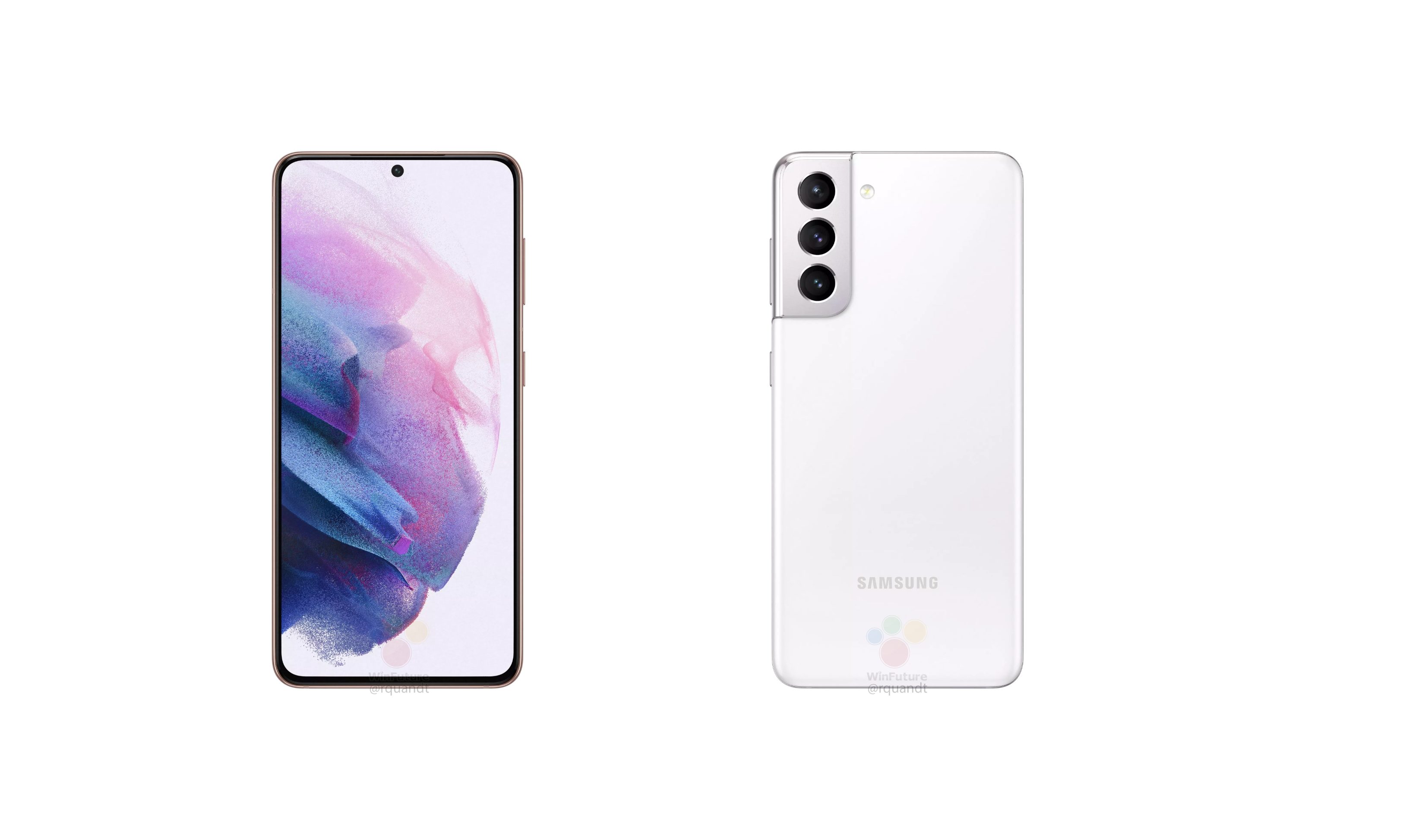
  • Build: Plastic Rear Panel(Galaxy S21), Glass Back(S21+), Metal Mid-frame, Gorilla Glass Victus Protection, IP68 Water and Dust Resistance.
  • Dimensions & Weight
    •  Galaxy S21:  151.7 x 71.2 x 7.9 mm / 171g
    • Galaxy S21+: 161.4 x 75.6 x 7.8 mm / 202g
  • Colors:
    • Galaxy S21:  Gray, White, Pink, Purple
    • Galaxy S21+: Silver, Black, Purple
  • Display: 
    • Galaxy S21: 6.2-inch Dynamic AMOLED 2X Infinity-O Flat display. FHD+ Resolution(2400×1080 pixels), 60 to 120Hz refresh rate, 1300 nits brightness, 421 PPI.
    • Galaxy S21+: 6.7-inch Dynamic AMOLED 2X Infinity-O Flat Display, 2400x1080p resolution, 1300 nits brightness, 60-120Hz refresh rate, 394 PPI.
  • Cameras(S21, and S21+):
    • Rear Triple-Camera: 64MP f/2.0 Telephoto with OIS, 12MP f/1.8 wide-angle Primary with OIS, 12MP f/2.2 Ultra-wide with 120° FOV.
    • Front Camera: 10MP f/2.2 with 80° FOV.
    • Camera Features: Video: 8K at 30fps, 4K at 60fps, 3x Hybrid Optical Zoom, AutoFocus PDAF, and LED Flash.
  • Battery & Charging:
    • Galaxy S21: 4,000mAh
    • Galaxy S21+: 4,800mAh
    • Charging: 25W Wired, Qi(Wireless), Wireless PowerShare(Reverse Wireless Charging).
  • Connectivity: Bluetooth 5.0, USB Type-C, NFC, WiFi AX(Wi-Fi 6), 5G, 4G LTE/3G (UMTS)/2G(GPRS & EDGE).
  • Essential Sensors: Accelerometer, Proximity detection, Gyroscope, Compass, Hall sensor, Ambient Light, and UWB(only on S21+).
  • Operating System(OS): One UI 3.1 based on Android 11
  • Other Features: Parental Controls, Samsung Knox Security, ANT+, Dual-SIM slot, Ultrasonic in-display Fingerprint sensor, Stereo speakers, and Face Unlock.


Galaxy S21 Ultra 5G: Expected Specifications
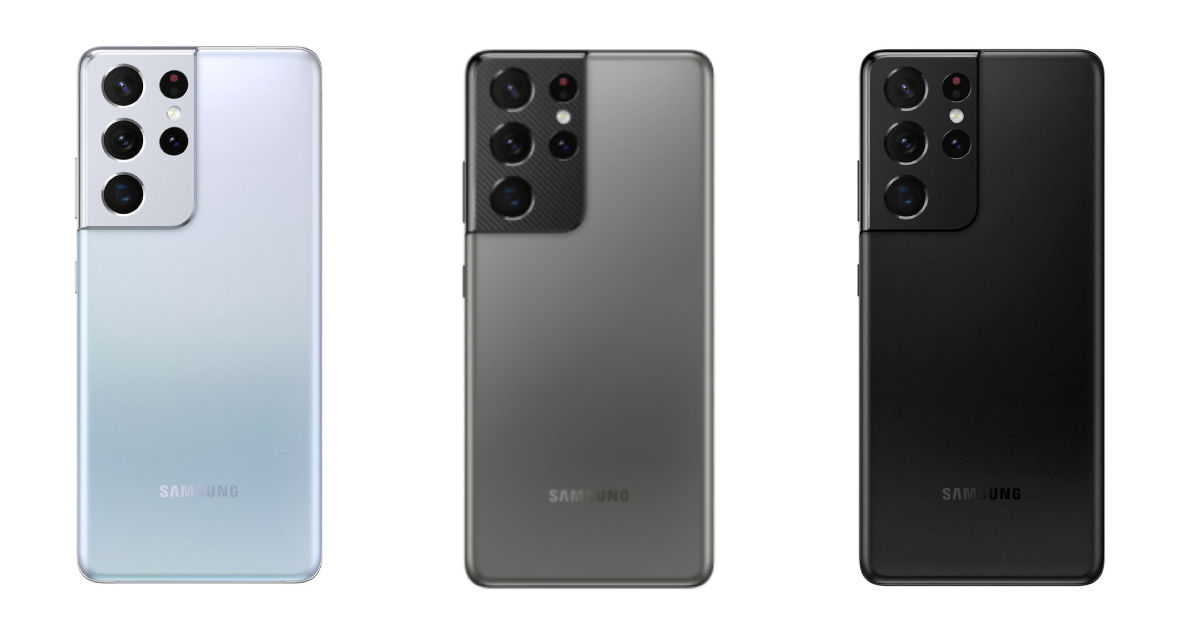
  • Build: Glass Rear, Metal mid-Frame, Corning Gorilla Glass Victus Protection, IP68 water, and Dust resistance.
  • Dimensions & Weight: 165.1 x 75.6 x 8.9mm / 228g.
  • Colors: Phantom Black, Phantom Silver, Phantom Titanium(via).
  • Display: 6.8-inch Infinity-O Dynamic AMOLED 2X Curved LTPO Display, WQHD+ resolution(3200 x 1440 pixels), 120Hz refresh rate, 1600 nits brightness, 515 PPI.
  • Cameras:
    • Rear Quad-Cameras:
      • 108 MP f/1.8 wide-angle lens(could be HM2 sensor) with OIS, AF.
      • 12 MP f/2.2 ultra-wide-angle lens with 120 ° FOV.
      • 10 MP f/2.4 Telephoto lens with OIS, AF, 3x optical zoom.
      • 10 MP f/4.9 Telephoto lens with OIS, AF, 10x optical zoom
    • Other Camera Features: PDAF, Laser Auto Focus, LED Flash, Video Recording: 8K at 30fps, 4K at 60fps, 1080p at 240fps, 720p at 960fps.
    • Front Camera: 40 MP f/2.2 selfie shooter with 80° FOV, AF.
  • Battery & Charging: 5,000mAh battery, 45W Wired, Qi(Wireless), and Wireless PowerShare(Reverse Wireless Charging).
  • Connectivity: Bluetooth 5.0, USB Type-C, NFC, WiFi AX(Wi-Fi 6), 5G, 4G LTE/3G (UMTS)/2G(GPRS & EDGE).
  • Essential Sensors: Accelerometer, Proximity detection, Gyroscope, Compass, Hall sensor, Ambient Light, and UWB.
  • Operating System(OS): One UI 3.1 based on Android 11
  • Other Features: S-Pen support, Samsung Knox, ANT+, DeX, Parental controls, Dual-SIM slot, Ultrasonic in-display Fingerprint sensor, Stereo speakers, and Face Unlock.

Galaxy S21 Series: Expected Price, Storage, and Memory Variants

  • Galaxy S21 5G:
    • 8GB + 128GB – €849
    • 8GB + 256GB – €899
  • Galaxy S21+ 5G
    • 8GB + 128GB – €1,049
    • 8GB + 256GB – €1,099
  • Galaxy S21 Ultra 5G:
    • 12GB + 128GB – €1,349
    • 12GB + 256GB – €1,399
    • 12GB/16GB(rumored) + 512GB – €1,529

You can expect similar pricing in Countries like the USA, China, and India just like how it happened during the predecessor Galaxy S20 series. However, a report has already leaked the pricing for the home country South Korea.

Galaxy S21 Series: Expected Pre-order, offers, Availability

As expected, the Galaxy S21 has already gone in blind orders in countries like India, reservations in the US, and pre-orders in China. As usual, Samsung will be giving gifts to those who pre-book their devices.

Reports already show that the company is giving a lot of discounts/gifts like a free case, Galaxy SmartTag, and Galaxy Bud’s bundles offer via VIP Pre-booking in India, Galaxy S21 series for less than a dollar in Thailand, Galaxy Buds Pro bundle offers in certain regions, and more.

As for availability, the device will sell in several countries around the world including major markets like North America, Asia Pacific, LATAM(Latin America), EMEA(Europe, Middle East, and Africa) across online, major offline retail, and carrier partners.


Xiaomi Mi Watch global variant gets available on Giztop for $139

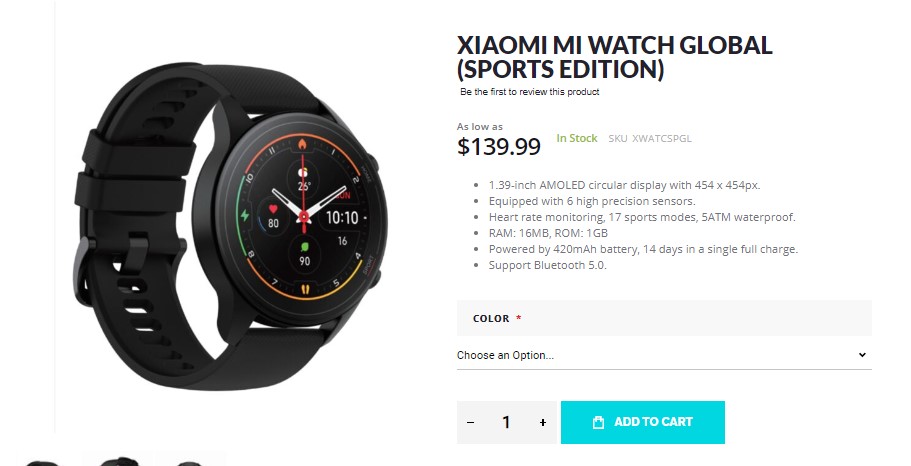
Xiaomi Mi Watch global variant is finally made available on Giztop for an international audience for $139. The smartwatch was launched last year with a 1.39-inch AMOLED display, WiFi, GPS and NFC support. It offers six high precision sensors to measure the heart rate, steps, SpO2 level, calorie count and the user’s movement trajectory. The smartwatch is available for the price of $139 from Giztop.

mi watch global

Must See: Xiaomi Mi Watch Color Sports Edition with blood oxygen detector launched for 649 yuan ($97)

Xiaomi Mi Watch supports different languages includes English, German, Italian, French, Spanish, Russian, Etc. It houses a 1.39-inch AMOLED round display featuring 454px x 454px resolution. There’s a 420 mAh battery capacity which can run for 22 days in long0battery mode. It runs for 50+ hours in Sports mode and GPS.

The Mi Watch Global features Bluetooth 5.0 for seamless connectivity. The smartwatch carries 6 high precision sensors that accurately map complex movements. The watchable to different 17 different sports mode including swimming, indoor cycling, treadmill running, etc. Xiaomi Mi Watch global variant carries Firstbeat Motion algorithms to analyze more than 30 sports data during exercise.

It is 5ATM waterproof device which houses support for built-in GPS, geomagnetic compass, air pressure, and elevation.

Grab Now

Related: Xiaomi Mi Watch Color Sports Edition with blood oxygen detector launched for 649 yuan ($97)

Huawei P50 series will come to global markets in HarmonyOS and Android versions
The Huawei P50 is expected to launch in the first half of the year going by previous announcements. The next-gen P-series flagship should feature even better cameras than its predecessor and be powered by the Kirin 9000 processor. New info has revealed that Huawei will ship the phone in two operating system variants.

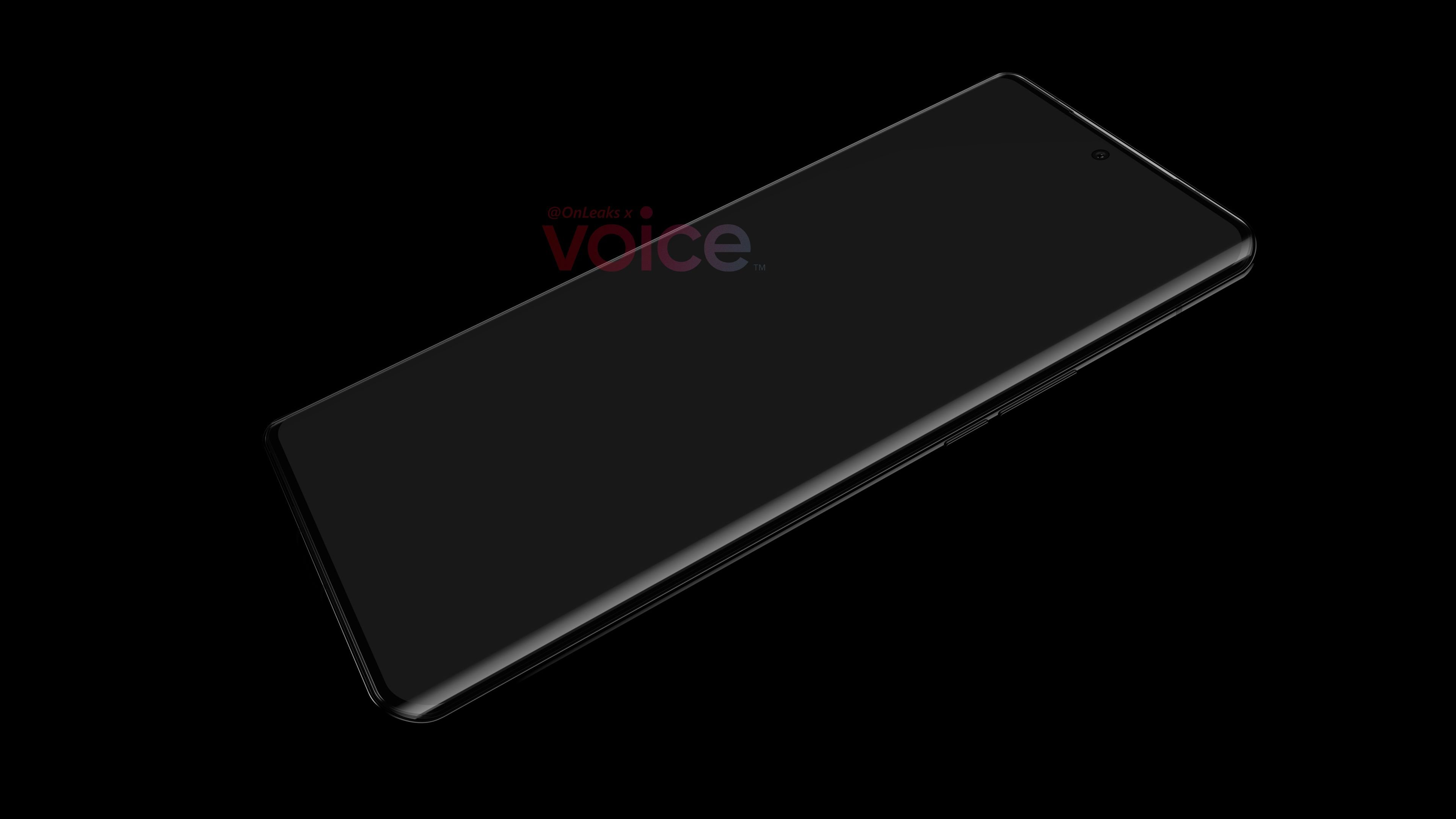
HUAWEI P50 Pro 3D CAD Render Leak
HUAWEI P50 Pro 3D CAD Render | Source: OnLeaks

According to a tweet from Yash Raj Chaudhary (@hereYashRaj) who is known for his Huawei-related leaks, the Huawei P50 and Huawei P50 Pro will be available for global markets in Harmony OS and Android OS versions while in China they will ship with Hongmeng OS (Harmony OS).

EDITOR’S PICK: Xiaomi Mi 11 dethrones HUAWEI Mate40 Pro+ to top the AnTuTu December 2020 report

We do not know if users will be able to choose the OS they want at check out just the way they can choose the RAM and storage they want or if a certain operating system will be available in one country and not in others. There is also the possibility that the two operating systems will be installed on the phone and users will be able to switch between them.

The leak also revealed a screenshot that shows the Huawei P50 Pro will have an OLED display, a Kirin 9000 processor, 8GB of RAM, and 128GB or 256GB of storage. It will also have five rear cameras and a centered punch hole.

The Huawei P50 will have 6GB or 8GB of LPDDR4X RAM and 128GB or 256GB of UFS 3.0 storage. The processor wasn’t revealed but there are speculations that Huawei may launch it with the less-powerful Kirin 9000E chipset.

The two phones should launch in late spring or a little later. Huawei will most likely have a global event before it launches in China but expects it to go on sale in China first.


Grab iQOO 7 5G smartphone with additional $50 discount via Giztop

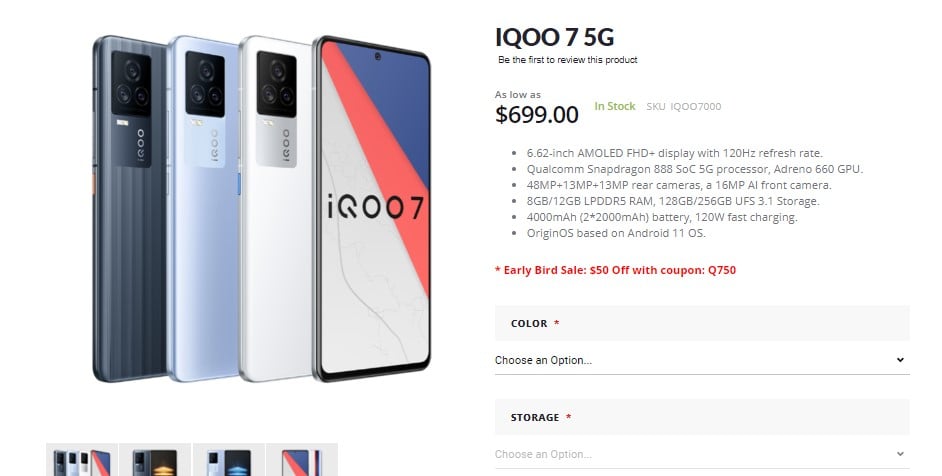
iQOO 7 5G smartphone was launched as a flagship device consisting of Qualcomm Snapdragon 888 SoC, 6.62-inch HD+ display with 120Hz refresh rate, 120W fast charging support and 256GB storage. Furthermore, there are several advancements over its predecessor which makes it a true flagship. However, the smartphone is currently available only in China, but users across the globe can order it for $699 via GizChina. Moreover, you can get an additional $50 discount with the coupon code – Q750 if you order it now.

iqoo 7 5g

Must See: iQOO 7 appears once again on AnTuTu with 733K+ score before the official announcement

The Early Bird sale on iQOO 7 is limited till January 21. We suggest the interested users grab the smartphone as soon as possible, otherwise, it will go out of stock.

iQOO 7 features a 6.62-inch AMOLED FHD+ display with a 120Hz refresh rate while carrying a 1080 x 2400 pixels resolution. The device houses Snapdragon 888 SoC coupled with 8GB LPDDR5 RAM. Furthermore, there’s a triple camera setup on the rear side featuring a 48-megapixel primary camera, a 13-megapixel ultra-wide camera, and a 13-megapixel portrait sensor. It is available in three different colours of Black, Latent Blue and Legendary Edition.

The smartphone sports a dual 2000 mAh battery which supports 120W ultra-fast charging technology. It can charge zero to 100 per cent within just 15 minutes. It measures 162.20 x 75.80 x 8.70mm (height x width x thickness) and weighs 209.50 grams.

It’s a golden opportunity for the global iQOO fans to grab the iQOO 7 at a great price even before its official launch. Make sure to use coupon code – Q750 to get instant $50 discount.

Grab Now

Related: iQOO 7 with 120Hz AMOLED display, Snapdragon 888, 120W Charging, launched in China

Huawei launches the Nova 8 Pro King of Glory Edition for ¥3,999 ($620).

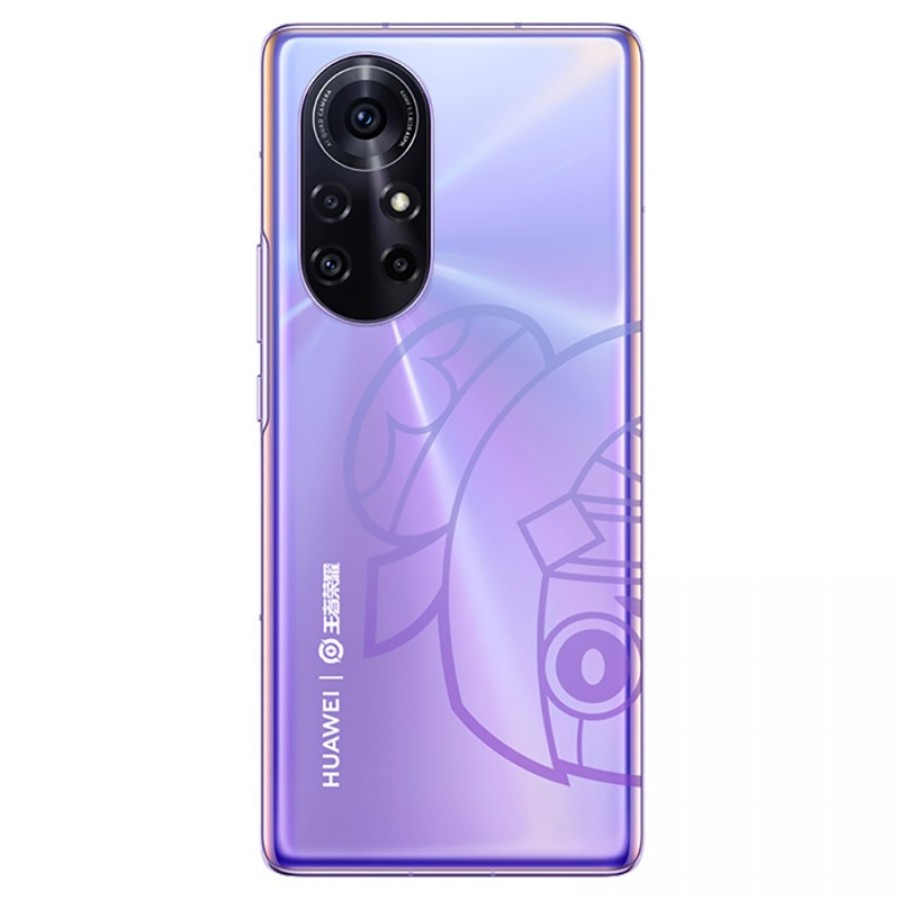
In December 2020, Huawei officially announced the Nova 8 and Nova 8 Pro smartphones but the models were only launched for sale a couple of days back. Also in December, there were rumors that the tech giant will launch a Special edition of the Nova 8 Pro. That has now happened as Huawei has announced the Nova 8 Pro King of Glory edition.Nova 8 Pro King of Glory Edition

The special edition comes with an interesting design and a cool new UI theme. The purple back of the phone is engraved with the Luban character on top while the internals remain unchanged. In other words, the Nova 8 Pro King of Glory Edition features an Hisilicon Kirin 985 SoC and is available in an 8GB+128GB storage option.

The device is equipped with a 6.72-inch OLED panel with curved edges. It supports a custom resolution of 2676 x 1236 pixels, a 10-bit color depth, and a 120Hz refresh. The edges of the screen have an 80-degree curvature. The display is integrated with a fingerprint scanner.Nova 8 Pro King of Glory Edition

The top-left corner of the display is a pill-shaped cutout that features a 32-megapixel main selfie camera and a 16-megapixel secondary lens. The back panel of the phone has a quad-camera system featuring a 64-megapixel main camera, an 8-megapixel ultrawide lens, a 2-megapixel macro lens, and a 2-megapixel depth sensor. Its front features a 32-megapixel selfie camera.

Further, the Nova 8 Pro gets a bigger 3,900mAh rated battery and support for 66W fast charging. A recent leak had revealed that both phones could be available in 8 GB RAM + 128 GB storage and 8 GB RAM + 256 GB storage editions.

The special edition also costs as much as the regular version – it will go on sale in China tomorrow for CNY 3,999 ($620).

UP NEXT: LG announces its first OLED monitor and a 160Hz gaming monitor


Global PC Market witnessed highest annual growth since 2010 in Q4 2020

The global PC market improved by a high margin in 2020 due to the COVID-19 pandemic. As people continued to work and study at home,  annual PC shipments reached a record high for the first time since 2010. All three popular research firms – IDC, Canalys, and Gartner, disclosed the same in their Q4 reports.

Laptop Tablet Smartphone Featured
Photo by fauxels from Pexels

According to the reports by three firms, Lenovo led the global PC market in the last quarter of 2020, followed by HP, Dell, Apple, and Acer respectively. Also, as per Garter, Asus came sixth.

As far as shipments are concerned, the reports go like this.

Global PC Market Shipments and Market Share Q4 2020 (Thousands of Units)

Q4 2020 Shipments

Q4 2020 Market Share

Brands
IDC
Canalys
Gartner
IDC
Canalys
Gartner
Lenovo 23,122 23,122 21,491 25.2% 25.6%

27.1%

HP

19,130 19,130 15,683 20.9% 21.2% 19.8%

Dell 

15,797 15,794 13,199 17.2% 17.5% 16.6%
Apple  7,349 7,180 6,893 8.0% 8.0%

8.7%

Acer 6,551 6,151 4,741 7.2% 6.8%

6.0%

Total 91,590 90,295

79,392

As you can see from the above table, the data from IDC and Canalys are almost identical. On the other hand, Gartner’s data differ by a long shot. 

IDC says the total shipments accounted for 91.6 million units, whereas Canlays’ report shows the data a little lower at 90.3 million units. Lastly, Gartner’s data is the lowest of all at 79.4 million units.

Anyway, all these reports have two things in common. First, the ranking of brands and second, according to all of them, the last quarter’s YoY growth was highest in the past 10 years.

For more insights, go through the official reports linked below.


(Source: IDC, Canalys, Gartner)

CES 2021: Quantum Operation shows a prototype of a Wearable with Noninvasive glucose monitoring feature

CES 2021 is blowing up with a lot of announcements despite being a virtual event. Among the lot, a Japanese Startup now says that its wearable can help you monitor Blood Glucose without piercing your skin.

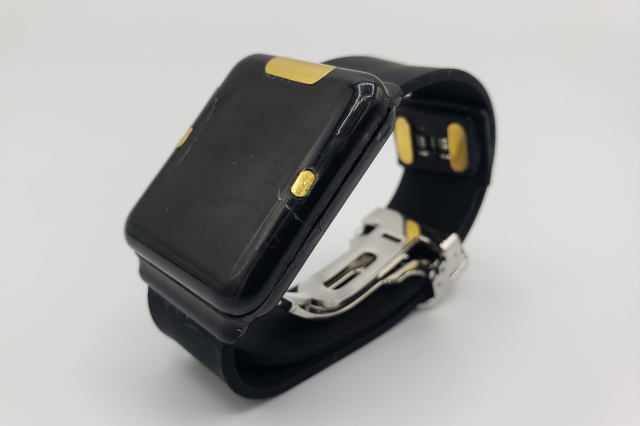
Quantum Operation Inc., has showcased a prototype of a Wearable that typically is like a Smartwatch. It says that the wearable can measure and monitor the Glucose levels in Blood precisely in addition to heart rate and ECG. Apparently, this is possible due to the presence of a Spectrometer inside.

On wearing it on the wrist, a user will have to just press the monitoring option from the Menu. The results will take about 20 seconds. If you consider Blood Glucose monitoring so far it requires a person to pierce his/her fingers or use an implanted monitor. However, this prototype reportedly uses the principle of the Raman Spectroscopy technique.


It is an interaction of light with the chemical bonds of a material. This technique finds its significance in Noninvasive glucose monitoring according to various projects in the past. Reports say that a laser passed through a fiber optic cable can help monitor Glucose by pressing it against the wrist.

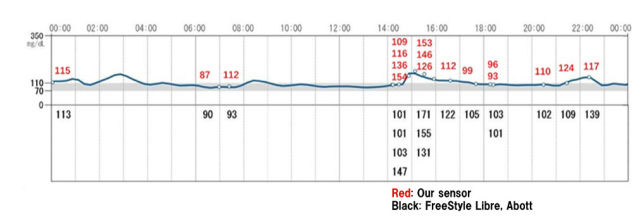
Having said that, Quantum is not the only one to try this idea. Several companies including Apple themselves have worked on it in the past. In fact, Apple’s patent(via) shows a concept similar to the spectroscopy technique. Coming back, the initial data sample provided by Quantum Operation reportedly has a lot of fluctuations compared to traditional flash glucose monitoring.

Considering this as just a prototype, we can let it slide. However, the company should work more on the accuracy if it plans to make this a working solution. Speaking of which, Quantum says that it plans to sell this wearable to healthcare professionals, insurers and build a big data platform to test the information of patients more.

(via)

Samsung Exynos 2100 announced today with significant upgrades and a built-in 5G modem

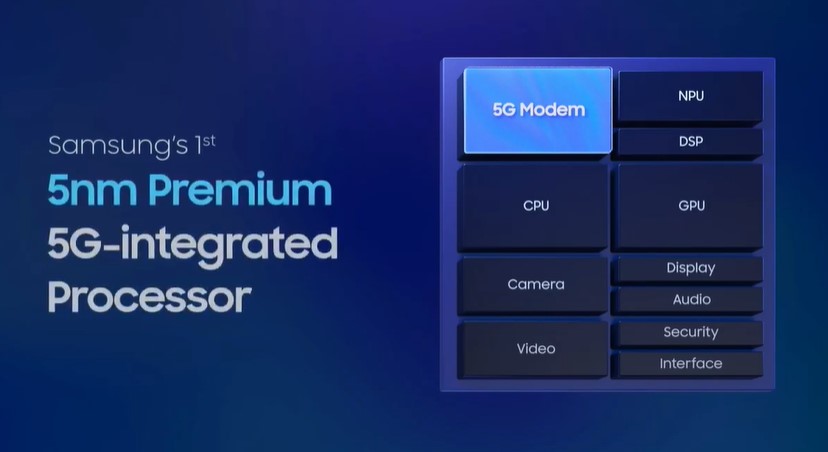
Samsung has unveiled its new flagship chipset. The Exynos 2100 processor is a 5nm chipset with significant upgrades in CPU, GPU, and AI performance and it also comes with a built-in 5G modem.

Exynos 2100 featured

The Exynos 2100 5nm processor is built on the 5nm EUV process node. The new chip has an octa-core chipset with a 1+3+4 core arrangement. There is a prime Cortex-X1 core clocked at 2.9GHz, three high-performance Cortex-A78 cores, and four Cortex-A55 power-efficient core. Samsung says that the new CPU brings a 30% increase in multi-core performance and a 19% increase in single-core performance over the previous generation.

Inside the new processor is the Mali-G78 GPU that brings more than a 40% increase in graphics performance. The GPU has 14 cores which are significantly fewer than the Kirin 9000‘s 24 cores.

Exynos 2100 AMIGO

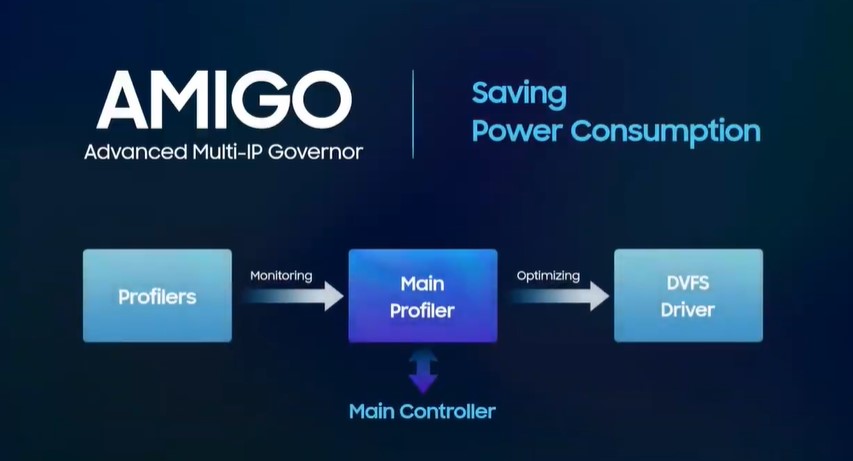
A new feature that has been added is AMIGO (Advanced Multi-IP governor) technology “which overlooks and optimizes power usages of CPU, GPU, and other processes, allowing longer use time even with intense on-screen activities.”

EDITOR’S PICK: Chip Battle: How does the Exynos 1080 compare to the Snapdragon 888?

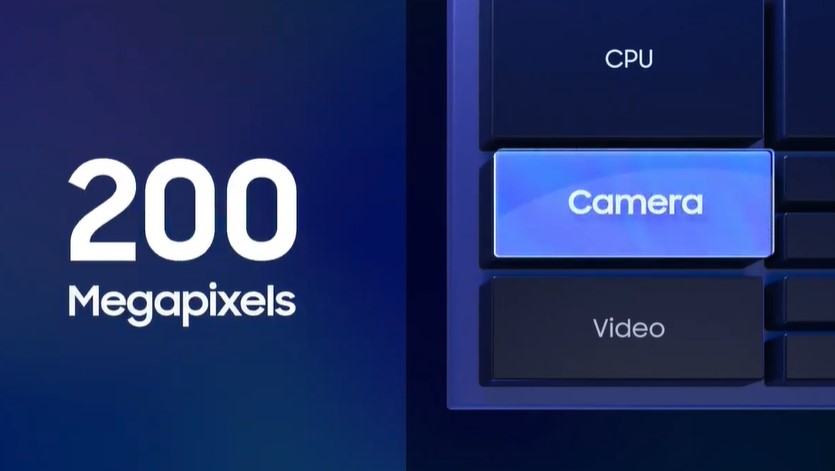
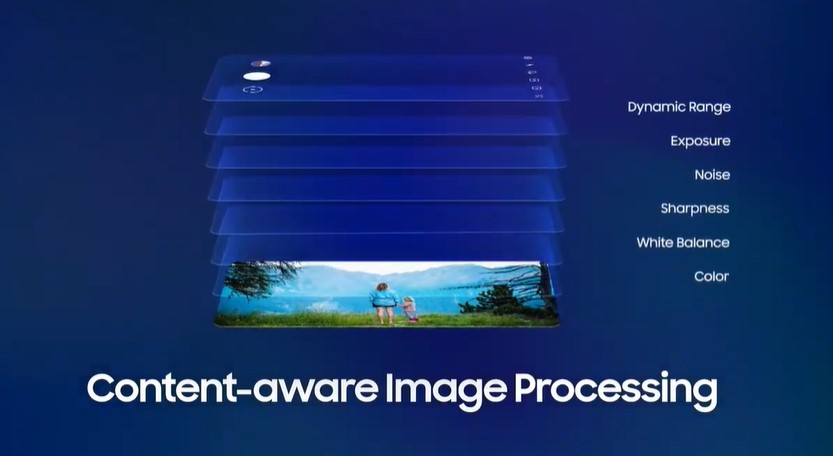
There is also a new ISP that brings support for camera resolutions up to 200MP. The new ISP has support for up to six cameras and can process four simultaneously. AI brings features such as fast and seamless recognition of objects, scenes, and faces. Content-aware image processing helps adjusts dynamic range, exposure, noise, sharpness, white balance, and color so that your images can turn out great.

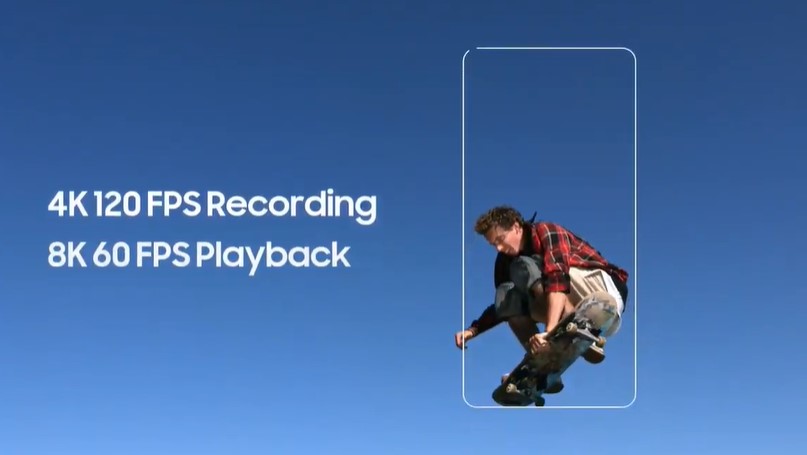
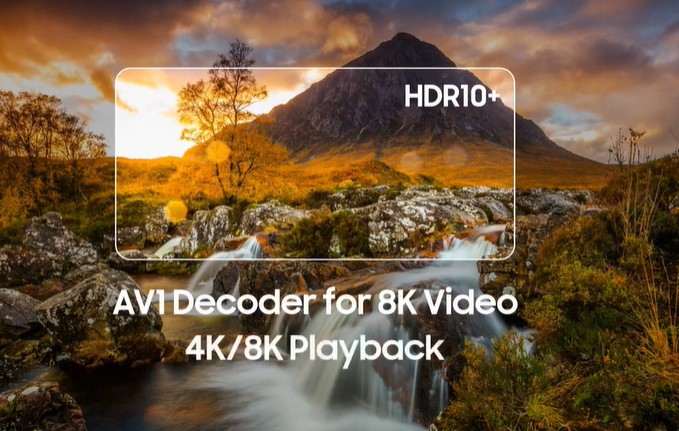
The Exynos 2100 also brings support for 4K recording at 120 FPS and 8K playback at 60 FPS. It also the first chipset with an AV1 decoder for 8K video.

There are three NPU cores inside the Exynos 2100 and Samsung says that processing power has increased from 15 TOPS (trillion operations per second) to 26.

Exynos 2100 5G

The 5G modem brings support for both sub-6GHz and mmWave spectrums and boasts downlink speeds of up to 5.1Gbps for the former and up to 7.3Gbps for mmWave networks.

While Samsung didn’t say which smartphone the chipset will appear in, we know it is the Galaxy S21 series that is launching on Thursday, January 14. However, it did say that the chipset is already in mass production.


Samsung’s Galaxy Upcycling program looks to recycle old phones into home tools

In line with enhancing it’s recycling credentials, and a strong preference for environmental safety, Samsung kick-started the Galaxy Upcycling program in 2017, aimed at providing a robust template for reusing old smartphones in innovative ways. The possible uses of old, disused phones ranged from retooling the phone’s as a gaming machine to an implement to feed your favorite domestic pet, as well as many other diverse and creative uses.Samsung

Those items were created in the early days of the program and needed a high level of expertise in tinkering. However, four years down the line this year, the Galaxy Upcycling program is evolving into an easier approach which entails essentially flashing the old phone with new software.

Several videos are now available showing how these phones are transformed from seemingly useless pieces of home materials to useful devices. One video shows how an old phone is transformed into a baby monitor that can detect when the child is crying and instantly notify the minder or parent, while the other transformed old phone can automatically switch on the light in the evening.

In 2020, Samsung also built eye examination tools out of old Galaxy phones. As the company continues to strive for a reduced overall carbon footprint, it has continued to evolve smart ways of reusing and recycling materials. A new set of smart TVs now come with solar remote controls having up to 28% made off recycled and biodegradable materials. In addition, the packaging box of these TVs come with a QR code which can be scanned for information on how to transform the box into an item of home furniture.

The measures and programs put in place by the South Korean tech giant, are certain actions in the right direction as she pursues a policy of greater environmental responsiveness.

UP NEXT: Samsung Galaxy S21+, S21 Ultra box packaging leaked; Won’t have Charger and Earphones


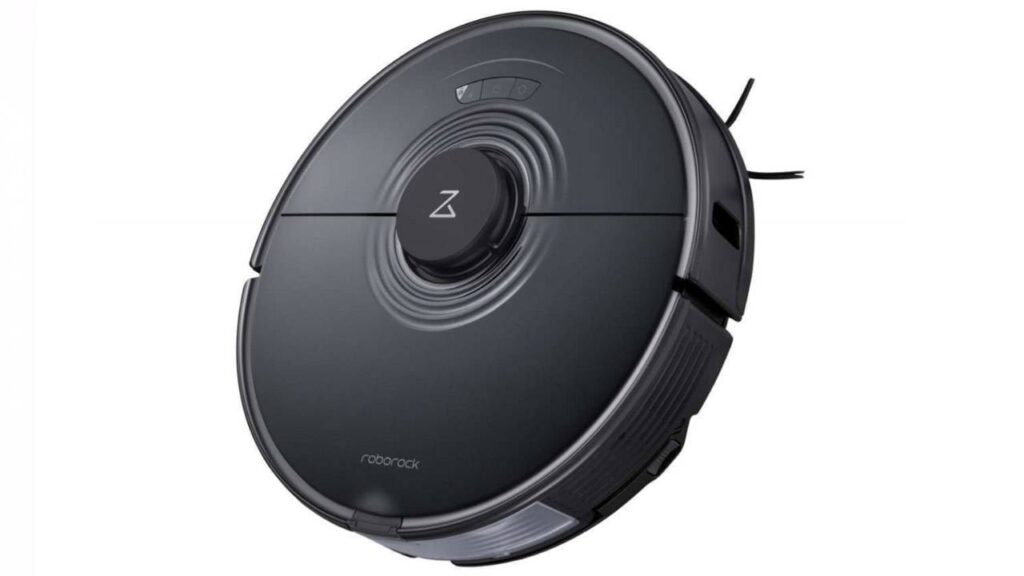
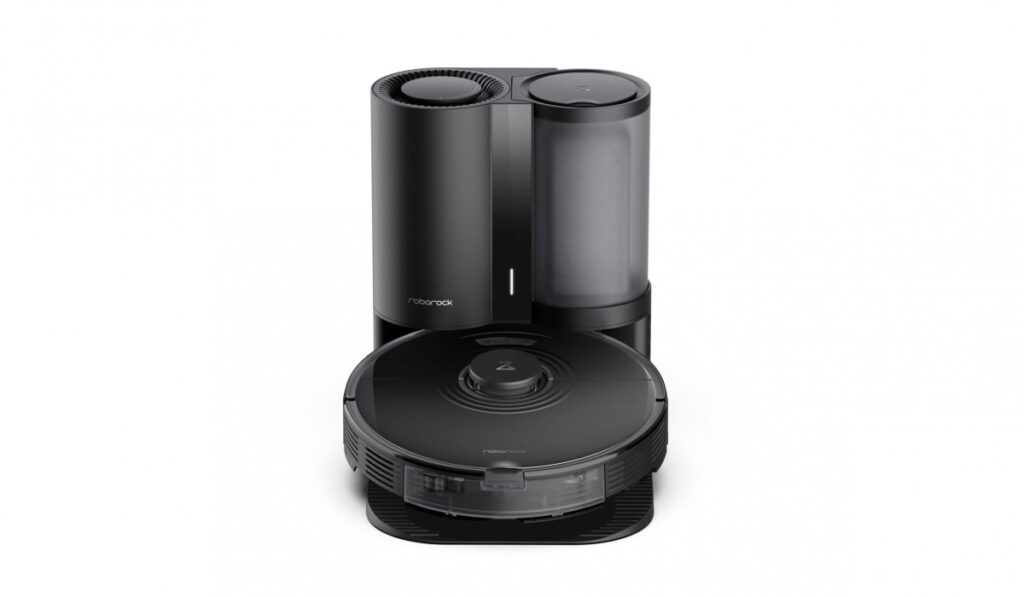
Roborock S7 Robot Vacuum goes official with 2500Pa suction, and Sonic mopping for $649

The robot vacuum cleaners are slowly and steadily becoming normal in households across the globe. Major manufacturers are heavily investing in such smart products to aid automation. Similarly, Roborock launched highly-advanced S7 robot vacuum featuring compelling features at CES 2021. The primary features of the device include Sonic Mopping, powerful 2500Pa suction motor, and VibraRise technology for efficient cleaning.

Must See: Xiaomi-backed Roborock inches closer to launch commercial sweeping robots

Roborock S7 features major improvements over its predecessor as it features new ultrasonic carpet recognition – VibraRise technology. It enhances the overall effectivity as it intelligently switches vacuuming mode upon detecting carpeted areas. The Robot vacuum can vibrate at 50Hz frequency which can vibrate at 3000 times per minute. Moreover, it can lift 5 mm to keep the floors clean while returning to its docking station.

The users can manually drive the robotic clear by toggling the joystick mode. It even features “quiet mode” which reduces the noise, power and water usage. Roborock S7 can be controlled from the device itself or via Mi Home application. The model works with Alexa, Google Assistant and Siri.

It has a maximum suction power of 2500Pa which is enough to pick every dust particle from the floor. Furthermore, it carries a 470ml dust compartment, 300ml water tank and a 5200 mAh battery. The vacuum can keep working for straight 3 hours once fully charged. Roborock S7 measures 353 x 350 x 96.5mm in size.

Roborock S7 will start retailing via Amazon in the US from March 24 at the price of $649. It is available in black and white colour options.

Related: Roborock S6 MaxV vacuum cleaner gets several new features and enhancements with v01.44.26 software update

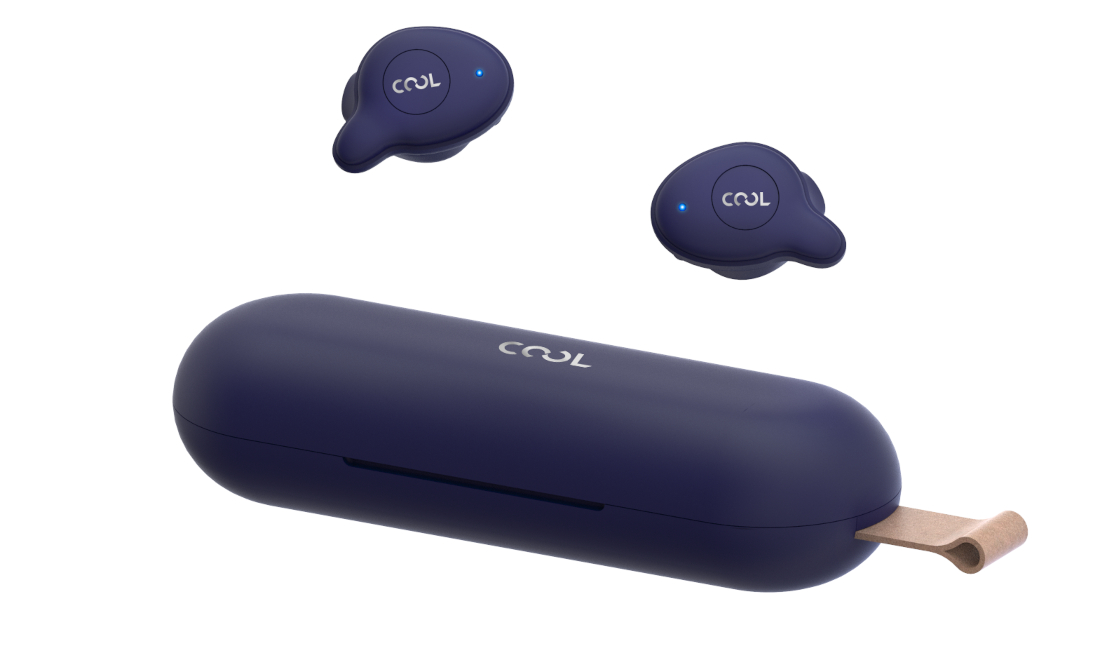
Coolpad launches the Cool Bass truly wireless earbuds in India for Rs. 1199 (~$16.36)

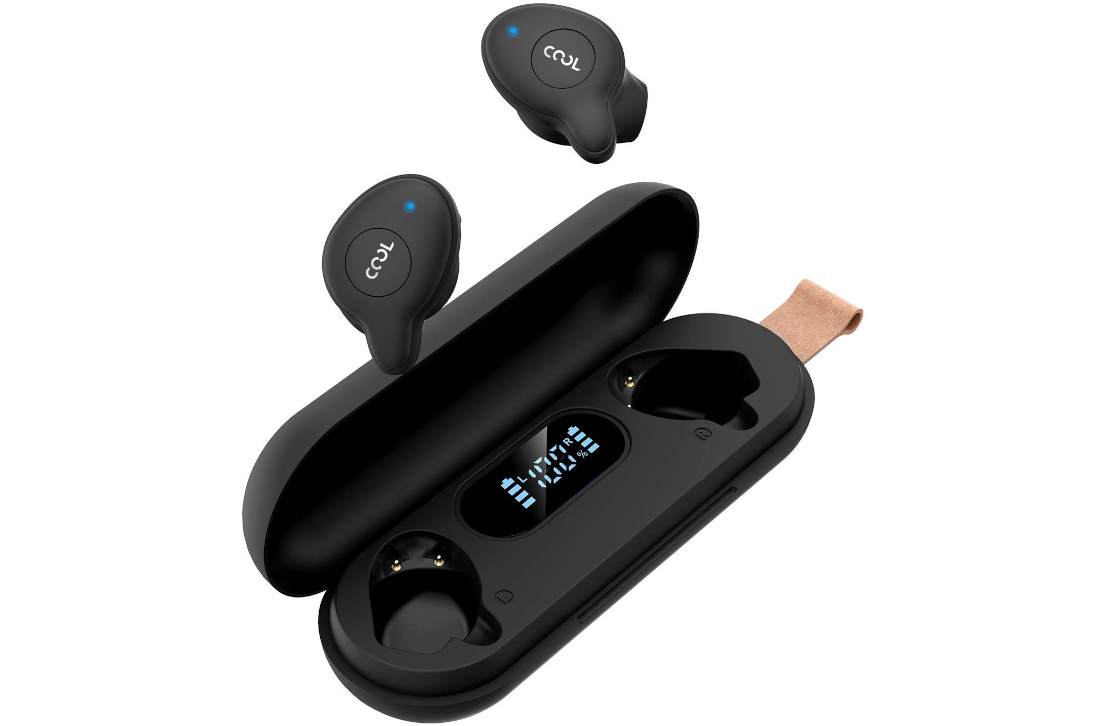
Chinese smartphone maker Coolpad has launched a new audio accessory for the Indian market. The product is the brand’s first-ever truly wireless earbuds dubbed Coolpad Cool Bass Buds. The headset comes with several impressive features such as deep bass drivers, Bluetooth 5.0, digital battery display, USB Type-C charging, and more.Coolpad Cool Bass truly wireless earbuds

The Cool Bass Buds feature 13 mm dynamic drivers that offer deep bass and powerful sound. The phone connects via Bluetooth 5.0, ensuring fast and strong connectivity, and the earbuds themselves have the lightweight Dolphin Design 2.0, weighing in at about 49g.

The charging case is quite unique, sporting a digital display to show the battery level. The earbuds have 40mAh batteries each, which will provide about 4.5 hours of playing time, and this can be extended to 20 hours with the charging case. The earbuds also support quick charge — 15 minutes will provide 3 hours of listening time.Coolpad Cool Bass truly wireless earbuds

During the launch, Coolpad India Online Marketing Manager, Harsh Sharma stated that the brand intends to offer an exceptional end-user experience with every product that it launches. The company gave a lot of thought to the innovative, new-age design of the Cool Bass Earbuds, and it finds the final product very impressive. “With a comfortable fit, lightweight and portable design, quick charge, and the best-ever bass, the Cool Bass Earbuds are definitely set to take the market by storm and become the most preferred wireless earbuds out there”, he said.

The Coolpad Cool Bass Buds is already available to buy on Amazon.in for a decent price of Rs. 1199 (~$16.36). The earbuds come in black and blue colors.

UP NEXT: LG announces its first OLED monitor and a 160Hz gaming monitor


Apple’s China market share crosses 20% in Q4 2020 due to iPhone 12 series’ sales: Report

Apple’s iPhone 12 became the world’s top-selling 5G smartphone in just two weeks of its launch. Now, a report by Digitimes says that the entire iPhone 12 series has helped Apple gain a huge market share in China for Q4 2020.

Apple

According to the report, the iPhone 12 series’s sales in China has exceeded the expectations during Q4 2020. If you recall, right from the launch, the iPhone 12s have been under demand in China. The initial waiting period was from five to six days for iPhone 12 while it was several weeks for iPhone 12 Pro. However, the company has overcome this and shipped nearly 18 million units in Q4.

That said, the reasons for demand on Apple’s iPhone 12 series were ranging from power management chips for iPhone 12 to the  IC shortages for the 12 Pro variants. Still, Apple’s strong foothold on the Chinese soil is reportedly due to the adoption of 5G which is already mainstream in the country.


China’s market has faced the maximum of ups and downs in the horrific 2020 year. Apple is no exception to this. It began the year by selling just less than 500K phones during February 2020. Cut back to Q2, it witnessed a 225% growth and sold 13 million iPhones despite the HUAWEI’s domination.

Now, the situation of sales and market share seems to be totally under its control as the report says the market share of Apple has gone above 20% in Q4. We have to give it up to Apple here as it has managed to battle tough local players like Xiaomi and HUAWEI. If the  Digitimes’ report is to be believed, the situation will further improve going into Q1 of 2021.


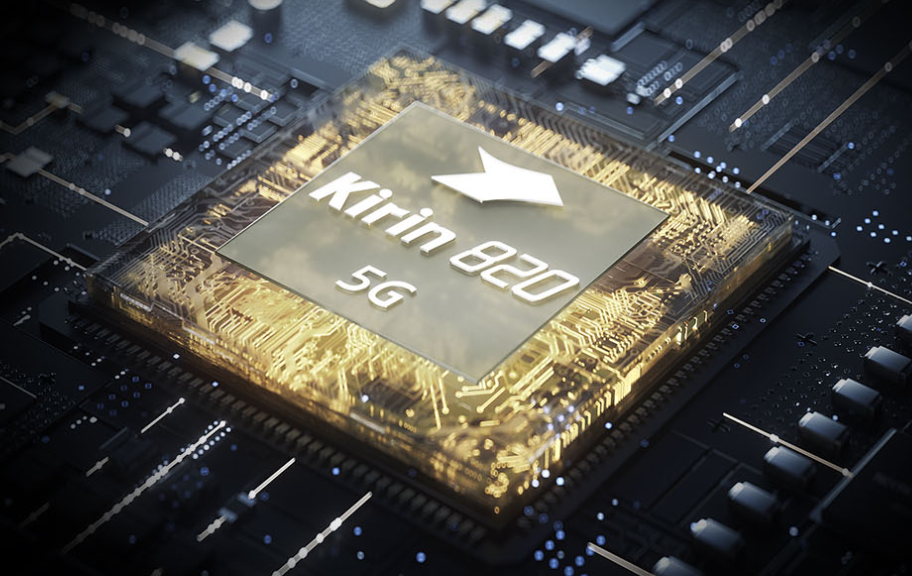
Huawei Kirin 820E 5G processor is coming with a new version of the Nova 7 SE

Huawei will soon announce a new chipset according to a leak from China, and the processor will make its debut in a new version of the Nova 7 SE smartphone. The chipset will launch as the Kirin 820E 5G and it should be a less-powerful version of the Kirin 820 5G.

Kirin 820 5G featured
Kirin 820 5G

To cut around its chipset problem, Huawei has adopted a format of releasing an underpowered version of an existing processor. The Kirin 9000 flagship chipset has a slightly underpowered version called the Kirin 9000E and now the Kirin 820 5G is about to get an underpowered version too.

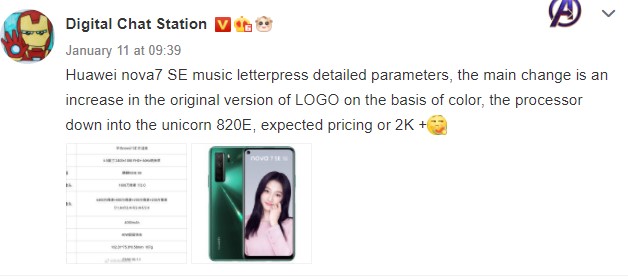
The specifications of the chipset are currently unknown but a leak by Digital Chat Station has revealed that the processor will appear in the soon-to-be-announced “Nova 7 SE Lohas Edition”. The phone will be the third version of the Nova 7 SE Huawei will announce in the span of a year.

The original Nova 7 SE was announced in April 2020 with a Kirin 820 5G under its hood. It was then followed by the Nova 7 SE Youth Edition with a Dimensity 800U processor in October of the same year.

EDITOR’S PICK: Chip Battle: Huawei’s Kirin 820 5G vs Qualcomm’s Snapdragon 765G

Kirin 820E 5G + Nova 7 SE Lohas Edition

A spec sheet of the new Nova 7 SE Lohas Edition was also posted on Weibo by the leaker. It reveals the phone will have a 6.5-inch display with a 2400 x 1080 resolution and a 60Hz refresh rate. It will have four rear cameras – a 64MP f/1.8 main camera, an 8MP ultrawide angle camera, a 2MP depth sensor, and a 2MP macro camera. The front-facing camera is a 16MP f/2.0 sensor.

The phone will have a 4000mAh battery and support for 40W wired fast charging. The dimensions are given as 162.31 x 75.08 x 8.58mm and its weight is 187 grams. Huawei will ship it with EMUI 10.1.1 based on Android 10.
As you can see, save for the processor, the rest of the specs are the same as those of the other two Nova 7 SE phones. The Nova 7 SE Lohas Edition will also look like the other two variants (punch-hole display, vertically stacked cameras) but will have a bigger logo on the back.

There is no launch date yet for the smartphone but it should not be far off.


LG announces its first OLED monitor and a 160Hz gaming monitor

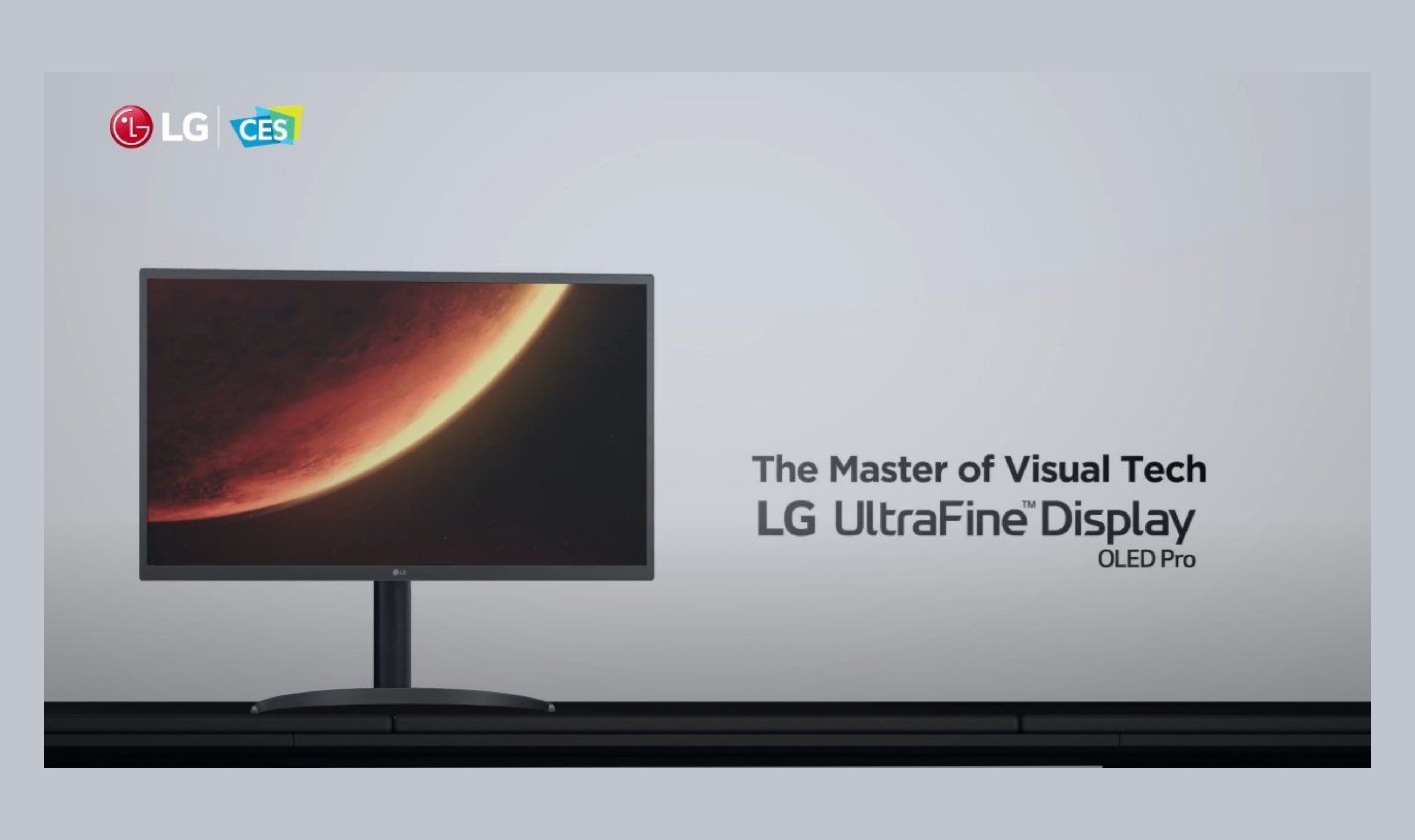
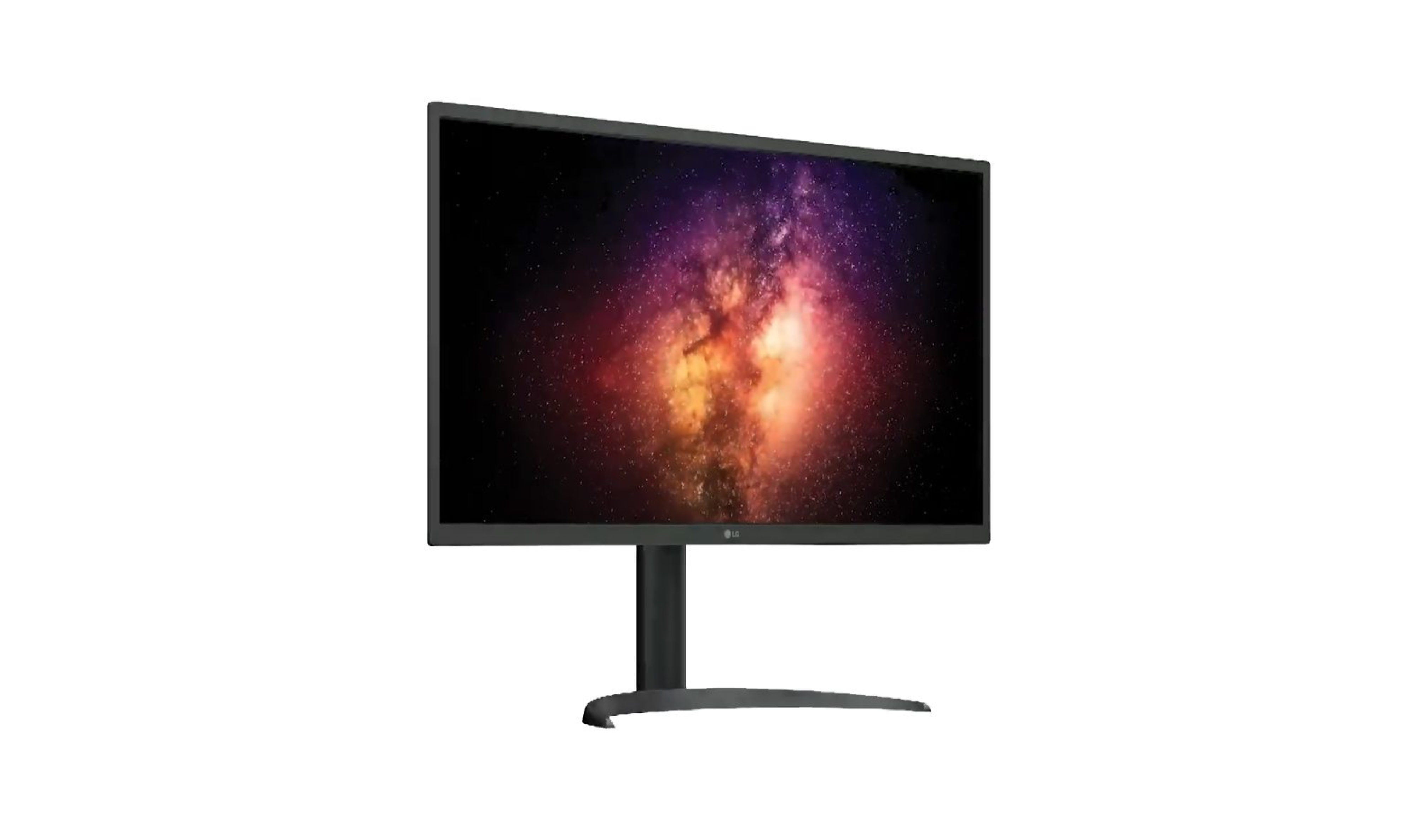
At CES 2021, LG has unveiled a wide variety of products. But in this article, we will take a look at the company’s two new monitors. The first one called LG UltraFine Display OLED Pro is the firm’s first OLED monitor. On the other hand, the second model with LG UltraGear branding is a gaming monitor with up to 160Hz refresh rate.

LG UltraFine Display OLED Pro (32EP950)

This LG monitor flaunts a 31.5-inch OLED panel with a resolution of 3840 x 2160 pixels (4K). Hence, it supports individual dimming for all the 8 million pixels (OLED Pixel Dimming HDR technology). The South Korean tech giant claims the screen to cover 99% of DCI-P3 color gamut and Adobe RGB respectively.

As far as I/O is concerned, the LG 32EP950 features 2 x DisplayPort,  1 x USB Type-C, 3 x USB Type-A, and HDMI. That said, LG hasn’t revealed this product’s price and is also yet to publish the entire specifications. But what we know is that his monitor is targeted at professionals who edit images and videos.

LG UltraGear (27GP950) Gaming Monitor

Unlike the above monitor, this model is aimed at gamers. Although LG hasn’t revealed its complete specs as well as price, we can say that this one is similar to the Acer monitors that were announced last week.

Talking about the known features, the LG 27GP950 sports a 4K (3840 × 2160 pixels) IPS LCD panel. This screen can refresh at the maximum rate of 160Hz and supports VRR (Variable Refresh Rate) via HDMI 2.1. Hence, it can be paired with the latest-gen gaming consoles (PS5, Xbox Series X) to experience 4K 120Hz gaming.

Other features include 1ms (GtG) response time and VESA DisplayHDR 600.


(Via 1, 2)

Official data shows the Chinese smartphone shipments fell 20.4% in 2020

A recent Chinese government report has shown that domestic smartphone shipments in the country last year declined by 20.4% from 2019 as the number of handsets delivered to consumers dropped from 372 million in 2019 to 296 million last year.Chinese smartphone shipments

The data emanated from the China Academy of Information and Communications (CAICT), an authoritative think tank in such matters. The report showed both the impact of the coronavirus pandemic on the supply chain and demand and the emerging consumer behavior of retaining their phones for a longer period before upgrading to a new model.
From the CAICT data, there was a decline of 4% in shipments of smartphones in 2019 from the previous year, 2018. Therefore, a trend of year-on-year reduction in shipment figures has been established with the recent data.

Smartphone and other mobile phone retailers had expected that the outgone year, 2020 would have engendered renewed sales, as Chinese consumers purchased new phones compatible with the country’s rapidly-expanding 5G networks.

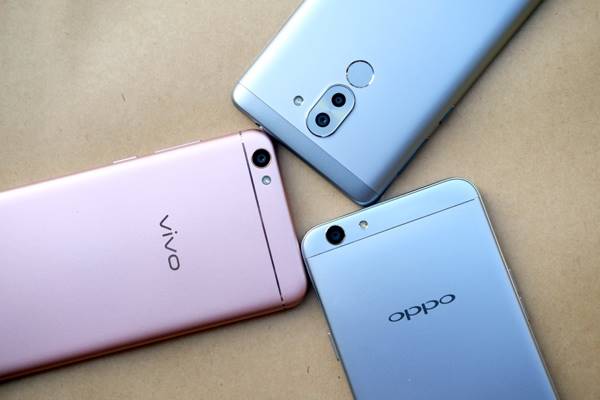
The negative impact of the Coronavirus pandemic, whose epicenter at the earlier stages was Wuhan was already visible in the mid-year sales results, as several Chinese companies had steep declines in their shipment numbers including Oppo, Vivo, and Xiaomi. However, the global powerhouse and 5G leader, Huawei continued to post record growth within the same period.

In the second half of 2020, sales numbers of Huawei slowed down as trade restrictions imposed by the US government on the company took effect, almost crippling some aspects of its production quota, and thus the supply end was negatively impacted.  The restriction has therefore afforded Oppo, Vivo, and Xiaomi to ramp up their production numbers with the hope of filling the void created by Huawei.
A total of 25.2 million smartphones were shipped to China last month, which reflected a 12.8% year-on-year decline, according to the CAICT report.

UP NEXT: Fossil Gen 5 LTE goes official with the same specs as the regular model


(via)


Samsung Galaxy SmartTag+ to accompany the regular SmartTag: Report

Samsung is already expected to unveil its Tile-like Galaxy SmartTag Bluetooth Tracker at the Galaxy Unpacked event on January 14. Now, a fresh report by 91Mobiles says that a SmartTag+ will accompany the regular variant.

Galaxy Smart Tag

Once again, Ishan Agarwal, through his reliable tip, says that there will be a ‘+’ edition of Galaxy SmartTag. Accordingly, the SmartTag+ will have a model number EI-T7300. If you recall, the EI-T5300 belongs to the regular SmartTag courtesy of NCC, EUIPO trademark, Indonesia Telecom, and more.

While the report doesn’t delve much into the SmartTag+’s features, it does say that both of them will have Black, Oatmeal, Denim Blue, and Mint color variants. As for the regular SmartTag, the measurement will be around 4cmx4cmx1cm and weight 13g.


In addition to locating your objects via Bluetooth 5.1, you can expect it to have end-end encryption and ‘Privacy ID’ features. If you recall, an earlier EUIPO trademark for the SmartTag shows that it could also support UWB(Ultra Wide Band), interfacing with NFC, and RFID.

If that isn’t enough Ishan says that it will auto-connect to Galaxy devices, ring the phone on pressing a button twice, and share location with your kith and kin. Coming back, our guess is that the Galaxy SmartTag+, as the name suggests, might have a bit of exclusive features to position itself higher.

The Galaxy SmartTag series will add to the tally of trackers like SmartThings Tracker in 2018. It will have a ubiquitous design of a typical Bluetooth Tracker found in the market. That is, a square shape with rounded corners and a lanyard hole for strap/thread. Early reports also state that the SmartTag will be priced at around ₹1,350($18.44).


Blackview BL6000 Pro 5G compact look isn’t compromising the rugged design; A70 launching soon

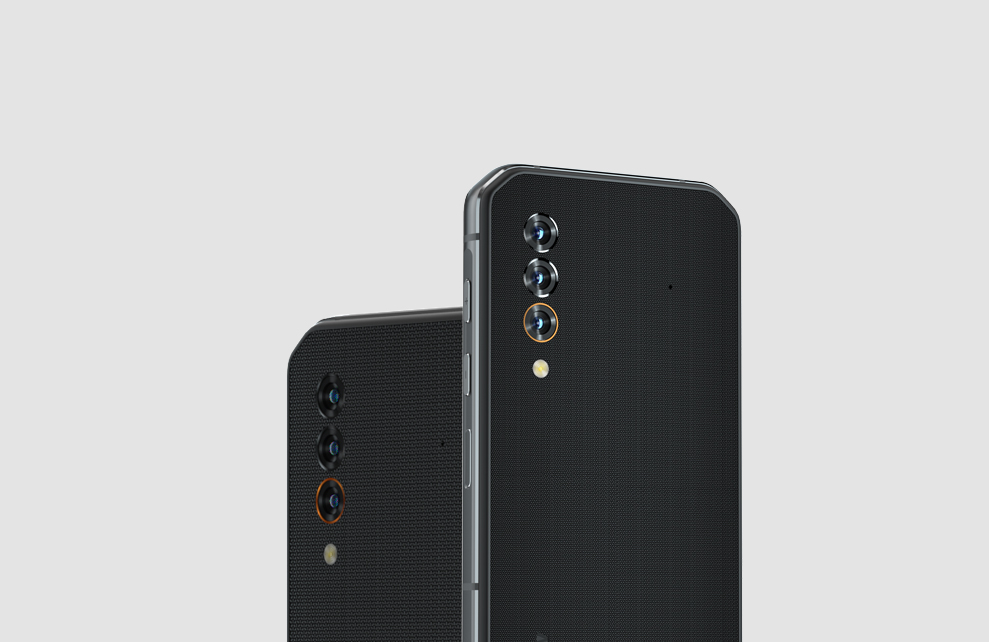
Blackview recently unveiled the BL6000 Pro 5G rugged smartphone carrying some exciting specifications and a compact design. The smartphone’s thin design made a difference over the other thick rugged smartphones which are available in the market, Blackview BL6000 Pro can easily fit inside your pocket without compromising the rugged aesthetics and functionality. It didn’t fall-back on the specifications and on any other aspect of being a rugged smartphone.
Read More: Blackview BL6000 Pro- Rugged Smartphone with High-Speed 5G Compatibility

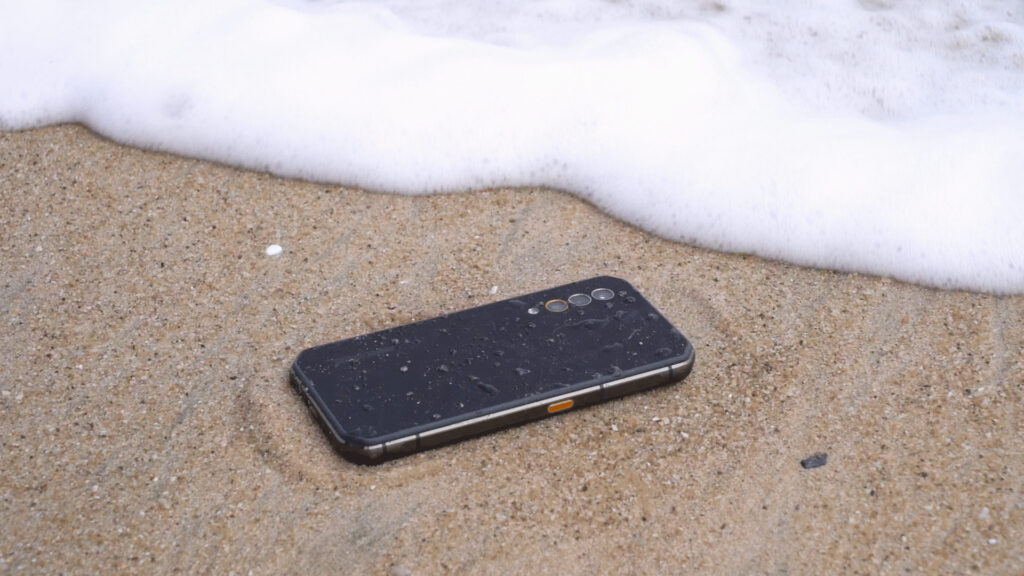
Ending the era of thick-rubber and rough screws, the Blackview BL6000 Pro 5G has changed the perception of the rugged smartphones by introducing a clean and compact look. The device is fully water, dust and drop proof, and even complies with IP68, IP69K and MIL-STD-810G standards. The device is powered with Dimensity 800 SOC, 8GB RAM, 256GB storage. A powerful 48MP triple-rear camera is present on the rear featuring 5280 mAh battery.

The 5G support even enhances the rugged experience. The smartphone is at your service in any adverse situation, including these three circumstances.

While Surfing

Do you love surfing? Then the Blackview BL6000 Pro can be your companion as it is fully waterproof which uses Nano moulding technology and waterproof membrane. The user can record quality videos using its 48MP primary camera. Moreover, the user can live stream using its 5G supported SoC with over 1.25Gbp/s upload speed.

Cycling

Blackview BL6000 Pro 5G houses GPS support for real-time positioning. It can further enable to efficiently track the activity. Moreover, the user need not worry about any damage due to falling from the vehicle. It enables the users to vlog and upload instantaneously along with cycling.

Working in Extreme Conditions

The smartphone comes with MIL-STD-810G grade certification which can withstand drops and bumps. Moreover, the user can video call with family while working in those conditions.

In other words, Blackview BL6000 Pro 5G is a device which is produced as an outcome of several breathtaking innovations over the past few years. The interested users can further head over to the official website for more information.

Blackview is launching a new budget rugged smartphone – Blackview A70 in the coming days. It will feature 5380 mAh battery at the price of around $80. It will compete against the Xiaomi Mi 11 Lite. Black A70 giveaway will kick off from January 9. The users can know more about the device by heading to the Blackview website.

Must See: Blackview BL6000 Pro 5G, Rugged Smartphone up with 43% off at Banggood

Samsung Galaxy S21+, S21 Ultra box packaging leaked; Won’t have Charger and Earphones

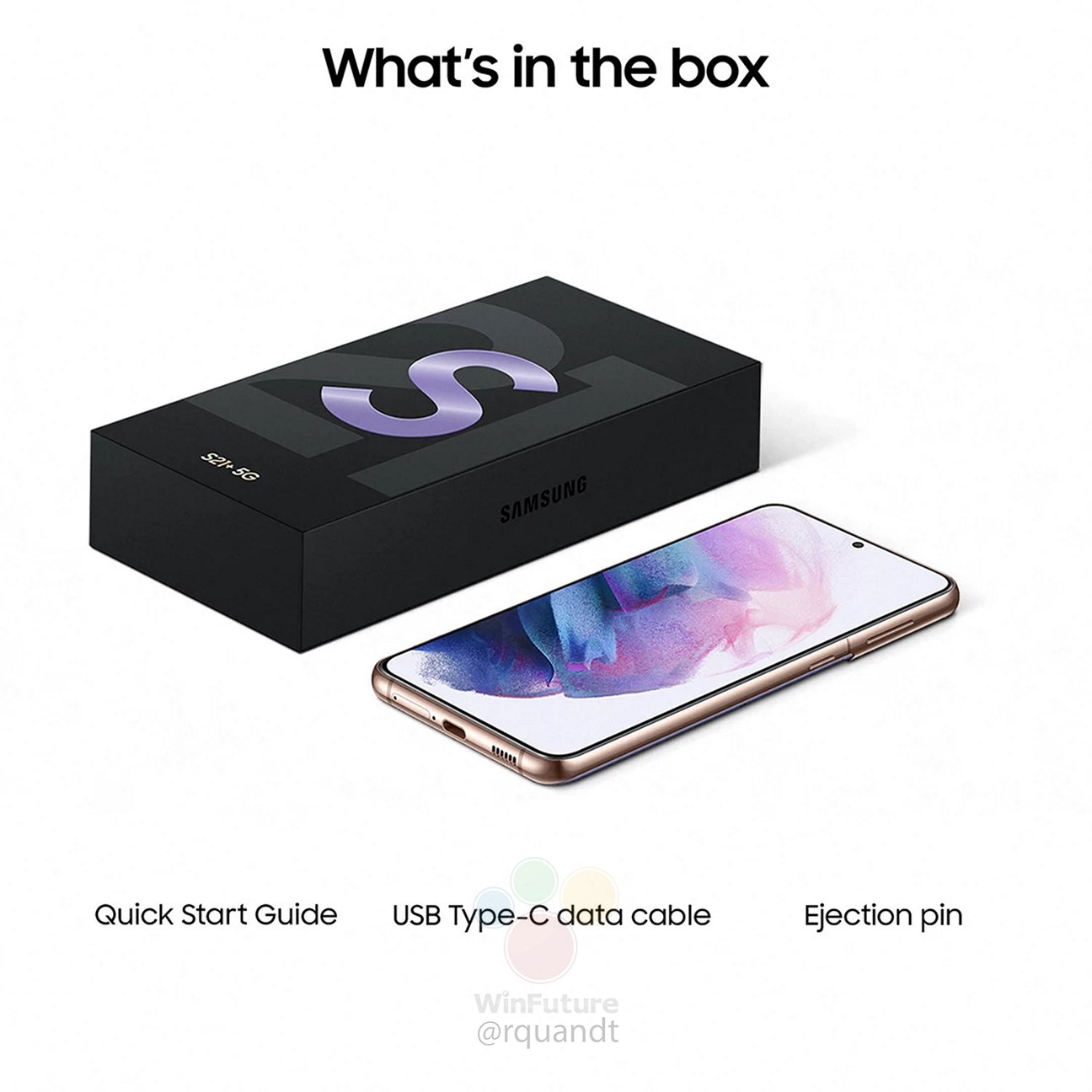
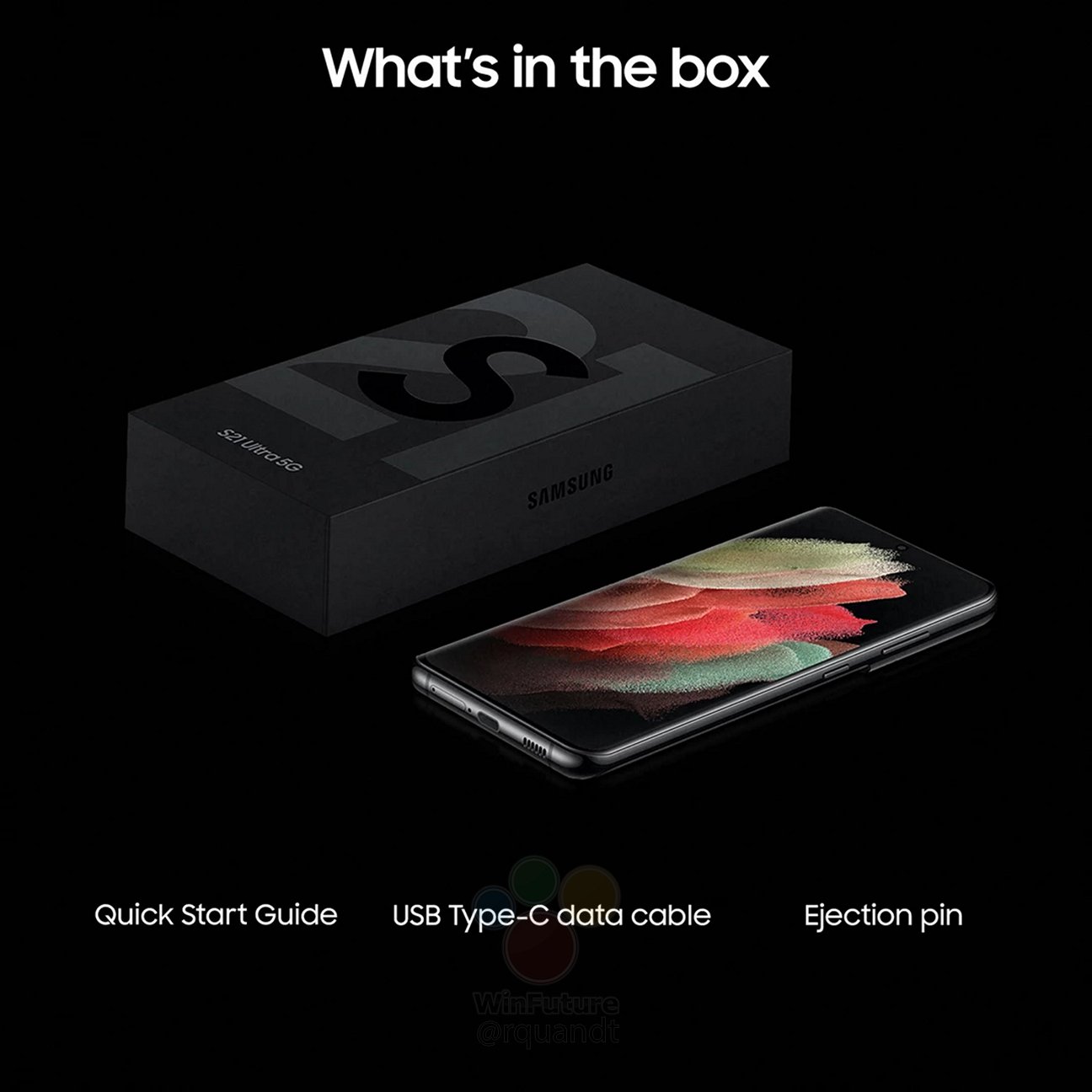
We are just two days away from the 2021 Galaxy Unpacked event of Samsung. The company will be announcing Galaxy S21, S21+, and S21 Ultra 5G smartphones as per various reports. Amidst a bucket load of leaks, a new report by WinFuture.de shows how the retail packaging would look like.

Samsung Galaxy S21 Ultra Phantom Black Render Leak

As per the report given by Roland Quandt(@rquandt), we see two images of what is claimed to be the retail packaging of Galaxy S21+ 5G, and S21 Ultra 5G. Both the boxes are Black in color. Additionally, the supposed marketing poster for the in-box contents shows what we can expect inside the box. Apparently, it will include a Quick Start Guide, USB-C cable, and a SIM-ejector.

Just like the report says, the poster doesn’t include the Charging Adapter and earphones as an in-box content. Previously, reports have said that Samsung will exclude chargers and earphones in regions like the UK. While we would have expected Samsung to at least include the AKG earphones, sadly looks like that isn’t going to happen either.

Apple began all this with the iPhone 12 series launch. It said that not including Chargers will reduce logistics, transportation cost, saves space, and reduces the overall Carbon footprint. This according to the company would be a headstart for a sustainable environment.


Although Samsung hasn’t quite revealed anything about the Galaxy S21 series officially yet, we expect it to give similar reasons for the omission. To corroborate this, it has already removed posts mocking Apple back in October. On the flip side, it can also garner more revenue by selling the proprietary charger separately just like Apple.

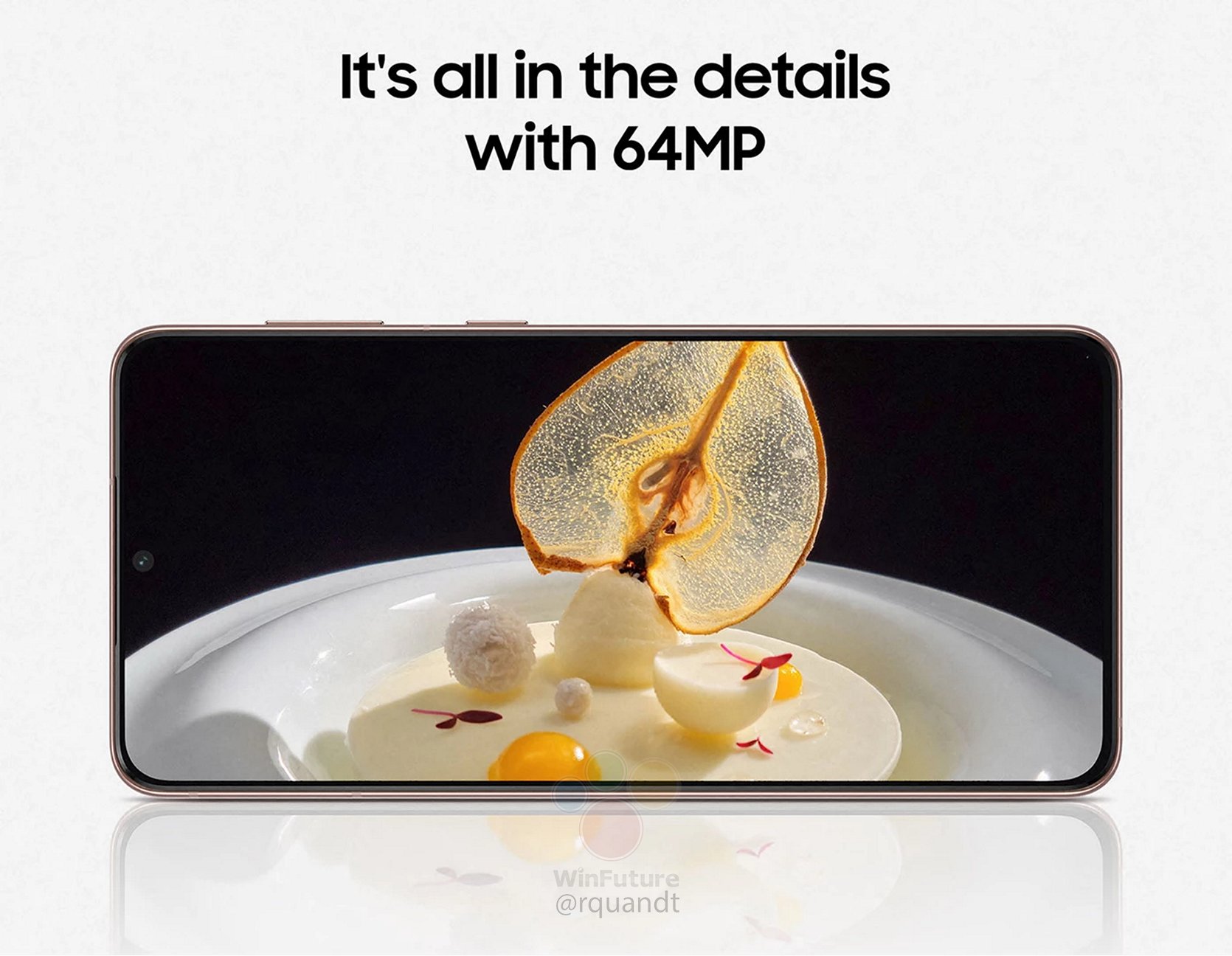
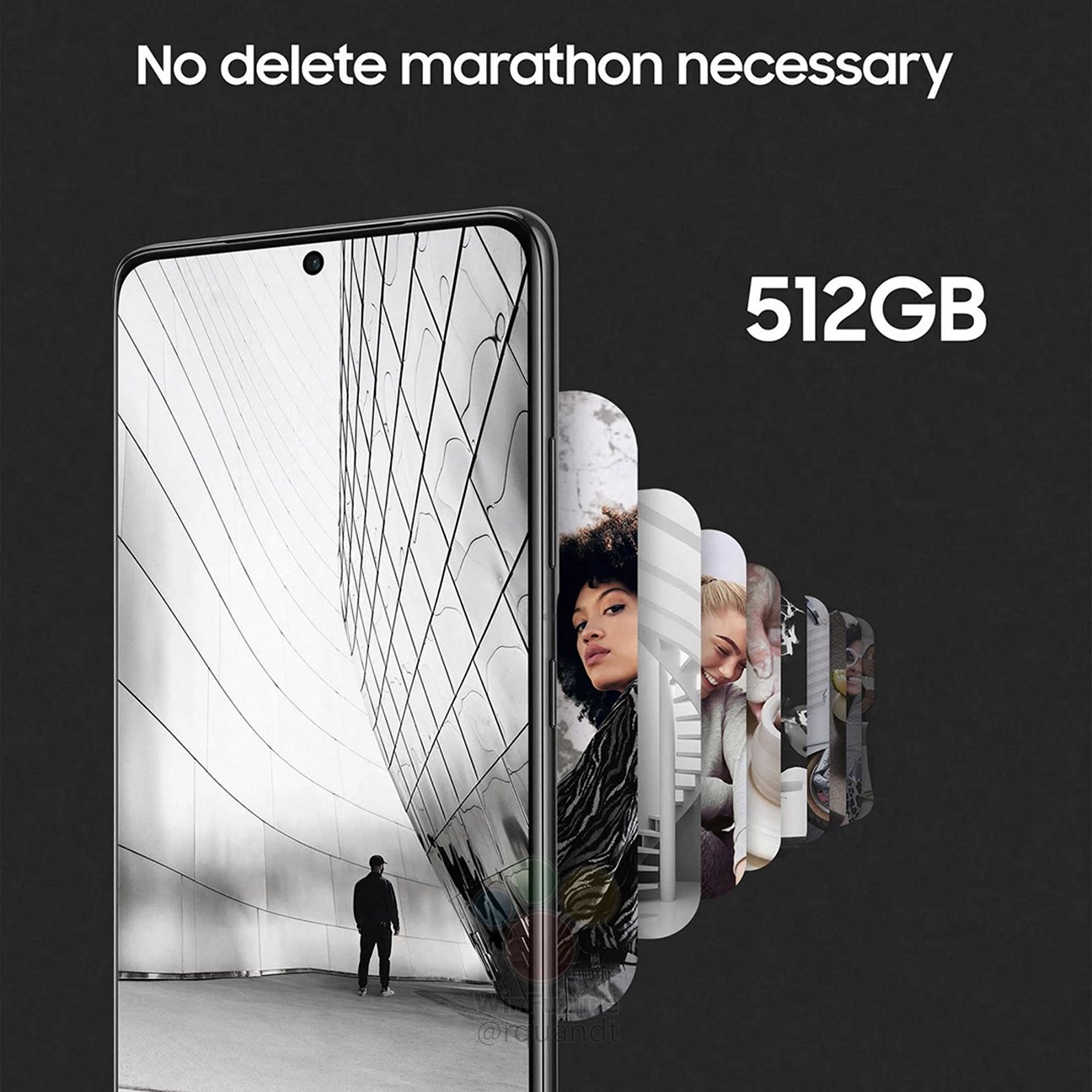
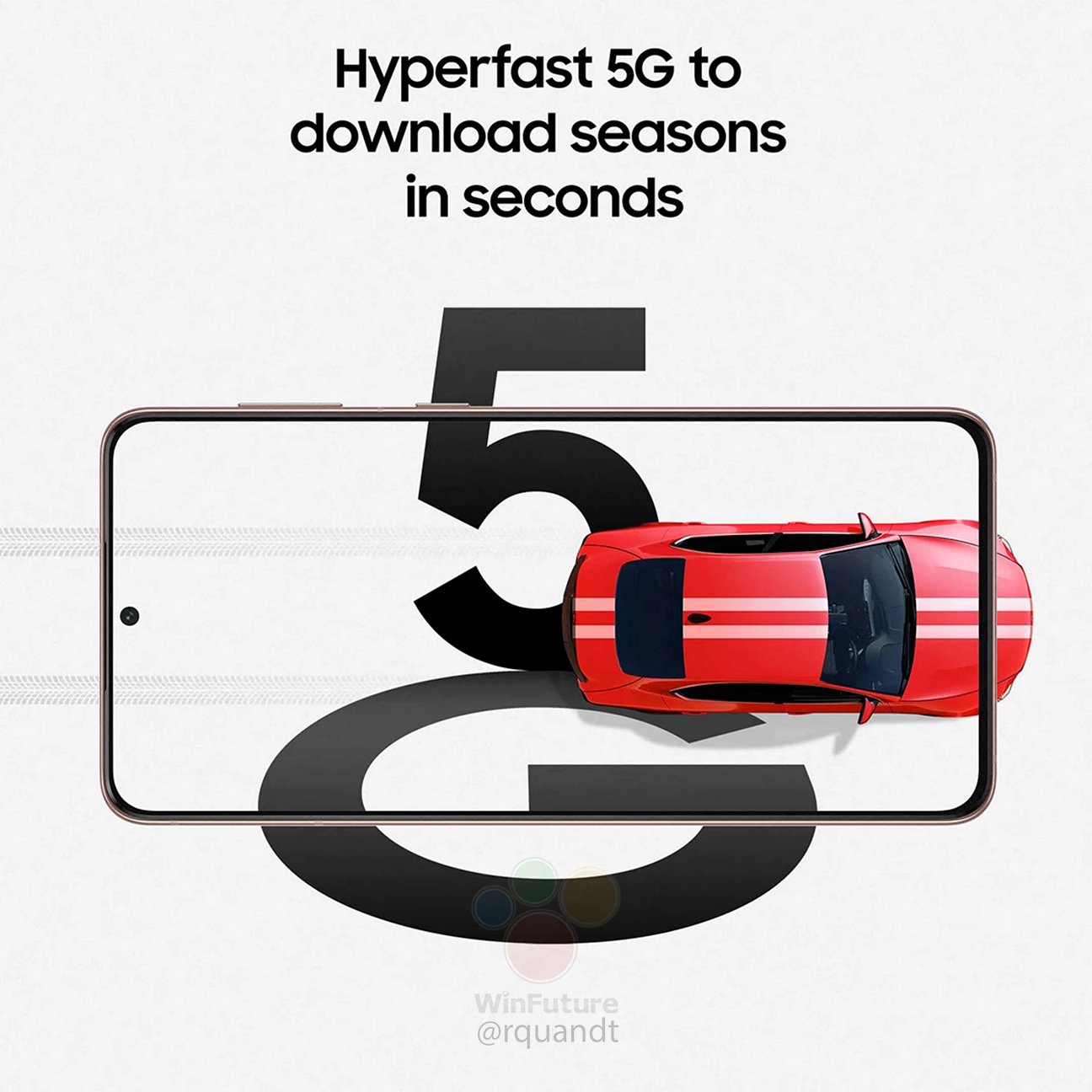
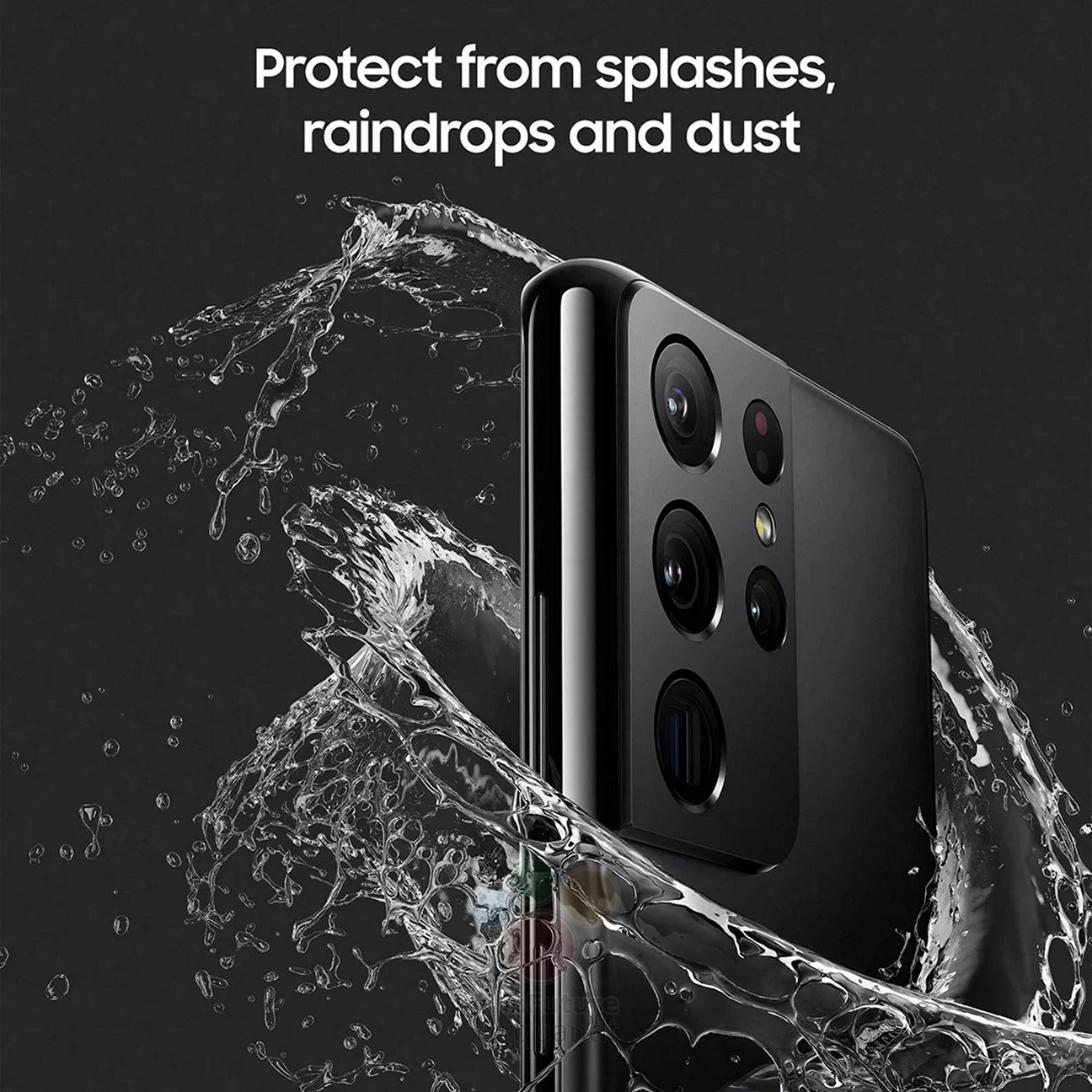
Anyway, let’s wait and see if Samsung gives any bundle offers initially. That said, Roland has also shared additional images of the marketing posters showing features like a 64MP camera, internal storage(256GB, 512GB), 5G, Night Mode, and Water Resistance(IP). The poster almost confirms that Samsung will ditch the microSD slot finally to popularize higher internal storage for faster load times.


Explained: How FDF Portrait Video System on OPPO Reno5 Pro 5G Works

Videos have always been an important part of our lives and as smartphones are getting faster and smarter, these handheld all-purpose devices can potentially replace your dedicated DSLRs, point and shoot cameras, and even action cameras for your videography needs.

As much as we have advanced in the smartphone imaging department, videos have often been a neglected feature on Android smartphones, even on flagships. However, in recent years, brands have eventually figured out the importance of smartphones as video cameras and are focusing on improving the overall videography experience.

Reno5 Pro 5G 2
Reno5 Pro 5G

OPPO has been at the forefront of optimizing smartphone cameras and we have already seen some interesting technologies from the brand like the RFB-ERSGAN neural network which upscales original low-resolution images into high-resolution ones without losing details or even the Hybrid Zoom technology with a stacked periscope zoom lens structure.

In the upcoming Reno5Pro 5G, OPPO will be using its brand new Full Dimension Fusion (FDF) Portrait Video System. This is a set of imaging algorithms that work behind the scenes to optimize the video on the new device. And in a recent briefing, OPPO explained how the system works and how it optimizes the videos according to a number of parameters for the best possible output.

So here’s a quick look at how OPPO’s FDF Portrait Video System on the OPPO Reno5Pro 5G works. This article isn’t meant to be a deep dive into the system. Instead, it’s a quick overview of what happens behind the scenes when you take a video using the phone.

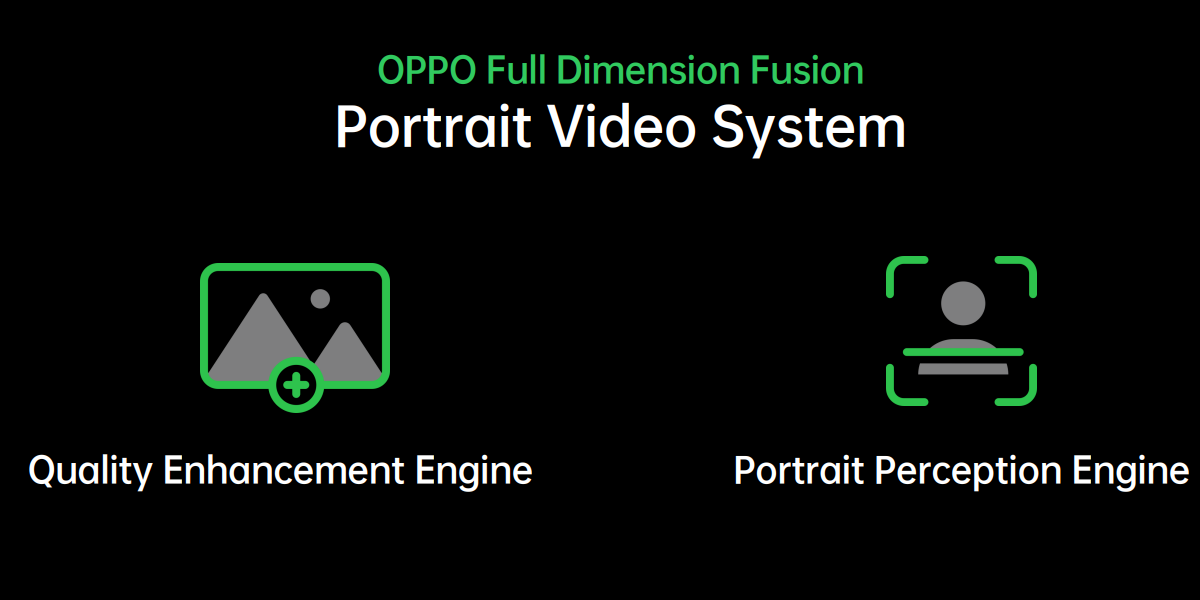
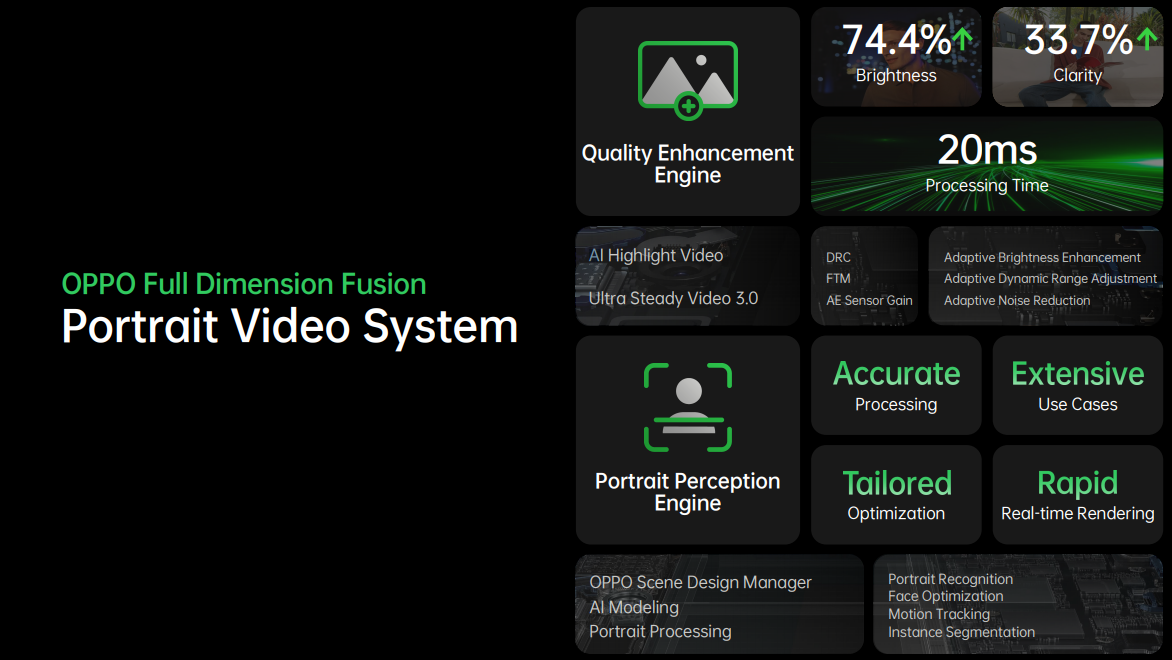
As mentioned above, OPPO’s camera system is a collection of different algorithms that work in tandem to optimize the videos recorded on the OPPO Reno5Pro 5G. The system is comprised of two main engines:

portrait video system

1. Quality Enhancement Engine

As the name suggests, the Quality Enhancement Engine improves the quality of the video in a number of different parameters like brightness, dynamic range, and noise reduction. This engine works in the background to improve the overall quality of the video being recorded.

2. Portrait Perception Engine

The Portrait Perception Engine on the other hand focuses on scene recognition. It works in the background to identify human figures in the scene and effectively optimize them with respect to its environment. This particular engine is also responsible for enabling creative filters inside the video like the AI Color Portrait mode.

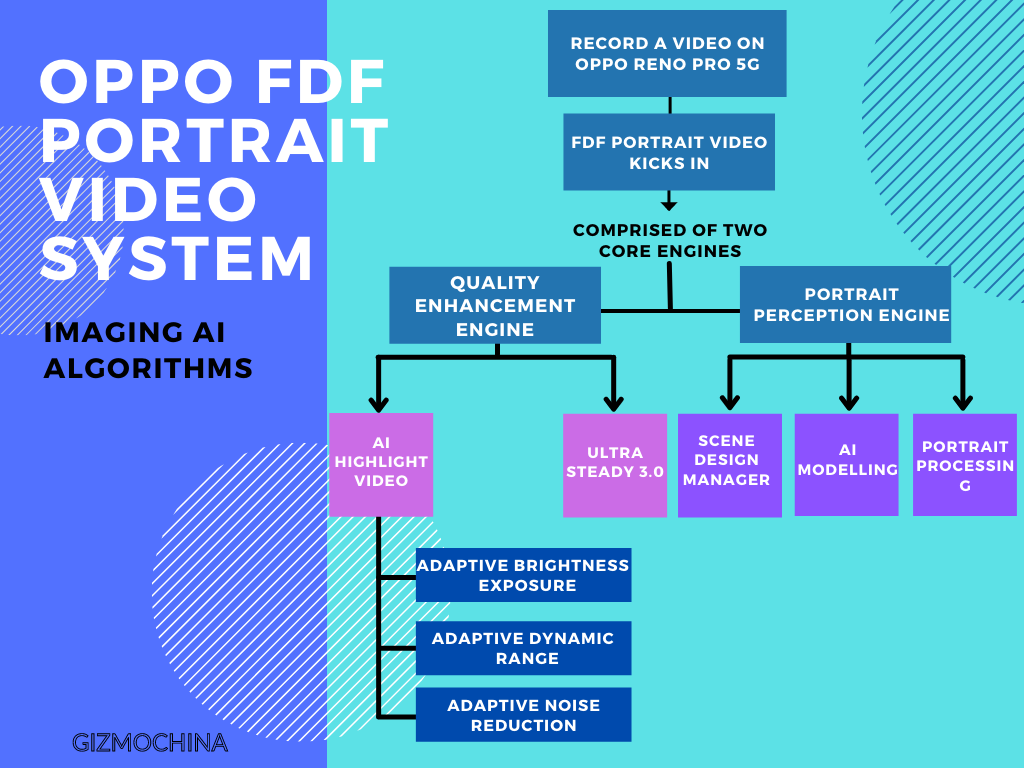
To understand it better, this flowchart will give you a quick overview of how the system works.

OPPO FDF Portrait Video System

HOW THE SYSTEM WORKS 

The two engines work together to optimize the video on the Reno5Pro 5G. Each engine has its own set of optimizations being processed in the background. Now let’s take a quick look at these processes.

Quality Enhancement Engine

The Quality Enhancement Engine is comprised of two AI algorithm architectures – AI Highlight Video and Ultra Steady 3.0.

OPPO AI Highlight video
    • AI Highlight Video
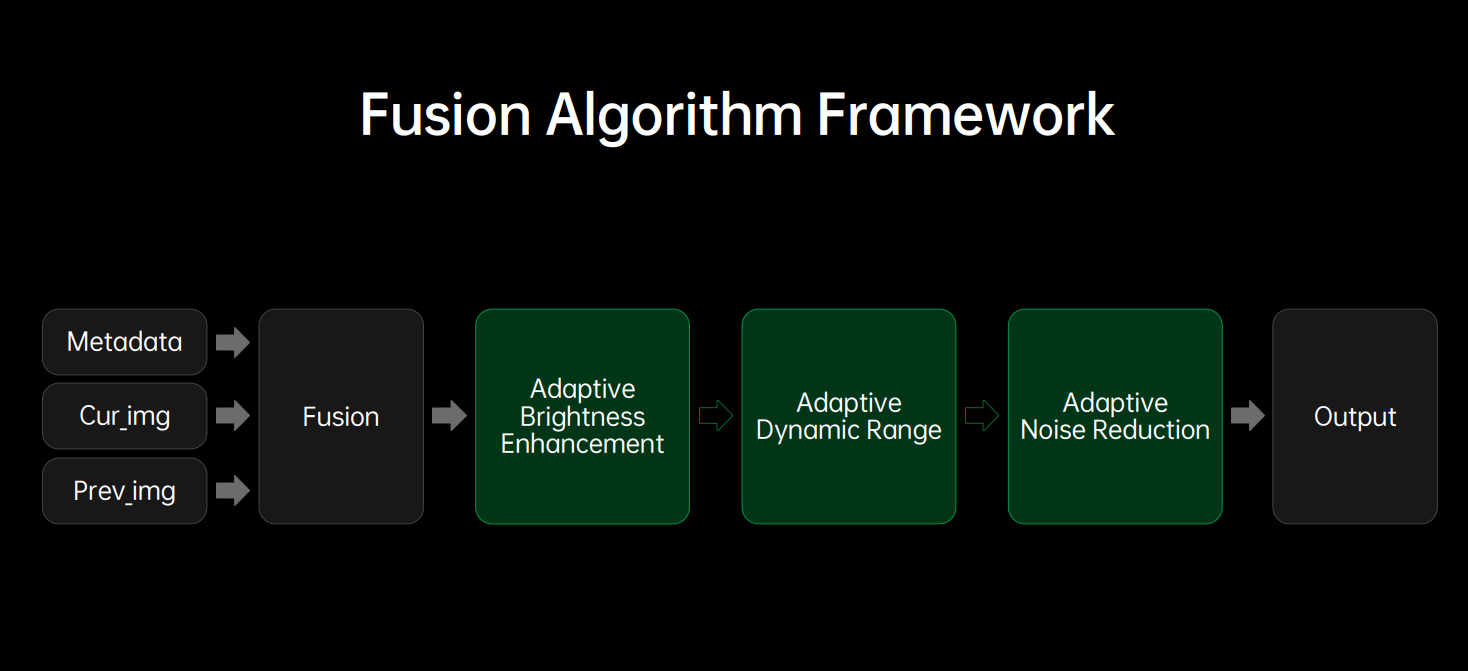
      OPPO reveals that AI Highlight Video is its proprietary algorithm architecture that combines Ultra Night Video Algorithms and Live HDR Algorithms to optimize the brightness, color, and clarity in videos, irrespective of its light levels. OPPO also notes that this is the first time that they have been able to use both its Night and Live HDR algorithms simultaneously. This means that AI Highlight Video works in daylight as well as low-light situations and it’s available on both front and rear cameras. You just have to press a button in the camera UI to turn on this feature.
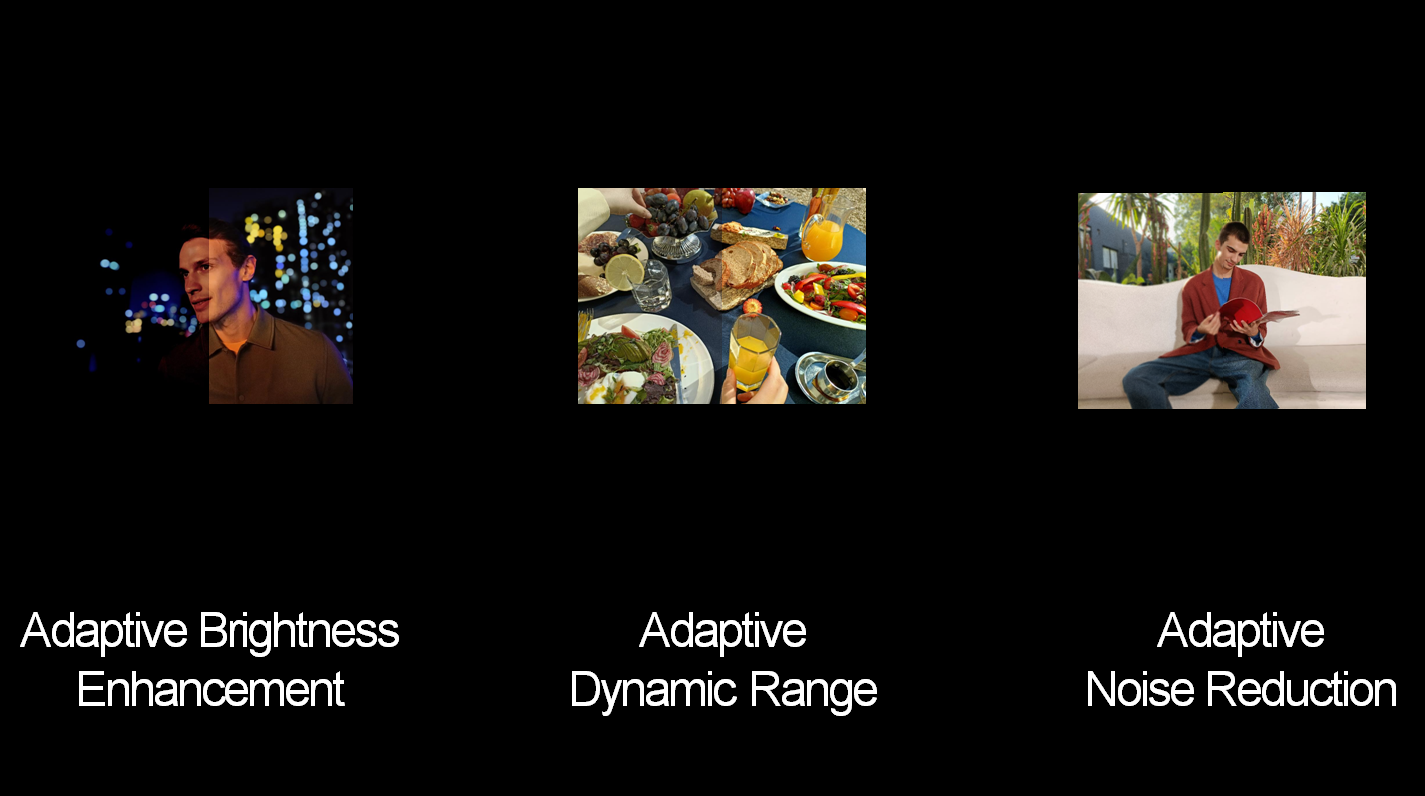
      fusion algo frameworkAI Highlight Video optimizes the video in three different parameters.
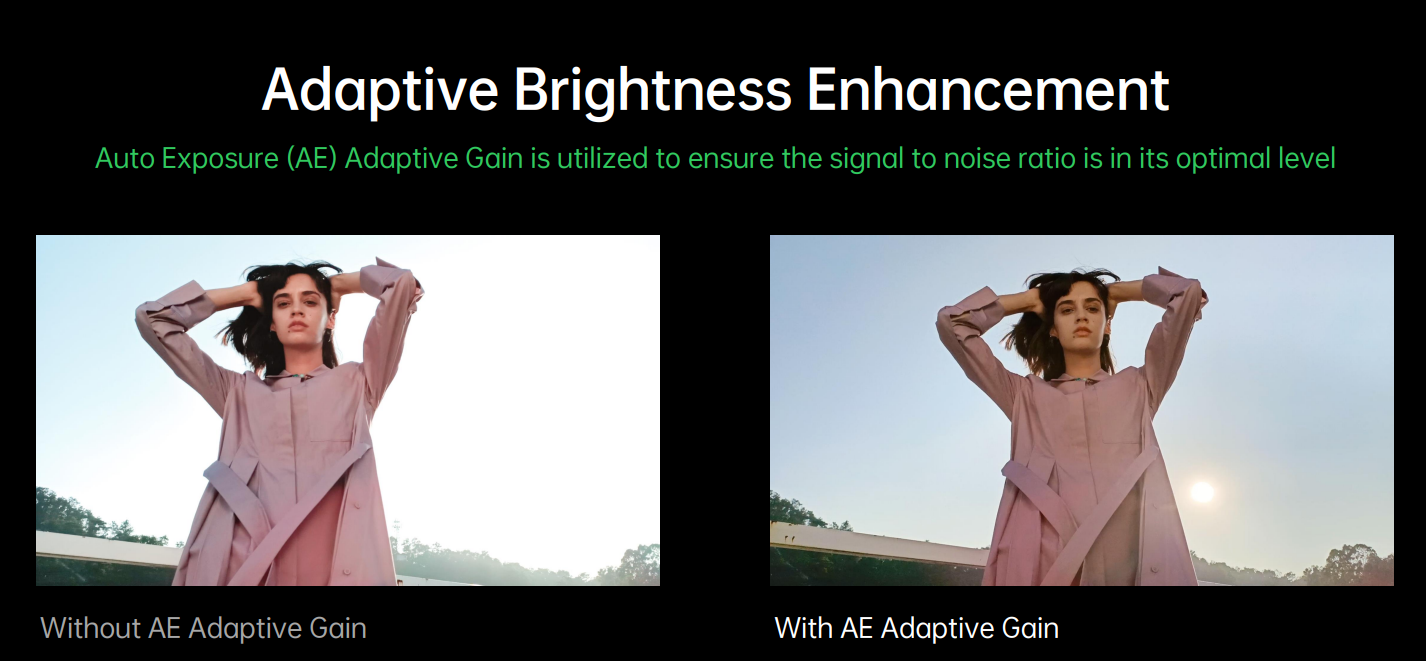
        • AI Adaptive Brightness Enhancement: The algorithm uses adaptive gain to control the exposure time to ensure the images in the video are bright yet not overexposed.adaptive brightness enhancement


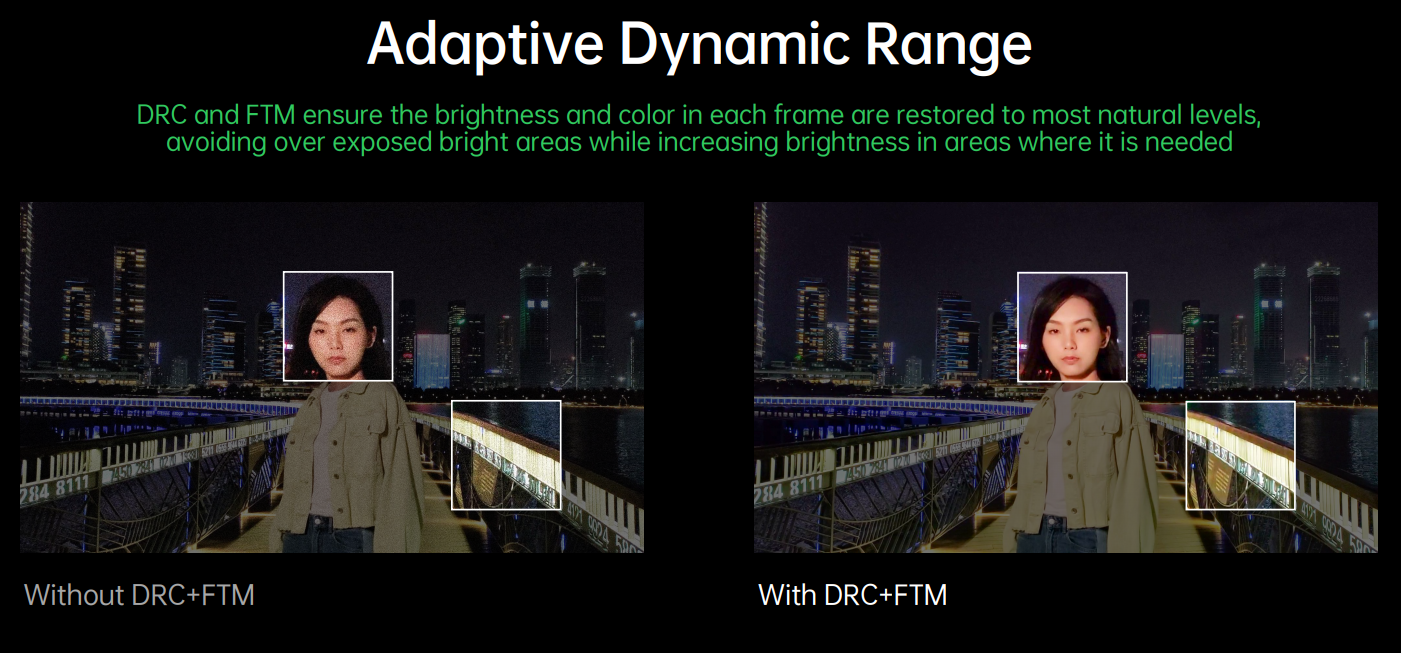
        • AI Adaptive Dynamic Range: The Adaptive Dynamic Range adjusts the dynamic range to each frame in a video using Dynamic Range Conversion and Filmic Tone Mapping (FTM) technologies. OPPO claims that this process restores lost colors, brightness, and darkness to the image’s natural levels. This process also includes Multi-Frame HDR for better dynamic range across the entire video.adaptive dynamic range 2


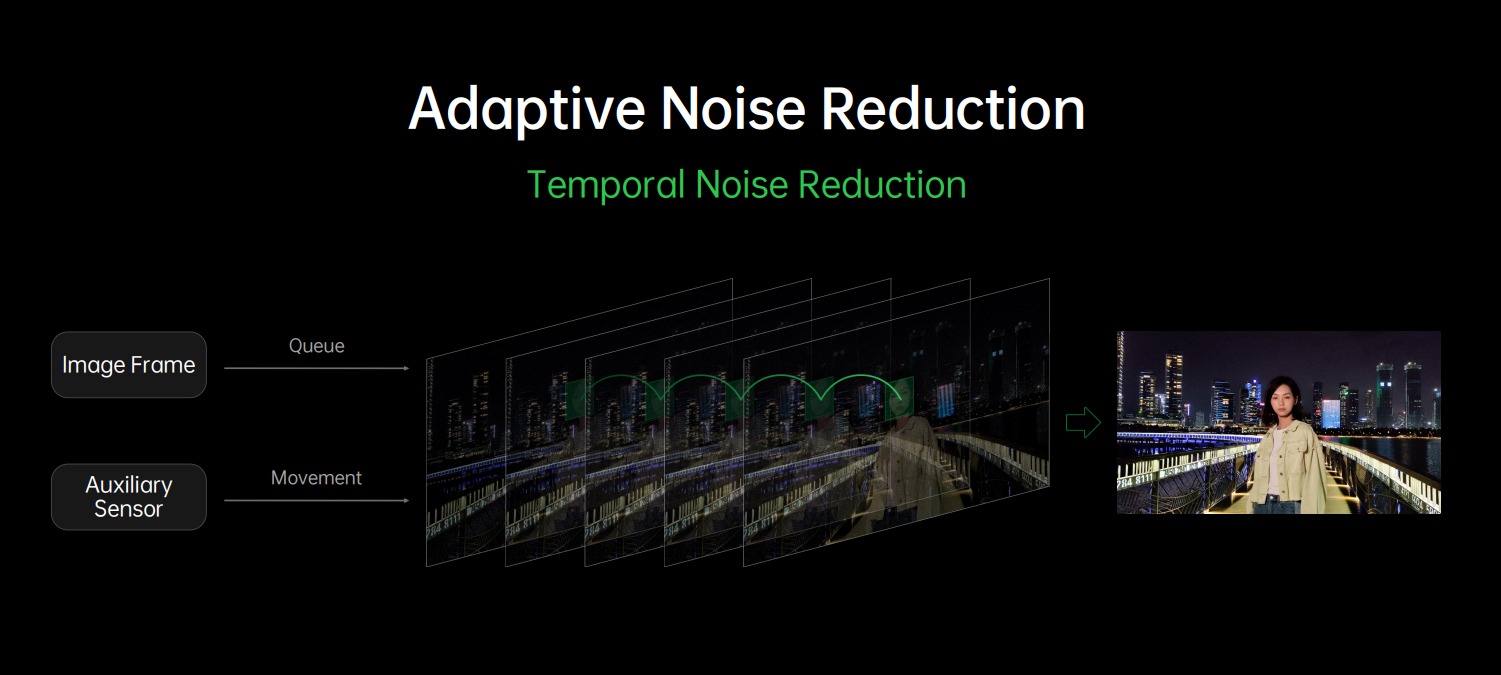
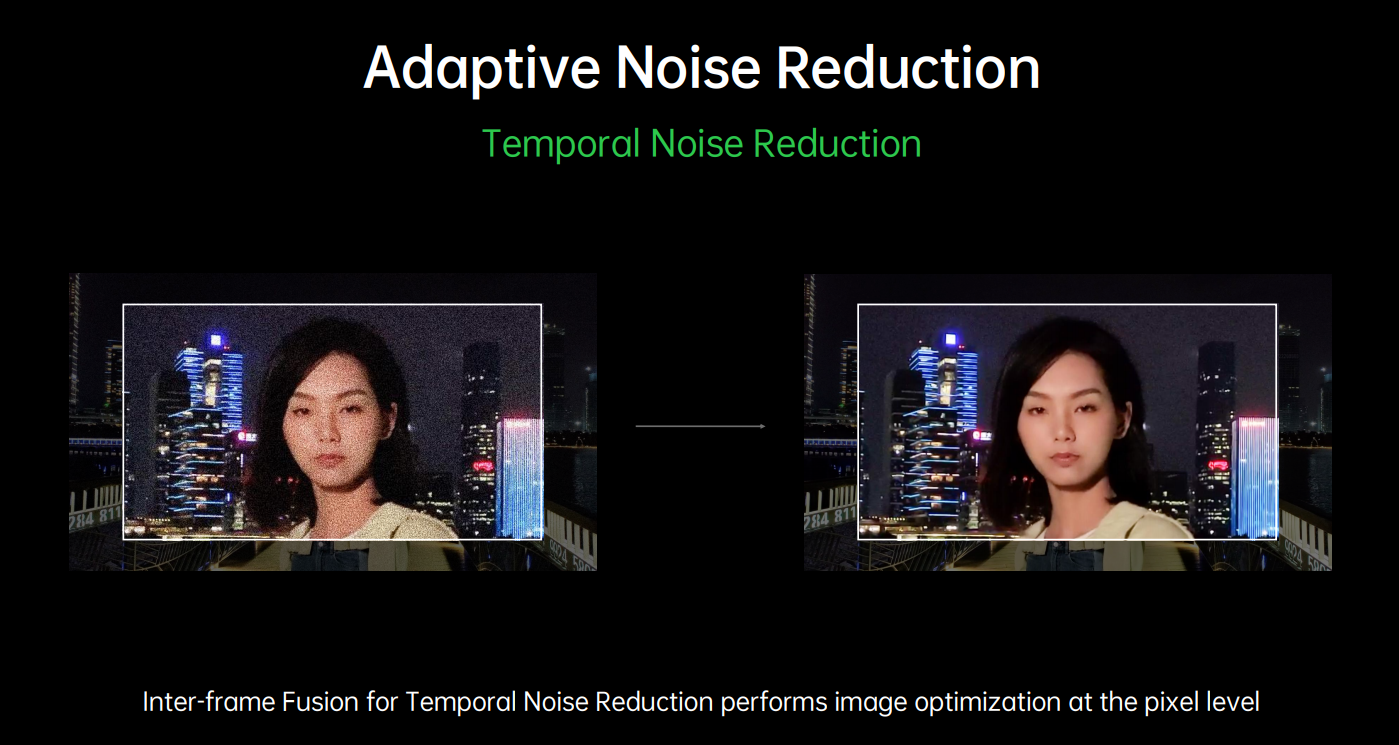
        • AI Adaptive Noise Reduction: This process adds inter-frame fusion for temporal noise reduction (between two frames) and intra-frame fusion (inside the frame) for spatial noise reduction. OPPO claims that this process removes an image’s noise without removing essential details, unlike other regular de-noising algorithms.


      It’s clear that OPPO is giving a lot of importance to its AI Highlight Video algorithm. In fact, the company shared a few key stats on how it improves the overall quality and performance of videography on smartphones.

      OPPO reveals that AI Highlight video enhances the brightness of night-time videos by 74.4% with 33.7% clarity as compared to the regular video mode. It takes just 20ms to complete the entire process on the Reno5Pro 5G while the power consumption also drops by 40% as compared to its predecessor.

    • Ultra Steady 3.0
      OPPO’s Quality Enhancement Engine also depends upon its new generation of Ultra Steady 3.0 technology which provides stabilization technology to a broader range of scenarios like running, jumping, and even extreme sports.
      ultra steady 3

Next up is the portrait perception engine. A lot of you might already be familiar with this engine. This set of algorithms is responsible for enabling portrait centric features like the cool AI Color Portrait videos, irrespective of the background or the state of the person.

Portrait Perception Engine

Portrait Perception Engine undergoes three typical processes when you shoot a video.

        • Scene Design Manager: The first stage is defining the portrait scene and processing the requirements needed for the same. Using OPPO’s own database with over 10 million data, the Scene Design manager can analyze real-life portrait scenes in different scenarios and provide required adjustments to the video against a set of fixed parameters. This is the first stage where the engine prepares the video for further processing.
          scene design manager


        • AI Modelling: Once the scene is assessed, AI models and deep neural networks kick into action, essentially separating out the portrait from the background. This is a very important part of OPPO’s portrait video processing. To increase the speed and accuracy of its AI model that identifies portraits, the company is using its own database to train the SOTA AI model. It helps to further compress these models making them suitable for smaller devices like smartphones. OPPO claims that the entire portrait recognition process can be performed in less than a millisecond, which is extremely important for a seamless and instantaneous videography experience.


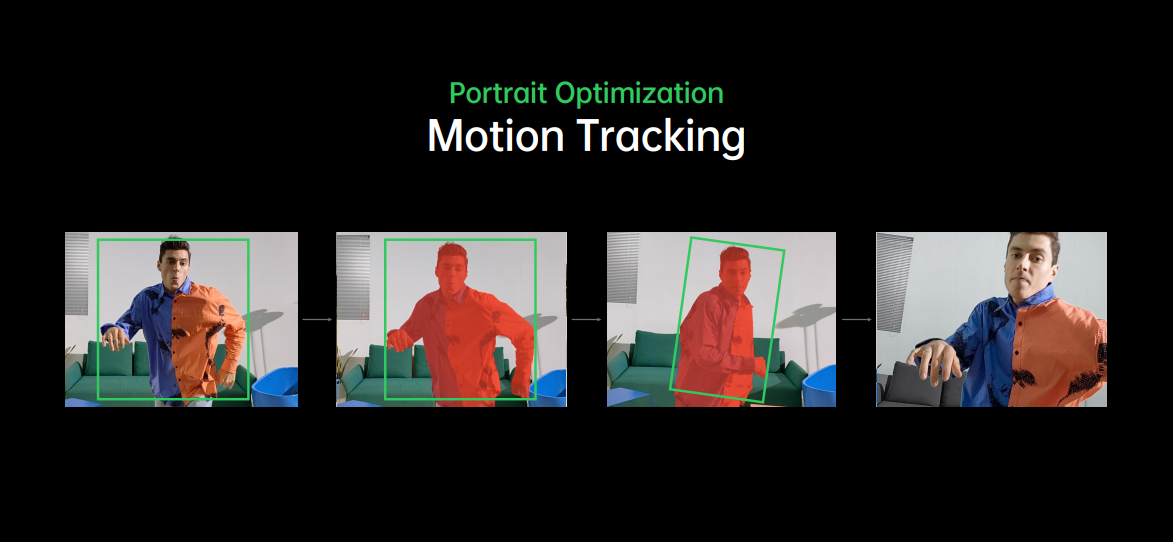
      • Portrait Processing: When you look at its real-life applications, the Portrait Perception Engine forms the base of OPPO’s FDF Portrait Video System. The final portrait processing algorithm optimizes the video in three aspects:
        1. Face Optimization
        2. Motion Tracking
        3. Instance Segmentation

        Thanks to the Portrait Perception Engine which includes portrait identification and portrait processing, OPPO’s smartphones with the FDF Portrait Video system can:

        • Accurately identify features of every person and their faces even if the subjects are side-on to the camera or are partially obscured.
        • Apply AI Highlight Video optimizations like color, brightness, or contrast adjustments to portraits.
        • Add personalized optimization to each subject in the image (instance segmentation)
        • Add special features to portraits like AI Color Portrait

It’s clear that OPPO believes that videos are going to be a very important part of smartphones in the coming years. The company’s FDF Portrait Video System is just another effort to deliver more to its users on the video front.

portrait video system summary

The company has revealed that as of September 2020, it had applied for 7,300 imaging-related patents worldwide, out of which 2,350 have already been granted.

The OPPO Reno5 Pro 5G is the latest model to feature its new FDF Portrait Video System. The phone launches in India on January 18, so we’ll know soon how much of a difference this new Engine brings to the video experience.


CES 2021: TCL showcases marvelous rollable OLED smartphone and 17-inch scrolling display

At the Consumer Electronics Show (CES) 2021, TCL showcased a wide range of devices such as TCL 20 SE and TCL 20 SE smartphones, NXTPAPER and Tab 10s tablets, and Movaudio S600 TWS. The Chinese firm also unveiled two innovative products such as a 6.7-inch rollable AMOLED screen and a 17-inch printed OLED scrollable screen.

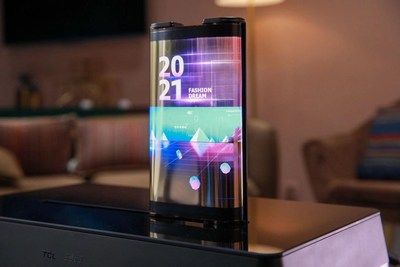
The 6.7-inch rollable AMOLED display can be seen in a small smartphone form factor. The screen can stretch from 6.7 inches to 7.8 inches just with a simple tap. This will allow the smartphone to turn into a tablet. The TCL device featuring the rollable AMOLED display will come equipped with an easily adaptable user interface.

The thickness of the device is under 10mm, which makes it slimmer than a foldable smartphone. The company claims that the curling and sliding radius of the flexible screen can be as small as R3mm along with the special mechanism design. Just with a swipe of a button, the display that is originally curled and hidden inside the case can be pulled out. According to TCL, the device offers a sliding life of up to 100,000 times.

The 17-inch printed OLED display that has a thickness of 0.18mm was presented in a unique design of a scroll painting. In the video above, the screen can be seen fitted with two rods at the two ends and it can be seamlessly opened or closed like a scroll painting.

The flexible screen is equipped with TCL CSOT’s cutting-edge inkjet printing technology, with a 100% color gamut, it significantly enhances the quality of the display. It can be widely applied across flexible TVs, curved and foldable displays, and transparent commercial displays.

Its OLED RGB self-luminous devices are manufactured with high-precision inkjet printing technology, without the need for fine metal masks. As a result, the cost is 20% lower than traditional display technologies and is more applicable for large-sized displays and mass production.