Apple Watch was first unveiled by Tim Cook in September 2014 but it wasn’t until April 2015 before the first version of Apple’s wearable started shipping. Since the birth of the wearable, the Apple Watch has evolved tremendously with the addition of several features that have turned out to be lifesavers. The sales have also been remarkable.
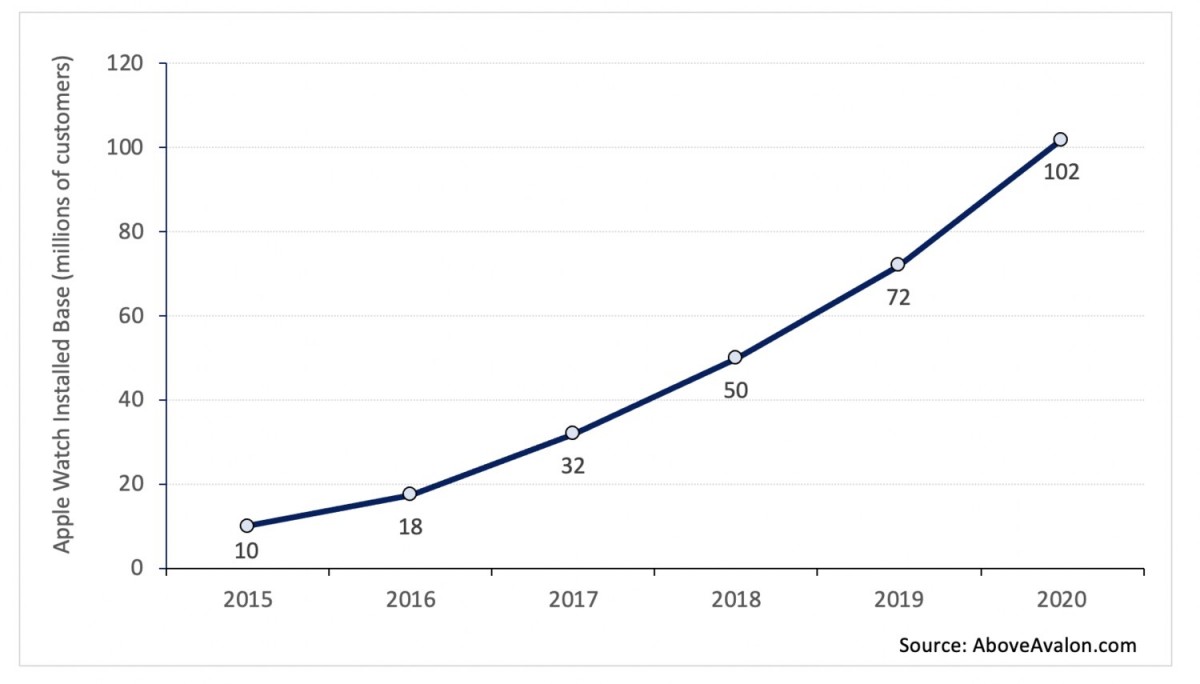
According to a chart posted by Above Avalon, Apple has shipped in excess of 100 million Apple Watch devices worldwide since 2015, making it the number one best-selling piece of wearable tech on the planet. This is no mean feat considering that the watch is one of the most expensive products in its category right from when it was launched.
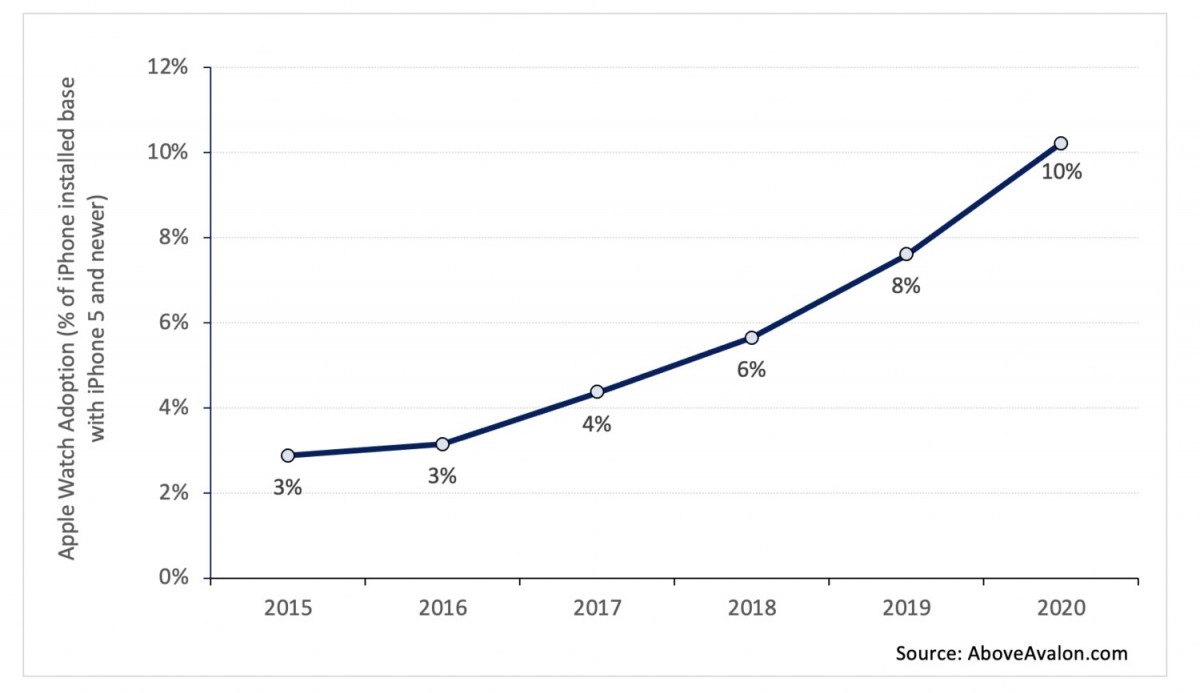
The data also shows that the smartwatch’s adoption level stands at only 10% of the active iPhone users. Presently, the number of iPhone users globally is around 1 billion.
The figures were propelled by the shipment for 2020 which is estimated to be 30 million units. This is shown to be higher than what the company shipped in 2015, 2016, and 2017. Also, the US market is the most dominant in terms of the adoption of the smart wearable lifestyle. The data shows that about 35% of the iPhone users pairing their iPhones with an Apple Watch.
Further, the Apple Watch ranks number four on the list of best-selling products by Apple, behind the iPhone, iPad, and Mac. Estimations by analysts show that Apple Watch will likely displace the Mac from the fourth position in 2022.
Xiaomi India Managing Director and Global VP Manu Kumar Jain officially confirmed last week that the Redmi Note 10 series will be launched early in March. Apparently, by “Early in March”, Jain meant 10 days into the new month, going by the latest leak about the device.
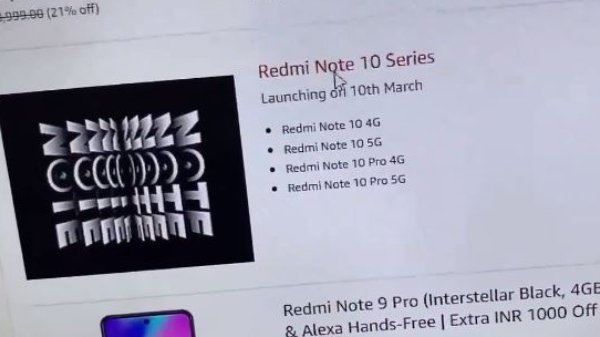
A leaked Amazon India listing has now revealed that the Redmi Note 10 series will be unveiled in India on March 10. The leak shows that the series will be available in four variants which include the Redmi Note 10 5G, Note 10 4G, Note 10 Pro 5G, and a 4G variant of the Note 10 Pro.
We can’t say for sure if the leak is authentic but it makes sense to expect the Redmi Note 10 series on March 10 for the very reason that it is the Note 10 series launching on the 10th and the official announcement of a March launch was done on February 10th. We expect the company to officially announce the exact launch date in no distant time. The Redmi Note 10 series is expected to debut as a worth upgrade over the equally impressive Redmi Note 9 series both in design and configuration. We also expect the prices of the models to be a slight bump over the Note 9 series.
Xiaomi has already confirmed that the models will be sold exclusively on Amazon India just like the Redmi Note 9 Pro and the Redmi Note 9 Pro Max. We also expect the models to be made available on multiple channels after a few months.
We’ll bring you more details about the Redmi Note 10 series here on Gizmochina as they emerge.
Phones with 100MP+ rear cameras have been available for more than a year now, and while selfie cameras have also gotten an upgrade, the highest pixel count for a front-facing camera is 44MP. However, that might change soon.
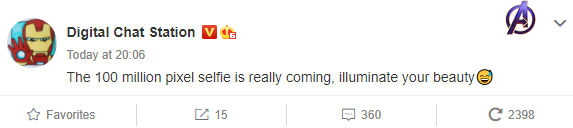
According to the leaker, Digital Chat Station, a phone with a 100MP (read 108MP) selfie camera is coming. Unfortunately, he didn’t say who the manufacturer is, though we want to believe it is a Chinese one.
While a 100MP+ selfie camera is exciting, we are curious to know how it will be implemented. The available 108MP sensors are quite big and take up a lot of space on the back of phones, so putting one in front is going to mean the phone will either have a large notch or a large hole punch. However, we think there are two ways to pull it off without ending up with an unsightly notch or hole punch.
The first is via the pop-up design as the pop-up mechanism can be made bigger to accommodate the large sensor. The other way is to use motorized flip cameras just like the Zenfone 6 and Zenfone 7 by ASUS. This method allows you to put a 100MP camera on the back that doubles as the selfie camera when flipped up.
We look forward to seeing the first phone with a 100MP launch soon and we are pretty sure more manufacturers will jump on the train once the first device launches.
An industry expert has weighed in on the global semiconductor shortage that has affected the auto industry gravely, leading to loss of jobs and significantly reduced earnings. According to an exec of equipment maker ASML, the surge in the demand for chips leading to supply dislocations and a dip in car production numbers are indicative of a wider problem that is placing strains on suppliers across the semiconductor sector.
Ron Kool, executive vice president at ASML stated that there had been a higher demand for lower technology computer chips, a bit stronger and beyond the expectations of most chipmakers and industry watchers in the coronavirus pandemic era.
ASML has shown a solid growth pattern in recent years and is presently Europe’s largest in the industrial tech segment, by market value. ASML is a major supplier of machinery to some of the leading global chipmakers like Samsung, TSMC, and Intel.
The impact of the shortage has been quite evident in the auto industry, as semiconductors shortages have forced several carmakers to review downwards their production benchmarks even in the face of rising demand for cars globally.
Kool feels that the global chip shortage, therefore, goes beyond supply logistics and other extraneous factors but could indicate a shift in demand patterns for chips. According to Kool, it is looking increasingly likely that indeed a wide range of emerging and traditional outlets will underpin the demand trajectory for chips, stressing that short-term mitigation of the shortages being contemplated by a number of governments may just be tokenistic.
The shift towards previous generation chipmaking technology was reflected in the Q4 earnings numbers of ASML, which saw a spike in the demand for previous-generation chip producing machinery, driving the impressive revenue figures of the company.
However, Kool says that the strong Q4 performance of the company may not be sustainable except there is substantial demand for cutting-edge machinery for the production of next-generation semiconductors.
Last week was a pretty eventful one. Xiaomi finally announced its flagship for the global market, and while it didn’t come with a Pro model or lite version, a leak gave us a first look at what is believed to be the Mi 11 Ultra. The smartwatch market is also expected to get bigger with new players such as Facebook and ZTE’s Red Magic gaming smartphone brand. Here is a recap of the top stories from last week:
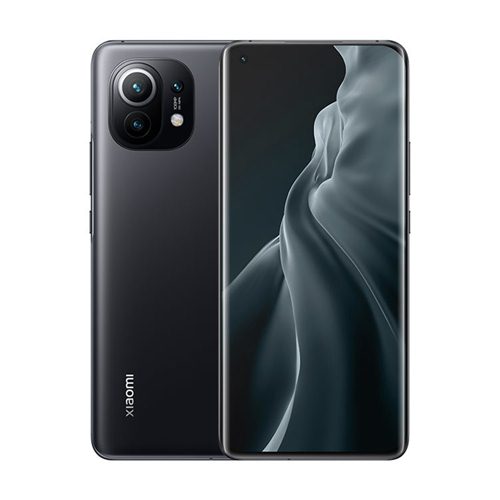
Mi 11 arrives on the global scene, Lite and Pro models MIA
The Xiaomi Mi 11 was unveiled for the global market at a pre-recorded event that was live-streamed. The phone which was launched in China in December has a starting price of €749 and comes with a 55W GaN charger in the box.
Mi 11 Ultra first look shows Xiaomi’s late entry into the dual-display niche
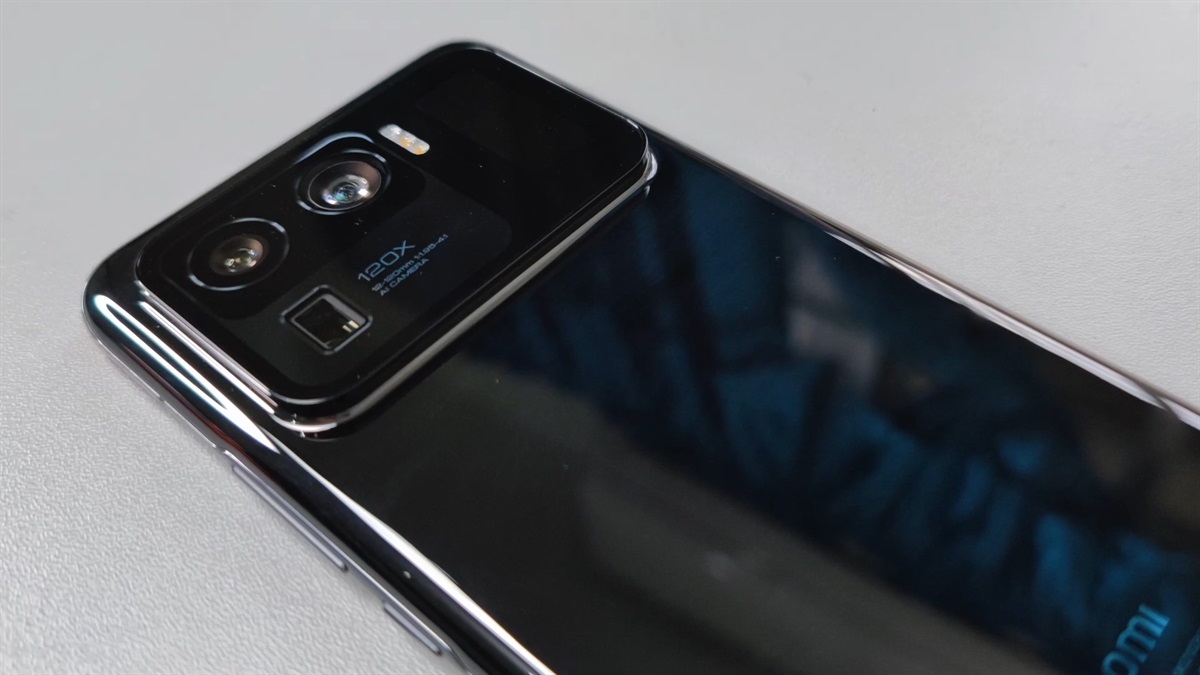
We were disappointed that Xiaomi didn’t announce a Mi 11 Lite and a Mi 11 Pro but a few days after the launch, a hands-on video of the Mi 11 Ultra was posted on the internet.
The video by a Filipino YouTuber that goes by TechBuff shows the Mi 11 Ultra has a curved AMOLED display and a rear design similar to the POCO M3. The flagship not only has impressive cameras with 120x zoom, but it also has a second display right next to the camera array!
Facebook is making a smartwatch but the Red Magic Watch is coming first
Remember when Facebook sort of made phones in partnership with HTC? That era gave us the HTC ChaCha, HTC Salsa, and the HTC First. While these phones didn’t record the success both parties must have envisaged, it was one of the social network’s early attempts into making hardware designed for its platform.
While Facebook has put its phone-making era behind it, the tech giant is still in the hardware business with devices such as its Portal line of smart displays and VR headsets under the Oculus brand. Now, it has been reported that a smartwatch is also on the way. The smartwatch will focus on messaging features and will have support for WhatsApp and Messenger. It will also have cellular connectivity when it goes on sale next year.
Red Magic Watch
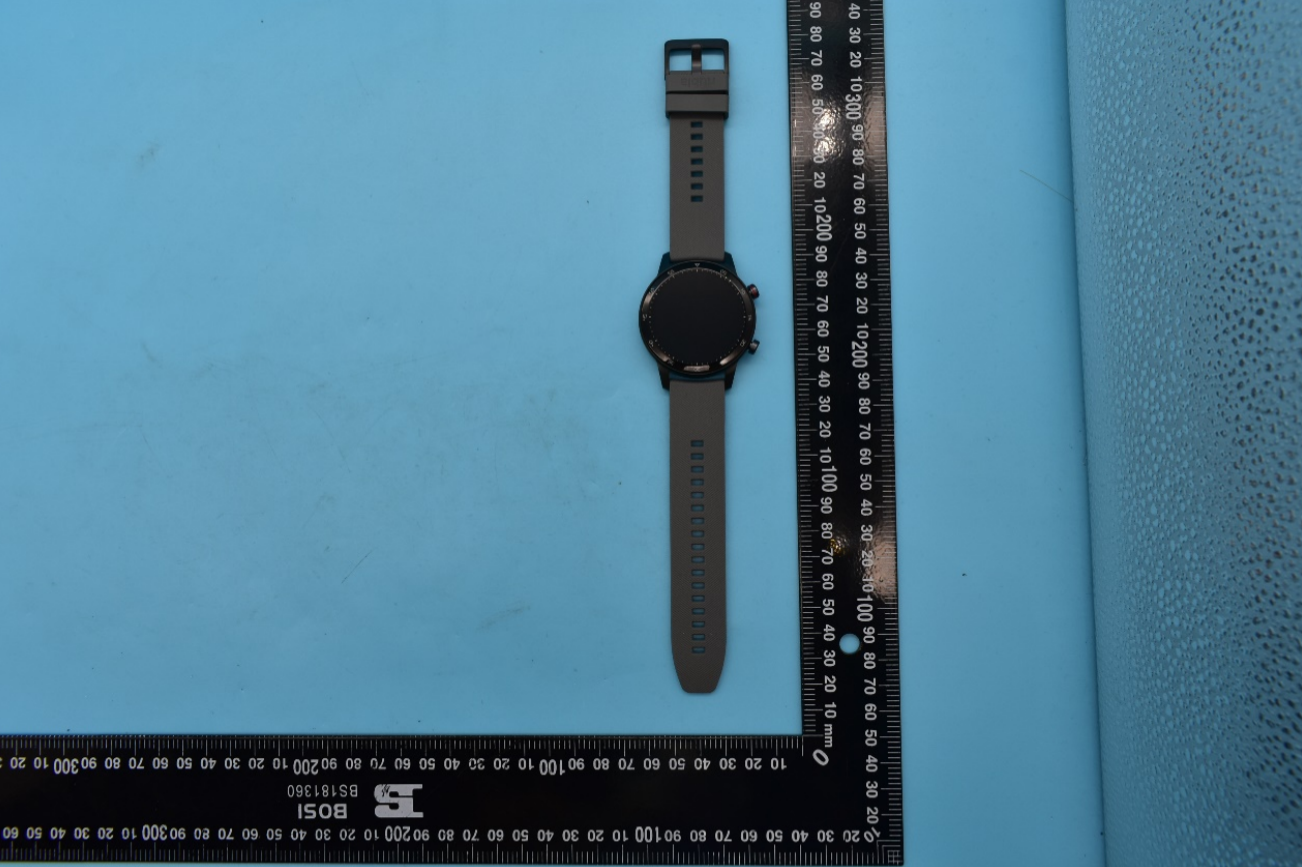
There is still a bit of waiting to be done before Facebook’s watch arrives but there is another player with a watch that should launch this year. ZTE’s Red Magic has a smartwatch coming and it has been spotted at the FCC. The watch will have a round display, GPS, and quick-release straps.
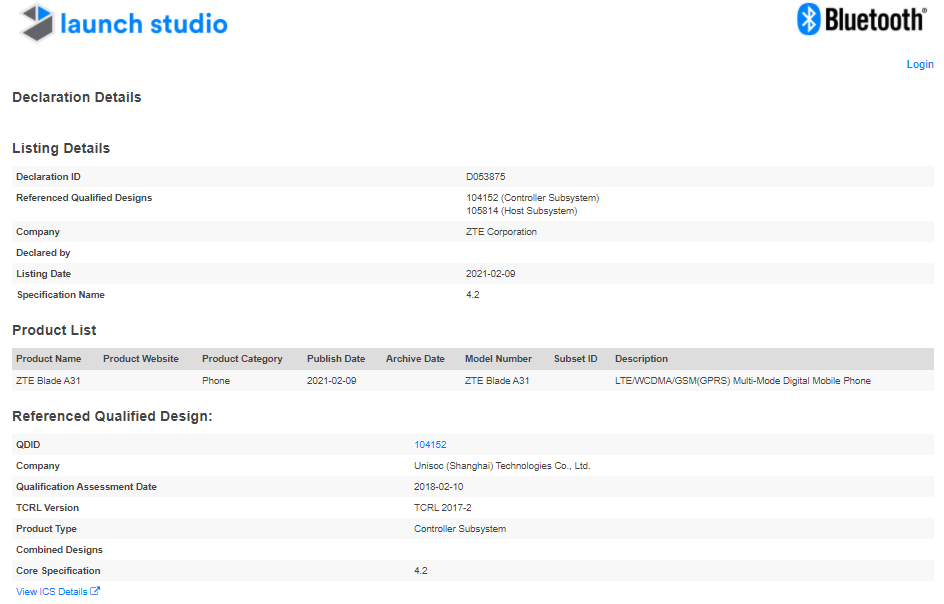
A Bluetooth certification listing has revealed that ZTE has a new smartphone for its Blade series on the way. The listing has shown that the device will launch as the ZTE Blade A31 which means it should be positioned under the ZTE Blade A51 that was spotted at the FCC back in November.
According to the Bluetooth SIG listing, the ZTE Blade A31 will have Bluetooth 4.2 and LTE. It will also be powered by a UNISOC processor.
The design of the phone should be similar to that of the ZTE Blade A51. So expect a polycarbonate phone with multiple rear cameras, a fingerprint scanner, and an LCD display. It should run Android 10 out of the box when it launches.
ZTE is yet to announce the Blade A51 even though it has been a few months since it was seen at the FCC. Nevertheless, we won’t be surprised if both devices are announced at the same time.
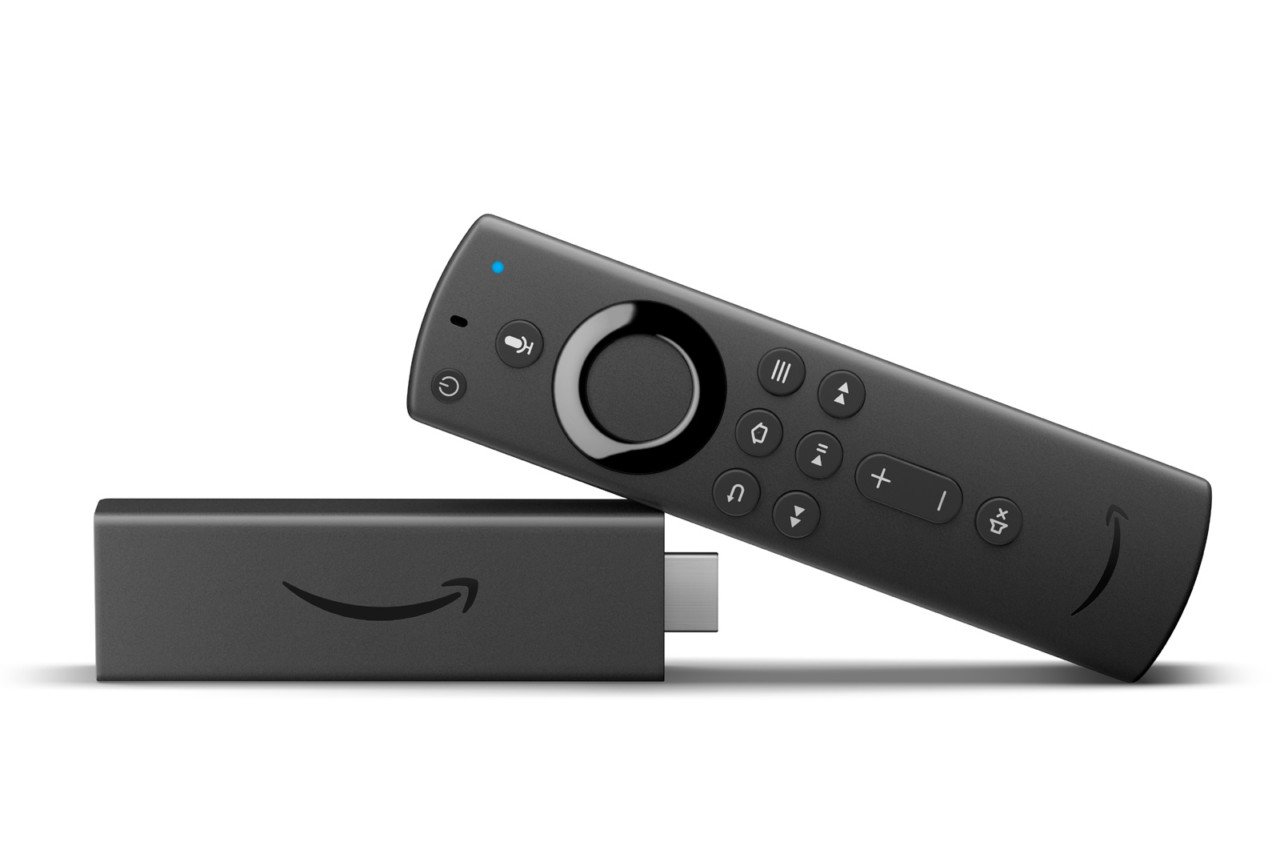
The Fire TV Stick 4K runs Fire OS which is actually based on Android but different from Android TV. Users don’t get Google’s Play Services and Play Store but get Amazon’s own app store and services. However, while you can sideload apps from other sources, having access to Google services saves you the hassle, and now there is a way to get the Android TV UI along with Google Services on Amazon’s streaming stick.
To get the Android TV user interface on the Fire TV Stick, you have to follow the procedure put together by the XDA-Developer member ”burcbuluku”. The steps which are listed below will transform your Fire TV Stick 4K into an Android TV device with the addition of certain Google services while still keeping Amazon’s own services such as Alexa and the Amazon Appstore.
To get started, you need a Fire TV Stick 4K (2018), a TV or monitor, a Fat32-formatted USB drive, a keyboard, a mouse, and an OTG adapter. Do note that the procedure voids your warranty. Below are the steps outlined by ”burcbuluku”:
Backup your files.
Unlock the bootloader and install TWRP using this guide.
Do a factory reset via TWRP (use the OTG adapter and keyboard/mouse to navigate)
Restore from the TWRP backup that you prepared.
Reboot to system.
Connect to Wi-Fi and log in to your Amazon account. (still using keyboard or mouse to navigate)
Go to Settings > Fire OS > Controllers and Bluetooth Devices and pair your Fire TV remote. (now you can ditch the keyboard)
Everything pretty much works fine save for the Google Assistant and Google Voice Search which are confirmed are not working.
We expect a procedure for other models of the Fire TV Stick will surface in the near future. We also won’t be surprised if a tool is developed that makes the procedure much easier.
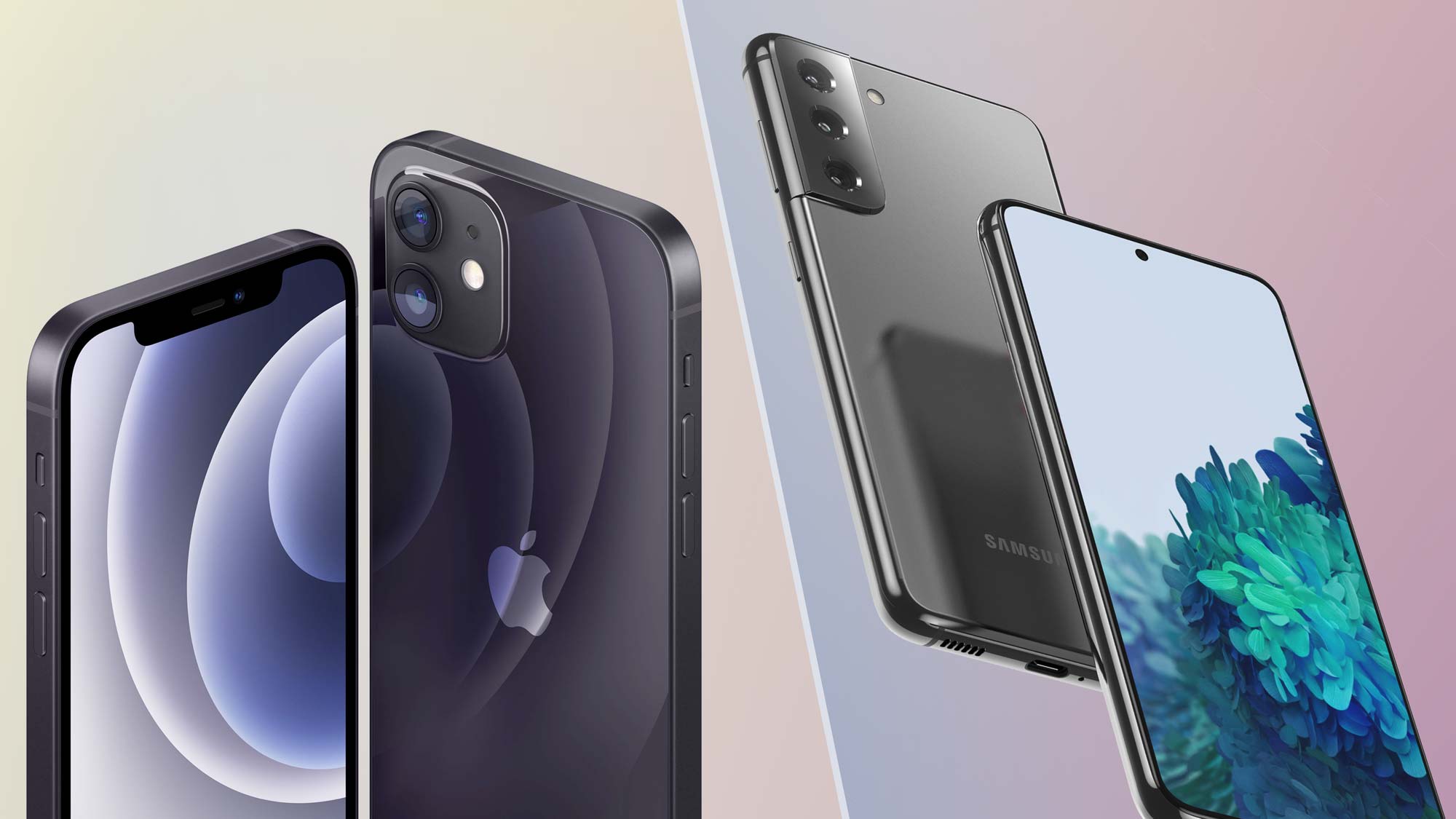
If you are looking for a compact phone and you need a flagship at the same time, you have two very interesting options: Apple iPhone 12 and Samsung Galaxy S21. They are the vanilla versions of the latest flagship series released by Apple and Samsung, that is what makes this comparison very intriguing. Here you will learn the major differences between iPhone 12 and Samsung Galaxy S21, as well as which device you should go for depending on your actual needs. After checking the comparison, you can tell us our opinion by using the comment box below the post.
Apple iPhone 12 vs Samsung Galaxy S21
Apple iPhone 12
Samsung Galaxy S21
DIMENSIONS AND WEIGHT
146.7 x 71.5 x 7.4 mm, 164 g
151.7 x 71.2 x 7.9 mm, 169 g
DISPLAY
6.1 inches, 1170 x 2532p (Full HD+), Super Retina XDR OLED
6.2 inches, 1080 x 2400p (Full HD+), Dynamic AMOLED 2X
Dual 12 + 12 MP, f/1.6 + f/2.4
Dual 12 MP + SL 3D front camera
Triple 12 + 64 + 12 MP, f/1.8 + f/2.0 + f/2.2
10 MP f/2.2 front camera
BATTERY
2815 mAh, fast charging 20W, wireless charging 15W
4000 mAh, fast charging 25W and wireless charging 15W
ADDITIONAL FEATURES
Dual SIM slot, 5G, Face ID, water resistant (IP68), MagSafe
Dual SIM slot, 5G, water resistant (IP68), reverse wireless charging
Design
Apple iPhone 12 and Samsung Galaxy S21 are built with sturdy and premium materials. Their bodies are composed of a glass back and an aluminum frame and both the phones are waterproof with the IP68 certification, but the iPhone 12 is actually better as it withstands immersions up to 6 meters deep. The iPhone 12 is actually more compact than the Samsung Galaxy S21 and it looks very original with its brick-like design. On the other hand, Samsung Galaxy S21 offers a slightly wider display and an original rear side. Both have a flat display, but the Samsung Galaxy S21 has a punch hole placed centrally instead of that big notch of the iPhone 12.
Display
The display of the Samsung Galaxy S21 may not offer the best reproduction out there, but it is more convincing than the iPhone 12 in terms of versatility. The big difference is the high refresh rate: a trendy feature that is still absent on Apple devices. The Samsung Galaxy S21 goes up to 120 Hz, while iPhone 12 stops at 60 Hz. iPhone 12 and Samsung Galaxy S21 have a very nice color reproduction, provide great quality in every scenario, and very high brightness. Samsung Galaxy S21 has an in-display fingerprint scanner, while Apple iPhone 12 relies on Face ID (3D facial recognition) for authentication.
Specs & Software
On the paper, the Samsung Galaxy S21 has a hardware department with higher numbers: you get the Snapdragon 888 mobile platform (Samsung Exynos 2100 in some regions), 8 GB of RAM, and up to 256 GB of UFS 3.1 native storage. But despite that, the iPhone 12 is able to achieve better performance thanks to the amazing software optimization of the iOS operating system and the powerful Apple A14 Bionic SoC built at 5 nm. Samsung Galaxy S21 is based on Android 11, a less performing operating system with a heavily-customized user interface.
Camera
The cameras of these handsets have their pro and cons. The Samsung Galaxy S21 has better zoom capabilities due to its telephoto sensor boasting optical zoom. But overall, the iPhone 12 looks more convincing with its 12 MP camera boasting a bright f/1.6 focal aperture and its excellent performance at video recording. However, you should note that they are not so far in terms of camera performance. Even the selfie cameras are close, both supporting 4K video recording.
The iPhone 12 has a way smaller battery than the Samsung Galaxy S21: you get just 2815 mAh against 4000 mAh. But it does not matter like the software optimization allowing the iPhone to achieve similar results to the Samsung Galaxy S21 when it comes to battery life. The Galaxy S21 is still slightly better, but the iPhone 12 has a satisfying battery life as well. Both support wireless charging, but only the Samsung Galaxy S21 gets reverse charging.
Price
The prices of Samsung Galaxy S21 and iPhone 12 are similar, but they vary depending on the market. In Europe, for example, they cost €879 and €839 respectively (prices referred to their base variants). Unless the price of the Galaxy S21 drops, we believe the iPhone represents a better choice thanks to iOS optimization and its great cameras. But the Samsung Galaxy S21 is very close with its great specifications.
Apple iPhone 12 vs Samsung Galaxy S21: PRO and CONS
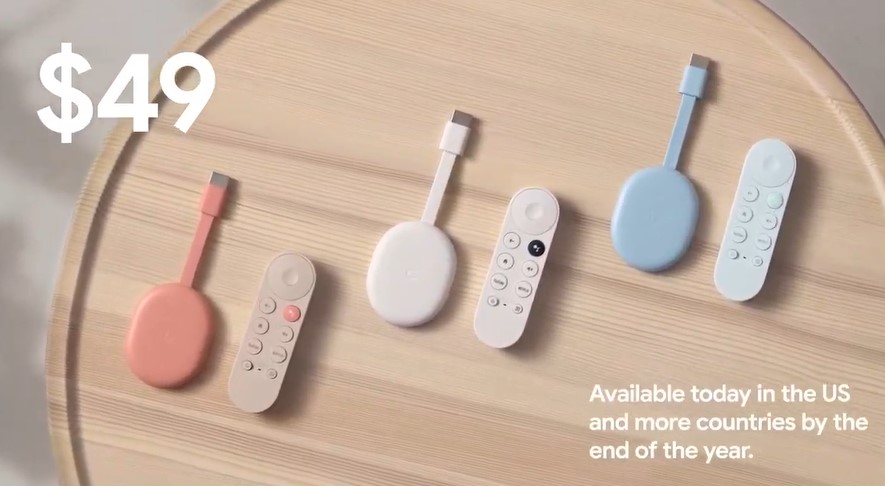
One of the major complaints of users of Android TV is the lack of multiple users support. This means that all the favorite content of a household with multiple users are mashed together. Folks expected Google to address the issue with the launch of Google TV but that wasn’t the case. Now, it has been reported that the Chromecast with Google TV will be getting a Kids Profile soon.
Chromecast with Google TV
This is technically not multi-user support but it means parents or guardians will be able to create a separate interface for kids. With a separate profile for kids, parents will be able to restrict kids from certain content that would otherwise be accessible via the main profile.
The news of a Kids Profile for the device was posted in a support thread by a Google spokesperson, reports XDA-Developers. The statement said that the feature should begin rolling out to users “in the next month (or so)”. It also adds that the feature will allow a safe space to be created for kids in Google TV.
Parents or guardians will be able to choose what apps should be made available to kids, however, there will be some default apps such as YouTube Kids. The Kids Profile will require a PIN if a user wants to exit it. This is to prevent kids from accessing a parent or guardian’s account.
Hi Rob, thanks for reaching out. Regarding multiple user profiles in Chromecast with Google TV, not at this time, but it’s top of mind for us. We are unable to share details on our road-map. Stay tuned to our social media channels for news and updates.
Google still plans to bring multi-user support to the Chromecast with Google TV. Last October, it said in a reply to a user’s tweet that the feature was a top priority for them but didn’t say when to expect it. We hope it arrives soon and is made available to devices running Android TV too.
Samsung has begun rolling out the One UI 3.1 update that shipped with the Galaxy S21 series to its older devices. One of the devices that recently got the update is the Galaxy S20 FE but it appears that Samsung has temporarily suspended the rollout.
While there has been no official statement from Samsung regarding the halt of the rollout, it has been reported by SamMobile that the update is no longer via OTA or through Smart Switch. There are speculations that Samsung may have stopped the rollout due to bugs. Some users are said to have reported performance and battery-related issues.
Samsung should resume the rollout once the issues have been resolved. So if you own a Galaxy S20 FE and you are yet to receive the update, then you should be patient.
The new update brings Google Discover to the home screen, the ability to remove location data when sharing photos, Google Home device controls in quick settings, and the ability to add video call effects to third-party apps. It also comes with February 2021′ security patch.
The Galaxy S20 FE launched last year with Android 10 out of the box. It received the Android 11-based One UI 3.0 update in December and is among the Samsung devices that will get OS upgrades and security updates for three years.
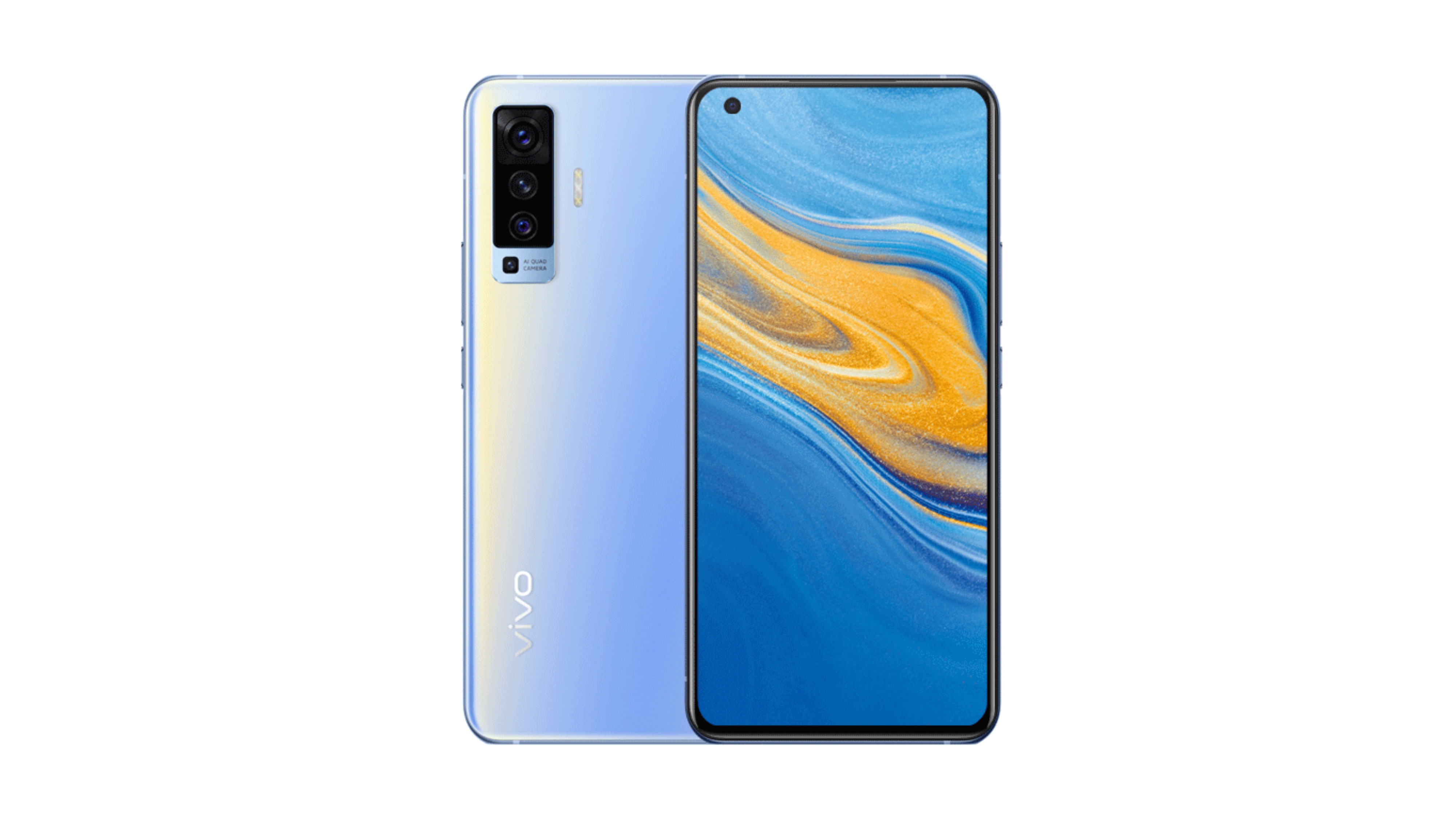
Back in January, vivo revealed Funtouch OS 11 (Android 11) update timeline for its smartphones in India. According to the schedule, vivo X50 and vivo V19 were supposed to start receiving the update at the end of that month itself. However, that did not happen as the latter device got the update last week and the former has begun to receive it only now.
According to a report by PiunikaWeb, the Android 11-based Funtouch OS 11 update for vivo X50 in India is currently under greyscale testing. In simpler words, it is only available for select users in the country. This initiative is similar to Xiaomi’s Stable Beta MIUI updates.
For those unaware, these types of builds are basically stable. However, they are only made available for select few users to test them out in public. If the early adopters don’t face any major issue like the recent Mi A3 Android 11 update fiasco, the build is soon released for more users.
Hence, vivo X50’s Funtouch OS 11 update is not available for all the users in India right now. But that should change soon in the coming days. The situation is the same for vivo V19, which got the update last week.
That said, as per the plan, vivo V17, vivo V17 Pro, vivo V15 Pro, and vivo S1 should be next in line to get the update starting by the end of March 2021.
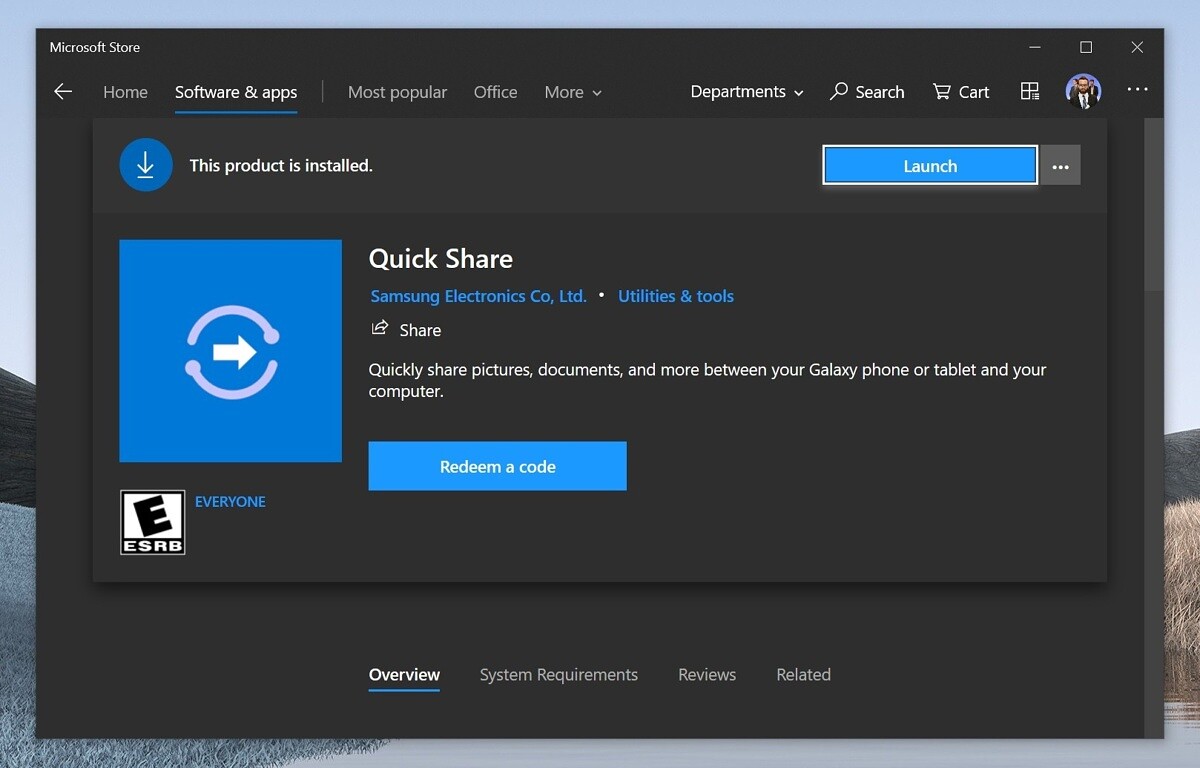
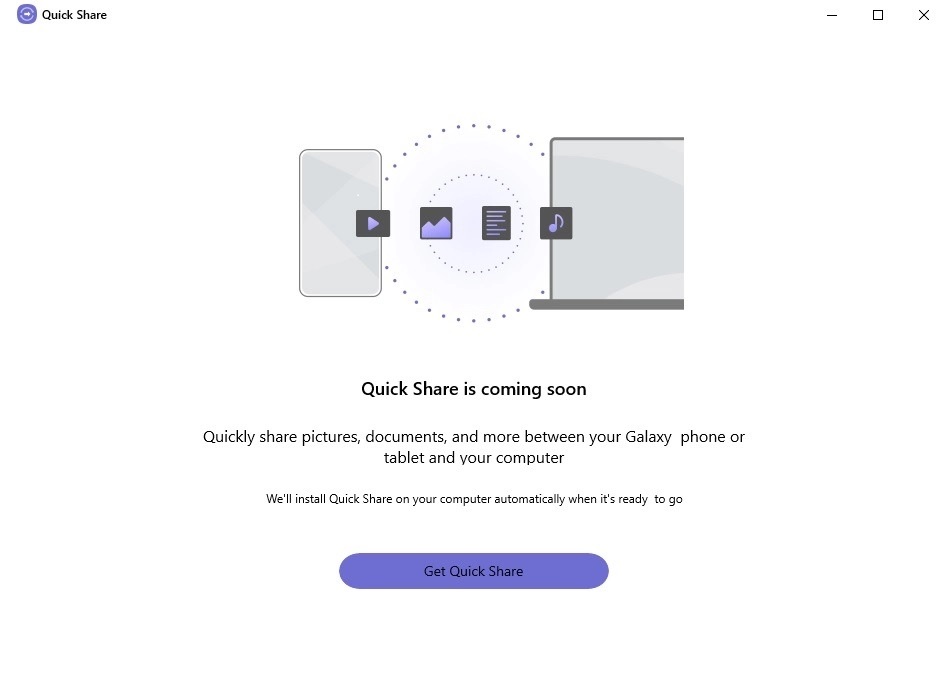
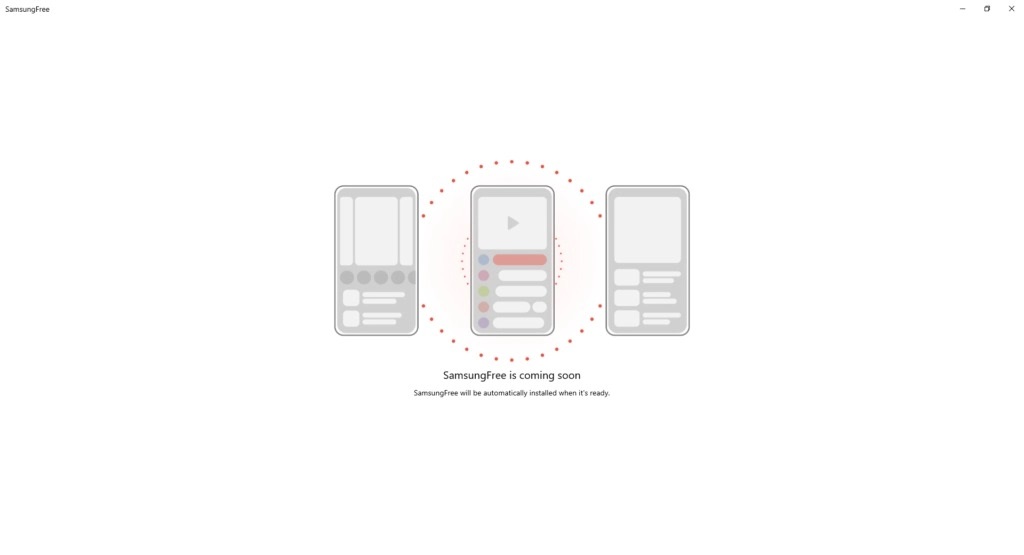
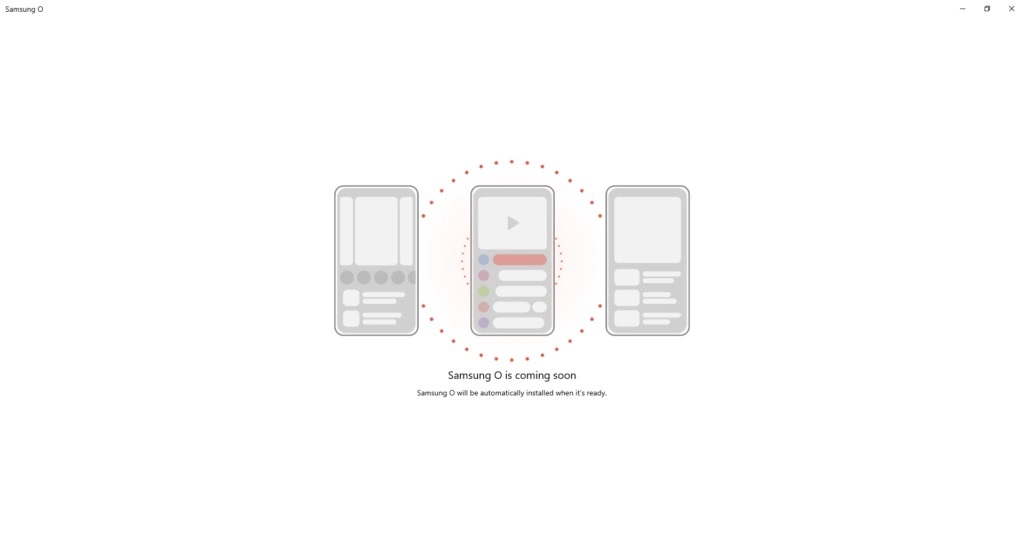
Samsung and Microsoft are long time partners. Recently, they had extended the partnership for further digital transformation in real estate and property management. Now, Samsung is bringing its services to Microsoft’s Windows 10 platform as a report by ALumia says Quick Share, Samsung Free, and Samsung O are coming to the Microsoft store.
Source: ALumia
Samsung’s Quick Share is an answer to Apple’s AirDrop. It allows seamless sharing of Photos, Videos, and Documents across devices. Now, this App is reportedly appearing on Microsoft Store for a few. Although it is yet to reach everyone, users who have One UI 2.0 and above on Galaxy devices can enjoy this feature.
Once available, you can use the Wi-Fi Direct, Bluetooth, or Samsung’s SmartThings platform(eligible ones) to share content from Phone to Laptop/Desktop.
In addition to the Quick Share, Windows 10 users will also get other apps like SamsungFree and Samsung O. Here, the Samsung Free was formerly called Samsung Daily. It is like a one-stop-shop for News, TV, and Play.
For the TV section, the App will reportedly show exclusive content that is available on the Samsung TV Plus. For the unware, this video rental service launched in 2016. However, it made the service and expanded to more galaxy phones last year.
The Samsung TV Plus includes a collection of Documentaries, and other entertainment services from over 150 channels. That said, the SamsungFree will also have a News section(News from Various sources compiled), and a Play section(Free Games).
That said, the Samsung O for Windows 10 is currently a mystery. The report says that this could be a clone app of some kind. This service is said to roll out on the Microsoft Store in a few days and let’s wait to find out what it brings to the Windows’ table.
Over the past couple of years, OPPO has focused on adding consumer pleasing attributes like a feature-rich camera setup and premium build quality on its Reno smartphones. However, the earlier models lacked the processing power to take on the flagships in the market. That changed in 2021 when OPPO released the Reno5 Pro 5G with the new Dimensity 1000+ 5G SoC which ensures CPU power is no longer an issue.
The Reno5 Pro 5G is already seeing better reception than the Reno4 Pro model with the phone registering 91% growth in the first week sales as compared to its predecessor. This isn’t surprising given how the new model is a much better upgrade as compared to its predecessor and retails at a similar price point.
So today, in this OPPO Reno5 Pro 5G review, let’s take a closer look at the phone and its features and see if the Dimensity 1000+ is worth the hype.
OPPO Reno5 Pro Inside the Box:
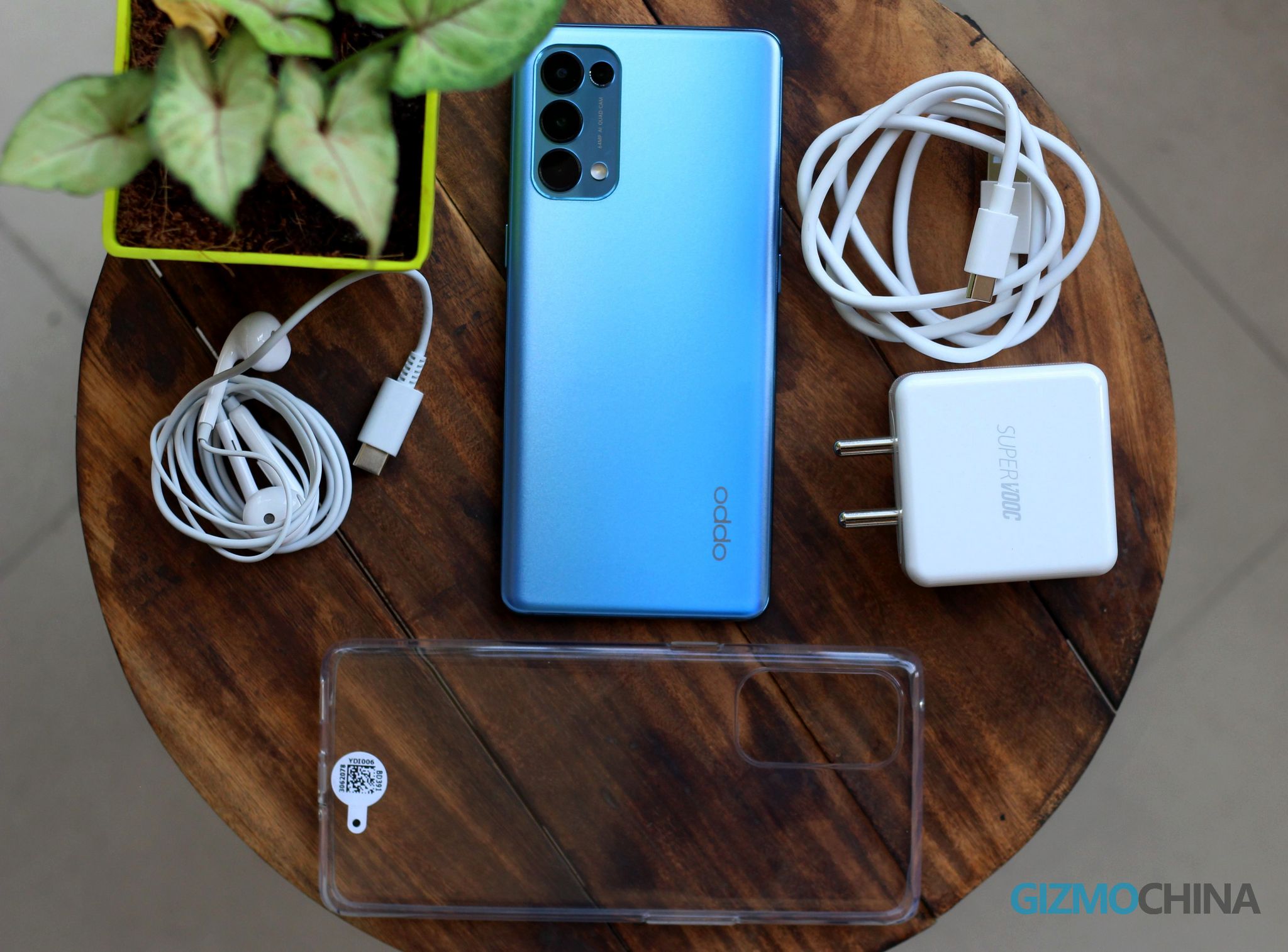
OPPO Reno5 Pro 5G box contents
The Reno5 Pro Box comes with the following items:
Handset
Charger
Earphone
USB Data Cable
SIM Ejector Tool
Quick Guide
Safety Guide
Protective Case
OPPO Reno5 Pro Review: Design
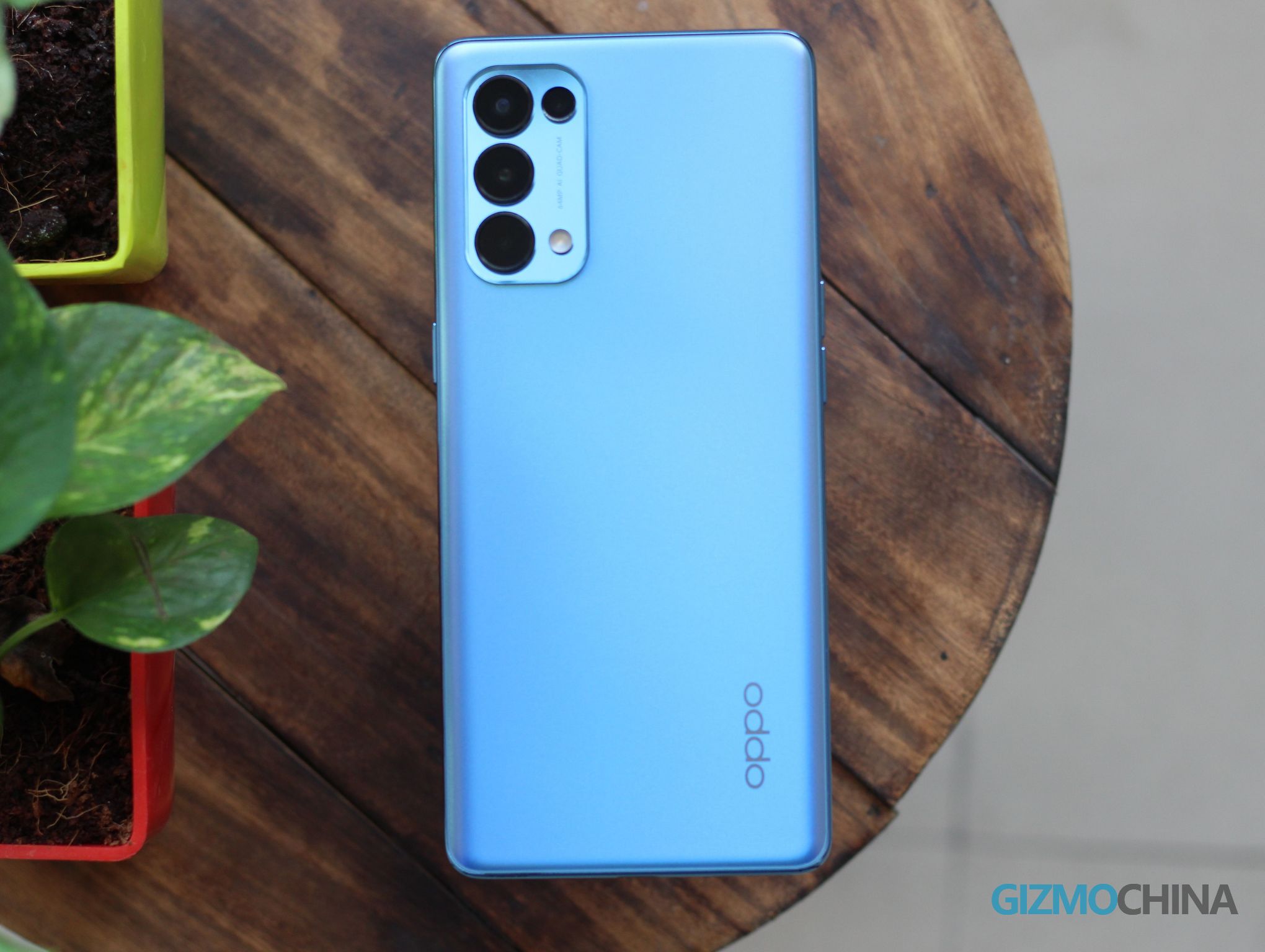
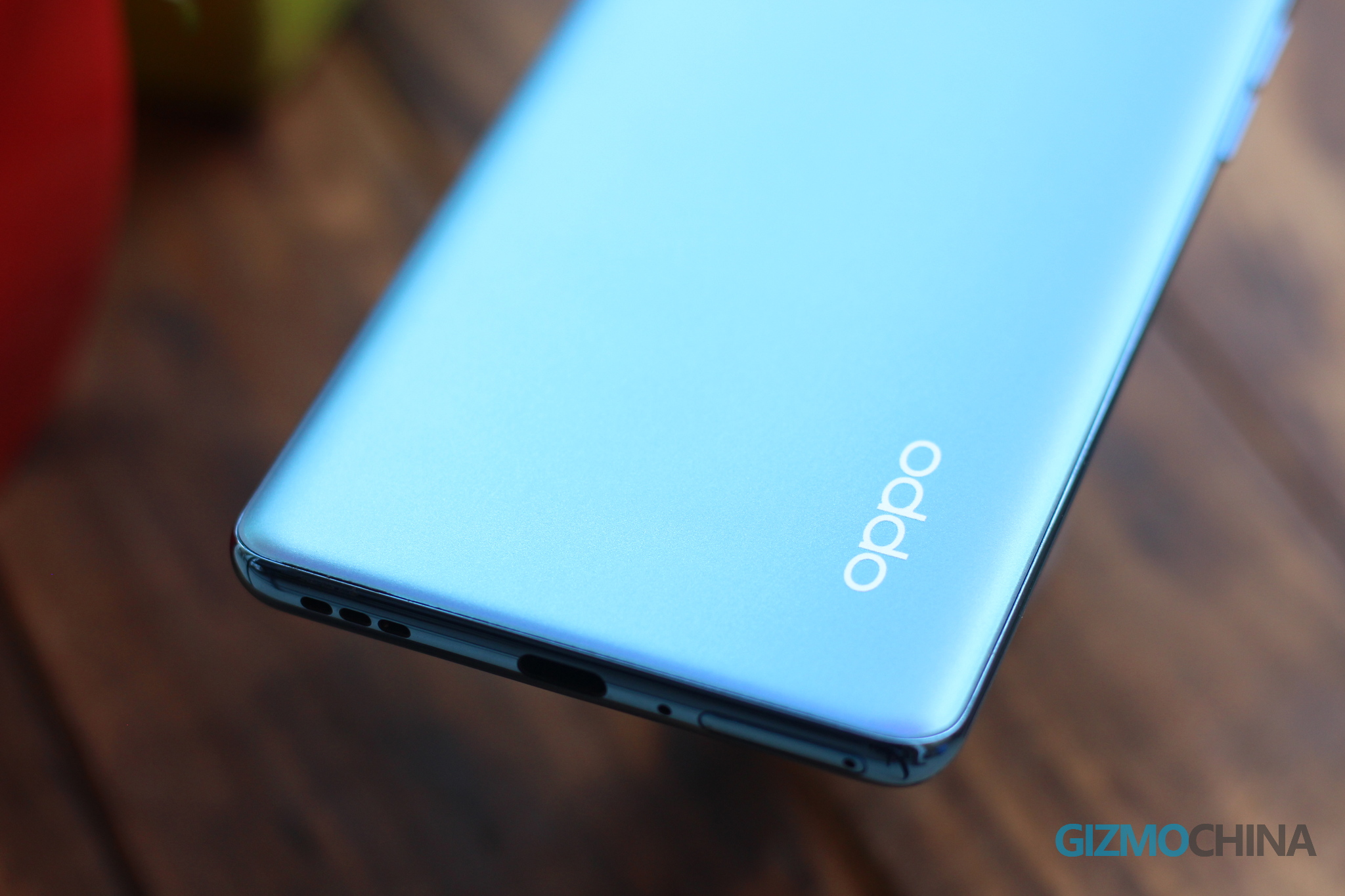
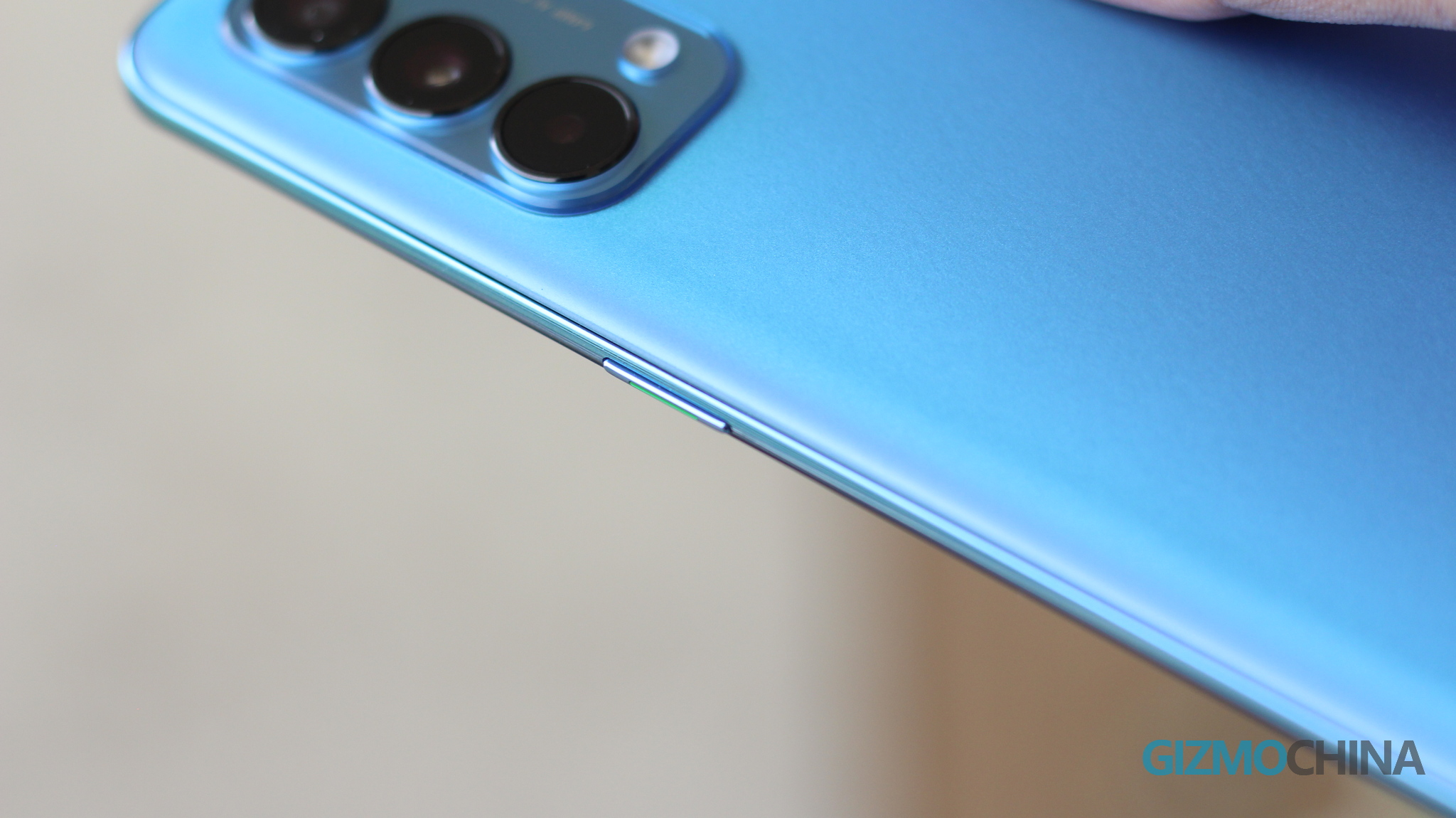
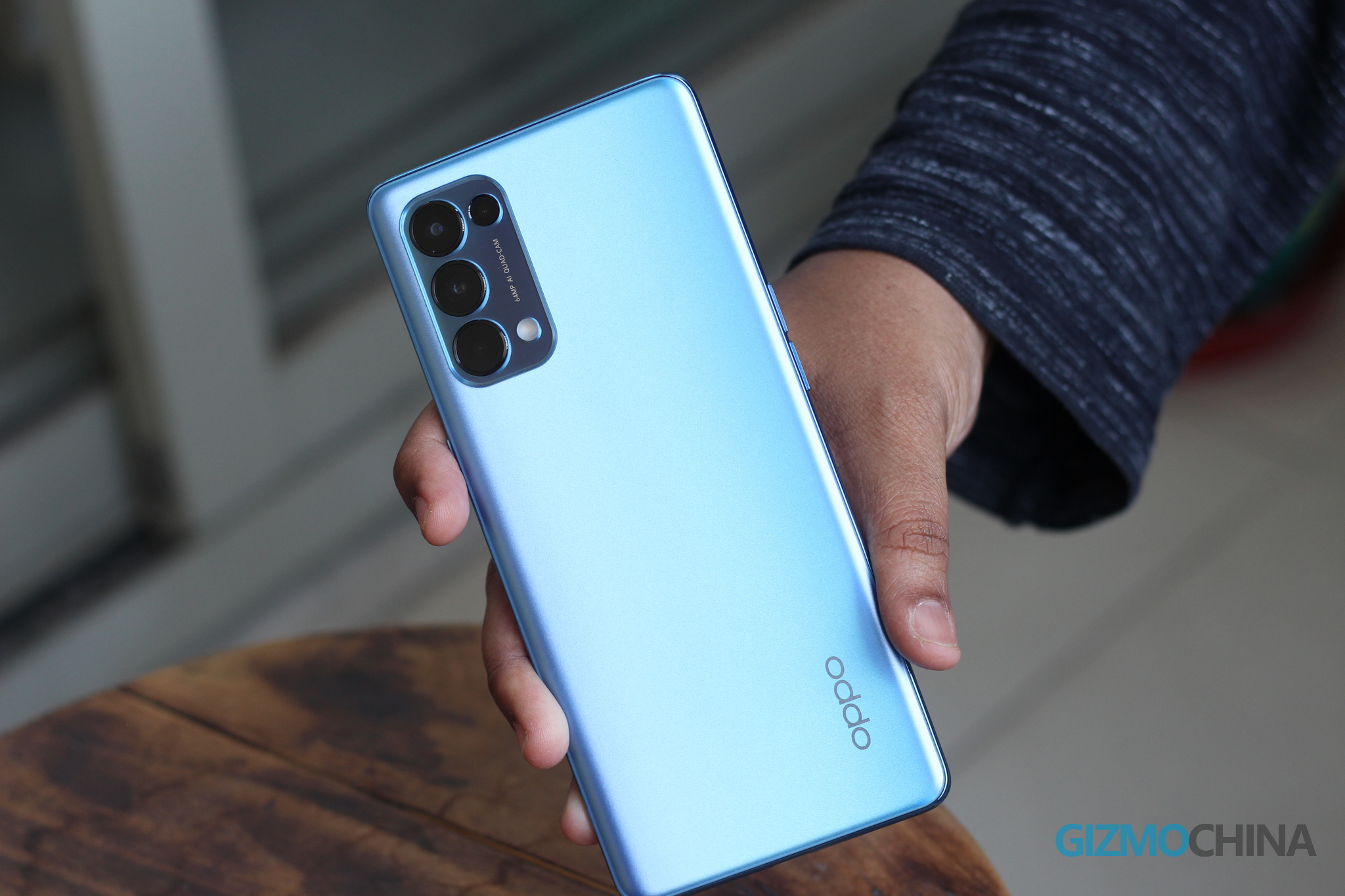
The biggest selling point of the OPPO Reno5 Pro is its premium design. I know a lot of people like to throw the word premium towards any phone with a decent design but the new Reno model definitely deserves this adjective. The phone stands out thanks to its extremely thin and lightweight design and a sparkly finish on the back.
The unit I have is the Astral Blue variant. It sparkles at certain angles in a matte finish, which means you don’t have to worry about cleaning fingerprint smudges from its back. The blue color shifts to a shade of purple at certain angles. To top it off, the phone has a polished aluminum frame going around the body, adding to its elegant design.
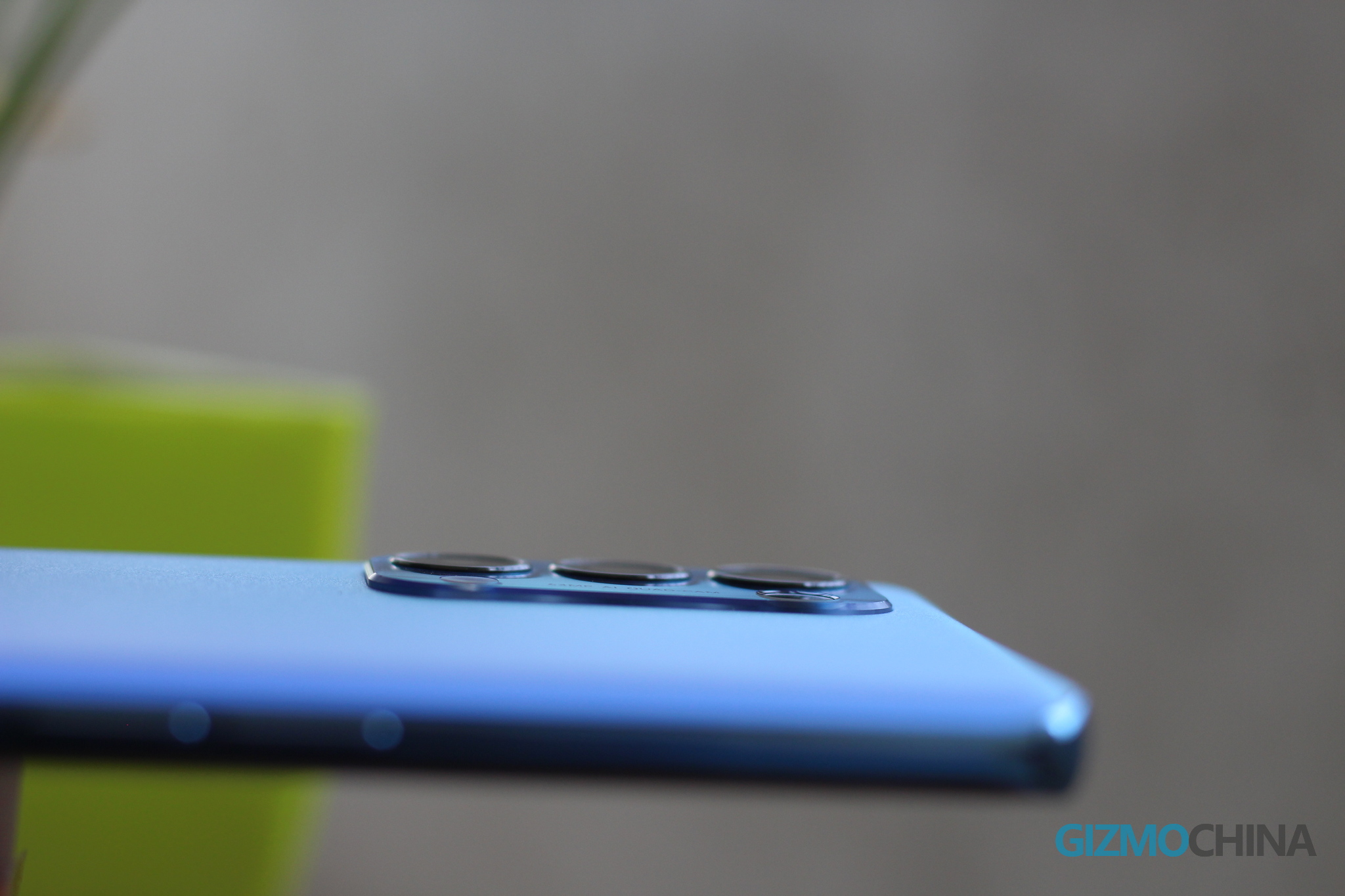
The phone is just 7.6mm thick
The Reno5 Pro is sleek at 7.6mm and weighs 173 grams. This polished design and the form factor is what makes the new Reno model special. The smooth edges make it comfortable to hold, even with one hand. Given that this is a 5G phone with a pretty decent 4350mAh battery, the design is definitely its stand out feature.
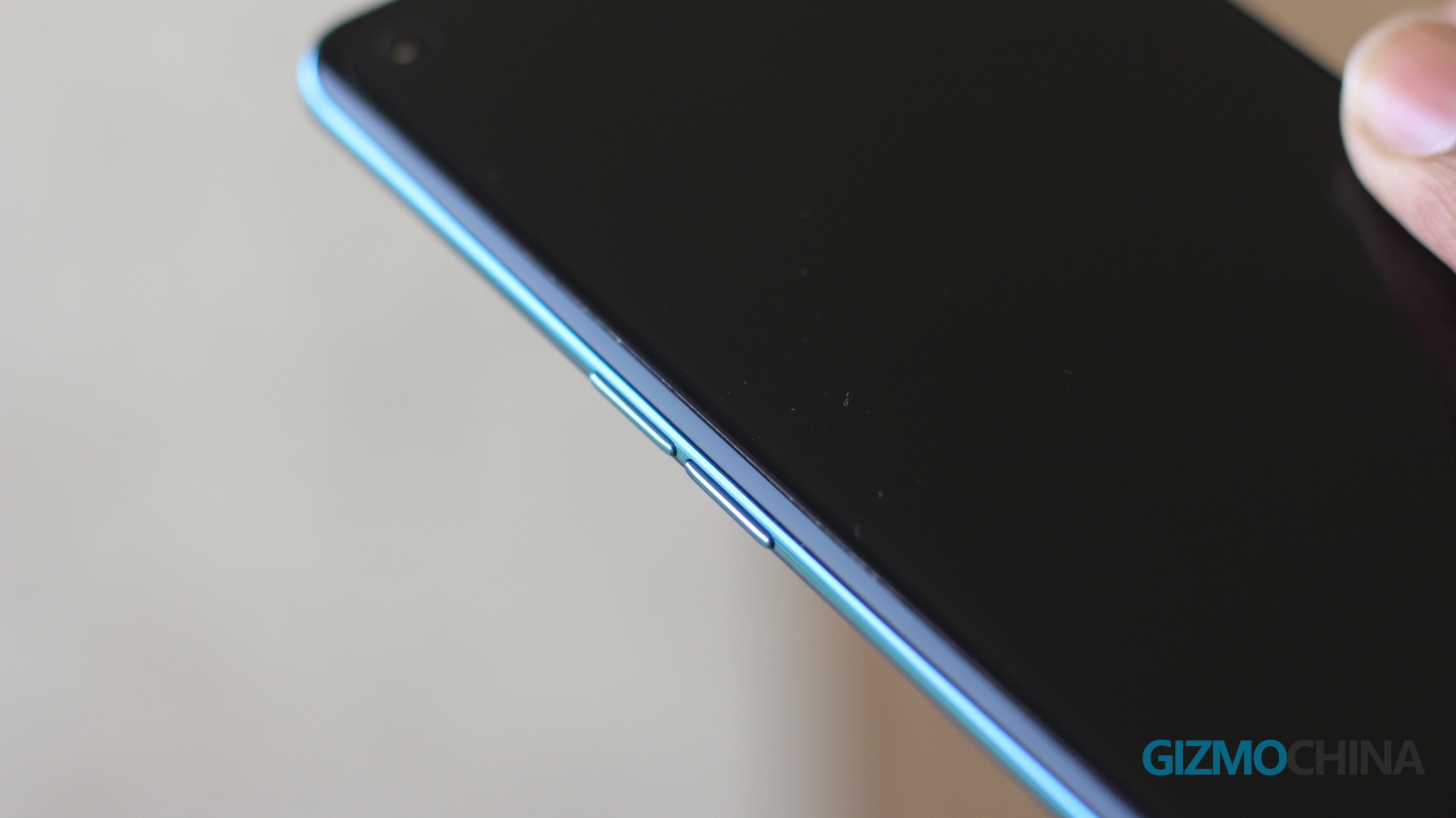
The aluminum frame feels solid and the power and volume buttons housed on the sides are clicky and easily accessible, as they are located around the middle of the frame instead of the upper half like other flagships.
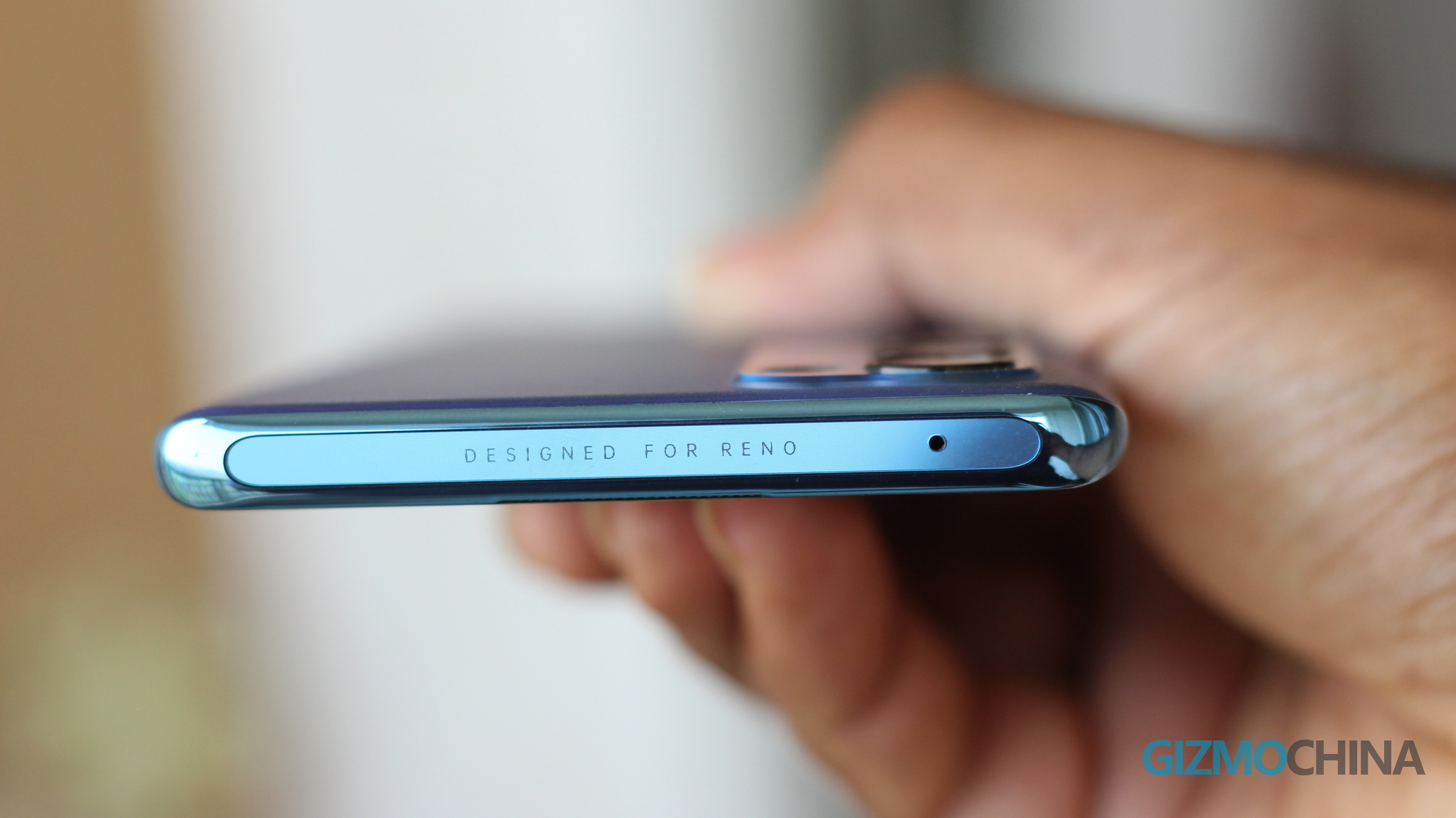
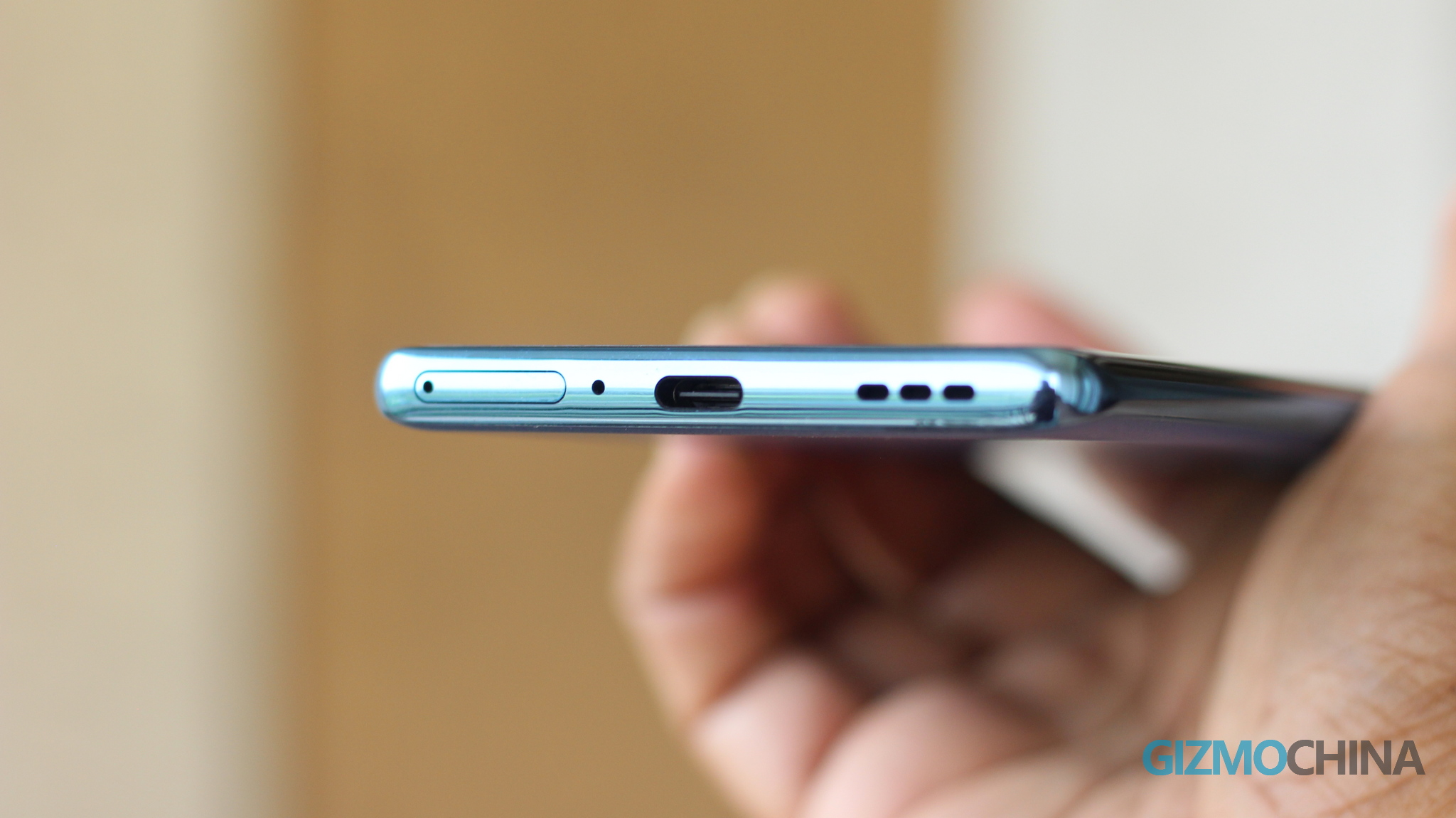
At the bottom, you get a USB-C port, microphone, single speakers, and dual SIM card slot. On the top, you have the ‘Designed for Reno’ branding along with another microphone opening.
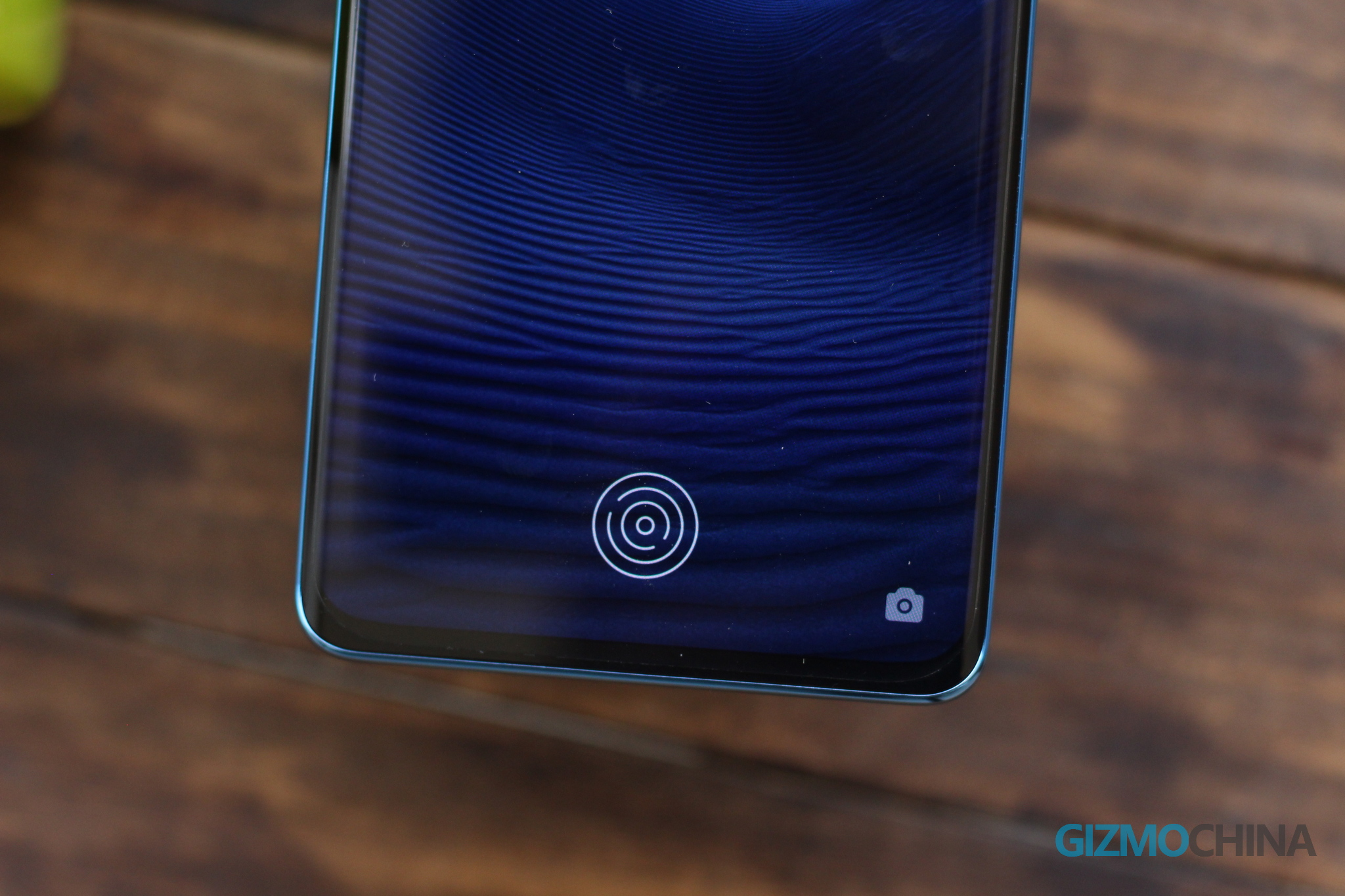
Like most other flagship smartphones, the OPPO Reno5 Pro 5G features an in-display fingerprint sensor. We’ve come to a stage where in-display sensors have evolved to be nearly as fast as a physical sensor and the new Reno’s sensor is no exception.
Unfortunately, the Reno5 Pro 5G does not have a certified IP rating so it’s best that you keep the phone away from water and moisture.
The single speaker setup is sufficiently loud and clear but you will end up missing stereo speakers, especially if you are going to rely on its loudspeakers regularly.
OPPO Reno5 Pro 5G Display
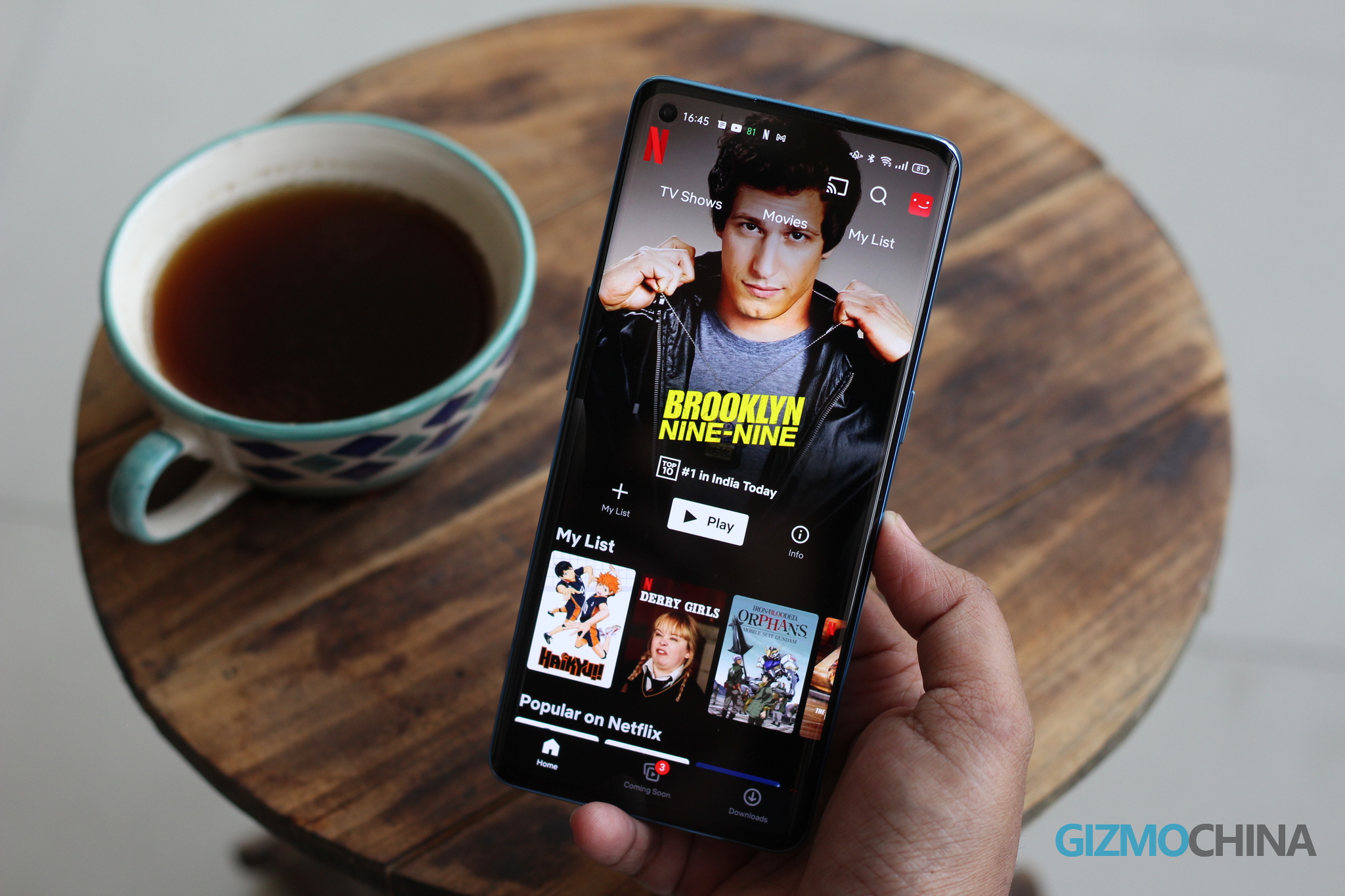
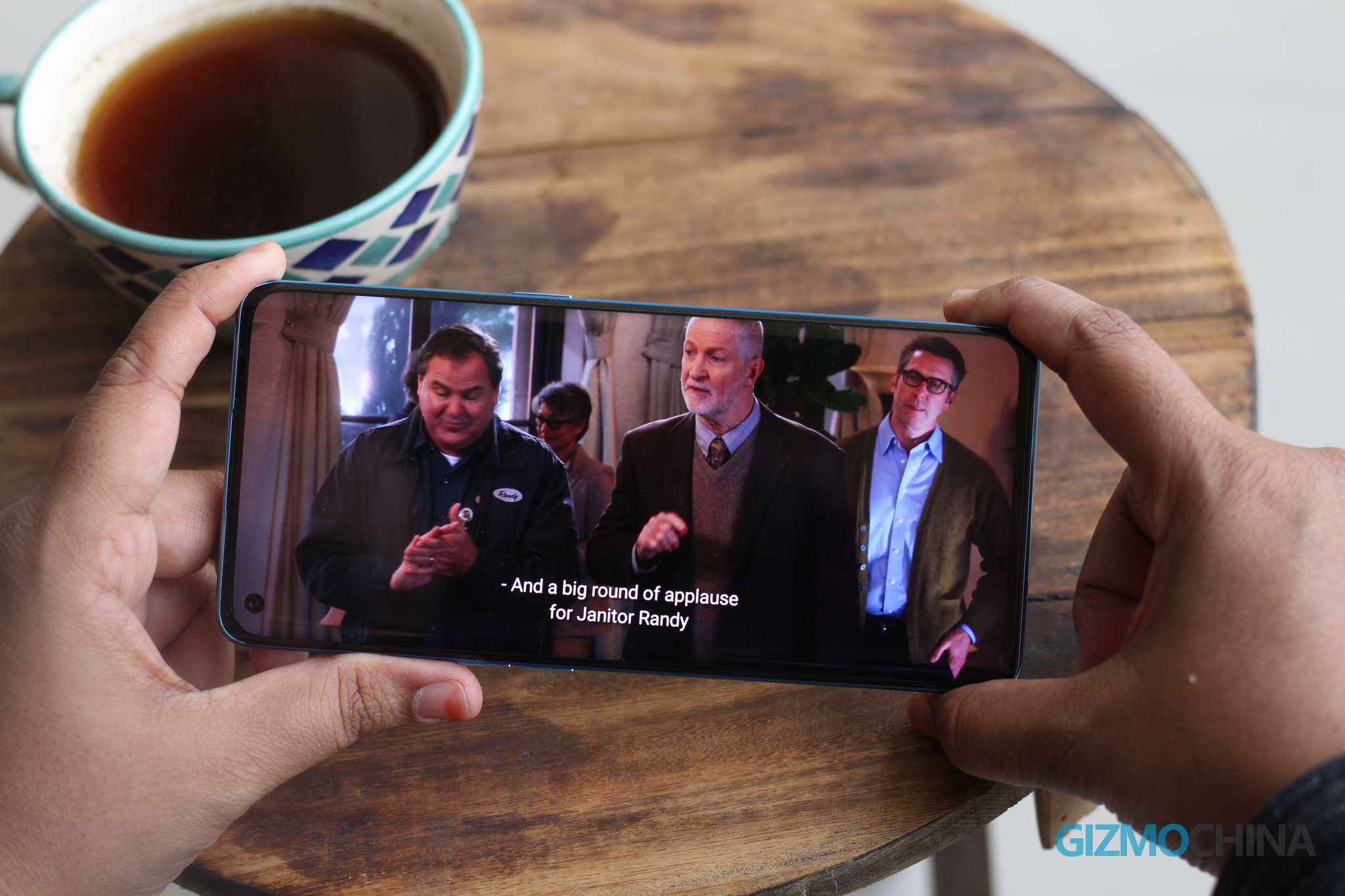
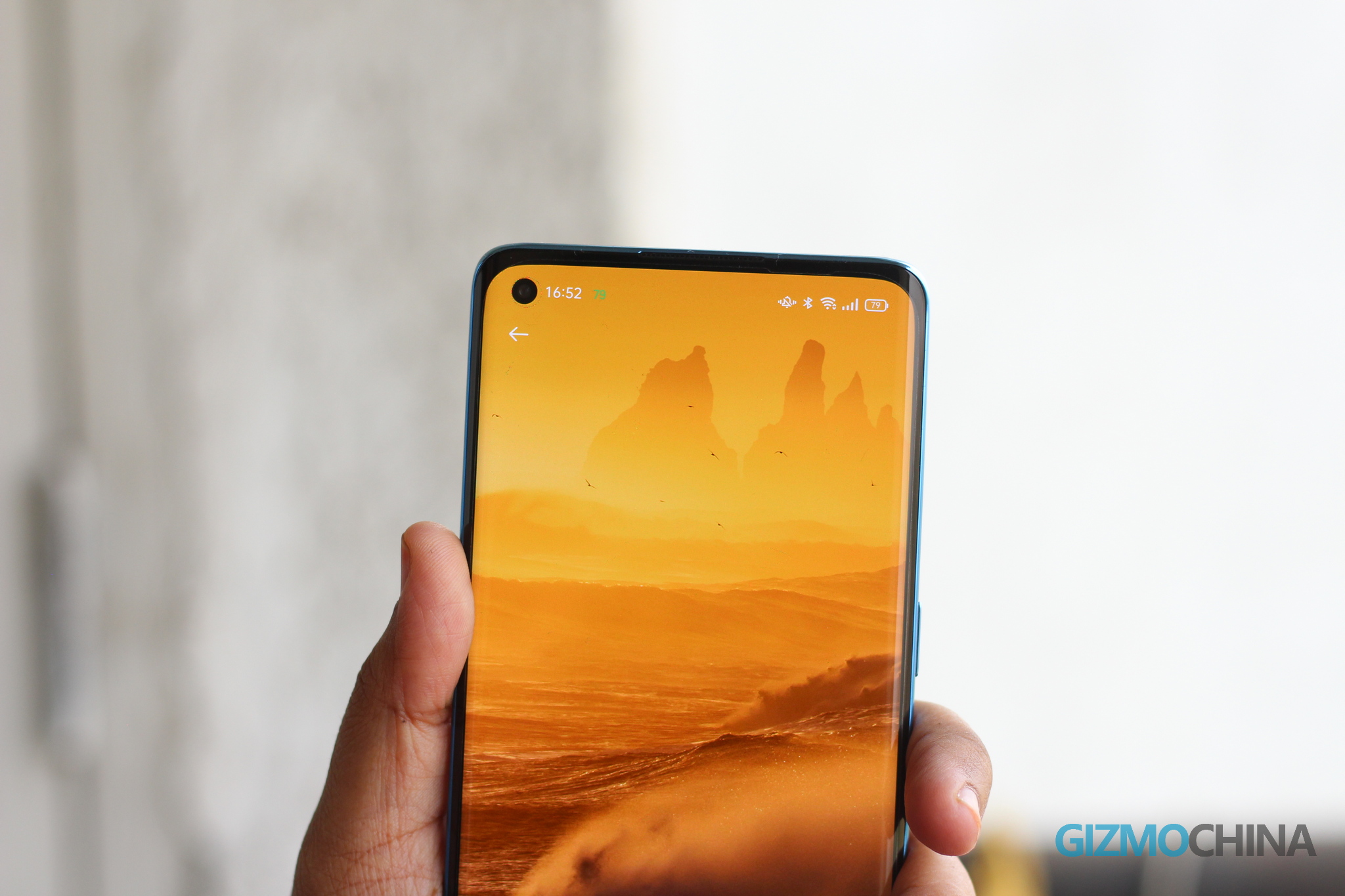
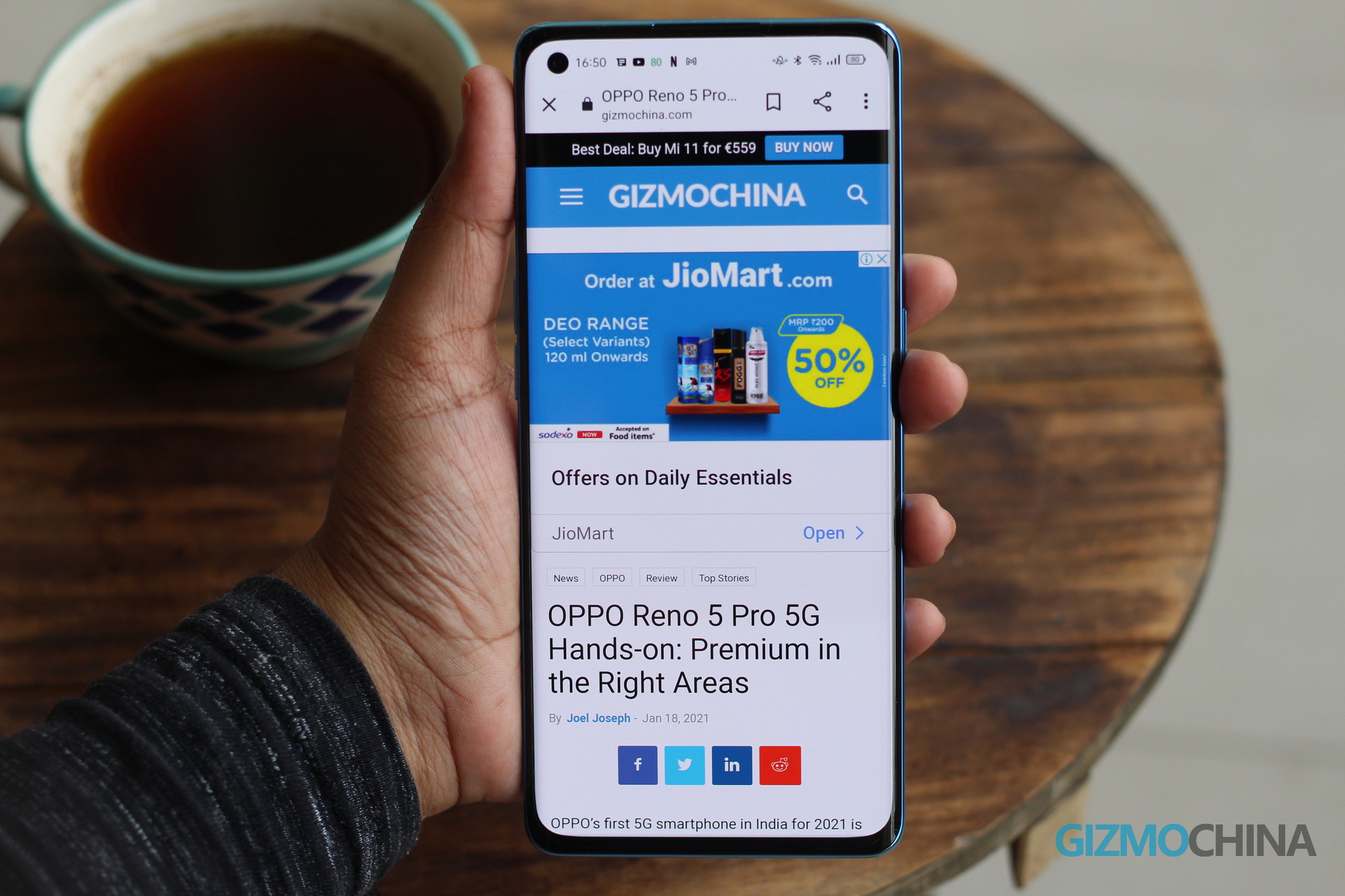
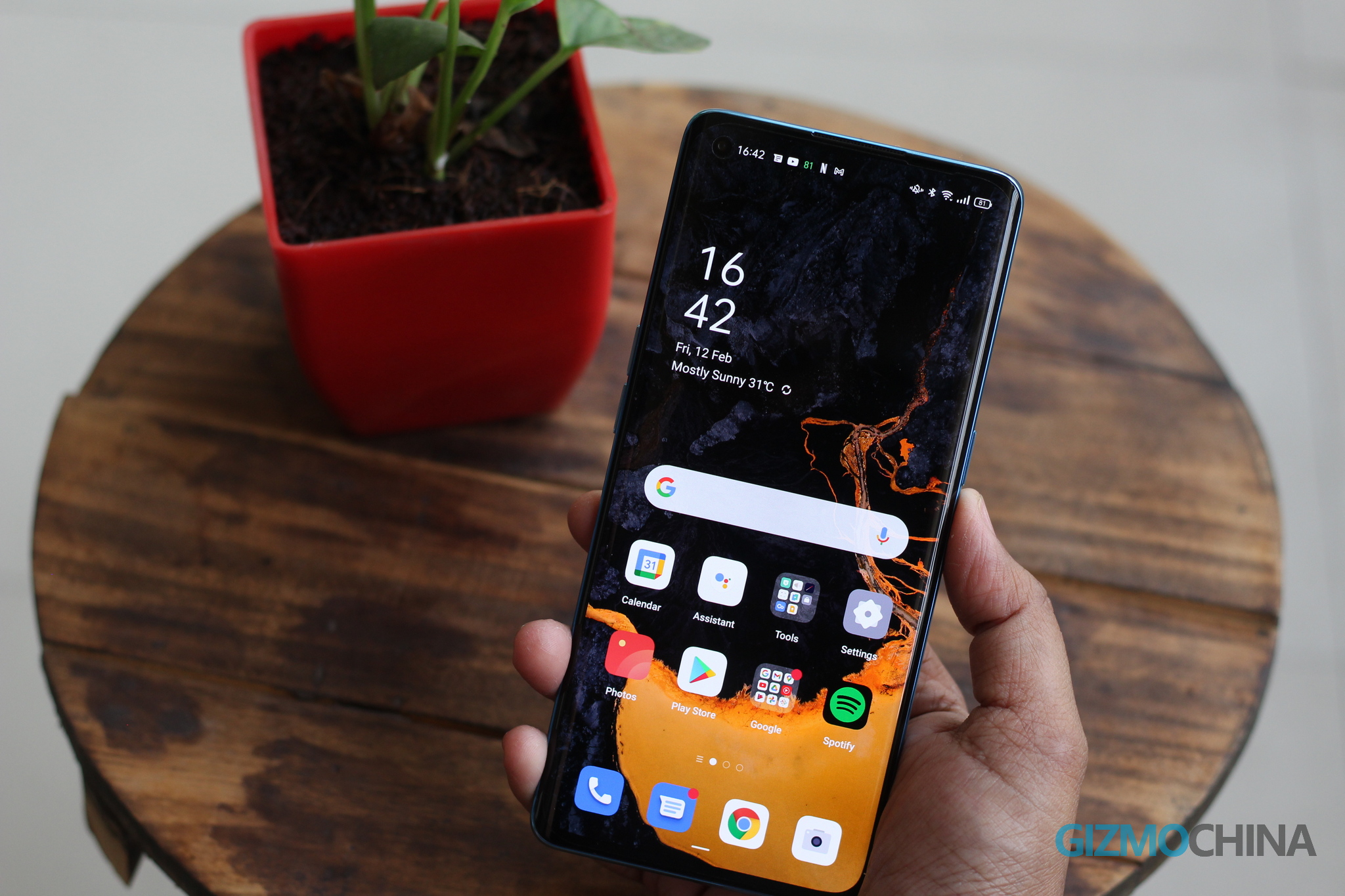
Another big highlight of the OPPO Reno5 Pro 5G is its 6.55-inch 2400 x 1080p Super AMOLED display. The panel is bright and well saturated, even when you use it outdoors, and comes with a 90Hz refresh rate and HDR10+ certification. An area where this phone shines is video playback. The super-thin top bezels and the edges which curve into the back, make for a truly immersive experience, whether it’s watching a video or playing games.
This Super AMOLED panel with its curved edges features vibrant colors and good viewing angles, making it a flagship worthy screen, even if it’s just 1080p. So whether it was watching a video on Netflix or browsing through the gallery, the 90Hz refresh rate display provided a smooth scrolling and viewing experience. The front and back are both protected by Corning Gorilla Glass 5.
Also, for those who are worried about the edges registering ghost touches, be assured that the software is smart enough to not allow the edges to come in between your experience.
The 32MP front camera is housed inside a punch-hole that’s located on the top-left corner. It small enough to ensure a distraction-free viewing experience and the software has now matured to smartly hide it in plain sight. Note that my review unit came with a scratch guard installed, so you don’t have to run off searching for one when you purchase the device.
Overall, the Reno5 Pro 5G shines in both display and design departments.
OPPO Reno5 Pro 5G Review: Performance & Gaming
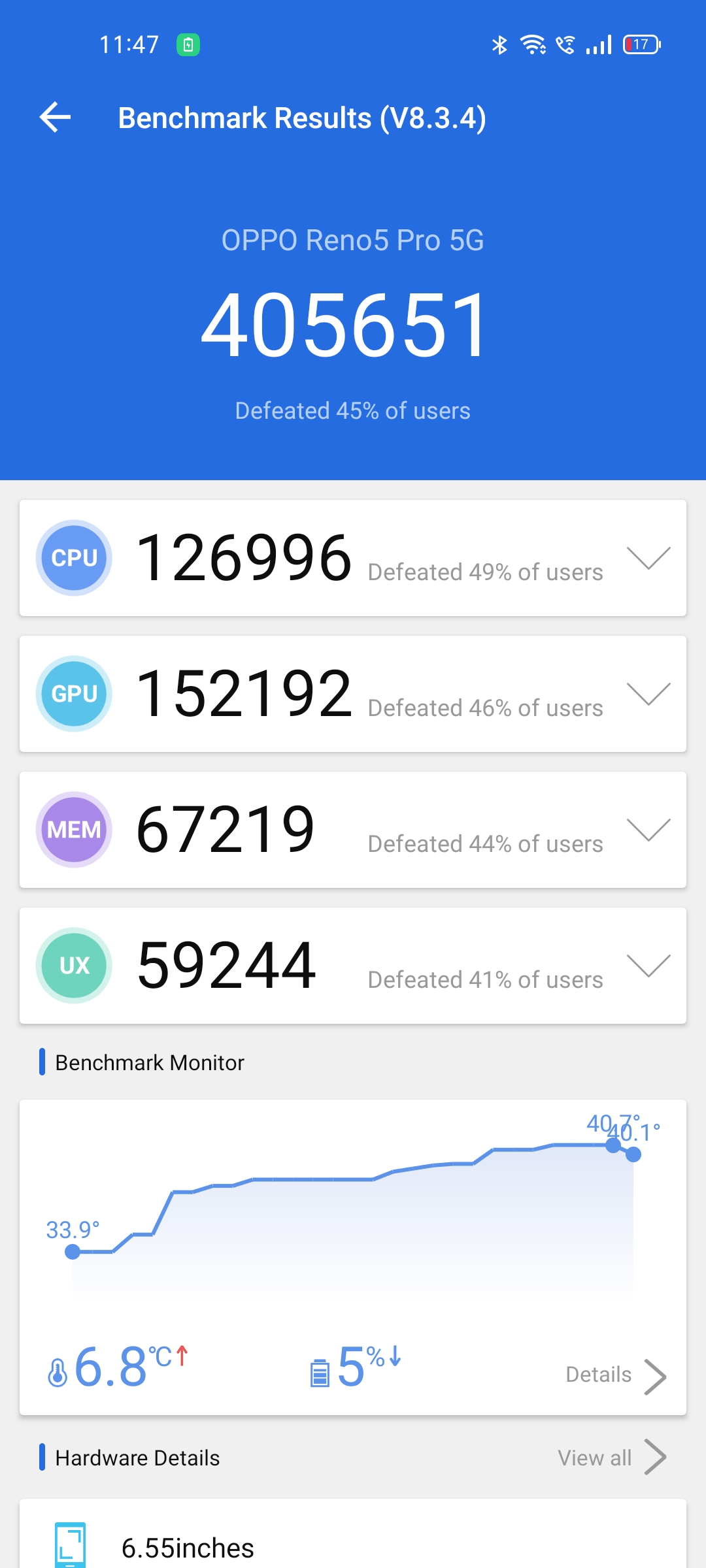
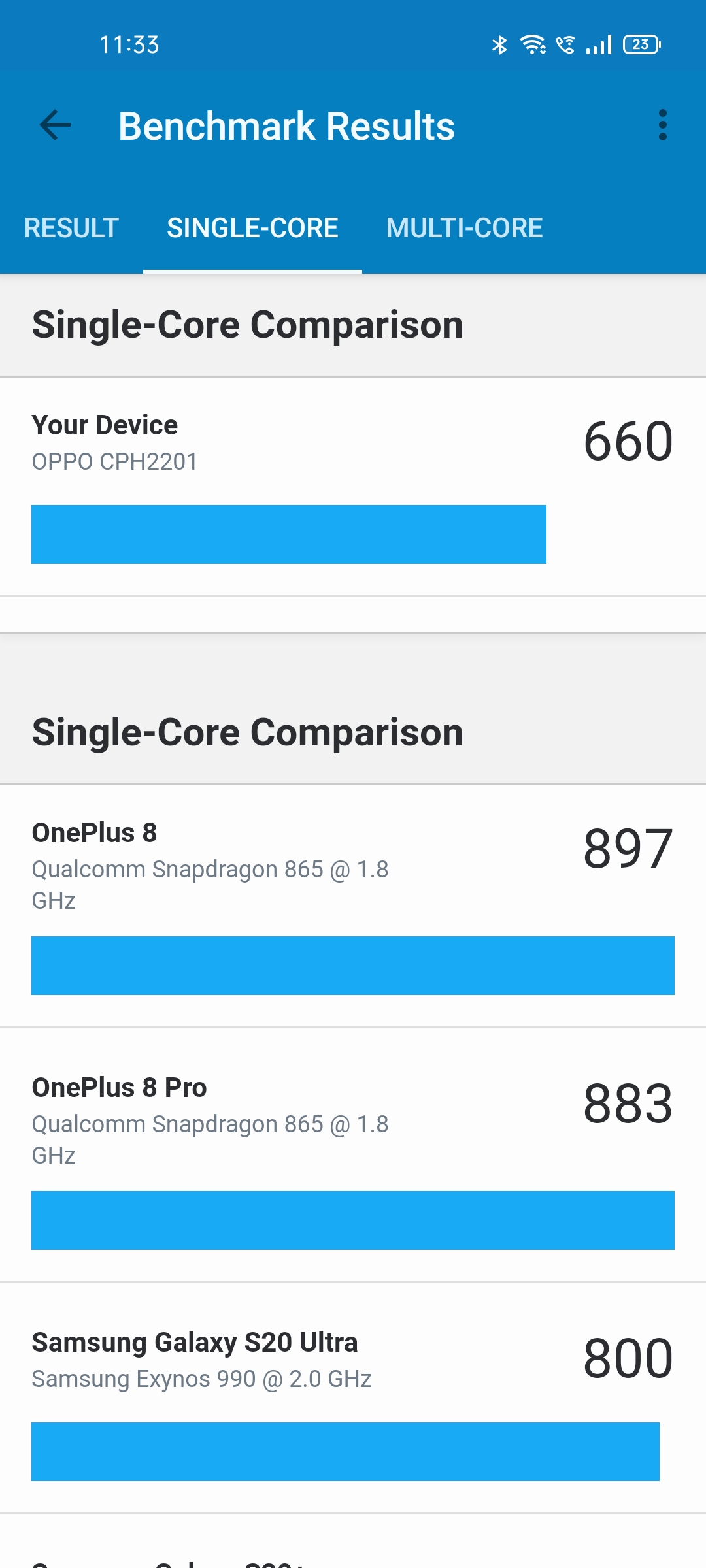
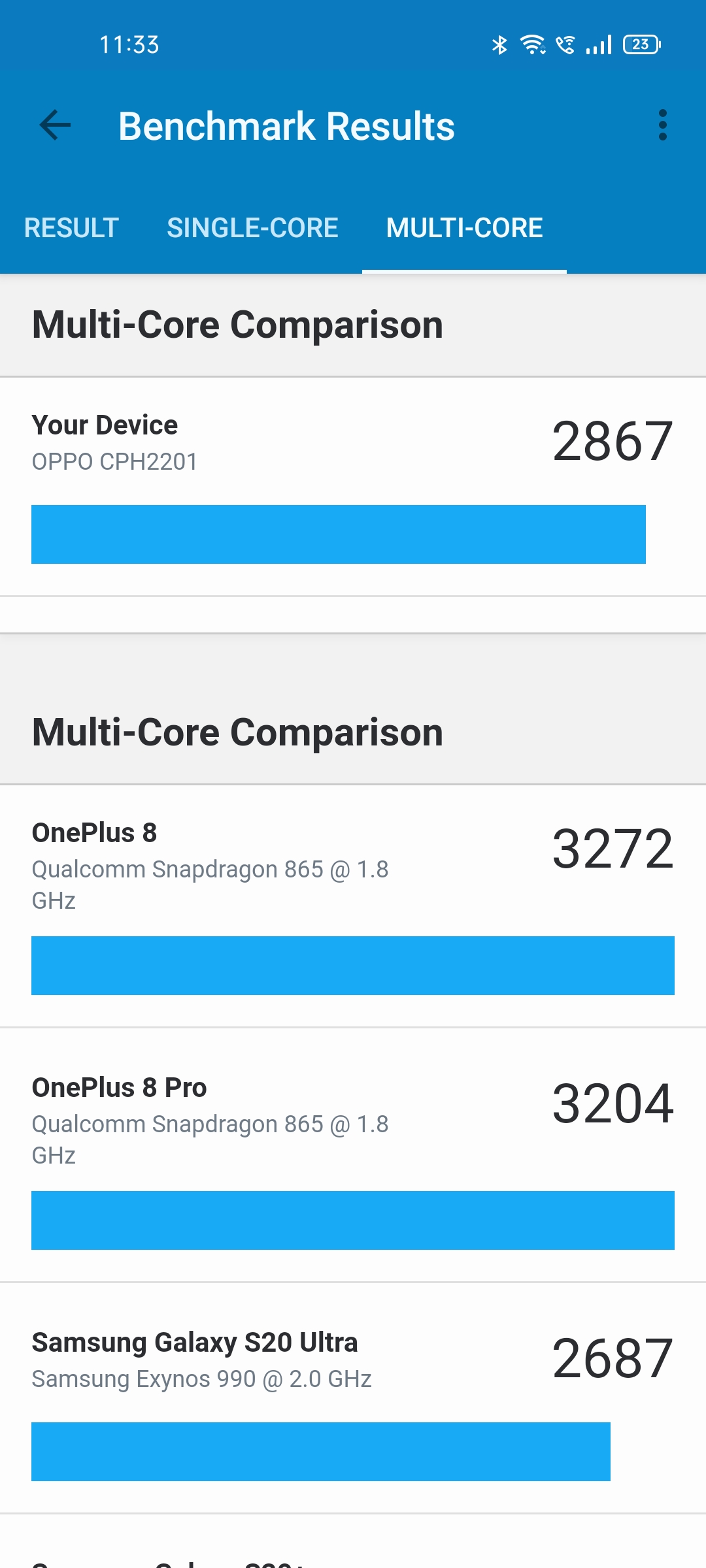
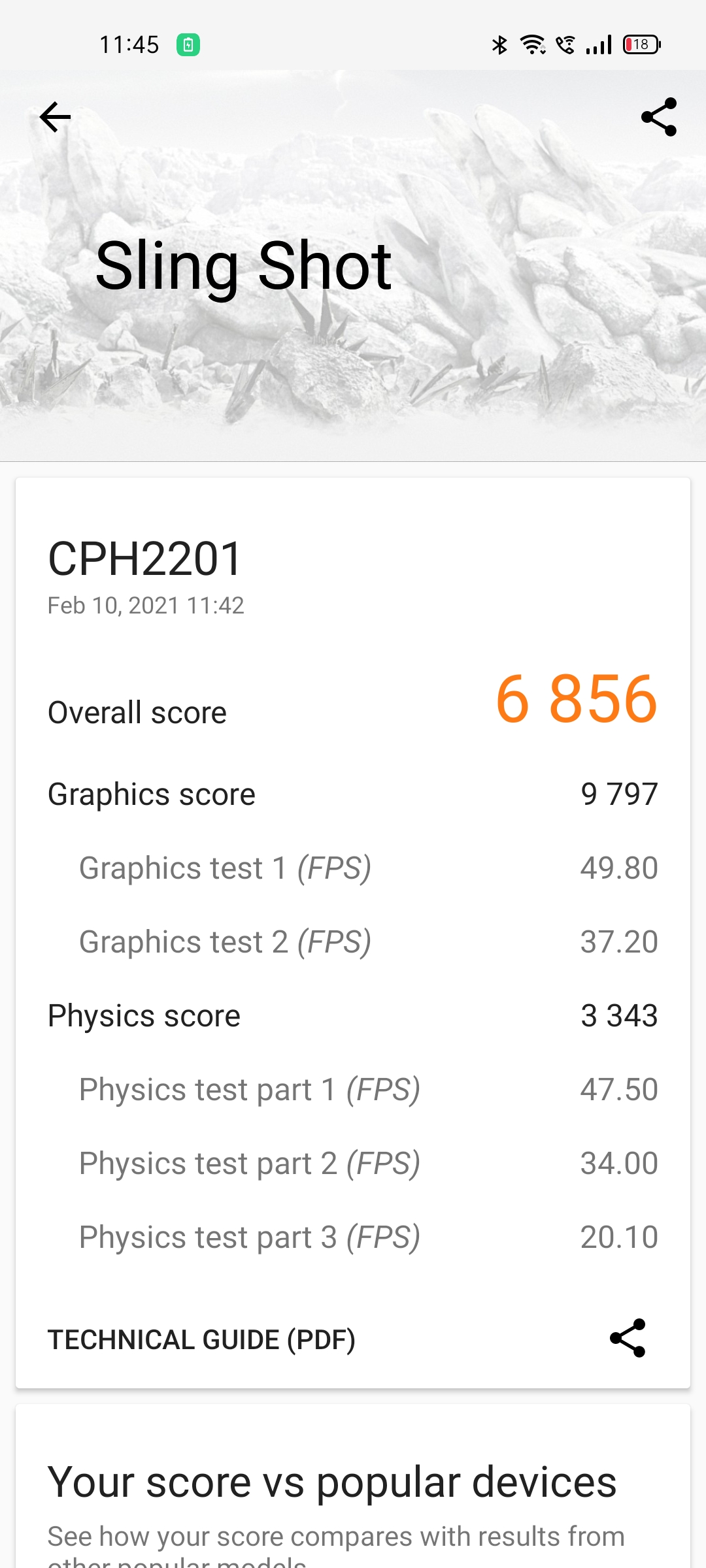
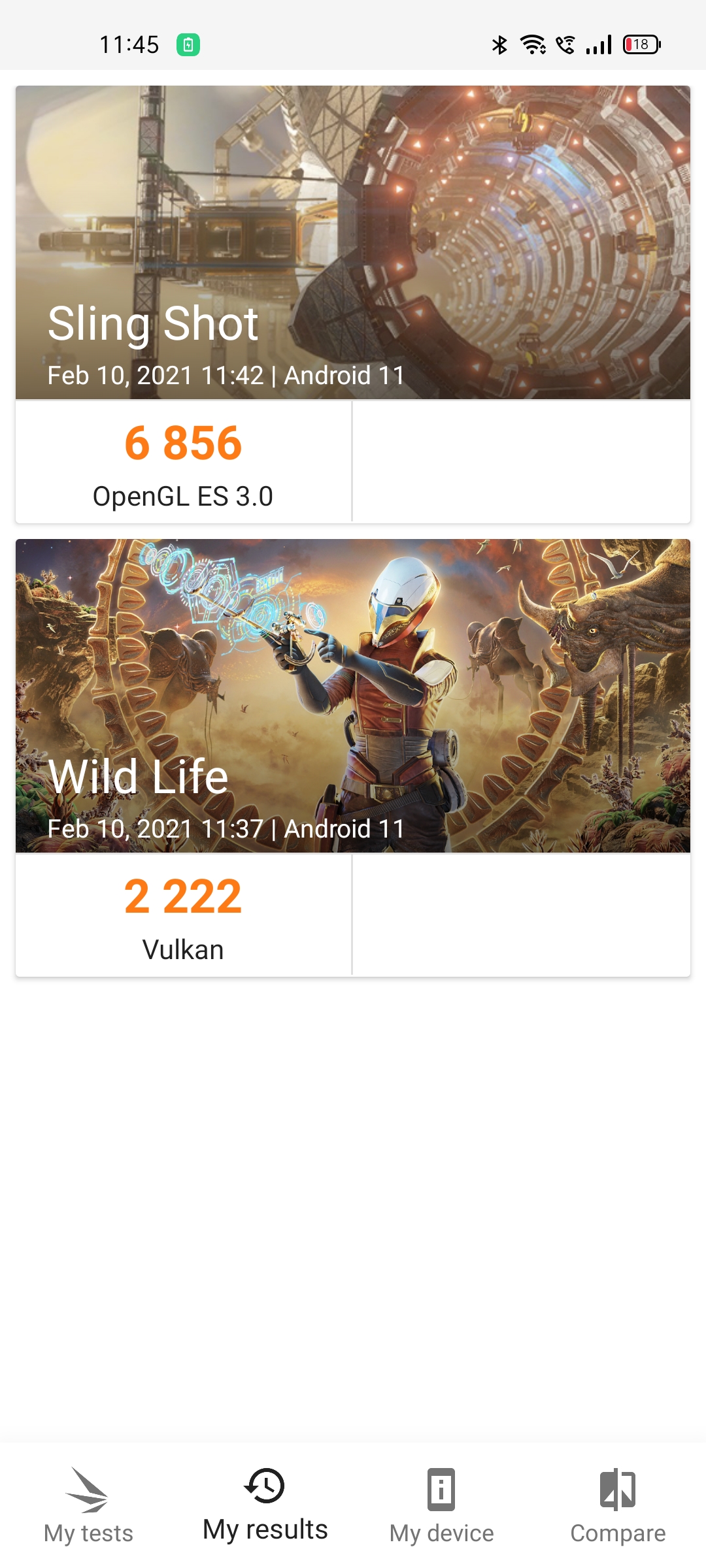
When it comes to benchmark the OPPO Reno5 Pro unit scored 405600 on Antutu 8.3.4 which was pretty good. The score may not be close to the flagship Snapdragon chips but it’s still a good indication that the chip should handle most of the processes that you throw at it. Other benchmark scores are given below, you can have a look at them if interested.
1 of 5
Reno5 Pro Antutu
Reno5 Pro 3DMark
The 7nm MediaTek Dimensity 1000+ is the chipmaker’s best SoC from 2020. It comes with four performance Cortex-A77 cores and a 9-core Mali G77 MP9 GPU. In real life, the chip ensures the Reno5 Pro 5G runs without any glitches or lags. The UI is fluid, animations are smooth, and even the gestures work properly. Multi-tasking is also a breeze on this phone so everyday tasks like watching videos, listening to music, editing a few photos on apps like snapseed, and browsing through websites for hours — all work very smoothly.
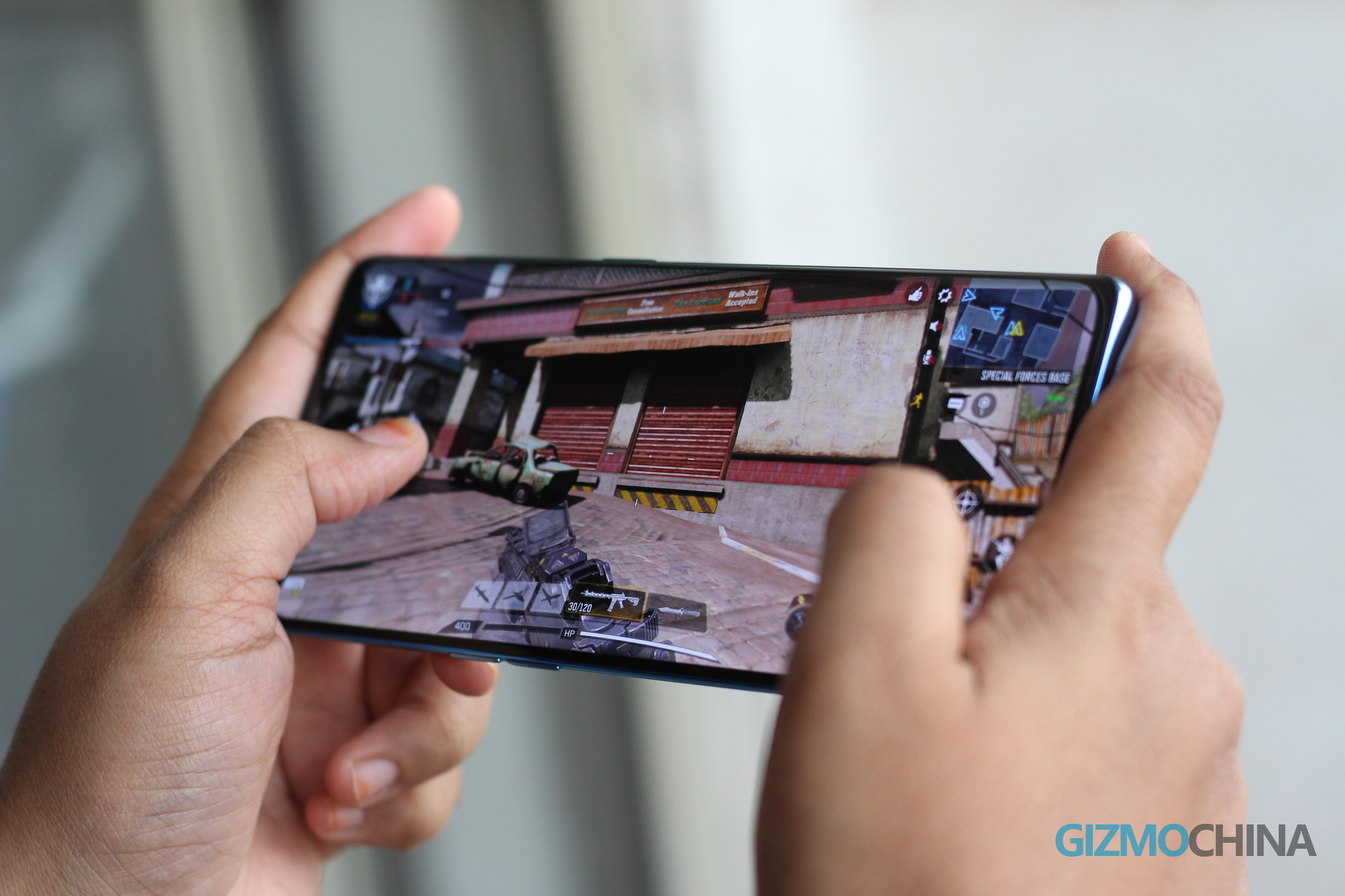
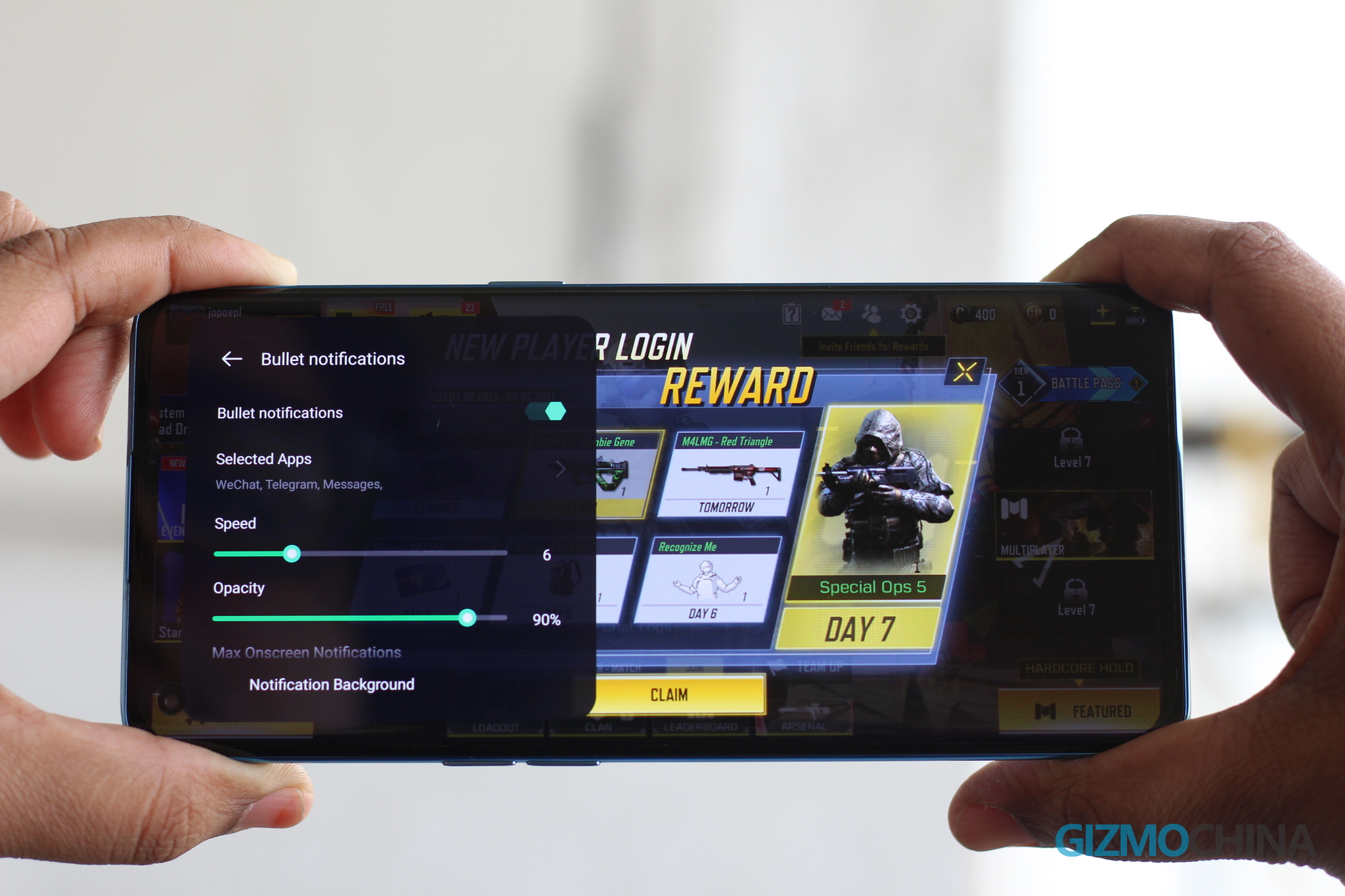
As for the gaming performance, I am not much of a mobile gamer, but I tried my luck with COD: Mobile and Asphalt 8, and both the games ran smoothly. COD Mobile in the highest graphics settings didn’t encounter any issues and the gameplay was smooth. As far as I could see, the touch inputs were fast and accurate as the 180Hz touch sampling rate may have aided in my gaming experience.
As for heating, the Reno5 Pro 5G heated up to around 42 degrees celsius when I was gaming for half an hour to 45 minutes but it never reached a level where it affected my gaming experience. Without a cover, the phone feels a bit warm to touch but with a cover on the back, this shouldn’t bother your gameplay.
OPPO Reno5 Pro 5G Review: ColorsOS 11 UI
Over the past couple of years, ColorOS has evolved into a pretty good custom UI for Android. It’s been a while since I used ColorOS, so personally, the UI elements and design felt fresh and colorful.
OPPO Reno5 Pro Gamespace
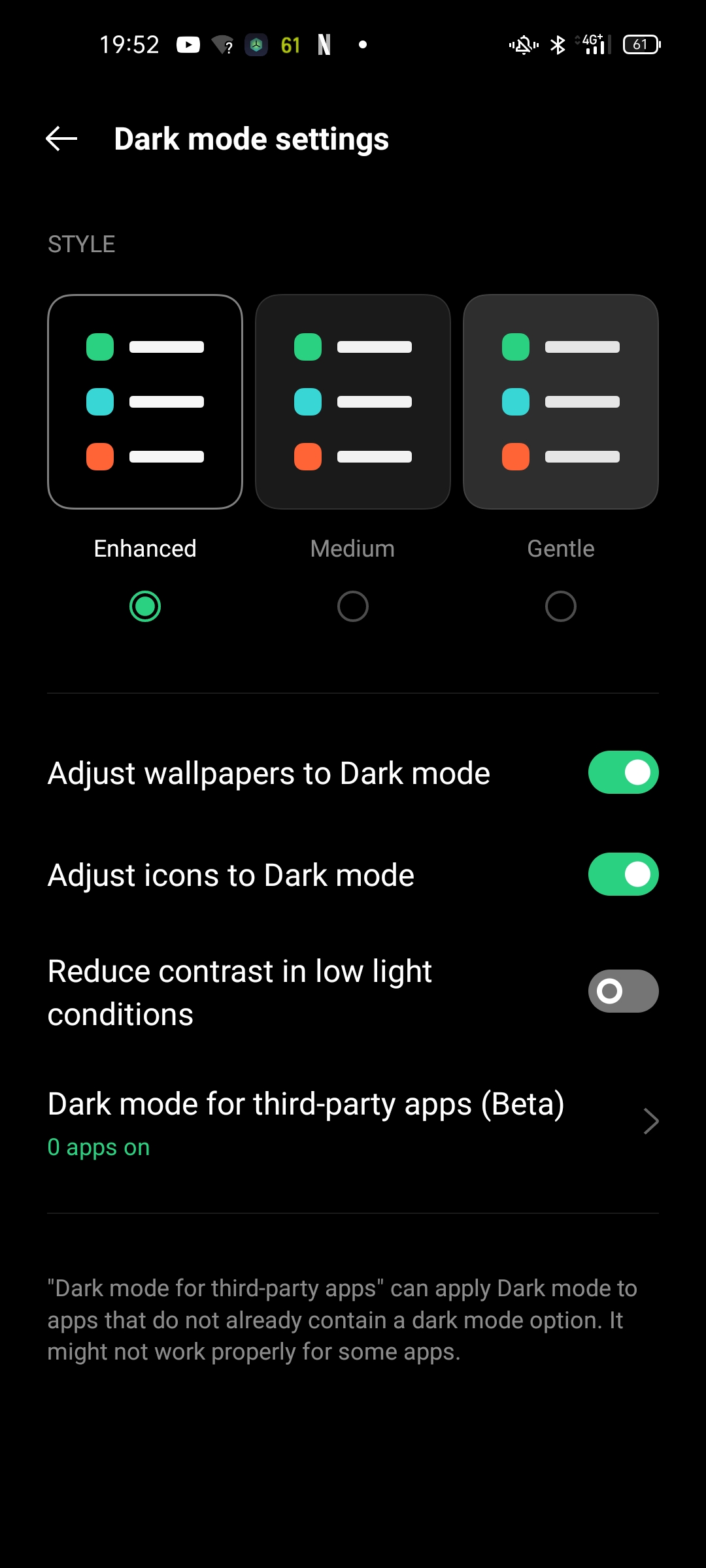
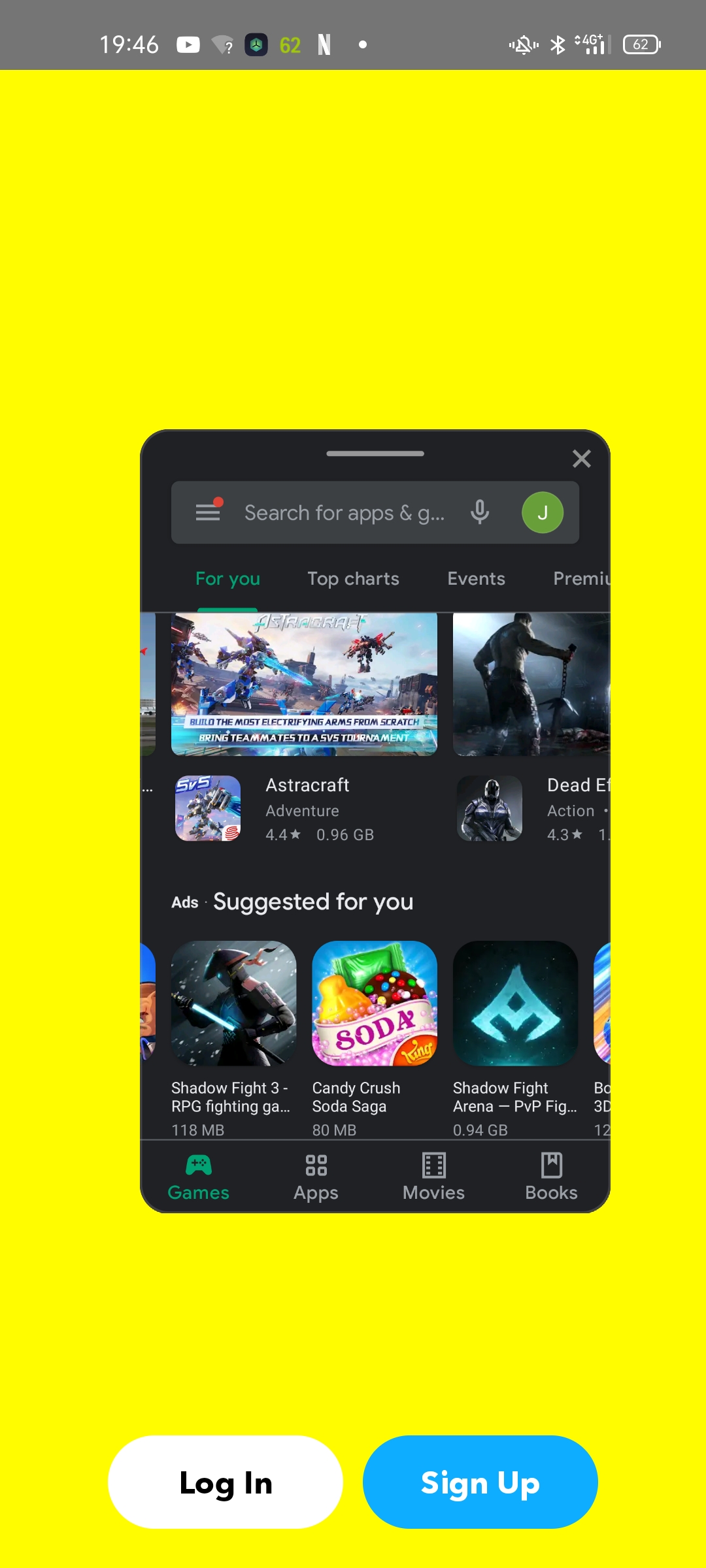
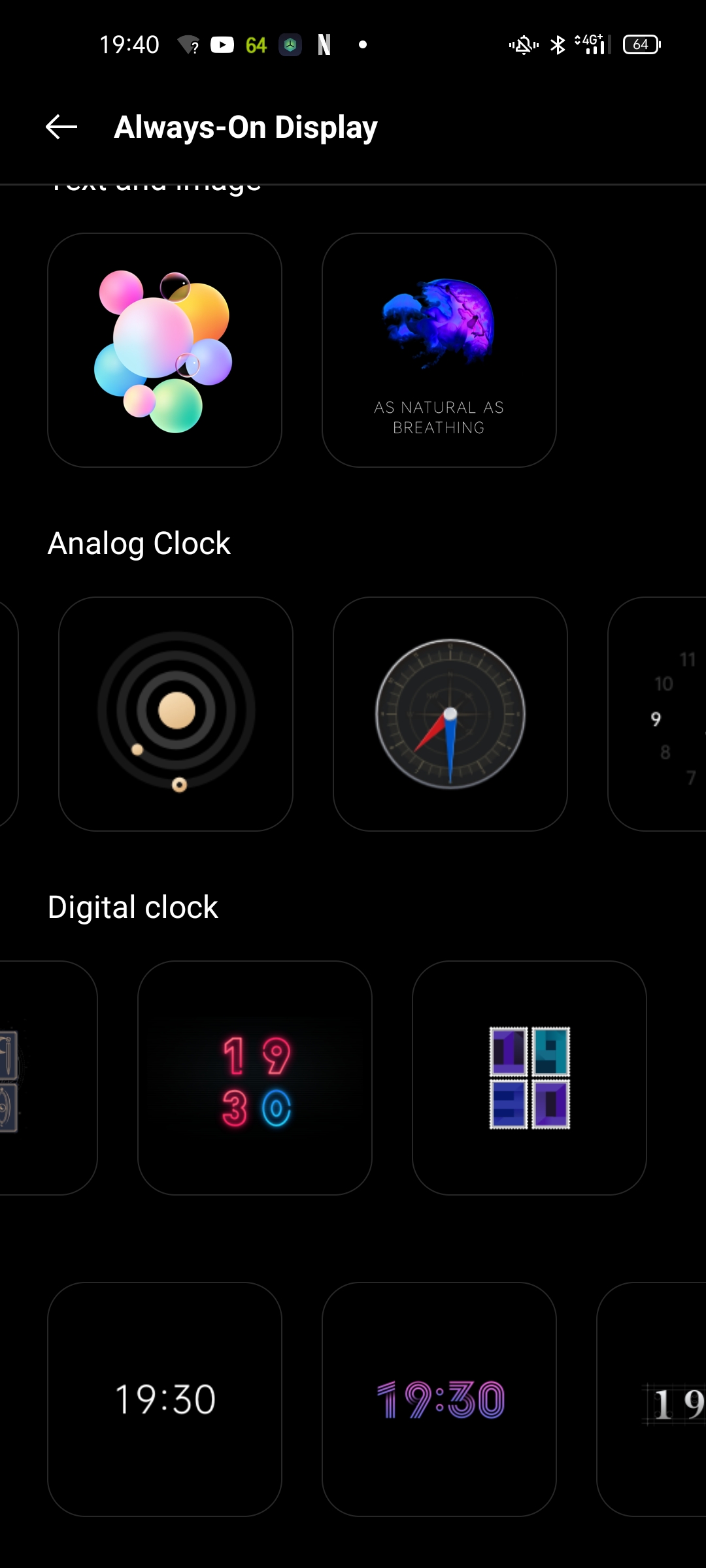
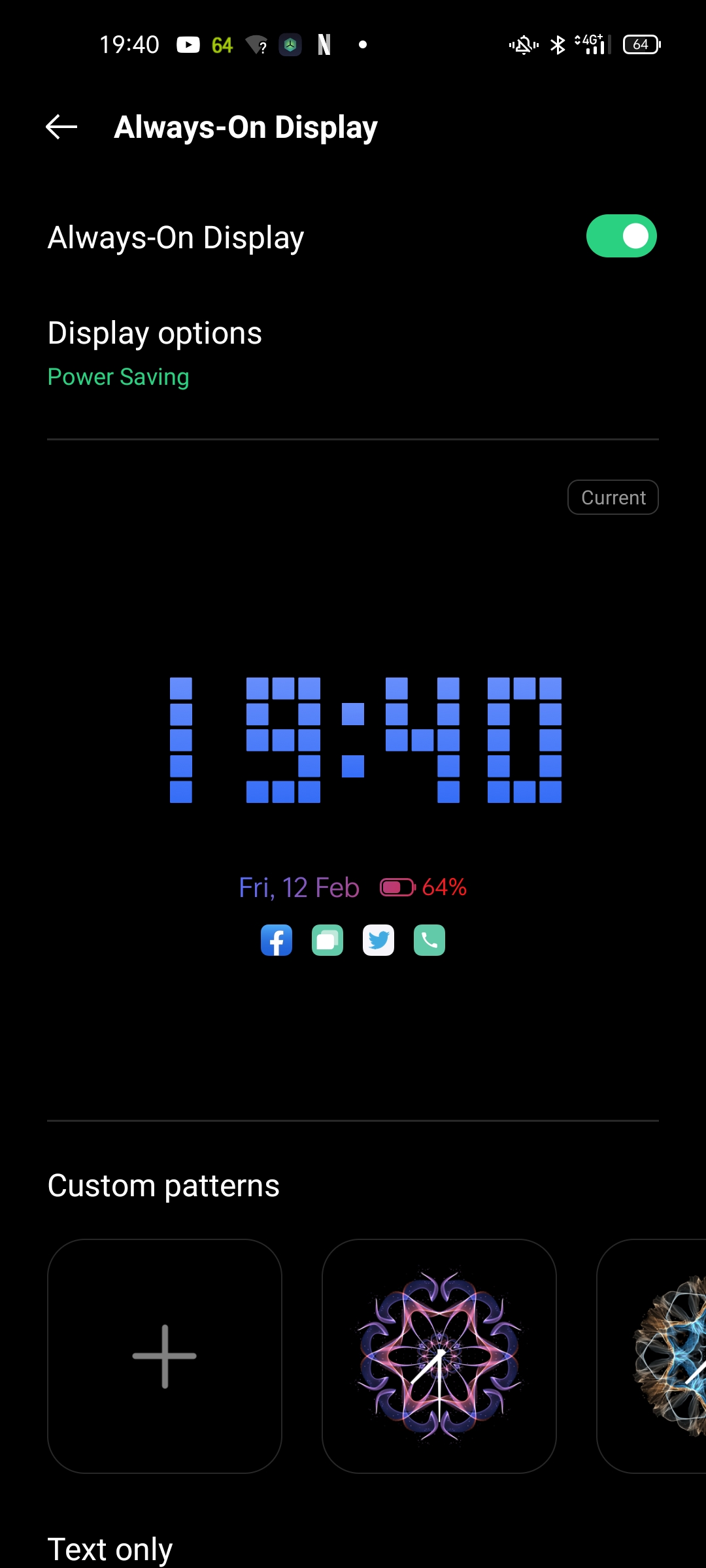
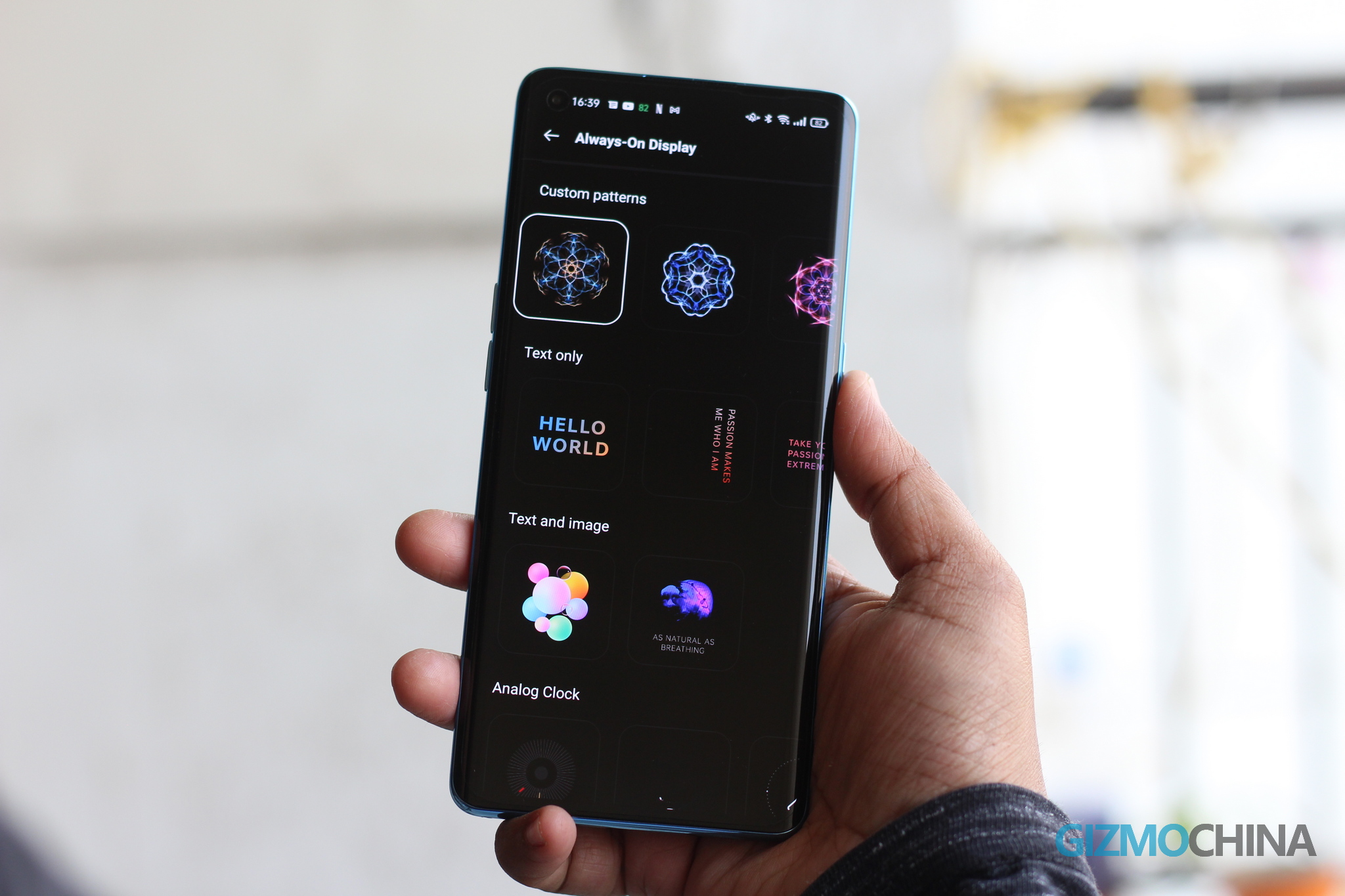
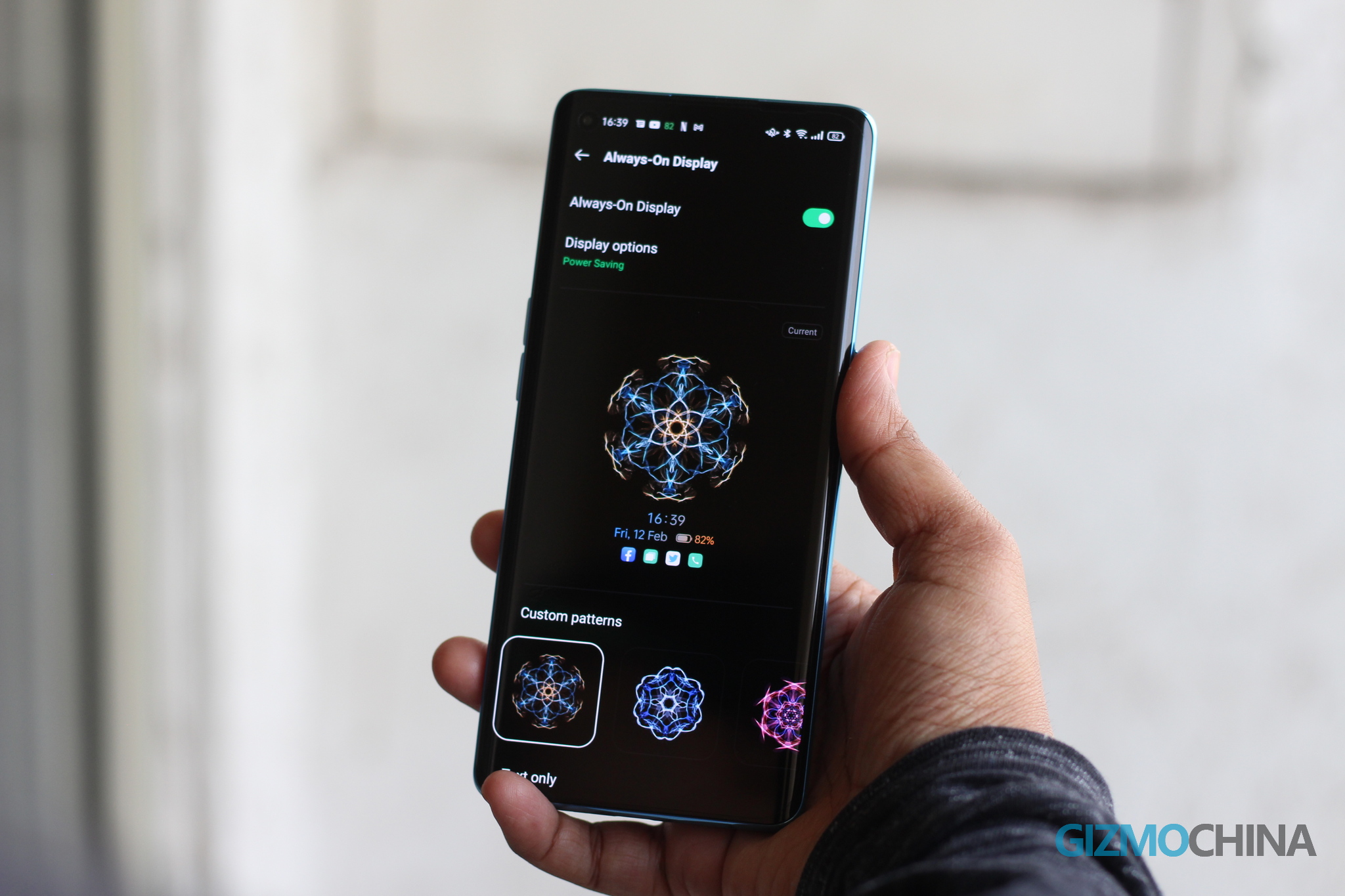
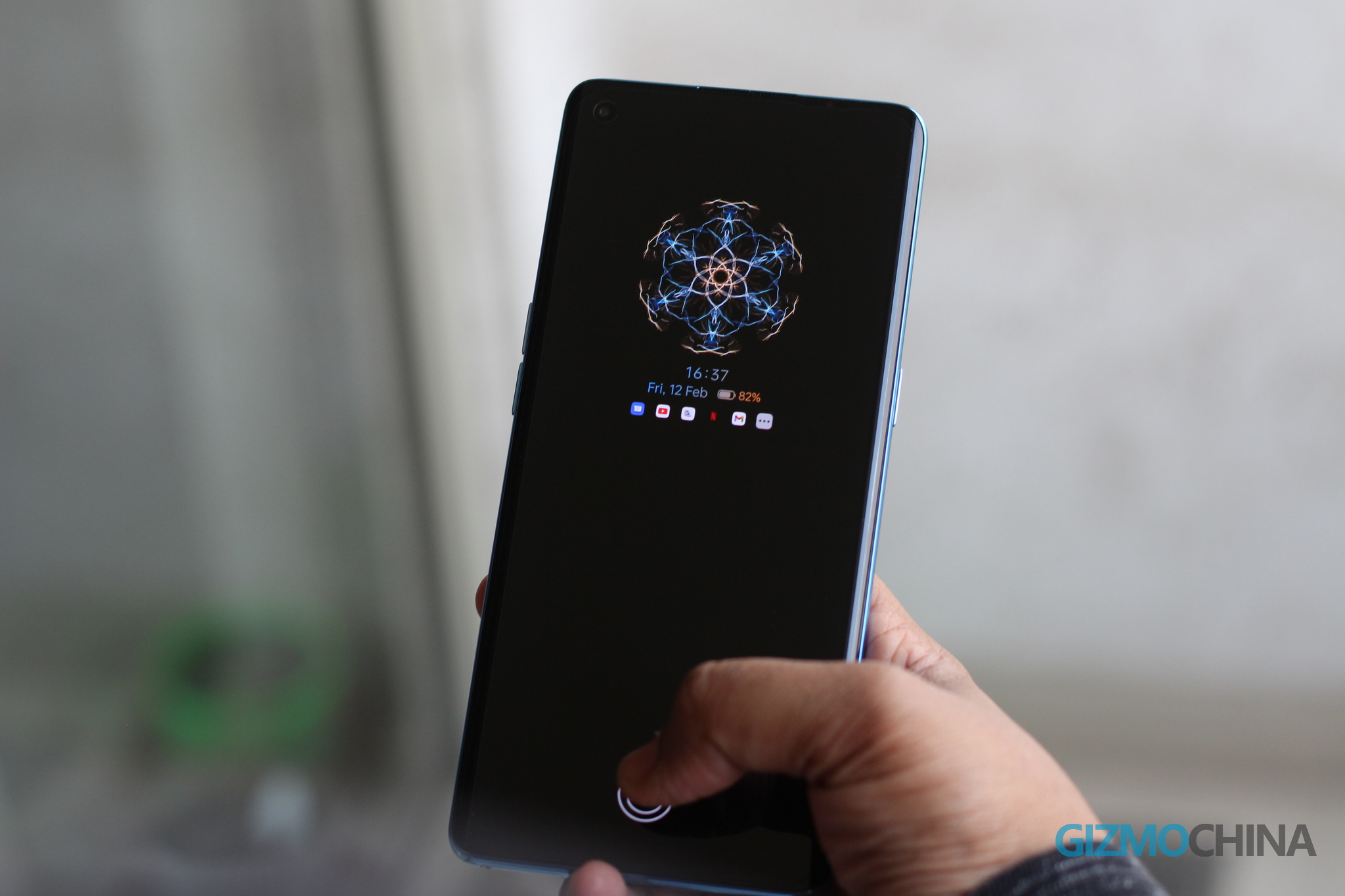
Some of the interesting ColorOS 11 features I found on the Reno5 Pro include the quick startup feature for games (via gamespace), the three levels of dark mode (enhanced, medium, and gentle), a number of customization options including animations for AOD, and flexdrop for multitasking – which worked pretty well when it did (some apps may have compatibility issues though).
1 of 4
Reno5 Pro AOD
Reno5 Pro Flexdrop Picture in Picture view
Reno5 Pro AOD
Reno5 Pro AOD
There are certain aspects of the UI like bloatware that can’t be helped, but still, the OS offers enough customization options to keep everyone interested.
1 of 3
OPPO Reno5 Pro 5G Review: Camera
The Reno5 Pro comes with the following camera setup.
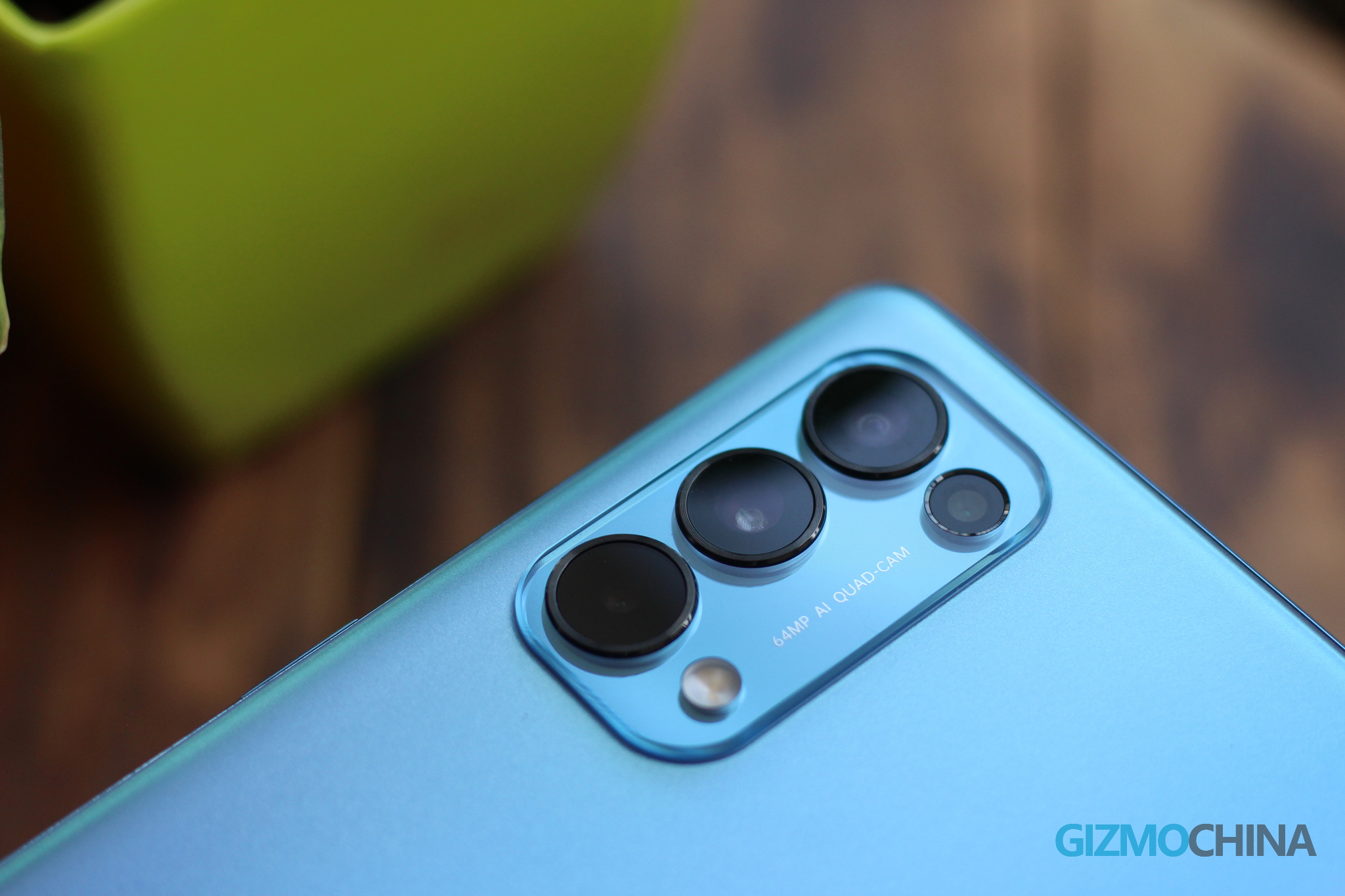
64MP f/1.7 primary camera sensor
8MP f/2.2 Ultrawide 115˚ sensor
2MP f/2.4 Macro camera
2MP f/2.4 Portrait Camera
Reno5 Pro 5G has a quad camera setup
64MP Primary Camera
The samples from the 64MP primary camera were sharp and saturated. Most of you should be happy with the output from the main camera and if you are someone who likes images to be more saturated, you can turn on the AI Highlight algorithm for your photography.
One peculiar thing I noticed was that the primary camera slightly overexposed some images, especially when it came to landscapes. Apart from that, the images came out clean and sharp with a good amount of details and an excellent dynamic range.
When the lighting goes down, there is some visible noise. But if you turn on the AI Highlight mode in the camera, you can get a visibly cleaner photo with good colors. The night time images were pretty bright too.
Let’s take a look at a few samples.
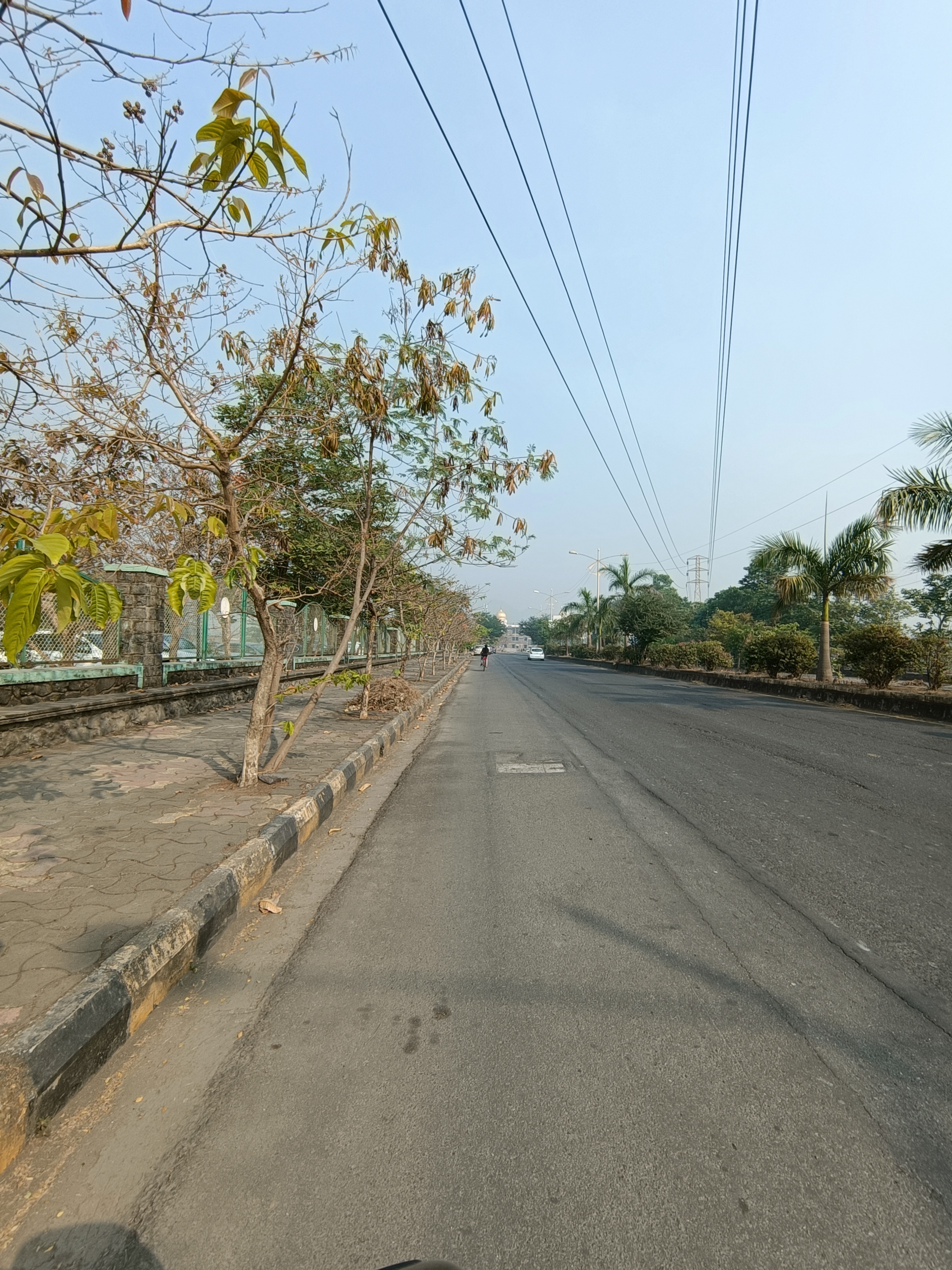
As you can see in the sample above, the photo features a good dynamic range and has colors that are very close to real life. The image also has a lot of details, including the textures on the footpath and the bark of the trees. If the exposure was slightly tweaked, I feel the image would have looked cleaner.
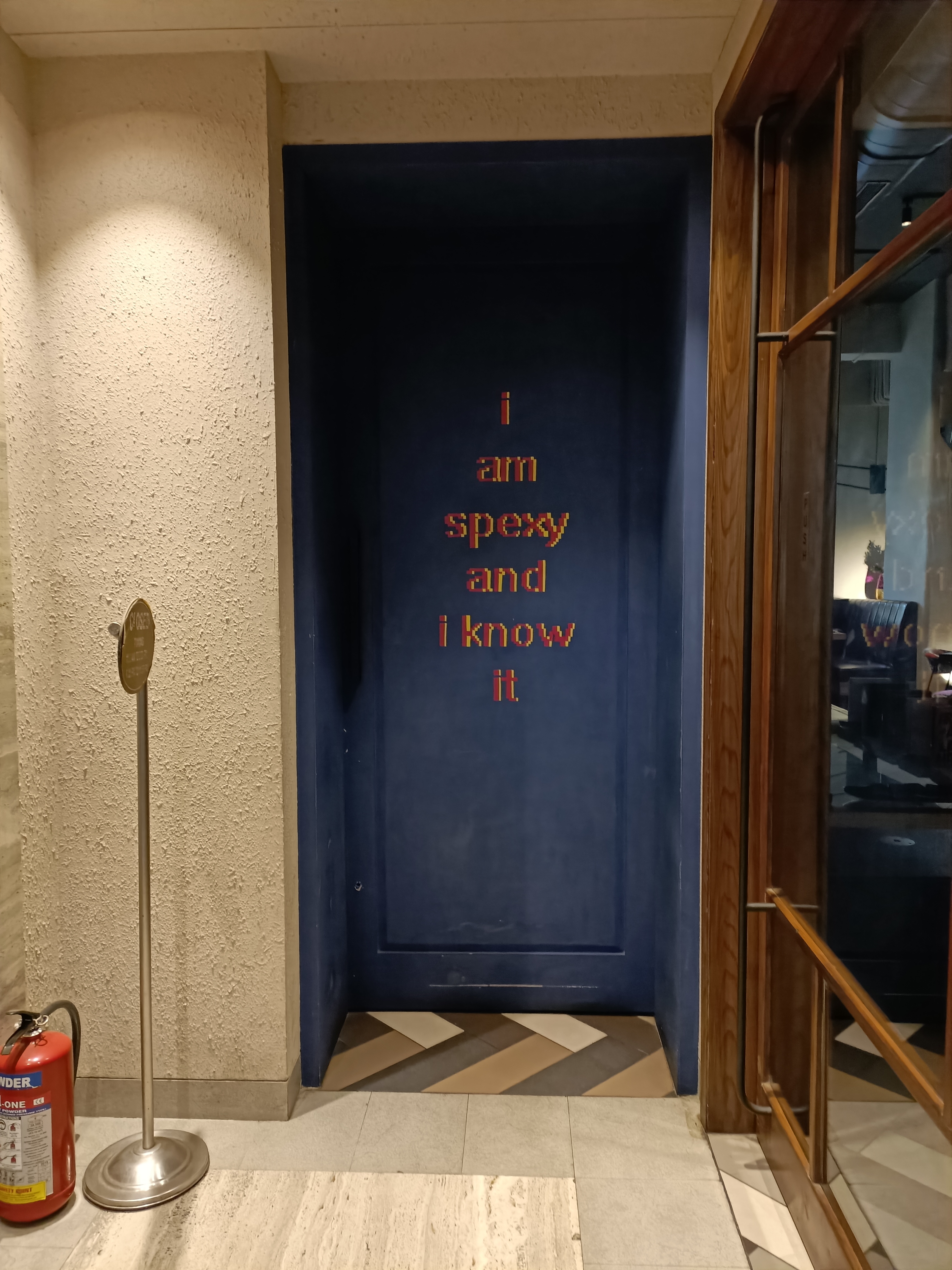
Take another example of a photo shot at 8 AM. The image has a really good dynamic range and the real orangish shade of the early morning sun is retained along with a good amount of details.
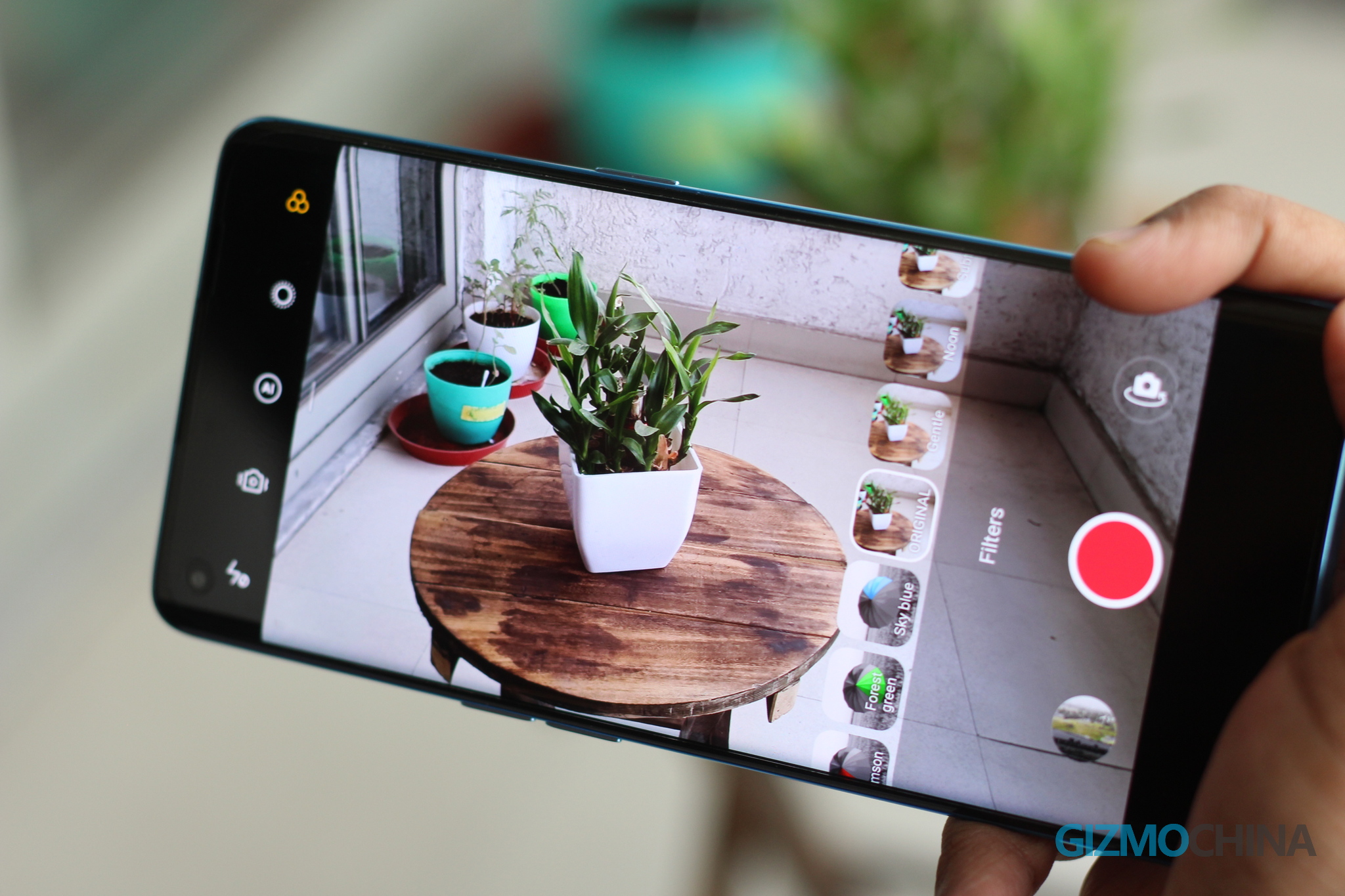
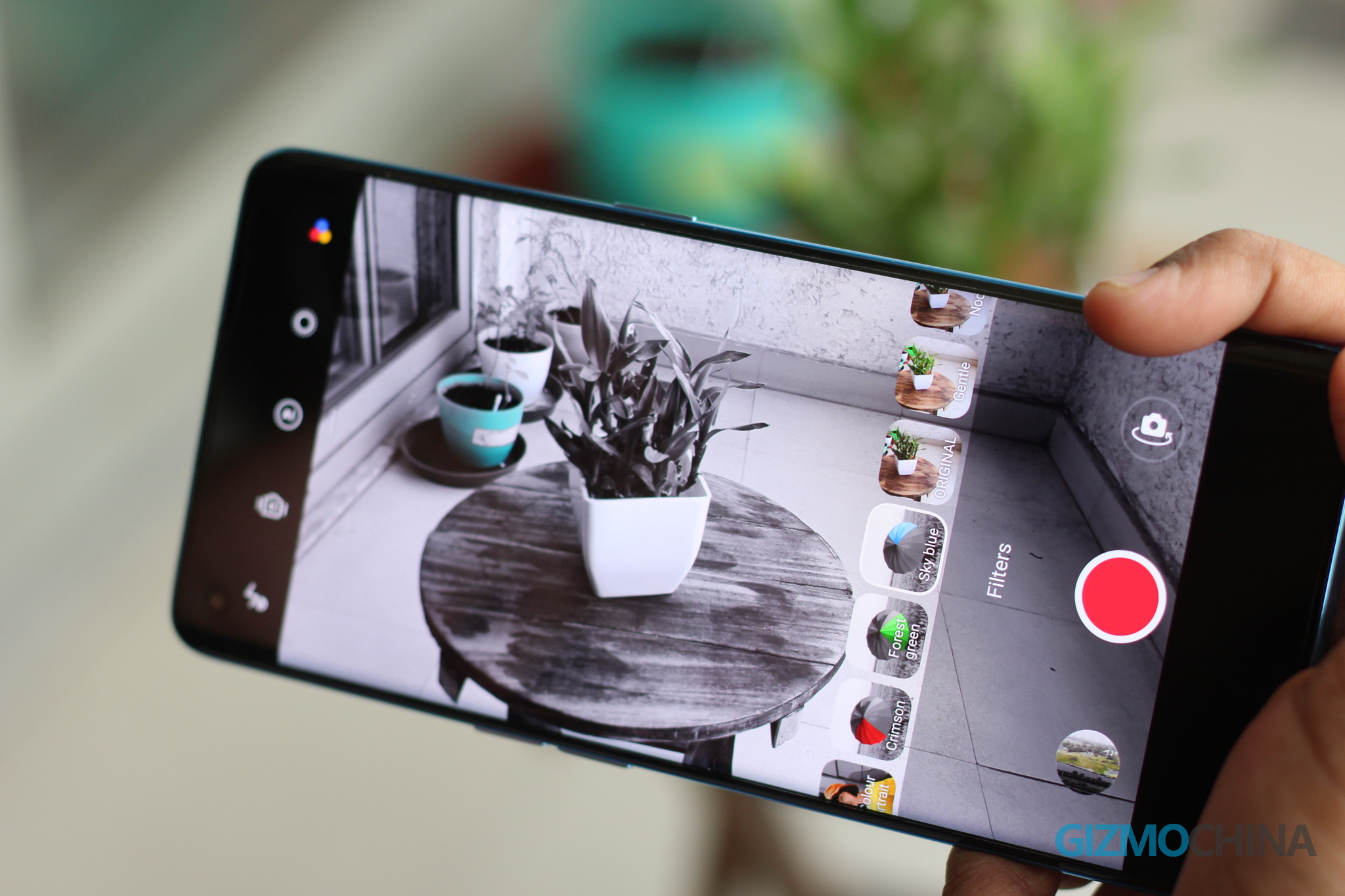
Further, the AI Highlight feature boosts the saturation to pretty good levels (see the difference in the samples below) ensuring that your photos are social media ready right out of the gallery.
Images taken indoors under good lighting were very crisp and saturated. OPPO’s scene recognition (via AI Highlight) was always spot on in identifying the correct scene in focus and applying appropriate tweaks.
There are a bunch of filters and options to play around with as well which makes capturing photos from its 64MP camera quite fun.
Low Light Photography
As for low light images, I was pretty happy with the results. The noise levels were controlled and the 64MP camera still retained a good amount of details with real-life colors. Overall, it captures clean and saturated images, which most people will prefer.
Even when the lighting dims down significantly, the Reno5Pro impressed with the amount of details and range of colors it managed to capture. I found this to be consistent in all of the low light scenarios.
Some phones lose saturation when lighting goes down, but the Reno5 Pro did well to maintain the color and details.
The 8MP Ultra Wide Camera can capture decent wide angle shots with good colors. The AI Highlight feature further helps to boost the saturation levels, improving the quality of the samples.
But UW camera struggles in extremely low light situations which isn’t surprising given it’s an average 8MP sensor. Night mode does boost up the wide-angle image but with fewer details to spare, the images lose out their sharpness. However, I do have to mention that the noise control in these low light situations was impressive as I’ve seen phones with ultra-wide-angle sensors that take slightly brighter photos at the expense of additional noise, rendering the image useless.
So the UW mode is not really meant for night time photography. Stick to daylight conditions for your wide-angle shots and you should be satisfied with the experience.
It’s also worth adding that unless you are using an expensive flagship, the ultra-wide camera on your smartphone won’t likely perform well in extremely low light situations. So this result is in line with other phones in its price segment.
The 64MP camera in the standard mode was pretty good even when the lighting was extremely dim or nonexistent. Details were retained to a considerable extent and the image came out well balanced (not overexposed). The night mode can turn up the brightness to a considerable extent. However, as with other night modes, when u boost the brightness of an extremely low light image, some details are lost.
1 of 4
64MP OPPO Reno5 Pro standard Mode
64MP OPPO Reno5 Pro Night Mode
64MP OPPO Reno5 Pro standard mode
64MP OPPO Reno5 Pro Night Mode
Personally, I’d advise against using the night mode unless for scenarios when the scene is extremely dark as the standard mode is good enough for most low light situations.
Overall, I m pretty happy with the night time performance of the primary sensor without the night mode.
Portrait Camera
The front portrait is pretty good and you can get some good looking selfies. However, the rear portrait camera does not meet the expectations of a Rs. 35,000 smartphone. You can get decent shots if you try really hard but the amount of background blur was not very strong which didn’t allow the object in focus to get that special bokeh effect.
1 of 3
OPPO Reno5 Pro Portrait
Macro Camera
The Macro camera was even worse than the portrait camera. I couldn’t get a decent macro shot as the phone failed to focus when I was close to an object.
1 of 2
Macro mode
Macro mode
So, in conclusion, the 64MP f/1.7 primary camera is impressive while the 8MP ultra-wide-angle shooter also does a pretty good job at capturing decent quality wide shots. However, don’t expect much from the portrait and macro cameras.
VIDEOS
FDF Portrait Video system was heavily marketed by OPPO so I was curious to see its real-life improvements. I have to agree that the videos do have an edge when the algorithms work properly. The noise is well controlled, the dynamic range is good, and the overall video has good details and saturation too. However, I feel this algorithm needs to be a bit more consistent at low light conditions to guarantee better results all the time.
When the lighting goes down significantly, the algorithm tries to aggressively increase the brightness and as a result, there’s visible noise in the video. Personally, I would have preferred a slightly less bright but cleaner video sample. You can check out a couple of video samples from here.
So if you are shooting videos in good lighting conditions on the Reno5 Pro, the FDF Portrait Video system will slightly boost the quality of your videos, giving it an edge over other devices. OPPO also offers a bunch of filters and features such as AI Color Highlight which works pretty well to make your videography experience a lot more fun and interesting.
1 of 7
AI Color Highlight mode
OPPO Reno5 Pro 5G Review: Battery
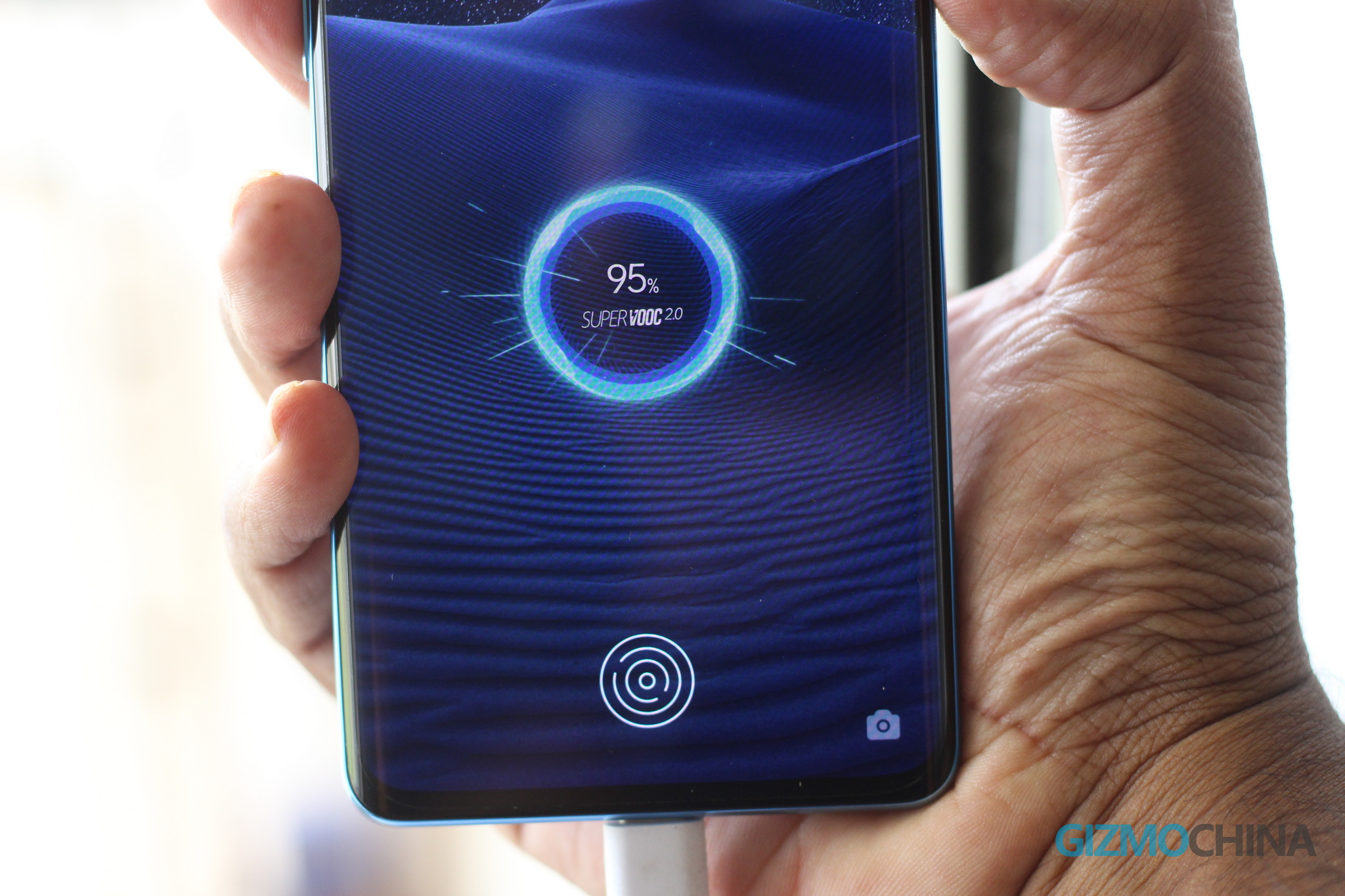
The Reno5 Pro 5G packs a dual-battery design with a total capacity of 4350mAh. The 65W charger is one of the fastest in the market and can juice up your battery at blazing fast speeds. You can go from 15% to 75% in just 15 minutes! Charge it for another 15 minutes and your battery is topped up to 100%. So charging your Reno phone will never be an issue.
As for the battery consumption, the 7nm Dimensity 1000+ is not a battery hogger and provides an all-day battery life on the device. With AOD turned on, the battery consumption increases slightly but with a 65W charger in your bag, you never really have to worry about battery life on the phone.
Note that in India, we don’t have a live 5G network so all the tests were conducted over 4G and Wi-Fi networks.
OPPO Reno5 Pro 5G Review: Verdict
As I mentioned in my review, there are clear strong points for the Reno5 Pro 5G. It has a killer design and display, with a super-fast 65W charging that ensures a 4350mAh battery is more than enough for most consumers.
Dimensity 1000+ was the big question mark about the device but so far, having used the phone for over a month, I have found no perceivable difference in performance over say a Snapdragon 865 powered smartphone like the OnePlus 8. Gaming has been smooth, ColorOS has been fluid and responsive, and overall, Dimensity 1000+ has delivered.
As for the cameras, the Reno5 Pro 5G has a pretty good setup for most of your needs. But portrait and macro cameras are practically useless. The wide-angle sensor turned out to be pretty decent despite its low resolution. That said, if you are a regular consumer, the 64MP primary camera will not disappoint. Just activate the AI Highlight algorithm to boost the saturation and your samples should be social media ready right out of the stock camera.
The FDF Portrait Video system with AI Highlight video is a feature that still needs work. It boosts the colors and reduces the noise in the video to a perceivable extent in most scenarios but it doesn’t really feel revolutionary. It’s more of an evolutionary upgrade to the Reno series this year but I’m excited to see how OPPO refines these complex algorithms to deliver a consistently improved videography experience on its phones.
For Rs. 35,990, the OPPO Reno5 Pro hits all the right notes for a smartphone in this price segment. So, if you are looking for a smartphone around this budget, you might want to check out the new Reno5 Pro model.
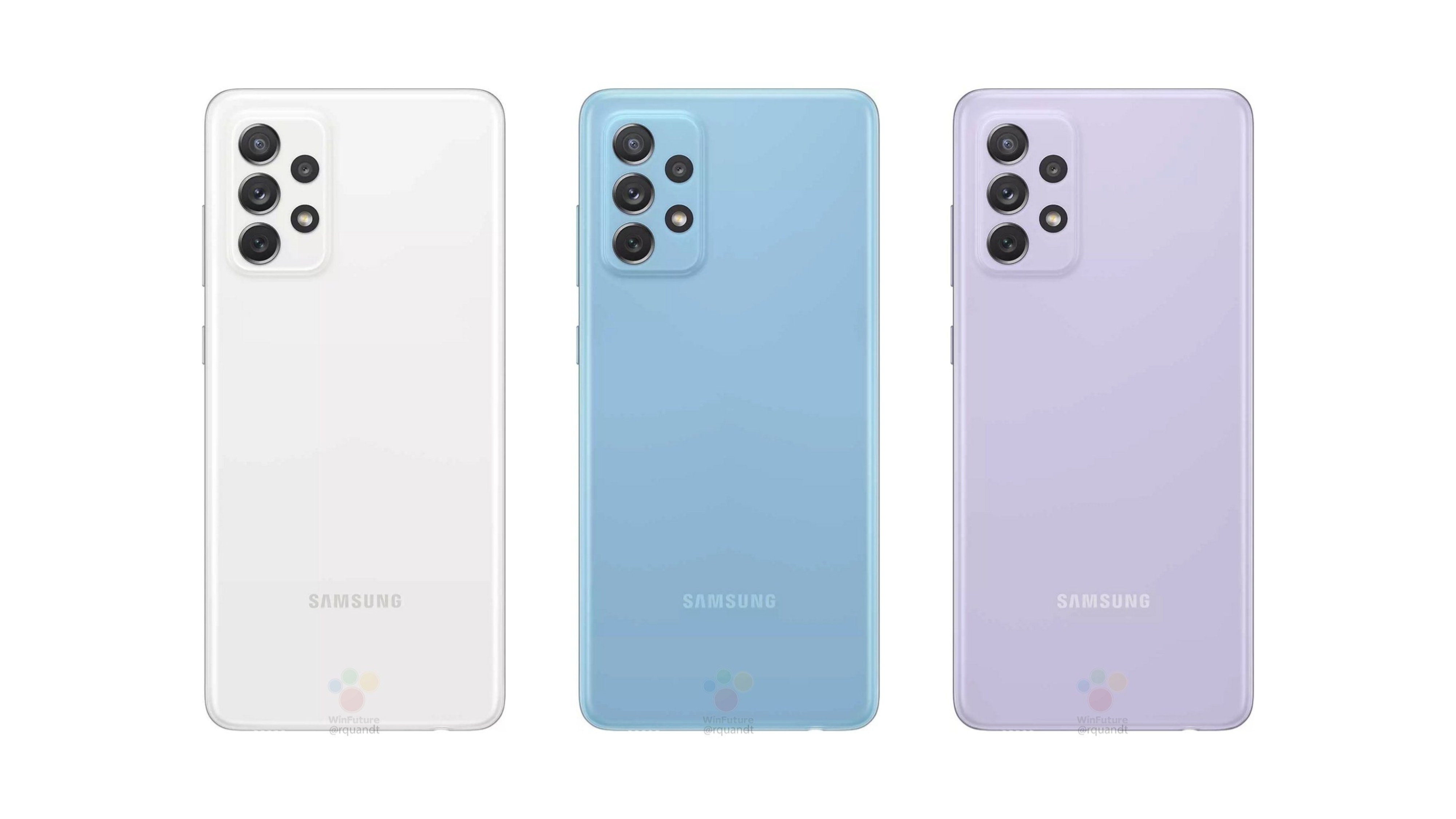
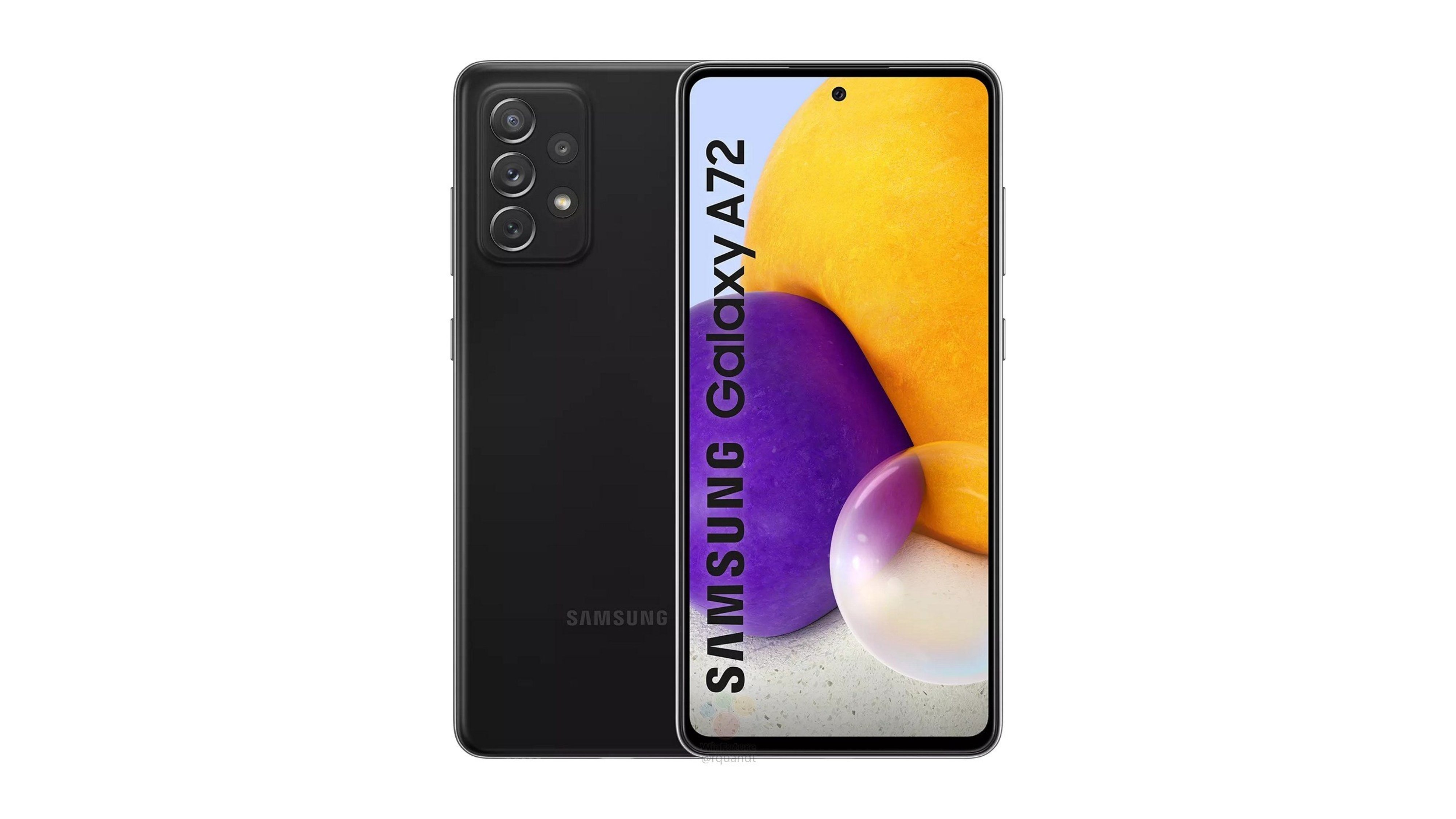
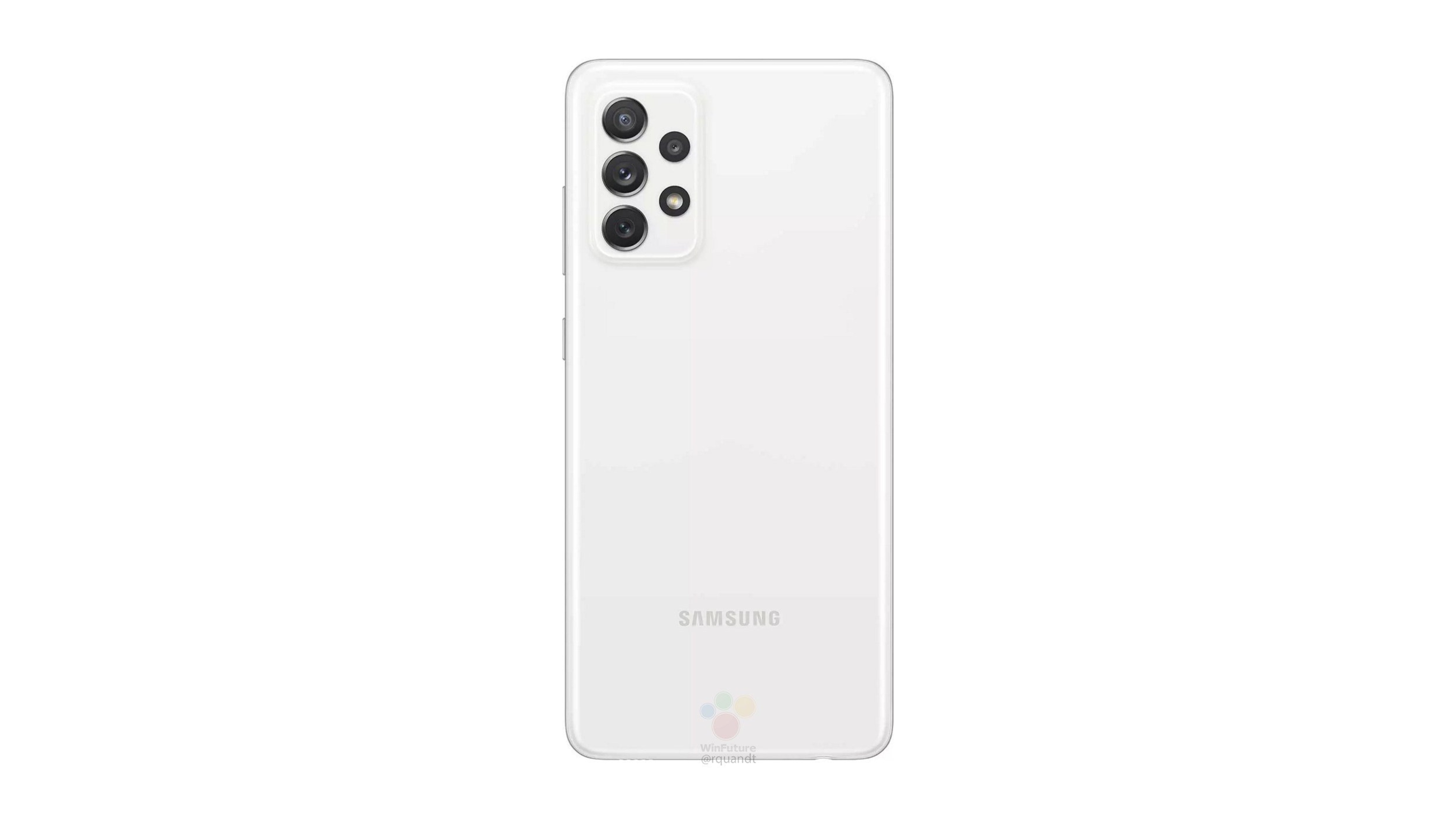
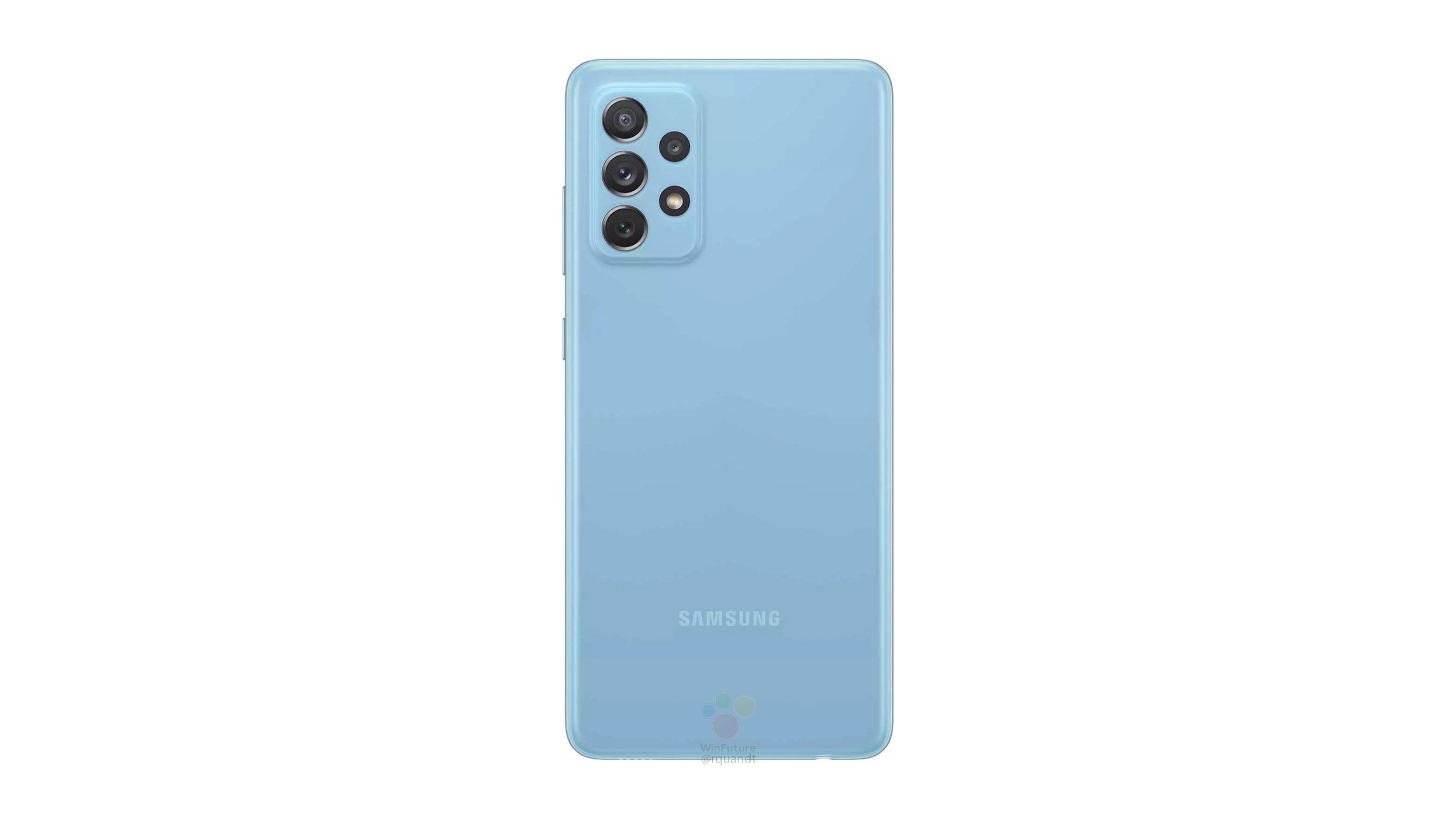
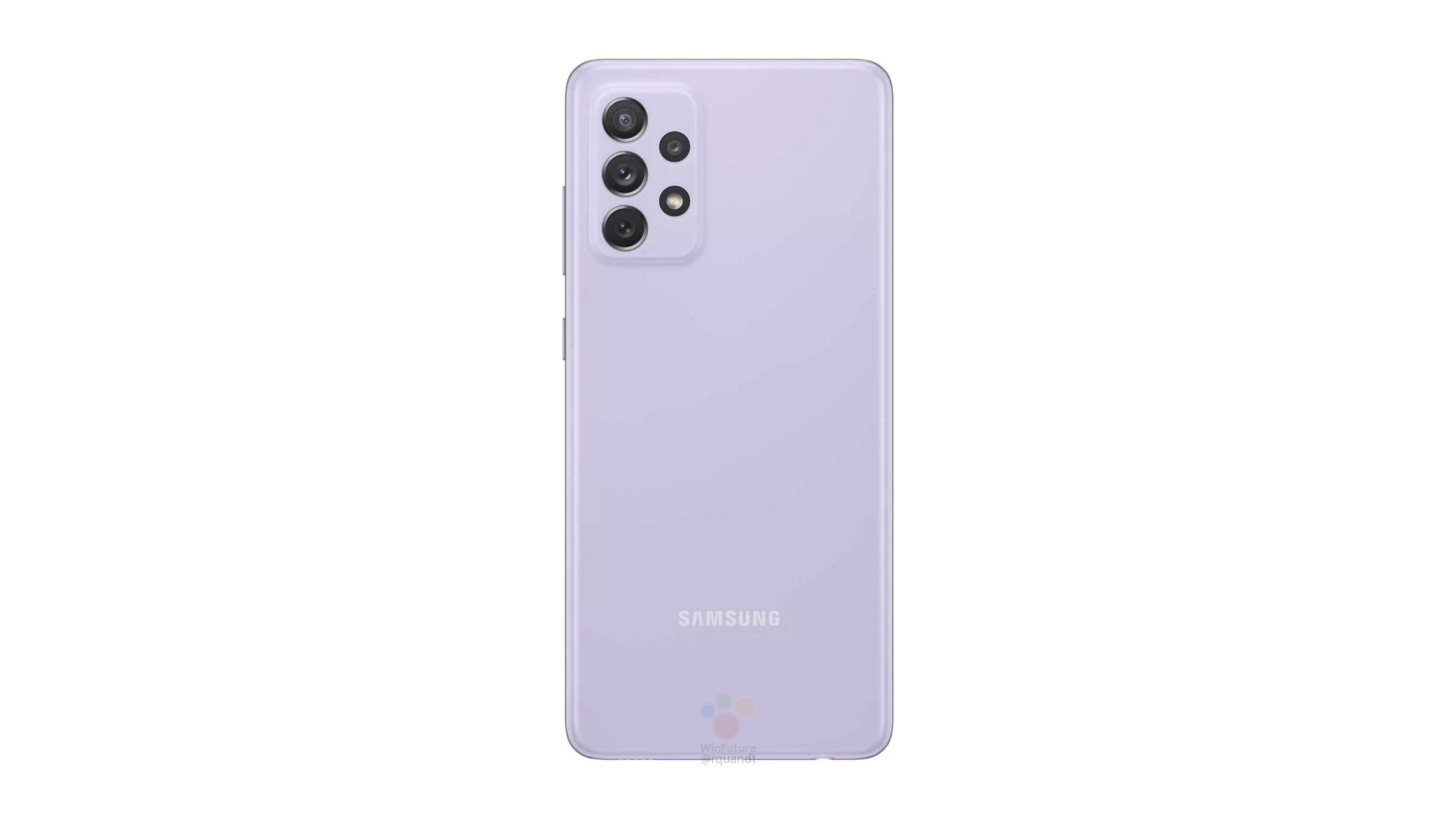
The Samsung Galaxy A72 is in the news since late September 2020. It is expected to come in two variants (4G, 5G), just like its predecessor Galaxy A71. According to a new leak, the South Korean tech giant will be only introducing the LTE version first. This leak not only reveals the entire specs but also press renders as well as price.
The new information regarding the Galaxy A72 4G comes from Roland Quandt of WinFuture. This leak exposes two things about the phone that we were not aware of earlier. And those are telephoto camera and IP certification.
Staring with the screen, the device will flaunt a 6.7-inch Super AMOLED display with a resolution of 2400 x 1080 pixels (FHD+), 20:9 aspect ratio, and a 90Hz refresh rate. The panel will also include an in-screen fingerprint sensor and a centered punch hole for a 32MP selfie camera.
Further, the back of the handset will house a quad-camera setup consisting of a 64MP primary sensor, 8MP 2x telephoto shooter, 12MP ultra-wide unit, and a 2MP macro snapper. Previously, this device was reported to feature a penta-camera setup. Later, another report revealed it to not feature any zoom module.
Interestingly, the Galaxy A72 4G will also be IP67-certified for dust and water resistance. Its smaller sibling Galaxy A52 is also expected to have this feature. Other features of this smartphone will include a plastic build, dual-SIM, dual-band WiFi, Bluetooth, NFC, 3.5mm headphone jack, USB Type-C port, microSD card slot, Android 11 (One UI 3.x), and a 5,000mAh battery with support for 25W fast charging.
But unfortunately, despite packing a punch, this phone will be powered by a year-old Qualcomm Snapdragon 720G SoC whose performance is similar to the Snapdragon 730 present inside the Galaxy A71 4G. As for colors, the handset will be available in Black, White, Blue, and Violet.
1 of 3
Last but not least, the Samsung Galaxy A72 4G is said to retail for €449 and €509 for the 6GB + 128GB and the 8GB + 256GB variants respectively.
Recently, rumors are swirling around that Facebook is developing a clone version of the popular Voice-based app Clubhouse. Now, a new report by The Informationsays that the Californian giant is also entering into the world of Smartwatches.
Credits: Facebook
According to the report, Facebook is making a Smartwatch with emphasis on Messaging and Fitness. It may be called the ‘Facebook Watch’ but it’s just a guess and not confirmed yet. We already know that the company isn’t new to the world of Smart devices. In fact, it has launched a VR headset under its subsidiary Oculus VR.
Anyway, the company is said to focus on Message interaction in the Smartwatch. Users will be able to communicate with their friends on platforms like WhatsApp and Messenger. Now, you might wonder if it will require a Smartphone for integration and sync.
For this, Facebook seems to have a solution. The Watch will reportedly come with Cellular connectivity support so you don’t have to barge into your phone every time. This also suggests that the company is going to revamp the social media Apps for the tiny Wearable screens more.
Speaking of which, the report says that although the Watch will run on an Open-source version of Google’s Android, Facebook is working on its own Operating System. And the OS could debut in 2023 along with the Second-Generation of this Watch. In that year, the company is also reported to bring an AR Glass.
That said, apart from Messaging, Facebook is also said to be focussing more on Health features that will be present in the Smartwatch. Some of them are extensive Workout plans/Data, Track workouts, interact with Trainers, and integrate with Fitness services like Peloton.
The wearable segment is said to get a big boon in 2021 and beyond. Just like the report says, Facebook seems to have found the right choice of segment to venture into as Smartwatches are becoming equally important like Smartphones.
Going by the trend, we can also expect other features like Heart rate monitoring(PPG), Blood Oxygen(SpO2) and Stress monitoring, aggressive pricing(maybe around $399 to rival Apple Watch 6).
Facebook’s Smartwatch will reportedly go on sale sometime next year i.e., 2022 so we will have to wait for a few months to start seeing leaks about it.
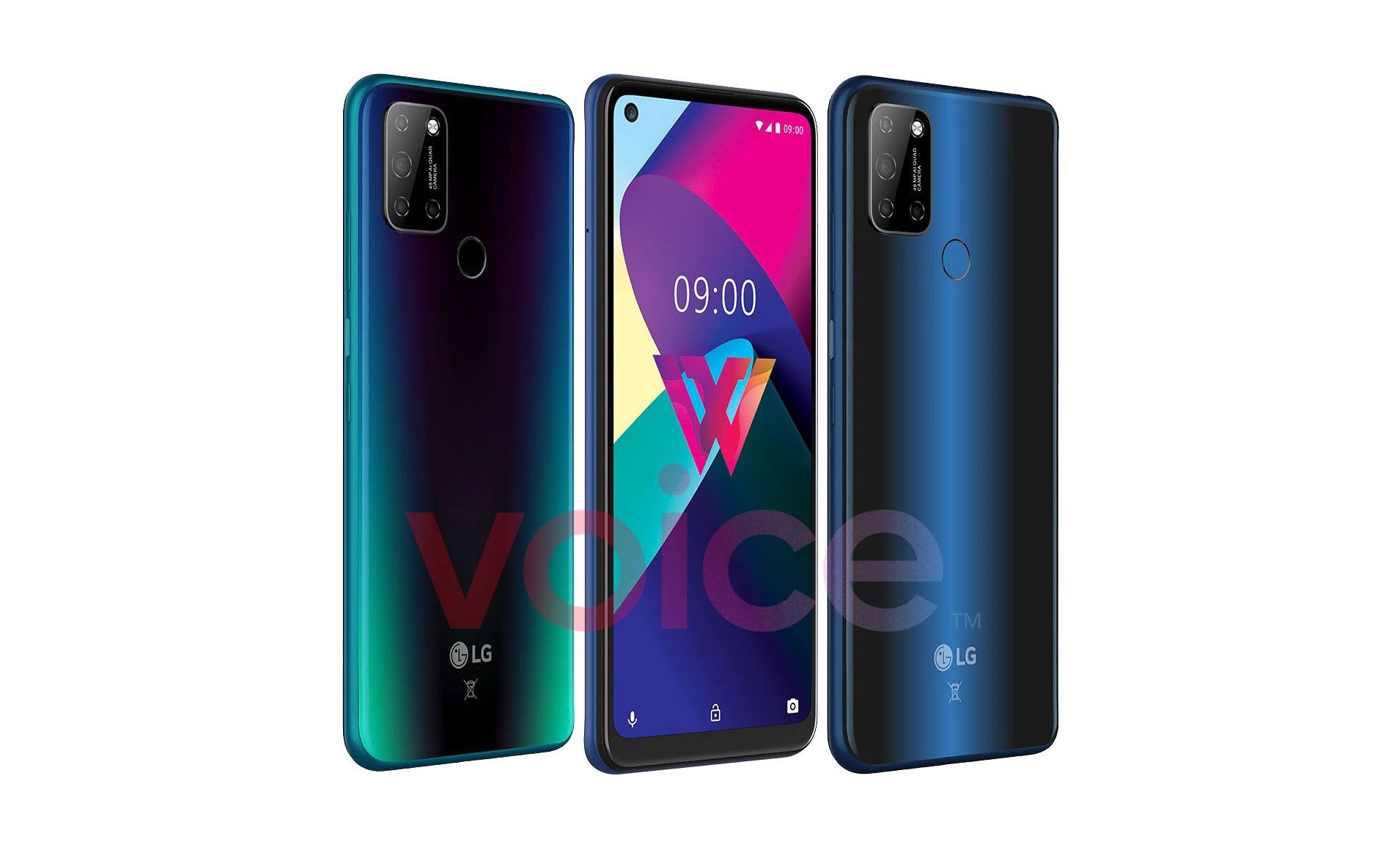
LG announced the LG W31 and LG W31+ smartphones in Q4 2020. The W-series of LG phones is exclusively available in India. It was introduced to rival mid-tier phones from popular brands like Xiaomi, Samsung, and Realme in the country. Yesterday, reputed tipster Evan Blas shared a leaked press render of the upcoming LG W41 smartphone to reveal its appearance.
The W-series of LG smartphones that have launched in the past has featured notched displays. As the render shows, the LG W41 will be the first W-series handset from the brand to sport a punch-hole design. Except for the slightly thick chin, the W41 has slim bezels on the other three sides.
Leaked render of the LGW41 by Evan Blass
The back panel of the LG 41 seems to be made from plastic. Its gradient-colored rear has a traditional fingerprint scanner and a rectangle-shaped camera module. The latter houses an AI-powered 48-megapixel quad-camera system and an LED flash. Apart from the volume rocker and a power key, the right side of the device seems to feature a dedicated button for accessing the voice assistant.
Blass also revealed that the model number of the LG W41 is LMK610. The handset will be accompanied by two other phones called the LG W41 Plus and LG W41 Pro. The leak has no information on the specifications of the W41 trio.
The LG W31 came a 6.52-inch IPS LCD HD+ display, and the Helio P22 SoC powered it. It featured an 8-megapixel front camera and a 13-megapixel + 5-megapixel (ultrawide) + 2-megapixel (depth) triple camera system. It housed a 4,000mAh battery. It came with 4 GB of RAM and 64 GB of storage. The LG W31+ offered identical specs to the vanilla model but offer a larger 128 GB of internal storage. These phones were introduced for Rs 10,990 (~$151) and Rs 11,990 (~$165), respectively.
Earlier this month, Realme announced the Realme X7 5G smartphone in India. It arrived as the rebranded version of the Realme V15 5G phone that went official in China in January. With a starting price of Rs 19,999 (~$276), the Realme X7 5G is the most affordable 5G smartphone in India. In a recent tweet, Realme India CEO Madhav Sheth asked followers, “Should we make 5G smartphones even more economical?” Hence, it appears that the company may soon a launch new phone that is cheaper than the Realme X7 5G. Probably, an upcoming Narzo 30 series phone may soon dethrone the X7 5G to become the cheapest smartphone of the country.
We made 5G smartphones affordable by launching the #realmeX7 at less than 20K.
Should we make 5G smartphones even more economical?
Realme has recently started teasing the Narzo 30 series. The lineup is expected to include three phones such as Narzo 30, Narzo 30A, and Narzo 30 Pro. Among the three phones, the Pro model is speculated to arrive with 5G support.
A new Realme phone with model number RMX3161 was approved by China’s TENAA telecom authority. The 5G-ready phone was found to be equipped with a 6.5-inch punch-hole display, a side-mounted fingerprint reader, a triple camera system, Android 11 OS, and a 4,880mAh battery. The other specifications of the device are under wraps.
There is no word on the launch date of the Narzo 30 series. If the Narzo 30 series indeed arrives with 5G support, it may affect the sales of the Realme X7 5G. Hence, the company may announce it after teasing it for a few more weeks.
Realme introduced the Narzo series in 2020 by Realme Narzo and Realme Narzo 10 in Q2. Hence, there is a possibility that the company may announce the Narzo 30 series in Q2.
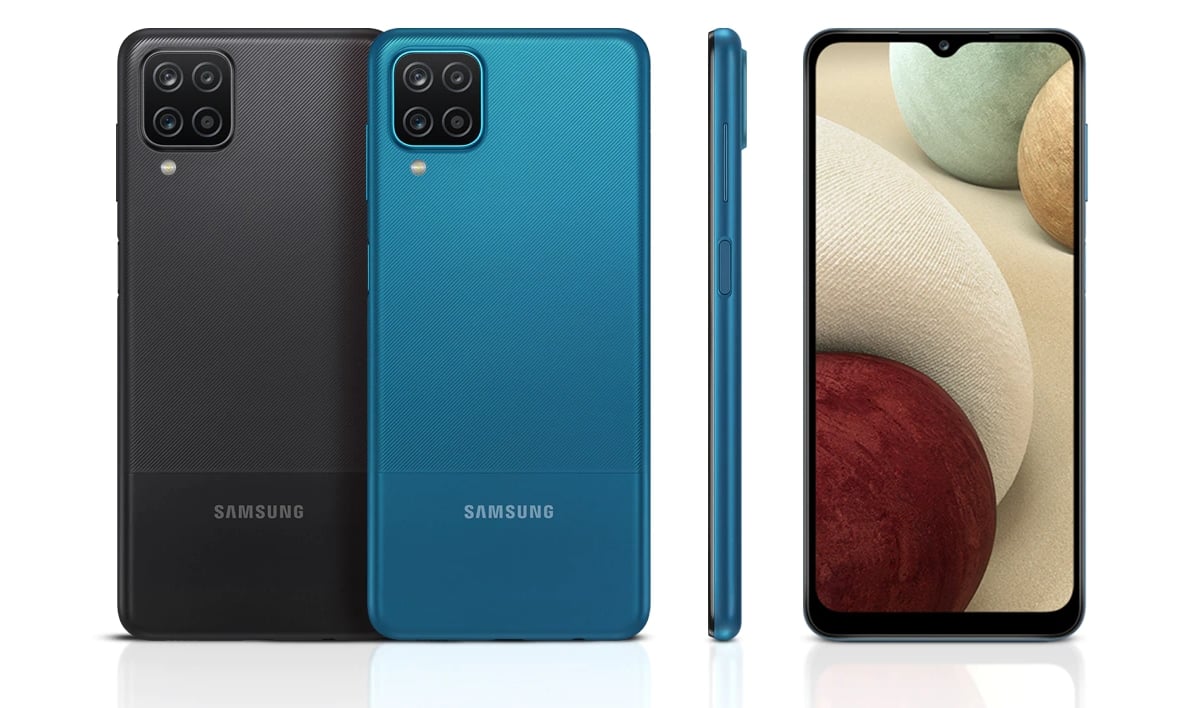
Recent reports have revealed that Samsung is gearing up to launch a new A-series smartphone in India. Yesterday, the support page and user manual of the unannounced Galaxy A12 was found listed on Samsung India’s website. Hence, it appears that the country will be soon treated with the Galaxy A12 smartphone, which originally debuted back in November 2020 in European markets. A fresh leak by tipster Abhishek Yadav has revealed all the important details of the Galaxy A12 smartphone.
The tipster seems to have shared shots of internal documents of the Samsung Galaxy A12. The images have revealed that the smartphone has a 6.5-inch Infinity-V notch display that produces an HD+ resolution and 20:9 aspect ratio. It has a social media-ready selfie camera of 8-megapixel. One of the major attractions of the Galaxy A12 is its quad-camera system that comprises a 48-megapixel primary camera, a 5-megapixel ultrawide lens, a 2-megapixel macro shooter, and a 2-megapixel depth sensor.
The Galaxy A12 promises all-day performance through its 5,000mAh battery. Like its global variant, the model heading to India supports 15W charging. The device has a side-mounted fingerprint scanner and Samsung KNOX for top-notch security. The smartphone supports 3D surround sound with Dolby ATMOS even through earphones. It comes with an internal storage of 128 GB and a microSD card slot for additional storage.
The name of the chipset that fuels the Galaxy A12 is not mentioned in the leaked shots. It seems to be driven by the Helio P35 SoC which fuels its global edition.
Samsung Galaxy A12
The leaked documents revealed that the Galaxy A12 will be available in 4 GB RAM + 64 GB storage and 4 GB RAM + 128 GB storage editions in India. It will be available in colors like blue, white, and black. A recent leak claimed that the device will cost under Rs 15,000 (~$206) in India.
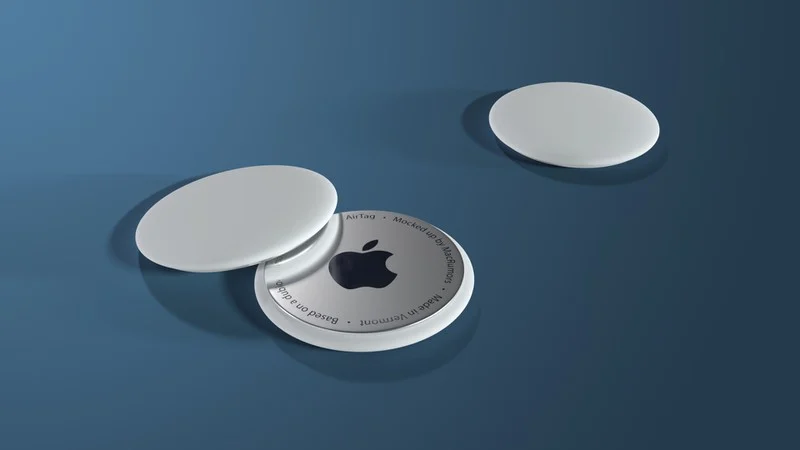
The name Jon Prosser may nor ring a bell but for us in the tech industry, we remember the tipster and his bunch of accurate details of the iPhone SE2, Apple’s next-generation mini smartphone released last year. The tipster has now come out with a juicy detail about the Apple AirTags. According to him, Apple AirTags will be released in March this year and that date doesn’t look like what will change.
Apple AirTags Mockup
Apple AirTags first leaked online in August last year via a patent filing, with the leak detailing the basic functionality of the device. It is location tracking device and is expected to pair seamlessly with a host smartphone or tablet. Appple had placed an emphasis on the functionality of the multi-interface transponder (MIT) device in the patent.
The multi-interface transponder (MIT) device is described as a portable and compact gadget with a simple processor, light and motion sensors, radio stack, and power core. It can even be attached to various objects like wallets, keys, and IDs. In other words, it’s a small location tracking device that can track down your important belongings or even smartphones when paired with an iPad or iPhone, for instance.
The functionality includes connectivity, communication with nearby electronics, power affordances, and more. Furthermore, the patents also outline a special power management feature that enables “intelligently boosting beacon transmission depending on determined location and proximity to nearby devices.”
Recall that Samsung recently announced the SmartTag and SmartTag+, a tile-like Bluetooth-LE tracker will help you find your lost objects. The Samsung model carries a starting price tag of $29. Going by Apple’s patent filing for the AirTags, we can conclude that it far eclipse the features of the Smart Tag, especially in the aspect of transmission.
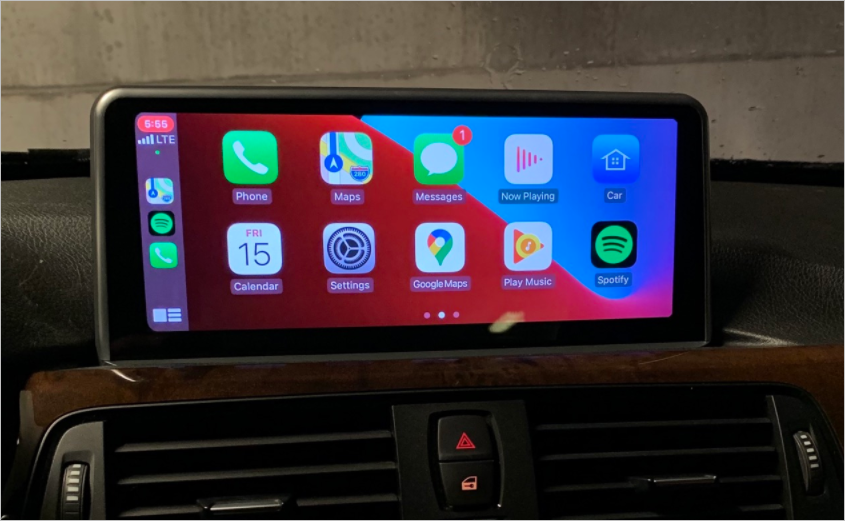
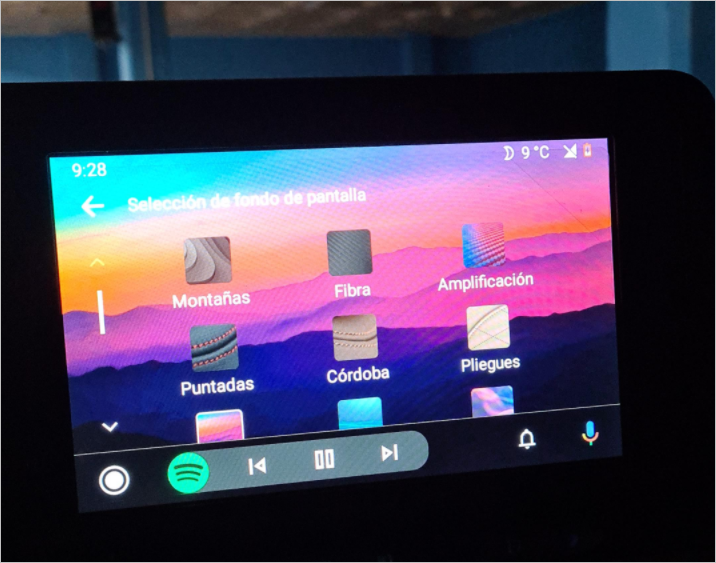
The most recent update of Google‘s Android Auto includes a couple of features that will further enhance its versatility as a mirror app of your Android smartphone for compatible dashboard systems. The update brings a shortcut to launch the Google Assistant feature on the app a couple of new wallpapers.
The new shortcut to the clever Assistant feature on Android Auto will allow users to easily add a shortcut to launch Google Assistant to do several tasks via the app. These include quickly calling a person on your phone contact or requesting navigational assistance, as well as many other activities that could trigger the action of the Assistant action. This new shortcut feature helps to fully integrate Android Auto to provide greater width and services as if you were using your Android smartphone itself, which is quite exciting.
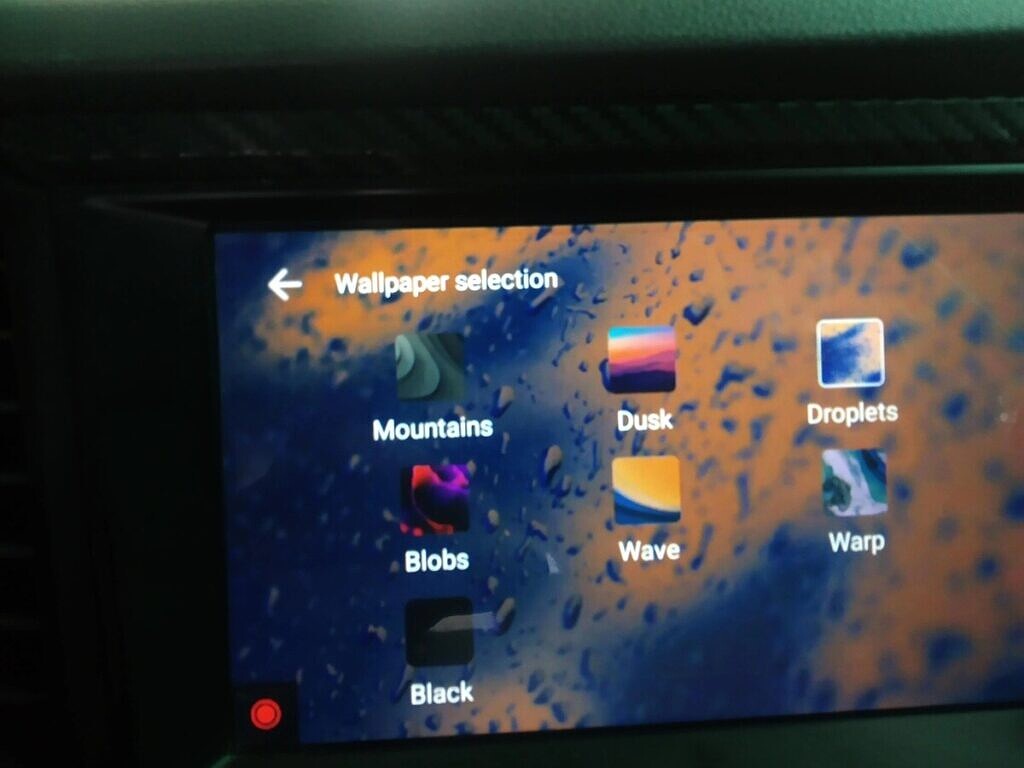
Late last year, some tipsters had predicted that Google was indeed working on adding wallpapers to an upcoming Android Auto update so that users of the app can get an array of beautiful wallpapers to use. Recent comments and screenshots released by users on social media platform Reddit show that indeed Google has started rolling out the feature, as the users provided screenshots as evidence of their claims. However, this new updated option for wallpapers does not allow users to choose photos from their camera gallery as wallpapers in Android Auto – at least with this current update.
The wallpapers feature a number of themes reflecting ambience and coolness and can be accessed via the settings of the Android Auto app. You can easily change your wallpaper by picking the Choose Wallpaper option under the settings menu.
In order to get these new additions, you must first update your app to the current version of Android Auto and see whether the new features are available.
We use cookies on our website to give you the most relevant experience by remembering your preferences and repeat visits. By clicking “Accept”, you consent to the use of ALL the cookies.
This website uses cookies to improve your experience while you navigate through the website. Out of these, the cookies that are categorized as necessary are stored on your browser as they are essential for the working of basic functionalities of the website. We also use third-party cookies that help us analyze and understand how you use this website. These cookies will be stored in your browser only with your consent. You also have the option to opt-out of these cookies. But opting out of some of these cookies may affect your browsing experience.
Necessary cookies are absolutely essential for the website to function properly. This category only includes cookies that ensures basic functionalities and security features of the website. These cookies do not store any personal information.
Any cookies that may not be particularly necessary for the website to function and is used specifically to collect user personal data via analytics, ads, other embedded contents are termed as non-necessary cookies. It is mandatory to procure user consent prior to running these cookies on your website.