The renders of the Galaxy S21 5G, Galaxy S21+ 5G, and Galaxy S21 Ultra 5G have already appeared in recent months to reveal their design. Today, Android Police carried an exclusive report to share the leaked video teasers ahead of the January launch. The publication has claimed that the Galaxy S21 5G series will break cover on Jan. 14 through the Galaxy Unpacked event and its sale may start on Jan. 29. The Galaxy S21 5G series is expected to carry cheaper price tags as compared to the previous generation mainly because of the existing global pandemic and economic difficulties.
The Galaxy S21 5G and Galaxy S21+ 5G video teasers show that they are equipped with identical designs. Both phones have flat displays with a top-center punch-hole cutout. Previous reports have revealed that the Galaxy S21 has a 6.2-inch AMOLED FHD+ display, whereas the Plus variant has a 6.7-inch FHD+ AMOLED screen. These have rumored to be packed with 4,000mAh and 4,800mAh batteries.
The Galaxy S21 5G and S21+ 5G are both shown in Phantom Violet color variant with bronze camera module in the video teasers. The camera housing blends with the edge on both devices. The triple camera setup on both smartphones has a 12-megapixel main lens, a 12-megapixel ultrawide sensor, and a 64-megapixel telephoto snapper.
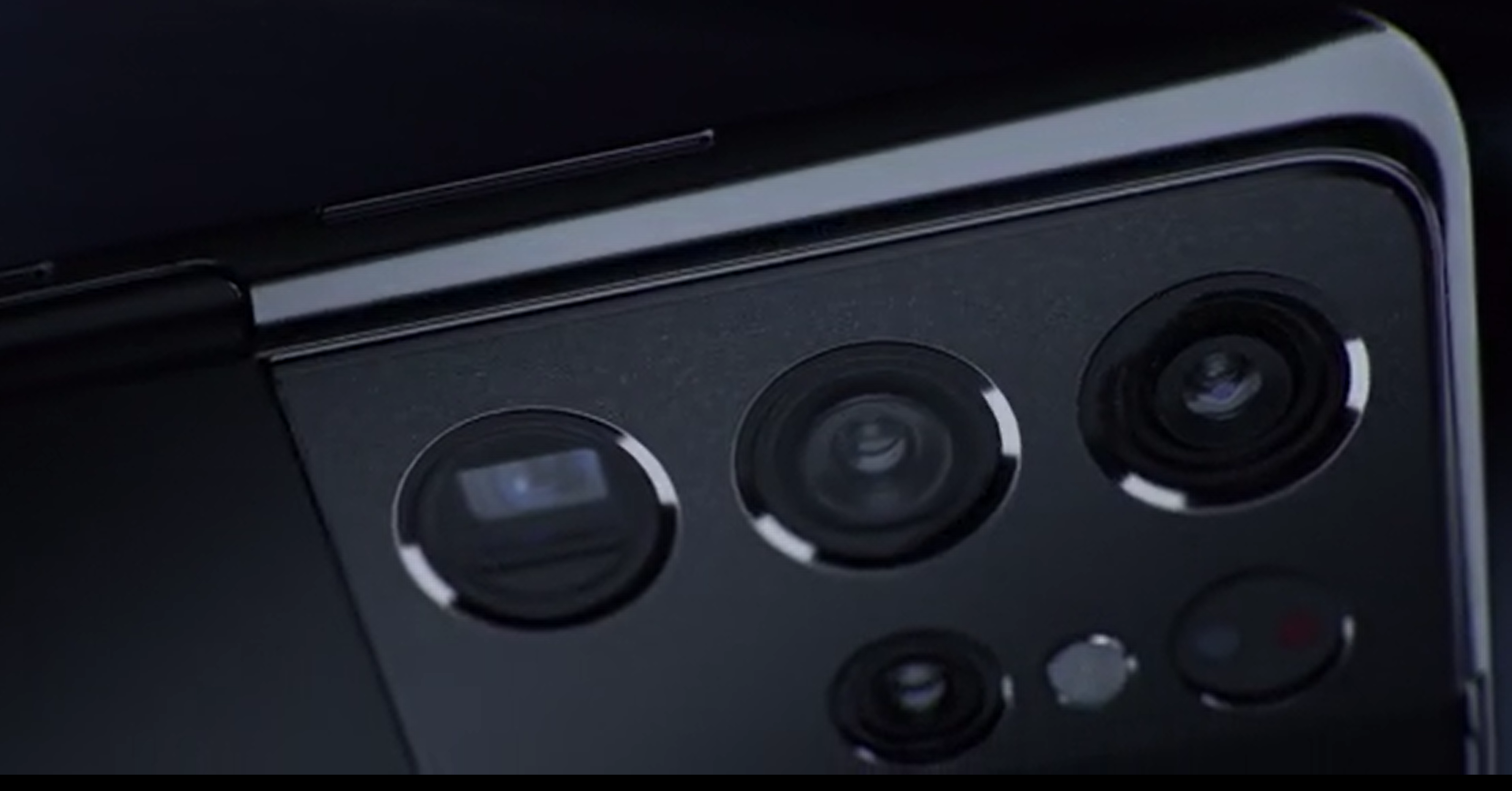
The Galaxy S21 Ultra 5G shown in black color appears similar to the S21 and S21+. However, the Ultra edition’s display is blessed with curved edges and it has a quad-camera setup. The latter features a laser autofocus unit, a 108-megapixel main camera, a 10-megapixel periscope lens with 10x super-telephoto zoom, a 10-megapixel telephoto lens with 3x optical zoom, and a 12-megapixel superwide lens. The S21 Ultra is rumored to arrive with a 6.8-inch QHD+ display, a 5,000mAh battery, and S Pen stylus support.
Earlier today (9th December 2020), a new report surfaced that suggested that Xiaomi could be working on a new curved monitor. This new monitor is said to launch in the first quarter of 2021 and will feature a 30 inch screen.
Xiaomi is known to diversify its consumer electronics portfolio, and had even added displays, monitors and gaming monitors to its vast arsenal of products last year. Back in October 2019, the Chinese tech giant launched the Xiaomi Mi Surface 34 inch Gaming Display. It was the first from the company and featured a resolution of 3440x1440px with a 21:9 aspect ratio. This display was primarily targeted for gamers and offered a high refresh rate panel with a 1500R curvature.
Notably, it was also recently reported that the last shipments of the Mi Surface 34 inch curved displays had been completed, and its production has been suspended due to the lack of supply from Samsung. According to an ITHomereport, a 30 inch variant is being announced by Videocom in partnership with AUO and is expected to hit the market sometime in the first quarter of next year. Thus, the new Xiaomi monitor could be expected to feature this panel. Unfortunately, we have no finer details or specifications regarding the upcoming monitor, so stay tuned for more updates
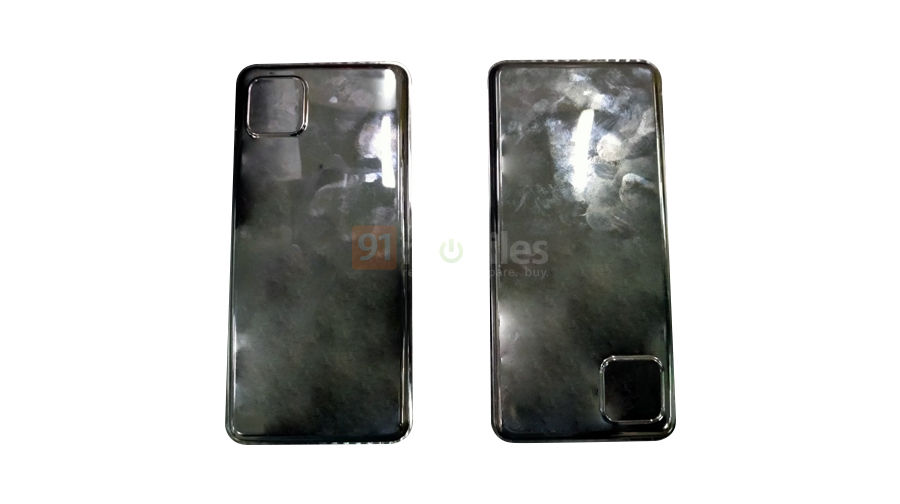
Samsung has reportedly started the production of a new phone that has a model number of SM-E625F. 91moblieshad previously claimed that the phone will be launching as the Galaxy F62. Today, the same publication shared the live shots of its rear shell. The new leak states that the device may debut as the Galaxy E62, and not Galaxy F62. In 2015, the South Korean company sold E-series phones like Galaxy E7 and E7. Since then, it has not launched any E branded phone. It appears that the company may bring back the Galaxy E series by launching the Galaxy E62.
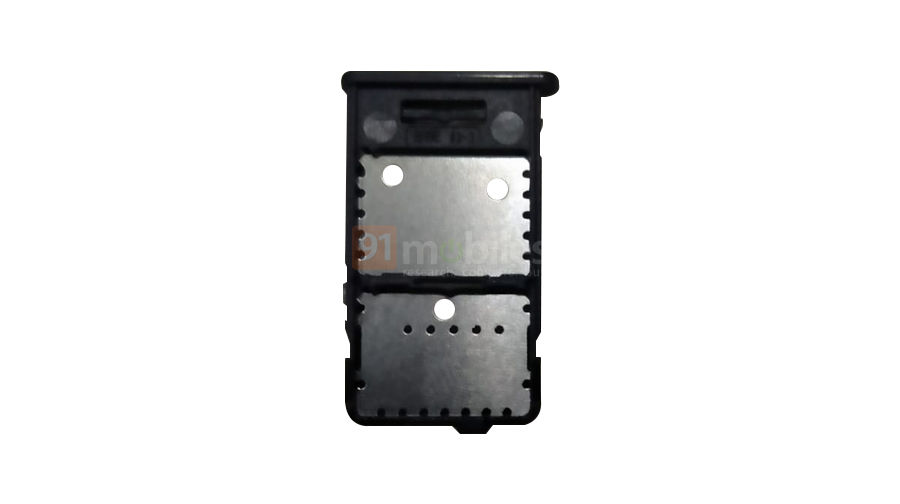
The live shots of the rear panel of the Galaxy E62/F62 reveal that it has a glossy back. It is fitted with a square-shaped camera module that may house three or four cameras. Since a fingerprint scanner cannot be seen on the backside of the phone, it could be embedded under the power button on the right edge or it could be integrated with the display. The images also reveal support for dual SIM connectivity.
The new leak has no information on the specs of the Galaxy E62. However, its recent appearance at the Geekbench benchmarking platform revealed that it is powered by the Exynos 9825 chipset. It is the same SoC that powered the Galaxy Note 10 series last year.
The Geekbench listing had revealed that the SoC is coupled with 6 GB of RAM. The phone was found to be running on Android 11 OS, which indicates that it may ship with the latest One UI Core 3.0. In the single-core test, the handset scored 763 points in the single-core test and it recorded a score of 1,952 in the multi-core test.
Hopefully, the rumor mill will reveal more details of the Galaxy E62/F62 in the coming weeks. The handset is expected to go official in the first quarter of 2021.
Big Tech companies have been facing a lot of scrutinies for some time now and demand for regulating such firms is increasing. Now, Britain’s competition watchdog has proposed that there should be tailored rules to regulate tech giants.
The companies affected by this include the likes of Google and Facebook. The Competition and Markets Authority (CMA) said that a legally binding code of conduct backed up by penalties could extend to fines of up to 10 percent of turnover.
It also proposed that the enhanced merger rules should be set up in legislation. It also reveals that the code will be enforced by a new Digital Markets Unit that will comprise of lawyers, data scientists, and other experts.
While the new unit will be set up in April, the legislation might not be in place until 2022. It will be part of a wider regulatory framework that will include new rules for harmful online content and data protection.
Further, the Department for Digital, Culture, Media, and Sport (DCMS) said that some of the world’s biggest tech companies may have to be more transparent about the services they provide and how they use consumers’ data.
This development from the Competition and Markets Authority (CMA) comes just a week before the European Union is set to outline its own rules for governing the digital services and markets.
Apart from regulatory changes, big tech companies are also facing antitrust scrutiny around the world. While countries like the USA, China, and India have a few ongoing antitrust investigations against Google or its subsidiaries, the state and federal authorities in the U.S. are expected to file antitrust lawsuits against Facebook in the coming days.
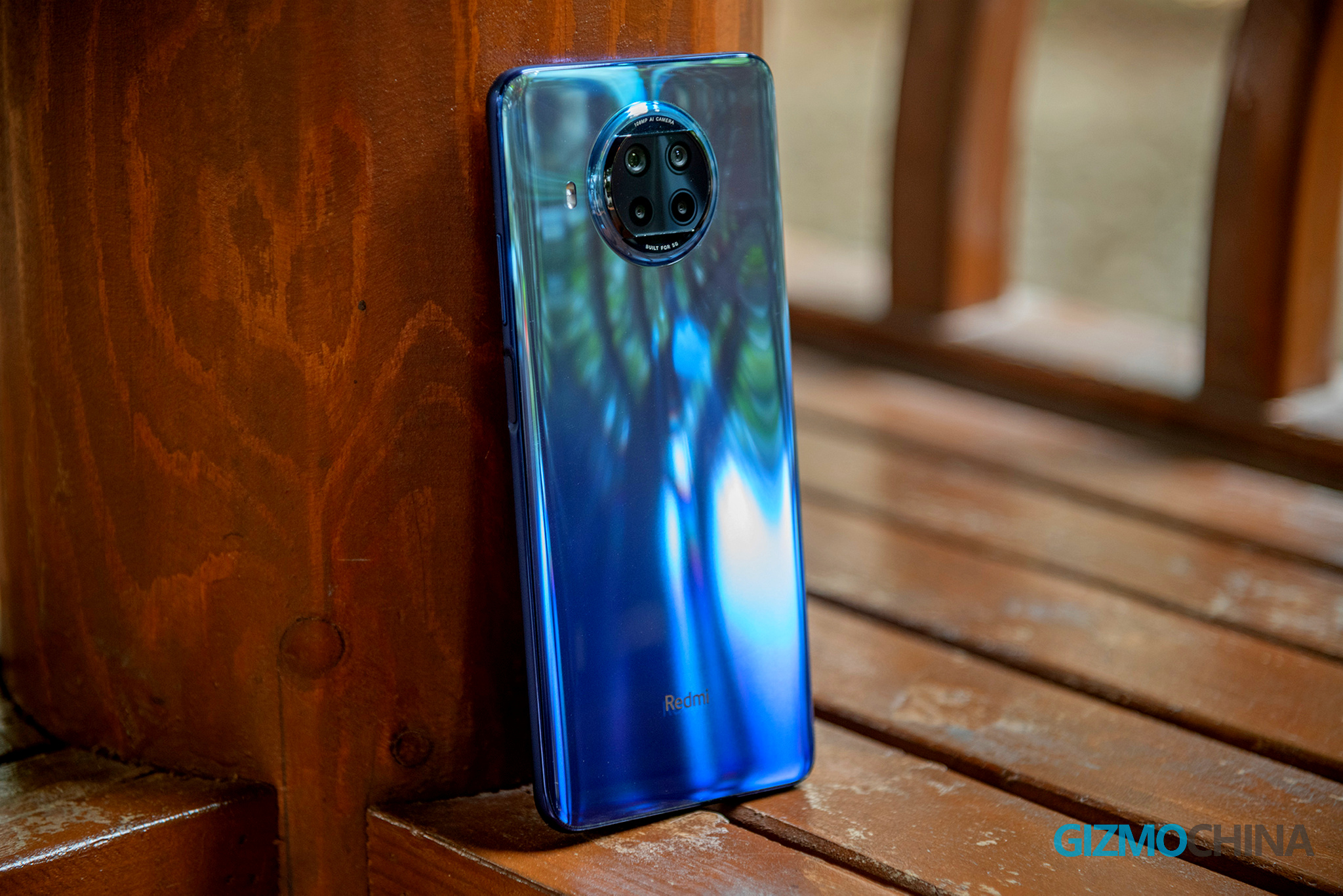
At the end of last month, Redmi, the sub-brand of Xiaomi launched Redmi Note 9 series in China. The series consists of three smartphones and these devices have been on sale for the past 13 days. Within this period, the company managed to sell 1 million units.
Xiaomi initially debuted the Redmi Note 9 series earlier this year in India. But the Redmi Note 9 models launched in China are different devices altogether. This series includes two 5G phones (Redmi Note 9 5G, Redmi Note 9 Pro 5G) and a single 4G handset (Redmi Note 9 4G).
Now, less than two weeks (13 days to be exact) from them being going on sale, Redmi accomplished to sell over 1 million units of these smartphones. The brand revealed its new achievement on Weibo.
In case you do not know, Xiaomi’s Redmi number, Redmi A, and Redmi Note series of handsets have always been global bestsellers. For instance, the company has sold over 140 million units of Redmi Notes worldwide as of November. These phones are popular because of the value they offer for the price.
That said, although the new Redmi Note 9 series is exclusive to China, the same phones are expected to release with different branding in global markets. The Pro variant is already available in Europe as Mi 10T Lite with a 64MP primary camera. This handset will be also launching as Mi 10i in India. Similarly, the 4G model will soon go official as Redmi 9 Power and Redmi 9T with an additional camera.
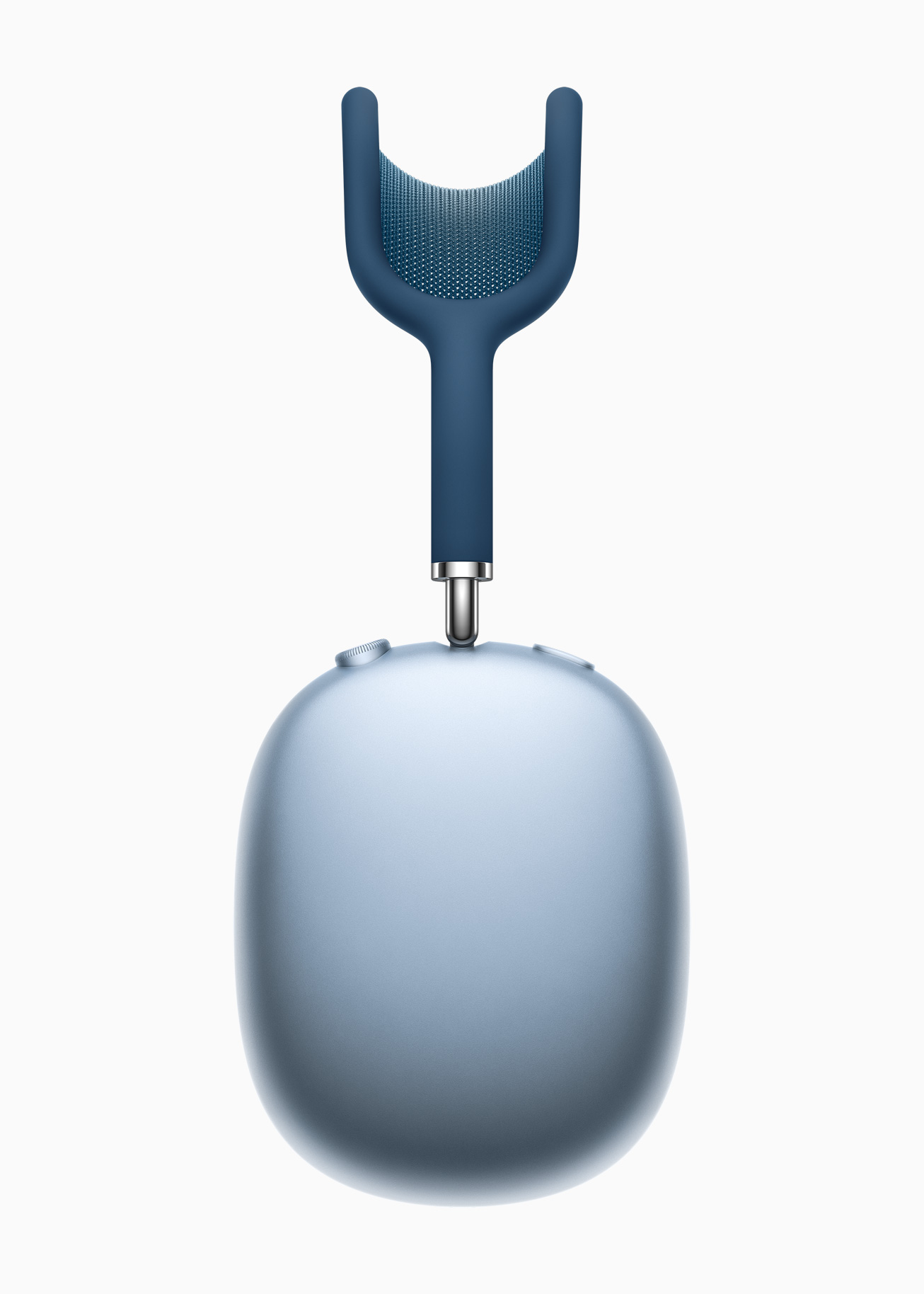
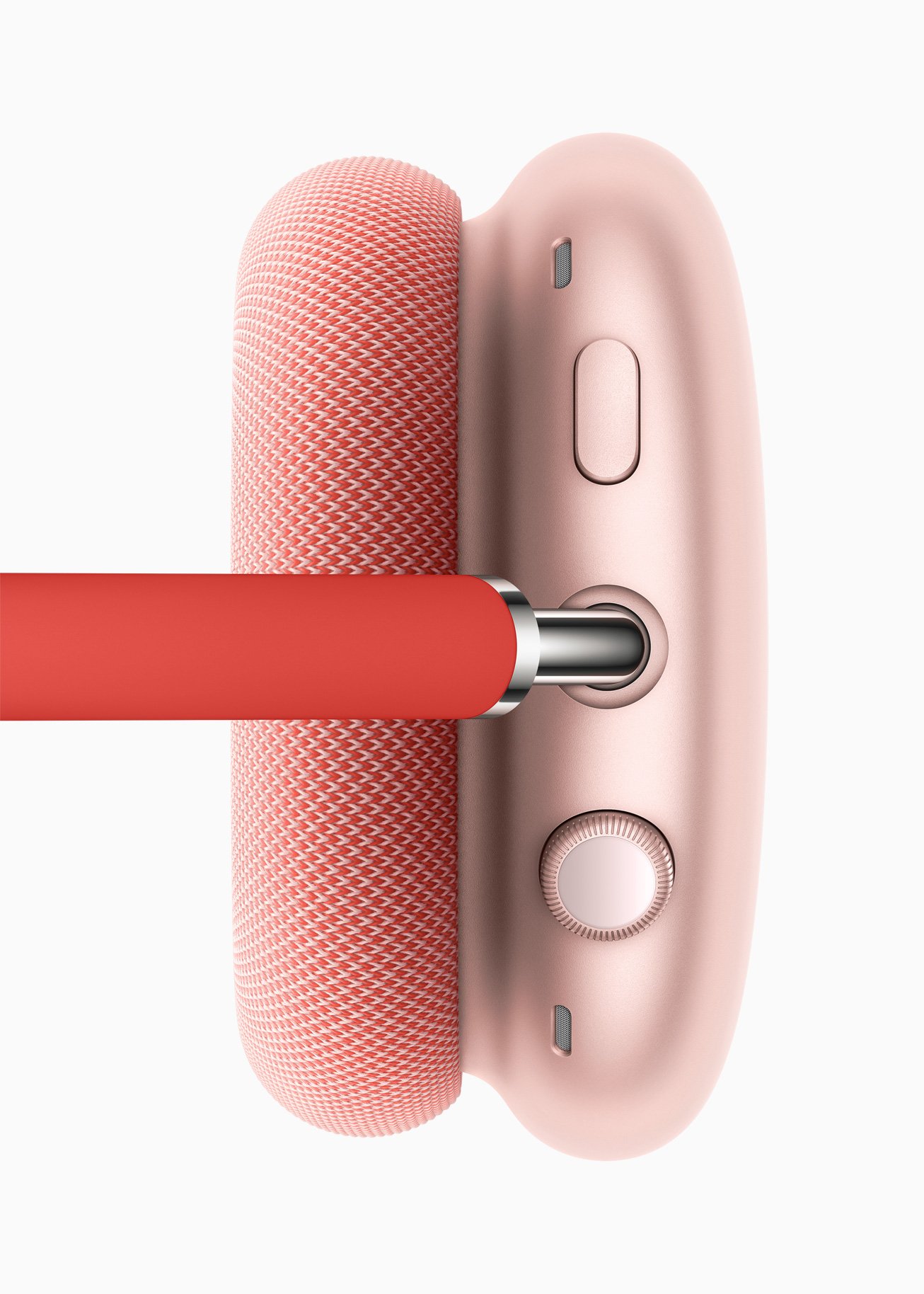
The Apple AirPods Max just launched earlier this week, after months of leaks and rumors. It had been known that the company has been working on a new hearable product for a while now, but its official launch arrives with certain features missing that were previously rumored.
Breathable Knit Mesh Canopy
Earlier this year, it was believed that the AirPods Max were originally rumored to be called AirPods Studio. Although, due to the coronavirus pandemic, Apple faced various several challenges in development, which might have led to the multiple delays and even scaling back of functionality or features, as per a MacRumorsreport. Later on, there were reports in September that stated that the launch was imminent with production originally planned for mid 2020, but got delayed over development issues.
It was previously believed that the AirPods Max could offer unique customization, with interchangeable headbands and ear cups, resembling the concept behind the Apple Watch bands. However, Apple reportedly had to drop the idea to speed up the already behind production. Similarly, it was also rumored that the AirPods Max would feature touch controls through the pads on the side. But this was also dropped, as the Cupertino based giant ships the new headphones with a digital crown from the Apple Watch for user controls.
Digital crown, Noise cancellation button
Another rumor which has yet to receive any clarification was the launch of a more affordable ‘Sport’ variant of the AirPods Max. This model would arrive with a 350 US Dollar price tag and would launch alongside its expensive sibling. Unfortunately, there is no word on this version of the AirPods Max at the moment. It is possible that Apple might revisit these features in the future for the second iteration of the over the ear headphones, and may even launch a Sport version sometime in the near future. So stay tuned for more updates.
India is the second largest smartphone market in the world, with brands from all across the world competing for footholds in the market in the region. In recent times, Chinese brands have dominated the market, with Xiaomi being the leading smartphone manufacturer in the country. Now, it seems that its popularity is showing no signs of decline as 9 out of the 10 best selling smartphones on Amazon India is from the Chinese tech giant.
9⃣ out of top 🔟 selling smartphones on @amazonIN. 💪
Earlier today (9th December 2020), Xiaomi India’s Managing Director and Global VP, Manu Kumar Jain, shared a tweet on Twitter that shared the milestone achieved by the company. In the tweet, he shared a snapshot of Amazon India’s bestseller list. This list had 9 devices from the company’s Redmi subsidiary, showcasing the Chinese smartphone maker’s dominance on the online e commerce website.
The list had the Redmi Note 9 Pro lead the list with other models including, the Redmi Note 9 Pro Max, Redmi Note 9, Redmi 9 Prime, Redmi 9, and even the Redmi 9A. The sole handset that wasn’t from Xiaomi was the Samsung Galaxy M31 Prime Edition. For those unaware, the sub 300 US Dollars category is the most popular smartphone segment in the region with Chinese OEMs’ offerings focusing in this price range. The list also highlights Xiaomi’s popularity in the entry level market to the upper mid range segment as well.
Redmi Note 9 Pro
In the third quarter of 2020, Xiaomi held the top spot in India with a 26.1 percent market share, beating the likes of Samsung and other Chinese brands like Oppo, Vivo, and Realme. The company first entered India back in 2014, and in just a few years, it has become one of the most popular brands in the region. While it had exclusively focused on online channels at the start, it has since included offline sales as well. But, the Amazon India bestseller list is indicative of the popularity it still holds on e retail websites.
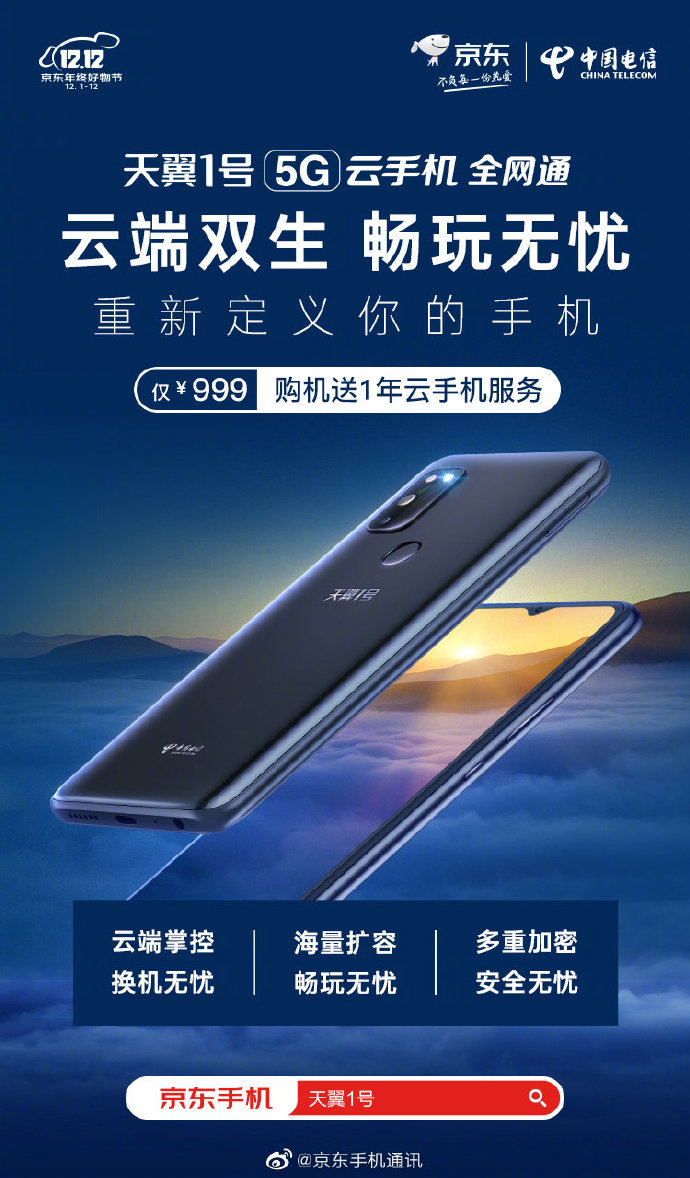
Last month, China Telecom had announced its Tianyi No. 1 5G smartphone for an affordable price tag of 999 yuan, which roughly converts to $153. Today, the device goes on sale in China through the online marketplace JD.com.
The smartphone features a 6.5-inch HD+ display with a waterdrop notch. Under the hood, the device is powered by the UNISOC T7510 5G chipset — the same processor that powers the Coolpad X10.
The chipset is built using a 12nm process and features an eight-core CPU that includes four Cortex-A75 cores and four Cortex-A55 cores. There’s also a PowerVR GM 9444 graphic processor, taking care of the graphical needs.
The Tianyi No. 1 smartphone comes with support for SA/NSA dual-band 5G network and all the mainstream 5G frequency bands in China and full Netcom 4G. There’s also support for HD voice EVS over 5G NR technology, 2T4R transmission technology, and Wi-Fi MIMO dual-antenna technology.
On the back, there’s a triple-camera setup that includes a 13-megapixel primary sensor, a 2-megapixel secondary sensor, and a 2-megapixel tertiary camera sensor. On the front side, the device comes with an 8-megapixel snapper for taking selfies and video calling.
The phone packs 4GB of RAM and 64GB of internal storage, along with a microSD card slot for expanding the storage capacity. It has a rear-mounted fingerprint sensor for added protection. The device runs the older Android 9 Pie operating system and is powered by a 5,100mAh battery.
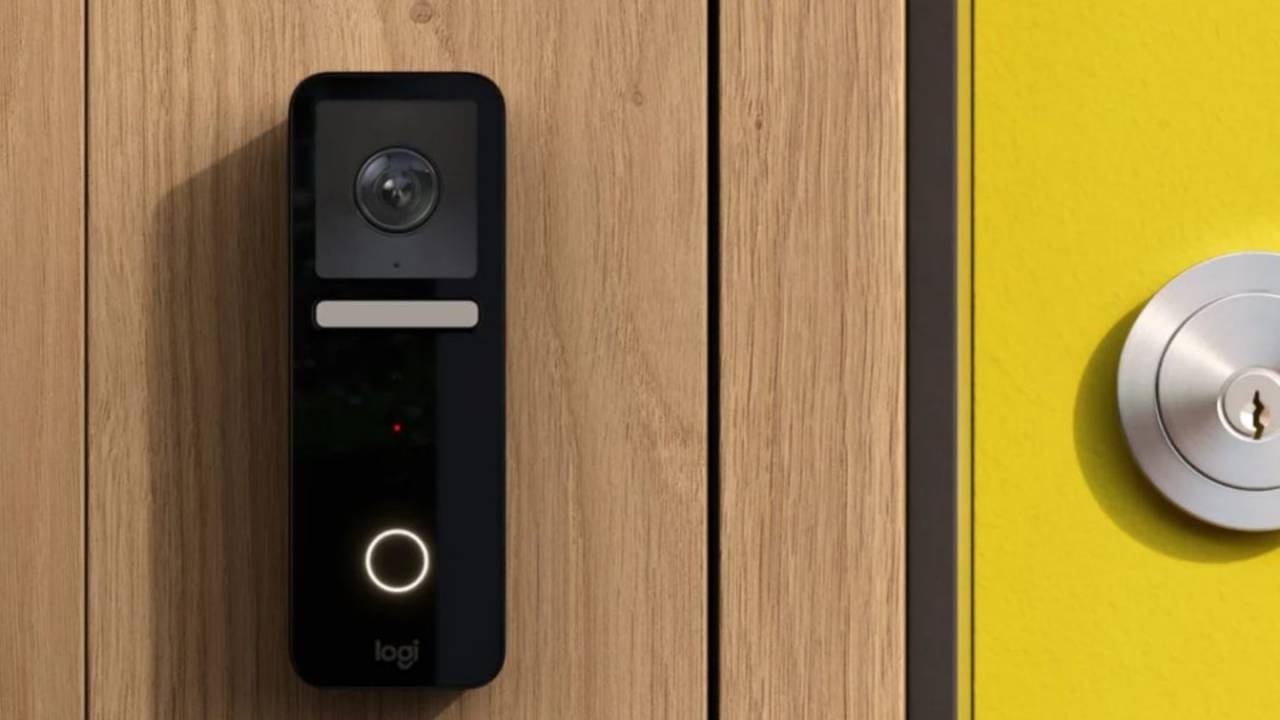
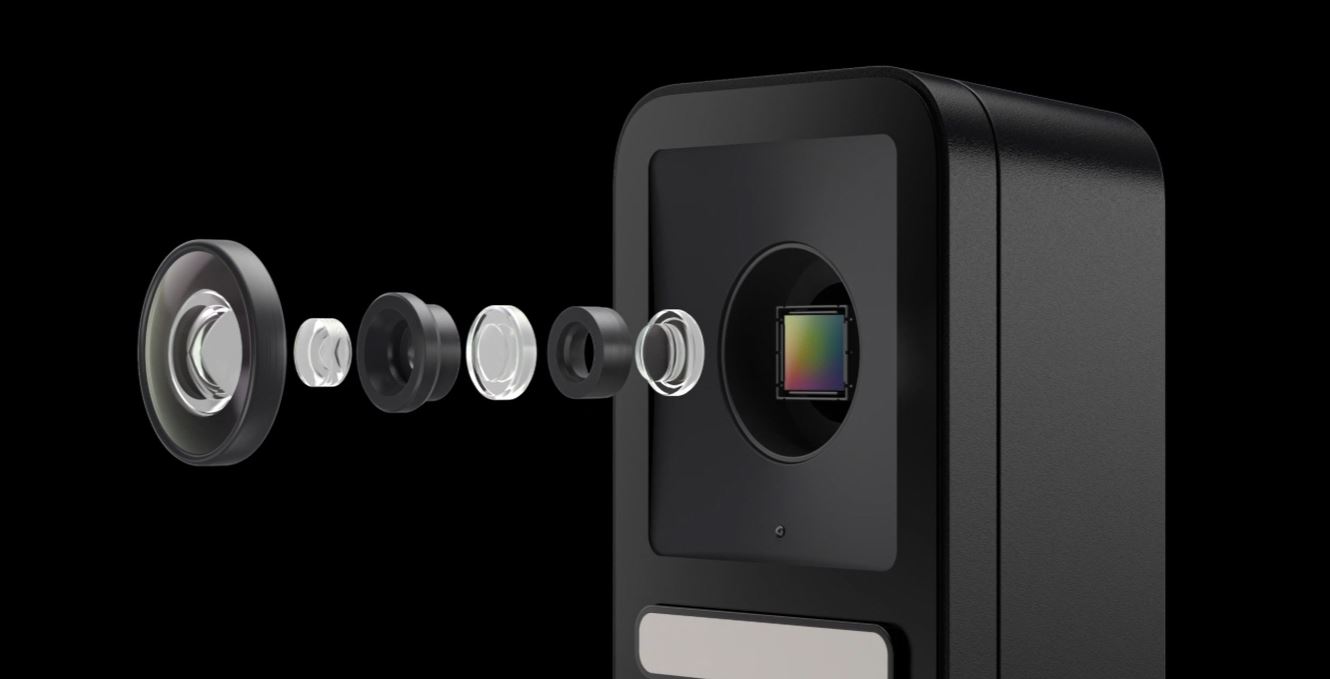
Logitech has quietly released its Circle View Wired Doorbell camera earlier this week. It is the first consumer smart doorbell to support the Apple HomeKit Secure Video standard and only works with Apple’s smart home setup.
Back in 2019, Apple first debuted its HomeKit Secure Video standard, although, developers have yet to widely adopt the new system. So, on a consumer level, the Logitech Circle View Doorbell camera is the first to offer the standard, as per TheVergereport. At the moment, the smart doorbell camera is designed to exclusively work with Apple’s HomeKit system, so there is no support for Amazon Alexa or Google Nest.
Talking more about the camera on the device, the Circle View Wired Doorbell offers a 160 degree field of view from its 5 megapixel sensor, which shoots in 1200x1600px resolution in HDR. It also houses an integrated light strip for lowlight, which can light up to illuminate the environment and capture the visitors up to six feet away, with support for color night vision as well.
For those unaware, the HomeKit Secure Video standard from Apple allows Logitech to outsource most of its “security camera” aspect to the Cupertino based giant’s system. The Apple Home app can notify users that there are visitors outside their homes, even being capable of using the iCloud service to stream, store, and share video recordings by using the Apple TV or a HomePod as a main processing hub to determine whether there is a person or vehicle outside. The system can also utilize the Apple’s face recognition feature based on the users’ photo library.
The Logitech Circle View Doorbell Camera is available for 199.99 US Dollars and is available through Logitech’s or Apple’s official websites. Although, the former is offering a 299.99 US Dollars bundle that will include home installation through its website. So, for those interested, you might want to keep in mind that you would require at least a HomePod mini, HomePod, iPad, or Apple TV to serve as the HomeKit hub, as well as an iCloud storage plan as well.
Xiaomi’s upcoming flagship smartphone Mi 11 has been in the news for some time and as per the recent reports, the device is expected to get launched later this month. With the launch, it will become the first smartphone to be powered by the Snapdragon 888 SoC.
Now, another report coming from China claims that it’s not only the phone’s launch taking place this month but the smartphone will also be available for purchase from this month.
Xiaomi Mi 11 render by Benjamin Geskin
Reports indicate that the Mi 11 will come with a punch-hole cutout on the display for housing the front-facing camera and the cutout will be in the top-left corner. The phone is expected to have Full HD+ screen resolution along with 120Hz refresh rate support.
On the other hand, the Pro variant could have a 2K resolution display with the same 120Hz refresh rate. Both the devices will be powered by the newly announced Qualcomm Snapdragon 888 chipset.
It is being speculated that the Mi 11 may house a 4,780mAh rated battery, while the Mi 11 Pro may have a 4,970mAh rated battery. Further, reports indicate that the Mi 11 will have support for 55W fast charging technology while the Pro variant will come with support for 100W super fast charging.
A render leak showcases that the phone will come with a quad-camera setup on the back but the sensors will be placed horizontally but a recent render contradicts that. As usual, the camera module is placed in the top-right corner. The phone will come running the latest Android 11 operating system with the company’s own MIUI 12 on top.
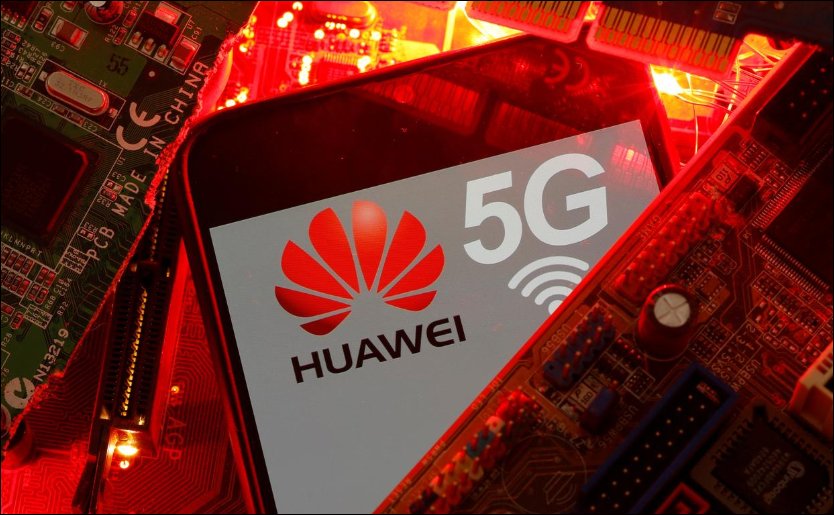
Huawei might be facing trouble in Brazil as the government could be looking for legal options to exclude it from its 5G infrastructure, as per sources close to the Brazilian President Jair Bolsonaro’s government.
According to a Reutersreport, Bolsonaro’s security adviser, Augusto Heleno, and the ministry of communications is considering a presidential decree that might put in place new security provisions for telecoms. This will have carriers and their suppliers required to comply with certain standards, as per the sources. Bolsonaro is seemingly following his ally, Donald Trump’s footsteps and is also opposed to Huawei over alleged national security risk and espionage from the Chinese government.
However, China is the largest trade partner for Brazil, so the ban might have the government face friction with the Chinese government as well. Thus, Bolsonaro is already facing resistance from within the industry and from within his own government as well, including Vice President Hamilton Mourão. At the moment, Brazil’s Communications Minister Fabio Faria has declined to comment on the matter and his office has stated that it is not involved in the matter.
Furthermore, representatives from the industry have also stated that such a presidential decree could also lead to a legal battle with multiple telecom companies that are already utilizing equipment made by Huawei. The carriers will likely oppose the ruling as well, since shifting away from their Chinese suppliers might force them to make expensive replacements in their networking gear. Currently, a majority of Brazilian telecom operators utilize Huawei equipment on their 3G and 4G networks. So, a complete ban of the Chinese tech giant might arrive at a major cost for Brazil alongside straining relationship with China.
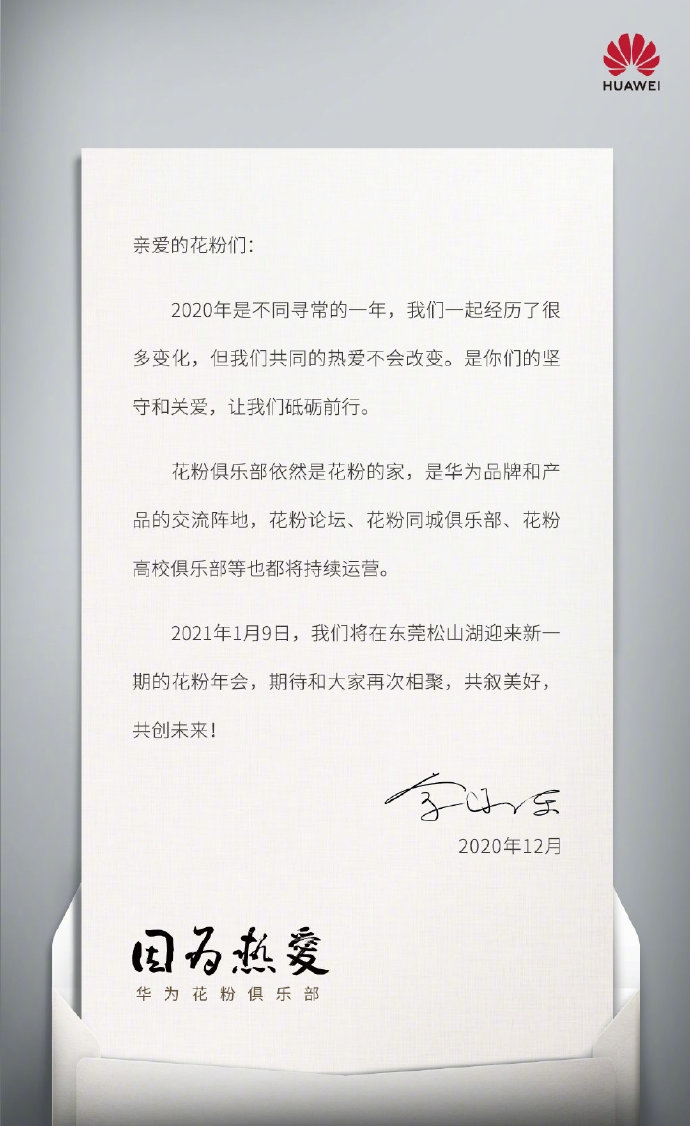
At a time when companies are changing their plans because of the COVID-19 pandemic, Chinese giant Huawei seems to be moving ahead with the regular plan. The company has confirmed that its Huawei Pollen Annual Conference will be held on 9th January 2021.
The company confirmed this by posting a message on Weibo and the invitation has been signed by Huawei’s CEO Richard Yu. In that, he says that the company’s original plan of hosting this event on 9th January 2021 remains unchanged.
Further, he adds that “the year of 2020 has been unusual. We have gone through many changes together but our common love will not change. It is your perseverance and care that let us forge ahead.”
Officials have confirmed that Pollen Club is still the home of Pollen and remains the communication platform for Huawei and its products. It has been confirmed that Pollen Forum, Pollen City Club, Pollen University Club, etc. will continue to operate.
Currently, there are more than 150 million registered users on the Pollen Forum, and about 30 million active users use the platform every month. Throughout this year, the users have posted more than 70 million posts or replies.
One of the better ongoing trends that people have clung on to these days is fitness, and what better accessory to pair it with than a smartwatch. Keeping this in mind, Cubot has added a new gadget into this category and is all set to putC3 up for sale on December 10th. It will initially be available at a discounted price of just $32.99 and will boast multiple sports modes, water-resistance, and various notification and health sensors.
C3 packs a 1.3-inch circular colorful display with a double crown design on the side. It features a high-grade metal case for sturdiness and silicone straps to offer wearability comfort.
Cubot C3 smartwatch is enhanced with 10 sports modes that help measures both indoor and outdoor activities including running, cycling, hiking, and more, to help to cover the needs of most sports enthusiasts. Furthermore, this watch has waterproof properties of up to 5ATM (a depth of 50 meters), making it an ideal accessory for tracking daily swimming targets.
Apart from the sports analyses, C3 also features various sensors to track health, including a PPG optical heart rate sensor and sleep monitoring sensor that provides detailed data to help the user reach their fitness goals. It also keeps them alert in case of any irregularities. This unit also comes packed with multi-intelligent functions like call reminders, SMS notifications, music control, and more. Cubot C3 has a 260Ahm battery that offers up to 12 days of continuous performance and 30 days of standby in a single charge.
Cubot C3 features all enhanced functions that a smartwatch comprises of, but its current discounted price of $32.99 is what makes it stand apart. The company is also conducting a giveaway where you stand a chance to get a Cubot C3 Smartwatch. Simply click on the link below to participate.
Indian smartphone company, Lava Mobiles seems to be gearing up to launch a new budget-friendly smartphone called the Lava BE U. A fresh leak has revealed the pricing, images, and key specs of the Lava BE U. The handset has also appeared at the Google Play Console. These findings suggest that the smartphone will go official soon in India.
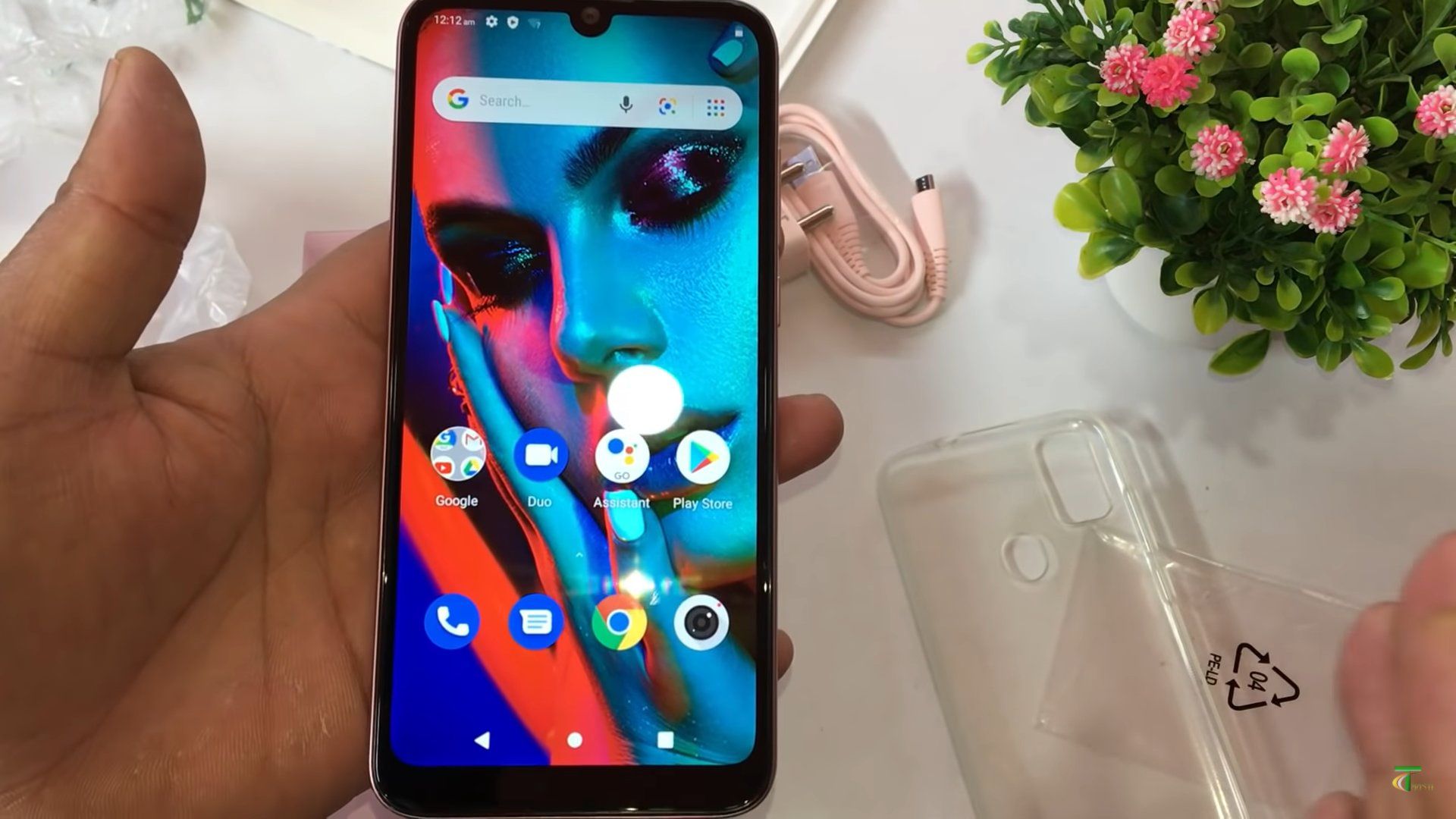
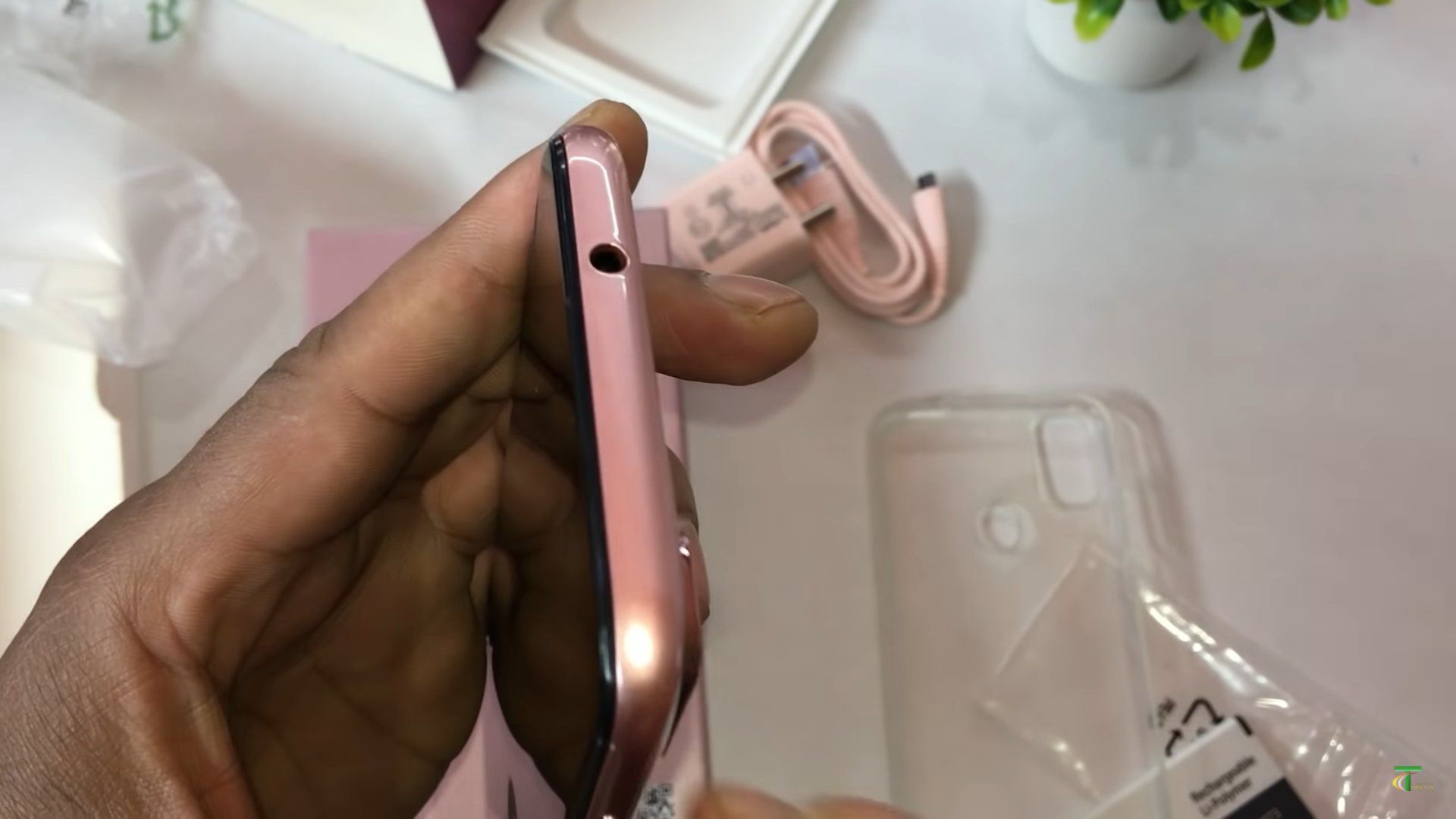
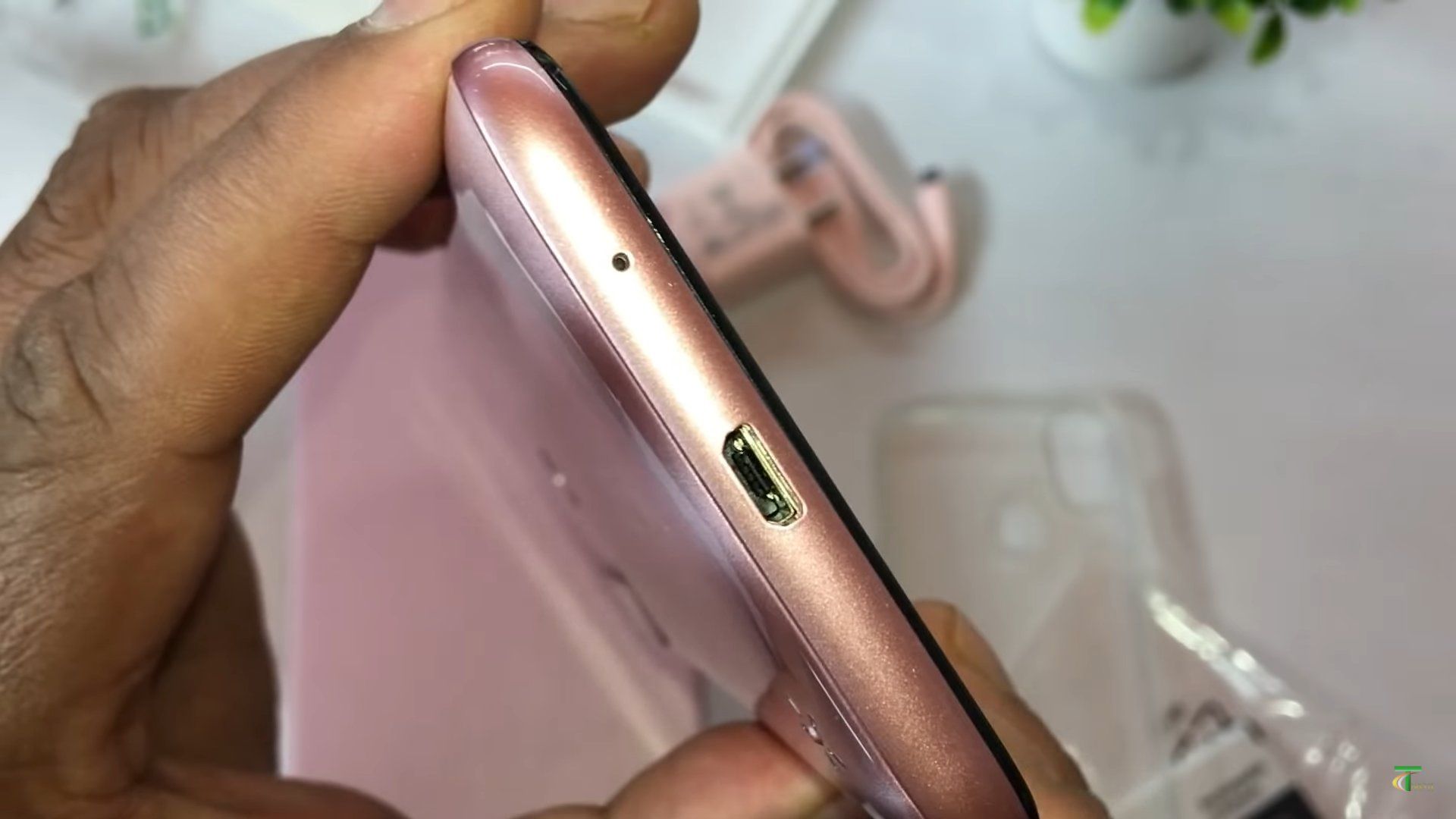
One of the leaked images states that the Lava BE U is “a stunning smartphone designed especially for a free-spirited woman. The front side of the phone features a teardrop notch display with a thick-sized chin. The gradient back of the phone has a fingerprint scanner and an LED flash assisted dual camera setup housed inside a rectangle camera module. The retail package of the device includes a 7.5W/1.5A charger, a USB cable, and a transparent back cover.
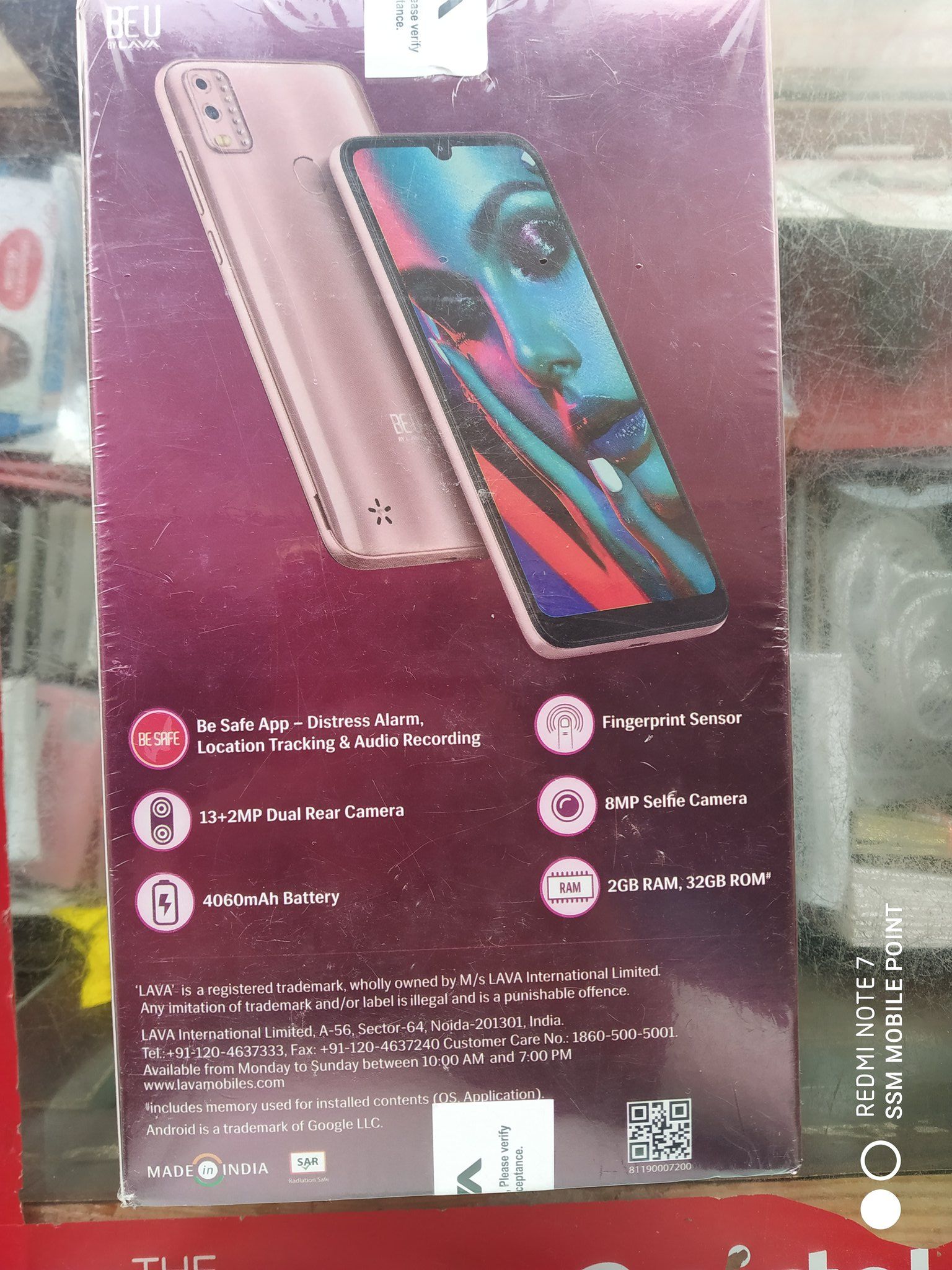
The leaked shot of the retail package of the female-focused Lava BE U reveals that it is equipped with an 8-megapixel selfie camera and a dual-camera setup that features a 13-megapixel primary camera and a 2-megapixel secondary lens. The retail package shot also reveals that it has 2 GB of RAM, 32 GB of internal storage, and a 4,060mAh battery. For safety, the Lava BE U has a “Be Safe” app that includes features such as a distress alarm, location tracing, and audio recording. The other leaked shot reveals that the Lava BE U has a maximum retail price tag of Rs 7,777 (~$105).
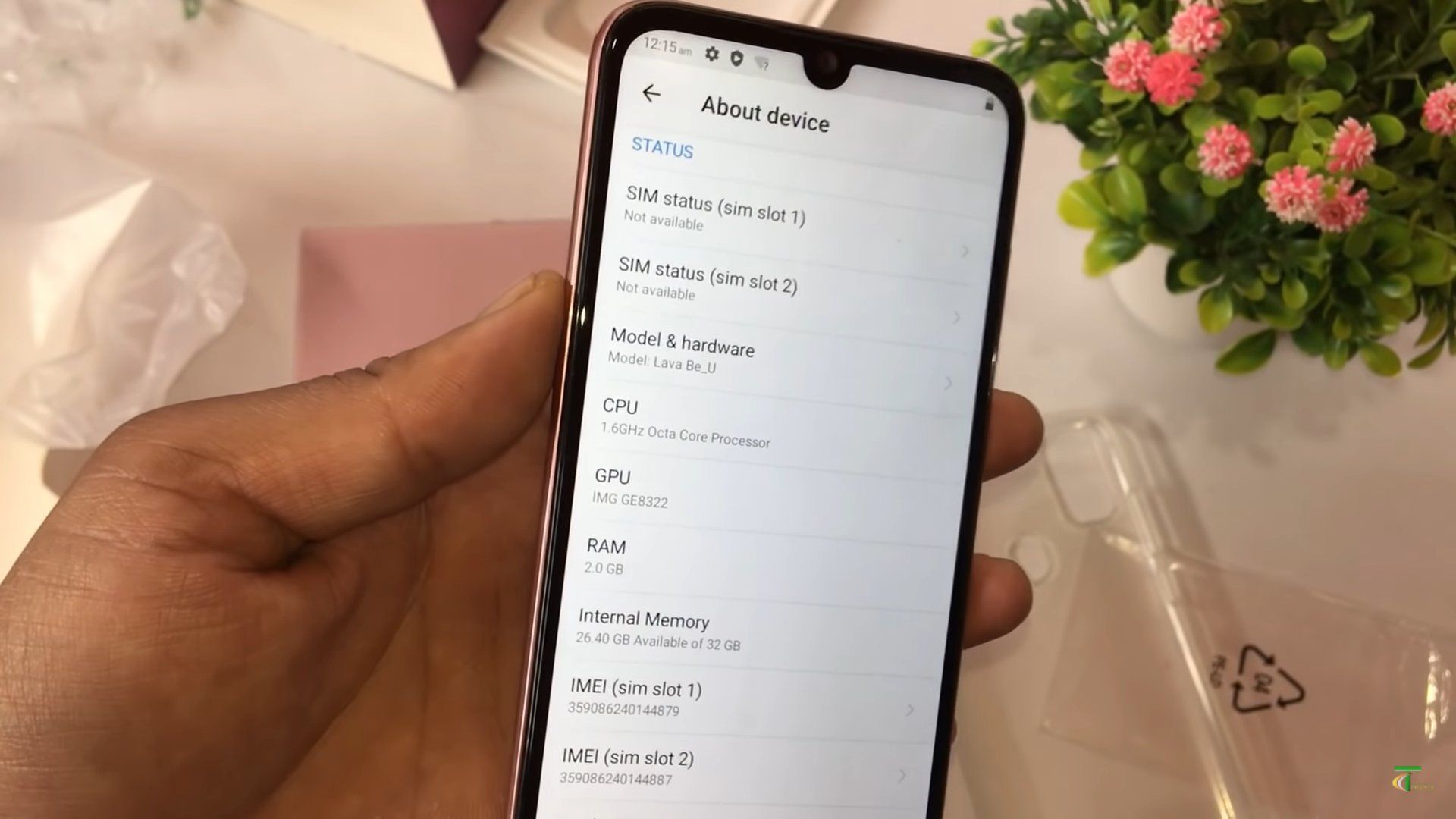
The Google Play Console listing has revealed that the Lava BE U phone supports an HD+ resolution of 720 x 1560 pixels and it runs on Android 10 OS. It also shows that the smartphone is driven by the modest Spreadtrum SC9863A octa-core processor that clocks at 1.6GHz.
Last year in December, Vivo unveiled the Vivo X30 and Vivo X30 Pro smartphones. It is speculated that this December will see the arrival of the rumored Vivo X60 series handsets such as the Vivo X60, Vivo X60 Pro, and Vivo X60 Pro+. A tipster from China has claimed that the Vivo X60 series will go official on Dec. 28.
Vivo is yet to reveal any official information on the arrival of the Vivo X60 series, but the tipster has claimed that it may debut by the end of this month. It is already known that the lineup will be fueled by the 5nm Exynos 1080 chipset.
The predecessor Vivo X30 series and Vivo X50 series came with punch-hole screens with selfie camera cutout positioned at the top-left corner. The Vivo X50 and X50 Pro came with 90Hz refresh rate supporting displays, and X50 Pro+ sported a 120Hz screen. According to the tipster, all the phones in the Vivo X60 series will arrive with support for 120Hz refresh rate. As leaked renders and images have revealed the Vivo X60 series will flaunt displays with top-center selfie camera cutout.
The rumor mill is yet to spill information on the specs of the Vivo X60 series. Like the predecessor models, the X60 models are expected to offer a top-notch photography experience. The renders have revealed that it will continue to sport a camera module similar to the X50 series.
Rumors are rife that mysterious Vivo phones with model numbers Vivo V2059A, V2047A, and V2046A that were recently approved by the 3C authority of China could be the X60 series smartphones. The 3C listings revealed that these 5G-ready phones may ship with 33W fast charging support. Hopefully, these phones will soon appear at TENAA with full specifications and images.
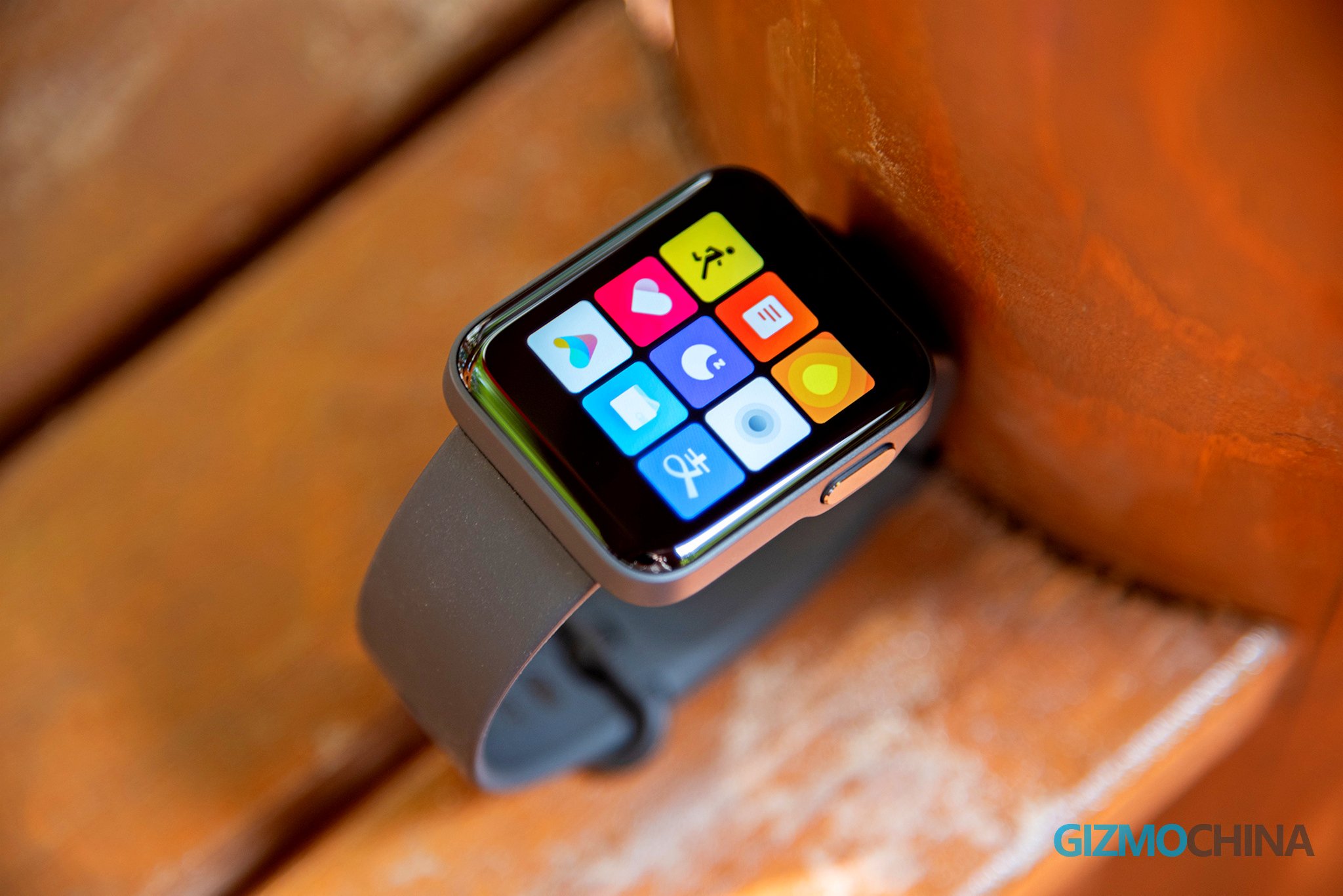
Xiaomi‘s upcoming smartwatch, dubbed as the Mi Watch Lite, has been in the news for the past few months. The device, which has already passed through the FCC certification process, is expected to be a rebranded model of the Redmi Watch.
Our sources have now revealed that the Mi Watch Lite will get launched tomorrow, i.e. on 10th December. As for the pricing, the smartwatch will be priced under $60 but is likely to be around $50.
In terms of specifications, we expect the company to retain almost the same set of specs as the recently launched Redmi Watch. However, it remains to be seen if the upcoming Mi Watch Lite also supports NFC connectivity.
To recall, the Redmi Watch features a 1.4-inch square display with 2.5D curved glass that offers a pixel density of 323PPI. It comes with support for more than 20 custom dials, including classic simplicity, cool IP, independent design, and more.
There’s also XiaoAI voice assistant but the Mi Watch Lite being a global variant, is unlikely to have support for Xiaomi’s own voice assistant. But the device is rated 5ATM to ensure that it is waterproof.
As for the health and fitness-related features, the Redmi Watch has a built-in high-precision six-axis sensor with a motion algorithm. It also has features like 24-hr heart rate tracking, sleep tracking, and sedentary monitoring.
While the battery capacity remains unknown, the company has promised a week of usage with a single charge. Reports indicate that the Mi Watch Lite packs a 230mAh battery with support for 5W charging.
The Redmi Watch is priced at 299 yuan in China, which is roughly $45.47. The upcoming Mi Watch Lite should be priced a bit higher and we expect it to go on sale soon after getting launched. To know for sure, we will have to wait for a few more hours.
Check out our hands-on overview of the Redmi Watch by clicking here.
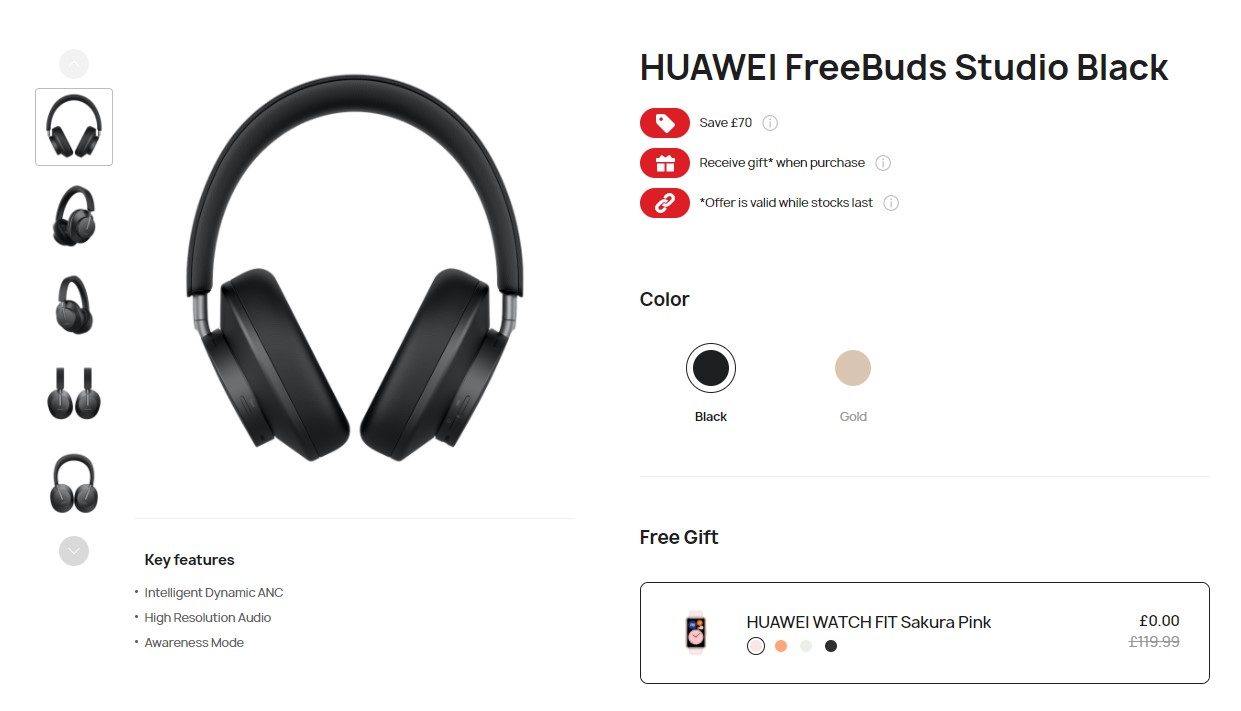
The FreeBuds Studio launched for £299.99 in the UK but for a limited time, Huawei has reduced the price tag by a significant margin. It is also throwing in the Huawei Watch Fit as a free gift.
If you have been holding off on buying Huawei’s premium headphones, now may be the best time to make that purchase if you live in the UK. The official Huawei UK store has discounted the headphones by £70, so you get to pay £229.99. What makes it an even better deal is the addition of the Huawei Watch Fit which launched in the UK a few months ago for £119.99.
According to the promo page, the offer began on the 2nd of December and it will run up until 23:59 on the 22nd of December or until stocks last, whichever is earlier.
The deal applies to both color variants of the FreeBuds Studio which comes in Black and Gold. You will also be able to choose the color of the Watch Fit you want. As of the time of writing, only the Sakura Pink, Cantaloupe, and Graphite Black color variants of the Huawei Watch Fit are available. The Mint Green version is out of stock.
Huawei UK is offering other deals too, some of which are listed below:
Huawei Watch Fit for £89.99 instead of £119.99. You can add a Huawei smart scale and pay an extra £19.99 instead of £69.99 or you can add the FreeBuds 3i and get £40 off its £89.99 price.
Huawei Watch GT 2 42mm (select colors) for £109.99 + free Huawei Band 4e. Other sizes and color variants are also discounted and include the free Huawei Band 4e.
In November, popular leakster Evan Blass had revealed the specifications of the Motorola Moto G Stylus (2021). This handset will be succeeding the Moto G Stylus that debuted in February this year. The 2021 edition handset was spotted at Amazon recently. The listing which is no longer accessible had some of its specifications along with its renders and pricing.
The Moto G Stylus (2021) was listed with a price tag of $341.89 on the retailer platform. Since the handset has not gone official yet, the pricing may not be accurate. Shown below are renders of the Aura White and Aurora Black editions of the Moto G Stylus (2021). The images show that the smartphone is fitted with a punch-hole display and it has a quad-camera setup on its rear. A fingerprint sensor can be seen on the right edge of the device.
The Amazon listing of the Moto G Stylus (2021) revealed that it has a 6.8-inch display, 4 GB of RAM, a 4,000mAh battery, and Android 10 OS. The device weighs 14.1 ounces, and its dimensions are 6.93 x 3.39 x 1.93 inches. As it can be seen in the images, the mid-range phone will ship with a stylus.
Blass had revealed that the massive screen of the phone supports a Full HD+ resolution of 1080 x 2400 pixels and a 20:9 aspect ratio. It has a front camera of 16-megapixel and a 48-megapixel (main) + 8-megapixel (superwide) + 2-megapixel (macro) + 2-megapixel (depth) quad cameras.
The leak had also revealed that it has a Snapdragon 675 mobile platform, 4 GB of RAM, built-in storage of 128 GB, and a 4,300mAh battery. Except for the battery, the few specs match with the Blass’s leak.
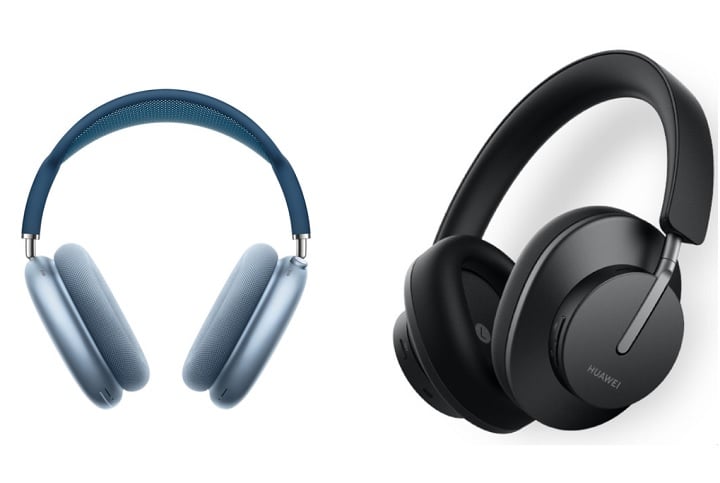
Following the announcement of the AirPods Max, most of the reactions have been about the price tag of the headphones and how you can get one of the best headphones in the market – the Sony WH-1000XM4 – for about half the price of Apple’s. Other alternatives have also surfaced in conversations but one that I haven’t seen mentioned is the Huawei FreeBuds Studio which is not only less expensive but is even better, at least on paper, than Apple’s headphones.
The FreeBuds Studio is Huawei’s first premium headphones and it was announced in October in Europe for €299, practically half the price of the AirPods Max which goes for €597.25 in Germany. It doesn’t come in as many color options as Apple’s headphones, and frankly, it is not as stylish too, but what it lacks in looks, it makes up for in features. The table below shows how both headphones differ:
Parameters
Apple AirPods Max
Huawei FreeBuds Studio
Drivers
40mm custom dynamic drivers
40mm dynamic driver
Chip
Apple H1 Chip (one in each cup)
Kirin A1 Chip
Active Noise Cancelation
Yes
Transparency mode to let ambient sound in
Yes (intelligent Dynamic ANC with multi-scene detection that automatically adjusts based on the environment)
Hear-through mode to let ambient sound in.
Total number of microphones
9
(8 microphones for Active Noise Cancellation)
8
(8 microphones for Active Noise Cancellation)
(6 microphones for Call Noise Cancellation)
Sensors
Optical sensor
Position sensor
Case-detect sensor
Accelerometer
Gyroscope
IMU Sensor for scene detection
Capacitance sensor
Microphone sensor
Control
Digital crown
Physical button
Touch control
Physical buttons
Connectivity
Bluetooth 5.0
Lightning port
Bluetooth 5.2
USB-C
Battery Life
Up to 20 hours with Active Noise Cancelation/Transparency Mode/Spatial Audio on
Up to 20 hours of listening time with ANC on (24 hours with ANC off)
Fast Charging
5-minute charge provides 1.5 hours of listening time
10-minute charge provides 5 hours of listening time (8 hours with ANC turned off)
Both headphones are made from premium materials but with respect to the overall design, that is subjective. There will be those who prefer the Huawei FreeBuds Studio to the AirPods Max and vice versa. However, one thing we can agree on is that the AirPods Max having more color options is a plus.
Apple’s headphones also weigh about 50% more than the FreeBuds Studio. The weight may play a part in how comfortable the headphones are when worn for long.
Active Noise Cancellation
If you are picking up a pair of headphones, this is one feature you will want to pay attention to, and thankfully both Apple and Huawei’s headphones have it though the FreeBuds Studio takes it up a notch.
Huawei has built a sensor into the headphones that work in tandem with the microphones to detect the scene where the wearer is and automatically adjust the level of Active Noise Cancellation. According to Huawei, it completes 100 scene detection scans per second. The headphones will adjust the ANC to an Ultra Mode when on a plane or train ride; switch to a General Mode when in a restaurant or cafe, and change to a Cozy Mode when you are at work or in a more quiet environment.
Transparency Mode/Hear-through Mode
Apple and Huawei both call it different names but it is the same feature. When activated, it allows ambient sound in so you are aware of your environment. This comes in handy when you are outdoors and need to be aware of what is going on around you.
Just like with ANC, the FreeBuds Studio takes its hear-through mode to another level. Alongside the default Awareness Mode, it has a second one called Voice Mode that can be set up via the AI Life app. When activated, it enhances human voices but reduces environmental noise. This is particularly useful if you are having a conversation with someone or you are at the train station or airport where it is usually noisy but you need to listen to announcements while blocking out other noise.
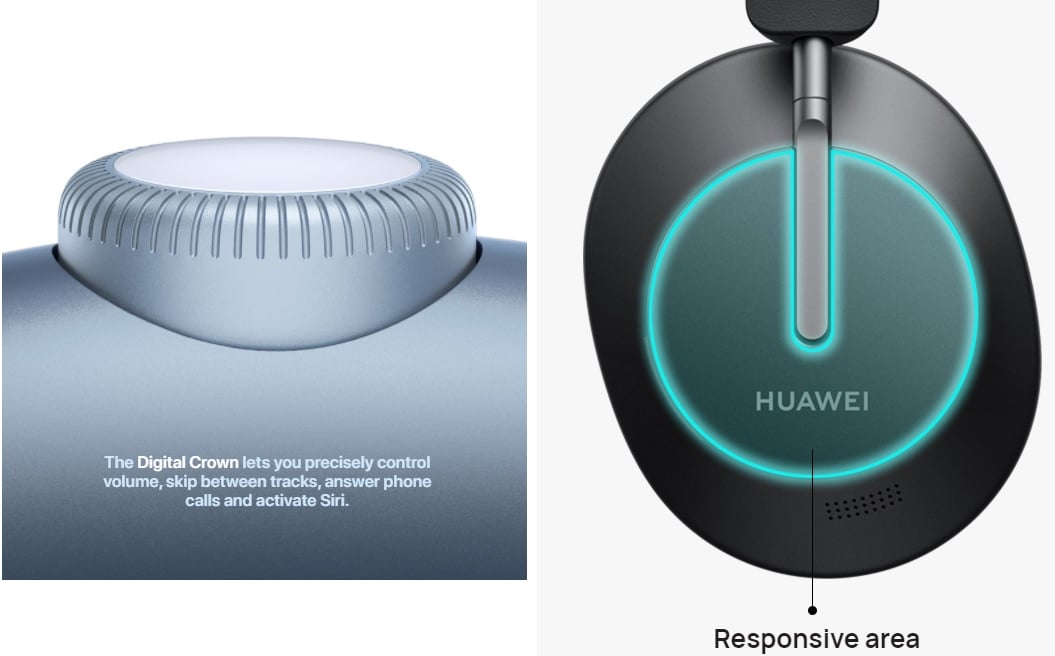
Apple has brought the digital crown of the Apple Watch over to its new headphones. Users will be able to use it to adjust the volume, switch tracks, answer calls, and call on Siri.
Huawei, on the other hand, settles for touch controls. The touch area covers a large percentage of the whole cup. Users can adjust the volume by swiping upwards or downwards, switch tracks with a horizontal swipe, play/pause, or answer/end a call with a double-tap, and call on the voice assistant/reject a call with a long press.
Most TWS earbuds support touch controls including Apple’s own AirPods, so it will be easy for anyone who is used to that to switch to the FreeBuds Studio. While we appreciate Apple wanting to do things differently, we won’t be surprised if there are folks who switch between earbuds with touch controls and the AirPods Max and subconsciously tap the cups of the latter to control the device.
Battery Life and Fast Charging
The battery life on both headphones is the same with ANC turned on. Apple didn’t say how long the headphones will last without ANC on but you get 4 extra hours of listening time when you turn it off on the FreeBuds Studio.
Where the difference lies is in fast charging and this is where Huawei wins. A 10-minute charge will give you up to 5 hours of listening time (8 hours if you turn off ANC) but Apple’s own earphones will provide 1.5 hours of listening time but at half the charging duration. Even if the Apple headphones were to charge for 10 minutes, we do not think you’ll get up to 5 hours of playback.
Compatibility
The Huawei FreeBuds Studio works with a range of Android, iOS, and Windows devices giving it wide compatibility. Be aware that certain features are available only on Android such as the AI Life App that you can use for configuring the headphones. There are also features that only work with devices running EMUI 11 which means Huawei’s own phones and tablets.
The AirPods Max works with Apple products only. So if you don’t have a compatible iPhone, iPod, Apple Watch, or Mac, then this is not the pair of headphones for you.
Price
Price is a determining factor when you are purchasing a product. The AirPods Max commands a higher price tag than Huawei’s own headphones but as we know Apple’s high price tags don’t usually work against it. The AirPods Max will sell in thousands if not in hundreds of thousands. However, if you are looking for something less expensive but that doesn’t skimp on quality, Huawei’s FreeBuds Studio should be on your radar.
Conclusion
Like it is said above, this is just a spec to spec comparison. A proper comparison review of both headphones that focuses on audio quality, ANC quality, real-life battery life, and more will reveal which headphones are better. But for now, the Huawei FreeBuds Studio wins.
Ever since the pandemic started, work from home has been an ideal scenario for most working-class people around the world. This means that the demand for laptops and computers have skyrocketed. To cater to these needs, all the major brands have been focusing on creating a product that will serve all the consumer needs. Chuwi, being one of them, recently launched Chuwi LarkBook, a super light audiobook made to suit the needs of students and office white-collar workers. It is designed to meet all the needs of mobile, office, work, and entertainment.
Entertainment Hub
Chuwi LarkBook comes with a 13.3-inch fully laminated IPS screen, having a resolution of 1920 x 1080p. With a crisp image and text quality, this unit offers a comfortable viewing experience while working or watching a movie. It has 4 built-in high-quality speakers and supports DTS stereo sound to help users get an immersive experience when watching HD videos.
Low-Power Core
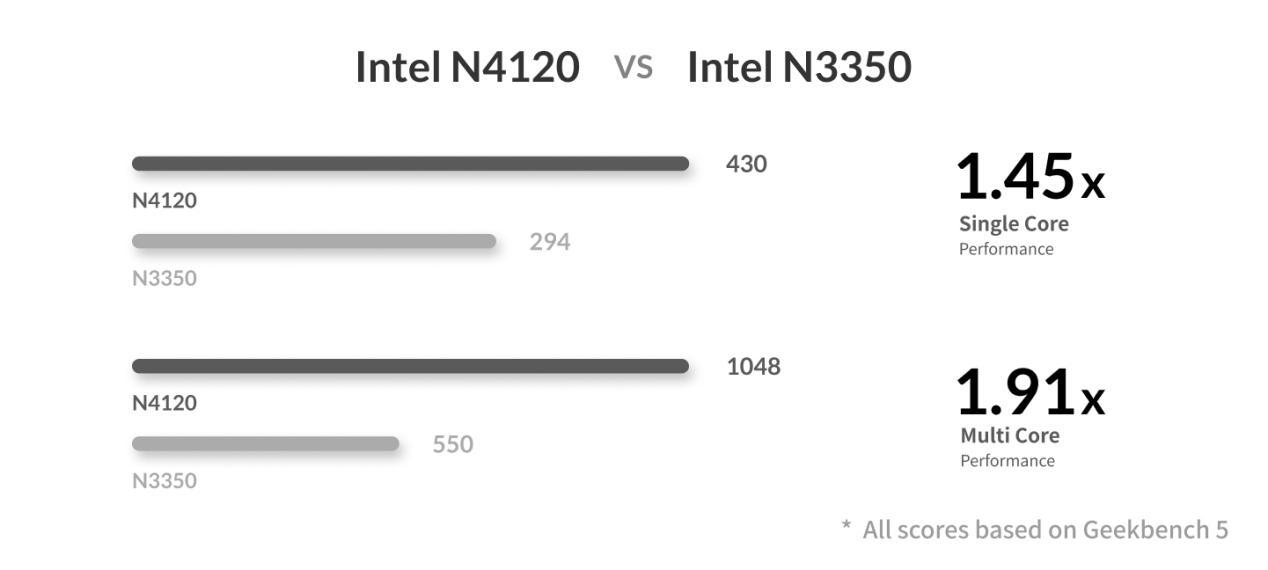
Chuwi LarkBook equips an Intel N4120 processor with quad-core four threads and turbo frequency 2.4GHz to deliver decent performance. It features 8GB RAM and 256GB of memory storage to ensure seamless functioning. With a built-in UHD 600 graphics card, this device can efficiently decode 4K HD videos.
Compared to the previous generation- N3350, N4120 acts like a much more powerful processor. Its single-core processor has improved by 45%, while the multi-core processor has increased by 90%. To conclude, its overall performance has boosted significantly and to offer a smooth operation.
In terms of battery, LarkBook has a 6W low power-consumption design to offer a long-lasting battery life. Apart from this, it also has a fan-free cooling design that offers a stable operation and quiet at all times to help the user focus on efficient content.
Lightweight Body
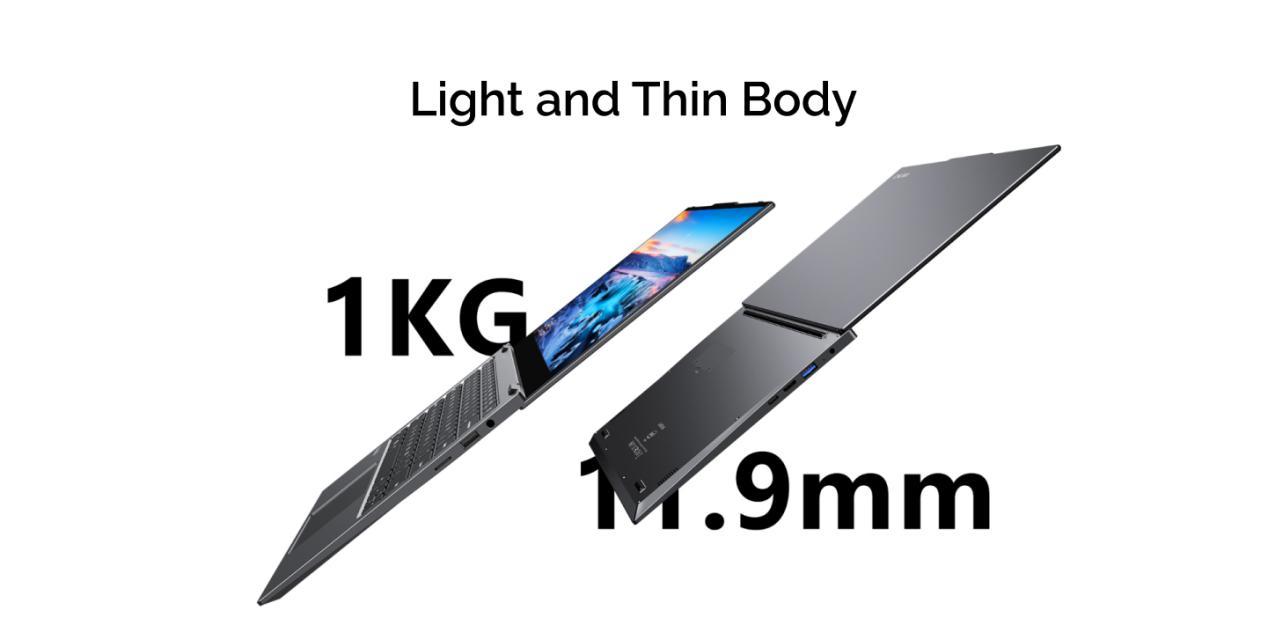
Chuwi LarkBook features a full metal body that is made from light aluminum and magnesium alloy that makes it feel textured. It also helps keep the weight to as low as 1kg, which is lighter than most 13.3-inch laptops in the market. Its 11.9mm thickness makes it convenient to stow away in the bag and is easy to carry.
Packed with a host of features to meet all the basic needs of the consumers, Chuwi LarkBook is the one device to lookout for. Its lightweight form enhances portability while the powerful processor facilitates smooth working. LarkBook will be launching soon; to know more about this device, interested users can head onto the Chuwi’s official website.
We use cookies on our website to give you the most relevant experience by remembering your preferences and repeat visits. By clicking “Accept”, you consent to the use of ALL the cookies.
This website uses cookies to improve your experience while you navigate through the website. Out of these, the cookies that are categorized as necessary are stored on your browser as they are essential for the working of basic functionalities of the website. We also use third-party cookies that help us analyze and understand how you use this website. These cookies will be stored in your browser only with your consent. You also have the option to opt-out of these cookies. But opting out of some of these cookies may affect your browsing experience.
Necessary cookies are absolutely essential for the website to function properly. This category only includes cookies that ensures basic functionalities and security features of the website. These cookies do not store any personal information.
Any cookies that may not be particularly necessary for the website to function and is used specifically to collect user personal data via analytics, ads, other embedded contents are termed as non-necessary cookies. It is mandatory to procure user consent prior to running these cookies on your website.