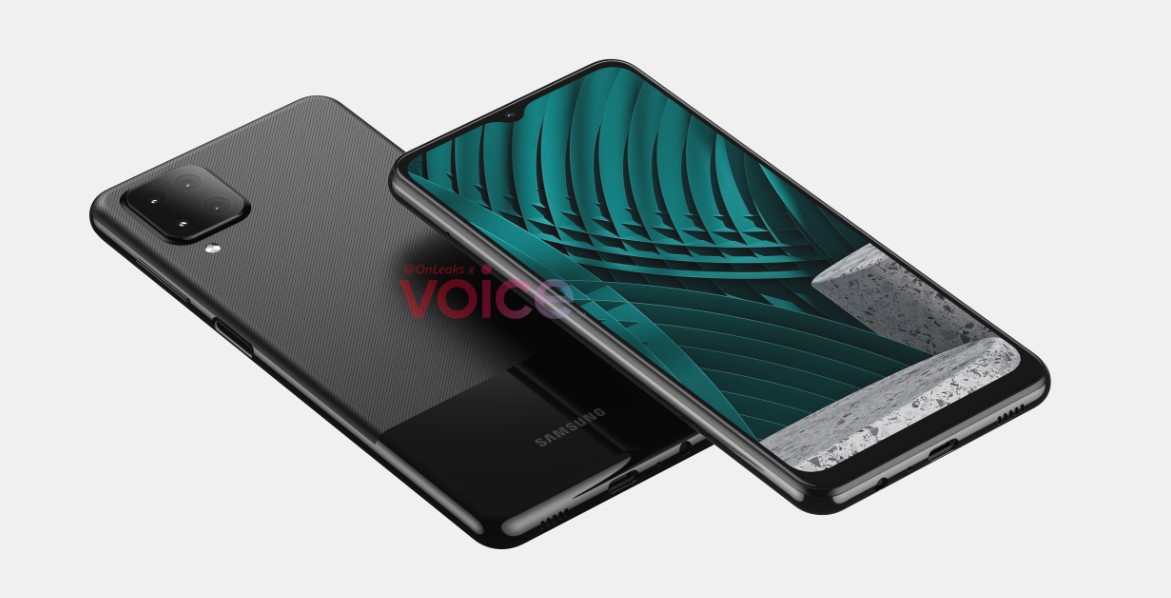
Samsung is working on a new mid-range smartphone under its M-series, dubbed Samsung Galaxy M12. Ahead of the company making anything about the phone official, leaks have revealed some of the phone’s specifications.
Now, the Galaxy M12 moniker has been confirmed as the smartphone has been certified by Bluetooth SIG and Wi-Fi Alliance (via MySmartPrice). The certification has confirmed that the phone carries the model number SM-M12FG/DS.
Interestingly, there’s another model of Samsung getting certified — SM-F12G/DS, which is believed to be named Samsung Galaxy F12 for some regions. However, this is just speculation at this point in time.
It has also been confirmed that both the phones will be running the latest Android 11 operating system out-of-the-box, most likely with the company’s own One UI custom user interface on top. Other than this, nothing else has been revealed by the certificate.
Earlier, it was leaked that the Samsung Galaxy M12 will come with a 6.5-inch display with an Infinity-V notch, which contradicts previous reports of a 6.7-inch display. The device is said to be a bit thick compared to its predecessor.
On the back, the phone will be featuring a square-shaped camera module that will be housing four sensors but the camera resolution of the sensors remain unknown. We expect to know more about the phone in the coming weeks.
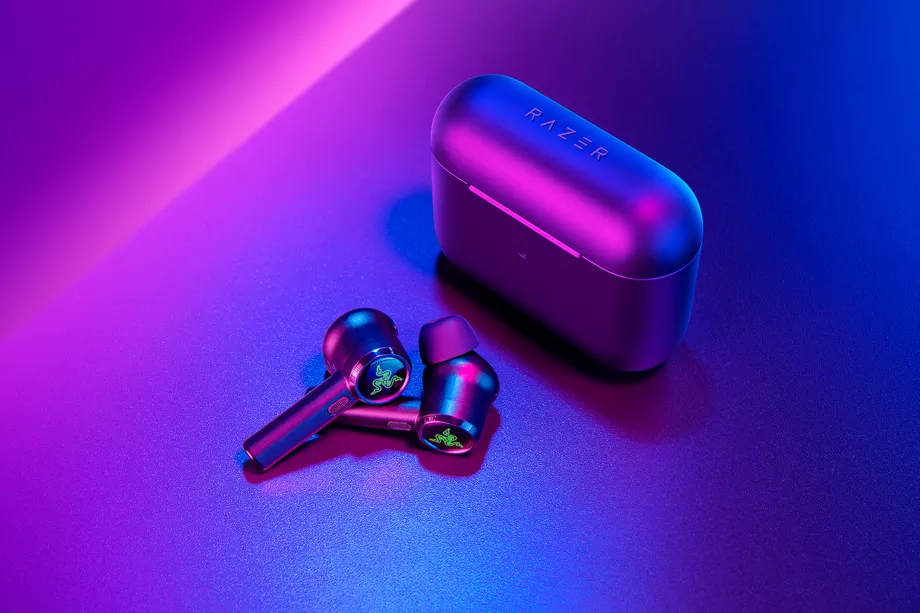
Razer, the company known for making gaming devices and accessories, has already launched new audio products in the market. Today, the company has launched a new variant of its Hammerhead earphones — Razer Hammerhead True Wireless Pro.
As the name indicates, it is an upgraded successor to the Hammer TWS earbuds launched last year. The newly launched true wireless earphones now come with support for active noise cancellation (ANC), THX audio, and a low-latency mode for gaming.
The highlight of the device is the THX-certified audio that offers “high-fidelity” audio with specific attention to frequency range and response. It also added vocal details and deep bass that doesn’t distort.
It also comes with a strong noise isolation feature, something that the company managed to do through in-ear design and a wide range of ear tips offered so that it can fit more types of ear shapes. Additionally, the company is also including a set of Comply foam tips.
To enable the low-latency gaming mode, the user just needs to press the button and it will then reduce the latency to 60ms. As per the company, this mode offers 50 times quicker reaction as the sound and video are better synced.
Compared to other earphones in the market, the battery life on the TWS earphones is disappointing. It offers just four hours of usage on a single charge and additional four hours of usage with the charging case.
The Razer Hammerhead True Wireless Pro is now available for purchase through the company’s official website Razer.com for a price of $199.99. It will be available through other retailers later this month.
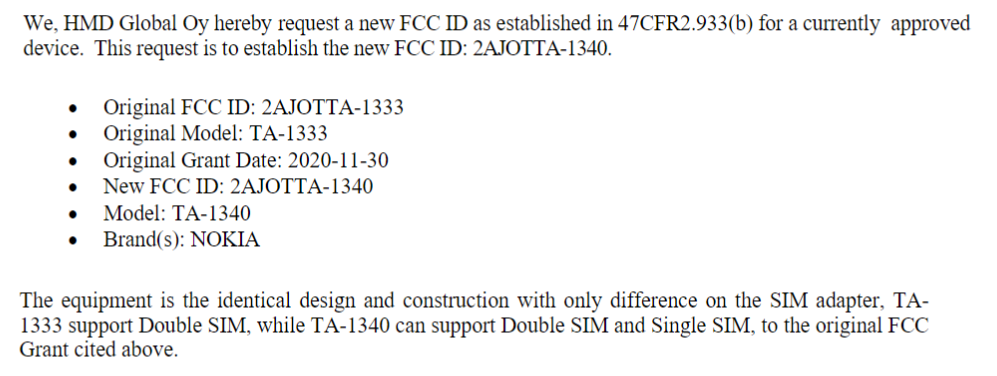
The FCC certification platform has recently three Nokia handsets with model numbers TA-1333, TA-1337, and TA-1340. Some of the key details of these phones have appeared through FCC listings.
The Nokia TA-1333 FCC listing has revealed that it is an affordable LTE phone, and it supports 2.4GHz Wi-Fi connectivity. The device houses a 4,000mAh. The rear schematic of the phone reveals that it features a round-shaped camera module. The Nokia TA-1337 FCC listing shows that it is an LTE smartphone with a 4,000mAh battery. It supports Bluetooth 4.2 and 2.4GHz Wi-Fi band.
The FCC listing of the Nokia TA-1340 reveals that its design and construction are identical to the TA-1333 phone. The only difference is that the TA-1333 supports dual SIM support, whereas the TA-1340 supports dual SIM and single SIM.
1 of 3
Nokia TA-1340
Nokia TA-1340 user manual_
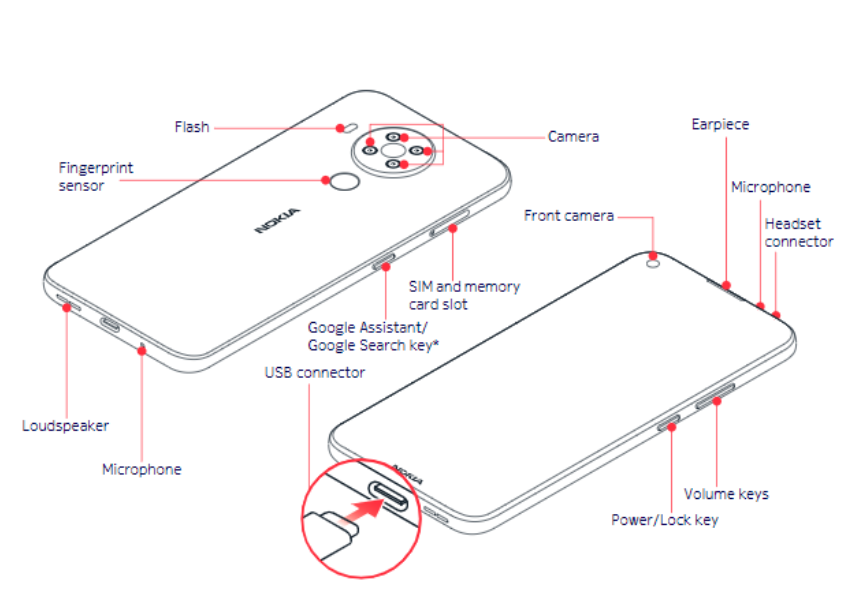
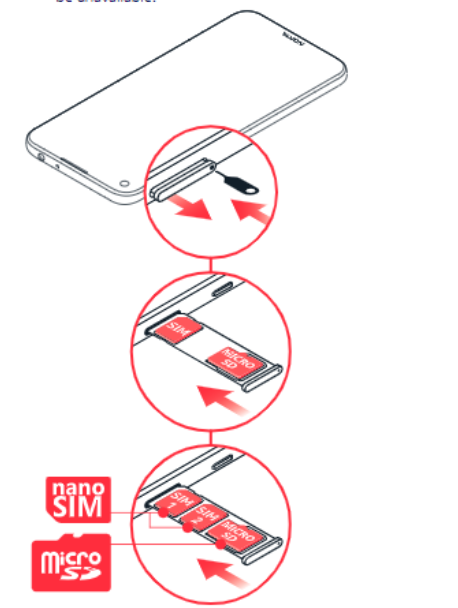
The user manual of the Nokia TA-1340 has revealed its front and rear design. As it can be seen in the images of its user manual, it has a punch-hole display and its rear side features a round-shaped camera module with four lenses. An LED flash unit is placed on the left side of the camera housing. A fingerprint scanner is available below the camera module.
The bottom edge of the TA-1340 Nokia phone has a microphone, a USB-C port, and a loudspeaker. The right edge of the device has a power/lock button. The SIM/memory card slot and a Google Assistant hardware key can be found on its left spine.
The Nokia 3.4 that debuted in October this year came with a similar front and rear design. However, one noticeable difference on the Nokia 3.4 is that its round-shaped camera module has three cameras and an LED flash. Hence, it appears that the Nokia TA-1340 could be positioned higher than the Nokia 3.4. This indicates that the TA-1340 could be the Nokia 5.4 handset.
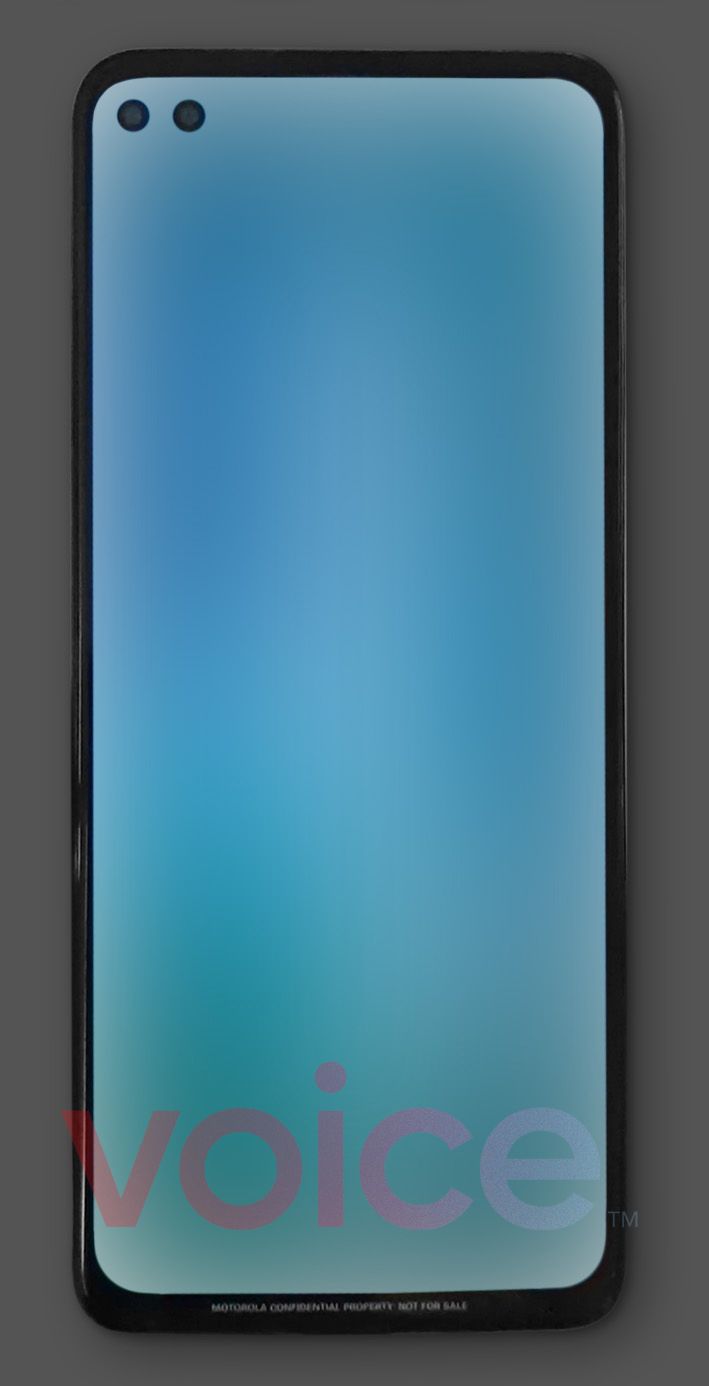
Recent reports have revealed Motorola is gearing up to launch a smartphone codenamed as “Nio” in Q1 2020. It will be a flagship phone driven by the Snapdragon 865 mobile platform. Some of the key specs of the smartphone are already known. A few hours back, reputed tipster Evan Blass shared the first leaked image of the Motorola Nio phone to reveal its front design.
As it can be seen in the image, the Motorola Nio has a slightly thick chin and slim bezels elsewhere. There are two punch-holes at the top-left corner of the screen for its two front-facing cameras.
Blass revealed that the Motorola Nio has 8 GB of RAM and 256 GB of built-in storage. The phone houses a 5,000mAh battery and it will come preloaded with Android 11 OS. The USB-C port of the phone may come with support for DisplayPort Alternate Mode that will make it possible to connect to external displays.
Motorola recently released a video to showcase its desktop mode feature. The tipster claimed that the Nio phone may have appeared in the video.
It was revealed in the previous month that the Motorola Nio’s screen will support a Full HD+ resolution of 1080 x 2520 pixels and a 90Hz refresh rate. There are speculations that the device may arrive with support for an unusual refresh rate of 105Hz.
The rear-facing triple camera system of the Nio phone includes a 64-megapixel OmniVision OV64B lens, a 16-megapixel ultrawide lens, and a 2-megapixel depth sensor. The dual selfie camera setup of the phone has a 16-megapixel main camera and an 8-megapixel ultrawide lens. The highest model of the phone may feature 12 GB of RAM and 256 GB of storage. The model number of the device is XT-2125.
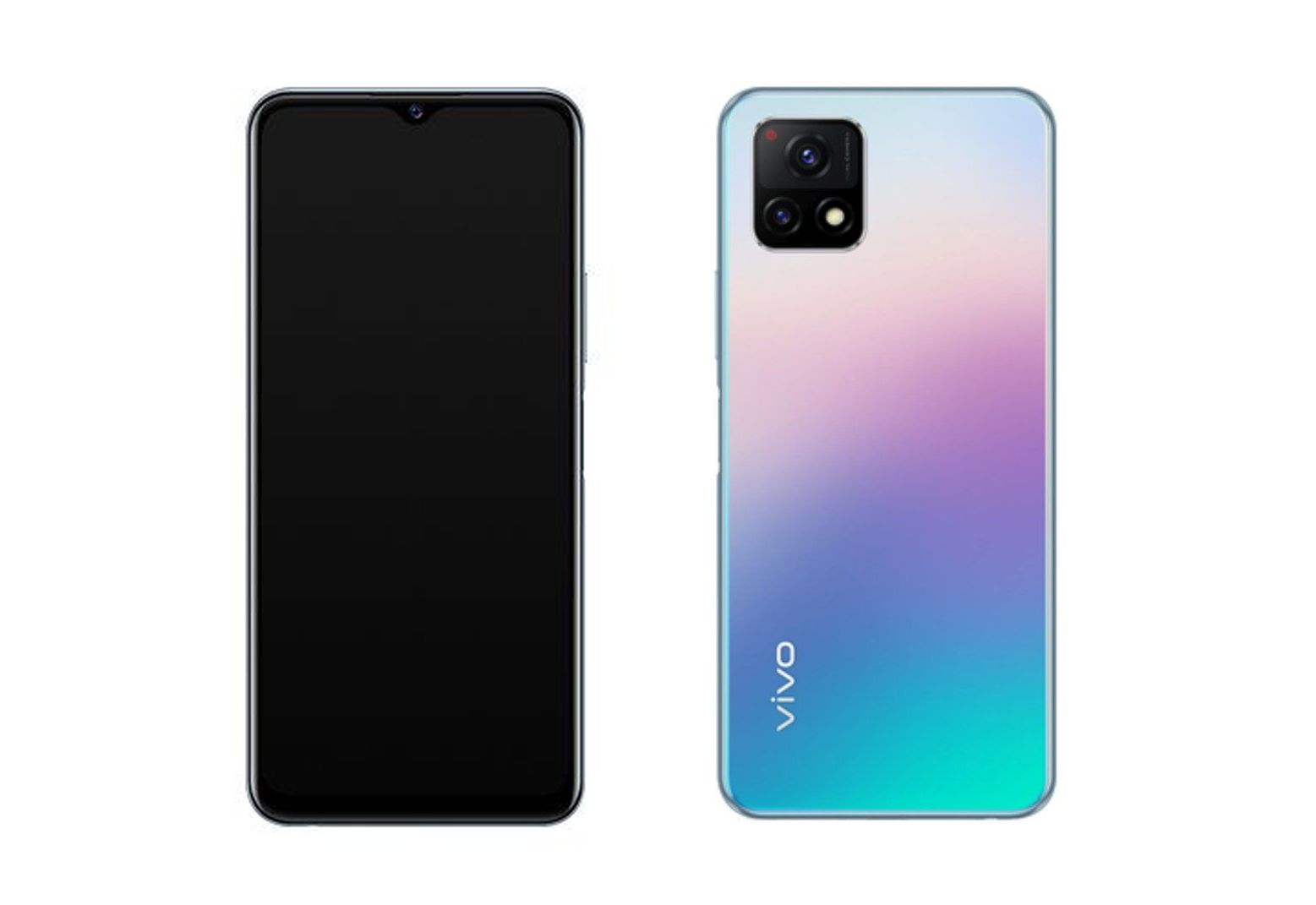
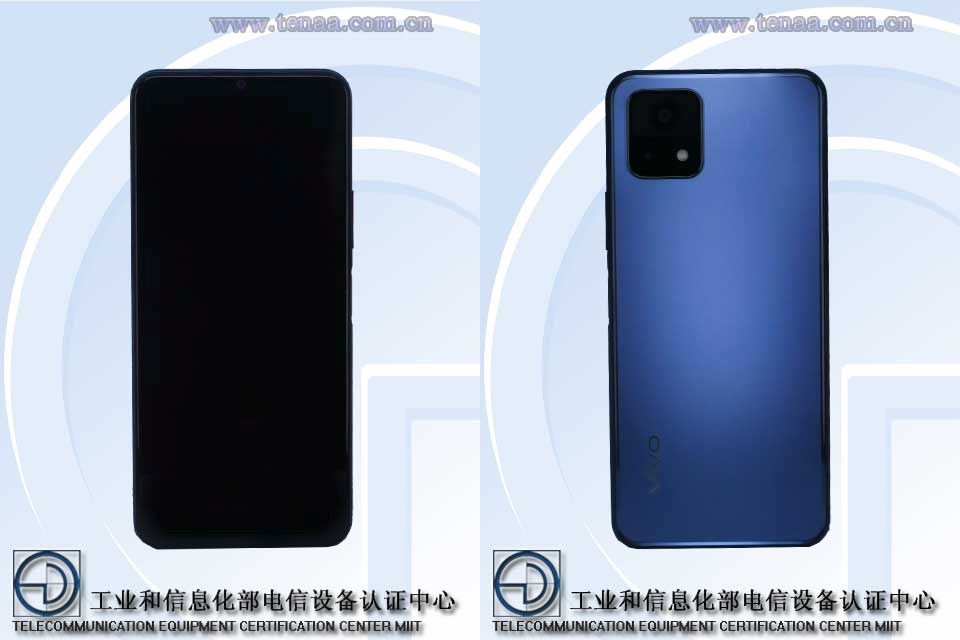
Vivo is reportedly working on the launch of a new mid-range phone in China. A handset named Vivo Y52 emerged in the product library of China Telecom. The listing reveals that the model number of the device is V2057A. This phone was recently spotted at Chinese certification platforms such as 3C and TENAA.
The TENAA appearance of the phone is yet to reveal the specifications of the Vivo Y52s. The Vivo Y52s listing at China Telecom has revealed it will release in the home market on Dec. 10 with a pricing of 1,998 Yuan (~$305). It will be available in colors such as Titanium Gray, Monet, and Color Sea.
Vivo Y52s specifications and features
The Vivo Y52s has a 6.58-inch IPS LCD panel with a waterdrop notch. It is not known whether the display supports a Full HD+ resolution of 1080 x 2408 pixels. The handset features a front-facing camera of 8-megapixel.
The camera housing on the polycarbonate back of the Vivo Y52s has a 48-megapixel main camera, a 2-megapixel secondary lens, and an LED flash unit. The handset is preinstalled with Android 10 OS.
The phone draws from the MediaTek Dimensity 720 SoC, which enables 5G support. The SoC is coupled with 8 GB of RAM. The internal storage of the phone is 128 GB. The phone houses a rated battery of 4,910mAh capacity. The smartphone measures 164.15 x 75.35 x 8.4mm and it weighs 185.5 grams.
Last month, TENAA had certified a Vivo phone with a V2054A model number. Its dimensions and specs (except the main camera) are identical to the Vivo Y52s. Hence, it appears Y52s could be a network variant of V2054A, which suggests that both phones may carry the same moniker.
The Hisense T50 is a new smartphone that launched this week in China. What makes the Hisense T50 special is that it is designed for the elderly.
The phone has a 6.52-inch display with a waterdrop notch for the front-facing camera. The Hisense T50 is powered by the Unisoc T7510 processor which brings support for SA and NSA 5G networks. There is 6GB of RAM and 128GB of storage. The processor draws power from a 5100mAh battery that should last more than a day, eliminating the worry of a low battery for older users. It has support for 18W fast charging via a USB-C port.
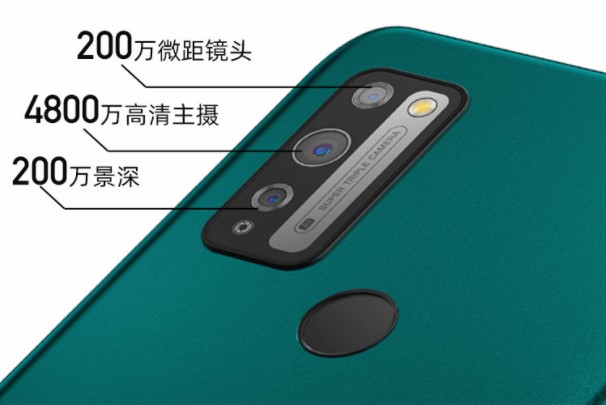
There are three cameras on the back of the phone – a 48MP main camera, a 2MP macro camera, and a 2MP depth of field camera. A fingerprint scanner sits below the triple camera setup. There is no info on the selfie camera.
The phone runs Android 9 with a custom UI. The user interface has been designed to make it easy to use by the elderly. It makes use of large icons and large fonts. Hisense has also added a shortcut function that allows quick access to frequently-used apps or functions such as WeChat and FM radio.
Apart from large fonts, icons, and a shortcut to frequently-used apps, the Hisense T50 comes with a special app built by Jingdong that allows a relative such as an owner’s child or caregiver to have remote access to the phone.
With remote access granted, the relative can help install apps; set alarms; manage their files, contacts, and gallery; and even help them download their favorite shows and movies.
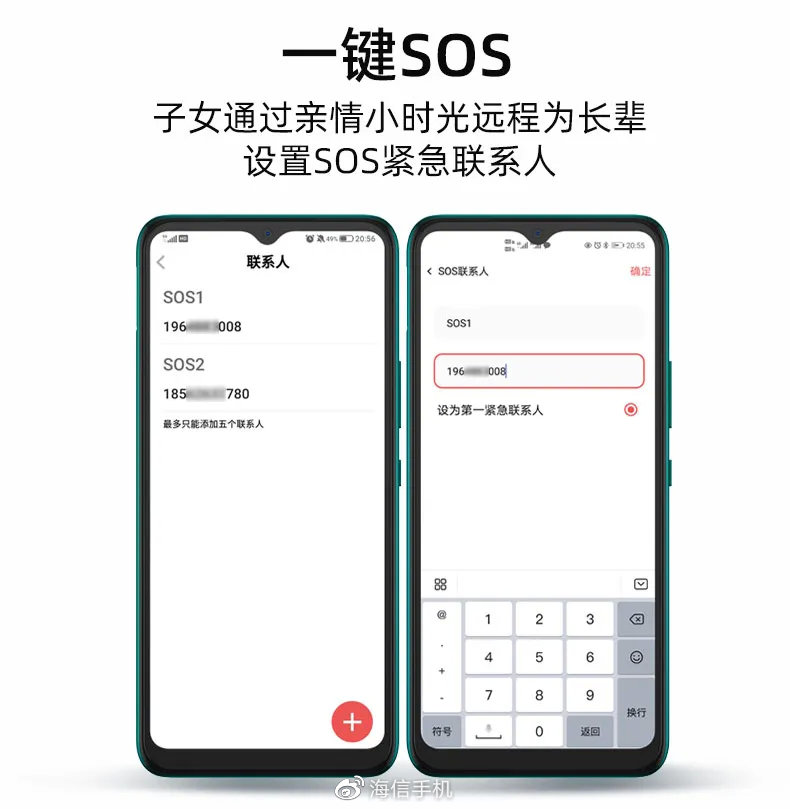
Another essential feature of the phone is the SOS function that can be activated by pressing the power button five times in quick succession. Once activated, the phone will automatically dial an emergency number and send a text that contains the location details of the phone owner.
Hisense also added a telemedicine feature that allows a doctor to offer medical services remotely to the elderly via video calling. It also offers other services such as drug prescription and purchase with doorstep delivery. Relatives also have access to medical reports and can remotely check the health status of the older relative.
The Hisense T50 will also allow the younger relative to request location info to help order a taxi ride in case they need to go somewhere. Details of the ride including positioning will be made available to the younger relative.
The phone is already available for purchase on JD.com for ¥1599 (~$244) and it comes in a single color variant – green.
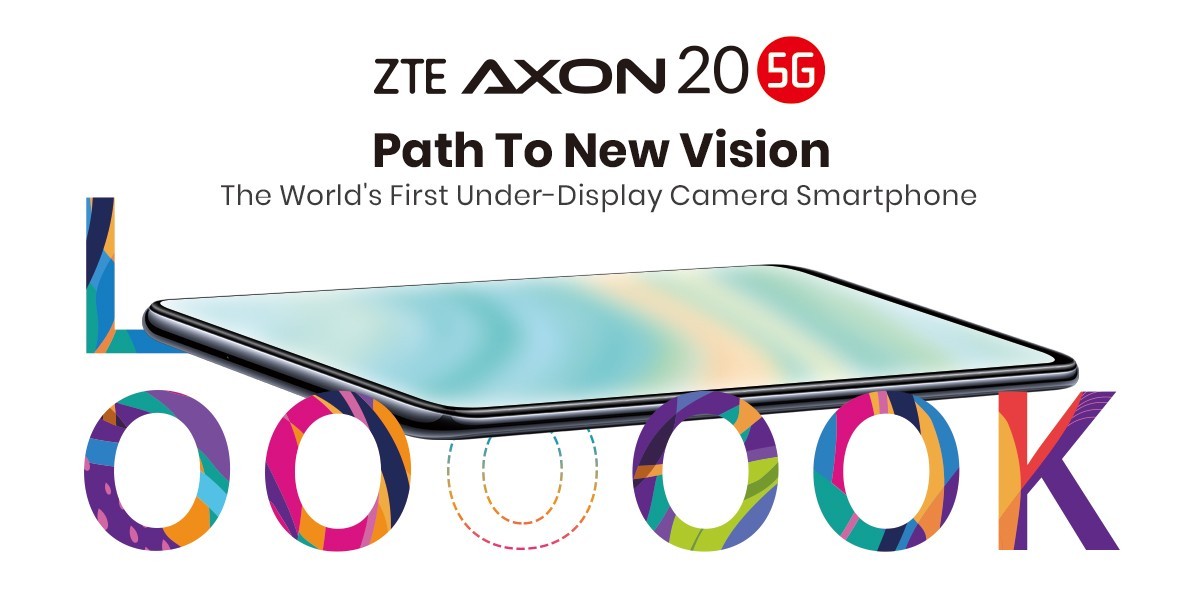
Back in September, Chinese tech giant ZTE unveiled the Axon 20 5G in China. The smartphone has been on sale in China but the global release has been elusive until now. ZTE has opened reservation for the Axon 20 5G is some markets outside China.
In case you are interested in buying the smartphone, you can make a reservation right now by just typing your email address. The device will acaully start shipping on December 21. ZTE ha also indicated that there are limited number of units available at the moment. Howwever, you’ll have to make sure you reside in one of these countries listed below to make a reservation.
United Kingdom
European Union
Japan
South Korea
Thailand
Malaysia
Philippines
United Arab Emirates
Ukraine
Saudi Arabia
South Africa
The price is yet to be unveiled by ZTE on its official global website but we expect that to be done before the scheduled shipping date.
As a reminder, the Axon 20 5G packs a 6.92-inch OLED screen that covers 100% of the DCI-P3 color gamut and supports 10-bit color depth. The display also supports a 90Hz high refresh rate, 240Hz touch sampling rate, and provides a true, unobstructed full-screen view. The display has an FHD+ resolution of 2460×1080 pixels.
Apart from the under-screen camera, the Axon 20 5G also features an ultra-thin design with a thickness of 7.98 mm. The entire smartphone weighs 198 grams, making it relatively light (this can be subjective) and thin to hold. You also get an under-screen speaker and under-screen fingerprint scanner onboard the device.
The Qualcomm Snapdragon 765G chipset fires up the Axon 20 5G. The processor is a 7nm octa-core chipset with a Kryo 475 Prime core (Cortex-A76) clocked at 2.4GHz, a Kryo 475 Gold core (Cortex-A76) clocked at 2.2GHz and six Kryo 475 Silver cores (Cortex-A55) clocked at 1.8GHz.
The processor is paired with 6GB RAM and there is also an 8GB RAM version. The phone comes in 128GB and 256GB storage options. Keeping the lights on is a 4220mAh battery which charges via a USB-C port. The phone supports Qualcomm Quick Charge 4+ and supports 30W fast-charging.
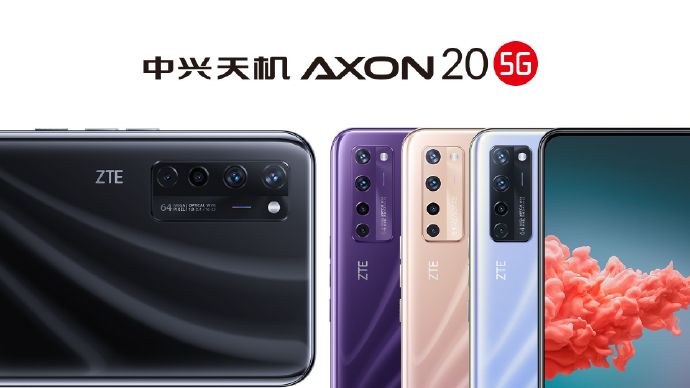
The rear panel of the Axon 20 5G is made of high-hardness 3D curved glass with a ten-layer structure stack design. The panel is coated using vacuum optical coating thus forming a nano-level streamer illusion texture. The back houses a Quad camera setup stacked at the upper left corner. The sensors include a 64MP Ultra-high pixel main camera. There is also an 8MP 120-degree ultra-wide-angle camera, a 2MP depth of field lens, and a 2MP macro lens.
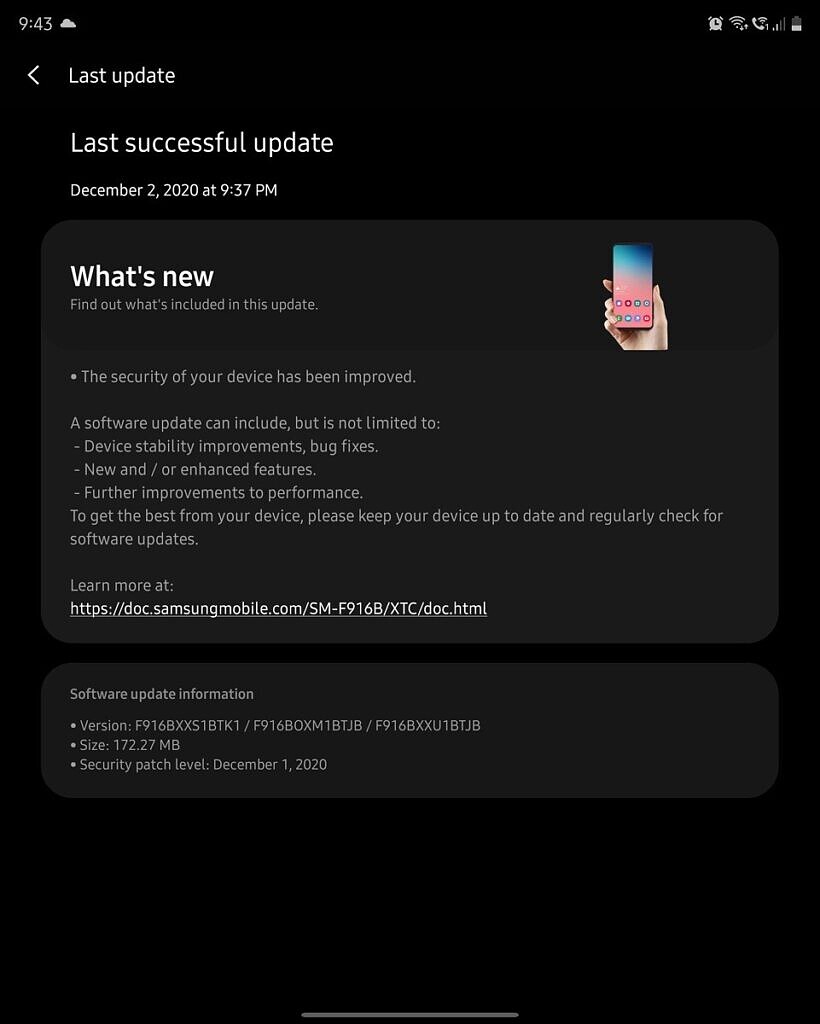
Samsung has released the latest Android security patches for some of its devices, well ahead of the official publication by Google in the Android Security Bulletin. This latest update reflects the changing approach of the tech giant in providing timely monthly updates for its devices. Samsung previously has not had a stellar record specifically in relation to providing regular security updates to its wide array of devices. However, the company has been working hard to change this narrative over the past few months, with a noticeable improvement in its update schedule.
The affected smartphone models include the Galaxy S20 lineup, the Galaxy S20 FE, and the Galaxy S9. The company has also released similar updates for the Galaxy Z Fold 2, Galaxy Note 10, and Galaxy XCover Pro.
The update for most of the models are available in many parts of the world, with countries in Asia, Africa, and Europe already covered. Ultimately, the aim is to provide these security patches to the global market in a timely fashion and with minimal effort by the user.
The update for the Galaxy Note 10 series (version N97xFXXS6DTK8) is rolling out in Europe presently, while other regions of the world will follow shortly. Similarly, the Galaxy XCover Pro can also be updated in Europe – the update includes the Android security patches for December 2020.
Samsung Galaxy Z Fold 2, Galaxy Note 10, and Galaxy XCover Pro users should download the update on their devices by going to the Software update section in the device settings. In case the update is not available on the device yet, you can download the firmware package from Samsung’s update server using tools like Samloader and install it manually using a Windows computer. (via)
To Note or not to Note? According to the latest reports, to Note. Contrary to the last report that the Galaxy Note series has been canceled, new info says that a new Galaxy Note phone is coming next year and it will launch as the Galaxy Note 21.
The info comes from two leakers Chun (@chunvn8888) and Tron (@cozyplanes) and both say they have confirmed that the Galaxy Note 21 is coming. This is not the first time we’ve heard of the Galaxy Note21; a few days ago, the Korean publication, ET News stated that there will be a single Galaxy Note model next year. The latter says he confirmed with three sources who said the phone is under development. He adds that he expects other reliable leakers to confirm the info soon.
And for the last time, I confirmed with 3 sources that the Note21 (tentative name) is indeed under early development stages.
Expect reliable leaksters that you probably know to be confirming this fact shortly.
Chun, on the other hand, reveals more details about the coming phone. According to him, the Galaxy Note21 is already in development and will be the successor to the Galaxy Note 20 Ultra which means there is a chance there will only be one model rather than two – standard and ultra models.
The last time Samsung launched a single Galaxy Note phone was in 2018, the Galaxy Note9. So while it is surprising that there will be only one model, it is not unusual. Also, since there will be other Galaxy phones launching next year with support for the S Pen, it is understandable.
Add more to the leaks: the Note21 is the Note21 Ultra successor and (no lying) the Note21 is probably the 1st Galaxy phone to debut with UDC (or CUP, or what the hell they will call). The main reason they go development this early is because they want to release this phone earl.. https://t.co/MrirZhvJmr
He adds that the phone may also be the first Galaxy phone to have an under-display camera. He also says that development started early because Samsung plans to launch the phone earlier than its predecessors. The expected release date is between June and July next year.
Just because Samsung may be launching the Galaxy Note21 next year does not mean that the series will not get canceled. It also doesn’t mean it will be as Samsung is yet to officially release a statement saying the Galaxy Note series will be canceled.
It is definitely the moment to get an affordable flagship killer. Chinese manufacturers released very interesting devices this year, and now they are available at interesting prices all around the world. Xiaomi came up with the Mi 10T Pro 5G packing awesome specifications: you can actually find it at amazing street prices. But is it the best value for money flagship out there? In order to establish this, we decided to compare it with the other flagship killers fueled by the same Snapdragon 865 mobile platform: given their great prices, for this comparison, we chose the OnePlus 8T and the Realme X50 Pro 5G.
Realme X50 Pro 5G vs OnePlus 8T vs Xiaomi Mi 10T Pro 5G
Realme X50 Pro 5G
OnePlus 8T
Xiaomi Mi 10T Pro 5G
DIMENSIONS AND WEIGHT
159 x 74.2 x 8.9 mm, 205 g
160.7 x 74.1 x 8.4 mm, 188 g
165.1 x 76.4 x 9.3 mm, 218 g
DISPLAY
6.44 inches, 1080 x 2400p (Full HD+), Super AMOLED
6.55 inches, 1080 x 2400p (Full HD+), Fluid AMOLED
Triple 108 + 13 + 5 MP, f/1.7 + f/2.4 + f/2.4
20 MP f/2.2 front camera
BATTERY
4200 mAh, fast charging 65W
4500 mAh, fast charging 65W
5000 mAh, fast charging 33W
ADDITIONAL FEATURES
Dual SIM slot, 5G
Dual SIM slot, 5G
Dual SIM slot, 5G
Design
All of these handsets come with a great build quality, including a glass back protected by Gorilla Glass and an aluminum frame. My favourite one is the OnePlus 8T because it looks like it has a slightly higher screen-to-body ratio. The Realme X50 Pro 5G is a bit uglier due to its dual punch hole, but it is actually more compact than OnePlus 8T and Xiaomi Mi 10T Pro 5G. Note that OnePlus 8T and Realme X50 Pro have an in-display fingerprint reader and a thinner design, while Xiaomi Mi 10T Pro is thicker and it has a side-mounted fingerprint scanner.
Display
If you want the best image quality, just do not choose the Xiaomi Mi 10T Pro 5G. Unfortunately for a lot of people, it has an IPS display instead of an AMOLED panel, unlike Realme X50 Pro 5G and OnePlus 8T. It has a higher 144 Hz refresh rate, but it is not enough to provide a better experience. The best is definitely the OnePlus 8T as it packs an AMOLED panel with 120 Hz refresh rate and HDR10+ certification. Realme X50 Pro 5G is OLED and HDR10+ as well, but the refresh rate is lower: 90 Hz instead of 120 Hz found on the OnePlus 8T. This trio is equipped with powerful stereo speakers, so it is great for multimedia use.
Hardware/Software
We are talking about very marginal differences, but the OnePlus 8T offers the most advanced hardware department. With the OnePlus 8T, you get a Snapdragon 865 paired with up to 12 GB of RAM and UFS 3.1 internal storage. Realme X50 Pro 5G has Snapdragon 865 and 12 GB of RAM too, but the native storage is UFS 3.0. The Xiaomi Mi 10T Pro is powered by the Snapdragon 865 mobile platform paired with UFS 3.1 storage, but it packs a max of 8 GB of RAM. Further, the OnePlus 8T runs Android 11 out of the box, while Realme X50 Pro and Xiaomi Mi 10T Pro 5G are based on Android 10.
Camera
The most advanced rear camera setup belongs to the Xiaomi Mi 10T Pro: it packs a 108 MP main sensor with OIS and 8K video recording, a 13 MP ultrawide sensor, and a 5 MP macro camera. But this does not mean its opponents are not interesting: Realme X50 Pro 5G has a disappointing 64 MP main sensor without OIS, but it is the only one with a telephoto sensor supporting optical zoom. The OnePlus 8T has a 48 MP sensor with OIS paired with three secondary sensors, but no telephoto. Realme X50 Pro 5G has the best front cameras: it has dual ultrawide front cameras with 32 and 8 MP resolution.
Battery
The Xiaomi Mi 10T Pro 5G wins the battery life comparison because it packs a bigger battery with a 5000 mAh capacity. But it charges slower with its 33W power: OnePlus 8T and Realme X50 Pro 5G support 65W fast charging.
Price
The listing price of Realme X50 Pro 5G and OnePlus 8T for the global market is €599/$727, while Xiaomi Mi 10T Pro 5G starts from €529/$642. If only Xiaomi Mi 10T Pro had an OLED panel, it would be the winner of this comparison. But given its AMOLED display and similar specifications, the OnePlus 8T is the winner. But currently, you can find the Realme X50 Pro 5G at more interesting street prices than OnePlus 8T: just to give you an example, it is not hard to find the 12/256 GB configuration for less than €550.
A team of researchers has seemingly established that commonly used robotic vacuum cleaners can be hacked remotely and used as a microphone. The research group led by Nirupam Roy, an assistant professor of Computer Science at the University of Maryland in collaboration with assistant professor Jun Han of the University of Singapore, collected information from the laser-based navigation system in a vacuum robot and applied signal processing and deep learning techniques to recover speech and identify television programs playing in the same room where the device was operating.
This research has highlighted the potential for any such device that uses light detection and ranging (Lidar) technology to be manipulated as a monitoring device by transmitting sound, even when such devices do not have a microphone. The revealing work was presented at the Association for Computing Machinery’s Conference on Embedded Networked Sensor Systems (SenSys 2020) last month.
The Lidar navigation systems in household robot vacuum cleaners direct a laser beam around the room whose reflected signals are used to map the room, enabling the robot to navigate through the room without collisions.
It has been suggested that these maps, stored in the cloud most times, pose potential security and privacy breaches that could give unauthorized access to privacy data amidst the risks of hacking. Information about things such as home size and other privileged data could be easily accessible. The research team was of the view that Lidar could pose potential security risks in transforming the robots as sound recording devices in users’ homes or businesses.
The researchers were not quite definitive whether a vacuum robot’s Lidar system could be manipulated to operate as a mic capable of providing meaningful sound signals.
The researchers were of the opinion that their research with vacuum cleaners is just one example of potential vulnerability to Lidar-based espionage activities. Many other devices such as smartphones are also susceptible. Recall how a hacker invaded a US home through the Ring security camera system demanding bitcoin. Other cases abound of similar occurrences. (via)
VinSmart is focusing on the US and plans to bring more flagships to the country in 2021. As reported by XDA, Nguyen Thi Hong, General Director of VinSmart’s Mobile division, says the company will bring prestigious products. And it is going to do so by partnering with IPs(Internet Providers) and launching devices through distribution channels.
Credit: VinSmart
VinSmart, a subsidiary of Vingroup, also says(via XDA) that it has partnerships with Qualcomm, MediaTek and is planning to commercialize 5G devices in the USA which is now a hotspot apart from China. Additionally, it will bring 5G to its home country ‘Việt Nam’ after the official rollout. It’s worth noting that the company also focuses on 4G with devices like Vsmart Bee Lite that recently launched for just VND 600,000($26).
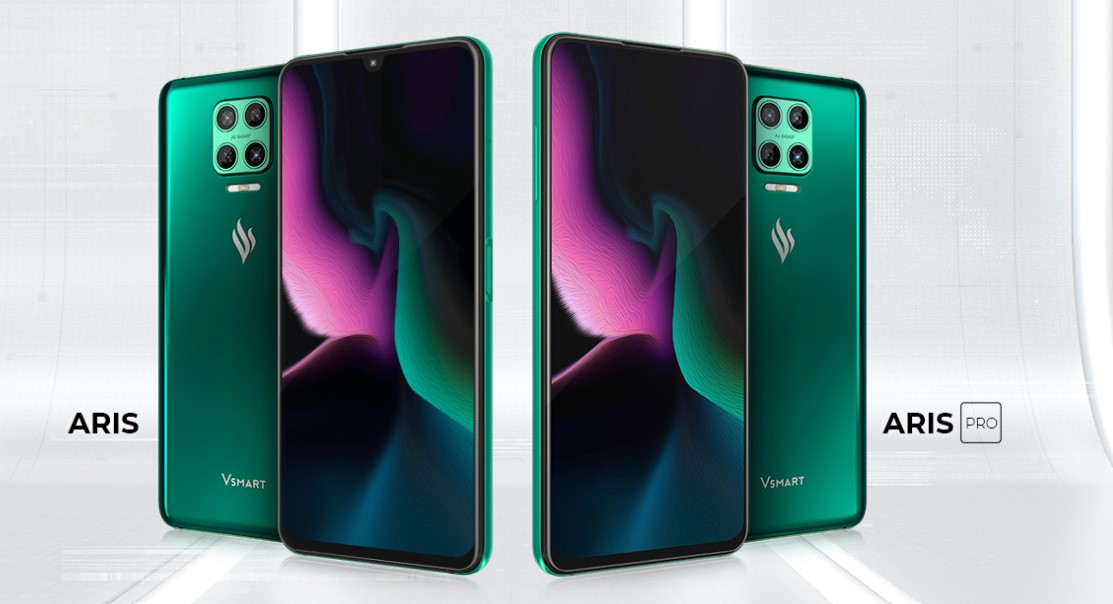
Besides, the report says VinSmart will likely bring flagships like the Vsmart Aris and Vsmart Aris Pro to the US. If we recall, the company announced the Vsmart Aris Pro with a CUD(Camera Under Screen) back in September. In fact, the company has already started connecting with the US by bagging a contract from an American Service provider.
Accordingly, it will manufacture two million unknown 4G devices for the U.S carrier. And it has already sent the first consignment in September. The company feels that it’s the first step towards understanding the market before bringing its own devices. For the unware, it has a manufacturing plant at Hoa Lac Hi-Tech Park in Hanoi for Smartphones, IoT devices.
Coming back, the company is probably thinking about Vsmart Axis Pro for the US due to the rave reception it got during launch. And according to Nguyen Minh Viet, Director of Mobile Device Research Institute (VinSmart), under-display cameras can capture only 15% of light through the screen. However, it has developed a technology called Vcam Kristal to overcome the issue.
Talking about CUD, Vsmart Aris Pro features a 6.39-inch FHD+ AMOLED display,20MP under-display camera, Snapdragon 730 SoC, 8GB RAM, and 128GB storage, quad-rear camera with 64MP primary lens, 4,000mAh battery. It launched at VND 9,990,000 (~$431). Anyway, let’s wish VinSmart good luck as it aims to place a strong foothold in one of the biggest economies in the world.
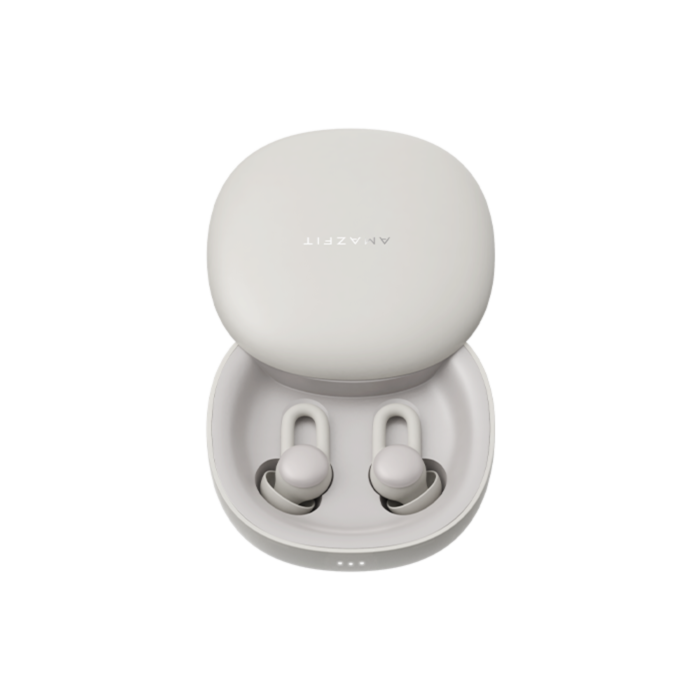
If you’re looking for a premium Earbuds at an affordable price, then you should look for the exceptional deal on Amazfit Zenbuds. Giztop is offering Amazfit Zenbuds premium earbuds for $139 with a $30 discount. It carries comfortable and easy to wear design while supporting 12-hours battery backup. The interested buyers from anywhere around the globe can ship it to their homes via Giztop at no extra cost.
Amazfit Zenbuds is available in White color while carrying 2 years of warranty from Giztop.
Amazfit ZenBuds offers flawless design which is designed to de-stress the users. It also enables noise cancellation with its knowles Balanced Armature. Amazfit Buds carries inbuilt intelligent hear0rate sleep monitoring fnuntion to analyze the quality of sleep. Moreover, it is comfortable to wear, soft and skin-friendly earbuds and weighs only 1.78g in size.
The Amazonfit ZenBuds offer 12-hour battery backup upon full charge and up to 8 days along with the charging case. The impressive smart interface enables easy use and help you sleep better.
You can grab it from Giztop at an exciting price of $139.
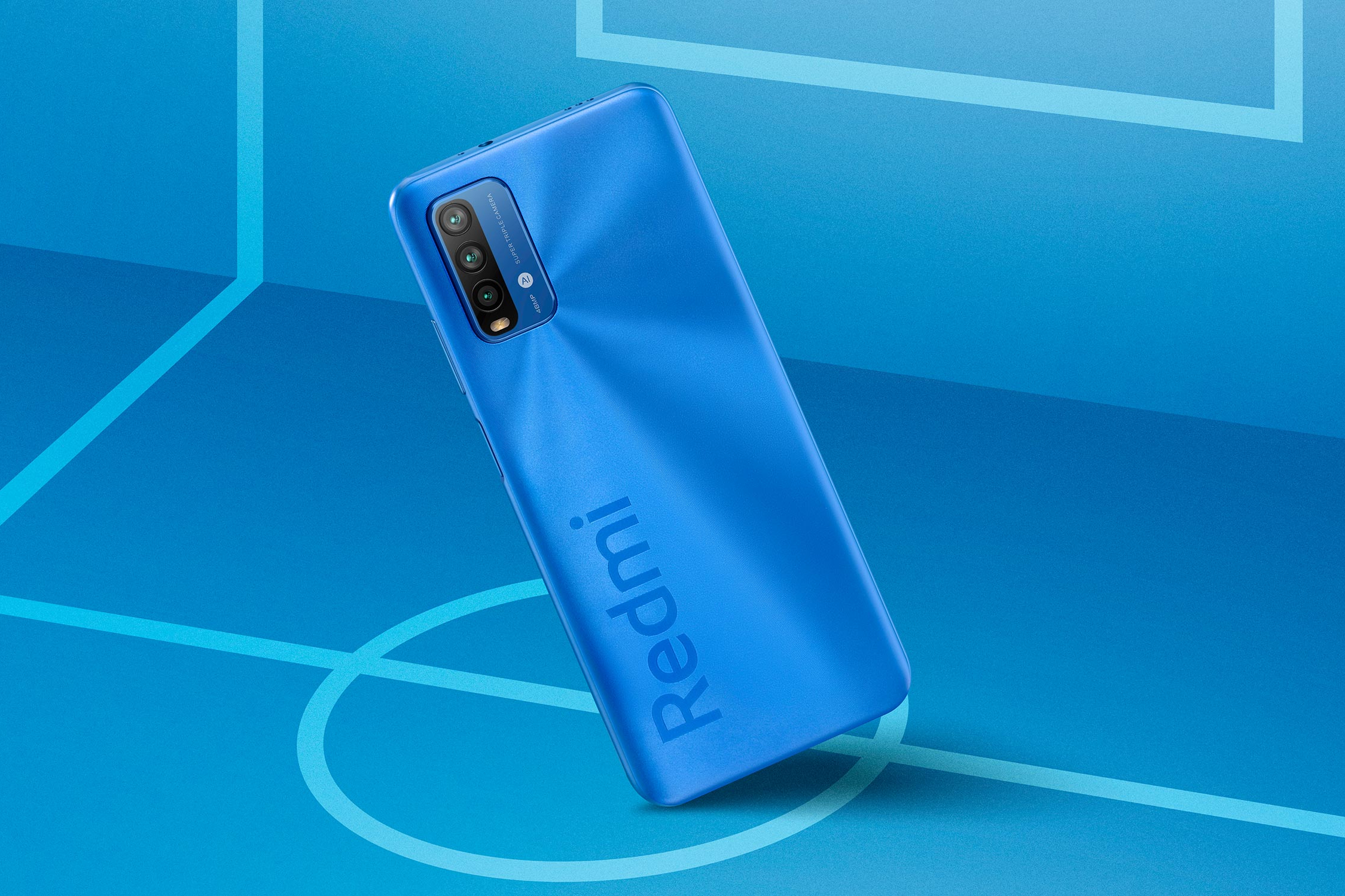
Last week, Redmi launched Redmi Note 9 4G in China alongside Redmi Note 9 5G and Redmi Note 9 Pro 5G. A tweaked version of this smartphone is expected to debut in India as Redmi 9 Power. Now, according to a well-known Indian tech influencer, its launch in the country is only a few days away.
Redmi 9 Power will be the next handset in the ever-growing Redmi 9/Redmi 9 series of smartphones that made their debut first in March earlier this year. As per Mukul Sharma (@stufflistings), this device will launch in India on December 15 if Xiaomi does not change its plans.
Suppose this tip is true, we can expect the company to officially announce the launch date in the coming days. Apart from this handset, the company is also expected to debut its first QLED Mi TV in the country whose launch date is also yet to be declared.
Coming back to the phone, the upcoming Redmi 9 Power (codename: ‘lime’) for India will bear the model number M2010J19SI. According to a recent report, it will be sold in 4GB + 64GB as well as 4GB + 128GB storage configurations and will be available in three colors – Black, Blue, and Green.
As far as specs and design are concerned, this device will be similar to the Chinese Redmi Note 9 4G except for the fact that it will come with an additional 2MP macro camera. The dame phone is also expected to launch as Redmi 9T in markets like Europe.
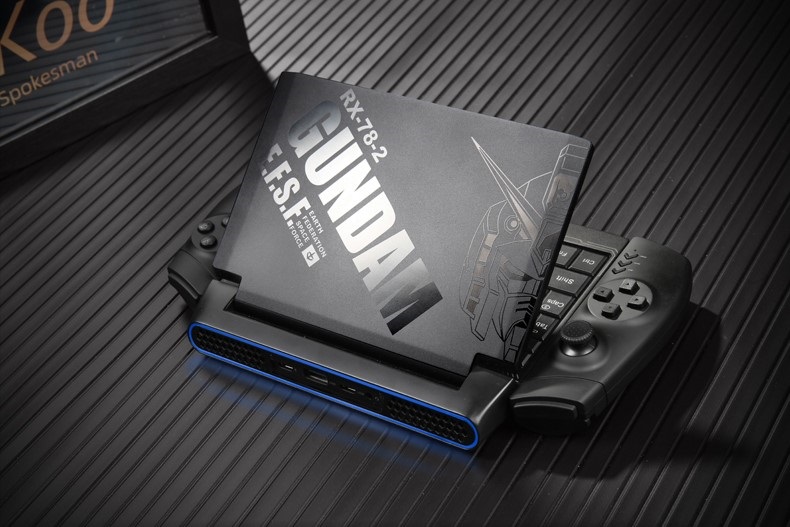
One-Netbook also known as 1netbook is known for its range of mini PCs. In fact, the company is focused on developing high-perfomance mini laptop, pocket laptop, UMPC and palm top. The latest product that has just been launched in China is the One-Netbook OneGx1 Pro Gundam Limited Edition.
One-Netbook OneGx1 Pro is an upgraded version of OneGx1 stylish version. It is themed after the popular fictional manned robot (mecha), introduced in 1979 in Yoshiyuki Tomino’s and Sunrise’s anime series Mobile Suit Gundam.
The portable laptop is equipped with the latest Intel 11th generation Core i7-1160G7 processor released this year. The processor pairs with 16GB 4266MHz dual-channel high-speed memory, and is also equipped with dual USB 4.0 ports, supporting external graphics dock and 4K display.
The Core i7-1160G7 belongs to the 11th generation Core Y series which has lower power consumption than the U series. It has 4 cores and 8 threads, a base frequency of 1.2GHz, and a turbo frequency of up to 4.4GHz. It is equipped with a 12MB L3 cache and 96EU Xe core display. The OneGx1 Pro has three thermal design powers (TDP) of 9W, 15W, and 20W, which can be switched by users.
Further, the OneGx1 Pro is equipped with a 7-inch 16:10 screen with a resolution of 1920×1200 pixels. It supports 10-point touch, and has a battery capacity of 12000mAh. The keyboard supports RGB backlighting and is equipped with a detachable gaming pad. The pad supports Bluetooth and 2.4G Wifi dual mode connection.
The laptop will be available for pre-sale at One-Netbook flagship store on Jingdong on December 12 and will be shipped before December 30.
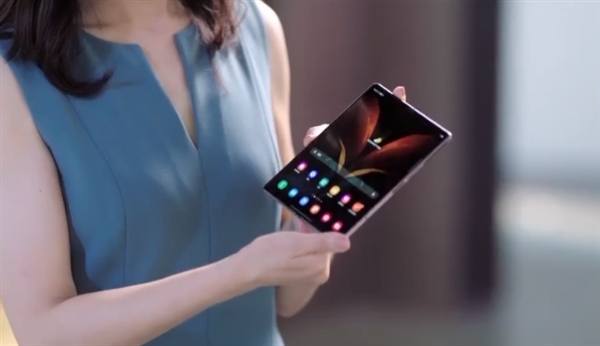
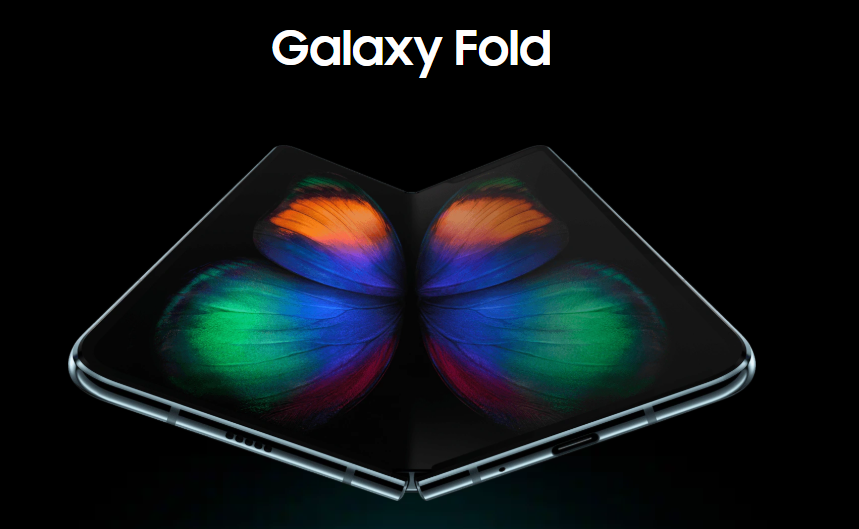
Samsung’s Galaxy Z Fold series is expected to get better next year. Alongside the Galaxy Z Fold 3 and the next-gen Galaxy Z Flip which should launch as the Galaxy Z Flip 3, Samsung is also expected to announce a more affordable Fold called the Galaxy Z Fold Lite. Now, a leak has revealed when these devices will launch as well as their screen sizes.
Galaxy Z Fold Lite
According to the Twitter leaker Tron (@cozyplanes), the Galaxy Z Fold Lite will be the first Samsung foldable to launch next year. It will be announced in the first quarter of the year, so we can expect it to launch alongside the Galaxy S21 series or maybe even get its own Galaxy Unpacked event. The Galaxy Z Fold Lite was expected to launch this year but was postponed.
The Galaxy Z Fold Lite will come with a 7-inch screen with Colorless Polyimide (CPI) film instead of Ultra-thin Glass (UTG). This should not be surprising as this is supposed to be a more affordable foldable device. The Fold Lite will not only have a smaller main display than the original Galaxy Z Fold, but its cover display will also be smaller at just 4-inches.
Galaxy Z Fold Lite (Q1 release) Internal 7" CPI External 4"
Samsung will take a break before announcing its next foldable smartphone, the Galaxy Z Flip 3. The vertically folding phone will launch in the third quarter of 2021. The leak says it will have a 6.7-inch screen, the same size as the original but contradicting the info we heard last week that says the phone will have a 6.9-inch main display. The primary screen will have UTG glass.
his leak also mentions that the cover display is 3-inches in size. This is the first time we have heard a specific dimension of the screen which has been reported to be bigger than that of the Galaxy Z Flip which has a 1.1-inch cover screen. While it is unconfirmed, 3-inches is definitely a big upgrade from 1.1-inches.
Galaxy Z Fold 3
The Galaxy Z Fold 3 comes next and will also launch in the third quarter of the year. The internal screen is said to be 7-inches in size which is smaller than that of the Galaxy Z Fold 2. The UTG LTPO TFT screen will come along with an even smaller cover screen that measures 4-inches.
The rumor says, Z Fold 3 will have Under Panel Camera and S-Pen, but Screen size will decrease compare to Z Fold 2 Sounds like they are going back to Fold's screen size.
It is surprising that the Galaxy Z Fold 3 is coming with a smaller display but the leaker is not the only one who has heard of the smaller screens. The tweet above also says that the screen size will be smaller. It also mentions an under-display camera and an S Pen.
No Galaxy Z Fold FE
The leak only mentions three foldable phones. The Galaxy Z Fold FE which appeared in a leak a few weeks ago is missing. While that is surprising, it is understandable considering that there is a Galaxy Z Fold Lite. If we are being honest, two affordable foldable phones in a year does not make sense.
Nevertheless, we will advise that you take the info with a pinch of salt until more concrete details surface.
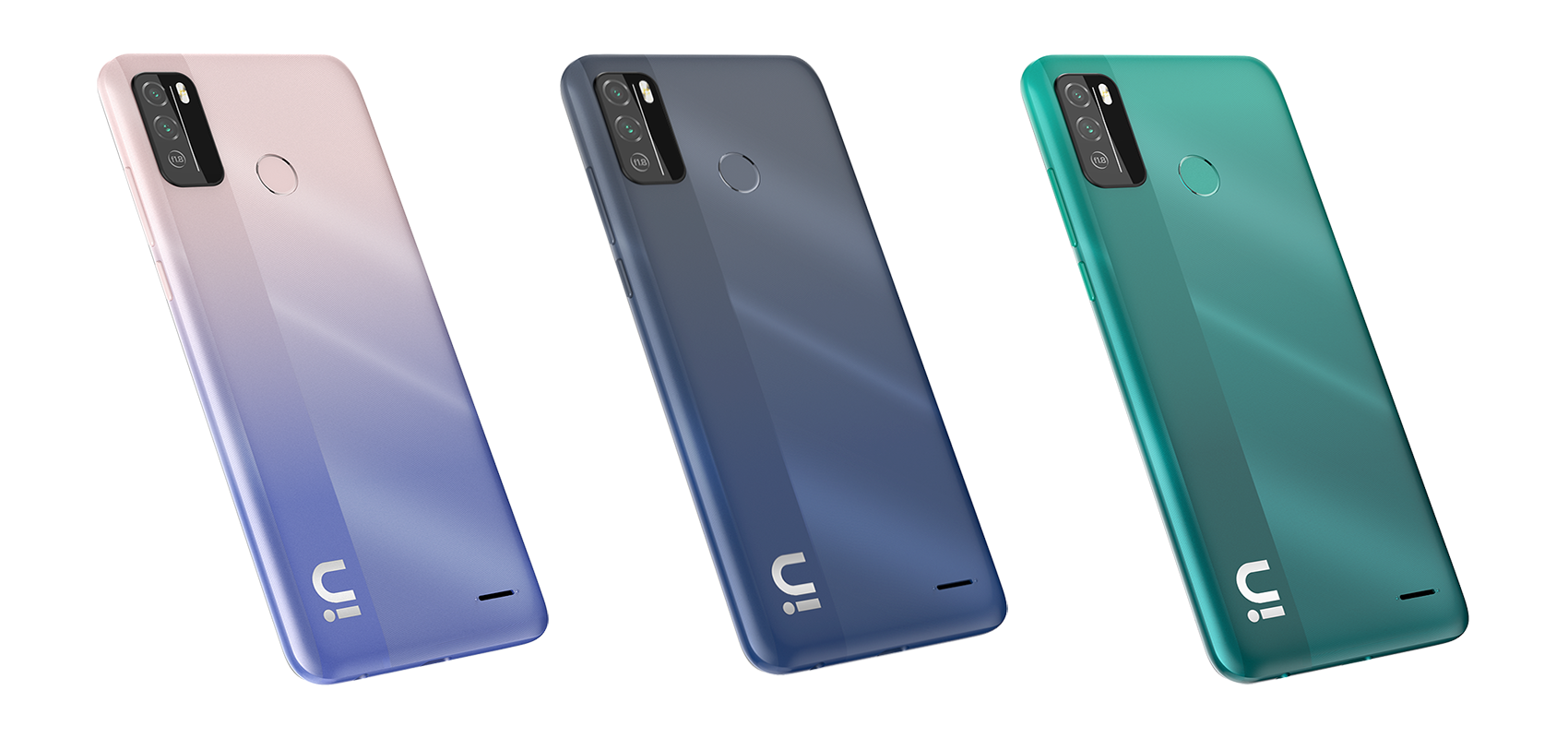
Micromax has finally announced the release date of the IN 1b smartphone in India. The device, whose first sale was postponed a week ago, will be available for purchase starting at ₹6,999($94.79) in the country.
Micromax IN 1b Price, Availability
Micromax, in a tweet, has confirmed that the Micromax IN 1b will be available for sale on December 10. Accordingly, users can purchase the device on Flipkart, and Micromax‘s website. The device has two versions – 2GB RAM, 32GB storage, and 4GB RAM, 64GB storage. You can take a look at the price below:
2GB+32GB- ₹6,999($94.79)
4GB+64GB- ₹7,999($108.33)
That said, Flipkart’s product page shows offers like a 5% Unlimited Cashback on ‘Flipkart Axis Bank Credit Card’, No Cost EMI, and more. Micromax unveiled the IN Note 1 and IN 1b smartphones back on November 3. After a warm reception to the pre-orders, users are still waiting to buy the IN 1b whereas the IN Note 1 has already been on sale a couple of times.
Micromax IN 1b features a 6.52-inch IPS LCD HD+ display. The display has a resolution of 1600×720 pixels and an aspect ratio of 20:9. Despite sharing a similar rear camera layout and fingerprint sensor as the IN Note 1, it’s display has a mini-drop notch instead of a punch-hole.
Under the hood, the IN 1b is powered by MediaTek Helio G35 SoC. This is paired with either 2/4GB RAM and 32/64GB storage. For cameras, you get a 13MP main lens and a 2MP sensor on the rear. Upfront, there is an 8MP selfie shooter tucked under the notch.
Other features include a microSD slot, 4G, Bluetooth 5.0, Wi-Fi, 3.5mm audio jack, GPS, Google Assistant button, Face Unlock, 5,000mAh battery with 10W charging. The device’s 2GB version runs Android 10 Go Edition but 4GB runs Android 10 OS without any bloatware. Micromax has also guaranteed upgrades for 2 years.
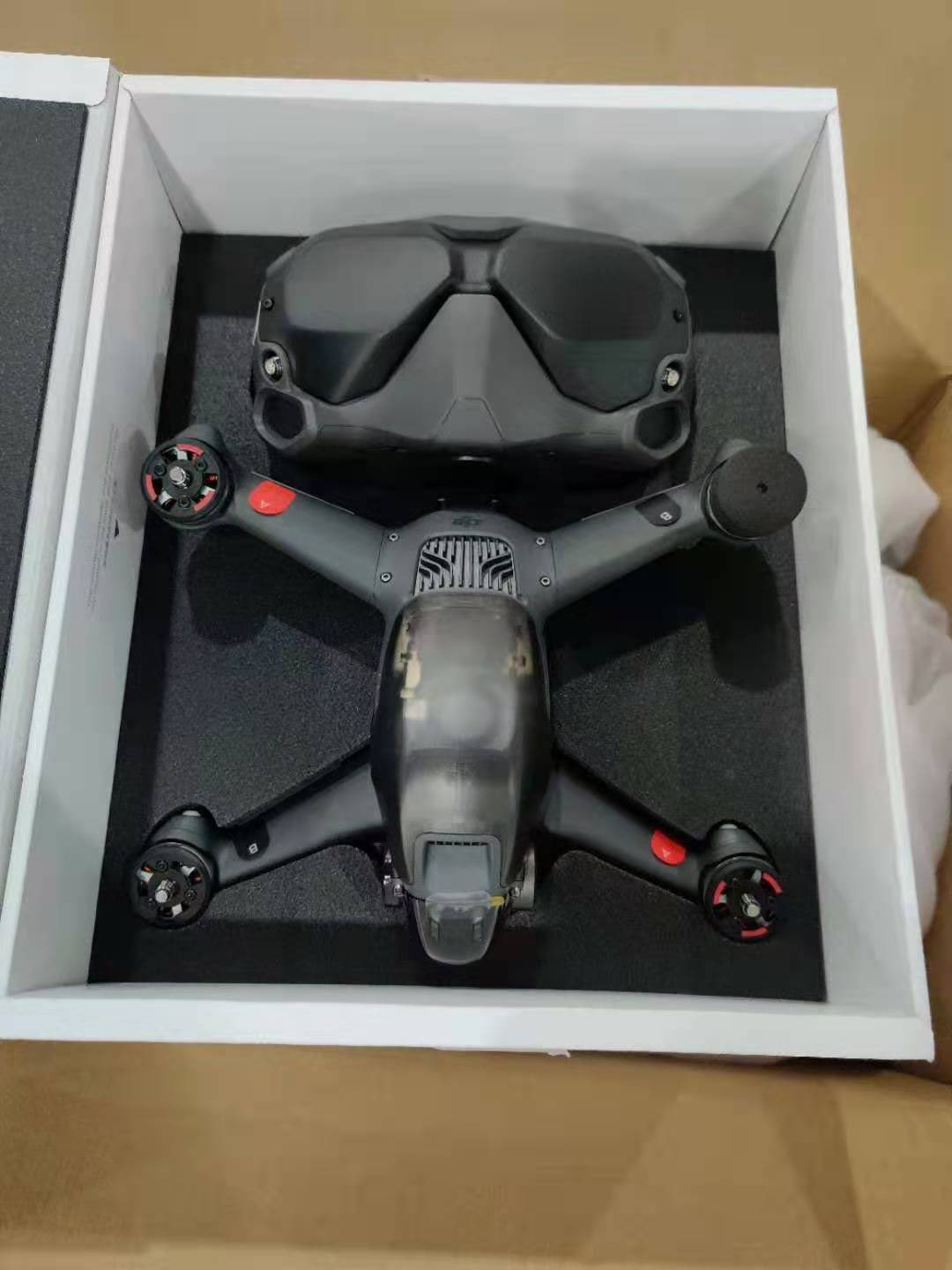
Feelers first emerged in July last year that drone maker DJI was working on a speedy FPV (first-person-view) drone. More than a year after, photos of the expected racing drone have leaked suggesting the company may release it soon.
The drone will likely be dubbed DJI FPV and from the leaked images, it doesn’t look like anything the company has released before:
The specifications of the drone are not yet in the open and we also don’t know what the price will be but the design points to a premium drone. The drone comes with three-blade propellers, sizable hump, and a minimalist controller which are quite different from the numerous drones DJI has released in the past.
Overlord, this is FPV 1, requesting take off. FPV 1 you are cleared to take off, please proceed to helipad one. Solid copy Overlord, FPV 1 taking off at helipad one. FPV 1, you have the sky, have nice trip, over and out. Copy that, FPV 1 out. pic.twitter.com/GTw6A2w4mR
The sleek design looks reasonable considering that FPV racing and filming focuses on speed over other considerations. You’ll generally tilt your entire drone far beyond the angle you’d tilt a traditional filmmaking drone to maximize your forward momentum and when that is done, a camera that primarily tilts up instead of down is needed. From the look of things, the user will wear an FPV headset which appears to be the DJI FPV Goggles and as such, there is no need for a phone holder. This design will make it easier to use the controller.
5.8GHz & 915MHz ready, I think this is it. Rumor says some resellers have got the evaluation model of FPV Drone, with remote-adjustable FPV camera. https://t.co/yVUKS96q99
We must state that the leak comes from the stables of Twitter tipster OsitaLV who has got a good reputation for finding out DJI’s news before it’s official. Not too long ago, the tipster shared images and details of the DJI Pocket 2 a couple of days before the official release. He also shared an image of what looks like the upcoming Mavic Pro 3.
Samsung has just begun the stable rollout of its latest One UI 3.0. However, it’s already working on the next version, dubbed the One UI 3.1. As per a report by Tizenhelp, the company will soon launch the next UI and it could happen at the Galaxy S21 series event.
According to the report, a Samsung representative in South Korea has revealed the development while answering to a user. To corroborate this, the report shares a screenshot that shows a user reporting his concern for errors in Night mode. To this, the Samsung support team replies(Google Translated) that the update will be correct by Google at its end by December. Later, Samsung will proceed with tweaks and deliver it in the One UI 3.1 update.
With this, the company indirectly confirms that it’s working on the next version of the UI. Also, as the report says, the One UI 3.1 will likely debut at the Galaxy S21 launch that is likely on January 14, 2021. This is because Samsung has introduced newer versions of the UI with the Major flagship launches in the past. For instance, the company launched the One UI 2.1 based on Android 10 with the Galaxy S20 series and Z Flip out of the box.
Similarly, the company brought the One UI 2.5 with the Galaxy Note 20 series and Galaxy Tab S7 back in August. For One UI 3.0, it started a Beta program in August for its flagships to test out the features before a stable rollout. Anyway, we will have to play the waiting game to know what improvements the new 3.1 UI will bring to the table over the One UI 3.0.
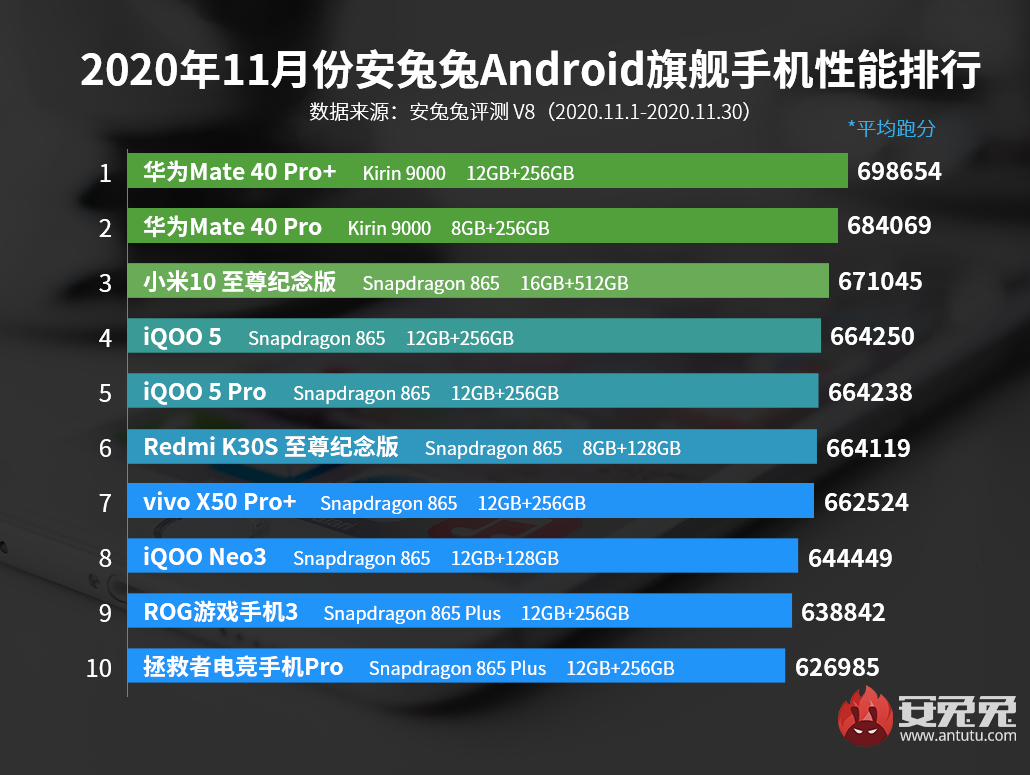
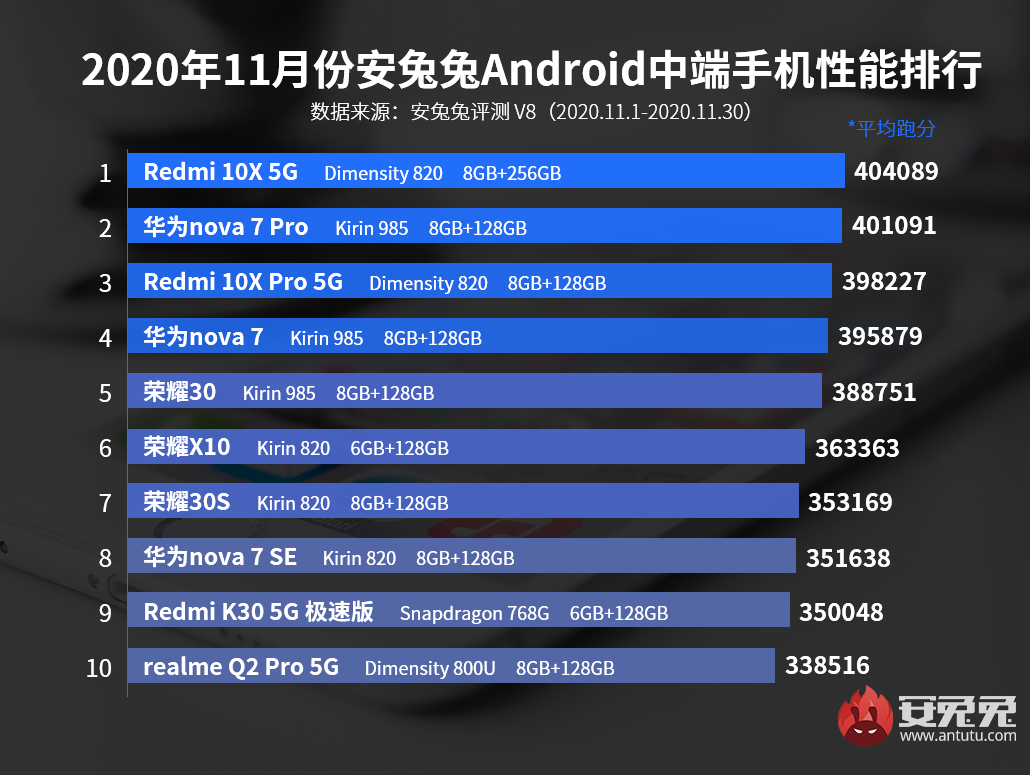
As we have entered December now, popular smartphone benchmarking platform AnTuTu Benchmark has published the report for November 2020. The updated list for top Android mid-range smartphone has a new entrant in the form of realme Q2 Pro 5G. On the other hand, a similar list for flagship smartphones now includes HUAWEI Mate40 Pro+ and iQOO Neo3. That’s not all, both the lists have been jumbled as well.
Talking about Android flagship smartphones first, HUAWEI Mate40 Pro+ leads the pack with 698,654 points, followed by HUAWEI Mate40 Pro with 684,069 points. For those unaware, last month, the latter device topped the chart.
Further, Xiaomi Mi 10 Ultra which came sixth in October’s list, comes third this time around with 671,045 points. As a result, the iQOO 5 (664,250 points) and the iQOO 5 Pro (664,238 points) are pushed down to fourth and fifth places in the new list.
The reaming five positions are acquired by Redmi K30S Ultra (664,119 points), vivo X50 Pro+ (662.524 points), iQOO Neo3 (644,449 points), ASUS ROG Phone 3 (638,842 points), and Lenovo Legion Phone Duel (626,885 points) respectively. The Black Shark 3S and OPPO Find X2 Pro are no longer part of the top list.
Coming to the list of Android mid-range smartphones, the Redmi 10X 5G (404,089 points) now tops the chart instead of the Redmi 10X Pro 5G (398,227 points) as it has been dropped to third place. The HUAWEI nova7 Pro (401,091 points) sits in the second position, whereas HUAWEI nova7 (395,879 points) comes fourth as HONOR 30 (388,751 points) slips to fifth place.
Having said that, we expect the lists for December to be identical to November’s with some minor changes. The lists will only change drastically with the launch of Snapdragon 888 powered smartphones in Q1 2020.
We use cookies on our website to give you the most relevant experience by remembering your preferences and repeat visits. By clicking “Accept”, you consent to the use of ALL the cookies.
This website uses cookies to improve your experience while you navigate through the website. Out of these, the cookies that are categorized as necessary are stored on your browser as they are essential for the working of basic functionalities of the website. We also use third-party cookies that help us analyze and understand how you use this website. These cookies will be stored in your browser only with your consent. You also have the option to opt-out of these cookies. But opting out of some of these cookies may affect your browsing experience.
Necessary cookies are absolutely essential for the website to function properly. This category only includes cookies that ensures basic functionalities and security features of the website. These cookies do not store any personal information.
Any cookies that may not be particularly necessary for the website to function and is used specifically to collect user personal data via analytics, ads, other embedded contents are termed as non-necessary cookies. It is mandatory to procure user consent prior to running these cookies on your website.