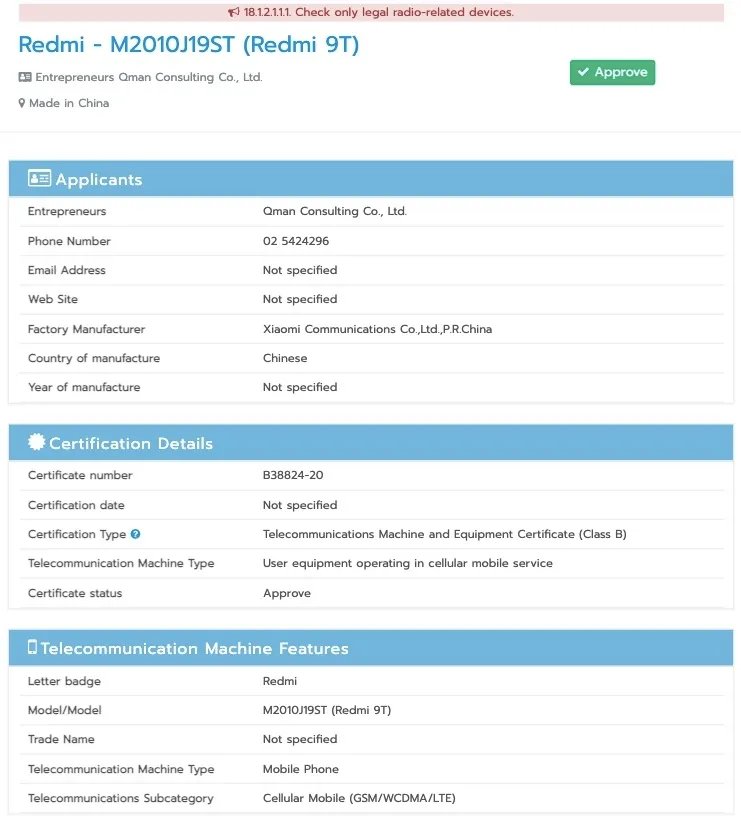
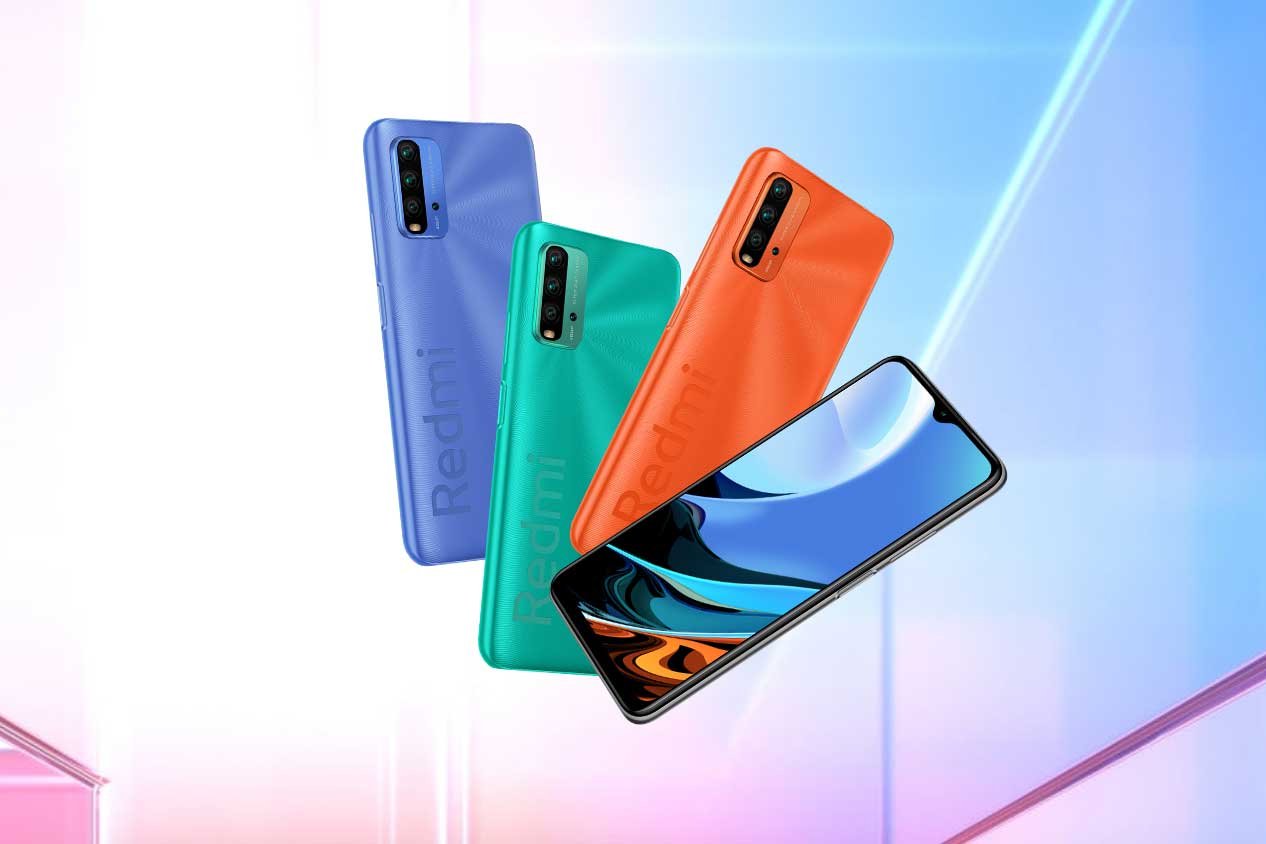
A new Redmi phone with model number M2010J19ST has received certification from the National Broadcasting and Telecommunications Commission (NBTC) authority of Thailand. The listing reveals that the device will be heading to the country as the Redmi 9T. It will be arriving as a rebranded version of an existing Redmi phone.
The model number of the Redmi Note 9 4G that debuted in China last month is M2010J19SC. A variant of the same phone with model number M2010J19SI recently debuted in India as the Redmi 9 Power.
Now, a new variant has popped up in Thailand’s NBTC with Redmi 9T moniker. As far as specs are concerned, the listing only confirms that it carries support for LTE connectivity. It can be said based on a recent report that some global markets will receive the device as Redmi 9T.
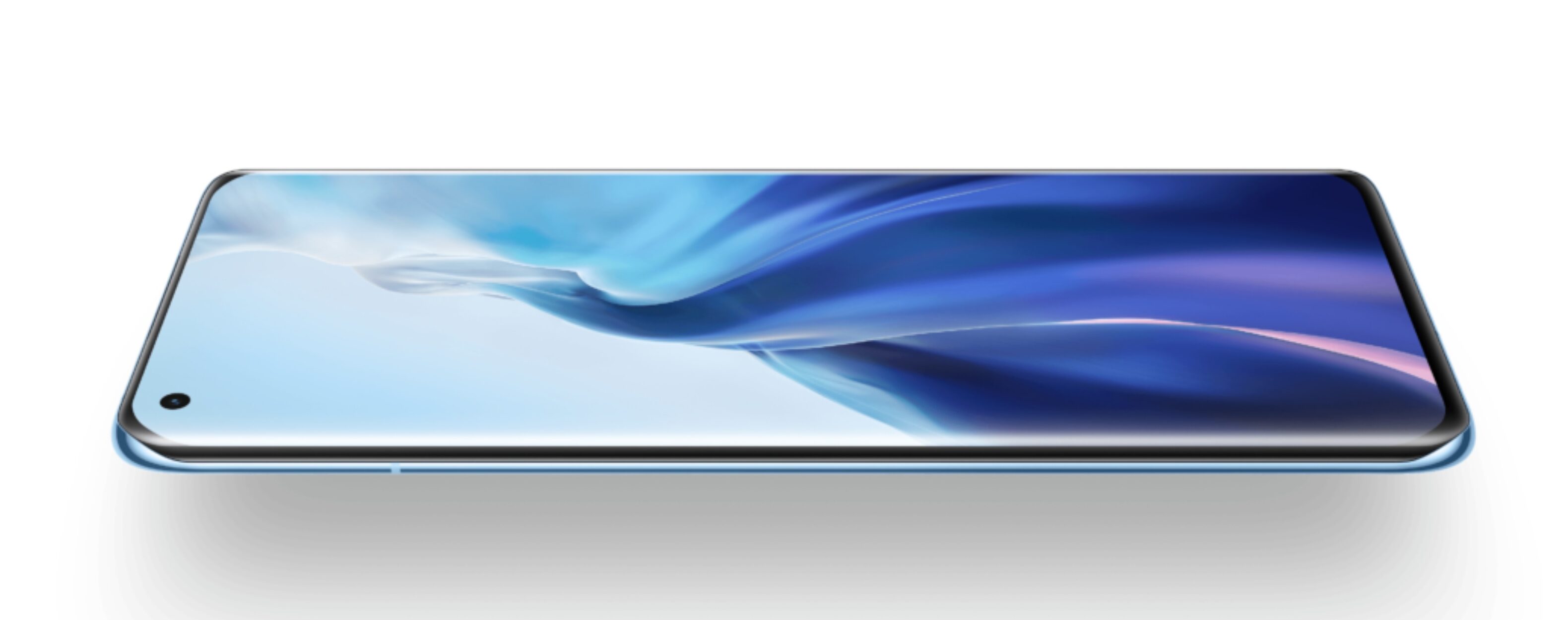
The Redmi 9T has a 6.53-inch IPS LCD display with a waterdrop notch. The screen delivers a Full HD+ resolution and a 19.5:9 aspect ratio. The Snapdragon 662 mobile platform fuels the device up to 6 GB of RAM. The phone may arrive with up to 128 GB of storage. It features a microSD card slot for more storage. The device is loaded with MIUI 12 based Android 10 OS.
The 6,000mAh battery of the Redmi 9T supports up to 18W rapid charging. On the photography front, it has an 8-megapixel front camera and a 48-megapixel + 8-megapixel + 2-megapixel + 2-megapixel quad-camera system. It is fitted with a side-facing fingerprint reader.
It is unclear when Xiaomi will be announcing the Redmi 9T. It is likely that the device may go official early in the coming month.
Smartphone manufacturers have experimented with different innovative display tech in a bid to entirely remove the notch and bezels from sight. The latest experimentation is Under Display Camera technology. A couple of months back, Chinese tech giant ZTE unveiled the world’s first smartphone with an Under Display camera – the Axon 20 5G.
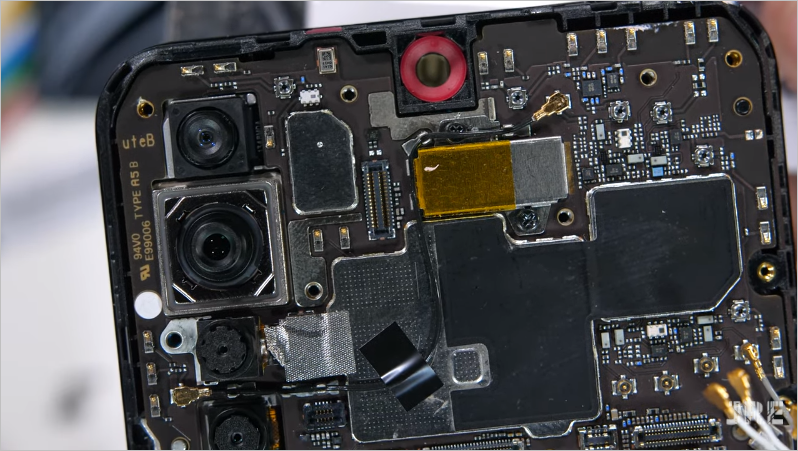
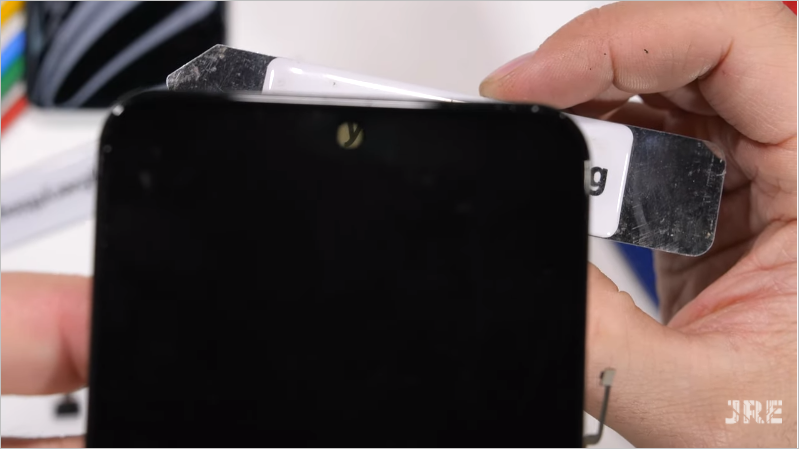
We have now gotten a full teardown video of the Axon 20 5G from the same YouTuber. The Teardown video gives us a vivid glimpse at the internals especially the under-display camera onboard the Axon 20 5G.
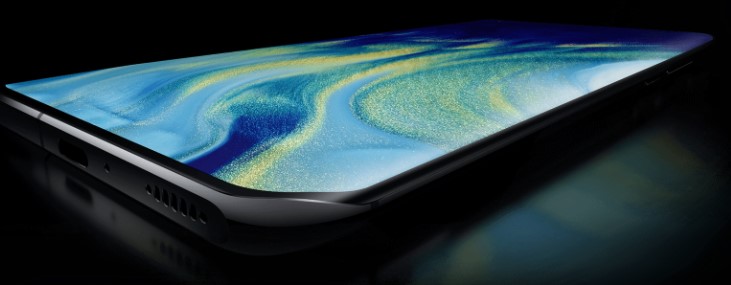
Apart from being only a dismantling of the different segments of an advanced mobile phone, the Axon 20 teardown shows us how ZTE is really utilizing two screens stacked on top of each other. This includes a compact, square screen on top of the selfie cam with a low resolution and the OLED panel on top. This arrangement allows the under-display camera peer out toward the user from underneath the top layer display.
The Axon 20 5G is a first-generation gadget, however, the release is without a doubt a sign of where smartphone design is headed in the near future. Moreso, tech giants strive to protect the edge-to-edge display without settling for cut-outs and notches for things like selfie cams and fingerprint scanners.
Check out the video of the Axon 20 5G teardown from above. You can also check out our video of how Xiaomi flagships have evolved over the years from the Mi 1 – Mi 10 below.
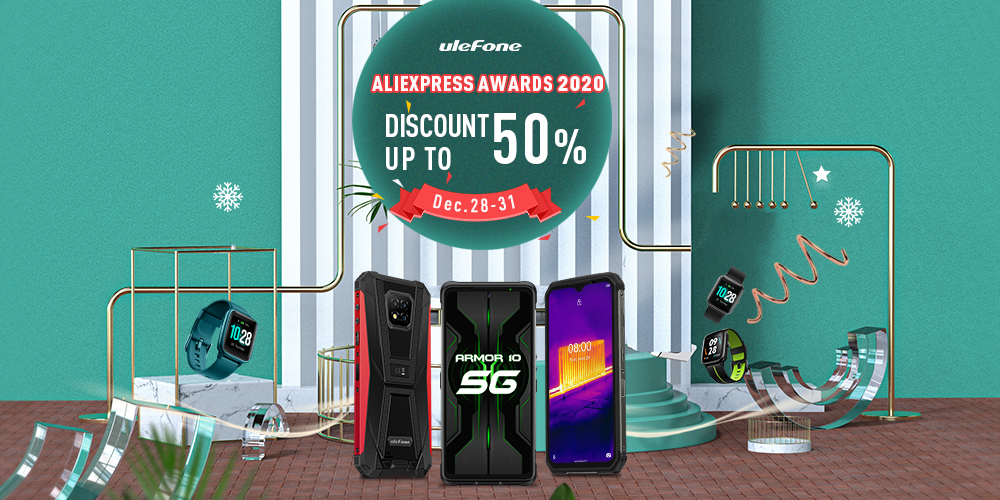
In light of the coming new year, Ulefone has decided to treat the consumers with various deals and discounts. The company is offering up to 50% off on AliExpress that includes this year’s flagship models. We have compiled a list of products the company will be adding to this year-end sale.
Ulefone Armor 10 5G
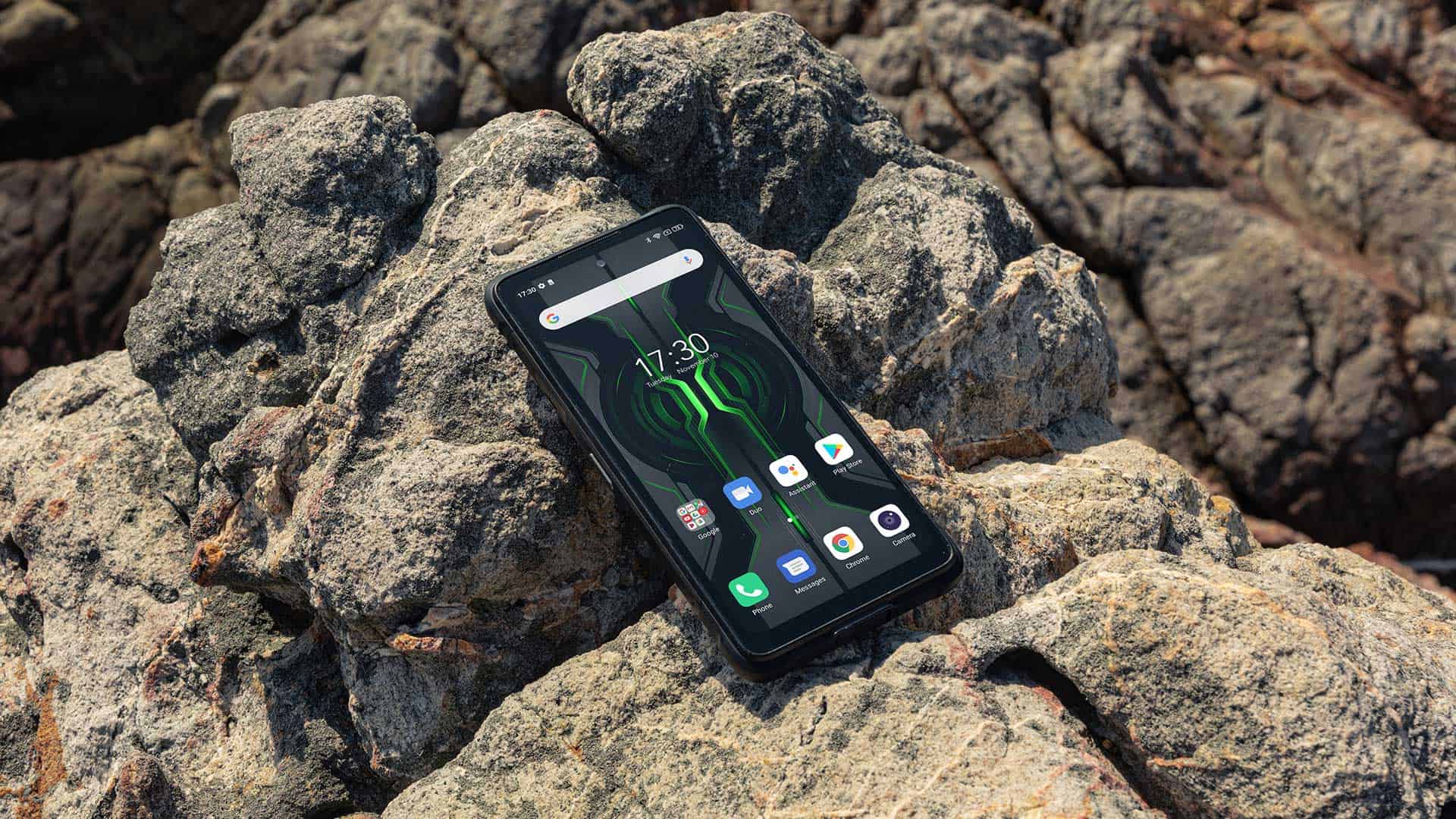
Ulefone Armor 10 5G is powered by MediaTek Dimensity 800 5G SoC and has 8GB of RAM and 128GB of internal storage. It supports both SA and NSA network bands and ultra-fast 5G connectivity. This rugged smartphone packs a 64MP quad-rear camera system and 16MP front camera. It sports a 6.67-inch punch-hole display and comes with a 5800mAh battery and 15W wireless charging. This Ulefone flagship supports NFC and Google Pay.
Ulefone Armor 9, too, is one of the flagship models and what makes it stand out is that it packs a thermal imaging camera from FLIR that can see through smoke and darkness. It runs on an Helio P90 AI processor with 8GB RAM and 128GB memory configuration. This smartphone features a 6.3-inch FHD+ waterdrop screen and has a 64MP rear camera. Some of its other highlights include a 6600mAh battery, NFC & Google Pay, Android 10 OS, and dual 4G dual VoLTE.
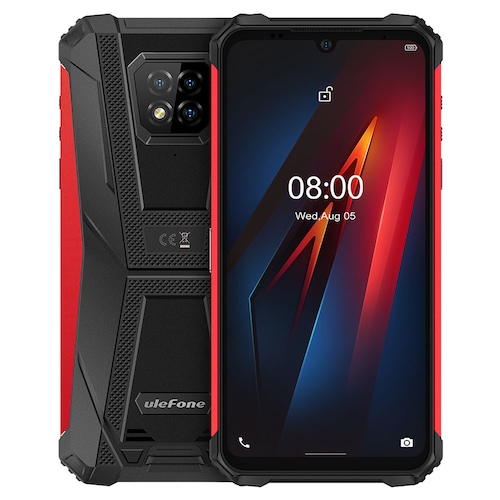
Ulefone Armor 8 is powered by MediaTek Helio P60 octa-core processor and has 4GB of RAM and 64GB of internal storage. It has a 6.1-inch waterdrop screen with a 19.5:9 aspect ratio and a 16MP triple rear camera system with a 5MP macro lens. This Ulefone smartphone runs on Android 10 OS and has a 5580mAh battery capacity.
Apart from the above flagship phones, the sale also includes two entry-level rugged phones- Armor X5 Pro and Armor X5.
Armor X5 Pro is currently up with a discount of 45% and can be purchased for just $109.99. It features an MT6762 octa-core processor and has 4GB RAM and 64GB ROM. This smartphone boasts a 5.45-inch HD screen and runs on Android 10 OS. Other highlights include a 5000mAh battery, NFC & Google Pay, and a 13MP dual camera.
Armor X5 Pro and Armor X5 have the same hardware specifications with the only difference being the memory configuration. X5 comes has 3GB of RAM and 32GB of internal storage and is available for just $94.99.
The current year-end sale features many more models that are up with huge discounts. This promotional sale starts at 0:00 AM on December 28th and ends at 23:59 PM on December 31st.
Robotic startup firm, Nuro has gotten official approval to start its paid delivery service with autonomous vehicles. This much was revealed by the California Department of Motor Vehicles (DMV). Steve Gordon, DMV director stated that the permit granted to Nuro marks a significant milestone in the evolution of autonomous vehicles in California.
The deliveries of groceries, food, and medicines will begin in two localities in the vicinity of the company’s Mountain View headquarters. San Francisco and Silicon Valley’s streets have experienced a surge in self-driving vehicles in their roads for several years, albeit mainly on temporary permits for testing purposes. That has now changed with the entry of robotics-startup Nuro as a paid service provider for autonomous deliveries.
In 2017, the company was given the approval to test its vehicles with safety drivers inside, and in April 2020, the company got further approval to commence testing without safety drivers.
Nuro, earlier this year, raised $500 million as it expands its operations and said it will begin delivery service with modified Prius vehicles set in fully autonomous mode, and thereafter launch its fleet of fully autonomous R2 vehicles, that come without a steering wheel or driver’s seat.
The R2 has a top speed of 56 km per hour and is a four-foot sized car. It operates with thermal imaging, radar, and 360-degree cameras, to drive on the public road safely and intelligently.
The company expects its new service to make an instant hit with Californians, as the delivery service will help streamline the lives of big, busy families, while also taking care of the needs of persons who can’t drive for one reason or the other.
The delivery service is just a tip of the expansion plans of the company, which recently announced the acquisition of autonomous trucking firm, Ike, for an undisclosed sum.
Nuro has also filed several patents including one to capture smart advertisements displayed on the side of a self-driving vehicle.
You can also check out our video below of how Xiaomi flagships have evolved over the years from the Mi 1 – Mi 10.
Are you looking for a 5G-enabled phone with a Qualcomm chipset but you want to spend the minimum amount of money possible? In the global market, you actually have very interesting options. This comparison lists three of the best ones among 5G affordable phones: Xiaomi Mi 10 Lite, OnePlus Nord N10 5G, and Motorola Moto G 5G. In several communities I manage, I saw a lot of people unsure about which one to choose between devices like these ones, that is why I believe this comparison might be very useful to help people make the best choice for their needs. Let’s begin.
Xiaomi Mi 10 Lite 5G vs OnePlus Nord N10 5G vs Motorola Moto G 5G
Xiaomi Mi 10 Lite
OnePlus Nord N10 5G
Motorola Moto G 5G
DIMENSIONS AND WEIGHT
164 x 74.8 x 7.9 mm, 192 g
163 x 74.7 x 9 mm, 190 grams
166.1 x 76.1 x 9.9 mm, 212 grams
DISPLAY
6.57 inches, 1080 x 2400p (Full HD+), Super AMOLED
Quad 48 + 8 + 8 + 2 MP, f/1.8 + f/3.4 + f/2.2 + f/2.4
16 MP front camera
Quad 64 + 8 MP + 5 + 2 MP f/1.8, f/2.3, f/2.4 and f/2.4
16 MP f/2.1 front camera
Triple 48 + 8 + 2 MP f/1.7, f/2.2 and f/2.4
16 MP f/2.2 front camera
BATTERY
4160 mAh, fast charging 22.5W
4300 mAh
Fast charging 30W
5000 mAh, Fast charging 20W
ADDITIONAL FEATURES
Dual SIM slot, 5G
Dual SIM slot, 5G
Dual SIM slot, 5G
Design
Given that they are affordable phones, Xiaomi Mi 10 Lite, OnePlus Nord N10 5G, and Motorola Moto G 5G Plus are built with cheap materials. They have a plastic design and their look is what makes the difference. If you prefer the punch holes instead of the notch like most people, you would better go for the OnePlus Nord N10 5G or the Motorola Moto G 5G Plus. But with the Xiaomi Mi 10 Lite 5G, you actually get better color variants (gradient) and a cleaner back thanks to its in-display fingerprint scanner. Further, the Xiaomi Mi 10 Lite 5G is thinner and lighter, that is why I would go for it.
Display
The most advanced display belongs to the Xiaomi Mi 10 Lite 5G: the only one which boasts an AMOLED display. Besides providing more vibrant colors and deeper blacks thanks to its OLED display, it even comes with the HDR10+ certification allowing for better image quality on streaming platforms. The OnePlus Nord N10 5G lacks an OLED display, but it has a higher 90 Hz refresh rate which is useful for gamers and provides a smoother viewing experience. Motorola Moto G 5G has a pretty nice LTPS panel with the HDR10 certification, but it has a standard refresh rate. Note that Xiaomi Mi 10 Lite 5G is also the only one with an in-display fingerprint scanner, as mentioned above.
Hardware/Software
If you need the most advanced hardware, choose the Xiaomi Mi 10T Lite. It is powered by a more powerful Snapdragon 765G chipset paired with up to 8 GB of RAM and up to 256 GB of UFS 2.1 internal storage. Right after, there is Motorola Moto G 5G with a Snapdragon 750G and a 6/128 GB configuration in the most expensive variant. You get the same memory configuration with the OnePlus Nord N10 5G, but the chipset is the Snapdragon 690 5G which actually comes with an inferior GPU. OnePlus Nord N10 5G and Xiaomi Mi 10 Lite 5G have a customized user interface based on Android 10, while Motorola Moto G 5G is close to stock Android.
Camera
The most advanced camera department is the one provided by the OnePlus Nord N10 5G, equipped with a 64 MP quad-camera on the rear side. The second place goes to the Motorola Moto G 5G which comes with a 48 MP main sensor boasting a bright f/1.7 focal aperture. In each case, we are talking about midrange camera phones.
Battery
The battery king is the Motorola Moto G 5G with a huge 5000 mAh battery providing a full-day battery life even with intensive usage. With the OnePlus Nord N10 5G you get the fastest charging technology thanks to 30W power.
Price
OnePlus Nord N10 5G, Xiaomi Mi 10 Lite 5G, and Motorola Moto G 5G are actually priced around €300/$366, but you can also find them for less than €250/$305 thanks to online street prices. The most interesting device is the Xiaomi Mi 10 Lite since it boasts an AMOLED display and a more compact design, but some may prefer the OnePlus Nord N10 5G for its great cameras or the Moto G 5G due to stock Android and its bigger battery.
Electric cars giant, Tesla Inc will begin operations in India early next year, according to the country’s transport minister, Nitin Gadkari, who made the statement in an interview he granted a national newspaper, the Indian Express on Monday.
The electric-car maker will commence its India rollout by first having a dealership in the country and then it may consider a more active presence via vehicle assembly and manufacturing, based on the initial feedback from the first stage, the minister told the newspaper.
Tesla is yet to make any definitive statement on the issue and it is unclear whether the Minister was speaking on the basis of advanced talks with the electric car maker. Also, the Minister’s office is yet to put out any statement concerning the matter.
India has been very keen to drastically scale down its reliance on oil to meet its growing energy and transportation needs, as well as reduce its carbon footprint by cutting down on pollution, but the plan to promote electric cars as an alternative, have been slowed down by a lack of investments in manufacturing and infrastructure such as charging stations.
The first electric car model to be launched will be Model 3, the cheapest among Tesla vehicles, with prices hovering around $74,739 (5.5 million Indian rupees). This information was culled from a report in the Economic Times on Saturday.
In a positive spin to the impending India rollout from 2021, Tesla’s Chief Executive Officer Elon Musk on Sunday confirmed the news via his verified Twitter handle but said it would not happen in January.
In October 2020, the government of the Indian state of Maharashtra had invited the company to the state, several weeks after CEO Elon Musk hinted at making an entry into the sub-continent in 2021.
Apple iPad and its Mini-LED rumors never seem to die out as a recent report by DigiTimes says it’s coming sooner than expected. Despite being a ‘Pro’, Apple’s iPad Pro 2020 still doesn’t have an OLED tech. And several reports so far have speculated launch dates from next year to 2022.
According to the report(via MacRumors), Apple will launch a 12.9-inch iPad Pro with a Mini-LED display in 2021. However, unlike the old rumors, this report says it’s coming sooner in Q1 which, if true, is somewhere around January-March. Additionally, a popular integrated touch display solutions maker GIS will churn out integrated touch modules for this iPad Pro.
Precisely, GIS(General Interface Solutions) has already allotted NT$2.198 billion (US$76.3 million) and NT$1.421 billion investments in China. The above investments(from Aug and Nov 2020) are going to help GIS for expanding operations at its subsidiary in Chengdu.
Apart from already producing integrated touch modules for iPads and MacBooks, it will reportedly invest another NT$753 million for automation to speed up the process.
Earlier in November, popular analyst Ming-Chi Kuo predicted that Apple will launch a Mini-LED iPad by Q2 2021. Later, a report from Korea said it could happen sometime before the first half of next year but a few tipsters believed it’s might happen a year later(2022). Anyway, today’s report somewhat corroborates with Ming-Chi Kuo’s prediction but we need concrete proofs to lay firm on them.
Apart from the Mini-LED rumors, a report says Apple will introduce a whole new Hybrid OLED display tech on iPads from 2022. It is reportedly thinner than a typical OLED with more strength. Also, for the unware, Mini-LED is typically an LCD tech but has thousands of small backlit LEDs(<0.2mm) instead of a single strip. It combines the crispier and contrasty images of OLED tech and blends them with higher brightness(than OLEDs).
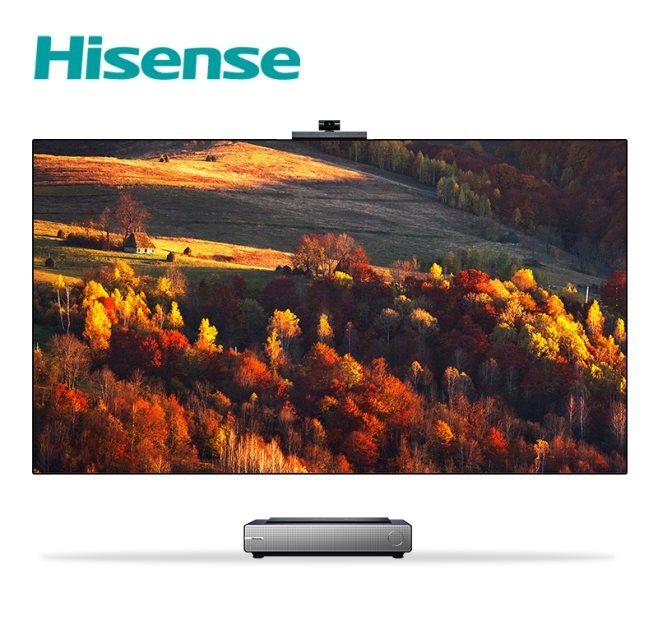
Hisense has recently launched a new laser TV series dubbed Hisense L9F Laser TV series. The new laser Tv series is available in two sizes- 75 inches and 80 inches models. It also happens to be Hisense’s first smart TV equipped with an AI camera.
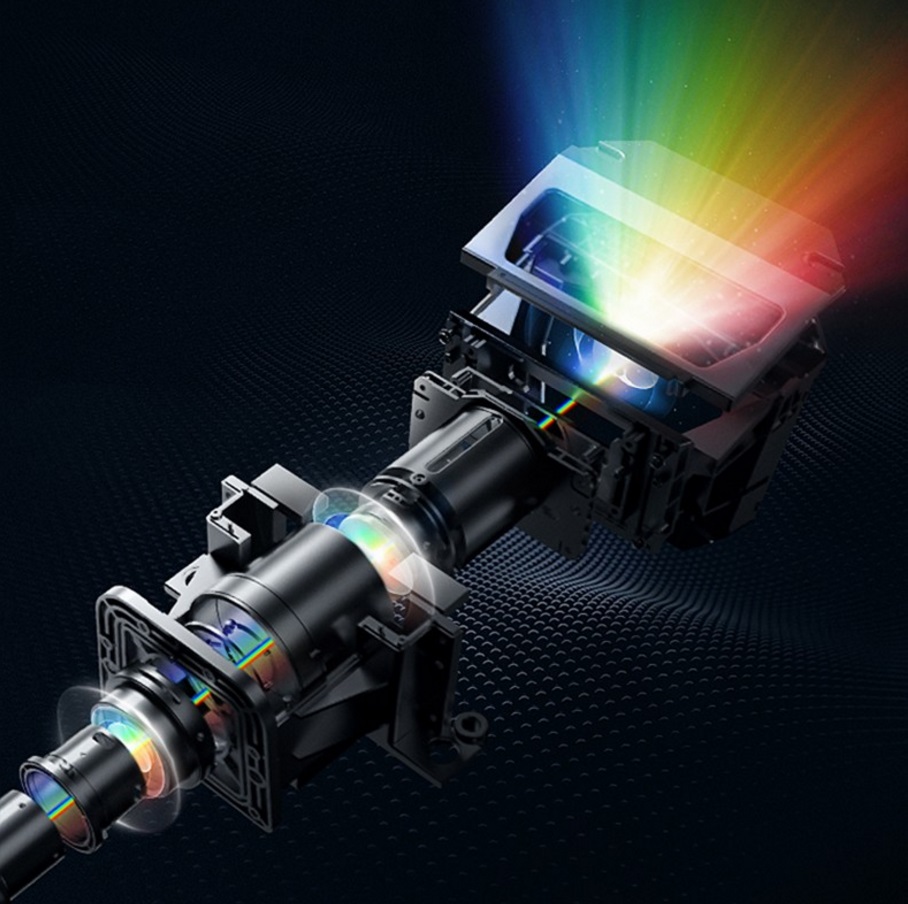
In terms of the light source, Hisense L9F Laser TV adopts a three-color independent laser light source which achieves a wide color gamut of 107% BT.2020, which is wider than DCI-P3. In addition, the D-Max chip can enhance the brightness, the heat dissipation system ensures the service life, and the TV resolution can reach 4K.
Hisense L9F series laser TV adopts a special reflective screen, which can resist ambient light and improve the picture clarity. The maximum brightness can reach 380nit, and a good viewing experience can be obtained during the day. The TV supports the distance detection function, and the brightness is automatically reduced within 1 meter for comfortable eye protection. In addition, the best viewing distance of this TV is about 3 meters.
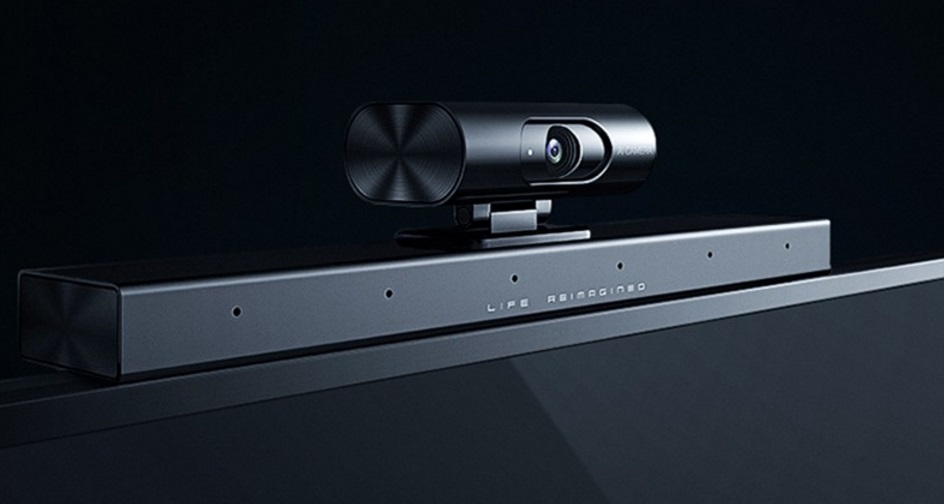
The TV host has its own audio and built-in DTS Virtual:X virtual surround sound technology. The 1080P AI camera uses a large-size photosensitive element. The TV is also equipped with a microphone, supporting voice control, and 6-channel video calls. The camera supports 35-degree pitch adjustment, with AI fitness, K song and microphone, and magic mirror cute shooting function.
Hisense L9F Laser TV series has a built-in MediaTek MT9639 quad-core processor paired with 3GB of RAM and 128GB of internal storage which can ensure smooth usage. As for the pricing, the 75-inch model with model number 75L9F is priced at 13,999 yuan (~$2,141) while the 80-inch model 80L9F is priced at 19,999 yuan (~$3,059). The product is on sale on Hisense’s official store.
You can also check out our video below of how Xiaomi flagships have evolved over the years from the Mi 1 – Mi 10.
Lava International Limited., an Indian Smartphone company, recently started making phones for other brands. That hasn’t stopped it from launching its own devices. A new teaser confirms the arrival of a “Made in India” Smartphone. And a report says it could be as many as four devices and a wearable product.
In a teaser shared by the company, Sunil Raina, President and Business Head, Lava Mobiles talks about the upcoming device that Probably has a centered punch-hole display(from poster). He stressed the words “never before”, “evolved and dynamic engineering”, “history in the making”, and “proudly Indian”. Clearly, he is indicating the device that is made locally.
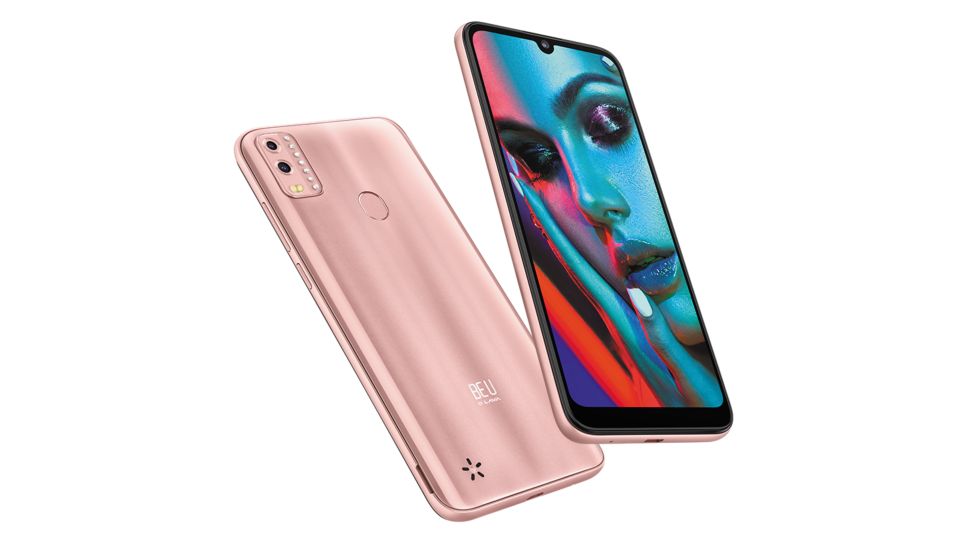
Anyway, this is not the only device that’s going to be a made-in-India smartphone. The company launched Z61 Pro with an 18:9 display for ₹5,774($78.56) back in July. Last week, the company unveiled the female-centric smartphone Lava BeU for ₹6,888($93). If you see a pattern here, you are not alone.
Lava, after attempting comebacks a few times over the years, is clearly targeting the entry-level segment in the country. And according to the Gadgets360 report, it is going to do the same on next event that is scheduled on January 7 at 12 PM IST. Precisely, the report says it will launch a total of four new devices(excluding Lava BeU) between ₹5,000 and ₹15,000($68-$203) price bracket.
If this wasn’t enough for you, get ready for an all-new fitness tracker from yet another brand, only this time it’s Indian. Anyway, Lava has reportedly confirmed that the products will be available in online and offline stores in the country. Let’s wait for more official news.
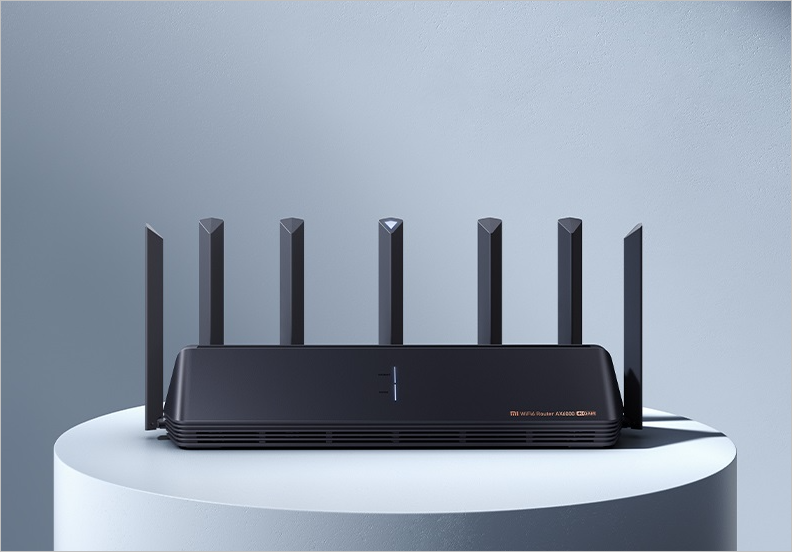
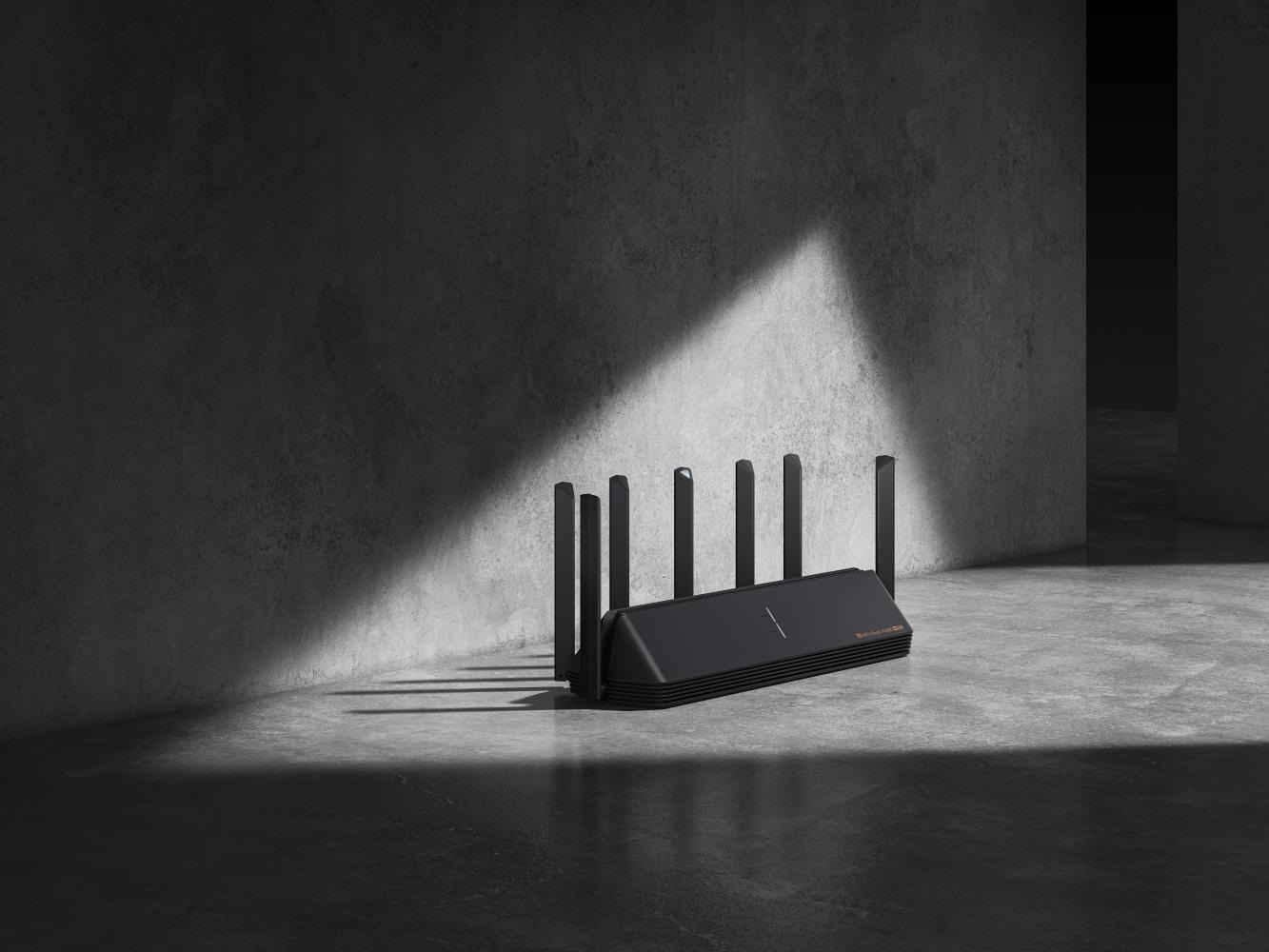
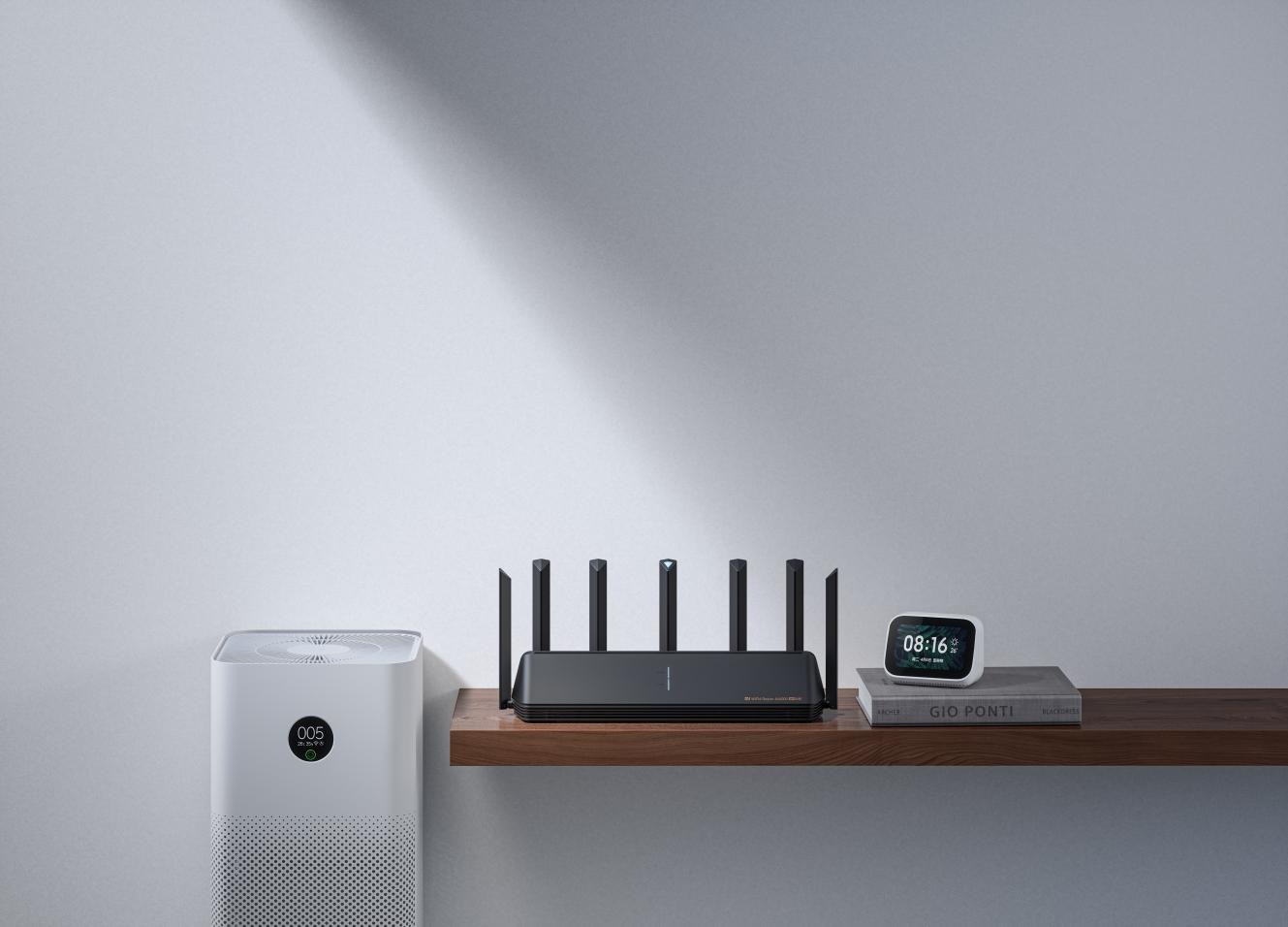
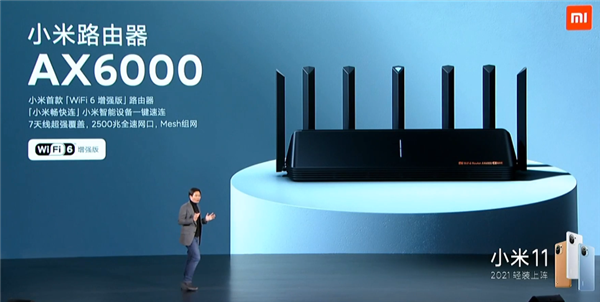
At the Xiaomi Mi 11 flagship launch earlier today, Xiaomi officially launched the first high-end new router that supports “Wi-Fi 6 Enhanced” technology. The router dubbed Xiaomi Router AX6000 has a wireless rate of 6000 megabytes, which is the highest rate in the current Xiaomi router series.
The router also comes with support for 4K QAM and 2500M full-speed network port and other technologies and configurations, claiming to bring a speed experience different from previous Wi-Fi 6 routers.
First of all, WiFi6 enhanced technology further supports 4×4 160MHz bandwidth, which can make the network speed of Xiaomi Mi 11 and other terminal devices that support this frequency band. Compared with the current mainstream WiFi 6 4×4 80MHz bandwidth, the bandwidth of this current version is doubled and also offers multi-device connectivity.
Secondly, the Mi Router AX6000 is also the world’s first to support the most advanced 4K QAM high-speed transmission technology so far. It can further compress data density and increase the amount of data transmitted at the same time by 20% compared to the previous generation of 1024 QAM. Using Xiaomi router AX6000 with 4K QAM devices such as Xiaomi 11, the network speed can be accelerated by another level.
In terms of hardware ports, the Xiaomi Router AX6000 is equipped with a 2500M full-speed network port. The current household broadband has a trend of surpassing Gigabit. Compared with the Gigabit Ethernet port of traditional routers, the 2500M Ethernet port can better meet the needs of users for broadband upgrades in the next few years.
At the same time, the network port also supports WAN/LAN switching. When using the LAN port mode, it can be combined with a NAS high-speed family private cloud disk, and the high-speed WiFi 6 network can play high-definition videos smoothly.
The Xiaomi Router AX6000 also performs very well in signal coverage and stability. Through six independent signal amplifiers and Xiaomi Mesh networking, it can cope with various complex house types and achieve full house coverage without dead ends.
The router features a dedicated chip from Qualcomm which can provide a more stable network environment. The six independent signal amplifiers built into the Mi Router AX6000 can effectively enhance the signal transmission power and improve the signal reception sensitivity. The signal of the router can pass through the wall better, and the coverage is wider. A single router can also easily cover a large three-bedroom apartment.
In the face of multi-layered houses, the Mi Router AX6000 supports Xiaomi Mesh networking, which can easily handle various super-large houses and upper and lower multi-layer houses. The device can automatically roam between multiple routers seamlessly, and you can walk and play without getting stuck.
As the network hub of the smart home, the Mi Router AX6000 can also bring a convenient experience unique to the Xiaomi AIoT ecosystem. The router comes with 512MB of RAM and supports simultaneous access of 248 devices.
Also, you can configure access to the network without entering a password. After the router changes the Wi-Fi password, the new password will also be synchronized to all Xiaomi smart devices that support the Xiaomi ChangKai Connect function. The devices use the new password to automatically connect to the router without resetting the network configuration one by one.
In addition, the Xiaomi router AX6000 can also intelligently identify Xiaomi/Redmi phones and open exclusive acceleration channels in gaming scenarios. This significantly reduces game delays and freezes.
As for the pricing, the Mi Router AX6000 is priced at 599 yuan (~$91) and is presently on reservation in China. The device will be available for sale at 10:00 am on January 8.
You can also check out our video below of how Xiaomi flagships have evolved over the years from the Mi 1 – Mi 10.
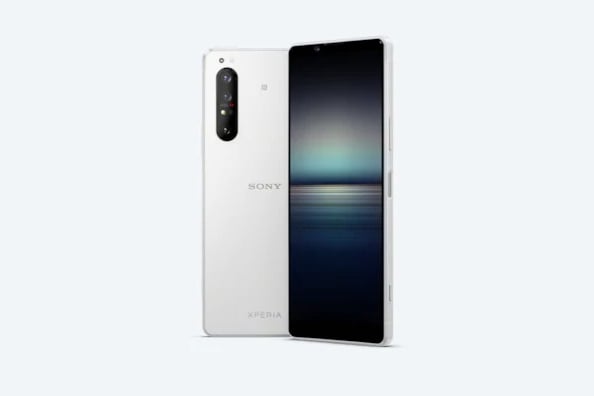
Sony unveiled the Xperia 1 II flagship smartphone back in February 2020. The device had a vibrant 4K screen(a rarity with flagships), Snapdragon 865 SoC, and a sleek body. It looks like Sony wants to maintain the form factor, price but crank it up a notch in specs on the successor.
A Twitter user @TheGalox_(via ITHome) has revealed the alleged specs of the upcoming Sony Xperia 1 III smartphone. If it’s true, this should be the next iteration of the Xperia flagship from Sony going by the norm. Anyway, the surprise is it will reportedly cost the same as the predecessor.
If you recall, Sony revealed the launch price of Xperia 1 II months after its announcement. It was priced at 7,838 yuan( $1,199) in the US. As per the user, Xperia 1 III will feature a 6.5-inch 4K OLED HDR display. The same size indicates that Sony is likely to retain the form factor with a 21:9 cinematic ratio.
While he didn’t say anything about the bump in refresh rate, screen protection, he does say that the screen will be 15% brighter. Under the hood, it will feature a Snapdragon 888 SoC which is a no-brainer at this point. This means, Xperia lineup will follow the 5G-ready lineup trend as well.
Further, the device will reportedly retain the side-mounted fingerprint sensor, and 8GB RAM, 256GB storage option from the predecessor. However, Sony might pull-off a last-minute magic and launch additional variants too so let’s wait for official news.
Apart from this, he says the device will also have an IP65/68 water and dust resistance. But looking at the Xperia 1 II, we can safely say that it would at least be IP68-rating. That said, there’s still no info on the camera and other specs but it won’t take that long to appear on our radar.
It was recently reported that Sony canceled the Xperia 10 II Plus plans and planned to go ahead with all-5G devices in the future. With that in mind, we guess Sony would differentiate the mid-range from flagships through Camera and display. The Xperia 1 III aside, Sony is also rumored to be working on a compact smartphone with Snapdragon 775 and the successor to Xperia 10 II.
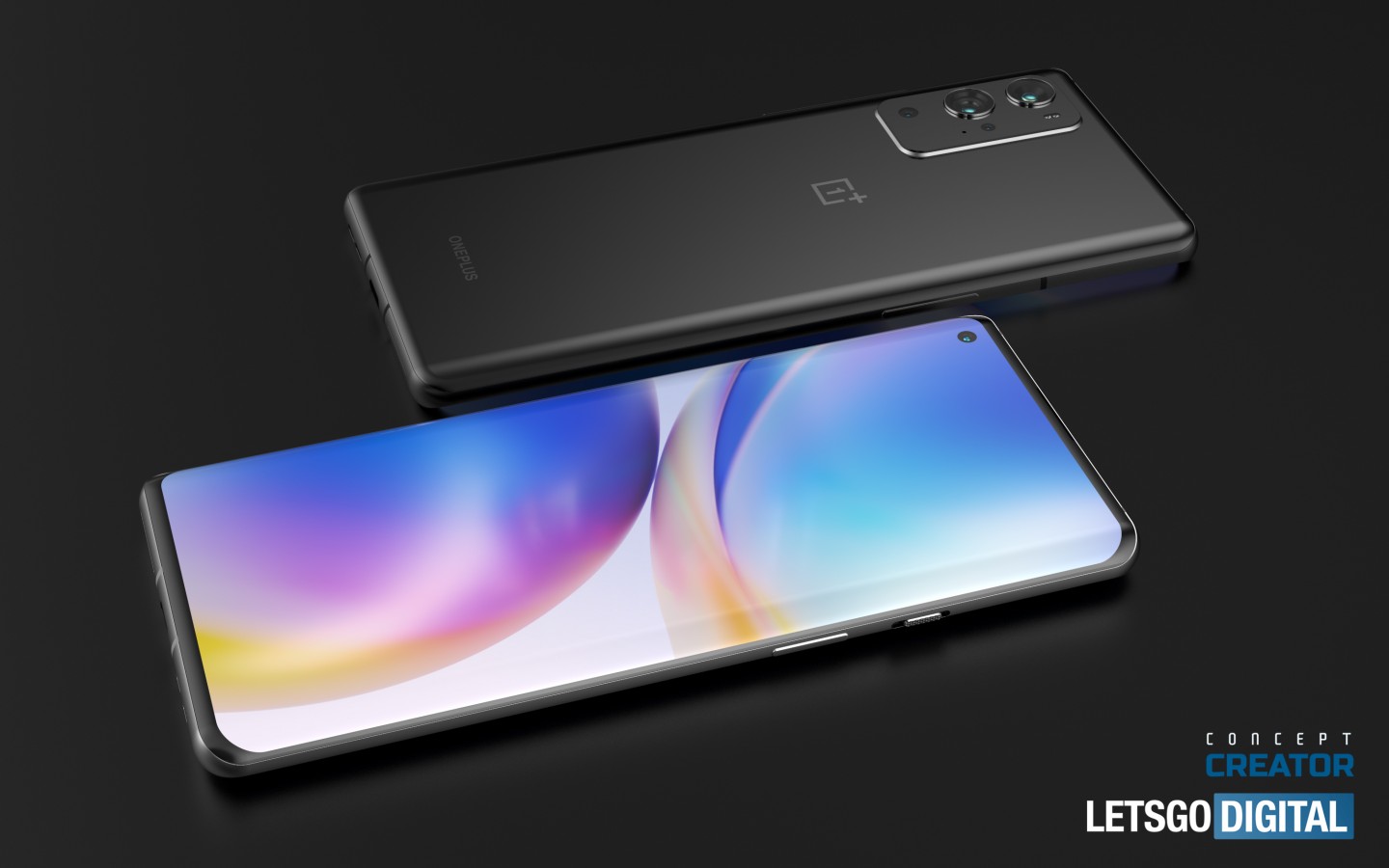
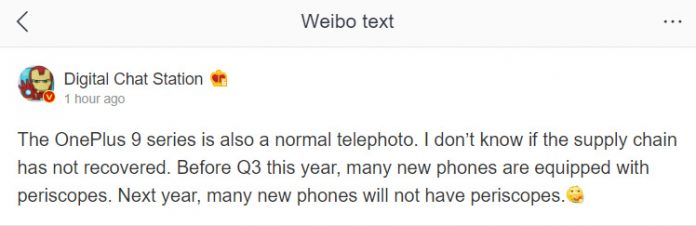
One of the highly anticipated smartphones expected to berth in the first quarter of 2021 is the Oneplus 9 series. As should be expected, there have been several leaks surrounding the flagship OnePlus series and more are still coming. Noted tipster Digital Chat Station has hinted that the Oneplus 9 series won’t feature a periscope lens on any of the models.
The use of the periscope lens is fast gaining popularity among OEMs and the lens offers tremendous possibilities in terms of mobile photography. In most cases where OEMs have released a flagship with a periscope lens, it is usually on the topmost model. OnePlus is expected to release three new models next year but apparently, none of them will have a periscope telephoto camera. The disclosure by Digital Chat Station is the second time this rumor is emerging. It was first tipped back in November when several CAD-based renders of the OnePlus 9 and OnePlus 9 Pro appeared online.
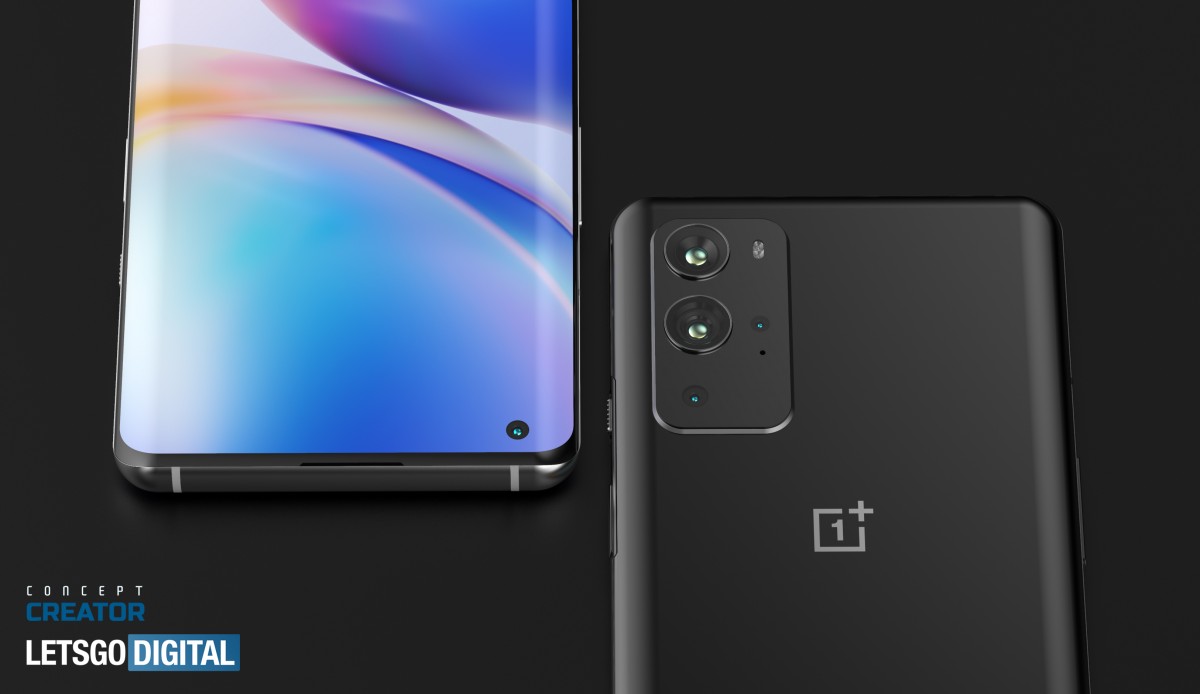
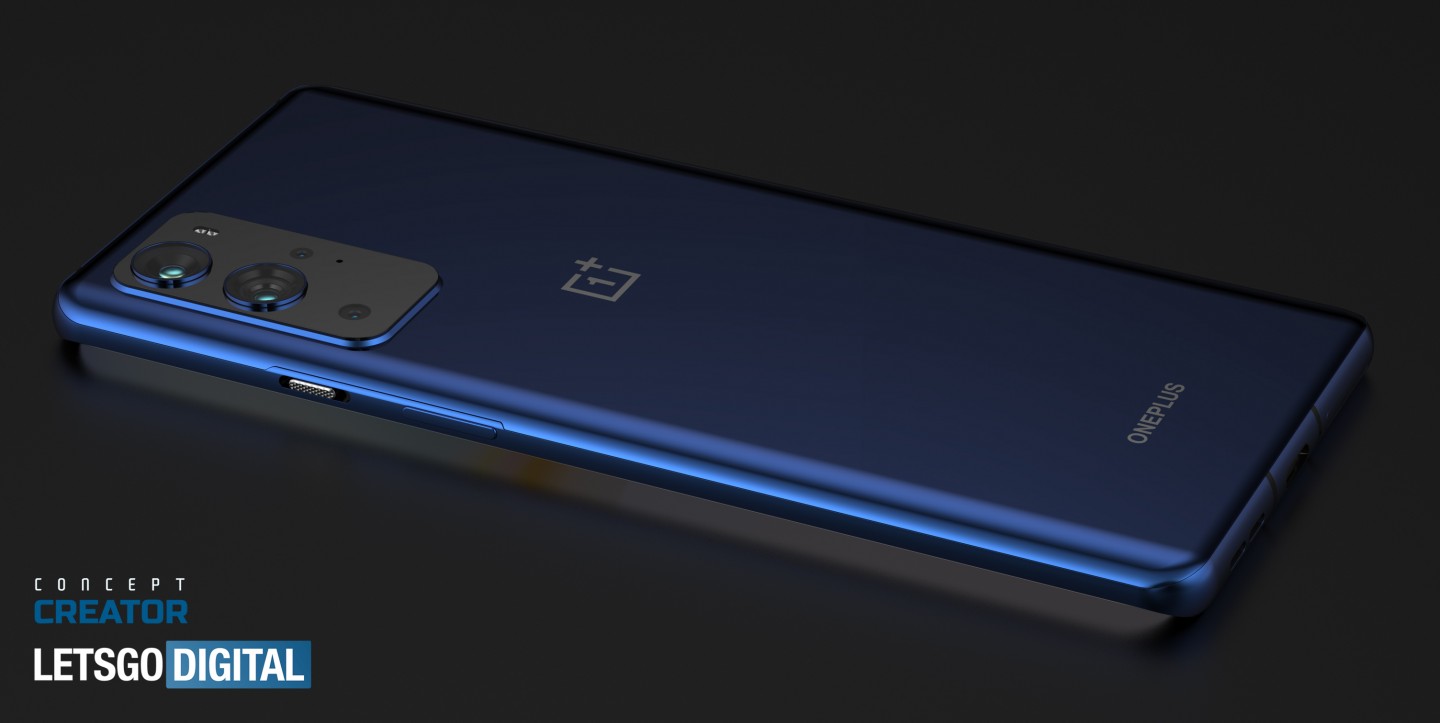
The renders suggest the device will come with four rear cameras but none of them will be a periscope lens. However, there has been no reason adduced as to why the device will miss out on the periscope lens. Also, there is no official word yet from Oneplus confirming or refuting the rumor of the OnePlus 9 missing out on the periscope lens.
Considering that the periscope lens is a popular piece of technology implemented by the likes of Huawei, Samsung, OPPO, Realme, and Xiaomi. Expectations are the OnePlus 9 Pro will have two prominent camera modules, accompanied by two smaller lenses.
OnePlus’ flagship for this year, the OnePlus 8 Pro and the Find X2 Pro that were very similar in hardware. The Find X2 Pro periscope telephoto camera with 5x optical zoom while the OP8 Pro was launched with a modest 3x zoom shooter. So, it was expected that the OnePlus 9 Pro would address this disparity but that may end up not happening.
You can also check out our video below of how Xiaomi flagships have evolved over the years from the Mi 1 – Mi 10.
Xiaomi has announced the intermediate MIUI 12.5 version today. Just like the earlier versions(like MIUI 11.5, 10.5) it brings aesthetic changes in addition to few changes to privacy, and a new MIUI+ to connect to computers.
MIUI 12.5- Design and Performance improvements
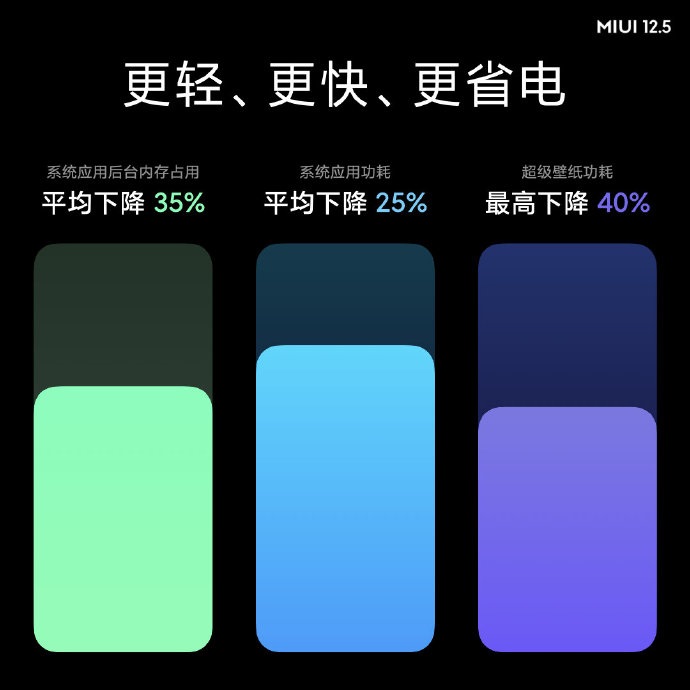
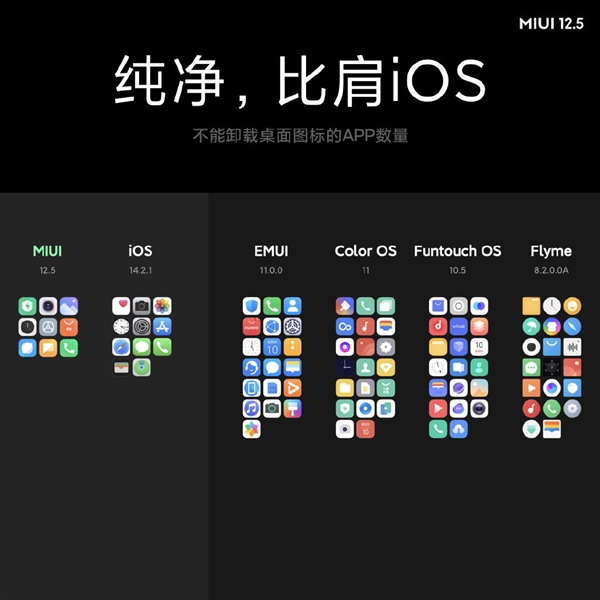
According to Xiaomi, MIUI 12.5 is lighter, faster, and more efficient than before. In fact, it uses 20% fewer cores than before with 35% less background memory, and 25% less power consumption. Also, with the new version, Xiaomi has reduced the overall system apps that can be uninstalled (to 9) compared to others like iOS, EMUI, ColorOS.
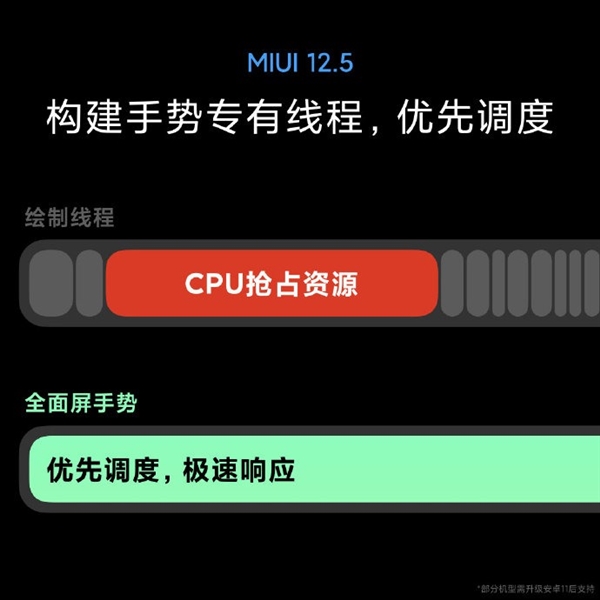
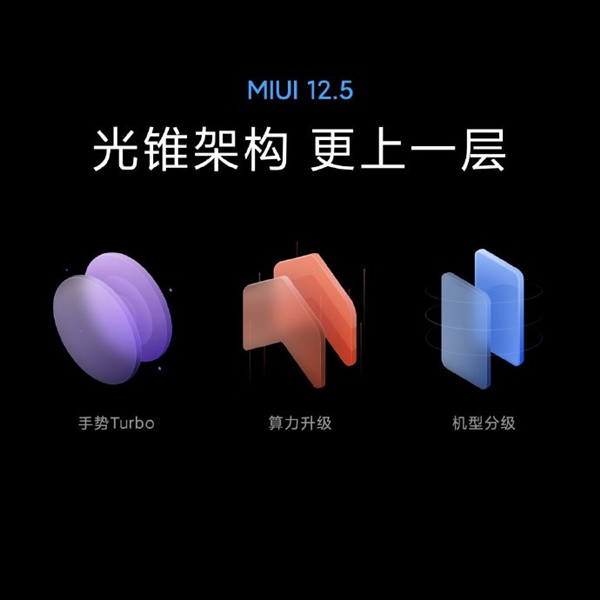
Moving on, despite being an intermediate upgrade, Xiaomi says it is no less than a full-fledged UI. The new version has improved “MIUI Light Cone Motion Effect Architecture” than MIUI 12. It includes a dedicated thread for gestures, priority scheduling with the improved response time.
1 of 4
It’s computing power has also been upgraded to 20-times the Rendering Engine than before. Further, the UI animations have also been improved. You can take a look at the teaser below:
New Super Wallpapers
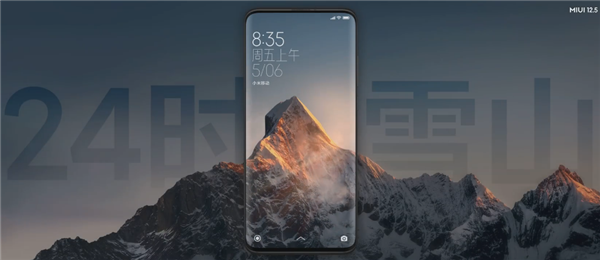
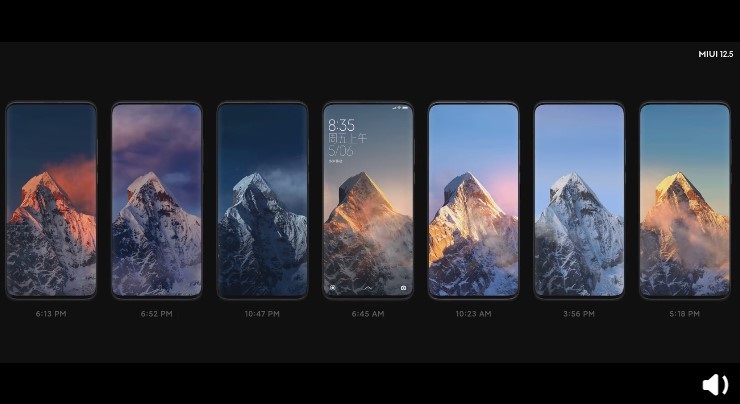
Back in MIUI 12, Xiaomi introduced a Super Wallpaper(Live) for Mars and Earth. With MIUI 12.5, it gets new locations. The first one is a Snow Mountain taken from Mount Siguniang. It is the highest mountain of the Qionglai Mountains chain in Western China. In real-time, Xiaomi has captured its 24-hr period of day and night changes to match the time of the day.
1 of 2
Other wallpaper additions include Shipwreck Bay in Greece(Navagio Beach) and Blade’s Edge Mountain in Italy. Xiaomi also says that more wallpapers are coming to the UI before H1 2021.
Notification sounds, Haptics
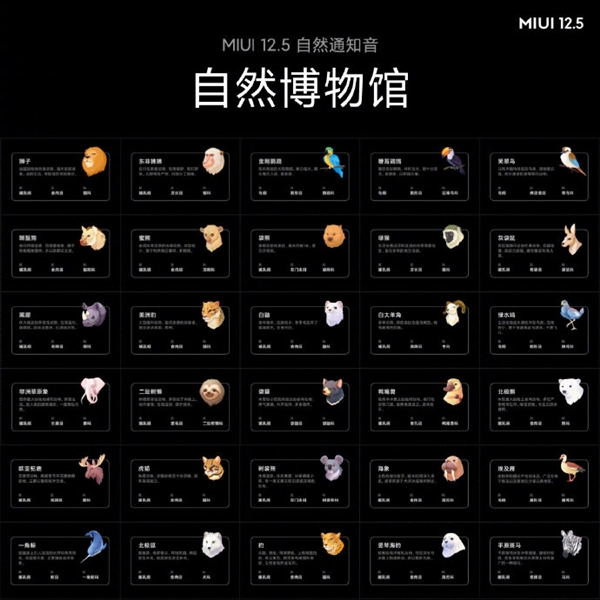
MIUI 12.5 also brings revamped notification sounds from natural animals from four major habitats- South American Rainforest, Australia, East African grassland, and the Arctic Circle. It says with the help of the British Library, Zoologists, and Sound artists from around the globe, it was able to capture sounds of about 120 creatures.
1 of 3
As for system sounds, it says Natural elements like Wood, Sand, Water are clubbed to go along with notifications, UI actions, and foam press for Clock countdown. All these sounds are designed for stereo effects and dual-speakers in mind.
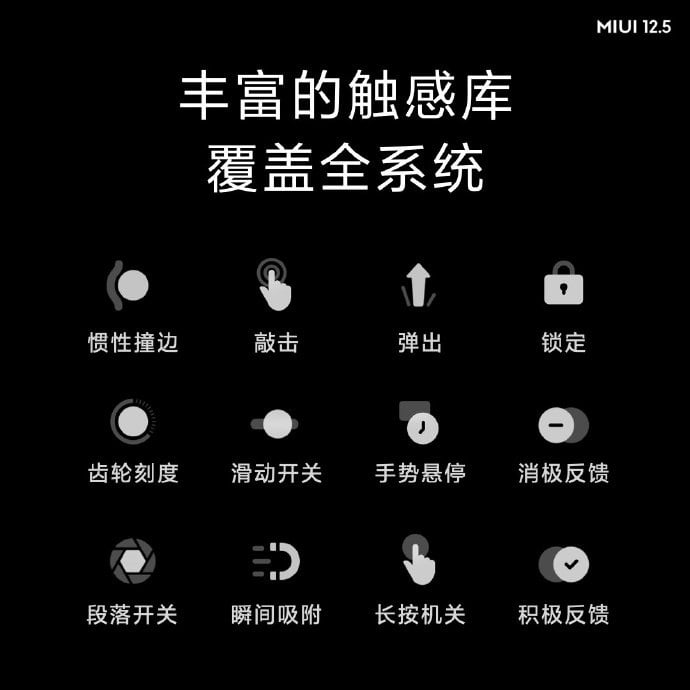
In addition to sounds, the Haptics has also been improved. For instance, Xiaomi says it has refined the feedback vibrations of options like the lock, Tap, Gestures, etc. This extends to the entire library of every action that you can possibly think of inside the UI.
The haptics further extends to visually impaired persons too. Xiaomi says the seamless integration between the touch and force vibration will help visually challenged people to get to know of their actions. We will have to wait for the Beta version to shows more on this.
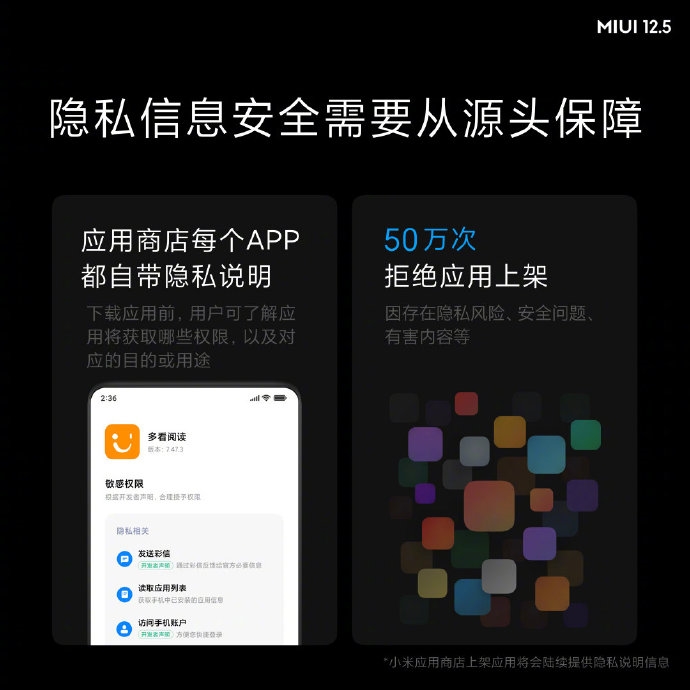
Xiaomi has widened the scope of Privacy on the MIUI 12.5 to four different areas- Clipboard Protection, File Storage(Sandbox Mechanism), Browser, and Location(Fuzzy Positioning). Among this, the Clipboard protection keeps a log of apps and lets users know of those who go overboard to read the copied contents.
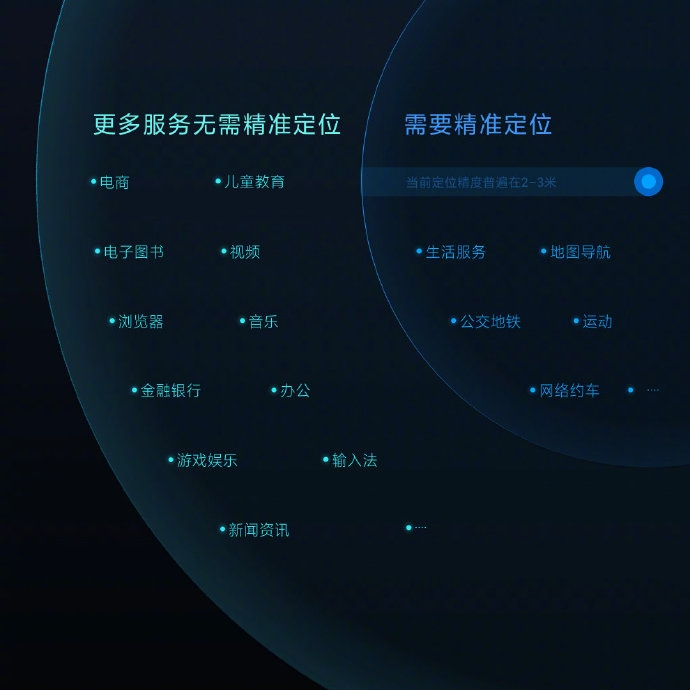
Fuzzy Position is a new feature where users can disguise their locations to a few meters away from the exact location to improve safety in certain scenarios. The otherwise accurate positioning(2 to 3m) can always be accessed as the former one is totally optional.
1 of 2
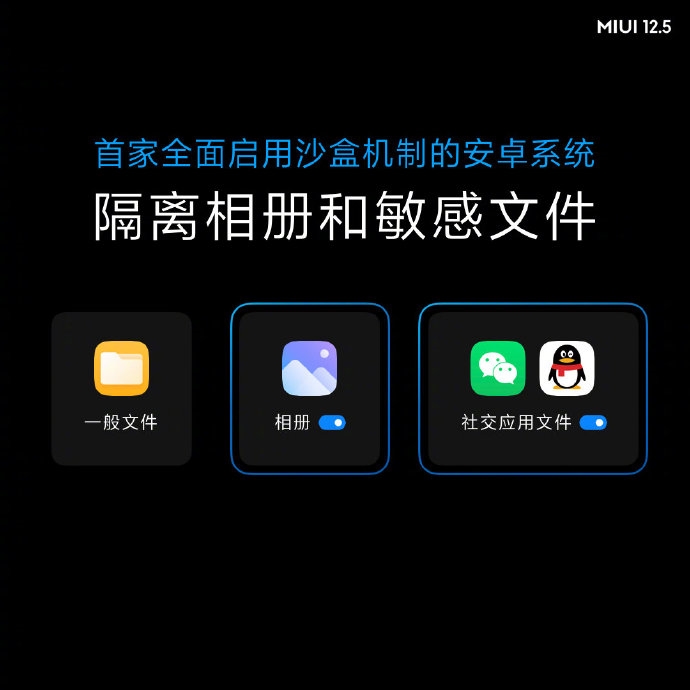
Next is the Sandbox Mechanism on the File Storage application. For the unware, Sandbox is a security mechanism where a separate restricted environment is created to prevent sensitive information from slipping away. Accordingly, MIUI will help users divide photos, and data independently rather than allowing apps to access all of them.
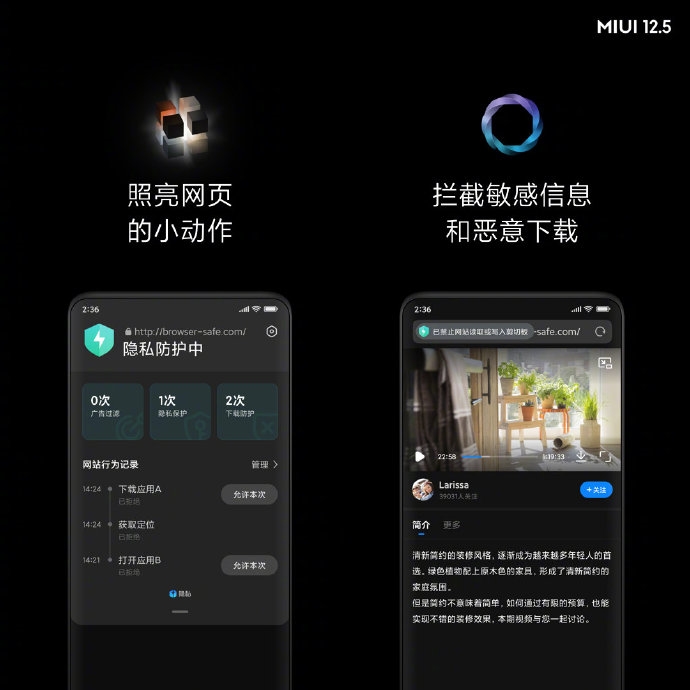
Xiaomi feels that 53% of the top 1000 webpages in China get access to personal information. To prevent this, it uses the in-built security app to intercept pages in the browser(Mi Browser) from cheekily stealing data and blocks malicious pages from downloading themselves.
1 of 2
To top it off, the Xiaomi App Store from MIUI 12.5 will have special instructions for privacy which involves risks, security tampering, and avoiding malicious contents.
MIUI Notes and MIUI+
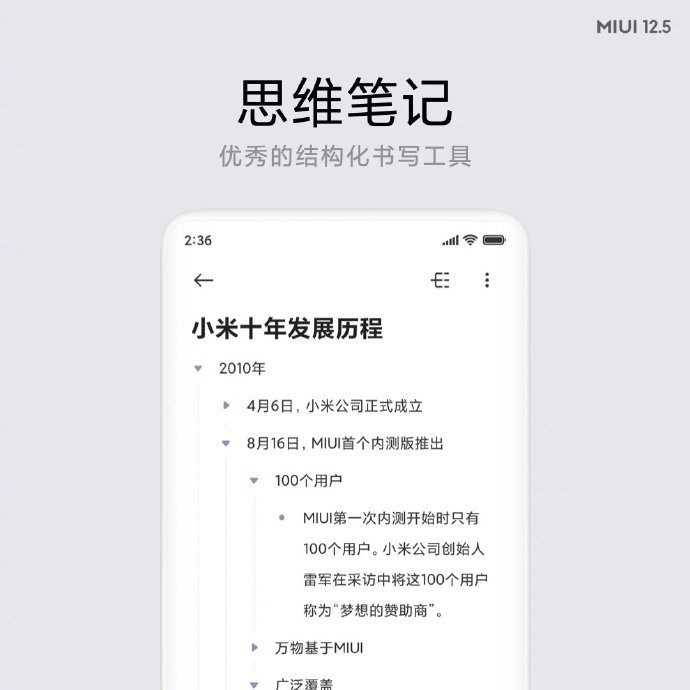
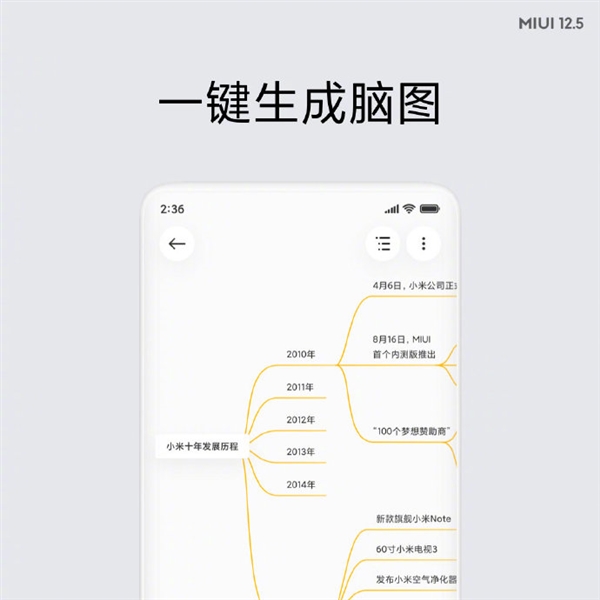
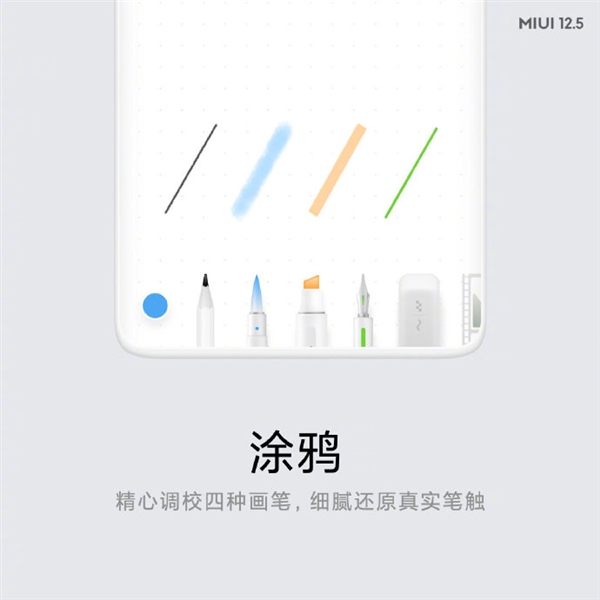
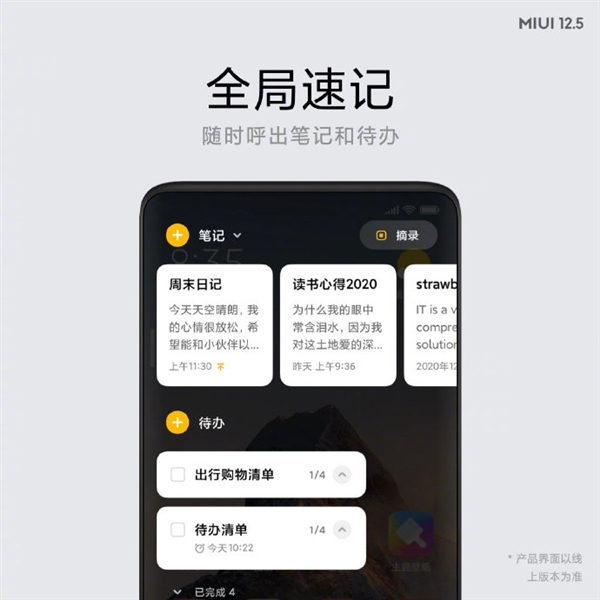
Xiaomi also revamped the Notes App to MIUI Notes. Users can now add quick mind notes, Generate brain Maps(a chronology of notes) with just a click. Additionally, the update brings graffiti function, optimization for finger painting(with 4 brush strokes).
1 of 4
Further, you also get a quick shorthand window to quickly jot down notes(Text, image, links etc.). All of them are instantly synced to the Notes app as you add them. The new Notes app also gets a new typesetting system with dynamic grids to improve aesthetics.
MIUI+
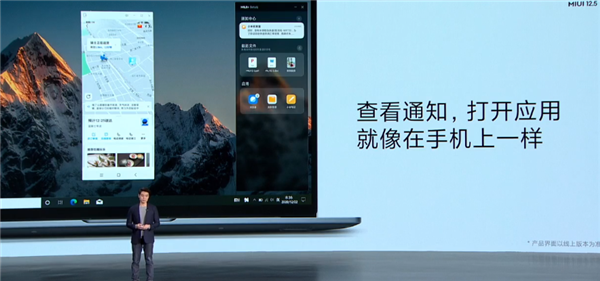
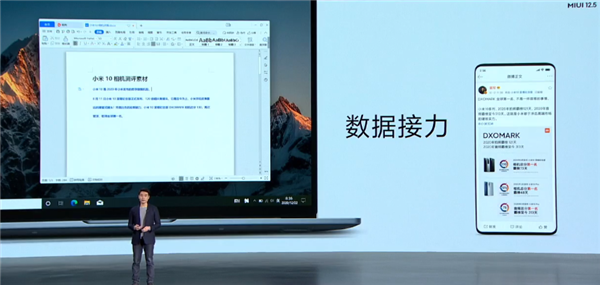
Xiaomi introduced its first-ever cross-border connecting feature in the MIUI 12.5 with MIUI+(Beta). With this users can do the following actions on the computer:
View Mobile notifications, Open Apps
Copy/Paste Text
Open Screenshots
View Web pages from Mobile
1 of 4
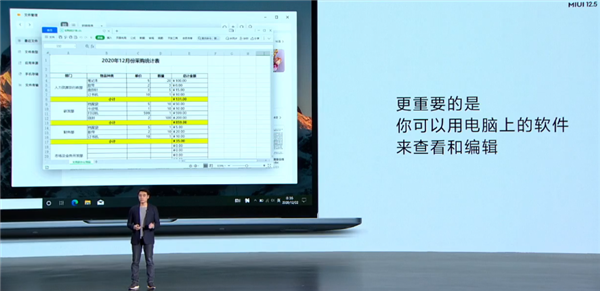
In addition to this, Xiaomi says the Mi File Manager and MIUI Notes will have a full-fledged PC-like interface with this feature. These not only support keyboard and mouse operations but allow users to edit documents on the go.
List of Officially Supported Devices, release date
As for the release date, Xiaomi says it will release the Closed Beta to selected users via OTA from 21:00 local time tonight(December 28). However, the Public Beta will start from mid-January of 2021.
Xiaomi has announced the world’s first Snapdragon 888-powered smartphone. The Mi 11 is a flagship through and through that packs a top-tier display, premium speakers, great cameras, and lots more.
Xiaomi Mi 11 Design
The Xiaomi Mi 11 has a four-curved design – curved display and curved back – to make it comfortable when held. It is lighter and thinner than the Mi 10 with a weight of 196 grams and measuring 8.06 millimeters in thickness.
The phone is available in multiple colors and a variety of finishes including glass and leather, the former which has an AG coating while the latter has a metal nameplate. You also have Harman Kardon’s logo at the top near the speaker grille.
Xiaomi Mi 11 Specifications
The Mi 11 has a 6.81-inch curved display with a hole in the top left corner of the screen and Corning Gorilla Victus protection. The screen is not only bigger than that of the Mi 10 5G but also sharper as it has a 2K (3200 x 1440) resolution. It also has a 120Hz refresh rate and a 480Hz touch sampling rate. There are a lot of other figures and parameters thrown around but in a nutshell, the screen on the Mi 11 is one of the best in any smartphone in the world and DisplayMate has awarded it an A+ rating.
Xiaomi has slightly reduced the battery capacity from that of its predecessor but you get a big bump in fast charging technology. So you have a 4600mAh battery inside the Mi 11 with support for 55W fast wired charging, 50W fast wireless charging, and 10W reverse wireless charging. It also supports Quick Charge 4+, Quick Charge 3+, and Power Delivery 3.0.
The 5nm Snapdragon 888 chipset which scores 745,942 points on AnTuTu is paired with 8GB or 12GB of LPDDR5 RAM and up to 256GB of UFS 3.1 high-speed storage.
The Mi 11 has an in-display fingerprint scanner, and other than unlocking your phone and authorizing payments, Xiaomi says it can also measure your heart rate. There are stereo speakers tuned by Harman Kardon, dual nano-SIM support and both can be set to 5G, NFC, IR blaster, enhanced WiFi 6, and Bluetooth 5.2 with Qualcomm TrueWireless Stereo Plus. It runs MIUI 12 based on Android 11 out of the box.
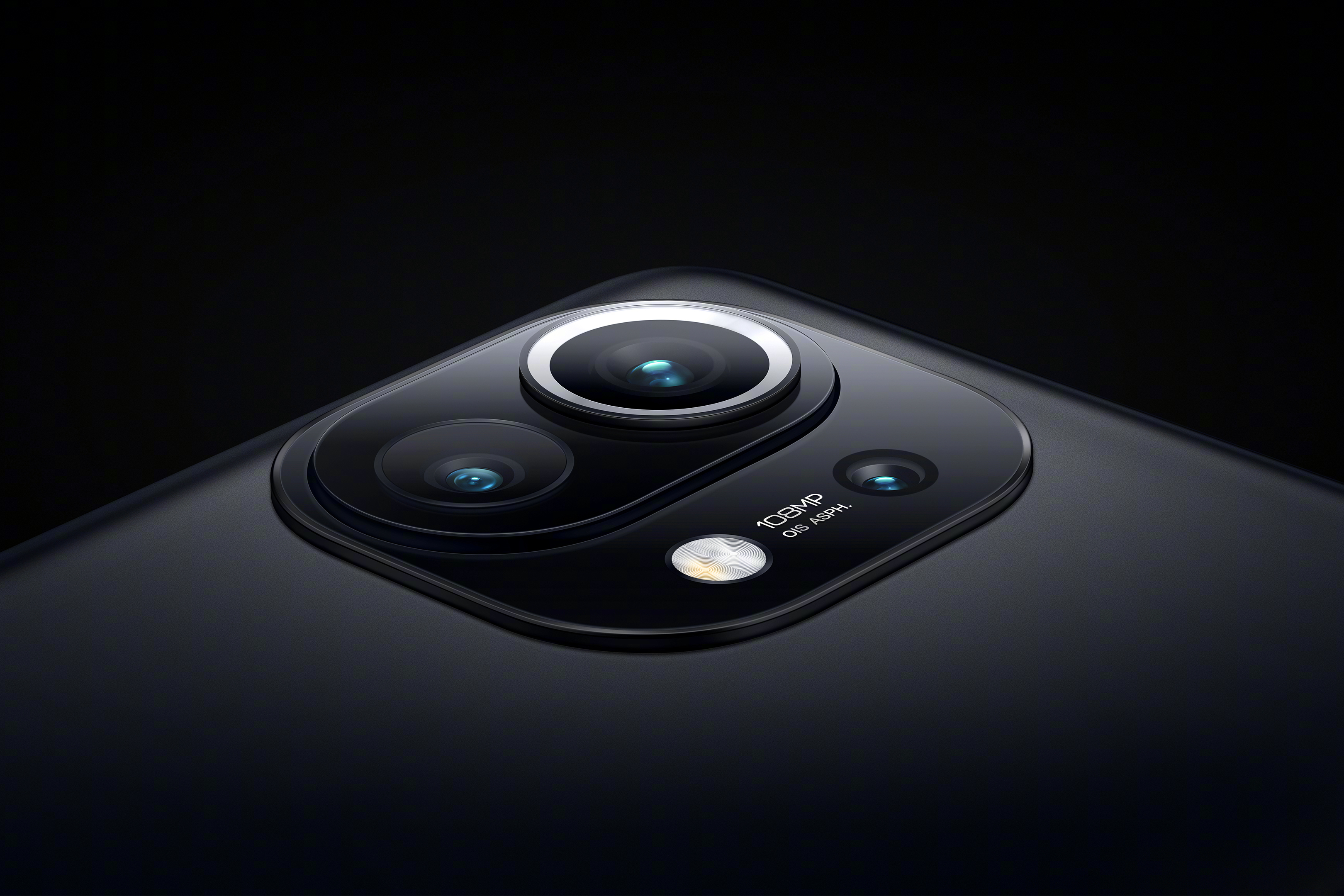
The Xiaomi Mi 11 has three rear cameras. The main camera is a 108MP 1/1.33″ sensor with an f/1.85 aperture, a 7P lens, and a 1.6μm pixel size. There is a 13MP super wide-angle lens with a 123° field of view and the third camera is a 5MP 50mm telephoto macro camera. The front-facing camera is a 20MP sensor.
The camera app is packed with lots of features, some of which can’t be found on other phones. There is a Super Night Scene video mode that allows you to record videos in low-light using Night Mode. There is also 8K video recording along with a professional mode, Video LOG mode, support for HEIF format, Cinematic Lens, and a bunch of classic movie filters. The much-loved sky-filter is also available.
Xiaomi Mi 11 Price and Availability
The Mi 11 packs a lot of impressive specs and features but what makes it a compelling buy is its price. The flagship starts at ¥3999 (~$611) for the 8+128GB version; goes up to ¥4299 (~$657) for the 8+256GB version, and stops at ¥4699 (~$719) for the 12+256GB version.
The Xiaomi Mi 11 comes in Blue, Black, and White. There is a special Lei Jun Signature Edition that has a different finish (scodix crystal), a special retail box, and is only available in 12+256GB for ¥4699 (~$719). A plain leather version (Smoke Purple) and a Khaki version made of Vegetarian Leather were also announced. However, only the former is listed for purchase.
The phone doesn’t come with a charger but Xiaomi has a special Set Edition that includes a 55W GaN charger. This bundle is available for the same price for a limited time after which you will be charged an extra ¥99 if you want the charger.
Other accessories Xiaomi announced for the phone include a textured case that is priced at ¥99 (~$15); a silicone case that is ¥69 (~$11), and a glitter case that is ¥299 (~$45). Xiaomi also has a package called Mi Care that costs ¥679 (~$104) that provides two screen replacements and an additional year of warranty.
The Mi 11 goes on pre-order today and will go on sale on the 1st of January 2021. If you decide to pre-order, you will be required to pay a deposit fee. The first 4000 buyers to pay the balance for the phone will get a customized Xiaomi jacket.
TCL, the known TV maker from China, has denied the allegations of it planting backdoor software, which would allow the Chinese government access to its TVs sold in the US market.
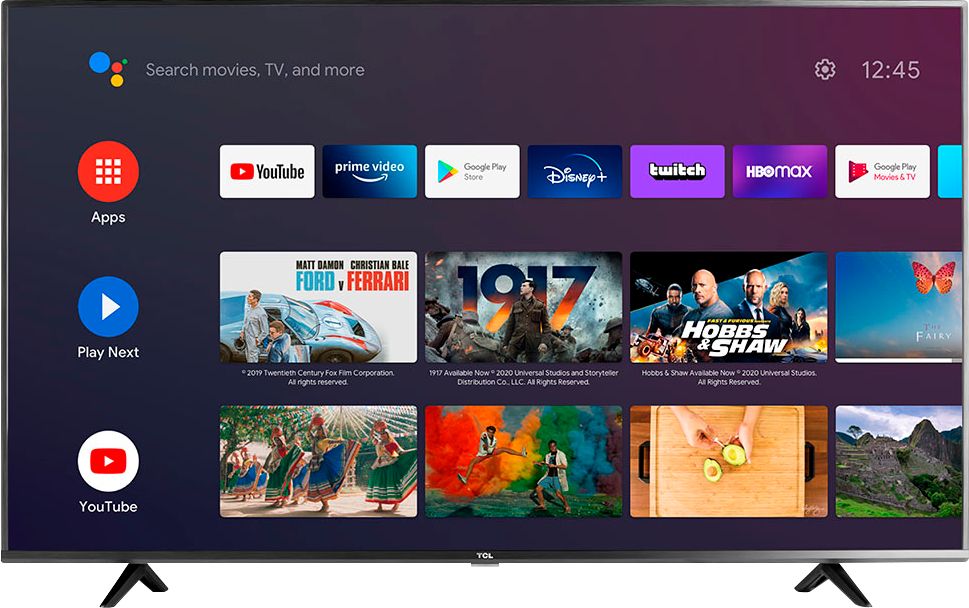
According to DigiTimesreport, the company refuted these claims as media reports about the US Department of Homeland Security investigating TCL for allegedly planting backdoor software into its TVs for its US based partners. TCL has claimed that it has yet to be informed by the government regarding this reported investigation. The company said that the TVs that it ships are only pre installed with operating systems developed by Roku and Google.
As per the company, its actions have met all the industry guidelines and general rules, technological policies, local laws, and even security standards. Furthermore, during this time of crisis, TV makers have seen a rise in shipments, with TCL’s financial results showcased that the company sold 7.24 million TVs in the third quarter of 2020, which is up by 24.7 percent from the same period last year and 49.7 percent on year with sales for the first three quarters of 2020.
Notably, TCL’s biggest market outside of its home country China is the US. Although, its US shipments had surpassed the Chinese ones in the first half of 2020. At the moment, TCL panels are mainly supplied by CSOT, which is the company’s subsidiary. So stay tuned for more, as we will be providing more updates when more information is available on the matter.
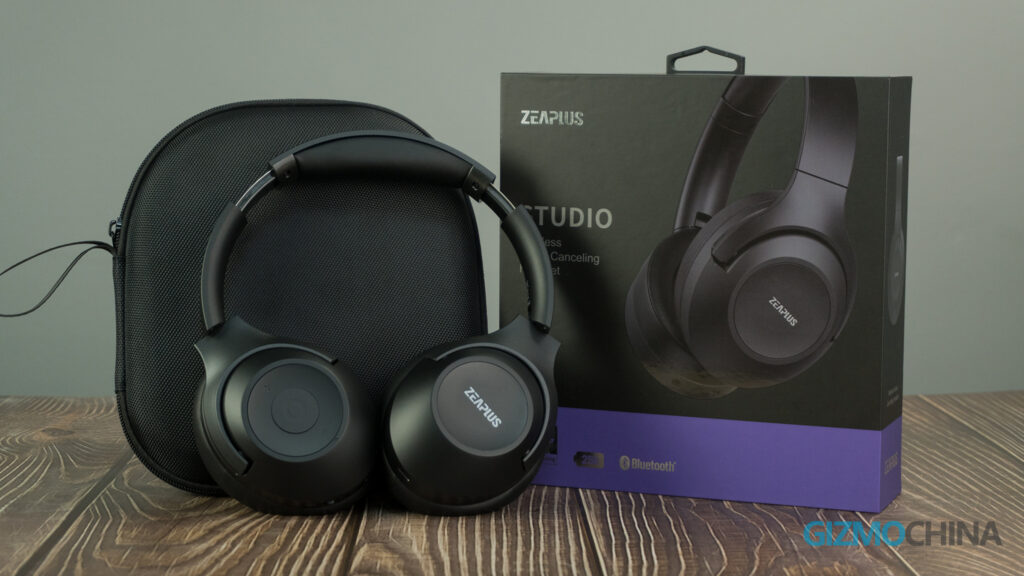
It has become quite difficult to get good quality ANC headphones under $40 budget. In the era of earbuds, there are still a handful of quality headphones available at an affordable price. Zeaplus Studio wireless headphone is among those sound accessories which can offer you a decent sound experience carrying excellent design for $39 $29.99 (coupon: ZS10ANC until Dec. 31). We have got the Zeaplus Studio and here’s our first impression and hands-on experience of the product.
The beautifully designed Bluetooth headphones offer an immersive sound experience using 40mm audio driver. It resembles Sony WH-1000XM4 in design and features too. Zeaplus Studio offers 26 hours of battery backup while the Sony WH-1000XM4 gives 30 hours of standby. Both the headphones offer Bluetooth 5.0 support for better connectivity and efficiency. The presence of Active Noise Cancellation also sets it apart from the similar priced non-ANC offerings. Zeaplus Studio ANC headphones works up to a range of 10m.
Design
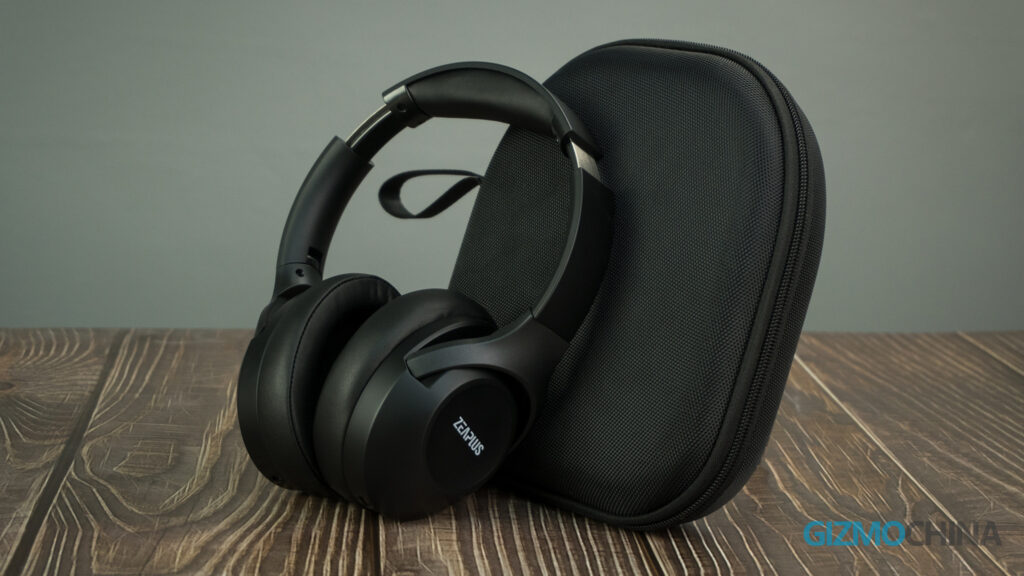
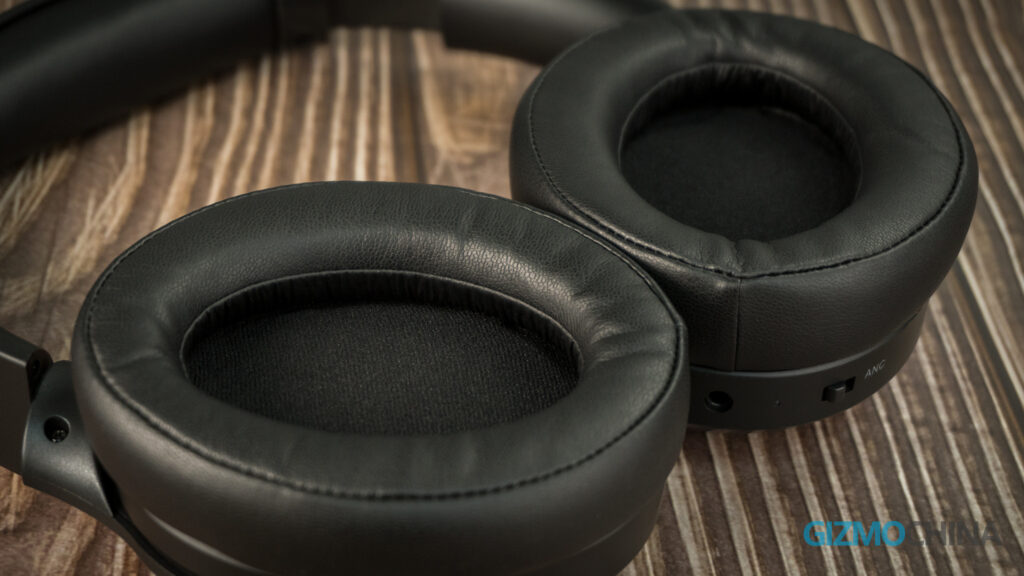
The ergonomic design of Zeaplus Studio makes it easy to wear comfortably. It also carries an extended headband for better usability as the user can adjust the size accordingly. Zeaplus Studio headphones carry memory foam cushions around the speakers to enhance the audio experience and aids in better noise cancellation.
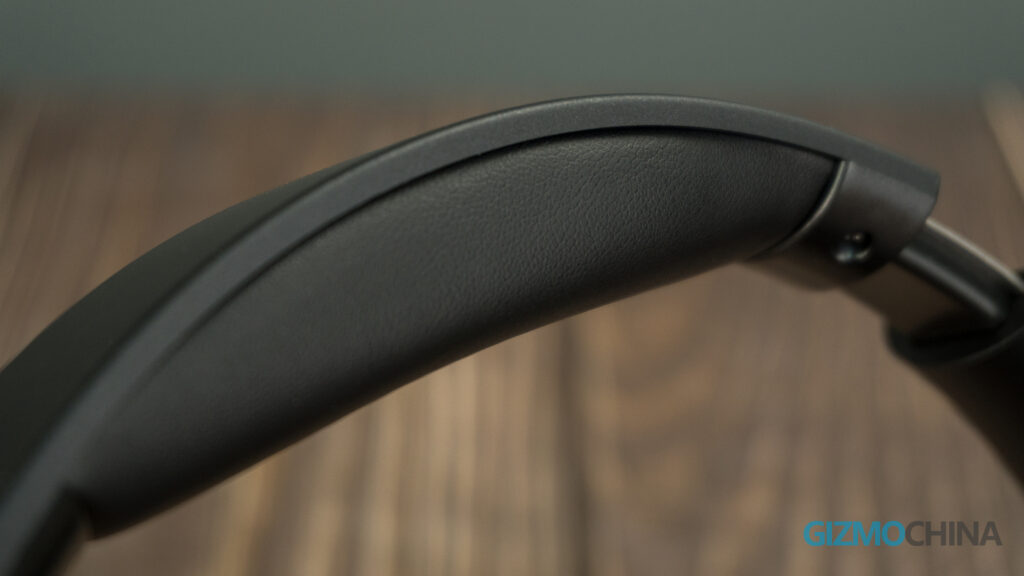
It comes with a headphone cover to keep it safe and sound from sudden impacts and dust. The joints are 90-degree rotatable both horizontally and vertically making it best-fit for varying sizes. Moreover, the dedicated cushioning on the top side enhances its overall experience as it acts as support on the head. The quality cushioning material present on all the sides gives it a more premium look.
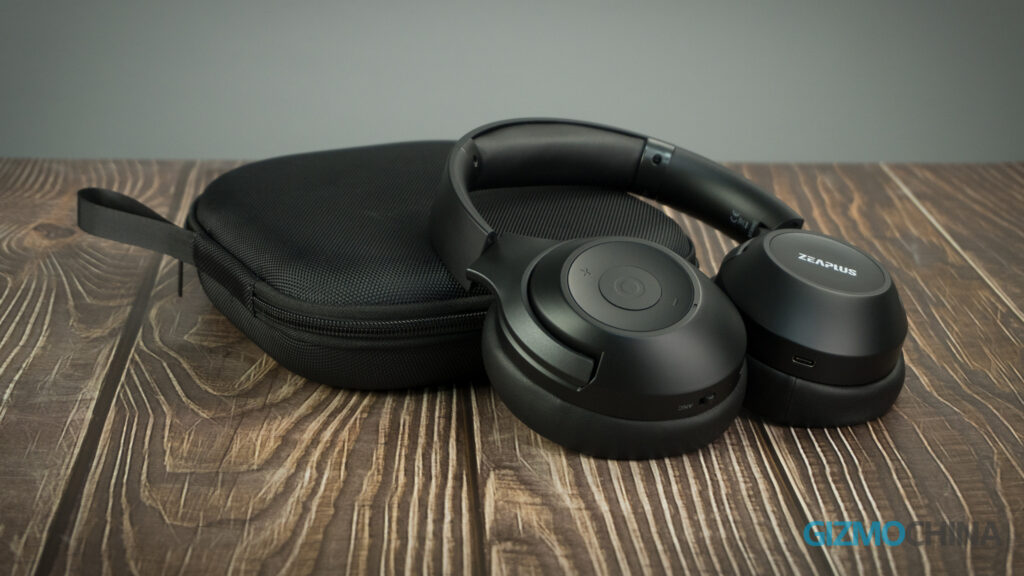
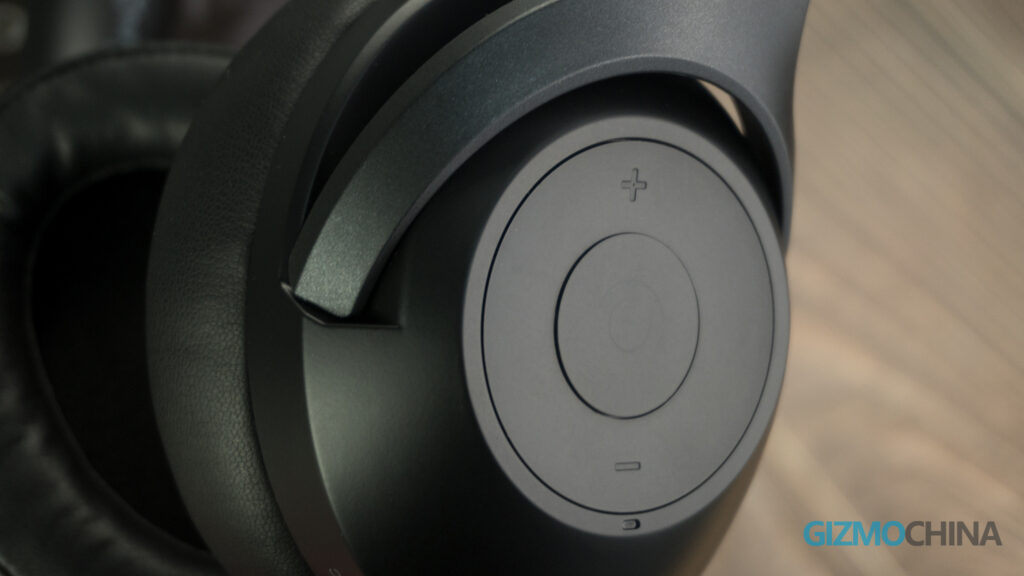
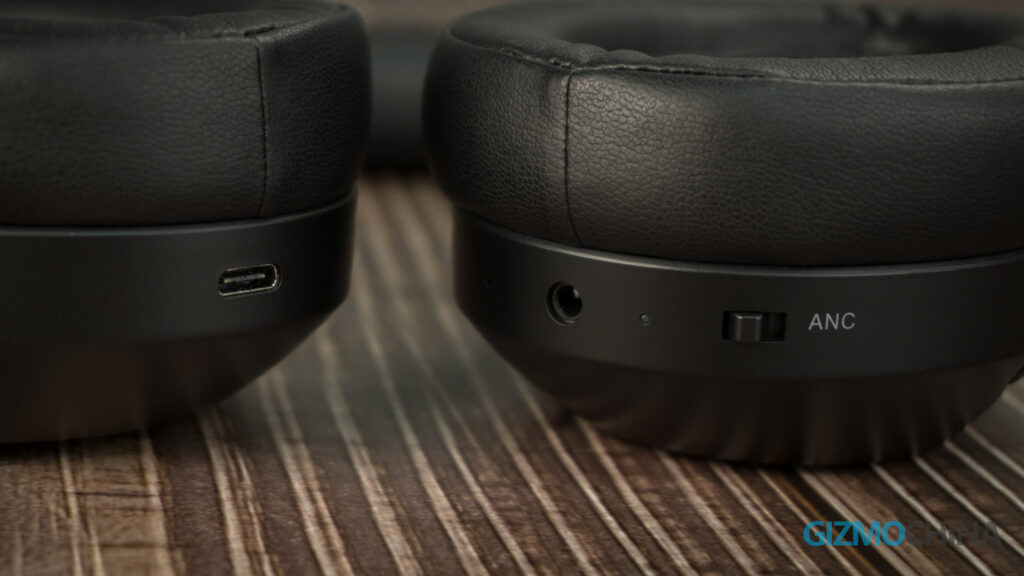
The device features four different buttons for better device control. Its Multi-function button allows the user to pause/play, call/redial/reject, and power on/off the device. The volume buttons allow to change the track along with the usual volume control. However, the pairing is also controlled using the MFC button. There’s a dedicated ANC button at the side of the speaker to toggle the Active Noise Cancellation feature.
Features
Zeaplus Studio is a 2-in-1 headphone as it can be used both via a wire and even wirelessly. Its 5000 mAh battery provides a battery backup of up to 16 hours if the ANC feature is turned on, and 25 hours if it is disabled. Meanwhile, the wired connection using 3.5mm AUX can give you a battery backup of up to 40 hours.
On the right side of the device, you will get all the physical buttons to control the Zeaplus headphones. The ANC toggle, AUX port or 3.5mm jack, volume rockers, and MFB buttons are present on the right side. Meanwhile, the USB-Type C charging port resides on the left-side speaker.
Price
The Sony WH-1000XM4 lookalike, Zeaplus Studio is available for the affordable price of $39 $29.99 (coupon: ZS10ANC until Dec. 31). The new Zeaplus Studio can be a really attractive over-ear headphone in its price segment, especially because of its features, audio quality, and comfortable design. You can grab it for $39 $29.99 (early bird discount) from its official website in Black color.
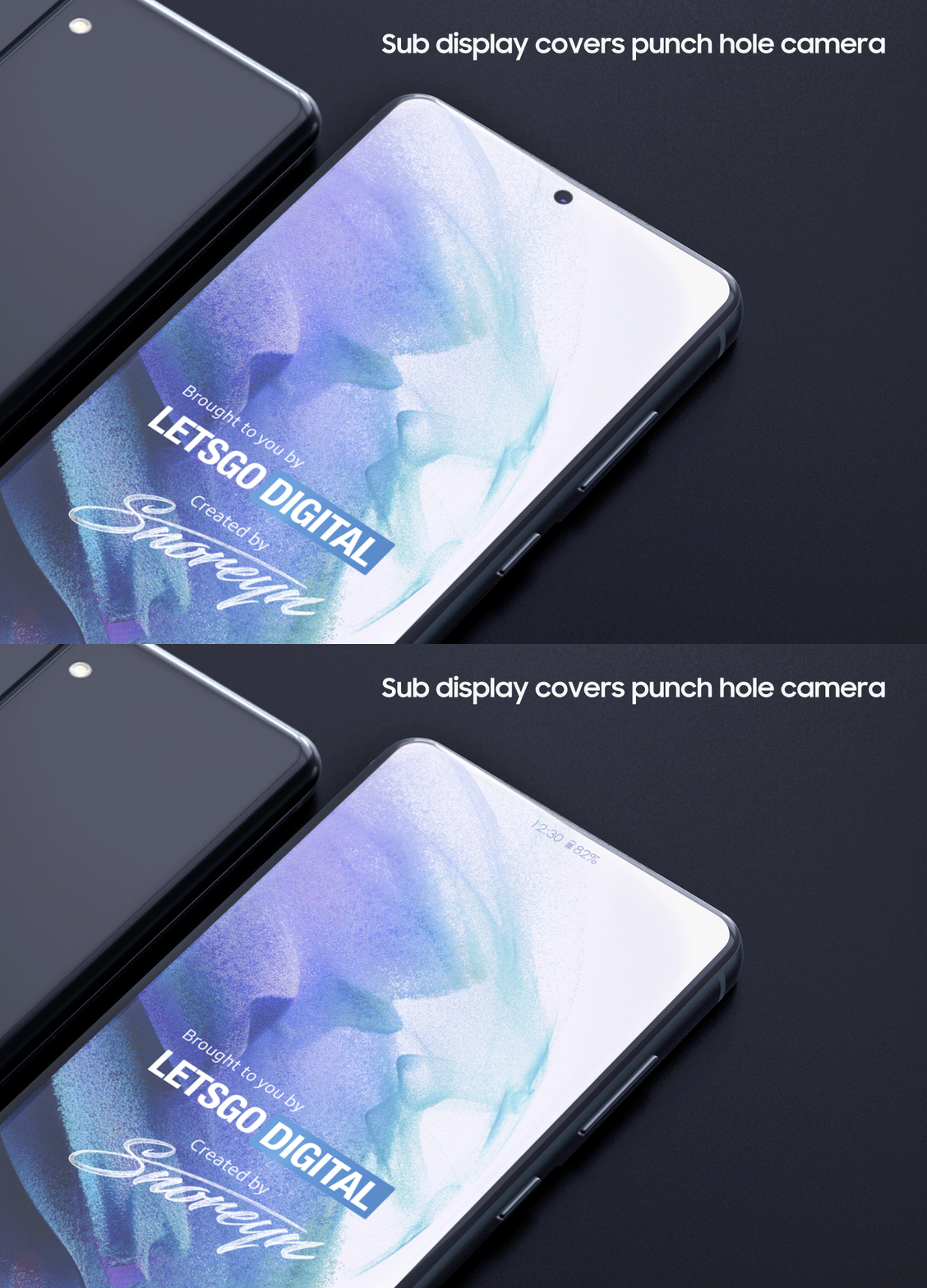
Smartphone manufacturers have been trying to launch a smartphone with a full display body on the front for years now. Various methods have been adopted so far like the punch hole selfie camera or the pop up mechanism. Now, a new patent has revealed that Samsung might have found another new method of hiding the selfie camera in the display.
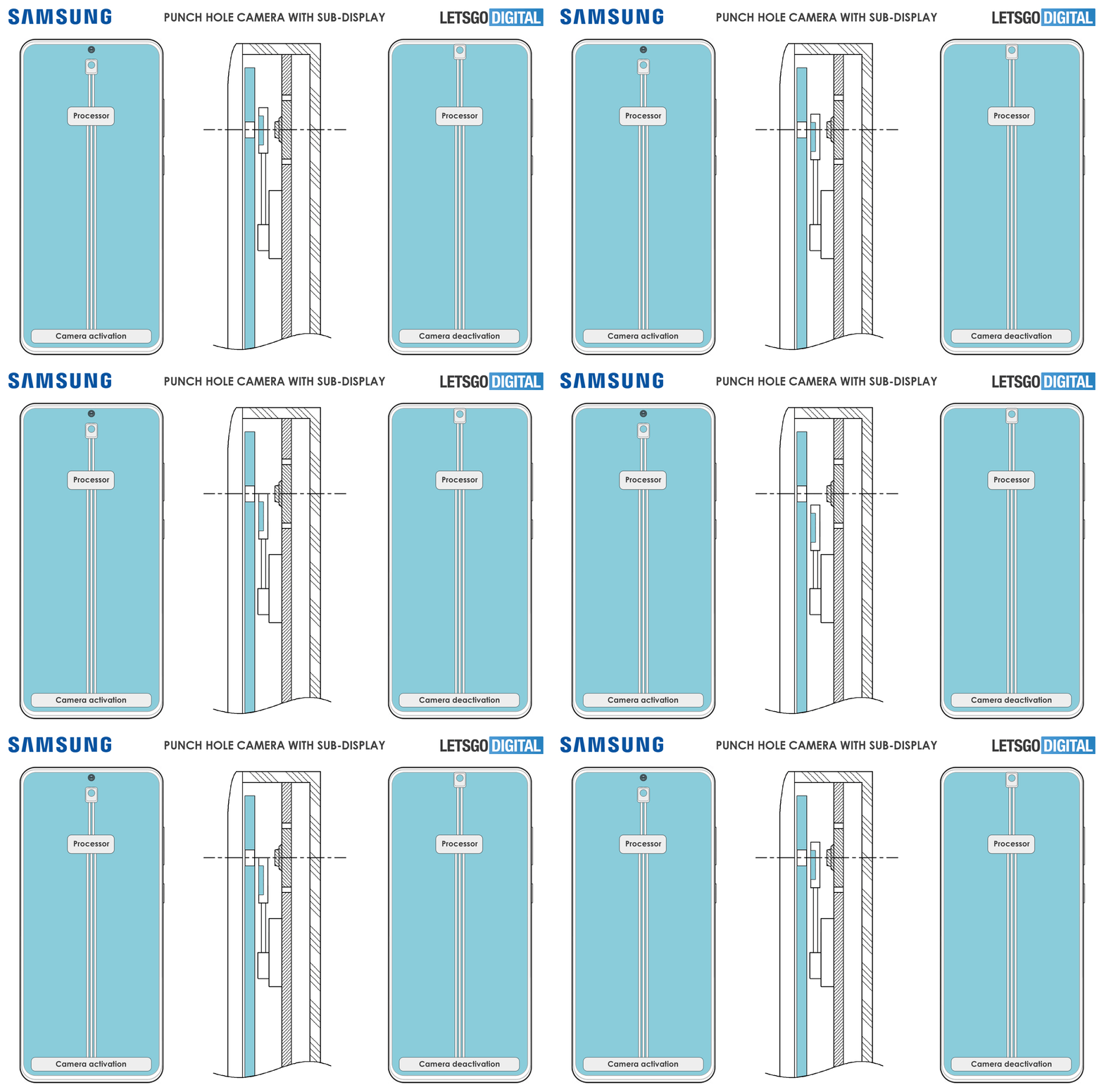
Back in June 2020, Samsung Electronics filed a patent with the WIPO (World Intellectual Property Office) for an ‘Electronic device including sub display and method of operating same.’ This document was approved and published on 24th December 2020. The patent describes a device that has its selfie shooter to be completely hidden when not in use. For this, the South Korean tech giant detailed a complicated method.
Looking into this unique mechanism, the company aims at having the screen be transparent at a particular area where the camera is housed. Although, a secondary display is placed directly under this transparent area to cover the camera when not in use. At the moment, the next expected technology to hit the market will most likely be the under display selfie shooter. But this unique method takes away the issue of quality that affects devices with under display selfie cameras.
According to a LetsGoDigitalreport, this new technology might be seen in a future Samsung flagship handset. Unfortunately, it will likely not be seen in the Galaxy S21 series but could be featured in the Galaxy S22 lineup, which would launch in 2022. However, that is just speculation and we have no way of knowing if the company is actively working on this technology for a smartphone lineup. So stay tuned for more updates.
Display maker from China has apparently not slowed down the pace of capacity expansion of their AMOLED panel production sites despite the smartphone industry being largely affected by the Coronavirus pandemic.
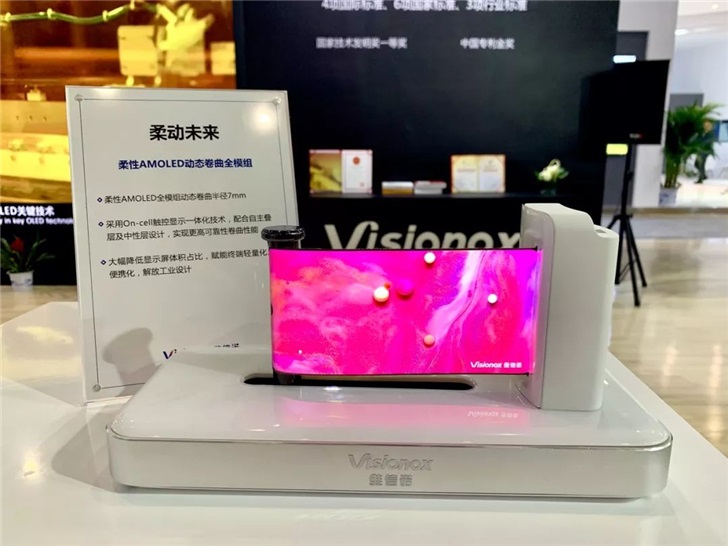
Visionox Rollable AMOLED display
According to a DigiTimesreport, display makers in the country have ramped up capacity expansion and even technological upgrades for AMOLED panel production. The companies have set up new fabs or expansion projects that are currently being carried out, which will also include a 6G line. This includes Visionox in Hefei, BOE Technology in Chongqing, and Tianma Microelectronics in Xiamen.
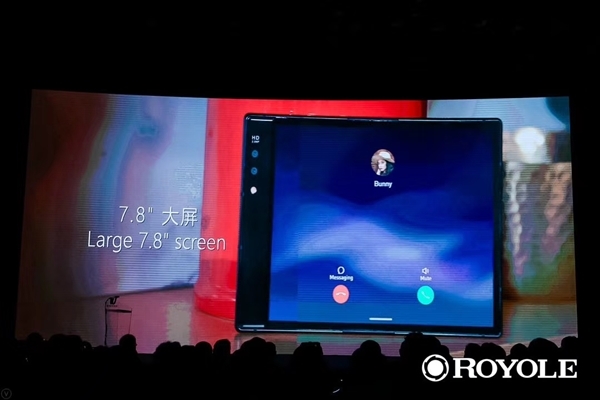
Furthermore, China Star Optoelectronics Technology (CSOT) is expected to include a new 6G flexible AMOLED line as well. This will be apparently be called the T5 line, and will co exist with the company’s T4 line in Wuhan. Similarly, two comparatively smaller display makers Everdisplay Optronics and Royole are also planning on issuing IPOs to raise additional funds to finance their own expansion plans.
Notably, the news arrives as Samsung Display has adopted an aggressive pricing strategy for its rigid AMOLED panels for smartphones. Now, Chinese panel makers have switched their AMOLED to roll out products for wearable platforms. These companies would also be targeting both domestic and foreign sales for their panels.
realme has already proven itself to be the fastest-growing smartphone brand this year. However, the company is yet to do that in the IoT(Internet of Things) segment. And if the list of products launched in 2020 weren’t enough, a report says it’s aiming for more.
Vice President, realme, and realme India CEO, Madhav Sheth has told to IANS(via Zee Business) that the company is looking to bring more than 100 AIoT and lifestyle products in 2021. These include the already explored TWS, Smart TVs, Smart Sockets in addition to newer ones like Smart Bulb, Trimmers.
Madhav adds that the TWS will extend to new generations of realme Buds Air, realme Buds Q, and newer editions of Smart TVs. If we recall, the company recently launched a Master Edition of the Buds Air Pro and a second-gen Buds(Buds Q2) is already on the radar of leaks. Looking at the market perspective, a recent counterpoint report shows realme has beaten popular JBL to occupy the Top-3 position(as of Q3 2020) in India.
Coming back, Madhav says the company is finishing 2020 on a successful note with over 190,000 units of smart TVs and 2 million AIoT products sales during the Festive season. Besides, the company is no slouch in the smartwatch category either. From a nowhere to be seen brand towards the beginning to emerging as the No.1 Watch Brand in India, the company has seen it all.
That said, we are going to witness a multifaceted realme next year as per Madhav’s statement. In the runup to top the charts in every category, he says the company is planning to expand hybrid offline channels(eg. to Pharmacies) for products like Toothbrush, Suitcase.
Upon heavier demand, it is also considering to include Smart Speakers, Air Purifiers, Electric Juice Jar, ACs to the portfolio. Anyway, let’s wish the company good luck for a successful 2021 outing.
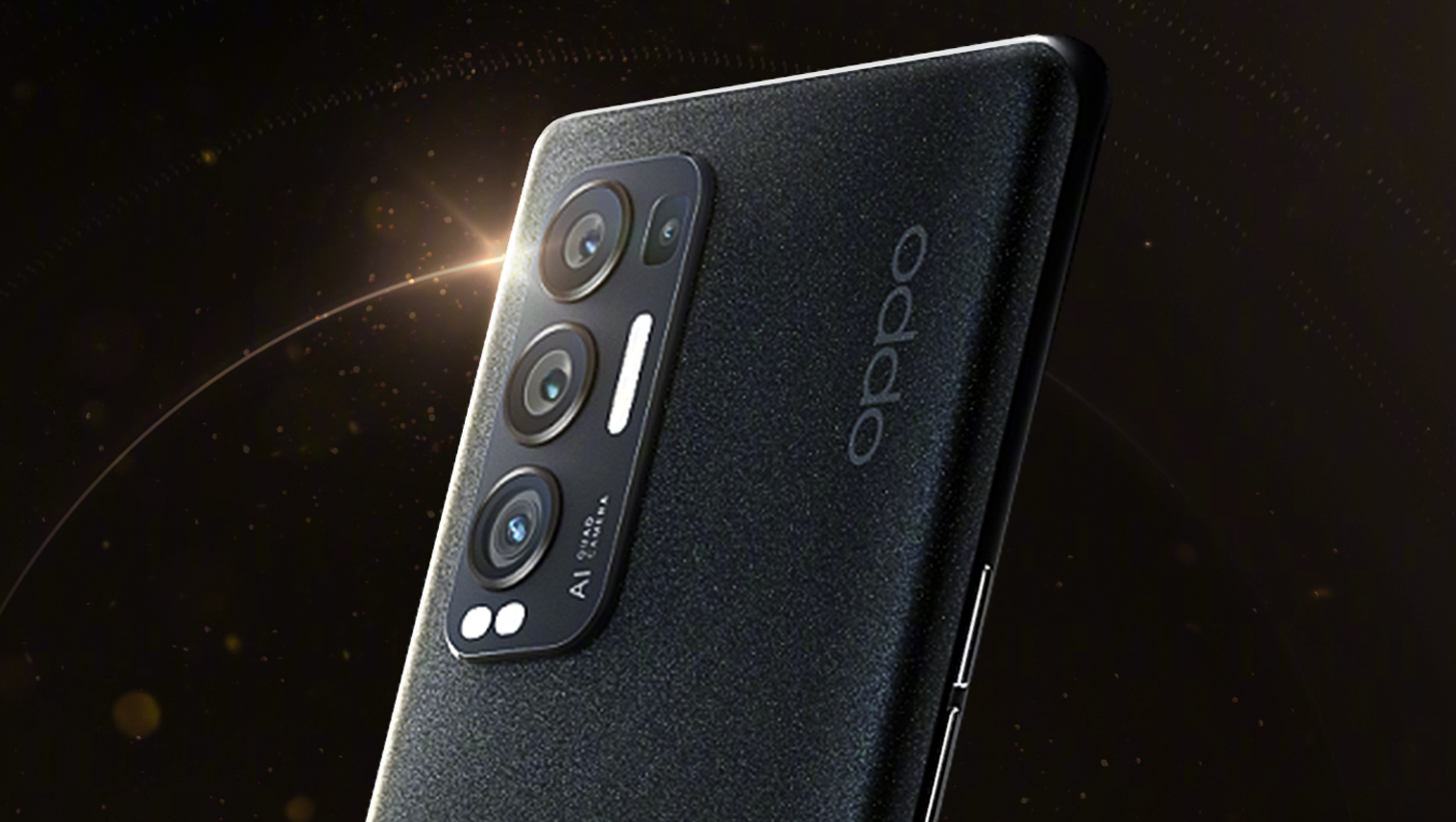
Oppo had recently released three new Reno5 smartphone models at two different events. A fourth one has also been rumored to launch for the global market and now, a new report has revealed that a fifth might also be in the works.
According to a GSMArenareport, the Chinese tech giant is working on a new Reno5 mode reportedly dubbed the Oppo Reno5 Lite 5G. This model apparently supports 30W fast charging and was recently found listed on the Chinese website 3C (China Compulsory Certification). The device is codenamed PELM00, with the official branding having yet to be confirmed. Although, the original report from MyFixGuide seems confident of this branding as it covers all price categories through the Reno5 lineup.
Arriving at the charging listing, the Oppo Reno5 Lite 5G will arrive with VOOC 4.0, as the adapter is listed as VC56HACH, which is the same power brick as all of the other mid range devices from the company. Notably, with the launch of all five models, the smartphone maker would’ve successfully covered all categories with one lineup alone and have even launched a global variant as well.
Unfortunately, the device’s other specifications are unknown at the moment. Although, a few educated speculations can be made right now, like the inclusion of a 5G Dimensity chipset from MediaTek, and a multi camera setup on the rear including a primary camera, ultra wide angle lens, depth sensor, and even a macro shooter. The mid range segment faces one of the stiffest competition in the industry, so the company might also surprise us with other features as well, so stay tuned for more updates.
We use cookies on our website to give you the most relevant experience by remembering your preferences and repeat visits. By clicking “Accept”, you consent to the use of ALL the cookies.
This website uses cookies to improve your experience while you navigate through the website. Out of these, the cookies that are categorized as necessary are stored on your browser as they are essential for the working of basic functionalities of the website. We also use third-party cookies that help us analyze and understand how you use this website. These cookies will be stored in your browser only with your consent. You also have the option to opt-out of these cookies. But opting out of some of these cookies may affect your browsing experience.
Necessary cookies are absolutely essential for the website to function properly. This category only includes cookies that ensures basic functionalities and security features of the website. These cookies do not store any personal information.
Any cookies that may not be particularly necessary for the website to function and is used specifically to collect user personal data via analytics, ads, other embedded contents are termed as non-necessary cookies. It is mandatory to procure user consent prior to running these cookies on your website.