Advertisement

Alldocube iPlay 40 tablet priced at 999 yuan($152) in China; official sale in early December

A couple of days back, Alldocube announced the next tablet, iPlay 40 in China. It comes with a UNISOC Tiger T618 SoC. Now, the company has announced additional specs and price of the flagship tablet.
Alldocube iPlay 40 Price, Availability

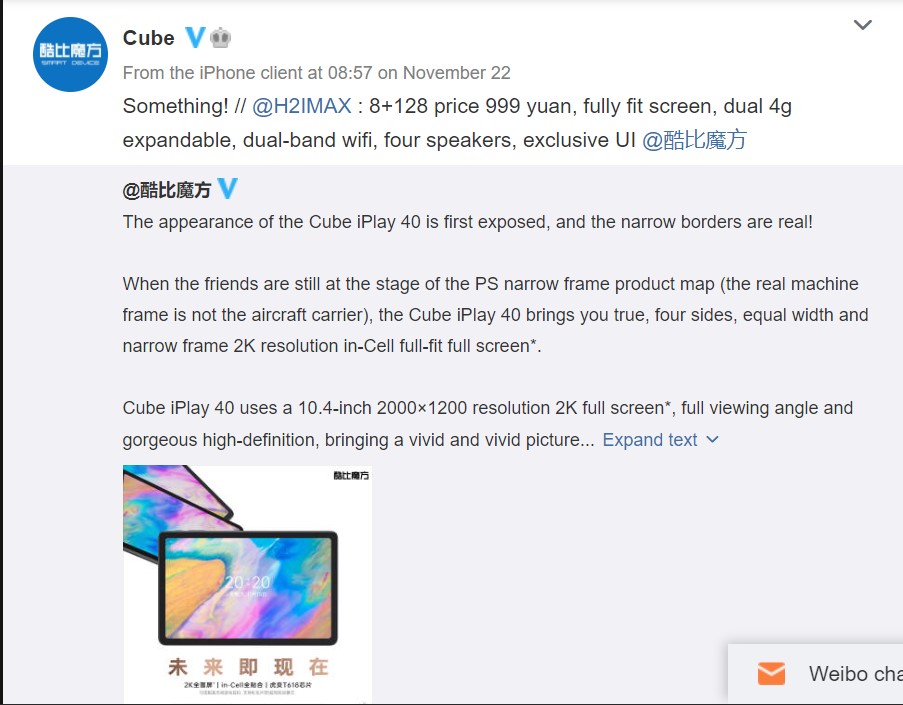
As per the official on Weibo(via ITHome), the Alldocube iPlay 40 is priced at 999 yuan($152). It comes in a single 8GB RAM, 128GB storage variant. That said, for 100 yuan more than iPlay 30, you get an upgraded CPU, GPU, Display, memory, and more. Anyway, the new tablet will go on sale in early December in China.
Alldocube iPlay 40 Specifications

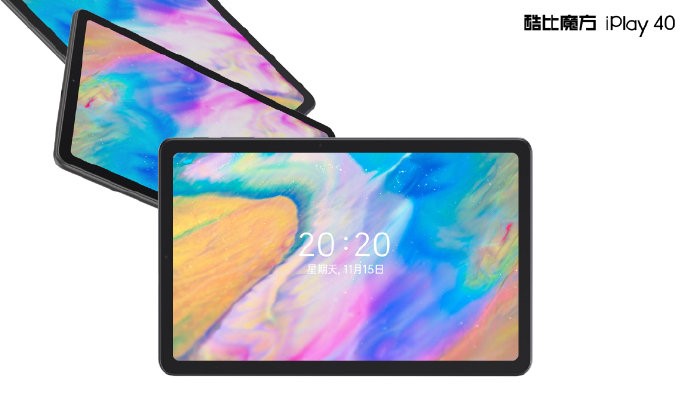
The Alldocube iPlay 40 features a 10.4-inch 2K display. It has a resolution of 2000×1200 pixels. The company calls it an in-Cell technology and is a full-fit display. This is probably due to the display having equal bezels on all sides. Talking about the design, official images show a grey color. Weighing in at 474 grams, the tablet is about 7.8mm thick.

That said, the company says the tablet has a micro-frame design and is built on Magnesium alloy. Under the hood, it is powered by the UNISOC Tiger T618 SoC. The chipset is UNISOC next-gen octa-core CPU built on a 12nm process. Regarding the cores, it has 2xCortex-A75 cores clocked at 2GHz, and 6xCortex-A55 clocked at 2GHz. It has a Mali G52 3EE game-level GPU.

As per the official poster, the flagship tablet scores 210,000+ in benchmarks. This, along with four BOX Audio speakers should ensure a great experience in gaming, and media consumption. Other features of the tablet include a new Customized UI, Memory expansion up to 2TB, Wi-Fi 802.11ac, Bluetooth 5.0, Dual-4G Network support.

For the unware, Alldocube is a Chinese digital brand and focuses on Android tablets, Windows 2-in1 PCs, MP3 & MP4 Players, E-books, and more. The earlier models of the iPlay series of tablets include iPlay 8 Pro, 10 Pro, iPlay 20, and the recently launched iPlay 30.


Black Friday Deal: CinePeer 3-Axis Gimbal on sale for $46.74

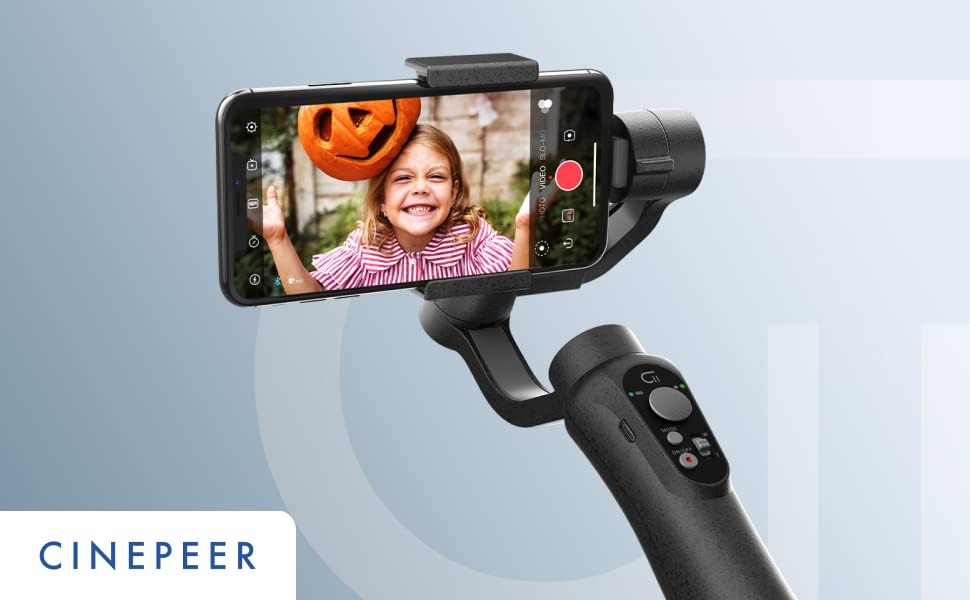
Much-awaited Black Friday week is here with plenty of exciting deals and discounts on almost every item. The users can own their favorite, TV, smartphone, or even a Gimbal this season at astounding reduced prices. Similarly, CinePeer 3-Axis Gimbal is now on sale for $89.99 $54.99 with a 30% discount offer. The buyer can use Coupon Code C11BKQMO (for Black color) and CYBERC11 (for Grey color) to brag additional discount.

Must See: Realme Black Friday Offers are here: Get discounts on its Watch & Smartphones in Europe

CinePeer 3-Axis Gimbal is a perfect fit for iPhones and Android smartphones. The video makers or cinematography enthusiasts can benefit from the Cinpeer phone Gimbal. It offers advanced stability with a 3-Axis stabilizer system and enhances the video recording experience. Advanced features such as Panorama, Time-Lapse, Object Tracking, Motion-lapse are boon for vloggers, storytellers, and videographers.

It houses a powerful battery of 4000 mAh which can withstand 12-hours of continuous use. CinePeer Gimbal also supports reverse charging with 10W power output. It is a lightweight and useful gimbal offering 4 different modes to Pan, Lock, Follow, and POV for better creativity.

The users can flawlessly use the CinePeer device with iOS and Android app.

Technical Specifications

Rotation Range:
  • Tilt Mechanical Range: 320°
  • Roll Mechanical Range: 320°
  • Pan Mechanical Range: 300°
Ports & Mounting:
  • Micro-USB x 1 (Charging Gimbal)
  • USB-A x 1 (Charging Phones, 5V/2A Power Output)
  • Mounting: 1 x 1/4″-20 Femal

CinePeer 3-Axis Gimbal can be yours at an effective price of $46.74 if you use the above-mentioned coupon codes while purchasing. The ongoing offer is appliable between November 23-30, 2020.

Grab Deal Now

Related: Black Friday Deals: OnePlus 8 series now starts at $499; free buds with Pro model


realme UI 2.0 ‘Alpha Squad’ program for realme 7 Pro comes with big caveats

Chinese smartphone brand realme unveiled realme UI 2.0 based on Android 11 in September. The company’s 2020 flagship smartphone, the realme X50 Pro is the only device to get this update (in the form of beta builds) so far. But soon realme 7 Pro users will also get to experience the latest software as the brand has opened registrations for alpha recruitment.

realme 7 Pro realme UI 2.0 Alpha Squad

Normally, brands have beta programs for their new software but realme, on the other hand, is running an alpha program called ‘Alpha Squad’ for its popular realme 7 Pro smartphone. That means we can expect two more such programs in the form of ‘Closed Beta’ and ‘Open Beta’ aka ‘Public Beta’ before the final release.

Therefore, we can expect the stable update to roll out from January 2021. The update may even arrive later as the realme X50 Pro whose first beta recruitment began in early September is yet to receive a single stable build.

Having said that, if you are a realme 7 Pro user, you can apply for the realme UI 2.0 ‘Alpha Squad’ in a link provided in the official announcement post on realme Community (via Tushar Mehta of XDA).

Unsurprisingly, realme is only recruiting 50 users for this program. Above all, the requirements for selection are bizarre as well. Because you must have a realme service center nearby as these alpha builds do not support rollback. Hence, users will have to take their phone to a nearby service center to install the latest stable build in case of any problem.

Also, only users who are regularly active in the realme community are eligible for the program just like on the basis of how Xiaomi recruits MIUI beta and pilot testers. In a nutshell, this program is not meant for everyone and most users should stay away from risking their smartphone during the pandemic.


Samsung records a surge in 14nm chip orders from China – Digitimes

A report by Digitimes quotes insiders in the semiconductor industry to have revealed that Samsung’s 14-nanometer process has recorded a surge in orders from manufacturers from mainland China, driving Samsung’s quarterly growth in capacity utilization.

The report pointed out that due to certain international reasons, as well as China’s acceleration of independent chip research and development and the continuous expansion of related market scale, Samsung has been listed as a diversification ally, and orders have flooded into Samsung Electronics, making its order performance above 14 nanometers exceed expectations.Samsung

It remains to be seen whether this move will have an impact on TSMC and UMC’s business in China, but it can be expected that Samsung will have huge new orders for the 14-nanometer process and above, which to some extent makes up for the decline of the advanced process below 7-nanometer.

While Samsung is expanding its orders, Chihara and M31, which have good partnerships with Samsung, have also unexpectedly benefited. In 2021, the proportion of Chinese customers will also increase significantly.

Although it is believed that Samsung’s 3 nanometer and other advanced processes are not as good as TSMC in general, Samsung is still quite confident in catching up with TSMC in the future. The Korean tech giant continues to speed up the process and also continue to accept large orders.

As we all know, TSMC has always been a leader in the semiconductor industry in China and the world and is therefore favoured by Chinese companies. However, the price is more expensive than Samsung. Coupled with the increasing calls for de-beautification in China,

On the other hand, Samsung Electronics’ chips are also fully cooperating with Chinese mobile phone manufacturers to sell its own Exynos series of chips to Vivo, Xiaomi, OPPO, etc. This also helps Samsung’s own foundry capacity utilization rate increase in another way. , While benefiting Samsung Exynos, it may further erode the shares of MediaTek and Qualcomm.

The semiconductor industry said that although Samsung’s advanced manufacturing process has a large gap with TSMC, TSMC’s R&D speed is bound to slow down below 3nm, and it is not impossible for Samsung Group, which has top-level human resources and national financial resources, to truly surpass TSMC.

UP NEXT: Oppo X 2021 unveiled as the world’s first smartphone concept with an extending display


Huawei will reportedly launch the flagship Huawei P50 in H1 2021

Huawei is being targeted in both the hardware and software front by the US Government. Apart from advocating countries to opt-out of Huawei’s 5G tech, it’s reinforced restrictions meant Huawei had to struggle more to access it’s Kirin Chipsets. However, the company is trying its best to survive in the Global Arena. Amidst this, a report now says that Huawei is on course to launch the next P50 flagships in 2021.

Huawei Logo MWC 2019

A report by TheElec says that Huawei is planning to launch the next iteration of the P series(Tentative: Huawei P50) in the first half of 2021. The report also says that Huawei is likely to use the Kirin 9000 SoC for the respective flagship P50 series. This contradictory to Huawei Consumer Business CEO, Yu Richard’s earlier statement. He had said that Huawei Mate 40 Series could be the last to sport Kirin SoC.

Besides, the report says that display suppliers of Huawei P50 are Samsung Display and LG Display. Apparently, they are getting ready for the production as of now. Although the orders for P50 are final, the report says that there is no clarity if they will get orders for the next Mate series.

That said, Huawei was a King in both the Home country and Global markets before the tussle with the US. It shipped over 240 million smartphones in 2019 where its P and Mate series played a big role. Precisely, it almost leveled with South Korean giant Samsung by shipping nearly 44 million flagship devices. Additionally, it surpassed the Cupertino Giant Apple in the entire shipment rankings for 2019 taking the second spot.

Similarly, the company had a great potential going into 2020. But the US Government has spoiled the party for Huawei. Not to mention the latest 5nm Kirin 9000 SoC is the company’s biggest achievement. It has 30% more transistors compared to Apple’s A14 5nm SoC. Anyway, the latest report suggests that Huawei might manage to include the Kirin SoC on the next flagship series but it will be interesting to see if it opts for an alternative solution.

Nevertheless, we will have to wait for a bit to find out as Huawei’s usual timeline for the P series launch falls somewhere between March-April of every year. That said, the recently launched Mate 40 series has been a great hit in China. The devices got sold out in First pre-orders got in just 28 seconds. After this, Huawei faced a huge shortage of devices both in online and offline markets.

OnePlus Nord N100 is receiving its third system update within a month

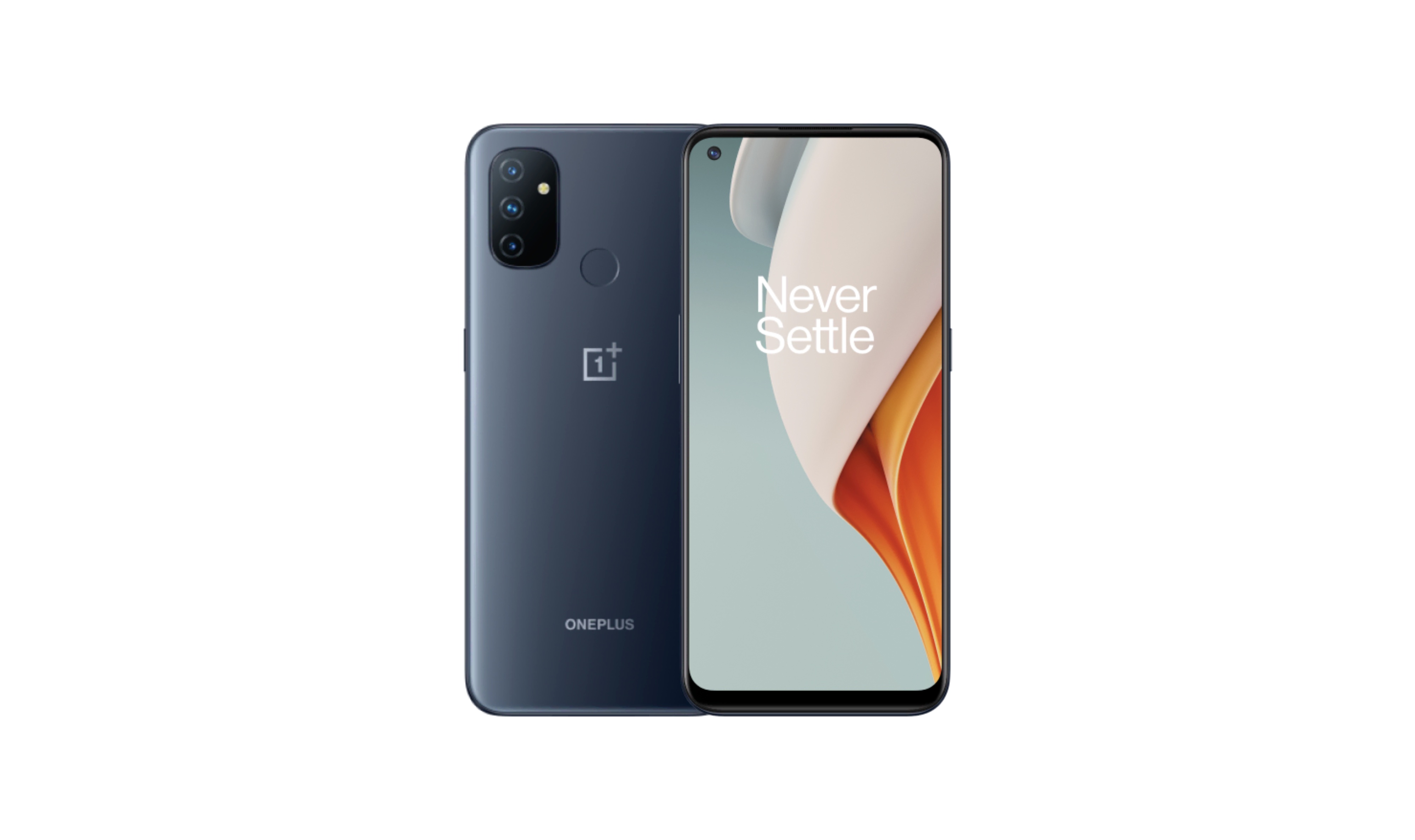
OnePlus announced the OnePlus Nord N100 alongside the OnePlus Nord N10 5G on October 26. The handset went on sale starting November 10 in Europe. It has been less than two weeks since the smartphone was released but the device is already receiving its third system update in the form of OxygenOS 10.5.3.

OnePlus Nord N100 Featured

OnePlus rolled out the first-ever system update (OxygenOS 10.5.1) for the OnePlus Nord N100 before its release on November 3. Then, a couple of days after the phone went on sale, the brand confirmed that this device as well as the OnePlus Nord N10 5G will be only receiving a single major Android update.

Followed by that, on November 12, just two days after the company started selling the handset, it started receiving its second system update (OxygenOS 10.5.2). Now, a little over a week later, it is getting its third update in the form of OxygenOS 10.5.3. OnePlus began to seed the latest build on Saturday (November 21).

Just like the first two updates, the new one also brings fixes, improvements, and optimizations for various things.

OnePlus Nord N100 OxygenOS 10.5.3 Official Changelog

  • System
      • Optimized system standby stability
      • Optimized the compatibility of third-party apps
      • Fixed known issues and improved system stability
  • Network
    • Improved connection stability of the mobile network
    • Newly added support for more operator networks

On the other hand, the OnePlus Nord N10 5G has got only one update so far. However, the costlier Oneplus 8T, which debuted a few days ahead of this duo has been also receiving numerous system updates since its announcement just like the OnePlus Nord before it.

This somewhat explains that OnePlus has been lately shipping new devices without testing the software properly as all these builds have been targeted at fixing, optimizing, or improving one thing or another.


(Via)

Redmi Note 9 5G(M2007J22C) visits Geekbench ahead of November 26 launch

Xiaomi is gearing up to launch the Redmi Note 9 5G series in China on November 26(Thursday). Ahead of this, the company themselves have been teasing renders, specs of the devices. Today, one of the two 5G devices has visited Geekebench with a MediaTek SoC.

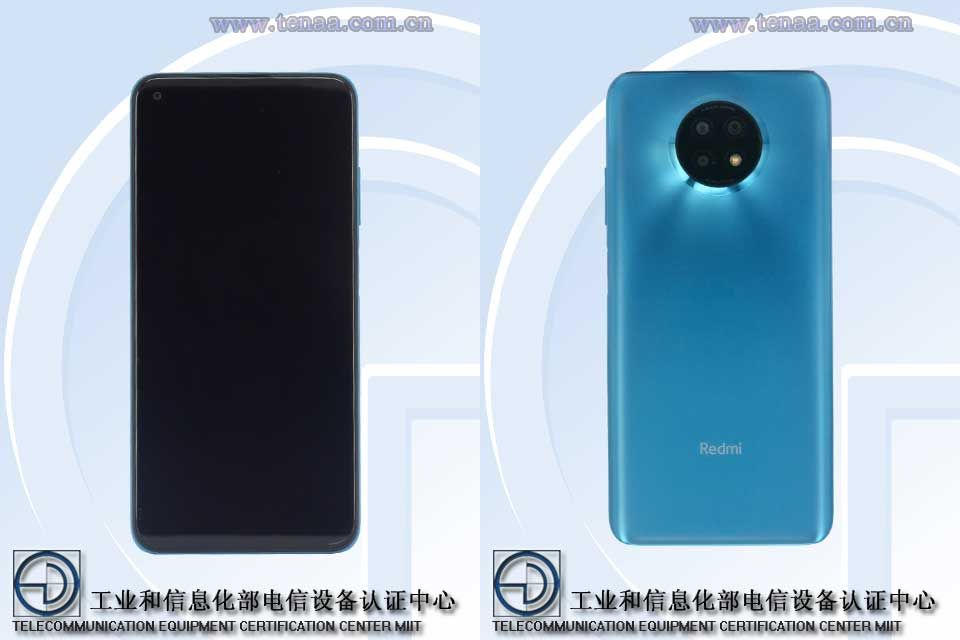
Redmi Note 9 5G Standard Edition M2007J22C TENAA

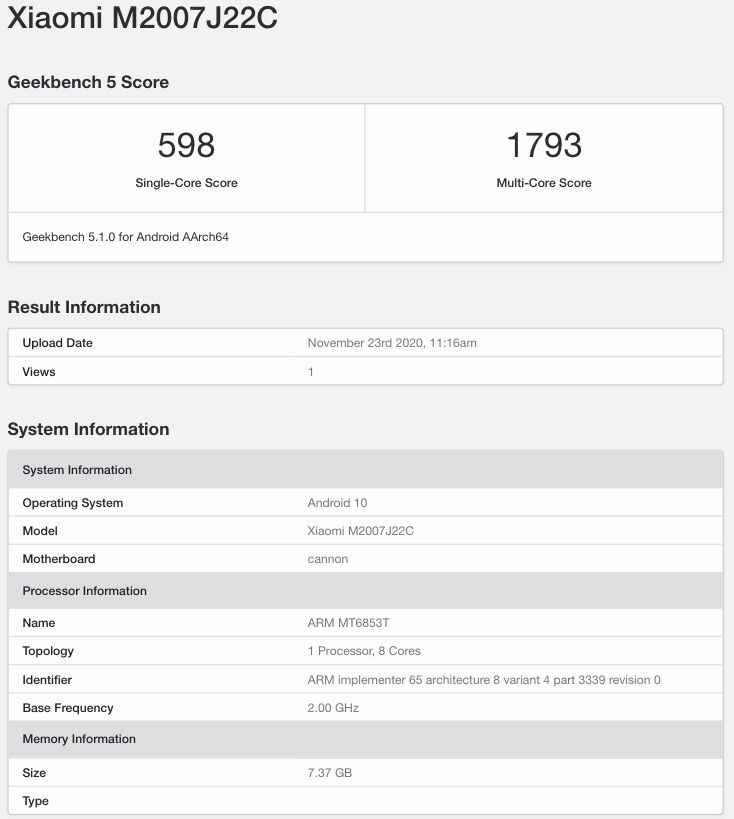
As reported by MySmartPrice, the Geekbench listing shows a Xiaomi device with model number M2007J22C. Now, if we recall, a few days ago, China’s TENAA revealed the entire specs of the device with model number M2007J22C. This, along with earlier leaks suggests that the device could very well be the Redmi Note 9 5G(standard edition).

That said, a recent listing on Jingdong(JD.com) suggests that Xiaomi might call the series as Redmi Note9 5G and Redmi Note9 Pro 5G. This is a first for a Redmi Note series as the predecessors have had a spacing between the name and number. However, let’s wait for official confirmation on Thursday.

Coming back, the Geekbench listing shows an ARM MT6853T as an octa-core CPU with a base frequency of 2.0GHz. This could just be a part number of the processor. Additionally, the source code of the webpage shows that the device has Mali G57 GPU which suggests that the processor is MediaTek Dimensity 800U. This corroborates with the early leaks on the specs of Redmi Note 9 5G.

Anyway, the listing shows the device in testing runs with 8GB RAM and runs Android 10. This suggests that the device could debut with MIUI 12 based on Android 10 out of the box. The device in question scores 598, 1793 points in Single and Multi-core Scores respectively. Now, if we recall, the Redmi Note 9 5G’s sibling had visited Geekbench listing a while ago with Snapdragon 750G SoC that has been confirmed by the company recently.

Redmi Note 9 5G Specifications(Expected)

Talking about design and specs, Redmi Note 9 5G’s TENAA renders showed that the device will have a similar rear panel as Redmi Note 9 Pro 5G but a top-left punch display. It is likely to feature a 6.53-inch IPS LCD FHD+ display, 4GB/6GB/8GB RAM, 64GB/128GB/256GB internal storage, 48MP triple camera setup, 13MP punch-hole selfie camera, MIUI 12 based on Android 10, NFC, 5,000mAh battery, and 22.5W fast charging.

That said, a global variant of this smartphone is also rumored to debut as Redmi Note 9T 5G. A recent FCC finding suggests that the device has a model number M2007J22G which is similar to the Chinese variant. Accordingly, it has already cleared SIRIM, IMDA, EEC certifications suggesting an imminent launch.

Counterfeit Xiaomi products worth over 3,300,000 INR ($45K) seized in India

Earlier today (23rd November 2020), Xiaomi announced that it had seized counterfeit products in the Southern states of the country. As per estimates, these fakes were worth over 33 lakhs INR (or 3,300,000 INR and roughly 45,000 US Dollars).

Xiaomi

As per an official press note, the Chinese tech giant revealed that the counterfeit goods were seized from four suppliers in Chennai, Tamil Nadu and Bangalore, Karnataka. The company made these discoveries through its comprehensive proactive anti-counterfeit program. At the moment, a complaint has been filed against the local police station, with raids being conducted in the market in the months of October and November.

Xiaomi

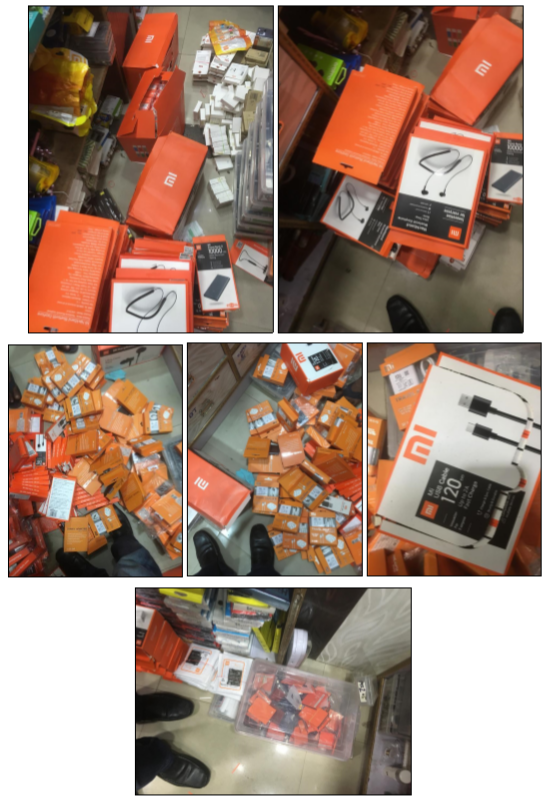
According to the registered complaint, police officers accompanies with the company’s representatives seized counterfeit products from three prominent shops in the region. The group discovered over 3000 products, which consisted of mobile covers, headphones, power banks, chargers, and earphones. Notably, shop owners from both the cities were arrested for allegedly selling fake Mi India products worth over 24.9 lakhs (roughly 33,600 US Dollars) and 8.4 lakhs INR (roughly 11,300 US Dollars) respectively.

Xiaomi

Additionally, interrogations have revealed that both parties have been managing this business for a long time and have sold numerous unauthorized products in the market. So, you can check out a few pointers given below that could hint at the authenticity of your Xiaomi products:

  • Some products like carry security codes that can be checked on mi.com to identify the authenticity of the product- eg. Mi Powerbanks, all audio products.
  • Packaging and quality of retail boxes are very different. You can visit any Mi Home/ Mi Store to validate the original packaging
  • Check for the original Mi India Logo on the product and you will know if that is authorized. Original logo of packaging can be seen on mi.com
  • All authorized fitness products such as Mi Band(s) will have Mi Fit app compatibility.
  • Unauthorized cables are often flimsy and break easily


Panasonic launches its first transparent commercial OLED displays, 55 inch panels made by LG

Panasonic had recently launched its first transparent OLED display, which was first showcased in CIIE 2019. This includes the TP-55ZT110 and TP-55ZT100 transparent OLED displays made by LG.

Panasonic

Both displays feature a 55 inch panel with a FHD resolution of 1920 x 1080px and a weight of just 1.75 kilograms, with the primary difference being a dimming unit. LG Display is the one that manufactured the display, which has an operating temperature range of 0 to 40 degrees Celsius. The back panel of the TP-55ZT110 offers a dimming unit that was independently developed by Panasonic to provide the display a “Black Mode.”

This dimming unit reduces the transparency of the TV, which also improves the image quality displayed on the screen by increasing the contrast. In other words, the TP-55ZT110 can be used as a regular display and as a transparent display as well. As per an ITHome report, both models will be sold in the Asia-Pacific market and the Japanese market in December 2020.

For those uinaware, LG Display is one of the world’s largest manufacturers  and suppliers of thin film transistor liquid crystal display (or TFT LCD) panels, organic light emitting diodes (OLED), and even flexible displays. At the moment, OLED panels are the best display technology that can be used for transparent TVs as it does not require a backlight and can emit light by itself. The display LG is supplying to Panasonic are aimed at commercial areas and for other enterprises and businesses, so it is unlikely that we’d see it in the consumer market for now.


Huawei patents its mobile phone temperature measurement tech

Like any other company, Huawei also files patents from time to time. According to a recent report, the company filed 8,607 wireless communication patents from January to October, making it the world’s number one in this category. Now, another report reveals a unique patent filed by Huawei related to temperature measurement on mobile devices.

PORSCHE DESIGN HUAWEI Mate 40 RS Featured

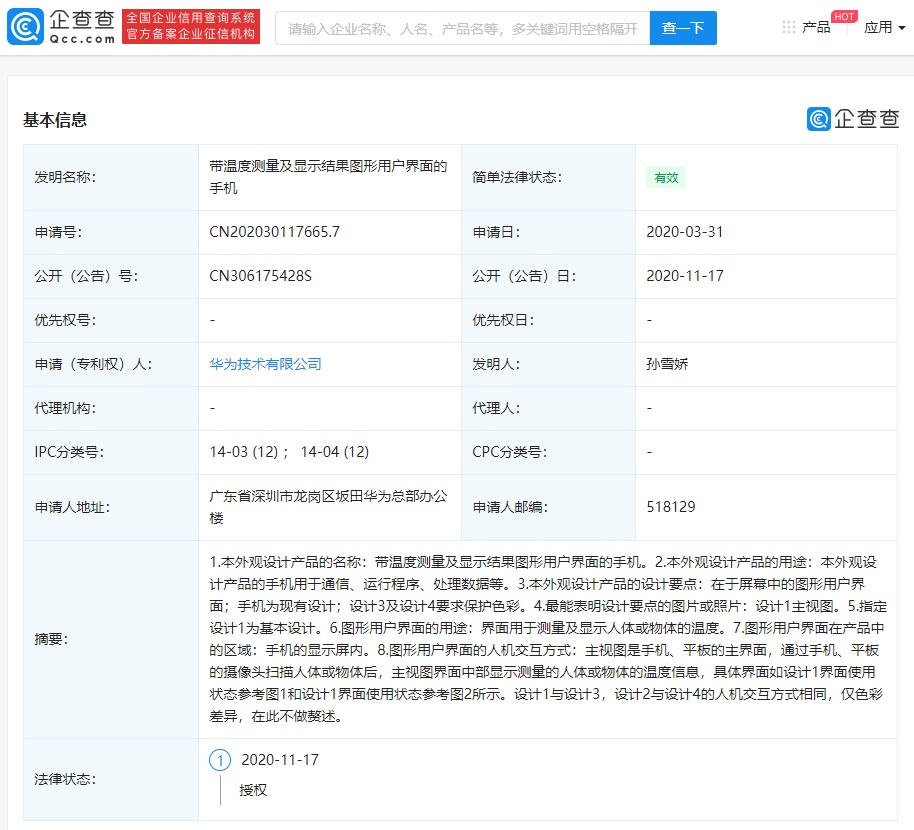
As per Tianyan Check (via Sina Tech), Huawei Technologies Co., Ltd. filed a design patent ( CN306175428S) titled ‘Mobile Phone with Graphical User Interface for Temperature Measurement and Display Results’ on March 31, 2020, and it was officially published on November 17.

The abstract for this patent’s document says that after measuring the temperature of a human or an object through the camera of a mobile phone or a tablet, the result of the measurement can be viewed on the device’s display itself.


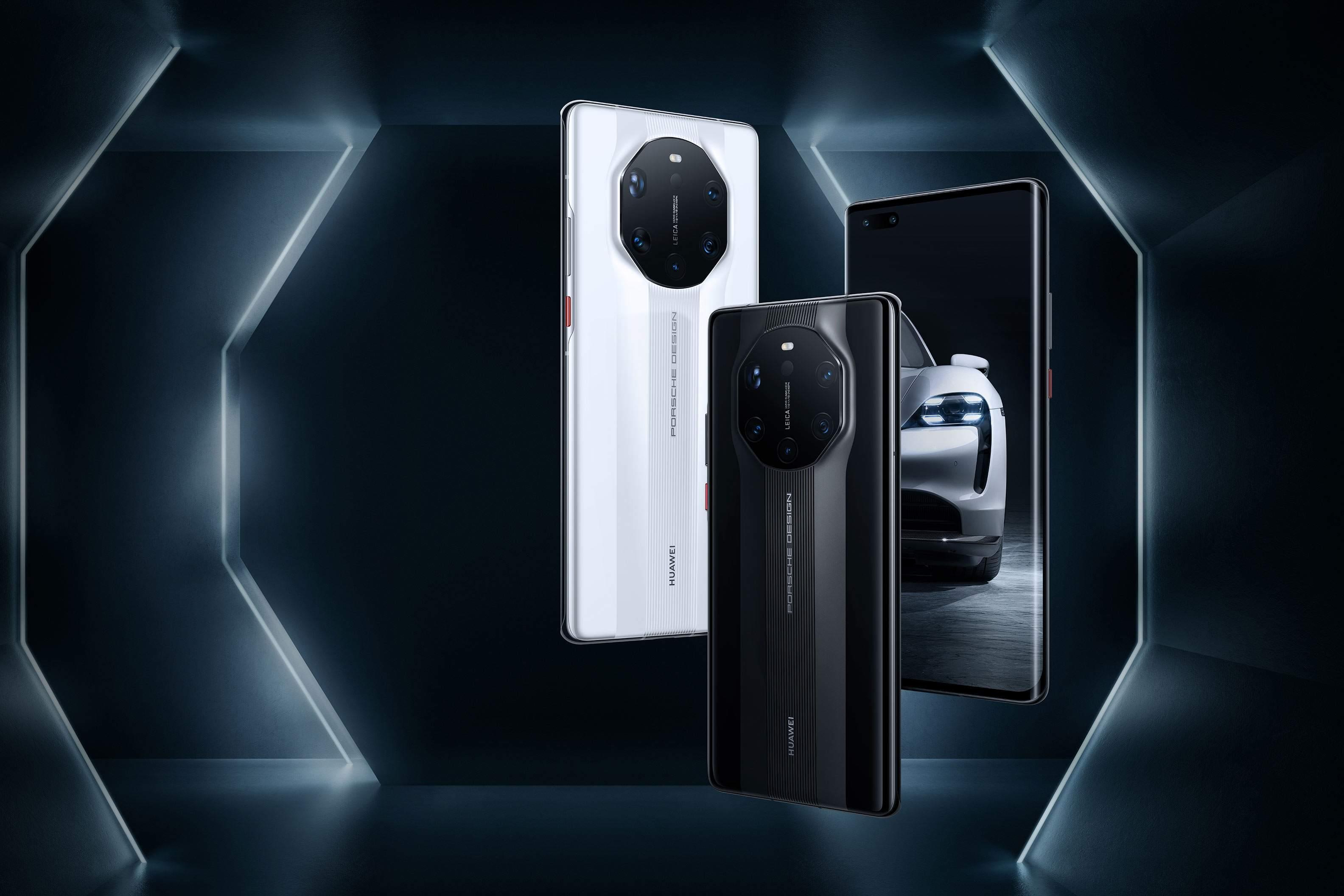
If this sounds familiar, then you aren’t alone. Because Huawei has already launched two smartphones with this functionality. The first handset is the HONOR Play4 Pro Temperature Measurement Edition from the company’s then sub-brand. The second model is the recently launched ultra-premium PORSCHE DESIGN HUAWEI Mate40 RS.

Both these handsets use an IR camera, which is capable of measuring temperatures ranging from -20°C and 100°C. And as the patent says, the results can be viewed on these smartphones themselves.

Huawei Temperature Meaurement Mobile Phone Patent

Hence, this patent does not reveal anything new except for the fact that Huawei has patented this technology and may use it in future devices as well.


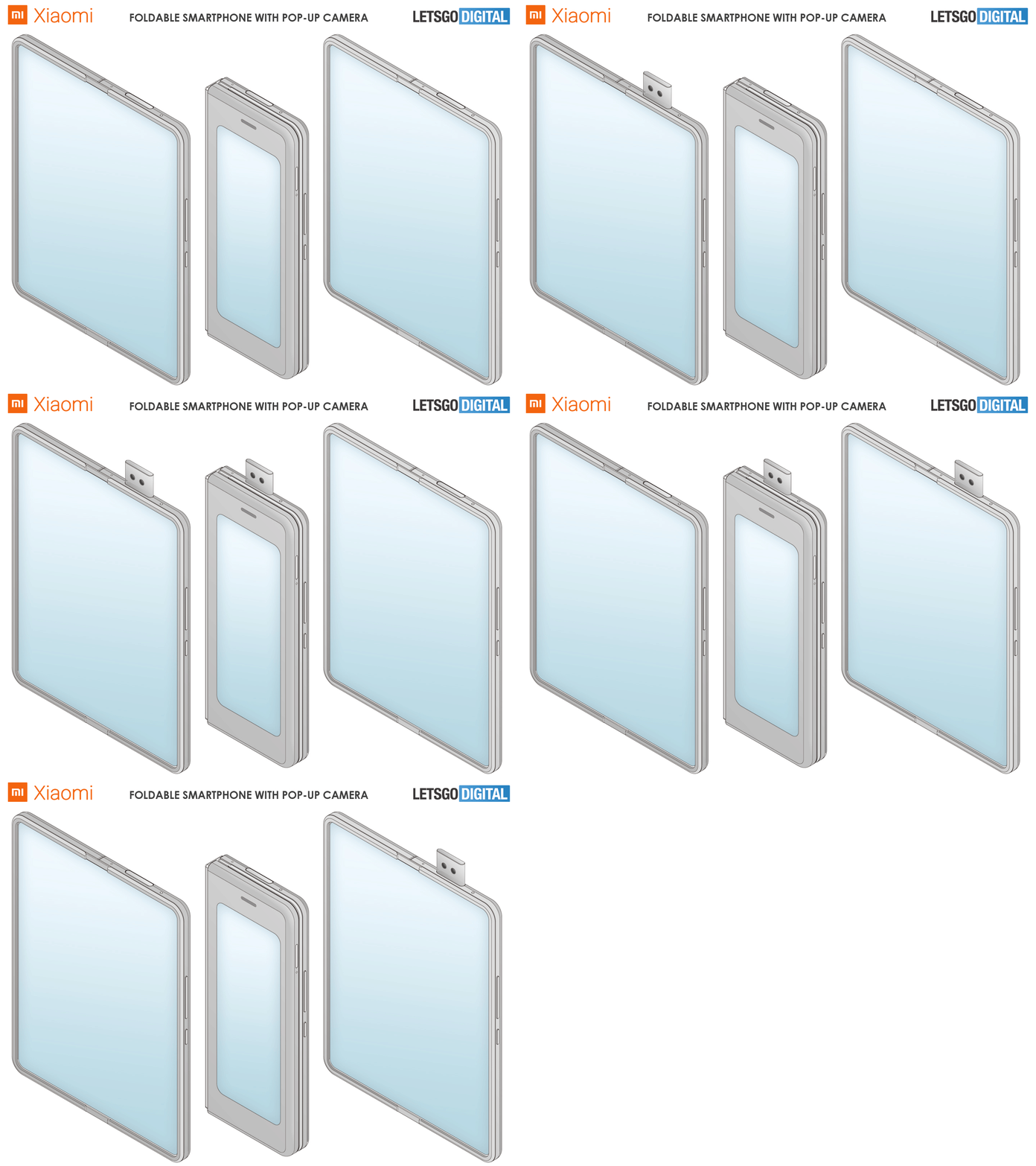
Xiaomi patents a foldable smartphone with a pop up camera

Back in 2019, foldable smartphones had just entered the consumer market with varying degrees of success. Many OEMs had also showed interest and had even filed multiple patents as well. Xiaomi was one of them, but has otherwise been quiet about its first foldable smartphone. Although, the company has recently filed patent applications for a few designs that depict a foldable handset with a pop up camera.

Xiaomi

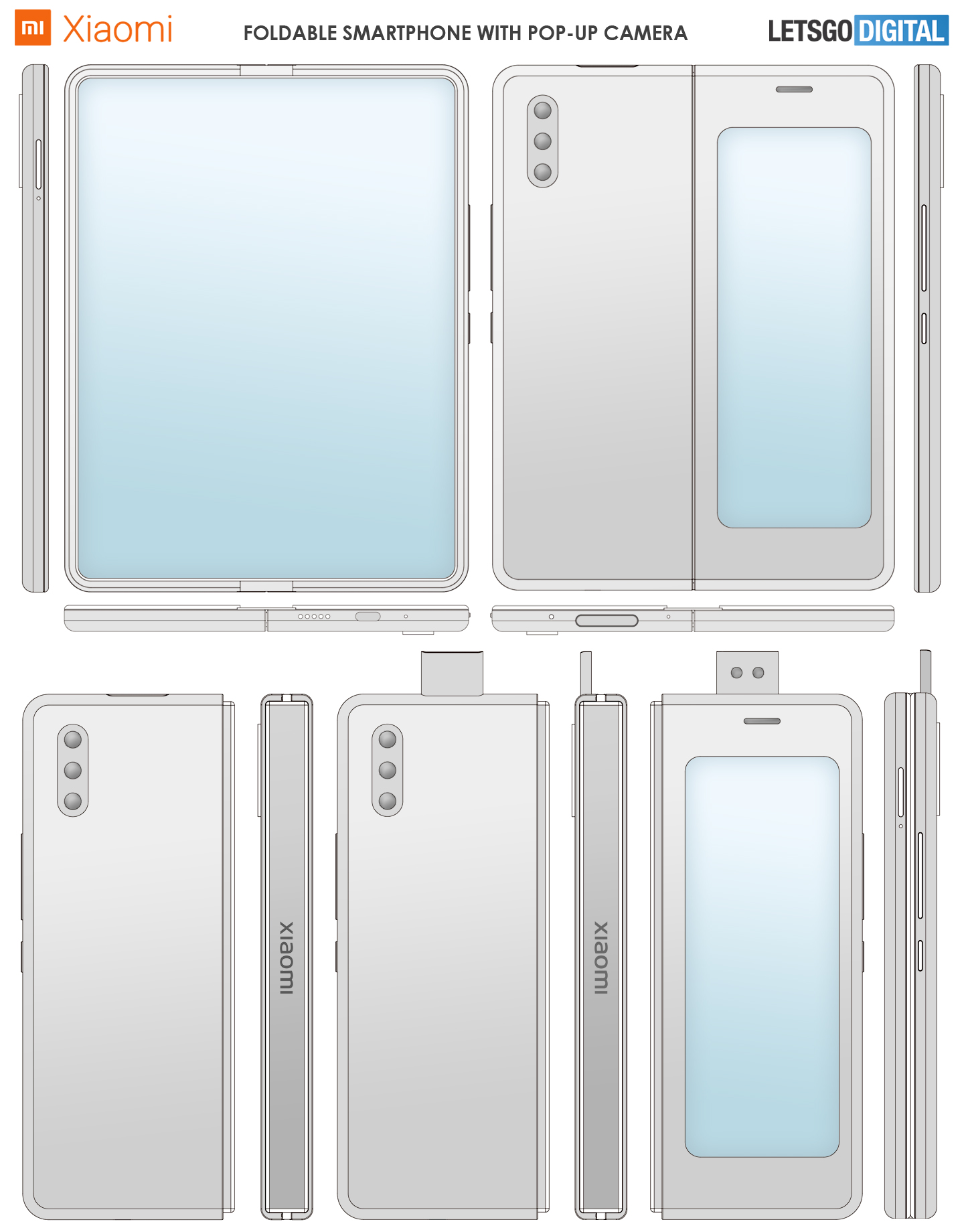
The Chinese tech giant had applied for the design patent back in September 2020 with the Hague International Design System, part of WIPO (World Intellectual Property Office). The company had previously patented a folding phone that had a design that was similar to the original Samsung Galaxy Fold, with an inward folding display and a secondary display on the outside. Now, the new patent also features the same design but with the inclusion of a pop up camera, as per a LetsGoDigital report.

When unfurled, the device sports a large display that looks like a tablet. A vertically triple rear camera setup can also be found on the back. The hinge divides both halves of the device vertically from the middle. The front is surrounded by negligible bezels on every side, which essentially offers a full display surface on this side. Arriving at its most interesting aspect, the popup selfie shooter is housed on top of the right half of the device. This allows it to be used as a selfie shooter with both the larger primary display and the smaller external screen as well.

Xiaomi

Unfortunately, finer details regarding this smartphone is currently unknown. This is just a design patent application, so it is also unsure if the Chinese tech giant is actually working on this smartphone. Although, the MWC 2021 event would be a great platform on which OEMs unveil innovative new products. So, we might hear more about the first foldable smartphone from Xiaomi soon.


Snapdragon 870 could be overclocked version on Snapdragon 865; Could the Find X3 feature it?

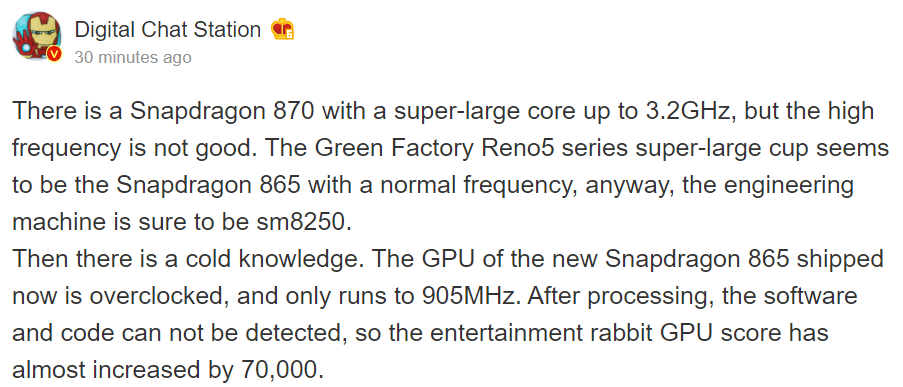
Most Android flagship phones that debuted this year featured the Snapdragon 865. A few other recent flagships from Samsung, ASUS, and Lenovo were driven by the Snapdragon 865+. The Plus edition offered faster clocking speeds than the SD865, but it came with the same GPU. In October, a tipster from China had claimed that an upcoming OPPO flagship is fueled by the custom-made chipset called Snapdragon 870. Today, the same leakster shared a few more information about the SD870.

The next flagship phone from OPPO will be from the Reno5 series. It said that the Reno5 series has three phones and the highest model is equipped with the Snapdragon 865 mobile platform. Hence, the SD870 could be seen on some other flagship phones from the brand.

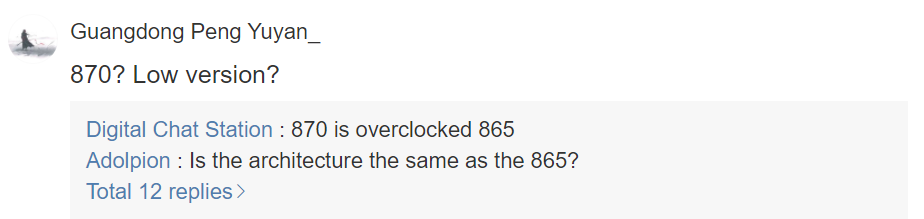
The tipster revealed that the Snapdragon 870 is an overclocked version of the SD865 in the true sense. It will not only offer faster CPU speeds but also it will offer better GPU performance as compared to the SD865 chip. The SD870 can clock up to 3.2GHz and its GPU can work at 905MHz. The Adreno 650 GPU that comes with the SD865 works at 600MHz.

It is likely that the OPPO’s SD870 powered phone will go official after the Reno5 series. Since the Reno5 is slated to debut in December, the SD870 powered OPPO phone could be arriving in Q1 next year.

The Find X2 series that includes the Find X2 and Find X2 Pro phones were made official in Q1 this year. In Q1 2021, the Find X3 series will go official. The lineup may include the Find X3 and Find X3 Pro phones. The company is highly likely to use the Snapdragon 875 chipset to power the Find X3 Pro. Hence, there is a possibility that the vanilla Find X3 could be equipped with the SD870 chip.


Huawei rivals seek to steal market share amid its troubles with the US

With Huawei facing troubles with the US and its reinforced restrictions, other Chinese smartphone manufacturers and rivals are making aggressive pushes to seize the market share of the Chinese tech giant.

Huawei Logo MWC 2019

After facing ramped up sanctions from the US, Huawei has been facing increasing pressure from its rivals as well. As per an industry insider close to the matter, companies like Xiaomi, Oppo, and Vivo are seeking to capitalize on the gap in the market left by Huawei. Notably, the company also sold its budget handset business, Honor, earlier this month. Honor spinning of from its parent company also secured its supply chain from the scrutiny faced by Huawei from the US.

During this moment, Huawei’s rivals can sense an opportunity in the mid to high end smartphone market. This also arrives after an exec had revealed that Huawei would not be able to produce its flagship processors that power its high end flagships, as per a Reuters report. According to Derek Wang, a Realme official, “What we can see now, whether from Xiaomi, Oppo or Vivo, is that they’re raising their forecasts for next year. They believe the sanctions against Huawei will more or less hurt it in the international market, and they may want to take a share of the market from Huawei.”

Huawei
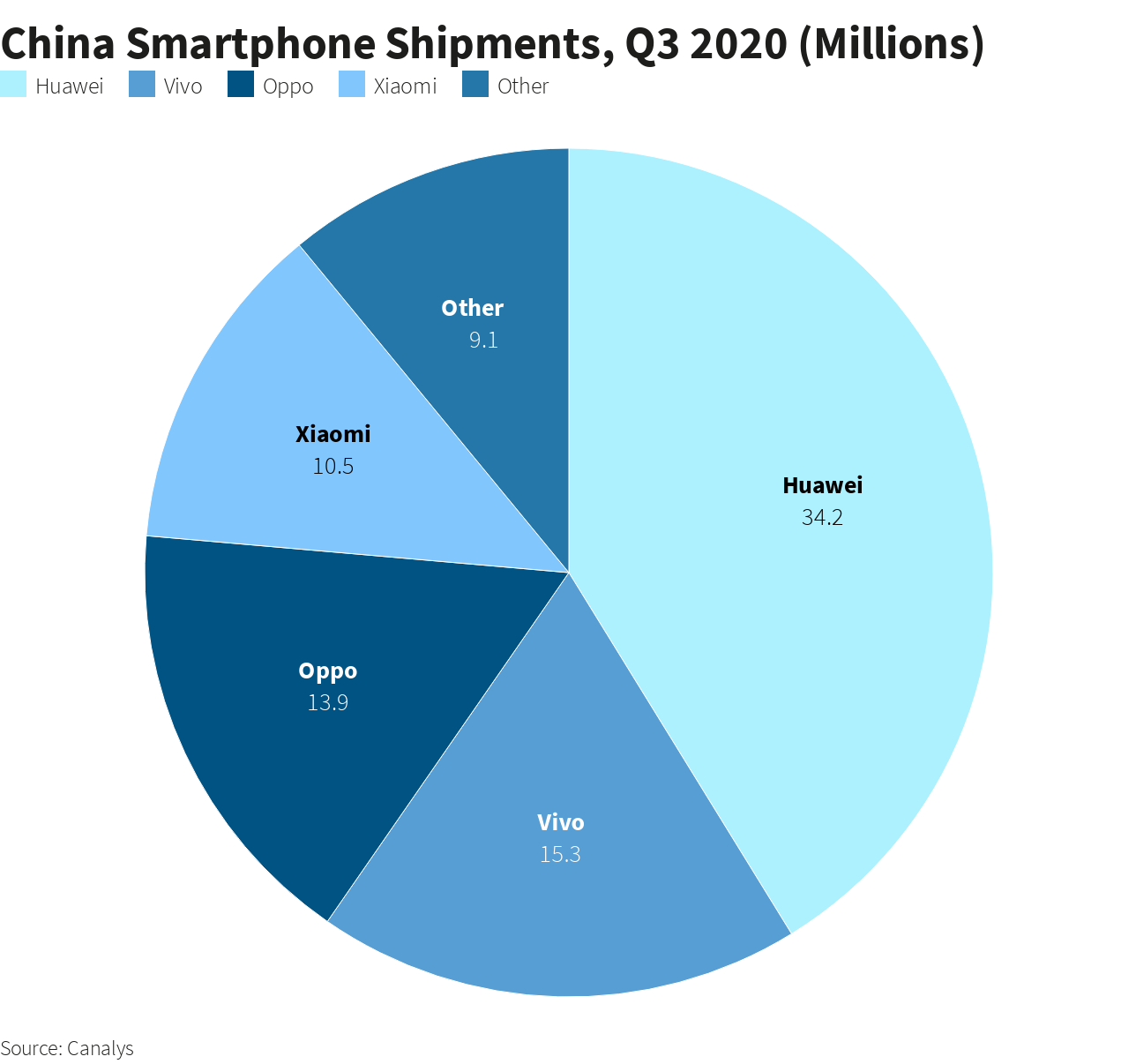
Image Via Canalys

In other words, the aggressive moves from other Chinese OEM rivals will not only be restricted to their home country in China, and will also extend to overseas markets as well. For those unaware, the US Commerce Department reinforced its restrictions against Huawei, which disrupted its supply chain. Interestingly, with the market recovering, orders have also ramped up with Xiaomi already placing 100 million handset orders between Q4 2020 to Q1 2021. Similarly, Oppo and Vivo are also projected to raise orders to 90 million and 70 million, respectively. On the other hand, Huawei orders fell by 55 percent to just 42 percent during the same period. So, the impacts of the sanctions are clearly visible.


Honor V40 series will not feature Kirin 9000, claims leak

Leaked information that surfaced earlier this month revealed that there will be different chipsets for the Honor V40 Pro and V40 Pro+. It was revealed that the V40 Pro may come with Dimensity 1000+, whereas the Pro Plus model could be equipped with Kirin 9000 chipset. However, a reliable tipster from China has claimed that the Honor V40 series does not feature the Kirin 9000 chipset

So, it can be assumed based on the new leak that the Honor V40 Pro Plus will not feature the Kirin 9000 chipset. Hence, it remains to be seen whether the V40 Pro Plus will be driven by Dimensity 1000+ or a more powerful chipset.

Honor V40 series unlikely to feature Kirin 9000

MediaTek is working on a new chipset that has model number MT6893. The 6nm SoC is said to offer performance like the Snapdragon 865 mobile platform. The Taiwan-based company is expected to announce it in the next few days. It is advisable to wait for further reports to known which processor will be fueling the V40 Pro Plus. Rumors have it that Honor, which is no longer a sub-brand of Huawei, will be launching the V40 series in December.

The Honor V40 duo is expected to come with 6.72-inch FHD+ curved displays that offer a 120Hz refresh rate. The V40 Pro and V40 Pro+ may borrow the Sony IMX700 RYYB from the Honor 30 Pro+ handset that went official earlier this year. It is unclear whether these phones have triple or quad cameras.

Both phones are expected to sport other common features like 66W fast charging, 40W wireless charging, stereo speakers, 5G, and glass build. There is no word on the pricing of the V40 duo. If the V40 Pro Plus also comes with Dimensity 1000+, it is likely to be priced around 2,500 Yuan (~$380).


Redmi Note 9 5G series will go on sale on the launch day itself

Redmi, the sub-brand of Xiaomi is all set to launch Redmi Note 9 5G series on November 26. The company has been teasing the specs of these phones for the past few days. Now, the duo has been also listed on JD (Jingdong) confirming it to go on sale on the launch day itself.

Redmi Note 9 5G launch date is November 26-

Chinese retailers usually list the devices before their official launch to further hype the products. However, these listings are usually empty with no important details. The same is the case for the upcoming Redmi Note 9 5G series.

The official listing for the next-gen Redmi Notes in China on JD does not say anything about the smartphones. The pages don’t even reveal the official branding for these phones. However, they confirm that there will be only two devices, which should probably retail as ‘Redmi Note9 5G’ and ‘Redmi Note 9Pro 5G’ respectively.

Anyway, If you notice the placeholder branding clearly, for the first since its inception, the Redmi Note series branding may not have space between the name and the number. For those unaware, some smartphone brands like OPPO, HUAWEI, and Samsung don’t use space between the series name and the generation number. For eg., OPPO Reno4 Pro, HUAWEI Mate40 Pro, and Galaxy Note20 Ultra.

Having said that. Redmi’s parent company Xiaomi is yet to launch a smartphone with a similar branding style. Maybe, it will too join this ever-growing list next year.

Whatever, the Redmi Note 9 5G series will be available for purchase at 8 PM on its launch day – November 26 on JD (Jingdong) in China. That said, although there’s no word on international launch yet, the regular model may debut as Redmi Note 9T for global markets in the coming weeks, as per various certification bureaus.


Dreamtech to make electronic nose in 2021 to detect COVID-19 in 30 seconds

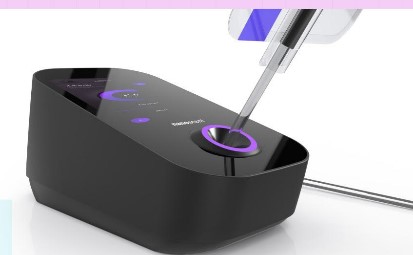
Dreamtech is set to begin production of an electronic nose solution that will be able to detect a Coronavirus infection in just 30 seconds next year. The company announced that it has just finished the trial phase earlier this month.

Dreamtech

According to TheElec report, the electronic nose from Dreamtech has been co developed with an Israeli form called Nanoscent. This device can basically detect if a patient or subject has contracted COVID-19 by analyzing their breath. It is able to achieve this by detecting the volatile organic compound in their breath. Notably, this gadget can also be effective in detecting cases where the patients is asymptomatic.

Dreamtech seeks to produce the solutions in South Korea within the first half of 2021. At the moment, the company is also preparing for approvals of authorities from various governments across multiple countries. The company also stated that even ordinary people, which could even be staff at companies, could be trained to perform the tests after using the electronic nose after just an hour of training.

Dreamtech

Dreamtech said that trials have shown that tests showcase a similar result as PCR. Furthermore, the company with Nanoscent will also be testing solutions in four English football teams, including the Tottenham Hotspur. If this is approved in various nations, the time required for obtaining these results will be shortened by a large margin. Effectively, this could simply act as a device in place of thermal temperature mapping guns.


ZTE Blade 20 Pro 5G to launch on November 30

At the recently held China Mobile Global Partner Conference, ZTE announced the ZTE Axon 20 5G Extreme Edition and it also showcased the all-new Blade 20 Pro 5G mid-range phone. Today, the company took to Weibo to confirm that the Blade A20 Pro 5G will break cover on Nov. 30 in China.

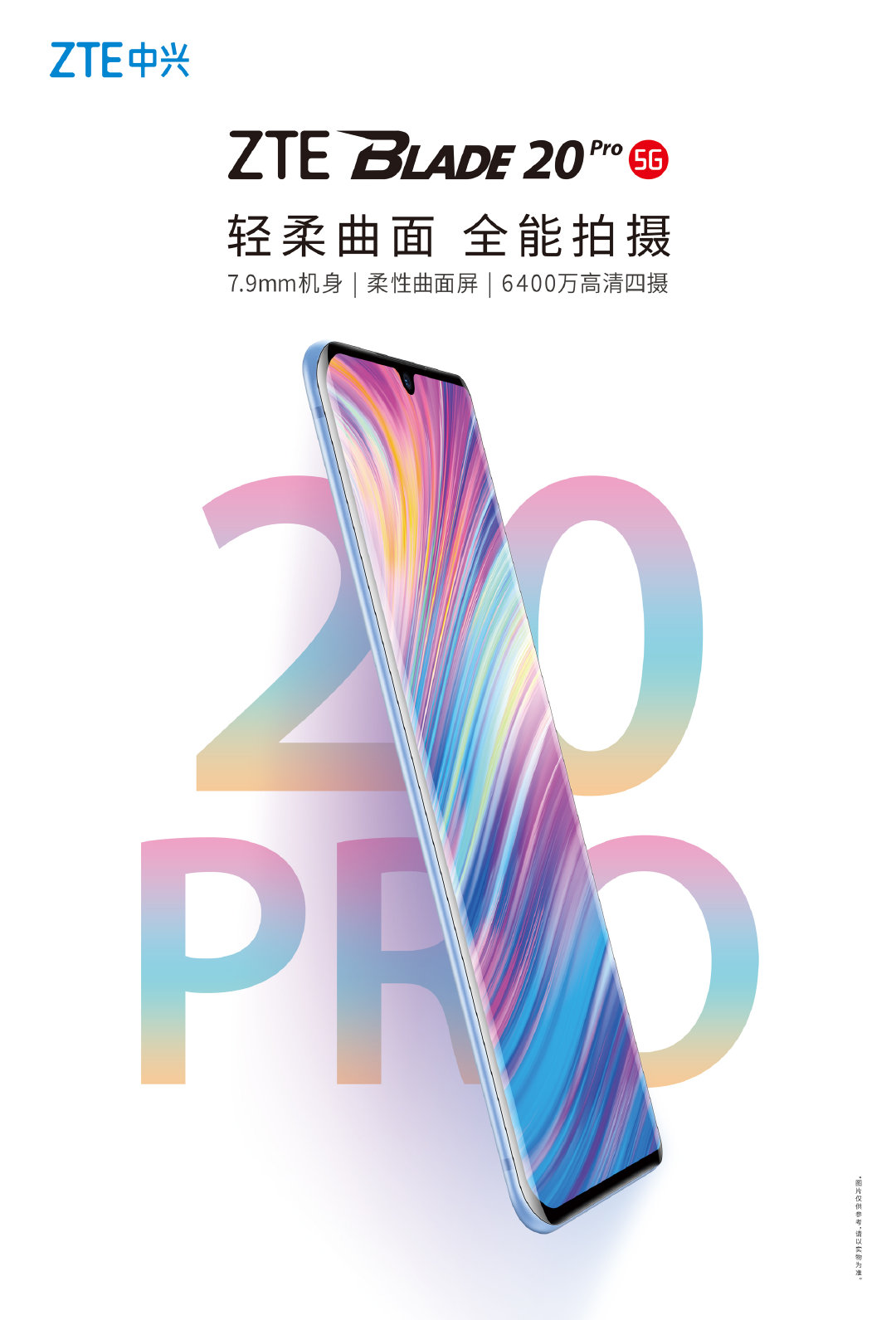
In the launch poster released by the brand, the Blade 20 Pro 5G can be seen sporting a waterdrop notch display. It also reveals that the device will be sporting a curved edge display. The handset will be arriving as a higher version of the Blade 20 5Gv that debuted earlier this month in the home market.

ZTE Blade 20 Pro 5G launch date

ZTE Blade 20 Pro 5G specifications

The Blade 20 Pro 5G has a 6.52-inch IPS LCD display that offers an HD+ resolution of 720 x 1600 pixels and a 20:9 aspect ratio. While the Blade 20 5G came with the Dimensity 720 chipset, the Pro model will be driven by the Snapdragon 765G SoC.

The teardrop notch has a 20-megapixel camera for capturing selfies. The backside of the phone features a quad camera setup pioneered by a 64-megapixel lens. There is no information available on the configurations of its other cameras.

The Blade 20 Pro 5G draws power from a 4,0000Ah battery. It is unclear whether the device supports fast charging. The handset has 6 GB of RAM and 128 GB of storage. It is unclear whether the device has a side-facing or a rear-mounted fingerprint reader.

The Blade 20 Pro 5G will be available for purchase from Nov. 30. The Axon 20 5G Extreme Edition is also expected to go on sale on the same day. At present, there is no word on the pricing of these devices.


TikTok and WeChat ban in the US to “ultimately” succeed: Trump Aide

Robert O’Brien, the US National Security Adviser recently stated that the Trump administration’s efforts to ban popular Chinese social media apps like WeChat and TikTok will “ultimately” succeed.

TikTok

For those unaware, President Donald Trump has been actively working to restrict Chinese owned social media platforms in the US. The reason behind this was national security, but the ban order had been put on hold due to court injunctions. Notably, WeChat and TikTok users have also argued that the ban was only motivated by election year politics rather than an actual security based risk, as per a Bloomberg report.

According to Robert O’Brien, “We’re now looking — those court cases are ongoing, so the federal government will wait and see what our courts tell us we can or can’t do with respect to those bans. I think ultimately the president’s authority with those bans on those apps will be enforced. And I think even if there’s a change in administration, those bans will take place.”

TiKTok

Interestingly, President-elect Joe Biden is set to take the office on 20th January 2020 and has promised to review the situation regarding the security risk posed by TikTok. Furthermore, the administration will also be reviewing other Chinese companies that have popular applications in the US “that are taking a lot of data from the American people,” O’Brien added. “We’re taking a look at those apps as well and there could be some action. We’ll have to see what the president decides to do.” Although, it is still too early to tell how the situation will play out, and we will have to wait for further development to know for sure.


Huawei launches MateStation B515 PC for government and enterprises, features AMD Ryzen 4000 series APUs

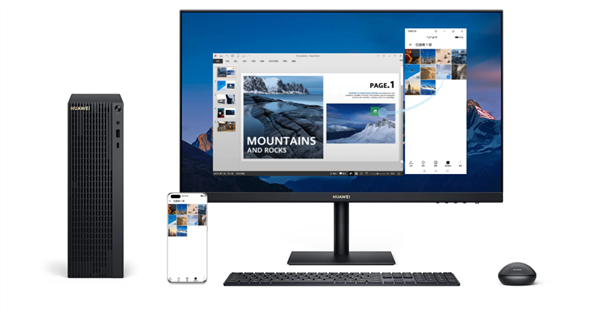
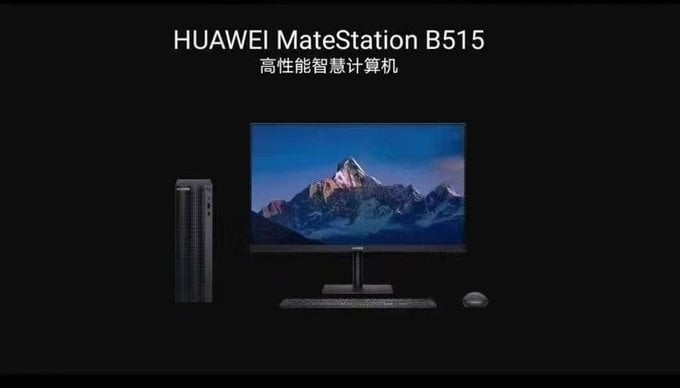
Huawei has just launched its latest desktop PC, dubbed the MateStation B515. It features an AMD Ryzen 4000 series APU and is mainly being aimed at government and other enterprises rather than the consumer market, as seen in the official listing on the company’s website.

According to the company’s official listing, the new desktop will only target the government and enterprise level corporations. In other words, its built with professional workloads in mind. Thus, its design and body is also sober and simple, with similarly styled monitor, keyboard, and mouse. Looking at its specs, the PC can be outfitted with either the AMD Ryzen 5 4600G or the Ryzen 7 4700G processors. These chips are APUs, which mean that they arrive with built in Radeon Vega graphics.

Huawei

As for memory, the company is offering either 8GB or 16GB of DDR4 RAM that are clocked at 3200MHz. For storage, different configurations can have the users equip an SSD storage alongside a 1TB HDD. Its power supply is 300W, and it also supports built in Wi-Fi and Bluetooth 5.0. The Huawei MateStation B515 runs on Windows 10 Home out of the box.

Arriving at the monitor, it is a 23.8 inch display with narrow bezels on every side and a high screen to body ration of 90 percent, which is in line with a leak we had previously reported on. It has a FHD resolution 1920 x 1080px and is paired with the smart keyboard and mouse. The PC’s power button integrates fingerprint recognition and even has its own NFC module, which can be linked with Huawei smartphones.

Huawei MateStation B515

A Weibo user by the name of @看山的叔叔 (a Chinese microblogging website) shared further details regarding the new MateStation B515 PC. As per the post, the Huawei desktop can also be equipped with an NVIDIA GeForce GTX 1650 discrete graphics card as well. Furthermore, only the 16GB RAM variant will feature the smart keyboard that supports fingerprint scanning, while the base 8GB RAM variant will only feature a normal keyboard. There are a total of 5 different configurations ranging from 4,999 Yuan to 8,999 Yuan (roughly 760 US Dollars to 1,370 US Dollars).


Samsung Galaxy S21 series to reportedly launch with 5G support in India

Samsung is done launching its high-end smartphones for this year and now the focus is on the company’s upcoming flagship smartphones. The first one in the line is the next-generation Galaxy S-series devices.

As per the reports, the South Korean giant is gearing to launch its Samsung Galaxy S21 lineup earlier this year. There are reports out there which indicate that the launch event could take place on 14th January.

Now, it is being reported that the Galaxy S21 series will come with support for 5G connectivity in the Indian market. This is noteworthy that the Galaxy S20 series only offered 4G support in India given that India doesn’t have 5G infrastructure in the country.

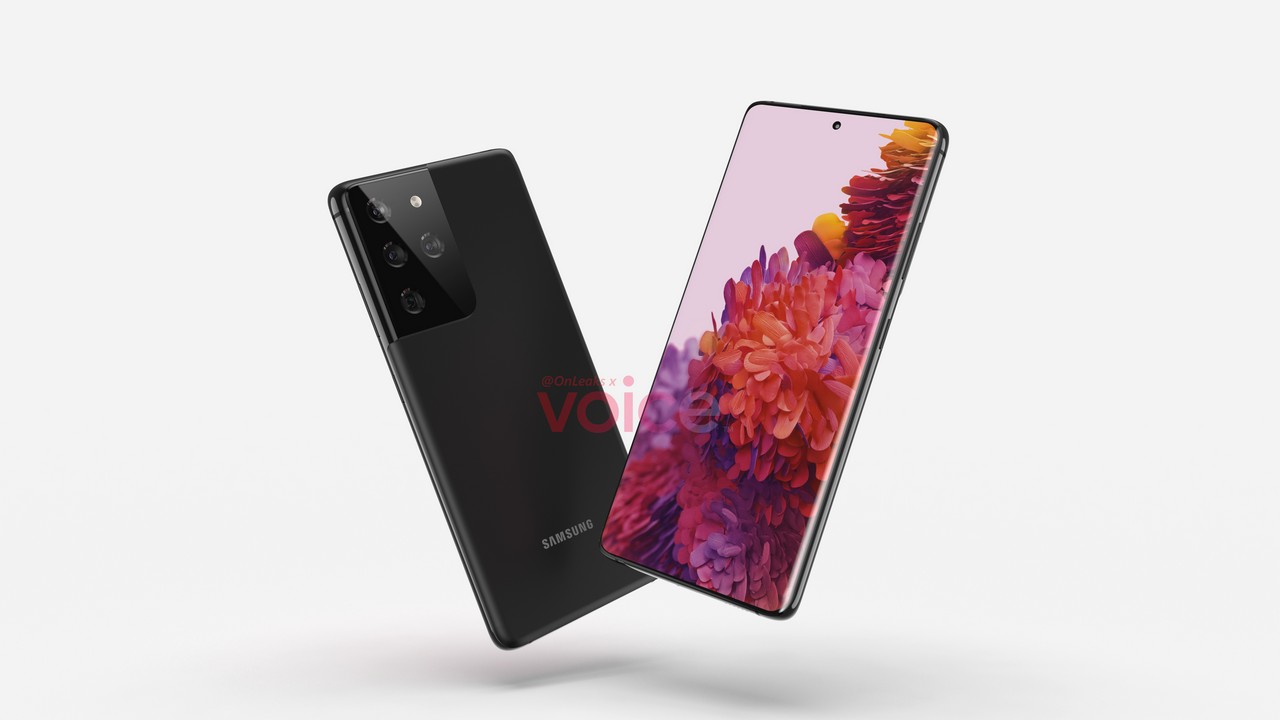
Samsung Galaxy S21 Ultra
Samsung Galaxy S21 Ultra Render

As per the leaks, there will be three models in the Galaxy S21 lineup, similar to its predecessor — Galaxy S21 5G, Galaxy S21 Plus 5G, and Galaxy S21 Ultra 5G. They will carry model numbers SM-G991B, SM-G996B, SM-G998B.

Recently, it was revealed that the Galaxy S21 will come with a 6.2-inch LTPS FHD+ AMOLED display while the Plus variant will have a 6.7-inch FHD+ AMOLED display, a downgrade compared to the QHD+ display panel in S20 Plus. Both the smartphones are said to come with a 120Hz refresh rate. As for the S21 Ultra, the phone will feature a 6.8-inch LTPO AMOLED panel with WQHD+ display resolution.

As for the internals, the devices will come powered by the Qualcomm Snapdragon 875 Mobile Platform or the Samsung Exynos 2100 chipset, depending on the region. As per the benchmark results, it seems that the Exynos 2100 is outperforming SD875.

EDITOR’S PICK: Redmi Note 9 Pro 5G key specifications revealed; Snapdragon 750G gets confirmed

In the camera department, the smartphones are expected to feature a triple-camera setup on the back, consisting of a 12-megapixel ultra-wide-angle lens, a 12-megapixel wide-angle lens, and a 64-megapixel telephoto sensor.

The Galaxy S21 Ultra is said to have a quad-camera setup consisting of a 108-megapixel ISOCELL HM3 camera, a 12-megapixel ultra-wide-angle camera, a telephoto camera with 3X optical zoom, and a telephoto lens with 10X zoom.

Along with 5G, the phones are expected to have support for Wi-Fi 6 and Bluetooth 5.1. The Samsung Galaxy S21 is said to pack a 4,000mAh battery while the S21 Plus is likely to come powered by a 4,800mAh battery. On the other hand, the S21 Ultra will be powered by a 5,000mAh battery.