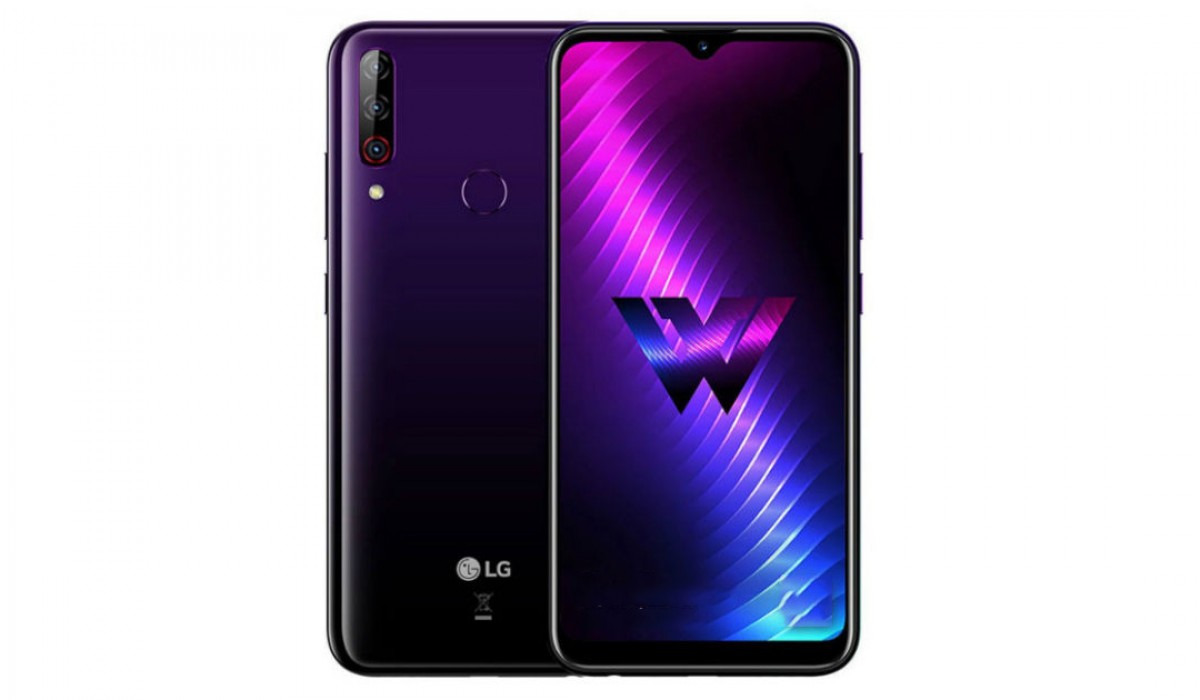
LG has announced the LG W11, LG W31, and LG W31+ smartphones in India. These phones have arrived as successors to the LG W10, LG W30, and LG W30+ phones from 2019. The new W-series that carry a starting price of Rs 9,490 in India have identical specs and they only mainly differ in departments like camera, RAM and storage.
LG W11, LG W31, and LG W31+ specifications and features
The LG W11, LG W31, and LG W31+ budget-friendly phones are equipped with 6.52-inch IPS LCD FullVision displays with a waterdrop notch. They support HD+ resolution and a 20:9 aspect ratio. These phones are preinstalled with Android 10 OS.
The Helio P22 chipset is present under the hood of the new W-series smartphones. They draw power from 4,000mAh batteries. For capturing selfies, all three phones have 8-megapixel selfie cameras.
The LG W31 and W31+ are equipped triple camera setup that includes a 13-megapixel main camera, a 5-megapixel ultrawide camera, and a 2-megapixel depth sensor. The W11 has a dual-camera setup featuring a 13-megapixel main shooter and a 2-megapixel depth sensor. A fingerprint scanner is absent, while it can be found on the LG W31 duo.
LG W11, LG W31, and LG W31+ pricing and availability
The LG W11 that comes with 2 GB of RAM and 32 GB of storage is priced at Rs 9,490 (~$128). The LG W 31 has 3 GB of RAM and 64 GB of storage and it costs Rs 10,990 (~$148). The LG W31+ is equipped with 4 GB of RAM and 128 GB of storage and it is priced at Rs 11,990 (~$162). These phones can be bought in colors like Midnight Blue.
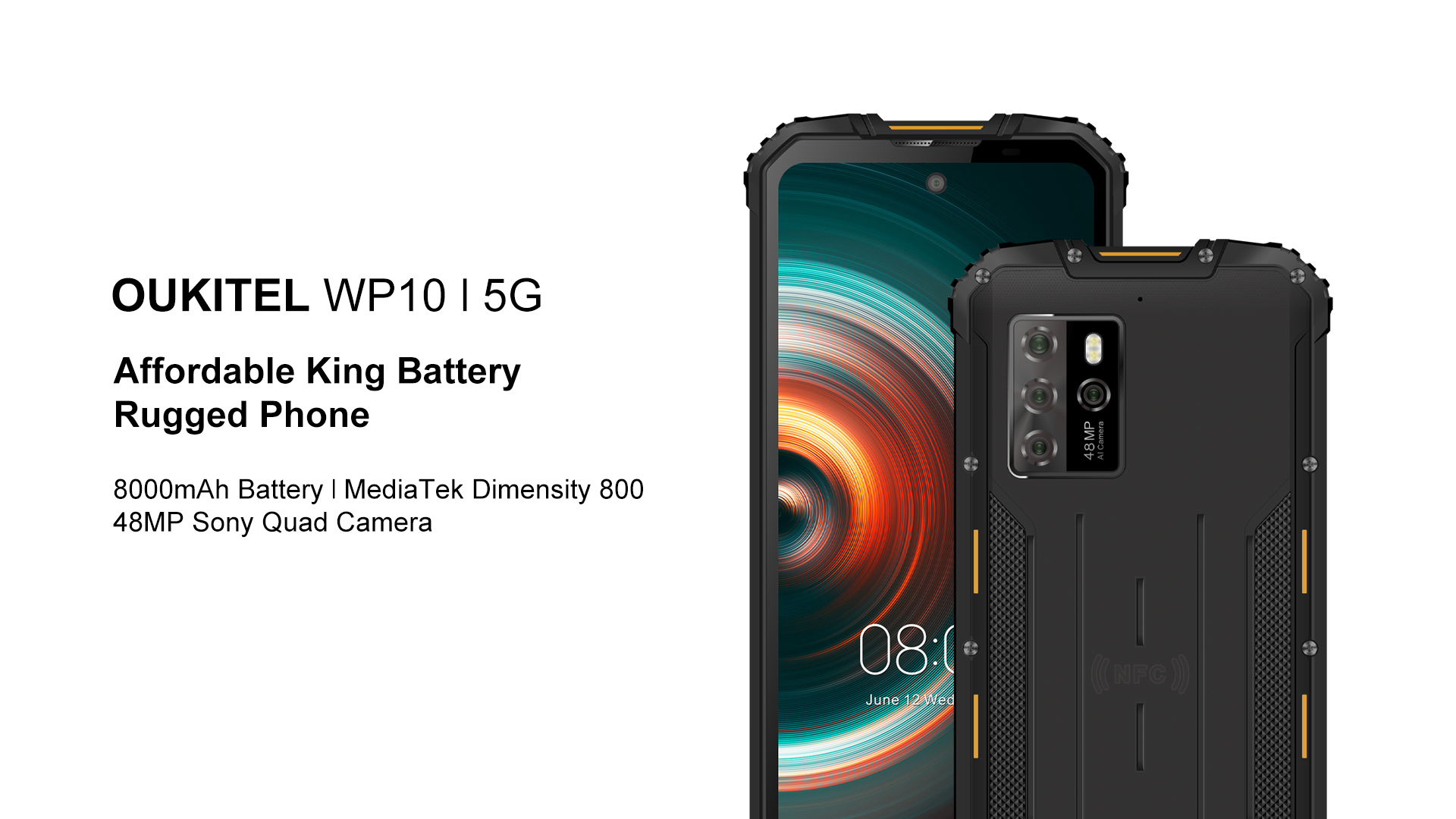
Oukitel has officially launched its first 5G rugged smartphone- WP10. It is one of the many 5G phones Oukitel plans to release. Along with this introduction, the company also conducted a survey about 5G rugged phones on its website, the topic of interest being, “If you want to buy 5G phones, which(feature) is important to you”. To which, the people responded with “battery” as their primary need.
Now, it is a known fact that Oukitel develops its own batteries. They have used this supremacy to establish dominance over the competing brands with its compelling launch strategy. WP10 is introduced with the slogan “King Battery”, which precisely justifies the powerful 8000mAh battery that it features. With this capacity, the company guarantees up to 48 hours of active use to its consumers. This attribute is especially striking as the device has a 5G connection that is known to consume more power than the other carriers.
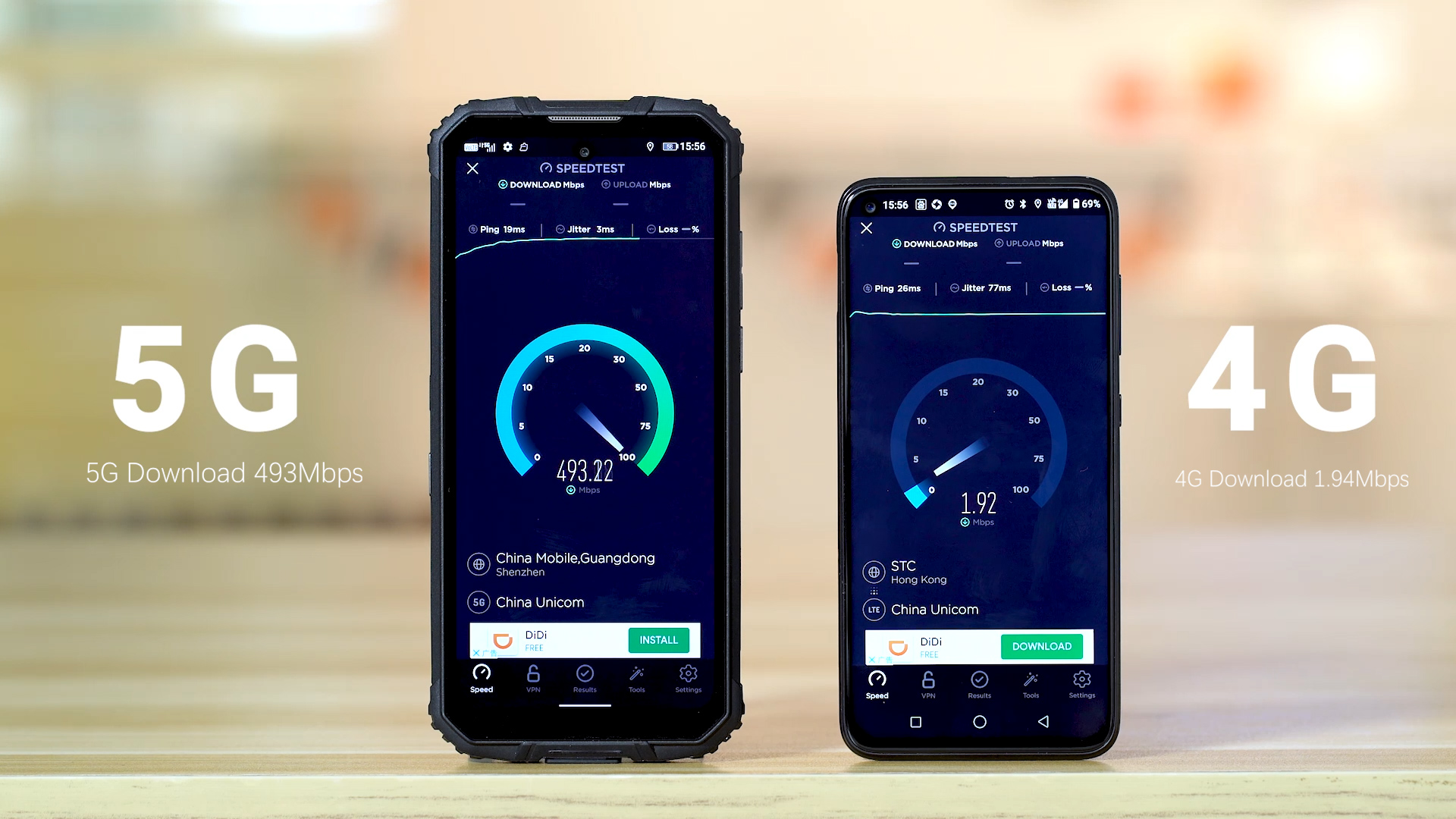
Apart from the battery, this phone also boasts decent specifications. It is powered by MediaTek Dimensity 800 with a 7nm processor that is designed to support high-internet speed. To prove this point, the company did a comparison test with 4G phones, which resulted in WP10 5G having 100 times faster download speed. The 5G download and upload speed are expected to be up to 2.3Gbp/s and 2.5Gbp/s. It will allow the user to download an HD movie within a few seconds. With a high-speed 5G connection, this device aims to offer uninterrupted online gaming and 4k video streaming, among other things.
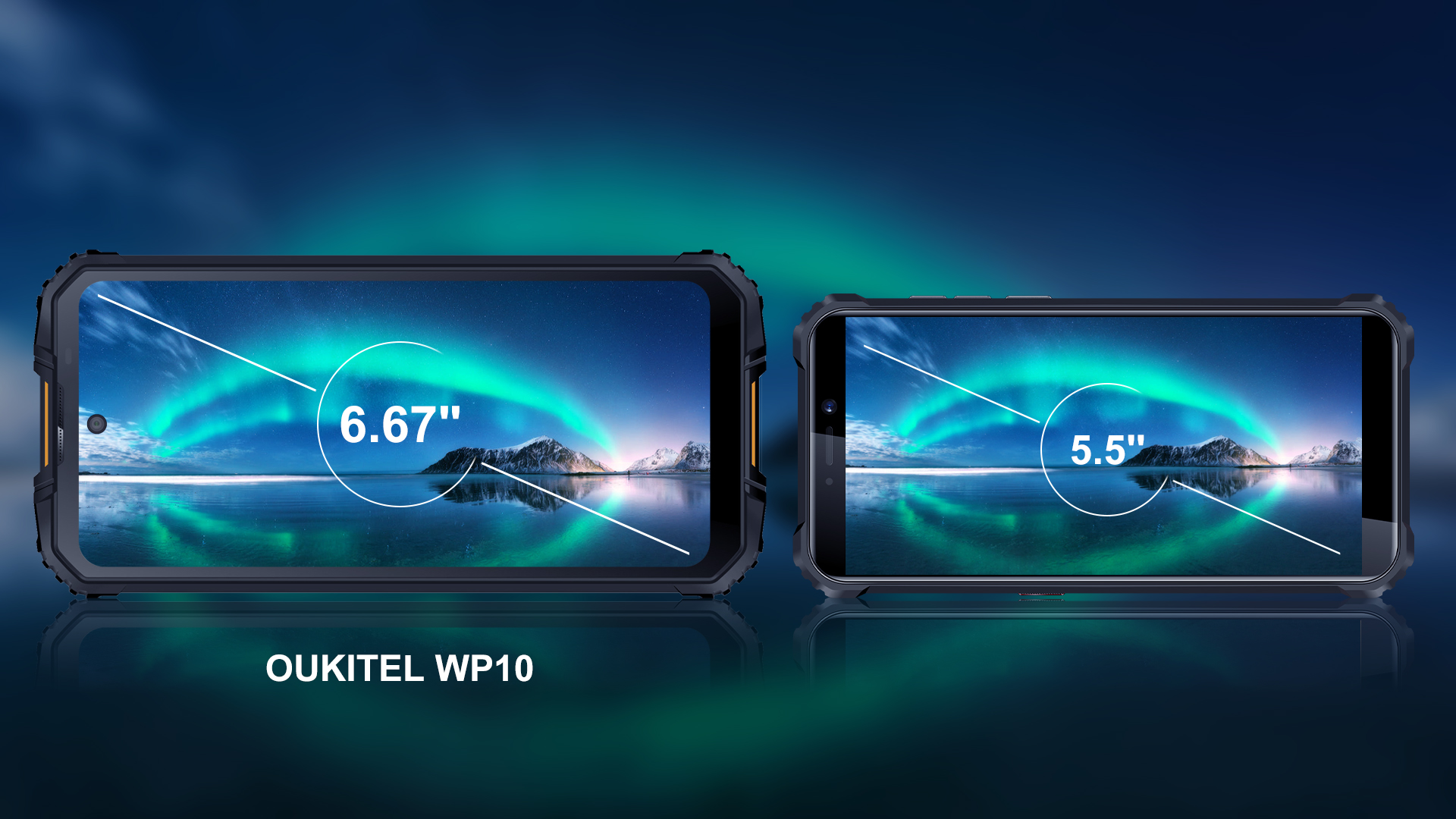
WP10 features a 6.67-inch in-cell Hole-Punch FHD+ display, one of the largest displays on a smartphone. It’s high-resolution guarantees an immersive gaming and content viewing experience. This Oukitel flagship comes with a quad-rear camera consisting of a Sony 48MP primary lens, 13MP wide lens, 2MP depth lens and 2MP macro lens to help click sharp pictures.
WP10 has an IP68 and IP69k rating and MIL-STD_810G certification. It is water-resistant up to a depth of 1.5m and can withstand a drop from a height of 1.5m. Additionally, it is also shock and dust resistant to offer enhanced durability.
Since 5G phones are a comparatively new introduction to the market, they are expected to have a considerably high price. As for now, Oukitel hasn’t revealed the price of WP10, but one can expect it to have an affordable price.
Adding more fun to this anticipation game, Oukitel has already introduced free giveaways for 10 lucky people. They will be recruited by the company to test the phone for a trial run. All interested readers can head on to their official website to know more about the giveaway and the phone.
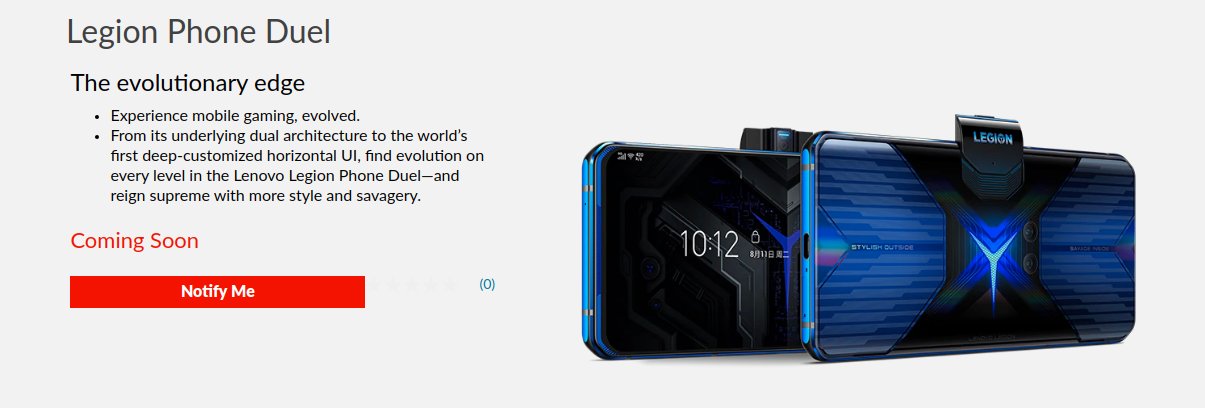
Some of the most powerful Android phones yet are gaining gaming smartphones which usually come with overclocked CPUs and equipped with the right hardware to prevent overheating which such overclocking could result in. The Lenovo Legion Duel is undisputedly one of the most powerful gaming smartphones around considering it runs on the latest Snapdragon 865+ chipset paired with a whopping 16GB of RAM.
The phone is currently available in China and Europe but is yet to be launched in India. That may change soon as the product page for the Legion Duel has gone live on Lenovo India’s official website. The page presently contains a caveat that the phone is not sold in India but the listing sure suggests that the flagship gaming machine will hit the Indian market pretty soon.
The Lenovo Legion Duel Gaming phone was first launched in August and happens to be the first smartphone in the brand’s Legion series. In terms of the specifications, the device packs a 6.65-inch AMOLED display with a refresh rate of 144Hz. The phone emerged as the first model powered by Qualcomm’s latest Snapdragon 865 Plus flagship platform. It equally packs a 5000mAh battery and supports 90W fast charging.
In addition, the Legion Duel Gaming Phone is equipped with a game acceleration engine (GAE). At the same time, long-press the ultrasonic buttons on both sides to start the game acceleration engine, making the game experience more enjoyable. During gaming, players can quickly switch perspectives through the shaking of the phone. User can also quickly probe the environment around and perceive the enemy’s location.
The Lenovo Legion Duel Gaming phone has a starting price of 3499 yuan (~$521) in China but this is for the 8GB RAM version. The smartphone comes with a pricing of 999 euros (~$1,170) in Europe for the 16GB RAM and 512GB flash storage version.
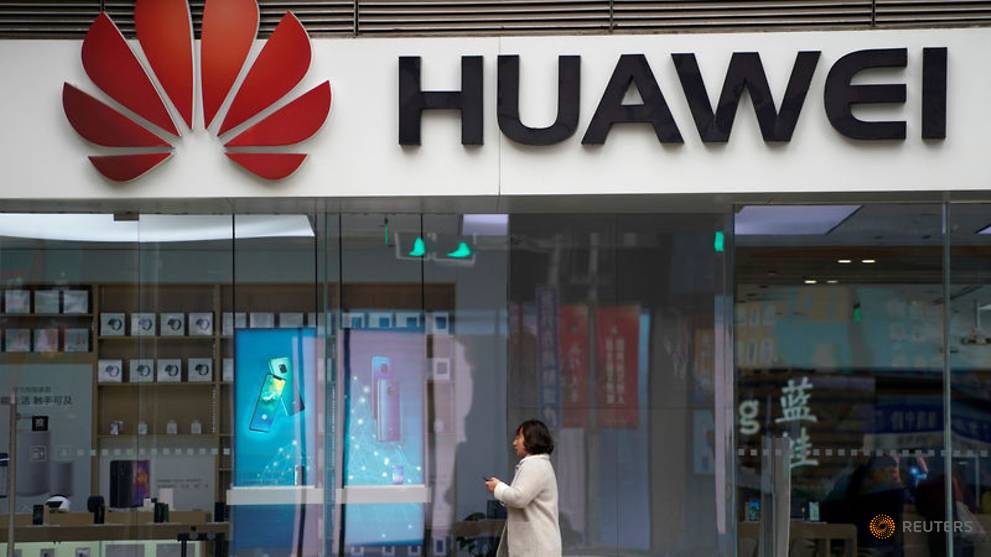
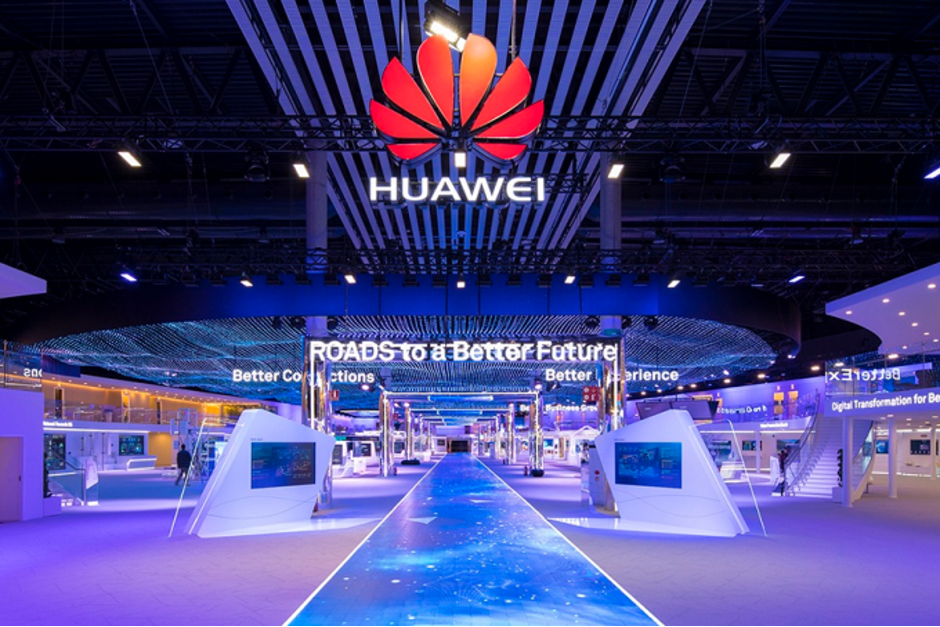
In October this year, regulators in Sweden announced a ban on the use of telecommunications equipment from Chinese providers, Huawei and ZTE. The Swedish regulator has given companies taking part in 5G spectrum auctions until January 1, 2025 to remove Huawei and ZTE equipment from their existing infrastructure and core functions. However, according to a report by the Swedish telecoms regulator PTS, Huawei has appealed against the decision to exclude it from 5G networks.
A spokesman for the Swedish telecoms regulator disclosed that the appeal will be sent to the administrative court of Stockholm which would handle the case. Apparently, ZTE is yet to respond to the ban but we expect a similar appeal from the Chinese telecommunications equipment firm.
The ban by Sweden last month re-echoes a similar trend since the US first banned both companies from providing its 5G gears. The US government has also pressured allies in Europe and elsewhere to also ditch Huawei’s equipment on the grounds of security concerns that the equipment could be used by the Chinese government for espionage.
Huawei has continued to deny it would do such and have made efforts to reassure of the integrity of its 5G gears. Responding to the appeal filed in Sweden, Kenneth Fredriksen, Huawei’s Executive Vice President, Central East Europe and Nordic Region, disclosed to Reuters that the company thought the decision taken by the Swedish government was not good for customers nor for Sweden in general. The company is thus, hoping that the Swedish court would x-ray the matter and reach a decision whether the ban has been carried out through a proper process and in accordance with the law.
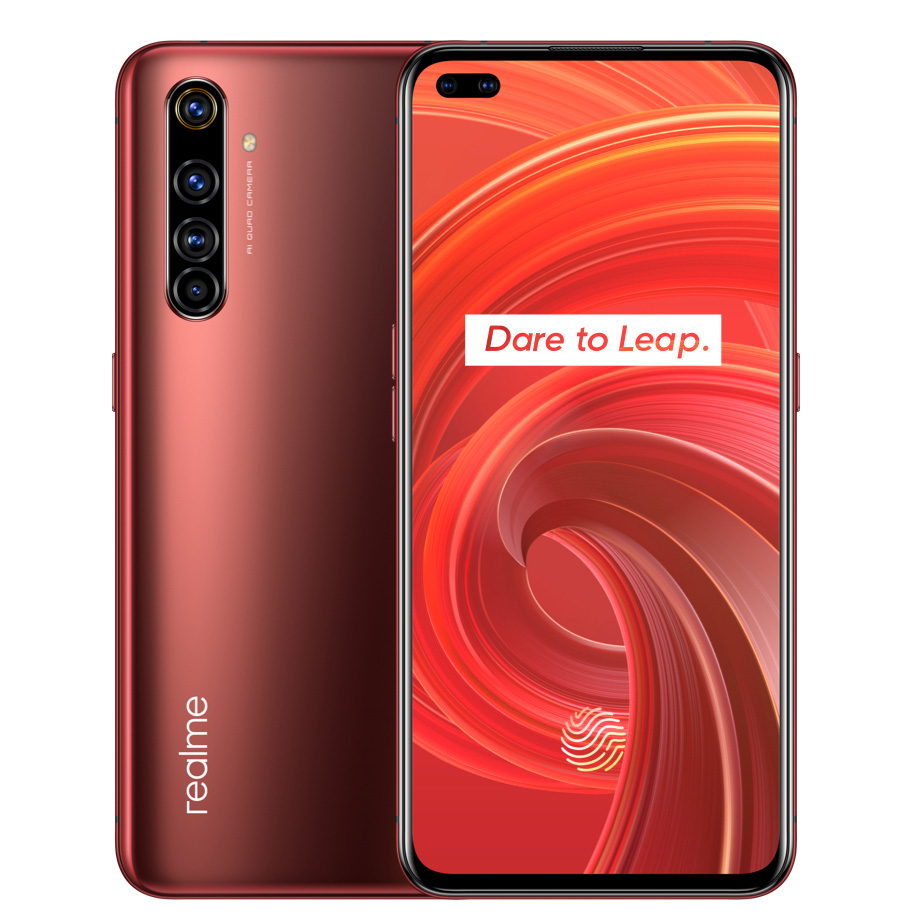
Realme had said that an open-beta version of Realme UI 2.0 will be available towards the end of October. Now, it has started rolling out the Realme UI 2.0 Public Beta in China. The new UI based on Android 11 is now rolling out to the users of Realme X50 Pro 5G.
Realme X50 Pro 5G
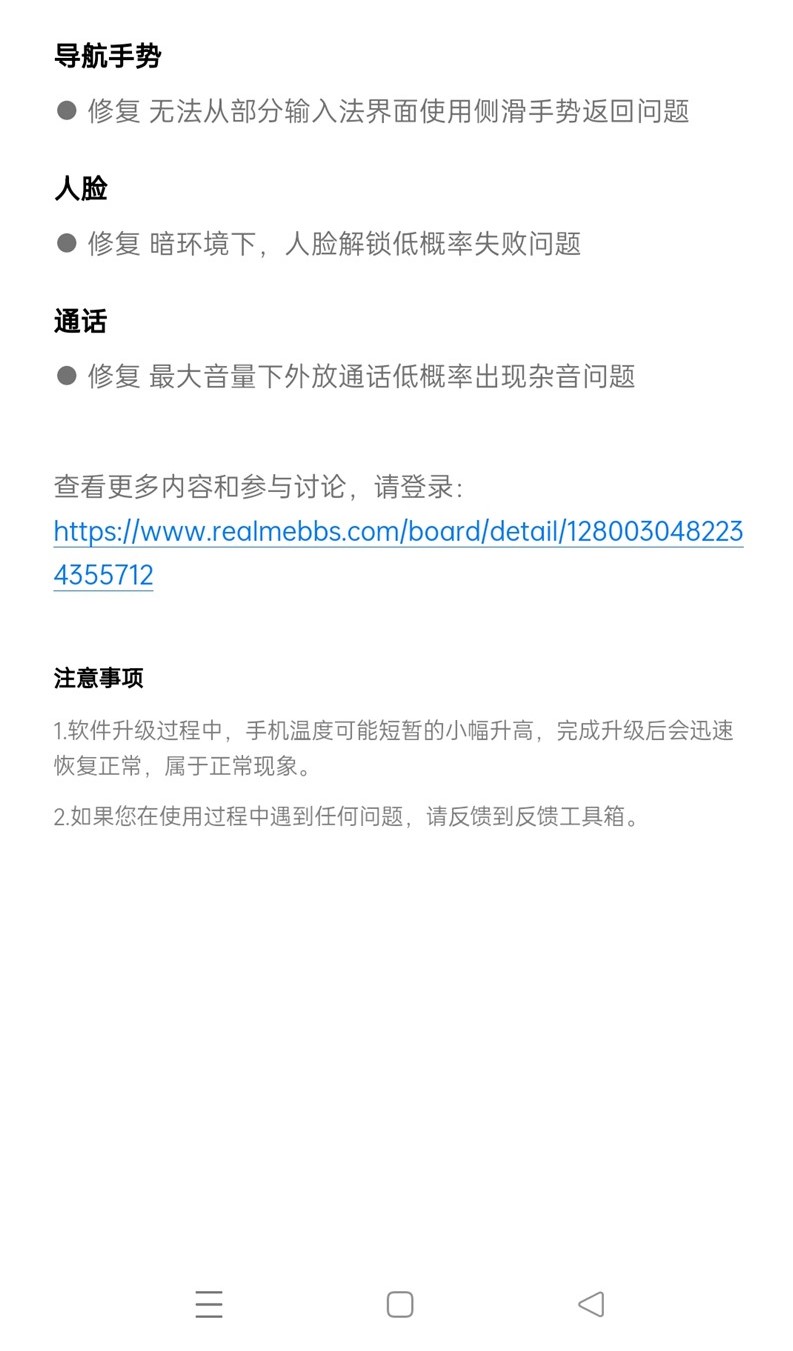
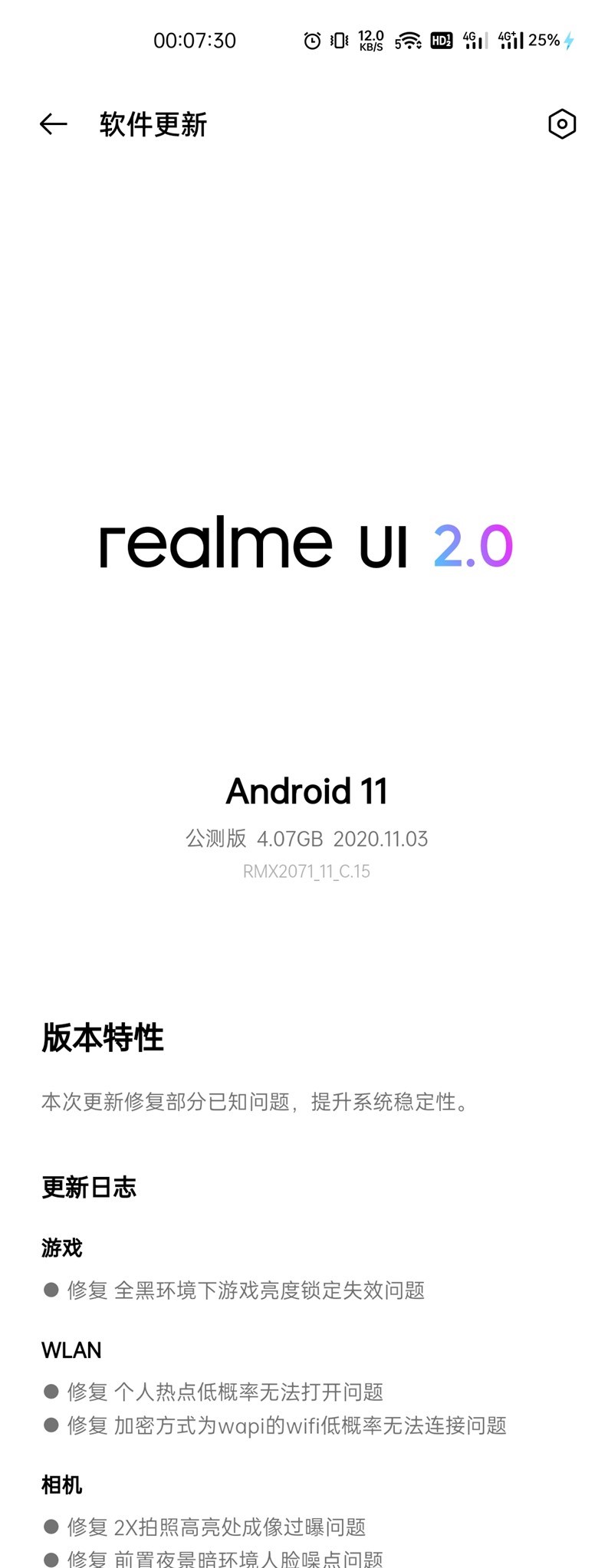
The update(via ITHome) titled, “Public Beta” based on Android 11 is reportedly rolling out with a version number RMX2071_11_C.15. Now, if we look at the model number, it is RMX2071 which pertains to Realme X50 Pro 5G. Hence, we can be assured that the screenshot below is indeed a legit one. The update weighs 4.07GB and is dated November 3, 2020. You can take a look at the changelog below:
Game – Fixed “Locked Brightness” of Game in Dark environment.
Camera- Fixed Overexposure problems in 2X mode, Face noise in Night scene.
Navigation gestures- Fixed “Sliding gestures” issue in some interfaces.
Face Unlock- Fixed Face Unlock failure in Dark Environment.
Call- Fixed “Noise” at Maximum volume during calls.
1 of 2
That said, the update also has improvements to the UI and its Animation. However, it also seems to have brought a few issues with it. As per the report, users have experienced slow charging, frequent frame drops/delays in the Honor of Kings game, 5G Data usage, dip in performance benchmarks, and more. Anyway, the update is sure to receive more improvements as the company tweaks it.
Realme unveiled the Realme UI 2.0 back in September. It has a lot of reminiscence to the OPPO’s ColorOS 11. While the Indian version has mentioned an “Open Beta” through application, it has rolled out a Public beta in China.
Also, apart from the X50 Pro 5G, the Realme UI 2.0 is said to reach other devices in the future. Nevertheless, Let’s wait and see if the company lives up to the promise of delivering updates on time with stability.
Qualcomm is said to unveil the next flagship SoC, Snapdragon 875 on December 1. Ahead of this, its features have already been leaked online. Now, a Geekbench score of a Xiaomi device(allegedly Mi 11) gives us more details.
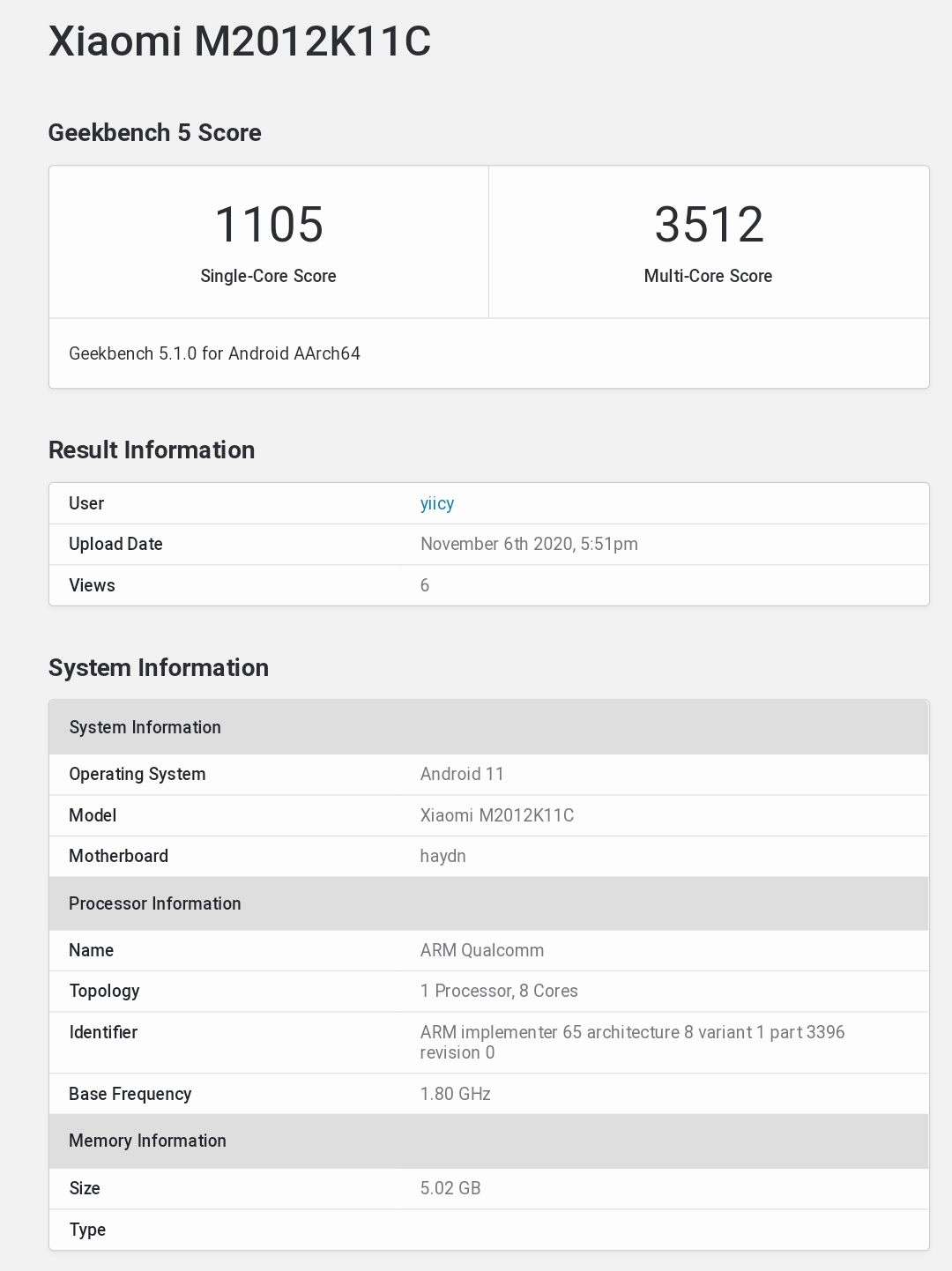
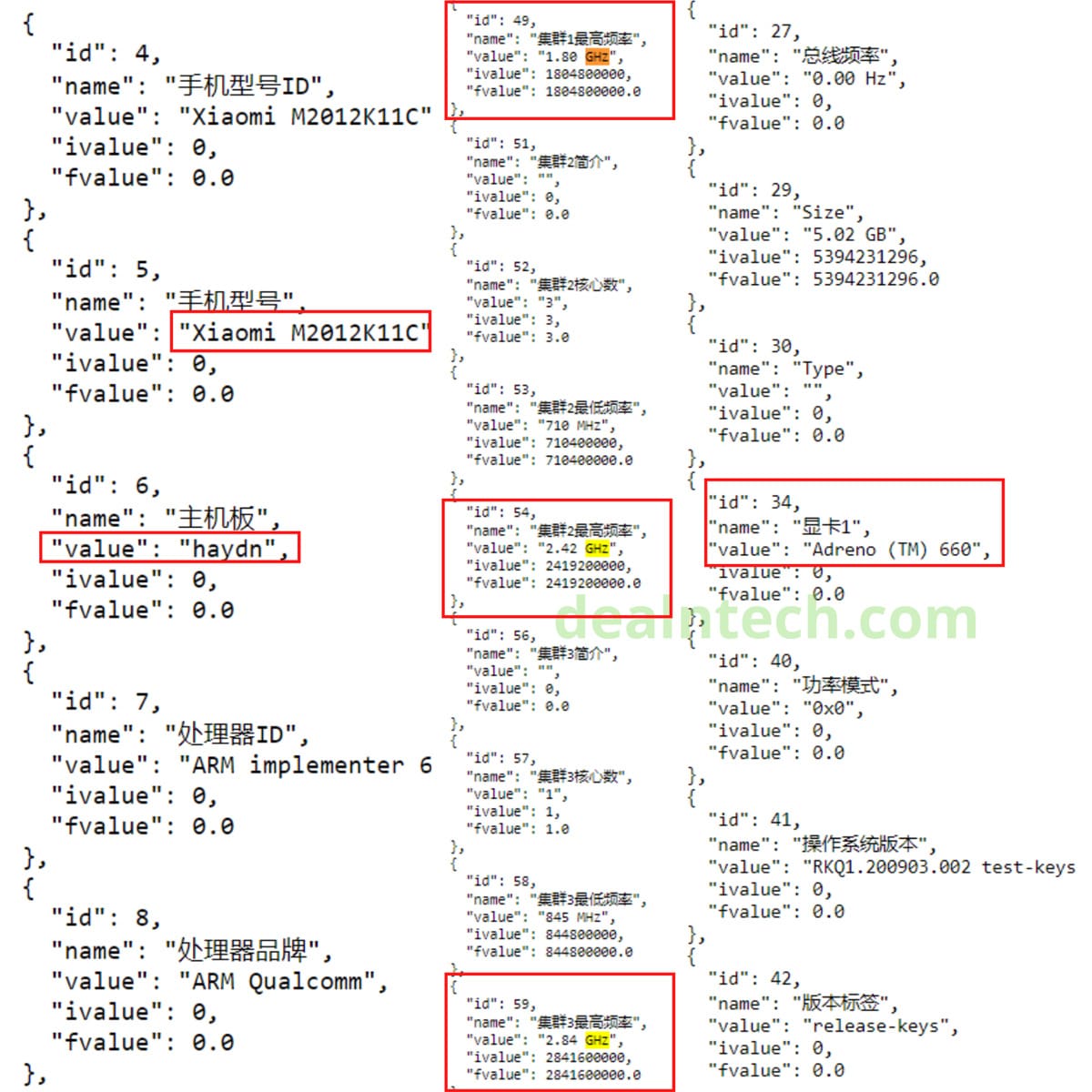
As reported by dealntech, a Xiaomi device with codename M2012K11C has hit the Geekebench. Accordingly, the motherboard is coined “Haydn”. On digging through the source code of the Geekbench listing, we see that the Processor is indeedSnapdragon 875. This is because the cores of the CPU listed inside fall in line with the earlier leaks. It shows that the Processor has 1.8GHz, 2.42GHz, and 2.84GHz.
Previously, tipster Digital Chat Station on Weibo said that Qualcomm Snapdragon 875 will have the following configurations:
1xCortex-X1 clocked at 2.84GHz.
3xCortex-A78 clocked at 2.42GHz.
4xCortex-A55 clocked at 1.8GHz.
Additionally, he also said that the GPU will be coined Adreno 660. And that is clearly evident in the source code too. Coming back to Geekbench, we see that the device in testing runs Android 11 which is obvious. It has a 5.02GB RAM and scores 1,105 in single-core and 3,512 in multi-core sections. Although it looks to have some improvements over the 865 SoC, we will have to wait for the official launch to know more.
1 of 2
Xiaomi M2012K11C
Geekbench Source Code
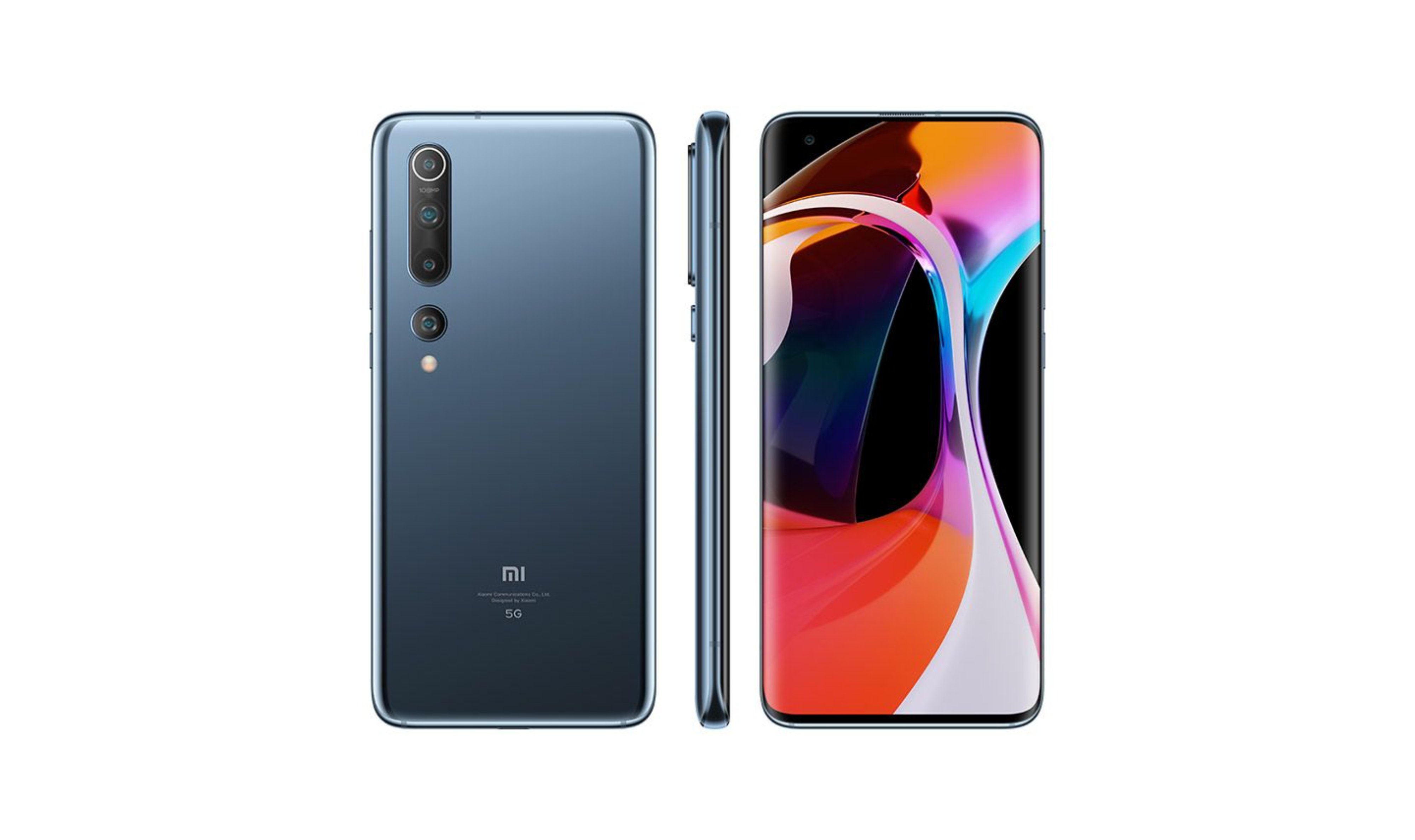
Besides, the Geekbench listing doesn’t hint anything about the device. However, a series of events makes us wonder if this could be a test version of the upcoming Mi 11. Early reports said that Mi 11 will be the first device to sport Snapdragon 875 SoC in China. Following this, Xiaomi removed the Mi 10 Pro listing from China’s official website.
Today, the regular Mi 10‘s 8/256GB and 12/256GB variants have also gone out of stock on official and partner websites. All this suggests that Xiaomi might jump the gun and launch the device before anybody in China.
That said, the Snapdragon 875 is likely to be powerful albeit using the same tri-cluster format as the predecessor. The reason is due to improved 5nm process, Cortex-X1 and A78 cores etc. Thus, we can expect at least 23% and 20% improvements in performance and GPU respectively. Nevertheless, we are sure to get interesting details in the coming weeks as we approach the Qualcomm Tech Summit.
The Chinese smartphone maker keeps stunning its fans by introducing affordable smartphones at a super compelling price. Similarly, Xiaomi is here with three new smartphones including Mi 10T, Mi 10T Pro, and Mi 10T Lite. These are successors to the much popular Mi 10 series. Xiaomi Mi 10T series offers a better battery, improved performance, powerful cameras, and lightning-fast 5G connectivity. These exceptional specifications and features are making Mi 10T smartphone popular among the buyers in this festive season. Already, the smartphone is bundled with top-notch software but users can even root Xiaomi Mi 10T to get some extra-ordinary features and fully flaunt the hardware.
It is quite easy to root Xiaomi Mi 10T but prior to that, we need to unlock the bootloader. It is the first and foremost step to gain root access on any Android smartphone. Then a custom Recovery such as TWRP is flashed to facilitate the further process of rooting and installing any third-party Mod.
Xiaomi Mi 10T Specs
The smartphone houses a powerful Qualcomm Snapdragon 865 chipset coupled with an octa-core processor and Adreno 650 GPU. It is built on a 7nm process and supports 5G connectivity. Xiaomi Mi 10T is available in two storage variants – 128GB + 6GB RAM and 128GB + 8GB RAM.
There’s a beautiful 6.67-inch IPS LCD display featuring 1080 x 2400 pixels resolution, 650 nits peak brightness, and Corning Gorilla Glass 5 protection. There’s a tripel rear camera section with 64-megapixel primary camera, a 13-megapixel ultrawide sensor, and a 5-megapixel macro lens. A 20-megapixel lens fits on the front for selfies and video calling.
Xiaomi Mi 10T comes with Bluetooth 5.1, NFC, GPS, WiFi, USB Type C 2.0 support. There’s a side-mounted fingerprint sensor for easy accessibility. It can easily manage full-day rigorous use with a 5000 mAh battery supporting 33W fast charging. It is available in Cosmic Black and Lunar Silver.
Note: GizmoChina.com is not responsible for any kind of damage to data or device while performing the unlocking. It will also void the device’s warranty and remove all data on the device. You’re proceeding at your own risk.
Download stock firmware for your respective smartphone model
Steps to Unlock Bootloader of Mi 10T
Warning: Bootloader unlock wipes the data/internal storage. So, backup your personal and important files before proceeding.
You must follow each step carefully to successfully root the device.
Enable Developer Mode by tapping the OneUI version 7 times after heading to the Settings > About Phone.
Enable USB Debugging by heading to the Settings>Developer Option and toggle USB Debugging.
Bind Mi Account by heading to Settings>>Additional Settings>>Developer Options>>Add account and device and login to your account.
Turn off Mi 10T and then boot into the Fastboot mode (Volume Down +Power Button).
Connect Xiaomi Mi 10T with PC/Laptop using a USB cable.
Download Mi Unlock Tool from above and then extract it to a folder.
Open Mi Flash Tool > Login with MI Account and let the tool verify your phone eligibility.
Once the Phone is verified, the “Phone connected” text will appear.
Now, press the Unlock button in the tool and then press the “Unlock anyway” button when prompted further.
Upon successful completion, the tool will show “Unlocked successfully” text.
Click on the Reboot phone.
Enjoy!
Using the above steps you’ve successfully unlocked the bootloader of Mi 10T. Now, proceed further to root the device using the patched boot method.
Root Xiaomi Mi 10T using Magisk patch Boot.image
It is a bit time-consuming process but easy by following the steps below. So carefully follow each and every step to successfully root the device, otherwise, you will end up with a bricked device.
Patching boot.img file using Magisk
Download and extract the stock firmware of your respective region or variant on your PC.
Connect your smartphone with a PC via a USB cable.
You need to transfer the boot.img file from the extracted folder to your phone.
Download and install Magisk Manager from the above link.
Then, pop to install Magisk will appear > Select Install > Install > Patch Boot Image File.
Navigate to internal storage and select the boot.img file on your phone.
Let Magisk patch the boot.img file for a few seconds.
Upon successful patching, copy the new “patched_boot.img” in the same folder on your PC.
Installing Patched Boot Image
Extract the ADB and Fastboot tool into a folder.
Copy the .tar file or patched boot image into the extracted ADB and Fastboot directory. (Change the name to patched_boot.img)
Boot into download mode – Turn off the phone, and hold the Volume Up + Volume down buttons, and connect with the PC at the same time.
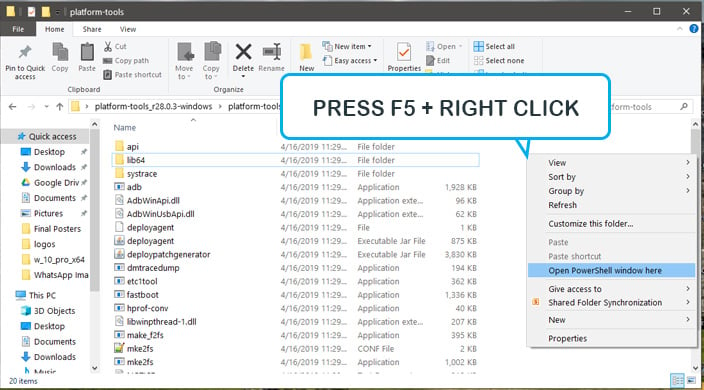
Open Command Prompt or Powershell by pressing Shift Key + right Mouse click in the ADB and Fastboot directory.
Flash the patched boot image on the Xiaomi MI 10T by executing the following command:
fastboot flash boot patched_boot.img
Use the following commands to boot the patched _boot.img:
Let the process finish, and now then type the below command to reboot the device:
fastboot reboot
Enjoy!
You have successfully attained root access on Xiaomi Mi 10T. The users can easily verify the Systemless Root access by launching the Magisk manager app on your device. We hope our guide to root Xiaomi Mi 10T and unlock bootloader might have helped you. If you get any problem, then let us know via the comments below.
In December last year, OPPO first showcased an under-display camera phone prototype during its Future Technology Conference 2019 held in Shenzhen, China. A prototype has yet leaked said to be that of the OPPO smartphone bearing an under-display camera technology.
The under-display camera technology was first utilised by ZTE on the Axon 20 5G which was announced a couple of months back. the phone is a mid-range model designed to test the waters. The feedback hasn’t been very impressive especially as the selfie camera quality turned to be below par. OPPO may likely improve on that on its own device.
The device features a notch-less full-screen design with the camera embedded under the screen. The rear design wasn’t shown but an earlier patent filing by OPPO shows the device will pack a circular camera design at the rear. Presently, the only OPPO model that has such camera design is the Ace 2. Thus, the under-screen phone may launch as OPPO Ace3.
Xiaomi is already working on an under-screen camera technology as well. We don’t expect Xiaomi’s own model to arrive until next year. The same thing goes for OPPO’s. Thus, we may just see a number of smartphones next year with under-screen camera technology.
Some fifteen years ago, the Nokia brand was having an excellent run in the mobile phone market and the brand’s market dominance was thought to be insurmountable. However, the coming of Android OS and the subsequent migration to smartphones sounded the death knee for the Finnish phone maker.
Nokia made a resurgence under HMD Global Oy with several smartphones and a focus on software security. The brand has a large catalogue of smartphones under its name ranging from budget to mid-range and flagship models. The Nokia 9 PureView easily stands out as the most outstanding smartphone HMD Global has manufactured yet.
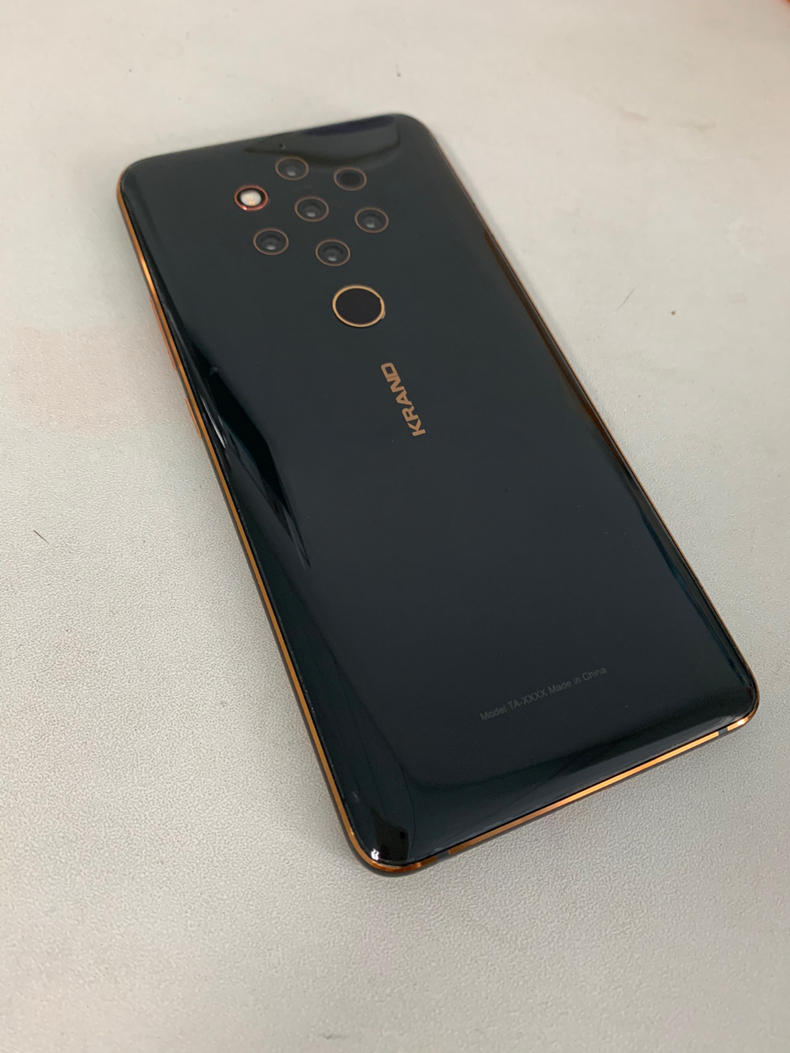
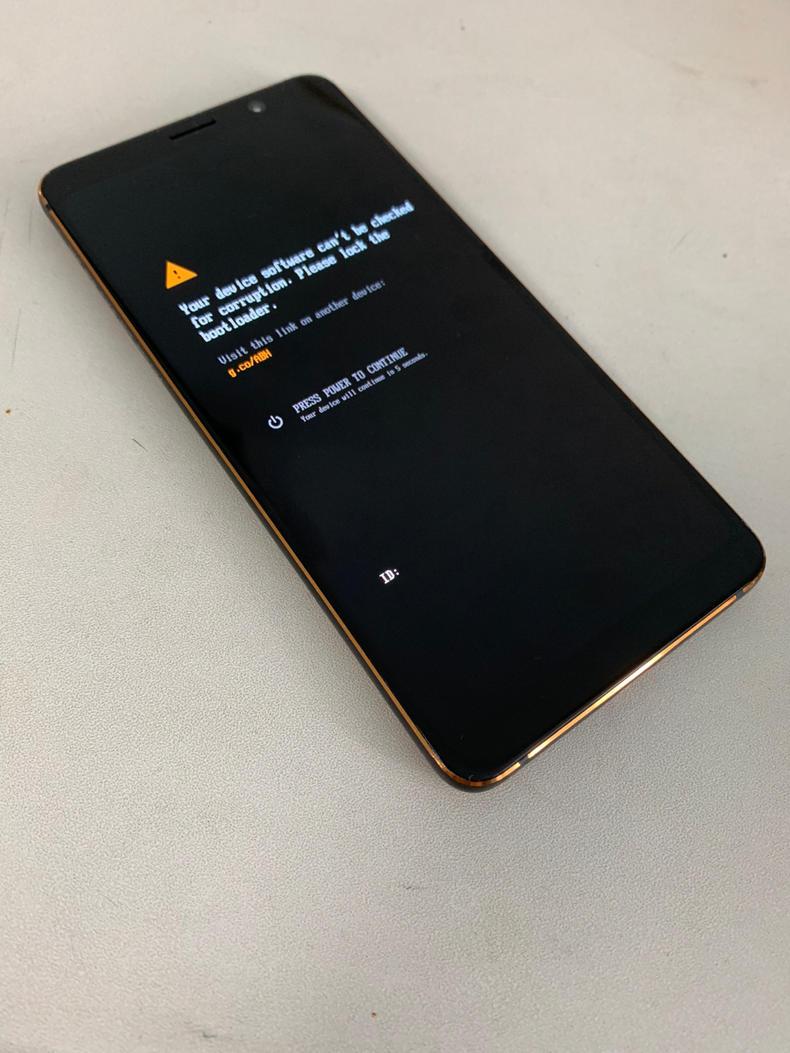
The flagship model released last year comes with a penta-camera setup with a Time-of-flight (TOF) sensor at the rear. The setup didn’t turn out to be a success and Nokia had to sever ties with Light the company that developed the camera technology, but what you apparently don’t know is that Nokia had initially toyed with the idea of a rear-mounted fingerprint scanner.
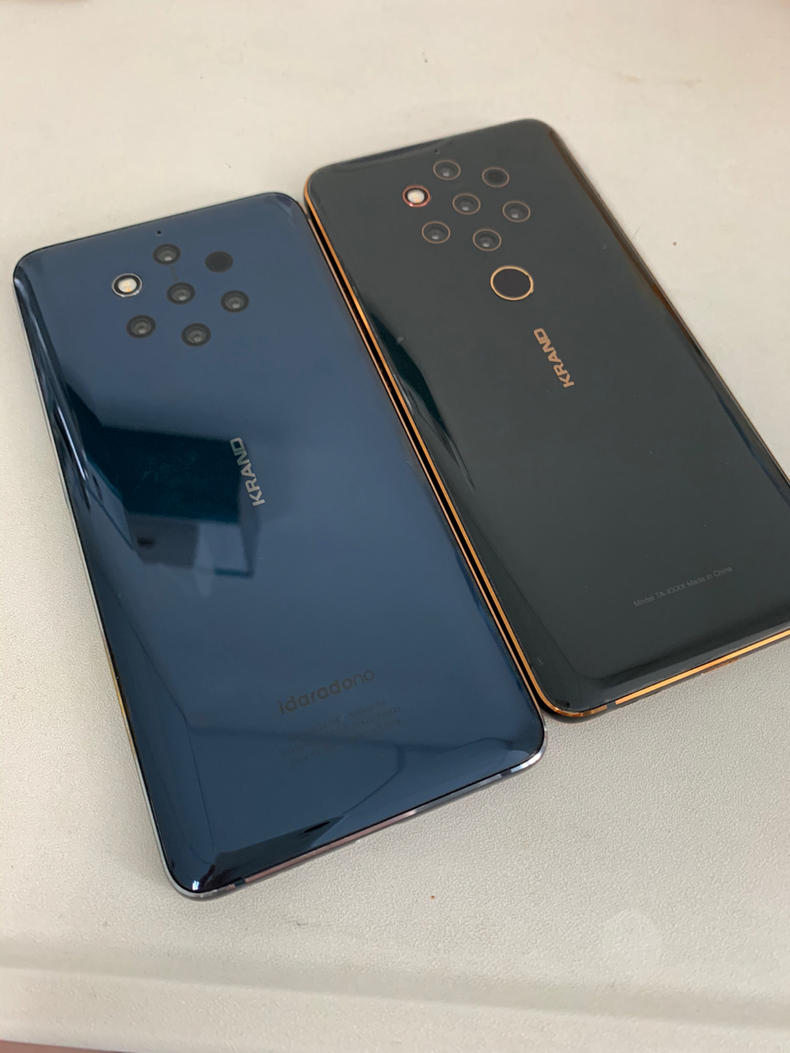
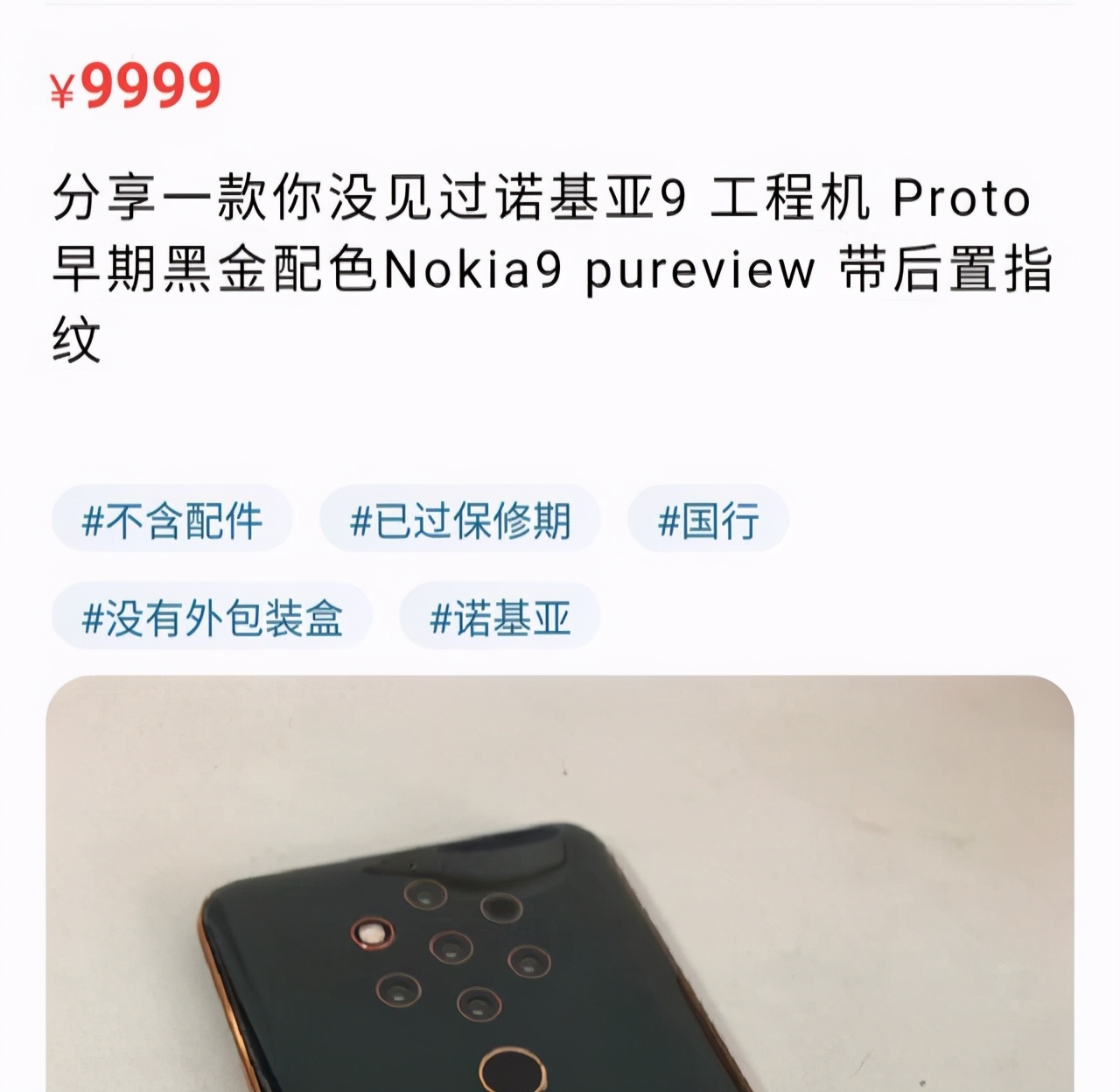
A netizen in China who was out searching for classic Nokia smartphones on Xianyu accidentally stumbled on the Nokia 9 engineering machine. In case you don’t know, Xianyu is a popular customer-to-customer buy-and-sell platform for secondhand goods in China, connected with the ever-popular Taobao. The device carries a price tag of 10,000 yuan (~1,512) but we can’t figure out why. For one, the device still bears a penta-camera setup as well as a sixth ToF sensor but in this case, there is a physical fingerprint scanner at the back.
Another cool aspect is that the frame of the engineering machine is inlaid with a gold border. Apart from these two features, the design and configurations are basically the same as the final Nokia 9 Pureview.
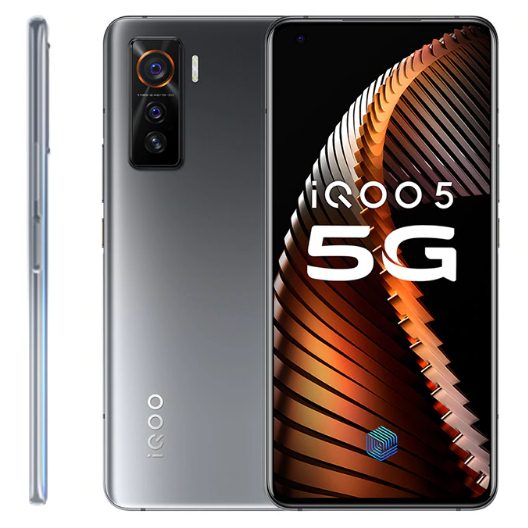
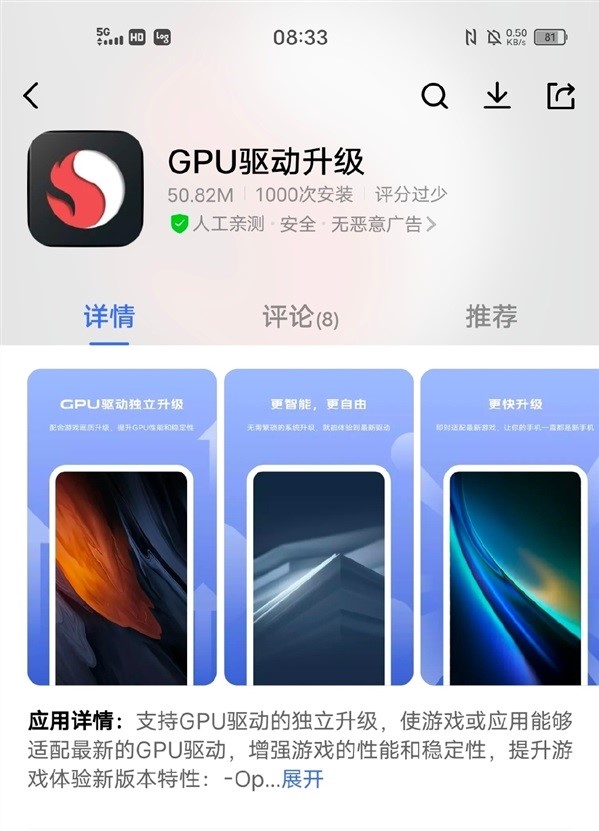
iQOO flagship devices have finally received the GPU driver update. According to a report, users in China have downloaded the GPU drivers via the official app store.
A report by ITHome says that iQOO 3 and iQOO 5 now support GPU driver update via the respective App Store. With this, the company follows Xioami, and OPPO who have already delivered the feature to their flagships earlier. That said, the report also quotes iQOO product manager Ge Lan V saying the updates are supported only from Snapdragon 865/865+ and 765/765G. And not 855 from 2018.
This is true, as Qualcomm announced the feature during the launch of Snapdragon 865 flagship SoC. It basically follows Google’s Project Mainline like process where Users can update their GPU drivers via the official App Store. Previously, GPU drivers were patched along with System files that gets routed via carriers.
However, you can now download the GPU drivers separately and update them. This quickly enables games to adapt to the latest driver features thereby improving performance, and stability. As you can see in the screenshot below, the version is currently spotted by Chinese users. And hence, we will have to wait and see if it arrives in the other regions as well.
1 of 2
Simply put, updateable GPU drivers opens a new world where features of OpenGL or Vulkan API can be delivered swiftly to users. Apart from Qualcomm, ARM is another company who also announced GPU drivers support.
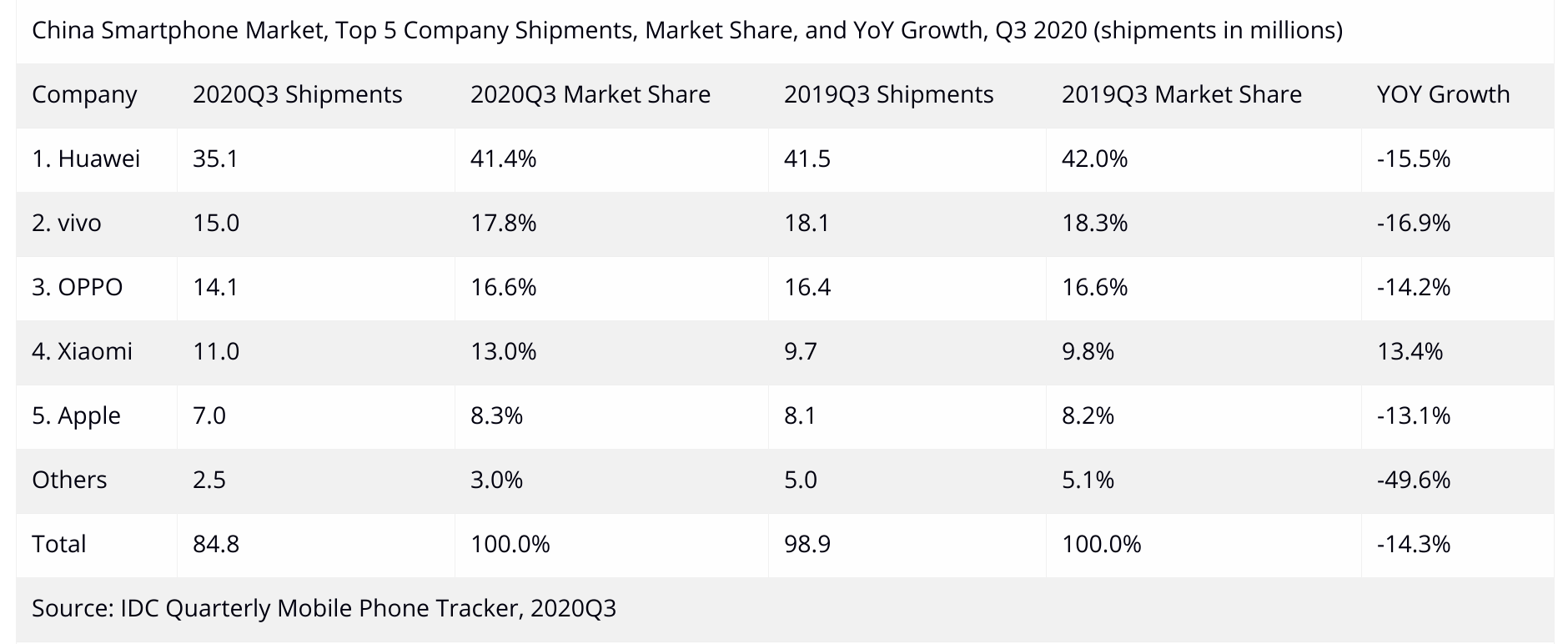
Last week, Counterpoint Research released its report on the China Smartphone Market Q3 2020. Now, a week later, IDC (International Data Corporation) publishes its own report. According to the firm, brands shipped 84.8 million units and the entire market witnessed 14.3% YoY decline. The drop in shipments was due to soft demand, Huawei’s supply constraints, and delayed flagship launches from both Apple and Huawei.
Despite supply issues, Huawei maintained its lead in the third quarter of 2020 with 35.1 million units in shipments and 41.4% market share. The company managed to do it by lowering the production of some popular models like the Mate30 series.
In the second place, vivo shipped 15 million units garnering 17.8% share. The company focussed across different price segments with 5G-enabled Y series in the sub-$300 category as well as S7, iQOO 5, and X series of phones in the mid-range and high-end segments.
Whereas, OPPO focussed more in the $200-$400 5G handset segment by shipping less sub-$150 phones. The brand came third with 16.6% share and 14.1 millions units in shipments.
Further, Xiaomi shipped 11 million units gaining a 13% market share. Nevertheless, it was the only brand in the top 5 list to achieve a 13.4% YoY while others declined by up to 16.9%. The company’s Redmi 9 and Redmi K30 series performed well in Q3.
Lastly, Apple stood at the fifth place with an 8.3% market share and 7 million units in shipments. The American tech giant’s iPhone 11 continued to sell well in both offline and online channels.
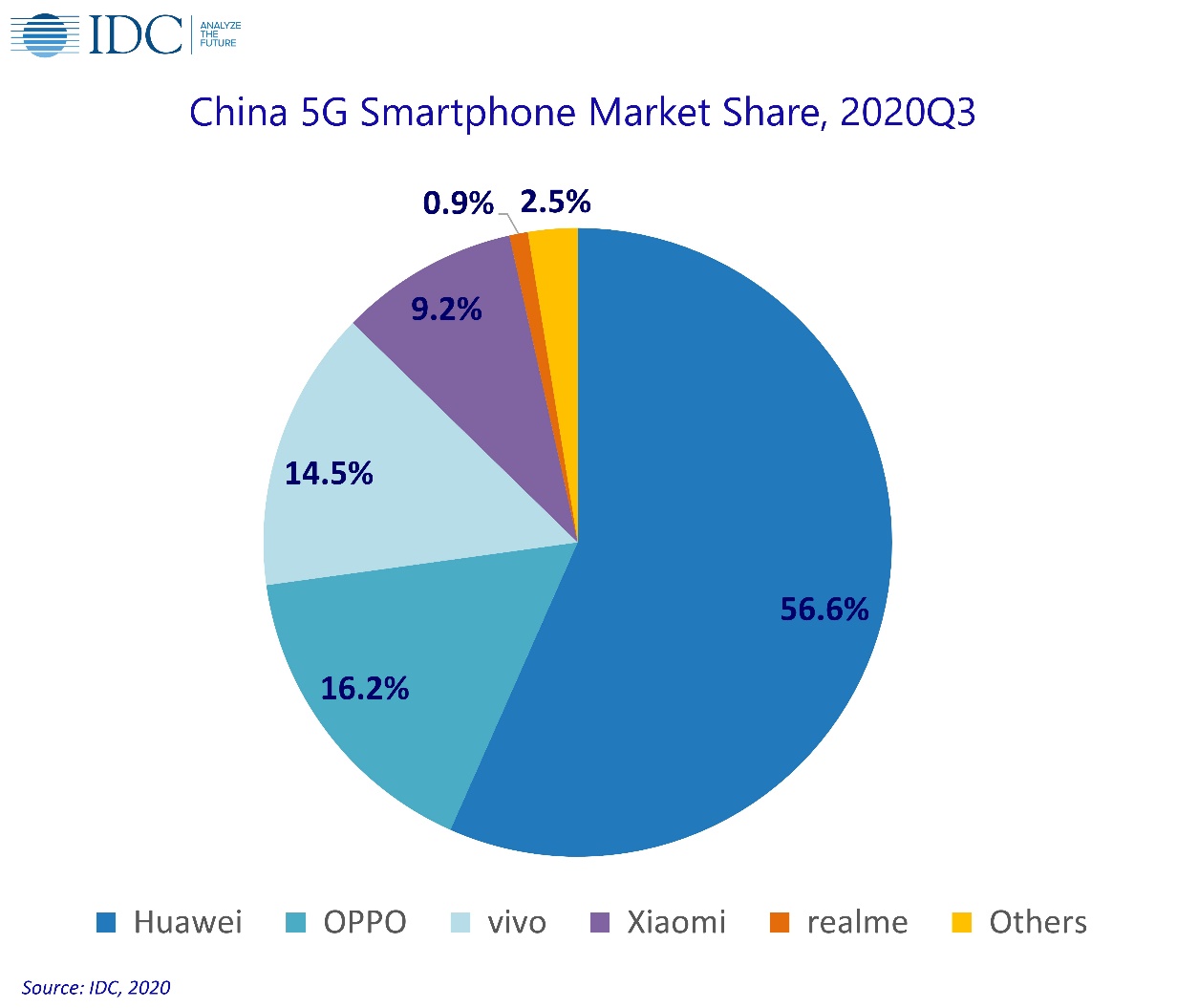
Having said that, the report also mentions that China has so far shipped a total of 117 million units of 5G smartphones since 2019. Out of this figure, a whopping 49.7 million units shipped in Q3 2020 itself. Huawei also led this segment, followed by OPPO, vivo, Xiaomi, and realme respectively.
Xiaomi‘s ecological chain company Roidmi has released a new flagship product. The next-generation wireless vacuum cleaner dubbed Roidmi NEX2 Plus has a brand-new integrated vacuum cleaner design. It carries an original price tag of 2,599 yuan (~$392) but will be sold for 1799 yuan (~$271) on November 11.
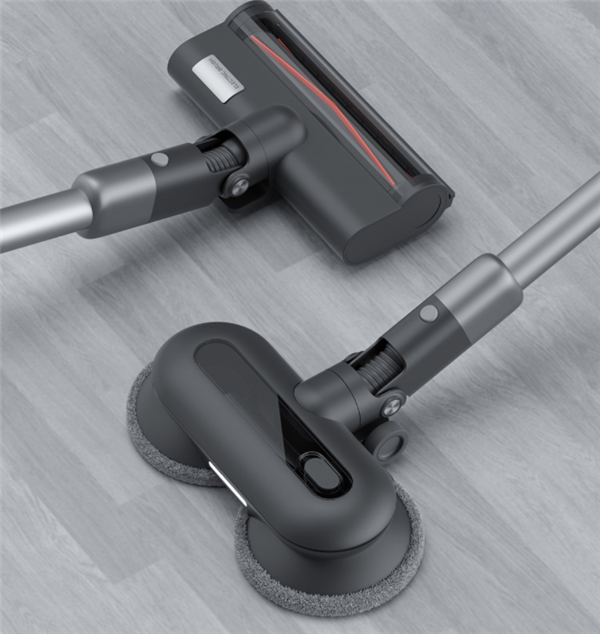
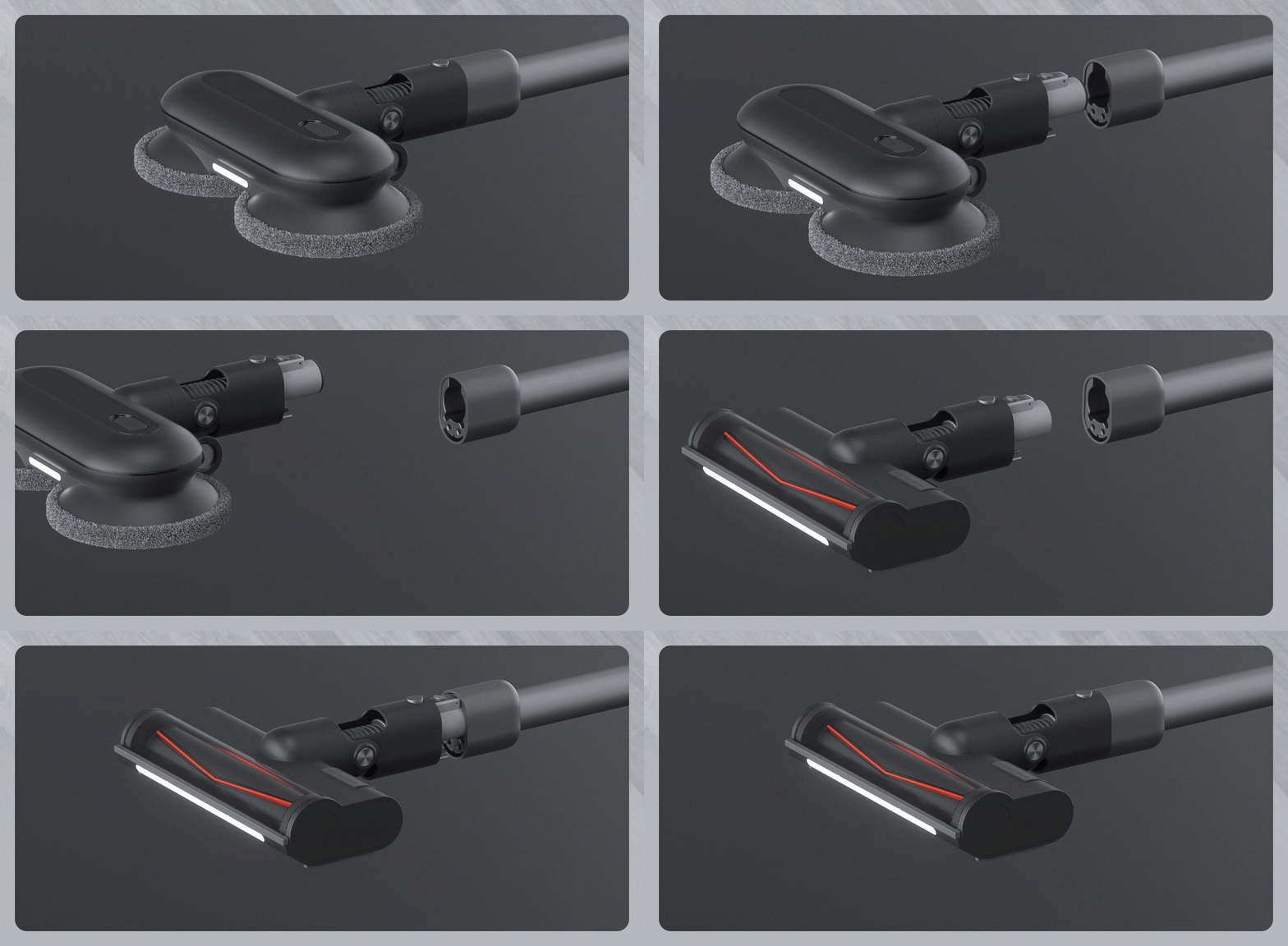
Roidmi’s new NEX2 Plus vacuum cleaner is a successor to the NEX2 and NEX2 Pro vacuum cleaners released in April this year. It integrates an electric mop and a cordless vacuum cleaner, which can be used wet or dry. The machine can be used for dual purposes both for suction of dirt and for mopping and both can be performed simultaneously. You can switch between vacuuming and floor cleaning modes with just plugging and unplugging the dedicated head. The device is equivalent to having a high-performance wireless vacuum cleaner and wireless floor scrubber at the same time.
As a vacuum cleaner, the Roidmi NEX2 Plus is equipped with a 120,000 rpm brushless digital motor, 150W suction power, and Engine-X 2.0 optimized system, which greatly improves the energy efficiency ratio. It is equipped with 8-cone cyclone dust-gas separation technology to avoid clogging of the air ducts and drop in suction.
The new product is also upgraded to create the NEX-V all-round roller brush, no need to change different roller brushes according to the carpet, floor, and floor tiles. NEX-V uses nano-level hydrophobic fibers, waterproof and anti-fouling, and V-shaped anti-winding structure, which is 30% higher than NEX’s anti-winding effect.
In addition, Roidmi NEX2 Plus achieves a battery life of up to 80 minutes. It only needs to be charged once to clean a 450 square meters room. At the same time, it continues the classic magnetic wireless charging that Roidmi’s vacuum cleaners are known for.
At the same time, NEX2 Plus adopts electronically controlled micro-penetration technology, that is, wipe quickly and dry without damaging the solid wood floor. The powerful double wheels with a speed of up to 200 rpm, high-speed strong wiping, and strong torque bring a cleaner cleaning effect than manual wiping.
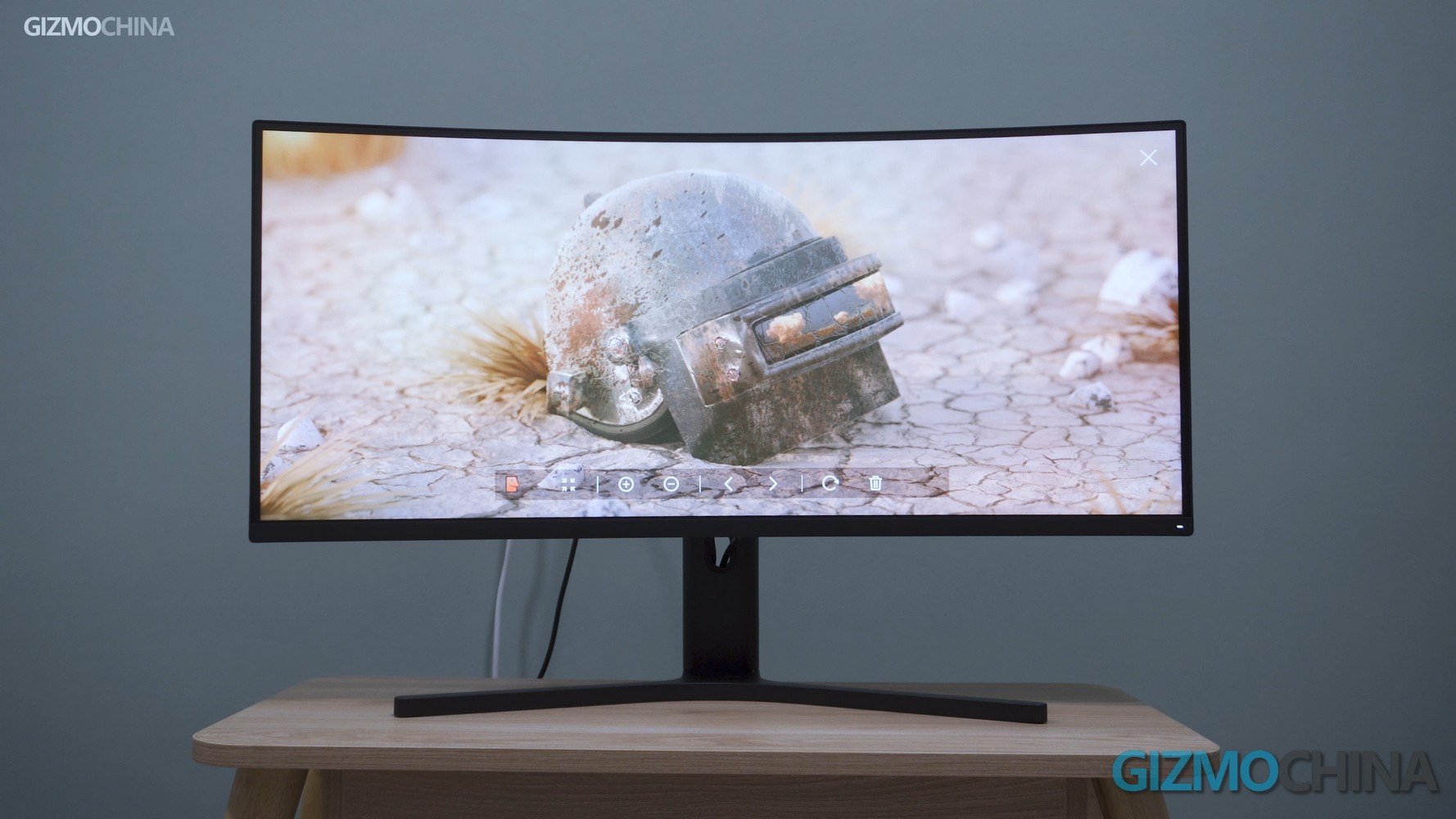
Xiaomi‘s first curved display, Mi Surface 34-inch Gaming Display Monitor has gone back to the original price. The reason for this reportedly is the swap of companies for the display panels.
Mi Surface gaming monitor
A Report on ITHome says that according to its source, Xiaomi was able to sell it at the reduced price because of Samsung. Apparently, it procured the panels from the Samsung LCD business so far with special support. Now, after Samsung Display exited the LCD business in China, it is left with no choice but to search for a panel supplier elsewhere.
This leaves Xiaomi with two major players in the Chinese market -BOE, and CSOT. And as the company’s 34-inch Monitor specifications match only with TCL CSOT panels, it has sought after the company. However, CSOT’s display panels reportedly cost at least $15 more than Samsung, and hence, the price has changed for the monitor, says the report.
That said, we looked up the new prices of the Mi Surface 34-inch Gaming Display Monitor. Do note that it launched for 2499yuan($378.22) but was available for 1999($302.54) yuan before the change. You can take a look at them across different websites below:
The MiSurface Display 34-inch comes with a 34-inch large curved screen that has a brightness of 300 nits, resolutions of 3440 x 1440 pixels. It is a 21:9 aspect ratio screen, and also supports 144Hz refresh rate, 1500R curvature.
The display supports 121% of sRGB, 85% NTSC color gamut, and also gets AMD Freesync and low Blu-ray modes. It comes with a bracket that is magnetically attached to the display and it supports adjustments. Other features include 2 x HDMI 2.0 ports, 2 x DP1.4, and an audio port.
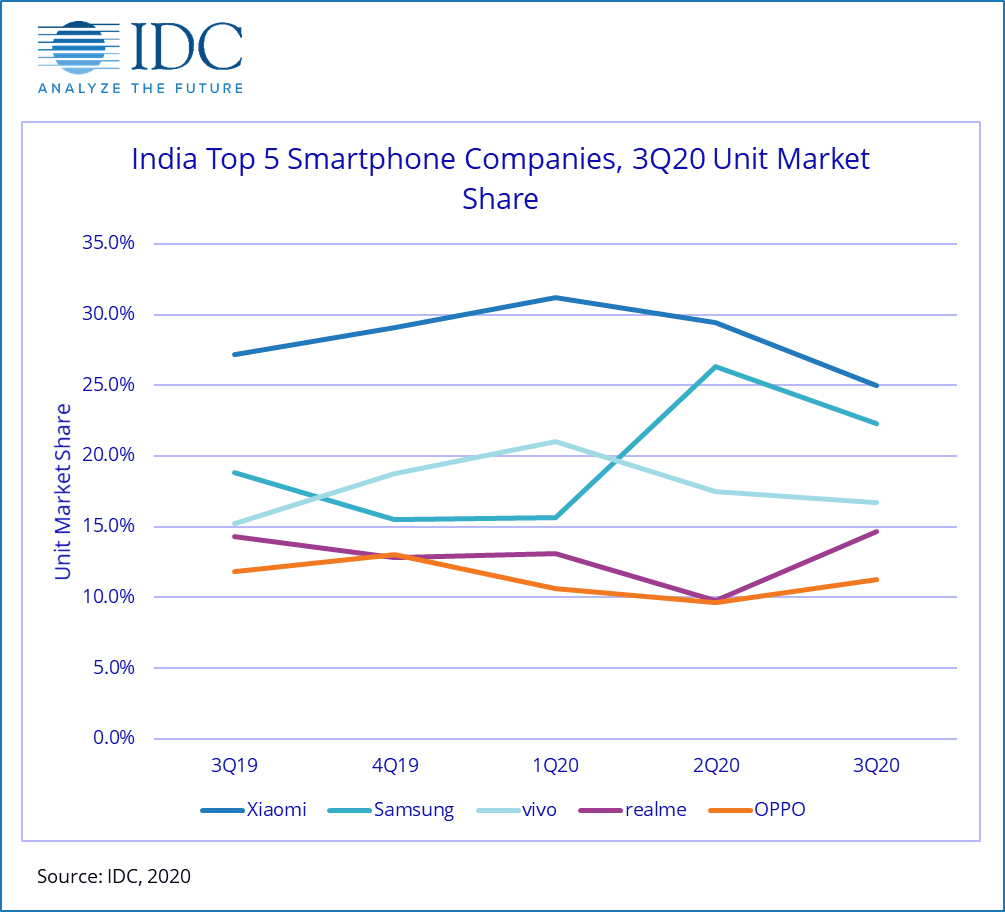
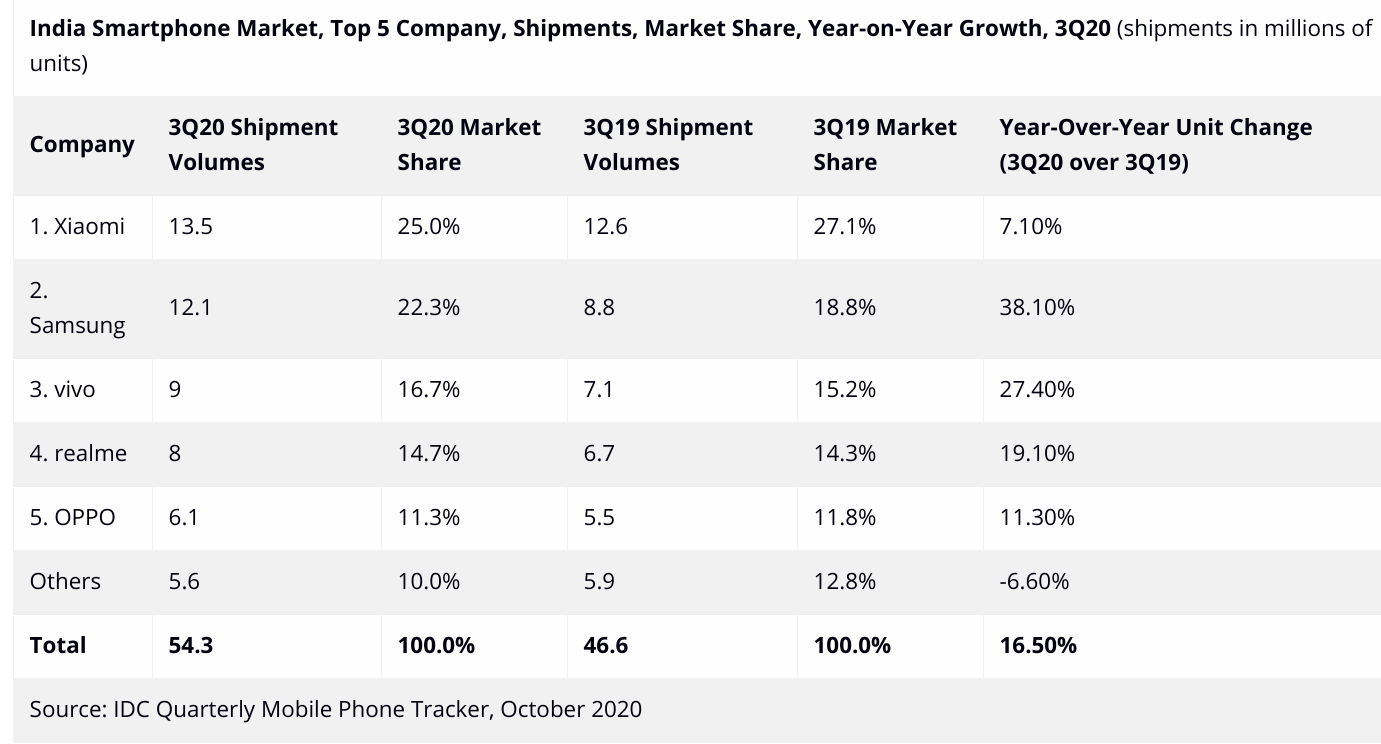
IDC (International Data Corporation) has released its report on India Smartphone Market Q3 2020. According to it, companies shipped 54.3 million units garnering 17% YoY growth. Online channels’ share reached an all-time high of 48% with 24% YoY growth, whereas the offline channels only witnessed 11% YoY growth. Interestingly, even without the 5G infrastructure, a million 5G smartphones shipped in the third quarter of 2020 in India.
The ASP (Average Selling Price) of the Indian smartphone market was $156 with a 2% YoY decline. A whopping 84% of shipments consisted of sub-$200 devices, out of which 29% of handsets cost below $100. Sales were mostly due to e-learning requirements as smartphones are the only affordable medium for internet access in the country.
On the other hand, shipments of mid-range ($200 < $500) devices declined YoY, however, the premium segment ($500+) grew 91% YoY with Apple, Samsung, and OnePlus being the top brands.
Further, shipments of feature phones declined by 30% YoY with 25 million units. Therefore, feature phones only accounted for 31% of the entire mobile phone market in Q3 2020 whose overall shipments dropped by 4% YoY.
Talking about brands, Xiaomi led the market with 13.5 million units in shipments and 7% YoY growth. Redmi 8A Dual, Redmi 8, and Redmi Note 9 were the top three best-sellers. The company also led the online smartphone market with a 35% share and its POCO brand shipped more than 1 million units.
In the second place, Samsung shipped 12.1 million units and online channels accounted for 43% of its entire shipments. India became the South Korean tech giant’s largest market in Q3 with 15% of its global shipment. The Galaxy M21 and Galaxy M31 were the company’s best-performing models online.
Then, vivo came third with 9 million units and 27% YoY growth. The brand stood first in the offline channels with a 29% market share, followed by Samsung. Then, realme acquired fourth place with 19% YoY growth by shipping 8 million smartphones. It was the second-largest brand online, followed by Samsung, and realme C11 was its best-selling model online.
Last but not least, OPPO stood at the fifth position 6.1 million units in shipments and 11% YoY growth. It was the third-largest brand offline and A12, A53, and A11K were its most shipped devices.
Oxford Economics has released a report today bearing the title “The Economic Impact of Huawei”. The report which we can’t verify if it wasn’t sponsored by Huawei, gives an insight into the brand’s contribution to the European economy in terms of job creation and revenue generation. Huawei is found to have contributed a staggering EUR16.4 billion to Europe’s GDP in 2019 alone.
In addition, the company’s growing presence in Europe led to the creation of 224,300 jobs within the same period. Huawei also generated EUR6.6 billion in tax revenues for European authorities last year.
In addition, the report reveals that Huawei has equally played an active role in R&D across Europe. Huawei is ranked as the world’s fifth-largest R&D investor by the 2019 EU Industrial Investment Scoreboard. Further, the Chinese tech giant is also ranked as the number one brand in terms of patent applications in 2019 by the European Patent Office. “Investment in R&D—like that undertaken by Huawei—is crucial to a general increase in the productive capabilities in the European economy,” said Pete Collings, Director of Europe and Middle East Economic Impact Consulting at Oxford Economics.
Abraham Liu, Huawei’s Chief Representative to the EU Institutions equally disclosed that in 2019, the brand’s operations generated a direct contribution of EUR2.8 billion to European GDP, an average growth of 11.4% annually over the past five years. “In this unconventional year, Huawei has ensured stable, secure network operations to help people work and learn online. Huawei has operated in Europe for 20 years and has worked hard to deeply integrate into local communities to jointly promote industry development. In the future, we will continue to work with our partners to overcome new challenges and create more value,” he added.
The report comes at a time more European countries are starting to bow to pressure from the US authorities to ban Huawei from providing their 5G infrastructure, the latest being Sweden.
November 11th (11.11) is considered a special day according to the Chinese and is celebrated in full stride. The holiday is observed as Singles’ Day, where people commemorate the occasion by treating themselves to gifts and presents. This occasion goes on to being one of the largest online shopping days globally. Taking advantage of this factor, Gearbest is offering huge discounts on Xiaomi products across various product categories. One can enjoy up to 50% off on these products at Gearbest till November 11th.
The varied product categories range from smartphones to security cameras and SmartLife gadgets. Below mentioned are some of the best deals Xiaomi is offering on Gearbest. Note that you can access all these deals from the link above.
Smartphones
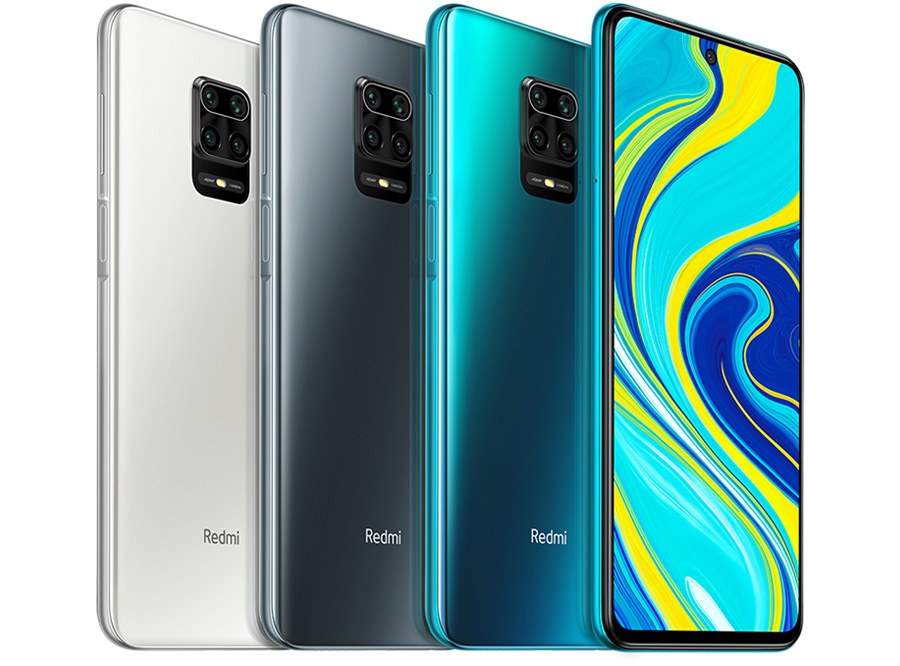
Xiaomi Redmi Note 9 Pro- After the discount, you can get it for$229.99.
Xiaomi Redmi Note 9- The Price has gone down to $159.99 for a limited period.
Xiaomi Redmi 9C- It costs just $109.
Xiaomi Redmi 9A- You can get it for $88.99 right now.
Best Deals (Mix Category)
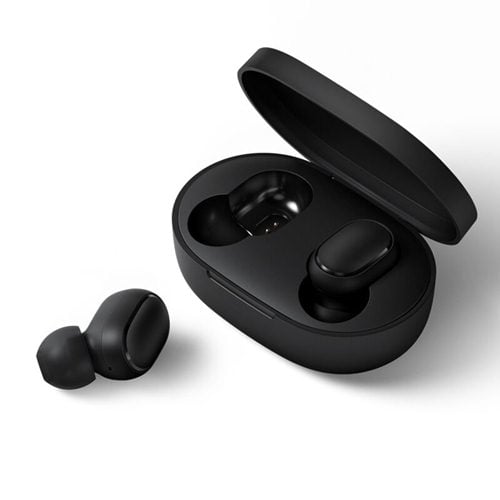
Xiaomi Airdots Pro 2 Air 2 Headsets- You can get it for $28.99.
Xiaoda UVC Germicidal Ozone Sterilization Lamp- A discount of 50% puts it at $19.99.
Haylou LS02 Smartwatch (Global Version)- A slight discount brings its price down to $32.99.
MIJIA 10 13.5-inch LCD Blackboard- Gets a 28% off and is available for just $15.99.
Mija Electric Smart Inflator Pump- 25% off reduces its price to $48.87.
Yeelight YILAI YlXD05Yl Smart Ceiling Light- A slight discountputs it at $64.99.
Wireless Routers
Xiaomi Router 4A Gigabit Version- Available for $70.
Xiaomi Mi 4C Wireless Router- Can be purchased for just $34.29.
Xiaomi Redmi AX5 Wireless Router- Up for sale for just $97.35.
Xiaomi AC2350 Mi AloT Wireless Router- A 36% off brings its price down to $72.61.
Wireless Headsets
Xiaomi Redmi Airdots S- Get a few dollars off for a price of $21.99.
QCY M10 TWS Headset- The current price is$24.99.
Xiaomi Mi Bluetooth Headset Earphones- Available for just $40.68.
Xiaomi Mi LYEJ02LM Bluetooth Headset- Can be purchased for $19.21 only.
Xiaomi Mi Bluetooth Over Ear Foldable Headset- Up for sale for just $111.58.
Vacuum Cleaners
VIOMI V3 LDS (Global Version)- 17% off for makes it available for just $499.99.
VIOMI V2 Pro- Gets a 20% off, bringing its price down to $399.99.
Roborock S5 Max Robot- The price is down to $399.99.
Roborock S5 Max Laser Navigation Robot- Available for just $743.31.
MIJIA 1C Wireless Vacuum Cleaner- Available at 49% off, reducing its price to $219.99.
Smartwatches
Haylou Solar Smartwatch (Global Version)- Has a 46% off and available for just $29.99.
Haylou LS02 (Global Version)- 34% off brings its price down to $32.99.
AMAZFIT Verge- Can be purchased at just $272.
Amazfit Stratos 3- Available for just $374.87.
Amazfit T-Rex- Gets a 50% off, bringing its price down to just $124.99.
AMAZFIT GTR- Discount of 48% makes it available for $129.99 only.
AMAZFIT GTS- A slight discount brings it down to $139.99 internationally.
Xiaomi Mi Smartwatch- 40% off brings its price to just $142.99.
Home Security
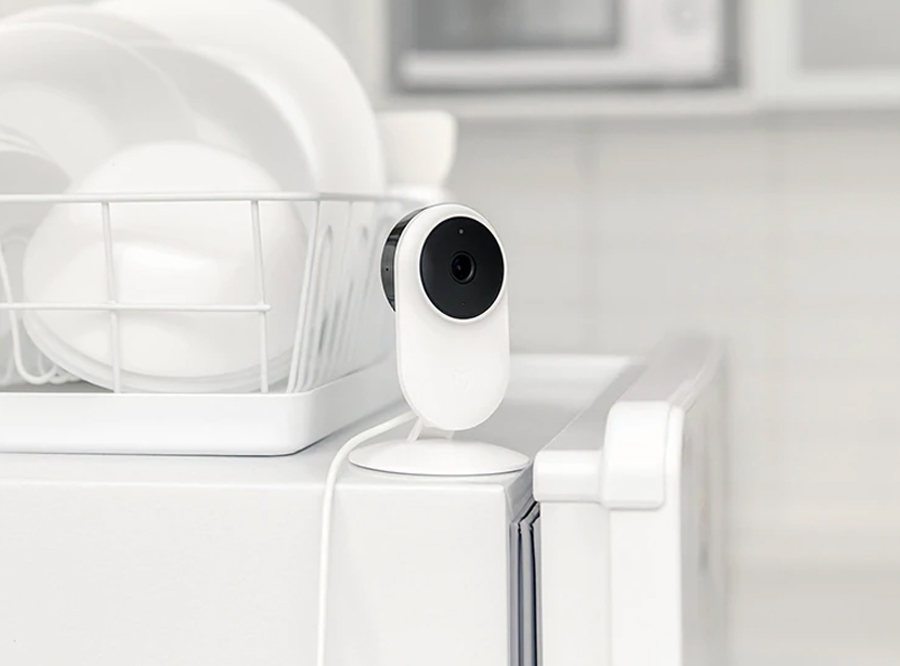
Xiaomi Smart Camera- 40%discount makes it available for $19.99.
Aqara G2H Smart Camera- Can be purchased at $91.99 only.
Aqara G2 Surveillance Camera- Has a $20%off, making it available for just $39.99.
Xiaomi Mijia Honeywell Fire Alarm Detector- 25% off brings its price down to $26.55.
Xiaomi Smart Door Sensor and Security Equipment- Up for sale for just $17.28.
Aqara N100 Smart Door Lock- Can be brought for just $239.99.
Aqara N200 Smart Door Lock- Available for $356.30.
Xiaoda UVC Germicidal Ozone Sterilization Lamp (1st Gen)- 56% off reduces its price to $21.99.
Xiaoda UVC Germicidal Ozone Sterilization Lamp (2nd Gen)- A discount of 50% makes it available for just $19.99.
Apart from the above-mentioned pool of products, Xiaomi also has deals going on for categories like projectors, phone accessories, and the Xiaomi Smartlife range. It is a perfect opportunity to invest in various accessories and gadgets without shelling out a lot. The offer stands only till November 11th, so hurry and get your life tech-savvy.
To know about these deals and discover new products, interested readers can visit the Gearbest website by clicking the link below.
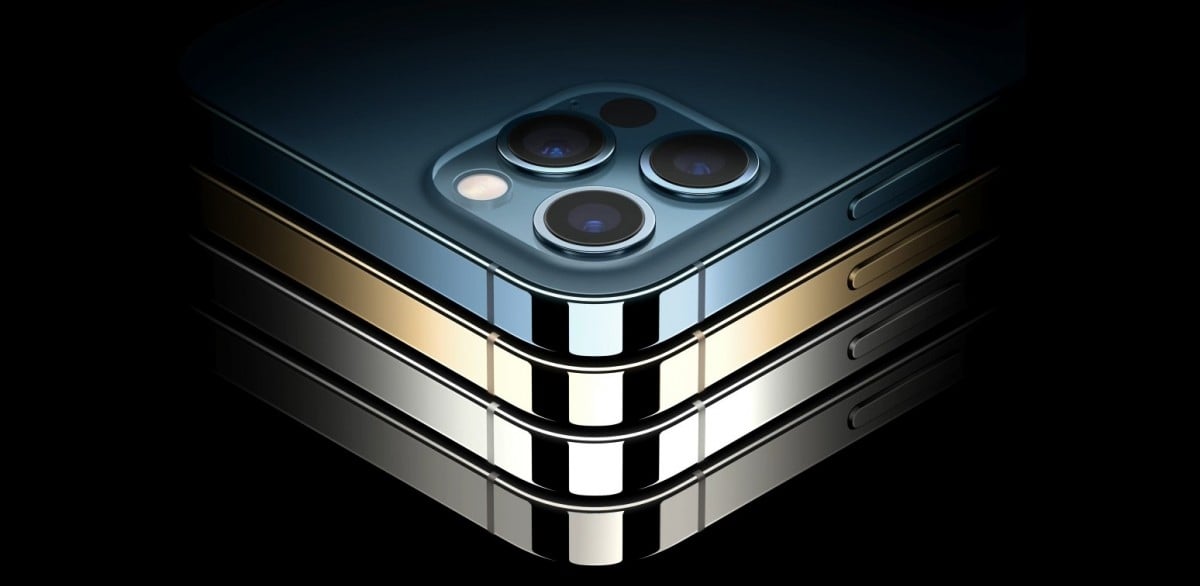
Apple‘s iPhone 12 Pro series have three rear-cameras along with a LiDAR Scanner. Among them, the ultra-wide lens is responsible for wider shots. We already know that the next iPhones(Tentative: iPhone 13) have started coming under the radar of leaks. Now, Analyst Ming-Chi Kuo says their ultra-wide lens will get a significant upgrade.
As reported by MyFixGuide(via GSMArena), Ming-Chi Kuo predicts that the iPhone 13 will have four models like the iPhone 12 series. Accordingly, we can expect an iPhone 13 Mini, iPhone 13, 13 Pro, and 13 Pro Max. But these names are our guesses and let’s wait for more leaks. He reportedly refers to the next iPhones belonging to H2 of 2021 which has been the case every year(Around Sep-Oct).
Upgrade in ultra-wide
Now, the interesting part is the camera details. He says that the Pro variants of the next iPhone 13 series will likely get an ultra-wide lens with f/1.8 aperture, 6P lens. And Auto Focus feature(AF). Currently, iPhone 12 Pro and 12 Pro Max has a 12MP ultra-wide with f/2.4 aperture. But only has FF(Fixed Focus), and a 5P lens.
Basically, P stands for plastic where more than one lens element are combined to offset dispersion. That said, we can expect improvements in ultra-wide features like Deep Fusion, Night Mode, and Lens Correction. Besides, Ming-Chi Kuo expects this lens to make its way to all the models(Tentative: iPhone 14) by 2022.
Furthermore, Taiwan’s Largan Precision Co Ltd. is likely to get about 70% of orders for the upgraded 6P ultra-wide lens on the iPhone 13 series. This is reportedly an upgrade over the 50% orders for iPhone 12 series. Additionally, Largan will also become the new supplier of VCM(Voice Coil Motor) for iPhones from 2021.
iPhone 13 series: Early guesses
Early reports of the iPhone 13 indicate that it will have a 120Hz refresh rate screen. It will reportedly adopt the LTPO(Low-Temperature Polycrystalline Oxide) display designed by Apple. Under the hood, it is likely to be powered by the Apple A15 Bionic manufactured by TSMC using a 5nm node. And tipster Jon Prosser has already hinted that future iPhones will have a 1TB storage option.
Since Apple released the AirPods Pro, almost every brand has decided to follow-up with its own wireless earbuds with active noise cancellation. Xiaomi also released one earlier this month, the Air 2 Pro. As a brand popular for bringing high-end features to the affordable market, can the Xiaomi Air 2 Pro replicate the success of its other products?
Let’s find out.
Xiaomi Air 2 Pro Review: Design
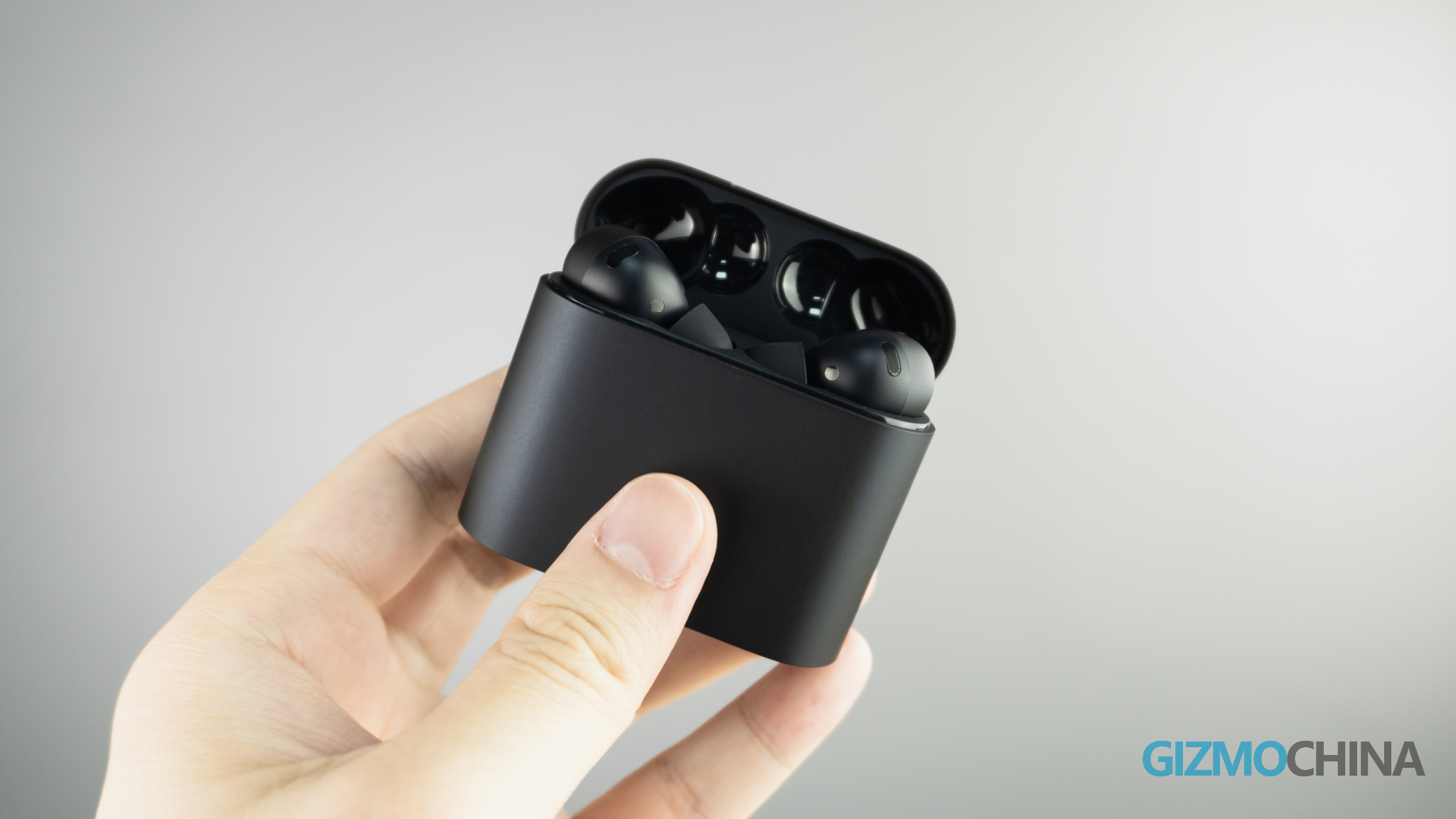
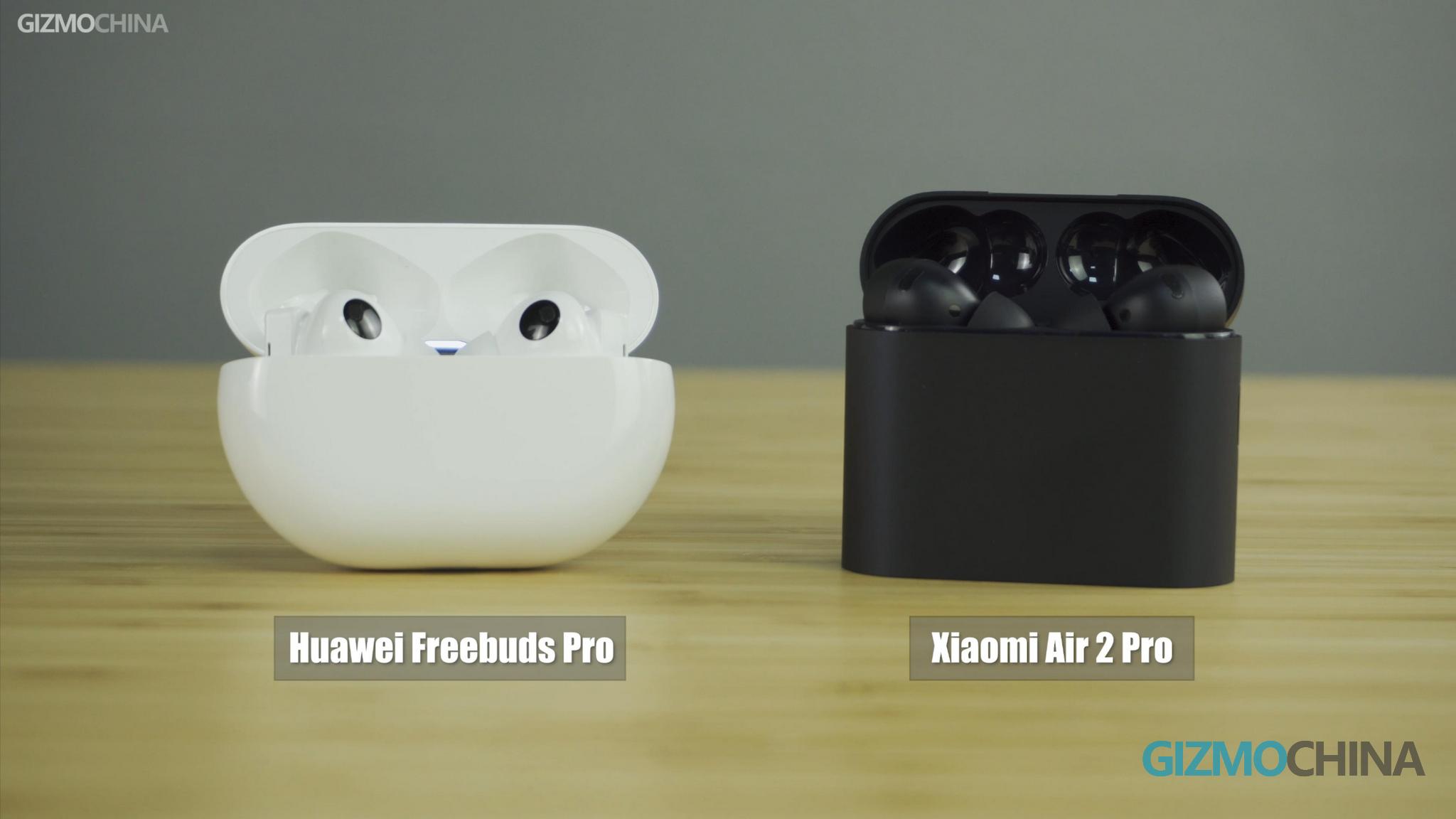
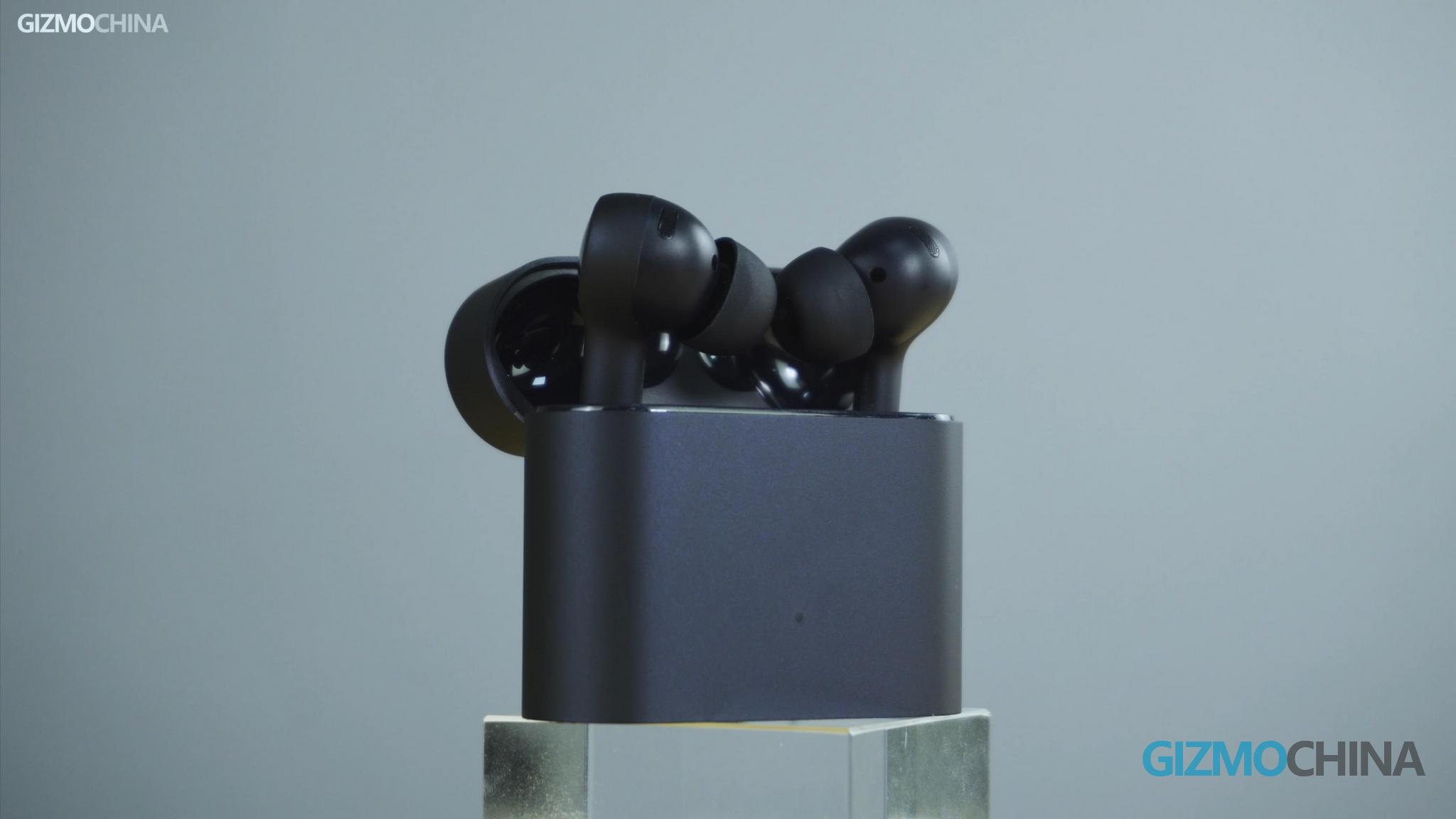
For design, the case of the Air 2 Pro has inherited a typical Xiaomi style as what we have seen on the previous Xiaomi earbuds products. It’s still shaped as a cuboid with rounded squares and can stay upright on a table. But the size is slightly bigger and it weighs a bit more, making it even larger than the Huawei FreeBuds Pro.
With this in your pocket, there wouldn’t be much space left as you still need to carry your phone. At the back, there is a lightning icon to remind you that it supports wireless charging. And considering the price tag, no doubt supporting wireless charging is a must. And the opening and closing experience of the case is much better than others as it also uses a magnetic design.
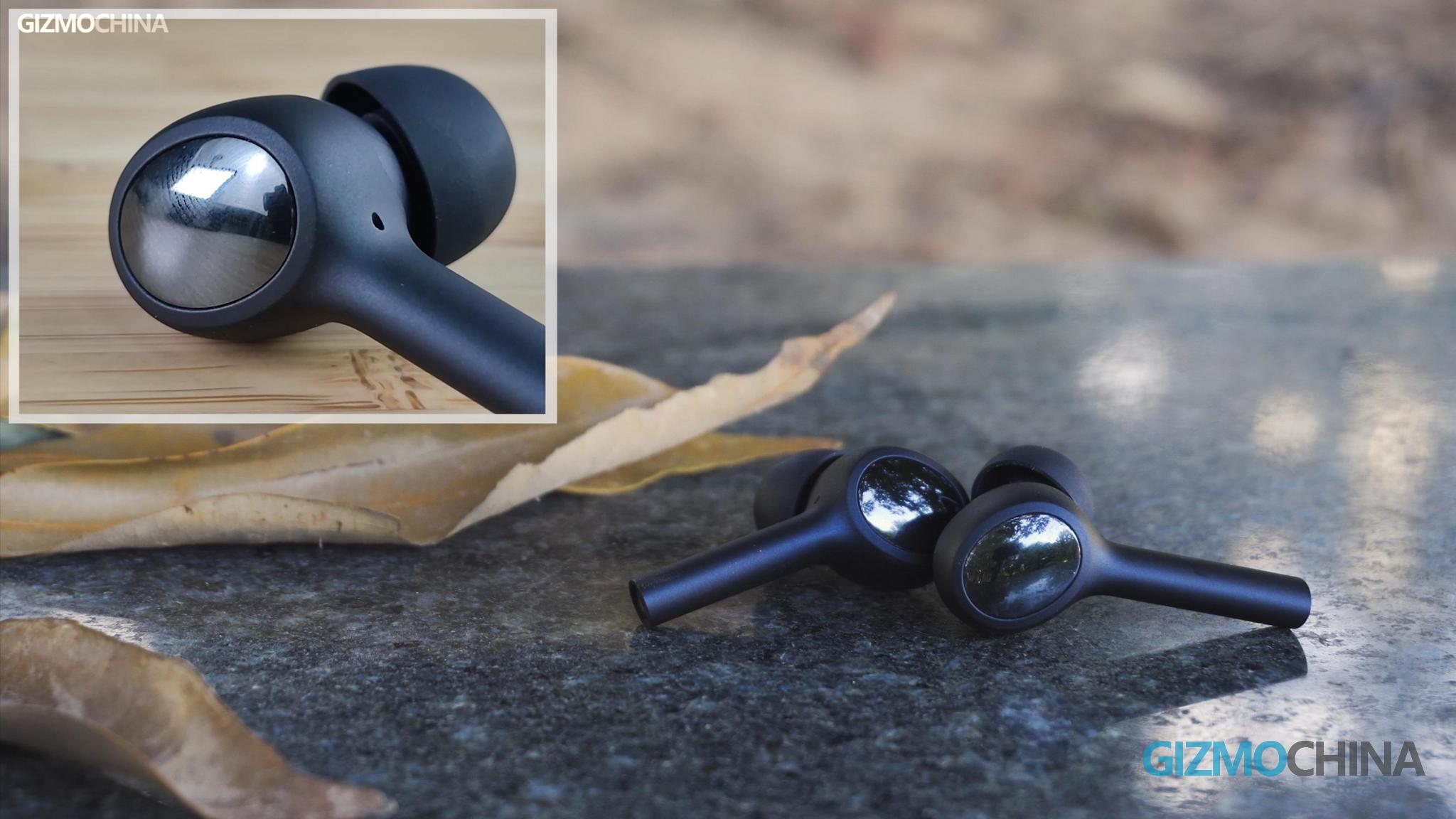
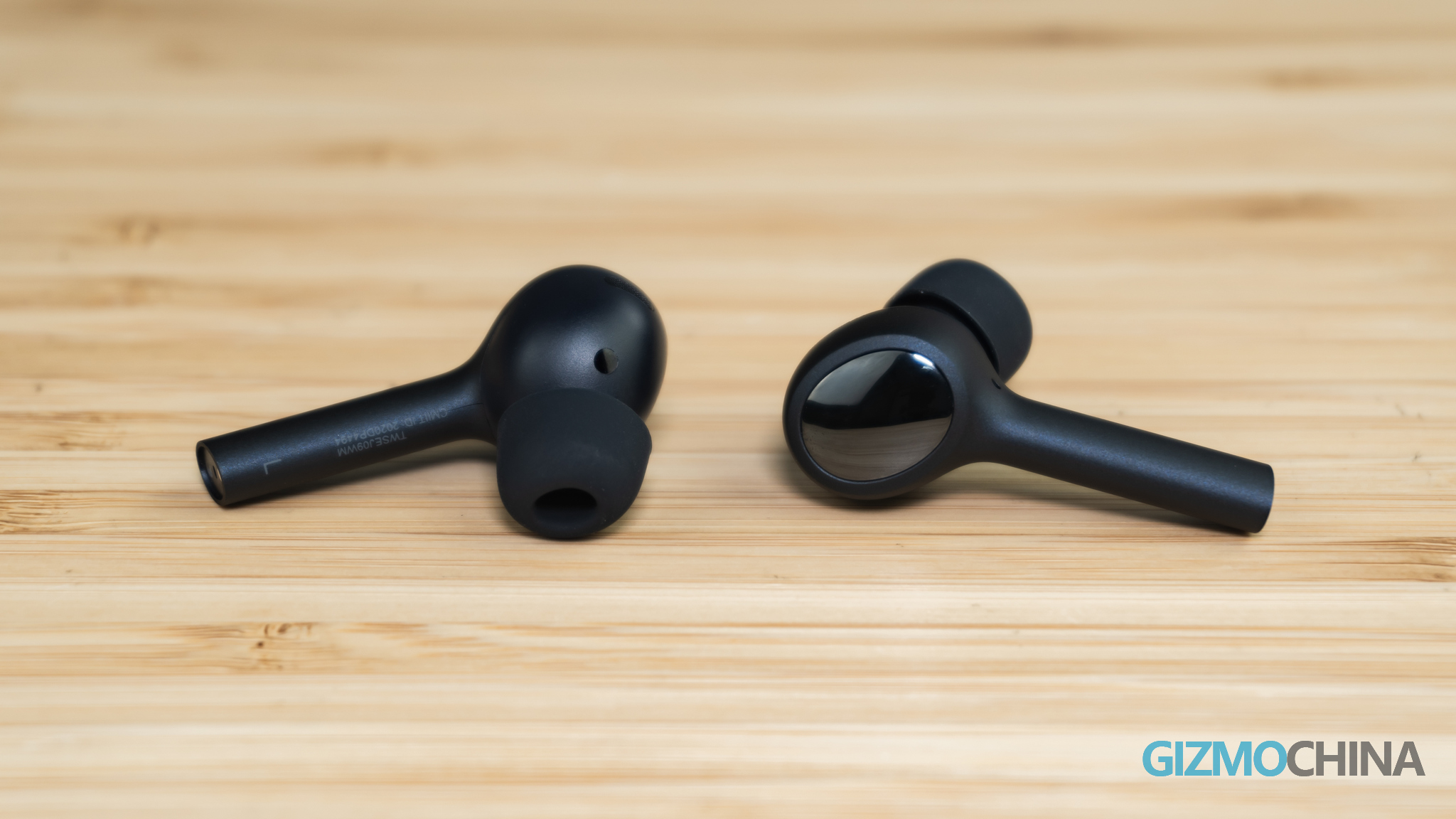
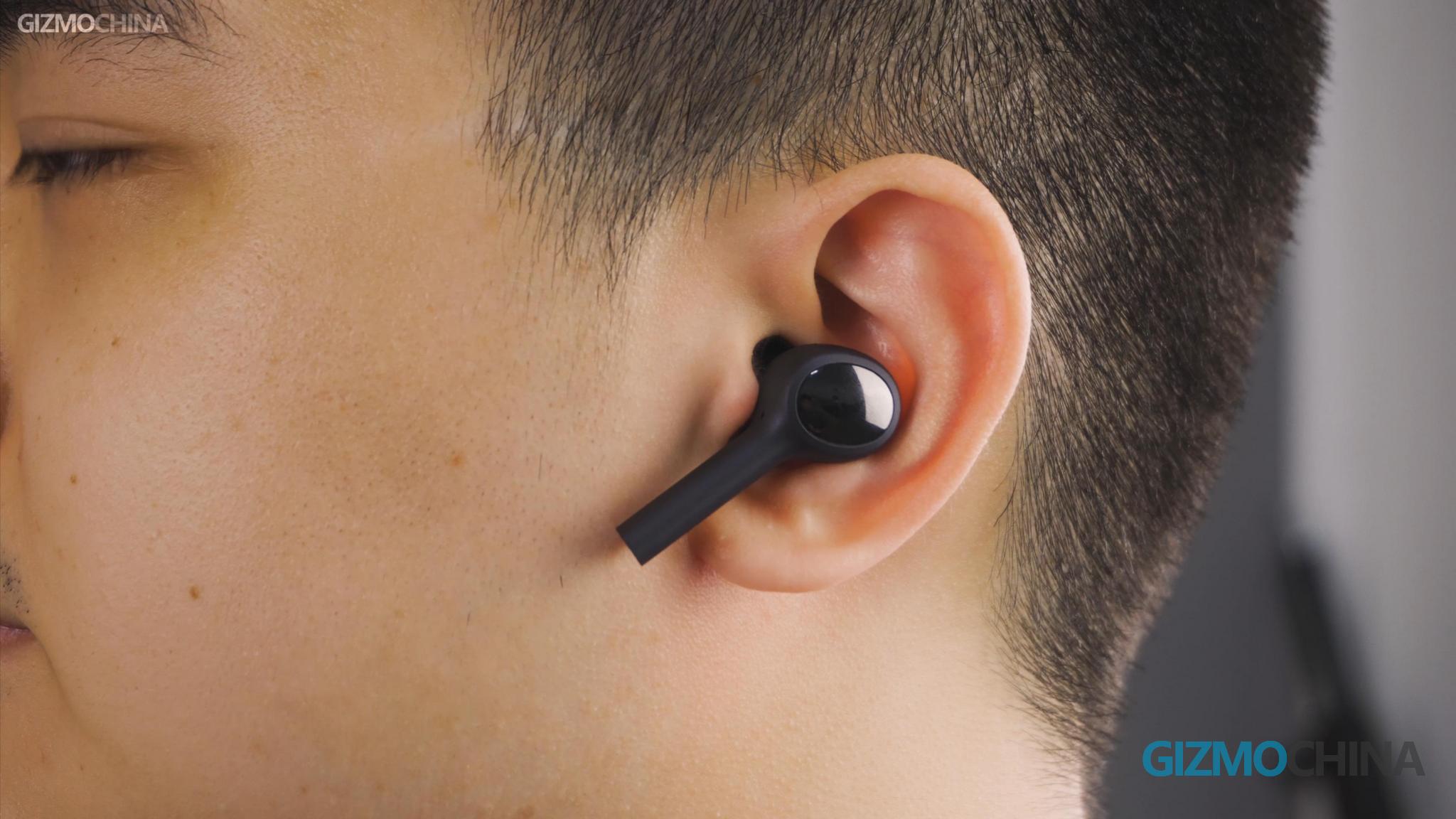
When we open the case, the build quality and matte finish of the earbuds are pretty impressive. And the fine ceramic touch panel on the surface of the earbuds really caught our eyes at first glance.
Ceramic Touch Panel attracts fingerprint
Since this ceramic panel is used for touch-interaction, it may start collecting a lot of fingerprints. But we have to give credit where it’s due – the design of the Air 2 Pro is pretty special, as it does not follow AirPods-style design like many rival brands.
Xiaomi Air 2 Pro Review: ANC Performance
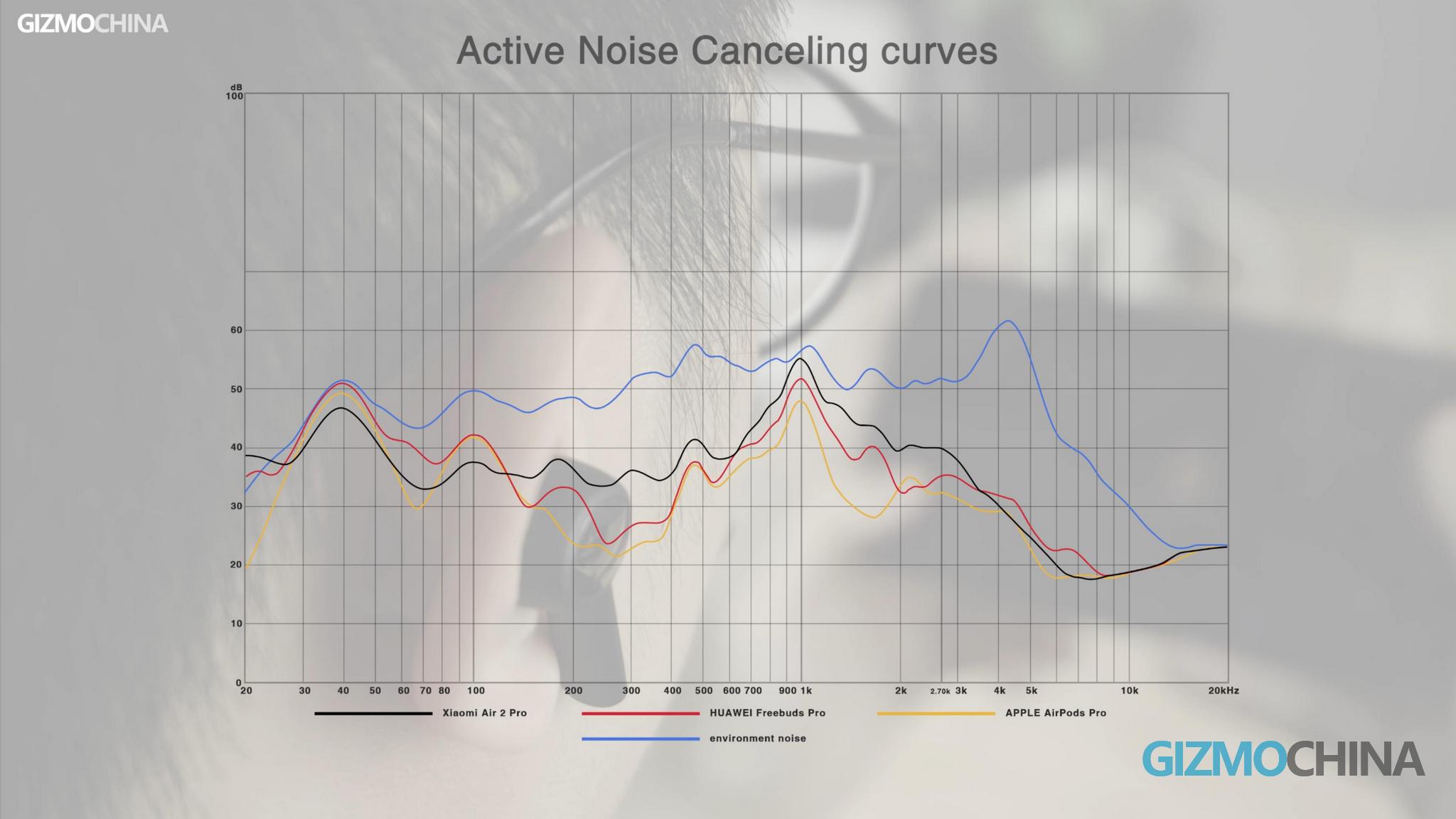
Now let’s check out its performance of noise cancellation. In this round, we are gonna take the Huawei Freebuds Pro as a reference. Well, sorry to tell you that you get what you pay for. After we tested the earbuds under different environments including light noise areas like office and heavy-noise like roadside and school streets, our testers reached an agreement that the noise-canceling performance of the Air 2 Pro is a bit weaker than the Huawei Freebuds Pro, and they estimated that it could reach only 80% of the Freebuds Pro’s performance. The Air 2 Pro also didn’t handle wind noise well. When you are walking on a windy day with the Air 2 Pro in your ears, the wind noise can come in between your listening experience. Even though you try to keep the earbuds firm in your ears, it only reaches around 60% of the Freebuds Pro’s anti-wind-noise effect.
But on the other hand, we have noticed that the Air 2 Pro is around 50 bucks cheaper than the Freebuds Pro, so actually, it still lived up to our expectations. And about wearing experience, the testers felt that the Air 2 Pro handled ear pressure better than the Freebuds Pro when the noise canceling was turned on.
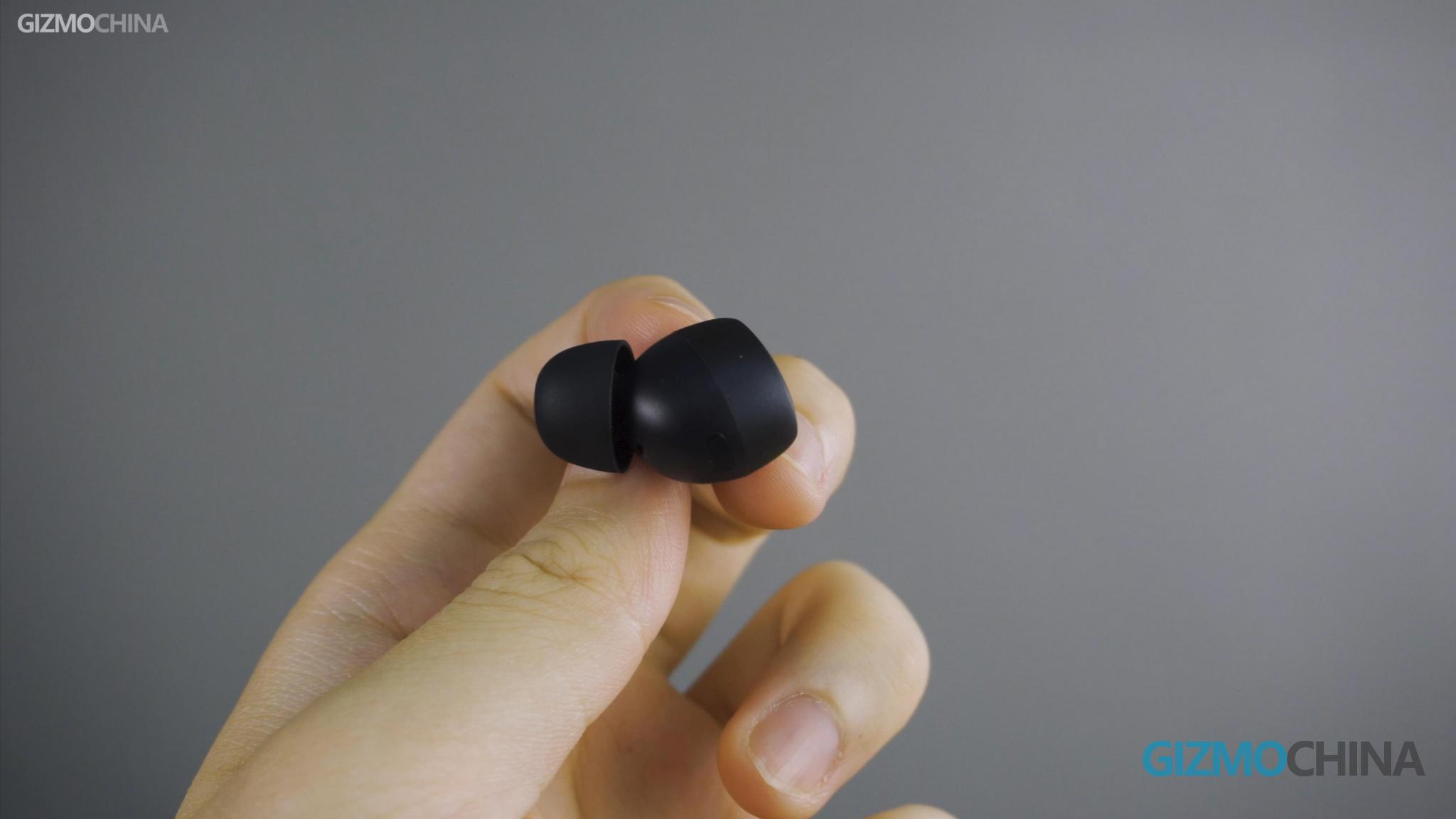
The default ear tips of the Air 2 Pro do not really fit most ears well. Because most testers feel the fit to be a bit loose, it may also result in an insufficient noise canceling effect. But inside the box, Xiaomi provided 4 more pairs of silicone tips for replacement. So, we suggest using the largest one if you have a similar experience.
Xiaomi Air 2 Pro Review: Battery Life
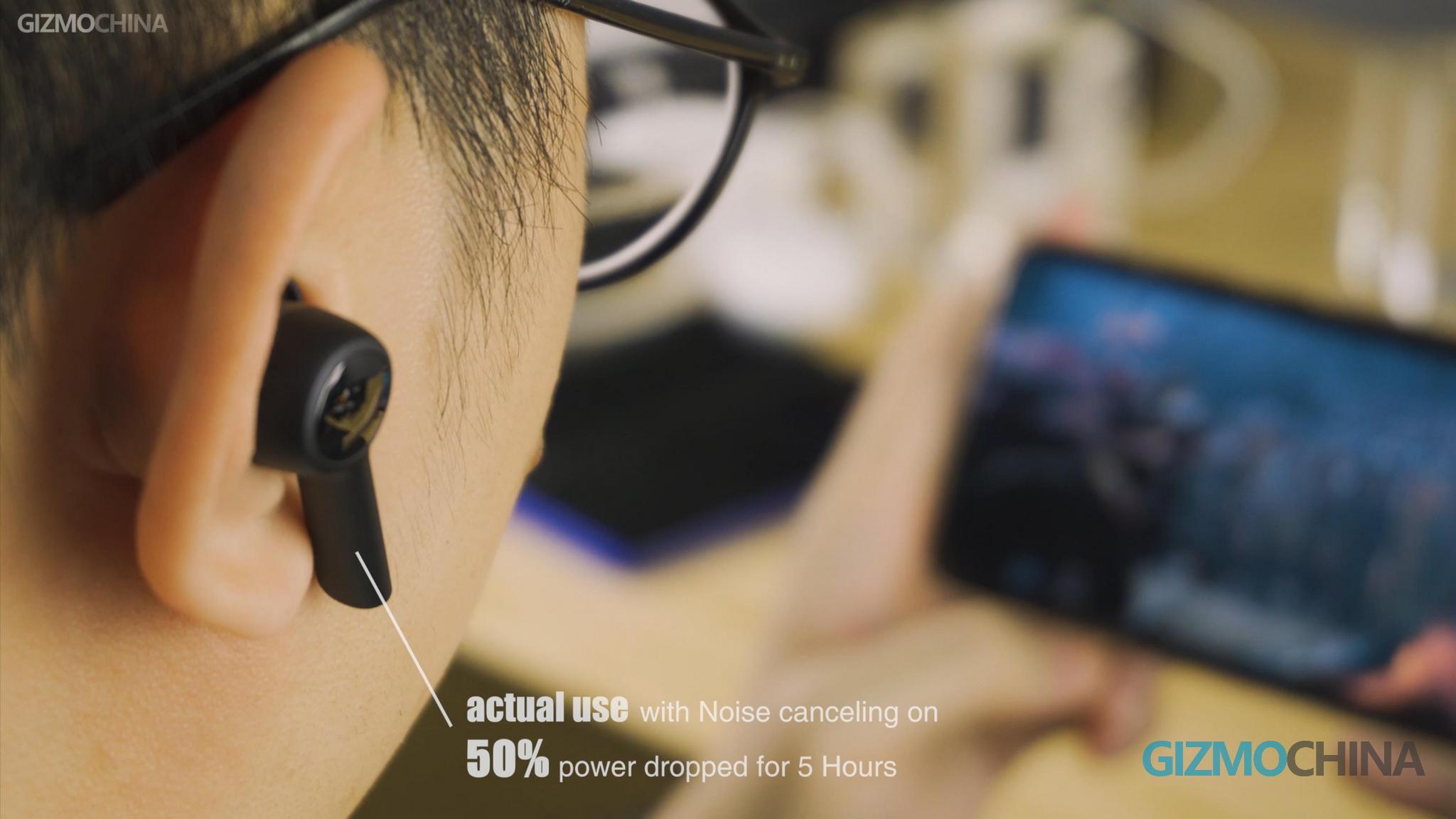
And if you are a heavy earbuds user, battery life should be another important buying factor. The Air 2 Pro has excellent battery performance. In the noise-canceling mode, my colleague used it for 5 hours and the power dropped by only 50%, which is the best battery performance for an ANC earbud that we’ve tested so far. You should get around 7-8 hours of playback on a single charge.
Xiaomi Air 2 Pro Review: Operation
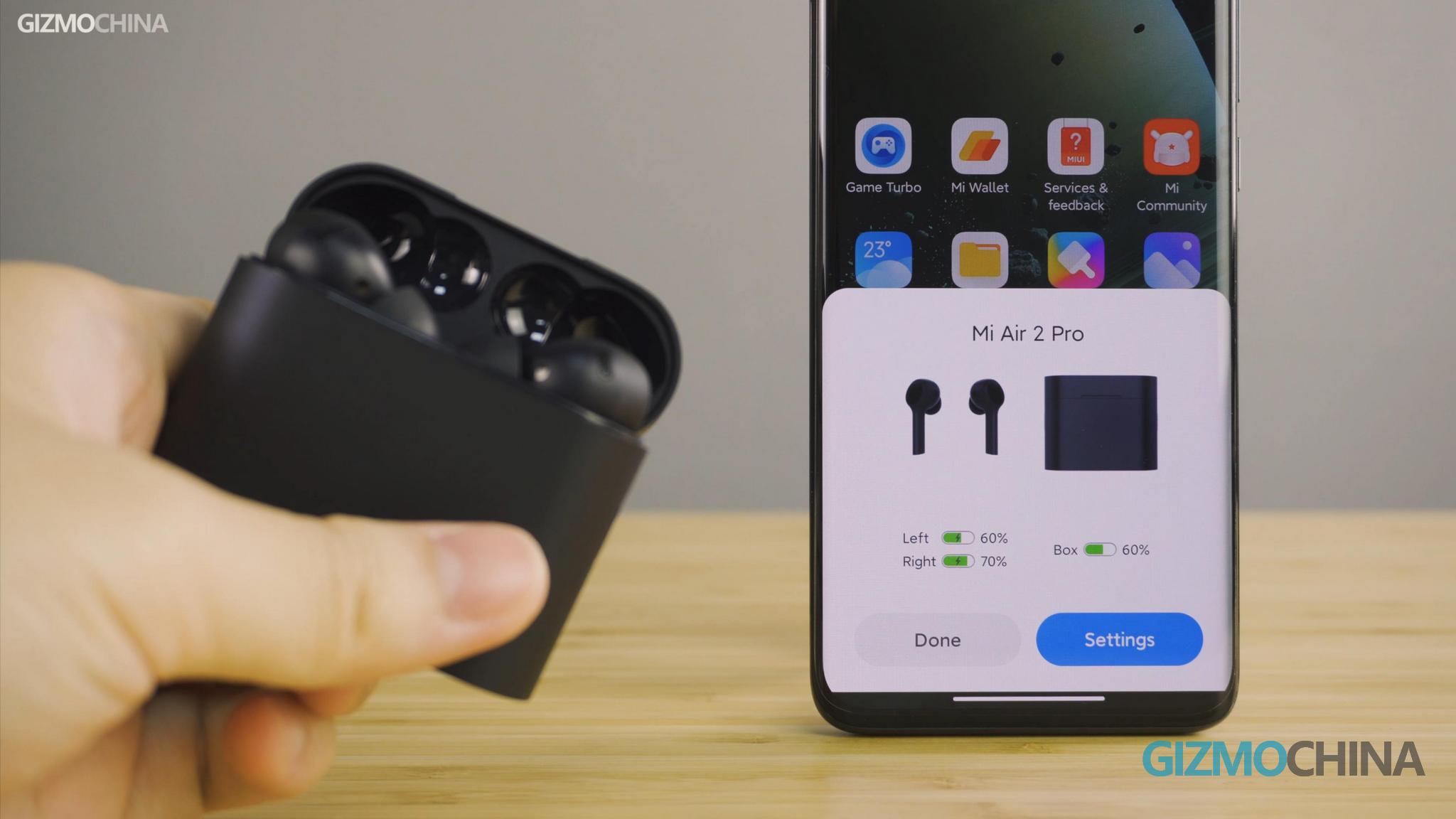
When connected to a Xiaomi device, you can change additional settings for Air 2 Pro in the official voice assistant App, XiaoAi. Or without the phone, you can have some default interaction with the earbuds.
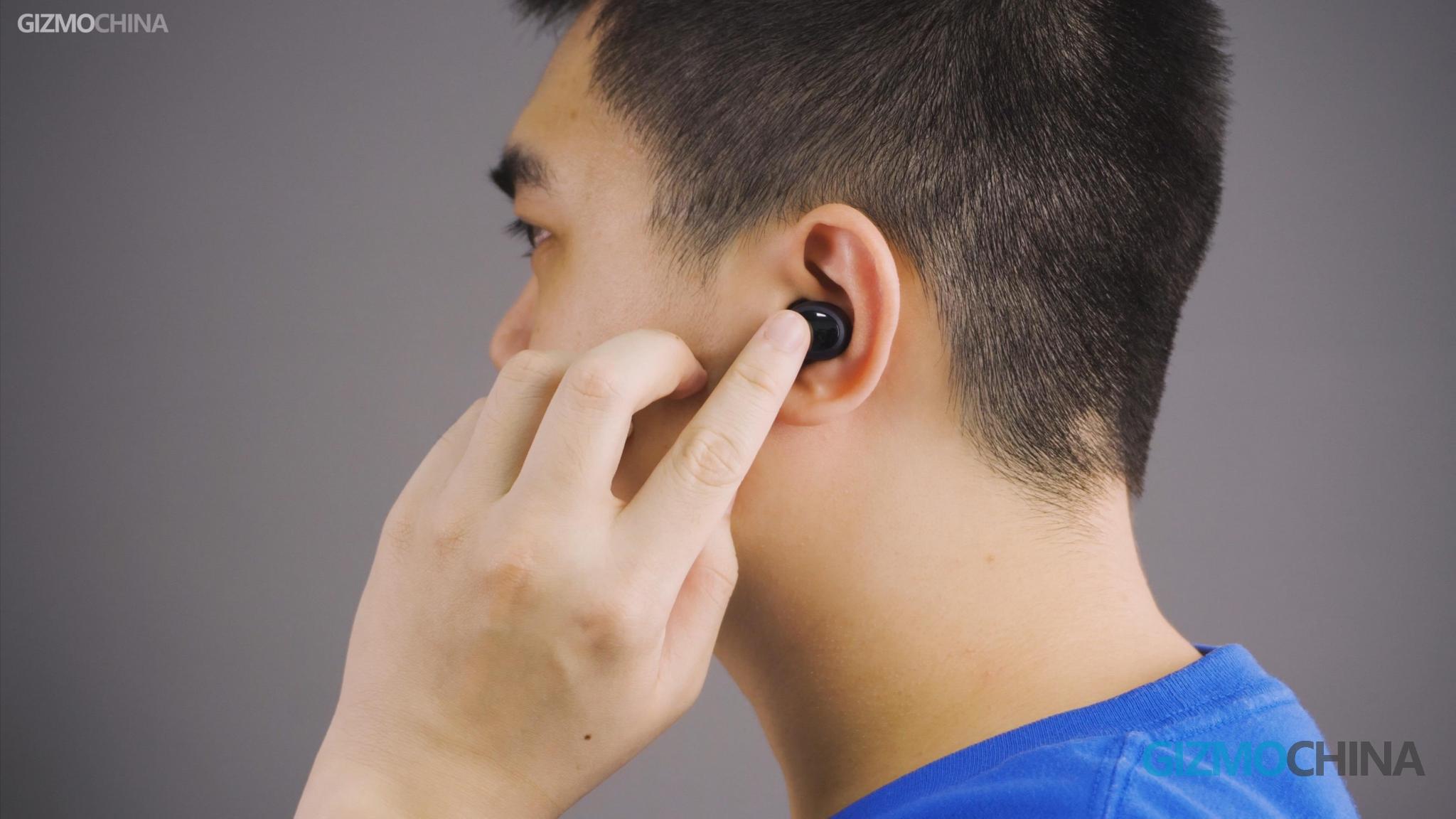
For example, double-click the left earbud to wake the voice assistant; double click the right one to play and pause music or video, and long-press either one for 5 seconds to switch between noise-canceling mode and transparency mode. But switching modes over the earbuds is really annoying. For example, in order to turn on the Noise canceling mode from the transparent mode, I have to put my finger on the touch panel for at least 10 seconds. Because I need to press for 5 seconds to switch to the ‘Transparency Off’ first and then another 5 seconds for the noise-canceling to turn ON. It’s really not a smart design to let users wait over 10 seconds for a simple operation.
Xiaomi Mi Air 2 Pro ANC
Even if you are not using a Xiaomi phone, all the functions that we just mentioned are also accessible. All you need to do is to download the XiaoAi App. And then probably the only difference is that there is no pop-up window on non-Xiaomi devices. You have to manually connect it to the Bluetooth list. But note that, XiaoAi only supports the Chinese language. If you are not good at Chinese, the app will be a bit useless, although there were some interesting features and setups for the earbuds.
Otherwise, all the basic interaction and features can still work well without the app, including the same noise-canceling strength.
In the last part, let’s go check out the sound quality and latency of the Air 2 Pro. Well, it should be noted that the firmware we are using is 3.0.12. And the officials have promised that the lower-latency mode and new Bluetooth codec LHDC would come in the next few firmware updates. It means that under low-latency mode the earbuds will be better for gaming and video play, while with the new efficient LHDC codec, its sound quality will be improved.
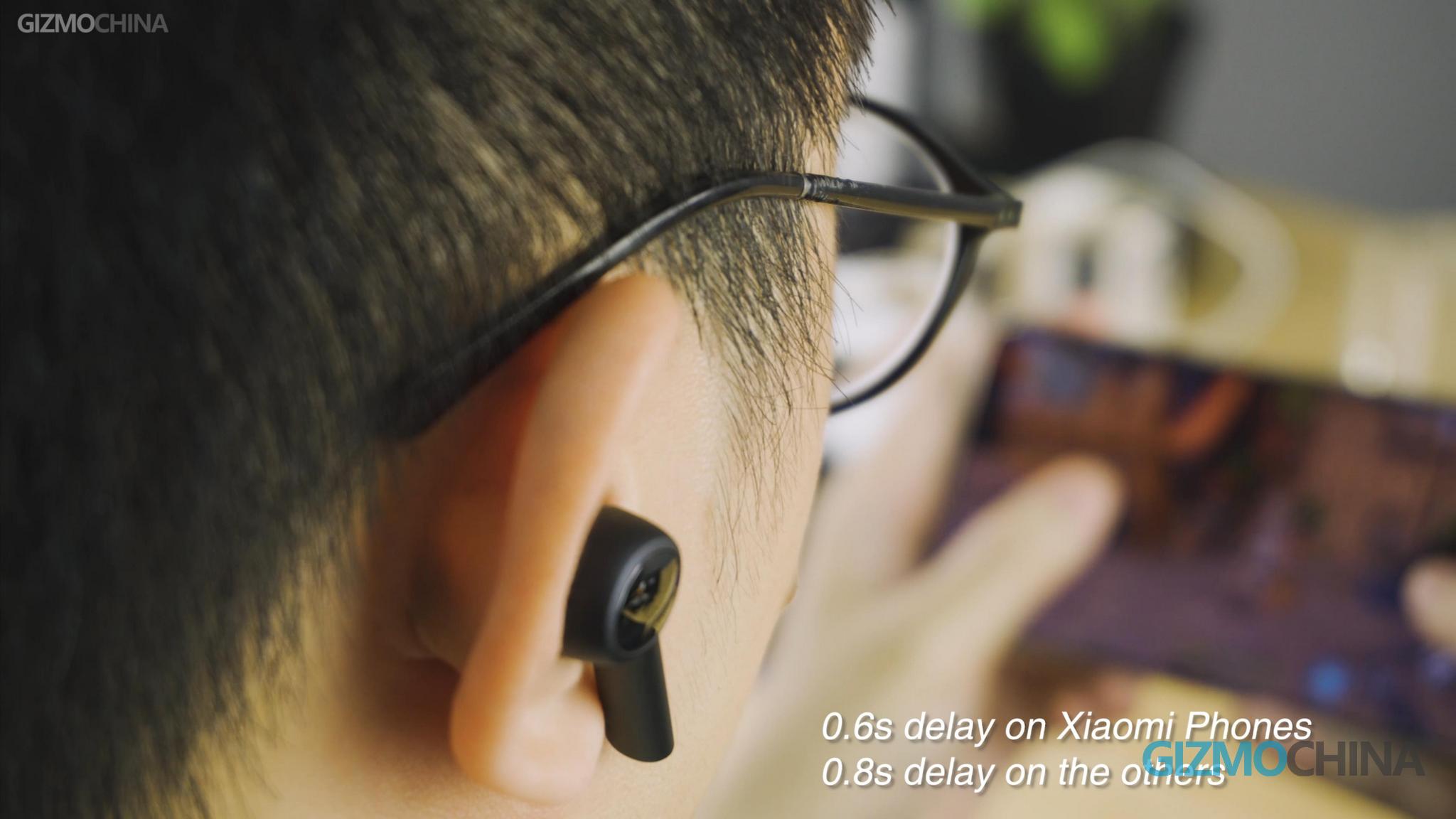
Right now, the Air 2 Pro has a 0.6-second delay when playing games on Xiaomi phones, while on the other brands’ devices, the sound output is delayed for 0.8-second.
The Air 2 Pro’s mid and low frequencies sound excellent, with crisp output, which is even more impressive than what we have with the Huawei Freebuds Pro. But its high frequencies were not as outstanding as the lows, and it sounds pretty close to what we had on the Freebuds Pro.
Xiaomi Air 2 Pro Review: Verdict
In short, we can say that the Air 2 Pro’s active noise cancelation is still good enough to handle most conditions. However, if I’m not going to pay over 200 US dollars for earbuds, there are only a handful of options that provide excellent value for money. And the Air 2Pro is one of them. Although it can’t successfully challenge some more expensive earbuds in departments like noise-canceling and wearing comfort, the Air 2 Pro still has a unique appearance design, impressive battery life, and a really affordable price tag. And we’re really looking forward to its firmware update. If there are any new developments after the update, we’ll let you know.
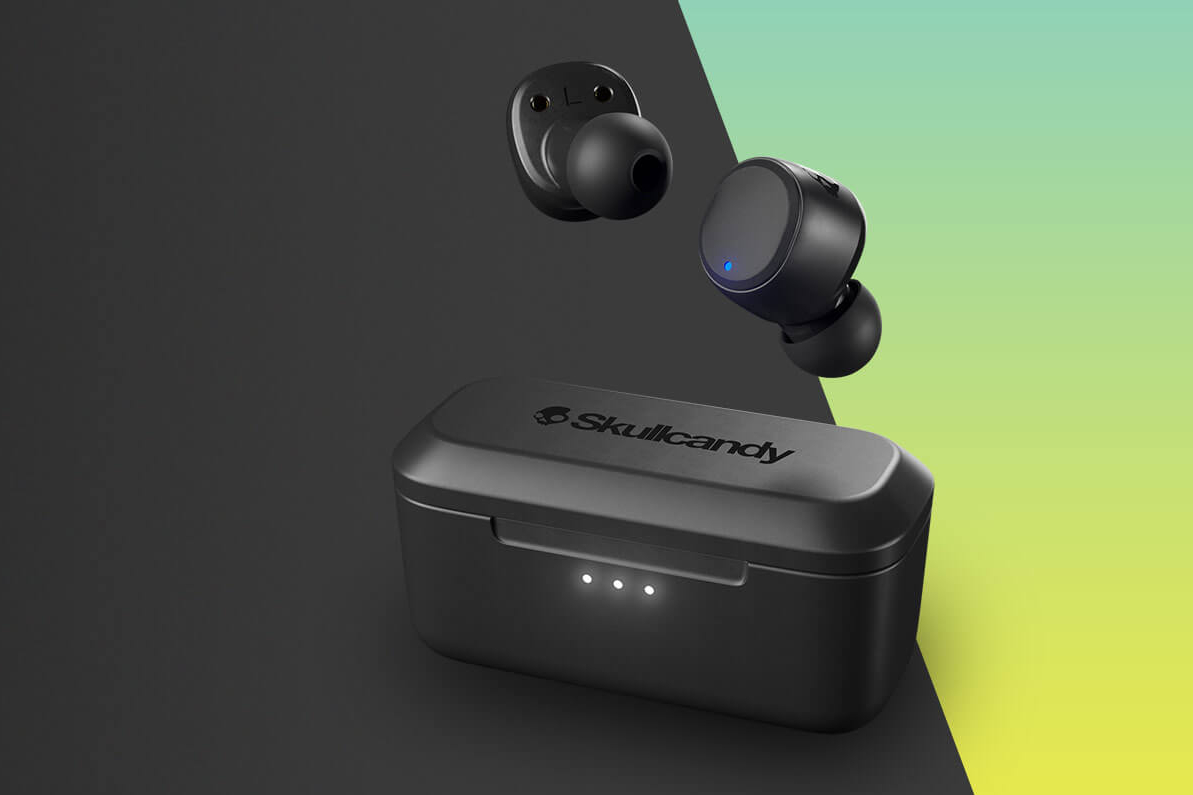
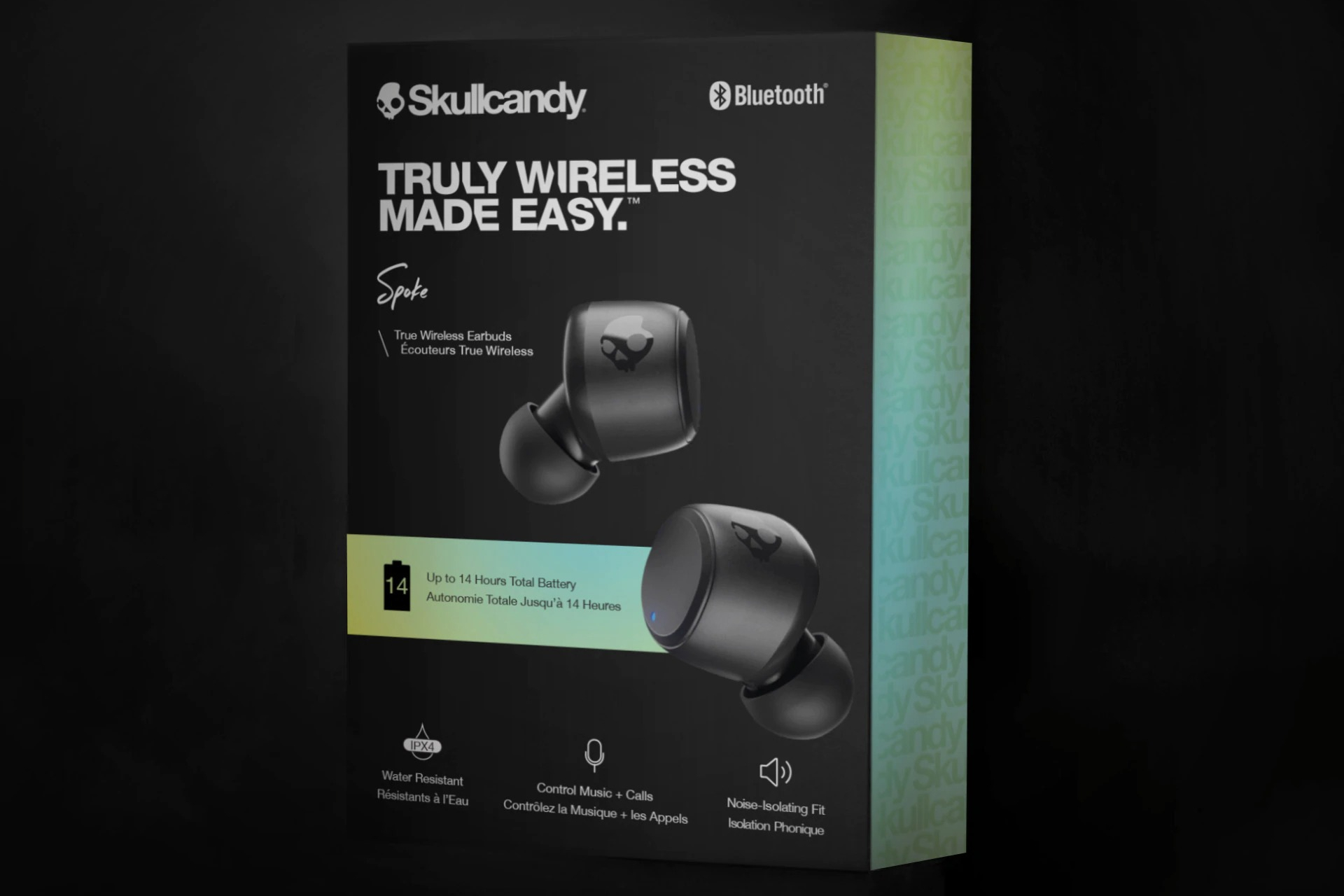
Skullcandy is one of the popular audio brands in the market. The company has launched a new pair of truly wireless earphones in India called Skullcandy Spoke. The TWS carries an MRP (Maximum Retail Price) of ₹7,999 ($108), however, it is being sold at only ₹2,999 ($40) on the brand’s official website and even comes with a free 3-month Gaana Plus subscription.
Despite the Skullcandy branding, the Spoke TWS is just another cheap affordable truly wireless earphones. The features of this audio product pale in comparison with the products from competitors, at least on paper. However, how it sounds is more important than specifications. But as we haven’t tried it out, we cannot tell.
That said, the buds connect to devices via Bluetooth 5.0 and feature 8mm drivers. Their technical specs as mentioned on the official product page are as follows.
Impedance: 32 Ohms
THD (Total Harmonic Distortion): <3% at 1KHz
Sound Pressure Level: 96.5-98.4dB
Frequency Response: f20Hz – 20KHz
1 of 2
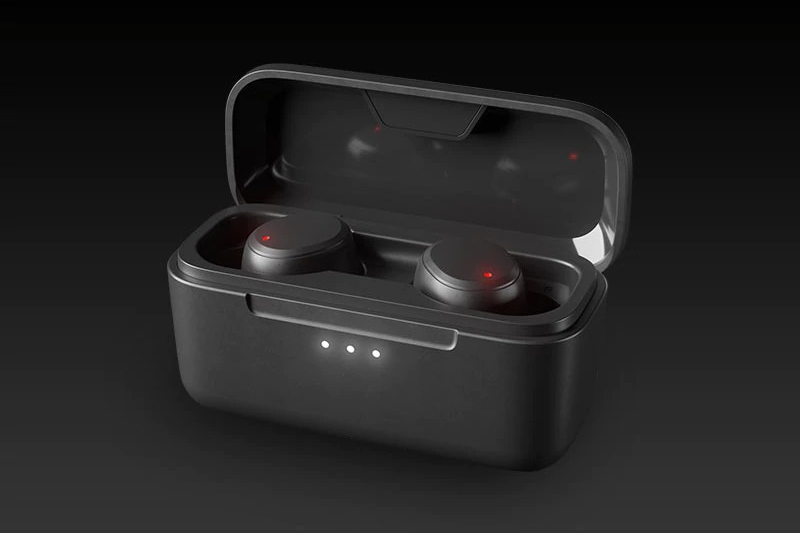
Both the buds have LED indicators as well as a button to play/pause music, adjust volume levels, skip tracks, and accept/decline calls. They are also IPX4 splash-resistant.
Last but not least, the company claims its new TWS to offer up to 14 hours of battery life with the charging case, which charges via MicroUSB port and features LED indicators for battery level.
The LG VELVET was made official along with the LG Wing phone last week in India. At the launch, the company confirmed that the LG VELVET will be available from Oct. 30. Starting from today, the handset is up for pre-orders online through Flipkart.
LG VELVET price in India and offers
The LG VELVET is priced at Rs 36,990 (~499). With the Dual Screen accessory, the phone can be availed for Rs 49,990 (~$674). It comes in two colors like Aurora Silver and Black.
The Flipkart listing mentions a couple of offers such as Rs 5,000 instant discount for America Express Card users, RBL Bank credit and debit card users, 10 percent discount of up to Rs 1,5000 for Federal Bank debit card users, 5 percent unlimited cash back on Flipkart Axis Bank credit card, Rs 5,000 additional discount on debit and credit card transactions, and no-cost EMI.
LG VELVET specifications
The LG VELVET has a 6.8-inch P-OLED FHD+ display integrated with a fingerprint sensor, Snapdragon 845 chipset, 6 GB of RAM, 128 GB of internal storage, Android 10 OS, and 4.300mAh battery with 25W fast charging and 9W wireless charging support. It has a 16-megapixel selfie camera and a triple camera system with a 48-megapixel main camera, an 8-megapixel ultrawide lens, and a 5-megapixel depth sensor.
We use cookies on our website to give you the most relevant experience by remembering your preferences and repeat visits. By clicking “Accept”, you consent to the use of ALL the cookies.
This website uses cookies to improve your experience while you navigate through the website. Out of these, the cookies that are categorized as necessary are stored on your browser as they are essential for the working of basic functionalities of the website. We also use third-party cookies that help us analyze and understand how you use this website. These cookies will be stored in your browser only with your consent. You also have the option to opt-out of these cookies. But opting out of some of these cookies may affect your browsing experience.
Necessary cookies are absolutely essential for the website to function properly. This category only includes cookies that ensures basic functionalities and security features of the website. These cookies do not store any personal information.
Any cookies that may not be particularly necessary for the website to function and is used specifically to collect user personal data via analytics, ads, other embedded contents are termed as non-necessary cookies. It is mandatory to procure user consent prior to running these cookies on your website.