Advertisement

Huawei officially releases new video teaser for the HiCar Smart Screen

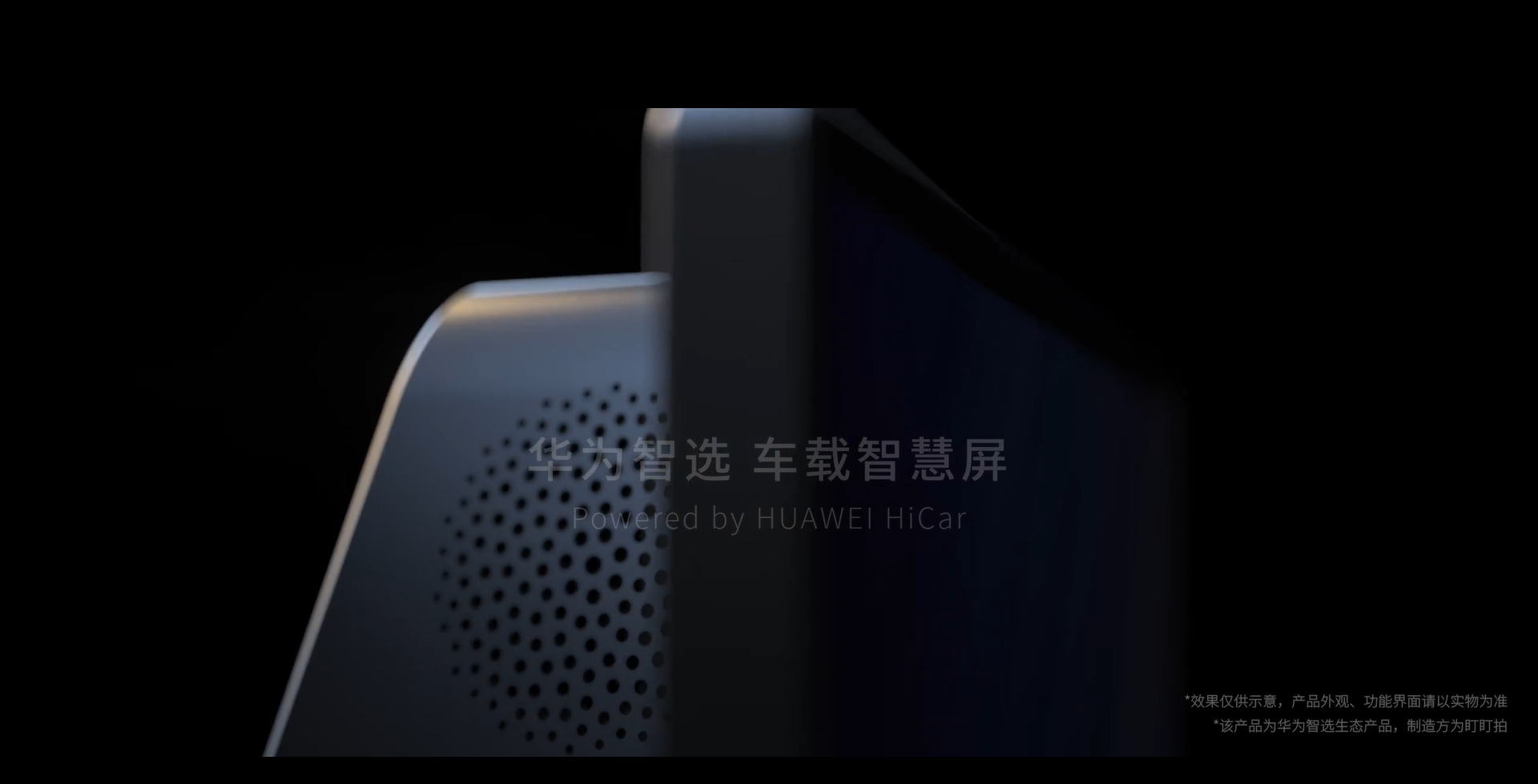
Earlier today (28th October 2020), Huawei officially announced a new smart product for vehicles. In a video teaser, the company unveiled a smart screen that will be housed within automobiles.
Huawei

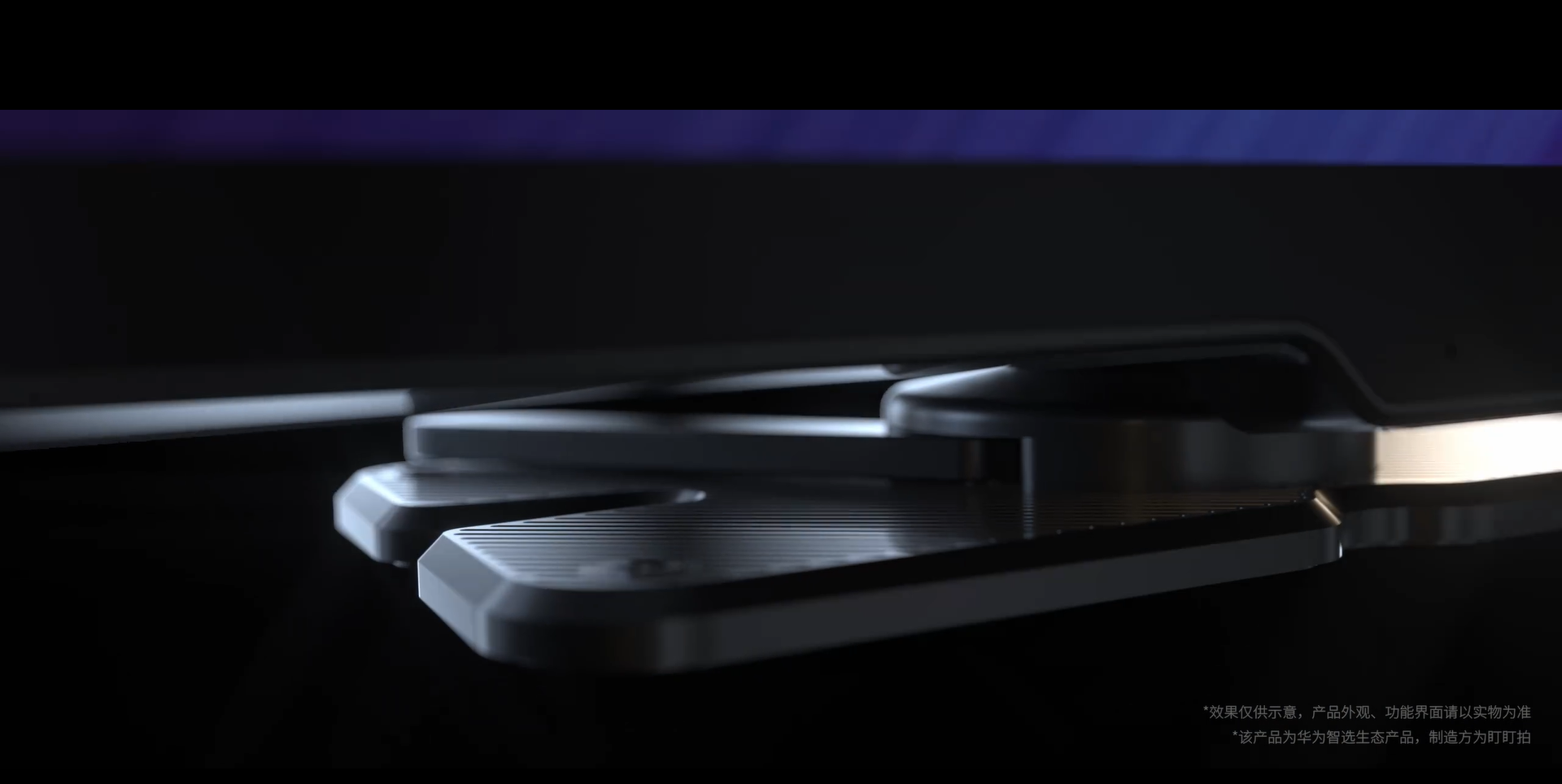
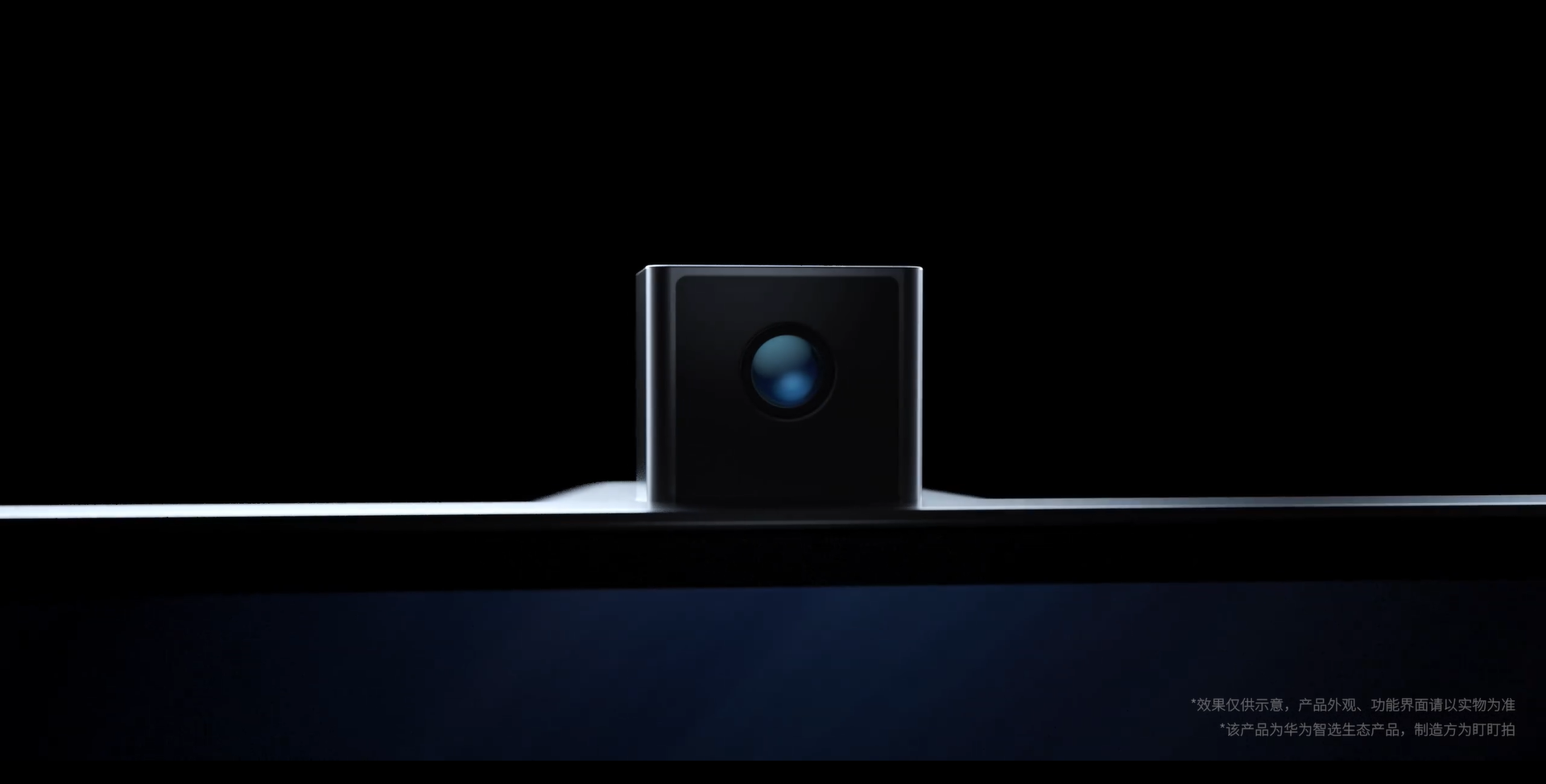
At the moment, not a lot of details regarding the product are known, although, it has been officially confirmed to be launched on 30th October 2020. The smart screen is “Powered by HUAWEI HiCar,” which is a part of the company’s initiative to enter the automobile peripherals market. As per the video, the in vehicle smart screen will sport a front facing camera that appears to be housed in a pop up mechanism.
Huawei

We can also observe that the front will primarily be covered by the device’s display, which is flat, while the rear houses all the necessary components alongside the speaker grills. A short clip of the bottom also revealed that the company will offer a stand with the smart screen to properly secure it in the car. Furthermore, the new smart screen will be powered by HarmonyOS 2.0 (or HongMengOS in China) and will likely be capable of taking calls, listening to music, or even watching videos and movies.
Huawei

Unfortunately, finer details are still unknown like the size of the display, but it is likely to be the size of a tablet and would also act as a control panel. Huawei is set to branch out towards the automobile industry and the new product might be the first of many for the company. So stay tuned for the launch event that is just around the corner and more updates as well.


Huawei Mate 40 RS Porsche Design has already received 210,000 reservations

The Huawei Mate 40 series was just recently announced and is set for a launch date of 30th October 2020 in China. Just prior to the launch, the company has already opened reservations for a few models within the flagship lineup, with the Mate 40 RS Porsche Design already receiving over 210,000 reservations.

Huawei Mate 40 RS Porsche Design

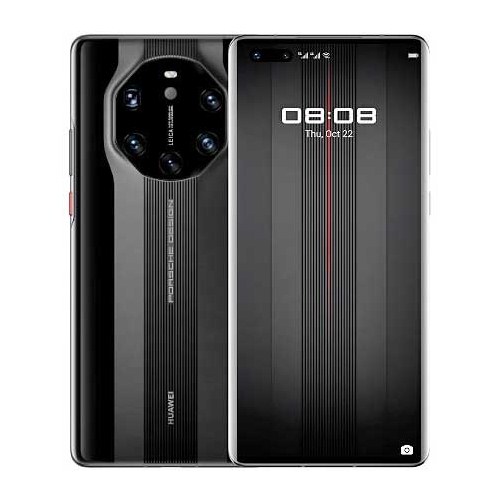
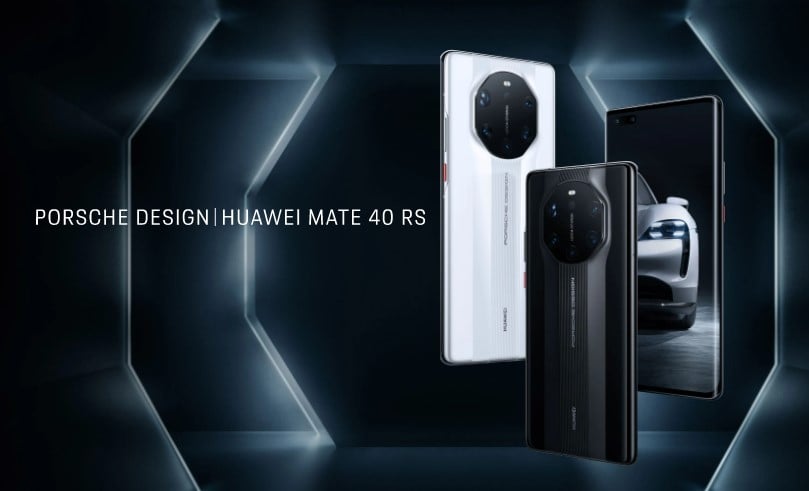
As of today (28th October 2020), the number of reservations for the Huawei Mate 40 RS Porsche Design has crossed the 210,000 marks on JD.com, a popular e-retailer in China. The device in question is the ultra high end flagship from the Chinese tech giant and, as the name suggests, carries the signature branding of the luxury supercar maker, Porsche.

The Mate 40 RS Porsche Design features a unique aesthetic that resembles the aerodynamic design of the popular sports car brand. Its rear panel is built from nano-microcrystalline ceramic body that is made to offer a better grip thanks to its texture. Apart from the external design, the device is similar to the flagship Mate 40 and features the 5nm Kirin 9000 processor and a penta camera setup on the rear as well.

Porsche Design Huawei Mate 40 RS

The handset was launched for 2,295 EUR (roughly 18,150 Yuan or 2,700 US Dollars). In other words, it is quite expensive, which makes it even more impressive than it has already managed to garner the large number of reservations. Notably, the pre orders for the Mate 40 series was also previously listed on JD.com and were sold out in just 28 seconds flat.


Sony sees ‘very considerable’ PS5 demand just prior to its launch

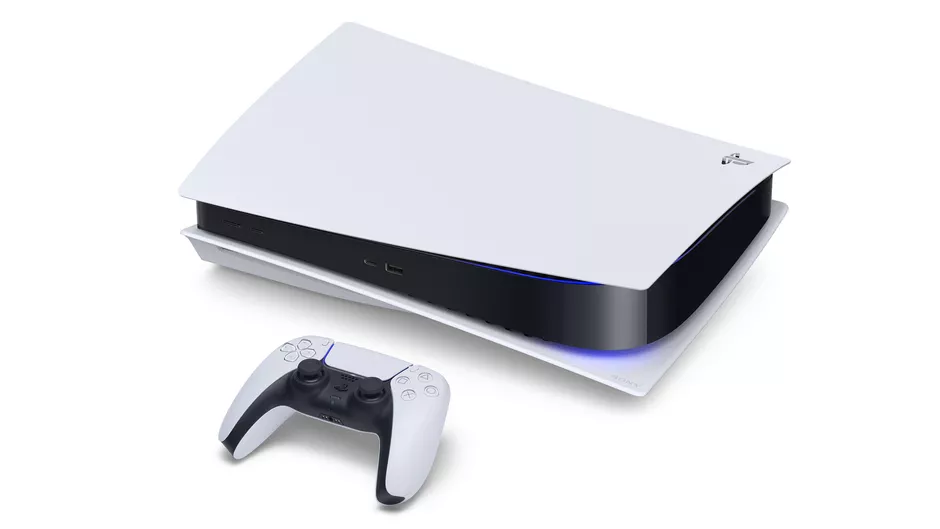
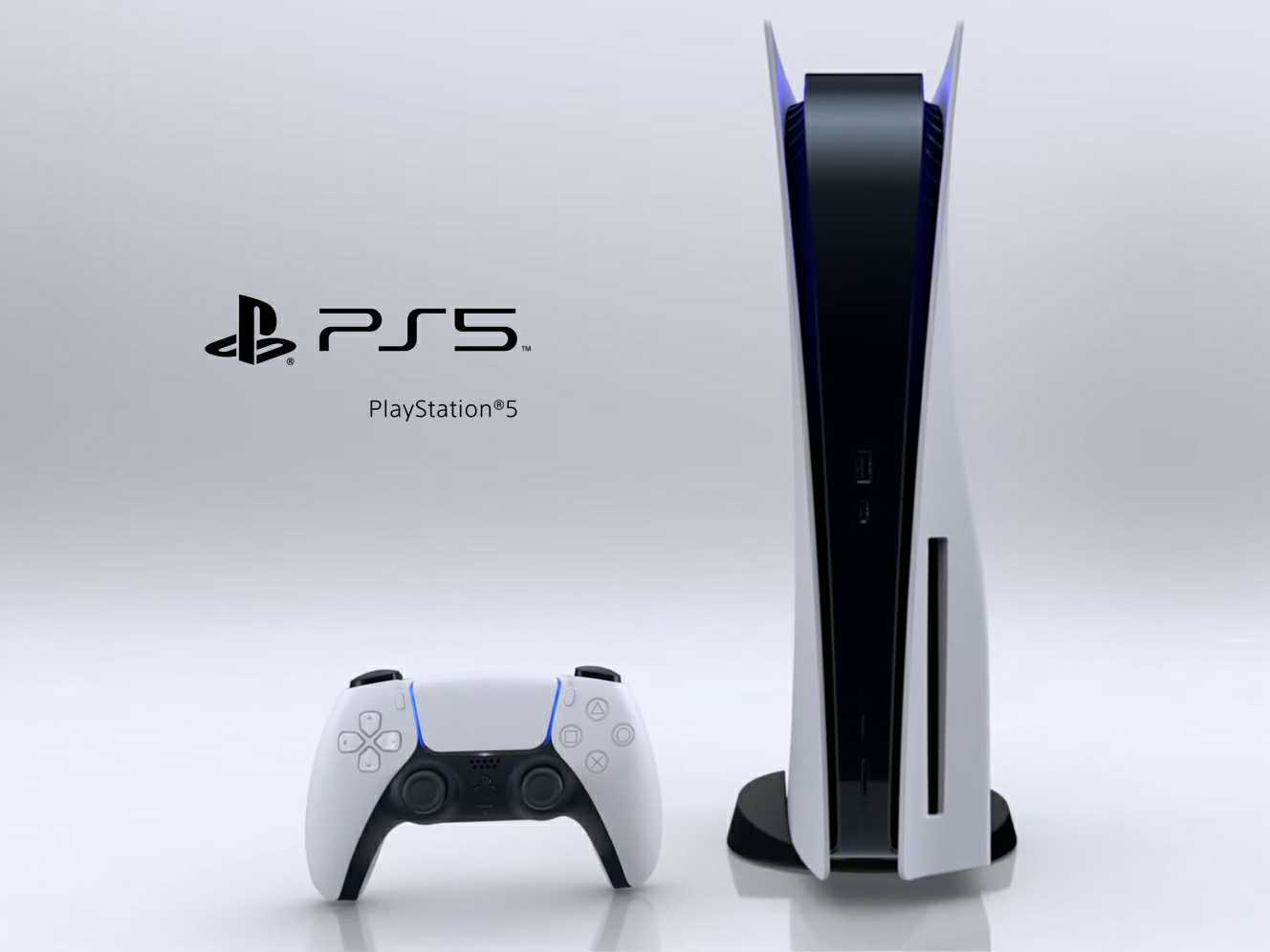
The launch of the next gen gaming console from Sony is just around the around and the company is already seeing “very considerable” demand for the new PlayStation 5 through its pre orders, as per its gaming chief.

Sony PlayStation 5

According to a Reuters report, Sony has already pre sold a large number of PS5 in just 12 hours. This figure is apparently equal to the entire 12 week sale of its predecessor, the PlayStation 4, as stated by Jim Ryan, CEO of Sony Interactive Entertainment. He further added that “The demand as expressed by the level of pre-order has been very, very considerable.”

At the moment, the company has already sold over 100 million PS4 units across the globe and is seeking to convince its userbase to upgrade to the newer generation of hardware to play popular new titles like “Marvel’s Spider-Man: Miles Morales.” The new console also enables enhanced next gen graphics, with improvements on sound, and feedback as well through its new controller.

PlayStation 5

The PS5 launch arrives amid the Coronavirus pandemic that has boosted the gaming industry as a whole but has also disrupted retail networks, game development, and manufacturing supply chains worldwide. According to Ryan, “It may well be that not everybody who wants to buy a PS5 on launch day will be able to find one,” and that the company is “working as hard as we ever can” to ensure supply that lasts the year end shopping season.


OPPO’s next flagship may feature custom-made Snapdragon 870

Qualcomm is expected to announce the Snapdragon 875 mobile platform as its next flagship chipset on Dec. 1. The SoC will be replacing the Snapdragon 865 SoC that fueled most of the flagship phones running on Android OS this year. A Chinese tipster has claimed that sooner or later a custom-made flagship chipset possibly dubbed as Snapdragon 870 could be seen powering an OPPO smartphone.

The Snapdragon 870 is not an official name, but it appears that the SoC will be less powerful than the upcoming SD875 chip. According to the tipster, the SD870 that can clock around 3.2GHz will be more powerful than the SD865 theoretically.

As mentioned above, it will be a custom-made chip that will fuel a forthcoming flagship. There is no word on when Qualcomm or OPPO will be revealing more details on the chip. Also, the name of the OPPO phone that will feature the SD870 chip is under wraps.

OPPO Logo Featured

Meanwhile, an OPPO phone that has a model number of PERM00 is waiting to go official in China. The handset had recently appeared at TENAA with full specifications. It has a 6.5-inch FHD+ display and it measures 162.2 x 75.1 x 9.1mm. With a battery of 4,900mAh capacity, it weighs 194 grams. The phone is expected to land in China in colors like green, gray, and blue.

The OPPO PERM00 is likely to arrive in 6 GB and 8 GB RAM options and storage options like 64 GB, 128 GB, and 256 GB in China. It has a side-mounted fingerprint sensor. For selfies, it has a 16-megapixel camera and its rear has a 48-megapixel + 8-megapixel + 2-megapixel +2-megapixel quad-camera system.


LG Wing 5G dual display phone and LG Velvet launched for Rs 69,990 (~$948) and 36,990 (~$504) in India

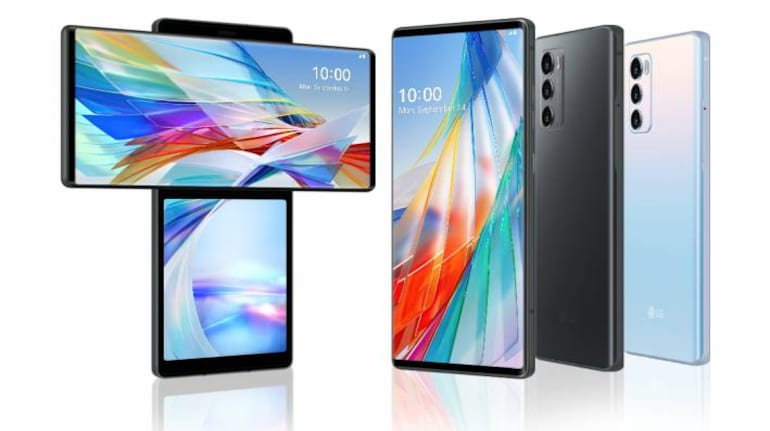
The LG Wing 5G was made official in September for the global markets. The dual display phone is one of the most ambitious products from the brand since its main screen can be rotated clockwise in 90 degrees over its second screen. Today, the South Korean company announced the LG Wing 5G and LG VELVET 5G in India.

LG Wing 5G and LG VELVET price and availability

The LG Wing 5G has arrived in India with a price tag of Rs 69,990 (~$948). The phone comes in two colors such as Illusion Sky and Aurora Grey. The dual-screen phone will be up for purchase from Nov. 9.

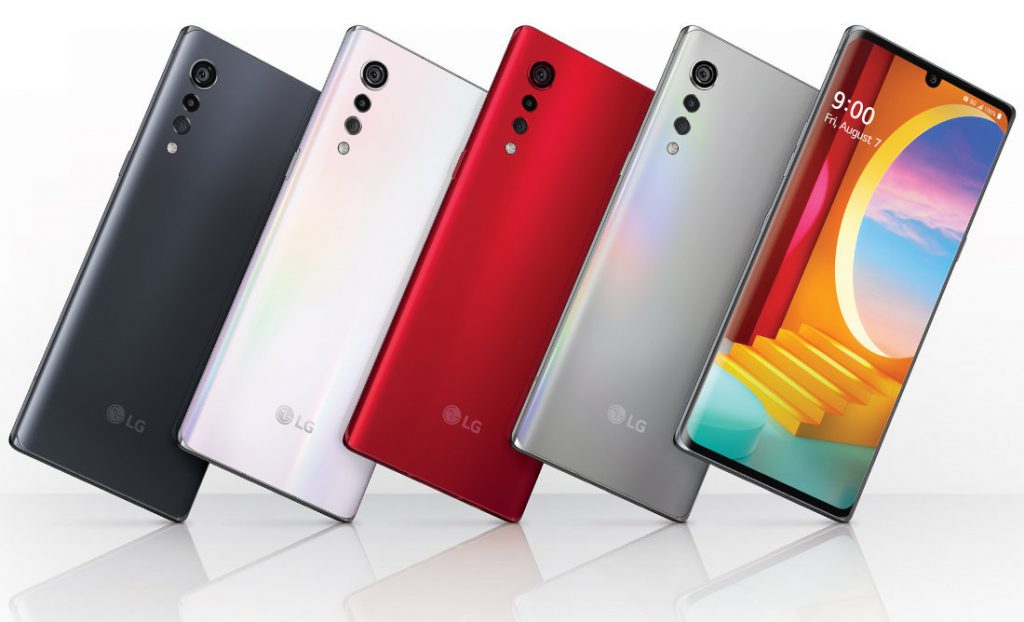
The LG VELVET has landed in India with a price tag of Rs 36,990 ($504). With the Dual Screen accessory, the device carries a price tag of Rs 49,990 (~$677). Its sale will begin on Oct. 30 in India in colors like Aurora Silver and New Black.

LG Wing 5G sand LG VELVET specifications and features

In its T-form factor, the LG Wing 5G offers a new level of multi-tasking where the main screen can display an app and its other features can be accessed on the second screen. For instance, users can watch a movie on the main display and adjust its playback settings on the second display. Also, it can be used as a gimbal motion camera since it comes with features like Gimbal Mode and dual-screen recording.

LG Wing 5G
LG Wing 5G

Coming to the specs, the LG Wing 5G has a 6.8-inch P-OLED display that offers a Full HD+ resolution and a 20.5:9 aspect ratio The device is fitted with a 3.9-inch G-OLED secondary display that offers an FHD+ resolution and a 1:1.15 aspect ratio. The main screen is integrated with a fingerprint sensor.

The device is fitted with a pop-up camera of 32-megapixel for capturing selfie shots. The rear side of the LG Wing 5G features a triple camera system that comprises of an OIS assisted 64-megapixel main camera, a 13-megapixel ultrawide lens with a 117-degree field-of-view, and a 12-megapixel gimbal camera with a 120-degree FOV.

The Snapdragon 765G upper mid-range chip fuels the LG Wing 5G with 8 GB of LPDDR4x RAM. The phone offers 128 GB of native storage and it has a shared SIM slot for using a microSD card. It is fueled by a 4,000mAh battery that comes with 25W fast charging support and 10W wireless charging. It comes with other features like dual SIM support, Wi-Fi 802.11ac, Bluetooth 5.1, GPS, NFC, and USB-C. The phone runs on Android 10 OS. Lastly, the device comes with an IP54 rated and MIL-STD-810G rated chassis.

LG VELVET specifications and features

The LG VELVET that has arrived in India is its 4G version that features the Snapdragon 845 chipset. It has a 6.8-inch P-OLED FHD+ display with a 20.5:9 aspect ratio and an in-screen fingerprint reader. It has 6 GB of RAM, 128 GB of storage, and a microSD card slot for additional storage.

LG VELVET
LG VELVET

The LG VELVET has a front-facing camera of 16-megapixel. The rear side of the phone has a triple camera setup that includes a 48-megapixel main camera, an 8-megapixel ultrawide lens with 120-degree FOV, and a 5-megapixel depth sensor. The phone houses a 4,300mAh battery that supports 18W fast charging through USB-C. It comes with other features such as Wi-Fi 802.11ac, VoLTE Bluetooth 5.0, NFC, and a 3.5mm audio jack.


Apple researches durable crack resistant displays for foldable devices

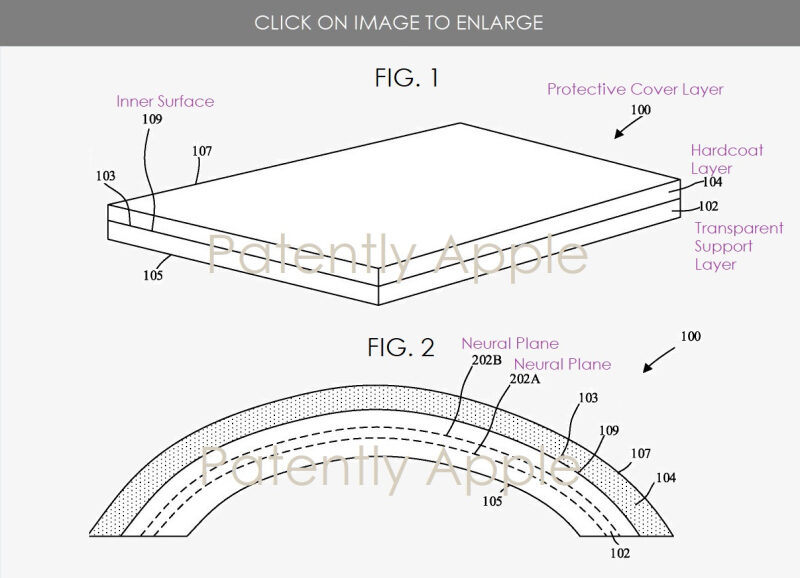
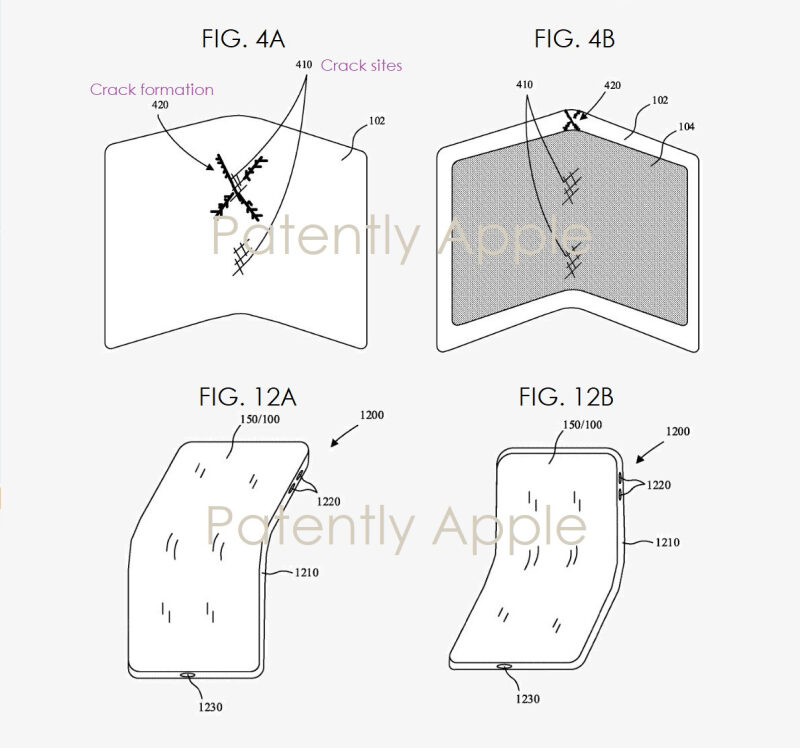
A new patent filing has revealed that Apple is working on creating a new protective layer that will be crack resistant on foldable displays. These screens would be scratch resistant as well and will also be more durable overall.

Apple

According to a MacRumors report, a filing in the US Patent and Trademark Office titled “Hybrid coverlay/window structure for flexible display applications,” describes how a curved, flexible, or foldable display modules could use a protective hardcoat layer to prevent cracking. This suggests that Apple might be working on solving the cracking issue that has been affecting some foldable devices from Samsung.

As stated in the patent, “typically, glass fracture initiates from the presence of micro-cracks.” But, Apple’s hardcoat layer would fill pre existing micro cracks, which should make it harder for the display to suffer from a severe crack. This additional protective layer would be placed directly on top of the display and would be “engineered to have a sufficiently high hardness and tensile strength to function as an exterior protective coating for the electronic device… Thus, the hardcoat layer is sufficiently durable for high puncture and scratch resistance.”

Apple

Although, there currently is no news regarding Apple’s first foldable device or even a rumor of an upcoming launch. Regardless, the company has patented many supplementing technology and has researched on the topic as well. Back in September, there was a report that suggested that the Cupertino based giant had placed a large order for foldable display samples with Samsung.


Apple iPhone 12 might support reverse wireless charging for accessories

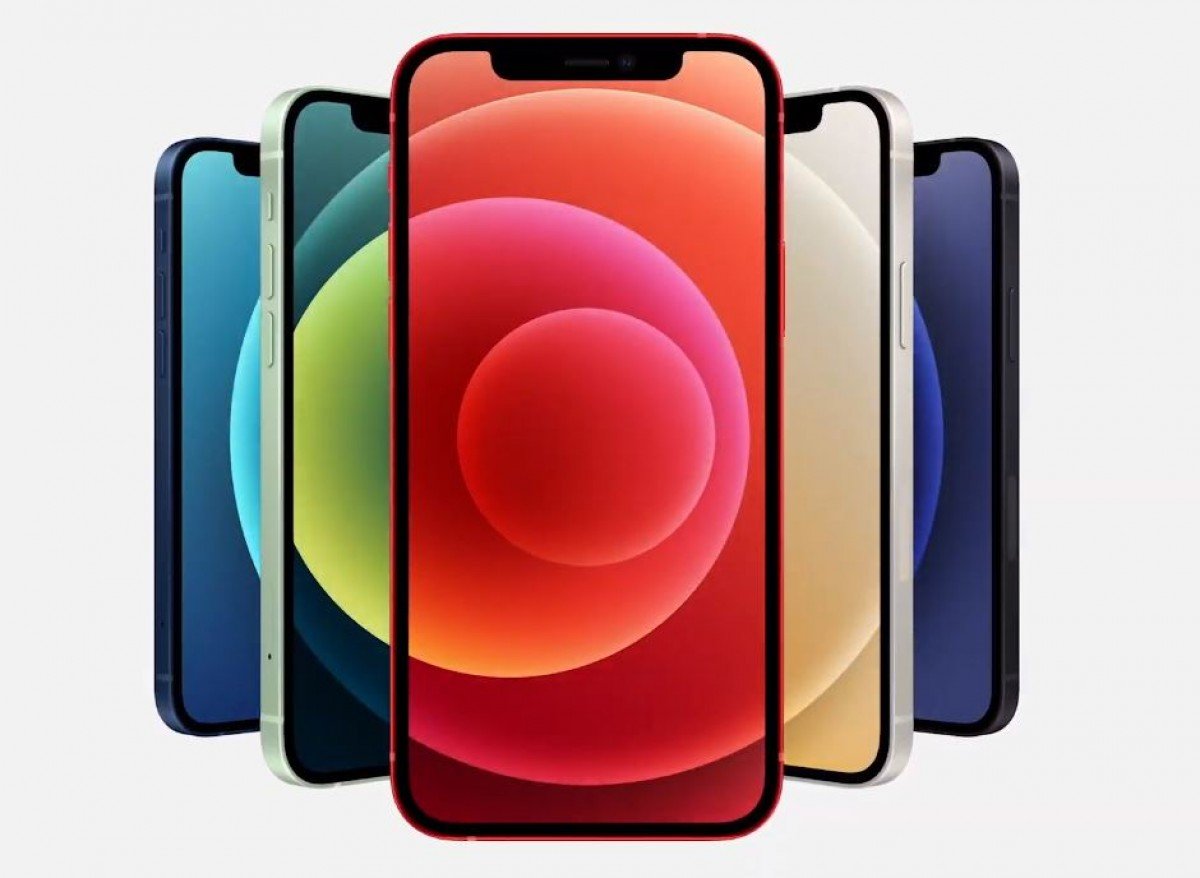
Last year, it was reported that Apple will be introducing reverse wireless charging on iPhone 11 but the feature was allegedly removed in the final version. Now, it seems that the company has added support for such a feature in the iPhone 12 models.

The FCC filings for the Apple iPhone 12 shows that this year’s devices have support for bilateral wireless charging, reveals Jeremy Horwitz in a tweet. It says that the new Apple smartphone works with regular Qi chargers and also with a new “charging function at 360 kHz” that can recharge accessories.

iPhone 12 mini

EDITOR’S PICK: Huawei leads Chinese smartphone market in Q3 2020, reveals CINNO Research

So far, Apple has not officially announced anything related to this and the feature has also been disabled on the iPhone 12. Some reports indicate that the company might be holding on to the feature for the rumored AirPods 3 and AirPods Pro 2 TWS earphones.

This discovery suggests that Apple has continued its work on the charging feature and has integrated the functionality into its MagSafe protocol. While reverse wireless charging could be activated through a software update, it remains to be seen if Apple intends to do so.

Recently, it was reported that the Cupertino giant is working on two new models — the third-generation entry-level AirPods and the second version of the AirPods Pro earbuds, joining the list of upcoming audio products like HomePod mini and over-ear headphone.


Apple iPhone 13 models could offer 1TB internal storage option

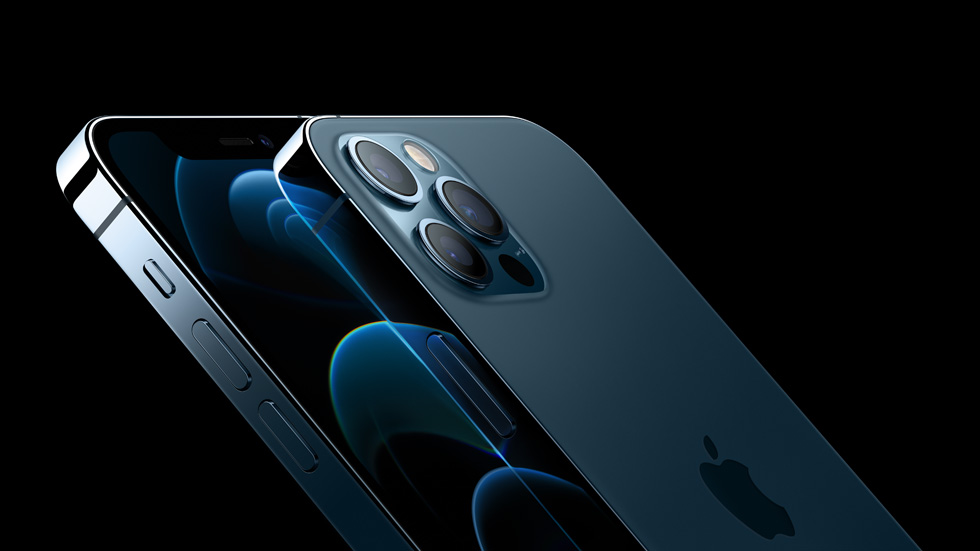
Apple iPhone XS launched in 2018 was the first smartphone from the company to come with 512GB of internal storage. Even with the newly launched iPhone 12 models, 512GB storage remains the highest internal storage variant being offered by the company.

However, it seems that this could change from next year. Jon Prosser, who has been mostly right when it comes to Apple-related leaks, has hinted that the iPhone 13 models launching next year could have the option of 1TB internal storage.

Apple iPhone 12

EDITOR’S PICK: Huawei leads Chinese smartphone market in Q3 2020, reveals CINNO Research

The 512GB storage is also more than enough for regular users and most of the users won’t even come next to fill it up. However, with the advancement in camera technology, the images and videos capture take up more storage and those users who record videos a lot could find the 1TB storage option as a welcome addition.

So far, Apple has limited users of iPhone to recording video at 4K 60FPS but for next-generation smartphones, the company could introduce support for 8K video recording, similar to what Samsung is offering on the Galaxy S20 series.

Recently, it was reported that the upcoming iPhone 13 models will come powered by the Apple A15 Bionic which will be manufactured by TSMC using its NP5 5nm node. Prior to that, it was said that the phone will continue to have a wide notch on top of the display for housing front-facing sensors but it will likely be thinner. The launch of the Apple iPhone 13 is almost a year away, so we will be getting more details in the coming months.


Huawei leads Chinese smartphone market in Q3 2020, reveals CINNO Research

As per the latest report published by the CINNO Research, shipments of smartphones in the Chinese market have fallen in the third quarter of this year, i.e. Q3 2020. This is likely because of the COVID-19 pandemic.

The report reveals that the market witnessed shipments of around 80 million in the third quarter, which represents a decline of 15 percent on a month-to-month basis and 19 percent year-on-year.

Huawei Logo MWC 2019

It also sheds light on the leading smartphone brand for the specified duration, and without any surprise, Huawei still holds the lead in its home market. Huawei, including its sub-brand Honor, shipped 28.8 million units, which shows a decline of 29 percent YoY but the company holds 36.3 percent market share.

The second spot has been grabbed by Vivo (which also includes its sub-brand iQOO) with a market share of 17.5 percent. Ranked in the third position is OPPO with a market share of 16 percent. Both the companies shipped 13.9 million and 12.7 million units, respectively.

EDITOR’S PICK: China will soon hold 70 percent of total LCD Panel production capacity in the world

In line with the market, both the companies witnessed a decline in shipments by 21 percent and 20 percent, respectively when seen on a year-on-year basis. Fourth and Fifth positions are held by Xiaomi and Apple with 11.8 million and 8.1 million shipments.

While Xiaomi has a market share of 14.8 percent, Apple occupied 10.2 percent of the market share. Interestingly, both these companies managed to increase their shipments by 26 percent and 9 percent compared to the same period last year.


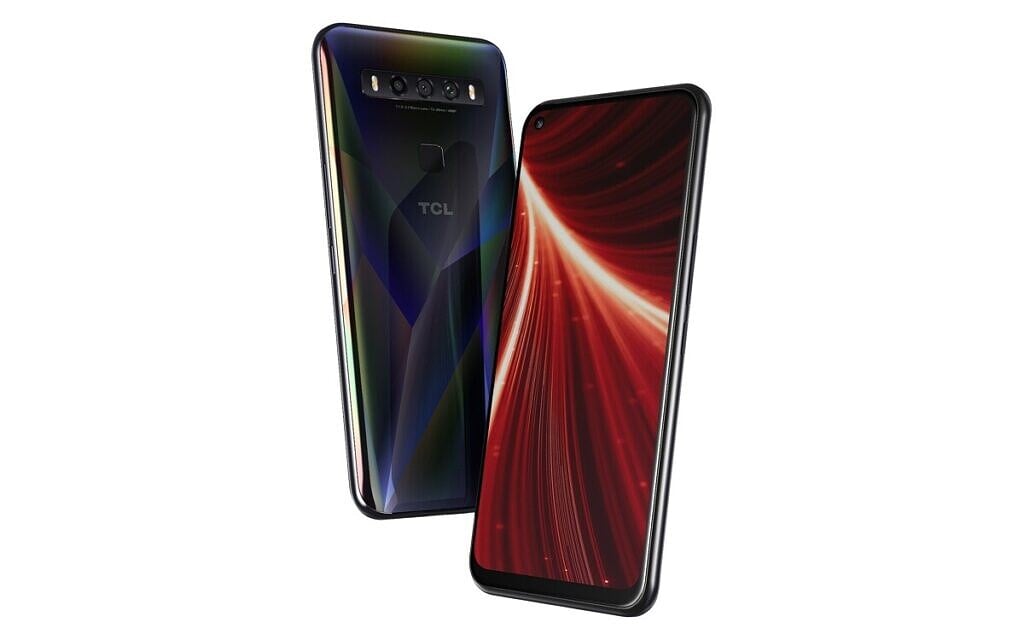
TCL 10 5G launched as Verizon-exclusive smartphone in the US for $399

TCL 10 5G smartphone is now available exclusively for Verizon customers in the United States, for a price of $399, making it the cheapest 5G device offered by the network carrier so far. It can also be availed for a monthly price of $16.67 for 24 months.

The device was originally announced by the company earlier this year during the Consumer Electronics Show in January. With the new announcement, the pricing and carrier details have also been revealed.

TCL 10 5G UW

The TCL 10 5G will support the carrier’s 5G Ultrawide Band (mmWave) and 5G Nationwide (sub-6GHz) networks. Prior to this, Samsung Galaxy A71 5G UW was the cheapest smartphone on Verizon with a price tag of $649.

The phone features a 6.53-inch Full HD+ LCD display and is powered by Qualcomm Snapdragon 765G chipset, which is coupled with 6GB of RAM and 128GB of internal storage. There’s also a microSD card slot, allowing users to expand the storage capacity.

EDITOR’S PICK: Xiaomi’s MIUI will soon get a horizontal Recent Apps screen reminiscent of other Android UIs
Interestingly, unlike the European variant which features a quad-camera setup, this variant comes with a triple-camera setup on the back. It has a 48-megapixel primary sensor, an 8-megapixel ultra-wide-angle sensor, and a 5-megapixel macro sensor.

On the front side, there’s a 16-megapixel snapper for taking selfies and video calling which is housed inside the punch-hole cutout. It also comes with a rear-mounted fingerprint sensor for added protection.

The smartphone is running the Android 10 operating system out-of-the-box with TCL UI on top and is powered by a 4,500mAh battery that supports 18W Quick Charge 3.0 fast charging technology.


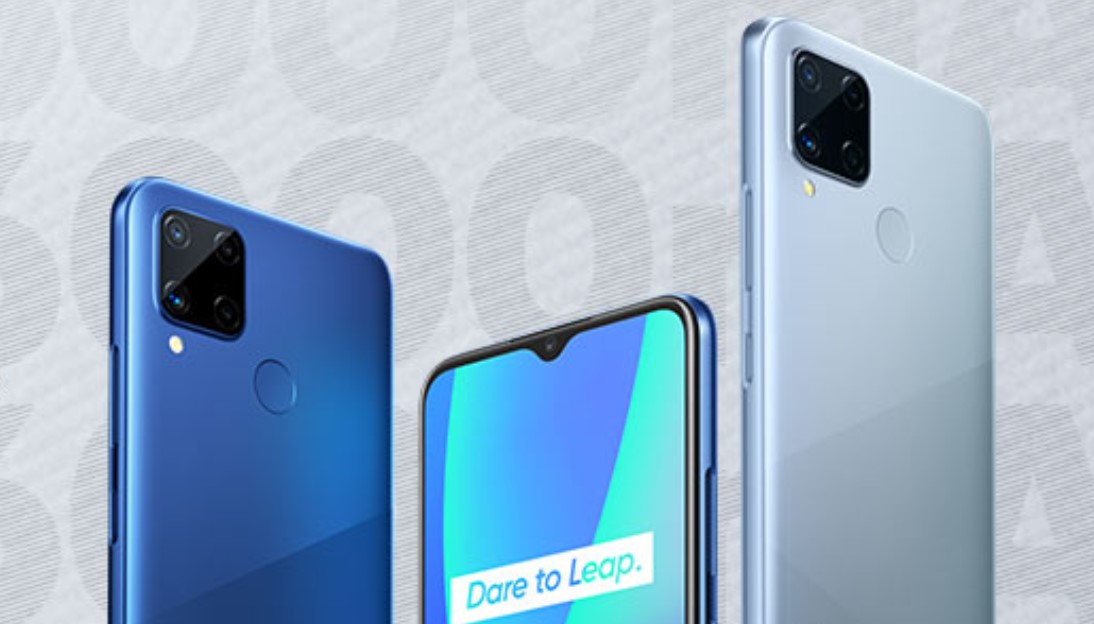
Realme C15s may launch this week as the rumored Realme C15 Qualcomm Edition

A few months ago, Realme announced the Realme C15 smartphone in several markets. Tipster Mukul Sharma had recently claimed that the company is gearing up to launch a new variant of the phone called the Realme C15 Qualcomm Edition. Today, the tipster revealed that the device will go official in the next two or three days. He also revealed that the device will be called Realme C15s.

Sharma did not reveal any new information on the specs of the Realme C15s. It is still unclear which Snapdragon processor will be present under its hood. Last week, he had revealed that the phone will be available in two variants such as 4 GB RAM + 64 GB storage and 3 GB RAM + 32 GB storage. The phone is expected to arrive in two color variants like Power Blue and Power Silver.

Realme C15 featured

It is speculated that the RMX2195 phone that has been spotted at different certification platforms could be the Realme C15s. Its China Quality Certification (CQC) certification revealed that it could be equipped with a 6,000mAh battery with 18W fast charging, which is the same as the Realme C15 phone. The handset has also received certification from Wi-Fi Alliance, Singapore’s IMDA, Indonesia’s TKDN, and Malaysia’s SIRIM.

The first C-series phone from the brand i.e. the Realme C1 featured the Snapdragon 450. All the C-series phones that came later were driven by MediaTek chipsets. The Realme C17 that went official in September is the only other Snapdragon-powered phone. It is driven by the Snapdragon 460 chipset.

Probably, the Snapdragon 662 or Snapdragon 665 SoC could be present under the hood of the Realme C15s. It is advisable to wait for further reports to know more about it


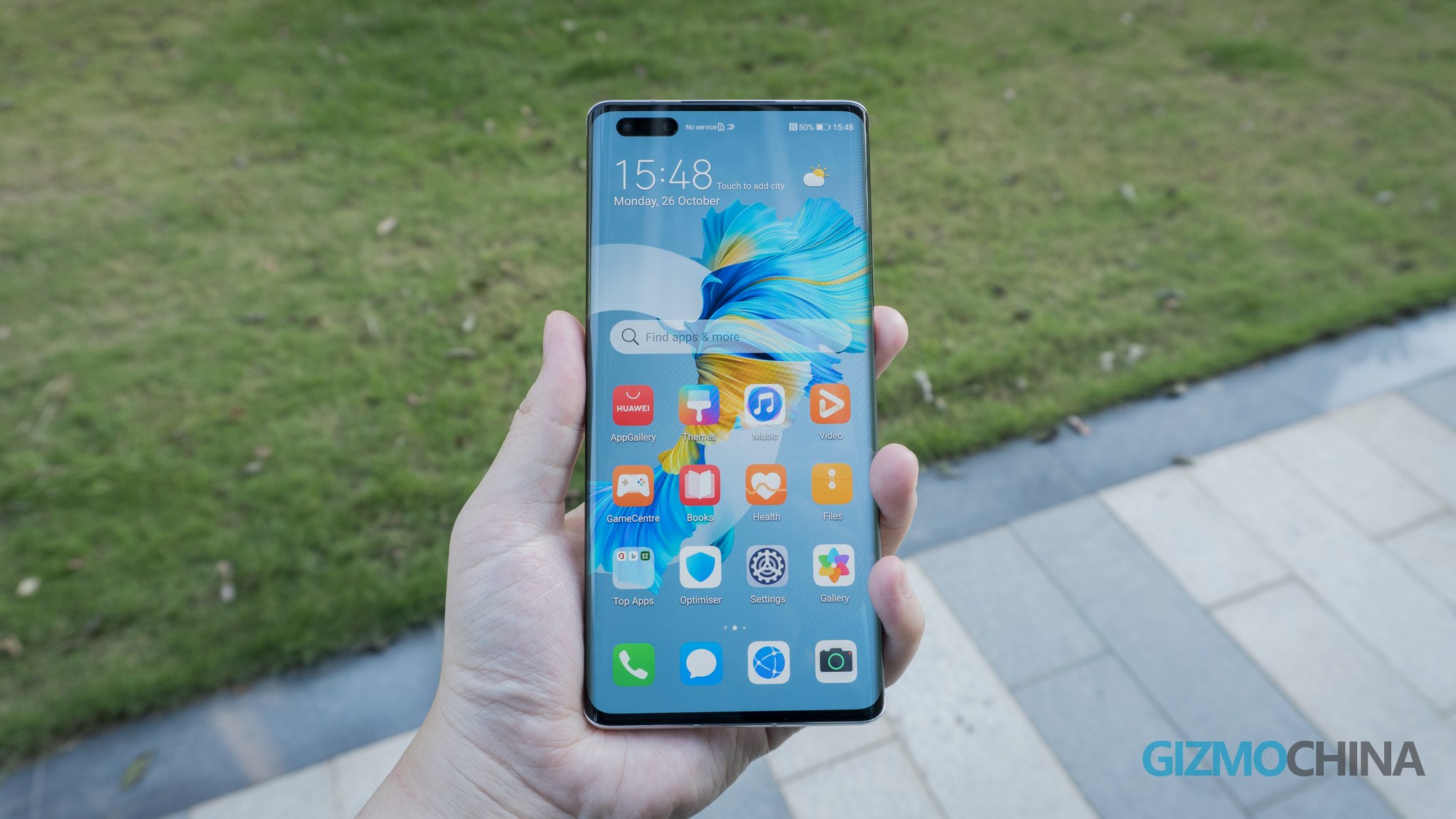
Huawei Mate 40 series China variant to have special feature, reveals company’s CEO

A few days ago, Huawei launched its much-awaited next-generation Mate lineup flagship smartphones — the Huawei Mate 40 series which includes three models — Mate 40, Mate 40 Pro, and Mate 40 Pro+.

Now, the company is all set to launch these smartphones in its home country China on 30th October. Ahead of the launch, Richard Yu, CEO of Huawei’s Consumer Business unit has revealed that the Chinese variants will come with a special feature that will be unveiled along with the smartphones.

Huawei Mate 40 Pro featured EMUI 11

Shedding more light on the journey of these newly launched Huawei Mate 40 series smartphones, he says that it took around three years for the company to make these Mate 40 series phones, which offers an impressive set of features.

This information was revealed in a video shared by the company on its official Weibo account, which shows Richard Yu answering some of the frequently asked questions by the users. He also talked about how much pressure the company is feeling because of the worsening business relations in the world, especially with the United States.

Recently, the devices were up for pre-order in China through JD.com and the e-commerce platform has officially announced that the Huawei Mate 40 series was sold out on the platform in just 28 seconds. It’s noteworthy that only the Mate 40 and Mate 40 Pro were up for pre-order in China.

EDITOR’S PICK: Leaker reveals OnePlus Watch’ launch has been postponed but the new date is not known yet

Both the smartphones come with a 6.76-inch Flex OLED display with a 2722 x 1344 pixels screen resolution, DCI-P3 HDR, a 90Hz refresh rate, and a 240Hz touch sampling rate. The panels are curved (88°) but the company still offers physical volume rocker keys.

Under the hood, the devices are powered by the company’s own Huawei HiSilicon Kirin 9000, which is a 5nm chipset with a built-in 5G modem. The Chinese giant claims it to be the most powerful 5G processor in the world.

Huawei Mate 40 Pro hands on (1)

As for the camera, the Mate 40 Pro has a 50MP f/1.9 1/1.28” main camera along with a 20MP f/1.8 Cine Camera (ultrawide angle), and a 12MP f/3.4 telephoto camera. On the other hand, the Pro+ model has the same 50MP main camera and 20MP ultrawide Cine Camera but includes an 8MP f/4.4 periscope lens and a 12MP f/2.4 telephoto camera along with a ToF sensor for depth sensing.

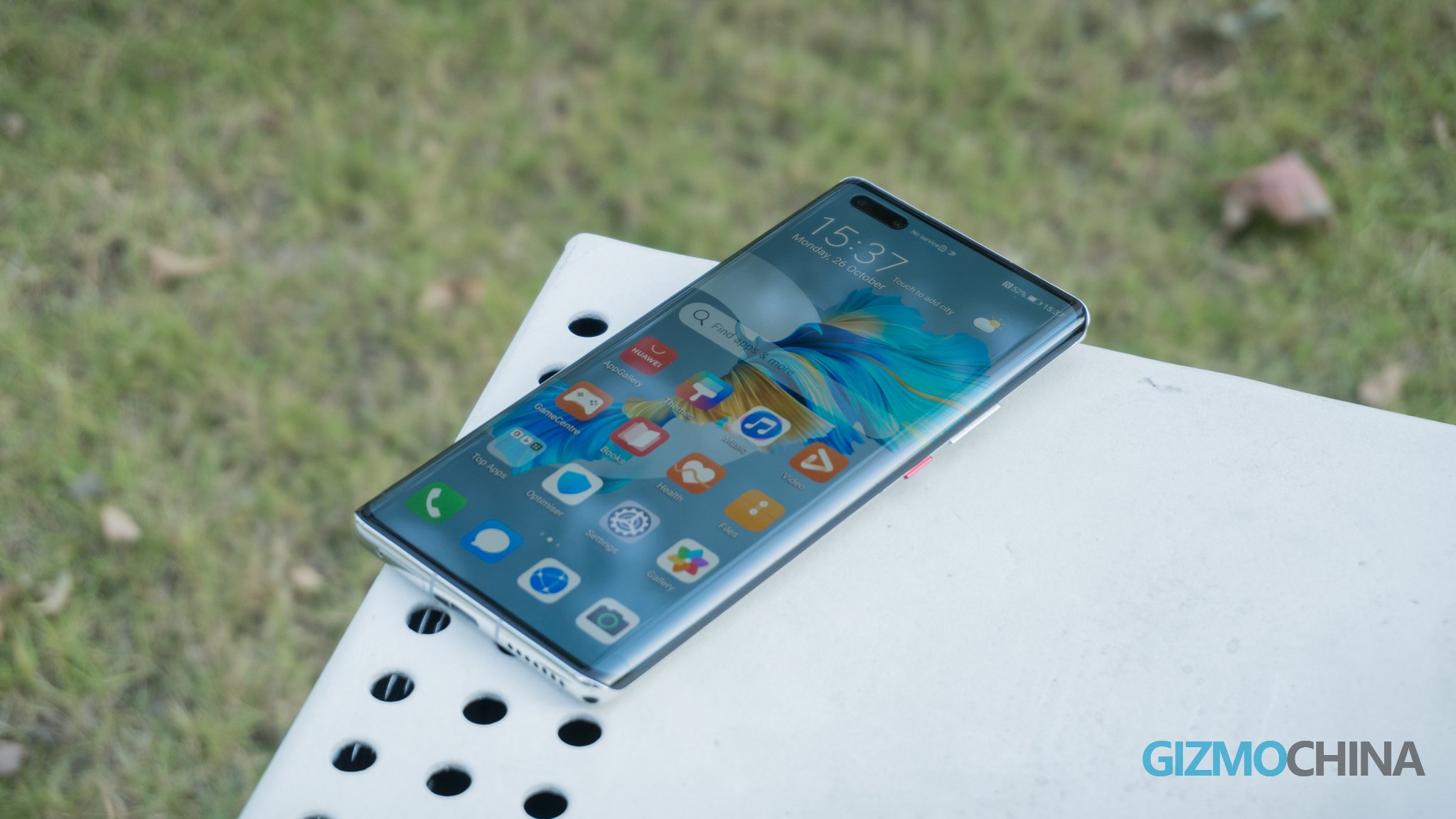
The smartphones are running the Android 10 operating system with the company’s own EMUI 11 on top. The Mate 40 is powered by a 4200mAh battery with 40W fast charging while the Mate 40 Pro+ is powered b a 4400mAh battery having support for 66W wired SuperCharge and 50W wireless SuperCharge.


EMUI 11 may be the final version before the transition to HongMeng OS

Huawei’s EMUI 11 is based on Android 10 and not Android 11. That is no surprise based on the manufacturer’s current predicament. However, the tech giant is working on its own operating system too called HongMeng OS/Harmony OS and it turns out that the new OS is linked to EMUI 11, and the latter may be the end of EMUI before the transition to HongMeng OS.

HUAWEI EMUI 11 Logo Featured

According to a post by the Chinese blog, Mydrivers, Wang Chenglu, the head of the software department of Huawei Consumer Business Group, revealed EMUI 11 shares some features with Hongmeng as part of HongMeng’s framework. In simpler terms, there seems to be a partial transitioning going on already.

Huawei plans to launch phones powered by HongMeng OS in the second half of next year, and there are speculations there will be no need for EMUI to exist anymore, making EMUI 11 the last version. This makes sense seeing as Huawei is making a switch to a new OS next year, so there is no sense in developing EMUI 12.

A beta version of HongMeng OS will be available for eligible devices to test later this year and it has been reported that some of those devices will include its high-end tablets. Huawei has also revealed that devices running EMUI 11 will be the first to get the upgrade to HongMeng OS.


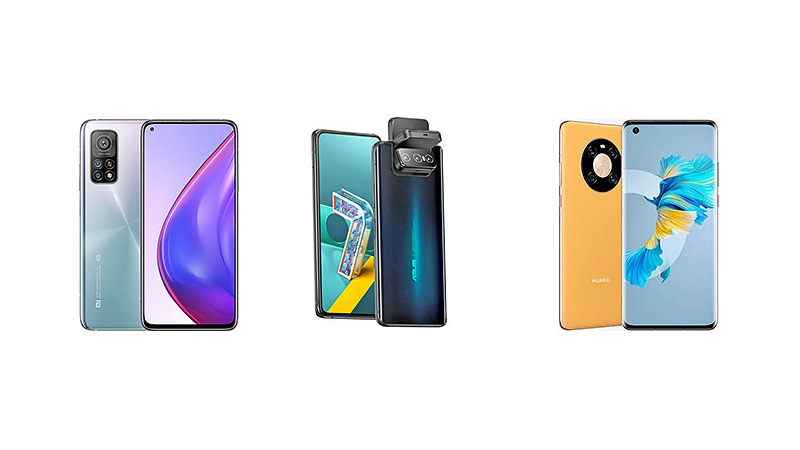
Xiaomi Mi 10T Pro vs Asus Zenfone 7 vs Huawei Mate 40: Specs Comparison

Our flagship killers comparison continue: after comparing the Xiaomi Mi 10T Pro with the Realme X7 Pro and the Realme X50 Pro 5G, we decided to make another comparison because we believe Xiaomi Mi 10T Pro is one of the phones with the highest value for money at the moment. For this comparison, we chose the Asus Zenfone 7 and the Huawei Mate 40 not only because they are recent, but because they are among the most competitive phones when it comes to the quality price ratio. Through this comparison, you will learn the main differences between these three fabulous handsets.

Xiaomi Mi 10T Pro vs Asus Zenfone 7 vs Huawei Mate 40

Xiaomi Mi 10T Pro Asus Zenfone 7 Huawei Mate 40
DIMENSIONS AND WEIGHT 165.1 x 76.4 x 9.3 mm, 218 g 165.1 x 77.3 x 9.6 mm, 230 g 158.6 x 72.5 x 8.8 mm, 188 g
DISPLAY  6.67 inches, 1080 x 2400p (Full HD+), IPS LCD 6.67 inches, 1080 x 2400p (Full HD+), Super AMOLED 6.5 inches, 1080 x 2376p (Full HD+), OLED
PROCESSOR Qualcomm Snapdragon 865, octa-core 2.84 GHz Qualcomm Snapdragon 865, octa-core 2.84 GHz Huawei Hisilicon Kirin 9000E 5G, octa-core 3.13 GHz
MEMORY  8 GB RAM, 128 GB – 8 GB RAM, 256 GB 6 GB RAM, 128 GB – 8 GB RAM, 128 GB – micro SD dedicated slot 8 GB RAM, 128 GB – 8 GB RAM, 256 GB – nano memory card slot
SOFTWARE  Android 10, MIUI Android 10, Zen UI Android 10, EMUI
CONNECTIVITY  Wi-Fi 802.11 a/b/g/n/ac/ax, Bluetooth 5.1, GPS  Wi-Fi 802.11 a/b/g/n/ac/ax, Bluetooth 5.0, GPS Wi-Fi 802.11 a/b/g/n/ac/ax, Bluetooth 5.2, GPS
CAMERA Triple 108 + 13 + 5 MP, f/1.7 + f/2.4 + f/2.4
20 MP f/2.2 front camera
Triple 64 + 8 + 12 MP, f/1.8 + f/2.4 + f/2.2 Triple 50  + 8 + 16 MP, f/1.8 + f/2.4 + f/2.2
13 MP f/2.4 front camera
BATTERY  5000 mAh, fast charging 33W 5000 mAh, fast charging 30W 4200 mAh, fast charging 40W
ADDITIONAL FEATURES Dual SIM slot, 5G Dual SIM slot, 5G Dual SIM slot, 5G, water resistant

Design

If you still like full-screen display, you will love the Asus Zenfone 7. Thanks to its flip-up camera, it has a display with no notch and no holes. If you desire the highest screen-to-body ratio, then you should go for the Huawei Mate 40 sporting a punch-hole display. The Huawei Mate 40 also provides the best build quality as it is waterproof with the IP68 certification. But all the phones come with a premium design composed of a glass back and an aluminum frame, so you always get an elegant look and a great build quality.


Display

Besides having a full-screen display, the Asus Zenfone 7 also provides an amazing image quality. It has an AMOLED display with a wide 6.67-inch diagonal, the HDR10+ certification, a 90 Hz refresh rate, and a high 700 nit brightness. The silver medal goes to the Huawei Mate 40 sporting an AMOLED display with a 90 Hz refresh rate and HDR10. These evaluations are based on the specs on the paper. We discard the Xiaomi Mi 10T Pro because despite offering a 144 Hz refresh rate, it has an IPS display instead of an OLED panel. But this does not mean Xiaomi Mi 10T Pro does not have a pretty nice display, especially for gamers.


Hardware/Software

The most interesting device in terms of hardware is the Huawei Mate 40 because it packs the Kirin 9000E chipset built at 5 nm. It is one of the first SoCs built at 5 nm and it has an integrated 5G modem. The Huawei Mate 40 also offers 8 GB of RAM and up to 256 GB of UFS 3.1 native storage. Xiaomi Mi 10T Pro and Asus Zenfone 7 offer the same memory configurations, but they are fueled by the Snapdragon 865 mobile platform. In each case, you get Android 10 out of the box, but the Huawei Mate 40 customized by the EMUI 11 lacks Google Play Services in the global market.


Camera

If you need the best camera you should grab a unit of the Huawei Mate 40 as it is the top camera phone of this trio. It sports a triple camera including a 50 MP main sensor, a telephoto lens with OIS and optical zoom, and a 16 MP ultrawide sensor. Right after, we got the Xiaomi Mi 10T Pro: it lacks a telephoto sensor, but it has an amazing 108 MP main sensor with OIS. Despite the Asus Zenfone 7 loses the photo quality comparison it deserves to be considered because of its flip-up camera allowing to use the rear cameras as front cameras too. With the Asus Zenfone 7, you get a 64 MP main sensor, a telephoto sensor with 3x optical zoom, and a 12 MP ultrawide sensor.


Battery

Xiaomi Mi 10T Pro and Asus Zenfone 7 have the same battery capacity: 5000 mAh. But Asus Zenfone 7 lasts more in a lot of scenarios because it has an AMOLED display and a lower refresh rate. It even supports reverse charging.


Price

Xiaomi Mi 10T Pro is priced at €599 in its base variant, Asus Zenfone 7 starts from €699/$699, Huawei still did not reveal the global price of the Mate 40. If we exclude the battery life, Huawei Mate 40 is actually a better handset, but the lack of Google services does not make it suitable for everyone. Asus Zenfone 7 and Xiaomi Mi 10T Pro are not very different: the former has a better display and allows using the main cameras as front cameras, while the latter has a better main camera sensor. Asus Zenfone 7 looks more interesting to me, but it costs more.


Xiaomi Mi 10T Pro vs Asus Zenfone 7 vs Huawei Mate 40: PRO and CONS

Xiaomi Mi 10T Pro

PROS

  • Great main camera
  • 144 Hz refresh rate
  • Stereo speakers
  • Big battery

CONS

  • IPS display


Asus Zenfone 7 

PROS

  • Flip-up camera
  • AMOLED display
  • Big battery
  • Stereo speakers
  • Reverse charging
  • Micro SD slot

CONS

  • Inferior photo quality


Huawei Mate 40

PROS

  • Amazing cameras
  • Great performance
  • Water resistant
  • Faster charging

CONS

  • No Google services

Leaker reveals OnePlus Watch’ launch has been postponed; no new date yet

Just like its sister companies OPPO and Vivo, OnePlus was also expected to announce its first smartwatch this year. There were a number of leaks, one of which revealed the wearable will launch as the OnePlus Watch and have a round dial. Now, the same source has revealed that the watch has been postponed indefinitely.

OnePlus Watch teaser

The source of the info is the leaker Max Jambor (@MaxJmb) and he revealed in a post on Voice that the watch has now been postponed. The OnePlus Watch was expected to launch this October and OnePlus even confirmed a watch has been in development for a while now.

The leaker says he has been informed by multiple sources that the OnePlus Watch has now been postponed. Unfortunately, there is no new date or timeline for the launch of the watch. Max says he presumes that the launch may have been postponed due to complications with production or software development.

There is a lot we do not know about the watch such as its specs and features. We also do not know if it will be running a custom version of WearOS or OnePlus will design a custom OS for it similar to Huawei’s LiteOS for its wearable.

We do not want to think that OnePlus will cancel its watch but we may see it launch next year alongside the OnePlus 9 series.


UK’s Ofcom bans sales of carrier-locked handsets starting from December 2021

The UK’s communications regulator Ofcom has announced that mobile carriers in the United Kingdom will be prohibited from selling mobile phones that are locked to their network. The regulator hinted that the move is necessary to encourage users to switch network as desired. This will in turn enhance competition and service delivery.

It is common practice for carriers to lock devices sold via their retail outlets to their network but that practice has since started waning as many operators including the heavyweights like O2, Three, Sky Mobile, and Virgin Mobile have already switched to selling unlocked generic versions. Even those who still indulge in the practice like EE/BT, Vodafone, and Tesco Mobile offer a blend of locked and unlocked handsets.

The regulation will bring the UK place the UK in compliance with the European Union regulations under the European Electronic Communications Code that would be announced soon. Even though the UK will be exiting the EU soon, the government has previously pledged to comply with the same standards as the EU on mobile telecoms.

Also, Ofcom decided to act on this legislation because of the faulty process that is needed to unlock a handset when the contract ends. In most cases, users are made to wait for an unlock code which usually takes a while to come. Even when the code finally arrives, in some cases they don’t work. Ofcom observed that this is preventing users from switching networks even when they don’t get the best services. Further, a study shows that the networks usually don’t specify at the point of purchase if a handset is locked to a network or not. The end-user only finds out after the deal is sealed.

These reasons seem to outweigh the reason the carriers adduce for locking the phones to their network and this bothers on security. Carriers believe locking the mobile phone to a network can reduce fraud and makes it more difficult for thieves to sell off a stolen handset.

Ofcom also disclosed that the new regulation will become effective from December 2021.


Upcoming Netflix app feature will allow you to listen to your favorite shows

There are certain media player apps that support background play, and an example is MX Player. YouTube, the popular video-sharing platform also supports background play if you have a YouTube Premium subscription. Now, it appears Netflix will also get support for a similar feature soon.

Netflix Logo

A teardown of the APK of version 7.9.1 of the Netflix app by the folks at XDA Developers has revealed that the streaming service may soon get a feature similar to background play called Audio Mode. What this means is that you should be able to switch to a different app and still have your playback continuing in the background. So you are sort of “listening to a show“ instead of watching it.

Netflix Audio Mode

The strings found in the APK also reveal Netflix will also allow users to turn off the video, so its just the audio you are streaming. This feature should allows users save data since you are not streaming video.

There is no news yet on when the feature will be activated and just because evidence for the feature is there now doesn’t mean it will eventually be released. We also won’t be surprised if Netflix decides to test the feature in certain regions first before deciding on a global release.


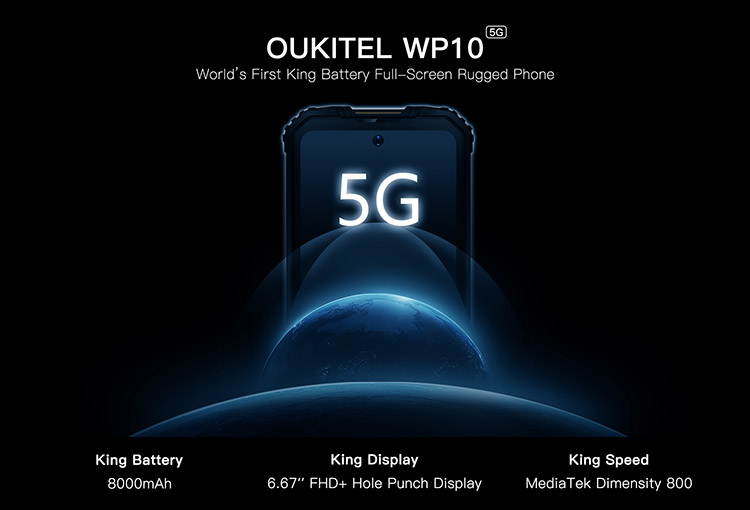
OUKITEL WP10 Will have 5G Connectivity and 8000mAh Battery

According to a recent update from the OUKITEL website and its posters, one can expect a new smartphone to be launched sometime around next month. The company has named the latest addition WP10 and plans for it to lead their future lines of 5G devices.

It is a well-known fact that the OUKITEL WP series belongs to a rugged smartphone line. These phones are built for the toughest terrains, industrial environments, and extreme weather conditions as they are drop-proof, shockproof, and waterproof. The OUKITEL WP series are hence coined as ultra-tough and ultra-rugged smartphones.

Through the limited information revealed by the company, it is a known fact that OUKITEL WP10 will be equipped with a powerful battery and a fast 5G network. The company is known for offering excellent battery life, and hence this handset is going to be no exception. WP10 will have a mega capacity of up to 8000mAh that will keep your phone running for more than a day. One can easily play games and keep streaming videos for hours without the phone being disconnected. Couple that with the new power-saving technology that allows seamless use for a prolonged period in a single charge.


Oukitel WP10

According to the given information, the OUKITEL WP10 will come with a 6.67’’ FHD+ hole-punch display. Keeping in mind the importance of display quality, one can expect them to offer immersive gaming and viewing experience that is expected by the consumer. As the phone belongs to the rugged smartphone series, it is expected to have IP68, IP69K, and MIL-STD-810G rating. The users can carry this device for their adventures to capture special moments.

The Oukitel WP10 comes with MediaTek Dimensity 800 which uses advanced 7nm process technology to bring incredible Internet speed. It supports global mainstream frequency 4G and 5G bands. The most talked-about 5G network will supposedly be 10 times faster than the 4G network carrier. With 2.3GBp/s downloading and 1.2GBp/s uploading capacity, this network is here to save all the buffering time and make life convenient for its users. Naturally, the high-speed connection will enable one to download HD movies within seconds, enjoy a clear and uninterrupted live stream of 4K videos, online gaming experience, and much more. The Oukitel WP10 flagship rugged phone is also expected to support SA and NSA 5G/4G global band networks. The 5G NR modem provides full 2G-5G compatibility for added versatility. Equipped with an 8-core CPU including four big performance cores, this means faster games, faster app loading, and everything that needs big core muscle. It also supports 4K video shooting 30fps.

For now, there are hardly any specifics on the cameras and processor. However, there is a high possibility of a MediaTek 5G chipset. The launch date and price range of this device are not yet hinted at by the company, but one can expect it to create a stir for the first few days after launch.

Overall, one can expect to see a decent rugged phone from OUKITEL with a mega battery, a punch display, and 5G connectivity. Stay tuned to be updated about the latest features of the OUKITEL WP10 smartphone and other such devices.

Demo video of a prototype of TCL’s first rollable display-packing phone leaks

Apparently, the rollable display is the next big thing waiting to happen in the smartphone industry even though we are yet to see the full potential of foldable phones as they are yet to hit the mid-tier and budget segments. A number of manufacturers are already working on their own foldable models considering the number of patent filings and prototypes that have been demoed recently. TCL Rollable display

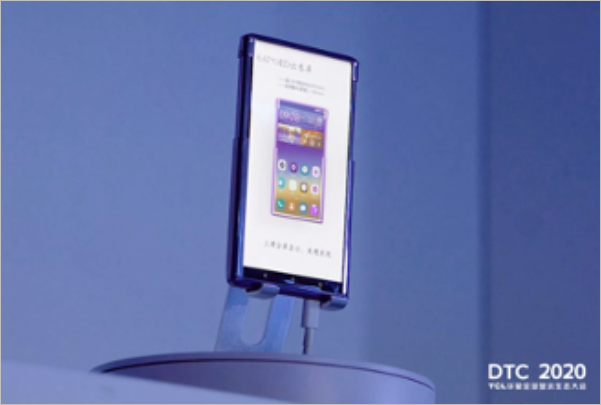
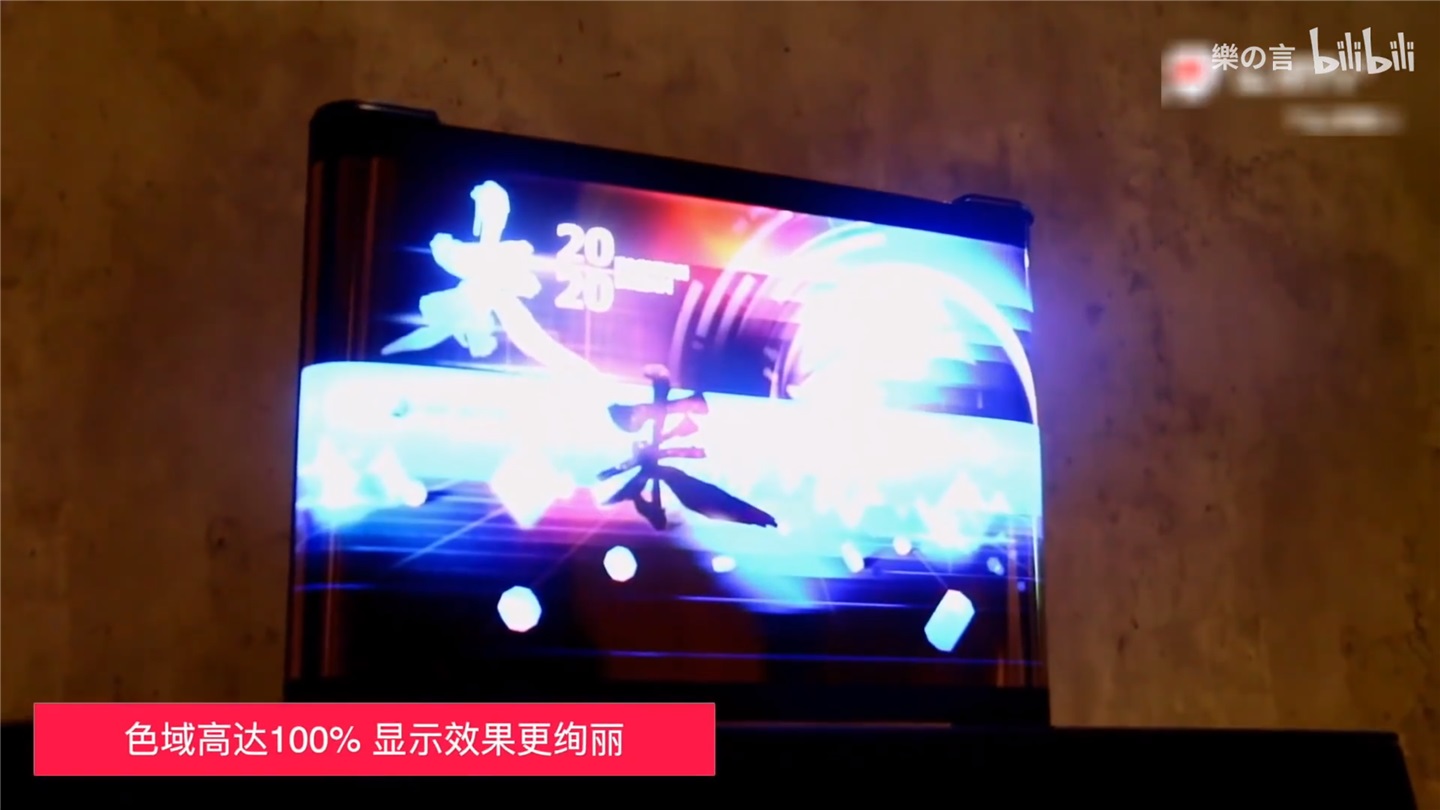
Earlier this year, TCL’s China Star Optoelectronics Technology (TCL-CSOT) showcased a concept smartphone with a rollable display. A couple of days back, TCL held its Display Technology Conference (DTC 2020) and the rollable display smartphone was one of the products that took the spotlight. A YouTube video has now leaked showing the official demo of the rollable display in action.

The prototype comes with a 6.7-inch AMOLED cloud scroll screen. From the demo, the display can expand in the horizontal direction to attain a bigger size. We don’t know what size it would attain when it is fully unrolled. However, TCL seems to have achieved a software fluidity which ensures the interface and adjusts to the change in the display size.

The company is yet to release details of the rollable display technology but we believe mass production may soon be achieved. If this happens, we could see a rollable display phone hit the market soon, perhaps at CES 2021.


Xiaomi’s MIUI will soon get a horizontal Recent Apps screen reminiscent of other Android UIs
Despite issues like the Mi community ban in India, Xiaomi has had a hardcore fanbase across the globe to rejoice the Chinese MIUI. Like it does with every update, the company introduced a new app drawer earlier this year. Now, looks like it is altering the way recent apps screen looks on the latest MIUI 12.

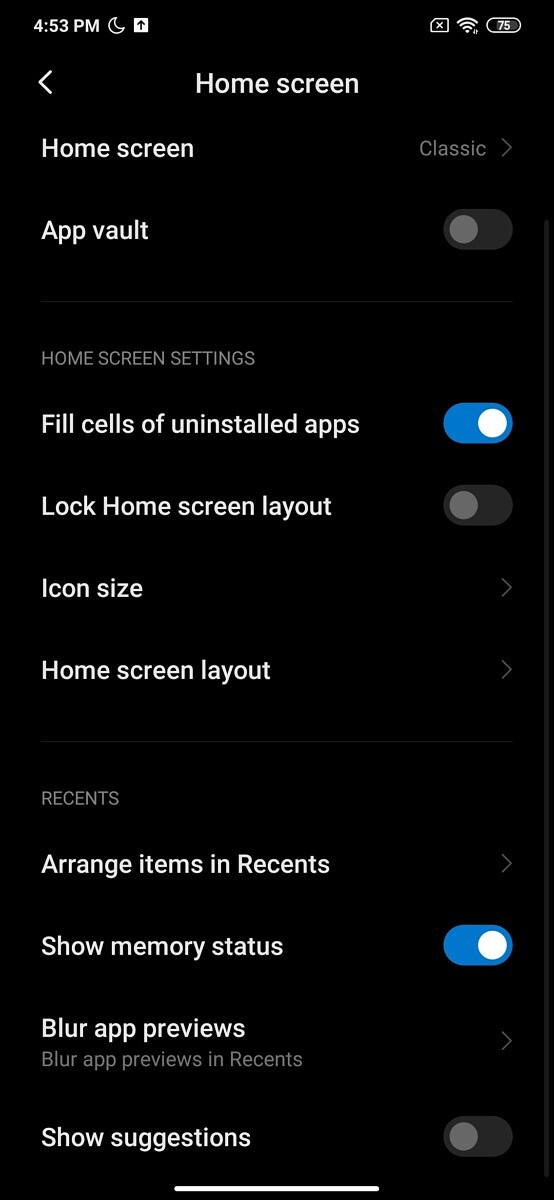
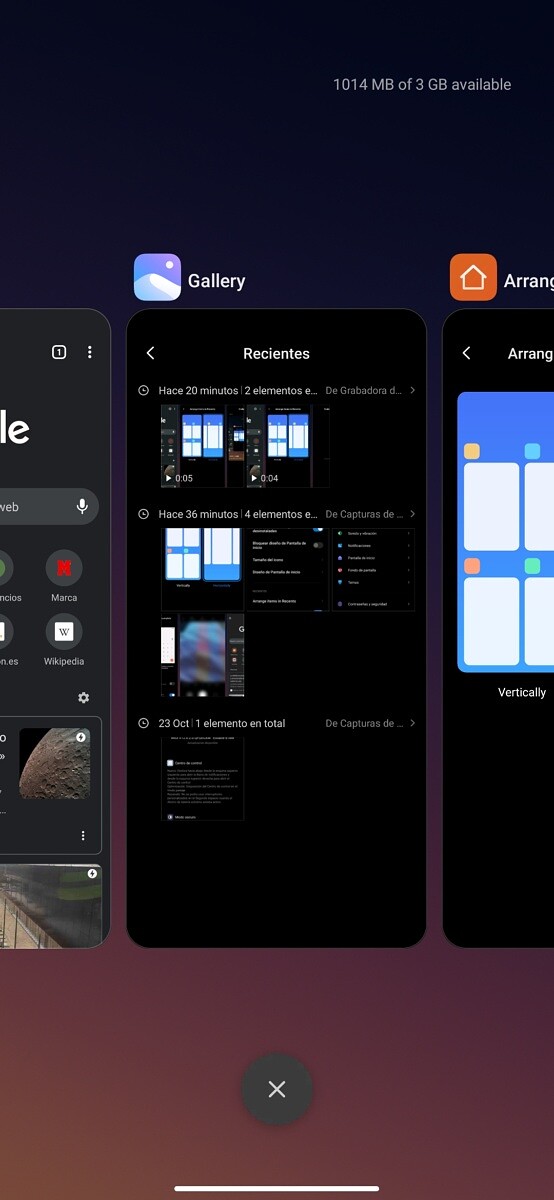
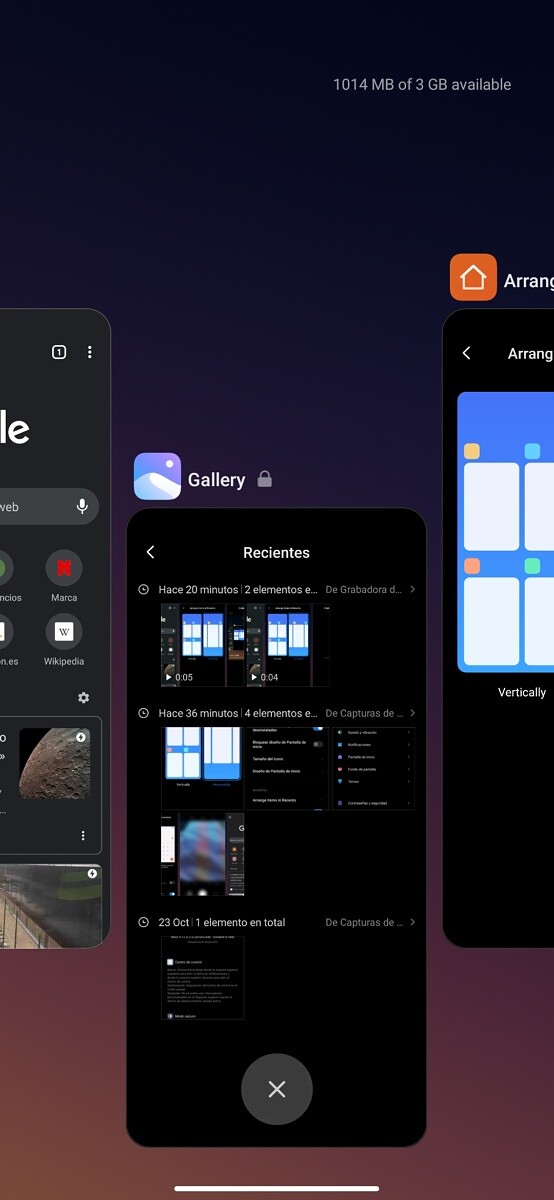
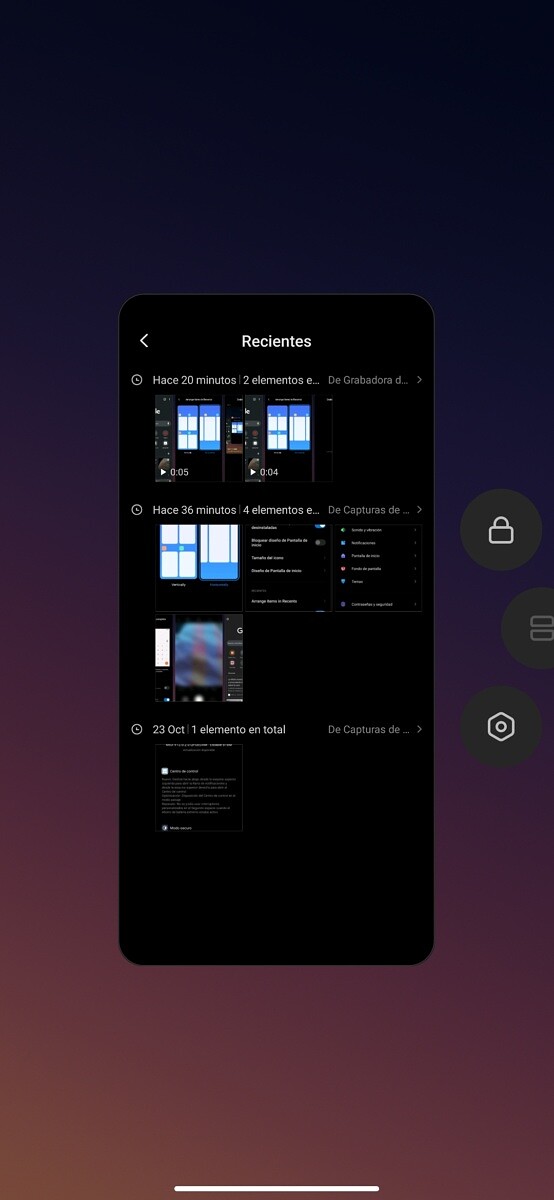
As reported by XDADevelopers, Telegram Channel @Xiaomiui has shared a new version of the MIUI launcher. Accordingly, this has the option of using a horizontal recent apps screen. Besides, the MIUI launcher for MIUI 12 reportedly has a build number Alpha v4.21.0.2425-10261728 where Alpha probably means ‘test’ version. As you can see in the screenshots(courtesy of users @Deiki) below, there is a new option added in the Home Screen section.

Tapping on “Arrange items in Recents” takes you to another page with two options. One is vertical and the other is horizontal scrolling. You can scroll either way to manage the opened apps. Also, swiping up will terminate the app while long-press/swiping down will lock it in memory. The new recent app viewing finally looks like the one on OnePlus, Samsung, Apple, and Google’s Pixel Experience. Hence, users wouldn’t feel it odd when they switch devices.

Also, the alpha version of the launcher comes with a changelog as follows:

  • Added-Horizontal Recents option.
  • Fixed- Incorrect points on some models.
  • Adjust- Gaussian blur scheme.
  • Fixed- Dragging folder icon bug.
  • Optimized- Unloading application freeze.
  • Adjust- Recent task animation.

Xiaomi has been improving a lot with every version of MIUI. Previously, MIUI 11 brought features like Dark Mode, Ambient display, Productivity suit, Easy screencast, and more. But the latest MIUI 12 improved overall design with sleek UI, and animations. It also had an emphasis on Privacy, Health, Assistant, Themes etc. That said, the next MIUI, the MIUI 13 is already under development and is expected to bring a host of features including a new power menu.

Coming back, the new launcher is luckily available as an APK. Thus, users willing to dive in for a change can install and try it out on their MIUI 12 device. However, it’s an Alpha build, and hence, expect it to go haywire in some situations. Nonetheless, there are chances that the feature might end up on the stable build soon.