Another day, another new info about the upcoming Amazfit GTR 2. Today, the manufacturer has revealed that its upcoming smartwatch will have an AI Assistant.
Posts made by the official Huami and Xiao AI Weibo accounts have revealed that the Amazfit GTR 2 will have Xiaomi’s Xiao AI smart assistant pre-installed. The smart assistant is found in several devices already including smartphones, smart TVs, smart speakers, and smart displays. It is also available on Xiaomi’s own smartwatch, the Mi Watch.
Huami also revealed that the assistant will work not only online but also offline. The manufacturer also released a video comparing the Amazfit GTR 2’s smart assistant to that of the Apple Watch which has Siri on board.
Seeing as the watch will be getting an AI assistant in China, then the rumors about the global version getting Amazon’s Alexa AI assistant should be true since Xiao AI is sort of limited to China.
Huami has also revealed that its upcoming watch will come with NetEase Cloud Music. The watchmaker also announced that it has partnered with health app maker, Prudential, to bring the features and services of its Pulse app to Amazfit smartwatches and fitness trackers.
The Pulse by Prudential app offers features such as symptoms checker, online consultation, and health assessment. We believe some of these features will be accessed via the Zepp app for compatible Huami products.
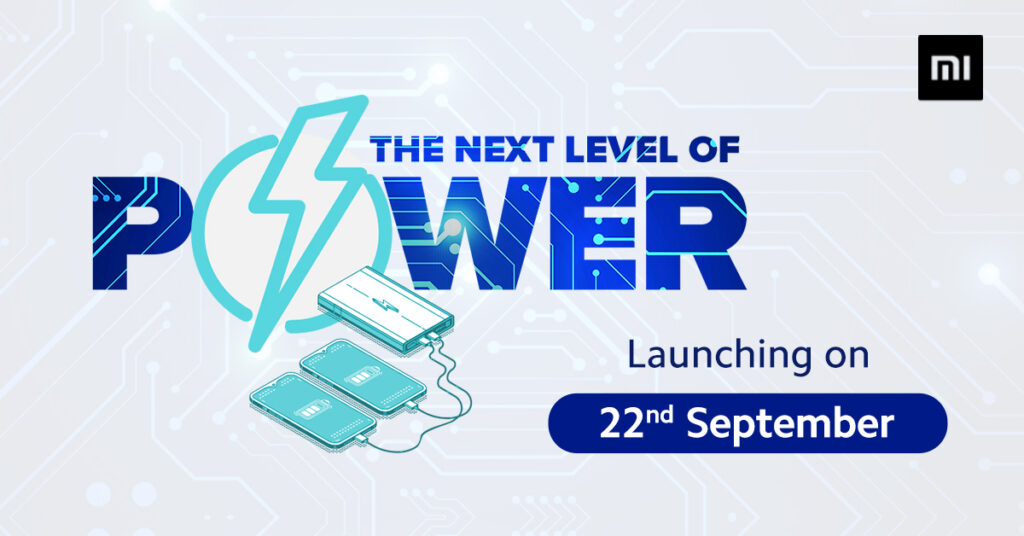
Xiaomi India has scheduled an event called “Smarter Living 2021” for September 29 to unveil a number of smart IoT products. Ahead of it, the company has now announced to launch a new power bank in the country on September 22. The teaser picture for the same does not say much but we think it could be one of the Mi Power Bank 3 series models sold in China.
Currently, Xiaomi sells Mi Power Bank 2i series and Redmi Power Banks in India. The former was initially launched in November of 2017. Since then, the company has only updated it with new colors (Red, Blue & Black), whereas features and design remained the same.
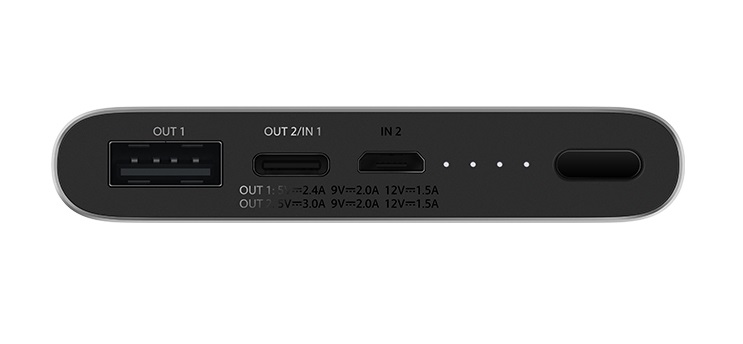
Hence, we think this upcoming power bank to be a Mi Power Bank 3 series model. The teaser picture shared by the company does not resemble a single power bank it sells in China. However, the teaser page for the product on Mi.com India kind of confirms it to arrive with both MicroUSB and USB Type-C ports just like the Redmi Power Banks.
Since the high-end 45W and 50W Mi Power Bank 3 models don’t feature MicroUSB port, we can rule them out. That means, the Chinese smartphone maker will probably debut the standard version in the series, which is exactly the same as Redmi Power Bank in terms of features but the USB Type-C port can be also used as output.
Mi Power Bank 3 10,000mAh Ports
That said, we are not sure whether the company will launch the 10,000mAh, 20,000mAh or 30,000mAh version. Probably, they will bring the former two models as Mi Power Bank 3i 10,000mAh and Mi Power Bank 3i 20,000mAh for the same price (or slightly more) as its predecessors.
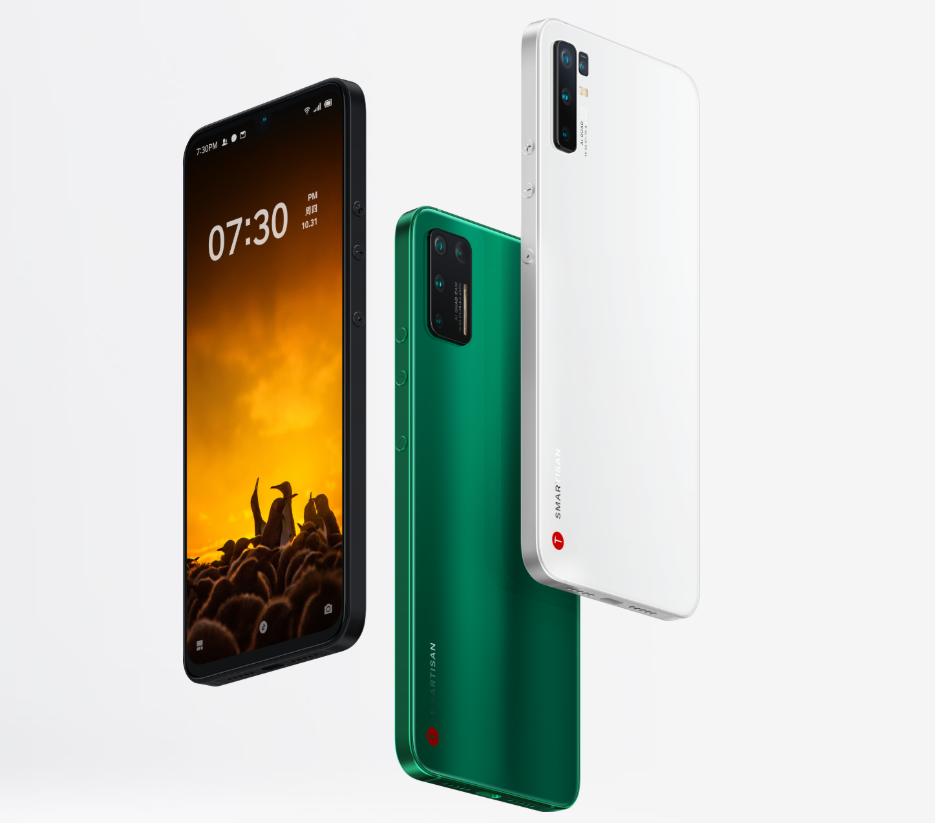
Smartisan is apparently back and is gearing up for the launch of a new smartphone as well. According to a senior official of the company, a new handset is set to launch in October 2020.
Smartisan Nut Pro 3
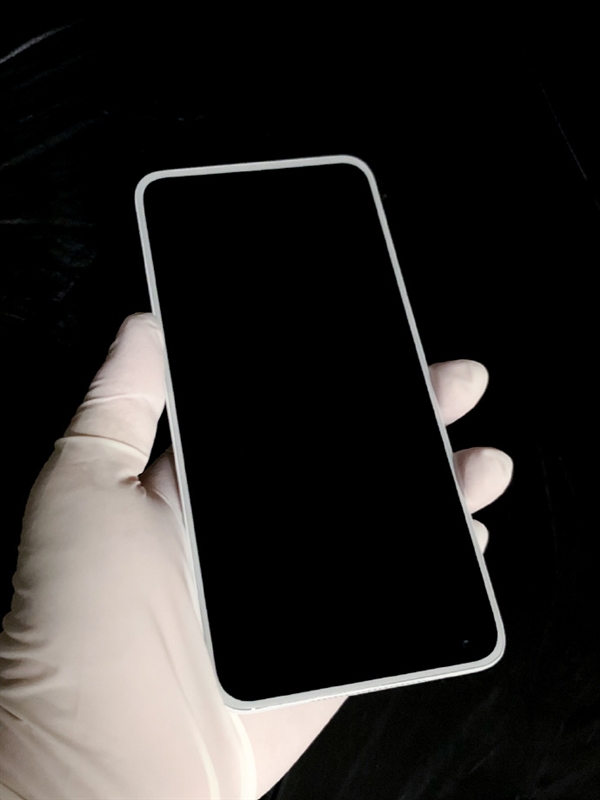
For those unaware, Smartisan is a Chinese brand that deals in consumer electronics including some attractive looking smartphones. Unfortunately, the company’s primary market is China, so it is likely that many haven’t heard about them. A recent leak revealed that the company was planning on launching a smartphone in October with a white colored rear panel, which was showcased in the image below.
Zhu Haizhou, Product Manager of Smartisan, responded to this leak and even mentioned that making white smartphones is rather difficult, but people should look forward to the upcoming device. In other words, the official more or less confirmed its existence and also officially announced the launch date of the handset, which is sometime next month.
Unfortunately, the finer details of the device are currently unknown. While previous reports had pointed at the company launching a 5G smartphone later this year in China, we don’t have much to go on at the moment, although, this might be the 5G handset in question. More updates are likely to arrive closer to the launch date, so stay tuned.
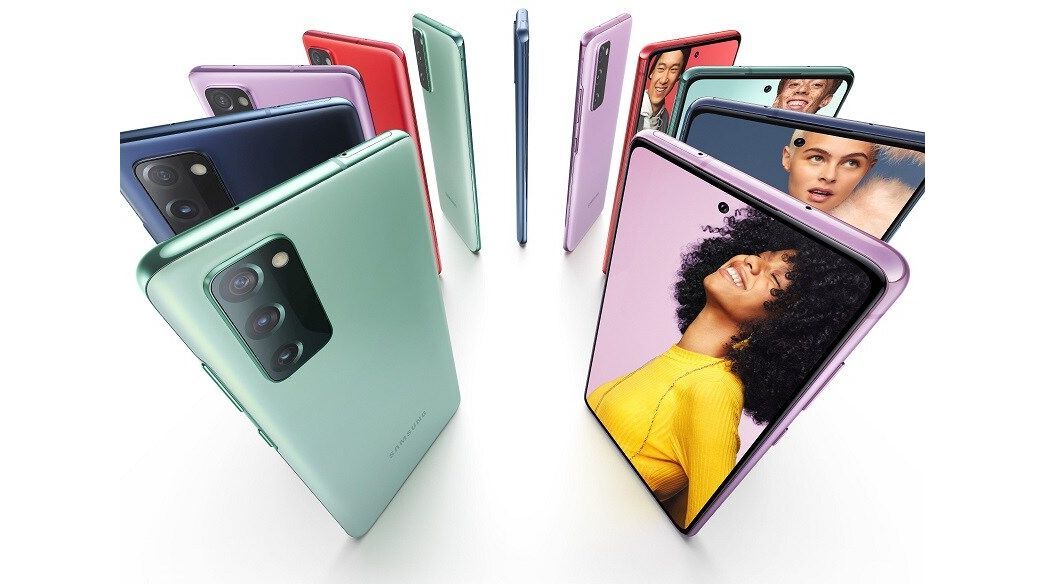
Looks like nothing is left to know about the upcoming Galaxy S20 FE except for its official price. The device has already been leaked a number of times recently but the latest leak shows hands-on images and gives a good look at the device before it’s official launch on September 23.
Samsung Galaxy S20 FE
The leak comes from a twitter user named Jimmy is Promo (via: Android Authority). The images could probably be the first real-world photos of the device. One of the images shows a boot logo that gives away the naming ‘Galaxy S20 FE 5G’. The images also show the front flat display with a centered punch-hole and triple cameras on the back.
This image falls in line with the earlier leak which showed CAD renders of the device in six colors. This was further reported by popular tipster Evan Blass(twitter: @evanblass) on his Patreon page. The device looks slimmer than its predecessor the S10 Lite. Further, the tipster also said that the S20 FE will come with an IP68 rating, a 120Hz refresh rate screen reflecting the earlier leak, 3x Optical, and 10X digital zoom support on the cameras.
Galaxy S20 FE Specifications and Expected Price
The previous leak had revealed the entire specifications of the device. It is expected to come with a 6.5-inch FHD+ S-AMOLED display with a resolution of 2400×1080 pixels and 407ppi. The device is likely to be powered by Exynos 990 and Qualcomm Snapdragon 865 on the 4G and 5G versions respectively.
As for the cameras, the rear rectangular housing is expected to have a 12MP main lens and an 8MP Telephoto with OIS. The other 12MP sensor is an ultra-wide lens with 123-degree FOV. Upfront, the punch-hole will have a 32MP selfie shooter. Further, Jimmy also said that the device will come with One UI 2.5 out of the box.
Other features expected are WiFi 6, Bluetooth 5.0, NFC, and 4,500mAh battery with 15W charging via USB-C port. As for the price, recent leaks suggest that the device will retail for €699 in Europe but we will have to wait until Wednesday to confirm the same.
Facebook is facing another lawsuit, with it being accused of spying on Instagram users through their cameras. Reportedly, the social media giant gains unauthorized of the smartphone’s selfie camera to spy on the users.
According to a Bloombergreport, the lawsuit has been filled after numerous media reports surfaced that the social media application had been accessing iPhone cameras even when the user wasn’t actively using them. Since then, Facebook has denied the reports and blamed the entire issue on a rogue bug, which it is apparently fixing, that was using the iPhone’s selfie cameras.
An Instagram user from New Jersey, USA, filed a complaint earlier this week. The one suing stated that the use of the camera was intentional and was done for the purpose of collecting lucrative and valuable data on its users that it would not otherwise have access to.” They further stated that by “obtaining extremely private and intimate personal data on their users, including in the privacy of their own homes, they are able to collect valuable insights and market research.”
Facebook has declined to comment on this matter. Notably, this lawsuit arrives just a month after another legal action the company was facing for another illegal acquisition of user data. In recent years, online privacy and data security have become a hot debate, with many criticizing big names like Google and Facebook for having an undisclosed method of harvesting user data. So stay tuned for more updates regarding this matter.
Ninebot has already raised over HK$6 million, well over its original goal. There are still some slots left for the first batch of 500 units, so if you want to get the new Ninebot Gokart Pro in the first batch that’ll be shipped to customers, you might want to head over and back the project soon.
Original Story..
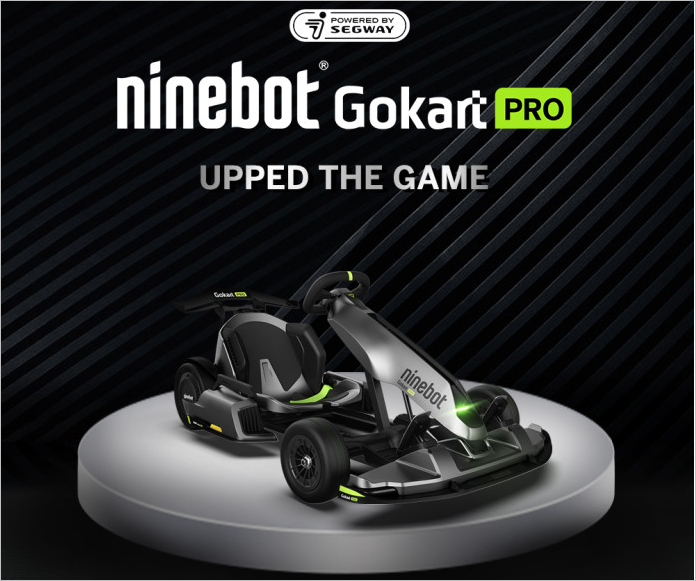
Xiaomi‘s ecological chain company Segway-Ninebot first unveiled the Ninebot Gokart Pro in China in May this year. Since then, the popularity of the product spurred the company to partner with luxury carmaker Lamborghini to release a Lamborghini edition of the GoKart Pro. The brand is now bringing the Ninebot Gokart Pro to the international market as it has been launched on Indiegogo crowdfunding platform.
The crowdfunding exercise will run until mid-October after which it will start shipping to successful backers. The Gokart Pro carries a price tag of $1,499. This is slightly higher than the Chinese launch price which is 8998 yuan (~$1268). Ninebot is also giving early backers the chance to win a free 120W fast charging adapter if they drop a comment on the crowdfunding page after backing the project. This offer is valid till September 17.
The Ninebot Gokart adopts an attractive metallic grey colour. It features a standard Gokart steering rack. The seat belt, headlights, and the silkscreens of the body are all decorated with green. The kart is a perfect fit for both children and adults as the body length can be adjusted in 4 gears. The height of the steering wheel can be adjusted in 3 gears.
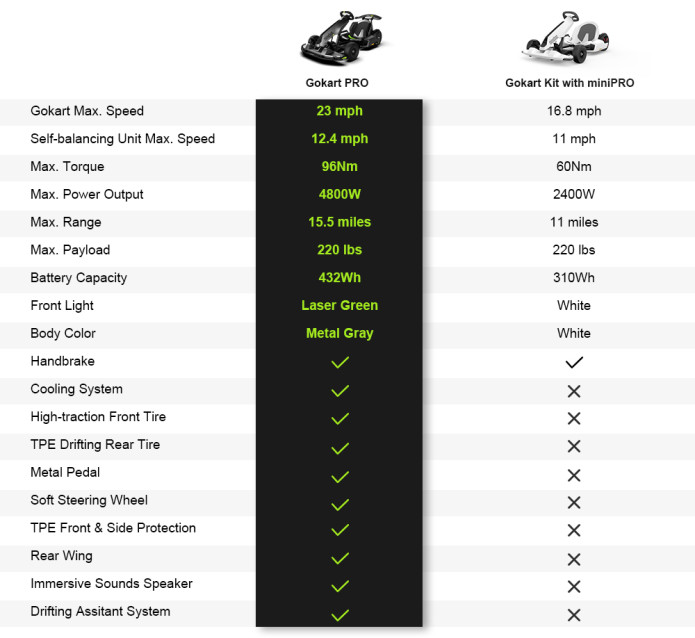
The Gokart Pro uses a high-strength steel frame with an effective load of up to 100kg, which provides better torque rigidity and can effectively cope with road impacts at high speeds. The kart is also equipped with TPE soft anti-collision front lip and aerodynamically-shaped TPE side skirts with better impact cushioning performance and driving safety. Ninebot says this prevents issues such as the bumper breaking with a slight impact. The front of the car is also equipped with a “laser green” LED headlight, which is convenient for driving at night.
In addition to hardware protection, the Gokart also has technical protection systems, such as a fault detection mechanism once it appears. When a fault is detected, the vehicle will brake urgently to ensure the safety of the personnel, and the audible and visual alarm will go off at the same time. Also, if the power-on self-test function detects that the accelerator is depressed when it is turned on, it will not respond to the throttle signal and the alarm will go off with the ambient light on the chassis and headlamps flashing until the throttle is released. This prevents the go-kart from zooming off when turned on if the accelerator is depressed accidentally. The vehicle also has a temperature protection function, battery overcurrent protection function, motor stall protection function, and driving prompt sound function.
The steering wheel is made of soft PU, which has greater friction and is more comfortable to hold. The highly wrapped racing bucket chair can effectively support the driver to resist the centrifugal force when cornering. The aerodynamic rear wing is added to the rear, and the shape is more competitive on the track. At high speed, the rear airflow can be combed to stabilize the body posture.
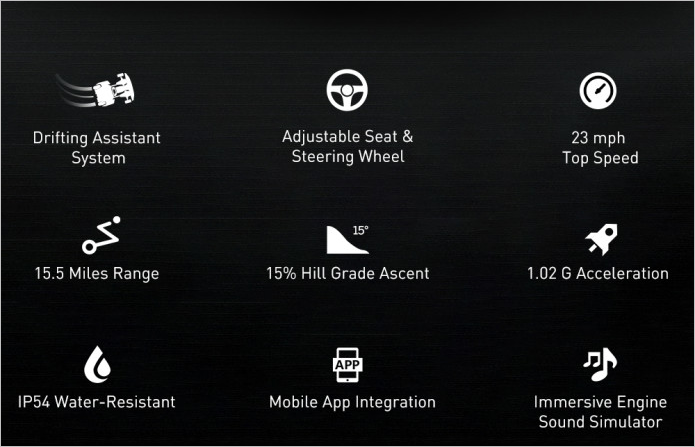
The Ninebot Gokart Pro is now equipped with CST front tires and TPE Sport drift rear tires. It packs an air-cooled motor with a 4800W peak power. The motor is powered by a 432Wh four-channel air-cooled battery pack and four-unit engine sound wave simulation system. The maximum acceleration is 1.02G and the top speed is 37km/h. The kart can also realise power drift and inertia drift just like a 150cc fuel kart. The accelerator and brake pedals have also been upgraded to racing-style stainless steel metal pedals.
The Ninebot Pro can also be folded and can fit in the trunk of most cars after it is fully folded, making it easy and convenient to transport.
Furthermore, it is equipped with four 8W high-power speakers. The speakers can be used to play music since there is Bluetooth connectivity on the Gokart. Also, the speakers can be used to simulate four different engine sound effects; single-cylinder engine sound effect, dual-cylinder engine sound effect, V8 engine sound effect, and V12 engine sound effect.
It can be paired with a mobile phone via the Segway Ninebot app. The app brings more intelligent functions such as viewing vehicle information, customizing the color of the ambient light of the chassis, upgrading the firmware, selecting the driving mode, and so on.
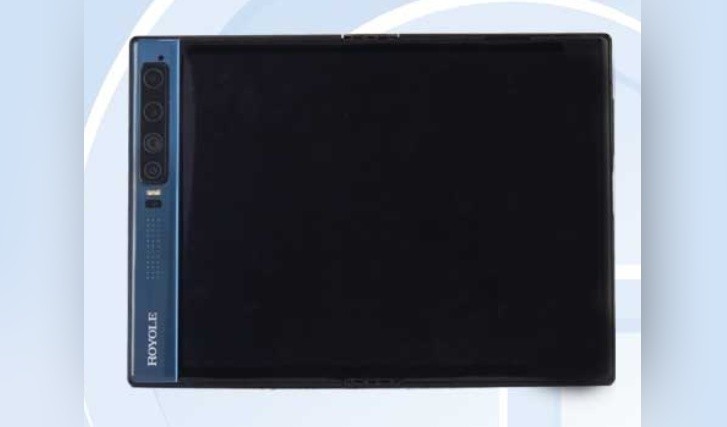
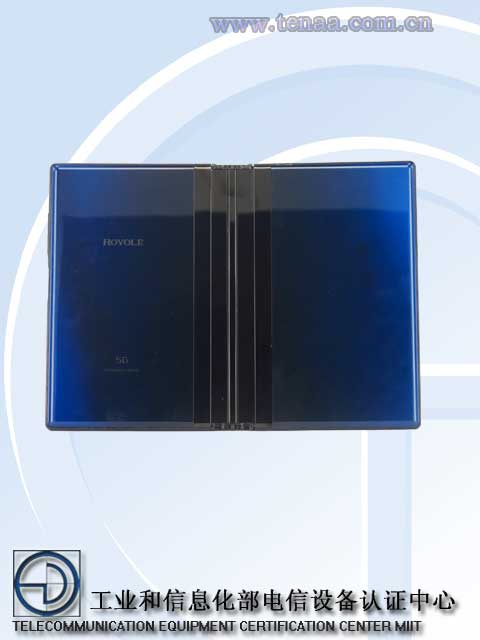
The Royole FlexPai 2 has been spotted on the TENAA certification website’s database. While the device was previously announced earlier this year, finer details regarding the second generation foldable smartphone were still unknown. Now, we have a lot more details about the upcoming handset.
The company will be officially launching the Royole Flexpai 2 on 21st September 2020. Under the hood, the new gen foldable smartphone will feature a Qualcomm Snapdragon 865 SoC with 8GB of RAM and either 256GB or 512GB of internal storage. The original, on the other hand, featured a Snapdragon 8150 mobile processor and had a 6GB RAM and 128GB storage variant as well. Its 4450mAh battery is also slightly larger than the original, which had a 4,000mAh battery.
The upcoming iteration also arrives with Android 10 out of the box instead of the Android 9 on the first generation. Royole’s FlexPai 2 also sports the company’s third generation flexible display dubbed the Cicada Wings, which has a number of improvements over the previous models like a smaller crease and bend radius along with a higher overall brightness and better viewing angles. The new panel is more durable as well and can withstand any types of bends or rolling of the display.
Another improvement arrives in the form of optics, with the FlexPai 2 housing a quad camera module over the dual camera module on the first FlexPai. This camera system consists of a 64 megapixel primary lens along with a 16 megapixel and two 8 megapixel sensors. Unfortunately, the pricing of the device is currently unknown, but it is confirmed to arrive in three color variants, namely, Magic Gold, Dark Night Black, and Star Grey.
Briefly after teasing the device yesterday, Motorola has finally confirmed the arrival of Moto E7 Plus in India on September 23. The budget smartphone packs an entry-level processor and is expected to slot in below the Moto G9.
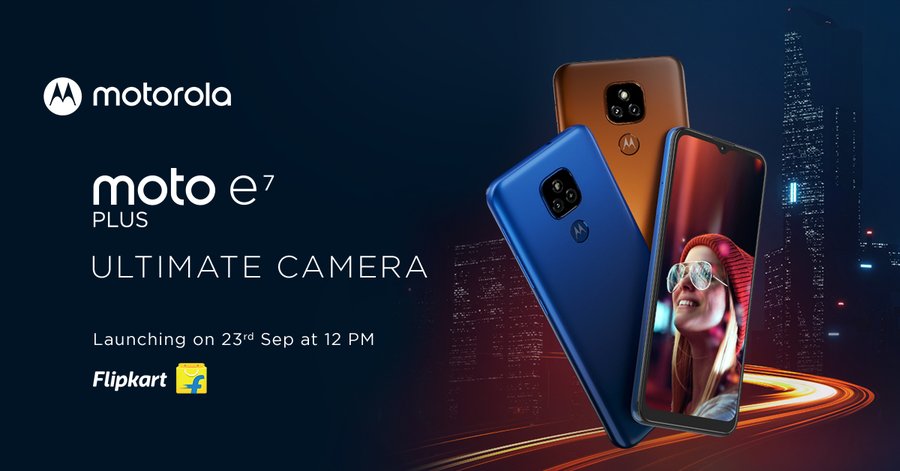
The company confirmed the arrival of the device on Twitter. It has also shared a poster that shows a tagline ‘Ultimate Camera’. The device will launch on 23rd September at 12:00 PM IST. Accordingly, Flipkart has opened a teaser page that shows the device in Navy Blue and Bronze color options.
Although the microsite doesn’t reveal much about the device, we already know the entire specifications from the earlier launch in Europe and Brazil. The images show that the rear panel has a square-shaped cut-out for cameras and a fingerprint sensor beneath. Considering the price, it should have polycarbonate back but we will have to wait till Wednesday to know if Motorola makes any change for the Indian version. On the right side, there are three buttons – power, volume up/down, and a google assistant switch.
The device has a 6.5-inch HD+ display with a resolution of 1600×720 pixels. There is a water-drop notch that houses an 8MP f/2.2 selfie shooter. Powering the device is Qualcomm’s Snapdragon 460 SoC. Adreno 610 GPU handles the graphic duties. The square-shaped layout has a 48MP f/1.7 primary lens and a 2MP depth sensor.
The phone will come with 4GB RAM and 64GB storage along with microSD card expansion. Other features include 4G LTE, WiFi, 3.5mm audio jack, and Bluetooth. The Moto E7 Plus is backed up by a 5,000mAh battery with support for 10W charging via micro-USB port.
That said, the official pricing is not known yet. It must be noted that the device launched at EUR 149(~Rs.13,000). However, Motorola already has the Moto G9 with Snapdragon 662 at Rs.11,499 in India. Hence, we can expect Moto to price the Moto E7 Plus aggressively.
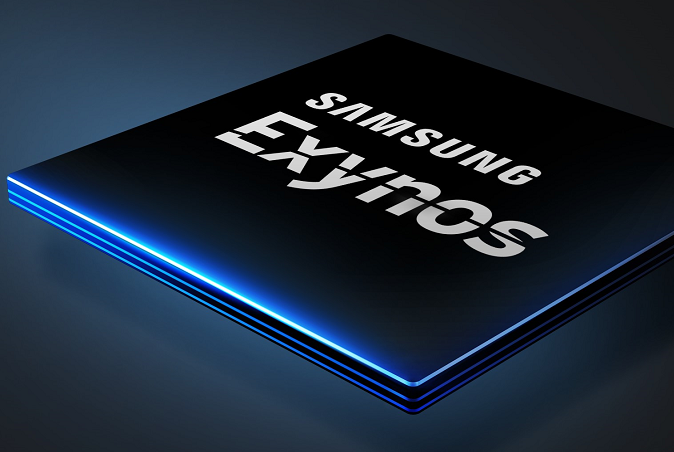
A new leak has suggested that the upcoming Samsung 5nm Exynos chip will feature a core cluster design that is similar to the Qualcomm Snapdragon 875 SoC, which might be indicative of a very capable Exynos chip that can rival the Snapdragon processor.
The known leakster Ice Universe recently shared a tweet on Twitter that detailed the cluster design of both the upcoming Samsung and Exynos chips. In the post, he wrote “E 1+3+4” and “S 1+3+4,” with the ‘E’ clearly standing for the Samsung Exynos chip while the ‘S’ stands for the Snapdragon processor. For those unaware, chip designs in smartphones follow a configuration where there are multiple cores of different sizes and power.
The ‘1’ represents the super large core that boosts the highest clock frequencies and is the most powerful in the chip. Similarly, the ‘3’ cores are also high performance large cores, although, they aren’t as fast as the super large core. The final ‘4’ represents the energy efficient cores that are low powered and help perform less intensive tasks for the smartphone. To elaborate, chipmakers have adopted this design so that smartphones are more energy efficient when they are relatively inactive, but still offer great boosts in performance when undergoing intensive tasks.
From what we know so far, the Qualcomm Snapdragon 875 is built on Samsung’s 5nm process and is said to use ARM’s latest Cortex X1 architecture, which is more powerful than the Cortex A78. According to ARM, the Cortex X1 is up to 30 percent faster than the Cortex A77 in peak performance and up to 20 percent faster than the Cortex A78. So, if Qualcomm does adopt the new technology, we can soon expect, launches from various companies to feature this chip.
Interestingly, since Samsung is the one manufacturing Qualcomm Snapdragon 875 chips on its 5nm process, we can also expect great improvements to the Exynos platform as well. The Exynos series processors have lagged behind Snapdragon, with the difference being noticeably in the current gen lineup of Samsung’s flagship Galaxy S20 series. So, we can expect the South Korean OEM to focus on its proprietary chip design and bring forth improvements for the next gen smartphones in 2021.
UPDATE: September 18, 2020 (11:30 AM ET): Google has now restored the main Paytm payments app on the Play Store. However, the Paytm First Games app is yet to be restored. The original story continues below.
Earlier this year, the Indian government announced a new payment method dubbed Unified Payment Interface (UPI) to provide rapid and safe money transfers. UPI is primarily available for use via smartphone apps and it has received an overwhelming response from the users due to its easy availability and stress-free banking. Among the top three operators are Walmart’s PhonePe, Paytm and Google Pay.
In a recent development, Google has decimated Paytm’s ability to provide payment services for new customer by removing the popular Indian financial services app from the Play Store. The removal is as a result of the violation of Google’s gambling policies.
Google reiterated that the Play Store prohibits online casinos and other unregulated gambling apps that facilitate sports betting in India. But Paytm is deemed to have violated that policy by promoting fantasy sports service within its marquee app. Paytm’s fantasy sports service, called Paytm First Games, was also available as a standalone app and it has been pulled, too, from the Play Store.
Google maintains similar guidelines around gambling in most other markets and have directed that if an app leads consumers to an external website that allows them to participate in paid tournaments to win real money or cash prizes, it will also be deemed in violation of its Play Store policies. This is where Paytm may have violated the Play Store’s policy.
In a recent blog post on this subject matter, Suzanne Frey, Vice President, Product, Android Security and Privacy stated; “We have these policies to protect users from potential harm. When an app violates these policies, we notify the developer of the violation and remove the app from Google Play until the developer brings the app into compliance.”
“And in the case where there are repeated policy violations, we may take more serious action which may include terminating Google Play Developer accounts. Our policies are applied and enforced on all developers consistently,” she added.
OnePlus launched OnePlus Buds alongside OnePlus Nord as its first truly wireless earphones. For some unknown reason, the companion app for this TWS is only limited to OnePlus 6 and above devices. Now, after months from its debut, the brand has confirmed to release a new dedicated app for its older smartphones as well as devices from other companies.
Chinese smartphone makers have a habit of conducting Q&A sessions with users from time to time. After completion, they share some important questions and their answers from those sessions on social media and community. OnePlus did the same for a recently held Q&A session (via XDA Developers).
In that, one of the users asked whether they can customize gesture and update the firmware of OnePlus Buds if they are using it with other phones other than compatible OnePlus device. To this, the company representative replied that they will be launching a dedicated with support for OnePlus 3/3T/5/T and smartphones from other brands running Android 6.0+. However, the person did not reveal the availability of this app.
Currently, OnePlus Buds app only work on OnePlus 7 and above handsets with OxygenOS as it is integrated into system settings. But the company has published it on the Google Play Store to deliver faster updates.
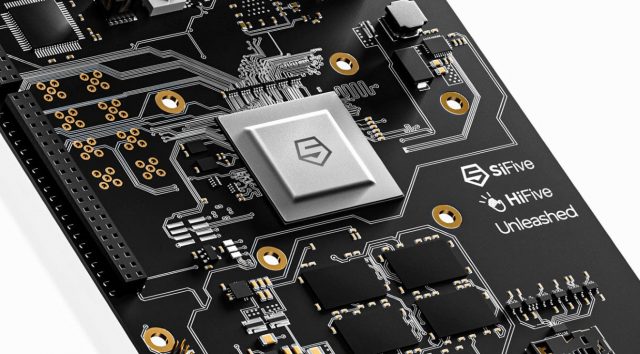
For those unaware, SiFive is a chip designer that makes processors that can be customized for any purpose the customer requires it for. This has it make chips to meet low end to even some high end computing requirements. The processors used by the company are based on RISC-V, which is a free and open architecture that has been growing in popularity since its creation a decade ago.
The people behind the architecture were inspired by the philosophy of “hardware freedom” to offer alternatives to royalty-based processors that are licensed for a fee by a single company. According to an VentureBeatinterview with Patrick Little, the senior executive said that “It’s just very clear that the world is moving away from generic processors to workload-focused and optimized solutions,” and that, “The industry is transforming away from general-purpose computing to something domain-focused. With the news this week, it’s now accelerating, and the magnitude has really picked up. Now there are many companies saying it’s time to look at open versus closed solutions.”
Notably, despite Nvidia acquiring Arm, the former has pledged to still continue to offer the latter’s open licensing strategy. Although, the free and open nature of RISC-V is already a great deal for many. But the challenge still remains of growing its ecosystem of software, tools, and testing to make it a viable alternative to Arm. At the moment, the ARM architecture is found on about 95 percent of the smartphone market, with the industry shipping more than 22 billion chips a year.
Furthermore, SiFive is also planning on unveiling its first RISC-V based PC in October 2020, alongside new RISC-V chips. While this architecture isn’t as matured as others like the x86 and ARM, it has made great progress in recent years. SiFive will be targetting developers and professionals with this PC and not the commercial market. The ide ais to offer RISC-V based systems so that developers can make code software that was meant for RISC-V powered devices. The company plans to introduce new processors as well, which will be optimized for “high-performance computing, artificial intelligence, and computer vision applications.”
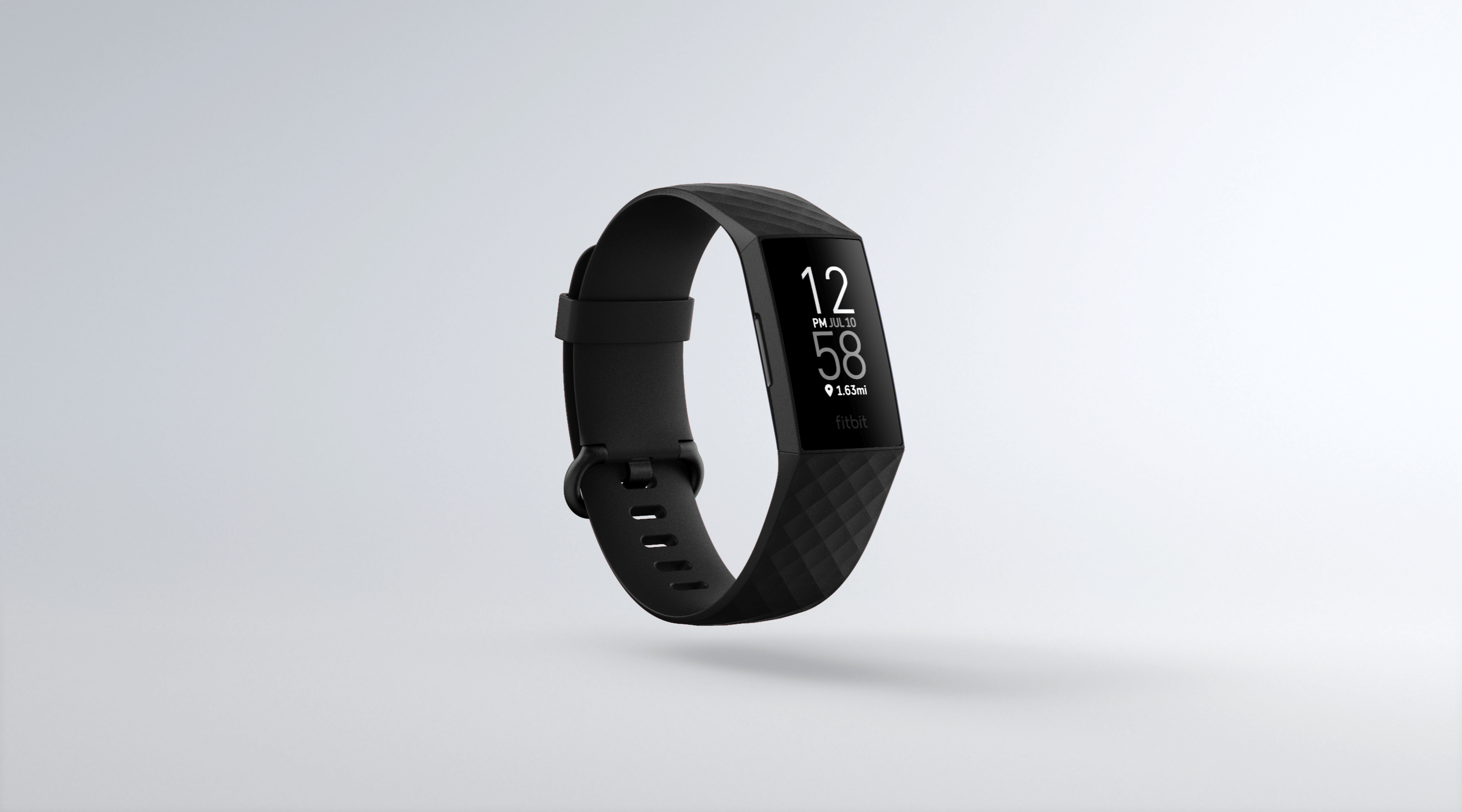
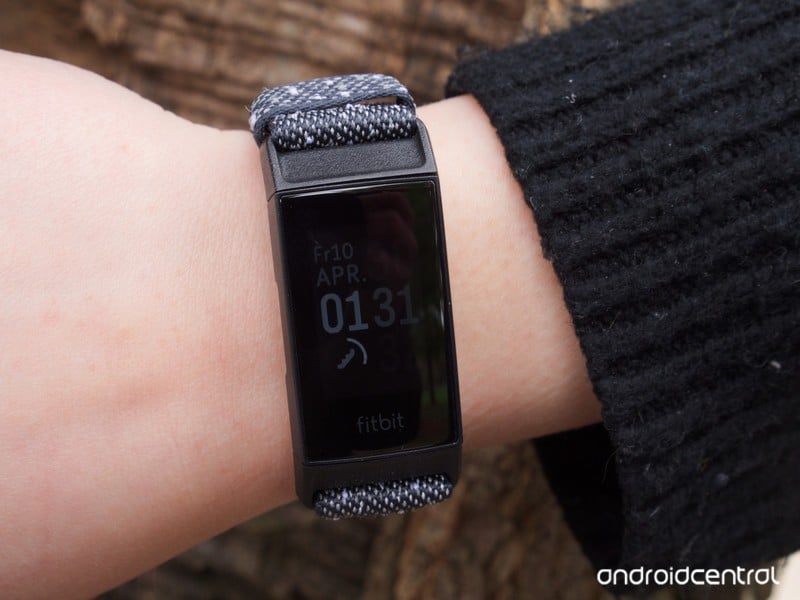
Recently, a few owners of the Fitbit Charge 4 that had been complaining about an issue regarding their wearables. Reports have surfaced that the fitness tracker has a crucial flaw, where the device sometimes does not sit well on the wrist as it is supposed to.
According to an AndroidCentralreport, One user said on the Fitbit community forums that “the band does not fit snuggly, as with all other Fitbits I have owned. Is this normal? There is a noticeable gap between the band and the device.” Following this, the number of Charge 4 users that have faced the same issue has grown. Others also said that the gap caused dust or other small particles to get in the way, with a few saying that the gap sometimes has the device get yanked off it gets caught in something.
A Fitbit representative has since confirmed the issue and stated that “We are aware that a band-connection issue is affecting a small number of Charge 4 users. We take customer satisfaction very seriously and the quality of our products is one of our top priorities. We encourage any customers experiencing difficulties with their device to contact Customer Support for assistance.”
Image via AndroidCentral
The company has recently unveiled a few new products, which include the Inspire 2 the Versa 3, and even the Sense Health Watch. So, let’s hope that those devices do not face the same issues that affect the Charge 4 and that the company does take notes of the issues so that it does not extend to its newer product launches as well.
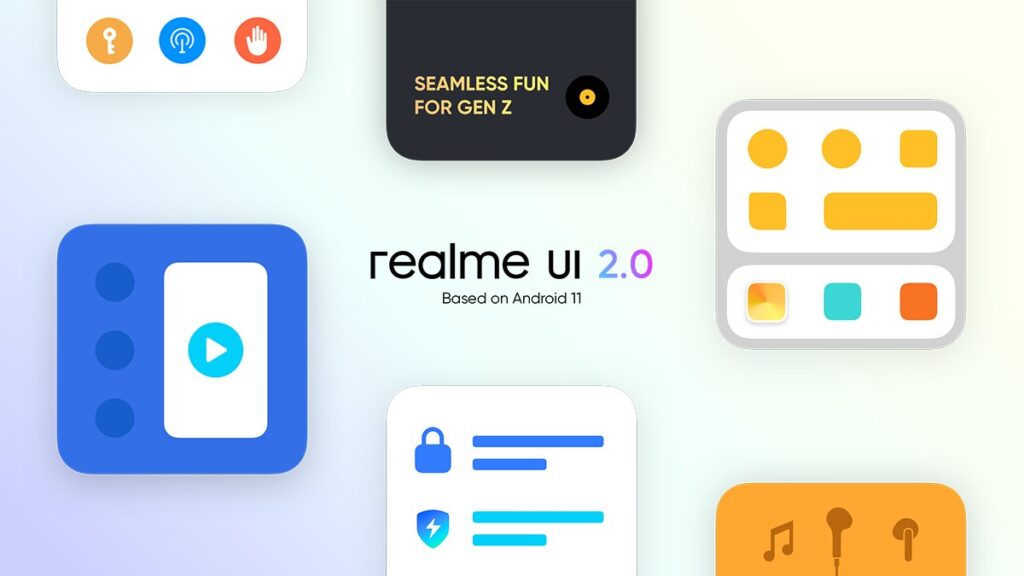
Earlier this month, Google released Android 11 stable update for eligible Pixel smartphones and uploaded the source code to AOSP. A few days later, OPPO held an event to officially unveil ColorOS 11 based on the latest version of Android. Now, the company’s sister brand realme has scheduled an event for September 21 in India at which it will be announcing realme UI 2.0 alongside narzo 20 series of smartphones.
Recently, realme sent out physical press invites to media and influencers confirming the launch date of narzo 20, narzo 20A, and narzo 20 Pro to be September 21. Now, today, the company has officially announced it to the public on its social media handles and community. Additionally, it also revealed that realme UI 2.0 based on Android 11 will be also debuting at the same event.
Anyway, we don’t have to wait until the launch day to know everything about these phones and realme UI 2.0. These handsets, for instance, have leaked extensively in the past few days revealing everything about them. The only thing that is unknown is their price.
On the other hand, the brand has already rolled out realme UI 2.0 beta update to its flagship smartphone realme X50 Pro. As expected, it is nothing but a tweaked version of ColorOS 11 just like the original realme UI and ColorOS 7.
That said, the launch event is still exciting for existing users of realme as the company is expected to announce realme UI 2.0 eligible devices and update timeline.
The United States is taking its trade war with China a step further. After banning several Chinese companies and forcing TikTok to sell its business to an American company, it is now issuing notices to companies that have ties with China-based Tencent Holdings.
As per the report from Bloomberg, the U.S. Treasury’s Committee on Foreign Investment in the U.S. (CFIUS) has asked gaming companies including Riot Games and Epic Games, to provide information on security protocols.
CFIUS investigates foreign acquisitions of American businesses for national security risks. It has the authority to examine full acquisitions as well as non-controlling investments and provide recommendations to block or unwind deals.
This new development is likely because of the company’s deep ties with Tencent Holdings. Riot Games, which has developed Valorant and League of Legends, is a fully-owned subsidiary of Tencent while the Chinese giant holds about 40 percent take in Epic Games.
Recently, U.S. President Donald Trump issued an executive order which prohibits transactions with the popular instant messaging app WeChat and social platform TikTok. The ban is set to take effect 45 days from the date of order (7th August).
Epic Games has been in the news for a couple of weeks after it sued Apple and Google for removing its game Fortnite from the App Store and Play Store. It all began after the gaming firm introduced its own in-app payments system on Fortnite which skirted the 30 percent fee that Apple charges for each transaction.
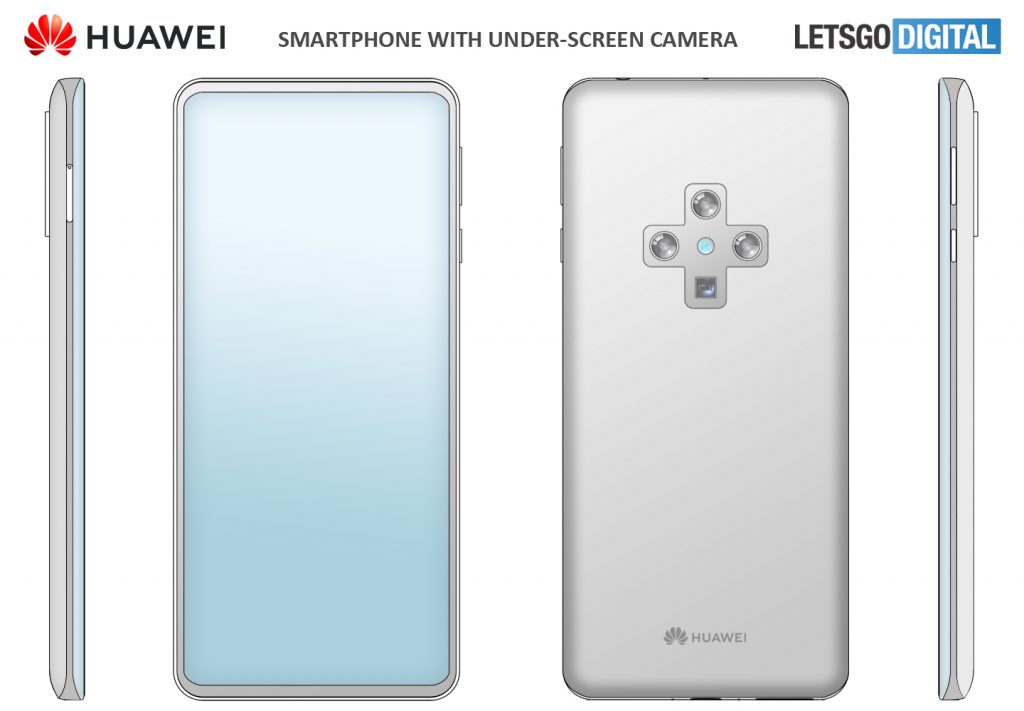
Earlier this month, we had reported on a Huawei patent regarding a smartphone with a penta camera setup on the back. Now, we have another patent that has surfaced, this time with an under screen selfie shooter and a periscopic zoom lens.
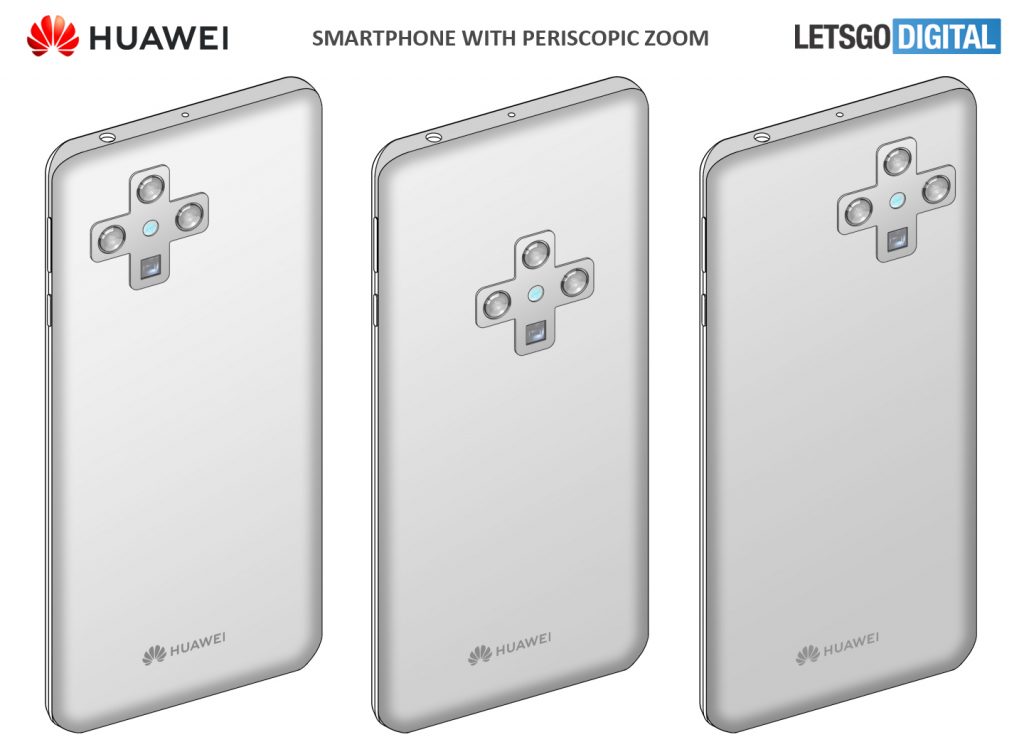
The new patent was filed with the CNIPA (China National Intellectual Property Administration), which was approved and published earlier today (18th September 2020). According to a LetsGoDigitalreport, the patent carries 24 product images. Looking at these design sketches, the device has a curved edge display on both sides and minimal bezels. Under the display, a selfie shoot is housed, with the rear having a quad camera setup.
The rear camera module is housed in a very unique manner with 3 different variants of the device being patented. One has the rear camera module housed in the middle of the back panel, while the other two have it placed either at the top right or top left, respectively. The four cameras are housed in a cross shaped manner with the LED flash being in the middle. The sensor at the bottom is square shapped, indicating that its a periscopic zoom lens. The company’s branding can also be observed on the bottom.
Unfortunately, finer details regarding this Huawei smartphone or even its name is currently unknown. Furthermore, it is also unclear if the Chinese tech giant is actually working on such a handset or whether it is just covering all bases. We might see these designs make an appearance in a Huawei smartphone in the near future, although, only an official company announcement will confirm it.
Apple has delayed the launch of its next-generation iPhone by a few weeks, likely because of the COVID-19 pandemic. It usually launches new iPhones in the initial weeks of September but this time, instead of smartphones, it launched the new Apple Watch Series 6 and new iPads.
But, the company is expected to launch the iPhone 12 models in the coming weeks. And as the launch nears, more and more information related to anticipated next-gen Apple iPhone models keeps surfacing online.
The latest report regarding the pricing of iPhone 12 models contradicts previous reports. Earlier, it was said that the new iPhone will have the same starting price as the previous-generation model — $699 for the base model.
Now, a report coming from China claims that keeping the price of 5G-compatible iPhone 12 the same as last year’s model seems impossible. This is because of the increased Bill of Material cost, which has reportedly increased by $50 this year.
This time, the company won’t be including a charger or wired earphones in the box and it is said that Apple will be selling the 20W charger separately. This is likely to save some cost but it remains to be seen if that saving is passed on to the customers.
Recently, it was revealed that the iPhone 12 cost somewhere between $699 to $749 while the iPhone 12 Max could be $799-849. The Pro and Pro Max models are expected to be priced around $1,100 to $1,200. To know for sure, we will have to wait for the official announcement from the company.
Huawei is currently struggling to keep its smartphone business afloat as the Chinese giant has been heavily restricted by the sanctions from the United States from procuring or manufacturing necessary components.
But it seems that there is some hope for the company. Forrest Norrod, Senior Vice President at AMD has confirmed that the company has been granted a license to sell its products to some of the companies in the US Entity List.
The licenses secured by the company ensures that there won’t be a significant impact on the business at this time because of the China-focused restrictions from the US. He also added that the company is complying with all the rules and regulations.
However, it’s noteworthy that Forrest Norrod hasn’t revealed the names of the companies for which AMD has been granted licenses to carry on doing business. So, we are not sure if the Chinese giant Huawei is in it.
Even if there’s no license for Huawei right now, his statement shed light on the fact that the United States is giving out licenses to companies for doing business with those firms that are in the Entity List. So, sooner or later, licenses can be granted to companies for doing business with Huawei.
Many companies have started lobbying with the United States government to reconsider some of the restrictions placed on Huawei, arguing that it impacts American businesses, both in terms of innovation and finance.
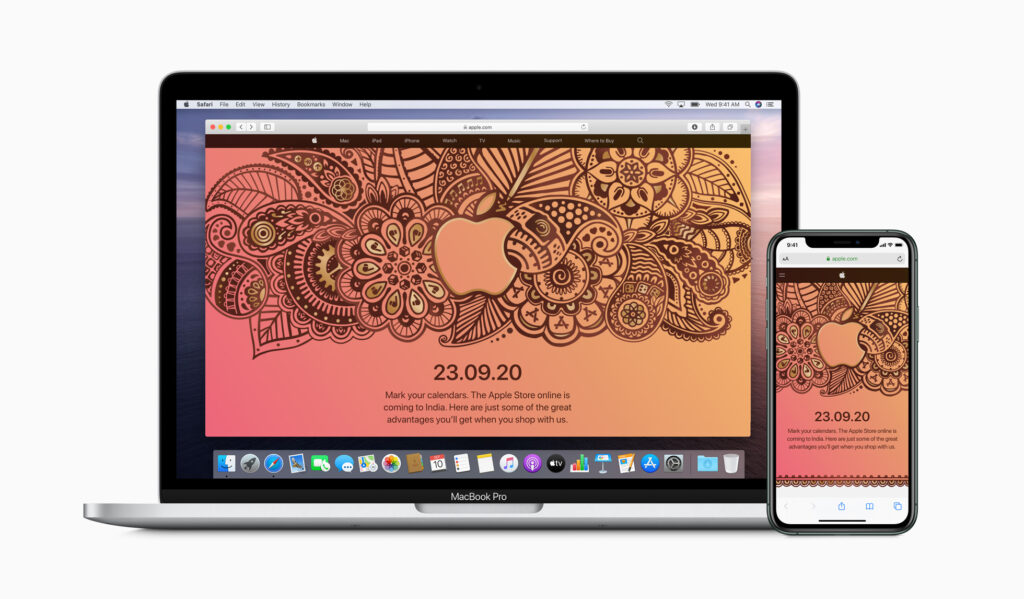
In late August, Bloombergbroke out the news that Apple will be launching its online store in India before Diwali. Now, almost a month later, the American tech giant has made an official announcement regarding the same. In a press release, the company has revealed that its online store will go live in India on September 23.
Apple has been operating in India for more than 20 years but its official online store will only open in the country next week. With its launch, customers will have access to a number of perks, some of which were previously unavailable when buying Apple products in the region.
For instance, customers in India will now able to trade-in their old eligible phones for iPhones. Students can avail special discounts while buying macs and iPads. That’s not all, customers can build custom macs and also order AirPods with a personalized engraving of emoji or text in English, Bengali, Gujarati, Hindi, Kannada, Marathi, Tamil, and Telugu. Even iPads and Apple Pencils can be bought with engravings but the text for them is limited to English.
Further, Apple Specialists will be available for customers to help them make purchases through advice and guidance in English and Hindi languages. Customers can also buy Apple Care+ plan for their new products to extend their warranty, technical support and accidental damage cover to up to two years.
In October, customers will be also able to attend free online Today at Apple sessions led by local Creative Pros. These sessions are said to be focussed on photography and music. Last but not least, customers in India will be able to enjoy special offers, EMIs, multiple transaction options including UPI, and contactless delivery.
Apple is expected to make a move to Mini-LED displays for its high-end iPad as well as MacBook models. As per the reports, Apple could start adopting this new display technology sometime later this year.
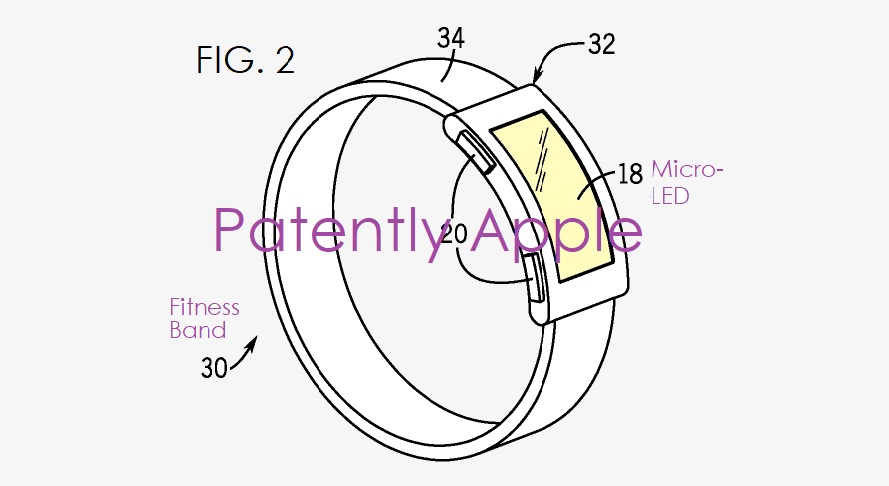
Now, the tech giant has been granted a new patent for Micro-LED display (via Patently Apple) which the company is planning to use for future MacBook, iPads, and a Fitness Band. Earlier this year, Apple was granted a patent for Fitness Band but there’s no confirmation if the company is actually planning to enter that segment.
It seems that the company will first adopt the Mini-LED display and will gradually move towards using Micro-LED display panels on its products. Currently, it is facing some issues and thus, its adoption in the near future seems unlikely.
Recently, it was reported that Apple could be using the MicroLED Display panel for the seventh-generation Apple Watch. Cupertino-based Apple is reportedly investing around $330 million in a Taiwan-based company for Micro LED factory that will manufacture displays for future iPhones, iPads, MacBooks, and other devices.
Manufacturers are trying to now adopt Micro LED screens instead of LCD or OLED panels as the new technology promises to be more energy-efficient and the panel is also thinner. It is said that the power consumption of the Micro LED screen is one-tenth compared to LCD.
Micro LED also supports a higher brightness, higher dynamic range, and wider color gamut. It also offers a faster update rate and a wider viewing angle. Given that the technology is still in the development phase, we could see devices with Mini LED display first, which falls between traditional LED and Micro LED technology.
We use cookies on our website to give you the most relevant experience by remembering your preferences and repeat visits. By clicking “Accept”, you consent to the use of ALL the cookies.
This website uses cookies to improve your experience while you navigate through the website. Out of these, the cookies that are categorized as necessary are stored on your browser as they are essential for the working of basic functionalities of the website. We also use third-party cookies that help us analyze and understand how you use this website. These cookies will be stored in your browser only with your consent. You also have the option to opt-out of these cookies. But opting out of some of these cookies may affect your browsing experience.
Necessary cookies are absolutely essential for the website to function properly. This category only includes cookies that ensures basic functionalities and security features of the website. These cookies do not store any personal information.
Any cookies that may not be particularly necessary for the website to function and is used specifically to collect user personal data via analytics, ads, other embedded contents are termed as non-necessary cookies. It is mandatory to procure user consent prior to running these cookies on your website.