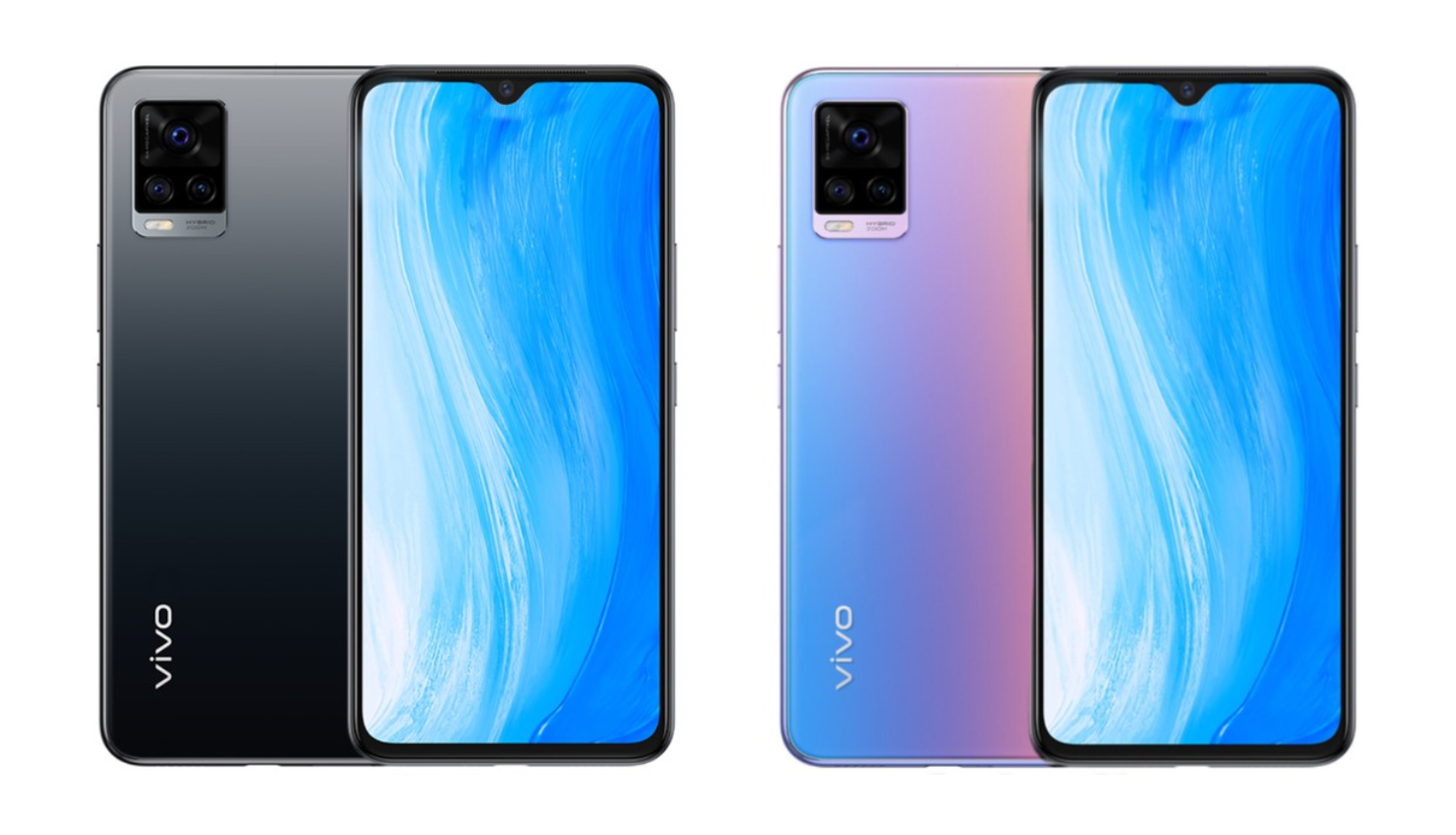
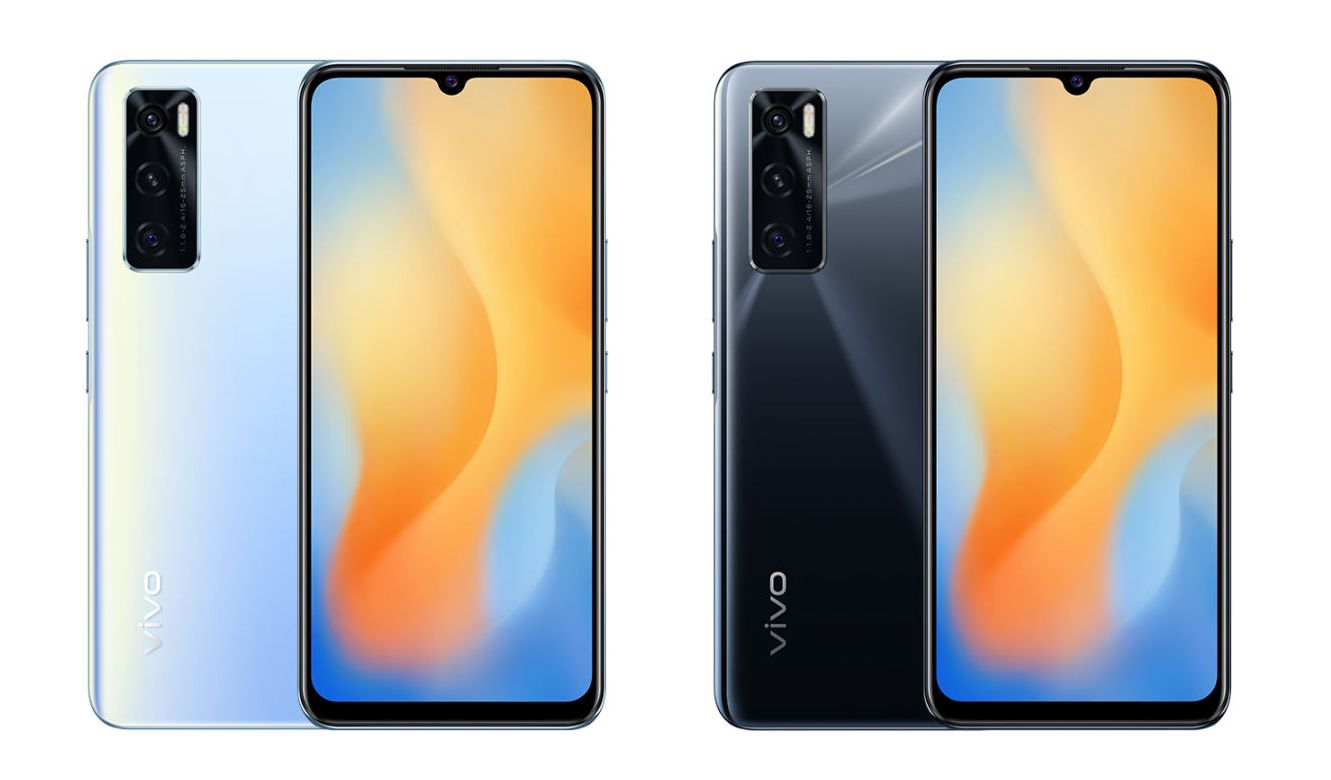
Vivo will be launching the Vivo V20 series in Thailand on Sept. 21. Recent reports have already spilled the specs of the Vivo V20 and Vivo V20 SE smartphones. Also, it is speculated that the Vivo V20 Pro is a rebranded version of the Vivo S7 5G phone that debuted in China a few months back. Ahead of the launch, Playfuldroidhas shared the official renders of the Vivo V20 and Vivo V20 SE smartphones.
The Vivo V20 and V20 SE renders show that they are equipped with waterdrop notch displays. The gradient rears of both smartphones seem to be made from glass. The Vivo V20 will be available in colors like Starry Black and Gradient Blue whereas the SE phone will come in Oxygen Blue and Gravity Black colors.
Vivo V20 in Starry Black and Gradient Blue colors
The Vivo V20 SE has a vertical camera system that houses three cameras. On the other side, the Vivo V20 has a triple camera system on its back. The arrangement of the rear cameras of the Vivo V20 is like the Vivo X50 series.
The Vivo V20 has a 6.44-inch S-AMOLED display that delivers Full HD+ resolution and an aspect ratio of 20:9. The Vivo V20 SE has the same display. Both phones promise a screen-to-body ratio of 90.12 percent. The FunTouchOS 11 based Android 10 comes preinstalled on the smartphone. These phones are equipped with in-screen fingerprint scanners.
Vivo V20 SE in Oxygen Blue and and Gravity Black colors
The Vivo V20 has a 44-megapixel front-facing camera with autofocus support whereas the Vivo V20 SE has a 32-megapixel selfie camera. The Vivo V20 has a 64-megapixel + 8-megapixel + 2-megapixel triple camera system. On the other side, the Vivo V20 SE has a 48-megapixel + 8-megapixel + 2-megapixel triple camera setup.
The Vivo V20 has a Snapdragon 720G chipset and a 4,000mAh battery. The V20 SE has a Snapdragon 665 SoC and a 4,100mAh battery. Both phones have 8 GB of RAM, 128 GB of built-in storage, 33W Flash Charge 2.0 technology, and NFC support.
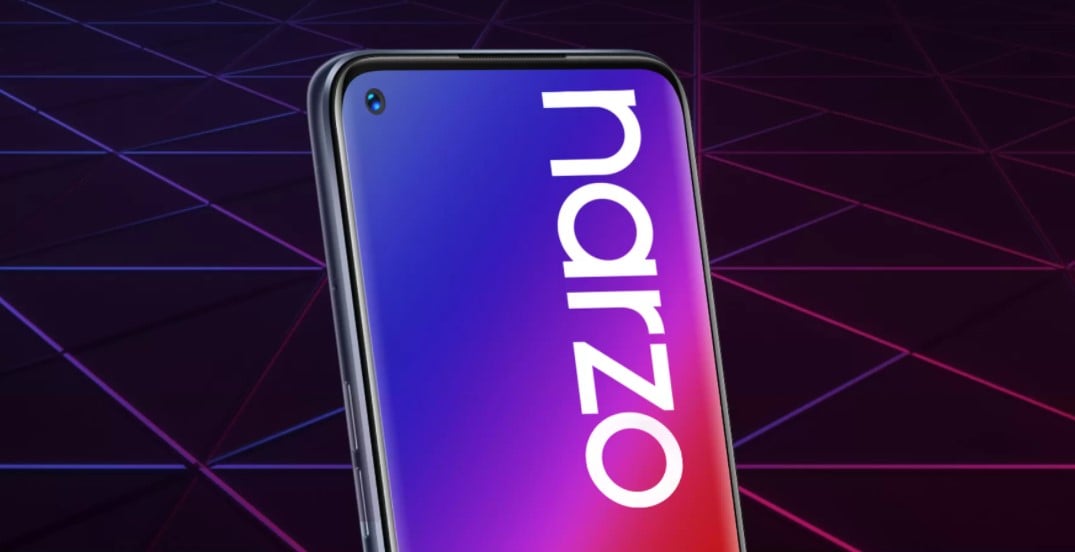
On Sept. 21, Realme will be announcing the Realme Narzo 20 series in India. The entire specs of the Narzo 20A, Narzo 20, and Narzo 20 Pro have surfaced in recent reports. A tipster has leaked the pricing of the three smartphones before their official announcement.
Realme Narzo 20A price in India (Rumored)
The new leak states that the Realme Narzo 20A variants such as 3GB RAM + 32GB storage and 4GB RAM + 64GB storage are priced at Rs 8,999 (~$122) and Rs 9,999 (~$136), respectively.
Past reports have revealed that the Narzo 20A will come with specs such as a 6.5-inch HD+ display, Snapdragon 665 SoC, a 5,000mAh battery with 10W charger, an 8-megapixel front camera, and a 12-megapixel + 2-megapixel + 2-megapixel triple camera system. It will come in Glory Silver and Victory Blue colors.
Realme Narzo 20 price in India (Rumored)
The tipster revealed that the Narzo 20A models such as 4GB RAM + 64GB storage and 6GB RAM + 64GB are priced at Rs 12,999 (~$176) and Rs 14,999 (~$208), respectively.
The Realme Narzo 20 is equipped with specs like a 6.5-inch HD+ screen, Helio G85 chipset, LPDDR4x RAM, a 6,000mAh battery with 18W charging, a 48-megapixel + 8-megapixel + 2-megapixel triple camera system. Its color variants are Glory Silver and Victory Blue.
The Realme Narzo 20 Pro edition such as 6GB RAM + 64GB storage and 8GB RAM + 128GB storage are expected to arrive with respective price tags of Rs 16,999 (~$231) and Rs 19,999 (~$272). Its color variants are Black Ninja and White Knight. The Narzo 20 Pro price leak could be correct as a Twitter user could find the Rs 16,999 pricing mentioned in a Google search results ad.
The Narzo 20 Pro will be coming with specs like a 6.5-inch FHD+ display, Helio G95 chipset, LPDDR4x RAM, a 4,500mAh battery with 65W fast charging, 16-megapixel selfie camera, and a 48-megapixel + 8-megapixel + 2-megapixel + 2-megapixel quad-camera system.
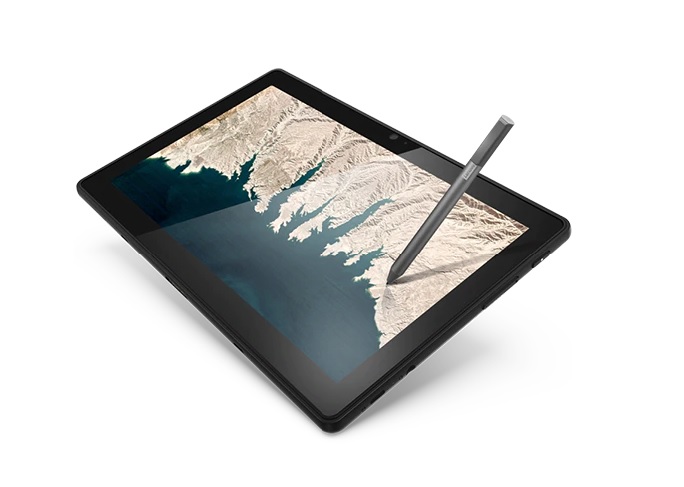
If you are looking to grab your first Chromebook without breaking the bank, the Lenovo Duet Chromebook is your best bet. The tablet has received several positive reviews for its value for money. Now, Lenovo has a new accessory for it that makes the tablet even more useful.
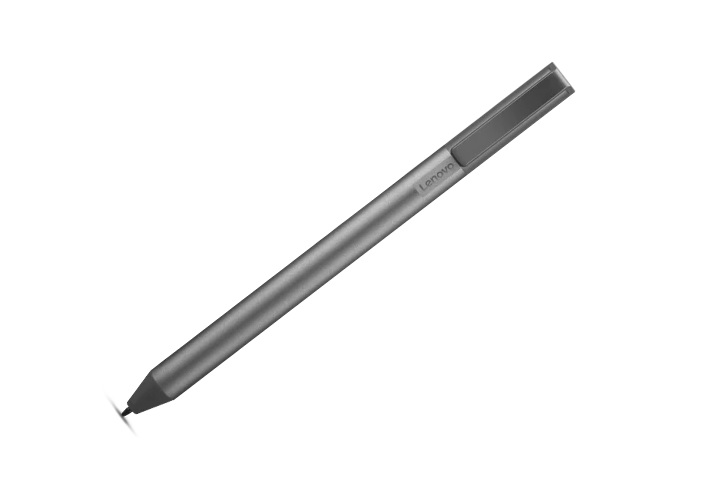
The Chromebook tablet ships with a keyboard included in the box, so you can get some work done. If you usually use a stylus such as for notetaking, graphic design, or drawing, then the new Lenovo USI Pen is a necessary purchase.
Lenovo says the stylus has 4096 levels of pressure sensitivity for natural writing, fine art, or graphic design. The stylus which weighs about 14 grams and is about 137 millimeters will last up to 150 days if you use it for just 2 hours a day. Unfortunately, it is not rechargeable as it uses an AAAA battery.
The stylus uses the USI (Universal Stylus Initiative) standard which Google is pushing to be available on Chromebooks that support stylus input. With the USI standard, you can use the Lenovo USI Pen on any device that supports the standard. So if you buy Lenovo’s stylus and eventually ditch the Chromebook Duet, you can still hold on to your stylus and use it with other compatible devices.
The Lenovo USI Pen is available on Lenovo.com for $39.99. It is cheaper than HP‘s own USI Pen which is usually out of stock but has a rechargeable battery.
Amazon is one-upping Google by announcing its product launch a week before Google’s own. While Amazon’s smartphone making days are over, it is its new smart home products that will be taking on Google’s.
Invites which have been sent to the press says the event is scheduled for September 24 and will begin at 1 PM Eastern Time. The invite doesn’t tease what to expect but The Verge reports that it says the Amazon Devices and Services Team will share “some news”.
Last year, Amazon announced a bunch of products such as its very first TWS earbuds called the Echo Buds; the large Echo Studio home speaker, the third-gen Echo Speaker; and an Echo dot with a clock. It also announced some invite-only products such as the Echo Frames smart glasses and a smart ring called the Echo Loop.
Seeing as Google will be announcing a new smart speaker and a new Google Chromecast powered by Google TV, we presume we will get a new Echo Speaker(s) and a new Fire TV Stick too from Amazon.
We expect some of the new Amazon products will also make their way to India but most likely not immediately.
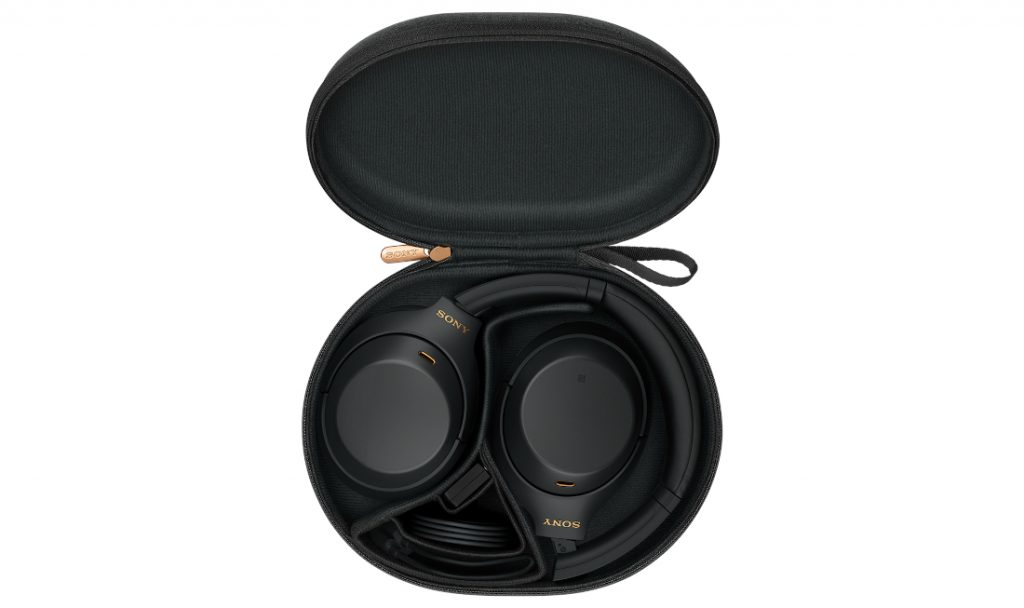
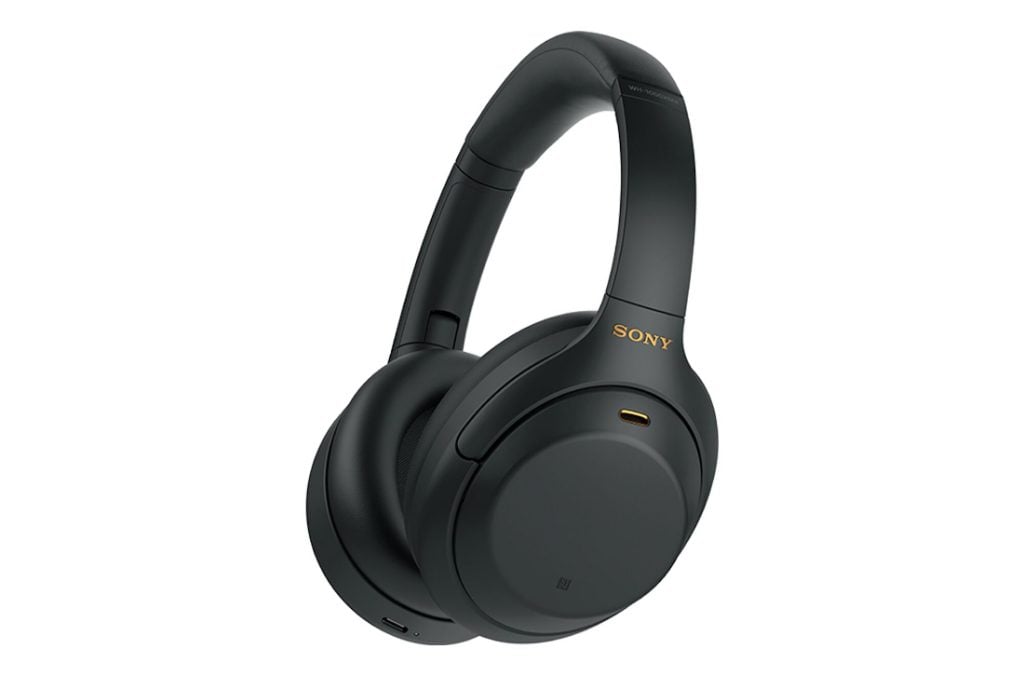
Sony‘s WH-1000XM4 noise-cancelling headphones have been launched in India. This is an upgraded version of the WH-1000XM3 which was unveiled nearly two years ago. The headphones have earlier been launched in the US and are presently sold for $349. It brings several new smart functionalities like on-ear detection, multiple device pairing, adaptive sound control, along with better noise cancellation and more.
Sony WH-1000XM4 features improved noise cancellation with its Dual Noise Sensor technology and updated HD Noise Canceling Processor QN1. The sound quality has also been improved with a new Edge-AI used by the DSEE Extreme (Digital Sound Enhancement Engine) and with support for 360 Reality Audio.
There are a number of smart features added to the WH-1000XM4, including Speak-to-Chat feature where the headphones will recognize if the user is having a short conversation and automatically reduce the volume and let in ambient sound. The Adaptive Sound Control feature can be configured in the Headphones Connect App where the headphone will automatically detect the surrounding of the user and adjust the ambient sound settings accordingly.
Other features include an improved 5-mic system for clearer calls, NFC, Bluetooth 5.0, Fast Pair, wearing detection and the headphones claim a battery life of 30 hours with support for Quick Charging.
The Sony WH-1000XM4 carries a price tag of Rs 29,990 ($407) in India and will be available for pre-order at retail stores and online stores in both black and silver colours. The product is already available on Amazon.in and shopatsc.com online as well as Shop Sony Center and Sony exclusive stores offline.
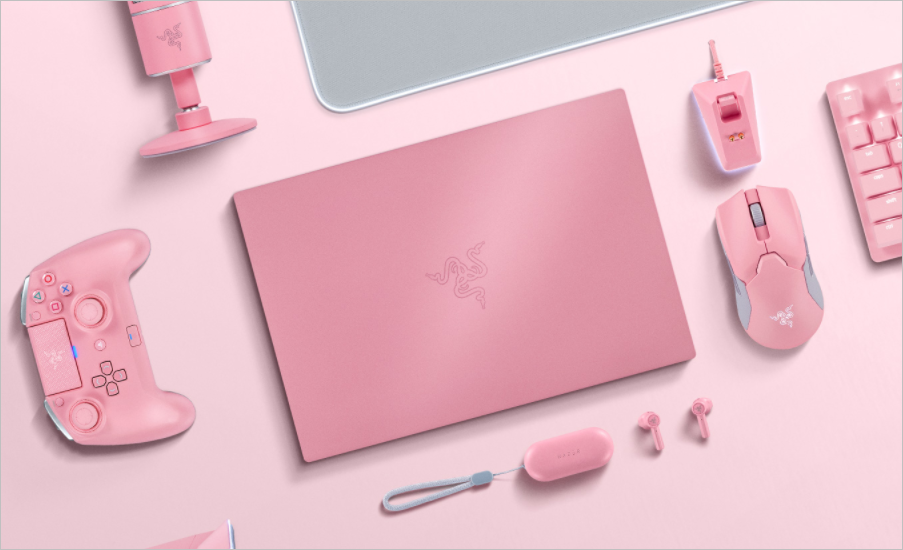
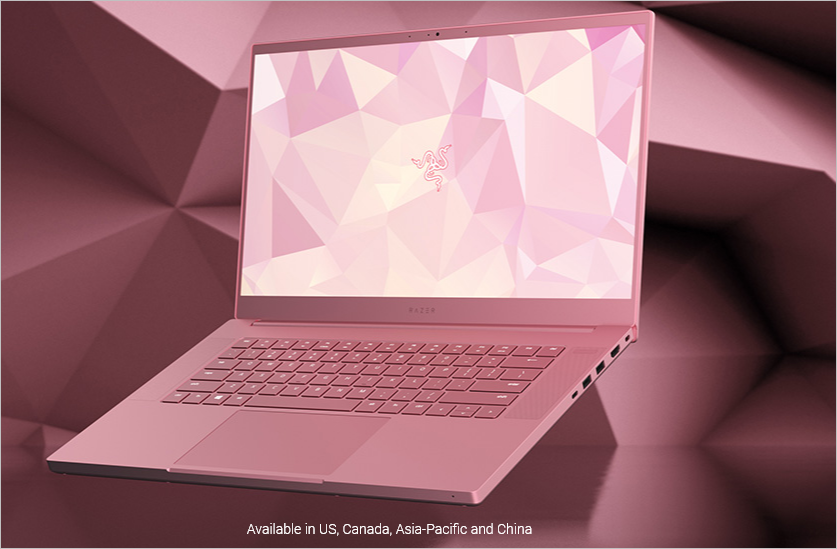
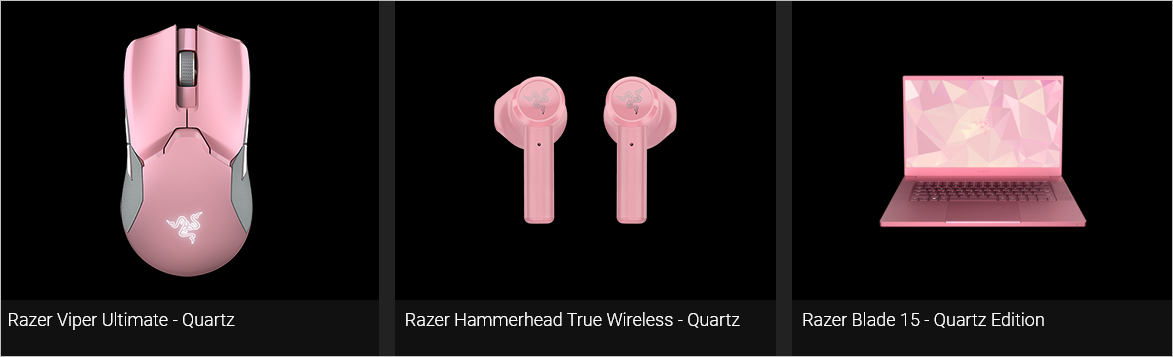
Razer has steadily been releasing more of its products (in both Quartz and Mercury) for the past few years, expanding its lineup offerings in more color options so its fans can customize their setups.The brand has unveiled a new gaming set for battle stations which come in both Mercury and Quartz colorways.
The hardware includes the Blade 15 notebook, Viper Wireless mouse and True Wireless Earbuds. The products are not really new releases, just that they are now available in both colours instead of the regular true matte black., you can now get your Razer gear in Quartz and Mercury giving gamers multiple choices depending on what colour you desire. Razer has also introduced a Mercury version of the Core X and the laptop stand to its lineup.
Although Razer has not given a specific release date of the Blade 15 laptop in Quartz, we expect the laptop to be available soon. It will only be available in a few regions, though. Other devices can be found on Razer’s website while the earbuds are also available on Amazon in the Mercury option.
The regions where Razer would launch this new device include the US, Singapore, Canada, Australia, Hong Kong, and China. The Blade 15 will retail for $1599 and will be available in October.
The Black version of The Razer Hammerhead True Wireless earbuds in Mercury and Quartz will be sold at $99. Also, the prices for the laptop stand and the Viper Ultimate Wireless mouse are $49.99 and $149.99 respectively.
Finally, the core X new colour would retail for $299.
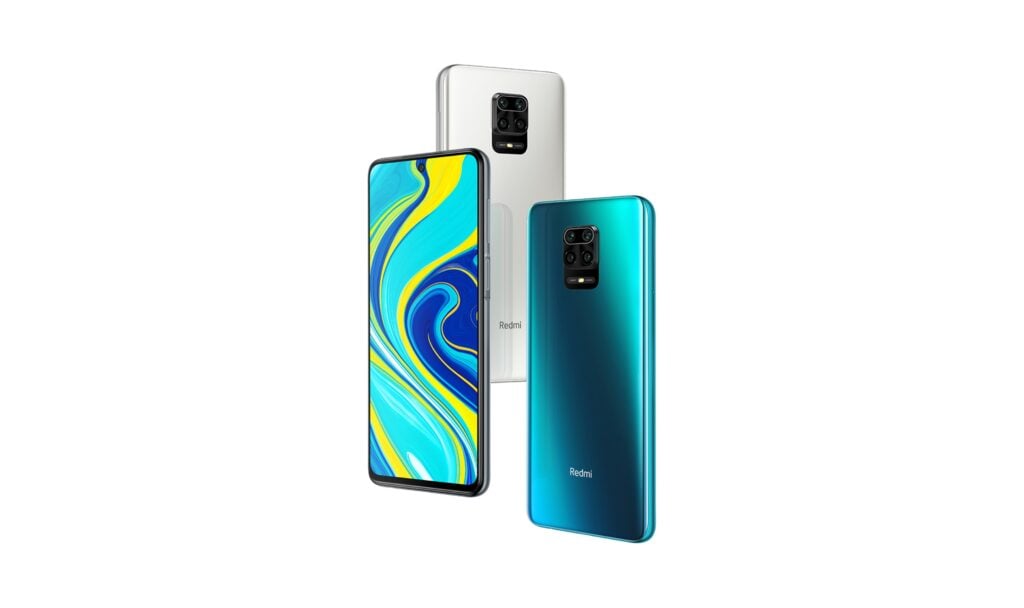
MIUI 12 is the latest version of Xiaomi’s mobile operating system based on Android. The company announced it in late April. Since then, it has been updating the eligible devices with weekly beta as well as stable builds worldwide. Since the firm is done updating its flagship and mid-range smartphones, it is now rolling out the update to older and budget handsets. Therefore, Redmi Note 9 Pro launched in March is getting the MIUI 12 update in India only now.
Earlier in August, Redmi Note 9 became the first device in the Redmi Note 9 series to receive MIUI 12 update. Now, after a month, Xiaomi has begun to seed the update to Redmi Note 9 Pro making it the second handset in the series to get this treatment.
That said, the MIUI 12 update for Redmi Note 9 Pro comes with build number V12.0.1.0.QJWINXM and weighs 755MB in size (via PiunikaWeb). It is currently being rolled out to limited users in the country. If there’s no major issue, the rollout will be extended for more users.
Also, this smartphone is sold as Redmi Note 9S outside India. Hence, those variants should also start receiving the update in the coming days.
It is worth noting that Google has released Android 11 but the update for this phone comes with Android 10. Fortunately, the Redmi Note 9 Pro is eligible for the latest version of Android, however, the rollout may take time as Xiaomi is right now working to deliver it to its flagship smartphones
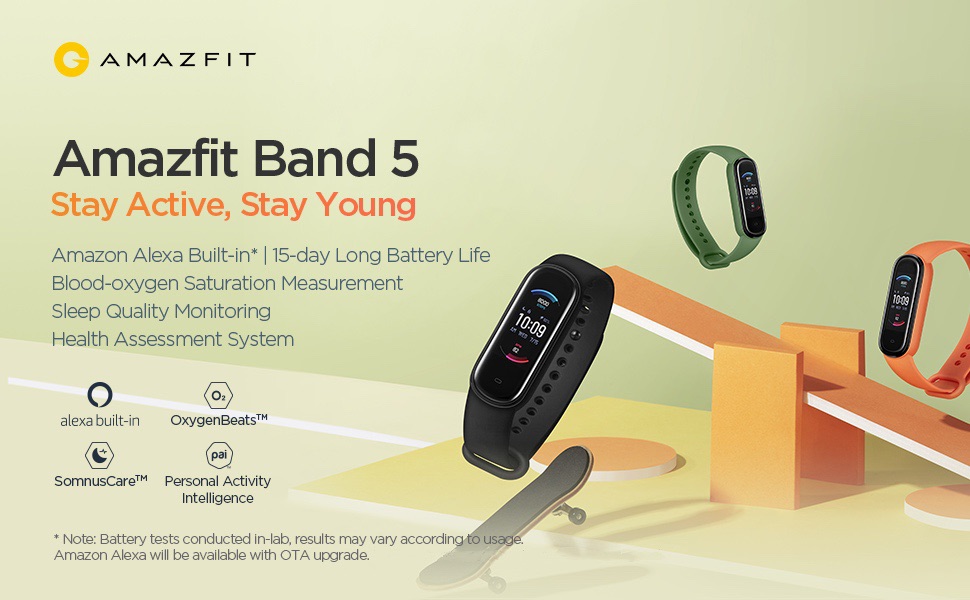
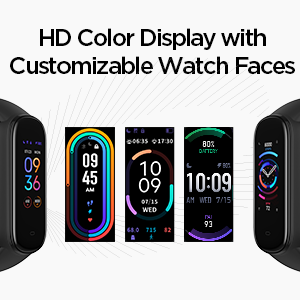
Huami has announced the Amazfit Band 5, a fitness tracker that is almost identical to the Mi Band 5 by Xiaomi. The new tracker was announced today in the US and it packs some key features that Xiaomi’s own tracker doesn’t have.
The Amazfit Band 5 has a 1.1-inch AMOLED touch-display with up to 45 watch faces to choose from. Users can also choose their own pictures to use as a watch face.
The band can track up to 11 sports modes including indoor and outdoor cycling, elliptical, swimming, and skipping. There is a BioTracker 2 PPG sensor for 24/7 heart rate tracking with support for alerts when the heart rate is high. It also has sleep quality monitoring using a SomnusCare sensor; Huami’s PAI health assessment system: and stress monitoring.
The Amazfit Band 5 comes with a SpO2 monitor (OxygenBeats) for measuring blood-oxygen saturation, a feature that Xiaomi’s fitness tracker doesn’t have. The band can also track menstrual cycles and ovulation periods with alerts before they arrive. There’s Alexa’s voice assistant too which allows users to ask questions, set reminders, and control smart home devices.
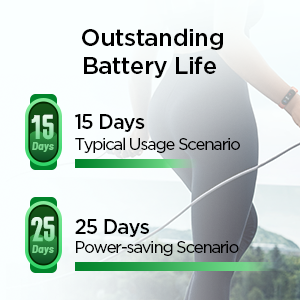
There is a 125mAh battery inside the fitness tracker that should last up to 2 weeks on a single charge in typical usage mode and up to 25 days in power saving mode.
The Amazfit Band 5 will sell for $45 and will go on sale on September 21. It will be available on Amazon in the US. There is no news yet of availability in other markets.
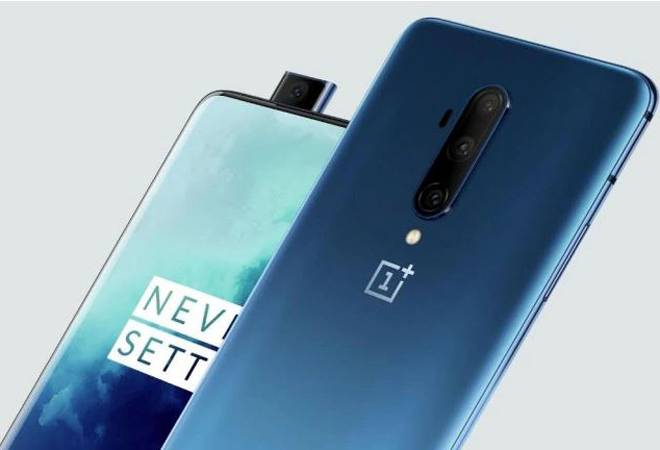
The OnePlus 7T Pro launched in India in October of last year in a single 8GB + 256GB storage configuration priced at ₹53,999. Fast forward to April 2020, it received a price cut of ₹6,000 bringing down its retail price to ₹47,999. Now, after 5 months, its price has been slashed once again.
OnePlus lowered the price of the OnePlus 7T series ahead of the OnePlus 8 series launch in the beginning of Q3. Now, similarly, as OnePlus 8T is about to launch (probably on October 14), the price of OnePlus 7T Pro has been cut once again by ₹4,000.
That means, the Chinese smartphone maker’s flagship smartphone of H2 2019 is now listed for ₹43,999 on Amazon India and OnePlus online store (via Gadgets360). In case you do not know, the OnePlus 7T Pro was available at the very same price during the Amazon Prime Day sale in early August.
Further, buyers can also avail an additional ₹3,000 instant discount using ICICI debit/cards. Whereas, interested customers can get the phone on no-cost EMI for up to 6 months.
Interestingly, the OnePlus 7T Pro McLaren Edition is still selling for its ₹58,999 launch price. Since the partnership between the two companies has now ended, it is the last special edition handset from their collaboration.
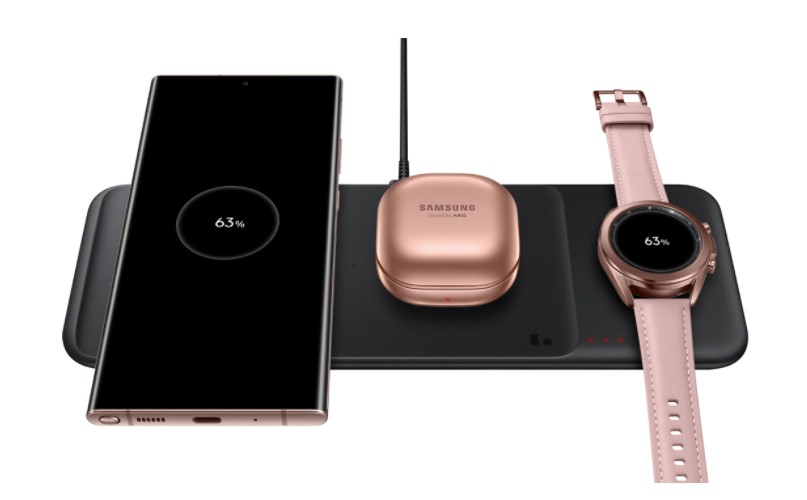
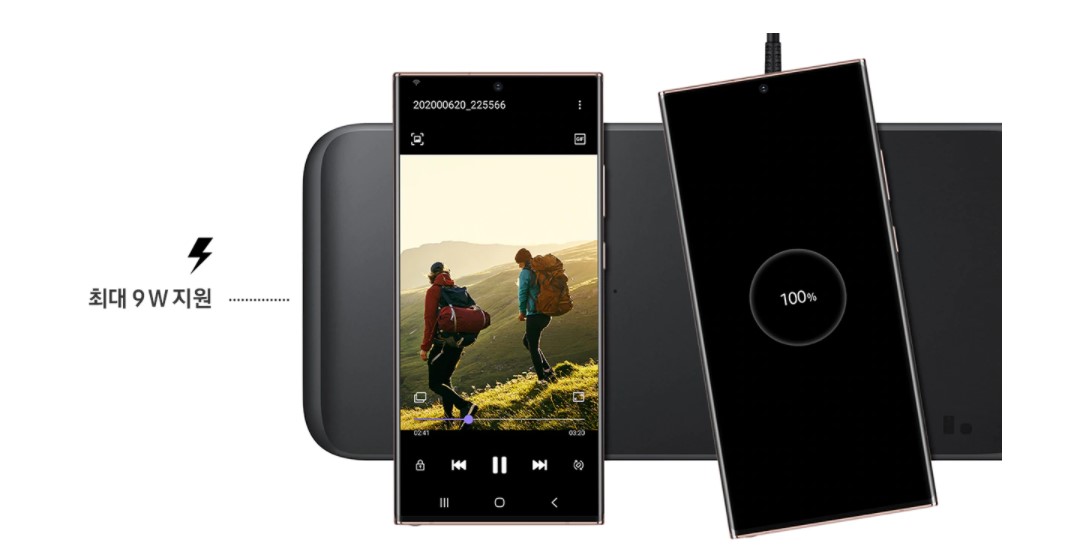
The Samsung Wireless Charging Trio is a wireless charger that can charge three devices at the same time. The charger was announced at the beginning of the month alongside the Galaxy Tab A7. However, there were only a few details revealed. Now we have more details thanks to a listing on Samsung’s Korea website.
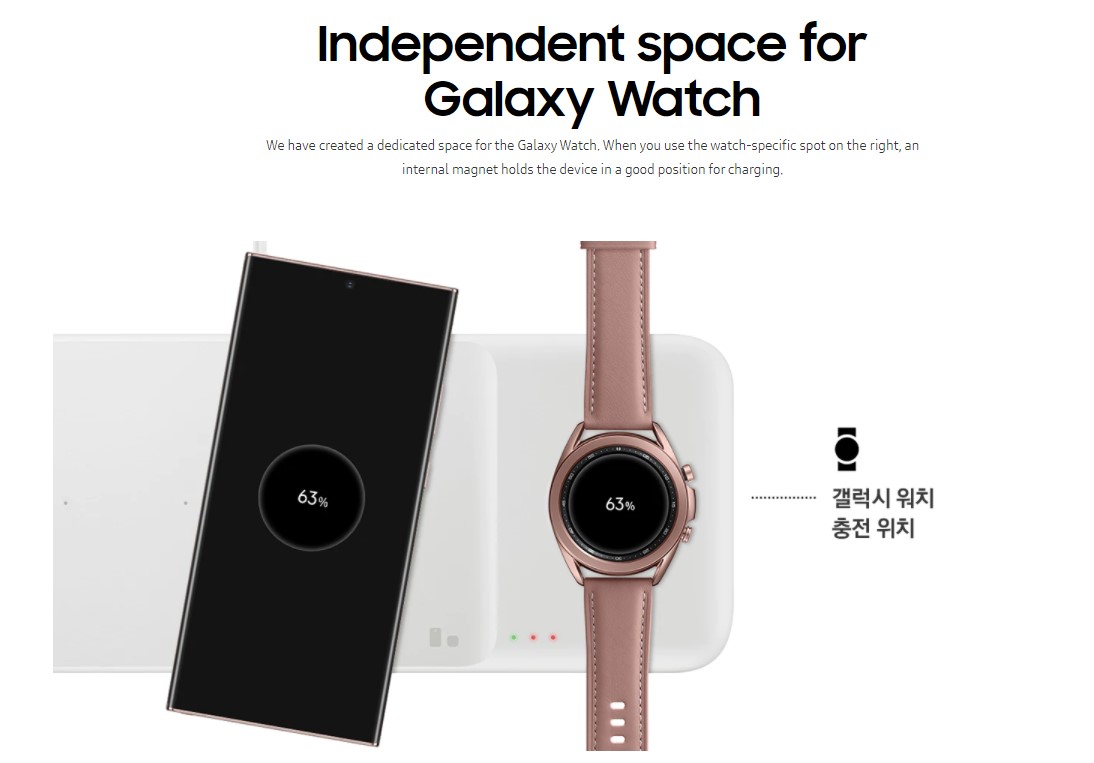
The Samsung Wireless Charging Trio is divided into two – there is a larger side for charging devices with support for fast wireless charging and a smaller side for the Galaxy Watch 3 and other supported watches. Samsung says there are six coils inside the charger and users do not need to line up the device to charge. Just place your phone on it and it will begin to charge.
The larger side of the charger will fast charge devices at up to 9W while Apple devices will charge at up to 7.5W. Users can also turn off fast wireless charging under the settings menu of their device if they wish. Samsung says the wireless charger will ship with a 25W PD wired charger in the box.
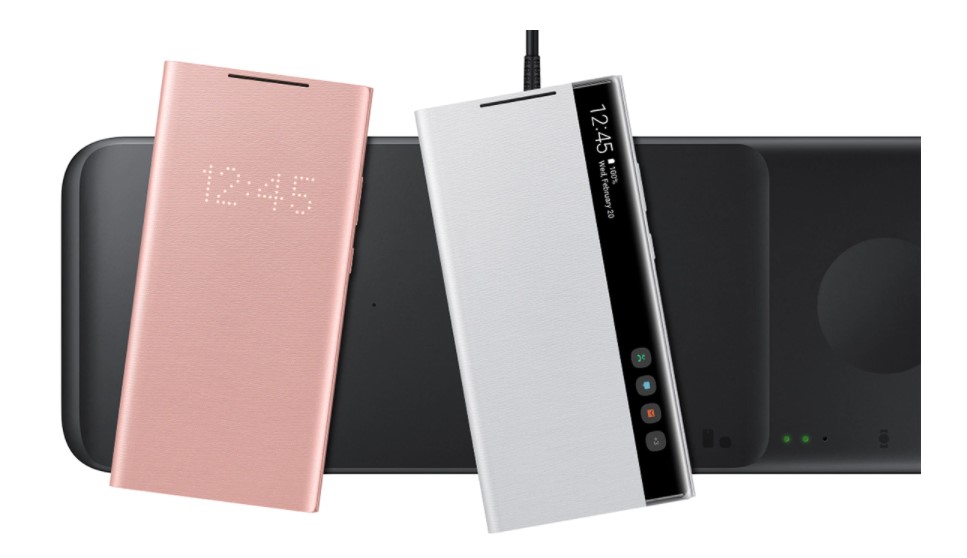
Users will be able to charge their phones even if they have a case on as long as it is not more than 3 mm thick. As you can see below, these Samsung cases work fine. Samsung says thicker cases may cause a drop in wattage, an increase in heat generated, and an increase in the time taken to charge.
The Samsung Wireless Charging Trio has a maximum input current of 2.7A and a maximum input voltage of 9V. There are three LEDs on the charger which flash red when a device is charging, turn green when the device is full, and also has a color for when there is a charging error. Samsung says users can change the brightness of the LEDs but this is supported only on devices released after the Galaxy S10 series.
The page also reveals the charger has a 1-meter long cable, weighs 320 grams, and measures 240 x 86 x 15.5 millimeters. Sadly, there is no mention of the price.
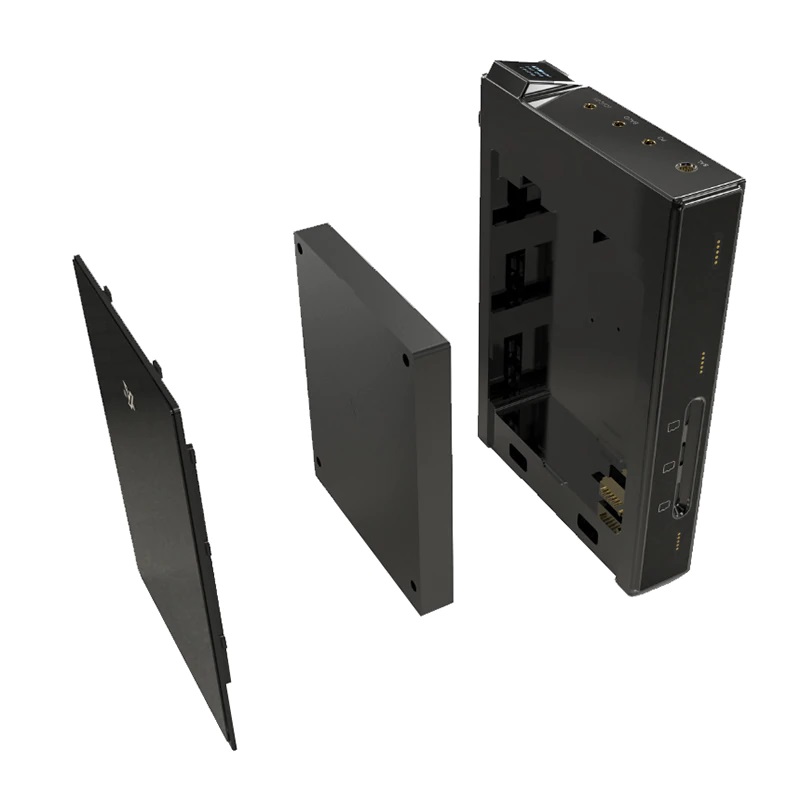
YinLvMei has launched the W1 Digital Audio Player(DAP) for the price of $2099. The device is said to be the world’s first DAP running on Windows 10 platform.
YinLvMei is a Chinese brand that specializes in making Hi-Res Audio equipment like Digital Audio Players and Headphone Amplifiers. Accordingly, it has used high-quality DACs of China’s Asahi Kasei Microdevices(AKM) on the W1 DAP.
YinLvMei W1 DAP Specifications
Talking about the specs, the device has a 7-inch IPS display with a resolution of 1280×800 pixels. Additionally, it has a secondary 0.66-inch OLED display at the top. This smaller display shows Volume, battery, and sound filter status.
Moreover, the device also has Intel’s Atom X5 Z8350 CPU coupled with 4GB RAM and 128GB storage. However, the highlight of all is the Windows 10 platform. The company says the device is the world’s first Hi-Res DAP to run on Windows 10. Hence, the device can run lag-free multiple audio-playback software. It also uses the ASIO (Audio Stream Input Output) channels to provide the best quality low-latency output. On the whole, the audio player seems to be a portable PC focused on hi-res music.
The W1 DAP has a Dual DAC(Digital-Analog Converter) chipset on the W1 has two flagship AK4499 DACs from AKM. Further, this is paired with an SA9227 USB asynchronous chip, 8* OPA 1612 I/V converters, 2* OPA1612 Low-pass filters. Consequently, the company says the audio on the W1 DAP will be unmatched.
Besides, the W1 DAP also has PGA 2311 volume control circuit that is used only in high-end systems. Hence, the company assures precise volume adjustments on the DAP. All these help the device output clean, transparent, and distortion-free sound as per the listing.
Connectivity, Price, and Availability
On the connectivity side, it has USB-C, 3 microSD cards for expansion up to 1TB, and 2 USB-A ports. It also has 3.5mm Coaxial, 3.5mm Single-ended LO, 3.5mm Balanced LO, 3.5mm Single-ended PO, 4.4mm Balanced PO ports. Other features include WiFi(2.4&5GHz), Bluetooth 4.2 for connectivity.
The YinLvMei W1 has a detachable 7,000mAh user-replaceable battery. This is a dual-battery where one is used to power CPU, DAC chips while the other one is for the amplification. It costs $2098(~Rs.1,54,303) but is available at a discounted price of $1899 (~Rs.1,39,786) on HiFiGo.com.
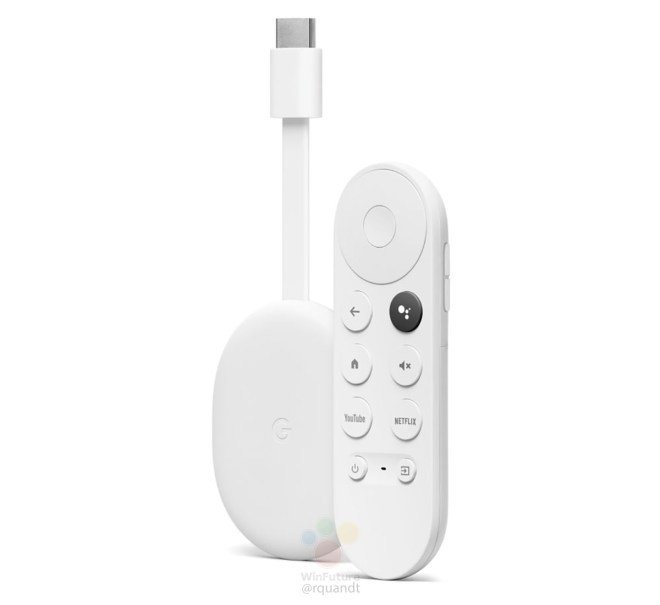
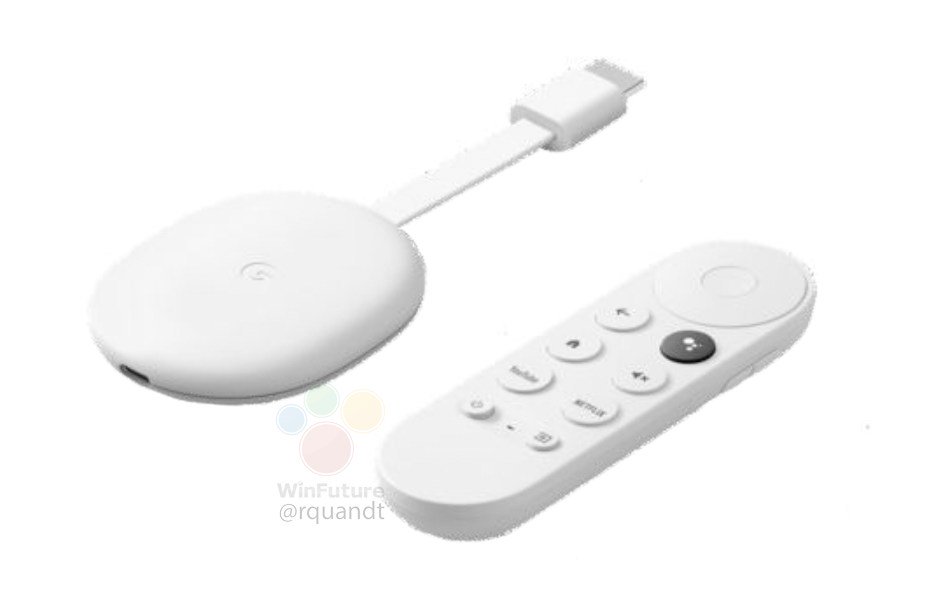
Google’s September 30 event is going to see the tech giant unveil a bunch of new products including the Pixel 4a 5G and Pixel 5. Google is also expected to announce its streaming dongle dubbed Google Chromecast with Google TV. Ahead of the launch, specs and press renders of the device have been published.
The Google Chromecast with Google TV (that is a mouthful) is the device that is codenamed “Sabrina”. The specs and renders were published by Winfuture.de. According to the source, the streaming stick is powered by the Amlogic S905X2 and is paired with 2GB of RAM. This matches the specs earlier revealed a few months ago. The internal memory is said to be small but the capacity is not stated.
The dongle has an HDMI cable at one end while the main body houses a USB port for power, a status LED, and a reset button.
The renders give us a better look at the device and its unusual remote. There is the Google “G” logo we have come to recognize on Pixel phones engraved on the dongle. The remote is shaped like a large pill with a D-pad at the top. The power button which is usually found at the top in most remotes is at the bottom.
Other buttons on the remote include a back/return button, a Google Assistant button, a home button, a mute button, dedicated buttons for YouTube and Netflix, and side-mounted volume controls. Of course, there is a microphone on the remote.
The price of the Google Chromecast with Google TV is reported to be as low as $49. It will support 4K streaming and should run a new Android TV interface. When it launches, it will be available in Rock Candy, Como Blue, and Summer Melon.
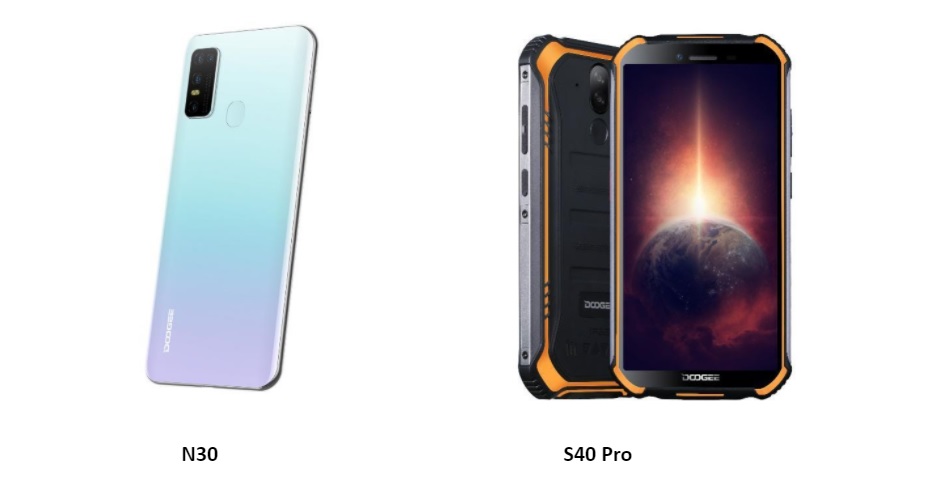
Doogee has announced two affordable N30 and S40 Pro smartphones. Both are priced below $200 with N30 having a huge battery, punch-hole display while the S40 Pro is a rugged smartphone with a rigid build. Both the devices will be available to purchase on AliExpress and Banggood websites.
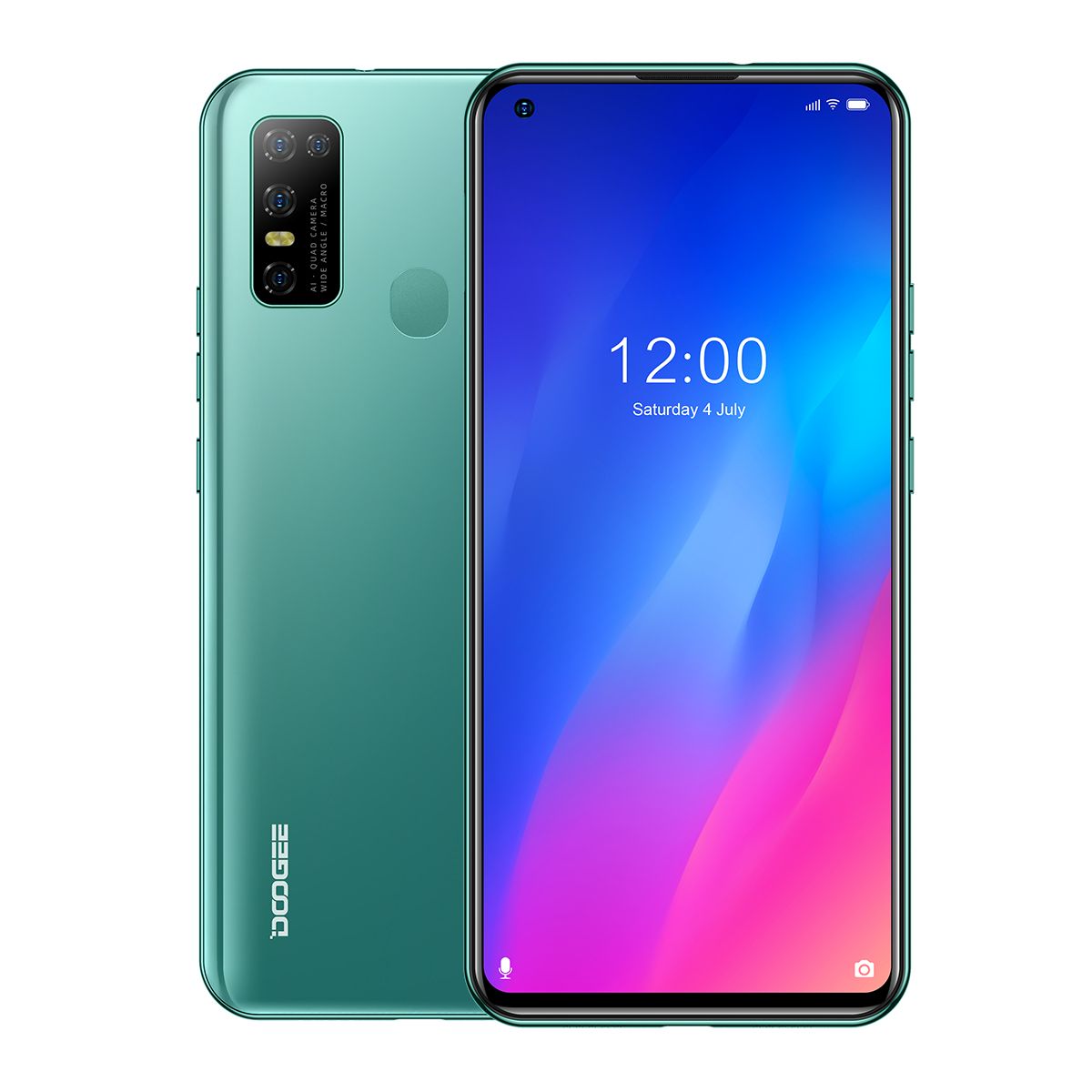
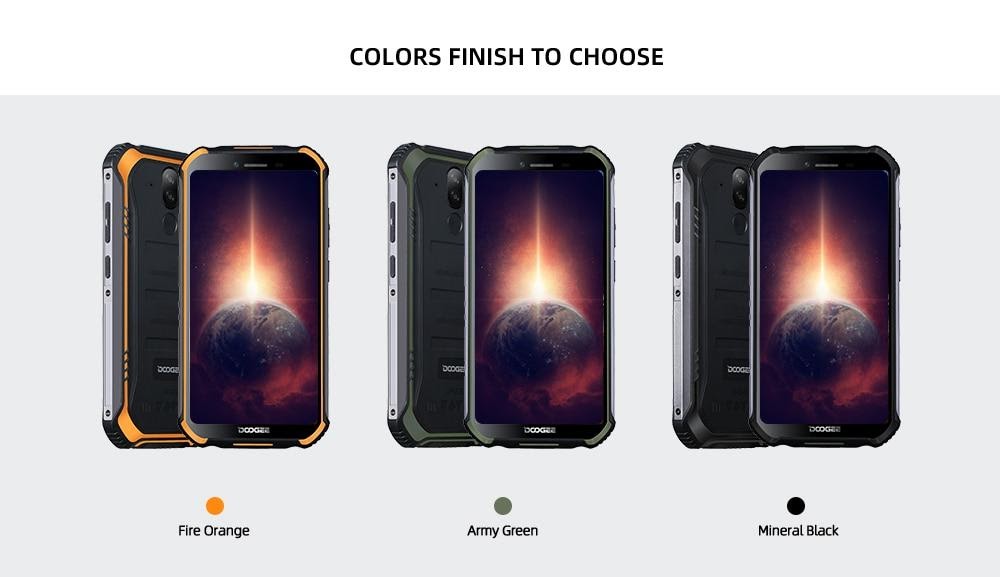
According to the company, the Doogee N30 is a full Netcom smartphone. It is available in Dreamy Blue, Elegant Green, Magic Black, and Misty White colors while the S40 Pro comes in Mineral Black, Army Green, and Fire Orange options.
Doogee N30 Specifications
The Doogee N30 has a 6.55-inch HD+ display with a punch-hole to the left. The display has a 93% screen-body, and 19:9 aspect ratios. It is powered by Mediatek MT6762V/WD(Helio A25) SoC and paired with 4GB RAM and 128GB storage. Further, there is a vertically stacked quad-camera setup on the rear and a fingerprint sensor to the side.
There is a 16MP f/2.2 main lens, an 8MP ultra-wide with 138-degree FOV, a 2MP macro, and a 2MP depth sensors along with an LED flashlight. On the front, Samsung’s 8MP sensor is used for selfies. Other features include GPS, Galileo, BeiDou, and GLONASS. Additionally, it also has WiFi and Bluetooth 5.0 for connectivity.
Weighing in at 190 grams, the N30 has a 4,500mAh battery which Doogee claims should last for 1-2 days with normal use. That said, it supports 10W charging via USB-C port which is welcoming in 2020.
Doogee says the S40 Pro is designed to be tough and powerful at an affordable price. Accordingly, the device also has Military 810G certification which is a no-brainer as the device is marketed as a rugged smartphone. The S40 Pro is IP68 dust and waterproof, and Doogee says the device can also last extreme temperatures from -55°C to 70°C.
The S40 Pro has a smaller 5.45-inch HD+ display with an 18:9 aspect ratio and has 1440x720p resolution. Powered by Mediatek MT6726D (A25) SoC, the device is paired with 4GB RAM and 64GB storage. On the back, it has a dual 13MP f/2.8 Sony and a 2MP portrait camera. Upfront, there is a 5MP selfie camera.
The S40 Pro has a 4,650mAh battery with 10W charging support. In fact, the S40 Pro also has WiFi, Bluetooth, NFC, GPS, GLONASS, BeiDou, and a Fingerprint sensor. Additionally, Doogee says the S40 Pro is also a practical toolkit with in-built apps like plumb bob, gradientier, magnifier, and picture hanging.
Doogee N30 and S40 Pro Price and availability
Both the devices run Android 10 and support storage via microSD slot. Finally, the Doogee N30 is priced at £133.74/$166.65 on AliExpress and £118.79/$149.99 on Banggood. The S40 Pro 4G is priced at £169.90/$199.99 on AliExpress and £118.79/$149.99 on Banggood.
Both the devices will be available at the offer price of $99.99 on Banggood from September 28 to October 4.
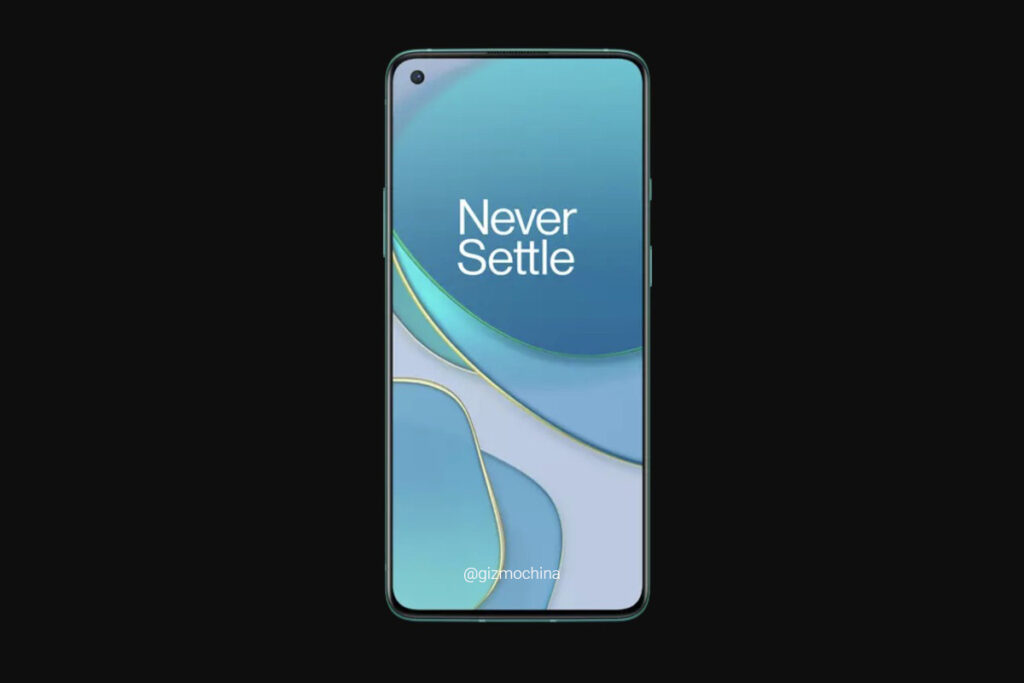
OnePlus has been launching two flagship smartphone series for the last four years. This year will be no different but unlike last year, there said to be no Pro model in the T series. That means, the Chinese smartphone maker will only launch OnePlus 8T this time around and the same has leaked multiple times in the past few days. Now, a reliable tipster also reveals its launch date.
The information regarding the launch date of the OnePlus 8T comes from Ishan Agarwal, a well-known young leakster from India. He has partnered with MySmartPrice to share his leak. According to him, the OnePlus 8T will launch on October 14 worldwide if there’s no delay, given the COVID-19 global pandemic.
Anyway, even if the phone launches in mid-October, it will be mostly not available in all the launch regions until late that month or early November. Because that has been the case with all the three phones (OnePlus 8, OnePlus 8 Pro, and OnePlus Nord) launched by the company this year.
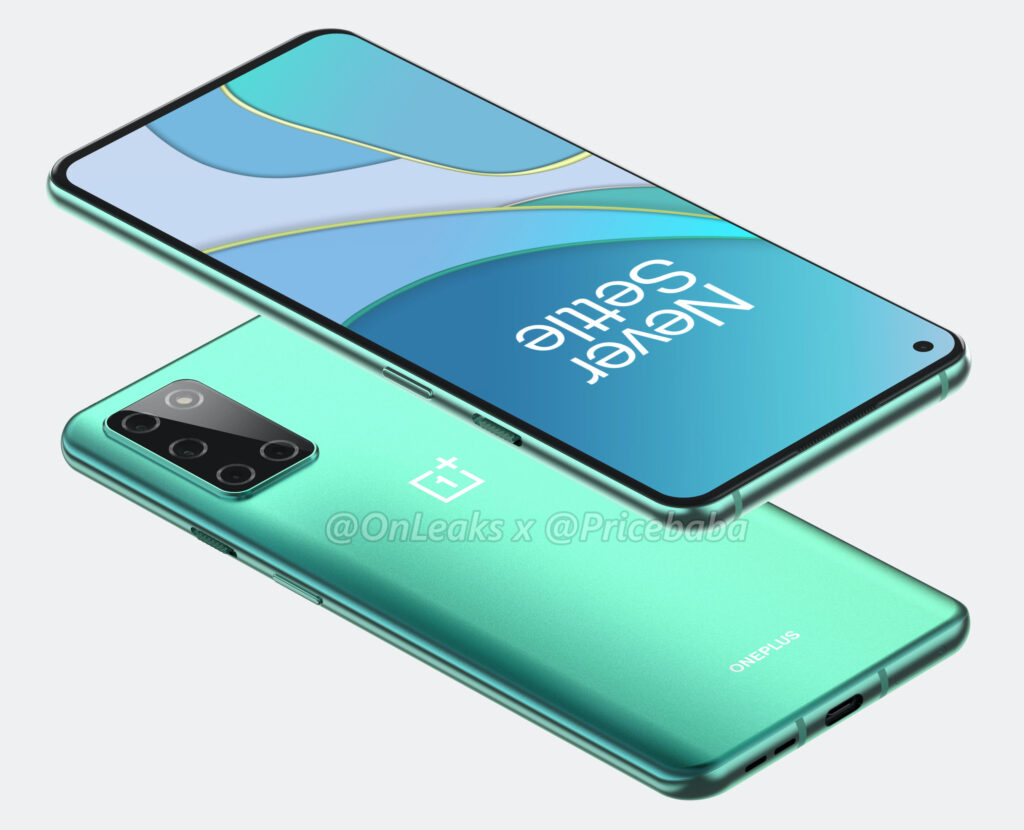
That said, according to previous leaks, Oneplus 8T will be identical to Samsung smartphones in terms of rear design. It is weird to see OnePlus blatantly copying Samsung in both software (OxygenOS 11) and hardware.
Talking about specifications, the OnePlus 8T will be powered by Qualcomm Snapdragon 865 chipset paired with 8GB/12GB RAM and 128GB/256GB internal storage. On the front, it will sport a 6.55-inch FHD+ flat AMOLED display with 120Hz refresh rate, in-screen fingerprint reader and a 32MP punch-hole selfie camera.
On the back, it will house a 48MP (wide) + 16MP (ultra-wide) + 5MP (macro) + 2MP (depth ) quad-camera setup. Whereas, inside, it will feature a 4,500mAh battery with support for 65W fast charging.
Last but not least, the handset will run OxygenOS 11 based on Android 11 out of the box.
Last week, we posted a special story on under-display cameras with inputs from the CEO of OTI Lumionics, Michael Helander. We discussed Xiaomi, ZTE, and under screen cameras in general and how the technology would evolve in the coming years.
Today, we publish the second and the final part of the series, focused on transparent OLEDs and foldable displays. If you haven’t read the first part yet, I would suggest reading it first here.
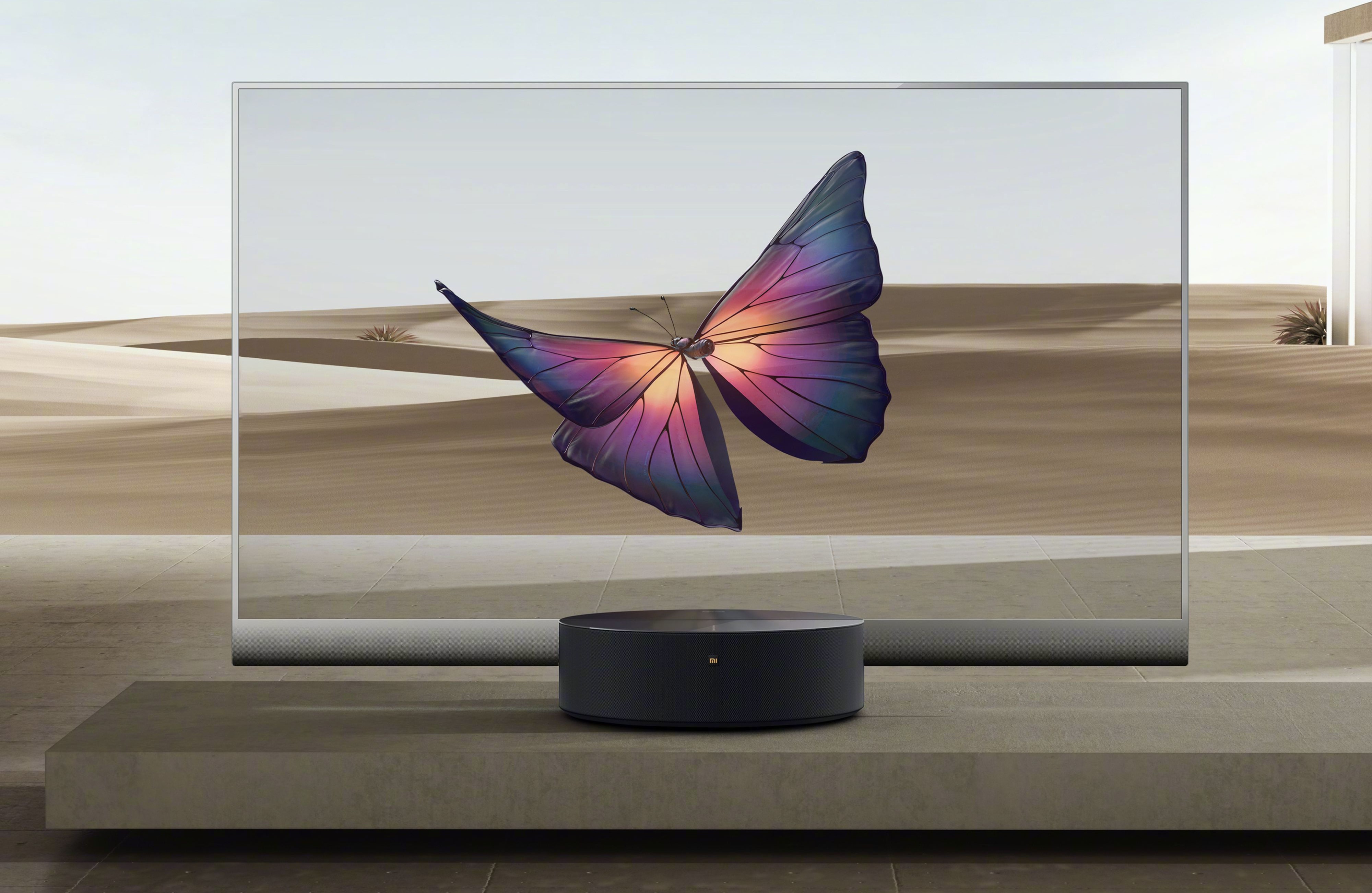
Xiaomi Transparent TV OLED
As you might have already realized from the first part on under screen cameras, transparent OLED development is the real reason why we can add cameras underneath the display. But the first set of devices to get a completely transparent screen are not going to be smartphones, rather, it would be much larger devices like TVs and automobiles.
Transparent, Clear OLEDs won’t likely replace your traditional TVs
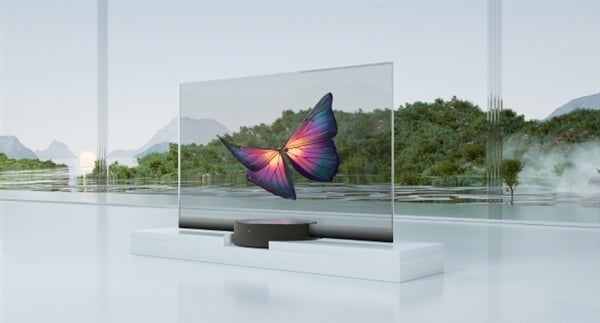
It looked very cool for a 2020 TV. But transparent OLED TVs are all set to become a lot more transparent in the coming years.
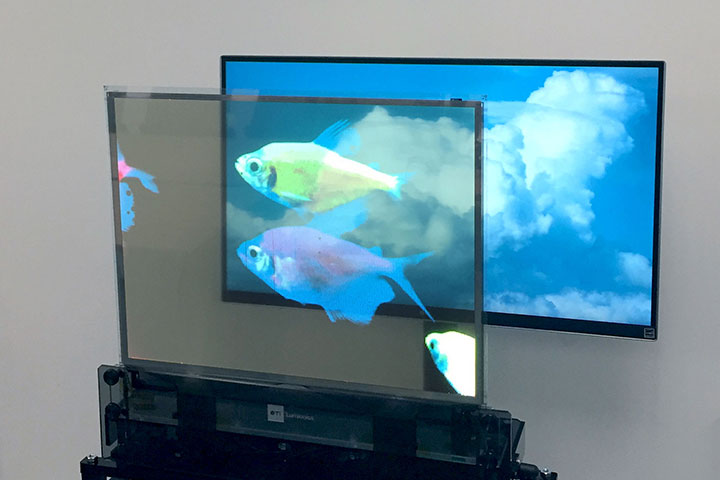
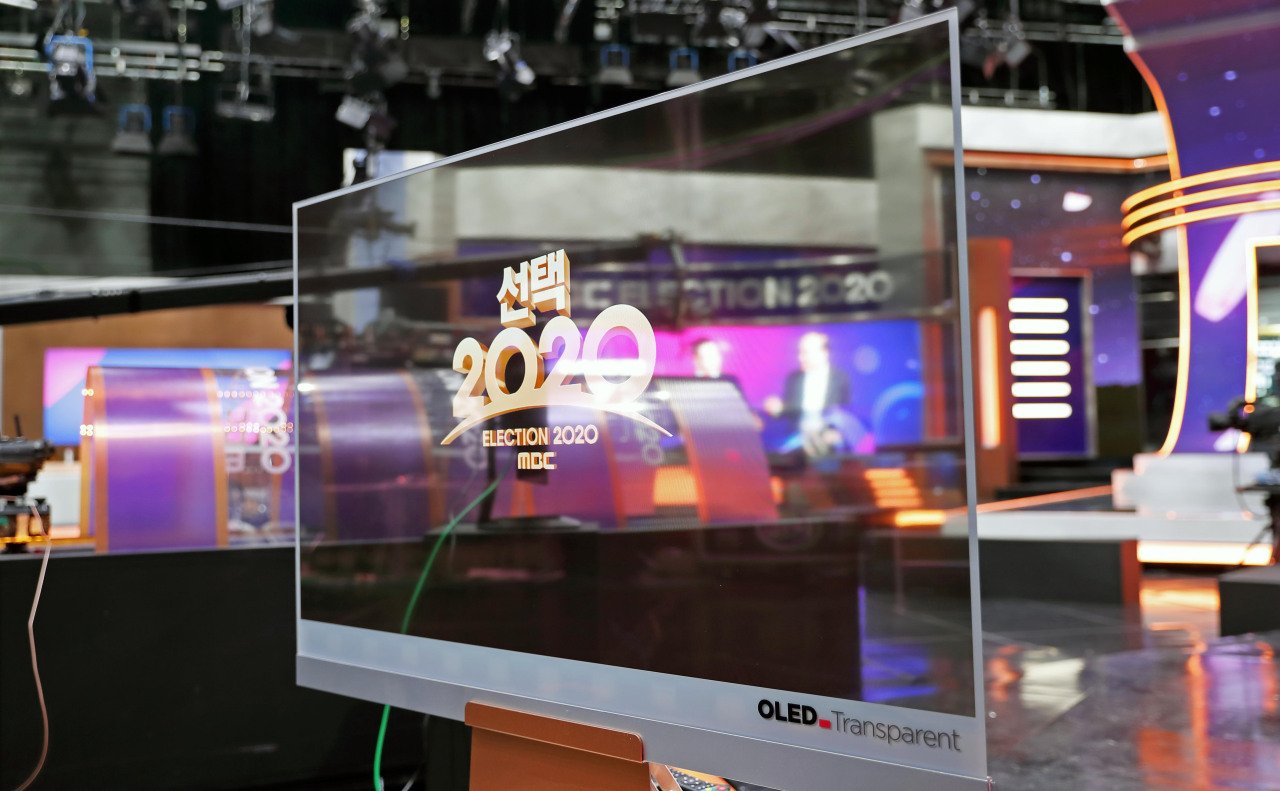
Xiaomi’s Mi TV Lux had a transparency of around 33% which was pretty good, but Michael, CEO of OTI Lumionics, says its ConducTorr™ CPM material solution can help display makers manufacture TVs with nearly 65% transparency. The company even showcased such a transparent panel at Shanghai with ITRI from Taiwan. And it is currently working with panel makers to mass produce transparent displays with such high levels of transparency.
Transparent OLED made with OTI Lumionic’s ConducTorr™ CPM
This brings us to the next big question.
Will the next revolutionary TV in the industry be a transparent OLED TV? Will they replace our standard OLED TVs in the future?
Michael said that he was a bit skeptical about transparent OLEDs replacing our regular OLED TVs. “To me, the value is not a transparent OLED TV replacing the normal TV that you have in your life, like the living room or your gaming monitor. I think those will stay the same. Cost will come down and we’ll see more people with OLED TV’s. And where the transparent TV is going to come in is new applications.”
Michael says that when it comes to transparent OLEDs or even regular OLEDs in general, some of their most exciting applications have not been thought about yet.
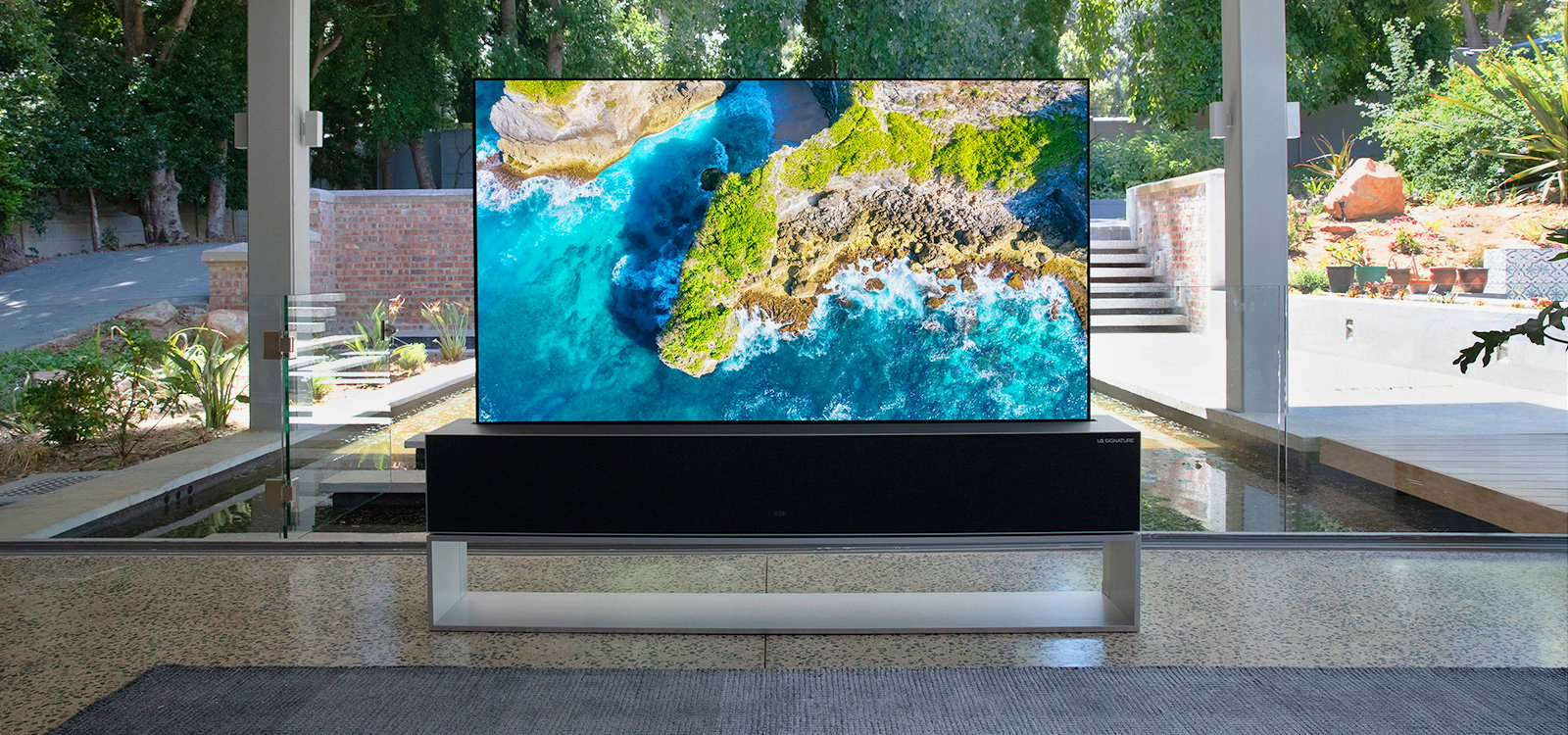
For example, take LG’s rollable OLED TV. It was initially conceptualized as a TV with a minimalistic design for your home. However, he said that consumers who checked out the TV had a very interesting question, ‘How much does a whole box weigh?’
LG rollable OLED TV Source: LG
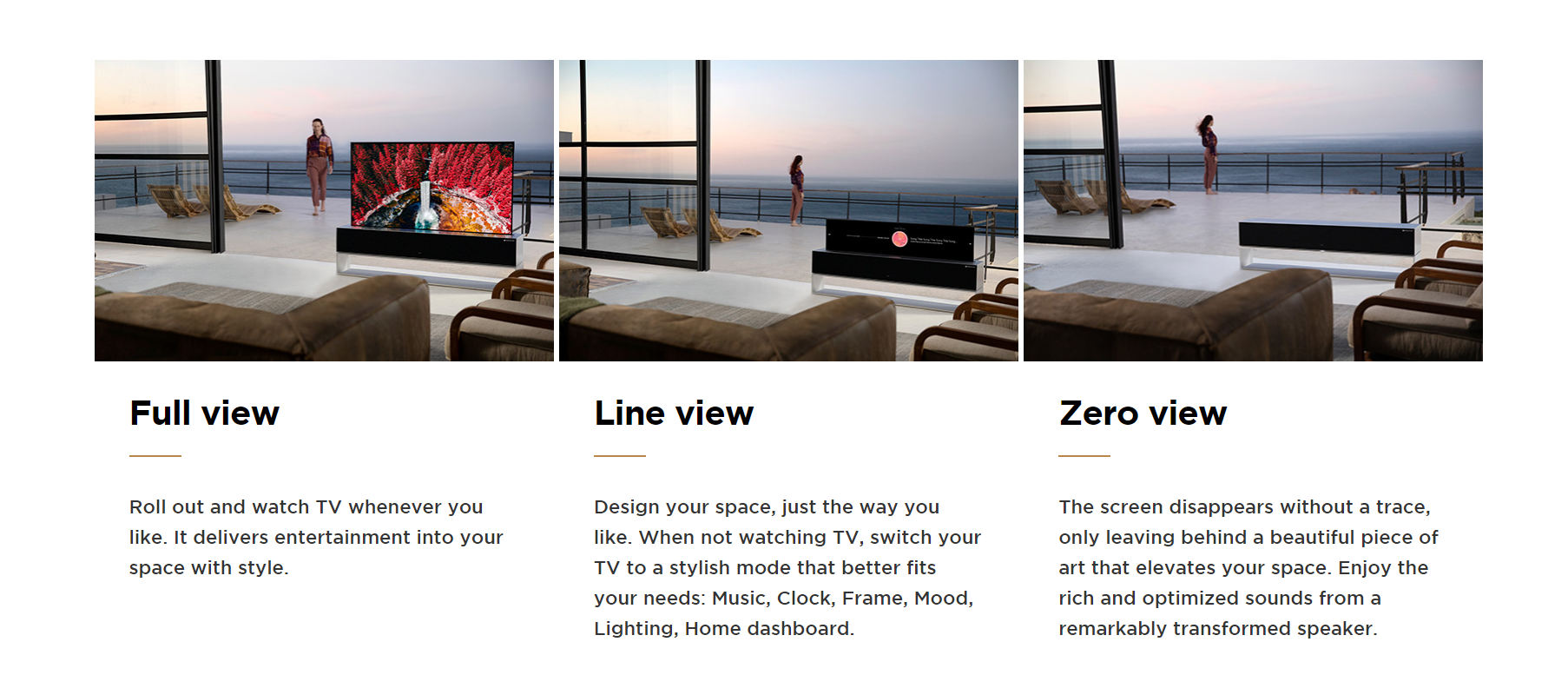
He explains that after seeing the TV in the enclosed state, consumers suddenly realized “my TV now rolls up to this little box and it’s pretty light. Suddenly, I can move the TV around wherever I want. Take it to my friend’s place.”
LG Rollable OLED TV three different states Source: LG
This feedback from the customers got the company thinking and they were considering bringing down the size of the base unit by making it smaller, narrower, and lighter, potentially allowing customers to carry it around. This was probably never in their minds when they developed this product, but it shows how new applications for transparent and flexible OLEDs will open up in the coming years.
Transparent OLEDs will take over your high-end Automobiles
Michael further explains that ultra-clear and transparent OLEDs can shine in the automotive industry.
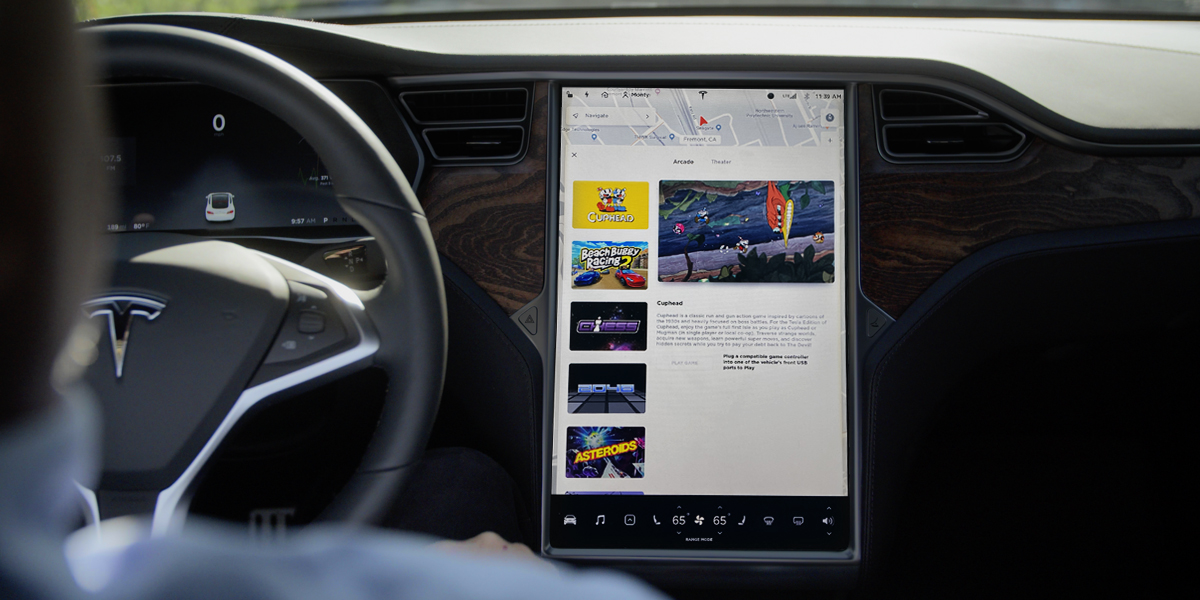
Tesla Touchscreen Display Console Source: Tesla
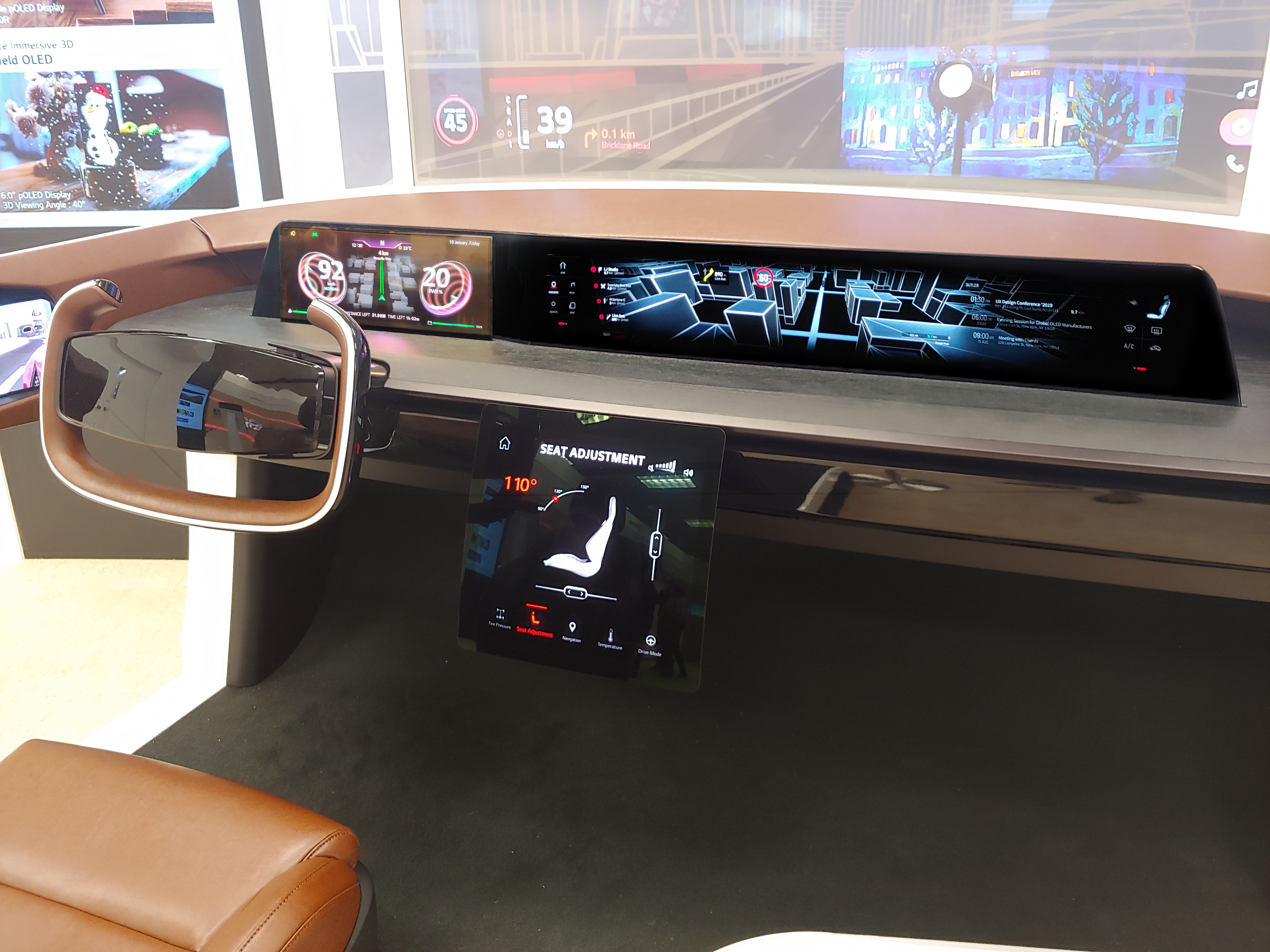
It’s the age of cars with large displays in the center console and we have to thank Tesla for that. OTI Lumionics has received a lot of interest from car manufacturers to add one large, transparent display on the console. These carmakers believe that such a transparent display would offer a futuristic feeling to the driver and the passengers. Another benefit is that this design would make the interior look large and roomy.
LG OLED Car Infotainment Demo Source: LGDisplay
But there’s another area where clear, transparent OLEDs can shine – HUDs and side windows. The current transparent OLEDs are essentially just 30-40% transparent, so your see-through image is blurry. For using OLEDs in Heads up display or even on the side windows of cars, the OLEDs need to be very extremely transparent, allowing a clear view of what’s happening outside. So the driver and the passengers should be able to clearly see pedestrians, stop signs, and traffic lights.
Even BOE recently demoed a transparent OLED solution for car side windows with a smart dimming feature.
BOE Side Window Dimming Concept
This sounds like a cool and futuristic application of OLEDs. But how far off are we from seeing such applications in real life, especially if it’s going to be very expensive to manufacture?
Transparent OLEDs of the future won’t have exorbitant manufacturing costs
The real area where transparent OLEDs will shine will be in larger form factors like car windows, HUDs, or even new applications like a conference table with a transparent OLED touch screen on top.
But in order for them to be feasible, it’s important that the manufacturing cost isn’t exorbitantly high.
transparent OLED source: OTI Lumionics
But Michael says that it’s not going to cost a bomb manufacturing these super transparent OLEDs. “The beauty of our solution is the process of manufacturing, the cost of making one hole in one area is exactly the same as making a million holes on the whole display regardless of the size. [Our] technology is scalable, to a very small display to a very large display.”
So it looks like cars and devices with transparent OLEDs aren’t very far off. And in the next few years, we might actually come across multiple products from different fields using a transparent OLED to enhance our experience.
Another emerging field where OTI Lumionics is helping display makers is foldables.
OTI Lumionics helps to develop Power Efficient Foldable Displays
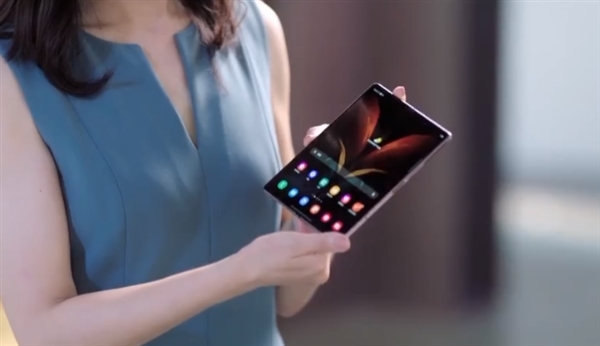
Foldables are the future of smartphones and slowly, but steadily, we are seeing an inflow of foldable smartphones in the market. Samsung recently announced its second-generation Galaxy Fold Z 2 globally and even Motorola has its Razr foldable in the market. Next year, we can expect more manufacturers to join the foldable race.
OTI Lumionics is not directly involved in the manufacturing of flexible, foldable OLED displays. But they do play an important part in foldable OLED development. The company’s cathode patterning technology helps display manufacturers to improve the power efficiency of their foldable panels.
Michael explains that foldable smartphones have large displays, comparable to tablets and even small laptops. But you can’t add a proportionally larger battery on the device, which affects battery life.
In fact, Michael revealed that as you increase the size of the foldable OLED panel, its power consumption doesn’t increase linearly. For example, the power consumption of a 12-inch OLED panel is not double the consumption of a 6-inch panel. It’s way more than that.
Micheal explains, “Part of that is because the top metal layer is one common layer that coats the whole display. So all the electricity and current that goes through every single Pixel in the display has to go through that very thin layer of metal and then conduct all the way to the edge of the screen and through the contacts back into the driver circuit. And so, [for a] 5 or 6-inch mobile panel that’s not a problem. As you start going to a tablet, laptop, monitor [size] that becomes problematic and can limit the brightness and power consumption of the display. This is obviously a very important issue for a foldable.”
“Our same patterning [for making transparent OLEDs] technology can be used to help solve that kind of conductivity issue which then lowers power consumption and allows you to build foldable devices that have comparable power consumption to a smaller size this way.”
Michael believes Surface Duo form factor is better for productivity than Foldables
2020 foldable smartphones aren’t perfect. They still have the issue of durability as compared to other devices and then you have to ignore some issues like the crease line on the display.
When asked about the crease line on foldables, Michael said that it’s technically challenging to remove that crease line without compromising the mechanical strength of the display. In fact, Michael says that he prefers a form factor like the Microsoft Surface Duo over foldables with two separate displays and a hinge.
Michael added that from a productivity perspective, having two separate displays made a lot of sense.
“[On] a larger display, what I want is to be able to show multiple applications — side by side and then on a larger area display, I either have to draw a line on the display or have that cut across individual displays, which is why again.. my personal opinion is the Microsoft Duo type of concept makes a lot more sense in terms of value proposition particularly because it can be made today with existing displays at a fraction of the cost of using a very complicated, hinge and folding structure and flexible glass and flexible display, which as we’ve seen in the Galaxy fold series is incredibly expensive.”
He adds that foldable displays are definitely fun but when it comes to durability, price, and multi-tasking, a dual-display design like the Surface Duo can be very useful. He further notes that thickness is another issue with foldable phones, which doesn’t make them comfortable to put it in your pockets.
This is actually a pretty good point. When you look at the Galaxy Fold Z 2, it measures 16mm in thickness in its folded state, while the Surface Duo measures under 9mm. So in the current scenario, a form factor like the Surface duo makes sense.
Transparent, Foldable, Flexible OLEDs will reach more sectors
LG Transparent OLED Display Source: LG
It’s clear that OLEDs are going to take over a lot more sectors in the coming years, right from our home, offices, transportation to AR and VR. Companies are spending billions of dollars in research and development of new generation OLED panels and there’s no doubt that we’ll soon see better and more power-efficient OLED panels in the coming years.
And when you see a product using transparent, foldable, rollable OLEDs, know that it is companies like OTI Lumionics that work behind the scenes to bring concepts that were originally seen only in movies to reality.
The U.S government has reportedly concluded plans to ban the use of WeChat in the US from Sunday night. The Wall Street Journal reports the Trump administration to have disclosed that it will ban the use of the popular messaging and electronic payment app over national security and data privacy concerns.
US Commerce Secretary Wilbur Ross disclosed in an interview on Fox Business Network that the decision was reached by the department after President Trump ordered his department to review the Chinese-owned app for national security concerns last month. He stated; “China has been taking all kinds of data…that’s what we’re trying to squelch.”
The Commerce Secretary also disclosed that a similar ban will be imposed on another Chinese-owned app TikTok by November 12. However, he noted that the Oracle deal was in the pipeline that would incorporate data safeguards which could enable U.S users to continue accessing TikTok.
Earlier in August, the Trump administration had passed an executive order to ban the WeChat app in the US. According to a Reutersreport, the Tencent owned app saw a rise in downloads after the passage of the executive order. This is as a result of users rushed to install the application before it completely disappeared from the app stores in the country.
Another day, another new info about the upcoming Amazfit GTR 2. Today, the manufacturer has revealed that its upcoming smartwatch will have an AI Assistant.
Posts made by the official Huami and Xiao AI Weibo accounts have revealed that the Amazfit GTR 2 will have Xiaomi’s Xiao AI smart assistant pre-installed. The smart assistant is found in several devices already including smartphones, smart TVs, smart speakers, and smart displays. It is also available on Xiaomi’s own smartwatch, the Mi Watch.
Huami also revealed that the assistant will work not only online but also offline. The manufacturer also released a video comparing the Amazfit GTR 2’s smart assistant to that of the Apple Watch which has Siri on board.
Seeing as the watch will be getting an AI assistant in China, then the rumors about the global version getting Amazon’s Alexa AI assistant should be true since Xiao AI is sort of limited to China.
Huami has also revealed that its upcoming watch will come with NetEase Cloud Music. The watchmaker also announced that it has partnered with health app maker, Prudential, to bring the features and services of its Pulse app to Amazfit smartwatches and fitness trackers.
The Pulse by Prudential app offers features such as symptoms checker, online consultation, and health assessment. We believe some of these features will be accessed via the Zepp app for compatible Huami products.
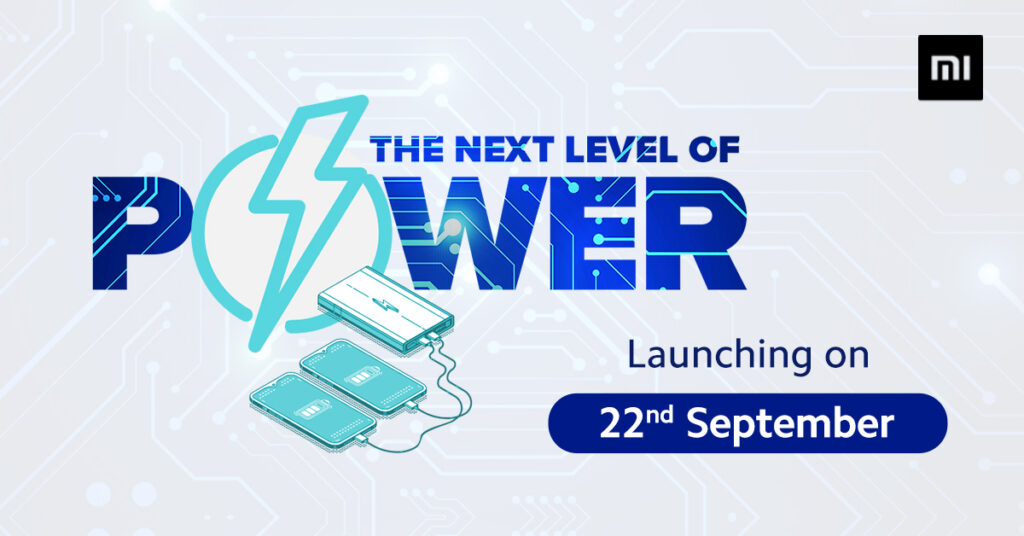
Xiaomi India has scheduled an event called “Smarter Living 2021” for September 29 to unveil a number of smart IoT products. Ahead of it, the company has now announced to launch a new power bank in the country on September 22. The teaser picture for the same does not say much but we think it could be one of the Mi Power Bank 3 series models sold in China.
Currently, Xiaomi sells Mi Power Bank 2i series and Redmi Power Banks in India. The former was initially launched in November of 2017. Since then, the company has only updated it with new colors (Red, Blue & Black), whereas features and design remained the same.
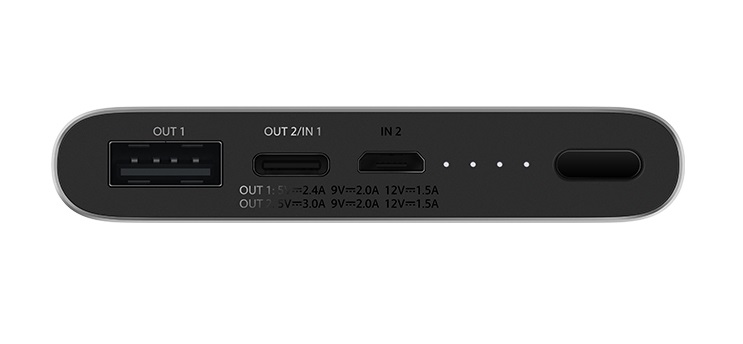
Hence, we think this upcoming power bank to be a Mi Power Bank 3 series model. The teaser picture shared by the company does not resemble a single power bank it sells in China. However, the teaser page for the product on Mi.com India kind of confirms it to arrive with both MicroUSB and USB Type-C ports just like the Redmi Power Banks.
Since the high-end 45W and 50W Mi Power Bank 3 models don’t feature MicroUSB port, we can rule them out. That means, the Chinese smartphone maker will probably debut the standard version in the series, which is exactly the same as Redmi Power Bank in terms of features but the USB Type-C port can be also used as output.
Mi Power Bank 3 10,000mAh Ports
That said, we are not sure whether the company will launch the 10,000mAh, 20,000mAh or 30,000mAh version. Probably, they will bring the former two models as Mi Power Bank 3i 10,000mAh and Mi Power Bank 3i 20,000mAh for the same price (or slightly more) as its predecessors.
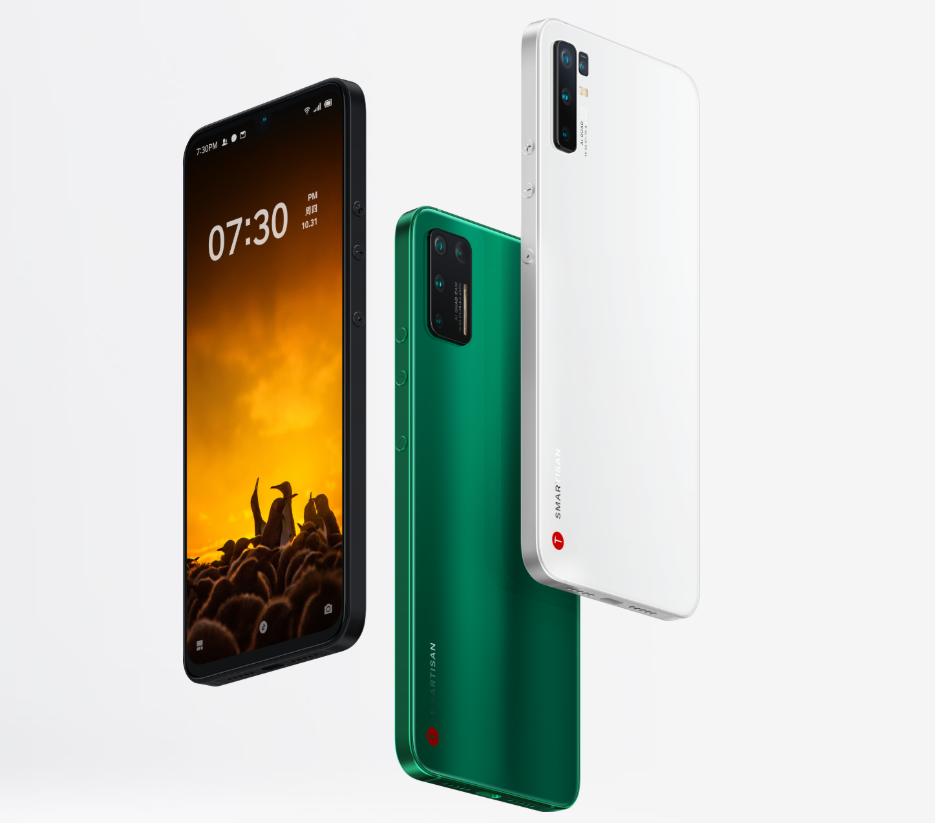
Smartisan is apparently back and is gearing up for the launch of a new smartphone as well. According to a senior official of the company, a new handset is set to launch in October 2020.
Smartisan Nut Pro 3
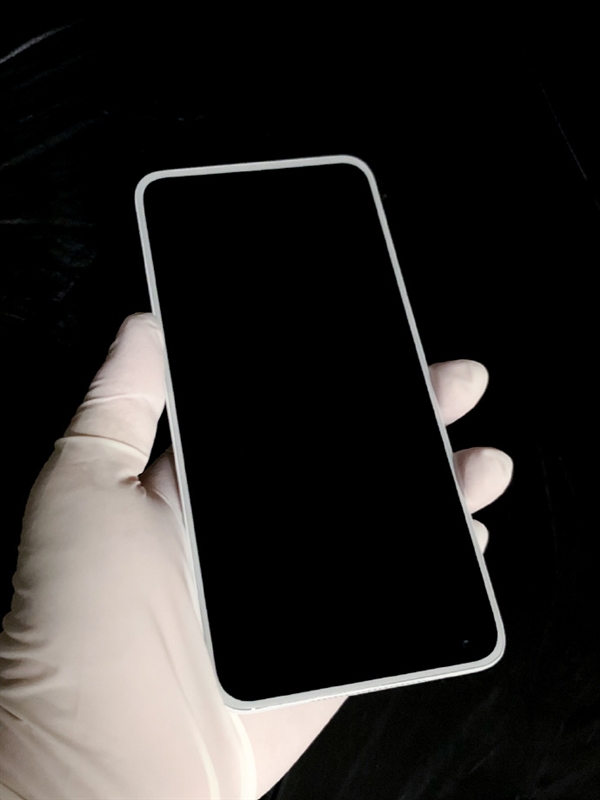
For those unaware, Smartisan is a Chinese brand that deals in consumer electronics including some attractive looking smartphones. Unfortunately, the company’s primary market is China, so it is likely that many haven’t heard about them. A recent leak revealed that the company was planning on launching a smartphone in October with a white colored rear panel, which was showcased in the image below.
Zhu Haizhou, Product Manager of Smartisan, responded to this leak and even mentioned that making white smartphones is rather difficult, but people should look forward to the upcoming device. In other words, the official more or less confirmed its existence and also officially announced the launch date of the handset, which is sometime next month.
Unfortunately, the finer details of the device are currently unknown. While previous reports had pointed at the company launching a 5G smartphone later this year in China, we don’t have much to go on at the moment, although, this might be the 5G handset in question. More updates are likely to arrive closer to the launch date, so stay tuned.
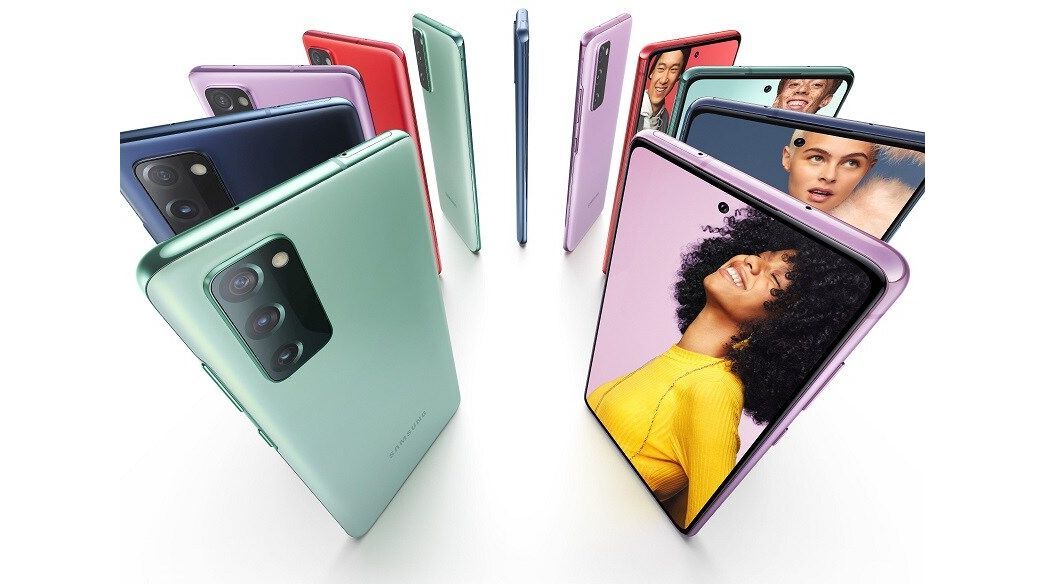
Looks like nothing is left to know about the upcoming Galaxy S20 FE except for its official price. The device has already been leaked a number of times recently but the latest leak shows hands-on images and gives a good look at the device before it’s official launch on September 23.
Samsung Galaxy S20 FE
The leak comes from a twitter user named Jimmy is Promo (via: Android Authority). The images could probably be the first real-world photos of the device. One of the images shows a boot logo that gives away the naming ‘Galaxy S20 FE 5G’. The images also show the front flat display with a centered punch-hole and triple cameras on the back.
This image falls in line with the earlier leak which showed CAD renders of the device in six colors. This was further reported by popular tipster Evan Blass(twitter: @evanblass) on his Patreon page. The device looks slimmer than its predecessor the S10 Lite. Further, the tipster also said that the S20 FE will come with an IP68 rating, a 120Hz refresh rate screen reflecting the earlier leak, 3x Optical, and 10X digital zoom support on the cameras.
Galaxy S20 FE Specifications and Expected Price
The previous leak had revealed the entire specifications of the device. It is expected to come with a 6.5-inch FHD+ S-AMOLED display with a resolution of 2400×1080 pixels and 407ppi. The device is likely to be powered by Exynos 990 and Qualcomm Snapdragon 865 on the 4G and 5G versions respectively.
As for the cameras, the rear rectangular housing is expected to have a 12MP main lens and an 8MP Telephoto with OIS. The other 12MP sensor is an ultra-wide lens with 123-degree FOV. Upfront, the punch-hole will have a 32MP selfie shooter. Further, Jimmy also said that the device will come with One UI 2.5 out of the box.
Other features expected are WiFi 6, Bluetooth 5.0, NFC, and 4,500mAh battery with 15W charging via USB-C port. As for the price, recent leaks suggest that the device will retail for €699 in Europe but we will have to wait until Wednesday to confirm the same.
We use cookies on our website to give you the most relevant experience by remembering your preferences and repeat visits. By clicking “Accept”, you consent to the use of ALL the cookies.
This website uses cookies to improve your experience while you navigate through the website. Out of these, the cookies that are categorized as necessary are stored on your browser as they are essential for the working of basic functionalities of the website. We also use third-party cookies that help us analyze and understand how you use this website. These cookies will be stored in your browser only with your consent. You also have the option to opt-out of these cookies. But opting out of some of these cookies may affect your browsing experience.
Necessary cookies are absolutely essential for the website to function properly. This category only includes cookies that ensures basic functionalities and security features of the website. These cookies do not store any personal information.
Any cookies that may not be particularly necessary for the website to function and is used specifically to collect user personal data via analytics, ads, other embedded contents are termed as non-necessary cookies. It is mandatory to procure user consent prior to running these cookies on your website.