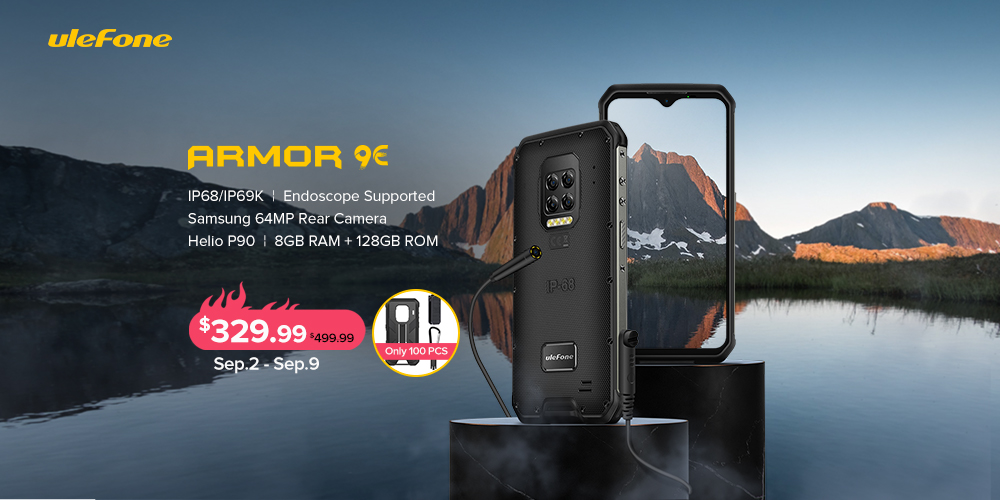
Ulefone Armor 9E has launched a few weeks ago as a younger sibling to the company’s flagship – Ulefone Armor 9. The smartphone was launched with a powerful hardware configuration at an affordable price. The Ulefone Armor 9E packs a renovated camera without the thermal imaging sensor. It is currently retailing for the price of $329.99 from Baangood.
Ulefone Armor 9E features a quad-rear camera module featuring a 64-megapixel rear camera, an 8-megapixel wide-angle lens, and a 2x 2MP sub-camera. The 8-MP wide-angle is added instead of the thermal imaging sensor in the Ulefone Armor 9. It also supports endoscope to easily look into narrower or confined places.
The smartphone comes with MediaTek Helio P90 SoC coupled with 8GB RAM and 128GB internal storage. There’s a 6.3-inch FHD+ display on board for full-view experience. A massive 6600 mAh battery is enough with 18W fast charging. IT even supports contactless payments via Google Pay suing inbuilt NFC support. The user can easily navigate using its quad navigation system.
Overall, the Ulefone Armor 9E is a value-for-money package available for $329.99 from Banggood. The company is offering a free protective case for the first 100 buyers until Septemeber 9.
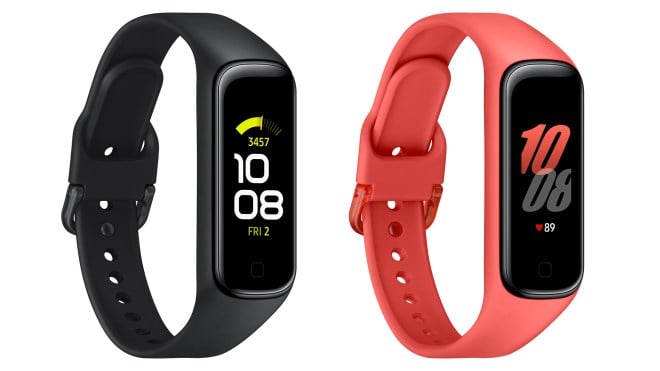
Samsung has announced the Galaxy Fit 2, a successor to the Galaxy Fit that was announced last year. The new tracker comes in two colors and boasts a 2-week battery life.
The Galaxy Fit 2 has a 1.1-inch AMOLED touch display with up to 70 different watch faces, some of which are customizable. Samsung claims the fitness tracker can automatically detect and track five different activities. However, the total number of activities it can track and monitor is more than 90.
There is also sleep tracking, a calorie counter, a heart rate monitor, distance, and more. The Galaxy Fit 2 has an IP68 rating, so you can wear it in the shower or even when it is raining.
The 195mAh battery is expected to provide up to 15 days of battery life on a single charge and there is compatibility with Android and iOS devices. Connection is via Bluetooth 5.0. Samsung is pitting this as an alternative to the Galaxy Watch for those who want a smaller and less expensive device for health tracking.
The Galaxy Fit 2 will be available in Germany on October 2 for €46.76 and buyers will be able to choose from orange and black colorways. There is no news of the price and availability in other countries.
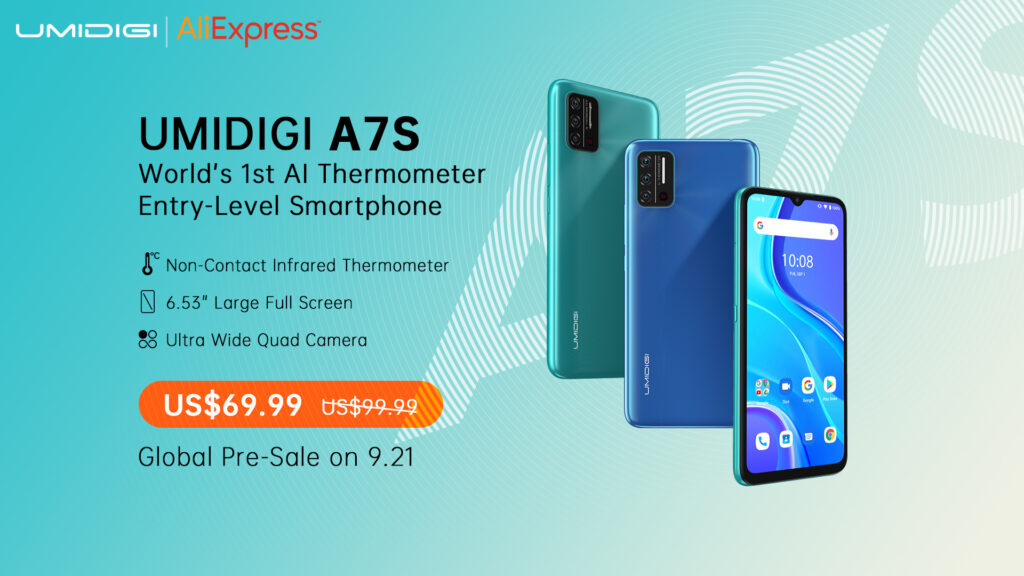
The little smartphone in our hand has replaced whatnot over its course of evolution. We’re not listing but all we can say is the next thing to perish may be the Thermometer. UMIDIGI has launched its new UMIDIGI A7S smartphone with an AI Thermometer feature.
The UMIDIGI A7S comes as a new entrant in the A Series of devices by UMIDIGI. According to the firm, its A Series of devices are favorite among the masses with the recent A7 Pro receiving much acclamation from the users. With the UMIDIGI A7S, it aims to satisfy more users with different needs.
UMIDIGI tags the device as the world’s first entry-level smartphone to feature an AI Thermometer. If we’re not wrong, there are some devices out there with AI Thermometer but we doubt its affordability.
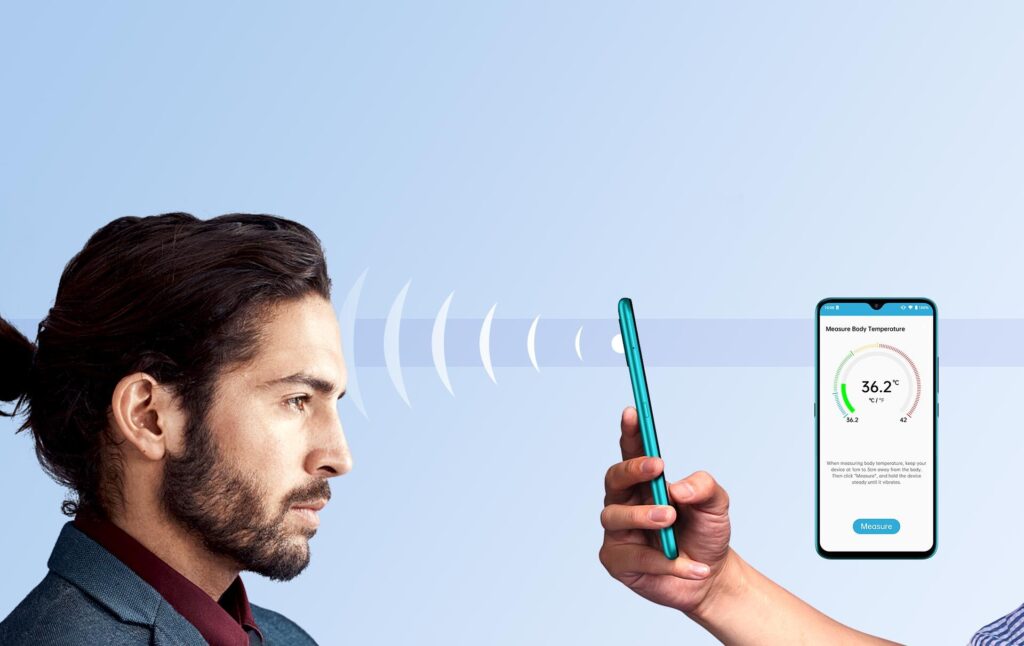
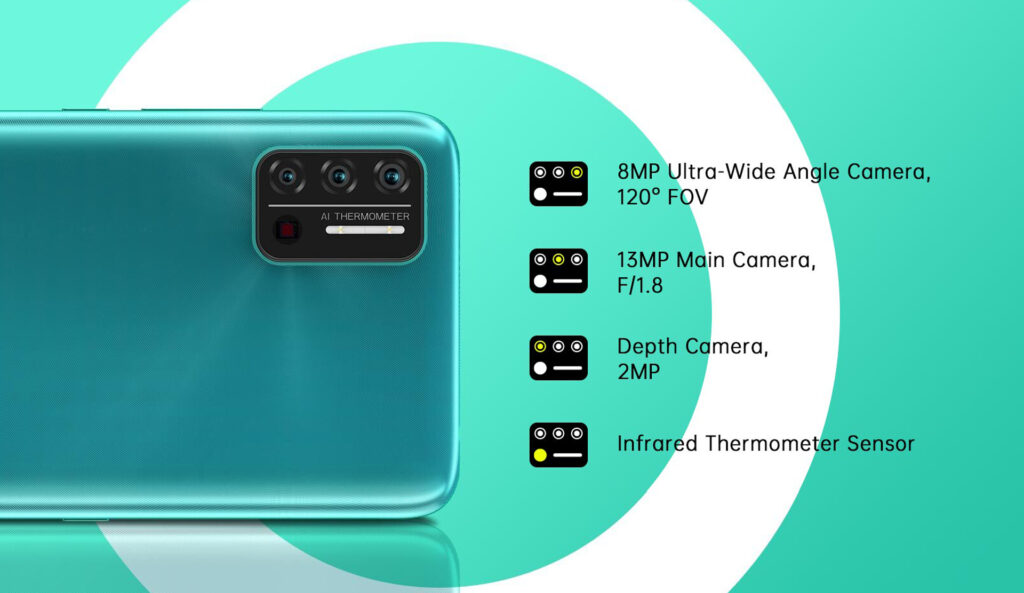
Speaking of the Thermometer, the A7S comes with an infrared thermometer sensor that can measure body temperature without touch. What makes the device compelling is its price. For an entry-level phone especially during this unprecedented time, the in-built Thermometer can be a nifty add-on for the commons. The sensor resides in the rear camera system, and it can be quickly accessed by pressing the dedicated but customizable shortcut key on the left side.
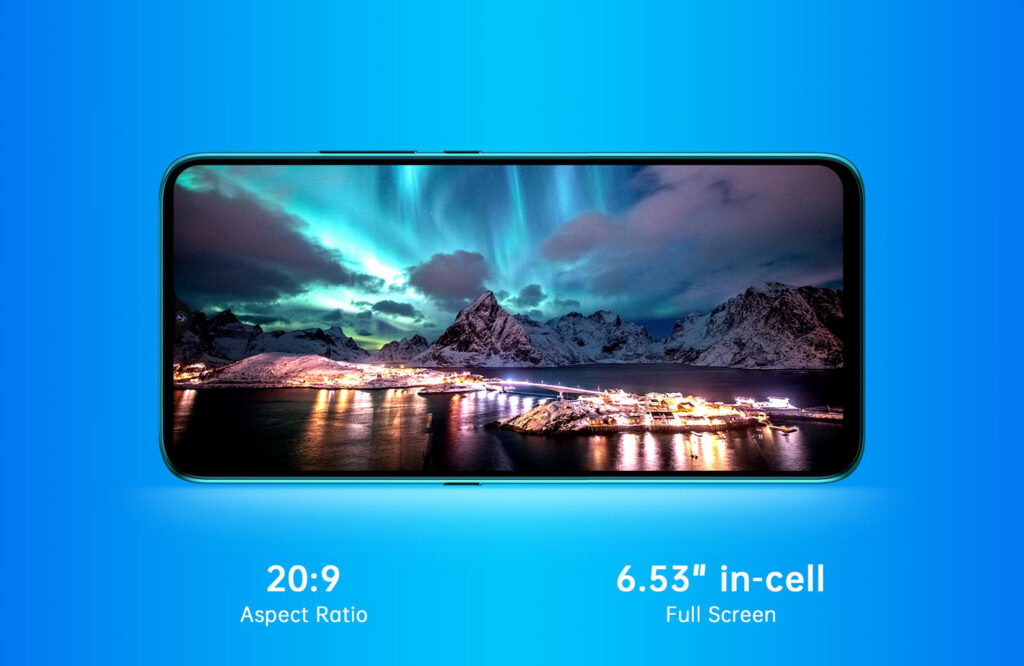
The UMIDIGI A7S flaunts a 6.53-inch waterdrop notch HD+ display with in-cell technology. It’s a tall device with a 20:9 aspect ratio, so watching movies or simply content consumption will be of great experience on the device.
Now coming to the camera front. the device packs a triple camera system which includes a 13MP main sensor accompanied by an 8MP Ultra-Wide (120-degree field of view) and a 2MP depth sensor. There are some software
The device features a 3D unibody design which makes it easy and comfortable to hold. The backside ain’t a fingerprint magnet thanks to its matte-like texture. Besides, the smartphone comes with an internal 32GB storage capable of expanding up to 128GB via a dedicated MicroSD slot. The dual-SIM device phone runs stock Android 10 Go with global LTE bands support.
In case if you’re wondering if its sale date, then do save the date of September 21 on which the UMIDIGI A7S will go on global pre-sale at $69.99. You can add it to the cart to get notified once it arrives. Last but not the least, UMIDIGI is giving away 10 units of its new rugged camera phone BISON, and you may try your luck and learn more information at UMIDIGI’s official website.
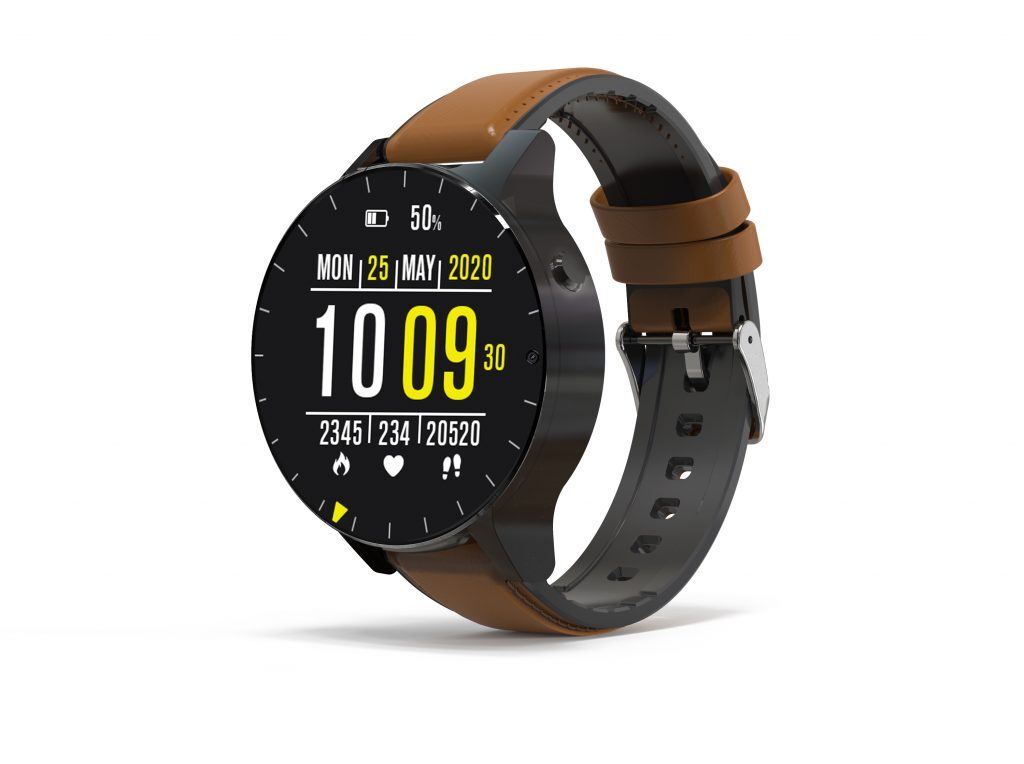
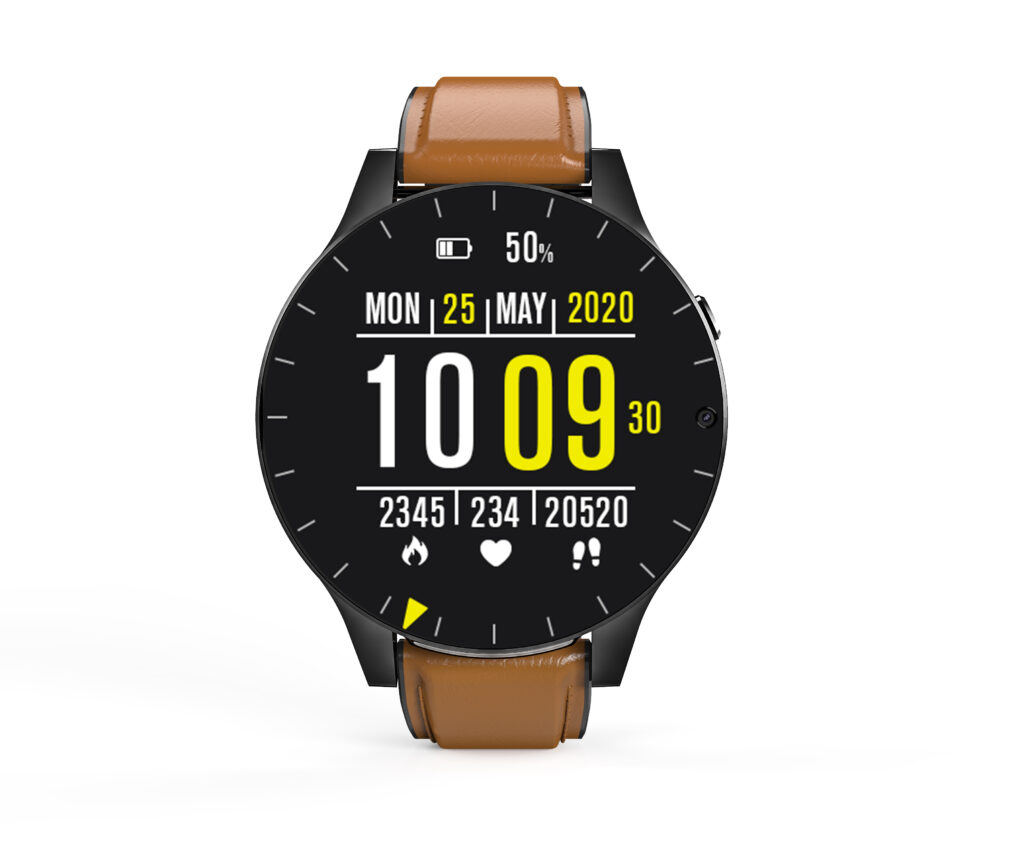
Rollme, a budding player in the smartwatch industry has a surprise for us. With the upcoming smartwatch – Rollme Hero, the firm may establish itself as the big player in the smartwatch industry. The Rollme Hero, as you’ve already read, will be the first smartwatch to offer a complete “bezel-less” dialer experience.
As per Rollme, it took tremendous efforts and advanced engineering to bring a full-screen experience on a smartwatch. It goes on saying that, the Rollme Hero finally broke through the limitation of the screen frame. We’ve to wait and see what all other bells and whistles do the wearable bring to the table.
The Rollme Hero, going by the official renders is a cool smartwatch though. With no visible frame, it gives a pleasing visual for the beholders. While we don’t have the exact internal specifications, all those flagship-level features can be expected including the best water and dust resistance rating, LTE support etc.
If we have a look at the previous offerings by the company, the Hero will likely board a MediaTek chip. It’s unlikely for the device to run WearOS and as usual, a custom OS can be expected.
As of the pricing and availability, nothing is written in the stone yet. We’ll know further details during the release eve of the watch. You can head over to the official website to know more information about the device.
OPPO has announced two new F series smartphones in India today. The OPPO F17 and the OPPO F17 Pro arrive eight months after the OPPO F15. This might as well be the longest duration between OPPO’s mid-range phones in a while.
OPPO F17 Pro
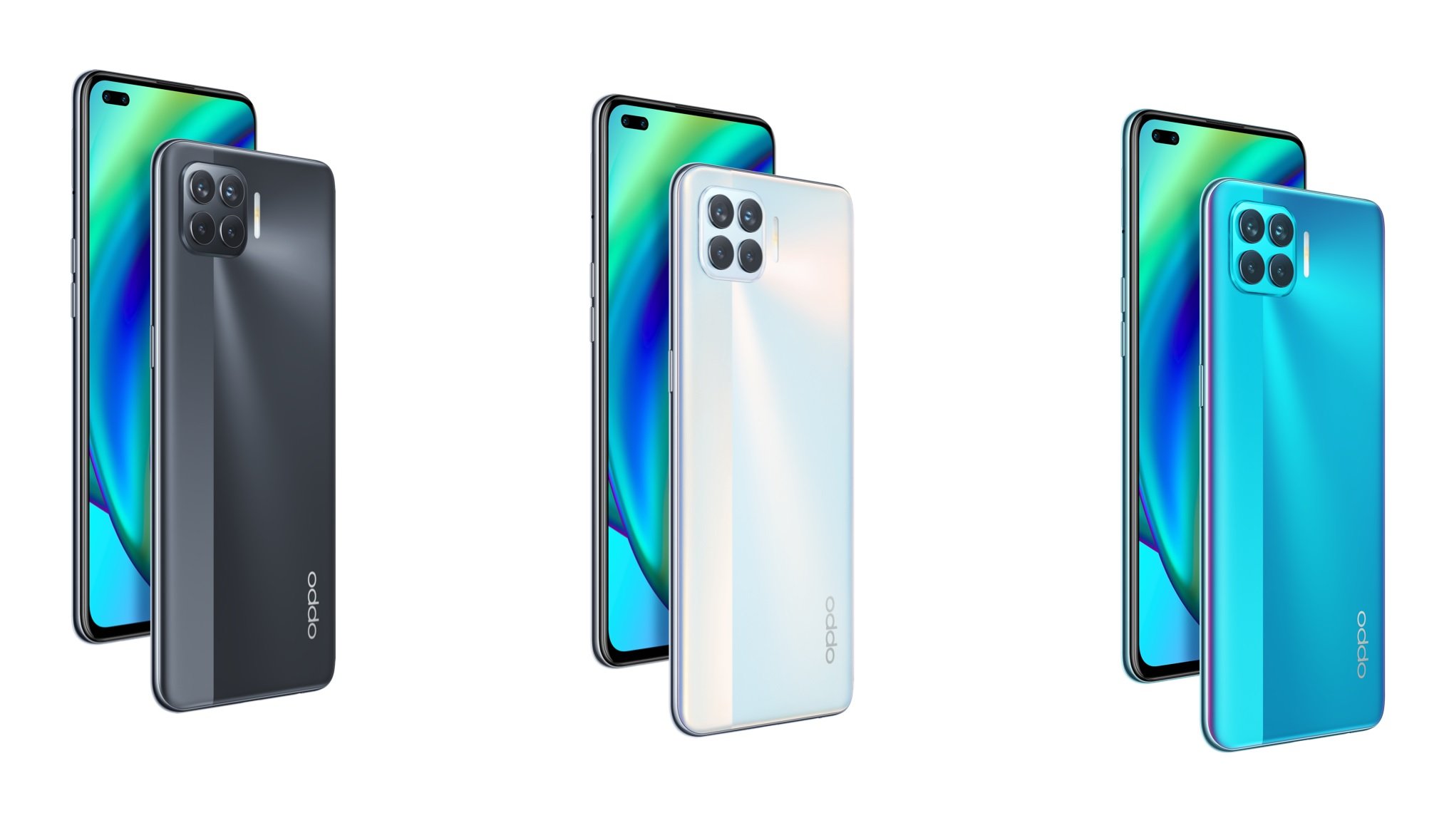
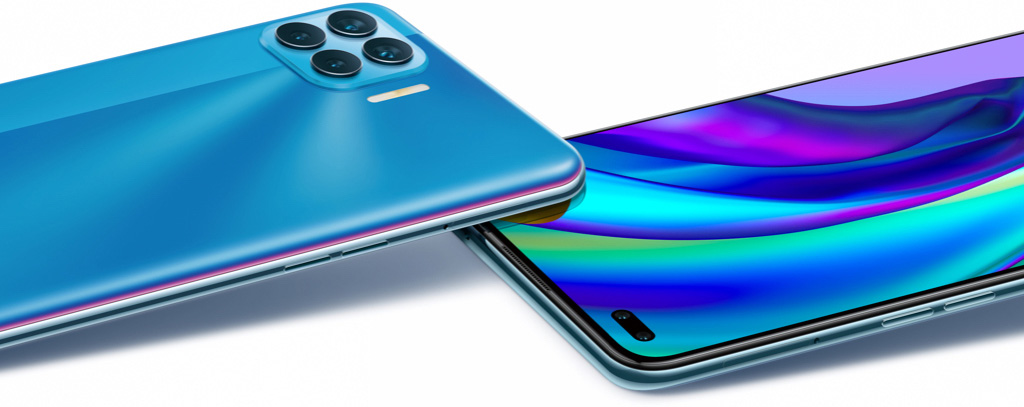
The OPPO F17 Pro is touted as the slimmest and lightest phone in the F-series. It weighs 164 grams and measures 7.48 millimeters even with its 4015mAh battery capacity. The phone has a Super AMOLED display with dual punch holes for two front-facing cameras. The quad rear cameras are arranged in the familiar design that reminds one of the burners of a gas cooker
The screen is 6.43-inches in size with a 2400 x 1080 resolution and a 90.7% screen-to-body ratio. There is a fingerprint scanner under the display that unlocks the device in 0.3 seconds.
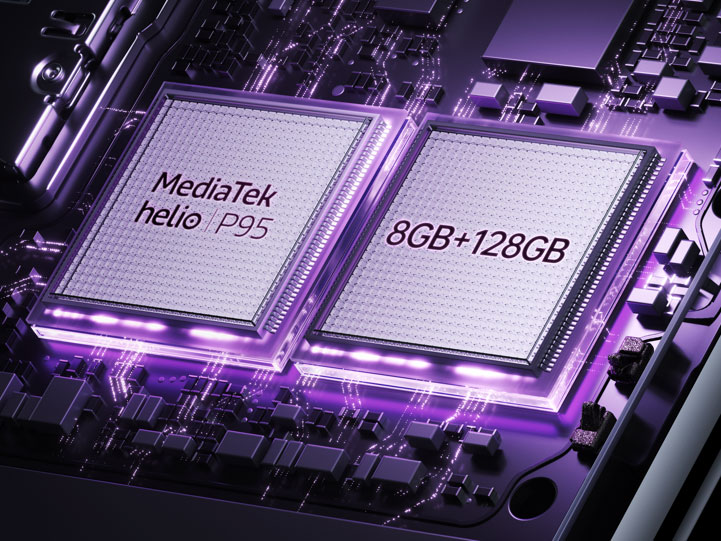
Under the hood is the Helio P95 processor and it is paired with 8GB of RAM and 128GB of UFS 2.1 storage. You also get a MicroSD card slot for additional memory. There is MediaTek’s HyperEngine onboard for enhanced gaming but unfortunately, you won’t be able to play PUBG on the phone as the game has been banned by the Indian government.
The OPPO F17 Pro has a 48MP Samsung GM1ST f/1.7 primary camera and it comes along with an 8MP f/2.2 ultrawide angle camera, a 2M f/2.4 camera, and another 2MP f/2.4 mono camera. The main selfie camera is a 16MO Sony IMX471 camera and it is paired with another 2MP f/2.4 depth camera. There are lots of camera features including fun portrait modes, 4K video, Bokeh Video, and Slow-motion Video.
The phone runs ColorOS 7.2 based on Android 10 and has features such as an anti-lag algorithm that detects and clears data that cause memory errors, thus reducing the likelihood of freezes. There is also support for AIr Gestures so you can answer calls (maximum distance of 50 centimeters without having to pick up your phone. This can come in handy if your hands are wet or dirty.
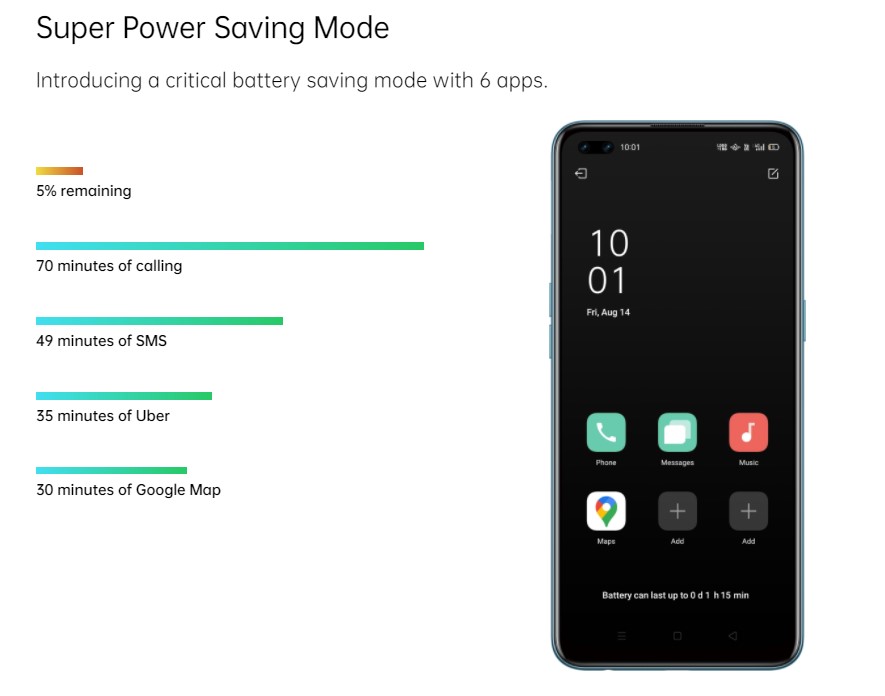
There is 30W VOOC Flash Charge 4.0 fast charging technology. OPPO says the phone charges fully in just 53 minutes and a 5-minute charge will provide 4 hours of talk time. It also has AI Night CHarging which slows down charging speed during the night but ensures that your device is fully charged by the time you wake up. Another feature is Super Power Saving Mode that allows you access to just 6 apps when your battery level is at 5%. In this mode, you can still enjoy up to 70 minutes of calling.
The OPPO F17 Pro has dual SIM support, Bluetooth 5.1, a USB-C port, and an audio jack. It is available in three colorways – matte Black, Magic Blue, and Metallic White. It can be pre-ordered now for INR 22,990 on Flipkart ahead of the first sale on September 7.
The OPPO F17 comes with an updated design too. It drops the notch of its predecessor for a single punch hole and the quad rear cameras are the same design as that of the Pro version above.
The display is a 6.4-inch AMOLED FHD+ panel and the punch hole is home to a 16MP camera. There is a Snapdragon 662 processor powering the device with RAM starting at 4GB and going up to 8GB while storage starts at 64GB and goes up to 128GB.
With respect to cameras, OPPO has swapped out the 48MP main sensor of the F17 Pro for a 16MP f/2.2 camera. However, the rest of the cameras are the same – so an 8MP ultrawide angle camera and two 2MP mono cameras.
The battery capacity is 4000mAh too and it supports 30W VOOC Flash Charge 4.0. It also runs ColorOS 7.2 based on Android 10, has Bluetooth 5.0, an audio jack, and has a USB Type-C port.
OPPO is yet to announce the price and availability of the standard variant.
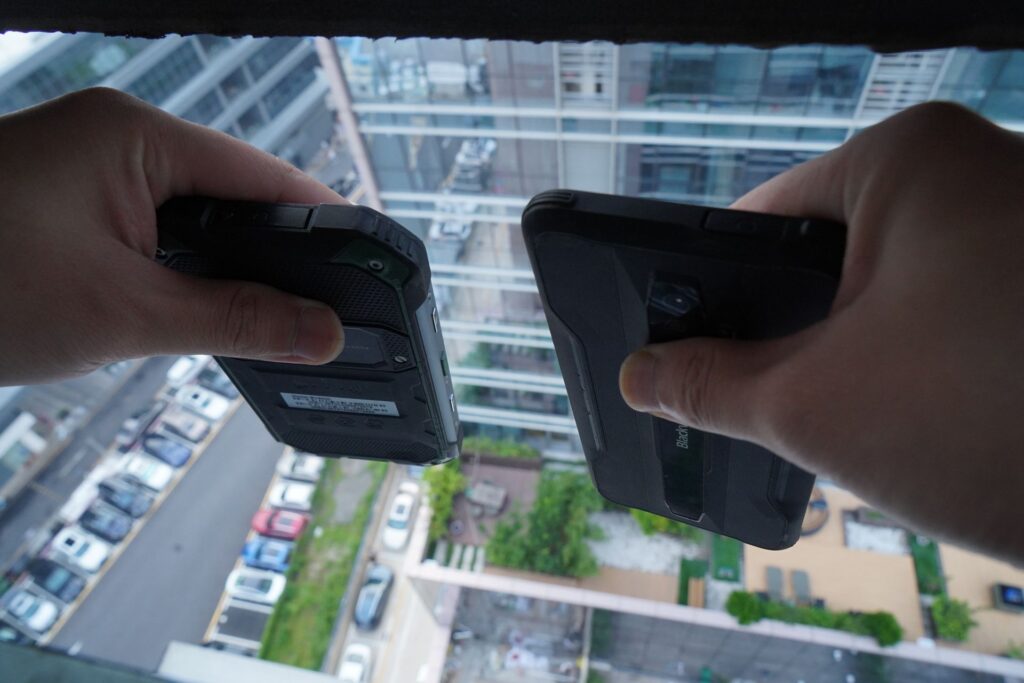
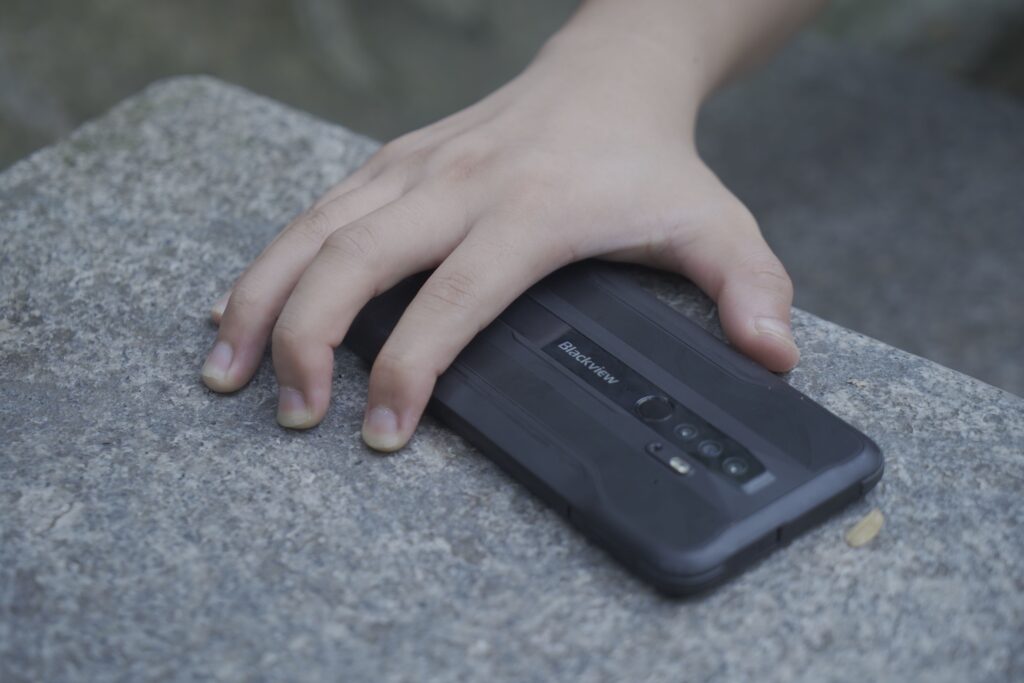
Blackview is globally known for its rough and tough rugged smartphones. The company offers highly-durable smartphones at affordable prices. Similarly, Blackview BV6300 Pro is quite popular these days due to its exceptional specifications and high build quality. It was announced at MWC 2020 with a rugged camera combining military-grade toughness.
The smartphone was finally made available in May 2020 along with a massive online sale offer. Around 200K units of the BV6300 Pro are globally shipped within the first three months of its launch.
Blackview BV6300 Pro is a step ahead than the Blackview BV6000 which sans the certifications like IP68, IP69K, and MIL-STD-810G rating. The new device is fully dust, drop, and waterproof which can withstand vibration and extreme temperatures. In the below video you can check the durability of both the smartphones.
As we can see in the video above, Blackview BV6300 Pro easily resists from the usual falls without bearing a scratch. The smartphone is built using premium material including rubber which makes it an extremely durable smartphone.
It can be a perfect companion for outdoor adventures and can be used by construction workers. It houses SOS functionality for easy help if you’re in danger. Even without a signal, the smartphone can send information to emergency contacts.
Technical Specifications
IP68 | IP69K | MIL-STD-810G
MediaTek Helio P70 octa-core processor
Samsung® 16MP quad rear camera (slow motion, HDR, 120° ultra-wide field of view, night mode, macro)
Sony® 13MP front camera
6GB RAM + 128GB ROM
4380mAh Large Battery | Wireless Charger
GPS+GLONASS+Beidou | SOS
Global Bands & Dual 4G VoLTE
Android 10 | NFC
5.7” 18:9 Display
Fingerprint Recognition | Face Unlock
159.6×78.2 x11.6mm | 230g
You can know more about the device by heading to the official website. Blackview BV6300 Pro can be a favourite choice among the construction workers and adventure loving people. It is even regarded as the most portable outdoor camera smartphone.
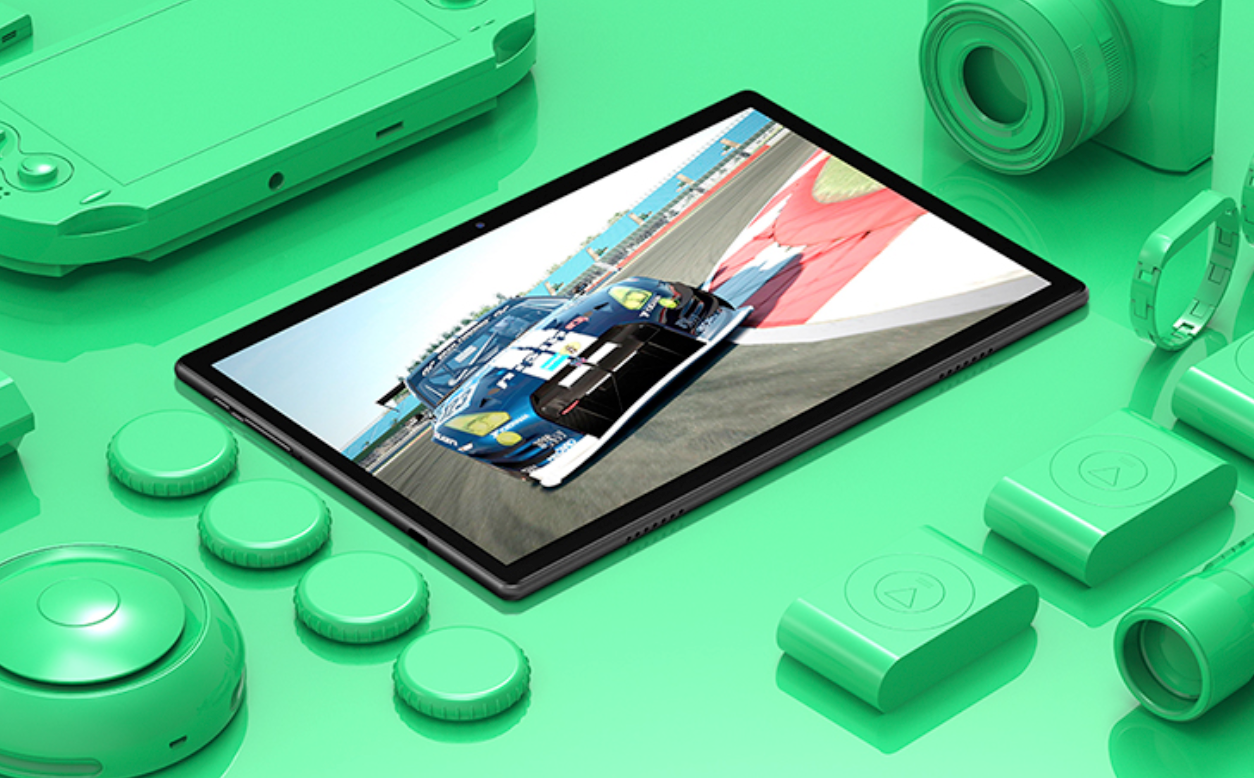
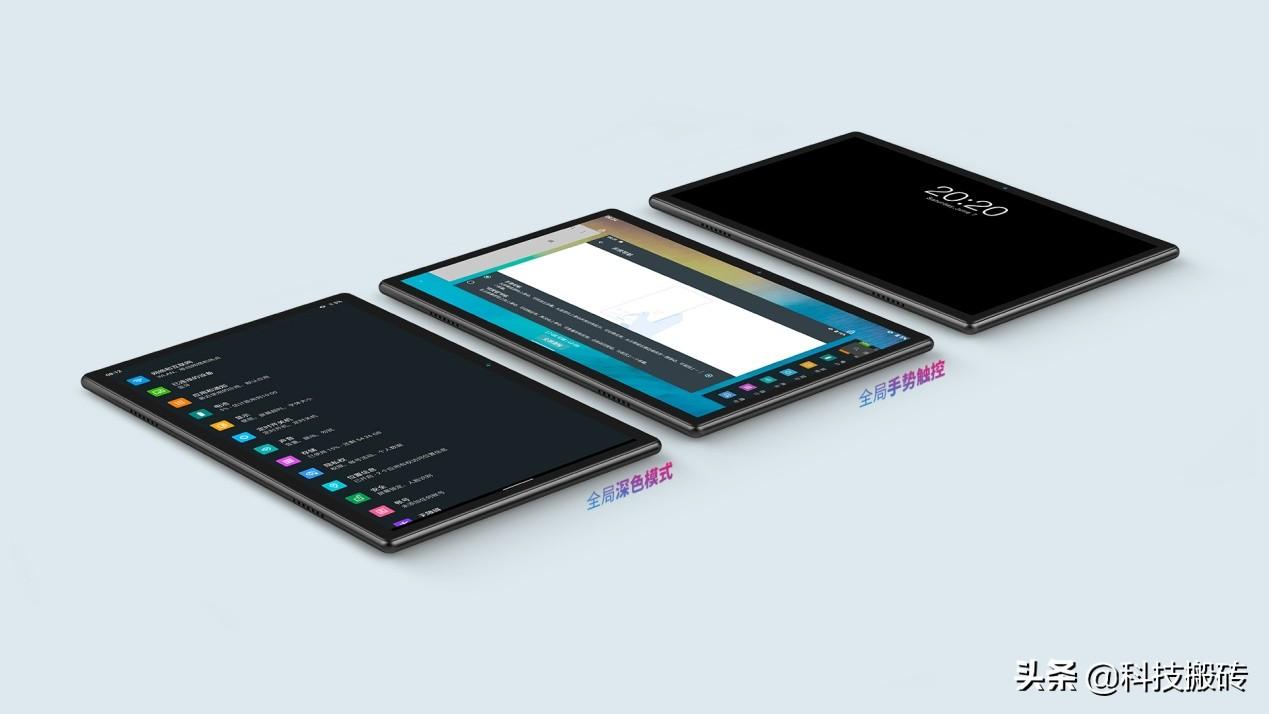
Just when everyone was giving up on the tablet market, the COIV 19-induced lockdown triggered a surge in the market. Teclast has remained a decent player in the market with its affordable lineup of products. The Chinese company has just launched the Teclast M40 tablet having an impressive specs lineup.
The biggest feature on a tablet is usually the screen and the M40 doesn’t disappoint in that regard. The device packs a 10.1-inch FHD+ display with a resolution of 1920×1200 pixels and 2.5D curved glass on top. The display brings a more immersive and detailed experience to gaming and movies. Similarly, the Teclast M40 still continues the all-metal body design of the previous generation.
The tablet runs on the latest Android 10 operating system and comes with features such as gesture control, dark mode and other amazing features.
The Teclast M40 is powered by a UNISOC Tiger T618 chip which is built with a 12nm process technology and has lower power consumption. The processor is equipped with 2 ARM Cortex-A75 processors for applications that require power and 6 Cortex-A55 chips that have low power consumption but excellent performance. The processor pairs with 6GB of RAM and there is 128GB storage onboard.
Although tablets are not known for good cameras, the M40 isn’t like that. It features an 8MP sensor at the front and rear aspects. Under the hood, there is a built-in 6000mAh high-capacity battery which is enough for daily usage.
Further, the built-in five-mode GPS system can help users achieve higher-precision positioning and achieve faster azimuth guidance.
The tablet may likely be sold for 899 yuan (~$131) but Teclast is yet to announce the pricing and availability details.
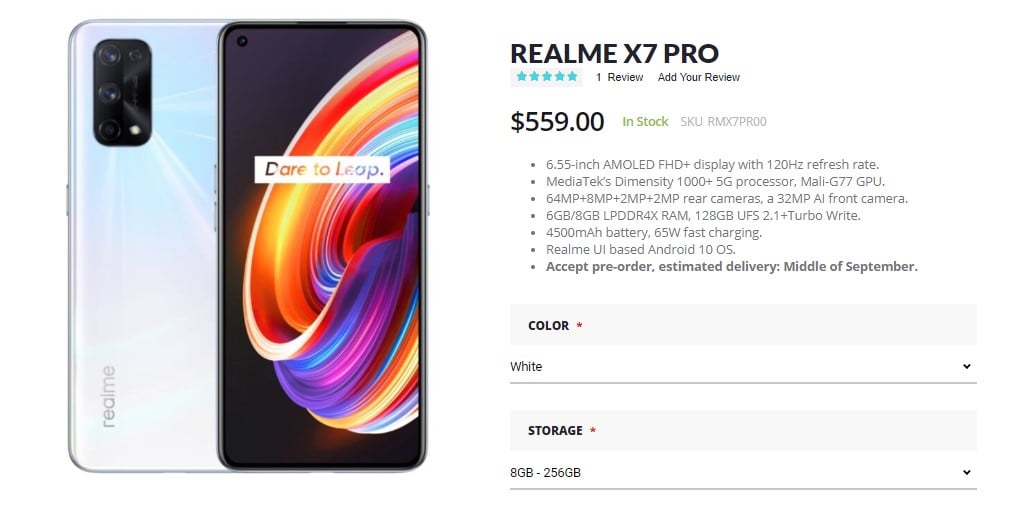
It’s been less than 24 hours since its launch, and the Realme X7 Pro is already up for pre-sale via Giztop. Each interested user can get a $50 discount if you grab it before September 10. However, the smartphone features high-end specifications including MediaTek Dimensity 1000+ 5G SoC, Quad-Rear Camera, and a 6.55-inch AMOLED display. Giztop is offering a $50 discount on both the storage variants of 8GB RAM + 128GB and 8GB RAM + 256GB.
Realme X7 Pro features a massive 6.55-inch AMOLED display featuring a 120Hz refresh rate and a 180Hz touch sampling rate. The device also carries a MediaTek Dimensity 1000+ octa-core chipset with 6/8 GB LPDDR4X RAM and 128/256GB UFS 2.1 storage. It even sports a copper tube heat dissipation with five-dimensional ice-sealed heat dissipation for better gaming and 5G network experience.
The quad-rear camera features a 64-megapixel primary sensor, 8-megapixel ultrawide, 2-megapixel black and white portrait, and a 2-megapixel macro shooter. Realme X7 Pro possesses a 32-megapixel front camera for quality selfies and videos.
The 5G smartphone houses a 4500 mAh battery that can withstand a couple of days upon a single full charge. It even supports 65W fast charging which can completely charge the device within 33 minutes. There’s also an in-display fingerprint sensor enabling users to simply lock/unlock the device. It comes with Realme UI skin based Android 10.
Realme X7 Pro with 8GB RAM and 128GB storage is available for $449 while the 8GB RAM + 256 GB variant is available for $559 via Giztop. Moreover, the user can choose from three color options of White, Pink, and Black.
Last year’s Redmi 8A had two main selling points – support for 18W fast charging and a USB-C connector. Even before the device launched, Xiaomi/Redmi used these as marketing points. The tweet below by the CEO of Xiaomi India, Manu Kumar Jain, is a reminder.
The Redmi *A line is Redmi’s most affordable line and the switch to USB-C and support for 18W fast charging meant the company was leaving MicroUSB as well as 10W charging behind for good. The brand got praise for bringing USB Type-C to the masses and even used these features to go against its competitors.
Progress, right? That’s what we thought until the Redmi 9A launched with a MicroUSB port and 10W charging. It is quite disappointing to see a successor come with downgraded features.
What makes it even worse is that the Redmi 9A launched in India for a slightly higher price tag than the Redmi 8A did. The new Redmi 9A starts at ₹6,799 (~$93) while its predecessor had a starting price of ₹6,499 (~$89). Even the Redmi 8A Dual that launched about 7 months ago with an extra camera had a launch price of ₹6,499 (~$89).
And those are not the only areas where corners were cut. There is also no mention of Gorilla Glass protection for the Redmi 9A which was a selling point for the Redmi 8A and Redmi 8A Dual which both boast Gorilla Glass 5 protection. These downgrades do not make the Redmi 9A a device I will recommend.
Xiaomi India has pulled the Redmi 8A down from its site and the Redmi 8A Dual now sells for a much higher price tag of ₹7,499 (~$102) than it launched, no thanks to the increase in goods and services tax and other factors.
However, not everyone will be able to pay the extra amount to pick up the Redmi 8A Dual, which is a better buy in my own opinion. In addition, the fact that you have to purchase an 18W adapter (if you don’t already have one) adds to the cost. Nevertheless, a successor to a phone should not be a downgrade when you compare its specs and features to that of its predecessor.
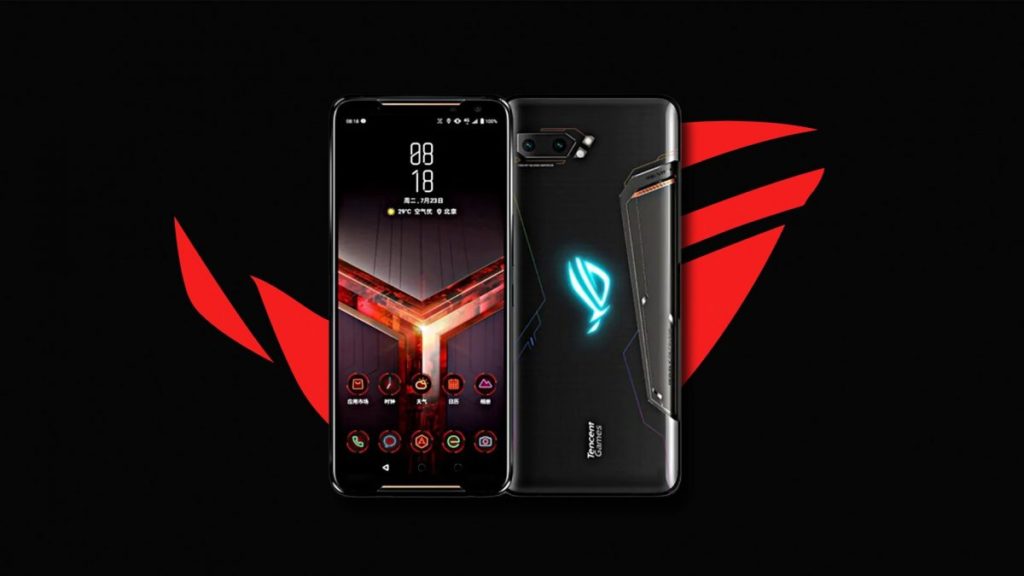
In late July, ASUS launched ROG Phone 3 as its third generation gaming smartphone. The phone is well-received by both media and customers. However, certain users are facing “black crush” issue. To address this, the Taiwanese company is seeding out a system update.
The ROG Phone 3 has received multiple updates since its launch. The previous builds brought features like Google Lens integration in the camera app, three-finger screenshot gesture, Outdoor mode for speakers, and more.
Now, the new update with build number 17.0823.2007.58 brings fixes for the infamous back crush issue on the device’s AMOLED display, battery usage statistics, and detection issue with ROG Strix Arion SSD. It also adds ROG Connect community and enables Telia VoLTE/VoWiFi in Norway, Sweden as well as Finland.
ROG Phone 3 Software Build 17.0823.2007.58 Official Changelog
Armoury Crate now also supports portrait mode. Added ROG Connect community.
Enabled Telia VoLTE/VoWiFi in Norway, Sweden and Finland
Fixed the conflict between Netflix app and System brightness function
Fixed not able to detect ROG Strix Arion SSD issue from bottom USB port
Fixed a large difference between the total power consumption items under the battery page and the actual power display in the status bar.
It is worth noting that the company has confirmed to further tune the handset’s display to fix all the anomalies.
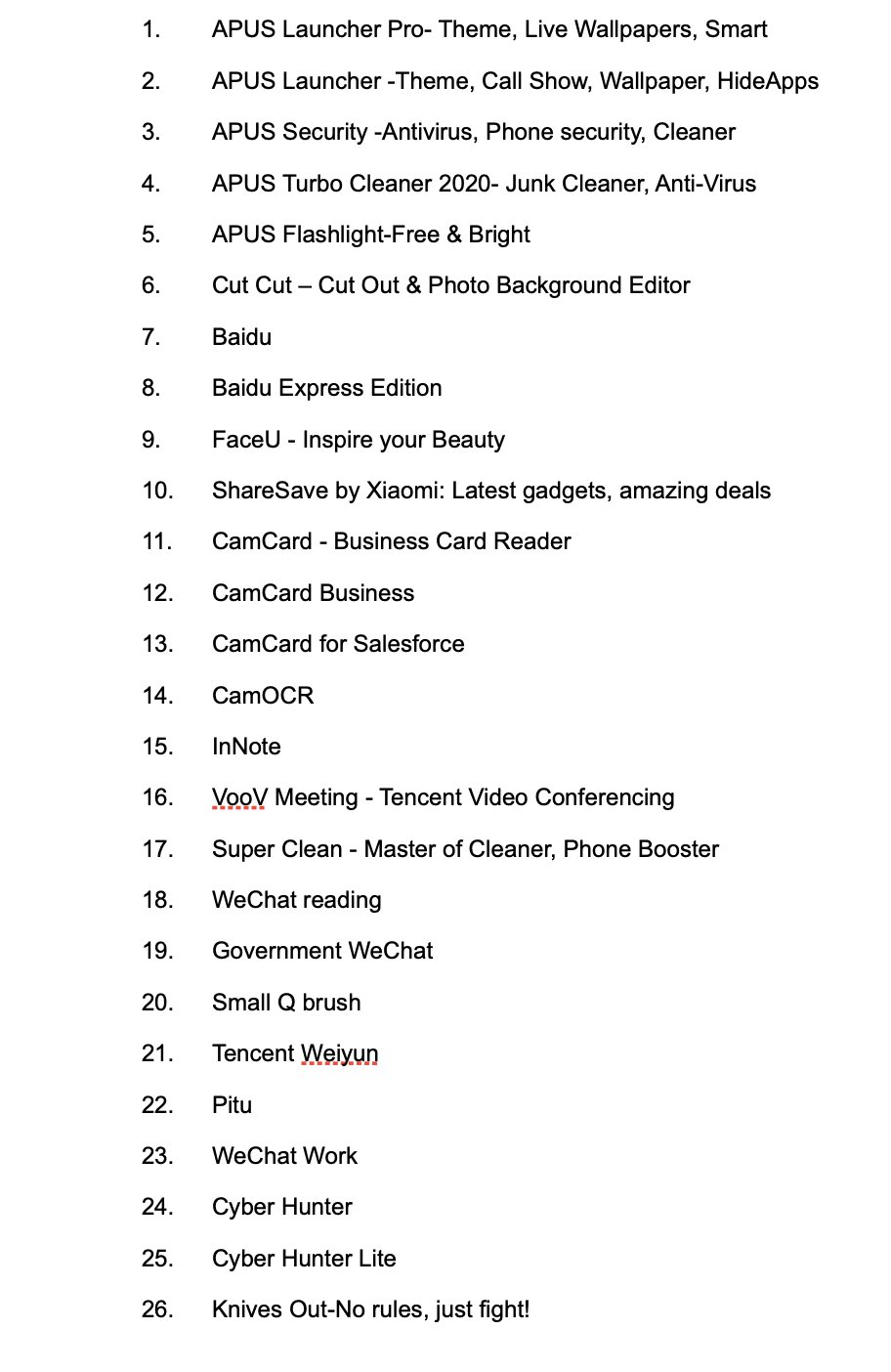
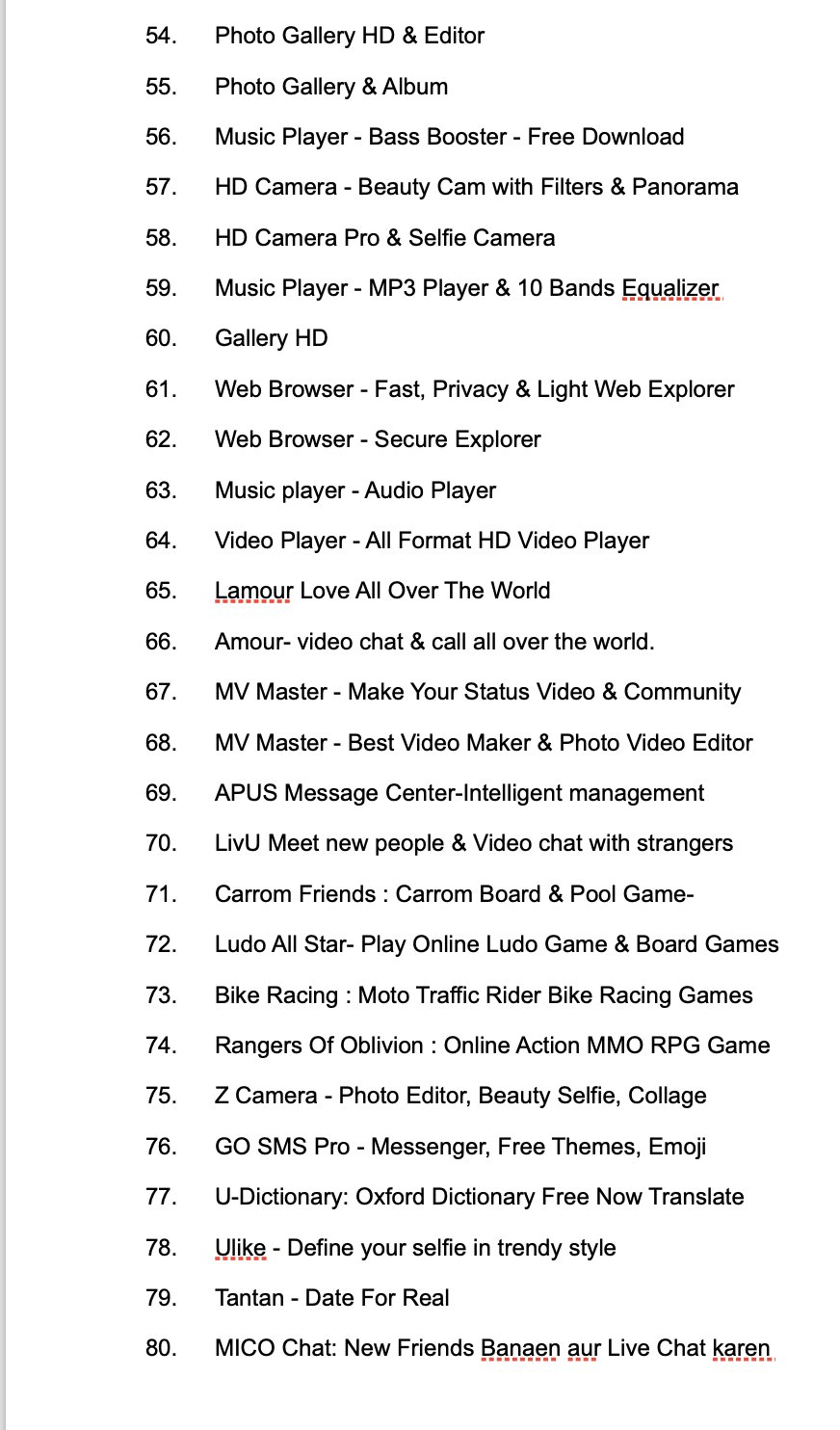
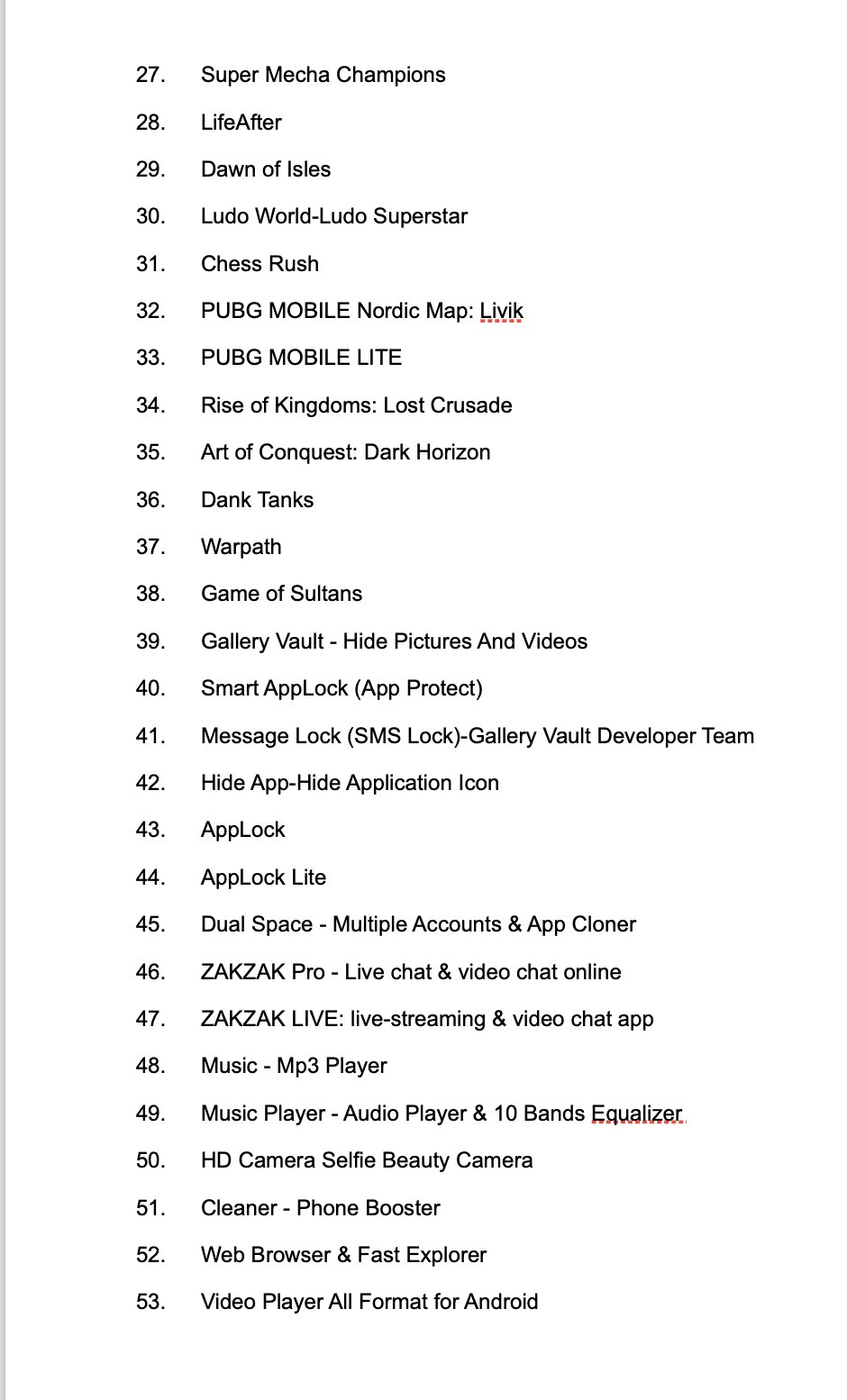
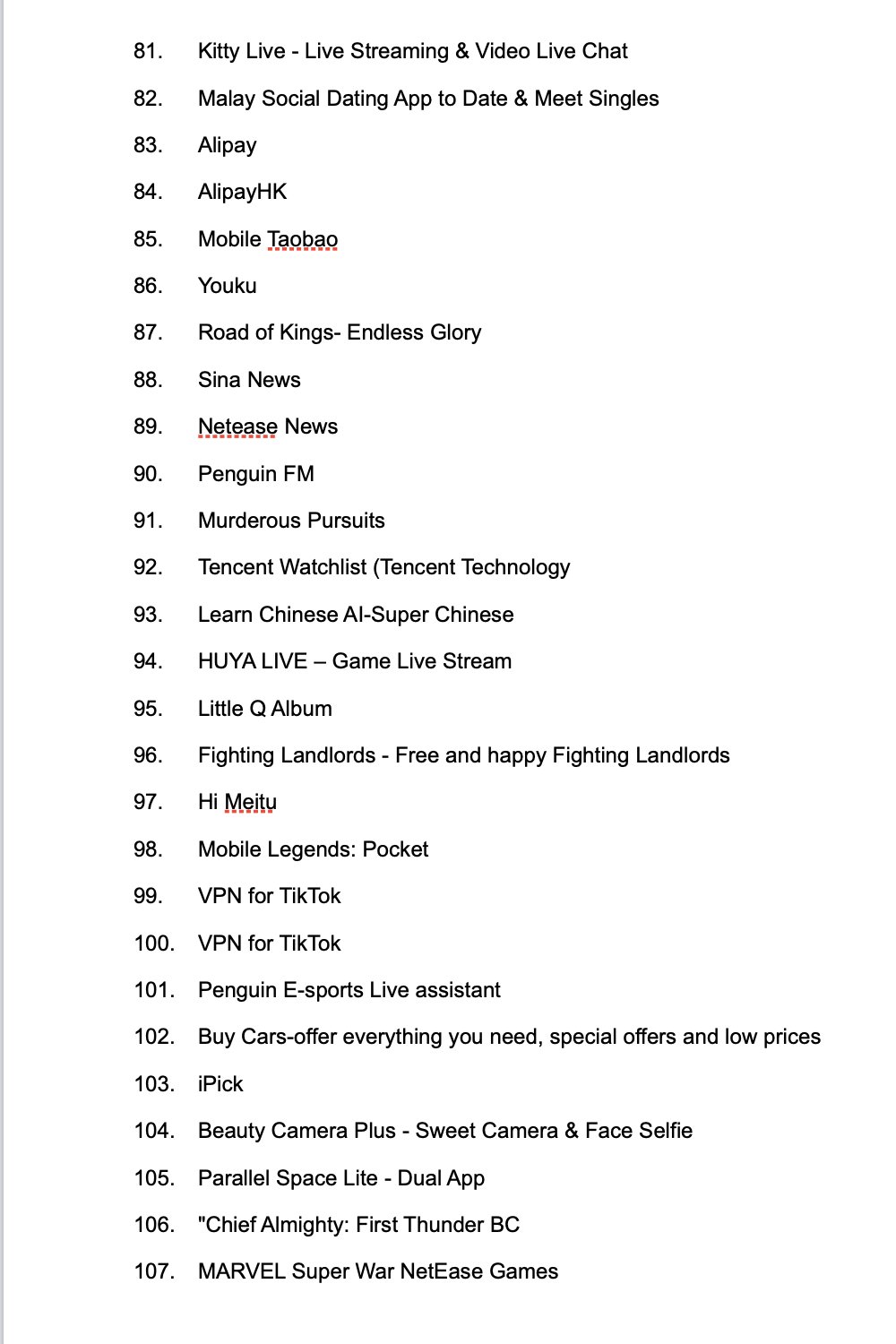
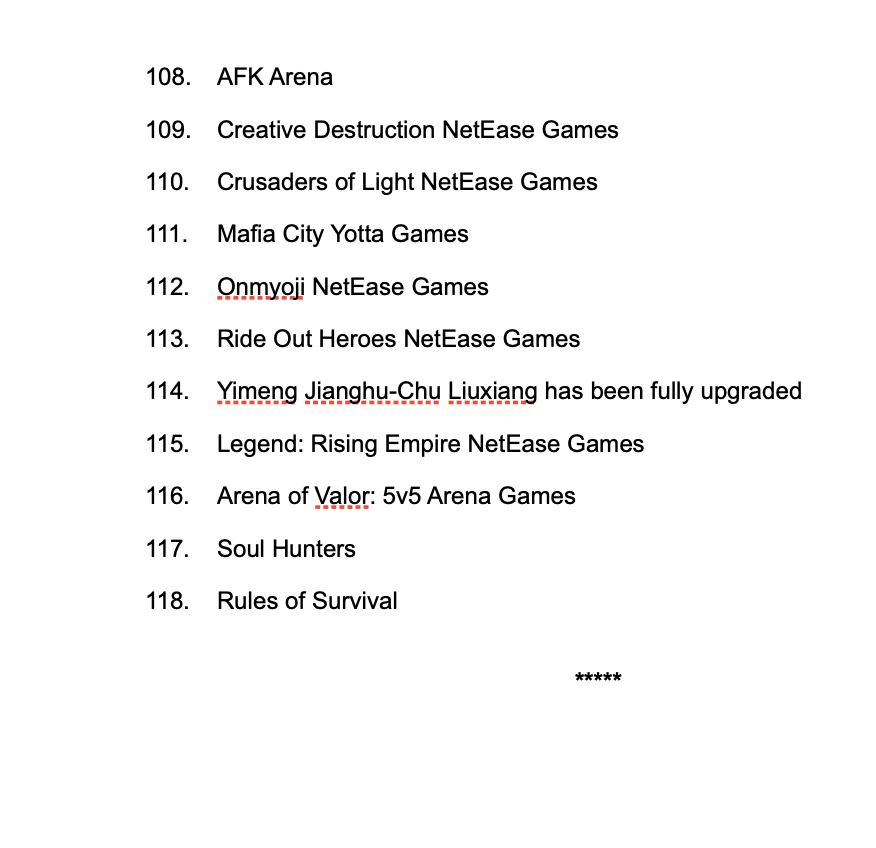
The Indian government has finally gone ahead with plans to ban more Chinese mobile apps. The apps include popular ones such as PUBG Mobile, CamCard, Baidu, Cut Cut, VooV, Tencent Weiyun, Rise of Kingdoms, Zakzak and others.
Recall that the Indian government banned 59 Chinese apps earlier this year including some of the most popular apps such as TikTok, ShareIt, UC Browser, WeChat, CamScanner, and more. The ban was hinged on security and privacy concerns but there is no doubt it is linked to the deteriorating diplomatic row triggered by border dispute in the Ladakh/Aksai Chin region.
Among the banned apps, the ban of PUBG Mobile will definitely hit the hardest. PUBG or PlayerUnknown’s Battlegrounds is one of the most popular Battle Royale games around the globe. The game is available for mobile phones, Xbox console as well as for Windows PC. It is extremely popular in India especially among the youths with India ranking as having the highest number of downloads globally.
1 of 5
The game, just like any other game can be addictive if caution isn’t exercised with cases of addiction common among teenage players. There have been a couple of reported deaths as a result of addiction to the game. However, the government’s ban isn’t tied to the rising cases of addiction but for the security of the state and the defense of the country.
It remains to be seen how this ban will be received in India but apparently, the ban only covers new downloads. If you already have the app installed n your smartphone. It may likely still work fine. Do confirm in the comments section if you have the app installed and can still play the game.
HMD Global is back to rolling out OS upgrades after taking a break for a few months. The last OS upgrade was for the Nokia 1 in early July. Now, it has announced that Android 10 (Go Edition) is now available for the Nokia 2.1.
The Nokia 2.1 was released in 2018 and it ran Android 8.1 Oreo (Go Edition) out of the box. HMD Global had promised the update will be available in the second quarter of the year, but as you can see, it has arrived late.
The update brings new features such as smart reply, dark mode, and Adiantum Encryption for Android go devices. It should also include a security patch. It will begin rolling out to users in Bangladesh, Cambodia, India, Laos, Malaysia, Myanmar, Nepal, Philippines, Sri Lanka, and Thailand. Ten percent of users in these countries should get it today and everyone should get it by September 7.
The Nokia 2.1 has a 5.5-inch HD display with the now-abandoned 16:9 aspect ratio. There is a Snapdragon 425 processor under the hood along with 1GB of RAM and 8GB of expandable storage. The phone has front-facing stereo speakers, an audio jack, an 8MP rear camera, a 5MP selfie camera, and packs a 4000mAh battery.
This is the second major OS upgrade for the device but it should still get one more going by HMD Global’s tradition.
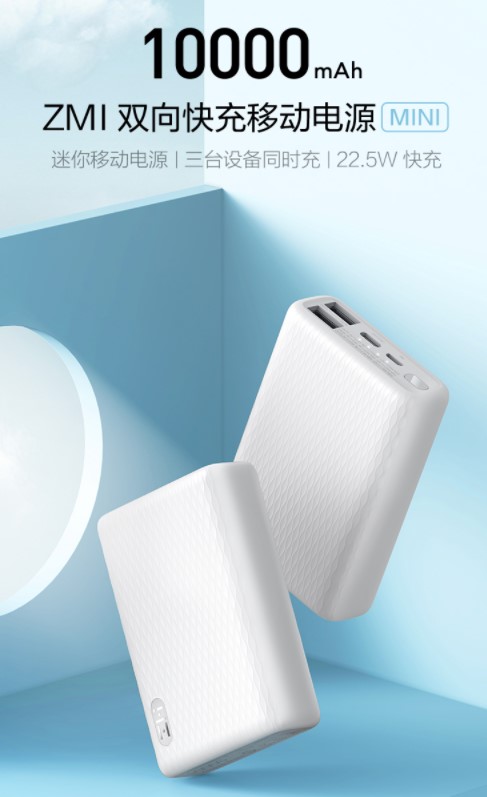
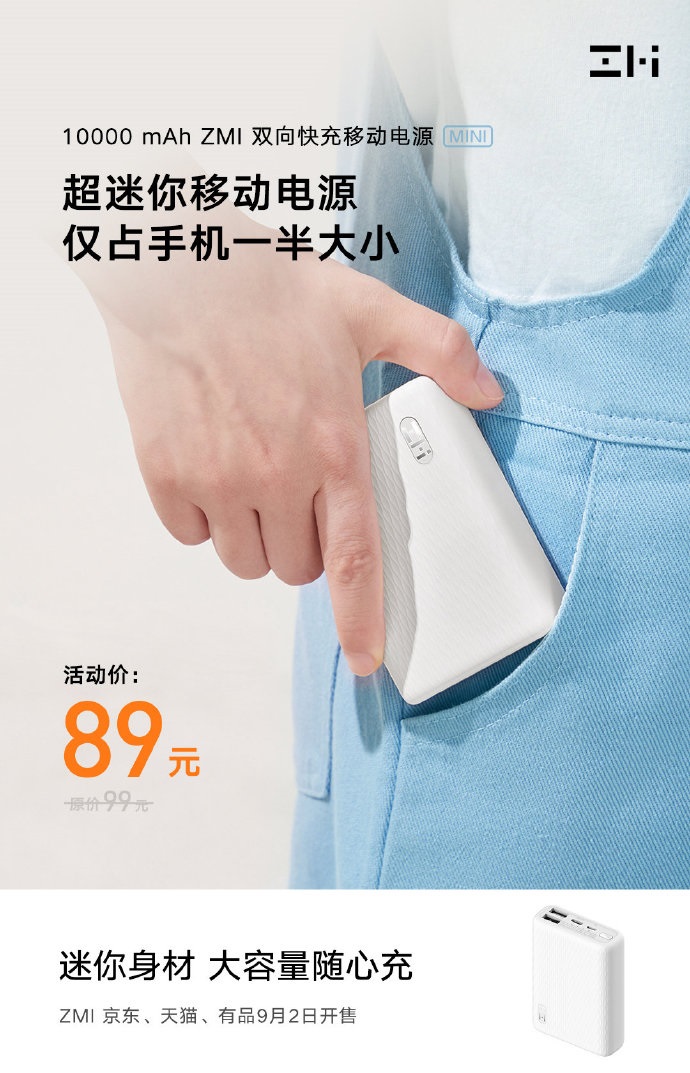
Update: More details have surfaced and it reveals the ZMI MINI Power Bank has 22.5W 2-way fast charging. The article has been modified to reveal this and other new info.
ZMI, the popular Chinese power accessory maker, has a new portable power bank. The new power bank was announced today in China and will go on sale tomorrow (now available).
The new power bank has a 10000mAh battery capacity and has four ports. The ports include two full-sized USB ports, a MicroUSB port, and a USB-C port. The selling point of the power bank is its small size which the manufacturer says is half the size of a mobile phone and its support for 22.5W 2-way fast charging.
This means you will be able to charge a device at a maximum power output of 22.5W as well as the power bank itself. The USB-C port allows for two-way fast charging, so you can use the port to charge the power bank if you connect it to a charger that outputs 22.5W. The MicroUSB port also supports 22.5W input while each of the USB-A ports and the USB-C port has a maximum power output of 22.5W at a time. ZMI says charging the power bank takes 3.5 hours when using a 22.5W charger.
The power bank has an ABS body with a white textured finish that should provide a firm grip when you hold it. It also supports the charging of low-current devices such as fitness trackers and Bluetooth headsets. All you have to do is double press the power button to enter into the low-current mode.
The MINI Power Bank will sell for ¥89 (~$13) and you can pick it up on JD.com, TMall, and on ZMI’s own online store.
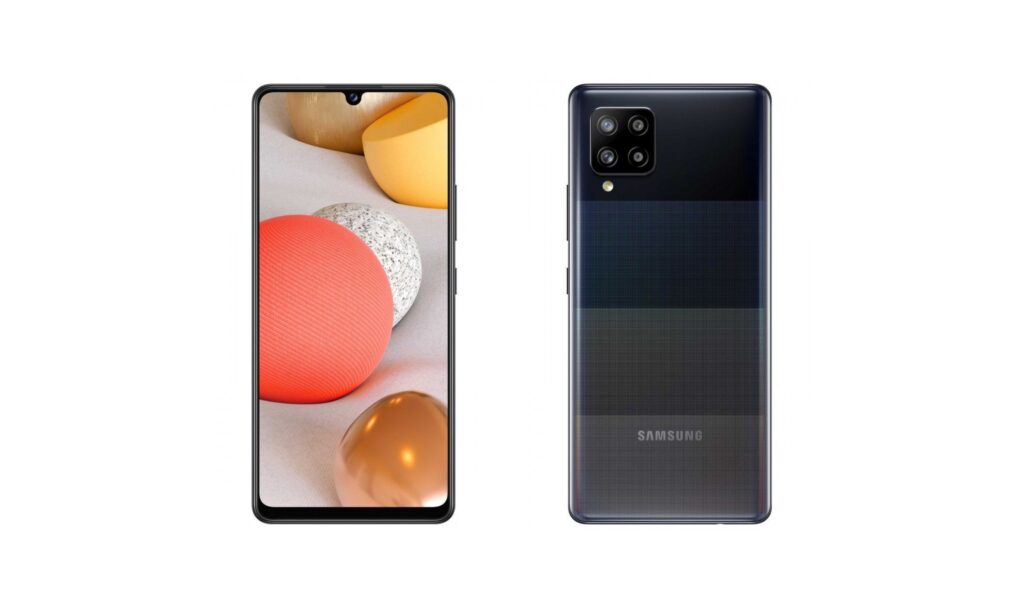
The Galaxy A42 5G is in the news for a while as the cheapest 5G smartphone from Samsung. A few hours back, the company surprised everyone by announcing it officially. Unfortunately, it only disclosed certain features of this handset. Everything about this phone, including its price, will be revealed closer to its launch later this year.
According to a press release by Samsung, the upcoming Galaxy A42 5G will sport a 6.6-inch Infinity-U Super AMOLED display, a quad-camera setup, and an in-display fingerprint sensor. That’s all the company revealed about its most affordable 5g handset to date.
But since this phone leaked multiple times, we have a couple of more details about it. As per 3C and Safety Korea certifications, it will be backed by a 5,000mAh battery, which is small compared to Galaxy M51’s 7,000mAh battery but larger than most devices.
Further, a Geekbench listing of this smartphone suggests it will come with Qualcomm Snapdragon 690, the cheapest Qualcomm smartphone SoC with support for 5G connectivity. This very same chipset is also expected to power an upcoming OnePlus device.
The Samsung Galaxy A42 is also expected to come in a 4G variant just like Galaxy A51 and Galaxy A71. But the processor underneath it is still a mystery.
According to a report from China, OPPO is looking to capitalize on the void that’ll be left by Huawei in some key markets by significantly increasing smartphone production in the second half of the year. This report comes right after OPPO confirmed that Pete Lau will become the Senior VP of its holding company, OPlus.
The recent chip ban on Huawei will adversely affect its smartphone shipments in the coming months which will create a void in the market. So this is a crucial time for other smartphone makers like OPPO to take advantage of the situation.
OPPO Reno4 Global
China Starmarket exclusively reports that OPPO has been ramping up the production of its smartphones on a large scale. The company expects to ship around 100 million units in total by the end of the year. However, the publication’s supply chain sources give a more conservative estimate of around 85 million units.
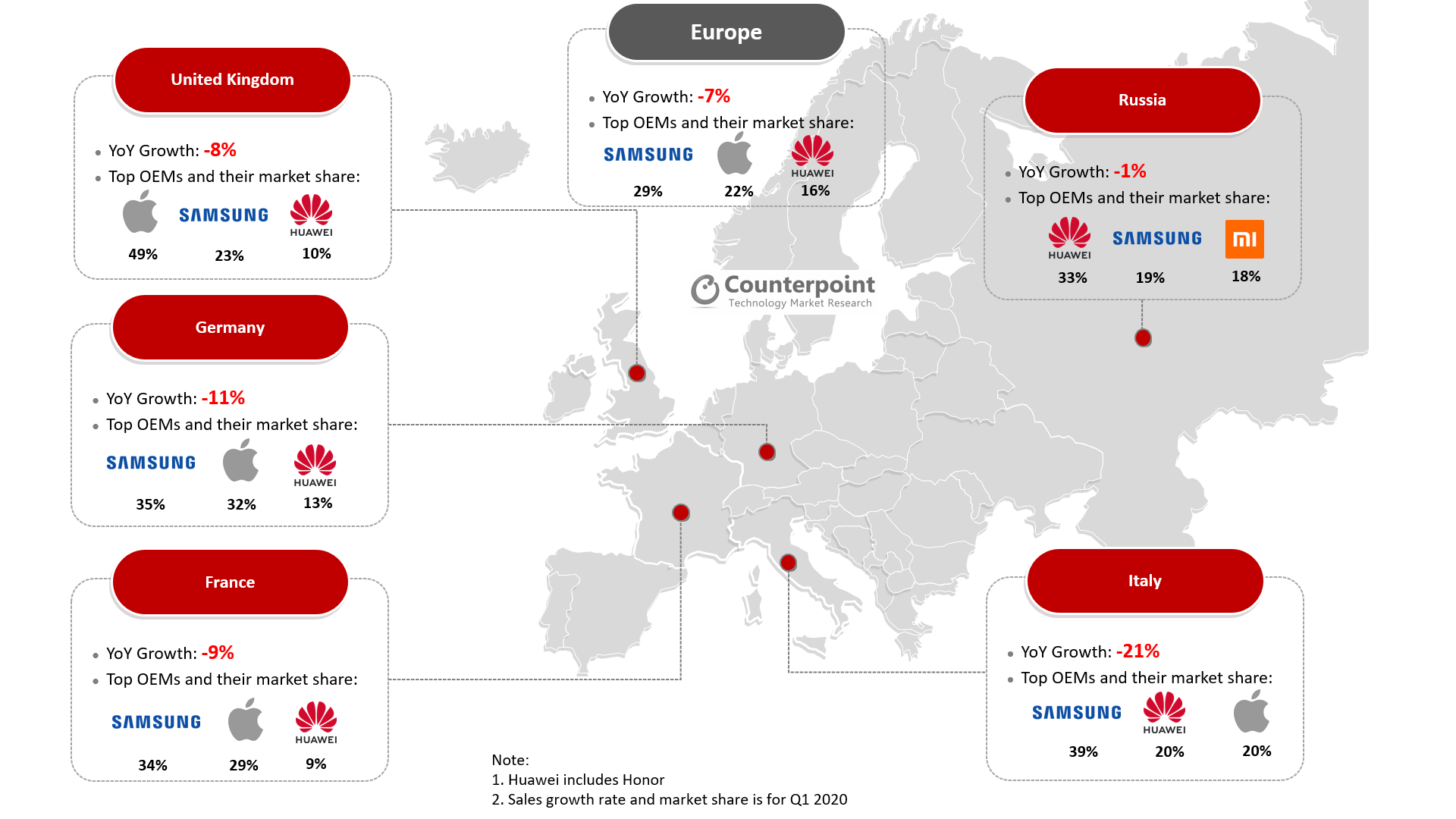
OPPO’s push is expected to be focused on the European market. The company has still not managed to make its mark in the region (with a market share of only around 3%), but this would be a good opportunity to turn things around. On the other hand, Huawei is a major player in the Europe, with the company ranked among the top three smartphone vendors in key EU markets.
After the chip ban, Huawei is expected to quickly lose its market share in all these key European markets. So Europe will be the real battleground for Chinese companies like OPPO and Xiaomi. According to counterpoint, these brands managed to grow at an impressive 41 percent and 55 percent respectively in the European market in Q2 2020. However, Huawei posted a decline of 46 percent YoY sales in the same quarter.
OPPO recently became the top smartphone maker in South East Asia in terms of market share. The company managed to edge out Samsung after grabbing a market share of 20.3 percent (vs 19.5 percent). OPPO is also increasing its presence in the Latin American market through its partnership with America Movil – the largest carrier in the region.
Overall, it looks like the smartphone market will see some major changes in the coming months.
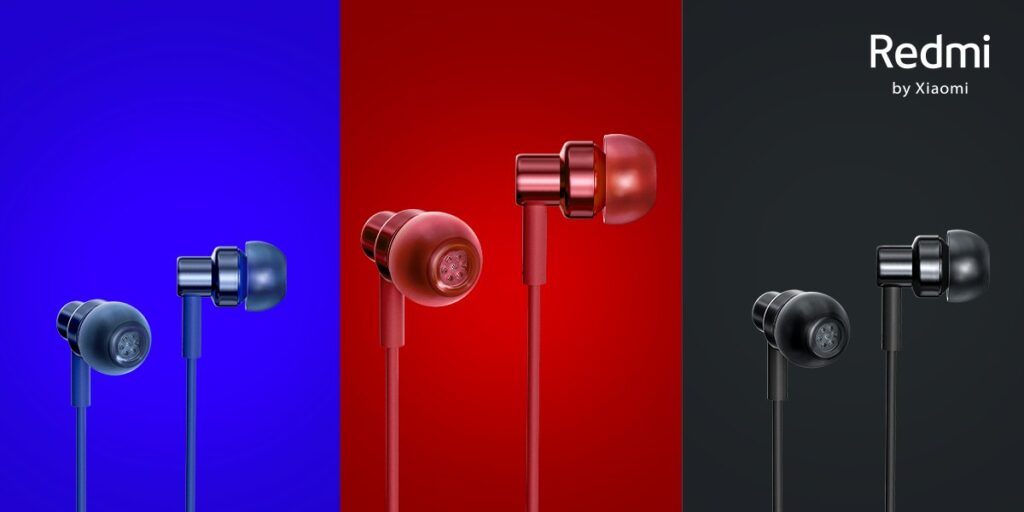
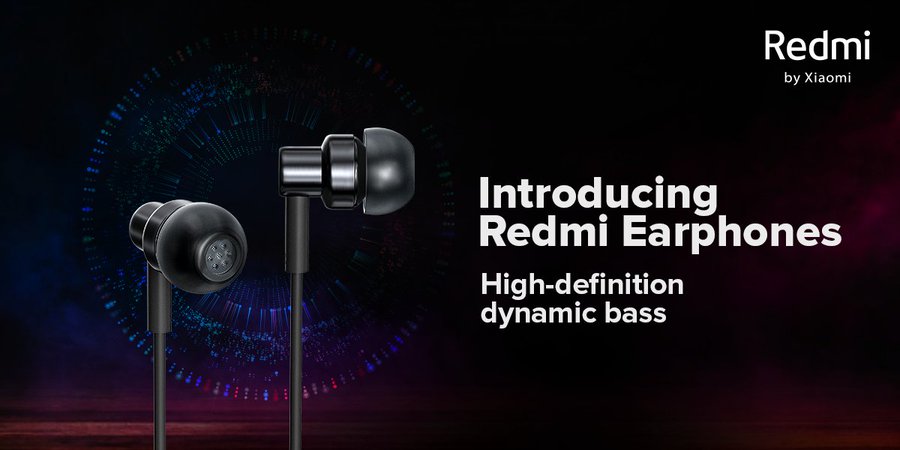
Alongside Redmi 9A, Xiaomi also launched Redmi Earphones in India priced at only ₹399 ($5). It will be available for purchase starting September 7 from across Mi online stores, offline retailers, Amazon India, and Flipkart.
The new Redmi Earphones are Xiaomi India’s cheapest audio product launch after a long time. The last one was Mi Earphones Basic, which has the same ₹399 ($5) price tag. Looks like both of them will co-exist as the latter is still listed on Mi.com.
Both of them feature 10mm drivers but the Redmi model is also Hi-Res Audio certified and hence, it should theoretically offer better performance with supported devices.
Though the two models come with aluminium alloy sound chamber, they are different in shape. Additionally, the Redmi Earphones also features magnets, Y-shaped junction, microphone, single-button in-line control, and gold-plated 3.5mm headphone jack.
Further, their net weight is 13g and the total length of their cable is 1.25m. Last but not least, it comes with three sets of silicone ear tips and will be available in three color options namely Black, Red, and Blue.
The Redmi Earbuds will compete with realme Buds Classic and Mi Earphones Basic in India as all three of them cost the same.
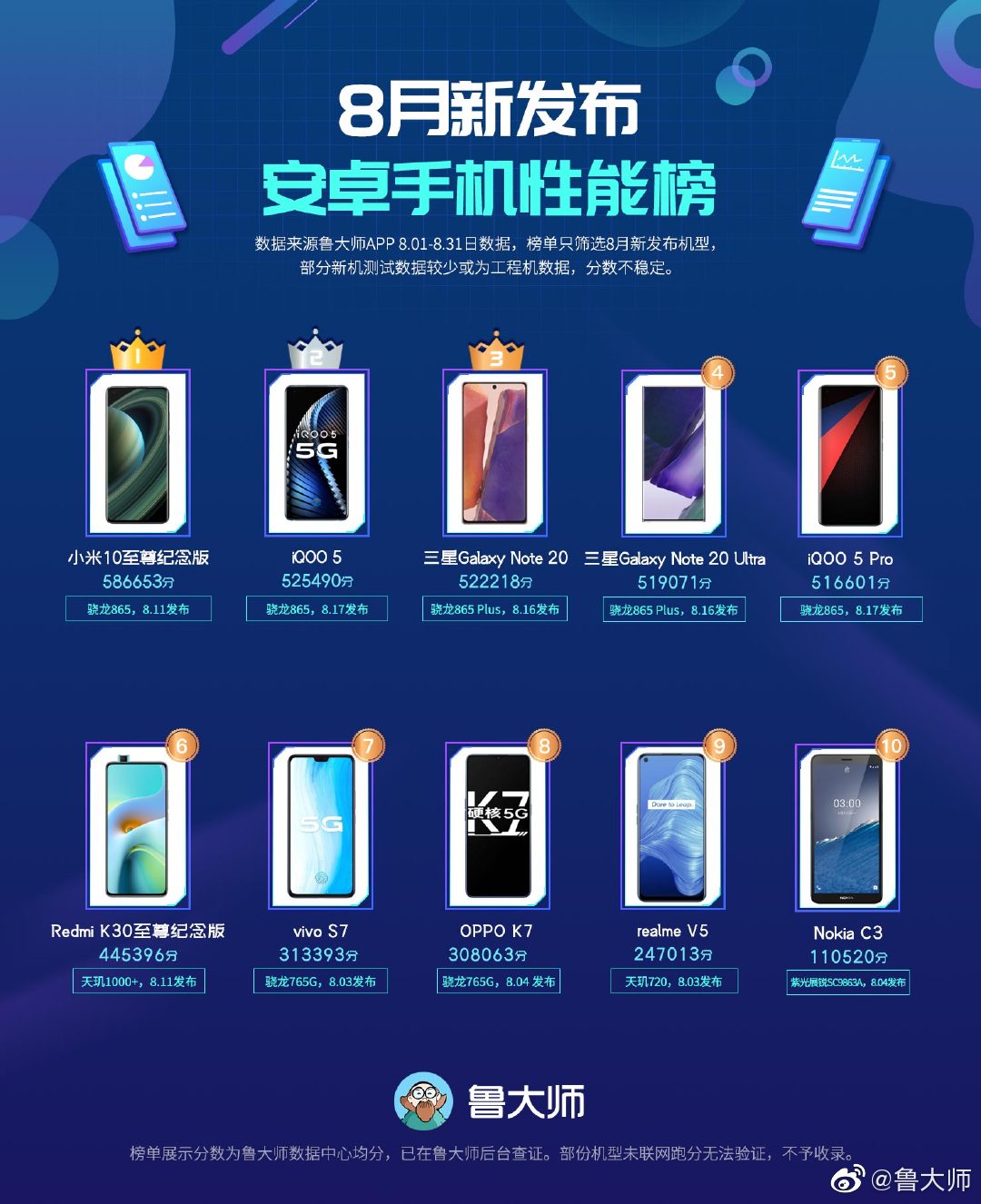
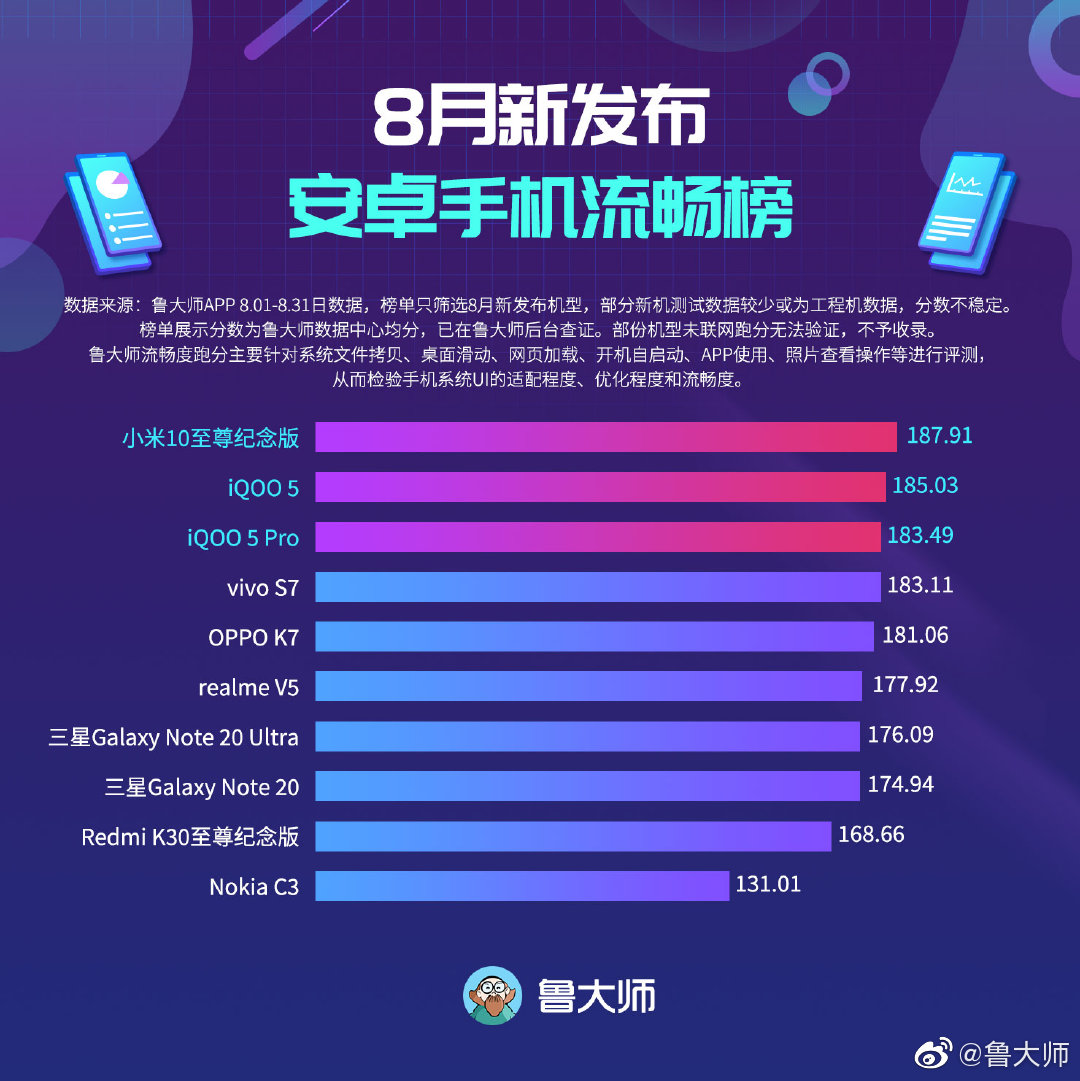
Like every month, Master Lu Benchmark has released the lists of best smartphones launched in August in terms of performance and UI fluency. The Xiaomi Mi 10 Ultra aka Mi 10 Extreme Commemorative Edition leads both the lists, followed by iQOO 5.
Master Lu is a popular benchmarking platform in China. Like AnTuTu, it also releases monthly lists of best smartphones. The company shared the list of best-performing devices yesterday, followed by UI fluency list today on Weibo.
Surprisingly, the Xiaomi Mi 10 Ultra tops both the lists despite it being powered by Qualcomm Snapdragon 865 unlike Snapdragon 865+ (Plus) present in Galaxy Note20 Ultra. Also, the regular iQOO 5 comes second instead of iQOO 5 Pro, which is at the fifth position.
Similarly, the regular Galaxy Note20 ranks third in performance, whereas the Ultra captures fourth place. However, in UI fluency, the latter comes at distant seventh, followed by the former at eighth.
Other notable handsets in the performance list include Redmi K30 Ultra, vivo S7, OPPO K7, realme V5, and Nokia C3 from sixth position onwards.
1 of 2
Master Lu Performance August 2020
Master Lu UI Fluency August 2020
Unsurprisingly, the Redmi K30 Ultra ranks ninth, just ahead of Nokia C3 in UI fluency. This goes in line with our review, in which we experienced it to be janky despite featuring MediaTek Dimensity 1000+ (Plus) chipset. Xiaomi really needs to optimize the software on this phone.
Last but not least, the vivo S7, OPPO K7, and realme V5 rank fourth, fifth, and fifth respectively in UI fluency.
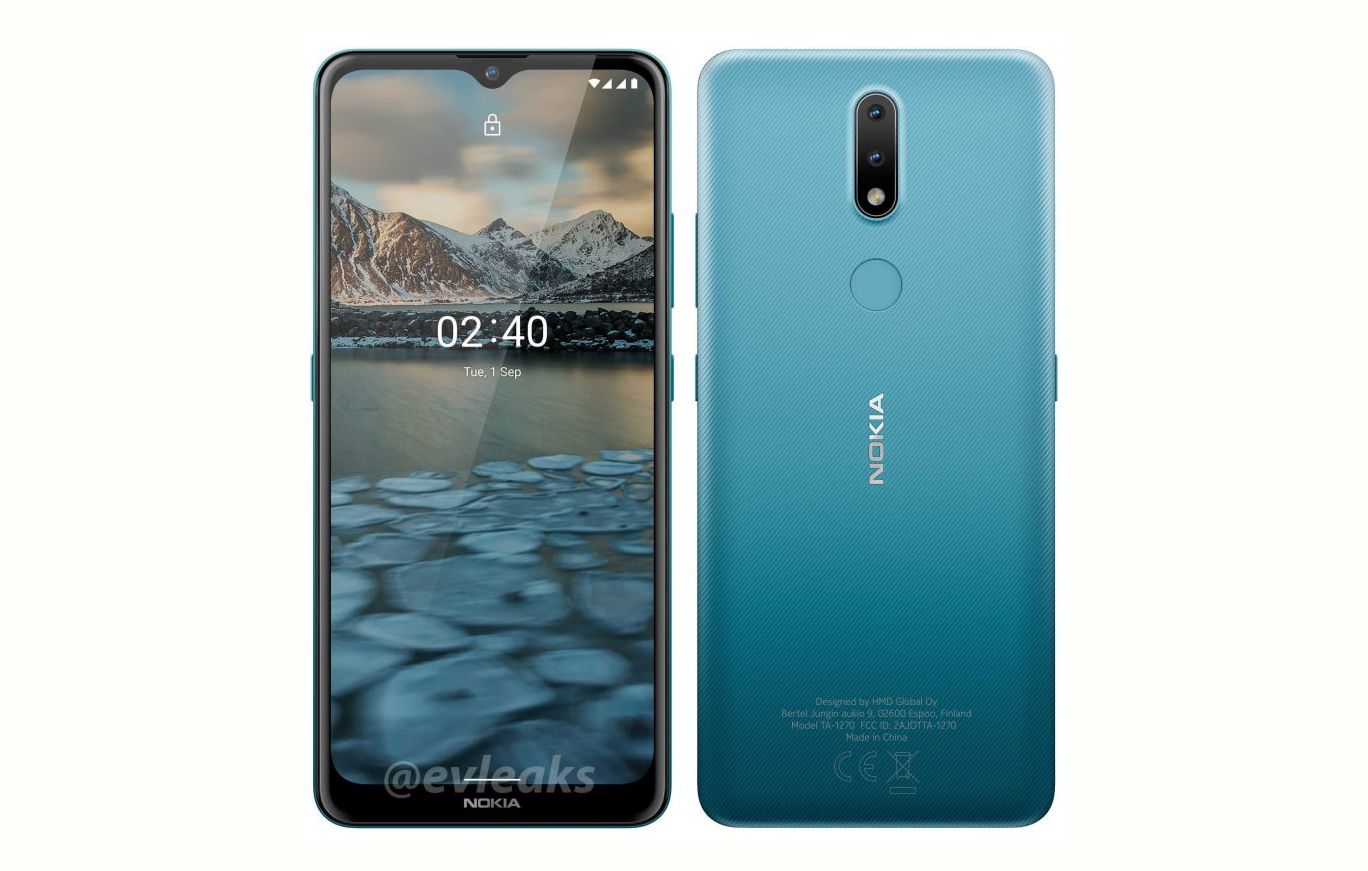
The IFA 2020 tech trade show will take place later this week in Berlin, Germany. Rumors have it that the HMD Global may use the platform to announce a couple of new devices such as Nokia 2.4, Nokia 3.4, Nokia 6.3, and Nokia 7.3. Ahead of the rumored launch, reliable tipster Evan Blasshas shared a leaked press render of the Nokia 2.4 phone.
The leaked press render shows that the Nokia 2.4 has a waterdrop notch display. It seems to be equipped with a dedicated hardware key on the left edge for accessing the Google Assistant. A volume rocker and a power key is available on the right side of the Nokia 2.4.
The Nokia 2.4 has a gradient colored plastic rear. At the center of its upper half, there is a vertical dual-camera system with an LED flash. Below it is a fingerprint reader.
Rumors surrounding the Nokia 2.4 smartphone have revealed that is codenamed as “Wolverine” and its model number variants are TA-1270, TA-1274, TA-1275, and TA-1777. The handset 165.85 x 76.3mm dimensions and it could be sporting an HD+ resolution of 6.5 inches. The phone will boot to Android 10. It had appeared on the Geekbench benchmarking platform in the recent past with the Helio P22 chipset.
The Nokia 2.4 could be backed by a 4,500mAh battery. It is likely to come in two variants such as 2 GB RAM + 32 GB storage and 3 GB RAM + 64 GB storage. There is no word on the pricing of these models. It is expected to arrive in grey, blue, and purple colors.
International Data Corporation (IDC) has predicted in its first China Quarterly Smart TV Tracker report that 44.8 million units of Smart TVs could be shipped in China in 2020. This represents a decrease of 4.4 percent compared to last year.
The report goes on to add that features like improved connectivity and interaction intelligence in newer Smart TV models could lead to increased consumption of smart TVs in the Chinese market.
IDC believes that the evolution of Smart TVs in the Chinese market is yet to take off because most manufacturers are continuing to focus on video entertainment capabilities instead of expanding diversified scenarios.
Sophie Pan, Research Manager for Client Systems Research at IDC China, said: “With 95% penetration of China’s smart TV market shipments, IDC sees an opportunity for smart TV’s to get to the next stage of Smart TV development and increase its market share.”
It adds that the future direction of smart TVs, which the company calls “TV Plus” ecosystem, has five aspects — core, connection, perception, data, and software ecosystem, which will lead third-party developers to build diversified application services.
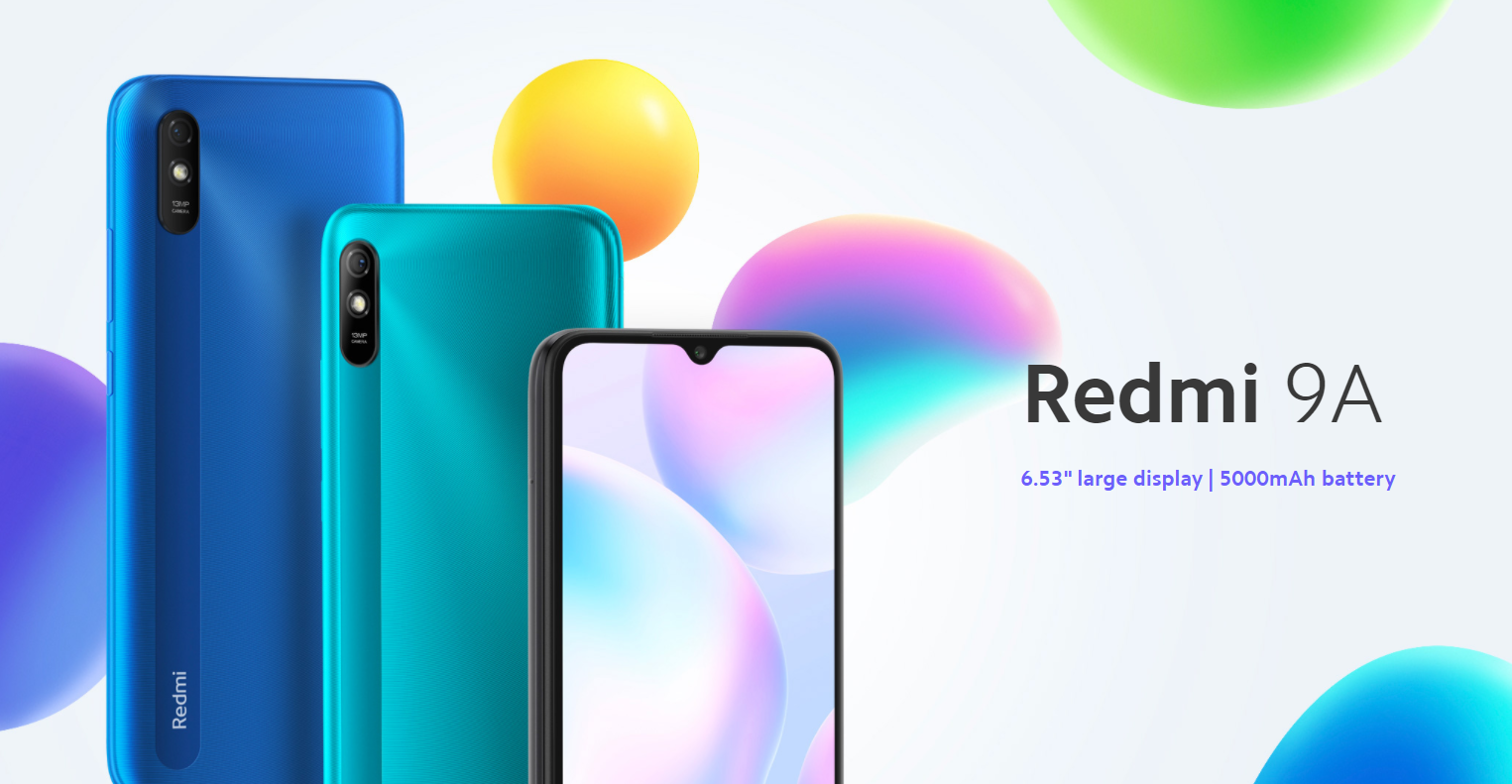
The Redmi 9A smartphone has gone official in India today. Previously, the phone had launched in Malaysia in June and in China in July. With a price tag of Rs 6,799 (~$93), it is the cheapest phone in the Redmi 9 series.
Redmi 9A specifications and features
The Redmi 9A features a 6.53-inch IPS LCD HD+ resolution display that supports a 20:9 aspect ratio. The 12nm Helio G25 is present under the hood of the device. The phone comes with a 12nm Helio G25 chipset and with HyperEngine Gaming technology that brings gaming capabilities on the entry-level phone. The phone ships with 2 GB / 3 GB of LPDDR4x RAM and 32 GB of eMMC 5.1 storage.
Redmi 9A
The MIUI 12 flavored Android 10 OS comes preloaded on the Redmi 9A. It has a 5,000mAh battery with 10W charging support. It has an AI-powered 13-megapixel with LED flash on its back. It offers features like AI portrait mode, AI scene detection, and Pro mode. The front-facing 5-megapixel camera offers users with features like screen flash and AI portrait mode.
The Redmi 9A does not have a fingerprint sensor. Instead, the company offers face unlock security feature on it. The Redmi 9A delivers connectivity options such as dual 4G VoLTE, Wi-Fi 802.11 b/g/n, Bluetooth 5.0, GPS, microUSB, and a 3.5mm audio jack.
When it comes to design, the Redmi 9A has a splash-resistant P2i nano-coating and has a textured plastic rear that promotes a better grip and prevents fingerprints. The phone has 164.9 x 77 x 9mm dimensions and it weighs 196 grams.
Redmi 9A price in India and availability
The 2 GB RAM + 32 GB storage and 3 GB RAM + 32 GB storage variants of the Redmi 9A for India is priced at Rs. 6,799 (~$93) and Rs. 7,499 (~$103), respectively. The phone can be availed in three colors such as Midnight Black, Sea Blue, and Nature Green.
The first sale of the Redmi 9A will be carried out in India through platforms like Amazon India, M.com, Mi Store, Mi Studio stores on Sept. 4 at 12 PM (local time). The phone will be also made available through offline markets soon. The company also announced Redmi earphones worth Rs. 399 (~$5). It will be available through Flipkart, Amazon India, and offline retail partners from 12 PM on Sept. 7.
We use cookies on our website to give you the most relevant experience by remembering your preferences and repeat visits. By clicking “Accept”, you consent to the use of ALL the cookies.
This website uses cookies to improve your experience while you navigate through the website. Out of these, the cookies that are categorized as necessary are stored on your browser as they are essential for the working of basic functionalities of the website. We also use third-party cookies that help us analyze and understand how you use this website. These cookies will be stored in your browser only with your consent. You also have the option to opt-out of these cookies. But opting out of some of these cookies may affect your browsing experience.
Necessary cookies are absolutely essential for the website to function properly. This category only includes cookies that ensures basic functionalities and security features of the website. These cookies do not store any personal information.
Any cookies that may not be particularly necessary for the website to function and is used specifically to collect user personal data via analytics, ads, other embedded contents are termed as non-necessary cookies. It is mandatory to procure user consent prior to running these cookies on your website.