Advertisement

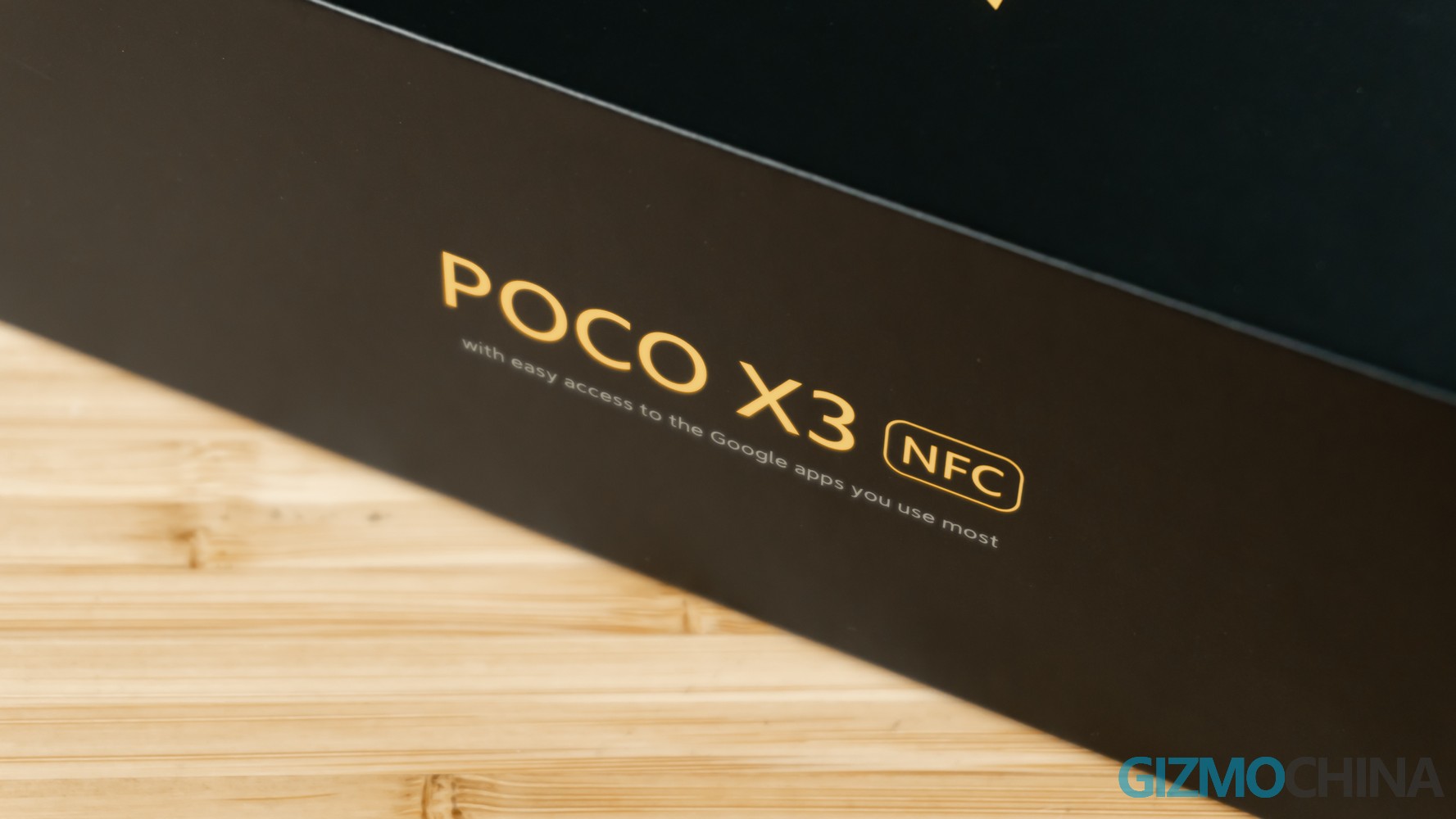
POCO X3 NFC Hands-on / Unboxing: A True Mid-range Beast

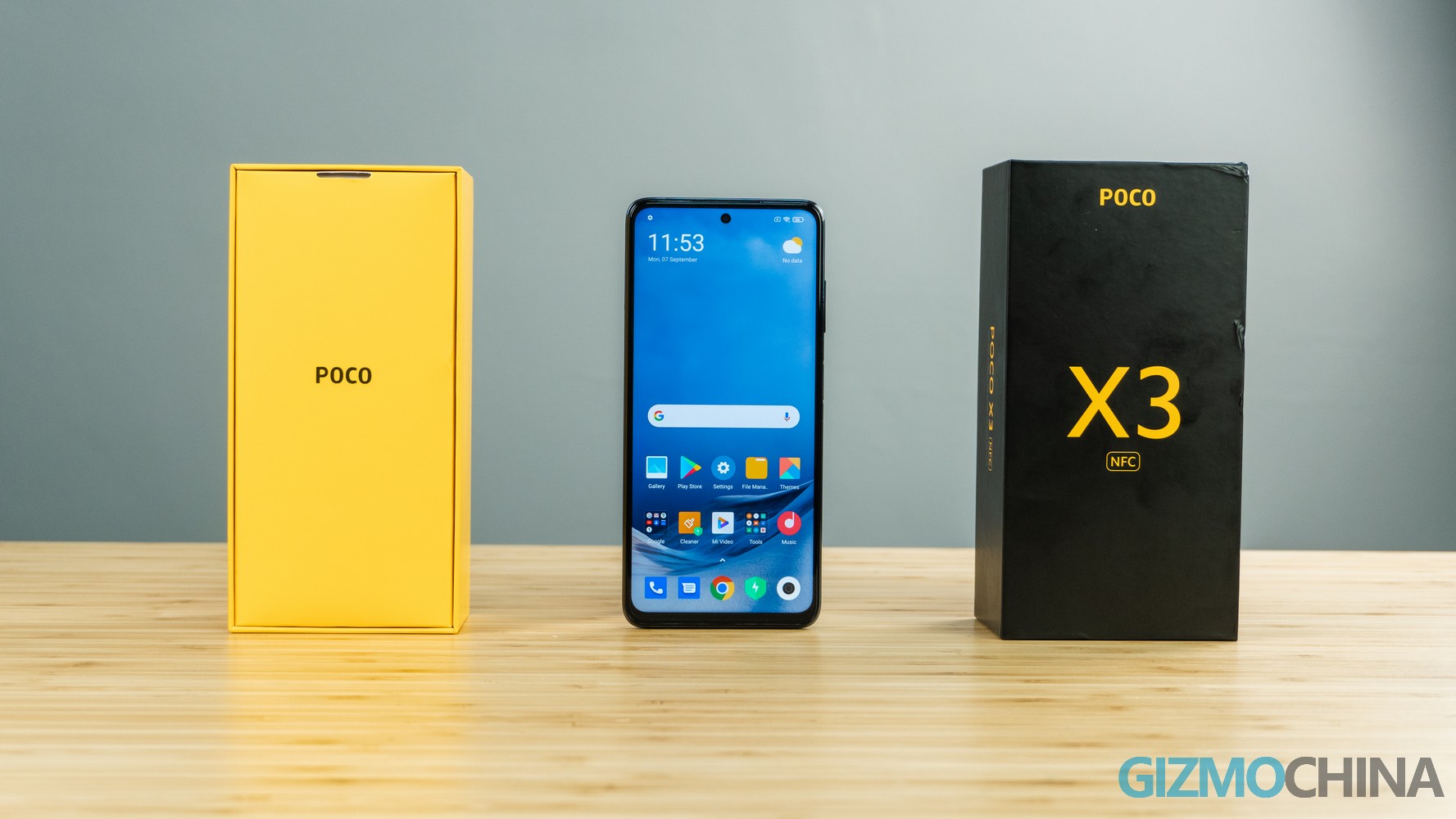
POCO took the wraps off the newest member of its family dubbed POCO X3 NFC. The phone is the company’s latest smartphone in the mid-range series and it addresses the biggest complaint of its predecessor- it is no longer a rebadged Redmi model.POCO X3 NFC 022
 

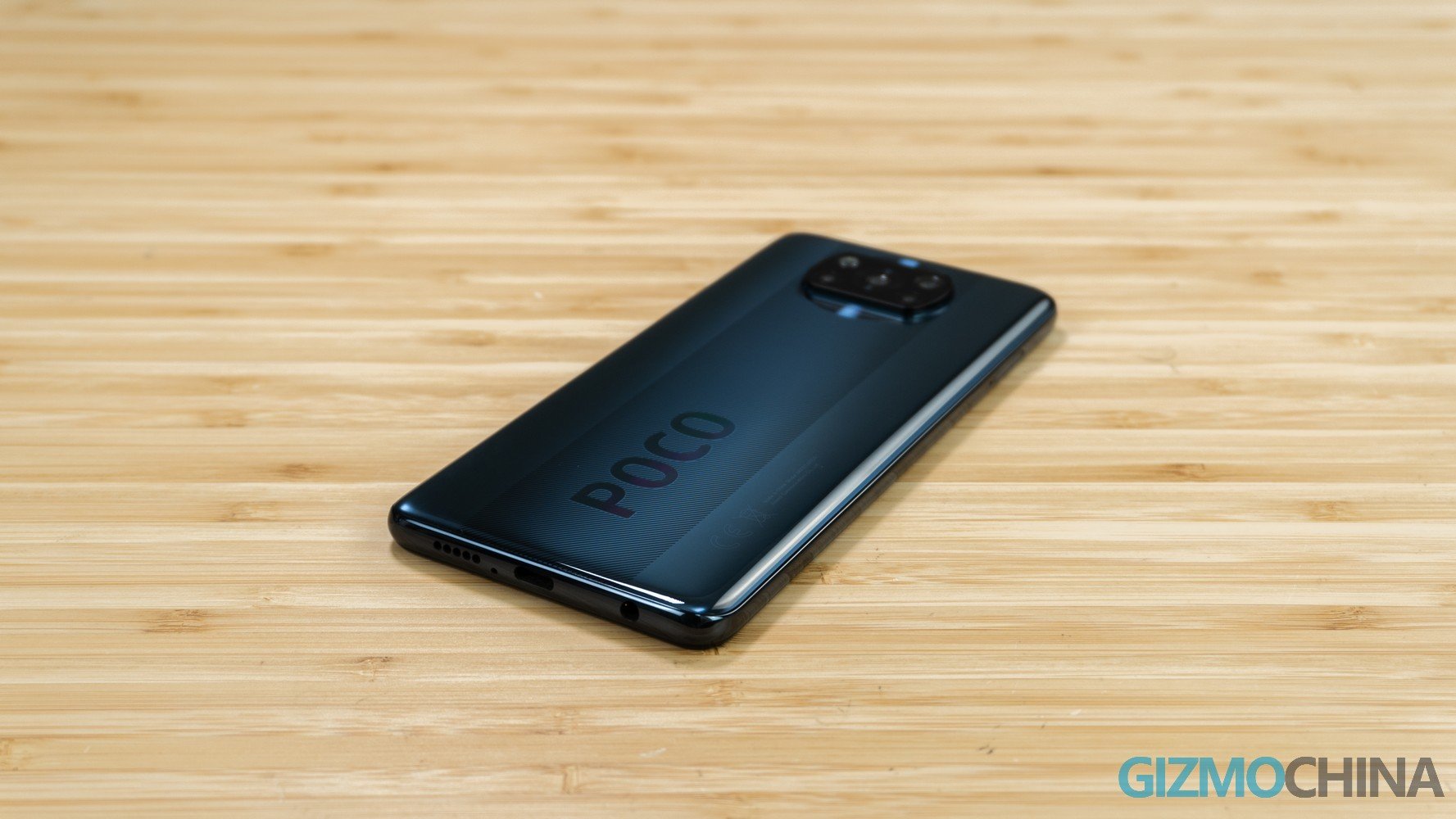
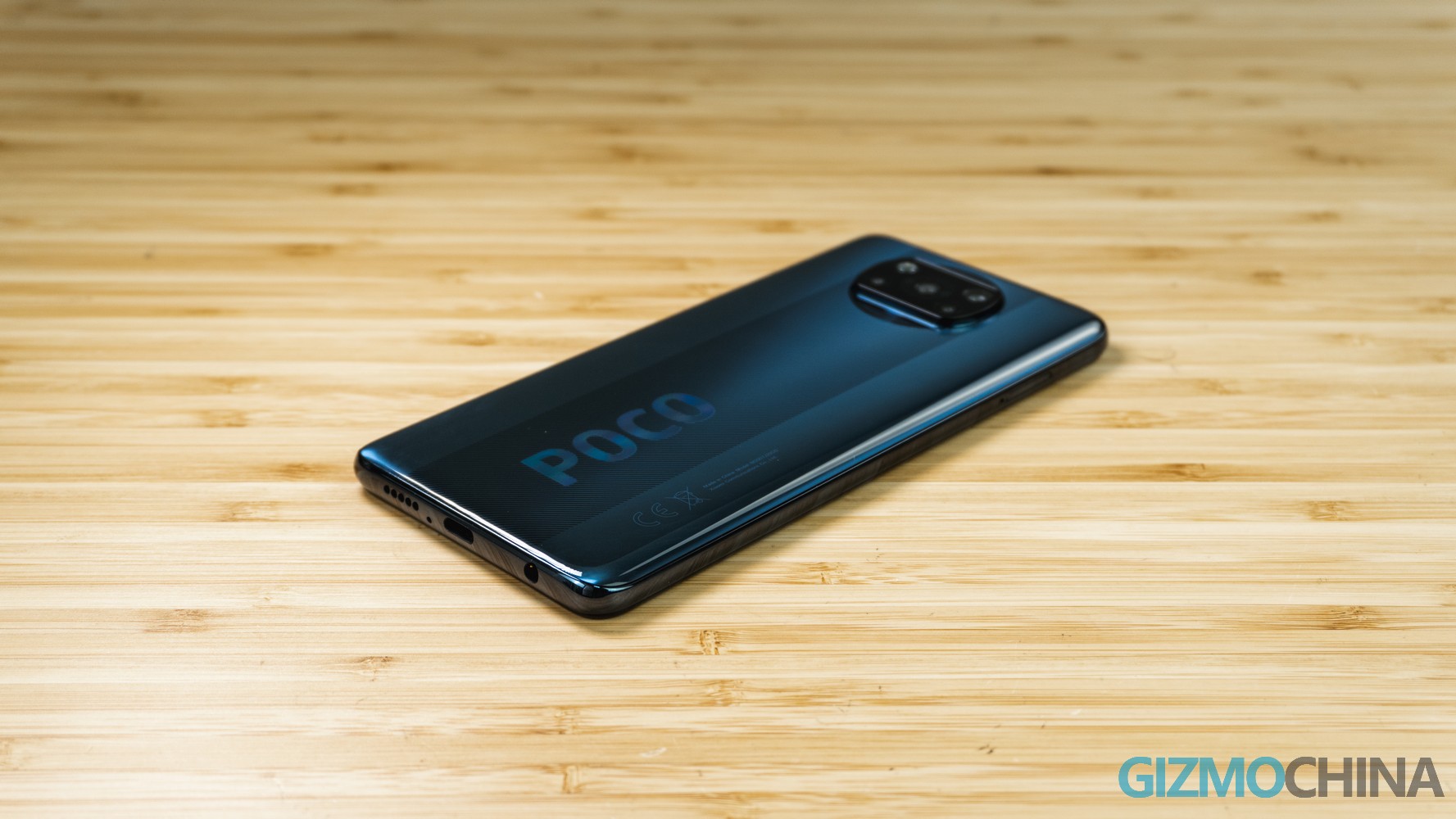
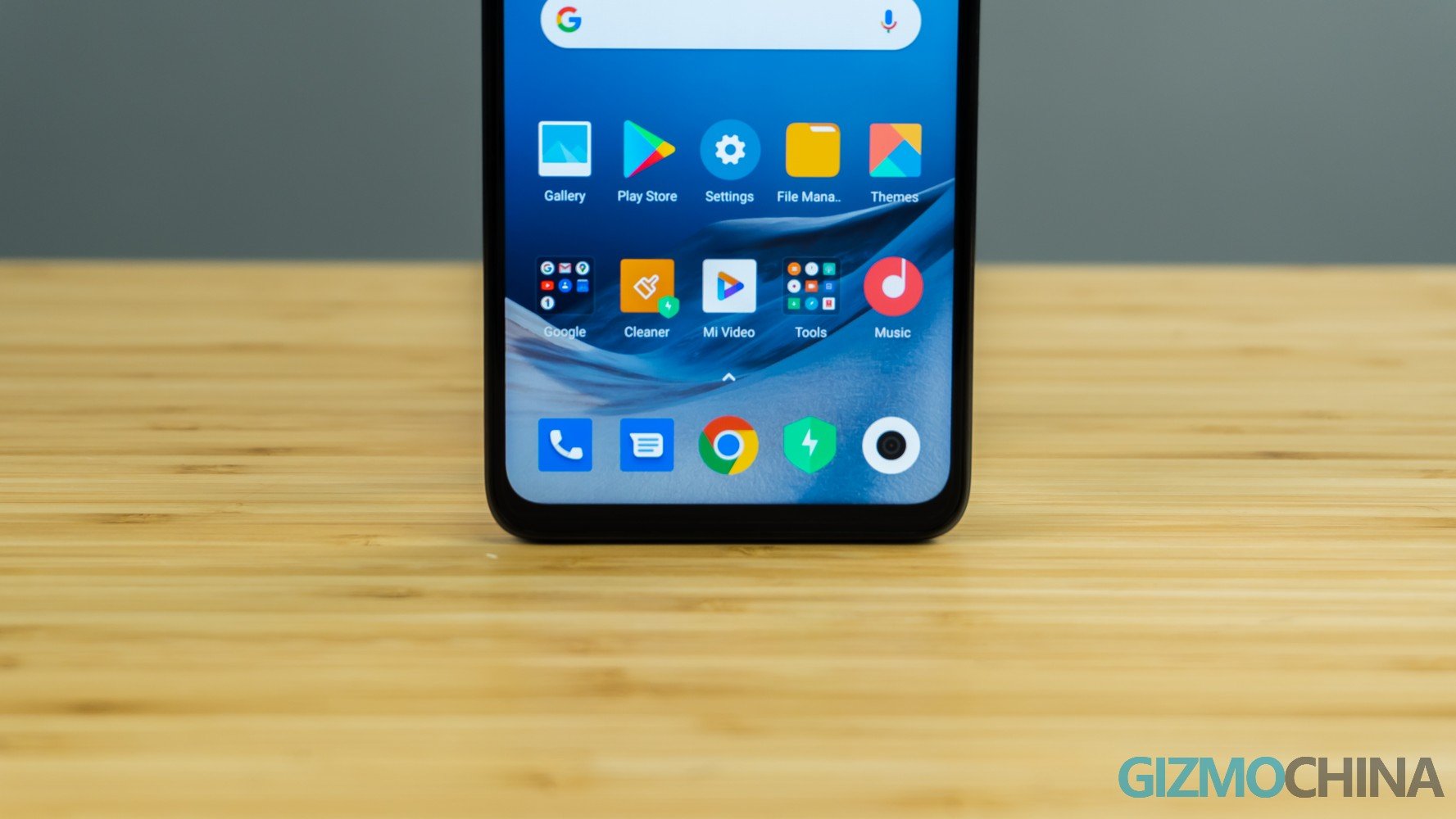
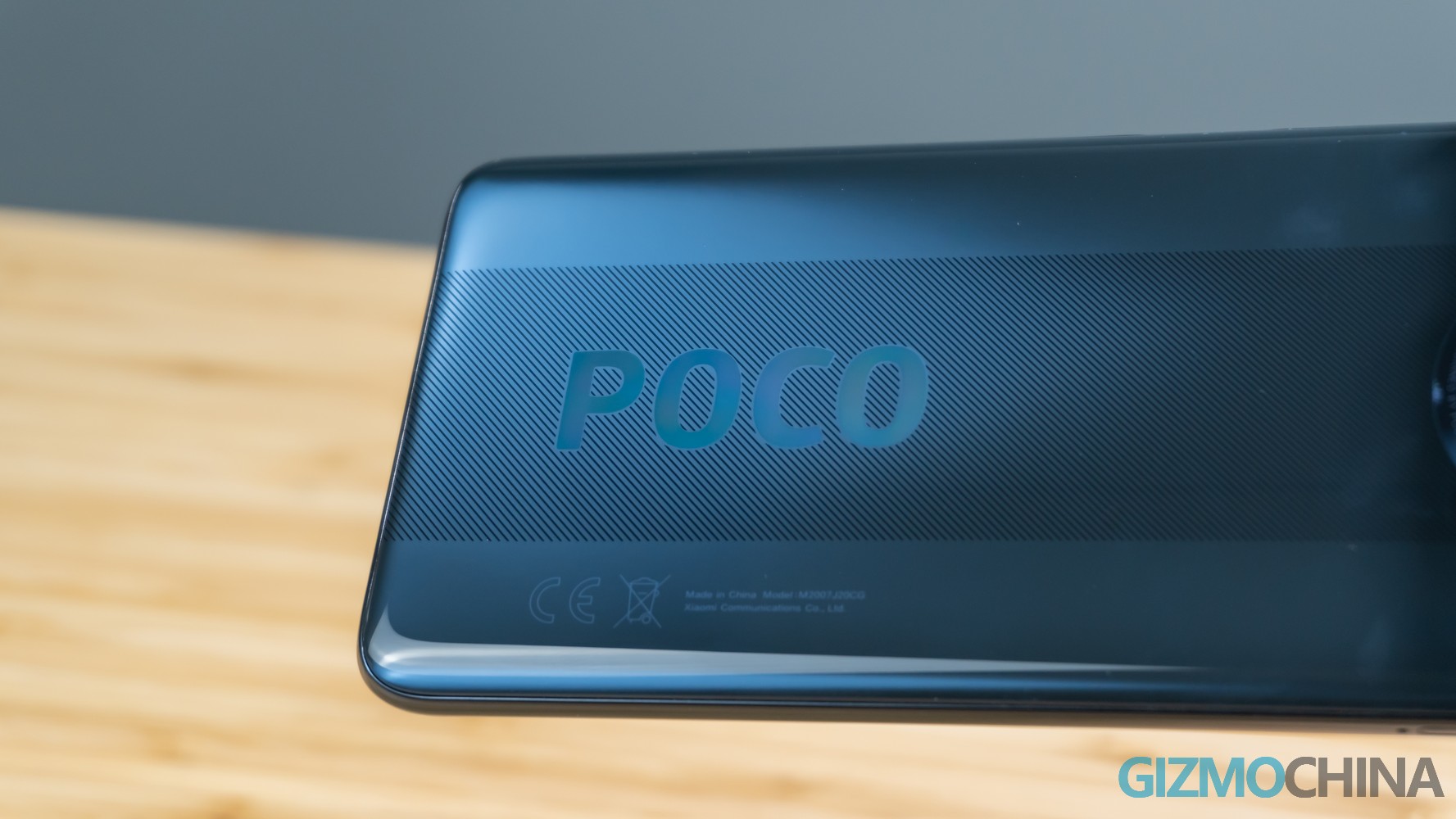
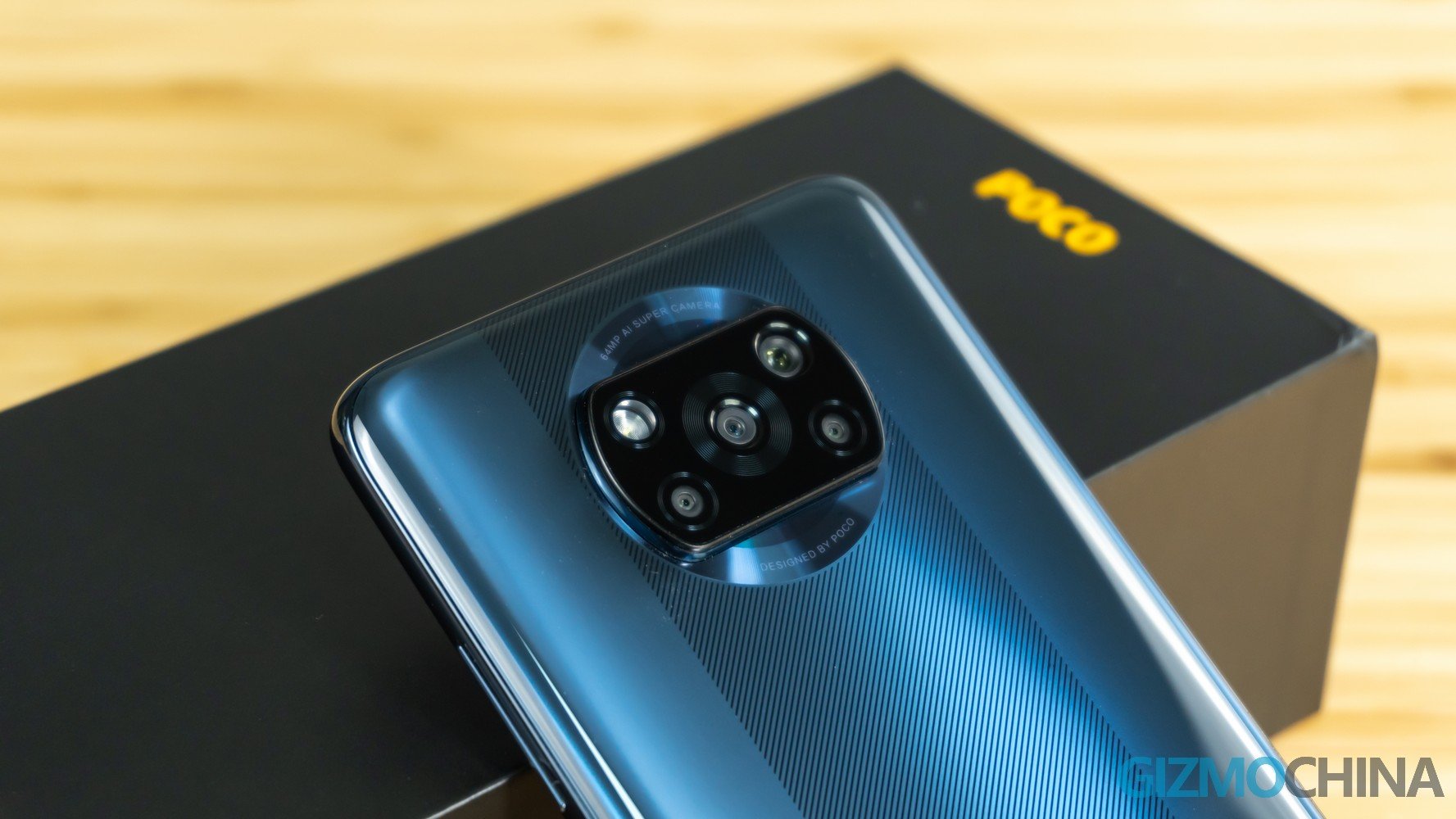
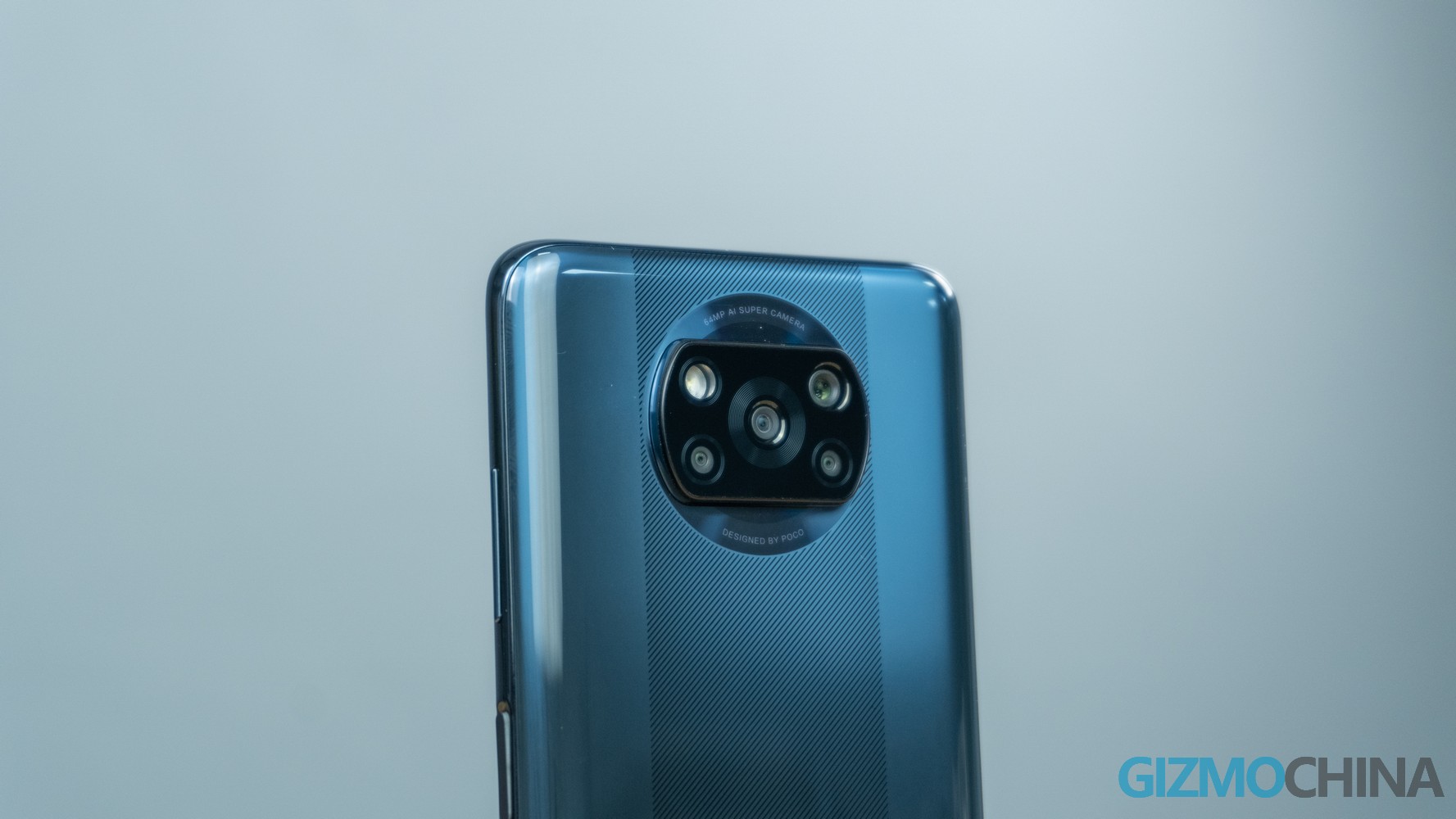
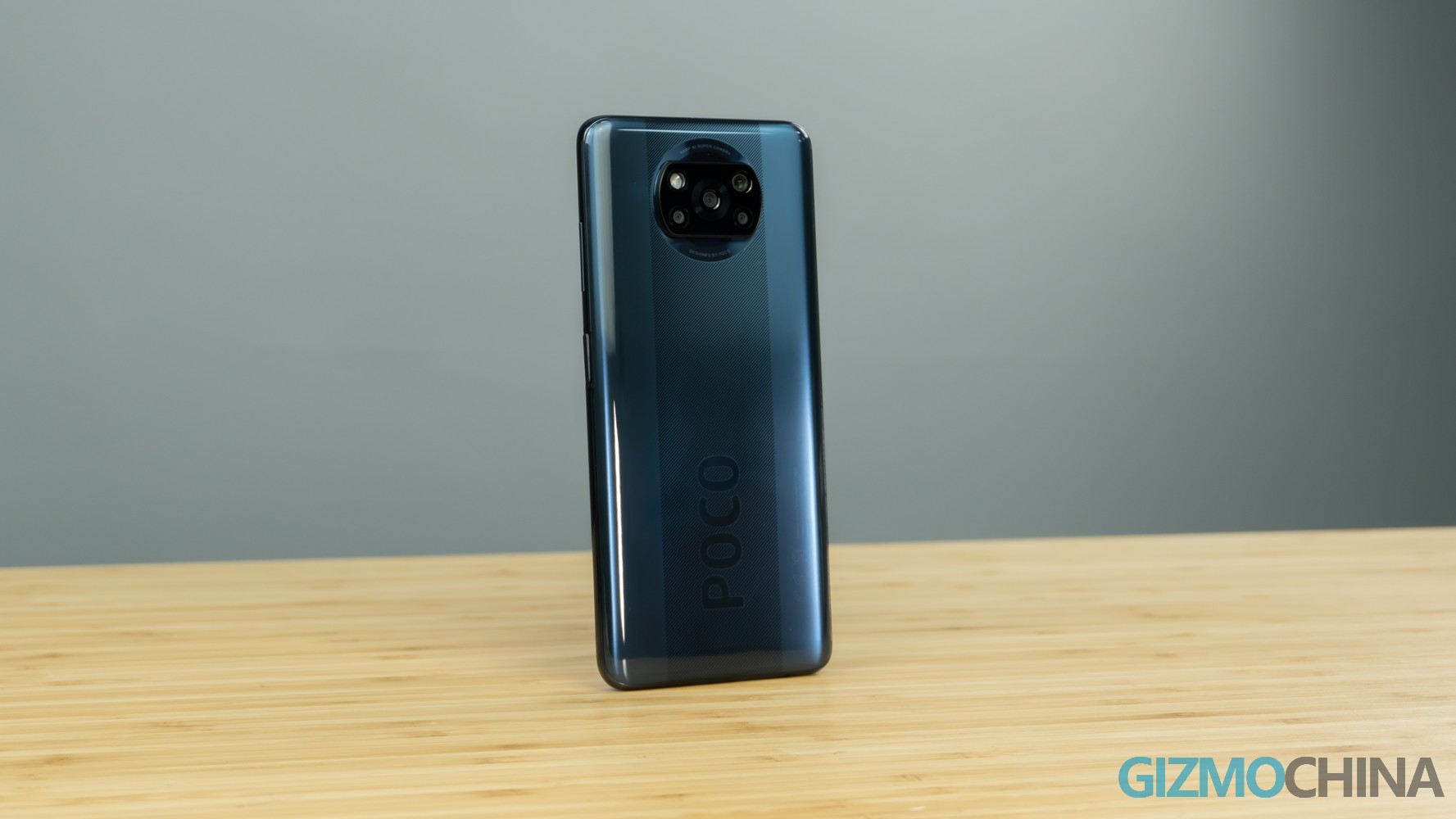
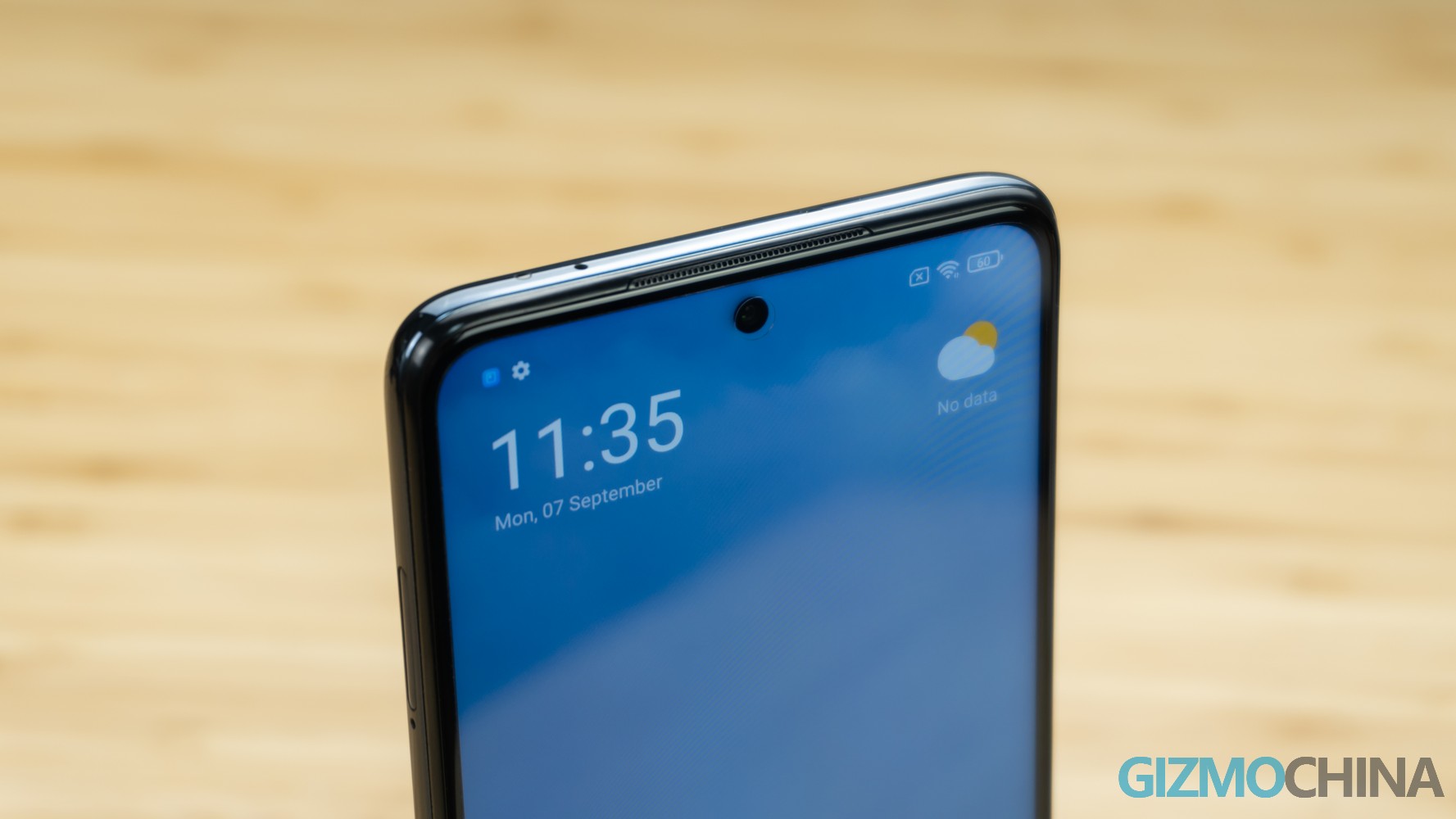
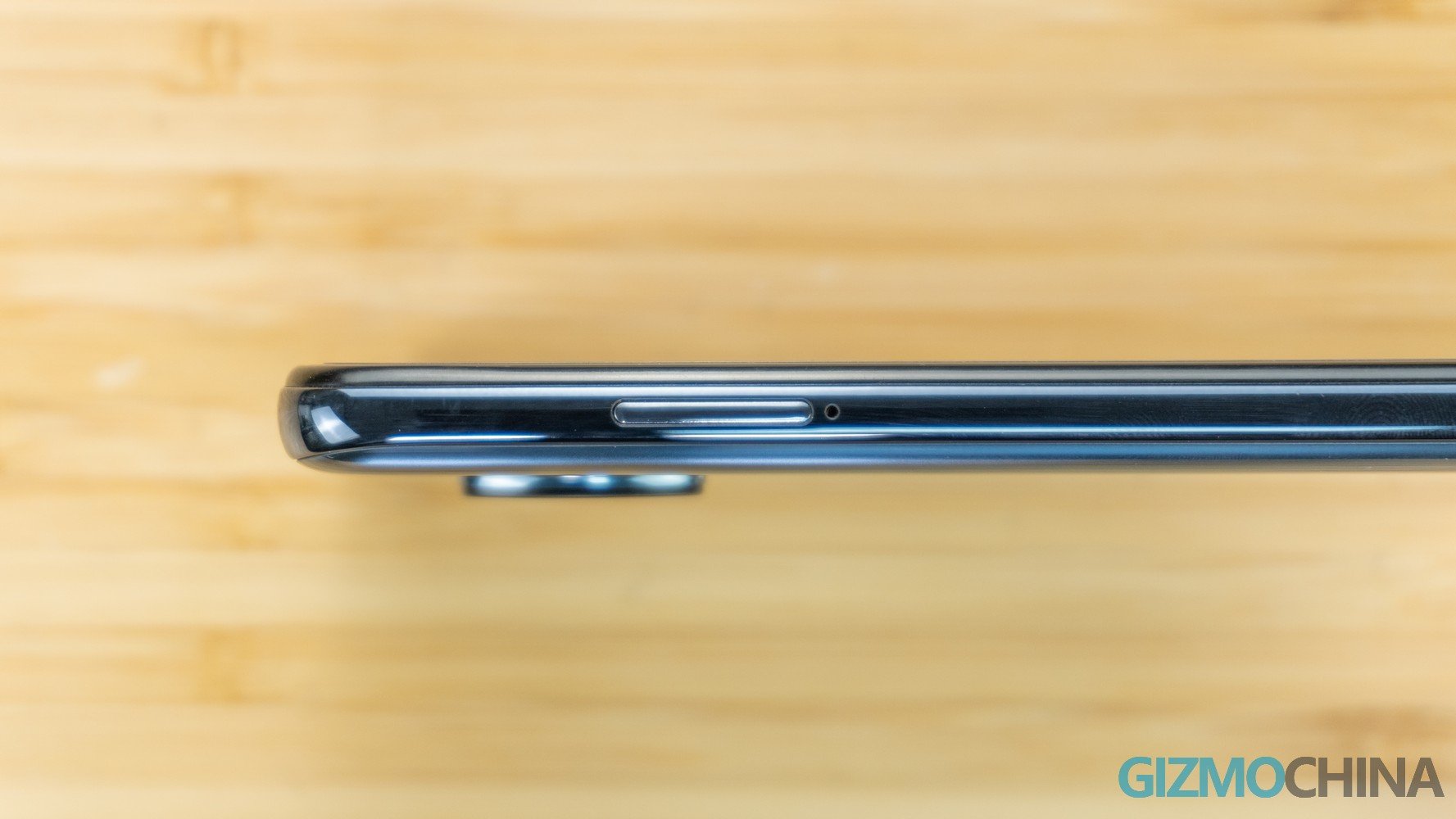
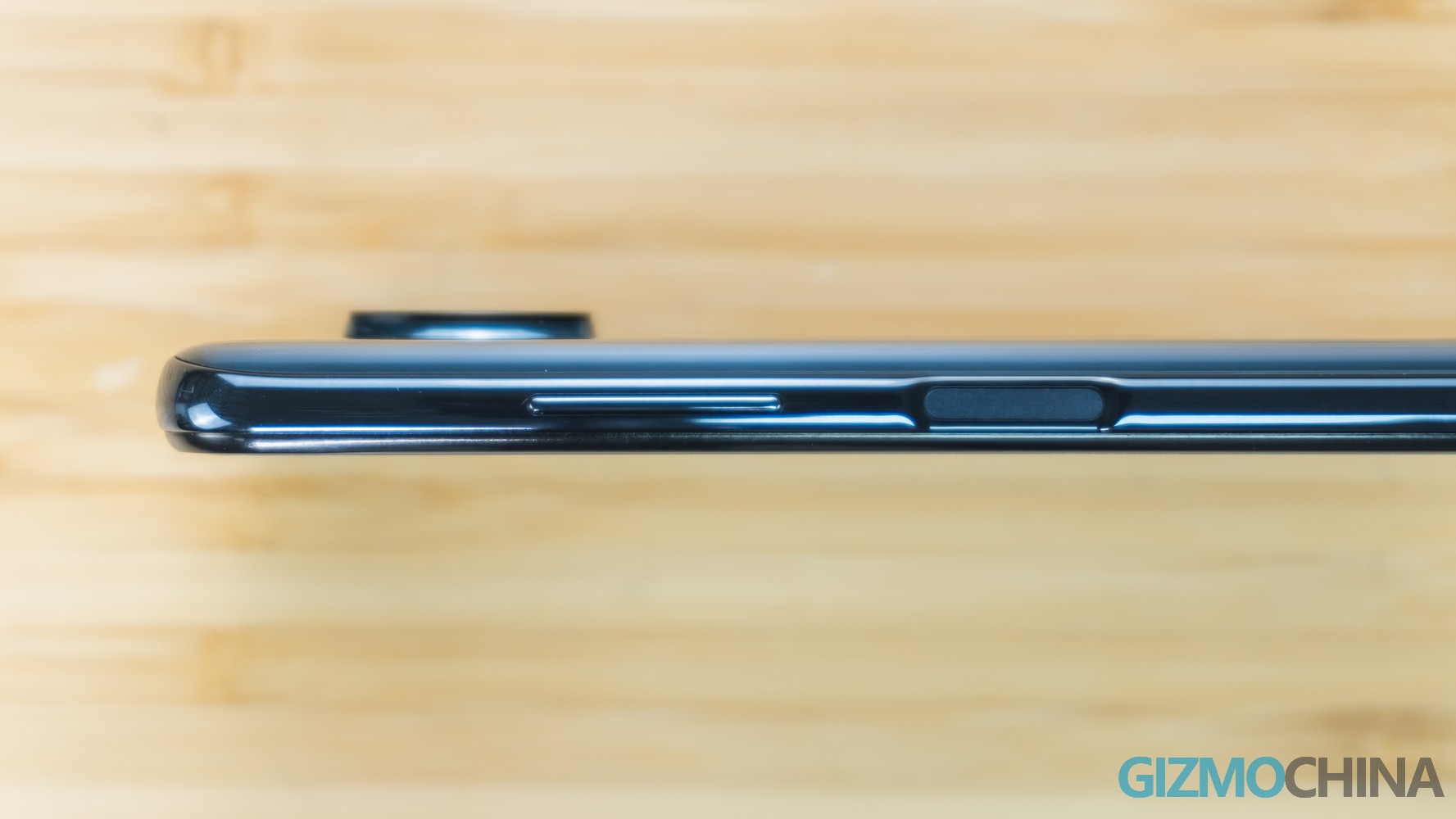
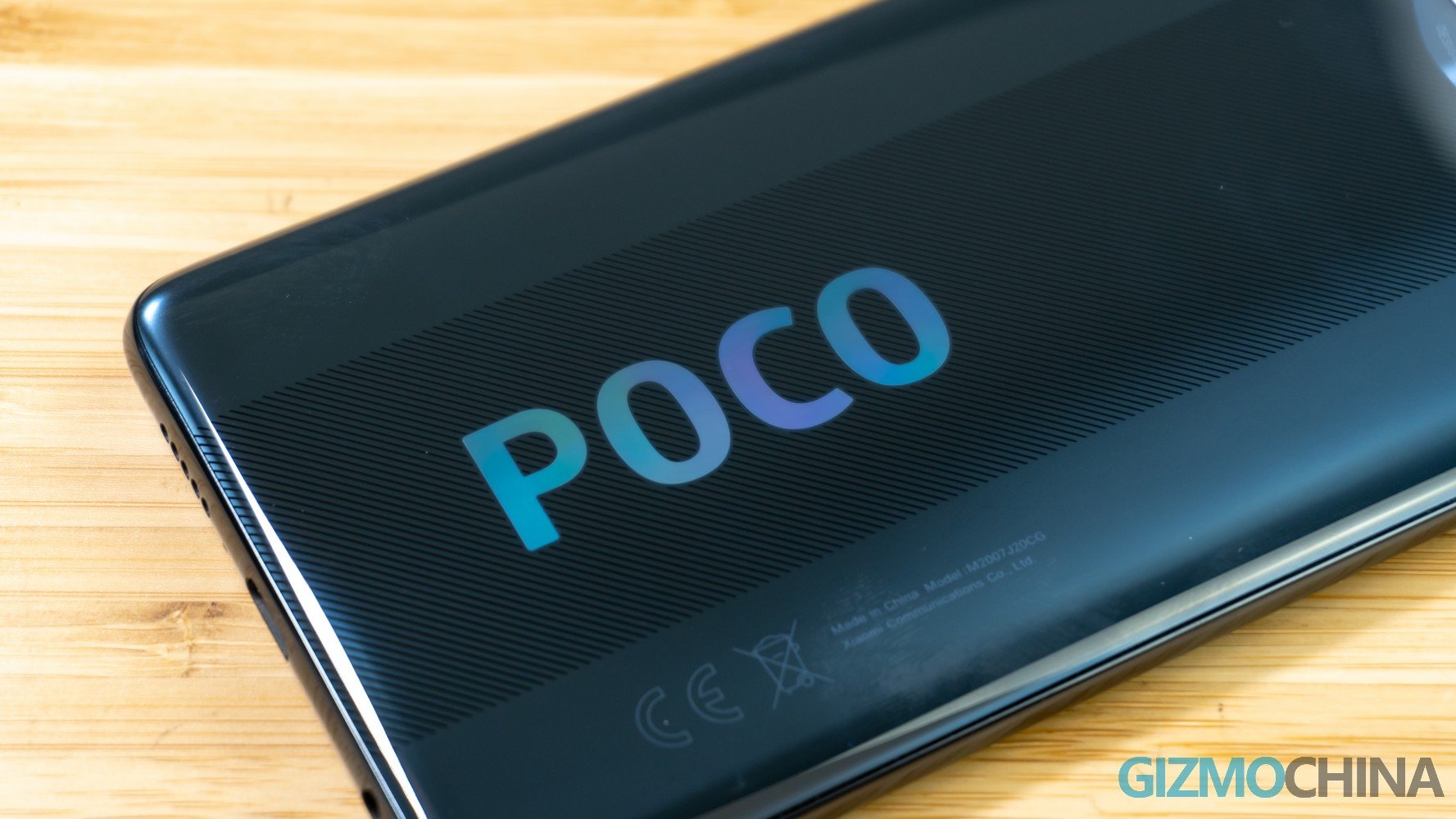
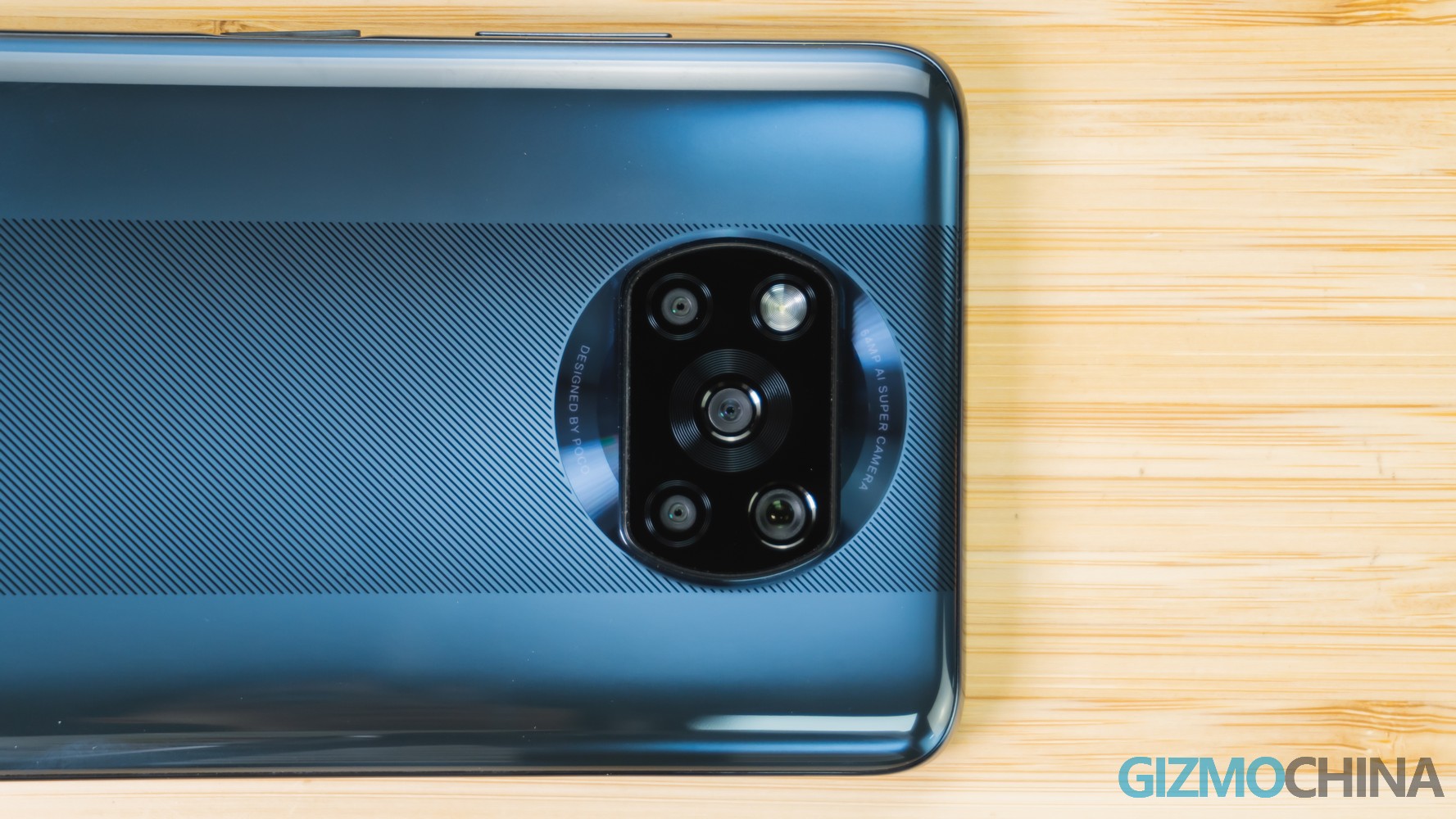
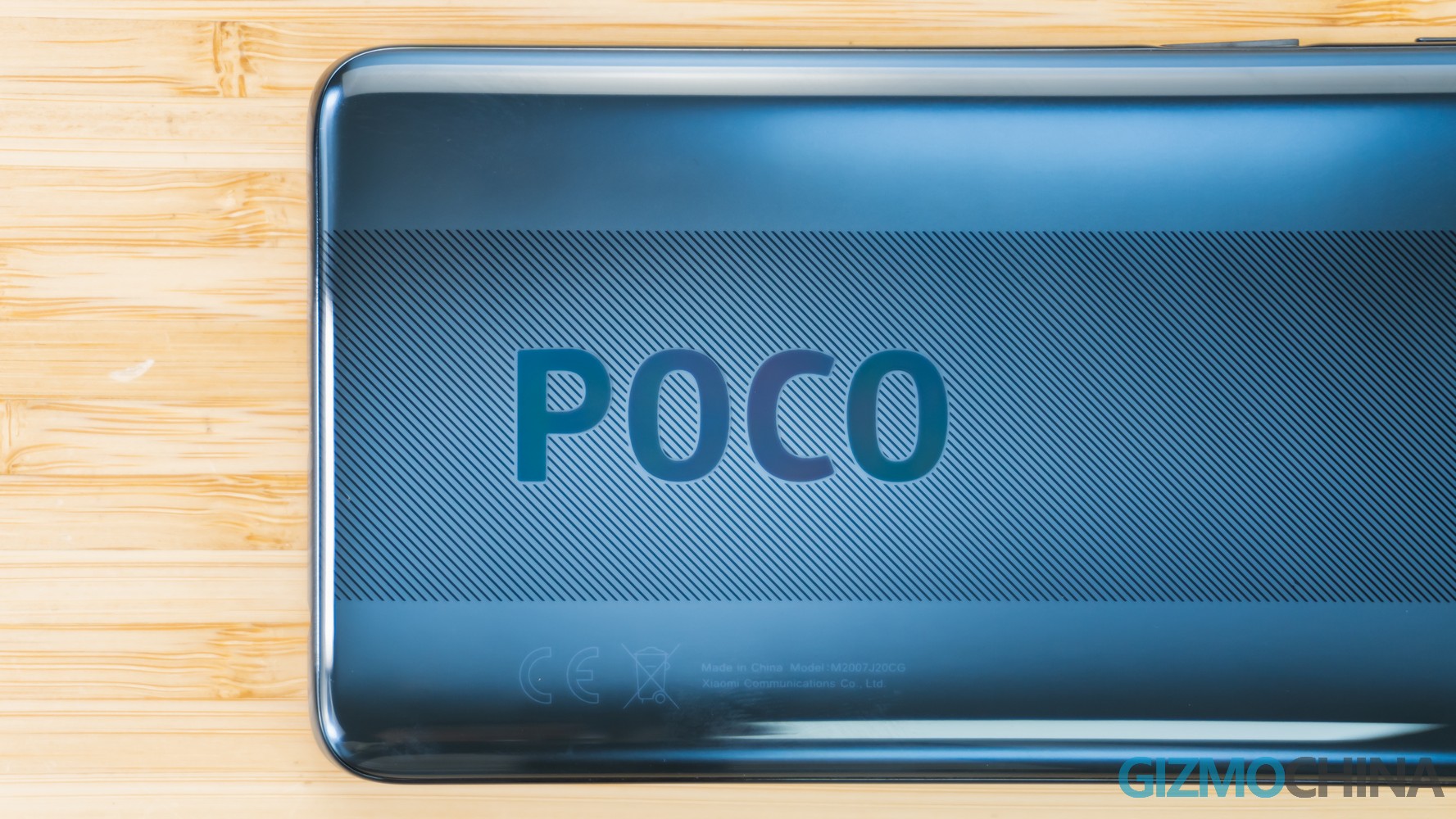
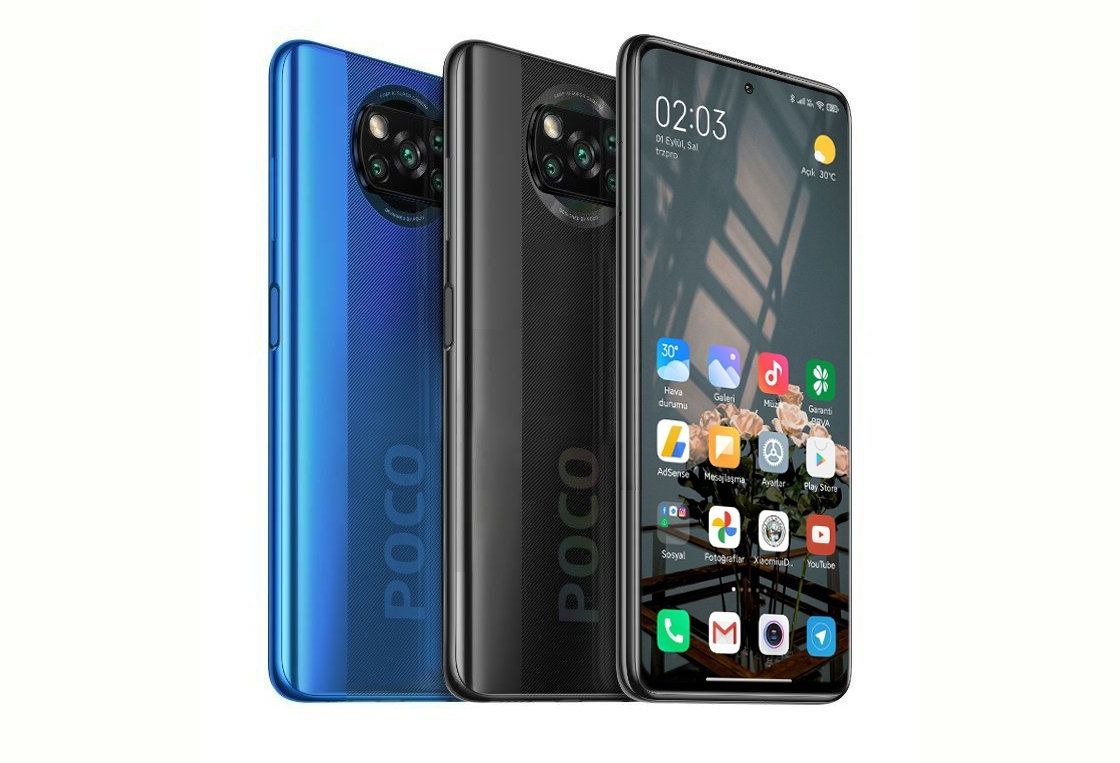
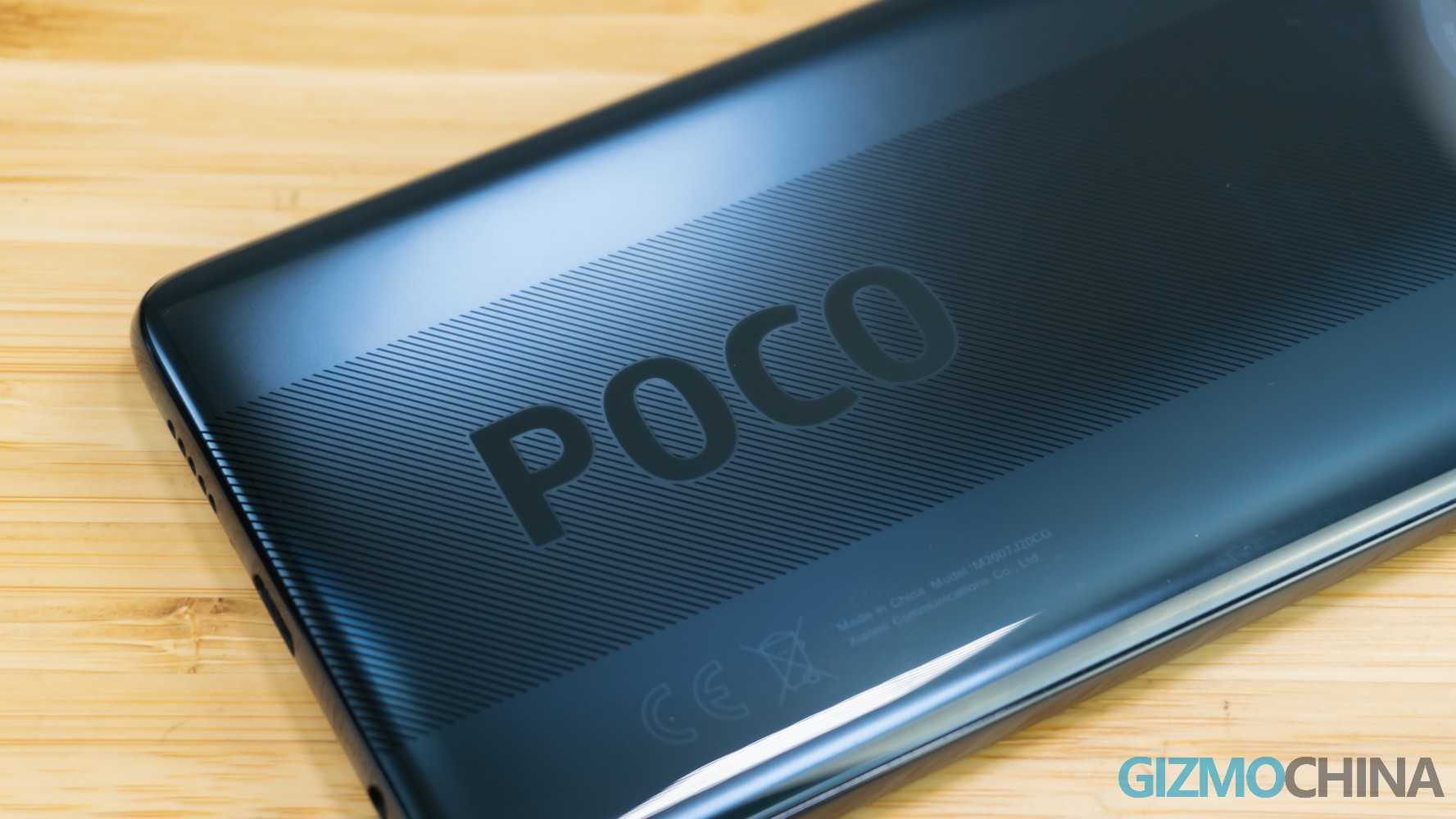
This year’s POCO devices were all rebranded Redmi smartphones, but the POCO X3 NFC looks like a brand new model with its resigned camera housing and bold new logo at the back. We have got the POCO X3 NFC in real skin and here are hands-on pictures of the device.POCO X3 NFC 010
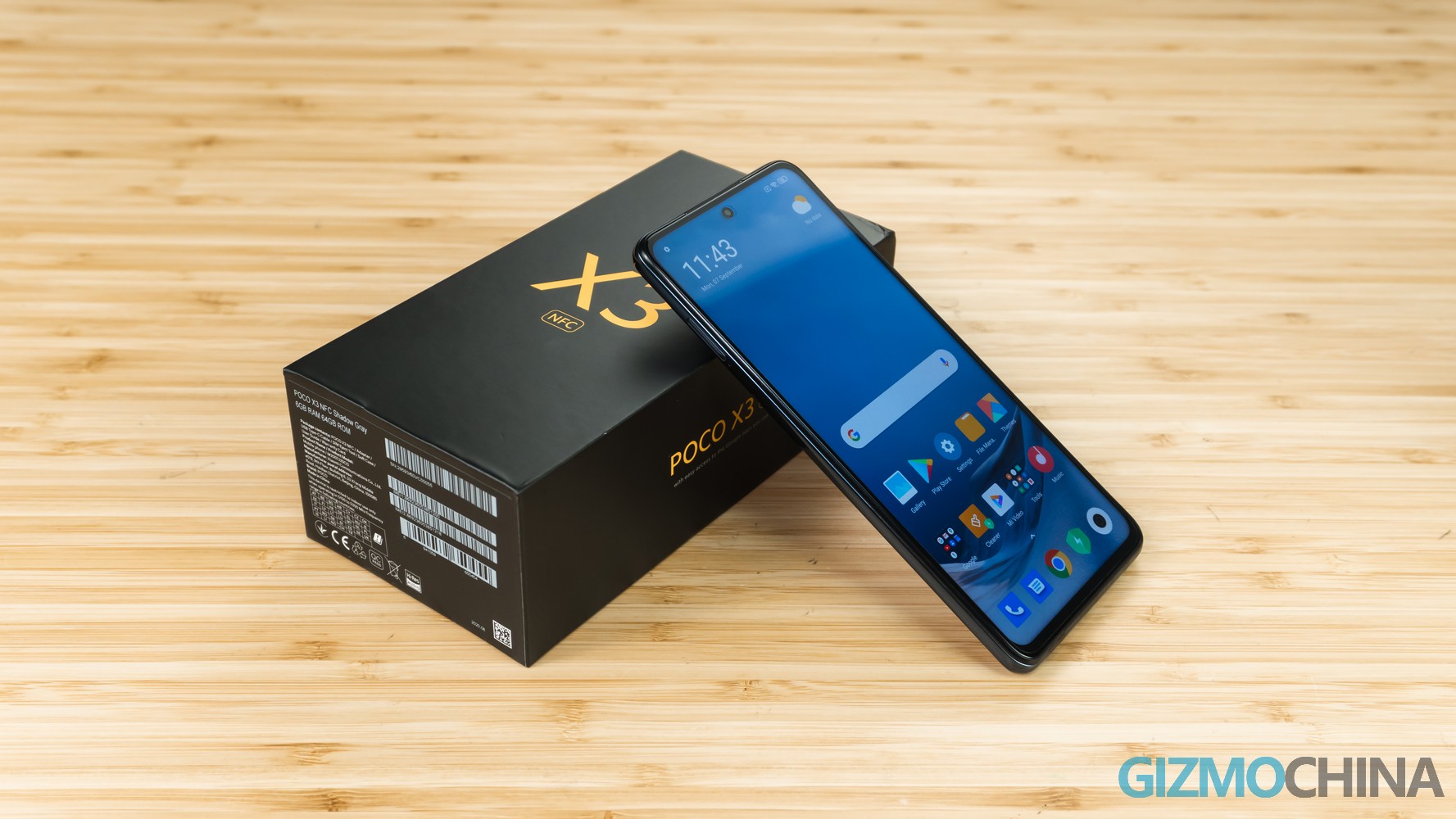
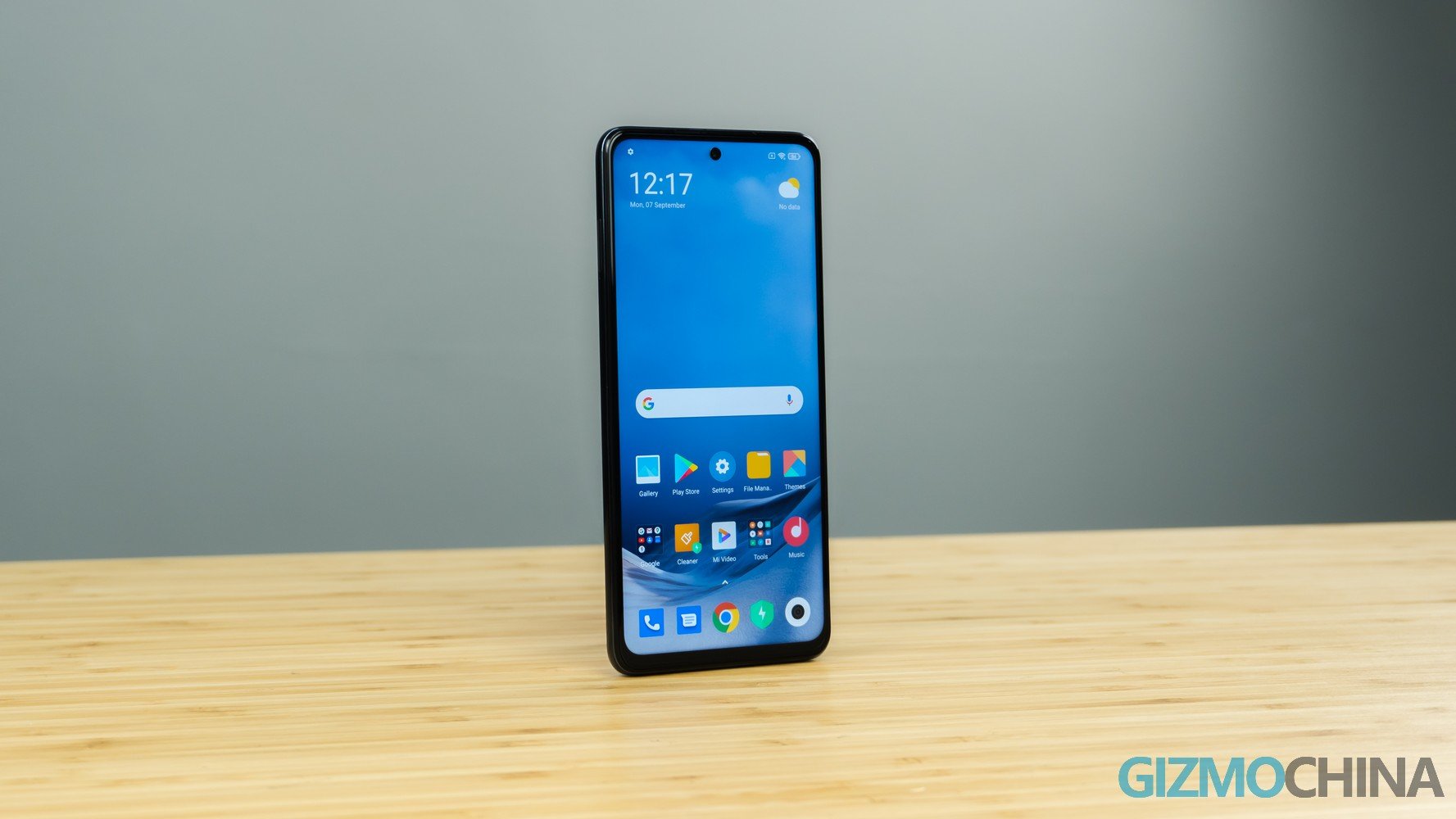
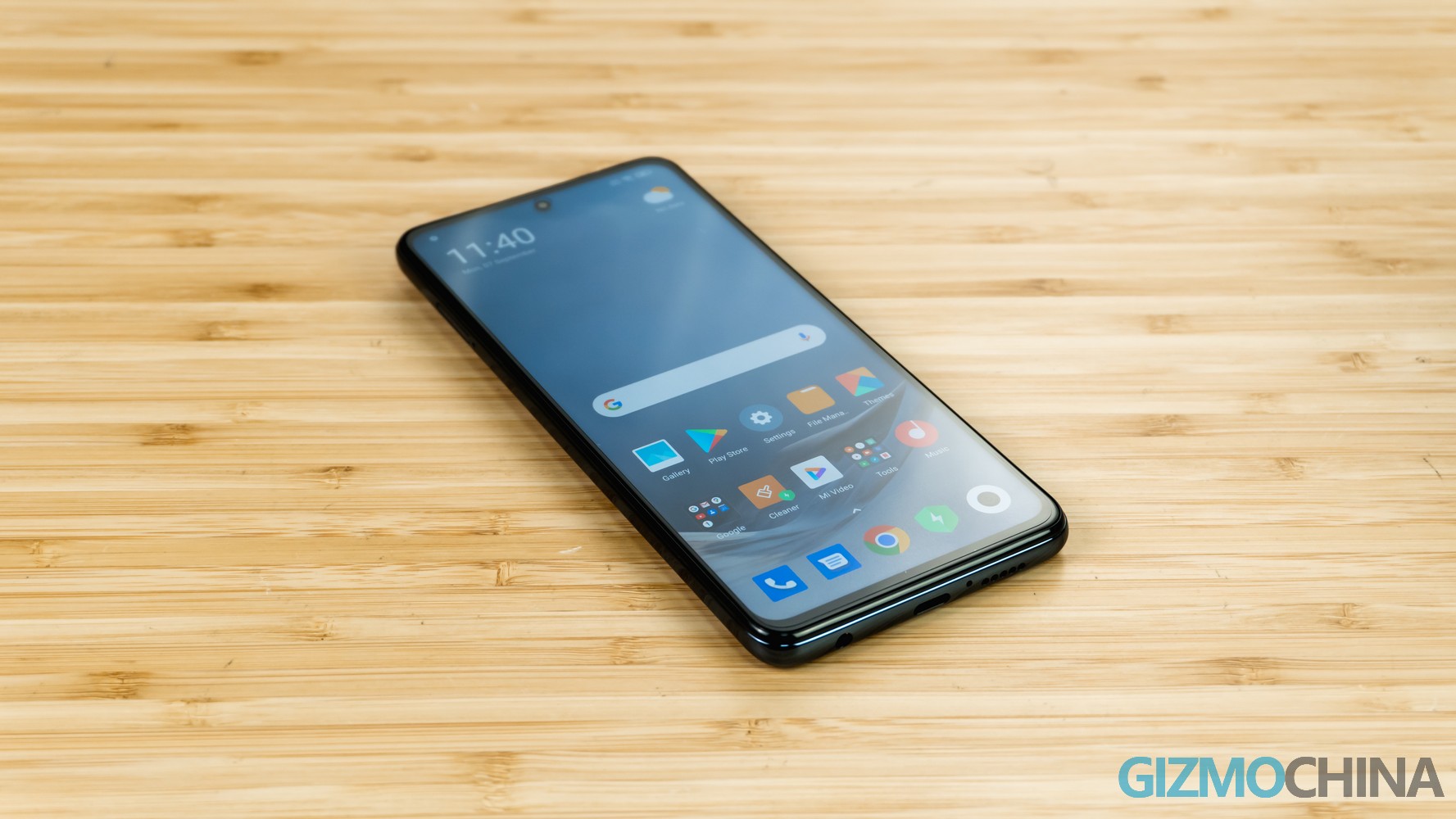
The POCO X3 NFC features a 6.67-inch FHD+ Dot Display with a 120Hz refresh rate and 240Hz touch sampling rate. The 120Hz refresh rate and 240Hz touch sampling rate creates an incredibly smooth and responsive experience superior to most flagships on the market.
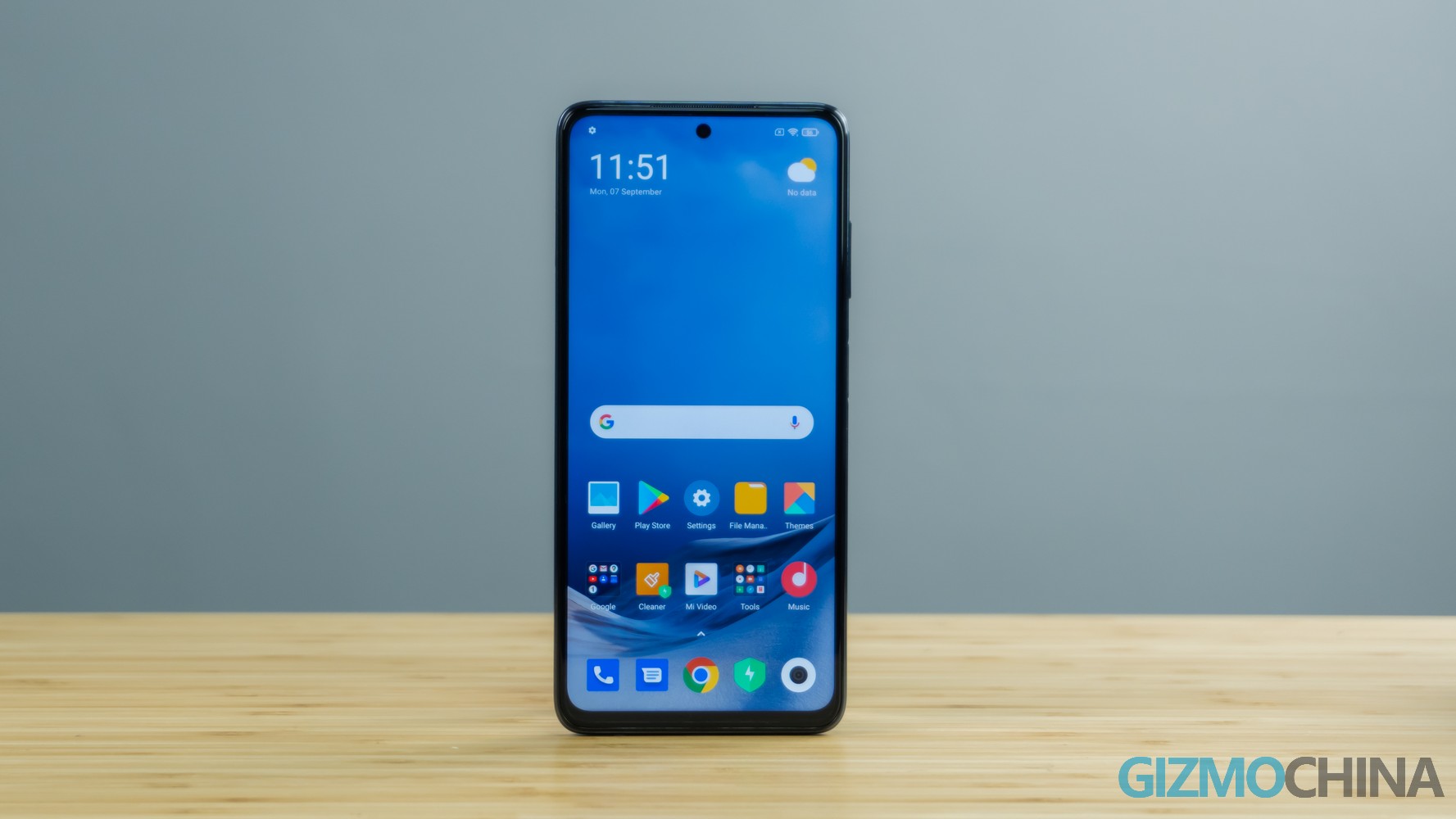
POCO X3 NFC 011The display is also covered with a layer of Corning Gorilla Glass 5 for added protection while there is a 20MP sensor located inside the tine dot.POCO X3 NFC 003
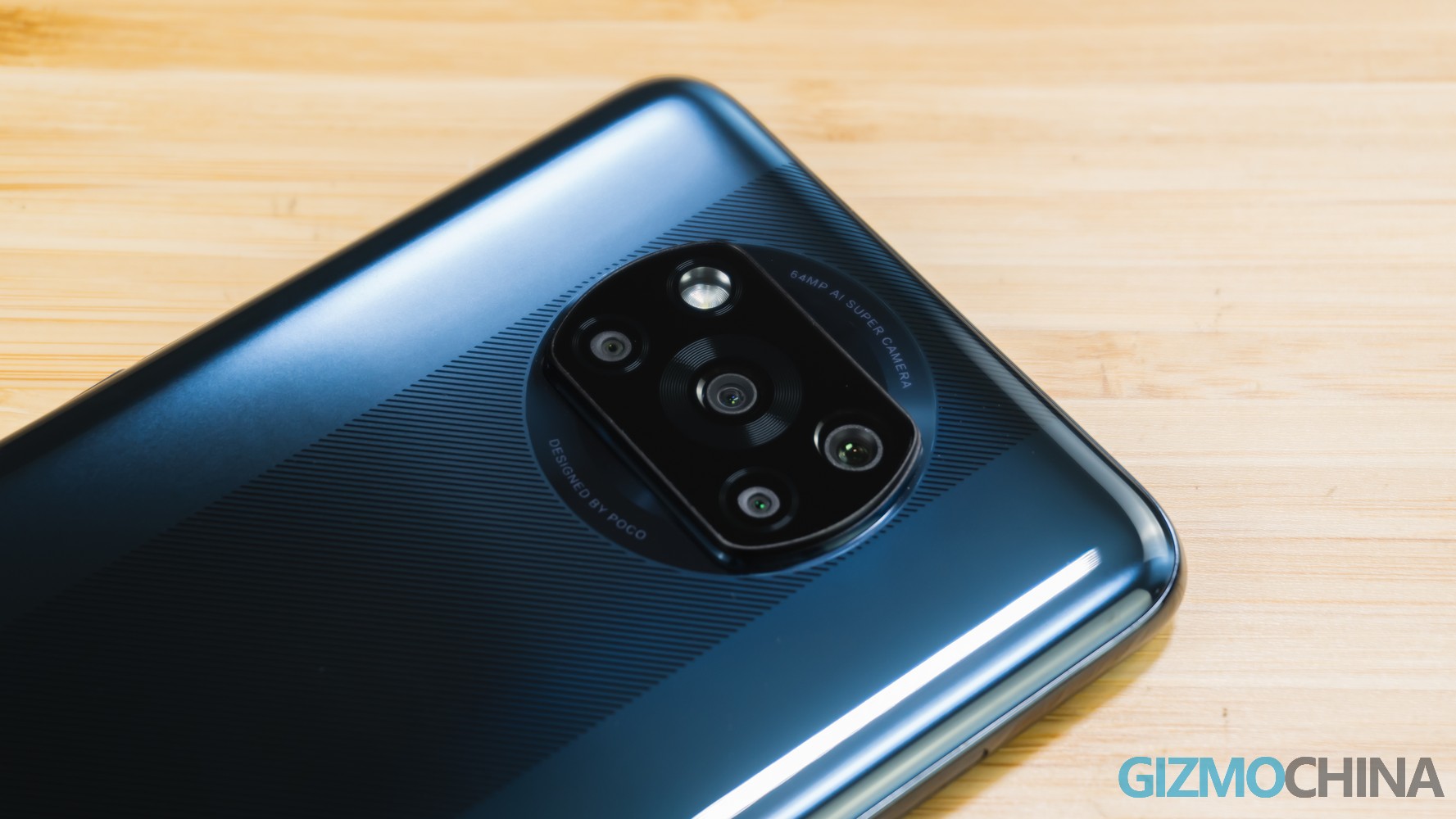
At the back, the phone packs a Quad-camera setup but with a redesign from what we saw on the X2. The camera housing now has a rectangular shape with two of the edges curved. The main sensor is a flagship Sony IMX 682 sensor featuring an f/1.89 aperture and 1.6μm 4-in-1 Super Pixel that produces detailed and ultra-clear pictures. There is also a 13MP ultra-wide-angle camera that boasts a 119° field of view propped up by ƒ/2.2 aperture and a 1.0μm pixel size, while the 2MP macro camera and depth sensor complete the setup offering extra functionality and reinforcing the main lens’ capabilities.

Editor’s Pick: Xiaomi Mi 10 Ultra will remotely control car thousands of miles away using 5G

The POCO X3 NFC comes out as the first phone that will feature a Snapdragon 732G processor which should bring incredible performance to the phone. On top of that, you get a 5,160mAH battery which is touted to last up to two days on a single charge.POCO X3 NFC 001
To ensure the steady operation and frictionless user experience, the device embeds LiquidCool Technology 1.0 Plus, combining an enlarged copper heat pipe with multiple layers of graphite that work together to reduce the heat of the phone’s processor by up to 6 degrees.

To ensure the utmost sound immersion, the device also packs a pair of flagship-grade stereo speakers. The 4cc-equivalent upper speaker, 1cc-equivalent lower speaker, and up to 0.5mm vibration amplitude provides for crystal clear stereo sound and absorbing gaming experience. Meanwhile, the speakers’ ability to self-clean ensures unmuffled audio in the long run.

The phone is pretty cheap too retailing at just $199 via Aliexpress and starting at €199 or €249, depending on the storage in some European markets.

Check out more photos of the POCO X3 NFC from the gallery below.
 

Latest report by DigiTimes reiterates Apple to launch 6.1-inch iPhone 12 models first

The next anticipated smartphones of 2020 are the upcoming iPhone 12 devices. They have been reported to launch later than the previous years. Back in August, DigiTimes reported that 6.1-inch iPhone 12 handsets will launch first, followed by the other two in the later months. Now, a month later, the publication reiterates the same.

Apple Logo Featured

A new report by DigiTimes (via MacRumors) says that the shipments of SLP (substrate-like PCB) mainboards for 6.1-inch iPhones12 devices started back in July, whereas those for 6.7-inch and 5.4-inch iPhone 12 models only begun in the second half of August.

The report also states that Taiwan’s Zheng Ding Technology and Austria’s AT&S are the major SLP supplier for iPhone 12. The other three suppliers include TTM Technologies of the USA and two more Taiwanese companies – Compeq Manufacturing and Unimicron Technology.

Further, CCL (copper clad laminate) maker Elite Material, a company based out of Taiwan will benefit the most from the increase in SLP board shipment as it has outraced Panasonic to become the primary supplier of SLP products for Apple iPhone 12 smartphones.

According to Mark Gurman, Apple may announce the date of the virtual launch event for iPhone 12 this week. According to him, the company will not unveil new Apple Watches and iPad Air in a press release tomorrow as tipster Jon Prosser hinted.

Anyway, new Apple products will be certainly launching in the coming weeks, albeit not all of them will be available at the same time.


POCO X3 NFC with 120Hz display, SD732G, 64MP quad cameras, 5,160mAh battery launched for 199 euros

Today, POCO held a global unveiling event to unleash the POCO X3 NFC smartphone. It has arrived as the successor for the predecessor POCO X2 phone. The predecessor model was not really a new phone since it came as a rebadged version of the Redmi K30 4G that debuted back in December 2019. The POCO X3 NFC is a brand-new phone that features the Snapdragon 732G which is the most powerful Snapdragon 7-series chipset from Qualcomm. The handset comes with a refreshed front and rear design. The POCO X3 NFC is blessed with features like a 120Hz refresh rate, 64-megapixel quad cameras, and a large-sized battery with rapid charging technology.

POCO X3 specifications and features

Like the POCO X2, the POCO X3 NFC offers users a 6.67-inch full HD+ resolution supporting IPS LCD screen. Instead of the dual punch-hole cutout that was made available on the POCO X2, the X3 has a tiny round-shaped cutout of 3.8mm at the top-center position on the screen to provide users with higher screen space. The POCO X3 NFC’s display supports HDR10, 120Hz refresh rate, 240Hz touch sampling rate, and Gorilla Glass 5 protection. While gaming the phone’s screen works at 120Hz and at other times, the DynamicSwitch feature kicks in to make the display function at the conventional 60Hz refresh rate. For instance, during video playback, the POCO X3 NFC plays content at 60Hz.

The 8nm Snapdragon 732G that clocks at 2.3GHz drives the POCO X3 NFC with LPDDR4x RAM and UFS 2.1 storage. it comes with support for additional storage through a microSD card slot. The phone features LiquidCool Technology 1.0 Plus that offers a 70 percent larger heat pipe than its predecessor technology. Along with graphite sheets, the new technology can cut down on the internal heat by 6 degrees Celsius.

POCO X3 NFC
POCO X3 NFC

The Android 10 OS comes preinstalled on the POCO X3 NFC. It is overlaid with the MIUI 12 and POCO Launcher. The company promised to treat the owners of the POCO X3 NFC with three years of system updates. Probably, the company could be talking about the MIUI updates and not the OS upgrades. The smartphone is fitted with a 5,160mAh battery and its retail package includes a 33W fast charger. Speaking of the retail package, it also includes an anti-bacterial case. The Game Turbo 3.0 brings gaming optimizations such as performance mode, sound quality optimization, network optimization, and voice changer. For in-game vibrations, the phone comes with a z-axis linear motor.

The POCO X3 NFC has a 20-megapixel front-facing camera with f/2.2 aperture. It offers features like portrait mode, AI scene detection, AI studio lighting, screen flash, HDR, and more. The main cameras of the POCO X2 were arranged vertically in a circular camera housing. The POCO X3 NFC retains a round-shaped camera module with a refreshed arrangement for its quad cameras. The setup includes a Sony IMX682 64-megapixel main shooter, a 119-degree 13-megapixel ultrawide sensor, a 2-megapixel macro lens with a 2cm focal length, and a 2-megapixel depth assist sensor. The quad cameras support features like AI SkyScraping 3.0, night mode, pro mode, AI scene detection, AI beauty, Google lens, new filters, 120fps 1080p slow-motion video recording, 30fps 4K video recording, and kaleidoscope mode.

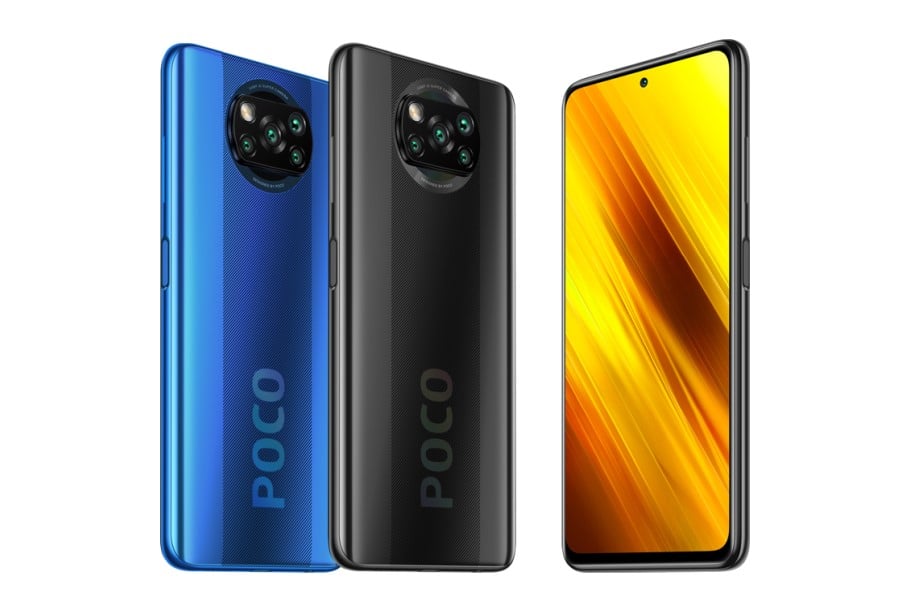
The POCO X3 NFC flaunts a refreshed ‘Finish line’ appearance on its back. The polycarbonate rear has a thick textured strip, a DSLR-like camera arrangement, and a big POCO that changes color when viewed from different angles. Moreover, the phone offers splash-resistance as it comes with an IP53 rating. The handset measures 165.3 x 76.8 x 9.4mm and it weighs 215 grams. The handset is equipped with plenty of other features such as dual stereo speakers, AI face unlock, a side-mounted fingerprint reader, an IR blaster, dual SIM support, 4G VoLTE, Wi-Fi 802.11ac, Bluetooth 5.1, GPS, USB-C, and a 3.5mm headphone slot.

POCO X3 NFC pricing and availability

Here is the pricing and availability of the POCO X3 NFC:

  • 6 GB RAM + 64 GB storage – 229 euros (~$270); Early bird price – 199 euros (~$235)
  • 6 GB RAM + 128 GB storage – 269 euros (~$318); Early bird price – 249 euros (~$294)
    Color variants: Shadow Gray and Cobalt Blue.

The POCO X3 NFC will be available for purchase from tomorrow through platforms like Mi.com, Amazon, AliExpress, Gearbest, and more. To get the POCO X3 NFC at discounted rates through the early bird sale, one can place an order for it between Sept. 8 and Sept. 11. Buyers who avail the POCO X3 NFC during the early bird sale period will have a chance to purchase the Black Shark FunCoooler Pro at a discounted price of 25 euros (~$29). Its regular price is 39 euros (~$46).


Huawei EMUI 11 arrives on September 10, teaser hints cross platform support

Earlier today (7th September 2020), Huawei officially teased the EMUI 11, the company’s latest custom skin based on Android OS at the Huawei Developers Conference 2020.

Huawei

On the company’s official Weibo post, a Chinese microblogging website, it was written that “Add wings to imagination, mobile phones are not just mobile phones, what else can they be?” In other words, it teases and hints at something interesting. Huawei has long since been trying to bring its electronic ecosystem to be more seamless and this might be a step in that direction.

As per the poster image shared, one can observe various devices like a refrigerator, an air conditioner, and other home appliances being interconnected with a smartphone. This might be indicative of a cross platform support of the upcoming software, or a feature that lets using smart home appliances even more intuitive. Huawei also placed emphasis on handsets being more than just smartphones in the teaser. Although, what exactly the company means is still unclear.

HUAWEI EMUI Logo Featured

The EMUI 11 is the latest version of the company’s proprietary custom skin. According to Huawei’s consumer business software department president, Wang Chenglu, the software will be more mature in the application of distributed technology and the style and design of the EMUI 11 will be significantly different from the EMUI 10. It is a major update that brings overhauls to the UI design and more. So stay tuned for the launch event.


Samsung was the leading streaming device brand in Q1 2020; Tizen was also the top streaming platform

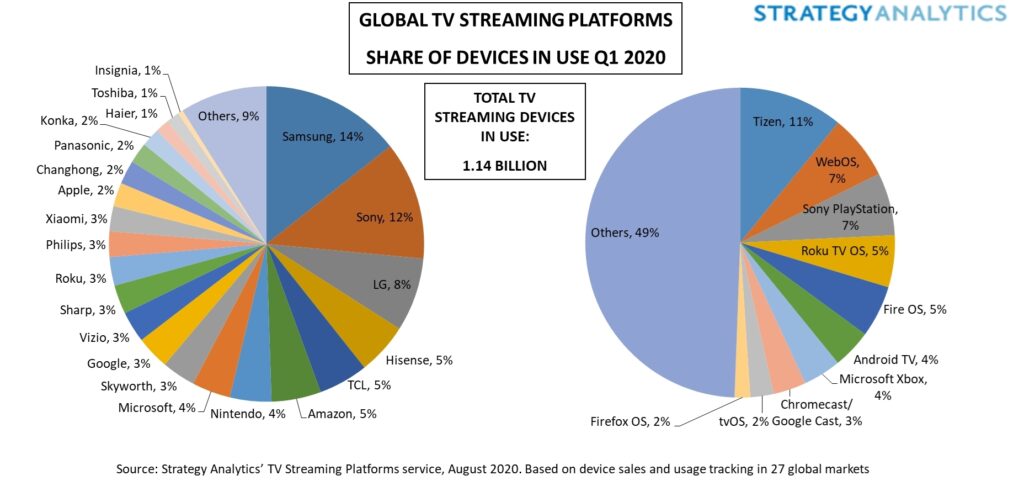
Streaming has become the most popular way to consume content. Smart TVs and streaming devices play an important role in the rising popularity of OTT platforms. A recent report on TV and video streaming devices across 27 major countries by Strategy Analytics reveals that Samsung not only leads in streaming device market share in these regions but its operating system Tizen, a gateway to streaming services also top the chart.

Strategy Analytics Global TV Streaming Devices and Platforms Q1 2020

Though this report was published on September 2, it is worth noting that it is for Q1 2020.

Streaming Devices

According to Strategy Analytics, Samsung was the leading streaming device brand in the first quarter of 2020 in 27 major countries with 14% of devices in use. Whereas, second and third positions were held by Sony and LG with 12% and 8% market share respectively.

Further, Hisense, TCL, and Amazon tied at fourth position with 5% market share each, followed by Nintendo and Microsoft at fifth position with 4%.

Interestingly, in sixth place with 3%, there were a total of seven brands such as Skyworth, Google, Vizio, Sharp, Roku, Philips, and Xiaomi. Also, with 2% in seventh place, there were four brands like Apple, Changhong, Panasonic, and Konka.

Whereas, the ninth position was captured by Haier, Toshiba, and Insignia with a 1% share. The remaining 9% was held by others category, which includes brands with negligible market share.


Streaming Platforms

Talking about streaming platforms, once again, Samsung lead in these 27 markets with 11% share with its Tizen OS. But the second position was held by platforms of both LG and Sony namely WebOS and Sony Playstation with 7% share each.

Roku TV OS and Fire OS tied at third position with 5% market share, followed by Android TV and Microsoft Xbox in the fourth place with 4% share.

Google Chromecast came at fifth position with 3% share while Apple tvOS and Firefox OS clashed with each other in the sixth place with 2% market share. The remaining 49% was occupied by platforms in the others category.

Takeaways

One thing is obvious from this report that the leading streaming device manufacturers also top the chart in streaming platforms if they have any. Also, a plethora of TV manufacturers gained some share in the devices category. Most of them use Android TV but still, Google’s streaming platform only accounted for 4%.

Anyway, this report only includes data from 27 major countries. Even though, the number of active devices in these regions is an astonishing figure at 1.14 billion.


Samsung to raise smartphone shipments to 300 million units in 2021, as Huawei shipments decline

Samsung is expected to increase its smartphone shipments to 300 million units in 2021, according to an ETNews report. The company plans on raising the shipments as its rival, Huawei, faces stiff regulations by the US, and as the overall smartphone market declines.

Samsung

Notably, the South Korean tech giant’s Galaxy S20 series did not perform as well as planned, with the Coronavirus pandemic making matters even worse for the first half of this year. The company saw sluggish sales at the start of the year and is apparently looking to recover sales in the latter half of this year. According to an industry insider, Samsung is planning on promoting a plan to raise its smartphone shipments to the 300 million units mark.

In 2020, it is expected that the company will ship a total of 260 million units, so an increase of 15 percent over this year is expected in 2021. Furthermore, it is also motivated by Huawei’s current situation with the recent US sanctions. In other words, Samsung is clearly seeking to capture some of Huawei’s market share. The source stated that “Samsung Electronics expects that Huawei’s smartphone shipments will decrease by 70 percent next year from this year due to US sanctions.”

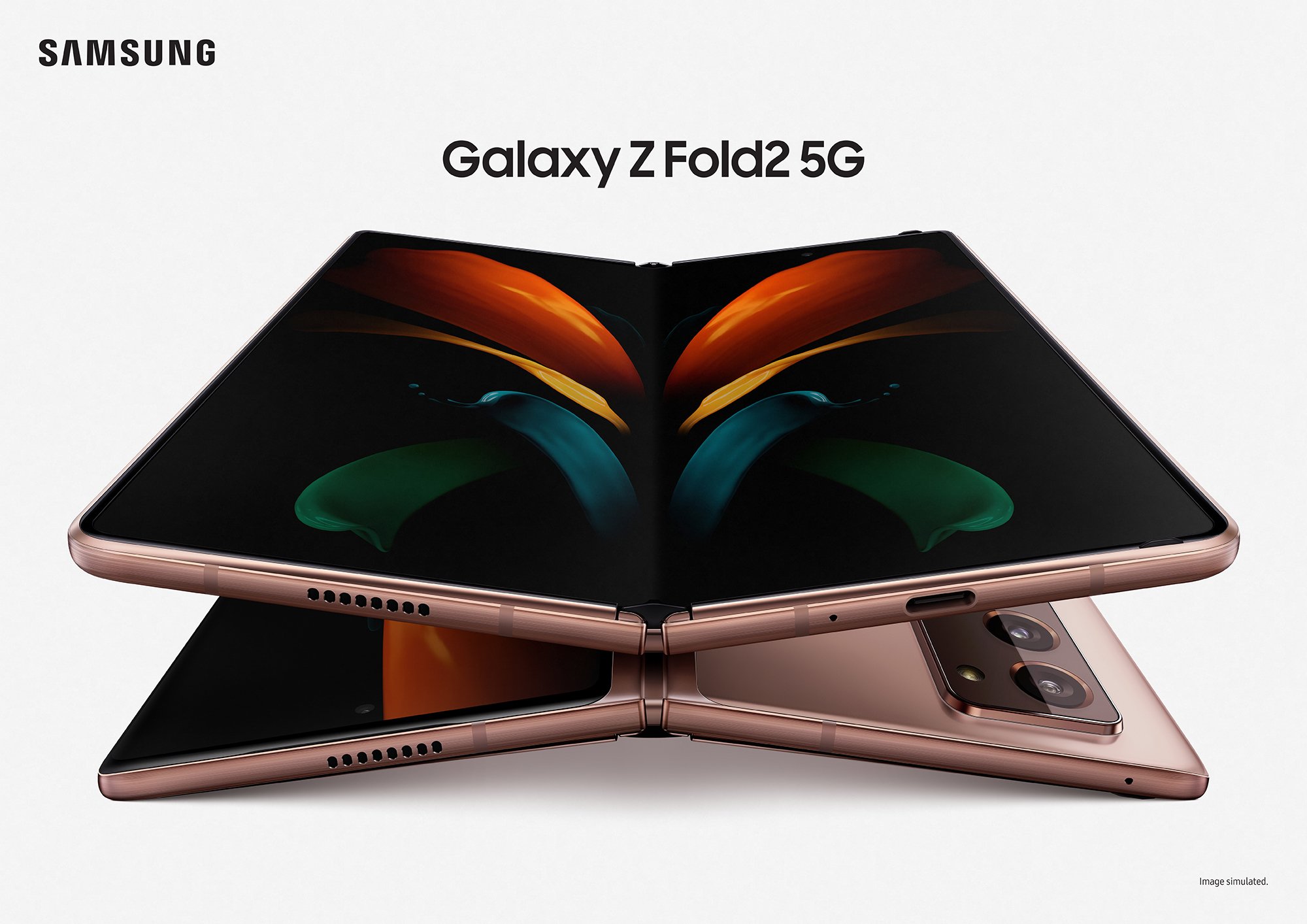
Samsung Galaxy Z Fold2 5G Mystic Bronze

Other reports have revealed that despite the sluggish performance in 2020, Samsung is still expected to maintain its lead in the global smartphone market this year. The company will still hold a strong 21 percent market share in 2020, with Apple and Huawei arriving second and third respectively.


Vivo unveils new and improved RGBW camera sensor, launches in smartphones in 2021

Earlier today (7th September 2020), Vivo announced its new RGBW sensor in its media conference. The new arrangement features an increased sensitivity and will ship in smartphones next year.

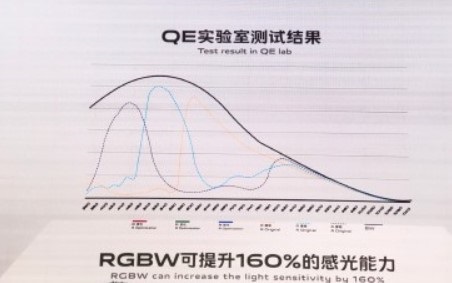
The new RGBW sensor features improved sensitivity while avoiding color cast problems. The increase in sensitivity measures in at 160 percent as well. Notably, this is not the first time a unique array sensor is being used, with the Huawei P30 featuring a 13 megapixel RYYB sensor back in 2019. The new sensor aims at improving the photographic experience and raises image quality.

For those unaware, traditional camera sensors use an RGGB array sensor. Although the P30 featured an RYYB sensor. In other words, they lack the green filter but are able to have more light reach the sensor. The RGBW is now Vivo’s launching a different arrangement as well, with the company offering noticeable benefits with this variant. Although, only real world tests would show results after the company launches devices with this sensor.

Vivo

The new sensor also helps increase the amount of light that enters the sensor. Previously, the RGBW sensors were short lived due to a certain lack of colors in images. However, Vivo has managed to circumvent this issue through the use of its advanced algorithms to make up for and even improve colors. The Chinese tech giant expects the technology to make an appearance on smartphones by the second half of 2021.


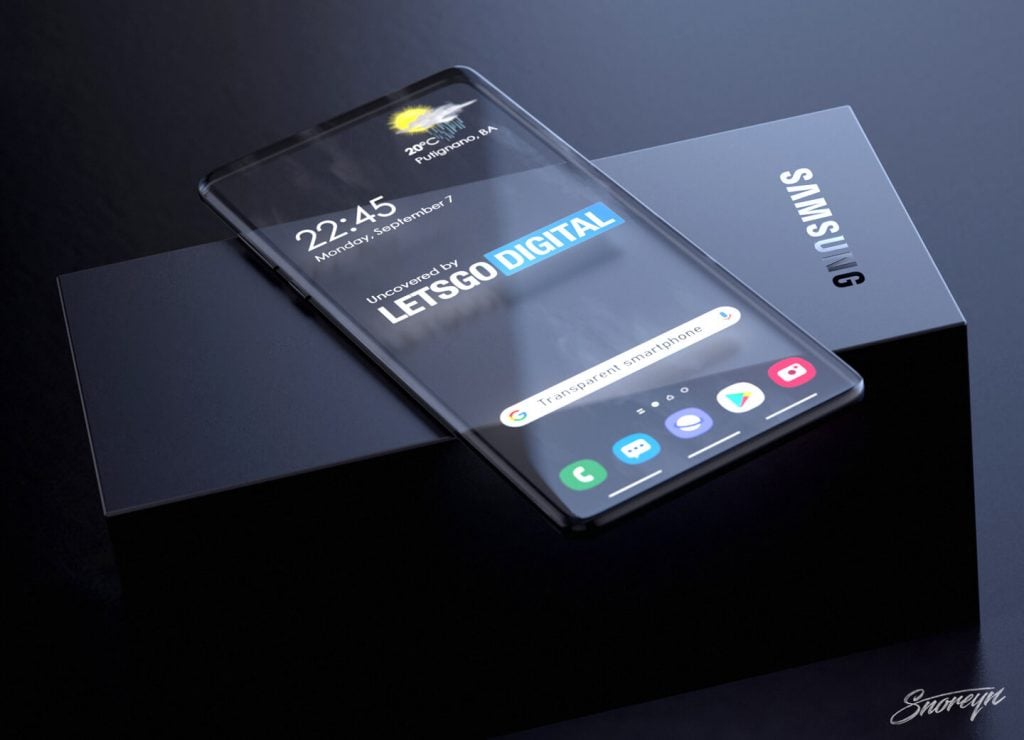
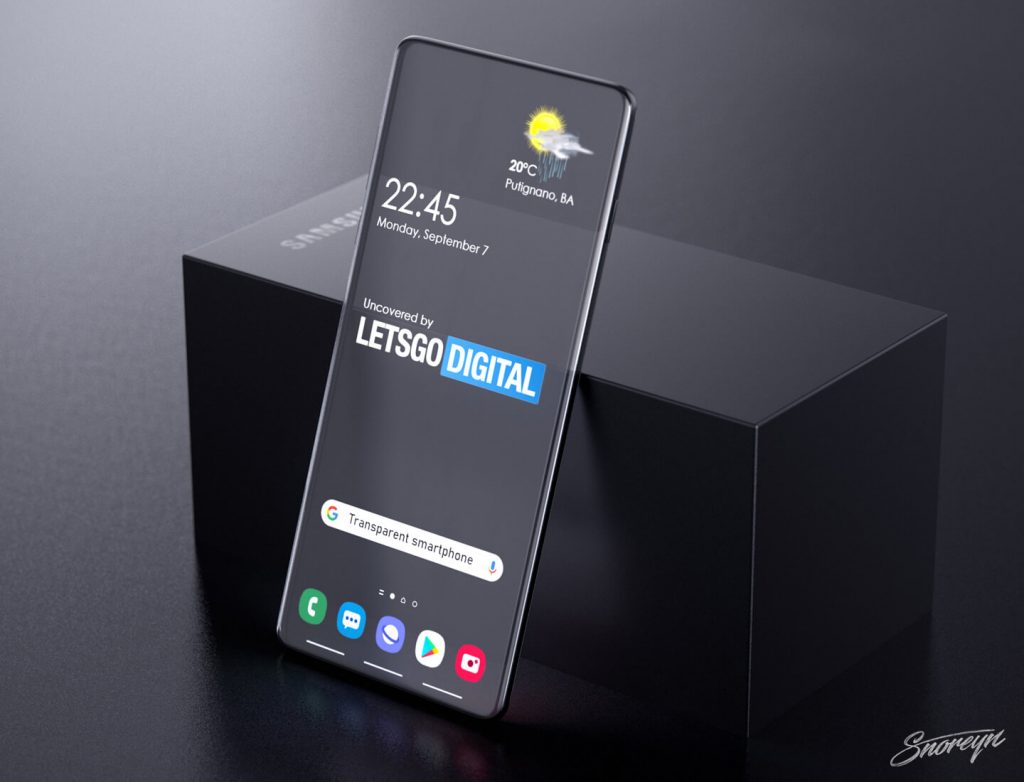
Samsung patents a Galaxy smartphone with a transparent display

In recent times, smartphone manufacturers are pushing the boundaries of futuristic designs. While a few years ago foldable devices seemed like science fiction, the technology has led to designs becoming increasingly more innovative. Now, Samsung has patented a new handset, one with a futuristic transparent display.

Samsung

The South Korean tech giant filed the patent with the USPTO (United States Patent and Trademark Office) and the WIPO (World Intellectual Property Office), according to a LetsGoDigital report. This was published on 27th August 2020 and describes the technology that is needed to make a transparent smartphone. Alternatively, the technology can even be used in other electronic gadgets as well, including TVs, monitors, laptops, and gaming consoles.

The patent is based more around the technical aspect, going to great lengths to detail the different layers and components required to achieve transparency. The device seen in the patent has narrow bezels and a large transparent screen. An OLED panel is apparently used, since this type of display is equipped with a transparent luminous panel which lets light shine through.

Samsung

Unfortunately, finer details regarding the unnamed Samsung Galaxy device is currently unknown. Furthermore, it is also unclear if the South Korean tech giant is actually working on such a device, or just filed the patent to cover all bases for future a possible release in the far future and this does offer us a glimpse of what smartphones could look like in after a few years.


OPPO A32 could be rebranded as OPPO A53 in China

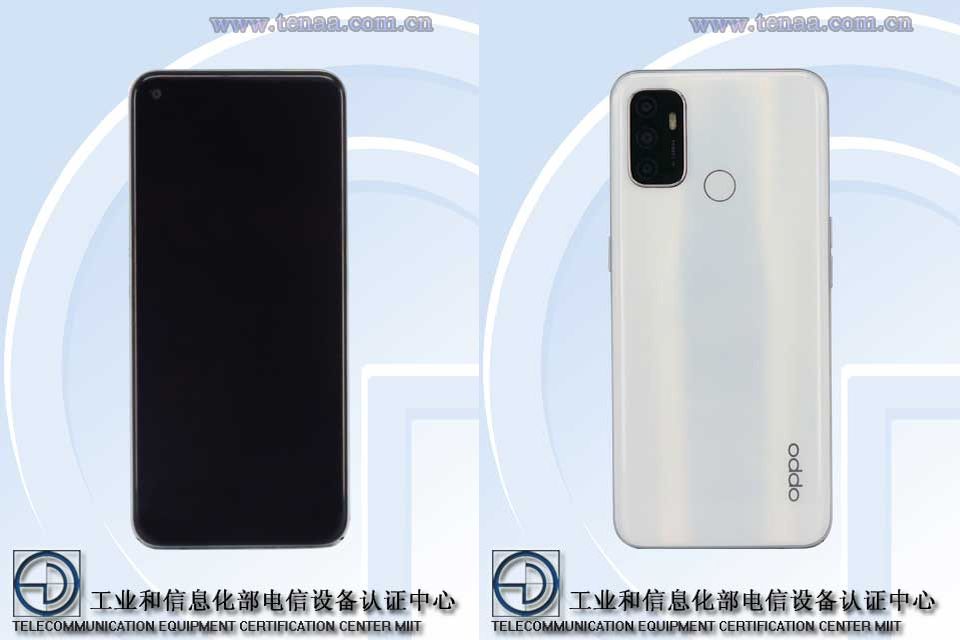
Recently, an OPPO phone with model number PDVM00 was approved by the TENAA authority of China. The specs of the phone are an exact match with the OPPO A53 that went official recently in markets like Indonesia and India. However, some tipsters from China have claimed that the PDVM00 phone will be launching as OPPO A32. Hence, it appears that the OPPO A53 will be rebranded as OPPO A32 in China.

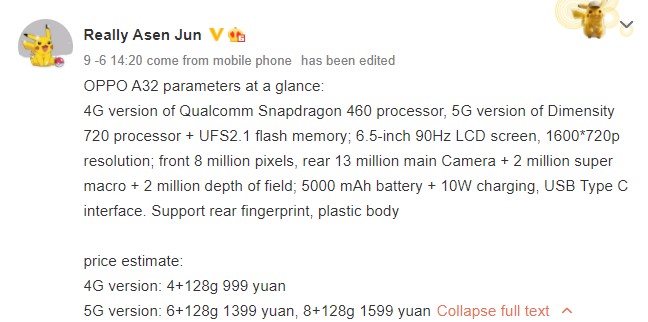
According to a tipster, OPPO A32 for China is the next entry-level phone featuring a 90Hz LCD panel. He also hinted at a high-end version of the device with a 60Hz OLED panel.

Another tipster has claimed there could be a 5G version of the OPPO A32. This variant could be equipped with Dimensity 720 5G chipset. It remains to be seen whether the rumored high-end version of the OPPO A32 arrives with an OLED screen, D720, and 5G support.

OPPO A32 Specifications (Rumored)

The OPPO A32 has a 6.5-inch punch-hole display that supports HD+ resolution. It is said to be powered by the Snapdragon 460 chipset. The device has a 4,890mAh rated battery.

The OPPO A32 may arrive in 4 GB, 6GB, and 8 GB RAM variants in China and it could be available in storage choices like 64 GB and 128 GB. There is a microSD card slot onboard for additional storage.

OPPO PDVM00 TENAA

It has a front-facing camera of 8-megapixel. The backside of the phone features a 13-megapixel + 2-megapixel + 2-megapixel triple camera system.

In Indonesia, the OPPO A53 arrived with pricing of IDR 2,499,000 (~$169). As can be seen in the above screenshot, the tipster has speculated the OPPO A32 could be priced at 999 Yuan (~$146), whereas its 5G version could be costing 1,399 Yuan (~$205).


LG Wing dual screen smartphone confirmed, launches September 14

Recently, we had reported on an upcoming LG Device with the “Wing” branding. It was for a dual screen flagship smartphone with a rather unique design. Now, the company has finally confirmed the device’s name as LG Wing, which will be launching soon.

LG

According to a TheElec report, the South Korean tech giant has finalized the name as LG Wing earlier today (7th September 2020). Furthermore, the company will also be choosing about 300 consumers to review the product for free for up to four weeks. The device will be launching on 14th September 2020, which was what we had previously reported on as being a possible date for the launch.

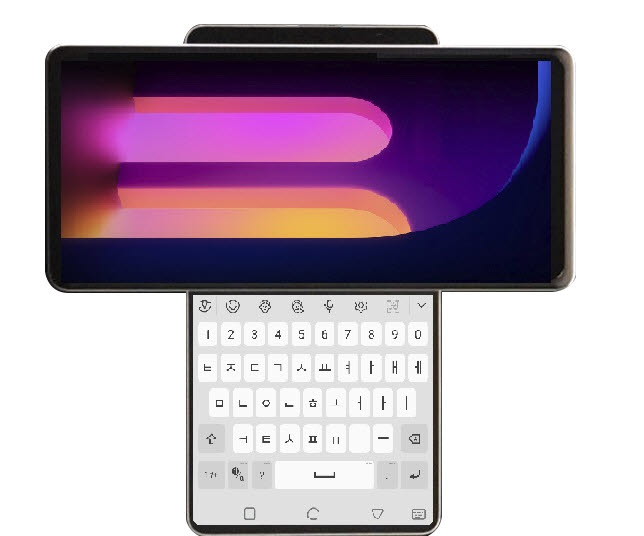
Unfortunately, not a lot about the device is currently known. We will have to wait for the launch event to obtain finer details like specifications of the device, although, rumors have pointed at the smartphone arriving with a Snapdragon 700 series chip (likely the SD765G). The unique device is garnering a lot of anticipation due to its unique design and dual display mechanism.

LG Explorer Project
LG Explorer Project

Unlike LG’s own past offerings, this dual display has the display on a top swivel to a 90 degree angle, and also offer the utility of another display behind it. This is something which was seen a while ago during the time of flip phones where a few devices could have their screens rotate up to reveal a keypad. So stay tuned for more, which should arrive soon and we will be providing more updates.


Mi TV 4A 32/43 Horizon Edition launched in India for ₹13,499 ($184) and ₹22,999 ($313) respectively

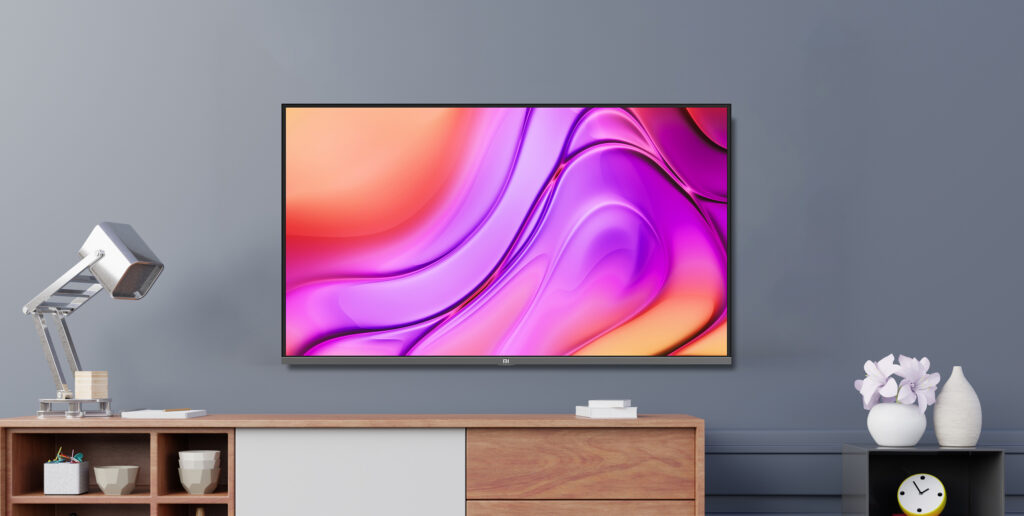
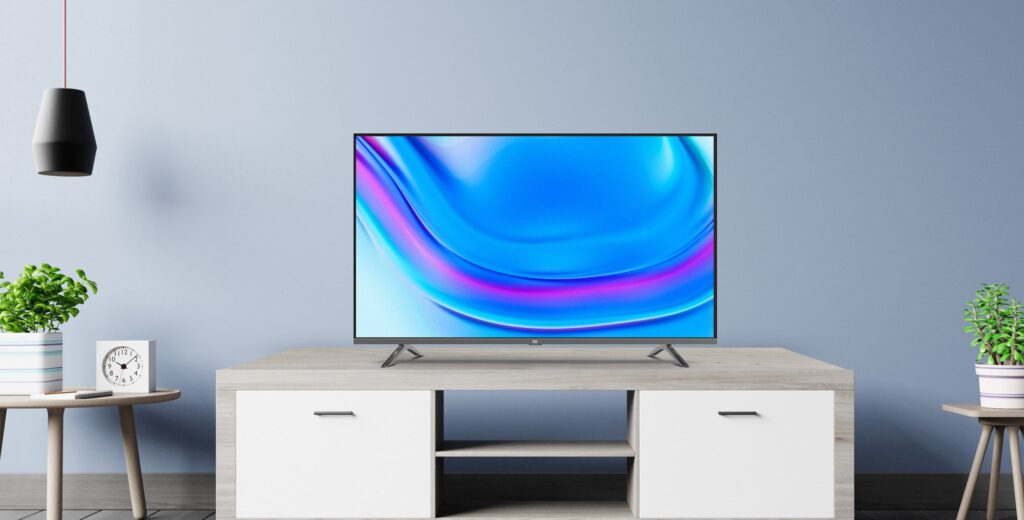
Xiaomi India launches Mi TV 4A Horizon Edition in 32-inch and 43-inch versions. The former features an HD panel, whereas the latter comes equipped with an FHD display. These new televisions are the successors to the company’s popular models – Mi TV 4A pro 32 and 43 in the country. The only major difference between the new Mi TVs and their predecessors is slimmer bezels.

Xiaomi Mi TV 4A 43 Horizon Edition

Mi TV 4A 32/43 Horizon Edition Specifications

Apart from their display and lack of S/PDIF port on the smaller variant, both the newly introduced Mi TVs for India features exact same specs.

Talking about their screens first, the smaller model sports an HD (1366 x 768 pixels) panel with 93% screen-to-body ratio, compared to  FHD (1920 x 1080 pixels) display with 95% screen-to-body ration on the larger model. According to the company, both the panels have a 178° viewing angle.

Other than that, they are powered by the same Amlogic Cortex A53 quad-core processor with Mali-450 MP3 GPU paired with 1GB RAM and 8GB internal storage. They run Android TV Pie and ship with Xiaomi’s own PathchWall content aggregation launcher. These TVs support all the leading streaming platforms like Netflix, Amazon Prime Video, Disney+ Hotstar, and more.


They also come with Chromecast Built-in, Google Assistant, and Google Data Saver. These televisions are also Xiaomi’s first Mi TVs in India to launch with Mi Quick Wake. This self-developed feature ensures quick booting of TVs (under 5 seconds). The company has been testing this feature on its older models for a few months now.

Xiaomi Mi TV 4A 32 Horizon Edition

Despite the difference in their size, both feature the same 20W speakers (2 x 10W) with support for DTS-HD. Also, they come with Xiaomi’s proprietary Vivid Picture Engine, which is not a dedicated chip but display settings ensured to offer accurate colors and deeper contrasts.

For connectivity and ports, the new TV comes with single-band (2.4GHz) WiFi, Bluetooth 4.2, 3 x HDMI (one of them supports ARC), 2 x USB, 1 x Ethernet, AV, Antenna, and  3.5mm headphone jack.

Mi TV 4A 32/43 Horizon Edition Pricing and Availability

The Mi TV 4A 32 Horizon Edition is priced at ₹13,499 ($184) and will be available for purchase from Mi online store, Mi Home retail stores, and Flipkart. On the other hand, the Mi TV 4A 43 Horizon Edition costs ₹22,999 ($313) and will be available on Mi online store, Mi Home retail stores, and Amazon.

The first sale for the 32-inch variant is scheduled for September 11 at 12 PM, followed by September 14 at 6 PM for the 43-inch version.

Both of them will be soon made available in other partner retail outlets in the coming days.


Samsung to maintain Global Smartphone Market lead in 2020: Report

Samsung is expected to maintain its position as the lead in the global smartphone market, as per a PulseNews report. The company will likely strengthen its global efforts even further next year and will capitalize on the situation surrounding its rival, Huawei.

Samsung Galaxy Z Fold2 5G Mystic Bronze

According to Strategy Analytics, the global smartphone shipments are expected to fall by about 11 percent to 1.26 billion units this year. This revised figure arrives after the original projection of 15.6 percent. The analytics based firm further stated that the new estimation reflects a faster recovery rate in various markets including, the US, Europe, and India, amid a new market growth on the back of growing trends like work from home and learning at home.

Furthermore, the economic recovery in 2021 and more widened adoption of 5G networking and foldable smartphones will lead to overall market growth of 9 percent in 2021, with a 2019 level of shipments (1.41 billion units) being reached again by 2022. In the rankings, Samsung is expected to maintain its lead with 265 million units being shipped or 21 percent market share, followed by Apple with 192 million units shipped and a market share of 15.3 percent.

Samsung

Similarly, Huawei rounds up the third spot with both Samsung and Apple gaining 0.1 percent and 1.3 percent of the market share respectively as the Chinese tech giant loses chunks of its market share next year, when its chip inventory runs out. The South Korean tech giant and Cupertino based giant could also soon replace Huawei in the premium flagship market in China as per the report.


Huawei is making constant changes in its products due to US Ban: Founder

Ren Zhengfei, the Founder of Huawei Technologies recently stated that the company has had to make multiple tweaks to various aspects of its product offerings, to cope with the increasing pressure from the US and its restrictions.

Zhengfei Ren, Huawei founder and CEO

According to the senior official when addressing new employees, “We have had to modify thousands of electronic boards, replace parts, and algorithms to cope with … (the ban) from the US.” As per the South China Morning Post report, the US is cracking down hard on the Chinese tech giant. After losing its chip supply from TSMC, the Trump administration made supplying even more difficult for the company by reinforcing laws that regulate Huawei from receiving supplies from any company that uses American technology.

This has greatly affected the company’s supply chain. Thus, in the Ren Zhengfei stated that Huawei makes constant changes to multiple parts and components in their products while also tweaking its algorithms as well, to better evolve against the US sanctions that seek to remove technology originating from the US. The founder even acknowledged the company’s dire situations at the moment.

huawei

He said that Huawei’s 90,000 members of the research and development team wouldn’t need to be so large if the company had access to “high-quality resources like Western companies.” While Huawei has recovered from the initial chip supply blow, the recent regulations have plunged the company back into survival mode to best endure its current situation.


Xiaomi Mi 10 Ultra will remotely control car thousands of miles away using 5G

Xiaomi recently launched the Mi 10 Ultra flagship smartphone to commemorate the company’s 10-year anniversary. While the phone is quite powerful, the company is all set to demonstrate how it can be used to remotely control a car.

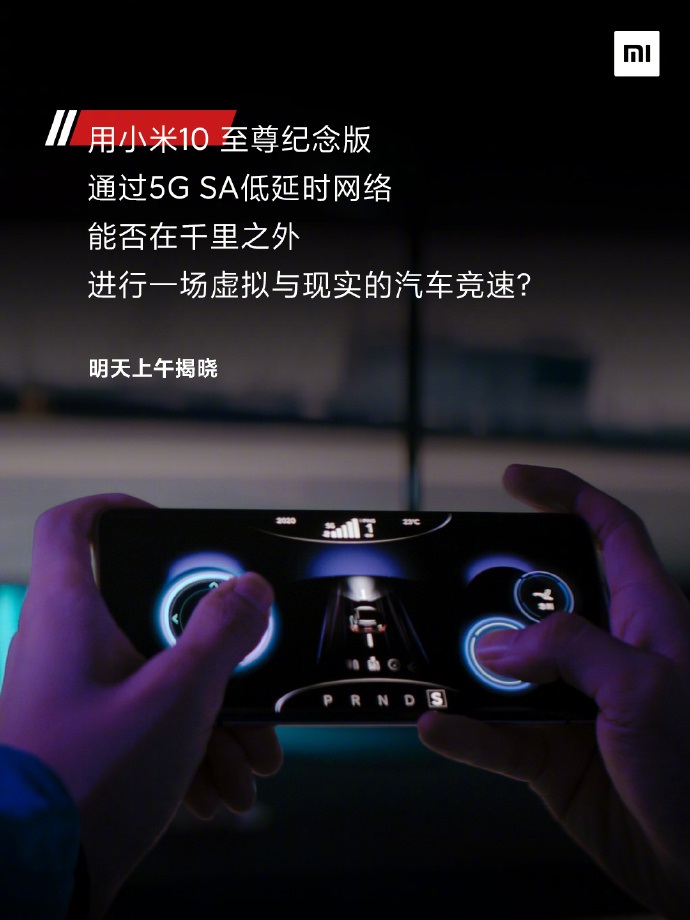
The company has shared a teaser poster and video on Weibo which reveals that Xiaomi is set to demonstrate how it can use Mi 10 Ultra smartphone to remotely control a car that is thousands of miles away, using 5G connectivity. It is not yet known which model of the car was used by Xiaomi for the demonstrations.

Xiaomi Mi 10 Ultra Remote Car Control using 5G

The Xiaomi Mi 10 Ultra comes with a 6.67-inch Full HD+ display that offers 2340 x 1080 pixels screen resolution, along with a 120Hz refresh rate, 240Hz touch sampling rate, support for HDR10+, a peak brightness of 1120 nits, and up to 1.07 billion colors. The display is TÜV Rheinland certification and is protected by Gorilla Glass 5.

The smartphone also features an in-display fingerprint scanner. Under the hood, the device is powered by the Qualcomm Snapdragon 865 processor — the same chipset that is powering the Mi 10 and Mi 10 Pro smartphones launched earlier this year.

EDITOR’S PICK: Xiaomi Mi 10 Ultra Review – 120W Charging, 120X Zoom, & 120Hz Display equals 120% Flagship experience

It packs up to 16GB of LPDDR5 RAM and offers 512GB of UFS 3.1 internal storage. It has a quad-camera setup that includes a 48MP primary sensor, 48 MP ultra-telephoto lens, a 12MP telephoto sensor, and a 20MP ultrawide sensor. On the front, there’s a 20MP snapper for taking selfies and video calling.

The device is running the company’s own MIUI 12 which is based on Android. It is powered by a 4,500mAh battery — which has a combination of two 2250mAh butterfly-designed graphene-based lithium-ion batteries. The phone supports 120W wired fast charging, 50W wireless charging, and 10W reverse wireless charging.


Huawei FreeBuds Pro TWS earphones teased ahead of launch this week

A few days ago, Huawei confirmed that the company will be hosting a launch event on 10th September in China where it will launch a few of its products. At the same event, the company is set to debut its FreeBuds Pro TWS earphones.

Today, Huawei has released a new teaser video for the upcoming FreeBuds Pro headset. It reveals that the product features dynamic noise reduction technology. The teaser also indicates that the TWS earphones look similar to the letter “P.”

The company has already launched a few models in the series and now it seems that Huawei has ditched the number-based naming for the “Pro” suffix. Some of the details related to the true wireless earphones have been leaked online.

It is said that the upcoming TWS earphones from Huawei are similar in design to Apple AirPods Pro with silicone tips. It will be powered by the company’s in-house HiSilicon Kirin A1 chipset, which powers most of Huawei’s wearable devices.

EDITOR’S PICK: After Huawei, China’s largest chipset maker SMIC could get blacklisted by the United States

They are expected to feature Bluetooth 5.2 connectivity and ANC (Active Noise Cancellation). While the size of drivers remains unknown, it is said that each bud will feature a total of three microphones and a 52.5mAh battery.

As for the pricing, the Huawei FreeBuds Pro will start at €150 in Europe and will be available for purchase from early October. However, it seems like the product will first go on sale in the company’s home market China.


Honor Watch GS Pro and Honor Watch ES are now up for pre-booking in China

At the IFA 2020 in Berlin a few days ago, Huawei sub-brand Honor had announced two new wearable devices — Honor Watch GS Pro and Honor Watch ES. Now, both of them have been listed on JD.com and are available for pre-booking.

While both the smartwatches have been listed online in China, pricing details for the Chinese market still remains unknown. The company will be officially launching both the devices in China through a launch event on 16th September.

Honor Watch GS Pro

HONOR Watch GS Pro Colors Charcoal Black Marl White and Camo Blue

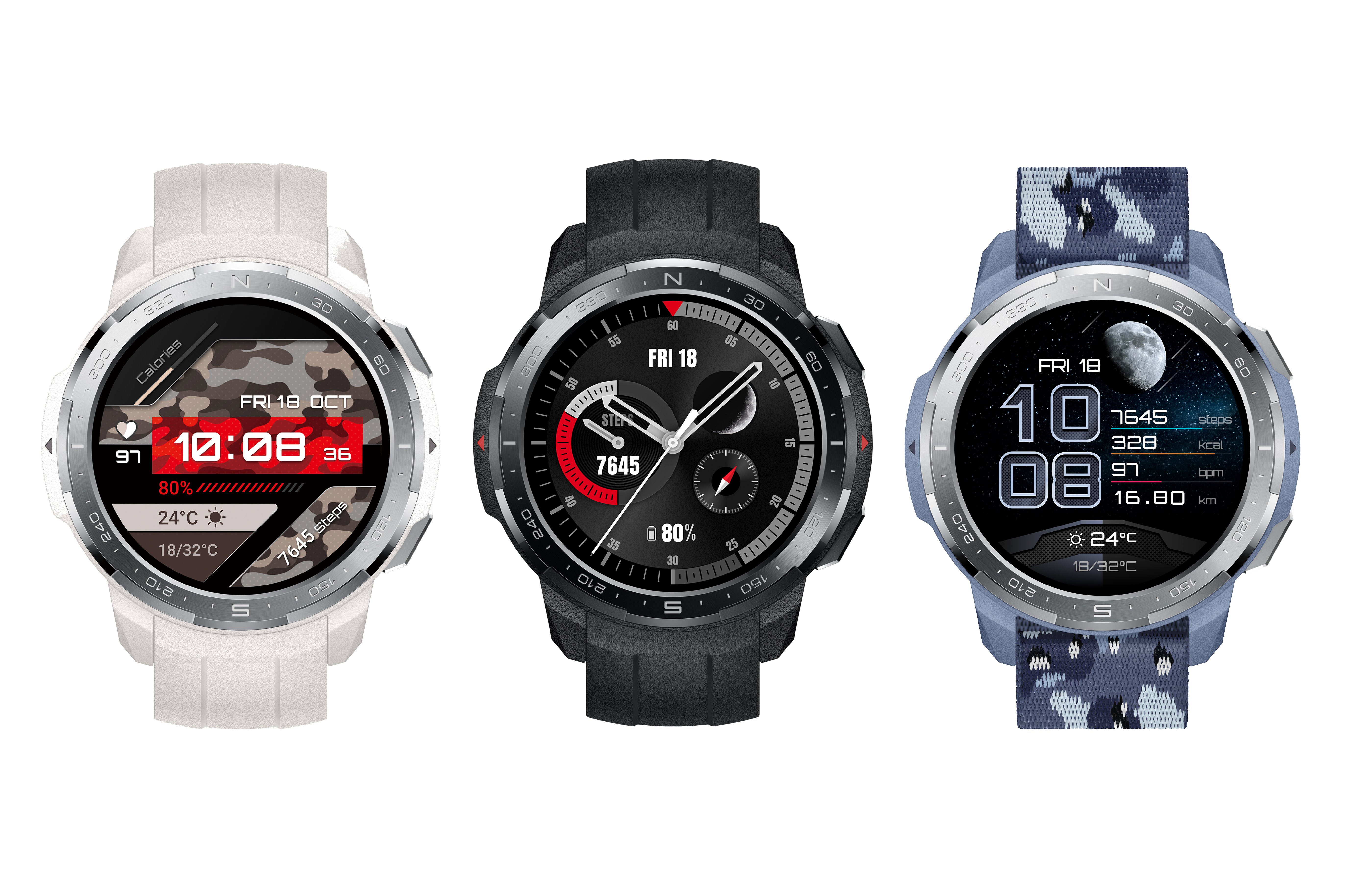
The Honor Watch GS Pro is the company’s first rugged smartwatch. It comes with MIL-STD-810G certification and features a massive 790mAh battery that is claimed to offer a maximum 25-day battery life.

The device supports over 100 workout modes including skiing, snowboarding, hiking, and others. It comes with a circular AMOLED display, measuring 1.39-inch with a screen resolution of 454 x 454 pixels and 326ppi pixel density.

There’s also an optical heart rate sensor, SpO2 sensor, accelerometer, gyro, barometer, compass, and ambient light sensor along with built-in GPS. It is powered by the Kirin A1 SoC and runs LiteOS.

As for the build, the casing is made of stainless steel and reinforced polycarbonate. It comes in three colors namely Charcoal Black, Marl White, and Camo Blue. It is priced at €249.99 for the EU nations and £249.99 in the UK.

EDITOR’S PICK: Exclusive – We’ve got POCO X3’s camera specs and other details

Honor Watch ES

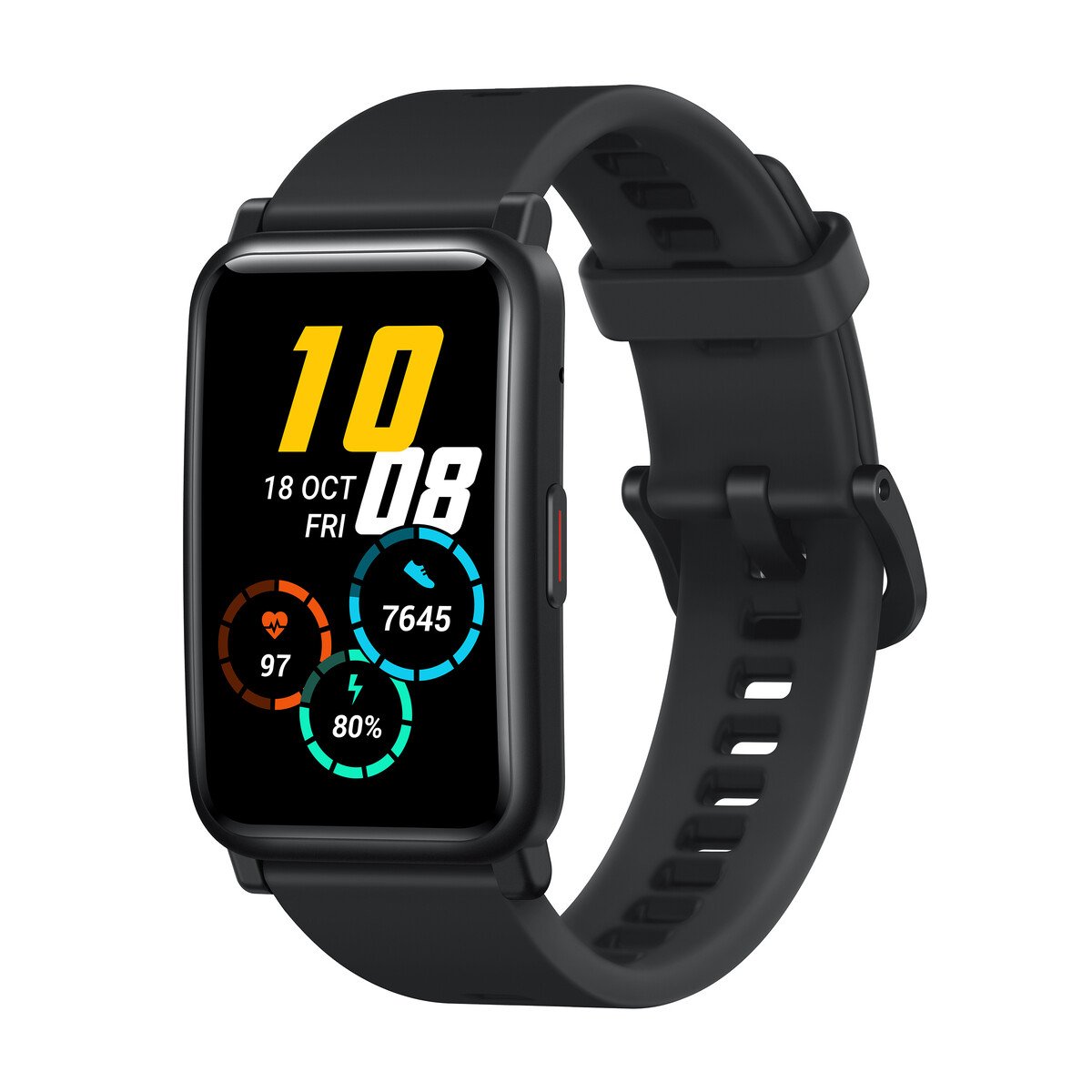
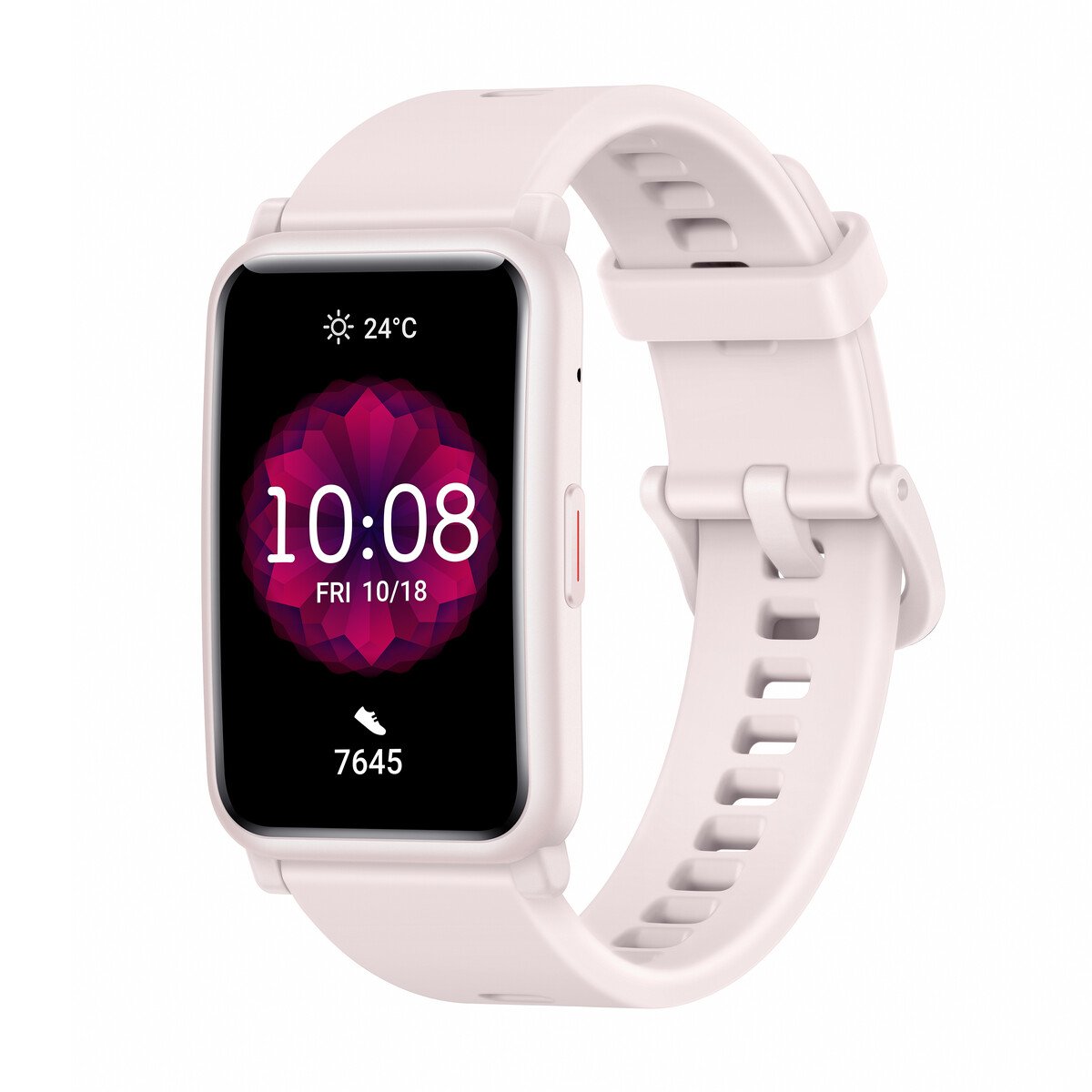
With the Honor Wach ES, the company is targeting fashionable consumers. The device comes with a 1.64-inch rectangular AMOLED display with 456 x 280 pixels screen resolution, 326ppi pixel density, and 70% screen-to-body ratio.

This one is also powered by HiSilicon Kirin A1 and runs the company’s own LiteOS. There’s support for 95 workout modes and 12 animated workout courses. It also packs an optical heart-rate sensor, SpO2 sensor, accelerometer, gyroscope, and ambient light sensor.

It is water-resistant up to 5ATM pressures and offers basic smartwatch features such as app notifications, alerts for calls & messages, sleep tracking, stress-level tracking, menstrual cycle tracking, and more.

The company claims that the Honor Watch ES could offer a 10-day battery life. It comes in three colors – Meteorite Black, Coral Pink, and Icelandic White. It costs €99.99 in the European market and £99.99 in the UK.


Apple could announce its iPhone 12 launch event in the coming days

Apple usually launches its new iPhone series in the initial weeks of September, however, the company is behind schedule this year, most likely because of the disruption caused by the COVID-19 pandemic.

The company has already confirmed that the iPhone 12 models launching this year will be “available a few weeks later.” Now, as per the report from Mark Gurman of Bloomberg, Apple could be making an announcement of its upcoming launch event this week.

Previously, it was reported by Jon Prosser that Apple has scheduled a press release for 8th September at 9:00 PM ET. Prior to that, he had said that the company will be launching a new iPad and Apple Watch models in the week of 7th September.

However, the new report from Mark Gurman claims that Apple won’t be announcing any hardware product but instead, it will just reveal the launch date through the press release. To know for sure, we’ll have to wait for a few more hours.

Given that the company holds the launch event roughly two weeks after sending out the invites, Apple could be hosting the iPhone 12 launch event on 22nd September if it sends out invites on 8th September.

EDITOR’S PICK: HongMeng OS-powered high-end tablets could come this year while the first smartphone is set to arriving next year

Although the phones could get announced in the coming weeks, it seems that the date of availability has been pushed. It is being reported that pre-booking will start around mid-October and shipments of the base model beginning a week after that.

But not all the models will go on sale together. As per the report, the iPhone 12 will be available for purchase in October itself, while other models in the lineup, including the iPhone 12 Pro, will go on sale in November.

At the launch event, along with the four iPhone 12 models, the tech giant is also expected to announce a few more products, including Apple Watch Series 6, a new iPad, new Apple TV, smaller HomePod, AirTags, and over-ear headphones.


China’s largest chipset maker SMIC could get blacklisted by the United States

The Trump administration in the United States has started a US-China trade war and has been adding sanctions on Huawei. Now, as per the report, the United States is planning to ban China’s largest semiconductor manufacturer SMIC.

SMIC relies on American chipmaking equipment. If the company gets added to the Entity List, that could make it more difficult to obtain the components needed to develop its capabilities and hurt the production of chipsets.

SMIC Logo

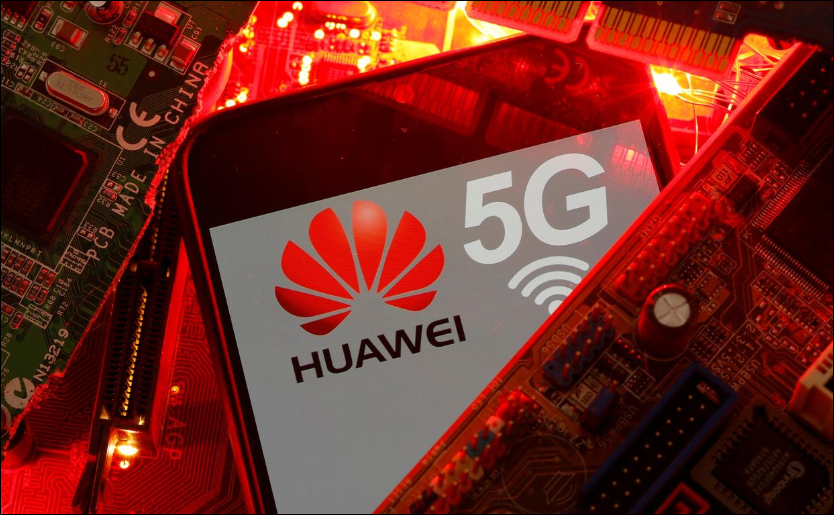
The ban on SMIC could badly hurt Huawei given that the company is manufacturing budget HiSilicon Kirin chipsets. As of now, SMIC is the only option left for Huawei given that it has been banned from using chipsets or its related technology by any American company.

The US Department of Defence is considering whether the chipmaker aids China’s military and defense apparatus. It alleges that SMIC worked with a large Chinese defense company and that university researchers linked to the military have tailored their work to fit SMIC’s technology. However, the company has denied those accusations.

EDITOR’S PICK: Rollme Hero Pro Is World’s First Smartwatch to pack Qualcomm Snapdragon Wear 4100+ chip

Semiconductor Manufacturing International Corporation (SMIC), based in Shanghai, was founded in 20000. It recently raised around $7.8 billion in a secondary listing on the Star Market in July, making it the biggest public offering in China in a decade. For this, the company withdrew its listing from the New York Stock Exchange.

Although the company ranks among the top five semiconductor manufacturers in the world, it is far behind its competitors in terms of technology. While the likes of TSMC and Samsung have started manufacturing 5nm chipsets, SMIC is still using the 14nm process for manufacturing smartphone chips.


Realme 7, 7i launch on September 17 confirmed; Realme 7i full specifications and renders leaked

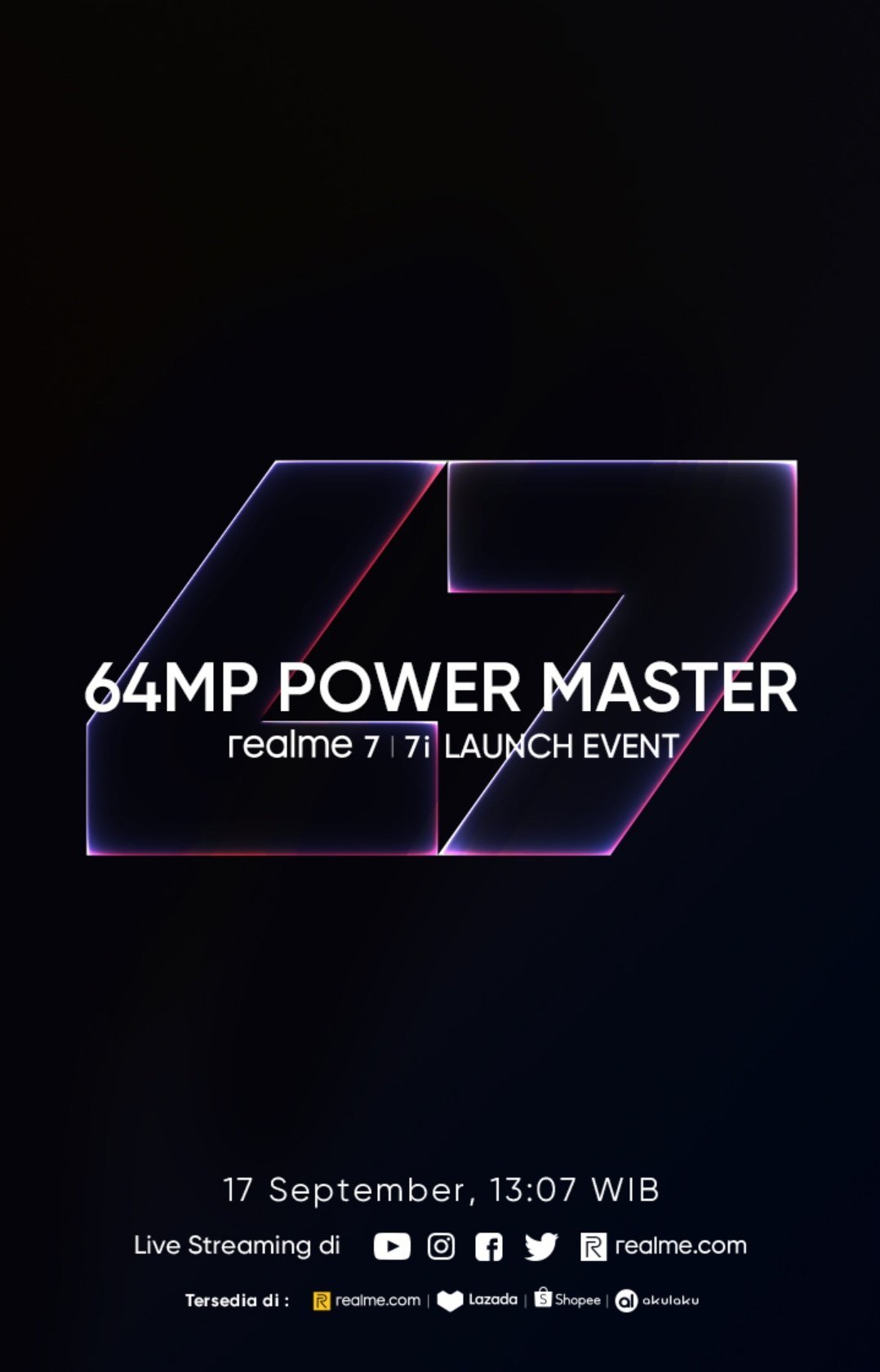
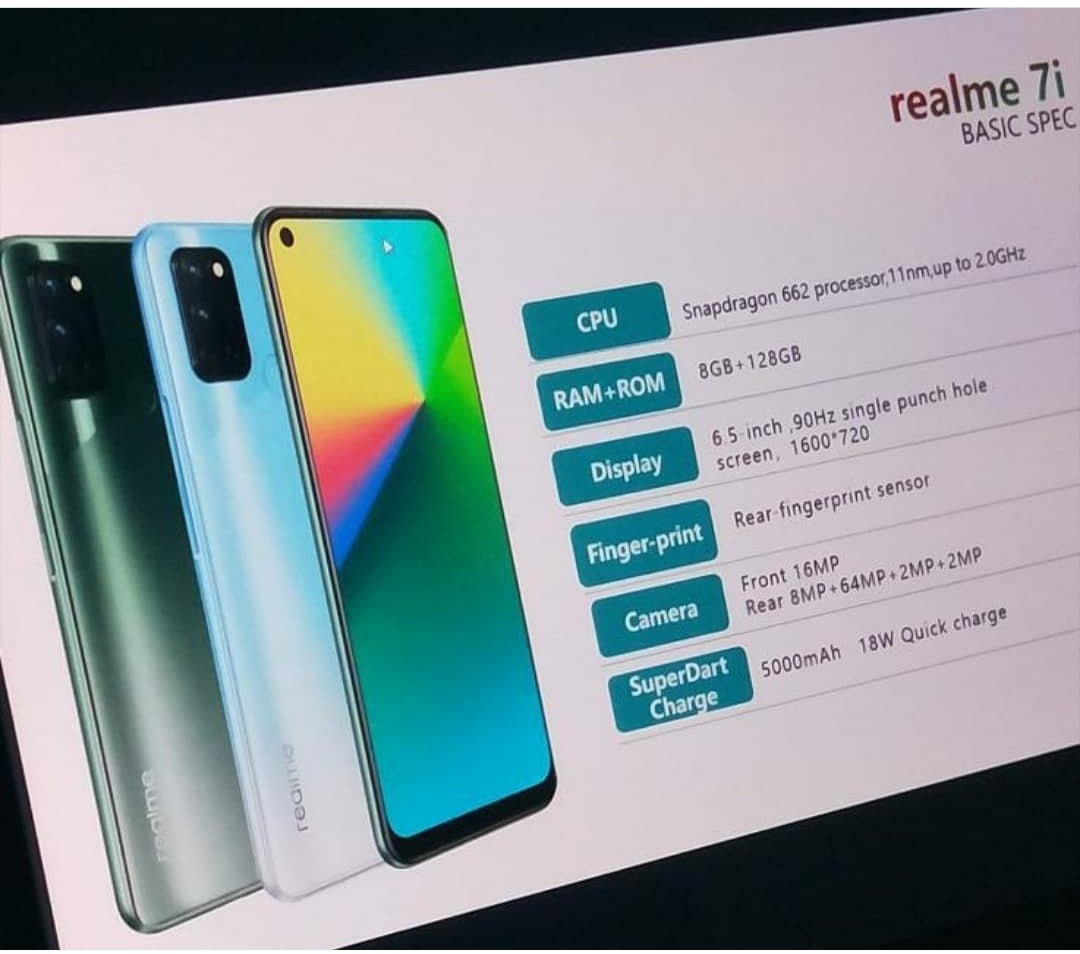
Last week, Realme launched the Realme 7 and Realme 7 Pro smartphones in India. Today, the Chinese firm confirmed that it will be announcing the Realme 7 and the all-new Realme 7i smartphone on Sept. 17 in Indonesia. There is a possibility that the Realme 7 that went official in India could be the same device that will go official on Sept. 17 in Indonesia. As far as Realme 7i, the posters released by the company have revealed a few pieces of information on its design and main specs. The Gadgetfight.id Instagram account has shared a snapshot of a promo material of the Realme 7i. The image has revealed the entire specs of the device.

Realme 7i launch date

Realme 7i specifications (Rumored)

The Realme 7i has a punch-hole LCD panel that produces an HD+ resolution of 720 x 1600 pixels. Like the Realme 7, the Realme 7i supports a 90Hz refresh rate. The leaked shot reveals that the phone will be available in green and light blue colors. The backside of the phone has a rectangle-shaped camera housing and a fingerprint scanner.

The 11nm Snapdragon 662 mobile platform that clocks at 2.0GHz is present under the hood of the Realme 7i. The SoC is coupled with 8 GB of RAM. The phone will offer internal storage of 128 GB.

Realme 7i leaked specs

It has a front camera of 16-megapixel. Its rear camera setup features a 64-megapixel main camera, an 8-megapixel lens which could be a superwide sensor and a pair of 2-megapixel lenses which could be a macro shooter and a depth sensor. For capturing selfie shots, the handset possesses a 16-megapixel front camera.

The Realme 7i has a 5,000mAh battery and it will come with support for 18W charging. In comparison, the Realme 7 is equipped with 30W fast charging technology. At present, there is no word on its pricing.


(via)

[Update] Exclusive: We’ve got POCO X3’s camera specs and other details

UPDATE: It turns out our source got the camera specs wrong today. We apologize for the mix-up. The fact that the same source also had the phone with him made us believe he was 100% correct. But sadly, for some reason, our source mixed up the specs.
Anyway, we have updated this story with the correct camera specs now.
Our review team has also got hold of the Poco X3 NFC and our hands-on article will be live very soon. So stay tuned.

Original story continues…

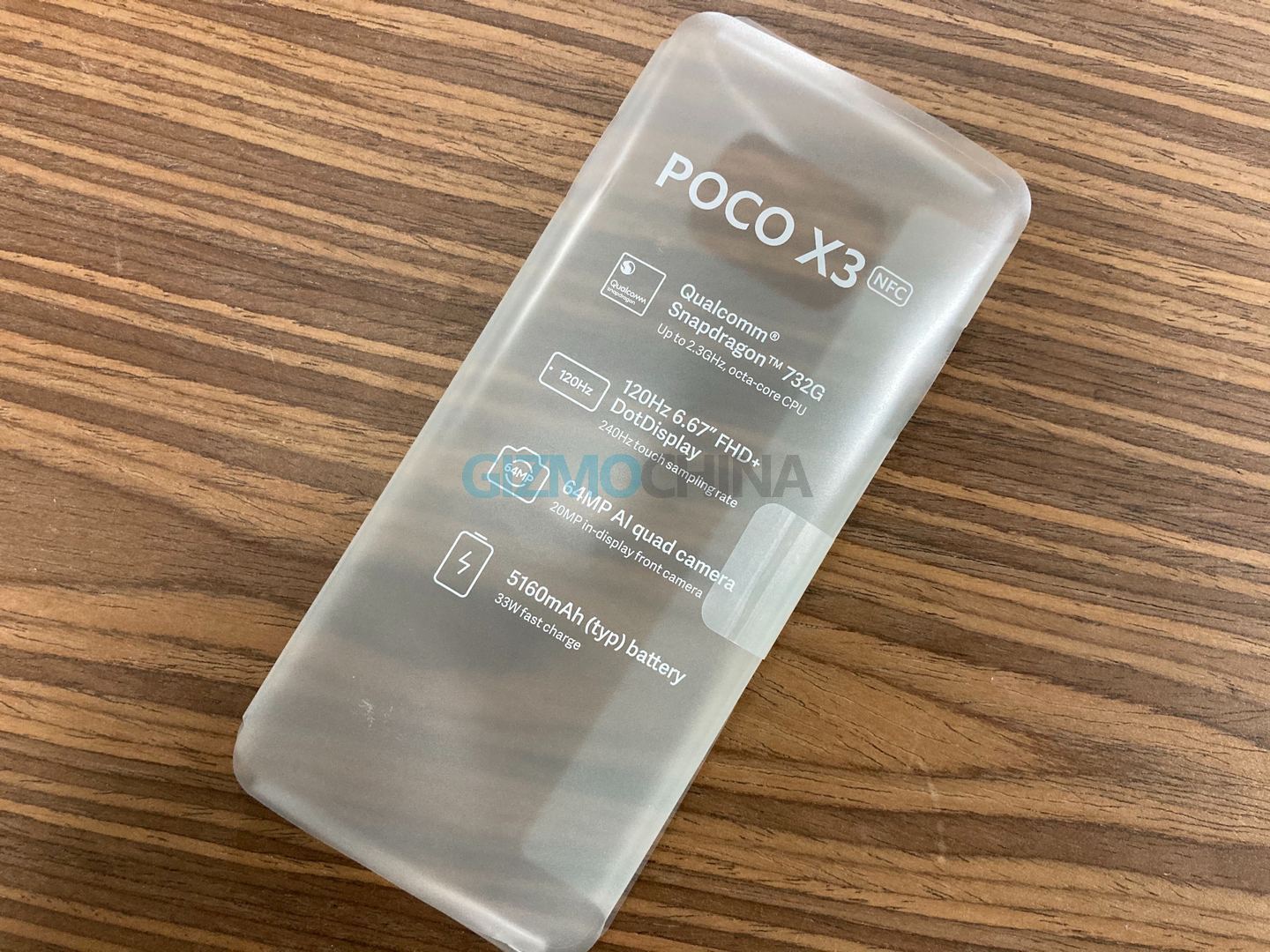
The global launch of the POCO X3 NFC smartphone will be held at 8 PM (GMT+8) today. It will be the first-ever smartphone to feature the recently unveiled Snapdragon 732G processor. Several details of the phone have appeared through its FCC certification, Geekbench listing, and other leaks. Today, we at GizmoChina bring you an exclusive shot of the protective sleeve designed for the POCO X3 NFC. The main specifications of the smartphone are mentioned on the sleeve. Moreover, we also obtained exclusive information on the cameras of the POCO X3 NFC.

It is mentioned on the POCO X3 NFC’s protective sleeve that it is driven by a 2.3GHz SD732G chipset. The smartphone has a 6.67-inch DotDisplay that produces Full HD+ resolution. We can confirm that the POCO X3 NFC has an LCD panel like the predecessor POCO X2 smartphone. The screen supports a 120Hz refresh rate and a 240Hz touch sampling rate.

Poco X3 NFC Specs

The rear side of the POCO X3 NFC features an AI-powered 64-megapixel quad camera. For selfies, the handset has a 20-megapixel camera housed inside the top-center positioned punch-hole on the screen. The handset has a 5,160mAh battery that supports 33W fast charging. The handset retains the side-facing fingerprint sensor.

None of the POCO X3 leaks have revealed the exact details of its rear cameras. However, a few hours ahead of the launch, GizmoChina has acquired exclusive information on the camera configurations of the POCO X3 NFC. Our source has confirmed that it will be retaining the Sony IMX686 64-megapixel main camera that was made available on the POCO X2.

The quad-camera system of the predecessor, the Poco X2, comprised of a 64-megapixel Sony IMX686 main camera, an 8-megapixel ultrawide shooter, a 2-megapixel macro lens, and a 2-megapixel depth sensor. But we have learned from our source that the POCO X3’s rear camera setup has an 8-megapixel ultrawide lens, a 5-megapixel depth sensor, and a 2-megapixel macro lens apart from the main Sony IM686 camera. The leaked renders of the phone that have appeared in the recent past have revealed that the company has adopted a different design from the rear cameras system as compared to the POCO X2.

POCO X3 renders
POCO X3 NFC

The POCO X3 NFC will come preinstalled with MIUI 12 based Android 10 OS. Like the POCO X2, the successor model is expected to arrive with up 8 GB of RAM and up to 256 GB of internal storage. Just like the X2, the new Poco X3 NFC will also be priced very aggressively.