Advertisement

Xiaomi Mijia Handheld vacuum cleaner now available on Giztop

Giztop has listed the Xiaomi Mijia handheld vacuum cleaner for $59.9 with worldwide shipment availability. The Mijia Handheld Vacuum features a cylindrical design with a minimalistic aesthetic. Weighing no more than 550g, the vacuum cleaner is lightweight and easy to carry.

https://www.giztop.com/xiaomi-mijia-handy-vacuum-cleaner.html

Must See: Xiaomi MIJIA Smart Oven launched, priced at 1,499 Yuan ($216)

The USP of Xiaomi Mijia Handheld Vacuum Cleaner can be its brushless motor, which runs at 88,000 rpm. With strong suction power of 13,000 Pa, the contraption should leave no dust sucked out from your target region.

As per the company, the 1.5 m high water column does not fall down, and the subversive suction performance instantly sets off waves and waves, making the large particles of dust in life nowhere to hide. Being wireless, the vacuum operates on a battery rated to give low gear endurance for 30 minutes and high gear endurance for at most 9 minutes.

Built of lightweight material, the Xiaomi Mijia Handheld vacuum cleaner is Flexible and compact, easy to operate, and suitable for a variety of household cleaning scenarios. For the asking price, the cleaner offers multiple modes for effortless cleaning. It features multi-function mouth, button lock design which prevents accidental touching of the cup lid.

Interested in the product, you may get it right from Giztop by heading over to here. The website has highlighted worldwide shipment availability, so no matter where you’re, nothing stops you from getting hold of this compact cleanser.

Related: Xiaomi launches the MIJIA H300 Anion Quick-drying Hair Dryer for €149 (~$21)

 

Ninebot Gokart Pro Lamborghini edition goes on sale in China but is quickly sold out

During its 10th Anniversary event, Xiaomi announced a new product for sale, a brand new Ninebot Gokart Pro Lamborghini edition, developed by Segway-Ninebot in partnership product with Lamborghini. The product adopts an attractive yellow hue and Lamborghini signature logo on the body of the regular Gokart Pro that was launched earlier this year. The Gokart has gone on sale in China via Jingdong priced at 9999 yuan (~$1451). Despite the hefty price tag, the custom Gokart sold out in a flash.

The Gokart is the product of the partnership between Ninebot-Segway, a company in which Xiaomi owns a minority stake, and the world-renowned carmaker Lamborghini. The go-kart bears the iconic yellow colour of Lamborghini and comes with a design that creates a truly hyper-car feel. It also packs a sports steering wheel and carries a very nice spoiler at the back.Ninebot Gokart Pro Lamborghini edition

The Gokart Pro Lamborghini edition uses a high-strength steel frame with an effective load of up to 100kg, which provides better torque rigidity and can effectively cope with road impacts at high speeds. The kart is also equipped with TPE soft anti-collision front lip and aerodynamically-shaped TPE side skirts with better impact cushioning performance and driving safety. Ninebot says this prevents issues such as the bumper breaking with a slight impact.

The product, which is completely electric and built on a 432 Wh battery pack, brings a high-level drift experience with its special tires. According to Xiaomi, the NineBot GoKart Pro Lamborghini edition is also capable of emitting an artificial car engine sound. The kart can race around a 400-meter track with a fully charged battery 62 times at a speed of 40 km/h.

Sadly, Xiaomi isn’t planning to release this cool product outside China. It is open for reservation on Jingdong, though.


POCO X3 camera samples released; 64MP sensor confirmed

The POCO X3 is an upcoming smartphone from the latest Xiaomi sub-brand. The phone will be its first smartphone this year which is not a rebadge of a Redmi phone.

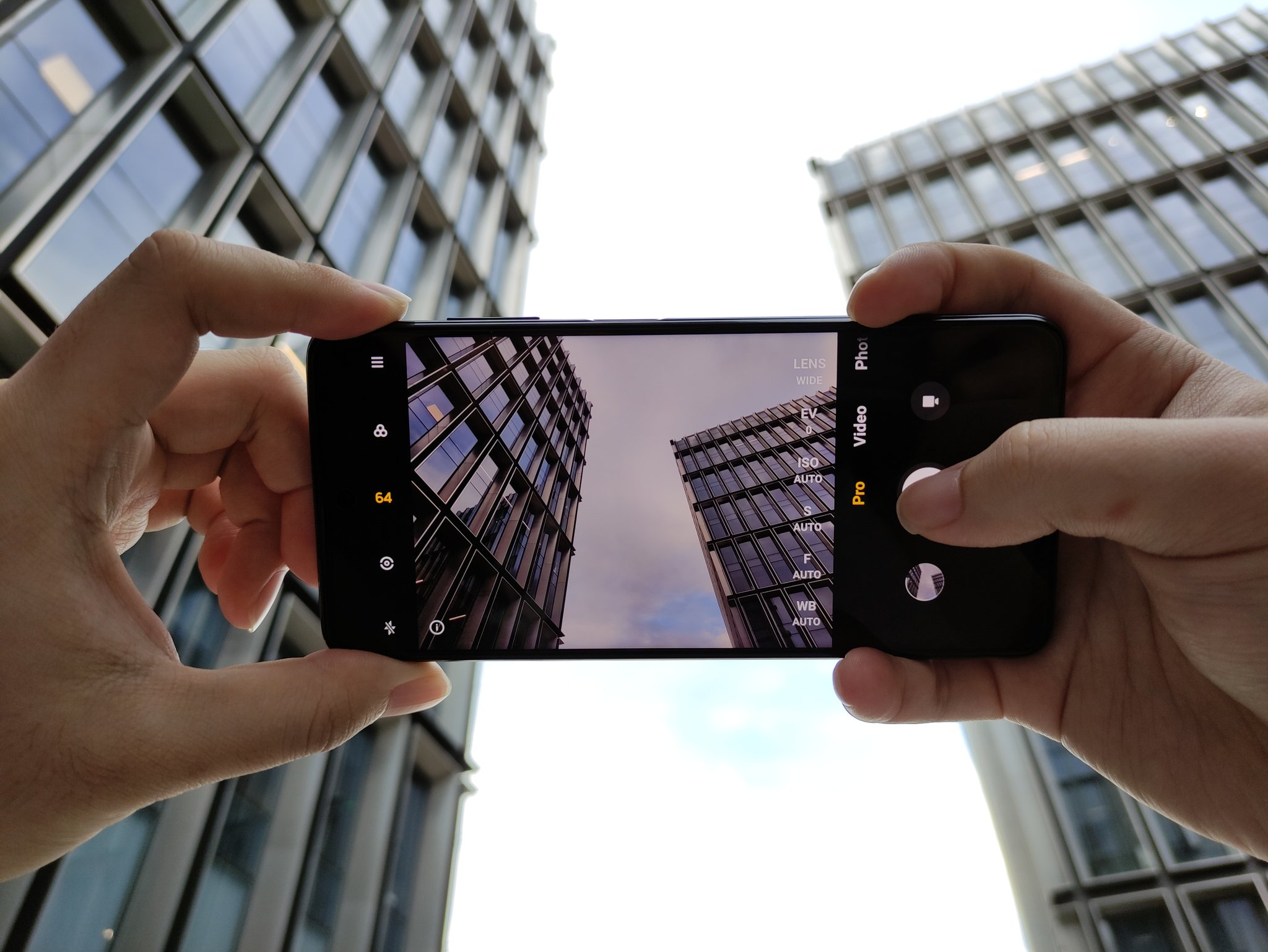
The POCO X3 will have four rear cameras arranged together in a quite unusual camera housing. The global spokesman for the brand, Angus Kai Ho Ng, has shared sample photos taken by the phone and also confirmed in the tweet that the POCO X3 has a 64MP sensor.

According to him, the two photos were taken by the phone, yes, including the one that shows someone holding the POCO X3 itself.

Other than showing off what the phone is capable of with respect to camera performance, the first image also confirms the POCO X3 has a side-mounted fingerprint scanner. If you zoom in to the side of the phone, you can see the indentation on the side where the power button will usually be.

A leak from yesterday revealed the device has a 120Hz refresh rate and a 240Hz touch response rate. Seeing as it has a side-mounted fingerprint scanner, it is most likely an LCD panel. The leak also revealed the display has a centered punch hole.

It has also been reported that the POCO X3 will have a 20MP selfie camera, a 5160mAh battery, support for 33W fast charging, and will be powered by a yet-to-be-announced Snapdragon 732 processor. The device is also expected to be announced on September 8.


Apple ‘AirTags’ spotted online, patent details a small tracking device

A recent pair of patent applications have appeared online. The patents are regarding the rumored Apple location tracking device. These trackers have been labeled as “Apple Tags” or “AirTag” by leakers.

Apple Product Lineup

The patent application was filed under “Multi-Interface Transponder Device – Altering Power Modes” and “Multi-Interface Transponder Device – Power Management,” with the US Patent and Trademark Office. The patent details the basic functionality of this location tracking device, which will work alongside a host smartphone or tablet, as reported by AppleInsider.

In the patent, the company has placed an emphasis on the functionality of the multi-interface transponder (MIT) device, which includes connectivity, communication with nearby electronics, power affordances, and more. Furthermore, the patents also outline a special power management feature that enables “intelligently boosting beacon transmission depending on determined location and proximity to nearby devices.”

Apple

The MIT device is described as a portable and compact gadget with a simple processor, light and motion sensors, radio stack, and power core. Additionally, it can even be attached to various objects like wallets, keys, and IDs. In other words, it’s a small location tracking device that can track down your important belongings or even smartphones when paired with an iPad or iPhone, for instance.


Mi 10 Youth Doraemon Edition leaks ahead of launch

When Xiaomi sent out invites for the launch of the Mi 10 Youth back in April, the invite was actually a Doraemon toy. Now, the manufacturer is set to announce a Doraemon Edition of the phone. Images of the upcoming Mi 10 Youth Doraemon Edition were posted on Twitter by Digital Chat Station, thus giving us an early look.

The special edition phone will come in a specially themed box that has the face of the robotic cat. The phone itself comes in the same Doraemon-blue and also has the cat’s face. There is a white Doraemon protective case included in the package. We expect the phone will also have a custom Doraemon theme with matching icons and wallpapers.

The special edition phone is to celebrate Doraemon’s 50th anniversary whose first full story was published in January 1970. However, we do not know yet when it will go on sale and how much it will cost.

The Mi 10 Youth has a 6.57-inch pentile AMOLED display with a 60Hz refresh rate and a waterdrop notch. It is powered by the Snapdragon 765G processor and comes with up to 8GB of RAM and up to 256GB of storage. There are four cameras on the back of the phone which include a periscope lens with 5x optical zoom and up to 50x digital zoom; a 48MP main camera, an 8MP 120° ultrawide angle camera, and a macro camera. There is a 4160mAh battery inside the phone with support for 22.5W fast charging. You also have NFC, an audio jack, and an IR blaster.

Xiaomi is not the first manufacturer to announce a Doraemon-themed device. Meitu, which Xiaomi now has a partnership with, has released a few such as the Meitu T9 and the Meitu M8s.


BLU G90 Pro launches in the US with Helio G90T, 48MP quad-camera, wireless charging & more

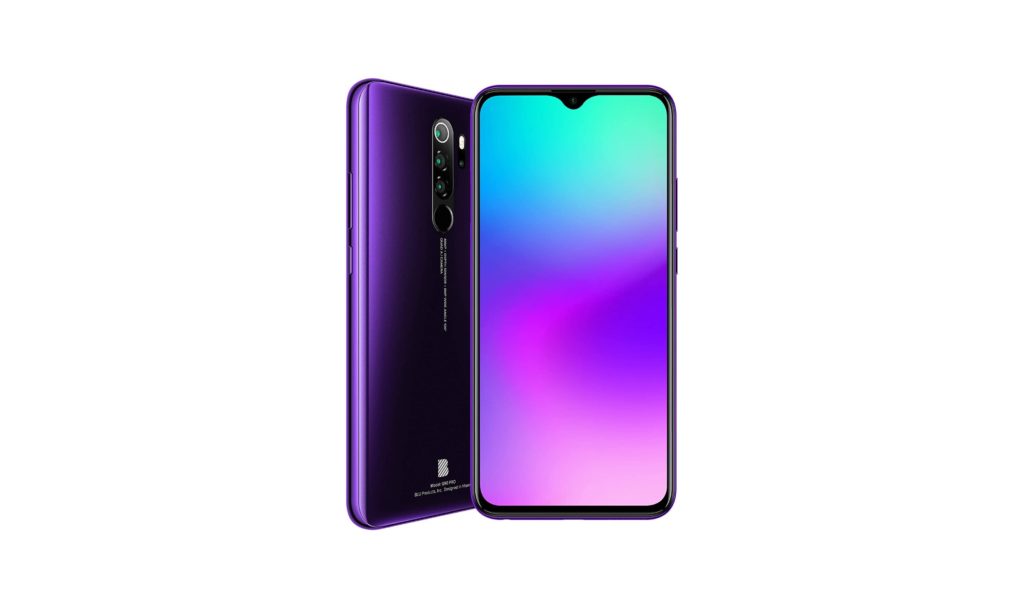
Back in June, BLU launched BLU G90 and BLU G80 in the US. Now, after two months, the American smartphone brand introduces another new device in the series called BLU G90 Pro as the successor to the last year’s BLU G9 Pro. The handset comes in a single 4GB + 128GB storage configuration and is priced at $249.99. However, for a limited time, the company is offering this product for only $199.99 ($50 off). It is already available for purchase from Amazon.

BLU G90 Pro Featured

The newly launched BLU G90 Pro flaunts a  6.5-inch FHD+( 2340 x 1080 pixels) LCD panel on the front with a dew-drop notch housing a 32MP selfie camera, 19:9 aspect ratio, and 396ppi. Under the hood, it features MediaTek Helio G90T budget gaming series chipset paired with 4GB RAM and 128GB internal storage with support for microSD card up to 128GB.

The brand is advertising it as an affordable gaming smartphone with support for Fortnite Mobile. To keep the thermals down during gaming sessions, the phone also comes with a liquid cooling system. The company also offers a rugged case (Gaming Protective Case) in the box for free.

Further, the back of the handset is made of glass and sports a 48MP (wide – Sony IMX582) + 2MP (depth) + 8MP (ultra-wide – 120° FOV) + 2MP (macro) quad-camera setup as well as a capacitive fingerprint sensor. Interestingly, the device only comes in a single Purple Haze color variant.

Other features of BLU G90 Pro include dual-SIM, 4G, dual-band WiFi, Bluetooth 5.0, GPS, Android 10, and a massive 5,100mAh battery with support for 18W fast wired charging as well as 10W Qi wireless charging.


(Source / Via)

Vivo’s next flagship might feature Edge display and Quad cameras

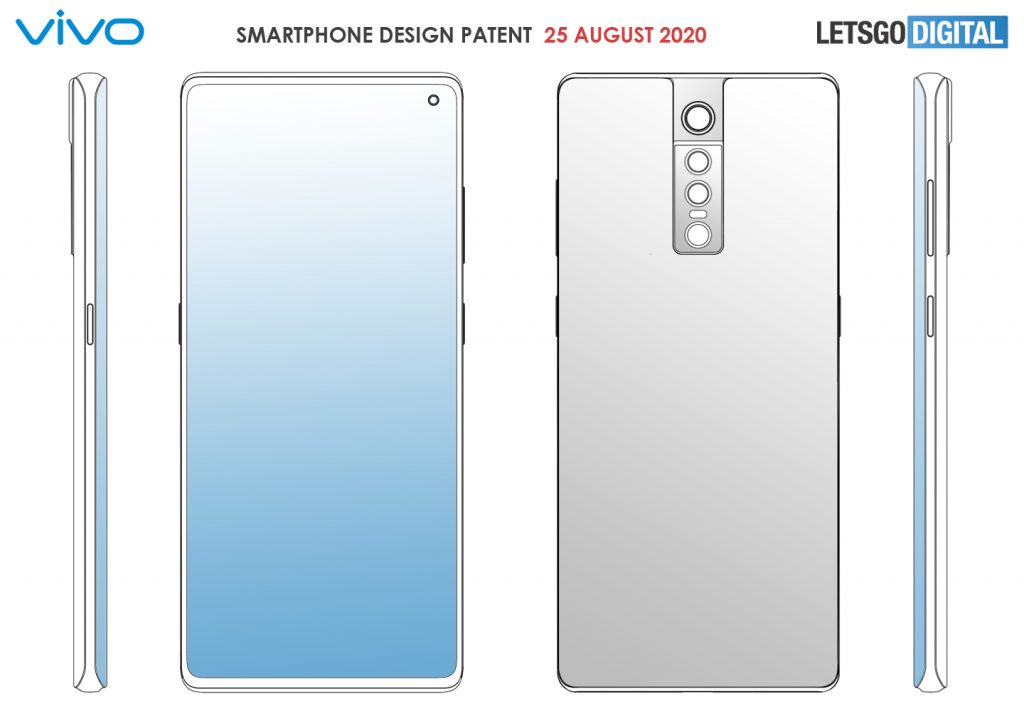
Vivo, the known Chinese smartphone manufacturer, has recently patented a new smartphone, which could be its next generation flagship. The device in question is patented with an edge display and quad camera system, as reported by LetsGoDigital.

Vivo

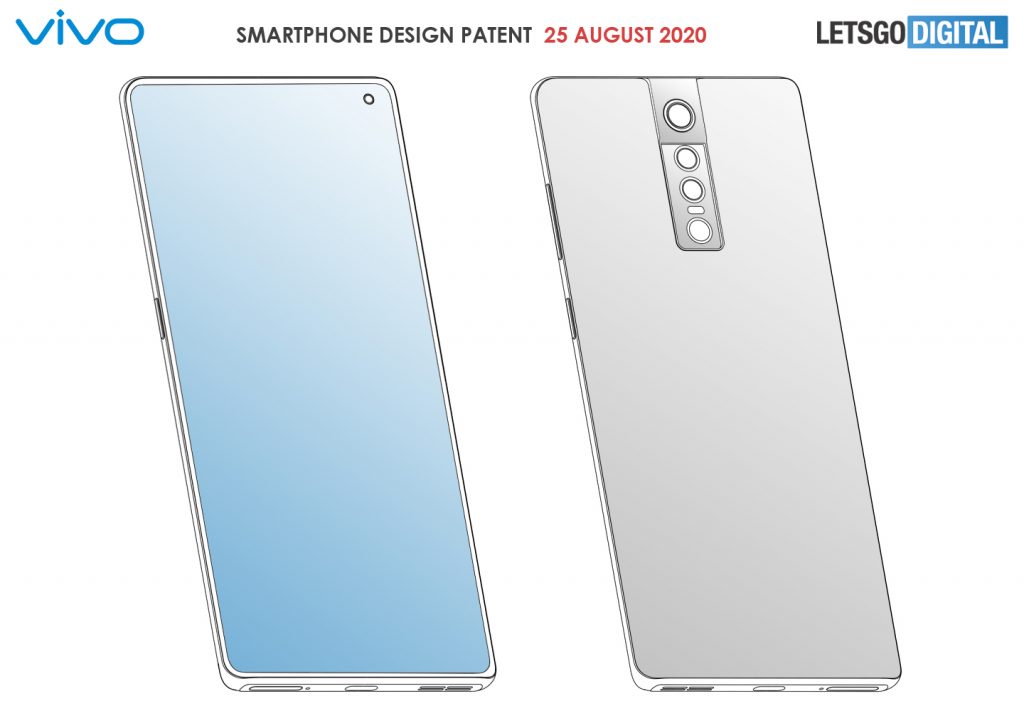
The company had filed the patent for this handset back in April 2020, but it just got approved earlier this week through the CNIPA (China National Intellectual Property Office). In the patent, 8 product sketches can be found, although, the name of the device is still unknown. But looking at its innovative design, it can be a part of an upcoming Vivo NEX series or even its high end X series. Although, that is just speculation at the moment.

The display of the patented Vivo smartphone has round corners and is curved at both edges as well. However, it is not as pronounced and physical buttons like the power button and volume rockers can also be found on one side of the device. Furthermore, the rear features a quad camera setup with an LED flash, while the front sports a single punch hole selfie shooter.

Vivo

The layout of the rear camera system is different is vertical, with the primary sensor being largest and can be found on the very top. Unfortunately, finer details regarding this device like its internals and camera specifications are currently unknown. It could likely by Vivo’s attempt at covering all bases. But it may also be the next gen flagship. But it is still too early to tell, so stay tuned for more.


Huawei and ZTE patent appeals dismissed by UK Supreme Court

On Wednesday (26th August 2020), the UK Supreme Court unanimously dismissed appeals from Chinese tech giants, Huawei and ZTE. The appeals were regarding patent disputes over mobile data technology with Unwired Planet International and Conversant Wireless.

Huawei

For those unaware, Unwired filed a patent infringement lawsuit against Huawei for 5 UK patents, that Unwired had acquired from Ericsson and were essential in mobile telecommunications. Previously, the English court found two of the patents valid and essential, and now, the following trial found that Unwired’s license terms were valid and were enforceable.

Similarly, the second appeal was brought to court by Conversant against Huawei and ZTE. Allegedly, both Chinese vendors had infringed on four of its UK patents. These were acquired from Nokia and were related to LTE standards used in 4G smartphones for downloading and sending data. At the moment, Huawei and ZTE have argued that the UK courts did not have jurisdiction to determine the validity of foreign patents.

Huawei

However, the trial judge has ruled against the two companies, stating that the court had jurisdiction under an international patent framework agreed by the mobile industry. Thus, both appeals were unanimously dismissed earlier this week by the Supreme Court. The move is said to “help level the playing field when small companies are trying to license SEP portfolios to global giants with seemingly limitless litigation resources.”


Realme X7 AnTuTu score leaks showing the prowess of the Dimensity 800U SoC

Realme has already confirmed that it will launch the Realme X7 and X7 Pro on September 1. There are even rumours of a third model powered by the unannounced Snapdragon 860 chipset. What is interesting is that the models are all packing impressive processors coupled with the awesome designs. realme x7 antutu

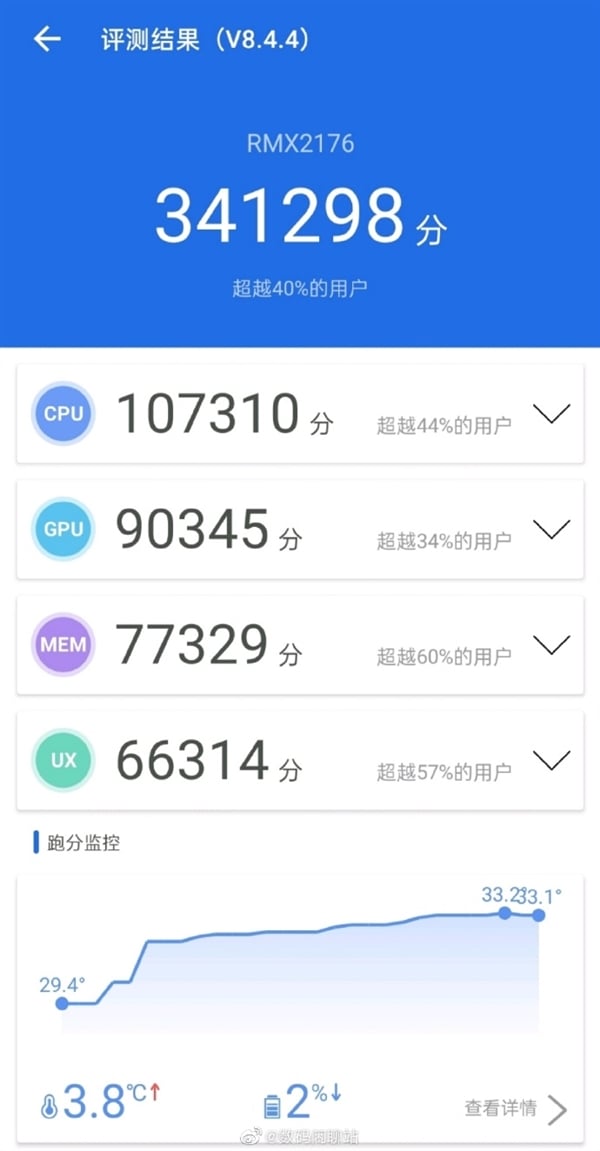
The Realme X7 Pro is said to feature a MediaTek Dimensity 1000+ processor while the X7 will be powered by a Dimensity 800U SoC. The prowess of the MediaTek mid-range SC has been showcased in a leaked AnTuTu benchmark screenshot which has emerged ahead of the launch.

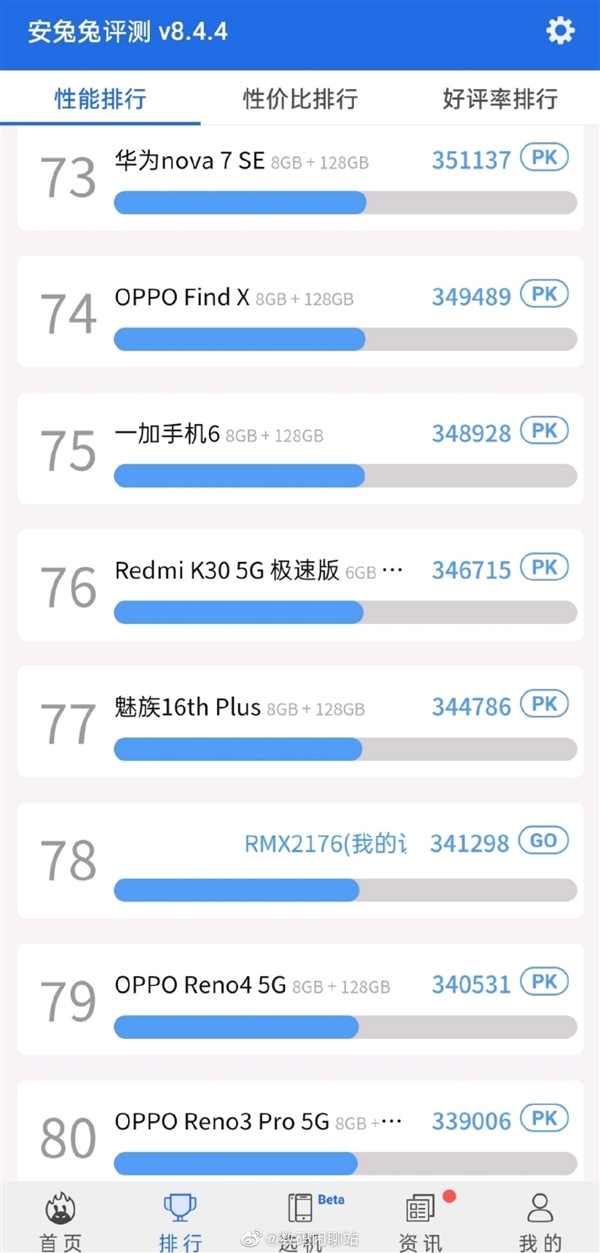
The screenshot (via) shows the device was able to attain a benchmark score of 340,000. The score is pretty impressive for a mid-range chipset. It is in the same category as the Snapdragon 845 chipset which heralded the OnePlus 6 released in 2018. The phone is ranked higher than the Qualcomm Snapdragon 765G-powered OPPO Reno4 5G and the Helio P90-powered Reno3.Realme X7

As a reminder, MediaTek’s Dimensity 800U is the company’s latest mid-range processor. It is based on a 7nm process and adopts an octa-core design, including 2×2.4GHz ARM Cortex A76 large cores and 6×2.0GHz ARM Cortex A55 power-efficient cores. The 5G processor teams up with an ARM Mali-G57 GPU.

The Realme X7 is expected to arrive with a thin and light design weighing just 175g. This potentially makes the phone Realme’s lightest 5G mobile phone yet.


Entire specs of realme 7 Pro leak: Snapdragon 720G, AMOLED display, 64MP Sony IMX682 & more

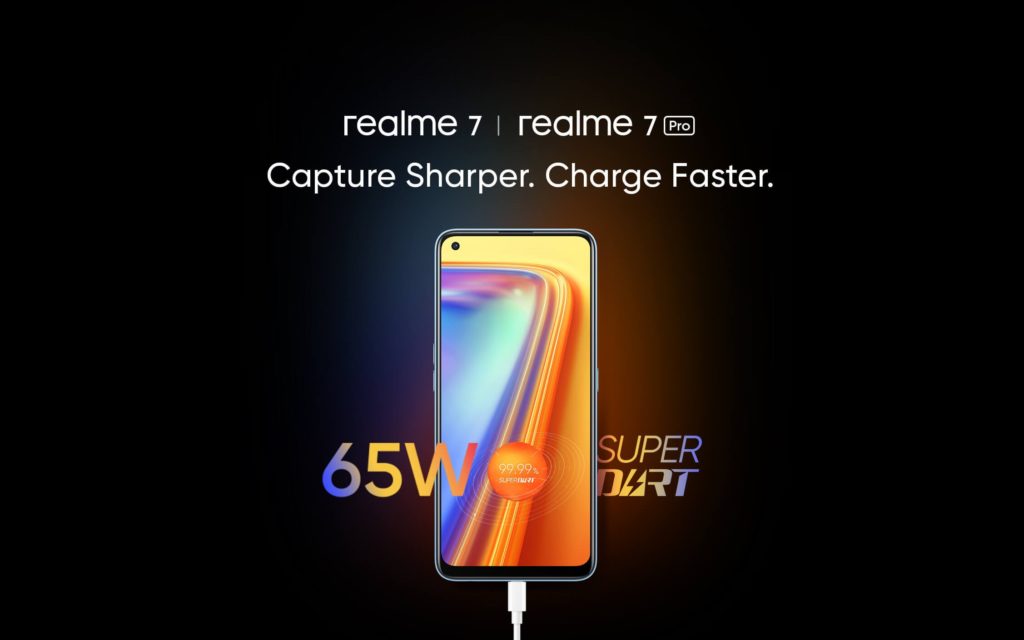
Earlier today, realme officially announced to launch realme 7 series in India on September 3. The brand even confirmed support for 65W charging. Now, within a few hours, the entire specs of the Pro variant leak leaving nothing to the imagination. The only thing that is not known about this phone is its rear design.

Realme 7 Pro Teaser Poster

The realme 7 Pro specifications leak come from Mukul Sharma, a popular Indian tech influencer. He tweeted a picture mentioning all the specs of this upcoming phone from his Twitter handle @stufflistings.

According to the image shared by him, the forthcoming realme 7 Pro will be powered by Qualcomm Snapdragon 720G just like its predecessor realme 6 Pro. But all other parameters are different and some of them are even better.

For instance, it will sport a 6.4-inch FHD+ (2400 x 1080 pixels) AMOLED display with a single punch-hole cutout instead of the 6.6-inch LCD panel with dual punch-hole on its predecessor. However, it is worth noting that the latter handset features a 90Hz refresh rate panel but the leak does not mention similar trait for realme 7 Pro.


Further, the new realme device will come equipped with a 64MP (wide – Sony IMX682) + 8MP (ultra-wide – 119° FOV) + 2MP (monochrome portrait) + 2MP (macro) quad-camera setup and a 32MP selfie camera with 85° field of view. Although the primary sensor and selfie camera are better on this one, the previous model features a useful 12MP 2x telephoto unit and an additional 8MP front-facing ultra-wide camera with 105° FOV.

Talking about the key selling point of this product, it is expected to be the cheapest smartphone with support for 65W fast charging (SuperDart). What’s more appealing is that the proprietary fast-charging brick required to fill its 4,500mAh battery (opposed to 4,300mAh in realme 6 Pro) will be included in the box. 

This handset will also sport dual stereo speakers, which are absent in the previous phones in the series. As for size an weight, it will measure 160.9 x 74.3 x 8.7mm in dimensions and weigh 182g. Whereas, for biometrics, it will come with an in-display fingerprint sensor.

Last but not least, the realme 7 Pro is expected to come in two storage configurations – 6GB + 128GB/8GB + 128GB and two colors – Mirror Blue/Mirror Silver respectively.


Huawei calls Japan ‘extremely important’ after sourcing from the region grew by 50%

Earlier this week, Huawei stated that its procurement from Japanese suppliers grew by more than 50 percent from last year. This likely occurred due to recent sanctions that the US has employed to restrict the Chinese tech giant’s supply chain, as per a Nikkei report.

Huawei Logo MWC 2019

Jeff Wang, Chairman of Huawei Japan, said that the rise in sourcing from the region arrived due to Japan’s “extremely important role in global supply chains.” At the moment, the company has had its relations with its suppliers strained and tested after the US further added trade restrictions on Huawei, to close any loopholes in the previous sanctions.

Wang refrained from mentioning the issues the company is facing with the US in the online conference. However, another executive stated that “We have procured from Japan since 2018, so I believe there will be no major impact.” This seems like a watered-down rhetoric in front of the actual gravity of the situation, as we had previously reported on Huawei currently being in a ‘Survival mode’.

Huawei building featured logo

The senior executive further stated the company has bought in roughly 1.1 trillion yen (roughly 10.3 billion US Dollars) worth of components already from Japanese companies, which is a significant rise from 721 billion yen from back in 2018. Huawei had first set up in Japan back in 2005 and is now heavily procuring components from the region, along with Taiwan and South Korea as well.


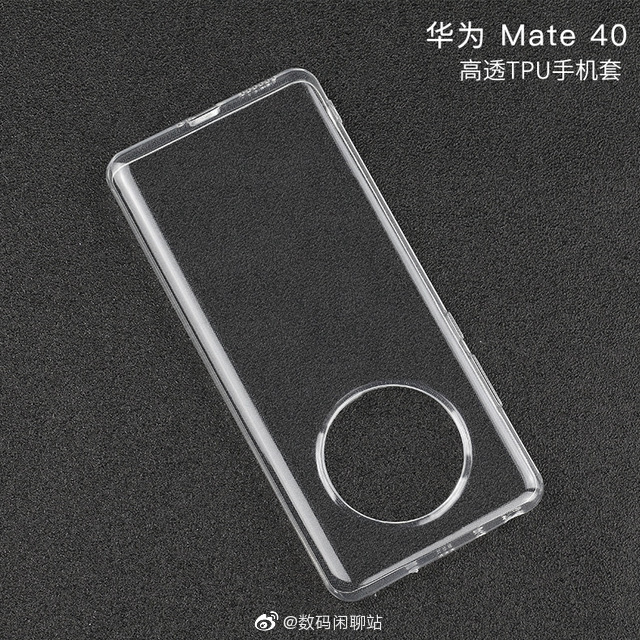
Huawei Mate 40, Mate 40 Pro rear design revealed through case images

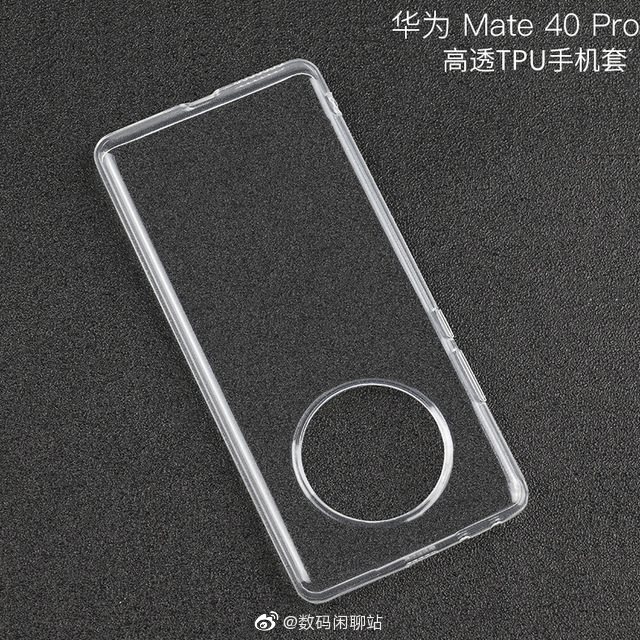
Huawei may announce the Mate 40 series flagships either in September or October. It will be fueled by the Kirin 9000 flagship chipset that will go official on Sep. 3. At the beginning of this month, the CAD renders of the Mate 40 and Mate 40 Pro smartphones appeared to reveal their front and rear design. Popular tipster with Digital Chat Station Weibo account shared the TPU case images of the Mate 40 and Mate 40 Pro.

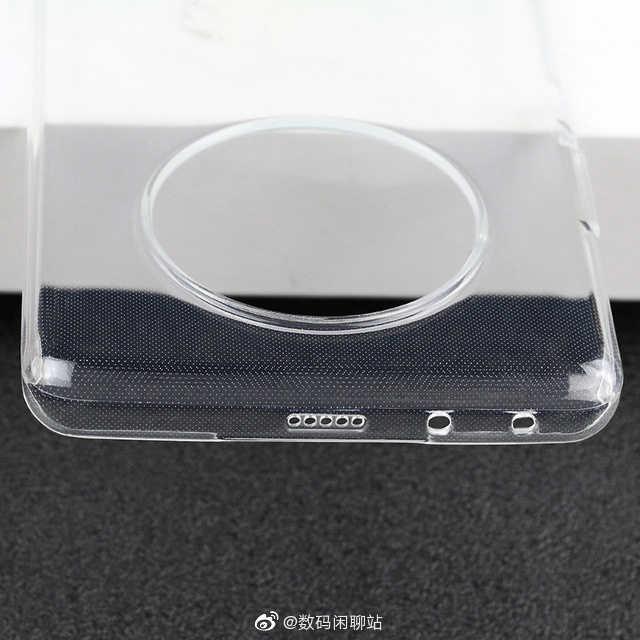
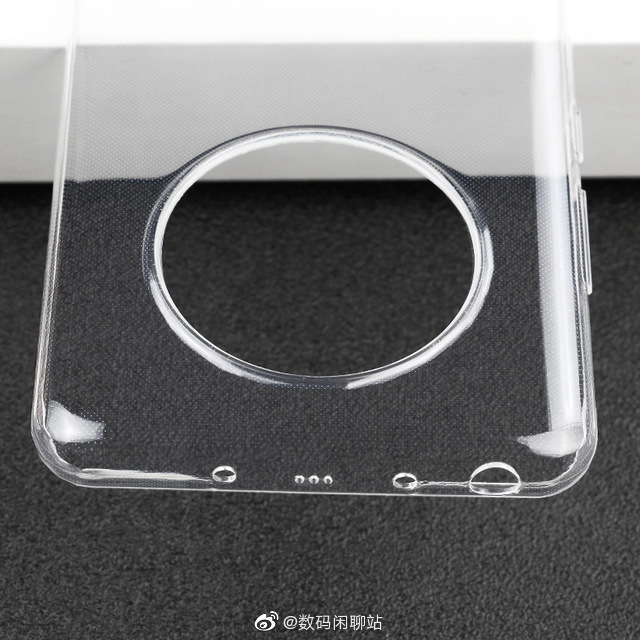
The case images of the Mate 40 Pro shows the presence of large-sized circular cutout for the rear cameras. There is no separate cutout for the LED flash. Hence, it appears that the LED flash could be placed at the center of the round-shaped camera module that will feature four cameras.

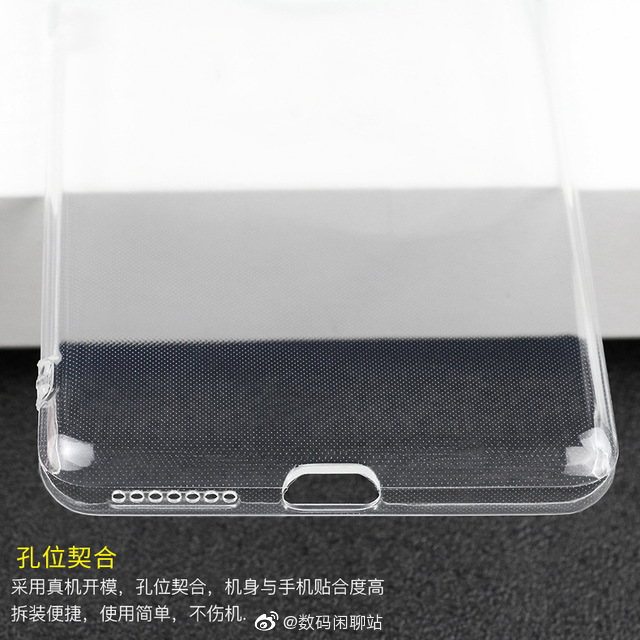
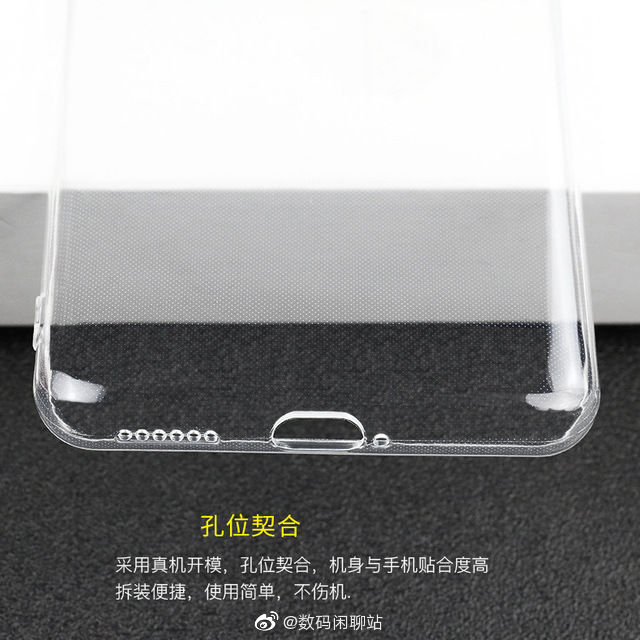
The upper and lower edges of the case suggest that the Mate 40 Pro could be flaunting stereo speakers. Since the device won’t feature a 3.5mm audio jack, the case does not have a cutout for it.

Coming to the images of the TPU case for Mate 40, a circular cutout can be seen at its top edge. It could be for the 3.5mm audio jack. It seems that the device may not feature stereo speakers. The Mate 40 case also features a large round-shaped camera cutout. It is rumored to house three cameras and an LED flash.

Recent reports have revealed that the Mate 40 and Mate 40 Pro are expected to come with OLED panels with dual punch-hole design. Both phones may arrive with support for the 90Hz refresh rate. The Mate 40 may house a 6.5-inch FHD+ display, whereas the Mate 40 Pro could be equipped with a 6.78-inch QHD+ display.

A recent report revealed that OCE-AN00, NOH-AN00, and NOP-AN00 models that belong to Mate 40, Mate 40 Pro, and Mate 40 RS Porsche Design or Mate 40 Pro+ have appeared in TENAA’s database. However, the listings are yet to populated with specs and images.


Xiaomi to raise TV prices from August 28 as cost of display panels surges: Report

Earlier this week, a few rumors surfaced on Weibo, a Chinese microblogging website, which stated that the price of Xiaomi TVs is expected to rise soon. Reportedly, the cause for the price hike across the board is due to the rise in the cost of display panels used in its TVs.

Xiaomi

Reportedly, Xiaomi will be raising the price of its entire lineup of TVs. The blogger reported that the price of LCD panels has risen significantly in recent times. Thus, one can expect a rise in Xiaomi TV, which will be announced by the company on 28th August 2020 through their official offline and online stores. The blogger also added that the mainstream Xiaomi TV models that are currently available in the market, will have their prices raised, with hikes ranging from 100 to 300 Yuan (roughly 15 to 45 US Dollars).

While the original report from the blogger did break the news, ZNDS network confirmed it through their exclusive sources. According to their sources, Xiaomi is indeed looking to adjust the prices of their TV lineup from Friday onwards, although, the company will be announcing the price increase at a later date.

Xiaomi Mi TV 4X 43 India

A separate report from an analytical firm revealed that prices for display panels have risen in August, with 55 inch and 32 inch panels rising by 10 percent, while 50 inch and 65 inch panels having prices rise by 8 to 10 percent as well. Unfortunately, this is still not confirmed officially, so we will have to wait and see if Xiaomi actually ends up raising the price or not, and whether this decision is also reflected in overseas markets like India.


Redmi 9i to debut soon in India, RAM, storage and color variants

Earlier this month, Xiaomi India unveiled the Redmi 9 Prime smartphone in India. Today, the Chinese firm unveiled the Redmi 9 handset in the country. Citing information acquired from popular tipster Ishan Agarwal¸ Pricebaba has revealed that Xiaomi India will be soon launching Redmi 9i smartphone. The publication has also shared leaked details such as RAM, storage, and color editions of the Redmi 9i.

The Redmi 9i leak suggests that it could be a rebranded version of the Redmi 9A phone that debuted in other markets in the previous month. It is speculated that the Redmi 9 will be coming to India in options such as 4 GB RAM + 64 GB storage and 4 GB RAM + 128 GB storage. The handset will be available in India in color editions such as Nature Green, Sea Blue, and Midnight Black.

Redmi 9A
Redmi 9A

Redmi 9i specifications and features (Rumored)

The Redmi 9i may borrow all its specifications from the Redmi 9A. Hence, it may come with an IPS LCD panel of 6.53 inches. The 20:9 display will support HD+ resolution. It could be powered by the Helio G25 chipset. Like the Redmi 9, the Redmi 9i may arrive with MIUI 12 based Android 10 OS.

The Redmi 9i could be equipped with a 5,000mah battery. Its rear could be fitted with a single rear camera of 13-megapixel. At the front, it may sport a 5-megapixel selfie camera. It may lack support for the fingerprint sensor.

Redmi 9i price in India (Rumored)

Considering that the Redmi 9i could be coming with inferior specs than the Redmi 9, it may carry a cheaper price tag. Probably, the 64 GB and 128 GB storage versions of the Redmi 9i could be priced at Rs. 7,999 (~$108) and Rs. 8,999 (~$135), respectively in India. The smartphone may go official in early September.


Itel is reported to launch smart TVs in India

Lately, smartphone companies have been entering the smart TV market, especially in India. In fact, the top smart TV brand in the country is Xiaomi. Last year, even OnePlus of all names began selling televisions in India. It was later followed by its sister brand Realme earlier this year. Now, according to a new report, itel will be the next smartphone brand to launch smart TVs in India.

Itel Logo Featured

Itel (stylized as itel) is one of the three brands, apart from Infinix and TECNO under the Transsion umbrella. All of them have operations in India but itel will be the first to introduce smart TVs in the country.

According to an IANS report (via Businessworld), itel will launch televisions with screen sizes ranging from 32-inch to 55-inch. The company will target tier 3 and lower markets with affordable pricing.

These TVs are said to be “technologically advanced one-stop entertainment product solution”. Though these jargons suggest something extraordinary, we are certain that they will be just another ODM products powered by Android TV with support for all leading streaming services like Netflix, Amazon Prime Video, Disney+ Hotstar, and others.

As for resolution, we can expect the brand to offer its TVs in HD, FHD (1080p), and UHD (4K) options.


Huawei launched Kunpeng powered workstation to rival Xeon based models

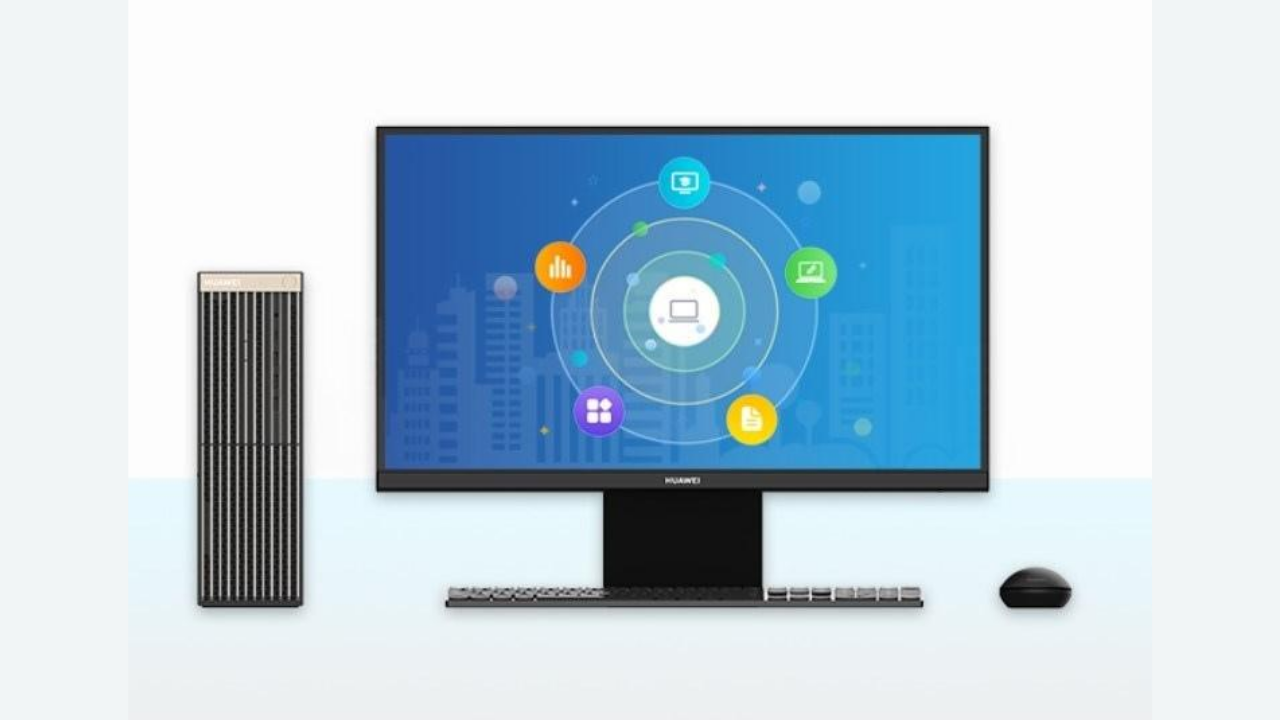
While Huawei is known for its smartphones, the company also offers products in the PC market outside of laptops. The Chinese tech giant recently launched a new workstation desktop that features its proprietary Kunpeng processor, which was made to rival other Intel Xeon based models.

For those unaware, Huawei has been offering workstation high performance processors for desktops through its Kunpeng 920 series since 2018. These powerhouses were built with productivity in mind and were developed by the company’s subsidiary HiSilicon, who also designed their signature Kirin mobile processors as well.

Huawei

However, despite being capable, these chips had yet to receive proper support and optimization for different software a professional might require. So, Huawei recently started offering Kunpeng based workstation PCs to developers. Now, the Huawei Qingyun W510 has been launched with the HiSilicon Kunpeng 920-3211K SoC that features 24 cores that run at 2.6GHz, which are based on HiSilicon’s proprietary Armv8.2-compatible Taishan v110 cores.

Furthermore, the workstation is equipped with AMD‘s Radeon 520 GPU and 8GB of DDR4 RAM and 512GB of SSD storage. Huawei is also bundling the new workstation with a 23.8 inch FHD monitor. Through this offering, the company is targetting the Chinese government, as well as local enterprises, which is the reason why runs the latest Deepin OS and not Microsoft’s Windows. At the moment, it is only available for developers, but the company will soon make the push to the commercial market.

Huawei

Notably, the Kunpeng 920 series chip was originally meant for servers and supported an octa-channel DDR4-2933 memory, two 100GbE controllers, 40 PCIe 4.0 lanes with CCIX support, 16 SAS 3.0 ports, two SATA 3.0 ports, and four USB 3.0 connectors. Although, this particular variant was designed as a workstation, so had its 32 cores cut down, to offer a similar performance to an Intel Core i9-9900K. Unfortunately, these Kunpeng chips were manufactured by TSMC (on its 7nm process), so it remains to be seen how the company will source these chips after recent US sanctions.


TCL patents smartphone design with invisible camera sensors

Smartphone manufacturers have been trying to introduce devices with under-display camera sensors for years and now the technology finally seems ready to be used on a commercial smartphone.

ZTE has confirmed that the company will launch its Axon 20 5G smartphone on 1st September, making it the world’s first smartphone to feature an in-display camera sensor. Other companies like OPPO and Xiaomi are also working on similar technology.

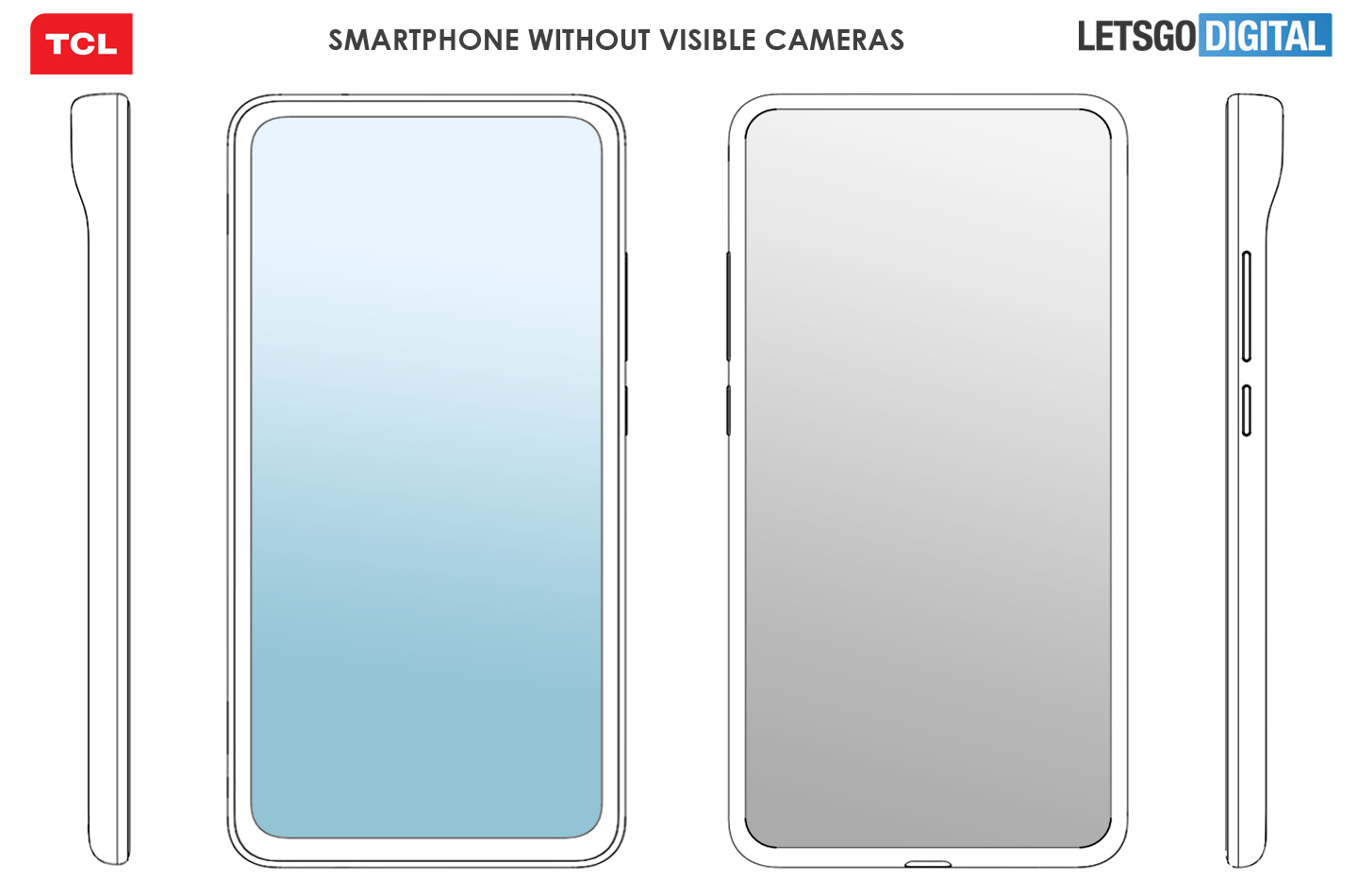
TCL Invisible Camera Smartphone Patent

Along with them, TCL is also working on the same, as revealed through a patent application a couple of months ago. However, it seems that the company is quite ambitious in this regard and isn’t stopping at an in-display camera but wants to hide all the camera sensors.

A new smartphone design patent filed by TCL has been surfaced online without any visible camera sensors on the device — neither on the front side nor on the back. The patent, first reported by LetsGoDigital, also includes product sketches, giving us an idea about the phone.

The images show a smartphone with relatively thicker bezels around the display. There’s definitely an in-display camera sensor at least for the front-facing camera. But interestingly, no camera module is visible on the backside.

EDITOR’S PICK: Sony PlayStation 5 confirmed to support Wi-Fi 6 and Bluetooth 5.1 as connectivity features

The top part on the backside is significantly bigger than the rest of the area and it may have something to do with the camera module but nothing has been revealed in this patent. There’s another theory as well.

For the invisible camera module on the backside, the company could be using technology we saw on the OnePlus Concept One smartphone. The back could have a glass panel which becomes transparent when cameras are in use and becomes opaque when not in use.

Do note that this is just a patent so there’s no certainty that the company plans to launch a device with such design and technology. The company is more likely to launch its in-display camera smartphone first before unveiling a device with all camera sensors hidden.


Xiaomi sees marginal growth in India despite production restrictions

Xiaomi recently revealed its financial report for the second quarter of 2020. In this period, the company saw a revenue of 7.77 billion US Dollars, which is a rise of 3.1 percent during the same period last year.

Xiaomi Mi 10 Ultra Review Cameras Featured

The revenue from Q2 is also higher than Q1 by about 7.7 percent for the Chinese tech giant. In other words, the company is seeing a recovery in its overseas market, according to a TechCrunch report. Xiaomi’s recently appointed CFO, Alain Lam, stated that the company’s profits stood at 650 million US Dollars, which is up by 129.8 percent year on year and 108 percent in comparison to Q1 2020.

Xiaomi’s smartphone sales still account for the majority of the company’s revenue and have recovered in most of its overseas markets. This excludes one of its largest market India, where Xiaomi had to shut down most of its stores and production sites as the local government enforced a nationwide lockdown across the country. The measures to combat the Coronavirus pandemic started in late March, which affected the delivery and sales of “non-essential” goods in the region.

Xiaomi Logo Co-founder Lei Jun

Since then, the lockdown has eased considerably, with production and sales ramping up. Compared to January 2020, the daily average of smartphone activations was around 72 percent as of July. In other words, the lockdown had adversely affected the company’s operations and sales. According to Xiaomi’s official statement, local production was the cause “as the production capacity had not yet returned to the normal level, our sales were still limited by the production constraints.”


Redmi 9 with 6.53-inch display, Helio G35, 13MP dual cameras, 5,000mAh battery launched for Rs. 8,999 (~$121)

Earlier this month, Xiaomi announced the Redmi 9 Prime smartphone in India. It debuted as the rebranded version of the Redmi 9 phone that debuted in global markets in July. Today, the Chinese brand announced the Redmi 9 handset in India. Well, it’s a rebadged edition of the Redmi 9C phone that has landed in India with a starting price of Rs. 8,999 (~$121).

Redmi 9 specifications and features

The Redmi 9 that comes with a polycarbonate construction along with P2i splash-resistant coating. It measures 164.9 x 77.07 x 9mm and it weighs 196 grams. The phone’s rear sports an impressive Aura Edge Design that provides users with a textured rear that prevents fingerprint marks and offers a better grip. The Redmi 9 has a 6.53-inch IPS LCD panel with a waterdrop notch. It supports 720 x 1,600 pixels and a 20:9 aspect ratio.

The gaming-centric MediaTek Helio G35 chipset fuels the phone with 4 GB of RAM. The handset offers users with up to 128 GB of native storage. There is a microSD card slot available onboard for additional storage.

Redmi 9 India Render Leak 03


The Redmi 9 has a square-shaped camera module at the upper-left corner of its back. The module comprises of a 13-megapixel main camera with f/2.2 aperture and a 2-megapixel depth sensor f/2.4 aperture. The rear cameras offer users with features such as AI scene detection, portrait mode, and Pro mode. It has a front-facing camera of 5-megapixel.

The Android 10 OS that comes preinstalled on the Redmi 9. It is the first smartphone from the brand in India to come with the latest MIUI 12. The phone is backed by a massive 5,000mAh battery that supports 10W charging. The company claims that the Enhanced Lifespan Battery tech will let the battery stay in healthy condition for more than 3.2 years. The handset has a rear-mounted fingerprint scanner. The Redmi 9 comes with usual connectivity features such as dual SIM slot, 4G VoLTE, Wi-Fi 802.11 b/g/n, Bluetooth 5.0, GPS, microUSB, and 3.5mm audio jack.

Redmi 9 price in India and availability

Here is the pricing of the different variants of the Redmi 9:

  • 4 GB RAM + 64 GB storage – Rs. 8,999 (~$121)
  • 4 GB RAM + 128 GB storage – Rs. 9,999 (~$135)
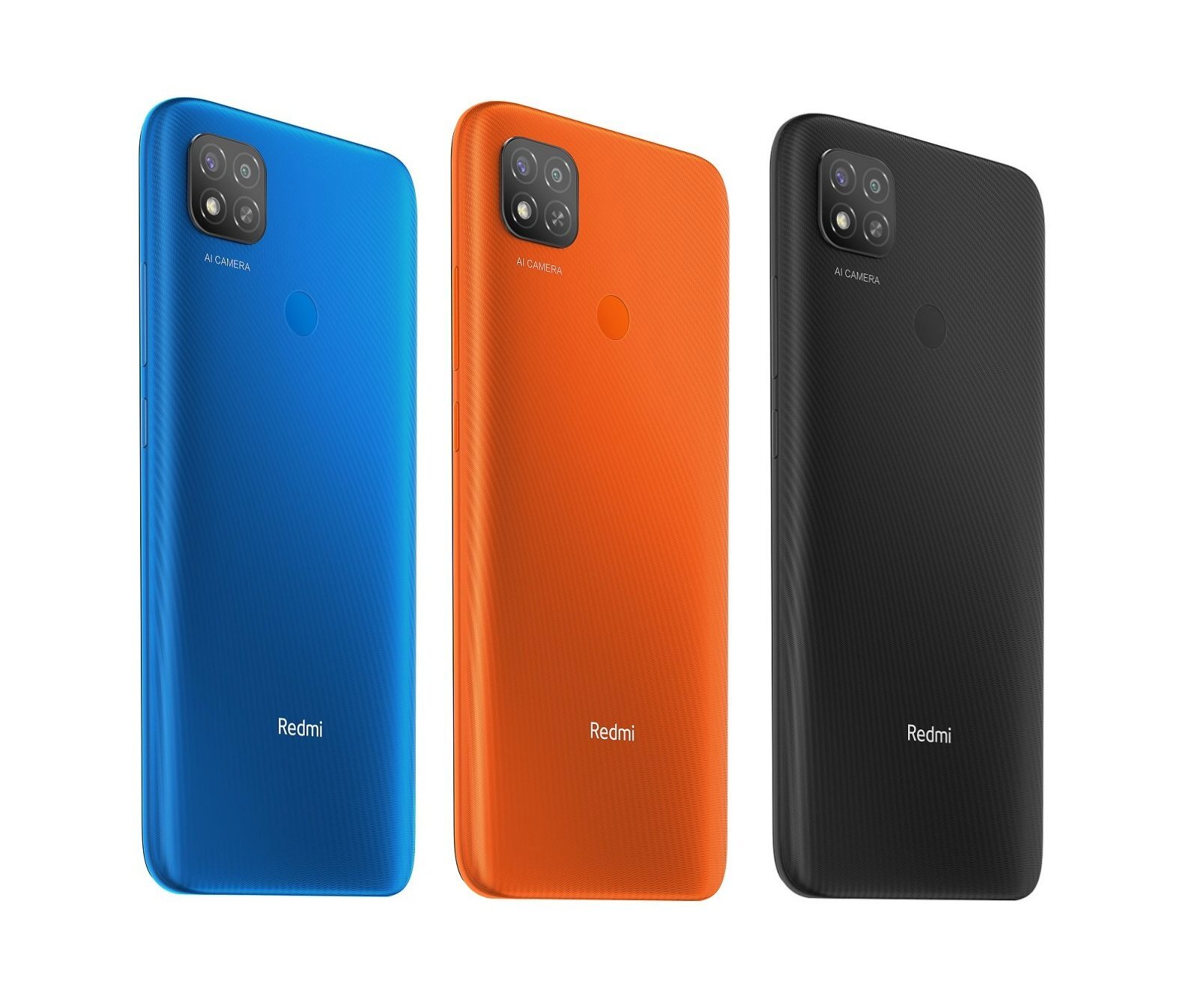
    Color variants: Sporty Orange, Sky Blue, and Carbon Black

The first sale of the Redmi 9 will be carried out on Aug. 31 through Mi.com, Mi Home and Amazon India. Later, it will be brought to offline markets in the country.


LG to launch PuriCare Wearable Air Purifier electronic mask at IFA 2020

Amid COVID-19 pandemic, IFA 2020 will be taking place in Berlin, starting from 3rd September for two days. Many companies have confirmed their presence at the event and LG has now revealed a new unique product that it plans to launch.

The South Korea-based LG has today revealed that the company will be launching a futuristic electronic mark at IFA 2020 next week. The company has named this electronic mask LG PuriCare Wearable Air Purifier.

LG PuriCare Wearable Air Purifier

The PuriCare Wearable Air Purifier includes two H13 HEPA filters, similar to the filters used in the company’s home air purifier products. With Dual Fans and the Respiratory Sensor, the air purifier allows users to take in clean and filtered air.

There are sensors to detect the cycle and volume of the wearer’s breath and adjusts the dual three-speed fans accordingly. The fans automatically speed up to assist air intake and slow down to reduce resistance when exhaling to make breathing effortless.

EDITOR’S PICK: DJI OM 4 Mobile Gimbal announced with user-friendly Magnetic Mounts and a foldable design

LG claims that it fits snugly on the user’s face to minimize air leakage around the nose and chin, making it possible to wear it comfortably for hours. It packs 820mAh battery which is promised to offer eight hours of operation in low mode and two hours in high mode.

Additionally, the company is bundling a carrying case for the LG PuriCare Wearable Air Purifier. It is equipped with UV-LED lights that kill harmful germs, charge the mask, and send notifications to the LG ThinQ mobile app on Android or iOS when the filters need to be replaced for better performance.