Advertisement

Polaroid’s latest pocket printer is not only cute but also prints waterproof pictures

With the advent of social media platforms including photo-based sites like Instagram, people seldom print photos. However, there are those who still do; and if you don’t, maybe Polaroid’s new pocket printer may convince you to begin to print some of your photos.

Polaroid Hi-Print 2x3 Pocket Photo Printer

The new Polaroid Hi-Print 2×3 Pocket Photo Printer is unlike other printers. Not only is it the cutest pocket printer out there but it prints high quality photos. The printer uses dye-sublimation technology or its life-like photos unlike other pocket printers that use Zero-Ink technology.

The Polaroid Hi-Print Photo Printer has a white ABS outer shell with a rainbow colored end that reminds us of Apple’s legacy logo. The 2.1” x 3.4” photos are water-resistant and have an adhesive film on the back, so you can stick them on surfaces.
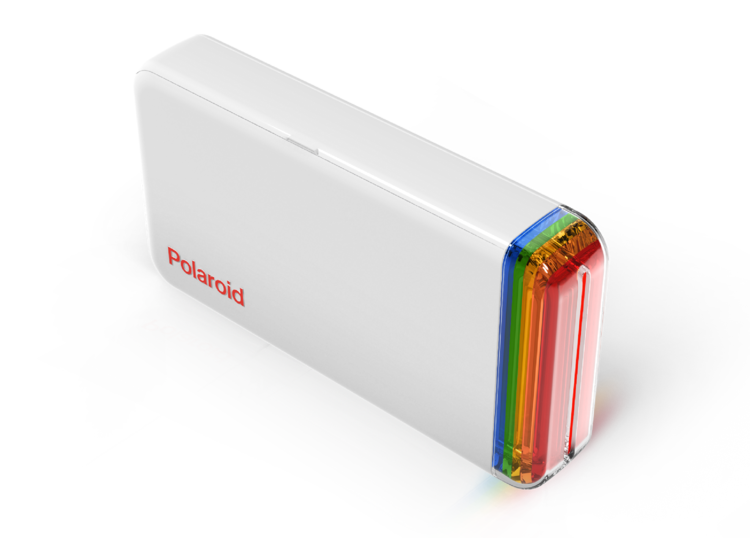
Polaroid Hi-Print 2x3 Pocket Photo Printer

The Polaroid says printing is easy and takes just a minute. The printer connects to your device via Bluetooth 5.0. There is an app which is available for both iOS and Android devices. You can use the app edit your photos – add filters, stickers, and text – before printing.

There is a 640mAh battery inside the printer that charges via a MicroUSB port. The battery will allow you to print up to 20 photos on a single charge. Excluding the paper catridge, the pocket printer weighs 255 grams and it measures 175 x 101 x 46 millimeteres.
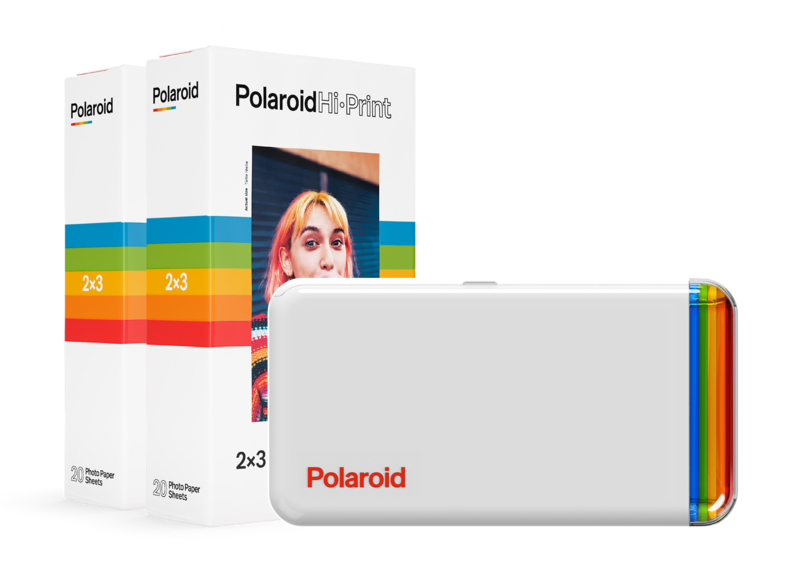
Polaroid Hi-Print 2x3 Pocket Photo Printer

The Polaroid Hi-Print 2×3 Pocket Photo Printer is priced at $99/€99 but you have to pay $16.99/€16.99 for a pack of paper cartridge with 20 sheets. There is also a bundle that includes the printer and 2 packs of cartridge paper for $129.99/€129.99. You can make a purchase on Polaroid’s official website or you can wait until September to to order on Best Buy and Amazon.


Vivo Y20i and Y20 launched with 6.51-inch display, Snapdragon 460 & more!

Chinese phone maker Vivo has launched its latest smartphone s in the Y series in India. The phones are dubbed Vivo Y20 and Y20i and pack almost identical design and specs, save for a few differences. Vivo Y20

Vivo Y20 & Vivo Y20i – Specifications & Features

The Vivo Y20 and Y20i both feature a 6.51-inch Halo iView LCD display with an HD+ resolution of 1600 x 720 pixels. The models are powered by a Snapdragon 460 chipset. The processor has an octa-core architecture built on an 11nm FinFet process. The processor is paired with an Adreno 610 GPU.

The processor is paired with 3GB of RAM on the Y20i while the Y20 pack 4GB of RAM. The two models have 64GB of internal storage onboard. The storage is expandable up to 256GB via microSD.

As for the camera, the models both adopt a triple camera setup at the rear made up of a 13MP main + 2MP depth + 2MP macro lens. There are an 8MP selfie camera and a side-mounted fingerprint scanner which unlocks the phone in just 0.22s.

The phones pack a mammoth 5,000mAh battery and feature support for 18W FlashCharge technology that promises up to 16 hours of online HD movie streaming and 11 hours of gaming on a single charge. For interface, the phone runs on Android 10 with FunTouch OS 10.5.Vivo Y20i For connectivity, the models feature a dual 4G VoLTE, Wi-Fi 802.11 ac, Bluetooth 5, and GPS/ GLONASS/ Beidou. There is also 3.5mm audio jack, FM Radio and micro USB.

As for the pricing, the Vivo Y20i is priced at Rs. 11,490 (~$154) and is available in a single 3GB RAM + 64GB storage. The phone is available in Dawn White and Nebula Blue colours. It will be available starting September 3, 2020, across all partner retail stores, Vivo India E-store, and other major e-commerce websites.

On the other hand, the Vivo Y20 is priced at Rs. 12,990 (~$174) for the 4GB RAM and 64GB storage sole option. The phone is available in Obsidian Black and Dawn White. It will be available for purchase on all partner retail stores, Vivo India E-store, and other major e-commerce websites starting August 28, 2020.


Sony Xperia 5 II render leak reveals a familiar design

Sony is no longer a known player in the smartphone space. But the Japanese company continues to release new models every year with limited availability. Earlier this year, the firm launched Xperia 1 II as its flagship mobile device of 2020. Now, it may unveil Xperia 5 II soon as a render of this handset leaks revealing its entre design.

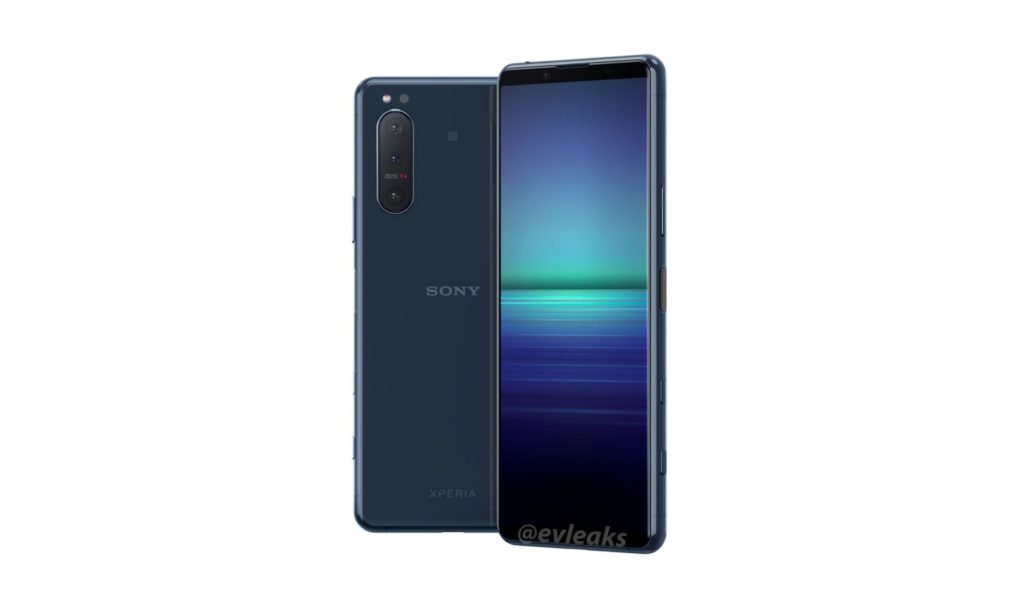
Sony Xperia 5 II Render Leak


Last year, Sony launched Xperia 5 at IFA 2019. Therefore, its successor was expected to debut at the same event this year. Looks like it will certainly happen as its press render leak, courtesy of @evleaks (Evan Blass).

The render shared by Mr Blass gives us the first-ever glimpse of the upcoming Sony Xperia 5 II (pronounced as “Mark 2”). Just like its predecessor, it will come with a tall display most likely with 21:9 aspect ratio. The best part of this screen is there’s no notch or punch-hole as the selfie camera is loathed in the top bezel.

Interestingly, there are four physical buttons on the right side of this handset. The topmost one is volume rockers, followed by power key with an embedded fingerprint sensor, and two more buttons, which we think might be for Google Assistant and camera shutter respectively.

The rear of the phone looks like a carbon copy of Xperia 1 II except for a vertically triple camera setup with Zeiss T* optics instead of a quad. Further, there’s an NFC sign at the top, a “SONY” branding at the centre, and “XPERIA” logo at the bottom. Interestingly, there’s also a 3.5mm headphone jack at the top.

That said, Evan did not mention the specifications of this smartphone. But going by its predecessor, it should be powered by Qualcomm Snapdragon 865 flagship SoC.


Chinese companies are recruiting Semiconductor engineers from South Korea

Semiconductor based firms in China are hiring South Korean engineers to strengthen their domestic semiconductor industry and supply chains. The move likely arrives after pressure from recent US sanctions that threaten the existing suppliers.

Chinese companies

According to a BusinessKorea report, a South Korean headhunting company is looking for semiconductor etching experts for a Chinese company. Apparently, the job opportunity ad states that it is for a well known foreign company and is recruiting engineers with a master’s degree or higher who has worked as a section chief in the etching or plasma field.

For those unaware, etching is a process of drawing patterns on semiconductor circuits. In the semiconductor industry, this process has become increasingly more complex and important as production processes are now measured in nanometers. Similarly, another recruitment site has posted ads that state, “We will give preferential treatments to former engineers of Samsung Electronics and SK Hynix.”

Chinese companies

These ads also promise exceptional working conditions with high salaries, good housing, and guarantee of international school for worker’s children. An industry insider stated that “I understand that Chinese companies are trying to contact employees of Samsung Electronics’ NAND flash plant in Xian, China, or SK Hynix’s DRAM plant in Wuxi to secure semiconductor human resources. The move from the Chinese semiconductor firms is likely due to the ongoing crisis caused by US sanctions, which have already restricted crucial chip supply from Huawei.


TSMC announces new roadmap, confirms plans for 2nm chip factory

Earlier this week, TSMC unveiled a new roadmap for the next two years in its annual conference. In this event, the world’s largest contract chipmaker shared some interesting things, like working on setting up a new foundry for 2nm chip, according to a GSMArena report.

TSMC has already started work on its 2nm foundry and is already building a new factory and research and development center. The company will employ around 8,000 people to help achieve the evolution from 3nm chips that are expected to arrive in the consumer market by the end of 2022. Notably, YP Chin, the company’s senior VP confirmed that TSMC has already purchased land in Hsinchu to expand its research and development center.

Furthermore, the 2nm process node will be developed on the GAA (gate all around) technology rather than its FinFET solution, which is being used for the 3nm fab. The technology is the next step in the semiconductor industry. Similarly, Samsung has already announced plans on using GAA for its 3nm process technology by 2022. So, TSMC entering the race is a good sign of competition in the next generation of chip manufacturing.


HUAWEI Mobile Router launches in China with 4G, Gigabit Ethernet, One-Touch Connect & more

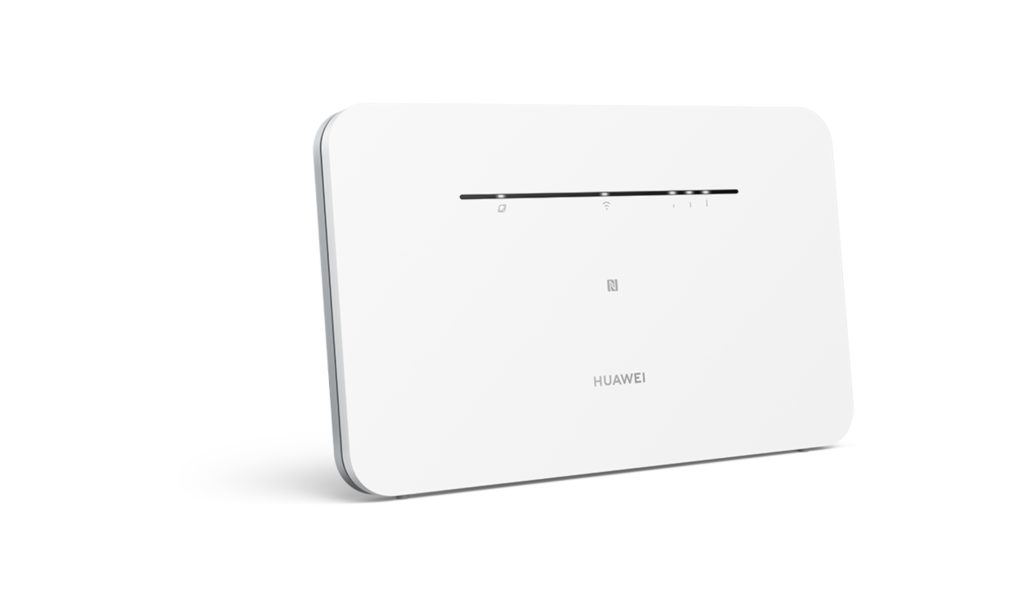
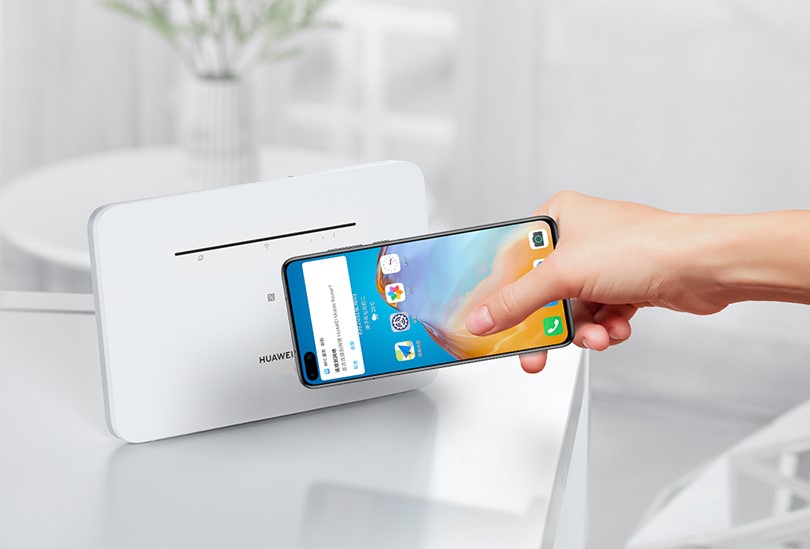
A lite variant of HUAWEI Router 2 Pro from July  2019 has launched in China by the name of HUAWEI Mobile Router. The new model is not only smaller in dimensions (125 x 198 x 25mm vs 219 x 138 x 25.6mm) but it is also lighter in weight (246g vs 325g).  Further, it also comes equipped with NFC for HUAWEI Share One-Touch Connect functionality, which is absent on the older model. It will be available for pre-order in the country starting September 1 for an undisclosed price.

HUAWEI Mobile Router Featured

The newly launched HUAWEI Mobile Router features a similar design as the HUAWEI Router 2 Pro and even shares most of its features except for the ones listed above. It only comes in a single white color option.

Talking about specs, it is powered by HiSilicon Balong 711 chipset and supports only 2.4GHz WiFi with 2 x 2 MIMO and 300Mbps maximum transmission rate. It can be also used to create wired networks with the help of 1 x Gigabit WAN/LAN adaptive interface (RJ45) and 3 x Gigabit LAN interfaces (RJ45).

As the name suggests, it uses a 4G nano-SIM card instead of fiber or broadband connection for input. Hence, it can be used anywhere where there is sufficient LTE coverage as well as power supply.

HUAWEI Mobile Router HUAWEI Share One Touch Connect

The company is yet to reveal the price of HUAWEI Mobile Router but is it worth over the other model? Actually, it will depend on its price because it lacks 5GHz WiFi and Gigabit WiFi. However, it is a tad bit smaller, lighter, and features One-Touch connect.

There’s no word on international availability. Hence, if you are interested in it, then you will have to import it from China.


Tesla becomes the top selling EV brand in China, takes orders for Shanghai made Model Y SUVs

Tesla, a known automobiles maker, has become the top seller of electric vehicles in China for the first half of this year. The Elon Musk owned company saw great success with its China made Model 3 series, which gave consumers an affordable entry into luxury cars, and is starting to take orders for Shanghai built Model Y as well.

Tesla

In the Chinese market, Tesla managed to double its sales of about 50,000 vehicles from 2019. This news arrives despite the world’s electric vehicle market declining by about 50 percent in the same period, down to 235,000 vehicles sold. According to a Nikkei report, Tesla’s market share jumped from 6 percent to 21 percent, with the majority of this boost coming from the Model 3 sedan.

Tesla began shipping the Model 3 from its Shanghai factory back in January 2020 and it is the company’s most affordable vehicle that goes for about 270,000 Yuan (roughly 39,000 US Dollars). This is after subsidies are applied, which lowered the cost of the same model imported from the US by more than 30 percent. Buyers were also drawn in by the fact that a used Tesla vehicle retains its value better than other electric vehicles.

tesla logo

Furthermore, the company is showing no signs of stopping as it has begun taking orders of another vehicle it built in its Shanghai factory, namely Model Y series SUVs. According to a CaixinGlobal report, the new SUVs will arrive in two different variants, including the long range version and the performance version. The former is priced at 488,000 yuan (roughly 70,800 US Dollars) while the latter is priced at 535,000 yuan (roughly 77,700 US Dollars). The long range variant can travel up to 505 kilometers on a single charge and can accelerate from 0 to 100 kph in 5.1 seconds while the performance variant can reach up to 480 kilometers but can accelerate to 100 kph in only 3.7 seconds.


Sony Xperia 8 Lite with 21:9 screen, SD630, 12MP dual rear cameras launched in Japan

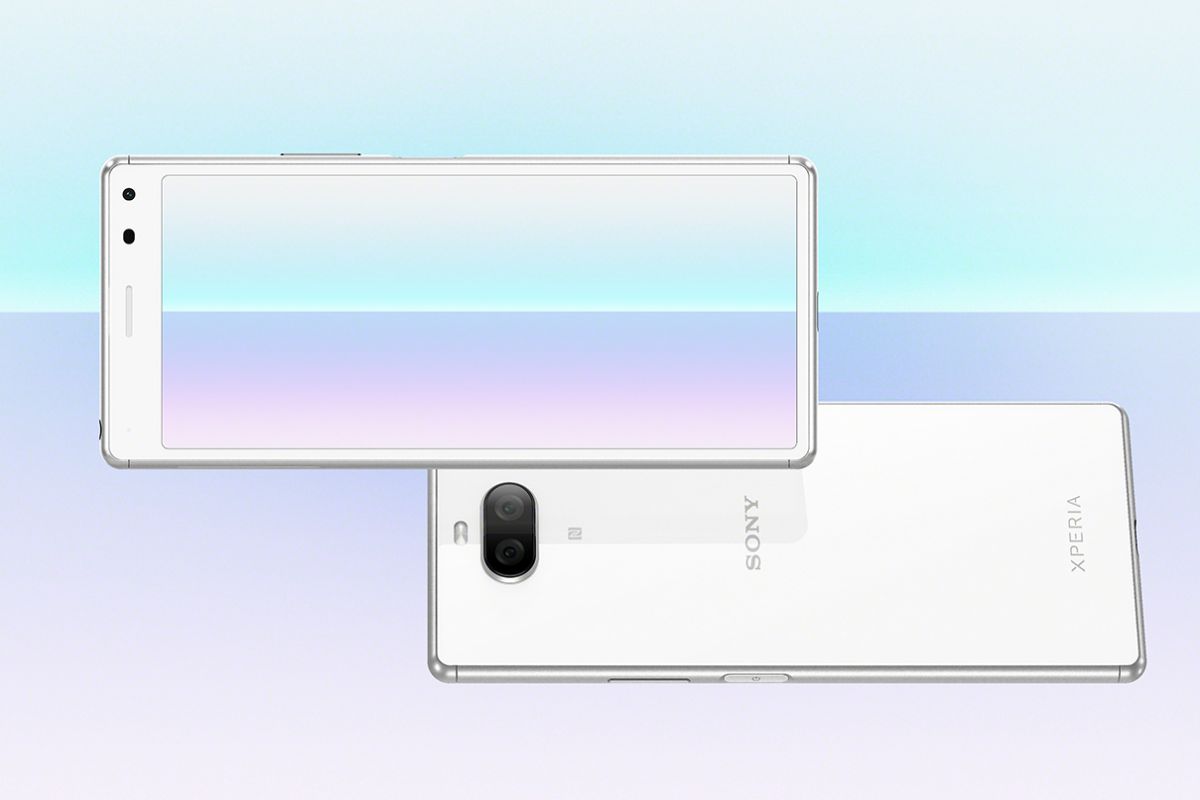
Sony has launched the Sony Xperia 8 Lite mid-range phone in Japan. In terms of specs and design, the handset appears to be a variant of the Sony Xperia 10 phone that debuted last year. In other words, it’s a rebranded Xperia 10 with different cameras on its back.

Sony Xperia 8 Lite specifications and features

The Sony Xperia 8 Lite measures 158 x 69 x 8.1mm and it weighs 170 grams. The phone features an LCD Triluminous Display of 6 inches. The screen offers Full HD+ resolution and a tall aspect ratio of 21:9. The display is shielded by Gorilla Glass 6. When the right edge of the Xperia 8 Lite is double tapped, a Side Sense bar shows up on the screen to give quick access to apps and settings.

Sony Xperia 8 LIte
Sony Xperia 8 LIte

The thick bezel at the top of the Xperia 8 Lite has an f/2.0 aperture 8-megapixel selfie camera. The LED flash assisted f/1.8 aperture 12-megapixel + f/2.4 aperture 8-megapixel dual-camera system replaces the 13-megapixel + 5-megapixel dual camera setup that came with Xperia 10. The dual cameras of the Xperia 8 Lite support AI scene detection and 2x optical zoom.

The phone comes with the Snapdragon 630 chipset that debuted in 2017. Moreover, the phone comes loaded with the dated Android 9 Pie OS. The handset offers users with 4 GB of RAM, 64 GB of internal storage, and 2,870mAh battery. The other features that are found the Xperia 8 Lite are 4G VoLTE, Wi-Fi 802.11ac, Bluetooth 5.0, GPS, NFC, USB-C, 3.5mm audio jack, and a side-facing fingerprint reader.

Sony Xperia 8 Lite pricing and availability

The Sony Xperia 8 Lite has landed in Japan with a pricing of JPY 29,800 (~$280). Its two color variants are Black and White. Sony is yet to reveal any information on the phone’s availability outside of Japan.


TikTok was turned down by Netflix for a possible acquisition: Report

TikTok reportedly reached out to Netflix regarding a possible acquisition deal. However, it seems like the popular entertainment streaming platform declined, showing no interest in purchasing the short video sharing service app.

With TikTok facing pressure from the Trump administration, the popular social media platform has to either sell itself or face a ban. Furthermore, ByteDance, TikTok’s parent company, is in talks with Microsoft and Oracle regarding a possible acquisition for US operations. Meanwhile, TikTok has also sued the Trump administration to prevent the banning of the app before its deadline.

Netflix Logo

The lawsuit aims at achieving a stay order to allow the company to continue operations as it continues to negotiate with prospective buyers while also reaching out to others like Netflix. However, the streaming service is said to have declined according to a Screen Rant report. At the moment, the social media app is valued somewhere between 10 to 50 billion US Dollars, although, this may fluctuate considering it is under political pressure and is forced into a vulnerable position.


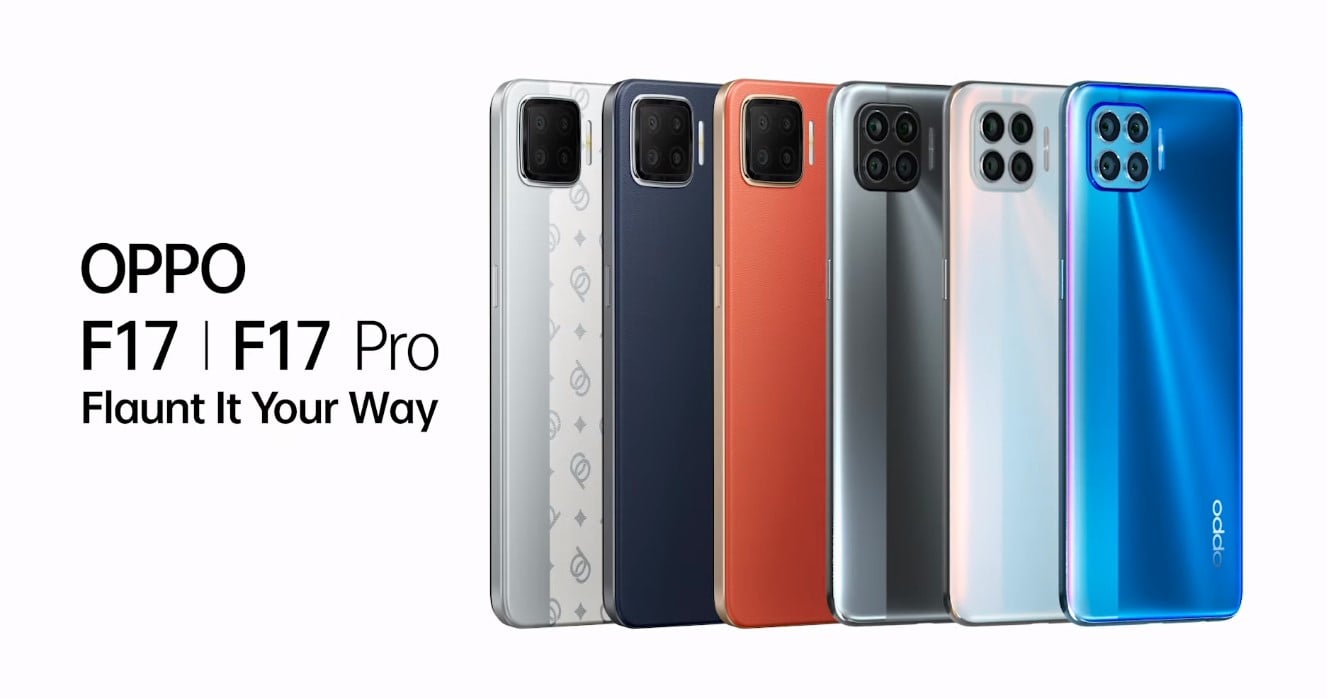
OPPO F17 Pro, F17 to launch on September 2 in India

Yesterday, OPPO India announced the OPPO A53 smartphone in India with a price tag of Rs 12,990 (~$174). Since last week, the Chinese brand has been teasing on the arrival of the OPPO F17 series in India. Today, the company finally confirmed that the OPPO F17 series will be made official on Sept. 2.

It’s now mentioned on the official website of OPPO India that the OPPO F17 series will debut in India at 7 PM (local time) on Sept. 2. The series includes OPPO F17 and OPPO F17 Pro smartphones. However, the official page only talks about the F17 Pro. Hence, it is unclear whether F17 and F17 Pro phones will debut together on Sept. 2. There is a possibility that the Chinese firm may only announce the F17 Pro first and the vanilla model may go official sometime later in the same month.

OPPO F17 Pro
OPPO F17 Pro

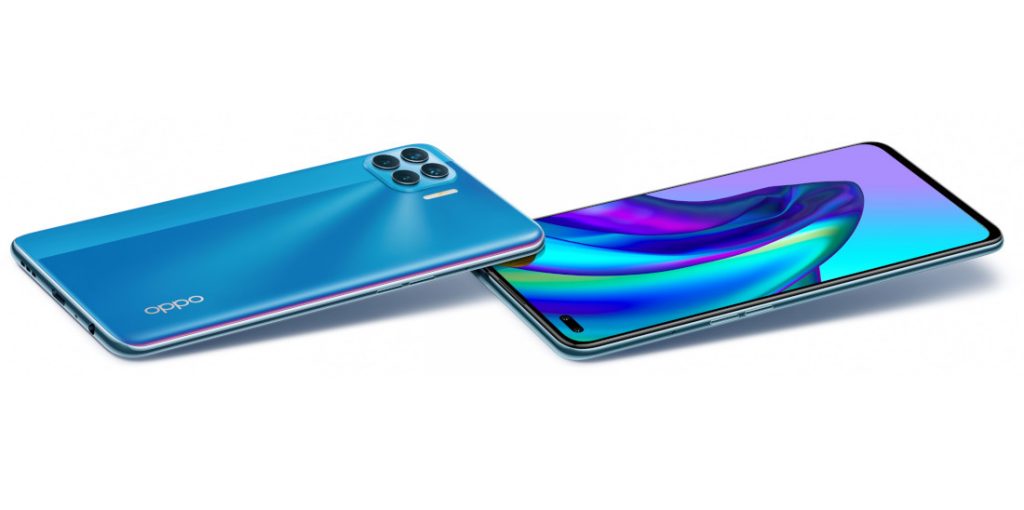
The F17 Pro is touted as the sleekest phone of 2020 by OPPO. The handset has a slim profile of 7.48mm and it weighs 164 grams. The phone features a quad camera setup on its back, and it has a dual punch-hole cutout on its display. Some of the features of the F17 Pro that are currently mentioned on the official page are 6 AI portrait camera modes, AI color portrait mode, and 30W VOOC 4.0 Flash Charge technology. The page also mentions that the phone will be priced under Rs. 25,000 (~$336) in the country.

OPPO F17 and F17 Pro specifications (Rumored)

The OPPO F17 is rumored to come with specs like a 6.44-inch S-AMOLED FHD+ display with waterdrop notch., a 16-megapixel front camera, a 16-megapixel + 8-megapixel + 2-megapixel + 2-megapixel quad-camera system, Snapdragon 662 mobile platform, 6 GB of RAM, 128 GB of storage, and 4,000mAh battery. It will come in colors like Dynamic Orange, Navy Blue, and Classic Silver.

OPPO F17 and OPPO F17 Pro poster

The OPPO F17 Pro has a 6.43-inch S-AMOLED screen, 16-megapixel + depth dual front-facing cameras, a 48-megapixel + 8-megapixel + 2-megapixel + 2-megapixel quad-camera system, Helio G95 SoC, 8 GB of RAM, 128 GB of built-in storage, 4,000mAh battery. Its color variants are Matte Black, Magic Blue, and Metallic White.


Huawei enters ‘Survival Mode’ with suppliers rushing to beat US deadline

With the US deadline fast approaching, Huawei and its suppliers are rushing to meet the shipping goals for mobile chips for the Chinese tech giant. An industry source close to the matter has revealed that the company is fighting for survival after pressures from recent US sanctions.

According to a Nikkei report, Huawei Technologies is stockpiling 5G mobile processors, WiFi, radio frequency, display drivers, and other key components from chip developers. The suppliers include major names like MediaTek, Realtek, Novatek RichWave, and more. The race to meet the shipping goals arrives as the US deadline is right around the corner.

Huawei

For those unaware, the US government had previously announced on 17th August 2020 that foreign chipmakers are banned from supplying chips that use American technology to the Chinese smartphone maker. To do so, one must acquire a special license issued by the government. However, to account for existing orders, the suppliers were permitted to complete such transactions but with a deadline that lasts only till midnight of 14th September 2020, which is less than a month away now.

Analysts have predicted that Huawei’s smartphone shipments could possibly fall by as much as 75 percent next year if it runs out of these crucial parts. Thus, to meet the tight schedule and deadline, chipmakers have agreed to ship half-finished products or wafers that have note been tested or assembled. Generally, complex integrated circuits built on to wafers which are then processed for packaging and testing when chips are made.

Huawei Logo MWC 2019

A source stated that “It’s not unusual for Huawei to call suppliers at 4 a.m. or have conference calls at midnight recently. Huawei is in a chaotic survival mode now, and changing its own plans constantly recently.” While another industry insider said that “We will fully comply with U.S. regulation but try to meet customer’s needs. … We have only three weeks left that we can ship products to Huawei, so we will ship some finished chip products as well as some half-finished products or chip wafers just out of the plant that have not yet been packaged and tested.”


Google Chrome is now getting tab grouping feature for better tabs management

Keeping its promise, Google is now rolling out a new tab grouping feature that will make it easy to manage lots of open tabs on the browser. The feature was available in Chrome Beta from May this year and is now rolling out to the stable build.

You can now simply right-click and group your tabs together. Further, the tab groups are also customizable and it allows you to label them with a custom name and color. Once the tabs are grouped together, you can move and reorder them on the tab strip.

Google Chrome Tab Grouping Feature

EDITOR’S PICK: Apple to reportedly start operating its own online store in the Indian market from next month

The tabs in the group can easily collapse, expand, or drag-and-drop them. They also pop-up any time the Chrome browser is closed or reopened. This is just one of the features that the company is adding with the newer version.

Google has also introduced Profile Guided Optimization (PGO) and tab throttling features that should make the tabs load up to 1- percent faster. PGO allows some parts of the code to run faster while tab throttling distributes resources from inactive tabs to the active tabs.

The company is also planning to soon add support for touchscreen controls on the Chrome web browser, allowing laptop users in tablet mode to swipe through the tabs. However, the feature will first be added for Chromebooks and later add support for other devices.


ASUS ZenFone 7, ZenFone 7 Pro launched with SD865+, 64MP flip-up triple cameras, 5,000mAh battery for ~$749

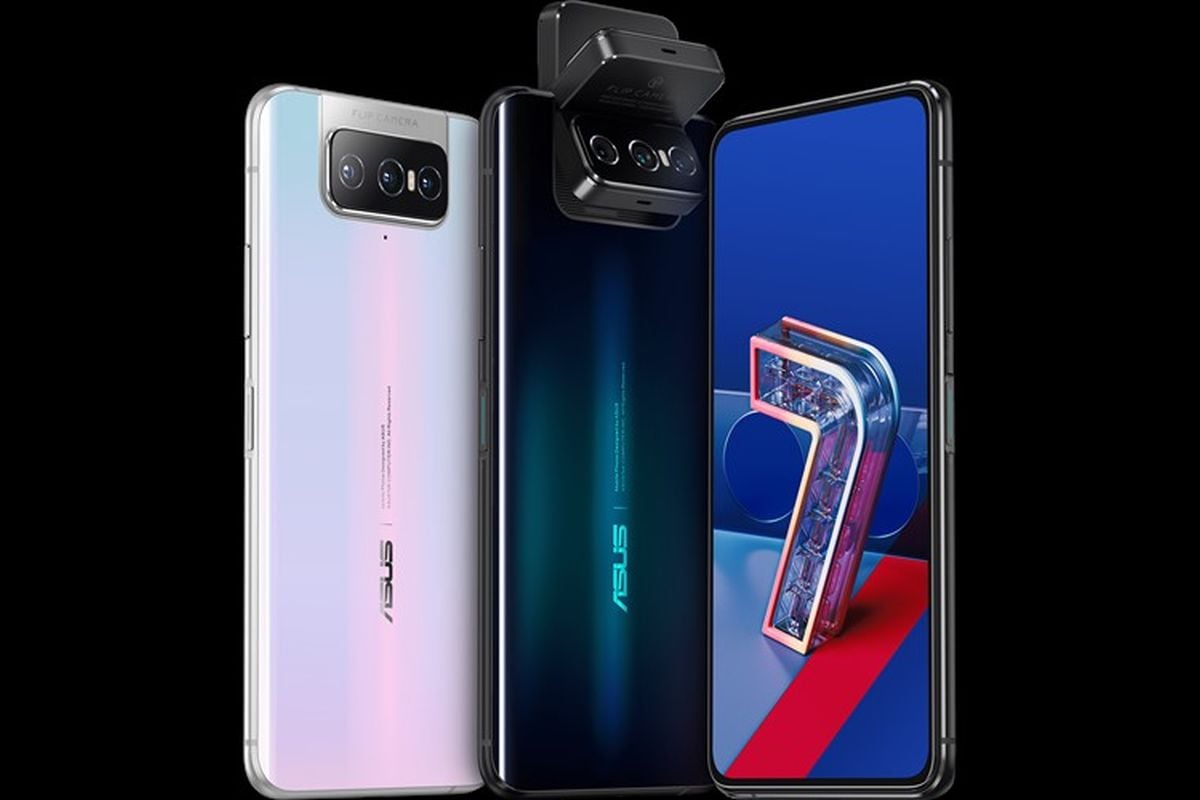
After weeks of leaks, ASUS has finally launched the much-awaited ZenFone 7 and ZenFone 7 Pro flagship phones through an unveil event in Taiwan. They are the only flagship phones of the year 2020 to sport flip-up camera modules. Moreover, the ZenFone 7 Pro comes with the more advanced Snapdragon 865+ mobile platform. Other exciting features of the ZenFone 7 series include notch-less displays with high refresh rates, huge batteries with fast charging support, and 64-megapixel triple cameras.

ASUS ZenFone 7 and ZenFone 7 Pro specifications and features

The ZenFone 7 has a 6.67-inch AMOLED display that offers a 20:9 aspect ratio, Full HD+ resolution of 1080 x 2400 pixels, and a 90Hz refresh rate. Other features of the display of the ZenFone 7 are Delta-E<1color accuracy, 700nits brightness, DC dimming, HDR10+, and Gorilla Glass 6 protection. The ZenFone 7 Pro features the same display.

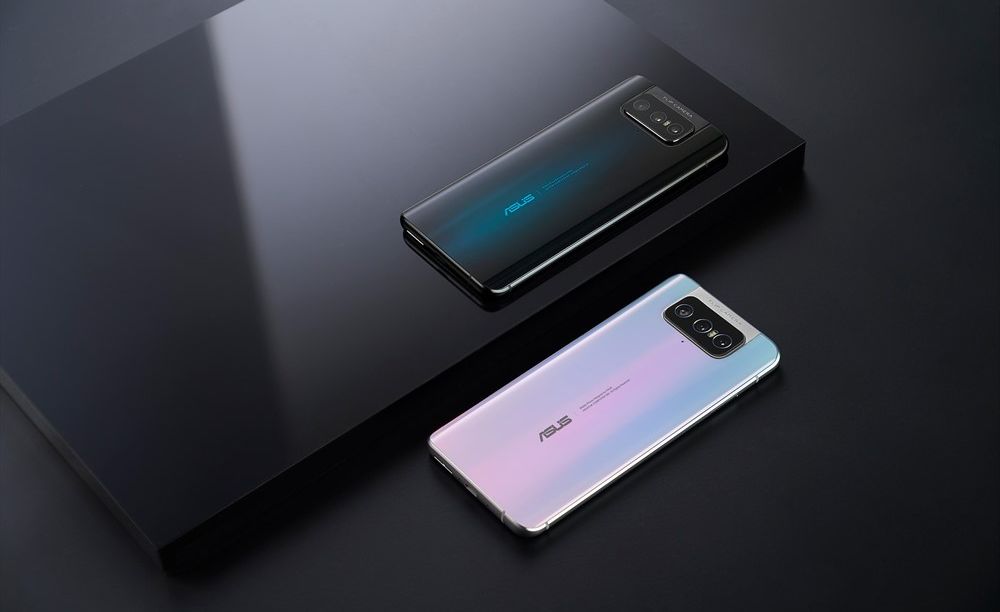
ASUS ZenFone 7 series

The ZenFone 7 and ZenFone 7 Pro series are the only flagship phones of 2020 that come without dedicated front-facing cameras. The reason behind it is that the flip-up camera system of the ZenFone 7 can be used to capture topnotch selfie shots. The flip-up camera module of the ZenFone 7 and ZenFone 7 Pro comprise of a Sony IMX686 64-megapixel main camera with 113-degee FOV and f/1.8 aperture, a 12-megapixel Sony IMX686 ultrawide lens with f/2/2 aperture, and an 8-megapixel telephoto lens with 3x optical zoom and 12x digital zoom support.

The flip-up cameras offer photography features such as dual-LED flash, 120fps slow-motion video recording, and up to 8K video recording at 30fps. The only noticeable difference between the cameras of the two phones is that the ZenFone 7’s main camera is coupled with 4-axis OIS, whereas the main lens as well as the telephoto shooter of the ZenFone 7 are both equipped with 4-axis OIS. The flip-up cameras of the ZenFone 7 series have liquid metal housing and it’s powered by a new motor module for greater weight endurance. There is an angle sensor that can make the flip-up stay at pre-defined angles while shooting photos.

ASUS ZenFone 7 series

The Snapdragon 865 fuels the ZenFone 7 and it comes in 6 GB / 8 GB LPDDR5 RAM variants. It has 128 GB of UFS 3.1 storage. On the other side, the ZenFone 7 Pro is fueled by the Snapdragon 865 Plus mobile platform and 8 GB of LPDDR5 RAM. It comes with 256 GB of UFS 3.1 storage. For additional storage, both phones are equipped with microSD card slots.

The ZenFone 7 series comes preinstalled with ZenUI 7 based Android 10 OS. Both phones are backed by 5,000mAh batteries that support 30W HyperCharge fast charge technology and 27W Quick Charge 4.0 by Qualcomm. It also supports 18W USB Power Delivery. These phones offer some common features such as stereo speakers, triple microphones, side-facing fingerprint sensors, face recognition, dual SIM support, 5G, Wi-Fi 6, Bluetooth 5.1, dual-frequency GPS, NFC, and USB-C. These devices lack support for 3.5mm audio jack.

ASUS ZenFone 7 and ZenFone 7 Pro pricing and availability

The ZenFone 7 and ZenFone 7 Pro come in two colors such as Aurora Black and Pastel White. The 6 GB and 8 GB RAM variants of the ZenFone 7 are priced at NT$ 21,990 (~$749) and NT$23,990 (~$817). The ZenFone 7 costs NTS 27,990 (~$1,020). The sales of the ZenFone 7 series begins today in Taiwan.

The retail package of the ZenFone 7 series includes a ruggedized Active Case that helps in protecting the camera bump. There is no word on the international availability of the ZenFone 7 series.


LG Wing first look revealed in a video, features a twisting dual display

While reports have surfaced that LG is working on a smartphone codenamed “Wing,” we didn’t have much to go on despite rumors of it featuring dual displays. Now, Android Authority has recently shared a new video that showcases the device live in action which offers us a first look at the upcoming smartphone.

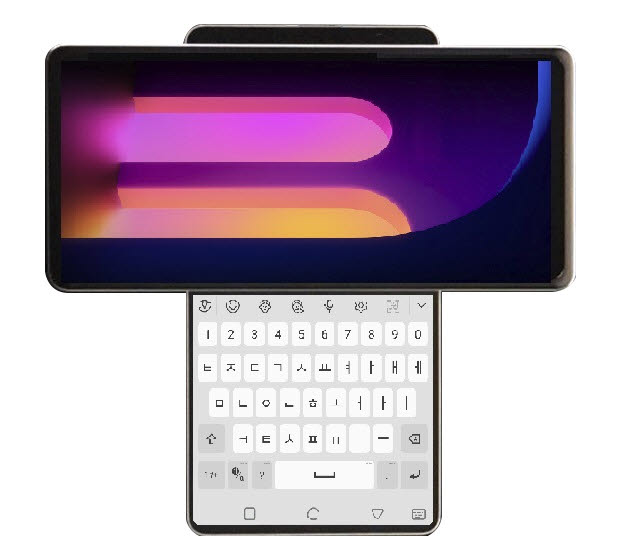
Looking at the video, it seems that the device showcased is a near final version of the LG Wing. In other words, the launch of the handset shouldn’t be too far away. Furthermore, the video also offers us a better look at the device with both of its displays being utilized. For those unaware, LG Wing is an upcoming mid range handset from the South Korean tech giant which features a dual display with one screen swiveling sideways to reveal the secondary screen underneath.

In the video, the primary display can be seen offering navigation to the user, while the second one offered a look at the media player, which played the music, later, a call stops the music and appears on the secondary screen. This enabled the maps to still function normally, allowing the person in the video to simply pick up the call without needing to cycle between applications.

LG Wing

This iteration of dual displays from LG is different from their previous launches of similar smartphones like the G8X and V60. But unlike a detachable secondary display, this dual screen is a part of the smartphone itself. Unfortunately, finer details like price and specifications are currently unknown, however, rumors have pointed at a Snapdragon 700 series chip (likely the SD765G), a triple camera module on the rear, and a price a bit higher than the LG Velvet.


Samsung expects to ship 100,000 units of Smart TV with 75-inch or bigger display

Samsung has witnessed a dip in the shipment of devices in recent times, mostly because of the COVID-19 pandemic. While the company has been missing targets when it comes to smartphones, Samsung appears to be confident when it comes to Smart TVs.

The South Korean giant has said that it is expecting to ship more than 100,000 units of its larger TVs by the end of August. The larger TV in this includes those models with a screen size of 75-inch or larger, reports The Elec.

Samsung

EDITOR’S PICK: Samsung may kill the Galaxy Note series next year; Galaxy S21 Ultra rumored to have support for S-Pen

The company has also released a new commercial for the QLED 8K TV models showcasing how big the TV units are how it proves an immersive home theatre experience. Samsung is planning to launch more ads for the larger-sized TVs to drive the point home.

The development comes just months after the company had said that it is positive about achieving its TV sales target for the year. This means that Samsung expects to ship 45 million units of Smart TVs by the end of 2020, despite the COVID-19 pandemic which was the reason for the fall in shipments by 60 percent YoY in the first half of the year.

In related news, Samsung is planning to launch its own lineup of Mini LED Smart TVs sometime next year. This will be yet another premium TV series from the company, which already has two lineups in this segment — QLED and Micro LED.


Apple iPhone 12 leak reveals more details about the display and camera

Apple, which usually launches its new iPhone models in the month of September, will not be following the schedule this time for the iPhone 12 series because of the COVID-19 pandemic. The company also confirmed that the iPhone 12 models launching this year will be “available a few weeks later.”

However, as the launch nears, more and more details about the smartphones keep surfacing online. In the latest development, YouTuber Jon Prosser has revealed details about the display and camera features.

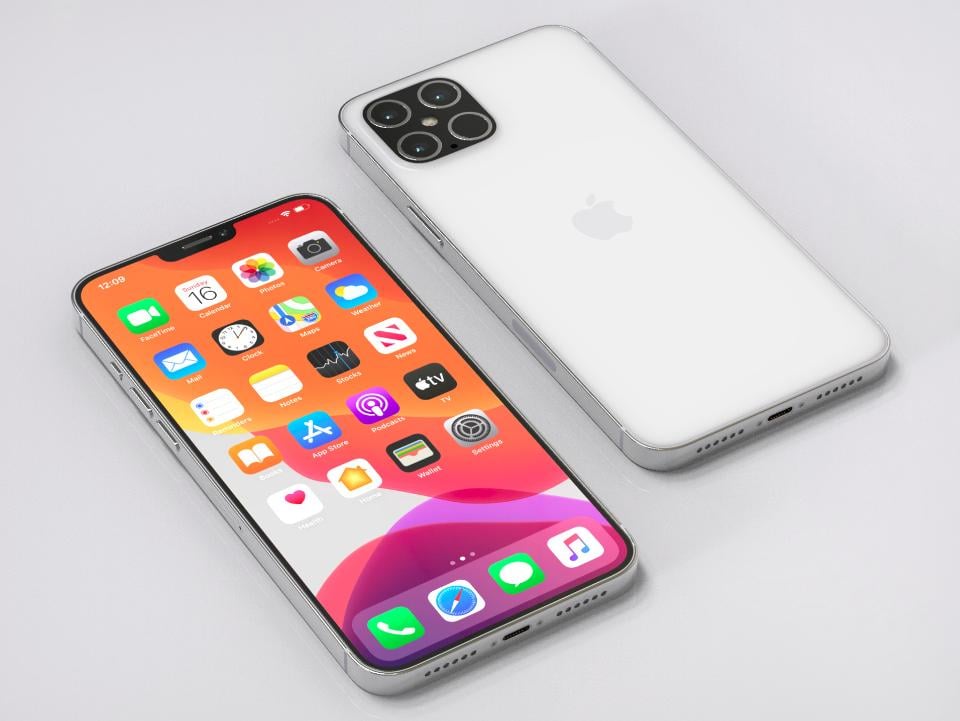
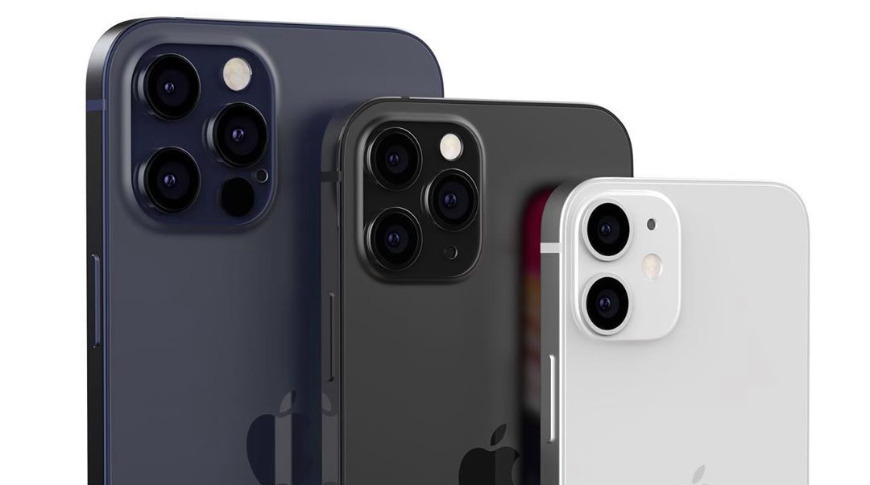
Apple iPhone 12 Render

He claims that the bezels around the display for the Apple iPhone 12 Pro model are noticeably thinner. He has also added that the display is slightly bigger which makes the notch “appear” smaller.

Further, he adds that the Face ID works from wider angles and the rear camera module is around 10 percent larger. The iPhone 12 Pro Max, on the other hand, will come with a LiDAR camera, having LiDAR-assisted autofocus.

The smartphone will also come with a 120Hz refresh rate and the company will offer an option for the users to enable the high refresh rate or adaptive refresh rate. It comes with a flat display and there’s still the pill-shaped notch on top.

EDITOR’S PICK: Apple to reportedly launch its own online store in the Indian market from next month

Apple

As for the launch of the iPhone 12 models, it is being reported that the launch event could take place on 12th October, with pre-booking starting the same week and shipments of the base model beginning a week after that.

But it seems that not all the models will go on sale together. It is being reported that while iPhone 12 will be available for purchase in October itself, other models in the lineup, including the iPhone 12 Pro, will go on sale in November.

Earlier, Jon Prosser had said that the Apple Watch Series 6 and the unspecified iPad model will be announced without any launch event in September. This is interesting because Apple has traditionally launched the new Apple Watch along with the iPhone.


Realme X7 Geekbench listing emerge, Could be debuting as first Dimensity 800U powered smartphone

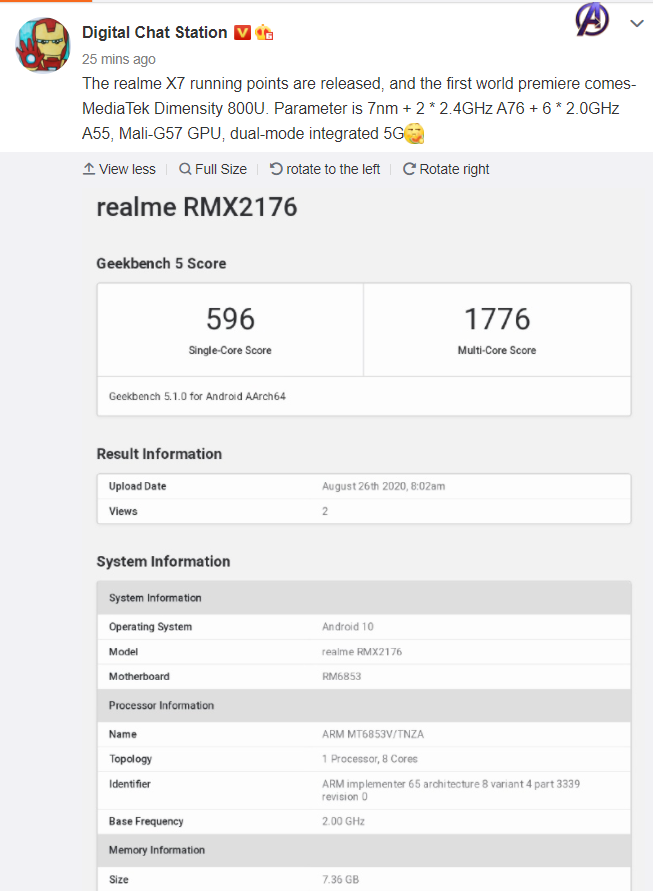
Past reports have revealed that the Realme X7 Pro has an RMX2121 model number and the Realme X7 has RMX2176 model number. The Pro model appeared on Geekbench yesterday to confirm that it is equipped with the Dimensity 1000+ 5G chipset. Realme X7 has also paid a visit on the same benchmarking platform. The exact name of the processor that fuels the device is not mentioned in the listing. However, a leakster from China is of the view that it is powered by the recently announced Dimensity 800U. Hence, it appears that the Realme X7 may debut as the world’s first phone powered by the Dimensity 800U SoC.

The RMX2176 Realme X7 has scored 596 and 1776 points respectively in the single-core and multi-core tests of Geekbench. The smartphone runs on Android 10 OS and it has 8 GB of RAM. The phone is driven by a MediaTek octa-core processor that is mentioned as MT6853V/TNZA.

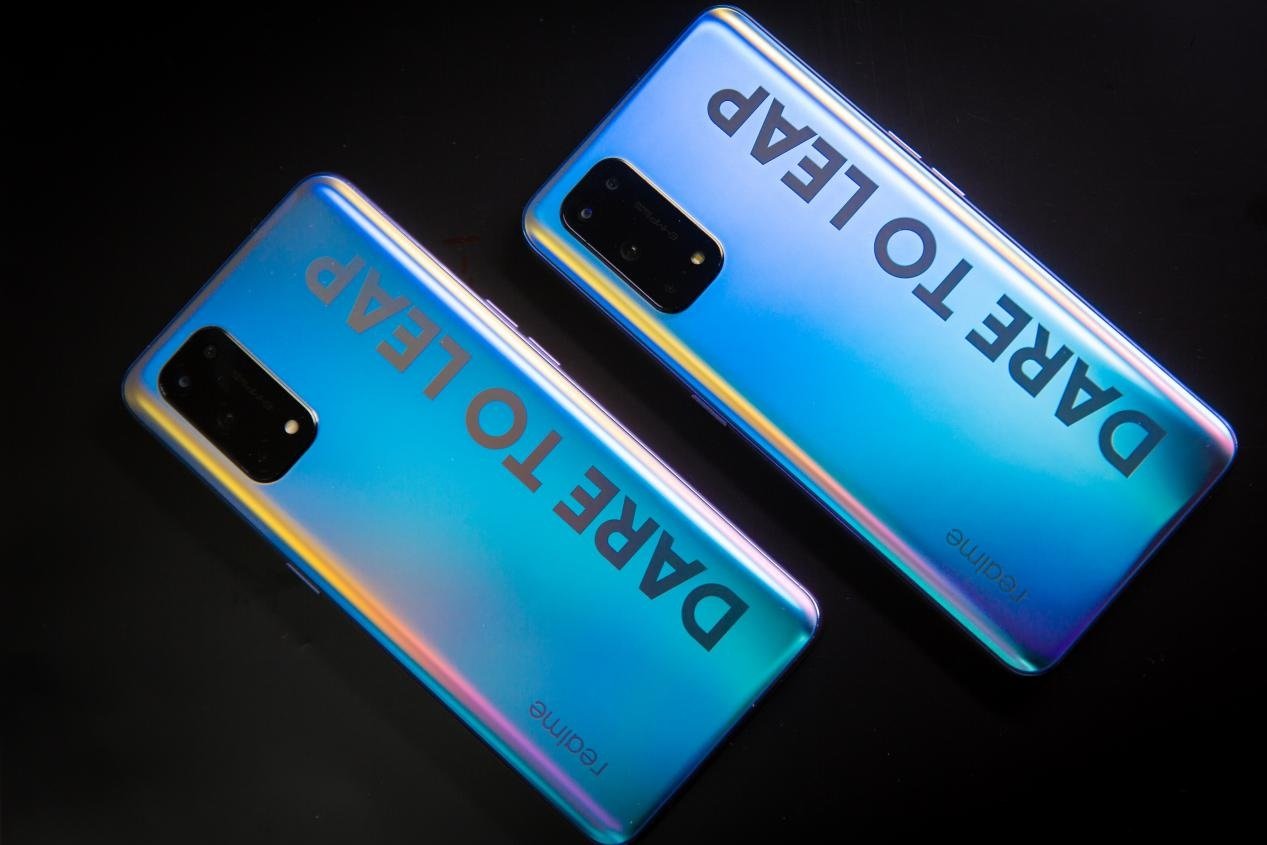
Realme X7 Dimensity 800U

The model number is associated with the Dimensity 720 chipset. Last month, Realme had launched the Realme V5 with Dimensity 720 SoC onboard. The OPPO A72 5G. A well-known tipster claiming that the Realme X7 is fueled by the Dimensity 800U SoC. It is advisable to wait for further reports to know whether the Dimensity 800U or Dimensity 720 is present under the hood of the Realme X7.

Realme X7 specifications

The Realme X7 has a 6.43-inch AMOLED display with a punch-hole design. It produces Full HD+ resolution and may come with support for a 120Hz refresh rate. The handset will be coming in 6 GB / 8 GB RAM options and 128 GB / 256 GB storage choices in China.

It has a front-facing camera of 32-megapixel and its rear has a 64-megapixel + 8-megapixel + 2-megapixel + 2-megapixel quad-camera system. The device draws power from a 4,300mAh battery that supports 65W fast charging technology.

The pricing of the Realme X7 and X7 Pro are under wraps. Both phones are scheduled to break cover on Sept. 1.


Huawei Enjoy 20 and Enjoy 20 Plus real images emerge, Launch could be near

In June, Huawei unveiled the Enjoy 20 Pro 5G smartphone. Since then, the rumor mill has been speculating on the existence of other Enjoy 20 series phones. Recently, the Enjoy 20 and Enjoy 20 Plus were found listed at TENAA with all their specifications. The Plus edition was even spotted at China Telecom’s product library. The listing had revealed that it may release in the Chinese market on Sept. 3. With nearly a week remaining for the market release, the Enjoy 20 Plus and Enjoy 20 have appeared in real in newly leaked images on Weibo.

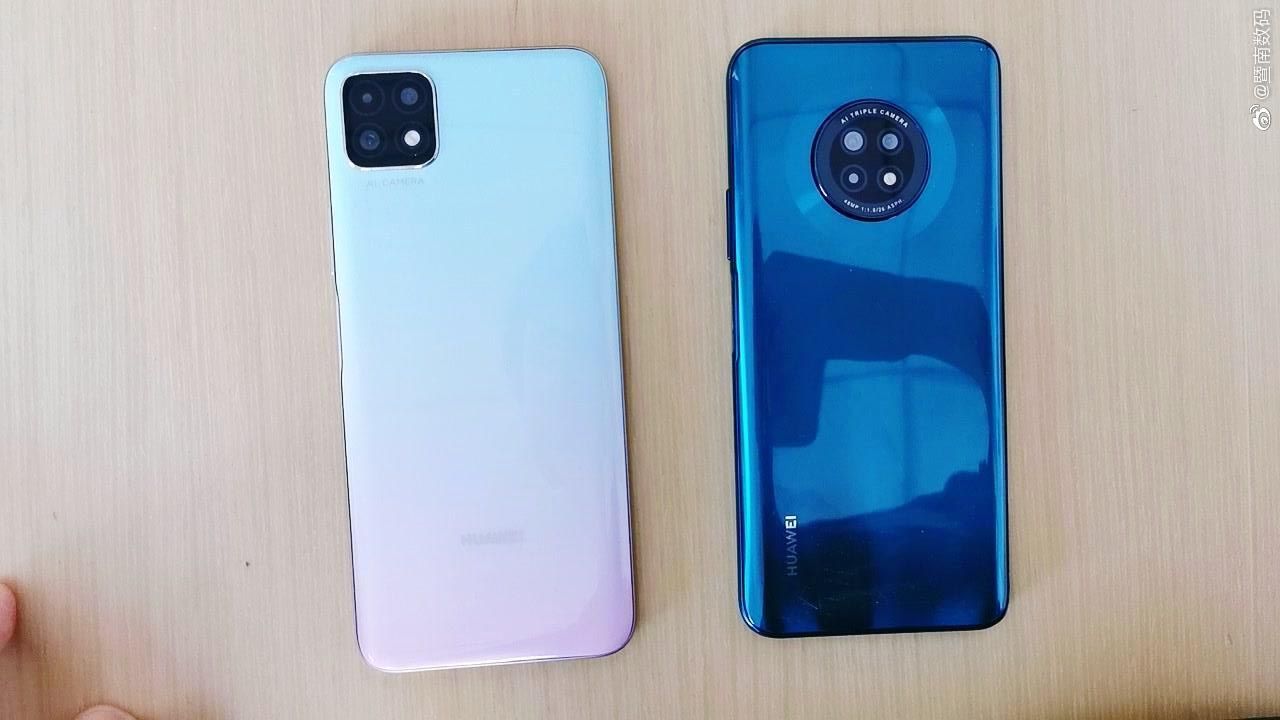
Huawei Enjoy 20 and Enjoy 20 Plus live shots

The live shots of the Enjoy 20 show that it has a waterdrop notch display. Since it has a side-facing fingerprint reader, it seems to be equipped with an LCD panel. The back panel of the phone has a square-shaped camera module with three cameras and an LED flash inside. Some of the key specs revealed through the front view image are 6.6-inch display, 128 GB of built-in storage, and 5,000mAh battery.

Huawei Enjoy 20 and Enjoy 20 Plus live shots 2

Moving to the Enjoy 20 Plus, it can be seen flaunting a notch-less display. It also seems to be equipped with an LCD panel due to the presence of a side-mounted fingerprint scanner. Past reports have revealed that it has an elevating selfie camera. A round-shaped camera housing can be seen on the green-colored rear of the device. Some of the key specs of the Enjoy 20 Plus has a 6.63-inch display, 48-megapixel main camera, 128 GB of native storage, and 40W rapid charging.

The Enjoy 20 Pro came with 5G capabilities thanks to the presence of Dimensity 800 chipset. The Enjoy 20 and Enjoy 20 Plus are also 5G capable devices. A recent report had revealed that they are driven by the Dimensity 720 chipset by MediaTek. Hopefully, Huawei will soon confirm the launch date of Enjoy 20 and Enjoy 20 Plus phones in the coming days.


Fitbit Sense launched with advanced health tracking features and Google Assistant support

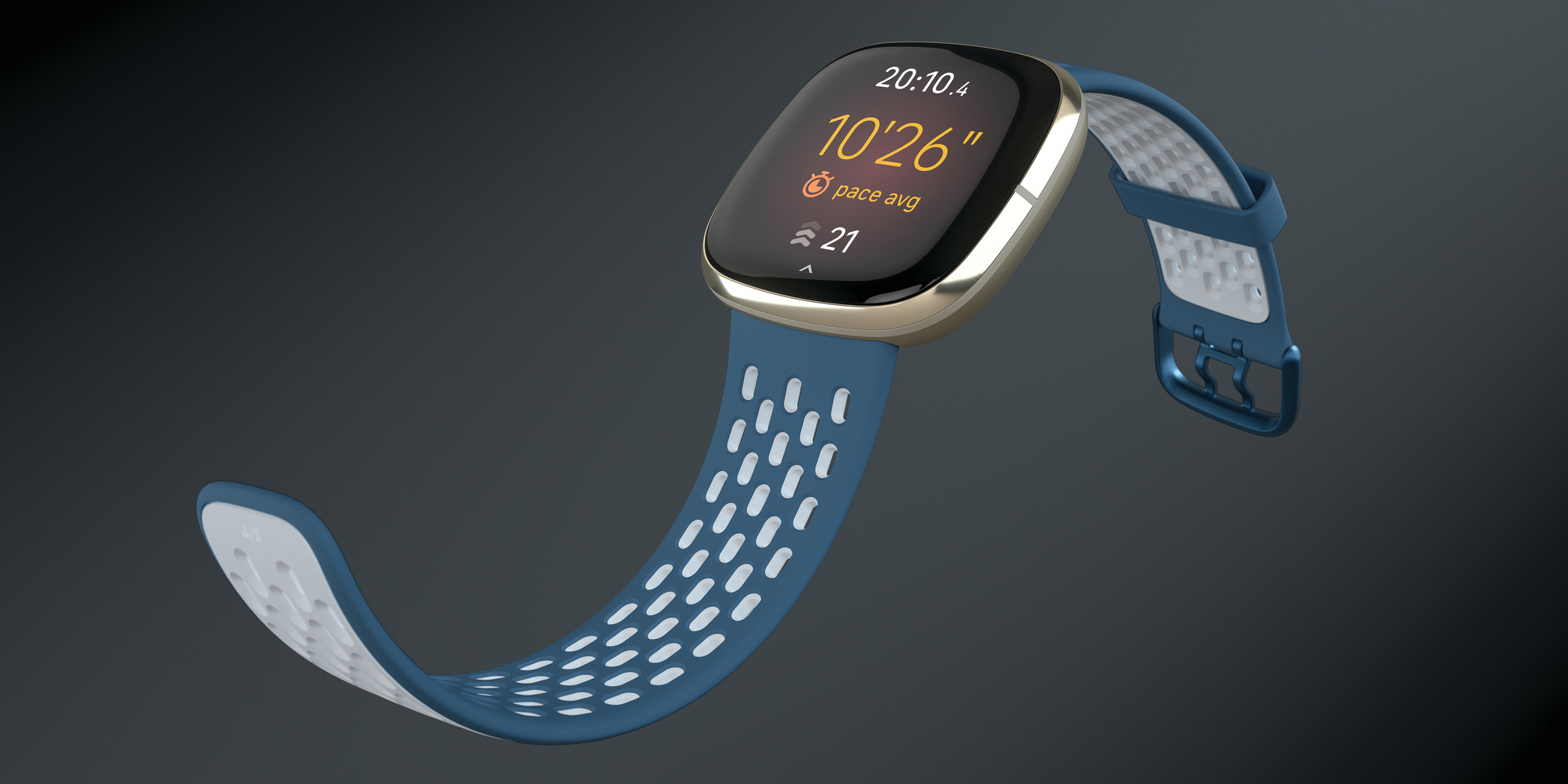
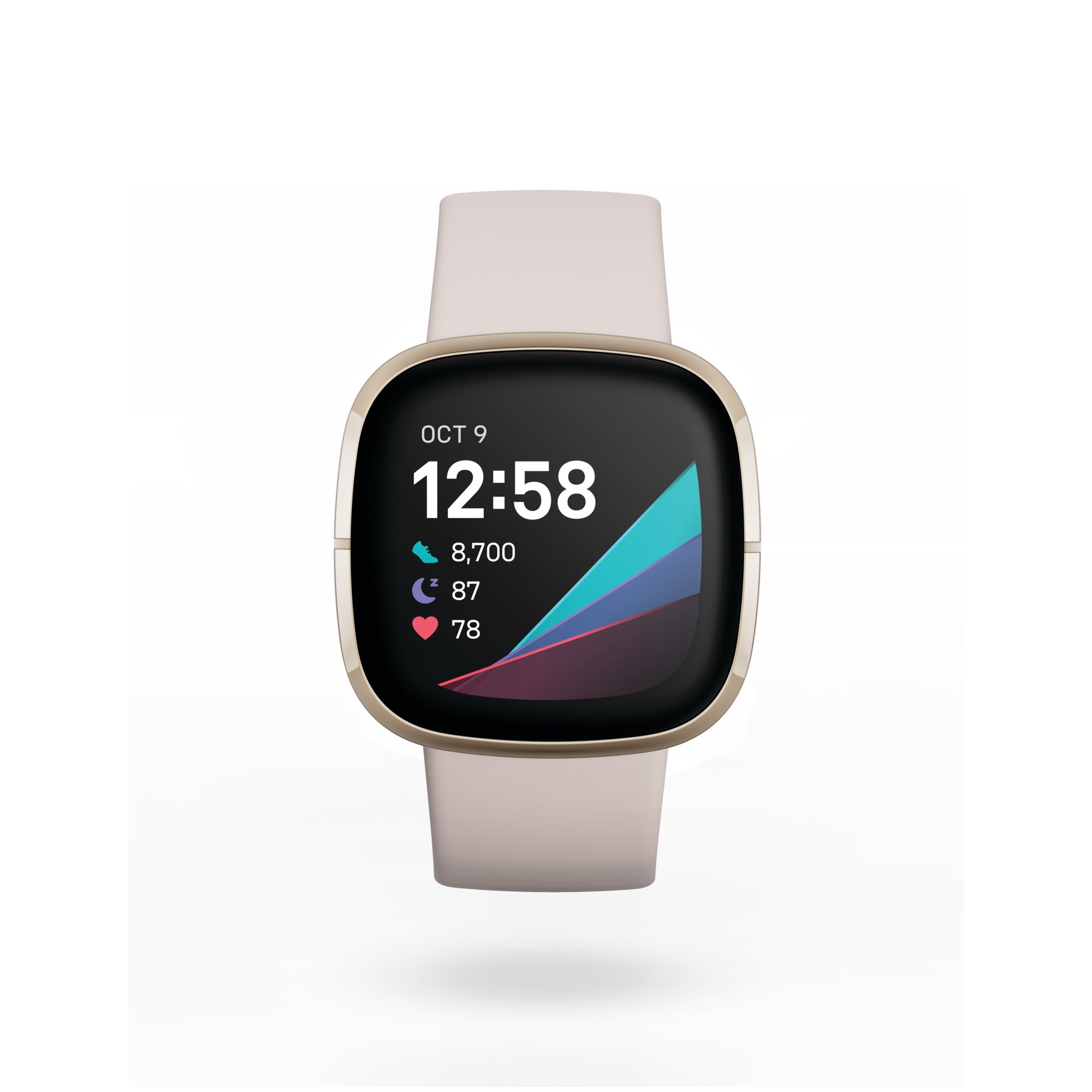
Fitbit has launched its most advanced smartwatch so far, dubbed as Fitbit Sense. It has been made official along with the Fitbit Versa 3 — the successor of the Versa 2 launched last year, and the Fitbit Inspire 2.

In terms of design and features, the new Fitbit Sense is very much similar to the Versa lineup of smartwatches from the company. The highlight is that the Sense comes with two new sensors — ECG and EDA.

Fitbit Sense

Thus, the device can take an electrocardiogram that can also detect atrial fibrillation for better health monitoring. However, the feature won’t be available to use right away given that the FDA approval is pending. Another major feature is that the Fitbit Sense can also track stress levels.

Along with the standard health features like 24/7 heart-rate tracking and various exercise tracking modes, there’s also a new skin temperature checking feature.

EDITOR’S PICK: Apple to reportedly launch its own online store in the Indian market from next month

Fitbit Sense

The Fitbit Sense comes with an edge-to-edge AMOLED display that offers features like always-on display and auto-brightness. The software has been redesigned to offer customizable widgets, redesigned notifications, and more.

The company has also added support for Google Assistant along with Amazon Alexa. However, the Google Assistant voice-command feature will start rolling out to the users in the coming months. As for the battery life, the company is promising over six days of usage on a single charge.

The Fitbit Sense is priced at $329 in the United States and will be available for purchase from late September but the exact date is not yet known. It will also go on sale in other regions, including Australia, Canada, Europe, Hong Kong, India, Japan, Mexico, New Zealand, Singapore, and the UK.


Apple to reportedly launch online store in India from next month

Apple has been operating in the Indian market for the past many years but instead of having a direct presence, the company has third-party resellers. That is about to change soon as Apple has confirmed to open its own stores in 2021.

However, before the company launches its offline stores in the Indian market, it will establish its online store. As per the reports, Apple could start its online store in India next month to take advantage of the upcoming festive season.

Apple Logo

The report from Bloomberg is citing a person aware of the development say that Apple is planning to start operations of its own in the Indian market ahead of the Dussera and Diwali festive season.

It is also being reported that the company had planned to start the online store in India soon after the restrictions were relaxed in India last year. However, the company’s plan was impacted because of the COVID-19 pandemic.

Apple had to rely on the third-party resellers to run its brand in India because of the government restrictions that don’t allow stores owned by non-Indian firms. This rule forced the company to use third-party for sales as well as after-sales services.

EDITOR’S PICK: Xiaomi Mi 10 Ultra Review: 120W Charging, 120X Zoom, & 120Hz Display equals 120% Flagship experience

The company has already confirmed that the first official Apple Store in India will be located in Mumbai in the BKC Complex. Apple has reportedly purchased about 25,000 sq. ft. of space in Mumbai’s Maker Maxity Mall.

While one floor is expected to be the Apple Experience Center, the other floor will be sued for sales and after-sales services. The company is also reportedly working on a second offline store in Bengaluru.

Apart from increasing the retail presence in the Indian market, Apple is also shifting a significant portion of iPhone production to India through third-party manufacturers. This comes at a time when the company is trying to reduce its dependence on China for manufacturing and is looking to diversify the process.