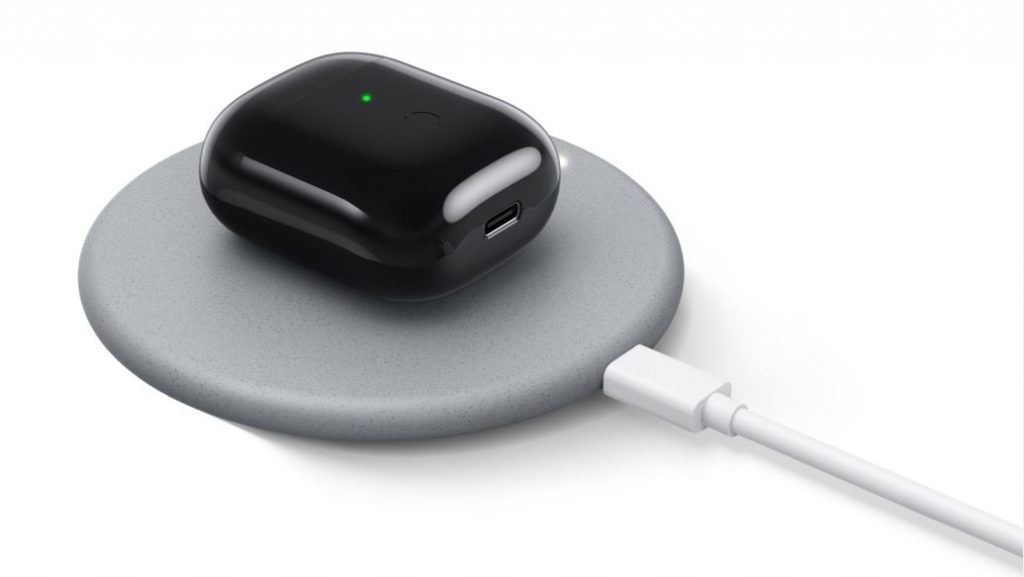
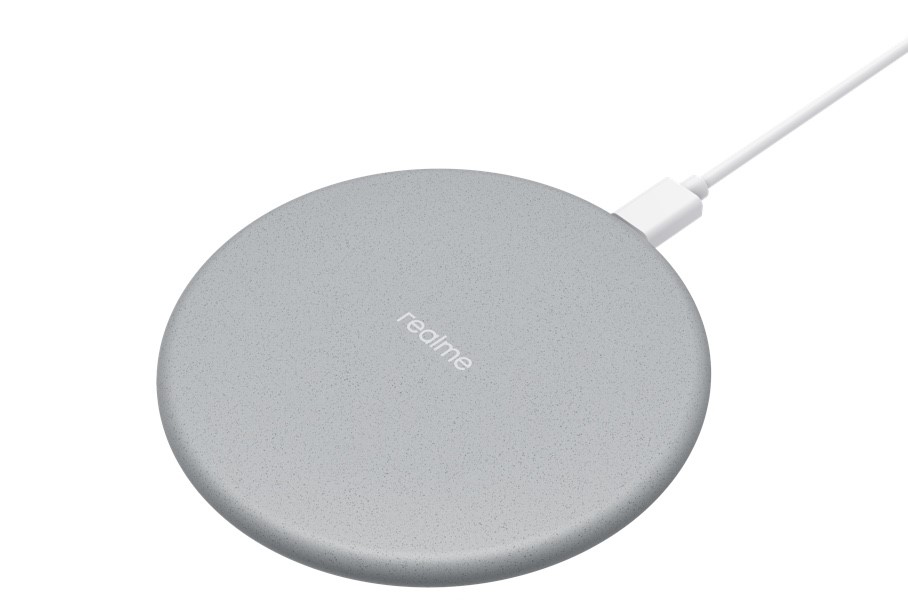
Realme has gone official with a new 10W wireless charger for the Indian market. The charger was recently spotted when the company created a support page for it. The company’s CEO also confirmed that the product will be launched in India soon. The 10W wireless charger hits India clutching an Rs. 899 (~$12) price tag.
The wireless charger utilises the Qi charging protocol. It adopts a round design and is coated with a special matte soft paint. The entire gadget is 9mm thick. It utilizes a USB Type-C input port which can deliver a maximum power of 18W. The charger can wirelessly charge compatible devices at a maximum speed of 10W when plugged in with Quick Charge 2.0 or Quick Charge 3.0 charger.
The wireless charger uses a 5V input adapter. Furthermore, it comes with foreign object detection for safety purpose. The charger powers off automatically on identifying credit cards, keys, and other metal objects.
The Realme 10Wwireless charger carries a price tag of Rs 899 (~$12) and is available in grey colour. It is presently available on Realme’s website.
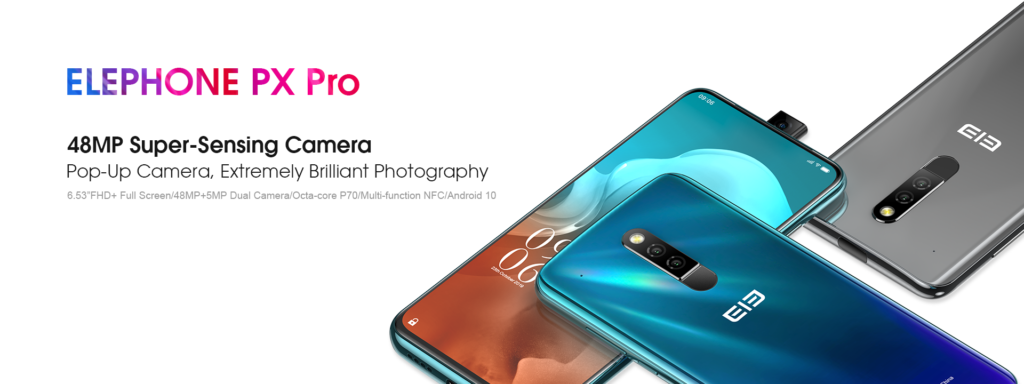
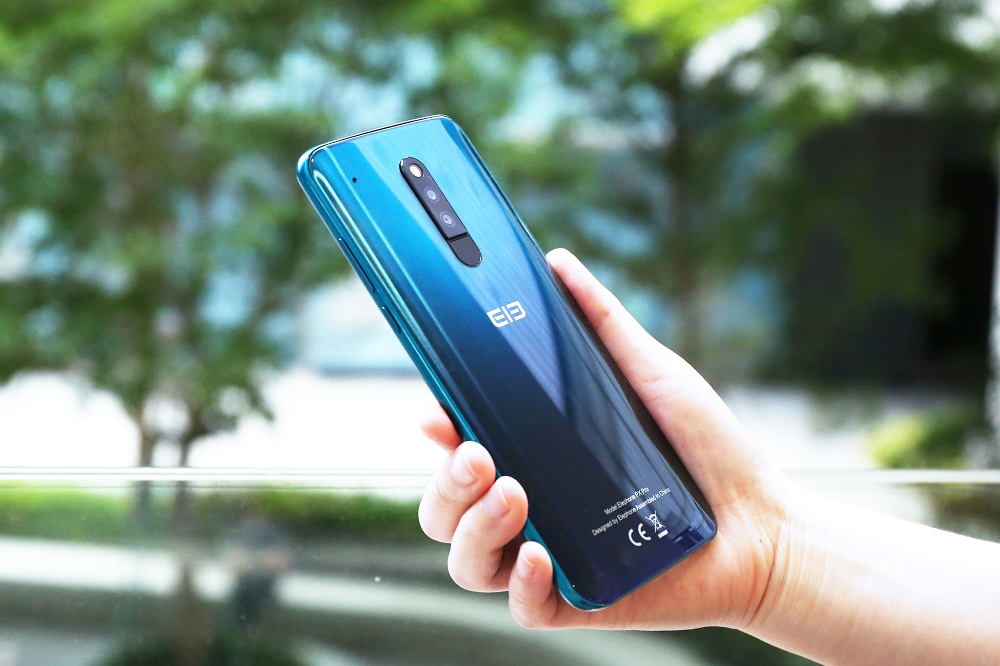
Elephone is primarily known for affordable smartphone throughout the globe. The company recently launched Elephone PX Pro and E10 Pro smartphones featuring some high-end features at competitive prices. Among both, Elephone PX Pro is a more powerful device featuring Helio P70 Octa-core chipset. Other primary highlights include a 6.53-inch display, 48-megapixel dual rear camera, 3300 mAh battery, and 10W fast charging. It is available for the discount price of $169 in two colour options of Green Waves and Space Grey.
Elephone PX Pro houses a 6.53-inch FHD display having 19.3:9 aspect ratio and 93.1% screen-to-body ratio. It comes powered with Helio P70 Octa Core chipset, 4GB RAM and 128GB internal storage. The chipset is highly-efficient and can manage intensive tasks flawlessly.
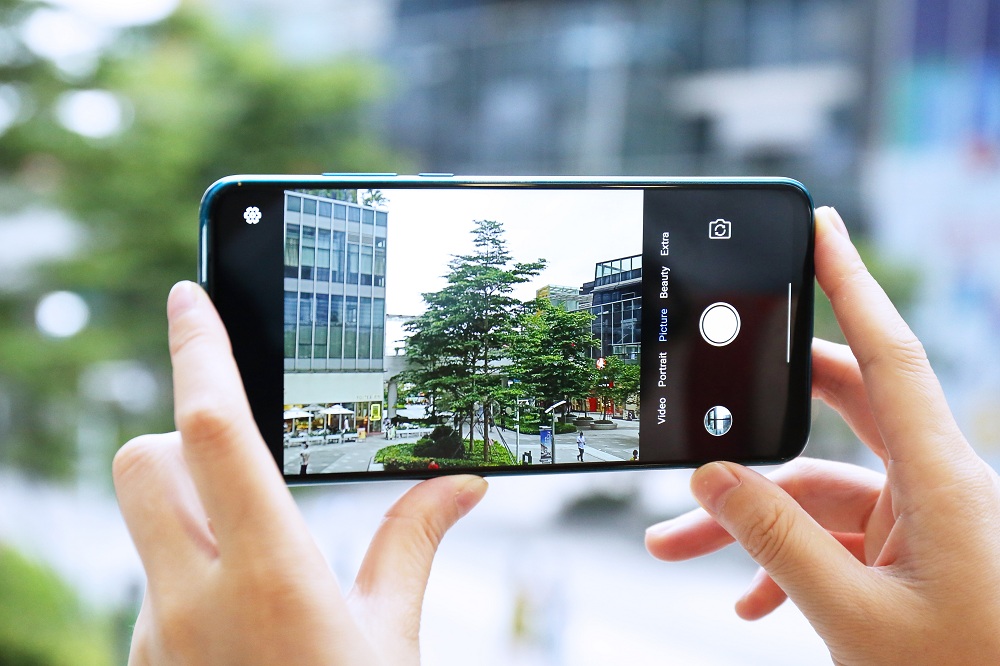
In the camera department, there’s a dual rear camera module consisting of a 48-megapixel primary sensor and a 5-megapixel secondary sensor. There’s a 16-megapixel pop-up camera to capture beautiful selfies and do video calling. Both the front and the rear cameras are sufficient enough to capture high-quality pictures.
There’s a 3300 mAh battery which can withstand for a day upon a full charge. The smartphone offers stock Android 10-based experience with features like improved dark mode, enhanced permission and security. The smartphone also offers contactless payments via multi-function NFC chip.
Technical Specifications of Elephone PX Pro
CPU: Helio P70 Octa Core
SIM Card: 3 Chose 2 Card Slot
Display: 6.53″ FHD+ Display, 2340×1080
RAM: 4GB
Front camera: 16MP Pop-up Cam
ROM: 128GB(Support expand to 256GB)
Rear camera: 48MP+5MP Dual Rear Cam
Battery: 3300mAh(type)
Feature: Global Version, OTG, 10W EU Fast Charge, Back Frigerprint, Wireless Charging, NFC
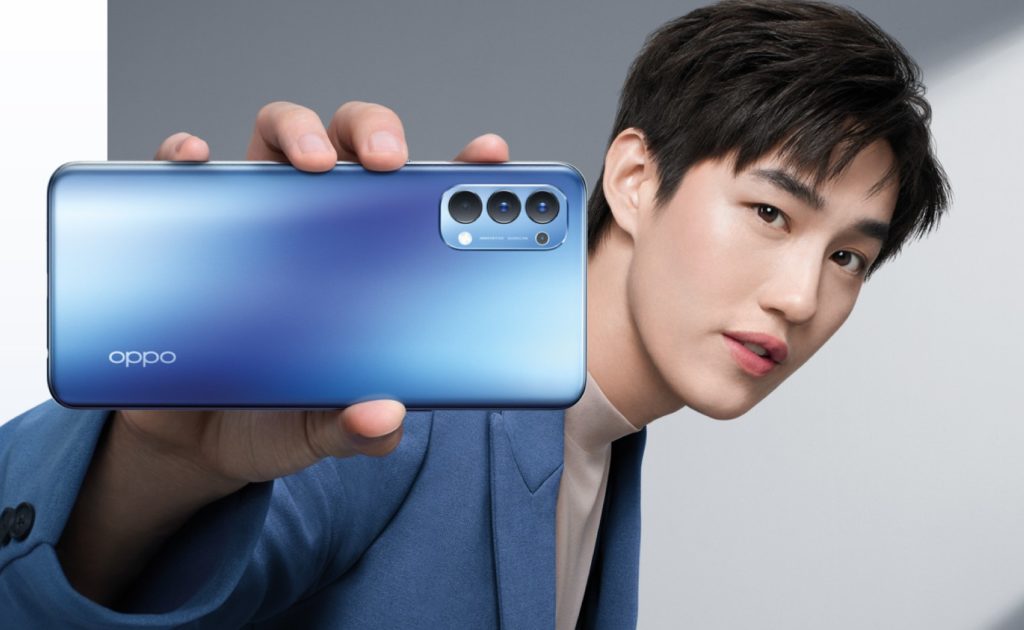
After launching the Reno4 and Reno4 Pro in China in June, OPPO finally brings both the handsets to international markets in late July with sales starting from August. The Pro variant had a launch event earlier today for India but the availability and pricing for other regions are yet to be announced. At around the same time, the regular model launched quietly in Thailand for THB 11,990 ($384) in a single 8GB + 128GB storage variant.
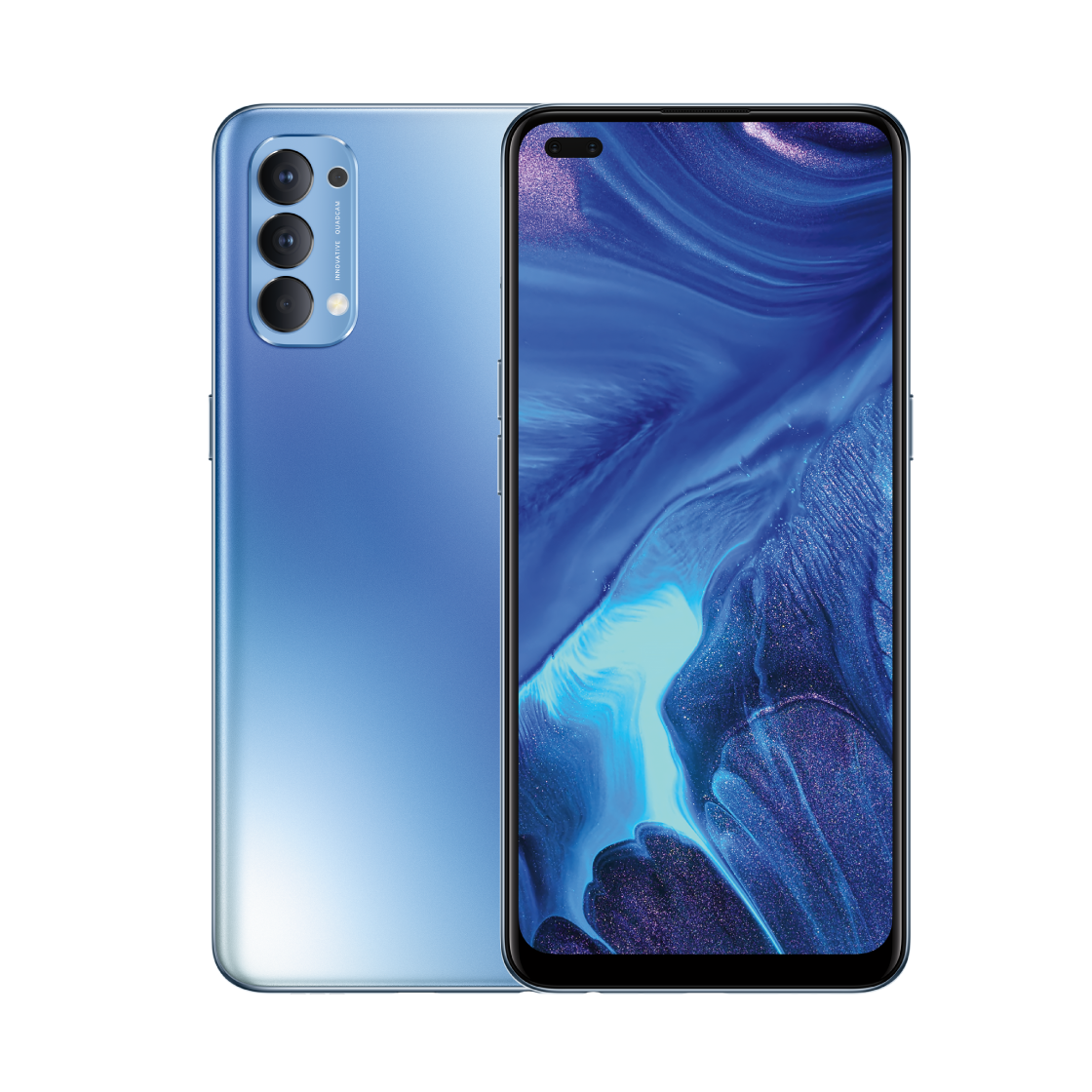
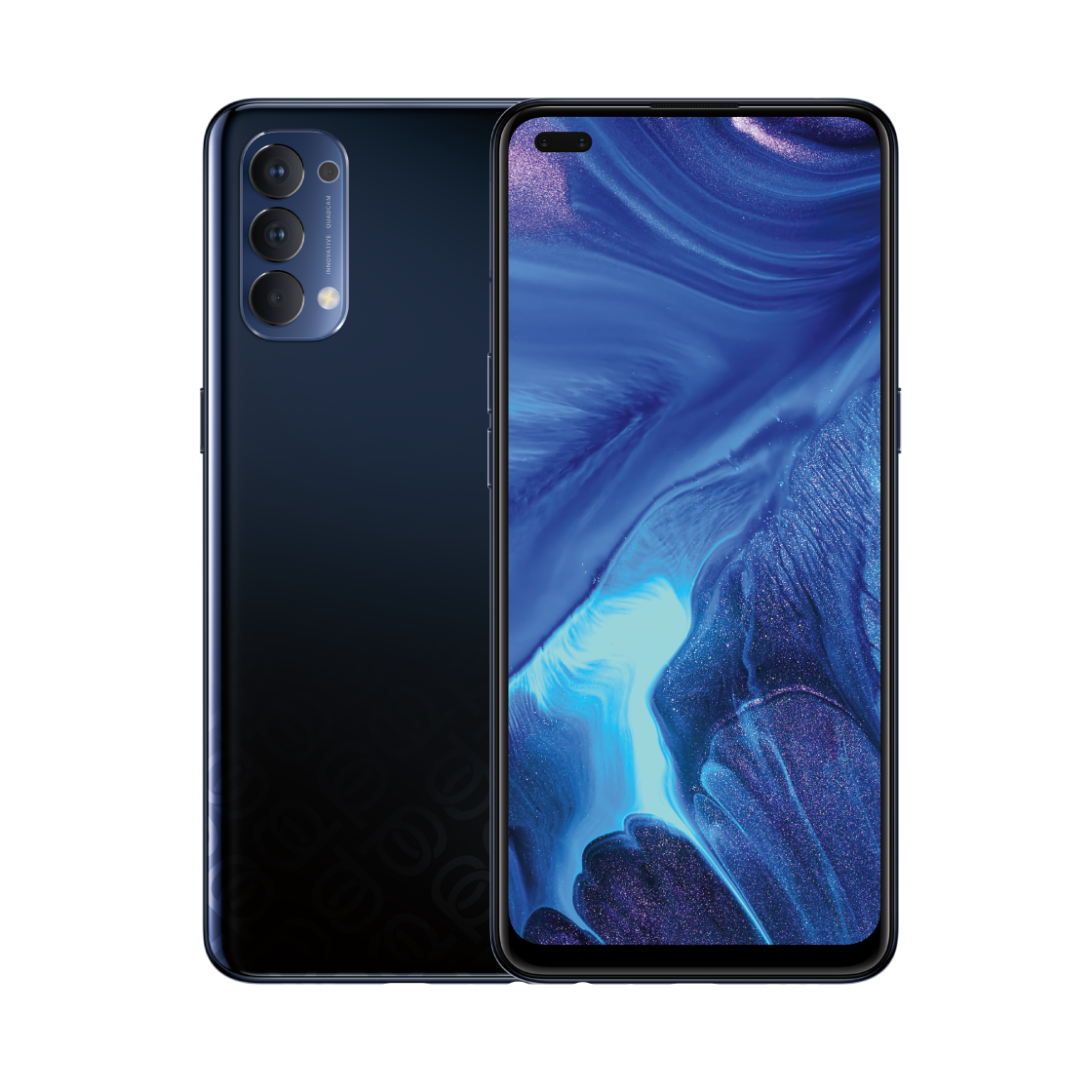
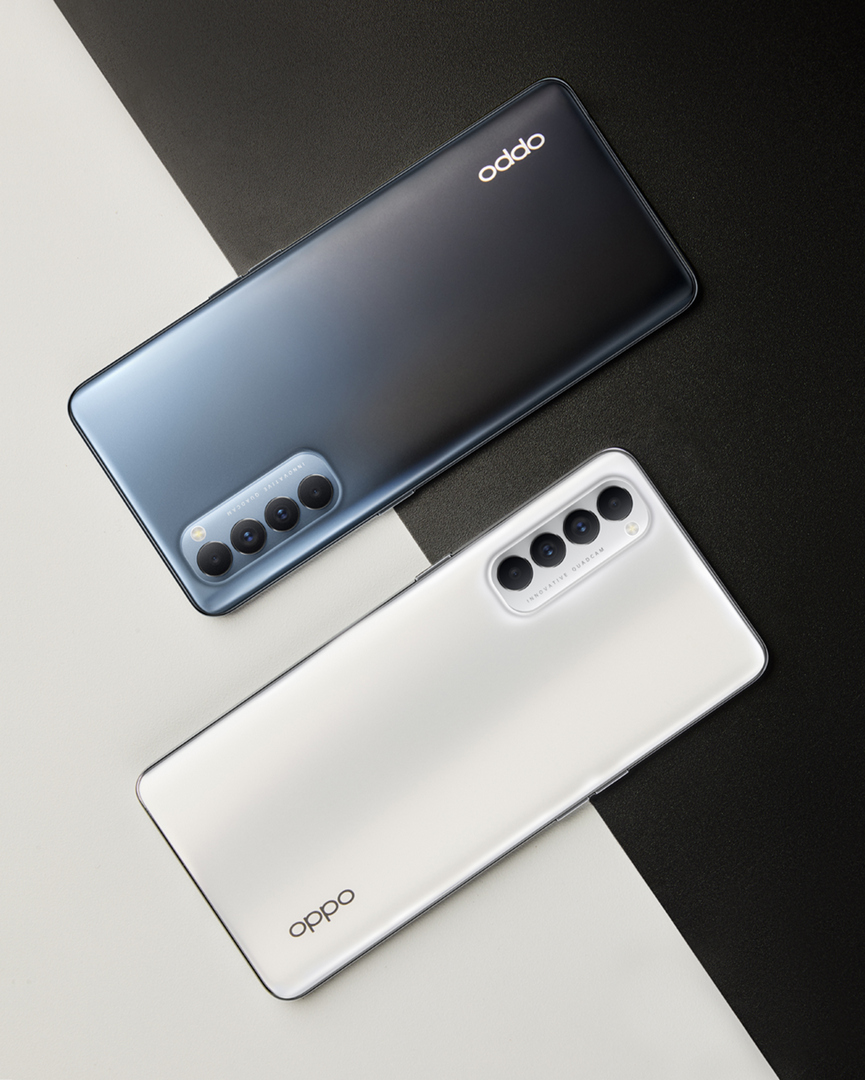
Just like the global Reno4 Pro, the Reno4 global variant is different front the handset that originally launched in China. This phone features a plastic composite rear panel instead of glass and therefore it weighs only 165g. It comes in two color variants namely Galactic Blue and Space Black.
Further, it is powered by Qualcomm Snapdragon 720G with 4G connectivity, compared to Snapdragon 765G (5G) on the original. Also, it sports a 48MP (wide) + 8MP (ultra-wide) + 2MP (macro) + 2MP (depth) quad-camera setup opposed to triple camera setup on the Chinese model.
However, the 32MP (wide) + 2MP (depth) dual selfie camera, which nests in an oval-shaped punch hole at the top left corner of the handset’s 6.43-inch FHD+ AMOLED display is same as the Reno4 Chinese variant.
OPPO Reno4 Global Galactic Blue
OPPO Reno4 Global Space Black
Another difference is that it is backed by a slightly larger 4,015mAh battery but only supports 30W VOOC 4.0 Flash Charge via USB Type-C port. Whereas, the original version packs a 4,000 mAh battery with support for 65W SuperVOOC 2.0.
Last but not least, the software on this phone is ColorOS 7.2 based on Android 10, which is exactly the same one found on the Chinese variant.
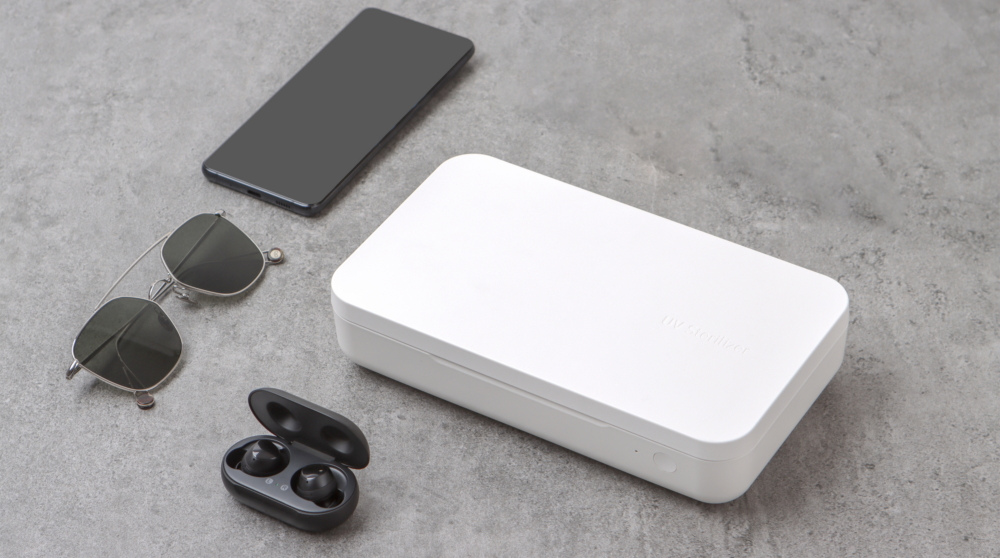
Samsung first unveiled a UV Sterilizer earlier this month in Thailand. The product comes at a time when the COVID 19 pandemic is ravaging the world and there is a need to disinfect all surfaces and gadgets including our smartphones in order to mitigate the spread of the virus. The Samsung UV Sterilizer has now been unveiled for the Indian market.
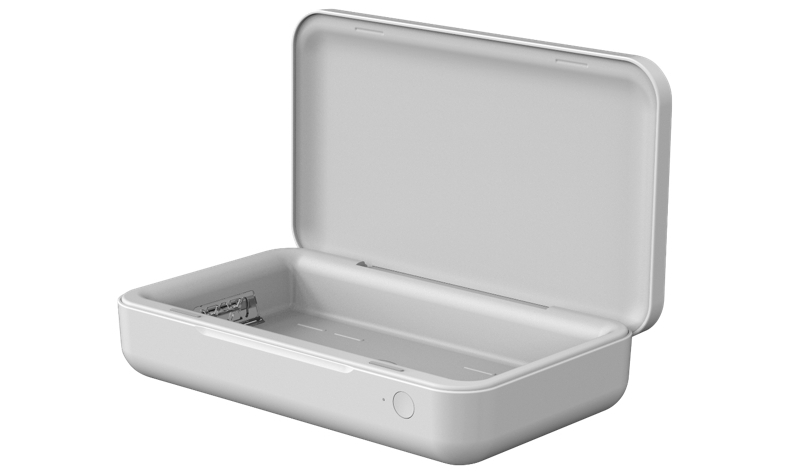
The UV-C Portable sterilizer is designed to kill the germs on phones. Samsung touting the device as capable of killing up to 99% of germs including E. coli, Staphylococcus aureus and Candida albicans in just 10 minutes. It can also be used to sterilize other devices and items including earbuds, smartwatches, keys, sunglasses and masks. The gadget uses dual UV lights which sterilize both the top and bottom surfaces of the item that is placed inside the box.
The portable sterilizer is designed to perform dual functions of killing germs from the phone’s surfaces and also wirelessly charge the smartphone and other gadgets that support wireless charging. The wireless charger utilises the Qi standard.
In terms of the design, the UV Sterilizer is shaped like a retail box but slightly bigger, big enough to accommodate big smartphones like the Galaxy S20 Ultra. The box has a single button to activate the sterilization with entire process getting completed in just 10 minutes.
The Samsung UV Sterilizer carries a decent price tag of Rs. 3599 (~$48) and will go on sale in Augst 2020. The gadget will be sold at Samsung offline stores, Samsung’s online store and all other retail channels in India.
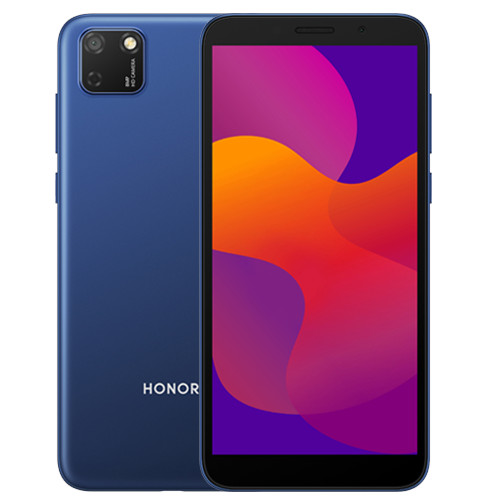
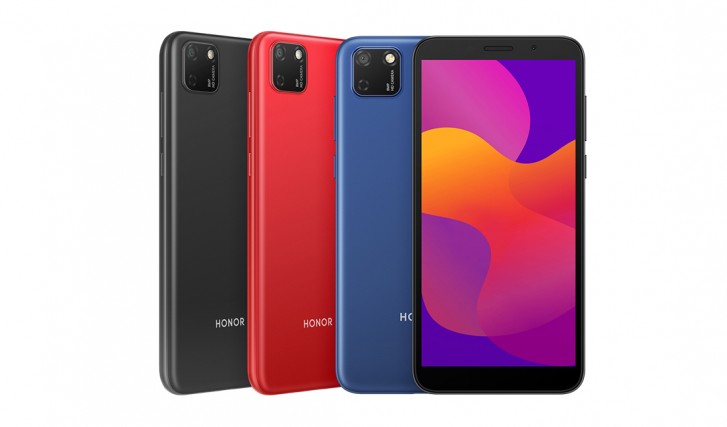
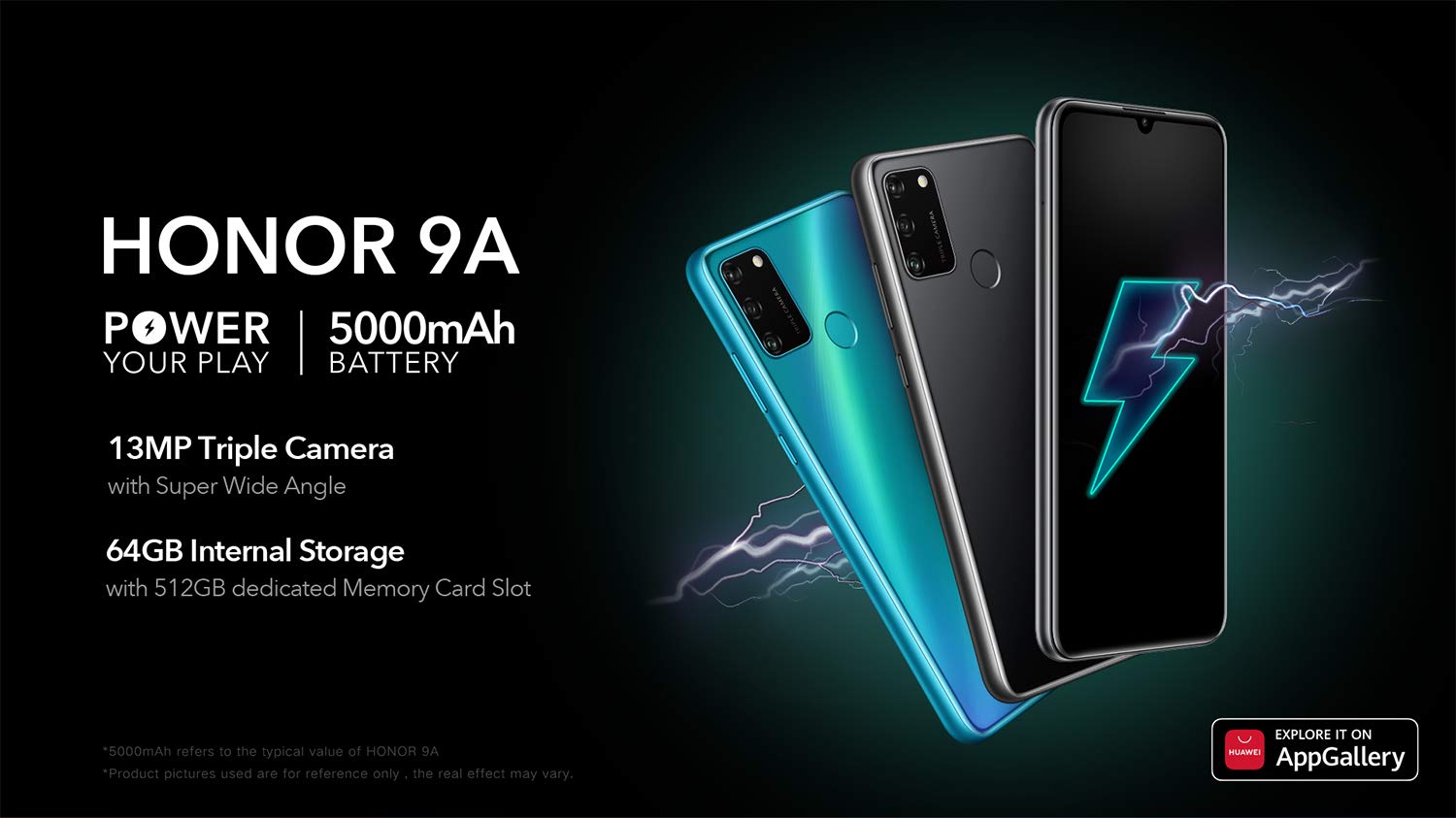
Huawei’s Honor brand has launched two new smartphones in India. The Honor 9S and Honor 9A debuts as the brand’ affordable offering for the Indian market.
The two smartphones had earlier been launched in other markets but in India, the Honor 9S is on offer for Rs. 6499 ($86) but will be sold for Rs. 5999 ($80) during its first sale. The phone will be available from Flipkart starting from August 6th. On the other hand, the Honor 9A carries an Rs. 9999 (~$133) price tag and will be sold exclusively on Amazon.in. The first sale will take place on August 6th with the phone having a slightly reduced Rs. 8999 ($120) price tag.
As a reminder, the Honor 9S sports a 5.45-inch display which supports HD+ resolution of 1440 x 720 pixels and 18:9 aspect ratio. The device packs an 8-megapixel selfie camera. At the rear aspect, the phone packs a dual-camera setup that includes an 8-megapixel lens and an LED flash. The rear cameras are house din a square-shaped module.
The Honor 9S is powered by an Helio P22 chipset paired with 2 GB of RAM. The phone has 32 GB of native storage. It packs a 3,020mAh battery and lacks a fingerprint scanner. The phone comes in Blue and Black colours.
On the other hand, the Honor 9A which is the pricier model features a 6.3-inch waterdrop notch display that supports 720 x 1600 pixels resolutions. The Helio P22 SoC powers the phone with 3 GB of RAM. It has 64 GB of built-in storage.
For photography, the Honor 9A has an 8-megapixel front camera. The rear aspect houses a 13-megapixel + 5-megapixel dual camera setup. It comes in Midnight Black and Phantom Blue colours.
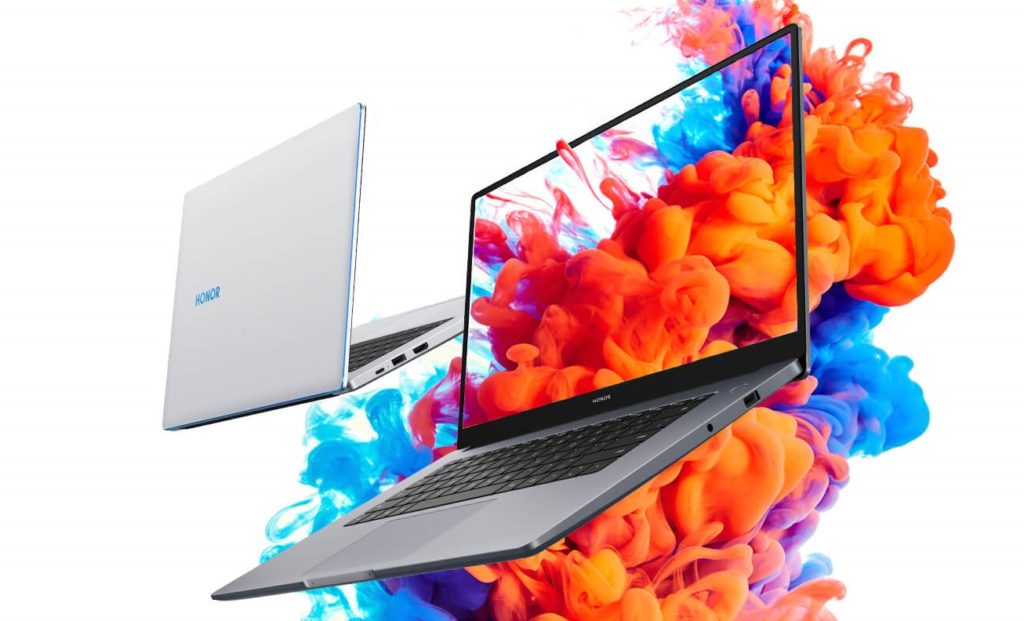
Honor MagicBook 15 launches in India powered by AMD Ryzen 5 3500U APU with Radeon Vega 8 GPU. It comes in a single 8GB + 256GB variant priced at ₹42,990 ($574). It will be available for ₹39,990 ($534) for a limited period of time starting August 6. Flipkart First subscribers will get early access to the product from 8MP on August 5.
As its name suggests, the laptop sports a 15.6-inch FHD (1920 x 1080 pixels) IPS LCD panel with 16:9 aspect ratio, 178° viewing angle and 87% screen to body ratio. Since the bezels surrounding the screen are thin, the 720p webcam resides in a pop-up keyboard key.
The notebook features a metal unibody design, weighs 1.53Kg and only comes in Mystic Silver color option with blue accent. It has dual speaker, dual microphone, and the following ports – 1 x USB 2.0 Type A, 1 x USB 3.0 Type A, 1 x USB Type C, 1 x HDMI, and 3.5mm headphone jack
Other features include dual-band DDR4 dual-channel RAM, PCIe NVMe SSD, WiFi 5, Bluetooth 5.0, NFC, Huawei Multi-screen Collaboration, Honor Magic Link 2.0, TÜV Rheinland-certified Blue Ray filter, 3665mAh battery, fingerprint sensor and 65W fast charging via USB Type-C.
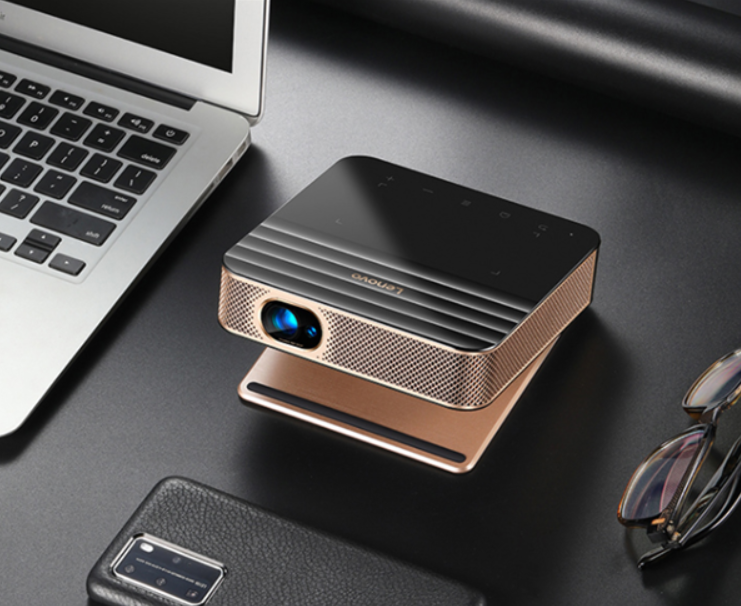
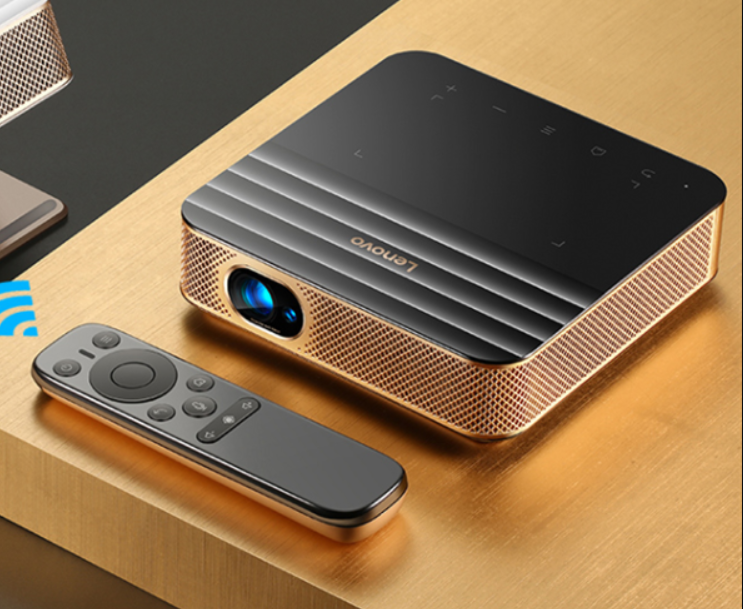
Earlier today (31st July 2020), Lenovo launched a new ultra thin and compact projector in China. The Air5 is an HD projector that outputs 2600 lumens of light and is priced at 2,999 Yuan (roughly 430 US Dollars) but will be available for 2,799 Yuan (roughly 400 US Dollars) till 1st August 2020.
The Lenovo Air5 measures in at just 13.6mm in length and width, which makes it even small than the Apple iPhone 11 Pro. It weighs about 688 grams, making it highly portable and easy to carry in a bag. The body of the projector is made from an aluminum alloy with a 100 gram bracket for structural support. The remote which is bundled along with the projector can be fit on top of the body itself.
Lenovo’s Air5 is equipped with four channel LED light path design and has a maximum output of 1080p. For ports, a USB Type C port is offered that allows the device to be connected to a smartphone, computer, or any other gadget. Furthermore, it even supports wireless projection through Android smartphones and even iPhones.
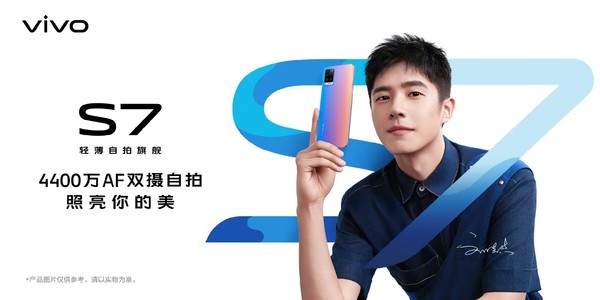
With the launch of the Vivo S7 being just around the corner, the company is gearing up for its August 3rd launch. A new teaser was recently shared by the company and revealed a 44 megapixel dual selfie camera, while a new leak showcased its thin and light design.
According to an official promotional image poster, the Vivo S7 will feature a 44 megapixel dual sensor on the front. This lens will aim at bringing higher and brighter shots from the selfie camera, which also supports auto focus as well. This image poster also revealed the smartphone’s design from afar, although no specifics were given out.
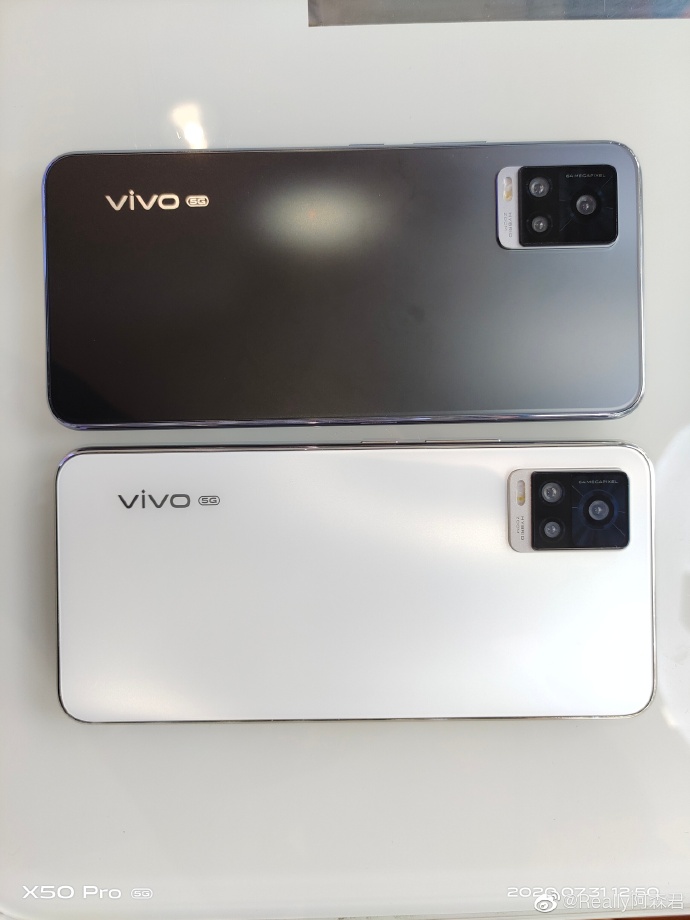
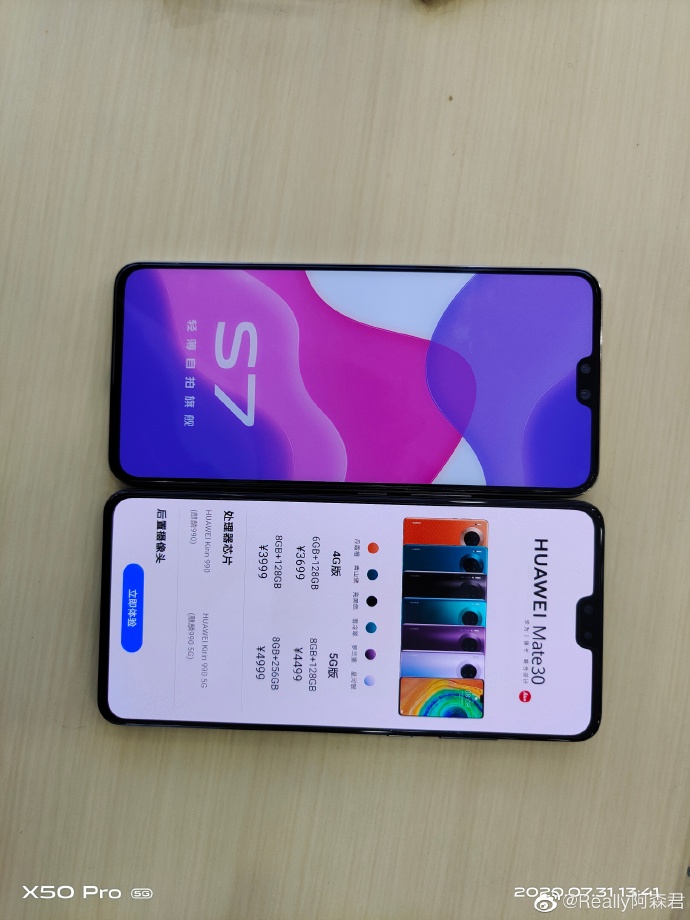
However, a Weibo user (a popular Chinese microblogging website) recently shared live images of the Vivo S7. Looking at these images, it can be observed that the device features a thin and light design, with a triple camera setup on the rear and a dual camera module on the front. The rear camera has a bump, while the front has a notch on the top for the sensors.
Notably, the Weibo user also drew similarities that the Vivo S7 shared with the Huawei Mate 30 from the front. With both devices looking nearly identical. Although, they probably won’t share any similar specifications on the insides. Unfortunately, finer details or specifications weren’t leaked online, so we will have to wait for the August 3rd launch date, so stay tuned.
Xiaomi has just announced that it would be soon launching a new service to its Mi TV lineup. Mi TV users will gain exclusive 2 hour early access to upcoming movies through Disney+ Hotstar.
The Chinese tech giant made the announcement on Twitter, unveiling its partnership with Disney+ Hotstar. Its First Day First Show service on Mi TV will have the users get access to movie premieres two hours ahead of anyone else that uses the movie/series streaming platform online.
The lineup of movies currently suggested includes upcoming Bollywood titles for the Indian market and is under Disney+ Hotstar’s VIP program as well. So for those that have a Mi TV, you can check out upcoming movie launches you’re looking forward to and enjoy them before anyone else.
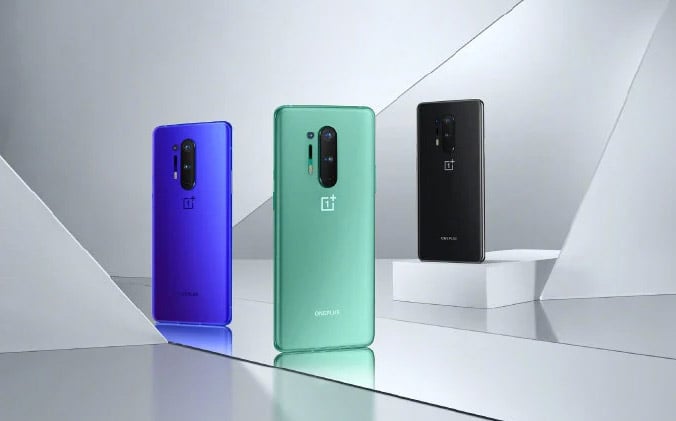
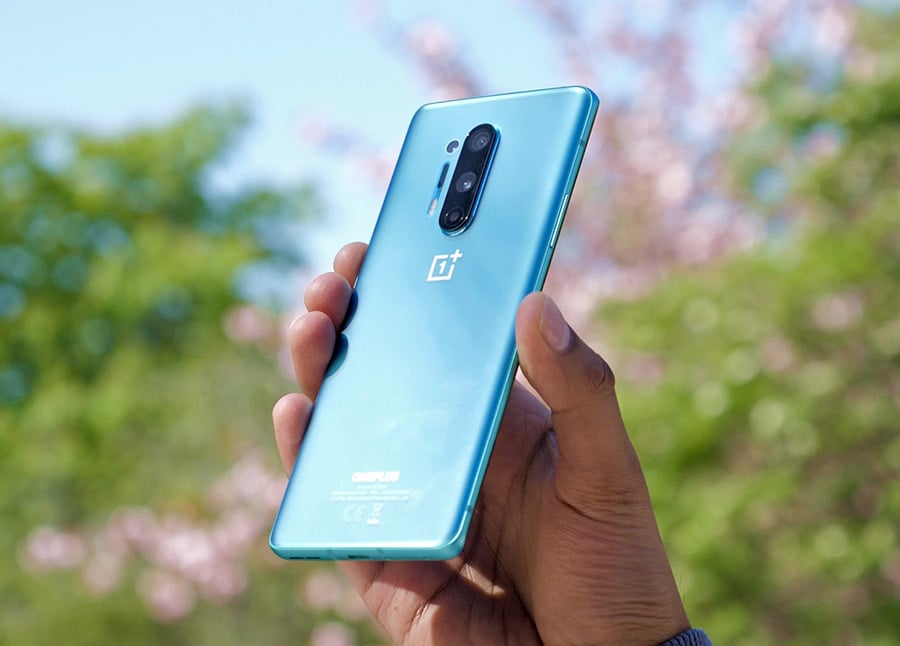
Since the launch of its first smartphone in India, OnePlus as a brand has grown impressively in just a couple of years and has become a popular name in the Indian smartphone market. Now, the company currently holds the title for the No. 1 premium smartphone brand in the region for the second quarter of 2020.
Thanks to the company’s recently launched OnePlus 8 series, the OEM managed to grab a market share of 29.3 percent in the premium smartphone market share in India during Q2 2020. Its latest flagship series was launched back in April 2020 and has been well received in the market with positive critical reception among other praises.
The OnePlus 8 Pro, in particular, boosted the company’s presence in the ultra premium segments being one of the top 3 best selling devices in the category. Furthermore, OnePlus 8 emerged as the number one smartphone model in the premium segment in Q2 2020, with a market share of 19 percent, according to a Counterpoint analysis.
This overall report also marks the highest ever recorded share within the premium smartphone segment in India for the second quarter. OnePlus holding a commanding share showcases the brand’s commitment to the region, which was one of the first regions it saw great success in.
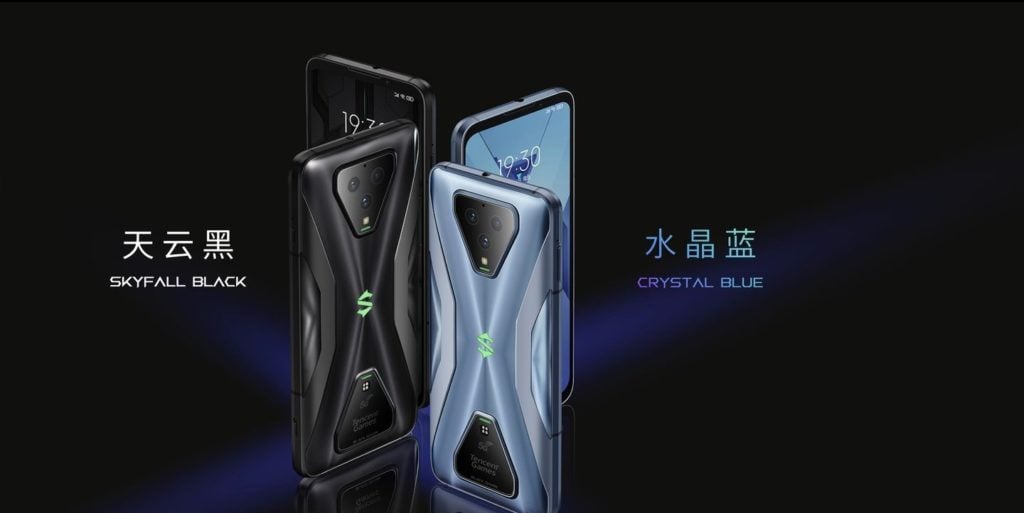
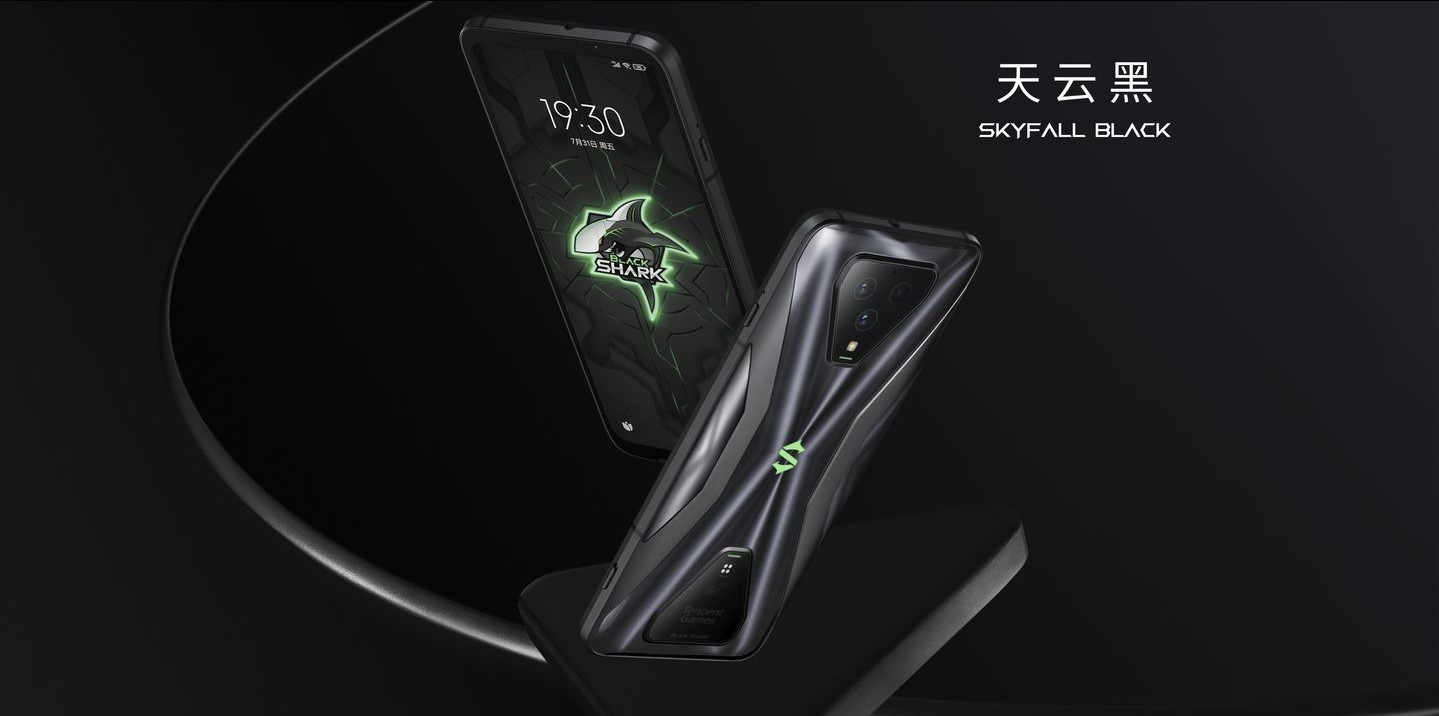
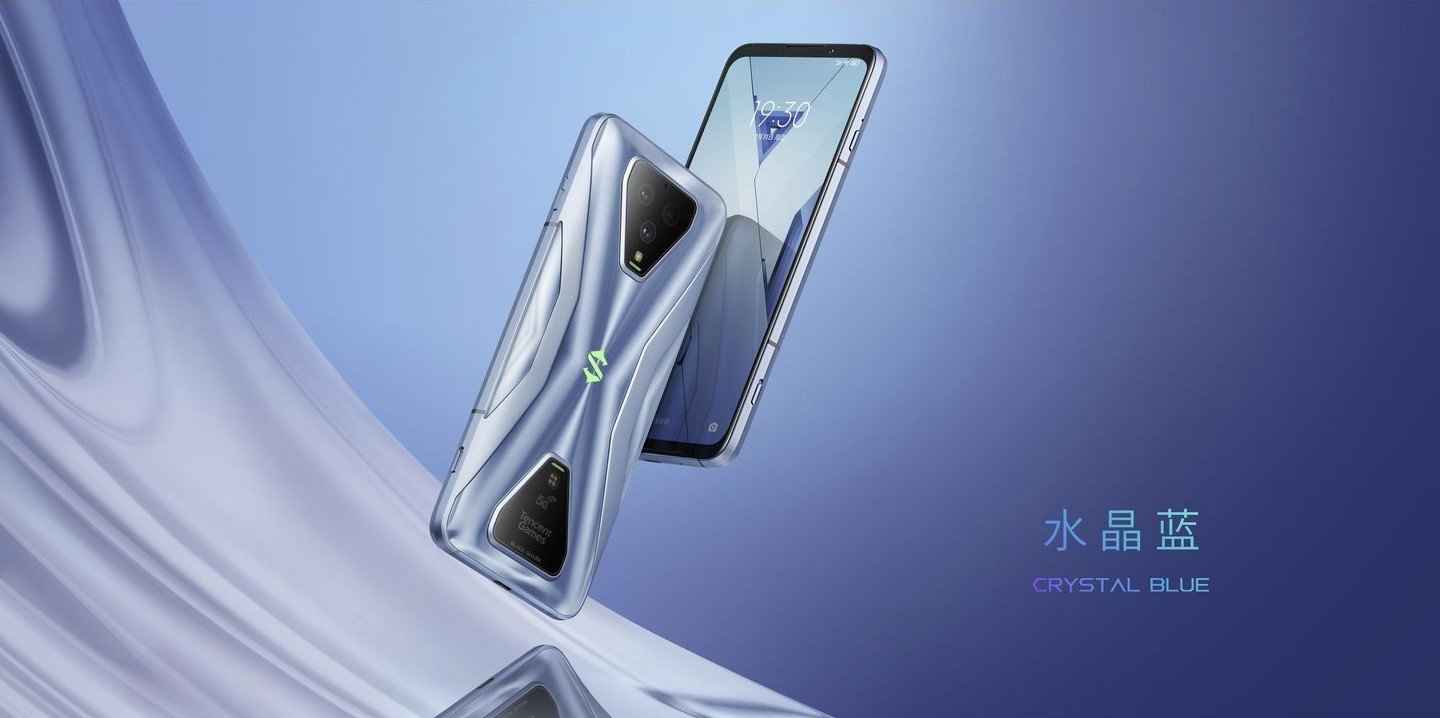
Black Shark 3S launches in China as the brand’s third gaming smartphone of 2020 in partnership with Tencent Games. The device comes in two colors namely Skyfall Black and Crystal Blue. It will be only available in 12GB RAM but with different storage options – 128GB, 256GB, and 512GB. They are priced at 3,999 yuan ($573), 4,299 yuan ($616), and 4,799 yuan ($687) respectively.
Black Shark 3S Specifications
The newly unveiled Black Shark 3S comes powered by Qualcomm Snapdragon 865 chipset paired with LPDDR5 RAM and UFS 3.1 storage. The handset sports a 6.67-inch AMOLED display with 120Hz refresh rate, 270Hz touch sampling rate, 17ms touch response rate, ΔE<1, JNCD<0.55, HDR10+, refresh rate optimization for games, DC Dimming, blue light filter, and an in-screen fingerprint sensor.
Further, it comes with the company’s in-house Game Engine and Tencent SolarCore to offer a better gaming experience. Other features include 64MP (wide) + 13MP (ultra-wide) + 5MP (depth) triple camera setup, 20MP selfie camera, 3.5mm headphone jack, sandwich liquid cooling system, MEMC 3.0, 3D sound, screen mirroring via USB 3.0, and a plethora of gaming-related software features including voice-controlled gameplay.
Black Shark 3S Skyfall Black
Black Shark 3S Crystal Blue
Unsurprisingly, the design of the device is identical to its predecessor from H1 2020. That means we are looking at a heavy (222g) and big (168.72 x 77.33 x 10.42 mm) smartphone with symmetric triangular module at the rear for cameras and magnetic charging pins.
As for the operating system, the phone runs Joy UI 12 based on Android 10, which is nothing but a customized MIUI 12 by Xiaomi. The Black Shark 3 and Black Shark 3 Pro from earlier this year will get an update to this software in the near future. No word on 2019 models, which is a bummer as those handsets only received a single major update.
Last but not least, the smartphone is backed by a 4,720mAh battery with support for 65W fast charging via USB Type-C and 18W magnetic charging.
New Black Shark Accessories
Alongside Black Shark 3S, the brand also announced three new accessories.
New Black Shark Accessories
1 of 3
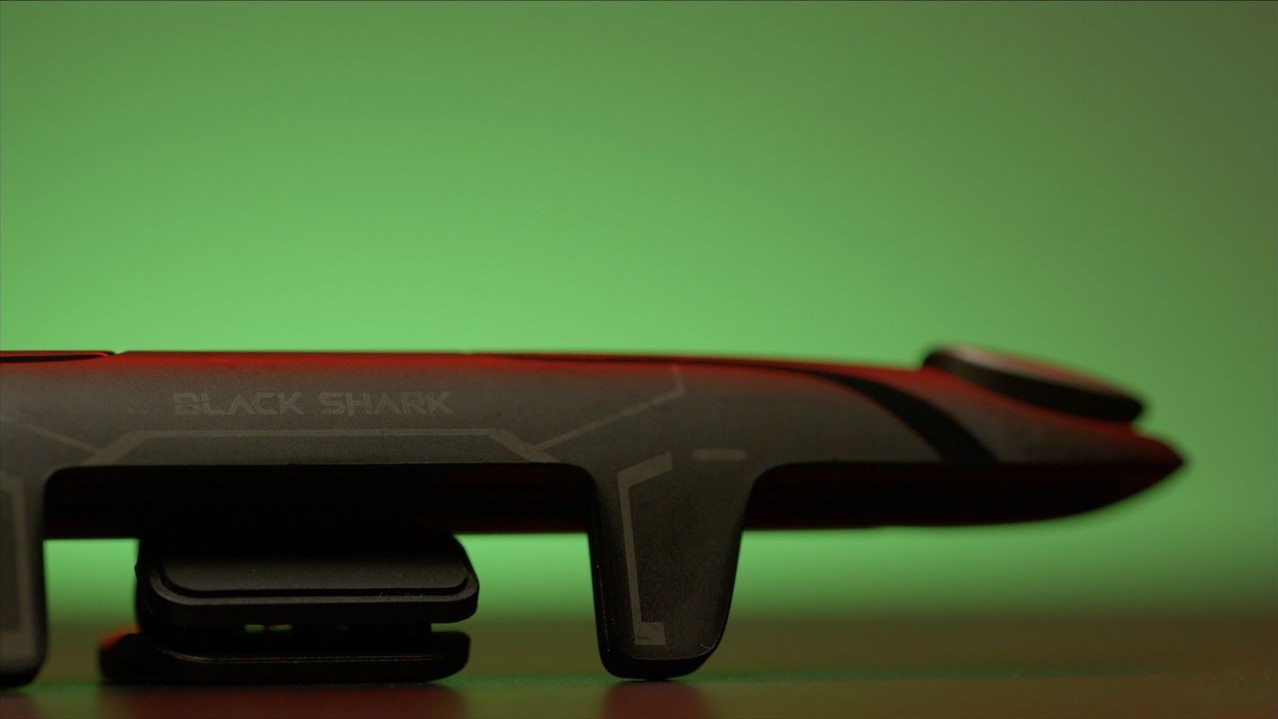
Black Shark Shoulder Buttons
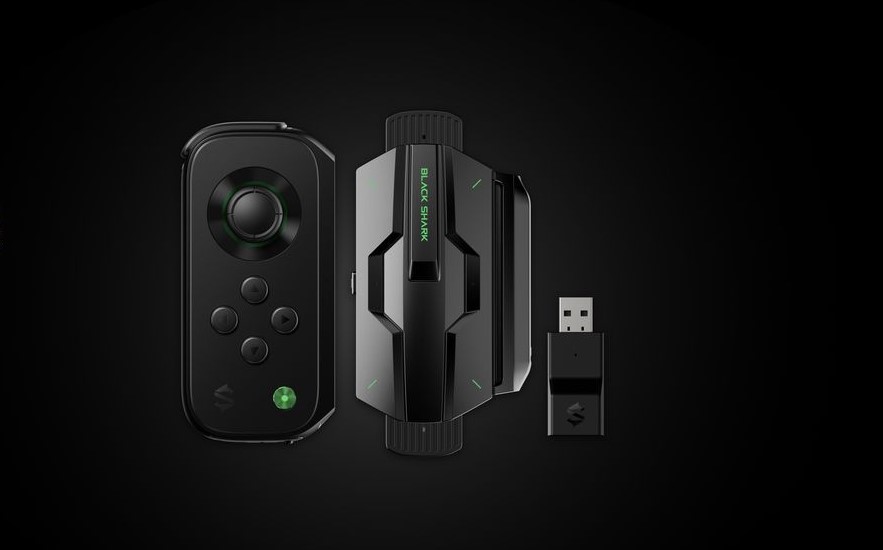
Black Shark Gamepad
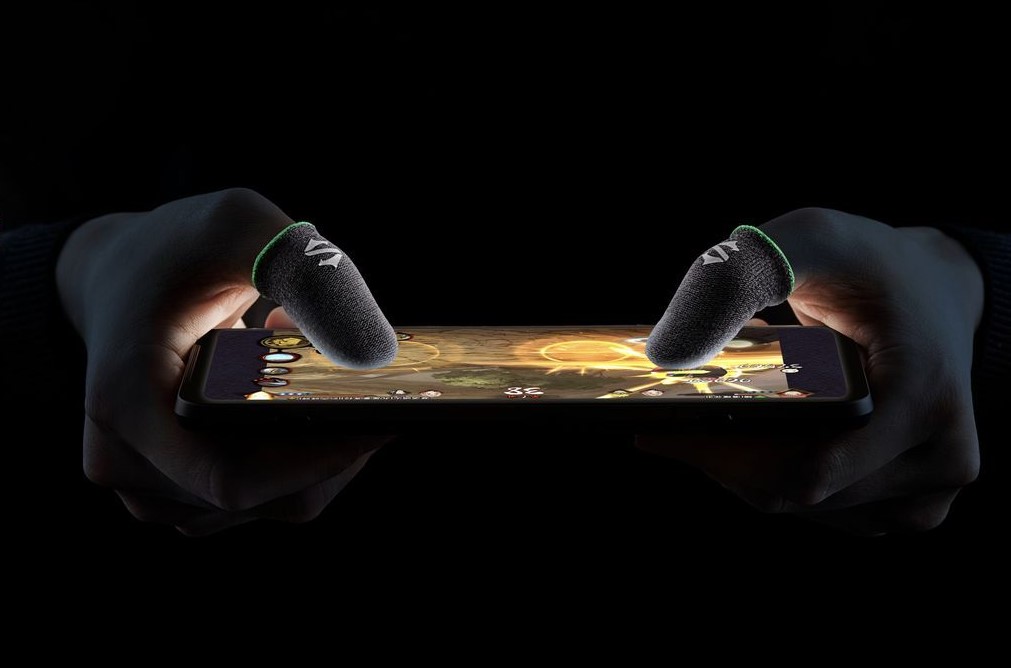
Black Shark Finger Sleeves
Black Shark Shoulder Buttons – 79 yuan ($11)
Black Shark Gamepad (compatible with most Android smartphones) – 238 yuan ($34)
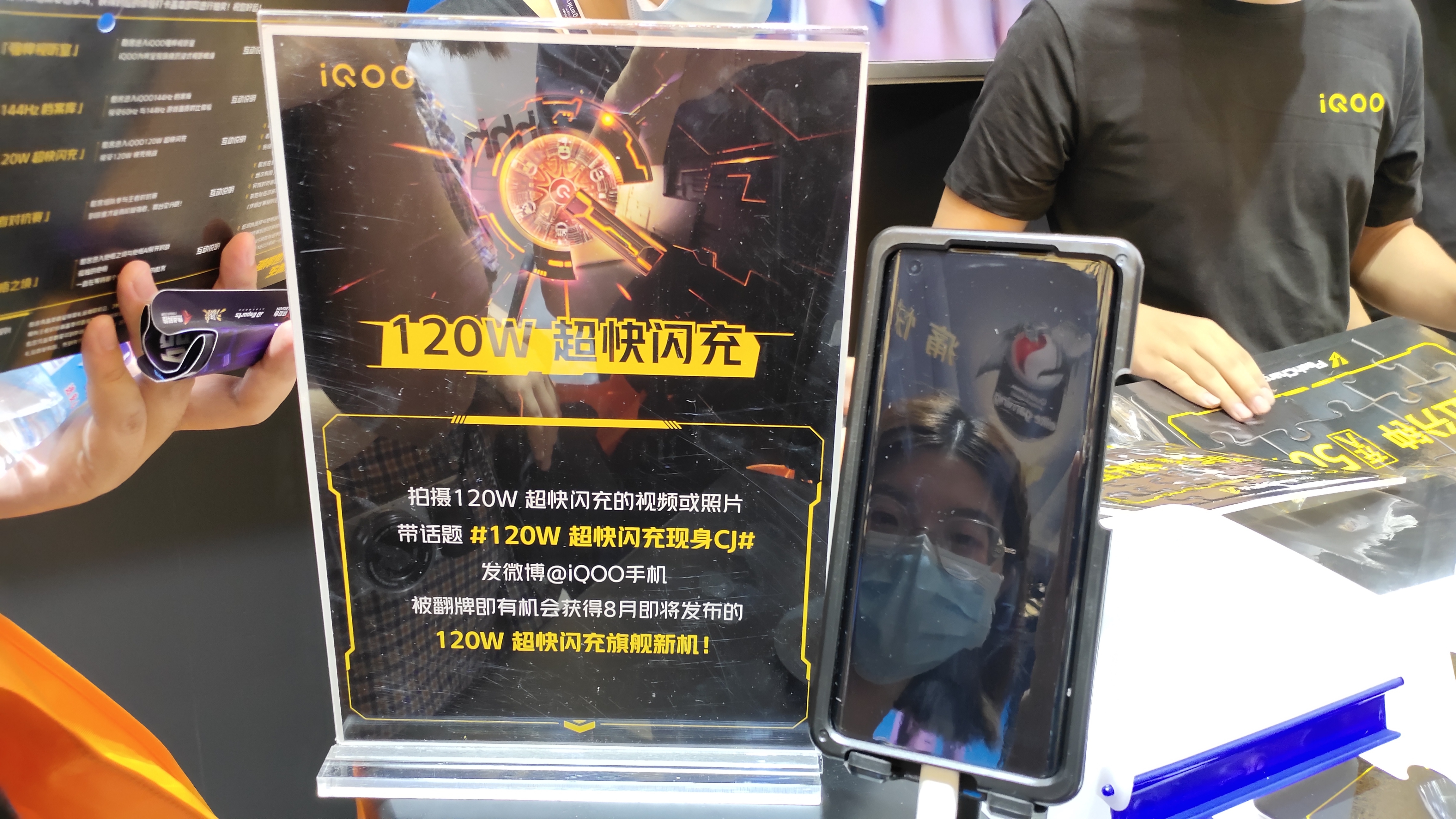
Earlier this month, smartphone companies like OPPO and iQOO unveiled their new super fast-charging technologies. Today, both of them have showcased the new charging technology at ChinaJoy 2020.
For those who are unaware, ChinaJoy is a digital entertainment and expo and conference which is held annually in Shanghai, China. It is touted to be one of the largest digital entertainment and gaming conferences in Asia.
iQOO was the first smartphone company to commercially introduce 120W Ultra-Fast charging technology. The same has now been showcased live by the company at the on-going ChinaJoy 2020.
It can convert 20V 6A into 5V 12A through the industry’s first 6C battery, with a half-voltage dual charge pump, dual battery cell series, and other technologies. It can completely a charge 4,000mAh battery phone in just 15 minutes.
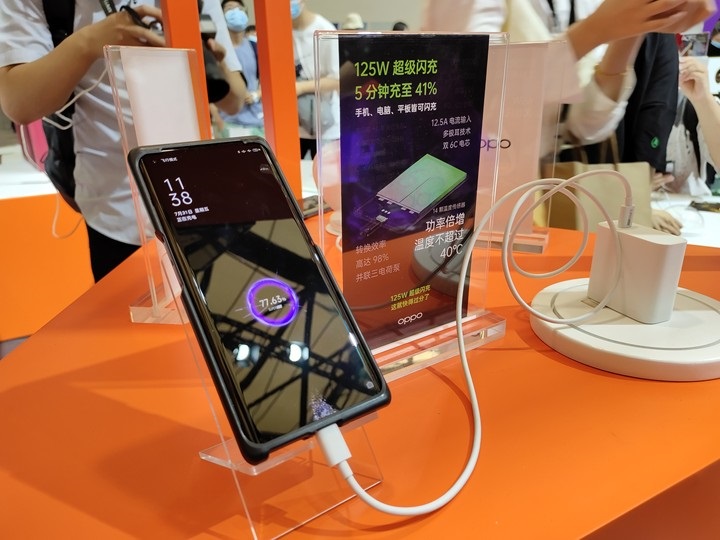
On the other hand, OPPO also showcased its 125 Super Flash Charge technology, which was unveiled by the Chinese company on 14th July. While showcasing the same at ChinaJoy, OPPO claimed that it can charge a 4,000mAh battery up to 41 percent in just 5 minutes, which is impressive.
The OPPO 125W Super Flash Charger also supports VOOC, SuperVOOC, and is compatible with PPS, PD, and Quick Charge protocols. The OPPO 125W Super Flash Charger supports VOOC, SuperVOOC, compatible with Programmable Power Supply, Power Delivery, and QC protocols. It supports 12.5A current input, multi-pole technology, dual 6C cells, and has a conversion efficiency of 98 percent.
It has been revealed that iQOO will be launching its flagship smartphone with 120W fast charging support in August this year. It is being speculated that the device used to showcase the technology at ChinaJoy could be the upcoming phone.
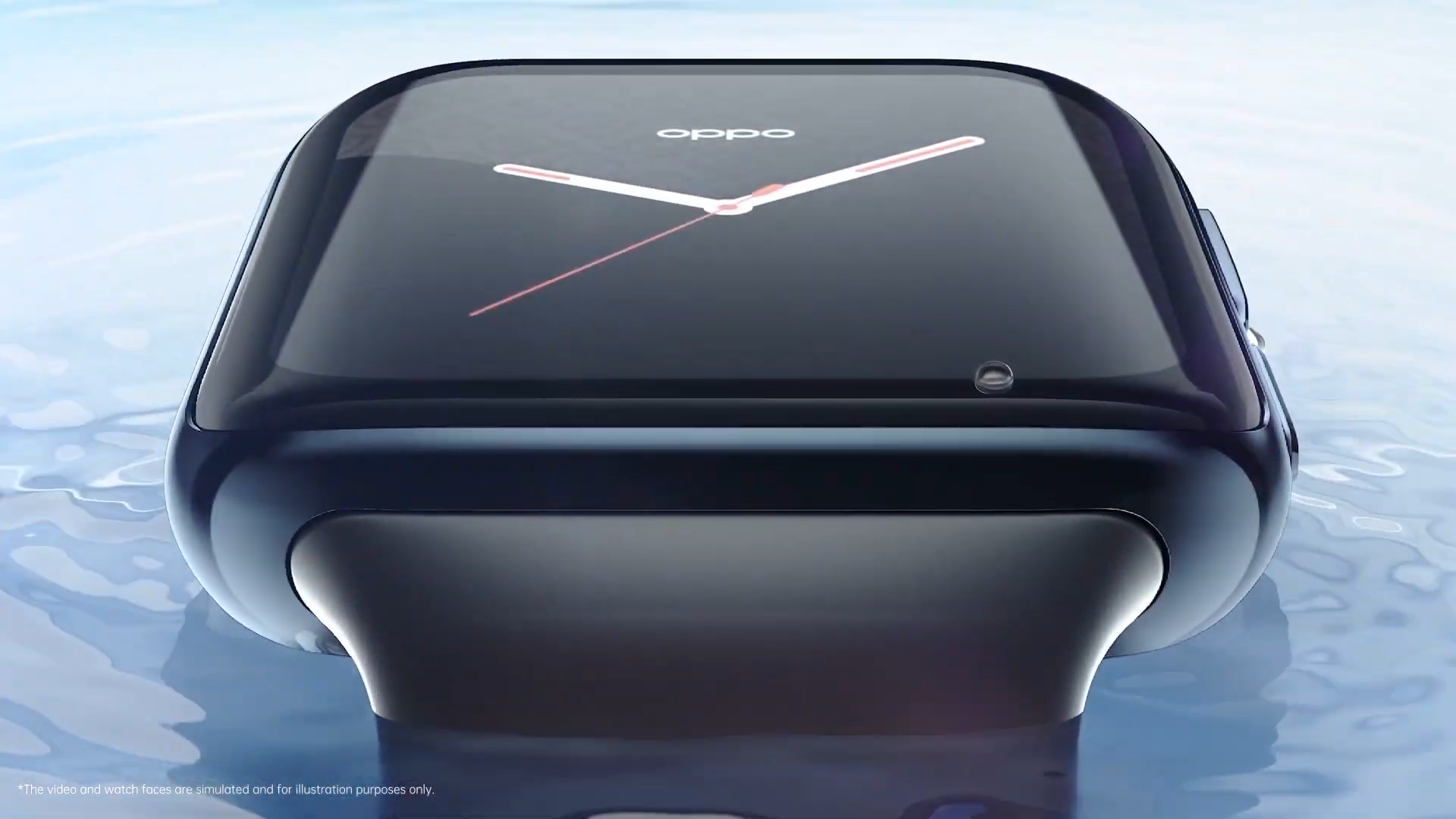
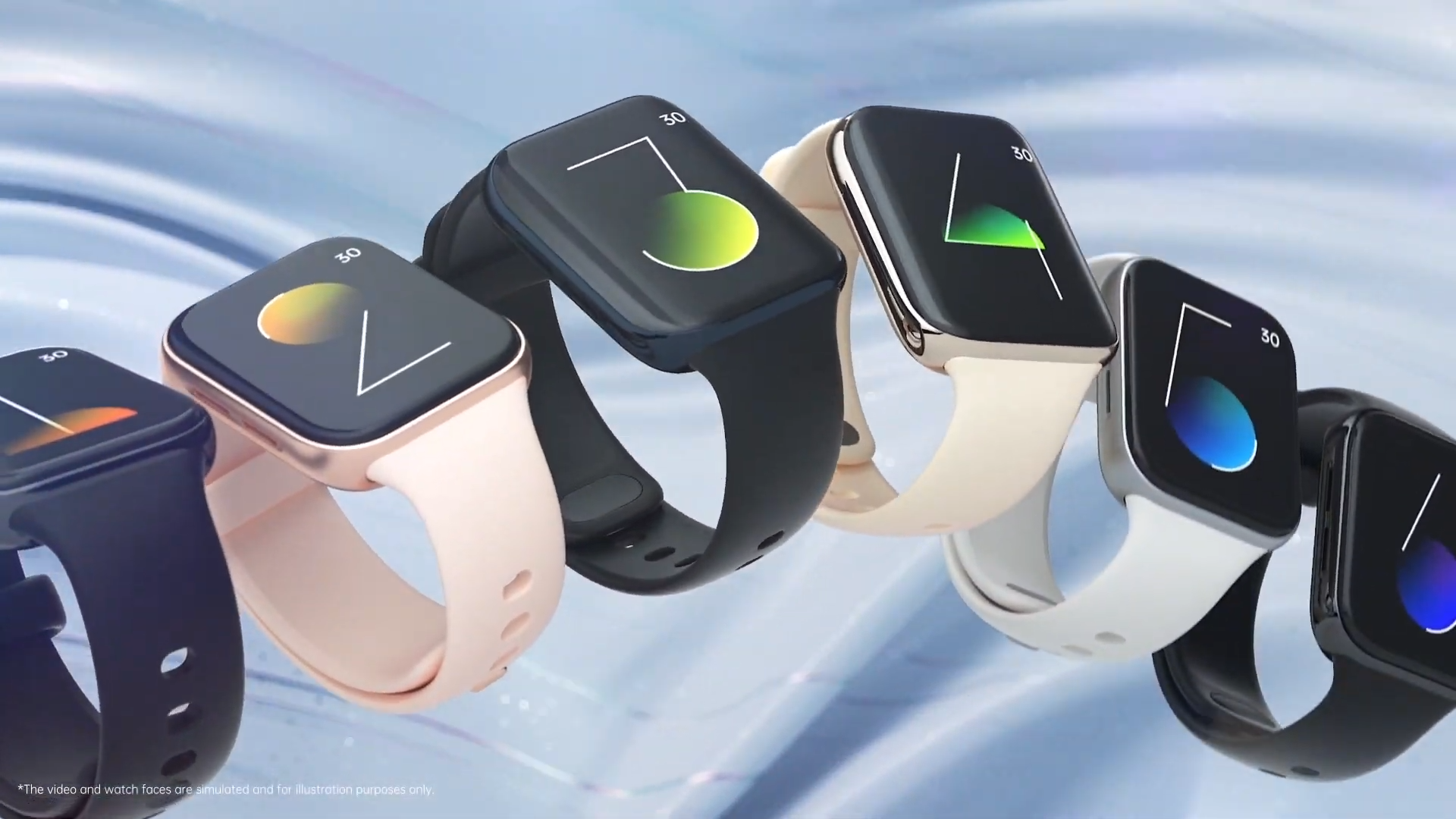
The Oppo Watch has just been announced by the company alongside the Oppo Reno4 series. It is the company’s first smartwatch that will be launched in India and was unveiled in the company’s AR launch event earlier today (31st July 2020).
Display
The Oppo Watch is the industry’s first smartwatch to feature a dual curved AMOLED display. It is offered in two variants, with the larger 46mm version having a 1.91 inch display with a 326ppi density and a resolution of 402 x 476px and 100% DCI-P3 color gamut. On the other hand, the smaller 41mm variant sports a 1.6 inch display.
Battery Life and Charging
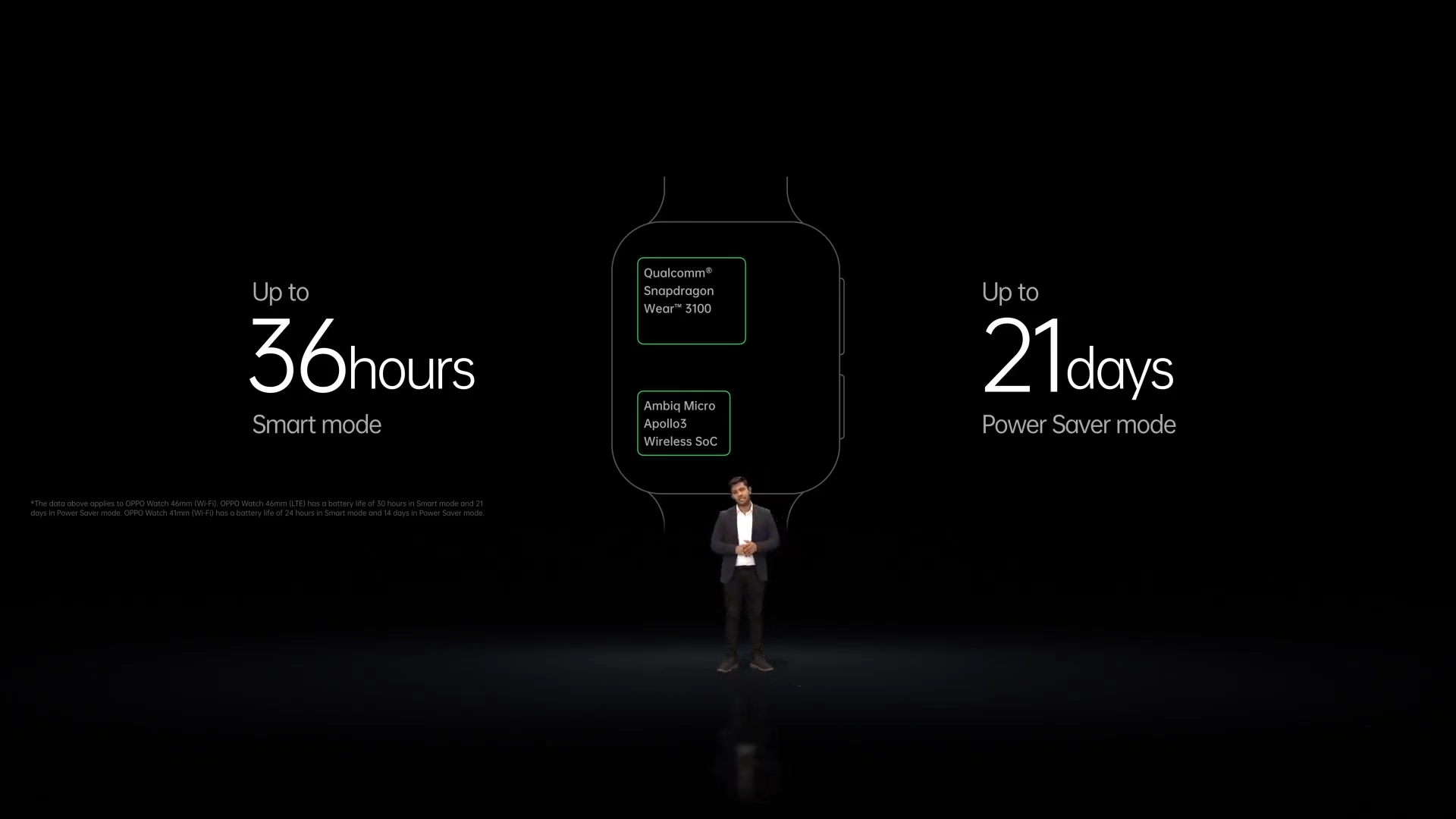
The smartwatch arrives with Oppo’s dual chip endurance system to improve battery life with a Qualcomm Snapdragon Wear 3100 SoC and Ambiq Micra Apollo3 Wireless SoC. The 46mm Oppo Watch variant offers a usage time of 36 hours on Smart mode and 21 days of battery life in the power saver mode, with functions like heart rate monitoring, notifications, step count, and more. The 41mm version offers 24 hours in Smart mode and 14 days in the power saver mode. The larger model charges 46 percent in just 15 minutes while the smaller variant charges 30 percent at the same time.
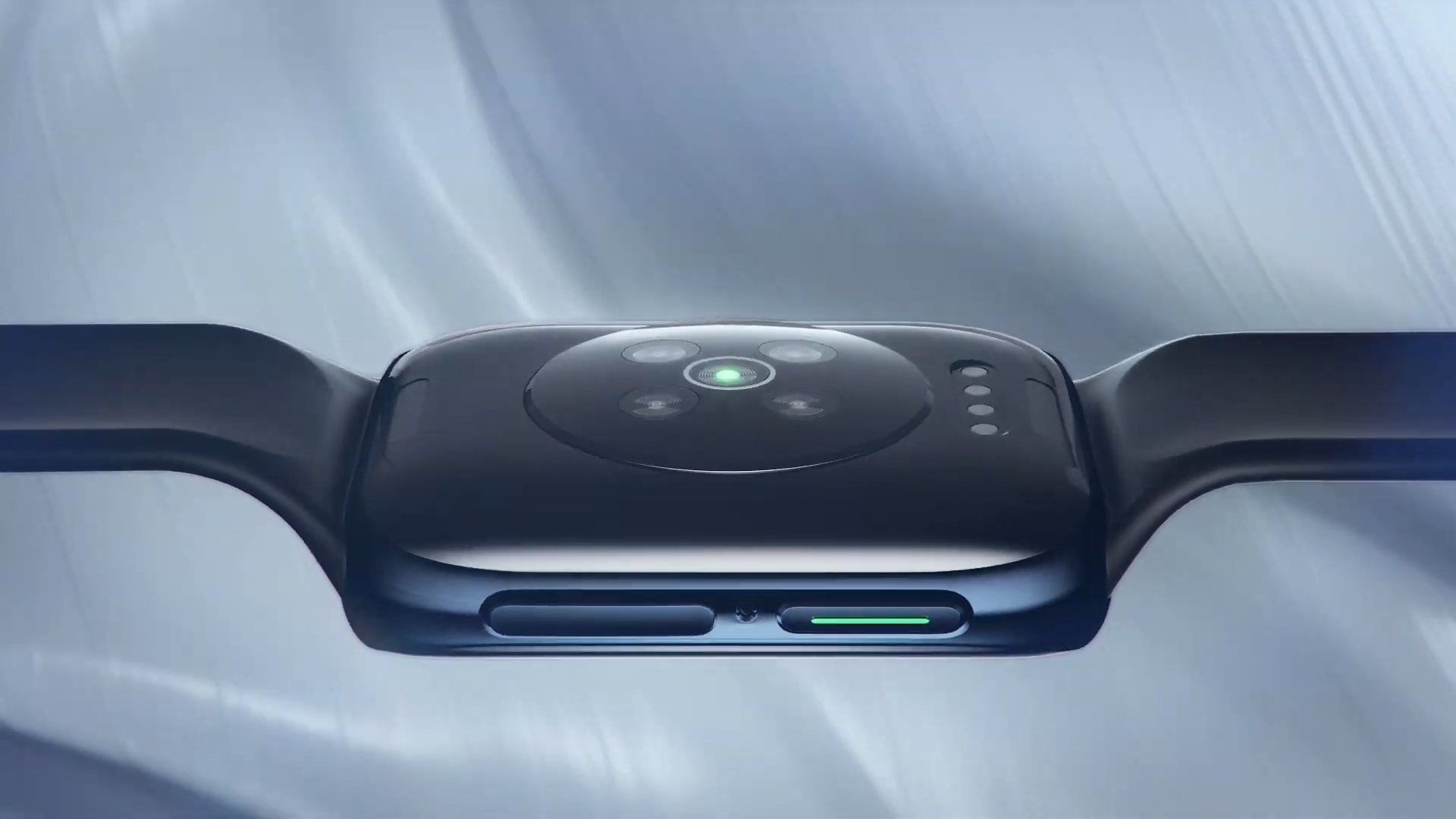
Oppo Watch features a heart rate sensor as well, capable of monitoring users’ heart rate during the day and during various physical activities. It even sports 5 exercise sensors that can monitor various sports activities like swimming, cycling, walking, running, and more, making it a good workout companion. The smartwatch runs Google’s Wear OS and is water resistant to up to 50 meters as well.
Price and Availability
The 46mm Oppo Watch model is priced at 19,990 INR (roughly 267 US Dollars), while the 41mm version is priced at 14,990 INR (roughly 200 US Dollars). The former will be available in two color variants including, Black and Glossy Gold. On the other hand, the latter will arrive in three colors namely, Black, Silver Mist, and Pink Gold. The Oppo Watch will begin sale from 10th August 2020.
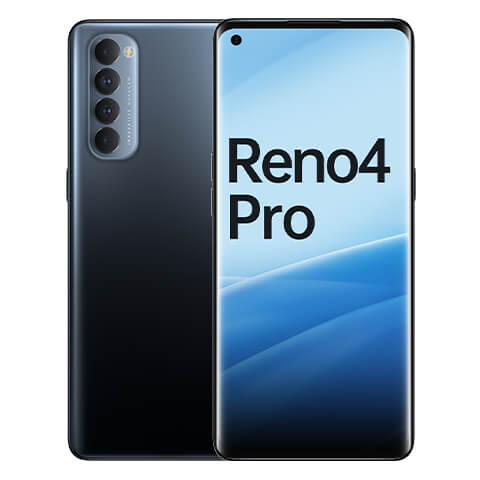
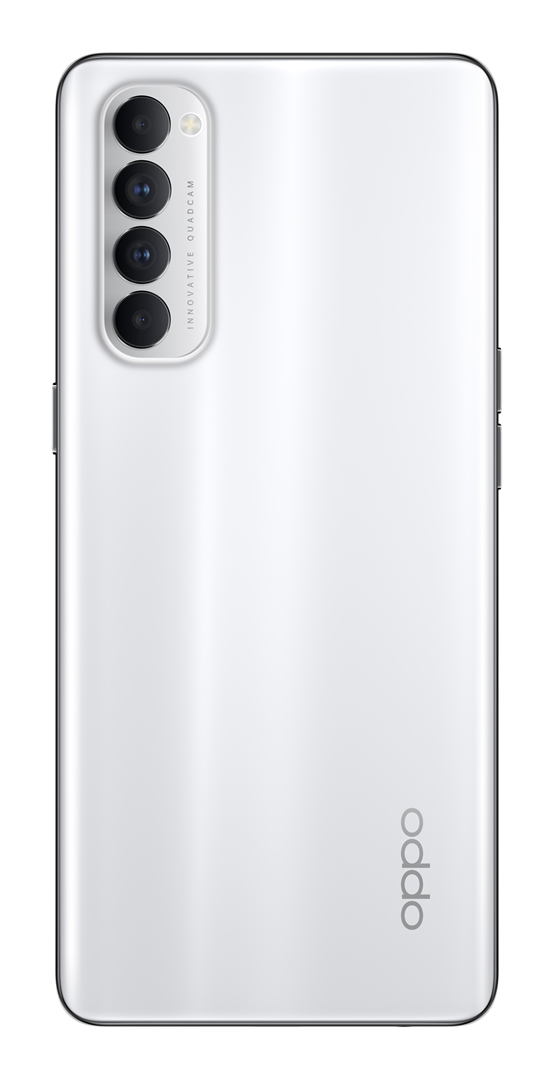
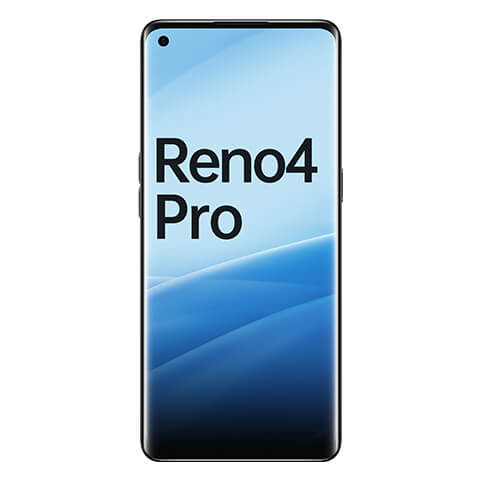
OPPO announced the Reno4 series in China last month and now, the Reno4 Pro is making its way to the global markets. The company officially launched the Reno4 Pro in India today via a special AR event. If you are familiar with the Chinese Reno4 Pro, note that the global variant brings a few changes. However, the Indian variant retains the two major highlights of the Chinese variant – 90Hz Super AMOLED display and 65W SuperVOOC 2.0 fast charging.
OPPO Reno4 Pro Indian Variant Design
OPPO has, unsurprisingly, stripped off 5G from the Indian variant, but that makes it extremely lightweight. The OPPO Reno4 Pro is one of the lightest smartphones launched in 2020, weighing just over 160 grams. So the global Reno4 Pro is the lightest smartphone in the entire Reno series so far. The phone is exceptionally thin too, measuring just 7.7mm (160.2mmx73.2mmx7.7mm). These dimensions along with a curved body will ensure that the Reno4 Pro has an extremely comfortable grip.
Here is our review video:
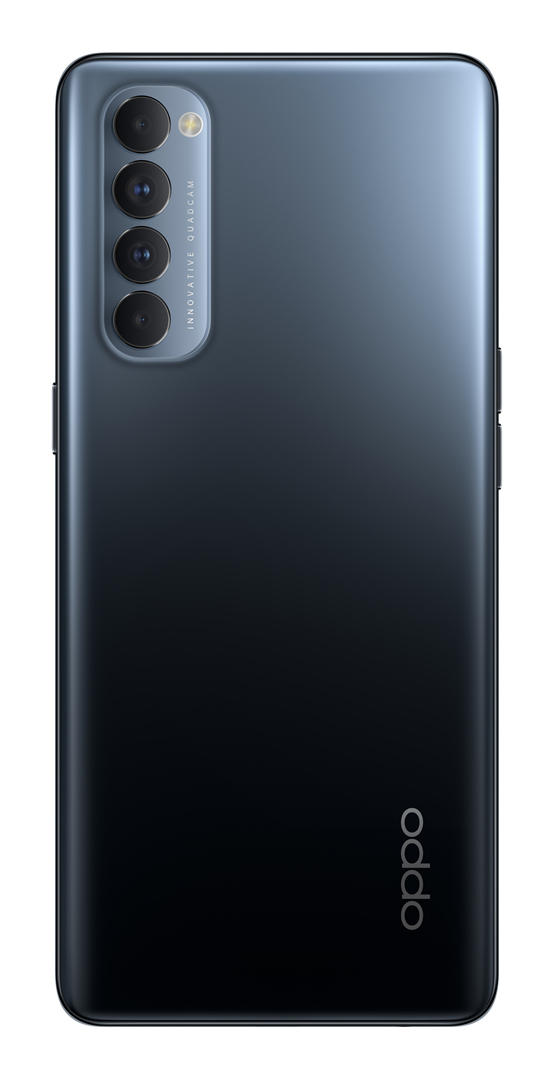
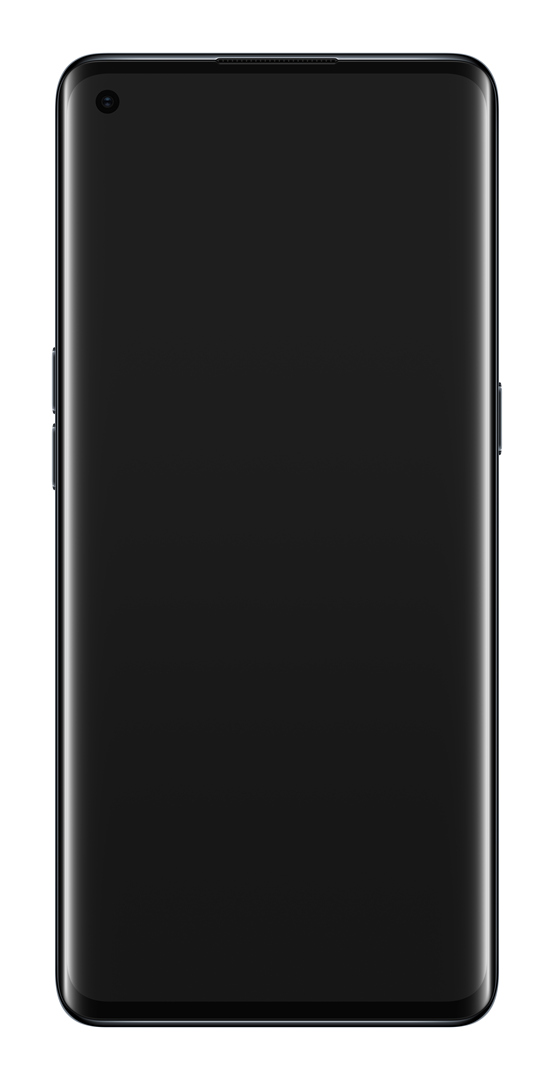
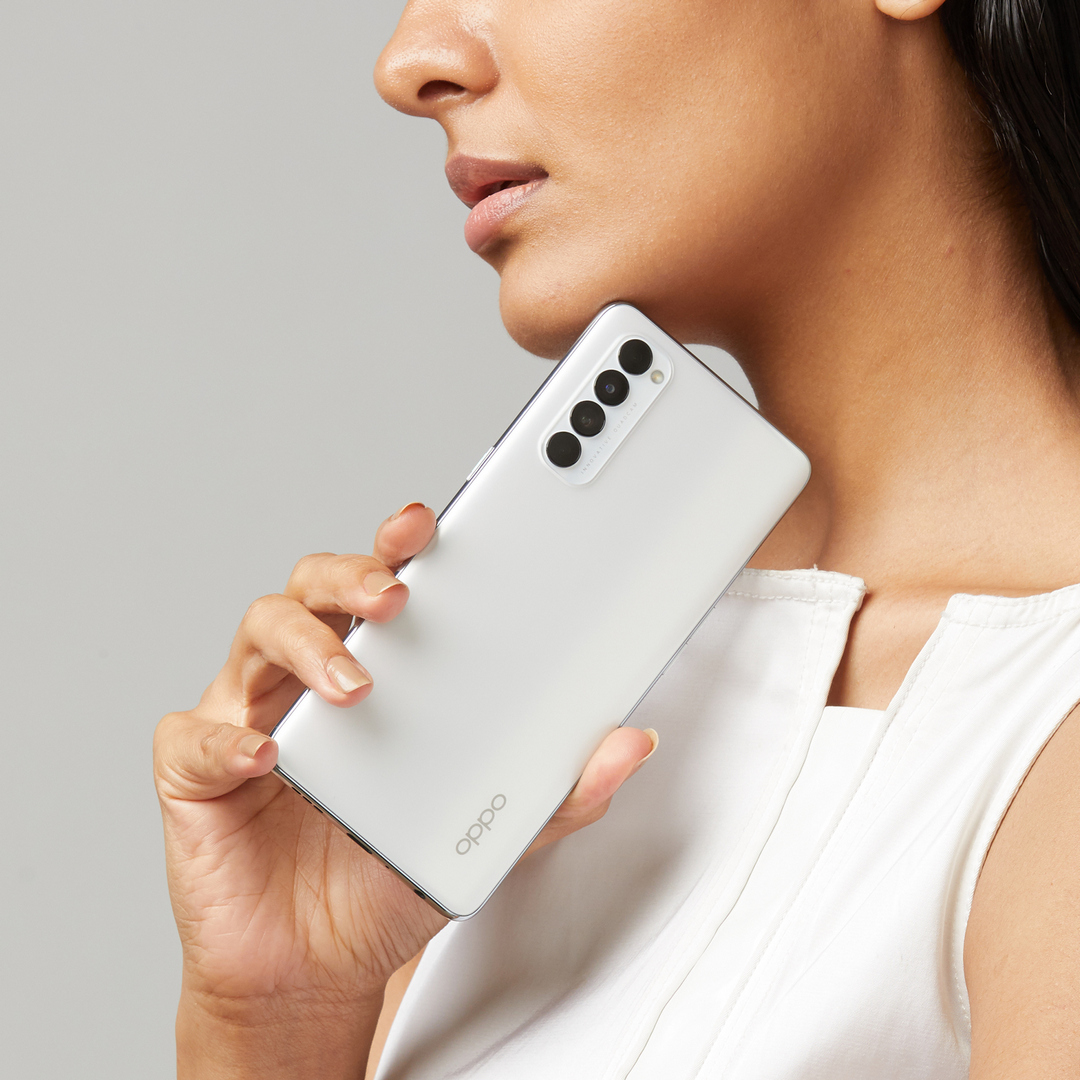
The Reno4 Pro Indian variant comes with a single punch hole camera on top of its 3D curved display. There are four cameras at the back (one sensor more than the Chinese Reno4 Pro). The phone comes in two colors at launch, Starry Night and Silky White. If you remember, the Chinese variant had some fancy gradient colors in Red and Blue finishes. There was a special Pantone Green Glitter variant too. So it’s a shame that the Reno4 Pro in India sticks to the basic Black and White color options.
The OPPO Reno4 Pro in India comes with a 6.5-inch FHD+ E3 Super AMOLED display. E3 here refers to a kind of material that produces the lights on the screen. As compared to earlier generations of E1 and E2, E3 screens are brighter, more power-efficient, and produce less blue light. They support a peak brightness of 800 nits, with a 7% improvement in power efficiency. It can also block 42% more blue light.
The 6.5-inch display features 3D curved glass on top (officially marketed as the 3D Borderless Sense Screen) with a screen curvature of 55.9 degrees. The panel supports 90Hz refresh rate and up to 180Hz touch sampling rate. The screen should do pretty well under direct sunlight too as it brightens to as much as 800 nits, with a peak partial brightness as high as 1100 nits. The display gets TÜV Rhineland Full Care Display Certification and OPPO confirms that the phone is certified for Widevine L1, so streaming HD videos on Netflix or Amazon Prime shouldn’t be a worry.
Under the hood, the OPPO Reno4 Pro Indian variant comes with Snapdragon 720G. This is where things get a little disappointing, especially considering how the Chinese variant features Snapdragon 765G. The 720G chip is no slouch, but for a phone that’s priced well over Rs. 30,000, this chip might feel a bit underpowered. You also get 8GB of RAM and 128GB of storage onboard.
The phone comes with an in-display fingerprint sensor and runs on Color 7.2 based on Android 10.
OPPO Reno4 Pro India Variant Cameras
The camera setup on the new OPPO model in India is a bit different than the one on the Chinese model.
The phone’s camera setup is as follows:
48MP Main Camera, IMX586, 1/2″, F/1.7
8MP Ultra-Wide Angle Camera, 1/4″, F/2.2
2MP Macro Camera, 1/5″, F/2.4
2MP Mono Camera, 1/5″, F/2.4
So you get four cameras in total with a Macro and a Mono camera. Unfortunately, there’s no telephoto shooter that was found on the Chinese variant.
On paper, the Reno4 Pro’s camera setup looks average, but the company has added a bunch of creative features to make your photography experience interesting. The phone features the new Ultra Steady Video 3.0 for shake-free videos on both front and back cameras, Monochrome AI video mode, and AI Color Portrait Video and Photo modes which keeps the subject in color on a black and white background. Other features include the Ultra Night Selfie Mode, Ultra Dark Photo Mode (when lighting is lower than 1 lux), Night Flare Mode, and a 108MP mode.
Up front, you get a 32MP selfie camera inside a single punch hole on the top left corner.
OPPO Reno4 Pro India Variant Battery
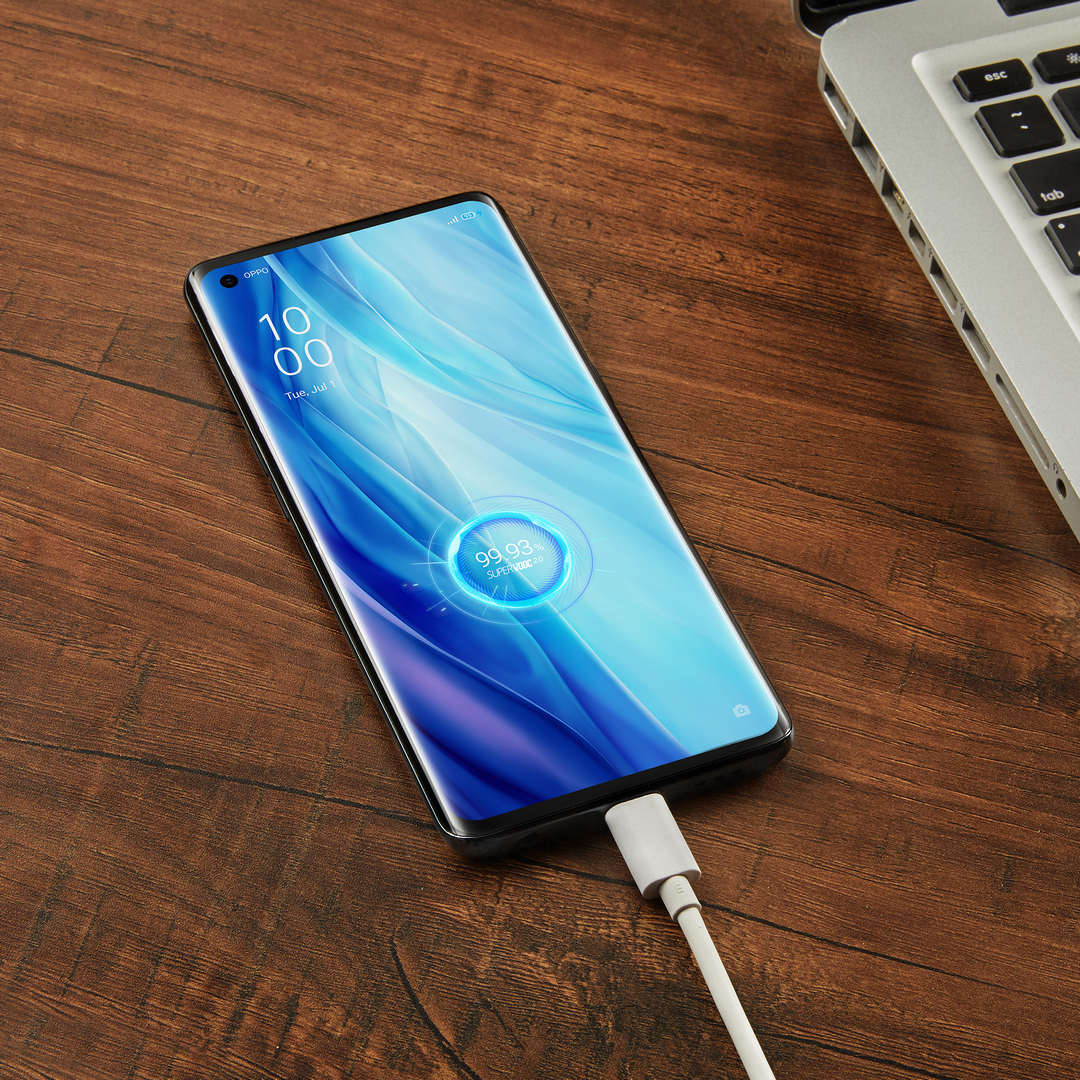
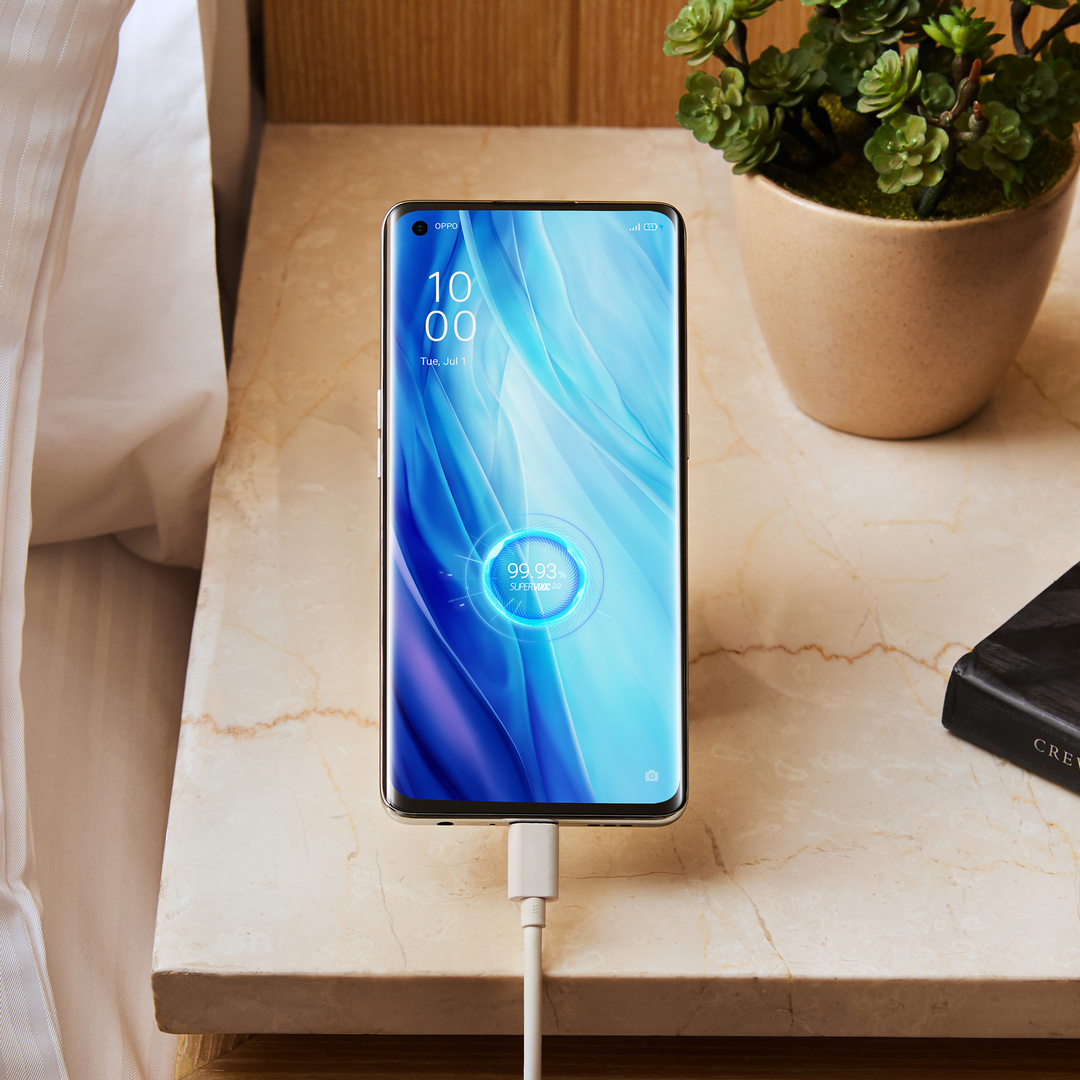
Charging is one of the biggest highlights of the new OPPO model. The phone comes with the super-fast 65W SuperVOOC 2.0 that charges its 4000mAh battery to 100% in just 36 minutes.
Despite the announcement of OPPO’s 125W flash charging technology, we don’t have a commercial phone using the technology yet. So SuperVOOC 2.0 is still one of the fastest charging technologies available in the market right now.
OPPO Reno4 Pro India Variant Pricing & Availability
The Reno4 Pro goes on sale at Rs.34,990 ($468) from August 5, 2020, via Amazon, Flipkart, and retail stores across India.
OPPO also announced the OPPO Watch at the same event in India, you can read more about it from our launch coverage here.
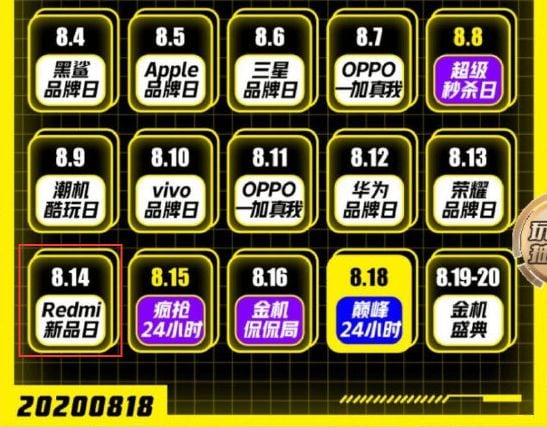
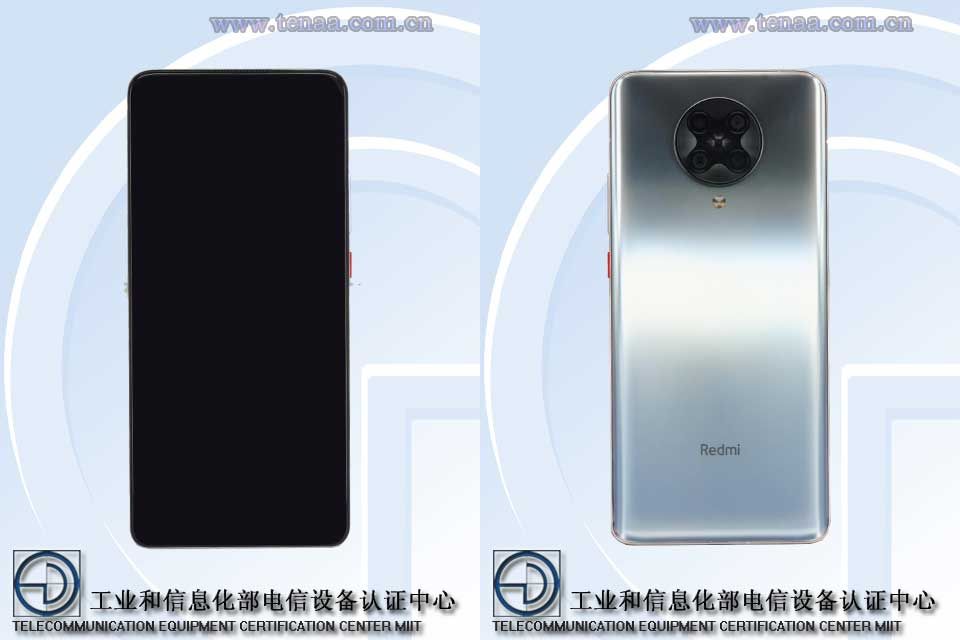
Earlier today, the purported Redmi K30 Pro 5G surfaced at TENAA with full specifications and images. The TENAA appearance is a good hint that the Redmi K30 Ultra 5G will be made official in China as early as next month. Yesterday, a reliable Chinese tipster claimed that the Redmi Watch will launch soon in China. A poster of the 818 Jingdong Mobile Phone Festival that has appeared on Weibo suggests that these two devices may go official on Aug. 14.
Chinese retailer Jingdong will carry out a mobile phone shopping festival between Aug. 8 and Aug. 18. in China. The Chinese text present below the 8.14 date in the screengrab translates to ‘New Product Day.’ Hence, leaksters on Weibo are speculating that the Redmi K30 Ultra 5G and Redmi Watch will both go official on the said date. At present, there is no official confirmation on the arrival of these devices from Redmi.
Nothing is yet known on the specifications of the Redmi Watch. The device is likely to be a less powerful version of the Xiaomi Mi Watch that went official in November 2019. Apart from China, India will be one of the markets that may receive the Redmi Watch. The reason behind it is that a listing of the Redmi smartwatch had appeared at the Bureau of Indian Standards (BIS) at the beginning of this year.
The Redmi K30 Ultra 5G has a 6.67-inch AMOLED display with notch-less design. The 120Hz Full HD+ screen is embedded with a fingerprint sensor. For capturing selfies, it has an elevating camera of 20-megapixel. The rear-facing circular camera setup has a 64-megapixel Sony IMX686 image sensor as the primary camera.
The Dimensity 1000+ will be powering the device with up to 12 GB of RAM. The phone may offer users with up to 512 GB of storage. The device has a 4,500mAh battery that supports 33W fast charging.
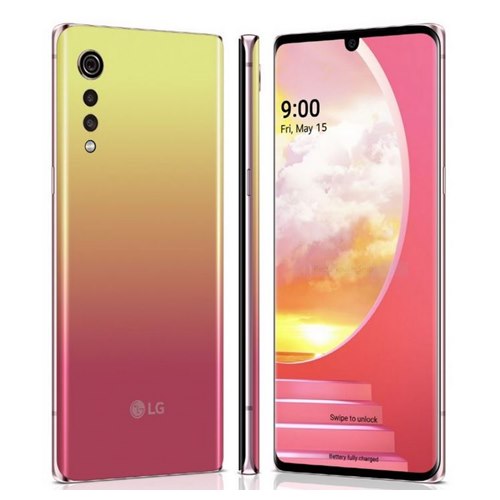
LG is expected to launch an affordable 5G handset later this year. In their Q2 2020 earnings report, the company talked about strengthening its ODM strategy and released a device that can be available to a larger market.
LG Velvet
The Q2 2020 financial report revealed that the South Korean tech giant has been noticeably affected by the Coronavirus pandemic. LG smartphone sales dropped by 19 percent year on year but grew 31 percent quarter on quarter after supply chains stabilized and lockdown measures eased, especially in markets like the US and Europe. The launch of the LG Velvet also helped bump sales during this period.
According to an LG official, the company’s Mobile Communications division (smartphones) is working on improving the profitability of its business and become more competitive in the current market. This arrived after the official was asked regarding a possible release of a $100 or even $200 5G smartphone ahead of its competitors in markets like the US or China.
Furthermore, LG is already in talks with chipmakers and ODMs to bring 5G handset to the mass market and plans on being the first brand to do so. This would help boost 5G enabled devices since its price of entry is around a budget 4G phone. The company is also looking to launch an affordable 5G device in markets like South Korea and the US in the second half of 2020, although, an exact launch date is unknown.
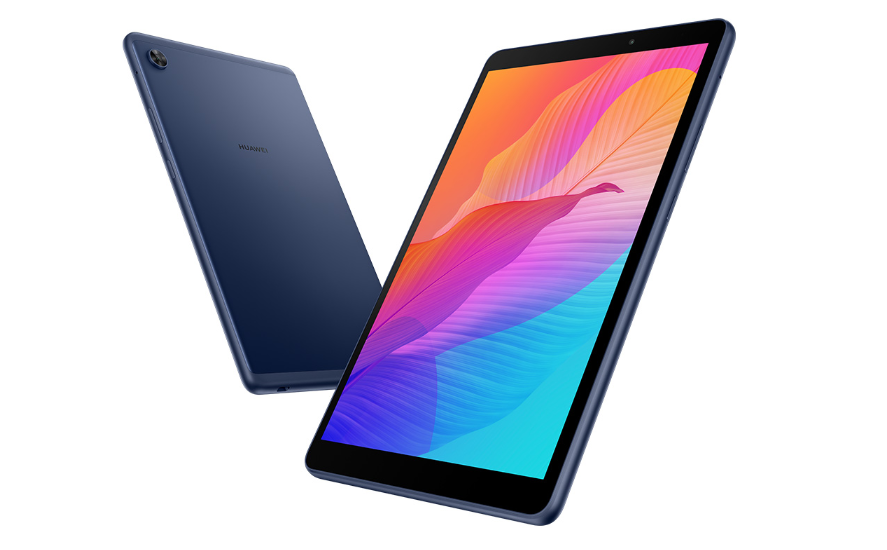
In May, Huawei had launched the Huawei MatePad T8 in Europe. Huawei India has released a new teaser through its Twitter account. It clearly reveals that the company will be soon launching the Huawei MatePad T8 in India.
Each word that you spot in this crossword is a feature of our next big surprise! Link up all the missing letters together and find the name of our big surprise. Let's see who cracks this 'Ultimate Puzzle!'#HuaweiIndia#Puzzle#ComingSoonpic.twitter.com/8Jt5kr9cSY
The provided clues are nothing but the features of the device such as metal body, long battery, octa-core, portable, elegant looks, ultras-slim, and ‘gr8.’ The missing letters in the crossword spell “MatePad T8.” It appears that the Chinese firm will confirm the launch date of the MatePad T8 for India through forthcoming tweets.
The Huawei MatePad T8 measures 199.7 x 121.7 x 8.5mm and it weighs 310 grams. It has a metallic chassis and it houses an 8-inch LCD panel that supports 800 x 1200 pixels resolution. The company claims that it offers a screen-to-body ratio of 89 percent.
The MediaTek MT8768 octa-core processor that clocks at 1.5GHz fuels the tablet with 2 GB of RAM. In Europe, it was made available in 16 GB and 32 GB storage choices. The EMUI 10.1 based Android 10 OS runs on the device. There is a microSD card slot onboard for more storage.
Huawei MediaPad T8
The MatePad T8 has a 5,100mAh battery that offers up to 12 hours of video playback. It has a front camera of 5-megapixel and a rear shooter of 12-megapixel. The tablet arrived in European markets in Deepsea Blue color and with a price tag of 500 Romanian Lieu (~$123; ~Rs 9,200).
The company has also confirmed that the OnePlus Buds will go on sale in China from 1st August at 10:00 AM local time. The earphones are priced at 499 yuan, which roughly converts to $71. It comes in three color options — Black, Blue, and White.
In terms of design, the first TWS earphones from OnePlus looks quite similar to the widely popular Apple AirPods. However, to ensure a better experience with Android, the company has included support for Fast Pair — which does exactly what the name indicates.
The OnePlus Buds come with a 13.4mm dynamic driver and has support for Dolby Atmos for the OnePlus 7 and OnePlus 8 series. It also has support for Dirac Audio Tuner for the newly launched OnePlus Nord smartphone.
It doesn’t come with noise reduction but the company has included environmental noise cancellation which triggers during phone calls. The device also has IPX4 ratings, making it water-resistant. Connecting the earphones with OnePlus smartphones enables additional touch controls, as well as low-latency mode named Fnatic Mode for gaming.
The earphones have the usual touch-based control support, including double-tap to skip tracks, support for user-defined set controls for functions like play/pause, voice assistant, and skipping/rewinding tracks.
As for the connectivity, the OnePlus Buds connects to the smartphone using Bluetooth 5.0. Packing 35mAh battery, it offers seven hours of usage on a single charge. The runtime can be increased through the charging case, which adds another 23 hours of battery life.
According to the Counterpoint Research data, the Indian smartphone market witnessed a massive decline of 51 percent year-on-year in the second quarter of this year. This is mainly because of the lockdown imposed by the Indian government to curb the spread of COVID-19 in the country.
The nation-wide lockdown in India began in the last week of March which results in almost zero sales of smartphones in April this year. With lockdown restrictions lifted, the demand is also increasing and thus, the sales numbers are getting closer to the pre-COVID period.
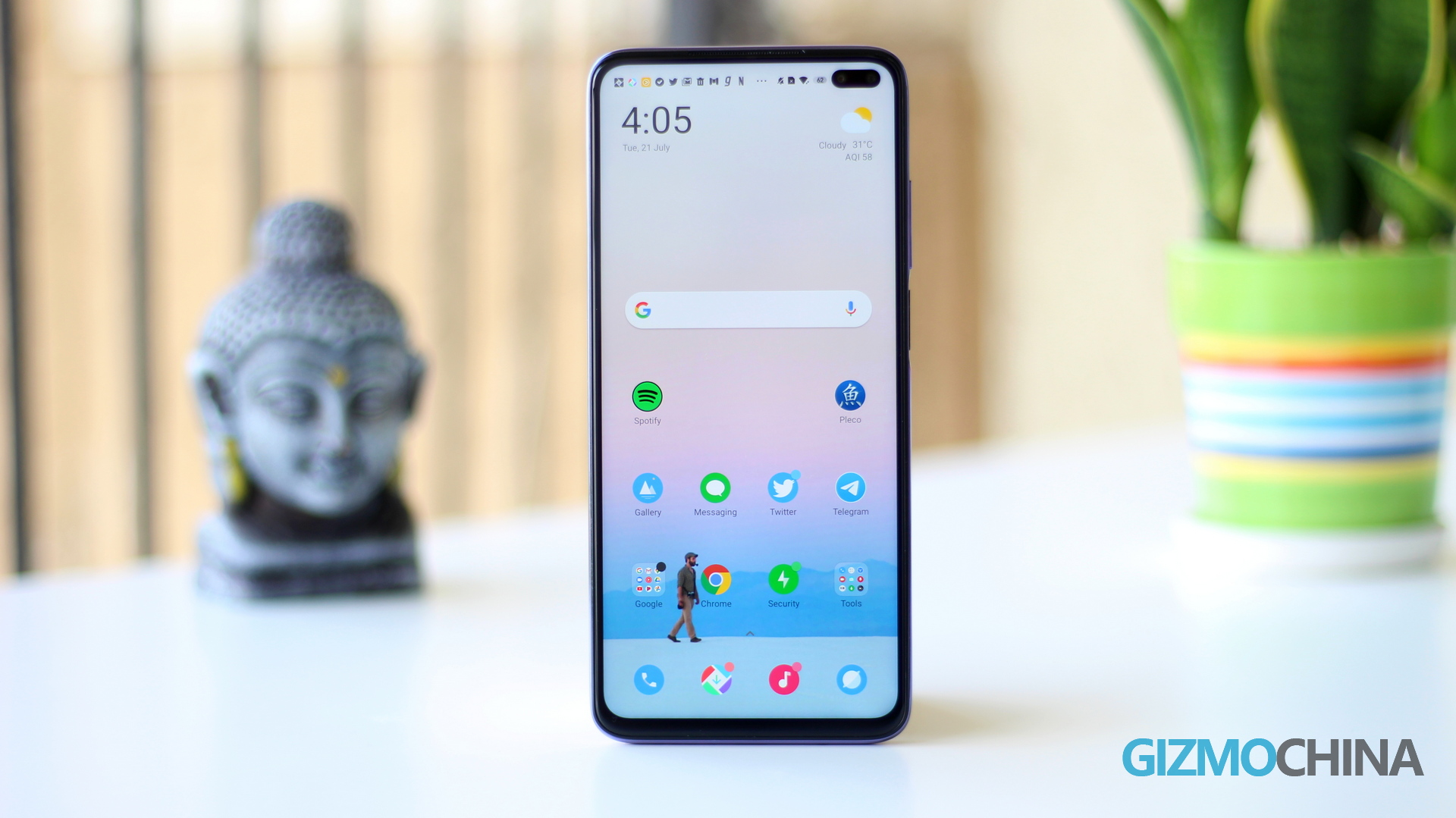
Xiaomi’s POCO X2 Smartphone
The report from Counterpoint claims that for the month of June, it registered just 0.3 percent YoY decline, thanks to the increased smartphone demands and aggressive push from the manufacturers in India.
The Indian smartphone market is being dominated by Chinese brands. However, their contribution fell to 72 percent in Q2 2020 from 81 percent in Q1 2020 because of supply chain issues faced by the companies.
Xiaomi is still leading the Indian smartphone market, accounting for around 29 percent of the market, followed by Samsung with a 26 percent market share. The third, fourth, and fifth positions are secured by Vivo, Realme, and OPPO with 17 percent, 11 percent, and 9 percent market share respectively.
South Korean giant is keen to grab the pole position in the Indian market, which the held for years before Xiaomi grabbed it. However, Samsung is actively trying to get a bigger market share, as a result, the gap for the pole position is now shortening.
Another advantage for Samsung in the Indian market is that it is not a Chinese brand. Because of the on-going India-China border dispute, there is a strong anti-China sentiment and the Indian government has also banned 59 Chinese applications. It is now also planning to ban hundreds of Chinese apps, including the popular game PUBG Mobile.
InterDigital, a US-based mobile and video Research & Development company, has sued China-based Xiaomi in the Indian market for allegedly copying its patented technology. The company has not filed one but two patent infringement actions against Xiaomi.
One complaint involves infringement of five of InterDigital’s cellular 3G and 4G Indian patents and the other complaint involves infringement of three of InterDigital’s H.265/HEVC Indian patents.
It appears that the legal action is being taken after years of negotiations. With the case filed in the Delhi High Court, the company is seeking compensatory and punitive damages for alleged infringement of its Indian patents.
The firm has also sought injunctive relief from the court to prevent further infringement of its patents unless Xiaomi decides to take a license on fair, reasonable, and non-discriminatory terms set by the court.
In a statement, InterDigital CEO William J. Merritt said: “Wireless and video standards play the important role of eliminating barriers to entry, enabling new companies – like Xiaomi – to enter the market and have success despite having made no investment in previous wireless research activities.”
Xiaomi is currently the largest smartphone brand in the Indian market and has captured around 29 percent of the market share. It is followed by Samsung, which regained the second position in India with 26 percent market share, inching close to take the pole position in the Indian smartphone market.
We use cookies on our website to give you the most relevant experience by remembering your preferences and repeat visits. By clicking “Accept”, you consent to the use of ALL the cookies.
This website uses cookies to improve your experience while you navigate through the website. Out of these, the cookies that are categorized as necessary are stored on your browser as they are essential for the working of basic functionalities of the website. We also use third-party cookies that help us analyze and understand how you use this website. These cookies will be stored in your browser only with your consent. You also have the option to opt-out of these cookies. But opting out of some of these cookies may affect your browsing experience.
Necessary cookies are absolutely essential for the website to function properly. This category only includes cookies that ensures basic functionalities and security features of the website. These cookies do not store any personal information.
Any cookies that may not be particularly necessary for the website to function and is used specifically to collect user personal data via analytics, ads, other embedded contents are termed as non-necessary cookies. It is mandatory to procure user consent prior to running these cookies on your website.