Huawei seems very much focused on being self-reliant for making its consumer electronics devices — ranging from smartphones to tablets to laptops. From the new reports, it looks like the process is going at a rapid pace after the U.S. government banned the company.
Soon after getting banned in the United States, Huawei had launched its own operating system — HarmonyOS. Now, the company is slowly moving to adopt HarmonyOS on its devices instead of Google’s Android.
Yu Chengdong, CEO of Huawei Consumer Business has confirmed that the upcoming Huawei Smart Watch will come packed with the HarmonyOS. Soon after that, the company will start using the software on other products as well, including IoT, computers, tablets, and smartphones. The company’s executive says that HarmonyOS will become the “worldwide operating system” in the future.
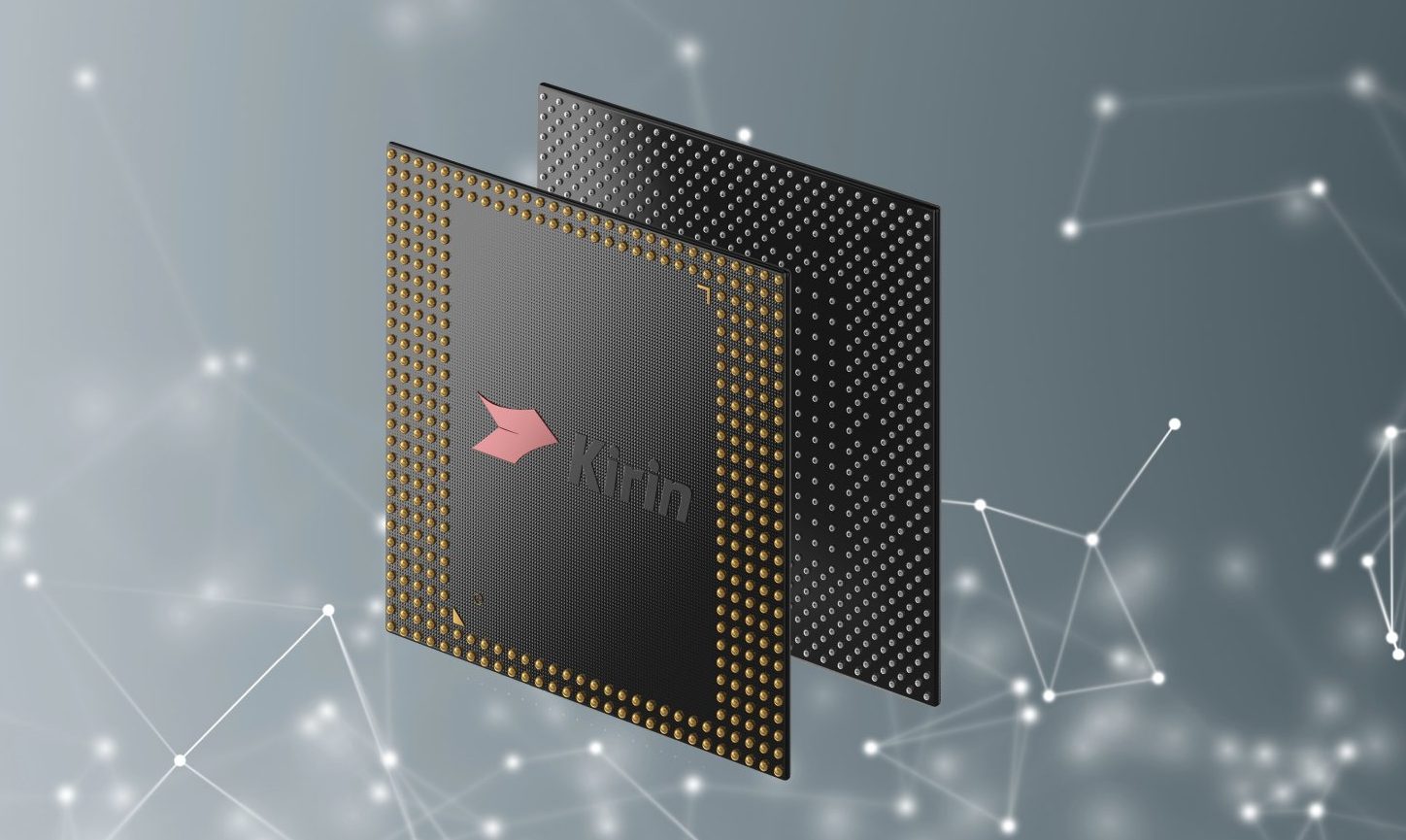
This was announced at the same event where the company confirmed to launch its upcoming Mate40 flagship smartphone this fall. Huawei is likely to launch its Kirin 1000 flagship SoC on 5th September at IFA 2020.
However, the company has said that the upcoming Mate40 could be the company’s last smartphone to come powered by the Kirin-series flagship chipset. This is because of the U.S. ban, making it impossible for the company to manufacture chips.
Previous reports indicate that the company could announce a second-generation version of the operating system in September this year — HarmonyOS 2.0, aimed at computers, smartwatches, and even cars. Last month, Huawei and BYD showcased the world’s first car running HiCar system, which is powered by the Chinese giant’s self-developed HarmonyOS.
Amid ongoing talks between Microsoft and TikTok for the possible acquisition of the short-video social media platform, U.S. President Donald Trump signed an executive order banning American firms from transacting with ByteDance, owner of TikTok.
This is a step forward for the Trump administration, which has been trying to ban the Chinese application, citing national security concerns without providing any proof. Based on the Forbes report, it looks like TikTok is no mood to go down so easily.
The short video platform has warned going to court over the order. In a statement, the company said: “We are shocked by the recent Executive Order, which was issued without the due process. This Executive Order risks undermining global businesses’ trust in the United States’ commitment to the rule of law, which has served as a magnet for investment and spurred decades of American economic growth.”
The company has been a target of the U.S. lawmakers over allegations that the company could share app’s user with the Chinese government, a claim which TikTok has denied several times, citing that the data is stored in the U.S. and the Chinese government has no authority over that data.
Prior to this Executive Order, the U.S. government had threatened to ban TikTok in the country unless Microsoft acquires the application by 15th September. The ban on TikTok comes after the United States has effectively banned the telecom giant Huawei for over a year now, citing similar national security concerns, without any proof. This time, the government has not only targeted TikTok but also WeChat, owned by Tencent.
China’s foreign ministry spokesman, Wang Wenbin, said to Reuters: “The U.S. is using national security as an excuse and using state power to oppress non-American businesses. That’s just a hegemonic practice.”
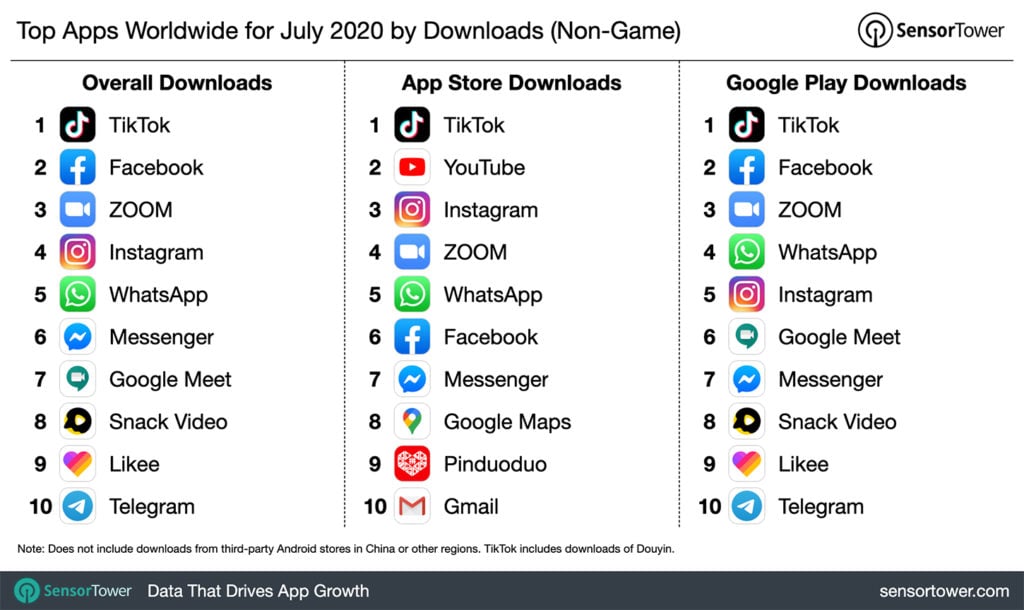
TikTok has more than 100 million users in the United States while WeChat has been downloaded more than 19 million times in the U.S. Despite getting banned in India and ongoing issues in the U.S., TikTok was the most downloaded app on both the Apple App Store and Google Play Store in July 2020.
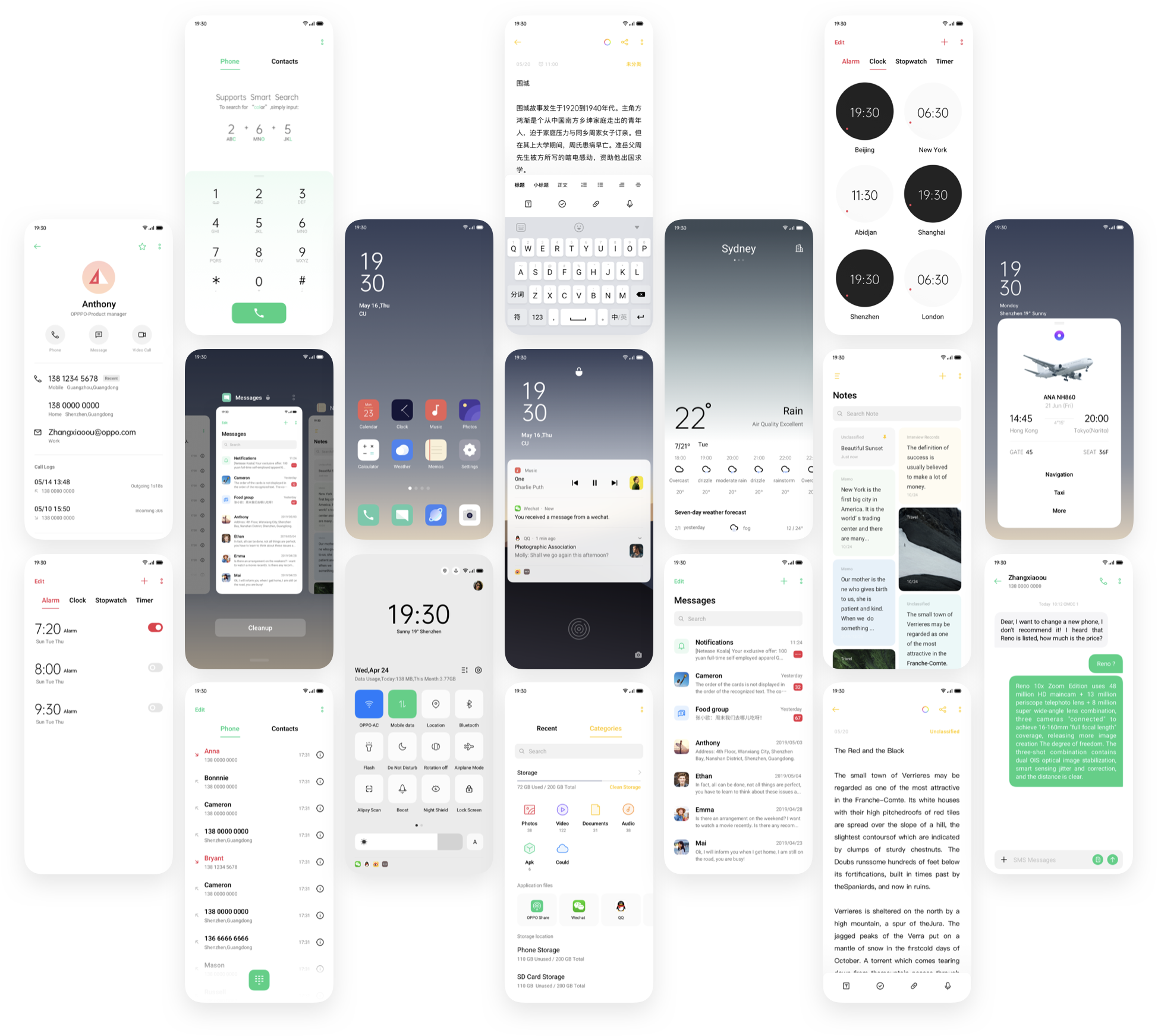
Chinese tech giant OPPO has officially announced the rollout of its latest Android 10-based ColorOS 7.2 in India. The new software version which arrives with an array of new topnotch features is bundled with the Reno4 Pro. Sadly, that is the only phone you can get the new OS on right now. The Reno4 went on sale in India on August 5 marking the rollout of the OS in the country.
The new version of ColorOS 7 offers a slew of new and improved features which improves the functionalities making the device smarter, more efficient, and versatile. ColorOS 7.2 offers new features that make the use of the smartphone easier, richer, and fun. It is built on Android 10, the latest version of Google’s operating system, and comes with the most used Google apps pre-installed, including calls and messages. Building on top of the lightweight design approach of ColorOS 7, the new version offers a richer and fun experience with new features such as the AI App Preloading, Super Power Saving Mode, OPPO Lab, Quick Return Bubble and more.
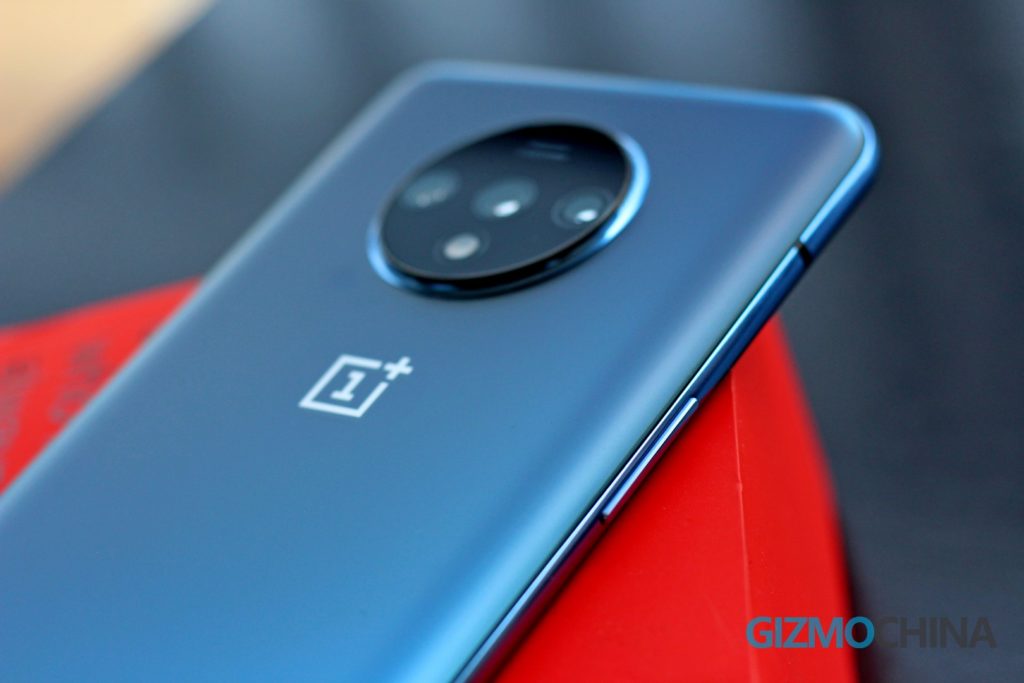
OnePlus has begun to roll out OxygenOS Open Beta 17/7 for OnePlus 7/7T series worldwide. This will be the only Open Beta release for these handsets for this month as the brand reduced their frequency to single build per month in June. Apart from bringing August 2020 security patch, the update also adds new OnePlus Tips & Help sedition and a number of fixes as well as optimizations.
Just like the last Open Beta build for OnePlus 7/7Pro and OnePlus 7T/7T Pro, the new one also brings more bug fixes than new features. The only new addition mentioned-above is nothing but a sort of digital user manual in the Settings app.
Talking about fixes, the new update fixes an abnormal error in “Lockbox”, auto-start issue with QXDM logs after reboot, and “File Manager” did not display some downloaded documents of apps. Also, it optimizes and improves user experience with long screenshot and stability of WiFi transfers.
In a nutshell, this OxygenOS release is just a minor update to improve the overall experience of the software of the phone. That said, the OTA update is being rolled out in batches and will soon reach your device if you are running the Open Beta build.
OnePlus 7/7T series OxygenOS Open Beta 17/7 Official Changelog
System
Newly added user assistance feature to help user master usage skills quickly(Route: Settings>OnePlus Tips&Help)
Fixed the abnormal error occured in Lockbox
Fixed the auto-start issue with QXDM logs after reboot
Optimized user experience with long screenshot in some scenarios
Updated Android security patch to 2020.08
Messages
Optimized the categorization, messages of the same contact now merged in one card(India only)
File Manager
Fixed the issue that File Manager did not display some downloaded documents of apps
During China Information Technology Summit 2020, Huawei consumer business CEO Yu Chengdong confirmed that the company will be launching its Mate40 flagship series smartphone sometime this fall.
He has also confirmed that the device will be powered by the company’s own Kirin 9000 SoC, which he claims will be one of the most powerful with support for 5G connectivity, AI processing, and powerful GPU as well as NPU.
Further, Yu Chengdong has also revealed that the Mate40 could be the last smartphone to come powered by the flagship Kirin processor. The ban on Huawei by the United States is set to take effect from 15th September and the executive says that it will be impossible to manufacture chips and thus, the company will cease making flagship chipsets.
Going further, the Chinese giant is planning to make breakthroughs in basic research and precision manufacturing in physical material science. The company continues making investments in materials and core technologies related to new processes for innovation.
For those who are unaware, recently, the U.S. government announced new rules which require chipmakers using U.S. technology to apply for a license to ship chips to Huawei and other banned entities. TSMC, the contract manufacturer of Huawei chips, confirmed that it has stopped taking new orders from the Chinese giant since May.
It remains to be seen what the future will be for Huawei in terms of mid-range chipsets. The company has already shifted mass-production orders of Kirin 710A SoC based on the 14nm process, from TSMC to China-based SMIC, making it the first pure Chinese chip with independent intellectual property rights.
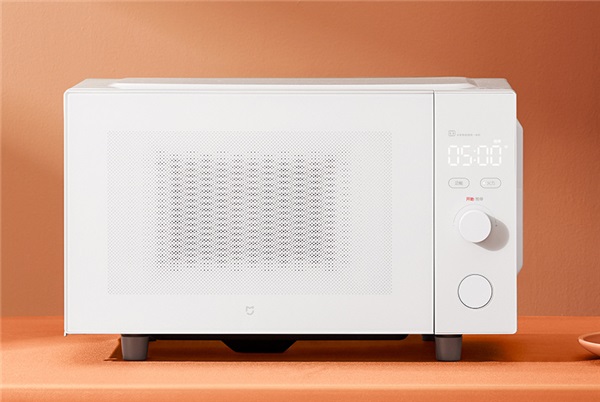
Xiaomi has just launched a new Mijia product earlier today (7th August 2020). It is a new Mijia Smart Convection Microwave Oven, that supports both regular heating and barbecue as well.
Looking at the product, it resembles a simple design with a single color scheme. Its form factor resembles any other conventional microwave, with just two multi function buttons and one multi purpose knob. The Mijia microwave can hold up to 23 litres in volume in terms of total capacity. It will be available for purchase from 11th August 2020 in China and is priced at 549 yuan (roughly 78 US Dollars).
The Mijia Convection Microwave Oven supports different types of cooking as well, including micro roasting, and grilling apart from just regular heating. It also offers quartz tubes for grilling barbecue while its flat plate heating plate is made from microcrystalline. Through this, it can also offer heating and steaming functions. Since it is a smart product, the device can be controlled with the Mijia smart app that connects to other IoT products as well. Notably, built in recipes are also offers and can be accessed through the application.
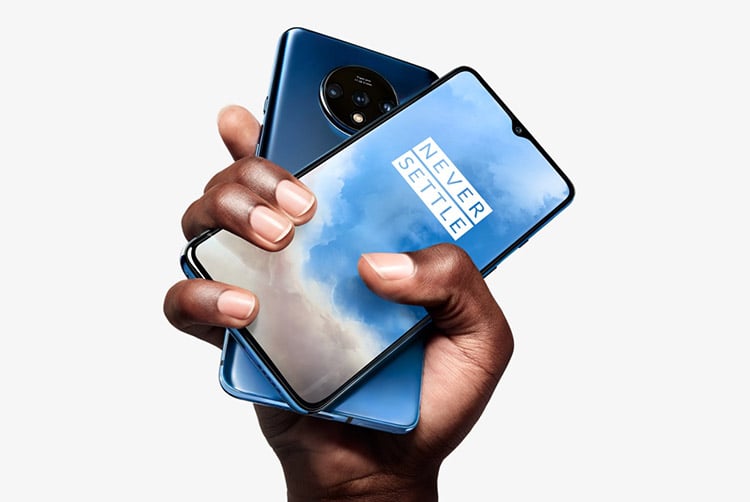
OnePlus 7T and OnePlus 7T Pro, the brand’s last-gen smartphones are receiving new system update with July 2020 security patch, a couple of new features, and some fixes. This is the same update that was rolled out to OnePlus 7 and OnePlus 7 Pro a few days back.
The new OxgenOS update for OnePlus 7T series come with different build number based on regions. The Indian version of the OnePlus 7T and OnePlus 7T Pro are getting OxygenOS 10.3.4. While the EU (Europe) and the Global variant of the devices are receiving separate builds – OxygenOS 10.0.12 (7T) and OxygenOS 10.0.10 (7T Pro).
Despite different build numbers, it is a common update for both OnePlus 7 and 7T series. Hence, the changelog remains the same for the models.
The new system update brings July security patch, new clock styles, new “Chromatic effect” in “Reading mode”, adds support for OnePlus Buds, fixes double tap issue in waking screen as well as the wrong display of SIM card names, and adapts Bluetooth hearing aid app connection under the Android 10 ASHA agreement.
OnePlus 7T/7T Pro OxygenOS 10.3.4/10.0.12/10.0.10 Official Changelog
System
Newly adapted OnePlus Buds, easier to take advantage of wireless connection
Provided a variety of clock styles for you. You can customize on your own. (Go to Settings>Customization>Clock style)
Fixed the issue that double tap could not wake up the screen in some settings
Updated Android security patch to 2020.07
Reading mode
Added the Chromatic effect option to adapt color range and saturation intelligently for a better reading experience (Settings – Display – Reading mode – Turn on reading mode – Chromatic effect)
Bluetooth
It has adapted to Bluetooth hearing aid app connection under the Android 10 Audio Streaming for Hearing Aid (ASHA) Agreement
Network
Fixed the wrong display of names of inserted SIM cards from different carriers
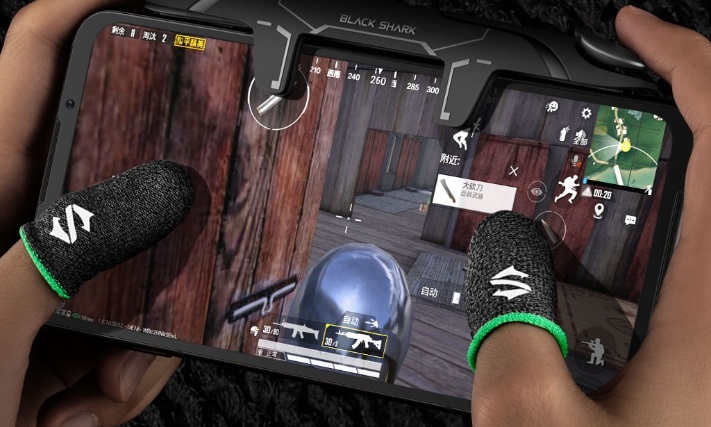
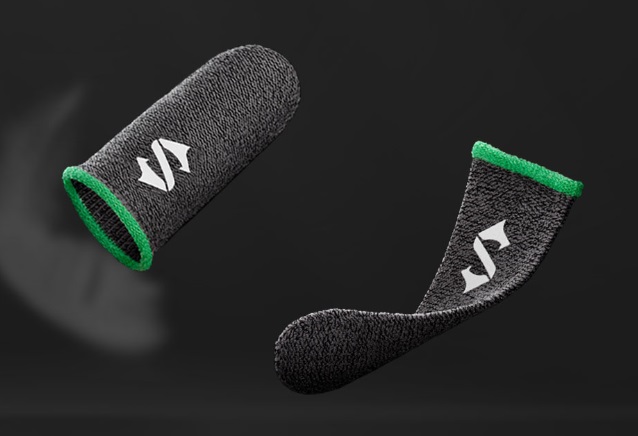
Earlier today (7th August 2020), Black Shark officially announced a new gaming peripheral. Unlike its regular electronic products or gaming smartphone add ons, this one fits the user and has been dubbed the Black Shark Gaming Thumb Sleeves set.
The new Gaming Thumb Sleeves are exactly as the name suggests, a pair of thumb sleeves for avid gamers. It is priced at 29 Yuan (roughly 4 US Dollars) and will be available for purchase on 11th August 2020. According to official notes, these gaming thumb sleeves are extremely thin, measuring just 0.25mm and are made out of superconducting carbon fiber along with ultra-thin spandex and super breathable cotton.
The Black Shark Gaming Thumb Sleeve was sewn together using 18 knitting methods and use a 1-piece stitching technology through 12 technological processes. It can wrap up to 220g, making it suitable for different types of hand sizes as well. Since it is made out of fiber material, it is highly advised to keep it away from any source of fire or any sharp objects that might cut the thin material. It follows a dark gray color scheme with neon green lining and features the brand’s logo as well.
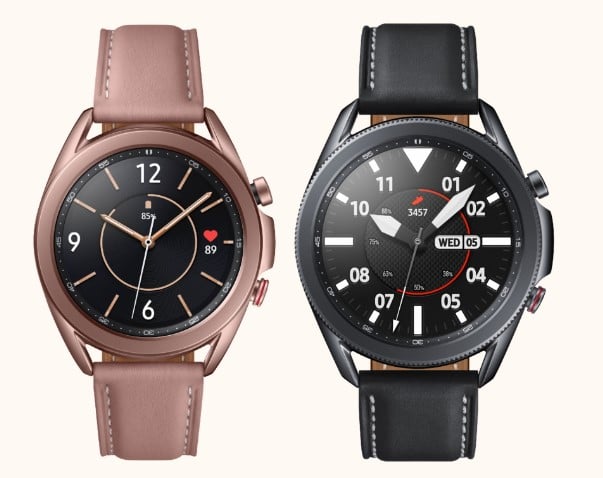
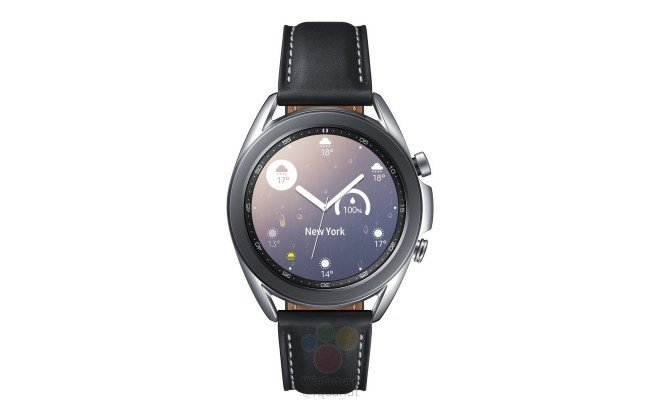
Samsung recently unveiled its next generation of smartwatch, the Galaxy Watch 3. It arrives with support for multiple health related functions, including an electrocardiogram (ECG) feature. However, this is only available for the South Korean variant for now, and will soon be available on the Galaxy Watch 3 global version and Galaxy Watch Active 2 as well, as reported by Engadget.
Among its other notable health features, the new Galaxy Watch 3 also supports blood pressure monitoring, something the Apple Watch has yet to offer. Although, it does require one to calibrate it with a blood pressure cuff to get the baseline readings. But after this, it can calculate the systolic and diastolic pressures through the use of algorithms. Keep in mind, it won’t be as accurate as a standard blood pressure monitor.
One of the big let downs is that these features are only available in South Korea. Samsung was waiting for FDA approval before bringing blood pressure monitoring and ECG to the US. According to the South Korean tech giant’s recent livestream, approval for both have been received, which means that the update for these features should arrive soon.
Samsung Galaxy Watch 3: 41mm
Other health related features like the maximum oxygen uptake (VO2 Max) and SpO2 (relative blood oxygen) readings will also be present in the device. But unfortunately, it will not be available from day one of launch. Samsung plans on adding these through future software updates sometime during Q3 2020.
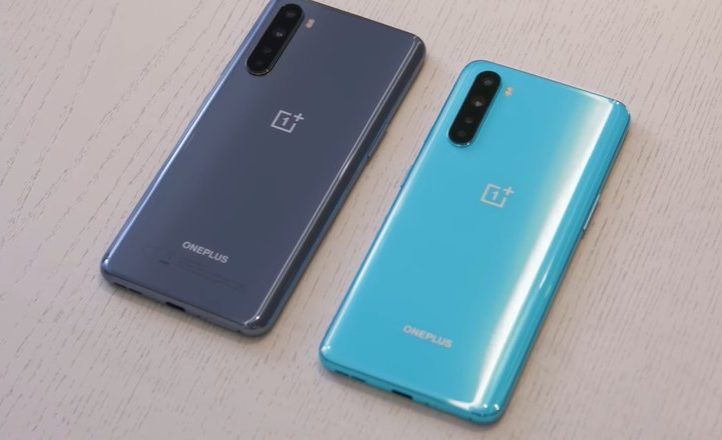
The newly launched OnePlus Nord made its way to iFixit, which recently uploaded a teardown video of the affordable 5G smartphone. The YouTube video had the handset be disassembled, revealing cut corners that have made it easier to repair.
At the moment, OnePlus Nord is one of the most affordable 5G smartphones in the market. But with the non-premium price tag comes a few areas that had to be downgraded. While most OnePlus smartphone models in the past couple of years sport a glass on metal rear cover, the Nord features a cheaper glass on plastic panel. However, this makes it easier to pry open, rather than requiring dangerous levels of heat application to loosen the adhesive.
After removing the rear pane, iFixit found a good number of screws, which were all the same size, length, and kind. In other words, they required only a single Philips screwdriver to remove. Furthermore, the expert also noted that everything is modular and easy to replace, with even the battery pack having an easy to use pull tab. Interestingly, the teardown revealed a generous use of rubber gaskets around connectors for waterproofing. This means that OnePlus did offer some protection against water despite the device not having an official IP rating, which the company previously stated to be expensive.
OnePlus Nord in Gray and Cyan
iFixit gave the device an overall score of 6 out of 10, with the main drawback being the display which is still glued down hard and a rather bothersome method of removing the battery. Although, apart from these issues, the OnePlus Nord still received a positive review in the YouTube video, which you can check out above.
Apps have become a fundamental part of our daily life. We have apps for almost everything on our smartphones. Due to lockdowns, people around the world are spending more time on their handsets than ever before. This has led to the rise of app downloads. According to a new report, despite stresses from various governments, TikTok was still the most downloaded app on both the Apple App Store and Google Play Store in July 2020.
Sensor Tower is a well-known app analytical research firm. It releases a public report on top app downloads every month. The report for July 2020 is out and it mimics the previous month’s report with some minor changes.
The top 5 overall app downloads still include the same apps from last month and they are TikTok, Facebook, Zoom, Instagram, and WhatsApp respectively. Also, TikTok led the chart on both App Store and Play Store with more than 65.2 million downloads (combined).
Due to the ban of TikTok by the Indian government, its alternatives are on the rise since then but only two of them reached the top 10 chart. The first one is Likee at the ninth position and it has been part of the top 10 before.
The second one is Snatch Video with about 28.8 million downloads securing the eighth position. This app managed to enter the elite list for the very first time. For comparison, it was only downloaded 7.8 million times in June, which is 3.5 times lower than its July count.
Having said that, it is not sure how long TikTok will continue to lead the chart as it is expected to be banned by the US government if no American company buys it.
Last year, Huawei announced the Kirin 990 5G chipset in September. The company has used the chipset to power many of its flagship phones such as Huawei Mate 30 series, Huawei P40 series, Honor 30 series, and more. Rumors have it that the upcoming Huawei Mate 40 will be driven by the all-new Kirin 1000 chipset. A reliable tipster from China has claimed that the Kirin 1000 5G will break cover on Sept. 5.
The Sept. 5 date that the leakster has claimed coincides with the upcoming IFA 2020 tech trade show that will be held between Sept. 3 and Sept. 5. Hence, it appears that the Chinese manufacturer will possibly unleash the Kirin 1000 5G chipset at the IFA 2020 event.
The Kirin 1000 will be Huawei’s weapon to rival with upcoming chipsets from rival brands such as A4 chip from Apple, Qualcomm’s next chipset that could be called Snapdragon 875, and the Samsung’s forthcoming flagship chip. The leak by the tipster suggests that Huawei will produce 15 million units of the Kirin 1000 SoC.
It seems that there is no worry with the Mate 40 series when it comes to Kirin1000 processors, latest report said that there is 15milj units.
It was reported in June that the Huawei Mate 40 series debuting in October could be the first Kirin 1000 powered chipset. The Kirin 1000 is expected to debut as the world’s first 5nm chipset for mobile devices. The leakster had previously claimed that the SoC is manufactured by TSMC.
Rumors are rife that the 5G chipset is equipped with ARM Cortex-A78 CPU cores. The chip area of the Kirin 1000 is said to 113.31 sq. mm and is said to have 171.3 million transistors per mm.
Coming back to the Mate 40 series, rumors have it that the Mate 40 series may not be equipped with Kirin chipset outside China. It is being said that the Mate 40 models in global markets may feature MediaTek’s flagship chipset.
The South Korean government is planning on launching the pilot project for 6G networking in 2026. The upcoming mobile networking generation is touted to be 50 times faster than 5G and the nation plans on commercializing the service between 2028 to 2030, according to a report from Business Korea.
Earlier this week, Chung Se-kyun, Prime Minister of South Korea, finalized the government’s strategy to promote research and development for the next generation of telecommunications at a science and technology meet. The strategy involves preemptive development of future technology alongside securing standard and high value patents and laying R&D and industry foundations.
The South Korean government is planning on investing 200 billion won (roughly 169 million US Dollars) over five years for this project, starting from 2021, to secure high risk basic 6G technology. It will start by pushing 10 strategic tasks in 6 key areas which include hyper-performance, hyper-bandwidth, hyper-precision, hyper-space, hyper-intelligence, and hyper-trust.
This project aims to reach one-terabyte-per-second data transmission speed, which is five times faster than 5G, and reduce latency to a tenth of 5G services, down to 0.1ms for its wireless services. Notably, the government is also planning on making6G networking available up to 10 km above the ground. After securing the supporting infrastructure and technology, the government will begin the 6G pilot project by 2026 which will also have far reaching applications in various industries like healthcare, self driving cars, and construction of smart cities.
1) None of the blocked apps will be available 2) MIUI Cleaner app is not using Clean Master app banned by Indian Govt. 3) 100% of Indian user data stays in India
In a Twitter post that was shared earlier today (7th August 2020), Xiaomi India stated that it will comply with the local government’s mandate and not have any of the blocked apps available. However, it also pointed out that its “MIUI Cleaner app is not using Clean Master app banned by Indian Govt,” and that “100 percent of Indian user data stays in India.”
The Chinese tech giant also shared a message with its userbase as well, in which it further clarified and elaborated on the aforementioned points. The company is working on developing a “new version of MIUI that will be built without pre-installation of any of the blocked apps.” This will be available in the next coming few weeks. Xiaomi stated that it uses its own Cleaner app and not the banned Cleaner Master app that has been blocked.
Furthermore, the company also said that it complies and adheres to a strict data privacy policy that meets the security requirements under Indian law. Xiaomi mentioned that before it was mandated, Xiaomi had already “pioneered” data localization for all of Xiaomi India apps and users. In other words, the smartphone maker has stores data for Indian users in servers located within the country since 2018 and has not shared it with anyone outside of the region.
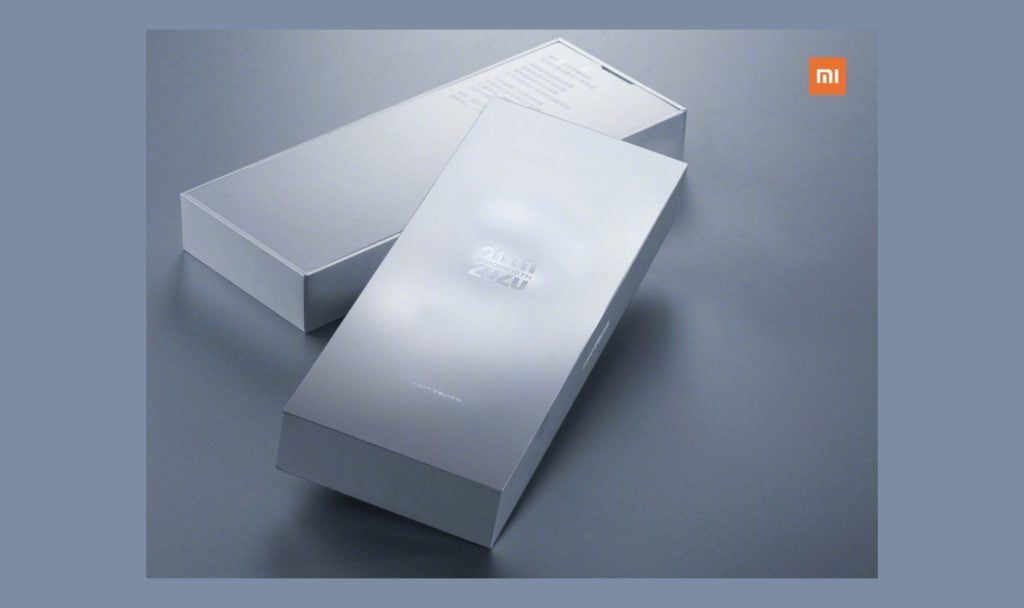
Xiaomi has scheduled an event for August 11 in China to launch a number of products celebrating the 10th anniversary of the company. The star of the show will be Mi 10 Extreme Commemorative Edition aka Mi 10 Ultra. Last night, Lei Jun, the CEO and co-founder of the firm revealed the motive behind this unique branding.
But there is a commotion among netizens regarding why the device is not called Mi 10 Pro Plus like P40 Pro Plus, which is Huawei’s ultimate flagship smartphone of H1 2020. To clear everyone’s doubts, the CEO of Xiaomi posted an FAQ on Weibo explaining the branding, availability, and price.
Why Mi 10 Extreme Commemorative Edition (Mi 10 Ultra)?
Lei Jun has been describing the forthcoming Mi 10 series phone as a “超大杯” (super big cup/oversized cup). In China, this term is used for premium flagship smartphones. Secondly, the company is launching it to celebrate its 10th year anniversary. Also, they wanted to give it a Chinese name.
Hence, he chose two names for the device and combined them. The first part of the branding says “至尊” (Extreme/Supreme) as it will be a powerful smartphone (super big cup). Whereas, the second-word “纪念” (commemorate/celebrate) is being used to describe it as the product for the 10th year anniversary.
Further, he revealed that they will be simply calling it “Mi 10 Ultra” for global markets. Probably because the original branding it too long and confusing for international customers.
Talking about availability, he said that they have enough stock to fulfil the demand but still asks fans to pre-order just in case to get first dibs on it. Lastly, he hinted the pricing to be premium.
So don’t expect Xiaomi’s powerful smartphone to be cheaper compared to premium handsets from its competitors as well as its own lineup.
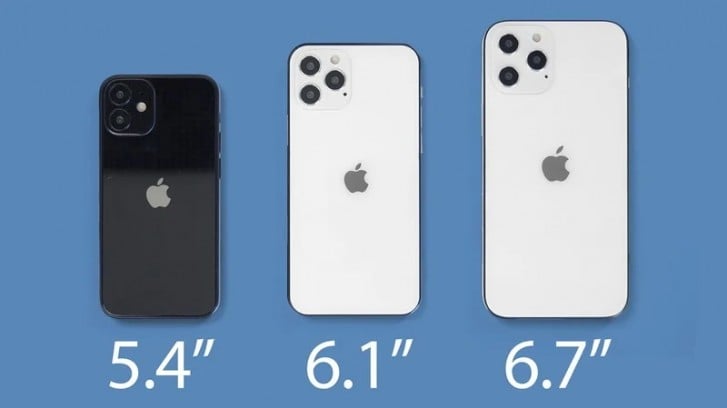
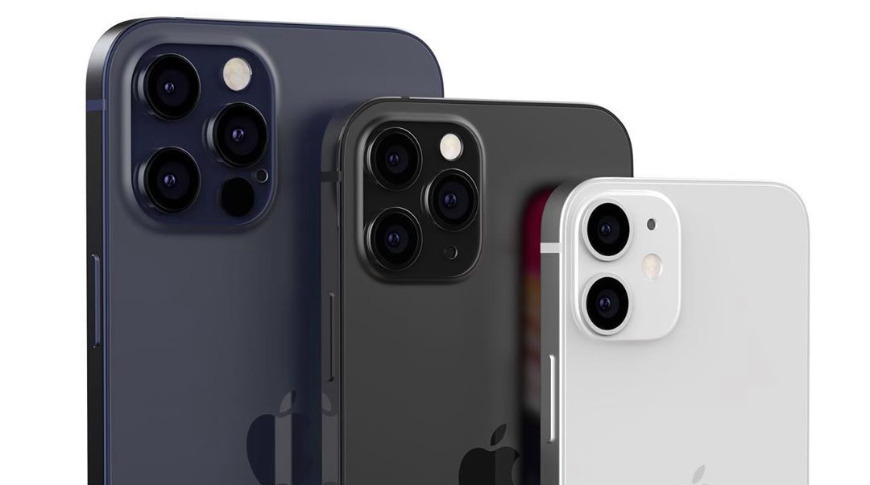
One of the camera lens suppliers for the upcoming Apple iPhone 12 series is apparently facing quality issues. However, this won’t be affecting the company’s launch schedule, which is already delayed, according to known analyst Ming-Chi Kuo.
Kuo’s latest report revealed that Genius Electronic Optical has found issues with cracking coating on the wide angle camera lens, which was designed for the 5.4 inch and 6.1 inch iPhone 12 models. These problems were found in the high-temperature/high-humidity (HTHH) testing and will hamper the Genius’s ability to supply the upcoming 2020 iPhone flagship.
The report also stated that it “estimates that the low-end 7P wide-angle lens, CCM, and final assembly mass production of the 5.4-inch and 6.1-inch aluminum frame iPhone will be in mid-to-late August, mid-to-late September, and early October, respectively. We believe that in the uncertain timetable for [Genius] to solve the quality problem of film cracking, Apple will give priority to purchasing Largan’s low-end 1/2.6” 7P wide-angle lens at least in the initial supply stage to ensure that the two aluminum-framed iPhone 12 can be as scheduled.”
Furthermore, Genius will probably have to slash its prices down by about 30 percent. This would act as an incentive for the issue and still keep it relevant while not have it lose its shares to Largan, who is not facing a similar issue at the moment. Apple has already confirmed that the launch of the iPhone 12 series will be delayed by a few weeks, with a staggered launch which would have the two 6.1-inch models (non-Pro and Pro) arriving first and the 5.4-inch non-Pro and 6.7-inch Pro models launching after.
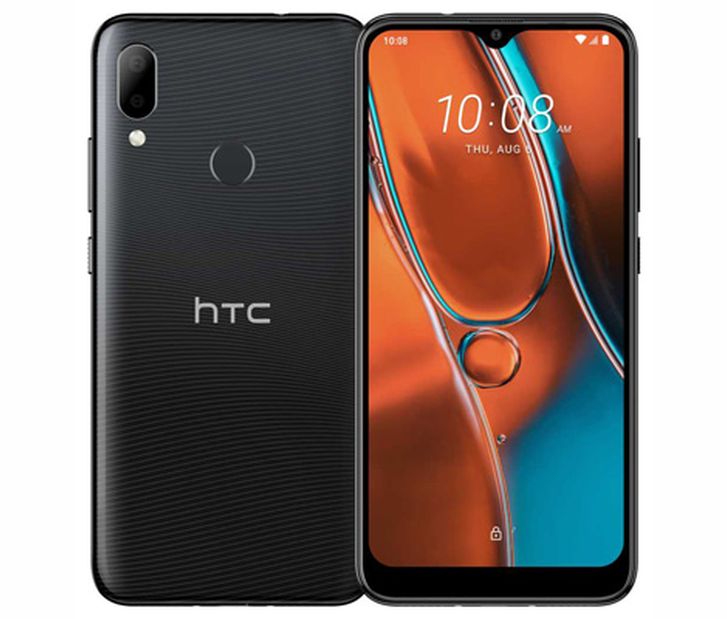
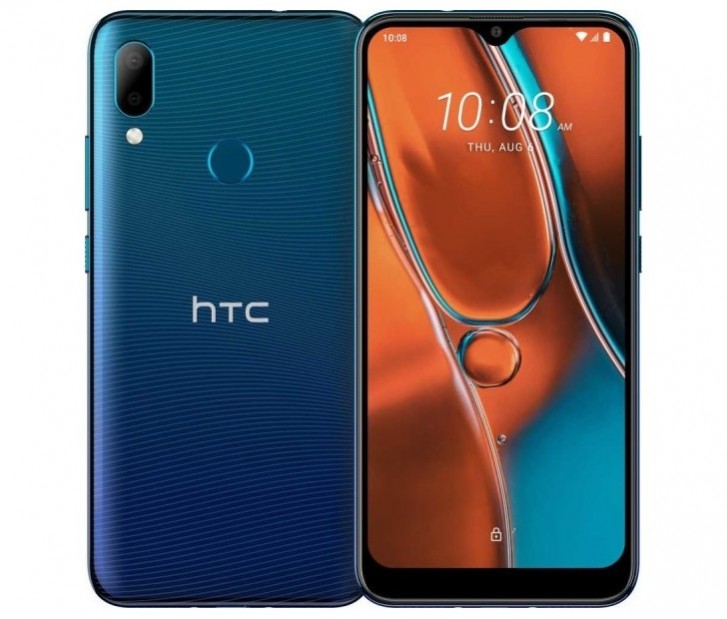
HTC has silently announced a new smartphone called HTC Wildfire E2 in Russia. It is a new mid-ranger from the brand that comes with a tall aspect ratio display, a modest chipset, a big battery, and triple rear cameras.
HTC Wildfire E2 specifications and features
The HTC Wildfire E2 comes with a polycarbonate construction measures 154 x 75.9 x 8.59mm and it weighs 173.5 grams. The rear side of the device has a textured appeal. The handset houses a 6.2-inch IPS LCD display that produces HD+ resolution of 720 x 1560 pixels. The Wildfire E2 has an 8-megapixel selfie camera. The rear-facing camera setup that is assisted by an LED flash includes a 16-megapixel main sensor and a 2-megapixel lens. The Wildfire E2 is capable of recording 1080p videos and it coffers photography features like autofocus, beauty mode, and face detection.
The Wildfire E2 is powered by Helio P22 chipset. It is coupled with 4 GB of RAM and 64 GB of internal storage. The device is equipped with a hybrid SIM slot for adding a microSD card. The phone comes preinstalled with Android 10 OS.
The HTC Wildfire E2 is backed with a 4,000mAh battery. Once charged, the phone can offer up to 20 hours of talk time, 25 hours of music playback, and 6 hours of video playback. It has a rear-mounted fingerprint reader. The other features that are available on the Wildfire E2 include dual SIM slot, 4G VoLTE, Wi-Fi, Bluetooth, GPS, micro USB, FRM radio, Dictaphone, and 3.5mm audio jack.
HTC Wildfire E2 pricing and availability
The HTC Wildfire E22 is priced at RUB 9,990 (~$135). The phone comes in two colors like black and blue. There is no word on which other markets will be receiving the Wildfire E2.
It is believed that the iQOO 5 series launching on Aug. 17 has two models. One could be a standard model whereas the other one could be a top model. A Vivo phone with model number V2024A was certified by the 3C authority of China. The 5G phone was spotted with a 55W charger. This model number is mentioned in the iQOO 5 reservations page on JD.com. It indicates that the model number belongs to the standard version of the iQOO 5. A new smartphone with a V2025A model number has received approval from the 3C certification platform. Since it has been spotted with a 120W charger, it seems to the top variant of the iQOO 5.
The V2025A’s 3C listing shows that it is a 5G phone and it is accompanied with a charger that has a V12060L0C0-CN model number. It supports maximum charging rates of 20V/6A (120W).
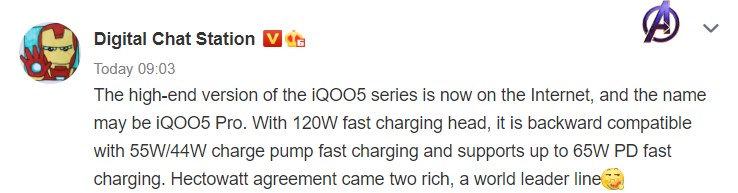
According to a Chinese tipster, the V2025A will be made official as iQOO 5 Pro. He added that its charging port is backward compatible with 55W/44W fast charging technology and it also supports 65W PD fast charging. It is speculated that the handset has a 4,000mAh battery. With 120W charging tech, the phone can fully charge in 15 minutes, claims the company.
iQOO has revealed that the iQOO 5 series is powered by Snapdragon 865 mobile platform. The SoC is coupled with LPDDR5 RAM and UFS 3.1 storage. It is known that the iQOO 5 houses an AMOLED display with punch-hole design. The screen curves impressively towards the left and right edges. It supports a 120Hz refresh rate and a 240Hz touch sampling rate.
A poster released by the company today states that the iQOO 5 has a 120db high dynamic Hi-Fi audio chip and stereo speakers. It supports Hi-Res audio. However, a video commercial of the phone that is doing rounds on Weibo shows that it lacks a 3.5mm audio jack. The video also suggests that the phone’s rear is equipped with a Vivo X50 Pro-like camera setup with a large-sized main camera sensor.
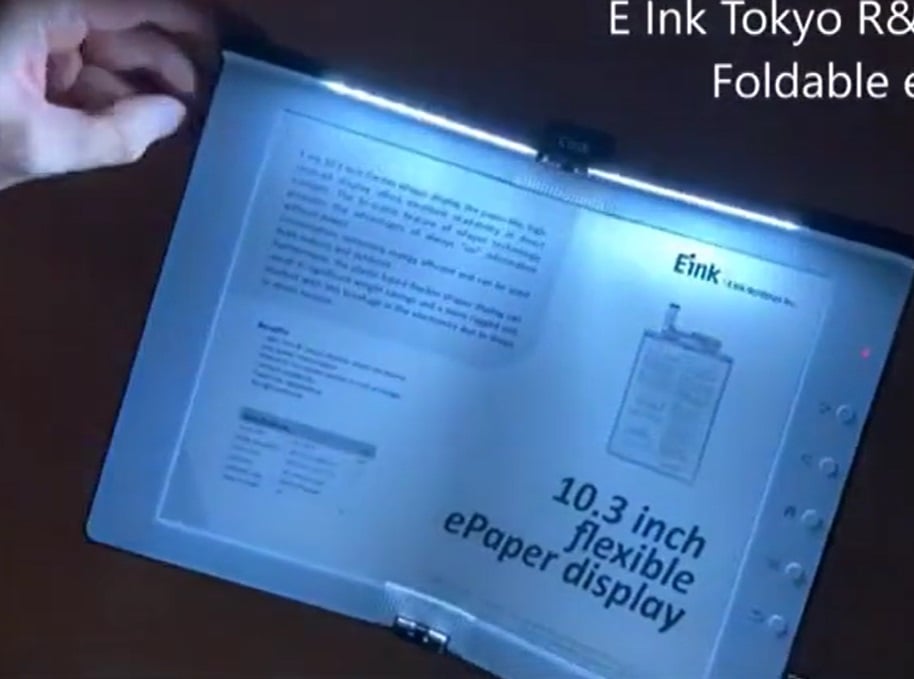
If you want a smartphone with a foldable display, you can actually purchase one this very minute. Manufacturers such as Samsung, Huawei, Motorola, and Flexpai have announced commercially available foldable devices with flexible OLED panels. However, OLED panels are not the only type of screens that have been made foldable. There are also flexible e-ink displays and E Ink just announced a new one.
Image source: ITHome
The new E Ink display is the 10.3-inch flexible ePaper display and it seems to have been announced very recently. It is just 0.1-inches larger than the version announced back in 2017. The main difference between the two seems to be the addition of a backlight to the new model, to make it easier to see even in low-light.
The flexible ePaper display will find good use in eReaders, e-ink notebooks, eNewspapers, and even small-sized signage boards. At the moment, there isn’t any commercially-available eReader that uses a flexible ePaper display and we are not sure we will see one soon. Wearable manufacturers also do not seem too keen to adopt flexible e-ink displays for use in their products.
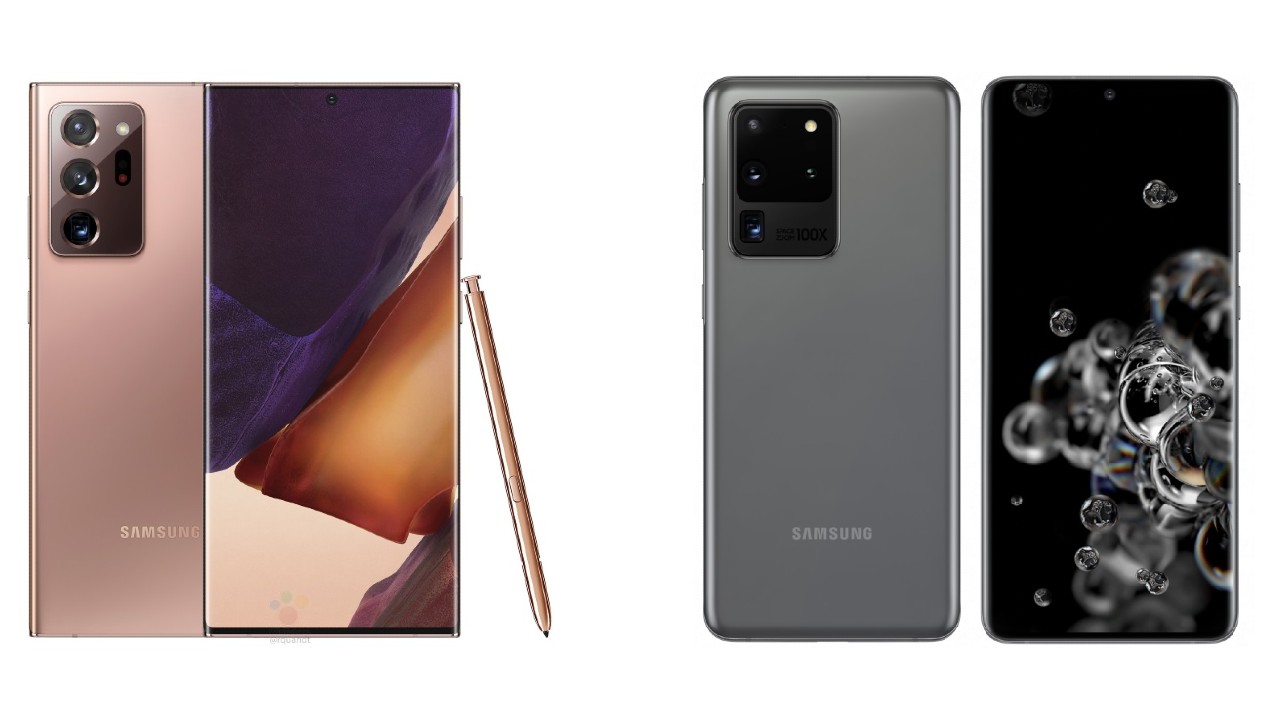
Who said new flagships are always better than older ones? Never been so wrong. Samsung announced the Galaxy Note 20 Ultra at its Unpacked event yesterday: it is a great handset and it brings a lot of new features to the shelves, but not all of its specifications are superior to its predecessor Samsung Galaxy S20 Ultra. This does not mean that the S20 Ultra is better than the Note 20 Ultra, but it depends on the kind of user you are if you are looking for a new flagship. This specs comparison will highlight all the main differences between Samsung Galaxy Note 20 Ultra and Samsung Galaxy S20 Ultra and, hopefully, it will let you understand which one is better for your needs.
Triple 108 + 12 + 12 MP f/1.8, f/3.0 and f/2.2
10 MP f/2.2 front camera
Quad 108 + 48 + 12 + 0.3 MP f/1.8, f/3.5, f/2.2 and f/1.0
40 MP f/2.2 front camera
BATTERY
4500 mAh, fast charging 25W, wireless charging Qi
5000 mAh, Fast Charging 45W, fast wireless charging 15W
ADDITIONAL FEATURES
IP68 waterproof, reverse wireless charging, 5G, S Pen
IP68 waterproof, reverse wireless charging, 5G
Design
Under the design point of view, despite being more productivity-oriented Samsung Galaxy Note 20 Ultra 5G wins the battle. It has a higher screen-to-body ratio and it comes in a wonderful matte color variant called Mystic Bronze which I consider definitely more beautiful than all the color variants of the Samsung Galaxy S20 Ultra 5G. Even the camera module is more elegant, and the build quality is higher. The Samsung Galaxy Note 20 Ultra features the new Gorilla Glass Victus protection by Corning allowing it to survive to drops up to 2 meters on hard surfaces. Both the phones are waterproof with the IP68 certification. Despite the presence of a slot for the S Pen, the Samsung Galaxy Note 20 Ultra is thinner and lighter than Galaxy S20 Ultra.
Display
There are only marginal differences when it comes to display quality, so we are not focusing too much on it. But there is an important difference which will make productivity users go for the Samsung Galaxy Note 20 Ultra: the S Pen support. With the S Pen, you can handwrite and draw with a very high accuracy thanks to an active digitizer for the stylus, you can remotely control the smartphone via Bluetooth and you can even perform air gestures. The dedicated physical key of the S Pen also allows shooting photos remotely. The display of the Samsung Galaxy Note 20 Ultra is slightly wider since the Samsung Galaxy S20 Ultra has a taller aspect ratio.
Specs & Software
In the Snapdragon version, the Samsung Galaxy Note 20 Ultra actually offers a better chipset than the Samsung Galaxy S20 Ultra. It is powered by the Snapdragon 865+ which offers a 10% boost in CPU and GPU performance, compared to the Snapdragon 865 found on the Galaxy S20 Ultra. But in the Exynos version (the one sold in the European market), Galaxy Note 20 Ultra and Galaxy S20 Ultra have exactly the same SoC: Exynos 990. EU customers are disappointed: some of them even opened class actions against the Exynos 990 on the S20 Ultra, yet Samsung decided to keep the processor on the Note 20 Ultra without even releasing an upgrade. Both the phone runs Android 10 out of the box, but the Samsung Galaxy Note 20 Ultra comes with more productivity features such as wireless DeX and deep integration with Microsoft services.
Camera
The camera department of the Samsung Galaxy S20 Ultra is superior to the one of the Galaxy Note 20 Ultra. Both the phones come with the same 108 MP main sensor, but the Galaxy S20 Ultra has a better periscope camera with a 48 MP resolution, as well as a better front camera with a 40 MP resolution. With the Galaxy S20 Ultra, you even get an additional 0.3 MP ToF 3D camera which is not present on the Note 20 Ultra.
The battery of the Samsung Galaxy S20 Ultra is bigger and that means it offers a longer battery life, given that the two phones come with the same software and similar specifications. Despite being bigger, it still charges faster thanks to a faster charging technology (45W power against 25W of the Note 20 Ultra).
Price
The Galaxy Note 20 Ultra has a starting price of €1329 in Europe and $1300 in the U.S., while Samsung Galaxy S20 Ultra starts from €1349/$1150, but it is actually a lot more affordable thanks to street prices. If you are a productivity user and you prefer having the S Pen, then the Galaxy Note 20 Ultra is actually a better option. Otherwise, Samsung Galaxy S20 Ultra is a superior phone due to better cameras and longer battery life. Note that in the Exynos version it has the same hardware and similar display to the Galaxy Note 20 Ultra, while in the Snapdragon version, it has a slightly better processor.
Samsung Galaxy Note 20 Ultra 5G vs Samsung Galaxy S20 Ultra 5G: PRO and CONS
We use cookies on our website to give you the most relevant experience by remembering your preferences and repeat visits. By clicking “Accept”, you consent to the use of ALL the cookies.
This website uses cookies to improve your experience while you navigate through the website. Out of these, the cookies that are categorized as necessary are stored on your browser as they are essential for the working of basic functionalities of the website. We also use third-party cookies that help us analyze and understand how you use this website. These cookies will be stored in your browser only with your consent. You also have the option to opt-out of these cookies. But opting out of some of these cookies may affect your browsing experience.
Necessary cookies are absolutely essential for the website to function properly. This category only includes cookies that ensures basic functionalities and security features of the website. These cookies do not store any personal information.
Any cookies that may not be particularly necessary for the website to function and is used specifically to collect user personal data via analytics, ads, other embedded contents are termed as non-necessary cookies. It is mandatory to procure user consent prior to running these cookies on your website.