Advertisement

Blackview BV9900 Pro Android 10 update around the corner

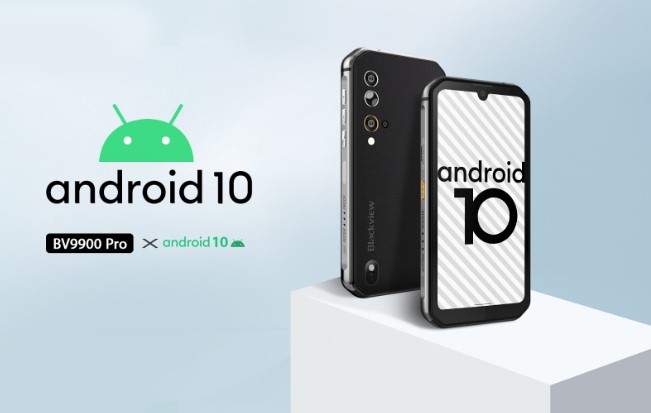
Back in April, Blackview unleashed a beast in the form of Blackview BV9900 Pro. The BV9900 Pro came with Android 9 Pie on-board and it seems Android 10 for the device is around the corner. Moreover, Blackview has announced the Android 10 version of Blackview BV9900 Pro scheduled to hit the market around the end of July or early August.
blackview bv9900 pro

Must See: Blackview BV6300 Pro rugged smartphone available at a discounted price of $199

If you’re an existing BV9900 Pro users, you can update to the Android 10 OS by contacting Blackview official once the software is ready to roll-out. Whether or not the update will be available over-the-air(OTA) is something we’ve to wait and see.

As per the company, with the Android 10 OS, the BV9900 becomes a productive beast from inside as the update brings a massive overhaul over Android 9 OS. Such as a minimalistic UI, revamped iconography, intuitive navigation gestures, power-saving dark mode, and much more. If you’re wondering, undoubtedly, the device is a monster externally with IP68, IP69K & MIL-STD-810G certification.

Moreover, Blackview engineers have put effort into the camera performance elevation by adding video stabilization and optimizing video focus problem, reaching a photography result as good as what you may get from a much more expensive camera. With all these goodies, the update will make this high-end rugged phone even more competitive and secure. 

blackview

For the unversed, the BV9900 Pro is an ambitious smartphone that features a distinctive thermal camera, industry-leading toughness, speed master, and loads of extras. Its built-in FLIR® thermal imaging camera makes it possible to detect infrared energy (heat) and convert it into a visual image. You may find it very useful in building inspections (moisture, insulation, roofing, etc.), firefighting, automotive diagnostics, industrial inspections, scientific research, and much more.

Specs at A Glance

Powered by MediaTek Helio P90 octa-core processor, 8GB of RAM and 128GB of storage, the BV9900 Pro is a beast inside and outside.

  • 5.84-inch FHD+ screen, made of tough Corning Gorilla Glass 5
  • Sony® 48MP rear camera
  • Heart rate & Barometer sensor
  • IceMode – basic phone functions available even at -30℃
  • NFC supported for Google Pay
  • Global LTE bands & Dual 4G VoLTE supported

If you find the device interesting you may find more info from here, also the exact date at which the Android 10 version of the BV9900 Pro will go on sale for the first time.
Related: Fix Blackview 9000 Pro problems and fixes – Everything you need to know

Cubot X30 with flagship features launched at an incredibly affordable price of $148.99

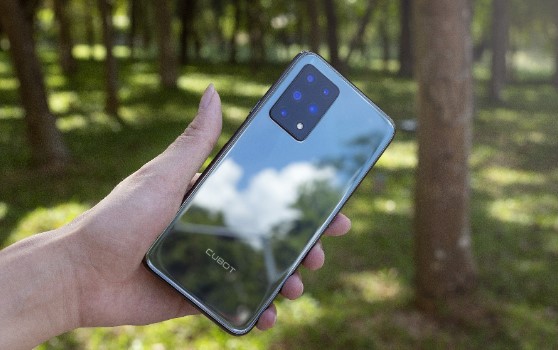
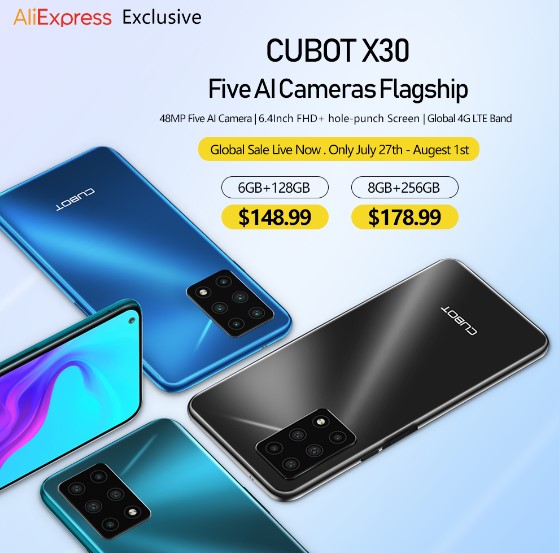
In a bid to disrupt the smartphone market amid the ongoing crisis, Cubot has launched a new device with flagship features, the Cubot X30. The device has been priced so aggressively with the base 6/128GB variant worth just $148.99.

Cubot has put the device for sale globally at AliExpress. As an icing on the cake, the e-commerce giant is offering a limited time coupon code using which you can get the device at a price as low as $140. In case if you’d like to have bigger storage variant, then X30 is available at $178.99 for 8G+256G version.

Coming to all the bells and whistles of the X30. It features 6.4inch punch-hole full view display for an immersive viewing experience. Like mentioned earlier, the device comes in two-storage options 128GB/256G. Powering the device is a 2.0-GHz Octa-core MediaTek Helio P60 chipset based on 12nm process.

cubot x30

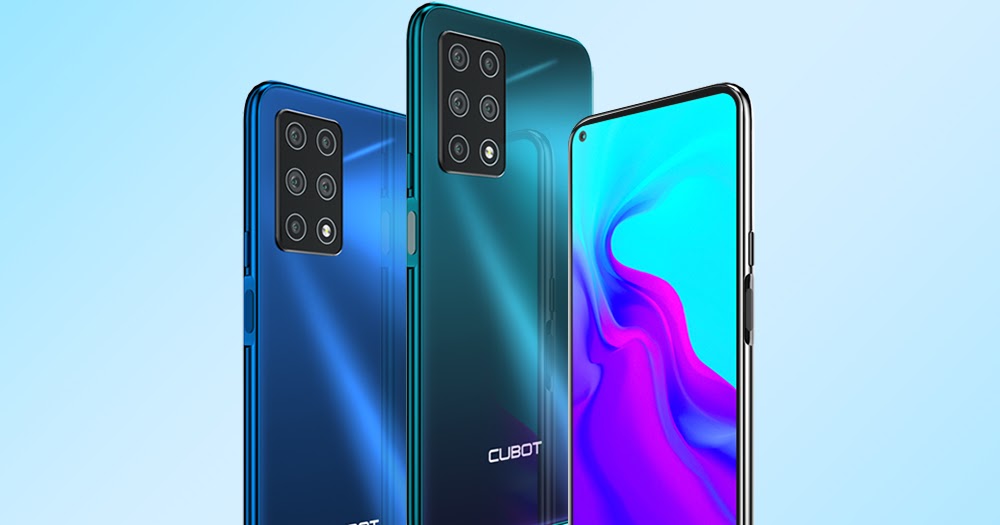
Undoubtedly, the USP of Cubot X30 is its camera prowess. The device is equipped with five rear cameras which include a Samsung S5KGM1 48MP main sensor. Accompanying the Samsung sensor is a 16MP ultra-wide, a 5M_AF macro, 2MP depth sensor and a 0.3M photosensitive sensors. On the front, resides a 32MP selfie shooter. keeping the lights on of the device is a decent 4200mAh battery.

In terms of software, the X30 runs the latest Android 10. Since the Android 11 is around the corner, we expect the device to get it as a software update later in its lifetime.
In short, the Cubot X30 offers more for the asking price.  It’s up for sale at AliExpress, so if interested take it home right now by redeeming the limited time offer coupon code. You can know more about the device by heading to the official website.

Nubia Watch with a 4.01″ flexible AMOLED screen, eSIM support launched

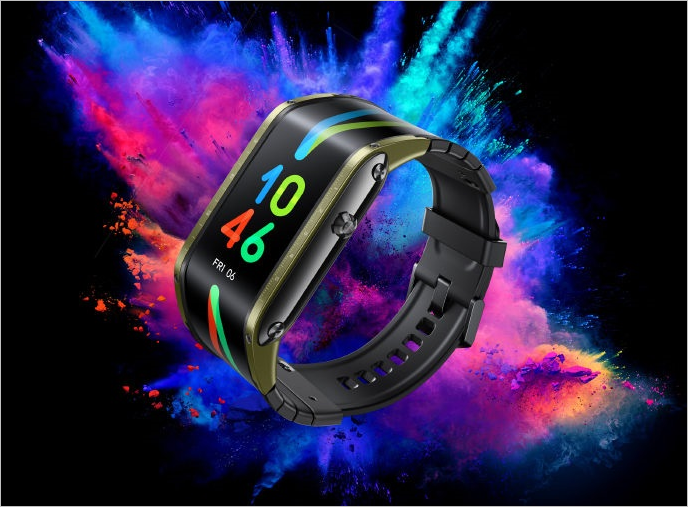
Nubia today held the Red Magic 5S gaming phone and smart ecological new product launch conference. In addition to the Red Magic 5S, the new Nubia Watch has also been unveiled. The watch is an upgraded version of the Nubia Alpha which was launched last year.Nubia Watch

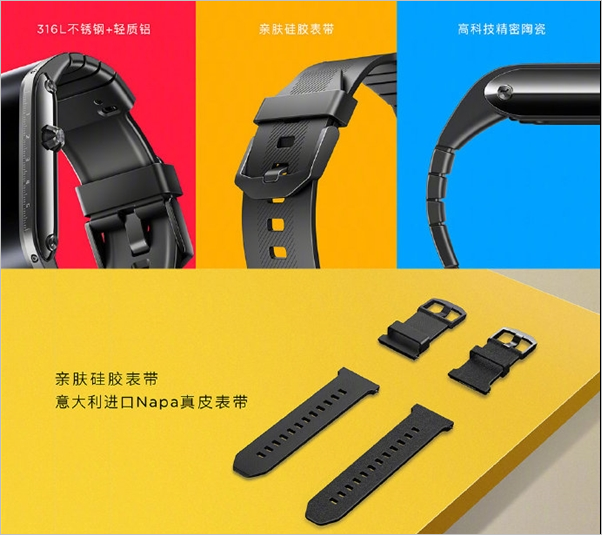
Nubia Watch uses a 4.01-inch super flexible AMOLED screen which tends to wrap around the wrist. The dial is made from a lightweight aluminium alloy manufactured using nano-injection process while it uses biomedical-grade ceramics on the side. The overall lightweight design makes it lighter to wear. Nubia Watch

The extension of the screen is a 316L stainless steel watch section which the company claims have gone through more than 30 processes, taking into account the aesthetics and structural strength. It comes standard with a soft and skin-friendly silicone strap. In addition, there is also a Napa leather strap made of imported Italian calfskin, with a silky surface and a delicate touch.Nubia Watch

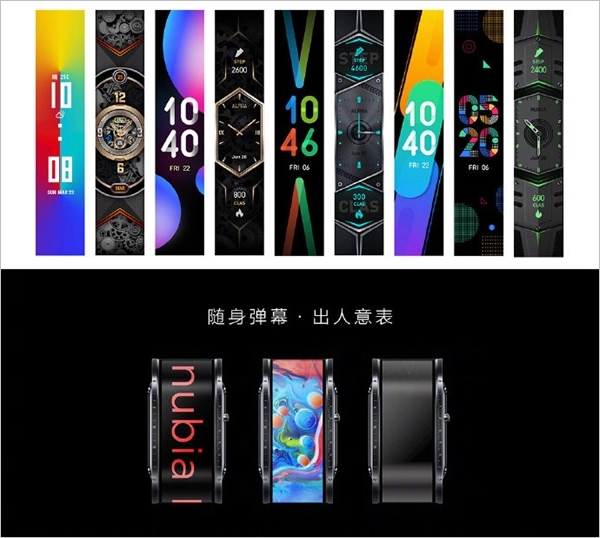
In terms of functions, Nubia Watch supports eSIM independent call functions of China Mobile and China Unicom, and Alipay mobile payment. It features an array of sports and health monitoring functions, as well as weather reminders, find my phone function, compass, schedule reminders and many other functions. The watch also supports Wake-up gesture which wakes up the screen when the user raises his wrist. Nubia Watch also comes with a variety of watch face themes such as Japanese simplicity, black gold business, colorful sports, etc. Nubia Watch

In terms of price, the Nubia Watch is priced at 1799 yuan (~$257) and is available in three colours: Knight Black, Armour Green, and Flame Red. It will go on sale for the first time on August 5 but is already available for reservation. It will be sold on Nubia’s official website and offline experience stores, as well as on Nubia JD’s self-operated flagship store, Nubia official flagship store on Tmall and Suning Tesco’s Nubia official flagship store.


LG Velvet 4G launches quietly in Europe for as low as €500

LG discontinued its long-running G series of flagship smartphones by relacing it with the mid-range Velvet series this year. The first phone in the newly introduced series comes powered by Qualcomm Snapdragon 765G chipset with support for 5G connectivity. A 4G version of this handset was spotted on Geekbench last month with two-year-old Snapdragon 845 SoC paired with 6GB RAM. Now, the company launches this variant of the phone quietly in Europe for as low as €500.

LG Velvet IP68 rating

The newly launched LG Velvet 4G retains everything from the 5G version except for the chipset. That means you get a  6.8-inch FHD+ (2460 x 1080) curved AMOLED display with a U-shaped notch housing a 16MP selfie camera. The screen also supports stylus (Wacom) input with 4096 pressure levels, however, it is a standard 60Hz panel.

As for design, the phone adopts raindrop-like triple camera setup at the back, which includes a 48MP primary sensor, an 8MP ultra-wide unit, a 5MP depth sensor, and an LED flash. The handset features a glass sandwich design with metal frame unlike plastic on the OnePlus Nord

The device is even IP68 certified for dust and water resistance along with MIL-STD 810G certification for durability. And still, it manages to pack a 3.5mm headphone jack, microSD card slot, NFC, 4,300mAh battery, and wireless charging.

As for variants, the LG Velvet 4G only comes in a single storage configuration of 6GB RAM and 128GB UFS 2.1 memory. Though the 5G version of the handset comes in a variety of colors, the 4G model is limited to certain colors based on regions.


(Via)

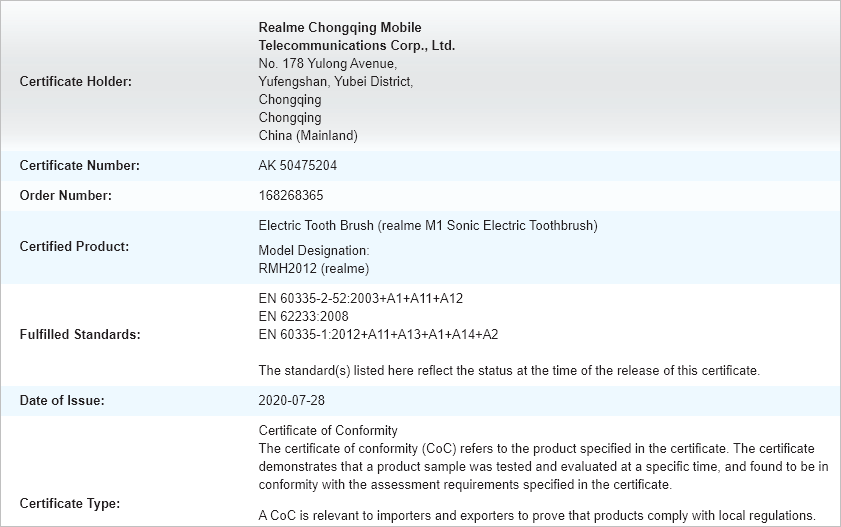
Realme M1 Sonic Electric Toothbrush certified by TUV Rheinland

Realme will soon launch a smartwatch and going by the watch’s TUV Rheinland certification, it is dubbed Realme M1 Sonic Electric Toothbrush. The Sonic Electric Toothbrush appears with the model number RMH2012.

The certification is an indication that the company is rapidly diversifying its product offerings as part of its AIoT portfolio. Realme M1 Sonic Electric Toothbrush will probably come with some smart features, however not a lot has been uncovered about it presently.

As a reminder, Realme a month ago unveiled its “1+4+N” strategy that will include a number of smart products in addition to its smartphones. The organization had prodded that it intends to launch an electric toothbrush, smart scale, smart camera, smart speaker, smart locks, smart plugs, etc sooner rather than later.realme

While unsubstantiated, the Realme M1 Sonic Electric Toothbrush should be launched in India too. The company has been consistently growing its AIoT products in the Asian county. This year, the tech giant propelled a couple of truly wireless earbuds like the Realme Buds Air Neo and Realme Buds Q as well as the Realme Watch. The company is following in the strides of Xiaomi, which has likewise been developing its AIoT ecosystem in India throughout the years. Xiaomi too propelled its first pair of TWS earbuds in India this year in addition to its PC lineup. Strikingly, Xiaomi has also launched two or three electric toothbrushes in India this year.


Red Magic 5S gaming phone arrives with better cooling and a GPU Boost; skips the Snapdragon 865 Plus

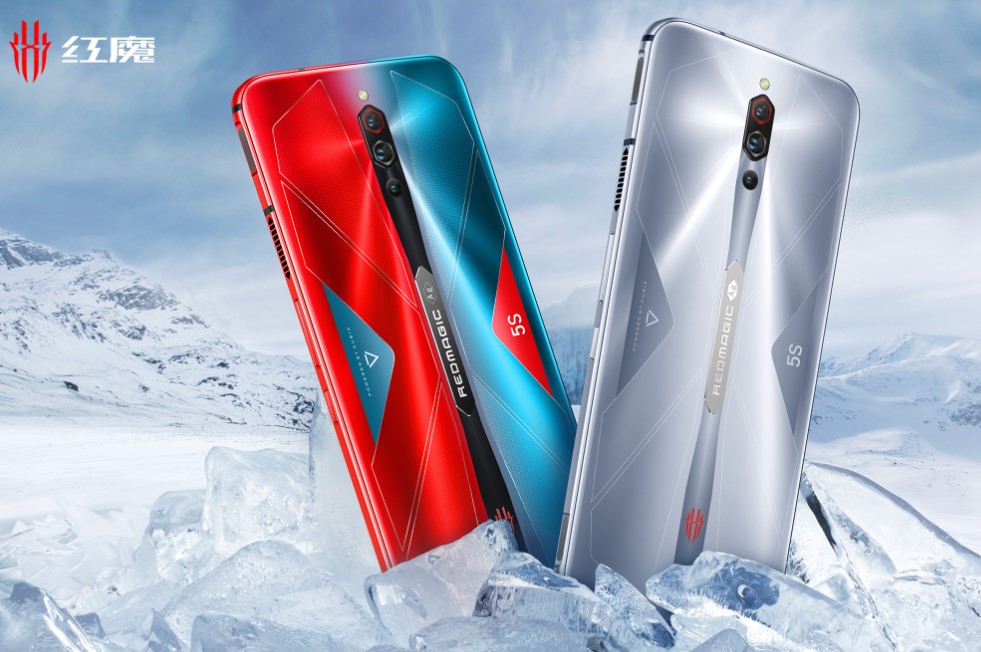
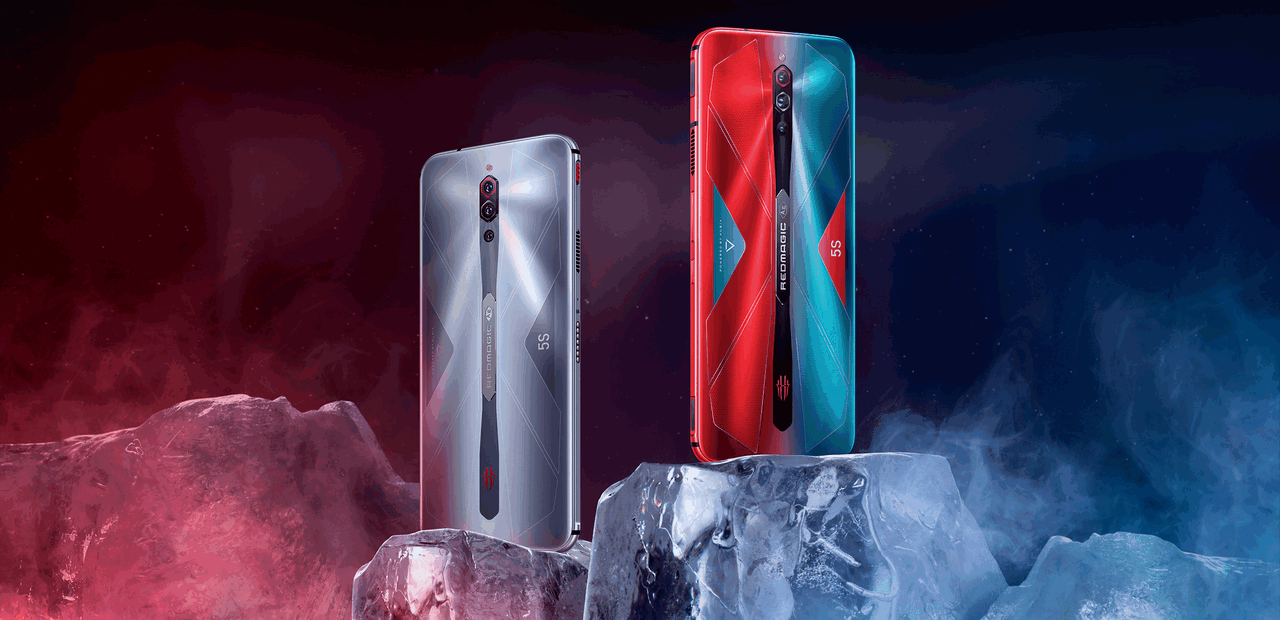
Nubia has announced the Red Magic 5S gaming smartphone and it arrives with some really amazing features but skips the Snapdragon 865 Plus processor that its competitors have and will be using. It also keeps the design largely unchanged. So what’s new about this refreshed model?

Nubia Red Magic 5S

Better Cooling and GPU Boost

The big change is the cooling system which includes a silver-plated heat sink sheet that is dubbed ICE Ag (Ice Age) and a nanosilver glass back. The advantage this brings is better cooling compared to other phones that use copper. Nubia says the air duct is also 56% larger than that of the previous generation. It maintains that the duct is resistant to corrosion and doesn’t accumulate dust.

The phone still packs a cooling fan with a lifespan of 30,000 hours and a speed of 15,000 RPM.

Another significant upgrade is the GPU Boost which Nubia says is a self-developed technology that allows games to play more smoothly without lagging during gameplay. The spec sheet says that users will need to use the new cooling fan accessory to make use of GPU Boost.

The new cooling fan called Ice Wind Cooling Box actually freezes as seen in the video above. Nubia says it helps to increase cooling efficiency by up to 56% (temperature drop of up to 25°C). It takes 10 minutes to freeze under conditions where the humidity is at 80% and the room temperature is 10°C. The fan has an audio jack and supports 30W PD fast charging.

EDITOR’S PICK: AnTuTu’s top 10 best performing flagship and mid-range phones for June 2020

Red Magic 5S Specs

The Red Magic 5S has a 6.65-inch FHD+ AMOLED TUV Rheinland-certified display with a 144Hz refresh rate and a 240Hz touch sampling rate that can even go as high as 320Hz. The Snapdragon 865 processor is paired with 8GB, 12GB, or 16GB of LPDDR5 RAM and 128GB or 256GB of UFS 3.1 storage.

There are three cameras on the back of the Red Magic 5S just like we have on the Red Magic 5G. The primary camera is a 64MP Sony IMX686 sensor and it comes along with an 8MP ultrawide angle camera, and a 2MP macro camera. The camera packs features such as OIS, PDAF, and a Super Night Scene mode. For the selfie camera, the phone comes with an 8MP sensor.

The Red Magic 5S ships with an improved version of Red Magic OS based on Android 10 which brings new multitasking features and support for wireless projection with low latency. There is DTS X Ultra audio, an audio jack, capacitive trigger buttons, Wi-Fi 6, an in-display fingerprint scanner, and dual-frequency GPS. The phone packs a 4500mAh battery with support for 55W (10A) fast charging.

Price and Availability

The Red Magic 5S will sell for ¥3799 (~$543) for the 8GB RAM + 128GB version, ¥4399 (~$628) for the 12GB RAM + 256GB version, and ¥4999 (~$714) for the 16GB RAM + 256GB version. Buyers will be able to choose from Cyber Neon and  Ice Wind Silver.

It is already available for pre-order and will go on sale on the 1st of August at 10 AM on Nubia’s own online store, offline experience stores, and on JD.com.


Purported images of 5.4-inch iPhone 12 display panels leak

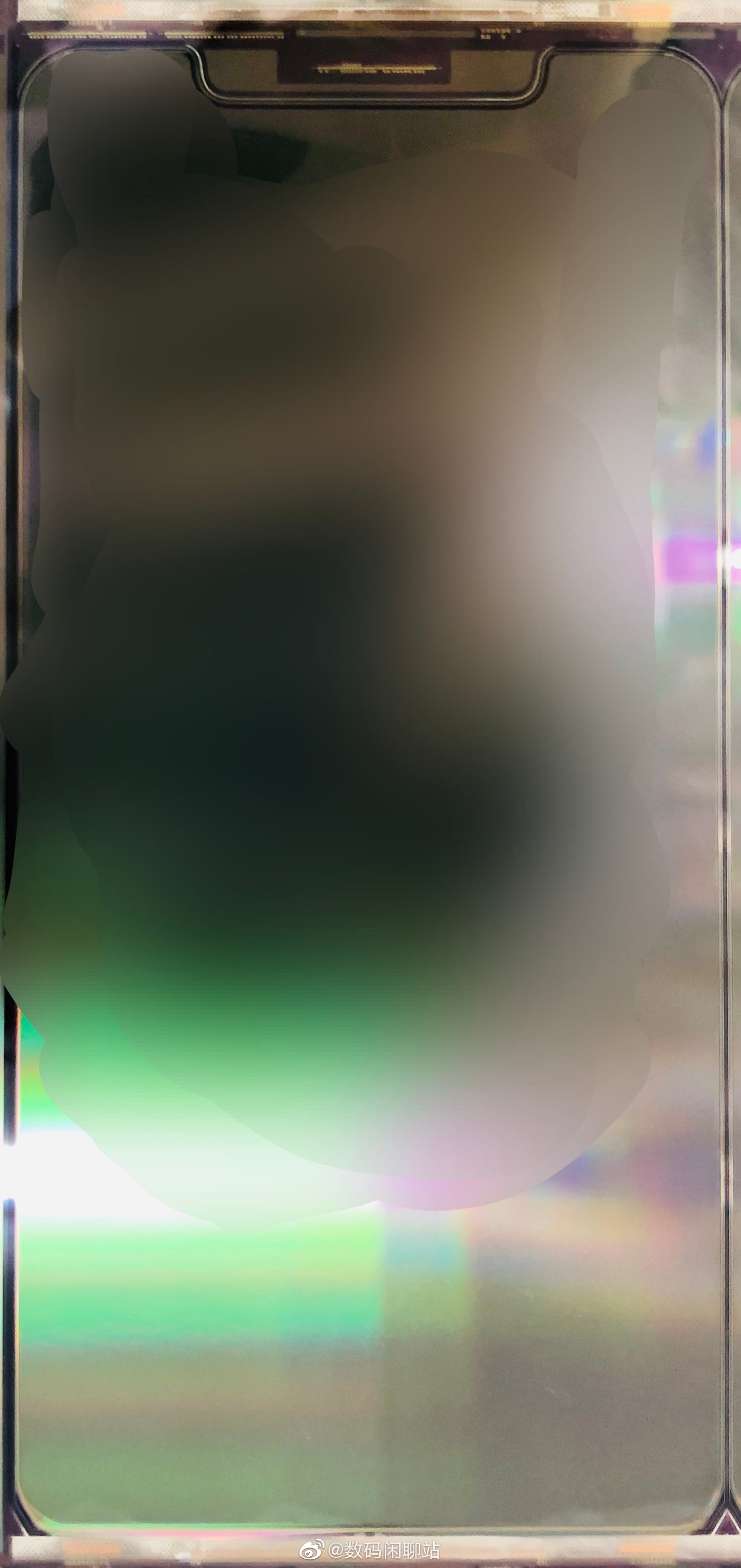
The iPhone 12 series is one of the most anticipated smartphones of H2 2020. Apple is expected to launch four models this year with different screen sizes. The cheapest amongst all is said to arrive with a smaller 5.4-inch display. Yesterday, purported images of this model’s display panels emerged on Chinese microblogging website Weibo.

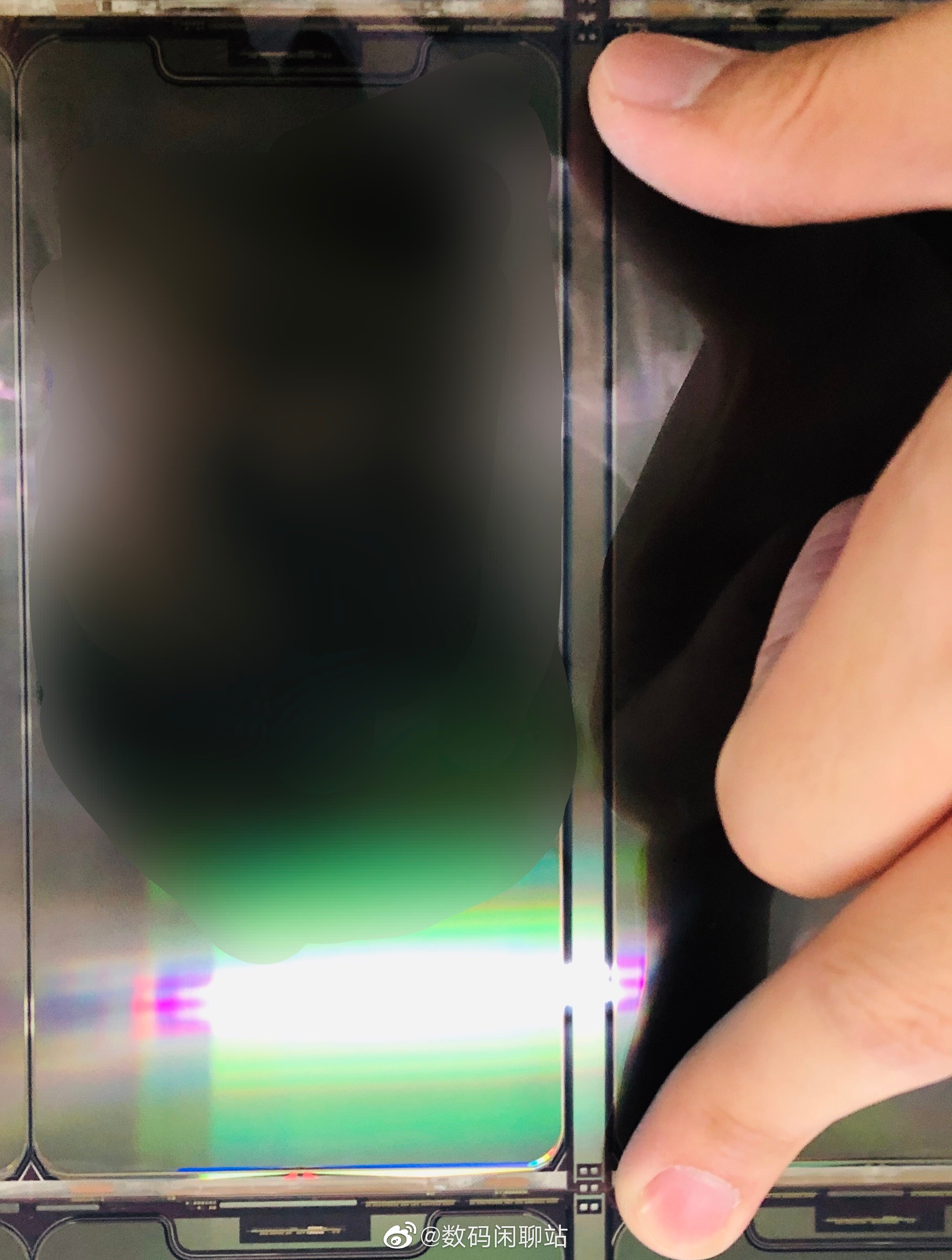
The alleged images of the 5.4-inch iPhone’s OLED display panels were shared by Digital Chat Station, a well-known Chinese tipster. The pictures depict rows of display panels from an assembly line.

We can notice the notch to be smaller than that of the iPhone 11. Also, the screen to body ratio kind of looks better. But as MacRumors points out, this could be due to the “pre-assembly appearance”.

According to previous reports and leaks, the 5.4-inch iPhone 12 is expected to come with a dual-camera setup. The secondary camera will be mostly an ultra-wide unit like the 2019 iPhone 11. It is said to be powered by a 5nm chip manufactured by TSMC (Taiwan Semiconductor Manufacturing Company).

Further, 5G connectivity on this handset will be limited to sub-6GHz. Most importantly, the phone is reported to ship without bundled charger and EarPods to reduce e-Waste and carbon footprint. Hence, we can expect the box to be slimmer and different than those of previous iPhones and smartphones from other companies.

Having said that, Apple is only expected to ship 15-20 million units of iPhone 12 series this year, a 50% lower count than the previous estimation. Also, it is said to release later than the usual timeframe.
 

Amazfit Bip S Lite launched in India priced at Rs. 3,799 (~$50)

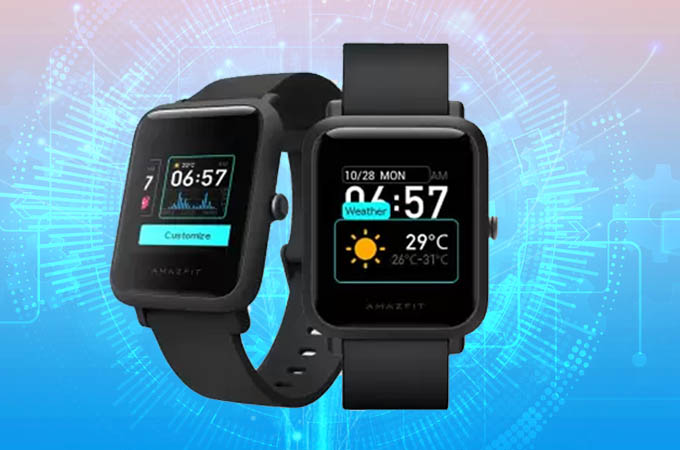
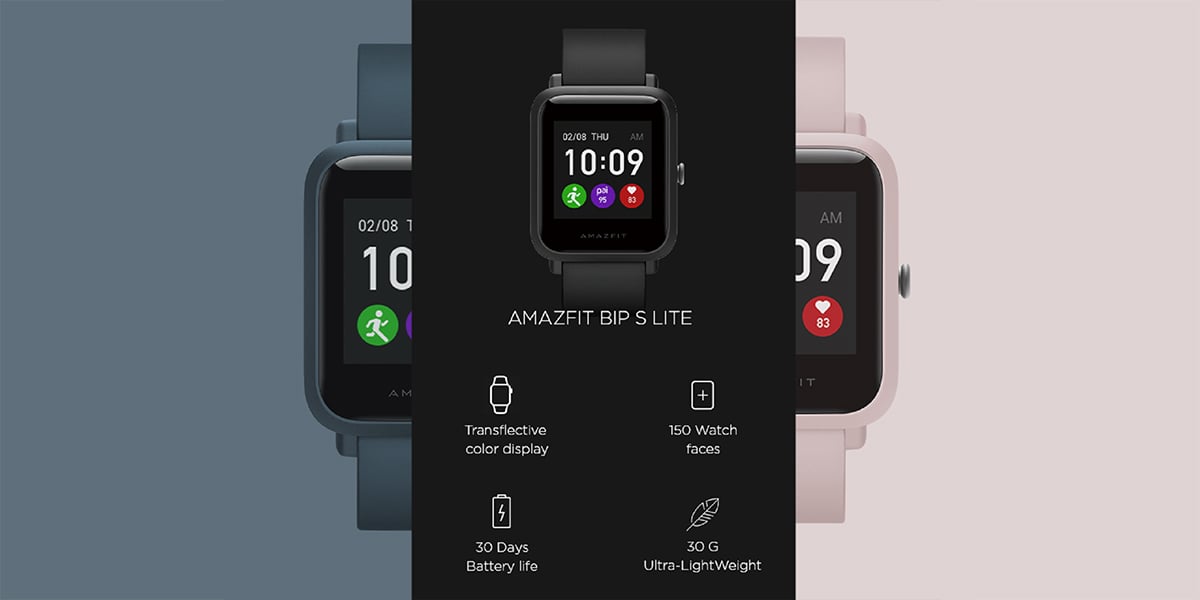
Chinese wearable devices manufacturer Huami has announced the Amazfit Bip S Lite in India. The smartwatch is a slightly more affordable version of the Amazfit Bip S which was first launched in India just last month. This model comes in at Rs. 3,799 (~$50) and in terms of the design, it also looks almost identical to the Bip S with a square dial and a single button on the right edge.Amazfit Bip S Lite

The Amazfit Bip S Lite features a 1.28-inch transflective colour TFT display just like the Bip S with a resolution of 176×176 pixels. The display is protected against scratches by a layer of Corning Gorilla Glass 3.Amazfit Bip S Lite

The smartwatch features a BioTracker PPG bio-tracking optical sensor and a 3-axis acceleration sensor which power the heart rate and activity tracking function. The 2-axis geomagnetic sensor found on the Amazfit Bip S is missing on the Bip S Lite, apparently to keep the price down. Further, the smartwatch comes with support for eight sports modes and the Huami-PAI health assessment feature which utilises data collected over the last seven days to show a PAI score.
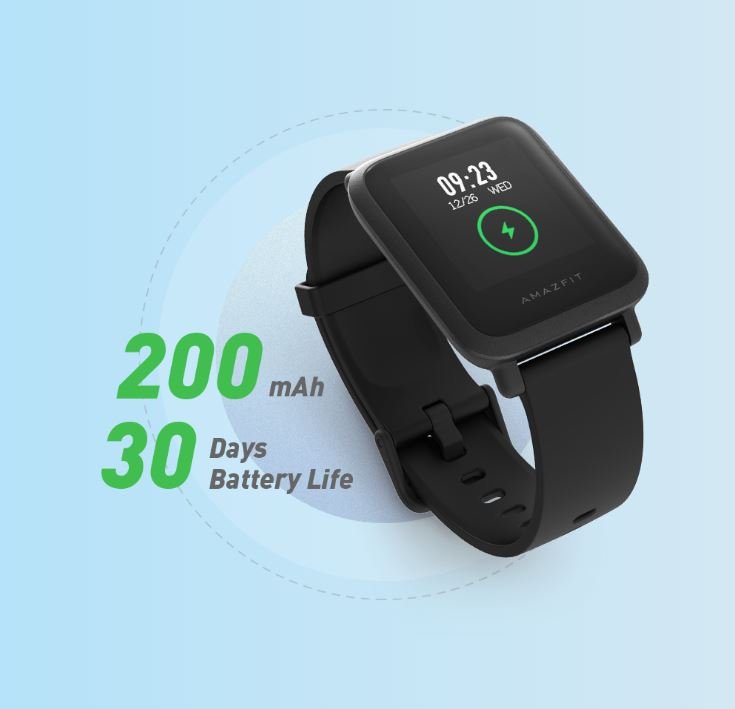
The Bip S Lite packs a 200mAh battery which the company claims can deliver up to 30-days of battery life on a single charge. The battery packs up to 90-days of battery life in standby mode. In addition, the watch packs Bluetooth 5.0/BLE and can connect with all Android devices running Android 5.0 or newer. For interface, it features over 40 watch faces and two custom widgets. Huami promised to add over 150 watch faces via OTA updates at a later date.
The Amazfit Bip S Lite will go on sale in India on July 29 via Flipkart and Amazfit’s website.  The smartwatch will be available in three colour options – Black, Blue, and Pink. Huami also disclosed that the next flash sale will hold on August 3 at 12 PM IST while the watch will be on open sale from August 5th.


Indian pricing for Galaxy Note20 series leaks and it is far from cheap

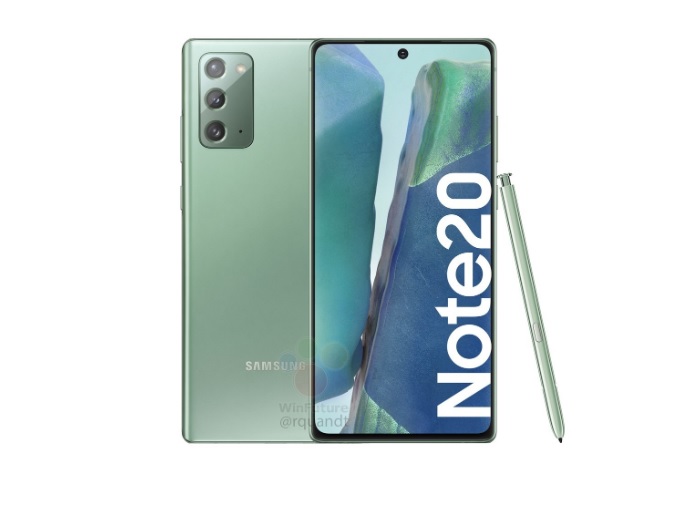
The Galaxy Note20 series launches in a week and while we already know what it will pack, the price for each model has been largely unknown. Now, a leaker has revealed the official retail prices for the phones in India.

Galaxy Note20

According to the leaker, SamChun (@Boby25846908), the Galaxy Note20 will sell for INR 77,999 (~$1042) while the Galaxy Note20 Ultra 5G will sell for INR 105,999 (~$1416). He claims that these are official prices and adds that the Galaxy Note20 coming to India is the 4G version. Unfortunately, he did not state the configuration of the phones.

No doubt these prices are high and more expensive than several of the phones India has gotten in recent months, but this is the Galaxy Note series we are talking about, and they are usually not cheap. Those who want a cheaper Galaxy Note will have to wait for the Galaxy Note20 Lite if there will be one.

The Galaxy Note20 has a 6.7-inch 2400 x 1080 display that is flat and has a 60Hz refresh rate. The Indian variant will be powered by the Exynos 990 processor and should have 8GB of RAM and 256GB of storage. For its cameras, the phone will pack triple sensors in a 12MP + 12MP + 64MP configuration. Other features are Bluetooth 5, Wi-Fi 6, IP68 rating, stereo speakers, dual-SIM support, and a 4300mAh battery.


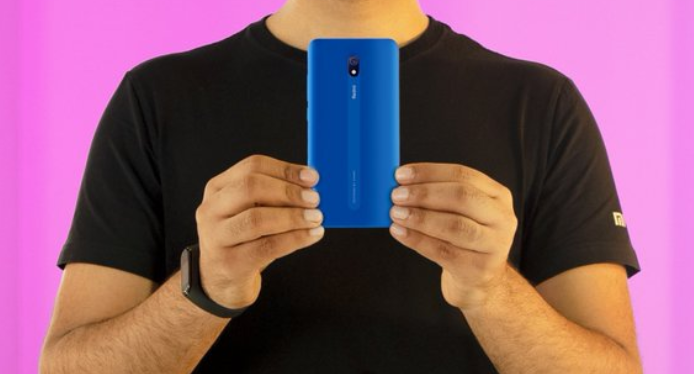
Redmi 8A Android 10 stable update is live in China

Xiaomi has been rolling out Android 10 stable update to its budget Redmi smartphones since last month starting with Redmi 7A. The whole Redmi 7 series including Redmi Note 7 Pro, Redmi 7, and, Redmi Note 7 got the update. Later, the company started seeding out Android 10 to Redmi 8. Followed by that, Redmi 8A has now begun to get a similar treatment.

The Redmi 8A is the third device in the Redmi 8 series to get Android 10 update after Redmi Note 8 Pro and Redmi 8. Like previous rollouts, the update is initially limited to the Chinese version of the handset.

The Android 10 stable update for Redmi 8A comes with build number V11.0.2.0.QCPCNXM and July 2020 security patch. We can expect similar build for other regional variants of the handset. 

Further, this could be the only Android update for this phone, however, it is eligible for MIUI 12, which may roll out sometime later in August or September.

Having said that, Xiaomi’s one of the best-selling smartphones worldwide, the Redmi Note 8 is yet to receive Android 10 update and so is the Redmi 8A Dual aka Redmi 8A Pro.

We expect either of these two above-mentioned devices to be next in line to get Android 10 stable update.


(Via)

Vivo patents a new smartband with a Curved Display

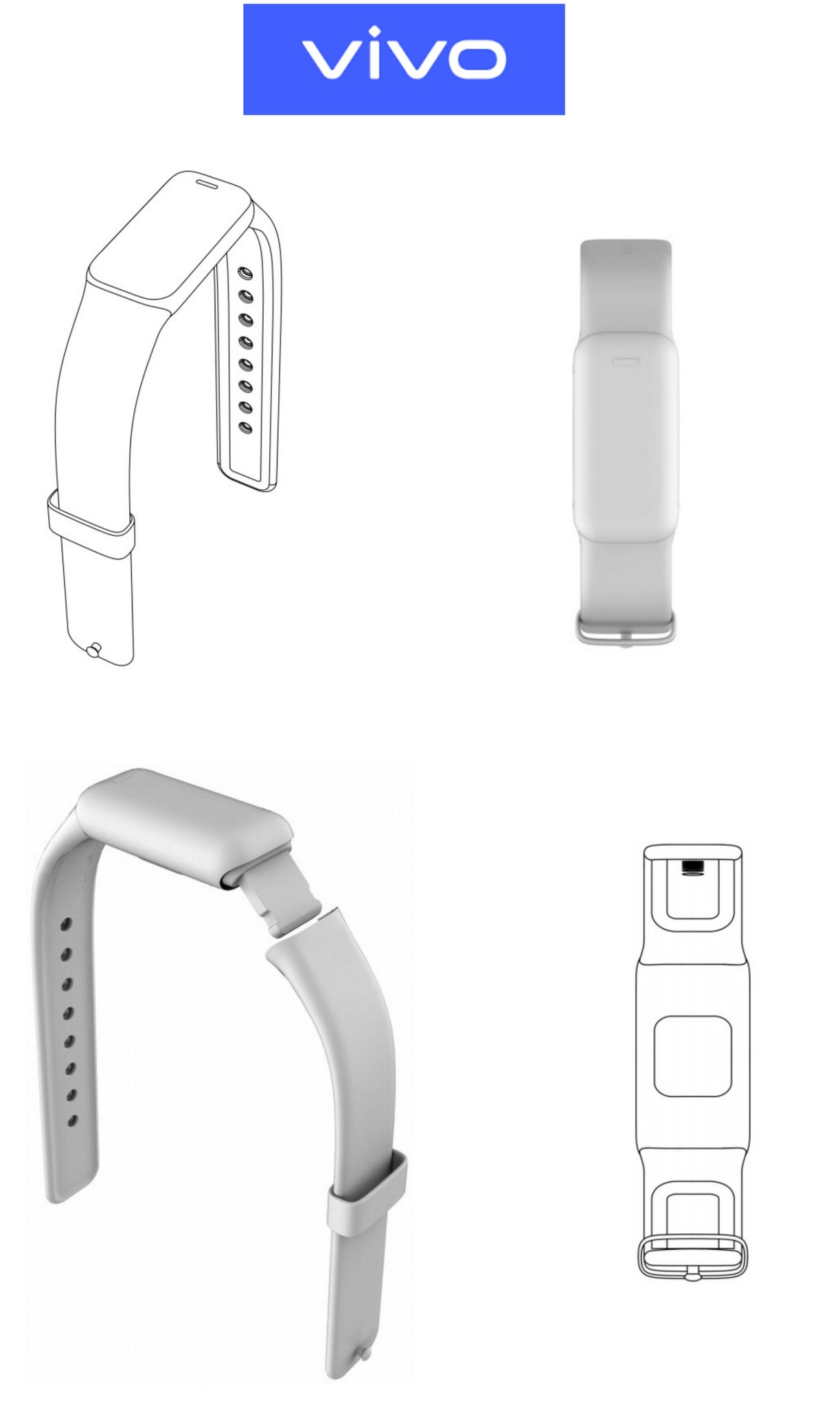
Vivo has recently patented a new smart band. Although, what sets this wearable apart from the company’s previous offerings is the inclusion of a curved display along with a heart rate sensor.

Vivo

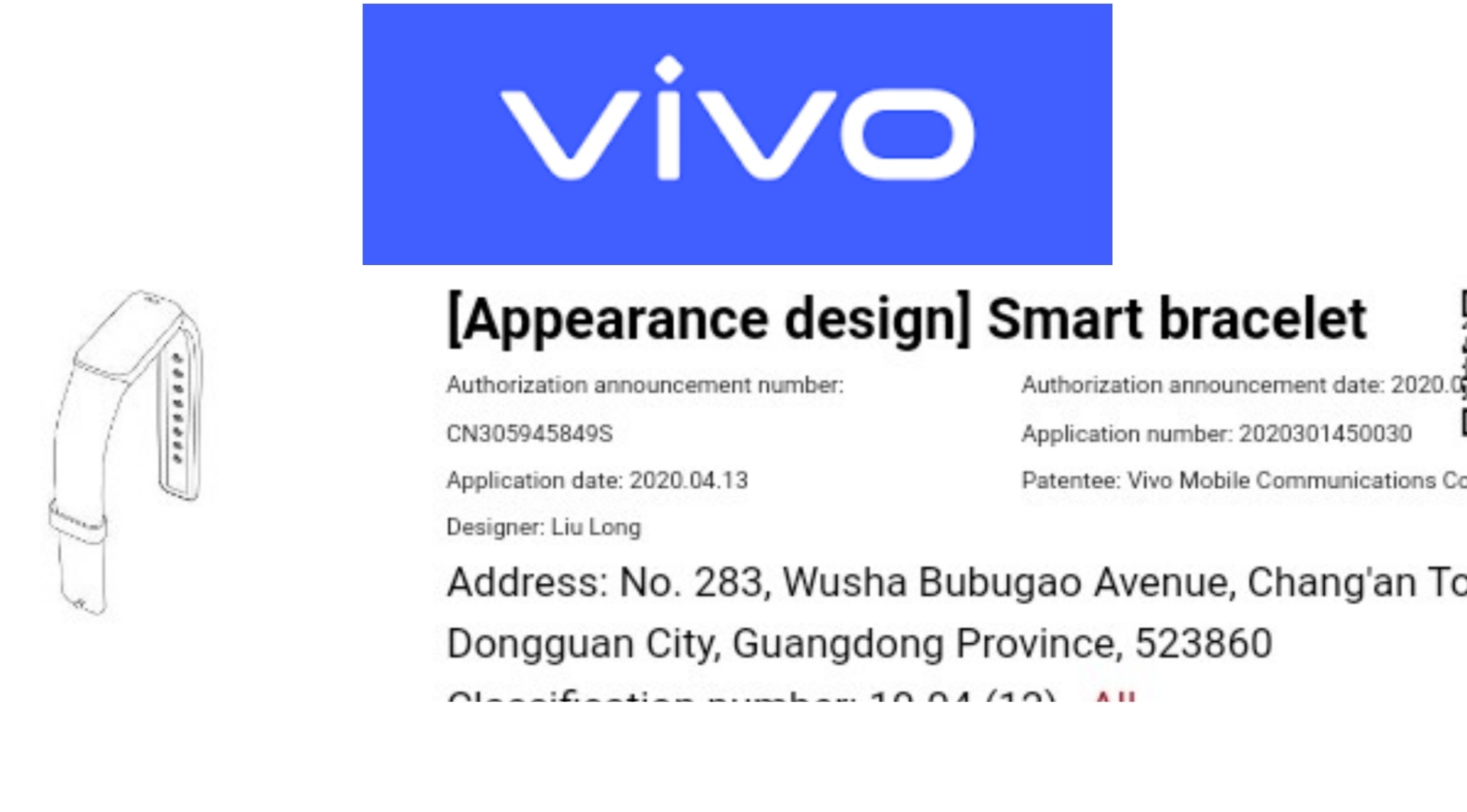
According to a new patent that surfaced on the CNIPA database (China’s Intellectual Property Administration) earlier today (28th July 2020), Vivo is possibly working on an interesting wearable gadget. Looking at the patent images, the new Vivo smart band resembles similar offerings from both Xiaomi and Realme. Although, the dial differs slightly with rounded corners on a rectangular frame.

The top of the device also appears to have a cutout for a speaker, while the display is curved over the edges. This might be a new entry in the fitness band category from the Chinese tech giant. However, it is still too soon to tell, and finer details are unavailable at the moment. The patent doesn’t reveal any specifications either, nor is the exact touch surface made known in the images.

Vivo

Moving to the straps, they follow a conventional design, but with one notable inclusion. One strap arm detaches to unveil the charger strip hidden underneath it to charge the device. This would be a welcomed addition since it would eliminate the hassle to carry an additional USB charger cable. The feature was also seen in the Realme Smart Band, so it seems inspiration was drawn from the product.


Flipkart Quick launched, a 90 minute local delivery service for over 2,000 products

Earlier today (28th July 2020), Flipkart launched its new local 90 minute delivery service in India. The new service is dubbed as Flipkart Quick, which will have users receiving over 2,000 products in categories including, grocery, dairy, meat, and stationery items.

Flipkart

The new delivery will debut in Bengaluru and it will be expanded to six other cities over the course of the next few months. This will also tie in with the company’s Supermart store, which specifically sells groceries. Through Flipkart Quick, customers can order certain items, with a minimum delivery fee of 29 INR (roughly 39 US Cents).

The orders will then be delivered between 6 am to midnight on the day of the order. Furthermore, the online store will also offer the option to choose between the 90 minutes delivery option or book delivery within the next two hours as per their convenience. According to Flipkart, the new service is being introduced to digitalize the local general and grocery stores within the country.

Flipkart Logo

At the moment, it is available in Bengaluru regions like Whitefield, Panathur, HSR Layout, BTM Layout, Banashankari, KR Puram, and Indiranagar. Flipkart Vice President, Sandeep Karwa stated that “While we start with our dark store (no-walkin) model, wherein we enable sellers to store inventory close to the consumer; this model has the potential of encouraging local entrepreneurship and enabling new business strategies and partnerships.”


Huawei dominates China with nearly half of the smartphone market share

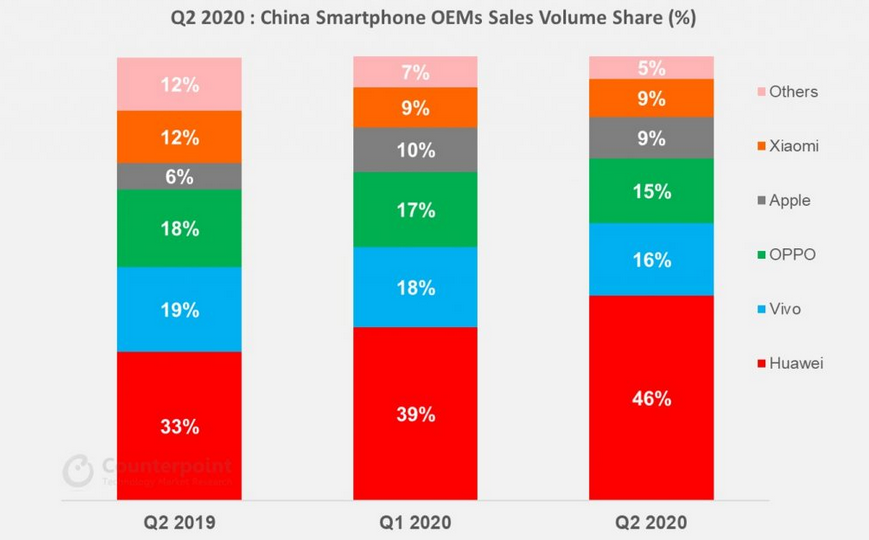
Huawei is dominating the Chinese smartphone market. The company currently has a hold of nearly half of the smartphone market share in the region and is one of the leaders in the 5G market as well.

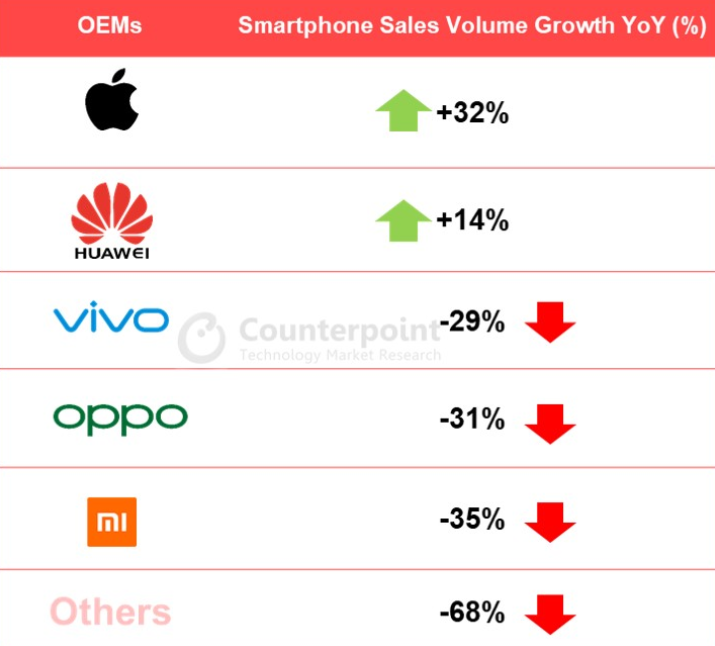
According to a new report by Counterpoint, the Chinese tech giant accounts for 46 percent of all smartphone sales in China. This amounts to more than the market share of its rivals including Oppo, Vivo, and Xiaomi combined. It also marks the highest market share held by Huawei in its entire history in China, with sales being 14 percent higher than the same period back in 2019.

Huawei

Notably, the news arrives during the time where Huawei’s products have been criticized and shunned in various western countries. Furthermore, the company’s international sales have declined sharply as well. However, Huawei has invested heavily in its home country where it is still growing strong despite the ongoing coronavirus pandemic and scrutiny.

This also arrives after the company lost TSMC as its chip supplier due to US sanctions. In China, the smartphone market has declined by a total of 17 percent, with competitors like Vivo losing 29 percent market share, Oppo witnessing a 31 percent decline, and Xiaomi falling by 35 percent in the same period. The decline is also primarily due to the viral outbreak, although, the situation is better than in early 2020.

Huawei

One of the segments where Huawei dominates is the 5G handset market. The company has a foothold of about 60 percent for 5G devices in China, where the most number of 5G enabled smartphones are sold. Interestingly, one in every three smartphones sold in China was 5G ready. Similar to Huawei, even Apple made great strides in this period, with its growth being even higher than the Chinese brand, reaching a 32 percent rise year on year.


Xiaomi is working on “Back Tap” gesture for MIUI 12

Smartphones grew bigger every year and with the introduction of bezel-less long displays, gesture navigation became a norm. Although the 2017 iPhone X popularised it, these gestures date back to Palme Pre from 2009. Now, as iOS and Android have become a matured operating system, new releases mostly bring subtle changes. 

Xiaomi MIUI 12 Back Tap Gesture Featured

But lately, Google and Apple have been working more on accessibility features. Recently, Apple introduced back tap gestures in iOS 14 and even Google has been working on a similar feature. Joining the bandwagon, Xiaomi is too developing gestures called “Back Tap” in MIUI 12.

Ever since Xiaomi announced MIUI 12, it has been continuously seeding weekly beta releases to supported devices in China. These builds contain new features, which later make their way to the stable channel after feedback from users.

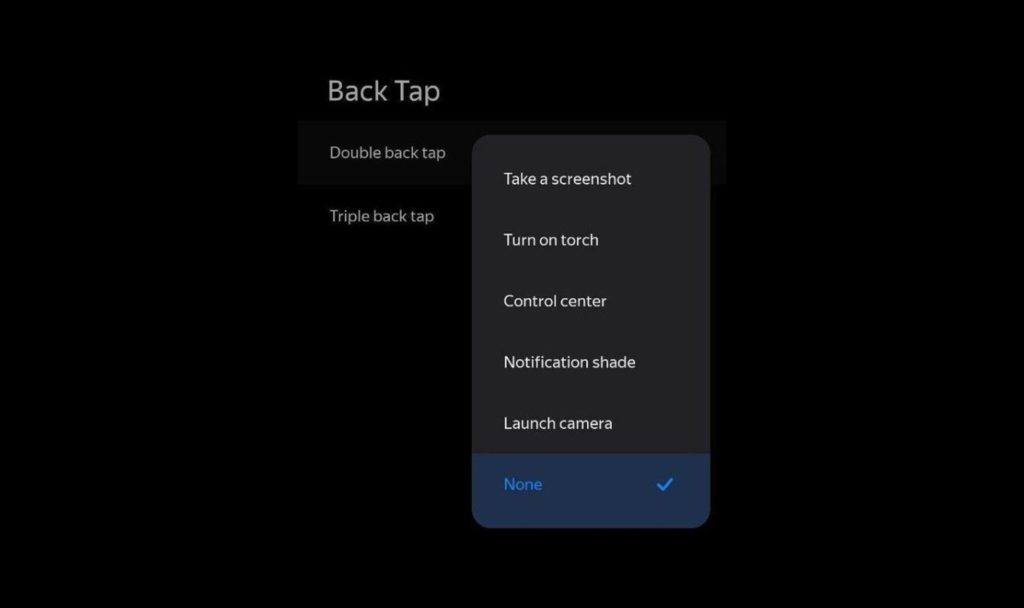
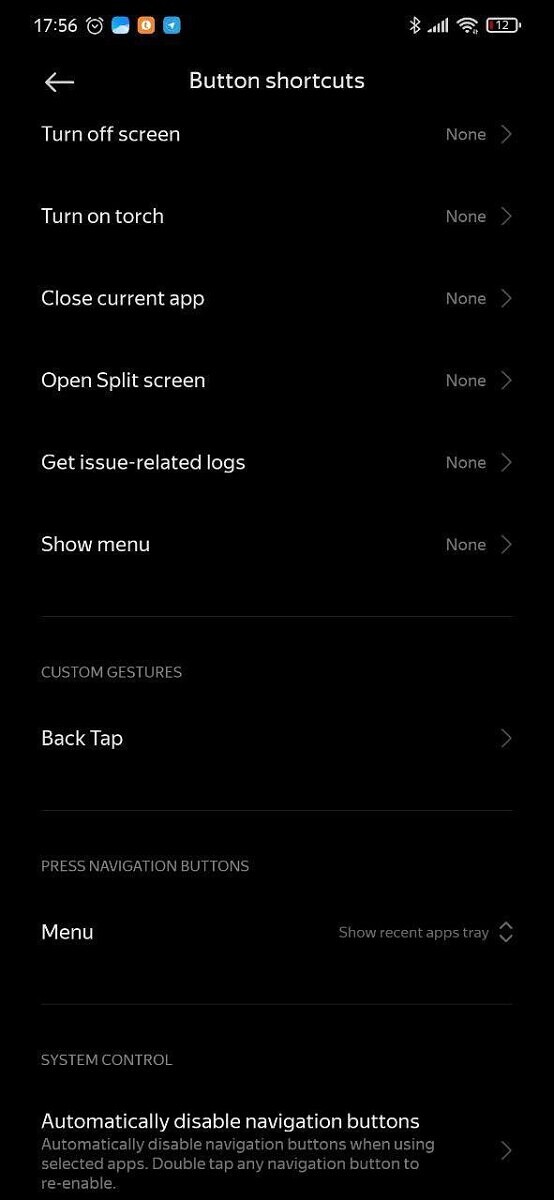
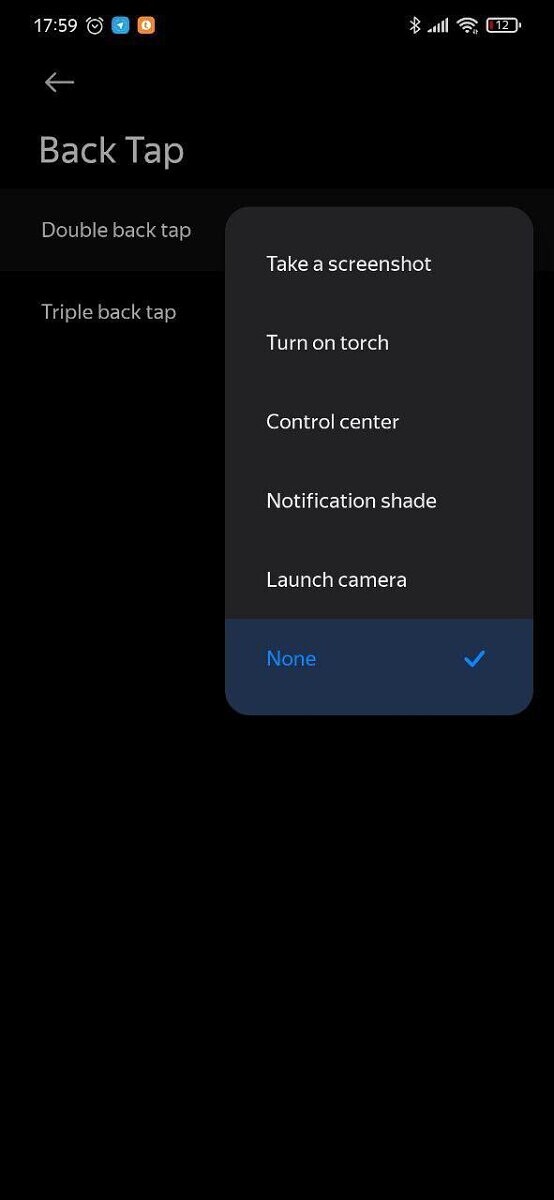
According to findings by XDA Senior Member kacskrz in the latest MIUI 12 beta build, the company seems to be working on back tap gestures identical to iOS 14. The developer tried to enable them in settings but it doesn’t work as of now, at least on his Redmi Note 7.

Currently, it offers five actions to choose from by either double-tap or triple-tap and they are as listed below.

  • Take a screenshot
  • Turn on torch
  • Control center
  • Notification shade
  • Launch camera

Maybe, when this feature goes live for all users, Xiaomi may add more options like launch a specific application or trigger Google Assistant.

Apart from this, the Chinese smartphone maker is also working on the following features for its MIUI 12 Android skin.


Intel faces lawsuit over the delay of its 7nm chips

Intel recently announced another delay in its plans for launching its first 7nm chips. The chipmaker giant faced issues with the process nodes and had to delay the launch by 6 months, which has now caused the company to face a lawsuit.

Despite Intel’s revenue being up by 20 percent in its Q2 2020 financial report, the company had to delay its 7nm process by another 6 months. This is quite the news as its primary competitor, AMD, is already a year ahead in the same category. This also caused a sharp decline in Intel’s share prices while AMD saw a stock jump, getting ahead of its rival for the first time in 15 years.

Intel

Although the bad news didn’t end there as earlier this month, the Hagen Berman law firm put out a call to several Intel investors that have suffered heavily. According to a report from TechSpot, the law firm hinted at a possible class action lawsuit against the chipmaker, and also seek to start an investigation into an alleged security fraud as well.

Hagens Berman stated that on multiple occasions Intel assured of the 2021 launch of its 7nm chips and has misled its investors. However, a defect mode caused the yields to degrade overtime for its 7nm process. This has led the company to invest in a contingency plan which will have Intel use 3rd party foundries, with chips hitting the market only by 2022.

Intel

At the moment, the law firm is investigating, whether the company has misrepresented and concealed manufacturing and performance issues regarding its 7nm chips. Furthermore, it is also trying to reach out to whistleblowers with sensitive information regarding the matter saying, “Under the new program, whistleblowers who provide original information may receive rewards totaling up to 30 percent of any successful recovery made by the SEC.”


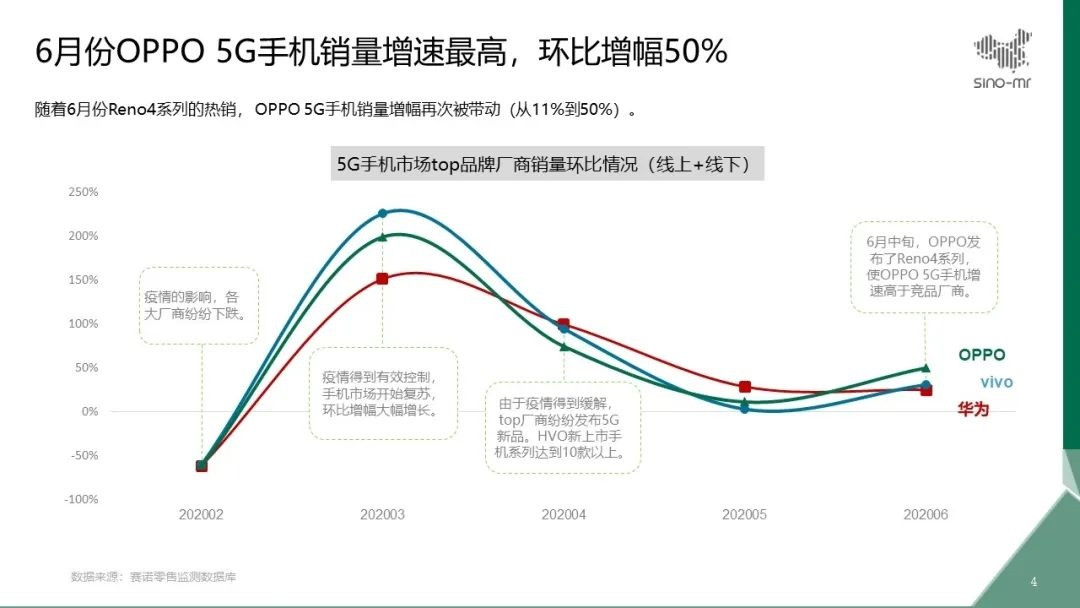
Oppo Reno4 series sees healthy sales, company’s 5G handset sales grows by 50% in June

With 5G networking being more widely adopted, smartphones that take advantage of the newer and faster bandwidth have become increasingly more popular. Now, a new report from ITHome reveals that the Oppo Reno4 series is seeing good sales, with the company’s overall 5G handset sales growing by 50 percent month on month in June 2020.

Oppo

At the moment, top smartphone brands are fighting to capture a better footing in the emerging 5G handset market in the region. Back in June 2020, Oppo launches its Reno4 series that offered the newer and faster bandwidth along with great performance with a price of around 3,000 Yuan (roughly 428 US Dollars). Since its launch, market analysts and research has revealed interesting new data regarding the market.

Despite the overall smartphone sales being affected by ongoing Coronavirus pandemic, the 5G smartphone market has exceeded expectations. The annual sales volume of 5G enabled devices is expected to hit 150 million units, up from 120 million units from last year. In June, the launch of the Reno4 series helped boost Oppo’s 5G smartphone sales, with an increase of 50 percent month on month when compared to May.

Oppo

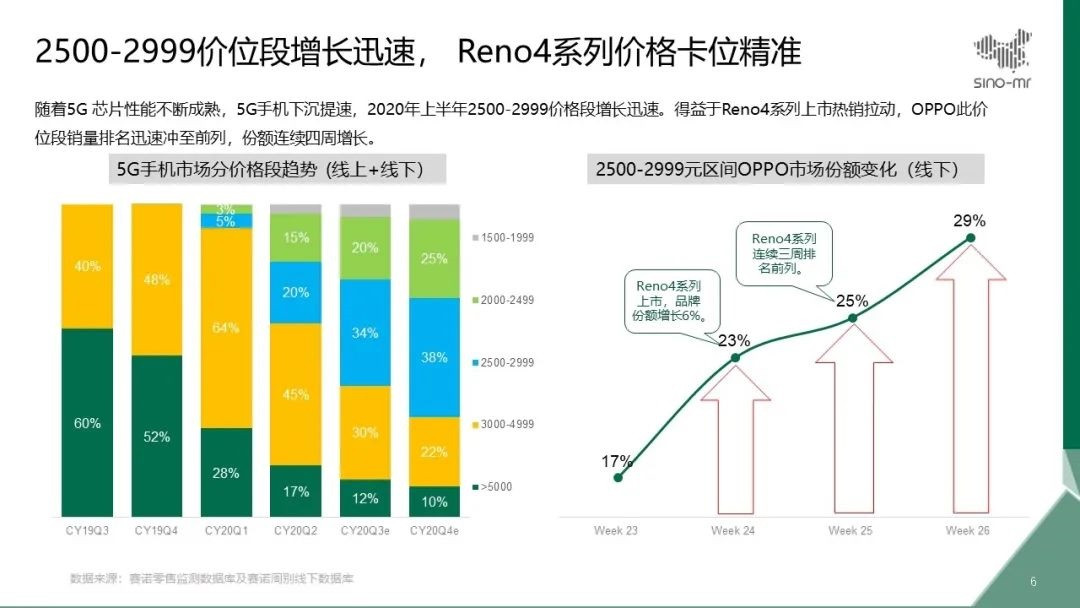
The market analysis also revealed that the sub 2,500-2,999 Yuan (roughly 356 to 428 US Dollars) is by far the most popular price point at which customers tend to buy 5G smartphones. Hence, the Reno4 series with its sub 3,000 Yuan price point fits perfectly with the market demand and price to performance value. Furthermore, this even led to Oppo witnessing four consecutive weeks of sales growth.


OPPO Find X2/X2 Pro receive GPU driver update in China

Qualcomm introduced support for updateable GPU drivers for its flagship Snapdragon 865/865+ and mid-range Snapdragon 765/765G chipsets. Xiaomi was the first company to deliver an update to the Adreno 650 GPU present in its Mi 10/Mi 10 Pro and Redmi K30 Pro/K30 Pro Zoom Edition. Now, Oppo becomes the second OEM to join this bandwagon by updating its Find X2/Find X2 Pro.

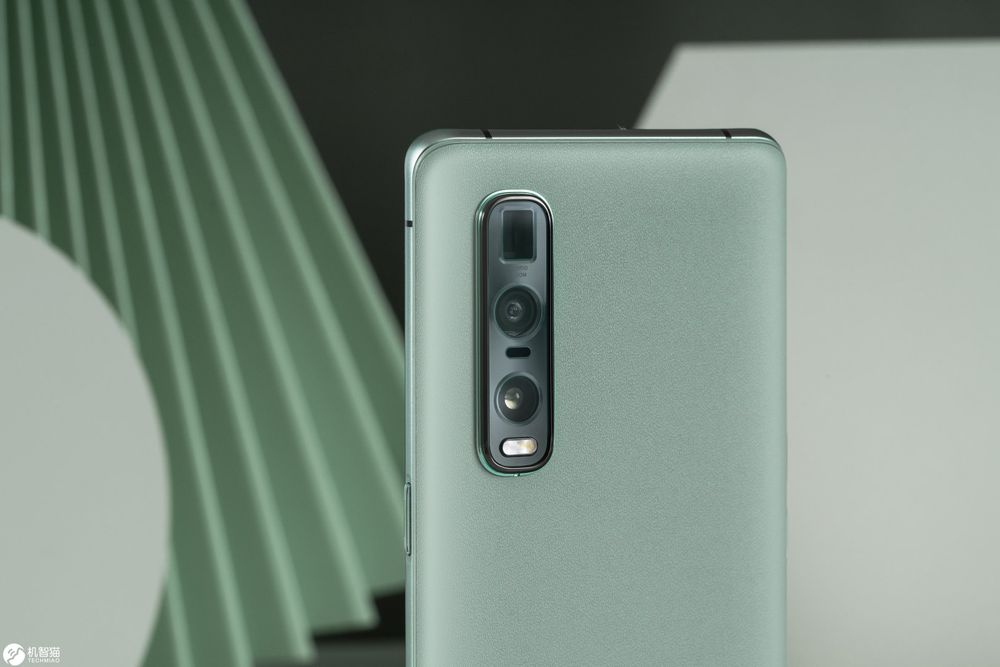
OPPO Find X2 Pro Bamboo Green

The GPU driver update for Oppo Find X2/Find X2 Pro is currently limited to the Chinese variant of the devices. The update is available as an app in the company’s official app store. Merely, installing this app will update the GPU driver.

Unfortunately, installing the same APK on the international version of these handsets does not increment OpenGL version as per XDA Developers. Hopefully, the company soon releases a separate app for the global version of the Find X2 series on the Google Play Store.

It is worth noting that even Xiaomi is yet to make the GPU update available for the global variants of Mi 10/Mi 10 Pro and POCO F2 Pro.

Updateable GPU drivers enable quick delivery of new features of OpenGL or Vulkan API to users via the official app store present on the supported smartphones. After Qualcomm, even ARM announced support for it in late June.


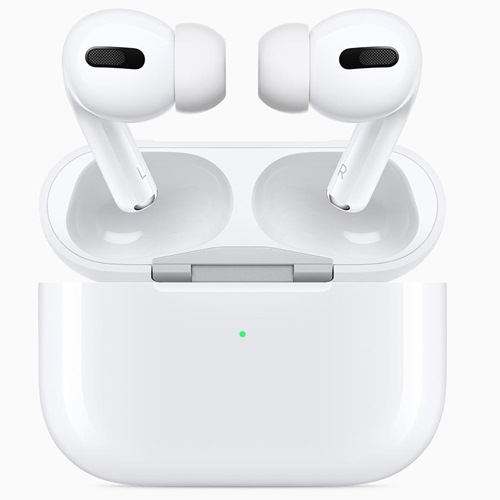
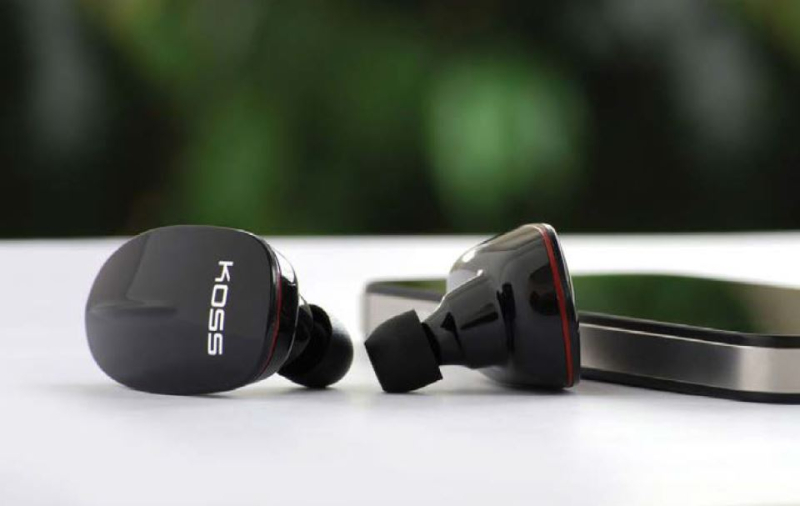
Apple is being sued by Koss for infringing on wireless headphone technology

Koss, the known headphones maker, is suing Apple for a number of patent infringements regarding its wireless headphones technology. The former has accused the Cupertino based giant on infringing on 5 of its patents, regarding wireless headphones and their operation.

Apple AirPods 3

According to a report from PatentlyApple, Koss has met up with Apple four times to discuss the allegations. Although, the latter has yet to admit to the infringement. The lawsuit against Apple might not be the only one, as Koss hinted at other possible firms that have infringed on its technology as well. The lawsuit reads “Apple and others are reaping enormous benefits due to John C. Koss’s vision, and Koss Corporation’s commitment to that vision, for more than six decades.”

Koss is suing Apple mainly around its Striva range of headphones. Apparently, the “whole listening ecosystems having been built around the techniques Koss conceived of over a decade ago.” Meaning, Apple saw great success in the hearables market at the expense of Koss and its technology. The company said that “Apple is liable to Koss in an amount that compensates it for such infringement, which by law cannot be less than a reasonable royalty.”

Apple

Koss met up with the smartphone giant four times over the course of over two and a half years period, including multiple email exchanges. The hearables brand also “provided Apple with claim charts identifying how Apple infringed certain of Koss’s patents, including each of the Patents-in-Suit.” Unfortunately, Apple has yet to make a public statement regarding the matter. So stay tuned for more updates.


Smartphone shipments from Chinese brands could see double-digit decline in 2H20

The COVID-19 pandemic has already disrupted the economy and the businesses are struggling to survive. While smartphone brands are not in the struggling stage, they are looking at a massive dip in sales, and thus, revenue.

According to the research by DigiTimes, the Chinese smartphone brands could witness a double-digit decline in the second half of this year. The reason being attributed is that the demand in the local market hasn’t fully recovered yet.

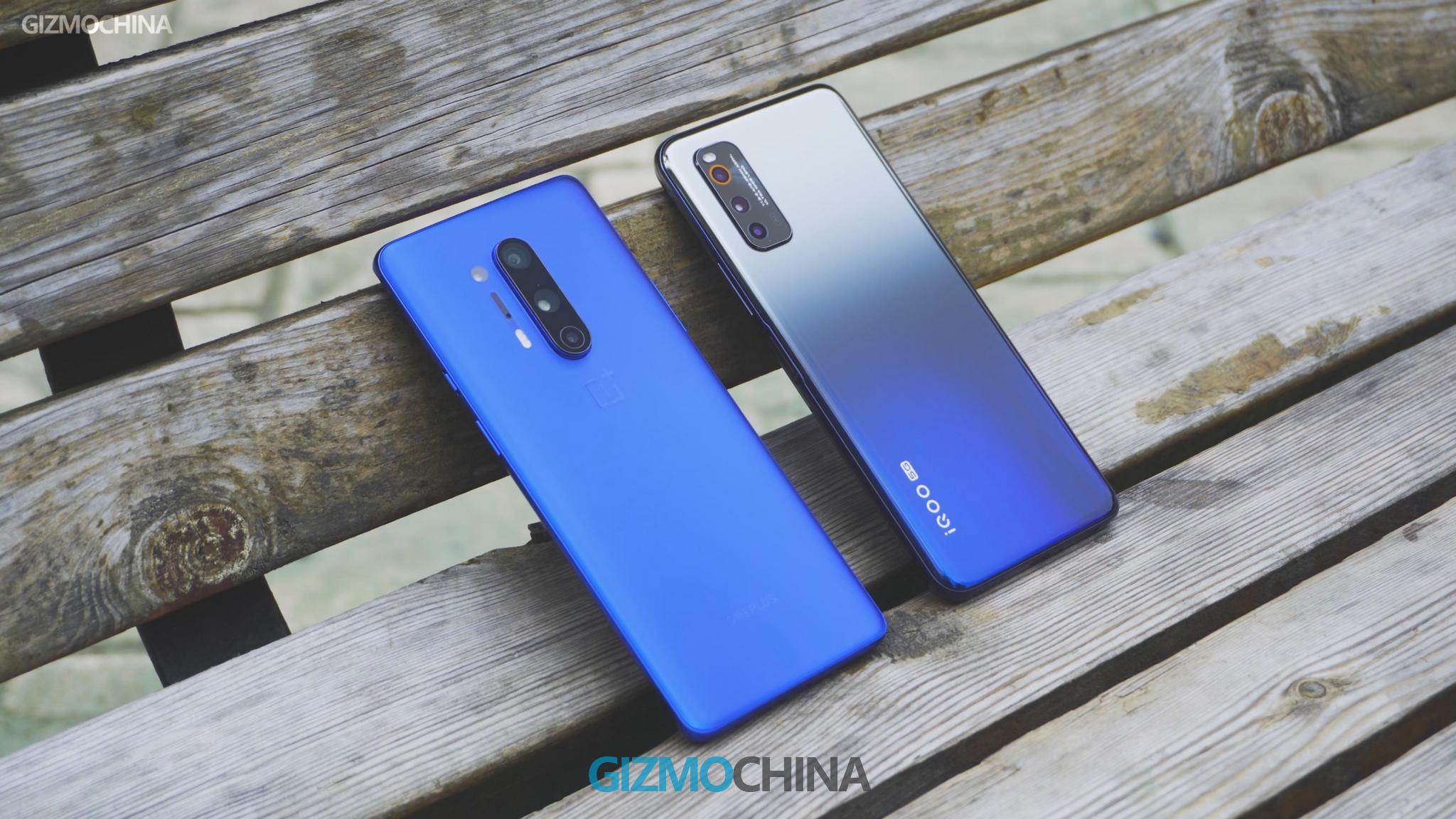
OnePlus 8 Pro vs iQOO Neo 3 featured (27)
OnePlus 8 Pro (Left) and iQOO Neo 3 (Right)

Another reason behind the decline of Chinese smartphone shipment is that the export of shipments has still been restricted in some overseas markets as the COVID-19 pandemic isn’t under control yet.

The report adds that compared to Q1 2020, China’s smartphone shipments grew 43.3 percent to 157 million units in Q2 2020. However, the figures are still down by 15.2 percent when compared to the same period in the previous year.

With exports being limited, smartphone brands in China were forced to focus on the domestic market. As a result, Huawei, OPPO, Vivo, and Xiaomi account for 82.3 percent of China’s smartphone shipments in Q2 2020.

EDITOR’S PICK: iQOO confirmed to showcase its flagship smartphone with 120W charging technology support at ChinaJoy

Although almost smartphone brands witnessed a decline in shipments compared to the previous year, Huawei is the only company to register a 2.1 percent growth in the second quarter. Xiaomi, on the other hand, saw a massive 27.1 percent decline because of the setback in overseas shipments.

To boost smartphone sales, companies are now looking to bring it new technologies at an affordable price point, including 5G, super-fast charging, among others. Despite that, the companies won’t see much growth because of the sluggish market.

It’s not just the Chinese market that is facing the issue. India, which is the world’s second-largest smartphone market, witnessed a 48 percent year-on-year decline in the second quarter of this year.


Xiaomi patents a Smartphone with built in Wireless earphones

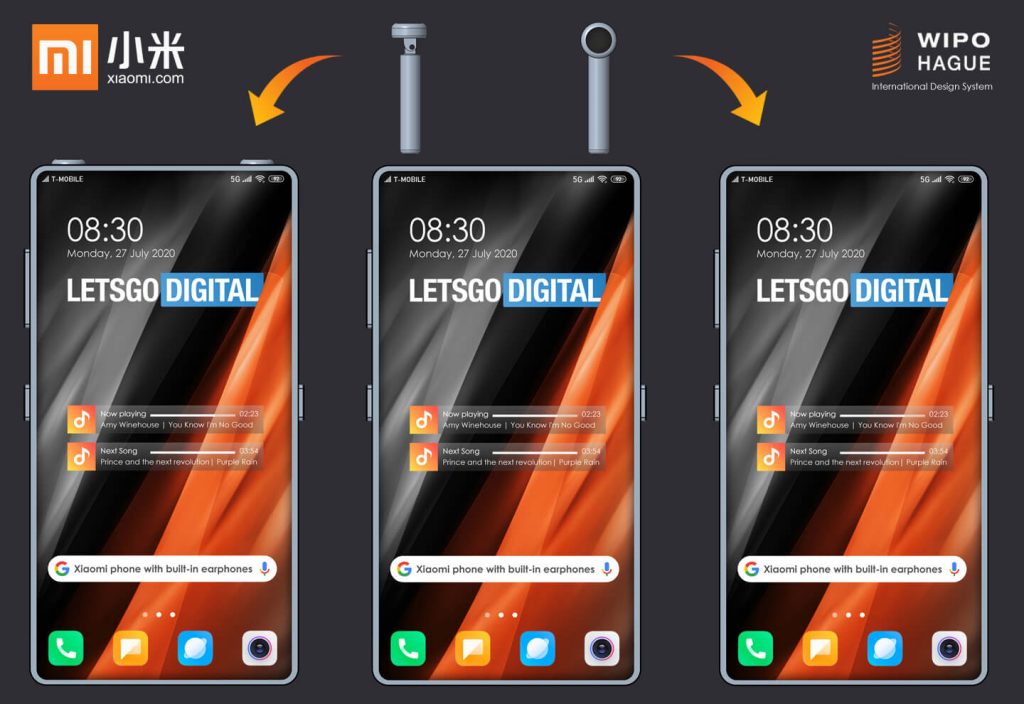
Xiaomi has always been keen on experimenting with design and upcoming technology. The Mi Mix Alpha Concept smartphone is a great example of its innovative philosophy and, now, a new patent has revealed a unique smartphone that arrives with a built in wireless headset.

Xiaomi

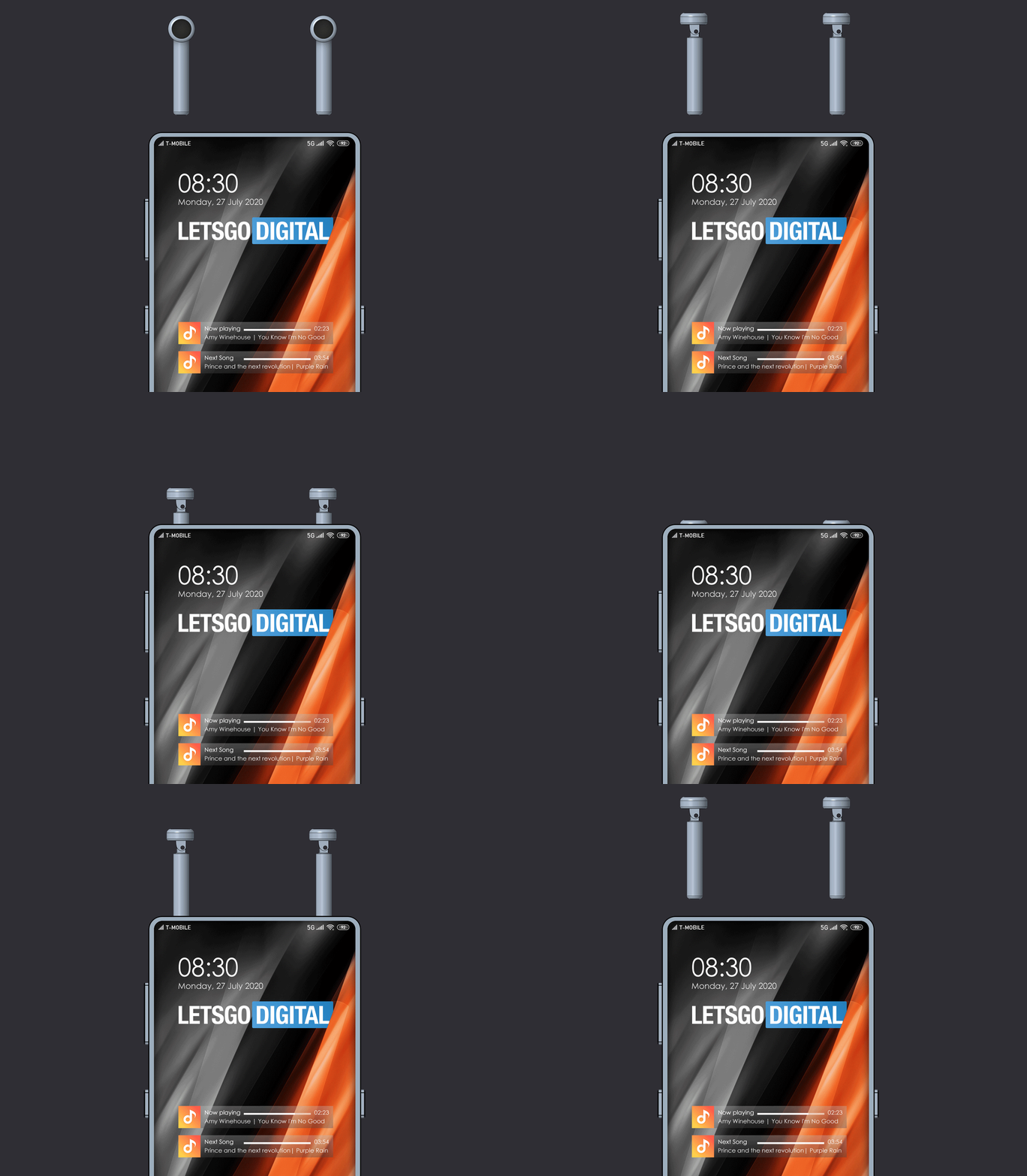
According to a report from LetsGoDigital, Xiaomi applied for the patent with the WIPO (World Intellectual Property Office) which was published on 24th July 2020. In the patent, the aspect that stood out the most regarding the smartphone is undoubtedly the two earbuds that are housed on the top of the device. Similar to a stylus, the wireless earphones are housed within the smartphone’s body and can be pulled out for use and stored back in with ease. This would eliminate the need for carrying an additional charging case.

Even the earphones are unique, with the heads of the hearables being able to bend. In other words, when not in use, they face upwards to be stored and bend to the side to fit the users’ ears. Furthermore, the earphones can also be kept slights out of their handset’s housing to have it act as a speaker for calls. Looking at the wireless headsets, these also bear a resemblance to the Xiaomi Mi True Wireless earphones. The smartphone in the patent doesn’t particularly stand out, but it does feature a full screen body on the front with minimal bezels.

Xiaomi

Unfortunately, while this design seems quite useful and appealing on paper, it might have certain negative impacts on the device itself, like water resistance or additional battery drain. Although, it is also unknown whether the Chinese tech giant would make such a device, or if it’s just covering all bases at the moment. So, let us know in the comments section down below if you’d like Xiaomi to launch this device.