Advertisement

Download scheduler may soon come to Google Chrome for Android

Google Chrome is the most popular browser on Android smartphones as it comes pre-installed. However, it lacks some of the useful features that are found on other browsers. Thankfully, Google seems to soon add one of the most requested functionalities – a better download manager.
Google Chrome Android Download Scheduler

For years, Google Chrome on Android has only had few options for downloads such as location to save downloads, pause/resume, and downloads in progress/completed. Finally, it is going to change soon according to a finding by Techdows (via XDA Developers)

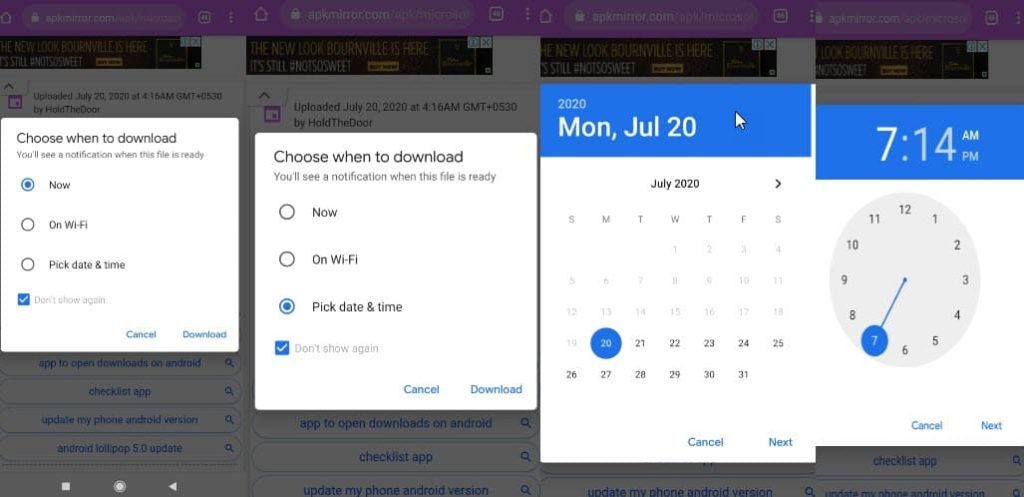
In the latest Chrome Canary 86 for Android, Google has introduced a new flag for “Enable download later”. Unfortunately, it seems to not work all the time as the feature is still in development.

Anyway, when it works, Chrome will prompt when you download a file with a dialog of three options – “Now”, “On WiFi”, and “Pick date & time” with “Don’t show again” checkbox to set preference. Selecting the last option will let you schedule your downloads just like any downloader app.

That said, it is not sure when this feature will make it to the stable channel. Hopefully, it does soon as it is definitely a welcome addition to the most used browser on Android.


Lenovo Legion gaming phone to flaunt dual X-axis linear motors

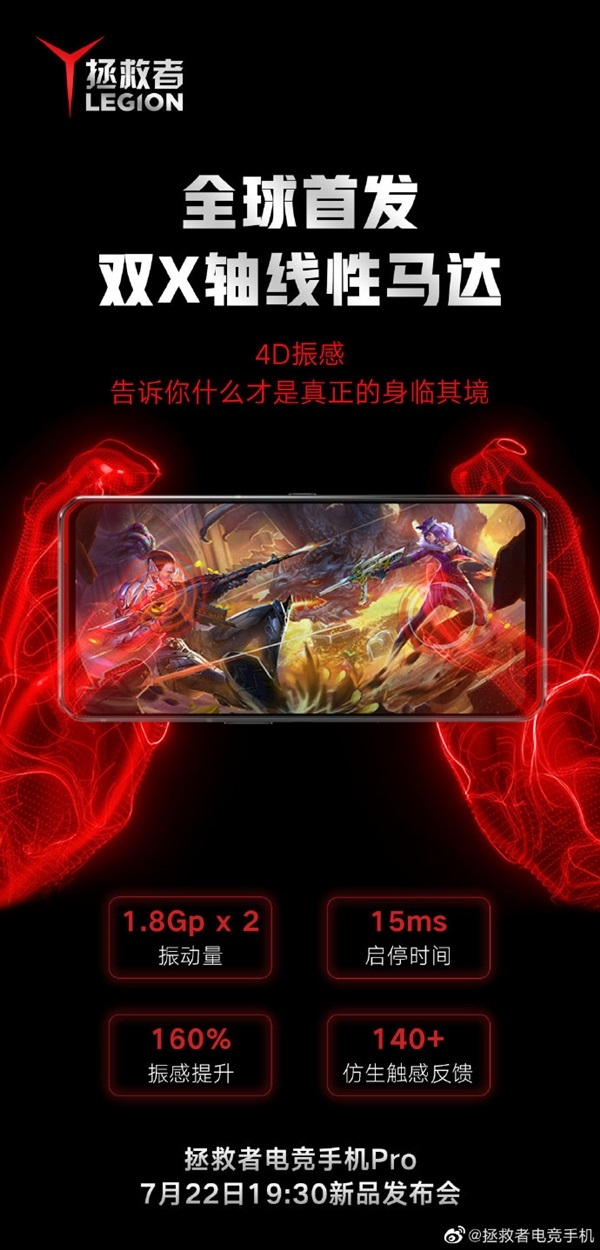
Lenovo is gearing up to take the veil off its brand new gaming smartphone, dubbed the Lenovo Legion gaming phone. The device will take the crown of the world’s first smartphone to be powered by Qualcomm’s newly unveiled Snapdragon 865+ processor and will launch on July 22. Right ahead of the official launch, Lenovo has posted a new promotional poster for the Lenovo Legion gaming phone on Weibo, which confirms that the device will sport dual X-axis linear motors. Take a look at what we know about the Lenovo Legion gaming phone so far and what it has in store for us.

lenovo legion gaming phone dual x-axis linear motor mechanism

As seen in the promotional poster, the Lenovo Legion gaming phone will make room for an industry-first dual X-axis linear motor technology. As per the hardware architect of Lenovo’s Legion arm, Lenovo has managed to implement all haptic calls of the dual X-axis linear motors from the application layer to the hardware layer, and also defined such an API interface.

Editor’s Pick: Lenovo Legion Gaming Phone’s 5,000mAh battery charges in just 30 minutes courtesy of 90W fast charging

Coming to the rest of the specifications of the device, the Lenovo Legion phone will feature a 144Hz refresh rate display. The device will feature front-firing dual stereo speakers. Under the hood, the Lenovo Legion gaming phone will feature an octa-core Qualcomm Snapdragon 865+ processor, which will be clubbed with up to 16GB of LPDDR5 RAM and 512GB onboard storage (UFS 3.1). The device will run on the latest Android 10 OS out of the box, which will be customized to ensure a gamer-centric UI (the interface elements will be suitable for landscape usage). Coming to the battery of the device, the Lenovo Legion gaming phone will boast a 5,000mAh battery with support for up to 90W fast charging. To learn more about the Lenovo Legion gaming phone, you can head to our previous coverage for the same.

As of now, this is all the intel that we have surrounding the upcoming Lenovo Legion gaming phone, but since the launch date is right around the corner, we won’t have to wait for too long to know each and everything about the device.


Xiaomi’s CEO Lei Jun may have revealed the features of its upcoming flagship

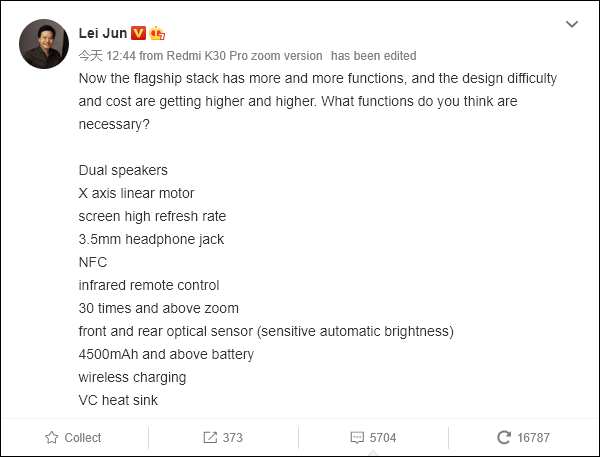
Rumours have been making the rounds that Xiaomi has got a few more high-end phones in the works and that the models are billed for release in the second half of the year. Lei Jun, Xiaomi’s CEO may have inadvertently shared some of the features the upcoming flagship would pack.

The Xiaomi exec actually penned down an opinion pool asking the company’s fans which features they felt were necessary on a high-end phone. This was borne out of the observation that the flagship stack now has more and more functions, raising the design challenges and production cost.

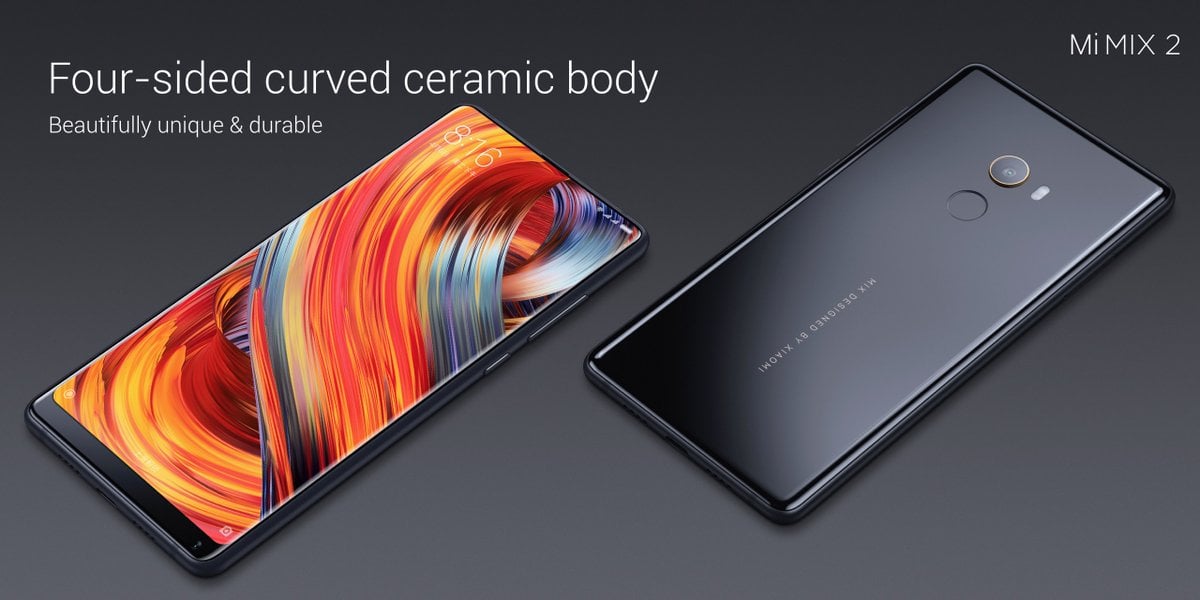
However, the features mentioned are what defines flagships these days such as a high refresh rate, dual speakers, NFC, 30x zoom or higher (presumably hybrid or digital zoom), a 4,500mAh battery or higher, and wireless charging. He also included the 3.5mm port which some still argue is an important part of the smartphone ecosystem even with the proliferation of wireless audio devices. Mi MIX 2

Since rumours about the upcoming flagship models appeared, most posts b the CEO are viewed in that direction. An earlier post by Lei Jun where he shared image images of the Mi Mi 2 ceramic version elicited suspicions that the CEO may be suggesting that the Mi Mix 4 will have a ceramic body. The company is also said to have got plans for a Redmi K30 Ultra flagship powered by a MediaTek SoC.

Th post may just be another one of Lei Jun’s regular survey trying to get feedback from users of the brand’s products. Xiaomi is yet to officially release any info about the Mix 4 or any of the supposed flagship launching in H2 2020.


Zoom becomes the most downloaded app on the App Store in Q2 2020

COVID-19, something which has forced us all to stay at home and, well, work from home, has changed the dynamics of a lot of aspects of our daily lives. Telcos have come up with several work-from-home recharge plans to ensure that official work does not get hampered during the lockdown period. Amongst all the chaos, Zoom app has become a household name, as the videoconferencing app has been utilized thoroughly lately.

zoom app

As it turns out, Zoom app has broken all the previous records for the number of downloads from the App Store, including the astonishing figures TikTok managed to pull off. As per a recent report, Zoom has amassed almost 90 million downloads in Q2, 2020 in the US itself.

Editor’s Pick: World’s First 120W fast charging unveiled by iQOO; the First phone with this tech could be announced in August

The report came up courtesy of an analysis by Sensor Tower. As per Sensor Tower, Zoom has not been the only app that has benefitted (or potentially received harm) from the ongoing circumstances. A number of businesses like health and fitness, and education apps have received an increased percentage of installs, while niches like travel, sports, and navigation have seen a low in terms of installs in Q2, 2020.

As per Sensor Tower, “The spread of COVID-19 made a dramatic impact on the app landscape. Business, Health & Fitness, and Education apps continued to thrive in Q2 2020, while Travel, Navigation, and Sports apps worked to recover from extended periods of low installs. Worldwide app downloads reached an all-time high of 37.8 billion in 2Q20, an increase of 31.7 percent year-over-year. App Store installs grew 22.6 percent to 9.1 billion, while Google Play saw 34.9 percent growth, reaching 28.7 billion. Worldwide app downloads reached an all-time high of 37.8 billion in 2Q20, an increase of 31.7 percent year-over-year. App Store installs grew 22.6 percent to 9.1 billion, while Google Play saw 34.9 percent growth, reaching 28.7 billion.”

While we can appreciate the fact that the Zoom app has been downloaded more than 67 million times, it has become necessary for us to pray that the damage created by the COVID-19 crisis ends soon and life gets back on track.

Have you been using the Zoom app lately? Do let us know in the comments section below.

Unknown Nokia phone with a 5.99-inch screen lands at TENAA

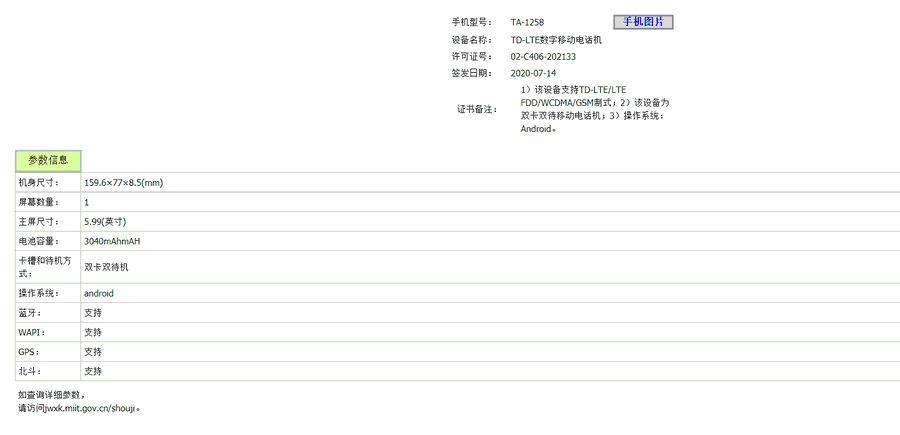
HMD Global may have a new Nokia smartphone in the pipeline as seen from a recent listing on China’s TENAA. The phone which has model number TA-1258 has been spotted at the Ministry.

Only a few specifications have been revealed such as the display which is 5.99-inches and the battery capacity which is 3040mAh. It is also stated that the device measures 159.6 x 77.5 x 8.5 millimeters.

Nokia TA-1258

Based on the aforementioned details, the phone most likely belongs to the budget mid-range category. So we are probably looking at a new model for the Nokia 2, Nokia 3, or Nokia 4 series. It might even be a new model for the Nokia C series.

Last week, it was reported that the Nokia 2.4 was seen on Geekbench. The device is powered by the Helio P22, has 2GB of RAM, and runs Android 10. We don’t know if it is the same device that has made its way to TENAA but time will tell. Yes, the battery is small for a successor to the Nokia 2.3 which itself has a 4000mAh battery and even packs a larger 6.2-inch display but the Helio P22 is a more powerful chipset than the Helio A22 inside the Nokia 2.3.


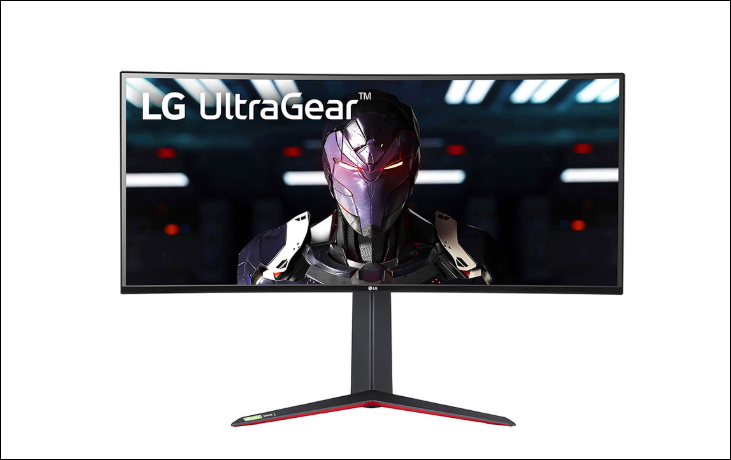
LG ’27GN950-B’ UltraGear Gaming 4K Monitor with 144Hz refresh rate launched in Japan

LG Electronics has taken the wraps off a new gaming monitor under its UltraGear series. Recall that the company the UltraGear was announced alongside the UltraWide and UltraFine Ergo displays at CES 2020. The device comes with the model number “27GN950-B”.LG UltraGear Gaming Monitor

The UltraGear gaming monitor features a 27-inch 4K display with a 21:9 aspect ratio. In addition to driving at a refresh rate of 144Hz, it uses Nano IPS technology with a response speed of 1ms (GTG).LG UltraGear Gaming Monitor

In terms of color reproducibility, it is compatible with 10-bit color and DCI-P3 98% color gamut cover. In addition, it supports Display HDR 600, DSC (Display Stream Compression), AMD FreeSync Premium Pro technology, NVIDIA G-SYNC Compatible, etc. formulated by VESA.LG UltraGear Gaming Monitor

The main specifications are resolution 3840 x 2160 dots, liquid crystal panel IPS, a brightness of 400 candela (standard value)/600 candela (peak brightness), contrast ratio 1000:1, viewing angle up and down, left and right 178 degrees, response speed Is 1ms (when GTG and Faster are set).LG UltraGear Gaming Monitor

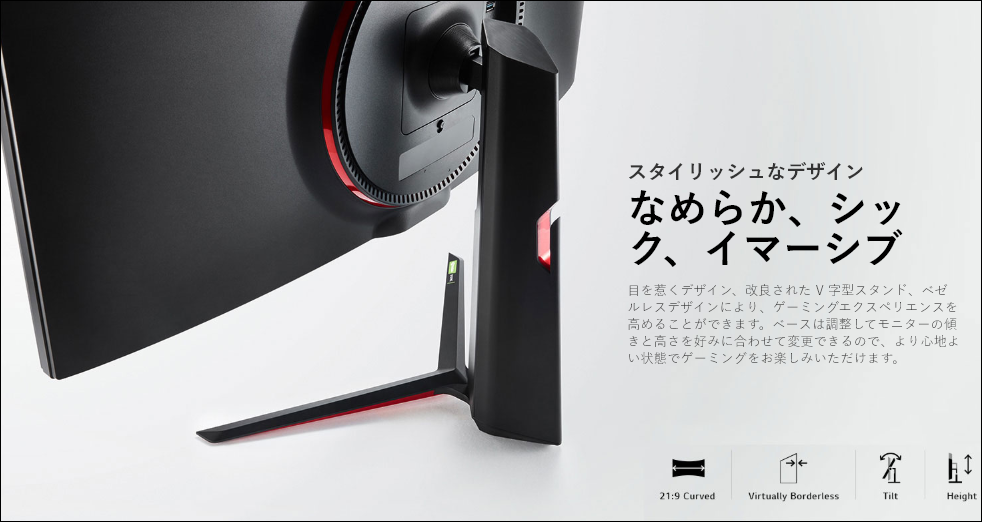
Furthermore, the gaming monitor packs a number of interfaces such as two HDMI and DisplayPort ports. The monitor has a Sphere Lighting system installed on the back. The lighting also extends to the stand and it is expected to light up while gaming.

The LG UltraGear display monitor comes in at around 100,000 yen (~$933).


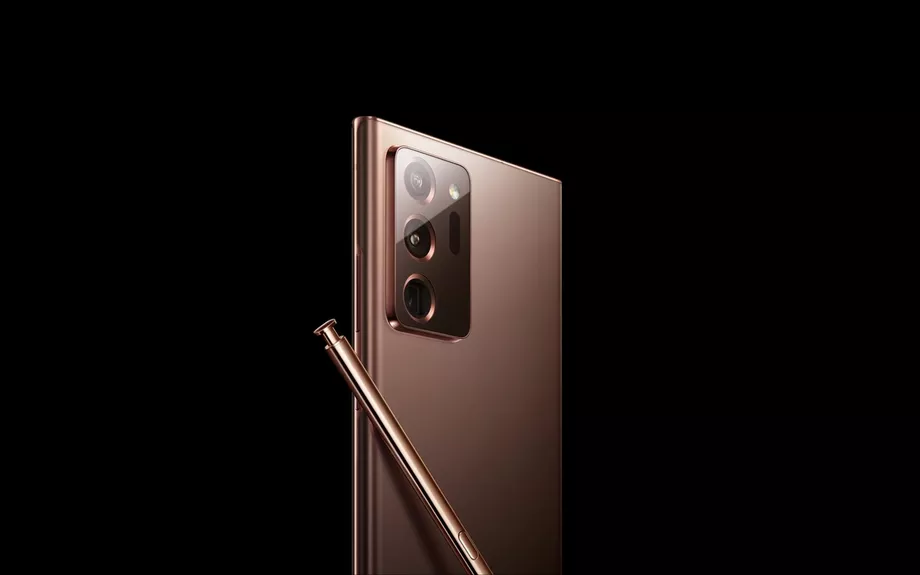
Galaxy Note 20 series camera features revealed via a firmware

Samsung has scheduled a “Galaxy Unpacked” event for August 5 to launch the Galaxy Note 20 series. The two new handsets – Galaxy Note 20 and Galaxy Note 20 Ultra will succeed last year’s Galaxy Note 10 and Galaxy Note 10 Plus. Much of their primary specs have leaked over the past few weeks. Now,  a firmware file of Galaxy Z Flip 5G also reveals some of the new camera features.

Samsung Galaxy Note20 Ultra

Unlike Apple and Google, Samsung is known to offer a number of features in the camera app like other Asian smartphone makers. The Galaxy S20 series introduced several new features earlier this year. Some of which are being also rolled out to Galaxy A51 and Galaxy A71.

Now, with the Galaxy Note 20 series, the company is improving the features debuted in Galaxy S20 series and is also bringing some new ones. The details about them were unearthed by Max Weibnbach of XDA Developers on Twitter.

According to his discoveries (via SamMobile), the “Pro Video” feature in Galaxy Note 20 series will include options to record audio from either front mic, rear mic, omni (both front and rear), Bluetooth or USB. Further, these phones will also be able to record 21:9 aspect ratio videos in up to 8K resolution.

Also, the Galaxy Note 20 series will come with options for focal length, histogram, 30x zoom option, moon capture similar to Huawei’s Moon Mode, 5-15 seconds option for Single Take, and haptics for certain actions in the camera app.

As always, we expect some of these features to be rolled out to older Galaxy Note as well as Galaxy S series in the near future.


Leaked Samsung Galaxy Z Fold 2 render shows it will come in Bronze Gold too

The Samsung Galaxy Z Fold 2 is expected to launch on August 5. Unfortunately, it may take a little longer before folks will be able to get their hands on one. Ahead of the launch, a render of the device has been posted online and it gives us an early look at the device.

The render was posted by Ice Universe (@UniverseIce) and it shows the Galaxy Z Fold 2 will come in Bronze Gold just like the Galaxy Note20 Ultra and the Galaxy Buds Live.

The image is quite blurry but we can still make out a few details. The bottom of the left side of the device has a speaker grille while the right side is home to the USB-C port and primary microphone.

We can also see a part of the external display. It extends further upwards, thus confirming it is now larger than that of the original Galaxy Fold. There is also a speaker grille at the top which confirms the device has stereo speakers.

The render shows the rear cameras too. They are in a rectangular housing that protrudes. The design is actually like that of the Galaxy Note20 Ultra. The phone is said to have triple rear cameras but only two are visible alongside the LED flash.

The Galaxy Z Fold 2 is one of two foldable phones Samsung has planned to launch in the next few weeks. The other is the Galaxy Z Flip 5G which will be unveiled in China on July 22.


Vivo S7 promotional materials leak; will be a “lightweight selfie flagship”

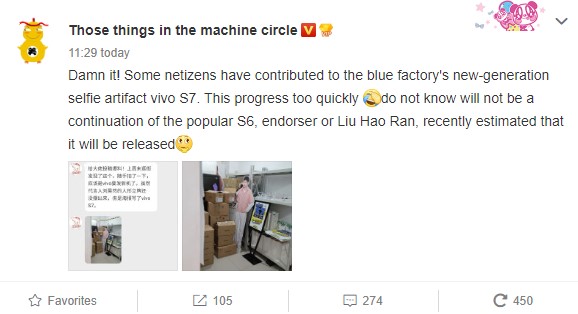
Last week we reported that the Vivo S-series will be getting a new model next month. Today, a leak has confirmed that the upcoming model will launch as the Vivo S7. The leak is an image of promotional materials for the phone, and they reveal a few details about the upcoming device.

The source of the leak is a Weibo user and one of the things we can see in the image is that the Vivo S7 will have support for 5G but the chipset that will power it is currently unknown. The Vivo S6 launched with an Exynos 980 processor. We do not know if Vivo will use an Exynos processor again or pick one up from Qualcomm or MediaTek.

The image also shows a billboard that says the phone will be a “lightweight selfie flagship”. We can deduce that the selfie camera and the weight of the phone will be its selling points.

In the image, we can also see a cardboard cutout of the brand ambassador for the phone which is Chinese Actor, Liu Haoran. He is actually holding the phone but we can’t see what it looks like, no thanks to the cardboard box blocking the view. However, we can see the phone will be available in blue.

Vivo S7 promo materials

The Vivo S6 has a waterdrop notch while the back is home to quad rear cameras in a cookie-shaped housing. Seeing as one of the Vivo S7’s selling points will be its selfie camera, we presume the phone will have a punch-hole display, probably one that is large enough to house two cameras.

We expect more details will surface in the weeks leading up to the phone’s launch.


Huawei and Rain partner to launch Africa’s first standalone 5G Network

Huawei has just announced that it has partnered with Rain, a South African telecom operator, to launch the country’s first Standalone 5G network (SA 5G). This makes South Africa one of the first countries to adopt the standalone 5G network in the world.

Rain’s Standalone 5G is currently available in just a few regions at the moment, including Cape Twon, Claremont, Goodwood, Bellville, Durbanville, and Cape Town City Center. This development has far-reaching potential in multiple industries and will help boost the country’s economy as well in the longer run. The SA 5G is built on the company’s own sites and allow Rain to significantly enhance its fixed wireless broadband (FWA) service in the aforementioned areas.

Huawei

According to a Rain official, “Standalone 5G will further improve 5G network performance with increased uplink rate, lower latency, and improved reliability, ushering in high-end cloud VR and cloud gaming services, more diversified enterprise and home broadband services. Standalone 5G will demonstrate how 5G is powerful in realising South Africa’s 4IR future. Powered by Huawei’s global leading 5G solutions, our Standalone 5G will enable the industry’s digital transformation in the future, such as smart healthcare, smart ports, smart mining and smart manufacturing in South Africa.”

For those unaware, 5G is offered in either SA or NSA (non standalone) networks, with the former offering better speeds and utilizing the true potential of 5G. However, it is more expensive as well, due to the expensive investment in its infrastructure. On the other hand, the NSA 5G network is more affordable in comparison and builds on existing 4G networks. Furthermore, it is more broadly adopted across the globe and most 5G networks are built on NSA networks.

Huawei Logo MWC 2019

The announcement of the partnership is a small victory that arrives just a while after Huawei got banned from working on the UK’s 5G infrastructure. The Chinese tech giant can no longer develop 5G in the region and will soon have its equipment removed within the next few years. However, it is noteworthy that another Chinese vendor, Oppo, is working with British telecom operator Vodafone, to deploy the country’s first SA 5G network.


Galaxy S20 Fan Edition (FE) is reported to retail for $750 with triple camera setup

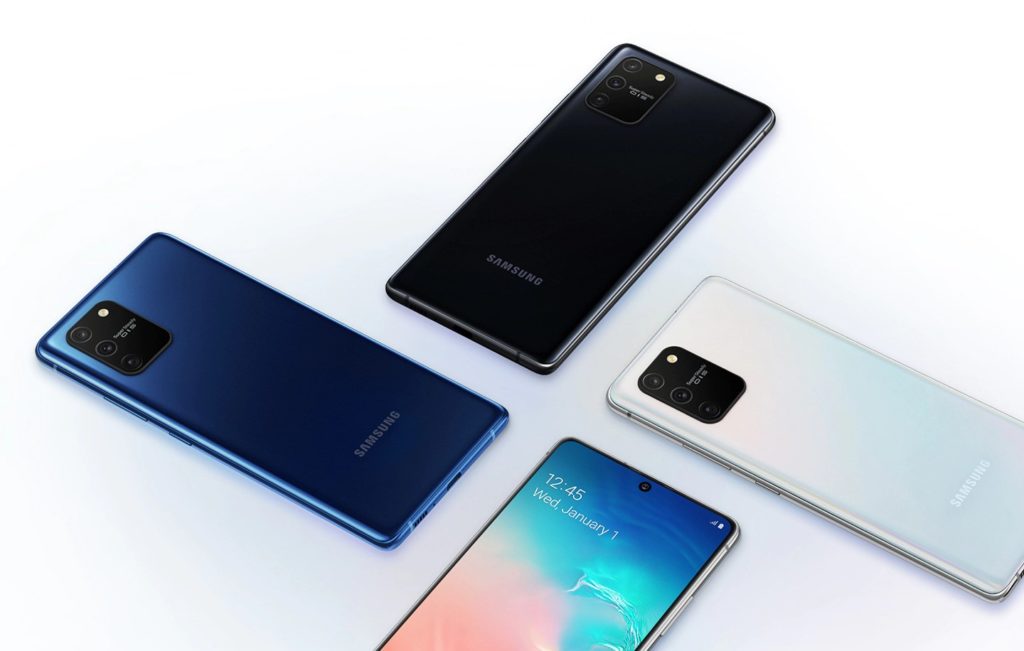
Samsung is reported to launch Galaxy S20 Fan Edition (FE), formerly known as Galaxy S20 Lite as the successor to Galaxy S10 Lite in October. The smartphone has leaked multiple times over the past few days revealing its features. A new report from South Korean now suggests it to retails for around $750 with triple camera setup.

Samsung Galaxy S10 Lite Featured

Due to the poor sales of Galaxy S20 series on account of pandemic and increased cost, Samsung is reported to launch the cheaper Galaxy S20 FE much earlier than its successor. This handset is expected to start shipping in October after Galaxy Note 20 in August and Galaxy Z Fold 2 in September.

According to a new report by South Korean media The Elec (via SamMobile), the upcoming Galaxy S20 FE will feature a  12MP (primary) + 12MP (ultra-wide) + 8MP (3x telephoto) triple camera setup at the back. Whereas, on the front, the phone is said to sport a 32MP selfie camera.

Further, the report suggests the price of the device to be 900,000 South Korean Won, which is equivalent to $750. For those unaware, this phone’s predecessor, the Galaxy S10 Lite debuted for $100 cheaper at $650. Samsung is expected to ship 5 million units of this handset by the end of 2020.

The $100 prince increase from the previous phone seems more on first sight. But considering the Galaxy S20 FE (based on leaks) to come with IP68 certification, 120Hz refresh rate display, 3.3mm punch-hole, and Qualcomm Snapdragon 865, it is still a stellar deal.


Samsung is facing difficulties in improving 5nm chip yields: Report

Samsung has been hard at work to catch up to the world’s largest contract chipmaker, TSMC. The South Korean tech giant has taken numerous steps to boost production, but it seems like the company is still struggling to improve yields of 5nm chips.

Samsung

At the moment, TSMC (Taiwan Semiconductor Manufacturing Company) is mass producing 5nm chips for various companies, including Apple with its A14 chips. On the other hand, Samsung Foundry is reportedly facing issues in a similar department with low yields of its 5nm EUV (Extreme Ultraviolet) process. The company had first announced this processes’ development back in 2019, but due to the Coronavirus pandemic, it seems the company is still struggling to boost yields.

According to a report from DigiTimes, the company had recently acquired orders from Qualcomm for the mass production of its upcoming flagship Snapdragon 875G and Snapdragon 735G chips. However, the recent difficulties being faced by the company might end up affecting the launch of the upcoming Qualcomm chips which will be found in smartphones in 2021.


Notably, Samsung had previously announced that it would be starting mass production of 5nm chips by the end of Q2 2020. Although, it is still unknown if the company managed to begin mass production as of yet. While several rumors and reports had pointed at the Galaxy Note 20 series featuring the first 5nm chips (Exynos 992), the recent news might be behind its supposed cancellation.


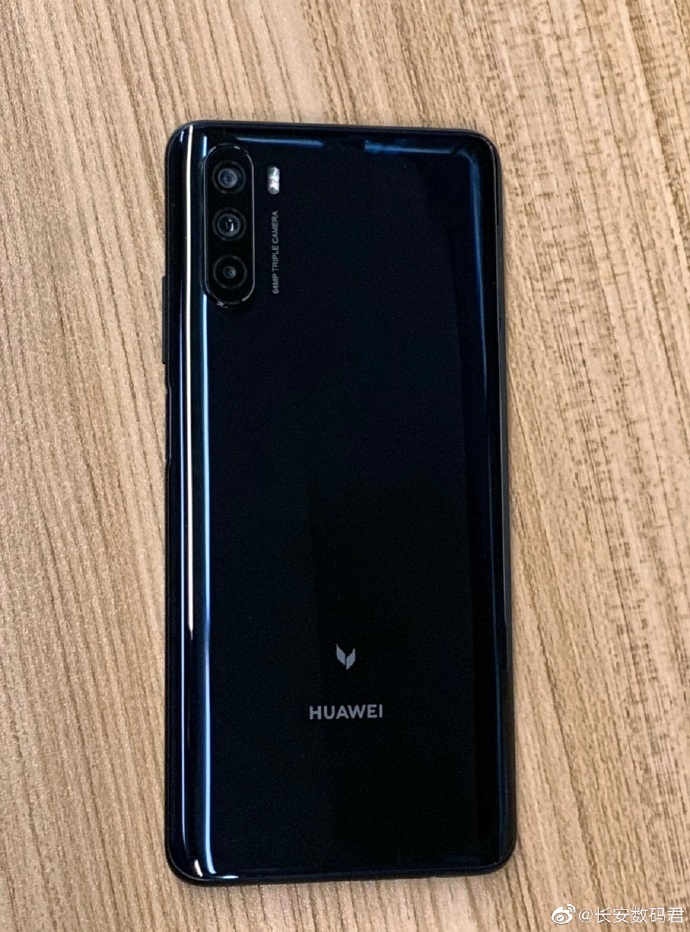
Huawei Enjoy 20s (Maimang 9) live images leaked, features a 64MP triple camera setup

Earlier today (20th July 2020), the live images of an upcoming Huawei smartphone had been leaked online. The device in question is the Huawei Enjoy 20s (Maimang 9), which features a 64 megapixel triple camera setup on the rear. The images were shared by a Changan Digital Jun (@长安数码君) on Weibo, a popular Chinese microblogging website.

Looking at the image, the Honor Enjoy 20s is identical to a recent smartphone listing that was found on China’s TENAA website. The listing featured the image of the front and back sides of the device along with a few specs as well. According to the listing, the Enjoy 20s features a 6.8 inch 1080p LCD display with a 16 megapixel punch hole selfie camera on the front.

Huawei

Moving to the rear, a triple camera setup can be found with a 64 megapixel primary sensor, alongside an additional 8 megapixel and 2 megapixel cameras. Unfortunately, finer details regarding these cameras and the device as a whole is currently unknown. Although, the listing does confirm a 4,200mAh battery pack which can be fast charged by up to 22.5W. The Chinese tech giant is expected to launch the Huawei Enjoy 20s on 26th July 2020, so we will have to wait for additional leaks or official launch for more details.


OnePlus 8/8 Pro July 2020 security update adds support for OnePlus Buds, fixes ARCore, and more

OnePlus 8 series launched in April is receiving July 2020 security patch worldwide. The update is being rolled out to all the variants of OnePlus 8/8Pro except carrier-locked versions. The OTA update also adds support for the company’s upcoming OnePlus Buds TWS.

oneplus 8 pro

OnePlus is all set to launch OnePlus Nord tomorrow as the brand’s first mid-range smartphone in years since the OnePlus X. The company has also confirmed to unveil OnePlus Buds TWS at the same event. Thus, ahead of the “AR Launch”, the company has begun to roll out a new update to OnePlus 8 series, which brings support for the new TWS as well as a fix for ARCore.

Further, the update also brings clock customization, optimization for touch inputs in game mode, improvements for WiFi and mobile data, fix for OnePlus wireless charger, and more.

Having said that, the OxygenOS build number for the update varies for both the devices based on the region of the build and they are as listed below.

  • OnePlus 8
    • Europe – 10.5.9
    • India – 10.5.10
    • North America – 10.5.11
  • OnePlus 8 Pro
    • Europe – 10.5.11
    • India – 10.5.12
    • North America – 10.5.12

OnePlus 8/8 Pro July 2020 Security Update Official Changelog

  • System
    • Newly adapted OnePlus Buds, easier to take advantage of wireless connection
    • Provided a variety of clock styles for you. You can customize on your own. (Go to Settings > Customization > Clock style)
    • Optimized the touch experience in game mode to enhance the user experience
    • Fixed the issue that the wireless charger base re-started automatically
    • Fixed the ARCore failure
    • Updated Android Security Patch to 2020.07
    • Updated GMS package to 2020.05
    • Improved system stability
  • Network
    • Improved the performance and stability of Wi-Fi transfers
    • Improved connection stability of mobile network to improve user experience
  • Shelf
    • Newly added Red Cable Club membership card


(Via)

Xiaomi Mi 10 Pro Plus may feature the base Snapdragon 865 and not the Plus variant

Xiaomi is expected to launch a new variant in its flagship Mi 10 series. The new handset will be placed above the Mi 10 Pro and is dubbed as the Mi 10 Pro Plus. Although, despite being the higher end variant, the Mi 10 Pro Plus will still feature Qualcomm’s Snapdragon 865 and not the 865+ variant.

Xiaomi

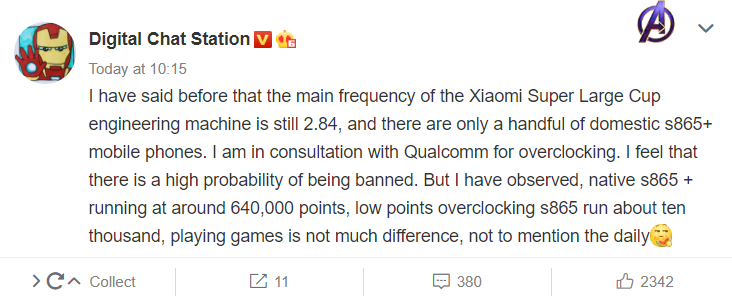
The report arrives from a known Weibo leakster Digital Chat Station (@数码闲聊站), who shared the news on the popular Chinese microblogging website. We had also previously reported on Xiaomi launching a new Mi 10 variant back in June, which was said to launch in August 2020. However, the Chinese tech giant has yet to publicly announce or even tease the rumored upcoming device.

Furthermore, the blogger also stated that he expects the benchmarking scores of the higher clocked variant to be around 640,000 points, which is only 10,000 points over the base version. This would not bring any noticeable difference in performance, especially during day to day use. Although, it is notable that the new processor is the first mobile chip to cross the 3GHz clock speed mark.

Xiaomi
Xiaomi Mi 10 Pro

Additionally, it has also been said that the Xiaomi Mi 10 Pro Plus will feature 100W fast charging as well. But unfortunately, we have no way of confirming any of the news as of right now. We will have to wait for an official company announcement. So take the report with a pinch of salt and stay tuned for more updates.


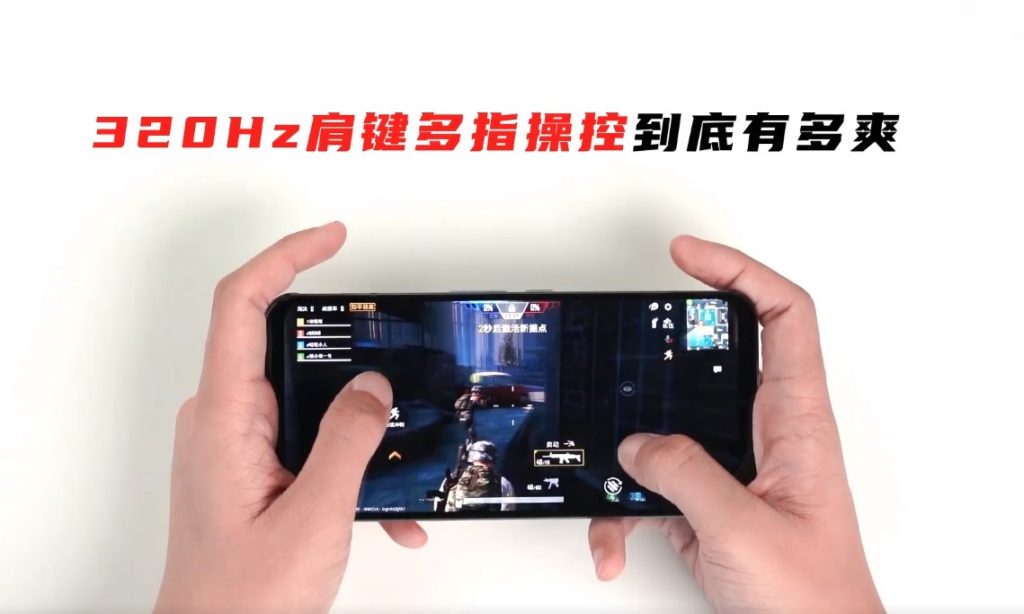
Red Magic 5S will come with 320Hz touch sampling rate shoulder buttons and 144Hz refresh rate display

Ever since Ni Fei, the president of Nubia brand revealed the arrival of Red Magic 5S, he has been teasing the features of the handset every day. Earlier today, he confirmed the touch sampling rate of the display and shoulder buttons along with the refresh rate of the screen.

Nubia Red Magic 5S 320Hz Touch Sampling Rate Shoulder Buttons

The upcoming Red Magic 5S will be Nubia’s third gaming smartphone of 2020 after Red Magic 5G and Nubia Play 5G (aka Red Magic 5G Lite). It is expected to be a minor update to its predecessor just like Red Magic 3 and Red Magic 3S from last year.

As part of pre-launch marketing, the brand’s president has been revealing the features of the phone one by one. Today, he confirmed the device to feature 320Hz touch sampling rate shoulder buttons and 144Hz refresh rate display with a 240Hz touch sampling rate.

For those unaware, touch sampling rate can be simply called as the number of times the screen can sense touch inputs in a second. Just like the display refresh rate, more the value better the performance, which in turn should offer stellar gaming experience, at least in theory.

Though the new teaser does not reveal the type of the display, it should be AMOLED just like its predecessor. Apart from this, the handset is confirmed to come with Qualcomm Snapdragon 865 Plus, LPDDRR5 RAM, UFS 3.1 storage, and silver cooling system.


Samsung Galaxy Z Fold 2 and Galaxy Z Flip 5G prices might be the same as last gen models

With the Samsung Unpacked 2020 event being just around the corner (5th August 2020), numerous reports and rumors have started surfacing for the Galaxy Z Fold 2 (Galaxy Fold 2 official name according to SamMobile) and Galaxy Z Flip 5G. While a few specs and features have been claimed, a new report has revealed the possible pricing as well.

ETNews reported that the Galaxy Z Fold 2 and Galaxy Z Flip 5G will not feature a significant price difference between last gen models. Rather, the pricing might remain the same if not similar, with the Galaxy Z Fold 2 being priced at 2.4 million KRW (roughly 1,990 US Dollars) and the Galaxy Z Flip 5G arriving at 1.65 million KRW (roughly 1,370 US Dollars).

Samsung-Galaxy-Z-Flip-5G
Galaxy Z Flip 5G

Furthermore, the report also claims that the new Galaxy Z Fold 2 will not be bundled with the company’s truly wireless earbuds in the box. Reportedly, the aforementioned pricing is just temporary and the South Korean tech giant is working internally for the actual pricing and plans on working with telecom operators to finalize other details as well.

Apparently, internal discussion within Samsung had brought up reducing the price for foldable handsets to increase their popularity. Although, the company could not lower the price any further due to the use of advanced processes, expensive components like the UTG (ultra thin glass), and other innovative technologies.

Samsung
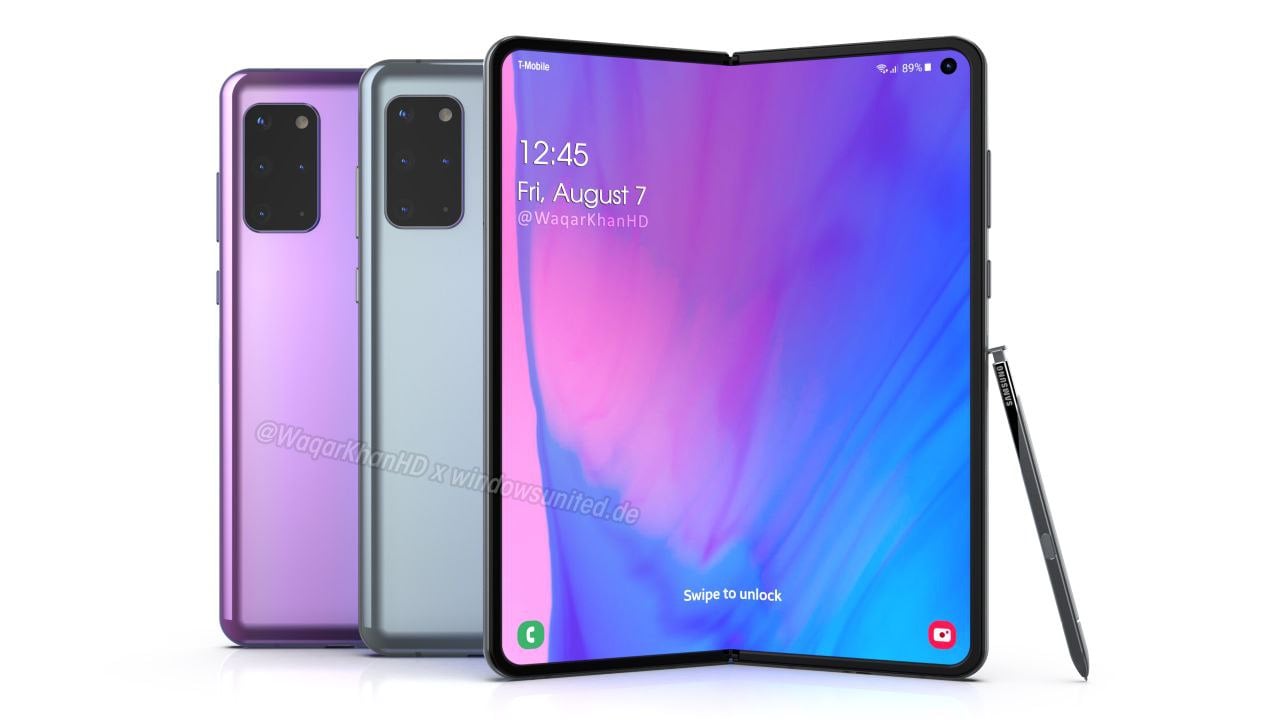
Galaxy Fold 2 Concept Renders

So while the newer generation would be an improvement over the predecessors, its unlikely that an affordable smartphone will make it into the market this year. Notably, while the upcoming and current lineup of foldable devices is priced at ultra premium segments, the company will launch cheaper models in 2021, when supplies get more stable.


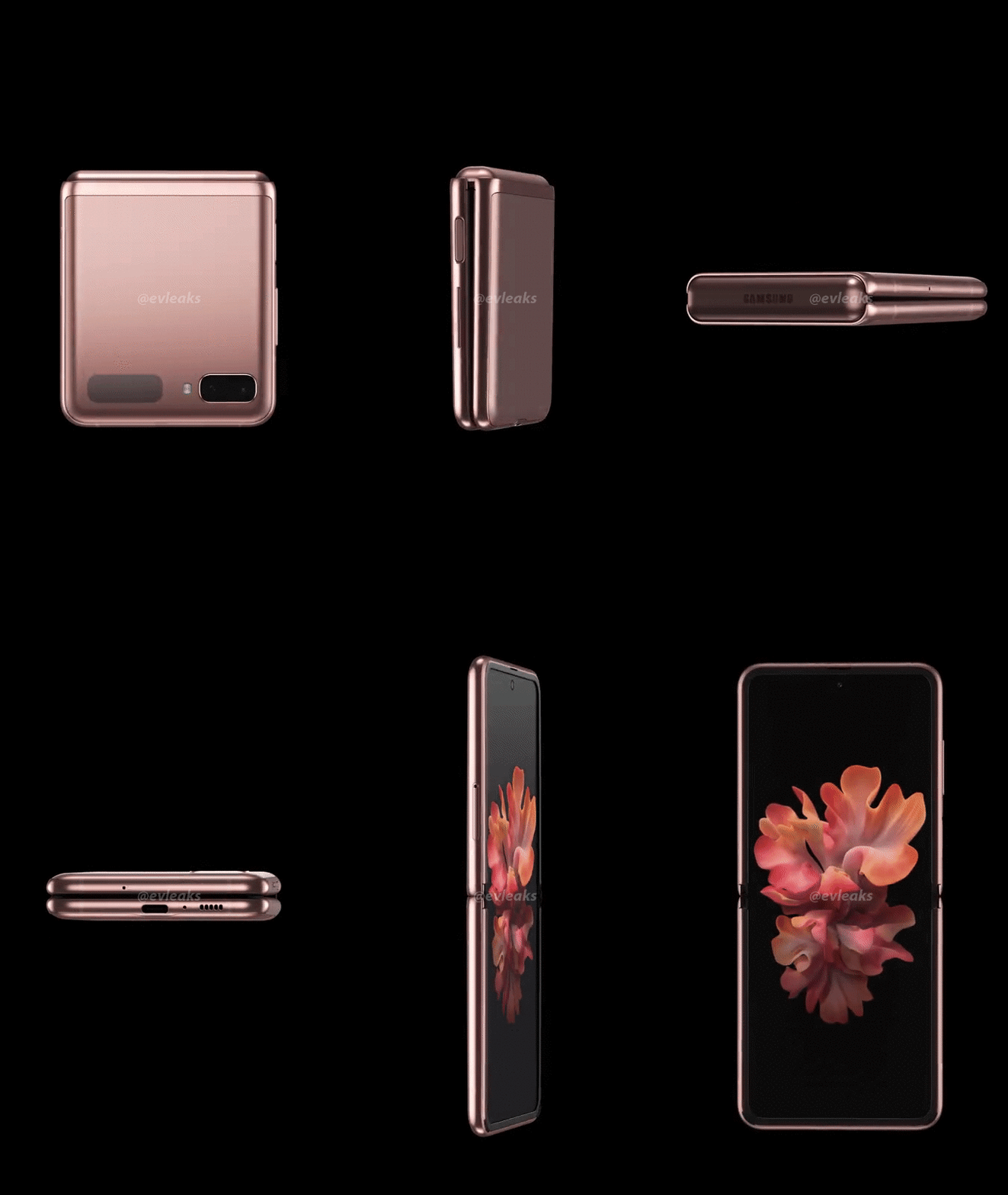
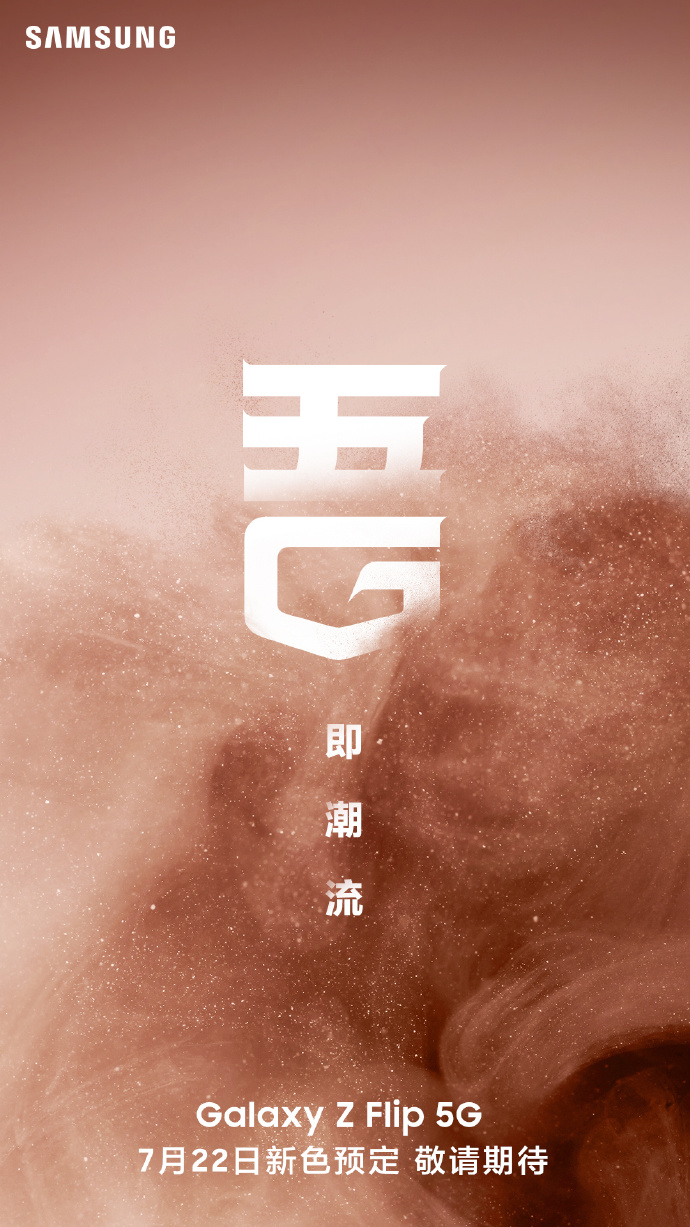
Samsung Galaxy Z Flip 5G to launch on July 22 in China

The Galaxy Z Flip that debuted earlier was a Snapdragon 855+ SoC powered 4G flip phone. Recent reports have revealed the existence of the Samsung Galaxy Z Flip 5G phone. At the beginning of this month, the Galaxy Z Flip 5G emerged on TENAA with all its specifications and images which revealed that it will soon launch in China. While the device is expected to get a global announcement through Samsung’s Unpacked event on Aug. 5, it will debut first in China. Samsung has confirmed through Weibo today that Galaxy Z Flip 5G will debut in China on July 22.

Samsung Galaxy Z Flip 5G

The Galaxy Z Flip 5G will be breaking cover as one of the first Snapdragon 865 Plus powered smartphones. The pre-orders of the phone are expected to begin on the same date in China. Shown below is the official commercial of the Galaxy Z Flip 5G. It showcases the flip phone in the copper called. The color variant could be introduced as Mystic Bronze in the market.

Samsung Galaxy Z Flip 5G Specifications

The Samsung Galaxy Z Flip 5G has 167.3 x 73.6 x 7.2 and it houses a 6.7-inch foldable AMOLED panel that offers 1080 x 2363 pixels. The punch-hole on the screen houses a 10-megapixel selfie camera.

The backside of the device has a 12-megapixel + 10-megapixel dual camera setup. A secondary AMOLED display of 1.05 inches is available on the rear shell for viewing notifications.

The Galaxy Z Flip 5G has a 2,500mAh + 704mAh dual-part battery. The SD865+ SoC powered device has 8 GB of RAM and 256 GB of internal storage. As far as pricing is concerned, it is likely to arrive with a similar pricing as the Galaxy Z Flip 4G. In South Korea, it is expected to be priced around $1,380.


Apple to introduce ‘touch-integrated OLED’ for iPhones in 2021

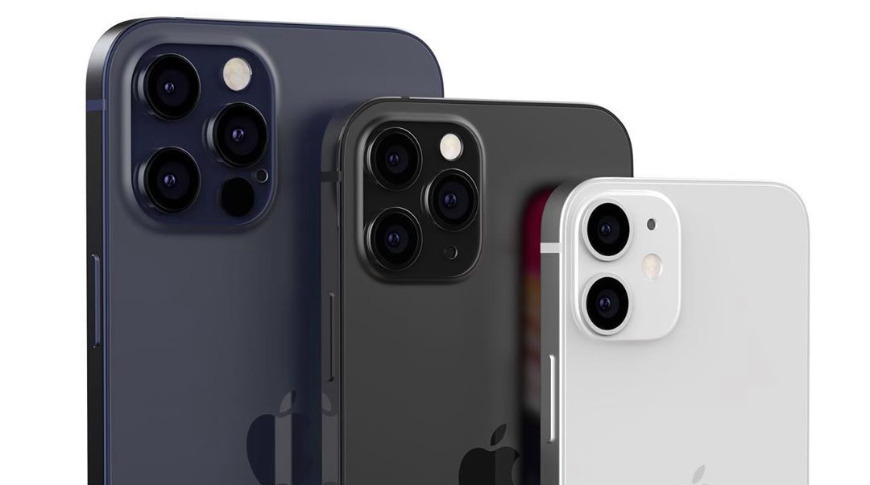
Apple is bringing touch integrated OLED (organic light emitting diode) displays on all iPhone models that will be launched next year. The news arrives after touch integrated OLED panels are rising in popularity within the global display industry, especially for smartphones.

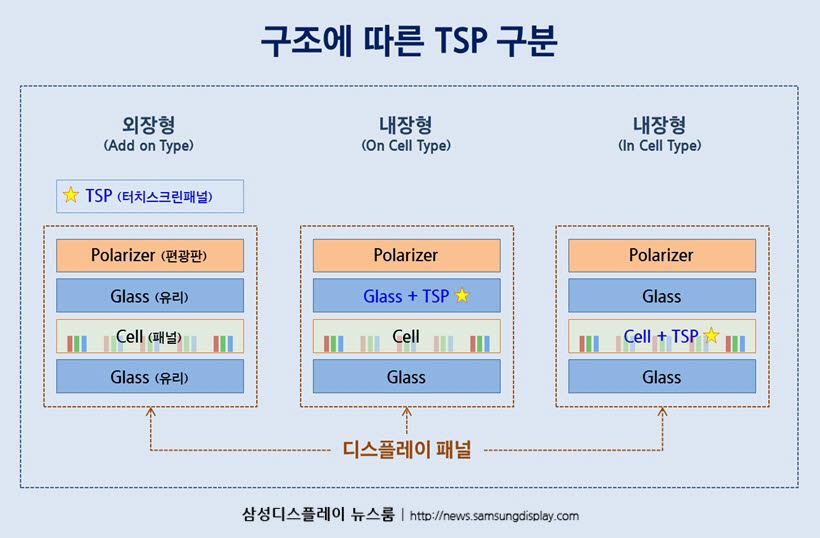
AppleAccording to a new report from ETNews, the Cupertino based giant has placed an order for touch integrated OLED displays for the 2021 iPhone series. In other words, the iPhones that will launch next year will feature the new touch integrated panels. For those unaware, a touch integrated OLED panel is a variant of the OLED display. While traditional OLEDs attach a touch sensor film on the panel, the integrated variant has this touch sensor built into the panel itself.

Apple

Meaning, a separate layer is not required to be added. Thus, touch integrated displays are hence thinner than the conventional variants. This also gives OEMs and vendors more flexibility for their offerings whilst also being more cost effective as well. So far, Apple has been using the traditional displays that have touch film attached to them, although that might soon change with the launch of the upcoming iPhone 12 series later this year.

Apple

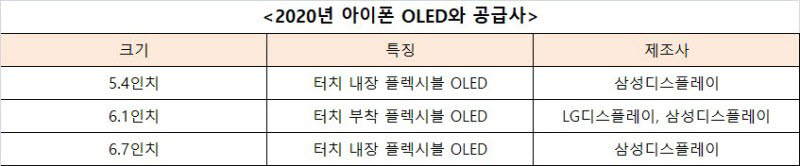
Sources revealed the different sizes as well, including a 5.4 inch, 6.1 inch, and 6.7 inch panels for the iPhone 12 lineup. The new touch integrated OLEDs are being supplied by Samsung Display. Notably, the pricing of these displays are expected to be competitive and the South Korean brand already roping in a major customer like Apple will only boost the technology’s popularity within the industry as well.


Huawei adds multiple new auto-related technology patents: wireless charging for vehicles

Huawei has recently added multiple patents. These patents were related to a number of automobile gadgets an electronic components like key access control methods and vehicle-related positioning wireless charging.

Huawei

According to a report from Sohu, the Chinese tech giant applied for numerous patents for various systems that one would find in a smart car earlier this month. The patent was under the invention category and list a number of different gadgets within the car. These are likely in line with the company’s plans for further expansion into the automobile industry, especially in terms of smart cars and vehicles that support 5G networking as well.

At the moment, Huawei’s smart car solution is currently available in 5 different aspects, namely smart driving, smart dashboard, energy, smart networking, and cloud based services within a vehicle. Notably, the company had also recently announced its first car with HarmonyOS, which was a collaboration with known automobile maker BYD.

Huawei
Huawei HiCar

Hence, seeing all of these patents could just be Huawei covering all bases or for upcoming technology for its budding automobile components and supporting networking infrastructure business for vehicles. Unfortunately, finer details are still uncertain, so stay tuned for more updates.