Recently, the Indian government hiked the GST rate for smartphones, and thus, the smartphone makers hiked the pricing of several popular phones in India. Now, Motorola is following the suite with the Moto G8 Power Lite.
The Moto G8 Power Lite smartphone was launched in India in May for ₹8,999 (~$120). From now onwards, the device will be available for purchase for ₹9,499 (~$126) which represents an increase of ₹500 (~$7).
Moto G8 Power Lite
Coming to the specifications, the smartphone features a 6.5-inch Max Vision IPS LCD display that offers HD+ screen resolution of 720 x 1600 pixels and a 20:9 aspect ratio. There’s a notch on top of the display for housing the front-facing camera sensor.
Under the hood, the device is powered by the MediaTek Helio P35 chipset, coupled with 4GB of RAM and 64GB of internal storage. The phone comes in this single memory variant. However, there’s a microSD card slot that enables storage expansion.
In the camera department, the phone has a triple-camera setup on the back that consists of a 16-megapixel primary sensor with f/2.0 aperture and PDAF, an f/2.4 aperture 2-megapixel macro shooter, and an f/2.4 aperture 2-megapixel depth sensor.
On the front side, the device offers an 8-megapixel snapper for taking selfies and video calling. The smartphone, which comes with a splash-resistant body, supports Dual SIM, 4G VoLTE, Wi-Fi 802.11 b/g/n, Bluetooth 4.2, GPS, and micro-USB port.
The Moto G8 Power Lite is running the older Android 9 Pie operating system out-of-the-box. This is a bit disappointing given that the could have offered the Android 10 operating system as the launch of Android 11 is just around the corner. The device is powered by a 5,000mAh battery with 10W charging support.
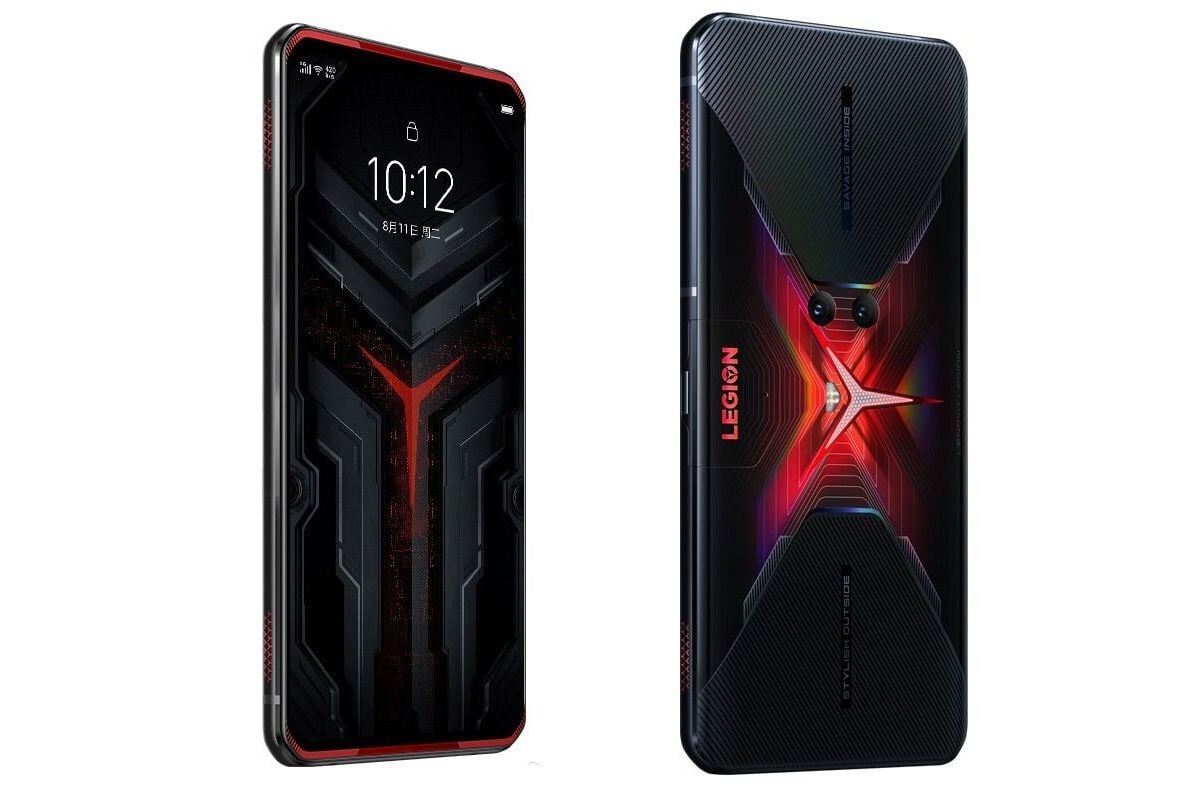
On July 22, Lenovo will be announcing the Lenovo Legion Gaming Phone that it has been teasing since December 2019. Earlier this week, the gaming smartphone was made available for reservations on JD.com in China through which some of its key specs and features were revealed. The retailer listing is now updated with the renders of the front and rear sides of the smartphone.
Interestingly, the listing mentions the name of the device as “Lenovo Legion Gaming Phone Pro.” It is unclear whether the Chinese brand will be selling the handset is Pro and non-Pro editions. Coming to the renders of the Legion Gaming Phone Pro, the handset can be seen sporting a display that is devoid of a notch or punch-hole. It offers symmetrical full-screen design with slim bezels at the top and bottom. The red accents at the top and bottom have two front-firing speakers.
The rear side of the Legion Gaming Phone Pro has a two-tone design. The center appears to be glossy whereas the upper and lower parts have textured appeal. The latter could be made from carbon fiber material to offer a better grip while playing games in landscape orientation. There could be RGB-lightning underneath the centrally positioned Legion logo. The dual-camera system can be also on the backside of the device.
Lenovo Legion Gaming Phone Pro
The Lenovo Legion Gaming Phone Pro has rounded corners and gaming trigger buttons on the right side. A side-facing pop-up selfie camera can be also seen on the right edge of the phone. The left side of the smartphone is also fitted with trigger buttons. Overall, the Legion Gaming Phone Pro offers a gaming-focused design in true sense.
Recent reports have revealed that the Legion Gaming Phone has a 6.67-inch AMOLED screen with support for Full HD+ resolution and 144Hz refresh rate. The Snapdragon 865 Plus SoC powered phone will offer users with up to 16 GB of LPDDR5 RAM and up to 512 GB of UFS 3.1 storage.
The Legion UI based Android 10 OS will come preinstalled on the smartphone. The phone could be housing a 5,000mAh battery and Lenovo has been advertising that it will support 90W fast charging. It has a side-mounted pop-ups selfie shooter of 20-megapixel. The rear panel has a 64-megapixel main camera and a 16-megapixel ultrawide lens. Also, the gaming phone will be arriving with the industry’s most powerful speakers, dual liquid cooling system, and dual X-axis linear motor.
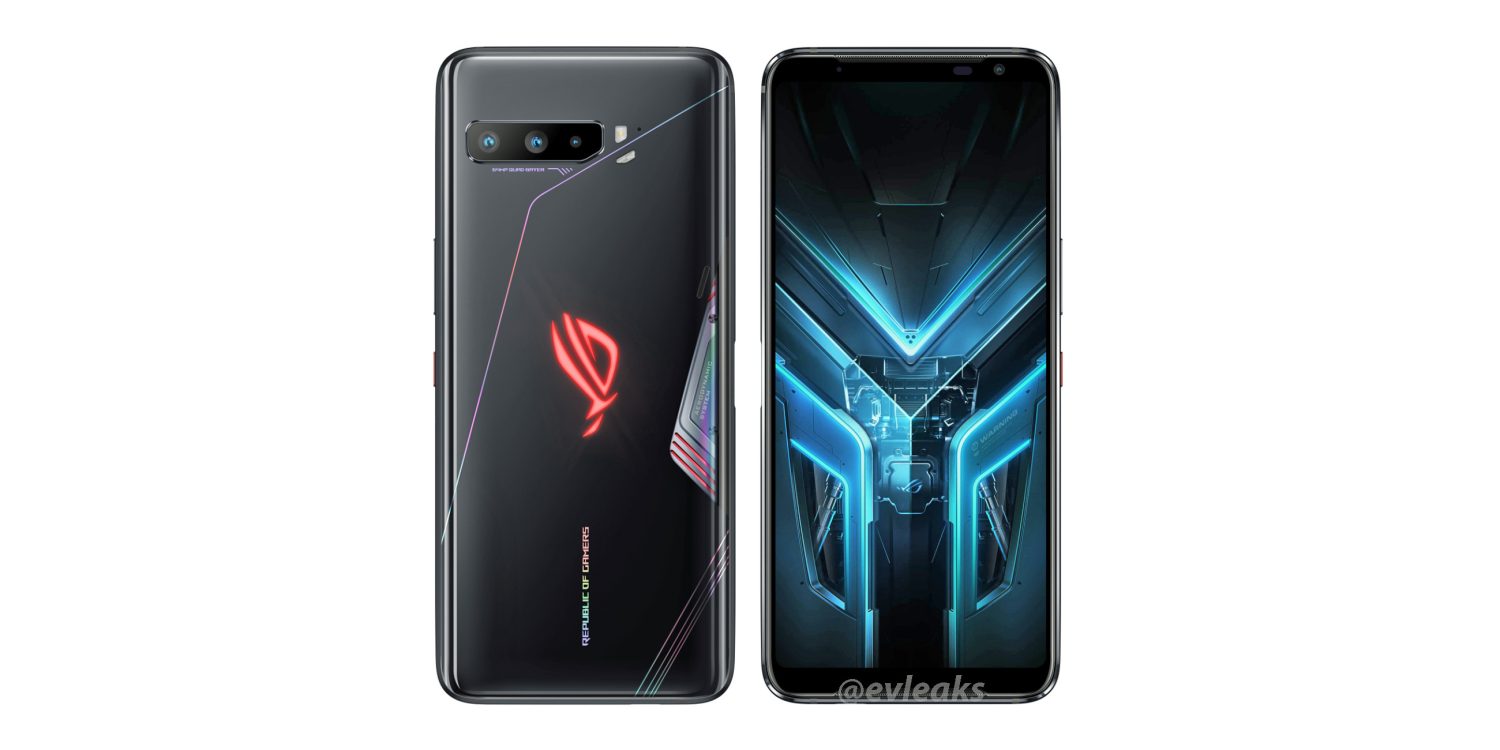
The ASUS ROG Phone 2 from last year will be succeeded by the ROG Phone 3 on July 22. The images and specifications of the device have already emerged in the database of China’s TENAA authority. A leaked render of the device that appeared earlier this week could only reveal its design from one side. Popular tipster Evan Blass has shared a press render of the ROG Phone 3. The render reveals that the overall appearance of the ROG Phone 3 is not too different from its predecessor model. However, it does come with some refinements.
As can be seen in the render, the edges of the ROG Phone 3 are not as sharp as it was on the ROG Phone 2. The front side of the gaming phone has a notch-less display. The slightly thick top and bottom bezels still house the dual front-firing speakers. The predecessor model had color accents at the front speakers. These are not found on the ROG Phone 3.
ASUS ROG Phone 3 render by Evan Blass
The right edge of the ROG phone 3 has a pair of buttons and a USB-C port can be seen on its left edge. Instead of a dual-camera setup, the ROG Phone 3 has three rear-facing cameras. The centrally positioned LED-lit logo is still present on the backside of the device. The leaked press render matches with the live shot of the phone that had surfaced last month.
The ASUS ROG Phone 3 has a 6.59-inch AMOLED display that supports Full HD+ resolution. It is expected to arrive with support for up to 144Hz refresh. It will be fueled by Snapdragon 865 Plus SoC, up to 16 GB of LPDDR5 RAM, up to 512 GB of UFS 3.0 storage, and 6,000mAh battery with 30W fast charging support. It has a 13-megapixel front camera and a 64-megapixel primary shooter on the rear. The ROG UI based Android 10 OS will come preinstalled on the smartphone.
There must have been at least one time when you accidentally deleted a contact on your phone. Unlike some apps like the Gallery where deleted photos end up in a sort of recycle bin where they can be recovered within a certain period, that is not the case when you delete a contact. Now, a new feature rolling out to Google Contacts will let you retrieve a deleted contact, but there is a catch.
The new feature is called Trash and it works just like a recycle bin. So if you use Google Contacts and accidentally or even intentionally delete a contact, you will be able to retrieve it within a 30-day period. The catch is that it is only available on the Google Contacts website and not on the app. The good thing is that it doesn’t matter if you deleted the contact on the web or on the app, you will be able to retrieve the deleted (contacts).
EDITOR’S PICK: Download Google Camera Ultra CVM MOD for all Android devices
If you head to the Google Contacts site, you should find Trash beneath the “Other contacts” folder. If you don’t see it there, it means it hasn’t yet been made available for you. For those who have it, their deleted contacts will show up there, and it will also indicate if a contact was deleted on the app or the web as well as the time and date. You can choose to “Delete Forever” or “Recover” a contact.
Google says the feature will roll out to all G Suite customers and personal Google accounts over the next few weeks. The press release by Google says it is “not available yet in the Google Contacts apps for mobile devices”. The phrasing hints at it coming to the mobile app in the future.
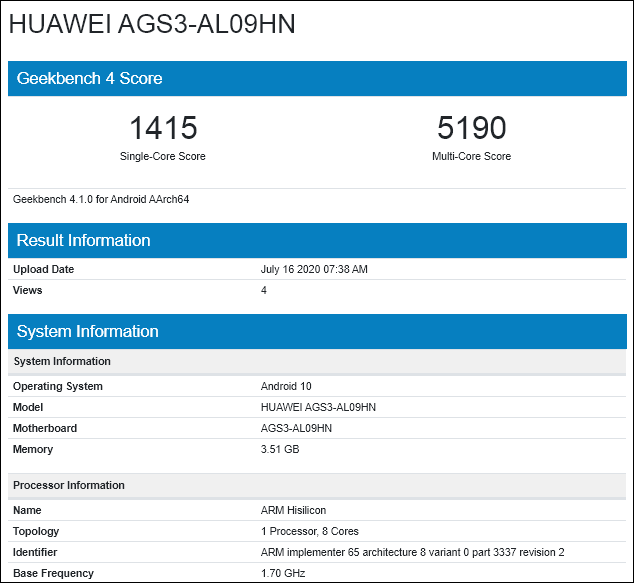
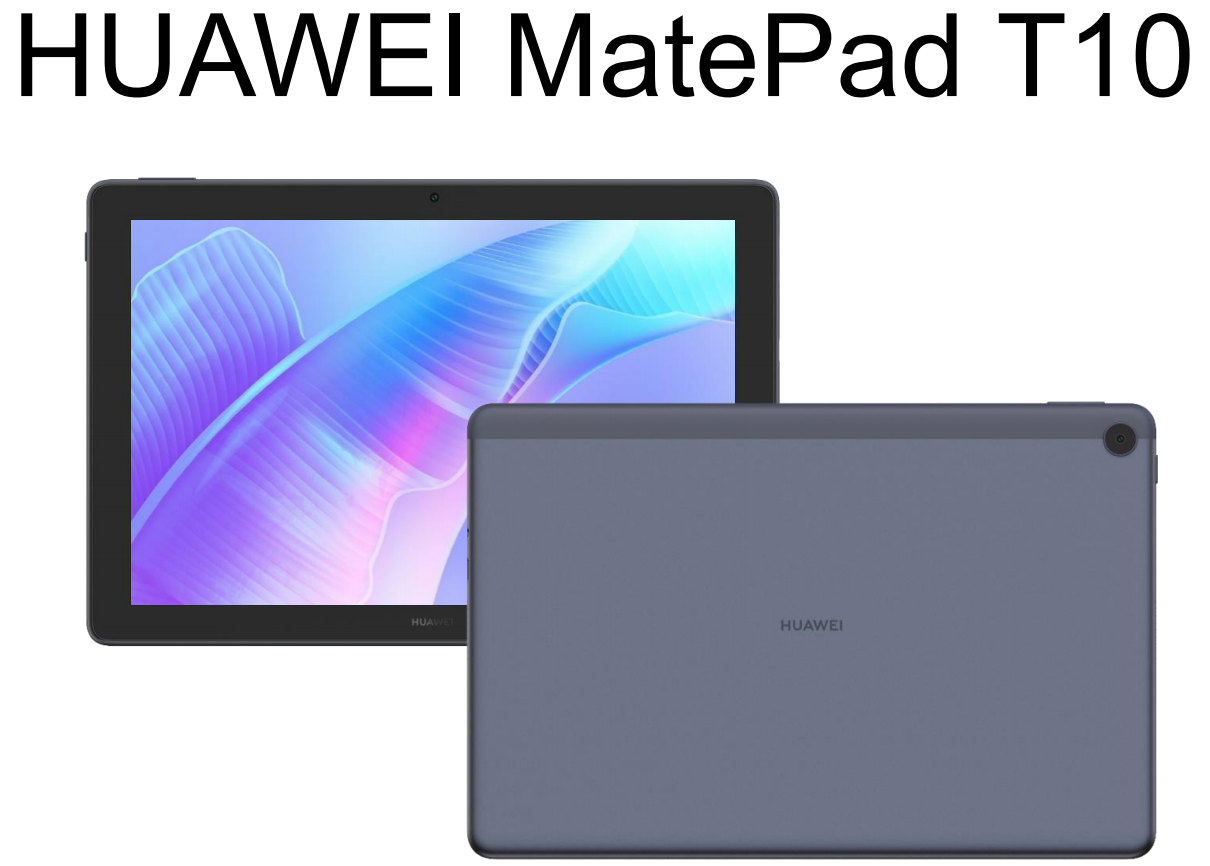
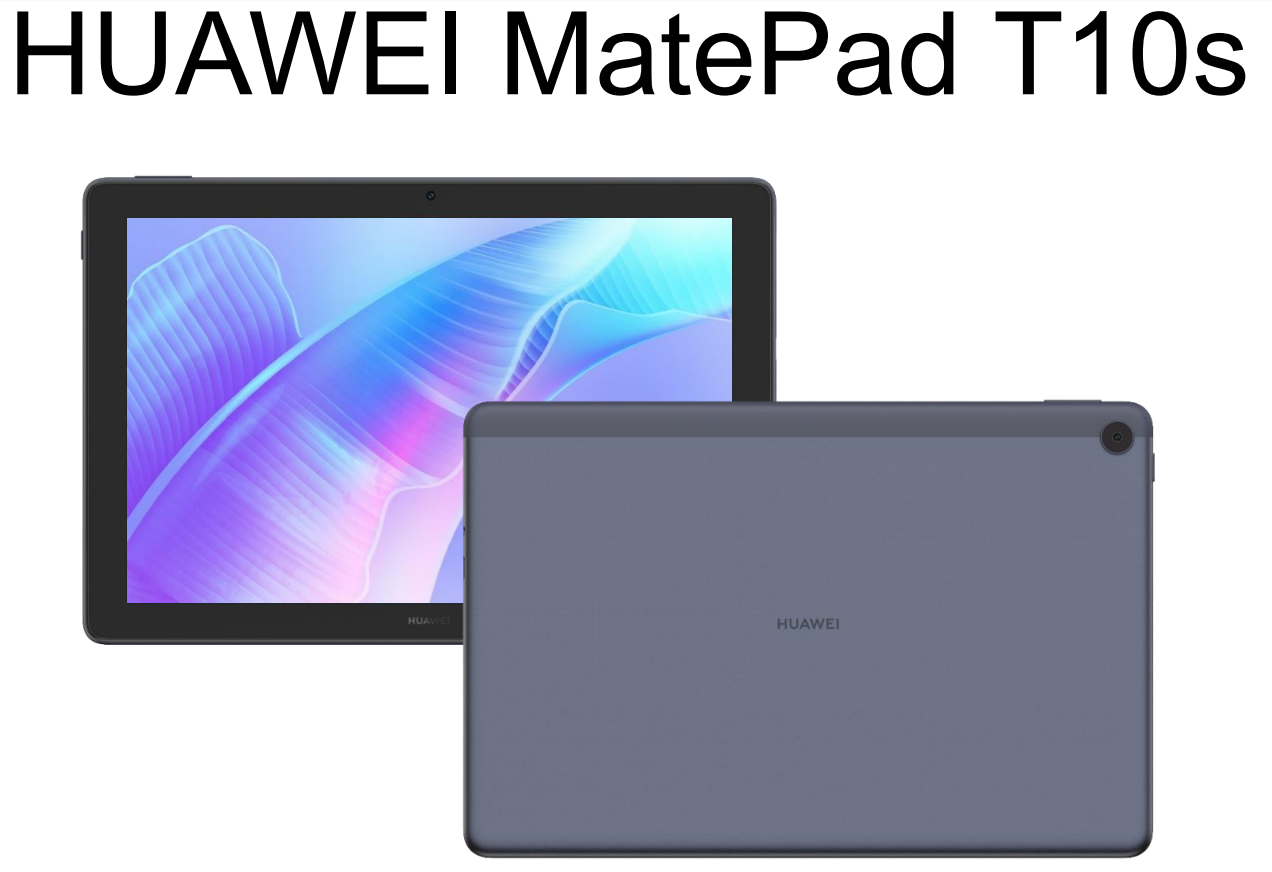
Earlier this month, details and renders of a pair of budget Huawei tablet models appeared on the tech space. What is said to be the Matepad T10s has appeared on GeekBench database.
The Matepad T10s was leaked alongside the MatePad T10 but both models feature the same processor and design with the screen size and resolution differentiating the two models. The Huawei model spotted on Geekbench 4 bears the model number AGS3-AL09HN and is believed to be the MatePad T10s. It is powered by an octa-core Hisilicon Kirin 710A chipset with a base frequency of 1.70GHz. The processor is paired with 4GB of RAM on the test model. The device will run on Android 10 operating system which will definitely have the EMUI 10 overlay on top.
The previous leak tips the Matepad T10 to feature a 9.7-inch display with a 1280 x 800pixel resolution and a pixel density of 156ppi. On the other hand, the MatePad T10s features a larger 10.1-inch display with a resolution of 1920 x 1200px and a pixel density of 220ppi. The base model will come with 2GB of RAM and 16GB /32GB storage which can be expanded up to 512GB with microSD card.
The tablets will also pack a 5,100mAh battery as well as a 5-megapixel primary lens and a 2-megapixel selfie shooter.
The GeekBench listing is an indication that we won’t have to wait for long before the tablets are launched.
Taiwanese fabless chipmaker MediaTek revised its 2020 5G shipment projections in February this year, shifting its expected shipments to 200 million. Since then, we have seen the company release a number of 5G SoCs including the Dimensity 800 and 600 series. A new report by DigiTimes has now thrown more light on the chipmaker’s strategy.
The report says MediaTek is planning to unveil a new 5G mobile chip series that will run on entry-level smartphones. The report which referenced industry sources, claims the unveiling will take place later in July. We are already halfway through the month of July, leaving less than 15 days for the introduction to take place. That is if this information turns out to be accurate.
The introduction of a new series, especially one for entry-level models will reinforce the company’s formidable 5G mobile SoC offering for smartphones. The company’s 5G chipsets already include the Dimensity 1000L, 1000, 800, 820. The company is also expected to launch the mid-range Dimensity 600 series which is also reported to have raked in huge orders even before it is launched.
Vivo X50 hitten the global market for the first time by making its debut in India. It is a great camera phone with upper-midrange specifications sold at a very interesting price. But is it really the best option in its price segment? We think there is no better way to understand it than comparing it with the other Android devices sold in the same price range. For this comparison, we chose two very popular flagship killers in the Indian market. The first is the OnePlus 8, a complete device you can actually find at affordable street prices. The second is the Realme X50 Pro 5G, one of the flagship killers with the most affordable listing price of the year.
Vivo X50 vs OnePlus 8 vs Realme X50 Pro
Realme X50 Pro 5G
OnePlus 8
Vivo X50
DIMENSIONS AND WEIGHT
159 x 74.2 x 8.9 mm, 205 g
160.2 x 72.9 x 8 mm, 180 g
159.5 x 75.4 x 7.5 mm, 173 g
DISPLAY
6.44 inches, 1080 x 2400p (Full HD+), Super AMOLED
6.55 inches, 1080 x 2400p (Full HD+), Fluid AMOLED
Vivo X50 offers an astonishing design. Just like flagships, it has a glass back and an aluminum frame. It comes with a high screen-to-body ratio and it is the thinnest and most lightweight device of this trio. Despite it packs an above-4000 mAh battery, it is just 7.5 mm thin: that is like a miracle. OnePlus 8 has an even higher screen-to-body ratio than Vivo X50, but it is thicker and it weighs more. On the other hand, it has a very elegant curved screen. Which one should you go for? Let your tastes decide: they both have the same great build quality and elegant design. Realme X50 Pro 5G is the most compact, but it is less elegant than its rivals, imho.
Display
With all of these devices, you get a great AMOLED panel with the HDR10+ certification, a 90 Hz refresh rate, and a Full HD+. In each case, we are talking about a high-end panel. Not a flagship-class display, but high-end. The differences are very marginal, so we do not recommend making the choice by looking at the display. Instead, focus on the other components. Note that Realme X50 Pro 5G has a smaller display, so it provides a more compact design and it is easier to use with one hand and to keep in a pocket.
Hardware/Software
Thanks to the presence of a flagship-class Snapdragon 865 SoC, OnePlus 8 and Realme X50 Pro 5G offer more powerful hardware and higher performance. Vivo X50 is equipped with an upper-midrange chipset: the Snapdragon 765G. With the OnePlus 8 and the Realme X50 Pro 5G, you get more or less the same flagship-grade performance, but the Oxygen OS found on the OnePlus 8 is actually considered as a more advanced user interface than the Realme UI. On the other hand, Realme X50 Pro 5G already got the Android 11 beta, which tells us we should not worry so much about long-term software support.
Camera
The most advanced camera phone of this comparison is the Vivo X50. It sports a quad-camera setup including a 48 MP main sensor with OIS and a very bright focal aperture, as well as a telephoto sensor with optical zoom. If you need a more advanced selfie camera, then go for the Realme X50 Pro 5G as it is equipped with a dual ultrawide front camera including a 32 MP main sensor and an 8 MP secondary sensor. But Realme X50 Pro 5G is the most disappointing when it comes to the rear cameras: even OnePlus 8 is better, except when it comes to the zoom because it lacks a telephoto sensor.
Battery
OnePlus 8 packs a bigger battery and, thanks to the higher capacity and great software optimization, it can provide a longer battery life. You get 4300 mAh with the support of 30W Warp Charge technology. The Realme X50 Pro 5G has a shorter battery life but it wins the charging speed comparison since it offers the most advanced commercial fast charging technology, with a 65W power. You need just 35 minutes to fully charge it.
Price
Vivo X50 is priced Rs. 34,990 in India, OnePlus 8 starts from Rs. 41,999, and Realme X50 Pro 5G has an Rs. 39,999 starting price. Unless the cameras are your main priority or you need to save money, you have no reason to choose the Vivo X50. The OnePlus 8 and Realme X50 Pro 5G are superior handsets if we exclude the cameras. OnePlus 8 has a better main camera and battery than Realme X50 Pro 5G, while Realme X50 Pro has a more interesting front camera setup and a telephoto sensor.
China has evolved from being just a manufacturing hub for foreign brands to becoming a developer and exporter of its own technology in the last decade. What even makes it more interesting is that quite a number of our favorite Chinese companies didn’t exist more than a decade ago. If you want to know China’s top brands, then you should have a look at Brandz’s list of the top fifty Chinese brands.
At the top of the list is none other than Huawei with a brand power score of 1938 points. Following close on its heels is Lenovo, the electronics giant and the owner of popular brands such as Motorola and IBM.
The Alibaba Group is third on the list. The Jack Ma-founded company owns a handful of subsidiaries such as Lazada, UCWeb, and Alibaba Pictures. At number four is ByteDance, the internet technology company best known for its social networking service, TikTok.
Closing the top five list is Xiaomi. It is no surprise that the company which is known for its expansive product category is one of China’s top brands.
Electronics giants, Haier and Hisense take the fifth and sixth spots respectively. OnePlus comes in at number seven which is pretty amazing seeing as it ranks higher than OPPO and Vivo which occupy the twelfth and twentieth spots respectively.
Anker, the Chinese company known for its power banks and audio products (Soundcore) takes the eleventh spot while drone-maker, DJI, comes in at number fourteen. Tencent, the owner of the messaging app WeChat, is also on the list alongside Honor and TCL.
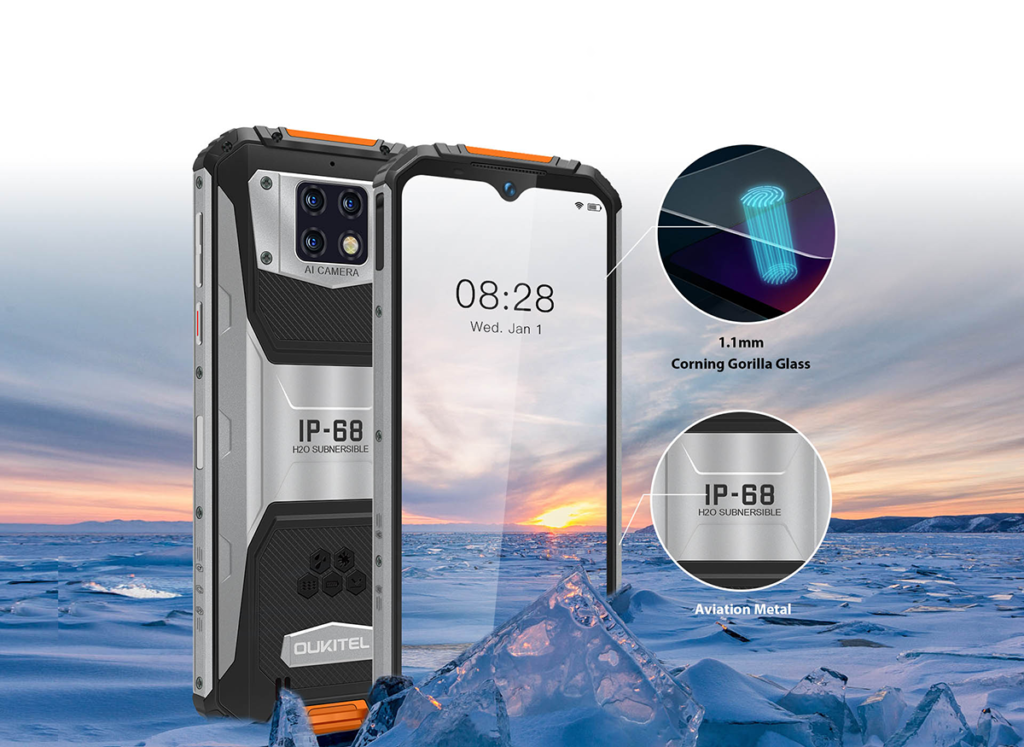
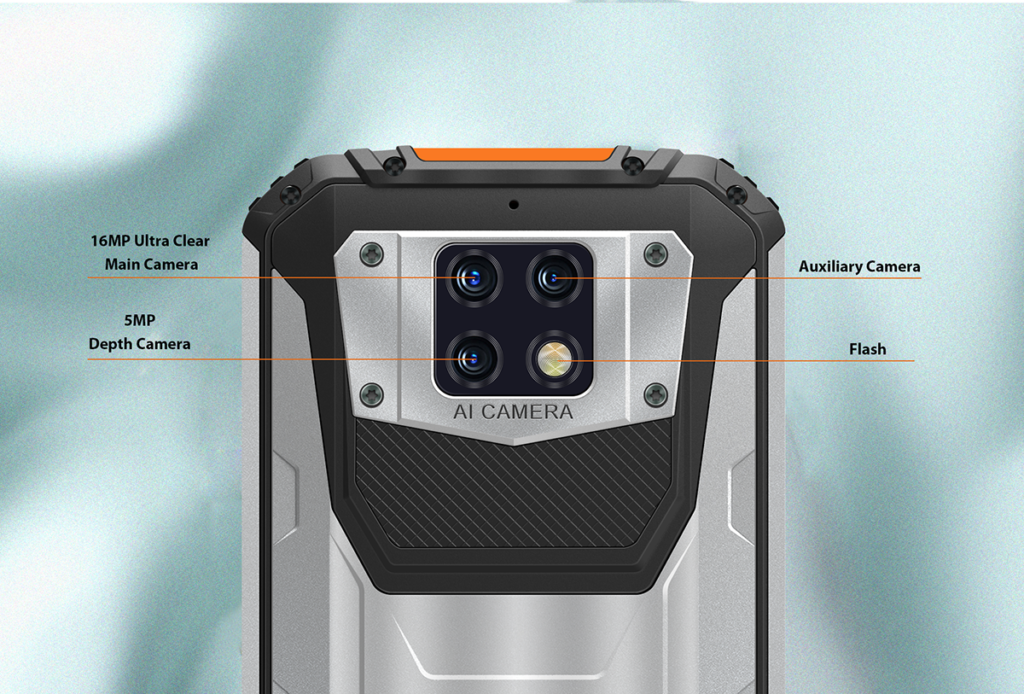
Oukitel WP6 is a popular rugged smartphone carrying optimal features. The company has launched a new Oukitel WP6 4GB + 64GB internal storage variant at a limited-time discount price of $159.99. However, other specifications of the device are same including Helio P60 processor, 4GB RAM, 10000 mAh battery, and a triple rear camera.
Oukitel WP6 is powered with a 10000 mAh battery which enables the device to work for a few days. It can remain 32 days on standby and support 52 hours of continuous talking Being a rugged smartphone, it is fully certified with IP68/IP69 and MIL-STD-810G certifications for dust, water and drop-proof experience.
A triple camera sensor residers with a 16-megapixel primary sensor, a 5-megapixel sensor and another 2-megapixel sensor. There’s an 8-megapixel front camera for selfies and video calling.
It is powered with an Helio P70 Octa-Core CPU with a 12nm process coupled with an Octa-COre processor. The smartphone runs on the Android Operating system with all its luxuries.
You can head over tot eh Oukitel official store for more information about the device.
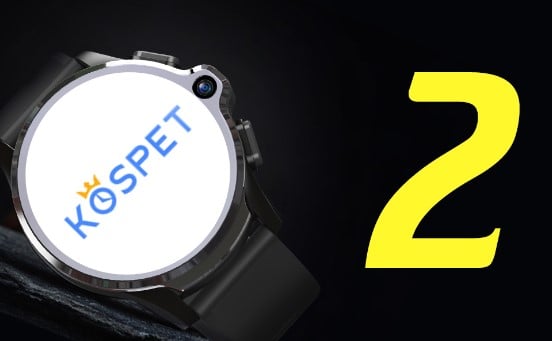
Kospet is gearing up for the launch of Prime 2 smartwatch in the coming few weeks. There are already multiple leaks and rumours about the smartwatch bringing some unknown details. The successor to Kospet Prime will surely feature some major advancements like 3D sensing camera and better design. According to the latest leak, it could be the world’s first smartwatch featuring the largest 4GB or 6GB RAM.
Moreover, it is expected to feature Helio P22 chipset for effective and efficient performance. The benefits of the Helio P22 gets doubled if it is getting used on a smartwatch due to its efficiency. Moreover, the MediaTek Helio P22 also supports dual-camera, AI processing, better connectivity and advanced 12nm process.
Surprisingly, the chipset also support RAM up to 4GB and 6GB, and even a reliable source is claiming that the new smartphone could feature up to 6GB RAM with 64GB storage. It is quite exciting to see a smartwatch having such large RAM and storage. The internal storage is double than that of the Apple Watch which houses a 32GB storage.
The abundant RAM will enable Kospet Prime 2 to work better, enables multitasking, improves performance and operates smoothly. Moreover, you can download all the Android Apps sit runs on Android.
Moreover, the leaked device image shows the presence of camera, and it could house 21MP single camera or 13-megapixel + 8-megapixel dual camera. IN the coming days we expect some more information about its camera module.
Let’s wait for some more rumours and leaks before its official release.
The ongoing COVID-19 crisis has forced people to work from home. The actual meetings have been replaced by virtual ones, and the employees are working from home to earn their livelihood. However, the whole scenario has increased demand for laptops and webcams throughout the globe. If you’re also looking to grab a good webcam at an affordable price, then you can purchase Elephone Ecam X without a second thought.
Elephone Ecam X Webcam offers 1080P video streaming with its 5.0-megapixel lens. It houses an auto-focus feature and supports built-in microphone for audio support. The Elephone Ecam X is available for 33% discount from Gearbest.
The useful Ecam supports UVC, UVA protocol for easy plug-and-play usage. It easily connects and works with Windows, Android and Linux operating system. The camera support H.264 and MJPEG image formats and supports 1080p video at 30fps. The 3.6mm lens is effective enough to shoot HD and stable video.
It enables you to enjoy stable and clear HD video call in HD quality. It can automatically adjust light and shows a vivid picture. Elephone Ecam X houses built-in DMIC for improved voice cancellation from a noisy environment. The clamp along with the webcam enables easy installation on top of the display.
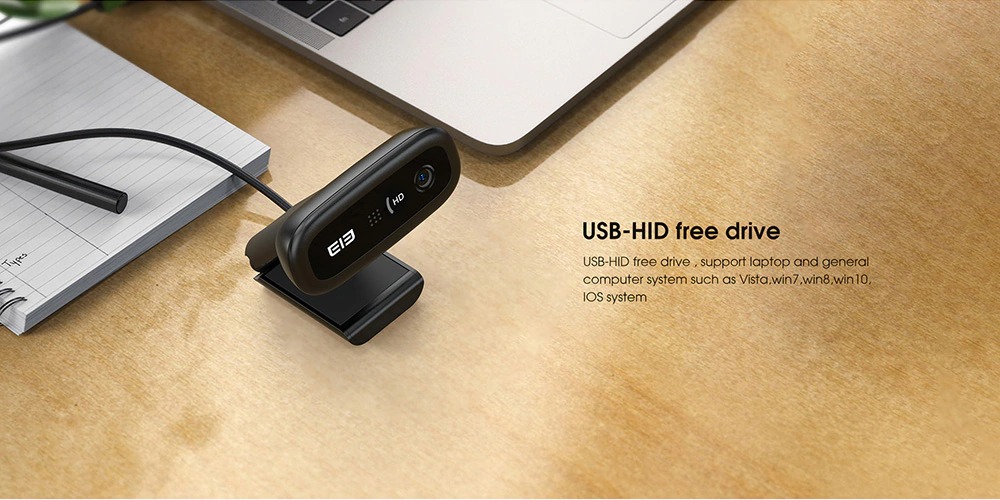
Elephone Ecam X webcam uses USB-HID for easy usage across a laptop, and PC running any Operating System. You can use it with all kind of video conferencing applications like Skype, Zoom, Webex, Lync and Jabber.
Elephone Ecam X webcam usually retails for $22, but due to ongoing discount offer, you can grab it for $14.99. To know more details about the device, you can head over to the official website.
TWS earbuds are the in-thing these days but not everyone likes them. If you are more of a headphones person, then the new Mobvoi TicKasa ANC Headphones should interest you.
Mobvoi is known for its TicWatch line of smartwatches, but it also makes audio products such as its TicPods line of TWS earbuds and the TicHome Mini smart speaker. However, the TicKasa is its first pair of over-the-ear headphones.
Available in black and gray, the headphones come with Qualcomm’s QCC3031 audio chipset and have Active Noise Cancelation (ANC). The ANC technology uses dual-microphones on each side – one feed-forward and one feed-back that detect environmental noise. An algorithm then analyzes the noise and creates a soundwave that cancels it out. There is a fifth microphone (on the right) for calls, and with cVc noise cancellation technology, you can be assured of crystal clear calls.
There is an ANC button on the right cup to turn it on or off. Turn it on and the headphones will last up to 20 hours on a single charge. While turned off, you can get up to 30 hours of listening time at 50% volume. The battery capacity is 800mAh and charges via a Micro-USB port for 4 hours. Yes, a MicroUSB port sure is disappointing in 2020. There is also a 3.5mm audio jack, so you can use a wired mode too if you run low on battery.
The TicKasa ANC Headphones have 40mm drivers and connect via Bluetooth 5.0 with a range of about 50 feet (15 meters). The cups are made of a soft cushion and breathable mesh for a comfortable experience. It supports aptX, aptX HD, and AAC audio codecs. There is no built-in voice assistant and the product page doesn’t say if you can call up the one on your phone with a button.
Mobvoi has put a price tag of $130 in the US, €129 in Europe, and $150 in other countries on its official website. The headphones ship with a carry case, a plug adaptor, an audio converter, a charging cable, and an audio cable.
Yesterday, Ni Fei, the president of Nubia brand teased the arrival of Red Magic 5S, the company’s third gaming smartphone of 2020. Today, he dropped the second teaser revealing the type of RAM and storage used by the handset.
Nubia launched Red Magic 5G earlier this year as the world’s first smartphone with 144Hz refresh rate AMOLED display. This phone comes with LPDDR5 RAM and UFS 3.0 storage.
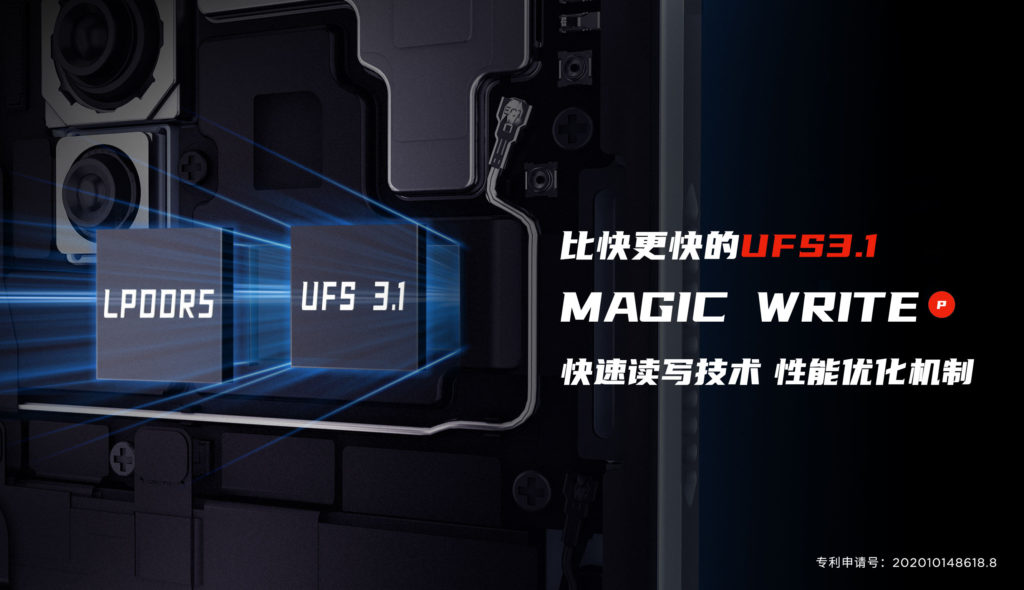
Whereas, the upcoming Red Magic 5S has been confirmed to feature faster UFS 3.1 storage and will also retain LPDDR5 RAM. The handset will also feature “Magic Write”, a patented proprietary read-write optimization technology to “deliver long-lasting performance”.
Ni Fei was recently appointed as the president of ZTE Mobile devices, in addition to his position as the president of the Nubia brand. The forthcoming Red Magic 5S will be the first smartphone from Nubia under his dual-leadership.
He has been teasing the features of this phone for about two days now. We expect him to reveal more about this device in the coming days including the launch date.
Xiaomi‘s ecological chain company ZMI is gaining popularity for its wide range of charging solutions. The company’s products include superfast power banks, wired charger, wireless chargers, as well as car chargers. In August last year, the brand released the ZMI 10000mAh wireless power bank, which is the first mobile power bank in China that has passed MFI certification.
ZMI has announced a new colour variant for the wireless power bank. The new variant features a green coloured casing with a fine texture design which prevents it from slipping easily when held. Other than that the variant has the same function of the one launched last year. This version will be launched tomorrow (July 17).
The power bank adopts an integrated metal shell, which is resistant to falling and collision. The arc design makes the grip more comfortable while the non-slip soft elastic material used on the charging panel has a good touch while being non-slip.
As a wireless power bank, it does not need to be connected to the mobile phone in order to charge the phone as it supports the Qi wireless standard. The power bank comes with 10W fast charging which is estimated to take 3 hours and 50 minutes to fully charge the iPhone Xs, and 2 hours to fully charge the Mi 9.
Further, the wireless power bank supports charging three devices at using the two USB-A and one USB-C interface, in addition to the wireless charging. The Type-C interface supports 18W input and output, and the total power can reach 15W when the two interfaces are used at the same time. The power bank also features an Apple Lightning female port with an input power of up to 12W.
Transsion Holdings subsidiary Tecno has in recent times seen its dominance in certain markets cut short by competing brands like Xiaomi, Samsung and Nokia. This may have necessitated the recent change in the brand’s strategy. Tecno which is previously not known to push updates to its smartphone has announced the rollout of Android 11 Developer Preview for its latest smartphone – Tecno Pouvoir 4.
The Pouvoir 4 happens to be the first model with a MediaTek SoC that will be joining the developer preview program for Android 11. Apart from Google’s Pixel series, other OEMs like OnePlus, Xiaomi, and OPPO have released similar Android 11 beta builds for their phones. However, all the models on the program before now are powered by Qualcomm Snapdragon SoCs.
The Pouvoir 4 features a MediaTek Helio A22 (MT6761) chipset and even though it was possible to technically flash Android 11 GSIs on non-Snapdragon devices, a build officially compiled by the OEM ensures better stability.
It could be recalled that Tecno equally participated in the Android Q beta testing in 2019 with the release of a pre-release build of Android 10 for the Spark 3 Pro. Tecno Spark 3 Pro is powered by an Helio A22 chipset.
Since this is a pre-release build, it comes with several limitations such as possible problems with apps, stability, battery, or performance on the device. Also, some apps might crash or may not function as expected when running on this release. This includes Google’s apps as well as other apps. In addition, users may experience the issue of some apps or icons getting obscured by the water drop screen and poor camera output.
If you are interested in installing Android 11 beta 1 on your Pouvoir 4, you can follow the quick guide below:
Download a tool-set on a PC, transfer it to the root folder using a USB cable.
Navigate to the downloaded file and tap on the software package, then click the “START” button when prompted.
Wait for the upgrade to be completed.
You can find more specific download steps on Tecno’s official website.
It is not unusual for manufacturers to announce new color variants or new configurations for already released phones. This is why we are not surprised as to Realme’s announcement today of new configurations for the Realme X2 and Realme 6 smartphones.
The Realme X2, which was announced almost a year ago, will now be available in India in 8GB RAM + 256GB configuration starting on the 21st of July at 8 PM. The device is currently available in three variants – 4GB RAM + 64GB, 6GB RAM + 128GB, and 8GB RAM +128GB.
The Realme 6, on the other hand, will get a 6GB RAM + 64GB version for those who want more RAM but are fine with the storage available on the base model. The new variant of the Realme 6 will go on sale at 00:00 hrs on the 17th of July. When it launched in March, the phone was available in 4GB+64GB, 6GB+128GB, and 8GB+128GB versions.
If you are interested in grabbing the new variants of both phones, Realme says they will be available on Realme.com and on Flipkart.
Like most Android OEMs, OnePlus also offers its own suite of first-party apps. OnePlus Gallery is one such app, which is the default gallery app on OnePlus smartphones. A couple of days back, the company released Android 11 Beta 2 for OnePlus 8/OnePlus 8 Pro. This build also brought OnePlus Gallery v3.12.33 with new casting option.
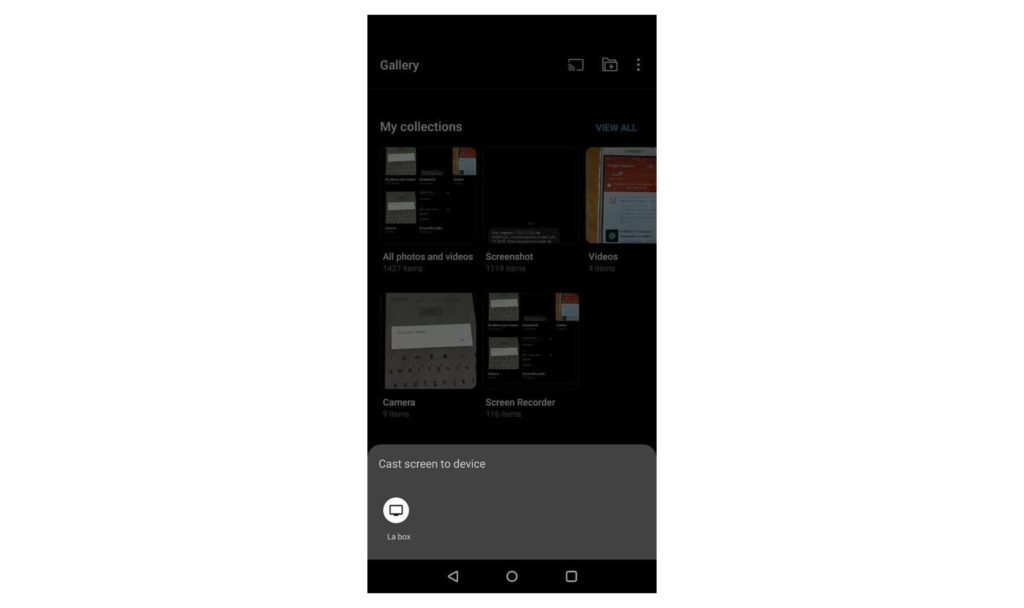
At the end of April, OnePlus released OnePlus Galley v3.11.2 for its smartphones on the Play Store. This version of the app integrated Google Lens just like in Google Photos. Now, with v3.12.33, the brand has added the ability to cast, again like Google Photos.
However, the cast option in OnePlus Gallery can only be used to beam pictures on display devices with Chromecast like smart TVs powered by Android TV and Smart Displays. It cannot be used to cast videos and the same has been confirmed by an APK teardown byXDA Developers.
Also, this version of the app can be installed on any OnePlus smartphone other than the Oneplus 8 series. And the casting option also works as expected. Interested users can download the APK from the APKMirror link provided at the end of the post.
Anyway, we expect OnePlus to roll out this update officially on Play Store for all OnePlus smartphones.
Taiwanese mobile phone manufacturer HTC recorded a surge in revenue in June 2020, all thanks to a refreshed lineup that includes the Desire 20 Pro and U20 5G flagship model. The company is now set to reinforce its positive growth with the launch of yet another smartphone.
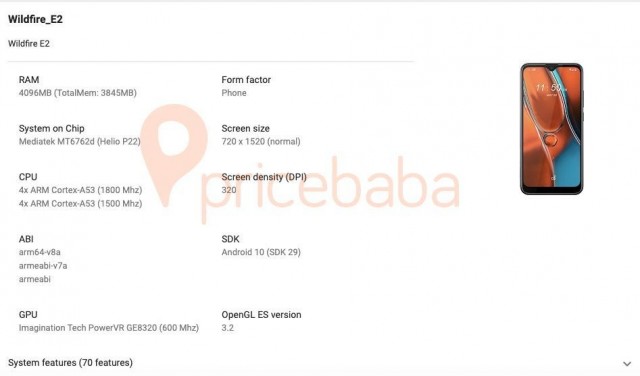
This time around, it is going to be an entry-level model, according to a listing on the Google Play Console. The model is listed as HTC Wildfire E2 and it features a 6.2-inch HD+ screen with a waterdrop notch. The E2 is powered by a MediaTek Helio P22 chipset paired with 4GB RAM and 64GB storage. The phone will run on Android 10 and features a rear fingerprint sensor.
The Google Play Console listing also contains a picture of the model showing the front design. The E20 will pack a waterdrop notch at the front housing a single selfie shooter.
There is no word yet on the specification but we’ll be on the lookout for more details on the Wildfire E2.
POCO is unofficially the “King of Rebadging”. The smartphone company which separated from Xiaomi this year to be an “independent” brand has announced three phones this year, all of which are technically rebadged versions of Redmi phones. Now, it appears a fourth device is on the way and it may also be a rebadged Redmi phone.
The Redmi 9C may launch as a POCO-branded phone in India
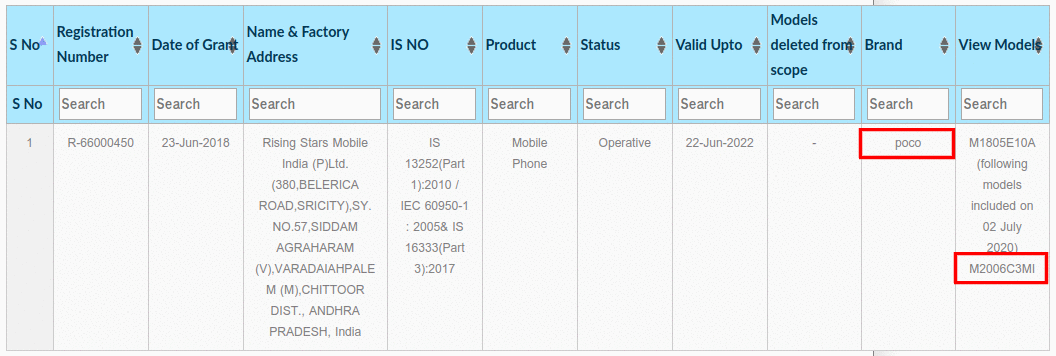
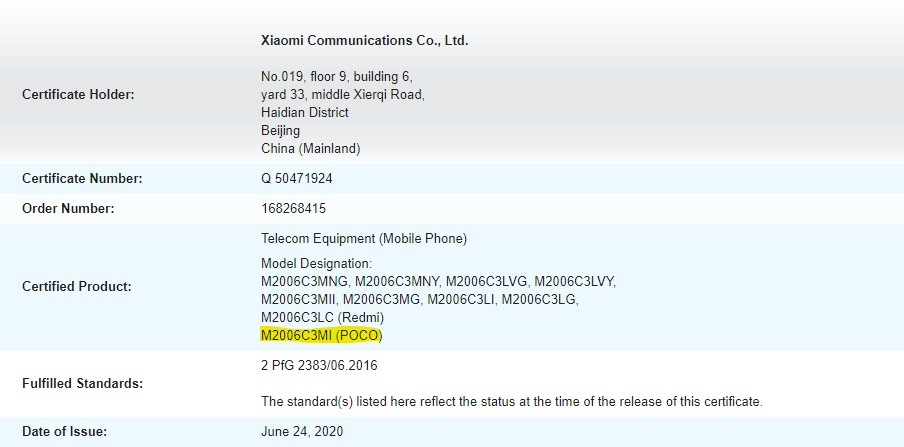
The Bureau of Indian Standards (BIS) and TÜV Rheinland have certified a POCO phone with model number M2006C3MI. The model number is similar to that of the Redmi 9C which got a global launch yesterday in Europe.
The Redmi 9C is a budget smartphone. It is powered by the Helio G35 processor, has a 6.53-inch HD+ display with a notch, and packs a 5000mAh battery. The phone also has 13MP+5MP+2MP triple rear cameras and a 5MP selfie camera.
The phone launched in Malaysia for RM 429 (~$100) while its price in Europe is €119 for the 2GB RAM + 32GB version and €139 for the 3GB RAM + 64GB version. If and when it does launch as a POCO phone in India, it will be the brand’s cheapest phone ever.
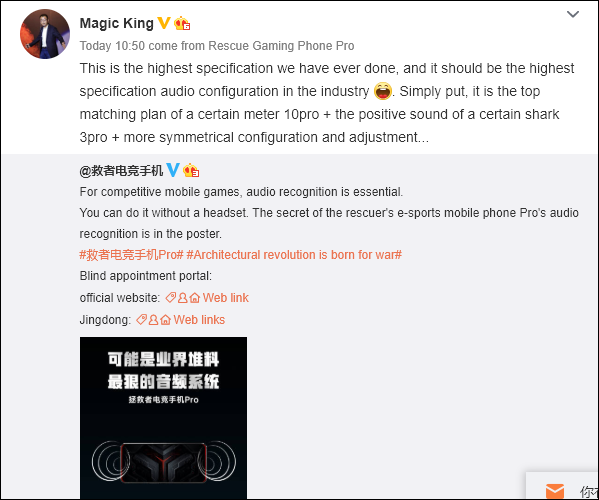
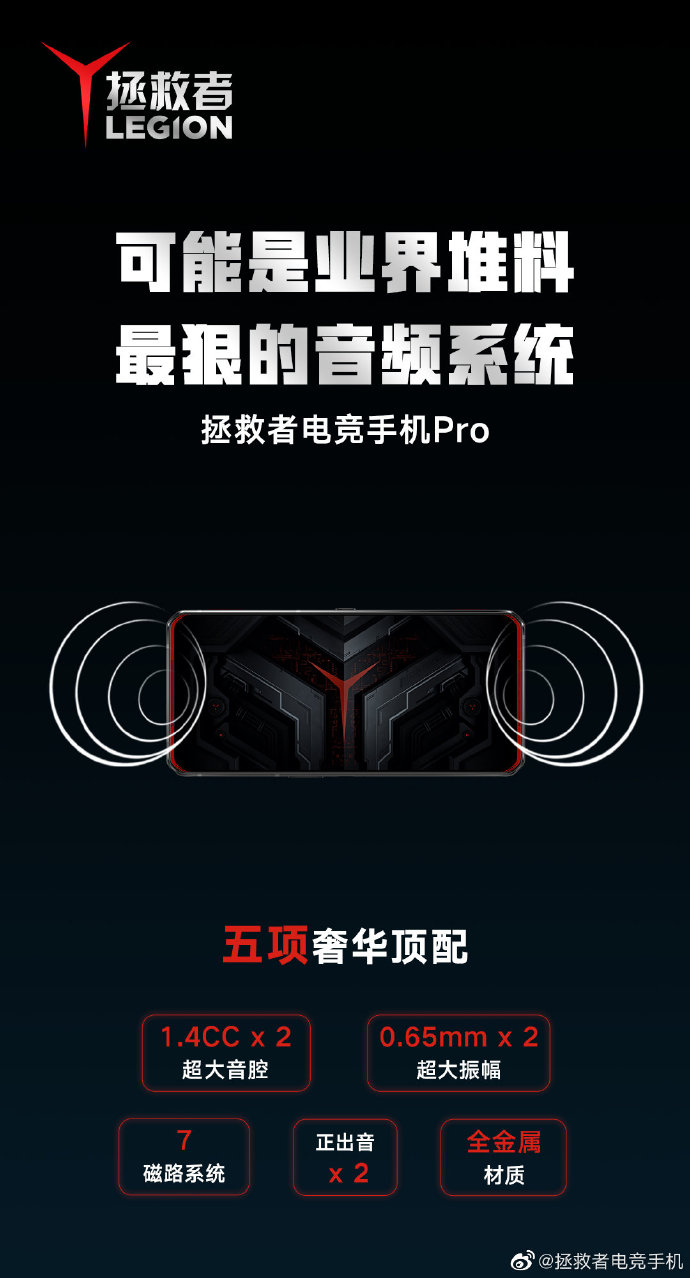
Lenovo has continued to tease the features o its upcoming Legion smartphone that is expected to go official on July 22. The latest teaser that was released by the company’s GM is that the phone will feature a powerful audio system.
According to the teaser, the phone will have a dual front-blasting stereo speakers with two 1.4CC super-large sound cavity, two 0.65 super-large amplitude, and seven magnetic circuit system. The speakers will also come with two positive output tone and will be manufactured using all-metal material, among others.
Lenovo’s GM Chen Jin disclosed that the Legion’s audio system was the highest the company has ever done. He also claimed that the audio system should be the highest configuration in the industry. That claim can’t be verified now until the phone is released and subjected to reviews.
The Lenovo Legion gaming phone has all the dressings of a powerful and premium gaming smartphone. The device will be powered by a Snapdragon 865 chipset with up to 16GB RAM on the Pro variant. The pone is also expected to feature a 144Hz refresh rate, among others.
We use cookies on our website to give you the most relevant experience by remembering your preferences and repeat visits. By clicking “Accept”, you consent to the use of ALL the cookies.
This website uses cookies to improve your experience while you navigate through the website. Out of these, the cookies that are categorized as necessary are stored on your browser as they are essential for the working of basic functionalities of the website. We also use third-party cookies that help us analyze and understand how you use this website. These cookies will be stored in your browser only with your consent. You also have the option to opt-out of these cookies. But opting out of some of these cookies may affect your browsing experience.
Necessary cookies are absolutely essential for the website to function properly. This category only includes cookies that ensures basic functionalities and security features of the website. These cookies do not store any personal information.
Any cookies that may not be particularly necessary for the website to function and is used specifically to collect user personal data via analytics, ads, other embedded contents are termed as non-necessary cookies. It is mandatory to procure user consent prior to running these cookies on your website.