The shipments of tablets declined till last year but due to the COVID-19 global pandemic, demand for them rose again. Nevertheless, Apple is still the leader in this category with its iPad lineup as most Android alternatives are simply bad except for few sold by Samsung and Huawei. But still, some companies keep on trying something new like Lenovo with its Yoga X Android tablet according to new findings.
XDA Developers reports that an Android developer going by the name of@deletescape on Twitter got hold of a few internal documents of a Lenovo Android tablet called Yoga X. These papers sketch the working of a so-called “second screen UX wireframe”.
According to them, this Android tablet by Lenovo can also be used as a secondary screen for other devices like laptops, smartphones or even a Nintendo Switch. The tablet will feature a micro-HDMI port for this purpose.
When the tablet is connected to a device, its Android OS will be locked to display the content from the other device. In this mode, the volume buttons on the tablet could be used to control the volume of media playing on the tablet or other output devices. Whereas, by touching anywhere on the screen, users will be able to access brightness, power, and output settings.
Having said that, nothing else is known about this mystery tablet except for a render (pictured above) shared by popular leaker Evan Blass (@evleaks) on his Patreon.
The OnePlus Nord launches in ten days as the manufacturer’s first mid-range 5G phone. However, it may not be the only mid-range OnePlus phone we will be getting this year.
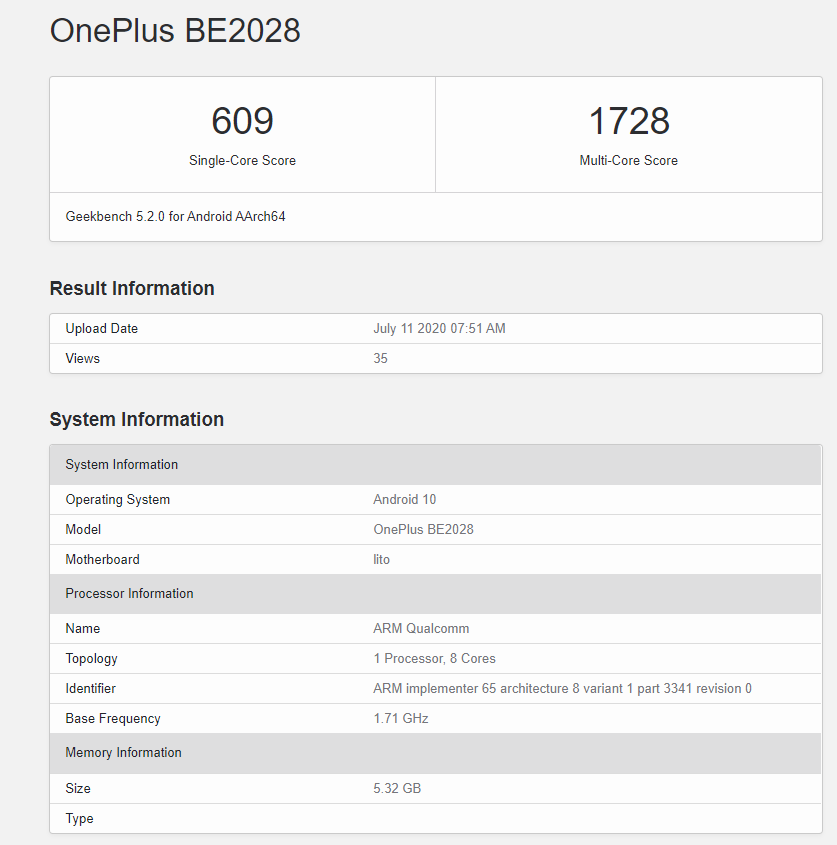
A OnePlus device has been spotted on Geekbench under the name “OnePlus BE2028” and it is not the OnePlus Nord. The Geekbench listing shows the phone has 6GB of RAM, runs Android 10, and is powered by the Snapdragon 690.
Yes, that is the Snapdragon 690 and not the Snapdragon 765. The CPU details show the processor has an Adreno 619 which is not the GPU inside the Snapdragon 765 processor.
The Snapdragon 690 was announced last month as the first Snapdragon 600-series 5G processor. It is an 8nm chipset with 2x Kryo 560 cores clocked at 2.0GHz and 6x Cortex-A55 cores clocked at 1.7GHz. The GPU is an Adreno 619L.
The chipset also has Bluetooth 5.1 and Wi-Fi 6 and supports FHD+ displays with a 120Hz refresh rate and QHD+ displays with a 60Hz display.
Based on the features of the chipset, we can deduce some of the specs of this OnePlus phone. For starters, it will have an FHD+ display. It should also have a refresh rate of at least 90Hz. OnePlus already said last year that all its phones will have a high refresh rate and we presume this will also apply to its mid-range phones.
While the official name of this phone is not known, there are speculations it may be the OnePlus Nord Lite. OnePlus already confirmed that Nord is a line of affordable smartphones, so any OnePlus device that is not a flagship will launch under the Nord line.
We expect more details regarding this device will surface in the coming weeks.
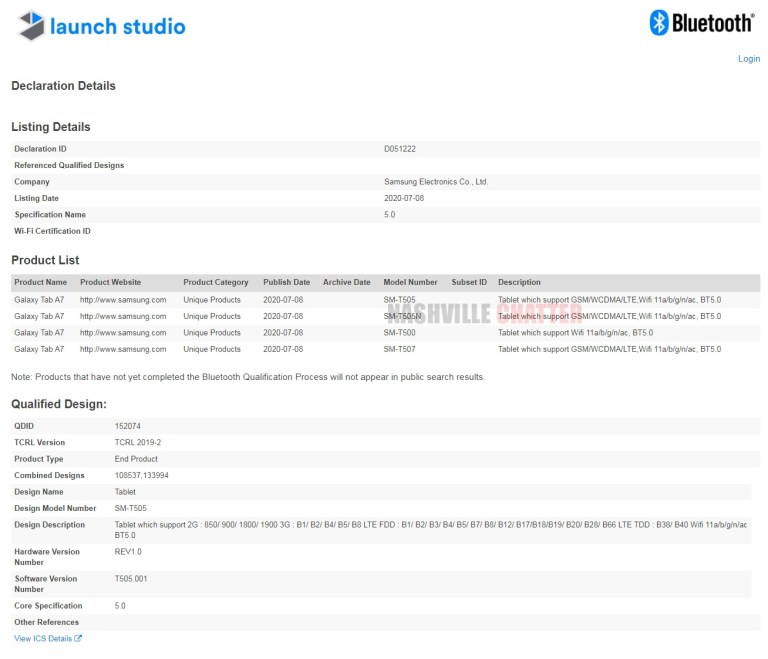
Samsung is rumored to launch the Galaxy Tab S7 and Galaxy Tab S7+ with flagship specifications on July 22. Recently, a new Samsung tablet named Galaxy Tab A7 was spotted at the Bluetooth SIG certification platform. The tablet seems to be inching towards its launch as it has bagged approval from the Federal Communications Commission (FCC) in the U.S.
The Bluetooth SIG appearance had confirmed the Galaxy Tab A7 and the associated model numbers such as SM-T500, SM-T505, SM-T505N, and SM-T507. Based on how Samsung assigns model numbers for Wi-Fi and LTE versions of its tablets, it can be said that the SM-T500 is the Wi-Fi only version of the Galaxy Tab A7 and SM-T505, SM-T505N and SM-T507 are its LTE variants. The Bluetooth certification revealed that it carries support for Bluetooth 5.0.
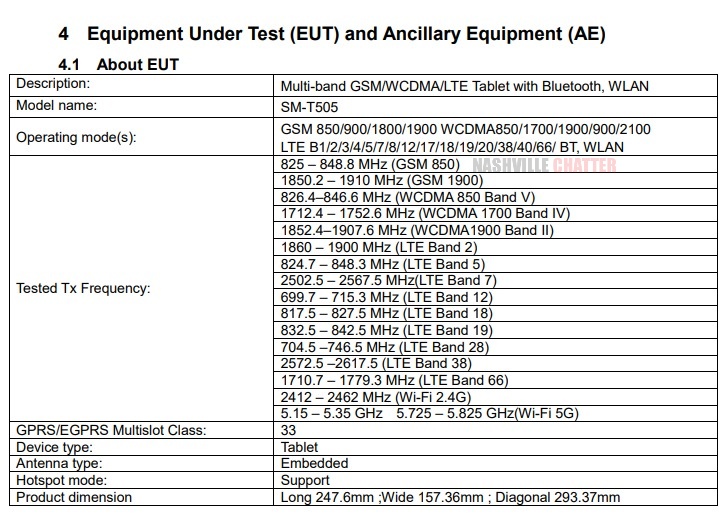
The FCC certification of the SM-T505 i.e. LTE version of the Galaxy Tab A7 shows that it measures 247.6mm in height and 157.36 in width. The tablet measures 293.37mm diagonally. This indicates that the device could be equipped with a display that measures around 10 inches.
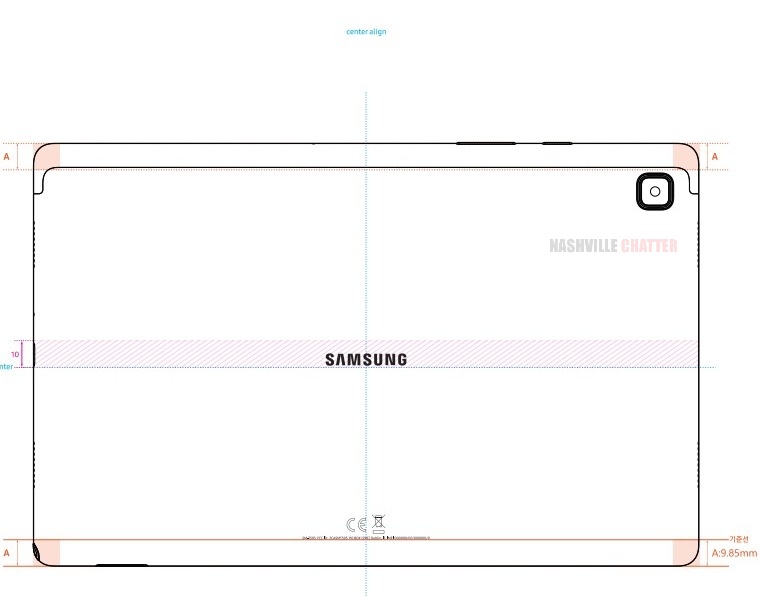
A schematic of the Galaxy Tab A7’s rear is also available in its FCC filings. It shows that the slate is fitted with a single rear-mounted camera. The other details of the tablet are currently under wraps. Now the tablet has bagged some important certifications, it may go official as early as next month.
There is an upcoming Samsung Galaxy tablet with model number SM-T575 in the pipeline. It was recently spotted on Geekbench with Exynos 9810 chipset. The device runs on Android 10 and the SoC is accompanied by 4 GB of RAM. TUV Rheinland Japan certification has revealed that the typical capacity of its battery is 5,050mAh. Hopefully, further reports will reveal the identity of the SM-T575 tablet.
Asus has remained dormant in the first half of 2020 in terms of smartphone launches. But not anymore as the company has scheduled to unveil the much-anticipated ROG Phone 3 on July 22 in most countries including India at the same time. Most of the specs of this handset have leaked over the past few weeks. Now, the device also receives NCC certification in its home country Taiwan.
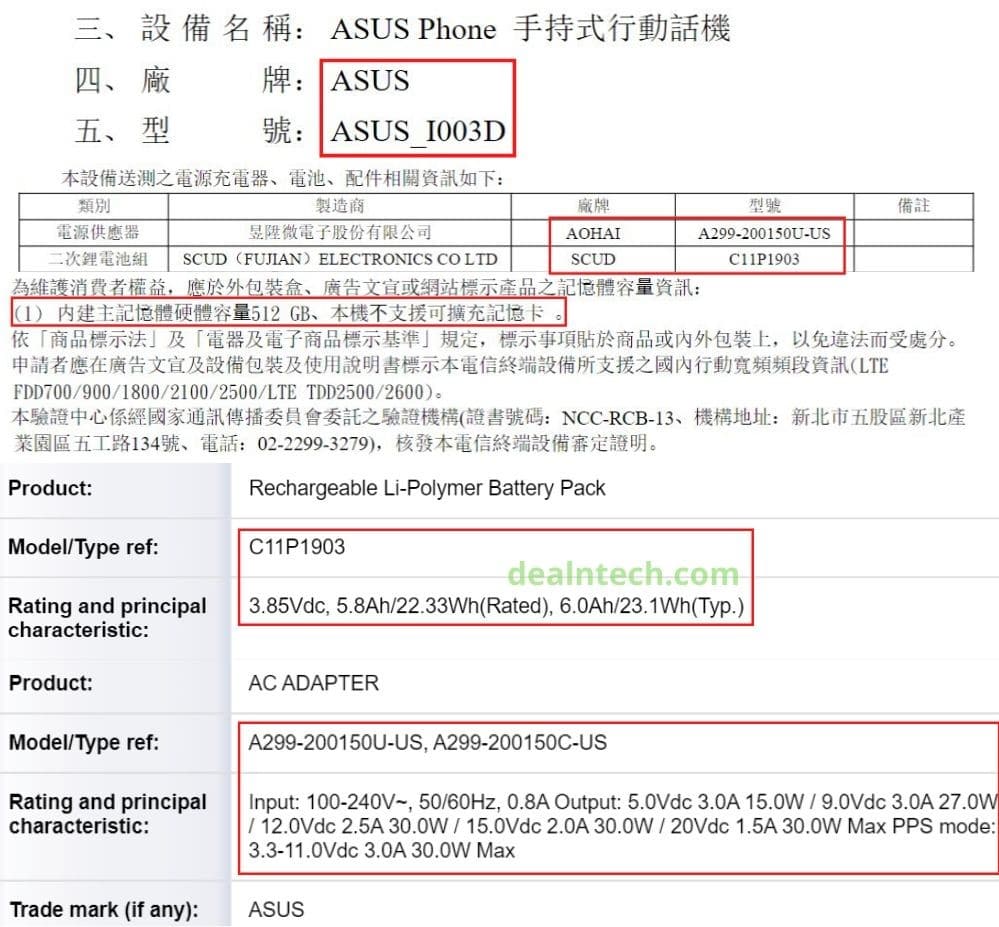
The NCC certification bureau of Taiwan reveals the model number of Asus ROG Phone 3 to be ASUS_I003D. It also mentions the handset to arrive with an A299-200150U-US 30W fast charger. Further, it also exposes the phone’s battery capacity to be 6,000 mAh, in addition to its 512GB internal storage.
According to previous leaks and certifications, the upcoming ROG Phone 3 will be powered by the newly announced Qualcomm Snapdragon 865 Plus paired with up to 16GB RAM. On the front, it will sport a 6.59-inch FHD+ AMOLED display with 144Hz refresh rate with in-screen fingerprint sensor and a 13MP selfie camera above it.
On the back, it will house a 64MP triple camera setup with support for up to 8x zoom from one of those sensors. Last but not least, it will run Android 10 out of the box and will compete with Lenovo Legion Gaming Phone, which will be also launching on the same day as this device.
Although professional sporting leagues have resumed in several countries after shutting down due to the COVID 19 pandemic, games are played without fans inside the stadia. In Japan, a professional baseball team decided to try out a different approach. They deployed robots to cheer the team on.
Japan baseball team Fukuoka SoftBank Hawks recently hosted a professional baseball game against Rakuten Eagles. The team owed by Softbank deployed over 20 robots to dance in a choreographed style to the team’s fight song on a podium in the stand which was entirely empty.
The robots include the humanoid Softbank’s Pepper robot and several of the Boston Dynamics dog robot named Spot. the four-legged robots were donned with Hawks’ branded face caps and flags. The robots stamped and shimmied in a choreographed dance that is usually performed by the Hawks’ fans before games in the 40,000 capacity Fukuoka Dome.
Although the robots cannot completely replicate routine carried out by some 40,000 fans, it is a reminder of the progress that has been made in robotics engineering. Engineers have been able to design robots that can perform many functions that humans usually carry out and many more that humans can’t do.
Boston Dynamics Spot robot
In this era of COVID 19, Boston Dynamics Spot has been deployed by countries like Singapore to ensure citizens maintain social distancing. Trial deployments have seen Spot create 3D maps of construction sites and hunt for machine faults in offshore oil rigs. Less routine tests include helping hospitals triage COVID-19 patients and, somewhat controversially, working with a police bomb squad.
Several persons have shared their thoughts since the video emerged, with opinions ranging from admiration to fear and even dissatisfaction. “First they take our jobs. Then they take our seats,” wrote an unimpressed Twitter user. “Everything about this is awesome! Love it!” expressed another. “It is normal that I’m so afraid of this?” tweeted a third. “The Terminator!,” commented a fourth mentioning a franchise of films on robot apocalypse. Expressing the same notion another wrote, “Terminators; so it begins.”
A couple of days back, the official accounts of Honor and AMD on Weibo teased a collaboration between the two companies. We reported it to be the initial teaser for Honor gaming laptops. Unfortunately, it isn’t the case as the Huawei sub-brand has scheduled an event for July 16 to announced new MagicBook series Ryzen Edition
Recently, Honor launched MagicBook Pro 2020 models powered by Intel 10th generation processors paired with MX350 GPU. We think the upcoming AMD Ryzen-equipped MagicBook notebooks may also feature a similar design and identical features.
Although Honor has begun to tease the new models ahead of their launch, as of now, it has only revealed them to come with 65W fast charging support. The brand claims that these forthcoming Rzyen Edition laptops will be able to charge about 50% within 30 minutes.
That said, the brand is yet to reveal other specifics about its next laptop models. Anyway, going by the earlier announcement teaser, these models will be part of Honor’s thin and light laptop models. Hence, they will probably feature Ryzen U series chipsets, which are not built for gaming and resource-hungry tasks.
Vivo had unveiled the Vivo TWS Neo earbuds in China alongside the Vivo X50 series in China on June 1. Rumors are rife that the Vivo X50 and Vivo X50 Pro smartphones will debut in India on July 16. A new report on 91mobiles states that the company will be also announcing the Vivo TWS Neo earbuds through the same event.
The publication has learned from its retail sources that the Vivo TWS Neo will launch with the Vivo X50 series. At present, there is no word on its pricing for India. In China, it is priced, the Vivo TWS Neo earbuds are priced at 499 Yuan (~$71; ~$Rs. 5,355). It is available in the homeland in color variants like Interstellar Blue and Moon White.
As far as the Vivo X50 series is concerned, it is speculated that the global markets will receive only the Vivo X50 and Vivo X50 Pro smartphones. The Snapdragon 865 powered Vivo X50 Pro+ is unlikely to launch in markets outside of China.
The Vivo TWS Neo earbuds are equipped with 14.2mm large drivers and it comes with support for Bluetooth 5.2 connectivity. For personalized listening experience, it offers with three DeepX Stereo modes like bass-heavy, clear voice and high pitch.
It delivers CD-rated audio output as it is equipped with aptX adaptive codec. With the charging case, it promises a battery life of up to 27 hours. The case has a USB-C port for charging, and there is no support for wireless charging. For video calls and gaming, it comes with low latency of 88ms. Other features that are available on the Vivo TWS Neo are IP54 rating, Jovi assistant, and support for touch gestures.
Google Pixel fans are endlessly waiting for the arrival of the Pixel 4a midrange. While some rumors have claimed that the Snapdragon 730 powered smartphone will debut this month, while contradictory reports have claimed that its arrival could be postponed until October. Previous reports have claimed that Google could be launching the Pixel 5 and Pixel 5 XL phones in October. However, a fresh report on 9to5Google claims that the search engine will not be launching two phones such as Pixel 4a (5G) and Pixel 5 soon, and it will not be launching the Pixel 5 XL handset.
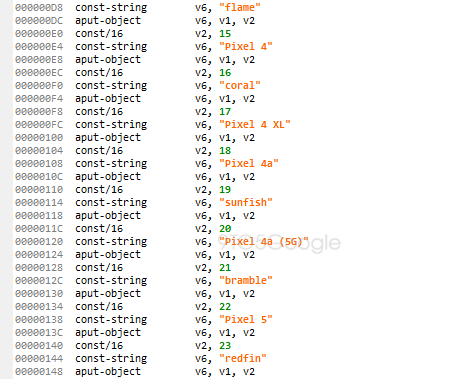
Dylan Roussel from 9to5Google scoured through the code of the latest beta edition of the Google Search app and came across the codenames of the entire Google Pixel lineup for this year. As shown in the below image, Bramble is the codename of Pixel 5 whereas the Pixel 4a (5G) is codenamed as Redfin. Initial reports had claimed that these handsets could be debuting as Pixel 5 and Pixel 5 XL.
As previous reports have revealed, the Sunfish codename belongs to the upcoming Pixel 4a handset. The Pixel 4a XL and Pixel 5 XL are not on the list. This suggests that the search engine giant has not planned to launch these phones this year.
The Bramble phone i.e. the Pixel 5 is rumored to be equipped with Snapdragon 765 chipset and is not a flagship phone. The Pixel 4a (5G) could be powered by a less powerful 5G chipset. Qualcomm has recently launched the Snapdragon 690 5G that brings 5G capabilities on affordable devices. It remains to be whether Google uses SD690 on the Pixel 4a (5G). Even if the Pixel 4a (5G) arrives with SD765G, the company may offer it with cheaper build materials like plastic whereas the Pixel 5 may arrive with aluminum and glass chassis. Since the hardware information for Pixel 4a (5G) and Pixel 5 are just assumptions, it is advisable to wait for further reports to know more about their specs.
Less than a month after we reported that Xiaomi has started pushing the Android 10-based MIUI 11 update to the Redmi Note 7 users in China, the company has announced same for users in India. The company announced via a thread on the Mi Community forum that the MIUI 11 beta stable update based on Android 10 has been pushed to selected users in India.
The update which was delivered via OTA ushers in the MIUI 11 IN Beta Stable V11.0.2.0 QFGINXM version. Since it is a stable build, releasing it as a beta means the company is testing the build if there are still bugs. The push is likely to users who were selected for the Redmi Note 7 beta program and they will be required to share their feedback. If there are no issues with the build, a full rollout is expected in India within a week or even less. However, the rollout will be halted should bug or any other complaint emerges from users who received the update.
The changelog has not been released and a link to download the update isn’t available. Those who got the update are not allowed to share a download link or even the changelog. However, the post did indicate that the build ushers in Android 10 and it should bring all the Android 10 features that are already in the open such as system-wide dark mode and improved always-on display functionality. It also brings along new animations, themes, wallpapers and improved notification system among others. We also expect the update to deliver the latest Android security patch.
This is the year of mid-rangers, and specifically 5G mid-rangers. After a lot of 5G handsets, even Vivo’s brand iQOO launched a very affordable 5G phone in the Chinese market: the iQOO Z1x 5G. It is definitely one of the cheapest phones with the support of fifth-generation networks in the whole market, but is its value for money high enough to be preferred to other recent 5G mid-rangers? In order to let you find out, we decided to compare its specifications with the Vivo X50 and the Oppo Reno4: the base variants of the latest 5G series released by Vivo and Oppo.
Triple 48 + 2 + 2 MP f/1.8, f/2.4 and f/2.4
16 MP f/2.0 front camera
BATTERY
4000 mAh, fast charging 65W with SuperVOOC 2.0
4200 mAh, fast charging 33W
5000 mAh, Fast charging 33W
ADDITIONAL FEATURES
Dual SIM slot, 5G
Dual SIM slot, 5G
Dual SIM slot, 5G
Design
All of these handset offer a modern design, but the most wonderful is the Vivo X50 which comes with a glass back, an aluminum frame like flagships and even a very high screen-to-body ratio, the highest of this comparison. You get a display with a single punch-hole inside and even an in-display fingerprint reader so that the glass back is totally clean with the exception of the camera elements. Oppo Reno4 comes right after, it has a very clean and futuristic design too. But it has a dual punch-hole and a lower screen-to-body ratio than Vivo X50. It is even thinner and lighter, one of the thinnest 5G phones released, that is why Vivo X50 is my favorite choice.
Display
With the Vivo X50, you even get the best display. It is an AMOLED panel with a 90 Hz refresh rate and the HDR10+ certification, so it provides both a smooth viewing experience and a great image quality. iQOO Z1x 5G has HDR10 and an even higher refresh rate (120 Hz!), but unfortunately, it sports a disappointing TFT panel which is not even close to the Vivo X50 in terms of image quality. Oppo Reno4 has an AMOLED display, but with a standard refresh rate.
Hardware/Software
iQOO Z1x 5G, Oppo Reno4 and Vivo X50 are based on the Snapdragon 765G mobile platform, they sport up to 8 GB of RAM and up to 256 GB of UFS 2.1 internal storage. Exactly the same hardware department, so you would get more or less the same performance and the same 5G connectivity with SA/NSA standards and an integrated Snapdragon X52 modem. The software is what changes: iQOO UI, ColorOS, and Funtouch OS, respectively, all based on Android 10.
Camera
Vivo X50 is again the winner, even when it comes to the camera quality. Vivo X50 is the only one with OIS, it has an additional telephoto lens which is not present on its rivals, and it provides a way better photo quality. Oppo Reno4 only wins the selfie comparison thanks to a dual 32 + 2 MP front camera including a depth sensor. iQOO Z1x is the most disappointing one as a camera phone, simply do not choose it if you need great photos and videos.
Battery
Finally an aspect under which iQOO Z1x takes the crown: it has the longest battery life thanks to its bigger 5000 mAh battery. On the other hand, with the Oppo Reno4, you get the fastest charging technology with a 65W power. It can fully charge in just 36 minutes from 0 to 100 percent.
Price
iQOO Z1x is priced just €200/$226 in its base variant, Oppo Reno4 costs €370/$418, and Vivo X50 carries a €451/$510 price tag. There is no doubt about the fact that Vivo X50 is the most advanced phone of this comparison. But you can get the same performance and a longer battery life for less money with the iQOO Z1x. So if you do not care about cameras, design and image quality, iQOO Z1x is enough for you. Oppo Reno4 sits in the middle, it will let you save some money, but you have to face compromises when it comes to the camera department and the display, compared to the Vivo X50.
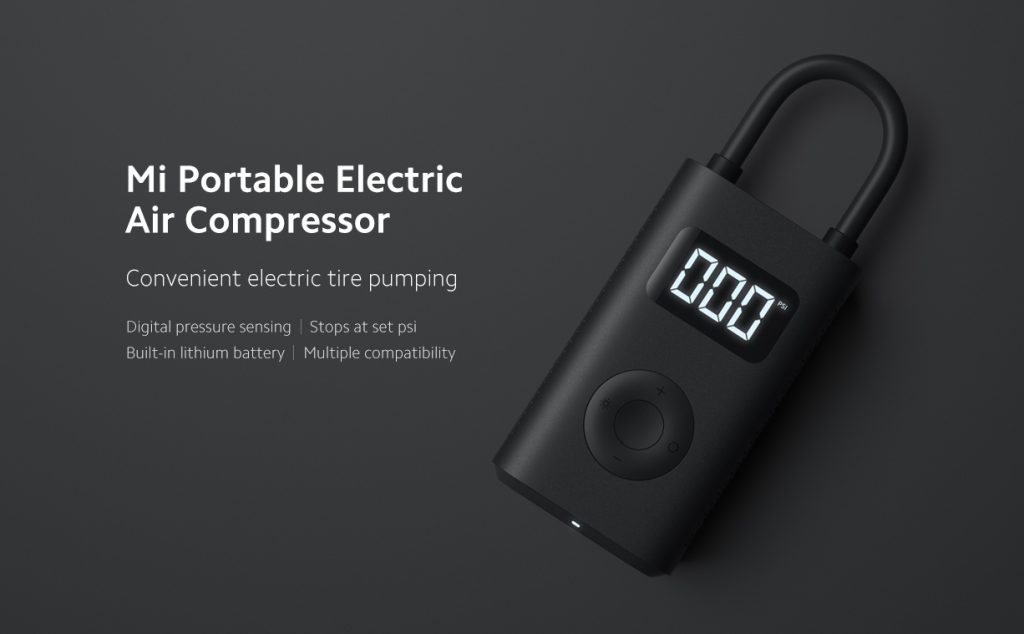
Xiaomi will be expanding its ecosystem products in Europe on July 15. In India, the company has scheduled the launch of a new product on June 14. The product is the MIJIA Portable Inflator which was first launched in China last year. The product will likely launch as Mi Portable Electric Air Compressor in India as it adopts the same name in the UK where it is on sale for £39.99.
The portable electric pump is designed to work with a wide range of nozzles. It is housed in a compact body so that you can easily carry it everywhere you go. The product’s dimensions without the pipe are 124x71x45.3mm.
A compact and portable piece of #SmartTech is coming your way.
Moreover, this tire electric inflator pump comes with a Micro-USB charging interface and offers an inflation pressure range of 0.2-10.3bar/3-150psi.With 5V-2A charging parameters, the Xiaomi Portable Electric Air Compressor draws its juices from a 2000mAh (14.8Wh) battery and can be charged in less than three hours. It offers a sensor accuracy of ±2psi. On top of that, the feature-laden tire electric inflator pump produces noise less than 80dB from 1 meter. Compatible with multiple air taps, the device stops when fully inflated.
Xiaomi will be releasing the Mi Smart Band 5 for the global market on July 15 as a successor to the Mi Band 4. The Mi Band 5 definitely has a tall three to climb going by the performance of the Band 4. Xiaomi has taken to Twitter to brag about the Mi Band 4’s sales feat.
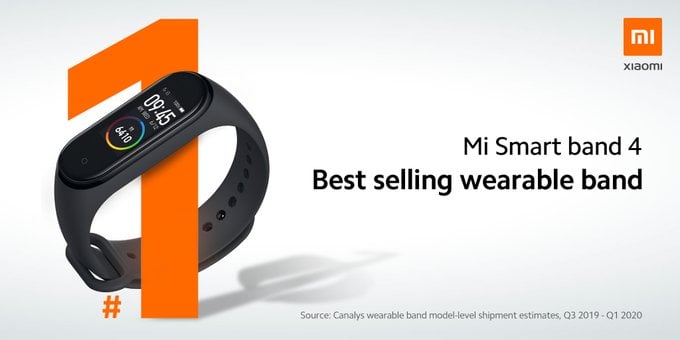
According to Canalys wearable band shipment estimates that is referenced by the tweet, the Mi Band 4 is the best-selling wearable band worldwide in the period ranging from Q3 2019 to Q1 2020.
Xiaomi’s smart band have often enjoyed huge market successes right from the original Mi Band. The Mi Band 2 released in 2016 was also another top-selling model. The same thing applies to the Mi Band 3 and now the Band 4. The company had sold a million unit of the original Mi Band in just nine months. The Mi Band 2 achieved the same feat in just two months while the Xiaomi Mi Band 3 sold up to 1 million units in just 17. Just like old wine, it just kept getting better as the brand ages. The Mi Band 4 recorded up to 1 million units in sales in just 8 days!
WOW! #MiSmartBand4 is the best-selling wearable band in the world! 🎉
There is hardly any doubt that the Mi Band 5 will also be a top-selling model considering the improvements in its design and added features. It is noteworthy that the company recently rolled out the drums to celebrate shipping over 100 million smart wearable devices between 2014 and 2019.
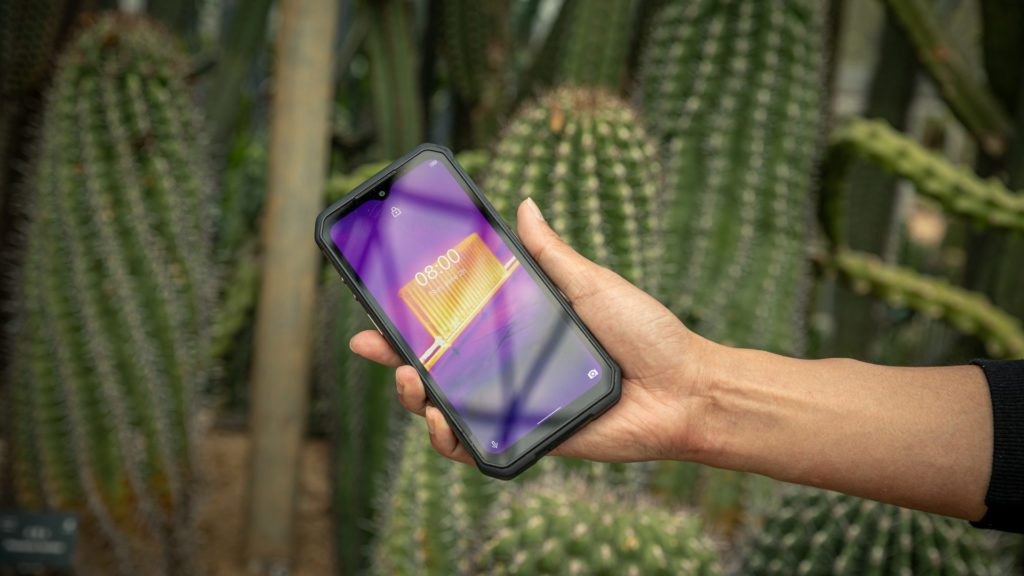
Ulefone Armor 9 was recently unveiled by China’s popular rugged smartphone maker a few weeks ago. The new affordable rugged smartphone carries high-end specifications and offers value-for-money. It houses some useful features such as thermal imaging camera, stealthy design and a large imaging sensor. It can be used with an endoscopic tool to reach confined areas of your house, office or any place.
The smartphone possesses many other advantages from being a MIL-STD-810G standard certified to a long-lasting battery of 6600 mAH battery. It even runs on Android 10 offering stock experience with the latest features like improved dark mode and others. We are listing some best advantages of the Ulefone Armor 9 smartphone.
Sturdy and Stealthy Design
Ulefone Armor 9 is a fully rugged smartphone and carries MIL-STD-810G military-grade certification. It is even dust, drop and waterproof and features IP68/IP69K certification. It can be your companion through challenging environments and outdoor adventures. The sturdy and stealthy design of the device makes it more useful.
Thermal Imaging Camera
The device features a FLIR® Lepton® thermal imaging camera with MSX technology for accurate measurement and detecting problem like a pipe leak, electrical short, etc. It enables users to easily extract the underlying problem easily. It is even useful to measure the temperature of any object without making physical contact.
Highly-Advanced Camera
It features an exceptional Samsung 64-megapixel 3D HDR camera for better quality images. It can shoot 4k videos and detailed photos even in the low-light environment.
Endoscope Support
Ulefone Armor 7 can be used with Endoscope to peek into hard-to-see areas. The narrow chores of the house, sink and sofa corners can be cleaned easily after watching it through the endoscope. It is a useful tool for mechanics to easily troubleshoot the issues.
Powerful Chipset
It is coupled with a MediaTek HelioP90 AI processor for flawless performance while gaming and watching videos. The chipset handles AI tasks more effectively using the inbuilt powerful NPUs. The smartphone is coupled with 8GB RAM and 128 GB internal storage.
Long-Lasting Battery
Ulefone Armor 9 packs a massive 6600 mAh battery with support for 18W fast charging. It is effective enough for three-four days of regular usage upon a full charge.
Android 10 Smart OS
Ulefone Armor 9 runs on Android 10 OS with vanilla Android experience. It brings all the prominent features of the latest Android iteration like improved dark mode, better privacy controls, optimised and adaptive battery usage, and others.
Ulefone Armor 9 is available at a discounted price via Kickstarter. However, the sale or discount extravaganza will last until July 14th. You can know more about the device by heading to the crowdfunding campaign page or Ulegone official website.
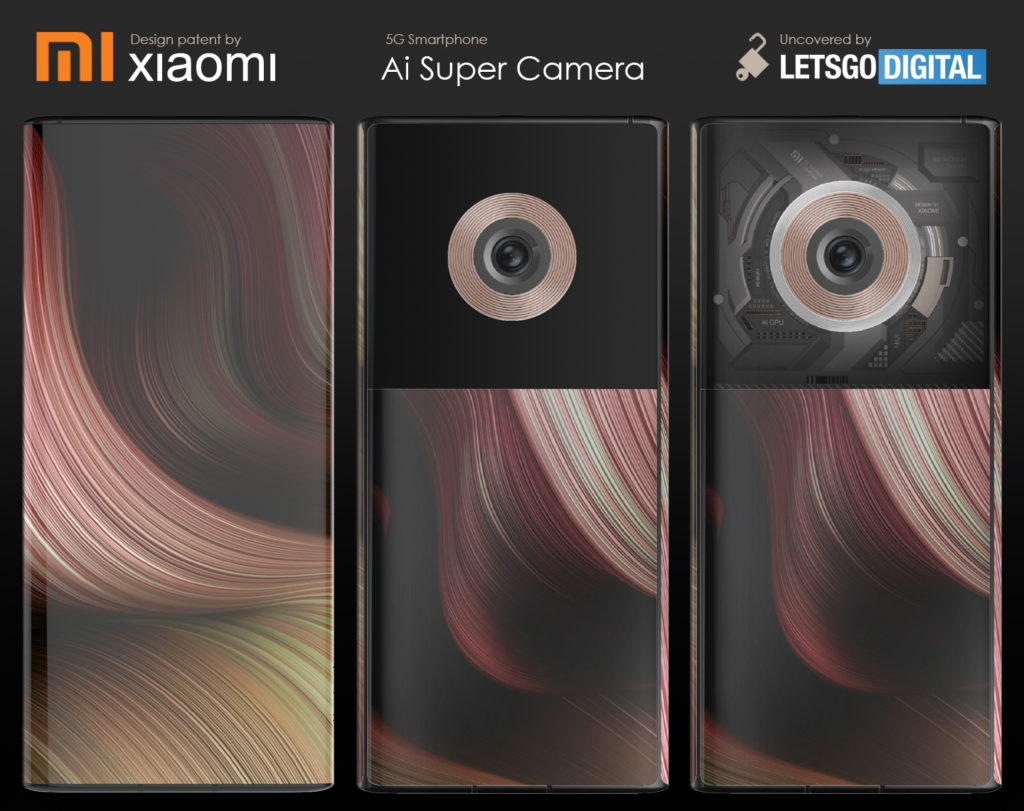
Xiaomi is known for popularising bezel-less smartphones with its Mi Mix series of smartphones. Last year, the brand unveiled a one of a kind handset called Mi Mix Alpha with an all-around screen. This device is yet to go on sale, however, the company has already patented design for a similar phone at the China National Intellectual Property Administration (CNIPA).
The said patent was filed by Xiaomi on January 19, 2020, but the documentation, as well as images, were only published today (July 10, 2020). They were unearthed by none other than the patent experts at LetsGoDigital.
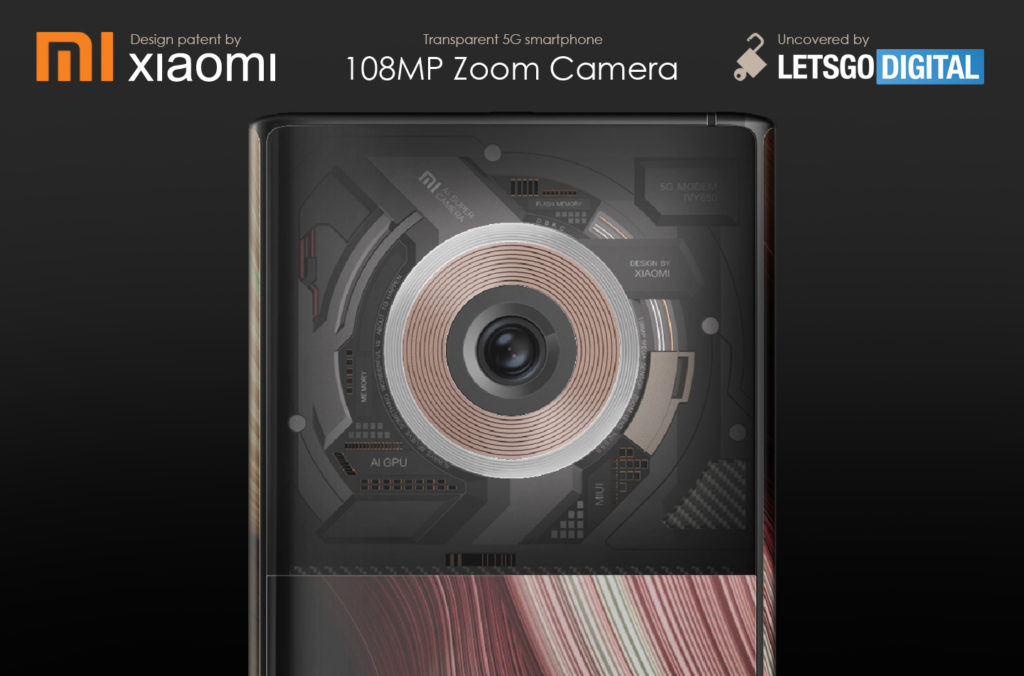
According to the patent, this smartphone will have an all-around display but the top portion of the rear will have a single giant 108MP camera with a zoom lens. The company even calls it “AI Super Camera”.
There are two designs for the same device, one in black color and another with transparent panel showcasing the internals, which could be mere placeholder plastic material like on the Mi 8/Mi 9 Explorer Edition.
There’s only one physical key (power button) and a secondary mic at the top, whereas the bottom houses the speaker, primary mic, and USB Type-C port.
The patent also reveals it to be a 5G phone but there’s no mention of the chipset used. But the transparent edition does describe “5G MODEM IVY 650”, which is not a real thing. Other texts inside the phone include “AI SUPER CAMERA”, “108MP MEGA SENSOR ZOOM LENS F/2.0 – 5.0”, “AI GPU”, “MEMORY”, “MIUI”, “DESIGNED BY XIAOMI”, and “ALWAYS BELIEVE SOMETHING WONDERFUL IS ABOUT TO HAPPEN”.
Anyway, it is not known if this handset will ever see the light of the day. Even if it does, we don’t expect Xiaomi to sell it.
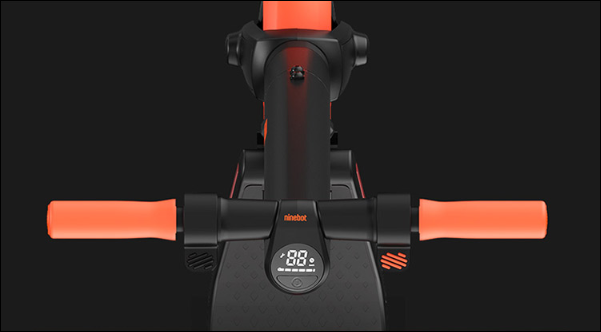
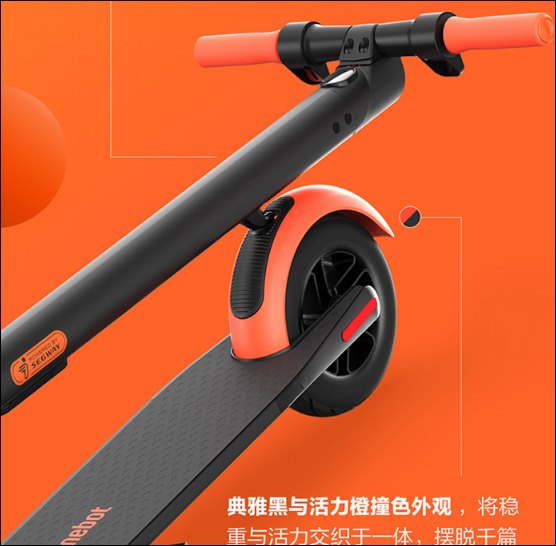
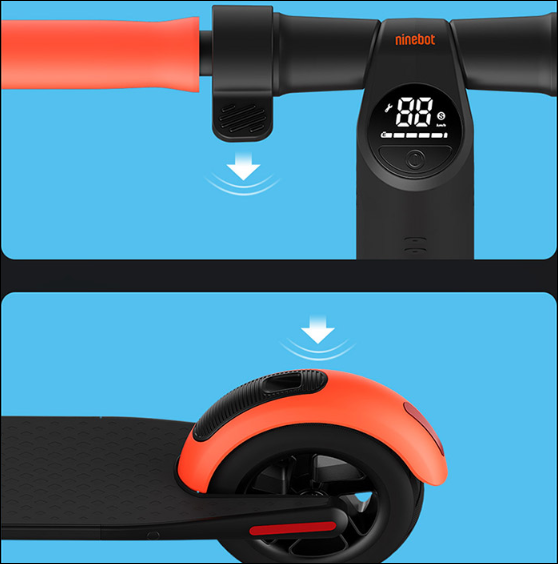
Xiaomi‘s ecological chain company Segway Ninebot has launched the Ninebot ES1L folding electric scooter. The launch comes just a few days after the NineBot C30 e-bike was launched. The e-scooter comes with a price tag of 1599 yuan ($228).
The Ninebot ES1L e-scooter is a trimmed down variant of the NineBot ES1 that was launched last year. The ES1L comes with a maximum speed of 20Km/h and has a range of 20km which is lower than the 25km mileage of Ninebot ES1.
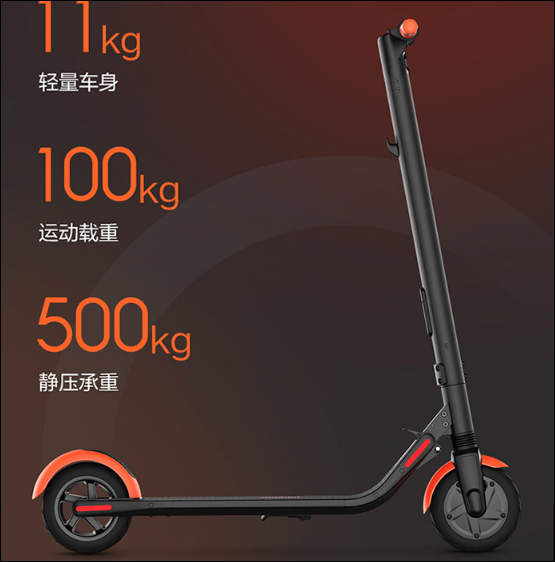
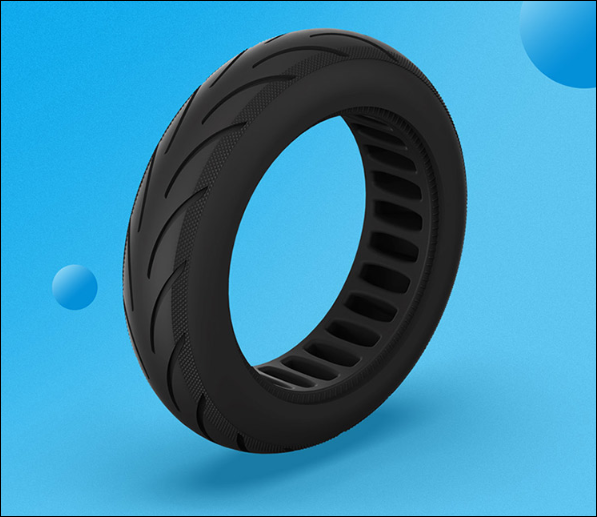
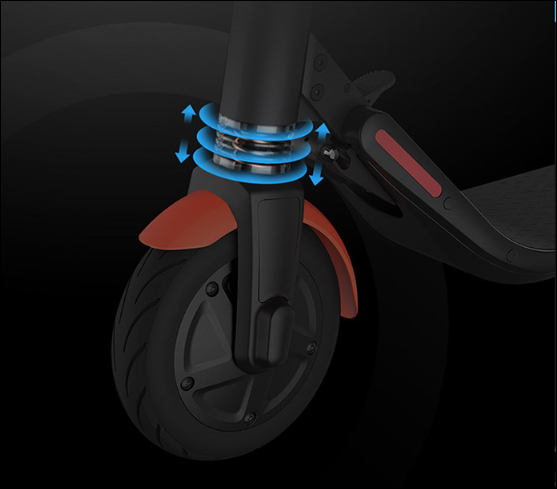
The e-scooter is manufactured using aviation-grade aluminium alloy. It is designed with an elegant black/orange paint job. The scooter weighs 11kg and can carry a maximum load of 100kg. The e-scooter also utilises two 8 inches non-pneumatic, explosion-proof hollow tires. The tires won’t result in a bumpy ride as there is a front shock absorber which can effectively reduce the riding bump. The Ninebot ES1L supports one-button folding and can easily to put in the trunk of the car or taken into an elevator.
1 of 6
In addition, the e-scooter utilises a special customized brushless motor with peak value up to 500w. The motor has a use time of up to 3000 hours and can climb an elevation of 10°. It utilises a customized high-quality lithium battery of 184Wh. The scooter also comes with IPX6 waterproof build, BMS security technology support, three-speed modes and more.
There is also a front LED light that can illuminate up to 13.5 meters ahead making it easy to see clearly at night.
OnePlus is rolling out OxygenOS Open Beta 16/6 for OnePlus 7/7T series worldwide. The new update brings July security patch, some display-related fixes, new Clock and Game Space features. This will be the one and only Open Beta build for these handsets for this month as the company made a tweak in the frequency of OxygenOS releases.
The latest OxygenOS Open Beta build for OnePlus 7/7Pro and OnePlus 7T/7T Pro bumps the security patch level to July. Also, it brings changes to the adaptive brightness algorithm making the backlight brightness even softer. The update also fixes an automatic pull-down issue with unlock screen in ambient display.
Further, the clock app gets two new tiles “Lap Time” and “Split Time” for stopwatch to make the interface look better. Lastly, apart from fixing some issues in Messages and Launcher, the new update also adds “Moments” section in Game Space to quickly access snapshots and screen recording.
Here’s the official changelog of OxygenOS Open Beta 16/6 for OnePlus 7/7T series
System
Optimized adaptive brightness curve. The backlight brightness softer, improving user experience
Fixed the issue that double tap could not wake up the screen in some settings
Fixed the automatic pull-down issue with unlock screen in ambient display
Updated Android security patch to 2020.07
Clock
Newly added “Lap time” and “Split time” title for Stopwatch, the interface looking more clear-cut
Game Space
Newly added Moments to store gaming snapshots and screen recordings, please go to three-dot menu at upper right corner>Moments>Recent/Games to find them
Messages
Fixed the bug of unable to receive wireless alarm notifications within a short time despite repetitious trials
Launcher
Fixed the abnormal color display at the top area and button of Notes
OnePlus has already confirmed the much-anticipated Nord smartphone will be launched kicks off on July 21 via an AR event. Already the app for the AR event is live on the Google Play Store and Apple App Store. The company has now released a press statement indicating that the AR launch invitation will be sold to fans in India from June 11.
The OnePlus Nord AR launch will be the world’s first AR smartphone launch and it will commence at 7:30pm IST. The access will cost Rs. 99 (~$1) and will give fans the privilege of experiencing the Nord hands-on in Augmented Reality (AR) even before the official launch. Users who purchase the AR launch invitations will also get a chance to participate in the Launch Day Lottery on Amazon and win an assured gift!
A prototype of the OnePlus Nord
OnePlus also announced via the press release that the Nord smartphone pre-orders will commence on Amazon.in from 15 July 2020 onwards for Rs 499 (~$6). The Amazon.in page is now live and you can click “Notify me” to get notified when the pre-order commences.
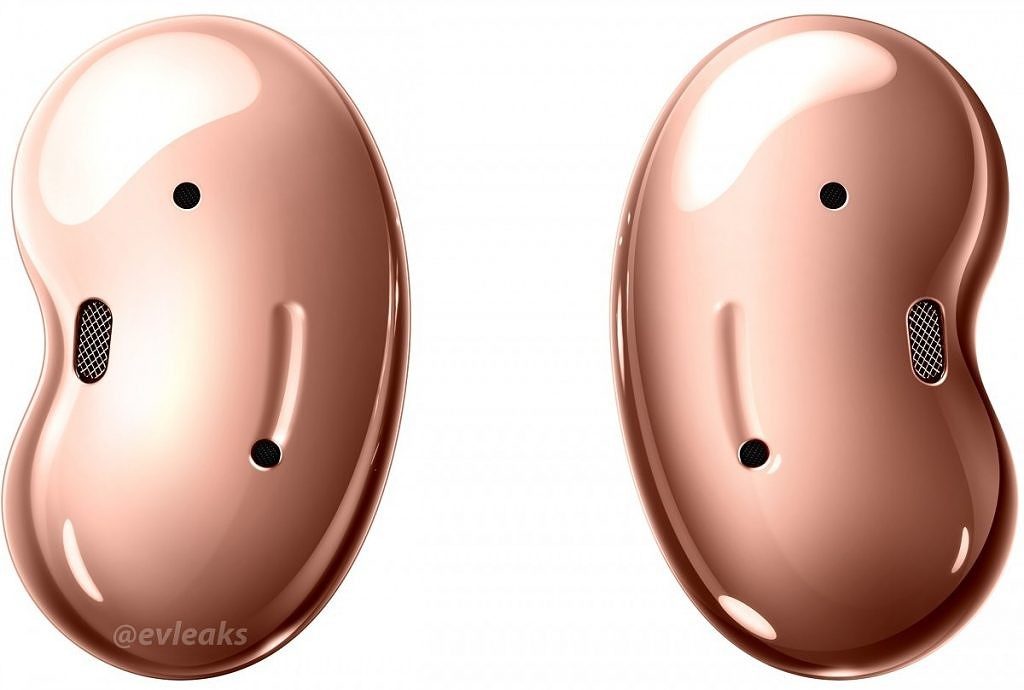
Samsung’s next TWS is said to come with bean-shaped, however, its name remained a mystery until now. It will be called Galaxy Buds Live according to renowned leaker Evan Blass (@evleaks) who also shared a couple of high-quality press renders on his Patreon revealing entire design and available colors.
The upcoming Samsung TWS will be different from any other model launched by the company before. For starters, it will come in a weird shape with no silicon tips unlike the Galaxy Buds and Galaxy Bud Plus. But it is expected to offer better features compared to the other two as per previous leaks.
The buds themselves are shaped like kidney beans (hence the nickname) with two microphones on either of them. Maybe because it is reported to arrive with Active Noise Cancellation (ANC).
As for the case, it is square in shape with curved corners all around. It also has two LED indicators, one on the inside and another on the outside. Although the render does not showcase the USB Type-C port, we expect it to feature it, in addition to wireless charging.
Last but not least, it will come in three colors – Black, White, and Gold. There may be some special edition later like the Galaxy Buds Plus BTS Edition.
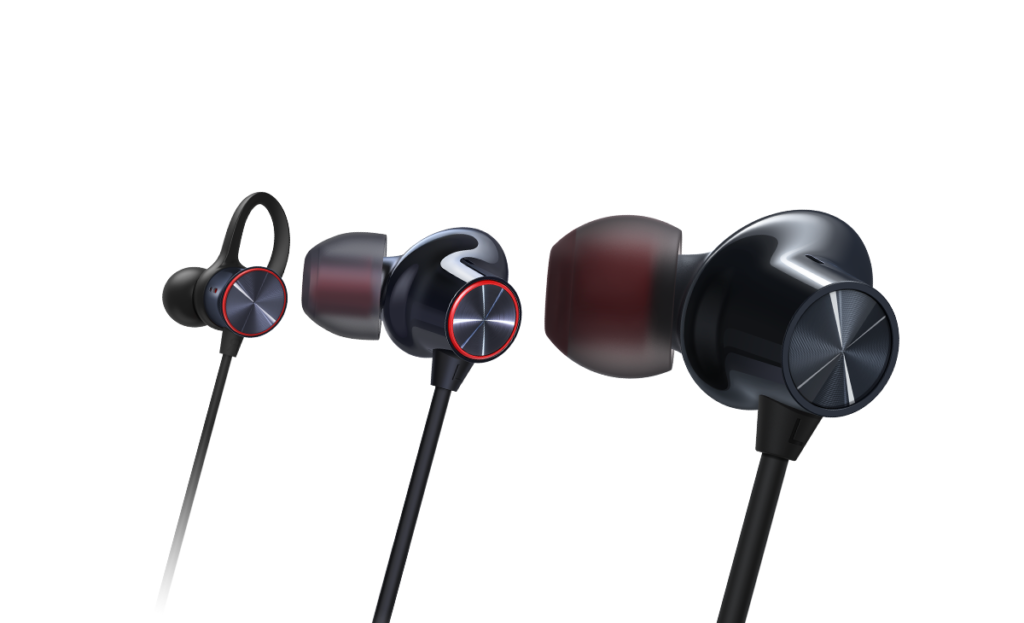
OnePlus is all set to launch its first mid-range smartphone in years called OnePlus Nord after debuting it’s budget smart TVs last week. Now, it seems the brand may also announce its first-ever TWS at the same AR launch event scheduled for July 21.
The existence of OnePlus truly wireless earphones was first revealed by tipster @MaxJmb on Twitter. In fact, he has been exposing more details about this product since then.
Having said that, it has been now also spotted on Amazon India’s notify list (via @stufflistings). A few hours before that, OnePlus itself teased the arrival of its first TWS in a tweet saying “What’s next in line?” with an image of its Bullet earphones lineup.
Anyway, although OnePlus’ fist truly wireless earphones have leaked multiple times over the past few weeks, we are still unaware of its specifications. But we do expect its official press renders to soon pop-up on the web just like those of OnePlus Nord.
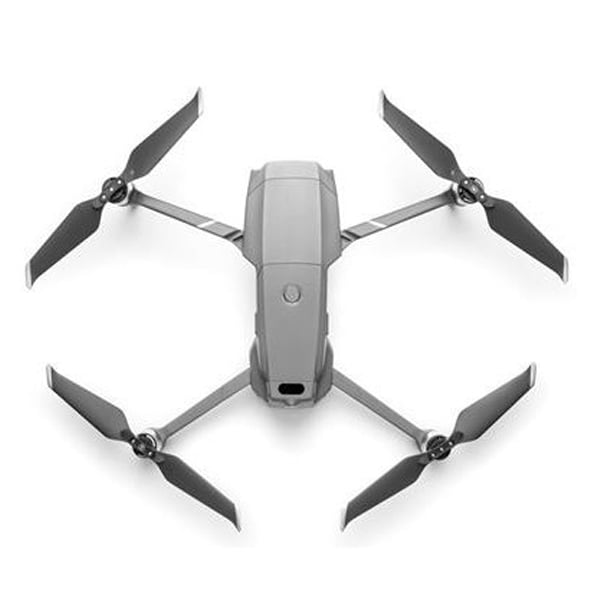
The DJI Mavic 2 series (Mavic 2 Pro and Zoom) of unmanned drones have received a major update 9 months after their original release. The new firmware update version v01.00.0670 has been released and increases the transmission range of the drones to 10km.
The new update brings a bunch of fixes and quality of life improvements as well. This includes:
Increased operating time of remote controller when using in low-temperature environments.
Updated auto discharge default settings to two days.
Fixed occasional issue: gimbal was unbalanced after self check. Use gimbal auto calibration in DJI GO 4 to fix this issue.
Fixed issue: obstacle avoidance switch was unavailable when using MSDK.
Increased the maximum transmission distance: 10 km (FCC), 6 km (CE/MIC/SRRC).
The most noteworthy inclusion is most definitely its increased range of 10kms. This increases its maximum range of the drones, which now go farther than any commercial DJI drones that are currently available in the market. The range extension differs for different regions with the US (FCC) getting a range increased from 8km to 10 km, while the Chinese variant has its range go up from 5km to 6km. So for those looking to update their drone, you can check out the videos linked above.
We use cookies on our website to give you the most relevant experience by remembering your preferences and repeat visits. By clicking “Accept”, you consent to the use of ALL the cookies.
This website uses cookies to improve your experience while you navigate through the website. Out of these, the cookies that are categorized as necessary are stored on your browser as they are essential for the working of basic functionalities of the website. We also use third-party cookies that help us analyze and understand how you use this website. These cookies will be stored in your browser only with your consent. You also have the option to opt-out of these cookies. But opting out of some of these cookies may affect your browsing experience.
Necessary cookies are absolutely essential for the website to function properly. This category only includes cookies that ensures basic functionalities and security features of the website. These cookies do not store any personal information.
Any cookies that may not be particularly necessary for the website to function and is used specifically to collect user personal data via analytics, ads, other embedded contents are termed as non-necessary cookies. It is mandatory to procure user consent prior to running these cookies on your website.