Advertisement

Moto G 5G Plus new leaks reveal SD765G, 4GB RAM, 5,000mAh battery and 20W charging

Motorola has a launch event that is scheduled to take place tomorrow at 3 PM CET. It is speculated that the company will be announcing the Moto G 5G and Moto G 5G Plus as its first 5G-ready G-series smartphones. Recently, the XT2075-3 Motorola phone was certified by the Federal Communications Commission (FCC) in the U.S. It was initially believed that it could be coming to the market as Motorola Edge Lite, but later on it was revealed that it could be coming to the market as Moto G 5G Plus. Some more details of the smartphone have appeared once again through its FCC and TUV Rheinland listings. Also, the handset has appeared on the Geekbench marking platform.
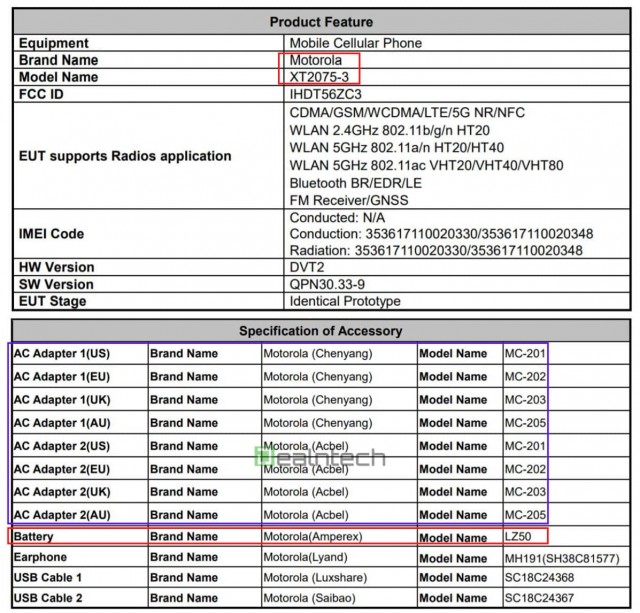
The FCC listing states that the XT2075-3 phone supports 5G, NFC, dual-band Wi-Fi, GPS, GLONASS and Galileo. The TUV Rheinland listing reveals that the phone is packed with a 5,000mAh battery with 4,700mAh rated capacity. The handset will be coming with support for 20W rapid charging.
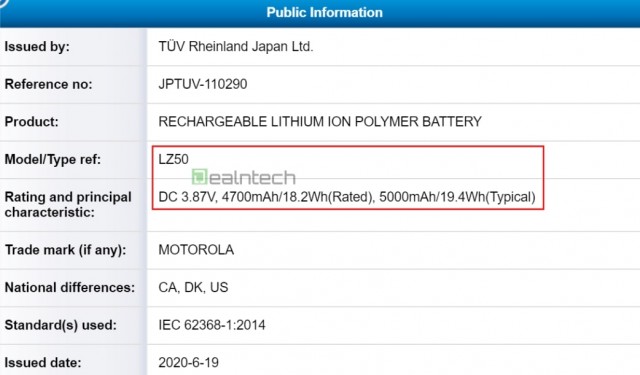
There is some confusion regarding the XT2075-3 that said to be codenamed as ‘Nairobi.’ It is speculated that it may even launch as Moto G 5G in the U.S. It may debut in some market as Moto G 5G Plus. Probably, the phone could be launching through Verizon in the U.S. as Motorola Edge Lite.
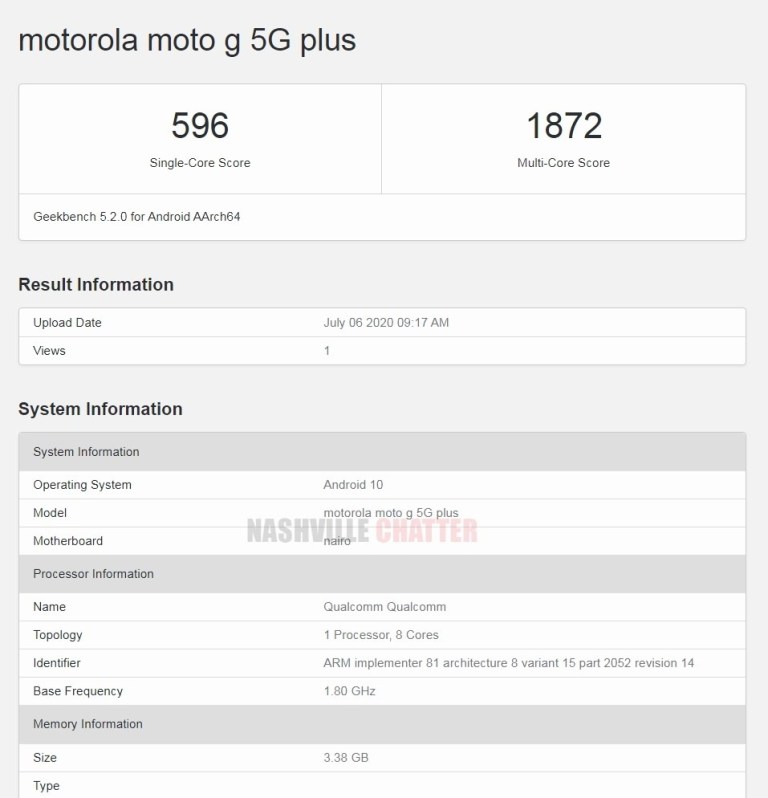
The Moto G 5G Plus appeared on Geekbench benchmarking platform with an octa-core processor from Qualcomm that has a base frequency of 1.8GHz. The text mentioned in the identifier field suggests that it could be featuring the Snapdragon 765G SoC. The Geekbench 5 listing further reveals that it has 4 GB of RAM and it runs on Android 10 OS. In the single-core test of Geekbench 5, the handset recorded a score of 596. It scored 1872 in the multi-core test.

Rumors surrounding the Moto G 5G Plus have revealed that it has a 90Hz display with two punch-holes. It is said to feature an 8-megapixel + 2-megapixel dual selfie camera system. The rear side of the phone has a 48-megapixel + 16-megapixel + 8-megapixel + 5-megapixel quad-camera system.


(via 12)

Samsung chip sales for Q2 2020 may not cover for falling smartphone sales

Samsung Electronics has seen a healthy bump in its chip sales, especially to data centers that are expanding due to a growing surge of work from home traffic. Although, despite its chip sales, it is unlikely that it will make up for its declining smartphone sales.

Samsung

Due to the ongoing pandemic, more and more individuals are working from home, which has caused a boom in online learning. This, in turn, reflects in the growth of chip demand. Samsung is the world’s biggest supplier of DRAM and NAND memory chips. These account for nearly half of the South Korean tech giant’s total profits. The rest is mainly from smartphones.

With the recent increase in demand, a rise in DRAM prices helped the company to maintain a great performance in the second quarter. These price hikes were likely driven by data centers that were stockpiling chips, so the trend is not likely to be sustainable in the near future. However, despite its strong chip sales, the company will not be able to cover up the improved revenue over falling smartphone sales. But the upcoming Samsung Unpacked 2020 event might change the company’s current predicament.


(Via)

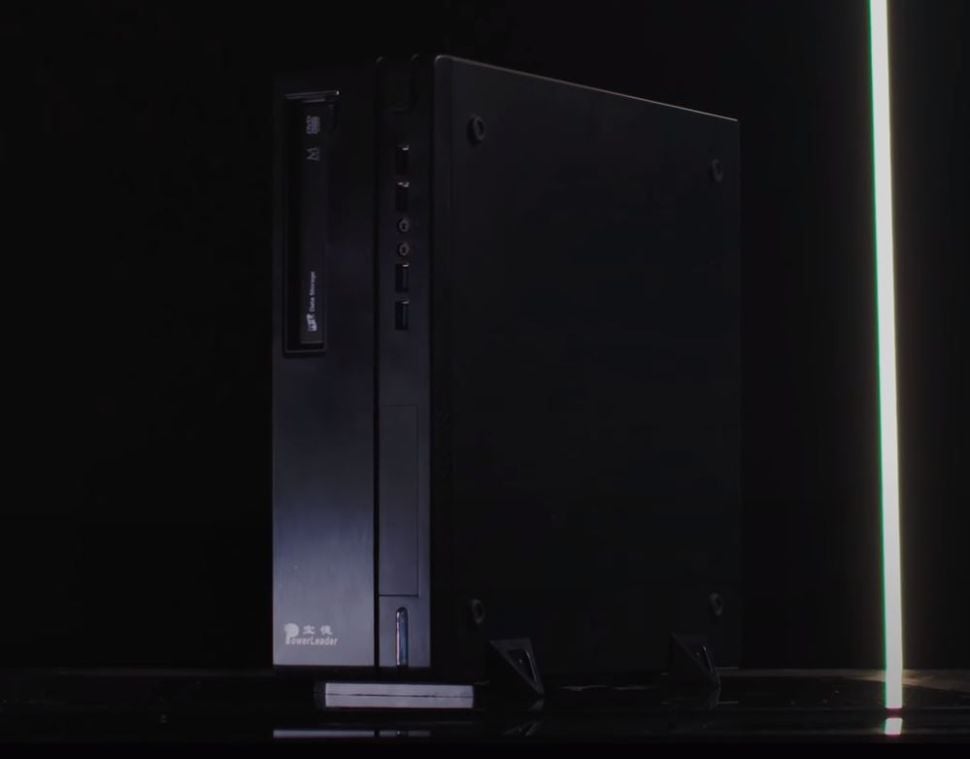
Huawei Desktop PC surfaces online, features 7nm Kunpeng 920 Processor

Huawei has made its own line of 7nm ARM v8 based Kunpeng processors through its subsidiary, HiSilcon, that features up to 64 cores and is basically meant for servers. Now, it seems that at least one of these chips is planned for a consumer grade desktop system, as a Chinese YouTube channel has recently purchased and reviewed a Huawei Desktop PC. We had previously reported on such a system before and it seems a unit has surfaced online.

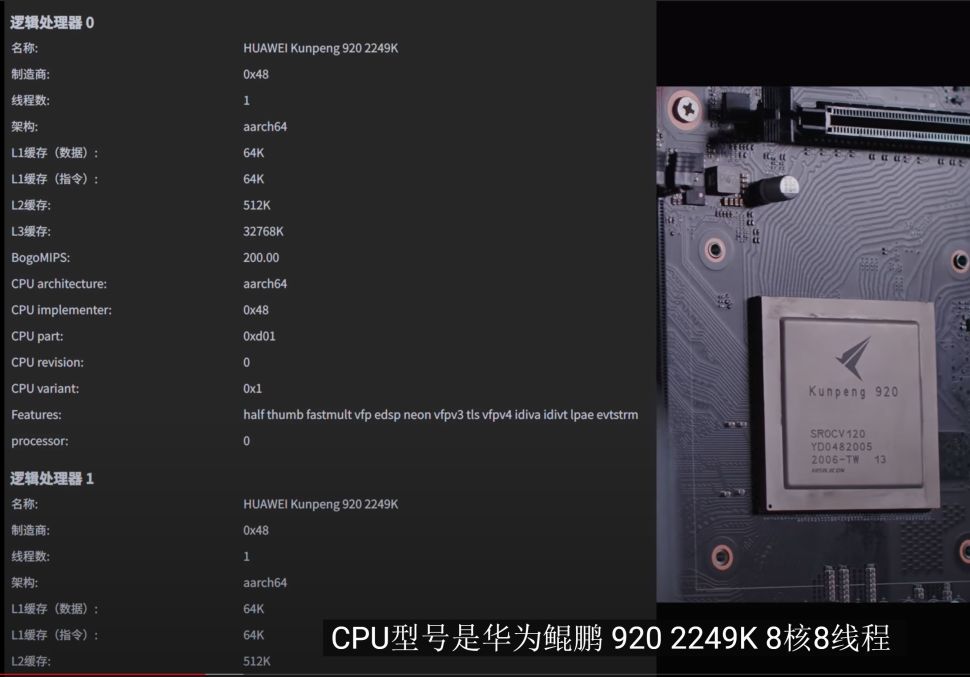
The YouTube channel goes by the name of 二斤自制, who apparently bought and reviewed the Huawei PC with the 7nm Kunpeng 920 ARM v8 processor that has eight cores. This system was built with the Huawei D920S10 desktop motherboard in a third party system and offers us a first look at the upcoming desktop lineup the Chinese tech giant will soon offer, marking its entry into the desktop PC market.

Huawei

Furthermore, the use of self developed chips in the PC is also indicative of reducing reliance on Western technology. Although, it seems that there are still glaring issues with the desktop PC. Looking at the video, it seems the Huawei system is only limited to 64-bit UOS operating system that was made in China. It is a modified version of Linux, with the system supporting 4K resolution at a 60Hz refresh rate via a Yeston RX550 graphics card.

Notably, the YouTuber had to pay an extra 800 Yuan (roughly 115 US Dollars) to gain access to the app store. Unfortunately, it seems like the app store is lacking many basic applications, such as Adobe, which can be essential in the professional fields. The system was also benchmarked with the Blender BMW test render that was completed in 11 minutes and 47 seconds, which is quite slow when compared to the recent generation of desktop processors.

Huawei

The YouTuber bought the system for 7,500 Yuan (roughly 1,060 US Dollars). The Huawei D920S10 motherboard featured 4x DIMM slots but with only 16GB DDR4-2666 RAM spread across two DIMMs. The eight core processor has 8 threads and the video lists its L1 memory with 128K, 512K of L2, and 32MB of L3 memory. While the chip supported PCIe 4.0, the motherboard only has three PCIe 3.0 slots available, with basic connectivity options and ports.


(Via,Source)

SAR values of 15 popular phones in Q2 2020 in India

Smartphones are known for radiating low levels of radio frequency (RF) energy through their antennas. Body parts closest to the antennas can absorb this energy. Specific Absorption Rate (SAR) is the measure of the rate at which energy is absorbed per unit mass by a human body when expose to RF radiations. For phones sold in India, the SAR value should be under 1.6 Watts per kilogram. 91mobiles has compiled a list of the SAR Values of the top 15 smartphones in Q2 2020.

The list shared by the publication reveals that all the SAR values of the all the 15 phones are well under 1.6W/kg. The Redmi Note 8, Samsung Galaxy M31, Realme Narzo 10, Redmi Note 9 Pro Max and Redmi Note 9 Pro have respective SAR values of 0.25W/kg, 0.38W/kg, 0.86W/kg, 0.88W/kg, and 0.90W/kg.


Redmi Note 8 Neptune Blue Featured
Redmi Note 8

The OnePlus 8 Pro, OnePlus 8, Xiaomi Mi 10, POCO X2 and Samsung Galaxy A31 have SAR values of 0.96W/kg, 0.96W/kg, 1.04W/kg, 1.08W/kg and 1.13W/kg, respectively. The Redmi Note 8 Pro, Realme 6, iPhone SE 2020, Realme X3 and Realme 6 Prov have respective SAR values of 1.13W/kg, 1.14W/kg, 1.17W/kg, 1.19W/kg and 1.19W/kg.

There are other popular phones in the Indian market with SAR values below 1.6W/kg. One can easily check the SAR value of a phone by accessing the dialer and entering “#07#.” Manufacturers also mention the SAR value of the phone on its retail package. Some companies like Xiaomi and Samsung also mention the SAR values of their devices on their website.


(source)

TSMC dominates Samsung in Q2 chip production market as 5G demand rises

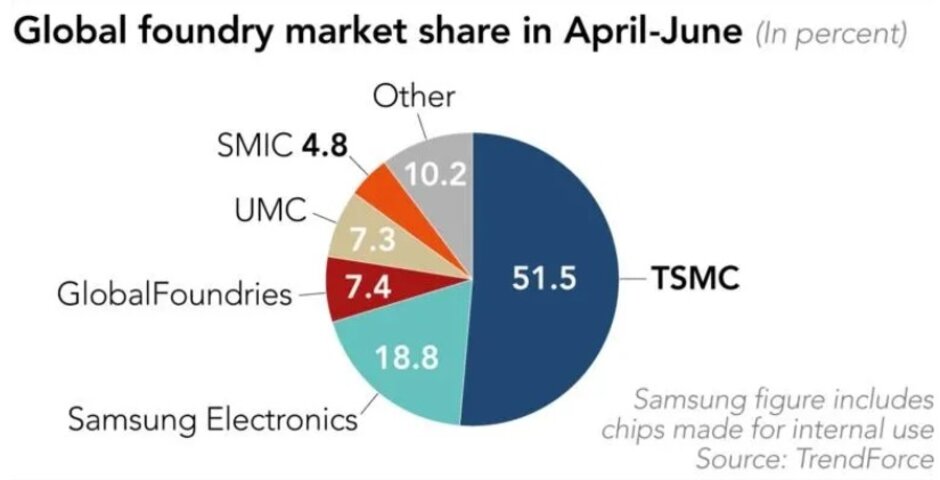
TSMC has dominated the global chip foundry market. The world’s largest contract chipmaker is a known supplier of industry giants like Apple, Qualcomm, MediaTek, and more and currently holds a 51 percent market share, while Samsung comes in second with just 18.8 percent market share in Q2 chip production market.

TSMC

While both TSMC and Samsung are moving towards the more powerful and energy efficient 5nm process node, the former has seen dominance in the market due to rising demand for 5G. Despite the South Korean company’s best efforts and investments into its foundry, TSMC is still dominating the market which may seem insurmountable at the moment.

Furthermore, while the Coronavirus pandemic was a major hurdle to TSMC, demand from TSMC had not lowered. At the moment, the contract chipmaker is mass producing 5nm chips for various brands including, the upcoming Apple iPhone 12 series, which may be the first smartphone to ship with a 5nm chipset. The new Apple A14 Bionic chip will have 15 billion transistors, which is near twice as high as the previous 7nm nodes.

TSMC

Notably, the firm is also making 5nm chips for Huawei‘s HiSiicon semiconductor unit. Although, due to recent US sanctions, TSMC can only produce chips that were already ordered, and can no longer supply the Chinese tech giant in the future. Huawei had accounted for 15 percent of TSMC’s source of revenue back in 2019, but apparently, the company has already replaced Huawei orders.


(Via)

LG plans on raising smartphone production in India by 15 times and apply for PLI scheme

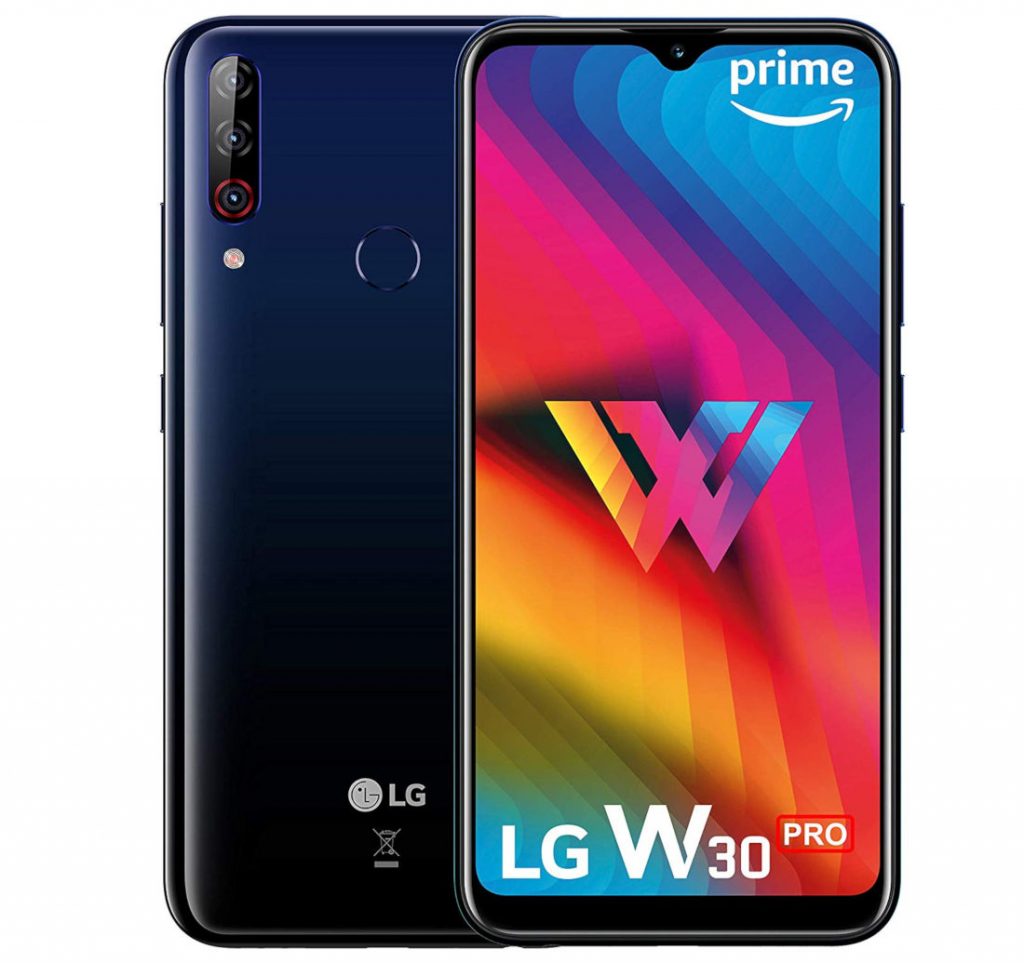
LG, the South Korean tech giant, is looking to capitalize on a “window of opportunity” that has opened up in the Indian market. The company is scaling up its local smartphone manufacturing in the region by 15 times after recent anti-Chinese sentiments have gripped the nation.

LG-W30-Pro

According to LG’s mobile communications head, Advait Vaidya, the company has seen a 10 times increase in sales of its smartphones in the past two months. The senior executive credited this rise to the growing anti-Chinese sentiments and the boycotting of products from China. Furthermore, LG is also planning on applying for the PLI (production-linked incentive) that the local government offers to scale up production.

The key market segment that LG is planning on focusing on is the sub 15,000 INR (roughly 200 US Dollars) smartphone category. This segment has typically been dominated by Chinese giants like Xiaomi, Oppo, Vivo, and even Realme in India. However, with recent military clashes in the Indo-China borders, friction between the two nations has escalated and the Indian government has already banned 59 Chinese applications as well.

LG

Thus, LG is looking at this rising unease surrounding China and its products as an opportunity. By August, the company plans on launching 6 phones across all segments starting from the sub 10,000 INR category (roughly 133 US Dollars) with plans to expand through online and offline channels. Similarly, by the time Diwali (a major festival in India) rolls up, LG aims to have its production rise by 12-15X.


(Source)

Vivo X50 Pro+ pre-orders begin in China

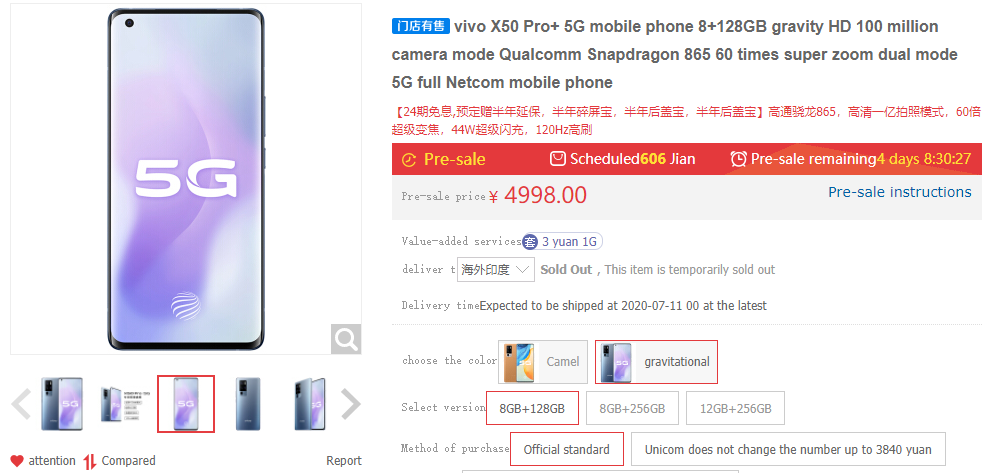
A recent report revealed that Vivo is gearing up for the global launch of the Vivo X50 series. It is speculated that the Vivo X50 and Vivo X50 Pro phones will be heading to some of the markets outside of China on July 16 or July 17. The report also revealed that the third member in the X50 series i.e. the Vivo X50 Pro+ flagship phone will not be available in global markets. Speaking of X50 Pro+, its pre-sales have started in China.

The Vivo X50 Pro+ comes in three variants such as 8 GB RAM + 128 GB storage, 8 GB RAM + 256 Gb storage and 12 GB RAM + 256 GB storage. These models are priced at 4,998 Yuan (~$711), 5,498 Yuan (~$782), and 5,998 Yuan (~$853), respectively. JD.com has started with the pre-orders of the X50 Pro+. Camel and Gravity are the two color variants of the device. The listing reveals that the phone will go on sale on July 11. The device will be formally announced on July 8.

Vivo X50 Pro+ specifications

The Vivo X50 Pro+ features a hyperbolic 120Hz AMOLED display panel of 6.56 inches. It supports a Full HD+ resolution of 1080 x 2376 pixels and has a punch-hole for the 32-megapixel selfie camera. The Snapdragon 865 SoC powers the phone along with LPDDR5 RAM and UFS 3.1 storage. It lacks a microSD card slot. The FunTouch 10.5 OS based Android 10 OS runs on the Vivo X50 Pro+.

Vivo X50 Pro+ Camel and Gravity

The Vivo X50 Pro+ has a 4,350mAh battery that comes with support for 44W fast charging. Its rear-facing quad-camera setup includes an OIS assisted Samsung GN1 50-megapixel primary lens, an 8-megapixel periscope telephoto sensor, a 13-megapixel portrait lens, and an 8-megapixel ultrawide lens.


(source|via)

Xiaomi Mijia Capsule Coffee Machine to be up for crowdfunding on July 8

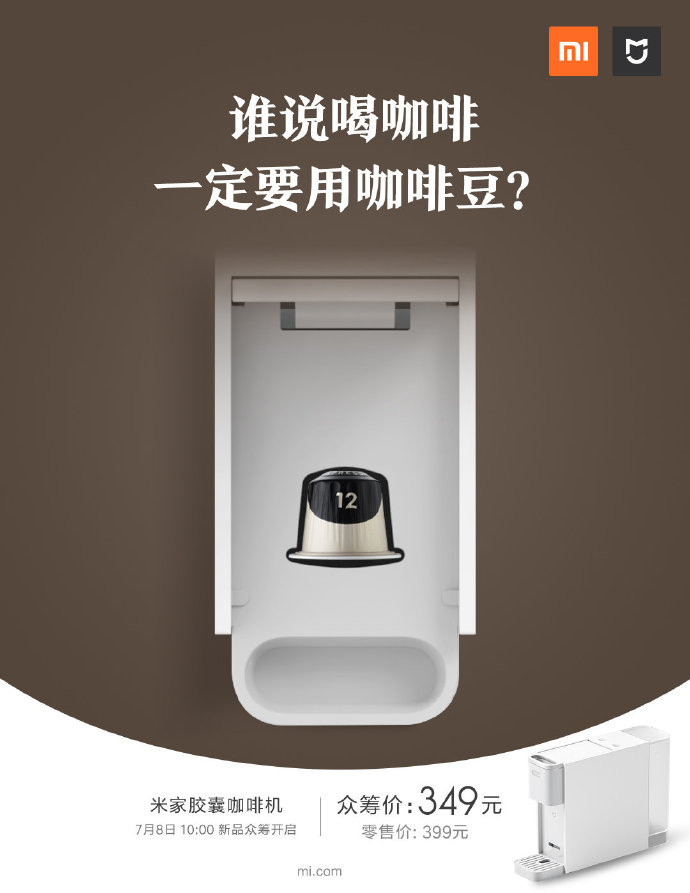
Xiaomi has been actively launching new products under its Mijia brand for crowdfunding on its platform every now and then. Today, the company has announced that it will be crowdfunding Mijia Capsule Coffee Machine from 8th July in its home country China.

The crowdfunding for the Xiaomi Mijia Capsule Coffee Machine will begin on 8th July at 10:00 AM local time. As for the pricing, it will be available for 349 yuan (~$50) during the crowdfunding campaign while the retail price is set at 399 yuan (~$57).

Xiaomi Mijia Capsule Coffee Machine

The company has said that the aim behind launching this new coffee machine is to “reduce complexity and making it easy to drink good coffee with one click”. Continuing with its sleek and minimal design, this Xiaomi product comes in an all-white color.

Currently, no more information is available about this Mijia Capsule Coffee Machine but everything will be revealed in a couple of days, as the product goes up for crowdfunding in China on 8th July.

A couple of months ago, Xiaomi had launched the OneCup Multifunctional Beverage Machine for 499 yuan (~$70). It isn’t just limited to coffee making but can also be used to extract soy milk, tea, and several other beverage flavors.


Samsung Galaxy Fold 2 passes 3C certification; could launch on August 5

Samsung Galaxy Fold 2 has been making the rounds for many months and now it seems that the next-generation foldable smartphone from the South Korean giant is finally set to go official next month.

Ahead of its speculated launch on 5th August, the smartphone has passed through the 3C certification process, revealing some of the details of the device. It reveals that the phone supports 5G connectivity and will come with a 25W charger.

Samsung Galaxy Fold 2 3C

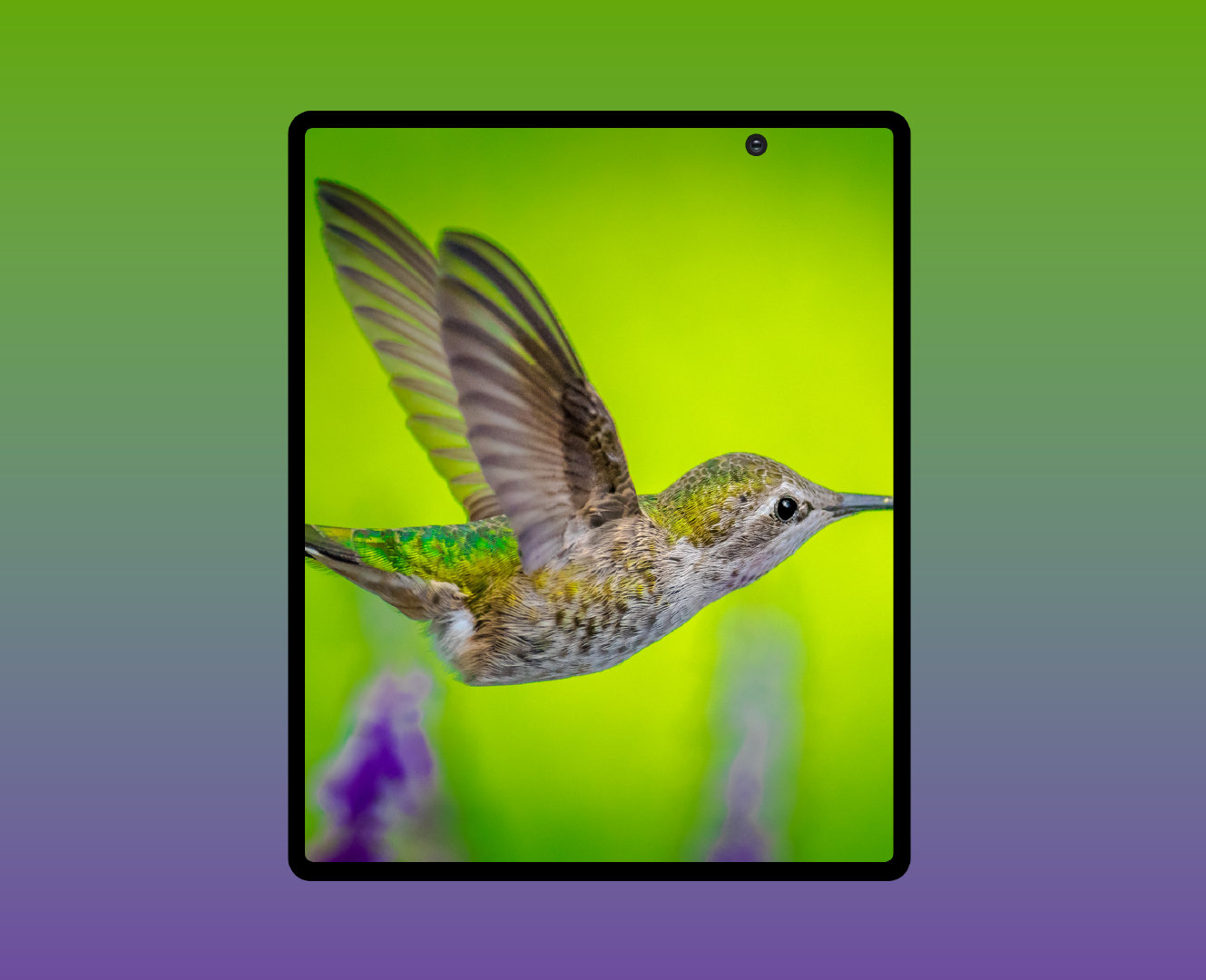
Samsung Galaxy Fold 2 render 1
Samsung Galaxy Fold 2 inner screen render

Earlier leaks related to the Samsung Galaxy Fold 2 has revealed that the smartphone will come with a 7.7-inch flexible display. With punch-hole design in tow and a larger screen compared to the original Fold, the Galaxy Fold 2 will offer a higher screen-to-body ratio.

The screen is expected to offer 2213 x 1689 pixels screen resolution and 11.8:9 aspect ratio along with support for the 120Hz refresh rate. It is expected to have a larger 6.23-inch cover screen with comparatively slimmer bezels and 819 x 2267 pixels resolution.

Under the hood, the device could come powered by the Qualcomm Snapdragon 865 or the newer but yet unannounced Snapdragon 865 Plus SoC. In terms of memory configuration, it could pack 12GB of RAM and 512GB of internal storage.

It may sport a 64-megapixel + 16-megapixel + 12-megapixel triple camera system on its back but the font-camera configuration is not yet known. The phone is expected to be powered by a 4,365mAh battery.

As for the color options, reports indicate that the Galaxy Fold 2 could be offered in two color options — Martian Green and Astro Blue. It is also said that this next-generation foldable smartphone from Samsung won’t come with an S Pen stylus.

While the company has not yet confirmed this, the next Galaxy Unpacked event is expected to take place on 5th August where Samsung will be unveiling its next-generation Galaxy Note20 series smartphones, along with the Galaxy Fold 2 and Galaxy Watch 3.

(Via)

iQOO Z1x teaser image reveals key specifications; launching on July 9

iQOO, a sub-brand from Vivo launched last year, has so far launched high-end smartphones powered by the Qualcomm Snapdragon 800-series chipsets or the MediaTek Dimensity 1000. But now, the company is all set to launch a mid-range device.

The upcoming iQOO Z1x smartphone has already been confirmed by the company to come powered by the Qualcomm Snapdragon 765G chipset. And now, the company has shared a new teaser poster which reveals some key specs of the upcoming phone.

iQOO Z1x Teaser - Specs

Given that the phone is powered by the SD765G SoC, it comes with support for the next-gen 5G connectivity. The teaser image also confirms that the phone will feature a 120Hz refresh rate display but the screen size is not yet known.

It has also been confirmed that the smartphone will 5,000mAh battery and will have support for 33W fast charging technology. The company has also revealed that the phone will have a PC-grade cooling feature, which will be helpful when the device is used for intensive tasks, such as gaming.

iQOO Z1x Teaser - 5G

Renders of the smartphone leaked earlier hints that the phone could be made official in three color options — Black, Blue, and White. It could feature a 6.57-inch IPS LCD display with a punch-hole cutout. It is said to have a side-mounted fingerprint sensor and will be running Android 10-based iQOO UI.

As for the camera department, reports indicate that the smartphone will have a triple-camera setup on the back consisting of a 48-megapixel primary sensor and two 2-megapixel sensors. On the front side, it will have a 16MP snapper for taking selfies.

The company has also confirmed that the iQOO Z1x will be launched in China on 9th July. While the pricing is not yet revealed, it is expected to go official as the cheapest offering from the brand and thus, is likely to be priced under 2,000 Yuan (~$283).


Honor 30 gets 200 yuan discount in China; pricing starts at 2,799 yuan ($397)

After months of rumors and leaks, the Honor 30 Youth Edition smartphone was officially launched a few days ago in China. As the name indicates, the phone is a watered-down variant of the Honor 30 which was first launched in China in April.

Now, for a limited time, the company is offering a 200 yuan (~$28) discount on purchase on the Honor 30 smartphone. With this, the 6GB + 128GB model is now available for 2,799 yuan (~$397) while the 8GB + 128GB model costs 2,999 yuan (~$425). The top-end variant with 8GB RAM + 256GB storage is now up for sale at 3,299 yuan (~$468).

Honor 30 Discount in China

Coming to the specifications, the Honor 30 features a 6.53-inch Full HD+ 1080p OLED display with a single punch-hole cutout in the top-left corner for housing a camera sensor. There’s also an in-display fingerprint sensor for added protection.

Under the hood, the device is powered by the company’s own Kirin 985 chipset along with the Mali-G76 GPU. The chipset is a slightly toned-down version of the flagship Kirin 990 SoC that powers the Honor 30 Pro and Pro+ models.

In the camera department, the smartphone features a quad-camera setup that includes a 40MP RYYB IMX600 primary sensor, an 8MP Ultra Wide Angle Lens, a Persicope Telephoto lens with 50x optical zoom and 10x hybrid zoom, and a 2MP macro lens.

On the front side, the device comes with a 32MP snapper for taking selfies and video calling. The phone also packs in support for NFC, Wi-Fi 6, and dual-mode 5G. It runs Magic UI 3.1.1 based on the Android 10 operating system and is powered by a 4,000mAh battery with 40W fast charging support.


RedmiBook 16 powered by Intel Core i7 processor to launch on July 8

Xiaomi-backed Redmi has expanded to a lot of different product categories from smartphones ever since it started working as an independent brand. Recently, the company had launched three models of its RedmiBook laptop — RedmiBook 13, 14, and 16, powered by the AMD Ryzen chipset.

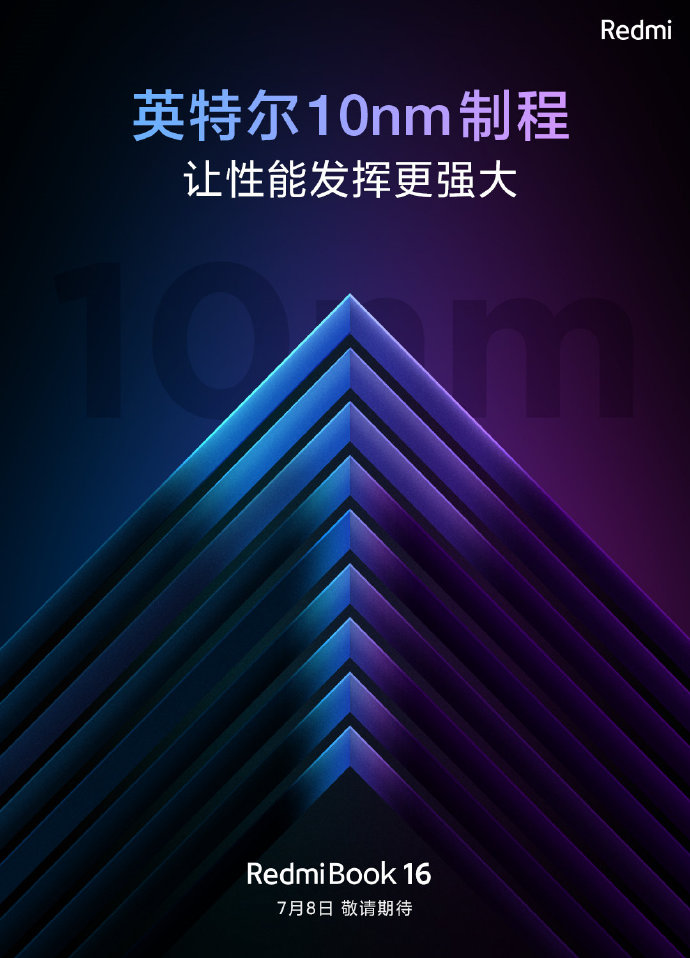
Now, the company is all set to launch a new laptop in its home market, China. The teasers shared by the company announcing the same confirms that a new RedmiBook 16 model powered by the latest Intel processor will be launched on 8th July.

RedmiBook 16 Intel Chipset

The upcoming RedmiBook 16 is confirmed to be powered by the latest 10th generation Intel Core i7 processor, based on a 10nm manufacturing process. Apart from this, nothing much has been revealed by the company at this point in time.

However, similar to the 16-model powered by the AMD Ryzen 4000-series processor, we expect the upcoming RedmiBook 16 Intel-powered models to pack almost the same set of specifications and features.

RedmiBook 16 Intel Chipset

We expect the laptop to come packed with 8/16 GB of RAM and 512 GB SSD. There could also be an optional dedicated GPU for intensive graphics-related stuff. It could also have a good screen-to-body ratio and better than average battery life.

For those who are unaware, the recently launched Ryzen 4000-series powered RediBook starts at 3,799 yuan (~$539) for the 13-inch model and goes up to 4,499 yuan (~$638) for the top-end variant with the 16-inch model. For the upcoming Intel-powered 16-inch model, we expect the pricing to start above 3,999 yuan (~$567).


Details of Huawei’s next-gen smartband and smartwatch leaks

Huawei is one of the first Chinese smartphone manufacturers that began making smartbands and smartwatches. The manufacturer is expected to launch a new smartwatch later this year which will go by the name Mate Watch. A new leak has revealed details of an upcoming smartwatch which might be the Mate Watch.

Huawei Stia Smartwatch
The smartwatch with the codename “Stia” might be the upcoming Huawei Mate Watch

According to screenshots posted on Weibo by a blogger, Huawei has a new smartwatch coming soon codenamed “Stia”. There is a placeholder image that shows the watch has a circular dial just like Huawei’s other smartwatches.

Alongside the Huawei STIA (stia) smartwatch, the screenshot also shows a smartband with the codename “fides”. This smartband may be the successor to the Huawei Band 4/Band 4 Pro. The placeholder image for the smartband shows the band will have a rectangular display with a circular button for navigation.

Huawei “Fides” Smartband

The Mate Watch is expected to launch alongside the Mate 40 series in the third quarter of the year. A report from last week says the Mate Watch may run HarmonyOS rather than the custom operating system Huawei’s Watch GT and Watch GT2 watches run.

If the smartband is the Huawei Band 5, it may launch in the fourth quarter of the year or maybe even alongside the Mate 40 series.


(Via)

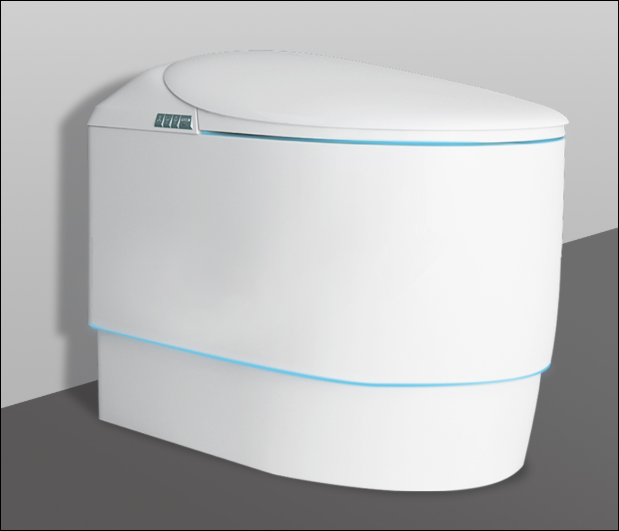
Xiaomi launches the Jenner XS Fully Automatic Flip Integrated Smart Toilet

Xiaomi has launched the Jenner XS Fully Automatic Flip Integrated Smart Toilet on its Youpin platform. The smart toilet is one out of a long list of quality products manufactured by its eco-chain partners. The product keeps up with the minimalist but quality attribute for which Xiaomi products are known.

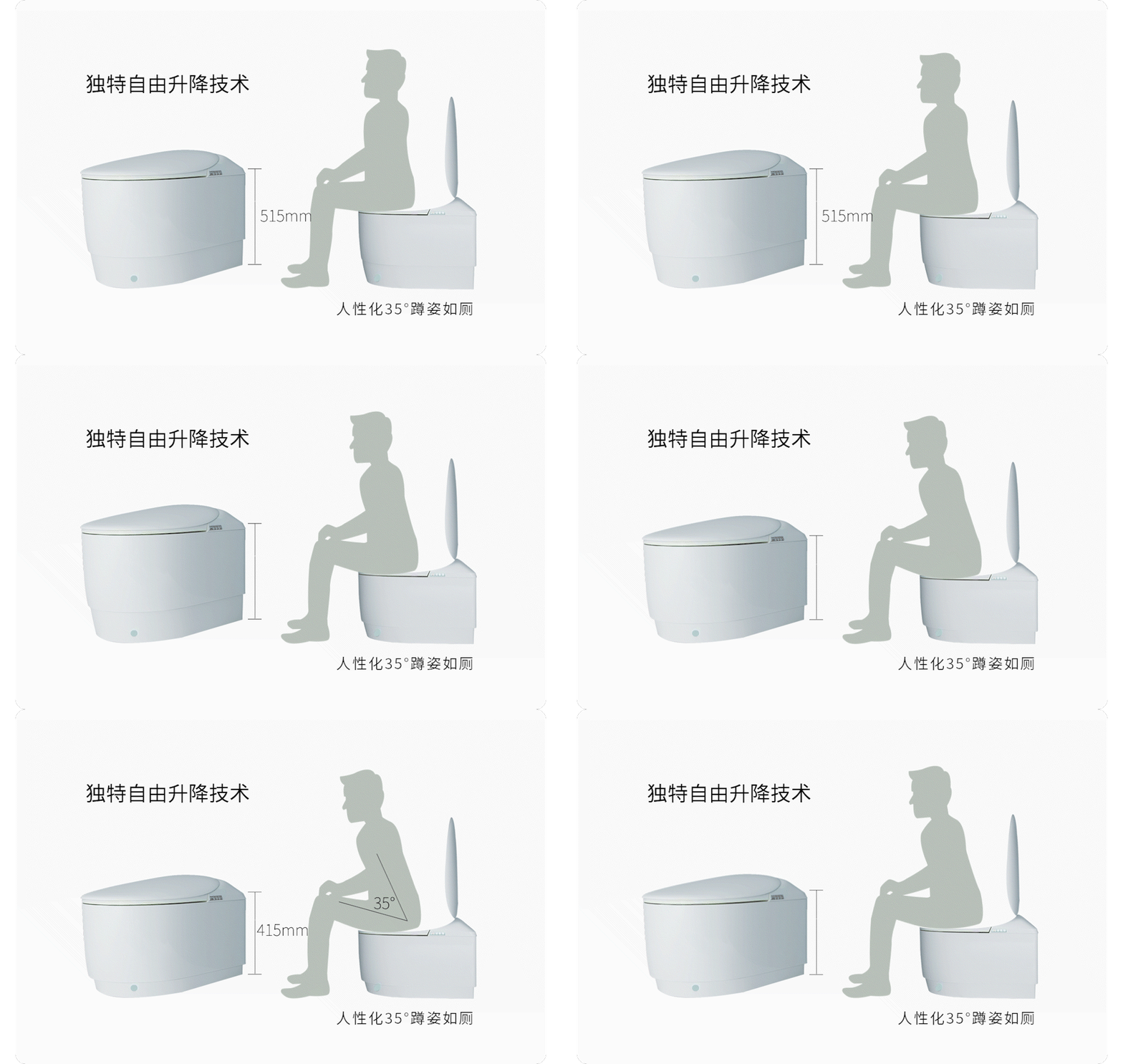
Jenner XS Fully Automatic Flip Integrated Smart Toilet is equipped with a patented smart lifting technology independently developed by the company. The toilet bowl can be adjusted at the region between the floor and the seat ring to the most comfortable height for a user according to the height of the user. In this way, even children with a height of about 90cm can use the toilet without extra pads. It also solves the problem of toilet posture for people with different heights as adults can easily achieve 35° Squat on the toilet seat.

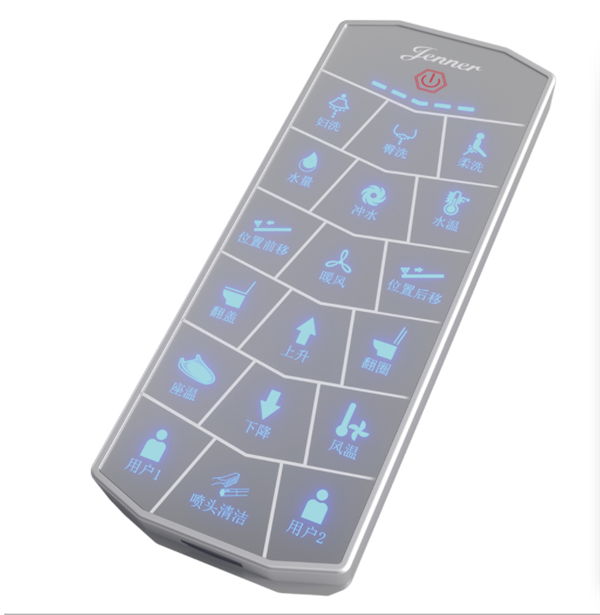
It supports intelligent soft-washing technology, sprays bubbles of water, and the water is fine and gentle. After cleaning, the warm air function is activated. By moving the position of the air outlet, the overall warm air effect is stronger, and the overall comfort is more refreshing.

The clamshell-shaped lid lifts automatically when someone approaches such that you don’t need to bend or manually flip the lid open. As soon as the user leaves, the lid closes automatically.

The toilet seat comes with a five-speed temperature adjustment of the seat ring, 24V heating, no dead angle in all aspects, and continuous constant temperature without leakage. This should make it comfortable to use the toilet in winter.

The Jenner XS Fully Automatic Flip Integrated Smart Toilet comes in different options but starts at 4699 yuan (~$665) for the manual flip version. The automatic flip version starts at 5699 yuan (~$806). The smart toilet is available in six colour options.


(source)


Redmi 8 gets a fourth price increase

In the past few months, Redmi India has increased the price of some of its phones. Back in May, it increased the prices of the Redmi 8A Dual, Redmi 8, and Redmi Note 8. All three phones have gotten three price hikes since they launched. Now, the Redmi 8 is getting a fourth price increase.

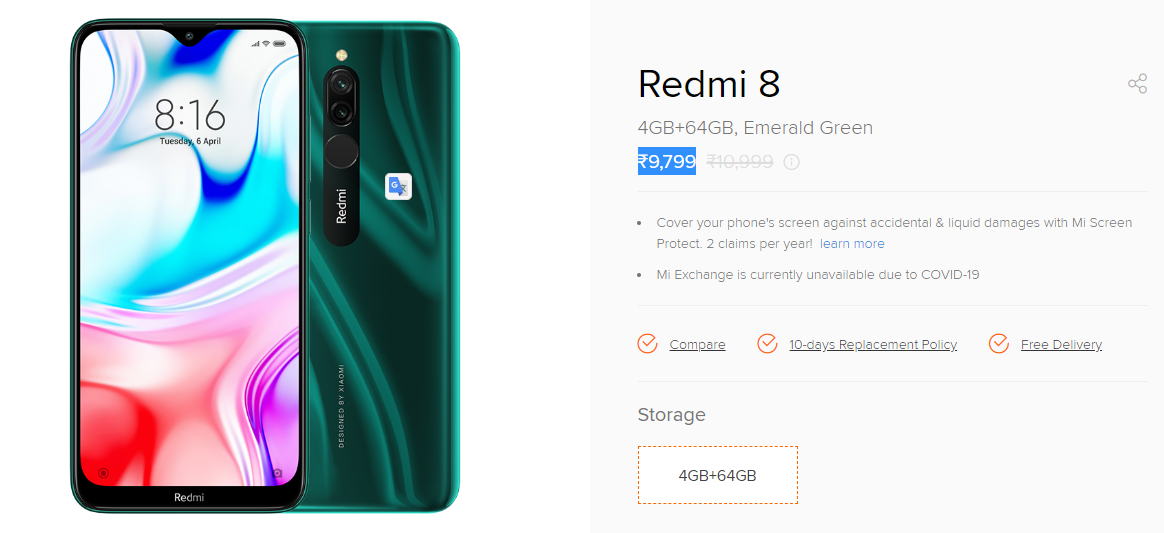
According to Mi.com, the Redmi 8 will now sell for ₹9,799 (~$131). The phone launched for ₹7,999 (~$107), then got increased to ₹8,999 (~$120) following the increase in Goods and Services Tax. In early May, its price was increased to ₹9299 (~$125), and then in late May, it got a third price increase to ₹9,499 (~$127).

Redmi 8 new price

No reason has been given regarding the increase in price.
The Redmi 8 was launched in India last year. It has a 6.22-inch HD+ display with a waterdrop notch. There is a Snapdragon 439 processor inside the phone along with 4GB of RAM and 64GB of storage.
The phone has 12MP + 2MP dual rear cameras, an 8MP selfie camera, and a rear-mounted fingerprint scanner. There is a 5000mAh battery inside the phone with support for 18W fast charge. The Redmi 8 has an audio jack but you don’t need earphones for the FM radio to work. It also has a dedicated MicroSD card and charges via a USB-C port.
 

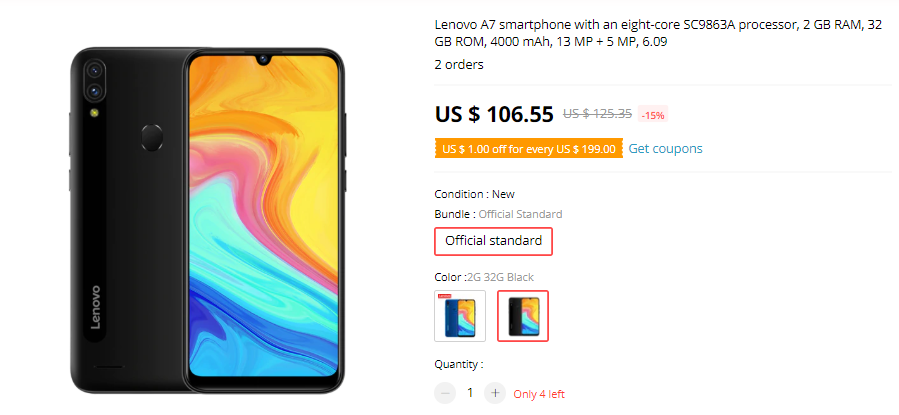
Lenovo A7 now available for purchase on AliExpress for ~$107

Back in April, Lenovo announced a new entry-level phone called the Lenovo A7. The phone is powered by the UNISOC SC9863A processor, has dual rear cameras, and packs a 4000mAh battery. When it was announced, Lenovo didn’t reveal its price and availability details. The phone has now been spotted on sale on AliExpress.

Lenovo A7 price

The Lenovo A7 will set you back $106.55 (excluding shipping). For that price, you get a phone with a 6.09-inch HD+ display with a notch, 2GB of RAM, and 32GB of storage. The Spreadtrum SC9863A inside the phone is made up of eight Cortex-A55 cores with a cluster clocked at 1.6GHz and another cluster clocked at 1.2GHz.

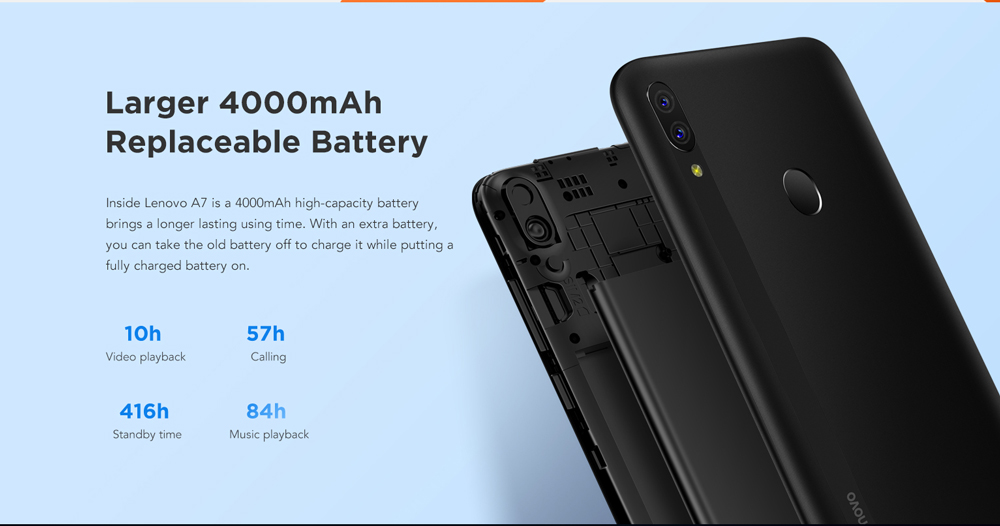
On the back of the phone are a 13MP + 2MP dual-camera setup and a fingerprint scanner. The phone’s 4000mAh battery is also user-replaceable; a feature not common on phones these days. This means you can easily remove the polycarbonate plastic cover.

Lenovo A7 removable battery

Other features include a dedicated MicroSD card slot (triple card tray/128GB max.), Android Pie, and support for 5W charging (yeah, disappointing). It also has support for LTE Band 20 and Band 28. The Lenovo A7 is available in Blue and Black. As at the time of writing, only four units of each color variant remain.

If you want one, hurry and grab one through the source link below.


(Source, Via)

Poll of The Week: Which do you prefer: Fingerprint Scanner or Face Unlock?

When it comes to keeping your phone secure, there are multiple options available. Most phones ship with at least three or more of the following security methods – Pattern, Password, PIN, Fingerprint Scanner, and Face Unlock. Our focus for this week’s poll is on the last two.

Most phones released in the past few years have a fingerprint scanner (under the display, side-mounted, or rear-mounted). Face Unlock has also become a popular feature that is bundled as an additional security option or as an alternative to a fingerprint scanner on some devices.

Poll of The Week - Fingerprint scanner or Face Unlock

Both methods have their advantages and disadvantages, so it is no surprise that folks will prefer one over the other.

For this week’s poll, we want to know which you prefer, Fingerprint Scanner or Face Unlock? So please take the poll below and also let us know why you prefer one over the other in the comment box below.

[yop_poll id=”44″]

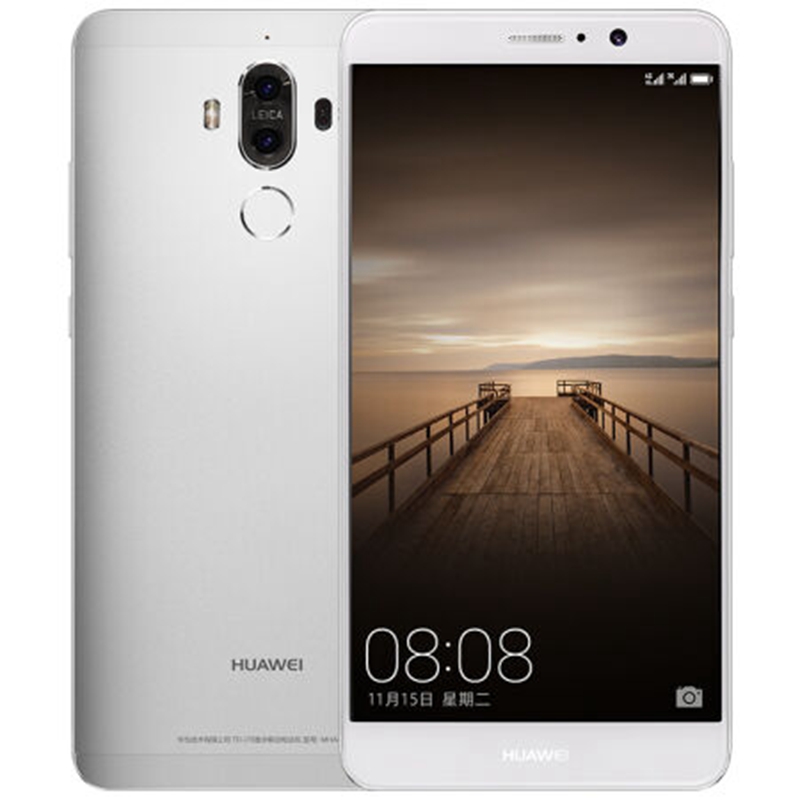
Huawei Mate 9 series get new features in the latest update

The Mate 9 series already has three successors but Huawei is still rolling out updates to the phones. A new update has begun rolling out in China that brings new features to the 2016 phones.

Huawei Mate 9

The update arrives as EMUI 9.1.0.228 and is over 3.20GB in size. According to the changelog the update brings a new feature called Screen Sharing that allows you to share your screen with a friend or relative during a video call. This comes in handy if you need help with your device.

Another feature the update brings is a smart charging mode that learns your usage pattern and proceeds to apply it when charging. The smart charging mode will prevent overcharging when a device is plugged in overnight. It does this by automatically slowing down the charging process before it reaches 100%. The smart charging mode should ensure the battery’s aging process slows down and battery life is extended.

The update also brings May 2020’s security patch to the Mate 9 series, thus protecting it from vulnerabilities.

The Mate 9 series includes the Mate 9, Mate 9 Pro, Mate 9 Porsche Design, and the Mate 9 Lite. The first three phones are powered by the Kirin 960 processor while the lite version (sold as the Honor 6X and Huawei GR5 2017) in some markets has a Kirin 665 chipset.


(Source)

Xiaomi Youpin launches the Baseus Encok W04 Pro TWS earphones

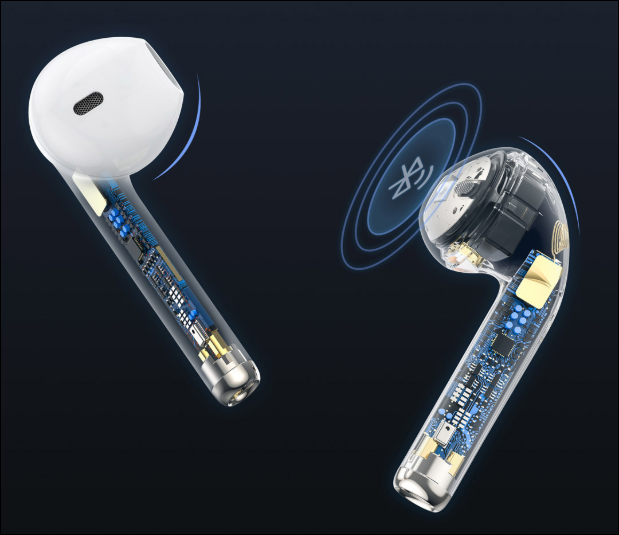
Baseus is known for its wide array of accessories ranging from charging adapters, USB cables, power banks, earphones and more. The company which is an ecological partner of Xiaomi has now launched its latest Encok W04 Pro TWS earphones at the Youpin platform.Baseus Encok W04 Pro TWS earphones

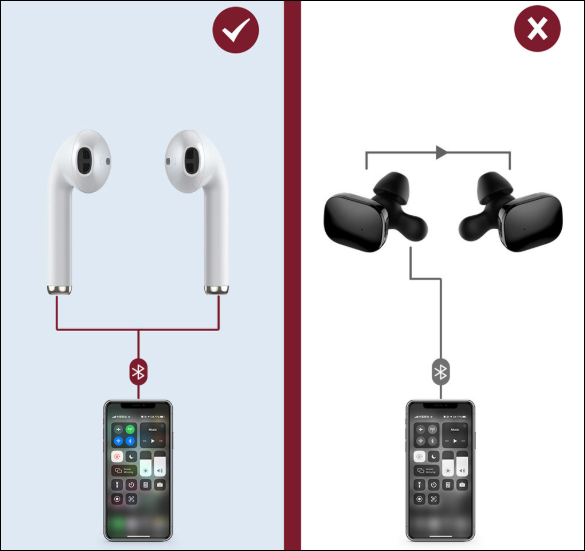
The headphones utilise the semi-in-ear design which should be comfortable to the ears and doesn’t irritate the ear canals. It is equipped with an intelligent dual-processing chip. After the mobile phone transmits a signal, the left and right headphones can be connected at the same time.

The Baseus Encok W04 Pro TWS earphones feature Bluetooth 5.0 which reduces signal loss and disconnection caused by 2.4GHz band interference. The transmission speed can reach 24Mbps, and there is no barrier-free fast transmission at a distance of 10 meters.

It also uses a 13mm moving coil speaker supplemented by a high-elastic PU composite diaphragm which can restore delicate vocal, instrumental music and a solid surging drumbeat. You also get built-in capacitive touch-sensitive control which requires you to simply double-click the side of the headset to pause or play.Baseus Encok W04 Pro TWS earphones

The headset is equipped with a 400mAh capacity charging compartment which can charge the headset 4 times in a row. The battery life of the headsets can be extended up to 20 hours with the charging box.Baseus Encok W04 Pro TWS earphones

The Baseus Encok W04 Pro TWS earphones come in two versions, a standard version priced at 158 yuan (~$22) and a wireless charging version which is priced at 188 yuan (~$26). They are both available in four sleek colour options including the popular white colour option, pink, grey, and black.


(source)


Xiaomi launches the WalkingPad S1 with a more compact design on Indiegogo

Xiaomi Youpin is the Chinese brand’s crowdfunding platform and home to several amazing products that are launched in China. Last year, the brand made its debut outside China with the launch of the WalkingPad R1 Pro and Oclean X for the international market on Indiegogo. The crowdfunding exercises were hugely backed and that has prompted the company to launch an improved model of the foldable treadmill dubbed WalkingPad S1.WalkingPad S1

The WalkingPad S1 is an upgraded version of the WalkingPad R1 and it is 20lbs lighter than the previous version. It also takes up to 45% less space than the older model and operational noise has been minimized for a calm workout session. The frame and running belt are also manufactured using premium materials of the frame and the running belt.Walkingpad S1

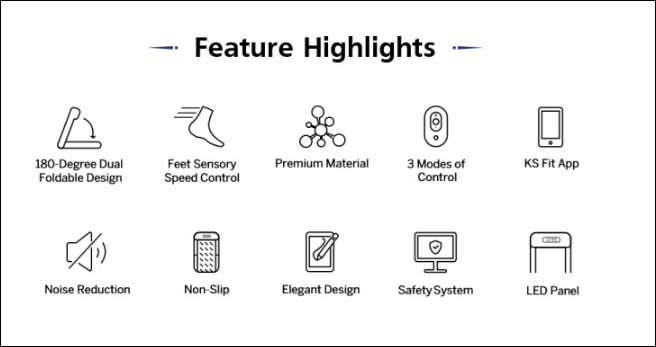
The design is similar to that of its predecessor and it includes the patented 180-degree foldable design that allows the WalkingPad S1 to be easily stored anywhere. Once folded, it takes less than 95% of space, and you can store it either vertically or horizontally at home or in your office.

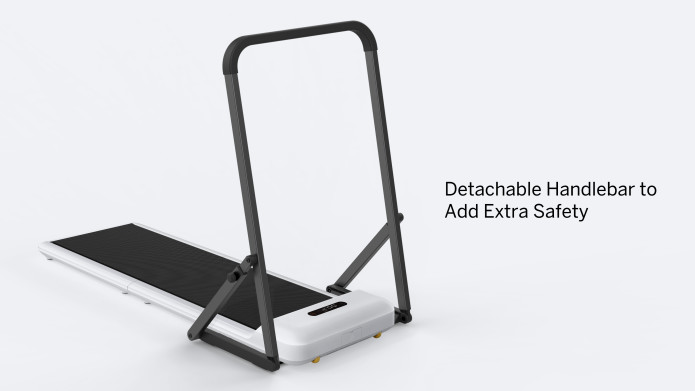
This time around, Xiaomi is offering the WalkingPad S1 with front handles to provide additional balance to keep you safe while you exercise. The handlebar is sold separately and is of immense importance to senior users to help maintain safety. Even without the handlebar, the WalkingPad S1 comes with an in-built safety system to ensure your safety while working out. The S1 will automatically stop if no movements were detected on the running belt.

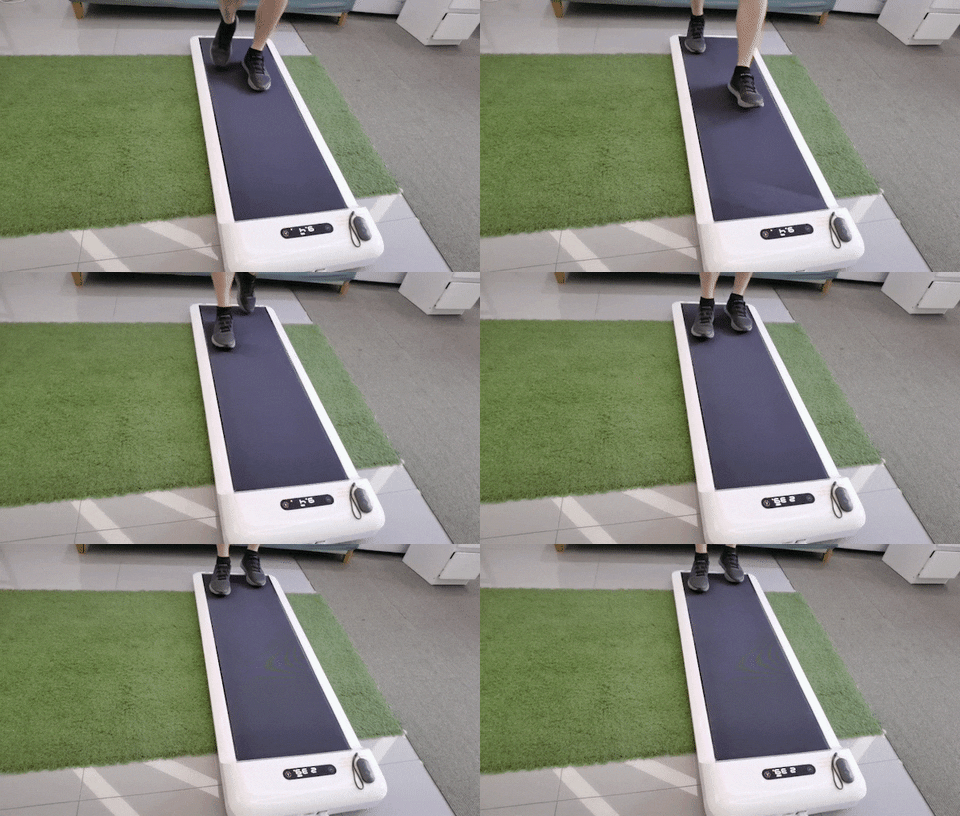
Also, the anti-slip mat is made out of EVA material which has less friction coefficient when exercising. The device can also be controlled using the remote control or the KS Fit App. Alternatively, it can be controlled by walking, and the Feet Sensory Speed Control Technology will adjust your speed automatically by monitoring the pace of your movement in real-time.

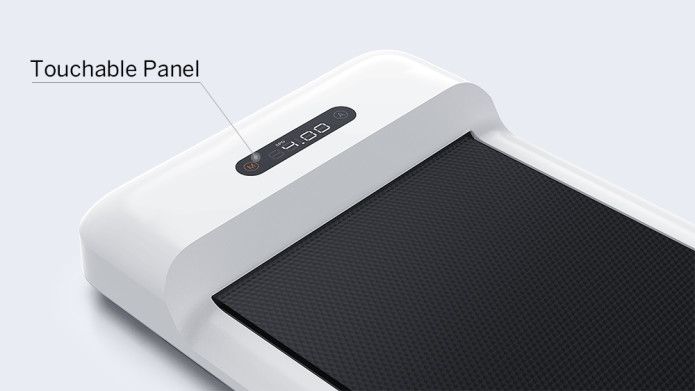
Furthermore, there is an LED touch panel on the front of the WalkingPad S1 provides which shows a clear summary of your workout speed and data. The panel also displays the speed, time, step, and the number of calories burned. Also, the LED panel is a touchscreen one can be toggled between manual and automatic modes.Walkingpad S1

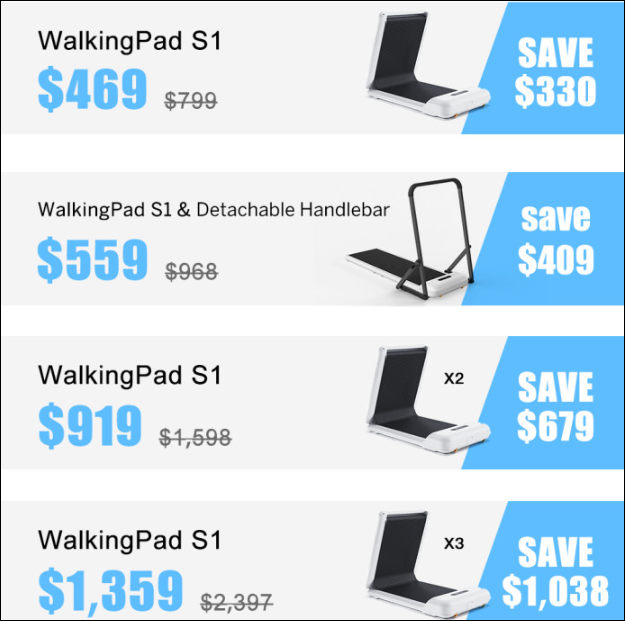
The WalkingPad S1 foldable treadmill comes with a crowdfunding price of $469 but if you would like to also order the detachable handlebar, the price comes down to $599. Check out the Indiegogo page from the source link below.


(source)