Advertisement

BLU G90 with a 6.5” LCD, 4GB RAM, Helio A25, Android 10 launched, on sale for $99

U.S -based phone maker BLU has announced a new smartphone that ticks almost all the boxes when you talk about a cool entry-level smartphone that is worth buying. Blu G90 comes with a full-screen design tailored after the 18:9 aspect ratio and is powered by one of the formidable entry-level chipsets around presently – the MediaTek Helio A25.BLU G90
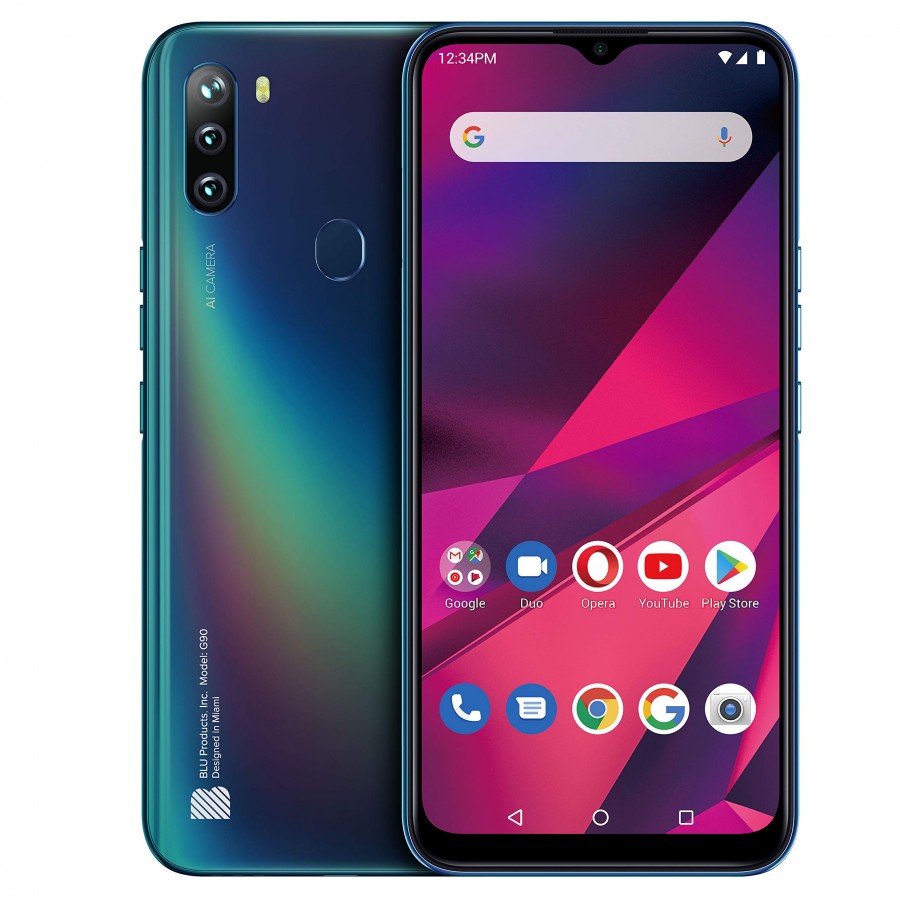
BLU G90 features a 6.5-inch IPS LCD screen with HD+ resolution and a waterdrop notch that houses a 13MP selfie camera. At the rear aspect, the device packs a triple camera setup comprising a 16MP primary camera alongside an 8MP ultrawide sensor and a 2MP depth sensor. The phone also sports a rear-mounted capacitive fingerprint reader.https://www.gizmochina.com/tag/blu/
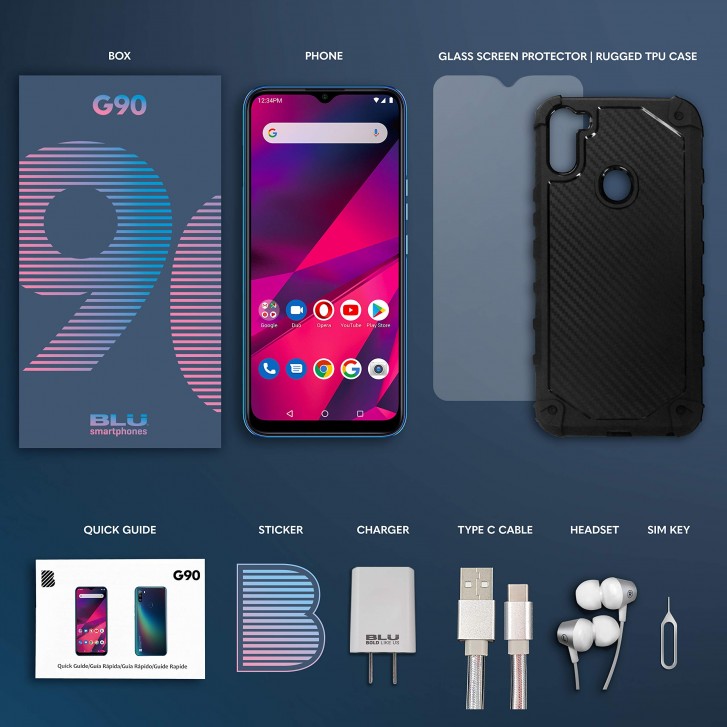
As stated earlier, the phone is powered by a MediaTek Helio A25 chipset paired with 4GB RAM and 64GB of storage which can be expanded via the microSD slot. The G90 runs on the latest Android 10 OS. Keeping the lights on is a 4,000 mAh battery with support for 10W fast charging. The phone actually ships with a 10W charging adapter as well as a free rugged TPU case, glass screen protector. You also get a braided USB-C cable and wired earphones in the box.BLU G90
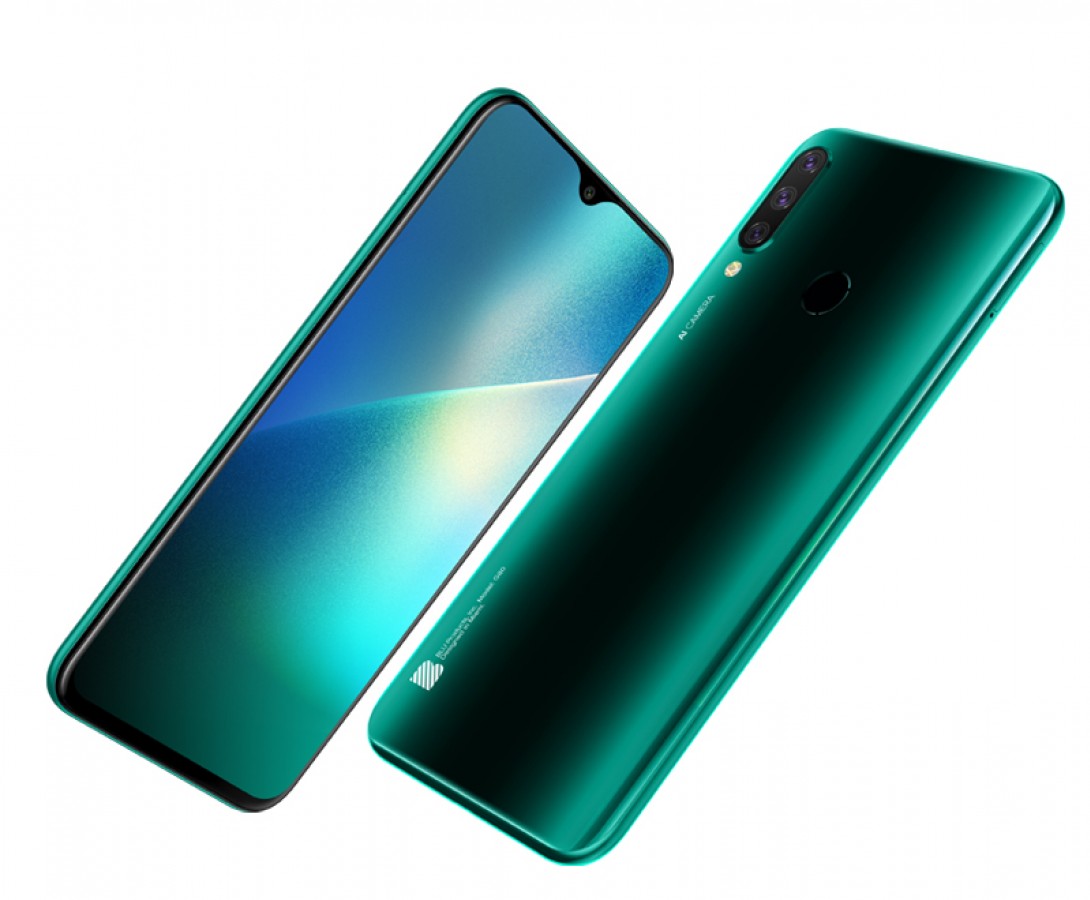
The BLU G90 is presently on sale on Amazon for just $99. The original price is $150 but there is presently a limited time discount. It is available in black, magenta, white and blue colors.

BLU G80

Blu also introduced a new G80 smartphone which shares most of its specs with the G90. The few differences include an Helio P23 chipset on the G80 as well as a 13MP primary camera instead of 16MP. The BLU G80 comes in 3GB+64GB option only and is priced at $140.


Realme C11 appears on GeekBench confirming 2GB RAM & Android 10

Realme recently disclosed on Facebook that the Realme C11 will be announced in Malaysia on June 30 which is just a few days away. Ahead of the official launch, the C11 has been spotted on GeekBench database.

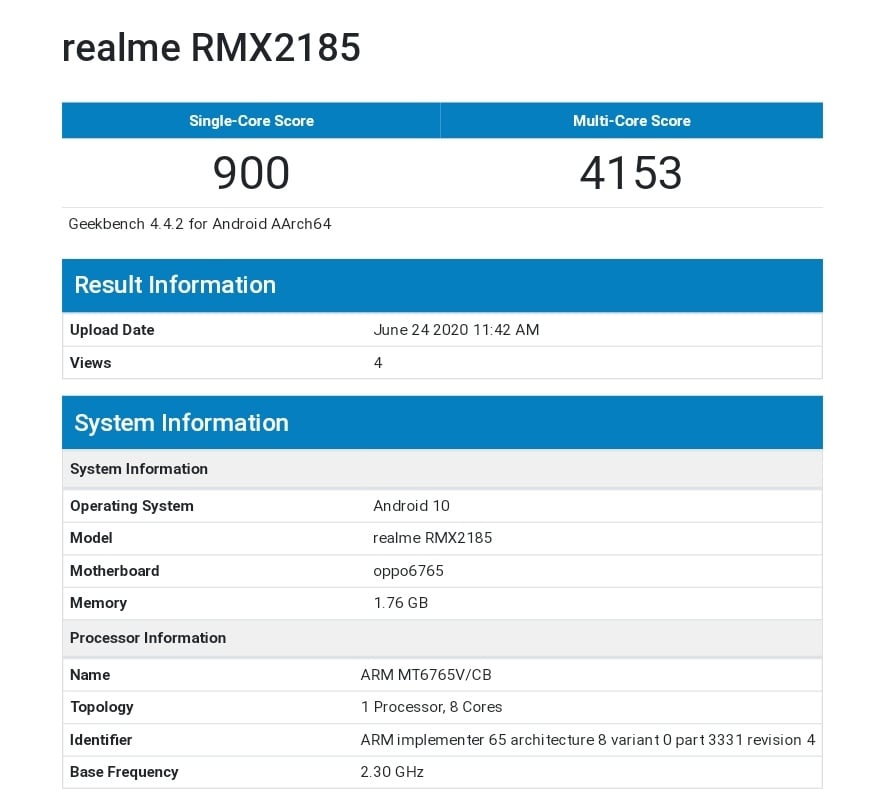
The model is listed on GeekBench 4 as Realme RMX2185. This same model has earlier received certifications from SIRIM in Malaysia and Thailand’s NBTC. The GeekBench listing confirms the device will pack a MediaTek MT6765V/CB processor believed to be the Helio G35 chipset which Realme has said will be on the model. The processor teams up with 2GB of RAM and the phone runs on Android 10 out of the box wich will likely get a touch of Realme UI.

The Realme C11 will sport a 6.5-inch display with a waterdrop notch. The processor is paired with 2GB of RAM. The device will also have 32GB of storage and three SIM slots whereby one will be a microSD card. We expect the company to include other memory variants.

For photography, the Realme C11 is said to pack an AI dual camera setup at the rear. The main sensor will be a 13MP sensor but the second sensor wasn’t disclosed. The camera is also said to bring support for Super Nightscape mode.


(source, via)


Android 10 stable update arrives on the Realme 2 Pro

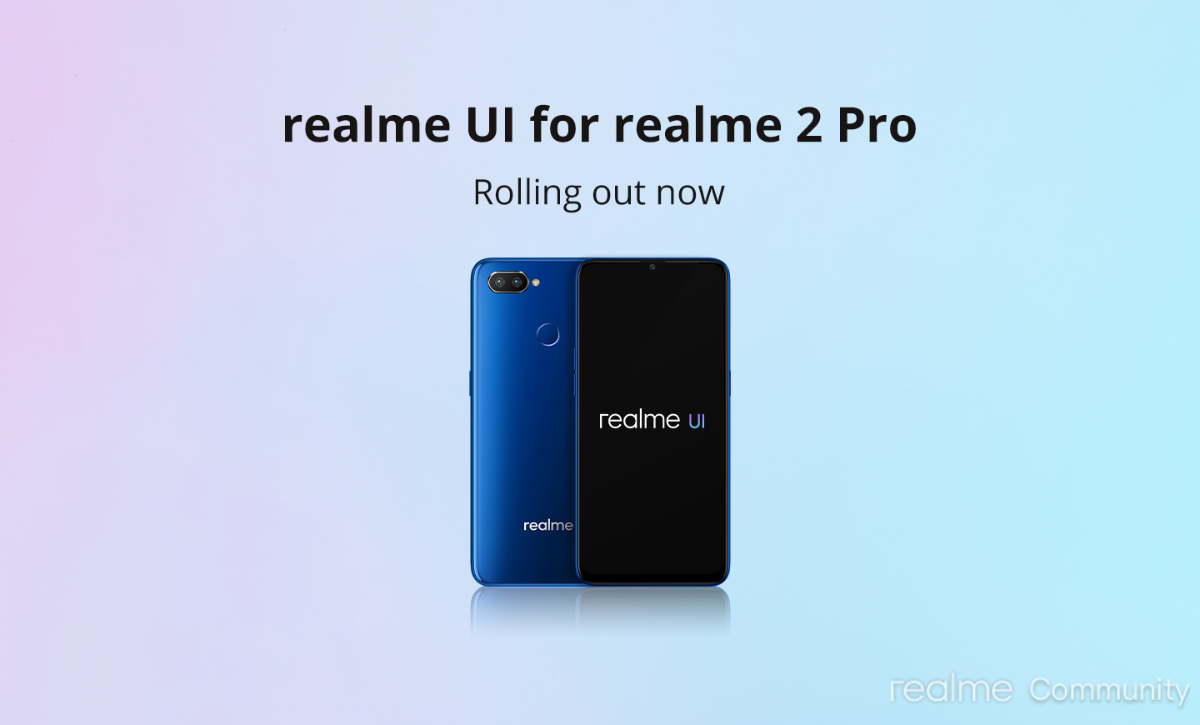
The Realme 2 Pro is receiving a new update that brings Android 10 stable to the device. The update also brings Realme UI to the mid-range phone.

Realme 2 Pro

Realme says the update is rolling out in stages, so not everyone will get it today. Once there are no critical bugs, a wider rollout will begin.

The manufacturer has also listed some common issues folks may experience after updating such as longer boot time after the update is done installing and slight hanging and faster battery depletion. Realme says the device should return to normal after 3 days of usage. Another suggestion is to leave the phone for 5 hours after being fully charged.

The update arrives as version RMX1801EX_11.F.07 and users have to be on version C.31 to receive the update. Some of the new features the update brings are listed below:

  • New UI design
  • New live and artistic wallpapers
  • Navigation gestures
  • Support for animated wallpapers for the lockscreen
  • Focus mode
  • Floating window for screen recording
  • Optimized Game Space
  • Random MAC address generator
  • Optimized camera UI
  • Realme share support now extended to OPPO, Vivo, and Xiaomi


(Source)

POCO X2 8GB + 256GB price hiked by another ₹500 in India

POCO X2 just like other phones in India received a price hike in April due to the new 18% GST. On May 31st, its price was once again bumped but only for the base and mid variant. Now, the high-end 8GB + 256B also gets its second price hike making it ₹1,500 costlier than its launch price.

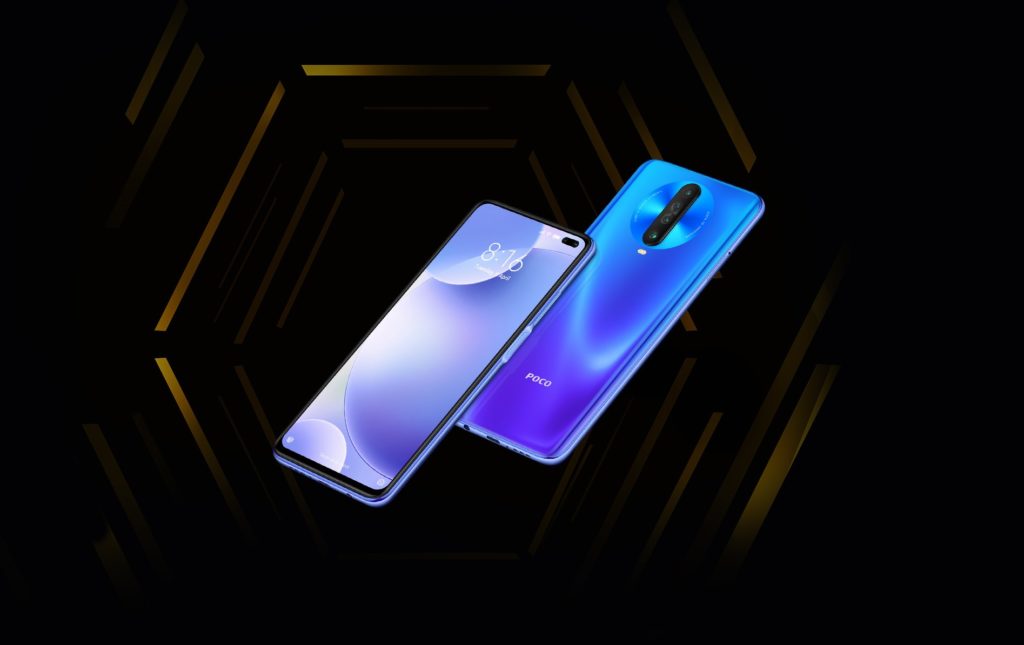
POCO X2 Atlantis Blue

POCO X2 launched in India as a rebranded Redmi K30 4G in February 2020. It is the brand’s second smartphone as well as its first with 120Hz refresh rate display. Since its debut in the country, it has been one of the best contenders in the sub-₹20,000 price segment.

The handset launched in three storage configurations in India for a starting price of ₹15,999 for the base 6GB + 64GB variant. Whereas, the mid 6GB + 128GB and high-end 8GB + 256GB were introduced for ₹16,999 and ₹19,999 respectively.

But now, after two price hikes of ₹1,000 and ₹500, the POCO X2 costs ₹17,499, ₹18,499, and ₹21,499 in India for all the three variants.

Even after the increment of price, the POCO X2 still remains one of the best phones in its segment competing with the likes of Redmi Note 9 Pro Max, Realme 6 Pro, Realme X2, and others.

Device
Launch Price
GST Hike
Late May Hike
Late June Hike
Current Price

POCO X2 6GB + 64GB

₹15,999 ₹1,000 ₹500 ₹17,499
POCO X2 6GB + 128GB ₹16,999 ₹1,000 ₹500

₹18,499

POCO X2 8GB + 256GB ₹19,999 ₹1,000 ₹500

₹21,499


(Via)

Samsung Galaxy A01 Core receives multiple certifications, specs in tow

Samsung is reportedly planning to reintroduce removable battery on its entry-level line-up. The Samsung Galaxy A01 Core is said to be the first model that would be donning a removable battery. The upcoming device has ow been certified on multiple platforms.

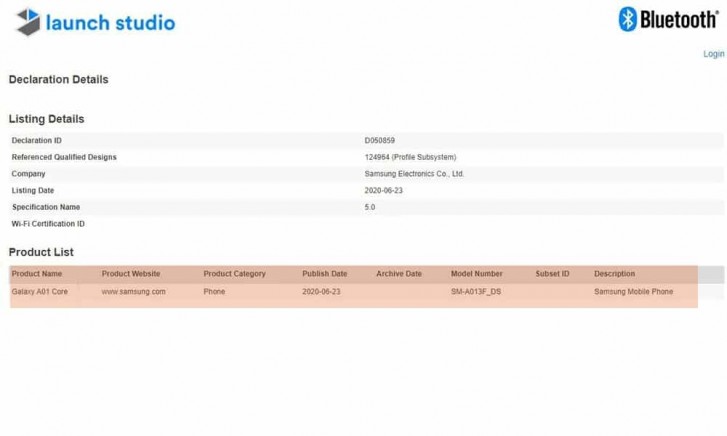
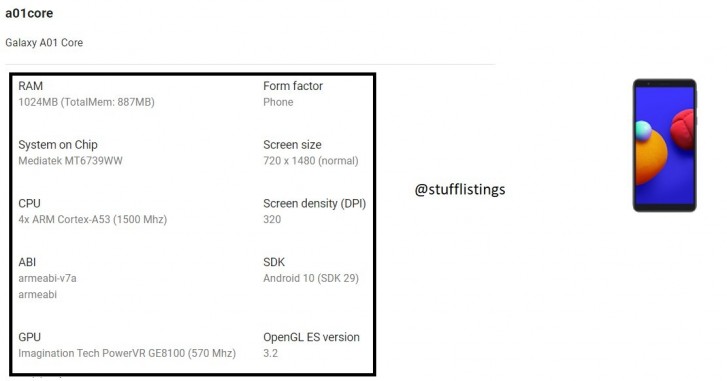
First, the device stopped by at the Google Play Console where the key specs and an image of the model were listed. The Galaxy A01 Core also received Bluetooth SIG certification which shows it will come with Bluetooth 5.0.

The budget model also got listed at the website of the Wi-Fi Alliance. It hits with two names; SM-A013F and SM-A013F_DS (as in Dual SIM), revealing the company is preparing for multiple market launches. The Galaxy A01 Core will have Wi-Fi 802.11 b/g/n, and the certification also confirmed once again the Android 10 OS

The Samsung Galaxy A01 Core will feature an HD+ display with 1480x720p resolution. The phone will be powered by a MediaTek MT6739WW chipset which should be an entry-level SoC. The chipset has four Cortex-A53cores with the CPU running at 1.5GHz. The processor is paired with 1GB of RAM.

The Samsung smartphone will run the latest Android 10 but it is likely to be based on the Android Go platform.

In terms of the design, the phone looks like other entry-level models from Samsung. No attempt is made to trim the bezels as there are still thick bezels at the top and bottom. But it is not large enough to hold a physical button so that is lacking. The power button and volume rockers are on the right side of the phone.


(via)


Facebook is discontinuing its Oculus Go VR headset

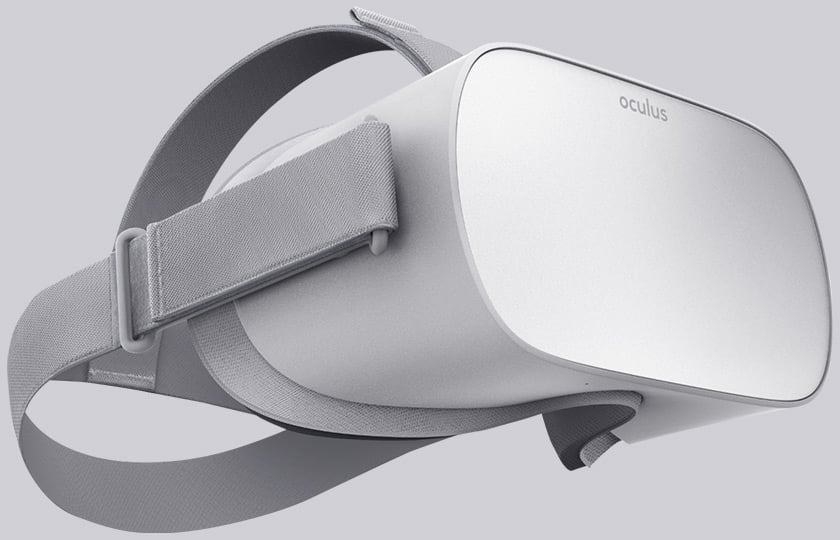
The Oculus Go VR headset launched in October 2017 but didn’t go on sale until May 2018. Two years after it went on sale, Facebook has announced it is discontinuing the VR headset.

Oculus Go

Launched with a starting price of $199, the Oculus Go is an affordable standalone VR headset with a Snapdragon 821 processor, a 2560 x 1440 resolution, spatial audio, and a controller. The VR headset is sold in China as the Mi VR Standalone, the result of a partnership between Xiaomi and Oculus.

Facebook says the Oculus Go will continue to receive bug fixes and security updates through 2022. However, there will be no new apps published for the headset after December 18 and developers have until December 4 to submit new apps and app updates.

If you want to purchase a standalone VR headset now, the Oculus Quest is your best bet, though its starting price of $399 is double that of the Oculus Go. It has also been reported that a new Oculus Quest with a 90Hz refresh rate will launch by the end of the year. Hopefully, when that launches, the price of the current model will drop.


(Source, Via)

Realme C3i officially launched in Vietnam priced at VND 2,590,000 (~$111)

Realme first launched the entry-level C3 in India in February this year. The smartphone later made an entry into Europe but in Vietnam, the C3 has just been launched as Realme C3i.Realme C3i

The C3i bears the same design and specifications with the C3. To recall, it packs a  6.5-inch HD+ IPS display with a waterdrop notch which houses a 5MP selfie camera. The phone is powered by a MediaTek Helio G70 chipset paired with 2GB of RAM alongside 32GB of expandable storage.

The C3i packs a dual-camera setup at the rear made up of a 12MP main shooter and a 2MP depth of field sensor. The smartphone runs on Android 10-based Realme UI and crams a 5,000 mAh battery under the hood with a 10W charger.

As for the price, the Realme C3i adopts a price tag of VND 2,590,000 ($111) in Vietnam. It comes in blue and red colours and will go on sale on July 3.


(source)


Huawei P10 series from 2017 is receiving a huge 4.07GB OTA update

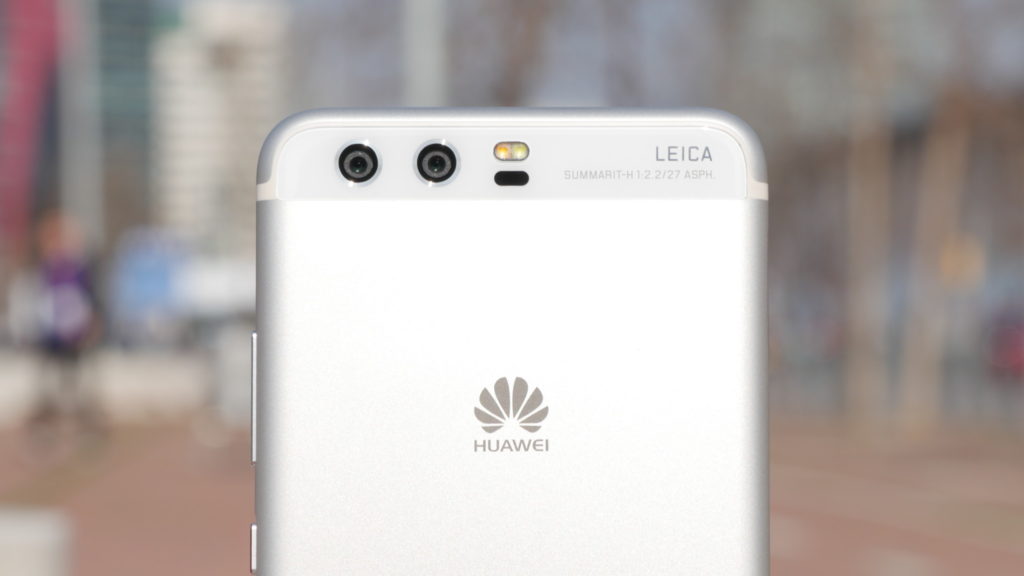
Huawei P10 series launched in early 2017 with EMUI 5.1 based on Android Nougat. Both the handsets in the series – P10 and P10 Plus were later updated to EMUI 8.1 (Android Oreo) and EMUI 9.1 (Android Pie). As the devices had already received two major updates, they did not make it for the Android 10-based EMUI10/10.1 update. But still, the company is currently seeding out a huge update with May 2020 security patch and a couple of useful features.

Huawei P10 Hands on

The Huawei P10 series from 2017 was removed from the company’s monthly and quarterly update eligible devices list. Even though, the Chinese telecom giant is rolling out a huge 4.05GB OTA update to these handsets.

Unfortunately, as expected, the update does not bring the latest EMUI 10.1 but it does bring two new features that might come in handy. Additionally, it also increases the security level patch to May 2020, which fixes 2 critical, 22 high and 2 Medium levels of CVEs.

Official Changelog

  • Smart Charge: Adds the Smart Charge mode, reducing battery ageing by adapting and preventing the battery from being continuously charged when full. (This feature is enabled by default.)
  • Huawei Assistant: Adds Huawei Assistant to the home screen, providing smart reminders personalized news, and other content relevant to you.
  • Security: Integrates Android security patches released in May 2020 for improved system security.

The ‘Smart Charge’ feature mentioned in the changelog was recently introduced rolled out to older Huawei and Honor premium devices. So it is nice of Huawei to bring it to its 3-year old flagship smartphone.

The second feature – Huawei Assistant is similar to ‘App Vault’ on MIUI, which can be accessed from the left side of the homescreen. But it isn’t as useful as the former one since most users prefer other services for reminders and news.

Having said that, like any other OTA update, it is being rolled out in batches and hence it will take time to reach every unit.


(Via)

Redmi 10X 5G gets a white variant; goes on sale in China tomorrow

The Redmi 10X 5G is one of two Dimensity 820 5G-powered phones announced by Redmi last month. The other is the Redmi 10X Pro 5G. Today, Redmi has announced a new colorway for the non-pro model.

The Redmi 10X 5G was originally announced in three color variants – Gold, Blue, and Gradient Purple. Starting tomorrow, folks will be able to pick it up in white. This variant will sell for ¥1799 which is the price of the 6GB RAM + 128GB version. It means folks will not be able to purchase the base model with 6GB of RAM and 64GB of storage in this color.

Redmi 10X 5G White

The Redmi 10X 5G has a 6.57-inch FHD+ AMOLED 60Hz display. It is powered by the Dimensity 820 processor and comes with up to 8GB of RAM and 256GB of storage. It also has a dedicated MicroSD card slot for adding extra storage.

There is a 48MP + 8MP + 2MP triple camera setup on the back of the phone while the waterdrop notch is home to a 16MP sensor. The phone also has NFC, Bluetooth 5.1, an IR blaster, and an audio jack. There is a 4520mAh battery inside with support for 22.5W fast charging. Redmi ships it with MIUI 11 based on Android 10.

The Redmi 10X Pro 5G is also supposed to get a white variant according to official posters but it is yet to go on sale.


(Source)

WhatsApp payment service gets suspended in Brazil

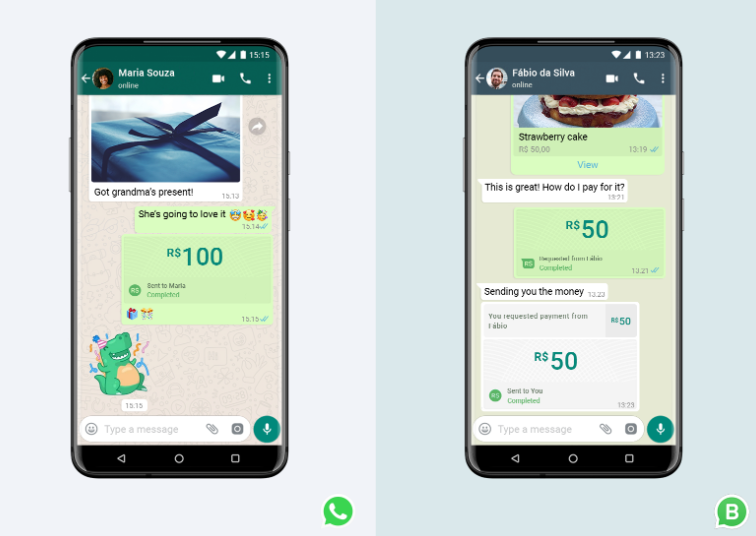
Last week, WhatsApp launched its payment service in Brazil but it has been now suspended by the government. Similarly, the instant messaging app introduced animated stickers in a recent beta version but that too got removed in the next version of the application.

WhatsApp Logo

WhatsApp Animated Stickers

WhatsApp has been lately adding some interesting features in its app. Recently, the company rolled out WhatsApp Beta v2.20.194.7 for Android. This version of the app brought animated stickers feature, which is found on other messaging services like Telegram.

Unfortunately, it was soon removed in the next beta version of the app – v2.20.194.9. The current implementation is half-baked as per Android Police. This could be the reason why the company got rid of it for the time being in the new version.

Anyway, we hope WhatsApp releases it in the stable channel for everyone in the near future

WhatsApp Payment Service Suspension in Brazil

In other news, the Brazilian Central Bank suspends WhatsApp payment service within days from its rollout in the country. The company launched it in partnership with fintech Nubank, state-controlled lender Banco do Brasil SA, Visa, Mastercard and lender Sicredi.

Reuters reports that WhatsApp launched its payment services in Brazil without requesting authorization from the Central Bank. Hence, Visa and Mastercard had to suspend their operations with the Facebook-owned messaging app.

WhatsApp Pay

If they haven’t complied with the order, the world’s two largest financial services company would have been subjected to fines and administrative sanctions. Before the suspension of services, the Central Bank issued a regulation saying “it could require market participants to receive previous approval to operate in payments”.

The Central Bank of Brazil is expected to launch its own instant payment system called Pix in November with more than 980 participants. A WhatsApp spokesperson said they are committed to working with the Central Bank to integrate systems once Pix becomes available.

Additionally, Brazil’s antitrust watchdog, Cade, blocked WhatsApp’s partnership with the country’s largest payment processor Cielo.


Samsung to launch drone based AI solution for 5G network optimization

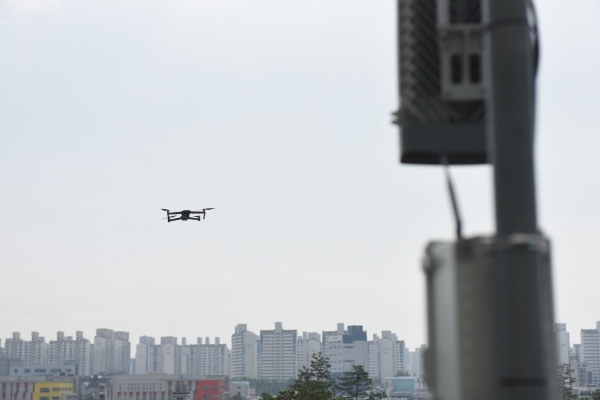
Samsung has recently announced a new drone based service for 5G networking configurations and optimization. The South Korean tech giant shared a video earlier this week which demonstrated a drone performing tasks that would improve tower climber safety and enable efficient network maintenance.

The new service will allow an engineer to remotely control a drone equipped with a camera. These drones will then be used to capture photos and videos of antennas on rooftops or base station towers. The footage will be viewed via a smartphone and the process will utilize a deep learning, artificial intelligence solution to verify the rotation and tilt of the antennas.

This will allow the engineers on the ground to determine whether or not, the installation process was done correctly. Samsung will start trials for the service at its headquarters in Suwon. The new automated solution seeks to offer operators a more efficient method to monitor and maintain signal sites. Its application will also improve employee safety and optimize network performance, according to the company.

Samsung

A global rollout of this new service will be launched later this year with continued updates regarding the solution. In other words, Samsung plans on adding features in the future that will allow the engineers on the ground to remotely adjust antenna tilts from their smartphones, preventing the need for a person’s physical presence in such locations. This method has even been touted as more cost effective and convenient, but only time will tell of its viability.


Apple iOS 14’s Emergency Override lets iPhone charge wirelessly despite detecting liquids

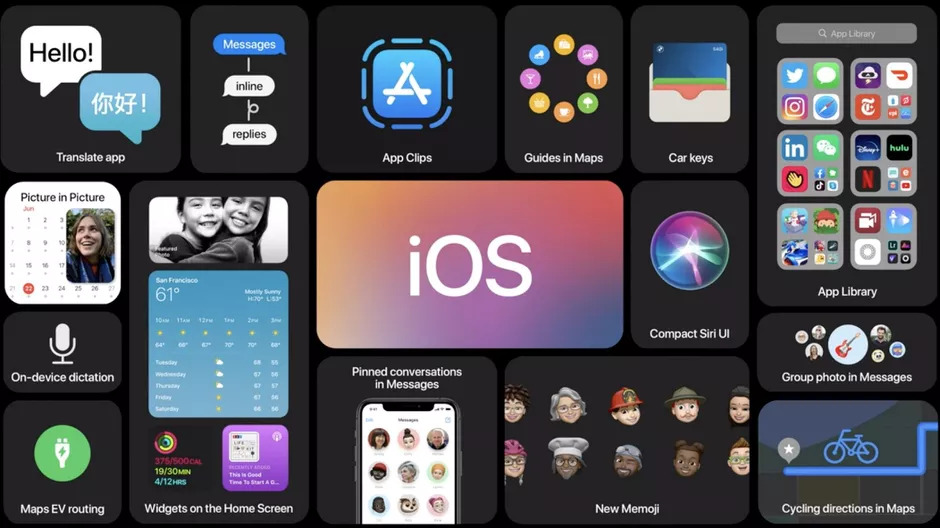
A new report has revealed that the latest Apple iOS 14 is suffering from a possibly dangerous flaw. Apparently, users can circumvent the wireless chargers warning when detecting liquids in the latest OS.

Apple
iOS 14

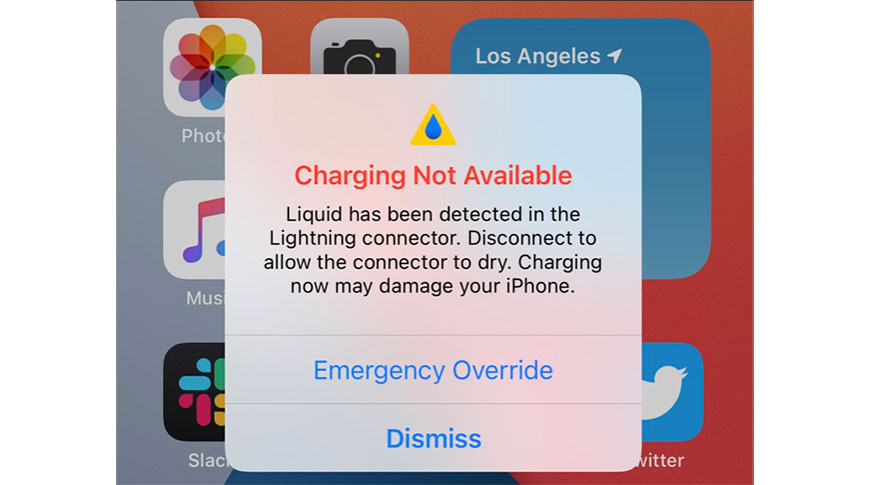
For those unaware, most wireless chargers have an in built feature that notifies and stops wireless charging in the event of a foreign metallic or liquid being present on the charger to prevent any possible damage. However, the warning indicator that informs the users to stop wireless charging and states “Charging Not Available” or “Liquid Detected in Lightning Connector,” can be ignored.

This occurs since the Cupertino based giant has added an “Emergency Override” option that allows users to continue the charging process despite the possible damages. Furthermore, users can just simply dismiss warning notifications and proceed to charge their iPhones. The liquid protection was first introduced back with iOS 10 and has been a part of the operating system since then.

Apple

Although, the latest version seemingly ignores all possible warnings. Notably, this bug isn’t strictly restricted to just iOS 14. A few users have also stated that they faced this issue in iOS 13 as well, namely v13.5.1. These users aced the same issue in the older version of the software but in slightly different regard. Although, they were still able to ignore the warning and still proceed to charge their iPhones, including ones which were dropped in lakes, or were drenched in rain.


(Via)

Meizu smartwatch launch confirmed for Q4 2020 with Flyme For Watch

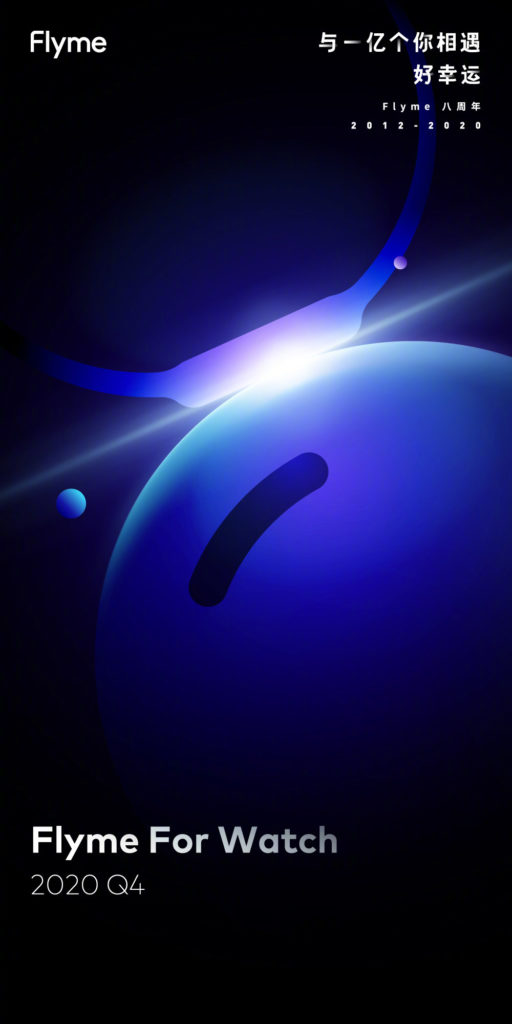
Meizu is one of the oldest Chinese smartphone makers with little presence in international markets. According to the latest teaser on Flyme’s (the company’s Android skin) official Weibo account, the brand’s first proper smartwatch will be finally launching in Q4 2020 with Flyme For Watch software on board.

Meizu Flyme for Watch

Meizu is known for smartphones with standout designs. Since its inception, its hardware and software have been different from other companies. However, the company has not launched a proper smartwatch in its 12 years of existence in the smartphone industry.

But that’s going to change soon as the brand officially teases the launch of its first-ever proper smartwatch in Q4 2020. Additionally, it also confirms that it will be running Flyme For Watch.

Having said that, the base OS underneath the Flyme For Watch is a mystery. For instance, Xiaomi uses Android Wear platform for its MIUI For Watch. On the other hand, Oppo’s ColorOS Watch is based on AOSP.

Also, you might have noticed by now that we are calling the upcoming Meizu wearable as ‘proper smartwatch’. That’s because the brand already launched a hybrid smartwatch called ‘Meizu Smart Watch Mix’ aka ‘Meizu Light Smartwatch’ in 2016.

Although the launch of Meizu’s next wearable is months away, we can expect it to start leaking days or even weeks ahead of its official announcement.


Olympus is leaving the camera business, sells imaging division to Japan Industrial Partners

Olympus has recently announced that it is planning on leaving the camera business entirely. The company will be selling its imaging division to an investment fund. Olympus

Japan Industrial Partners has previously bought the VAIO computer business from Sony and haw now also signed an MoU (memorandum of understanding) that will have Olympus transfer its imaging division. This division was a small part of Olympus’ business that mostly comprises of medical equipment manufacturing, with an example being endoscopes.

The company’s CEO, Yasuo Takeuchi, had hinted at this move back in 2019 in a press conference when he said that Olympus’ camera division can be sold. Although that remark was watered down later on. According to an official statement from the company “we had implemented measures to cope with the extremely severe digital camera market, due to, amongst others, rapid market shrink caused by the evolution of smartphones.” However, it seems those efforts have not succeeded as the business will be sold off now.

Olympus

Japan Industrial Partners is expected to streamline the imaging division, similar to what it did with VAIO. In other words, it will continue to develop products using the Olympus brand such as OM-D and Zuiko. Olympus and JIP will sign a definitive agreement by the end of September with the entire deal closing near the end of this year. Unfortunately, finer details and financial terms have yet to be revealed.


(Source)

Samsung officially launches the Odyssey G9 gaming monitor

Earlier this year, Samsung unveiled its Odyssey lineup of gaming monitors at CES 2020. While pre-order for the Odyssey G7 and the Odyssey G9 monitors had started in the US, only the G7 was listed in South Korea. Now, the company has finally launched the Odyssey G9 globally.

The Samsung Odyssey G9 is priced at 1.9 million KRW (roughly 1,600 US Dollars). It is the world’s first dual-QHD resolution supporting monitor, is NVIDIA G-Sync compatible, and has a 1000R curvature. The new gaming monitor is also the world’s first monitor to support HDR10+, which is thanks to its QLED panel with DisplayHDR 1000 certification.

Samsung

The high end gaming monitor had won the CES 2020 Innovation Award in the Computer Peripherals and Accessories category due to its unique curved design. So, gaming enthusiasts have something to really look forward to. The Samsung Odyssey G9 sports a 49 inch curve QLED panel with a 5120×1440 resolution and an aspect ratio of 32:9.

Furthermore, it has a high refresh rate of 240Hz with 1ms response time and 1000 nits of peak brightness. The monitor also covers 95 percent of the DCI-P3 color gamut and is compatible with both NVIDIA G-Sync and AMD FreeSync Premium Pro. So, gamers that have hardware from either team red or green will benefit in this regard. Notably, the monitor can also be rotated, swiveled, and tilted according to users’ requirements.

Samsung

In terms of ports, the Odyssey G9 has two DisplayPort 1.4 ports, one HDMI 2.0 port, three USB 3.0 ports, and a headphone jack. Additionally, the monitor also offers features like Black Equalizer and Virtual Aim Point. It is also the first monitor in the industry to receive TÜV Rheinland’s best rating for its 1000R Curved Display and Eye Comfort certification. The Samsung Odyssey G9 arrives in a single white variant, but with an Infinity Core lighting area at the back. This region supports 52 colors and 5 different lighting effects. So RGB lovers rejoice!


Samsung Galaxy Note 20 Ultra’s zoom will be capped at 50x, company emphasizes image quality and experience over numbers

A new report has suggested that the Samsung Galaxy Note 20 Ultra will have its zoom lens capped at 50x magnification. This may seem odd considering the previously released Galaxy S20 Ultra sports a 100x Space Zoom, but the company is reportedly placing an emphasis on image quality and user experience over raw numbers.

The news was first shared by Ice Universe, a known leakster, on Twitter. According to his tweet, the South Korean tech giant will not feature the 100x Space Zoom that was found in the previously launched flagship series. Instead, an additional focus is being placed on improving the image quality and user experience when magnified to 50x zoom.

Despite having one of the best looking camera modules, in terms of technicality, the Galaxy S20 Ultra was not as impressive in real life when compared to its rivals. Thus, it would seem plausible that Samsung would double down on achieving high numbers and prioritize the improvement of its existing technology and offer a better photographic experience overall.

Samsung
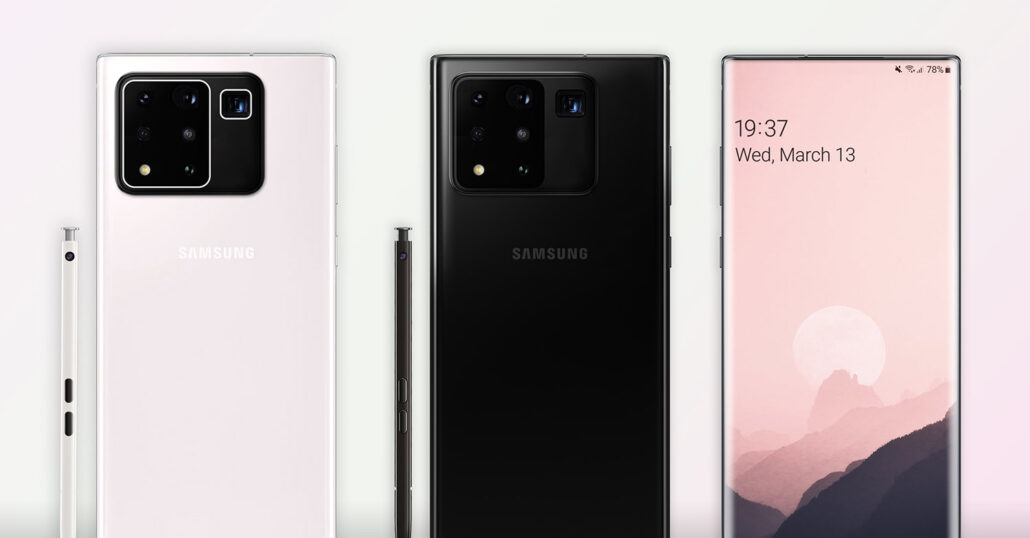
Samsung Galaxy Note 20 Ultra Render

Unfortunately, Ice Universe did not share any finer details into the matter. It is also currently unknown if the Galaxy Note 20 Ultra will feature the periscopic lens either. While rumors regarding its other key specs have already surfaced, we would have to wait for the official announcement to confirm anything. So stay tuned as we will be covering its rumored August 5th Unpacked launch event.


Huawei Mate Watch might run HarmonyOS and could debut with Mate 40 series

Huawei’s smartwatches are simply known as ‘Huawei Watch’. But earlier in May, the company filed a trademark for ‘Mate Watch’. Now, according to a new tip from the same person (@RODENT950) who spotted the trademark, the so-called Huawei Mate Watch might run HarmonyOS and could launch alongside the Mate 40 series.

Last year, Huawei officially introduced its homegrown operating system called HarmonyOS. It is a distributed OS based on Linux micro-kernel architecture.

As per the roadmap shared by the company at Huawei Developer Conference (HDC) 2019, HarmonyOS 2.0 will be released this year with support for PC, cars, and smart wearables. Hence, it is possible for the upcoming Huawei Mate Watch to run HarmonyOS instead of Huawei Lite OS found on its current smartwatches.

In addition to the software, the tipster also says that according to rumors, the wearable might launch alongside Mate 40 series on Chinese National Day, which will be celebrated on October 1st. This goes in line with a  previous leak, which suggested the launch of Huawei Mate 40 series to take place in October as scheduled despite tensions from the US government.

As of now, nothing else is known about this forthcoming ‘Mate Watch’ but the HarmonyOS 2.0 will be also found on Hauwei PCs powered by Kunpeng processors.


US offers Funds to Brazil and other regions to buy 5G Gear from Huawei rivals

Earlier this week, a Brazilian diplomat revealed that the US government is providing funds to companies in the country and other regions to buy 5G networking equipment from Huawei rivals.

The US is helping in financing telecom operators in Brazil and other countries. This is to prevent them from buying 5G gear from “untrusted” Chinese companies, which primarily hints at Huawei. According to Ambassador Todd Chapman, appropriate alternatives for 5G technology have been found through Ericsson, Nokia, and Samsung.

Huawei

The funds have been allocated from the US International Development Finance Corporation (DFC), which is a government agency that finances private development projects. Furthermore, Chapman stated that Huawei Technologies is untrustable as a partner that will help build 5G across the globe, despite being the world’s largest telecommunications equipment provider.

For those unaware, Huawei has been in Brazil for over 20 years and has partnered with local telecom operators to test 5G networking in the region. It has already built the backbone of the infrastructure regarding the newer and faster bandwidth using Chinese equipment. Notable partners include major carriers like Telefonica Brasil SA, TIM Participacoes SA, America Movil’s Claro and Oi SA.

Huawei

The move from the US is another clear effort to pressurize the Chinese tech giant. Its recent sanctions have cut off its chip supply from TSMC and it has even urged other governments to remove Huawei’s presence in their respective 5G infrastructure as well. Chapman also said that “We are simply alerting our friends and allies in Brazil that we have those concerns shared by many countries around the world that such technology is not the way to go.”


(Via)

Honor X10 Max will feature RGBW LCD panel for better brightness

Honor is expected to launch its next phablet dubbed as Honor X10 Max on July 2. But we know almost everything about this handset, thanks to a number of leaks in the past few days. In addition to those, the brand itself has also begun to tease some specs officially on Weibo. Earlier today, it revealed that this device will feature an RGBW panel.

Honor X10 Max RGBW Display

Normally, displays found on smartphones use RGB pixel arrangement. But the upcoming Honor X10 Max will come with RGBW screen.

LCD panels with RGB (Red, Blue, Green) pixel arrangement produce white color by illuminating the aforementioned color pixels at their highest intensity. But some of the light is weakened due to the color filters.

On the other hand, RGBW LCD panels have a dedicated white subpixel. Thus, the overall brightness produced by these displays is better than conventional RGB screens found on most smartphones.

The brand even showcased the display brightness prowess of Honor X10 Max in a video. This particular video was shot on the day of Summer Solstice (June 21) when the sunlight hit directly on Tropic of Cancer.

The display on the Honor X10 Max will be of 7.09-inches making it the perfect choice for consuming content and playing games. It will be powered by a Mediatek Dimensity 5G chipset unlike Kirin 820 on the regular Honor X10.


Huawei takes a huge leap up the list for the Most Innovative Companies

Huawei, the Chinese tech giant, has made a huge leap up the rankings in the list of the Most Innovative Companies over time. The rankings were made by BCG that has surveyed global innovation since 2005 and listed the top 50 companies that they believe deserve these spots.

Huawei

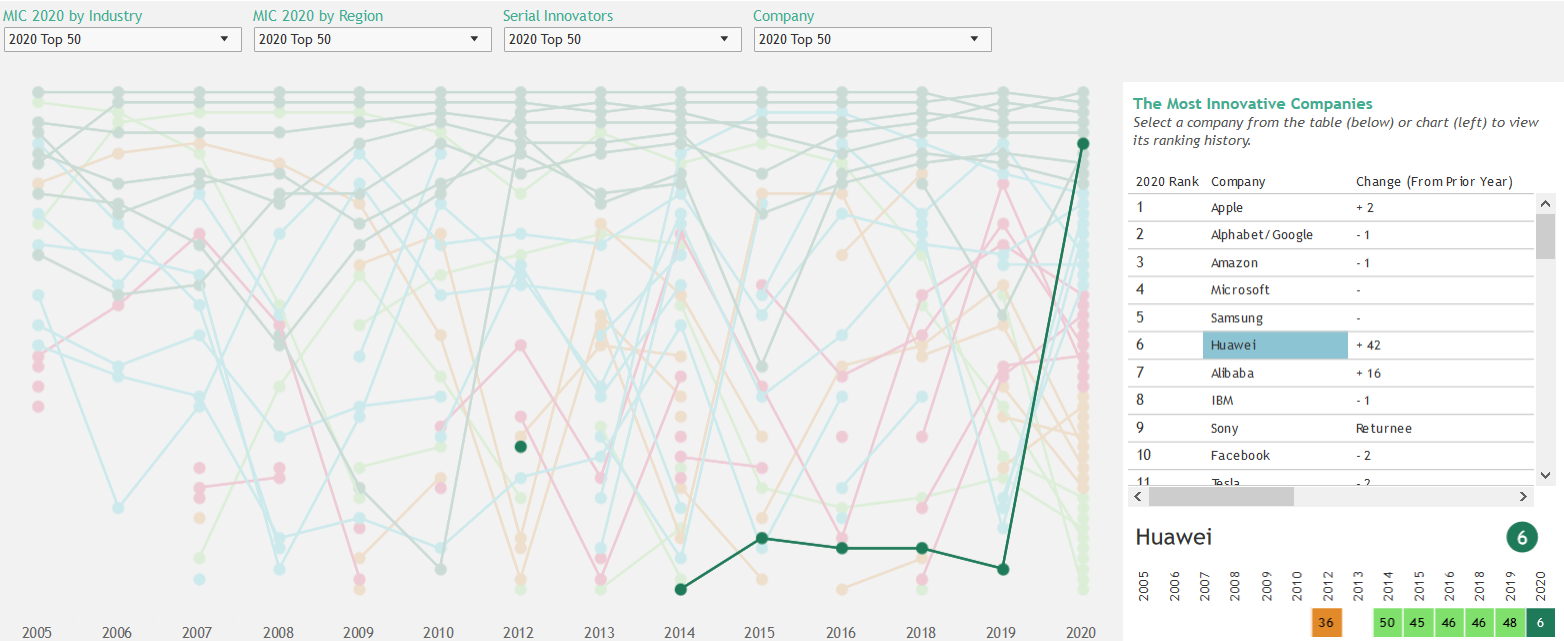
In this list, Huawei has made a massive jump in recent times, crossing 42 positions to reach the number 6 spot in the list just below Samsung and Microsoft. Back in 2014, the company was at the very bottom and has made its way up since then. Keep in mind it wasn’t a straight line up, as Huawei did see a healthy rise in 2015, but it was quickly followed by a decline to the 48th position. However, from here the popular consumer electronics maker took off, beating the likes of Sony, Facebook, Alibaba, and more.

Furthermore, the rankings also include many known tech based brands as well, including Apple that currently holds the top spot. Google follows close behind in second place followed by Amazon. Xiaomi also made the list as a returnee this year, meaning they were not ranked since 2016. Now, the Chinese vendor holds the 24th spot on this list.

Huawei

There can be many possible reasons for this immense rise in innovation for Huawei. The company is a pioneer in 5G networking and has been pushing the adoption of the newer and faster bandwidth in many regions despite pressures from the US. Additionally, the ban from the US has also forced the company to innovate and adapt on multiple fronts with proprietary development occurring for both software and hardware.