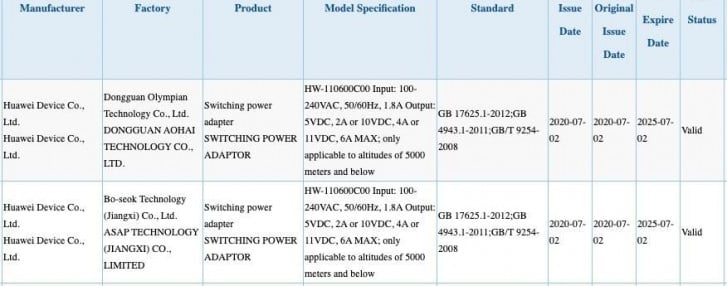
China’s 3C certification website is relevant in finding out the charging prowess of upcoming smartphones. It has just detailed what could be the maximum charging speed Huawei‘s next-gen flagship Mate 40 will feature. A Huawei phone charging adapter rated at 66W (11V/6A) has been certified by 3C.
At present, Huawei doesn’t have a smartphone that supports 66W power rating but the 66W-rated charger also supports 40W output speeds (10V/4A). This means that the charger will be compatible with the current 40W SuperCharge smartphones from the company.
Of course, we can’t say for sure if it will be shipped with the Mate 40 but going by precedence, we can conclude that Huawei may likely include it on the Mate 40. Huawei had during the P40 series launch, unveiled a 65W dual-port GaN charger. We also expect the mate 40 series to come with faster wireless charging.
Huami kicked off the Amazfit ZenBuds global crowdfunding exercise on Indiegogo a few days back. The exercise has so far been a resounding success as data obtained from the crowdfunding page shows that over $300,000 was raised within 44 hours after the exercise commenced. As at the time of filing this report, the revenue has topped $366,200 raised by 4480 backers.
The popularity of the ZenBuds is hinged on its impressive design and features. Amazfit Zenbuds adopts a unique design and offers functionalities that go beyond just being a wireless headphone. The earbuds can help users to get a good sleep at night as well as stay focused during the day. Starting at $69 for the single unit early bird deal, the Zenbuds is no doubt an affordable TWS plug, especially when compared to high-graders like the Apple Airpods and others.`
The ZenBuds are able to assist sleep by helping the user de-stress with a noise-blocking design and rich sound output. It also features Smart Interference to create the “right environment and generate sleep-inducing, soothing sounds” to help you sleep better. It also wakes you up with a gradually-rising personal alarm.
The device automatically detects when you are asleep to turn off the sounds, along with heart rate tracking, body position, and movement data collection. As for the battery life, the company claims that ZenBuds offer 12-hours of battery backup on a single charge but you can extend it to 8 nights with the charging case. This includes 12 hours every night – with three hours of music playback, followed by sleep tracking.
The Amazfit ZenBuds will start shipping in September. You can check out the crowdfunding page from the source link below.
MIUI is one of the most popular Chinese Android skins in the smartphone market. Xiaomi announced its latest iteration dubbed as MIUI 12 in April. Since then, the company has been rolling out beta, stable beta, and stable builds to the eligible devices. Amidst this, the brand has been also introducing new features in the beta builds like the newly spotted “AI Shutter” in the MIUI Camera app.
With the release of MIUI 12, Xiaomi overhauled the entire UI with new visuals and animations. The MIUI Camera app has bee also revamped with new icons, features, and gestures.
Now, as per a user @Deiki on Telegram (via XDA Developers), Xiaomi is working on a feature called “AI Shutter” for MIUI Camera app. The implementation is similar to Google’s Top Shot feature on Pixel smartphones.
The string mentioning this feature was spotted in the MIUI Camera app that came with the latest MIUI 12 beta build. According to it, the app will recommend the best shot from the series of pictures taken while tapping and holding the shutter button.
As of now, the “AI Shutter” feature is not live on any Xiaomi/Redmi smartphone. We expect the company to make it available to certain devices in the coming days in their respective weekly builds, followed by stable builds.
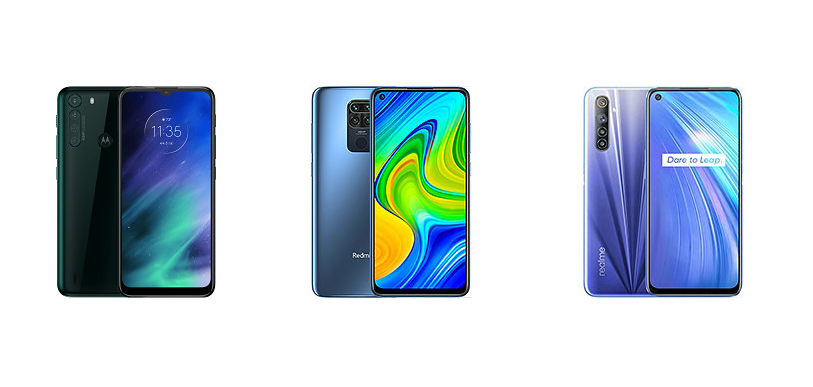
Motorola is finally launching a lot of interesting devices this year! After coming back in the flagship segment (after years of silence) with the Motorola Edge+, the company announced the One Fusion+ with a very high value for money. Now, the Lenovo-owned tech giant launched the vanilla Motorola One Fusion offering a huge battery and well-balanced specifications for a very affordable price. And we think it is time to compare it with the best value for money phones out there. After analyzing the price and the specifications of the new handset, we decided one of the most interesting comparisons of the moment may be the one between the new Motorola One Fusion, Redmi Note 9, and Realme 6. Enjoy and, if you can, let us know your opinion by using the comment box.
Motorola One Fusion vs Xiaomi Redmi Note 9 vs Realme 6
Quad 48 + 8 + 2 + 2 MP f/1.8, f/2.2, f/2.4 and f/2.4
13 MP f/2.3 front camera
Quad 64 + 8 + 2 + 2 MP f/1.8, f/2.3, f/2.4 and f/2.4
16 MP f/2.0 front camera
Quad 48 + 8 + 2 + 2 MP f/1.7, f/2.2, f/2.2, and f/2.2
8 MP f/2.0 front camera
BATTERY
5020 mAh, fast charging 18W
4300 mAh, fast charging 30W
5000 mAh
ADDITIONAL FEATURES
Dual SIM slot, reverse charging, water-repellent
Dual SIM slot, splash resistant
Dual SIM slot, water-repellent
Design
I personally love the design of the Realme 6. It is a very minimalistic phone with its clean back and its punch-hole display. Further, it comes in a very attractive color variant. Redmi Note 9 has a too big camera module, that is why it would not be my choice. The Motorola One Fusion is interesting too, but the presence of a rear-mounted fingerprint reader makes it less attractive, at least according to my tastes. In each case, you get a plastic design with a protection against water, but you can not put these devices underwater if you want to avoid damages. They are just water-repellent.
Display
The most impressive display belongs to the Realme 6: just like the Redmi Note 9, it has an IPS panel with a Full HD+ resolution, but unlike its rivals, it sports a 90 Hz refresh rate which allows a smoother viewing experience. So it is an average panel but with a higher refresh rate. And it also boasts a satisfying brightness. The Motorola One Fusion loses this comparison because it comes with a below-average resolution: its display is just HD+ instead of Full HD+, so the level of detail and the pixel density are lower.
Specs & Software
Realme 6 wins the hardware comparison as it comes with the most powerful processor: the Helio G90T by MediaTek paired with up to 8 GB of RAM and up to 128 GB of UFS 2.1 internal storage. But the Motorola One Fusion remains a very interesting phone for power users due to its reliable Snapdragon 710 chipset providing a lower energy consumption. The Redmi Note 9 is fueled by the Helio G85 paired with max 4 GB of RAM, it does not stand a chance with the Realme 6.
Camera
If we look at camera specifications, we see that Realme 6 is superior again. It is a mid-range camera phone just like its two rivals, but it has a better 64 MP main sensor which should allow capturing better photos. However, do not underestimate the Motorola One Fusion with its bright focal aperture and its 118° ultrawide sensor. Note that none of these devices is a real camera phone, if you need something better with a similar price you should opt for an OPPO Reno2 which offers a great optical stabilization paired with a Sony main sensor and a telephoto lens.
Battery
Motorola One Fusion and Redmi Note 9 sport much bigger batteries than Realme 6 and they come with a standard refresh rate, so their battery life is a lot longer than Realme 6. Between Motorola One Fusion and Redmi Note 9, the former wins because it has a more efficient chipset and a lower display resolution. These elements allow to get a lower energy consumption and a longer battery life. But note that Redmi Note 9 charges faster thanks to its 18W fast charging technology, and it even supports reverse charging so that you can use it as a power bank. Realme 6 charges even faster with its smaller battery a 30W charging tech.
Price
Motorola One Fusion hitten the shelves with a €200/$225 price tag, Redmi Note 9 is priced about €160/$180, and you can actually find Realme 6 for less than €200/$225 thanks to online street prices. With these prices, the Realme 6 is surely the most interesting handset, if we exclude battery life.
Sharp has launched the flagship Aquos R5G in Taiwan. This is the first time the Japanese company is launching the model since it was first unveiled in Japan in February this year. The 5G phone is on offer for NT 34,990 (~$1,187) and will be available in black and white colours. The first sale is scheduled to commence on July 6.
The Aquos R5G, just like Sharp is known for, adopts unique design. It features not one but two notches on its massive 6.5-inch IPS display. The display has an aspect ratio of 19.8:9, supports a 120Hz refresh rate and has QHD+ resolution. One of the notches is at the top, a waterdrop notch which holds the selfie camera. There is a second notch at the bottom edge which holds the phone’s fingerprint sensor. The display has a 19.8:9 aspect ratio and is protected by Gorilla Glass 6. The phone comes with an IP68 waterproof rating and weighs 189g.
The Aquos R5G is powered by Qualcomm’s latest Snapdragon 865 flagship SoC paired with 12GB LPDDR5RAM and there is 256GB of UFS 3.0 flash storage. The phone runs on Android 10 while the light is kept on by a disappointing 3,730mAh battery.
At the rear, the phone features a quad-camera setup consisting of a 12MP main shooter with OIS, a 48MP ultrawide module and a 12MP telephoto cam which also boasts OIS. The fourth cutout is for the ToF module. The phone is also capable of capturing 8K videos from the ultra-wide module.
Lenovo has begun to tease the features of its first gaming smartphone dubbed as “Legion Gaming Phone”. Last month, the company announced to launch this handset in July. As now, we have entered the new month, the brand dropped the first teaser earlier today and a prank unboxing video last evening.
The first teaser for Lenovo Legion Gaming Phone reveals it to come with dual X-axis linear motor for vibration. The brand claims it to offer immersive feedback during gameplay.
Chen Jin, the General Manager of Lenovo Mobile China also confirmed the same in a live broadcast. He also said that there will be a limited number of fan customized version of the handset and details regarding it will be announced alongside the standard version of the phone.
That said, though Lenovo has revealed to launch the Legion Gaming Phone in July, it is yet to announce the exact date for the launch. Before that, the brand’s executive already unboxed the handset’s box in a video.
Yes, you heard it right. He merely unboxed the official box as inside it was the already available Lenovo Z6 Pro, the company’s flagship smartphone from last year.
Anyway, we expect them to release more teasers in the coming days leading up to the day of the launch.
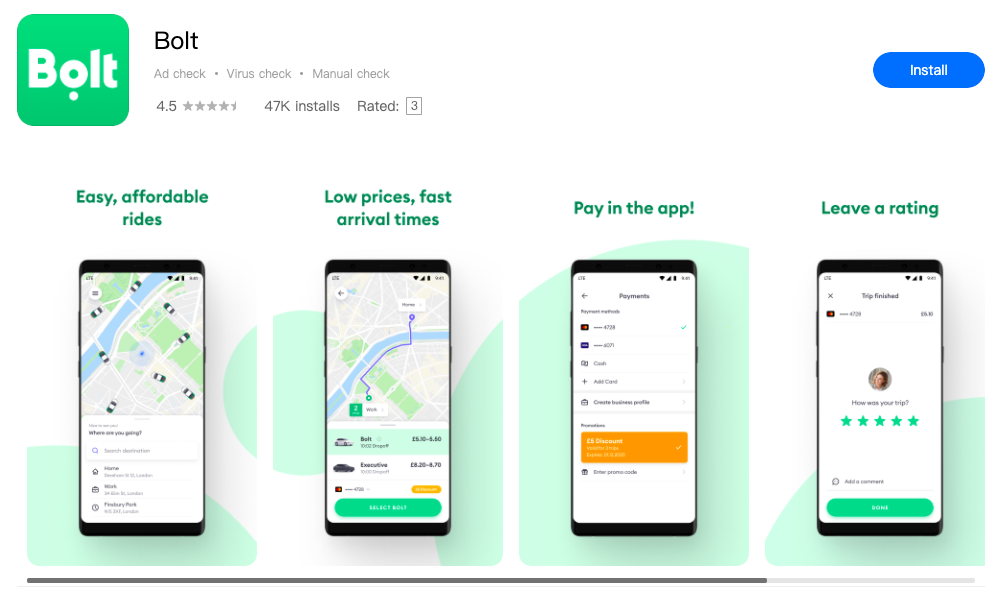
Huawei’s ever-expanding App store, the AppGallery has a new addition today – Bolt. The emerging ride-hailing app in Europe is often considered as a cheaper alternative to Uber especially in cities like London. And with this addition, Huawei users finally have a popular ride-hailing service on its own app store.
Bolt on AppGallery
Bolt’s presence on the Huawei AppGallery is a win-win for both the companies. Despite the US ban, Huawei is still the third-largest smartphone maker in Europe with a solid 18% market share. However, until today, AppGallery lacked a popular ride-hailing app like Uber. Technically, you could get the missing apps via third-party app stores like APKPure and Amazon App Store for Android. But now, Bolt fills this void without the need to download any other app store.
Bolt has been gaining a lot of attention in the past few months. In fact, in June 2020, it was voted as the Hottest Unicorn in Europe! The startup recently raised €100 million from Naya Capital Management which it will use to expand its ride-hailing, e-scooter, and even food delivery businesses.
Huawei has managed to add a number of important apps to its AppGallery this year. You’ll find popular apps in multiple categories like Deezer, TIDAL, MX Player, RT, UKTVPlay, Eurosport, Premier League in media and entertainment and Viber, Telegram, TikTok, Tinder, Zoom, Badoo in social. And as of March 2020, Huawei has already integrated over 60,000 apps with HMS Core.
With no signs of respite from the ban, it makes sense for Huawei to invest heavily in its own products like the AppGallery. In this regard, the company recently launched the HUAWEI HMS App Innovation Contest – with an award pool of USD$1 Million Prize.
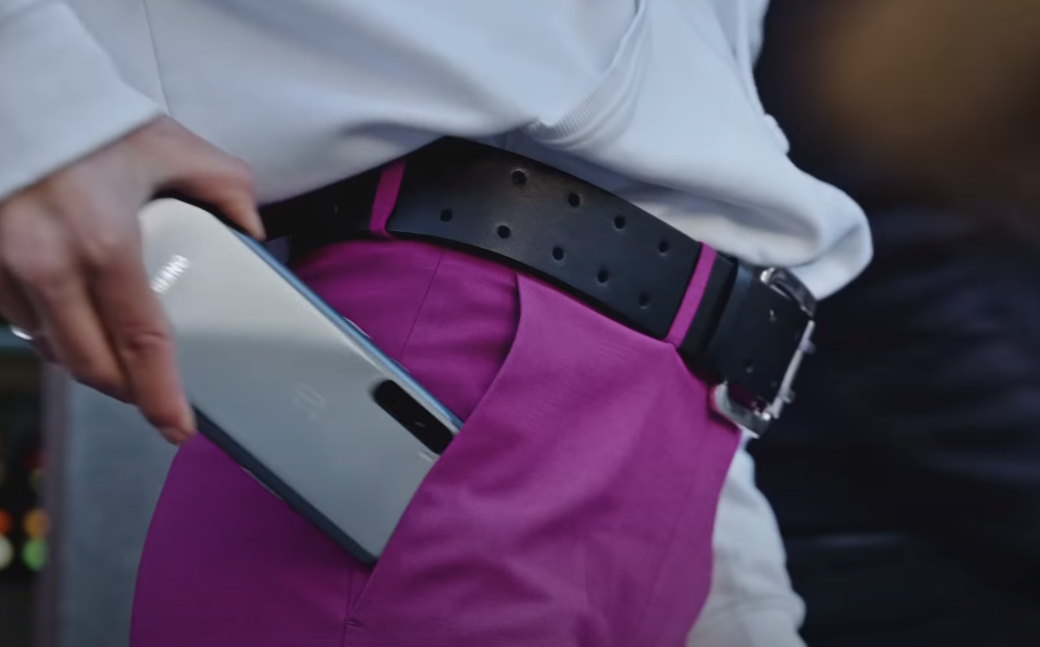
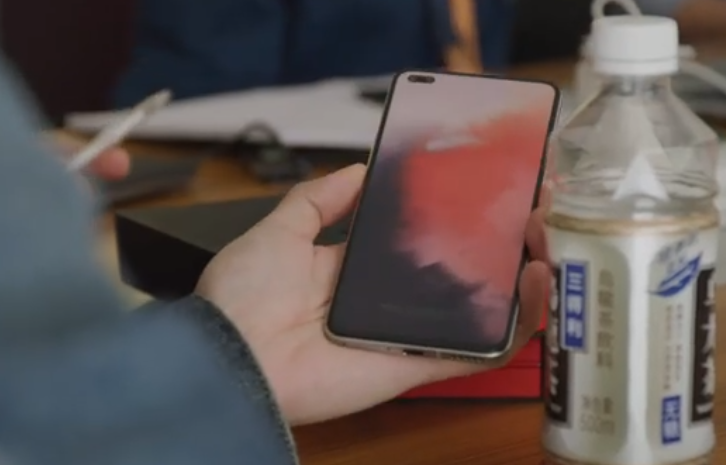
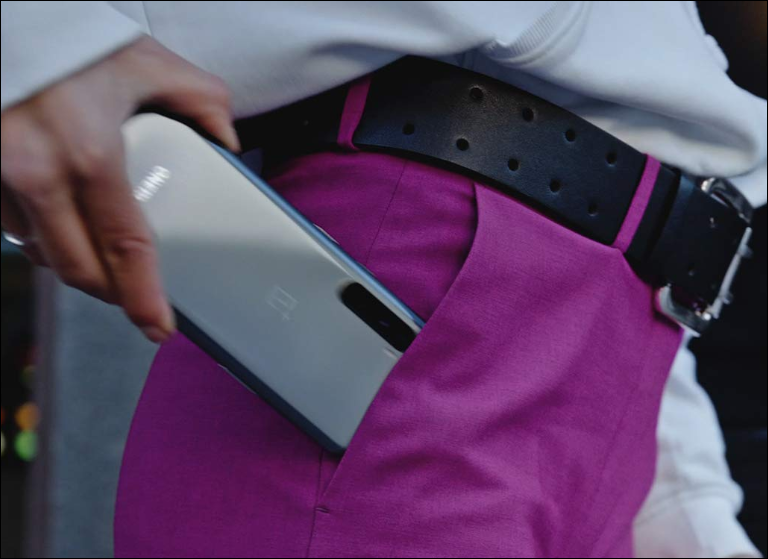
OnePlus gave us a glimpse of the new OnePlus Nord in its teaser video on Instagram and YouTube.
A closer look at the phone revealed in the video:
OnePlus Nord back
OnePlus Nord front
Original Story:
OnePlus will soon take the wraps off the much-anticipated Nord smartphone, no doubt. The tech media has been agog with news and leaks about the model which is expected to be an affordable model. From the official confirmation of the name to details about its hardware, this week has been a delightful one for OnePlus’ fans. To wrap up the week, Amazon India has launched a pre-launch page for the OnePlus Nord and it features what we have all been waiting for – image of the rear design.
TheOnePlus Nord real image had earlier appeared online but it only showcased the front design revealing features such as a full-screen dual punch-hole design. This is the first time we’re seeing what the rear design looks like. Even though the image isn’t sharp, we can see that the device packs a triple-camera setup housed inside a vertically aligned module. The camera module is located at the upper left corner of the rear panel. The rear panel also has a dual-curved edge design.
OnePlus Nord is expected to feature a 6.55-inch AMOLED display with dual punch-hole and 90Hz refresh rate. It will come with a 4,300 mAh battery with support for 30W Warp Charge. There have been several confirmations, including the poster above, that the Nord will be powered by a Qualcomm Snapdragon 765G 5G processor. The model will have up to 12GB of RAM.
A prototype of the OnePlus Nord
In terms of the camera configuration, the front camera setup is a 32MP + 8MP dual selfie camera. At the rear, the setup is a 64MP + 16MP + 2MP triple cameras. It will run on the popular OxygenOS 10 based on Android 10.
In a related development, OnePlus has confirmed via the Nord official Instagram page that the premium device will be up for pre-orders in India pretty soon. A specific date wasn’t indicated but we expect that to happen next week.
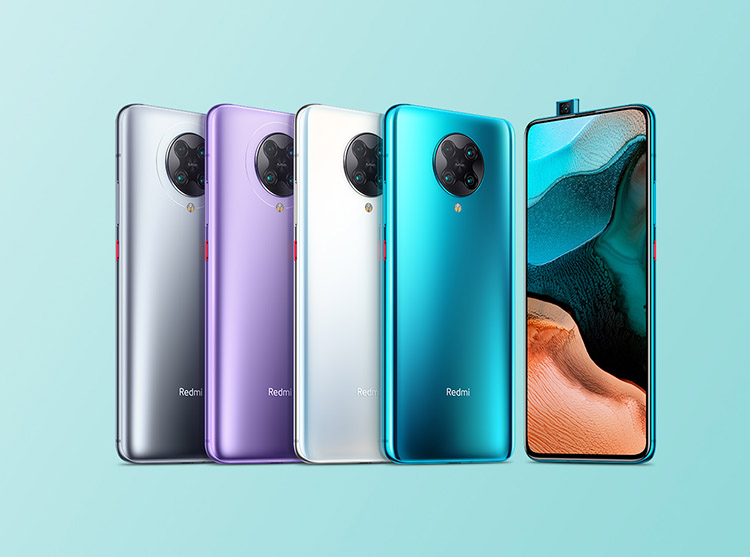
Redmi, the sub-brand of Xiaomi is reported to be working on a 5G smartphone powered by MediaTek Dimensity 1000+. The specs of this handset have been tipped multiple times over the past few days. Today, a new device named “Redmi K30 Ultra” was spotted in the latest MIUI 12 beta build. This phone could be the aforementioned Dimensity 1000 Plus handset.
Almost all the 5G phones launched by Xiaomi and Redmi so far are powered by Qualcomm chipsets except for Redmi 10X/10X Pro. The next MediaTek 5G phone from Redmi is said to be powered by Dimensity 1000+ (Plus).
The MediaTek Dimensity1000 series SoC consists of three variants – Dimensity 1000, Dimensity 1000L, and Dimensity 1000+. Interestingly, there’s not a single phone in the market with the first version, whereas there’s one handset each with the other two variants (Oppo Reno 3 5G & iQOO Z1 5G).
The newly spotted “Redmi K30 Ultra” codenamed “cezanne” by XDA member kacskrz could be the third overall as well as first Redmi smartphone with Dimensity 1000 series chipset if this device is indeed the rumored model by Chinese tipster Digital Chat Station.
The MIUI 12 code also reveals this handset to feature a quad-camera setup with a 64MP primary sensor and a pop-up selfie camera. These features go in line with the specs tipped by the leakster.
According to him, the upcoming Redmi Dimensity 1000+ smartphone will sport 120Hz AMOLED display, in-screen fingerprint sensor, 64MP Sony IMX686 primary sensor, pop-up camera, 4,500 mAh battery, and 33W fast charging (spotted on 3C).
Previously, he said it to feature 144Hz/120HZ LCD panel but that was ruled out recently. Lastly, as per him, it will be launching in July.
The new OnePlus TV U Series launched yesterday comes with a brand new TV remote that can be termed as an improved version of the one that launched with the Q series last year. The Y-series also comes with a new remote too.
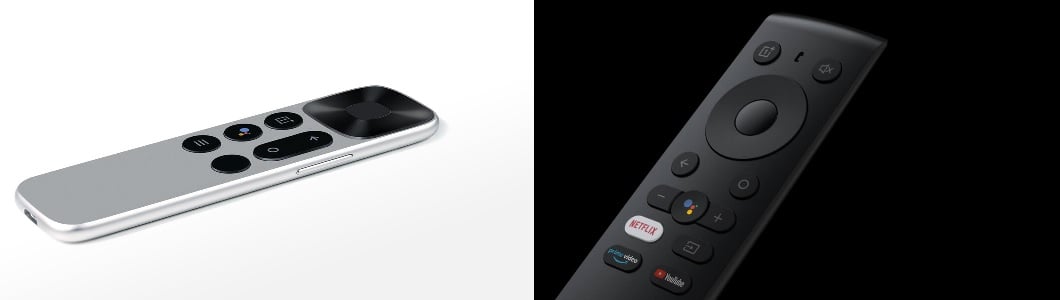
OnePlus Remote (RC-001A) and OnePlus Netflix Remote (RC-002A)
When OnePlus announced the Q series TVs last year, it came with a remote with design inspiration from the Apple TV’s Siri Remote. While the OnePlus TV remote (RC-001A) is pretty cool in its appearance, there were complaints about its design, such as it being uncomfortably thin. Also, not everyone liked the side-mounted volume control buttons.
A few months after the launch of the OnePlus TV Q series, a new remote was announced called the Netflix Remote (RC-002A) which has a dedicated Netflix button. The design is also entirely different and unlike the original, it doesn’t have a rechargeable battery.
OnePlus TV U Series Remote (RC-003A)
OnePlus is known for listening to feedback and the launch of these two new remotes reaffirms it.
OnePlus TV U Series Remote (RC-003A)
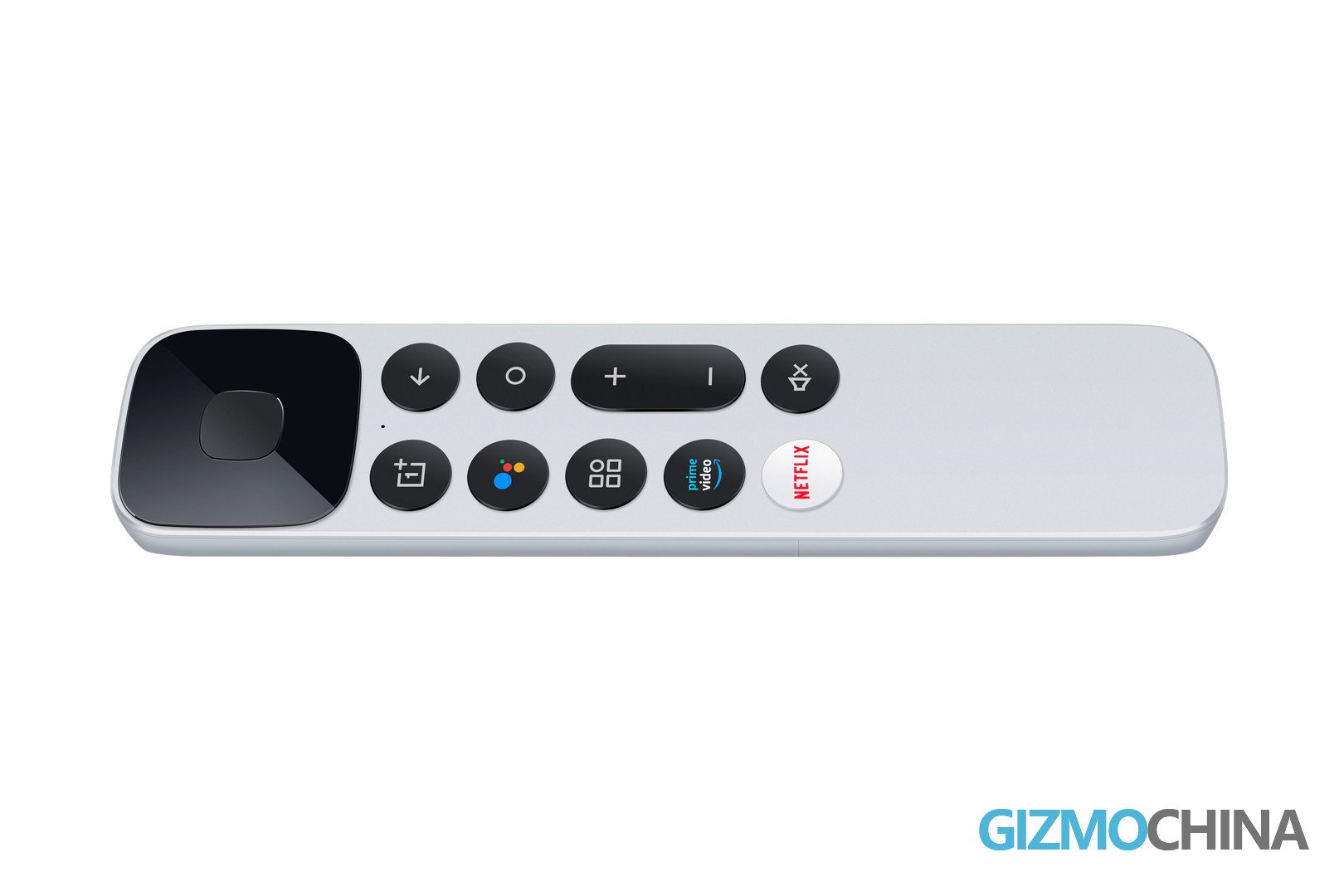
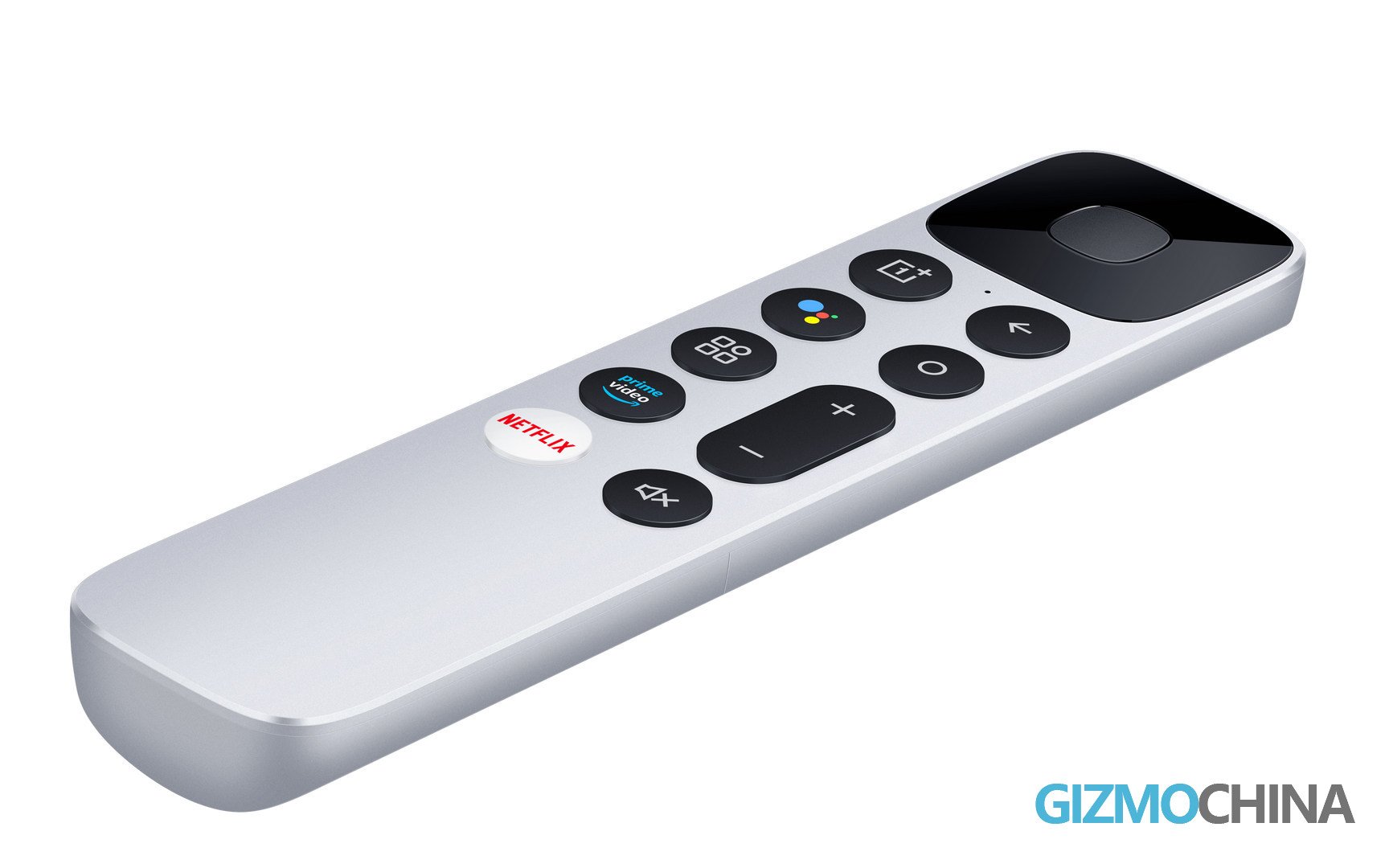
The new OnePlus TV Remote (RC-003A) for the U-series announced today has a silver finish and appears to be made of metal but it is actually plastic. It is significantly thicker but just the right thickness like most TV remotes.
Coming to the buttons, the squircle D-Pad has been kept at the top and seems to have a glossy finish. The remote also keeps the OnePlus button (for launching OxygenPlay and powering off/on the TV), the back button, the home button, and the Google Assistant button. Alongside the aforementioned buttons, it comes with new ones too.
There are dedicated buttons for Netflix and Amazon’s Prime Video, a mute button, and buttons for volume control. There is also an apps button on the remote. There is no dedicated button for YouTube nor is there an input source button as seen on the Netflix Remote. The new remote is powered by AAA batteries and they should come bundled with the TV.
OnePlus TV Y Series Remote (RC-002B)
OnePlus TV Y series Remote (RC-002B)
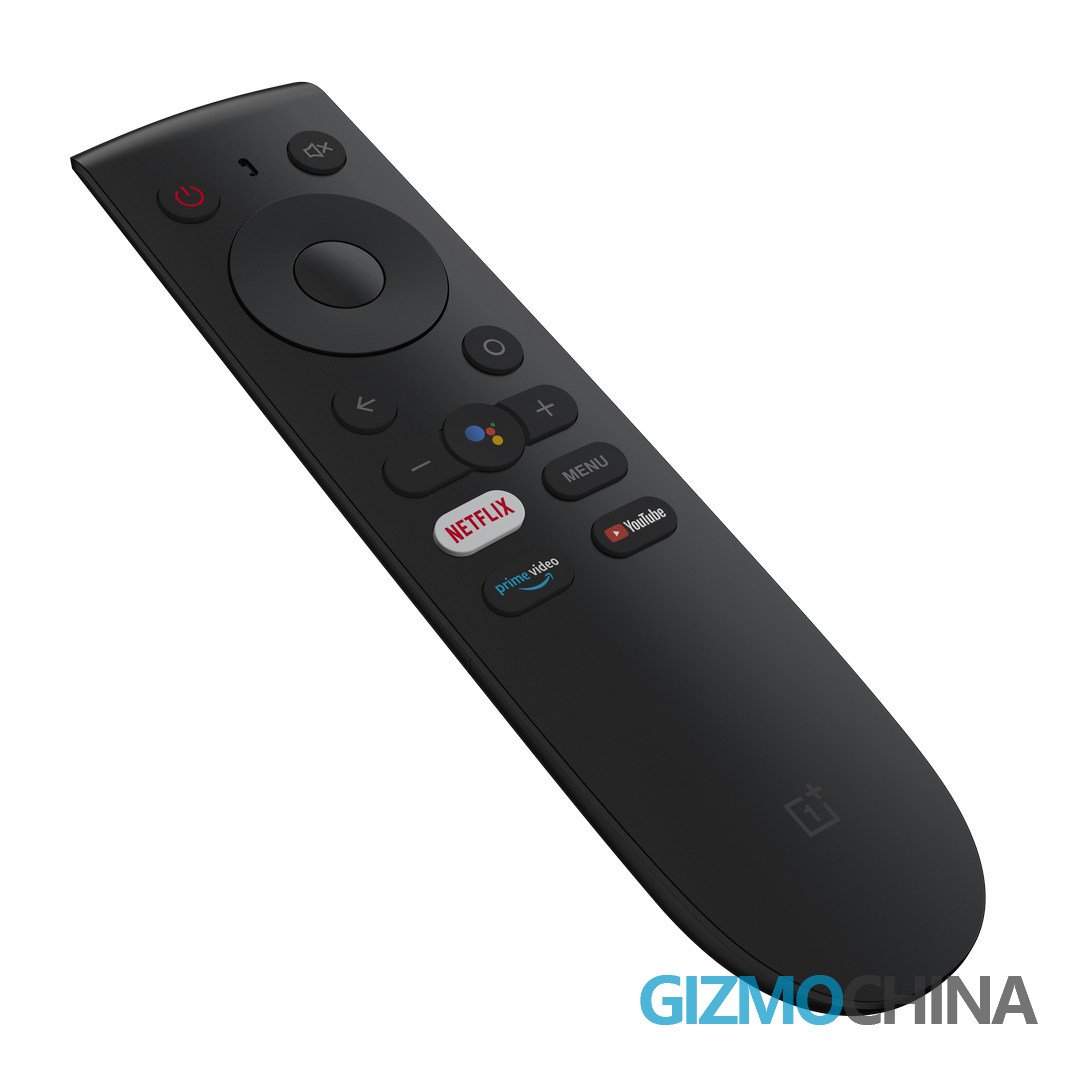
The Y-series also gets a new remote while it is different from that of the U-series, it is more like the Netflix remote that launched last December.
The new remote keeps the design of the Netflix Remote. The differences are in the buttons. First, there is a power button now at the top left corner. It replaces the OnePlus button whose function is for calling up OxygenPlay and turning the TV on or off.
OnePlus has also swapped the Input Source button on the Netflix Remote for a Menu button on the new remote. The last change is the addition of a OnePlus logo to the bottom of the remote.
OnePlus TV Remote Y Series
Other than the aforementioned changes, the rest of the features are the same. There are dedicated buttons for Netflix, Prime Video, and YouTube. The remote also uses AAA batteries.
OnePlus has definitely listened to feedback and has come up with better remotes for its TVs. We presume the new U-series remote will be the one that will ship with new models of its more expensive TVs (U and Q series) going forward while the Y-series remote will be the one that ships with its more affordable models.
Xiaomi showcased its 100W Super Charge Turbo fast charging technology in March 2019. This solution is capable of completely filling a 4,000 mAh battery in just 17 minutes. Now, more than a year later from its revelation, the 120W charger required for the tech gets 3C certification.
Before the launch of any new Chinese smartphone, mostly its charger is the first thing to get certification from the nation’s safety bureau called 3C (China Compulsory Certificate).
Last week, popular China-based tipster Digital Chat Station said that Xiaomi is soon expected to launch its as well as world’s first smartphone with 100W charging support. Looks like his sources were true as a Xiaomi 120W charger with model number MDY-12-ED got its approval on June 28 and was spotted earlier today.
Unsurprisingly, this is the same charger that leaked in a video last month. This particular charger is capable of operating at following power outputs.
The strong contender for this is the long-rumored Mi Mix 4, which is expected to launch in Q4 2020. We hope to learn more about this device in the coming days if it is indeed releasing soon.
That said, Xiaomi’s 100W Super Charge Turbo could be soon overtaken by Vivo’s 120W Super FlashCharge in the near future.
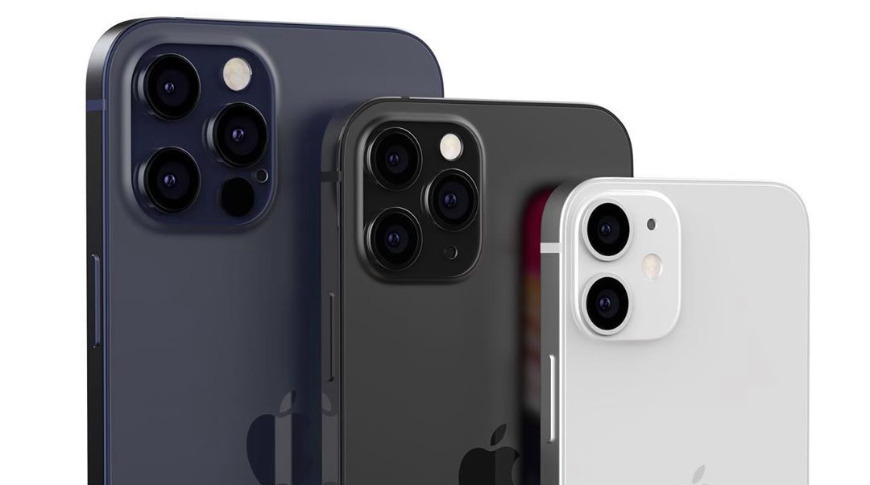
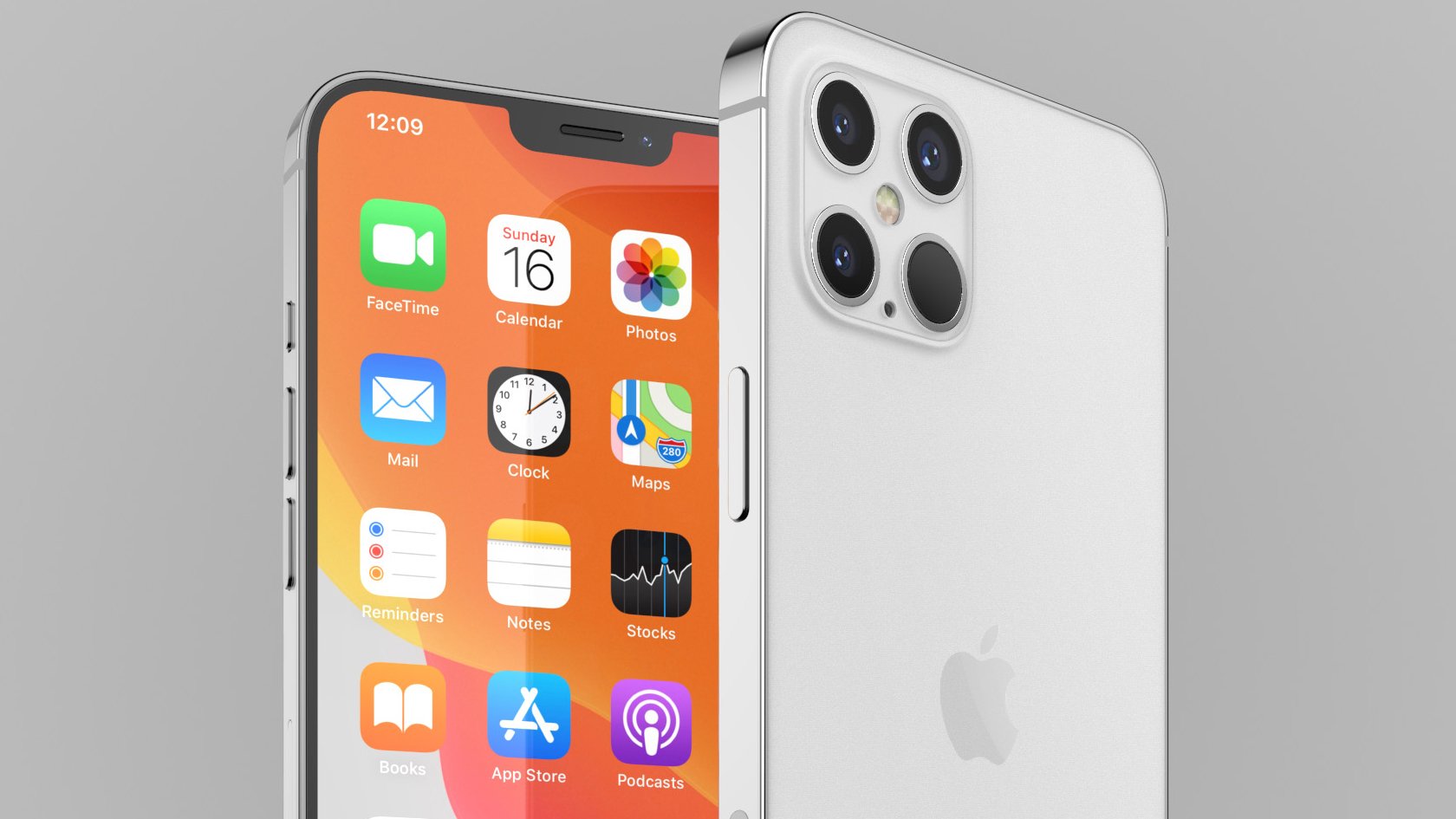
Known analyst Ming-Chi Kuo has revealed that the high end lenses that will be found in the Apple iPhone 12 series will start shipping later this month in July. These high end lenses will be for the rear facing cameras of the upcoming flagship lineup.
According to Ming-Chi Kuo, Apple’s manufacturing partner Largan will reportedly begin shipments of camera lenses for the new iPhones in min-July. Apparently, Largan’s estimated production window has been delayed by four to six weeks for the second half of 2020. In other words, iPhone lens shipments will arrive between September and November over August and October that was common in previous years.
Unfortunately, it is also unclear which new iPhone model will sport these new high end lenses. The iPhone 12 Pro and Max variants are likely to receive these lenses, which will make its way to at least one camera module on the rear. That’s all we have to go on, for now, so stay tuned for more updates
Sony is apparently making planning on buying Leyou Technologies, a major stakeholder in developer Digital Extremes that made Warframe. The company wants to acquire the Chinese game holding firm that has a number of high profile IPs and developers.
According to Bloomberg, the massive acquisition will have Sony acquire multiple popular free to play titles which include, the massively successful Warframe and upcoming Lord of the Rings MMO. Leyou Technologies is valued at 1 Billion US Dollars, but that isn’t something that can deter industry giant Sony. The Japanese company earned over 18 Billion US Dollars through PlayStation gaming in 2019 alone.
Leyou has various games under the Free to Play category that will bump Sonys revenue even further if acquired. Additionally, this buyout would also give the company a stronger foothold on the Chinese gaming market and the global market as a whole. Popular titles under Leyou Technologies include:
Warframe developers Digital Extremes
Splash Damage (the one’s behind the popular PC port of the Halo: Master Chief Collection)
Athlon Games, the publisher behind Samurai Shodown for SNK
Radiance Games and more
Halo: Master Chief Collection
If the bid goes through, the gaming world would have a far reaching rippling effect based on Sony’s future plans with the aforementioned studios and their popular video game titles. Although, it is still too early to tell, so stay tuned for further updates that will be provided once more developments are known.
Last month, Oppo launched Reno 4 and Reno 4 Pro smartphones in China powered by Snapdragon 765G with support for 5G connectivity and tons of camera features. These handsets even run dedicated ColorOS 7.2 Android 10 skin with special tweaks. Now, as per tech personalities on Twitter, the company will soon launch a different version of the Pro model in global markets like India just like its predecessor.
We're leaking something special today. With this 3D curved screen, can you guess what it is? Do you think 3D curved displays give smartphones a premium feel?
Oppo launched Reno 3 Pro in December 2019 as one of the first mid-range 5G smartphones. But unlike Redmi K30 5G, which launched at the same time, the Oppo phone had a premium vibe to it with better design and features along with costlier price tag.
Then, in March, the brand announced a new phone for global markets but it had the same Reno 3 branding, however without 5G. This handset is still on sale powered by MediaTek Helio P95 instead of a Qualcomm chip. It also features a flat display with dual punch hole camera compared to curved and single punch-hole on the original.
In a nutshell, the global variant is a completely different device but with the same branding. Looks like the same thing is about to happen for the latest Reno 4 Pro.
Here's something exclusive for you. I can confirm that Oppo is indeed bringing a premium device to India, which will likely be the Oppo Reno 4 Pro. For india, it'll be different, 3D curved display will stay, refresh rate and size will change. Feel free to retweet 😉 #oppoIndiapic.twitter.com/aWPOaF3i86
According to the tweets by renowned YouTuber Linus Sebastian, the founder of Linus Media Group and Indian tipster Mukul Sharma aka @stufflistings, Oppo will be indeed bringing the Reno 4 Pro to global markets but it could be a different handset altogether similar to its forerunner.
These two tech personalities seem to have gotten hands-on the device already and as per them, it will feature 3D curved display similar to the Reno 4 Pro sold in China but with a change in refresh rate, which could be exclusive to India. Additionally, the picture posted by Linus also showcases the single punch-hole on the top left corner just like the original phone.
That means the Indian variant could arrive with a 120Hz panel instead of 90Hz, whereas the design will remain the same for all the global markets. Also, it is worth noting that the chipset may also differ from the Chinese variant.
Anyway, we expect to know more about this handset in the coming weeks in the form of leaks or teasers ahead of its official launch.
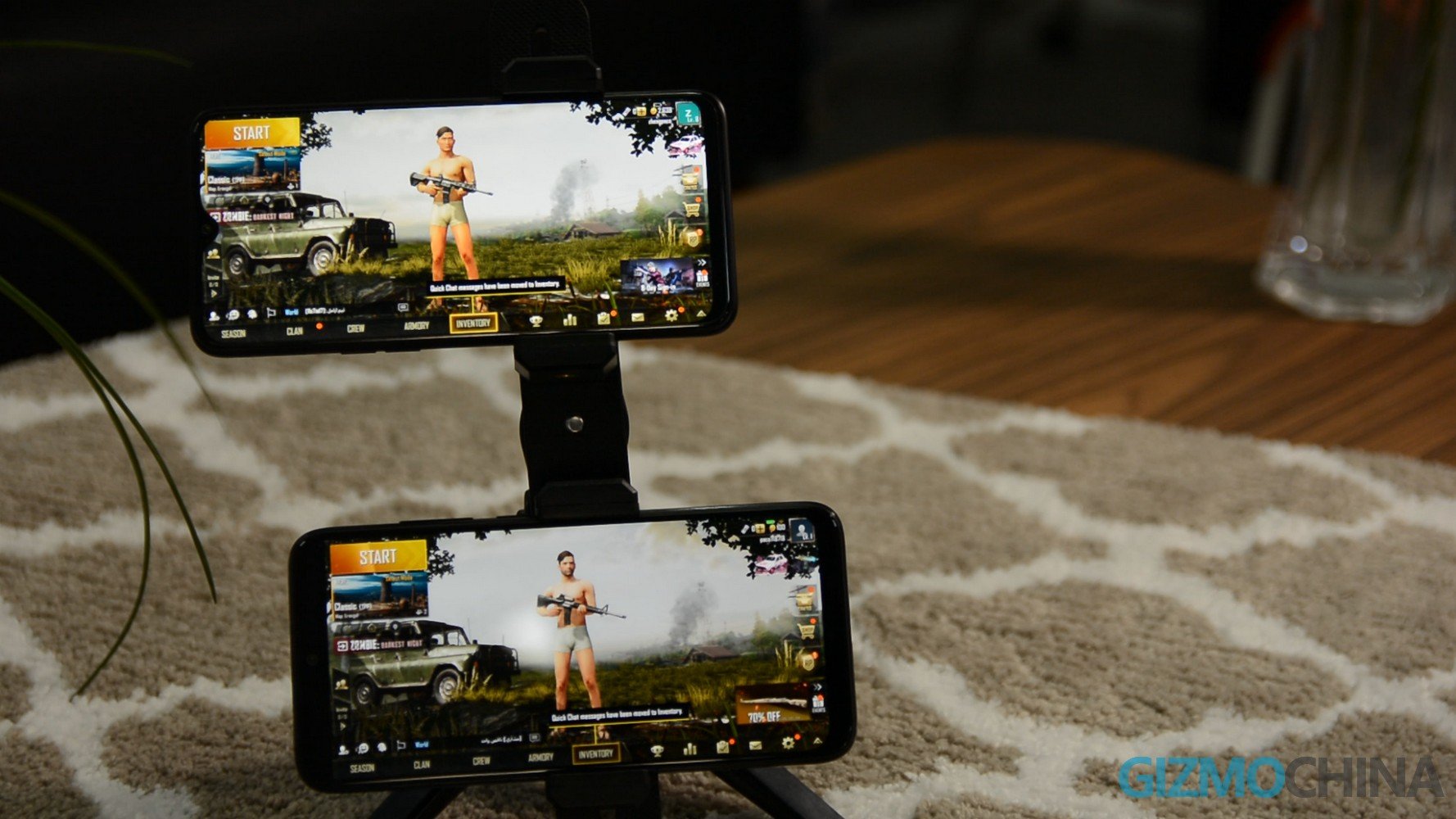
PlayerUnknown’s Battleground Mobile or PUBG Mobile has brought in a massive sum of 3 Billion US Dollars in lifetime revenue. The massively popular online multiplayer game has seen great success globally, with just 2020 bringing in 1.3 Billion Dollars alone.
According to a new report by Sensor Tower, PUBG Mobile has dominated the mobile multiplayer gaming market and within it, the battle royale genre. It has generated revenue which is nearly four times greater than its rival, Garena Free Fire. The game owned by Bluehole has seen 734 million downloads worldwide, with India ranking in highest for the number of downloads. Indians make up 24 percent of the player base while China ranks second with 16.7 percent and the US third with just 6.4 percent.
Although in terms of spending, Chinese players accounted for 52 percent of the total revenue generated, with the US coming second at 14 percent and Japan third at 5.6 percent. Furthermore, the Apple App Store brought in 79 percent of the player spending while Google Play accounted for 65 percent of all downloads. With the online game is constantly updated with new features and in-game cosmetics, the player base always has something to look forward too.
During this time of crisis, staying at home or working from home has become the norm. Due to the Coronavirus pandemic, the gaming industry, especially the mobile subcategory, has grown immensely. This is reflected in the 1.3 Billion US Dollars revenue generated in just one half of 2020. In other words, in just 7 months the game doubled its lifetime revenue, which is nothing short of impressive.
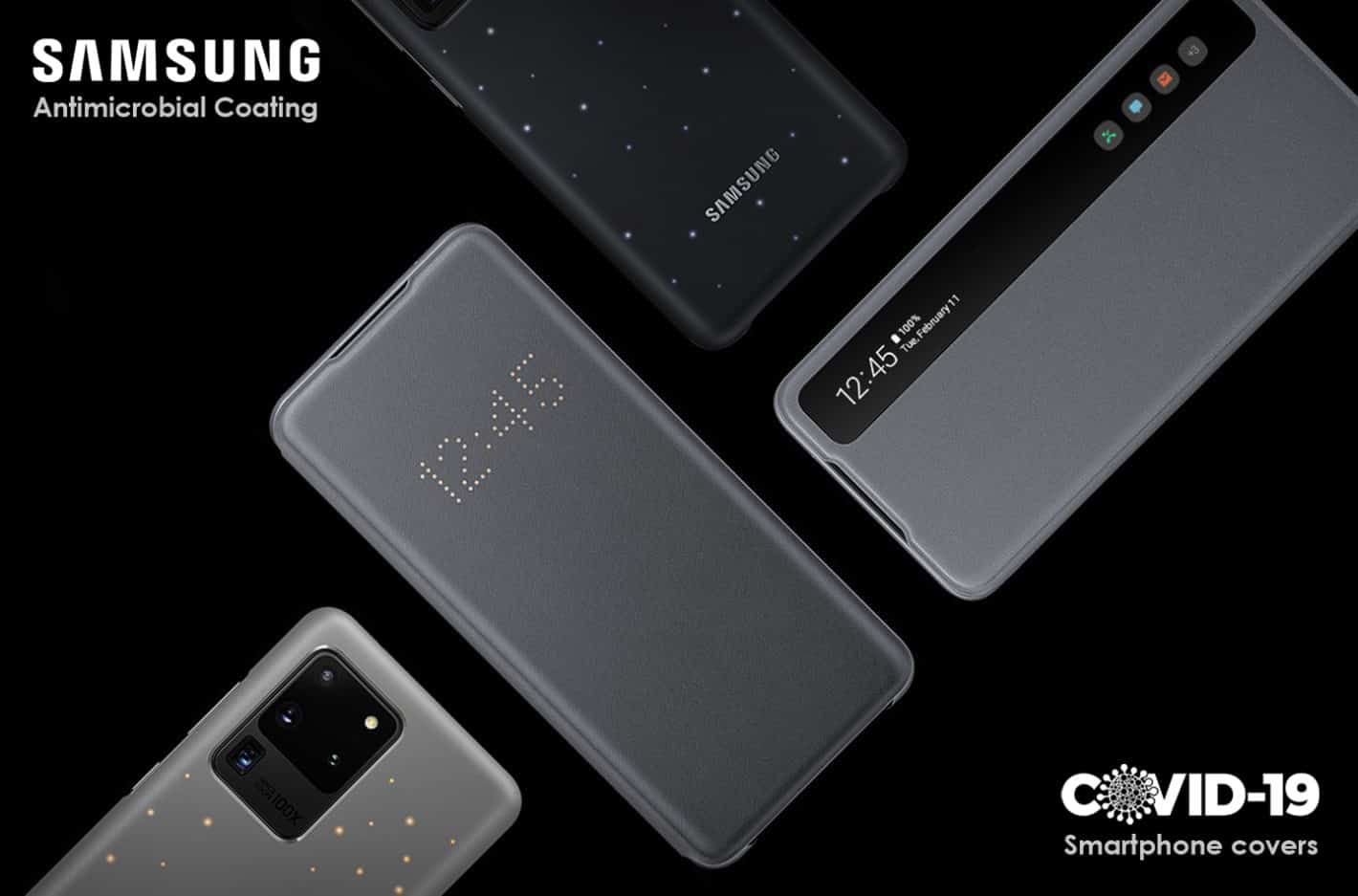
Samsung has trademarked ‘Antimicrobial Coating’ which will be applied on top of cases made by the company. This coating has been proven to be effective against the Coronavirus.
For those unaware, Antimicrobial coating is used to fight again virus strains or particles and bacteria on a given surface as well. At the moment, the world is facing a viral pandemic, with the Coronavirus strain being highly infectious and easy to pass on. Since it survives on certain surfaces, it can easily be transmitted through touch as well. This is where the new Samsung cases come in, as the antimicrobial coating would prevent such particles from staying on the surface of the case.
With no vaccination being currently available, prevention and precaution is the best method against the virus. So, steps like these are also appreciated since smartphones are generally found to be filled with bacteria due to our constant interaction with that piece of technology. The new coating would ensure that even bacteria do not stick around.
The South Korean tech giant has submitted a patent for ‘Antimicrobial Coating’ on June 30 in several countries. Furthermore, the launch of its upcoming flagship Galaxy Note 20 series might be the perfect time for the launch of such protective cases. Although, it is still too soon to tell when they will come out, so stay tuned for more updates.
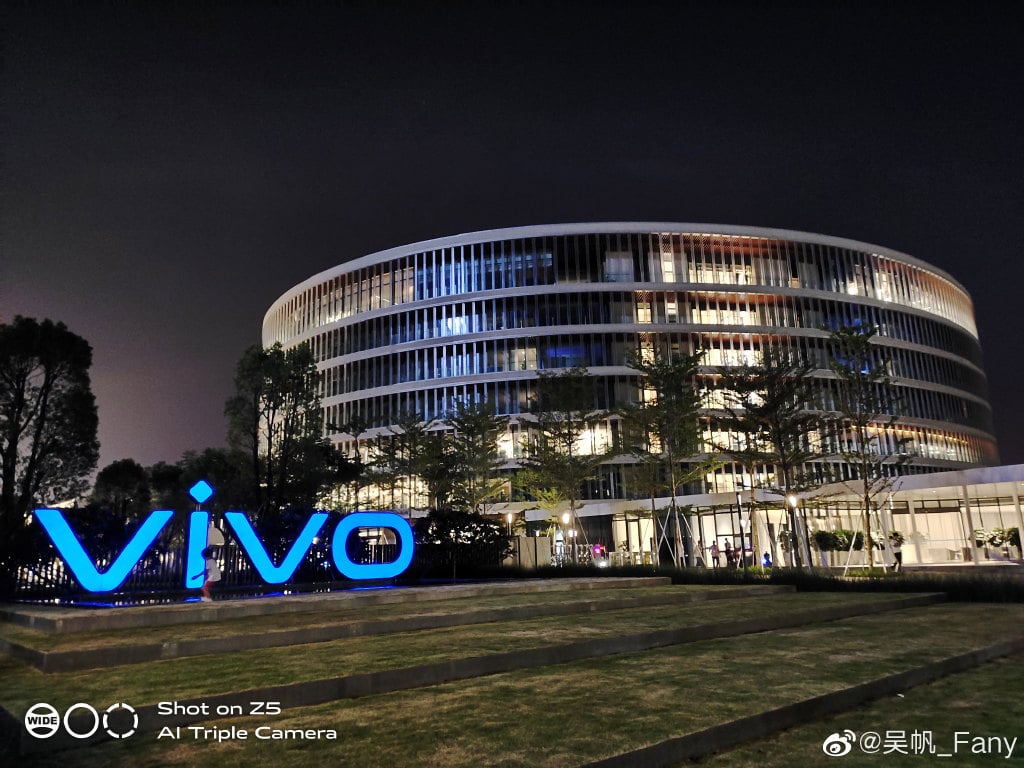
Chinese smartphone makers, Oppo and Vivo, have apparently put a hold on all investments in India related to manufacturing, given the current geopolitical situation. The local government recently banned 59 Chinese apps, which seems like just the tip of the iceberg to much stricter actions that might follow later.
For those unaware, instability and military clashes between the Indo-China borders have led to increasing friction between the two nations. Earlier today (3rd July 2020), we had also reported on various brands facing issues since shipments were being held back, causing delays. And now, Oppo and Vivo are tempering their ambitions in the region. Notably, both smartphone manufacturers have yet to register for India’s production-linked incentive (PLI) scheme.
According to several executives from affected Chinese smartphone brands, the focus during this period was to meet demands post COVID-19 lockdown and invest in manufacturing for the domestic market and exports as well. Although now, these have been put on hold. Vivo had been panning an investment of Rs 7,500 crores (roughly 1 billion US Dollars) to set up a local manufacturing plant, which is the largest investment from any OEM in the region.
Similarly, Oppo was also planning on setting up an Electronic Manufacturing Cluster (EMC) in Greater Noida along with other companies to manufacture electronics and support accessories. It had a total investment of Rs 3,500 crores (roughly 500 million US Dollars). Foxconn too had announced higher investments, but with the geopolitical instability rising, these plans have been put on hold for the moment, since recovery would take time.
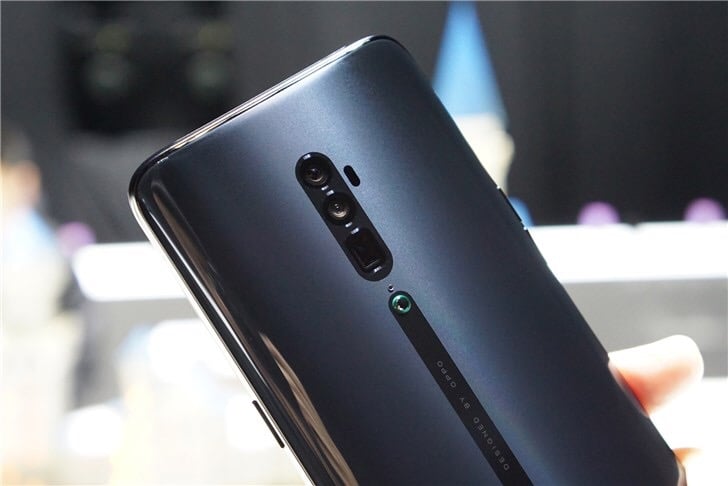
The Oppo Reno 10x Zoom was arguably one of the best-looking smartphones of 2019. The phone launched with ColorOS 6.1 based on Android Pie and was recently updated to ColorOS 7 with Android 10. Now, the handset has started receiving June 2020 security update in China with support for video recording from ultra-wide and periscope telephoto cameras.
Design and Camera are the two main factors of Oppo Reno series. The Reno 10x Zoom was the company’s first commercially available smartphone with a periscope camera. Though the camera featured a 5x optical lens, the brand marketed the device with 10x branding as it can achieve that with hybrid zoom.
That said, like any other Oppo smartphone, it received ColorOS 7 update only in April despite this version of the company’s Android skin was announced in November 2019. Later, in June, the phone received May 2020 security patch update, which also brought VoWiFi support in India along with Dolby support for more Bluetooth earphones.
Now, in July, the handset is receiving June 2020 security patch that also happens to add support for video recording capability from ultra-wide as well as periscope telephoto cameras.
This update is currently limited to users in China and it also seems to have some bugs as per comments by users who have installed it on their device. Anyway, we are not sure when this update will be heading to he global versions of Reno 10x Zoom.
Almost all new phones launched recently are capable of recording videos from all the cameras present on them. Thus, it is good to see Oppo bringing similar support for its older devices via software update so that its users don’t feel left out.
Apple‘s latest goal is to make the iPhone your sole means of identification by replacing passports, driver’s licenses, and others. This is another step from the Cupertino based giant to make the iPhone the only thing anyone would require.
Recently, Apple had also announced a plan to get rid of car keys and, now, the company is planning on getting rid of the need for passports and other forms of physical identification. The iPhone has already replaced the needs for notepads, cameras, pens and a lot more. So it doesn’t come as a surprise when the company says it wants to take your IDs to the digital realms.
According to a series of patent applications that are titled “Providing Verified Claims of User Identity,” the user’s ID can be recorded or transmitted. In other words, the patent details a system that stores the identification on your device. The description reads that “A device implementing a system for using a verified claim of identity includes at least one processor configured to receive a verified claim including information to identify a user of a device. The verified claim being signed by a server based on verification of the information by an identity verification provider separate from the server, the verified claim is specific to the device.”
This patent also mentions the use of servers for verification of one’s identity. So, a device such as an iPhone could securely transmit ID. This ID can be verified through the server and the device’s biometric sensors as well. Meaning, the entire system can have multiple ways of verifying your identity as well. It seems like a promising feature on paper but it’s still too soon to tell.
According to Custom officers, shipments are being held back on Indian ports that have arrives from China. These shipments now require additional clearances, which is indicative of the rising friction between the two nations. For those unaware, the Indo-China borders have witnessed multiple military clashes and deaths of personnel as well. This has caused anti-Chinese sentiments to form within the Government and the citizens.
Despite the increased inspection for imported shipments, Dell has a few of its shipments cleared last week. Although roughly 130 shipments are still stuck at Indian ports, including shipment containers for several parts for servers and desktop computers. However, these measures by the Indian government are temporary and should ease up soon with one official stating, “We cannot keep checking 100 percent of shipments forever. Shipments of non-Chinese companies being impacted will be cleared on priority.”
Similarly, the automobile has also faced disruption in operations due to delayed shipments. An example being MG Motor that has had its shipments stuck in a South Indian port. The finance minister of India has yet to respond to this situation, although, two officials at the ministry that oversees the customs department did respond stating that the inspection measures were temporary and will ease up soon. We will be providing more updates to the situation so stay tuned.
We use cookies on our website to give you the most relevant experience by remembering your preferences and repeat visits. By clicking “Accept”, you consent to the use of ALL the cookies.
This website uses cookies to improve your experience while you navigate through the website. Out of these, the cookies that are categorized as necessary are stored on your browser as they are essential for the working of basic functionalities of the website. We also use third-party cookies that help us analyze and understand how you use this website. These cookies will be stored in your browser only with your consent. You also have the option to opt-out of these cookies. But opting out of some of these cookies may affect your browsing experience.
Necessary cookies are absolutely essential for the website to function properly. This category only includes cookies that ensures basic functionalities and security features of the website. These cookies do not store any personal information.
Any cookies that may not be particularly necessary for the website to function and is used specifically to collect user personal data via analytics, ads, other embedded contents are termed as non-necessary cookies. It is mandatory to procure user consent prior to running these cookies on your website.