Google introduced a system-wide dark mode with the latest Android 10 operating system. But that has not been very effective considering that some apps don’t support Dark mode including some Google apps. In a bid to expand support for Dark Mode across its app portfolio, Google has announced the roll-out of Dark mode support for the Google App and Google Assistant. The feature is now available on both Android and iOS.
The feature will be available on models running Android 10 and iOS 12/13 and from the look of things, there is no need to update the apps as the update for both apps are server-side. Although the post specified Android 10, some Android 9 users are also reporting that the Dark Mode option is available on their devices.
Starting today & fully rolling out this week, dark mode is now available for the Google App on Android 10 and iOS 12/13. By default, the Google App will reflect your device’s system settings in Android 10 & iOS 13. If that’s set to a dark theme, the app will be in dark mode…. pic.twitter.com/ZqSD33ZhNt
— Google SearchLiaison (@searchliaison) May 19, 2020
For users who have already activated a system-wide Dark Mode, the apps will automatically display a dark theme. This is done by simply converting the white UI elements to black and dark grey ones. Users also have the option of toggling between light and dark mode from the Google App settings.
The new dark theme option started rolling out on May 19 and will gradually expand to more users in the coming week.
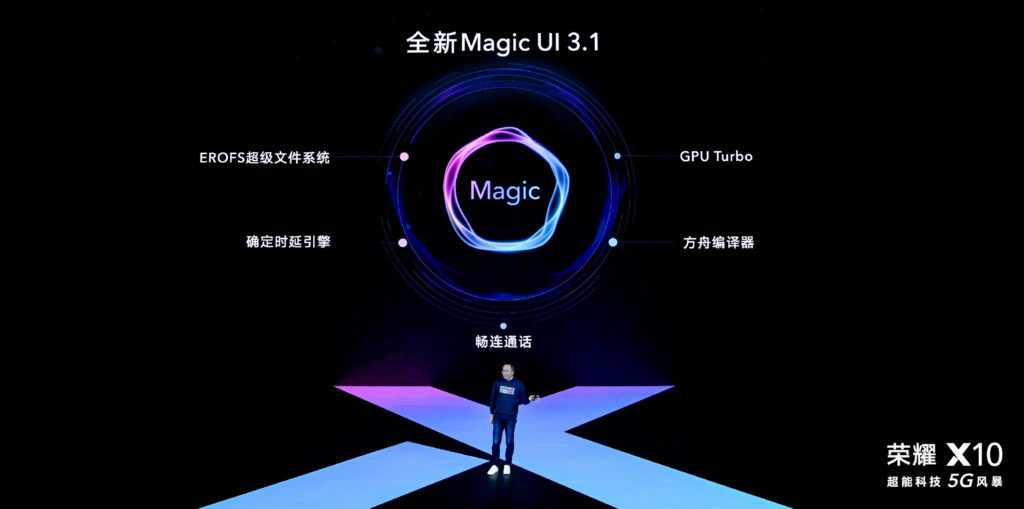
Honor launched the Honor 10X with 5G connectivity in China earlier today for a starting price of 1,899 Yuan ($268). The handset runs Magic UI 3.1, a fork of EMUI 10.1 like other recently launched Honor smartphones. The company is set to deliver its new mobile software to older handsets. Hence, at the event, it also announced the complete list of supported/eligible devices that will be receiving the Magic UI 3.1 update.
Magic UI 3.1 is similar to EMUI 10.1 in all means possible. There’s no major difference between them except for few tweaks here and there. Honor has been seeding out beta builds for eligible devices for over a month now.
Last week, the brand even rolled out the first Magic UI 3.1 Public Beta (Open Beta) build for its phones like Honor 20, Honor 20 Pro, Honor V20, and Honor Magic 2. However, the Honor 9X series received EMUI 10.1 just like during Closed Beta releases.
But now, the company has confirmed that even Honor 9X and 9X Pro will be receiving Magic UI 3.1. We think the system will be updated in the next Open Beta build followed by a stable release for the public.
That being said, here’s the final list of Honor devices that are confirmed to receive the Magic UI 3.1 update in China.
Magic UI 3.1 Supported / Eligible Devices
Honor V30 Pro
Honor V30
Honor V20 Pro
Honor V20
Honor 20
Honor 20S
Honor 20 Lite
Honor Magic 2
Honor 9X
Honor 9X Pro
Honor 9A
Do note the above-listed eligible devices for Magic UI 3.1 update is only limited to China. Honor is yet to reveal the supported devices for global markets.
The Realme X3 SuperZoom is an upcoming flagship phone scheduled to launch next week. It has already been confirmed that the phone will be announced in Europe on May 26. Now, it has been revealed that the device will head to Thailand the following day.
Realme will launch the Realme X3 SuperZoom on May 27 at 15:00 local time. The launch will be live-streamed on Facebook and YouTube. The poster also revealed Lazada and Shopee are partners which means the phone should be available on both platforms.
If you live in India, you will have to wait a few more weeks as a report by 91Mobiles says the phone will not arrive until mid-June There is no exact launch date yet but we are surprised it is not launching on May 25, the day scheduled for the launch of the Realme TV and the Realme Watch in India.
The Realme X3 SuperZoom is reported to come with a 120Hz display with a dual punch-hole. It is also said to have a Snapdragon 855+ processor, quad rear cameras with 60x zoom, and a 4200mAh battery with 30W fast charge.
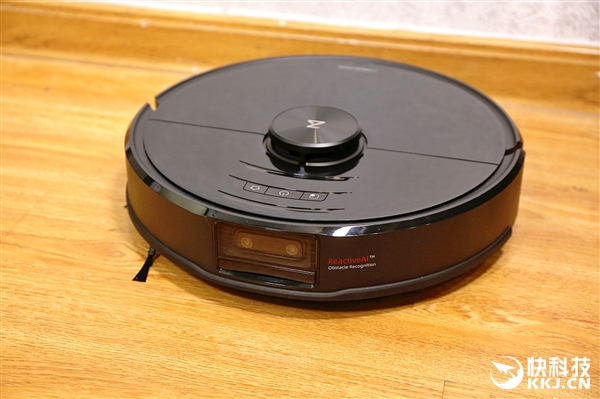
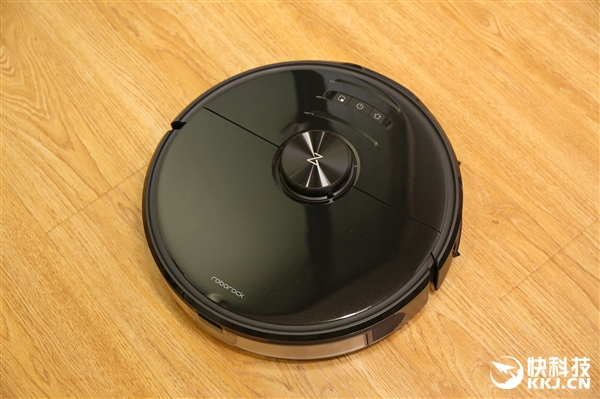
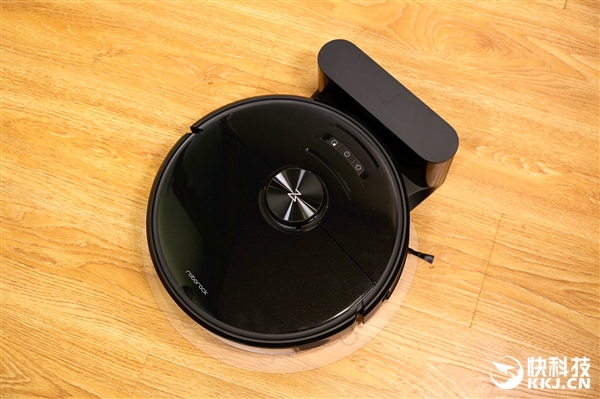
Roborock burst into the limelight after designing and manufacturing the MIJIA Robot Vacuum cleaner that went on to sell massively. The company then ventured out with the launch of the first Roborock Sweep One Robot vacuum cleaner. The company has released several products since then. A new model has now been launched dubbed Roborock T7 Pro Robot Vacuum.
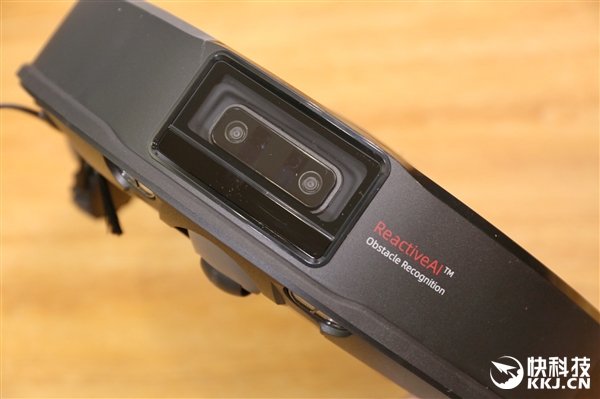
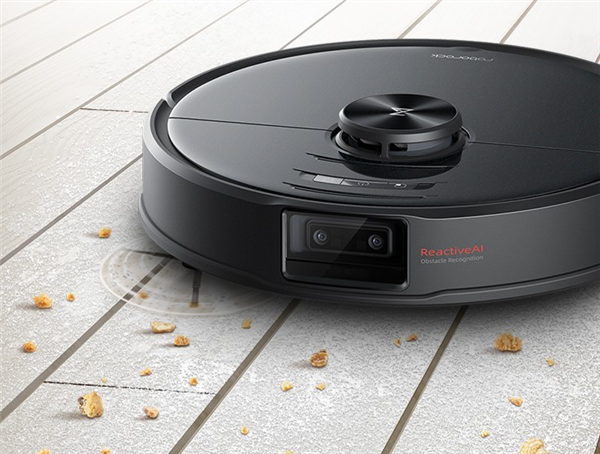
The major upgrade on the Roborock T7 Pro is the ReactiveAI obstacle recognition sensor onboard. The system deploys two cameras in front which improves its ability to avoid obstacles. The cameras also afford the user the opportunity to view the video of the vacuum cleaner in operation via the app.
The T7 Pro is equipped with Roborock’s new RR Mason 7.0 real-time data management algorithm which is responsible for managing and distributing the environmental data collected by the sensors. The data is then transmitted to the “perception and mapping algorithm” for data fusion and analysis and then the “navigation and motion algorithm” performs dynamic navigation and planning based on the analysis results.
When the vacuum cleaner encounters obstacles and shakes, the algorithm will trigger the map anti-shake mechanism to ensure that the map remains stable. At the same time, when the environment in the home changes, the stone will dynamically update the map to clean it, without bumping into objects or missing some areas.
It is worth mentioning that the technology on the Roborock T7 Pro is similar to that of drone and autonomous vehicles (SUVs) in the avoidance of obstacles. Its dual 5-megapixel camera can obtain more accurate information on objects, thereby improving its obstacle avoidance effect. You can also use the vacuum cleaner as a surveillance camera to watch what’s happening in your home via the app.
In terms of performance, the Roborock T7 Pro Vacuum cleaner uses the same brushless fan as the T7. In Max mode, the suction power of the fan can reach 2500Pa. The vacuum cleaner also packs a built-in 5200mAh lithium battery. The battery can last for about 2.5 hours and can clean about 250 square meters of house area between charge. The gadget is also equipped with a 297ml water tank.
The Roborock T7 Pro robot vacuum cleaner comes with a price tag of 3899 yuan but is on presale on Jingdong, Tmall, Suning, Xiaomi Youpin and Roborock’s official website. The gadget has received a 600-yuan presale discount bringing down the price to 3,299 yuan.
Honor’s President Zhao Ming had confirmed during the Honor X10 launch that the company will use MediaTek’s 5G chipsets on its models in the future. Not long after the comment, a Huawei model powered by a Dimensity 800 5G SoC has appeared on GeekBench database.
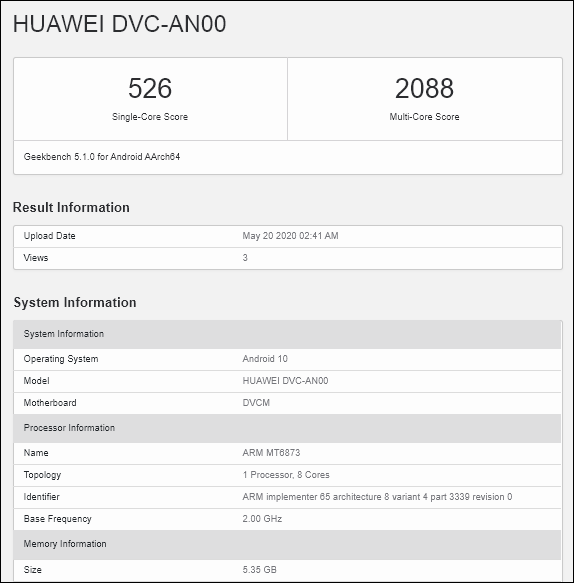
The model comes with the model number Huawei DVC-AN00 and is equipped with MediaTek’s MT6873 which is the Dimensity 800 5G chipset which will feature on the upcoming Redmi 10X. The Dimensity 800 is an octa-core processor built on a 7nm wafer. The SoC comprises of four Cortex A76 cores clocked at 2.0GHz and four Cortex A55 cores also clocked at 2.0GHz. For graphics, it is equipped with Mali-G77MC4. The SoC offers is coupled HyperEngine gaming technology for an enhanced gaming experience. The Dimensity 800 with its APU 3.0 offers up to 2.4 TOPS of AI performance.
The processor onboard the Huawei model is paired with 6GB of RAM and the model will run Android 10 operating system. As for the Geekbench score, Huawei DVC-AN00 scored a single-core test score of 526 points and a multi-core score of 2088 points. The single-core and multi-core scores are slightly lower than those of the Redmi 10X when it was benchmarked on GeekBench. Since this may likely be a prototype, there will likely be more optimizations before it is released.
Redmi has a launch event scheduled for May 26 where it will unveil several products. One of the products expected is the Redmi 10X which will be the first phone to be powered by the new Dimensity 820 processor. Redmi has, today, shared a new poster of the device and it confirms the phone will indeed launch next week.
The poster shows Redmi brand ambassador, Wang Yibo of the Chinese–South Korean band, UNIQ, holding the phone. The Weibo post says the Redmi 10X series will be announced on May 26 at 2 PM (China time).
The Redmi 10X will have four rear cameras. The phone will also have a 6.57-inch OLED display with an FHD+ resolution and an in-display fingerprint scanner. It has been reported to have up to 8GB of RAM and 256GB of storage. The phone will also run Android 10 with MIUI on top.
Alongside the standard version, there will also be a Redmi 10X Pro and a 4G version of the phone. This Pro variant should have better specs and of course a higher price tag.
OnePlus used to be a brand popular for its flagship killers. But now, things have changed. Since the OnePlus 7 Pro received a positive response from users across the globe, OnePlus is in the pursuit of further expanding its premium segment.
The OnePlus 7(T) Pro models have already shown us that the brand can make premium phones. But it’s not hard to manufacture premium phones, anyone can do that in this age. What’s challenging is to make a premium phone that sells well. Take the Motorola Edge+ for example – it features pretty good specs but it’s priced way above competitors like the Xiaomi Mi 10 and OnePlus 8 Pro in India.
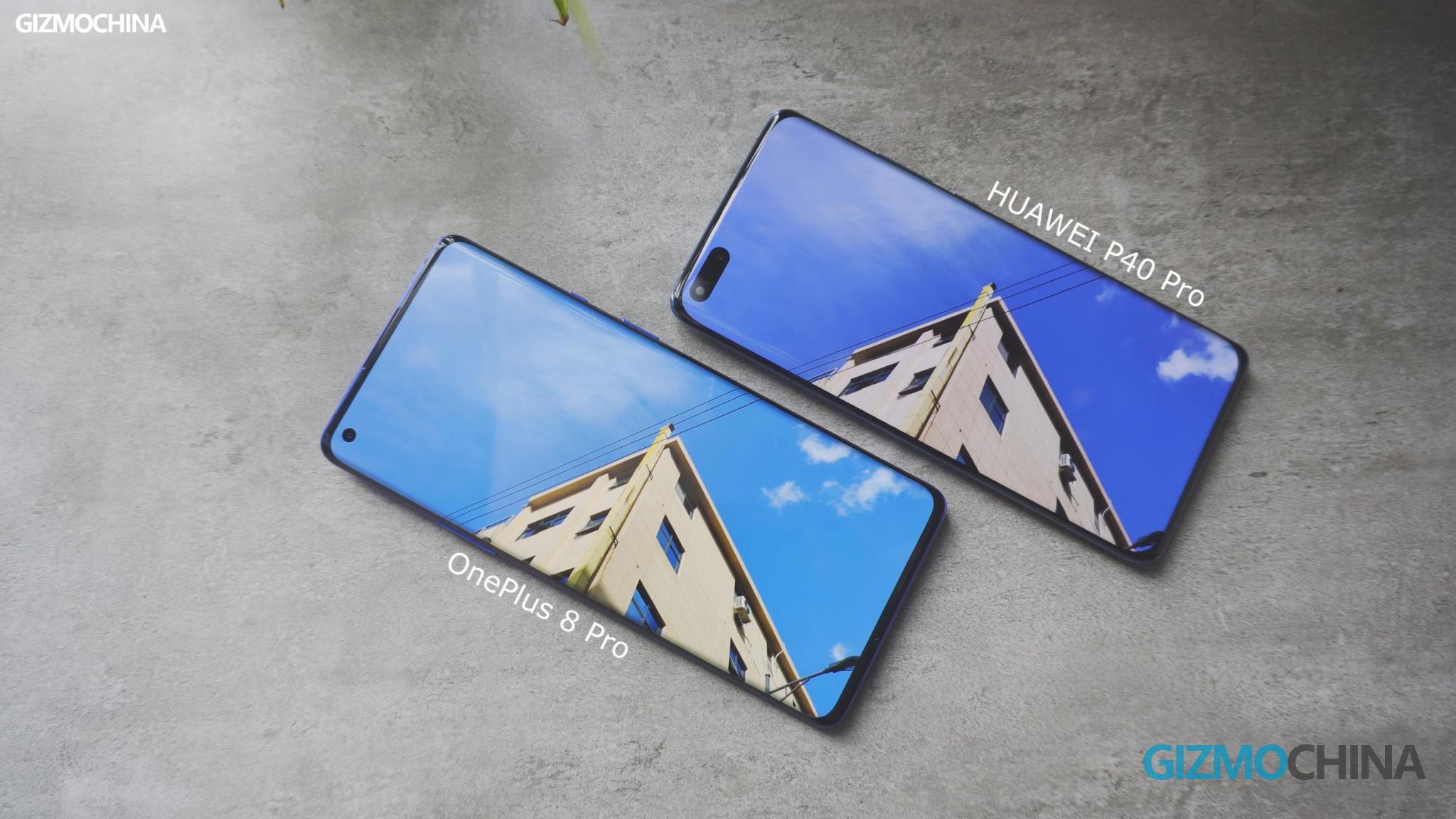
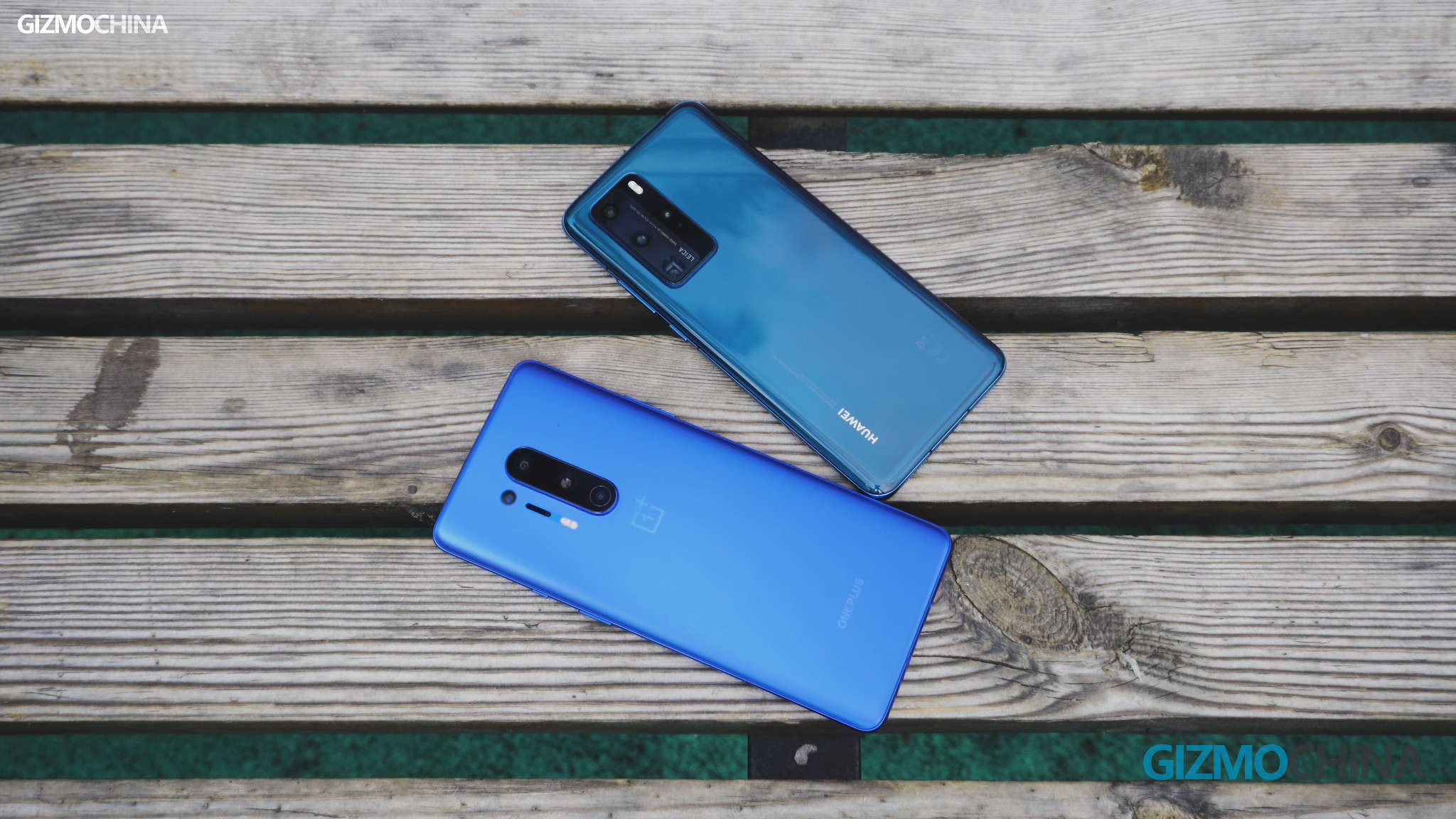
So for the OnePlus 8 Pro to do well, it will have to beat the top flagships in the market right now. This includes the Huawei P40 Pro. So, we decided to pit the OnePlus 8 Pro vs Huawei P40 Pro to see if a higher price tag offers a better camera experience. The OnePlus 8 Pro retails in Europe for £799 while the Huawei P40 Pro is £100 more expensive in the same market.
We are specifically interested in the camera performance of these two flagships. In addition to the discussion about its camera, we will go through some other features that affect the whole photography experience, such as display as the viewfinder and battery life when shooting videos. Also, please note, you’ll see OnePlus
Huawei P40 Pro vs OnePlus 8 Pro: Display
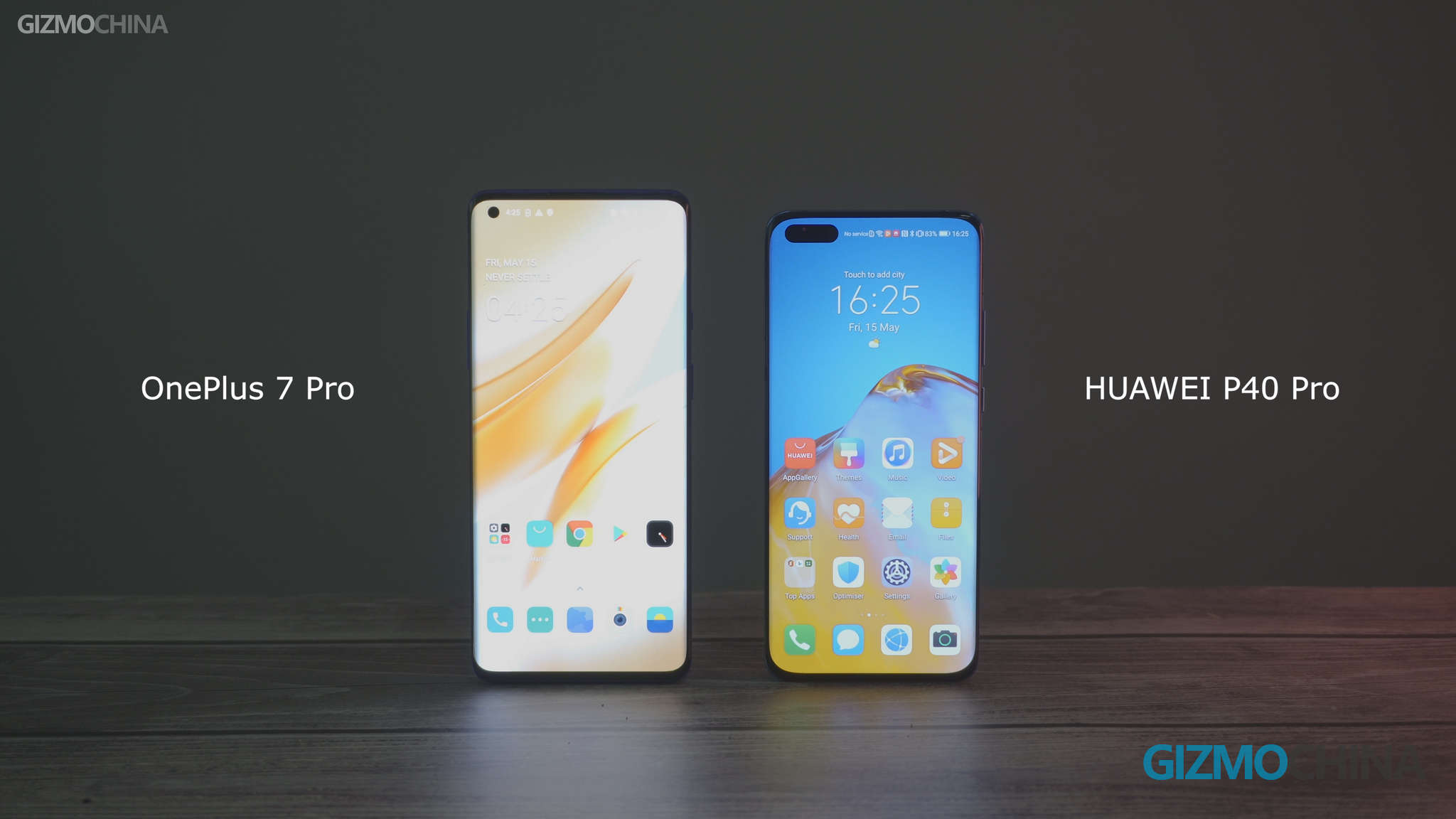
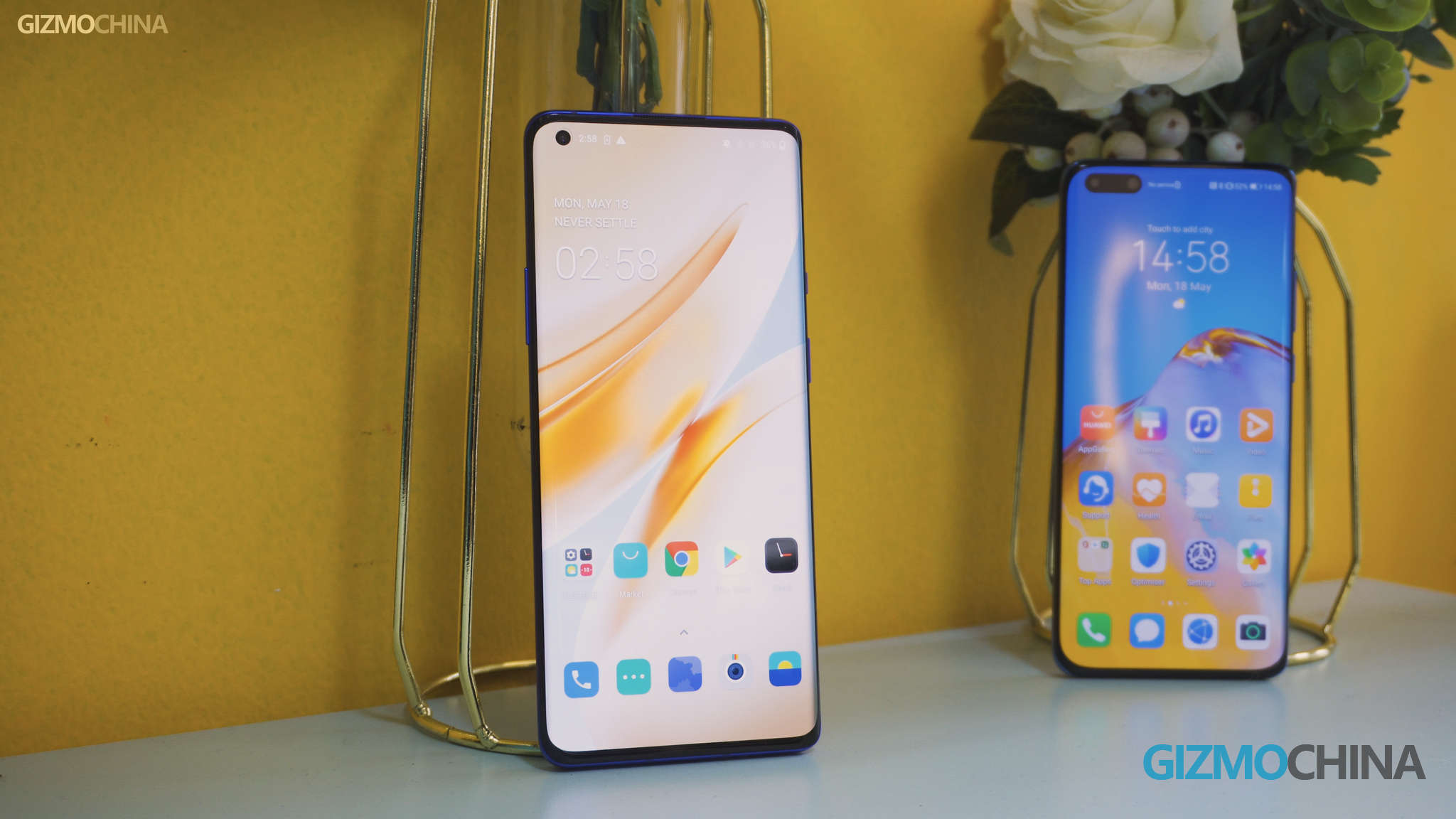
But first, let’s take a look at their displays. In the past few years, OnePlus has made display as its strength. And this strategy has worked pretty well. High-quality display with 2K resolution and 90Hz refresh-rate did bring amazing experience, especially at first glance. After the 7 Pro, OnePlus has led the display trend in the industry. The OnePlus 8 Pro features a 120Hz 2K SAMSUNG Amoled display, while the P40 Pro also follows the trend and features a 90Hz 1080P+ display.
But I have to mention that it’s still hard for the P40 Pro to have the same wonderful visual experience as on the OnePlus 8 Pro. In smartphone photography, the display is primarily used to fulfill the role of a viewfinder and a photo viewer. And as our Huawei P40 Pro review revealed, the Huawei P40 Pro did not provide the same previewing image as the real-time camera can shoot. This is not an issue of its display, but the software should shoulder this responsibility. So it will probably be fixed in the near future.
Huawei P40 Pro vs OnePlus 8 Pro: Camera Viewfinder
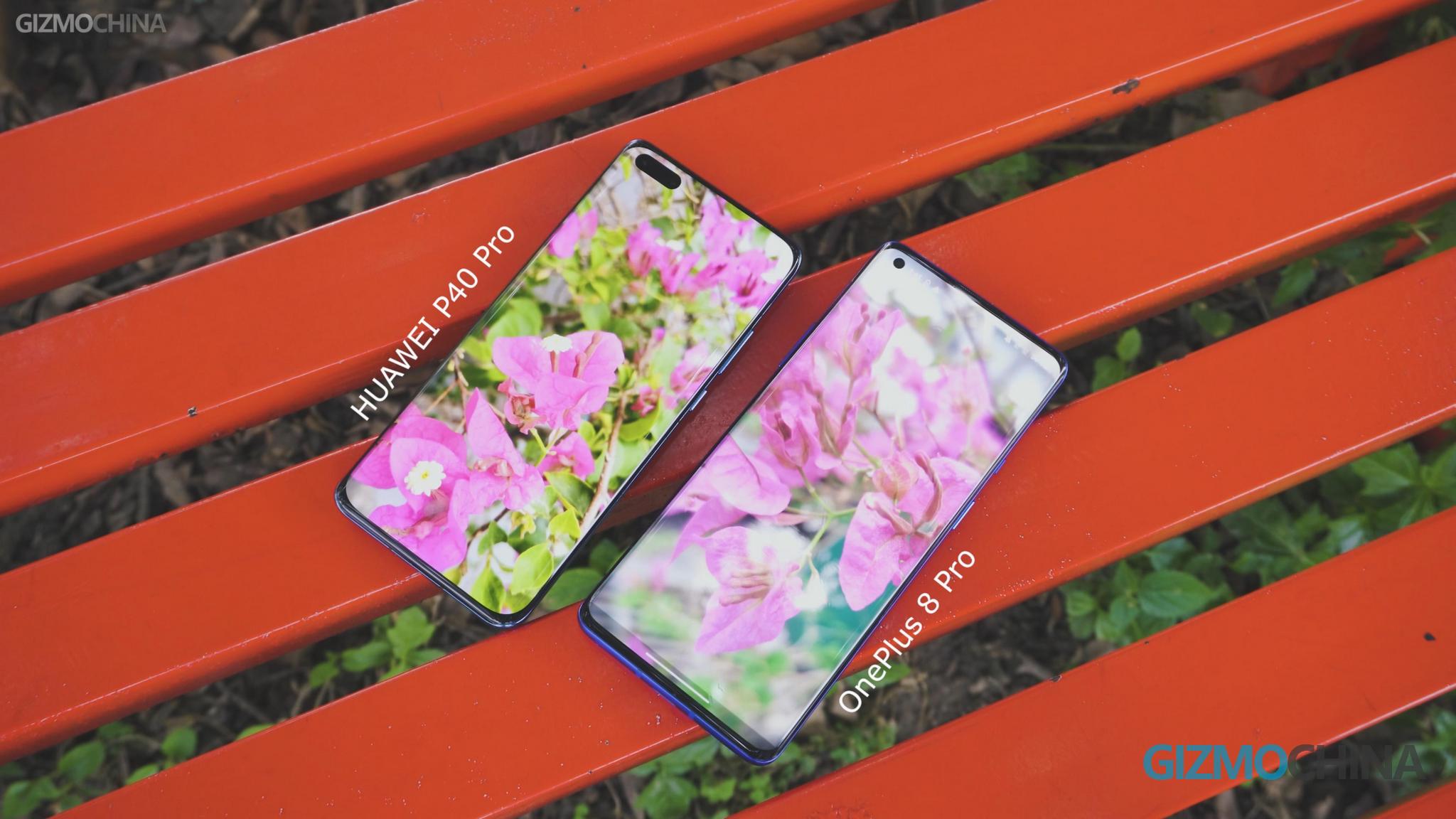
As a camera viewfinder, the OnePlus 8 Pro doesn’t just provide more color options in screen calibration, but also has more accurate colors under advanced modes with sRGB or P3 Gamut, while the Huawei P40 Pro doesn’t have gamut switch options for users. However, these two models both have excellent color accuracy under the natural mode. So both of these two models are able to provide accurate color checking for photographers to retouch colors in post-production.
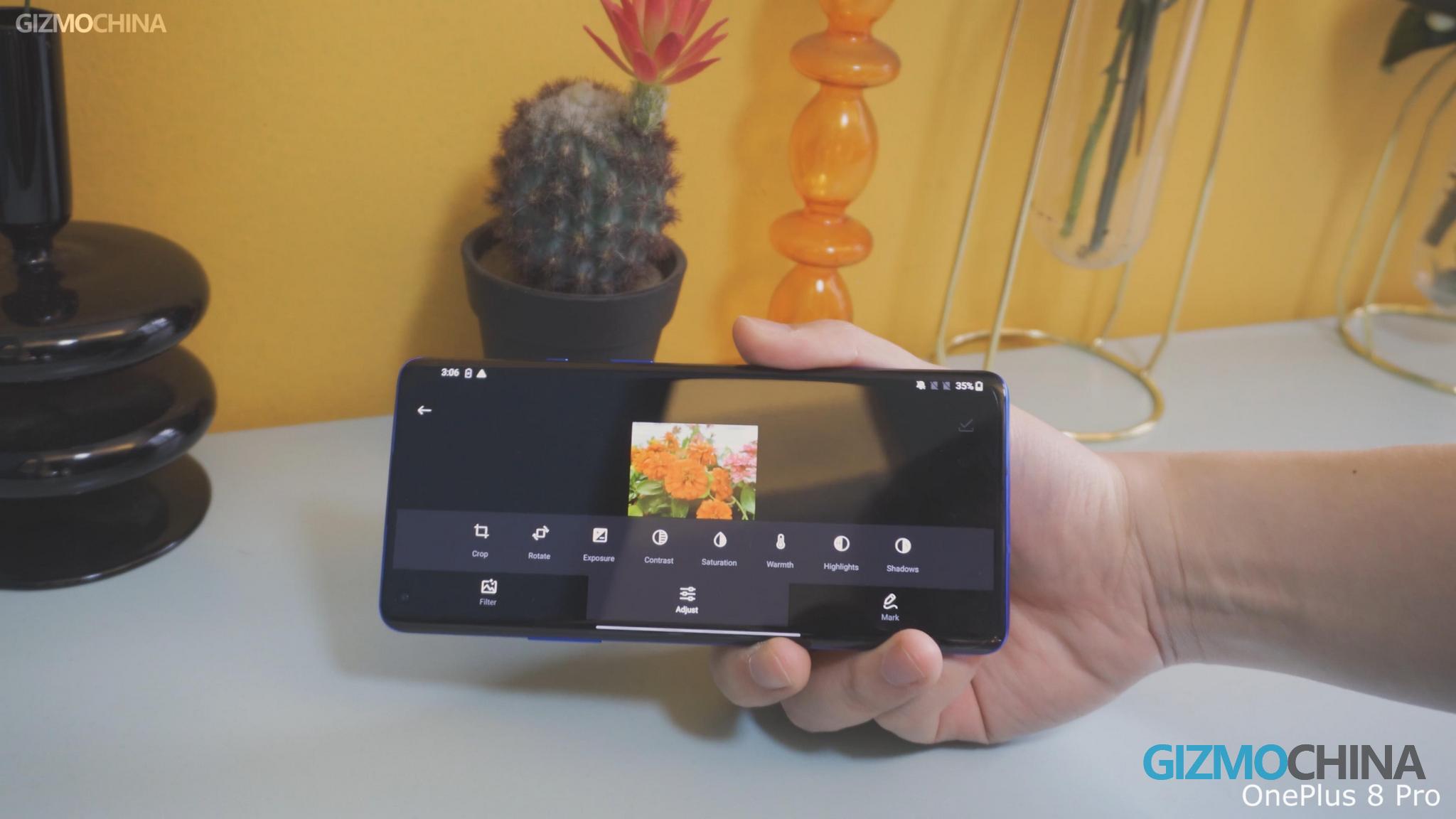
Oneplus8pro
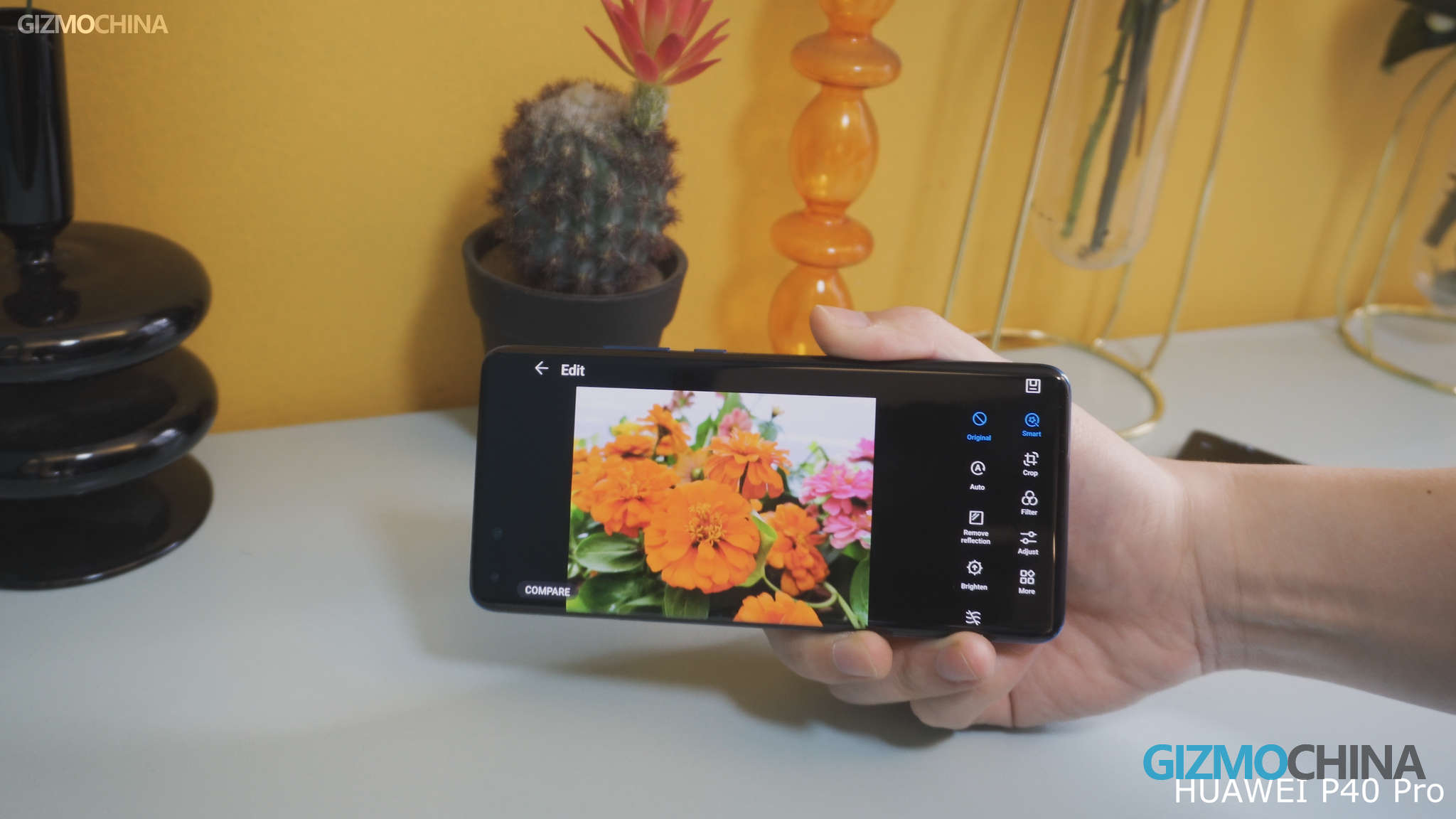
Huawei P40 Pro
Speaking of post-production, it’s far more comfortable and effective to edit your photos on the Huawei P40. OnePlus interactive designers probably don’t rotate their phones to edit their photos on OnePlus models. So when you try to rotate the phone to have a larger image view, things are not as smooth as you’d want. The editing UI feels a bit cramped. And since the menu doesn’t have an appropriate position, it takes up significant space on the screen, leaving limited space for the photo. In addition to this, users are not allowed to pinch-zoom the editing photo and get a better view. On the Huawei P40 Pro, the menu is arranged at the right side without taking much space of the image. And the Huawei P40 Pro also has a more efficient and richly functional menu for photographers. In addition to basic adjustment, Huawei’s menu has a convenient smart option to auto-boost images for users. So the Huawei P40 Pro has some pretty strong post-production tools.
Huawei P40 Pro vs OnePlus 8 Pro: Camera Performance
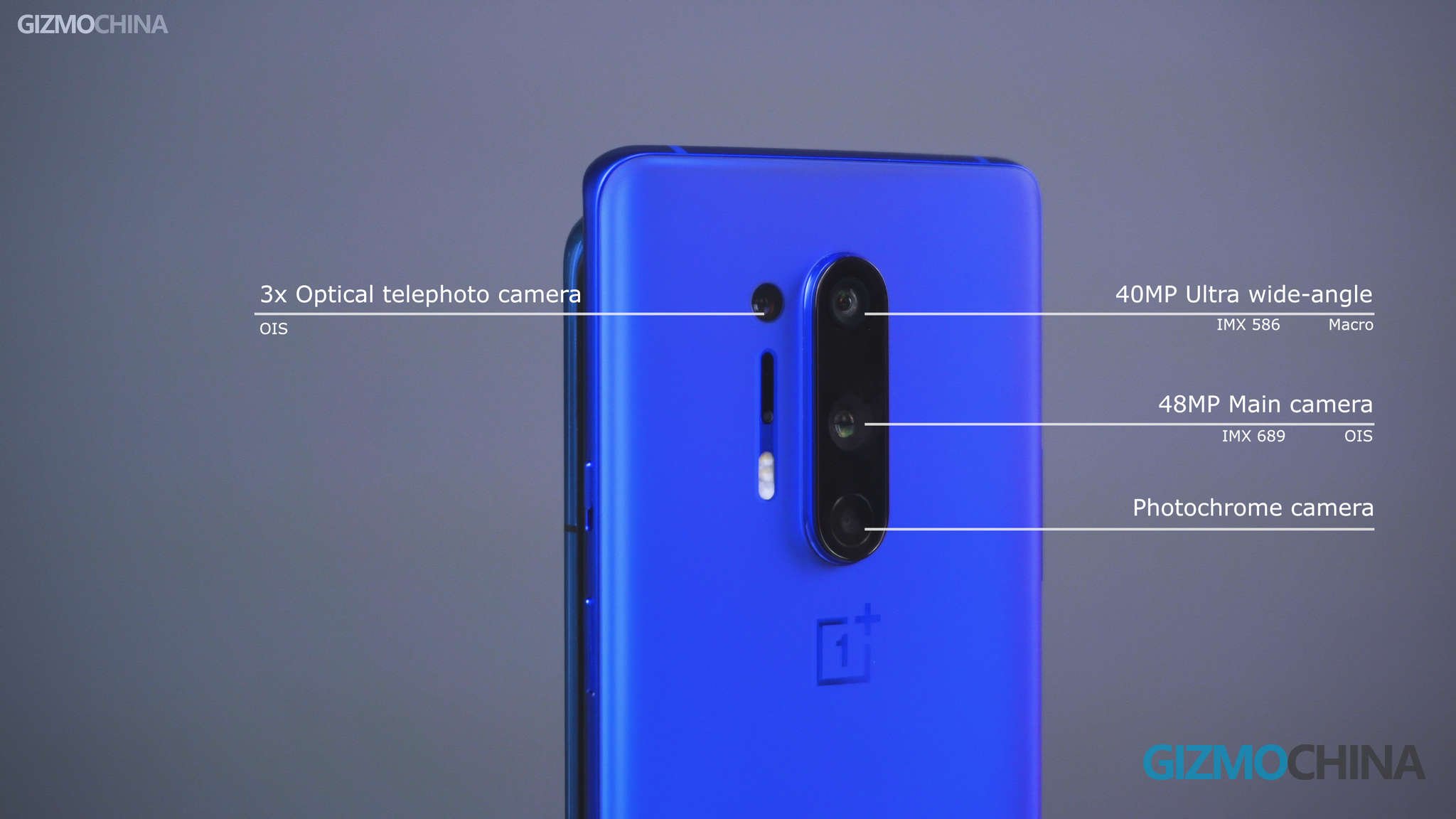
Let’s look at their camera setup now. Both of them are equipped with the top camera setup but the camera combination is a bit different. For the OnePlus 8 Pro, the top camera is a 48MP ultra-wide-angle camera, which is paired with the IMX 586 sensor and supports 3cm Macro mode. The second sensor is a 48MP main camera with OIS anti-shake. The sensor used under the main camera is Sony’s latest sensor. The third one is a Color filter camera providing Photochrom filter. In case you are wondering, this is the sensor that gives the phone the ability to see-through certain materials! Another small camera above the flashlight is a 3x telephoto camera.
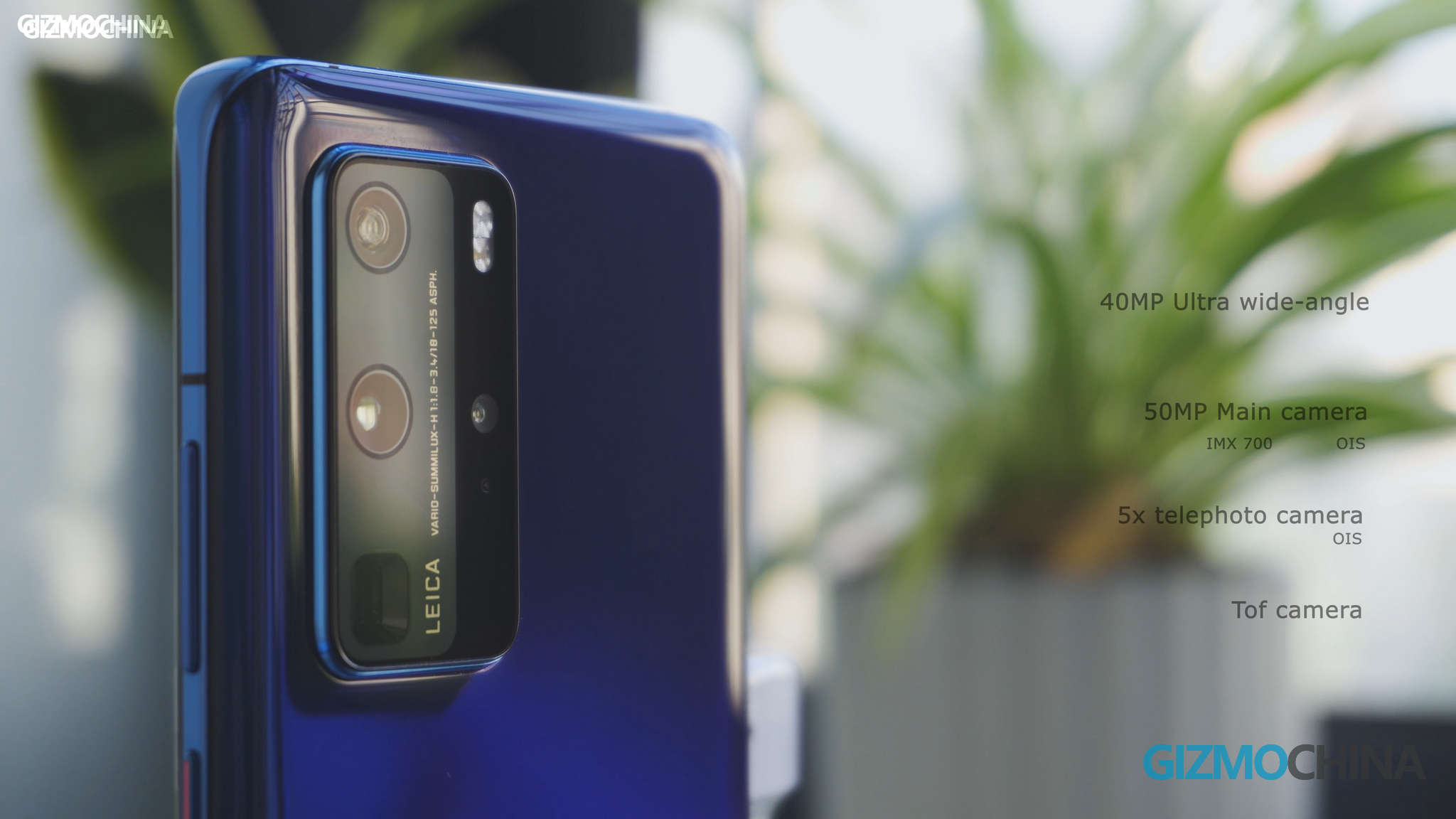
As for the Huawei P40 Pro, we introduced its camera hardware in our review article and video last week. If we had to sum up P40’s camera – each camera sensor on the phone is the best in its class! This includes a customized IMX700 50MP primary camera, a 40MP wide-angle camera, a 5x optical telephoto camera, and a TOF camera.
According to the camera hardware specs, we know that theoretically, the Huawei P40 Pro should cover a wider range of focal length and better bokeh performance, but it lacks the ability to shoot macro photography. In addition, the separated photochrom camera on OnePlus 8 Pro allows users to try infrared photography, which used to be a kind of special photography of a minority of enthusiasts. It’s quite a unique feature but unfortunately, it will be disabled temporarily because it can see-through certain objects like clothes too!
Huawei P40 Pro vs OnePlus 8 Pro: Camera Samples
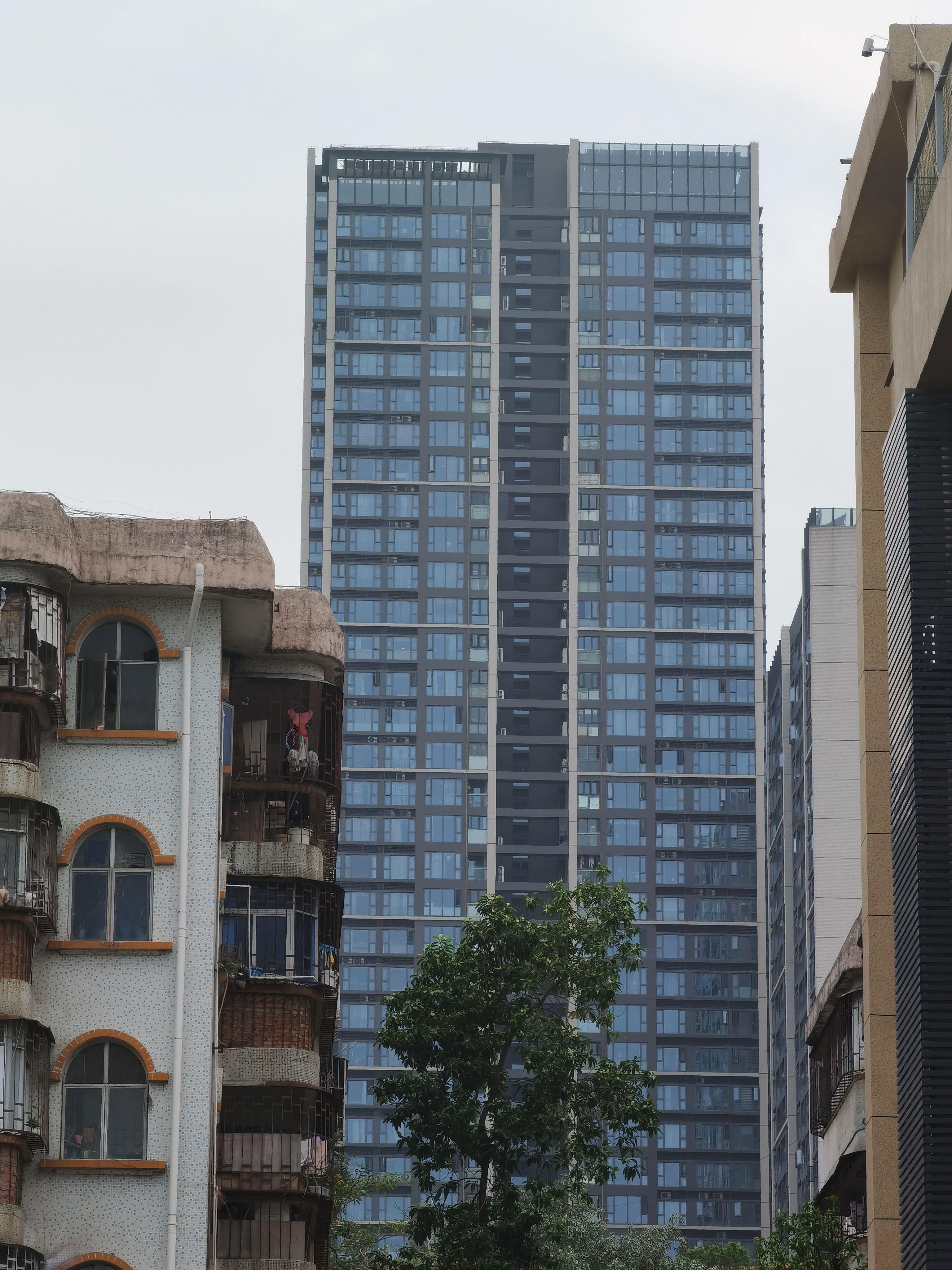
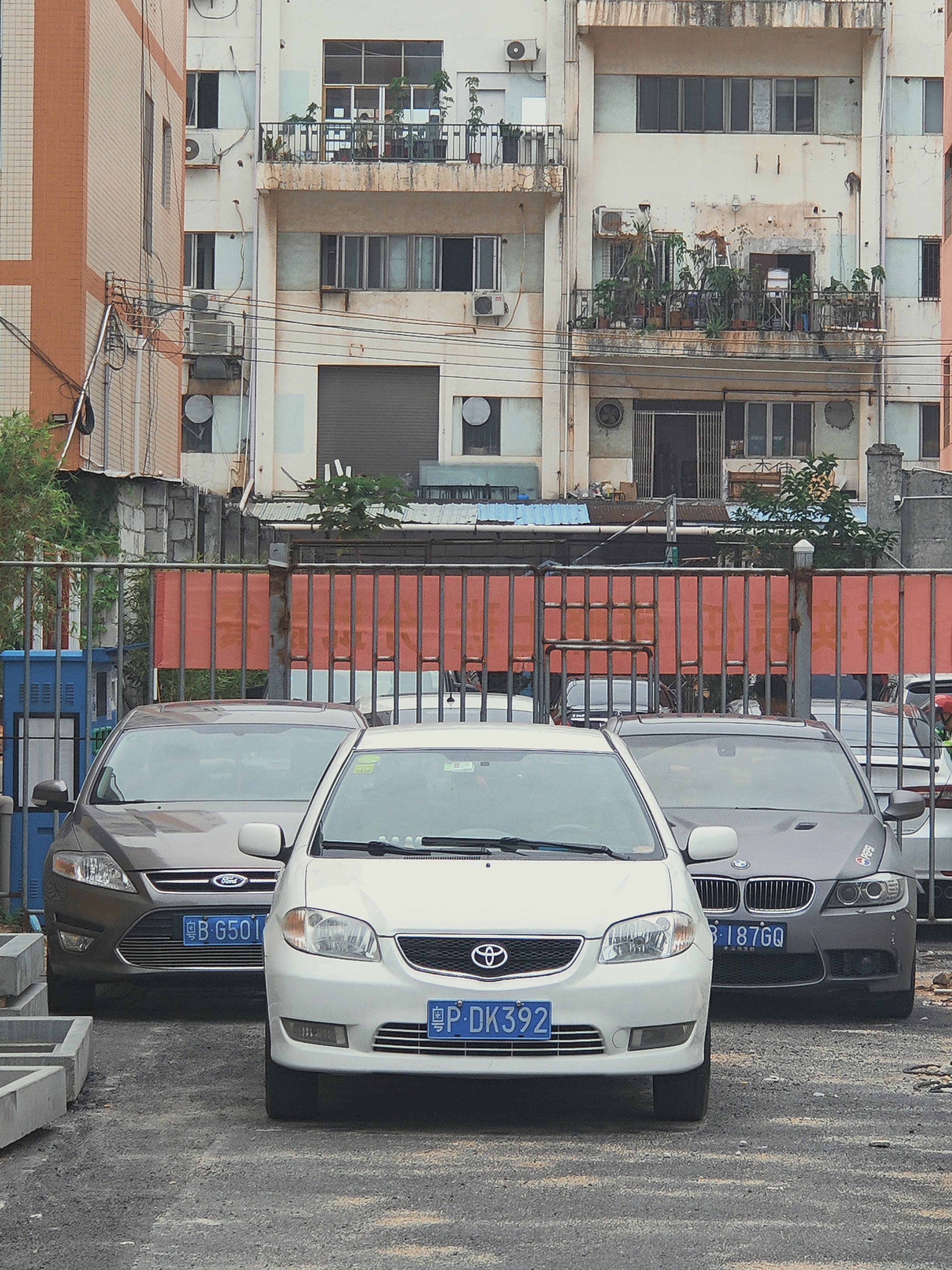
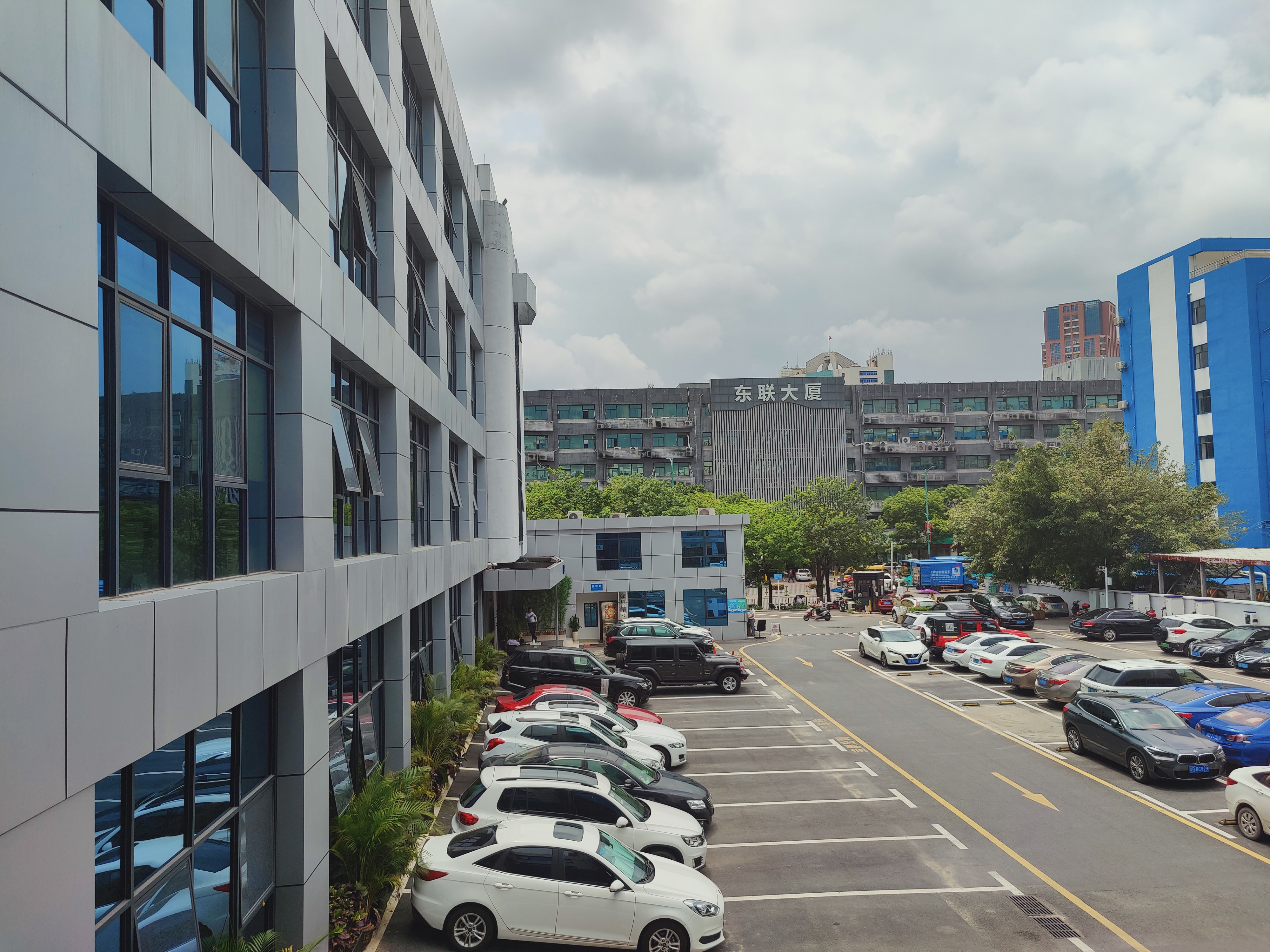
Now let’s look at their samples. Under good lighting conditions, both main cameras have excellent performance. Especially in the aspect of dynamic range and detail, thanks to the large sensors and original high resolution, they could catch rich details of shadow and present appropriate exposure covering both bright and dark areas. But if you check more samples, we found that sometimes the OnePlus 8 Pro did not have the accurate and stable white balance as the P40 Pro could hold. And due to the larger aperture, the P40 Pro has a smoother bokeh effect on the background.
1 of 4
OnePlus 8 Pro -normal-color
Huawei P40 Pro -normal-color
OnePlus 8 Pro color
Huawei P40 Pro -normal-color-2
As for their color accuracy, the samples of the Huawei P40 seem to be closer to the true tones, while the colors of the OnePlus 8 Pro tended to be cooler. And over the cool tones, such as green and blue colors, the image presented a much higher saturation. Sometimes the samples shot by the P40 Pro were a bit reddish but it’s hard to perceive.
OnePlus 8 Pro -normal-3
Huawei P40 Pro -normal-3
But about the color preference, users could adjust the colors on both models. For example, if you like vivid or smooth colors, you can choose a Vivid filter or smooth filter on both the OnePlus 8 Pro and the P40 Pro. In addition, turning on the Ai recognition on the P40 Pro or the Ultra-shot HDR on the 8 Pro could also give you stronger colors.
OnePlus 8 Pro -vivid mode
Huawei P40 Pro -vivid mode
Now let’s move to the night scene. Both models performed well in the aspect of exposure balance and clarify. If I have to say what’s really different, I think the Huawei samples did a better job in noise control.
OnePlus 8 Pro -night mode
Huawei P40 Pro -Night mode
In addition to the main camera, the wide-angle camera is another important upgrade to these two models. Both of them feature a super high resolution and are able to shoot a great 4K video as the main cameras can do. From the samples, we found that the image quality of the wide-angle shooter is pretty close to the samples produced by their own primary cameras, such as higher saturation on cooler colors for the OnePlus model, and stable exposure for the Huawei Model. Although the wide-angle camera of the P40 Pro features a 40MP resolution, unlike the OnePlus 8 Pro, users were not allowed to turn on the High-resolution mode when shooting wide-angle photos.
OnePlus 8 Pro -wide-angle-high resolution
Huawei P40 Pro -wide-angle
And now let’s move to their telephoto cameras. The Huawei P40 Pro took the lead in this round without any question. The 5x zoom camera is much more practical. Although the OnePlus 8 Pro has a 3x optical zoom shooter, there isn’t much difference between their samples. The 3x zooming images of the P40 pro were captured and cropped by the main camera, but thanks to the 50MP high resolution, the samples still retained good detail. Then we tried to shoot some 5x zooming photos. Limited by the 8MP resolution of the telephoto camera, the cropped samples of the OnePlus 8 Pro were not as clear as the Huawei’s 12MP 5x photos. But both models feature OIS anti-shake, so it’s pretty easy to hold them in hand and catch the scene with good clarity.
1 of 8
OnePlus 8 Pro -3x-1
Huawei P40 Pro -3x
OnePlus 8 Pro -3x-2
Huawei P40 Pro -3x-2
OnePlus 8 Pro -5x-1
Huawei P40 Pro -5x
OnePlus 8 Pro -5x-2
Huawei P40 Pro -5x-2
The dedicated ToF camera of the P40 Pro is what the OnePlus 8 Pro doesn’t have. So, the Huawei model has a unique aperture mode to capture images with adjustable apertures. On the contrary, what the Huawei model doesn’t have is the OnePlus 8 Pro’s capacity of macro photography and infrared photography.
As compared to rivals equipping a dedicated macro camera, using the 48MP wide-angle camera to add macro shooting ability on the OnePlus 8 Pro is a smart solution. And the samples also were excellent with rich detail. As for the photochrom filter, it’s like OnePlus wants to add something unique that no other premium smartphone offers.
OnePlus 8 Pro -vivid mode
OnePlus 8 Pro -photochrom filter
To us, the OnePlus 8 Pro just provides a smart option to make your Instagram story special. Especially considering it only has a 5MP resolution, we don’t think it could satisfy the needs of a professional photographer.
Huawei P40 Pro vs OnePlus 8 Pro: Video Shooting Performance
As for their video shooting quality, both of them support 4k 60fps video shooting on both the main camera and wide-angle camera. You can check out their video qualities in the review video added above.
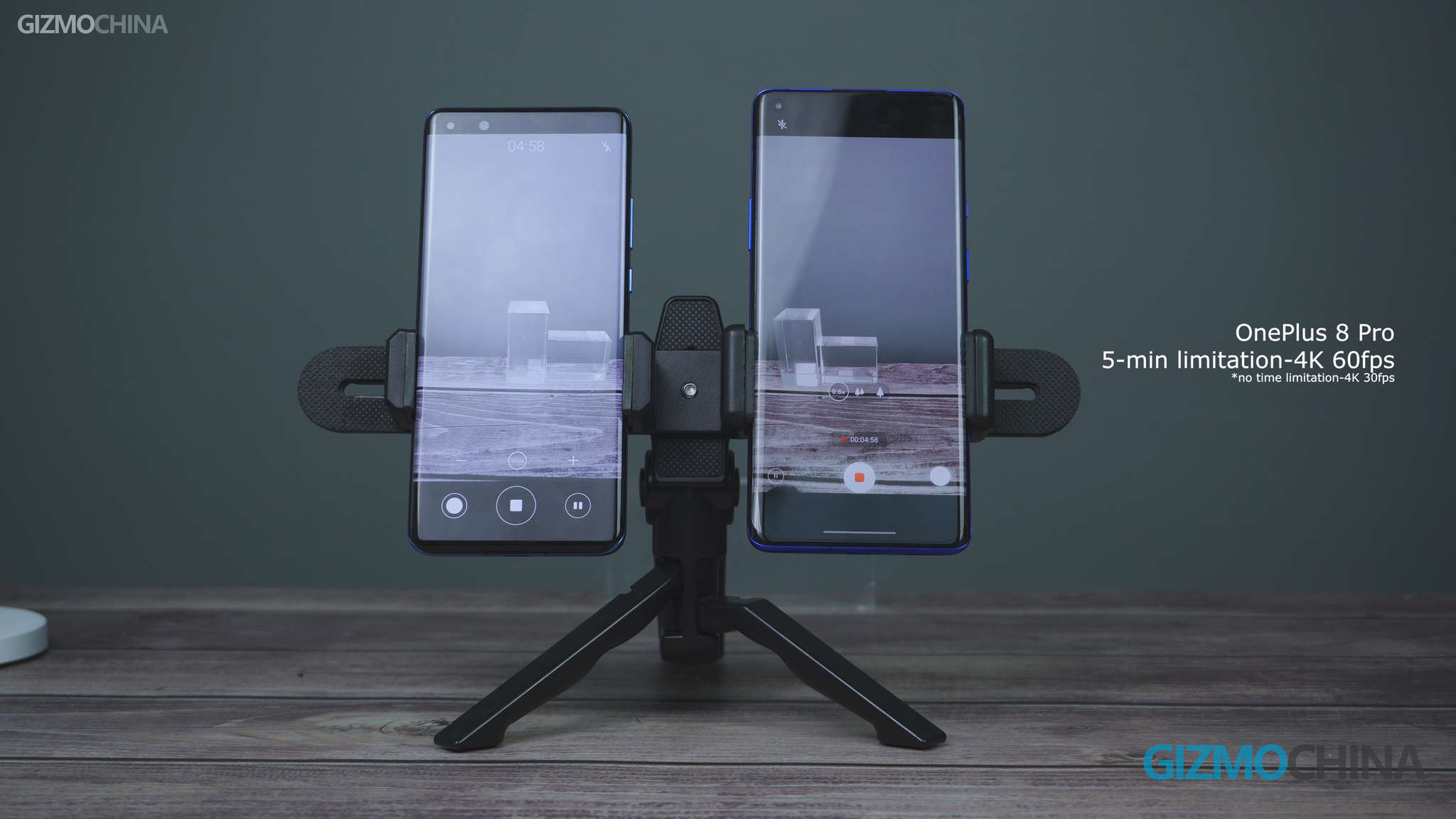
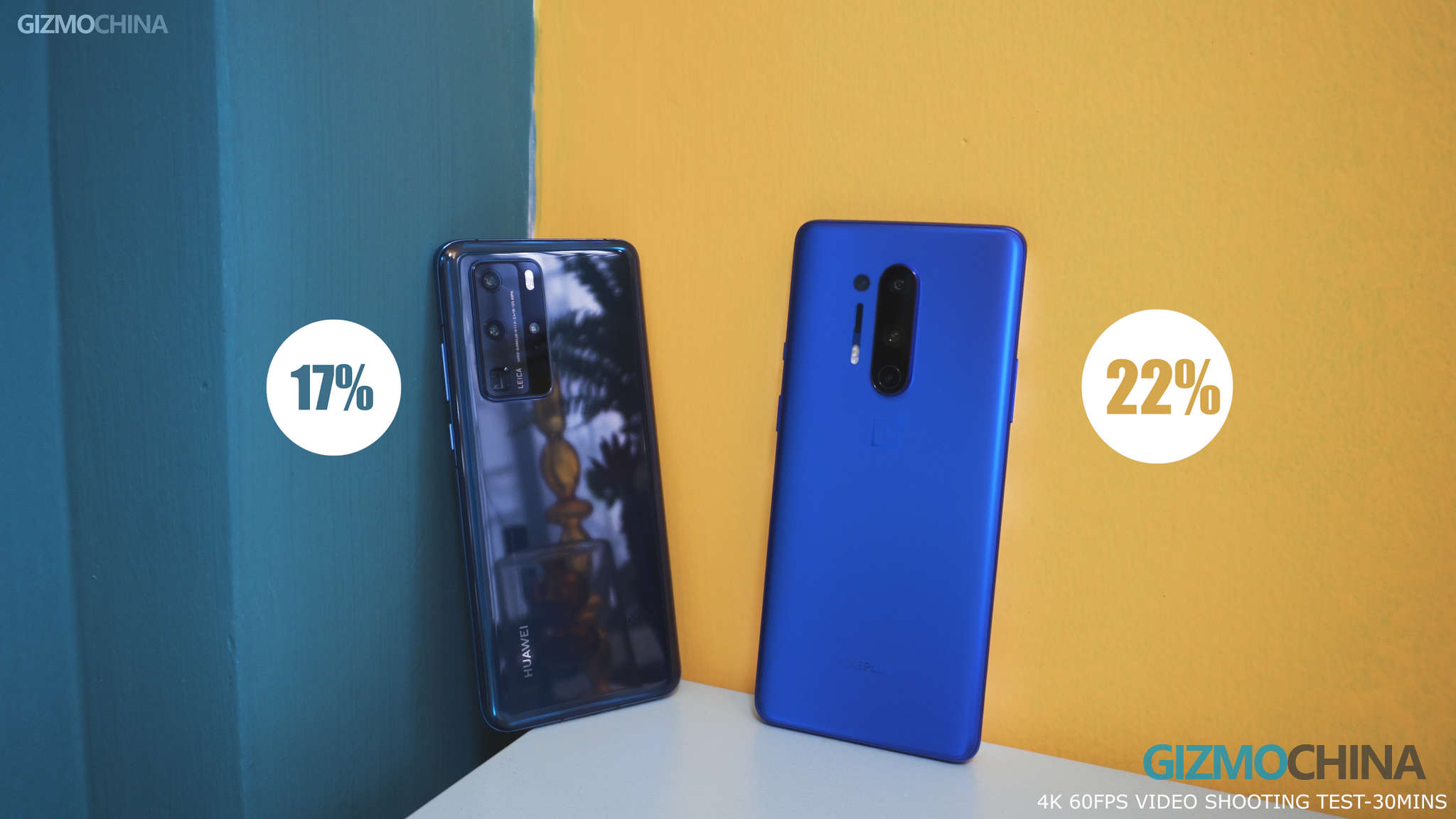
In addition to the camera experience, we also tested their battery endurance as video shooting devices. So, we shot 4k 60fps video on these two models at the same time for 30 minutes and compared their power consumption. Both of them were heated up but only the OnePlus 8 Pro would pop up a warning of high temperature and then stop recording. Another drawback of the OnePlus 8 Pro is that it is only allowed to continuously take up to a 5-minute 4K 60fps shot, while the P40 Pro did not have this time limitation. But when we turned on 4k 30fps shooting, there was no time limitation for the OnePlus 8 Pro. Anyway, in our 30-minute test, the Huawei model perfectly completed the task.
OnePlus 8 Pro vs Huawei P40 Pro (8)
About the power consumption, the OnePlus 8 Pro consumed 22% power, while the P40 Pro consumed 17% of the power. So accordingly, we estimated that the HUAWEI P40 Pro may have a longer camera battery life which is able to shoot highest video quality for over 2 and a half hours, while the OnePlus 8 Pro could shoot the same quality of video for about 2 hours but could have a heating issue.
So that’s the whole comparison. We hope this Huawei P40 Pro vs OnePlus 8 Pro camera comparison gives you insights about their camera performance. There’s no doubt that the P40 Pro is the better camera phone here. But, the OnePlus 8 Pro has a strong camera setup and it deserves the title of one of the best Android flagships in the market right now.
However, it may still not be worthy of the title of the best Android camera flagship. That goes to the Huawei P40 Pro.
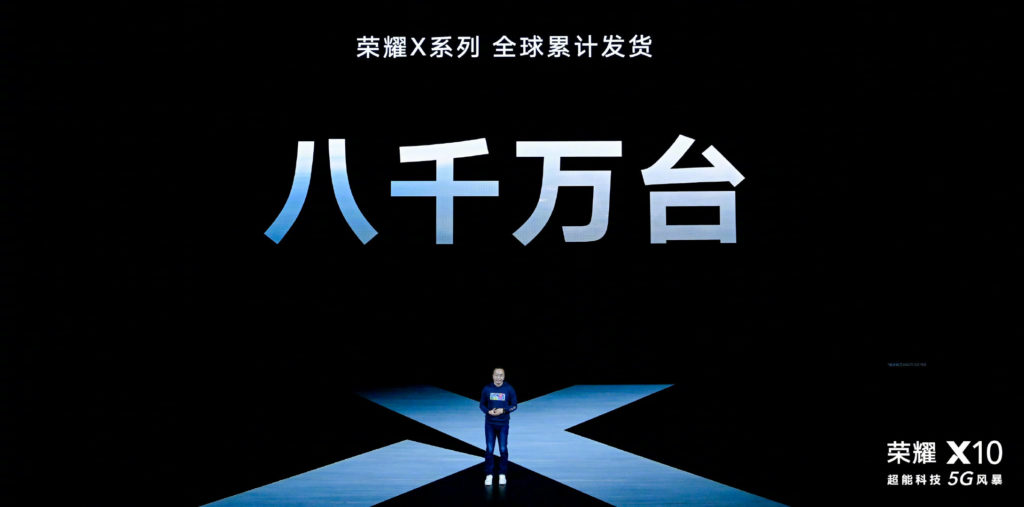
Earlier today, Honor finally announced the Honor X10 in China after days of leaks and teasers. At the launch event, the brand’s president George Zhao aka Zhao Ming revealed that the company has so far sold over 80 million Honor X series phones worldwide.
Honor has been selling Honor X series of smartphone from late 2013. The first phone in the series was Honor 3X, a rebranded Huawei Ascend G750. It has been later followed by newer models every year since then. We even got to see some Pro and Max versions along the way.
The Honor X10 launched today is the first 5G model in the series. Thus, at the beginning of the keynote, Mr Zhao recalled the series as a whole. He pointed out that they have sold over 80 million Honor X series phones worldwide since its inception.
We feel the count could have been more if the brand had launched Honor 9X series globally since this series alone shipped 10 million units in China. The original Honor 9X Pro did launch in India recently but without GMS (Google Mobile Services), it will be a tough sell in the country.
On the other hand, Huawei US ban has been further extended for a year along with restrictions to chip supplies. This will impact the Chinese telecom giant including its Honor sub-brand severely.
The sales of Huawei / Honor smartphones worldwide are expected to go down rather improve going by the current situation.
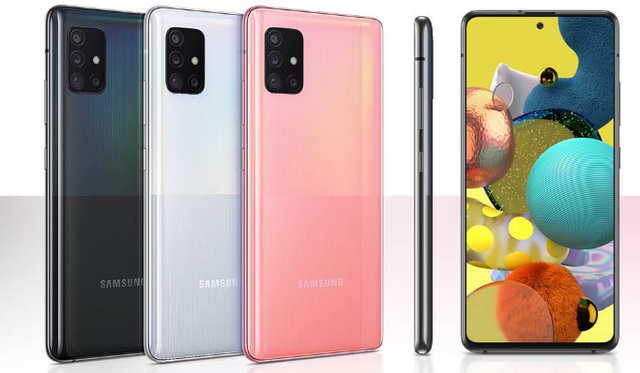
Samsung Galaxy A51 5G was earlier tipped to launch on May 7 but that obviously didn’t happen. In a twist, the Galaxy A51 5G has now gone official in China as it is now available to pre-order at Jingdong (JD.com). The mid-range 5G model is priced at 2999 yuan (~$423) and comes in 8GB RAM and 128GB storage variant. The phone is expected to start shipping on June 1st.
The Galaxy A51 5G is an upgraded version of the popular Galaxy A51 with which it shares a name. The major difference is the presence of a 5G chipset on this model. In terms of the configuration, the Galaxy A51 5G is equipped with Exynos 980 chip with support for NSA/SA dual-mode 5G. The device also packs a 4500mAh large battery and supports 15W fast charge. It will come pre-installed with OneUI based on Android 10 deep customization. In addition, the phone features Samsung’s proprietary Bixby voice assistant, an under-display fingerprint sensor, 3.5mm headphone jack and other hardware features found on the A51 4G.
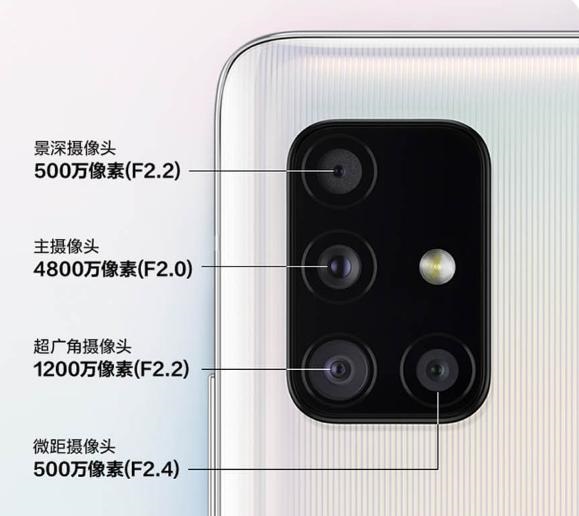
As for the display, the A51 5G sports a 6.5-inch S-AMOLED display with Infinity-O design and full HD+ resolution. In addition, the handset features a front-facing camera of 32-megapixel. The rear-facing camera setup has a 48-megapixel main lens, a 123-degree 12-megapixel ultrawide sensor, a 5-megapixel depth sensor and a 5-megapixel macro lens.
The phone is available in black, white and pink colour options.
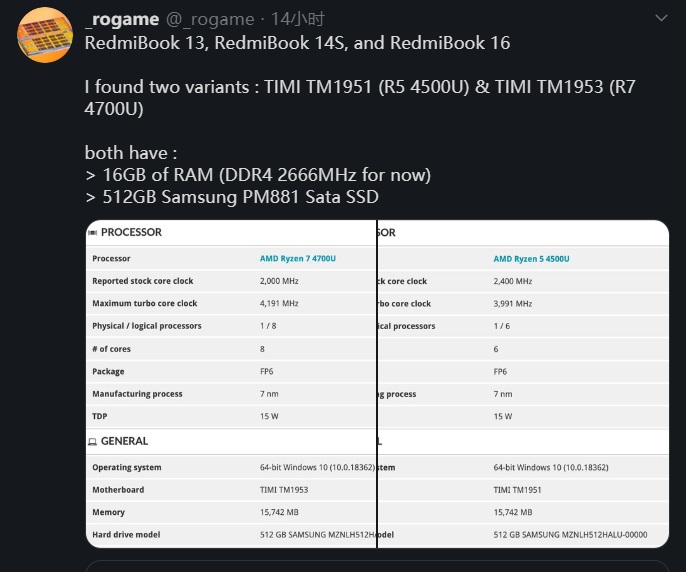
A few weeks back, Redmi was rumoured to have got plans to launch three new RedmiBooks by the end of this month. That rumour just gained some traction as Twitter tipster @_rogame has shared some details of the upcoming RedmiBook models.
The tipster hints that the upcoming models will be the RedmiBook 13, RedmiBook 14S, and RedmiBook 16. The tipster claimed to have found details of two of the models and the two are powered by AMD’s RRyzen 4000 series processors and pack Samsung’s PM881 SSD.
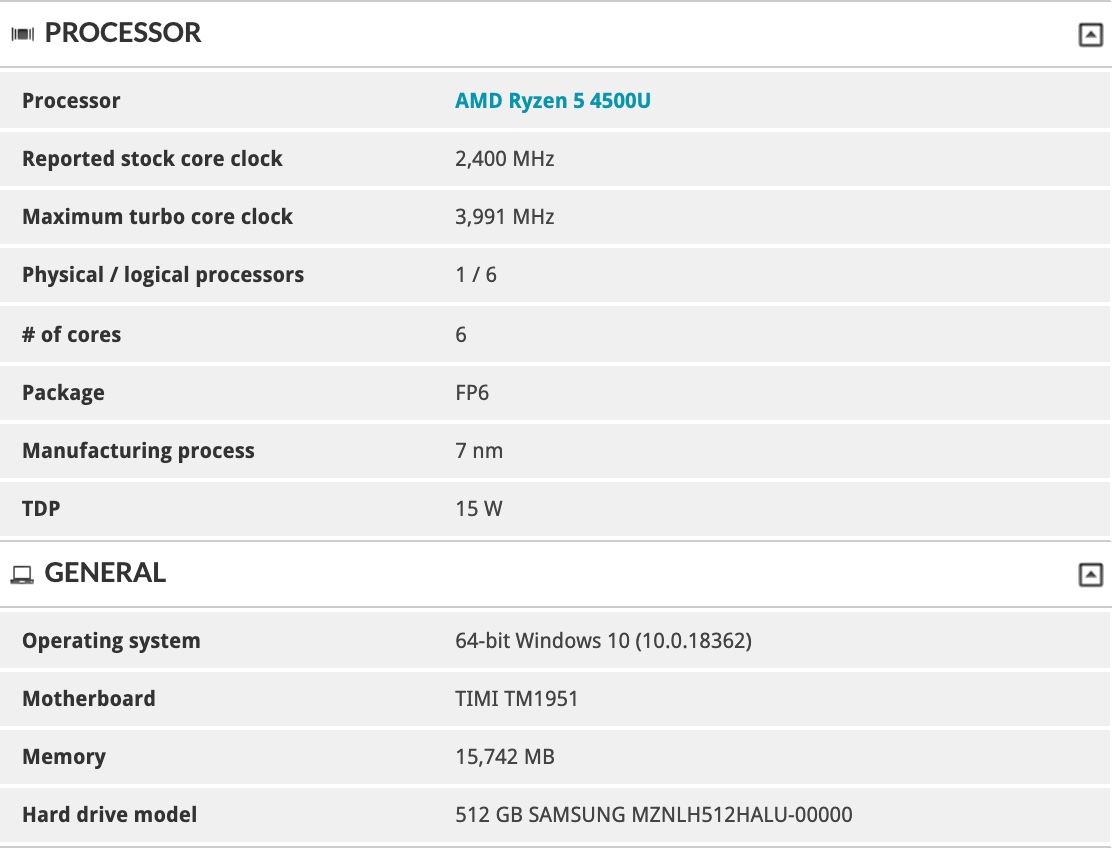
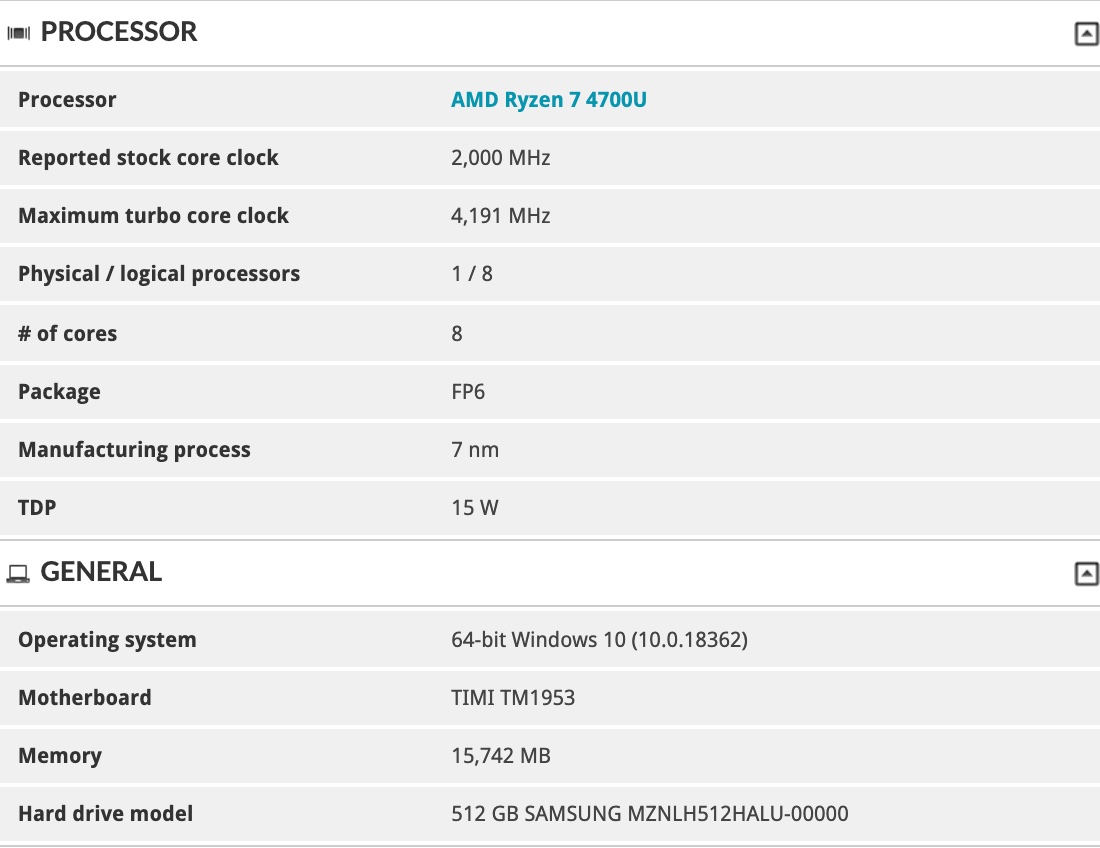
One of the models is said to have a Ryzen 4500U processor onboard while the second model packs a Ryzen 4700U processor. While the Ryzen 4500U is a hexacore chipset with six threads, the R7 4700U is an Octa-core, eight-thread chipset, both paired with 16GB memory and 512GB SSD as standard. The Redmibook 14 and 16 Ryzen Editions had earlier received certification from Bluetooth SIG along with a couple of Mi Notebook laptops.
RedmiBook 13, 14S and RedmiBook 16 are all presently on reservation on Jingdong. The reservation page shows that the models will go on sale on May 26.
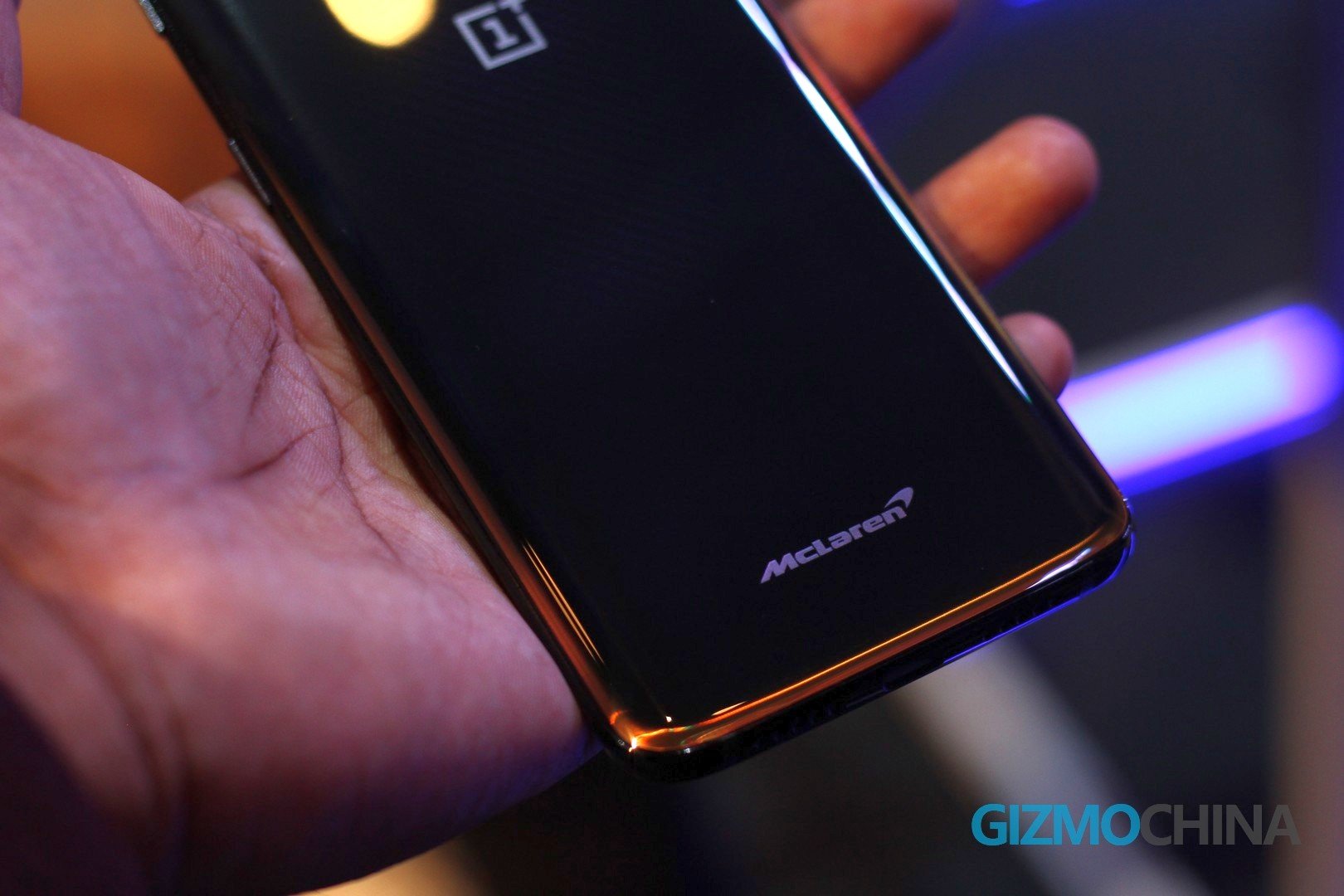
In 2018, OnePlus announced the OnePlus 6T McLaren Edition as the first product borne from the Chinese manufacturer and British automobile company’s partnership. It wasn’t an unusual occurrence as other Chinese manufacturers (read Huawei) had also announced special edition phones made in partnership with car brands.
OnePlus 6T McLaren Edition
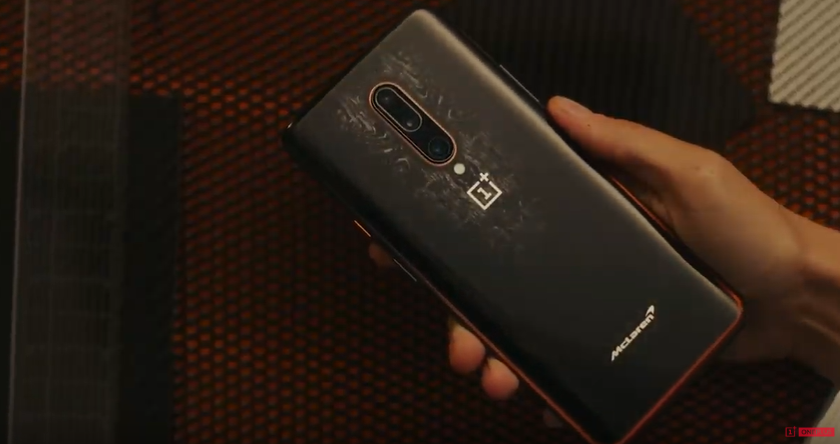
OnePlus followed up the OnePlus 6T McLaren Edition with a successor in 2019 called the OnePlus 7T Pro McLaren Edition. Of course, with better specs and an even more gorgeous design. Now, it seems OnePlus and McLaren may have come to the end of their run/race.
It has been discovered that OnePlus is no longer listed as a McLaren partner for the 2020 F1 season. The finding was made by a Redditor, and the folks at XDA-Developers were able to find out that the change didn’t happen until after March 29.
OnePlus 7T Pro McLaren Edition
The removal of the Chinese brand from the list of partners has resulted in the speculation that the OnePlus 7T Pro McLaren Edition will most likely not get a successor this year. So, if you have your eyes set on a OnePlus 8T Pro McLaren Edition, don’t get your hopes up.
While OnePlus may no longer have a partnership with McLaren, there most likely will be a special edition OnePlus 8T phone. We even believe it may even be one made in collaboration with another car manufacturer.
OnePlus recently made changes to its business in Europe. London which is its European headquarters may now cede that position to Helsinki, Finland. The company has also carried out recruitments in the Nordic region which seems to be its focus now. This brings us to our speculation as to which car company it may partner with.
Our guess is Koenigsegg, the Swedish sports-car manufacturer. Koenigsegg supercars are relatively popular, and if you play car racing games, you should be familiar with the brand. How does the “OnePlus 8T Pro Koenigsegg Edition” sound?
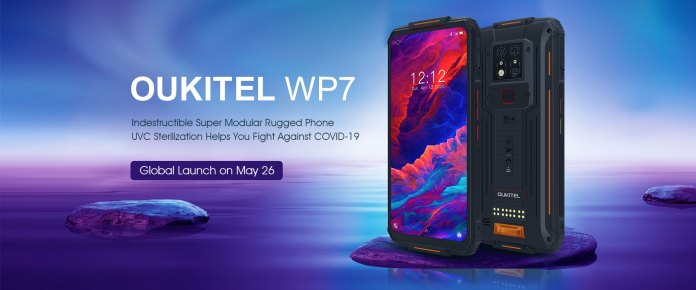
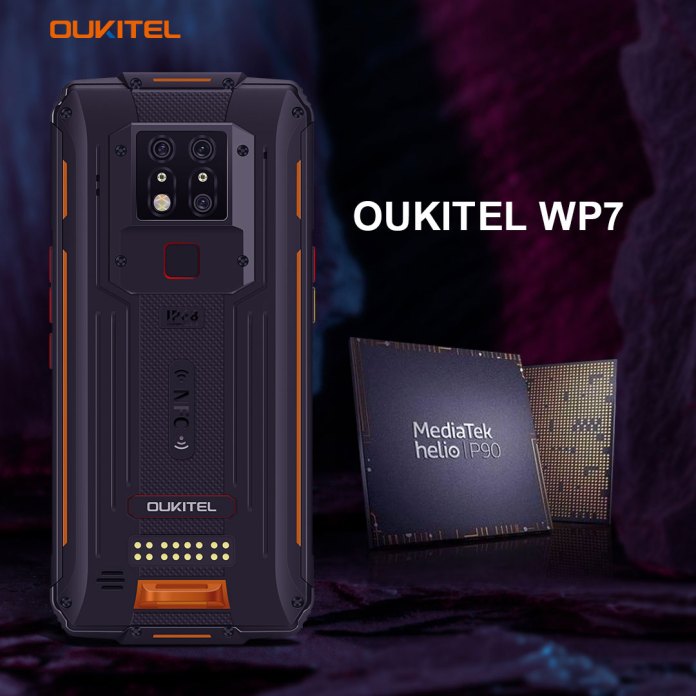
Oukitel with its massive battery capacity smartphones is back in the game with a new Oukitel WP7 rugged smartphone. The smartphone packs various new advancements and features which will really impress the rugged smartphone fans. We expect the smartphone to feature massive battery as of the Oukitel WP6 which was launched last year with 10000mAh battery. Oukitel WP6’s successor is officially slated to launch on May 26.
Oukitel WP7 is coming with the high-performing MediaTek Helio G90T chipset instead of the Helio P70 in its predecessor.
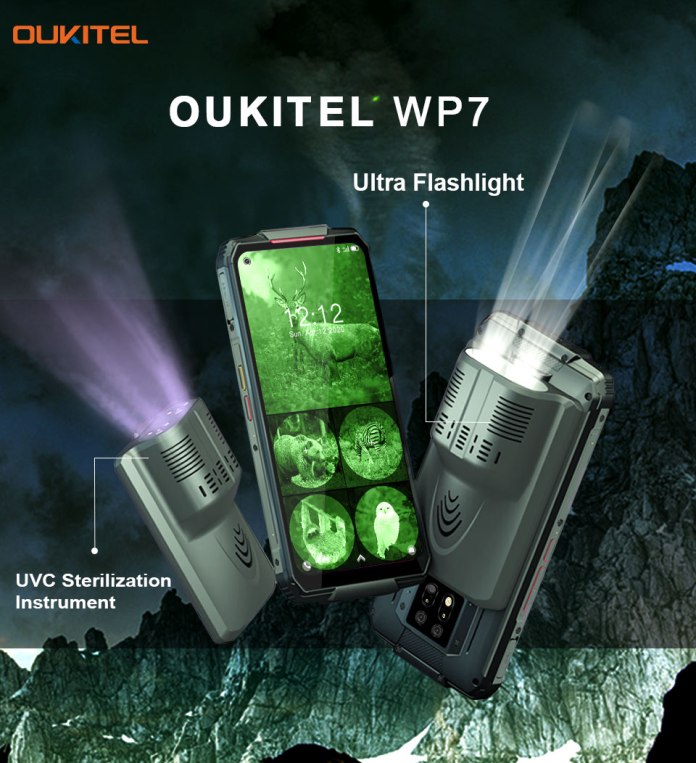
Apart from the massive performance jump, the smartphone also supports ultra-light torch and UVC Sterilization torch modules that can be attached at the rear side of the device. Both the modules are perfect for outdoor activities or even can be used in commercial workers like a miner, metro staff, and a tourer. The UVC Sterilization ultraviolet light will be quite helpful in sterilizing the infected items like smartphones, keys and hands daily. These modules increase the usefulness of the smartphone as a whole.
Oukitel WP7 also hosts an Infrared night vision camera to assist the users during nighttime. It can also be used to detect any anomaly in metals, or in any appropriate substance. Moreover, the smartphone camera is capable enough to shoot photos in low light environments.
Overall, Oukitel WP7 is a fully rugged smartphone featuring some additional mods to facilitate the users in performing some difficult and commercially viable tasks. The presence of MediaTek Helio P90 chipset improves the device’s performance. It can even disinfect your smartphone using UVC sterilization making it more productive and useful during the COVID-19 pandemic era. Full details about the device will be made official on May 26.
Oukitel is offering 5 units of WP7 for free to winners who will participate in the massive giveaway. For a better chance to win, the users need to accomplish a few tasks ass listed on the official website. Moreover, the interested users can add the device to the card on AliExpress to get notified.
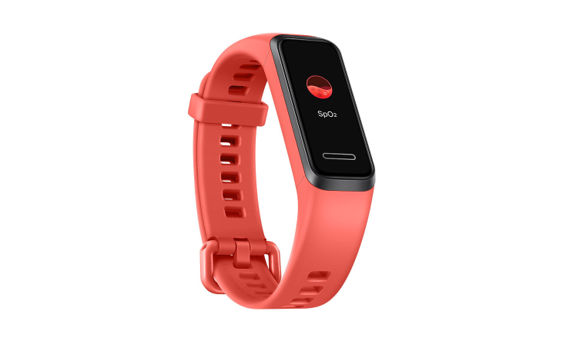
Huawei Band 4 launched last October in China for 199 Yuan ($28). It later landed the Indian shores in late January for the same price tag of ₹1,999 ($28). Now, the fitness tracker is receiving a new firmware update, which enables the idle SpO2 sensor present on this wearable.
The Huawei Band 4 shares all of its specs with Honor Band 5i that launched around the same time. The only difference between them is the design of the capacitive home button.
These fitness trackers feature SpO2 sensor to monitor blood oxygen levels. But the sensor comes disabled out of the box. The Honor Band 5i received a firmware update in March to enable this sensor. Now, the Huawei Band is also getting a similar treatment.
The new 5.46MB update for Huawei Band 4 bumps up the firmware version to 1.0.2.96. It brings the following changes to the fitness tracker.
Huawei Band 4 Firmware v1.0.2.96 Changelog
Enables SpO2 sensor
Optimizes user experience
Optimizes the workout experience
Optimizes the Alarm feature
Fixes some display issues
The update is being rolled out in batches and Huawei asks users to only update when the tracker has at least 20% battery. As per the company, the update will take about 20 minutes to install.
Lately, OnePlus 8 Pro has been trending for its color filter camera, which is capable of seeing through thin plastics and clothes. However, it is not the only smartphone to have such capability. The two-year-old POCO F1 and Mi 8 can also click X-Ray-esque pictures with their front-facing IR cameras.
Source: Reddit (u/mohitreddits)
Xiaomi introduced IR camera on Mi 8 for face unlock in low-light conditions. The Poco F1 released later that year also came with the same hardware for similar functionality.
Some users found these handsets to see-through thin plastics a few months after its release by using third-party IR camera apps. Now, there’s even a dedicated app for these two phones called ‘IR camera – Poco F1/Mi8’ on the Google Play Store.
Using this app on Poco F1, users have been clicking and sharing X-Ray see-through pictures on Reddit lately ever since the OnePlus 8 Pro ‘Photochrom’ filter went viral.
Having said that, no major privacy issue was raised about these two cameras, unlike the OnePlus 8 Pro. That’s because the IR camera sits on the front of these Xiaomi devices and it requires an additional app.
Whereas on the OnePlus 8 Pro, the color filter camera is placed at the back alongside the other shooters. On top of that, the stock OnePlus Camera app has the X-Ray filter built-in.
OnePlus did issue a statement to disable the ‘Photochrom’ filter within a week, however, it is limited to China. Additionally, it has also confirmed to release an OTA update to offer this filter by ‘limiting other functionality that may be of concern’.
The Vivo X50 has an unusual camera setup. The upcoming phone features a pretty large sensor with gimbal-like stabilization that takes up a large portion of the rear camera housing. With this design, the phone should be easily recognizable. A new video ad that further highlights the design along with more details about the phone have been released.
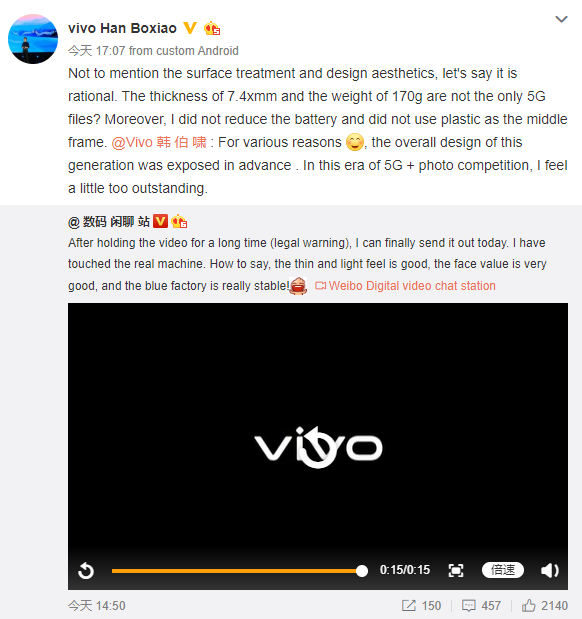
The first second of the video advert shows how thin the phone is. The device is placed beside a slim photography book. In a separate Weibo post, Han Baxio, the product manager of Vivo, said the Vivo X50 measures 7.4mm in thickness and weighs just 170 grams. He adds that the battery capacity (which is unknown) was not reduced and the device doesn’t use plastic for the middle frame.
The battery capacity and the type of material used for the frame play a part in the overall weight of a device. If the Vivo X50 packs a battery capacity not less than 4500mAh and uses a metal frame, then its 7.4mm thickness and 170 grams weight surely deserves praise.
As shown in the video, the rear camera housing does protrude – the black part even sticks out a bit more than the rest of the housing. The LED flash system, which appears to have about four LEDs flanks the camera housing on the right. The Vivo X50 has quad rear cameras but the specifications are currently unknown.
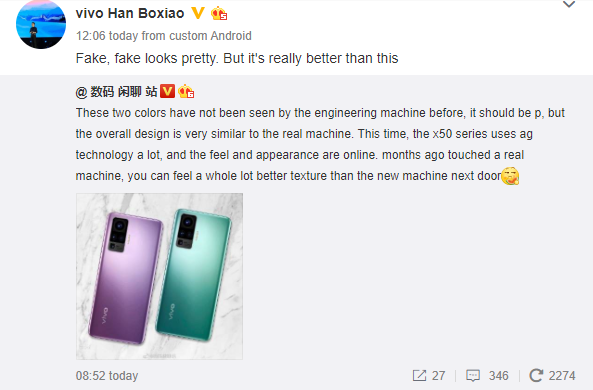
The advert also shows the phone will be available in two colors at launch – blue and peach/pink. Renders of the phone in purple and green have also been posted on the web but Han Baxio said they are fake.
Vivo has announced that it will take the wraps off the X50 on June 1 in China. There currently is no info on a launch outside China.
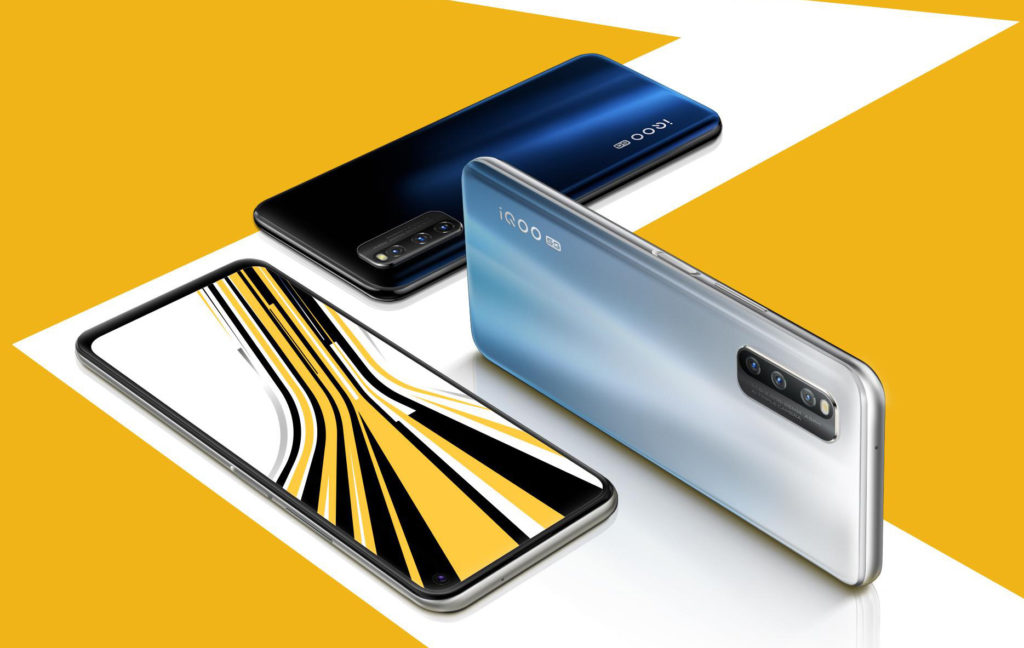
iQOO took the covers off its long-awaited iQOO 3 5G flagship phone in Feb. this year. After unveiling the iQOO Neo3 5G as the most affordable phone in the series, the Chinese company launched another flagship phone dubbed the iQOO Z1 5G.
It might interest you to know that two models of the recently unveiled iQOO Z1 smartphone have gone up for pre-order bearing reasonable price tags through Giztop. Available in blue, as well as silver color options, the 6GB RAM+128GB ROM model can be yours for $339, provided you place your pre-order via Giztop, one of China’s most reliable e-tailers.
The slightly larger variant that ships with 8GB of RAM and offers 128GB of internal storage space will set you back $449 if you pre-order it now. The estimated shipping date is set for the beginning of June.
The iQOO Z1 is an irresistible smartphone that sports a 6.57-inch FHD+ punch-hole display with up to 144Hz refresh rate. It is powered by 7nm MediaTek Dimensity 1000+ 5G Octa-core processor and has an ARM G77 MC9 GPU under the hood for improved performance.
In the optics department, the iQOO Z1 houses a triple camera setup comprising a 48MP, an 8MP, and a 2MP camera. Upfront, it features a 16 MP camera that can be used for video calling and capturing selfies. Moreover, the phone supports SA/NSA Dual Mode.
iQOO Z1 runs iQOO UI 1.0 based on Android 10.0 OS and draws its juices from a 4500mAh battery that supports a 44W fast charge. You can head straight to this link to check out more details about the iQOO Z1 and place your pre-order through Giztop.
The Gizmochina Coupons is a community that finds, reports, and evaluates deals and coupons of Chinese products from online shops. Please visit it here to find more coupons to save money on mobiles and smart gadgets.
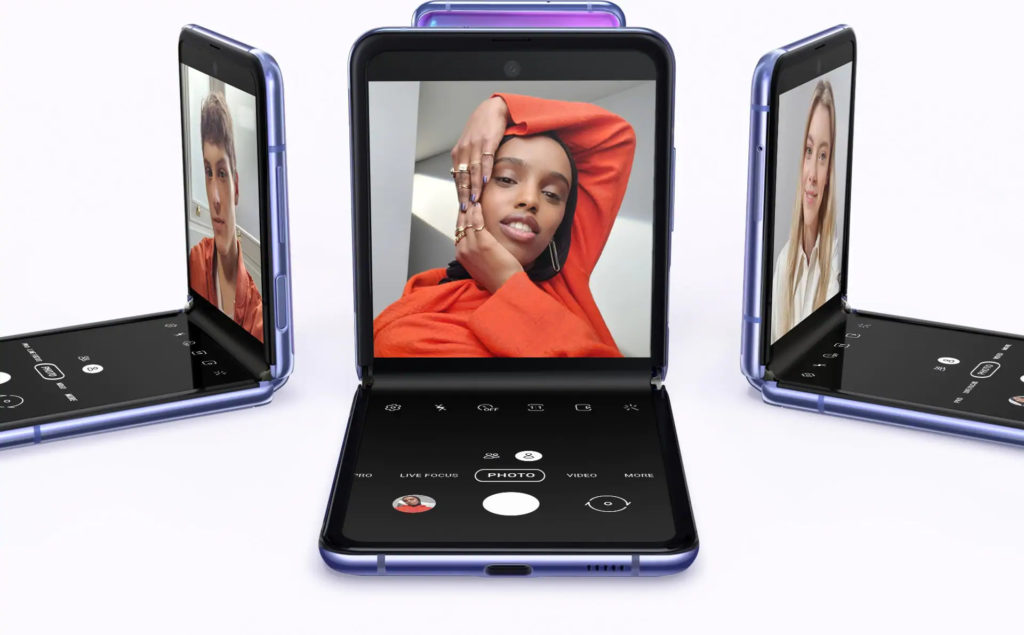
Foldables are thought to be the future of smartphones and Samsung is the leading company in this tech with two products already available worldwide. Samsung Electronics has been working to be self-reliant for the display covers used on its foldable devices. Last month, it was reported that the company is planning to make its own foldable glass. Now, the firm has been confirmed to have patented three different screen covers.
The two primary aspects of any foldable are its hinge design and display cover. The former differs by the form factor and use-case of the devices. Whereas, the latter has remained the same on almost all foldable devices released so far except Galaxy Z Flip.
Most foldable available in the market such as Galaxy Fold, Huawei Mate X, Huawei Mate Xs, and Motorola Razr use a plastic cover for their flexible OLED panels. Whereas, the Z Flip, on the other hand, is the only device to feature UTG (Ultra Thin Glass), which is more durable.
But Samsung Electronics outsources both the plastic cover and UTG for its foldables from Samsung Display, which itself buys them from companies like DOWOO INSYS. Hence, it costs around $40 for Samsung Electronics to make UTG used in Galaxy Z Flip compared to $2 for normal flat glass.
Note: Samsung Electronics and Samsung Display are two different companies operating independently.
This is why Samsung Electronics has patented its own screen covers made of polyimide. It has patented for three different types of cover and they are as follow.
Polyimide film
Polyimide film + UTG
UTG
The company seems to have passed the first hurdle but the next one is difficult as it now needs to find manufacturers. If it succeeds in that regard as well, then the price of Samsung foldables may gradually come down in the coming years.
Samsung is expected to release two more foldables including a cheaper Galaxy Fold and Galaxy Fold 2 in the second half of this year.
Asus has yet to launch its flagship smartphone for 2020. The company had initially launched its ROG lineup of gaming smartphone back in 2018 and had released a second iteration in 2019. Now, the Asus ROG Phone 3 might be in the works as a report reveals a possible sighting on Wi-Fi Alliance and Geekbench database.
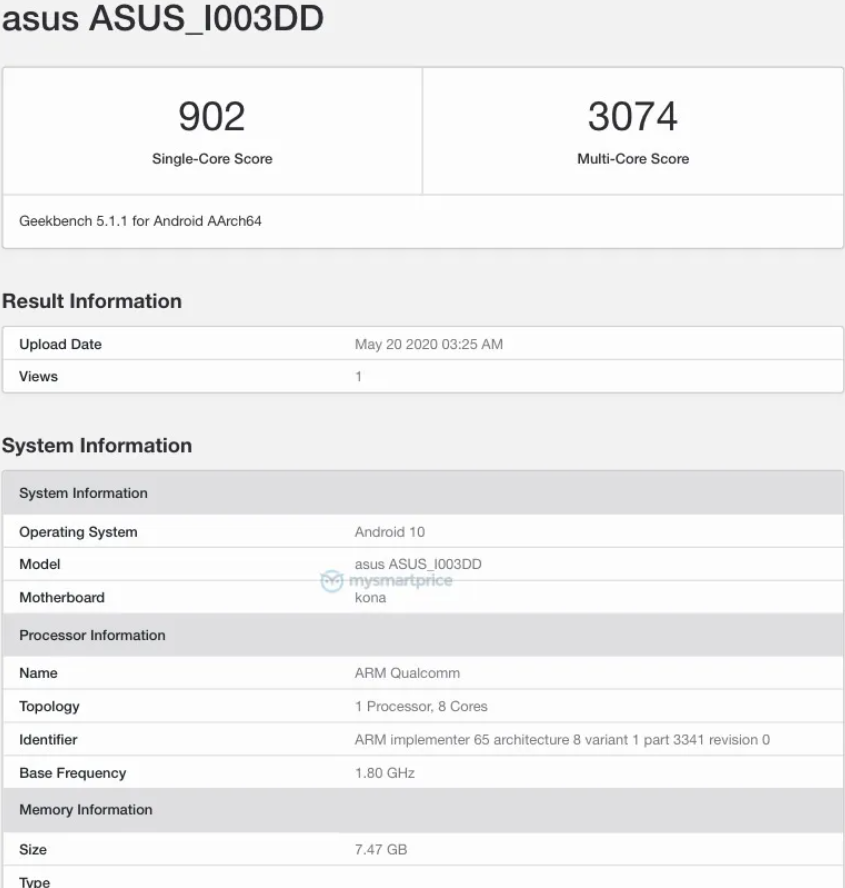
Looking at the previous launch dates, the Asus ROG Phone 3 is expected to arrive in the second half of 2020. So far, Asus had yet to reveal any official details regarding its upcoming flagship entry. Although, a new sighting suggests that the device is already being developed and tested. A new Geekbench listing for an Asus smartphone was found online recently.
The listing reveals the scores and model number of the unknown handset. It carries the number I003DD, which is quite similar to the ROG Phone 2‘s I001D. Thus, it is likely that the Geekbench scores are for the ROG Phone 3. Other details that have been discerned include Qualcomm’s Snapdragon 865 SoC, Android 10 OS and 8GB of RAM. The Asus flagship scored 902 points in single core test and 3,074 points in the multi core test.
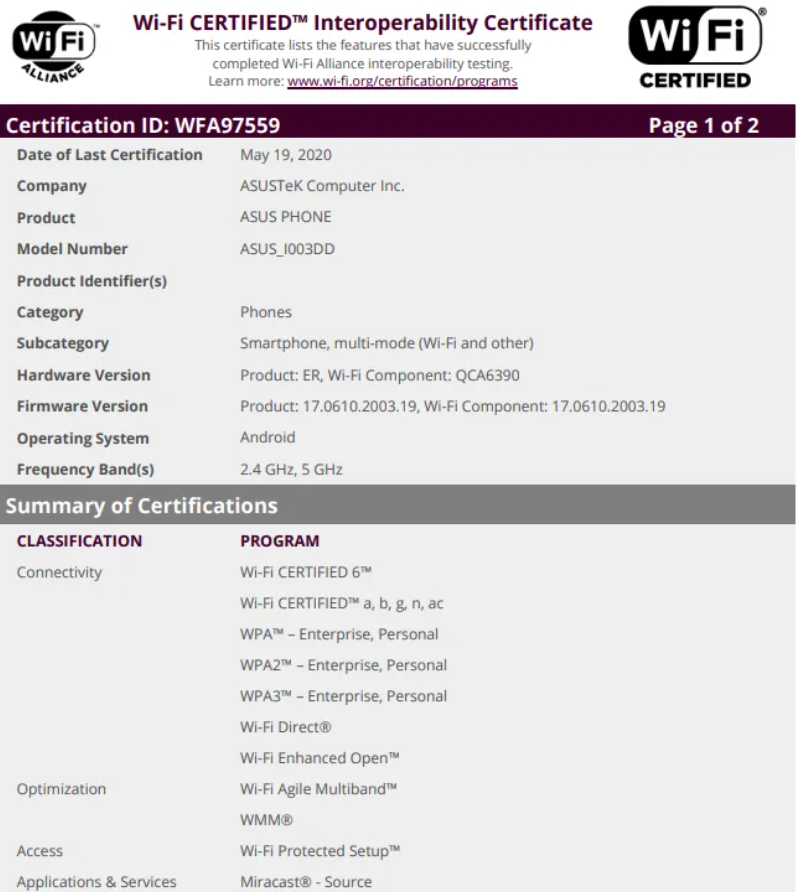
Another indication of the Asus ROG Phone 3’s imminent launch, is the possible WiFi Alliance listing. This reveals that the device features Qualcomm’s QCA6390 chipset, 2×2 dual-band Wi-Fi a/b/g/n/ac/ax, Wi-Fi Direct, and Miracast support as well. The smartphone is seen here also carries the model number I003DD from Asus and only strengthens the belief that the ROG Phone 3 could arrive soon.
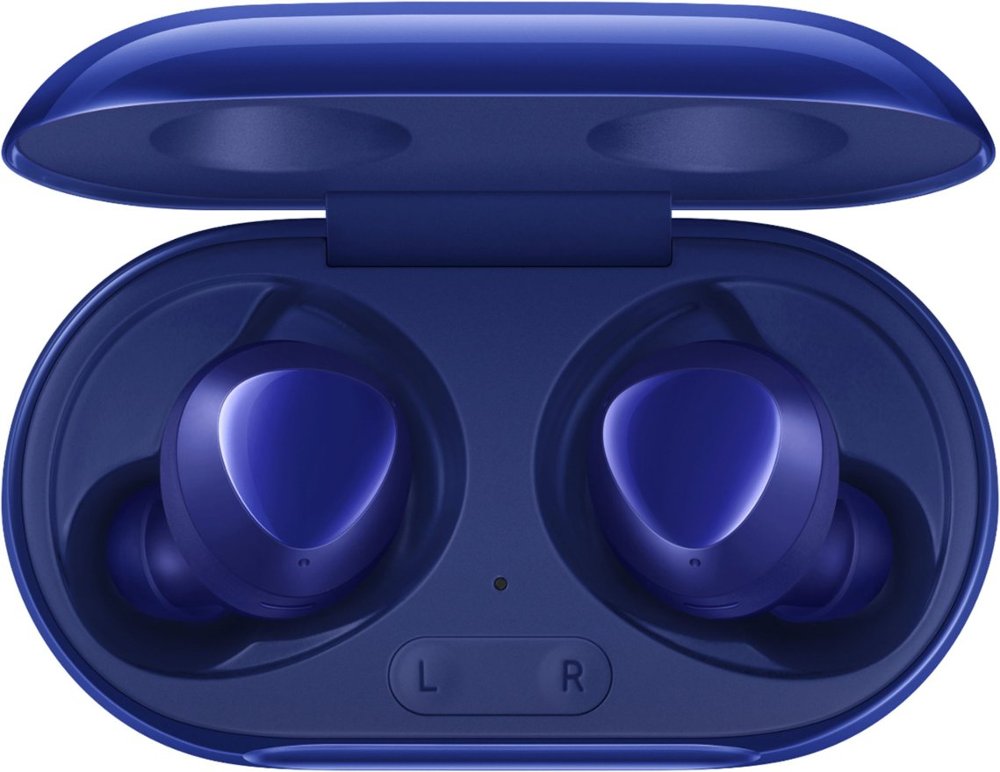
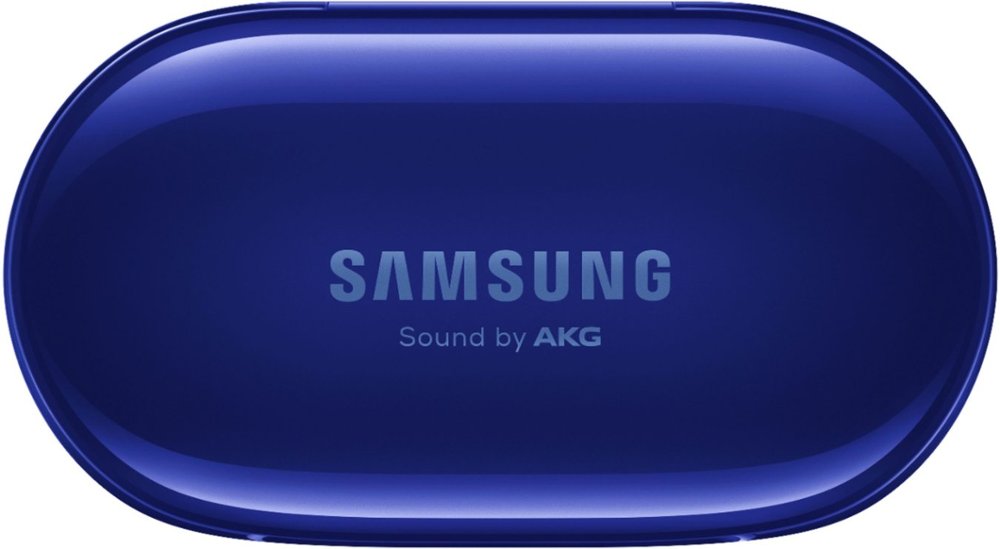
The Galaxy Buds+ is now available in Aura Blue. Last month, we reported that Samsung’s TWS earbuds will be getting a new colorway soon. The new color variant which is called Aura Blue is now exclusive to Best Buy.
The Aura Blue Galaxy Buds+ will sell for $149 just like the other colorways. The new color variant brings the total number of color options to five (not counting the Thom Browne edition). The TWS earbuds originally launched in Cloud Blue, Cosmic Black, and White. It then got a red variant afterward.
The Galaxy Buds+ boasts 11 hours of battery life that go up to 22 hours with the case. It has an IPX2 rating which means it will survive light rain, sweat, and accidental spills. There is also support for Swift Pair with Windows computers.
Samsung’s TWS earbuds feature AKG-tuned speakers, ambient sound technology, touch controls, and support charging via wireless or via USB-C.
You can go ahead to order the Galaxy Buds+ in the new colorway but it won’t ship until Friday, May 22.
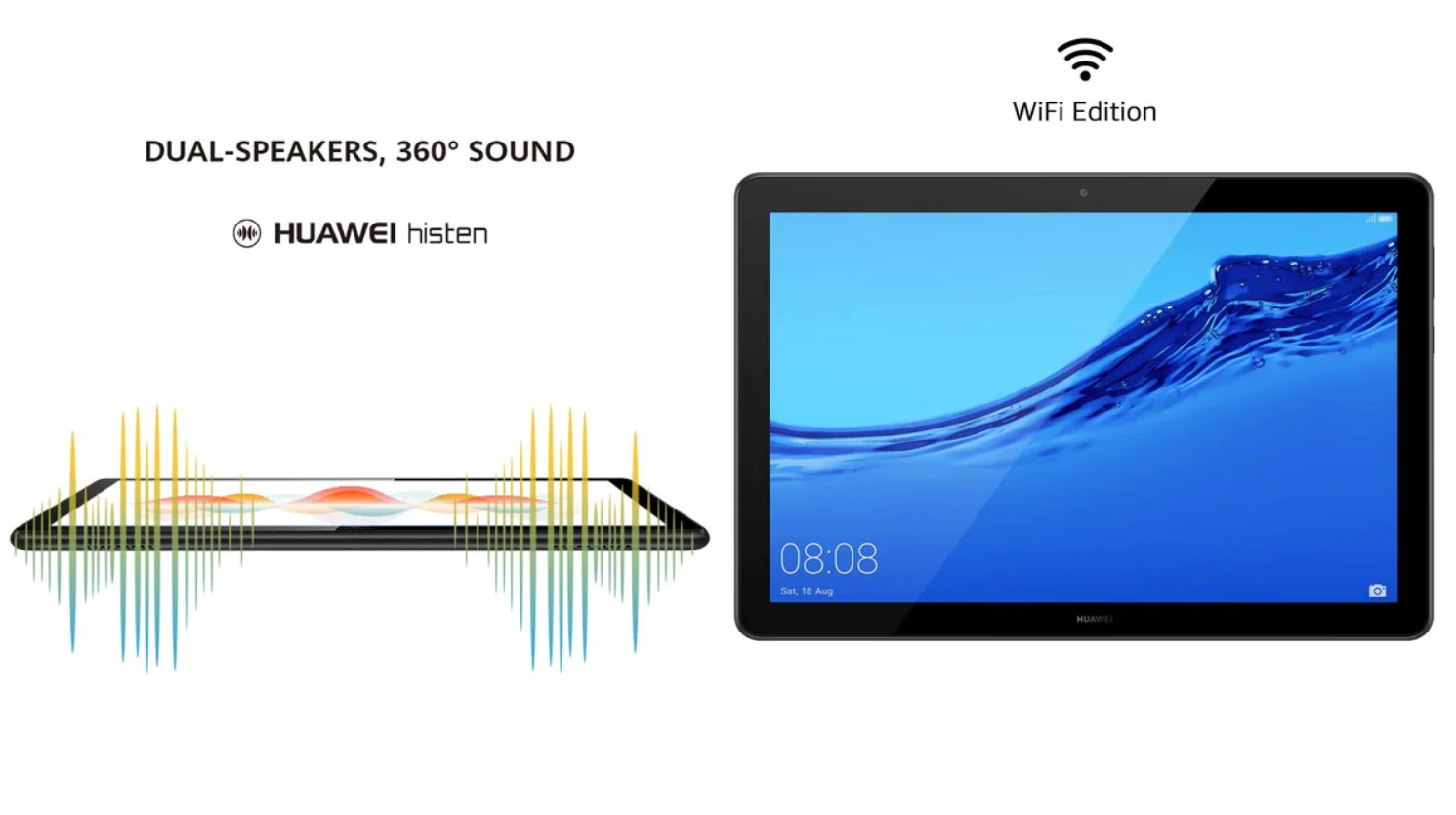
The Huawei MediaPad T5 Tablet WiFi Edition has launched in India and is available for purchase on Amazon. The tablet was originally launched back in July 2019 with 4G LTE connectivity. But now, the Chinese tech giant has launched a new WiFi only variant in the Southeast Asian country.
Under the hood, the MediaPad T5 WiFi Edition sports 3GB of RAM and 32GB of internal storage, which can be expanded up to 256GB via a microSD card slot. It houses the HiSilicon Kirin 659 SoC and features a large 10.1 inch FHD display with an aspect ratio of 16:10 and 224ppi pixel density. The tablet has a single 5 megapixel camera on the rear and a 2 megapixel selfie shooter at the front. It is powered by a 5,100mAh battery.
In terms of connectivity, the Huawei MediaPad T5 tablet supports Bluetooth 4.2, GPS, and a Micro USB port for charging and more. While the specifications of the tablet are the same as the previously launched version, it does not support 4G LTE networking. It is currently available on Amazon India’s official website and is priced at 12,999 INR (roughly 171 US Dollars). It arrives in a single color, Black, and Huawei is offering six months no-cost EMI alongside the AM61 Bluetooth earphones worth 3,990 INR (roughly 52 US Dollars).
We use cookies on our website to give you the most relevant experience by remembering your preferences and repeat visits. By clicking “Accept”, you consent to the use of ALL the cookies.
This website uses cookies to improve your experience while you navigate through the website. Out of these, the cookies that are categorized as necessary are stored on your browser as they are essential for the working of basic functionalities of the website. We also use third-party cookies that help us analyze and understand how you use this website. These cookies will be stored in your browser only with your consent. You also have the option to opt-out of these cookies. But opting out of some of these cookies may affect your browsing experience.
Necessary cookies are absolutely essential for the website to function properly. This category only includes cookies that ensures basic functionalities and security features of the website. These cookies do not store any personal information.
Any cookies that may not be particularly necessary for the website to function and is used specifically to collect user personal data via analytics, ads, other embedded contents are termed as non-necessary cookies. It is mandatory to procure user consent prior to running these cookies on your website.