Last week, Honor began with the reservations of the Feather Red color variant of the Honor 30S phone that went official at March-end in China. As promised by the company, the sales of the new color variant begin from today in the home market.
So far, the Honor 30S has been available in China in colors like Feather White, Feather Green and Midnight Black. The new Feather Red edition is a blue-red gradient. Like the other color editions, the Feather Red Honor 30S comes in 8 GB RAM + 128 GB storage and 8 GB RAM + 256 GB storage versions. They are priced at 2,399 Yuan (~$337) and 2,699 Yuan (~$379). Currently, the Honor 30S is the cheapest 5G phone from Honor.
The Honor 30S has a 6.5-inch IPS LCD screen that features a punch-hole at the top-left corner. The handset supports full HD+ resolution of 1080 x 2400 pixels and 20:9 aspect ratio. The Kirin 820 5G fuels the device. The handset ships with LPDDR4x and UFS 2.1 storage.
The Android 10 OS coupled with the latest Magic UI runs on the smartphone. The phone has a 4,000mAh battery that supports 40W rapid charging.
The Honor 30S has a side-facing fingerprint reader and it has a shared SIM slot for adding a nano memory card. The Honor 30S has a front camera of 16-megapixel. Its rear has a quad-camera setup that includes a 64-megapixel main shooter, an 8-megapixel telephoto lens, an 8-megapixel ultrawide sensor, and a 2-megapixel depth sensor.
ZTE, a well-known Chinse telecom giant has not been making many phones as it used to once after the US ban. However, the company is still in the phone business and is set to launch the first 5G smartphone with support for all the four carriers in China including China Broadcasting Network (CBN).
The three major carriers of China – China Mobile, China Telecom, and China Unicom launched 5G networks for the public on November 1, 2019. Whereas, China Broadcasting Network launched its 5G network two months later in January 2020. It is the county’s only carrier to offer low-band 5G operating in the 703-798MHz range. Additionally, it is also testing 4.9GHz high band 5G.
That being said, there’s still not a single smartphone in the market to support 5G networks of all the four carriers in China. But that’s going to change soon as ZTE has successfully tested 5G VoNR (Voice over New Radio) for voice and video calls on CBN’s low-band 5G network on the occasion of ‘World Telecommunication Day’ on May 17.
The smartphone in question is said to be ZTE Axon 11 SE, a new member in the Axon 11 series. It will be announced officially on June 1. Unfortunately, nothing else is known about this handset at this moment. Anyway, we expect the company to soon drop teasers for the phone revealing its features.
TSMC, which is the leading contract manufacturer for chipsets, has now stopped new orders from Chinese giant Huawei Technologies. The move comes after the United States tightened export controls, a move aimed at limiting Huawei’s access to chip supplies.
According to a person aware of the development, while TSMC has stopped taking new order from Huawei, the company will continue producing the chipsets that are already in production and for the orders that were taken before the new rule change and the shipments for the same should continue till Q3 2020.
Last week, The U.S. Commerce Department announced that the all the chip manufacturers using American chipmaking equipment, intellectual property or design software needs to apply for a license before shipping chips to Huawei. This is similar requirement that U.S. added when it put Huawei on the Entity List, effectively banning the company.
This is a major blow to Huawei, which is the world’s leading telecom maker and the second largest smartphone brand. The company heavily relies on TSMC for manufacturing its chipsets used in almost all of its smartphones, including the flagship premium devices. The Taiwanese company also produces its AI processor and networking chips.
In response to this, China’s Department of Commerce said that it strongly objects to the tighter U.S. export controls and added that such restrictions pose a huge threat to the global supply chain. It demanded U.S. to reverse the new restrictions and warned to take necessary countermeasures.
The new rule change is also a blow for TSMC in terms of revenue given that Huawei is the company’s second-largest client after Apple and accounts for around 15-20 percent on its annual revenue. Also, the announcement about the tighter restrictions came the same dat TSMC announced its plan to invest $12 billion for a new plan in Arizona.
But it seems that Huawei was anticipating such move by the United States. The company has reportedly been stockpiling more than a year’s worth of networking equipment-related chips which are crucial for its telecom equipment and carrier business.
Further, the company is also reportedly exploring other options and has asked European chipmaker STMicroelectronics to co-design chips. Huawei had recently announced shifting of its 14nm chipset orders from TSMC to SMIC and the Chinese manufacturer has also started mass-production of Kirin 710A.
Honor has scheduled a launch event in China on 20th May where the company will be officially launching its Honor X10 series smartphones. The brand has been teasing some key features of the phone on social media and in the latest update, Honor has shared details about a key connectivity feature.
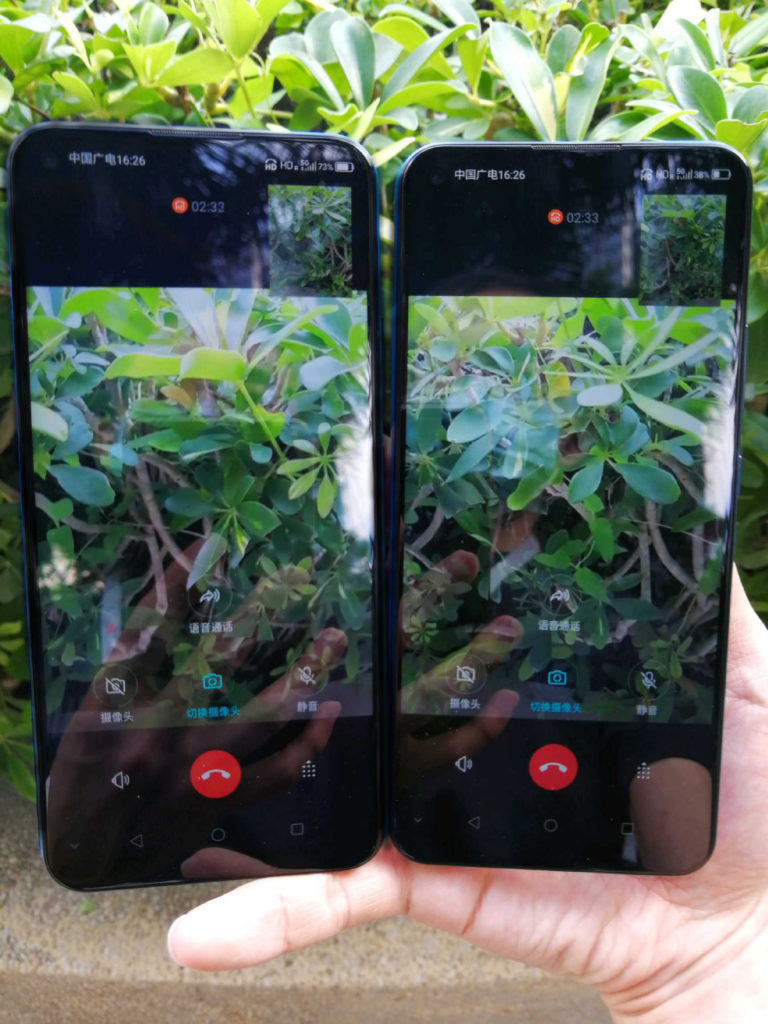
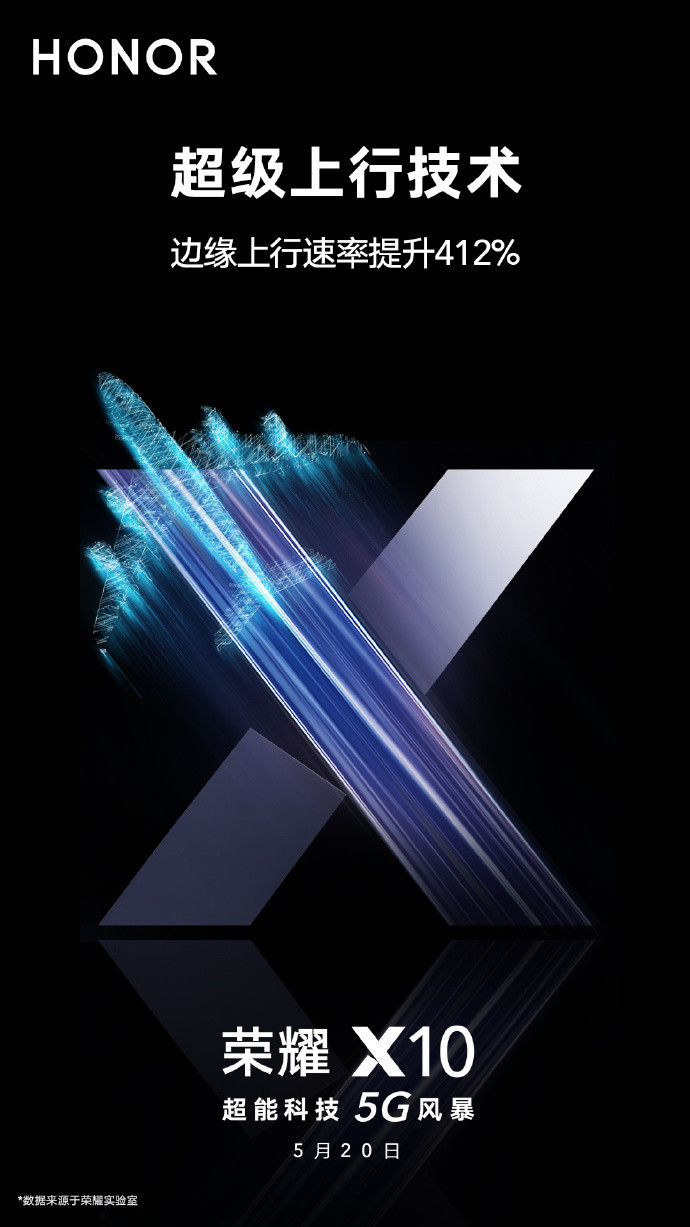
The company has today confirmed that the upcoming Honor X10 will come with Huawei Super Uplink (SUL) 5G technology to offer comprehensive experience. The technology was first unveiled as a join innovation by Huawei and China Telecom at MWC 2019 Shanghai.
The laboratory test results show that the technology can increase the uplink rate by 20-100 percent in a good network environment and can improve the edge uplink rate experience by around 412 percent.
The technology allows 5G networks to increase uplink bandwidth while further reducing latency through TDD/FDD coordination, complementation between high and low frequency bands, and time-domain/frequency-domain aggregation.
The usage of this new technology is in addition with support for nine frequency bands in China. Honor‘s Vice President for Business Development says that the technology can optimise TDD/FDD spectrum frequency coordination, high frequency/low frequency complementation, time domain/frequency domain aggregation to further improve the network’s uplink capacity and reduce delay.
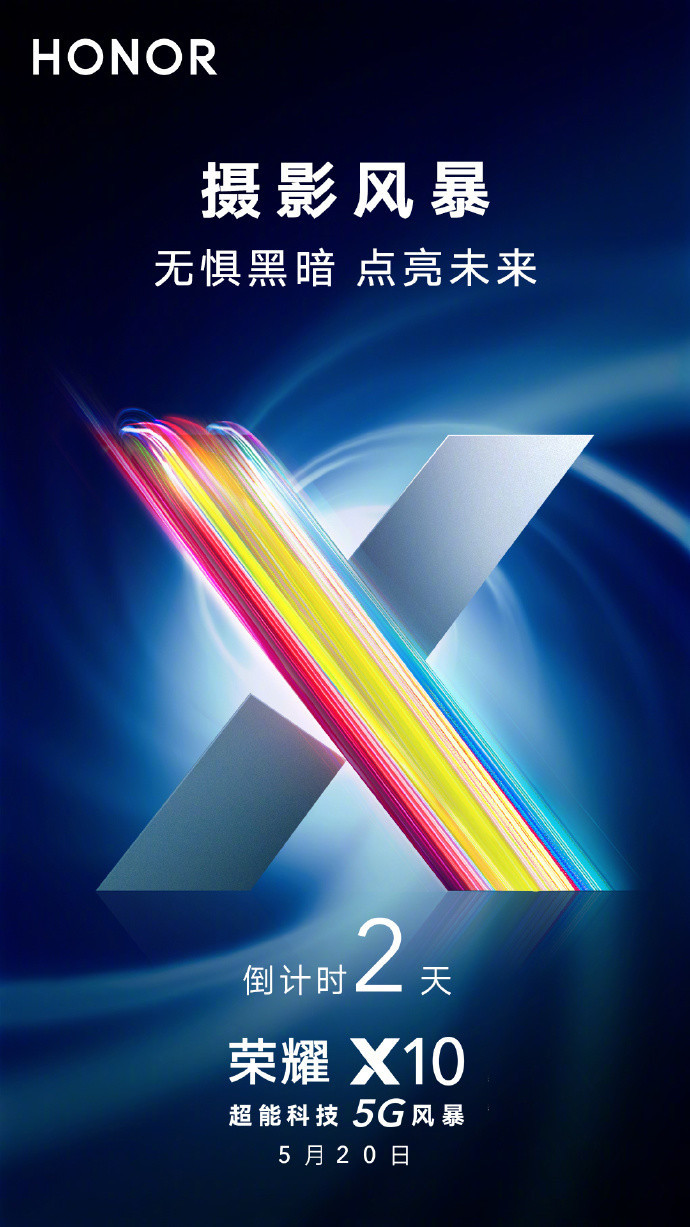
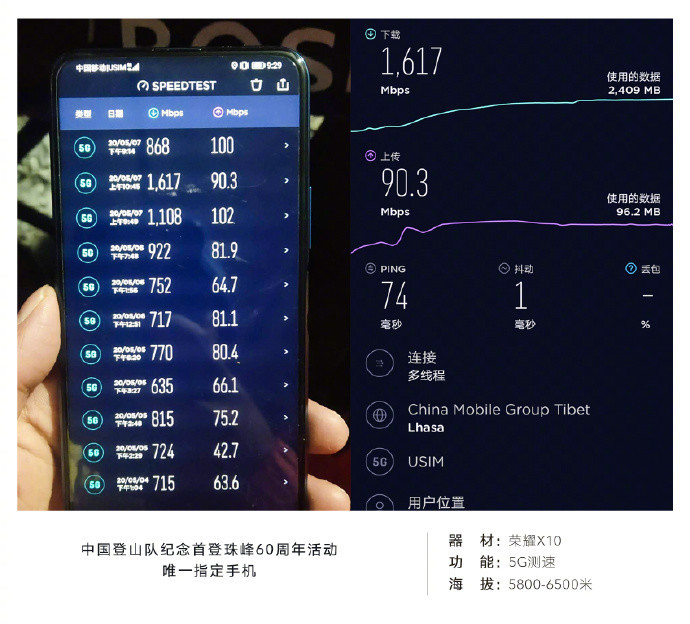
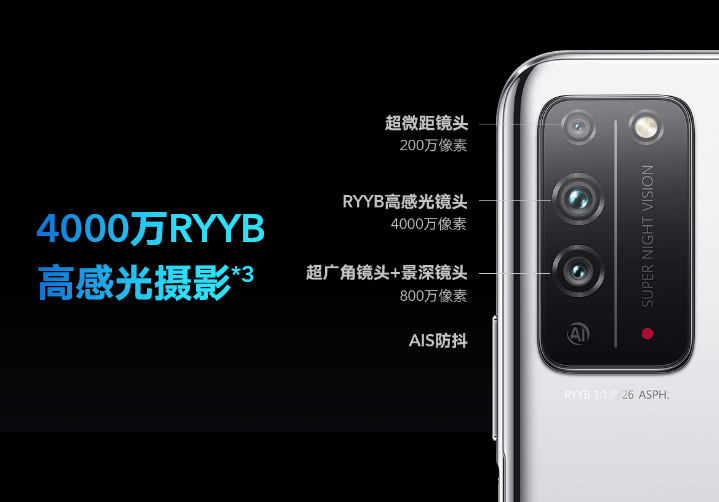
The new poster shared by the company also hints at the support for an advanced Night Mode shooting capability. Honor has already shared camera samples of the smartphone which were captured during recent Mount Everest expedition.
The smartphone will come with a triple camera setup on the back that includes a 40MP RYYB high-sensitivity primary camera, an 8MP ultra wide-angle and depth 2-1 sensor, and a 2MP macro sensor. The primary sensor is believed to be the same one used in P30 Pro.
As per the reports, the Honor X10 features a 6.63-inch LCD display with a notch-less design, 2400 x 1080 pixels screen resolution and support for 90Hz refresh rate, offering 397 PPI pixel density.
Under the hood, the device will come powered by the company’s own Huawei HiSilicon Kirin 820 5G chipset along with 6GB of RAM and upto 128GB internal storage. It will be running Android 10 with Magic UI 3.1.1 on top and will be powered by a 4,300mAh battery having support for 22.5W fast charging.
At present, Huawei’sMate 30 series, P40 lineup and Nova 7 series are all equipped 5G capabilities. The Enjoy series from the company includes budget-friendly phones. Today, the company revealed that it will be launching the Huawei Enjoy Z smartphone on May 24. Being an Enjoy series handset, it is expected to break cover as the cheapest 5G phone from the company.
There is not much information available about the upcoming Huawei Enjoy Z smartphone. The above poster seems to show the side of the phone and it seems to sport a curved design.
There is a possibility that it could be a rebranded version of the Honor X10 5G phone that is scheduled to go official in China on May 20. It is just an assumption and it is advisable to wait for further reports to get a confirmation on it.
The Honor X10 is rumored to be equipped with a notch-less IPS LCD display of 6.63 inches. The phone supports Full HD+ resolution, 20:9 aspect ratio, and 90Hz refresh rate. The handset is driven by Kirin 820 5G chipset and it is expected to come with up to 8 GB of RAM and up to 256 GB of storage.
The back panel of the Honor X10 has a 40-megapixel + 8-megapixel + 2-megapixel triple camera system. It has a front camera of 16-megapixel. The phone houses a 4,300mAh battery that supports 22.5W fast charging. The handset is expected to arrive with a starting price of around 2,000 Yuan (~$281).
A new budget-friendly Huawei phone named Huawei P Smart S is gearing up for launch. Reliable tipster Evan Blass has shared the leaked press renders of the smartphone to reveal its design and color variants. It is speculated to arrive as a rebranded version of the China variant of the Honor 20 Lite smartphone.
The Huawei P Smart S is expected to replace the Huawei P Smart that debuted last year. The handset is equipped with a waterdrop notch screen. There is no physical fingerprint sensor on the backside and right edge of the device. This indicates that the phone is equipped with an in-screen fingerprint reader which in turn suggests that it possesses an AMOLED display.
Huawei P Smart S
The smartphone will be arriving in three color variants such as Emerald Green, Breathing Crystal, and Midnight Black. The leak has no information on the specifications of the smartphone. Last week, the smartphone was reportedly spotted at Geekbench with some key specs. The listing revealed that the handset features Kirin 710 chipset, 6 GB of RAM and it runs on Android 10 OS. Its other specs could be the same as Honor 20 Lite smartphone.
The Honor 20 Lite that debuted in October 2019 has a 6.3-inch AMOLED screen with an embedded fingerprint sensor. The screen offers a 20:9 aspect ratio and Full HD+ resolution. It comes with up to 8 GB of LPDDR4x RAM and up to 128 GB of UFS 2.1 storage. The EMUI 10 based Android 10 OS is loaded on the device.
The smartphone has a 48-megapixel + 8-megapixel + 2-megapixel triple camera system. It has a front camera of 16-megapixel. The handset houses a 4,000mAh battery with 20W fast charging support. The handset also bears resemblance with Huawei Enjoy 10S.
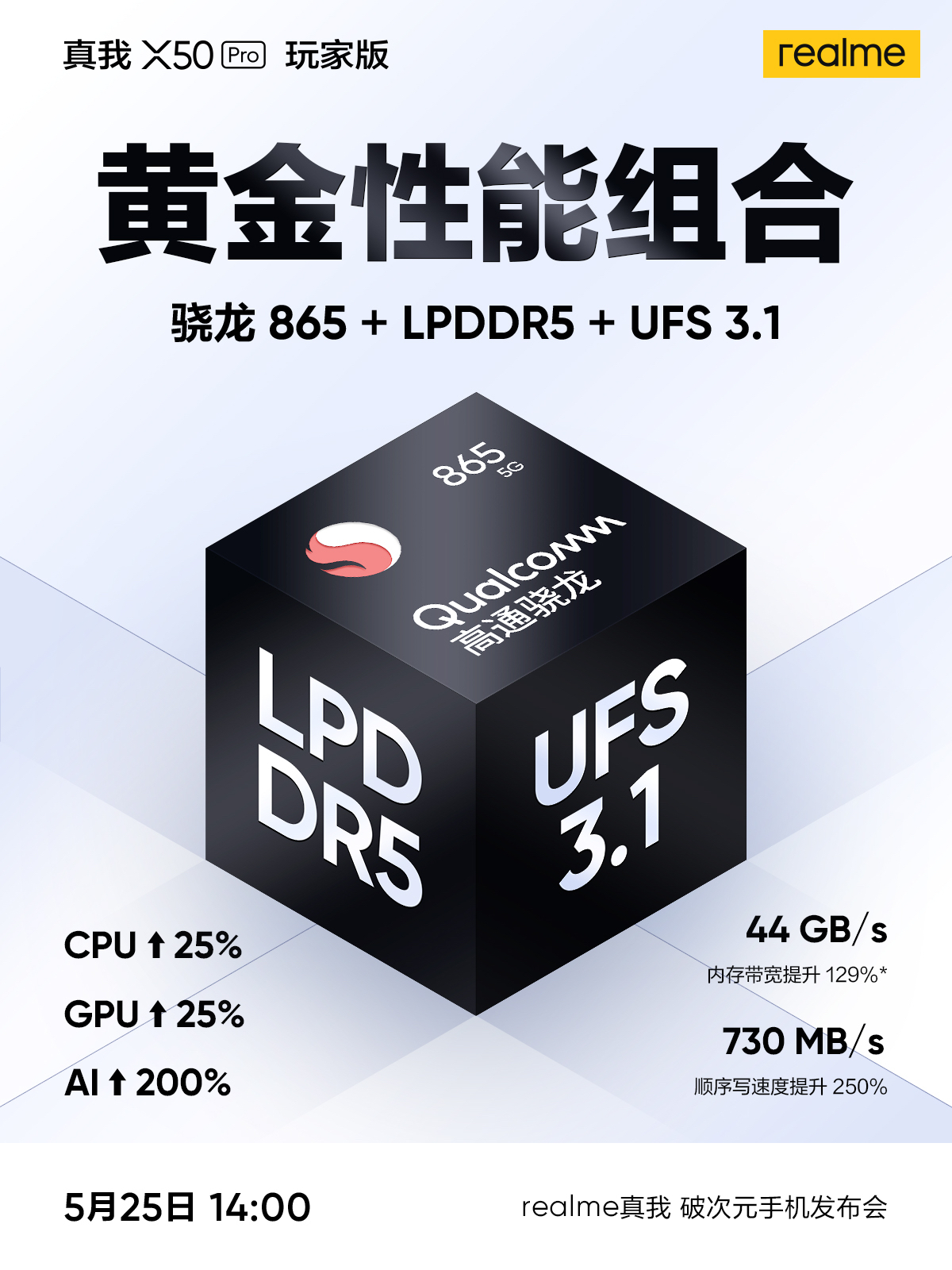
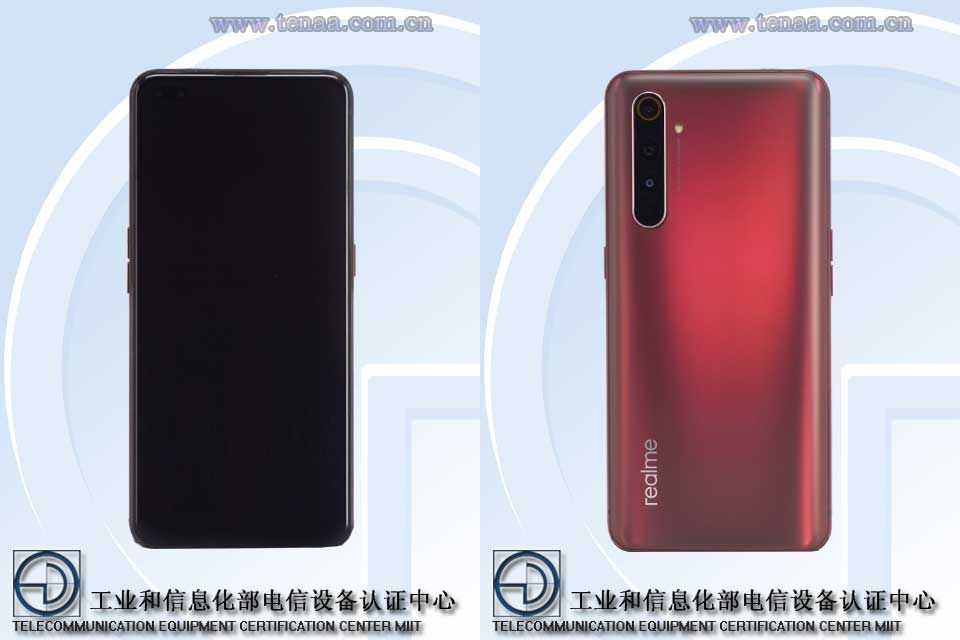
The Realme X50 Pro Player Edition is one of the eight products that will go official on May 25 in China. It is a gaming-focused version of the Realme X50 Pro 5G (RMX2071 model number) that went official in February. Past reports have revealed that the model number of the Realme X50 Pro Player Edition is RMX2072. The smartphone has now surfaced on TENAA with full specifications. Also, Realme took to Weibo that the Snapdragon 865 mobile platform power Realme X50 Pro Player Edition has LPDDR5 RAM and UFS 3.1 storage.
The TENAA listing of the Realme X50 Pro Player Edition has basically the same specs as the Realme X50 Pro. The gaming version has downgraded cameras compared to the original X50 Pro.
The Realme X50 Pro Player Edition can be seen in red color in TENAA images. Apart from red, the handset may arrive in dark black and silver-white colorways in China. The smartphone weighs 209 grams and its dimensions are 159 x 74.2 x 8.9mm.
The Realme X50 Pro Player Edition has a 6.44-inch AMOLED display that supports Full HD+ resolution of 1080 x 2400 pixels. There is a dual punch-hole at the upper-left corner of the device. It houses a 16-megapixel + 2-megapixel dual selfie camera system. The Realme X50 Pro has a 32-megapixel + 8-megapixel dual selfie camera setup.
The Realme X50 Pro Player Edition has a 48-megapixel + 8-megapixel + 2-megapixel + 2-megapixel quad cameras on its rear. The X50 Pro featured 64-megapixel + 12-megapixel + 8-megapixel + 2-megapixel quad cameras.
The SD865 powered Player Edition smartphone will come with up to 12 GB of RAM and up to 512 GB of internal storage. The Android 10 OS and Realme UI will come preinstalled on the phone. The phone has a dual-cell battery and the rated capacity of one of the units is 2,055mAh. It is expected to come with support for 65W fast charging.
Redmi had announced the Redmi K30 4G and its 5G version in December 2019 in China. The more advanced Redmi K30 Pro 5G was made official in March this year in China. Today, Redmi confirmed that it has slashed the prices of the Redmi K30 and Redmi K30 Pro smartphones in the home market.
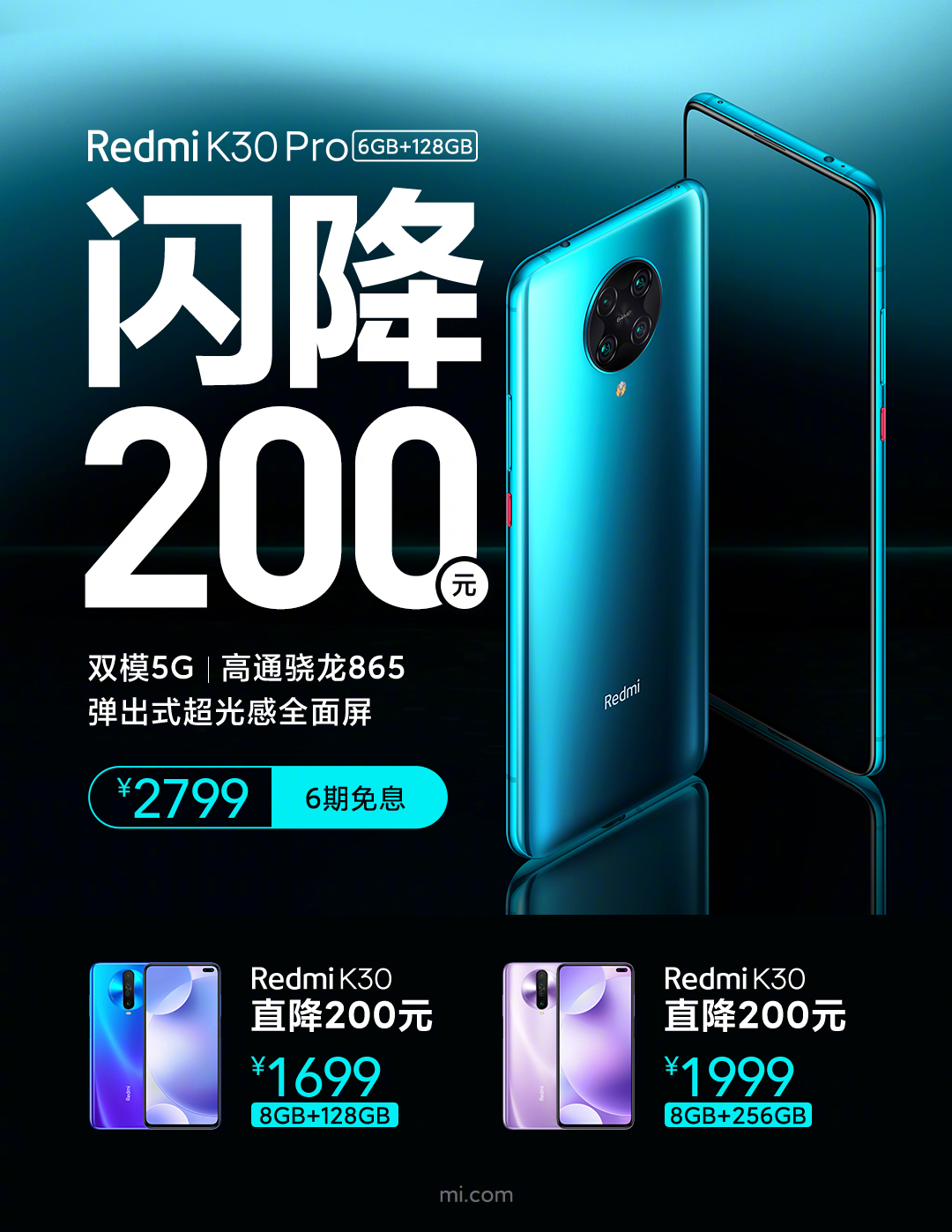
The 6 GB RAM + 128 GB storage version of the Redmi K30 Pro 5G smartphone is now available with a discount of 200 Yuan in China. This model was introduced with a price tag of 2.999 Yuan (~$422). With the revised pricing, this variant is now priced at 2,799 Yuan (~$394). It is unclear whether the price cut is permanent.
The Redmi K30 Pro 5G is available in the other two models such as 8 GB RAM + 128 GB storage and 8 GB RAM + 256 GB storage. These variants have not received any price cut. They are currently selling at 3,399 Yuan (~$478) and 3,699 Yuan (~$520), respectively. Blue and White are the two color variants of the Redmi K30 Pro 5G.
The above poster reveals that the Redmi K30 4G’s two variants such as 8 GB RAM + 128 GB storage and 8 GB RAM + 256 GB storage have also received permanent price cuts of 200 Yuan (~$28). These models were respectively priced at 1,899 Yuan (~$267) and 2,199 Yuan (~$309) at launch. They are now available for 1,699 Yuan (~$239) and 1,999 Yuan (~$281), respectively.
At launch, the Chinese firm had also introduced the Redmi K30 4G in 6 GB RAM + 64 GB storage version for 1,599 Yuan (~$225) and 6 GB RAM + 128 GB storage model for 1,699 Yuan. The 64 GB storage is no longer available for purchase, while the 6 GB + 128 GB variant is selling for 1,599 Yuan. The smartphone is available in color variants like Blue, Purple, and Red. The Redmi K30 4G and Redmi K30 Pro 5G are selling as POCO X2 and POCO F2 Pro, respectively in international markets.
The Amazfit Ares is an upcoming smartwatch from Huami. Scheduled for release on Tuesday, May 19, the manufacturer has been sharing countdown posters on its Weibo page. These images tease some of the features the watch will have.
As seen in the poster above, the watchface in use displays details such as weather, battery level, steps taken, and of course, time and date.
The posters below show two other watchfaces. One of which confirms the watch has 24-hour heart rate monitoring, shown by the graph on the screen. This watchface also shows the weather, date, time, and step counter. The third poster is a bit more colorful and shows the smartwatch can measure VO2 Max.
[envira-gallery id=”323116″]
For Amazfit smartwatches, there isn’t a shortage of watchfaces, both from the manufacturer and from third-party apps. So you will be hard-pressed to not find a watchface that you like.
Huami is still keeping the specific details of the smartwatch under wrap but so far we know it has a transflective display, a heart rate sensor, and is water-resistant up to 50 meters. We also know it will be available in Black and Forest Green colorways.
TWS earbuds are pretty much the most popular type of headphones these days. Hardly a week goes by that a new model isn’t announced by phone manufacturers and accessory makers alike. In the coming weeks or months, we may be getting a new model from Realme called the Realme Buds Q.
Realme already has a pair of TWS earbuds called the Realme Buds Air. Last week, a leak revealed the manufacturer has another model coming soon called the Realme Buds Air Neo. Today, a third model has been spotted and it goes by the name Realme Buds Q.
The Realme Buds Q was certified by the Indonesian Telecom Authority. The certification page reveals the earbuds have model number RMA215. Save for that, there isn’t much we know about the earbuds.
Realme has an event scheduled for May 25 where it plans to announce a bunch of new products including its first smart TV and smartwatch. The likelihood of the Realme Buds Q launching on that day is slim but the manufacturer should take the wraps off the Realme Buds Air Neo.
One of the unique features of Android is how the interface differs across brands. For example, the user interface (UI) on a Samsung phone is different from that of a OnePlus phone or Pixel or Xiaomi phone.
It is not just the user interface that is different but even features can be available on one brand and not on another even if the devices run the same version of Android.
For today’s poll, we want to know which custom smartphone UI is your favorite. So take the poll below and also include a comment telling us the most loved features your favorite custom smartphone UI offers.
Earlier this month, MediaTek announced an upgraded version of its Dimensity 1000 processor. The new chipset is called the Dimensity 1000+ and will appear first in the upcoming iQOO Z1 phone. Last week, iQOO shared the AnTuTu result of the device which scored over 530,000 points. Today, the Geekbench result have surfaced.
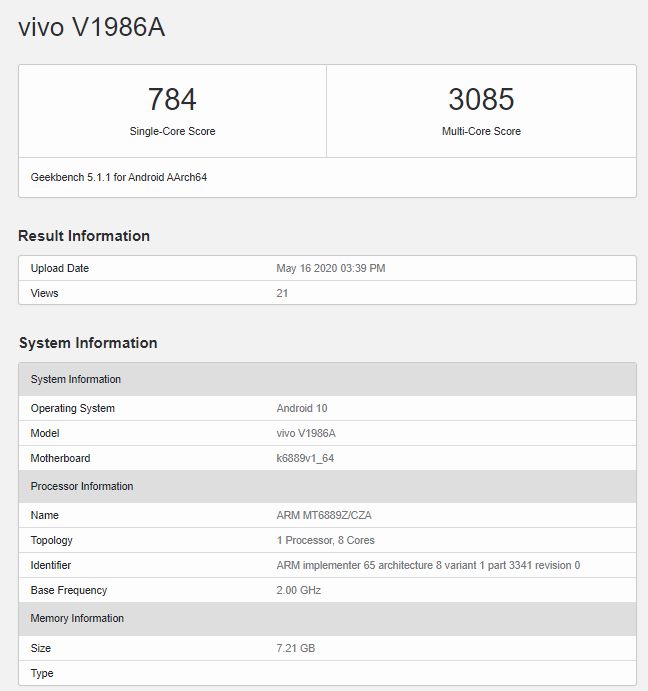
There are multiple results on Geekbench but the result with the highest score shows the device scored 784 points in the single-core test and 3085 points in the multi-core test. The benchmark result also shows the iQOO Z1 (vivo V1986A) has 8GB of RAM and runs Android 10.
If you are wondering how the chipset fares compared to other flagship processors such as the Kirin 990 5G and the Snapdragon 865, below are the benchmark results for two sample devices – the Mate 30 Pro 5G (Kirin 990 5G) and the Motorola Edge+ (Snapdragon 865).
[envira-gallery id=”323100″]
While the Dimensity 1000+ does hold its own against the Kirin 990 5G, its scores, most especially the single-core score pales against that of the Snapdragon 865. Nevertheless, MediaTek’s most-powerful chipset does pack some punch and should be able to handle whatever task you throw at it.
The iQOO Z1 will have a display with a 144Hz refresh rate and a punch-hole. It will also have support for 44W fast charging and a 4500mAh battery capacity. The device launches on Tuesday, May 19, and is expected to be priced at ¥2498 (~$352) for the 6GB RAM + 128GB version.
Android is home to seamless customization across different-sized devices including phones, tablets, wearables, and even some futuristic products. The feature-rich Operating System even powers smart cars via the optimized version – Android Auto. It has become more than just a mobile operating system offering support with new innovative technologies. The open-source nature and the ability to customize are some intuitive features among the users. We have a curated list of some best Android Home setups of this week.
There are multiple apps and MODs that help to customize the Android Home screen easily. These days KWGT widget-maker is excelling as the best customization app on the Android platform. It supports various add ons and skins from third-party apps that help to enrich the Android Home screen with various useful widgets.
We have also used the KWGT widget to make these beautiful and useful home screen setups. We have provided the links to exact apps, skins, and wallpapers for your ease.
Note: You may need to download some third-party apps, skins, wallpapers, or setups to get the exact look on your Android home screen.
Best Android Home Setups
Below we have added some pre-requisites that you might need for some of the setups below. You can download the appropriate item for each setup.
The setups are built on Nova Launcher using 12 x 6 Desktop gride size.
Some of the items are paid, but you can get similar setups with some free tools. The Icon Dock is tuned off in every Android Home screen setup listed below.
Minimal Through Rocks
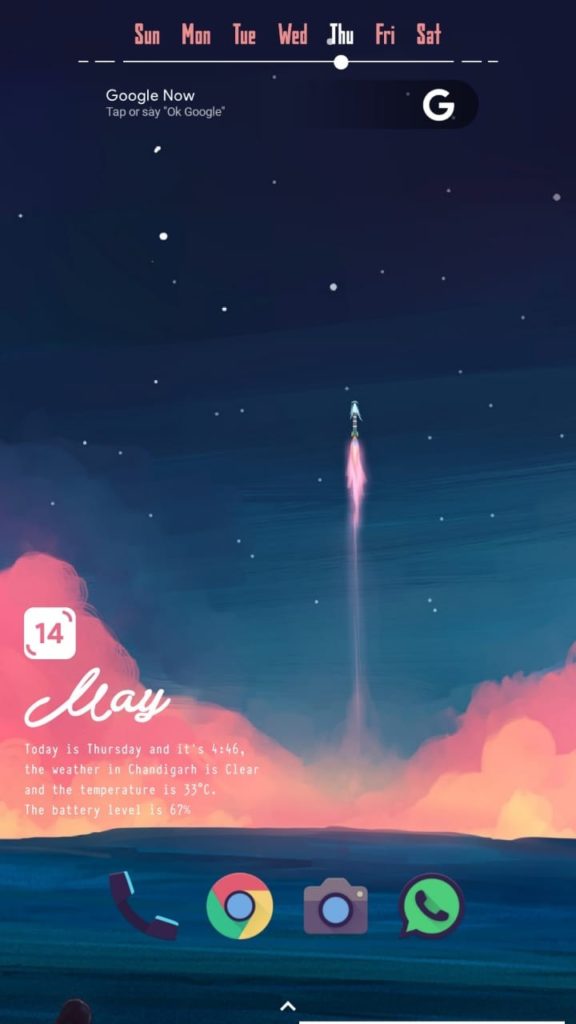
It is a minimalist setup with beautiful wallpaper with rocky blue water. Minimal Through Rocks setup is a perfect blend with the KWGT widget. Precisely, we have used widget66 from the Ornate KWGT app. The Halloween search bar widget from Trident 3 resides at the bottom providing easy access to Google search.
The LineX Icon Pack is used for all the four Icons – Phone, Google Chrome, GCam Aoo, and WhatsApp. The wallpaper is taken from the internet and the credit goes to the unknown source.
Feel Space is another useful setup with Day view widget on the top and icons aligned at the bottom for easy accessibility to utilities. Moreover, the Month, Date and Weather, Time, and Battery Level can be seen in a single widget present on the left side. Moreover, you can easily search with a transparent search bar.
The widget showing days in a week is a part of Trident 3 for KWGT. However, the widget on the left side is Fancy Side from Trident 3. The setup is using the Viral Icon pack.
Items Required
Trident 3 for KWGT – Fancy Format Widget and Day Indicator Hory Widget
It is another minimal setup with Weather, Day, Date, and Time information at Glace. We have turned off the notifications in Nova Launcher to reduce the clutter on the Android Home screen. However, the Viral Icon Pack is present on the bottom. The Meteor search bar is part of the Trident 3 for KWGT pack. The users can easily swipe up to open the App drawer.
The Day + Time widget are named as elegant dots in the Trident 3 for KWGT. Whereas, the top Date and Weather Widget with the name Pixel to Date is available with Trident 3 KWGT. It is quite easy to setup.
Items required:
Trident 3 for Kwgt – Pixel Date + Elegant Dots + Meteor Search
Wallpaper – WallsPy
Icon pack- Viral
The required files download links are provided above in the pre-requisite section.
We hope you would have liked our Android Home Setups of this week. These setups are duly created by our staff. You can subscribe to us for more in the coming weeks.
One medical equipment that has been in high demand since the COVID 19 pandemic started raging is ventilators. Countries have scampered to procure more ventilators with manufacturers unable to meet the current demand. A number of manufacturing firms have even ventured into producing emergency gears like facemasks and ventilators. Carmakers, GM and Ford recently ventured into the manufacture of ventilators.
Fitness tracking wearable manufacturer Fitbit has now announced plans to shift its supply chain resources to manufacture emergency ventilators. The company’s CEO James Park disclosed this to CNBC, stating that the company had expertise around the supply chain already. The move is aimed at boosting the supply of medical devices in the US.
CNBC reports that Fitbit plans to submit the designs for its ventilator to the Food and Drug Administration (FDA) under an emergency use authorization in the coming days. An emergency use authorization allows a medical device or product that hasn’t been officially approved by the FDA to be used to treat a life-threatening disease.
Park aims for the ventilators to be the “most advanced” emergency user ventilator available for a “lower” cost, but that a price hasn’t been determined, according to CNBC. Most ventilators cost thousands of dollars, and high-end ones can cost as much at $50,000.
China’s foreign ministry said on Saturday the United States needed to stop the “unreasonable suppression” of Chinese companies like Huawei, and a Chinese newspaper said the government was ready to retaliate against Washington.
The Trump administration on Friday moved to block global chip supplies to blacklisted telecoms equipment company Huawei Technologies, spurring fears of Chinese retaliation and hammering shares of U.S. producers of chipmaking equipment.
China will firmly defend its companies’ legal rights, the foreign ministry said in a statement in response to Reuters’ questions on whether Beijing would take retaliatory measures against the United States.
China’s Global Times newspaper on Saturday quoted a source close to the Chinese government as saying that Beijing was ready to take a series of countermeasures against the United States, such as putting U.S. companies on an “unreliable entity list” and imposing restrictions on U.S. companies such as Apple Inc (AAPL.O), Cisco Systems Inc (CSCO.O) and Qualcomm Inc (QCOM.O).
The newspaper, published by the People’s Daily, the official newspaper of China’s ruling Communist Party, said the source also mentioned halting the purchase of Boeing Co (BA.N) airplanes.
“China will take forceful countermeasures to protect its own legitimate rights” if the United States moves forward with the plan to change rules and bar essential suppliers of chips, including Taiwan-based TSMC, from selling chips to Huawei, the Global Times quoted the source as saying.
Tensions between the world’s two largest economies have spiked in recent weeks, with officials on both sides suggesting a hard-won deal that defused a bitter 18-month trade war could be abandoned months after it was signed in January.
In addition to the move on Huawei, the U.S. Federal Retirement Thrift Investment Board, which oversees billions in federal retirement dollars, this week also said it would indefinitely delay plans to invest in some Chinese companies that are under scrutiny in Washington.
The Redmi Note 9 series wasn’t announced in China but the home-country of the manufacturer will be getting another device called the Redmi 10X. Scheduled to launch soon, new details have surfaced with respect to the configuration and color variants that will be available at launch.
According to a leak by Ishan Agarwal in partnership with 91Mobiles, the Redmi 10X will launch in 4G and 5G variants and the two will have different configurations and colorways.
Redmi 10X 4G
The Redmi 10X 4G will be available in just two configurations – 4GB+128GB and 6GB+128GB. Buyers will be able to choose from White, Sky Blue, and Green color variants.
Previous reports have revealed the phone will have a 6.53-inch display with a punch-hole at the corner. It will also have an Helio G70 processor, 48MP quad rear cameras, a 13MP selfie camera, and a 5020mAh battery capacity.
Redmi 10X 5G
The Redmi 10X 5G will be available in three configurations – 6GB+128GB, 8GB+128GB, and 8GB+256GB. The available color variants are Dark Blue, Violet, Gold, and Silver.
Redmi is also reported to be working on a Pro version that will also have 5G support. This model will come with 8GB of RAM with 128GB or 256GB of storage. It will be available in Dark Blue, Violet, Gold, Silver/White.
Honor has scheduled a Smart Life product launch for this coming Monday (May 18). It is expected to announce a number of devices at this event including a smart TV. The features of this upcoming TV have been teased by the brand on Weibo for a few days now. The latest one confirms it to come with 6 mics.
Three days back, we reported the forthcoming Honor smart TV will feature MEMC technology, commonly known as motion smoothening and soap opera effect. Since then the brand has dropped three more teasers.
1 of 3
The first one tells us the smart TV will come with ACM (Adaptive Contrast Management) technology. This will change the contrast and colors dynamically based on the content playing on the TV. Honor says it has professionally tuned the panel to output authentic live colors.
Further, the brand also confirmed its next smart TV to arrive with SR (Super Resolution) algorithm. This will enhance the low-quality content in real-time with better textures and details. In other words, it will upscale lower-resolution content to a higher resolution.
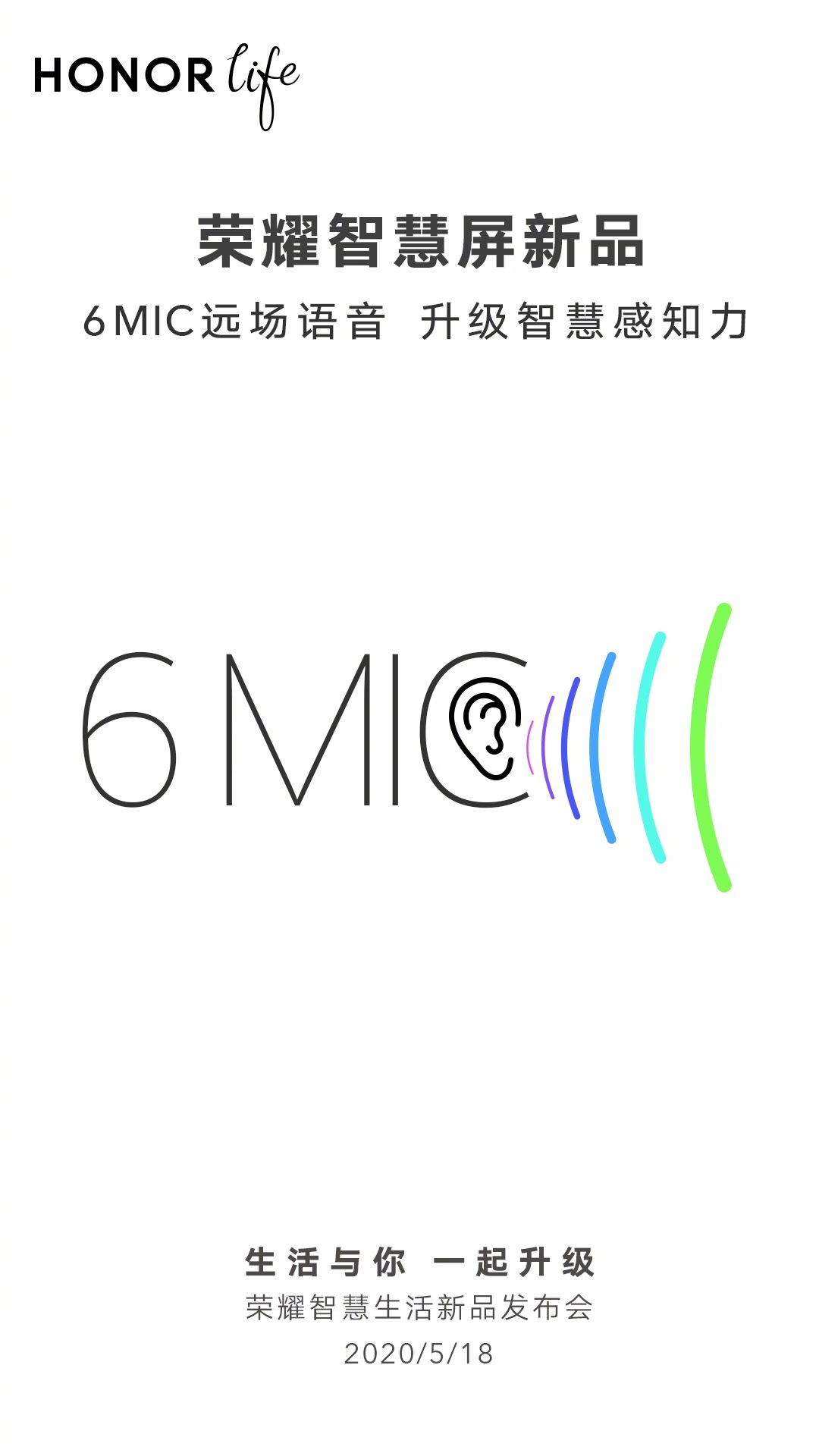
Lastly, today’s teaser reveals the upcoming Honor smart TV will sport 6 mics. These microphones will help users control the TV with their voice from longer distances. Thus, they will no longer need the remote control in their hands all the time to control the TV.
Based on the features teased by the brand so far, we believe this Honor smart TV will be positioned as a premium offering.
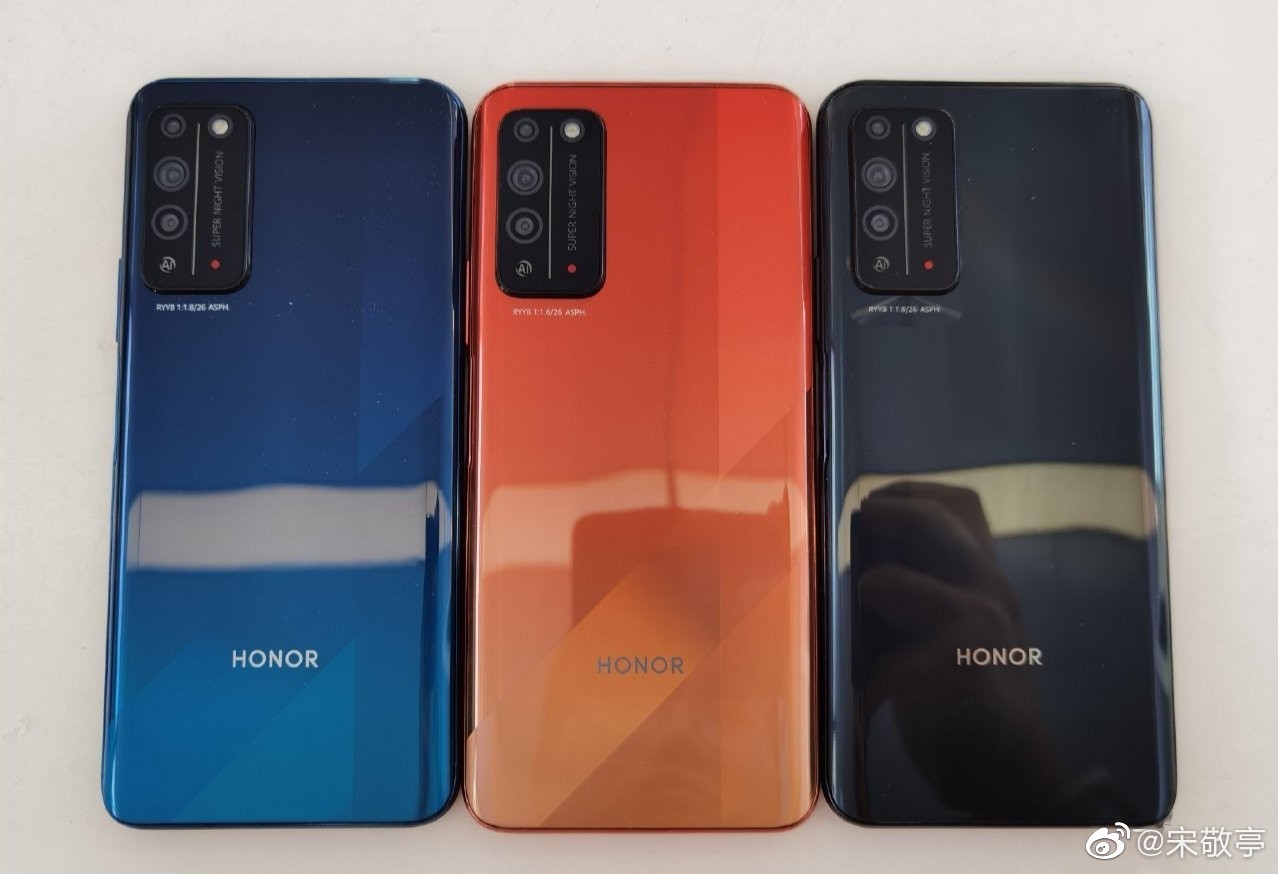
The Honor X10 is an upcoming smartphone from Honor. The device will launch on May 20 and there is practically no info we do not know about it already. Ahead of the launch on Wednesday, live photos of the phone have leaked, giving us another look at the device.
A leaked render already revealed Honor X10 will be available in four color variants which are black, white, blue, and orange. However, the live images below show only three.
The Honor X10 appears to be covered in glass on the back which is curved at the sides. The glass is reflective as seen in the images above. The camera housing protrudes and is black on all color variants.
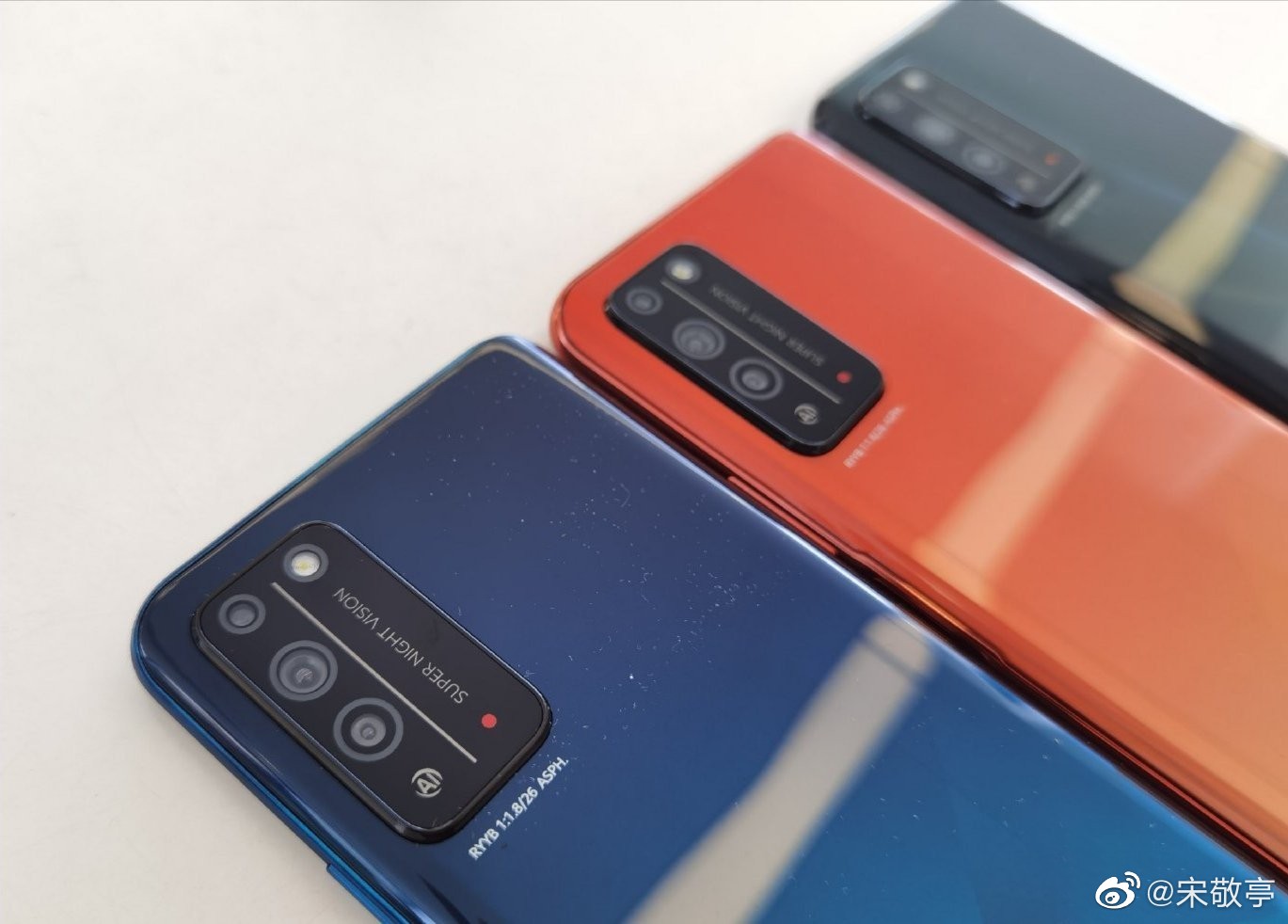
The second image gives us a closer look at the camera housing. There are three cameras in total and they are arranged vertically while the LED flash sits at the top right corner. The words “SUPER NIGHT VISION” are printed below the flash and beneath the camera housing is also a printed text that reads “RYYB 1:1.8/26 ASPH”, confirming the phone indeed has an RYYB sensor.
The Honor X10 will launch with a 6.63-inch LCD screen with a selfie camera that pops up from the left side of the frame. The display has an FHD+ resolution and a 90Hz refresh rate.
Inside the phone is a Kirin 820 5G chipset with 6GB of RAM and up to 128GB of storage. The rear cameras are a 40MP primary sensor, an 8MP ultrawide angle camera, and a 2MP depth sensor. The selfie camera is a 16MP sensor.
Other features are a 4200mAh battery, 22.5W fast charging via USB Type-C, an audio jack, and Android 10. It is rumored to have a starting price of ¥1799 (~254).
Huawei finally launched a 5G mid-ranger in the global market: the Huawei P40 Lite 5G. Unfortunately, it comes without Google services, but it carries a very interesting price tag if we consider that it is a 5G-enabled phone. That is why we decided to compare it immediately to the other 5G mid-rangers from the concurrence. We brought two other “Lite” variants with 5G support to this specs comparison: the Xiaomi Mi 10 Lite 5G and the Oppo Find X2 Lite which recently debuted in the European market.
Huawei P40 Lite 5G vs Xiaomi Mi 10 Lite 5G vs Oppo Find X2 Lite
Xiaomi Mi 10 Lite
Huawei P40 Lite 5G
Oppo Find X2 Lite
DIMENSIONS AND WEIGHT
164 x 74.8 x 7.9 mm, 192 g
162.3 x 75 x 8.6 mm, 189 grams
160.3 x 74.3 x 8 mm, 180 grams
DISPLAY
6.57 inches, 1080 x 2400p (Full HD+), Super AMOLED
Quad 64 + 8 MP + 2 + 5 MP f/1.8, f/2.4, f/2.4 and f/2.4
16 MP f/2.0 front camera
Quad 48 + 8 + 2 + 2 MP f/1.7, f/2.2, f/2.4 and f/2.4
32 MP f/2.0 front camera
BATTERY
4160 mAh, fast charging 20W
4000 mAh
Fast charging 40W
4025 mAh, Fast charging 30W
ADDITIONAL FEATURES
Dual SIM slot, 5G
Dual SIM slot, 5G, reverse charging
Dual SIM slot, 5G
Design
This design comparison is like a double-sided medal. You get a better front design on the Huawei P40 Lite 5G because it features a punch-hole display instead of a traditional waterdrop notch, but on the other hand, you get a more attractive rear design on the Oppo Find X2 Lite due to its smaller camera module. Overall, I would go for the Oppo Find X2 Lite because, besides offering a cleaner glass back, it is also more compact and thinner than its rivals. Do you agree with me or your choice would be different?
Display
With the Xiaomi Mi 10 Lite and the Oppo Find X2 Lite you get an AMOLED display with more brilliant colors and deeper blacks, while the Huawei P40 Lite 5G has an IPS panel, but it is HDR-compliant. Each of these devices offers a great image quality despite they are not flagship smartphones, but the AMOLED panels with in-display fingerprint scanners found on Xiaomi Mi 10 Lite and Oppo Find X2 Lite look more interesting. Note that Oppo Find X2 Lite has a smaller diagonal than Xiaomi Mi 10 Lite: 6.4 inches vs 6.57 inches.
Hardware/Software
If we only talk about chipsets, you should not notice differences in performances with any of these handsets, even though the Huawei P40 Lite offers a different Kirin 820, while Xiaomi Mi 10 Lite and Oppo Find X2 Lite pack the Snapdragon 765G mobile platform. In each case, you get a 5G integrated modem, but Xiaomi Mi 10 Lite and Oppo Find X2 Lite offer a higher amount of RAM: up to 8 GB. Note that Oppo Find X2 Lite does not feature expandable storage, while Xiaomi Mi 10 Lite and Huawei P40 Lite do. That is why Xiaomi Mi 10 Lite 5G wins the hardware comparison, at least in its higher-end variant. But we are only talking about marginal differences. All are based on Android 10, but Huawei P40 Lite 5G lacks Google services, replaced by Huawei Mobile Services.
Camera
We had a very nice experience with Oppo’s camera phones, but the rear camera departments of these three handsets should offer similar performances. Huawei P40 Lite 5G has the main sensor with a higher resolution, while Oppo Find X2 Lite has a brighter focal aperture. Oppo Find X2 Lite wins the selfie comparison thanks to a 32 MP front snapper.
Battery
Xiaomi Mi 10 Lite has a bigger 4160 mAh battery and it is likely the longest lasting phone of this trio on a single charge. Huawei P40 Lite 5G has the smallest battery, but it offers two interesting features: a faster 40W charging technology and reverse charging. So it will charge faster and it will be able to charge other devices just like a power bank.
Price
Huawei P40 Lite 5G carries a €399/$432 price tag, while Xiaomi Mi 10 Lite 5G costs €349/$378. You need €499/$540 to purchase the Oppo Find X2 Lite, but note that it is the price for the 8/128 GB configuration, while the price tags of its rivals are the ones for the 6/128 GB variant. At the end of the day, these three devices are very close, so whatever you choose, you will make a good choice. It is essentially a draw with the Xiaomi Mi 10 Lite offering a slightly bigger battery, Huawei P40 Lite 5G offering faster charging and reverse charging, and Oppo Find X2 Lite offering a compact and attractive design, as well as interesting cameras.
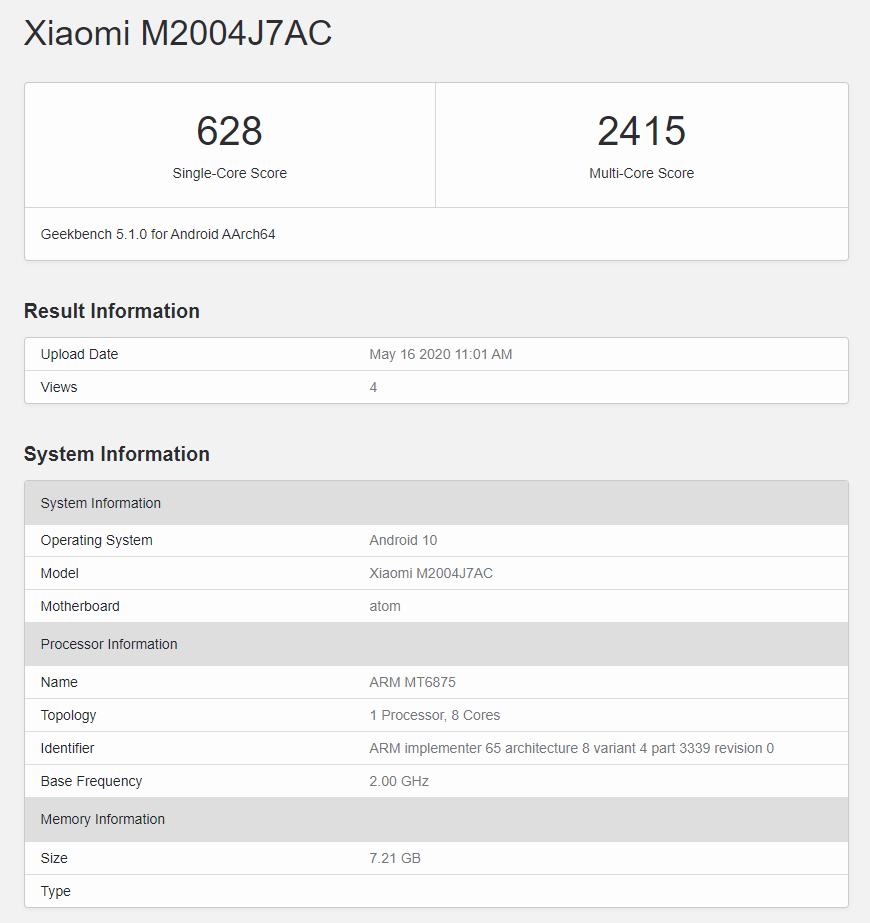
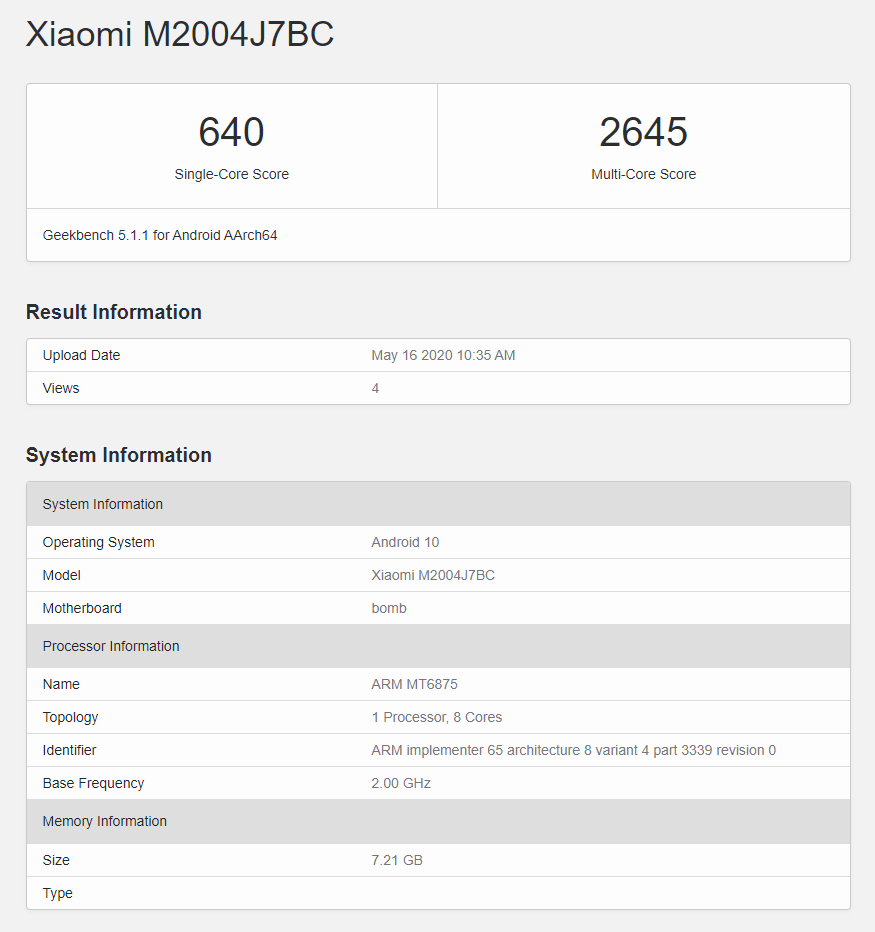
The Redmi Note 9 series is available globally but these handsets are yet to debut in China. According to recent leaks and rumors, it may not launch in this region at all. Instead, the brand might be unveiling handsets with a similar design but different specs along with support for 5G. These alleged smartphones with model numbers M2004J7AC and M2004J7BC are being rigorously tested on Geekbench.
1 of 2
The device with model number M2004J7AC was already spotted on TENAA revealing its entire specifications. Now, it has been benchmarked along with M2004J7BC.
Interestingly both of them have similar specs according to the Geekbench listing. The only difference between them is the name of the motherboard, which happens to be ‘atom’ and ‘bomb’ respectively.
Apart from that, both are powered by the same MediaTek MT6875 octa-core processor clocked at 2GHz. This SoC could be the recently announced Dimensity 800 or the yet to announce Dimensity 820.
Further, the variant that was tested for these two handsets has 8GB RAM and runs Android 10. However, there will be variants with 6GB RAM as per TENAA listing.
As far as scores are concerned, both are rated similarly by Geekbench because they literally have the same processor.
Single-Core Score
Multi-Core Score
M2004J7AC
628
2415
M2004J7BC
640
2645
According to the TENAA listing, these phones will have 6.57-inch OLED display, FHD+ (1080 x 2400 pixels) resolution, dew-drop notch, in-screen fingerprint sensor, triple camera setup, up to 8GB RAM + 256GB ROM, microSD card slot, 4,420 mAh battery, and 22.5W fast charging.
We believe this could be the ‘super performance’ smartphones teased by Redmi GM Lu Weibing yesterday. He even shared a camera sample today, which could have come from any of the above two models mentioned above.
We use cookies on our website to give you the most relevant experience by remembering your preferences and repeat visits. By clicking “Accept”, you consent to the use of ALL the cookies.
This website uses cookies to improve your experience while you navigate through the website. Out of these, the cookies that are categorized as necessary are stored on your browser as they are essential for the working of basic functionalities of the website. We also use third-party cookies that help us analyze and understand how you use this website. These cookies will be stored in your browser only with your consent. You also have the option to opt-out of these cookies. But opting out of some of these cookies may affect your browsing experience.
Necessary cookies are absolutely essential for the website to function properly. This category only includes cookies that ensures basic functionalities and security features of the website. These cookies do not store any personal information.
Any cookies that may not be particularly necessary for the website to function and is used specifically to collect user personal data via analytics, ads, other embedded contents are termed as non-necessary cookies. It is mandatory to procure user consent prior to running these cookies on your website.