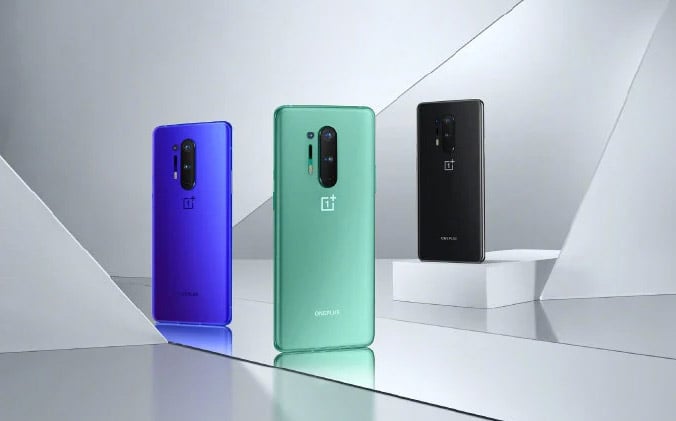
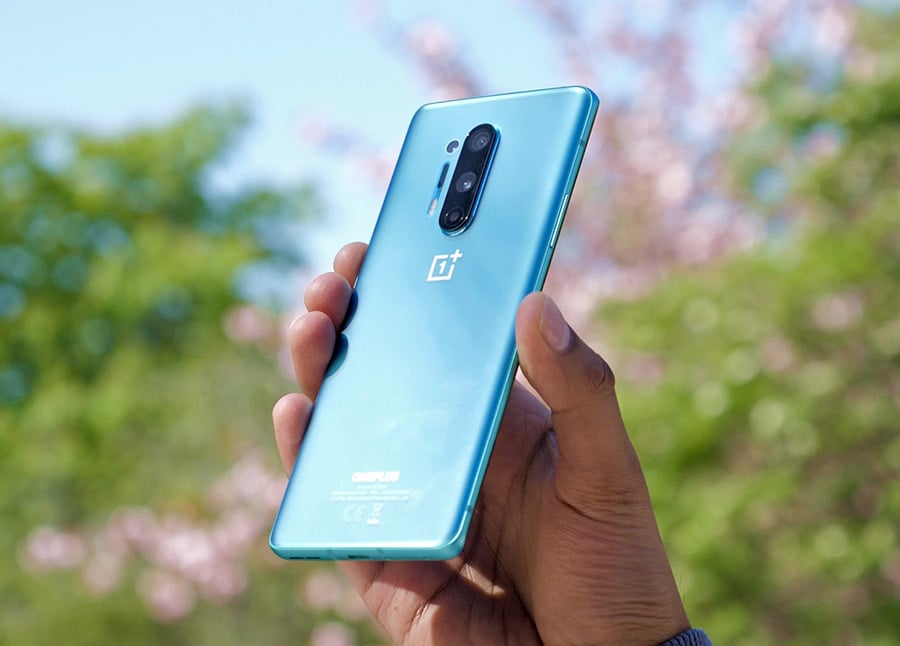
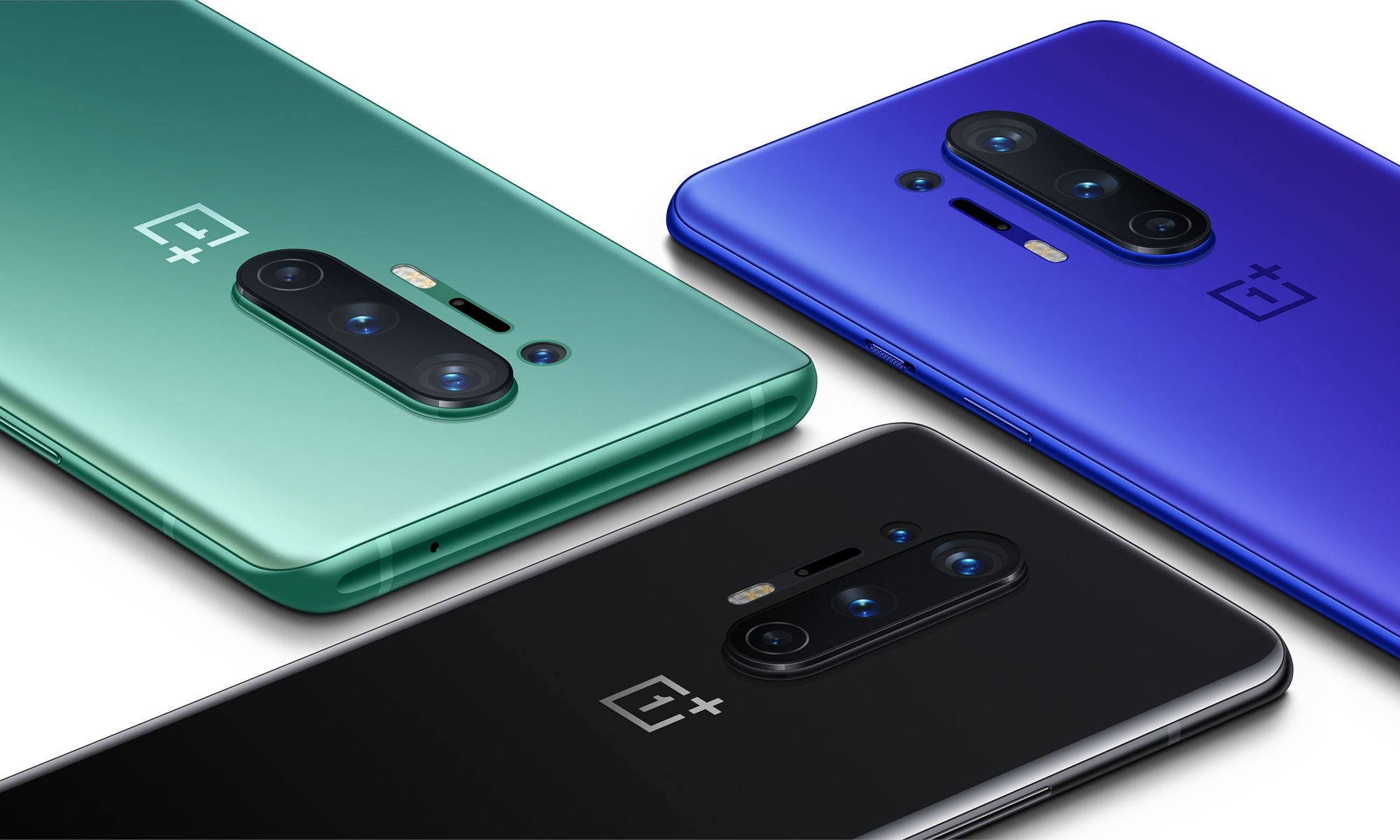
An OnePlus exec recently hinted that the OnePlus 8 series will go on sale in India this month ending. OnePlus has now reportedly announced that the flagship models will go on sale specifically on May 29. According to Fonearena, the company announced this in a post on the Red Cable Club community. The OnePlus 8 and 8 Pro will be sold on Amazon and across retail stores in India.
OnePlus unveiled the Oneplus 8 and OnePlus 8 Pro in India a couple of weeks back with an Rs. 41,999 and Rs. 54,999 price tags respectively. The sales date were not announced at te launch due to the extended lockdown occasioned by the COVID-19 pandemic.
The prices of the OP8 and OP8 Pro are noticeably slightly lower than their prices in the US. That is because the models are manufactured in India.
OnePlus equally announced that it is launching the limited edition Pop Up Box for both OnePlus 8 and OnePlus 8 Pro devices for the first time. The box includes the smartphone, a pair of Bullets Wireless Z (Black) earbuds, a Cyan Bumper Case and a Karbon Bumper Case for an extra Rs 1000. OnePlus will commence sales of the Pop-up Boxes exclusively for Red Cable Club members on May 28 starting at Rs. 45,999 (~$602). This is for the 8GB RAM + 128GB storage version of the OnePlus 8. The OnePlus 8 Pro Pop-up Box will sell for Rs 60,999 (~$798) and is for the 12GB+256GB memory variant.
Here’s a reminder of the OnePlus 8 and OnePlus 8 Pro prices in India
OnePlus 8
6GB + 128GB (Glacial Green only) = INR 41,999 (~$549)
8GB + 128GB (Glacial Green and Onyx Black) = INR 44,999 (~$588)
Both the most affordable smartphones equipped with the best Qualcomm’s chipset (if we exclude gaming-centric phones) went global. We are obviously talking about the POCO F2 Pro and Realme X50 Pro 5G, launched in several European countries on the same day. If you are a global customer and you need a true flagship killer, they are most likely the best choices you can do. But should you actually go for the latest flagship killer by Xiaomi’s brand or for the Realme X50 Pro? This comparison will clear your ideas and highlight the differences between their specifications.
Xiaomi POCO F2 Pro vs Oppo Realme X50 Pro
Xiaomi POCO F2 Pro
Realme X50 Pro
DIMENSIONS AND WEIGHT
163.3 x 75.4 x 8.9 mm, 219 grams
159 x 74.2 x 9.4 mm, 207 g
DISPLAY
6.67 inches, 1080 x 2400p (Full HD+), 395 ppi, Super AMOLED
6.44 inches, 1080 x 2400p (Full HD+), Super AMOLED
Quad 64 + 12 + 8 + 2 MP, f/1.8 + f/2.5 + f/2.3 + f/2.4
Dual 32 + 8 MP f/2.5 and f/2.2 front camera
BATTERY
4700 mAh, fast charging 30W
4200 mAh, fast charging 65W
ADDITIONAL FEATURES
Dual SIM slot, 5G
Dual SIM slot, 5G
Design
In both cases, you get a premium design. Not the best out there, but still amazing aesthetics. POCO F2 Pro and Realme X50 Pro come with a glass back and an aluminum frame. The front panel of the POCO F2 Pro is holeless and notch-less thanks to the presence of a motorized pop-up camera, while Realme X50 Pro has a dual punch-hole display. On the other hand, the rear side of the Realme X50 Pro looks more minimalistic with its smaller and less invasive camera module. Which design do you prefer?
Display
Realme X50 Pro 5G is the winner of the display comparison for a simple reason: it has a higher refresh rate. The 6.44-inch panel supports a 90 Hz refresh rate, it is HDR10+ compliant and it comes with a Full HD+ resolution. The display of the POCO F2 Pro is HDR10+ as well, but it lacks a high refresh rate, unfortunately. So if you want the most impressive display, go for the Realme X50 Pro without thinking twice.
Specs & Software
If you choose to buy the most expensive version of the Realme X50 Pro 5G, you will get the best hardware. It features the Snapdragon 865 chipset, 12 GB of RAM, and 256 GB of UFS 3.0 internal storage. You can get UFS 3.1 storage with the POCO F2 Pro, but you also get max 8 GB of RAM, that is why Realme X50 Pro 5G is superior. However, we are talking about marginal differences with advanced usages since the POCO F2 Pro is fueled by Snapdragon 865 mobile platform as well. What really changes is the software since POCO F2 Pro comes with MIUI and Realme X50 Pro has Realme UI, different Android customization similar to OPPO’s ColorOS 7. Both are based on Android 10. Note that Realme X50 Pro 5G offers stereo speakers, you do not get them with the POCO F2 Pro. But POCO F2 Pro has a 3.5 mm audio jack, unlike Realme X50 Pro 5G.
Camera
The most impressive rear camera belongs to the Realme X50 Pro 5G because, unlike the POCO F2 Pro, it offers a 12 MP telephoto sensor with 2x optical zoom. Realme X50 Pro 5G also wins the front camera comparison because it has an ultrawide dual front camera with 32 and 8 MP resolution, while POCO F2 Pro has a 20 MP single camera. On the other hand, POCO F2 Pro can record 8K videos, while Realme X50 Pro 5G can not.
The battery is the real strong point of the POCO F2 Pro if we compare it to the Realme X50 Pro 5G. The POCO F2 Pro has a bigger 4700 mAh battery, 500 mAh more than Realme X50 Pro 5G. So it is kinda sure that it will always last more on a single charge, especially if we consider that POCO F2 Pro has a standard refresh rate. But Realme X50 Pro 5G has a much faster charging technology: with a power of 65W, it goes from 0 to 100% in just 35 minutes, while POCO F2 Pro needs 63 minutes.
Price
POCO F2 Pro costs €499 globally in its 6/128 GB configuration (which roughly converts into $540), while Realme X50 Pro goes for €599 ($648) for the 8/128 GB configuration. While POCO F2 Pro is the most affordable Snapdragon 865-powered handset, I would actually spend €100 more to have a higher refresh rate, a telephoto sensor, an ultrawide front camera, stereo speakers, 2 more gigs of RAM inside, and a faster charging technology. I personally prefer these features to the bigger battery found on the POCO F2 Pro, the infrared port, and the audio jack. What would your choice be instead?
Xiaomi POCO F2 Pro vs Oppo Realme X50 Pro: PRO and CONS
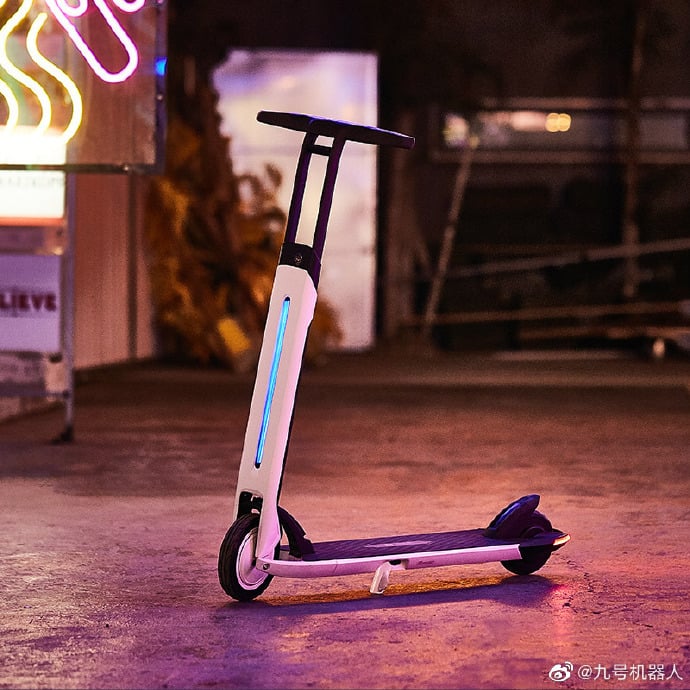
Xiaomi‘s ecological chain company Ninebot (or Segway Ninebot if you like) has unveiled its latest e-scooter in China. The scooter dubbed Ninebot Electric Scooter Air T15 is scheduled for launch on May 18 but is already on pre-order on Jingdong for2999 yuan (~$422).
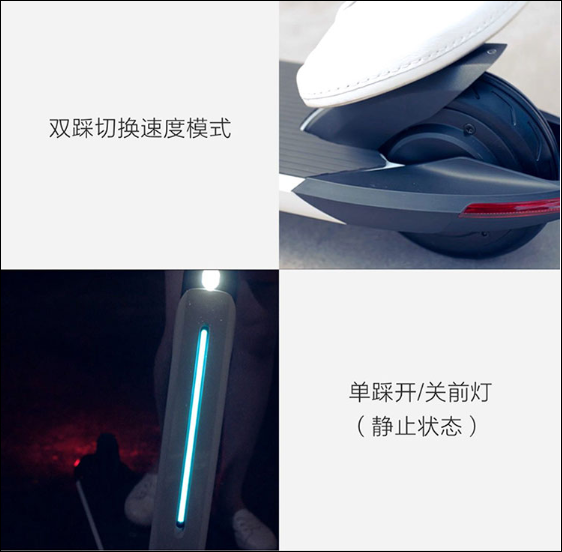
Design-wise, the Ninebot Electric Scooter Air T15 adopts a portable but futuristic-looking design right from the handlebar to the braking system. Talking of the handlebar, the Ninebot Air T15 utilises a two-beam metal design encased in a plastic housing. The plastic housing has a light strip that runs from the bottom to the top. At the top end of the structure lies the front light which teams up with the light strip to make the scooter visible to oncoming traffic at night. The light strip also adds some aesthetics to the scooter.
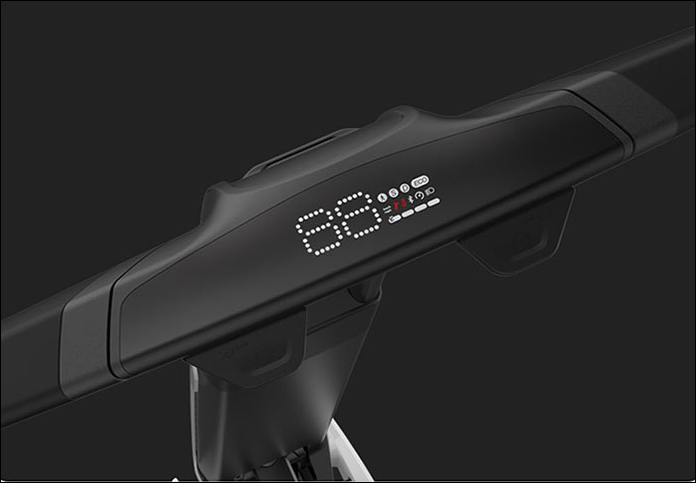
The handlebar itself has a digital LCD display at the middle which shows key parameters of the scooter like speed, battery level, and others. The bike also pairs with a smartphone via the Ninebot app to also give users access to their scooter’s data and controls.
The e-scooter uses puncture-proof hollow tires designed specifically for it. The front and back tires are of different sizes, while the back uses a 6-inch tire, the front tire is 7.5-inch in size. The benefit of this is that it elevates the handlebar a little and acts as a roller if the scooter needs to be conveyed from one point to another when folded. Yes, the Air T15 uses a foldable design which makes it easy transport. The e-scooter has a dimension of 1015 x 936 x 398mm when unfolded but in the folded state, it measures 223 x 1024 x 202mm.
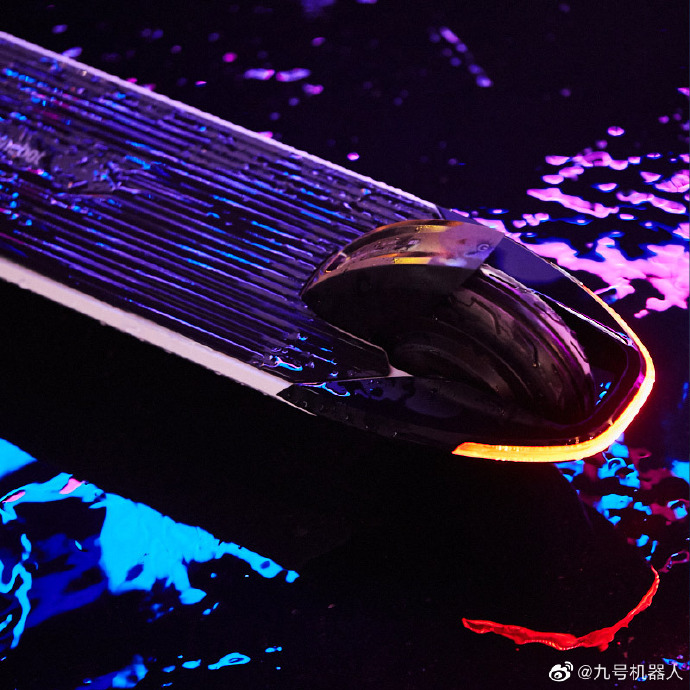
The Air T15 control system is yet another innovative design. It uses “Step controls” embedded with the mudguard. To turn on the scooter, you depress the mud-guard. The braking system is also done by stepping on the mudguard. This comes with some safety concerns which Ninebot will likely answer during the official launch. The brake light uses a surround strip design which also improves visibility and aesthetics.
1 of 2
In terms of the key specifications, the e-scooter has a maximum carrying capacity of 100kg and can climb a 15-degree elevation. The scooter can travel at a speed of 20 km/h but has a range of just 12 km. Of course, the mileage can be extended depending on the usage. It packs a 4000mAh smart BMS battery with overheat, overcharge, under circuit protection. The battery can be fully charged in just 3.5 hours. The scooter has a net weight of about 10.5 kg which is pretty decent.
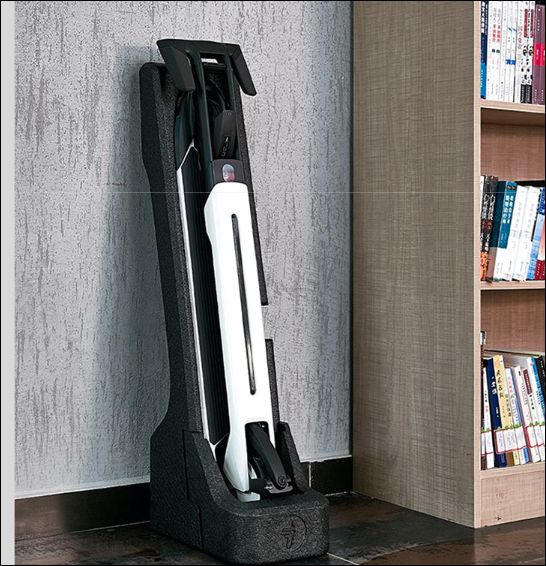
The Ninebot Air T15 also ships with a storage stand where it can be kept while charging. In addition, it comes with an IPX4 waterproof rating which makes it suitable for use in the rain of course as long as visibility is okay for the rider.
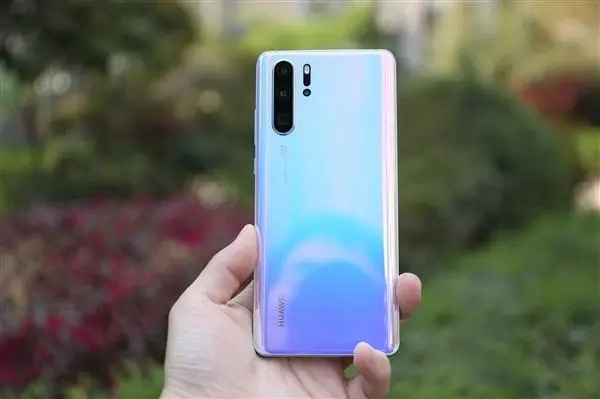
Huawei recently unveiled the P30 Pro New Edition in Germany and it is just a rebadged P30 Pro. The company only added a new colour option and tweaked the camera slightly. The good thing is the phone shipped with Google Mobile Services, something missing on recently Huawei phones due to the US ban.
The P30 Pro New Edition has now been launched in the United Kingdom. The product is scheduled to go on sale in the UK on June 3 and is priced at £700. The phone is available in 8GB of RAM and 256GB storage as standard. Huawei also bundles a free Watch GT 2e smartwatch with each order until June 30. The device will be available from official Huawei stores and select carriers.
The P30 Pro New Edition features a 6.47-inch curved OLED Full HD+ display as well as an in-screen fingerprint reader. The mobile phone is powered by a 7nm Kirin 980 SoCand runs Android 10-based EMUI 10.1. Apart from GMS, Huawei has also included its App Gallery, Huawei Music and Huawei Video in a bid to offer users an even wider array of apps and services.
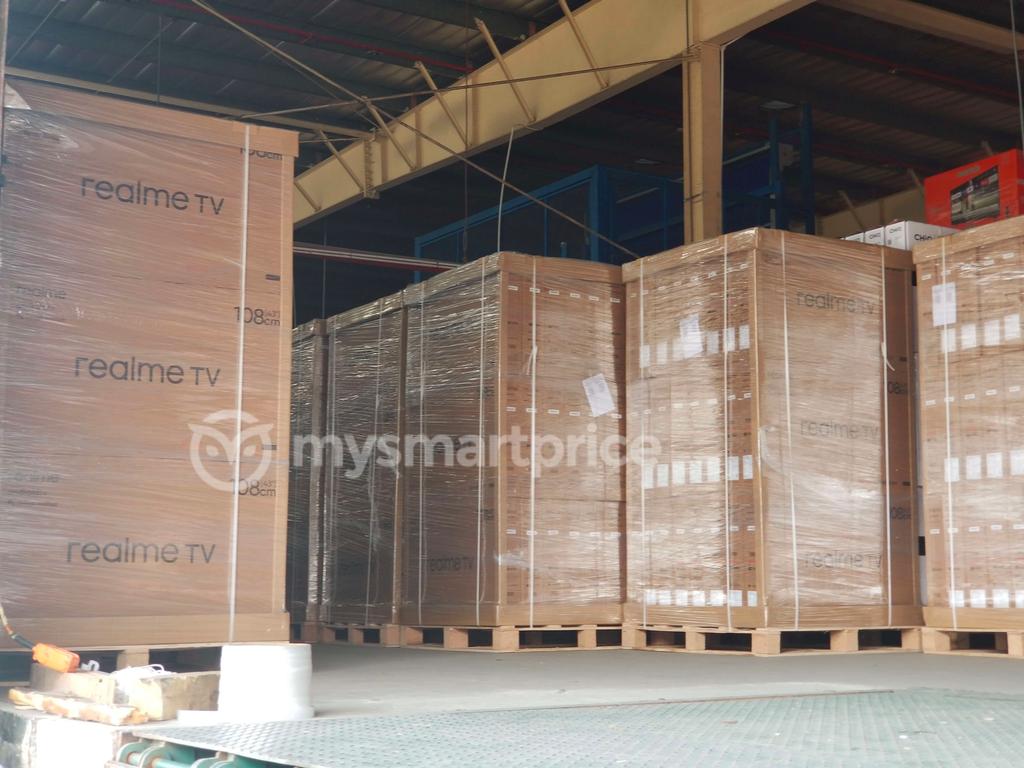
Realme has been rumoured to launch a smart TV in India since last year. The TV was even tipped to launch in December 2019 but that obviously didn’t happen. The company has confirmed that it will indeed release a smart TV and a couple of specs of the TV models have appeared via certification websites. Right now, images of the Realme TV packaged and ready for shipping has emerged.
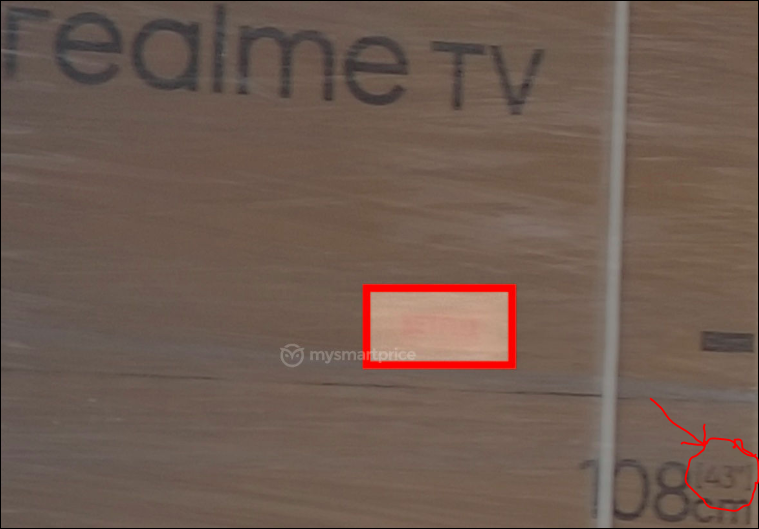
The packages which are clearly labelled Realme TV also shows that the TV will have a 43-inch display size. This detail is already confirmed thanks to the BIS certification listing. Apart from the 43-inch model, the TV earlier hopped on Bluetooth SIG for certification, showing that there will also be a 32-inch version.
There is still no word yet from Realme on when the smart TV will be launched. However, the TV was recently listed on Realme India’s official website alongside the Realme X3 and X3 Super Zoom edition. That could be another indication that the launch is very near.
The OPPO Find X2 series already launched in China and Europe but is yet to launch in India. That is about to change as OPPO India has shared an image that teases the device is coming soon.
The image was posted on Twitter by OPPO India earlier today. Also, Amazon India already has a promotional page live on its site. The page reveals some of the key specs and it says the device has 12GB of RAM and 512GB of storage. The Find X2 Pro is the model with 512GB of storage, so there is a chance it is not just the Find X2 launching.
There is no date yet for the launch but we expect more details will surface in the coming days.
The OPPO Find X2 has a 120Hz Ultra Vision screen that measures 6.7-inches. The screen is curved and has a punch-hole at the corner for the selfie camera.
There is a Snapdragon 865 processor inside the phone along with a 5G modem. There is a 48MP triple rear camera on the back of the phone and a 32MP camera in front for selfies. It also has stereo speakers, an in-display fingerprint scanner, and a 4200mAh battery capacity with support for 65W fast charge.
The Find X2 launched in Europe for €999 which converts to about INR 81,485. While OPPO does have factories in India where its phones sold there are manufactured, we do not think local manufacturing can bring the price lower than INR 65,000 (~€800).
How much do you think the Find X2 will sell for India? Share your guesses in the comment box.
HMD Global is committed to rolling out Android 10 to its eligible devices. So far, more than 10 of its phones have been upgraded including its entry-level Nokia 1 Plus which got upgraded to Android 10 go. Today, it is the turn of the Nokia 3.1 Plus.
The Nokia 3.1 Plus was announced back in October 2018 with Android 8.1 Oreo pre-installed. It later got upgraded to Android 9 Pie last year. The Android 10 update is its second OS upgrade. Going by the manufacturer’s promise of three years of software support, the Nokia 3.1 Plus should be eligible for Android 11 when it is released.
Android 10 brings new features such as Smart Reply, new gesture-based navigation, dark mode, and more. The changelog says the update comes with April 2020’s security patch. However, it is a bit heavy at 1.24GB.
The update is expected to roll-out to 10% of devices today, 50% by May 16, and 100% by May 18. If you do not get it today, you should receive it on or before next Monday.
The Nokia 3.1 Plus has a 6.0-inch display with an HD+ resolution. It is powered by MediaTek’s Helio P22 processor and comes in 2GB and 3GB RAM variants with up to 32GB of storage. There is a dedicated MicroSD card slot if you wish to add more storage.
Other features include a 13MP + 5MP dual-camera setup on the back, an 8MP selfie camera, a rear-mounted fingerprint scanner, NFC, FM radio, and a 3500mAh battery with support for 10W wired charging.
The official Nokia Twitter account says the update is coming soon to the Nokia 5.1 Plus. So if you own this phone, you need to be patient.
Xiaomi has once again increased the price of its Redmi 8 series of smartphones in India. The handsets such as Redmi 8A Dual, Redmi 8, and Redmi Note 8 already received a price hike last month due to revised GST. Now, these phones got even costlier than their initial launch price.
Redmi 8A Dual Revised Price India May 2020
The Redmi 8A Dual launched in February 2020 in two configurations – 2GB + 32GB and 3GB + 32GB for ₹6,499 and ₹6,999 respectively. The price of both the variants was hiked to ₹6,999 and ₹7,999 last month.
The price of the base variant has been again increased by ₹300, which means it costs ₹7,299 now.
Device
Launch Price
GST Hike
New Hike
Total Hike
Redmi 8A Dual (2GB + 32GB)
₹6,499
₹6,999
₹7,299
₹800
Redmi 8A Dual (3GB + 32GB)
₹6,999
₹7,999
–
₹1000
Redmi 8 Revised Price India May 2020
The Redmi 8 launched in Inda ahead of Diwali festive season. The base 3GB + 32GB was soon discontinued but the higher 4GB + 64GB continued to retail at ₹7,999.
Its price was later hiked to ₹8,999 last month and now once again its price is bumped by ₹300. The Redmi 8 can be now yours for ₹9,299.
Device
Launch Price
GST Hike
New Hike
Total Hike
Redmi 8 (4GB + 64GB)
₹7,999
₹8,999
₹9,299
₹1,300
Redmi Note 8 Revised Price India May 2020
The Redmi Note 8 was announced alongside Redmi Note 8 Pro and MIUI 11 in India. It comes in three variants – an offline exclusive 3GB + 32GB and regular 4GB + 64GB and 6GB + 128GB versions.
The 4GB + 64GB variant was launched at ₹9,999 but the price was hiked to ₹10,999 last month. Now, its price has been once again incremented by ₹500. That means the Redmi Note 8 base variant will now start from ₹11,499.
The higher storage variant did not receive any price hike this time and hence will continue to sell for ₹13,999. There’s no information available about the 3GB + 32GB version.
Device
Launch Price
GST Hike
New Hike
Total Hike
Redmi Note 8 (4GB + 64GB)
₹9,999
₹10,999
₹11,499
₹1,500
Redmi Note 8 (6GB + 128GB)
₹12,999
₹13,999
–
₹1,000
The revised prices of the above-mentioned Redmi smartphones are already live on Mi Online Store, Flipkart, and Amazon India.
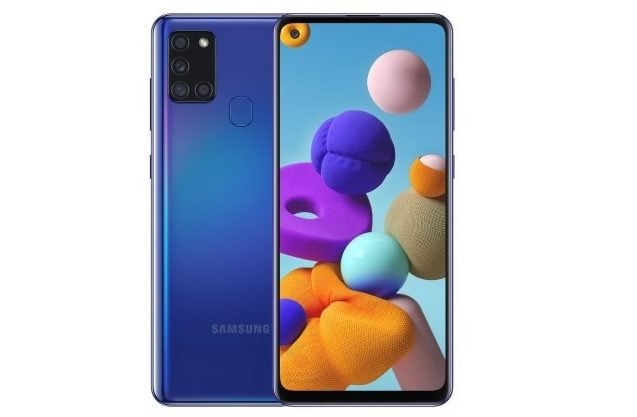
The Galaxy A21s is an upcoming mid-range phone from Samsung. The phone has been in the news lately but is yet to officially launch. A new leak has surfaced that includes the specs and official press renders of the device. The leak reveals that Samsung’s new device will also come with a brand new Exynos chipset.
The German tech blog Winfuture.de reports that the Galaxy A21s will come with a new chipset called the Exynos 850. The processor is said to have eight cores and a clockspeed of 2.0GHz but the full spec sheet is unknown. Samsung will pair the chipset with 3GB of RAM and 32GB or 64GB of expandable storage.
The Galaxy A21s will pack a 6.5-inch display with a 1600 x 720 resolution. The screen has a punch-hole at the top left corner for the selfie camera. The screen is a PLS TFT panel that is developed by Samsung. It has high brightness and great color rendering while being cheaper than IPS screens.
On the back of the phone is a quad-camera setup that includes a 48MP camera with an f/2.0 sensor and an 8MP ultrawide angle camera. The specs of the other two sensors weren’t mentioned but the selfie camera is a 13MP sensor. The phone will also be able to record in 1080p.
The Galaxy A21s will pack a 5000mAh battery with support for USB Type-C charging. Even with the big battery, the phone comes in at 191 grams and is 8.9 millimeters thick. It will run Android 10 out of the box with One UI on top.
The phone will be available in black, blue, and white and is expected to go on sale by the end of May with a starting price of €199 or €209.
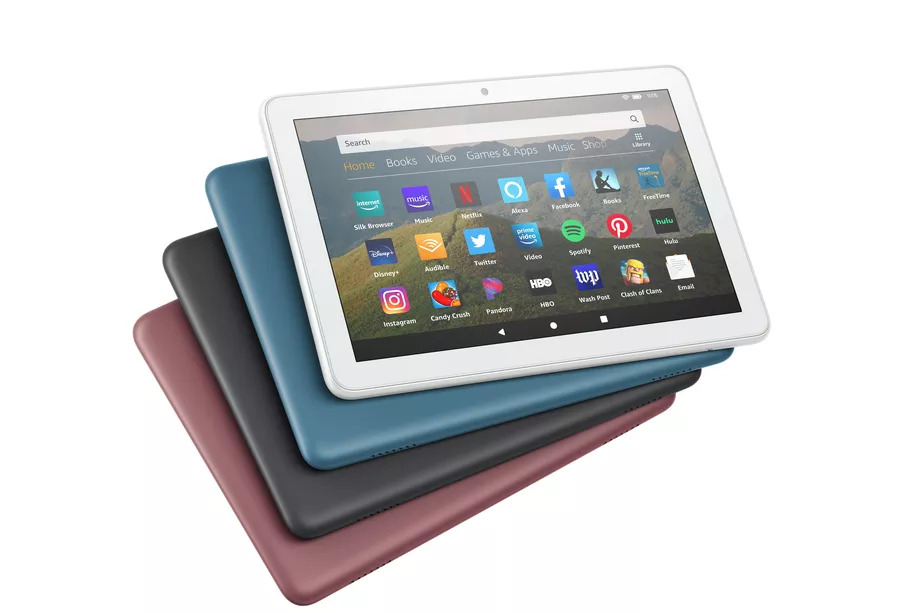
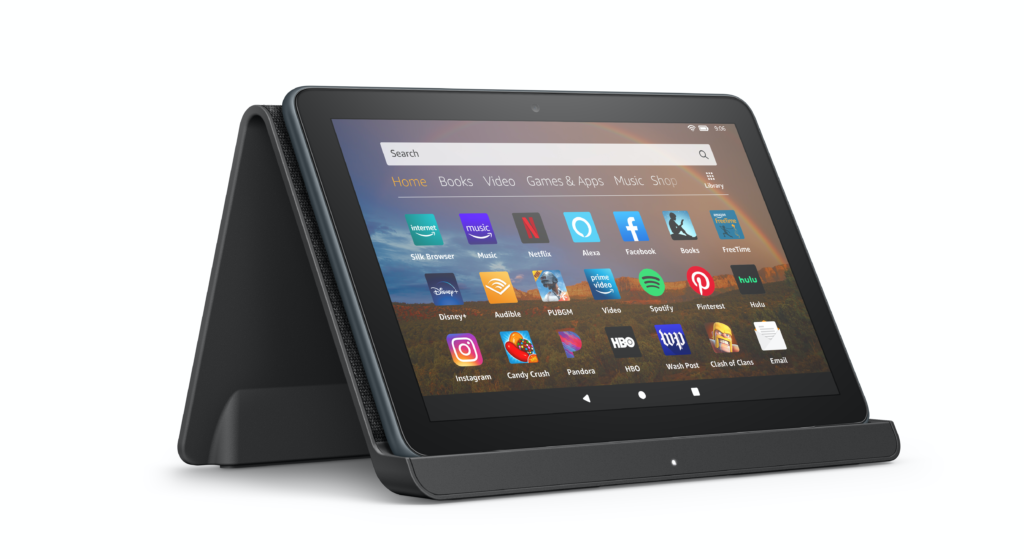
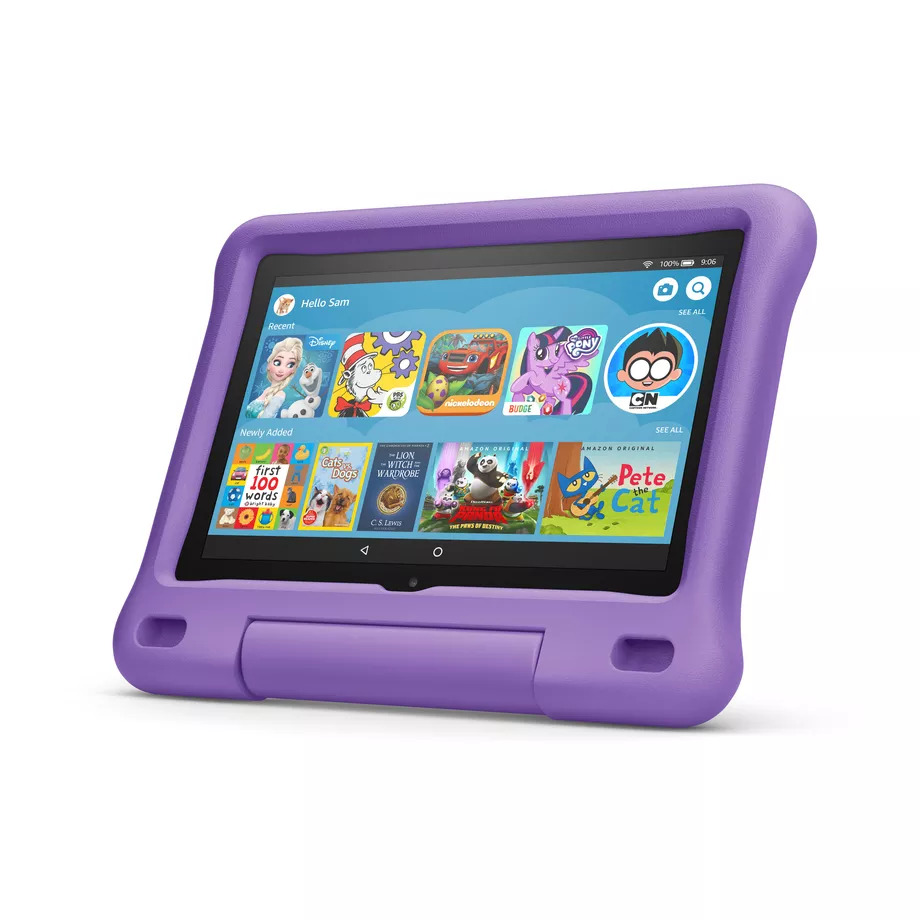
Amazon updates its Fire HD 8 lineup of entry-level 8-inch tablets. The series now consists of three models namely ‘Regular’, ‘Plus’, and ‘Kids Edition’. All of them come with USB Type-C, better processor as well as more RAM and storage than the previous generation (2018 models).
Amazon Fire HD 8 (2020) Specifications
According to Amazon, the new tablets are powered by a new 2.0GHz quad-core processor, which increases the performance by 30%. For the unaware, the last-gen models came with a 1.3GHz quad-core processor.
The internal storage also gets a bump as they now come in 32GB and 64GB variants. If that’s not enough, users can further expand the storage up to 1TB via microSD card. As for the RAM is concerned, the ‘Regular’ and ‘Kids Edition’ feature a 2GB module, whereas the ‘Plus’ model comes with 3GB RAM.
Further, the ‘Kids Edition’ ships with a colorful ‘kid-proof’ case as usual. It is also eligible for a 2-year extended replacement program and customers also get a year subscription of Amazon’ FreeTime service for parental controls as well as for managing content.
The ‘Plus’ version, on the other hand, is the only model in the series to support Qi wireless charging. It also ships with a faster 9W charger and comes with a free six months subscription of Kindle Unlimited service.
However, all three models sport a similar 8-inch 1280 x 800 display from the previous generation. But unlike the older models, they feature USB Type-C port instead of MicroUSB port.
Amazon Fire HD 8 (2020) Pricing and Availability
The ‘Regular’ variant starts at $89.99 and also comes in a limited time two-pack bundle worth $159.99. Whereas, the ‘Plus’ model starts at $109.99. Amazon is also offering a bundle priced at $139.99, which includes Angreat ‘Made for Amazon Wireless Charging Dock’.
Last but not least, the ‘Kids Edition’ costs $139.99. All three models are already up for pre-order on Amazon and are expected to ship from June 3.
Update: OPPO has responded to the battery degradation claim by sharing results from its lab test and that of TUV Rheinland that show that the OPPO Ace2 retains a battery capacity of over 90% after 800 charge cycles. See bottom of the page for update.
Original story follows below:
Stupendously fast charging has become a key feature in phones these days. It is no longer unheard of to see a phone being able to charge from empty to full in under an hour. However, while fast charging is a great feature to have, a common question that comes up is the effect on the battery.
A tweet by Andrei F. (“andreif7) of AnandTech has revealed that OPPO‘s 40W VOOC fast charging technology degrades a phone’s battery to 70% in the same number of cycles it will take a 15W fast charger to degrade a battery to 90%. The tweet specifically said the info was confirmed to them
In reply to a question, he clarified that the conversation was from almost 1.5 years ago. OPPO’s current fastest wired charging technology is its SuperVOOC 2.0 fast charge technology which supports 65W fast charging. Does this mean the battery degrades even faster?
Oppo outright confirmed to us that their 40W degrades to 70% capacity in the same cycles 15W would to 90%. It's all a crock of shit marketing race seeking to have the bigger numbers.
The press release for SuperVOOC 2.0 does say there are safety measures built into the adapter, wire, and phone to ensure your phone is safe during charging but it doesn’t say anything (not surprising) about the long-term effects on the battery.
Based on this, can one say this is the reason why manufacturers such as Nokia, Apple, and Google have stuck to 18W fast charging? Maybe, maybe not.
We hope manufacturers will be more transparent with respect to the long-term effect of regularly charging your phone at the fastest charge possible when they announce new fast-charging technologies.
Update
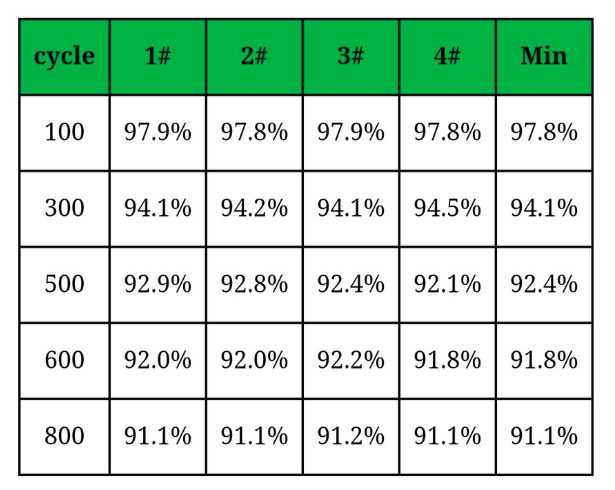
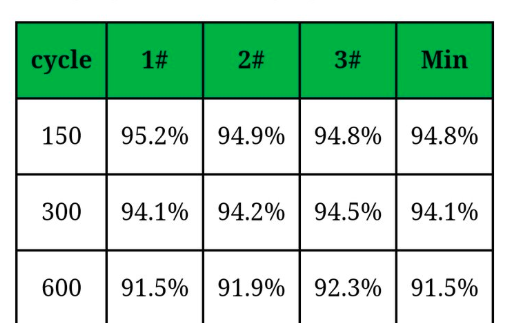
OPPO’s response shows a table detailing the battery degradation over different charge cycles. The first table in the image shows the battery degradation test carried out in OPPO’s own laboratory while the second table shows TUV Rheinland’s own battery degradation test.
Table 1: Battery test carried out in OPPO’s Lab
As you can see, the results are close and the battery retains an average capacity of over 91% after 600 charge cycles. Even after 800 charge cycles which should be roughly two years of use, the capacity is still over 90%.
Table 2: Battery test carried out in TUV Rheinland’s Lab
Going by the above results, by the time the battery capacity drops to 80%, the phone should be well into its third year of use or even more. A lot of people begin to think of replacing their phones after 2 years of use.
Let us not also forget that some manufacturers offer battery replacement programs for some of their devices especially popular models which means a user can hold on to their phone for even longer.
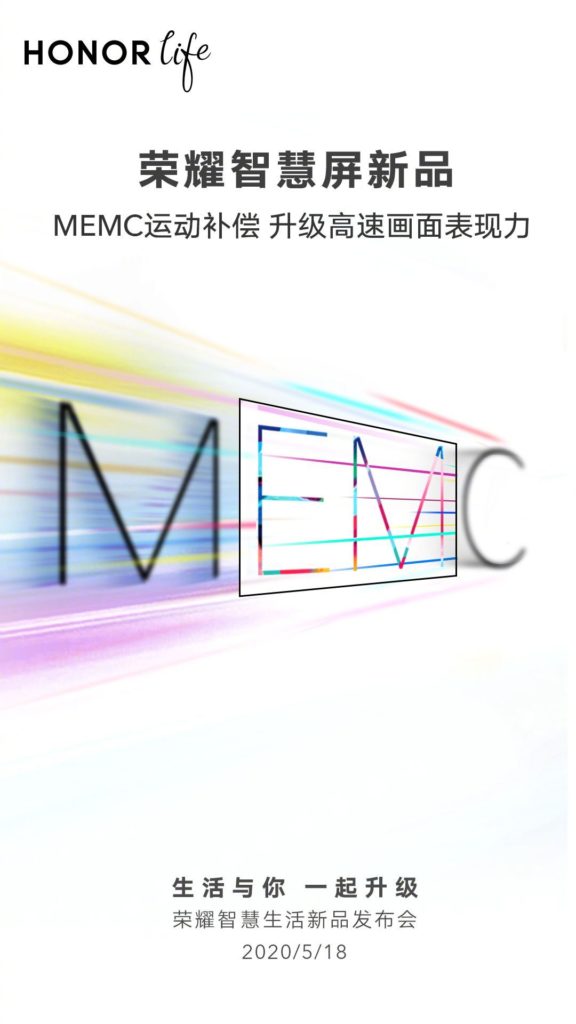
Honor will be hosting the Smart Life product launch event on May 18. A number of devices are expected at this event including a new smart TV. This TV has now confirmed to arrive with MEMC technology according to the latest teaser by the brand on Weibo.
MEMC (Motion Estimation / Motion Compensation) is not a new tech. It has been shipping with high-end televisions for a while now. Honor will be soon joining this bandwagon with its upcoming rumored 65-inch smart TV.
In a nutshell, MEMC adds extra frames into the video to make it play smoother. Though companies hype it, movies are actually not meant to be watched with higher frame rates. Standard movies are shot at 24fps and it is the best way to consume content.
On the other hand, MEMC, which is also known as ‘Motion Smoothing’ and ‘Soap Opera Effect’ is useful while playing video games. More the number of frames, better the gameplay with smoother animations.
These days, even smartphones come with this functionality. OnePlus promoted it for OnePlus 8 Pro but after the launch, the company did not advertise it all. Personally, I feel like MEMC is fine for TVs (only video games) but on phones, it is overkill without any benefit.
Anyway, we will know more about this Honor smart TV with MEMC when it will go official next week.
Xiaomi has been trying to roll out a bug-free Mi A3 Android 10 update for a few months now. But the company is yet to succeed in this regard. The smartphone maker has now begun to roll out a new Android 10 build with May 2020 security patch for the global variants of the handset.
The global version of Mi A3 has already received multiple Android 10 updates over the past couple of months similar to Indian model. But the European variant has just received one update so far and it is comparatively bug-free than the other two versions.
The new Android 10 build with May 2020 security patch for global Xiaomi Mi A3 comes with build number V11.0.15.0.QFQMIXM. It is currently available as an incremental OTA for users who are already on the latest buggy build. The update weighs only 35.47MB in size and thus can be easily downloaded on mobile data if you have an active plan for the same.
According to users, the update not only bumps up the security patch level but also fixes certain bugs. Previously, users reported camera shutter speed in Pro mode to have reduced to 1/4s but not anymore as it has been fixed now. Further, the label issue in the app drawer seems to have resolved as well.
Anyway, the OTA is being only pushed to 10% of users as of now. More units will be receiving the update in the coming days based on feedback. Later, the company might also release this build to users who are still on Android 9.0 Pie.
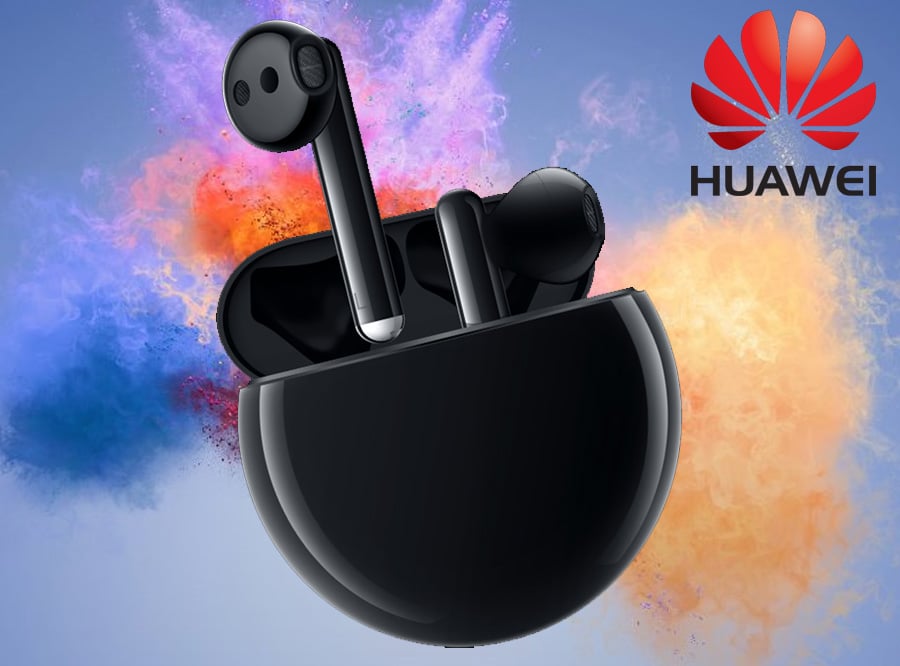
Huawei has finally taken the wraps off the FreeBuds 3 in India. The wireless earbuds was earlier tipped to launch in March but that didn’t happen until now. The FreeBud 3 comes with a Rs 12,990 price tag and will be sold exclusively on Amazon India starting from May 20.
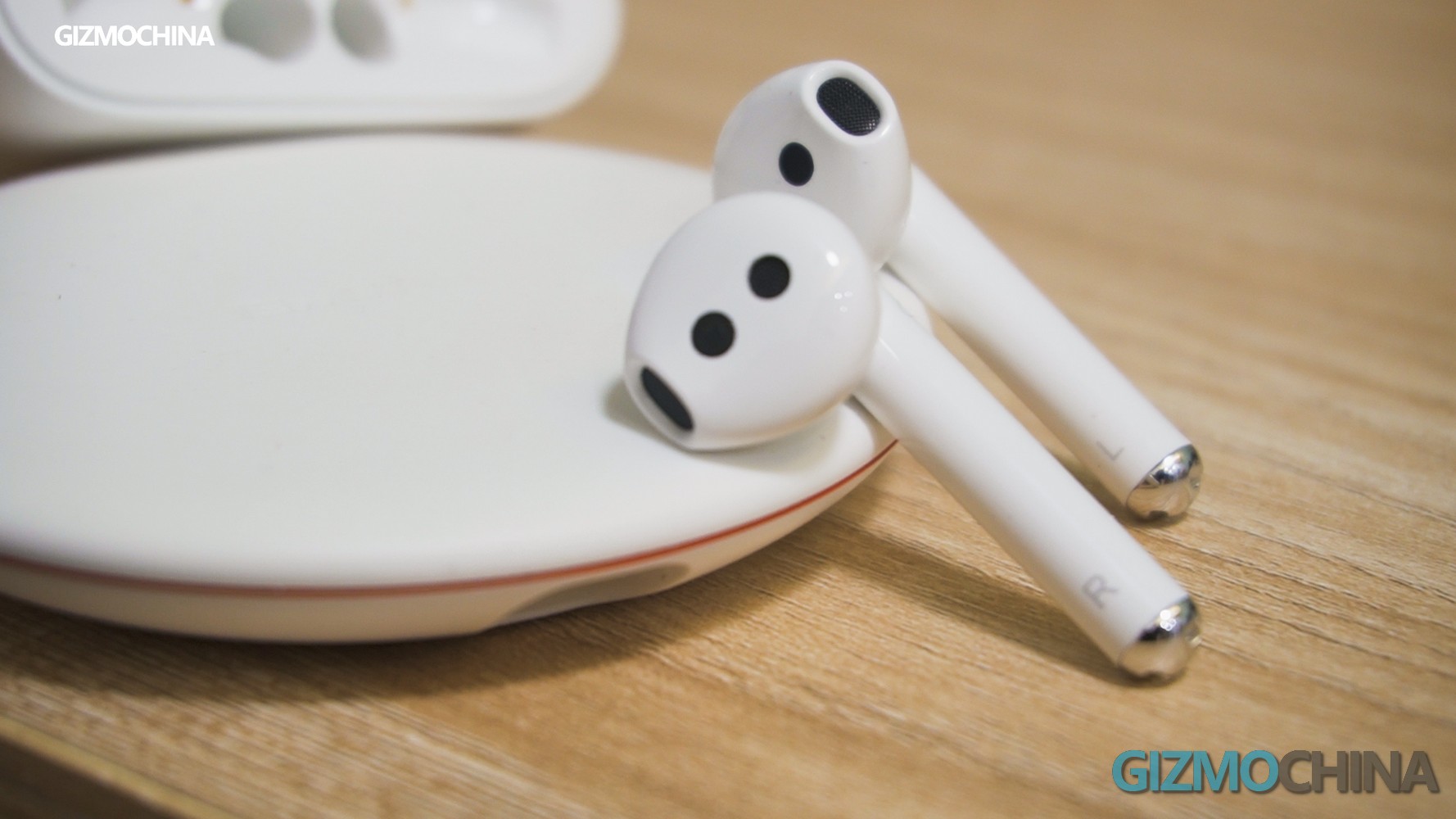
The Freebuds 3 True wireless stereo headset features a new design which is tagged by Huawei as “Dolphin Bionic”. The design is inspired by a dolphin’s vocal cavity. The storage case was also redesigned and has a circular shape like a perfectly round pebble with a glossy finish.
The earbuds are powered by a new Kirin A1 chip which is said to deliver low latency and low power consumption as the earbuds use an isochronous dual channel Bluetooth connection. This means that each earbud is paired to the phone on a separate channel rather than one earbud being the master while the other is the slave as obtainable in most earbuds.
Huawei touts the Freebuds 3 to be the world’s first earbuds with open-fit active noise cancellation with up to 15-decibel ambient noise reduction. The earbuds feature a bone sensor which will work with the Mic Duct for noise cancellation and a crystal clear conversation when making calls. It also has a latency of 190ms which makes it perfect for gaming, and the noise cancellation is adjustable using the companion app.
Huawei Freebuds 3
The Freebuds 3 boasts a 4-hour battery life which can be extended to 20 hours with the charging case. The case is said to support both fast wired and wireless charging.
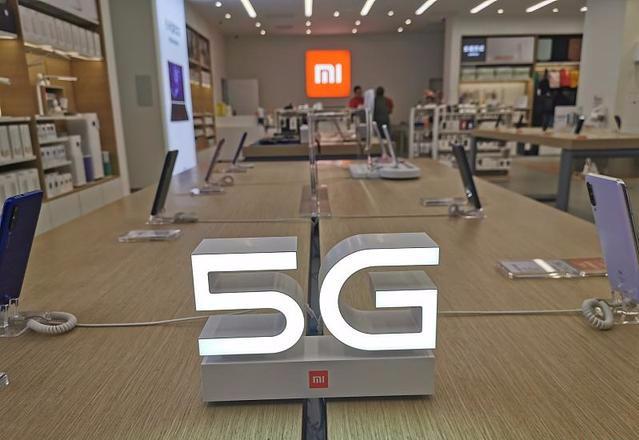
While the Coronavirus pandemic has devasted various industries and economies across the globe, the smartphone industry has seen a slight recovery in recent times. Now, Xiaomi is seeking to further strengthen its presence in the overseas market to grow its smartphone business in regions apart from its home country, China.
According to newly published market data, Xiaomi managed saw an increase in smartphone shipments in the first quarter of 2020. This led it to become the world’s fourth largest handset vendor, behind Samsung, Huawei and Apple. This growth arrived despite the company seeing lowered Chinese shipments in its home market. In other words, while the likes of Huawei, Oppo and Vivo had maintained a ratio of around 50 percent shipments for home and overseas market, Xiaomi only had 25 percent.
This means, Xiaomi has put its sights on expansion in overseas market, with the Chinese tech giant only shipping 7 million smartphone units in China during Q1 2020. However, this also caused the company to lose its standing in its domestic market, lagging behind Oppo. Although, Xiaomi performed quite well in the European market, with Spain in particular, and in India, where it is the top selling smartphone brand.
Furthermore, shipments for all smartphone brands are expected to be affected in Q2 of 2020, but Xiaomi is expected to bump its smartphone shipments. This will arrive as the Indian and European market regain their momentum, after the various government imposed lockdowns are relaxed. Considering its presence in these particular markets, Xiaomi will have a much easier task in handling the pandemic in the next quarter.
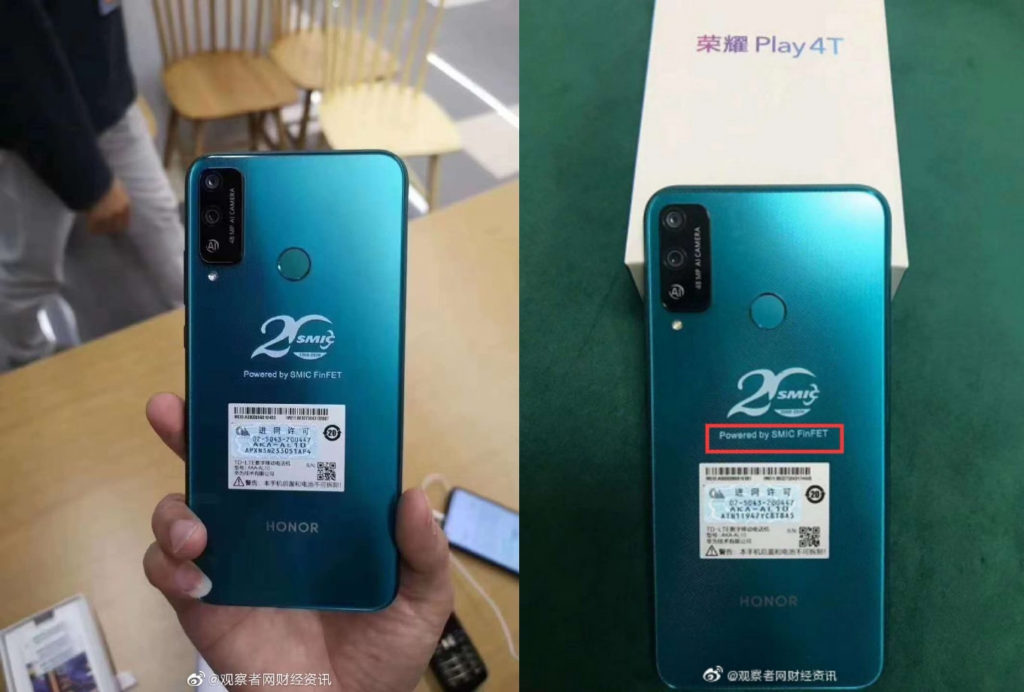
Earlier last month, Honor launched the Honor Play 4T in China. The handset comes powered by new Kirin 710A SoC. This chip is manufactured by SMIC (Semiconductor Manufacturing International Corporation) and not TSMC (Taiwan Semiconductor Manufacturing Company) like most chips designed by HiSilicon. To celebrate this partnership as well as SMIC’s 20th anniversary, employees of SMIC received a special edition of Honor Play 4T.
The Honor Play 4T Special Edition has the exact same specifications as the standard retail unit. But additionally, it features SMIC’s 20th anniversary logo on the back with ‘Powered by SMIC FinFET’ text below it. This version of the handset has been gifted to all the employees of SMIC in Shanghai. There’s a less chance of this variant to be made available for regular customers.
Anyway, the partnership is more important to both the firms that the special edition Honor Play 4T. Until now, the Kirin 710 series (Kirin 710, Kirin 710F) was manufactured by TSMC using its 12nm FinFET process technology. But the newly released Kirin 710A uses 14nm FinFET process technology by SMIC. The new variant also slightly differs in the clock speeds but the CPU cores are similar.
One would be wondering why celebrate in manufacturing a inferior chip. The answer to this is all the IP (Intellectual Property) used in designing and producing this chipset is said to be 100% Chinese. Thus, paving a way for Huawei to minimize its dependence on other foreign companies.
That doesn’t mean the Chinese telecom giant will drop partnership with TSMC anytime soon. The Taiwanese chipmaker is the market leader with the best technology. It will be manufacturing HiSilcon Kirin 1000 SoC using 5nm process to power phones like Huawei Mate 40 series later this year.
Earlier today (13th May 2020), Honor revealed a countdown for its upcoming product launch conference and also unveiled its upcoming new tablet, the Honor Tablet V6. It is the world’s first tablet to feature 5G networking and the latest Wi-Fi 6 standards.
The new tablet is said to be the flagship entry in the Chinese company’s tablet series and will feature some notable specs. The Honor Tabet V6 will be 5G enabled, and will run dual band 5G alongside the latest Wi-Fi 6 standards. This will enable better downloading and overall networking speeds in both cellular or WiFi connections.
Interestingly, a few rumors have suggested that the Honor V6 tablet will also feature a “Shadow Follow” function. This basically means that the device can track movement and gestures commands or in other words, air gestures. Although, this is still unconfirmed so take it with a grain of salt.
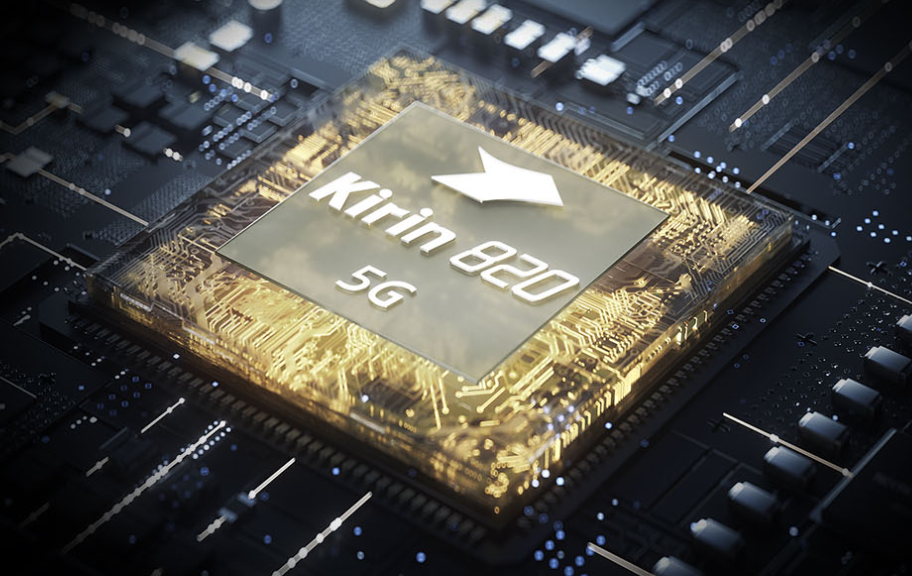
Unfortunately, finer details regarding the tablet is currently unknown, but many Weibo users (a Chinese microblogging website) believe that the processor will likely be the company’s recently launched HiSilicon Kirin 820 processor. It is a 5G enabled chip from Huawei and succeeds the previous generations Kirin 810 processor. Thus, we will have to wait till 18th May 2020, where the tablet will officially be announced alongside other products. So stay tuned, as we will be covering the launch event.
OnePlus is finally set on launching its OnePlus 8 series in India, but this time, the latest series has been made in India (Noida factory) and will available by the end of May, according to a company official.
The OnePlus 8 and 8 Pro were launched back in April 2020. However, the actual availability of the smartphone was a bit unknown in the Indian market, due to the uncertain mandatory lockdown period that had been employed by the local government because of the Coronavirus pandemic. However, the lockdown period is now expected to be relaxed to a certain degree, so an imminent launch was rumored.
But now, Vikas Agarwal, General Manager of OnePlus India, has stated that the initial reception the latest flagship series has been very positive in the country and “We are expecting it to transition into robust sales in the coming months. The OnePlus 8 series will be available in the Indian market by May end.” According to the senior official, the company’s Noida factory has resumed operations, “in line with safety regulations laid out by the government.”
Furthermore, OnePlus has also restarted its doorstep repair services, which are also in compliance with the government specified health standards and guidelines. As of right now, the customer service centers across 18 cities are now running again. The OnePlus 8 series has been positively received across the globe. Although, it remains to be seen how well it performs in India, especially after the noticeable price hike over previous generations.
The OnePlus 8 Pro with 8GB/128GB will cost 54,999 INR (~$730) while the top end 12GB/256GB version will go for 59,999 INR (~$797). Similarly, the 6GB/128GB version of the OnePlus 8 is priced at 41,999 INR (~$558), while the higher 8GB/128GB version and 12GB/256GB will be sold for 44,999 INR (~$598) and 49,999 INR (~$664) respectively.
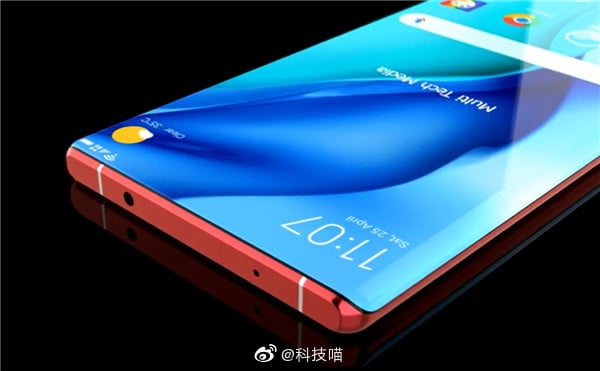
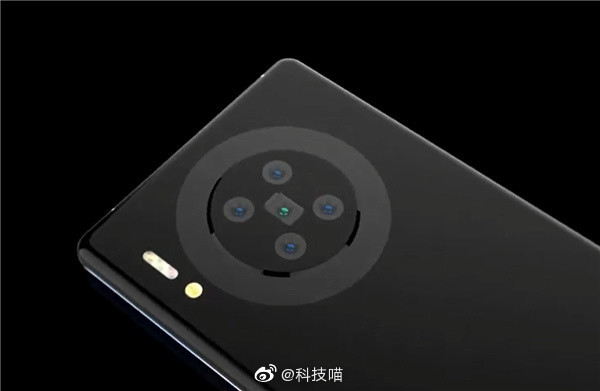
The Huawei Mate 40 was recently spotted in a new leaked concept render. The new device will be the Chinese tech giant’s latest flagship, with the design showcasing a camera setup alongside a curved edge display.
Looking at the concept render, the Huawei Mate 40 features a penta camera setup on the rear in a circular module. This ring camera system is similar to the one sported on the Mate 30 series and is also in line with various design leaks that we had previously covered. Moving to the front, a full screen body can be observed with no punch hole or popup selfie camera being visible. This may imply that the Mate 40 will be the first Huawei smartphone to feature an under display camera.
Another interesting aspect regarding the leaked concept render is the display. The Mate 40 in the images sports a large curved edge display on the front, which features an indiscernible notch and chin. The display rounds the sides of the device and is curved around the edges. A USB Type C port is also housed in the bottom, flanked by a lone speaker grill, and a SIM card slot.
Unfortunately, this concept render is still just a leak, and can very likely be false in more ways than one. Huawei has yet to provide any official details regarding its upcoming premium flagship, so take this report with a grain of salt. But stay tuned, as more information is expected to arrive in the coming few weeks.
For many, Huawei is currently a troubled smartphone company. The brand has been targeted by the US as well as other countries since 2019. In fact, Huawei is currently banned from using technology or components from any US companies, including software from Google.
This caused some trouble for the world’s second-largest smartphone maker. But it’s not as bad as you think.
If you look at the figures, Huawei was the only major Chinese smartphone brand to grow in sales in the first quarter of 2020 in China, though Chinese smartphone sales dropped by an unprecedented 22% during the same period due to Covid-19 outbreak. Amazingly Huawei saw a 6% rise to 28.7 million phones, capturing a 39% share of total smartphone sales.
So it’s clear that Huawei wants to fight back and its latest smartphone, the Huawei P40 Pro is going to be a strong weapon in this fight. So, let’s take a deeper look at the Huawei P40 Pro and what it brings to the table. The phone has several USPs to take on the big players in the market and is currently the best camera smartphone on DxOMark.
Huawei P40 Pro Display
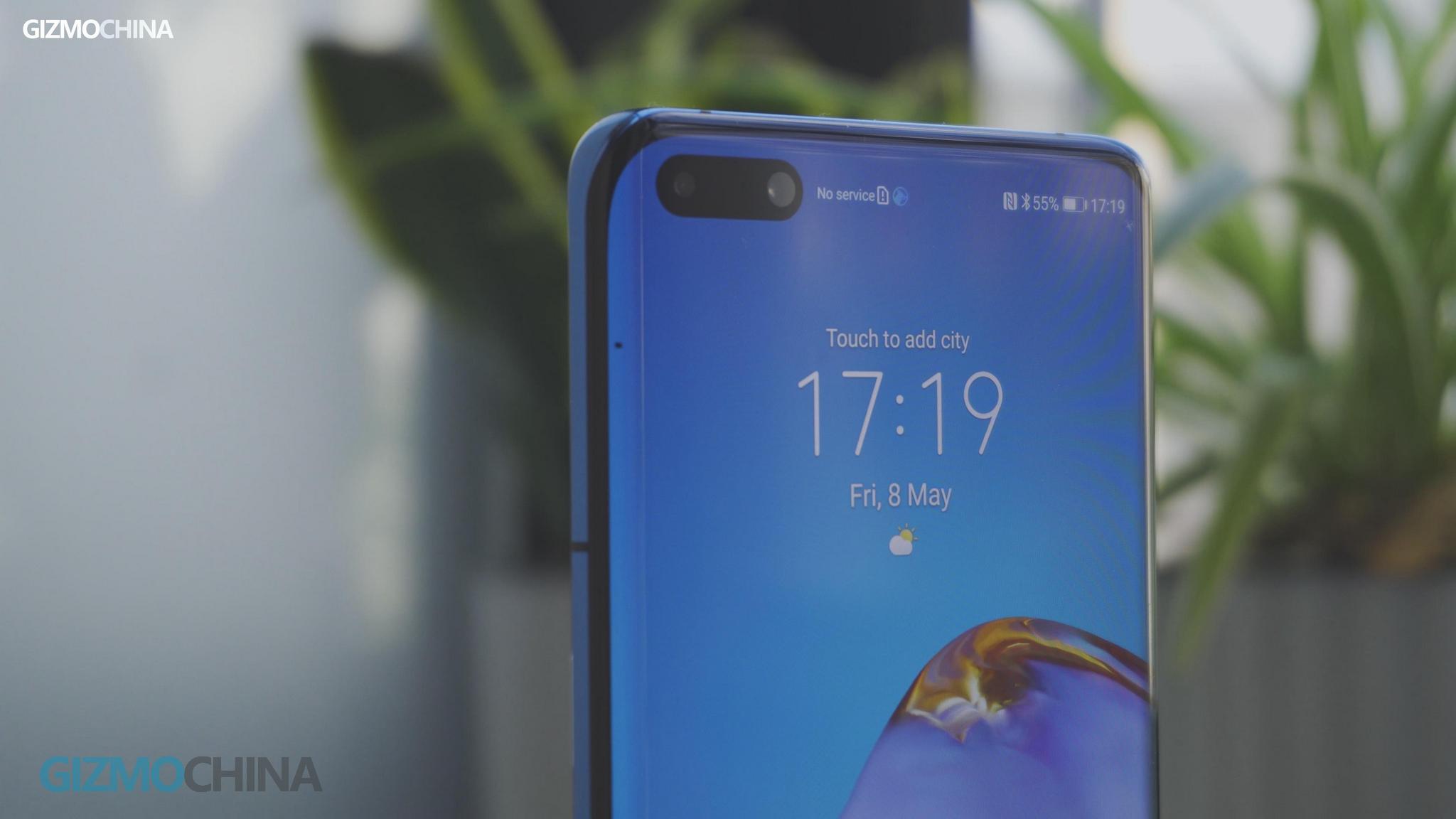
The display of the P40 Pro looks amazing right from the start. Huawei designers redesigned the curved edges for maximum display coverage. They call it the Quad-curve overflow display. But if we look at it closely, although it does reach a wonderful visual experience, the hole-punch of the dual cameras still leads to an imperfection that we have to accept. Without the hole, the display would have been perfect to look at.
That said, having two selfie shooters upfront does have its advantages. The selfie cameras have an excellent aperture of f/2.2 and support auto-focus even in 4K video. So, if you are looking for a smart vlogging device with great selfie cameras, the quality of the front cameras should offset the slight imperfection in its looks for most people.
Another feature of the front cameras is that it supports facial ID IR unlock which is very secure.
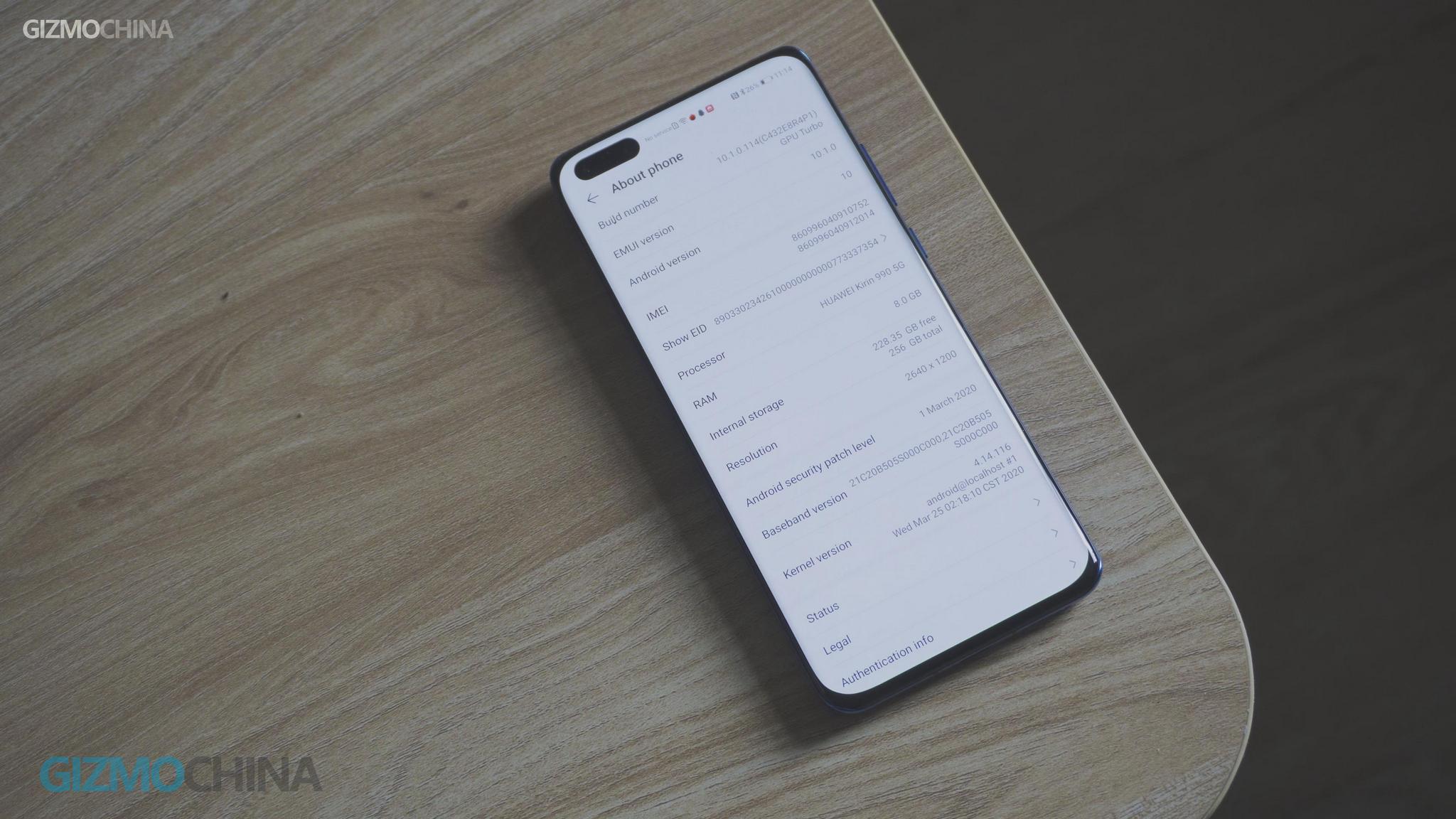
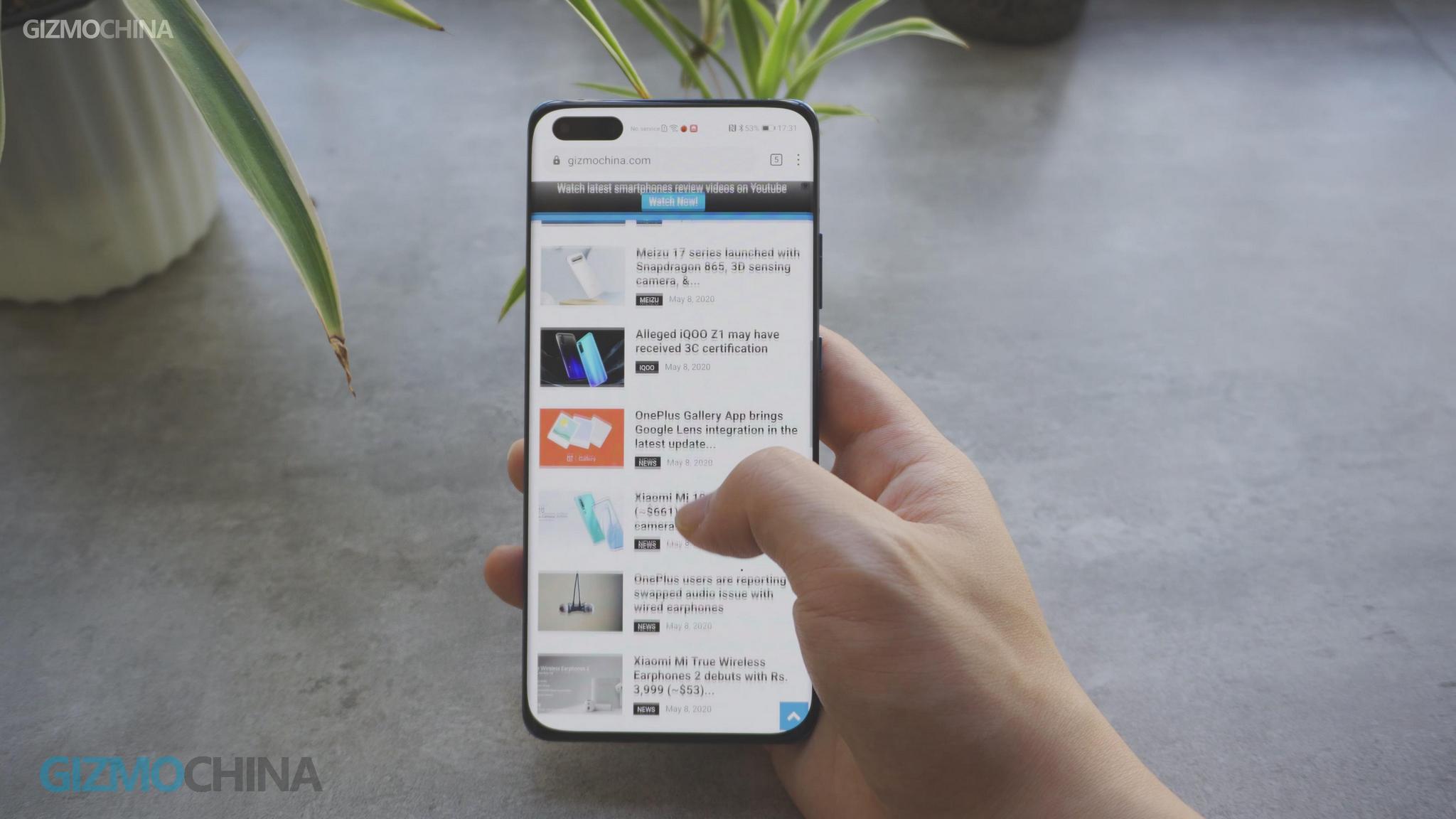
As for the display quality, the P40 Pro features a 6.58-inch OLED display with a 2640 x 1200 resolution, which is close to the 2K resolution and much better than 1080P smartphones. Compared to the last model of the P30 Pro, the clarity and color accuracy is also improved a lot. But pay attention here, the most accurate color mode is the standard color mode. Under the standard mode, the average delta E is only 1.0 and the P3 gamut coverage reaches 99%. In addition, the P40 Pro display has a 90Hz refresh rate. Working with the Kirin 990 Soc, so far, the P40 Pro is one of the most fluid Android phones I’ve tested.
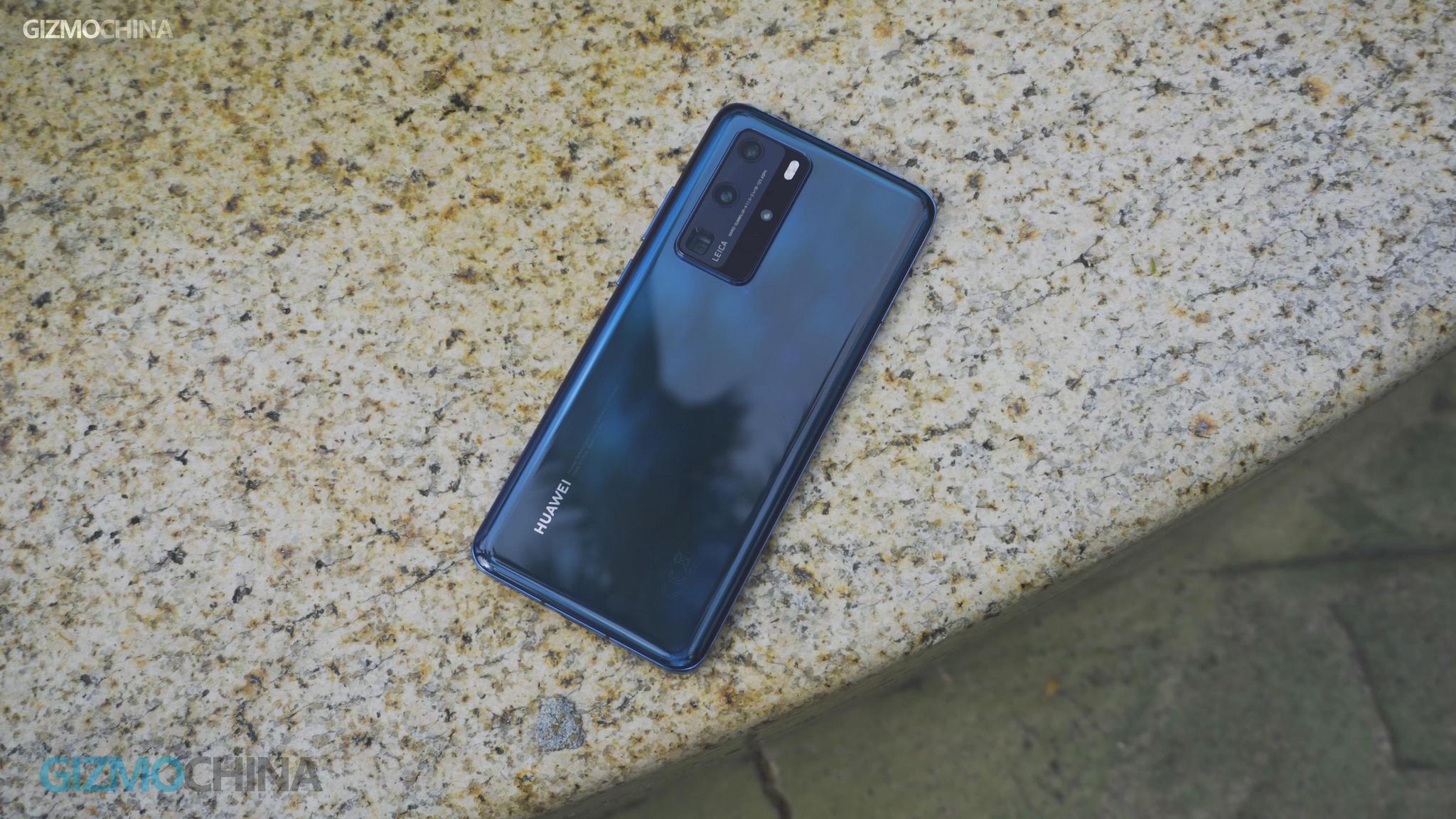
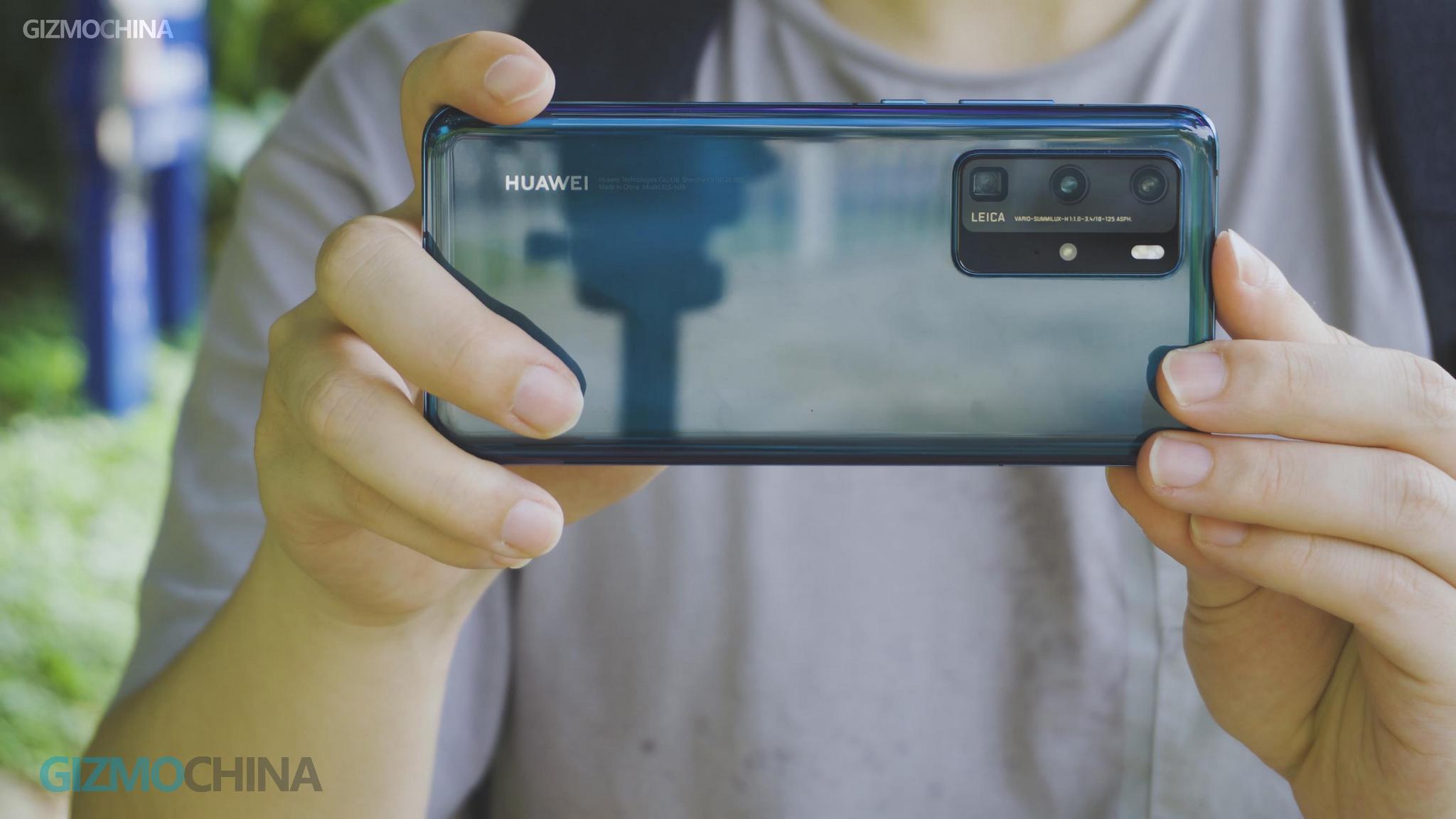
Coming to its back cover, Huawei updated the phone with a new industrial design including the technology of Anti-glazing glass and a new arrangement of the quad-cameras. The P40 Pro in our hand is not the silver version with anti-glazing glass, but I love the silver version which I tried out at the Huawei store in China. The silver variant has such a comfortable touch feeling and amazing reflection effect under all lighting scenarios. It felt like and looked like the Rear material of the OnePlus 8 Pro, which is also using the anti-glazing glass technology.
So I prefer that silver model over this Deep Sea Blue color. That said, the Blue color model that I have will satisfy most users who are looking for a dark shade.
Huawei P40 Pro Hardware
The Huawei P40 Pro runs on Huawei’s latest Soc, the Kirin 990 5G. Though the Kirin 990 may not be able to defeat the Snapdragon 865 in most benchmark apps, it is hard to sense the gap between these two chips in daily use. And thanks to the optimization of the hardware and software, the P40 Pro is able to make full use of the 90Hz display in some games.
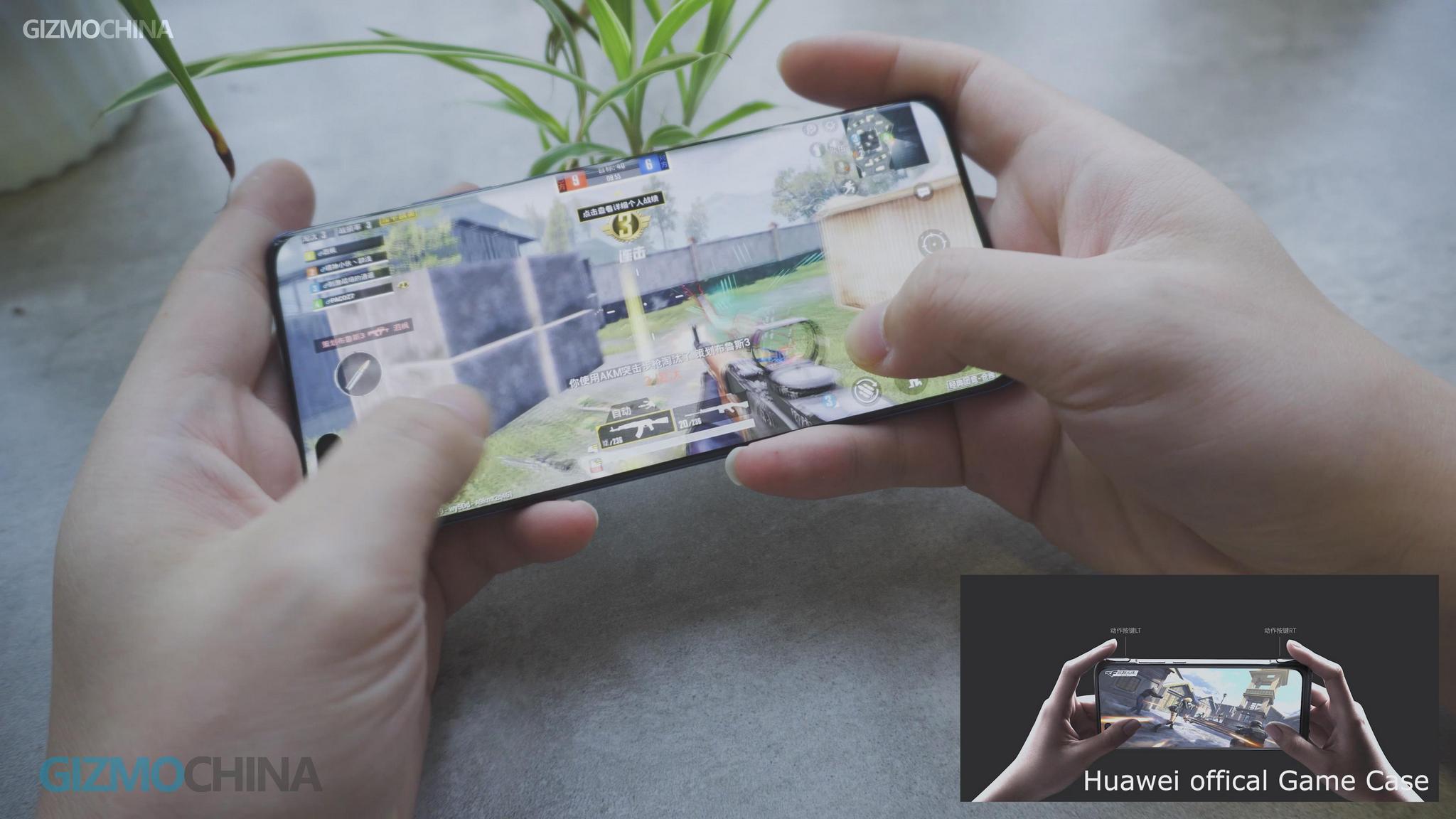
For example, in PUBG Mobile china version, it supports the 90fps mode and in our gaming test, it did run an average framerate of 89.5 without obvious jank problem.
And then we moved to the 3D mark tests to check out its GPU performance. The results showed that the P40 Pro can defeat 98% of all the tested phones. From the tests we did, the P40 Pro did match our expectations for a 2020 flagship. Although it’s not a gaming phone, Huawei still designed a gaming phone case for the P40 Pro. With the case on, you will have two more shoulder buttons to have a more comfortable gaming operation. Even so, the gaming experience isn’t going to be the USP of the P40 Pro. Because the best part of the Huawei P40 Pro is its cameras.
You can check out our detailed gaming performance test in the review video added at the start of the article.
Huawei P40 Pro Cameras
The most important selling point of the P40 Pro is still the cameras. And this time the camera setup is a bit aggressive. This means the phone features a large-sized lens, a larger CMOS sensor for the primary camera, and feature-rich camera arrangement. All of these changes have made it become one of our most anticipated camera phones in 2020.
First is the 50MP customized main camera with a 1/1.28 inches sensor, matching with the RYYB CFA, allowing 40% light to be absorbed by the sensor. The new sensor can provide not just better sensitivity but also better light capture, which means it is capable of handling even poor lighting conditions. And we will show how good it performs with the camera samples added in this review.
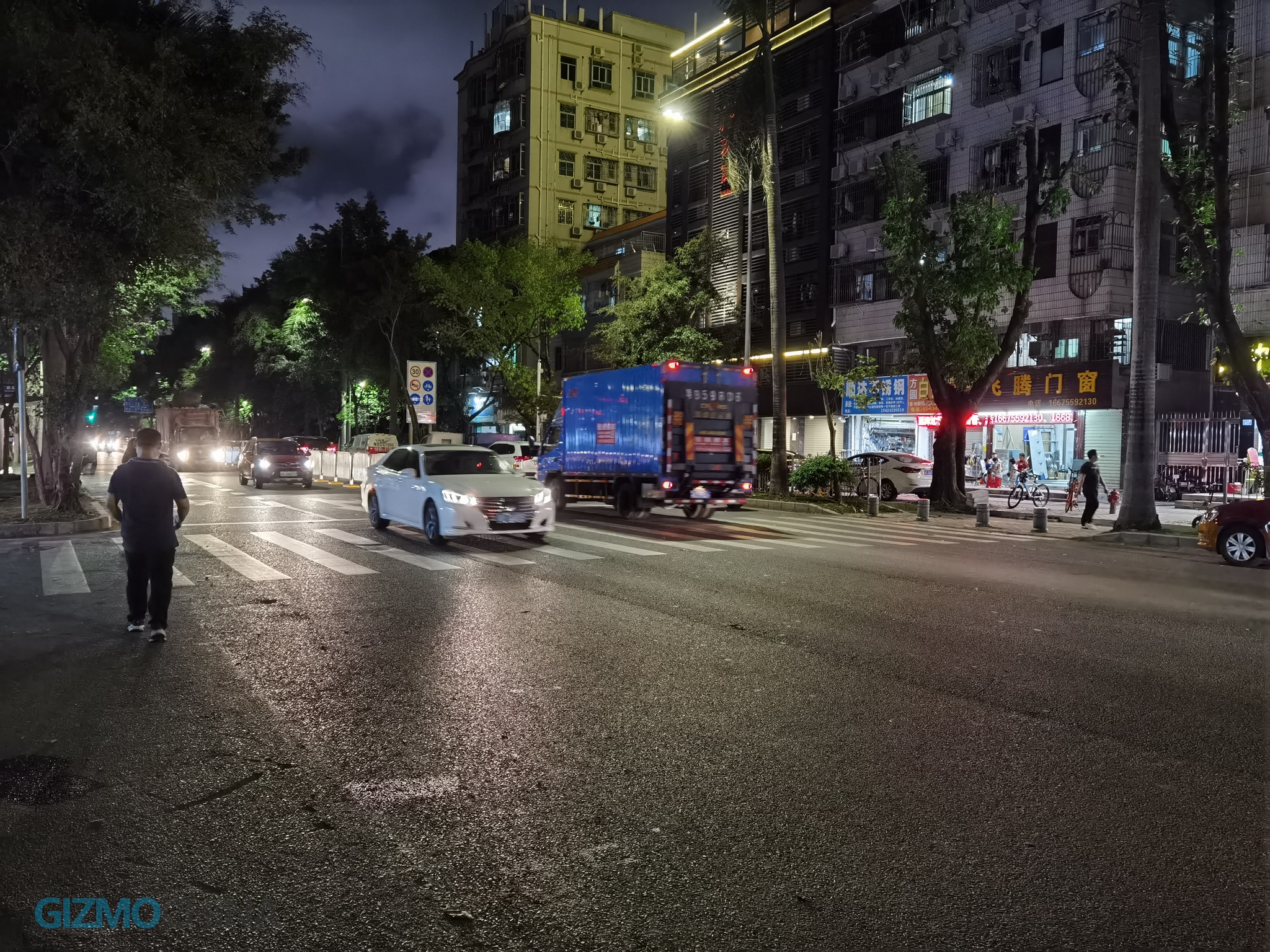
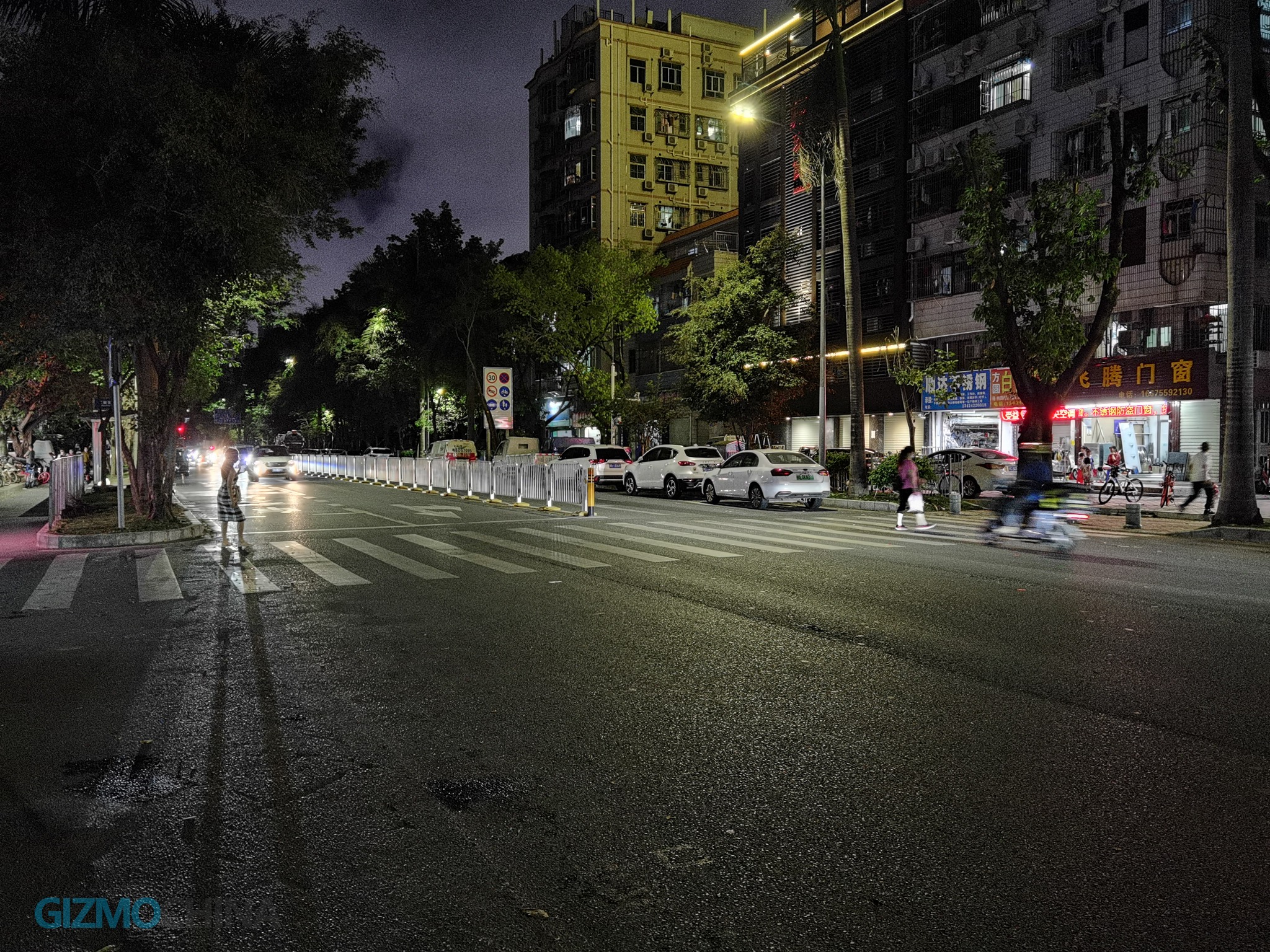
P40 Pro Night Camera Samples
1 of 6
normal-1
night mode-1
normal-2
night mode-2
normal-3
night mode-3
But it’s not just the primary camera, the 40MP ultra-wide cine-camera is another important upgrade. It is designed not just for wide-angle photography but also for movie filming. Like the primary camera, it can also shoot up to 4K 60fps video to simulate the production of a cine camera.
And then, to cover a wider range of focus, the P40 Pro is equipped with one more 12MP 5-time optical telephoto camera, which uses the RYYB periscope structure and OIS anti-shaking technology. So, these three cameras actually try to simulate a practical zoom camera. If we consider more practical camera movement, the OIS anti-shaking of the telephoto camera and the primary camera helps a lot when panning or tilting, but due to the lack of smooth switching between cameras, camera zooming on the P40 Pro doesn’t achieve the same result as professional cameras can do.
If you want to take some zooming shots, just make sure that the zooming range stays from 0.8 to 8.5 times, or it stays over 8.5 times. Because you will notice the change in resolution when you switch between these zoom ranges.
And the last camera is a ToF camera, which assists the other cameras to calculate depth information. It will help improve focusing speed and optimize the bokeh effect.
Let’s look at some samples.
1 of 4
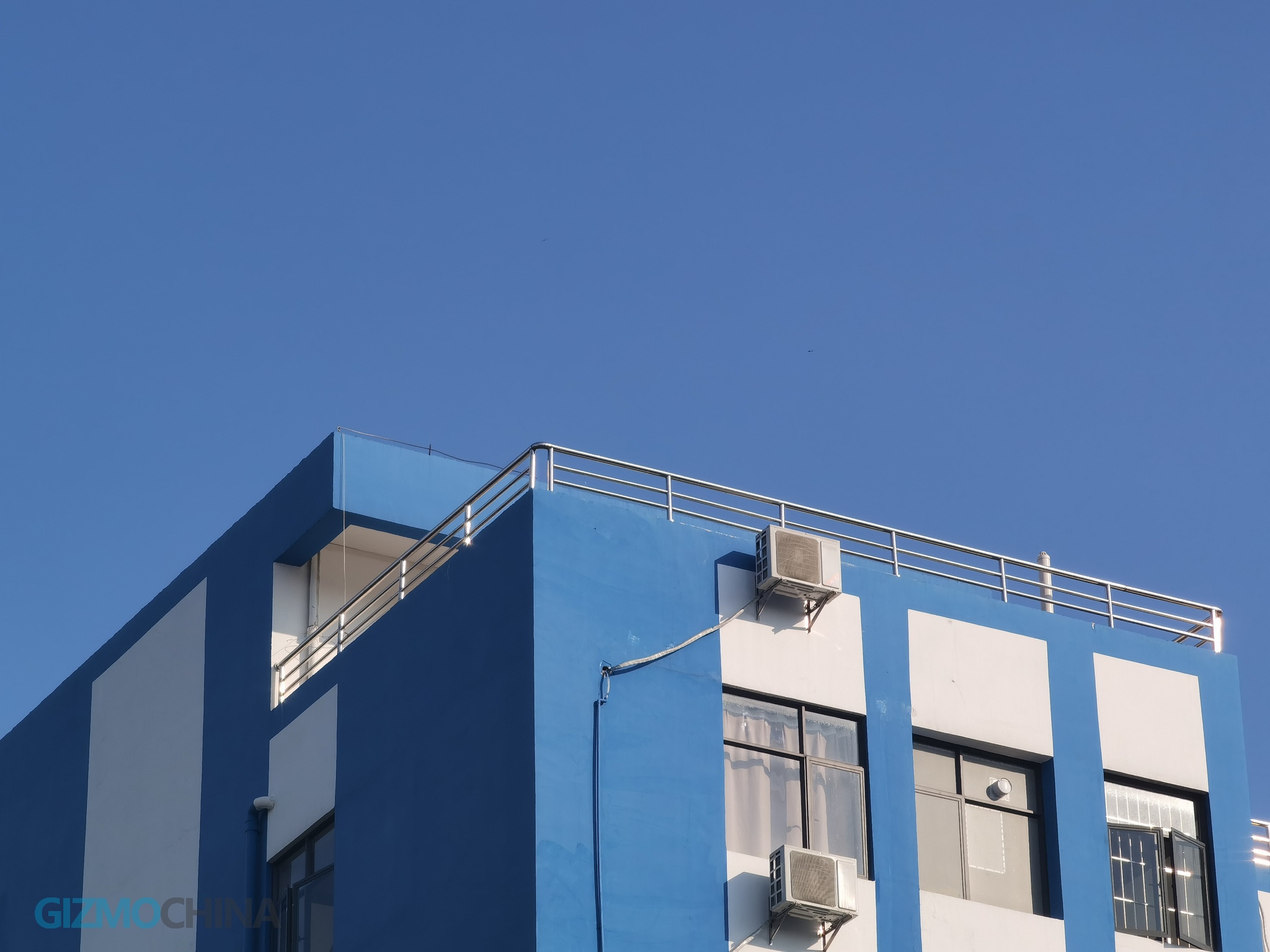
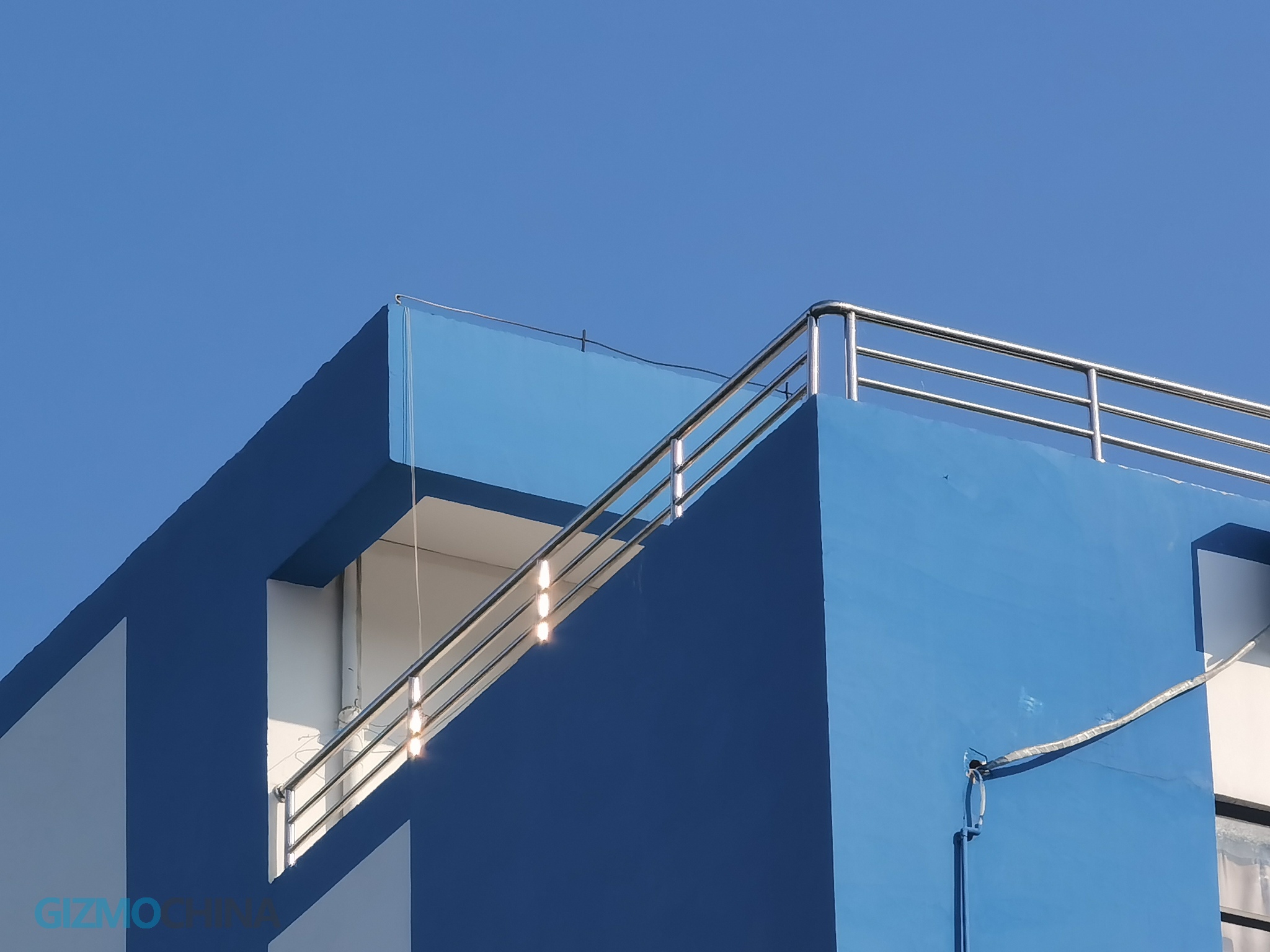
Well, I have to say the P40 Pro is definitely the best phone for photography. Not just because it has the best primary camera, but also the best secondary cameras. Huawei has given us the best results they’ve developed. The white balance is much more accurate than the last few generations of Huawei flagships. And thanks to the larger sensor, all the samples shot by the main camera were able to produce amazing exposure latitude. For example, in these few samples, the exposure took good care of both brightness and shadow areas and especially saved great detail of shadows.
Saturation has always been the strength of Huawei phones. That’s no exception for the P40 Pro. The 40MP wide-angle cine camera also did a good job as the main camera. The wide-angle image quality was even better than some other flagships’ main camera. Generally, on most smartphones, shooting a wide-angle photo would give me a sense of isolation due to the hardware gap between a primary camera and a wide-angle camera. Usually, it was revealed as different resolutions, diverse applicable camera settings, different image colors, and the shooting experience gap. But on the P40 Pro, this feeling was almost gone. You don’t have to think of the best settings for the wide-angle camera, and the image quality was also wonderful. It’s just like a second primary camera with a wider view.
1 of 3
5x
10x
And the 5x optical telephoto camera was far more practical than the P30 Pro. With the help of the OIS anti-shaking, it’s pretty easy to hold it in hands and shoot perfect long-focus photos with stable preview. Another highlight of the camera performance is night mode. This time Huawei upgraded their night-scene solution. In the last few Huawei flagships, maybe you would see amazing brightness improvement when turn on the night mode. The new solution made it become much smarter. The higher brightness has been done in the normal mode. If we turn on the night mode, the Ai will help us balance the exposure of the whole image and make sure there is no color deviation problem which was an issue with the P30 Pro.
1 of 2
aperture mode-2
aperture mode-1
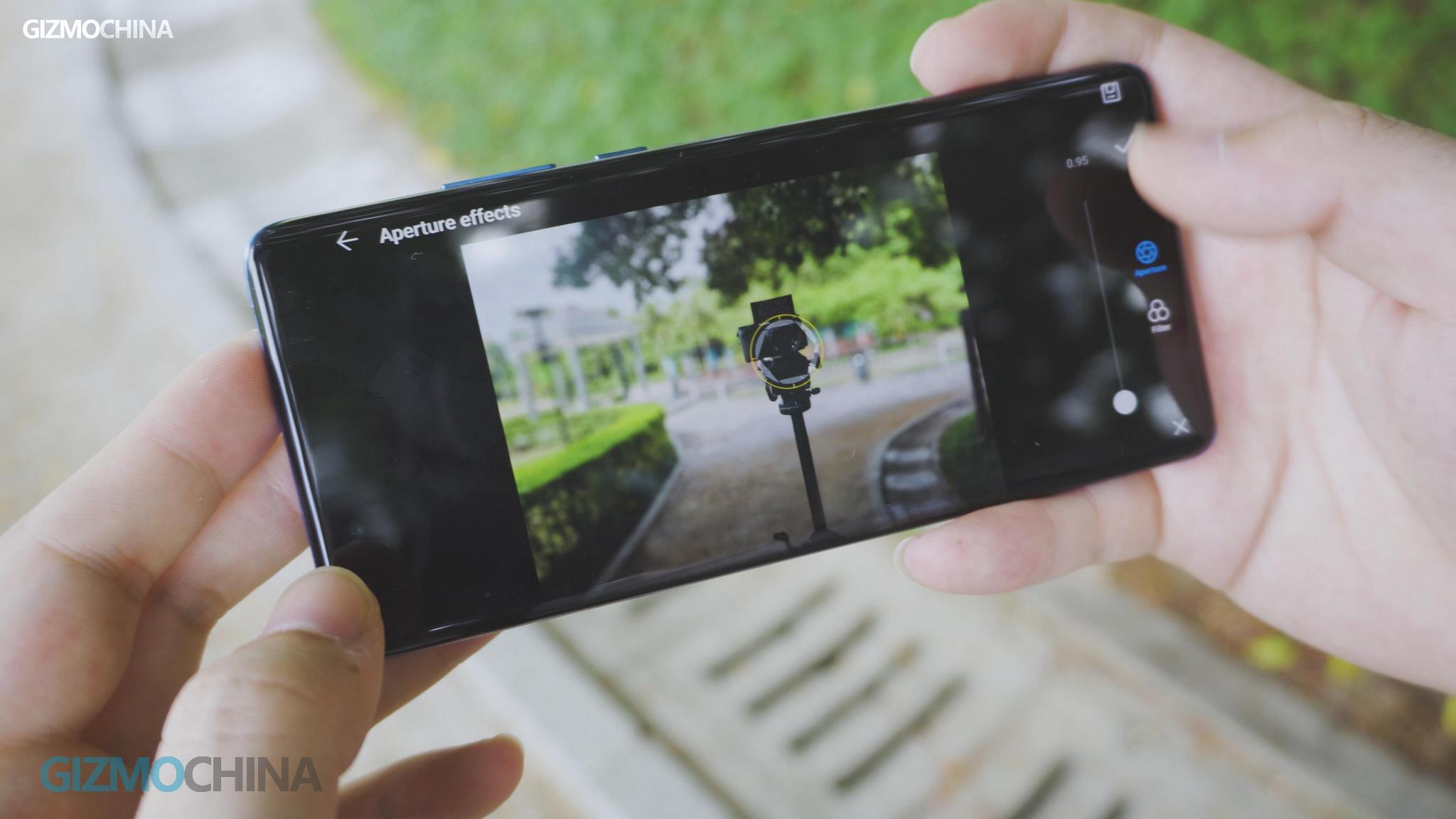
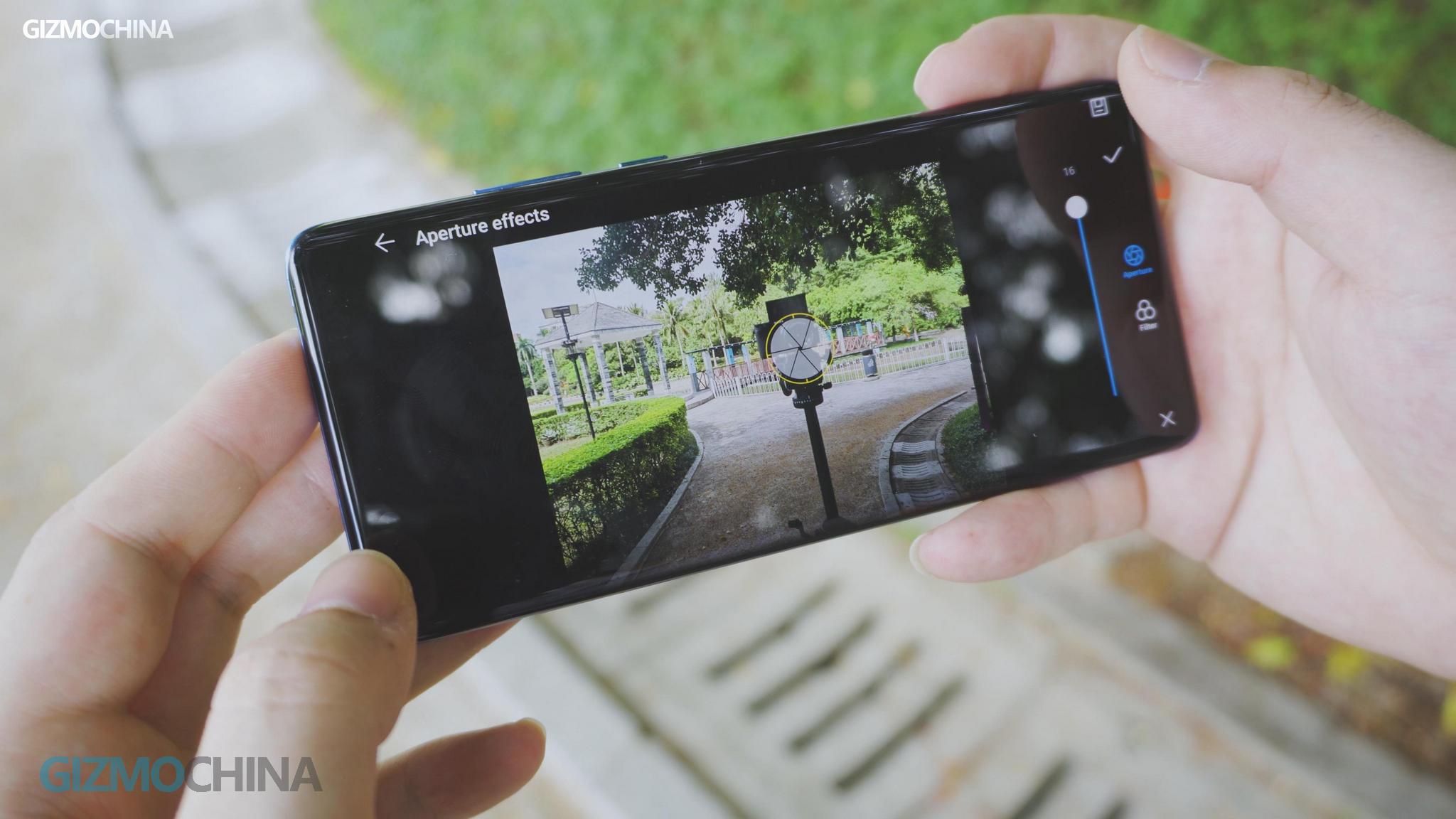
Thanks to the ToF camera, Huawei’s aperture mode is more accurate for distance detection. Under the aperture mode, we were able to adjust the bokeh effect after the shooting, which gives us a second chance to get what exactly we want.
In addition, Huawei also provided some interesting filters including 3 Leica filters and several other emotional filters. You can use these filters to change the mood of your shots, giving you greater creative freedom.
Huawei P40 Pro Filter BW
About its filming capability – check out our review video above to see the video sample.
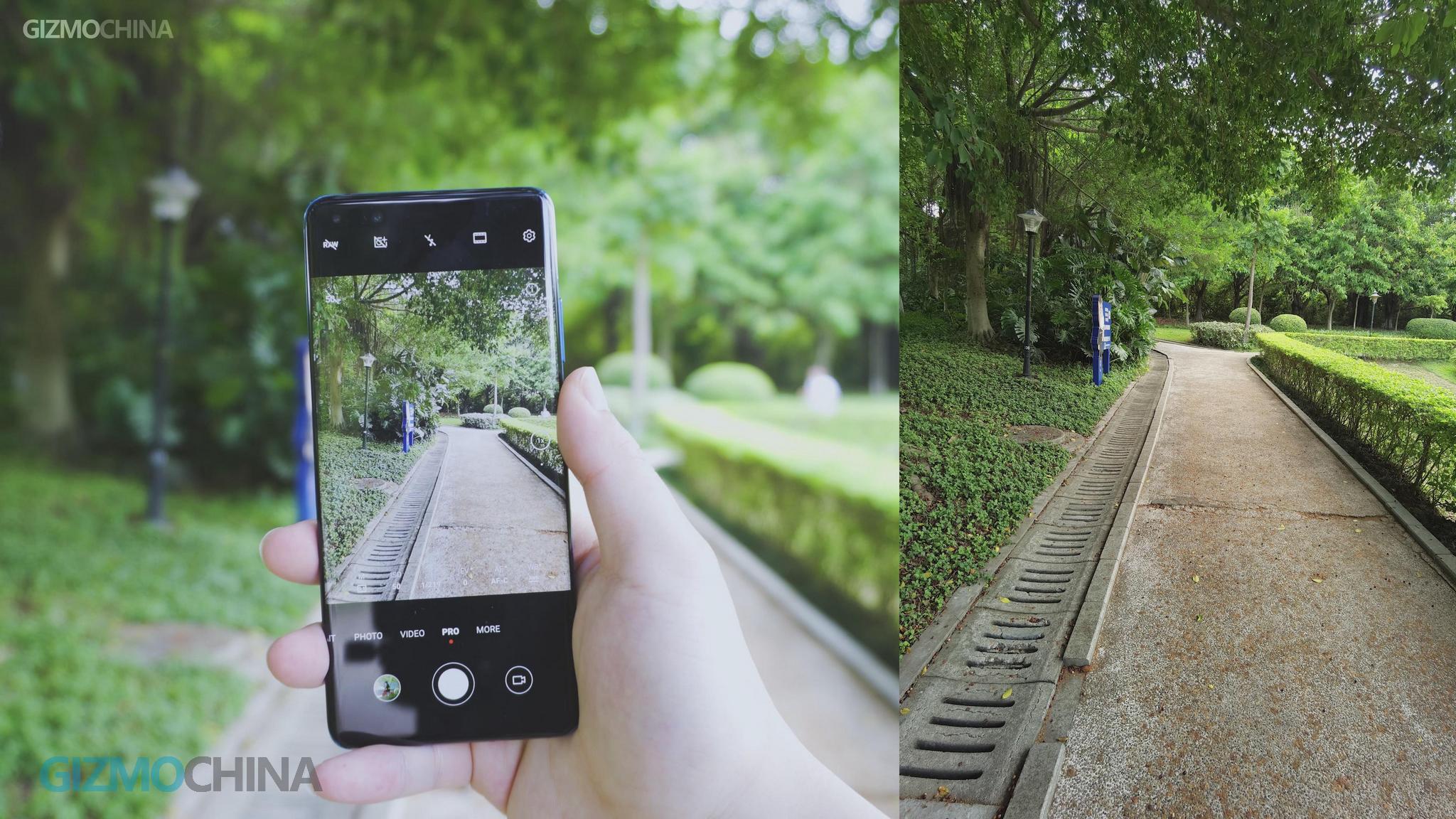
Note that I have one complaint about the device. When we shoot photos on the P40 Pro, the preview image was not as good as what the phone can really produce. It’s less clear and less detailed. It’s not a big problem, but sometimes the inconsistency would affect my confidence to press the shutter button. And eventually, I found that my worries were unnecessary. The phone managed to capture crisp images even if they didn’t look too good in the preview window.
Huawei P40 Pro Battery Life
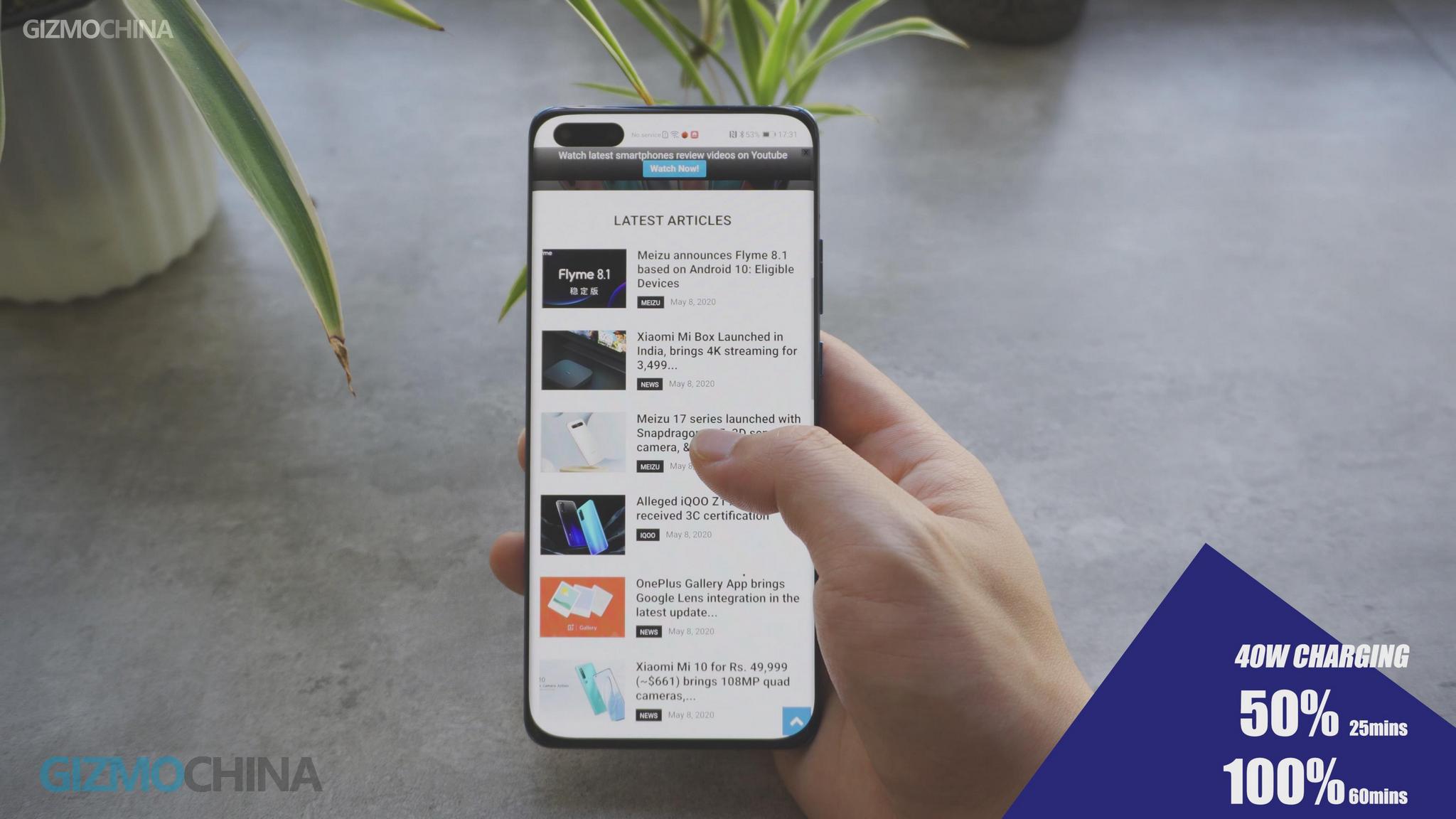
About the battery and charging, the P40 Pro is also at the flagship level. 25-min charging with the included 40W charger can bring back 50% power, and it took only 1-hour to get it full-charged. And it also supports up to 27W wireless charging.
Huawei P40 Pro Battery
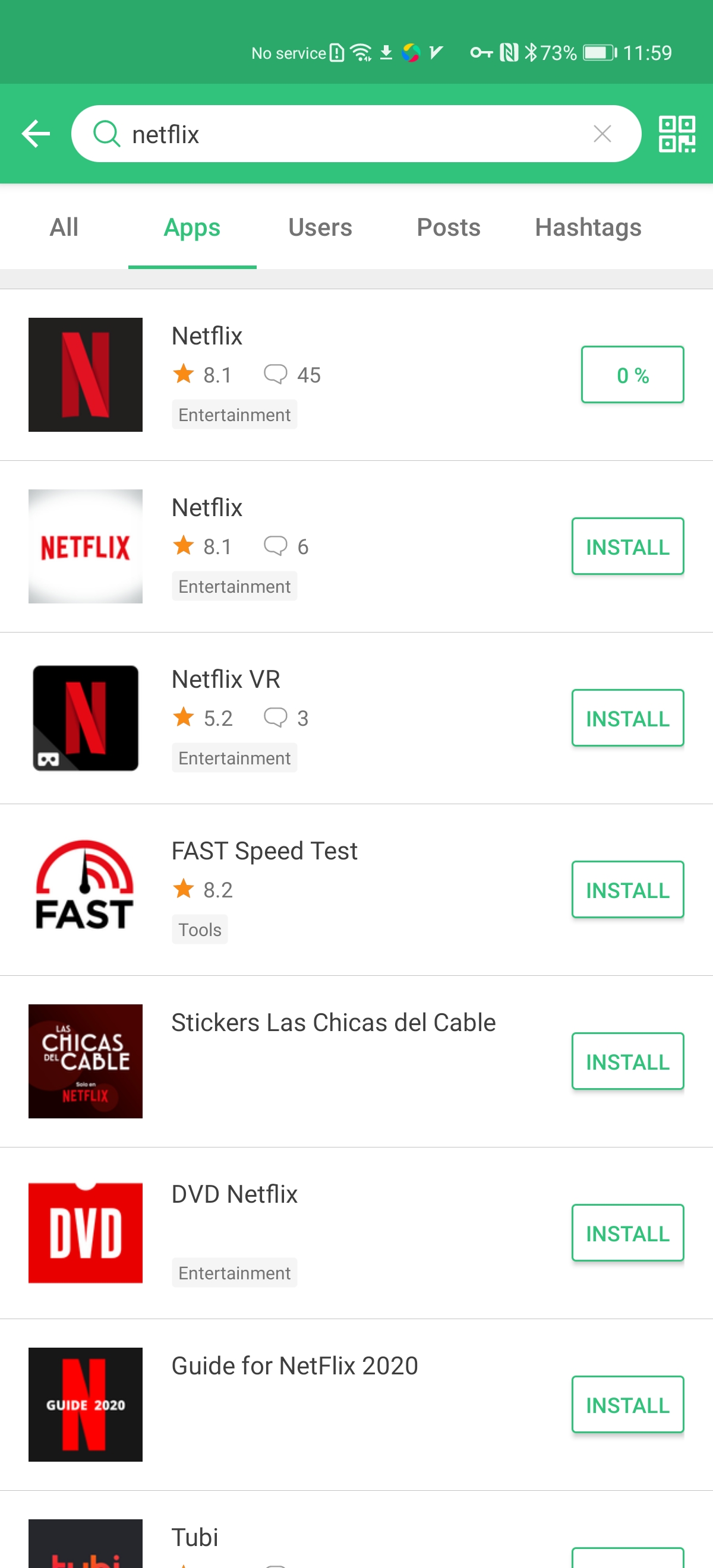
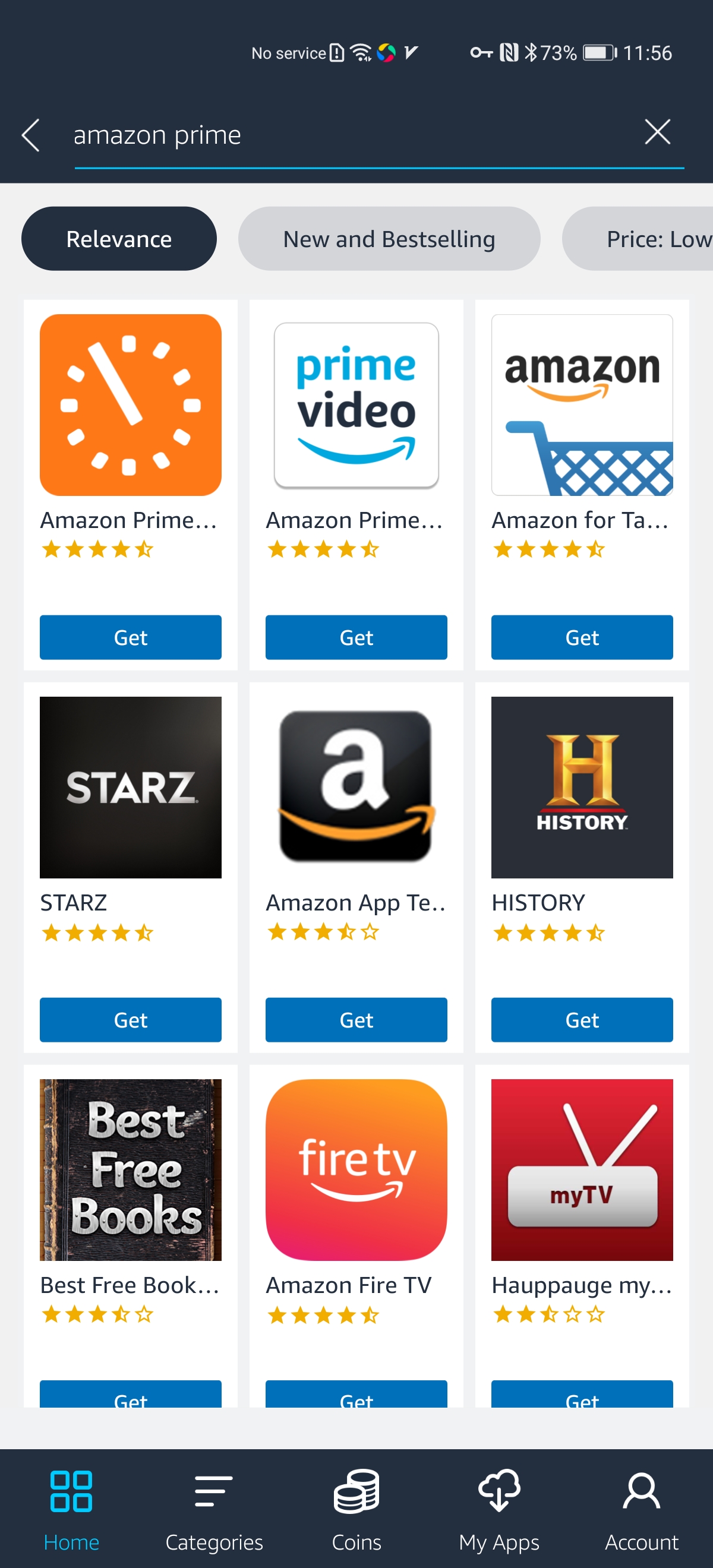
As for software, Huawei’s AppGallery has a number of Google app alternatives like Here Maps. But there still might be some apps missing which can be downloaded via alternate apps stores like Amazon app store and even APK Pure. Using these three apps stores together, we could use most of the popular apps found on the Play store.
1 of 6
APKPure Store
AMazon AppStore
Huawei AppGallery
Huawei AppGallery
Huawei AppGallery
Huawei AppGallery
So that’s the end of our Huawei P40 Pro review. There’s no doubt that the P40 Pro is the best camera phone that we’ve seen so far in 2020, and shooting photos on the P40 Pro is both easy and satisfying. The phone has everything you need from a 2020 flagship and if you are okay with using Google App alternatives, we would definitely recommend this device to everyone who’s looking for a powerful camera smartphone.
We use cookies on our website to give you the most relevant experience by remembering your preferences and repeat visits. By clicking “Accept”, you consent to the use of ALL the cookies.
This website uses cookies to improve your experience while you navigate through the website. Out of these, the cookies that are categorized as necessary are stored on your browser as they are essential for the working of basic functionalities of the website. We also use third-party cookies that help us analyze and understand how you use this website. These cookies will be stored in your browser only with your consent. You also have the option to opt-out of these cookies. But opting out of some of these cookies may affect your browsing experience.
Necessary cookies are absolutely essential for the website to function properly. This category only includes cookies that ensures basic functionalities and security features of the website. These cookies do not store any personal information.
Any cookies that may not be particularly necessary for the website to function and is used specifically to collect user personal data via analytics, ads, other embedded contents are termed as non-necessary cookies. It is mandatory to procure user consent prior to running these cookies on your website.