Honor will be announcing the Honor X10 5G phone on May 20. It is likely to be accompanied by an advanced variant that is said to carry Honor X10 Pro 5G moniker. The specifications of the Honor X10 5G have been already revealed through its TENAA listing. Ahead of the launch, the Honor X10 has surfaced on the Geekbench benchmarking platform today.
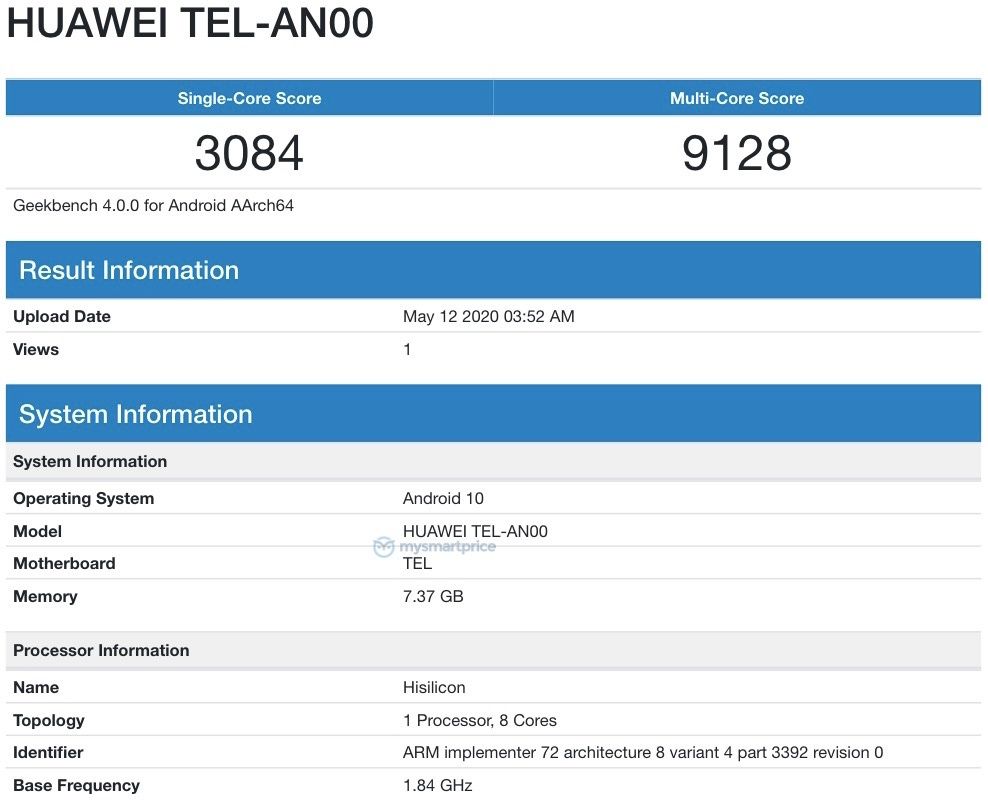
The Huawei TEL-AN00 that has been spotted at Geekbench is the Honor X10 5G phone. It seems like the company could be internally testing the performance of the device before making it official in the coming week.
The TEL-AN00 Geekbench listing reveals that it has scored 3084 in the single-core test and 9128 in the multi-core test. The phone is loaded with Android 10 OS. The HiSilicon SoC with a base frequency of 1.84GHz is the Kirin 820 5G chipset. The SoC is coupled with 8 GB of RAM.
The TENAA appearance of the Honor X10 5G has revealed that it will be coming with a Full HD+ 6.63-inch notch-less IPS LCD screen with a 20:9 aspect ratio. The phone will be coming with a 16-megapixel pop-up selfie camera and a 48-megapixel (Sony IMX600y) + 8-megapixel + 2-megapixel triple camera setup.
The handset is expected to arrive in China in 4 GB, 6 GB and 8 GB RAM editions and storage choices like 64 GB, 128 GB and 256 GB. Its 4,200mnAh battery may support 22.5W fast charging. It has a side-facing fingerprint reader. The phone may arrive with a starting price of 1,799 Yuan (~$255).
Huawei’s new chipset, the HiSilicon Kirin 710A which is based on the 14nm process, has finally entered the mass-production stage, making it the first pure Chinese chip with independent intellectual property rights.
The chipset is also the first one for the company to be manufactured by Shanghai-based Semiconductor Manufacturing International Corp (SMIC). Both the companies reportedly started working on this chipset since last year.
As per the report, almost every employee of SMIC Shanghai received an Honor Play 4T smartphone last week which has “Powered by SMIC FinFET” printed on the back, showcasing the commercialisation of 14-nm FinFET chips made by SMIC.
While nothing much about the chipset is know, it is believed that Huawei is re-releasing the Kirin 710 processor branded as the Kirin 710A, but this time with a 14nm FinFET process. The original Kirin 710 SoC is made using the 12nm node by TSMC.
The Chinese giant isn’t yet ready to retire its Kirin 710 series and it keeps launching new variants of the chipset. Prior to this new 710A, the company had launched Kirin 710F which is powering the Honor 9X and Honor Play 3 smartphones.
The development comes just weeks after it was reported that Huawei is shifting its 14nm chipset orders from TSMC (Taiwan Semiconductor Manufacturing Company) to SMIC which is China’s leading chipmaker.
This seems like a major blow to TSMC which has been historically manufacturing Huawei’s HiSilicon chips, ranging anywhere from its 14nm, 12nm or even 7 or 5nm chipsets. This could be a trial run by the company to shift productions closer to its home. The decision seems to have been taken after the United States government recently tried hampering Huawei’s operations by limiting its chip supplies through TSMC.
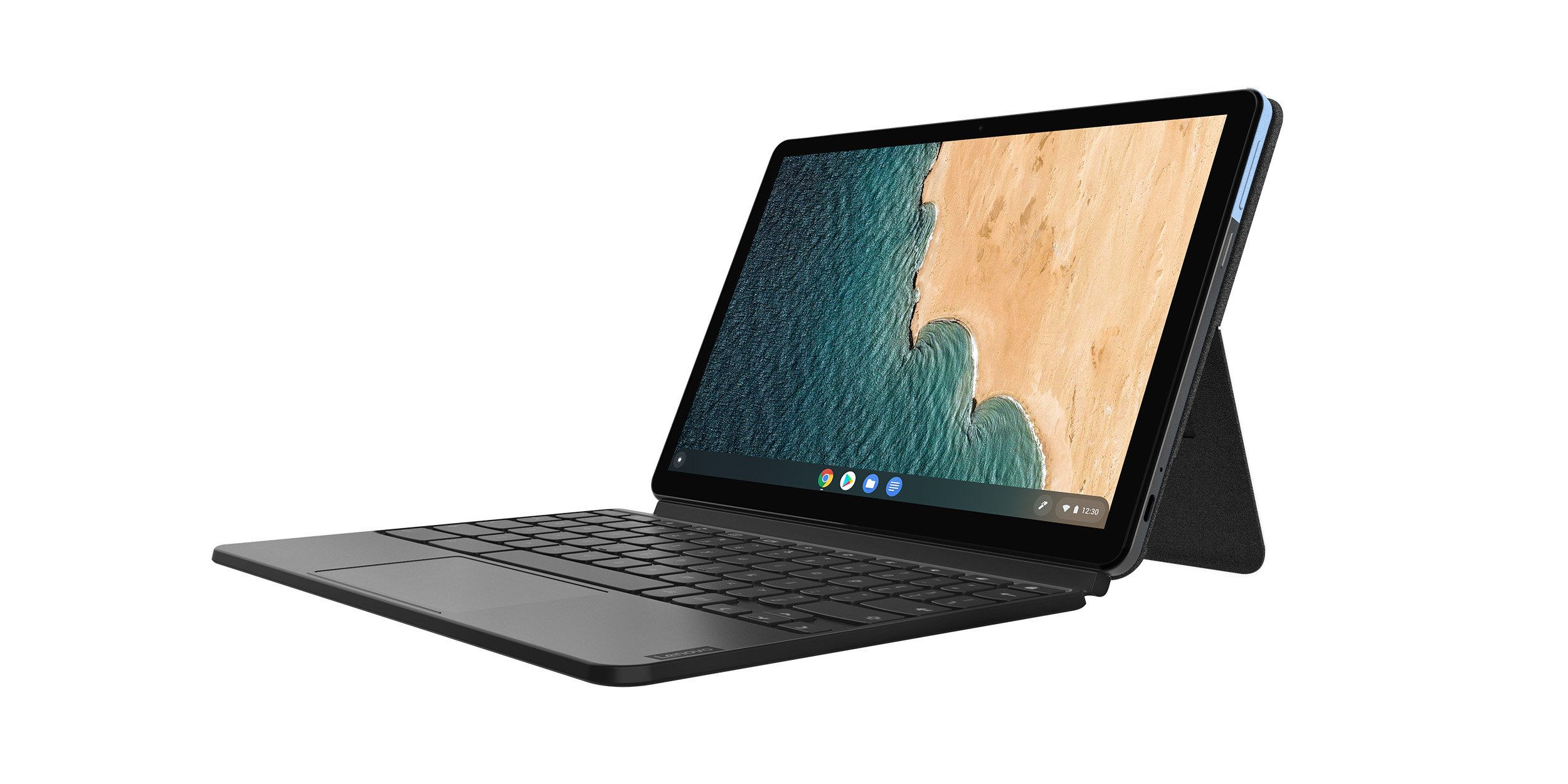
Earlier this year, in January, Lenovo had announced its IdeaPad Duet Chromebook and now after a few months, the device is finally available in the market. The company is now calling it Lenovo Duet Chromebook and the pricing starts at $279.
The device is a detachable Chromebook that comes with a keyboard base in the box. The 10.1-inch tablet has a Full HD display with 1920 x 1200 pixels resolution, a single USB-C port, and runs on top of Google’s Chrome OS with “up to” eight years of updates.
It also comes with an 8-megapixel camera on the back and a 2-megapixel snapper up front for video calling. Under the hood, the device is powered by a 7,180mAh battery. To keep the pricing lower, the company has ditched the Intel chipset in favor of MediaTek Helio P60T octa-core processor.
As for the battery life, the company says that the Chromebook Duet can last up to 10 hours on a single charge. The base model costing $279 packs 4GB of RAM along with 64GB of internal storage. However, it seems that only the 128GB storage model has been listed online for purchase, which costs $299.
Despite the COVID-19v pandemic, the Apple iPhone 12 series are expected to go official in September this year. Previous reports that the iPhone 12 come in 5.4-inch and 6.1-inch screen size variants. The iPhone 12 Pro may have a 6.1-inch display and the iPhone 12 Pro Max could be equipped with a massive 6.7-inch display. Fresh details reveal that the iPhone 12 series will arrive major upgrades over the predecessor.
According to Filip Koroy from the EverythingApplePro YouTube channel, the iPhone 12 Pro and iPhone 12 Pro Max will be arriving with a 120Hz refresh rate supporting ProMotion display. It is expected to support fluid gesture controls and touchscreen experience. Shown below is the render of the iPhone 12 series.
He stated that the iPhone 12 or the iPhone 12 Pro that has a 6.7-inch display may come with a large-sized battery of 4,400mAh capacity. Such a large battery is expected to bring seamless support for 5G networks. The 5.4-inch iPhone 12 may support only a 60Hz refresh rate. There is no word on its battery size.
iPhone 12 series renders
The iPhone 12 series is expected to come with enhanced Face ID support. The feature is said to come with support for unlocking the phone from a wider angle. The cameras of the iPhone 12 lineup are expected to come with improved low-light photography experience, faster autofocus, and enhanced image stabilization through LIDAR scanner. The Pro models are expected to arrive with support for 3x optical zoom.
Jon Prosser of YouTube channel named Front Page Tech also released a video to reveal key specs of the iPhone 12 series. He stated that the 5.4-inch iPhone 12 and 6.1-inch iPhone Max will have BOE OLED Super Retina Display panels, 4 GB of RAM, Apple A14 chip, 5G support, dual cameras. The iPhone 12’s 128 GB and 256 GB variants could be priced at $649 and $749. The same storage models of the iPhone 12 Max could be priced at $749 and $849, respectively. Both phones are expected to come with aluminum chassis.
The iPhone 12 Pro may house a 6.1-inch Samsung OLED display. The Super Retina XDA display will support 10-bit color depth. On the other side, the iPhone 12 Pro Max may house a 6.7-inch Samsung OLED display. The Super Retina XDA screen will come with ProMotion and 10-bit color depth support. Both smartphones are expected to come with 6 GB of RAM, Apple A14 chip, 5G support, triple cameras with LiDAR support and stainless steel body.
The iPhone 12 Pro is expected to come in options like 128 GB for $999, 256 GB for $1,099 and 512 GB for 1,299. The same storage editions of the Pro Max model could be priced at $,1099, $1,199 and $1,399, respectively.
Google is all set to unveil its new budget smartphone named Google Pixel 4a, which will be a watered-down variant of the Pixel 4 launched last year. In fact, the smartphone is believed to get launched in the coming days and will reportedly be available for purchase from 22nd May.
However, the latest report seems to suggest that instead of getting the smartphone this month, we may have to wait till the first week of June to get our hands on the Pixel 4a. As per a leaked Vodafone document, it expects to begin selling the Pixel 4a from June 5th.
Earlier, the Google Pixel 4a was set to get launched during the Google I/O 2020 event. But not only did the company cancel the physical event, it also cancelled the virtual event. Thus, the phone launch will be a standalone event.
Another major announcement that was scheduled for I/O 2020 was Android 11 Beta and the company has now scheduled that for 3rd June. The new launch date for the Pixel 4a is just a couple of days after the Android 11 event.
However, it’s not yet clear if the launch of Pixel 4a has been delayed globally or just for the German or European market. If the smartphone is indeed getting delayed worldwide, then there’s a possibility that Google is making some last-minute changes to give the phone a competitive edge against the newly launched iPhone SE 2020.
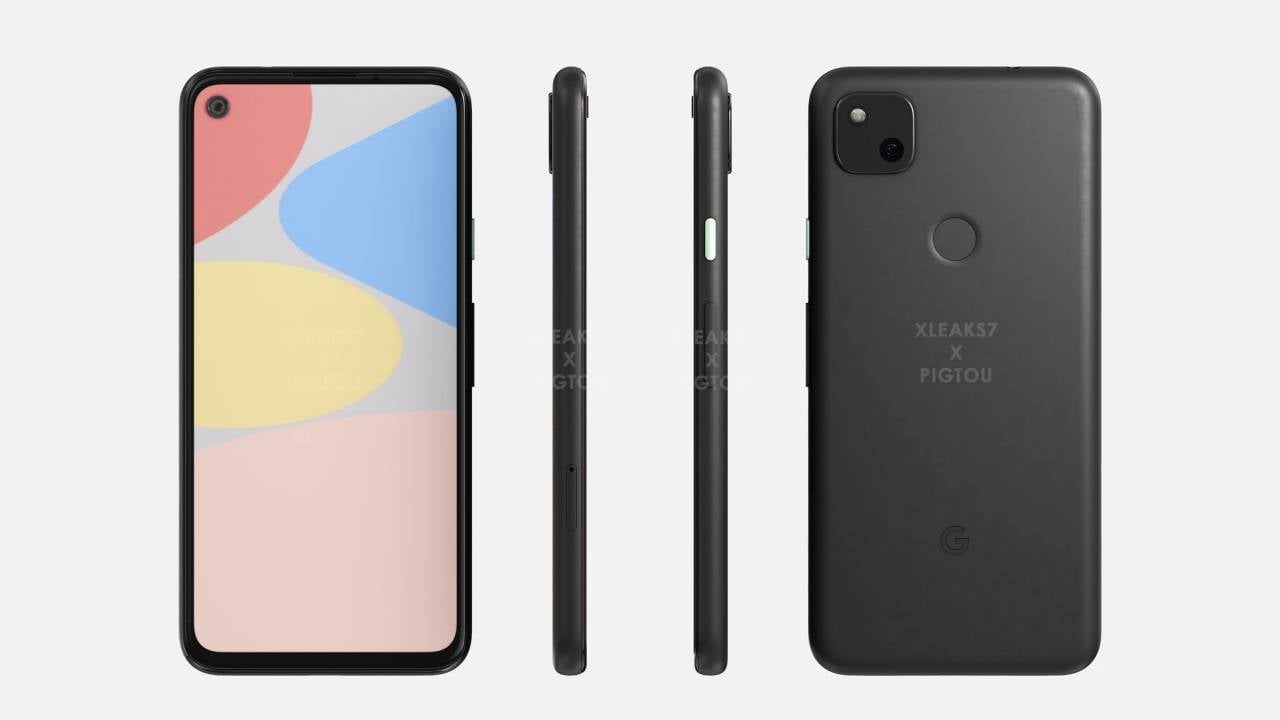
As per the leaks, the Google Pixel 4a features a 5.81-inch OLED Full HD+ display with a punch-hole cutout in the top-left corner for housing the front-facing snapper. Under the hood, the device is said to come powered by Qualcomm Snapdragon 730 chipset along with 6GB of RAM.
In terms of storage, the device will be offered in two options — 64GB and 128GB. The phone will also have Google Titan M security chip. It will be running Android 10 operating system out-of-the-box and will be powered by a 3,080mAh battery with support for 18W fast charging technology.
The Google Pixel 4a is expected to be available in at least two color options — Just Black and Barely Blue and will reportedly start at $399. To know for sure about the smartphone, we’ll have to wait for the official launch event.
At 12 PM today in India, Xiaomi India will carry out the first sales of the Redmi Note 9 Pro Max. The handset had debuted along with the Redmi Note 9 Pro smartphone in India in February. The first sale of the phone was previously planned to be carried at the end of March. However, it had to be canceled due to the COVID-19 outbreak in the country.
Redmi Note 9 Pro Max price and launch offers
The Redmi Note 9 Pro Max buyers in India can choose from options like 6 GB RAM + 64 GB storage, 6 GB RAM + 128 GB storage and 8 GB RAM + 128 GB storage. These variants are priced at Rs. 16,499 (~$217), Rs. 17, and Rs. 19,999. The phone comes in colors like Interstellar Black, Glacier White and Aurora Blue.
The smartphone can be bought from Mi.com and Amazon.in. The product pages of the phone at Amazon India has no details on the launch offers. On Mi.com, buyers can avail Rs. 1,000 discount through ICICI credit cards and EMI transactions.
The Redmi Note 9 Pro Max has a 6.67-inch IPS LCD screen that supports Full HD+ resolution. The Snapdragon 720G processor fuels the device with LPDDR4x RAM and UFS 2.1 storage. The MIUI 11 based Android 10 comes preinstalled on the phone. A microSD card slot is onboard for additional storage.
At front, it has a 32-megapixel selfie snapper. The back panel has a quad camera setup with a 64-megapixel primary lens, an 8-megapixel ultrawide shooter, a 5-megapixel macro lens and a 2-megapixel depth sensor. There is support for 33W fast charging for its massive battery of 5,020mAh capacity.
The Redmi Note 9 Pro Max launched in India back in March but will just go on sale for the first time today at 12 noon (IST). A lot of folks already have their minds made up on purchasing the device. However, there are others that are still sitting on the fence. This post should help you make up your mind with respect to purchasing it or not.
Before we dive in, let us revisit the specifications of the Redmi Note 9 Pro Max.
6.67-inch FHD+ 2400 x 1080 display with a punch-hole
Snapdragon 720G
6GB or 8GB RAM
64GB or 128GB of storage
Dedicated MicroSD card slot
64MP + 8MP + 5MP + 2MP quad rear cameras
32MP selfie camera
Side-mounted fingerprint scanner
5020mAh battery
33W fast charging with 33W charger in the box
Audio Jack, IR Blaster, Bluetooth 5.0
MIUI 11 based on Android 10
The Redmi Note 9 Pro Max is priced at INR 14,999 (~$193) for the 6+64GB version, INR 17,999 (~$237) for the 6+128GB version, and INR 19,999 (~$263) for the 8+128GB version.
Looking at the specs, the phone is an easy sell. For $200, you get a device that has 64MP quad rear cameras, 33W fast charging that is faster than even that of the Mi 10 flagship, and a pretty big 5020mAh battery.
However, the Redmi Note 9 Pro Max has got some close competitors that may sway buyers to their side with what they have to offer. Two of such devices are the Realme 6 Pro and the POCO X2 which have a better display and better cameras but for a slightly higher starting price tag.
Not the best display in its class
If your budget is INR 20,999 and you want a phone with a high refresh rate, then the Redmi Note 9 Pro Max isn’t the device you should be looking at.
The Realme 6 Pro has a 90Hz refresh rate while the POCO X2 packs a 120Hz refresh rate. A higher refresh rate means a better user experience when it comes to games and general usage.
These two phones also have brighter screens than the Redmi Note 9 Pro. The Realme 6 Pro has a peak brightness of 480 while the POCO X2 has a peak brightness of 500. The Redmi Note 9 Pro Max’s brightness peaks at 450 nits.
Doesn’t take the best photos
While all three phones have 64MP primary rear cameras, they are not the same. The POCO X2 uses the Sony IMX686 sensor while the Redmi Note 9 Pro and Realme 6 Pro both feature the inferior Samsung GW1. So when it comes to clicking shots, the POCO X2 comes out on top.
The Realme 6 may have the same primary camera as the Redmi Note 9 Pro but one of its other rear cameras is better than that of the Redmi Note 9 Pro and even POCO X2.
Rather than the 2MP depth camera on the Redmi and POCO, the Realme 6 Pro has a 12MP telephoto camera with 2x optical zoom. So you not only take better photos of distant objects with the Realme 6 Pro, but you also take better portrait photos.
The Realme 6 Pro and POCO X2 also have the upper hand when it comes to taking selfies as they both feature dual cameras in front unlike the Redmi Note 9 Pro Max that has just 1.
While none of their primary selfie cameras is as high as that of the Redmi Note 9 Pro Max, the Realme 6 Pro’ second selfie camera has an ultrawide angle lens so you can fit more friends or that awesome background in your selfies. The POCO X2’s second selfie camera is a depth sensor for better portrait selfies.
To get these features, you have to pay more. The POCO X2 is currently priced at INR 16,999 (~$224) for the 6+64GB version, INR17,999 (~$237) for the 6+128GB version, and INR 20,999 (~$276) for the 8+256GB version.
The Realme 6 Pro is INR17,999 (~$237) for its 6+64GB version, INR18,999 (~$250) for the 6+128GB version, and INR 19,999 (~$263) for the 8+128GB version.
Conclusion
If you do not care for a higher refresh rate and you are fine with having a single front-facing camera, and acceptable rear cameras, then the Redmi Note 9 Pro Max is the device to get.
You can’t go wrong with the big battery and the 33W fast charging support. The Snapdragon 720G that powers it is also more powerful than the Snapdragon 730G inside the POCO X2.
However, if you want to pick an alternative, the POCO X2 will be the one we will recommend for its higher refresh rate, better primary rear camera, and price tag which is lower than that of the Realme 6 Pro. To be honest, if you are not purchasing the base model of the Redmi Note 9 Pro Max, the POCO X2 is the one you should buy as the 6+128GB version sells for the same price as that of the Redmi Note 9 Pro Max.
Yesterday, Redmi unveil the Redmi K30 5G Racing Edition smartphone in China. The Chinese firm is expected a couple of new smartphones at some point in this month. Yesterday evening, Redmi President Lu Weibing hinted through Weibo that he is preparing for the launch of new products.
A recent report had revealed that Redmi’s cheapest 5G phone driven by the MediaTek Dimensity 800 chipset is waiting to go official. In addition to it, some other phones like Redmi 9, Redmi 10X 4G, and Redmi K30i are also rumored to be in works. With Weibing hinting at the arrival of new products, it is likely that the company may hold an unveil later this month.
There is no information available on the specifications of Redmi’s Dimensity 800 smartphone. It is unclear whether this phone will be debuting as Redmi K30i 5G or with some other name. Rumors surrounding the K30i phone have claimed that it could be debuting as the cheapest 5G-ready Redmi phone. It is likely to arrive with a 48-megapixel quad-camera setup on its back. Shown below is the leaked render of the rumored Redmi K30i phone.
The Redmi 10X 4G is believed to be the rebranded version of the Redmi Note 9 that debuted in Europe recently. The Redmi 9 could be an Helio G70 SoC power device with up to 6 GB of RAM. It is likely to come equipped with quad cameras.
In related news, the Redmi K30 5G Racing Edition smartphone that was unveiled yesterday went official as the world’s first phone powered by Snapdragon 768G SoC. Its other specs include 120Hz 6.67-inch Full HD+ IPS LCD panel with pill-shaped cutout for 20-megapixel + 2-megapixel dual selfie camera system, 64-megapixel + 8-megapixel + 5-megapixel + 2-megapixel quad-camera system, 6 GB of RAM, 128 GB of storage, 4,500mAh battery with 30W fast charging. It is priced at 1,999 Yuan (~$282) and its sale starts on May 14 in the home market. There is no word on its availability outside of China.
Recent data from Strategy Analytics shows that Taiwanese tech company ASUS is presently among the top 5 notebook manufacturers globally with a 6.6% share of the market in Q1 2020. Most of the firm’s estimated 2.5 million units shipment may likely be from the gaming laptops which is the brand’s stronghold. ASUS has again updated its gaming laptops with the launch of the Flying Fortress 8 Gaming Laptop.
ASUS Flying Fortress 8 Gaming Laptop sports a humongous 15.6-inch display with a 144Hz refresh rate and a resolution of 1080p. The notebook is powered by the tenth generation Intel Core i5 and i7 processors. There is a Core i5-10300H as well as a version with Core i7-10750H.
The laptop also features an NVIDIA GTX 1650 graphics card. There are other options with GTX 1650 Ti and GTX 1660 Ti graphic cards. It equally comes with 8GB DDR4 memory as standard bundled with 512GB of Solid State Drive. There is a 16GB RAM option and both the memory and SSD can be upgraded.
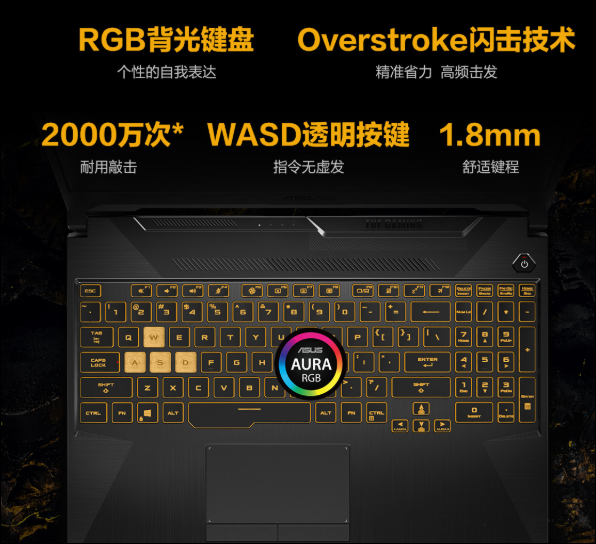
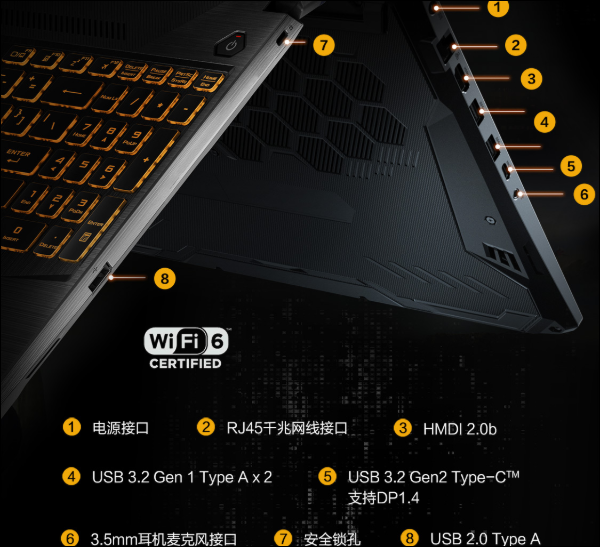
In terms of design, the Flying Fortress 8 gaming laptop uses a stealth fighter design and has a narrow border on three sides. The keyboard supports RGB backlight while the keystroke is 1.8mm. For connectivity, the gaming laptop packs a network cable interface, an HDMI 2.0b interface, three USB-A ports and a full-featured USB-C port.
As for the pricing, the Flying Fortress 8 gaming laptop starts at 5899 yuan (~$830). The models are presently on presale in China via JD.com and will go on sale from May 18.
Robots are not new, they are here since the last decade, and we are talking about them for the last many years. However, now they are more advanced thanks to the evolving technology and continuous research. Many new countries have now become part of the robotics revolution in industrial, farming, and various other sectors. Different robots specializing in different aspects are now becoming a reality. Similarly, a Chinese robotics company Unitree has unveiled a new four-legged robot dog. Unitree A1 resembles the features of Boston Dynamic’s robots and is available for under $10k.
Unitree A1 is a fully functional four-legged robotic dog debuted earlier this year at Consumer Electronics Show (CES) 2020. It is robust and can perform jumps, flips, and can travel ten feet or seven miles per hour. The strong motor and flexible joints are some primary reasons behind such rapid actions. The robot features different sensors assisting it efficient in decision making.
The primary features include excellent performance, and speed while maintaining stability. It features a multi eye intelligent depth camera for better precision and supports Real-Time HD Video transmission. Moreover, it can follow any human being with any issue assisted by dynamic obstacle avoidance. The robot can even understand gesture recognition.
Technical Aspects of Unitree A1 Robot
Unitree A1 has a payload capacity of 5KG, 1-2.5 hours of endurance time along 2 protection modes. It uses 2 real-time operating systems to efficiently run without any issue. There are 4-foot pressure sensors making itself walk reliably, efficiently, and conveniently.
4X Electric Motors Specifications
The robot packs 4X Electric Motors producing joint torque of 22.5nm, and maximum joint velocity of 21 rad/second. It can be quickly assembled without any major maintenance. Each motor can work separately in a different position, speed, and torque.
Intelligent Eye Depth Camera
Their intelligent depth cameras present on the front side helps to record video, stream real-time video, and assist the robot. The depth camera features active infrared stereo depth technology, 1080p camera resolution, 0.3-10m doeth distance, and error accuracy of 2 meters.
It measures 500mm long, 300mm wide, and measures 4000mm in height and weigh 12 Kg. There are multiple external interfaces including 2X HDMI, 2X Ethernet, and 4x USB 3.0 ports.
Features of Unitree A1 Robot
Faster Running Speed
The robot can run at the maximum speed of 11.88km/h which converts to 3.3m per s/ It is the most stable and the fastest quadruped robot. In layman terms, the speed is equivalent to the speed of adult jogging.
Exceptional Sports Stability
Unitree A1 robot dog can balance perfectly thanks to the advanced dynamic balancing algorithm. It allows the robot to balance quickly in case of sudden fall or impact.
Efficient Power System
The excellent performance and outstanding stability are the outputs of the ultimate power system. The Robot houses state of the art power system which rapidly produces more power by consuming the lesser energy than the competitors.
Better and lightweight design
The high strength and light body structure are some key aspects of the design. It is convenient to charge with a normal power input interface. The high-performance dual master control, real sense depth cameras, map building, and obstacle avoidance are major attractions.
High Foot Sensitivity
The robot incorporates a force sensor at each foot end which helps to sense the contact state in real-time. The integrated hardware force sensor and motor sense foot force help in improved sensitivity and reliability.
Target Following
The robot can easily follow the target person. It can even stream video in high quality with 25-30 frames per second. It tracks people, specific objects in motion within the visual range.
User Friendly User Interface
Unitree A1 robot is controlled with a PC based software. The simple and easy to use the software is the perfect control system. It features both high level and lower-level control.
Pricing
It is giving direct competition to robots from Boston Dynamics. The interested users can grab Unitree A1 for the price of less than $10K. You can head over to the official website to know more and buy it.
Unitree A1 is not the maiden robot that the company has manufactured, they also have many others including the famous Unitree Laikago which costs $45000.
Huawei released the P30 series last year and the smartphone was a huge success not just in China but also in the global market. One significant part of the P30 series is the presence of Google Mobile Services as it was released before the US enforced a ban on the sales of US technology to Huawei. Huawei is now catching in on the success of the P30 by launching a new model dubbed Huawei P30 Pro New Edition.
The Huawei P30 Pro New Edition adopts a design similar to the P30 Pro from last year but it gets a new Silver Frost variant similar to the P40 Pro’s. As a reminder, the P30 Pro features a 6.47-inch curved OLED Full HD+ display, has in-screen fingerprint reader, and can emit sound through the display of the phone. The device is powered by a 7nm Kirin 980 SoC coupled with 8 GB of RAM and 256 GB of internal storage.
The camera seems to remain unchanged as well and that should be a triple camera setup consisting of a 40-megapixel main sensor along with a 20-megapixel ultra-wide-angle lens and an 8-megapixel telephoto sensor. The telephoto sensor is upgraded to support 10X hybrid zoom instead of 5x.
On the front side, there’s a 32-megapixel selfie shooter. We expect the device to rin on the latest EMUI 10.1 based on Android 10 and yes, there is Google services onboard. The new edition is also likely powered by a 4,200mAh battery with 40W SuperCharge fast charging support.
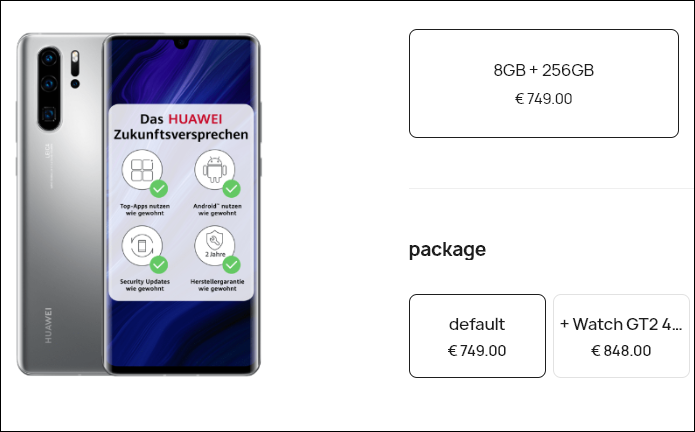
As for the pricing, the Huawei P30 Pro New Edition is priced at 749 Euros and is available from Huawei official website in Germany. It is presently on pre-orders while shipping will commence on June 1. The phone is available in Silver Frost, Aurora and Black colour variants.
Redmi just launched a new variant of the K30 5G: one of the first 5G mid-rangers. The new version is called Redmi K30 5G Racing Edition and it comes with improvements to the hardware department and a new color variant. Is it the mid-ranger to go for in the actual period or there is something better? In order to establish this, we decided to compare the new amazing handset to other best-buys actually available to purchase. For this in-depth specs comparison, we chose the new Realme 6 Pro and the Oppo Reno3 5G.
Xiaomi Redmi K30 5G Racing Edition vs Oppo Realme 6 Pro vs Oppo Reno3
Quad 64 + 8 + 5 + 2 MP, f/1.9, f/2.2, f/2.4 and f/2.4
Dual 20 + 2 MP f/2.2 and f/2.4 front camera
Quad 64 + 12 + 8 + 2 MP, f/1.8, f/2.5, f/2.3 and f/2.4
Dual 16 + 8 MP f/2.1 and f/2.2 front camera
Quad 64 + 8 + 2 + 2 MP, f/1.8, f/2.2 and f/2.4
32 MP f/2.4 front camera
BATTERY
4500 mAh, fast charging 30W
4300 mAh, fast charging 30W
4025 mAh, fast charging 30W with VOOC Flash Charge 4.0
ADDITIONAL FEATURES
Hybrid Dual SIM slot, 5G
Dual SIM slot
Dual SIM slot, 5G
Design
Starting from the display, while Oppo Reno3 comes with a standard waterdrop notch, Redmi K30 5G Racing Edition and Realme 6 Pro adopt a dual punch-hole design. But despite that, Oppo Reno3 5G remains my favorite device in terms of aesthetics. It is the most compact device of the trio and even the thinnest one. Further, it has an aluminum frame and a glass back, unlike the Realme 6 Pro which comes with a plastic frame and a glass back. The Oppo Reno3 5G also comes with a more minimalistic rear side than Redmi K30 5G Racing Edition.
Display
Do you prefer an AMOLED display with a standard refresh rate or an IPS panel with a high refresh rate? If your answer is AMOLED display, go for the Oppo Reno3 offering more vivid colors, deeper blacks, and an in-display fingerprint reader. If you prefer having a high refresh rate because you want the smoothest viewing experience, choose the Redmi K30 5G Racing Edition which also offers the HDR10 certification. The Redmi K30 5G Racing Edition also comes with a wider diagonal. Realme 6 Pro has a 90 Hz IPS display.
Hardware/Software
The strongest hardware department belongs to the Oppo Reno3. It is equipped with a Dimensity 1000L (including 5G support, but no mmWave) and up to 12 gigs of RAM. Right after, we got the Redmi K30 5G Racing Edition with the new Snapdragon 768G mobile platform and 6 GB of RAM. Realme 6 Pro takes the third place, but it is still a very performing handset with its Snapdragon 720G SoC and up to 8 gigs of RAM. Android 10 is installed out of the box on all of these devices. Note that Redmi K30 and Oppo Reno3 support 5G, while Realme 6 Pro does not.
Camera
The most impressive cameras belong to the Oppo Reno3: the only handset to support OIS. The device also sports an awesome 32 MP front camera. The silver medal goes to the Realme 6 Pro which is also the only device of this trio to come with a telephoto lens and 2x optical zoom. Further, it is the only with an ultrawide dual front camera. If you are looking for the greatest camera phone, simply do not choose the Redmi K30 5G Racing Edition.
Battery
Redmi K30 5G Racing Edition sports the biggest battery, but 5G is very energy-demanding. With its 4300 mAh battery, Realme 6 Pro should last more on a single charge because it does not support 5G. Oppo Reno3 has 5G and the smallest battery, but we believe it will still be satisfying. In each case, you get 30W fast charging with blazing charging speeds.
Price
Redmi K30 5G Racing Edition is priced €260/$280, Oppo Reno3 starts from €440/$475, and Realme 6 Pro is priced €200/$216 in its base variant. Overall, Redmi K30 5G Racing offers a more interesting display, Oppo Reno3 is the only with an AMOLED panel and it has a better camera, while Realme 6 is inferior to both but offers a higher value for money. Which one would you pick?
Xiaomi‘s now independent POCO brand is set to launch the long-awaited POCO F2 Pro smartphone tomorrow (May 12). Ahead of the launch event, popular tipster Ishan Argwal has leaked the POCO F2 Pro renders showing just the front view of the model.
The POCO F2 Pro is touted to launch as a rebadged Redmi K30 Pro and the render seems to confirm that. The device comes with a full-screen, notch-less design. That means we are looking at a pop-up camera design. No, an under-screen selfie camera isn’t ready for the market yet and even if it is, Xiaomi will likely utilise the technology on its high-end Mi flagship or Mix series. So, that is definitely a pop-up camera we are looking at on the F2 Pro.
Redmi K30 Pro – This is what the POCO F2 Pro will look like
Just like the Redmi K30 Pro, the pop-up camera will be located at the top left corner of the display. Although the rear design is not revealed, earlier teasers show the device will have an excellent camera housed in a round housing. Other features include powerful Snapdragon 865 SoC as well as a large battery with fast charging support.
The Poco F2 Pro will be available with 6GB of RAM and 128GB storage as standard and a higher 8GB RAM/256GB storage option. The model will be available in four colours; Purple, White, Grey and Blue. Although the price wasn’t listed, an earlier leak suggests the device will retail for €600 or €650 in Europe. If there is a 4G version, the price may be lower.
Several industries experienced a horrible first quarter of 2020 as a result of the Coronavirus pandemic. The smartphone industry wasn’t spared except in India where a positive result was still posted. The notebook market equally escaped the worst of the COVID 19-induced initial downturn. due to the COVID-19 outbreak.
A report by market research firm Strategy Analytics shows that the notebook market shrank by only -2% year-on-year in Q1 2020. The report predicts bigger challenges ahead as depressed consumer demand spreads across the world in Q2, leaving top notebook vendors in a precarious situation.
Lenovo maintained the leadership of the notebook market with a gross shipment of 8.9 million units and a market share of 23.5%. HP followed closely with a gross shipment and market share of 8.1 million units and 21.3% respectively. Dell shipped 6.9 million units in Q1 2020, commanding an estimated 18.2% share of the market. Also in the top 5 is Apple with an estimated 3 million gross shipment and market share of 8%. ASUS completes the top 5 shipping 2.5 million units of notebook PC with an estimated 6.6% market share.
Chirag Upadhyay Senior Research Analyst stated, “Notebook vendors with a heavy reliance on China for its supply chain and those which did not have high levels of inventory before the COVID-19 outbreak had (the) most difficulty in Q1 on a global basis. From a consumer demand standpoint, the vendors which are most reliant on the Chinese domestic market experienced the biggest downturns. All of that aside, the notebook market only shrank -2% year-on-year and compared to most other consumer electronics segments, this should be considered a success in a very tough environment.”
Eric Smith, Director – Connected Computing added, “We expect that as COVID-19 spreads globally in Q2, large corporations and educational institutions will place more orders for notebooks to support work/learn-from-home initiatives around the world. As more families are stuck in their homes during quarantine orders, there are too few productivity devices for all members of a household to get their work done. Consumer demand will be soft as average people face economic hardship, but commercial demand could balance out that softness.”
Ulefone is not stopping by after doing just a few tests to prove the Ulefone Armor X7’s ruggedness and stealth. They are in no mood to leave Armor 7 from any kind of test to prove its metal. In a new testing video, Ulefone Armor X7 is seen going through an extensive temperature test. It is a perfect answer to those users who were curious to know about the device’s prowess against the extreme temperatures. You can watch the test video below:
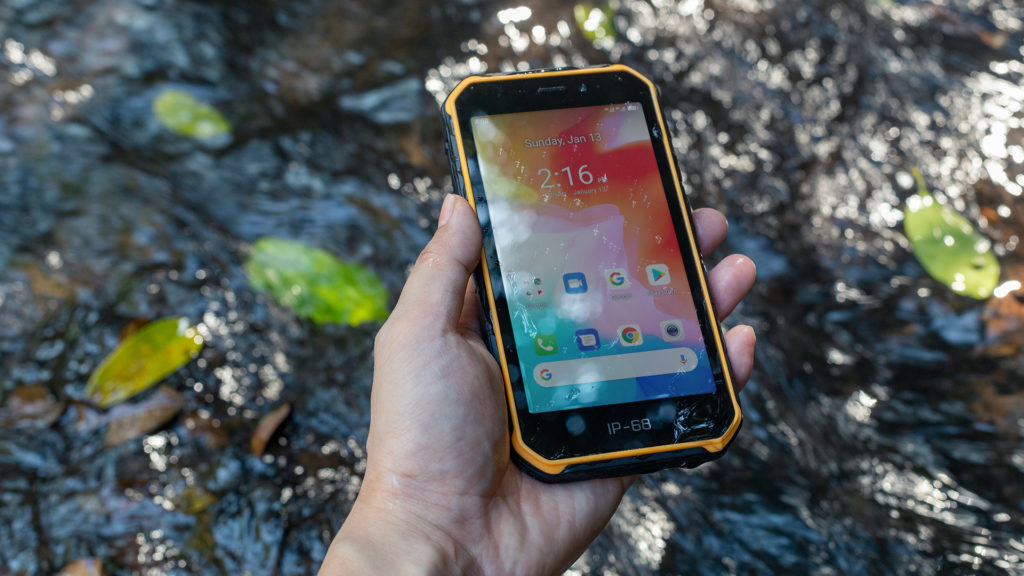
As seen in the video, Ulefone Armor X7 can be seen going through 100℃ boiling water without any damage or accidental shutdown. The normal or some rugged smartphones usually shut down under extreme temperatures of 100℃. On the opposite side, the smartphone was put in a tank full of cold water under -15℃ for a full night. Surprisingly, it worked without any issue after removing from the ice cube under the extremely cold climate.
It is not for the first time that Ulefone Armor X7 underwent extreme testing conditions, the company has already tested the device in a waterproofing test, screen rigidity test, drop test, durability test, and the brutal testing in the lab. The smartphone has performed normally even under treacherous environments and has proved that it is really IP68, IP69K, and MIL-STD-810 certified.
Ulefone Armor X7 Specifications
Additionally, Ulefone Armor X7 comes with MT6761 Quad-Core processor enabling fast and fluent multitasking and handling power-intensive tasks. It houses a 5.0-inch HD display equipped with high color saturation and rigid glass for protection. The display is shatter-proof and scratch-proof. It is available with 2GB RAM, 16GB internal storage and runs on the Android 10 operating system.
In the camera department, the user gets a 13-megapixel primary camera with dual flash to assist the users during night time. There’s a 5-megapixel front camera for unlocking the smartphone, making video calls, and taking selfies. It is a perfect combination to take stunning underwater photos.
Ulefone Armor X7 supports contactless payments with Google Pay as it houses NFC. A 4000 mAh battery is present offering 13 hours of continuous talk time and 18 days of standby time. the smartphone is home to various navigation and real-time use application like compass, flashlight bubble level, Height Meter, magnifies, Alarm, and Plumb Blob.
Ulefone Armor X7 is available in orange and Black color options. The interested users can own it for the promotional price of $79.99 from Aliexpress. To know more about the device, head over to the official product page.
News about the Samsung Galaxy Note20 series began surfacing as far back as January. Going by the launch date for the Galaxy Note10 series, we are three months away from the launch of the new Note series which means more leaks are expected to pour in in the weeks leading up to the release. Today, details about the display for the upcoming phones were leaked on Twitter.
Samsung Galaxy Note20 Concept Render
The source of the leak is Ross Young, the founder and CEO of Display Supply Chain Consultants (DSCC), and his tweets revealed key details about the screens of the Galaxy Note20 and the Galaxy Note20+.
Galaxy Note20 Display Specifications
According to Ross, the Galaxy Note20 will have a bigger display than its predecessor; 6.42-inches to be exact. It will also have a slightly increased 2345 x 1080 resolution, so the PPI remains 401. The aspect ratio is revealed to be 19.5:9, an increase from the 19:9 aspect ratio of the Galaxy Note10.
The big news is that the display will have a 120Hz refresh rate. The screen is a Low-Temperature Polycrystalline Oxide (LTPO) display that uses low power. This should help reduce battery consumption even with 120Hz mode permanents set to on.
Note 20 Display Leak: Note 20 will grow from 6.3" on the 10 to 6.42" on the Note 20. Resolution will increase slightly to 2345 x 1084, 404 PPI, 19.5:9 aspect ratio. 120Hz with LTPO, variable refresh, so lower power with 120Hz, great for always on mode. #GalaxyNote20
Note 20+ Display Leak Note 20+ will grow from 6.8" to 6.87", resolution will increase to 3096 x 1444 resulting in a 497 PPI, 19.3:9 aspect ratio. It will also have 120Hz refresh with LTPO, lowest power implementation of 120Hz due to variable refresh. #GalaxyNote20+
The Galaxy Note20+ will have a slightly bigger screen that measures 6.87-inches. The resolution goes up to 3096 x 1444 and translates to a PPI of 497 while the aspect ratio will be 19.3:9.
Just like the standard version, the Galaxy Note20+ will have a 120Hz refresh rate and an LTPO panel.
No Galaxy Note20 Ultra
While Samsung launched a Galaxy S20 Ultra earlier this year, it won’t be replicating the Ultra model with the Galaxy Note20 according to Ross. However, he added that “…the Galaxy Fold 2 will be your Ultra.”
No Galaxy Note Ultra model, but the Galaxy Fold 2 will be your Ultra. #GalaxyNote
Earlier reports have revealed the Galaxy Fold 2 will come with a new type of S Pen, so it makes sense that there will not be a Galaxy Note20 Ultra. Anyone who wants a bigger Galaxy Note with a stylus should go for the Fold 2, though it will definitely not be cheap.
Ever since Redmi became an independent brand, it has been releasing all sorts of products similar to its parent company Xiaomi. According to a new leak, the brand will be soon launching monitors in different sizes as well as for various purposes.
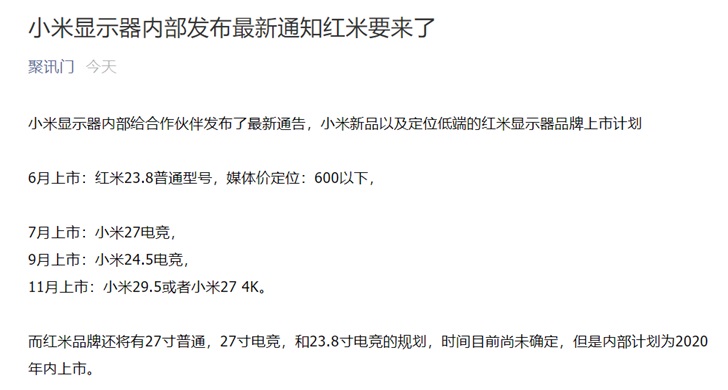
There’s no much information available regarding the first Redmi monitor except for its screen size. As per an internal document, the regular monitor will be launched in June with a 23.8-inch panel. The leak also suggests its price will be less than 600 Yuan ($84), which is insane for a monitor at this size.
There are also plans to launch Redmi-branded regular larger 27-inch monitor as well as 23.8-inch and 27-inch gaming monitors.
Apart from the above-mentioned models, there will be three more monitors with Xiaomi branding. A 27-inch gaming monitor will be released in July, which will be followed by a smaller 24.5-inch gaming monitor in September. There will be also a 29.5 or 27-inch 4K monitor in November.
Unfortunately, the pricing for these models is unknown at the moment. But going by the previous monitors launched by Xiaomi, the upcoming products will be priced competitively.
Here’s a table to easily understand the forthcoming Redmi and Xiaomi-branded monitors.
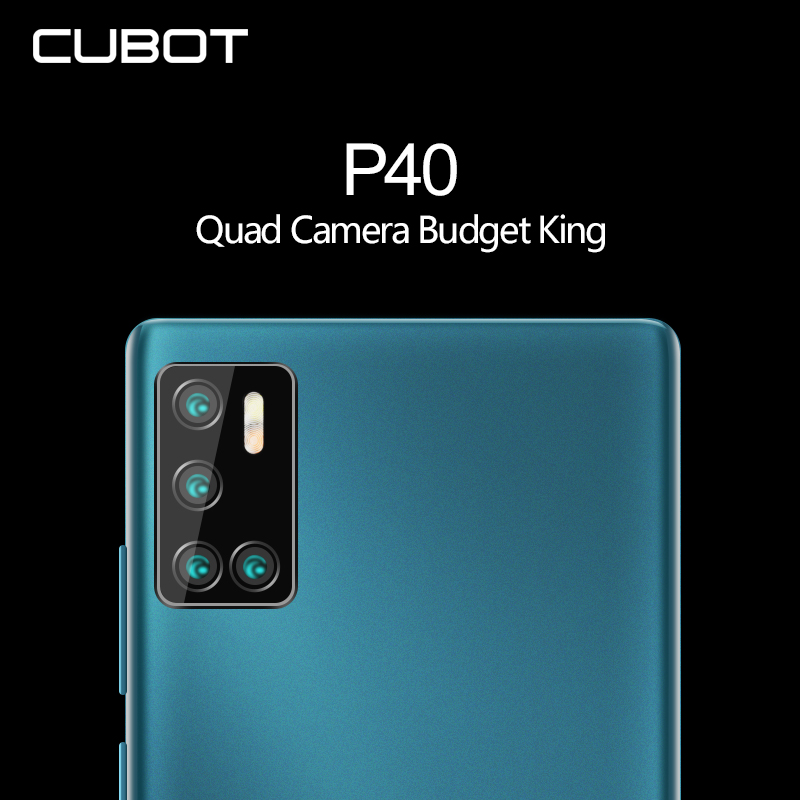
Cubot is primarily known for its high-tech smartphones and other wearables. The company is coming with another masterpiece – Cubot P40 smartphone featuring a quad-camera module on May 18. After a suspense of over a few weeks, Cubot listed the official launch date on the product page of Cubot P40. It will be super budget-friendly smartphone featuring a 4200 mAh battery and other stunning features.
As far as the specs are concerned, the Cubot P40 features an in-cell 6.2-inch waterdrop display with LTPS technology. It comes paired with 4GB RAM, 128GB internal storage. In the camera section, Cubot P40 houses a quad-camera setup with 12-megapixel Sony primary camera along with three other lenses. A 20-megapixel Samsung S5K2T7 AI selfies camera is present on the front. The cameras are beautifully embedded on the rear side in a squarish block along with an LED flash.
Cubot is always known for its stock Android-like experience on smartphones. Similarly, Cubit P40 runs on the latest Android 10 offering Vanilla Android experience without any unnecessary bloatware.
The smartphone will be made available at the competitive pricing, as the slogan quotes it as the “quad-camera budget king.” The pricing is its intuitive aspect of Cubot P40 as the company has preserved it as a big surprise. It will be the most affordable quad-camera smartphone till date. Moreover, the smartphone will be available in 4GB RAM + 128GB internal storage variant as revealed by the company on Facebook.
However, if you’re looking to own Cubot P40 for free, then you can really get it through a huge giveaway. The company will ship the device without any cost to the winners to test and propose any changes before the launch. The participating users need to guess the final price and perform some other activities. You can add the smartphone to the cart on Aliexpress to get notified once it gets available.
Huawei has been lately focussing more in the smart automotive industry. According to a press release by the company, it has partnered with 18 carmakers in China to release 5G smart-connected vehicles in the coming months.
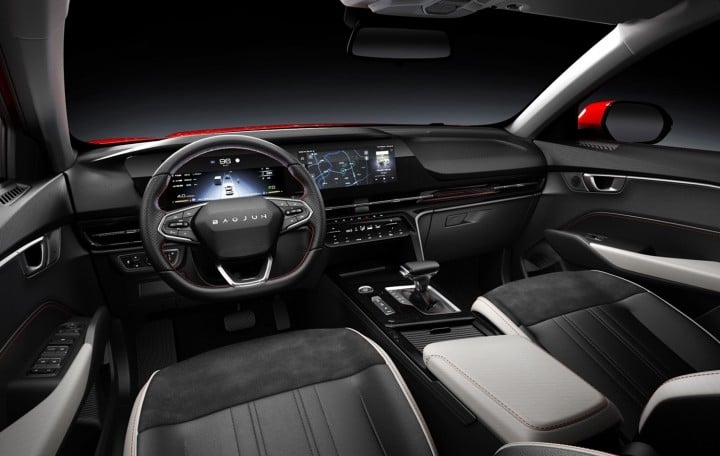
Baojun RC-6 Interior
Huawei has been working long to become the leading supplier of 5G modules to smart-connected vehicles. The company claims its MH5000 as the world’s first 5G module for vehicles.
This module was developed by Huawei’s HiSilicon division, which is well-know for its Kirin lineup of smartphone SoCs. It is already available commercially on Baojun RC-6, a car built by SAIC-GM-Wuling Automobile, a joint venture between SAIC, General Motors and Liuzhou Wuling Automobile Industry Co.
Now, the Chinese telecom giant signs a total of 18 Chinese carmakers to bring more 5G smart-connected vehicles to the domestic market. Here’s the complete list of the partners.
FAW Group
Hongqi
Pentium
Jiefang
Dongfeng Group
Xiaokang
Passenger cars
Changan Automobile
SAIC
Passenger cars
GM Wuling
GAC
BAIC
BYD
Great Wall Motors
Chery Holdings
JAC
Yutong
Jinkang Seris
Nanjing Iveco
T3 Travel
Recently, it was revealed Huawei to have partnered with STMicroelectronics to design and manufacture chips for smart automotive and mobile devices. If the cooperation goes as planned, Huawei may rope in international carmakers like Tesla and BMW as its clients who are customers of STMicro for years.
Elephone appears to be following Samsung’s policy of bringing diversification across the whole lineup by offering different phone models with distinctive features. Just after confirming the presence of Elephone PX Pro via images, the company also unveiled images of the new Elephone E10 Pro which is the successor to Elephone E10. The whole design of the new smartphone is visible in these images posted by the company.
Elephone PX Pro design resembles its predecessor featuring the same punch-hole display and full-view like experience. However, the display size also appears to be the same at 6.5-inch carrying the Full HD resolution with a 19:9 aspect ratio and 90.3% screen-to-body ratio. On the rear side, there’s the same quad-camera module along with the LED flash. Elephone branding is placed in the center and feature gradient color.
The volume rocker and power button reside on the right side of the smartphone.
Apart from the design, there’s no information about the hardware changes that the new smartphone will feature with respect to its predecessor – Elephone PX. It’s highly anticipated that Elephone will bring new chipset which will greatly improve the performance of the smartphone.
There’s no official saying about the hardware upgrades, we have to wait for the confirmation. It is expected that Elephone will pull more information in the coming few days.
Do let us know about the upgrades you want in the Elephone PX Pro via the comments form below.
We use cookies on our website to give you the most relevant experience by remembering your preferences and repeat visits. By clicking “Accept”, you consent to the use of ALL the cookies.
This website uses cookies to improve your experience while you navigate through the website. Out of these, the cookies that are categorized as necessary are stored on your browser as they are essential for the working of basic functionalities of the website. We also use third-party cookies that help us analyze and understand how you use this website. These cookies will be stored in your browser only with your consent. You also have the option to opt-out of these cookies. But opting out of some of these cookies may affect your browsing experience.
Necessary cookies are absolutely essential for the website to function properly. This category only includes cookies that ensures basic functionalities and security features of the website. These cookies do not store any personal information.
Any cookies that may not be particularly necessary for the website to function and is used specifically to collect user personal data via analytics, ads, other embedded contents are termed as non-necessary cookies. It is mandatory to procure user consent prior to running these cookies on your website.




























UP NEXT: Honor MagicBook Pro 2020 now on Reservation on Jingdong