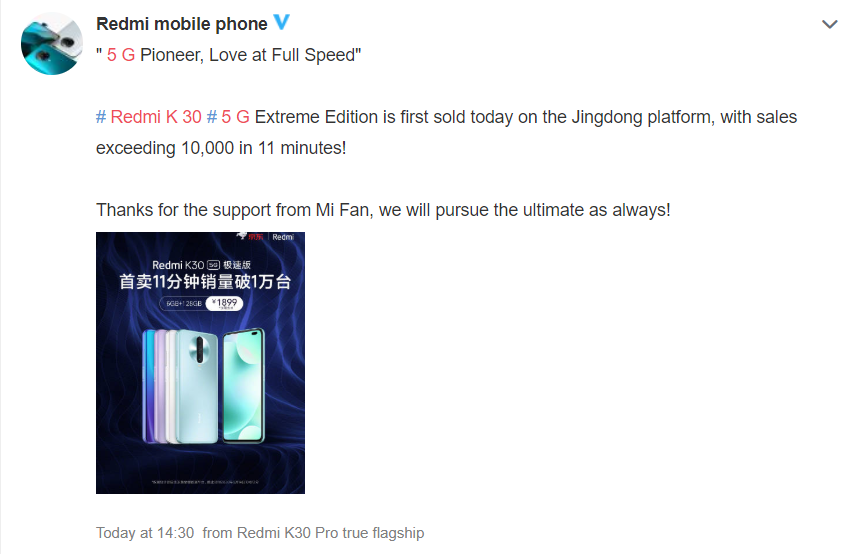
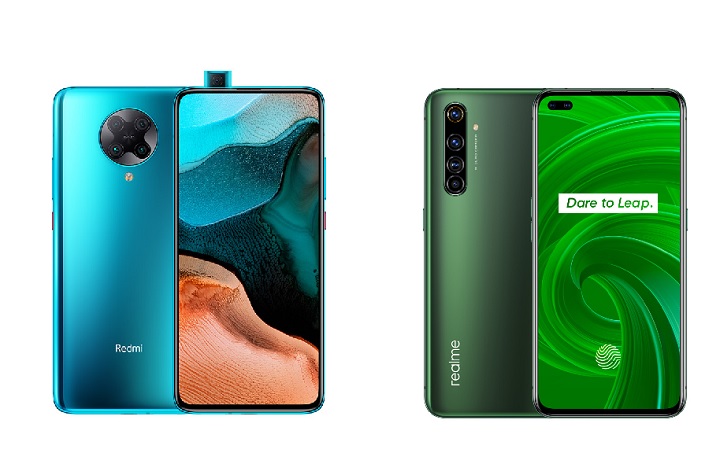
Earlier today (14th May 2020), the Redmi K30 5G Racing Edition went on sale for the first time. The device was priced at 1,899 Yuan (roughly 267 US Dollars) and, according to an official statement, has crossed over 10,000 units in sales in just 11 minutes.
After the initial sales opened, the Redmi K30 5G Racing Edition saw an explosive demand. For those unaware, the device is a mid range handset that is a more powerful version of the base Redmi K30 5G. The smartphone arrives with dual mode 5G networking and, similar to its base entry, arrives with a very competitive price tag as well.
One of the notable improvements includes the new Qualcomm Snapdragon 768G making its debut on the device. The chipset is an overclocked version of the Snapdragon 765G, which is found in the previously launched K30 5G. This enables the processor to offer better performance that should also translate to a better gaming experience, especially when paired with its high display refresh rate of 120Hz.
Additional features include MIUI 12, which arrives with improved privacy related features like recording applications behavior and more. The new custom skin on the Android 10 operating system also brings improvements and optimization aimed towards multitasking. For more details check out this link here.
Honor launched its Honor 30S smartphone at the end of March this year, making it the first smartphone to come powered by Huawei HiSilicon Kirin 820 5G chipset. The company had announced the phone in four colors — Black, Blue, Green, and a new Feather Red gradient.
While the smartphone has been available for purchase in China, the Feather Red color variant hasn’t been up for sale yet. Today, the company has announced that this Feather Red color which comes in a Blue-Red gradient, will be available for purchase from 18th May and is already up for reservation.
The Honor 30S comes in two variants — 8GB RAM + 128GB Storage which is priced at 2,399 Yuan (~$338) and the 8GB RAM + 256GB Storage model which costs 2,699 Yuan that roughly converts to $380. In its first sale last month, the company sold units worth 100 million yuan in just one minute.
The Honor 30S smartphone features a 6.5-inch IPS LCD display. The 1080 x 2400 pixels Full HD+ screen resolution and 20:9 aspect ratio. The handset also comes with a side-mounted fingerprint reader for added security.
Under the hood, the device comes powered by Kirin 820 SoC, along with Mali-G57 GPU, up to 8GB LPDDR4x RAM and up to 256GB UFS 2.1 storage. It features a quad-camera setup on the back that consists of a 64MP primary sensor, an 8MP telephoto lens, an 8MP ultra-wide-angle lens, and a 2MP macro sensor.
On the front side, the device features a 16MP snapper for taking selfies and video calling. The smartphone is running Android 10 operating system with the company’s EMUI 10 custom user interface. The device is powered by a 4,000mAh battery that supports 40W rapid charging technology.
Google is now facing another issue regarding privacy as it received a data protection complaint. The complaint was filed by Max Shrems, an Austrian privacy activist, and accused the search giant of unlawfully monitoring users and passing on the “tracking ID’ to various advertisers.
Max Schrems (Via Bloomberg)
Schrems filed the complaint through his activist group called, Noyb. It was filed with the Austrian data protection authority and mainly concerned Android users. According to their complaint, Google tracked its Android users’ phones through a unique ID, which “allows Google and countless third-parties to” track and monitor EU users. In the complaint, the group mentioned that people have to be asked for consent before being tracked.
This is in line with the strict data protection rules the European Union has enforced since May 2018. Through these regulations, the data protection advisories have the power to impose fines that can amount up to 4 percent of a company’s global annual sales when concerning major breaches in conduct. Furthermore, the complaint accused Google of not collecting “valid ‘opt-in’ consent before generating the tracking ID, but seems to generate these IDs without user consent.”
According to Nyob, “Android does not allow deleting the tracking ID. It only allows users to generate a new tracking ID to replace the existing tracking ID. This neither deletes the data that was collected before, nor stops tracking going forward.” As of right now, Google has yet to make a public statement. Unfortunately, this also arrives during a period of crisis where various governments and private companies are working on tracing technology, which is another hassle regulatory bodies are dealing with.
While Honor is gearing up for an upcoming product launch event, the company has also started teasing a few gadgets beforehand. Earlier today (14th May 2020), the Chinese tech giant teased its first Wi-Fi 6 Plus router, named Honor Router 3.
Earlier this year, the Wi-Fi technology saw an advancement in its technology with the new generation of WiFi 6 standards being launched. As of right now, its popularity is already increasing, with most flagship smartphones featuring this technology. Routers and other AIoT products also appeared early on and now it seems that a higher WiFi 6 Plus standard is arriving soon as well.
For those unaware, WiFi 6 brought a lot of improvements over the older generations. It had bandwidth almost three times higher than WiFi 5 and can have nearly 4 times the capacity of concurrently connected devices. Furthermore, its power consumption was also powered by 30 percent while latency also saw a reduction. Unfortunately, it is currently unknown what improvements WiFi 6 Plus brings over the regular WiFi 6, but it is likely to be further improvements on the aforementioned features.
The official Honor Weibo account, a Chinese microblogging website, shared the first poster image for the Honor Router 3. This product will be announced on 18th May 2020, alongside many others like a new laptop, the company’s first 5G and WiFi 6 compliant tablet, and more. So stay tuned, as we will be covering the product launch conference.
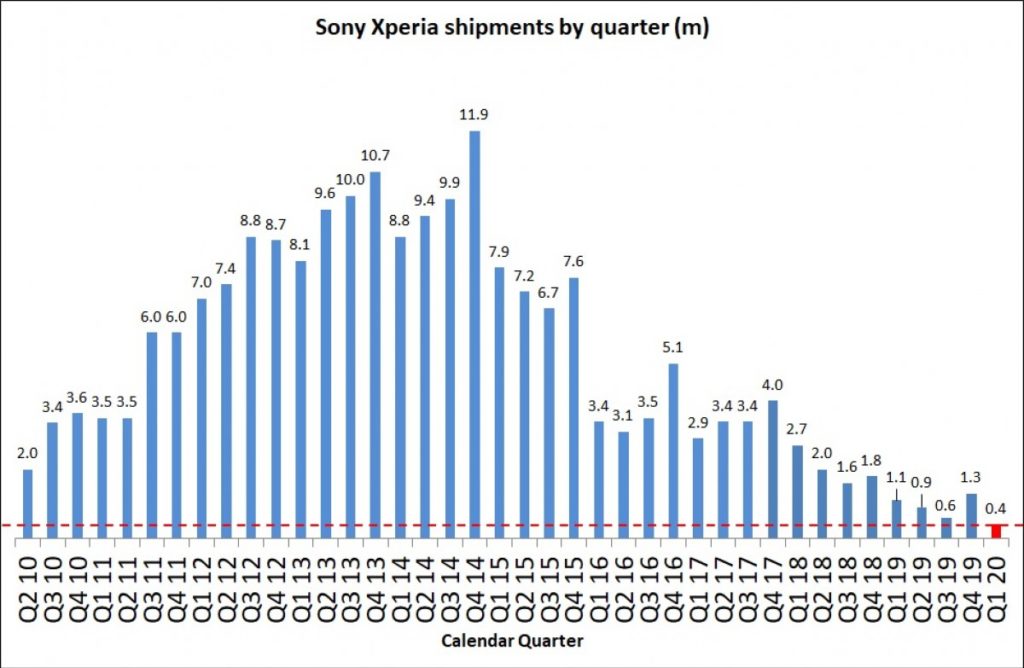
Sony is no longer a player in the smartphone market. But it still releases a couple of premium as well as mid-range smartphones every year to prove that it can also make phones. Although some of these handsets are good with certain flaws, their higher price tags make them invaluable compared to competitors. As a result of it, Sony only shipped 400,000 smartphones in Q1 2020.
The Japanese electronics giant recently released its earnings report for the first quarter of 2020. According to it, the company’s smartphone shipments plunged by 64% YoY in Q1 2020, the largest ever-drop in its history.
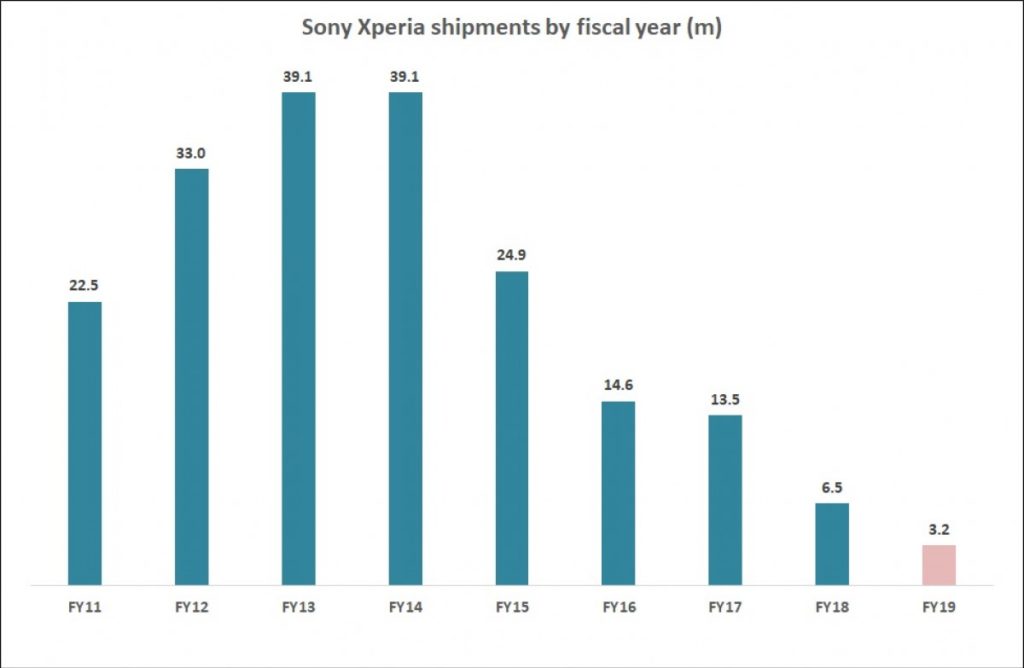
The shipments of Sony Xperia lineup of smartphones have been dropping since 2015. The company had a solid performance in 2013 and 2014 with 39.1 million units each year. Then, it finally declined to only 3.2 million units in 2019. That’s almost 50% lesser than 6.5 million units in 2018.
Sony’s smartphone business does not seem to have a bright future at his point. The company has to revamp its strategy to succeed in the world’s one of the most competitive industry.
Recently, Sony merged its Mobile Communications business with Imaging Products & Solutions and Home Entertainment & Sound under a new holding company called ‘Sony Electronics Corporation’. Maybe, this will help the company build compelling products for customers.
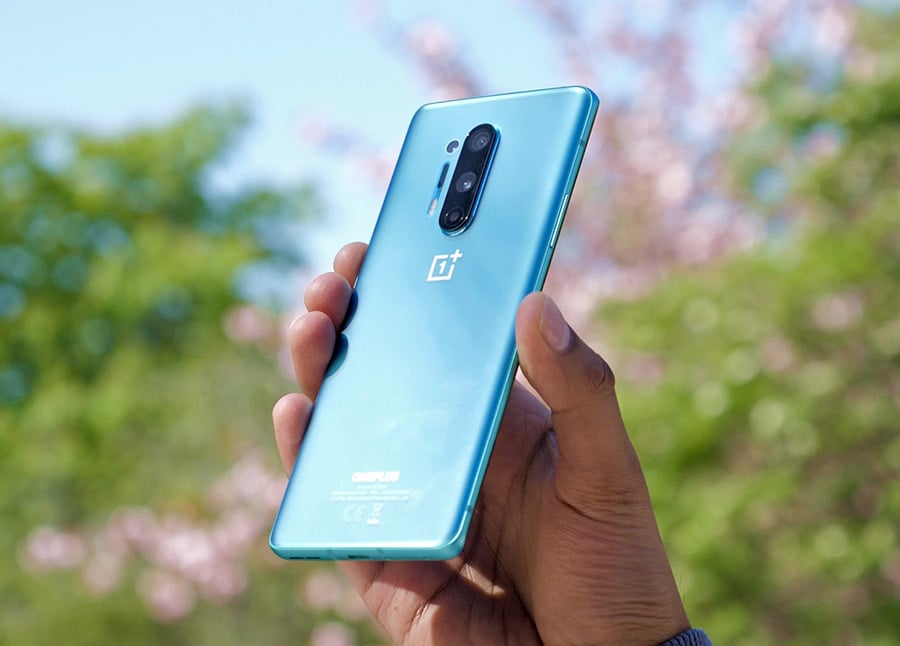
The OnePlus 8 Pro is currently the flagship smartphone from the company. It is by far, one of its most premium handsets that features top notch specs and great cameras. However, it seems that the device has a few hidden abilities as well, being able to “see through” certain plastics when using particular color filters from its camera.
According to a tweet by Ben Geskin (@BenGeskin), the OnePlus 8 Pro’s camera is observed to able to see through an Apple TV’s body to reveal its internals. Ben also shared a video, which was a video screen capture from the smartphones. Furthermore, this prompted others to also attempt the same feat with tech reporting agencies publishing their findings as well.
Digital Trends did their own digging into this hidden ability and found that the OnePlus 8 Pro’s camera can even see through the Nintendo Switch Pro Controler. According to their tests, the color filters through the camera can only see through plastics that don’t have any form of infrared shielding. Notably, it was also discovered that the OnePlus 8 Pro’s camera can pick up on infrared LED lights and more that cannot be observed by the naked eye.
The color filter that allows this ability to be highlighted is “Photochrom,” which can be found in the default OnePlus camera app. Although this isn’t a ground breaking feature, it still is quite impressive for a smartphone to have pseudo X-ray like vision. Additionally, this ability may not be exclusive to just the OnePlus 8 Pro as more smartphones have a similar sensor and a few specialize in infrared technology like the Pixel 4 and iPhone 11 series, albeit you can’t use them in that manner.
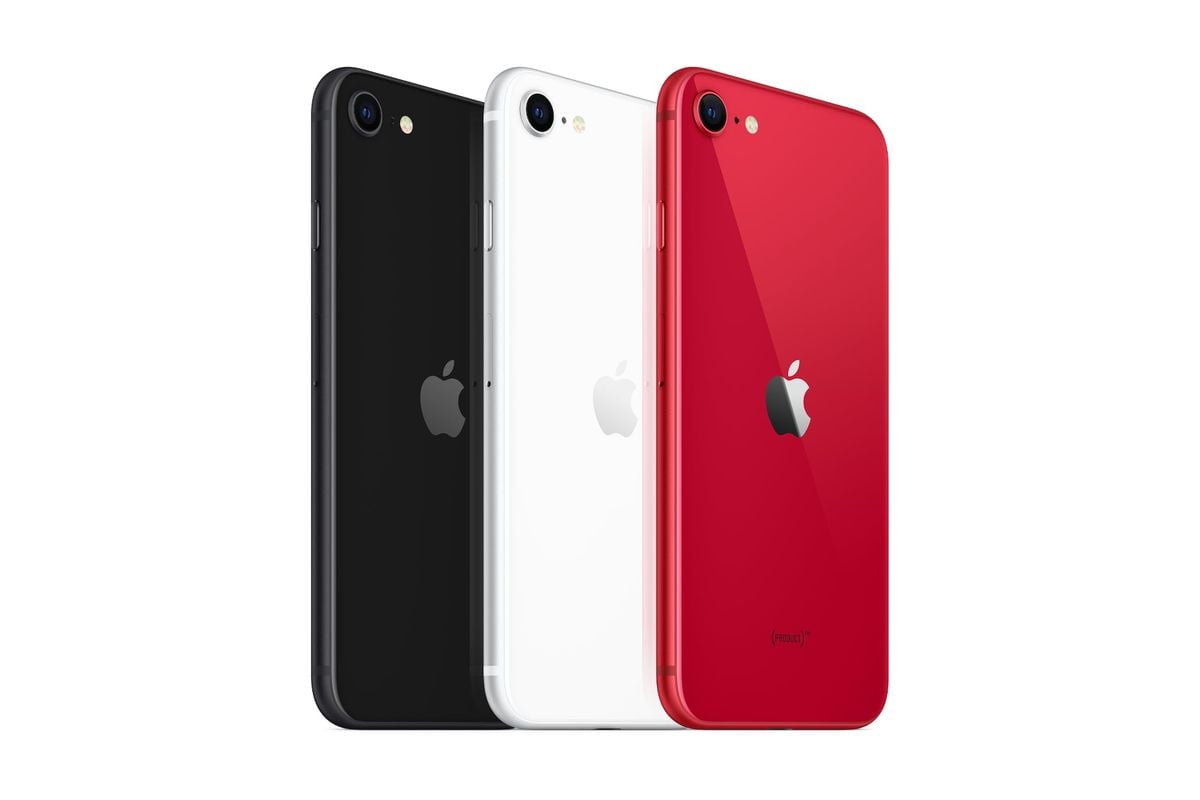
Apple unveiled the iPhone SE 2020 smartphone last month. It debuted as the cheapest phone in the company’s current lineup. The sale of the smartphone did not start immediately in India after its launch. Now that the COVID-19 lockdown has been relaxed in some regions across India, Apple is now gearing up to begin the sales of the iPhone SE 2020 in the country. Indian retailer site Flipkart now has a landing page for the iPhone SE 2020. The listing reveals that the iPhone SE 2020 sales will bring from May 20.
iPhone SE 2020 price in India and launch offers
The iPhone SE 2020 can be bought in India in three storage versions such as 64 GB, 128 GB, and 256 GB. They are priced at Rs. 42,500 (~$563), Rs. 47,800 (~$633), and Rs. 58,300 (~$772), respectively. The first sale will start at noon (local time) on May 20. The handset will be available in color variants like black, white, and red.
Customers can avail Rs. 3,600 (~$48) instant discount on HDFC Bank cards and EasyEMI. This effectively reduces the price of the base model to Rs. 38,900 (~$515). It is not clear whether Rs. 3,600 discount will be also available for customers of 128 GB and 256 GB storage variants.
The iPhone SE 2020 has a 4.7-inch display that supports 750 x 1334 pixels. The chin of the device has a Touch ID sensor. The handset runs on iOS 13 and it is driven by Apple A13 Bionic chipset and 3 GB of RAM.
There is a 7-megapixel front camera on the iPhone SE 2020. The back panel of the device is fitted with an OIS equipped with a 12-megapixel camera along with an LED flash. The handset has a 1,821mAh battery that supports 18W fast charging and Qi wireless charging.
MediaTek has launched three chipsets under its new 5G Dimensity lineup — MediaTek Dimensity 1000, Dimensity 800, and the most recent Dimensity 1000+. Now, the company is all set to launch yet another chipset in the same series.
The company has today confirmed that it will be hosting a launch event on 18th May in China to launch a new 5G chipset. While the name of the chipset getting launched is not revealed, we expect it to be the MediaTek Dimensity 800 Plus.
As per the previous leak, the Dimensity 800 Plus is expected to cove with an overclocked CPU at 2.6GHz instead of 2.0GHz. Apart from this, everything else is expected to be almost the same as the original variant.
The MediaTek Dimensity 800, launched earlier this year, is a 7nm octa-core processor that comprises of four Cortex A76 cores clocking at 2.0GHz and four Cortex A55 cores working at 2.0GHz. For graphics, it is equipped with Mali-G77MC4 and also comes with its own HyperEngine gaming technology for enhanced gaming experience.
It offers support for Full HD+ screen resolution with up to 90Hz refresh rate. As for the memory, it can support up to 16GB of LPDDR4x RAM. The chipset supports voice and data over 5G and is built for global sub-6GHz 5G networks and promises up to 3.5Gbps download speeds and up to 1.25Gbps upload speeds.
Recently, the company launched Dimensity 1000+ SoC which comes with supports up to 144Hz refresh rate, MiraVision Enhanced HDR10+, and AI-PQ for real-time dynamic adjustment of contrast, color, sharpness and color levels of 4K videos.
It also comes with 5G UltraSave Technology and HyperEnging 2.0 for enhanced gaming performance. The upcoming iQOO Z1 5G, which is set to launch on 19th May, will be the first smartphone to be powered by this premium chipset.
Last month, OPPO introduced the OPPO Ace2 flagship phone in China. The handset had arrived in color editions such as Moon Rock Grey, Fantasy Purple, and Aurora Silver. Except for the silver colorway, the other two variants have been available for purchase since launch. Today, the company carried out the first sales of the Aurora Silver edition of the OPPO Ace2.
The OPPO Ace2 had landed in China in three variants like 8 G RAM + 128 GB storage for 3,999 Yuan (~$563), 8 GB RAM + 256 GB storage for 4,399 Yuan (~$619) and 12 GB RAM + 256 GB storage for 4,599 Yuan (~$648).
All three RAM and storage combinations can be bought in Moon Rock Grey and Fantasy Purple colorways. However, the newly introduced Aurora Silver color variant is not available in 8 GB RAM + 256 GB storage option. Ace2 is currently only available in China.
The OPPO Ace2 has a 6.55-inch S-AMOLED display. The punch-hole screen supports Full HD+ resolution and it offers a 20:9 aspect ratio. The screen of the phone is integrated with a fingerprint sensor.
The Snapdragon 865 powered Ace2 comes with LPDDR5 RAM and UFS 3.0 storage. It lacks a microSD card slot. The ColorOS 7 based Android 10 OS runs on the device. The handset features a 4,000mAh battery that supports 65W fast charging, 40W wireless charging, and 10W reverse wireless charging.
Realme came into existence in May of 2018 as a sub-brand of Oppo. A year later, it became an independent brand. Now, the company is gearing up to celebrate its anniversary by launching 8 new products on May 25. Ahead of it, it has been posting teasers to build up the hype. Today, the brand also revealed it has over 35 million users worldwide.
Being a new kid in the town, it is a massive achievement for Realme to acquire over 35 million users worldwide in a span of two years. The brand started in India with Realme 1, a device focussed on performance and design.
The handset did lack some of the features such as fingerprint sensor, which were present on devices from rival companies. But its affordable starting price of ₹8,990 made it popular among youth who prefer performance for gaming over anything else.
Soon, the brand started bombarding smartphones, which no one ever thought would happen. Ultimately, it became one of the first brands to launch the cheapest phones with a quad-camera setup, pop-up camera, in-display fingerprint sensor, and more.
According to rumours and teasers, the brand will be announcing its first gaming smartphone dubbed as ‘Blade Runner’ on May 25. It is also expected to unveil certain IoT products such as smart TV, smartwatch, and others.
We will know more about them in the coming days as we expect the brand to drop teasers daily leading up to the day of the launch.
Samsung has been reportedly working on a cheaper version of the Galaxy Fold smartphone and recently, more details about the smartphone were leaked online. While the device has been in the news as Galaxy Fold Lite, the actual naming of the phone has leaked online.
As per the industry insider Ross Young, the smartphone is named Samsung Galaxy Fold Special Edition. It seems that the company will launch this foldable smartphone to clear out the inventory of original Galaxy Fold before the company launches Galaxy Fold 2.
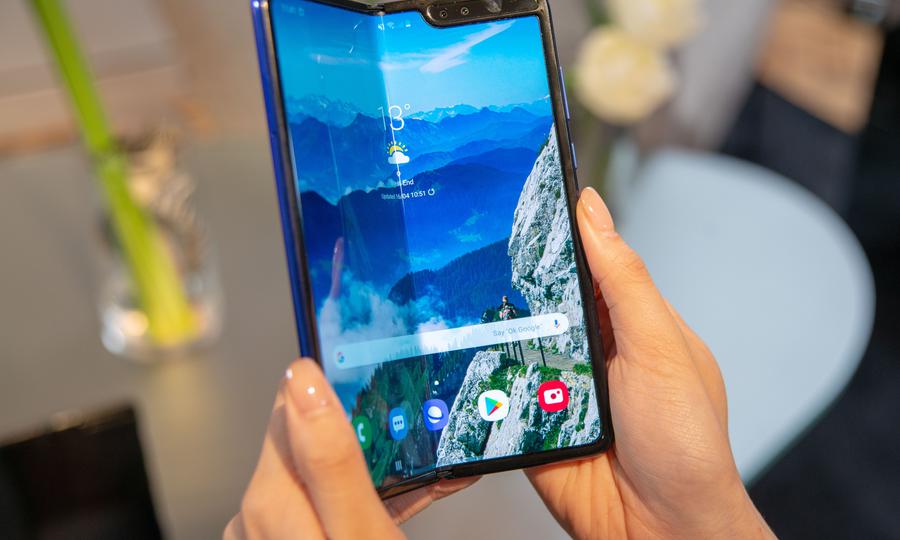
Samsung Galaxy Fold
It is said that the Galaxy Fold Special Edition will be priced at $1,099, making it the cheapest foldable smartphone not just from Samsung but any other manufacturer. He has also revealed that the smartphone will be launched in July and will have a limited stock of around 55,000 units.
Recently leaked specifications of the smartphone suggest that it will come powered by the Qualcomm Snapdragon 865 processor but won’t have 5G support. The device is said to be be built with an aluminium frame and glass body and should come in Mirror Black and Mirror Purple color options.
Max Weinbach, who leaked the phone’s specs, mentions that these are not the final specifications and they could get changed by the time the device launches in the market. So, we’d advise you to take this information with a pinch of salt.
The usage of SD865 SoC will make the processor on the phone stronger than the one offered in Galaxy Fold and Galaxy Z Flip. Also, it doesn’t make sense for the phone to be a 4G-only device if it’s powered by SD865 as the chipset comes with built-in 5G modem.
Meanwhile, the company is also working on Samsung Galaxy Fold 2 smartphone as a successor to the Galaxy Fold. The device is rumoured to have 120Hz display, punch-hole cutout, S Pen support, triple rear cameras, and more.
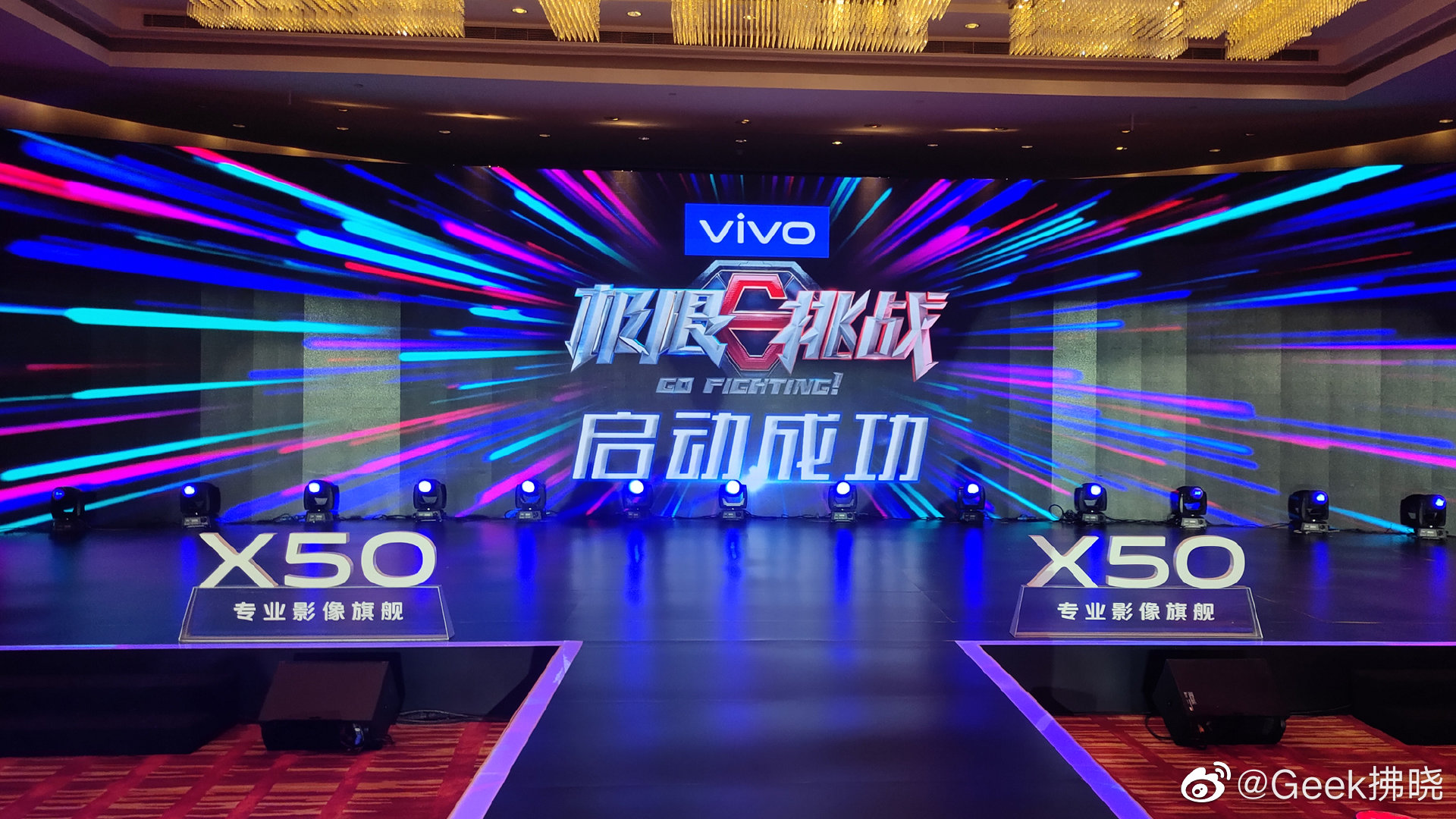
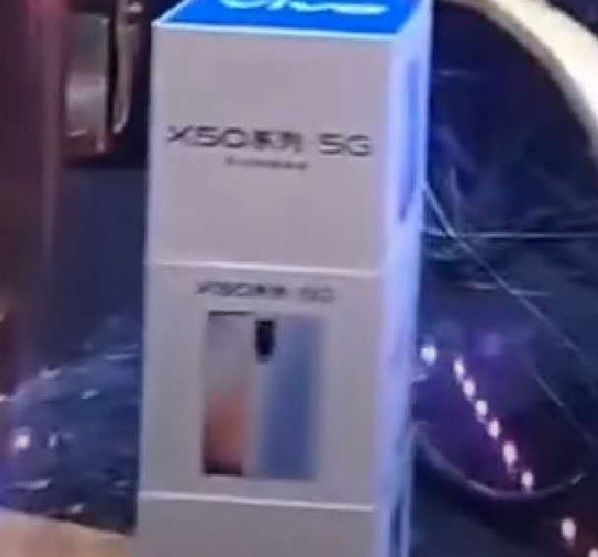
Recently, the Vivo X50 Lite smartphone went official in Australia. The handset seems to belong to the X50 series which seemingly includes devices like Vivo X50 and Vivo X50 Pro. The Chinese firm is yet to confirm the existence of the Vivo X50 and X50 Pro phones. However, the Vivo X50 moniker for the first time during the “Go Fighting!” reality TV show in China last night. At the same time, a blurry image of the Vivo X50 retail package has surfaced on Weibo. Also, a reliable tipster from China has shared a render that seems to match with X50’s design shown in the retail box.
The screengrab from the reality show reveals the Vivo X50 moniker. It also reveals that the phone will possess professional imaging features like the predecessor Vivo X30 series. The Vivo X30 Pro came with a periscope zoom lens that supported 5x optical zoom and up to 60x digital zoom. Hence, there is a possibility that the Vivo X50 series may offer users with better digital zoom experience.
The second image is blurry, but it manages to reveal the design of the Vivo X50 phone. The retail box shows that the Vivo X50 carries support for 5G connectivity. The handset can be seen in the same light blue color as the predecessor X30 series. The back panel of the Vivo X50 has a rectangle-shaped camera module.
The image does not give a good view of the display. Its right side is not visible, but the left corner seems to have a punch-hole. Another image (shown above) of the Vivo X50’s promo also shows the presence of a round-shaped cutout at the top-left corner.
A reliable tipster from China shared a render of the smartphone without revealing its name. The design of the phone resembles the above-shown X50. Hence, it appears that the tipster has shared an image of the Vivo X50. The back panel has four cameras and the fourth unit seems to be a periscope zoom lens. Last year, Vivo had added a periscope lens on the X30 Pro model while the vanilla variant lacked it. It appears that this year, the vanilla X50 may also feature a periscope lens.
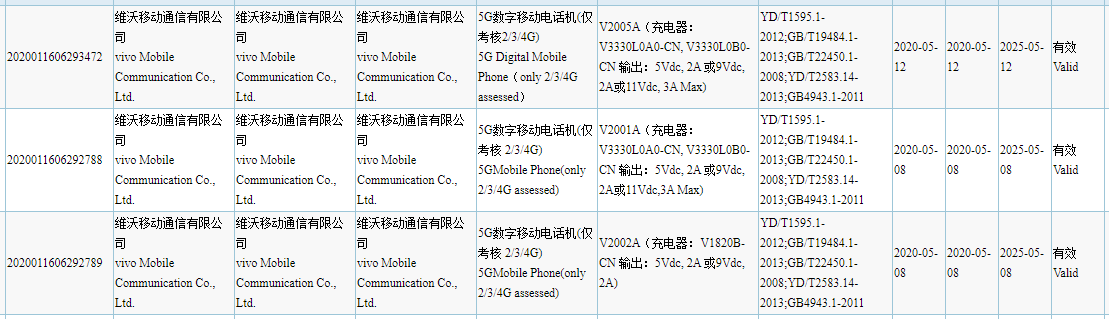
Recently, a couple of new Vivo phones such as Vivo V2005A, V2002A, and V2001A received approval from the 3C authority of China. The V2002A could be the upcoming Vivo Y70s smartphone powered the unannounced Exynos 880 5G chipset. The identities of the V2005A and V2001A are expected to come with 33W fast charging are not known yet. These could be Vivo X50 series smartphones.
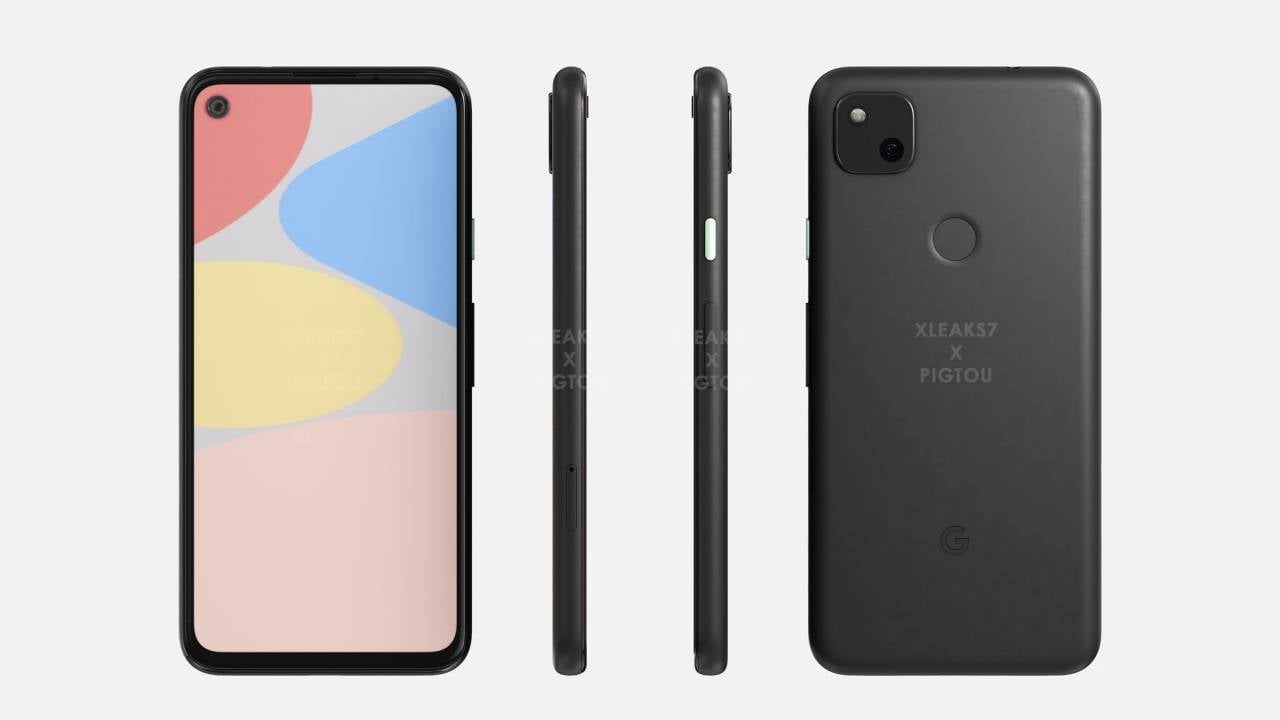
Google Pixel 4a smartphone launch is around the corner and ahead of the official announcement from the company, more and more information about the device keeps surfacing online.
In the latest development, we have got indication about the smartphone’s performance as the benchmark results have been leaked online. Going by the benchmark results, it seems that the device is quite promising in terms of performance.
YouTuber Julio Lusson from the TecnoLike Plus has put the Google Pixel 4a to the test to determine how powerful the device is in various benchmark analyses. In the AnTuTu benchmark, the phone seems to have scored 268,971 points.
In the GeekBench testing, the device seems to have scored 2,544 points in the single-core test and 6,370 points in the multi-core test. In the video, the YouTuber is also showcasing the real-life performance of the phone through gameplays, video playback, and more.
The Google Pixel 4a features a 5.81-inch OLED Full HD+ display with a punch-hole cutout in the top-left corner for housing the front-facing snapper. Under the hood, the device is powered by Qualcomm Snapdragon 730 chipset along with 6GB of RAM.
In terms of storage, the device will be offered in two options — 64GB and 128GB. The phone will also have Google Titan M security chip. It is running Android 10 operating system out-of-the-box and will be powered by a 3,080mAh battery with support for 18W fast charging technology.
The Google Pixel 4a is expected to be available in at least two color options — Just Black and Barely Blue and will reportedly start at $399. To know for sure about the smartphone, we’ll have to wait for the official launch event.
The Google Pixel 4a was expected to get launched on 22nd May but a recent report claimed that instead of getting the smartphone this month, we may have to wait till the first week of June to get our hands on the Pixel 4a. It reveals that the sale of the device could now start from 5th June.
It has been one year since the Trump administration put Chinese giant Huawei on Entity List through executive order citing national security risk, effectively banning the company from doing business with any of the US-based company without explicit permission.
This is the reason Huawei cannot using Google‘s apps and services in its new smartphones. And is seems that this will be the case for at least another year as Donald Trump, President of the United States, has extended the ban on Huawei till May 2021.
Although Huawei has been barred from doing business with the US-based companies, the U.S. Commerce Department has issued a series of temporary licenses allowing U.S. companies to keep doing business with the company. That license is about to expire this week and it is expected to get renewed.
Since getting banned from using Google’s Android as well as the company’s app and services, Huawei has launched several smartphones, including two flagship phones, without support for GMS. This has hit the company’s sales outside of the Chinese market.
However, the Chinese giant launched its own operating system named HarmonyOS and has developed its own Huawei Mobile Services meant as a replacement for Google Mobile Services. The company also plans to spend billions of dollars to incentivise developers to make apps for its ecosystem.
While the company is trailing in terms of smartphones sales in the Western market, it is performing quite well in its home market China. Huawei now seems to be working on reducing its reliance on third-party suppliers.
Earlier this week, Redmi announced the Redmi K30 5G Racing Edition in China. It is the world’s first phone to arrive with a Snapdragon 768 processor. The first sale of the smartphone was carried out today in the home market.
Redmi K30 5G Racing Edition price
The Redmi K30 5G Racing Edition comes with 6 GB of RAM and 128 GB of storage. It carries a price tag of 1,999 Yuan (~$282). However, for the first sale, it was made available for 1,899 Yuan (~$267). The handset comes in colors like Mint, Blue, Purple, and White. There is no word on the availability of the smartphone outside of China.
The Redmi K30 5G that debuted in December featured the Snapdragon 765G mobile platform. The new SD768 that powers the Redmi K30 5G Racing Edition is an overclocked version of the SD765G that comes with faster CPU and GPU. The only difference between the Redmi K30 5G and the Racing Edition is the processor and the new Mint colorway. The other specs of the Racing Edition are identical with Redmi K30 5G.
The Redmi K30 5G Racing has a Full HD+ 6.67-inch IPS LCD panel with a pill-shaped cutout for 20-megapixel + 2-megapixel dual selfie camera setup. The back panel of the phone has a 64-megapixel + 8-megapixel + 5-megapixel + 2-megapixel quad-camera system.
The Redmi K30 5G Racing Edition is backed by a 4,500mAh battery that supports 30W fast charging. It has a side-mounted fingerprint reader and it comes pre-installed with MIUI 11 based Android 10 OS. Its other features include 5G support, NFC, Bluetooth 5.0, Wi-Fi 802.11ac, GPS, USB-C, and 3.5mm audio jack.
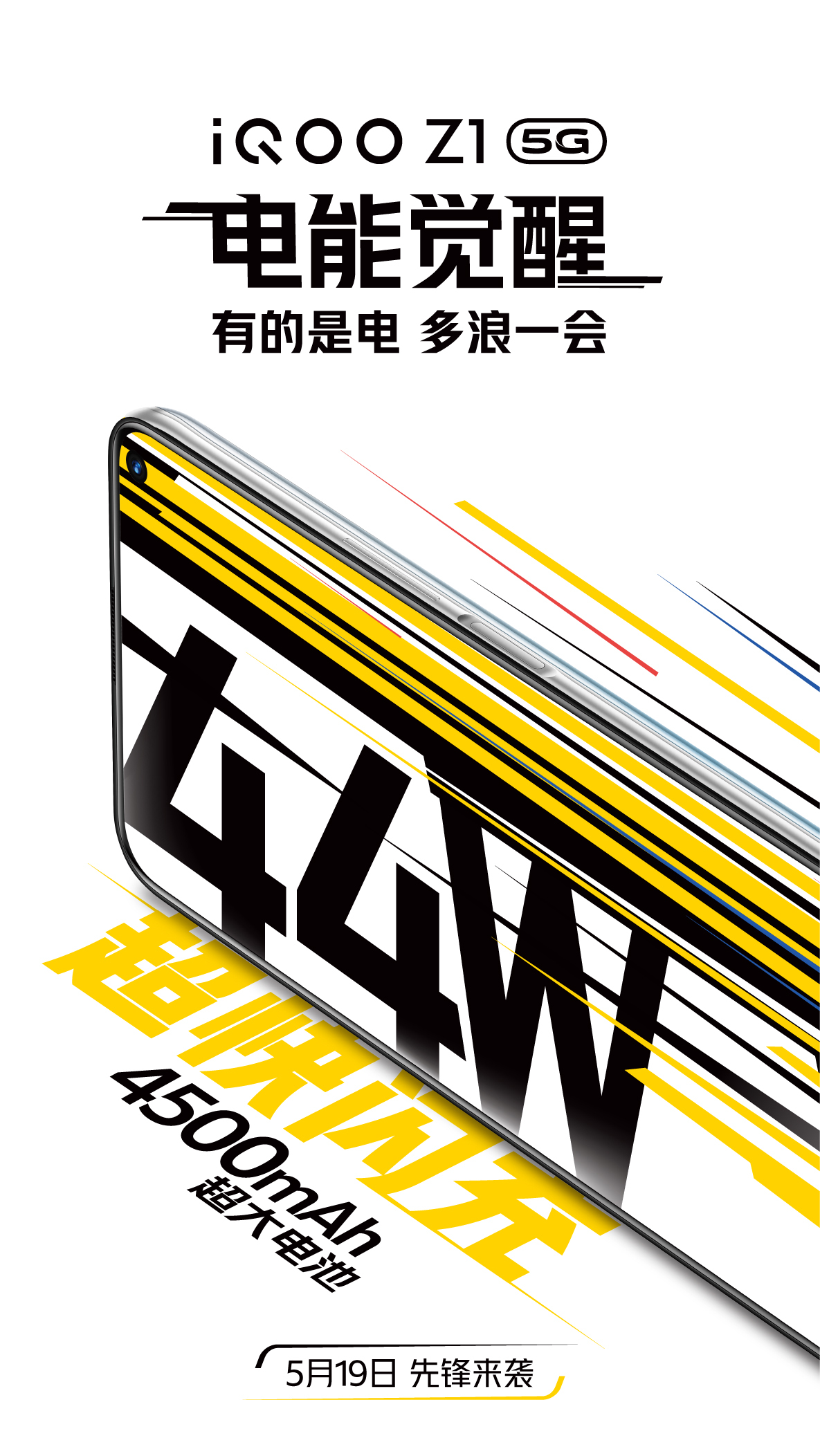
iQOO’s next flagship phone i.e. the iQOO Z1 is all set to go official on May 19. Ahead of the launch, the company is confirming the key specs of the smartphone. Yesterday, the company revealed its rear design and color variants. Today, the Chinese firm released two new posters on Weibo to confirm the battery size and charging capabilities of the iQOO Z1.
The iQOO Z1 will be coming with a large battery of 4,500mAh capacity and it will carry support for 44W ultra-fast flash charge technology. The iQOO Neo3 smartphone that went official last month also featured the same-sized battery and the same fast charging technology.
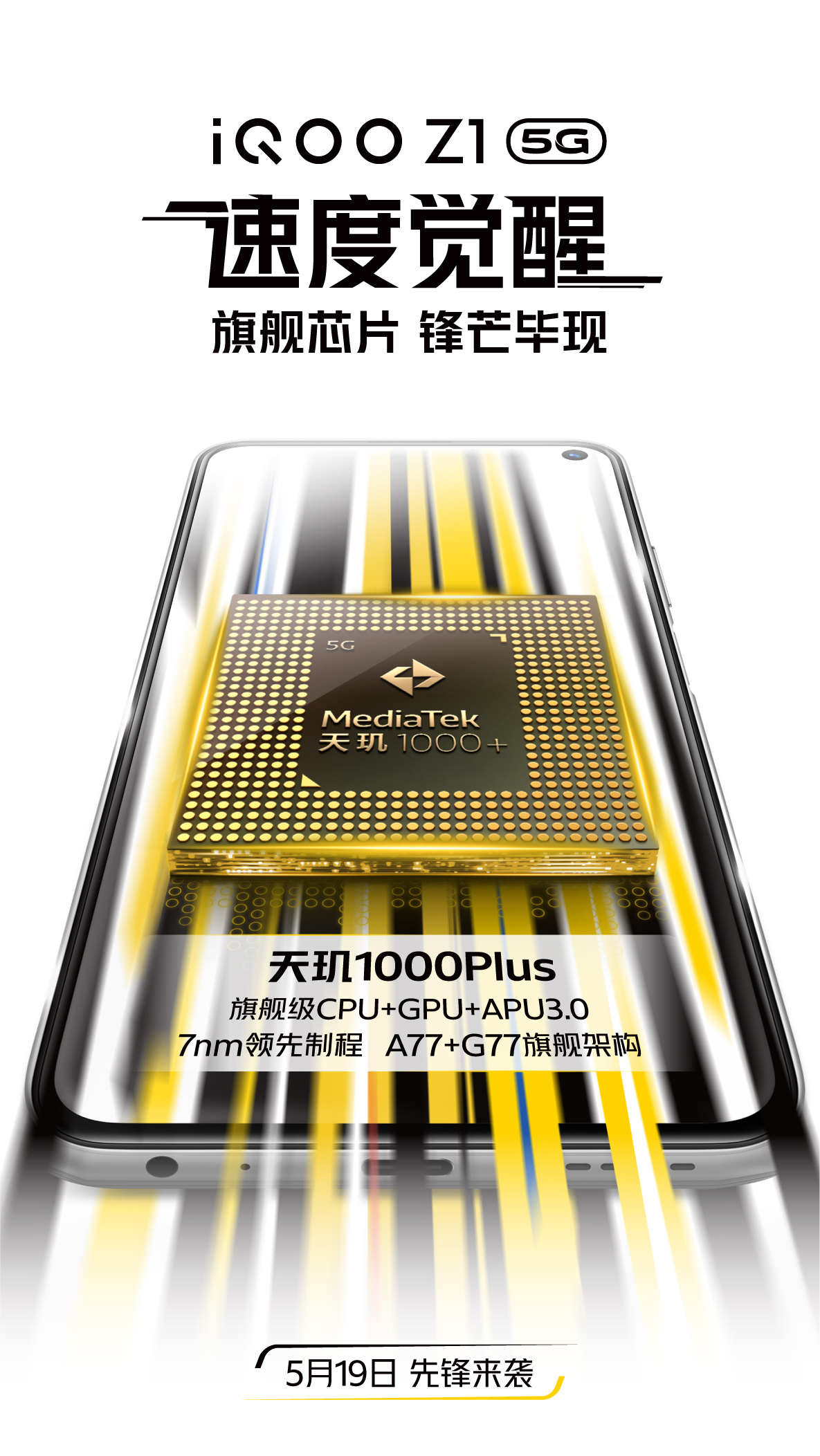
The second poster once again confirms the presence of the all-new MediaTek Dimensity 1000+ chipset inside the device. The new SoC that brings support for 144Hz is an enhanced version of the Dimensity 1000 chipset that was unveiled in November last year. The poster also reveals the bottom edge of the smartphone has a 3.5mm audio jack, a USB-C, a microphone, and a speaker grille.
The iQOO Z1 has a punch-hole display. It is an IPS LCD panel that supports Full HD+ resolution and a topnotch refresh rate of 144Hz. The handset is also fitted with a side-facing fingerprint reader. The back panel of the phone has a triple camera setup. There is no word on the configurations of the front and rear cameras of the iQOO Z1.
In comparison, the iQOO Neo3 came with a Full HD+ 6.57-inch IPS LCD display with up to 144Hz refresh rate support. The Snapdragon 865 mobile platform powered device came with a frontal shooter of 16-megapixel and a 48-megapixel + 8-megapixel + 2-megapixel triple camera setup. The iQOO Neo3 starts at 2,698 Yuan (~$380) in China. The iQOO Z1’s base model may feature 6 GB of RAM and 128 GB of storage and it is likely to carry a price tag of 2,498 Yuan (~$352).
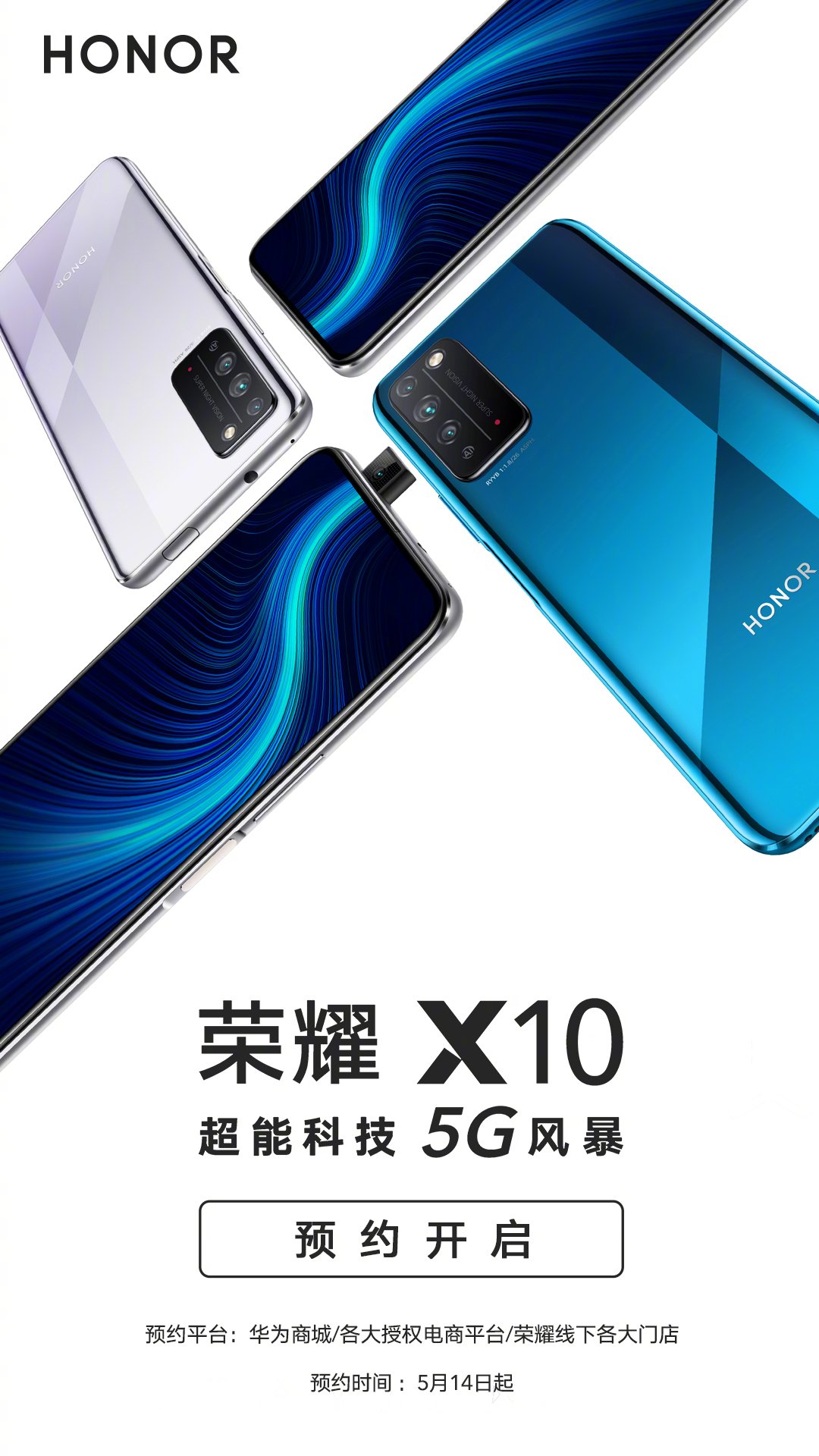
The Honor X10 smartphone will go official on May 20. The appearance of the handset was revealed through its appearance at the database of China’s TENAA certification platform last month. Today, the company rolled out a new poster to reveal the front and rear appearance of the handset. Also, the phone is now up for reservations on Vmall.
The new poster shows that the Honor X10 5G is equipped with a notch-less display. The company has already revealed that the X10 supports a high refresh rate of 90Hz and it will also offer users with 180Hz touch sampling rate.
The TENAA listing of the Honor X10 revealed that it has a 6.63-inch IPS LCD panel. The screen produces a
Full HD+ resolution of 1080 x 2400 pixels and a tall aspect ratio of 20:9. The poster also gives a good look at the side-facing fingerprint reader.
The top edge of the phone houses a retractable camera. TENAA revealed that the phone possesses a 16-megapixel camera for capturing selfie shots. A 3.5mm headphone slot and a microphone can be also seen on the top edge of the smartphone.
The rear side of the Honor X10 seems to be made out of glass and has a distinctive pattern. The top-left corner has a rectangular housing that includes three cameras and an LED flash unit. The “Super Night Vision” text imprinted inside the camera housing suggests that the X10 will be good at capturing brighter shots in dim-light conditions. After all, the handset is speculated to be equipped with Sony IMX600y RYYB 40-megapixel main shooter. It will be accompanied by an 8-megapixel lens and a 2-megapixel sensor.
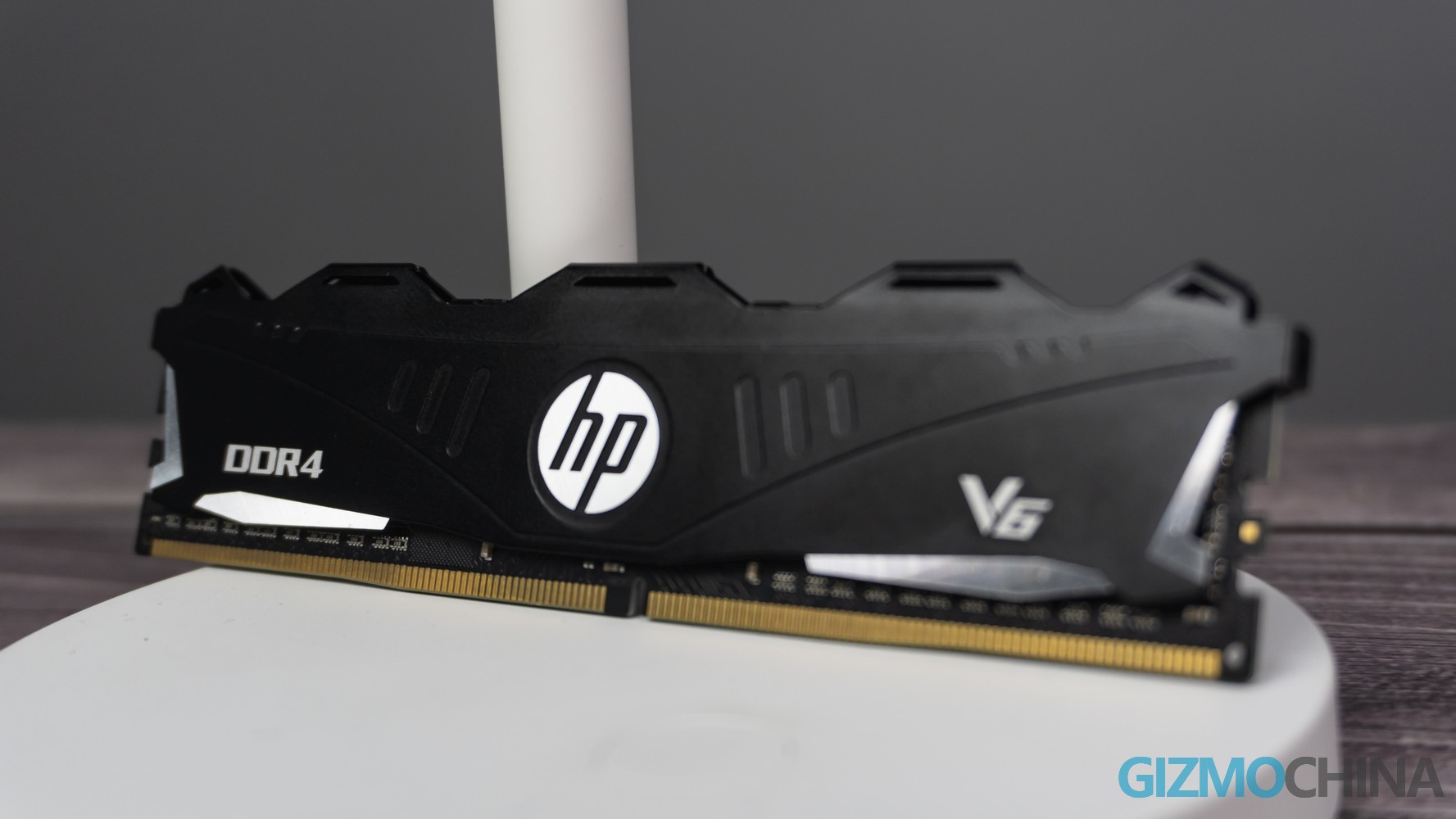
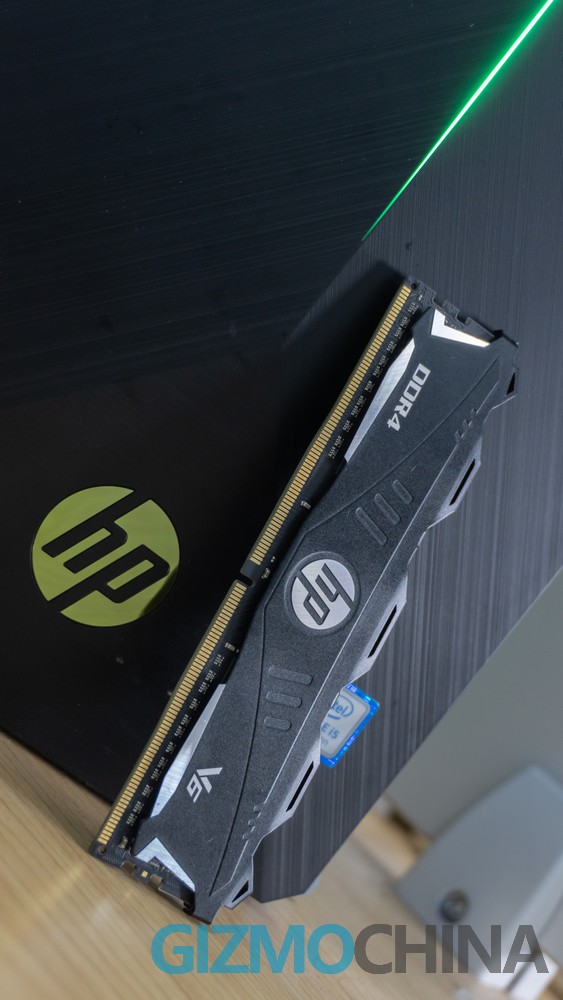
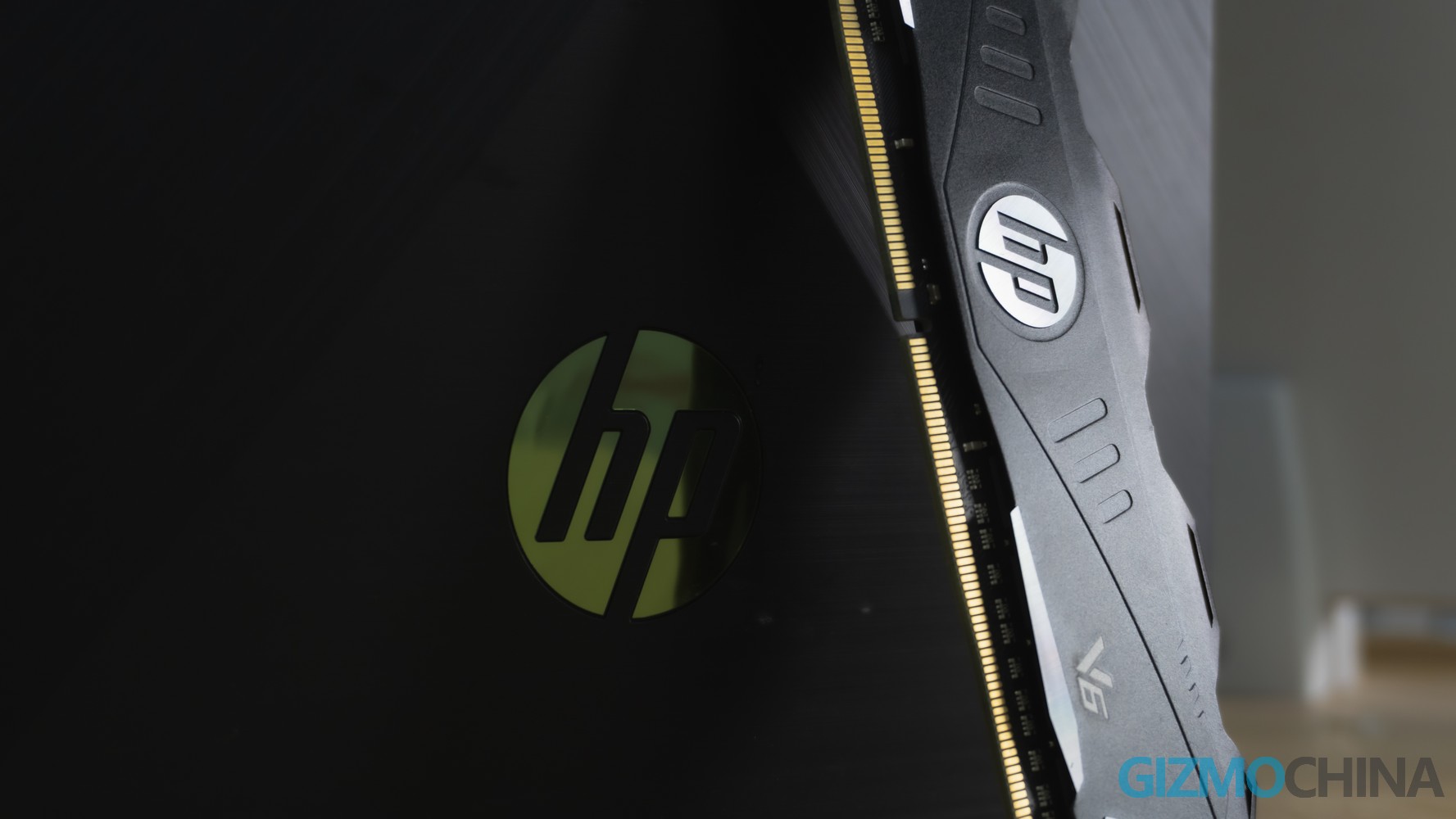
‘PASSION & SPEED, NO COMPROMISE’. This is the slogan for HP DRAM V6 memory, the latest performance monster for PC Platform. If we try to build a gaming PC, to choose the sweetest spot of memory cards is extremely important. In this article, we will bring a brief review of the HP DRAM V6 memory and give you some ideas about how to choose the right card for your gaming PC.
Performance factors
Though we have seen some powerful gaming PC memory series with great tested figures, I found the features of HP DRAM V6 DDR4 Memory quite interesting. But the best RAM kit for your money and system is not always the same as others. It depends on the platform you pick and the software or games you are going to run. To cover most situations, the HP V6 Memory series is available in blue, red, and black color versions.
Different colors represent different memory frequencies. The black one (DDR4 8GB) has the highest performance, which provides standard frequencies of 3200MHz / 3466MHz / 3600MHz and an overclocking frequency of 4000MHz. If your system is performance-oriented, the Black option is definitely one of the sweetest spots between value and speed.
On the other hand, the software environment also affects performance. There is no real difference between different-frequency memory when running specific games or software. For example, running Tomb Raider generally shows a significant 17% improvement of frame rates from a 4000MHz CARD as compared to a 2666MHz one on the same platform, while games like GTA V shows no obvious difference between them. In addition to this, processors you use can also lead to different results. With AMD’s Ryzen processors, the performance improvement of higher frequency is generally more significant.
Design-Aluminum Heatsink
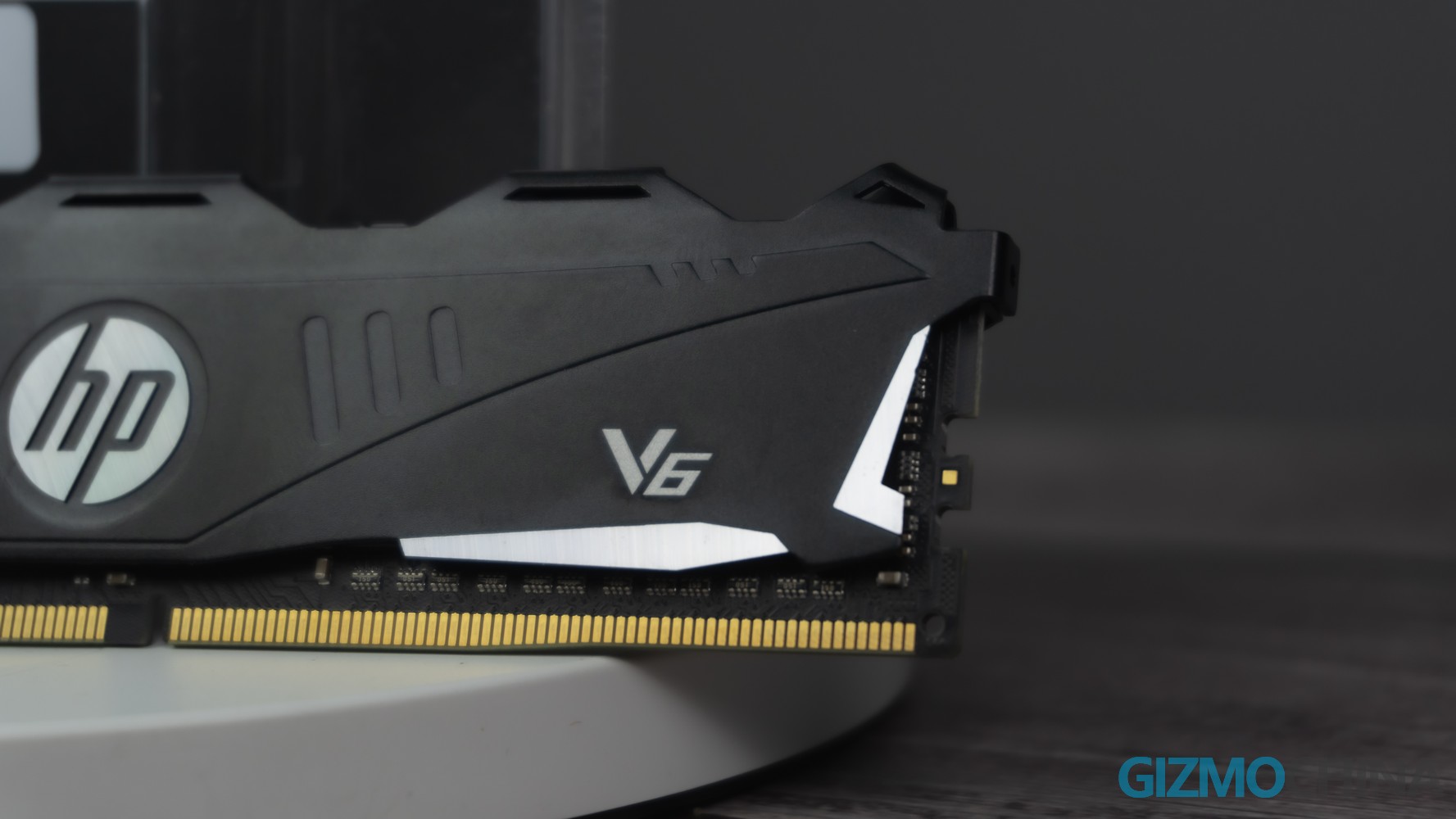
The HP V6 Black supports a fantastic overclocking operation with one click, which is especially user friendly for players who never try overclocking. And the RGB-free card is covered with the aluminum heatsink, which can provide a great cooling efficiency when building a 16GB/32GB overclocking Kit.
Performance
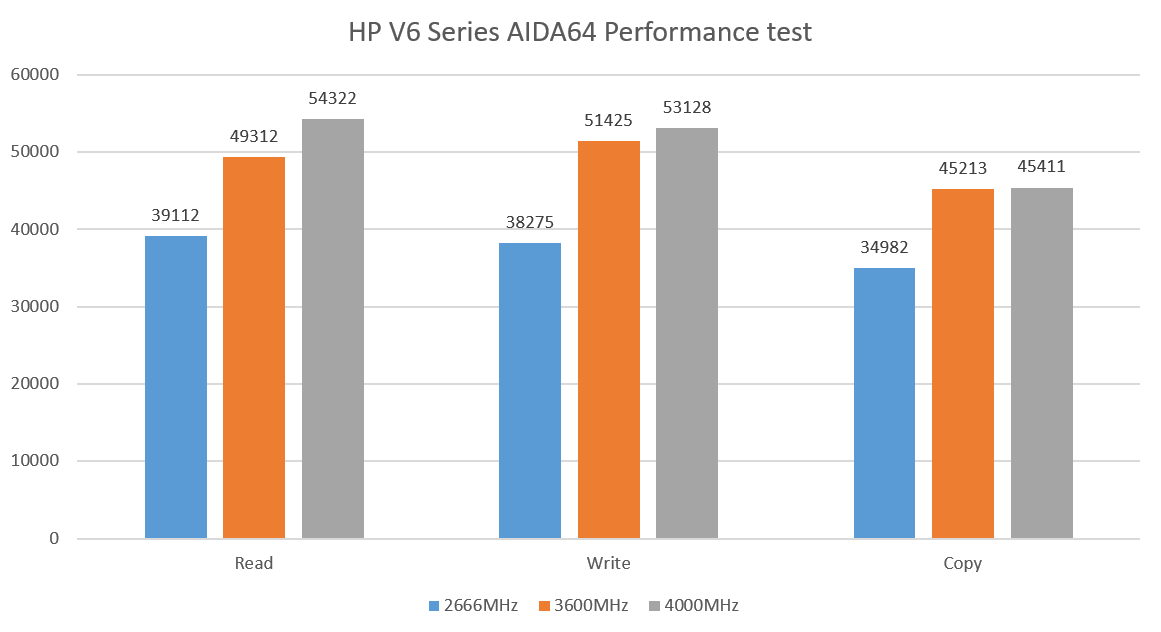
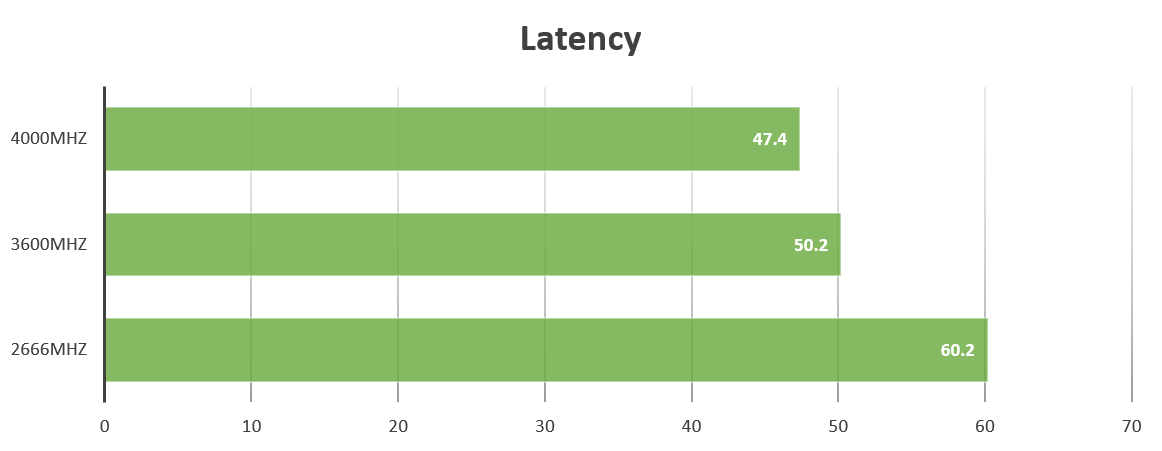
In the AIDA64 Bandwidth test, the performance of the V6 black is impressive. The whole test includes memory read, write, copy, and latency, and provides a full range of hardware information. We tested its scores under 3 different frequencies, 2666MHz / 3600MHz / 4000MHz (overclocking).
From the results, we found that it is obvious that the increase in memory frequency has greatly impacted almost all the dimensions of performance. When the frequency was overclocked to 4000MHz, the read & write speeds peaked at 54322MB/s and 53128MB/s. As it came to the copy test, the result of 4000MHz and 3600MHz was relatively closer. So compared to 3600MHz state, overclocking to 4000MHz could have a significant improvement of around 3-10%. Not to mention its great improvement compared to the 2666MHz frequency.
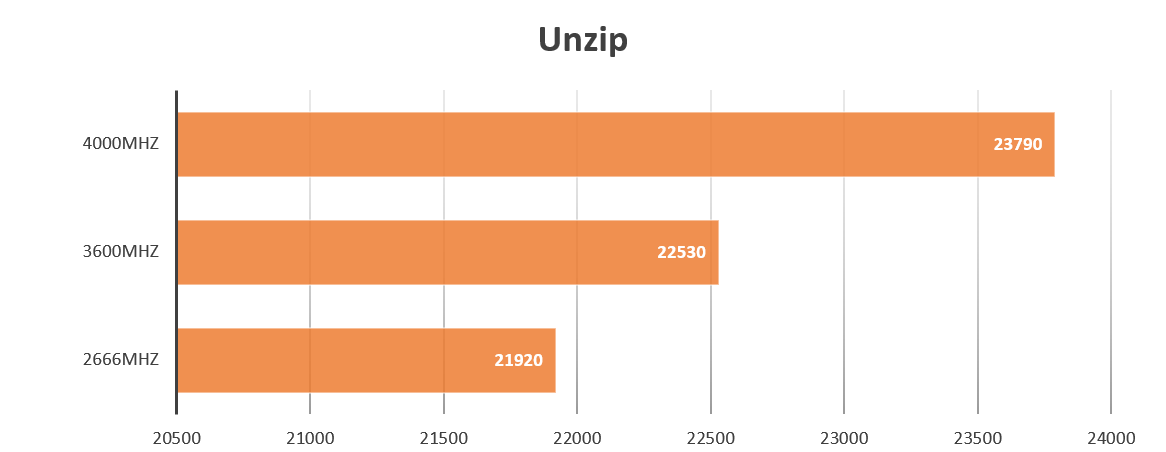
Then we run a unzip test, the 4000MHz frequency still showed a better score than the other two frequencies. Compared to the score of 3600MHz, the 4000MHz-frequency performance improved by 5.6%, while compared to the score of 2666MHz, the overclocking performance improved by around 8.5%.
CPU Match
In addition, to overclock the memory frequency, another important decision you have to make is to choose the right platform. For example, on an INTEL chip, make sure to get a K-series CPU if you are going to fully boost the performance of overclocking memory. On the other hand, as you may meet frequency limitation on some AMD Ryzen processors and motherboards, make sure that the above hardware supports the high frequency of memory before you select a high-performance memory card.
Conclusion
The V6 series is definitely one of the best choices for those gamers and high-end users who pursue superb performance. And another reason why it worth the praise is stability. The heat sink guarantees stable performance even when turning on the overclocking option. And we believe that the HP V6 Black is able to perform better than the 4000MHz auto-overclocking. Some players who are interested in testing its limits can continue to explore its potential.
If you are one of them, you can find more information about the HP V6 Series here: Newegg
www.biwintech.com

BIWIN Storage HP Business Partner

25 years R&D in storage and micro electronics

Obtained SSD products brand authorization from HP
An OnePlus exec recently hinted that the OnePlus 8 series will go on sale in India this month ending. OnePlus has now reportedly announced that the flagship models will go on sale specifically on May 29. According to Fonearena, the company announced this in a post on the Red Cable Club community. The OnePlus 8 and 8 Pro will be sold on Amazon and across retail stores in India.
OnePlus unveiled the Oneplus 8 and OnePlus 8 Pro in India a couple of weeks back with an Rs. 41,999 and Rs. 54,999 price tags respectively. The sales date were not announced at te launch due to the extended lockdown occasioned by the COVID-19 pandemic.
The prices of the OP8 and OP8 Pro are noticeably slightly lower than their prices in the US. That is because the models are manufactured in India.
OnePlus equally announced that it is launching the limited edition Pop Up Box for both OnePlus 8 and OnePlus 8 Pro devices for the first time. The box includes the smartphone, a pair of Bullets Wireless Z (Black) earbuds, a Cyan Bumper Case and a Karbon Bumper Case for an extra Rs 1000. OnePlus will commence sales of the Pop-up Boxes exclusively for Red Cable Club members on May 28 starting at Rs. 45,999 (~$602). This is for the 8GB RAM + 128GB storage version of the OnePlus 8. The OnePlus 8 Pro Pop-up Box will sell for Rs 60,999 (~$798) and is for the 12GB+256GB memory variant.
Here’s a reminder of the OnePlus 8 and OnePlus 8 Pro prices in India
OnePlus 8
6GB + 128GB (Glacial Green only) = INR 41,999 (~$549)
8GB + 128GB (Glacial Green and Onyx Black) = INR 44,999 (~$588)
Both the most affordable smartphones equipped with the best Qualcomm’s chipset (if we exclude gaming-centric phones) went global. We are obviously talking about the POCO F2 Pro and Realme X50 Pro 5G, launched in several European countries on the same day. If you are a global customer and you need a true flagship killer, they are most likely the best choices you can do. But should you actually go for the latest flagship killer by Xiaomi’s brand or for the Realme X50 Pro? This comparison will clear your ideas and highlight the differences between their specifications.
Xiaomi POCO F2 Pro vs Oppo Realme X50 Pro
Xiaomi POCO F2 Pro
Realme X50 Pro
DIMENSIONS AND WEIGHT
163.3 x 75.4 x 8.9 mm, 219 grams
159 x 74.2 x 9.4 mm, 207 g
DISPLAY
6.67 inches, 1080 x 2400p (Full HD+), 395 ppi, Super AMOLED
6.44 inches, 1080 x 2400p (Full HD+), Super AMOLED
Quad 64 + 12 + 8 + 2 MP, f/1.8 + f/2.5 + f/2.3 + f/2.4
Dual 32 + 8 MP f/2.5 and f/2.2 front camera
BATTERY
4700 mAh, fast charging 30W
4200 mAh, fast charging 65W
ADDITIONAL FEATURES
Dual SIM slot, 5G
Dual SIM slot, 5G
Design
In both cases, you get a premium design. Not the best out there, but still amazing aesthetics. POCO F2 Pro and Realme X50 Pro come with a glass back and an aluminum frame. The front panel of the POCO F2 Pro is holeless and notch-less thanks to the presence of a motorized pop-up camera, while Realme X50 Pro has a dual punch-hole display. On the other hand, the rear side of the Realme X50 Pro looks more minimalistic with its smaller and less invasive camera module. Which design do you prefer?
Display
Realme X50 Pro 5G is the winner of the display comparison for a simple reason: it has a higher refresh rate. The 6.44-inch panel supports a 90 Hz refresh rate, it is HDR10+ compliant and it comes with a Full HD+ resolution. The display of the POCO F2 Pro is HDR10+ as well, but it lacks a high refresh rate, unfortunately. So if you want the most impressive display, go for the Realme X50 Pro without thinking twice.
Specs & Software
If you choose to buy the most expensive version of the Realme X50 Pro 5G, you will get the best hardware. It features the Snapdragon 865 chipset, 12 GB of RAM, and 256 GB of UFS 3.0 internal storage. You can get UFS 3.1 storage with the POCO F2 Pro, but you also get max 8 GB of RAM, that is why Realme X50 Pro 5G is superior. However, we are talking about marginal differences with advanced usages since the POCO F2 Pro is fueled by Snapdragon 865 mobile platform as well. What really changes is the software since POCO F2 Pro comes with MIUI and Realme X50 Pro has Realme UI, different Android customization similar to OPPO’s ColorOS 7. Both are based on Android 10. Note that Realme X50 Pro 5G offers stereo speakers, you do not get them with the POCO F2 Pro. But POCO F2 Pro has a 3.5 mm audio jack, unlike Realme X50 Pro 5G.
Camera
The most impressive rear camera belongs to the Realme X50 Pro 5G because, unlike the POCO F2 Pro, it offers a 12 MP telephoto sensor with 2x optical zoom. Realme X50 Pro 5G also wins the front camera comparison because it has an ultrawide dual front camera with 32 and 8 MP resolution, while POCO F2 Pro has a 20 MP single camera. On the other hand, POCO F2 Pro can record 8K videos, while Realme X50 Pro 5G can not.
The battery is the real strong point of the POCO F2 Pro if we compare it to the Realme X50 Pro 5G. The POCO F2 Pro has a bigger 4700 mAh battery, 500 mAh more than Realme X50 Pro 5G. So it is kinda sure that it will always last more on a single charge, especially if we consider that POCO F2 Pro has a standard refresh rate. But Realme X50 Pro 5G has a much faster charging technology: with a power of 65W, it goes from 0 to 100% in just 35 minutes, while POCO F2 Pro needs 63 minutes.
Price
POCO F2 Pro costs €499 globally in its 6/128 GB configuration (which roughly converts into $540), while Realme X50 Pro goes for €599 ($648) for the 8/128 GB configuration. While POCO F2 Pro is the most affordable Snapdragon 865-powered handset, I would actually spend €100 more to have a higher refresh rate, a telephoto sensor, an ultrawide front camera, stereo speakers, 2 more gigs of RAM inside, and a faster charging technology. I personally prefer these features to the bigger battery found on the POCO F2 Pro, the infrared port, and the audio jack. What would your choice be instead?
Xiaomi POCO F2 Pro vs Oppo Realme X50 Pro: PRO and CONS
We use cookies on our website to give you the most relevant experience by remembering your preferences and repeat visits. By clicking “Accept”, you consent to the use of ALL the cookies.
This website uses cookies to improve your experience while you navigate through the website. Out of these, the cookies that are categorized as necessary are stored on your browser as they are essential for the working of basic functionalities of the website. We also use third-party cookies that help us analyze and understand how you use this website. These cookies will be stored in your browser only with your consent. You also have the option to opt-out of these cookies. But opting out of some of these cookies may affect your browsing experience.
Necessary cookies are absolutely essential for the website to function properly. This category only includes cookies that ensures basic functionalities and security features of the website. These cookies do not store any personal information.
Any cookies that may not be particularly necessary for the website to function and is used specifically to collect user personal data via analytics, ads, other embedded contents are termed as non-necessary cookies. It is mandatory to procure user consent prior to running these cookies on your website.