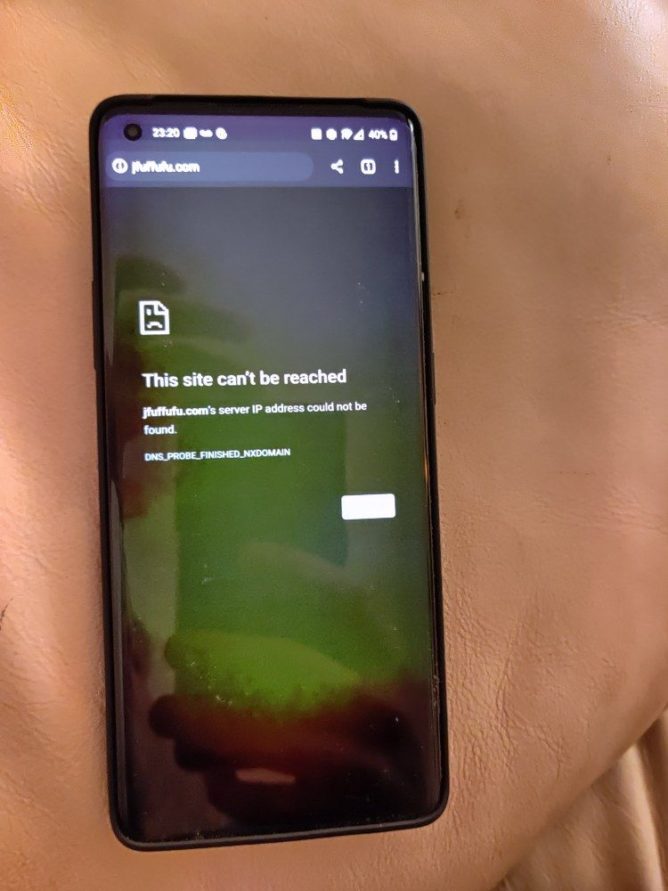
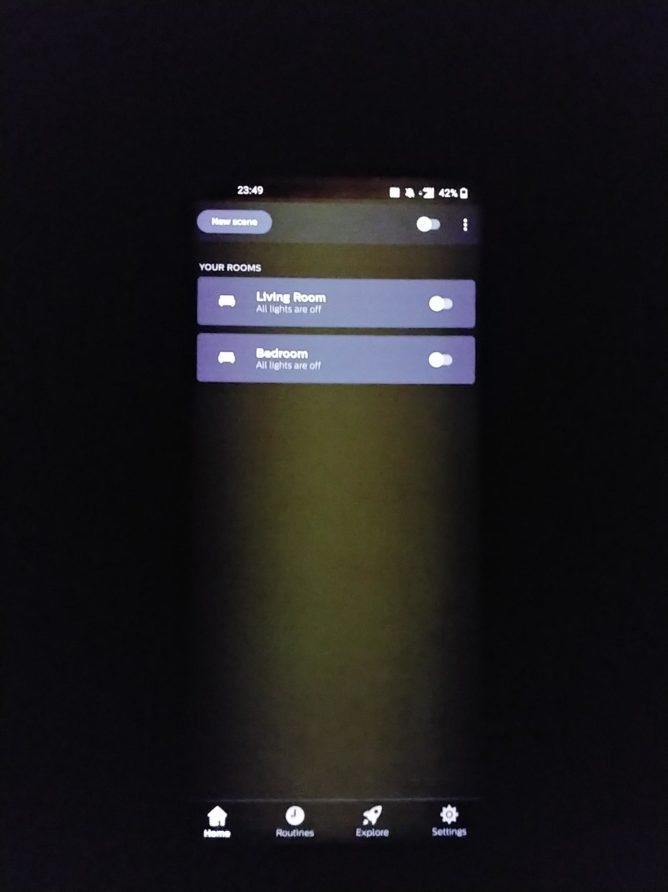
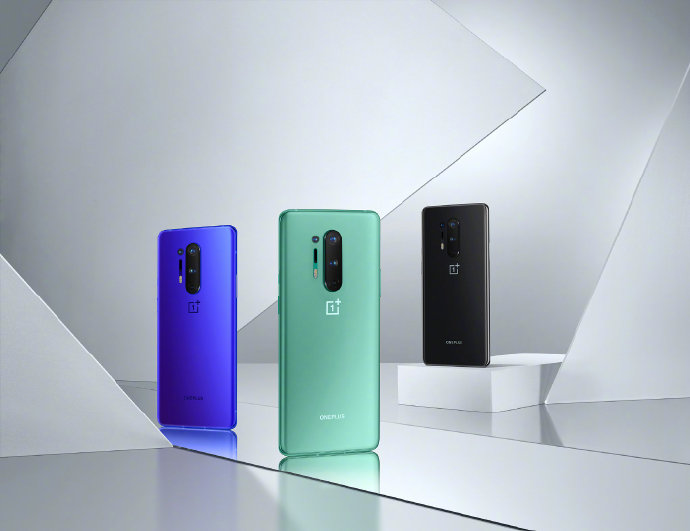
While the OnePlus 8 Pro doesn’t go on sale till April 29th, the pre-orders of the flagship smartphone have already started shipping. However, certain users are already reporting on issues regarding the device’s display, with problems ranging from crushed/clipped blacks and even a “green tint.”
Green Tint Issue (Via Tungmeister)
OnePlus has officially acknowledged the problem and has stated that they are already working on a fix, which should arrive soon. As of right now, the list of problems includes low brightness irregularities, clipped blacks, image retention on the screen, and even lines appearing around the punch hole selfie camera cutout. The company has said that it is working on fixing the issues for at least some of the reported problems being faced by users.
Certain issues like uniformity at low brightness is an issue which is faced universally by smartphones equipped with OLED display panels. Thus, it will likely not get fixed through a simple software patch, but the issues regarding crushed/clipped blacks can be solved or have its effects minimized at the very least. According to some users, the issues faced may change based on certain display settings, like resolution and refresh rate. In other words, lower or non-adaptive settings may reduce the visibility of the problems in certain cases.
OnePlus’ official statement read, “OnePlus values user feedback and is committed to delivering the best smartphone experience. Our team is currently investigating these reports to identify the best solutions for our users, and we will issue updates as soon as they are ready.” So, users are advised to wait till an OTA update drops, which hopefully will arrive soon.
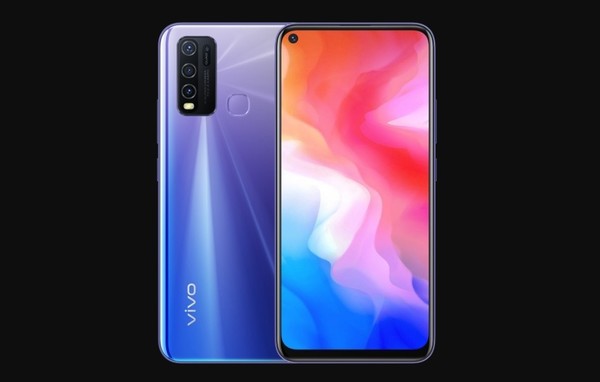
Vivo has officially launched the Vivo Y50 earlier today (24th April 2020), which is now available for pre-booking. It is a mid range smartphone with a quad camera setup on the rear, 128GB of internal storage, and a large 5,000mAh battery pack. It is priced at 1,698 Yuan (roughly 240 US Dollars) and will officially be launched on 26th April 2020.
Specifications
Under the hood, the Vivo Y50 packs Qualcomm’s Snapdragon 665 SoC alongside 8GB of RAM and 128GB of storage. The storage can further be expanded up to 256GB as well via a microSD card. The device sports a 6.53 inch display with an FHD+ resolution (2340×1080) and a high screen to body ratio of 90.7 percent. One of Vivo Y50’s most notable feature is its large 5,000mAh battery, which also supports up to 18W fast charging.
For optics, the Vivo Y50 features a quad camera module on the rear. This includes a13 megapixel primary camera, an 8 megapixel wide angle lens, 2 megapixel macro sensor and 2 megapixel depth of field lens as well. The device can cycle through these different image sensors seamlessly while the front shooter is a 16 megapixel punch hole camera that supports AI smart beauty functions. This allows the camera to identify 103 basic facial feature points to improve image quality and enhancing the user’s selfie shots.
Design
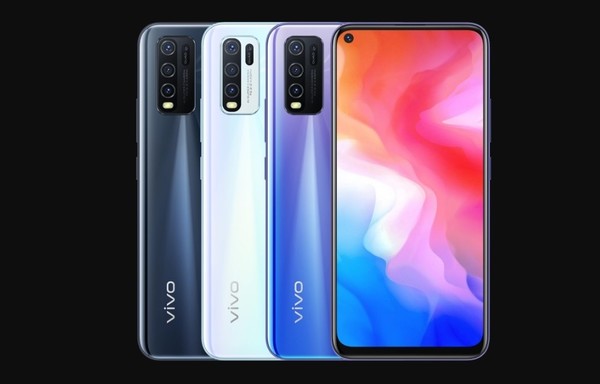
The Vivo Y50 arrives in three different colors, including Glacier Blue, Silver, and Obsidian Black. Its rear panel is made from glossy glass, with a curved mirror design. So under direct lighting, its back cover has a flare effect. Next to the camera module, a rear mounted fingerprint scanner can also be found.
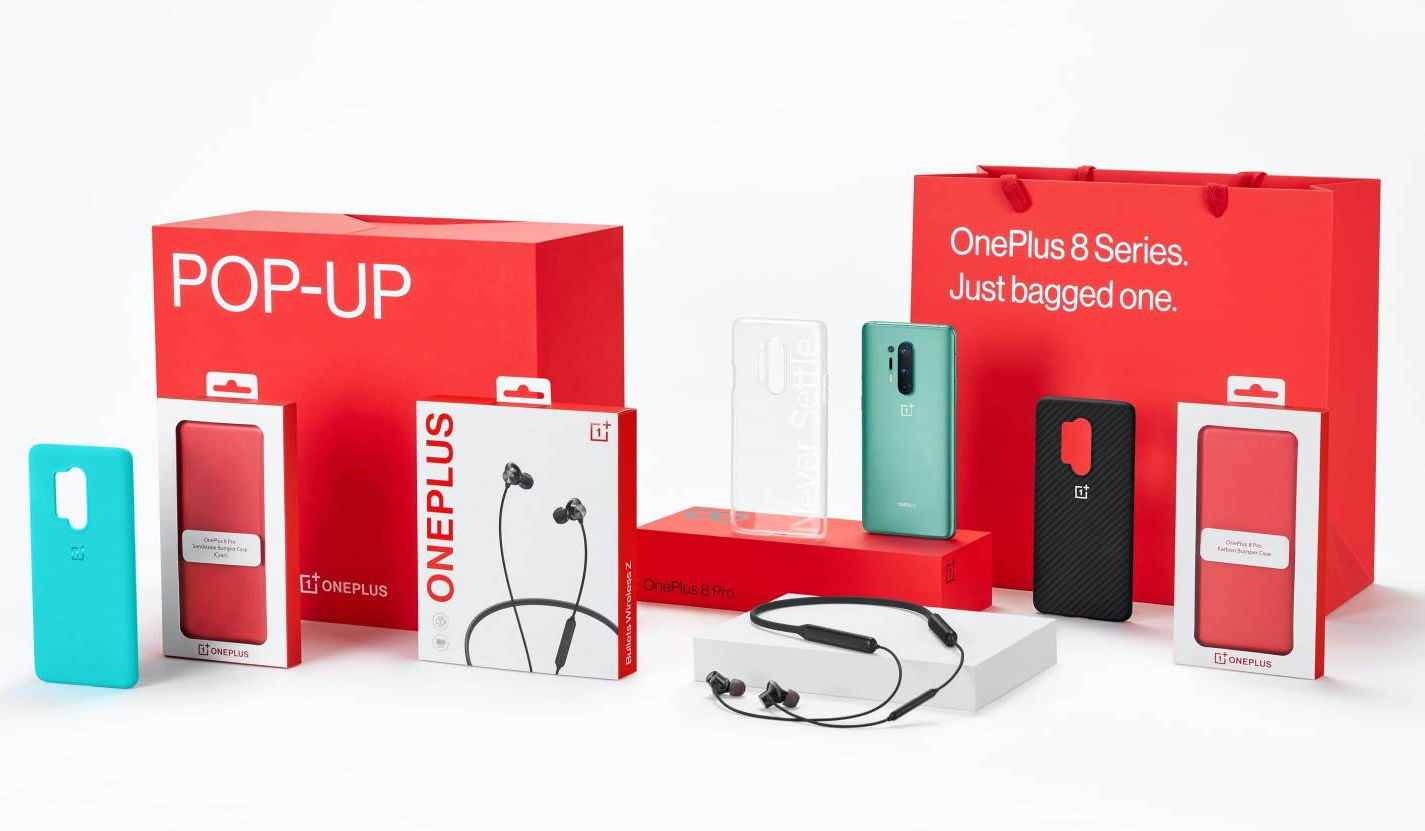
The OnePlus 8 and OnePlus 8 Pro flagship smartphones were officially unveiled a few days ago in the Indian market and now the company has listed the Limited Edition Pop-up Boxes for both the devices on its website.
OnePlus usually hosts pop-up events in various cities around the world after launching its flagship smartphones. At these events, users can experience the newly announced smartphone and the company also allows them to buy the phone before it hits the market.
However, the company cannot host any such event this time because of the on-going coronavirus pandemic. Thus, OnePlus has opted for online Pop-up Events and is now offering its users a change to purchase the Limited Edition Pop-up Boxes.
The Pop-up box comes with the smartphone, Bullets Wireless Z earphones, and two mobile cases. The OnePlus 8 pop-up box is priced at ₹45,999 (~$602) while the pop-up box for the OnePlus 8 Pro is priced at ₹60,999 which is roughly $798. While they have been listed on the OnePlus India website, the boxes are not yet available for purchase or pre-orders.
The OnePlus 8 Pop-up Box includes 8GB RAM + 128GB storage smartphone in either Onyx Black or Glacial Green color, Bullets Wireless Z earphones, a Cyan Bumper Case and a Nylon Bumper Case.
On the other hand, the OnePlus 8 Pro Pop-up Box includes 12GB RAM + 256GB storage variant of the smartphone in either Onyx Black or Glacial Green color, along with a Bullets Wireless Z earphones, a Cyan Bumper Case and a Karbon Bumper Case.
The company is set to start selling the OnePlus 8 series smartphones in India from next month. As for the pricing, the OnePlus 8 is priced at ₹44,999 while the OnePlus 8 Pro is priced at ₹59,999. The OnePlus Bullets Wireless Z is priced at ₹1,999 in India.
Meanwhile, all the models of the OnePlus 8 series are out of stock in China as the sales exceeded the company’s expectations. Pete Lau has said that the company is ramping up production in the domestic market and the sale will resume as soon as possible.
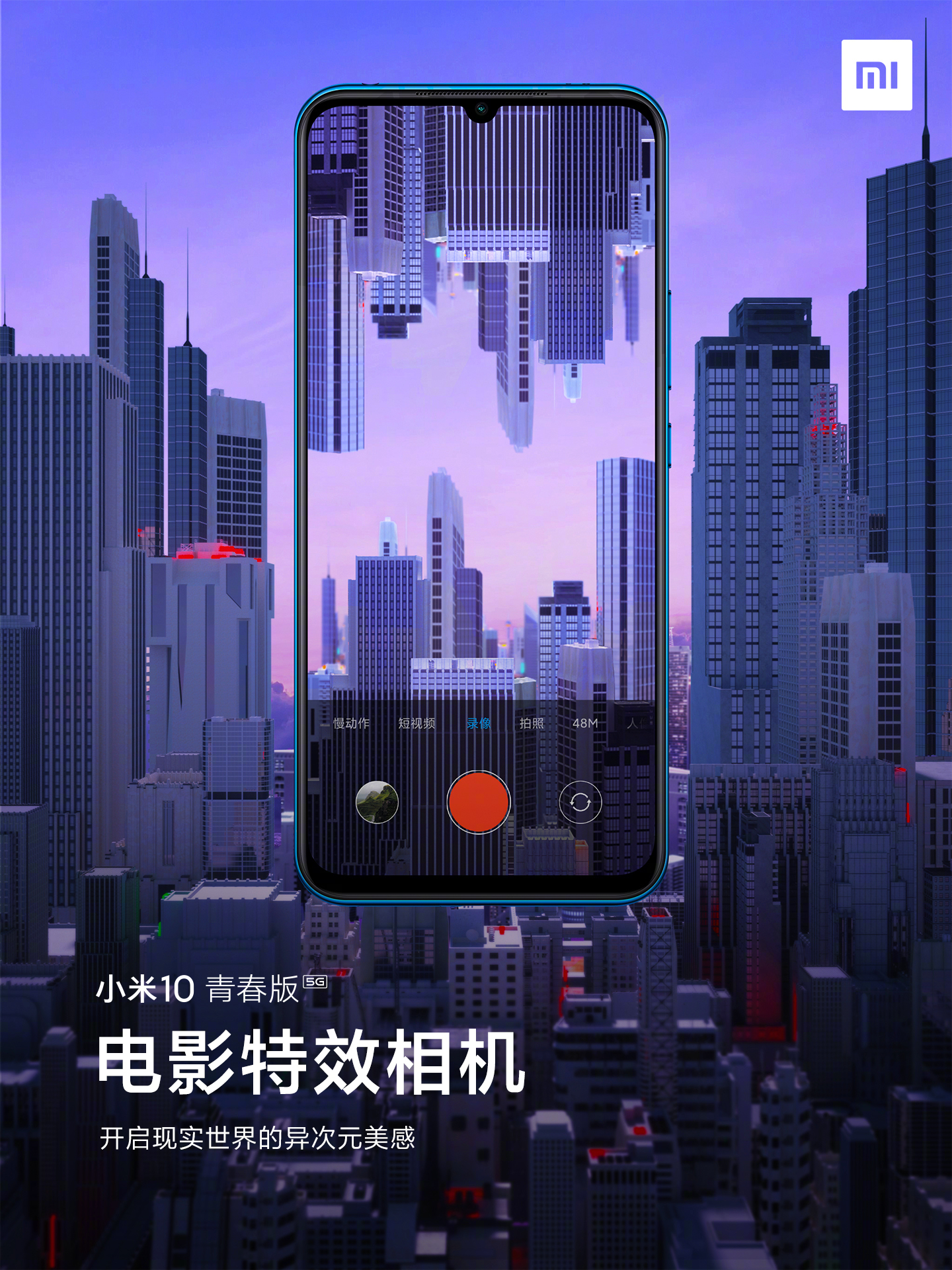
Xiaomi’s upcoming smartphone Mi 10 Youth Edition is completely different in both design and specs compared to the Mi 10 and Mi 10 Pro though it comes under the same series. The phone has been scheduled to launch alongside MIUI 12 on April 27. As usual, the company has been teasing its features for a few days now. The latest teaser posted today reveals the handset to come with ‘Multiplicity Photography’ and ‘Burst Video’ options, the first on a Xiaomi device.
Mi 10 Youth Edition Multiplicity Photography
1 of 4
For the unware, multiplicity photography refers to a technique which enables the subject of the picture (person or pet) to occur multiple times in different positions. Usually, one has to capture multiple images and then edit them to achieve the final result. But with the upcoming Xiaomi Mi 10 Youth Edition, users can click multiplicity pictures within the camera app itself.
The burst video mode, on the other hand, will let users shoot videos with anime effects. This feature sounds similar to the one found on the recently launched Nubia Play 5G. The phone will also feature a video mode to achieve effects like in the movie ‘Doctor Strange’. The Chinese tech company claims that it has developed these camera features at its own Xiaomi AI Lab by incorporating AI and AR together.
As for the camera hardware, the handset will feature a quad-camera setup placed on a rectangular module at the top left corner of its back. The setup will include a new periscope camera with up to 50x digital zoom, which is not found on the international Mi 10 Lite. Other three sensors are expected to be the same from its global counterpart. That means it will feature a 48MP primary shooter, an 8MP ultra-wide snapper, and a 5MP macro unit.
Further, the Mi 10 Youth Edition will be powered by Qualcomm Snapdragon 765 with support for dual-mode 5G (SA / NSA). The device will sport an AMOLED panel at the front with an in-display fingerprint sensor and a dew-drop notch accommodating a 16MP selfie camera. The phone will be available in four color options – white gradient, peach, turquoise, and blue.
As the world is seeing growth in 5G infrastructure deployment, smartphone manufacturers seems to have made 5G connectivity a standard feature on most of the new mid-range and premium smartphones.
While the market for 5G chipset for mobiles is mostly dominated by Qualcomm, MediaTek, Huawei, and Samsung, another company from China has joined the list of suppliers for 5G chipsets for the mid-range devices — UNISOC.
As per the reports, China-based chipset maker UNISOC is taking a leap into the mid-range 5G chipset market after the company provided the T7510 SoC for HiSense F50 5G smartphone in China.
The UNISOC T7520 is touted to be one of the world’s first chips to be made using TSMC’s 6 nm process technology using extreme ultraviolet lithography (EUVL). It packs four high-performance Arm Cortex-A76 cores, four energy-efficient Arm Cortex-A55 cores, and Arm Mali-G57 GPU.
It also comes with a new NPU that is said to offer 50 percent higher TOPS-per-Watt rate than the company’s previous-generation NPU. It features a four-core ISP that supports up to 100MP sensors and multi-camera processing capability. It also supports 5G NR TDD+FDD carrier aggregation, and is designed to offer peak uplink speed of 3.25 Gbps.
The pricing for the 5G chipsets are currently on the higher side and thus the pricing of 5G smartphones are also not as aggressive as what we’ve seen some of the companies offer on their phones. However, with more competition in the chipset market, we expect the pricing to go down soon.
Qualcomm and MediaTek are the leading suppliers for the 5G SoC in the market for mid-range devices. Huawei has also recently launched its mid-range chipset Kirin 820 with 5G support but it’ll most likely be limited to Huawei and Honor phones. Samsung doesn’t have a good presence in the Chinese market but the company has started supplying its Exynos chipset to other brands, like Vivo.
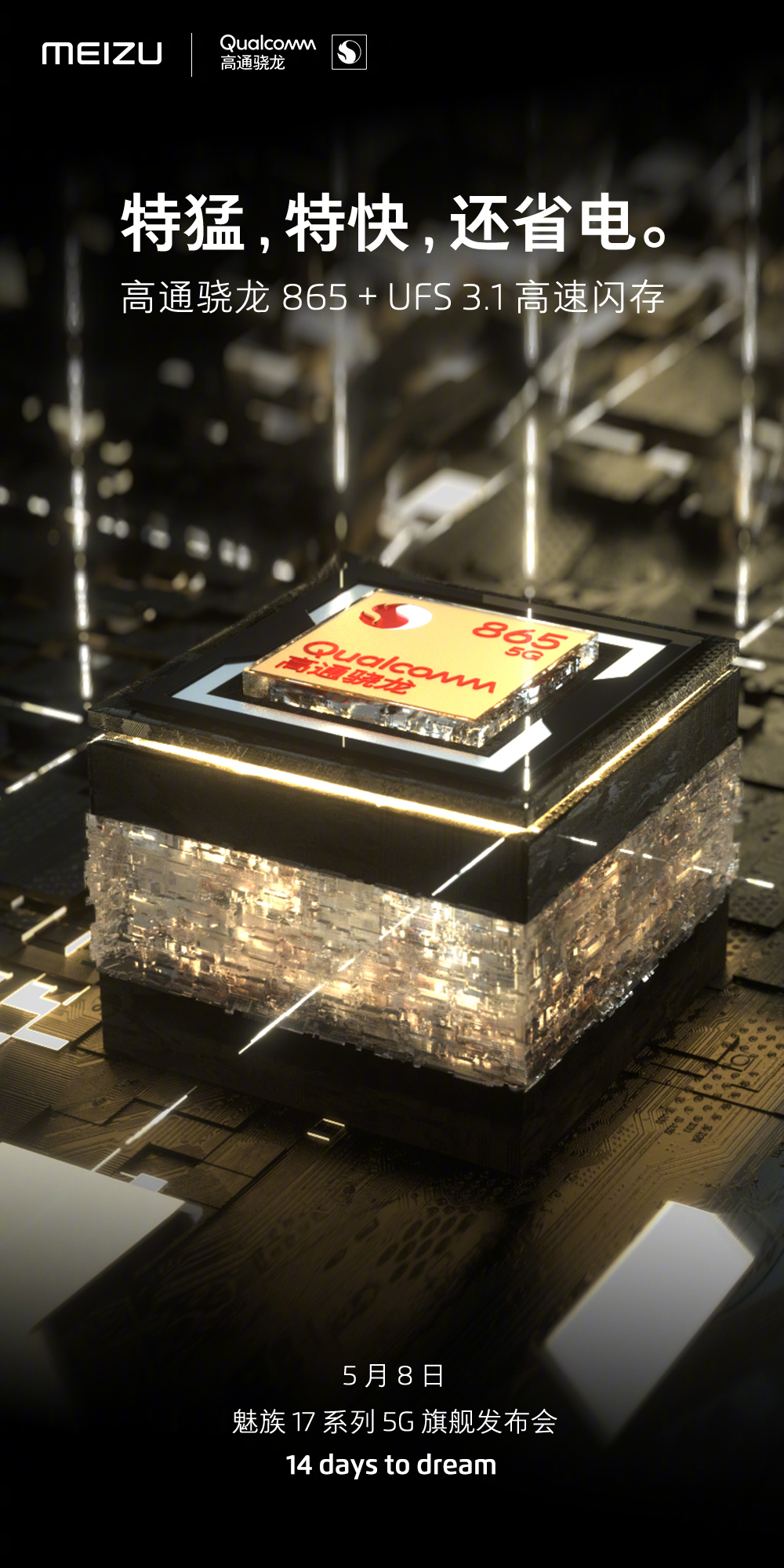
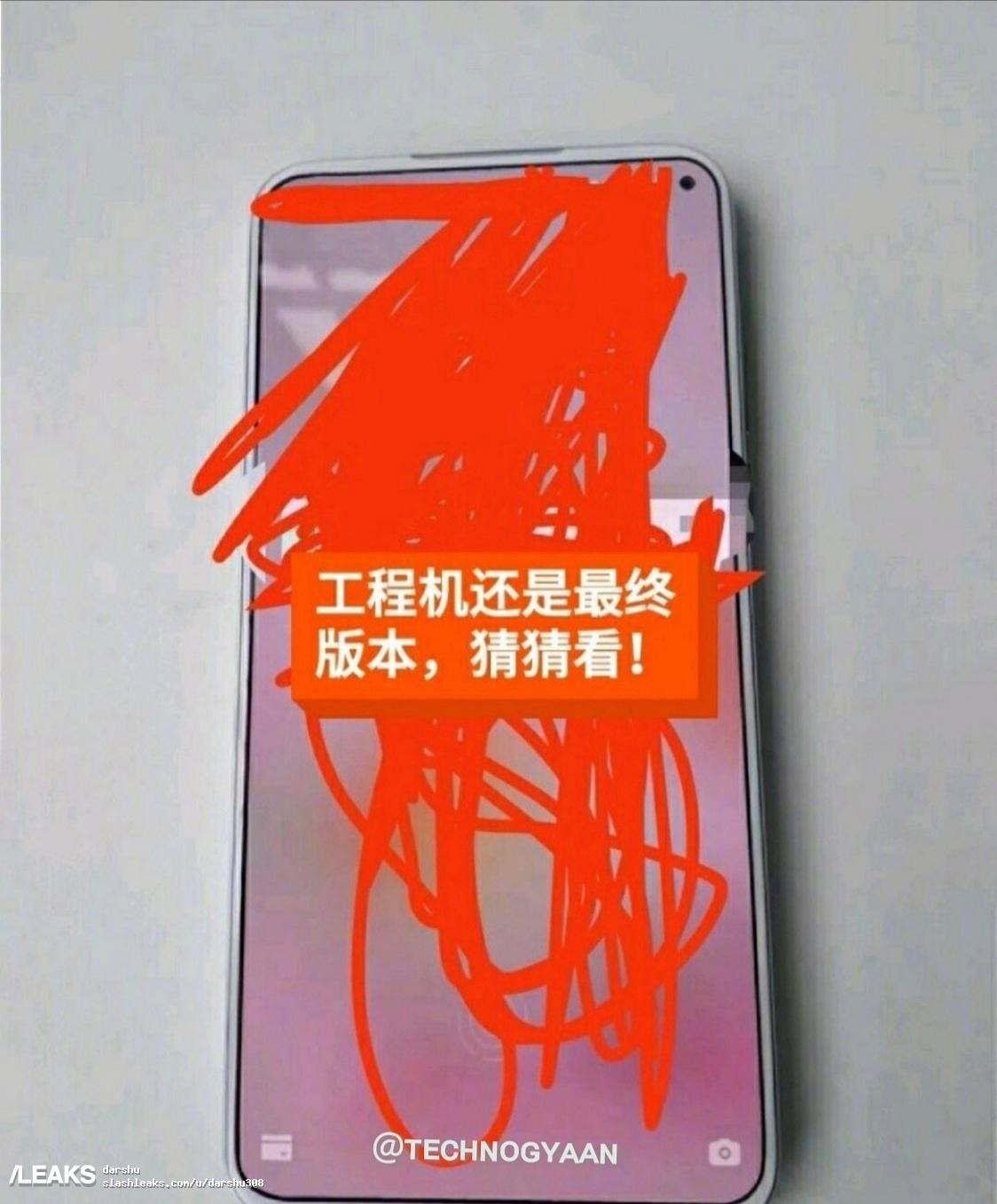
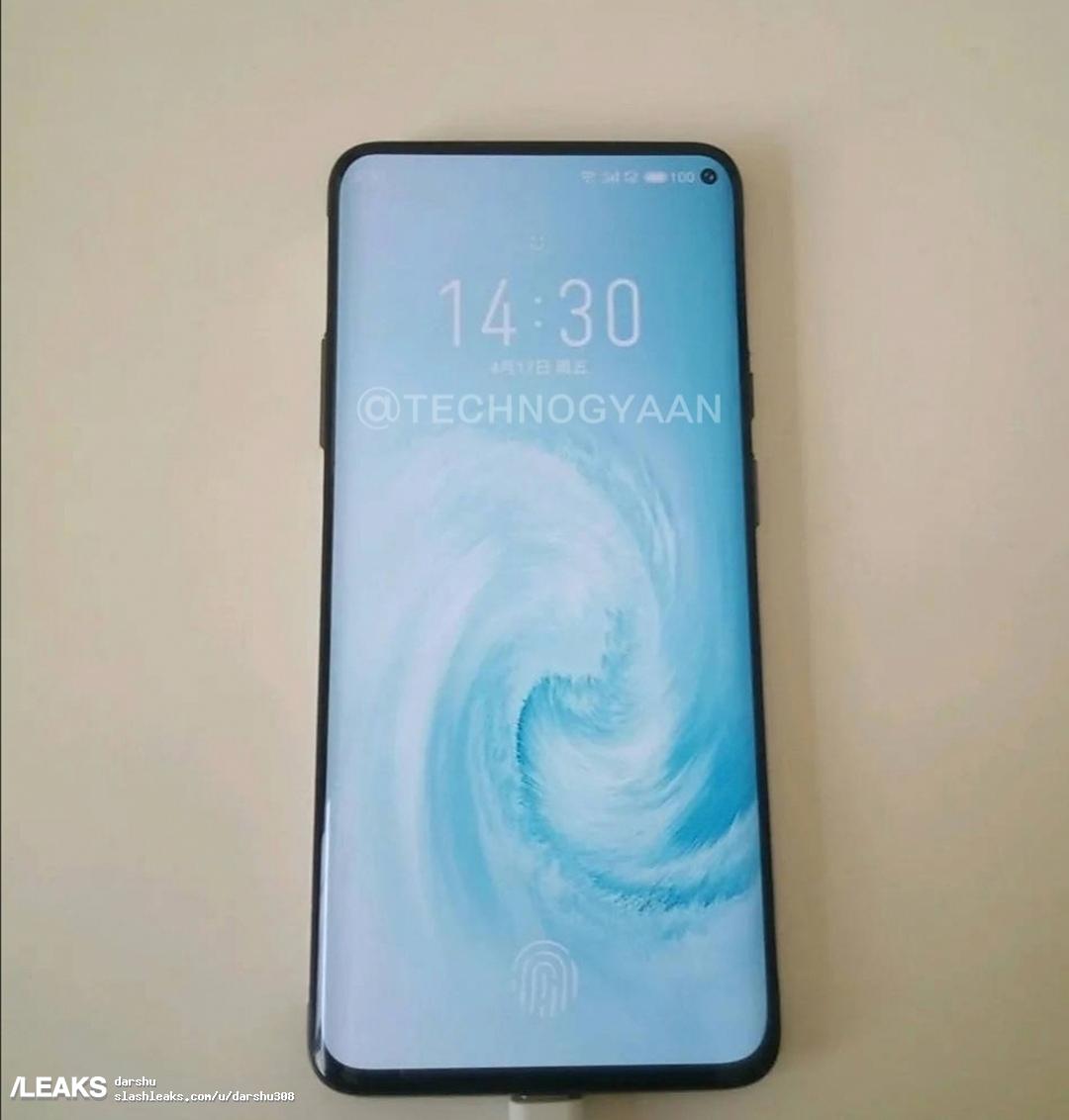
Meizu will be announcing the Meizu 17 5G series on May 8. With some days remaining for the launch, the Chinese firm has started revealing the key features of the smartphone. Today, it revealed that the Meizu 17 is powered by Snapdragon 865 mobile platform and it is equipped with UFS 3.1 storage. At the same time, live images of the alleged Meizu 17 smartphone has appeared on SlashLeaks.
Yesterday, Meizu had shared an official poster which revealed the front and rear designs of the Meizu 17 5G smartphone. The image revealed that the Meizu 17 has a flat display with white-colored bezels. Hence, it appears that the image shown above may belong to the Meizu 17 smartphone. It has an earpiece in the upper bezels and a punch-hole at the top-right corner.
On the other side, the other image shows the Meizu phone with a display that curves towards the left and right edges. Hence, it appears that the image may belong to the Meizu 17 Pro. A top-right center positioned punch-hole can be seen on the screen. The image seems to show the dummy unit of the smartphone. The Meizu 17 and 17 Pro smartphones are likely to arrive with in-screen fingerprint readers.
The Meizu 17 phone is believed to have M081Q model number. Its 3C certification revealed that it may arrive with 30W fast charger. On the other side, the Meizu 17 Pro 5G has M091Q model number. Its 3C listing revealed that it may ship with a 40W rapid charger. There is no information on the other differences between the two phones. The Meizu 17 5G series may hit the Chinese markets with a starting price of 3,999 Yuan (~$564).
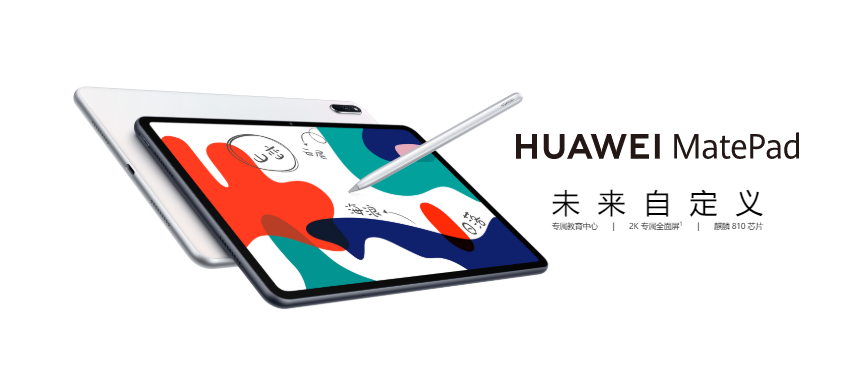
Recently, during the launch of Huawei Nova 7 series smartphones in the Chinese market, the company also launched the Huawei MatePad tablet. He Gang, President of Huawei’s Consumer Business Product Line also revealed that the company has become the leading tablet brand in China.
According to the reports, Huawei remained the leading tablet company in terms of shipments in its home market China for the third and fourth quarter of 2019. The company has also reportedly achieved higher breakthrough in 2020 and now accounts for nearly half of the Chinese tablet market.
The sale numbers seem to align with what the company’s founder and CEO Ren Zhegfei said in a recent interview. He said that the ongoing coronavirus pandemic has made shipments and production difficult, but the company has also been seeing an increase in demand for tablets, computers and more.
In a recently released financial report for Q1 2020, Huawei has managed to sell more than 450,000 units of smartphones in the Chinese market alone in March 2020. However, Ren Zhegfei has acknowledged that while the domestic market is showing growth, the international market is facing a decline.
This is likely because of the effective ban on Huawei by the United States which bars the company from using Google’s apps and services on its devices. Thus, the new devices from Huawei comes packed with Huawei Mobile Services (HMS).
The newly launched Huawei MatePad comes with a 10.4-inch IPS display with 2000 x 1200 pixels resolution, Kirin 810 7nm chipset, up to 6GB RAM, 128GB internal storage, 8MP front as well as rear camera sensors, Android 10 operating system with EMUI 10.1, optional 4G LTE and 7,250mAh battery.
The base model with 4GB RAM costs 1,899 yuan (~$268) while the 6GB RAM model is priced at 2,199 yuan (~$311) and LTE variant of the same going for 2,499 yuan (~$352). It is now up for pre-orders and will be available for purchase from 26th April.
A couple of days after launching the OnePlus 8 and 8 Pro smartphones globally, the company launched the same devices in the Chinese market. During the first sale, the company sold units worth 100 million yuan.
The sales figure highlights how popular the new smartphone lineup for OnePlus has been in its home market. Recently, the company’s CEO Pete Lau said that the units for the OnePlus 8 series were short in supply.
Now, Pete Lau has revealed that the OnePlus 8 and 8 Pro smartphones are now out of stock on all major eCommerce platforms in China as the sales exceeded the company’s expectations. However, he has said that the sales will resume as soon as possible.
He has also revealed that all the production lines of the company are working at full capacity and in overtime. Pete also added that the company has tried to move as much overseas production capacity as possible to China as OnePlus prepares to ensure that its domestic users get the first chance to purchase the new devices.
The same Weibo post which revealed that the devices have been out of stock in China, it also spills the beans that the OnePlus 8 Pro, which goes as high as 6,000 yuan in China (approximately $849), remains the top choice of the users.
While the OnePlus 8 series has been available for purchase in certain markets, including China and Europe, it is yet to go on sale in some major markets, including the United States and India. The OP8 series is set to go on sale in the US from 29th April, it will be available in India from next month.
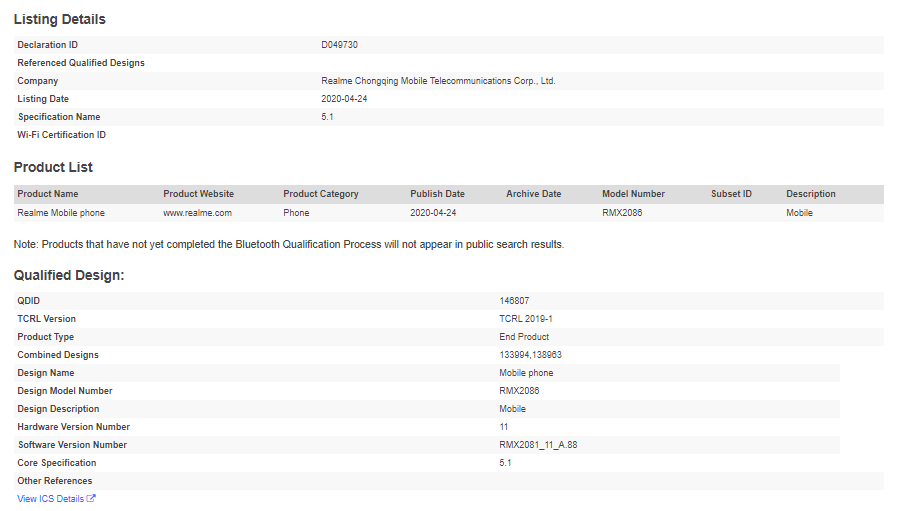
The RMX2086 smartphone has received certification from the Bluetooth SIG authority. The same Realme phone has been spotted at different certification platforms in the recent weeks such as Singapore’s IMDA, India’s BIS and EEC for European markets. The NBTC certification in Thailand confirmed that that RMX2086 will be debuting in the market as Realme X3 SuperZoom smartphone. The Bluetooth SIG listing only reveals that it carries support for Bluetooth 5.1.
Usually smartphones are known for going official within a month of bagging Bluetooth approval. Since there are only few days remaining in April, it appears that the Chinese firm could be aiming to unveil the Realme X3 SuperZoom phone in May. The handset was recently spotted at Geekbench benchmarking platform with Snapdragon 855 SoC, 12 GB of RAM and Android 10 OS.
The handset may not arrive alone. Rumors have it that the vanilla Realme X3 will also break cover alongside the Realme X3 SuperZoom smartphone. Some reports have claimed that the recently unveiled OPPO A92s smartphone could be rebranded as the Realme X3 phone. It remains to be seen whether the Realme X3 SuperZoom arrives as a brand-new smartphone or a rebadged version of a recent OPPO phone.
In related news, Realme announced the Realme X50m smartphone in China yesterday. The Snapdragon 765G powered device is the company’s cheapest 5G phone with a starting price of 1,999 Yuan (~$282). The handset has a 6.57-inch IPS LCD panel with full HD+ resolution and 120Hz refresh support. It has a 16-megapixel + 2-megapixel dual front-facing cameras and its rear features a 48-megapixel + 8-megapixel + 2-megapixel + 2-megapixel quad cameras.
The Realme X50m has a 4,200mAh battery that supports 30W Dart fast charging. It has a side-facing fingerprint reader. The Realme UI based Android 10 OS runs on the device. The 6 GB RAM + 128 GB and 8 GB RAM + 128 GB storage versions of the phone are priced at 1,999 Yuan and 2,299 Yuan (~$325). Its first sale will be held on April 29.
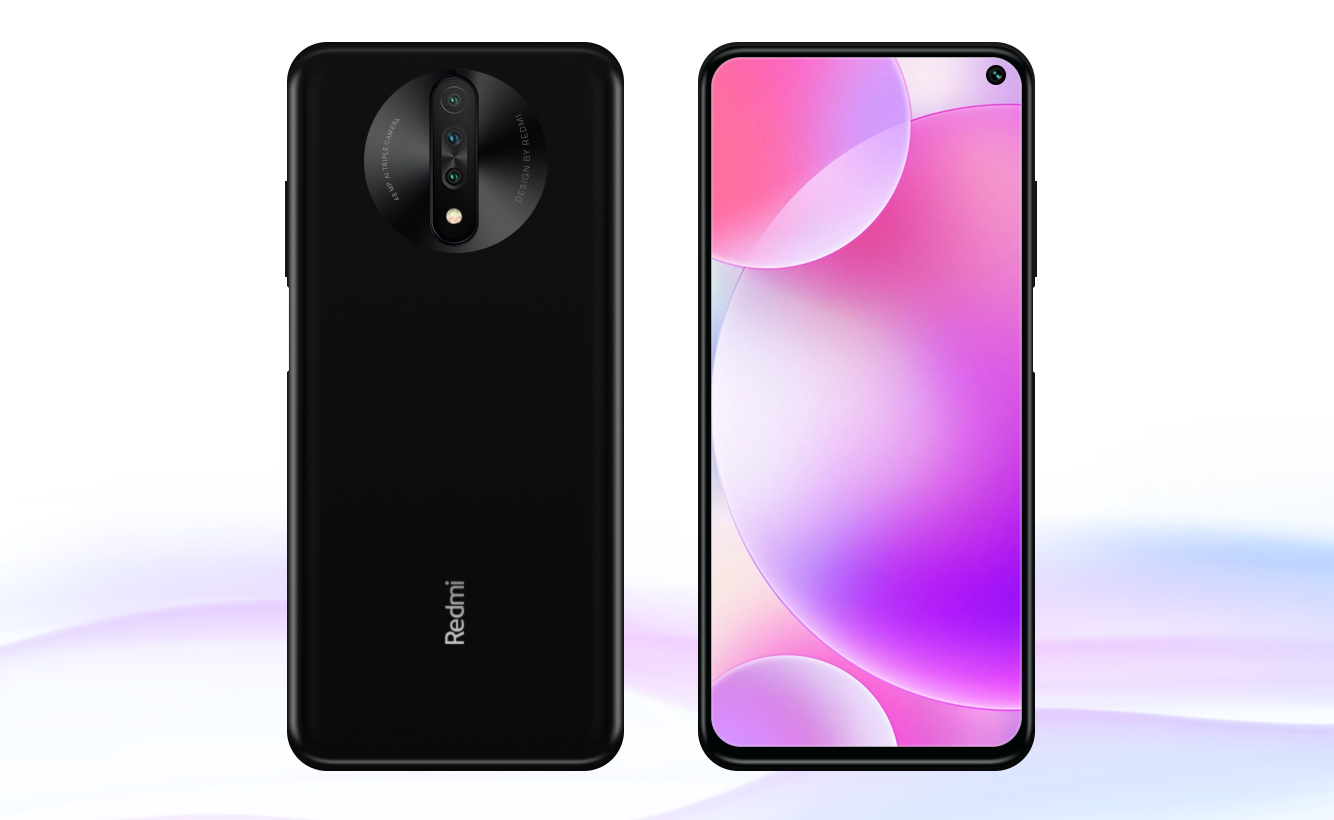
A reliable tipster had recently claimed that Redmi is working on a new K30 series smartphone. The handset is dubbed as Redmi K30i and as the name suggests, it is expected to arrive as a “Lite” version of the Redmi K30 5G. A leaked render of the smartphone has appeared on SlashLeaks to reveal its front and rear design. The Redmi K30i render listing is no longer available on leaked news aggregating platform.
The first Redmi 5G phone i.e. the Redmi K30 5G that debuted in December 2019 came with a dual punch-hole screen. The render of the Redmi K30i phone reveals that it will have a single punch-hole on its display. The phone seems to be fitted with an IPS LCD panel, but its size is not known yet. Like the Redmi K30 5G, the K30i appears to be equipped with a side-facing fingerprint reader.
Moving on to the backside of the Redmi K30i, it has a circular ring surrounding the rear cameras like the K30 5G phone. However, instead of the quad camera setup, it includes a vertical strip with three cameras and an LED flash. The text imprinted inside the circular ring reveals that the device is equipped with a primary lens of 48-megapixel. The Redmi K30 5G has a 64-megapixel Sony IMX686 lens lead its quad camera setup.
The rumor mill is yet to spill information on the specifications of the Redmi K30i. Since it is expected to be priced under the Redmi K30 5G, it may not feature the Snapdragon 765G SoC. It is speculated that the Redmi K30i may arrive in China with a pricing of around 1,799 Yuan (~$254).
The authenticity of the Redmi K30i render could not be confirmed. Since it could be a fan-made image, it is advisable to wait for further reports to know more about the K30i.
Since the past few days, LG has been building hype around its upcoming LG Velvet which replaces its G-lineup. Early rumors had claimed that the South Korean company will be announcing the smartphone on May 15. The company has released a new 15-second video on YouTube to confirm that the LG Velvet will be made official on May 7.
The teaser video yet again focuses on the design of the LG Velvet. It shows the raindrop camera setup of the smartphone along with its color variants. The May 7 launch date appears at the end of the video. It will be unveiled through online event that will be livestreamed through LG’s official YouTube and Facebook accounts. The event will start at 10 AM KST on the said date.
The LG Velvet will be available in colors like orange-red, gradient, green, black and white. The only thing that the company has officially revealed on its specifications is that it will come equipped with Snapdragon 765G chipset. Hence, it will be a 5G-ready smartphone.
The frontside of the phone has a waterdrop notch screen. It is speculated that the phone could be housing a 6.7-inch or 6.9-inch OLED screen with in-display fingerprint reader. It has a dedicated hardware key for accessing voice assistant and it also features a 3.5mm audio jack. The device may house a 4,000mAh battery and its rear camera setup could be led by a 48-megapixel lens.
LG said that the LG Velvet is a mass-market premium smartphone. It is rumored to be priced around 800,000 KRW (~$650). The sales of the smartphone are expected to begin by mid-May.
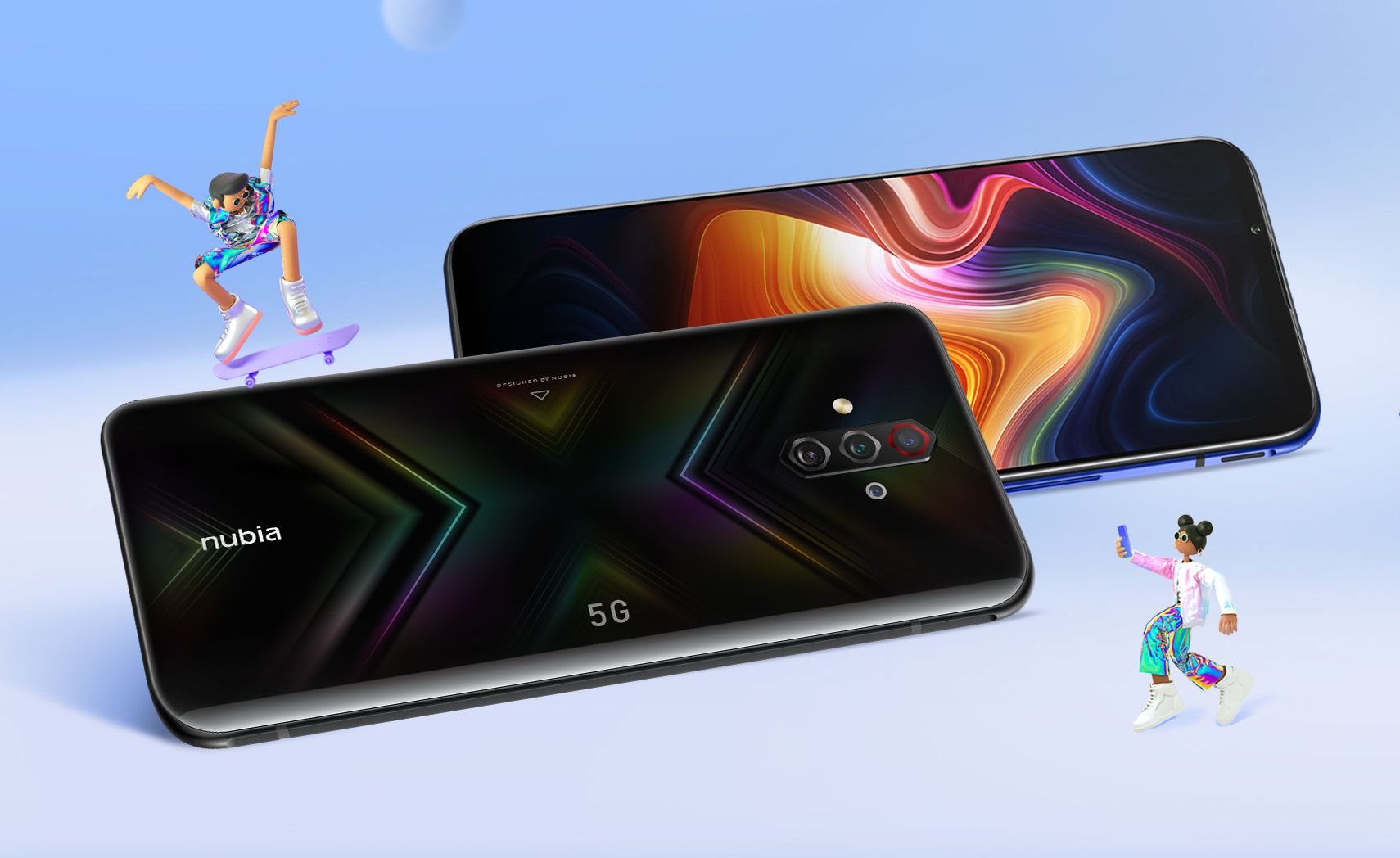
Earlier this week, Nubia unveiled the Nubia Play smartphone in China. It is the cheapest smartphone to arrive with a 144Hz refresh rate supporting display. Aimed towards the youth, it carries support for 5G connectivity and comes with 48-megapixel quad rear cameras. The handset is available for purchase starting from today in China.
At the unveil event, the Chinese firm announced the Nubia Play in three versions such as 6 GB RAM + 128 GB storage for 2,399 Yuan (~$339), 8 GB RAM + 128 GB storage for 2,699 Yuan (~$381) and 8 GB RAM + 256 GB storage and 2,999 Yuan (~$424). Only the first two variants are currently listed for purchase on the official online store at Nubia.com. The phone can be availed in Black and Sea Blue color editions.
The Nubia Play smartphone has a 6.65-inch AMOLED display with notch-less design. It supports full HD+ resolution of 1080 x 2340 pixels, an aspect ratio of 19.5:9, touch sampling rate of 240Hz and up to 144Hz refresh rate. The Snapdragon 765G chipset is present under the hood of the device.
The Nubia Play has a front-facing camera of 12-megapixel. Its rear shell has a Sony IMX582 48-megapixel main lens, an 8-megapixel ultrawide lens, a 2-megapixel macro shooter and a 2-megapixel depth sensor. The Nubia UI 8.0 based Android 10 OS comes preloaded on the device.
There is a massive 5,100mAh battery present inside the Nubia Play. It carries support for 30W fast charging. The phone comes with an in-screen fingerprint sensor. It lacks a 3.5mm audio jack. The handset is equipped with touch-sensitive gaming trigger buttons.
Last October, Microsoft showed us its very first earbuds, the Surface Buds. However, the earbuds didn’t go on sale after its release as they were delayed to Spring 2020. It has now been reported that the earbuds will launch next month and should be available right shortly after.
The info comes from Winfuture.de and they say the Surface Earbuds will be one of the products Microsoft will announce alongside the new Surface Go 2. The site revealed that the earbuds will be available in Europe starting next month, May 6, for €199. The launch price last year for the US was $249 and should remain so.
The Surface Earbuds is quite different from other earbuds with respect to design thanks to its large circular outer body. The earbuds have replaceable tips of different sizes and support touch and swipe gestures for controlling playback, answering calls, and more. They also have an Office Integration feature that requires a subscription to Office 365. Another feature is a live transcribe that translates what you are saying while making a presentation using PowerPoint to up to over 60 different languages. The earbuds also support One-Click pairing.
The earbuds are said to last up to 8 hours on a single charge while the case raises it up to 24 hours. White seems to be the only color that will be available at launch.
Microsoft is not the only manufacturer that announced TWS earbuds last year that didn’t go on sale. Google’s Pixel Buds (2) also launched last October with a promise to go on sale this spring.
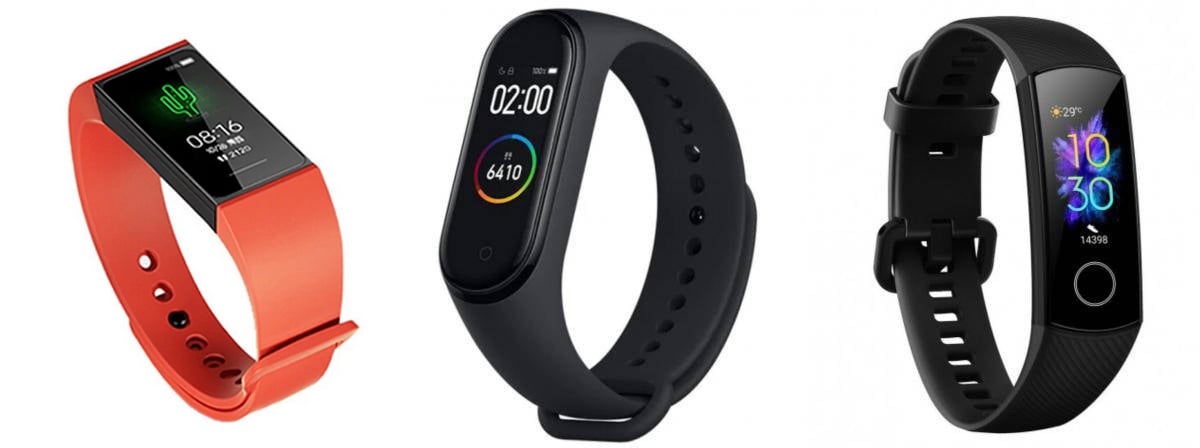
We usually compare smartphones, but fitness wearables became a so important niche that we think it is worth comparing the best-selling and value for money wearables actually available. In 2020, you can get a device that monitors your physical activity in a pretty accurate way for just a few bucks, if you get a smart band. Among the best affordable smart bracelets, there are Redmi Band, Xiaomi Mi Band 4, and Honor Band 5. Xiaomi Mi Band 4 is the best-seller, but this does not necessarily mean it is the best one of the trio. This comparison will highlight the differences between these three wearables.
Xiaomi Redmi Band vs Xiaomi Mi Band 4 vs Huawei Honor Band 5
Xiaomi Redmi Band
Xiaomi Mi Band 4
Huawei Honor Band 5
DISPLAY
1.08 inches, OLED, flat glass
0.95 inches, AMOLED, curved glass
0.95 inches, AMOLED, curved glass
WATER RESISTANCE
Up to 5 ATM (50m)
Up to 5 ATM (50m)
Up to 5 ATM (50m)
NOTIFICATIONS SUPPORT
Yes
Yes
Yes
NFC
No
Yes (Chinese version only)
Yes (optional)
BATTERY LIFE
Up to 14 days
Up to 20 days
Up to 14 days
CHARGING PORT
USB-A
Custom
Custom
HEART RATE SENSOR
Yes
Yes
Yes
ADDITIONAL FEATURES
/
/
SpO2 sensor
NUMBER OF SPORT MODES
5
6
10
Design and display
I am not a fan of the design of the Redmi Band. It has a completely flat glass above the display, it looks cheaper and more outdated. Xiaomi Mi Band 4 and Honor Band 5 are definitely more elegant, with the first boasting the most harmonious aesthetics, at least according to my opinion. Further, with the Xiaomi Mi Band 4, you get more choices if you want to get a third-party strap. All of these smart bands are waterproof up to 5 atm, so you can use them while swimming.
Software and features
Despite they are very affordable, these wearables pack a lot of features in their software department. They can monitor several activities, they got an accurate heart rate sensor, and they can manage notifications from your phone. The most advanced one in terms of features is the Honor Band 5 since, besides the classic sensors and features you can find in all of these smart bands, it also features a SpO2 sensor to monitor blood oxygen saturation. A great feature for those who climb to high altitudes and those suffering from hypoxia, just to take two examples. Honor Band 5 also comes in a version with NFC connectivity for mobile payments, as well as Xiaomi Mi Band 4 in the Chinese market. Last but not least, Honor Band 5 supports more sports modes: you can monitor up to 10 activities, while Redmi Band and Xiaomi Mi Band 4 stop at 5 and 6, respectively. While Honor Band 5 offers more features, we think Xiaomi Mi Band 4 offers a better experience with the companion app thanks to Xiaomi Mi Fit.
Battery
Xiaomi Mi Band 4 wins the battery life comparison as it can last up to 20 days on a single charge, while Redmi Band and Honor Band 5 last up to 14 days. But if you choose the Redmi Band, you get an important advantage: you can charge it without needing a custom charging adapter. In order to charge the Redmi Band, you just need to remove a part of the strap and connect the wearable to a USB-A port. A full charge of these smart bands takes about two hours.
Price
The Redmi Band is priced CNY 99 in China. Honor Band 5 has a starting price of CNY 190 (the variant with NFC costs CNY 220), while Xiaomi Mi Band 4 is priced CNY 169. The Redmi Band is the most affordable smart band of the trio, but it is inferior to both Xiaomi Mi Band 4 and Honor Band 5. The Honor Band 5 actually comes with more features, but the Xiaomi Mi Band 4 has a companion app that we define more advanced. Which one should you choose? It mostly depends on your needs. If you do not need a SpO2 sensor and a device monitoring all those sports modes, then Xiaomi Mi Band 4 is the best wearable for you. Otherwise, go for the Honor Band 5. You should opt for the Redmi Band only if you want to save money.
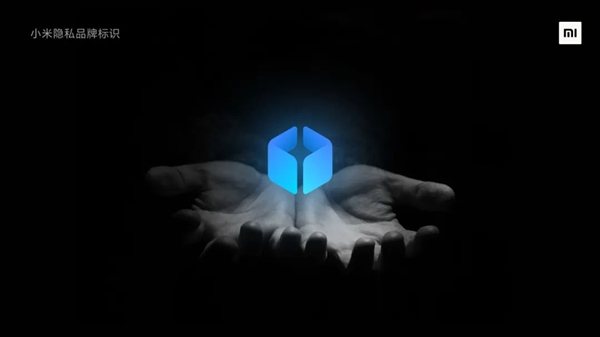
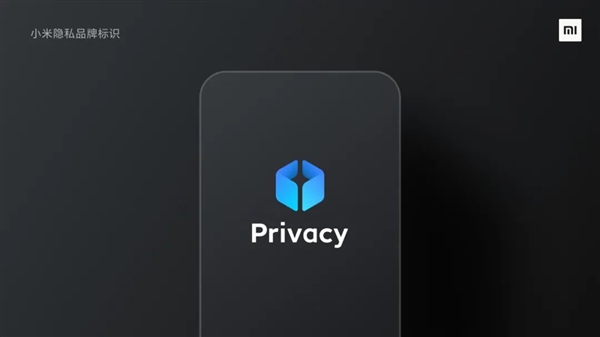
Xiaomi, Thursday, officially unveiled the “Xiaomi Privacy Brand” with a logo which represents the brand’s resolve to protect users’ information security and privacy. Xiaomi says the privacy brand logo will be applied to its products and services in future, reflecting the importance of user privacy protection and a commitment to users.
Xiaomi has continued to improve on the privacy and user security on the MIUI interface. MIUI not only provides rich and reliable capabilities for privacy protection but also strives to achieve better user privacy protection from a technical perspective. The Chinese company also self-developed and open-sourced the MACE (Mobile AI Compute Engine) framework, which is an AI framework developed specifically for mobile terminals. User data does not need to be uploaded to the cloud, and offline computing can be completed directly on the mobile terminal. Through offline model technology, you can maximize your privacy.
In order to fully protect privacy, Xiaomi has also established a complete information security management system, adhering to the six privacy protection principles of openness and transparency, data minimization, purpose limitation, security protection, compliance review, and clear responsibilities, and is committed to building a privacy brand trusted by users.
At the same time, Xiaomi used “differential privacy” in the system-a leading privacy protection algorithm. Differential privacy is a system for publicly sharing information about a dataset by describing the patterns of groups within the dataset while withholding information about individuals in the dataset.
The company says it will reveal more details after the MIUI 12 conference on April 27.
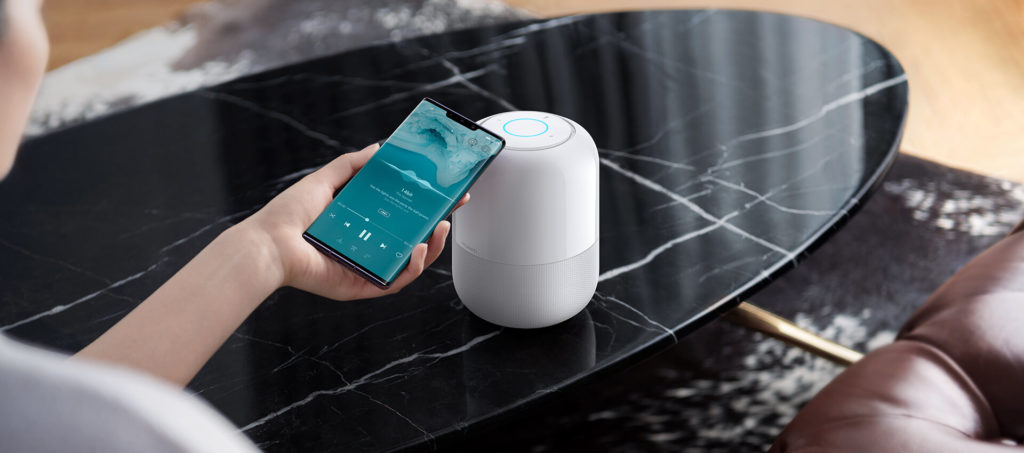
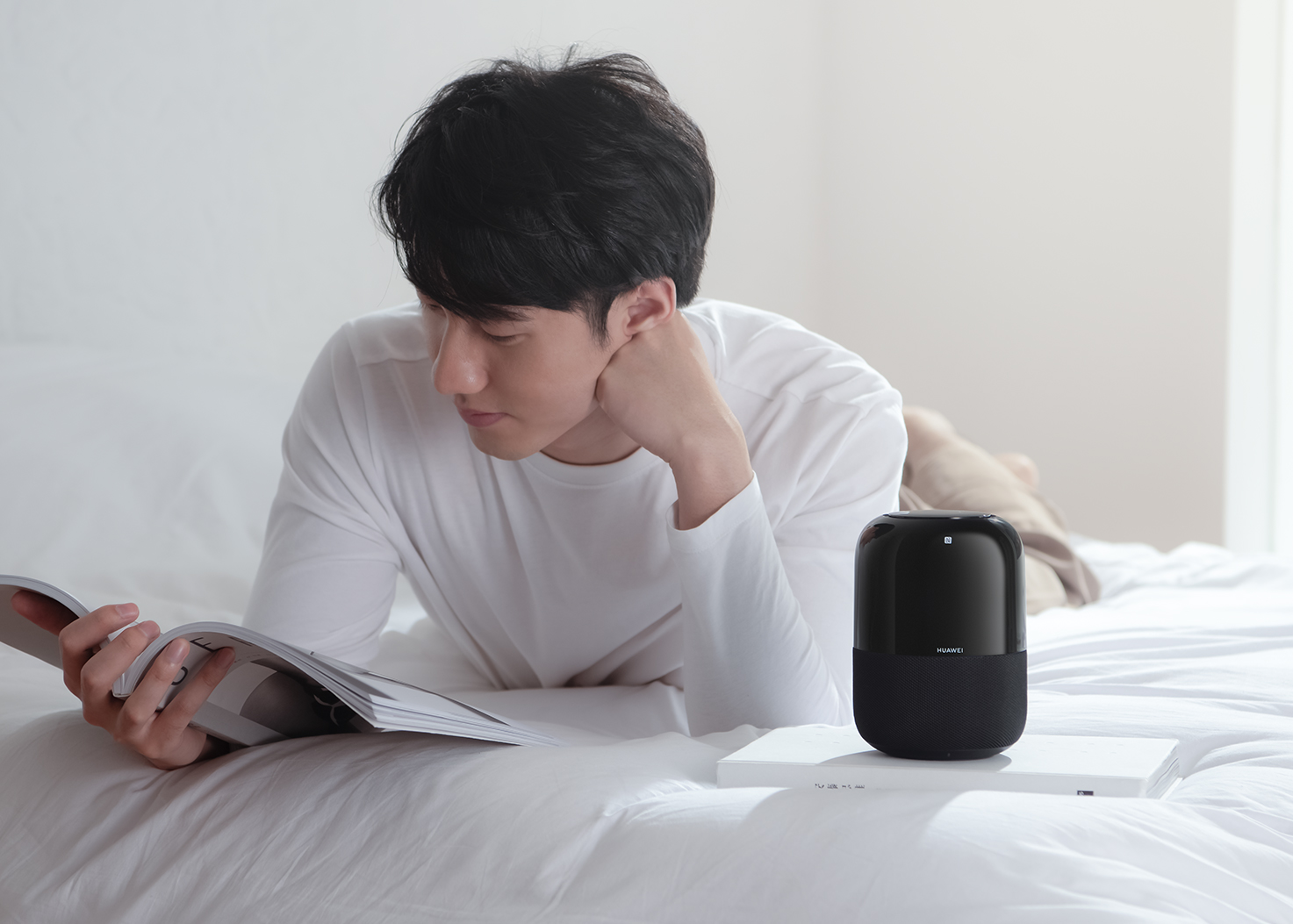
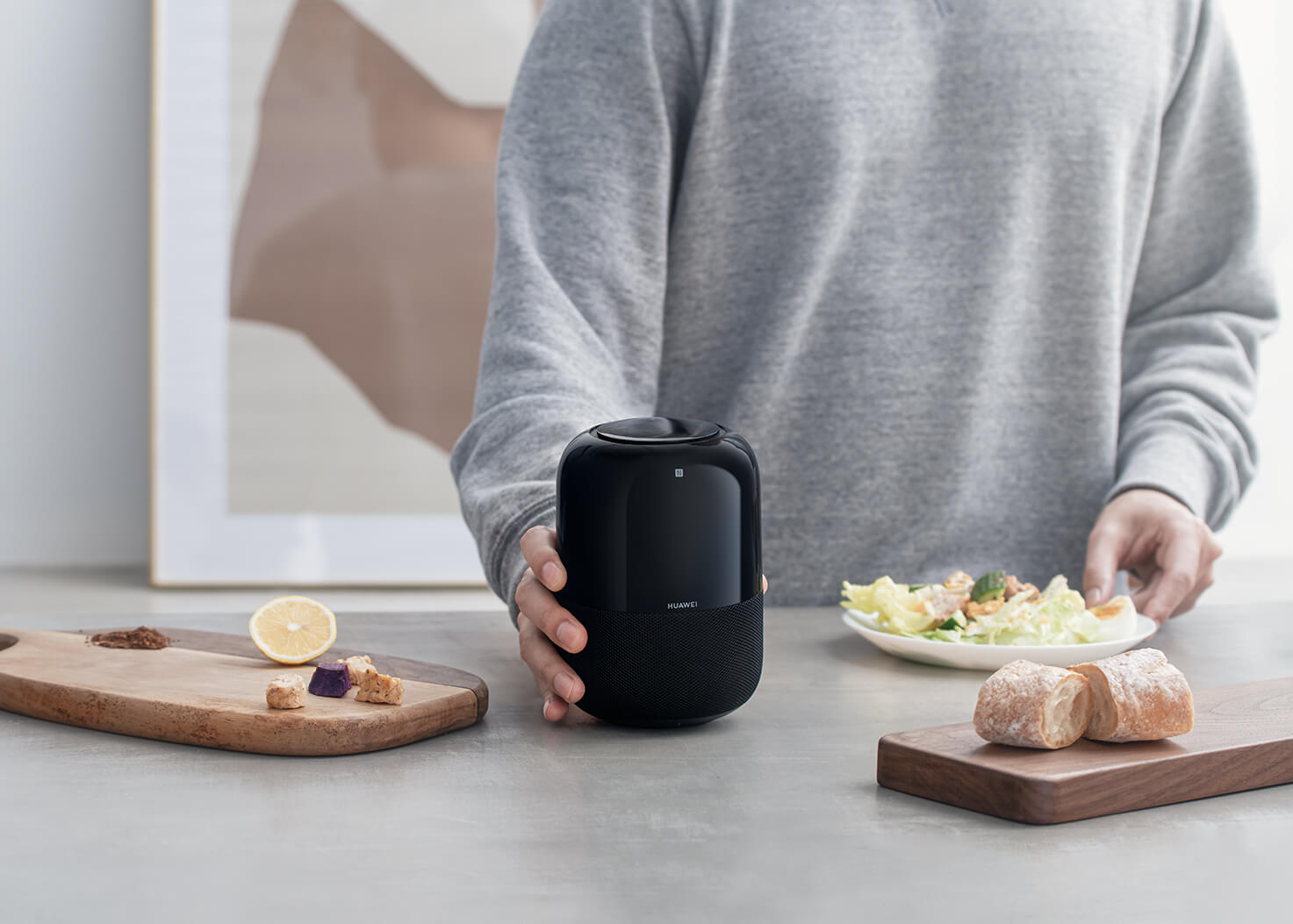
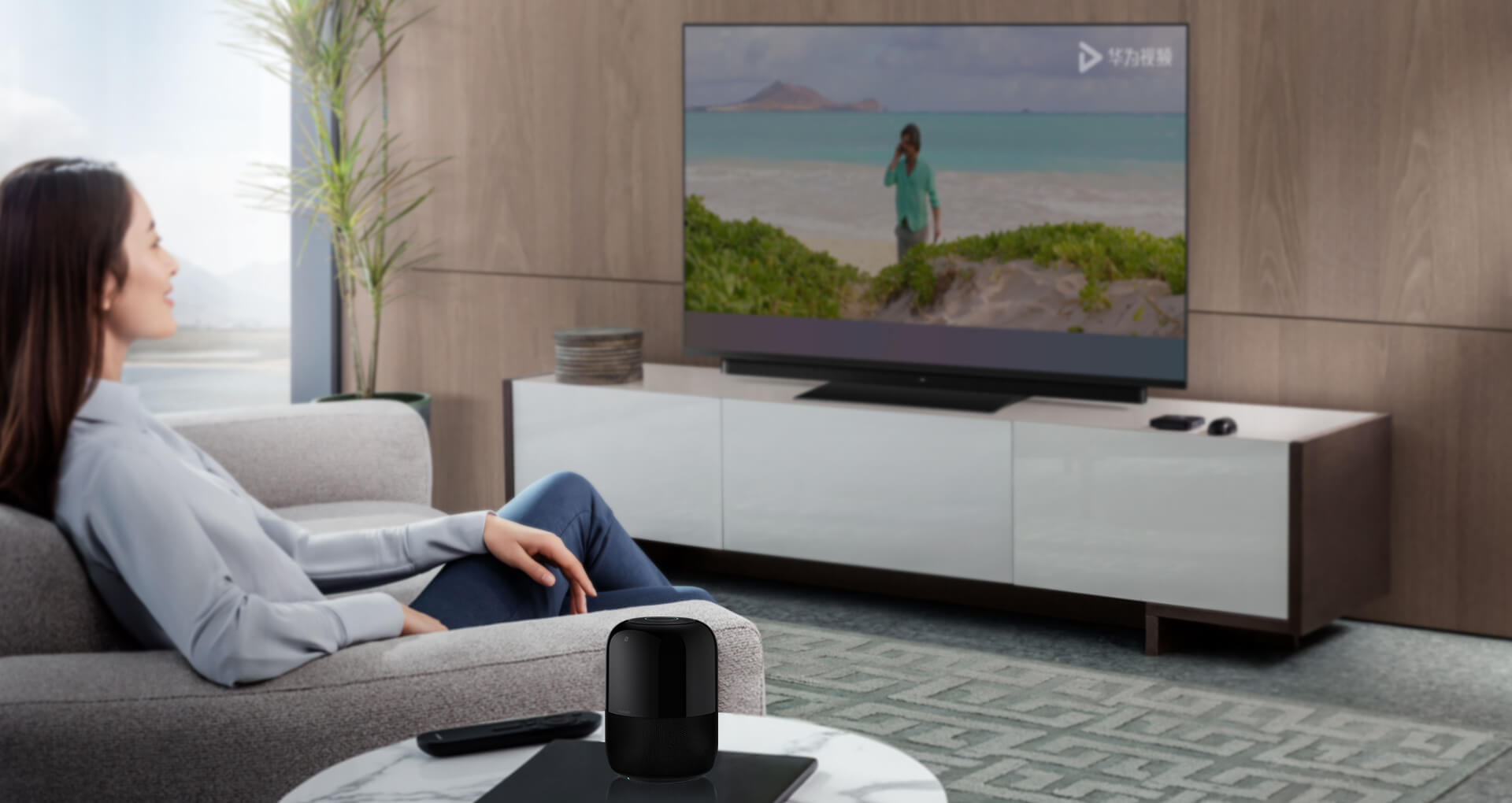
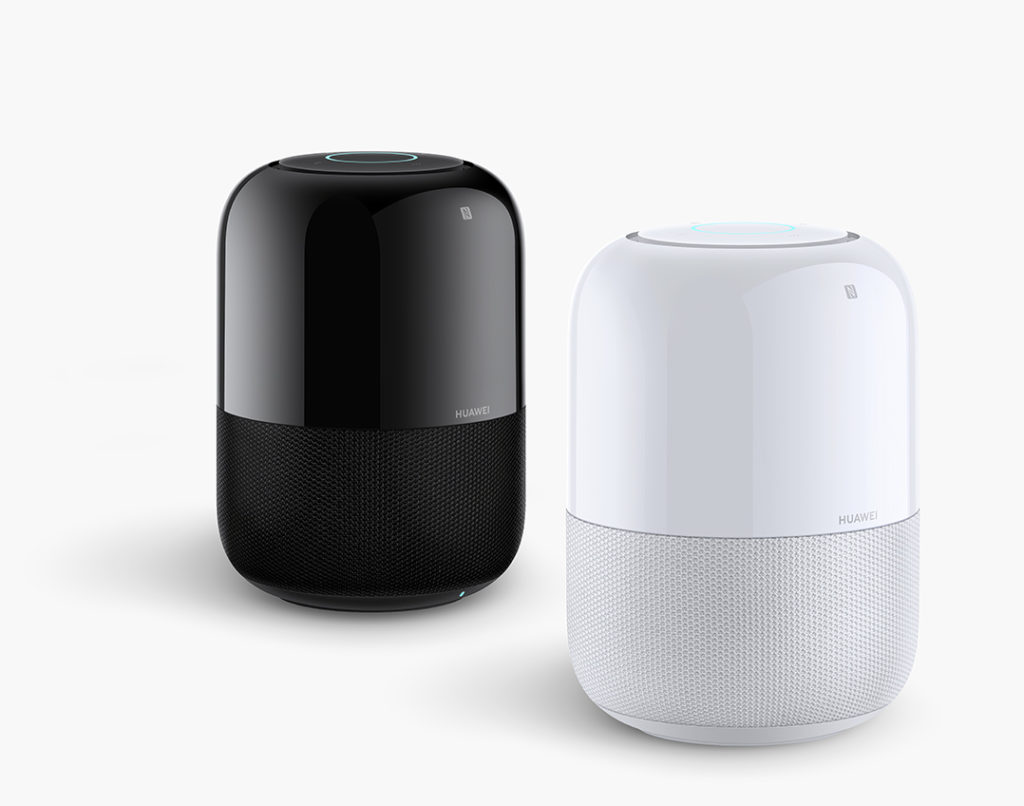
The Chinese telecom giant launches Huawei AI Speaker 2 in China as the successor to the original debuted back in October 2018. The newer model features a revamped design and also has a portable version, thanks to an in-built battery. The best part is it costs the same 399 Yuan ($56) as the previous model.
Just like its predecessor, the Huawei AI speaker 2 is powered by the company’s own virtual assistant called Xiaoyi. This one is different than the newly introduced Celia voice assistant on EMUI 10.1.
The new speaker features Huawei Sound technology unlike the previous generation, which was developed in-partnership with Dynaudio. However, the main 10W speaker is of same 2.25-inches made of NdFeB. It also has two bass units making it a 1.2 speaker system, however, it does support 5.1 channel.
Further, it has four capacitive touch keys for volume up / down, mute, and multi-function. The speaker uses 2.4GHz WiFi, Bluetooth 4.2, and NFC for connectivity. It also has four microphones to capture voices clearly.
The Huawei AI Speaker 2 is powered by an unknown quad-core processor clocked at 1.5GHz. It measures 156mm x 110mm in size and weighs 580g for the non-battery version (AIS-BW50-01) and 650g for the built-in battery (3,900mAh) variant (AIS-BW50-00). The battery model is capable of offering 5 hours of playback at default volume.
For looks, the speaker has an LED ring at the top for various indications and comes in two color options namely Space Black and Nebula White. Lastly. as a smart speaker, it does all the essential things like playing songs, reciting recipe/rhymes/stories, controlling smart IoT products, and more.
Huawei announced the AI Speaker 2 at the Nova 7 series launch event in which the company also unveiled the following products for the Chinese market.
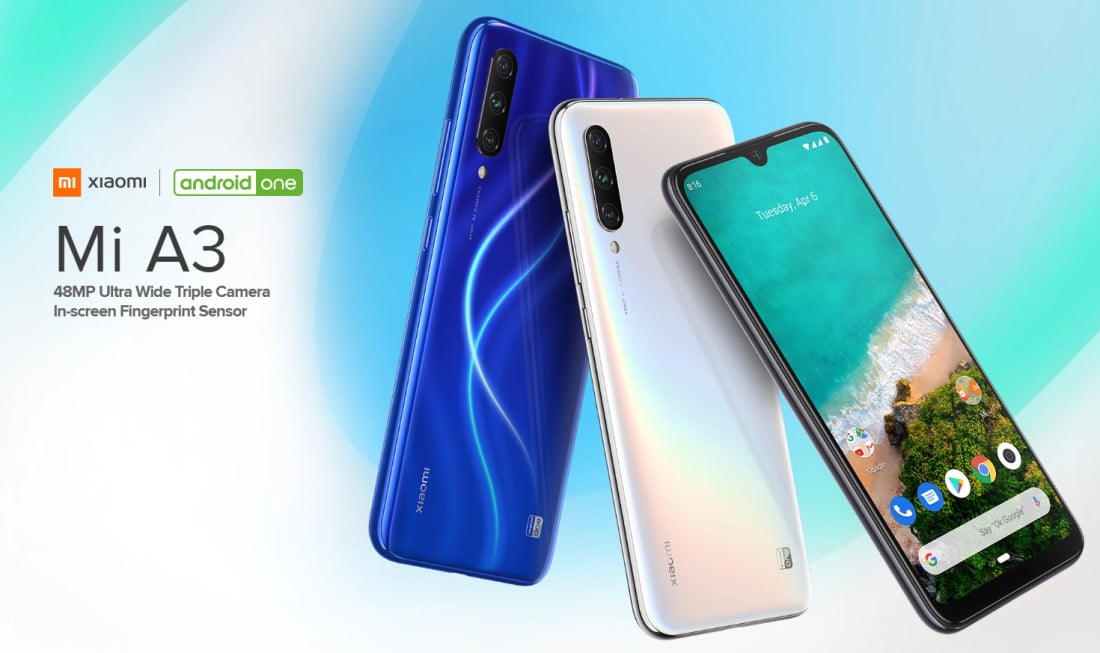
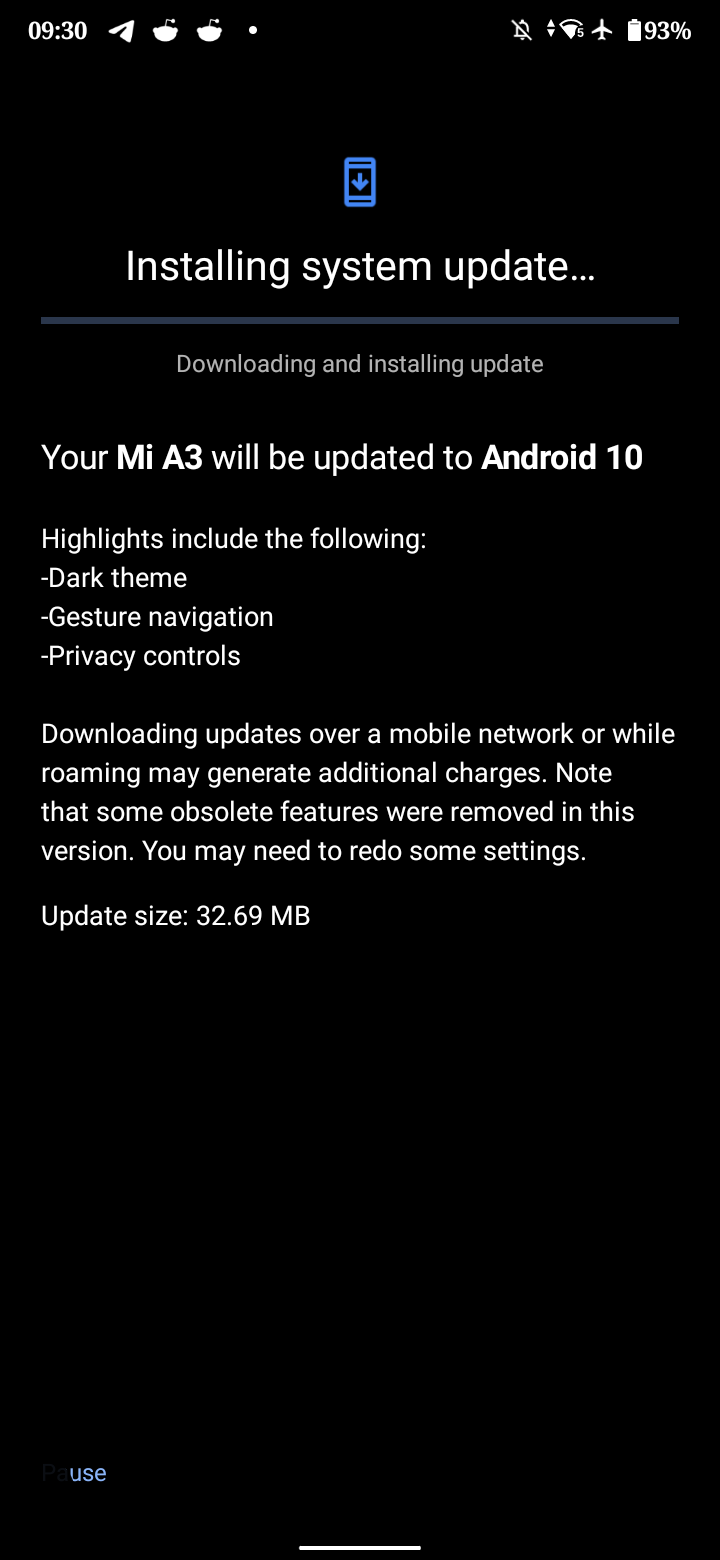
Xiaomi‘s Android 10 update for the Mi A3 is perhaps the worst update we have seen in a long time. After three updates, users still complained of a buggy firmware which forced the company to roll back the updates all three times. For the fourth time, Xiaomi has started rolling out Android 10 update for Mi A3 users.
The update comes with the version number V11.0.14.0.QFQMIXM and is expected to hit Mi A3 units Over-The-Air. Of course, the rollout should be pushed in batches so as to ensure there is no issue. So, if you are yet to receive the update you may want to exercise some patience. Alternatively, you may check from the system setting if a new update is available for your device.
The update is noticeably lighter with a size of just 32.69MB compared to 1.33GB file size of previous updates that were cancelled. The changelog notes that some obsolete features were removed but no mention of the specific features was made. Some of the new features include a system-wide dark mode, gesture navigation and privacy controls, among others. This build is also said to fix the issue of fingerprint not showing up when picking up the phone.
It is hoped that this new update won’t come with any issue.
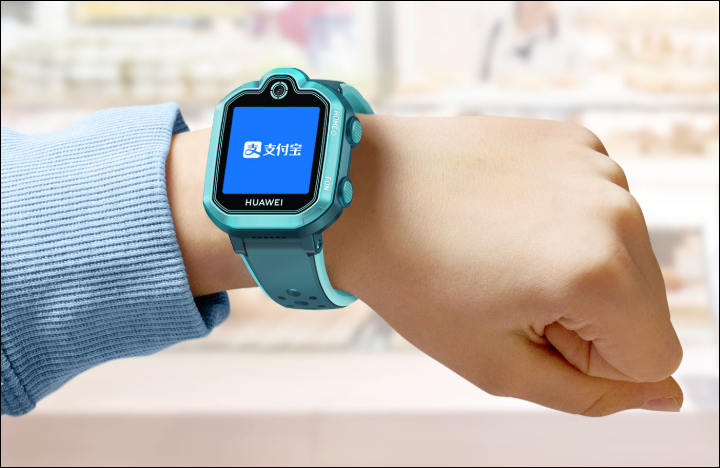
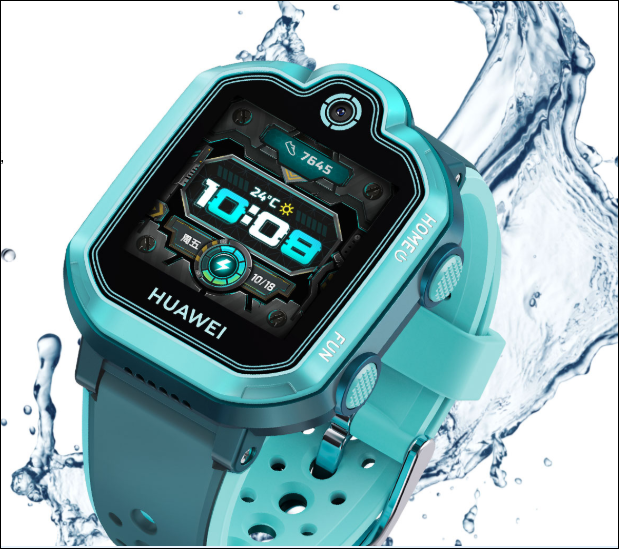
Huawei‘s first smartwatch for children was launched in 2016 and since then, the company has continued to refresh the lineup, adding topnotch features and improved design style. The Chinese tech giant has now launched the Huawei Children’s Watch 3 Pro Super Version as part of the products announced during the Nova 7 series launch conference.
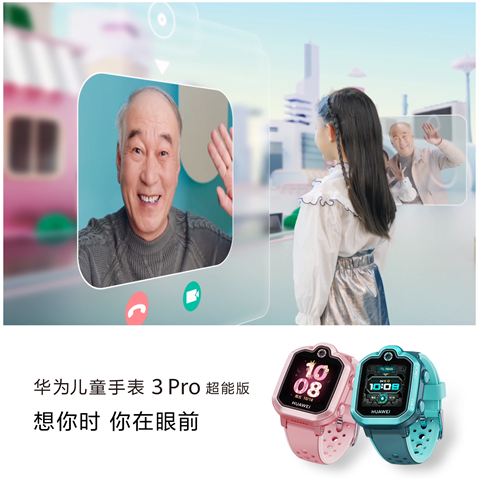
Huawei Children’s Watch 3 Pro Super Version comes with several new functions such as AI security positioning and upgraded memory configuration. The watch packs 1GB of RAM and 8GB of internal storage which is similar to what is found on some entry-level smartphones. In addition to the security and memory configuration upgrades, Huawei Children’s Watch 3 Pro Super Edition also features a smooth video call function, which greatly improves the convenience of children’s watch video calls.
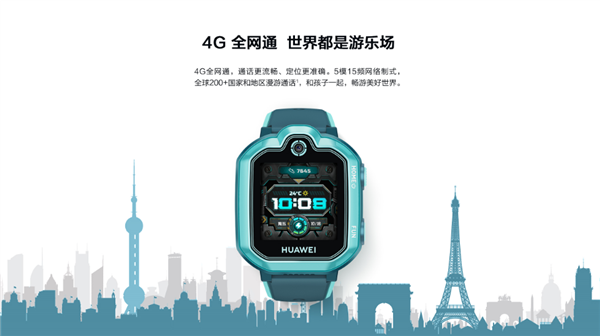
The smartwatch supports 4G full Netcom, covering more than 200+ operator networks around the world. The 5-mode, 15-band internet connection is fast, the signal quality is good, the calls are clear, and it can be used in various complex environments.
Receiving calls on the smartwatch especially in a noisy environment is also easy as the Children’s Watch 3 Pro Super version comes with high-performance speakers, high volume, good sound quality, and excellent sound pickup algorithm. The child also won’t need to keep his/her hands up for long while receiving a call. In addition, it is equipped with a 5MP HD camera that supports HD video calls.
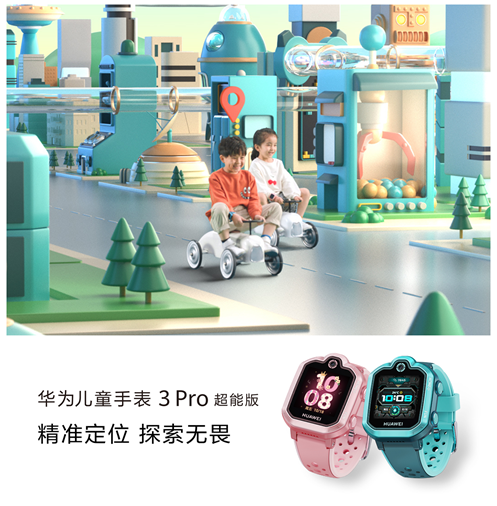
Safety is the top priority of children’s watches. The main purpose of parents buying a smartwatch with call functions for their kids is to ensure the child is safe, monitor his/her location and also reach him at any time. The child can also call for help if need be. Thus, the new smartwatch is equipped with nine-fold AI positioning which includes GPS, Beidou, GLONASS satellite positioning, WLAN positioning, base station positioning, indoor positioning, A-GPS, accelerometer-assisted positioning, and SOS camera assisted positioning. Relying on Huawei’s NLP technology, the Children’s Watch 3 Pro Super Version can obtain positioning results through multiple channels in order to provide the provide accurate location tracking.
In addition to the call, positioning and other core functions, the watch supports multi-application download due to the improve RAM and storage space. Parents can upload story-telling apps and language tutor apps on the smartwatch in order to upgrade the child’s learning ability.
The Huawei Children’s Watch 3 Pro Super Edition is priced at 988 yuan and will be available for pre-sale on May 13. It features a waterproof build.
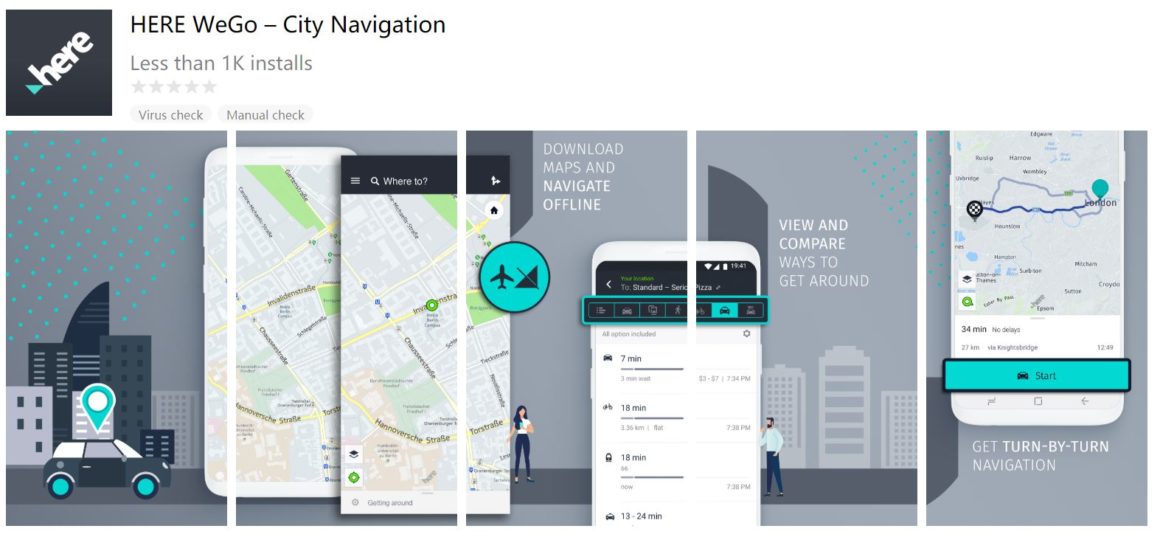
Back in January, we reported that Huawei was partnering with TomTom for mapping and navigation services. In what can be termed a surprise, HERE WeGo (HERE Maps) is now available on its AppGallery store.
Here WeGo is said to be the second-largest map service after Google Maps. It was originally created by Nokia and released for Windows Phone and the web in 2013 as a replacement for Nokia Maps. The service was later released for Android and iOS in 2015 and renamed to Here WeGo in 2016.
Huawei now joins Amazon as the other big-name manufacturer that uses the mapping service for its products. Here WeGo allows users to download maps offline and provides a free voice-navigation too. Other features include the cost of public transport tickets and fares.
If you own a Huawei phone, you can download the app from here. It is about 61MB in size.
We are not sure if Huawei is still moving forward with TomTom following the recent development but it will be great for users to have multiple options.
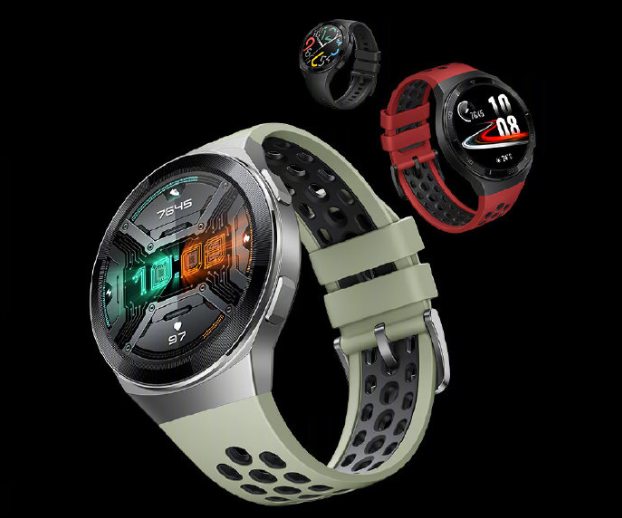
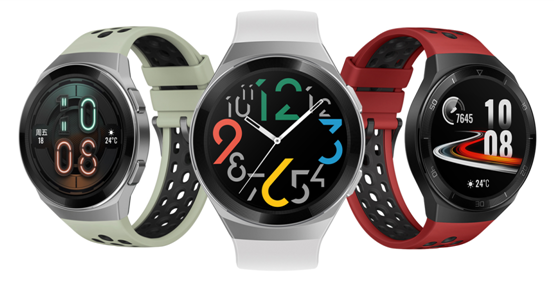
In addition to the Nova 7 series, Huawei Smart Vision V55i, MatePad, Huawei also launched the Watch GT 2e in China. Huawei Watch GT 2e had earlier been unveiled in Europe during the P40 series launch. The company says the new version is targeted at Generation Z and the letter “e” stands for energy. Thus, this isn’t a trimmed down version of the Watch GT 2.
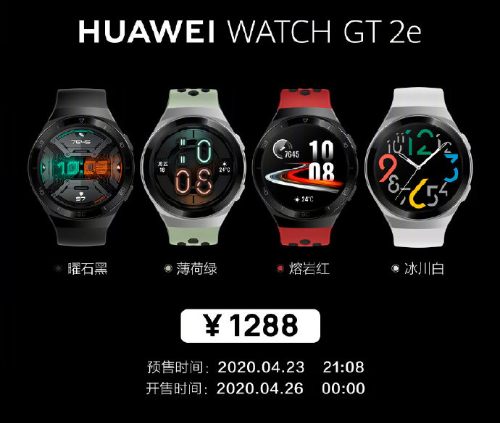
Huawei Watch GT 2e adopts a 1.39-inch circular AMOLED display having a resolution of 454 x 454 pixels. It makes use of a metal + plastic casing available in Black coated stainless steel and stainless steel colours. The watch case weighs 43g without the straps. Talking of the straps, the Watch GT 2e is available Black Fluoroelastomer, Red & Black TPU, Green & Black TPU, and White Fluoroelastomer straps.
Furthermore, it supports touch and slide gestures as well as can be controlled using power and function buttons. Connectivity on the device includes a built-in GPS and Bluetooth 5.1 to connect with devices running Android 4.4+ or iOS 9.0+.
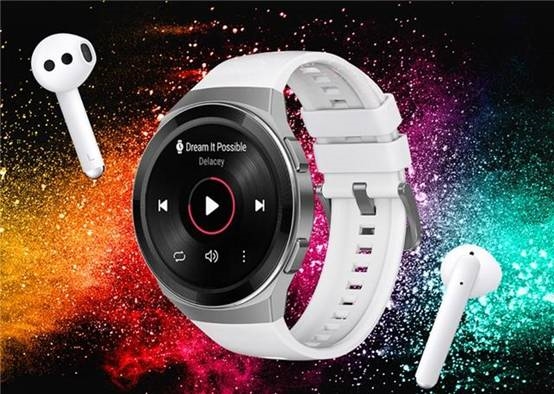
The watch supports a total of 100 fitness tracking mode including 15 professional workout modes and 85 customized workout modes. It also features a SpO2 sensor to monitor oxygen levels in the blood. The watch also comes with 4GB onboard storage to store music and includes a number of sensors like Accelerometer sensor gyroscope, geomagnetic, optical heart rate, ambient light, air pressure, capacitive for activity tracking.
As for battery life, the company claims 14 days on a single charge via magnetic charging thimble port using the in-box proprietary charging cradle. Additionally, the watch is also water-resistance up to 5ATM and thus it can be worn while in shower and swimming.
As for the price, the four colour options of the Huawei Watch GT 2e will retail for 1288 yuan ($182) in China. This is lower than the €199 (~$219) is will sell in Europe.
We use cookies on our website to give you the most relevant experience by remembering your preferences and repeat visits. By clicking “Accept”, you consent to the use of ALL the cookies.
This website uses cookies to improve your experience while you navigate through the website. Out of these, the cookies that are categorized as necessary are stored on your browser as they are essential for the working of basic functionalities of the website. We also use third-party cookies that help us analyze and understand how you use this website. These cookies will be stored in your browser only with your consent. You also have the option to opt-out of these cookies. But opting out of some of these cookies may affect your browsing experience.
Necessary cookies are absolutely essential for the website to function properly. This category only includes cookies that ensures basic functionalities and security features of the website. These cookies do not store any personal information.
Any cookies that may not be particularly necessary for the website to function and is used specifically to collect user personal data via analytics, ads, other embedded contents are termed as non-necessary cookies. It is mandatory to procure user consent prior to running these cookies on your website.