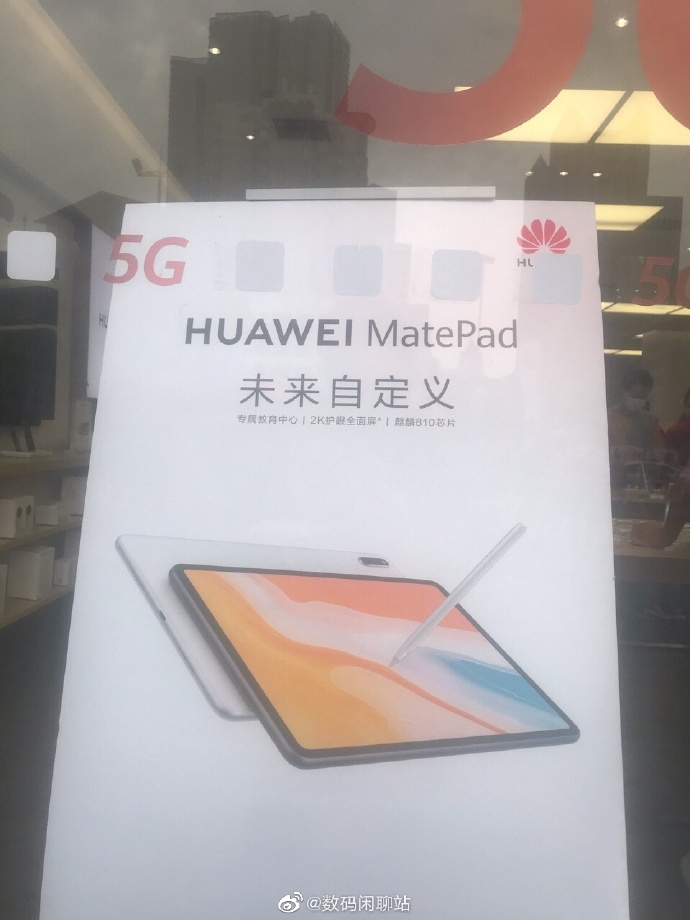
Huawei and Samsung are the only two big-name manufacturers still churning out tablets. Just as Samsung is planning to release a lite version of its Galaxy Tab S6, Huawei is also planning to launch a less powerful version of its MatePad Pro tablet. A poster of the Huawei tablet which is simply called the “Huawei MatePad” has surfaced on the web and it confirms some of the already leaked specs.
The image of the poster appears to have been taken in front of a store and it shows the Huawei MatePad will come in two color variants – white and gray. The tablet has bezels that are significantly slimmer than those of several other tablets. However, it skips the punch-hole display of the MatePad Pro. The Huawei MatePad is also shown to have stylus-support.
According to the image, the MatePad has a 2K display, a Kirin 810 processor, and exclusive educational features, hinting at Huawei’s target demographic for the new tablet being students.
Previous reports said the tablet will have a 10.4-inch display and will come in WiFi and 4G models with up to 4GB of RAM and 128GB of storage. It will also come with a 7250mAh battery with a USB Type-C port for charging. Other features are 8MP rear and front cameras, Bluetooth 5.1, and an alleged “Lite version” of EMUI 10.1 based on Android 10.
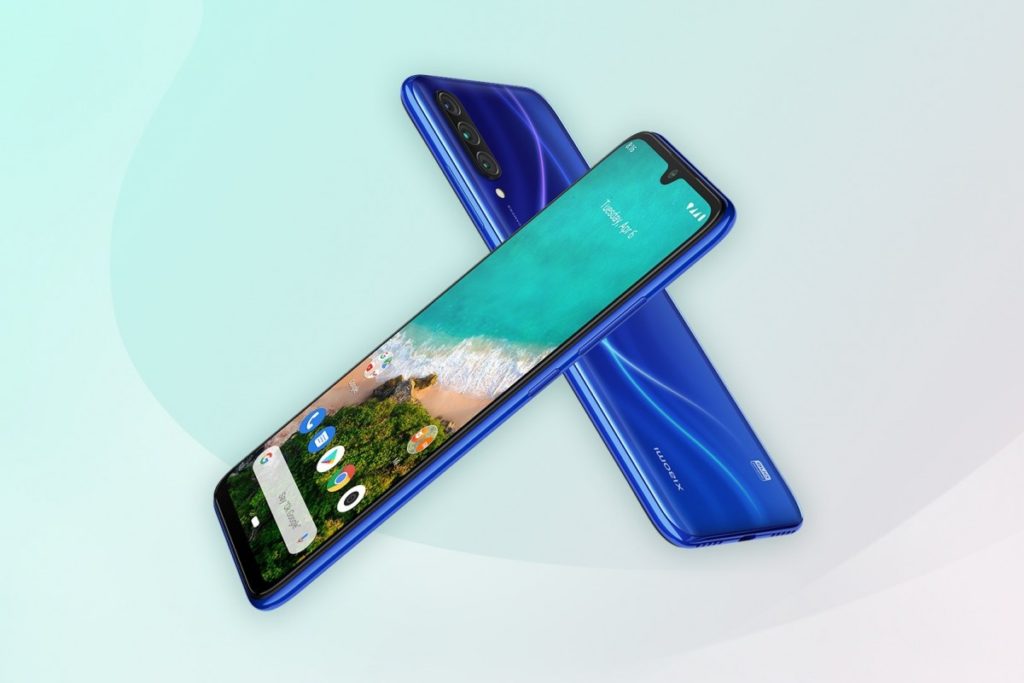
Xiaomi Mi A3, the company’s third-generation Android One smartphone has officially earned a place in the list of buggiest phones ever. Since its release, the phone has been criticized for its software by users around the world. What’s even more interesting is the company has once again pulled back (third time) the Android 10 update.
The Xiaomi Mi A3 launched in July 2019 as a rebadged Mi CC9e for international markets. Instead of MIUI, it shipped with stock Android 9.0 Pie software under the Android One program. This means it should get two platform updates and monthly security patches for three years.
However, the company is yet to deliver a bug-free stable Android 10 update for the device. Android One devices are supposed to be one of the first to get the latest Android update. But in Xiaomi’s case, it is different as the heavily skinned MIUI running Redmi K20 Pro was the first to get it. In fact, the Chinese variant of the device received the Android 10 update on the day Google officially launched it
But the company’s latest generation Android One device, the Mi A3 is still running Android Pie from 2018. In addition to that, the company has never delivered monthly security patches on time and tried to seed out a bugless Android 10 update for three times in a row.
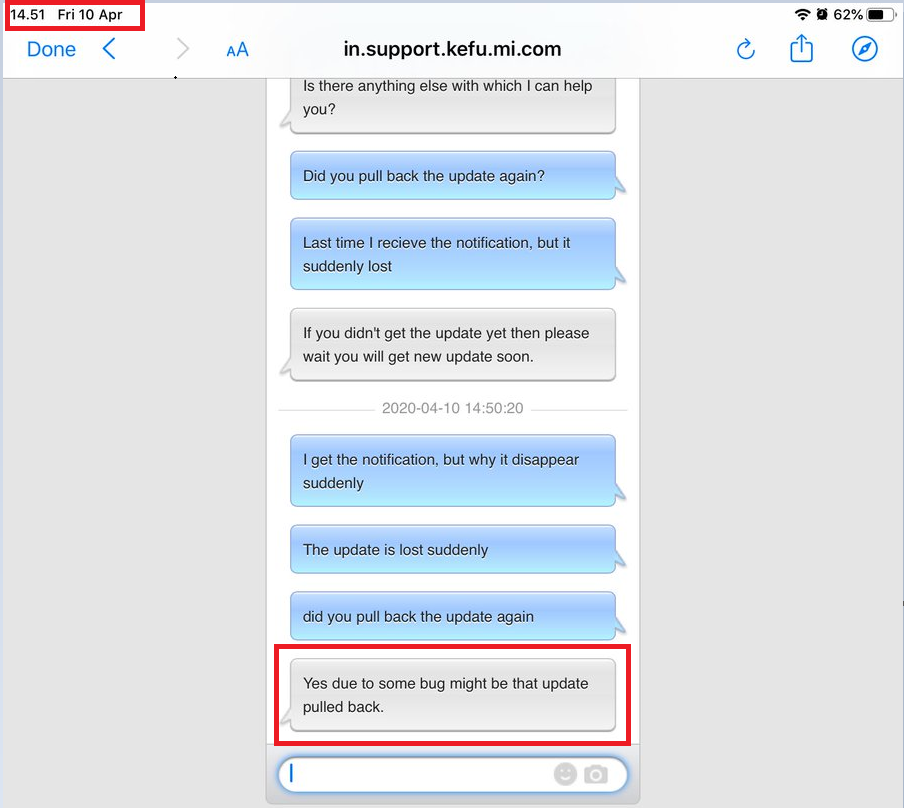
Xiaomi first rolled out the Android 10 update to Mi A3 users in late February and soon it was rolled back due to bugs. Once again, it seeded out the update in mid-March but the same bugs followed. Now, recently on April 8, the Chinese smartphone maker released the update for the third time, unfortunately, ‘third time is not a charm’ for the company as the bugs have managed to latch on to this build too.
And hence, the latest Android 10 so-called stable update with April 2020 security patch has been rolled back according to a Xiaomi customer care executive.
Anyway, it is worth noting that not all users are facing issues. But still, we recommend you to stick with Android 9 and only continue to update security patches and avoid Android 10 OTA notification.
These are some of the bugs/issues reported by Mi A3 users on Mi Community and other platforms.
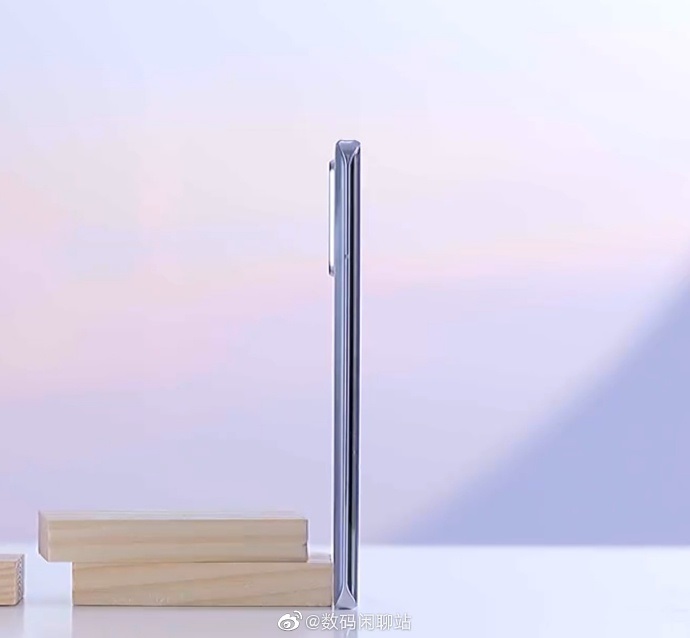
Honor will be launching the Honor 30 and Honor 30 Pro on April 15. For the past few days, the brand has been teasing some of the specs of these phones. Now, for the second time, a couple of live images of the Honor 30 / 30 Pro handset has emerged on the internet.
Unfortunately, the live images of Honor 30 / 30 Pro only manages to show off a part of the phone’s design. We get to see the left side as well as a little bit of the front.
Honor 30 / 30 Pro Live Images
1 of 2
According to the pictures, the phone will have chamfered sides and a curved display. The left side, which we get to see in these images is empty with no buttons or card slot. This confirms the power key and volume rockers will be on the right side of the handset.
One of the two live images, also confirms a dual punch hole for the front cameras, which by the looks of its seems smaller than the one on the Honor P40 series.
The Honor 30 and Honor 30 Pro are confirmed to be powered by Kirin 985 and Kirin 990 SoCs respectively. Both will have support for 5G support just like their smaller sibling Honor 30S with Kirin 820.
To know more about the forthcoming Honor 30 and Honor 30 Pro including specifications and design, do check our coverage on the same.
The Nubia Red Magic 5G was announced in China in March. Touted as the most stylish gaming phone to hit the store shelves this year, the Nubia Red Magic 5G offers more than a highly appealing outward appearance.
It might interest those restlessly waiting to get their hands on the recently unveiled handset to know that Giztop is now offering multiple variants of the 5G-ready phone at unbeatable prices. The 8GB RAM+128GB ROM model would set you back $619 on the popular Chinese online store.
Alternatively, you can go for the other black-tinted model that comes with 12GB RAM and 128GB internal storage if you are willing to shell out $679. Those who fancy having more storage space to save their favorite multimedia content might want to check out the next variant that ships with 12GB RAM offer a hefty 256GB of onboard storage capacity.
The aforesaid model is available in a transparent color option for $759. The Cyber Neon color option, on the other hand, retails for $749. Bearing a slightly steep $909 price tag, the largest variant is integrated with a mammoth 16GB RAM and a hearty 256GB of native storage. This model comes in a Cyber Neon color option.
Much to the relief on those on a tight budget, Giztop is offering a chance to save $50 by applying coupon code REDMAGIC5G at check out. You can head straight to this link to avail of the discount before the coupon expires. The irresistible Nubia Red Magic 5G offers the following features:
6.65-inch AMOLED 144Hz FHD+ gaming display
An in-display fingerprint scanner
Qualcomm Snapdragon 865 Octa-core processor
Adreno 650 GPU
64MP+8MP+2MP cameras at the back
8MP front camera
4500mAh battery with 55W (10A high-current) air-cooled turbo fast charging
DTS Technology
Red magic OS 2.0 based on Android 9.0 OS
The Gizmochina Coupons is a community that finds, reports and evaluates deals and coupons of Chinese products from online shops. Please visit it here to find more coupons to save money on mobiles and smart gadgets.
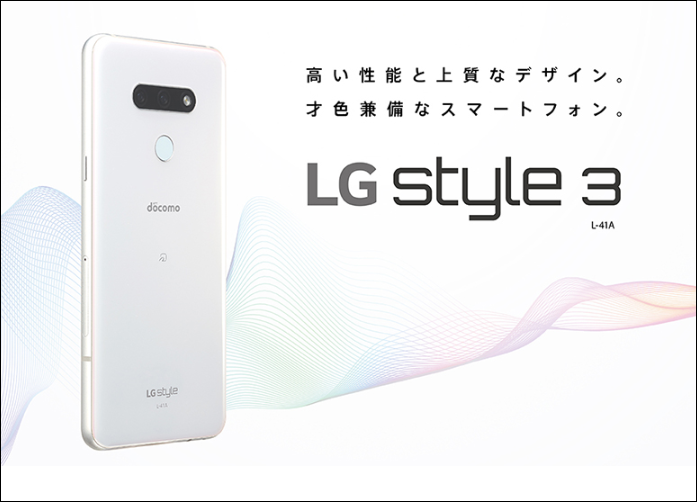
LG has taken the wraps off a new smartphone that seems to be solely for the Japanese market. The LG Style3 is basically a redesign of the V40 ThinQ which was launched in 2018. The phone comes along with some specs that might make you think this is a flagship phone suited for 2020 but some aspects of the design and specs are disappointing.
Just like the V40 ThinQ, the LG Style3 features an OLED screen with Quad HD+ resolution. But the display comes in at 6.1 inches which is smaller than the V40 ThinQ’s. The display has a wide notch at the top which holds a single 8MP selfie camera as against dual selfie cameras on the V40 ThinQ.
The Style3 is powered by the Snapdragon 845 chipset which was released in 2018 and featured on the V40 ThinQ. Even though the processor is old, it still is a powerful one and should be adequate for the device but that would depend on the retail price. The model comes in only 4GB RAM version as well as 64GB storage. The storage can be ramped up via a microSD card slot that supports up to 512GB of added storage.
For photography, you get a dual-camera setup at the rear arranged horizontally in a single module along with the LED flash. The camera is a 48MP + 8MP combo. The V40 ThinQ has three sensors but a similar design. Just under the rear camera is a physical fingerprint sensor. The LG Style3 packs 3500mAh battery. It is a 4G phone and supports NFC.
The phone is already listed by Japanese carrier NTT Docomo but the price wasn’t listed.
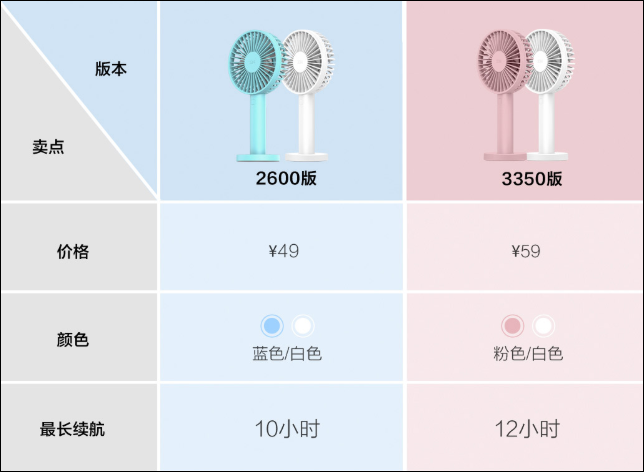
Xiaomi‘s ecological chain company ZMI first opened shop in 2012 and since then, the company has launched several impressive products ranging from power banks, chargers including wireless chargers, data cables, car chargers, to portable speakers. The company has now launched a portable fan. The ZMI Portable Fan is an entry-level product that comes with a price tag of 59 yuan ($8) but it sure meets a vital need to stay cool during the hot summer weather.
The portable fan adopts a minimalist design, packing a compact body can be carried anywhere, whether it is outdoor or indoor. This is not the first of such design that you might have come across but what makes this model stand out is that it has a detachable base. Thus, it can be used on a desktop and can be detached and carried around.
The fan has a diameter of 107.8mm and seven feather blade designs, wing-shaped planing, and a brushless DC motor to create a comfortable and natural wind. You don’t need a power outlet to use the fan as it packs a 3,350mAh LG rechargeable battery. The battery can last for up to 12 hours in the base level speed. The fan comes with three-speed levels. The top speed level drains the battery in 4.5 hours while the second level can last up to 9 hours. The device can be charged via a USB 2.0 port and will attain a full charge in 5 hours.
The ZMI Portable Fan also has a second version with 2600mAh battery priced at 49 yuan ($6). Both models are listed on JD.com.
The former Huawei’s sub-brand launched a new series of affordable phones with a brand new naming scheme. The advanced version of the lineup is the Honor Play 4T Pro which offers a pretty intriguing specs sheet at a very affordable price. But are their specifications enough to meet the demand and divert it from affordable devices from other Chinese brands such as Xiaomi and Realme? In order to establish it, we decided to compare Honor Play 4T Pro, Redmi Note 9 Pro and Realme 6. We believe these are among the best options in the affordable price range for most of the users: if you want to know the pro and cons of each device, go ahead with this comparison.
Huawei Honor Play 4T Pro vs Xiaomi Redmi Note 9 Pro vs Oppo Realme 6
Quad 64 + 8 + 2 + 2 MP f/1.8, f/2.2, f/2.4 and f/2.4
16 MP front camera
Quad 64 + 8 + 2 + 2 MP f/1.8, f/2.3, f/2.4 and f/2.4
16 MP f/2.0 front camera
Triple 48 + 8 + 2 MP f/1.8, f/2.4, and f/2.2
16 MP f/2.0 front camera
BATTERY
5020 mAh, fast charging 18W
4300 mAh, fast charging 30W
4000 mAh, fast charging 22.5W
ADDITIONAL FEATURES
Dual SIM slot
Dual SIM slot, splash resistant
Dual SIM slot
Design
Honor Play 4T Pro is not the most attractive device of the trio. It comes with a pretty big camera module on the rear side and, unlike Redmi Note 9 Pro and Realme 6, it does not have a punch-hole display. But it is the most compact phone here, that is why a lot of people might still prefer it. When it comes to the look, at first glance, Realme 6 looks more beautiful. But it has a plastic body, while Redmi Note 9 Pro offers a more premium glass back. On the other hand, Redmi Note 9 Pro is the device with the biggest dimensions. This said, what would your choice be?
Display
OLED displays are very hard to find in the price range of the Honor Play 4T Pro, Redmi Note 9 Pro and Realme 6. But that is what you get with the Honor Play 4T Pro, despite its very affordable price. It offers an OLED display with deep blacks, vivid colors, and even an in-display fingerprint scanner. But Honor Play 4T Pro is also the device with the smallest panel: easier to use with one hand and to keep in a pocket, but less suitable for advanced usages such as productivity. Realme 6 has an IPS display, but it offers a high 90 Hz refresh rate, so it still remains a very interesting device in terms of display.
Specs & Software
The Kirin 810 SoC found on the Honor 4T Pro is a chipset offering better overall performance compared to Snapdragon 720G. Kirin 810 is even more efficient with its 7 nm production process. Still, a lot of people prefer the Snapdragon 720G due to the good reputation of Qualcomm’s chipset. Helio G90T is more or less at the same level as the Kirin 810, but it is less efficient since it is built at 12 nm. Honor Play 4T Pro, Redmi Note 9 Pro and Realme 6 run a customized version of Android 10, but the Honor Play 4T Pro does not get Google services.
Camera
The camera champion of this comparison is the Realme 6 Pro for a simple reason: it has a better main sensor on its rear camera setup. It boasts a 64 MP Samsung GW1 lens which is a midrange sensor, but still better than the 48 MP sensors found on Honor 4T Pro and Redmi Note 9 Pro. The sensor is paired with an 8 MP ultrawide lens and two additional sensors for macros and depth calculation boasting a 2 MP resolution.
Battery
While Realme 6 is superior when it comes to cameras, Redmi Note 9 Pro wins when it comes to battery life thanks to its bigger 5020 mAh battery. Realme 6 wins the fast charging battle with a 30W power.
Price
Honor Play 4T Pro will hit the shelves with a €195 price tag, Realme 6 and Redmi Note 9 Pro cost Rs. 12999 in their base variants. The OLED display and the amazing performance of the Play 4T Pro make it a very interesting device, but Realme 6 still looks amazing with its better cameras and 90 Hz display. Redmi Note 9 Pro offers a way bigger battery and a Qualcomm chipset. Which one would you pick?
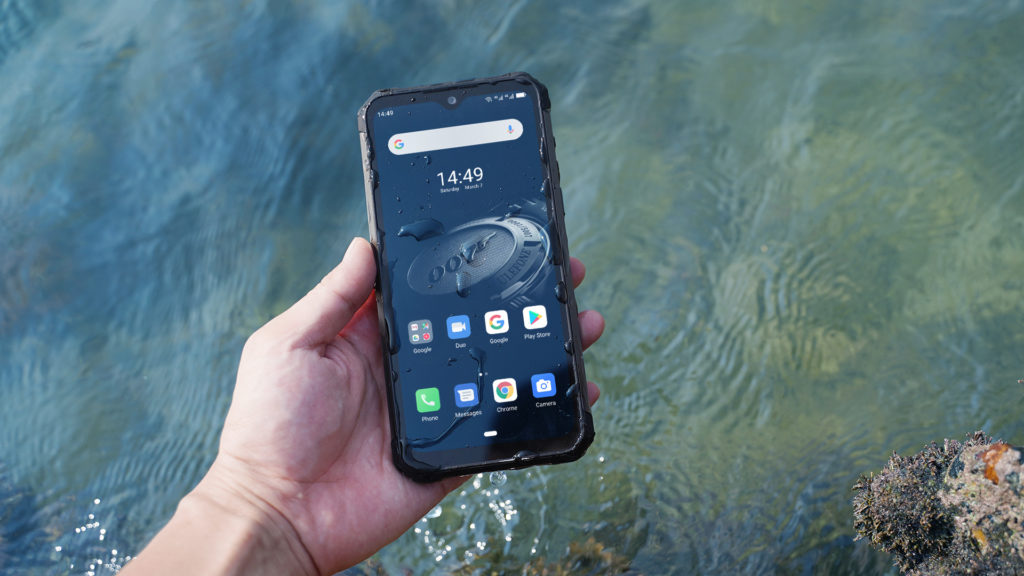
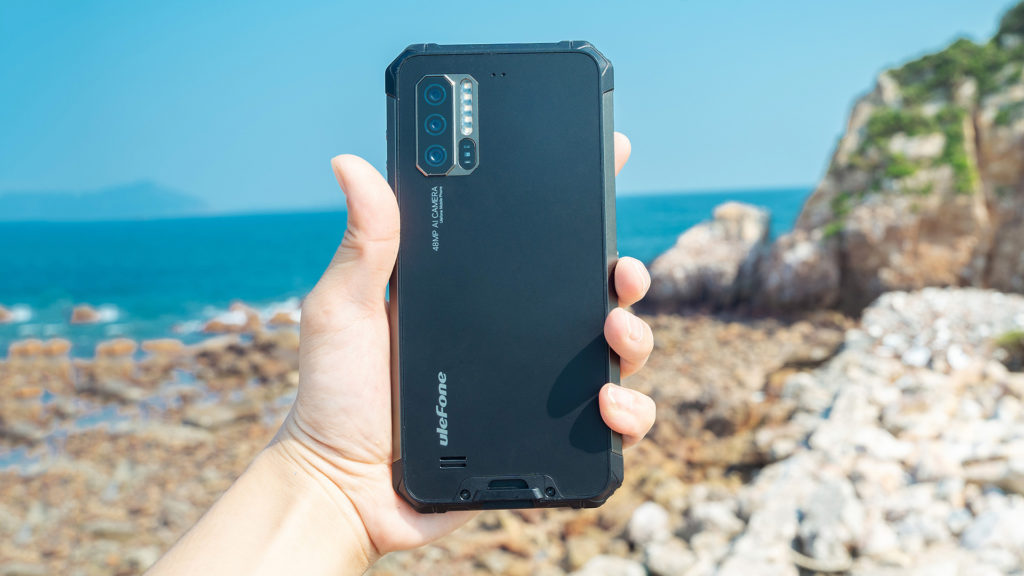
Ulefone is a professional rugged smartphone maker in China known for its competitive pricing. The company’s Armor series is acclaimed for its ruggedness and high-performance specifications. To compete against the other brands, Ulefone recently unveiled Armor 7E packed with powerful P-series SoC, MediaTek Helio P90. The company has unveiled a new hands-on video giving us the glimpse of its powerful hardware.
All the primary aspects of the smartphone from its massive battery to powerful performance is depicted in the video. It even sheds some light on the heart rate sensor and the stealthy design of the smartphone. The video provides us more information based on real-life performance than the benchmarks, which are usually done under the optimized environment. It is evident from the hands-on video that apps like Facebook, YouTube, and graphics-intensive games work without stuttering and frame rate dropping. Ulefone Armor 7E is designed to provide smooth and fast performance.
The smartphone sports Helio P90 SpC coupled with 4GB RAM and 128 GB internal storage. It even fares well against the competition if we compare the AnTuTu Benchmark scores. The devices achieved overall 212653 points with the CPU score of 82227 points and GPU with 41367 points. The MediaTek Helio P90 is outperforming Qualcomm Snapdragon 7 series processors. Moreover, Ulefone Armor 7E scores almost 5000 points at the AI benchmark.
Ulefone Armor 7E possesses IP68, IP69K certification for being a dustproof and waterproof device. However, it is even MIL-STD-810G certified for being rugged and drop resistance. It can survive extreme temperatures and severe outdoor environments. It is a perfect fit for adventurous activities or suitable for sports enthusiasts.
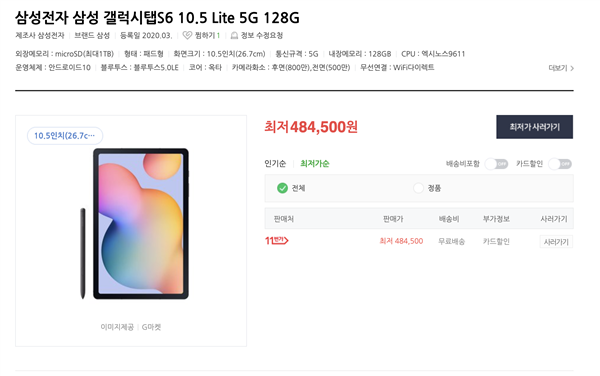
Samsung‘s upcoming Galaxy Tab S6 Lite has been anticipated to launch any moment from now but there has been hardly any information on the launch schedule. It was even tipped that the device will be launched on April 2 but that obviously did not happen.
However, the Samsung Galaxy Tab S6 Lite launch may be closer than you think. A number of South Korean retailers have reportedly listed the Galaxy Tab S6 Lite online, meaning that Samsung is about to officially release this product.
The landing page for the Galaxy Tab S6 Lite on one of the retailer’s website shows that the device will use a constant-width four-frame design. The tablet will feature a large 10.4-inch screen with a resolution of 2000×1200 pixels. The design is somewhat similar to the iPad Pro and it also comes with an S Pen. The tablet has a dimension of 24.5×15.4×0.7cm, weighing in at 798g.
In terms of specifications, the Galaxy Tab S6 Lite will be equipped with an Exynos 9611 processor which contains four 2.3GHz A73 large cores and four 1.7GHz A53 small cores. The processor is bundled with a Mali G72 MP3 GPU. The process is said to bring support for 5G connectivity to the device. The tablet equally comes with 4GB of RAM and 64GB/128GB storage options. The tablet will run on Android 10 OS and packs a massive 7040mAh battery.
The device will sell for the equivalent of $350 in Korea which isn’t a bad price. However, we expect the price to be slightly higher outside Samsung’s home market.
HMD Global, the company behind Nokia-branded Android smartphones is reported to hold a launch event in Q3 2020 to unveil Nokia 7.3, Nokia 9.3, and an unknown device.
Nokia smartphones rose from the dead with the help of HMD Global. The company has been trying very hard but still with a trusting branding and legacy, it has not seen success due to intense competition.
This year the company took a different route and announced a mid-range 5G smartphone dubbed as Nokia 8.3 powered by Qualcomm Snapdragon 765, instead of launching a premium 5G smartphone. That does not mean it has no plans for a high-end device.
A new exclusive report by NPU (Nokia Power User) suggests the company might launch the long-delayed Nokia 9.3 PureView flagship smartphone (previously known as Nokia 9.1 and Nokia 9.2) along with Nokia 7.3, and a mysterious unknown device in Q3 2020 if the COVID pandemic settles down.
HMD Global has already started testing the Nokia 7.3 in accordance with its plan to debut in mid to late Q3 2020. The device is reported to come in both 4G as well as 5G option. It could be the cheapest 5G phone from the brand, costing even less than the €599 price tag of Nokia 8.3.
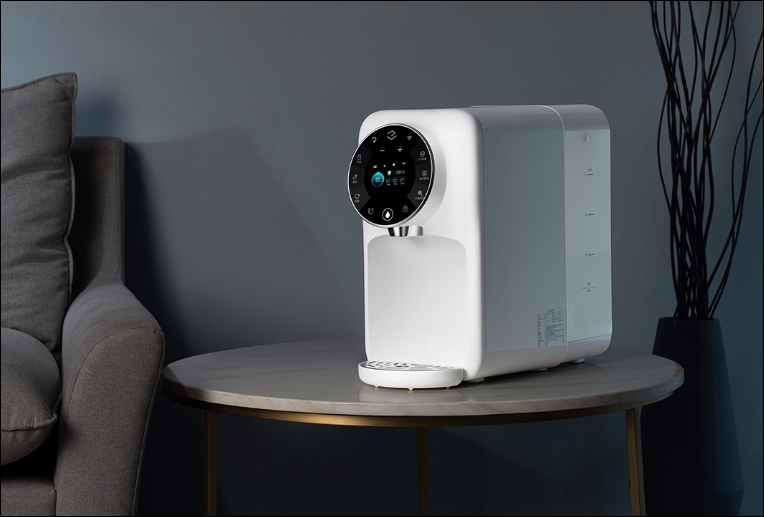
Xiaomi Youpin first played host to Yimu Technology in June 2019 when the Chinese startup launched a smart water faucet. The product was well received. Riding on the success of that exercise, Yimu has launched a smart Instant hot water dispenser under the Youpin platform. The product is under crowdfunding and the pricing starts at 1,499 yuan ($211) for the standard edition.
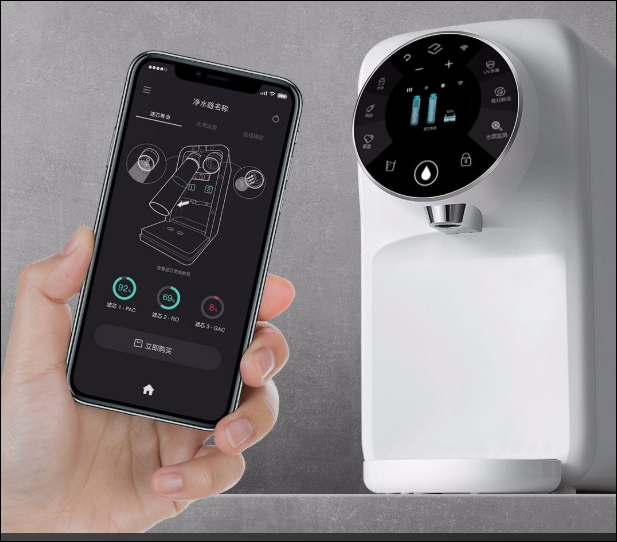
The Yimu Smart Instant Hot Water Dispenser adopts a desktop-free installation and can heat water in just 1 second. The temperature can also be adjusted as needed. It also comes with app support which lets users monitor the water quality in real-time. The device also doubles as a water purifier which deploys three-layer five-level reverse osmosis filtration, patented freshwater technology and UVC deep ultraviolet sterilization to ensure that the water is fresh.
The entire gadget uses 275nm deep ultraviolet automatic sterilization, patented UVC strong sterilization, the sterilization rate is as high as 99.9%, effectively inhibiting the growth of bacteria in the water tank and rejecting secondary pollution.
In terms of heating, the patented diatomaceous earth thick film heating technology is equipped with a 360-degree vortex heating design, without fear of external temperature interference, ensuring uniform heating and rapid temperature rise in seconds. At the same time, the patented SensorLess technology based on artificial intelligence Al algorithm can automatically correct the temperature deviation caused by the environment to achieve accurate temperature control of ± 0.5 ℃.
The Yimu Smart Instant Hot Water Dispenser comes in deep black and pure white colours and is expected to start shipping on May 3.
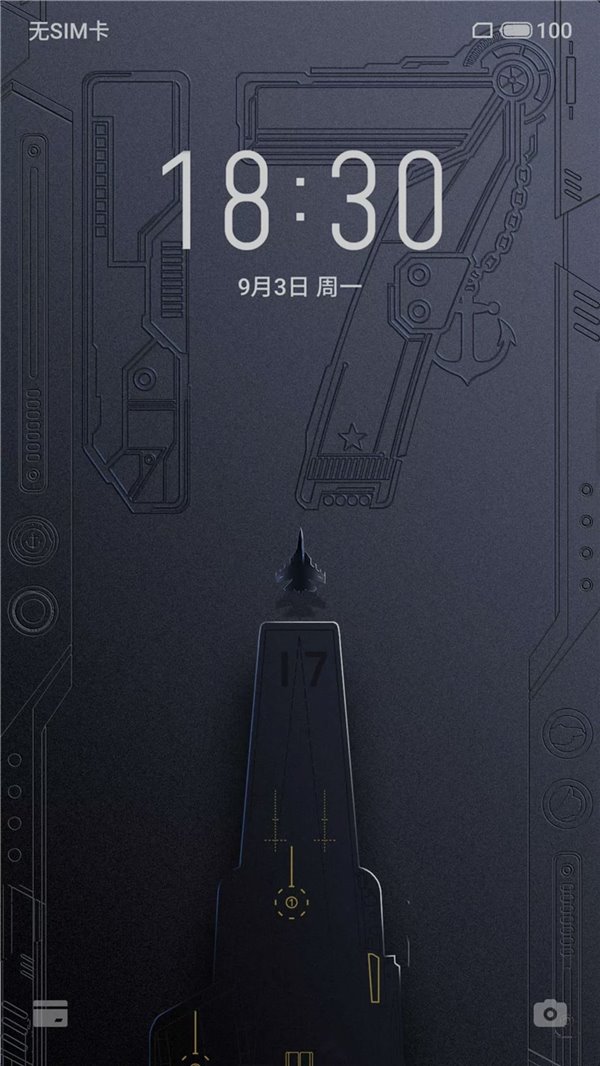
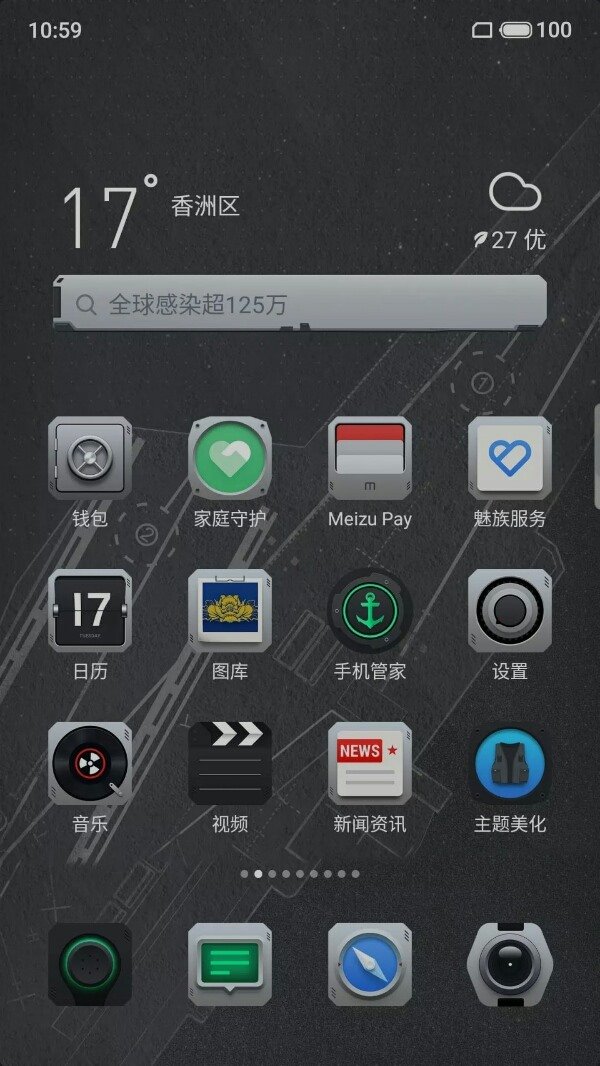
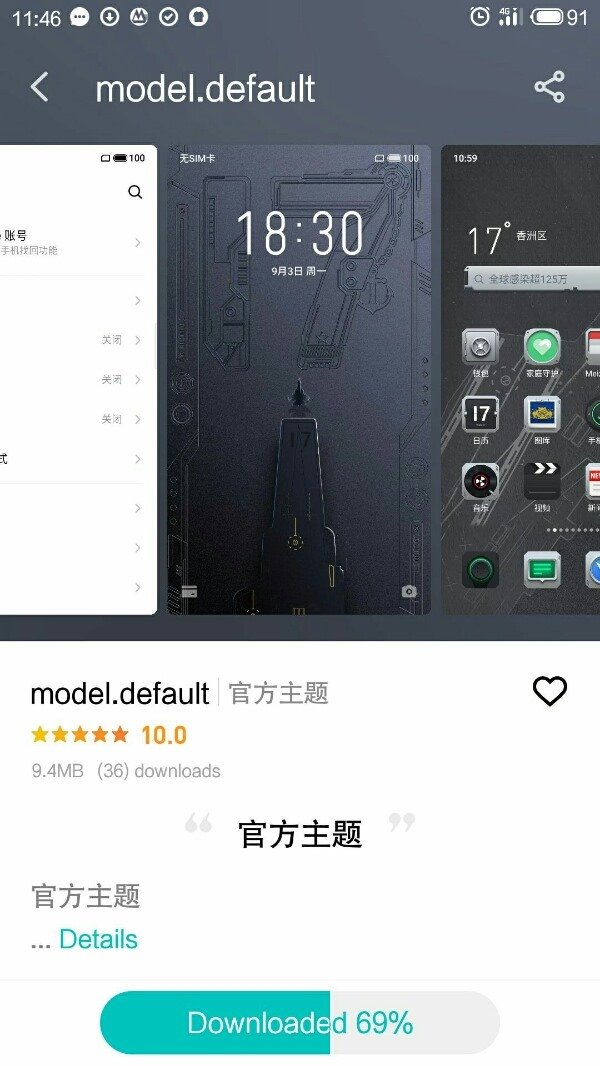
Meizu is expected to launch Meizu 17 in a few days from now. But according to the new Meizu 17 official theme (now removed), the phone could be unveiled on April 26.
Meizu 17 will be the brand’s first 5G smartphone. Being a high-end device, it will be powered by Qualcomm Snapdragon 865 SoC paired with 8GB LPDDR4X RAM and 12GB LPDDR5 RAM as per the leaks. As for storage, the device is expected to come in 128GB and 256GB UFS 3.0 storage options.
Meizu 17 Official Theme
1 of 4
The device has leaked multiple times over the past few days but none of them revealed when it will be launched. But now, the Meizu 17 official theme on Flyme OS theme store, which has been now removed hints us the launch date of the handset.
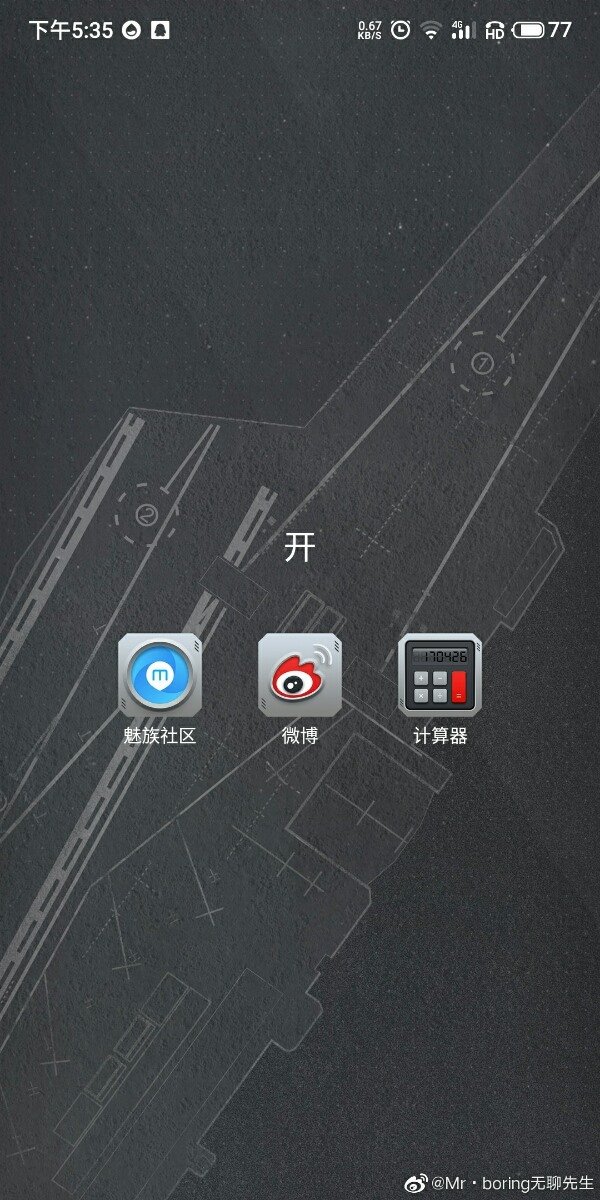
The calculator app icon in the new theme displays ‘170426’, which could mean Meizu 17, April 26. Anyway, this is just speculation by the person who spotted it first. Hence, take this information with a pinch of salt.
The upcoming Meizu 17 has been rumored to sport 6.5-inch Super AMOLED punch-hole display with 90Hz refresh rate and fingerprint sensor underneath it. It should feature a quad-camera setup consisting of 64MP Samsung GW1 primary sensor paired with an 8MP ultra-wide unit, a 5MP telephoto shooter, and a 2MP depth sensor. Whereas, the front camera is still a mystery.
Further, the handset is expected to come with stereo speakers powered by Dolby Atmos, a linear vibration motor, and a 4,500 mAh battery with support for Meizu’s proprietary 30W mCharge technology. Finally, the base variant of Meizu 17 could be priced at 3000 Yuan (~$568).
Retentiva Distribution Company, commonly known as RDC is the reseller of Xiaomi products in Russia. According to the latest report, this company has a debt of $9.5 million (700 million rubles) to the Otkritie Bank and is currently on the verge of going bankrupt.
RDC is not only the official Russian distributor of Xiaomi products but is also responsible for Yi cameras, Jinga smartphones, Fossil wearables, and Skagen wristwatches. If it goes bankrupt, the above-mentioned companies have to find other resellers for their products in Russia.
The court already saved the company from a bankruptcy petition filed by another company called GPB Factoring for an amount of 714 million rubles. Because GPB mishandled the case for its own benefit of seizing properties of RDC before the deadline of April 21.
Also, in November 2019, RDC had to pay 201.7 million rubles of an outstanding principal amount under a loan agreement in addition to penalties to a company named Mobilidi.
The current hearing of Otkritie Bank against the Retentiva Distribution Company (RDC) is set for May 15.
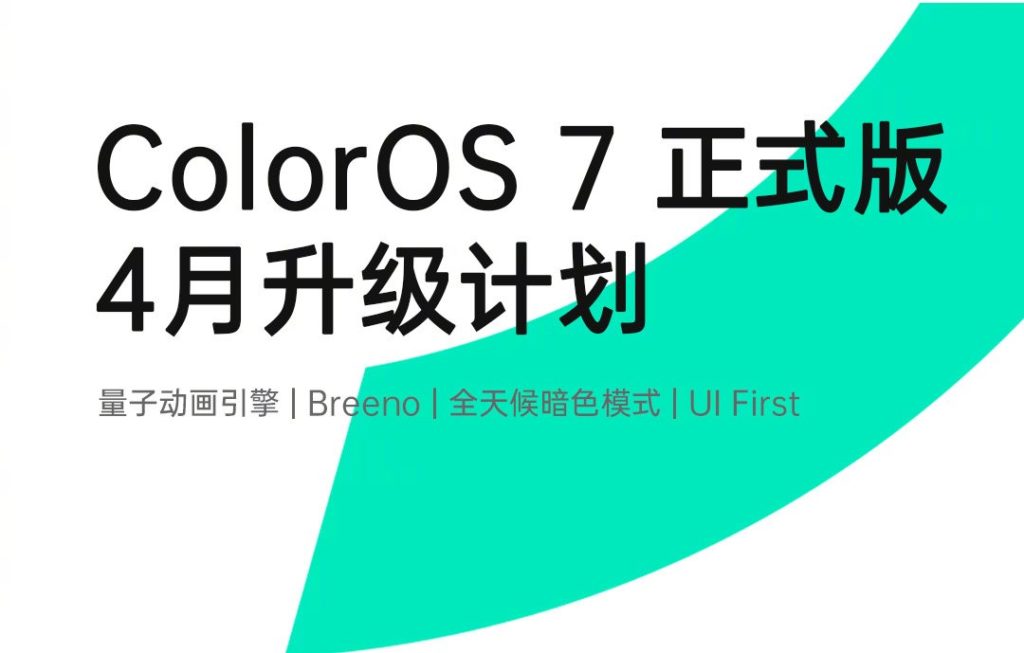
Oppo announced ColorOS 7 in November last year but sadly, most users have not received the update for the same yet. There have been multiple beta releases over the past few months, but the company has just started seeding out a stable update to the first batch of devices. Now today, ColorOS official account on Weibo has shared the ColorOS 7 stable update timeline for the second batch of eligible devices in China
Here is the latest ColorOS 7 stable update timeline for the second batch of Oppo smartphones.
If you own any of the above-listed devices, then head over to Settings -> Software Update on the day of release to update your phone’s ColorOS 6.1 system based on Android Pie to the latest ColorOS 7 software based on Android 10.
In case you are not aware of, Oppo has already announced ColorOS 7.1 and it is currently only available on the company’s latest Find X2 and Find X2 Pro. The upcoming Oppo Ace 2 is also expected to rock the newest edition.
China’s most famous rugged smartphone maker – Doogee is offering huge discounts on most of its smartphones at an ongoing Spring Clearance sale. The interested users can grab a discount of up to 50% on a bunch of popular lineups in Doogee Mall. However, the company has partnered with DHL to deliver orders through the globe.
Doogee is offering a 50% discount on the newly launched Doogee X90 and Doogee BL5500Lite. However, the company is also offering massive off on Doogee N20, Doogee N10 and a few other old smartphones. The company has not limited the discount for smartphones only, they are also offering Doogee Earbuds and Doogee Wireless charging at reduced prices. Below are some devices which are on discount:
Doogee X90
Actual Price: $99.99
Discount Price: $59.99
Doogee recently announced a new smartphone named Doogee X90 last year. The smartphone comes powered with MediaTek MT6580A coupled with Quad-Core ARM Cortex-A7 processor. It houses a 6.1-inch display with the 600 x 1280 pixels resolution and 223 PPI supporting multi-touch. It comes with a 1 GB RAM + 16 GB internal storage configuration and runs on Android 9.0 Pie. It is available in Pearl Black, Venetian Blue and Champagne Gold.
It’s a mid-range smartphone featuring a quad-core CPU coupled with 2GB RAM + 16GB storage. There’s a 6.52-inch Full HD display having an aspect ratio of 19.5:9 and screen-to-body ratio of 92.7%. The display offers 600 nits of maximum brightness with stylish glare gradient. The smartphone embeds a triple rear camera featuring 13-megapixel primary and 2-megapixel portrait camera and a 2MP zoom lens. A 5500 mAh large battery is present onboard. It is also available in Pearl Black, Champagne Gold and Venetian Blue.
It is another mid-range device featuring MT6763V/V4X Cortex-A53 up to 2.0GHz4X Cortex-A53 up to 1.5GHz processor. The smartphone houses a 6.3-inch waterdrop display having 1080 x 2280 pixels resolution and comes protected with Corning Gorilla Glass 5. There’s a triple rear camera featuring 16 MP + 8 MP + 8 MP lens. A 4350 mAh built-in polymer battery and runs on Android 9.0 Pie. The smartphone comes in different colors like black, Purple and Blue.
Doogee N10
Actual Price: $149.99
Discount Price: $79.99
Doogee N10 with a 5.85-inch display with the resolution of 2280 x 1080 pixels and 293 PPI. The smartphone is powered with Quad-Core 1.5GHz ARM Cortex-A53 processor enclosed inside MediaTek MT6739 chipset. It is available with 3GB RAM and 32 GB internal storage. A dual rear camera with 16-MP + 2-MP and an 8-MP front camera.
You can grab massive discounts on the occasion of Spring Clearance Sale from Doogee store.
OnePlus 8 will officially be launched in an online event on April 14. Just ahead of the launch, OnePlus has given us a few teasers of the device. CEO Carl Pei recently shared some samples shot by the OP8’s camera. A promo video for the OnePlus 8 has also been shared online. While OnePlus may not have revealed the design of the model officially, the video gives us a glimpse of the OnePlus 8!
The video is a follow up to a post by the company’s CEO on the OnePlus forum where he revealed some design features of the upcoming OnePlus 8. He took readers down memory lane on how the brand’s phones have radically changed over the years up to this point.
One particular aspect is the revelation that the OnePlus 8 will have the ‘Fifth-Generation Matte-Frosted Glass’ which is the same type of material used on the OnePlus 7 Pro but this is an improved version.
The sketch also shows that the smartphone will come with a thinner and lighter build making it easier to hold. The back will also have a better haze effect than what was obtained on previous models.
The video shows some sketches and then a render of the device revealing the top and bottom edges. The video doesn’t reveal much anyway as the camera aspect was skipped out. The antenna band, bottom speaker grills and USB-C port can be seen on the render which happens to be the first official render to be released. Check out the video from below.
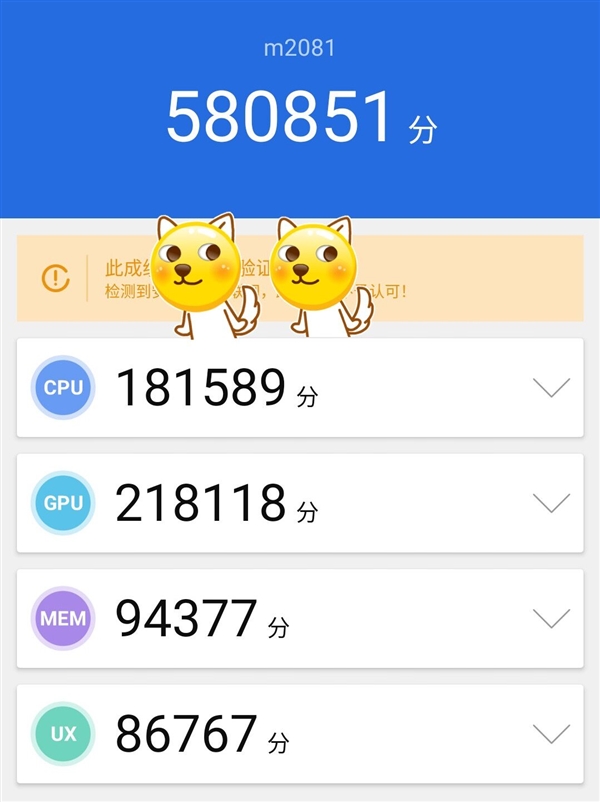
Meizu‘s next flagship model, Meizu 17 is expected to be unveiled later this month. In recent times, leaks surrounding the device has been on the increase. The AnTuTu benchmark score just joined the list of leaked features of the device. A leaked screenshot of the AnTuTu score of a Meizu model suspected to be the Meizu 17 was shared on Weibo recently.
The screenshot reveals the model to go by the codename M2081 with a total AnTuTu score of 580851 points. Previously, two models of the Meizu 17 had been certified by China’s 3C with model names M081Q and M081M. The M081M is said to be codenamed M2081. Thus, we can conclude that the screenshot is for the Meizu 17. Besides, the AnTuTu score confirms this is a flagship model of which the 17 is the only Meizu flagship expected.
The Meizu 17 is expected to be powered by a Snapdragon 865 chipset. The AnTuTu flagship ranking for March shows the top 8 models had running scores were above 586,000 points with the highest even reaching 606,000 points. However, this seems to be the prototype since the Meizu 17 is yet to go official. Thus, there is still room for improvement.
The Meizu 17 is expected to come with a design that signals a deviation to Meizu’s symmetrical display philosophy. The device will utilise a punch-hole camera which at the rear, there will be a horizontally aligned quad-camera setup, a rare one at that. The display will have support for 90Hz refresh rate and will be a 6.5-inch AMOLED screen. It will also get support for SA, NSA dual-mode 5G.
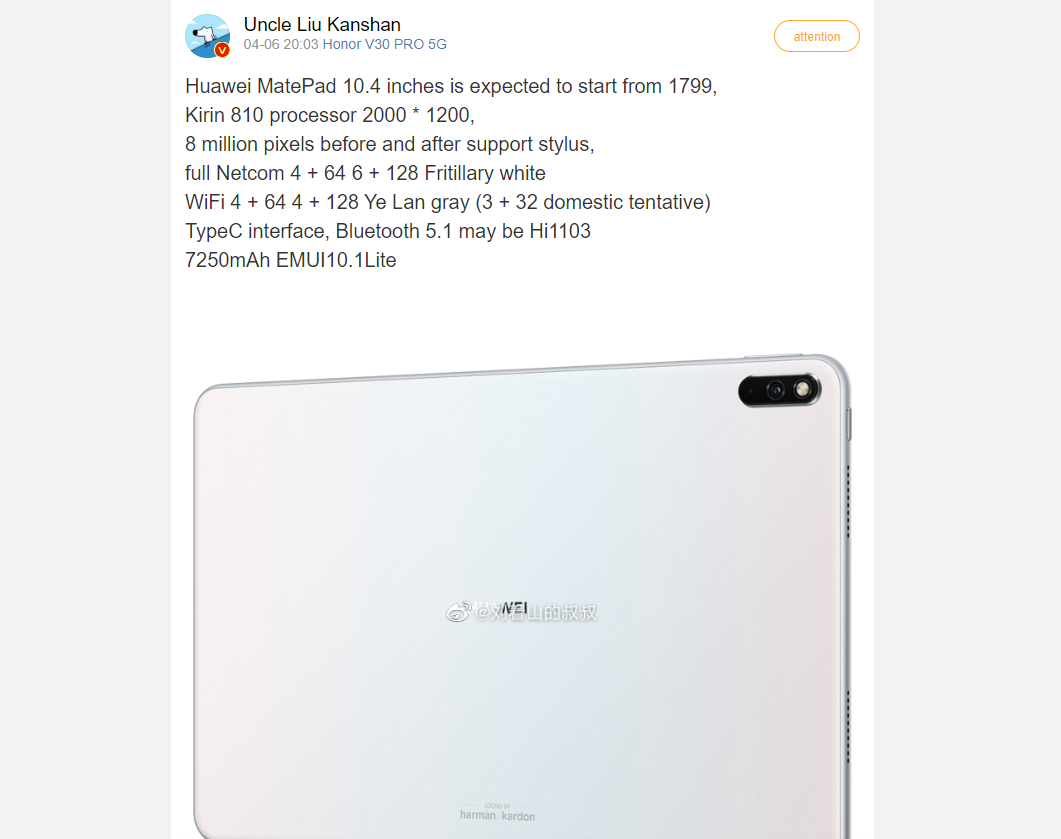
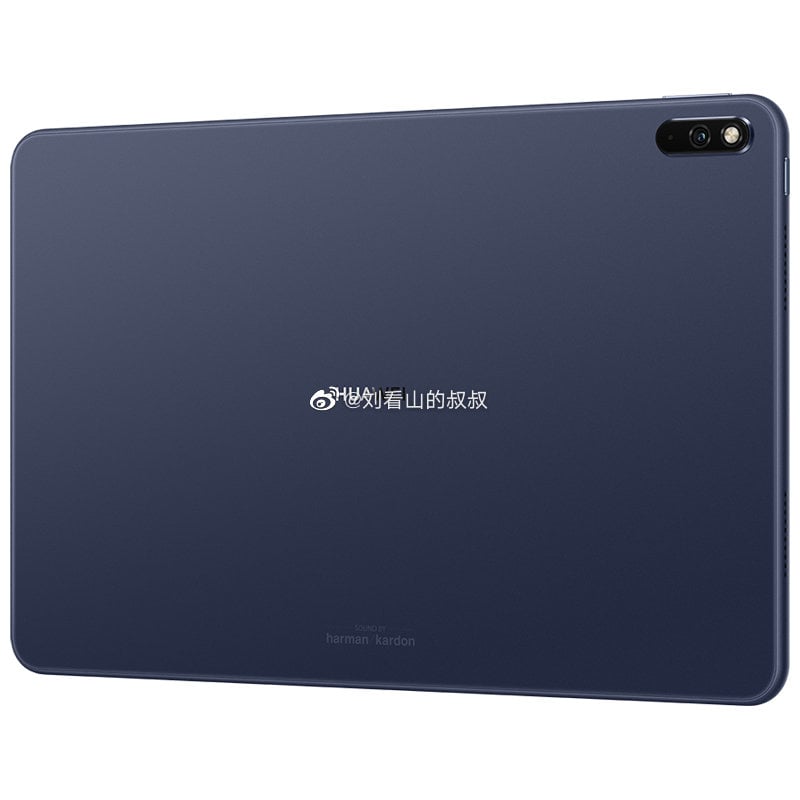
Huawei recently had one of its upcoming tablets leaked online. A Weibo user @刘看山的叔叔 leaked the device through his account, and also shared certain specs as well. The tablet in question is the new Huawei MatePad 10.4 which is said to house the HiSilicon Kirin 810 SoC.
According to the post on the Chinese microblogging website, the Huawei MatePad 10.4 will feature a resolution of 2000 x 1200px. It’s front and rear cameras are both an 8 megapixel sensor and the tablet will support a stylus. The MatePad 10.4 will arrive in multiple configurations, which include 4GB + 64GB or 6GB + 128GB for the cellular model that supports a SIM Card, while the WiFi only model will come in a 4GB + 64GB or 4GB + 128GB variant.
For connectivity, the Huawei MatePad 10.4 is said to be charged via a USB Type C port, supports Bluetooth 5.1, and is powered by a large 7,250mAh battery pack. It will run EMUI 10.1 Lite OS out of the box and is said to be designed for extended multimedia use, like audio and video watching or even streaming.
The MatePad 10.4 is reportedly be sold for 1,799 Yuan, which roughly translates to about 255 US Dollars. It is also claimed to be available in two different color models, including White and Night Gray. Unfortunately, this is still an unconfirmed leak and we will have to wait for an official announcement to provide any concrete statements. So take this with a grain of salt for now.
Samsung has recently launched the Galaxy S20 series in multiple markets across the world. The rumor mill is already started speculating on the specs and features of the Galaxy Note 20. A tweet from a reliable tipster Ice Universe has revealed a vital information on a new feature that could be introduced on the next year’s Galaxy S21 phone.
The tipster claims that the Samsung is considering on adding the under-screen camera technology on the Galaxy S21 smartphone. He added that the South Korean company is evaluating on the feasibility of the tech. It is yet to be ascertained whether the successor of the Galaxy S20 will be debuting as Galaxy S21 or Galaxy S30.
Samsung is known for introducing new camera features on its Galaxy S series. The same features with some enhancements are brought to the Note lineup. Hence, there is a possibility that the Galaxy S21 could be the company’s first phone to arrive with under-display selfie camera technology. The usage of this feature will allow the S21 / S30 to sport a truly bezeless design without any kind of cutout on the screen.
There are some other companies like OPPO, Xiaomi and Huawei that are working on in-display selfie camera technology. Initial works on the technology have shown that due to insufficient light reaching the under screen camera, it is unable to capture good quality images. The other hurdle with the technology is matching the pixel density of the under screen selfie camera area with rest of the display.
The Chinese brands had already shown working prototypes of the technology last year. Samsung is yet to showcase its tech. All these companies are reportedly working on refining the photography experience through the screen embedded front camera.
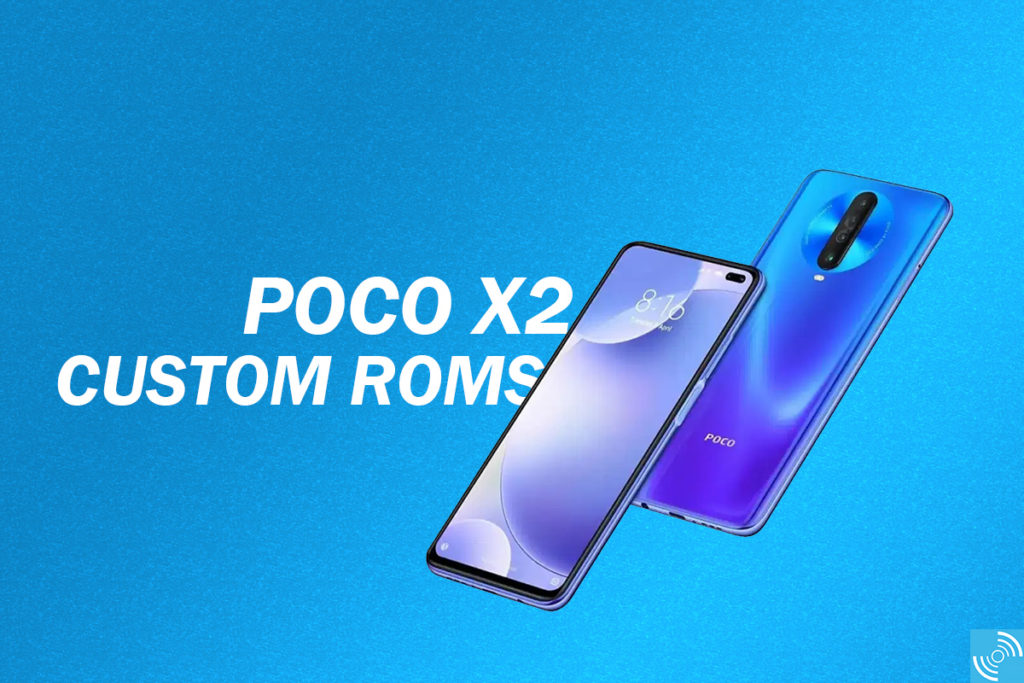
After waiting for over a few years, Poco finally launched Poco X2 featuring mid-range specifications. It competes against the Realme X2, Realme 6 Pro, and few other devices. The device has made its position in a highly competitive price segment with its spectacular specifications. Apart from the official software support, the device appears to be receiving love from third-party developers also. A lot of developers have developed custom ROMs for Poco X2.
There are several benefits of using custom ROMs as they tend to provide more customization options, efficient and performance-based tweaks. Moreover, the users can enjoy the bloatware-free experience on their respective smartphones. The developers have already revealed four custom ROMs, two custom kernels, unofficial TWRP, Google Camera port, and much more.
What is Custom ROM?
It is a non-official firmware for Android devices featuring some additional features and varied customization options. The user can extend the functionality of their phones.
Benefits of Custom ROMs
Improved Performance
Efficient Battery Life
Updates based on latest Android version
Seamless customization
Root access
Removal of Unnecessary bloatware
Poco X2 Specifications
Xiaomi made Poco a separate brand to address Poco fans with an affordable price smartphone. However, the company launched Poco X2 with Qualcomm Snapdragon 730G chipset coupled with an octa-core processor and Adreno 618 GPU. The smartphone houses a beautiful 6.67-inch IPS LCD with a resolution of 1080 x 2400 pixels. It is covered with Corning Gorilla Glass 5 and supports 129Hz refresh rate, 500nits brightness, and HDR10.
Poco X3 is available in three different storage variants of 64 GB +6 GB RAM, 128 GB + 6GB RAM and 256 GB + 8 GB RAM.
There’s a quad rear camera module with 64-megapixel primary sensor, an-8megapixel ultrawide sensor, a 2-megapixel macro, and another 2-megapixel depth sensor. There’s a 20-megapixel + 2-megapixel dual selfie camera on the front side.
Moreover, the user will get connectivity support such as WiFi, Bluetooth 5.0, GPS, IR port, Radio, and USN 2.0. Poco X2 houses a side-mounted fingerprint sensor, accelerometer, gyro, proximity, compass, and other sensors. A 4500 mAh battery with 27W fast charging is present on the device. It is available in Atlantis Blue, Matrix Purple, and Phoenix Red colors.
Best Custom ROMs for Poco X2
We have compiled a list of best custom ROMs for Poco X2. A total of seven custom ROMs are now available for the Poco X2. Let’s go through each one of them:
CarbonROM
It’s the unofficial build of Carbon ROM that is made available for the Poco X2. The users can enjoy Android 10 based custom ROM filled with various features along with stability. The users need not flash the external Gapps separately as it carries in-built Google Apps. The ROM developers are frequently bringing updates for compatibility, stability, and fixes.
If you’re interested in testing the ROM, we suggest you head over the Download link below for proper instructions. However, the CarbonROM appears to be in the beta stage, but there’s no issue reported by users in recent times over its thread at XDA.
It is another Android 10 based custom ROM available for Poco X2. It features various customization options with enhanced security measures and much more. The developers are working to improve the stability of the ROM for Poco X2. The interested users must have MIUI stock Official V11.0.6.0 ROM before opting for the Bliss ORM on Poco X2. The developers promptly address all the issues.
Make sure to have an unlocked bootloader before installing any custom ROMs.
It an AOSP based custom ROM available with tons of customization features, including hidden notification LED. There might be some bugs as currently, it is in the alpha build. A few users are reporting bugs with Bluetooth audio playback, slow fingerprint unlocks, and ghost touches. However, if you are still looking forward to use the AOSiP ROM and want to enjoy stock features, then you can download the ROM from the link below. Follow the instruction carefully and backup your data before installing.
It is another Android 10 based custom ROM available in alpha for the Poxo X2. The users need not to externally flash Magisk, GApps, as it is already preinstalled. Paranoid Android comes with various customization features. The ROM is based on Code Aurora Forum Android base purely optimized for Qualcomm platforms. It also improves the performance, battery life, and functionality in comparison with AOSP code.
Currently, there are specific bugs such as SELinux is permissive, Lawnchair is present by default, Fingerprint sensor only works by tapping on it. Moreover, call audio, VoLTE, and VoWifi is currently not working. Furthermore, custom kernels are not yet supported.
Being the most popular custom ROM, the users always go after the LineageOS for their smartphones. The users of Poco X2 can install the Android 10 based LineageOS 17.1. Apart from all the significant features which are working correctly, the ROM has minor issues. Precisely, SELinux is permissive in the ROM. It is compatible with all the Poco X2 variants. The users need to flash the GApps zip to get Google apps. There are many customization features that are part of the package. It works on stock kernel only. The ROm is currently in the beta version.
Are you a Pixel device lover? Then you would love to head that Pixel Experience ROM is now available for Poco X3. It packs all the Pixel wallpapers, apps, launchers, icons, fonts, and boot animation. It is based on Android 10 and brings stock-Android like experience for all the users. The users need not flash any external GApps zip as it is inbuilt in the ROM. The users who love to enjoy the build can head over to the link below.
If you’re missing some customization features on MIUI 11, then you can opt for Xiaomi.eu ROM. The ROM purely carries all the MIUI features and is localized for European markets. It is free from all the Xiaomi bloatware and advertisements. It is a useful facelift for Xiaomi’s MIUI ROM.
These are 7 custom ROMs available for Poco X2 as of now. We will update the list as soon more ROMs arrive. If we missed any ROM, then let us know via the comments below.
We use cookies on our website to give you the most relevant experience by remembering your preferences and repeat visits. By clicking “Accept”, you consent to the use of ALL the cookies.
This website uses cookies to improve your experience while you navigate through the website. Out of these, the cookies that are categorized as necessary are stored on your browser as they are essential for the working of basic functionalities of the website. We also use third-party cookies that help us analyze and understand how you use this website. These cookies will be stored in your browser only with your consent. You also have the option to opt-out of these cookies. But opting out of some of these cookies may affect your browsing experience.
Necessary cookies are absolutely essential for the website to function properly. This category only includes cookies that ensures basic functionalities and security features of the website. These cookies do not store any personal information.
Any cookies that may not be particularly necessary for the website to function and is used specifically to collect user personal data via analytics, ads, other embedded contents are termed as non-necessary cookies. It is mandatory to procure user consent prior to running these cookies on your website.