After current-generation 7nm process for manufacturing chipsets, TSMC is investing in 5nm fabrication process and majority of the capacity for the same being reserved by Apple for the A14 SoC that will power the iPhone 12 series.
To compete, earlier this year, Samsung reportedly succeeded in making first major development towards the 3nm process as the South Korean giant aims to become the world’s number one semiconductor manufacturer by 2030.
The company was set to start mass production of 3nm chipset from 2021 but it seems that Samsung is now forced to delay the manufacturing launch of the new process till 2022 and the reason is being cited to disruption caused by the coronavirus.
A report coming from DigiTimes mentions that the coronavirus has hampered Samsung’s ability to fulfil the scheduled installation of equipment for the new production lines. It is also said that TSMC’s 3nm volume production is still scheduled to commence in 2022.
The work of Samsung for the 3nm process is based on the Gate All Around (GAAFET) technology rather than FinFET. It supposedly reduces the total silicon size by 35 percent while using about 50 percent less power. It also allows for the same amount of power consumption and 33 percent performance increase over the 5nm FinFET process.
The GAAFET design differs from the FinFET design in that it is built around having gates around four sides of the channel, which ensures reduced power leakage and thus improved control over the channel — a fundamental step when shrinking the process node.
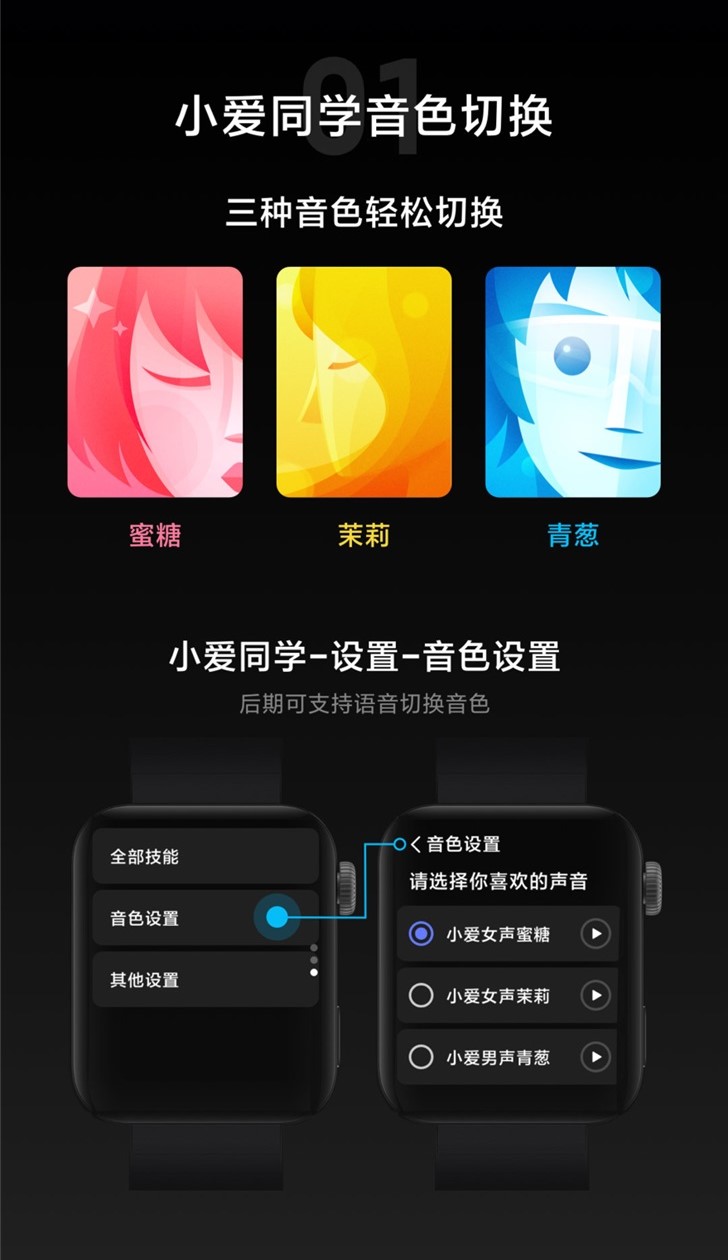
Xiaomi launched its first smartwatch dubbed as Mi Watch in November of 2019. The Mi Watch received its first update in December, followed by another one in January, which brought several new features. Now, once again, Xiaomi is rolling out another update that adds XiaoAI virtual AI assistant related features.
1 of 3
The Mi Watch featured Xiaomi’s XiaoAI assistant since the launch but it is now getting an overhaul with the new OTA update that is being currently seeded out by the company.
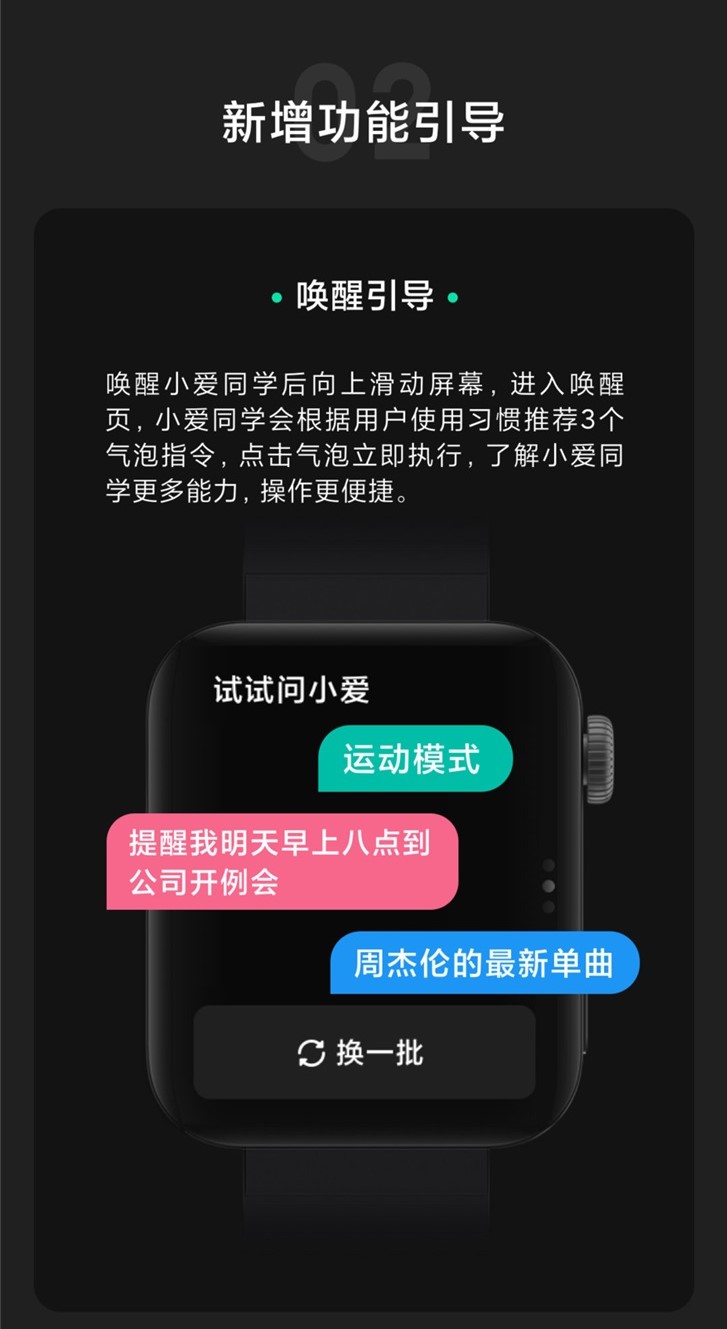
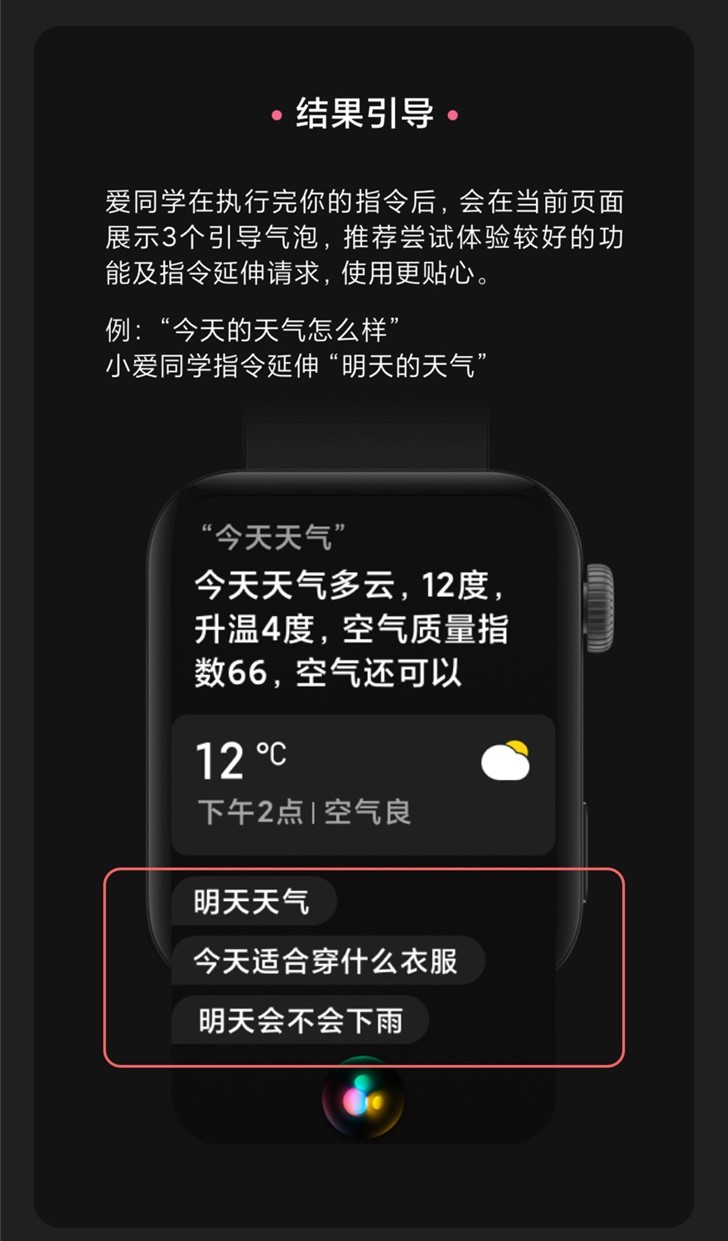
First and foremost, XiaoAI can now speak in three different voices after the update. Users can select from two female voices and a male voice. Further, Xiaomi has enabled quick actions for XiaoAI on Mi Watch. This can be accessed by waking up the assistant and swiping up. Users will be welcomed with three quick actions based on their usage. The more they use their watch, the better the suggestions will get, says the company.
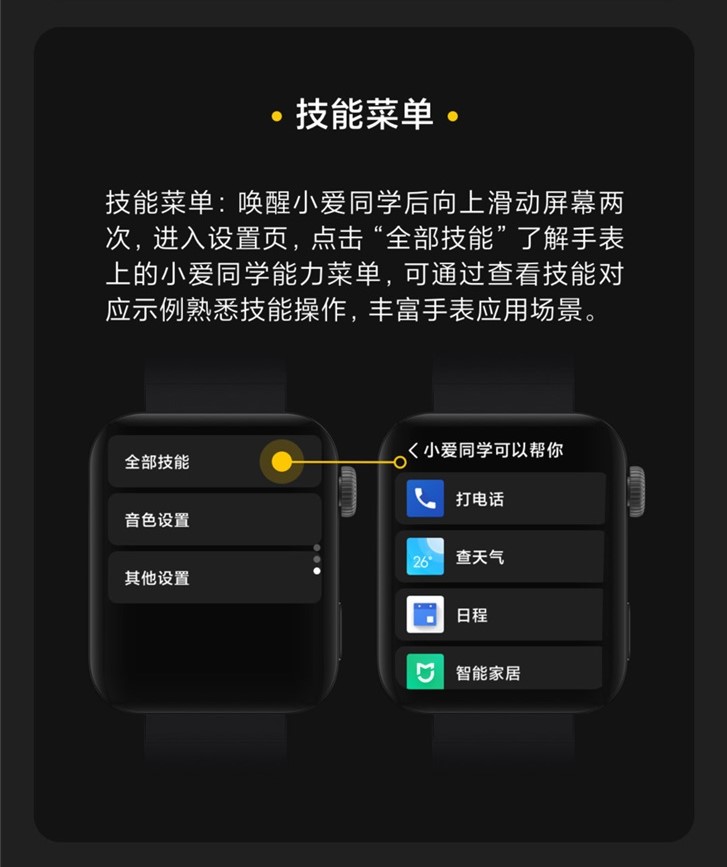
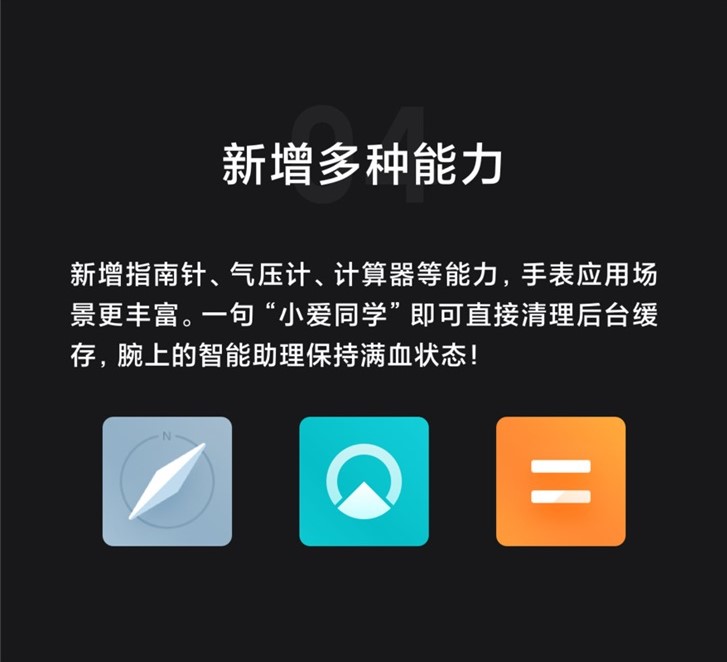
Also, Mi Watch gets a new XiaoAI skills menu with the new update. It can be accessed by swiping up two times after waking the assistant. Users can customize skills as per their choice to ease up their tasks. Last but not least, the update also brings new useful applications to the watch like a compass, barometer, calculator, and others.
1 of 3
If you are using a Xiaomi Mi Watch, then head over to Settings -> System -> About -> System Update on the watch to download and install the new OTA update. Make sure to have more than 50% battery for a seamless installation process.
OnePlus has scheduled a launch event on 14th April to unveil its next-generation flagship smartphones — OnePlus 8 and 8 Pro. Last week, the device went up for Blind Sale in Germany and now it’s the turn of China.
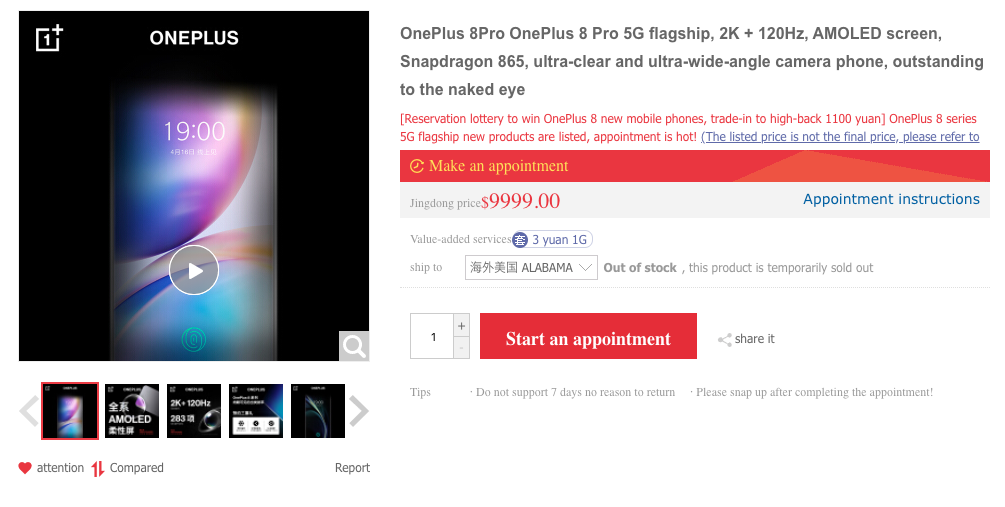
Both the upcoming smartphones — OnePlus 8 and OnePlus 8 Pro are currently up for reservation in China through online marketplace JD.com. While the company has started taking reservations from today, i.e. 7th April, the devices are set to launch in China on 16th April, two days after global debut.
While OnePlus has not yet revealed the phone’s specifications, leaks and reports related to the upcoming devices has revealed almost everything. The OnePlus 8 series will come with Qualcomm’s Snapdragon 865 processor with all-in-one 5G.
The standard version will have a 90Hz Fluid AMOLED display with a punch hole cutout and a Full HD+ 1080p screen resolution whereas the Pro model is expected to have a 120Hz QHD+ AMOLED display panel along with a punch hole cutout for front-facing camera.
Other differences between the two devices include triple rear cameras on the OnePlus 8 and quad rear cameras on the OnePlus 8 Pro. The Pro variant is also reported to have a up to 30x digital zoom, bigger battery capacity, support for fast wireless charging, support for reverse wireless charging.
Both the devices will be running the latest Android 10 operation system out-of-the-box with the company’s own OxygenOS user interface on top. Given that the devices will have 5G support, they are expected to cost more than their predecessors.
OnePlus is just a week shy of launching its flagship smartphones — OnePlus 8 and 8 Pro through an online launch event globally. This time, the company is set to offer several premium features, including IP ratings for waterproof and dust resistance and support for wireless charging.
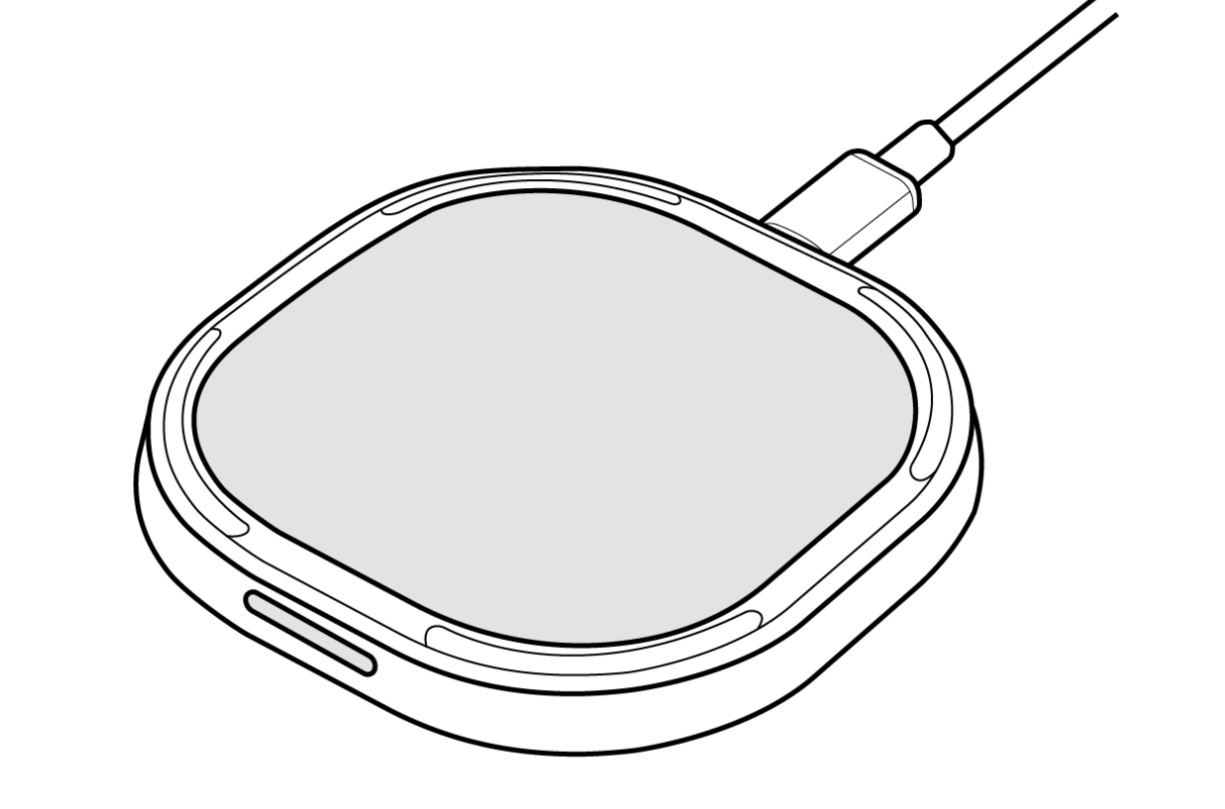
Now, more details about the OnePlus Warp Charge 30 Wireless Charger has surfaced online. The report claims that the charger will be priced around €70 in Europe which is approximately $76.
OnePlus Warp Charge 30 Wireless Charger Concept
It further adds that the charger will be able to charge the OnePlus 8 Pro smartphone to about 50 percent in just 30 minutes and to 100 percent in just 80 minutes. It will also come with a cooling fan inside with AI Sleep Mode that turns off the fan at night time. It will also have some more features, including dust detection and overheating protection.
However, the details revealed isn’t coming officially from the company, so it remains to be seen how much of this information turns out to be true. For that, we’ll have to wait for the official launch event on 14th April.
Pete Lau has confirmed that the OnePlus 8 series will come powered by the Qualcomm Snapdragon 865 processor which promises 25 percent increase in CPU and GPU performance while reducing power usage by 25 percent.
Further, the chipset offers a 16 percent reduction in power consumption when shooting videos and a 40 percent increase in video noise pixel processing power. Pete says that its AI performance is at least twice as fast as its predecessor, thanks to the Hexagon 698 DSP, which also offers 35 percent better power efficiency.
As for the memory, the devices will come packed with LPDDR5 RAM for the first time in a OnePlus device. Its transfer rate reaches a blazing 6,400Mbps at a bandwidth as high as 51.2GB/s and 45 percent less power compared with the previous generation.
The devices use UFS 3.0 flash storage which is capable of dramatically raising read and write speeds to about 1,700MB/s. The company has also introduced Turbo Write and Host Performance Booster to further increase the performance.
OnePlus had previously confirmed that its flagship smartphone will come with the newly announced 120Hz refresh rate display. The devices will also have support for the 5G communications technology, in line with other flagships in the market.
Redmi has expanded its product lineup beyond smartphones and now the company is gearing up to launch yet another product under its routers after the company had launched the Redmi Router AC2100 last year.
A new Redmi branded router carrying model number AX1800 has passed through the 3C certification process. The certification confirms that the device is a Gigabit dual-band router.
Apart from this, nothing is known about this upcoming product. However, one thing is sure that the Wi-Fi 6 router from Redmi will be priced lower than the similar router from Xiaomi which was launched recently.
Last month, along with the Mi 10 and Mi 10 Pro smartphones, Xiaomi had also launched Mi AIoT Router AX3600 in China. It is a flagship router from the company which comes powered by Qualcomm’s IPQ8071A chipset and is coupled with 512MB of RAM and 256MB of storage capacity.
The chip has four Cortex-A53 cores and is clocked at 1.0GHz. It also has a 1.7GHz dual-core NPU for network acceleration which is why it is marketed as a 6-core chip. Xiaomi says up to 248 devices can be connected to the router.
It has 7 high-gain antennas where one of the antennas is an IoT device antenna, two are 2.4GHz antennas and the remaining five are 5GHz antennas. As per Xiaomi, the AIoT antenna also supports dual-frequency and provide speeds of up to 150Mbps for IoT devices.
The Xiaomi AIoT Router AX3600 supports WPA3 security protocol and IPv6. It has four ethernet ports on the back and ships with a 12V 2A power adapter. It comes in Black color option for a price of ¥599 (approximately $86).
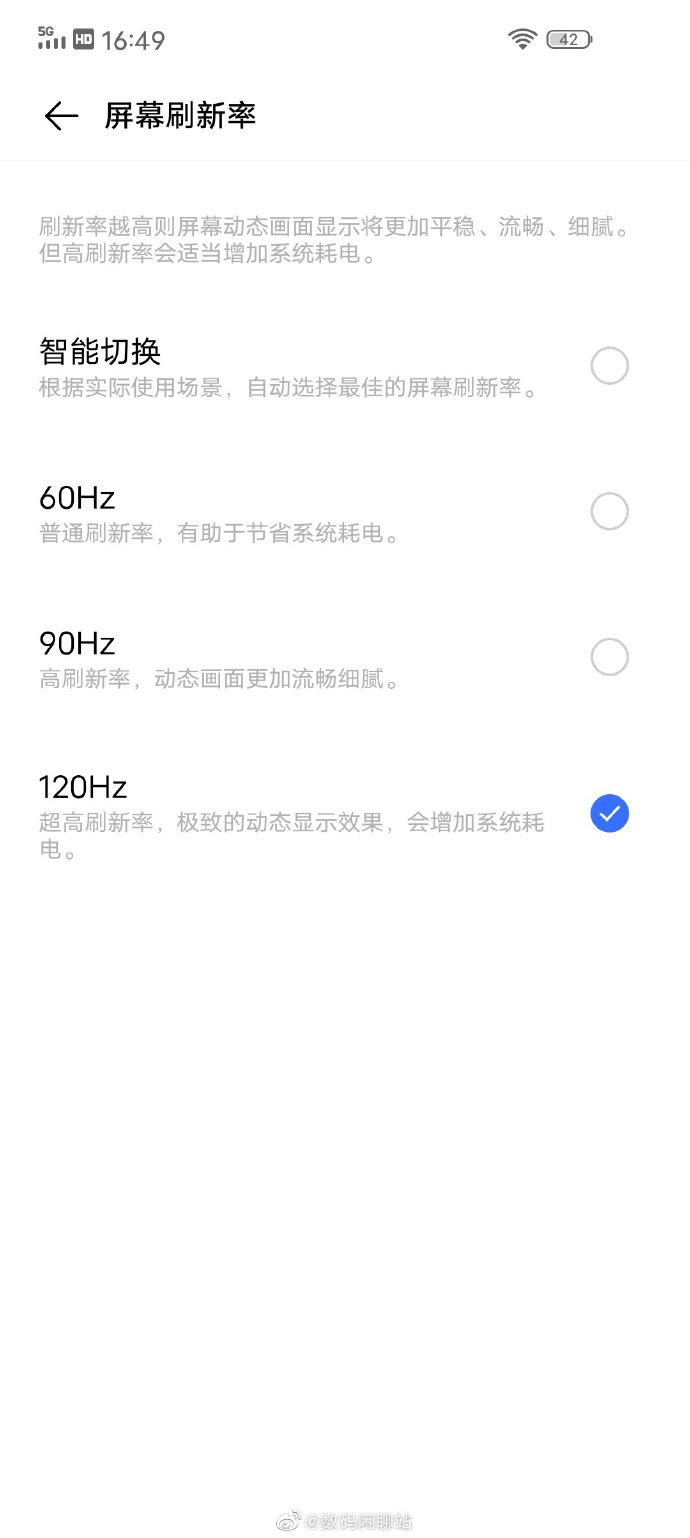
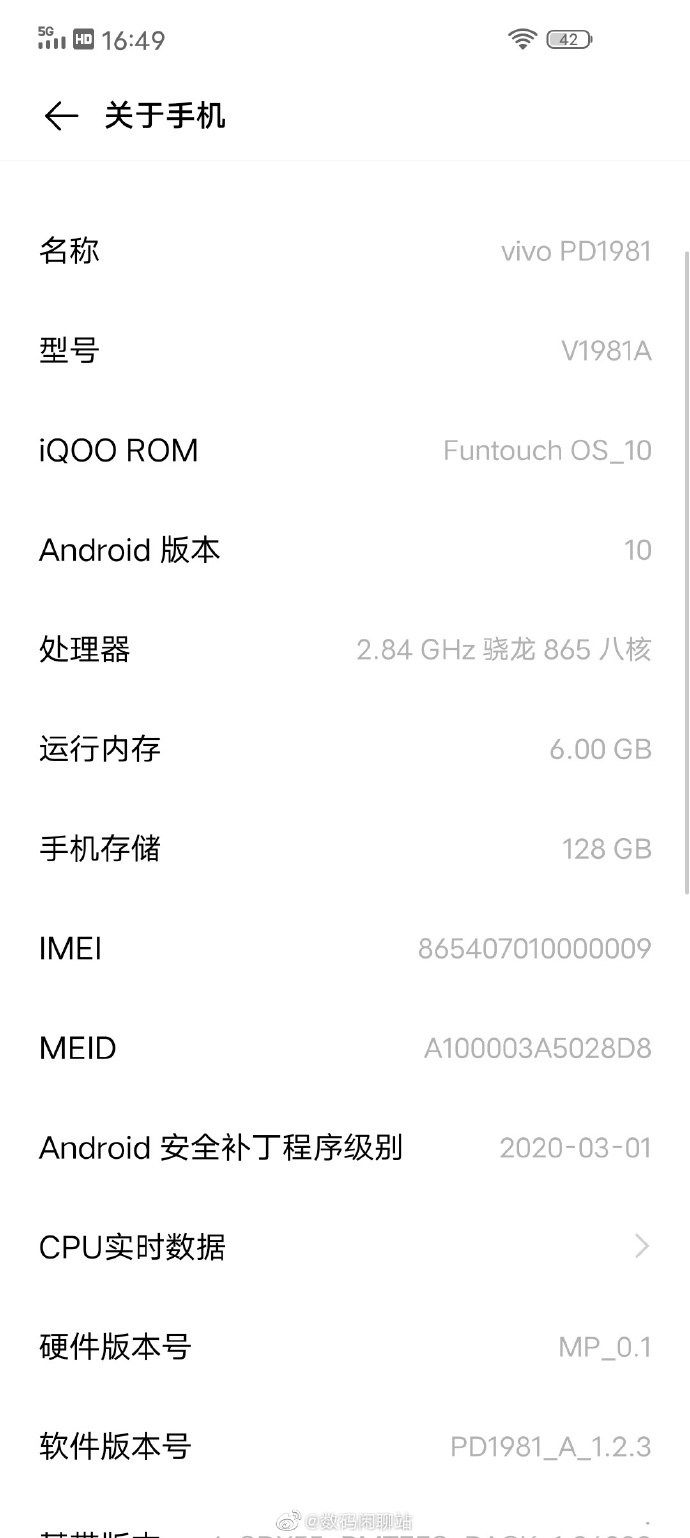
In February, iQOO announced the iQOO 3 5G smartphone in markets like China and India. A recent report had revealed that the Chinese firm is working on a new phone called iQOO Neo3. Its first leak that came from a reliable tipster form China had revealed that the handset could be arriving with an LCD panel that supports a refresh rate of 120Hz. The same tipster has released two screenshots taken from the unannounced iQOO Neo3 phone. The images have not only confirmed the support for 120Hz refresh rate but also, they revealed some of its key specs.
As it can be seen in the images, the iQOO Neo3 will provide users with three refresh rate choices of 60Hz, 90Hz and 120Hz. The iQOO 3 5G that debuted recently is a very good smartphone. However, the one thing that it lacks is support for higher refresh rates since it features a 60Hz refresh rate supporting AMOLED panel. The iQOO Neo3 is said to be equipped with an IPS LCD panel.
Running the iQOO Neo3 in 120Hz mode will consume a lot of battery. Hopefully, the phone will be equipped with a beefy battery like the other iQOO phones. The screengrabs suggest that the LCD screen will have a punch-hole positioned at the upper-right corner.
The second screenshot reveals that the Snapdragon 865 mobile platform powered phone has a model number of V1981. The handset is equipped with 6 GB of RAM and it has a built-in storage of 128 GB. The Chinese firm is likely to sell the device in multiple combinations of RAM and storage.
The Android 10 OS flavored with the latest FunTouch OS 10 UI will come preloaded on the iQOO Neo3. The Chinese tipster had previously revealed that the phone is equipped with a 48-megapixel main lens on its rear side. There is no information on the launch date and pricing of the iQOO Neo3.
OPPO VP Brain Shen recently confirmed that the company will be announcing the next Ace branded phone on April 13. Unlike the OPPO Reno Ace phone that debuted in October, the successor edition will not have “Reno” branding its name. Hence, it is expected to break cover as the OPPO Ace2. Today, the Chinese firm released the first teaser of the phone. Also, the company has revealed that the Enco W31 TWS will break cover alongside the Ace2.
While OPPO VP revealed some information on the Ace2, the social platforms of the company had not release any of its teasers. It appears that starting from today, the company will continue to tease the arrival of the Ace2 before its April 13 launch. Unfortunately, the first teaser has not revealed any details on the phone.
At the beginning of the previous month, OPPO had launched the Enco 31 TWS in India at the unveil event of the OPPO Reno3 Pro 4G. It was announced with a price tag of 4,499 INR (~$59).and color edition such as black, white and pink. OPPO Acoustics Weibo account has confirmed that the Enco 31 TWS will be also announce on April 13 in China and it will come in the same colors as it arrived in India.
The phone may come with up to 256 GB of built-in storage and a microSD card slot for additional storage. It will be equipped with a dual-part battery. The minimum capacity of one of its cell is 1,955Ah. The phone will be arriving with support for 65W fast charging and 40W wireless charging.
The Ace2 will be loaded with Android 10 OS and ColorOS 7. The rear side of the device has a 48-megeapixel + 8-megapixel + 2-megapixel + 2-megapixel quad camera system. It has a frontal shooter of 16-megapixel.
At the end of March, Honor unveiled the Honor 30S as the first Kirin 820 5G chipset powered device. The presence of the new chipset brings dual-mode 5G capabilities in upper mid-range price segment. Today, the Chinese firm conducted the first sales of the Honor 30S in China. The smartphone has received stupendous response from the audience as the company confirmed that its sales revenue exceeded 100 million Yuan mark in just 1 second.
The Honor 30S landed in China in two models. The 8 GB RAM + 128 GB storage edition of the smartphone costs 2,399 Yuan (~$338). The 8 GB RAM + 256 GB storage version of the Honor 30S is available in China for 2,699 Yuan (~$381) Since the company has revealed that the first sales of the Honor 30S cross 100 million Yuan mark, it can be estimated that it may have sold around 37,000 to 41,000 units in a second. The handset comes in three color editions like black, blue, green and white.
The Honor 30S smartphone offers users with a 6.5-inch IPS LCD display. The 1080 x 2400 pixels full HD+ resolution supporting screen delivers an aspect ratio of 20:9. The handset is fitted with a side-mounted fingerprint reader.
The Kirin 820 5G is assisted by LPDDR4x RAM on the Honor 30S. It is equipped with UFS 2.1 storage. There is a shared SIM slot on the device that supports a nanoSD card. The Android 10 OS with EMUI 10 UI comes preloaded on the Honor 30S.
The Honor 30S is backed by a 4,000mAh battery that supports 40W rapid charging. It has a front-facing camera of 16-megapixel. The rear shell of the device has a rectangular camera housing that has a primary lens of 64-megapixel, a telephoto lens of 8-megapixel, an ultrawide shooter of 8-megapixel, a depth assist lens of 2-megapixel and an LED flash unit.
On Thursday, Honor will be announcing the Honor Play 4T series of smartphones such as Honor Play 4T and Honor Play 4T Pro. Both phones have appeared on TENAA with their entire specifications. Even the appearances of both phones are known since they are listed for reservations in China. The Chinese firm has already revealed that the Honor Play 4T Pro is powered by Kirin 810. However, the name of the processor that fuels the Honor Play 4T was not known. A fresh report on 91mobiles that cites leaked information from tipster Ishan Agarwal reveals that the Play 4T is driven by the dated Kirin 710A SoC.
Honor Play 4T and Play 4T Pro specifications (Rumored)
The Honor Play 4Tv will have 6.4-inch IPS LCD HD+ panel with 261ppi pixel density support. The punch-hole screen has an 8-megapixel selfie camera. The back panel of the phone is decked with an LED flash assisted 48-megapixel + 2-megapixel quad camera system and a fingerprint scanner.
The Kirin 710A chipset from 2018 powers the Play 4T with 4 GB / 6 GB of RAM. The handset will be coming in China in 64 GB / 128 Gb storage versions. The Magic Ui 3.1 along with Android 10 OS will be preinstalled on the device. The phone has a 4,000mAh battery that lacks support for fast charging. It supports Bluetooth 5.0.
The Honor Play 4T Pro has a waterdrop notch OLED screen of 6.3 inches that delivers full HD+ resolution. The Kirin 810 powered device will come in 6 GB and 8 GB RAM variants and 128 GB and 256GB storage versions in Chinese markets. The 4,000mAh battery of the phone supports 40W fast charging.
It has a front-facing camera of 16-megapixel. The back panel is decorated with a 48-megapixel + 8-megapixel + 2-megapixel triple camera system. The phone also features an in-screen fingerprint reader.
Honor Play 4T pricing
At present, there is no word on the pricing of the Honor Play 4T series. Considering the specs of the Play 4T and Play 4T Pro, it can be said that these phones will be priced between 999 Yuan (~$141) and 1499 Yuan (~$211).
Honor will be announcing the Honor 30 and Honor 30 Pro on April 15. The EGB-AN00 that appeared on Bluetooth SIG, 3C and Geekbench in the recent past is believed to the Honor 30 Pro smartphone. While the Geekbench listing revealed that is powered by Kirin 990 5G SoC, the 3C listing suggested that it could be coming with a 40W rapid charger. Today, the same phone and its network variants such as EBG-AN10 and EBG-TN00 has appeared on TENAA with full specifications.
Honor 30 Pro specifications
The Honor 30 Pro TENAA listing has no images of the phone. It mentions that the device measures 160.3 x 73.6 x 8.63mm and its weight is 186 grams. It could be coming to China in multiple colors. However, the listing only mentions black color variant.
The Honor 30 Pro has a 6.57-inch OLED display that produces full HD+ resolution of 1080 x 2340 pixels and a tall aspect ratio of 19.5:9. The phone features an under-screen fingerprint sensor. Leaked shots of the phone suggested that were spotted recently suggested that it could be flaunting a curved OLED panel.
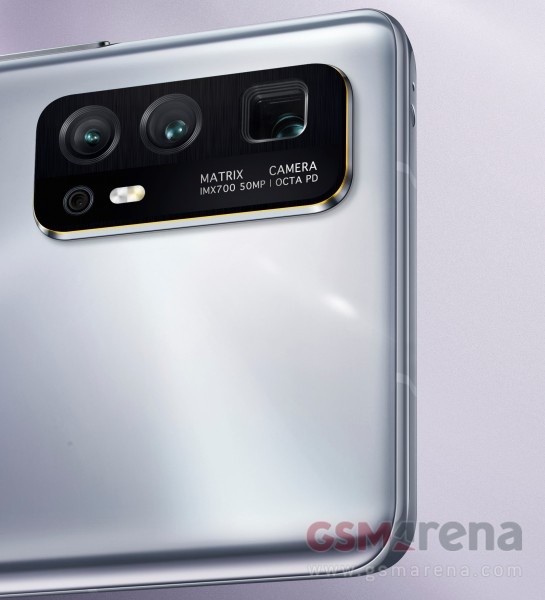
Leaked render of Honor 30’s camera setup by GSMArena.com
The handset features a total of five cameras. It is fitted with a selfie camera of 32-megapixel. While the EBG-AN00 / AN10 TENAA listing states that it has a 40-megapixel lens in its quad camera system. However, the EBG-TN00 phone has a 50-megapixel lens too in its quad camera setup.
The Kirin 990 5G SoC is present under the hood of the Honor 30 Pro. Based on TENAA listings of EBG-AN00 / AN10 / TN00, it can be said that the phone will be arriving in China in 8 GB and 12 GB RAM editions and 128 GB and 256 GB storage versions. There will be a nanoSD card slot onboard and the phone will ship with Android 10 OS. The Honor 30 Pro has a 3,900mAh minimum rated battery.
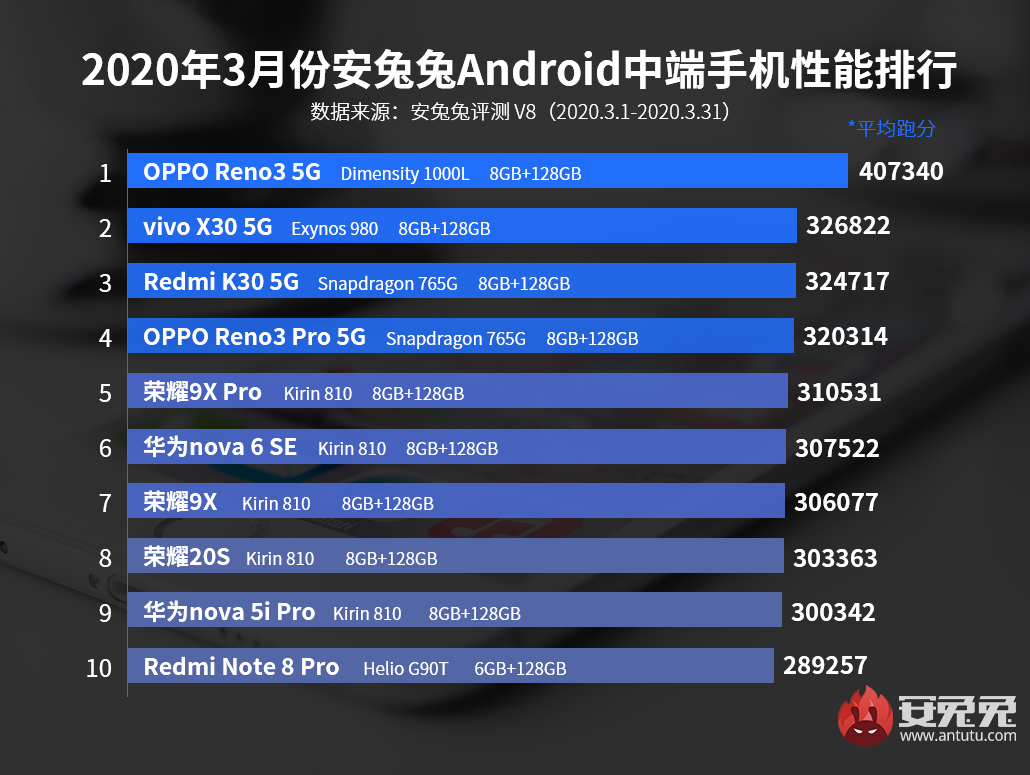
AnTuTu recently released the top 10 most-powerful flagship models that have run through the benchmark app in March. The benchmark outfit equally released the top 10 most powerful mid-range models for March 2020. The top 10 most-powerful mid-range models are powered by just five mid-range SoCs, with the Kirin 810 chipset having the widest spread.
The star of the moment still remains the MediaTek Dimensity 1000L SoC powering the OPPO Reno3 5G. The processor maintained its lead of this category with an average score of 407340 points. That is a wide gap between the Reno3 5G and the Exynos 980-powered Vivo X30 5G in the second spot. The gap between the first and second-ranked model is more than 80,000 points, showing the prowess of the Dimensity 1000L. The Reno3 5G was launched in December 2019 and has stayed consecutively atop AnTuTu’s midrange chart since January, thanks to the MediaTek SoC.
The Dimensity 1000L is built with a 7nm process and uses the Cortex-A77 architecture in an octa-core arrangement. The GPU uses the G77 architecture and the SoC also comes with built-in 5G baseband. The chipset equally supports NSA / SA dual-mode 5G.
OPPO Reno3 Pro
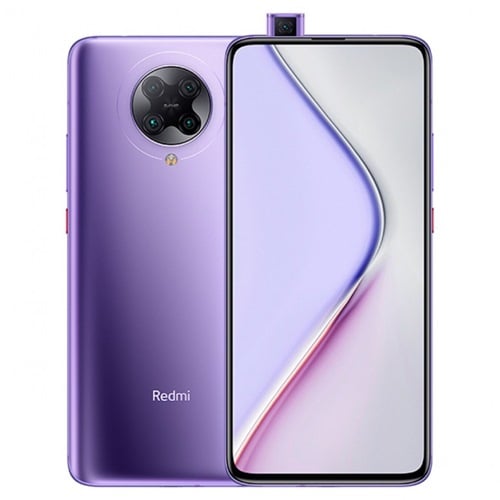
The Redmi K30 5G packing a Snapdragon 765G processor maintained the third position. OPPO’s latest Reno3 Pro 5G enters at the fourth spot. The four models are the only 5G model in the top 10 midrange chart.
Huawei’s Hisilicon Kirin 810 chipset propelled five different Huawei and Honor models into the list. The phones include the Honor 9X Pro, Huawei Nova 6 SE, Honor 9X, Honor 20S and the Huawei Nova 5i, all occupying the fifth to ninth spots in that order.
Another MediaTek chipset, the Helio G90T makes the cut onboard the Redmi Note 8 Pro and with an average score of 289257 points.
With the launch of several models powered by the Snapdragon 765G, we expect the list to change pretty soon but the Dimensity 1000L’s dominance doesn’t seem to have any contender. However, the top 10 mid-range chart may soon be dominated by 5G phones in the coming months considering the rising number of 5G mid-range phones that are being released in quick succession.
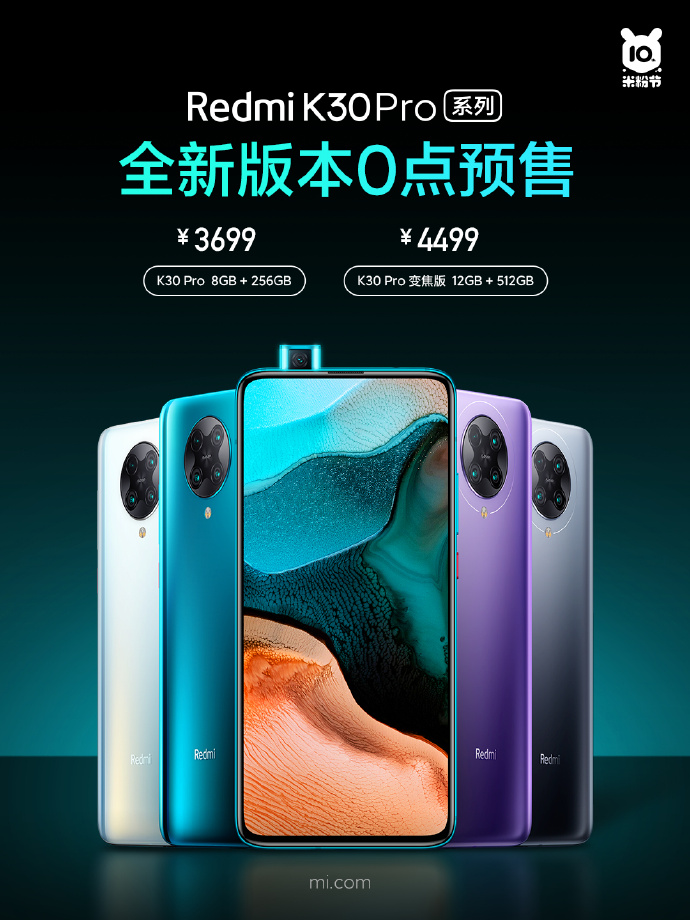
Xiaomi‘s independent Redmi brand took the wraps off the Redmi K30 series last month in China. The series includes the Redmi K30, K30 Pro and K30 Pro Zoom Edition. The Zoom Edition is obviously the top-end variant as it features up to 30x digital zoom.
Xiaomi Redmi K30 Pro Zoom Edition will launch as the Mi 10T Pro
Redmi has today announced another premium attribute that buyers can look for on the Redmi K30 Pro Zoom Edition. The feature is a new 12GB LPDDR5 RAM and 512GB UFS 3.1 storage variant. The model comes with a hefty price tag of 4499 yuan (~$634). The new version will go on sale in China from tomorrow (April 7). You’ll agree the price is impressive for a 12GB RAM and 512GB storage phone. The device was spotted on JD.com last month but wasn’t among the option announced.
As a reminder, the Redmi K30 Pro Zoom Edition features a 6.67-inch FHD+ E3 Super AMOLED display. The device is powered by a Qualcomm Snapdragon 865 tagging along with a Snapdragon X55 modem which gives the device support for both SA/NSA 5G modes. On the design aspect, the K30 Pro features a 3D glass panel at the back as well as liquid-cooling system. It utilises a pop-up camera design which is rare in recent times. There is also a Quad-camera setup at the rear which includes a 64MP Sony IMX686 1/1.7″ sensor with four-axis OIS, an 8-megapixel telephoto lens with support for 3x optical and 30x digital zoom, a 13-megapixel 123° ultra-wide-angle lens and a 2MP depth sensor. The phone boots Android 10-based MIUI 11 out of the box. Under the hood is a 4700mAh battery with support for 33W fast charging which delivers a full charge in 63 minutes.
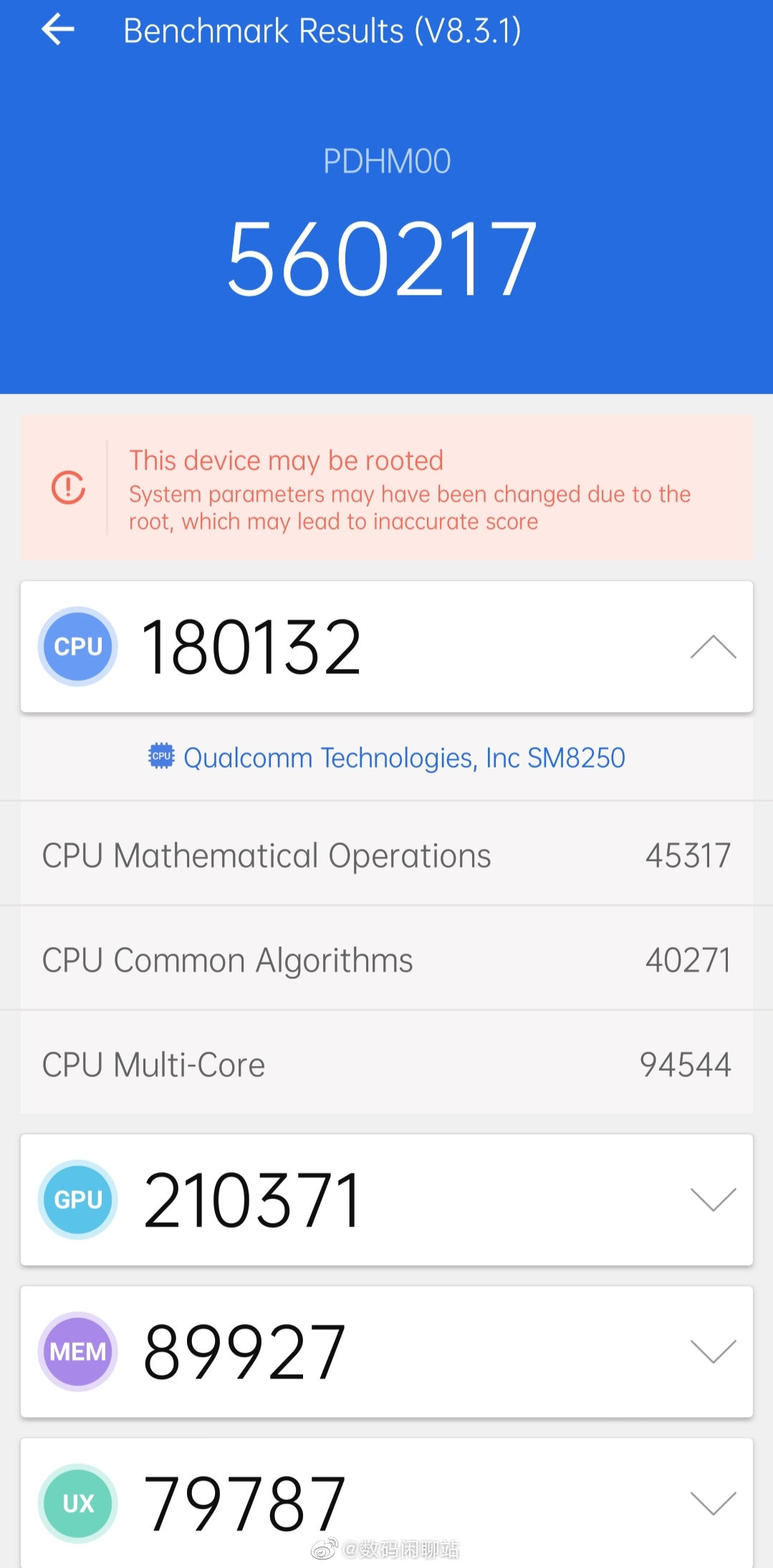
Recent reports have revealed that the OPPO PDHM00 smartphone that appeared on TENAA and 3C authorities in the previous month of Ace2. Last week, OPPO VP Brian Shen had took to Weibo to confirm that the Ace2 will be made official on April 13. Ahead of the launch, the PDHM00 smartphone has surfaced on AnTuTu benchmarking platform.
The AnTuTu appearance of Ace2 has revealed that it scored 180,132 points in the CPU test, 210,371 in the GPU test, 89,927 in the memory test and 79,787 in the UX test. The handset has recorded an average benchmarking score of 560,217 points on AnTuTu. Interestingly, the AnTuTu listing shows a warning that the device may be rooted, and system parameters may have been changed due to the root, which may lead to an inaccurate score.
The OPPO Ace2 AnTuTu appearance has revealed that it has a 6.5-inch AMOLED display with a punch-hole at top-left corner. The display offers full HD+ resolution of 1080 x 2400 pixels and a tall aspect ratio of 20:9.
The Snapdragon 865 mobile platform is said to be under the hood of the OPPO Ace2. The phone may arrive in China in 8 GB and 12 GB RAM options and storage editions like 128 GB and 256 GB. A microSD card slot is available onboard for more storage.
The smartphone is equipped with a dual-part battery with a single-cell capacity of 1,955mAh. The phone carries support for 40W wireless charging. The 3C listing of the phone had revealed that it could be shipped with a 65W charger.
The Android 10 OS with ColorOS 7 will come loaded on the OPPO Ace2. It has a 16-megapixel front camera. The device has a 48-megapixel + 8-megapixel + 2-megapixel + 2-megapixel quad rear cameras.
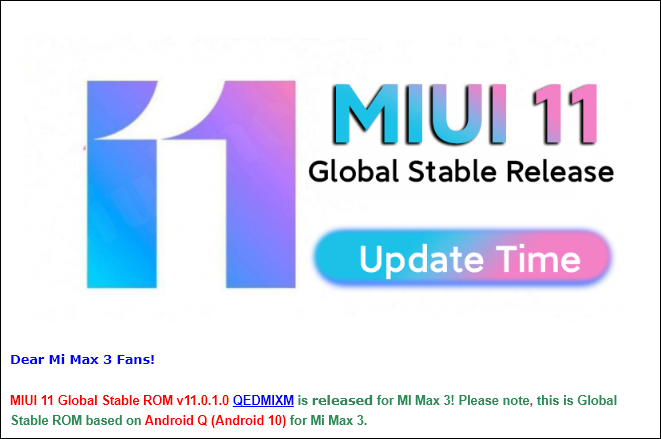
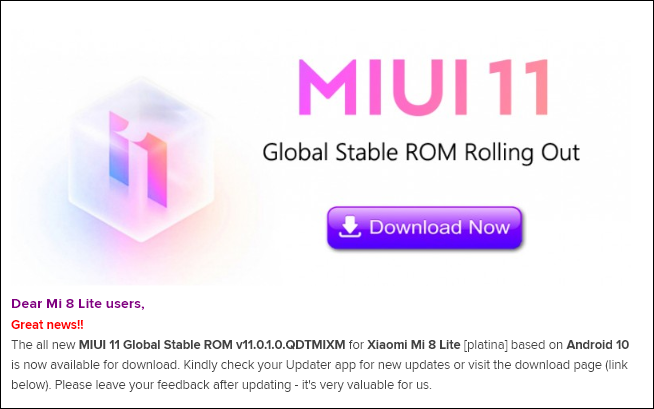
Xiaomi has been slow to upgrade most of its smartphones to Android 10-based MIUI 11. Even though the company has released the latest MIUI 11 for all eligible models, most of them are still stuck on Android 9. In a few cases where Android 10 updates have been announced, it has been enmeshed in one issue or the other which has sometimes resulted in the rollback of the update.
The update ushers in MIUI V11.0.1.0.QEDMIXM for the Mi Max 3 while the Mi 8 Lite brings MIUI V11.0.1.0.QDTMIXM. Both updates bring along the February 2020 Android security patches. These updates will likely be the last for both models. The Mi Max 3 may also be the last Mi Max model that Xiaomi will release, as per previous reports.
Visit the source link below to see how to download the update in case you own any of the two models.
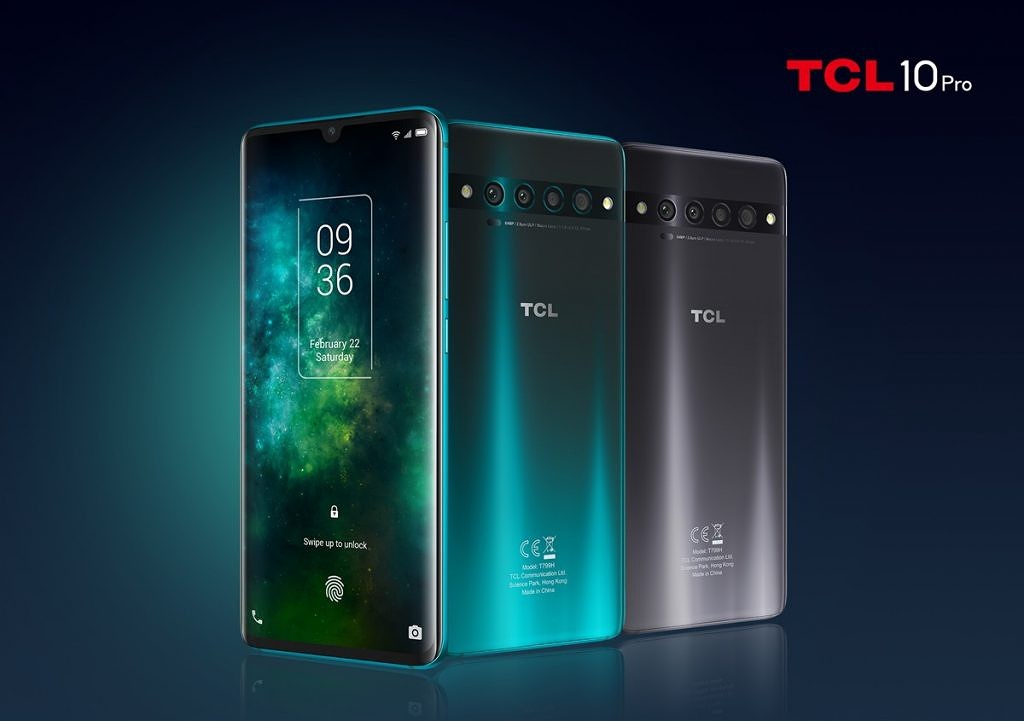
Three months after giving us a glimpse at the TCL 10 series, the phones have now been officially announced. The TCL 10 series includes the TCL 10L, the TCL 10 Pro, and the TCL 10 5G. What these phones have going for them are their affordable price tags.
TCL 10L
The TCL 10L is the cheapest of all three phones and it packs specs you will find in 4G mid-range phones of 2019.
The phone has a 6.53-inch LCD LTPS FHD+ display with a punch hole at the top left for the selfie camera. It has a dedicated PixelWorks chip that converts SDR to HDR in real-time.
Inside the phone is a Snapdragon 665 chipset with 6GB of RAM and 64GB (eMMC) or 128GB (UFS) expandable storage (256GB max.). The TCL 10L has a 48MP f/1.8 primary rear camera and it is paired with an 8MP f/2.2 ultrawide angle camera. It also has a 2MP macro camera and a 2MP depth sensor. Inside the punch-hole is a 16MP f/2.2 camera.
There is NFC, Bluetooth 5.0, dual-band Wi-Fi, and an audio jack. It also has a dedicated audio chipset, an audio amplifier and a feature called Super Bluetooth which allows you to connect to up to four Bluetooth speakers or headphones at the same time. There is a rear-mounted fingerprint scanner and an extra hardware button called the smart key which can be customized to call up Google Assistant or launch a preset app depending on the settings. The TCL 10L runs Android 10 with TCL UI on top.
It will be available this quarter in Europe for €249, in North America for $249, and in the UK for £199. It will also be available in Australia but there is no info on the price.
TCL 10 5G
The TCL 10 5G shares some of its features with the TCL 10L but adds a more powerful processor, better cameras, and a bigger battery.
So you get the same 6.53-inch FHD+ display and display chip. The processor inside is a Snapdragon 765G and it is paired with 6GB of RAM and 128GB of expandable storage (1TB max.). The primary rear camera is a 64MP f/1.9 camera. There is an 8MP f/2.2 ultrawide angle camera, a 5MP macro camera, and a 2MP depth sensor. Its selfie camera is a 16MP sensor.
The TCL 10 5G also has NFC, Super Bluetooth, Bluetooth 5.0, Smart Key, audio jack, and a rear-mounted fingerprint scanner. It runs Android 10 out of the box. It has a 4500mAh battery capacity with support for Quick Charge 3.0.
The phone will be sold in Europe for €399 and £399 in the UK.
TCL 10 Pro
This is the most expensive of the trio but like the TCL 10L, it is a 4G device.
The TCL 10 Pro makes up for its higher price tag with a 6.47-inch curved AMOLED FHD+ display. However, it ditches the punch-hole for a notch. Just like its siblings, it too comes with a dedicated display engine for real-time SDR to HDR conversion.
There is a Snapdragon 675 processor inside along with 6GB of RAM and 128GB of UFS 2.1 storage. There is a MicroSD card slot, so owners can add up to an extra 256GB. There is a 64MP GW1 camera on the back along with a 16MP f/2.4 ultrawide angle camera, a 5MP macro camera, and a 2MP f/1.8 depth sensor. The selfie camera is a 24MP sensor.
There is NFC, Bluetooth 5.0, Super Bluetooth, an audio chipset, an audio amplifier, and an audio jack. It also an in-display fingerprint scanner and a Smart Key. The TCL 10 Pro packs a 4500mAh battery too with support for Quick Charge 3.0. It runs Android 10 and TCL promises an Android 11 update.
The phone will sell for €449 in Europe, $449 in North America, and £399 in the UK. It will also be sold in Australia. TCL says it will be available this quarter.
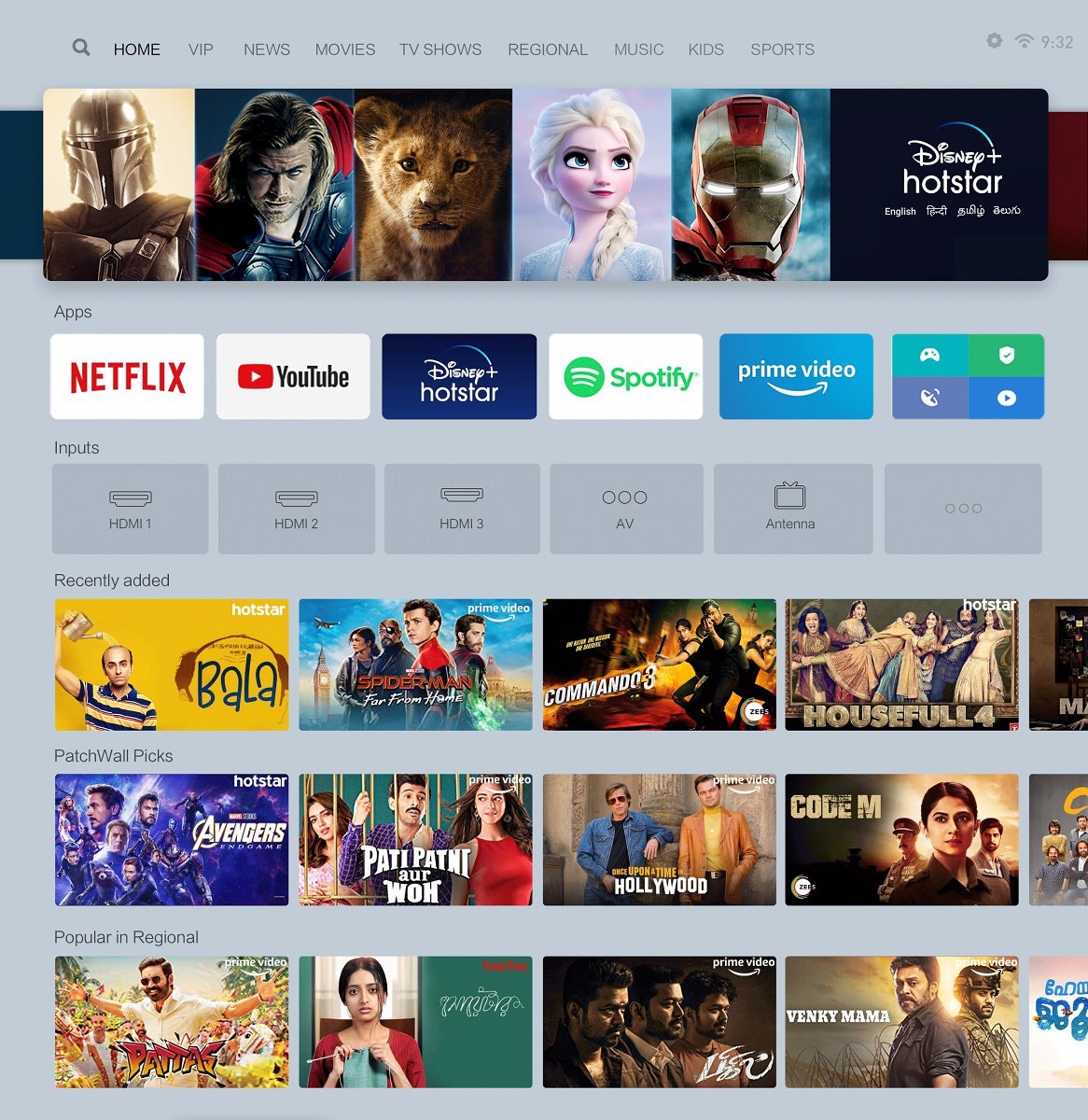
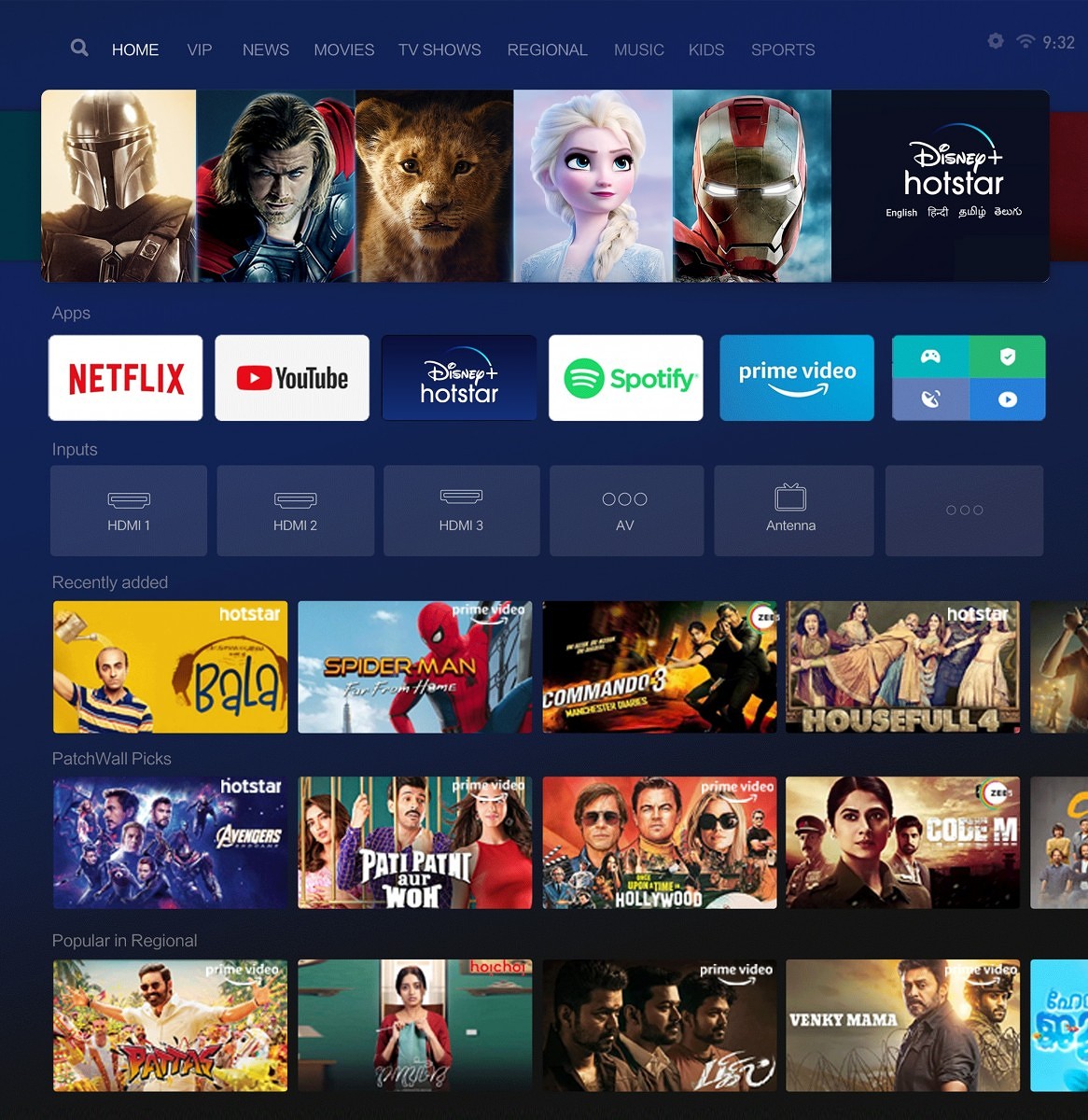
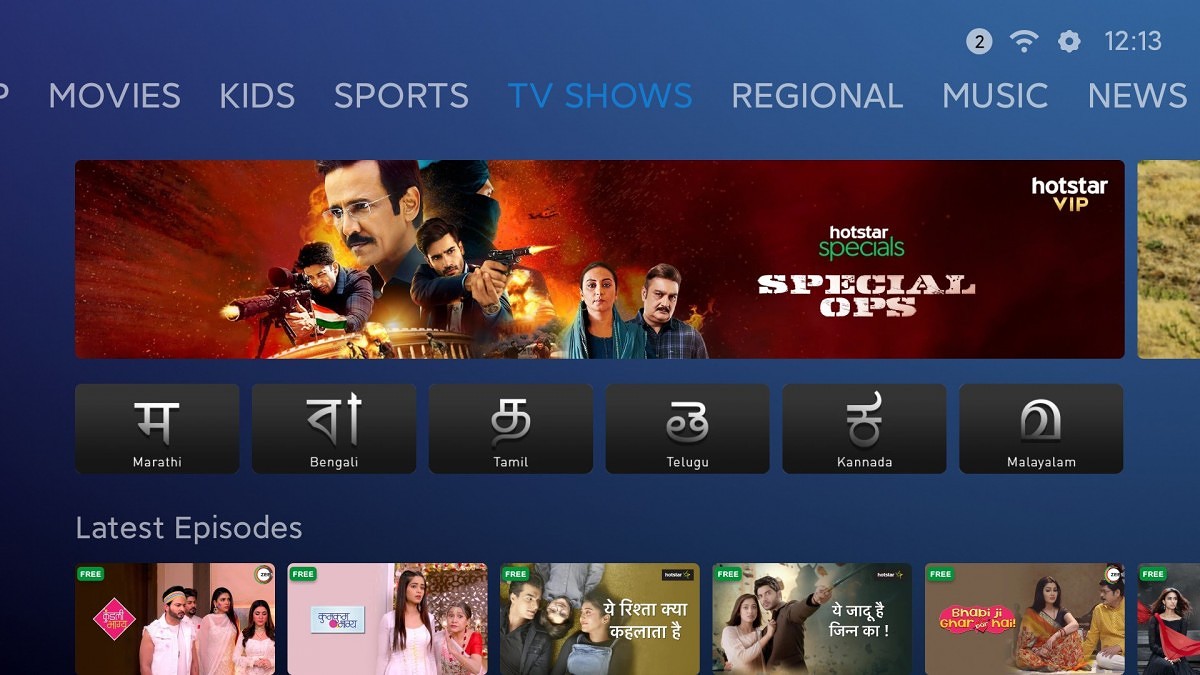
Xiaomi sells a number of products in India including a range of smart TVs. After turning the smartphone market upside down, the Chinese tech company also revolutionized the smart TV market in the country by introducing its lineup of smart Mi LED TVs in March 2018. Since then, the company has launched multiple models and has even improved its content aggregation launcher called PatchWall, which is now receiving its v3.0 update with Disney+ Hotstar integration and much more.
PatchWall 3.0
1 of 2
Earlier in September 2019, Xiaomi introduced PatchWall 2.0 UI when it launched the new range of 4K TVs in India. The new update brought content integration from Amazon Prime Video and even Netflix made its way to a plethora of Mi TVs excluding the first three models, which launched with an AOSP build of Android TV-certified OS.
Fast forward six months, the company is now rolling out Patchwall 3.0 update to all of its smart TVs running Android tvs such as Mi TV 4A, Mi TV 4C Pro, Mi TV 4A Pro, Mi TV 4 Pro, Mi TV 4X, and Mi TV 4X Pro. Anyway, do note that the new update will not pop-up right away as it is being seeded out in a phased manner.
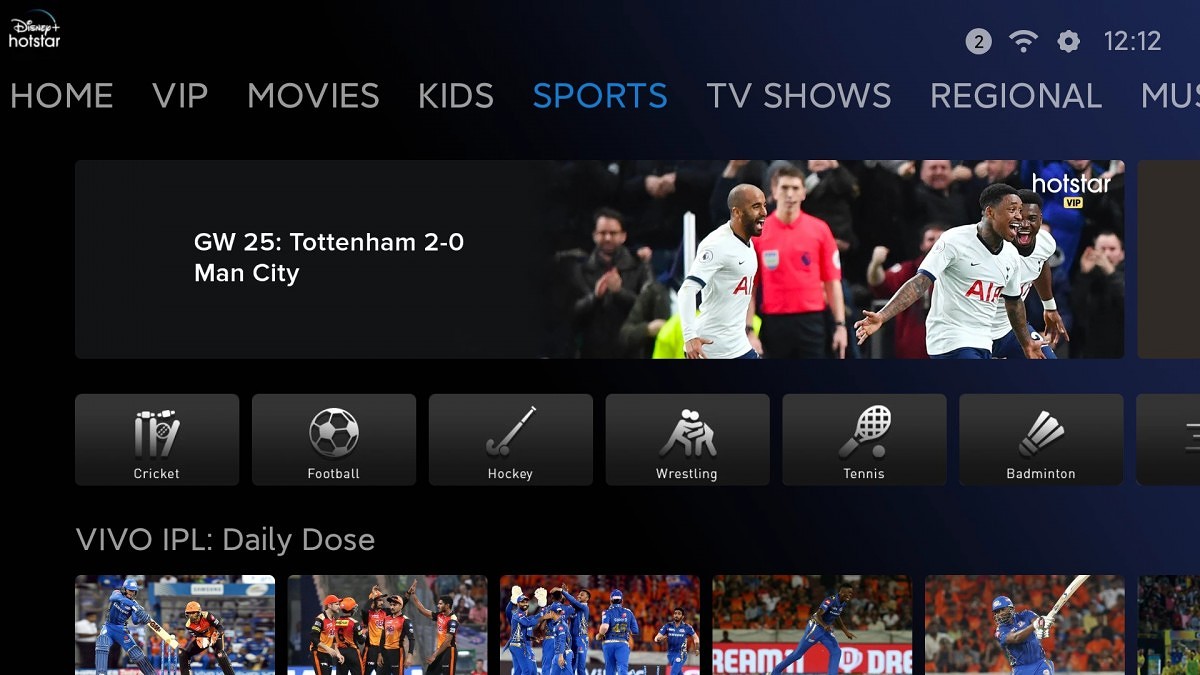
The new features of Patchwall 3.0 include Disney+ Hotstar integration with a dedicated page for Sports and Disney content. Further, the update also adds two new content partners namely Docubay and Lattu Kids. Other changes include Mi Lanting Pro font from MIUI 11, horizontal scrolling in lists, cleaner animations, and more.
1 of 3
Here’s the complete official changelog for Xiaomi PatchWall 3.0 Update
Disney+ Hotstar integration: This integration has allowed Xiaomi to introduce a dedicated sports channel, that helps with content discovery as well as giving users a one-click Play option for various sports content such as ongoing tournaments across sports like Kabaddi, Tennis, Cricket and more.
New content partners: Docubay and Lattu Kids have been added as content partners. Docubay allows the streaming of international documentaries across various topics, while Lattu Kids boasts of over 1,500 hours of children-focused content.
Mi List: Mi List now features curated lists of movies and TV shows from different genres, alongside being contextually-aware.
UI enhancements such as:
Cleaner animations: Animations for browsing through carousels have been redesigned to give greater focus on the current selection.
Horizontal scrolling: The zero-screen in PatchWall 3.0 and on the Show Details page now enables horizontal scrolling through different lists.
New Mi Lanting Pro font: The new font from MIUI 11 has also been added.
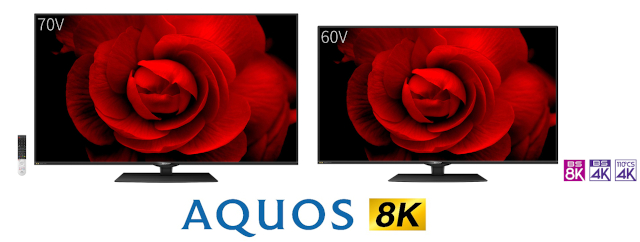
Sharp has announced two new 8K smart TVs for the Japanese market named Sharp Aquos 8T-C70CX1 and Sharp Aquos 8T-C60CX1. As their name suggests, they feature 70-inch and 60-inch 8K panels, respectively. The company will be only manufacturing 2,500 units of them and they will go on sale from April 25 at an undisclosed price.
The new Sharp Aquos 8T-C70CX1 and Sharp Aquos 8T-C60CX1 smart TVs feature the company’s 8K Pure Color panel with a 16% wider color gamut than the display manufacturer’s conventional 4K TVs.
The TVs come with Sharp Medalist Z1 image processing engine and Rich Color Technology Pro to offer rich and realistic colors as well as good viewing angles. The TVs also offer good brightness levels via UV2A liquid crystal technology by analyzing video signals along with detecting light sources and reflectors.
Both the TVs come with two HDMI 2.1 ports for 8K 60Hz and 4K 120Hz video inputs. The TVs also support dedicated 8K sports mode and can also upscale 4K content to 8K. They are even certified for HDR10, Dolby Vision, and HLG.
Further, these TVs also come with 70W (2.2.2) speakers powered by Eilex PRISM. Finally, they run Android TV 9.0 Pie OS with Cocoro Vision on top of it for content recommendations.
In recent times, a high screen refresh rate has become an important component of flagship models. We have seen OEMs bump up the refresh rates of their smartphone models from the usual 60 Hertz to 90 Hertz and even up to 120 Hertz especially on gaming smartphones. This has brought improvement to the gaming experience. In this same vein, we have seen developers unlock hidden refresh rate options from the software kernel.
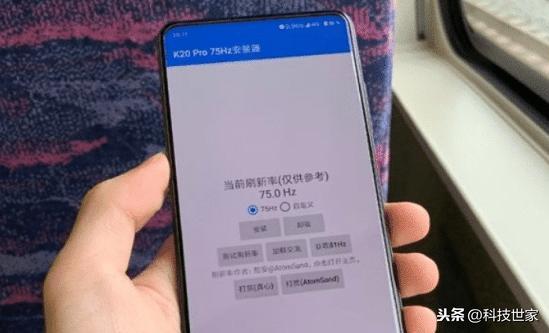
The Redmi K20 Pro is the latest recipient of such software tweak. The first flagship model under the Redmi brand was launched last year with support for 60 Hz refresh rate. A developer in China has now rooted the smartphone to increase the refresh rate to 75 Hz. A refresh rate is the number of times the display updates with new images each second. For example, a 60 Hz refresh rate means the display updates 60 times per second. In the same manner, a 75 Hz refresh rate updates 75 times per second. A higher refresh rate results in a smoother picture. Going from 60 Hz screen to a 75 Hz screen will show a slight, noticeable improvement. But it won’t be a huge difference compared to a 120 Hz refresh rate.
Recently, the Galaxy S20 was revealed to have an unofficial 96 Hz refresh rate option that wasn’t made available by Samsung. The guys at XDA Developers were able to force the device to load the 96 Hz refresh rate which will offer a better battery consumption than 120 Hz. The Redmi K30 Pro was also revealed to have got a higher refresh rate via software tweak which involved rooting the phone. The Redmi K20 Pro refresh rate increase also involves rooting the phone which voids the warranty. Do note, though, that rooting and bumping up the screen refresh rate could damage the screen or even brick the smartphone. So, do it on your own risk.
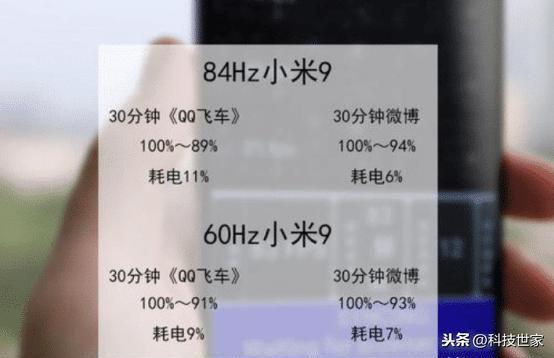
In addition to the K20 Pro, Xiaomi Mi 9 software was also tweaked to increase the refresh rate to 84 Hz.
Perhaps, some developers will come up with something similar for the Global ROM soon.
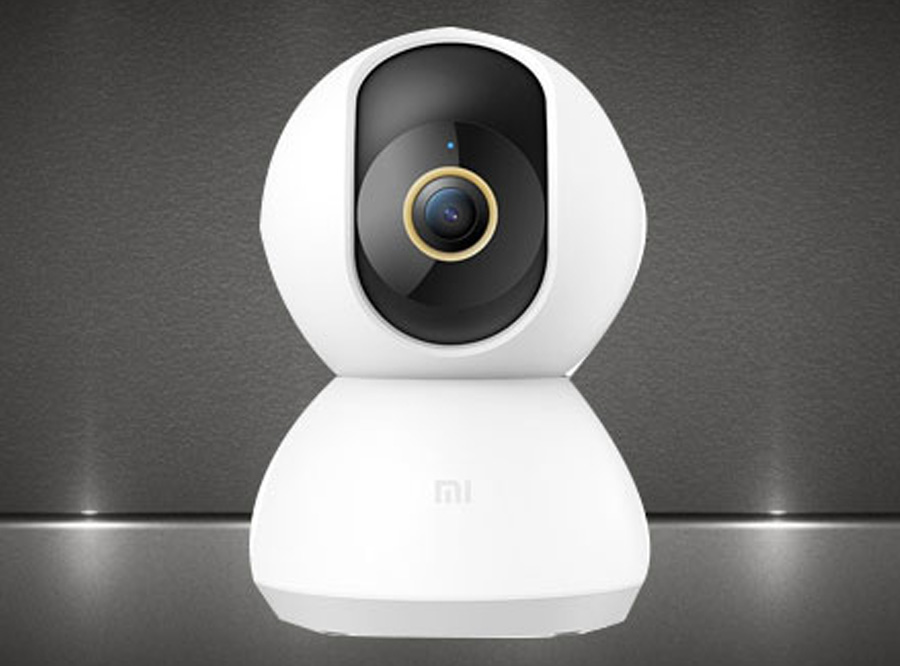
Xiaomi’s Mi Festival kicked off on April 3. The Chinese tech behemoth took the wraps off various products across multiple categories. During the event, Xiaomi unveiled a pair of Mi Smart PTZ cameras.
The two recently unveiled cameras including the Mi Smart Camera PTZ and Mi Smart Camera PTZ Pro have been placed under Xiaomi’s smart home appliances category as they can come in handy to remotely monitor suspicious activities in and around the users’ homes. In short, they can be used as security cameras for homes.
The Pro variant of the Xiaomi Mi Smart Camera PTZ has gone up for sale bearing a price tag of just $49. With low light recording support, the Mi Smart Camera PTZ Pro can record footages at 2K with 2304×1296 pixels resolution. Moreover, it can capture videos in higher fidelity, delivering more detailed images.
It supports Dual-band Wi-Fi (2.4GHz + 5GHz) and offers relatively more Bluetooth gateway functions. The Xiaomi Mi Smart Camera PTZ Pro houses a 3MP camera with f/1.4 aperture and can record crystal clear videos even low light with full colors.
On top of that, the Mi Smart Camera PTZ Pro comes with AI detection, which effectively filters invalid alarms. It has a 6P lens that can provide a 360-degree field of view as it is capable of rotating.
To know more about the Mi Smart Camera PTZ Pro and place your order through Giztop, simply follow this link. The Gizmochina Coupons is a community that finds, reports and evaluates deals and coupons of Chinese products from online shops. Please visit it here to find more coupons to save money on mobiles and smart gadgets.
Xiaomi had a strong performance in 2019 in terms of revenue but the same cannot be said for the Chinese tech company in 2020. This is because of the increased competition in global markets as well as the COVID-19 pandemic.
Xiaomi’s revenue grew 17.7% to over CNY200 billion ($28.2 billion) in 2019 with net profit surging 35% to CNY11.53 billion, thanks to the increased number of shipments of different products such as handsets, TVs, and IoT devices. Xiaomi shipped 12.8 million TVs last year and its IoT business alone contributed CNY62.1 billion to its total revenue.
Apart from shipping over 100 million units of handsets a year, Xiaomi also claims to have shipped 230 million IoT devices. But its total revenue in 2019 was only one-sixth of Huawei, which is one of its biggest rivals both domestically and internationally. As per industry observers, this data clearly suggests Xiaomi has to work hard to increase its profitability in 2020 and beyond.
Above all, Xiaomi is facing intense competition in its home country China from companies like Oppo, Vivo, and Huawei as they have too ventured into IoT business. Additionally, the company’s business in India, Spain, France, and Italy will be affected severely due to the ongoing COVID-19 pandemic, even though its shipments in the above-mentioned European nations increased over 60%.
We use cookies on our website to give you the most relevant experience by remembering your preferences and repeat visits. By clicking “Accept”, you consent to the use of ALL the cookies.
This website uses cookies to improve your experience while you navigate through the website. Out of these, the cookies that are categorized as necessary are stored on your browser as they are essential for the working of basic functionalities of the website. We also use third-party cookies that help us analyze and understand how you use this website. These cookies will be stored in your browser only with your consent. You also have the option to opt-out of these cookies. But opting out of some of these cookies may affect your browsing experience.
Necessary cookies are absolutely essential for the website to function properly. This category only includes cookies that ensures basic functionalities and security features of the website. These cookies do not store any personal information.
Any cookies that may not be particularly necessary for the website to function and is used specifically to collect user personal data via analytics, ads, other embedded contents are termed as non-necessary cookies. It is mandatory to procure user consent prior to running these cookies on your website.