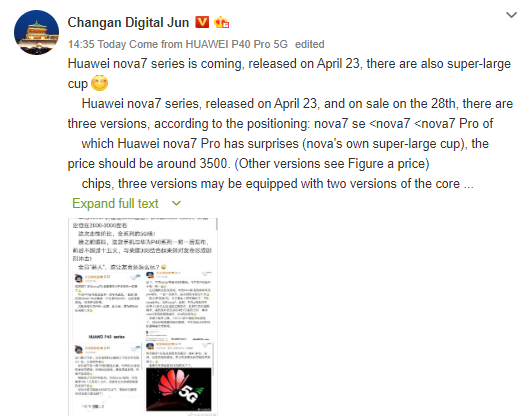
Multiple reports have claimed that Huawei will be also announcing the Nova 7 series in April. As of this writing, there is no official confirmation on the arrival of the Nova 7 phones from Huawei. However, a fresh leak states that the Nova 7 models will be breaking cover on April 23.
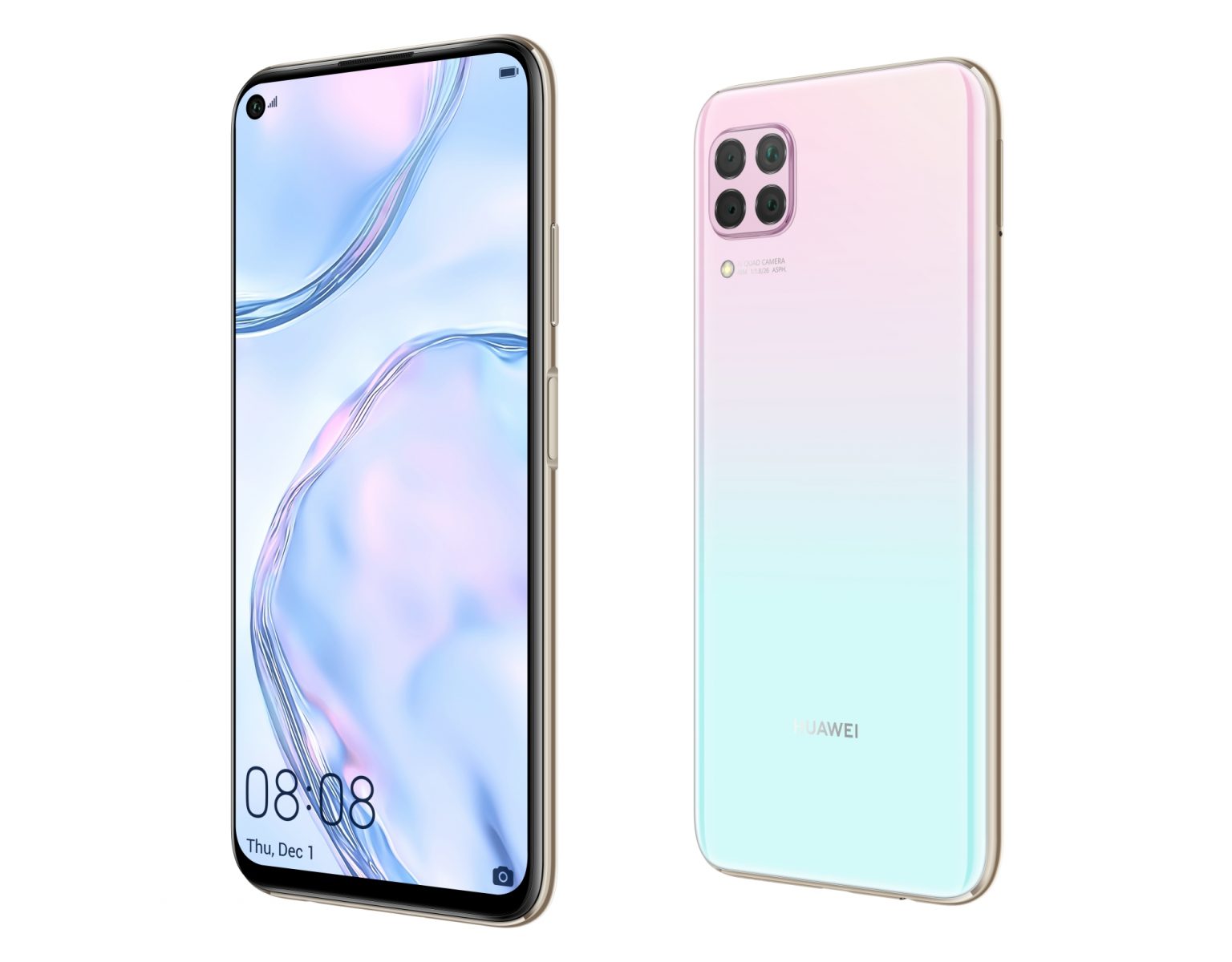
The new leak states that the Nova 7 series include three models such as Nova 7 SE 5G, Nova 7 5G and Nova 7 Pro 5G. The Nova 7 series may feature three different processors such as Kirin 820 5G that went official recently, the unannounced Kirin 985 chipset and the Kirin 990 5G flagship SoC.
The Nova 7 SE could be priced between 2,000 Yuan (~$282) and 3,000 Yuan (~$423). The Nova 7 may cost around 3,000 Yuan and the Nova 7 Pro could be costing between 3,500 Yuan (~$493) and 4,000 Yuan (~$564).
A previous report had claimed that the Nova 7 SE is powered by a mid-range Kirin 5G chipset which could be the Kirin 820 5G. It may come with a 6.5-inch punch-hole display. Its rear may house a 64-megapixel primary shooter. It is likely to arrive with support for 22.5W rapid charging. There is a possibility that the Huawei Nova 7 could be driven by the Kirin 985 chipset and the Nova 7 Pro could be fueled by the Kirin 990.
The dilemma Samsung faces regarding its smartphones have surfaced again. The company has always shipped two variants of its flagship series, namely the Snapdragon variant from Qualcomm, or the proprietary Exynos version. For those unaware, Samsung only shipped the former in the US and China while the Exynos is more commonly found in global markets, especially it’s home country South Korea
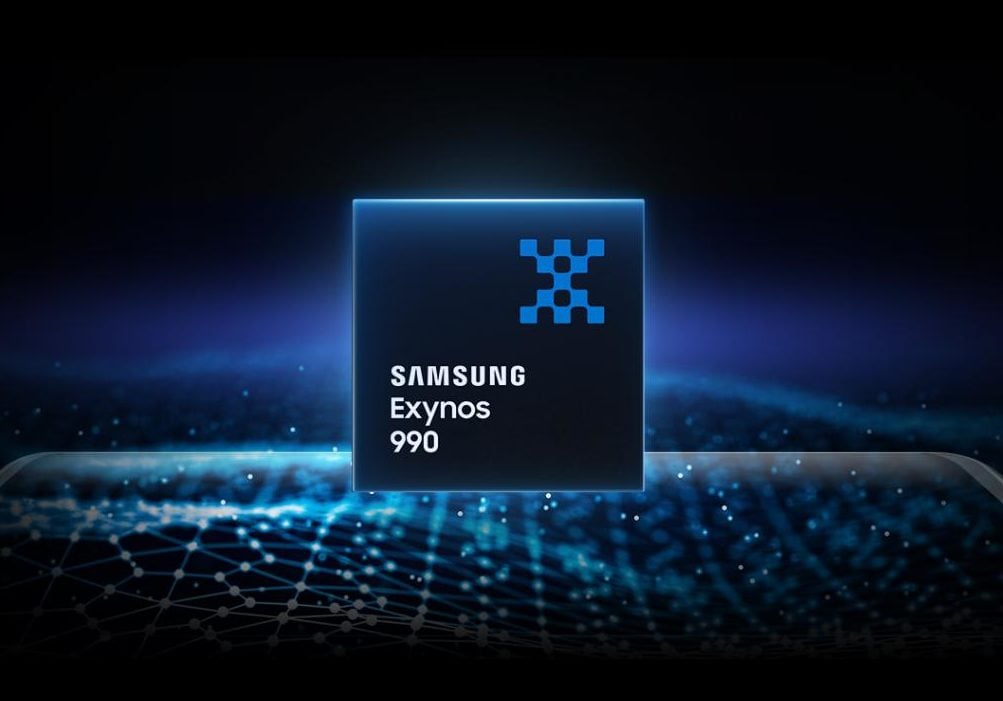
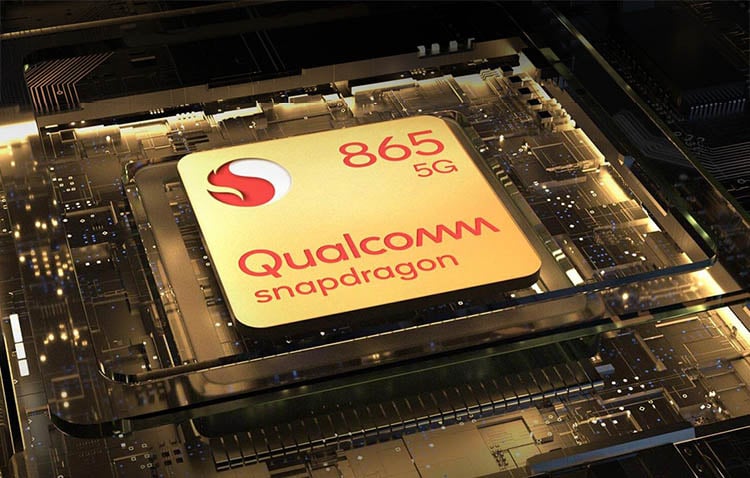
But in 2020, the company made a decisive move to shift towards the Qualcomm Snapdragon 865 processor for South Korea. This has led to a reported humiliation of Samsung’s Chip Division. To provide context, the Snapdragon 865 SoC clearly edges out in comparison to the Exynos 990 SoC. The former has proved to be a better processor both with performance and networking in mind.
Samsung Exynos 990
Due to this reason, top management in a general meeting with shareholders discussed the issue with the struggling Exynos chipset. Apparently, a lot of customers in markets like South Korea were unhappy for receiving an inferior product despite having paid the same amount of money for the Galaxy S20 series. These regions complained about power efficiency and battery life as a big factor for their concerns.
Thus, the shareholders grilled the top executives from the company, in hopes to see improvement in the proprietary technology. DJ Koh, President of Samsung’s mobile division stated that “competitive logic” is the reason Samsung stuck to Exynos chipsets over Snapdragon, and not due to the significant revenue smartphone sales bring to the System LSI division.
According to reports from South Korea, the decision from the company to ship the Galaxy S20 with Snapdragon in the country took many at Samsung by surprise. Reportedly, the decision for the move was made after the Exynos 990 failed to perform according to expectations. The report also mentioned rumors regarding the System LSI Division feeling “humiliated” because of the unannounced shift from Exynos to Snapdragon.
Qualcomm Snapdragon 865 SoC
Apparently, officials also tried to convince the mobile division to roll back the decision, but to no avail. However, this does not mean that Samsung is abandoning its Exynos chipsets entirely. Rather we can expect the company to invest further for its advancement to beat the Snapdragon counterparts. But as of right now, it seams its Quacomm’s win in this regard.
TikTok, the viral video-sharing platform has announced to donate medical equipment worth ₹100 crores to India. The aid will include 200,000 masks and 400,000 hazmat suits to fight the coronavirus outbreak in the country.
India is one of the latest countries to have a high rise in COVID-19 cases. As of writing this, the nation had a total of 2,567 cases with 72 deaths. This although seems to be a smaller number compared to other countries like the USA, it is enough to widespread the virus as India is a packed country with over 1.3 billion population.
But thanks to the measure taken by the government to lock down the country for 21 days has helped to contain the rise of cases that other nations. However, India is in dire need of medical equipment and funds, which thankfully are being donated by citizens as well as various companies.
TikTok is the latest firm to join this contribution as it alleges to be working with Union Ministry of Textile to provide medical equipment to the Ministry of Health and Family Welfare. The social media company recognizing the safety of medical staff working at the front line, have announced to donate 400,000 hazmat suits to the Indian government.
The donation by the company will also include 200,000 masks to the local / state level medical workers of Delhi and Maharashtra governments. Additionally, TikTok is willing to further extend its support if there is a need in the future.
The Xiaomi Mi Fan Festival is here, and the company is already announcing various new products as we speak. Among the new launches are two new smart TV’s which include the Xiaomi 75 inch Full-Screen TV Pro and a new 60 inch model for the Mi TV 4A.
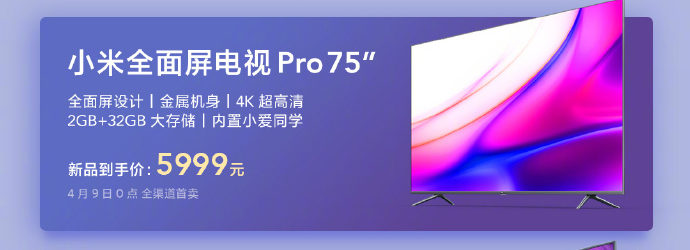
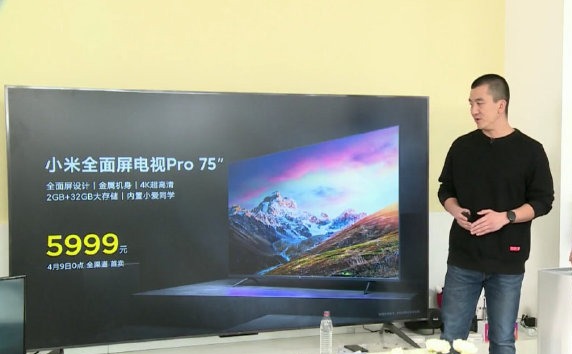
Xiaomi Full Screen TV Pro 75 inch
The Chinese tech giant has just launched the largest variant in one of its TV family. The Xiaomi Full Screen TV Pro 75 inch has been announced and will be placed right above its 43 inch, 55 inch and 65-inch variants that were launched last year, in September 2019. These are one of the company’s premium lineup of TV’s and feature an aluminum alloy for its design and build.
Xiaomi Full Screen TV Pro 75 inch features extremely narrow bezels on every side, which also provides them with an impressive screen to body ratio of 97 percent. However, the top bezel also carries the ‘Mi’ brand logo and is a bit thicker than the other three sides. The middle frame of the 75 inch TV is made out of Aluminium alongside a metal base plate.
The Xiaomi Full Screen TV Pro 75 inch features a quad-core 64-bit processor that has a clock speed of 1.9GHz. This is a custom-built 12nm FinFET process chipset which makes them highly power-efficient, according to the company. Alongside the processor, 2GB of RAM is housed along with built-in storage of 32GB. The TV also runs the PatchWall operating system and is shipped with several video streaming services pre-installed, like Tencent Video, Youku and VOD from iQiyi.
A few other notable features include, Dolby Audio, XiaoAi assistant, voice commands and option to connect with IoT devices, to both control them and display their status. The display of the Xiaomi Full Screen TV Pro 75 inch is a 4K panel while the chipset is capable of natively supporting 8K content as well. It will be sold for a price of 5,999 Yuan or roughly 846 US Dollars.
Mi TV 4A 60 inch
Xiaomi has also launched a new variant for its pre-existing Mi TV 4A model. This version is a 60-inch model and will fit right between the other smaller and larger iterations of the same. It features a 4K LCD display and also sports relatively thin bezels on every side of the display.
Being a smart TV, it features XiaoAI built-in voice assistant on the PatchWall OS. So, one can stream videos, movies and more if connected to the internet. Under the hood, a 64-bit amlogic processor can be found alongside 2GB of RAM and 16GB of storage. It also houses the basics like HDMI ports, USB ports, AV input and offers Dolby Audio and DTS-HD as well.
The new Mi TV 4A 60-inch is priced at 1,999 Yuan (or roughly 281 US Dollars). Interestingly, the slightly outdated Mi TV 4A 58-inches is priced at a lower 1,599 Yuan (or roughly 225 US Dollars), so that might be a viable option for those looking under a particular budget.
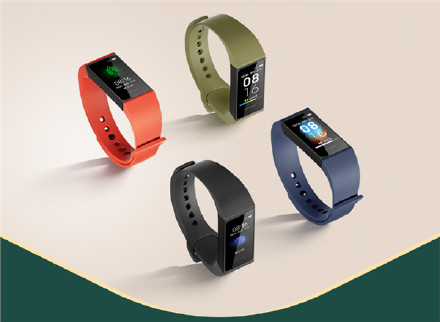
After becoming an independent brand, Redmi has been making all sorts of products like smartphones, IoT devices, routers, appliances, etc. Now, the brand also announced its first fitness band dubbed as Redmi Band as teased yesterday on Weibo. It will be crowdfunded for a price tag of only 95 Yuan ($13) from 10 AM, April 9 in China. However, the retail price of the band will be 99 Yuan ($14).
Redmi has now ventured into smart wearable business with the launch of Redmi Band. This fitness tracker from the brand features a 1.08-inch rectangular color display. The design of the smart band resembles that of Huawei / Honor Bands and the recently launched Realme Band.
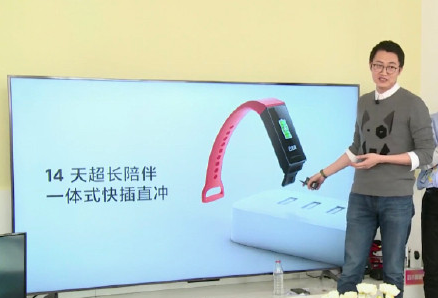
In fact, it even has support for direct USB charging similar to the competitors listed above. The company claims a 14-day battery life from a full charge. As for tracking, it comes with 5 sports modes and even has an optical heart rate sensor to monitor heart rates during workouts as well as throughout the day. It also has support for sleep monitoring to help users achieve their sleep goals.
Being an entry-level as well as the first fitness tracker from the brand, the Redmi Band lacks NFC for contactless payments, which is found on its parent company Xiaomi’s Mi Band 4. Anyway, the tracker comes in black but users can choose between four different colors for bands such as orange, olive green, blue, and black.
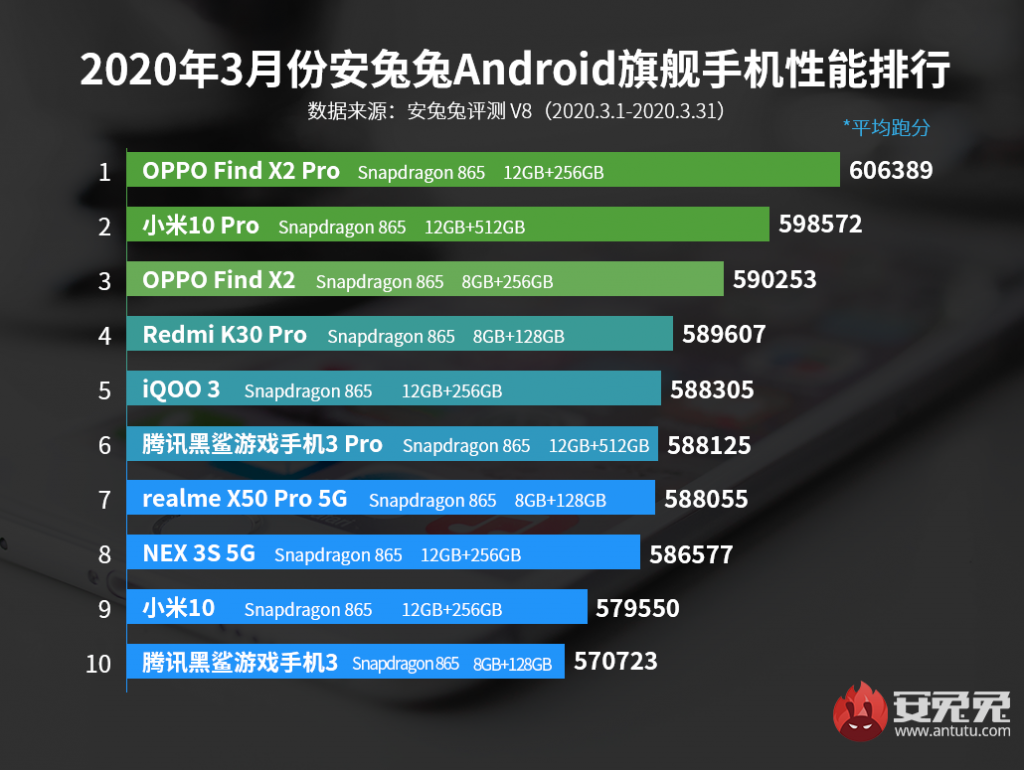
The Xiaomi Mi Pro 5G led AnTuTu’s best performing flagship smartphones in February. Today, the company released a new list of top 10 best performing flagship phones for March. It reveals that the OPPO Find X2 Pro is now leading the pack with a score of 606,389. The Mi 10 Pro that scored 598,572 has been pushed to second position. These phones have 12GB of LPDDR5 RAM. The X2 Pro has 256 of UFS 3.0 storage whereas the Xiaomi phone has 512 GB of native storage.
The Find X2 is third with a score of 590,253. The fourth place goes to Redmi K30 Pro that has scored 589,607. The iQOO is positioned at fifth with 588,305 score. The Black Shark 3 Pro is at the sixth with a core of 588,125.
The Realme X50 Pro with 588,055 is at the seventh position. The Vivo NEX 3S 5G is eighth spot with a benchmarking score of 586,577. The ninth position goes to Xiaomi Mi 10 that recorded a score of 579,550. The Black Shark 3 is the last phone to make it to the top 10 list with the score of 570,723.
All the devices mentioned in AnTuTu’s March list of best performing flagship phones are powered by the 5G-ready Snapdragon 865 mobile platform and LPDDR5 RAM. Except a few devices like iQOO 3 and Vivo NEX 3S 5G in the list, all the other phones are equipped with UFS 3.0 storage.
The Nubia Red Magic 5G that debuted last month is not mentioned in the list. The reason behind it is that the benchmarking platform came across some abnormalities in its memory test. The device may appear in the next month’s list. The Kirin 990 5G powered Huawei P40 and P40 Pro are also expected to make it to the next list.
Earlier this month, Xiaomi announced that it will be launching a new event on April 3rd as part of its Mi Fan Festival. The event marks Xiaomi’s 10th-anniversary celebration and also commemorates the Chinese tech giant’s skyrocketing success.
As part of the celebration, the company took the wraps off 22 new products. These recently-unveiled products, as well as a slew of other items, have carefully been placed under multiple categories on the Mi Fan Festival Sale 2020 promotion page.
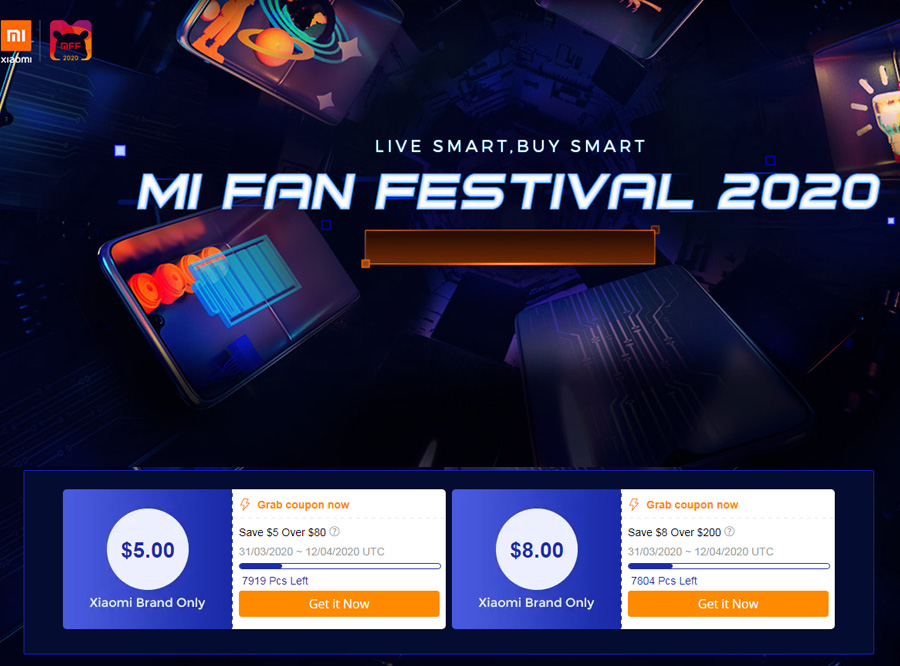
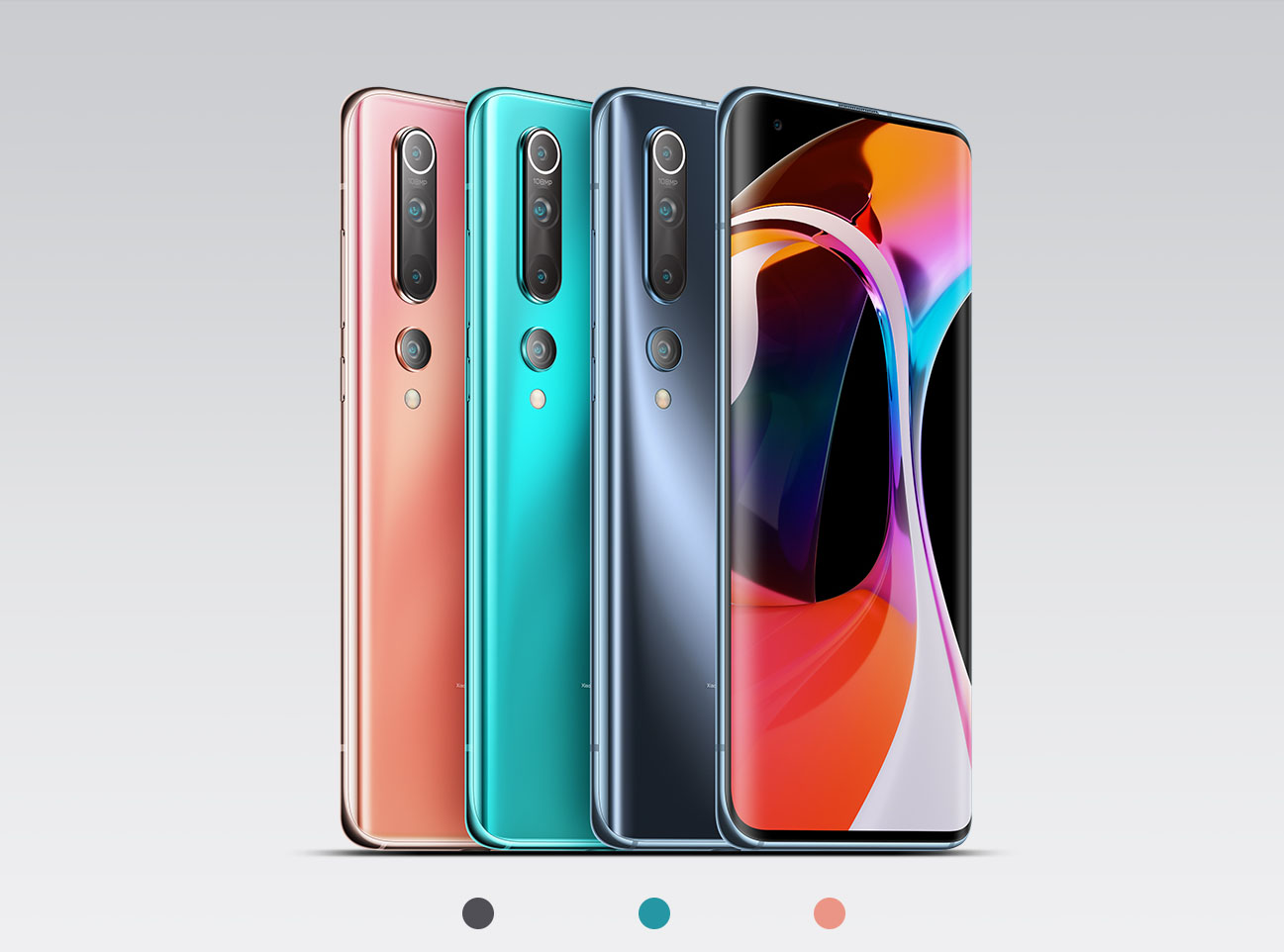
The activity page features two Xiaomi Brand Only coupons that can be used to save $5 if your cart value exceeds $80 or gets $8 off on orders over $200. The first section Newly Launched features the Xiaomi Mi 10, the Mi 10 5G, the Mi 10 Pro and the Redmi Note 9s. More importantly, you can get these products at unbeatable prices during the activity period.
For instance, the Xiaomi Mi 10 5G smartphone has gone up for pre-order bearing a considerably lowered price of only $759.99. Equipped with 8GB RAM + 128GB ROM and a myriad of top-end features, the phone would set you back $854.66 after the activity period, which is slated to end in 4 days, which means, you can avail this 11 percent off only for a limited period.
The following category called $0.1 Get Mi Fans Gift comprises items that you can purchase for unbelievably reduced prices by exchanging points for coupons. The Xiaomi Mi Fan Festival Gift Boxes with Pen U Disk carries a $99.99 price tag, but with 400 points exchange, you can get it for only $5.99. Note that once exchanged, points can’t be returned.
The next two sections including the Xiaomi Cell Phones and the Redmi Cell Phones are must checkout for those who have restlessly been waiting to get their hands on a top-end smartphone without burning a hole in their pocket. The aforesaid categories feature smartphones that have been assigned coupon codes.
To get your favorite smartphone at the lowest price, all you need to do is to apply the specific coupon code at the time of checking out. For example, the Xiaomi Redmi Note 8 Pro smartphone normally retails for $277.85, but you can purchase it for only $219.99 from Gearbest.
You can extend this 21 percent discount by applying coupon code GBMIFANN8P64 at checkout and bring the phone’s already lowered asking price further down to just $203.99. While the promo will be valid for 26 days, there were only 492 coupons left at the time of writing.
Xiaomi Smart Selected is the next section on the activity that you need to check out. It features smart bracelets, smartwatches, music accessories and other items that usually cost a bomb, but are currently available for reduced prices. If you have been waiting with bated breath for Xiaomi Notebook prices to drop, now’s the time.
You can head straight to the Xiaomi Notebook section and check out the unmissable discount Xiaomi is currently doling out on its well-received range of laptops including the Mi Notebook Ruby 2019, the RedmiBook 14-inch Laptop and more. Likewise, the Xiaomi Mijia Selected section is teeming with a wide range of useful items across various categories.
Xiaomi Ecosystem Brand Xiaomi Smart Electronics, as well as the Xiaomi Ecosystem Brand – Xiaomi Smart Life are also crammed with amazing products that have gone up for sale carrying lowered price tags. Aside from that, the promo page features Xiaomi Home Deals, Xiaomi Youpin Deals and the Recommended Deals that you don’t want to miss.
The Mi Fan Festival (A.K.A. Xiaomi MMF Sale) online shopping festival will be valid for a limited period. You can follow this link to visit the activity page and take advantage of the special deals and discounts before the promo wraps up!
The Gizmochina Coupons is a community that finds, reports and evaluates deals and coupons of Chinese products from online shops. Please visit it here to find more coupons to save money on mobiles and smart gadgets.
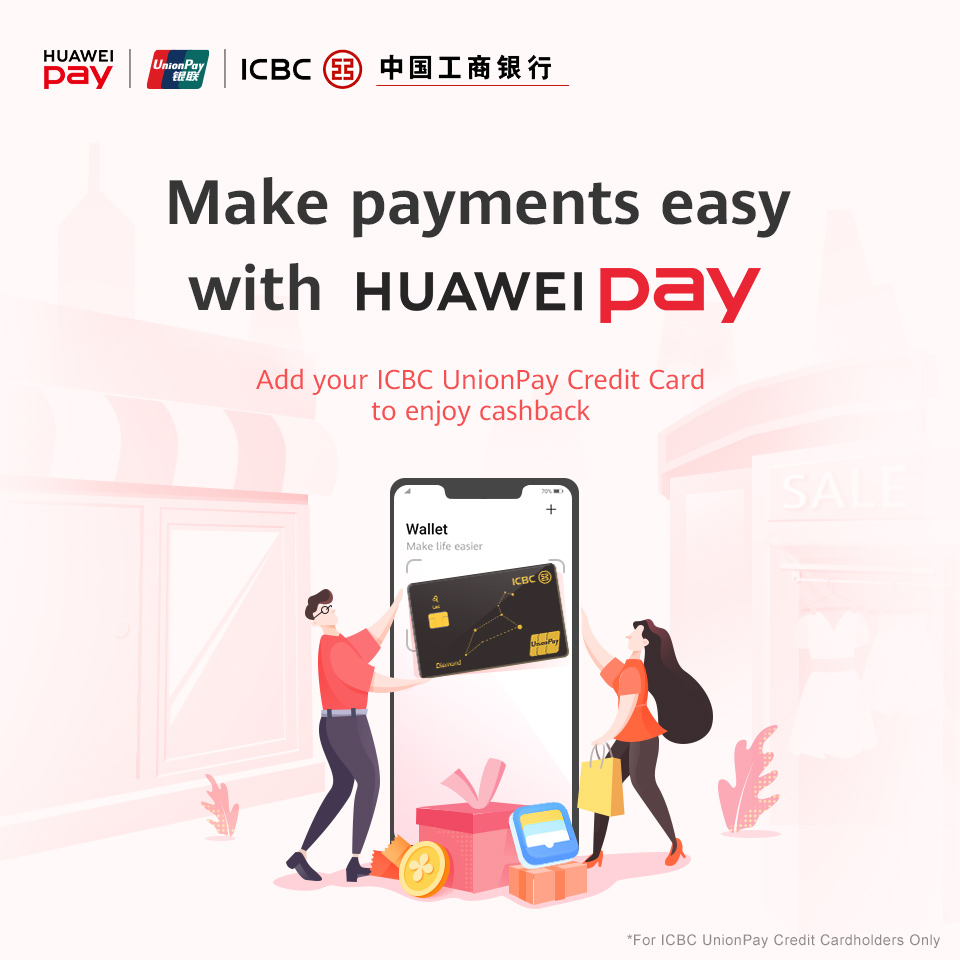
Huawei Pay makes its debut in Singapore with an exclusive partnership with ICBC (The Industrial and Commercial Bank of China) Singapore Bank. The app will come pre-installed on the Huawei P40 series and can be downloaded on other Huawei / Honor devices from App Gallery.
Huawei Pay launch in Singapore is in an exclusive collaboration with UnionPay. The mobile payment service by Huawei Mobile Services (HMS) can be used for contactless and cashless payments on Huawei / Honor devices.
ICBC Singapore bank is the first and the only bank to support the service for now. As part of the launch offer, users making purchases via Huawei Pay by registering their ICBC UnionPay credit cards between 1 April and 30 September will be rewarded with Huawei Points and cashback up to S$20 on every transaction. Additionally, users will be subjected to a welcome gift of 10 Huawei Points worth S$10, which can be used to make payments in Huawei AppGallery, Themes, Video, Mobile Cloud and more.
Since Huawei Pay supports contactless NFC payments in retail stores, it can be used by tapping supported Huawei / Honor devices on POS (Point-of-Sale) terminals instead of physical credit cards. The service makes use of devices’ biometric authentication system for security.
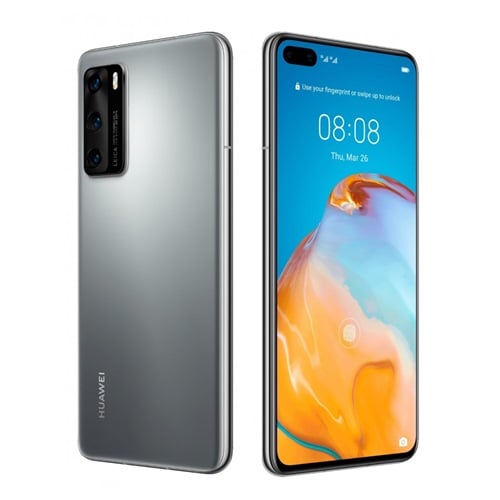
Additionally, Huawei P40 series will go on sale in Singapore from tomorrow, i.e. April 4. Launch offers include freebies like 50GB Huawei Mobile Cloud for 12 months, Smart View Flip Cover (worth S$58), and Huawei SuperCharge Wireless Car Charger (worth S$98, only P40 Pro). The Huawei P40 and P40 Pro will be available in Silver Frost, Blush Gold, and Deep Blue Sea color variants for a price tag of S$1,048 and S$1,448 respectively.
In Singapore, the Huawei P40 series can be purchased from Huawei Concept Stores, major telco outlets, selected consumer electronic stores and online retailers like Lazada and Shopee.
Apart from Huawei Pay, Huawei Video is also launching in Singapore with the P40 series availability in the region. The video streaming service offers over 4,000 titles from BBC Studios. Further, the company promises to bring more partners to the platform soon.
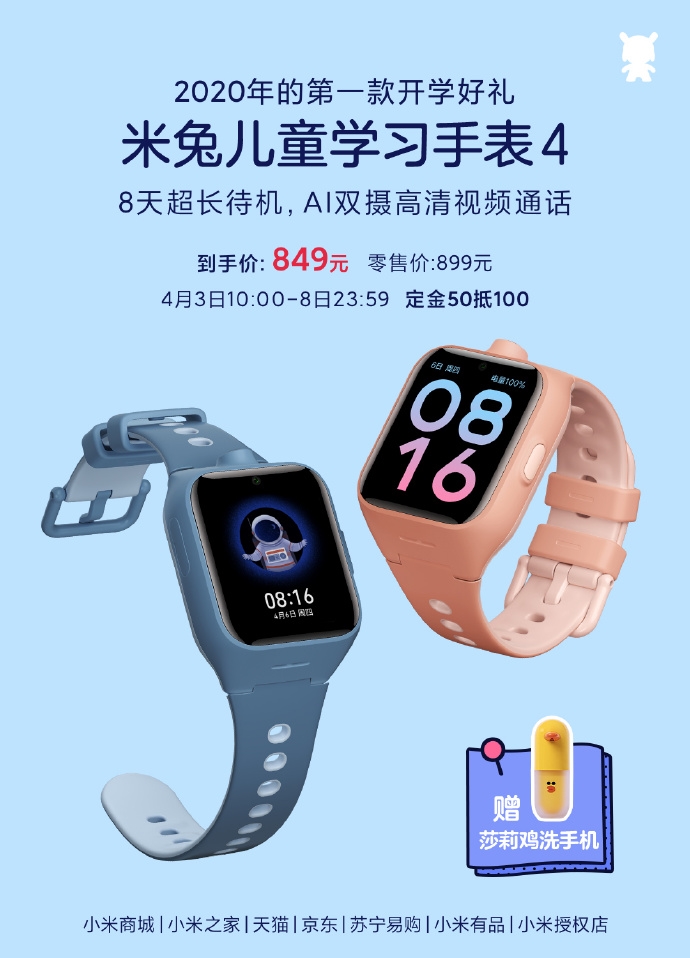
Along with the Mi Air 2S TWS earbuds, Xiaomi has today also launched the Mi Bunny Children’s Watch 4 which has a starting price of 899 yuan that roughly converts to $127. However, those who pre-order the device between 3rd April to 8th April with a pre-sale deposit, can get it for 849 yuan (~$120).
The Xiaomi Mi Bunny Children’s Watch 4 comes with Dual Cameras — one on the front and one of the side, both featuring a 5MP HD sensor. The front camera can be used to watch the children’s face while the side camera is to monitor the surroundings.
It comes with a 1.78-inch AMOLED retina high-definition full-screen display and thanks to the front-facing camera, parents or guardians can now place HD video calls with the children anytime and anywhere.
The smartwatch comes with eight-fold safe positioning, and supports indoor positioning of 4000+ large shopping malls, high-speed rail stations, and airports in the country. The company says that it uses the small search AI intelligent positioning algorithm to make positioning more accurate.
As for the connectivity, the Mi Bunny Children’s Watch 4 supports 5G as well as 4G with all three major telecom operators in China. It can also place call and locate in more than 200 countries and regions around the world, and supports VoLTE HD calls.
Parents can also set up call whitelists, SMS whitelists, and prevent interruptions in class using the app. It also comes with AI English interactive teaching feature that integrates four major modules of learning, testing, problem sets, and review books to form a scientific closed-loop learning system.
It uses artificial intelligence (AI) to evaluate the accuracy of pronunciation, correct spoken language, and practice. It also provides American pronunciation, pictures inspired teaching, and can synchronise classroom progress.
The device is powered by a 920mAh battery and is claimed by the company to offer 8-day long battery life, thanks to its AI-backed power saving algorithm.
The OnePlus 8 series of flagship smartphones is scheduled to go official in a couple of weeks. In a typical OnePlus fashion, the company has already revealed some of the key features of the upcoming device.
Now, ahead of the phone’s launch, DisplayMate has announced that the OnePlus 8 series has managed to earn the highest A+ rating as well as the Best Smartphone Display Award. Last year, the OnePlus 7 Pro also received A+ ratings from DisplayMate and the company is now aiming to outdo itself.
The report adds that the display on the upcoming lineup “sets or matches more than 10 Smartphone Display Performance Records in virtually all key categories for the best displays on the market, including color accuracy, image contrast, display brightness, and screen reflection, with 4 categories marked Visually Indistinguishable from Perfect.”
OnePlus CEO Pete Lau has already confirmed that the OnePlus 8 series will come with AMOLED display panels from Samsung. It will offer 120Hz refresh rate, and will also come with motion estimate and motion compensation (MEMC) technology for smooth video playback and 10-bit color gamut.
A report from PCMag claims that OnePlus 8 and 8 Pro will have two main user-selectable color modes — Vivid and Natural. While Vivid mode has a wider color gamut and high image contrast, the Natural mode accurately represents either the digital cinema DCI-P3 color space or the older sRGB color space.
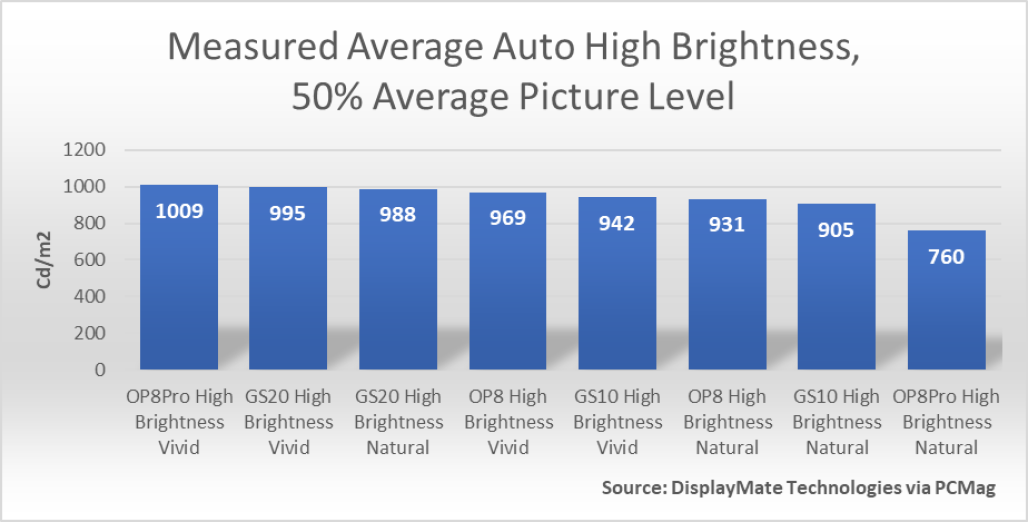
The OnePlus 8 Pro has a brighter display than the Galaxy S20 Ultra at 50 percent average picture level (APL) and the max brightness level of the display can reach 1009 nits at 50 percent APL, which is slightly higher than the Galaxy S20 Ultra’s 995 nits.
While the company has not confirmed all the specifications, leak indicates that the OnePlus 8 Pro will feature a 6.78-inch QHD+ Super AMOLED display with 120Hz refresh rate, Snapdragon 865 SoC, 12GB RAM, 4,510mAh battery, Warp Charge 30T support along with wireless charging and reverse wireless charging. To know for sure, we’ll have to wait for the official launch event on 14th April.
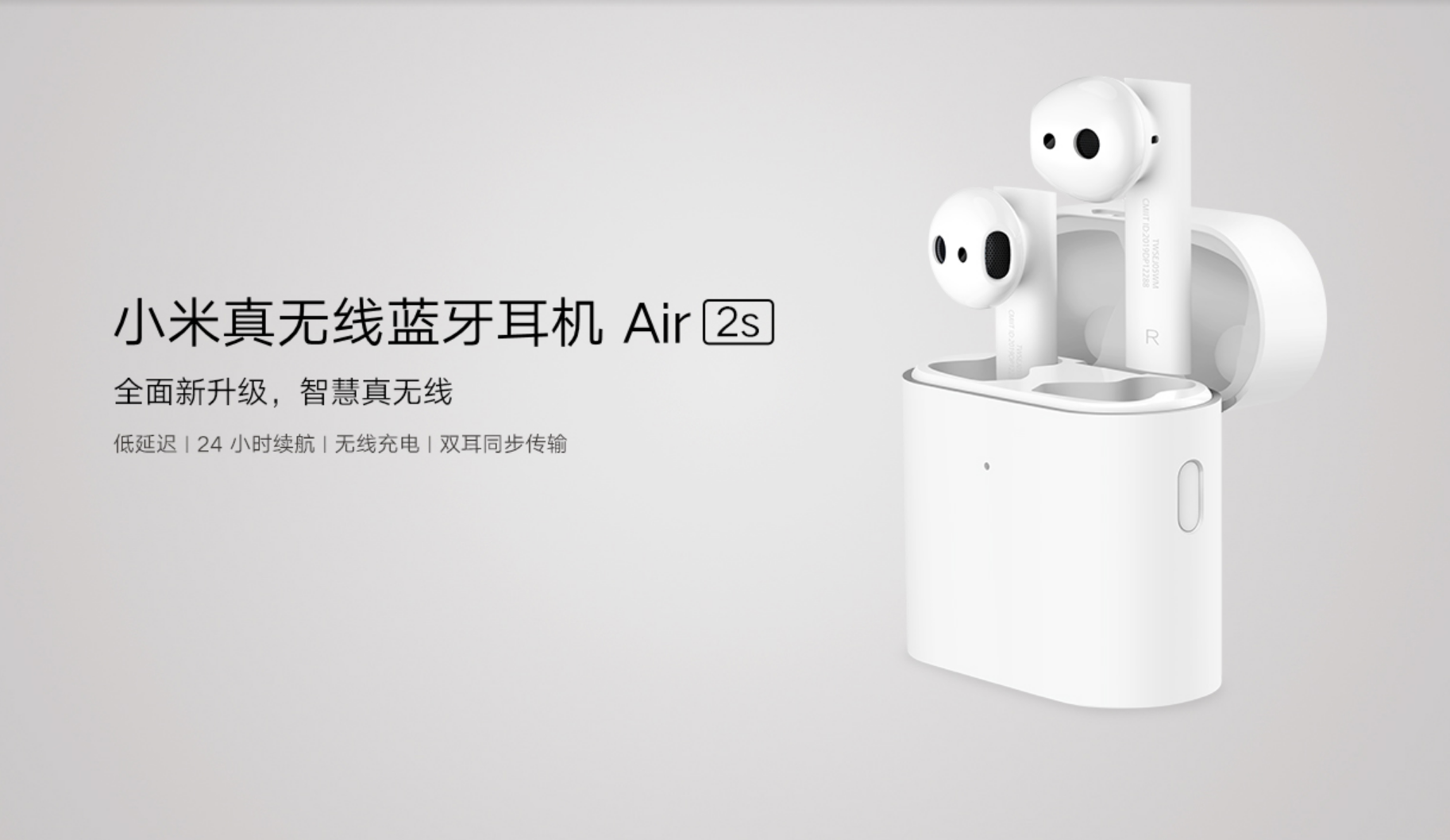
In line with our previous report, Xiaomi has today officially launched a new TWS Earphones — the Mi Air 2S true wireless earbuds, for a price of 399 Yuan which roughly converts to $56. The newly launched earphones are currently up for reservations in China and will go on sale on April 9.
The company reveals that the new Mi Air 2S comes with an upgraded dual-core chipset and also uses the new binaural synchronous transmission technology to transmit sound signals to the left and right earphones at the same time.
This effectively reduces the sound delay, while having strong anti-interference, and makes the left and right earphone connections are more stable. Additionally, it has fully optimized LHDC Bluetooth decoding for the MIUI system and adopts a new architecture for deeply optimizing the hardware. Note that the earbuds supports Bluetooth 5.0.
To improve the performance during gameplay and watching videos, it comes with a low-latency mode which when turned on, greatly reduces the sound delay and ensures proper synchronization of sound and pictures.
Further, there’s support for voice assistant with XiaoAI which gets activated just through simple voice command and can be used to perform a wide range of activities and tasks, including playing music, listening stories, using maps for directions, etc.
While there’s no active noise cancellation support like the Apple AirPods Pro but it does come with dual-microphone array noise reduction technology that claims to effectively reduce the environmental noise during calls and ensure HD voice call quality.
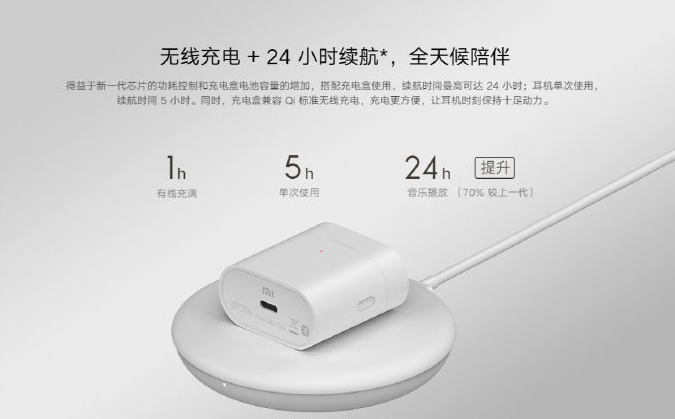
One of the most impressive parts of the new Xiaomi Mi Air 2S TWS earphones is the battery life. The company claims that it can provide 5 hours of usage on a single charge but can be extended up to 24 hours of battery life when combined with the charging box. The charging box of the earbuds also come with support for Qi-standard wireless charging technology, making the charging process more convenient.
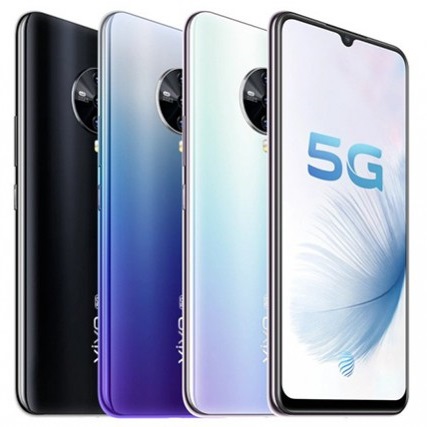
At the end of the last month, Vivo unveiled the Vivo S6 5G smartphone in China. As scheduled, the phone is now available for purchase in the home market starting from today. The handset can be bought with a starting price of 2,698 Yuan (~$380).
Vivo S6 5G pricing
The Vivo S6 5G comes in three colors such as Swan Lake Blue, Danube Blue and Jazz Black. It comes in two variants such as 8 GB RAM + 128 GB storage and 8 GB RAM + 256 GB storage. They are priced at 2,698 Yuan and 2,998 Yuan. At present, the Chinese firm is only selling the 128 GB storage version of the device. There is no word on the availability of the 256 GB variant.
The Vivo S6 features a 6.44-inch S-AMOLED screen. The punch-hole display delivers full HD+ resolution of 1080 x 2400 pixels and an aspect ratio of 20:9. The Exynos 980 5G chipset that enables dual-mode 5G support drives the Vivo S6 5G smartphone. The phone comes with LPDDR4X RAM and UFS 2.1 storage. A microSD card slot is available on the device for additional storage.
The phone possesses a front-facing camera of 32-megapixel. that offers features like super night scene mode and AI face beauty. The glass rear of the phone has a round-shaped camera housing that has a 48-megapixel primary lens, an 8-megapixel superwide lens, a 2-megapixel depth sensor and a 2-megapixel macro lens. The rear cameras support super night scene mode, EIS and front, rear dual shooting and more.
The Vivo S6 5G has a 4,500mAh battery and it carries support for 18W fast charging. The FunTouch OS 10 based Android 10 OS runs on the Vivo S6 5G. The device weighs only 181 gram and has a thickness of 8.68mm.
OPPO is reportedly working on the launch of OPPO A12 and A12e smartphone. The key specs of the OPPO A12e had surfaced in the previous month. Now, Pricebaba has shared the key specs and a render of the OPPO A12 smartphone.
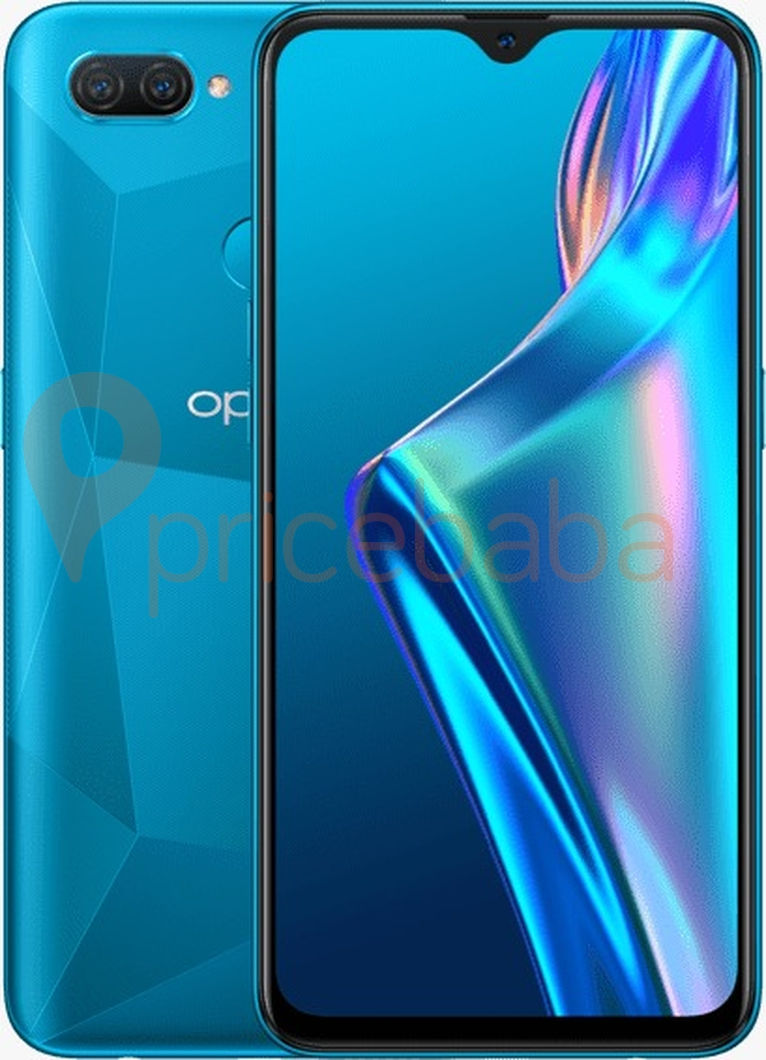
OPPO A12 render
As it can be seen in the leaked render, the OPPO A12 has a polycarbonate rear with a diamond pattern on it like the older Realme phones. An LED assisted horizontally arranged dual camera setup and a fingerprint scanner can be seen on the backside of the OPPO A12. Up front, the OPPO A12 has a waterdrop notch screen. The handset measures 155.9 x 75.5 x 8.3mm and it weighs 165 grams.
The OPPO A12 has a 6.22-inch IPS LCD display that produces HD+ resolution. The Helio P35 powers the 3 GB RAM + 32 GB storage and 4 GB RAM + 64 GB storage versions of the smartphone. There is no confirmation on whether it features a dedicated microSD slot or a hybrid SIM slot.
The ColorOS 6.1.2 based Android OS will come preloaded on the device. It will have a front camera of 5-megapixel with f/2.0 aperture.
The rear features a 13-megapixel main lens with f/2.2 aperture and a 2-megapixel secondary shooter with f/2.4 aperture. The OPPO A12 has a 4,230mAh battery and it is unlikely to carry support for fast charging.
There is no word on the launch date and pricing of the OPPO A12. The handset will be arriving as a successor for the OPPO A11 from last year. It could be available in other colors apart from blue model shown above. The arrival of the A12 may not be far away as it has received approval from Thailand’s NBTC and Singapore’s IMDA regulatory bodies. It has been also spotted at Geekbench.
Apple is expected to soon announce a successor for the compact iPhone SE that went official in 2016. Some reports have claimed that it may go official on April 15. However, a new report on 9to5 Mac states that cites information from its highly trust reader claims that the company will begin receiving orders for the iPhone SE’s successor as soon as tomorrow. While recent reports had claimed the device will be debuting as iPhone 9, the publication has revealed that it will go official as “iPhone SE” and it will be referred to as 2020 version.
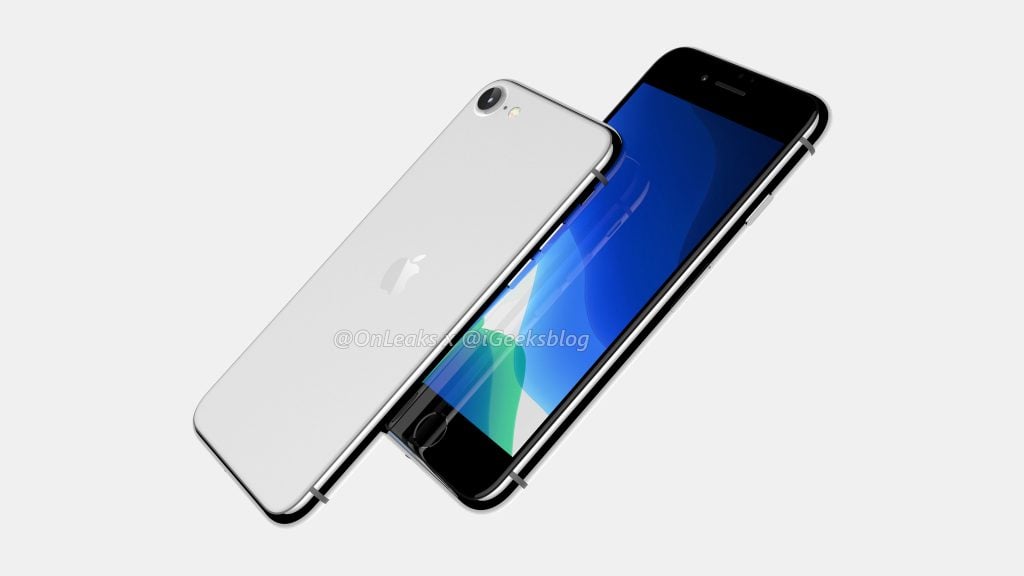
2020 iPhone SE key details
The iPhone 11, iPhone 11 Pro and iPhone 11 Pro Max from last year were fueled by the Apple A13 Bionic chip. The same SoC will be powers the 2020 iPhone SE. It will bring support for augmented reality features.
In terms of design, the iPhone SE 2020 will bear resemblance with the iPhone 8. Since it won’t support 3D Touch, it is expected to deliver better battery life. It could be the only new iPhone to sport the good old Touch ID sensor..
The new iPhone SE will come in three storage versions such as 64 GB, 128 GB and 256 GB. It will be available in three color edition such as white, black and PRODUCT (Red). The company will be selling five kinds of cases for the 2020 iPhone SE such as black silicone, white silicone, red leather, black leather and midnight blue leather.
There is no fresh information on the pricing of the iPhone SE 2020. However, famed supply chain analyst Ming-Chi Kuo had previously stated that the iPhone SE’s successor will be arriving with a starting price of $399. The publication further stated that the retailers are gearing up to begin merchandising cases for the iPhone SE 2020 from Sunday, which also hints that its launch is imminent.
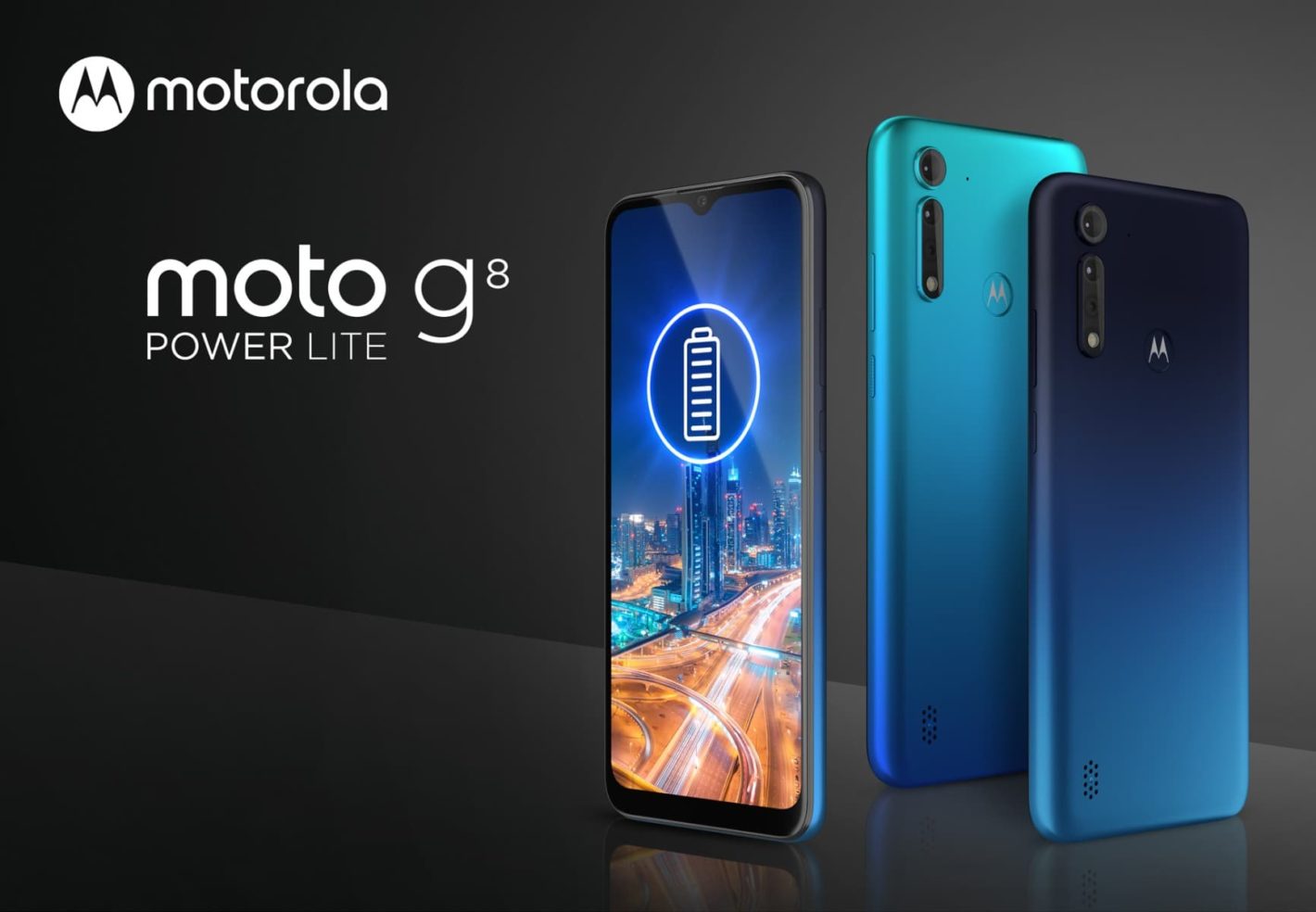
In February, Motorola had launched the Moto G8 Power smartphone. In the U.S., the handset is selling as Moto G Power. Today, the Lenovo-owned firm introduced its inferior edition called Moto G8 Power Lite. Apart from housing a huge battery, the G8 Power Lite comes equipped with a tall aspect ratio display and triple rear cameras.
Moto G8 Power Lite specifications
The Moto G8 Power Lite has a 6.5-inch IPS LCD Max Vision panel. The waterdrop notch totting display delivers HD+ resolution of 720 x 1600 pixels. The aspect ratio offered by the phone is 20:9. The handset features a splash-resistant chassis. Its dimensions are 164.94 x 75.76 x 9.2mm and it weighs nearly 200 grams.
The MediaTek Helio P35 chipset drives the Moto G8 Power Lite through its 2.3GHz octa-core processor. The handset ships with 4 GB of RAM and an internal storage of 64 GB. There is a microSD card slot onboard for more storage.
Moto G8 Power Lite’s rear has a triple camera system that includes a PDAF assisted 16-megapixel primary shooter with f/2.0 aperture, a 2-megapixel macro lens with f/2.4 aperture and 2cm focal length and a depth sensor of 2-megapixel with f/2.4 aperture. The triple cameras support dual camera bokeh, face beauty, HDR, Google Lens and more. At the front is an 8-megapixel selfie snapper that supports HDR, face beauty and bokeh video. The front and rear shooters support 30fps 1080p video recording.
The G8 Power Lite comes with a generous 5,000mAh battery that supports 10W charging. The handset is loaded with Android 9 Pie OS. On the connectivity front, the Moto G8 Power Lite supports dual 4G VoLTE, Wi-Fi 802.11 b/g/n, Bluetooth 4.2, GPS, microUSB 2.0 and 3.5mm audio jack. The rear-facing logo of the company is integrated with a fingerprint reader.
Moto G8 Power Lite price and availability
The Moto G8 Power Lite will be coming to Mexico and Germany soon with a price tag of 169 euros (~$183). The handset will be also brought to other markets in Latin America, Europe, Asia and Australia. The phone comes in Royal Blue and Arctic Blue color editions.
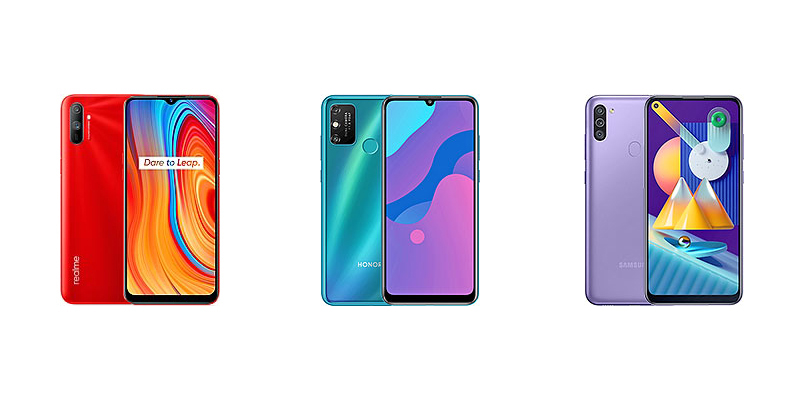
Entry-level smartphones became very sweet. Mainstream manufacturers are putting a lot of effort even into low-end devices and several amazing devices are hitting the shelves at a very affordable price. One of the latest is the Realme C3, recently launched even in a new triple camera variant and in the global market. But Huawei’s sub-brand launched an awesome entry-level too: Honor Play 9A. And it is not about Chinese manufacturers anymore: even Samsung started releasing advanced entry-level phones like the newly-announced Samsung Galaxy M11. Is it worth going for a Samsung entry-level phone in 2020 or you should choose Realme and Honor? This comparison will clear your ideas.
Oppo Realme C3 vs Huawei Honor Play 9A vs Samsung Galaxy M11
Dual 12 + 2 MP f/1.8 and f/2.4
5 MP f/2.4 front camera
Triple 13 + 5 + 2 MP f/1.8, f/2.2 and f/2.4
8 MP f/2.0 front camera
BATTERY
5000 mAh, fast charging 10W
5000 mAh, battery charging 10W
5000 mAh, fast charging 15W
ADDITIONAL FEATURES
Dual SIM slot
Dual SIM slot, reverse charging
Dual SIM slot
Design
Samsung started mounting punch-hole display even on entry-level phones. And the punch-hole display is the reason why Samsung Galaxy M11 looks more attractive than its rivals. Realme C3 has a more interesting build quality not only because its display is protected by Gorilla Glass 3, but also because the phone is splash resistant. On the other hand, Honor Play 9A is the most compact phone due to its smaller display. Which design do you prefer? Would you prefer the best look or the best build quality on an entry-level device?
Display
Unfortunately, a punch-hole display does not mean a better image quality. Samsung Galaxy M11 has a PLS TFT screen and generally, this technology delivers a lower quality compared to IPS displays like the ones mounted on Honor Play 9A and Realme C3. The Realme C3 has the widest panel and it may be generally better for advanced users, while Honor Play 9A has the smallest display, so it provides a higher pixel density and it is easier to use with one hand. Realme C3 should provide a slightly better quality despite its lower pixel density, but in each case, you get an HD+ resolution, so a similar level of detail.
Specs & Software
The most powerful SoC is the MediaTek Helio G70 mounted on the Realme C3. Besides having a very strong CPU, it even comes with high graphics performance. So, despite Realme C3 is an entry-level phone, it is a good choice even for gamers. Right after, we got the Samsung Galaxy M11 with a Qualcomm chipset, even though it is a pretty old Qualcomm SoC built at 14 nm. Honor Play 9A has a less convincing chipset, but it doubles the internal storage by reaching 128 GB. In each case, you get a micro SD dedicated slot and Android 10 out of the box.
Camera
Samsung Galaxy M11 provides the most complete camera department. On the rear side, you get a main 13 MP sensor with a bright f/1.8 focal aperture, a 5 MP ultrawide lens and a 2 MP depth sensor. The Realme C3 comes in two variants: one with a dual camera and one with a triple camera which adds a 2 MP macro sensor besides a 2 MP depth sensor. So it takes the silver medal. But the Honor Play 9A actually comes with a better front camera than both the Realme C3 variants. None of these devices is a great camera phone, they are all low-end devices in terms of camera performance, but far from being bad.
Battery
The battery life is the strongest point of all these handsets. With their huge 5000 mAh batteries, they last up to three days on a single charge with moderate usage. Samsung Galaxy M11 comes with the fastest charging technology thanks to a 15W power, while the others support 10W charging.
Price
Unfortunately, the Realme C3 is currently the only device sold globally (€160), so the following prices are referred to the Asian market. Realme C3 starts from Rs. 6,999 in India, while Honor Play 9A is priced CNY 899 in China. We still do not know how much Samsung Galaxy M11 will cost. If we only consider the specifications, Samsung Galaxy M11 is the best when it comes to design and cameras, while Realme C3 provides more powerful hardware and potentially better build quality, as well as a better display. Honor Play 9A is not as interesting as its rivals.
Germany’s Autobahn is still without speed restrictions, despite calls for the country to impose limits. Imagine doing 250 km/h on the Autobahn or any other freeway on a gasoline guzzling Porsche 911 and you need to check the fuel level on the instrument cluster. At such speed, it is dead risky to take your eyes off the road even for a second. A Head-up display comes in handy in such situations.
Head-Up Displays also known as HUD, is becoming increasingly common in all types of new cars, ranging from the Mazda3 to the BMW 7 Series, but what if you own a 2005 Toyota Corolla or any other older car? You won’t have to trade in your older model just to get one with a HUD from the factory. There are several aftermarket solutions let you modernize your current ride, some super affordable but others can tear a hole in your pocket.
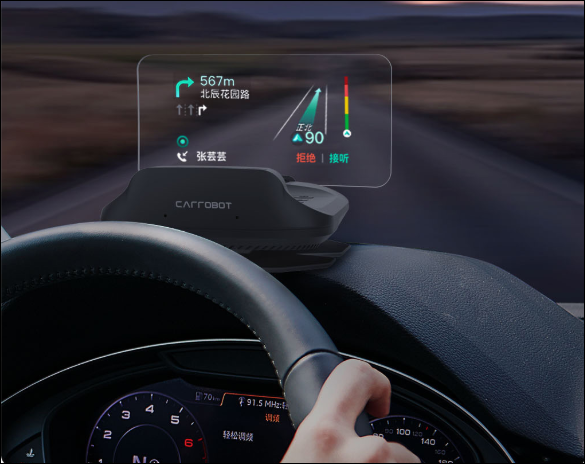
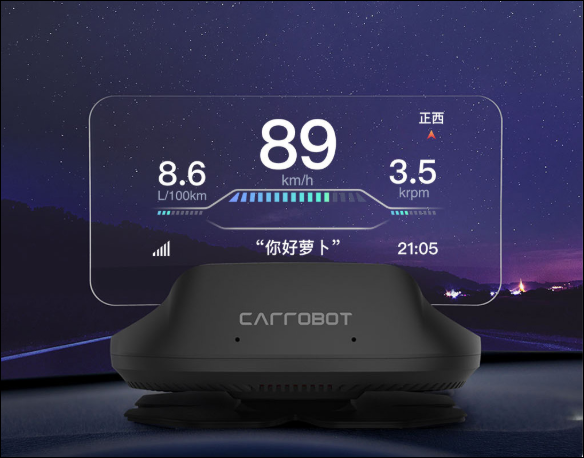
Xiaomi, known for affordable quality products has launched a new Carrobot Smart HUD under the Youpin platform. In September last year, a Carrobot HUD Bluetooth version was launched on Xiaomi Youpin priced at 499 yuan (around $70). This version comes with the same 499 yuan price tag but after the crowdfunding exercise, the price will jack up to 699 yuan (~$98).
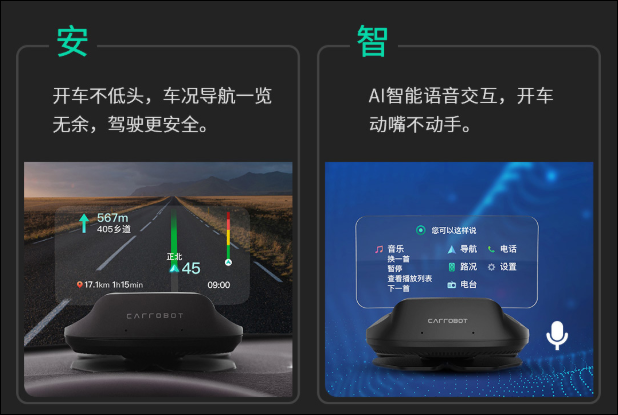
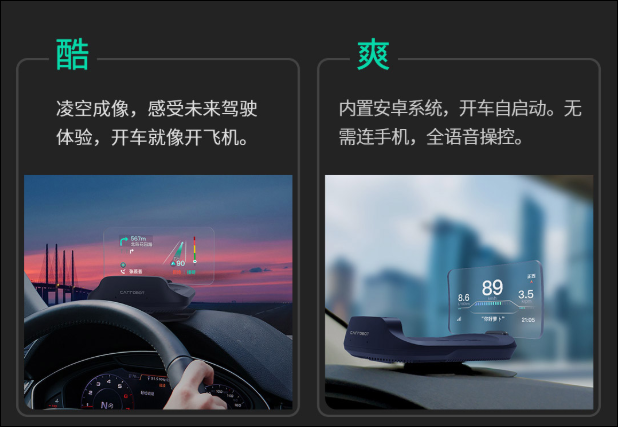
Apart from projecting the information on your car’s instrument cluster right in your front, this smart version also features support for full voice control.
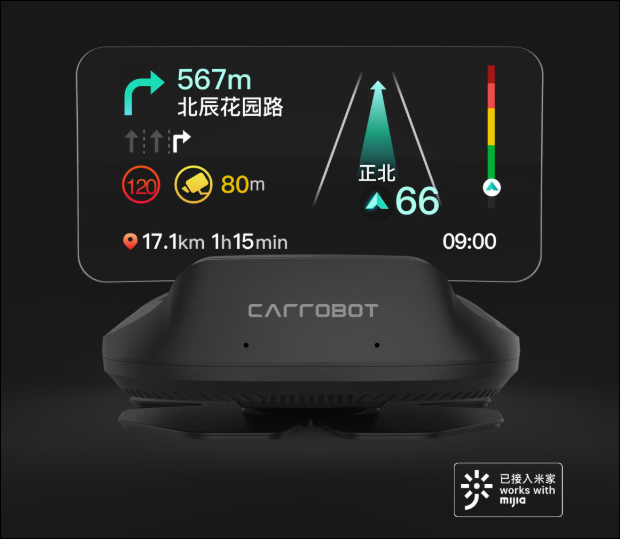
The Carrobot HUD is inspired by the fighter’s Head-Up Display (HUD) technology and it can project all the information required when driving, such as the navigation map and the current vehicle speed, onto the glass in front of you. The projection technology adopts free-form optical design and multi-layer coating technology. The picture is flat and clear without any distortion and dizziness.
In addition, Carrobot Smart HUD also combines high-tech maps for in-depth customization and has greater voice control. In addition to conventional navigation and traffic conditions inquiry, you can also directly ask the HUD what places to eat, drink and play around. The product’s voice technology is said to use Spitzer’s algorithm, which not only is more close to natural vocals in terms of language sense but also very powerful in recognition and awake rate.
At the same time, this product deploys data cloud to provide timely warning and is equipped with the latest Point of Interests (POI) identification algorithm for most cities. The place-name recognition is more accurate, helping you to drive safely and reduce road violations. The product is compatible with the MIJIA app.
You can visit the Youpin crowdfunding page from the source link below.
Xiaomi had hinted as far back as October 2019 that the development of the next-generation MIUI 12 ROM has commenced internally. The company again officially confirmed the MIUI 12 moniker with the rollout expected later this year. The latest iteration, MIUI 11 was released in September 2019. We don’t expect the MIUI to come any earlier but that may be the case going by the rate at which details of the ROM has appeared in recent times. Although Xiaomi is yet to officially reveal the features the MIUI 12 will bring to the table, a mod on the Mi community has shared some of the expected features that are highly likely to be onboard the custom ROM.
Animation and Navigation bar
The upcoming ROM is expected to come along with a much-improved animation and navigation bar. The current navigation and animation bars on the MIUI 11 ROM isn’t bad at all but we’ll likely be seeing some improvements and perhaps new features.
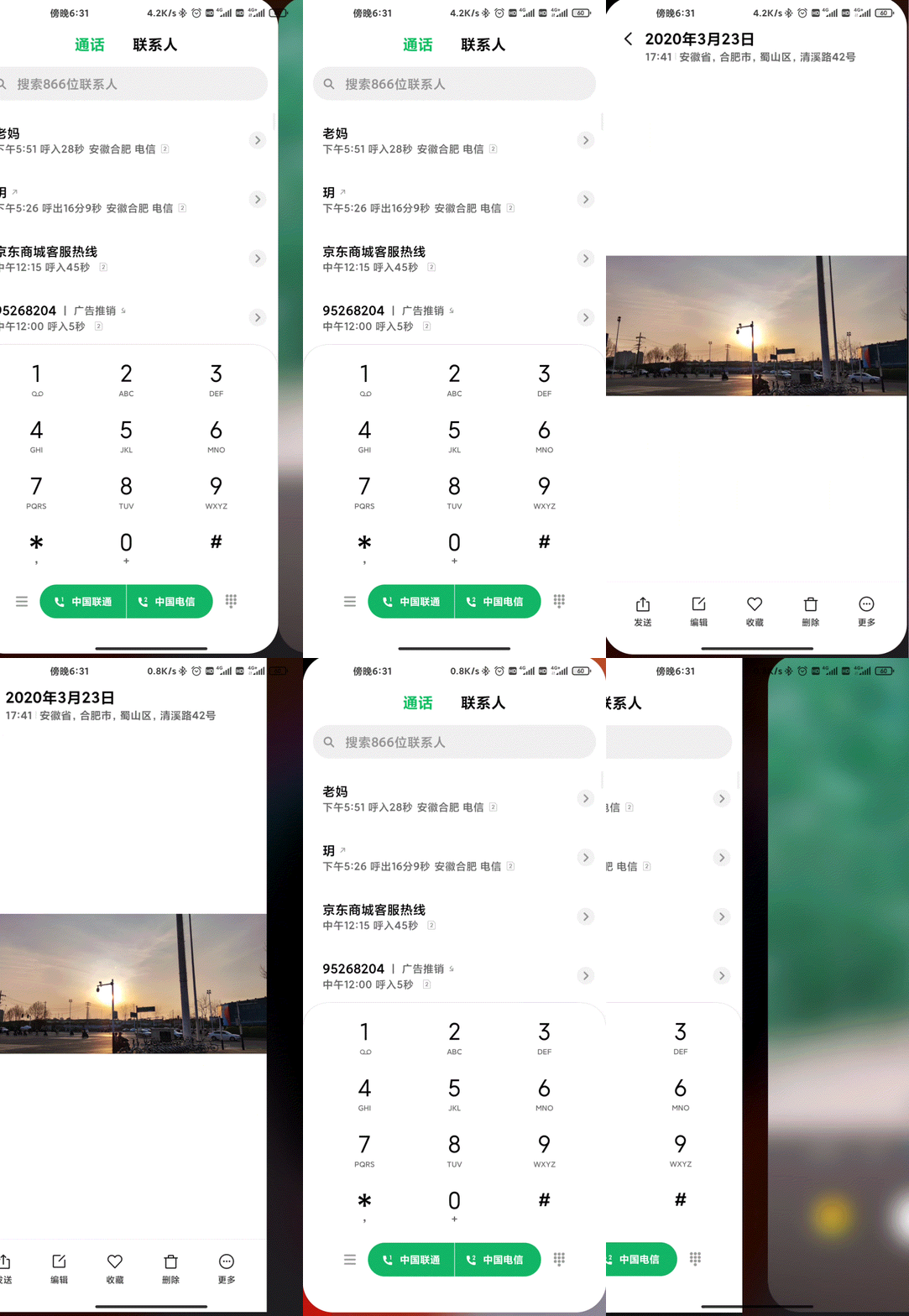
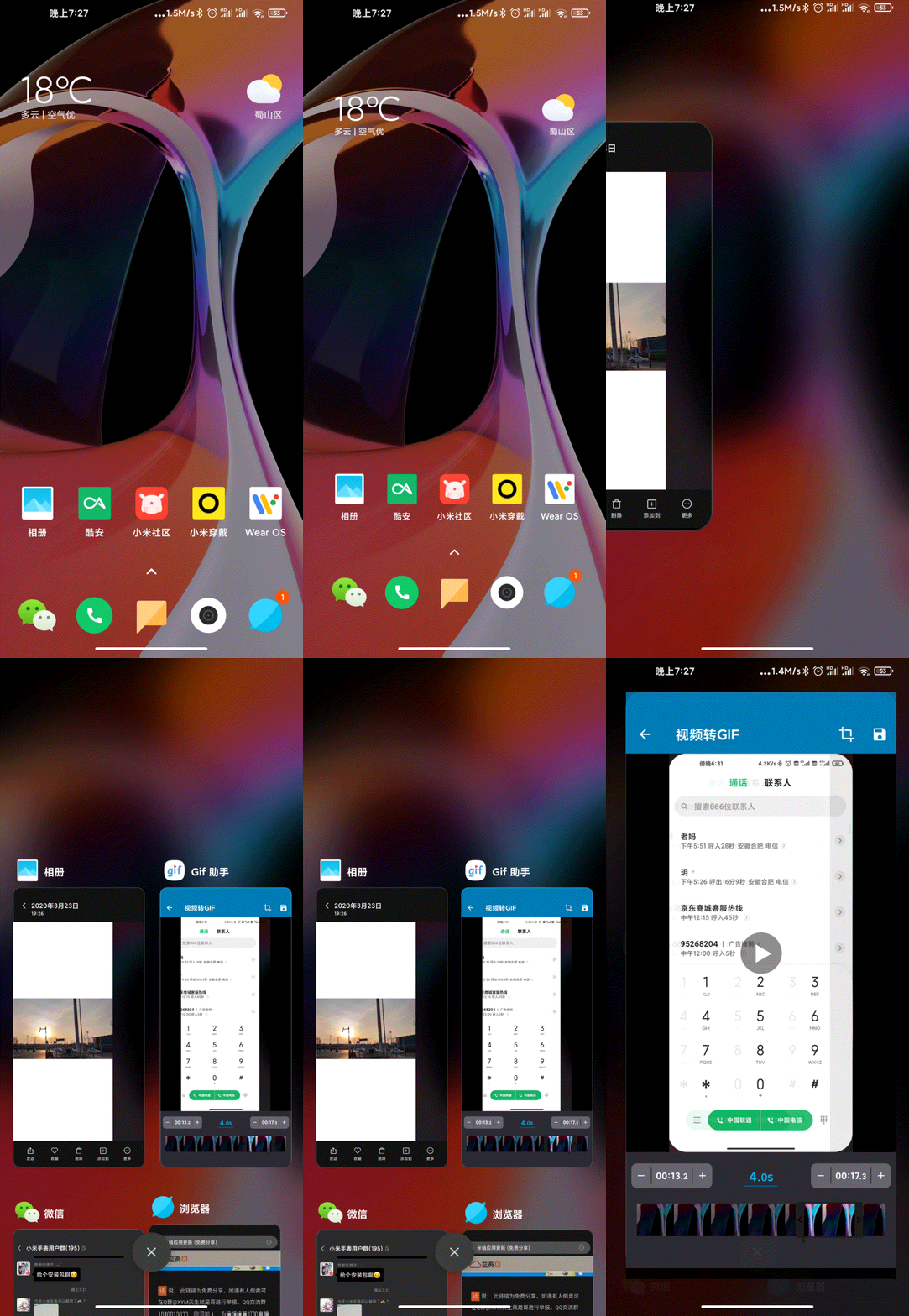
Here are some GIF animations of the navigation bar while switching applications on the MIUI 11 closed beta version.
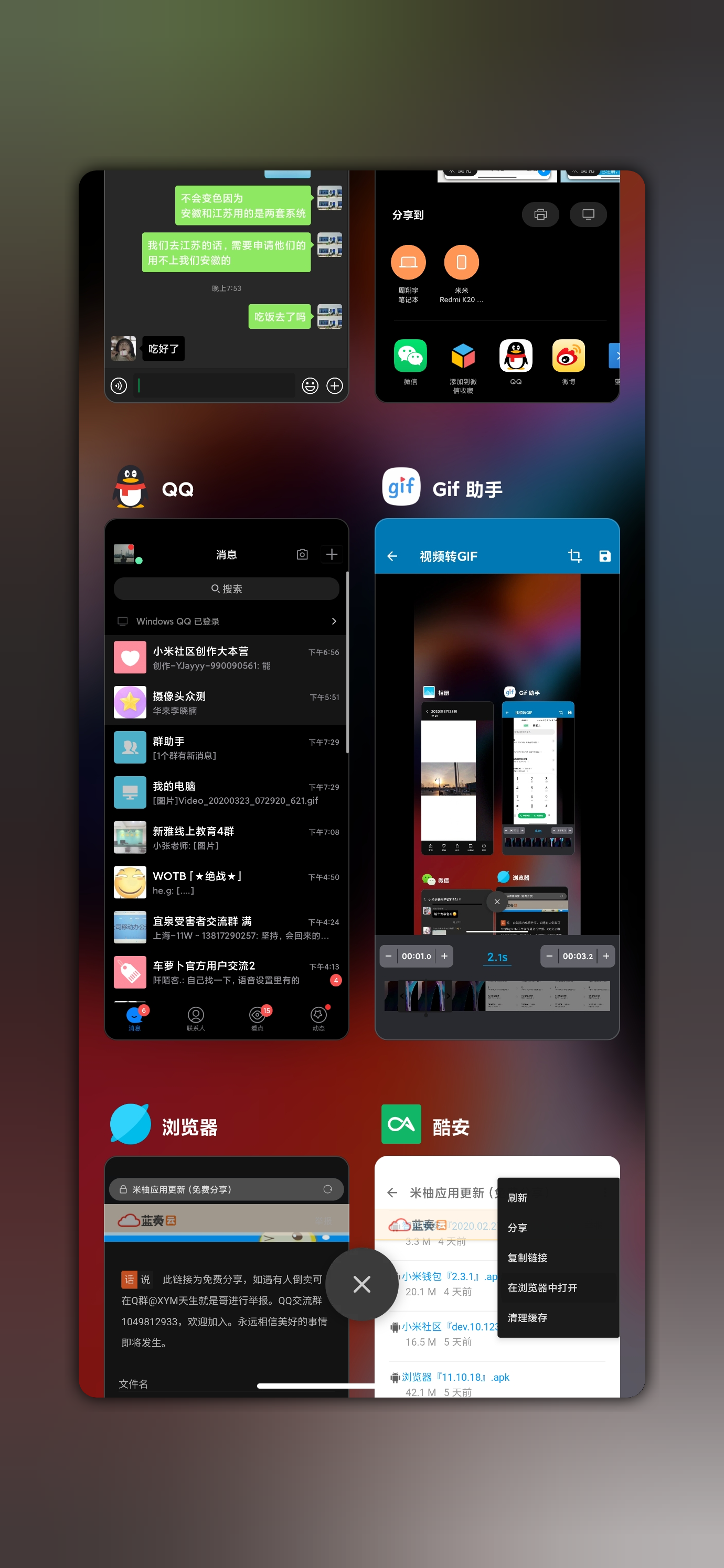
Multi-tasking animation
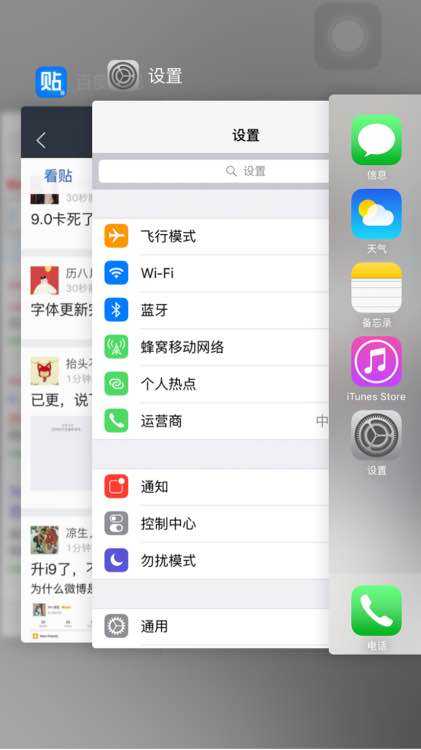
Apart from the animations shown above, there are several animations such as open-screen animations which were also implemented on the MIUI 11 closed beta version. Although not perfect, the improvement in user experience is really much better than the old version. The multi-task animation is said to be compatible with the 90Hz refresh rate. It also has a cool look and is easy to select.
With the continuous increase in the display refresh rate after the release of MIUI 11, there are users who would like to see Xiaomi effect a change on the background style of its custom ROM.
The MIUI development team is said to have accepted the suggestions gotten as feedback on the Mi community and is considering new solutions. However, changing the background style is considered a huge project and many factors need to be considered. Thus, such change may come with a major version update but that is not very certain to happen on MIUI 12.
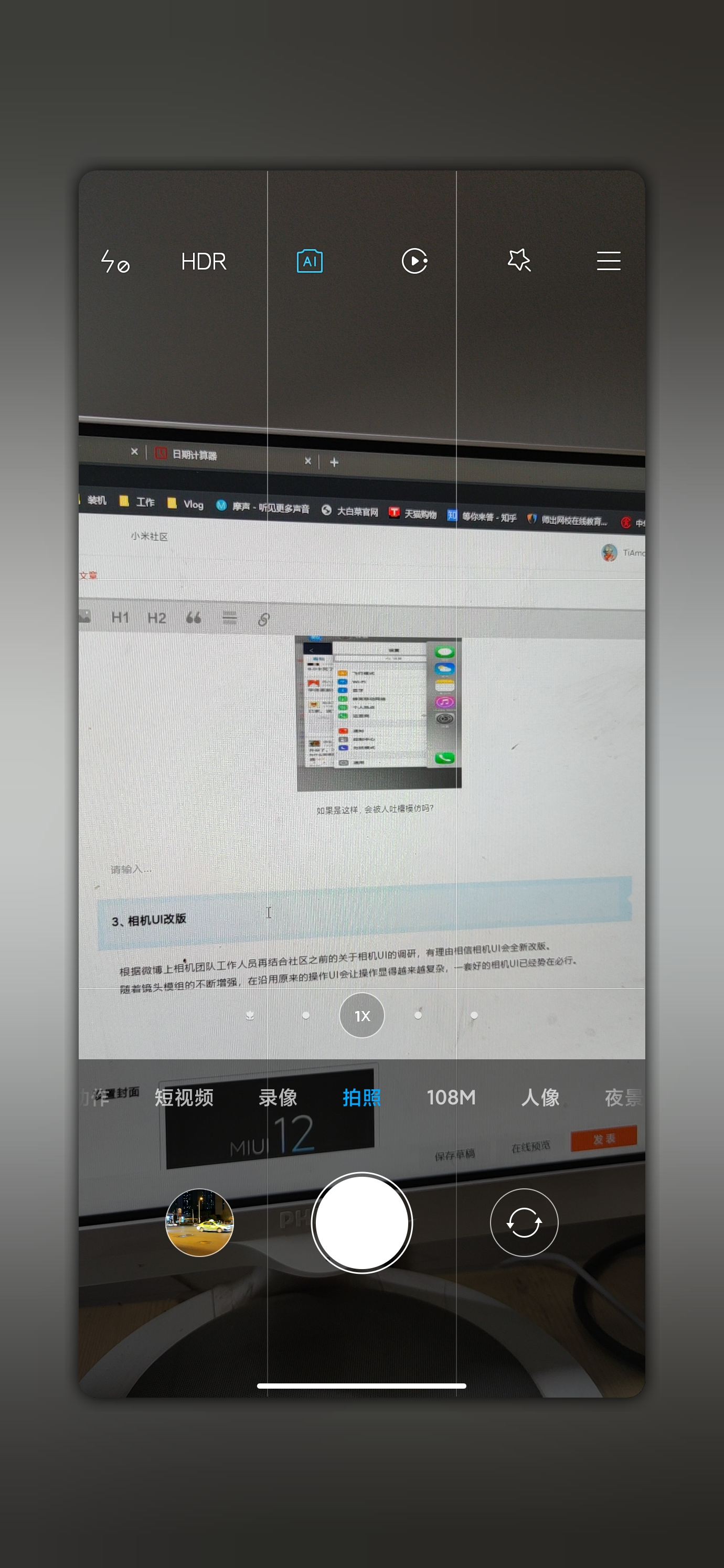
Camera UI revision
A member of MIUI’s camera team is said to have hinted on Weibo that the camera UI may be revised. In an era where camera lens modules continually get enhanced, using the original camera UI will make the operation appear more and more complicated. A good camera UI is imperative.
Xiaomi Mi 10 Pro camera UI
Application icons change
The MIUI theme has always been a domestic leader, but there are also a lot of exquisite icon packages developed by third-party developers on the Internet that have not been listed on the MIUI theme store. Even if it is on the shelves, there will be many inexplicable bugs in the mashup. According to a post by a leading mod on the Mi community, Xiaomi may now include the option of changing app icons on the Mi theme store on MIUI 12.
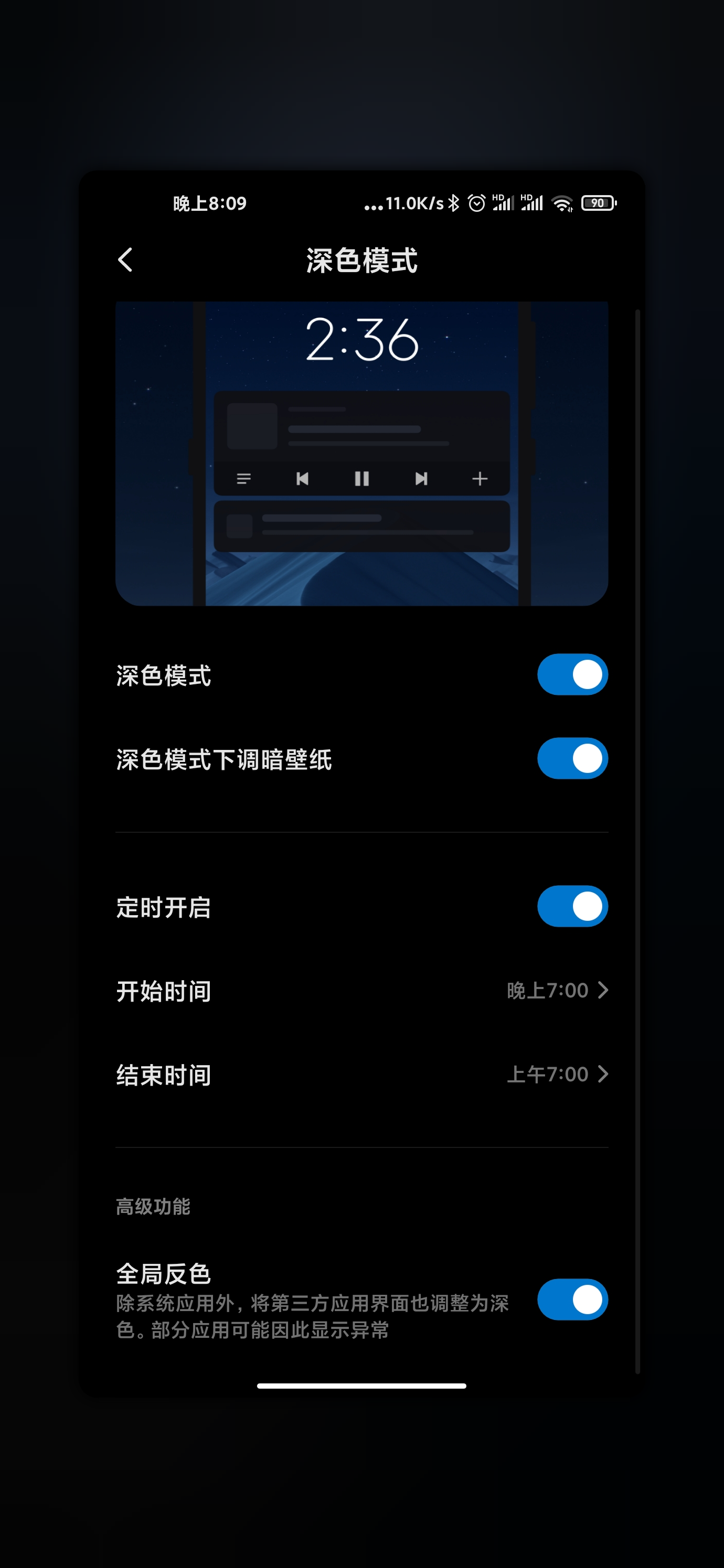
Dark mode
The current MIUI 11 stable version has a dark mode button, but it lacks global inversion (not system-wide) which means the dark mode experience isn’t uniform on all app. The development ROM has global inverse color options and after continuous optimization, the experience is acceptable. After nearly half a year of development, the system application adaptation has been basically completed on the development ROM. Thus, MIUI 12 will come with a complete and uniform dark mode.
More comprehensive system-level service
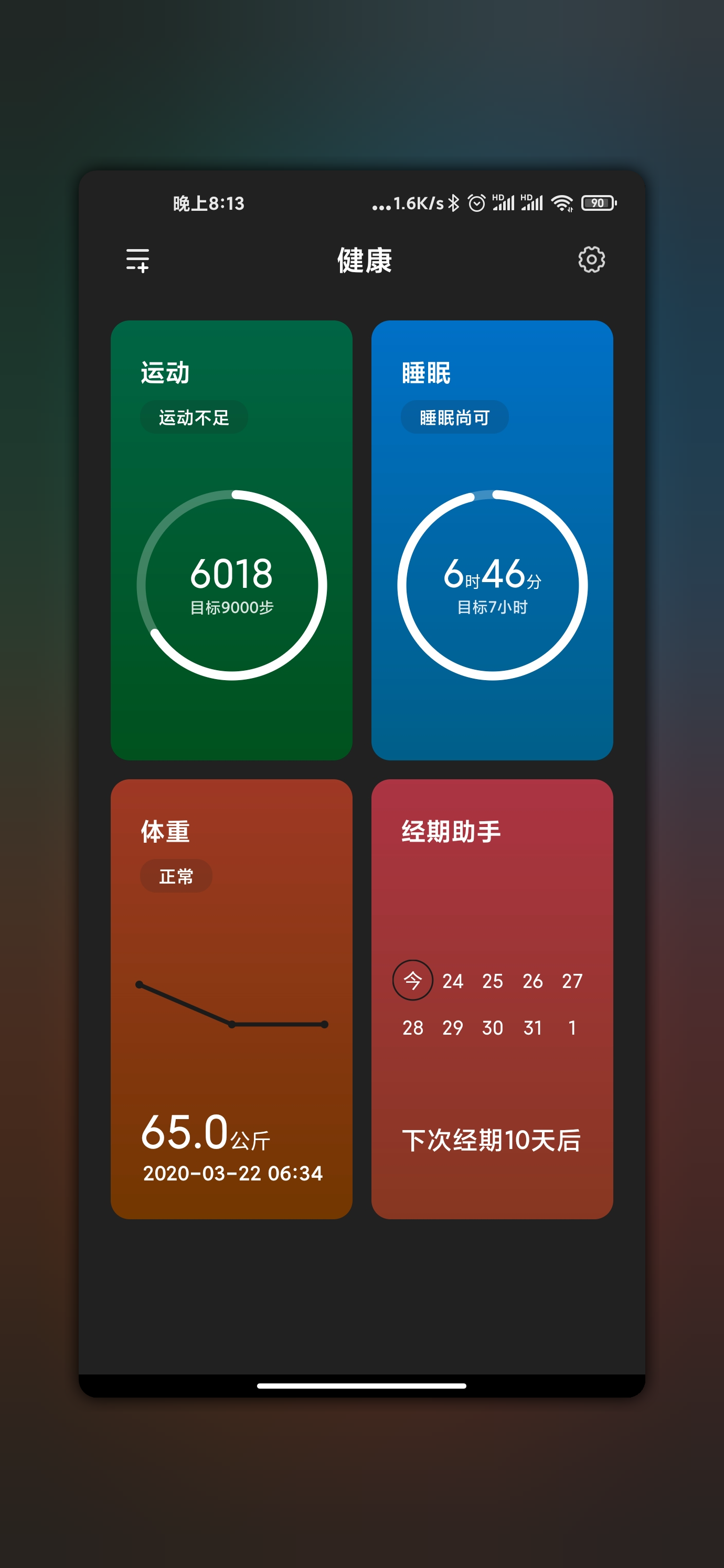
The MIUI 12 is expected to bring more comprehensive system-level services like a health app which integrates all the different fitness gadgets that Xiaomi has under its arsenal. We may likely not see anything in this regard, though.
Advertising service optimization
Adverts are one thing MIUI fans loath so much and Xiaomi has promised to whittle down the ads on the ROM. MIUI 11 features optimizations which reduce the ads but there are still systems ads that are obstructive. Xiaomi may likely find a way to integrate ads on the system with MIUI 12, instead of pop-ups. Again, we are not sure anything will be done in this regard as the company can’t entirely remove ads since it is one of their revenue sources.
Enhanced privacy management mechanism
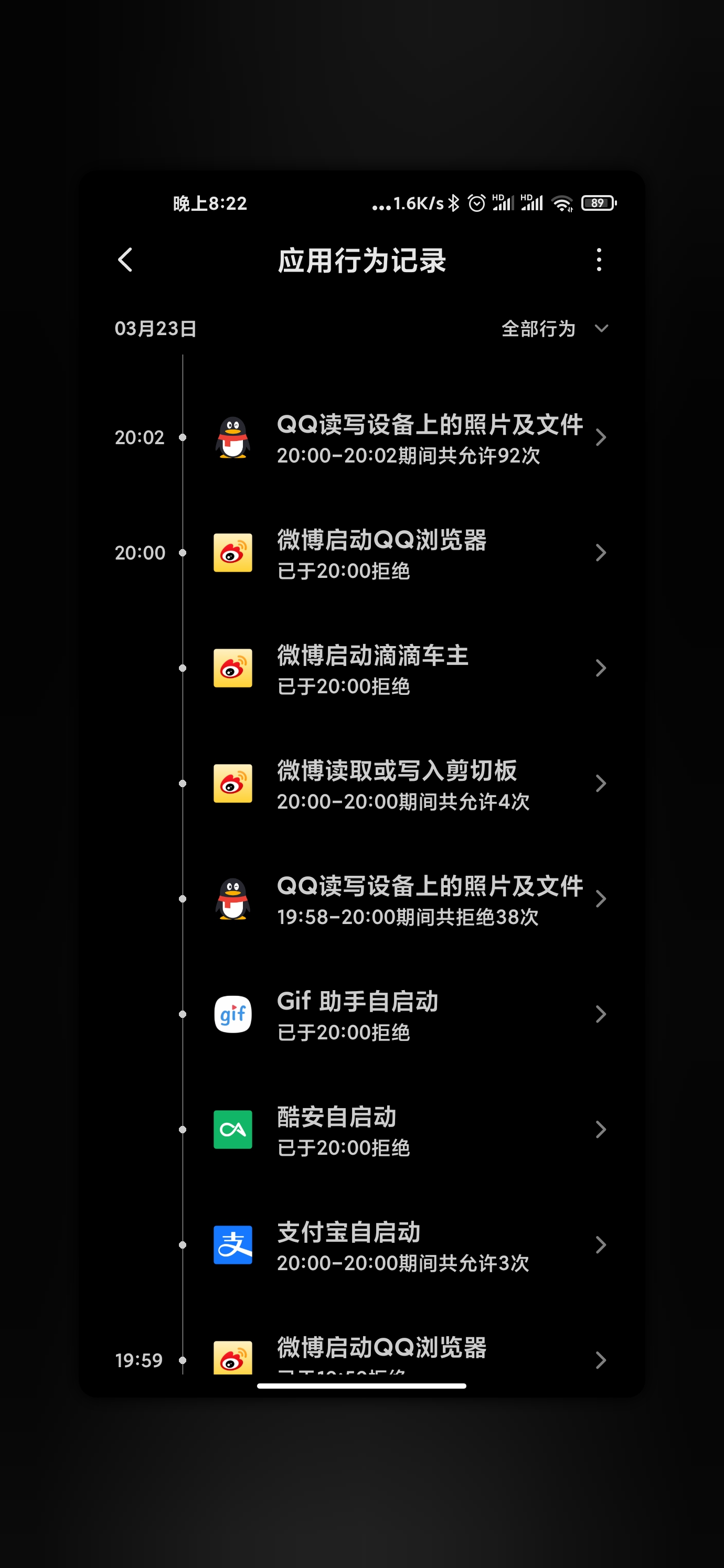
Android’s privacy has always been tarnished by iOS users. However, a new privacy management mechanism has been launched and will be officially released on MII 12. In the privacy management on the beta ROM, the rights management of the software is further tightened, and more autonomy is in the hands of users.
New notification filtering mechanism
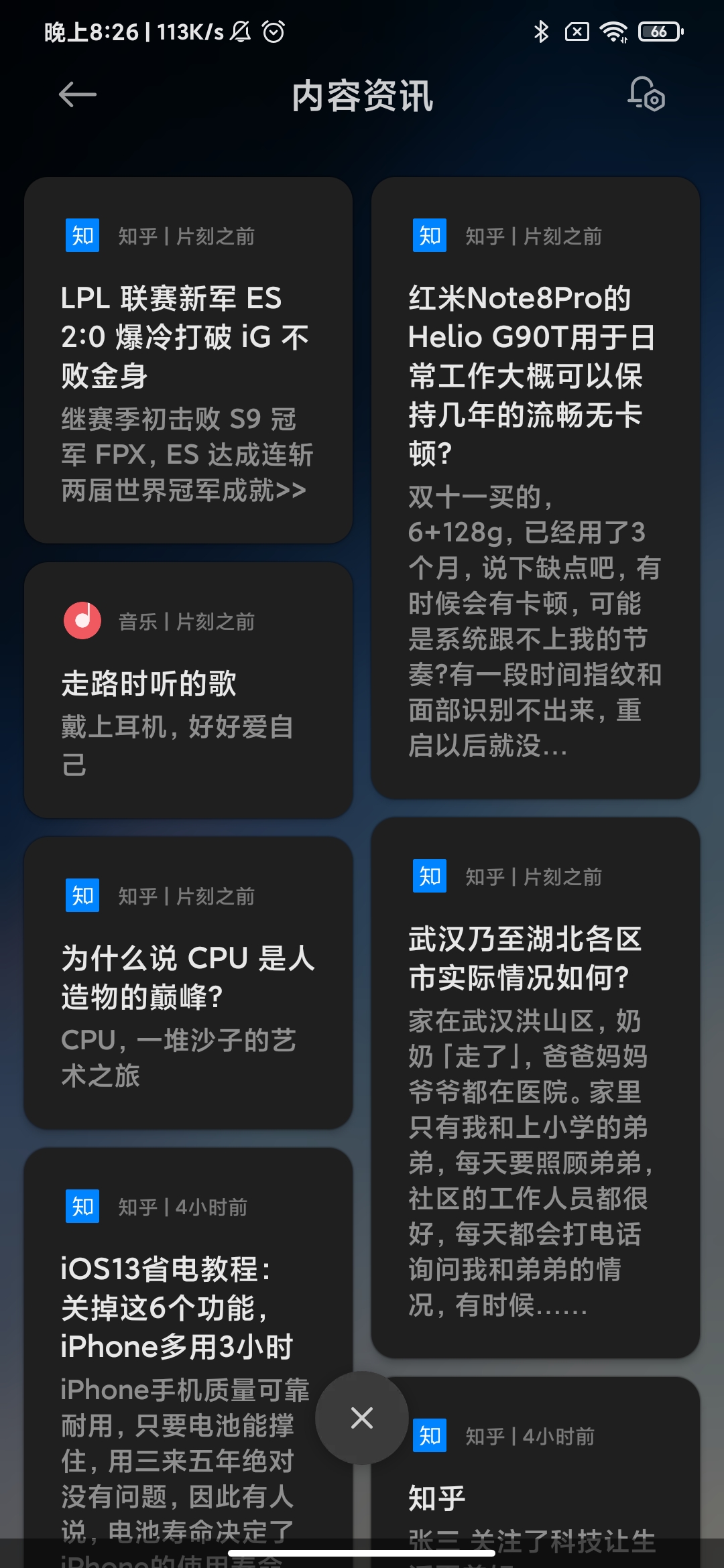
MIUI has experimented with different ways to manage more and more software notifications for a long time, but in the face of more and more pushes today, it seems incompetent. Xiaomi may be looking at a notification box mechanism
MIUI will intelligently group notifications and aggregate them in a box so that notifications do not fill up your phone screen. The preview obtained from the internal testing shows the new mechanism makes notifications much more useful, but there are also imperfections. MIUI 12 may likely get a more improved push notification management system.
As stated earlier, these are likely features we might see on the MIUI 12 but all may not find their way onboard. Although Xiaomi isn’t likely to launch the new ROM with Android 11, it may likely get several features found on Google’s next-gen Android version. For now, we don’t know what those features will be.
Data privacy and security are two major concerns among internet users these days. It has become quite difficult to keep a tap on where our data flow and how it handled by big corporations. On the other hand, the governments are also working round the clock on formulating new laws to keep track of the user data and actions. However, most of the users want to take control of their data privacy by blocking access to these giants. We have created a definitive guide to prevent Google from tracking location.
Google always keeps expanding its free services to facilitate the users, but in-turn it gets control of your personal data. The enormous amount of data helps Google to build AI infrastructure improving neural networks and enhances the service like Google Assistant and Google Voice.
Why Google Track location and other data?
There are many services that help the users but at the extent of their own data. They get your location data to serve traffic feature on Google Maps and to personalize the offerings and search results. Similarly, your photos are used on Google Photos to bring automated highlights. Despite these visible uses, Google ads on its search results and other Google products sites use cookies and keep syncing your search history(if not disabled) to show relevant ads.
What’s the issue with Google Location Tracking?
According to research from Associated Press, it is suspected that the search giant tracks your location even if you disable location history. Google tracks your location to bring automatic weather updates and show other optimized data.
The situation is present on both the Android devices and iPhone users using Google Maps. Approximately more than 2 billion people are sharing their location with Google. The search giant says when you turn the Location History off, “the places you go are no longer stored. When you turn off Location History for your Google Account, it’s off for all devices associated with that Google Account.” However, the researchers found the time-stamped location data from your devices.
Now, the question arises if the Location History or Location option in Settings does not turn off the location data sharing, then how can we disable location history. So here we are helping you to find that deeply buried option to actually turn off location tracking.
Block Google Location Tracking
It’s quite easy to turn off your Google location tracking for both Android and iPhone users, but you have to go deep into your Google account. Follow the steps carefully:
Using Browser and iOS
Sign in to your Google account on a browser wither on your phone or any other machine.
Open your Google Account settings from the upper right-hand corner or enter accounts.google.com in the address bar.
Now, head over to Personal Infor & Privacy and select Go to My Activity.
Tap, in the left-hand navigation Activity Controls.
Toggle off the settings named Web & Activity Controls.
On Android Phone
Open Google App, then head over to Google Account > Google Settings.
Now, tap on Data & Personalization.
Toggle Web & App Activity to turn it off or on.
We hope you have successfully stopped Google location tracking on Android and iOS smartphones. If you have any problem, then do let us know via the comments below.
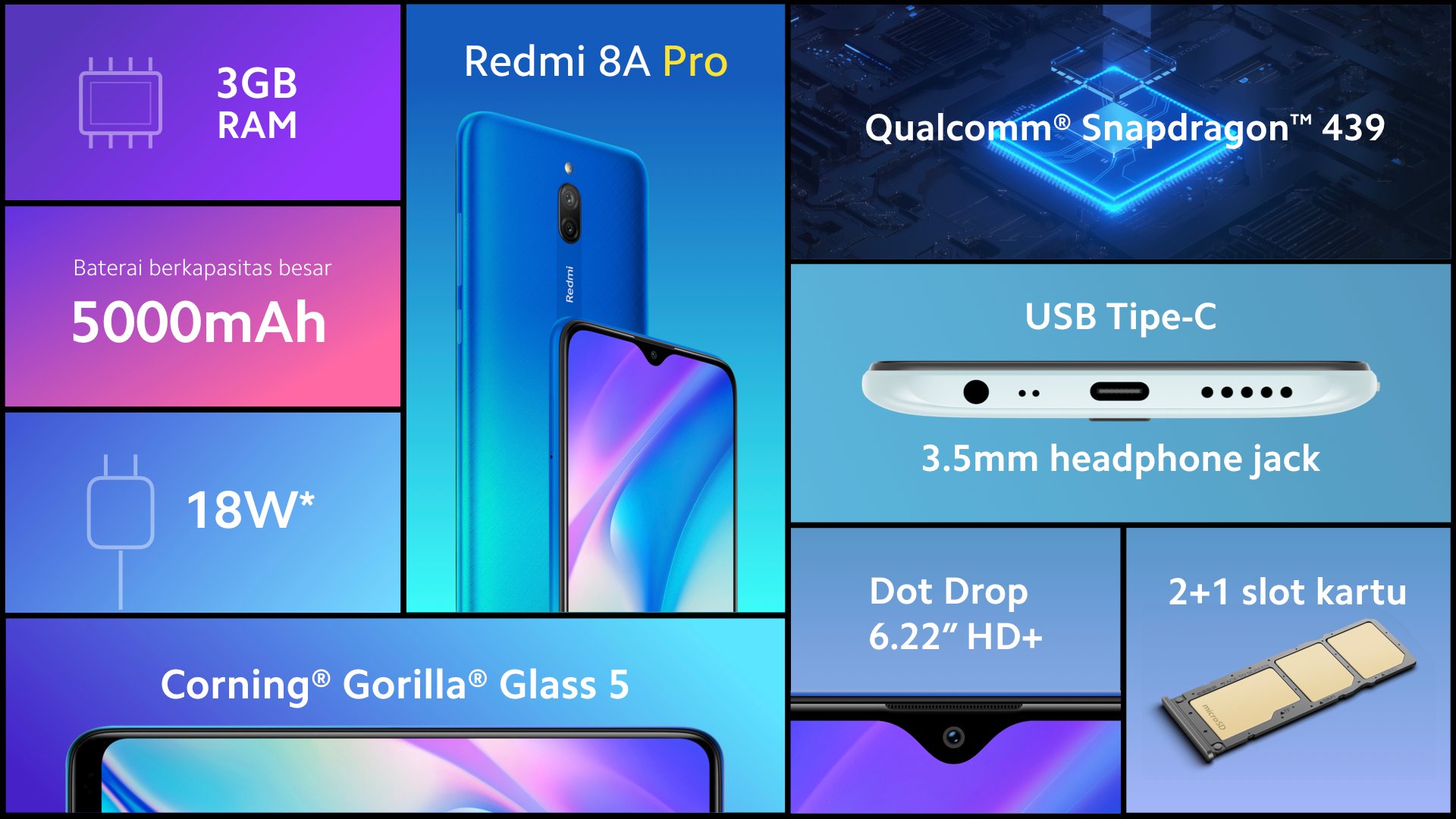
Last September, a leak revealed there will be a phone called the Redmi 8A Pro. While we expected it to launch shortly after, it has taken the device six months to arrive. Now that it is here, there is nothing to be excited about. This is because the Redmi 8A Pro is a rebadged Redmi 8A Dual.
The Redmi 8A Pro was announced today in Indonesia. It has a 6.22-inch HD+ Dot Drop display with a waterdrop notch and Gorilla Glass 5 protection.
There is a Snapdragon 439 processor inside the phone and it is paired with 2GB/3GB of RAM and 16GB/32GB of storage. The phone has a triple card slot that allows for two SIM cards and a MicroSD card (512GB max.) at the same time.
The Redmi 8A Pro has dual rear cameras – a 13MP f/2.2 camera paired with a 2MP depth sensor. The selfie camera is an 8MP sensor. There is a 5000mAh battery inside the phone with support for 18W fast charging. Sady, you only get a 10W charger in the box.
Other features of the phone include a P2i nano-coating, an audio jack, wireless FM Radio, a USB Type-C port, AI Face Unlock and Google Lens. The phone runs MIUI 9 based on Android 9 out of the box.
The Redmi 8A Pro is available in Midnight Gray, Sea Blue, and Sky White. It s priced at IDR 1,549,000 for the 2GB version and IDR 1,649,000 for the 3GB version. It will go on sale on April 7 and be available for purchase on Lazada, Akulaku, erafone, Mi.com, and Authorized Mi Stores.
We use cookies on our website to give you the most relevant experience by remembering your preferences and repeat visits. By clicking “Accept”, you consent to the use of ALL the cookies.
This website uses cookies to improve your experience while you navigate through the website. Out of these, the cookies that are categorized as necessary are stored on your browser as they are essential for the working of basic functionalities of the website. We also use third-party cookies that help us analyze and understand how you use this website. These cookies will be stored in your browser only with your consent. You also have the option to opt-out of these cookies. But opting out of some of these cookies may affect your browsing experience.
Necessary cookies are absolutely essential for the website to function properly. This category only includes cookies that ensures basic functionalities and security features of the website. These cookies do not store any personal information.
Any cookies that may not be particularly necessary for the website to function and is used specifically to collect user personal data via analytics, ads, other embedded contents are termed as non-necessary cookies. It is mandatory to procure user consent prior to running these cookies on your website.







 More comprehensive system-level service