Earlier today (24th March 2020), a new leak revealed certain details regarding the upcoming Honor 30S. The smartphone is one of the latest device that will be launched by the Huawei subsidiary and will reportedly feature a custom large camera sensor.
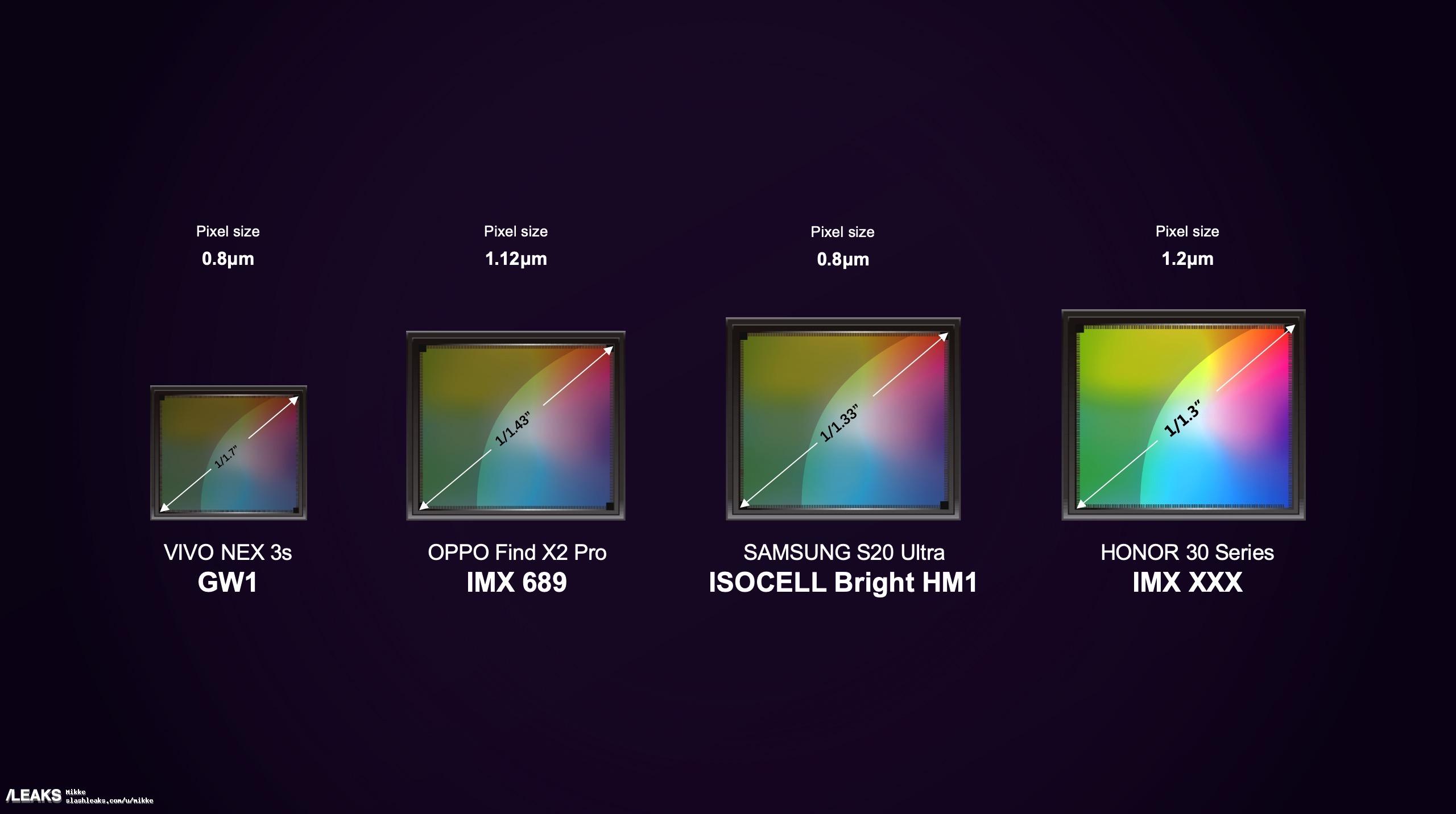
According to the source, the image sensor on the Honor 30S has a size of 1/1.3 inch. This doesn’t sound particularly large but is bigger than what most smartphones arrive with. The larger size should in theory provide better low light photography considering more light can be captured by the bigger sensor. Unfortunately, the model name of the sensor is currently unknown, however, its pixel size is said to be 1.2μm.
If the primary camera has a high megapixel count, then through pixel binning, it could potentially reach 2.4μm as well. Pixel binning is generally the combination of 4 pixels into one to increase the size. Thus, it may be similar to Samsung’s ISOCELL Bright HM1 sensor, which is found on the 108 megapixel Galaxy S20 Ultra. Although, the megapixel count of the Honor 30S’s image sensor isn’t that high, with the leaked information showing just 52 megapixels.
Unfortunately, finer details are unknown and this is just a leak at the end of the day. So take this report with a grain of salt. Since it has yet to be confirmed, it does leave a possibility of the new sensor actually making an appearance. This would all but benefit the Chinese company’s upcoming Honor 30S launch. We will be covering the event so stay tuned.
During the Redmi K30 Pro launch event, the Xiaomi subsidiary announced a few other products as well. However, amongst the others, one stood out in particular, which is the Redmi Smart TV Max 98 inch. As the name suggests its a TV with a massive screen real estate and is priced at a whopping 19,999 Yuan (or roughly 2825 US Dollars)
Specs and Features
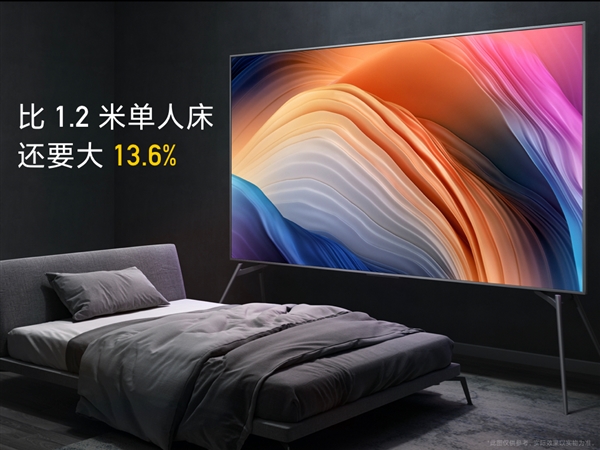
The Redmi Smart TV Max features 4K UHD resolution on its 98 inch screen, which is apparently 13.6 percent bigger than a standard 1.2 meter single mattress bed or closer to the size of a table tennis board. It sports 85 percent NTSC alongside 192 dynamic backlight zones, MEMC motion compensation and more image quality tuning technology. Under the hood, a custom 12nm processor is housed with 4GB of RAM and 64GB of internal storage.
Previously, Lu Weibing, General Manager of Redmi, had stated that only 82 units of the previous 98 inch TV generation were sold. The reason for this was due to varying consumer obstacles like high prices along with a complicated installation process being the other reason.
Thus, the company also promises a new one stop exclusive VIP delivery service to buyers of the Smart TV Max 98 inch. The service will include pre sales communication, site survey, installation plans, a special delivery car from the TV, a professional team for the delivery and installation. Buyers will also be offered a 1 on 1 professional customer care service as well.
Price and Availability
The Redmi Smart TV Max 98 inch will be available in the Xiaomi Mall and Xiaomi Home and will launch around 10 am on 9th April 2020. The pricing of the large TV is at 19,999 Yuan which roughly translates to about 2825 US Dollars.
Huawei has been helping countries around the world affected by the coronavirus outbreak by donating necessary aids for the past few weeks. The new country added to this increasing list is the Netherlands, which has so far received 200,000 masks from the Chiese telecom giant out of 800,000 proposed units.
Ever since the US Government imposed a ban on Huawei, Huawei has been utilizing every possible opportunity to win the hearts of the countries where they are present. As COVID-19 is taking over the world, they have been donating necessary aids like masks to the severely affected regions over the course of the last few weeks.
This time around, the Chinese smartphone maker has planned to donate a total of 800,000 FFP2 masks to the Netherlands. The first batch of 200,000 masks has already reached the country by air on Sunday, March 22nd. The masks (over million in numbers) donated by different companies are being incorporated in a single place from where they are being supplied to hospitals, home care organizations, nursing homes, mental health and mental health institutions, disability care organizations and other care institutions based on requirements.
Huawei has been busy sending out aid whenever possible amidst the global pandemic especially to the European countries where they have a long history of partnership in establishing mobile networks and selling phones.
According to a new report by Counterpoint Research, Samsung was the world’s third-largest manufacturer in the global mobile application processor (AP) market in 2019. Apple slid to the fourth position due to the South Korean tech giant’s YoY growth.
Samsung has been designing and manufacturing mobile processors under Exynos branding for a very long time. The Exynos chips were initially limited to its own devices. But lately, the company has supplied its chips to smartphone manufacturers like Meizu and Vivo. In 2019, the company grew by 2.2% from the year before with a total market share of 14.1%.
This little YoY growth helped Samsung claim the third position as its closest competitor Apple’s market share declined by 0.5% and ended with a total of 13.1%. It is worth noting that only Huawei, which was at the fifth position showed growth apart from the South Korean conglomerate. On the other hand, the top two places were retained by Qualcomm and MediaTek with 33.4% and 24.6% market shares respectively.
As per the report, Samsung’s Exynos business flourished last year due to the company’s success in North America and India. Now, as the firm has stopped developing its own custom CPU cored codenamed Mongoose, the future of the company’s this business arm is uncertain. But the partnership with AMD to bring Radeon GPU may help boost their sales to other manufacturers.
Redmi has officially launched two new smartphones in the K-series lineup in China, the Redmi K30 Pro 5G and the K30 Pro 5G Zoom. This is the first time a special Zoom edition makes it to the lineup, highlighting the importance of a strong camera setup on a 2020 smartphone.
The Redmi K30 Pro 5G follows the same philosophy as its predecessor. So the phone comes with top of the line specifications in a beautiful form factor. At the same time, it cuts down on premium features like wireless charging to maintain an affordable price tag.
Redmi K30 Pro 5G Design
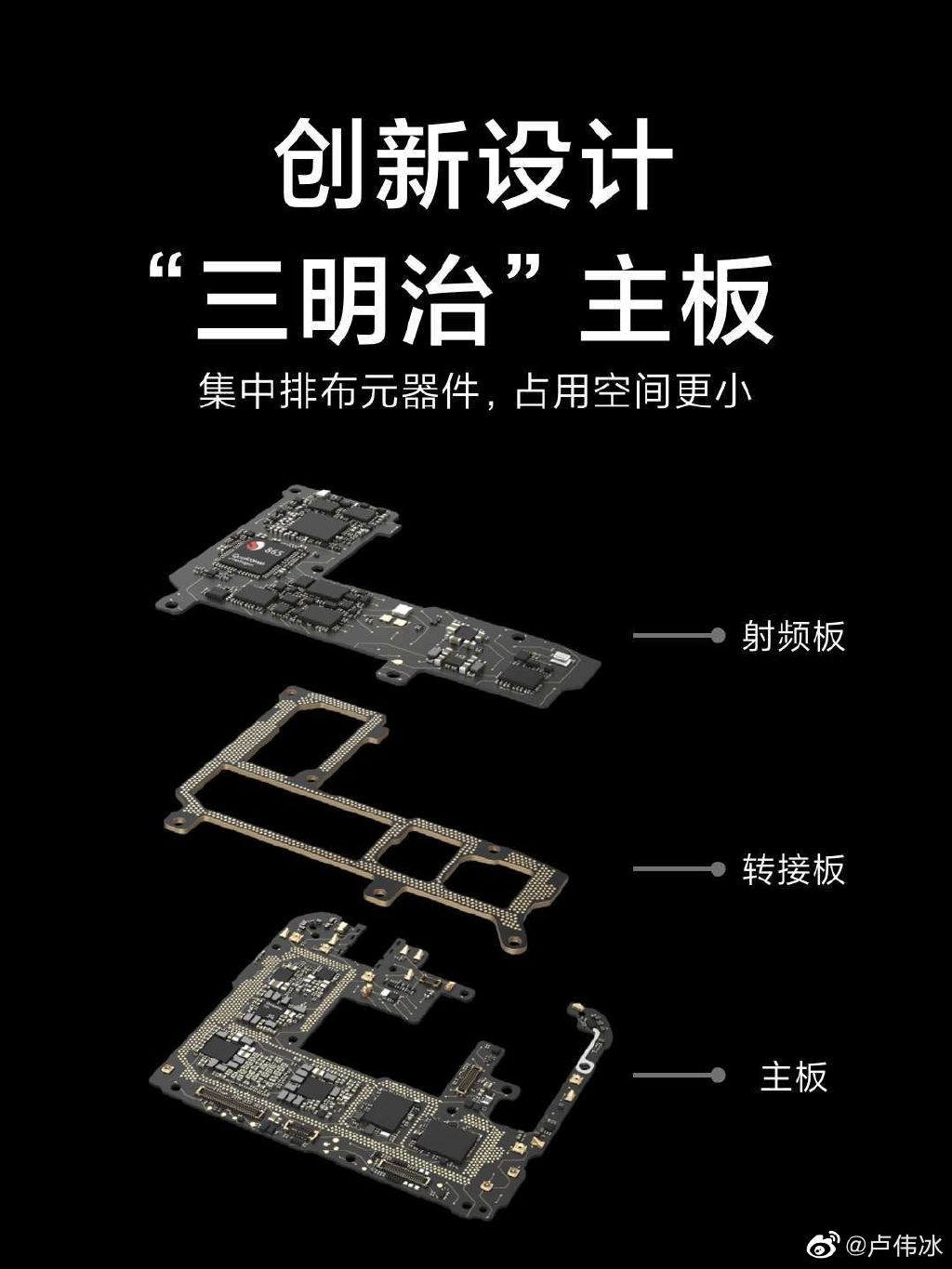
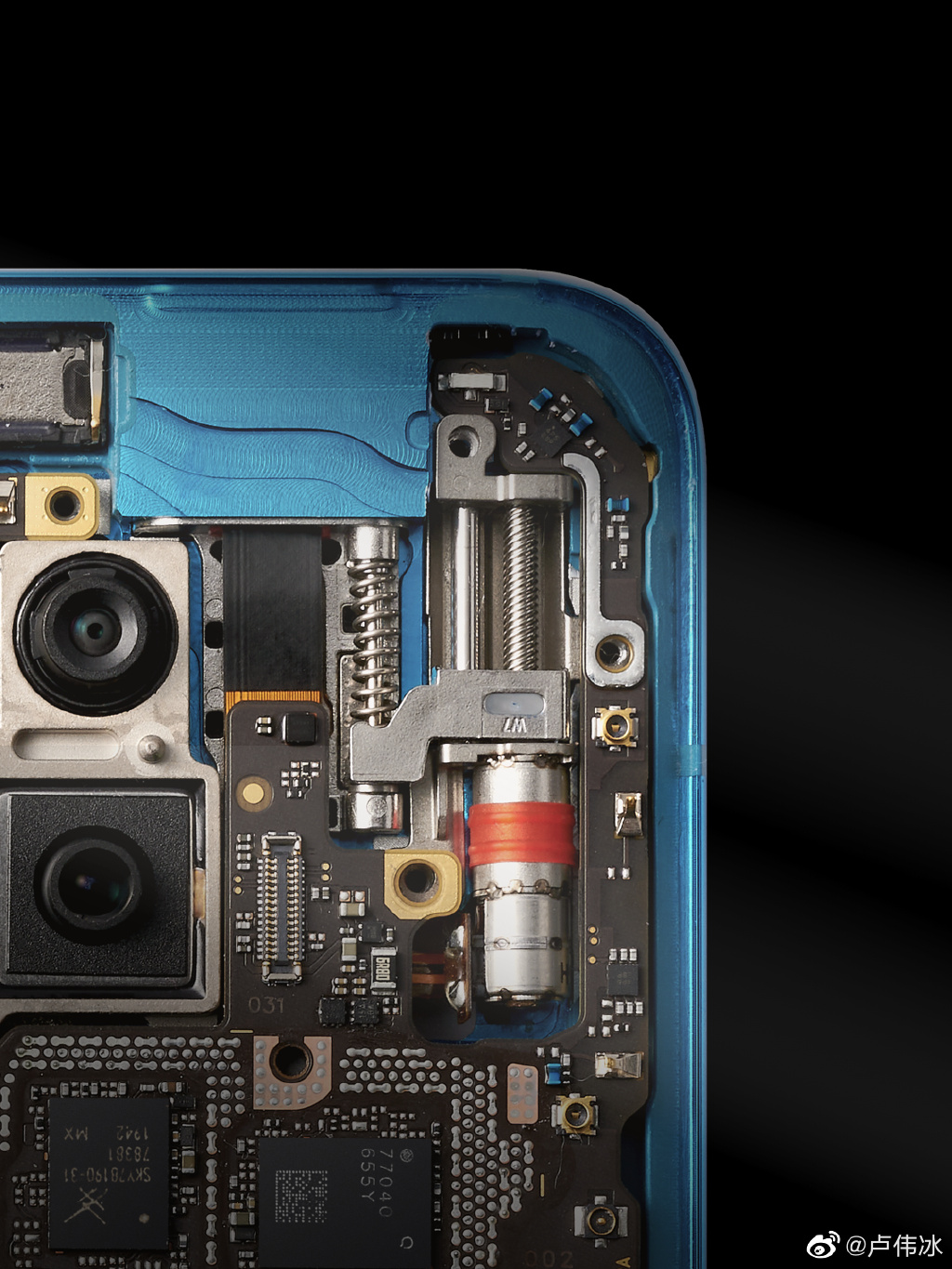
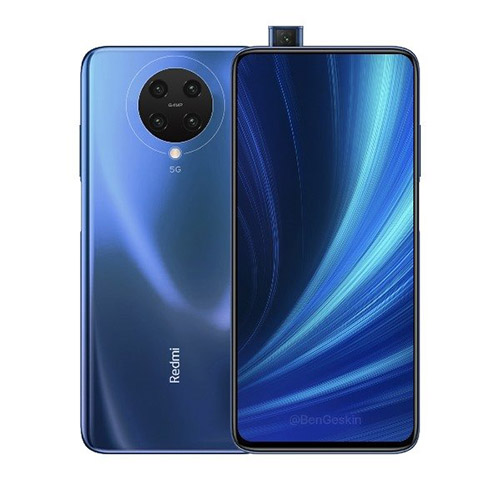
The Redmi K30 Pro 5G builds on the design of its predecessor. Unlike most 5G smartphones launched in 2020, the new K30 series model retains a pop-up camera similar to the K20 Pro. Redmi’s GM, Lu Weibing explained that the combination of pop-up cameras and 5G would be rare in 2020 owing to space constraints but the company managed to bring it to reality with several adjustments including a stacked motherboard design.
The Redmi K30 Pro 5G features a curved back with a quad-camera setup in a OnePlus 7T-like round camera housing. This is a fresh change from the pill-shaped vertical camera arrangement of the earlier Redmi models. The pop-up front camera ensures that you get a full view display experience and up to 92.7% screen to body ratio. The pop-up camera is also faster than its predecessor and pops up and down in just 0.58 seconds. The company claims that this further ensures its safety during falls.
Redmi K30 Pro 5G colors
1 of 3
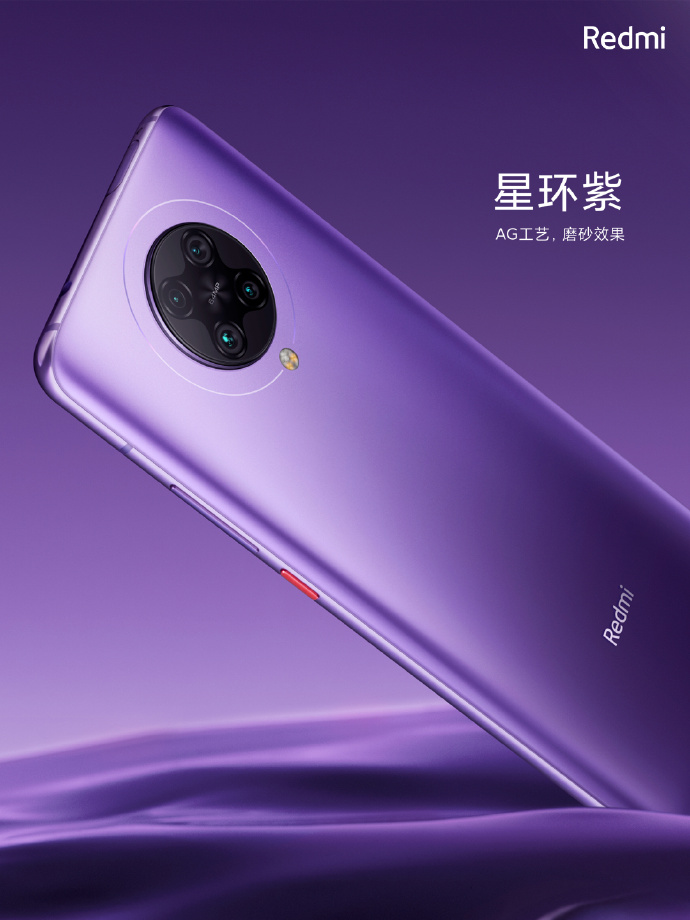
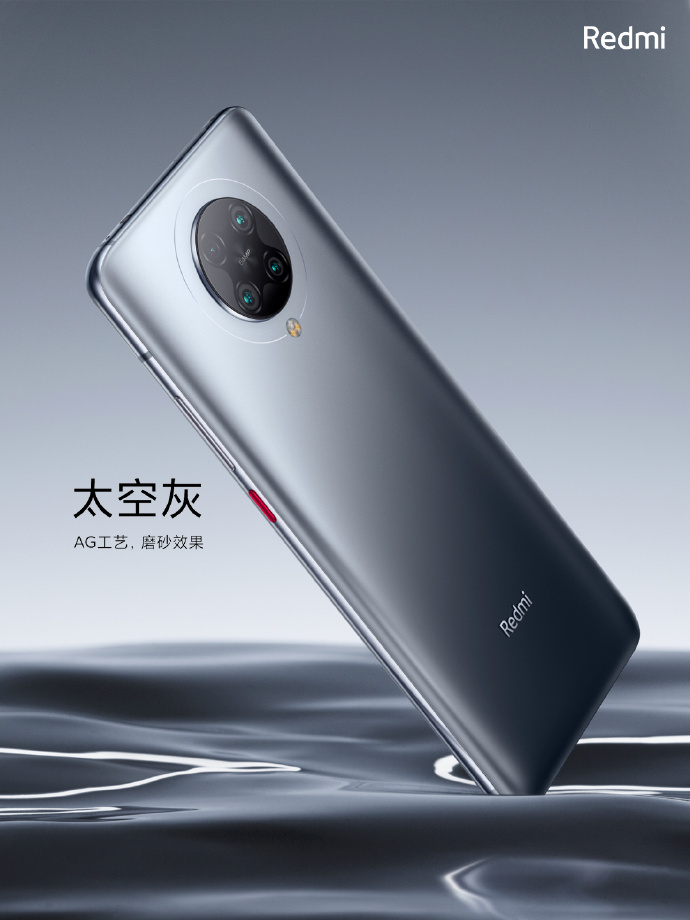
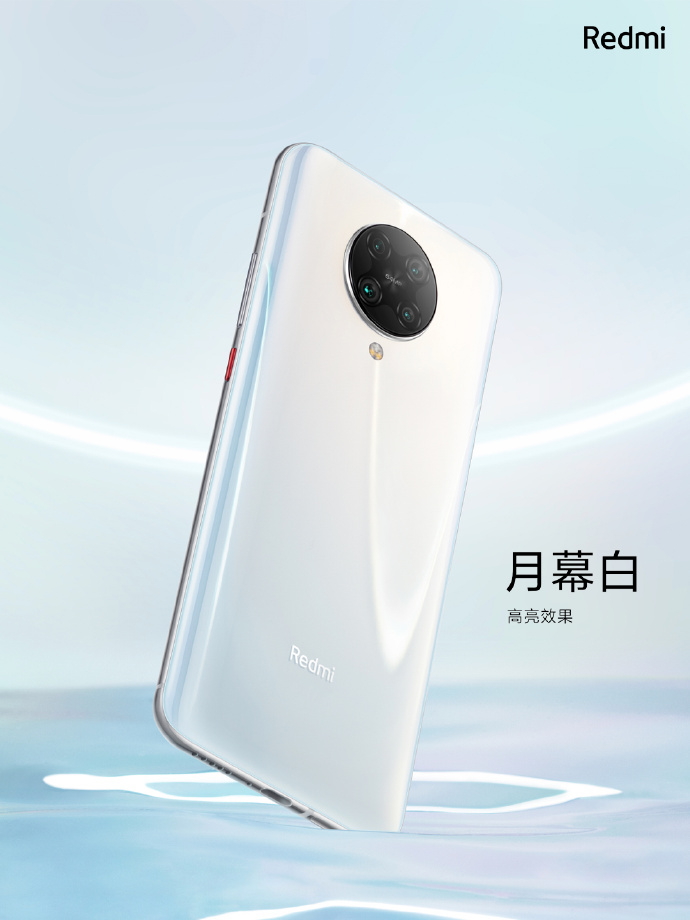
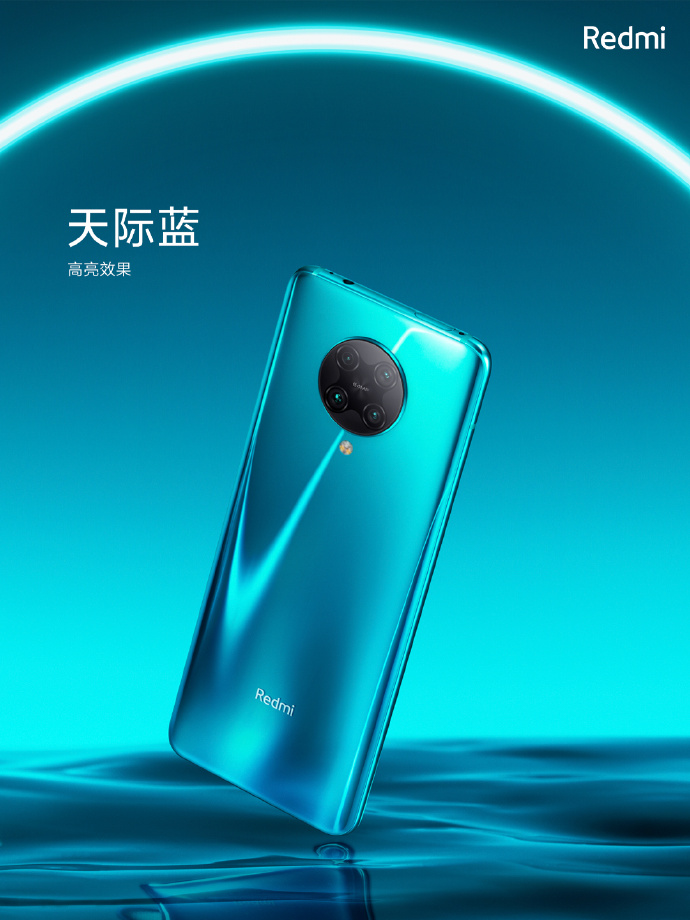
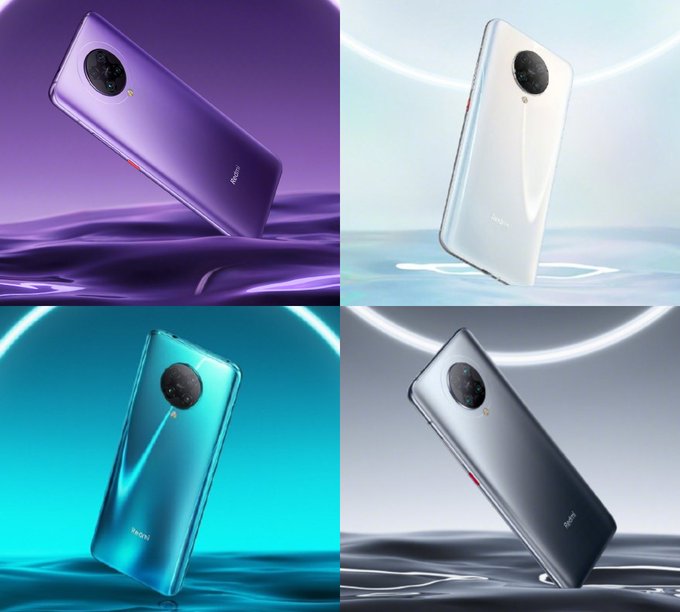
There are four color options available: Blue, Purple, Gray, and White. All of these color variants feature a red power button.
Redmi has also partnered with Keith Haring foundation to release a handful of cool cases with custom artwork. The cases are priced at 49 yuan (~$7).
Redmi x Keith Haring
1 of 3
Redmi K30 Pro 5G Specs
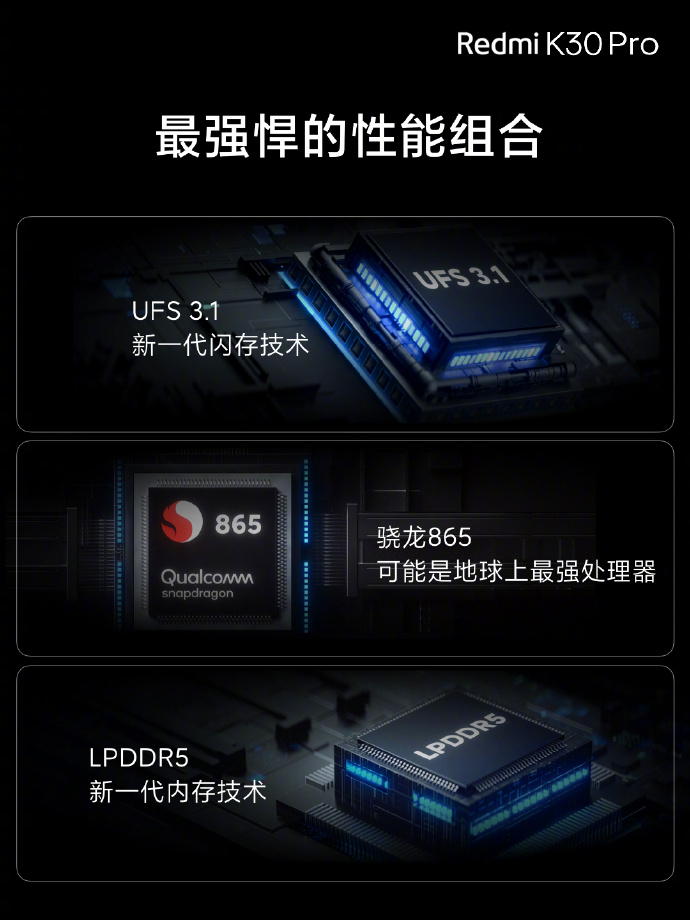
The Redmi K30 Pro 5G comes with Snapdragon 865 flagship processor inside clocked at 2.84GHz. This is paired with up to 256GB UFS 3.1 storage and 8GB of LPDDR5 RAM. There’s a standard variant with 6GB of LPDDR4X RAM too.
The phone features a 6.67-inch Samsung E3 Super AMOLED display with 1200 nits peak brightness, 50000000: 1 ultra contrast ratio, and HDR10+ support. The screen supports 180Hz touch sampling rate to ensure smooth gaming. Redmi has used a special light sense technology to significantly improve its automatic brightness adjustment. The display is also TUV Rheinland certified. The display also comes with the latest generation of an under-display fingerprint sensor, wherein the sensor size has been increased by 10 percent.
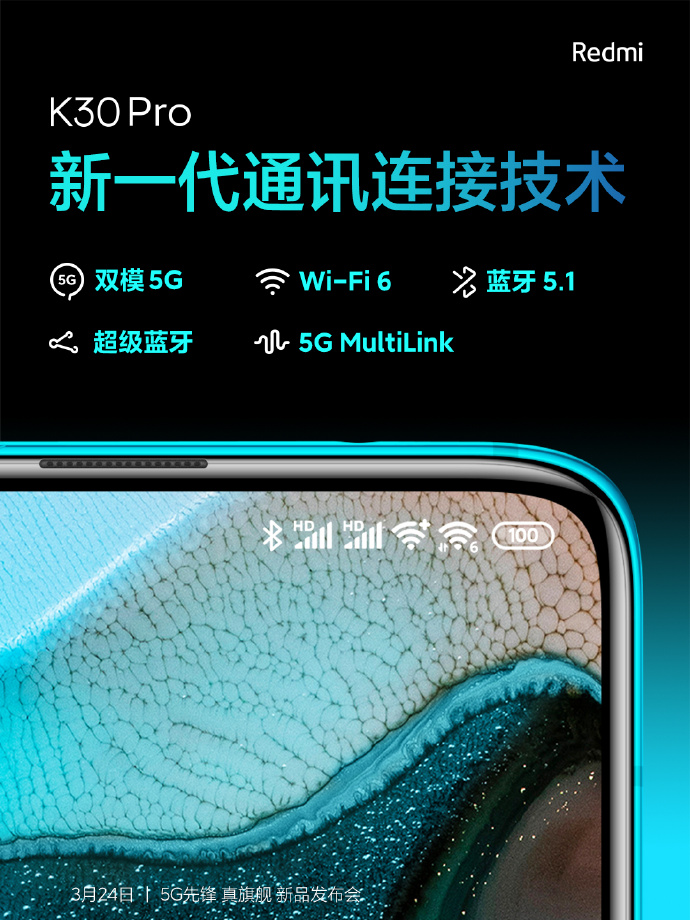
Given the Snapdragon 865 chipset inside, the phone supports SA/NSA 5G network. The company has used a 360-degree antenna design to ensure good 5G connectivity. The phone supports Wi-Fi 6, Super Bluetooth, NFC, 3.5mm headphone jack and IR port. You also get Hi-Res audio support and 1.2cc speakers. Further, the K30 Pro features a linear motor to ensure solid haptic feedback, especially while gaming.
The phone has a VC cooling system with 9 temperature sensors to prevent overheating during high intensive tasks.
Redmi K30 Pro 5G Cameras
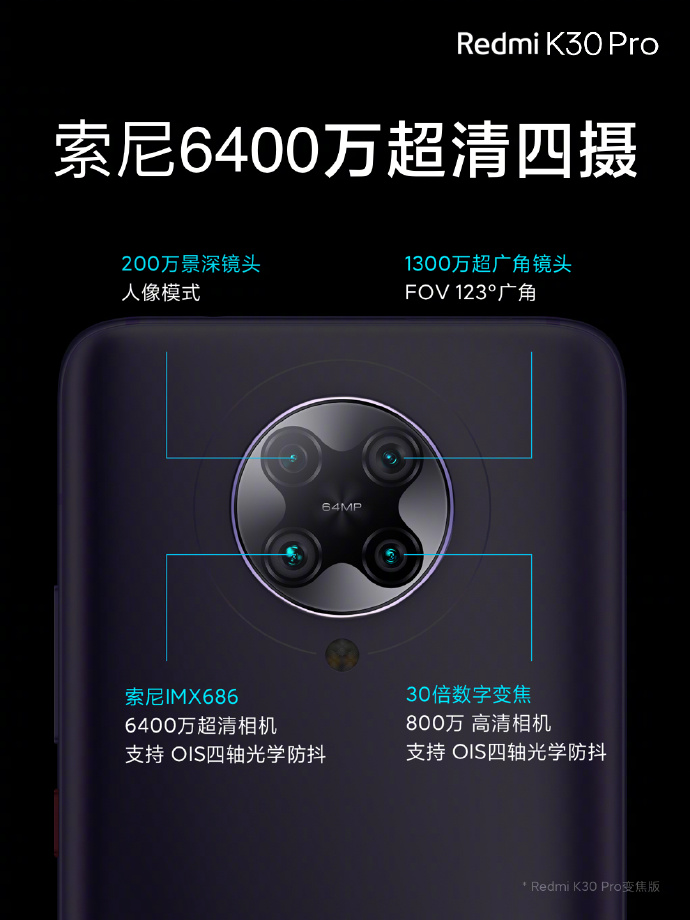
The Redmi K30 Pro 5G comes with a quad-camera setup at the back. The setup consists of a 64MP Sony IMX686 primary sensor with OIS, a 13MP Ultra wide-angle 123-degree FoV lens, a 5MP telephoto macro lens, and a 2MP shooter for depth information. The phone also supports 8K video shooting and super slo-mo videos. Thanks to the advanced 5MP telephoto/ macro lens, Redmi claims that the phone can capture exceptional macro shots.
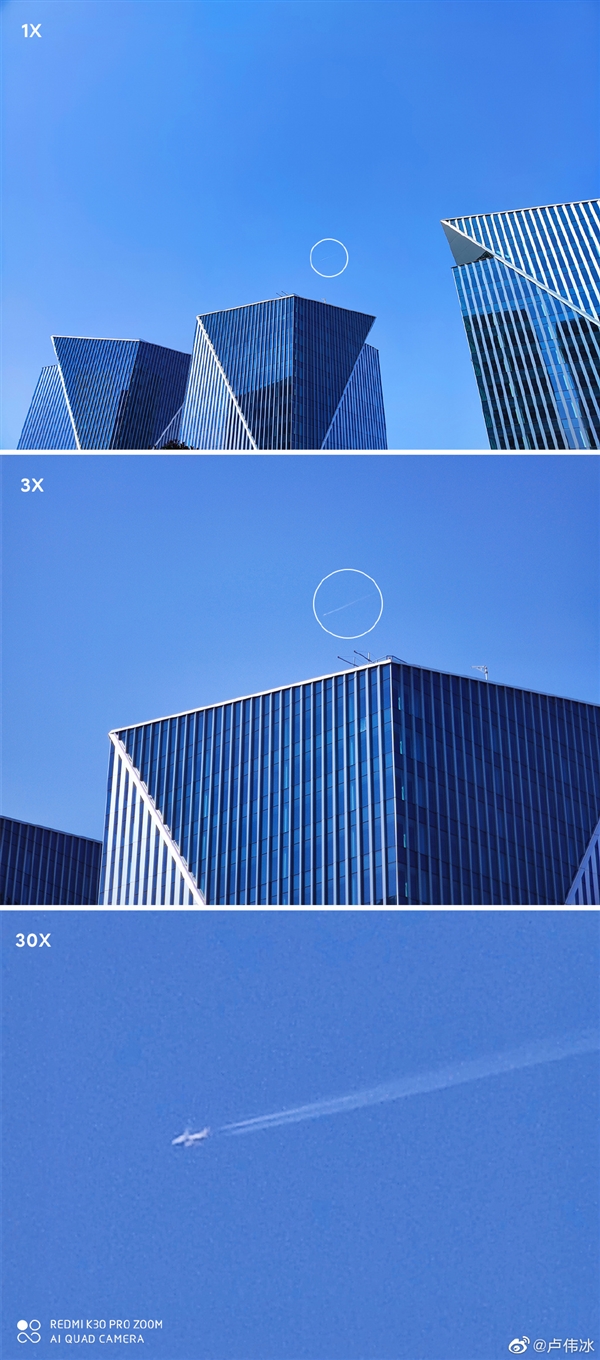
The Redmi K30 Pro zoom features the same setup but has an upgraded 8MP telephoto lens capable of capturing 3x optical zoom and 30x digital zoom. The Zoom edition also features 4-axis OIS that’s absent on the regular Pro model.
As for the front camera, you get a pop-up 20MP shooter with support for 120 fps slo-mo videos and time-lapse shooting.
Redmi K30 Pro 5G Battery
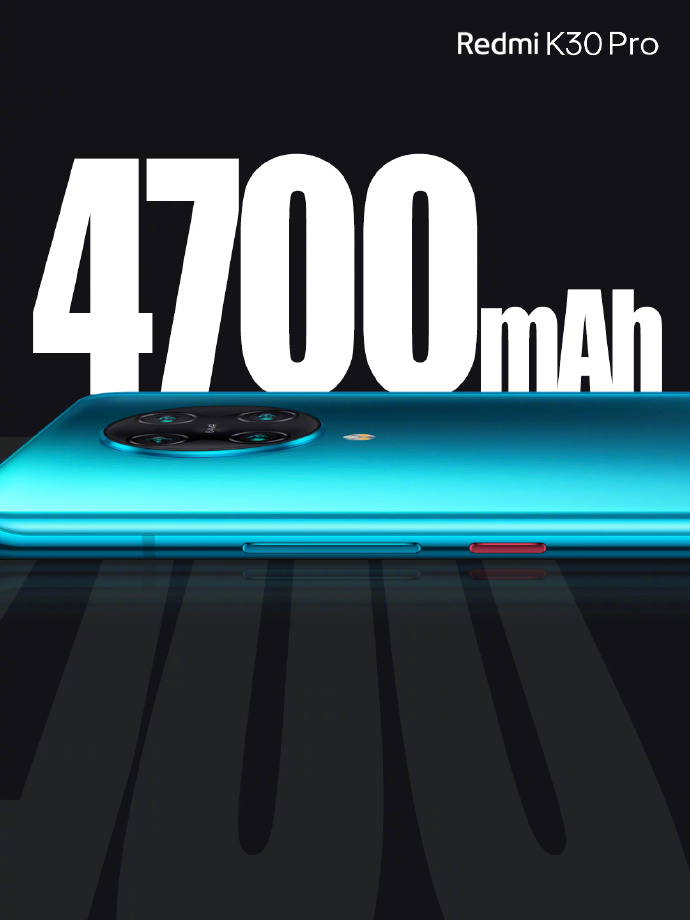
The Redmi K30 Pro 5G comes with a large 4700mAh battery that charges to 100% in just 63 minutes, all thanks to its 33W fast charging technology.
Redmi K30 Pro 5G Pricing & Availability
Redmi K30 Pro Pricing is as follows:
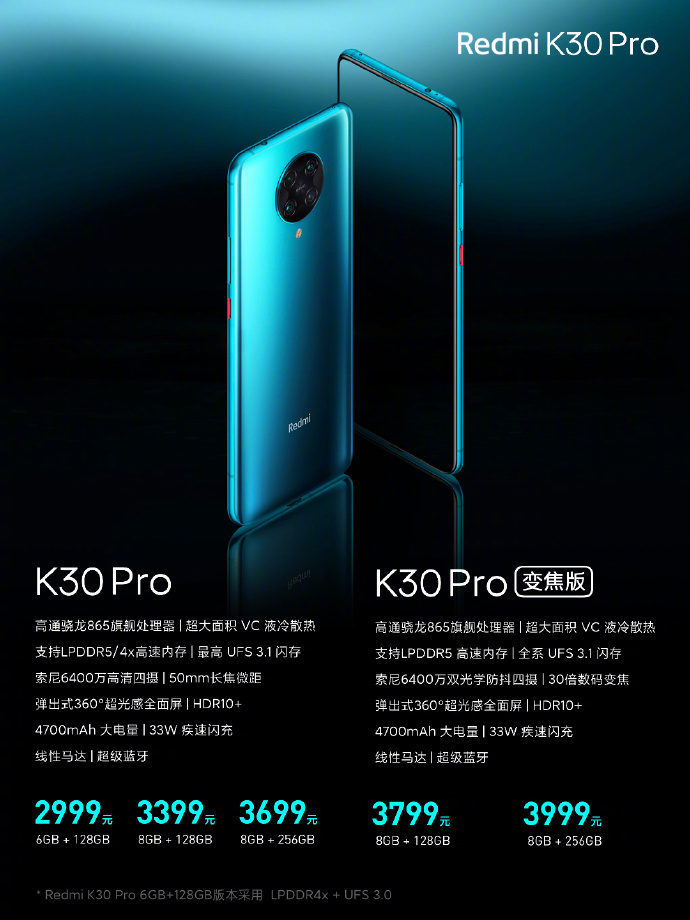
6GB (LPDDR4X) + 128GB – 2999 yuan (~$424)
8GB + 128GB – 3399 yuan (~$480)
8GB + 256GB – 3699 yuan (~$523)
Redmi K30 Pro Zoom edition Pricing:
8GB + 128GB – 3799 yuan (~$537)
8GB +256GB – 3999 yuan ($565)
The Redmi K30 Pro 5G goes on pre-sale today and first sale commences on March 27 in China.
Redmi finally unveiled the Redmi K30 Pro flagship smartphone today at an online-only launch event in China. As confirmed earlier, the phone comes with a Qualcomm Snapdragon 865 5G chipset paired with up to 12GB RAM and 256GB ROM on the Zoom Edition. Specs apart, this handset features a unique complex design, following the footsteps of its predecessor Redmi K20 Pro.
Redmi K30 Pro Colour Variants
1 of 4
Unlike the K20 Pro with shimmering edges at the back, the newly announced K30 Pro comes in a subtle yet eye-catching paint job. To be clear, the handset will be available in four colours namely Blue, White, Silver, and Purple. Additionally, all of them will have an accented Red-Orange coloured power key similar to the forerunner from last year. Further, the pop-up camera will have five coloured LED lights compared to one on the K20 Pro.
Talking about optics, the K30 Pro features a quad-camera setup arranged in a starry design inside the now ubiquitous Oreo-like structure found on numerous Nokia-branded phones, OnePlus 7T, and even the recently leaked Oppo Reno Ace 2. As for the front of the handset, the whole of it is accommodated by a large 6.67-inches Samsung E3 AMOLED display with 92.7% screen to body ratio, up from 85.9% on the 2019’s K20 Pro. Also, the pop-up camera now retracts faster at a speed of 14.2mm per second, which is 27% faster than its predecessor’s 11.5mm per second speed.
Redmi K30 Pro Internal Design
1 of 3
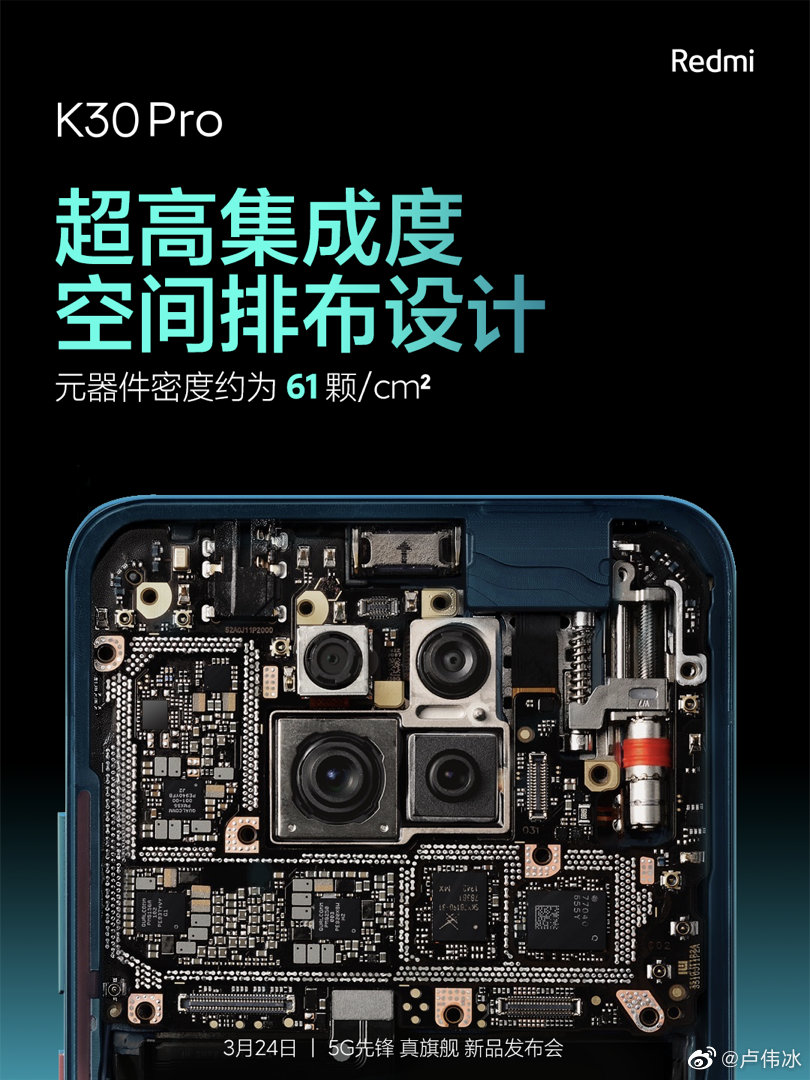
As far as internals are concerned, the brand-new K30 Pro crams in 3885 components with up to 61 components per square centimetre. This is possible because the brand is using a stacked motherboard design commonly known as ‘sandwich motherboard design’. This enabled them to place small motherboard over the large primary motherboard and thus managed to fit in all the necessary components for 5G connectivity. Also, this design aided the company to also include a 4,700 mAh battery, which is larger than the K20 Pro’s 4,000 mAh cell.
Having said that, the Redmi K30 Pro is one of the few 5G smartphones with a pop-up camera to offer a full-screen experience without compromising on design and battery.
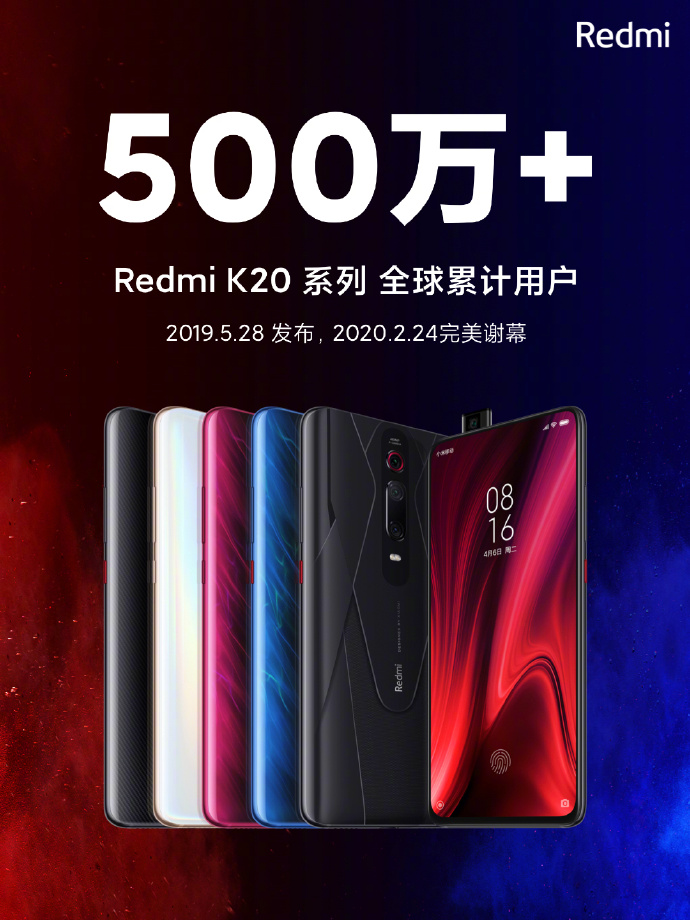
While the latest flagship, Redmi K30 Pro, from the Xiaomi subsidiary is just being launched, it has also been confirmed that the previous generation has achieved another milestone. The Redmi K20 series has now crossed over 5 million units in sales globally.
The news arrives from a Weibo post, a Chinese microblogging website, that talked about the success of its previous Redmi K20 series while also announcing the release of the successor earlier today (24th March 2020). For those unaware, Redmi’s K30 Pro was scheduled to launch today. It is the premium variant in the Redmi K30 series and features top notch specs.
However, it is interesting to note that the Redmi K20 series still gained another notable achievement, despite having the Redmi K30 already being available. Previously, we had reported on the Redmi K20 series crossing 4.5 million units in global sales. Now, barely three months down the road, the device has crossed another milestone.
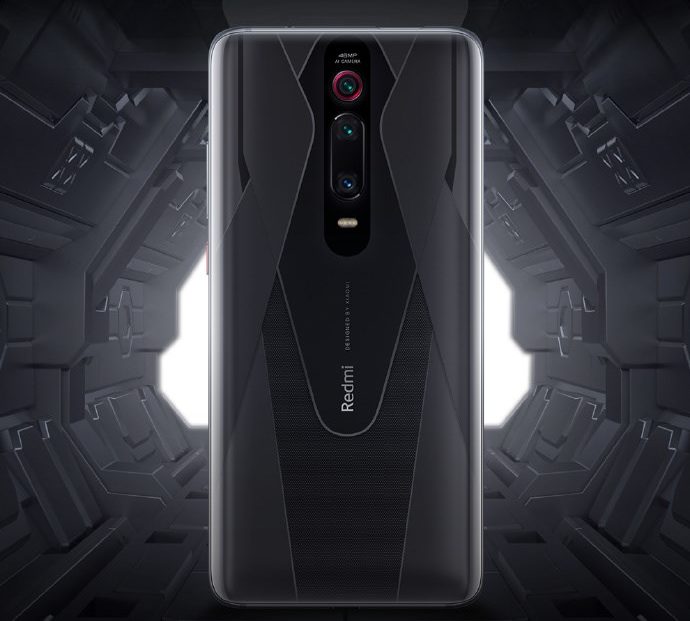
Redmi K20 Pro Exclusive Edition Armor Black
This is indicative of Xiaomi and Redmi’s philosophy of offerings top notch specs in lucrative prices. Redmi K20 series was extremely popular for all of its features and its relative affordability. For the most part, the Redmi K20 and K20 Pro were almost identical, save the different storage and memory configurations and the processor. The former featured Qualcomm’s Snapdragon 730 SoC, which is a mid range chip, while the latter featured the flagship Snapdragon 855 processor. Coupled with a price tag under $400 (2,829 Yuan), the smartphone has seen great success in the Asian markets.
The year of 2020 is expected to be the year when the 5G communication technology will go mainstream. While most of the smartphone makers have started launching their premium and mid-range 5G smartphones in the market, the 5G infrastructure is still very limited.
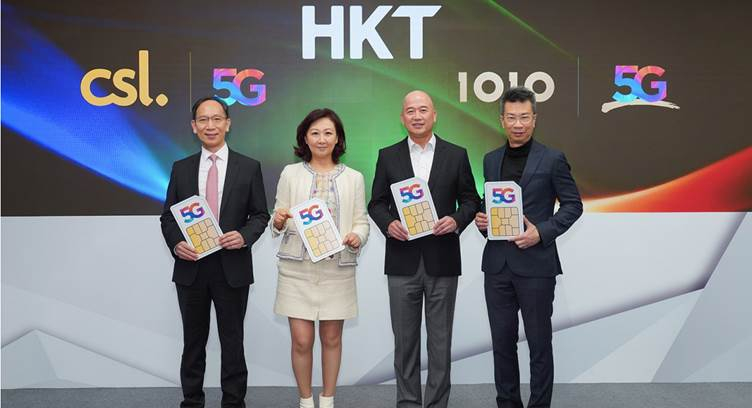
There are only a few countries where 5G has been commercially launched, which includes South Korea, United States, and China. Now, Hong Kong is also joining the list with its first commercial 5G service going live from 1st April.
HKT has announced that it will start introducing true 5G service in Hong Kong from 1st April, making it the first mobile operator in the region to offer true 5G.
In the initial phase of the launch, the service will cover major golden districts and key infrastructures such as Hong Kong International Airport and major shopping malls. After that, the company says that is plans to extend the network coverage to all the districts in Hong Kong as well as the major MTR lines.
The company has now already started offering its customers a bundled 5G service plan along with local mobile data and 5G handset, with pricing for the monthly plan starting at HK$198 for 8GB of data.
Along with the announcement of 5G network, HKT has launched a few other services, which includes Now E Premier League and LaLiga 2020/21 Event Pass for sports streaming, MOOV which is Hong Kong’s first 24 bit FLAC lossless music streaming service, 5G VR Application that offers various VR shows, and 5G VR eSports where gamers can take part in popular VR eSports game.
The novel Coronavirus has now become a global pandemic, disrupting global economy, human health, slowdown in business globally, as well as impacting daily life of billions of people around the world.
However, this has also created an environment where hackers, scammers, and spammers take advantage of vulnerable users and situation. With more and more people working from home with lower security networks compared to office setup, the risk of getting attacked is more.
Ransomware attacks, which are typically initiated through phishing, can cause mayhem for hospitals as attackers use encryption to block access to their own files and then demand digital currency payments for unlocking keys.
Last week, Brno University Hospital in the Czech Republic, which is also a major Covid-19 testing hub, suffered a ransomware attack that disrupted operations and caused surgery postponements. The Czech National Cyber Security Center and Czech law enforcement still have not fully restored digital services.
Now, some Ransomware operators have said that they will no longer target health and medical organisations during the Coronavirus (COVID-19) pandemic. BleepingComputer reached out to several such groups in which DoppelPaymer responded and stated that they do not normally target hospitals or nursing homes and will continue this approach during the pandemic.
On the other hand, the Maze operators said that they will stop activities against all kinds of medical organisations until the end of the pandemic. Netwalker Ransomware claims that they don’t have a goal of attacking hospital and doubles down that “no one will purposefully hack into the hospital.”
Amid all these, several computer security companies, including Emsisoft and McAfee, have offered to assist medical research companies as well as hospitals fighting ransomware attacks during the Covid-19 outbreak.
Infinix has unveiled the Infinix Hot 9 smartphone in Indonesia. It has arrived as the successor for the Infinix Hot 8 phone from last year. The new phone comes with an impressive punch-hole screen and it features a trendy rectangle-shaped camera module for its 16-megapixel triple cameras. Also, the phone houses a behemoth battery.
Infinix Hot 9 specifications
The Hot 9 smartphone features a large-sized 6.6-inch IPS LCD display panel that offers HD+ resolution. The small round-shaped cutout on the screen at its top-left corner is the home for its 8-megapixel selfie camera. The back panel of the phone ism made from polycarbonate material. It features a fingerprint reader and a quad camera setup that includes a 16-megapixel main lens with f/1.8 aperture, a 2-megapixel macro lens and a low-light shooter of 2-megapixel.
The Helio A25 that includes 1.8GHz octa-core powers the device. The official page of the phone is not yet available on Infinix’s Indonesian website. The Lazada retailer listing states it features Helio A25, but some Indonesian publication have reported that is powered by Helio P35. The predecessor Infinix Hot 8 was powered by Helio P22 chipset.
The Infinix Hot 9 has 4 GB of RAM and 128 GB of built-in storage. The device is backed by a 5,000mA battery. It comes with other features such as XOS 6 based Android 10 OS, face unlock, dual 4G VoLTE, Wi-Fi, Bluetooth, GPS, microUSB and a 3.5m headphone slot.
Infinix Hot 9 price
Ocean Wave, Violet, Quetzal Cyan and Midnight Black are the four color variants of the Infinix Hot 9. In Indonesia, the handset is priced at Rp 1,699,000 (~$137). There is no word on the other markets that will be receiving the Hot 9 phone.
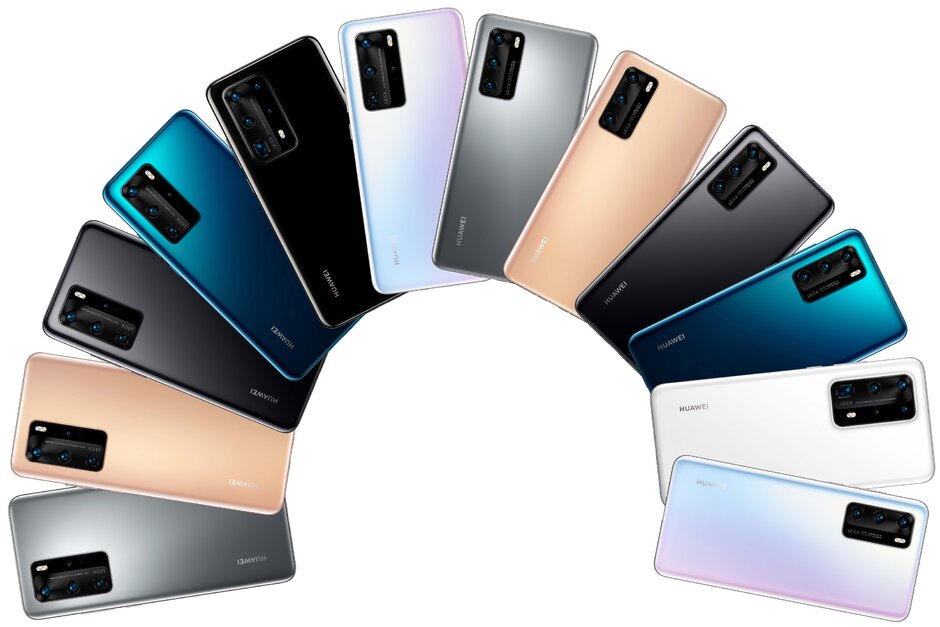
Chinese giant Huawei is all set to globally debut its upcoming next-generation P-series flagship devices — Huawei P40 lineup on 26th March. The launch event, which was scheduled to take place in Paris, has now been cancelled and instead the company will launch the devices through online event live-streaming.
Now, according to the new reports, the Huawei P40 series will be launched in China on 8th April and the pricing details for the devices in its home country will also be announced on the same date.
The company will be launching three devices in this new series — Huawei P40, P40 Pro, and P40 Pro Plus. The Huawei P40 Pro Plus is the same variant which was previously reported to be the P40 Premium Edition.
As per the leaks, the Huawei P40 will feature a 6.1-inch OLED display with a single punch-hole for its 32-megapixel front camera while the P40 Pro as well as Plus variant will come with a 6.58-inch OLED screen with curved edges. It will feature a pill-shaped cutout on the screen for housing a 32-megapixel main selfie snapper and a depth sensor.
The P40 series smartphones will be powered by the company’s own Kirin 990 5G chipset and will come packed with up to 12GB of RAM and 512GB of internal storage. Further, the device will come with support for 40W fast charging technology.
In the camera department, the Huawei P40 will have a Lecia-engineered camera setup that comprises of a main lens of 50-megapixel, a secondary shooter 16-megapixel, an 8-megapixel Ultra Vision sensor with support for up to 30x digital zoom.
On the other hand, the P40 Pro will feature a primary lens of 50-megapixel in its Leica Ultra Vision quad camera system which will be accompanied by a 40-megapixel lens, a 12-megapixel sensor and a 3D ToF sensor.
The Huawei P40 Pro Plus could come with a penta-camera setup having the same configuration as the P40 Pro but with 12MP sensor being replaced with an 8MP telephoto lens and an addition of a 20MP periscope lens. Recently, some camera samples of the P40 Pro smartphone were also leaked online.
These flagship devices from Huawei will come running the latest Android 10 operating system. However, since the Chinese giant is still banned from using Google’s series, the phones will come with Huawei Mobile Services (HMS) as a replacement for GMS.
To know more about the smartphones for sure, including color options, memory variants, pricing and availability details, we’ll have to wait for the official debut on 26th March.
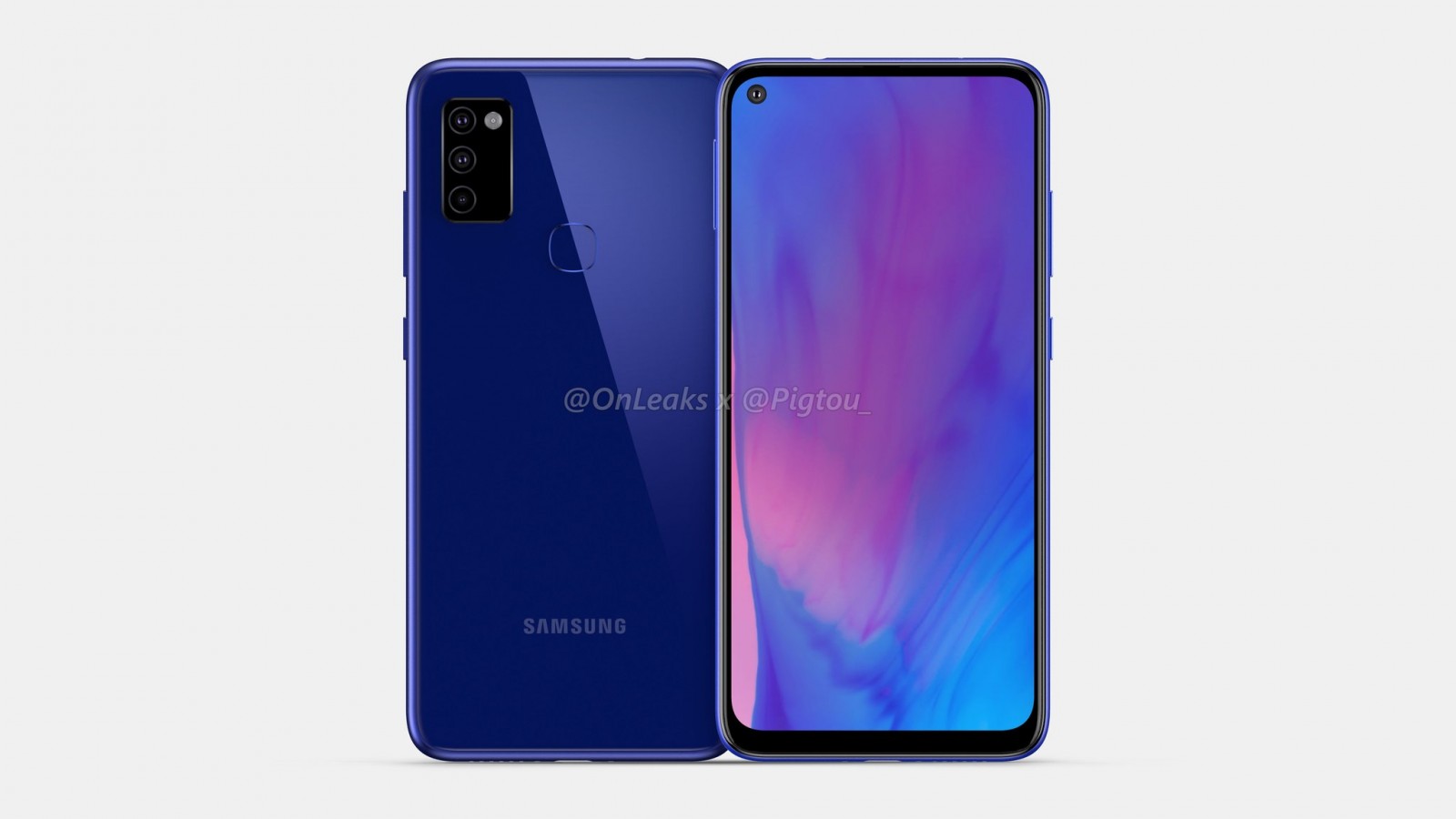
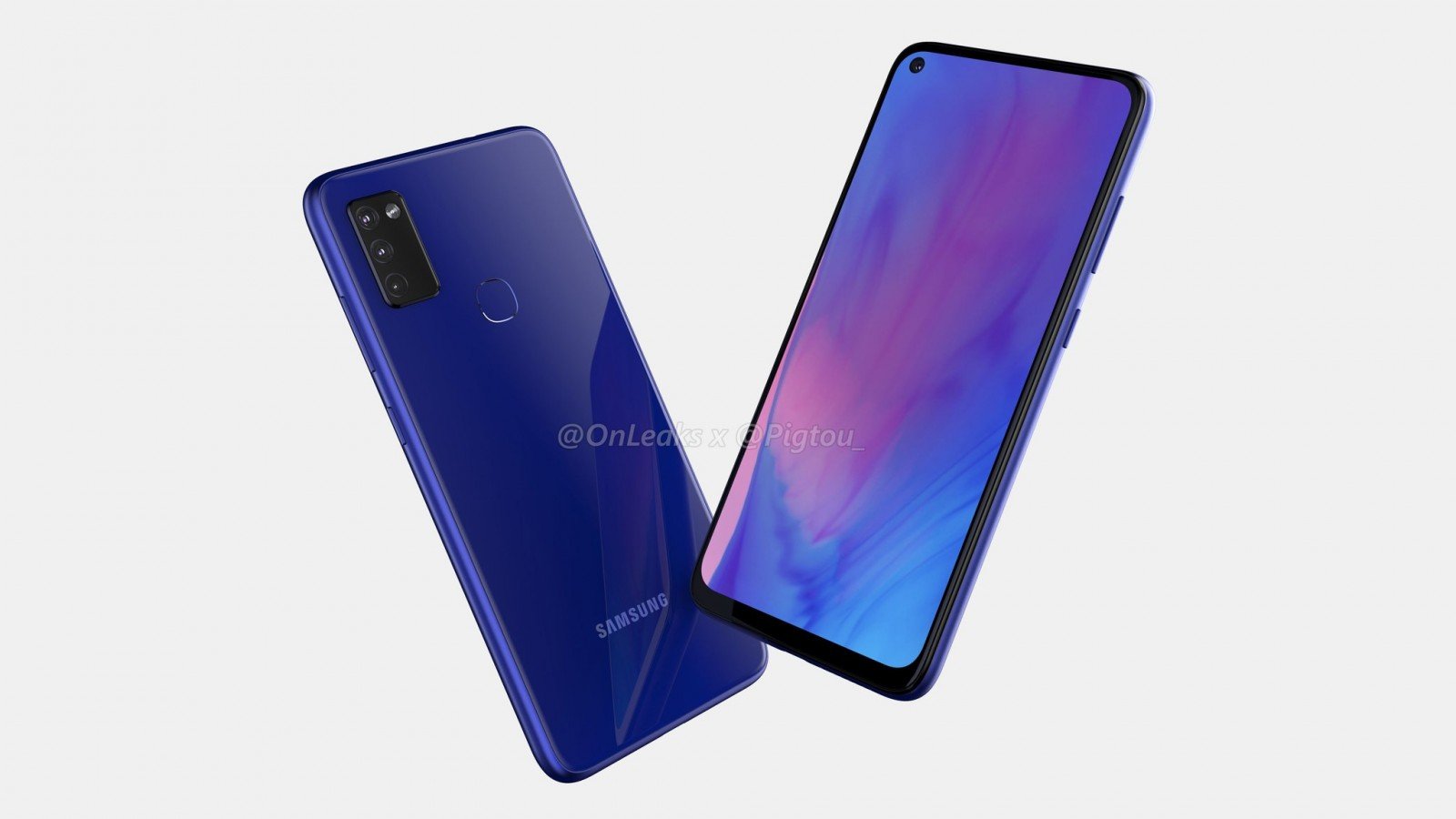
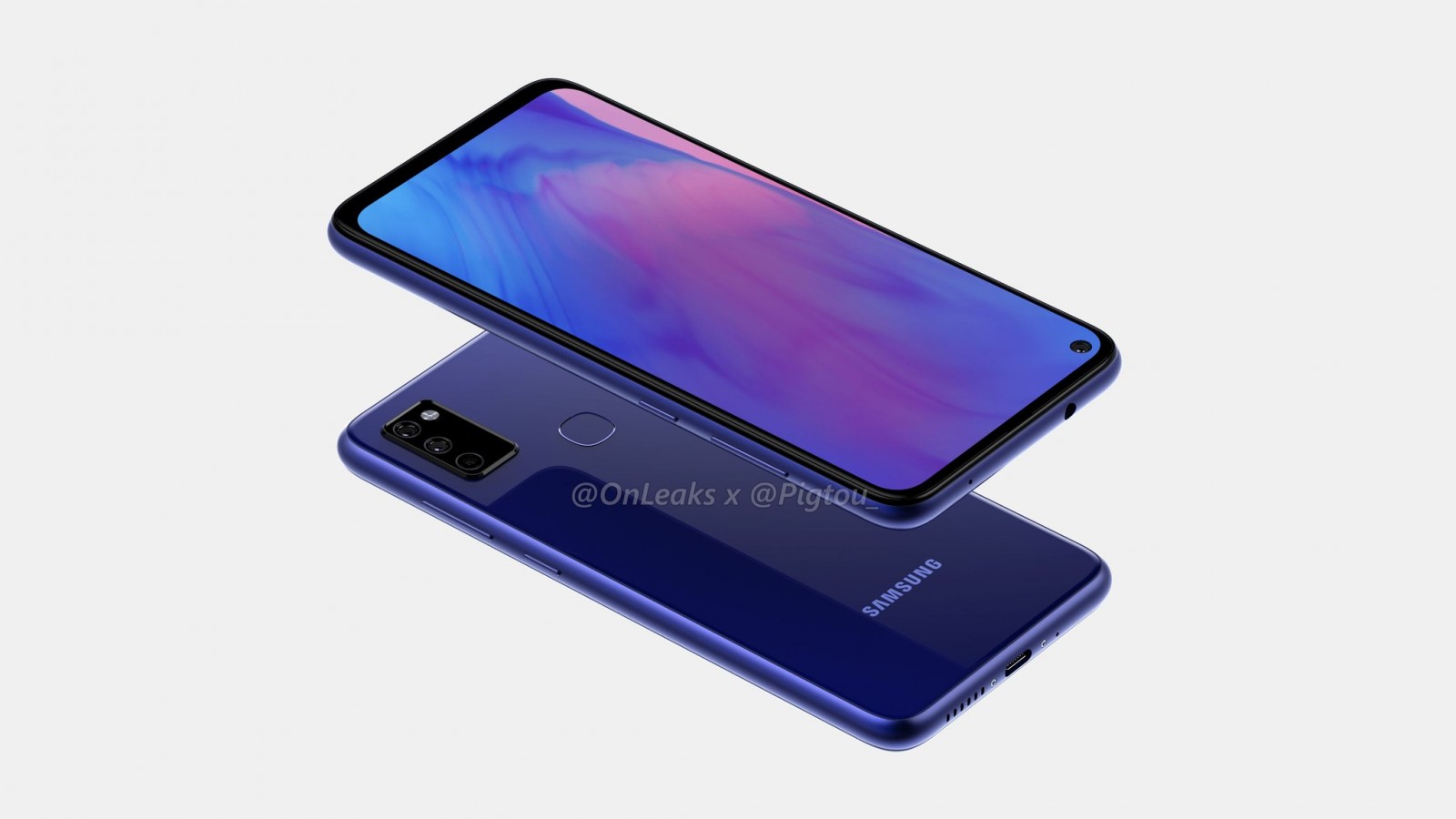
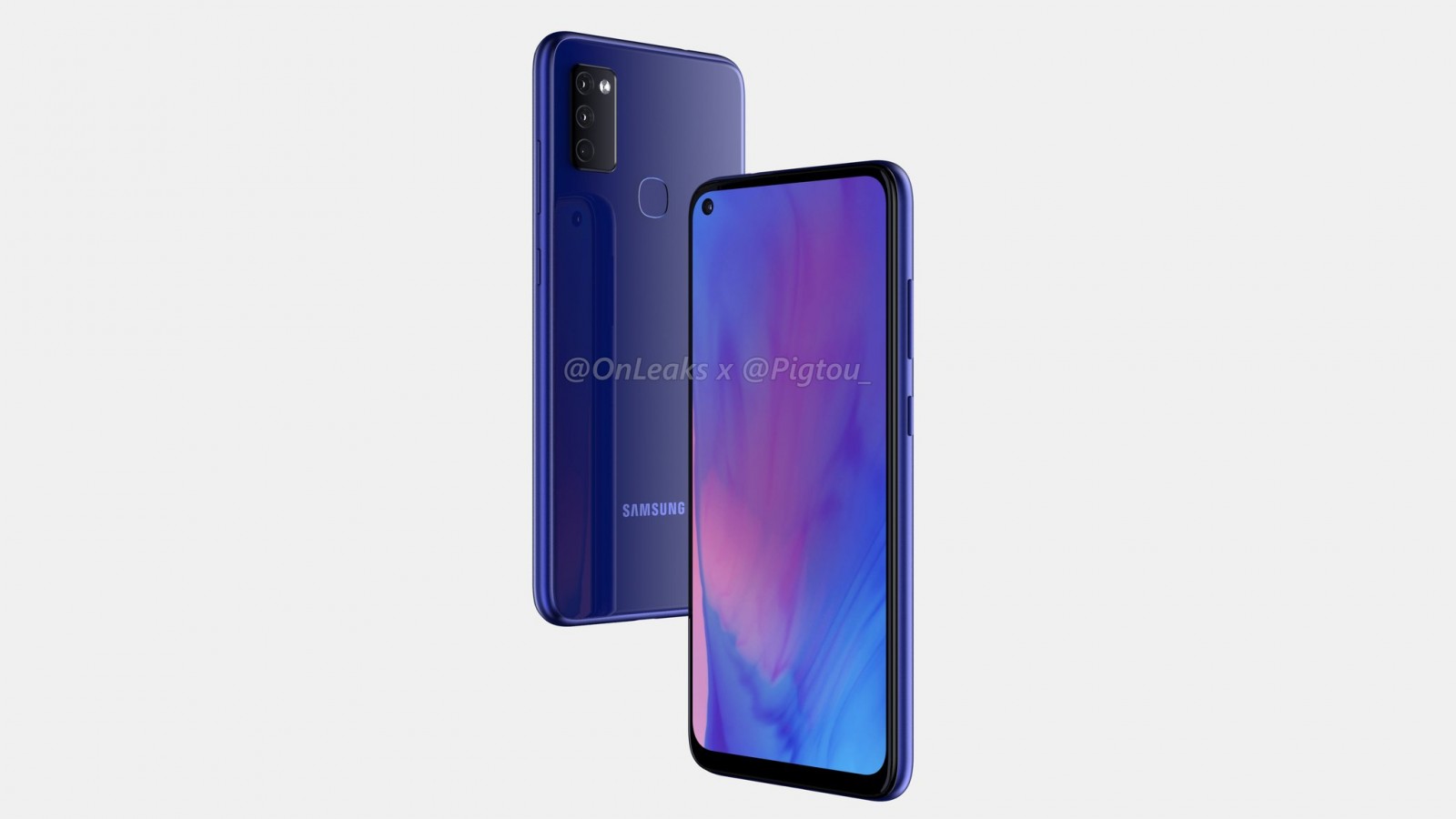
The Snapdragon 675 mobile platform powered Galaxy M40 was the most powerful M-series phone last year. The company has recently launched Galaxy M31 and Galaxy M21 as successors for Galaxy M30 and Galaxy M20 phones from 2019. The Galaxy M11 is also expected to break cover. There is a possibility that the South Korean company will also debut Galaxy M41 as the successor for the M40 phone. Reliable tipster OnLeaks has teamed up with Pigtou to bring renders of what appears to be Galaxy M41. However, the publication has claimed that it may arrive in the market as Galaxy M51.
1 of 4
Galaxy M51
Galaxy M51
The Galaxy M41 (or M51) renders show that it features a 6.5-inch display that with a punch-hole at the upper-left corner. The rear side of the device has a rectangle camera housing that houses three cameras and an LED flash. The handset has 162.6 x 77.5mm dimensions. The thickness of the phone 8.5mm which increases by 1mm at the camera bump.
The right side of the Galaxy M51 smartphone has a volume rocker and a power key. The Galaxy M40 lacked a 3.5mm audio jack. The M51 is equipped with the good old headphone jack. There is a USB-C port, a microphone and an external speaker on the bottom side of the phone. A fingerprint reader is placed on the back panel of the Galaxy M51.
There is no word on the specifications of the Galaxy M51 phone. With the month of March ending soon, the handset is expected to go official in Q2 this year. A report from last year revealed that the production of Galaxy M51 began in December 2019.
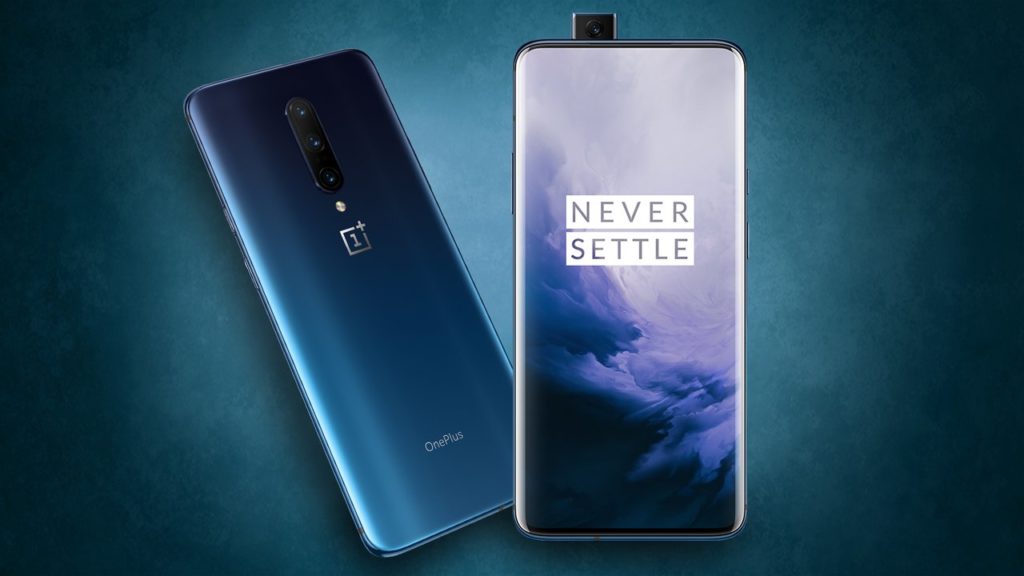
Multi-boot hack is one of the oldest known mods in the Android custom ROM community. And Multi-boot is back with a bang as you can now seamlessly boot two separate operating systems on OnePlus 7, OnePlus 7 Pro and OnePlus 7 Pro 5G with a new modified TWRP.
OnePlus devices have been developer-friendly since the very first model – the original OnePlus One. It has been almost six years since its release but still, it is being supported by enthusiastic developers. Thanks to this, the six-year-old phone can boot Android 10 even after the company officially dropped support a long time back.
Over the past few years, there hasn’t been any significant development with regard to multi-boot on Android. But now, XDA recognized developer Zackptg5 has come up with a modified TWRP for the OnePlus 7, OnePlus 7 Pro, and OnePlus 7 Pro 5G, which enables true multibooting (never seen before) on them exploiting the A/B partition.
By using this recovery, interested users can now dual-boot two separate ROMs on the above-mentioned OnePlus devices by using the two separate userdata partition (A/B) for each ROM. Furthermore, the modded TWRP also lets users try A/B/C partition, where the ‘C’ data partition accommodates common data for the two different ROMs.
It is worth noting that repartitioning the stock partition layout is not advisable for everyone. Since getting back to the stock partition is always a risky job, you must know how to unbrick your device before proceeding with this dual-boot hack.
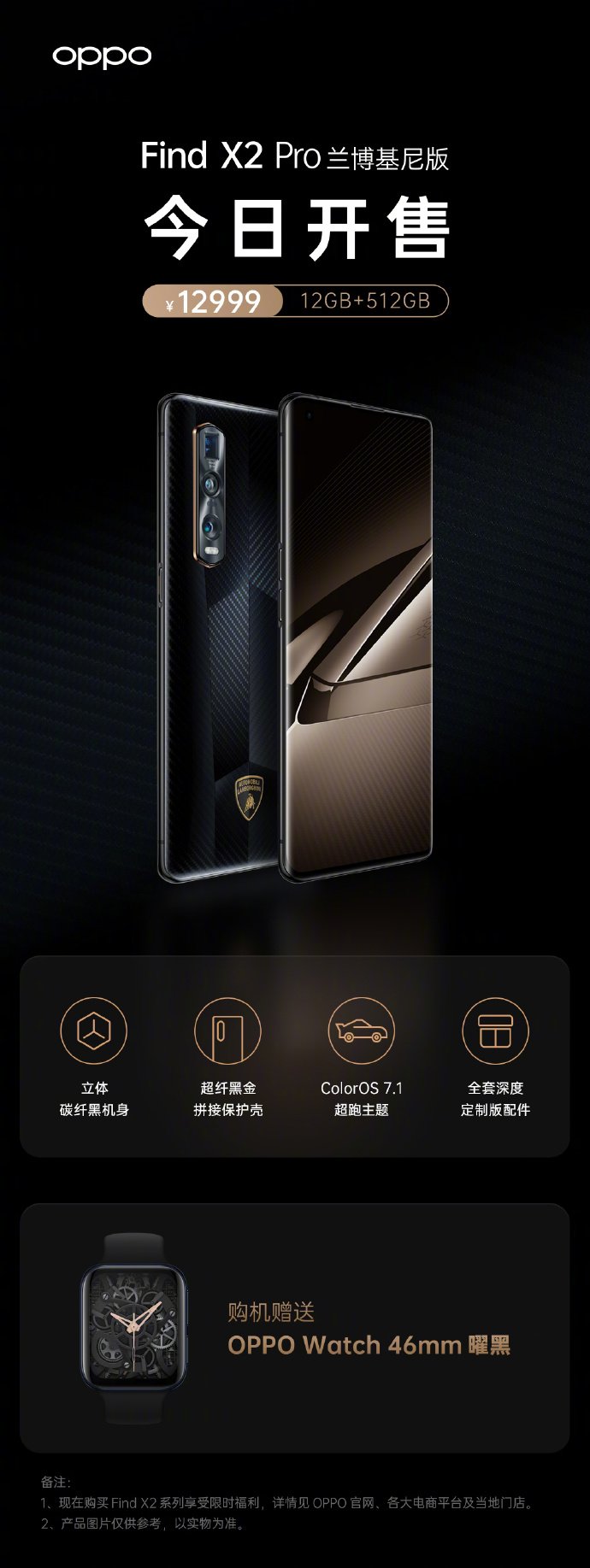
On March 6, OPPO had held an unveil event to announce the Find X2, Find X2 Pro, Find X2 Pro Lamborghini Edition and OPPO Watch. While the vanilla and Pro models were made available for purchase soon after launch in the home market, the Lamborghini Edition was slated to be available for purchase from March 24. The Chinese firm did not confirm the availability of the OPPO Watch at its launch. As promised, the company commences sales of the Find X2 Pro Lamborghini Edition from today along with the OPPO Watch.
OPPO Watch
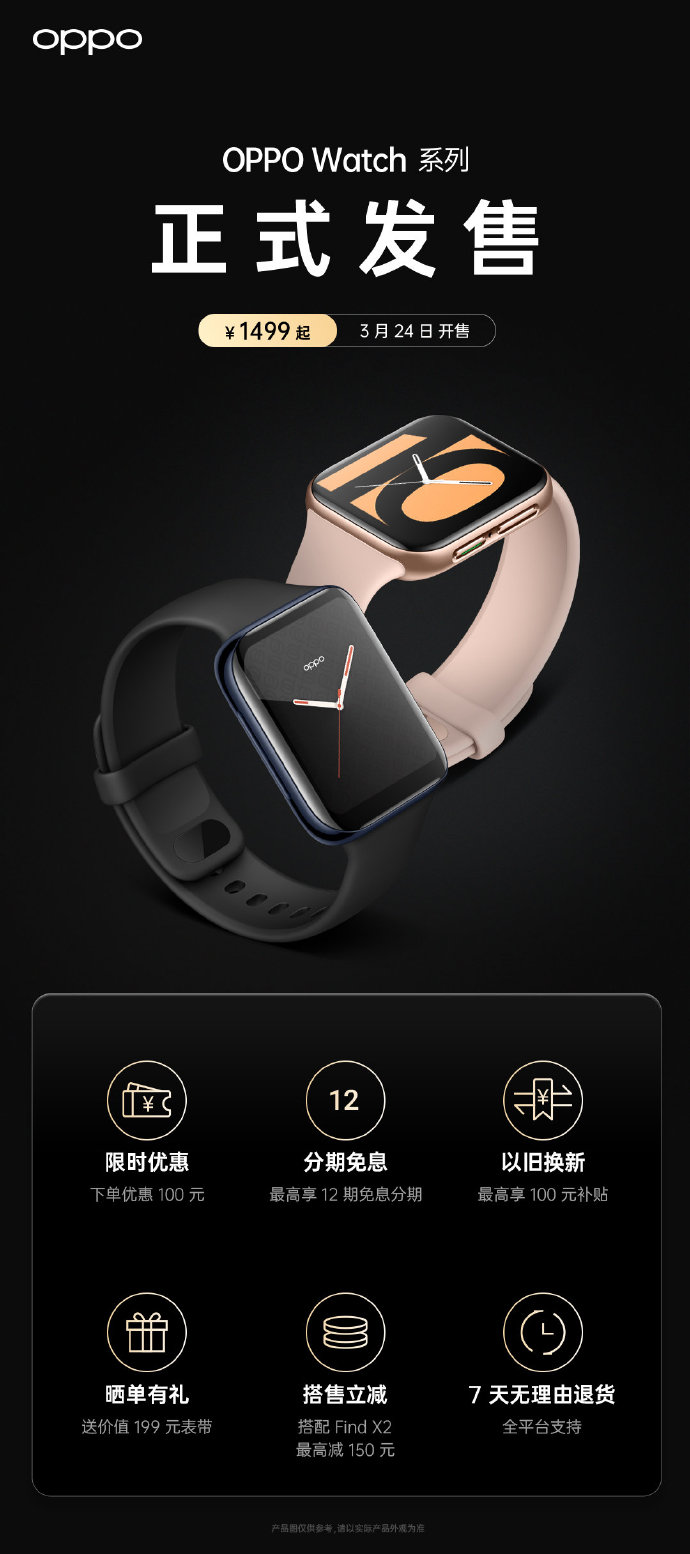
The OPPO Watch listing on its official online store shows that the retailer is currently selling the 41mm and 46mm aluminum editions. The 46mm stainless edition is yet not available for buying. The 41mm OPPO Watch is priced at 1,499 Yuan (~$212) and its 46mm edition costs 1,999 Yuan (~$282). The smartwatch comes in Black and Pink colors. The device is also available through Tmall, Jingdong Mall and Suning. The smartwatch comes with a free Italian calf leather strap.
The Find X2 Pro Lamborghini Edition which is inspired from the limited edition Aventador SVJ Roadster car. It comes in a special package that includes couple of accessories such as earbuds, protective case, charging adapter and more. These items along with the handset carry Lamborghini branding.
In terms of specs, the Find X2 Pro Lamborghini Edition offers users with 12 GB of RAM and 512 GB of native storage. The rest of the specs of the phone are identical with Find X2 Pro smartphone.
The OPPO Watch comes for free with the Find X2 Lamborghini Edition that is priced at 12,999 Yuan (~$1,849). The Lamborghini Edition was made available for reservations in China from last Friday. Also, from today, the company is also selling the Find X2 Pro in Elegant Gray hue and Find X2 in Tea Orange color.
Last year’s upper mid-range phones from Huawei and Honor in China such as Nova 5, Nova 5i, Honor 9X, Honor 20S and Nova 6 SE were all fueled by the 7nm Kirin 810 chipset. Honor recently confirmed that the Honor 30S smartphone that will debut on March 30. It will be the first ever device to feature the successor of Kirin 810 i.e. the all new 5G-capable Kirin 820 chipset. Today, AnTuTu shared the benchmarks results of the Honor 30S smartphone. It revealed that the performance of the Kirin 820 5G is better than the rivaling Snapdragon 765G processor from Qualcomm.
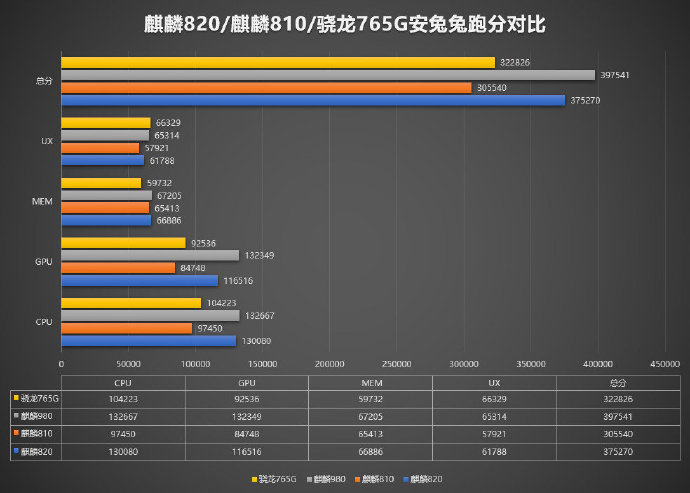
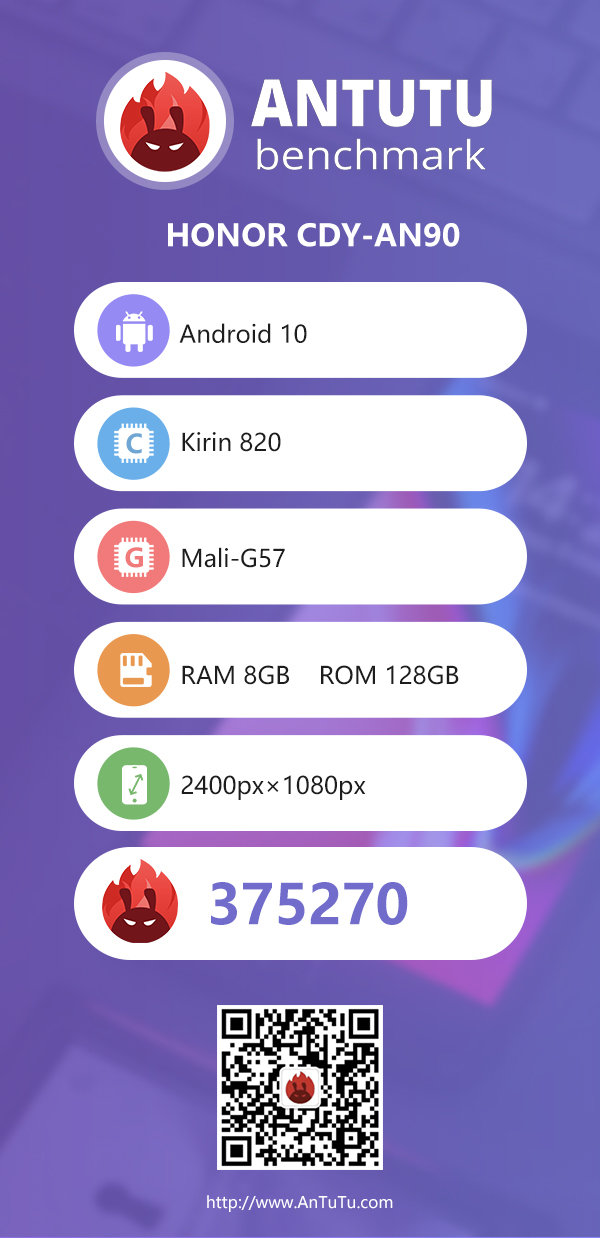
The AnTuTu listing reveals that the Honor 30S (model number CDY-AN90) is powered by Kirin 820 chipset. It is an octa-core SoC with quad-core Cortex-A76 and quad-core Cortex-A55 with maximum clocking speeds of 2.3GHz. The SoC also includes Mali G57 graphics. It scored 130,080 in CPU test, 116,516 in GPU test, 66,886 in memory test and 61,788 in the UX test of the benchmarking platform. Hence, it managed to reach an average benchmarking score of 375,270.
The above shown graph shows that the Kirin 820 5G manages to beat the SD765G in CPU, GPU and memory tests and it scored slightly less in the UX test. Its performance is better than last year’s Kirin 810 chipset. Also, it scored around 22,000 points less than the Kirin 980 chipset which fueled most of the Huawei and Honor flagship phones last year. Hence, Kirin 820 5G powered phones are expected to deliver flagship-like experience at lesser cost.
AnTuTu used Redmi K30 5G (SD765), Honor V20 (Kirin 980) and Nova 6 SE (Kirin 180) phones to compare the performance of the Kirin 820 powered Honor 30S. The benchmarking platform claims that the Kirin 820 is a very good 5G SoC and its performance is on par with MediaTek’s Dimensity 1000L. The latter was first seen on the Reno3 5G phone that debut in December last year.
Coming to the key specs of Honor 30S that leaked through its AnTuTu listing, it was found running on Android 10 OS along with 8 GB of RAM and 128 GB of storage. The size of the display did not appear on AnTuTu. However, it revealed that the screen of the Honor 30S supports 1080 x 2400 pixels full HD+ resolution. The rear-facing quad camera setup has a 64-megapixel primary shooter. A variant of the same phone with model number CNY-AN00 was approved by 3C authority of China in the recent past. It revealed that the Honor 30S may ship with a 40W fast charger.
Yesterday, Honor confirmed that it will be announcing the Honor 9A smartphone on March 30. However, the main focus of the event will be the unveiling the Honor 30S which will be arriving as the first ever phone powered by the 5G ready Kirin 820 chipset. The specifications of the Honor 30S are currently under the wraps, but all the important details on the Honor 9A have leaked today through its appearance at the database of China Telecom.
Honor 9A specifications
The Honor 9A has a waterdrop notch display that features noticeable bezels along with a thick-sized chin. The rear panel of the phone seems to be made out of polycarbonate material. It features a rectangle camera housing at the upper-left corner. It houses two cameras. A fingerprint scanner is also fitted on the backside of the Honor 9A.
The Honor 9A has 159.07 x 74.06 x 9.04mm dimensions and it weighs 185 grams. The phone features a 6.3-inch screen that offers HD+ resolution of 720 x 1600 pixels. The handset promises a screen-to-body ratio of 88.4 percent. The modest Helio P35 chipset that works at 2.3GHz is at the helm of the device.
The Honor 9A’s processor is supported by 4 GB of RAM. The native storage of the phone is 64 GB and it has an external storage slot for more storage. The Magic UI 3.0.1 based Android 10 OS will come preloaded on the Honor 9A. The handset houses a 5,000mAh battery that will last for up to 3 days. The phone is equipped with loudspeakers that can output “shocking high volume,” reveals the China Telecom listing.
The front notch of the Honor 9A features an 8-megapixel selfie camera. The back panel of the smartphone is fitted with a 13-megapixel + 2-megapixel dual camera system. The phone is packed with usual connectivity features such as dual SIM support, 4G VoLTE, Wi-Fi, Bluetooth, microUSB and 3.5mm audio jack.
Honor 9A Pricing
The Honor 9A is listed with an expected price tag of 899 Yuan (`$127). Dark Night Black, Green Jasper and Blue Water Emerald are the color editions of the smartphone.
The Vivo S6 5G smartphone will be debuting in China by the end of this month. In recent past, a Vivo phone that has a model number of V1962BA was approved by the 3C authority of China. The handset was spotted with an 18W fast charger. It was speculated at that time that it could be the forthcoming Vivo S6 5G smartphone. Today, the Vivo V1962BA along with its network variant with model number Vivo V1962A have surfaced on TENAA with full specifications.
Vivo S6 5G specifications
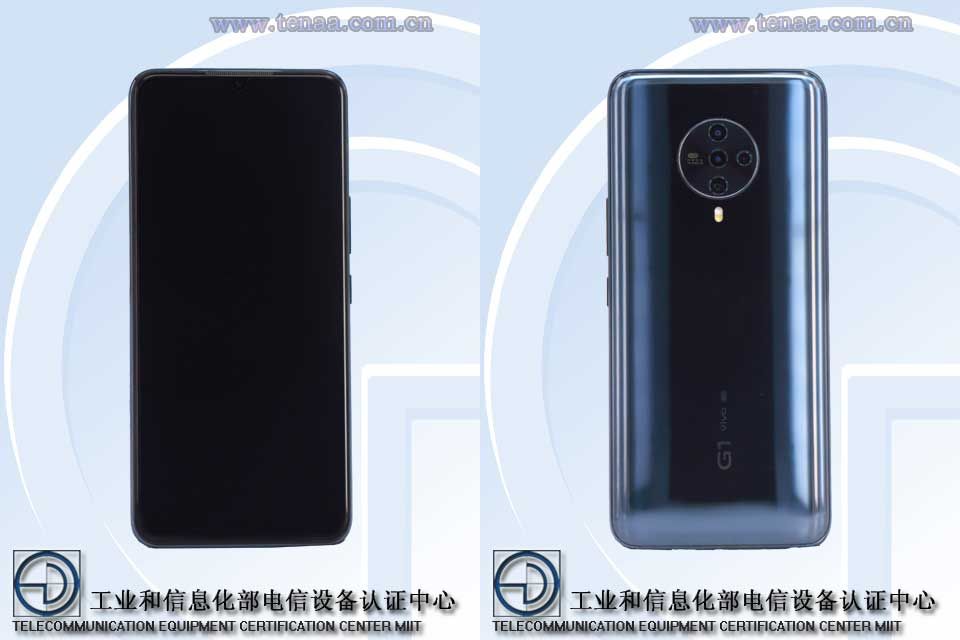
The Vivo S6 5G (V1962A/BA) TENAA listing states that it measures 161.16 x 74.66 x 8.68mm and it weighs 181 grams. Vivo has already revealed that the phone will be sporting a lightweight and thin design. While the rumor mill had speculated that the Vivo S6 5G has a dual punch-hole screen, the TENAA images reveal that it is equipped with a waterdrop notch screen.
The TENAA listing shows that the Vivo S6 5G is equipped with a 6.44-inch AMOLED screen that delivers 20:9 aspect ratio and 1080 x 2400 pixels. The Android 10 OS coupled with the latest FunTouch OS 10 will come preinstalled on the device.
The Vivo S6 5G is driven by 5G-ready chipset that clocks at 2.2GHz. The phone will be hitting the Chinese markets in 6 GB and 8 GB RAM choices. It will be available in internal storage editions of 128 GB and 256 GB. A microSD card slot will be onboard for more storage.
The Vivo S6 5G has a 4,390mAh battery. It is a minimum rated capacity and its typical size could 100mAh more. The front notch of the phone has a 32-megapixel selfie camera. The smartphone has a round-shaped camera module on its curved glass rear. It includes a 48-megapixel + 8-megapixel + 2-megapixel + 2-megapixel quad camera system. An LED flash is placed below the camera housing.
It has been more than a week following the launch of the Redmi Note 9 Pro and the Redmi Note 9 Pro Max in India. While the former has gone on sale, the “Max” is yet to go on sale. Scheduled to go on the first sale on March 25, the date has now been postponed.
The announcement was made by Manu Kumar Jain, the CEO of Xiaomi India. The top executive said they have no choice but to postpone the first sale of the phone due to the multiple state lockdowns as a result of the Coronavirus pandemic. However, a new date is yet to be announced.
Mi fans, due to recent state lockdowns, we will have to postpone the 1st sale of #RedmiNote9ProMax to a later date.
I would like to confirm that the sale of #RedmiNote9Pro will still happen as scheduled, tomorrow (24th) at 12 noon.
The tweet also added that the Redmi Note 9 Pro sale slated for today at noon (IST) will still hold.
The Redmi Note 9 Pro Max has a 6.67-inch FHD+ DotDisplay with a centered punch hole. There is a 32MP selfie camera inside the punch hole in the screen.
Powering the device is a Snapdragon 720G processor with up to 8GB of RAM and 128GB of storage which can be expanded via a dedicated MicroSD card slot.
There are four cameras on the rear of the phone – a 64MP primary camera, a 119° 8MP ultrawide angle camera, a 5MP macro camera, and a 2MP depth sensor. The camera housing is covered with Gorilla Glass 5 just like the rest of the phone’s back and the front of the phone.
Redmi has also added a side-mounted fingerprint scanner, an IR blaster, and an audio jack. The phone also comes with support for India’s NavIC positioning system. There is a 5020mAh battery inside the phone with support for 33W fast charging. The Redmi Note 9 Pro Max ships with Android 10 out of the box and has a starting price of INR 14,999 (~$193).
Tomorrow March 24 will be the day: Xiaomi’s brand will finally take the wraps off the Redmi K30 Pro, its most affordable flagship with top-tier hardware specifications. But we already know almost everything about the new flagship killer. Thanks to a huge amount of leaks and rumors, almost nothing is still shrouded into the mystery. According to reports, there will be two variants: Redmi K30 Pro and K30 Pro Zoom Edition. Here you can find a rumor roundup with all the info about the new K30 Pro based on the latest leaks, official info unveiled by the Chinese giant, and the most reliable rumors.
Redmi K30 Pro Rumor Roundup
Design
Despite it will be sold at a very competitive price for a flagship, the Redmi K30 Pro is still expected to come with premium materials, including a glass back and an aluminum frame. According to renders, the device will have a notch-less and holeless display thanks to the presence of a motorized pop-up camera. The bezels around the display will be very narrow, while on the rear side there will be a big and circular camera setup (similarly to OnePlus 7T) with a LED flash underneath. K30 Pro will be launched in at least four color options: Moonlight White, Sky Blue, Purple and Space Gray. There will be a notification LED and it will be placed near the pop-up camera. And there will even be a headphone jack, haptic engine, and 4D vibration. Last but not least, the phone will be splash resistant with the IP53 certification.
Official images confirmed that Redmi K30 Pro will have an AMOLED display made by Samsung (E3) with a 5,000,000:1 contrast, a brightness of 800 nits (1,200 nits peak brightness), the support to the HDR10+ standard, and a 180 Hz touch-sampling rate. Unfortunately, K30 Pro will have a standard 60 Hz refresh rate, unlike most of the latest flagships. If you expected smooth animations and more advanced viewing experience during gaming sessions, you will be left disappointed. The display will be protected by Gorilla Glass 5 just like the rear side.
Redmi K30 Pro will be powered by Snapdragon 865 mobile platform and it will support 5G connectivity thanks to the external 5G modem Snapdragon X55. Alongside the best Qualcomm’s chipset there will be LPDDR5 RAM and UFS 3.1 internal storage (with writing speeds up to 750 MB/s) in various configurations, as well as a VC liquid cooling technology. According to rumors, the base variant will provide 6 GB of RAM and 128 GB of native storage. But the phone should also hit the Chinese market in other configurations, including one with 8 GB of RAM and 128 GB of storage, a 8/256 GB version and even a 12/512 GB configuration.
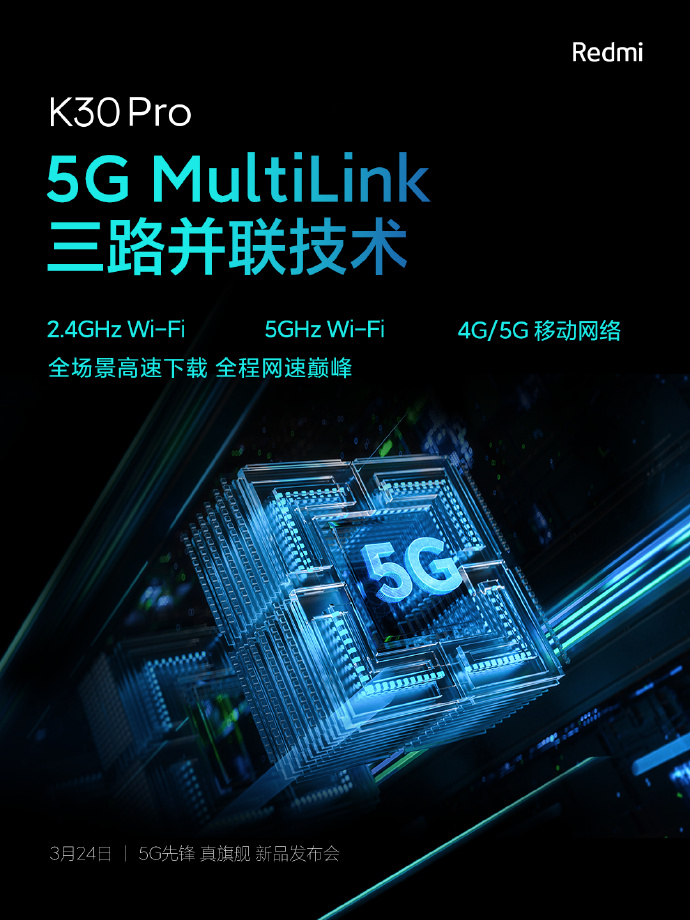
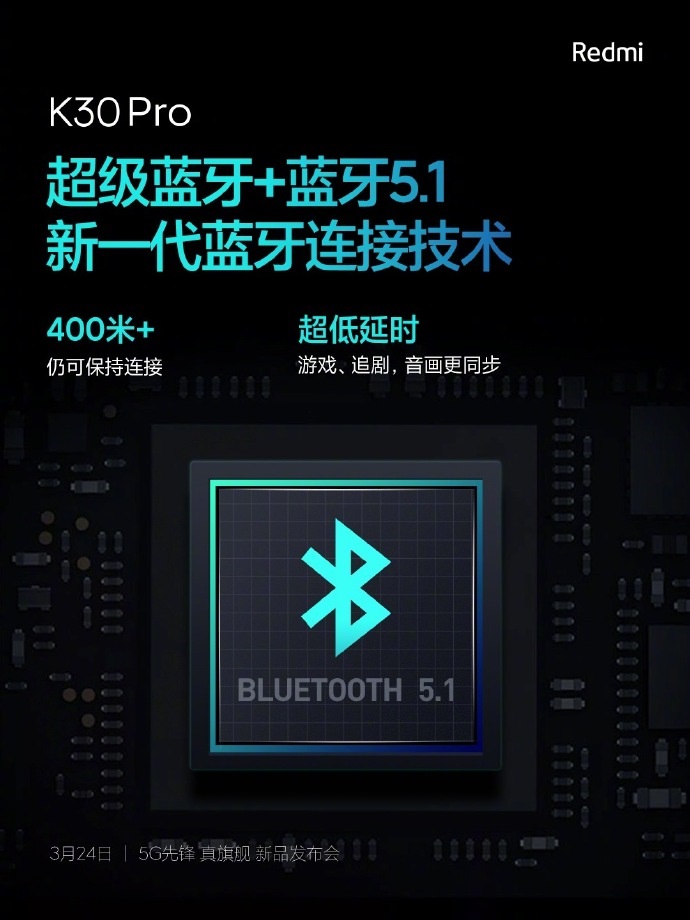
The phone is said to score a similar result to the higher-end Xiaomi Mi 10 on AnTuTu benchmark. There will be a very big vapor chamber for heat dissipation (3,435 mm²) and the support to Super Bluetooth with a range up to 400m. The range for Bluetooth 5.1 is about 243 meters. Thanks to the 5G MultiLink feature, K30 Pro will be able to connect to three networks at the same time, including a 2.4 GHz WiFi connection, a 5GHz WiFi connection, and a 4G or 5G mobile network. The operating system installed will obviously be Android 10 customized by MIUI 11. On the software side, you will find the Game Turbo 3.0 technology. We will even get a Stacked Motherboard design with 61 components per sq centimeter.
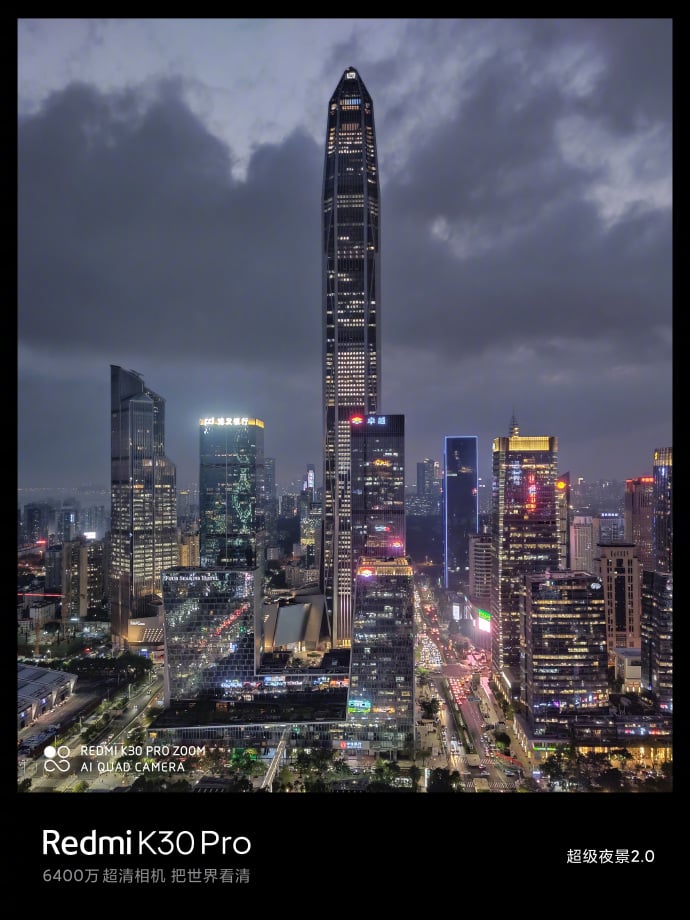
Redmi K30 Pro will sport a quad rear camera with a 64 MP Sony IMX686 main sensor, 7P lens, and dual-OIS. The phone will support 3x optical zoom and digital zoom up to 30x (the advanced zoom might be only for the Zoom Edition), it will be able to record 8K videos (with a high resolution of 7680 x 4320 pixels) and it will provide a great photo quality even in dark scenes with Super Night Scene 2.0. The feature will unlock super-bright HDR photos at night even in low-light conditions by clicking several photos at different exposures and combining them into a single one with as little noise as possible. There will obviously be an ultrawide lens as well. Thanks to dual OIS, even the telephoto sensor will have OIS to shoot sharp photos even while zooming.
Rumors suggested that Redmi K30 Pro and K30 Pro Zoom Edition will offer a 4700 mAh battery with the support to 33W fast charging. Unfortunately, the company did not reveal the battery capacity, so we got no official info about it. We expect K30 Pro and K30 Pro Zoom Edition to come with the same battery capacity.
Redmi K30 Pro and K30 Pro Zoom Edition will be unveiled tomorrow March 24 for the Chinese market, but their official prices are still unknown. Xiaomi Product Director Wang Teng Thomas had earlier hinted that the Redmi K30 Pro 5G would be priced between 3,000 Yuan (~$423) and 3,599 Yuan (~$507). The phone was recently spotted on the official Xiaomi store on Suning with a 3,299 Yuan price tag, but it has been taken down. There is still no info about the global launch of the new flagship killers. Its predecessor K20 Pro hitten the global market with a different name: Xiaomi Mi 9T Pro. According to speculations, the K30 Pro might come globally as the Pocophone F2, but for now, it is just a remote hypothesis.
Huawei‘s launch event where the P40 series will be unveiled is only a few days away. The series is expected to be made up of the Huawei P40, P40 Pro and P40 Pro Plus. We have seen official renders of the models that would make up the series but one aspect that has often been elusive is the camera configuration of the models. Today, the likely camera specs of the Huawei P40 Pro has appeared online.
Huawei P40 Pro engineering machine
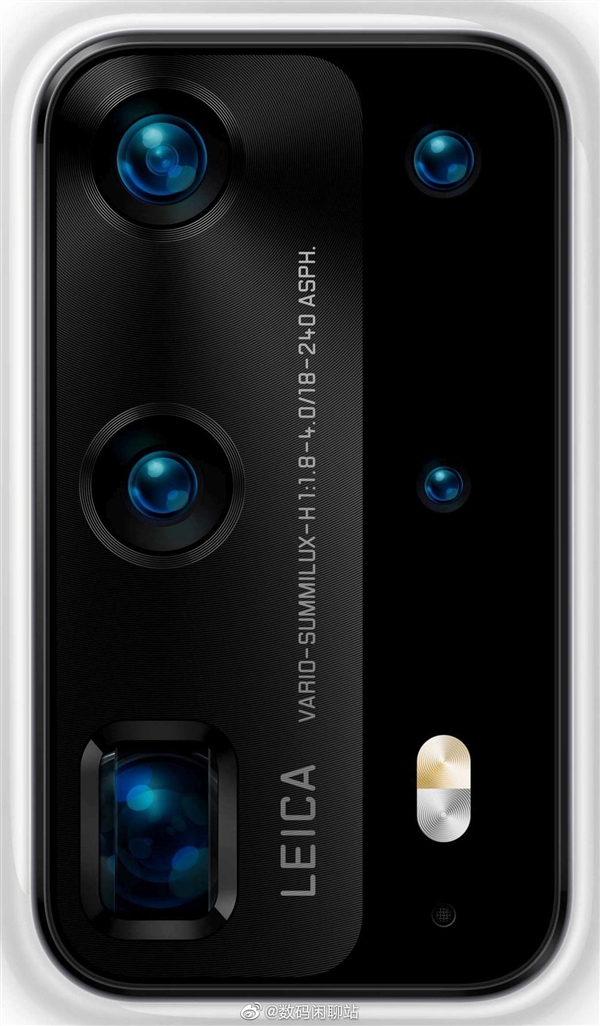
The Huawei P40 Pro engineering machine was recently leaked by a blogger on Weibo. The prototype has a covering for the rear camera but the design is consistent with what we have seen on renders. The P40 Pro is expected to come with a Penta-camera setup made up of five lenses. The main lens is said to be a Sony IMX700 sensor which supports up to 5x optical zoom. The rear camera also includes a 10X optical zoom supporting periscope lens, a telephoto lens, an ultra-wide-angle lens and ToF lens. The front camera is said to be a dual punch-hole camera.
We are not so sure of the five camera setup and it may be for the P40 Pro Plus which the P40 Pro will have a Quad-camera setup. However, the expected Penta-camera setup i given as a 52-megapixel main camera (Sony IMX700 1 / 1.28-inch RYYB), a 40-megapixel lens (Sony IMX650 1 / 1.5-inch RGGB), an 8-megapixel telephoto lens, a 20-megapixel periscope lens, and a ToF lens.
Huawei P40 Pro camera sensors
We’ll have to wait until the launch to find out the exact camera setup. Whatever it is, though, the Huawei P40 series will have a powerful setup that will likely rattle the current DXOMark ranking. A couple of camera samples said to have been captured by the Huawei P40 Pro appeared online and they are just stunning. Check them out below.
We use cookies on our website to give you the most relevant experience by remembering your preferences and repeat visits. By clicking “Accept”, you consent to the use of ALL the cookies.
This website uses cookies to improve your experience while you navigate through the website. Out of these, the cookies that are categorized as necessary are stored on your browser as they are essential for the working of basic functionalities of the website. We also use third-party cookies that help us analyze and understand how you use this website. These cookies will be stored in your browser only with your consent. You also have the option to opt-out of these cookies. But opting out of some of these cookies may affect your browsing experience.
Necessary cookies are absolutely essential for the website to function properly. This category only includes cookies that ensures basic functionalities and security features of the website. These cookies do not store any personal information.
Any cookies that may not be particularly necessary for the website to function and is used specifically to collect user personal data via analytics, ads, other embedded contents are termed as non-necessary cookies. It is mandatory to procure user consent prior to running these cookies on your website.