Advertisement

Xiaomi partners Firework to bring access to short videos on Mi phones

Xiaomi Corp has entered into a global strategic partnership with Firework, a Silicon Valley-based short video network platform. Firework is one of the fastest-growing interactive video platforms on mobile. It operates in the same manner as TikTok, allowing its users to find, create, and share homemade 30-second videos.
The partnership isn’t just about having the free app onboard Xiaomi phones but will allow Mi users to gain access to Firework’s Reveal technology. The tech allows videos to have a 360 degree, horizontal and vertical point of view. In addition, Firework’s 36-second short story videos will now be available on Xiaomi smartphones.

Furthermore, Firework will reportedly work with local creators in India, Russia and Indonesia to give Mi users the leverage to explore its content in local languages. Firework says its contents are streamlined using a multi-layered process that includes artificial intelligence and human intervention in a bid to ensure that they are safe and unwanted content will not be visible to users.

According to Wang Dong, Deputy General Manager, Internet 4th Department of Xiaomi Corporation, the company was thrilled to partner with Firework in Mi Videos. The Xiaomi exec also hinted that the company’s goal is to “offer premium quality, curated videos to our users and Firework adds tremendous value to that”. “Firework being a global, responsible brand offers us a video ecosystem that is safe and offers an enriching experience for our users,” he added.firework

Firework’s India Head of Partnerships and Growth, Sudarshan Kadam said, equally spoke glowingly of the alliance with Xiaomi which he described as yet another game-changing development in the short video space.  He also added that the firm’s philosophy of offering “brand-safe content” will ensure users are entertained and enlightened. The company says it will ensure the alliance benefits the entire short video ecosystem on its platform.

Some might wonder why Xiaomi, a Chinese company chose to partner with the US company instead of its fellow Chinese firm – TikTok. Reasons are not difficult to decipher. Xiaomi is looking to build a global brand and presently, TikTok is bedevilled with privacy concerns in the west. Xiaomi won’t want to be caught up in that web. Thus, the partnership with Firework is strategic, given its clean reputation and Xiaomi’s large user base which continues to grow in India and Europe.


(source)
 

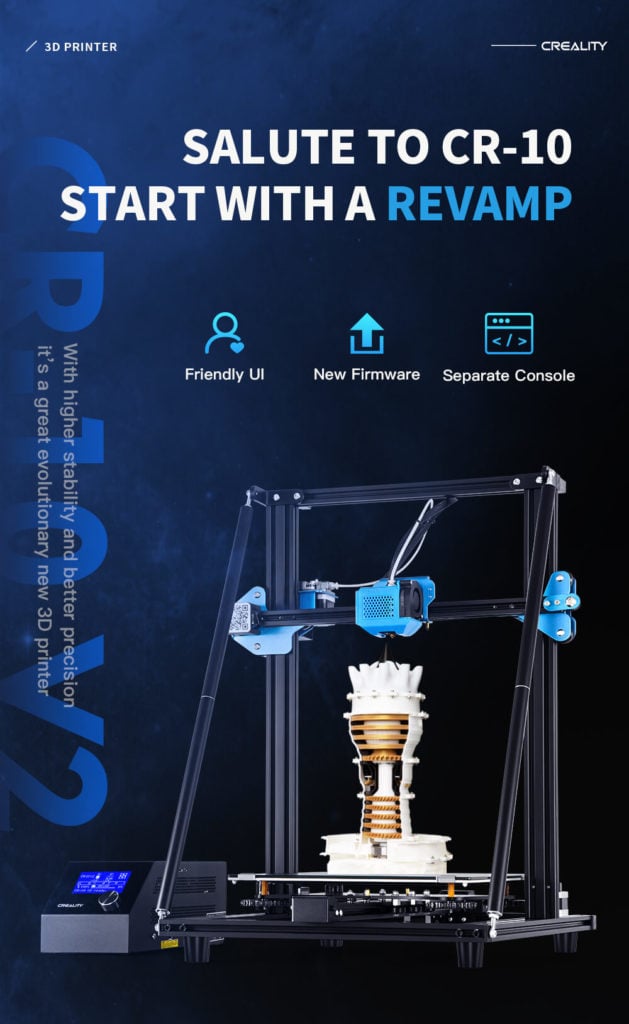
Creality CR-10 V2 3D Printer launches with several new enhancements

Creality is a popular 3D printer manufacturer company based in Shenzen, China. It specializes in 3D printer related services like 3D printing software research, 3D printer distribution, high precision 3D printers, and other materials. The company’s CR 10 series is worldwide known for its quality and finish across its wide brochure of 3D printers. However, the Chinese firm has launched a new Creality CR-10 V2 3D printer with improved features and enhancements.

The new printer is wholely redesigned to attain better performance by reducing the vibrations and ensuring stable and accurate performance. The added V-profile also ensures more stable printing performance. The presence of high-standard V-profiles reduces sloshing when the printer is in motion. The heat dissipation system also received an upgrade with a two-way sphenoid cooling nozzle availing uniform heat dissipation in both the directions.

Creality CR10 V2 is an ultra-quiet 3D printer with noise reduction and compression resistance technologies. It even improves the strength of silicon glass printing with strong adhesion.

The installation of Creality CR10 V2 is quite easy as it comes with BL-Touch bed-leveling frame. It does not need any professional installation person due to an uncomplicated process.

The 3D printer is energy efficient as it turns off the power automatically when not in use. Moreover, it turns-on in the same-state if there’s any sudden power disruption. Creality CR 10 V2 uses a filament sensor that consumes less power and effectively prints filament. Here’s the unboxing and hands-on video of the 3D printer:

There are dual-port hot end cooling fans to cool down the filaments rapidly. The other features include a changeable imported titan direct drive to ensure high-quality printing. Meanwell 350W Power Supply is present for a stable electricity supply. Ultra Quiet TMC2208 Motherboard ensures low decibel and silent printing.

Technical Specifications of Crealty CR10 V2

Molding Tech FDM
Printing Size 300*300*400mm
N.W. 11.5KG
Printing speed ≤180mm/s,normal 30-60mm/s
Precision ±0.1mm
Layer thickness 0.1-0.4mm
Nozzle Diameter Standard 0.4mm
Nozzle Number 1
Hotbed temperature ≤100℃
Working Mode online or SD slot offline printing
File format STL\OBJ\AMF
Slicing software Cura\Repetier-Host\Simplify 3D
Operation system MAC\Linux\WindowsXP\Vista\7\8\10
Power supply AC Input 115V/230V Output:24V
Power rating 350W
Auto leveling Optional
Filaments PLA/ABS/PETG/TPU
Filament diameter 1.75mm


It is now available and the users can make an inquiry by heading over to the official website.

Netflix, Youtube lower video quality in Europe due to coronavirus lockdown

It has been proven that the spread of the dreaded Coronavirus epidemic can be checked is through social isolation. China practised it effectively and European countries are now adopting social isolation in addition to good hygiene in their bid to curb the spread of the Coronavirus epidemic which has now killed more persons in Italy than it did in China. Thus, in order to avoid internet disruption, European Union officials recently enjoined streaming platforms to reduce the quality of their videos so as to reduce the strain on Europe’s infrastructure. There were reports of a spike in data traffic by many carriers across the continent as well as in North America.

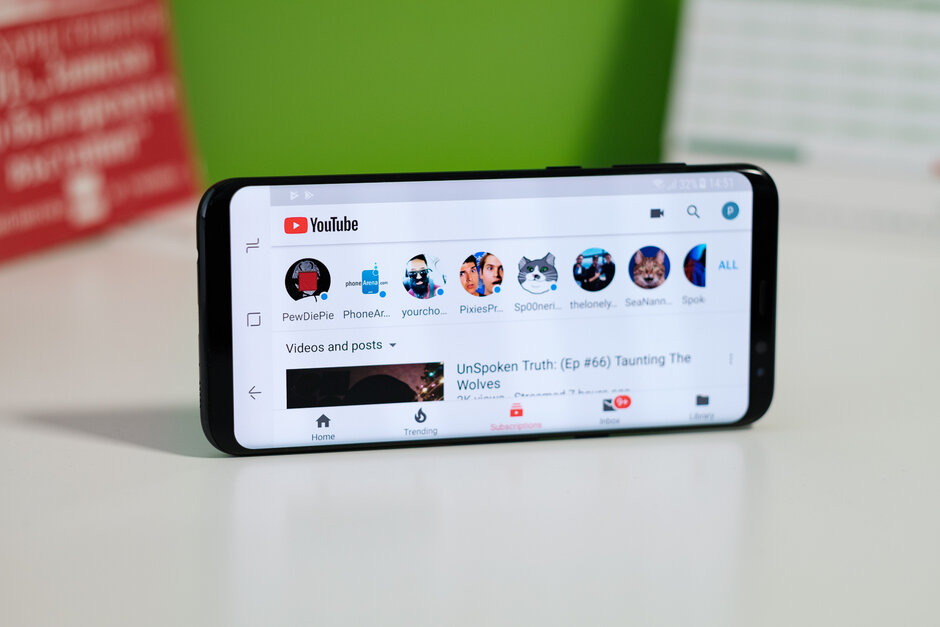
In line with this directive, popular streaming platforms Netflix and YouTube have both announced plans to lower the quality of their videos across the board. Netflix first announced that it would only stream videos in standard quality as it plays part in ensuring families grounded at home can still keep up with their favourites movies without any service disruption.

YouTube has equally announced a similar move to stream videos in standard quality. The move is restricted to Europe as the continent battles the COVID-19 outbreak. In a statement released by the tech company, it disclosed that it is “making a commitment to temporarily switch all traffic in the EU to standard definition by default.” Thus, if you are in Europe and notice a drop in video quality without the option of increasing the quality, this is the reason why.netflix

The move is a temporary measure which we believe will be in place until the social isolation efforts yield the desired result. That is, the number of new COVID-19 cases and deaths drop significantly.


(via)


Petition seeking to stop Samsung from using Exynos SoC gathers momentum

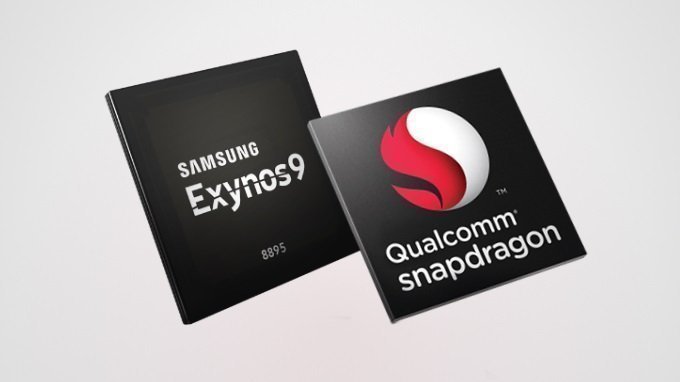
A petition has been filed on Change.org aimed at putting pressure on Samsung to stop releasing its flagship models with Exynos chipsets. The petition is also seeking to stop Samsung from using its own camera sensor instead of the ones manufactured by Sony. The petition claims the Exynos-powered phones are slower and have worse battery life. The camera sensors are also said to be worse than what obtains on the Qualcomm version. They also get hotter and throttle faster, it claims.

Over the years, Samsung has kept up with the practice of releasing its flagship models with two different processors, a Snapdragon SoC and an Exynos chipset. The Korean tech giant usually launches its flagship models in Europe and Asia packing the latest Exynos flagship SoC while buyers in North America get the latest Qualcomm Snapdragon SoC.

Ordinarily, this won’t have been a problem if both chipsets were on par with each other. Instead, the Snapdragon processors are usually more powerful than Samsung’s own Exynos processor. Using the latest Snapdragon 865 and Exynos 990 as reference points, the Snapdragon 865 packs Cortex A77 cores which is said to bring up to 20% boost in performance compared to the Cortex A76 on the Exynos 990 chipset. The SD865 chipset also tags along an Adreno 650 GPU which outpaces the Mali G77 GPU onboard the Exynos flagship SoC.Samsung

It is left to be seen if the petition will make any headway. As at the time of filing this report, it had only attracted 258 signatories. Even if it gathers thousands and even millions of supporters, that won’t guaranty that Samsung will take any action.


(source)
 

Honor 30S sketch reveals the rear camera module will have a gold frame

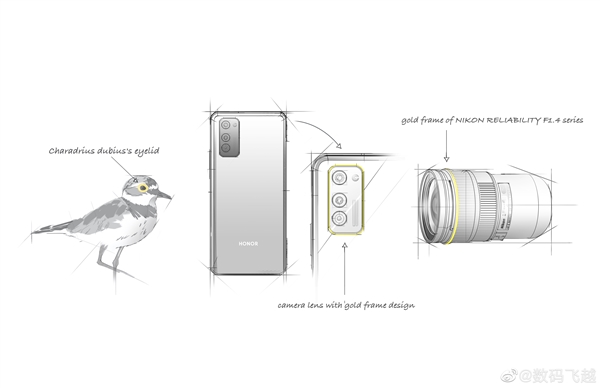
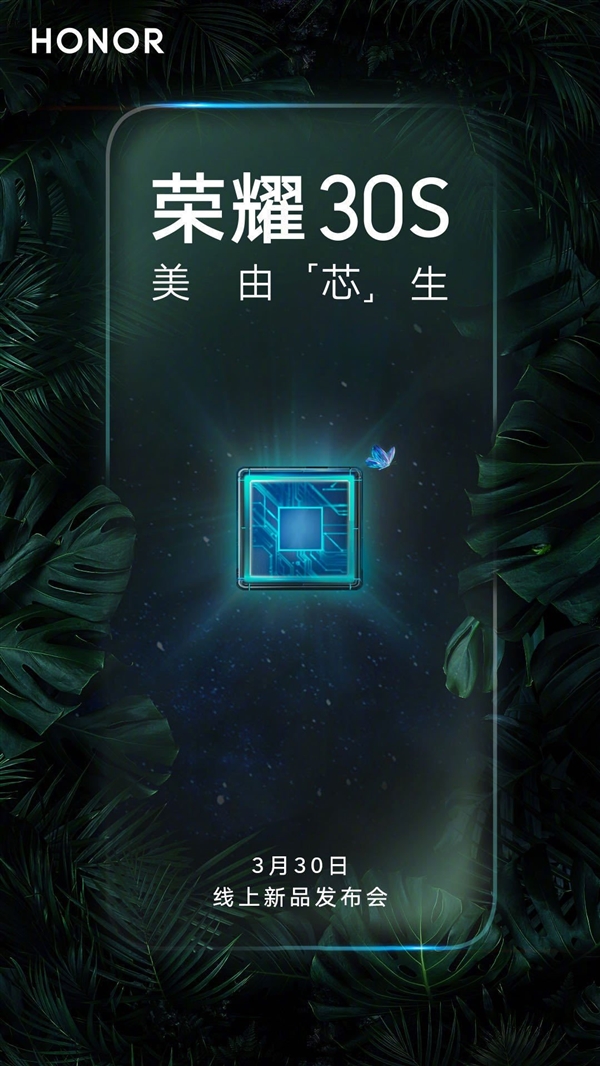
Honor is expected to take the veil off the Honor 30 series on March 30 in China. One of the models in the series is the Honor 30s which has been the subject of several leaks in recent time. Ahead of the launch, a leaked sketch of the Honor 30S have appeared online and it shows us the camera design. Honor 30sThe Honor 30s front and rear designs have already appeared online in form of leaked renders. However, this sketch not only confirms the rear camera sensors arrangement, but also the design highlight of the camera module. From the sketch, the Honor 30s triple cameras will be arranged vertically at the top left corner of the back panel. The sensors will be stacked in a rectangular module with the LED flash just by the sie of the first sensor.

A major highlight on the sketch is the gold frame accent that would be at the edges of the rectangular module. The gold frame draws inspiration from the yellow eye-ring on the little ringed plover bird known by the scientific name Charadrius dubius. Nikon Reliability F1.4 series also had a similar gold ring accent.

Apart from that the sketch only reveals the presence of the Honor logo at the bottom edge. The device is also shown to have a curved edge design.Honor 30s

The Honor 30s is expected to hit the market as the first model that will be powered by a Kirin 820 chipset. The chipset is Huawei’s second 5G SoC after the flagship Kirin 990 SoC.

While the device has the features of a model to look forward to, the lack of Google Mobile Services is still an albatross that will prevent the model from making good sales outside China.


(source)
 

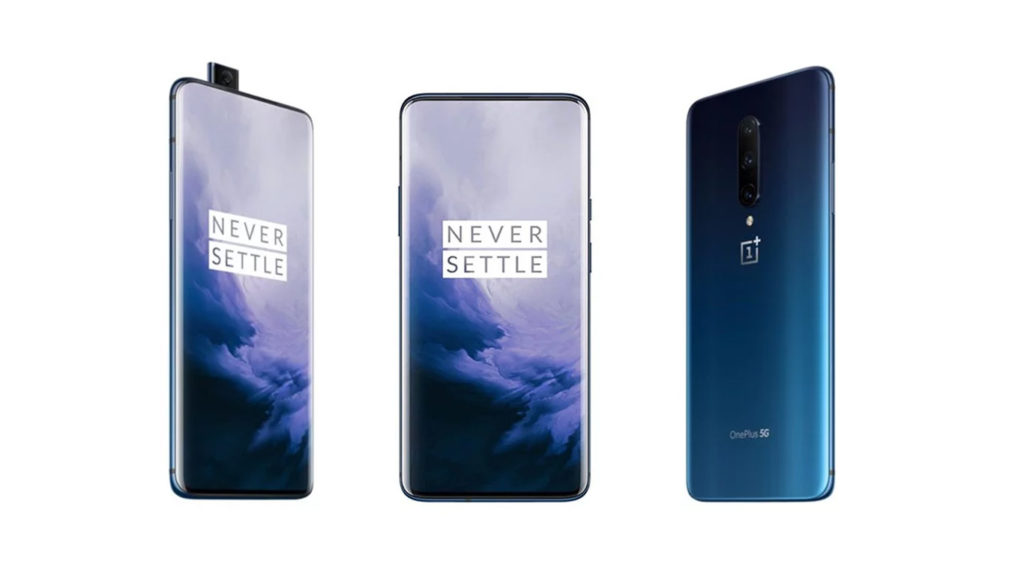
OnePlus 7 Pro might soon support WiFi 6, Possibly via a Future OTA

The WiFi 6 is the newest standard announced by the WiFi Alliance (WFA) in 2019. It brings a lot of improvements over the older WiFi 5. Technically, smartphones running flagships chipsets like Snapdragon 855 and above can support Wi-Fi 6. But it also requires a special certification to be enabled, so phones like the OnePlus 7 Pro miss out on this latest Wi-Fi standard.

However, the company may soon enable Wi-Fi 6 for the OnePlus 7 Pro via an OTA update.

oneplus 7 pro featured

OnePlus has a history of missing features due to lack of certifications. For example, Widevine L1 certification was missing on OnePlus 3 / 3T / 5 / 5T, which is required on smartphones to play HD content on streaming services like Netflix and Amazon Prime Video. Nevertheless, due to constant feedback and criticism, the company do enable them later via software updates. Now, the same is being repeated in case of WiFi 6 on OnePlus 7 Pro.

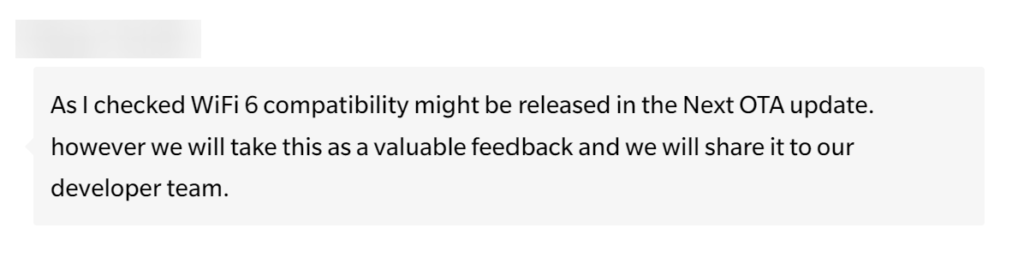
A Redditor recently had a chat with the OnePlus Support team and the support guy confirmed that WiFi 6 compatibility might be enabled in the next OTA update. Unfortunately, he wasn’t clear about the exact timeline of the release. Also, it is unknown whether the support for WiFi 6 will come first in the beta channel or directly to the phones running stable build.

OnePlus 7 Pro WiFi 6 Update

Even if OnePlus enables Wi-Fi 6 on the OnePlus 7 Pro, users will need to connect their phones to WiFi 6 routers in order to exploit its full potential. Some of the features of WiFi 6 include better speed, reinforced security, lower latency, and battery consumption, and exceptional network coverage in congested areas such as stadiums, conferences, and more. 


(Via, Source)
Huami’s research reveals women sleep longer than men each night in China

On March 13, 2020, the 20th World Sleep Day was celebrated and had the slogan “Better Sleep, Better Life, Better Planet”. It is an annual event organized by the World Sleep Day Committee of the World Sleep Society, formerly World Association of Sleep Medicine (WASM), since 2008. The goal is to celebrate the benefits of good and healthy sleep and to draw society’s attention to the burden of sleep problems and their medical, educational, and social aspects, and to promote the prevention and management of sleep disorders.

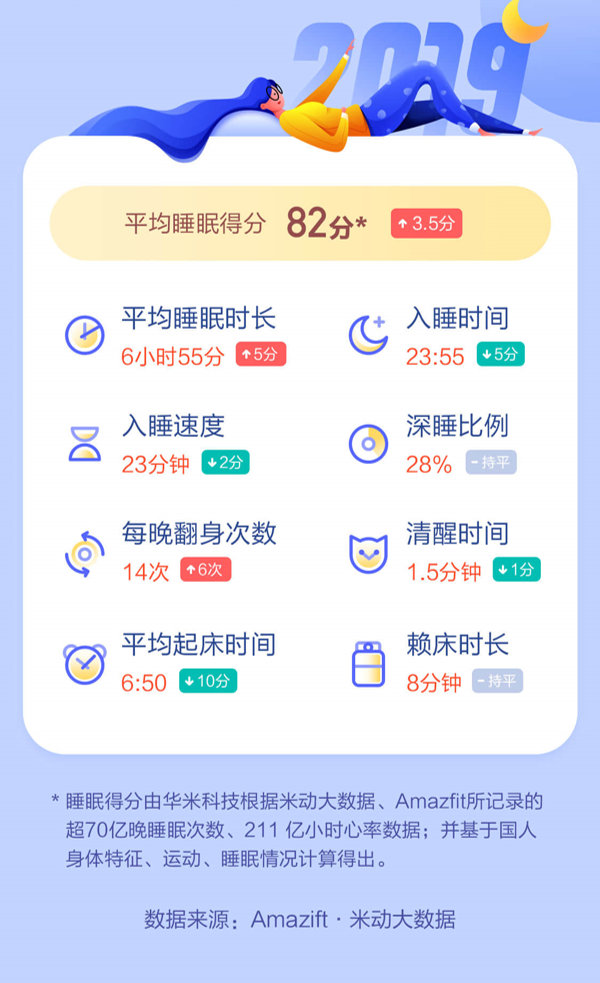
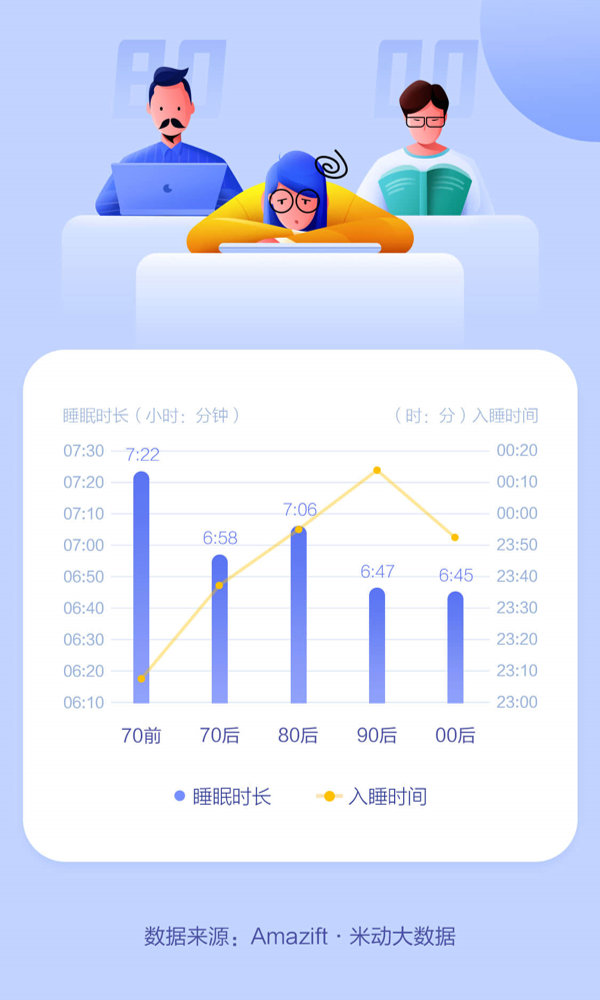
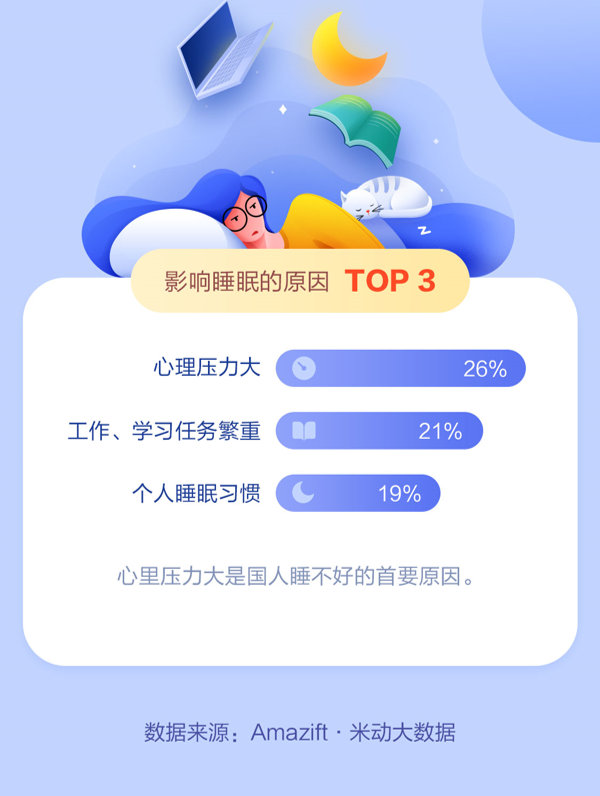
Smartwatch maker Huami has released a report which it dubbed “White Paper on Chinese Sleep 2019”. The report is based on over 10 million sleep data gathered from the Mijia Sports app as well as 100,000+ online survey questionnaire. The report analyzes the sleep pattern of persons in China in 2019. Of course, the aim to encourage people to develop a good sleeping habit.

Compared to 2018, the average sleep score of Chinese people increased slightly in 2019, and sleep duration increased slightly. In 2019, the average Chinese sleep score was 82 points, and the average sleep duration was 5 minutes longer than in 2018. However, more persons stayed up late in 2019 than in 2018. The average time to sleep is 23:55, which is 5 minutes later than 2018 and 32 minutes later than the 2017 figure.

Women’s sleep habits are significantly better than men’s. Data shows that women sleep 21 minutes longer than men on average every night. Majority of women fall asleep at 23:40, 23 minutes earlier than men, and wake up 2 minutes earlier than men. Average sleep score is 83.5 points, compared with 81 points for men.


(via)


[Exclusive] We’ve got the OnePlus 8 Pro Silicone Case

OnePlus 8 series including the OnePlus 8 Pro is said to launch sometime in April this year. The phone is expected to build on the design philosophy of the 7 series from last year. So we expect to see an additional camera sensor on the OnePlus 8 Pro and punch hole shooter on its curved display upfront.

Now that the launch is getting closer, accessory manufacturers have started making cases for the upcoming device. And we’ve managed to get hold of one of the first cases for the OnePlus 8 Pro.

OnePlus 8 Pro Case - Gizmochina (1)

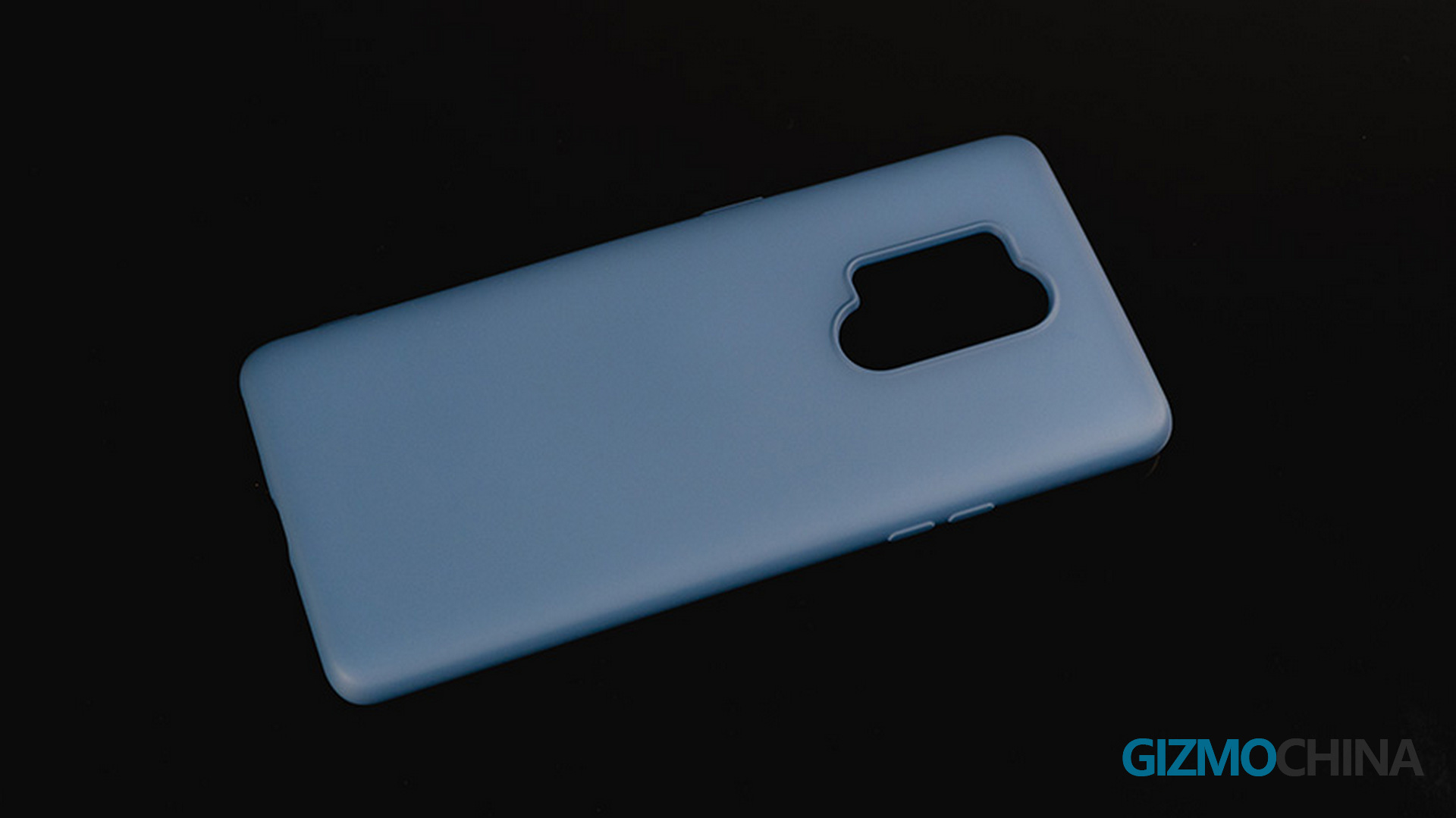
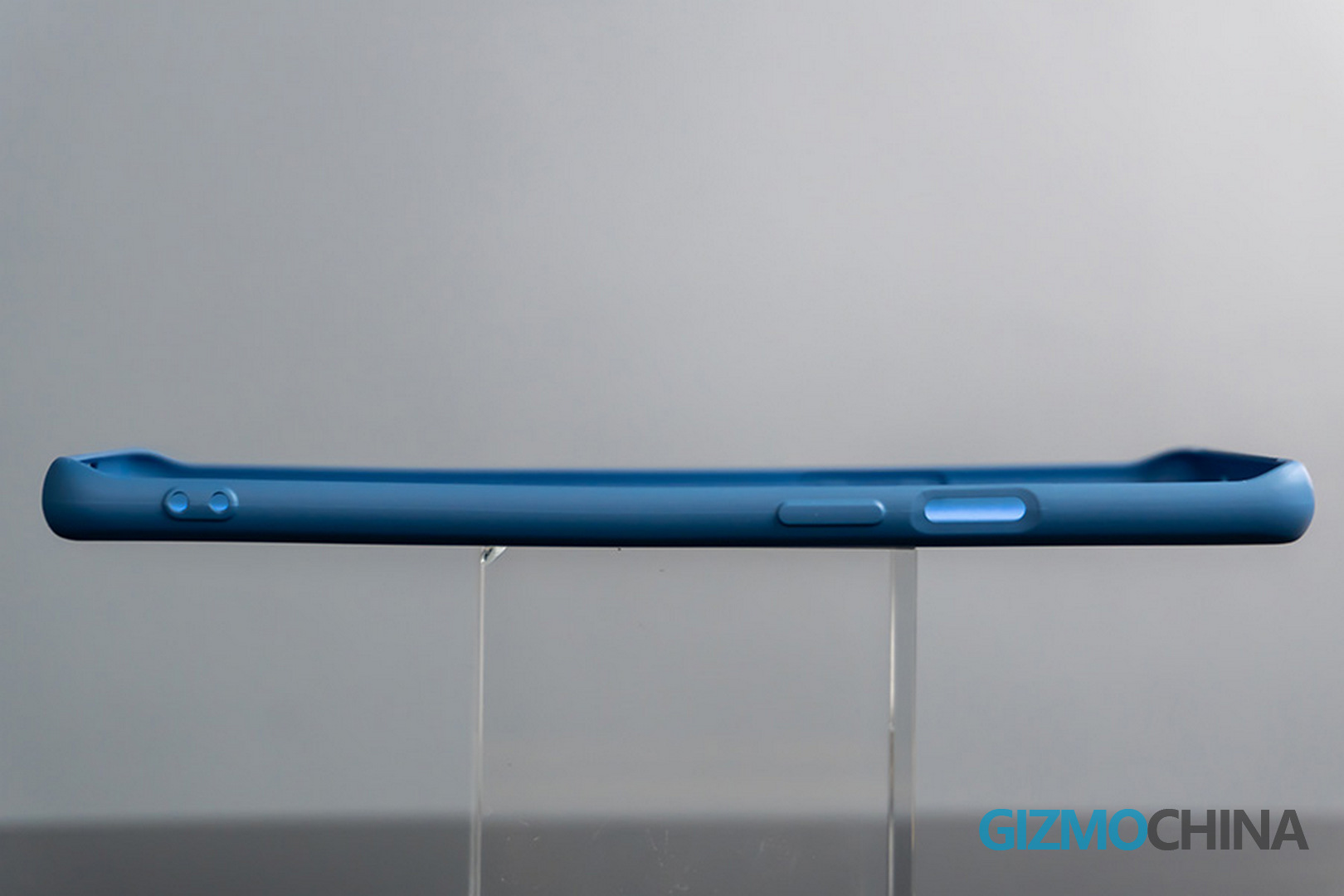
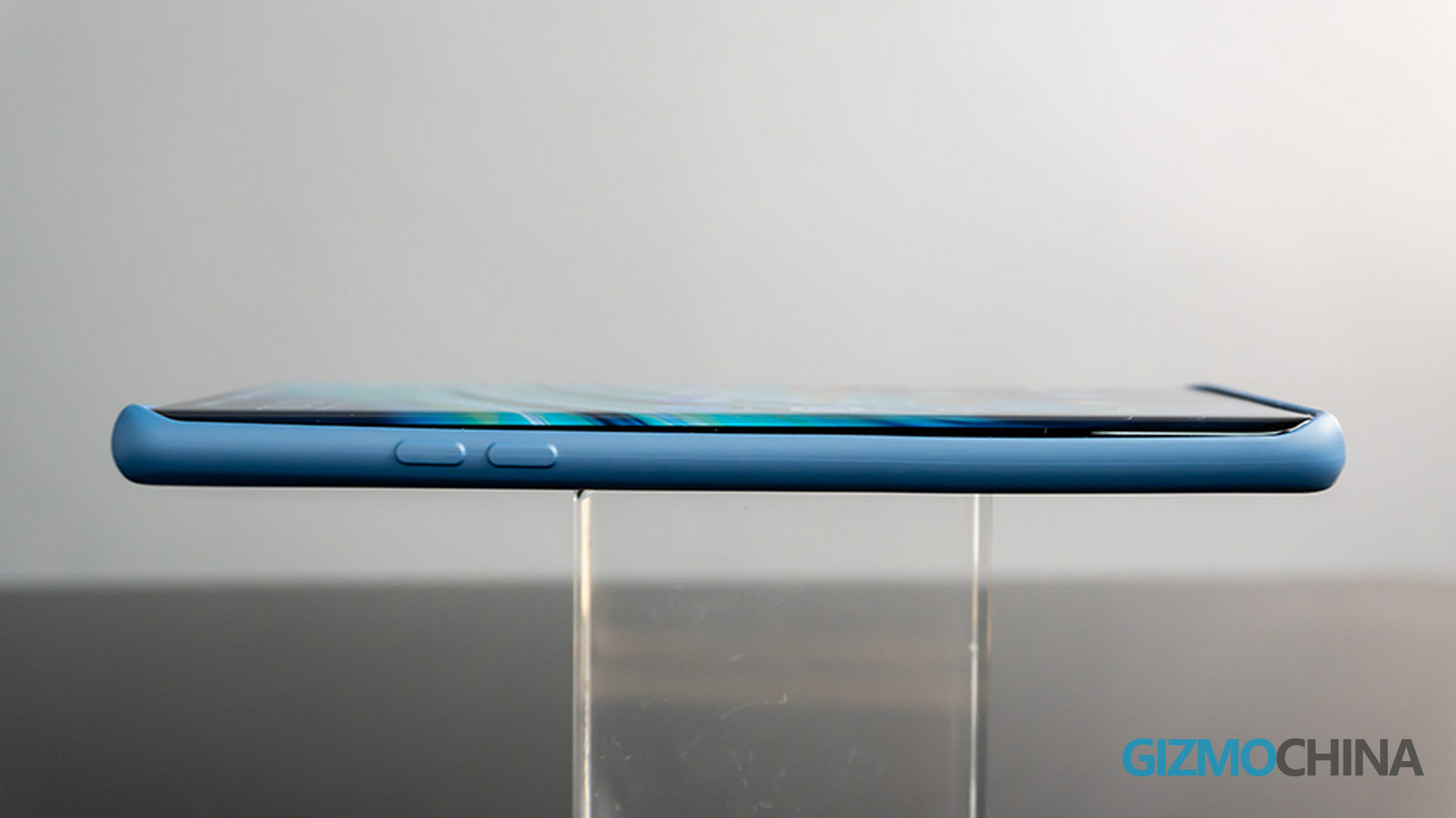
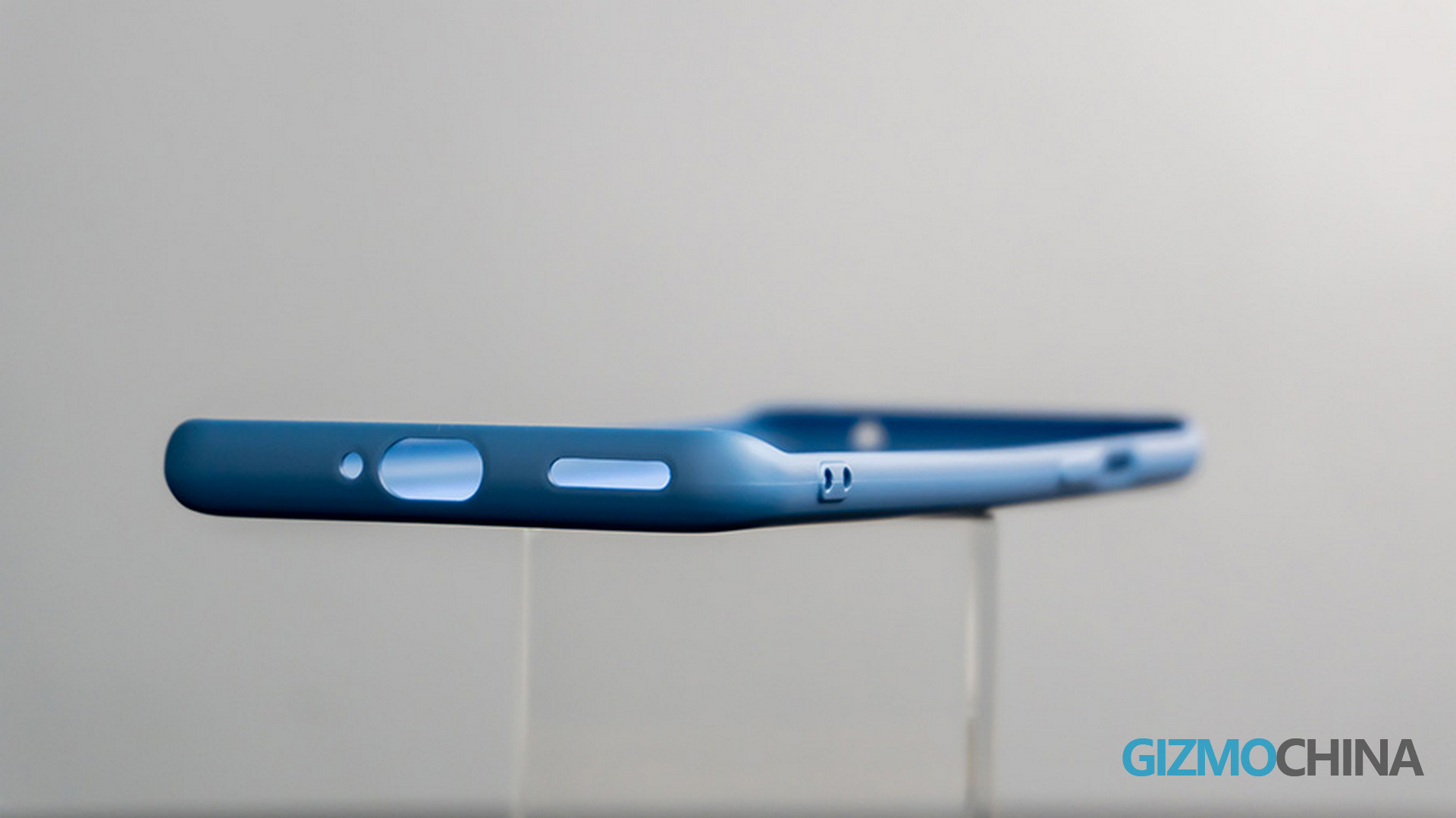
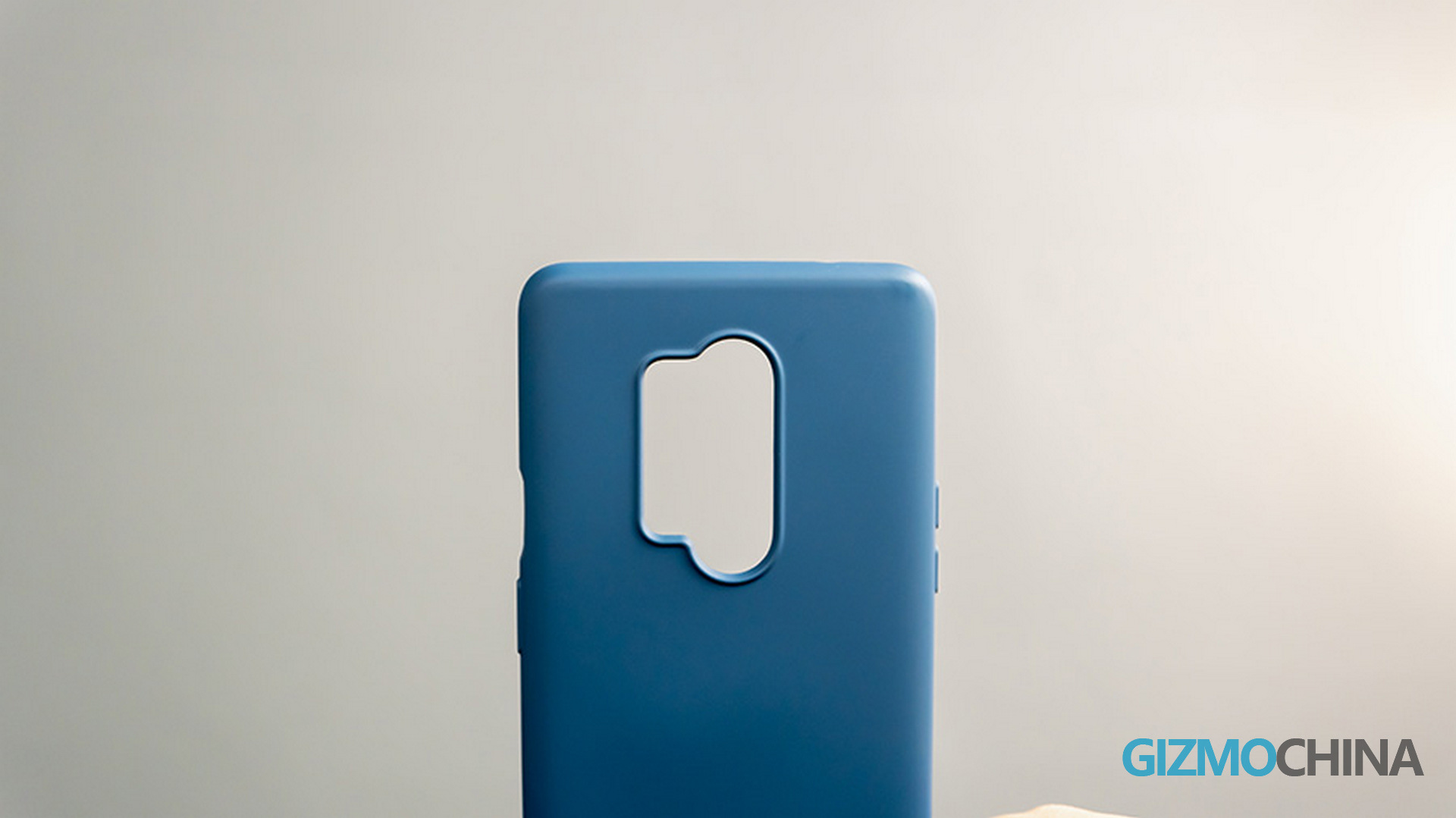
We got the OnePlus 8 Pro Silicone case in blue. The basics remain the same as its predecessor, the OnePlus 7T Pro. So you have cutouts for the power button and alert slider on the right and volume buttons on the left. The USB-C port and speaker cutouts are also at the bottom.

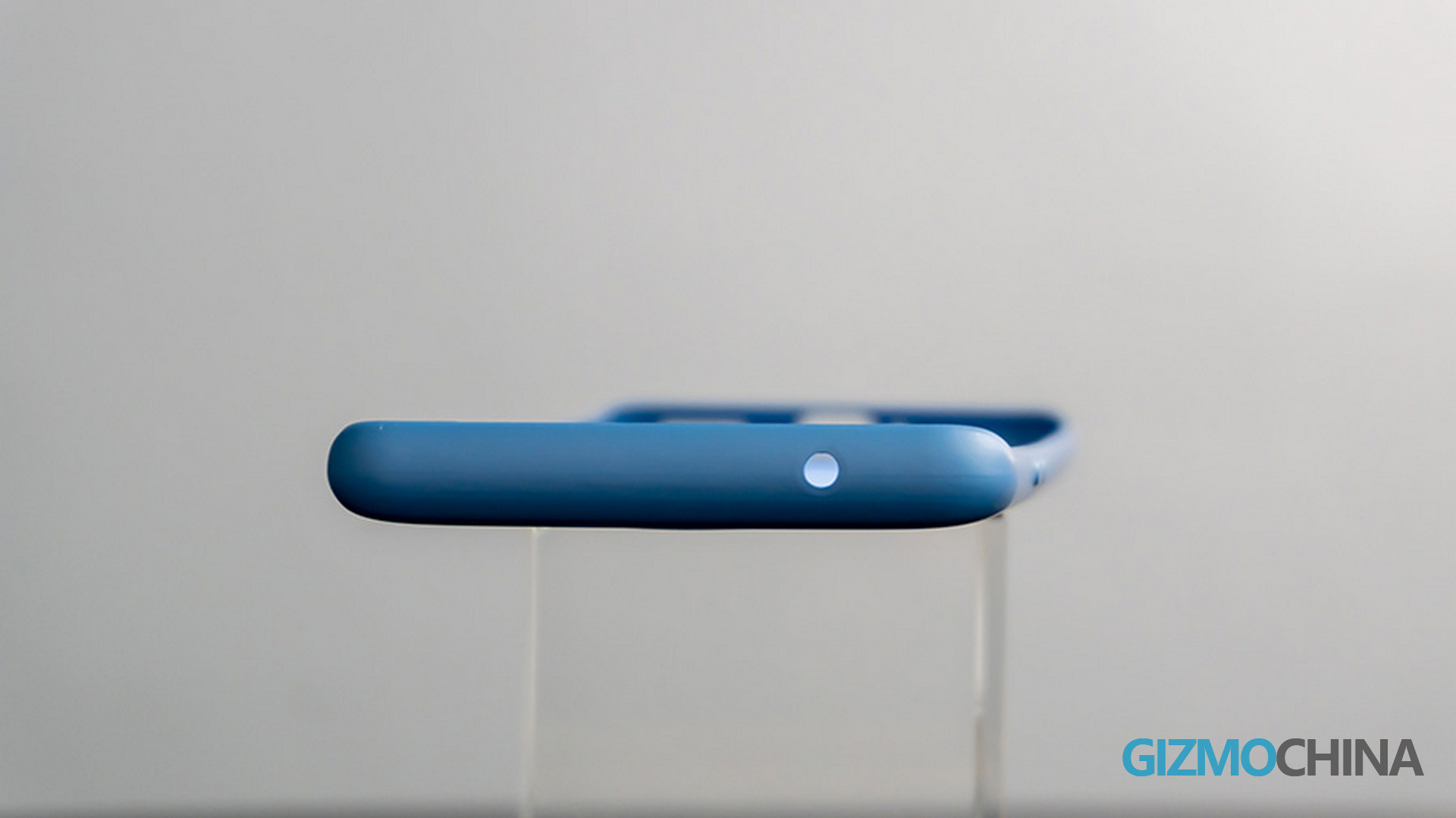
On top, as you can see, there’s no cut out for the pop-up camera. This is in line with the earlier leaked renders which revealed that the OnePlus 8 Pro would use a punch-hole shooter for selfies. If you are wondering about the grooves on the right side, it’s likely for attaching a lanyard strap.

OnePlus 8 Pro likely to get an additional Fourth Camera

The OnePlus 7T Pro came with three cameras at the back. But the OnePlus 8 Pro is likely going to add another camera to the setup, possibly a ToF sensor.

OnePlus 8 Pro Case - Gizmochina (5)
OnePlus 8 Pro case’s camera cut out is bigger than its predecessor

The case reveals that the extension on the left side of the camera cutout is longer than its predecessor. This is because the ToF sensor and the laser focus are likely going to be placed separately, to the left of the primary camera setup. This again is in line with the leaked OnePlus 8 Pro renders we’ve been seeing over the past few months. Notably, the OnePlus 8 Pro with the same design was recently spotted in a leaked image.

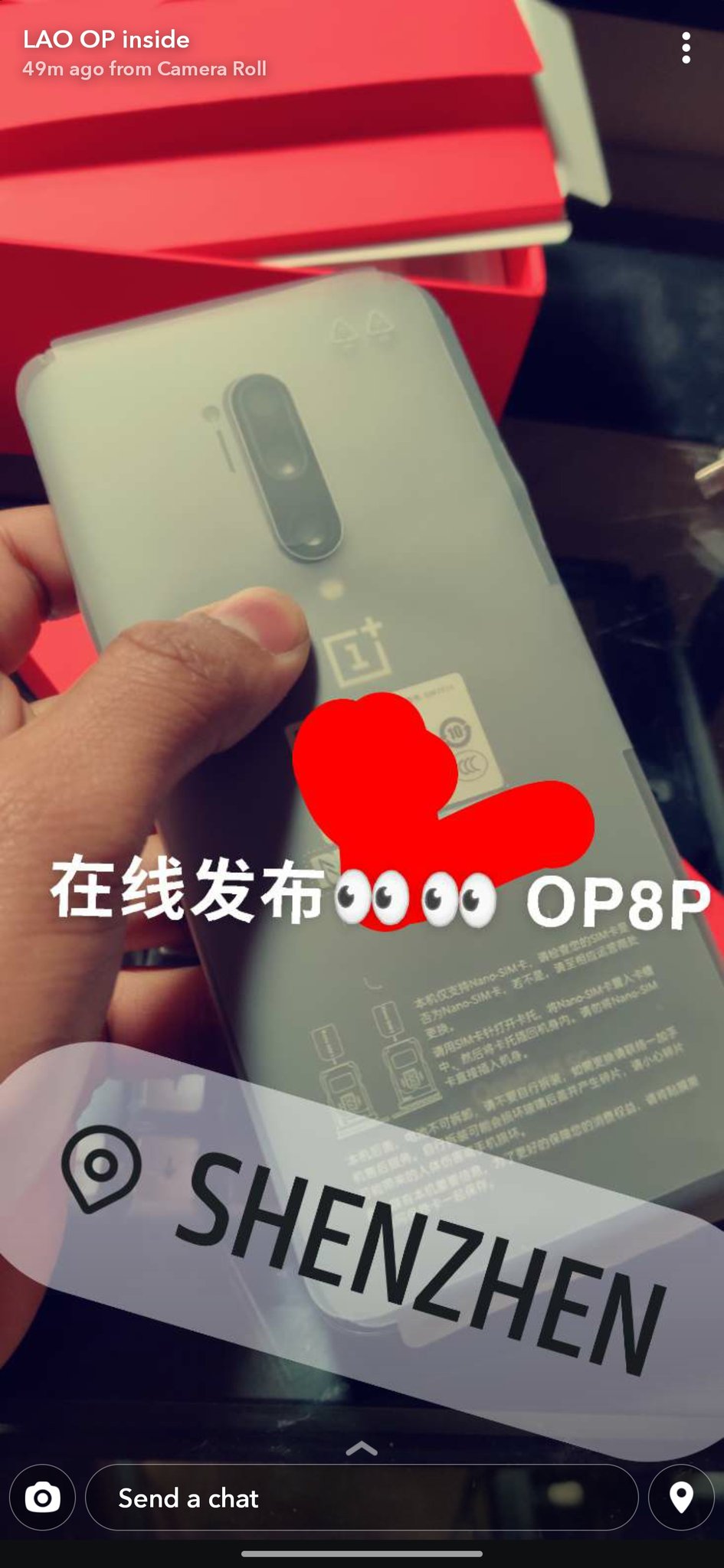
OnePlus 8 Pro live photo

The OnePlus 8 Pro will come with the flagship Snapdragon 865 processor and is rumored to support a 120Hz AMOLED display, 30W wireless charging, and 5G.


Camera specs of Huawei P40 Premium Edition leaked, Features Dual Telephoto Cameras

Huawei will be unveiling the P40 series on March 26, however, like most upcoming smartphones these days, it has been leaked multiple times revealing design and most of its specifications. Now, a fresh leak of P40 Premium Edition spills out its entire specs in including those of camera, which were unknown till now.

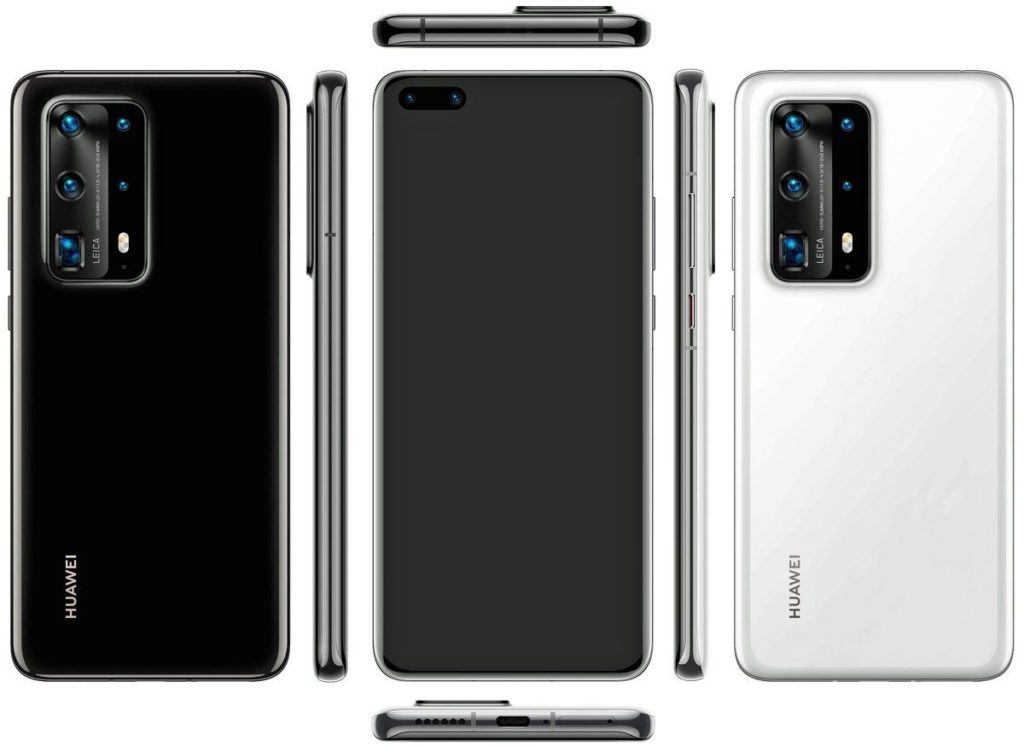
Huawei P40 Pro PE render

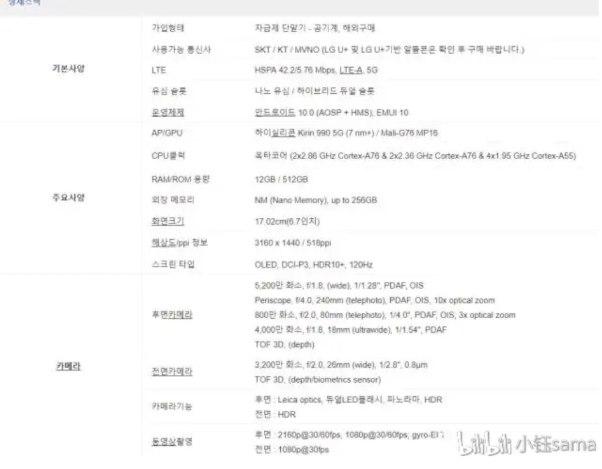
The new leak regarding Huawei P40 Premium Edition exposes everything about the Korean variant of the device, which will be sold by carriers like SKT, KT, LGU+, and more. Most importantly, the specs leak also reveals the camera setup on this phone for the first time. According to it, the handset will feature a Penta camera setup at the back, which includes a primary sensor, two telephoto units, one ultra-wide camera, and a TOF (Time of Flight) 3D depth sensor.

The specs of both rear and front cameras of the device are as follows.

Huawei P40 Premium Rear Camera Specs (Leaked)

  • 52MP f/1.8, 1/1.28, PDAF, OIS
  • Periscope F/4.0 240mm (telephoto), 10X optical zoom, PDAF, OIS
  • 8MP f/2.0 80mm (telephoto), 1/4.0, 3X optical zoom, PDAF, OIS
  • 40MP 1.8 ultrawide / cine lens, 1/1.54, PDAF
  • ToF 3D depth sensor

Huawei P40 Premium Front Camera Specs

  • 32MP F/2.0, 1/2.8
  • ToF 3D (depth and biometrics)

Huawei P40 Premium Edition Specs Leak

Apart from the camera specs, the leak also confirmed other features of the upcoming Huawei flagship device such as 6.7-inch 2K (3160 x 1440 pixels) OLED display with 120Hz refresh rate / HDR10+ / DCI – P3 color gamut, 12GB RAM, 512GB ROM, Huawei NM card support (up to 256GB), Kirin 990 5G chipset, and EMUI 10.1 based on AOSP Android 10 with HMS Core.


(Via)

Xiaomi surpassed Huawei to become the World’s Third Largest smartphone brand in Feb 2020: Strategy Analytics

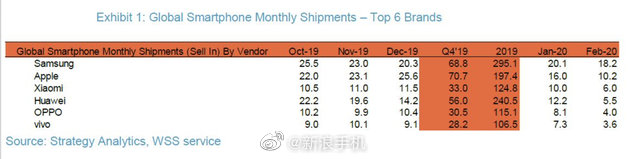
Xiaomi surpassed Huawei to become the world’s third-largest smartphone brand in terms of shipments in February 2020 according to a report by market research firm Strategy Analytics. This is the first time Xiaomi has ever overtaken its rival, Huawei.

xiaomi logo

As per the report, in February 2020 alone, the worldwide smartphone shipments fell 38% YoY accounting for 62 million units. Sales also dropped 39% YoY with 65 million units. These factors along with the backlog of 4G inventory have affected Huawei adversely. The company’s shipments and sales declined by 69% and 64% YoY respectively.

As a result, Xiaomi became the third-largest smartphone maker in February 2020, even though its shipments and sales dipped by 32% and 29% YoY respectively. With all that being said, the difference between Xiaomi and Huawei was merely 0.5 million or 500,000 units with a total of 6 million and 5.5 million shipments respectively in the previous month.

Xiaomi Surpasses Huawei Third Largest Smartphone Brand

Further, Samsung seized the top position as usual in February 2020 with 18.2 million units, followed by Apple with 10.2 million units. Finally, fifth and sixth positions were acquired by Oppo and Vivo respectively with 4 million and 3.6 million units each. Also, like Huawei and Xiaomi, the above-mentioned brands encountered slump in their shipments and sales by a huge margin.

Huawei is already going through a tough time since the United States government added it to the ‘Entity List’ last year. This forced US-based companies to drop their businesses with Huawei and in the process, the Chinese smartphone maker also lost its Android license. Additionally, global smartphone shipments have been falling for YoY as people tend to use their phones for a long time.


(Via)

Redmi K30 Pro camera sample highlights 30x zoom; supports 8K video recording

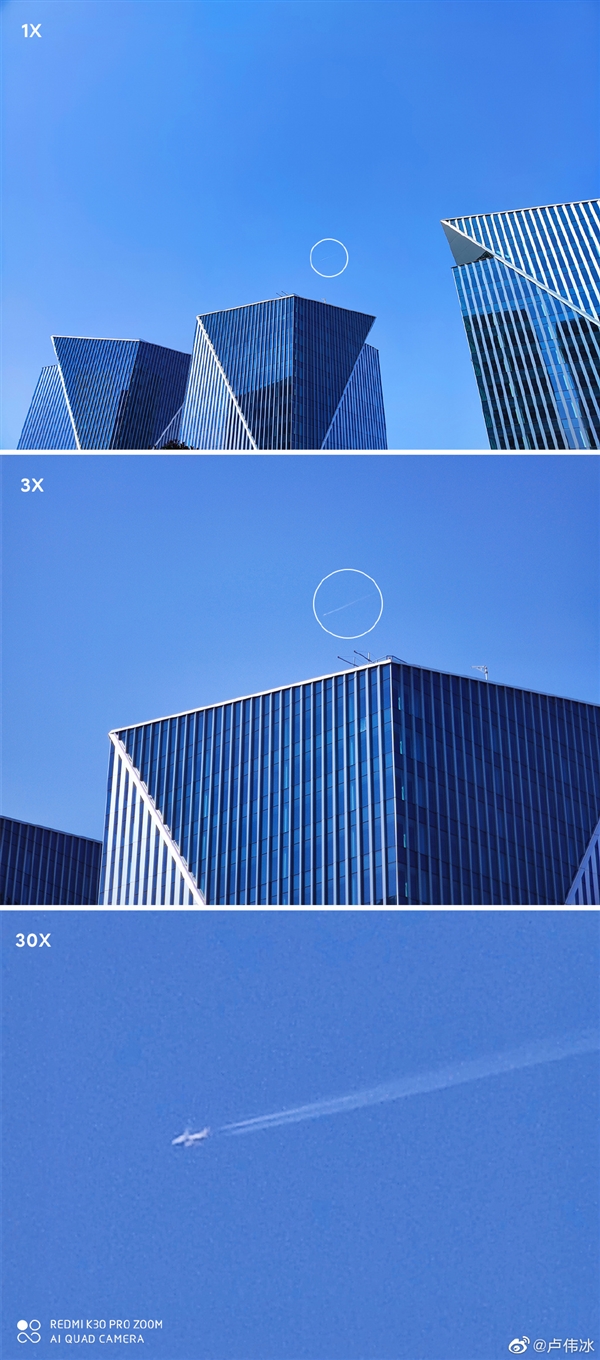
Redmi’s GM Lu Weibing has shared a couple of camera samples of the Redmi K30 Pro. The sample highlight the prowess of the camera to capture clear pictures when zoomed. Three sample pictures of the same target were shared, one captured the target at 1x zoom level. At this level, the main target which is a moving jet was practically invisible. The next shot captured the jet at 3x zoom and was a better shot. The main highlight was the 30x zoom capture which surprisingly was clear despite being of a moving jet.

The Redmi K30 Pro was recently teased to support 3x optical zoom and 30x digital zoom. Sure thing, the powerful 64MP Sony IMX686 sensor must have played a significant role in the picture still remaining clear despite zooming in at 30x level.

Apart from capturing crip clear still photos, Xiaomi also teased the device to have support for 8K video recording. In addition, it will utilise the latest LPDDR5 storage manufactured by Micron. The phone will be available in 6GB and 8GB RAM versions but Micron had announced back in February a 12GB RAM version for its LPDDR5 DRAM. We are not sure if the Redmi K30 Pro will have the 12GB RAM variant. It is also equipped with UFS 3.1 flash memory and at the driving seat is a Snapdragon 865 chipset.


(source)
 

Japanese Researchers develop a 10 minute Coronavirus test

A team of dedicated Japanese researchers has made a breakthrough in the method for the detection of Coronavirus infection. The group has developed a test kit that is capable of providing results for a possible viral infection in just 10 minutes, notably faster than the current testing standards that are in place right now.

Coronavirus

For those unaware, a new strand of Coronavirus has been a cause of major alarm across the globe. The virus originated from China and has been confirmed in upwards of 178 countries as of right now. It has been categorized as a pandemic by the World Health Organization (WHO) and is a highly infectious virus. But now, Nagasaki University after teaming up with the Canon Medical Systems and the National Institute of Infectious Diseases has developed a new quick and efficient testing method.

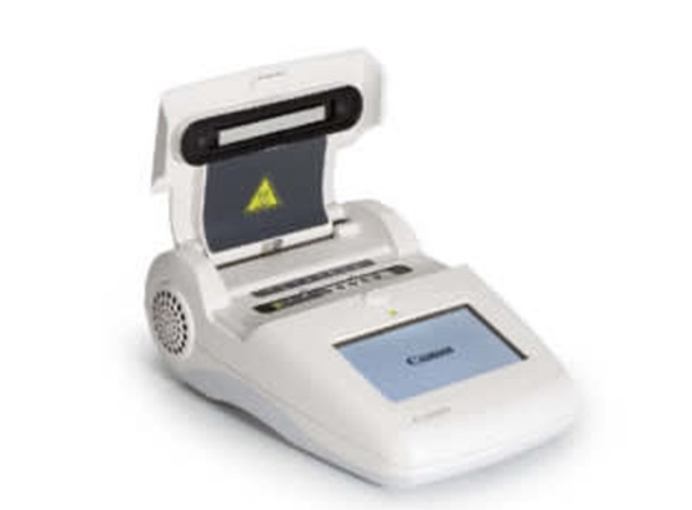
The method is currently undergoing clinical trials in the Nagasaki Prefecture, which has just recently seen its first confirmed report of the Coronavirus infection. The test kit takes the form of a portable tool which is compact and weighs just 2.4kg. The gadget requires just a swab from the patient’s nose or throat or any genetic material which may have traces of the virus and uses a fluorescent dye to illuminate the infection for the researchers.

Coronavirus

The kit requires less time to bring the vital materials to detectable levels than in a standard polymerase chain-reaction tests. For a fully accurate level of detection, the test can take up to 40 minutes from start to finish and can allow a single unit to test up to 700 unique samples in a single day. Given it runs the entire day non stop. The system is currently in the Nagasaki University and is being planned to be distributed to various university hospitals and other medical institutions in Japan.


(Via)

Huawei receives security certificate for the EMUI 10.1, launches with the P40 series

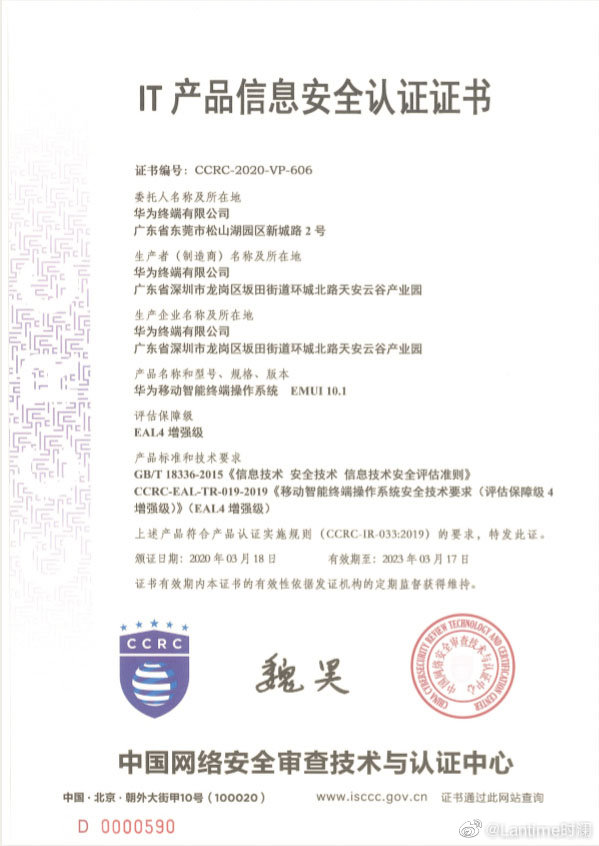
Huawei is gearing up for the launch of its flagship P40 series. The smartphone will arrive with top notch specs and features and will run the latest EMUI build version 10.1, which just received an important cybersecurity certification in China.

Huawei

According to a new report, EMUI 10.1 has just received a security certificate from China Cybersecurity Review Technology and Certification Center. The firm is a crucial cybersecurity standard for smartphone software and the EMUI 10.1 has obtained an EAL4+ (Evaluation Assurance Level) certificate. This is a common criteria and the ratings are provided when the product meets the specified international security measures standards.

For those unaware, the EMUI software is a custom skin based on the Android operating software. The EMUI 10.1 will be the latest version after its launch and will feature various system improvements and features like GPU Turbo, New HMS (Huawei mobile services) and more. Although, the P40 series is likely to receive certain special features apart from these as well.

Huawei

Furthermore, the Huawei P40 series is a flagship lineup from the Chinese tech giant. It is expected to feature a full screen front body that will cover the front half of the device, and so certain features in the EMUI 10.1 are likely to take advantage of that as well. Unfortunately, finer details regarding the upcoming software version are currently unknown. So stay tuned for more updates and the upcoming launch event.


(Via)

MIUI 11 Developer Edition for Mi 9 adds Document Scan, Clipboard Permission, Super Power Saver Mode, and more

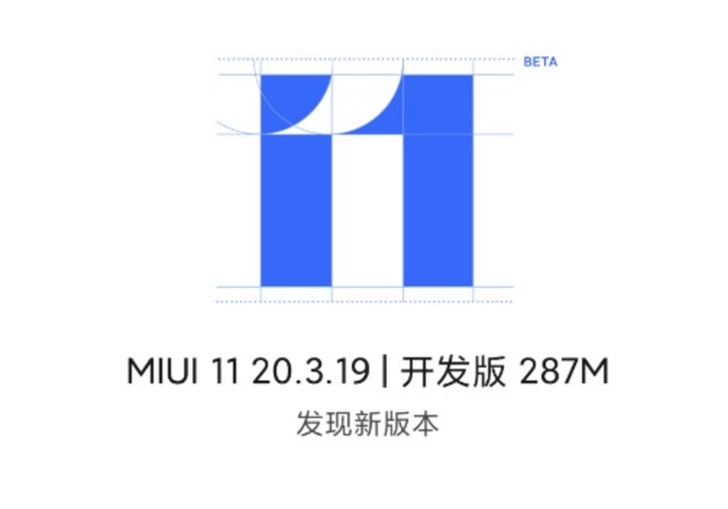
Xiaomi has released a new developer version of MIUI 11 to the company’s last year flagship Xiaomi Mi 9. The latest developer update for the device with build number 20.3.19 brings a number of new features including document scan, super power saver mode, and clipboard permissions.

Although Xiaomi is currently known for its smartphones, it is the company’s MIUI Android skin that helped to build its empire. MIUI is one of the few Android skins that comes in various editions. For instance, the builds are released in the developer, beta, and stable channels. They are further differentiated by the regions where the phones are sold. Whenever the company feels to introduce new features, it is initially tested in the developer builds.

Unsurprisingly, that is what Xiaomi has done with the latest MIUI 11 developer release v20.3.19 for the Mi 9. This new build has added a variety of new features including the much-needed document scanning ability in the camera app. Users can now easily scan any type of documents easily without any third-party app and also enhance them on the go with in-built tools. Another interesting feature is the addition of clipboard permissions that prevent other apps from accessing them. This update also brings a new super power-saving mode along with fixes for several issues.

Xiaomi Mi 9

In case you are interested in knowing more, then have a look at the official changelog provided by the company. Do note that this is a rough English translation of the Chinese changelog.

Xiaomi Mi 9 – MIUI 11 Developer Edition v20.3.19 Official Changelog

  • Super Power Saving
    • New Super Power Saver: Lift Wake, Screen-Off Fingerprint, etc.
  • System
    • Optimize The animation effect of the era of horizontal vertical rotation on the same page
    • Fix desktop failure to slide
    • Update Google Security Patch (2020 s03) to improve system security
  • Status bar, notification bar
    • Fix an issue where the status bar shows exceptions under global anti-color
  • Camera
    • New Camera Document Mode Supports Auto-Crop, Black and White, Enhanced Effect Processing, and Auto-Shadow Removal
  • Screen time management
    • New Device Continuous Use Reminder
  • Authorization Management
    • New status bar permission id supports adding whitelists, and apps that add whitelists will not display relevant permission identities
    • New clipboard permissions to prevent applications from reading or tampering with clipboard content
    • New Multiple permission support set to “Allowed only in use” for multiple permissions support, such as location/recording/photographing/contacts/call records/calendar/reading and writing external storage
    • New Location/Recording/Photography Support Settings “Allow This”
    • New total ban on background camera rights to root out malicious app voyeurism
    • New Location/Recording/Photography Rights Show Authorization Options feature based on permission description
    • Optimize the limited frequency of sensitive behavior notifications to reduce the number of notifications
    • Fix an issue that can’t be screened due to frequent sending of sensitive behavior notifications
    • Fix an issue where the status bar permission sit couldn’t click
    • Fix issues where permission identities do not disappear immediately after permission listing is added in some versions
    • Fix an issue where deleting the corresponding app when the permission identity appears, causing the identity to disappear


(Via)

Chip Battle: Exynos 7904 takes on the Snapdragon 675

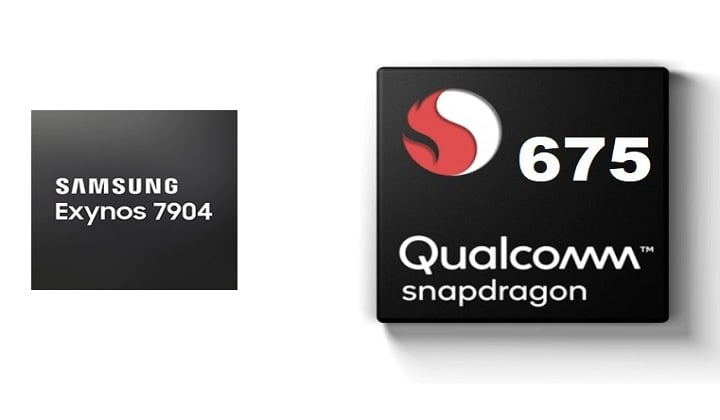
For this edition of Chip Battle, we are pitting Samsung’s Exynos 7904 chipset against Qualcomm’s Snapdragon 675 processor. Both chipsets are found in mid-range phones, though the former is limited to just Samsung phones while Qualcomm‘s chipset appears in phones from various brands. Let’s dive in and see how which chipset comes out on top.

Chip Battle - Exynos 7904 vs Snapdragon 675

Node
The Exynos 7904 is a 14nm processor while the Snapdragon 675 is an 11nm processor. A smaller node size means the processor is more power-efficient; and in this case, the Snapdragon 675 is the one with the smaller node size.


CPU

Samsung’s processor has eight cores in a 2+6 configuration. There are two Cortex-A73 performance cores clocked at 1.8GHz while the other six cores are Cortex-A53 cores clocked at 1.6GHz.

The Snapdragon 675 has eight custom Kryo 460 cores which are actually two performance cores that are based on the Cortex-A76 and clocked at 2.0GHz and six power-saving efficiency cores based on the Cortex-A55 clocked at 1.6GHz.

It is easy to see which chipset is more powerful. The Cortex-A76 cores are the successors to the A73 and so is the relationship between the Cortex-A55 and Cortex-A53. Not only are the cores of the Snapdragon 675 more powerful, but they are also clocked at higher speeds. The benchmark results below also confirm the Snapdragon 675 easily beats the Exynos 7904.

[envira-gallery id=”311662″]


GPU

There is an Adreno 612 GPU in the Snapdragon 675 while the Exynos 7904 has Arm’s Mali-G71 MP2 GPU. Benchmark results have shown the Adreno 612 is a more powerful GPU than the Mali G71 MP2, so this is another win for the Snapdragon 675.


Connectivity

The Exynos 7904 has an LTE Cat. 12 modem with speeds up to 600Mbps for downloads and 150Mbps for uploads. It also has support for dual-band Wi-Fi, Bluetooth 5.0. The Snapdragon X12 LTE modem inside the Snapdragon 675 offers the same downlink and uplink speeds too. It also has Bluetooth 5.0 and support for dual-band Wi-Fi.

Conclusion

The Snapdragon 675 is easily the winner here. It packs a better CPU as well as GPU compared to the Exynos 7904. It is also more efficient as a result of its smaller node size.


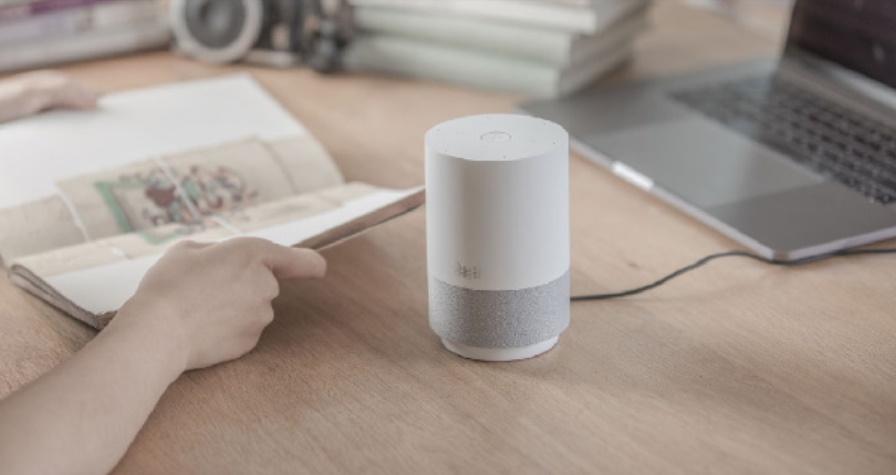
China’s Smart Speaker market sees a massive growth of over 109% in 2019: IDC Report

According to a new report from a renowned analytics firm, IDC, the Chinese smart speaker market has seen unprecedented growth in the year 2019. The figures shared by the firm detail the year on year growth for each quarter and an annual growth which is a massive 109.7 percent over 2018.

As per the report published by the IDC, the smart speaker market shipments saw 45.89 million units in China alone, marking the 100% plus year on year growth. Similarly, the quarters of 2019 also represented growth overall as well, with just Q4 seeing 13.08 million unit shipments and a year on year growth of 22.5 percent over 2018.

China
Alibaba’s Smart Speaker

The names that dominated this category include industry giants like Alibaba, Baidu, and Xiaomi, with just these three accounting for nearly 90 percent of the entire Chinese market share. Alibaba’s Tmall Genie speaker took the top spot with 15.61 million units shipped in 2019, which is a significant rise of 87.9 percent over 2018. Furthermore, Baidu’s Xiaodu smart speaker arrives second with a total of 14.9 million units being shipped in 2019, seeing an incredible year on year growth rate of 278.5 percent.

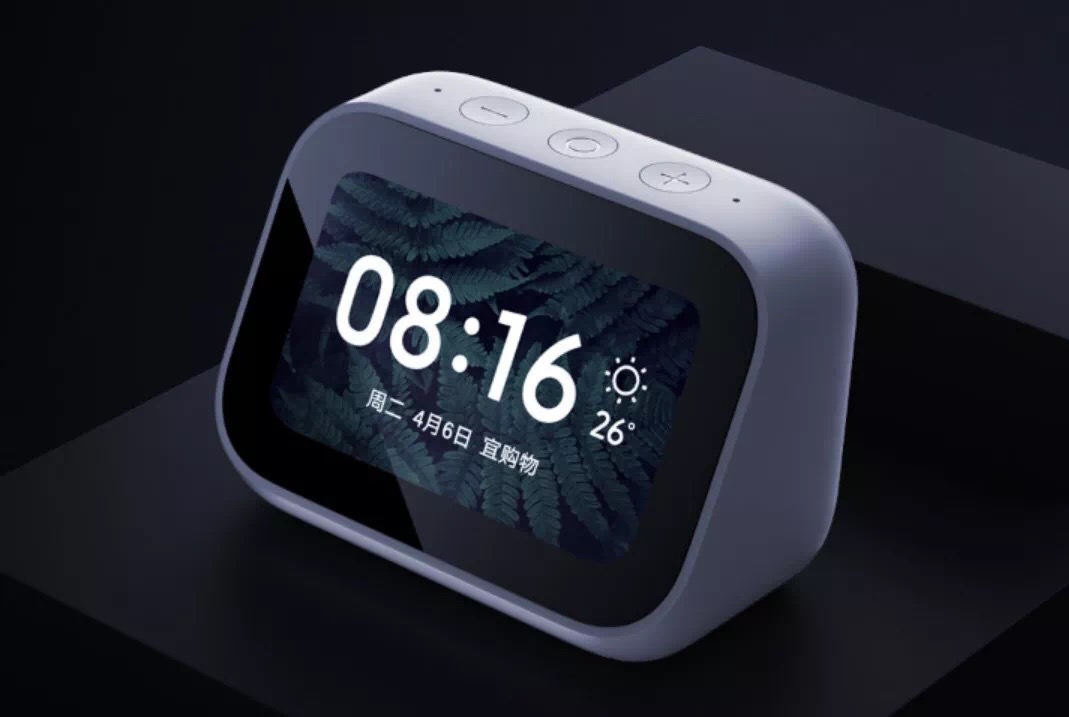
Xiaomi, on the other hand, arrived third on the list and saw an annual shipment of just 11.3 million units, marking a growth rate of 89.7 percent in just one year. Needless to say, this is an impressive growth trend that the Chinese smart speaker market has seen. Unfortunately, this trend might see an abrupt obstacle. 2020 was supposed to be the follow up year where a stable but growing trend would have been observed but due to the Coronavirus disrupting various industries and economies in early 2020, the growth rate might be severely affected.

Xiaomi XiaoAi Smart Speaker

It is currently being expected that the Q1 of 2020 will bring a decline by a notable 25.8 percent in comparison to 2019. For those unaware, the new strand of Coronavirus had originated from China before spreading to over 170 countries. This caused the Chinese government to enforce various shutdowns in high worker areas like factories and production lines. So, the issues will largely impact the entire Chinese smart speaker market.


(Source)

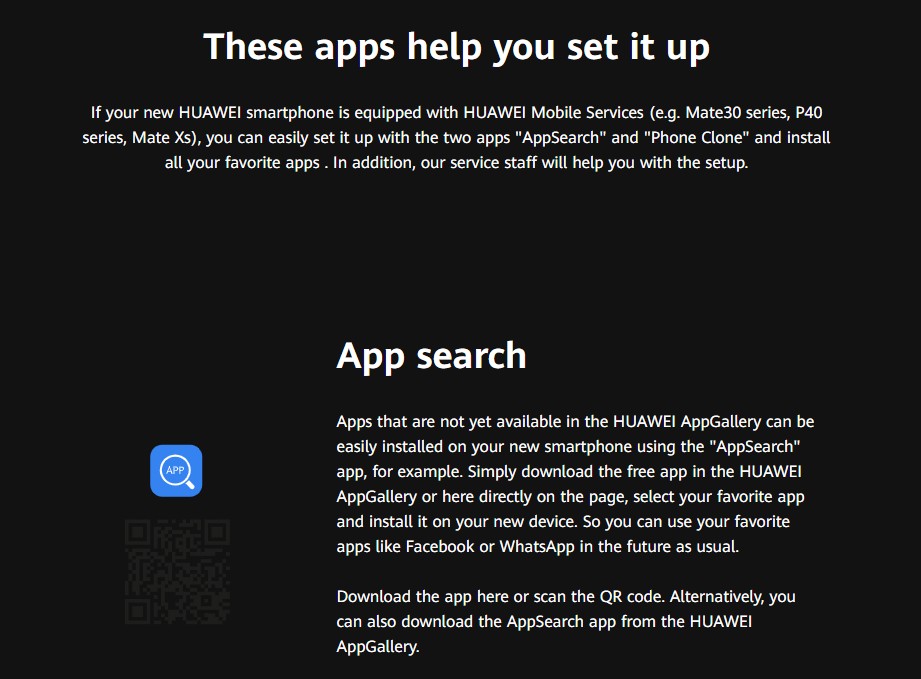
Huawei test AppSearch, helps users download popular apps without Google Play Store

Huawei, the known Chinese tech giant, is currently testing AppSearch. It is a new software the company has developed and will seek to aid users in finding popular smartphone applications without using Google’s Play Store service.

For those unaware, Huawei was hit with a trade ban by the US Commerce Department back in 2019. The company had been placed on the ‘Entity List’ and was deemed a risk to national security. Thus, Huawei was banned from buying or collaborating products or services with other US based companies. This included firms like Google, and with the search giant being barred from working with the Chinese company, Huawei lost the official Google service and Android support as well.

Huawei
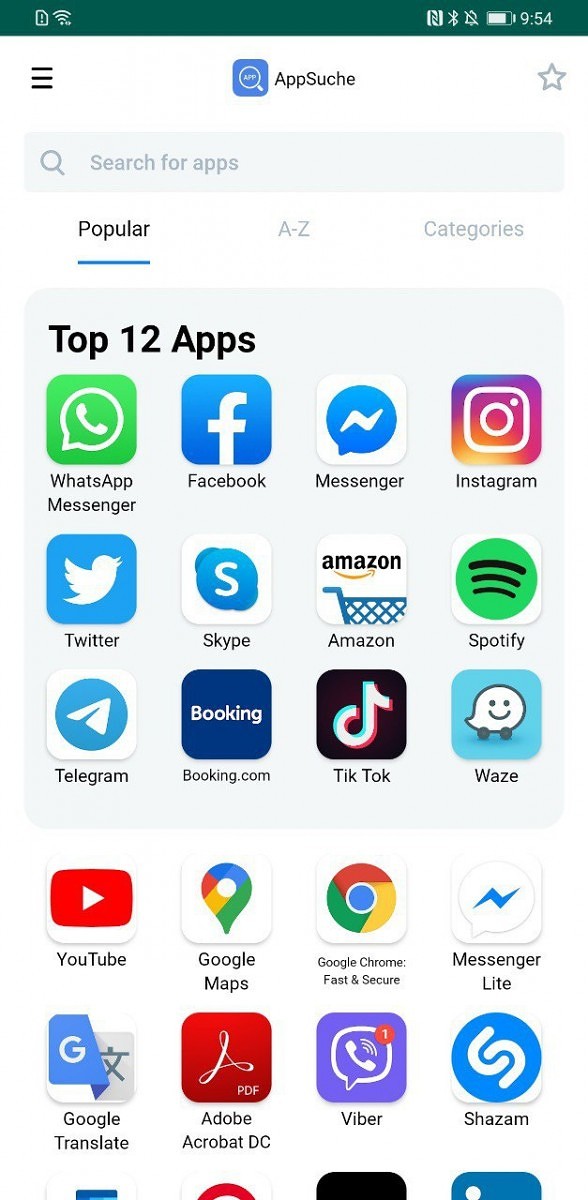
AppSearch’s Description (Images via XDA Developers)

Since then, Huawei has launched smartphones with Android OS, but these lack the Google Mobile service and are the vanilla version. Google’s Play Store is the most popular app gallery service in Android so it would be a great obstacle for Huawei and its large user base. Thus, the company had previously announced and launched its Huawei Mobile Services (HMS) and is now looking to further expand its software portfolio through the AppSearch.

As of right now, the AppGallery is the official app store from Huawei that lets users download applications. However, this currently lacks many popular apps and does not have the same number of apps that Google’s Play Store’s vast collection stores. This is where the AppSearch comes in, allowing users to find and download such popular APKs. Users had to initially rely on other third party apps stores like Amazon or Aptioide, but this could potentially liven up its software database.

Huawei

AppSearch is currently being tested in Germany and is publically available on the official Huawei Germany website. According to the official summary, the software aims to help users find their favorite apps for Huawei smartphones with the HMS. The popular apps that can now be found include Facebook, WhatsApp and many more. It is available for the Mate 30 series, P40 series, and even the Mate Xs.


(Via)

Realme Narzo 10, 10A could be rebranded Realme 6i and Realme C3 for India

Realme will be launching the Narzo 10 and Narzo 10A smartphones on March 26. The gaming-focused chipset will be introduced for the first time through Narzo 10 series. Reliable tipster Ishan Agarwal’s new tweet reveals the Narzo 10A has a model number of RMX2040. The Realme 6i that was recently unveiled in Myanmar has the same model number. Hence, it appears that the Realme 6i could be arriving in India as a rebranded version of the Realme 6i.

Agarwal has shared a live shot of the alleged Narzo 10 smartphone that was recently spotted at a retail store. The phone that is fueled by the Helio G80 processor recorded an impressive score of 203,078 on AnTuTu benchmarks. The performance of the processor seems to be on par with Snapdragon 712, claims Agarwal. The pricing of the Narzo 10 series may start at sub-Rs. 15,000 in India.

Realme Narzo 10
Live shot of the alleged Realme Narzo 10

The Realme 6i features a 6.5-inch display that offers HD+ resolution and 20:9 aspect ratio. The Helio G80 SoC on the device could be equipped with up to 4 GB of RAM and up to 128 GB of storage. The 48-megapixl + 8-megapixel + 2-megapixel + 2-megapixel quad camera setup resides on its back. It has a front camera of 16-megapixel. The device is equipped with a 5,000mAh battery with 18W fast charging support. These specs could be available on the rebranded Narzo 10.

Last month, Realme had launched Realme C3 with triple rear cameras in certain markets like Indonesia and Thailand. The Narzo 10A could be a rebadged edition of the Realme C3 smartphone.

The Realme C3 also features a 6.5-inch HD+ resolution supporting 20:9 display. It is powered by Helio G70 and comes with up to 4 GB of RAM and up to 64 GB of storage. It has 12-megapixel + 2-megapixel + 2-megapixel triple camera system on the rear and a frontal shooter of 5-megapixel. It also houses a 5,000mAh battery that supports 10W charging.

The Android 10 based Realme UI comes preinstalled on both devices. The Narzo phones are equipped with rear-facing fingerprint sensors.


(source)
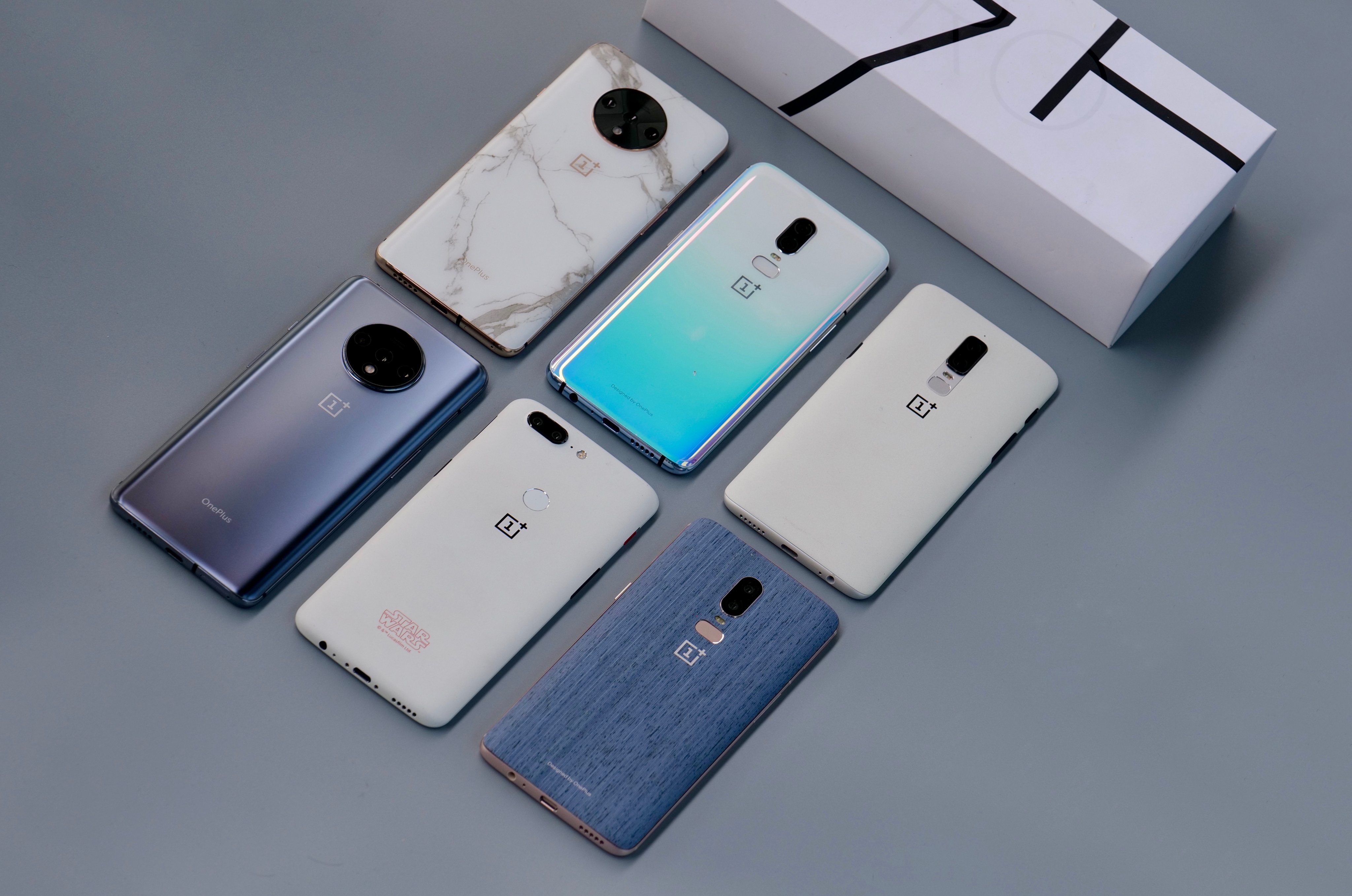
OnePlus founder shows off unique variants of past OP devices including a marble finish

Earlier today (20th March 2020), OnePlus Founder, Pete Lau, went on Twitter to share a few interesting images that the consumer side never saw. The senior executive shared what seemed to be special editions/ variants of smartphone models from previous years that never saw a commercial launch.

The tweet on the popular social media platform also shares a couple of images that depict various OnePlus smartphone models. These include the OnePlus 7T, OnePlus 6 and even OnePlus 5T. According to Pete Lau, “We do more testing with colors, materials, and finishing (“CMF”) than you could imagine, because that’s what decides the overall feel of a phone.”

In other words, there have been numerous previous iterations and builds that the company has experimented with and is not against the idea of concept phones. It had even revealed a unique OnePlus Concept One handset that featured a disappearing camera technology and showed off the leather with faux stitching on the rear panel.

OnePlus

With these interesting and unique designs, the company tests the CMF or color, material, and finishing of different devices. For example, the image shared depicts a OnePlus 7T model with a marble finish while the OnePlus 6 features a glossy white and cyan gradient rear panel. Similarly, a denim blue patterned OnePlus 6 is also showcased while the matte white OnePlus 5T Star Wars edition makes an appearance as well. Some of the designs may have been used in commercially launched models, like for the OnePlus 6T’s Thunder Purple edition.


Huawei P40 and P40 Pro press renders appear to reveal front and rear design

Huawei will be the announcing the much-anticipated Huawei P40 and P40 Pro smartphones on Thursday. The company is also expected to unveil a penta-lens setup sporting Huawei P40 Pro PE smartphone alongside the P40 and P40 Pro phones. Reputed tipsters Evan Blass and Ishan Agarwal have shared new renders of the Huawei P40 and P40 Pro phones.

Huawei P40 Pro (left) and Huawei P40 (right)

As it can be seen, the Huawei P40 features a flat panel with a pill-shaped cutout at the top-left corner. The P40 Pro can be seen flaunting a curved screen and the side bezels appear almost non-existent. Compared to the P40, the elliptical cutout on the screen is a bit wider. There is a possibility that it could be housing an additional sensor for face recognition. Both phones are likely to be equipped with in-screen fingerprint readers.

The below tweet from Agarwal shows the color variants of the Huawei P40. The rectangle-shaped camera housing three cameras and an LED flash.

The upper bezel of the Huawei P40 Pro is almost absent while there is an ultrathin bezel below its display. The P40 Pro will be offering a higher screen-to-body ratio than the P40 phone. The right side of both phones are fitted with a volume rocker and a power key.

Some reports have claimed that the Huawei P40 and P40 Pro will be supporting 120Hz refresh rates. There are some contradictory reports that show that the P40 will support regular refresh rate of 60Hz while the Pro model will offer 90Hz refresh rate.

Here are the color variants of the Huawei P40 Pro. The camera module of the smartphone has four cameras and an LED flash.

There is no new image that shows the front design of the Huawei P40 Pro PE. Rumors have it that the P40 Pro PE will have the same frontal appearance as the P40 Pro. The rear side of the phone is expected to differ from the Pro model. The P40 Pro PE could be sporting a ceramic build and a penta-lens camera system.