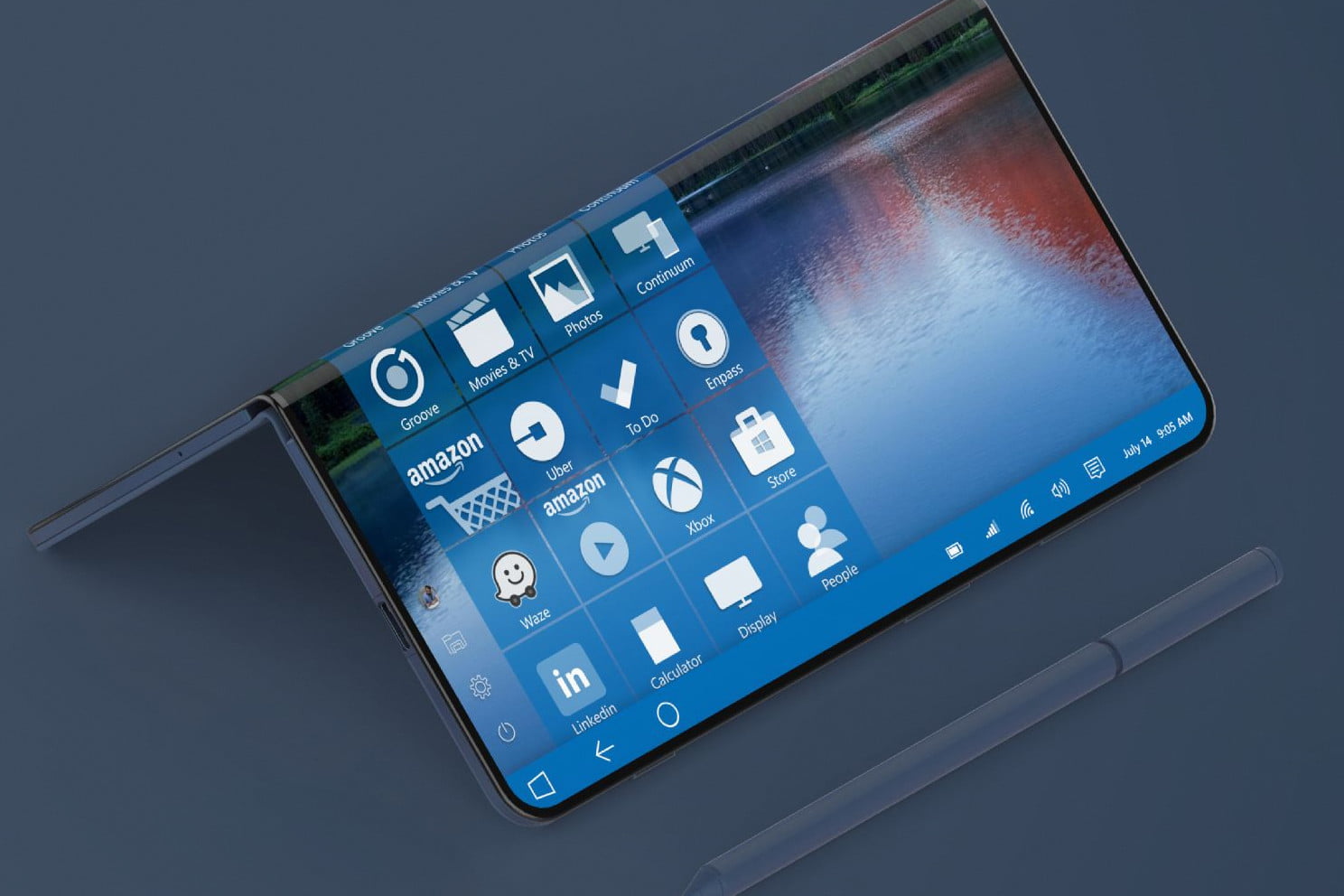
Microsoft put paid to speculations about its rumoured foldable phone when it announced the Surface Neo and Surface Duo in October 2019 with the Surface Duo adopting a folding phone design. The two models which happened to be Microsoft’s first attempt at the dual-screen phones was billed to be released in 2020. However, seems Microsoft has got another concept foldable phones in the works.
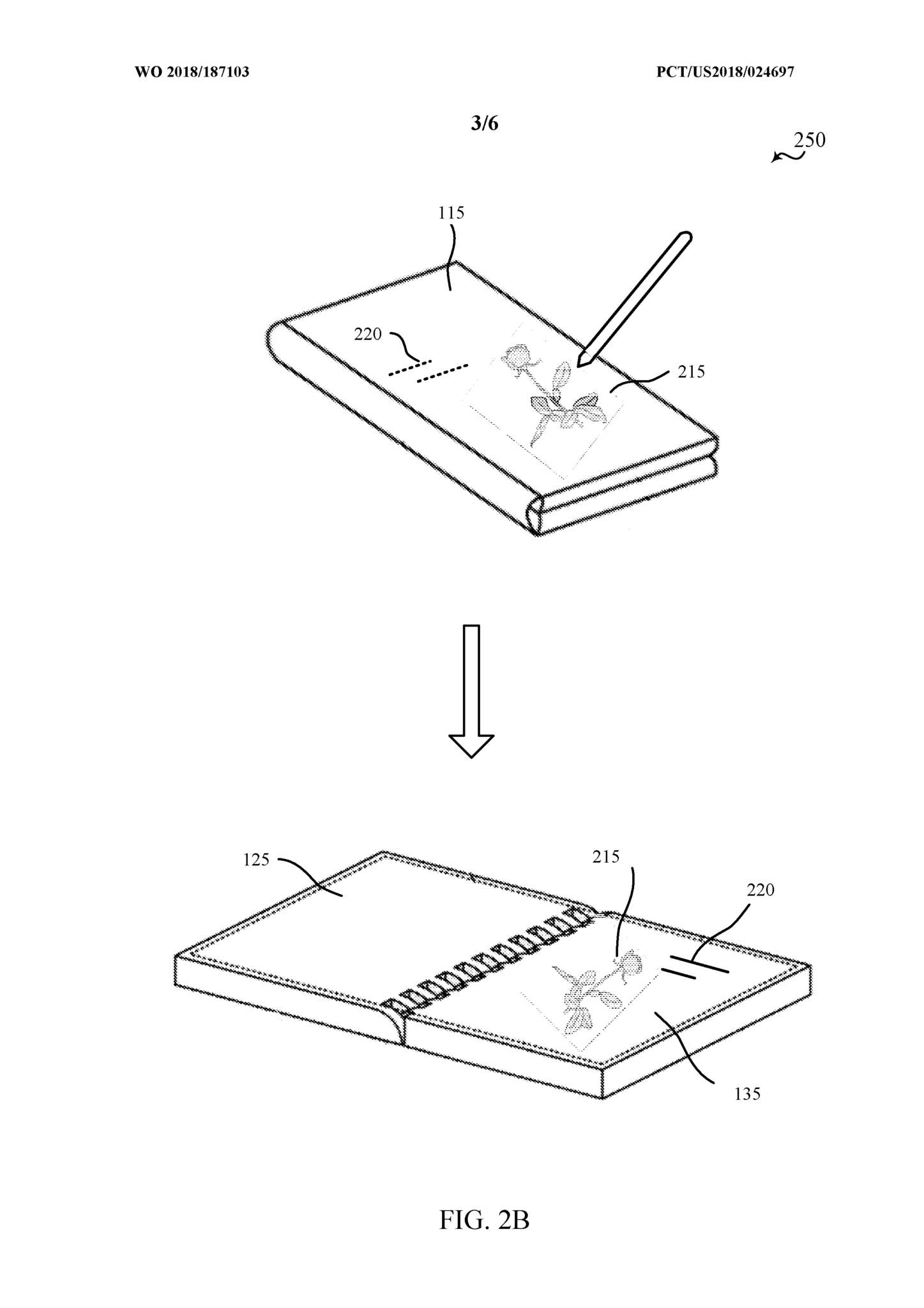
A recent patent application stumbled upon by MSPoweruser suggests the US company may be planning to launch a redesigned foldable phone that may have borrowed some design inspiration from the Galaxy Fold. The patent titled “FOLDABLE DISPLAY DEVICE WITH INTERACTABLE USER INTERFACE SURFACE ON THE EXTERNAL SHELL” was filed with the European Patent Office in 2018 and was published in December of 2019.
The patent description details including a third screen at the back of a foldable smartphone so the user can interact with the phone without unfolding it into a tablet. Notably, this is the same concept used by Samsung on the Galaxy Fold which had an in-folding design with a small screen at the back that can be used when the phone is folded.
Interaction on the user interface surface during the closed state of the foldable display device may allow the user to select content to be shown on at least one display screen of the foldable display device on the interior section during a subsequent open state of the foldable display device.
Additionally, the user interface surface may be configured to allow an object produced (e.g., drawn or written) on the user interface surface to be stored for display on at least one of the first display screen, the second display screen, or the user interface surface. The interface will also allow users to transfer content to the bigger screen if they unfold the display. This could, in theory, allow seamless switching between displays and could improve the overall user experience.
OPPO recently confirmed that it will be announcing the OPPO Find X2 series on March 6. The line-up includes OPPO Find X2 and Find X2 Pro smartphones. Ahead of the launch, the Find X2 Pro has bagged Bluetooth SIG certification through which its key details have been revealed.
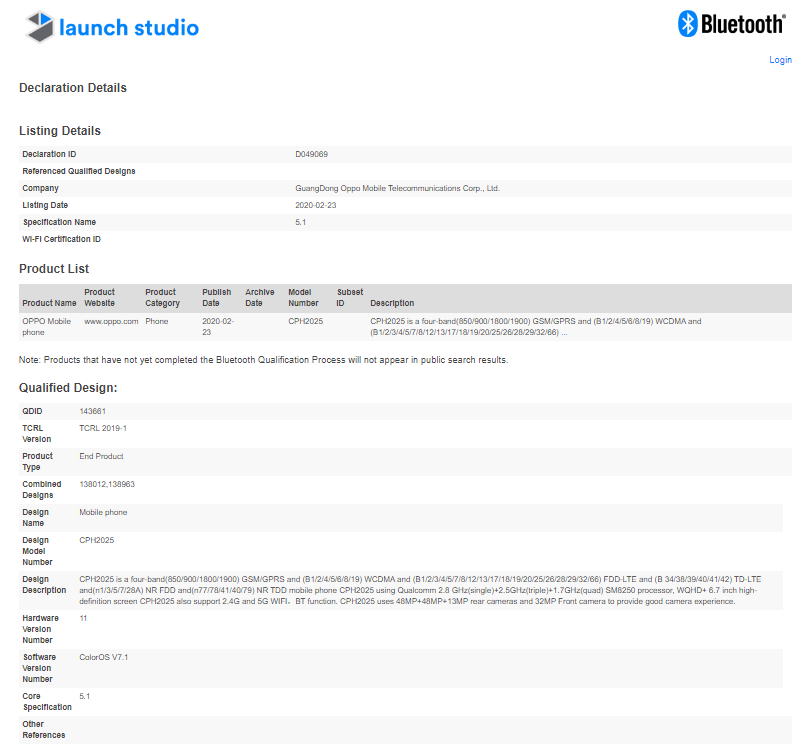
Earlier, the certification platforms like Thailand’s NBTC and Malaysia’s SIRIM had revealed that the Find X2 series would have two phones, Find X2 (CPH2023 model number) and Find X2 Pro (CPH2025 model number). The Bluetooth SIG certification of CPH2025 Find X2 Pro reveals that it is powered by Qualcomm Snapdragon 865 SoC processor along with 8 GB of RAM> it has an internal storage of 256 GB.
The listing also resolves any doubts over the phone’s rear camera. This would be a triple camera setup that includes 48-megapixel, 48-megapixel, and 12-megapixel sensors. The front of the phone would house a 32-megapixel camera in a punch-hole display cut-out. The selfie camera could be a Sony IMX616 lens whereas the triple cameras setup may include a custom-made Sony IMX689 primary lens, a Sony IMX708 ultrawide sensor and a telephoto shooter. The phone runs on Android 10 OS and ColorOS 7.1 and it carries support for Bluetooth 5.1 and dual-band Wi-Fi.
The listing further furbishes details on the display for the phone series. Find X2 Pro would come with a 6.7-inch, QHD+ display. OPPO’s VP, Shen Yiren has earlier revealed that the phone series will have flexible OLED panel with a 120Hz refresh rate, and a 240Hz touch sampling rate.
Additionally, a video chip would also allow for upscaling from SDR to HDR. The panel specifications certainly seem to meet the “waterfall display” tag but with curves that are not very sharp. This would allow some room for hardware buttons on the side. The display will feature a hole at the top left corner. A Chinese leakster who on Weibo post said that Find X2 has support for 65W wired flash charge, 30W wireless flash charge, and 10W reverse charging. The Find X2 series will be arriving with some other features such as M1 co-processor, LPDDR5 RAM, UFS 3.0 storage, Wi-Fi 6 and NFC. There is no word on the pricing of the Find X2 series.
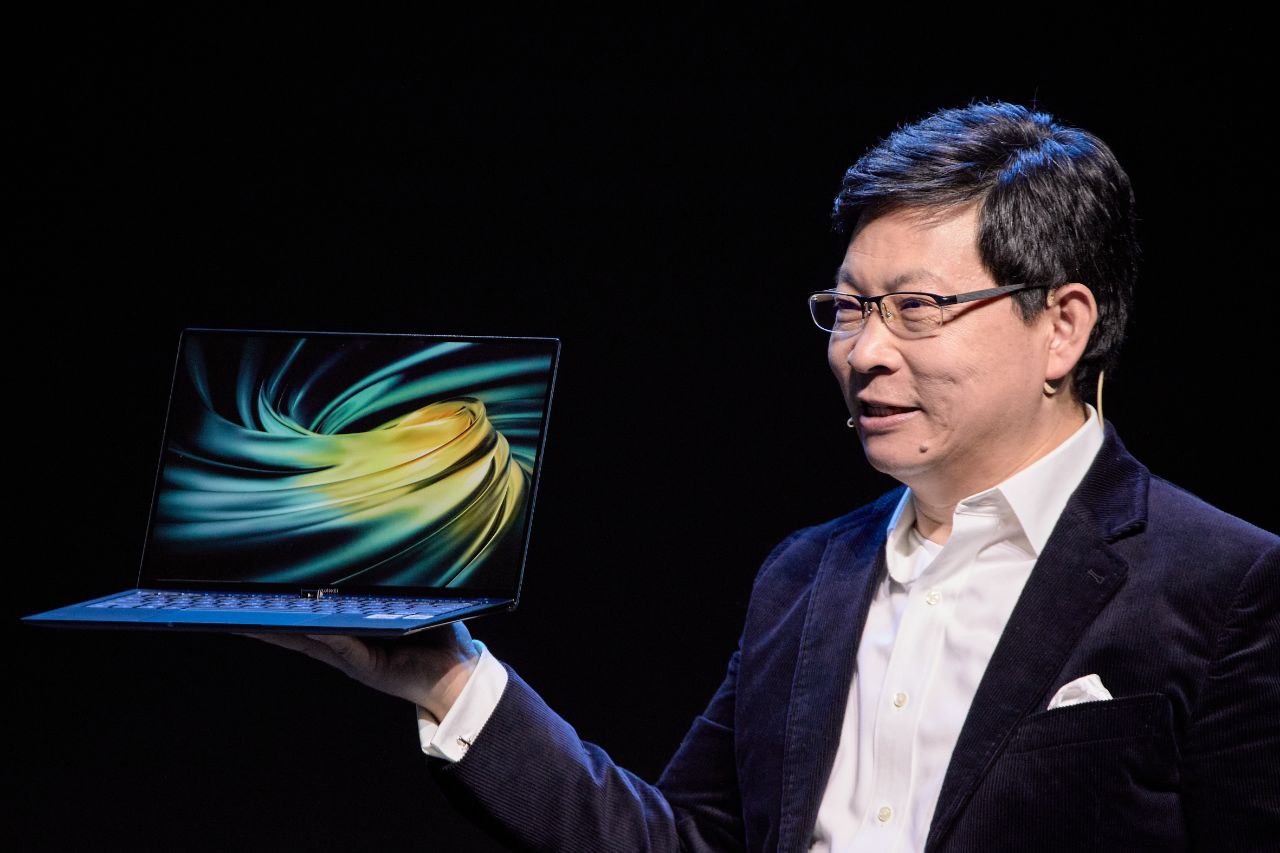
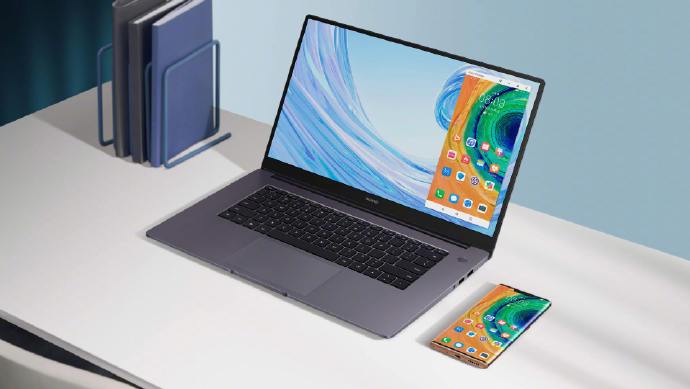
Huawei has launched its new flagship-grade Matebook X Pro 2020 laptop in Europe, bringing a bezel-less display and Intel’s latest 10th generation chipset. In addition to the Matebook X Pro ultrabook, the company is also bringing its cheaper Matebook D lineup from China to Europe. The D series comes in two versions, the Matebook D 14 and D 15.
Huawei Matebook X Pro 2020
The Matebook X Pro comes with top of the line specifications featuring Intel’s latest 10th generation Comet Lake processors. The laptop can be configured with up to Core i7 chip, 16GB of RAM and 1TB of storage. You also have the option to upgrade to Nvidia’s MX250 discrete graphics.
The ultrabook has a 13.9-inch touchscreen display with a 3:2 3000 x 2000 aspect ratio and 91% screen to body ratio. Design-wise not much has changed as compared to its predecessor. In fact, you have the exact same 14.6mm × 304mm × 217mm chassis that weighs 1.33kg as last year. You also get one USB-A port and two USB-C ports along with a 3.5mm headphone jack and a fingerprint enabled power button. The pop-up 1MP camera that’s hidden on the keyboard also makes a come in this model.
The Matebook X Pro 2020 comes in a new emerald green color option, in addition to space grey and mystic silver.
The ultrabook starts at €1499 for the base Core i5 variant and will go on sale in April 2020.
Huawei Matebook D 14 & 15
Huawei also announced the new Matebook D 14 & 15 models globally today. These aren’t exactly new laptop models from the company. Huawei had announced them back in China in November 2019 and today, it has launched them globally.
The Matebook D features a 14-inch 1080p display while the Matebook 15 comes with a 15.6-inch 1080p screen. The two laptops can be configured up to the 10th generation Core i7 processor with an option to go for an AMD Ryzen 5 3500U chipset. You can choose between SSD or SSD + HDD combo too. Notably, features such as a fingerprint enabled power button and pop-up button camera will be available on this budget D series as well. Both the laptops get a 65W charger in the box.
Unfortunately, we have no word on the availability or pricing of the Matebook D lineup in Europe yet.
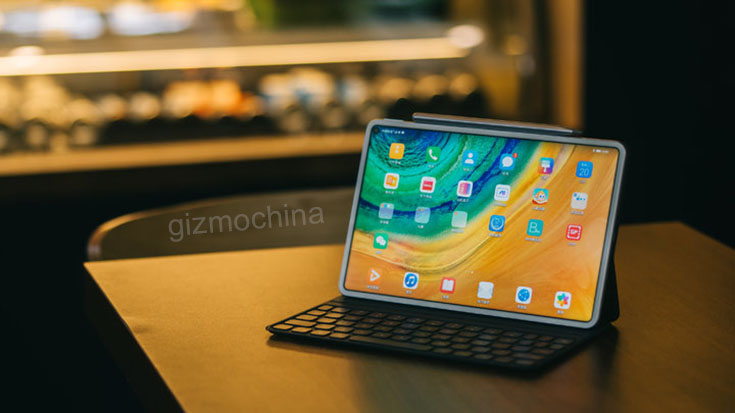
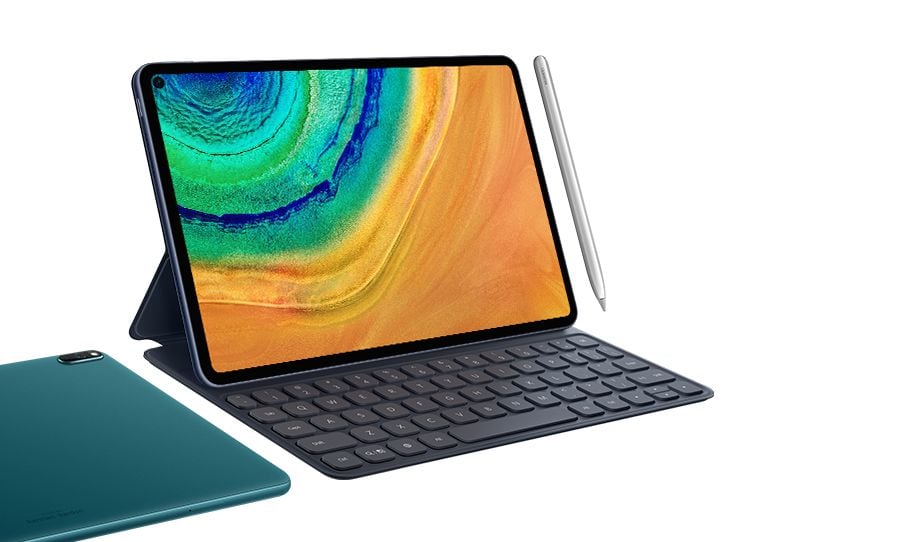
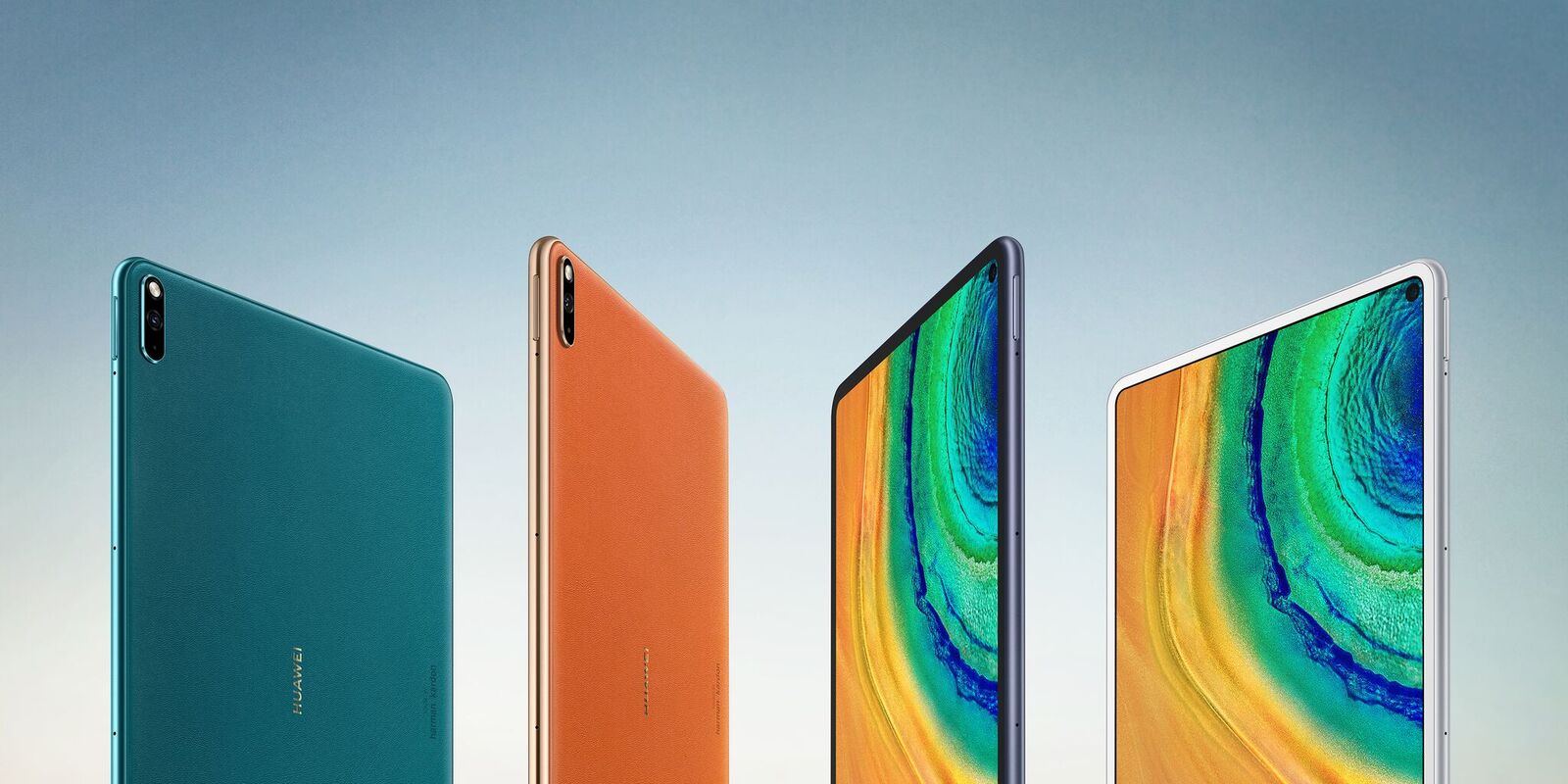
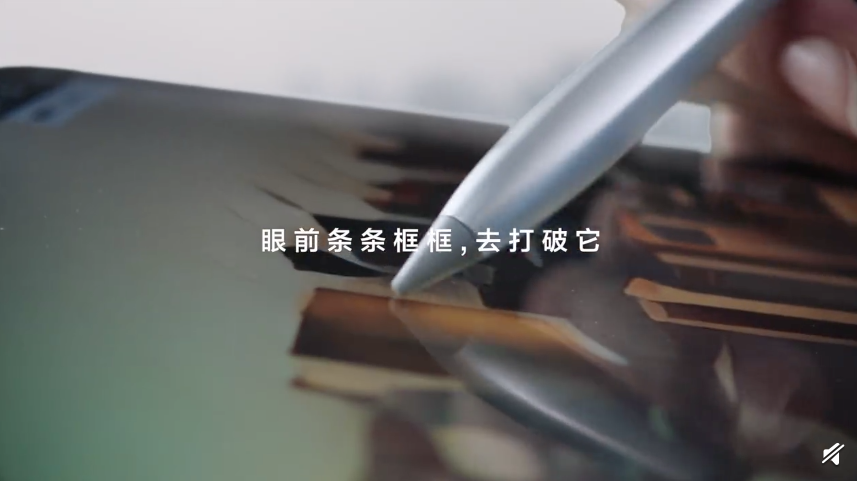
Chinese tech giant Huawei has announced the MatePad Pro 5G for the global market today. The MatePad Pro redefines tablet in the 5G era and is in good stead to take on the iPad Pro than previous models. It’s Huawei’s first major attempt at launching a premium tablet range as it comes with 5G connectivity, something that was missing on the model released in China in November last year. The tablet presents with stylish design as well as a keyboard folio and companion stylus.
Huawei MatePad Pro
The MatePad Pro 5G is indeed a true flagship tablet as it is powered by a Kirin 990 chipset paired with 8GB of RAM and up to 512GB storage. The tablet packs a nanoSD card slot onboard that can be used to expand the storage when needed.
Design-wise, the MatePad Pro features a 10.8-inch IPS LCD display with rounded corners and a punch-hole that houses an 8-megapixel selfie camera. The display comes with quad HD+ resolution of 2560 x 1600 pixels and DCI-P3 color gamut. The device weighs just 460 grams. With 4.9mm slim bezels around the display, the MatePad Pro promises a screen-to-body ratio of 90 percent.
The tablet is equipped with a huge 7,250mAh battery that supports 40W rapid charging. However, the device ships with 20W fast charger. There is also support for 15W wireless charging and 7.5W reverse wireless charging on the onboard.
For interface, the Huawei MatePad Pro runs EMUI 10-flavoured Android 10 OS. By connecting the optional keyboard, the tablet’s interface will switch to computer mode to offers users with a friendly desktop PC experience. The Smart Keyboard costs €129 (around $140).
The rear aspect of the device is made of a premium metal panel. The rear panel features a 13-megapixel main camera with f/1.8 aperture. It comes with features like phase detection autofocus and LED flash. The device comes with support for M-Pencil stylus that 4096-level pressure sensitivity nib. The stylus can be charged wirelessly by simply attaching to the device.
Other features include Histen 6.0 audio support, quad speakers, Wi-Fi 802.11ac, Bluetooth 5.1, GPS (only on LTE edition) and USB-C. Lastly, there is no fingerprint scanner on the MatePad Pro and it also lacks a 3.5mm audio jack.
As for the pricing, the MatePad Pro will start at €549 (around $594) for the WiFi version with 6GB RAM and 128GB of storage. The 8GB RAM and 256GB storage WiFi model (€749 or around $810) houses the M-Pencil and includes an extra €200. The non-LTE 8GB RAM and 256GB storage version without M-Pencil is priced at around €599 (around $648) while the 6GB RAM and 128GB storage version is priced at €699 (around $756) respectively. Huawei detailed the WiFi versions to go on sale in April. The 5G version comes with a €799 (around $865) but the company didn’t disclose when it will be available.
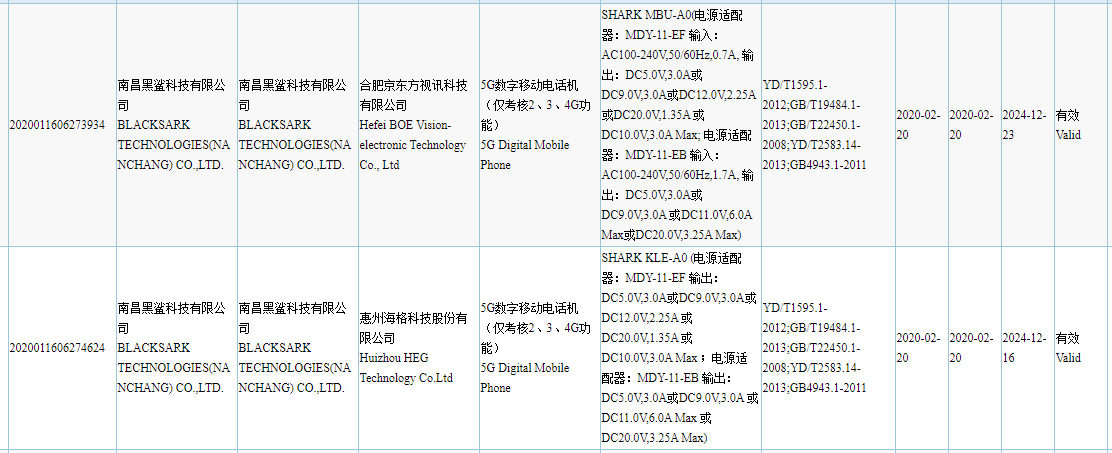
Black Shark has confirmed that it will be launching the Black Shark 3 smartphone on March 3 in China. Ahead of the launch, the two Black Shark devices with model numbers KLE-A0 and MBU-A0 have appeared on the database of 3C authority of China. These devices could be arriving in the Chinese markets as Black Shark 3 and Black Shark 3 Pro, respectively. The KLE-A0 has also appeared on Geekbench benchmarking platform through which some of its key details have been revealed.
Black Shark 3 3C certifications
As it can be seen in the screenshot, both KLE-A0 and MBU-A0 are 5G-ready devices. Both phones are equipped with MDY-11-EF/EB charger that supports 65W rapid charging. No other information has surfaced through the 3C listing of the KLE-A0 and MBU-A0 Black Shark 3 phones. Previously, the MBU-A0 phones was spotted at the MIIT certification body of China.
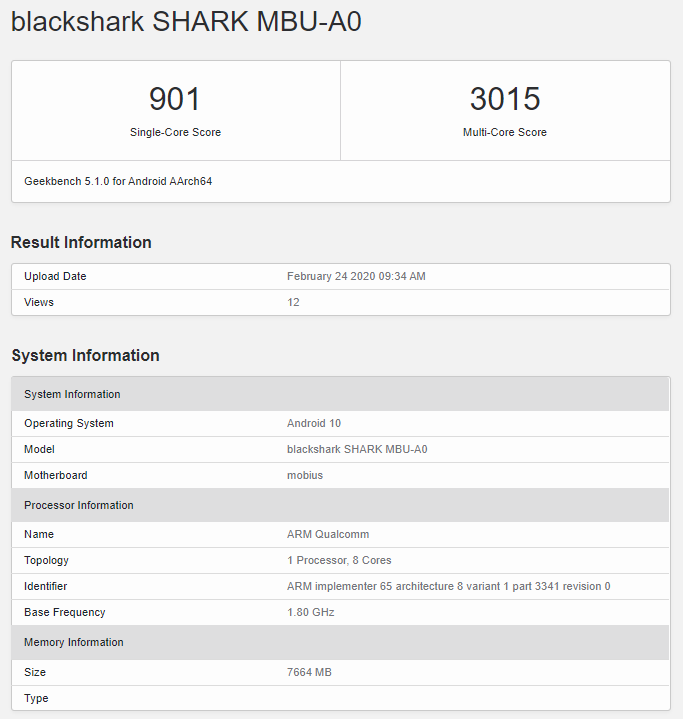
The Geekbench 5 listing of the MBU-A0 smartphone reveals that it scored 901 points in the single-core test and 3,015 points in the multi-core test. The Android 10 OS comes preloaded on the device. The name mobius mentioned in the Geekbench listing in the motherboard field could be the codename of the smartphone. Speaking of codename, it is believed the KLE-A0B Black Shark 3 is codenamed as Klein. Coming back to MBU-A0, the phone is fueled by a Qualcomm chipset that has a base frequency of 1.80GHz. It seems to be the Snapdragon 865 mobile platform. The SoC is coupled with 8 GB of RAM.
Nothing much is known on the specifications of the Black Shark 3 or Black 3 Pro smartphones. It was recently revealed that the Black Shark 3 will be arriving with a massive 5,000mAh battery that will carry support for 65W fast charging. Black Shark has partnered with Tencent Games for the forthcoming Black Shark 3 smartphone. Some reports have claimed that the Black Shark 3 could be arriving with a quad HD+ resolution supporting display that offers 120Hz refresh rate and up to 16 GB of RAM.
At the just-concluded Huawei online presentation, Richard Yu, the CEO of Huawei Technologies Consumer Business Group, revealed the launch date for its anticipated flagship series, the Huawei P40 series.
The top executive announced towards the end of his presentation that the Huawei P40 series will be unveiled in Paris on March 26. However, the venue and time were not mentioned.
Mr. Yu boasted that the P40 series will be the world’s most powerful 5G flagships.
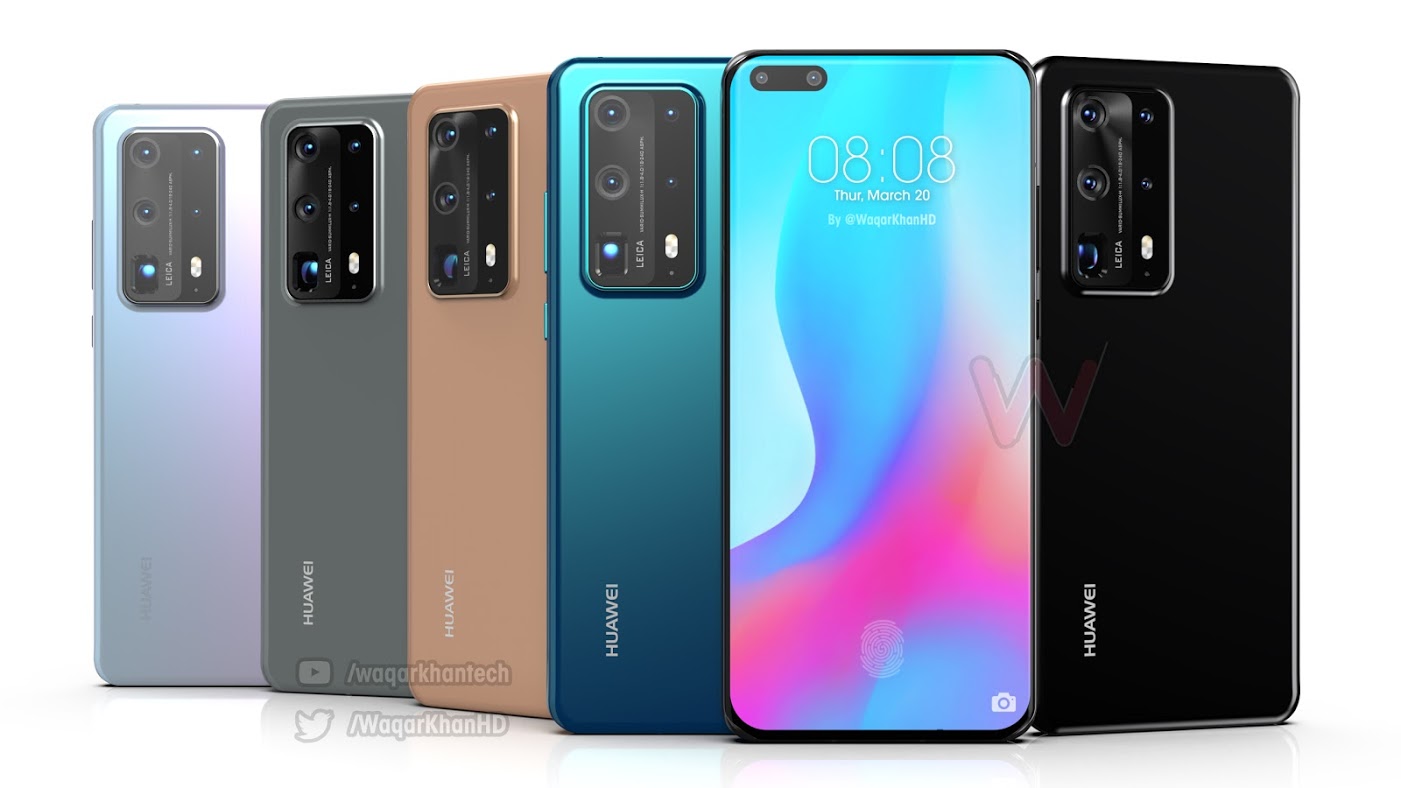
The Huawei P40 series includes the standard Huawei P40, the Huawei P40 Pro, the Huawei P40 Pro Premium Edition, and a mid-range Huawei P40 Lite. The flagship phones are expected to launch with the Kirin 990/Kirin 990 5G chipsets that powered the Mate 30 series and also come with better cameras.
Leaked renders have shown that the P40 phones will have punch-hole displays. The holes will house dual front-facing cameras save for the P40 Lite that will have a single front-facing camera.
Just like the newly announced Mate Xs, the Huawei P40 series will definitely be available globally and should ship with Huawei’s AppGallery and Ecosystem.
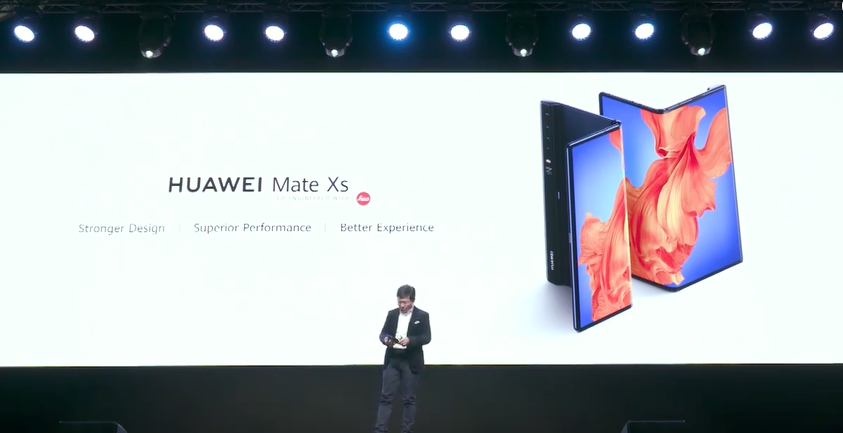
Huawei has announced its second foldable device today. Called the Mate Xs, this is practically an upgraded version of the Mate X that launched last year. The Mate Xs is faster, more powerful, and of course more expensive than the Mate X.
The segment dedicated to the Mate Xs was not only a chance for Huawei to show off what its foldable can do but also to compare it to its closest competitor – the Galaxy Fold (5G).
The Mate Xs still keeps the 8” screen (unfolded) of the Mate X. When folded, the screen measures 6.6” on the front and 6.38” on the back. The Mate Xs has a Falcon Wing Design and is built from Zirconium-based liquid metal that is 30% harder than titanium alloy.
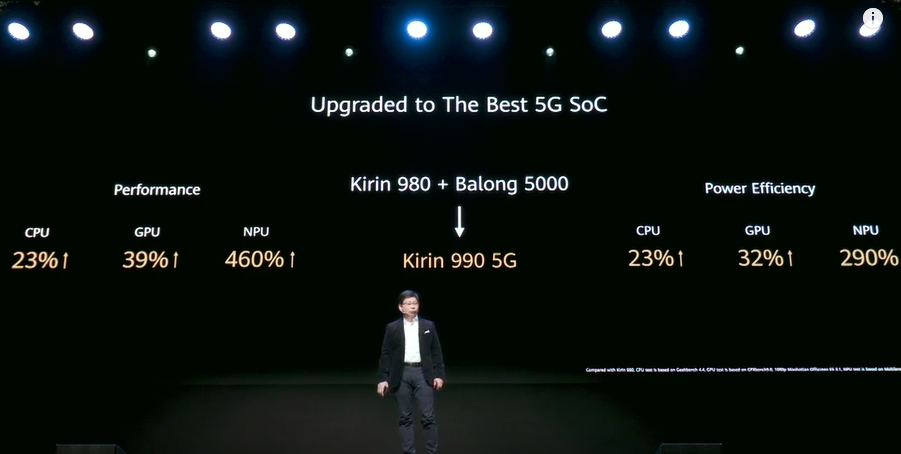
The Kirin 990 5G chipset replaces the Kirin 980 + Balong 5000 5G modem of the Mate X. The new processor brings a 23% increase in CPU performance, a 39% increase in GPU performance and a 460% increase in NPU. The chipset is also more power-efficient. There is 8GB of RAM and 512GB of storage available.
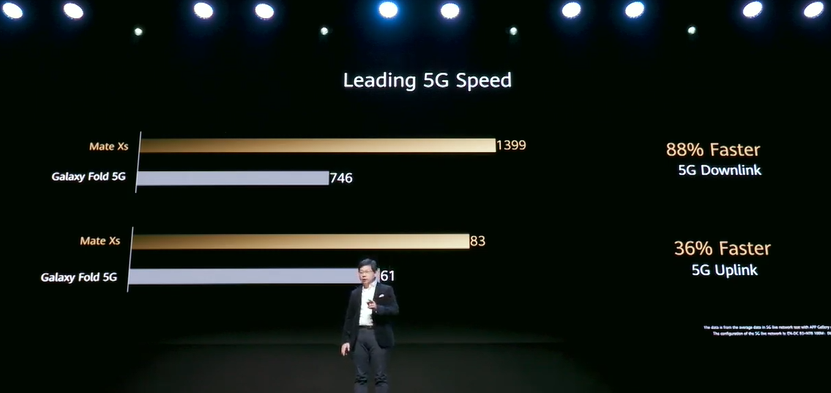
The Mate Xs has a 5G modem and Huawei says it has more 5G bands than the Samsung Galaxy Fold 5G. It also boasts faster speeds than Samsung’s device.
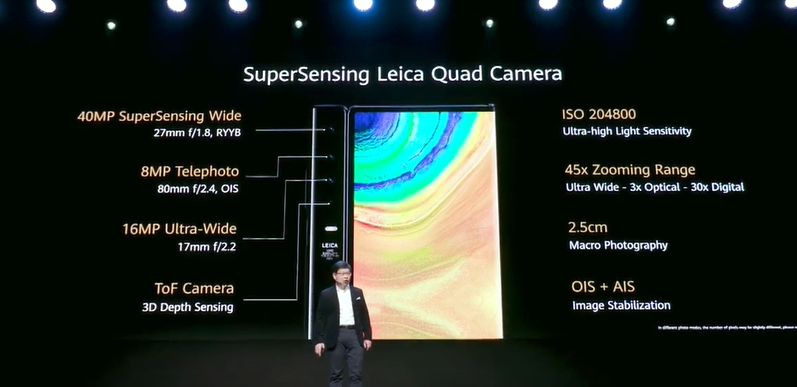
With respect to cameras, the Mate Xs has a 40MP SuperSensing Wide-angle RYYB camera with a 27mm focal length and an f/1.8 aperture. There is also an 8MP telephoto camera with an 80mm focal length, OIS and f/2.4 aperture. Below the telephoto camera is a 17mm 16MP f/2.2 ultrawide camera and a ToF camera for 3D depth sensing.
The Mate Xs has an ISO level up to 2048000; a zooming range of 45x (Ultrawide 3x optical and 30x digital); 2.5 CM macro photography; OIS + AIS image stabilization.
The foldable phone runs EMUI 10 based on Android 10 and has a feature called Multi-Window Design that allows you to take advantage of the extra screen estate to improve productivity. You can attach files by dragging from one window (file manager) to another (email). You can also view email attachments in a separate window while keeping the email open.
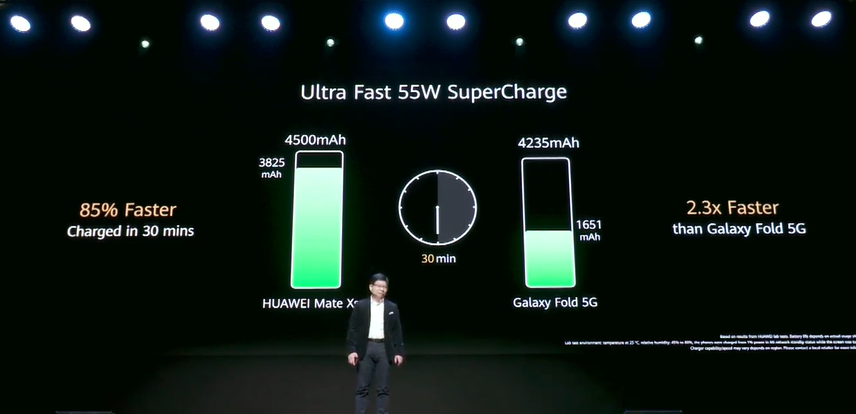
There is a 4500mAh battery inside the device with support for 55W SuperCharge fast-charging technology. The device will charge to 85% in just 30 minutes and is 2.3x faster with respect to charging than the Galaxy Fold 5G.
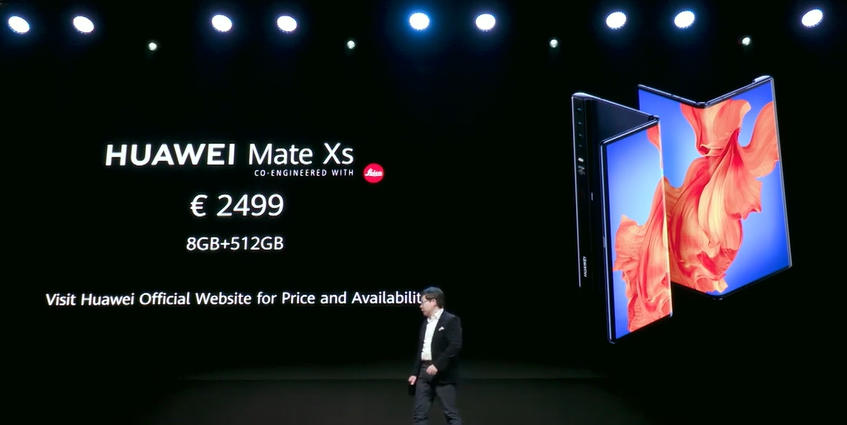
The Mate Xs will sell for €2499 and will be available globally starting next month.
Xiaomi’s marketing head Yao Liang has disclosed that the top-end Mi 10 Pro model packing 12GB RAM and 512GB storage will go on sale on February 25 via Xiaomi Mall, Jingdong, Tmall, and Suning. The model adopts a hefty price tag of 5999 yuan ($853).
The marketing manager acknowledges difficulties encountered by fans who had placed orders during the flash sale. The delays in shipment, he noted, was mainly due to the Coronavirus epidemic situation in China which had adversely affected the company’s production capacity. The company is using this sale of the 12GB+256GB version as a way of calming things down since the version is high in stock. In addition, when placing the order, you can see the expected delivery time with a maximum waiting time of 21 days.
Since Xiaomi launched the Mi 10 series on February 13, the flagship models have done three rounds of snap up sales with all available units getting sold out in seconds in each round. During the flash sales, products worth over 200 million yuan were reportedly sold.
Black Shark is a pretty young mobile phone company. The phone manufacturer is known for its gaming smartphones, the first of which was announced in 2018. There have been three other models after the first Black Shark phone with different specs and design and a new one is scheduled to join the lineup soon. However, when that new model launches, it will be the first to wear the company’s redesigned logo which was unveiled yesterday.
The new logo is a new take on the company’s familiar “S” logo which is actually made up of two sharks swimming. The new logo is simpler but looks much better when compared to the old one. It also ditches the neon green color for a much cooler shade of green.
New Black Shark logoOld Black Shark logo
Black Shark has not only unveiled a new logo but has also announced the launch date for its upcoming phone, the Black Shark 3. A poster shared by Xiaomi’s Lei Jun on Weibo earlier today revealed the gaming smartphone will be launched on March 3. Black Shark’s own CEO also shared the poster on his timeline.
The Black Shark 3 will bring new features including a 5000mAh battery capacity that has more than 800 charge cycles, support for 65W fast charging (empty to full in 38 minutes), dual-mode 5G, and a 120Hz 2K display. The phone will also have Qualcomm’s Snapdragon 865 processor, LPDDR5 RAM, and UFS 3.0 flash storage.
Black Shark is also expected to announce probably exclusive Tencent features for the phone. Both companies announced a partnership last month that will see them collaborate on software and hardware for games.
The Director and President of ZTE, Xi Ziyang, has recently stated in an interview that the company is working on developing 5nm chipsets. And with the current technological processes, it is expected that the power consumption and weight of 5G smartphones will continue to decline by a rate of 20 percent every year.
Although the 5nm chipsets were discussed in the interview, the senior executive has yet to divulge finer details regarding the chips that are being developed. From what we do know so far, it can be said that the processor is not 5G SoC (System on Chip) but rather a core part for 5G equipment and infrastructure. Currently, companies that are capable of providing 5nm chips are not common in China.
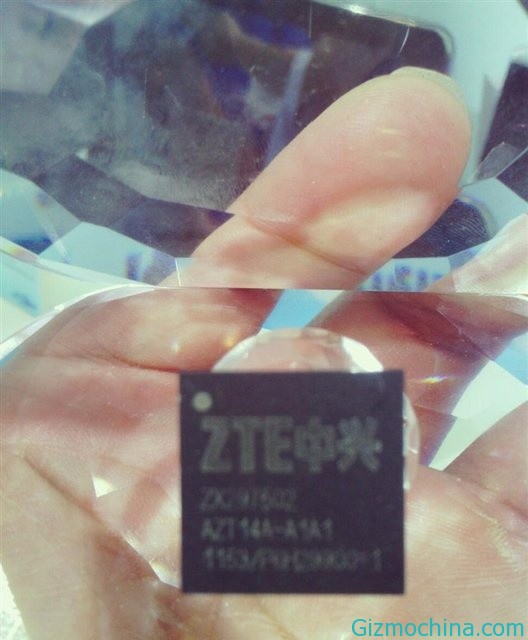
A ZTE Chip
However, a notable example of companies that are capable of this includes Huawei with its proprietary Kirin 1020 processors. Similarly, another company that will also utilize the 5nm chips manufactured from TSMC (Taiwan Semiconductor Manufacturing Company) later this year is Apple with the A14 processor.
ZTE is known to be a major player in the three of its signature fields, which are chips, patents, and software. With the new information, it seems the company is placing importance on the next generation of chipsets. According to the President, the company has already designed dedicated chips for communications, which was designed independently from the ground up and manufactured by partners. Meaning, its research, and development department have moved over to 5nm processes after mastering the previously popular 10nm and 7nm processes.
As of right now, China is one of only two countries through which both 7nm and 5nm chipsets are imported. The country has developed and produced more than 100 types of chips and is now mass producing 7nm processes whilst also developing and commercializing the 5nm processes as well. Thus, it is an impressive feat by ZTE, which has already developed such chips.
Last week, Xiaomi India announced the Mi Outdoor Bluetooth Speaker. The INR 1,399 (~$20) 5W speaker has a 20-hour battery life and works with voice assistants. Tomorrow, the manufacturer plans to announce yet another audio product but this time it is a pair of earphones.
The announcement was made on twitter by Manu Kumar Jain earlier today. The tweet lists some details of the earphones and also includes a video. The major feature of the new earphones will be its dual drivers. It will also provide crisp vocals and rich bass.
Mi fans, it's time to listen to music in a different way.🔊
We're launching an all-new audio product tomorrow. What would be your best guess?
Crisp vocals and rich bass always sound🎵 better than just high bass.😍
We are not sure if the earphones are wireless, wired, or maybe even TWS earbuds.
The Bluetooth SIG has certified some Xiaomi earphones in the past couple of months that are yet to launch. Back in December, it certified the Mi Noise Cancelling Wireless Headphones, the Xiaomi Bluetooth Headset Pro, the Mi True Wireless Earphones 2S. While in January 2020, it certified the Mi True Wireless Earphones Lite. Tomorrow’s product launch can be any of the aforementioned products.
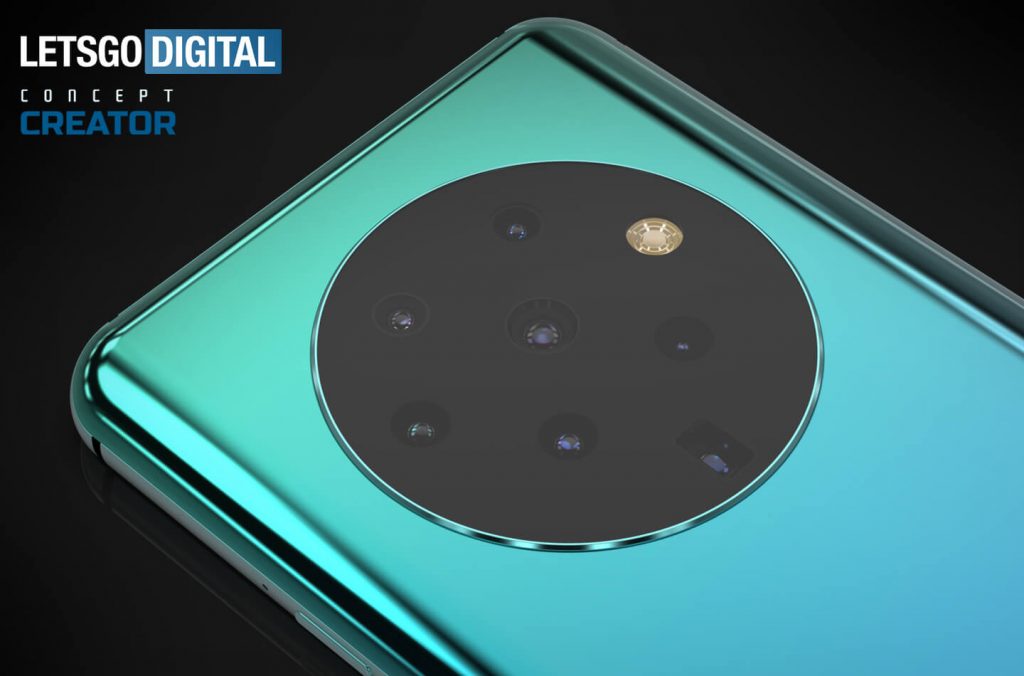
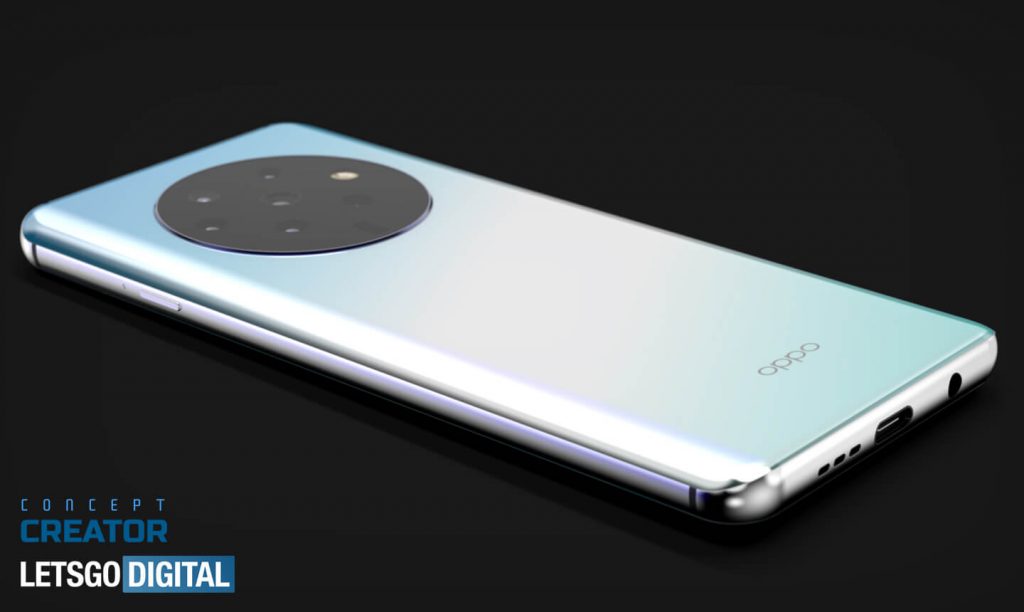
A new patent has surfaced from Oppo that details of a smartphone with a unique camera module. The patent details a device with a circular camera module on the rear which, although resembles the OnePlus 7T, is unique due to the number of sensors being a total of seven.
The Oppo smartphone in question is said to be from the Reno family series, according to the source. The design patent was filed with the China National Intellectual Property Administration (CNIPA) and describes a smartphone with 7 image sensors on the rear. In the patent, two distinct models have been detailed with each carrying a different number of cameras on the rear.
(Image Via LetsGoDigital and Concept Creator)
Notably, the design also bears a certain resemblance to the Nokia 9 PureView which had its penta rear cameras arranged in a sort of similar manner. Although the patent reveals 7 circular cutouts for the cameras, it is also likely that one of them is for a dedicated microphone that was the case with the Samsung Galaxy S20 Ultra. Furthermore, the image sensor in the middle is likely to be the primary sensor, owing to its relatively larger size in comparison to the ones around it.
Interestingly, the circular camera module is also sightly raised in the form of a bump from the rear panel of the Oppo Reno smartphone. This has not been observed in other Reno models, which feature a smooth and seamless rear panel with cameras being housed on the inside. Since it arrives with 7 image sensors, it is likely that the smartphone in the patents describes a next gen flagship model.
Unfortunately, finer details and the actual name of the Oppo device is still at large. But, the patent does leave a lot to expectations regarding upcoming Oppo launches. The Oppo Find X2 is also just around the corner, while another Oppo handset with a moon shaped rear camera was also reported on recently. So stay tuned as the year is getting busier with anticipated launches just around the corner.
Realme unveiled the Realme X50 Pro as its newest flagship phone in India. It is an advanced version of the Realme X50 that was unveiled in China in January. While the vanilla edition did not make it to India, the company has gone ahead and launched the Pro version with some exciting features like 90Hz refresh rate supporting screen, Snapdragon 865 chipset and 65W SuperDart rapid charging. Also, it is the first 5G-capable smartphone to debut in India. The Realme X50 Pro has landed in Indi with a starting price of Rs. 37,999 (~$528).
Realme X50 Pro 5G specifications
The Realme X50 Pro 5G has a Super AMOLED display of 6.44 inches. It produces full HD+ resolution and a refresh rate of 90Hz. The HDR10 complaint screen of the phone is integrated with a fingerprint reader. The display of the phone has a pill-shaped cutout for its dual front-facing cameras. It includes a Sony IMX616 32-megapixel front-facing camera with f/2.5 aperture and an 8-megapixel ultrawide lens with 105-degree field-of-view and f/2.2 aperture. The phone runs on Android 10 OS that is customized with the latest Realme UI.
Realme X50 Pro 5G Moss Green
The Snapdragon 865 mobile platform driven phone comes in 6 GB, 8 GB and 12 GB RAM editions and UFS 3.0 storage choices like 128 GB and 256 GB. It lacks a microSD card slot. The Realme X50 Pro 5G is backed by a 4,200mAh battery that supports 65W SuperDart fast charging technology. It can fill the battery in just 35 minutes. The charger that comes with the retail package of the device is not only smaller but also more efficient than the existing Super VOOC 2.0 chargers. The Realme X50 Pro 5G also supports 18W Quick Charger, USB PD and 30W VOOC 4.0 Flash Charge. For regulating the internal temperature of the device while intensive gaming, the X50 Pro 5G is equipped with vapor cooling system. For audiophiles, the phone ships with stereo speakers.
The back panel of the Realme X50 Pro 5G has four cameras that are stacked vertically. It comprises of a 64-megapixel main lens with f/1.8 aperture and 30fps 4K video shooting support, a 12-megapixel telephoto lens with 20x hybrid zoom support and f/2.5 aperture, an 8-megapixel ultrawide lens with 119-degee field-of-view and f/2.3 aperture and lastly a 2-megapixel portrait lens with f/2.4 aperture. The Realme X50 Pro 5G comes with connectivity features like dual SIM support, the latest Wi-Fi 6 technology, Bluetooth 5.0, dual frequency GPS, NFC and USB-C. It Iacks a 3.5mm audio jack. The handset measures 158.9 x 74.2 x 8.9mm and it weigh 205 grams.
Realme X50 Pro 5G price in India
The first sale of the Realme X50 Pro 5G will be carried on Flipkart and Realme India website on Feb. 24 at 6PM in India. Here is the pricing of the different variants for India and Europe:
The Realme X50 Pro 5G can be availed in colors like Moss Green and Rust Red. While the phone comes with 5G support, users in India is unlikely to take advantage of 5G experience as 5G connectivity is yet to start in the country.
At the event, Realme also revealed that it will be launching the Realme fitness band on March 5. Also, it confirmed that the first Realme TV customized for the Indian audience will debut in Q2.
What’s your opinion on the Realme X50 Pro 5G smartphone? Share us your views by posting your comments below.
The OPPO Find X2’s launch has been rescheduled to the 6th of March 2020. The flagship phone is the successor to 2018’s Find X and OPPO is packing it full with features. Ahead of the launch, details about the display and the charging have surfaced.
OPPO’s VP, Shen Yiren (Brian Shen), revealed that the Find X2 has a flexible OLED panel with specifications that meet the “waterfall display” tag. However, they decided to not let the curves be as pronounced as that of the Huawei Mate 30 Pro and Vivo NEX 3. That way, they can keep the hardware buttons on the side.
The display has a hole at the top left corner. It has a QHD+ resolution, a 120Hz refresh rate, and a 240Hz touch sampling rate. There is also a video chip that upscales SDR to HDR.
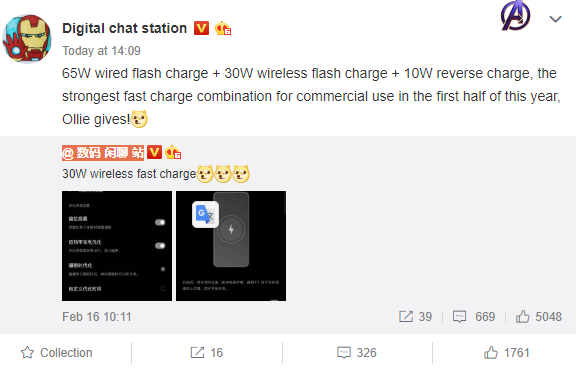
The Chinese leaker that goes by Digital Chat Station on Weibo has also shared details about the phone’s charging technology. According to a Weibo post from earlier today, the Find X2 has support for 65W wired flash charge, 30W wireless flash charge, and 10W reverse charging.
The Find X2’s charging technology trumps that of the Xiaomi Mi 10 Pro which has 50W wired fast charging, 30W wireless fast charging, and 5W reverse charging.
The Find X2 will also have a Pro model with better cameras but both will have a Snapdragon 865 processor and have support for 5G. OPPO should also announce its first smartwatch at the event.
The long awaited Android 10 based EMUI 10 update is finally being rolled out to the Huawei Mate 30 series of smartphones. The major update brings various new features and improvements and was officially announced earlier this week and details a total of five mobile models receiving the update.
For those unaware, EMUI is a heavily modified custom skin from Huawei that is based on Google’s Android OS platform. Thus, the latest EMUI 10 is based on the Android 10 OS and also features much of the same improvements and functions alongside proprietary features from the Chinese tech giants as well. The custom skin arrives with a unique UI and is currently being used by more than 50 million users worldwide.
The announcement for the EMUI 10 Beta program was shared on Huawei’s officia club website
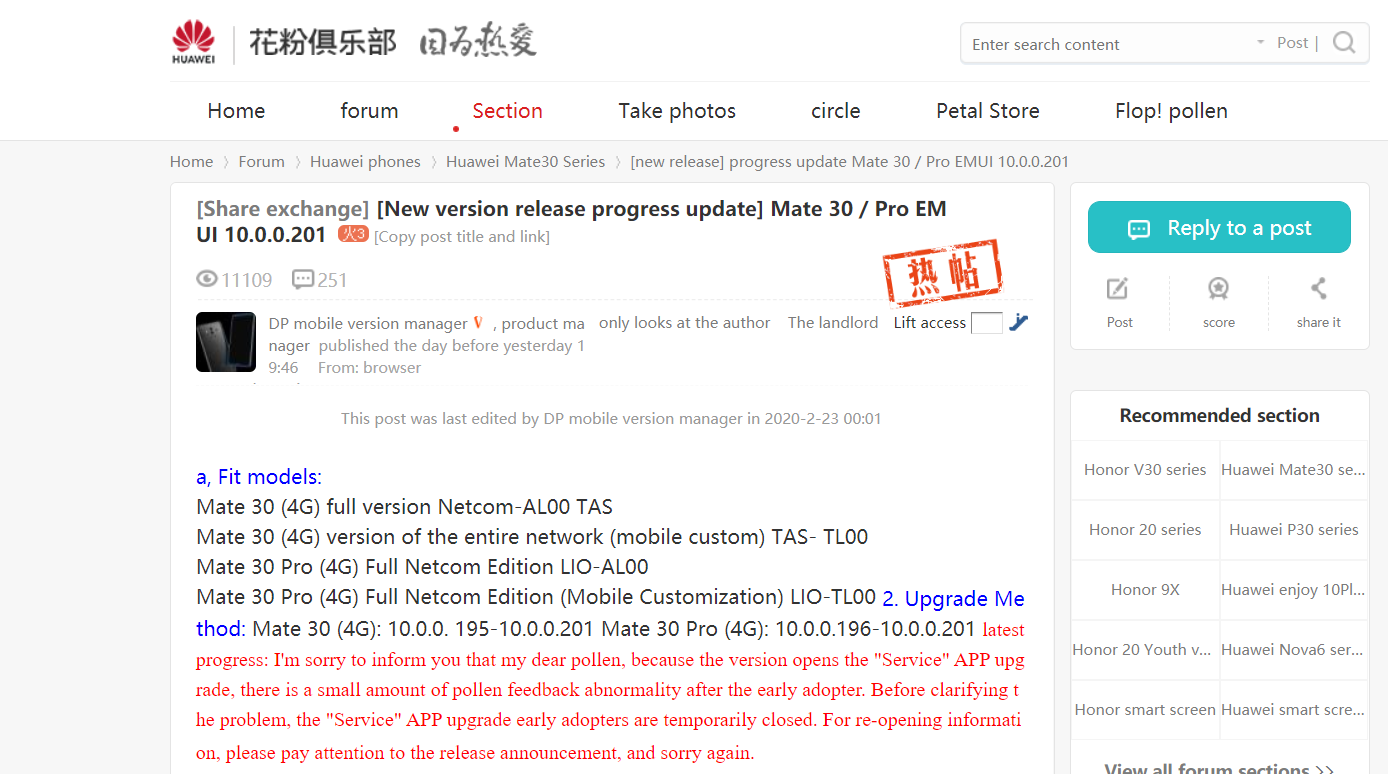
The latest EMUI 10 update is currently being tested for five flagship smartphone models from Huawei, including Huawei Mate 30, Mate 30 5G, Mate 30 Pro, Mate 30 Pro 5G and the special edition Mate 30 RS Porsche Design. Since its a major update, the new software brings new features and performance improvements across the board. A notable example is a new system wide Dark Mode function alongside Xiao AI voice assistant and the new HMS service applications.
The upgrade also arrives with Android’s latest security patch for the month of January in 2020. This brings fixes to known bugs and also arrives with other quality of life improvements, like a smoother and more stable app launch, the addition of GPU Turbo 4.0 and the 2nd generation of Ark compiler. The beta version of the EMUI 10 being tested in the Mate 30 series also brings multi screen functions to boost productivity.
EMUI 10
The registration period for the internal testing was only from 19th February to 23rd February 2020. So if you are looking for applying now, it might be too late, but for the lucky 1000 users that did get selected, you will receive the EMUI 10 update. Notably, those that are selected do not need to flash or root their devices but returning to the stable build can only occur after the beta program concludes.
A lot of new technologies remains unannounced due to the cancellation of MWC 2020. Several major manufacturers are now hosting online product launches to introduce innovations. Huawei is holding a new product launch event to announce various new products. The users can watch the even Livestream from here:
Huawei Product Launch Event Details:
A lot of new announcements are expected at the launch event. Huawei has given a tagline of stepping into a new landscape of connectivity. Huawei’s press event will begin at 2:00 pm CET, 7:00 pm IST, 8:3 am EST, and 9:30 pm CST on February 24.
What to Expect?
There is a lot of speculations about under-the-wraps stuff for Huawei’s event. We are expecting to see a new flagship launch along with a new Matebook device. The tablet could come with Kirin 990 SoC.
According to a recent Weibo post, Huawei revealed its plan to launch three different flagships – Huawei Mate Xs, Huawei Mate pad Pro 5G, and Mate X Pro 2020 at the launch event. The new foldable smartphones are touted to features Kirin 990 5G SoC and will pack a better hinge mechanism.
A new Enterprise-Grade smart display will also surface at the event to compete against Microsoft. There will be inbuilt teleconferencing features, touch screen panel, 5G support, and HarmonyOS.
The foldable device is expected to make a mark at today’s Huawei product launch event.
The major Chinese telecom equipment maker is known for launching laptops, tablets, and other non-smartphone products at the MWC 2019. However, this time the company teased the smartphone launch also.
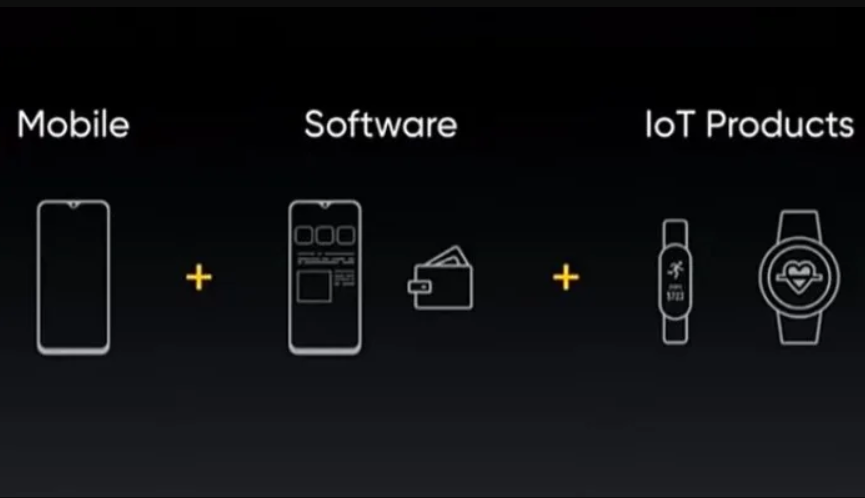
With the meteoric rise of the IoT and wearables industry, smartphone brands have begun diversifying to this new and emerging market. So far, Apple has seen the greatest success while most of the Android counterparts have only just started entering the market. Now, Realme is also joining the wearables bandwagon as the CEO has officially confirmed that a smartwatch is currently in the making.
In an interview with Mashable India, Madhav Sheth, the CEO of Realme India, confirmed that the company is working on a smartwatch. Rather, a realme Watch which is expected to debut in the country very soon. The wearables from the company will arrive after Realme’s Fitness band is launched and may be revealed alongside the flagship smartphone, Realme X50 Pro 5G.
Realme is planning on launching smartphones, an online wallet/payment applications and a smartwatch later this year
Unfortunately, the senior executive has only confirmed the existence of the smartwatch and did not divulge any finer details. So, it is unknown if the realme Watch will feature the Wear OS or support various third party applications and more. Although, the poster reveal of the timeline does suggest that the dial of the smartwatch will be in a circular format.
Realme will launch various different products in the arriving months, with its fitness bands, Realme Buds Air Neo and even a Realme TV. With competition in the smartphone market growing more each passing day, OEMs now have to diversify in other industries as well to stay relevant by offering cross platform integration (something Apple popularized and made possible first).
Realme X50 Pro 5G
For the pricing, it is still unknown but looking at the strategy Realme has been following so far, it can be expected to be competitively priced. The smartwatch will compete with other major brands like the Amazfit, Fitbit, Honor, Fossil, and even Apple. So stay tuned for more information regarding the upcoming Realme launches and its awaited realme Watch.
Update: the realme TV has been confirmed to launch sometime in Q2 of 2020, while certain other information regarding the company’s IoT product portfolio has also been divulged. The highly anticipated Realme Band will be launched on 5th March 2020 alongside the realme Watch, a pair of noise canceling earphones, smart speakers, soundbar and other consumer grade home appliances.
Today, Sony held an online launch event to announce the Sony Xperia 1 11 (pronounced as Xperia One Mark Two) and Xperia 10 II (read as Xperia Ten Mark Two) smartphones. These phones were originally planned to unveil at the Mobile World Congress (MWC) 2020 which has been cancelled due to COVID-19 Coronavirus outbreak. The Sony Xperia 10 II is a midranger fueled by the Snapdragon 665 mobile platform. On the other side, the Xperia 1 II is the company’s first 5G-ready flagship phone equipped with Snapdragon 865 SoC and 4K OLED screen.
Sony Xperia 1 II specifications
The Sony Xperia 1 II features a 6.5-inch OLED panel. The 21:9 CinemaWide display produces 4K HDR resolution and Motion Blur Reduction technology. According to Sony, the latter can adjust individual frames so that uses can reap benefits of a 90Hz refresh rate display. The screen and the rear sides of the phone are protected by Gorilla Glass 6 layers. Like the predecessor model, the Xperia 1 II is an IP68 rated device.
Sony Xperia 1 II
The Snapdragon 865 mobile platform powered Xperia 1 II has a 4,000mAh battery that supports wireless charging. The SoC is supported by 8 GB of RAM and it offers a big internal storage of 256 GB.
The rear side of the phone features a triple camera setup with ZEISS branding. It comprises of a 12-megapixel 1/1.7” Exmor primary lens with Dual PD AF and OIS, a 12-megapixel ultrawide lens with f/2.2 aperture and dual PD AF and a 12-megpixel telephoto shooter with OIS, 3x zoom, f/2.4 aperture and PD AF. Lastly, there is a 3D iToF sensor for faster focus.
The Sony Xperia 1 II delivers photo shooting features available on the Alpha lineup of cameras from Sony. The Xperia 1 II comes with Eye AF (eye-tracking autofocus) that now works with animals. It supports 20fps shooting in burst mode. The phone possesses the ability to gauge AF/AE at up 60 times per second. There is Photo Pro and Cinema Pro apps that offers manual control while taking photos and shooting professional videos. The Xperia 1 II has a front-facing camera of 8-megapixel.
The phone is fitted with dual front-firing speakers. There is 360 Reality Audio AI engine for crisp sound output. It has a side-facing fingerprint reader and it includes a 3.5mm headphone slot which was unavailable on the predecessor model.
Sony Xperia 10 II specifications
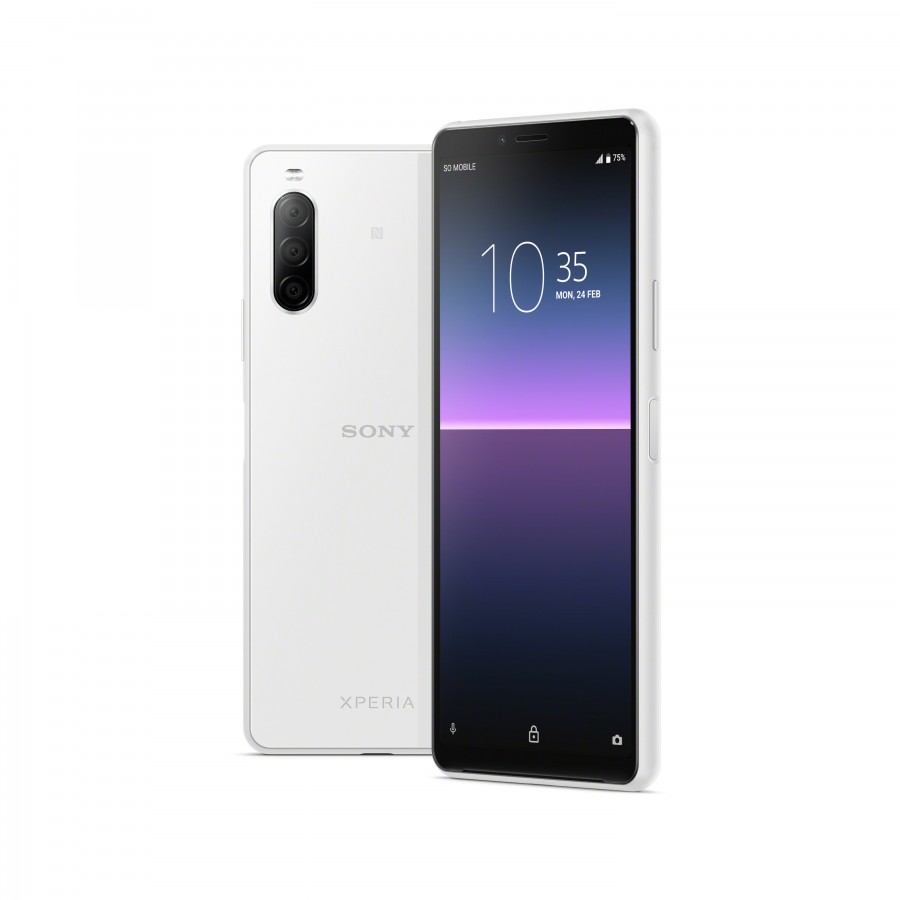
The Sony Xperia 10 II has an OLED screen of 6 inches. The display panel offers 21:9 CinemaWide tall aspect ratio and carries support for full HD+ resolution. Under the hood of the device is the Snapdragon 665 which is coupled with 4 GB of RAM and a 3,600mAh battery that comes with Xperia Adaptive Charging technology that assists in improving the life of the cell by adjusting the power levels that goes into it.
Sony Xperia 10 II
The front and rear sides of the Xperia 10 II are shielded by Gorilla Glass 6 panels. It is an IP68 rated dustproof and water-resistant smartphone. For snapping selfies, it has a front camera of 8-megapixel. The rear side of the phone has a vertical camera setup at the top-left corner. It includes a 12-megapixel primary shooter with PDAF, an ultrawide lens of 8-megapixel with 16mm focal length and an 8-megapixel telephoto sensor with 2x zoom. It also features a 3.5mm audio jack and a side-facing fingerprint sensor.
Sony Xperia Pro
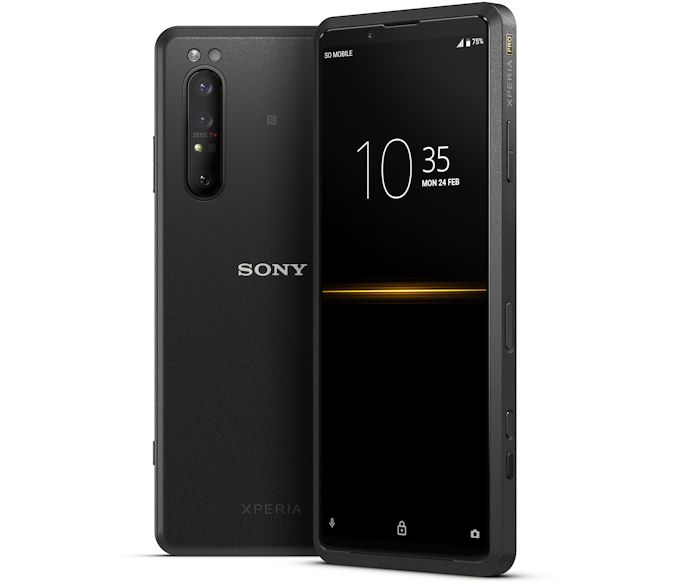
The Japanese tech giant also confirmed that it is working on an advanced device called Xperia Pro. The company has dubbed it is a professional solution that can function as a broadcasting device through sub-6GHz as well mmWave 5G networks at 5Gbps or faster speeds. Its specifications are not known yet. However, it is confirmed to borrow specs like display and cameras from the the Xperia 1 II.
Sony Xperia Pro
The Xperia Pro will have a sturdy body with a textured back for firm grip. Some of the other features of the Xperia Pro include 512 GB of storage, customizable shortcut hardware key and an HDMI input port.
Sony Xperia 1 II and Xperia 10 II and Xperia Pro pricing and release dates.
Sony is yet to confirm the pricing and release dates for the Xperia Pro, Xperia 1 II and Xperia 10 II smartphones. The Xperia 10 II and Xperia 1 II are scheduled to hit the markets in the second quarter of 2020. In the U.S, the Xperia 1 II will be arriving as a 4G device, but Europe will be receiving its 5G version.
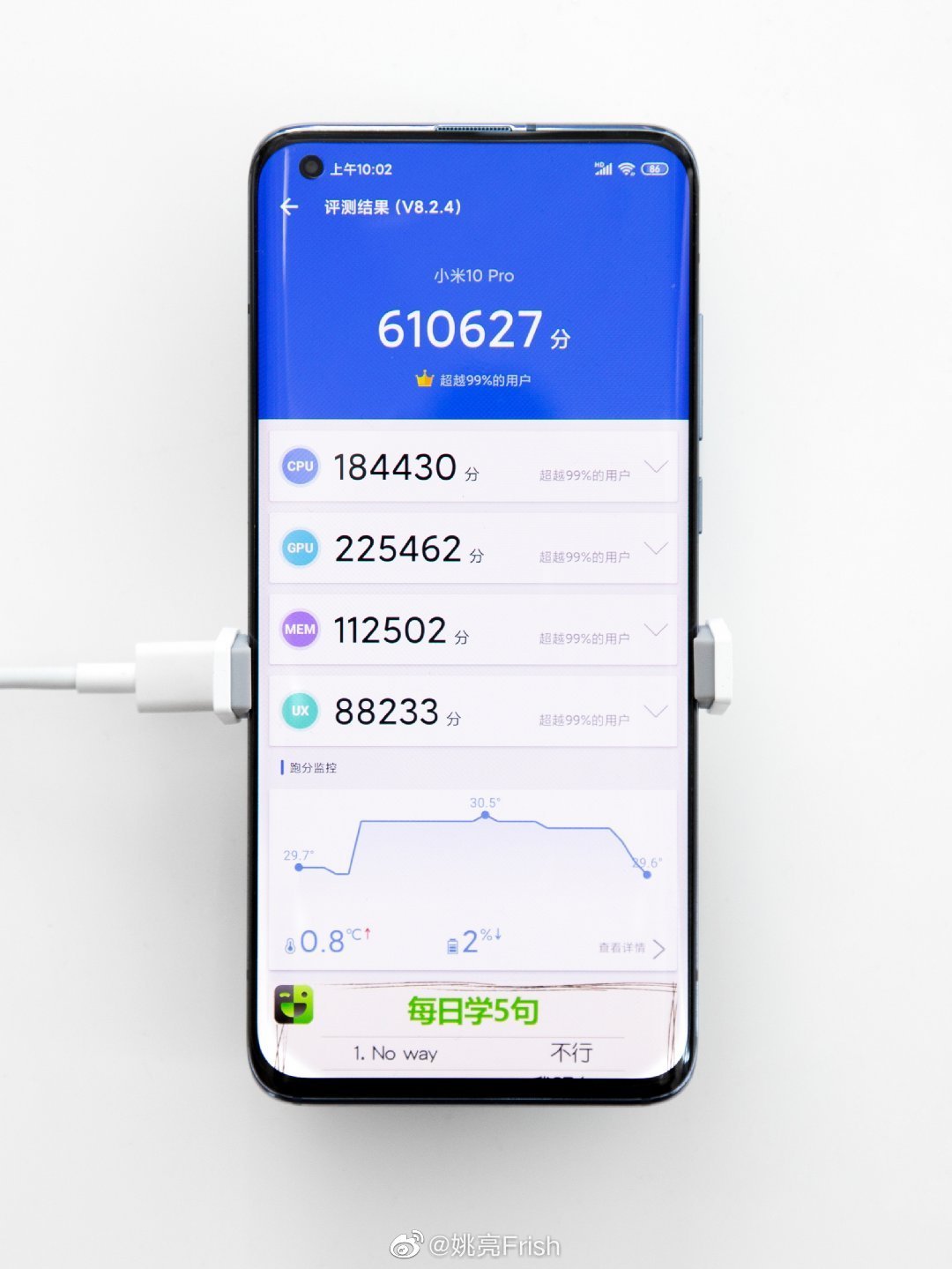
Xiaomi had recently released a new update for its newly launched Mi 10 Pro. The new MIUI upgrade (V11.0.7.0.QJACNXM) brought many improvements across the board for the device, which has even helped it to break past the 600,000 point mark in AnTuTu benchmarking software.
The update for the Mi 10 series included a new driver for the smartphone’s GPU (graphics processing unit). This is made possible by Qualcomm’s latest flagship, the Snapdragon 865 SoC, which enables GPU drivers to be updated, allowing for optimizations and improvements being patched periodically. The update also brought along plenty of other notable improvements, such as:
Improved the sound quality of the speakers.
Fixed cellular data related issues.
Improved the speed of WeChat red envelope notification prompt on mobile network
Updated the Android security patch to February 2020.
Optimized the weak signal of WLAN 5G bands.
Fixed network and latency issues with WiFi connections and a few other minor improvements as well.
However, the most notable improvement was to its GPU driver version that improved its performance, allowing it to achieve such a high score in the AnTuTu benchmarking software. For those unaware, the Mi 10 series features the Snapdragon 865 SoC that arrives with an integrated GPU, the Adreno 650. Currently, it is one of the most powerful mobile graphics unit that is commercially available.
Update: Since this report, the Mi 10 Pro has also undergone multiple other test runs on the AnTuTu benchmarking software. However, this time it underwent the tests under in a colder environment (inside a Mijia fridge), to account for the heat generated during the original room temperature tests. Although a notable score wasn’t achieved that surpassed the original due to obvious and unavoidable testing variations, but it still kept the impressive 600,000+ score. This showcases that heat is also an important factor during tests.
Xiaomi Mi 10 Pro scores an impressive 610,000 points on AnTuTu benchmarking software
Thus, with the new update, Xiaomi has outdone its previous records with the latest score surpassing the 600,000 marks. It is a notable feat considering the previous generations had just begun to crack the score of 500,000. The news about the Mi 10 Pro was initially shared on Weibo, the Chinese microblogging website.
In recent years, the IoT (internet of things) and wearables market have grown exponentially. A lot of such devices have become household staples, that have interestingly led to various smartphone brands to branch out and develop such gadgets as well. One of these companies that are looking to diversify is Oppo and its first smartwatch is expected to arrive with a 3D curved display panel.
Due to the MWC 2020 in Barcelona got canceled due to the recent Coronavirus outbreak, many OEMs suddenly lacked a stage where they were going to hold a major press conference. Oppo was one of them and it was rumored that the company will reveal its first smartwatch during the major event. However, the abrupt cancelation has seemed to delay the timeline for its announcement but a leak has given a unique insight on the gadget.
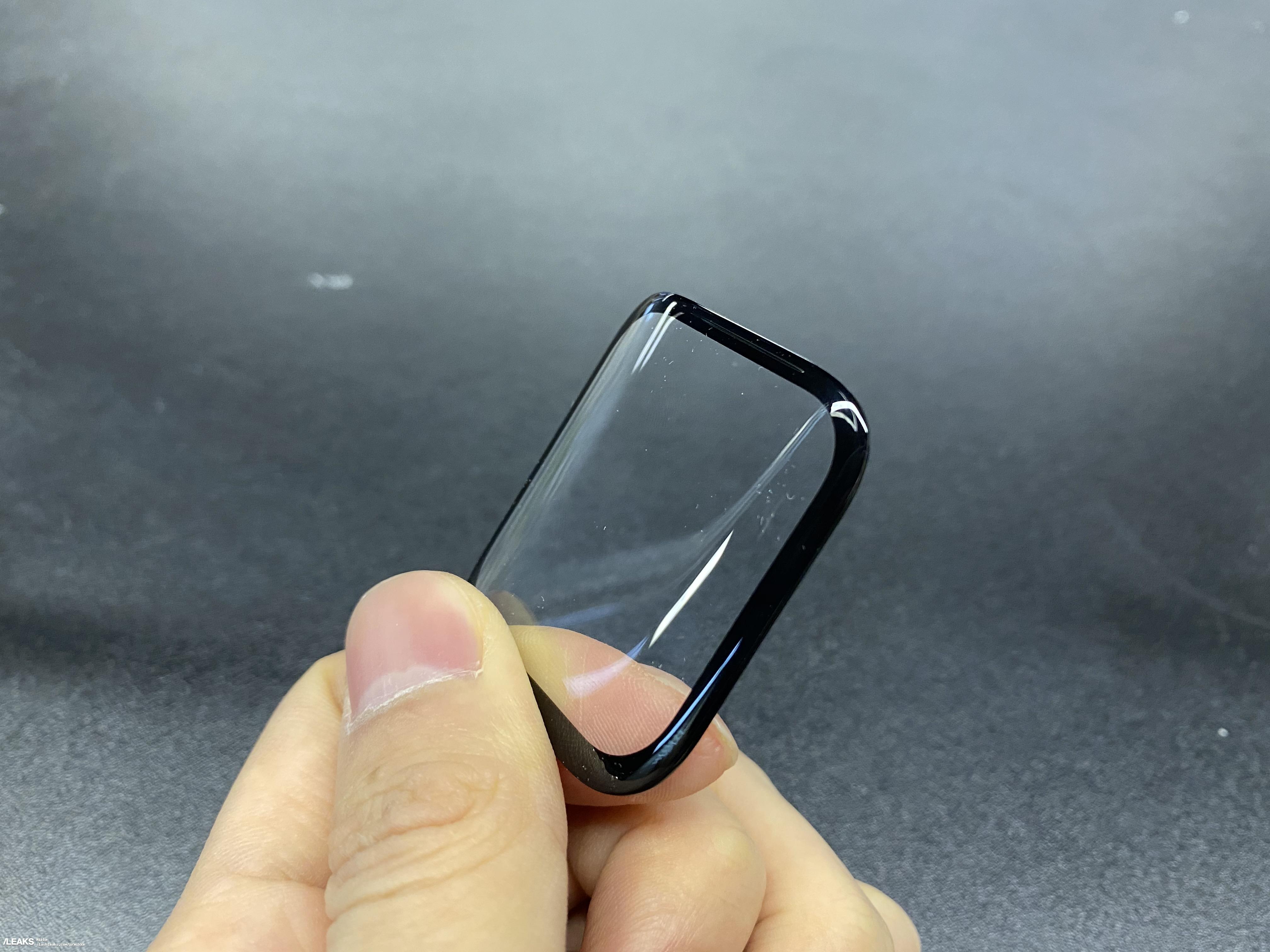
Upcoming Oppo Smartwatch is rumored to feature a 3D Curved display similar to the hyperboloid screen found in the Find X2 (Image via Slashleaks)
According to an image shared by Slashleaks (a known website featuring many leaked and rumored products), a picture of a small glass panel can be observed. The leak claims it is the screen for the upcoming Oppo smartwatch. Notably, its noticeably striking features are its 3D curved glass panel which resembles the expensive hyperboloid screen that was also featured on the Find X. For those unaware, it is a rather difficult and costly form of display to mass produce.
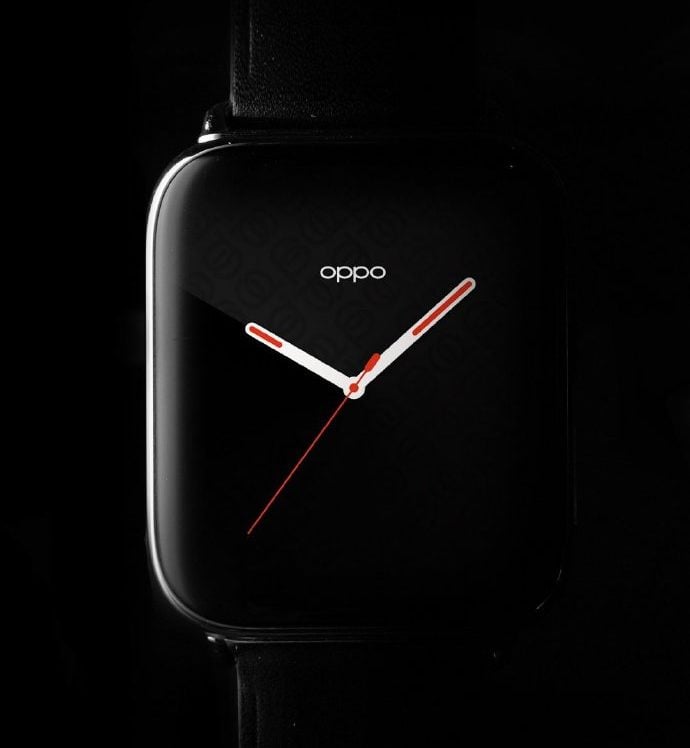
Previously, we had reported on renders of the Oppo smartwatch which had surfaced online. Unfortunately, the renders do not divulge finer details, but also feature a square display similar to the glass panel in the recent leak. Meaning, it is quite possible that the renders and leaks might be the design that will be later seen on the Oppo smartwatch.
OPPO Smartwatch Render
However, the leak is still unconfirmed and we will have to wait for an official announcement from Oppo to provide any concrete statements. So stay tuned for more updates and coverage on other leaks and information that should surface soon.
We use cookies on our website to give you the most relevant experience by remembering your preferences and repeat visits. By clicking “Accept”, you consent to the use of ALL the cookies.
This website uses cookies to improve your experience while you navigate through the website. Out of these, the cookies that are categorized as necessary are stored on your browser as they are essential for the working of basic functionalities of the website. We also use third-party cookies that help us analyze and understand how you use this website. These cookies will be stored in your browser only with your consent. You also have the option to opt-out of these cookies. But opting out of some of these cookies may affect your browsing experience.
Necessary cookies are absolutely essential for the website to function properly. This category only includes cookies that ensures basic functionalities and security features of the website. These cookies do not store any personal information.
Any cookies that may not be particularly necessary for the website to function and is used specifically to collect user personal data via analytics, ads, other embedded contents are termed as non-necessary cookies. It is mandatory to procure user consent prior to running these cookies on your website.