Samsung is preparing to launch the next flagship device – Galaxy S20 in the next few days. A lot of unverified information about the Galaxy S20 is revolving on the web. The leaks are getting more- frequent as it is nearing the launch date. Similarly, a set of official Galaxy S20 wallpapers and video wallpapers have arrived via our folks at XDA Developers.
It may take some time to get hands-on the device officially, but you can download its wallpapers right now. The new wallpapers include floral designs in different colors. The vibrant color combinations match the same theme that we have seen over the past few years. The poly-flower petals look quite intuitive and colorful.
There’s another wallpaper based on bubbles. The user can see the fine details of each bubble in a high-resolution of 3200 by 3200 pixels. The 1:1 aspect ratio based wallpapers can now be used on any device. There are a total of 8 wallpapers with four different color combinations.
Apart from static wallpapers, Samsung Galaxy S20 also carries video wallpapers for dynamicity on your screen. It is another name for Live Wallpapers. The video wallpapers consist of a pattern of flower petals that change color and a bubble wallpaper with motion.
We have linked below the zip file to download all the wallpapers in high resolution.
Samsung Galaxy S20 series is leaking for the past few months. A lot of information is already available via multiple reports, certifications, and rumors. The Korean giant is expected to launch the five Galaxy S20 smartphones at an event on February 11.
According to leaks, the Galaxy S20 series will consist of standard Galaxy S20, S20+, S20 5G, S20+ 5G, and S20 Ultra 5G. The Galaxy S20 is slated to feature a 6.2-inch Dynamic AMOLED with the refresh rate of 120Hz, Galaxy S20+ having a 6.7-inch Dynamic AMOLED with 120Hz and a 6.9-inch Dynamic AMOLED of 120Hz. All the different variants will be powered with Qualcomm Snapdragon 865, coupled with 12 GB RAM. There will be a quad-camera module on the rear side of Galaxy S20 and S20+ featuring a 48-megapixel primary camera. However, a Penta camera module with 108-megapixel primary camera will be available on the Galaxy S20 Ultra 5G.
In terms of battery, there will be a 4000 mAh battery on Galaxy S20 and 5000 mAh powerhouse on Galaxy S20 Ultra with 45-watt fast charging technology.
Quite a lot of folks are excited about the display of the Galaxy S20 series and that is because it will be the first Samsung phones with a refresh rate higher than 60Hz. However, there will be some tradeoffs.
It is no longer news that you can adjust the resolution of Samsung flagship phones. The Galaxy S20 series will keep the feature and will also add the option to switch between refresh rates. Unfortunately, users will not be able to set the phone to the highest refresh rate and highest resolution at the same time.
It can now be said with certainty that Samsung has cancelled the WQHD 120Hz option of the Galaxy S20 series, leaving only FHD 60Hz, FHD 120Hz, WQHD 60Hz. this means that we can't have the best resolution and the best refresh rate at the same time. What is your opinion on this? pic.twitter.com/GaYJuOubw8
According to Ice Universe, the Galaxy S20 series will have three resolution and refresh rate options and they are FHD+ at 60Hz, FHD+ at 120Hz, and WQHD+ at 60Hz.
This is surely sad news for those who look forward to getting the best of both worlds at the same time. Notwithstanding, we won’t rule out that there will be a way for users to be able to force the phone to switch to a 120Hz refresh rate even at the highest resolution.
More manufacturers are jumping on the high refresh rate train this year. Those who already joined last year such as OnePlus will be moving forward with a higher refresh rate for their 2020 phones. We have also seen mid-range phones such as the Redmi K30 feature a high refresh rate and we expect the feature will be available on more affordable phones this year.
Some of Broadcom’s cable modems come with flawed firmware which could mean more than 200 million vulnerable homes. Four Danish researchers, Alexander Dalsgaard Krog, Jens Hegner Stærmose, Kasper Kohsel Terndrup (from Lyrebirds) and freelancer Simon Vandel Sillesen uncovered CVE-2019-19494, a flaw which could enable man-in-the-middle attacks, information theft, communications eavesdropping, DDoS attacks and so on.
“The cable modems are vulnerable to remote code execution through a web-socket connection, bypassing normal CORS and SOC rules, and then subsequently by overflowing the registers and executing malicious functionality. The exploit is possible due to lack of protection proper authorization of the web-socket client, default credentials and a programming error in the spectrum analyzer,” the researchers explained.
“These vulnerabilities can give an attacker full remote control over the entire unit, and all the traffic that flows through it, while being invisible for both the user and ISP and able to ignore remote system updates.”
While the problem is clearly widespread, the researchers said it’s difficult to get a precise estimate of Cable Haunt reach. “The reason for this is that the vulnerability originated in reference software, which has seemingly been copied by different cable modems manufacturers when creating their cable modem firmware,” the researchers said on their website.
“This means that we have not been able to track the exact spread of the vulnerability and that it might present itself in slightly different ways for different manufacturers.”
The good news is that most Scandinavian Internet service providers (ISPs) report that they have already patched the affected devices, while the team responsible for the discovery has set up a dedicated Cable Haunt website for users to track developments.
5G advancements have been booming all across the globe. At the forefront of this advancement, nations like China and South Korea are ahead of the curve. Now, a new report from Chinese analysts suggests that 20 percent of all mid range smartphones will support 5G networking.
According to a research agency in China, an estimated 5 million 5G capable smartphones were sold in December 2019 alone and the figures are expected to rise further. Furthermore, it is expected that more than 20 percent of the smartphones under the 2000 Yuan (roughly 290 US Dollars) will be 5G enabled this year. By 2021, the same statistics are expected to be applicable across the globe.
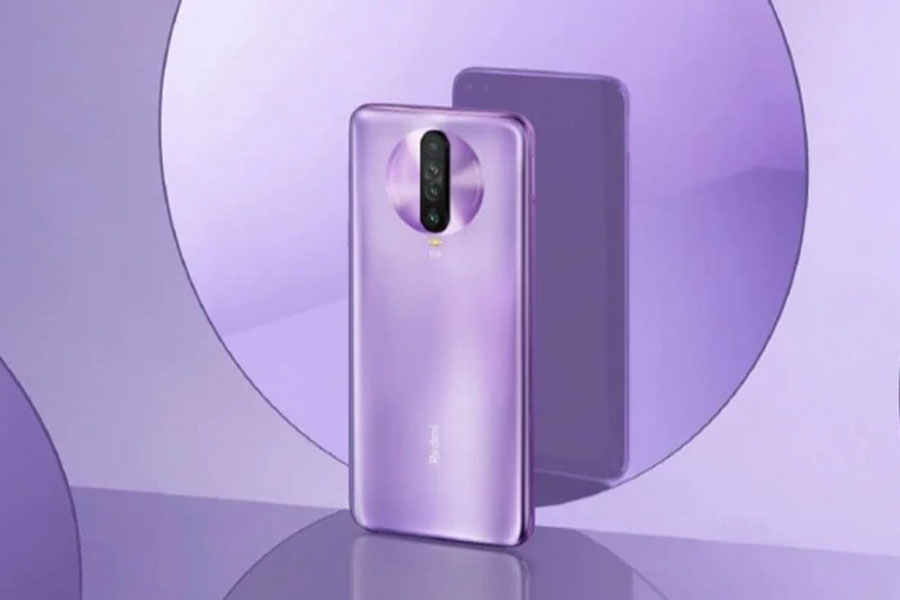
Xiaomi subsidiary’s Redmi K30 5G
As of right now, most 5G smartphones that are sold are mostly concentrated in China and are exclusive to the local market. The best examples of this are Huawei, Vivo and Xiaomi’s 5G handset offerings that are not available anywhere else in the world (eg: Xiaomi Mi 9 Pro, Vivo IQOO and Huawei Nova 6). Notably, Huawei and its subsidiary Honor do not ship with Google services to markets where 5G is available, while Vivo is yet to expand in the European Regions, The Middle East or even the US.
A few other OEMs like Samsung, OnePlus, and Oppo are more broad with the availability of their respective 5G smartphones. Devices like OnePlus 7 Pro 5G, Oppo Reno 5G, and the Galaxy S10 5G are great examples that are available in United Kingdom, Germany, Finland, UAE and more.
OnePlus 7 Pro 5G
In China alone, local OEMs expect to sell over 150 million 5G smartphone units in 2020 while the global smartphone market sees a marginal market rise of 0.7 percent overall. The growth of 5G advancements is being accredited to MediaTek and its affordable Dimensity lineup of 5G chipsets. Processors like Dimensity 800 and even Dimensity 1000L are expected to be seen in sub $200 or $300 categories by the end of this year.
Huawei is expected to launch its next-generation P-series flagship smartphone in the coming weeks or months. As the launch is drawing close, details about the devices keep surfacing online.
In the latest development, a screen protector of the upcoming flagship device Huawei P40 Pro has been leaked online, revealing some key details about the smartphone. It suggests that the phone will come with a curved screen display.
While the display doesn’t seem to be as large as the Huawei Mate30 series, it still maintains the rounded edges design language. Also, in order to offer higher screen-to-body ratio, the company seems to have opted for a full-screen design with a punch-hole for housing front-facing camera.
It is also reported that the smartphone will come equipped with an Ultra Vision Camera (aka Super Vision Camera) with a 51.2-megapixel camera sensor. The phone is also said to come with support for EasyCharge wireless charging as well as fast charging for the traditional wired charging.
A recent render leak and TPU cover leak shows that the phone will include a rectangular camera module which now seems to be a growing trend. The TPU case is similar to that of the P40 which leaked recently but the sizes of the display are likely different as well as the camera configuration. The casing also confirms the presence of a USB Type-C port at the bottom of the Huawei P40 Pro along with a speaker grill on the right.
According to a new report from a renowned analyst, MediaTek stands to lose out on profits and its 5G chip orders. The reason for this is its primary competitor, Qualcomm, slashing the Snapdragon 765 prices.
Ming Chi Kuo’s report suggests Qualcomm is rethinking its pricing for the mid range 5G chipset after the demand for high end 5G smartphones fell short on expectations. Furthermore, the aggressive pricing policy will aso extend to its low-end offerings in the second half of 2020. Hence, MediaTek faces stiff competition in every category about 3 to 6 months earlier than predicted for its Dimensity lineup of 5G chipsets.
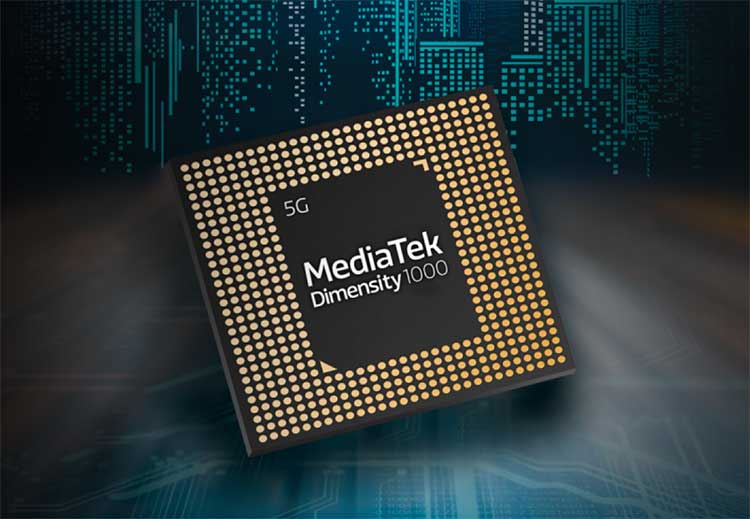
MediaTek’s Dimensity 1000 5G Chipset
As it stands right now, MediaTek’s pricing strategy isn’t as lucrative as Qualcomm’s which could see a gross profit margin of 5G processors being lower than 30 to even 35 percent. The report from Ming Chi Kuo also indicates that after high end 5G smartphone demand turned out to be lower than expected; Qualcomm reduced the price of its Snapdragon 765 5G chipset by about 30 percent to about $40. This is a more affordable alternative to MediaTek’s Dimensity 1000L SoC that costs about $60 to $70 (manufacturing cost being around $45 to $50).
The figures clearly state that Qualcomm’s new pricing strategy undercuts the MediaTek’s entire market of offering 5G processors at affordable rates. Currently, MediaTek had received orders for about 20 to 25 million chips from various smartphone OEMs like Oppo, Vivo, and Xiaomi. These orders were supposed to start shipping by February 2020; Thus, the new pricing might disrupt the large scale order MediaTek had received which is predicted to shift towards Qualcomm.
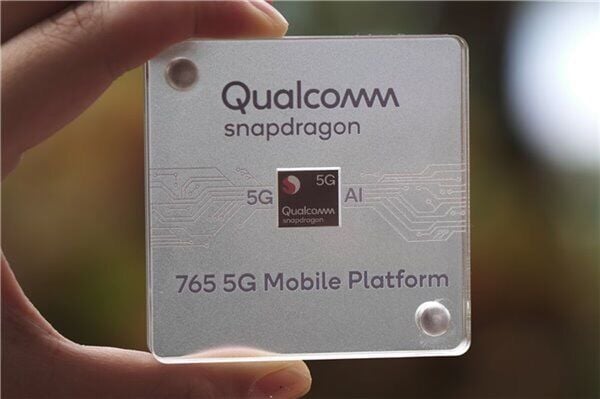
Qualcomm Snapdragon 765G
The Snapdragon 865 with X55 5G modem has not had its price of $120 to $130 changed. Since it outperforms MediaTek’s Dimensity 1000 SoC. Notably, Dimesity 1000L technically outperforms the Snapdragon 765, although only noticeable during heavy gaming. Lastly, the report also details that the greatest threat is faced by Dimensity 800 SoC. This low end 5G chipset was expected to be released in May 2020 for $40 to $45 (manufacturing cost being around $30 to $35).
Thus, the report states that the competition has arrived 3 to 6 months earlier. It is also expected that Qualcomm will follow the aggressive pricing strategy to avoid a further decline in overall profits.
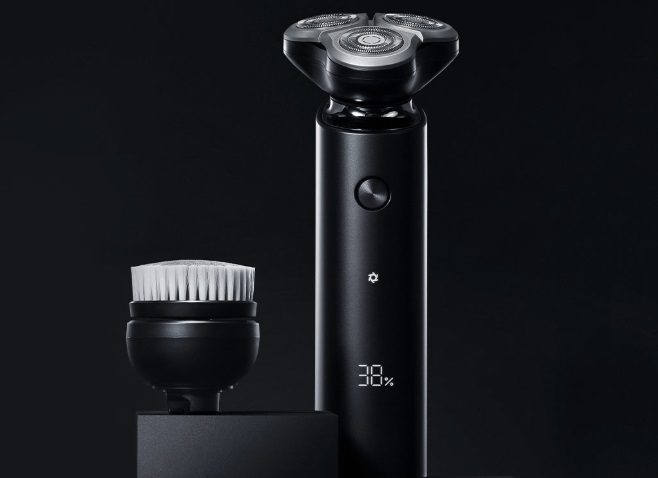
Today, Xiaomi has launched a new electric shaver in its home market China — Mijia Electric Shaver S500C. The device, which comes with a USB Type-C port, comes with a three-in-one design which includes shaving, cleansing, and repairing.
The Mijia Electric Shaver S500C uses a three-tip design and comes with a 360-degree floating veneer system and has a dual-layer blade. The company says that the auxiliary blade first lifts the beard, and then the main blade quickly cuts off the beard.
The company says that it also adopts IFT suspension floating technology and the cutter head can be suspended and floated. Additionally, the Mijia Electric Shaver S500C also comes with a replaceable head.
Along with the shaver head, the company is also offering a corner head and a bamboo charcoal cleansing brush head. The corner head is made of high-performance stainless steel and has a speed of 3,000 rotations per minute. On the other hand, bamboo charcoal cleansing brush head has more than 20,000 fine fiber bristles.
Further, the Mijia Electric Shaver S500C also comes with a digital display which shows the remaining battery percentage every time the device is turned on. When the battery is less than 5 percent, the display flashes it so that the user can put it on charging. The device is also rated IPX7, ensuring waterproof body and thus it can be directly washed.
The Mijia Electric Shaver S500C is priced at 299 yuan which is roughly $43 and is now available for purchase in China.
Honor had launched the Honor 9X and Honor 9X Pro smartphones in China in July 2019. Few months later, the company unveiled the international edition of the Honor 9X. Due to the US trade ban imposed on Huawei, sub-brand Honor had to launch a slightly different phone as the Honor 9X international edition. India was expected to receive the phone in August. However, its arrival was delayed due to reasons best known to the company. Today, it held a launch event in India to announce the Honor 9X alongside other products such as Honor Band 5i and Honor MagicWatch 2.
Honor 9X price in India
The Honor 9X has arrived in India in two models such as 4 GB RAM + 128 GB storage and 6 GB RAM + 128 GB storage. These variants have respective price tags of Rs. 13,999 (~$197) and Rs. 16,999 (~$239).
The handset can be purchased in two colors such as Midnight Black and Sapphire Blue. The handset will be available for purchase from Jan. 19 exclusively through Flipkart. On the launch date (Jan. 19), the base model can be bought for Rs. 12,999 (~$183). ICICI credit and Kotak Bank credit and debit card users can take advantage of 10 percent discount.
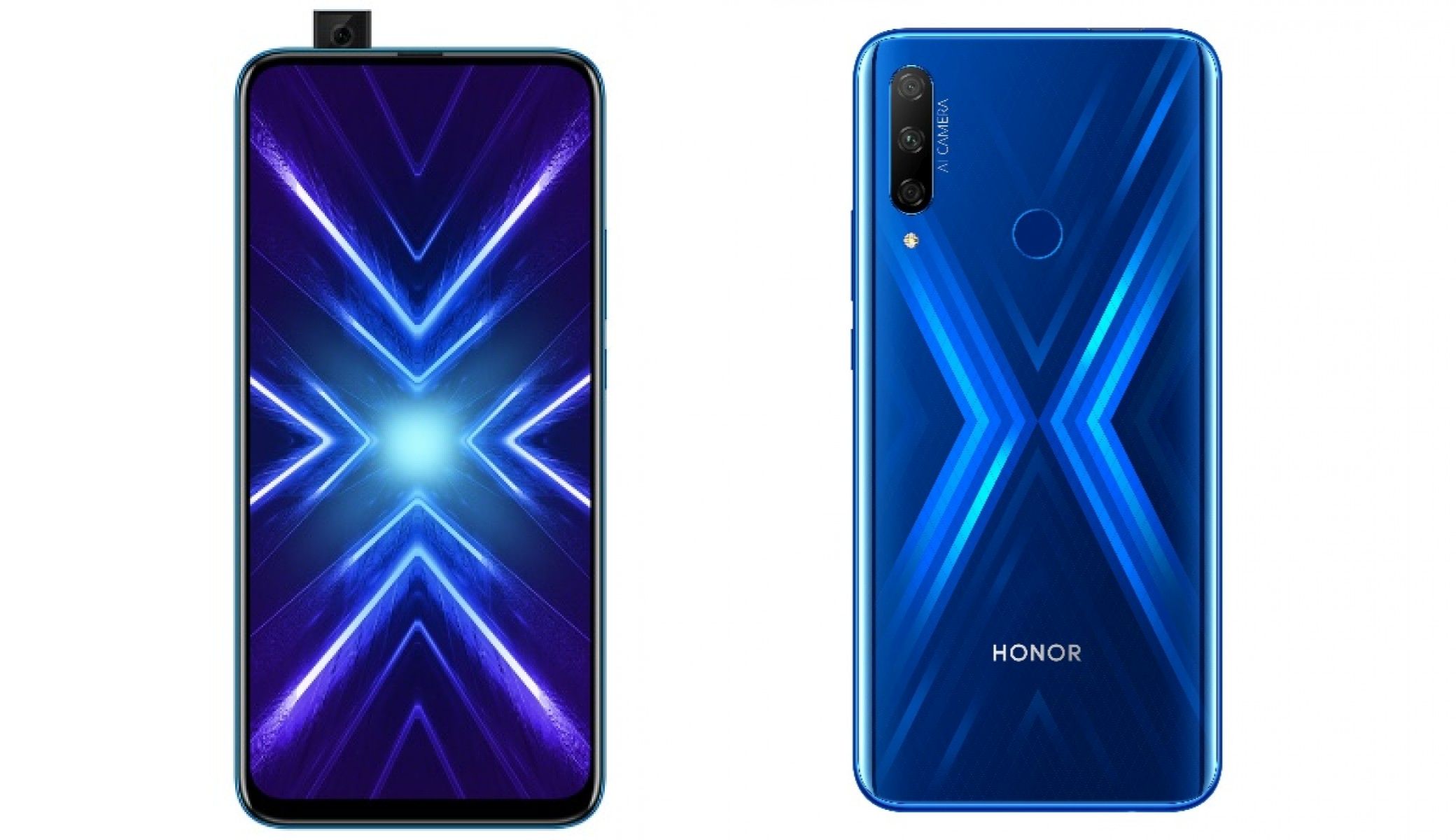
The Honor 9X has an impressive 6.59-inch IPS LCD display that produces full HD+ resolution of 1080 x 2340 pixels and an aspect ratio of 19.5:9. The notch-less screen offers a high screen-to-body. The EMUI 10 based Android 9 Pie OS comes preloaded on the device. Yes, the phone ships with Google Mobile Services in India.
The older Kirin 710F processor fuels the Honor 9X. The Chinese variant has the newer 7nm Kirin 810 onboard. The Indian Honor 9X ships with up to 8 GB of RAM. It offers users with an internal storage of up to 128 GB. A microSD slot available through the hybrid SIM tray is available on the smartphone.
The backside of the Honor 9X has a triple camera setup along with an LED flash. It has a primary shooter of 48-megapixel, an 8-megapixel ultrawide sensor and a secondary lens of 2-megapixel. There is a pop-up camera of 16-megapixel for shooting selfies. The smartphone houses a 4,000mAh battery that comes with support for only 10W charging. It has a rear-positioned fingerprint reader.
The connectivity features available on the Honor 9X are dual 4G VoLTE, Wi-Fi 802.11ac, Bluetooth 4.2, GPS, USB-C and 3.5mm audio jack. The phone impresses with its captivating X pattern on its glass rear. The handset measures 163.5 x 77.3 x 8.8mm and it weighs 196.8 grams.
What’s your opinion on the pricing and specifications of the Honor 9X? Share us your thoughts by posting your comments below.
Last year, Honor had launched the MagicWatch 2 and Band 5i devices in China. Today, the Chinese manufacturer held a dedicated launch event to announce the Honor 9X smartphone in India. At the event, Honor also unveiled the MagicWatch 2 smartwatch and Band 5i fitness tracker. Apart from the wearables, Honor introduced Rs. 1,999 worth Honor Sport Bluetooth Earphones and Rs. 3,999 Honor Sport Pro Bluetooth Earphones. These devices will be exclusively available on Flipkart and Amazon India in the near future. Here is all the information on the pricing, specifications and features of both devices.
Honor Band 5i price in India
The Honor Band 5i is an updated edition of the Honor Band 5 that was introduced in August for Rs. 2,599 (~$37). The Band has arrived with a price tag of Rs. 1,999 (~$28). It comes in Black color only and it can be availed from Amazon India. SBI card owners can avail 10 percent discount on the device.
Honor Band 5i
Honor Band 5i specifications
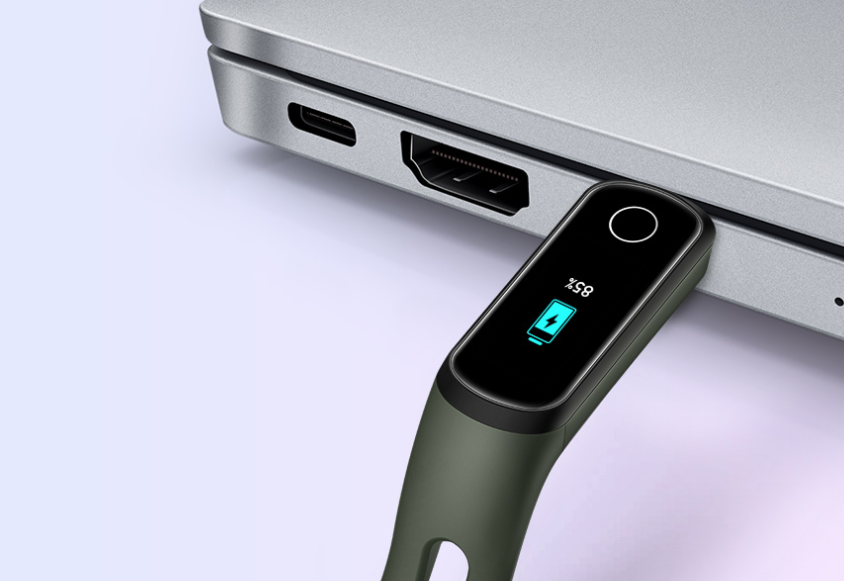
The Band 5i features a 0.96-inch TFT color display that offers a resolution of 80 x 160 pixels. The 91mAh battery that can be charged for up to 1 week can be charged by directly connecting a USB cable. There is a dedicated capacitive home button.
Its appeal can be customized using downloadable clock faces. The device offers 9 kinds of fitness modes for outdoor and activities such as running, walking, cycling, free training and more. It has an optical heart rate tracker it can also monitor sleep patterns. Its other features include stopwatch, music control, alarm and idle alert. The Band 5i offers 50ATM water resistance.
Honor MagicWatch 2 has gone official in India with a pricing of Rs. The 46mm model that comes in color options like Charcoal Black and Flax Brown. They are respectively priced at Rs. 12,999 (~$183) and Rs. 14,999 (~$211).
The 42mm can be brought in color editions such as Agate Black and Sakura Gold. They are respectively priced at Rs. 11,999 (~$169) and Rs. 14,999 (~$211).
Buyers of Honor MagicWatch 2 will be provided with Honor xSport AM61 Bluetooth earphones worth Rs. 1,699 (~$24) for free. Users can also take advantage of up to 6 months no cost EMI offer. SBI card owners can avail 10 percent discount on the MagicWatch 2. The 46mm will be available for purchase through Amazon India from Jan. 19. The 42mm will be available soon on the same e-commerce platform.
Honor MagicWatch 2
Honor MagicWatch 2 specifications
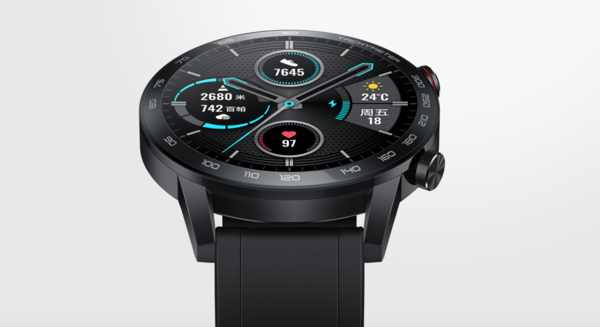
The 46mm and 42mm Honor MagicWatch models feature 1.39-inch circular AMOLED display and stainless steel chassis. The Kirin A1 chipset fuels the MagicWatch 2. The device offers user with 4 GB of RAM and its look can be personalized with custom watch faces. Photos from the paired Honor devices can be also used as wallpapers on the MagicWatch 2.
The MagicWatch 2 has a 455mAh battery that can last for up to 14 days on a single charge. The other features of the MagicWatch 2 include 50ATM water-resistance, dual-frequency GPS, heart rate tracker, sleep monitor, fitness tracking modes, built-in speaker and a microphone.
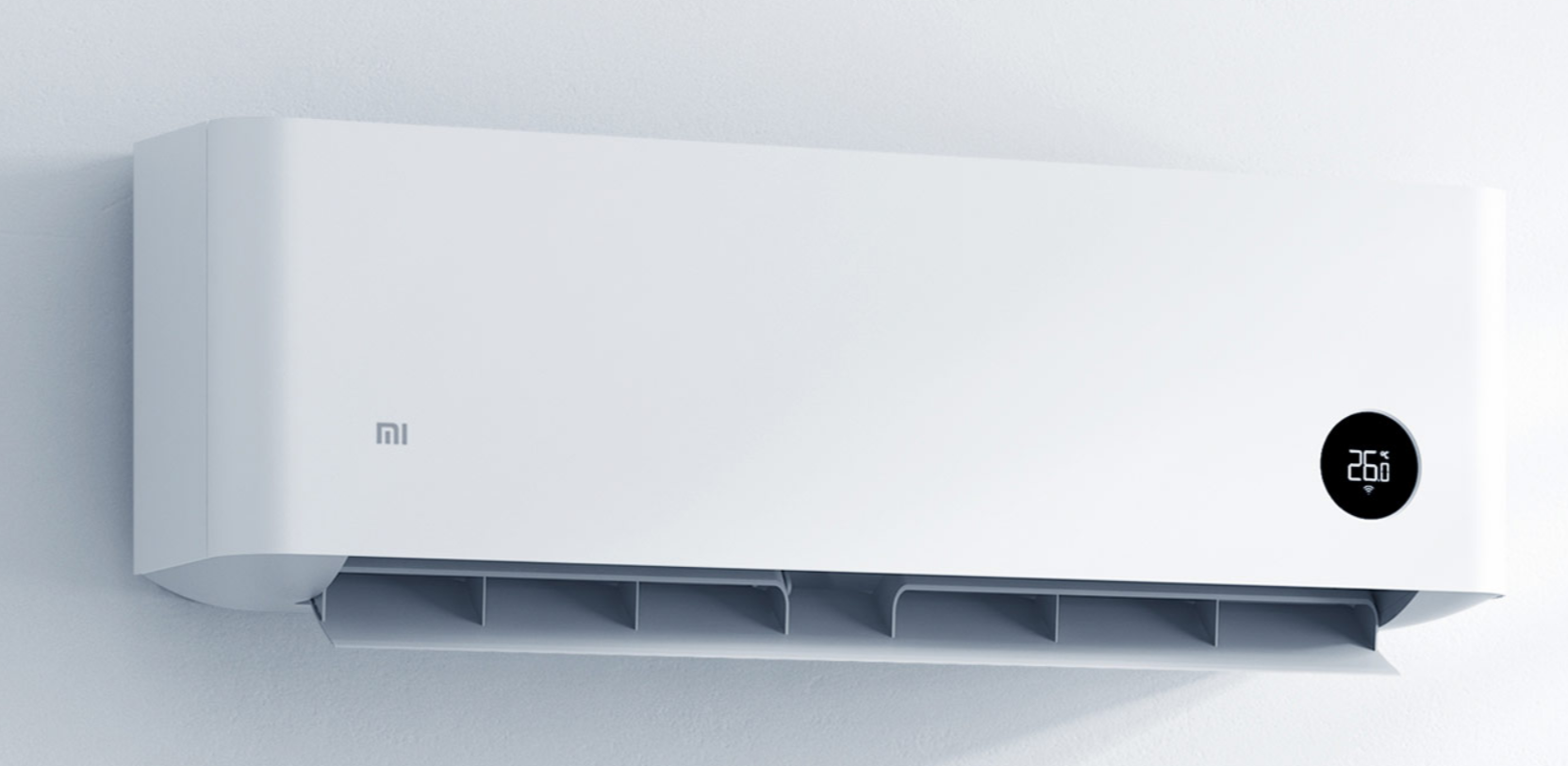
Earlier today (14th January 2020), Xiaomi officially launched a new Smart Air Conditioner. It arrives in two variants with different power load capacities and both are said to beat the current energy efficiency standards of the industry.
Specs and Features
According to official listings, the Xiaomi Smartmi Air Conditioner A arrives in a 1 ton and 1.5 ton models. The key selling point of the home appliance is its energy efficiency. The air conditioner from the Chinese tech giant has an APF (annual performance factor) value as high as 4.65, which is better than the current Chinese power efficiency standard of 4.5. In simpler terms, the higher the APF value, the greater an air conditioner’s energy efficiency. The class 1 level category of energy efficiency was achieved thanks to the new DC frequency conversion motor.
Xiaomi Smartmi Air Conditioner A
Notably, the Chinese Government had passed a law that has since been claimed to be the strictest energy efficiency standard for Air Conditioners on 1st July 2019. It is officially being implemented now and surpasses similar laws that are found in the US and are a leading international benchmark for the same.
In real-world scenarios, Xiaomi’s new air conditioner saves about 20 percent energy than the other AC’s with class 3 efficiency ratings and lower APF value. Furthermore, the new home appliance offering from the company is also a smart product. Thus, it supports voice commands through the Xiao AI to control the temperature or turn the Air Conditioner on or off.
Price and Availability
The new Xiaomi Smartmi Air Conditioner A is available in two models, with the 1 ton model being offered for 2,299 Yuan (roughly 333 US Dollars) and 2,699 Yuan (roughly 391 US Dollars).
Gone were the days when users need to buy powerful hardware to play high-end and graphics-intensive games. Now, cloud gaming is a new pro to enjoy the same gaming experience without actually owning the hardware. Google Stadia is a deliberate attempt to bring cloud gaming experience on Android smartphones, especially for the Pixel devices. However, the users can enjoy the Stadia service on other smartphones using Xtadia Xposed Module.
Google launched the cloud gaming service with mobile support limited to Google Pixel, Mac tablets, and Chrome browser with some limitations. The users can even stream gameplay on TV using Chromecast Ultra. It is streaming the Gameplay on your display with actual processing happening on cloud servers. There are several advantages of using Google Stadia:
Features of Google Stadia
Support gameplay in 4K resolution
HDR support
5.1 Surround Sound support
60 frames per second
TV Support with Chromecast Ultra
To get seamless Google Stadia experience, the users should have access to a fast internet connection. Some features are bound to the fastest internet connections. The support for 4K with HDR is limited on Chromecast Ultra. According to the official support documents, the internet speed required is as follows:
35Mbps — 4K with HDR and 5.1 surround
20Mbps — 1080p and 5.1 surround
10Mbps — 720p and stereo sound
Google is also planning to introduce some new features to compete against competitors like GeForce Now, Rainway, Moonlight, Play Station Now, and Steam Link. It will soon get Google Assistant support, State Share, Achievements, and Sharing games. These features will boost the user interaction leading to a better platform for online gaming.
Note: GizmoChina does not endorse to use Google Stadia with any inappropriate means.
Play Stadia on any Android Phone
Google Stadia has a lot to offer for gamers, but due to the fact that it is compatible with only a few Pixel smartphones makes it an underperforming service. To deviate gamers from the traditional gaming PC setups, cloud gaming companies need to make their platforms more accessible.
Some third-party developers are indirectly offering Google Stadia support on any Android device via the Xtadia Xposed module. It is quite difficult to bypass the device check and make Google Stadia work on any device just by sideloading the APK. To get it working, users need to install the Xtadia module.
Download Xtadia Xposed Module
Xtadia helps Android users enjoy cloud gaming on any phone and any connection type. It simulates the required preferences for the Stadia app. However, the users should keep in mind that Google announced to pull-off these limitations; it’s a temporary way to fill the gap until compatibility broadens officially.
The Module is compatible with Android Marshmallow and later versions. It is tested on Android Pie and Q via EdXposed. Some limitations are imposed on Stadia are imposed by the module for an optimal experience.
Steps to Install Xtadia Xposed Module using EdXPosed
Open Magisk Manager and tap Menu icon and head to the Downloads section.
Search for Riru-Core and Riri-EdXposed modules, and install them.
Reboot the device after installing the above modules.
Install EdXposed Installer app.
After the successful installation of the above modules, it’s time to install the Stadia app by downloading it from the Play Store.
Now, Enjoy it!
We hope you have successfully installed the Xtadia Xposed Module using the above guide. If you have any queries or issues, then don’t forget to mention it via the comments below.
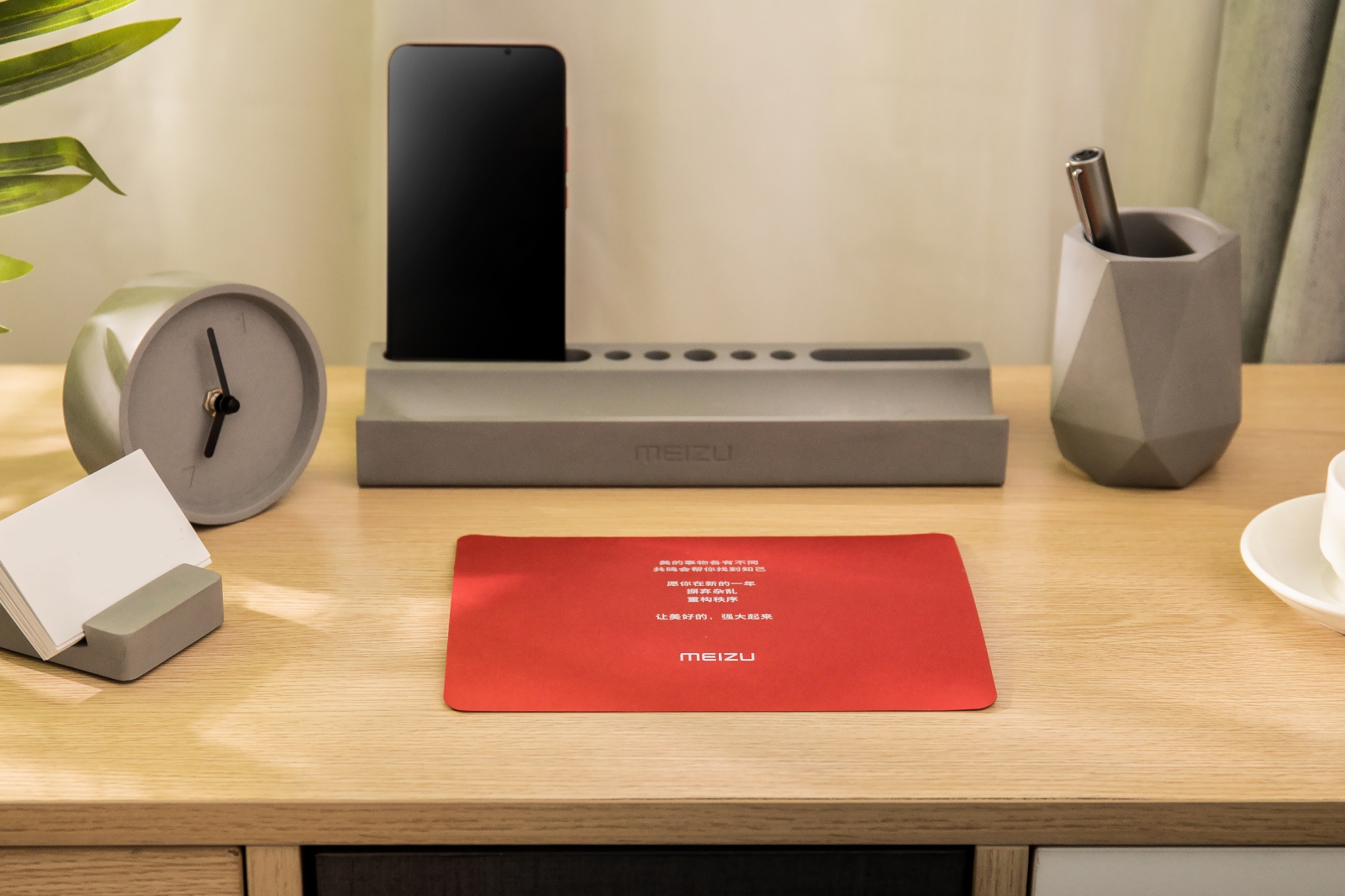
Meizu aren’t strangers to bizarre and weird concepts, and for the year 2020 they’ve got a brand new product, or rather a set of new products to reveal. The company unveiled their 2020 New Year Gift Box, a box of items for your desktop. They’re all designed to feature a unique design theme, with this year’s items all being built out of solid concrete.
The Meizu 2020 New Year Gift Box consists of a desktop storage unit for putting all your stationary and stuff, a concrete desk clock, a smartphone holder and a stationary holder. As you’d expect, the products are all gray and very minimalist, giving them an interesting look. We can’t say we’ve seen something like this before, and it’s pretty nice to see a material like concrete get some love from tech companies.
In addition to the storage set, there is also a card in the gift box with a New Year’s greeting: “The beautiful things are different. The resonance will help you find your confidant. May you abandon the clutter and restructure the order in the new year to make it beautiful and strong.” This is a rough translation, but the general gist of the message comes across just fine.
Alongside the announcement, Meizu also talked about how their product lines have been getting convoluted, with hopes to streamline their product lines for 2020. We’re hoping they succeed with this considering how good their last devices have been. We’re definitely looking forward to what the company has in store for us, and we’re hoping to be pleasantly surprised.
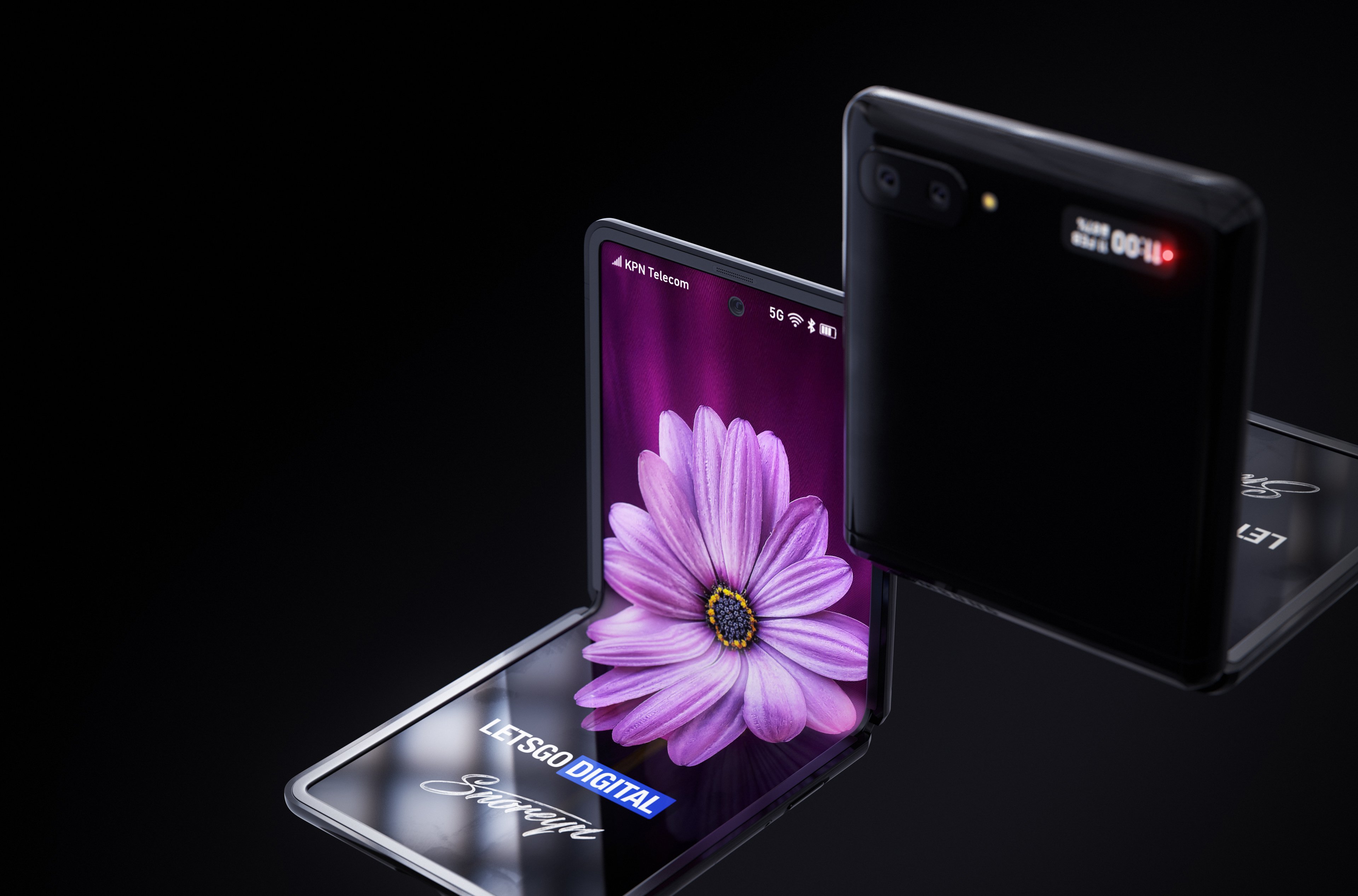
Samsung has scheduled its Unpacked event in San Francisco on 11th February where the company is all set to launch its upcoming Galaxy S20 lineup. Along with that, the company is also expected to unveil its new foldable smartphone, which was rumored to be called Galaxy Fold 2.
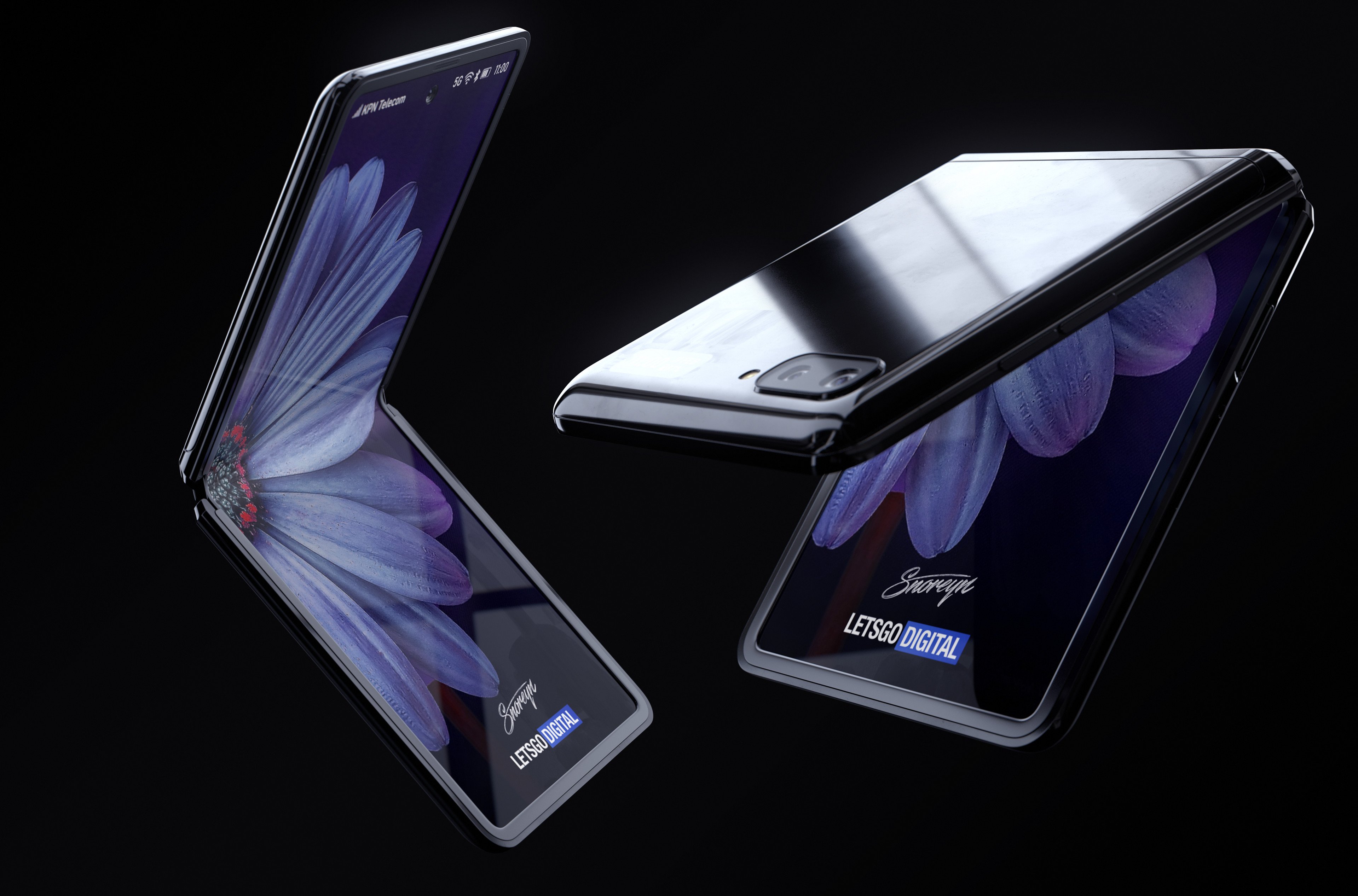
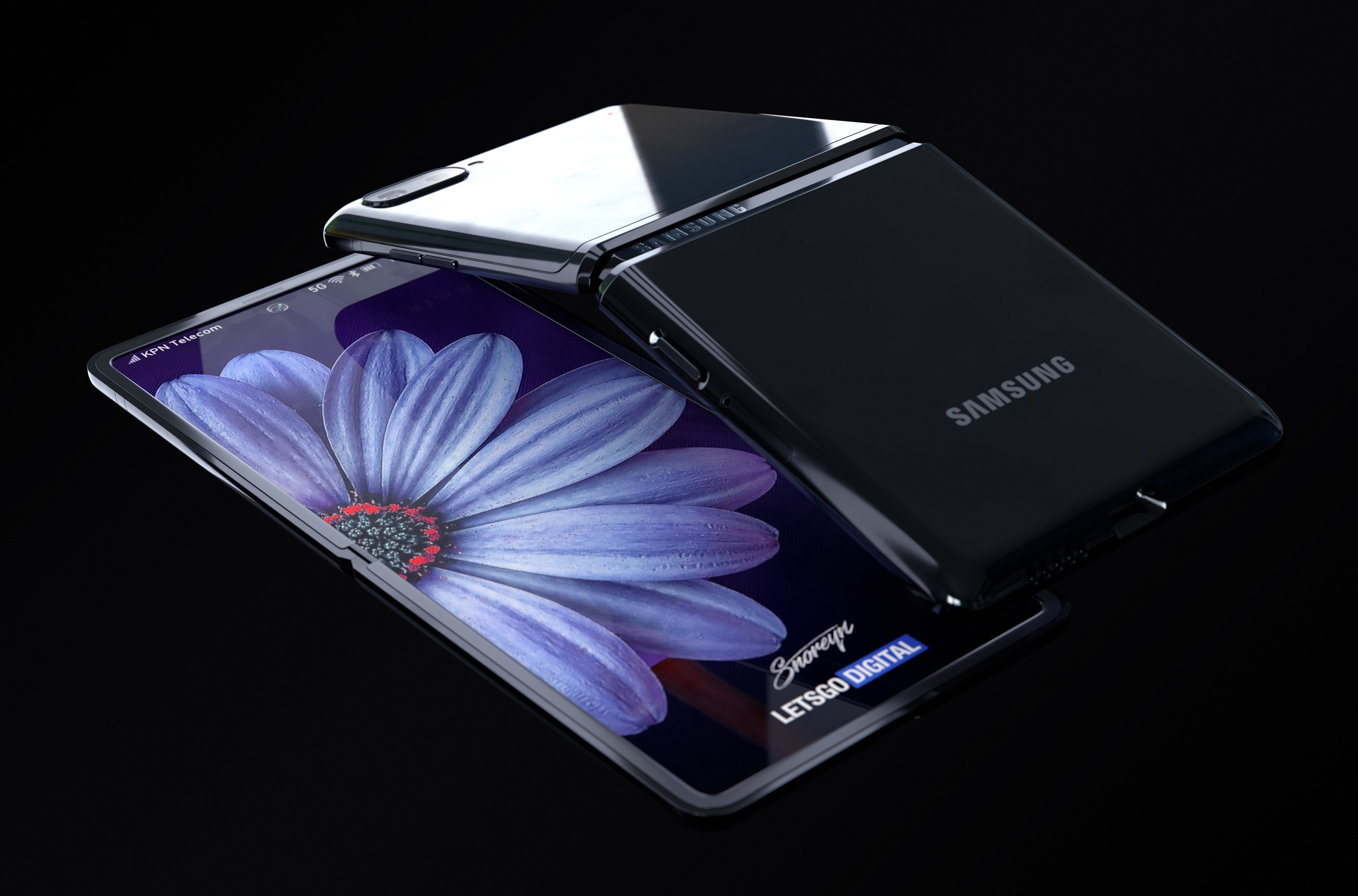
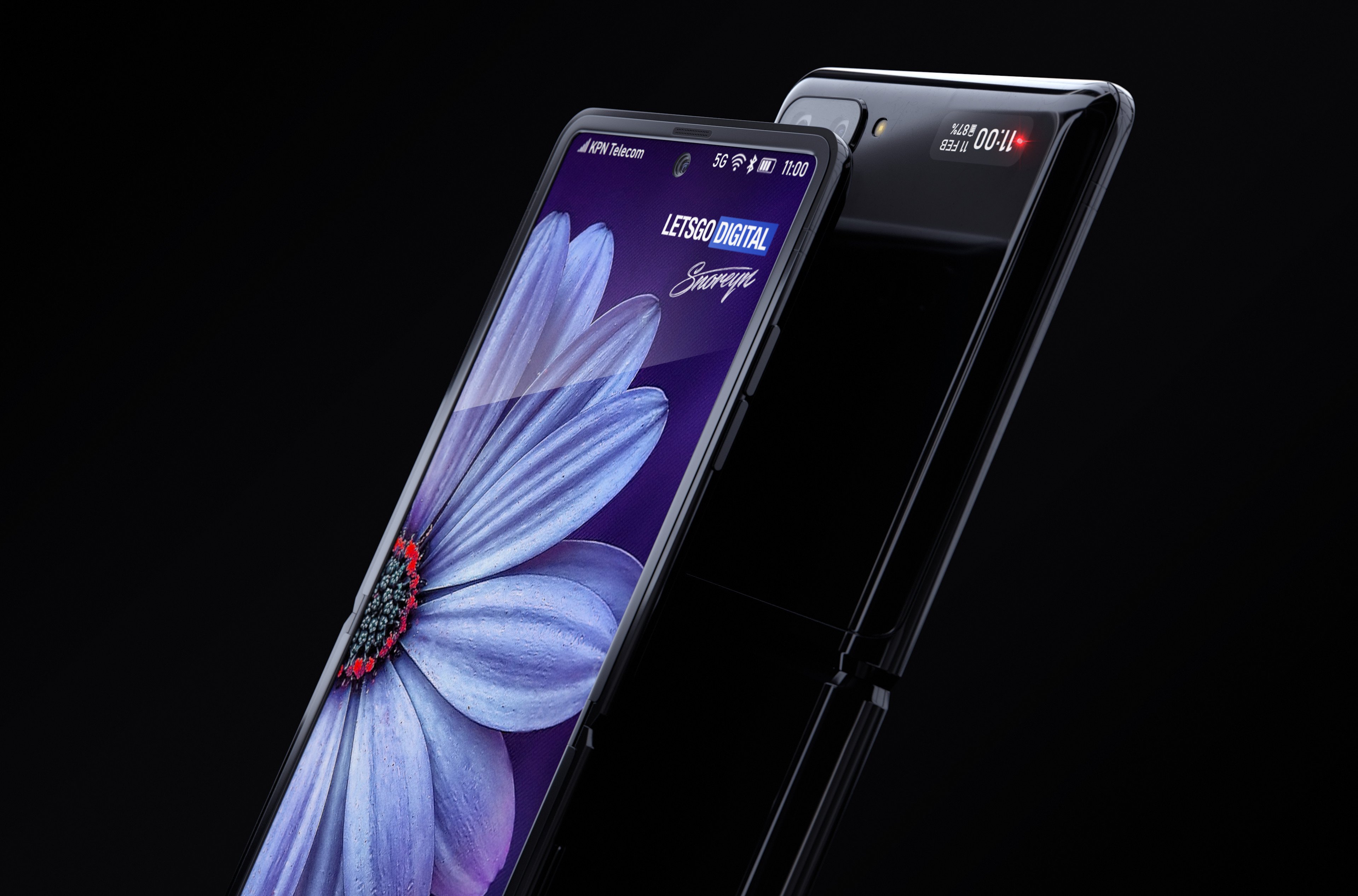
Recently, it was reported that the upcoming foldable smartphone is named Galaxy Bloom. But, it is now said that Galaxy Bloom is just a codename and the actual name of the smartphone is Samsung Galaxy Z Flip. Now, renders of the same have surfaced online.
From the renders, it seems that the Galaxy Z Flip will come equipped with a UTG display, or an Ultra Thin Glass display which is so thin that it gives the ability to bend without cracking. While this makes the phone more robust and durable, it also increases product cost for the company.
The smartphone is expected to have a 6.7-inch flexible screen, a significantly larger than the Motorola RAZR which has a 6.2-inch display and comes with a similar clamshell folding design. It is said that the phone will have a punch-hole display or Infinity-O display which will house a 10-megapixel front-facing camera sensor.
The report adds that the company has used a new innovative hinge called Hideaway Hinge, which is practically invisible when you use the phone and when it is unfolded. It is unclear what the company has used for the closing mechanism.
Once the device is folded, you get access to a small notification display which is significantly smaller than that of Galaxy Fold and is probably exclusive for displaying the time, date, battery indicator and incoming notifications.
Next to the notification display is a dual-camera module along with a flash. As per the reports, the primary camera sensor will be of 108-megapixel and will come with 5x optical zoom support. Some reports also indicate two 12-megapixel camera sensors.
As for the other specifications, the device is expected to come powered by the Qualcomm Snapdragon 855 Plus SoC, coupled with up to 8GB of RAM and 256GB of internal storage. The device will be running Android 10 operating system with the company’s own One UI 2 on top. It will be powered by two batteries — one of 900mAh and another of around 2,100mAh or 2,300mAh, along with support for fast charging.
Citing supply chain sources who displayed wares at CES 2020, MacOtakara reports Apple could be developing a Face ID-toting iPhone 8 follow-up alongside a much-rumored Touch ID version media outlets have tentatively dubbed “iPhone SE 2.” The rumored handset will pack a 5.4-inch screen into a case close in size to that of the iPhone 8, which itself was just over 5.4 inches tall.
A switch to Face ID and the alleged deletion of iPhone 8’s top and bottom bezels — affectionately referred to as its “forehead” and “chin” — will free up space for the larger display, the sources said. On the back is a “much bigger” camera as compared to iPhone 8, while the True Tone flash is said to “return” to a size seen on iPhone 7. While a bigger camera is expected, both in terms of megapixels and physical size, the True Tone flash comment is confusing as the part is identical on iPhone 7 and 8.
This report is confusing for several reasons. First and foremost, MacOtakara explicitly describes this mysterious device as “an updated version of the iPhone 8 using the A13 Bionic chip.” Every other rumor until now has said that the “iPhone SE 2” or “iPhone 9” that we see this spring will feature Touch ID with a design almost identical to that of the iPhone 8, and there’s been no mention of demolished bezels.
Ming Chi Kuo had earlier announced Apple’s intentions of revealing a mid-cycle handset in March. The device promised to follow in the footsteps of the iPhone SE, delivering better hardware at a lower price. Kuo believes the SE 2 will arrest Apple’s faltering sales in 2020. He estimates suppliers selling anywhere between 2 and 4 million devices every month with a total of 30 million devices sold at the end of 2020.
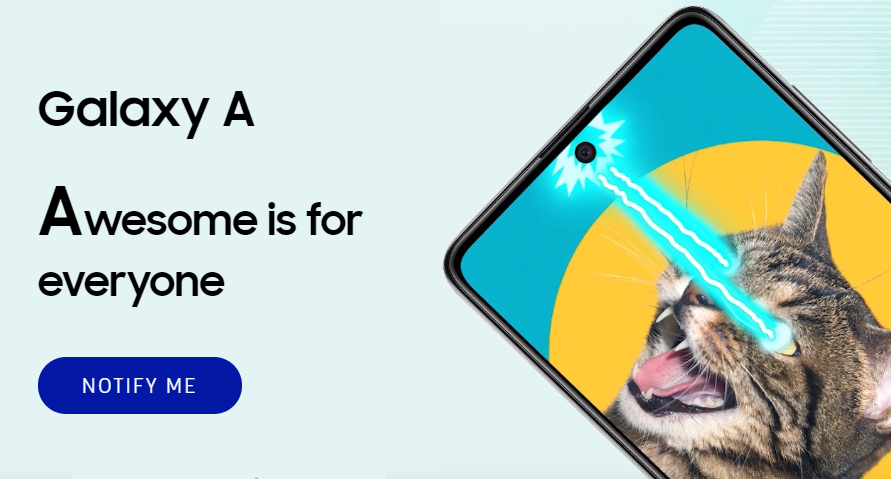
Samsung India has a busy schedule this month. The Galaxy S10 Lite is all set to go official in India on Jan. 23. It is said that the Note 10 Lite may go official on Jan. 25. A microsite for upcoming Galaxy A devices has surfaced on Samsung India’s official website. Although the microsite does not carry the name(s) of the A-series phone(s), it can be said based on the recent rumors that the company will be announcing the Galaxy A51 and Galaxy A71 smartphones in India soon.
The microsite has a ‘Notify Me’ button which suggests that the new Galaxy A series phones will be made official within this month. Samsung had launched the Galaxy A51 and Galaxy A71 in Vietnam. After the launch, the rumor mill had revealed that the two phones will be also announced in January in India. The leaked pricing of both phones has also surfaced. The South Korean company is expected to confirm on the launch for new A-series phones for India in the next few days.
Samsung Galaxy A51 and Galaxy A71 prices in India (Rumored)
The Galaxy A51is expected to arrive in two models in India such as 4 GB RAM + 64 GB storage and 6 GB RAM + 128 GB storage. The base model of the phone may cost Rs. 22,990 (~$324). There is a higher 8 GB RAM + 128 GB storage version of the phone. However, it is unlikely to make its way to India.
On the other side, the Galaxy A71 may arrive in India with a price tag of Rs. 29,990 (~$423). The A71 exists in two models such as 6 GB RAM + 128 GB storage and 8 GB RAM + 128 GB storage. It is unclear whether both models will be made available in India.
The Galaxy A51 has a 6.5-inch display whereas the Galaxy A71 features a larger 6.7-inch display. Both handsets flaunt S-AMOLED screens with Infinity-O design. Both devices are equipped with 32-megapixel frontal shooters. These devices are loaded with One UI 2.0 based Android 10 OS.
The Galaxy A51 and A71 feature a rectangle camera module on their rear with L-shaped arrangement for the camera sensors. The A51 has a 48-megapixel primary shooter and the Galaxy A71 has 64-megapixel main lens. The other three sensors on both phones include a 12-megapixel ultrawide lens, a 5-megapixel macro lens and a 5-megapixel depth assist sensor. The Galaxy A51 houses a 4,000mh battery with 15W fast charging whereas a larger 4,500mAh battery is packed inside the A71 along with support for 25W fast charging.
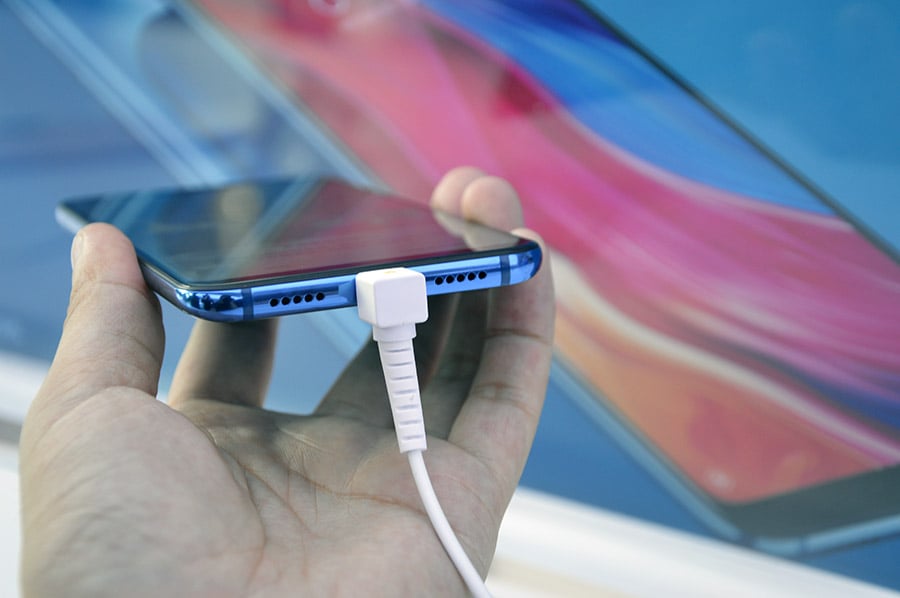
The European Commission has been pushing for a single charging method for mobile devices for over a decade. The commission was doing so by encouraging tech vendors to voluntarily adopt a single charging standard. However, it seems like the European Commission is now looking at a legislative approach.
Some members of European Parliament have urged the European Commission to take regulatory action to force every smartphone vendor to adopt a single charging method. In a statement following the debated, Commissioner Maros Sefcovic said that the commission plans to consider a “legislative approach” to tackling the issue.
USB Type-C charging on Xiaomi Mi 8 smartphone
The European Commission plans to hold a vote on the matter at a later session. If the European lawmakers get their way, then companies like Apple will be forced to adopt USB Type-C port for charging iPhones and will have to drop the Lightning connector.
While not every smartphone maker has adopted a single charging method yet, the campaign has certainly worked in favor as the number of charger types have decreased from 30 in 2009 to just three — USB Type C, micro-USB, and Apple’s Lightning port.
In the debate, members of the European Parliament pointed how the tech industry is generating additional e-waste by maintaining various standards, which often saddles consumers with a mess of different cords and adapters.
While Apple has not responded to this recent development, the company had earlier said that a single charging port would “freeze innovation rather than encourage it.” The company had also said that forcing iPhones to switch to USB-C would render existing Lightning cables obsolete, and thus generate more e-waste.
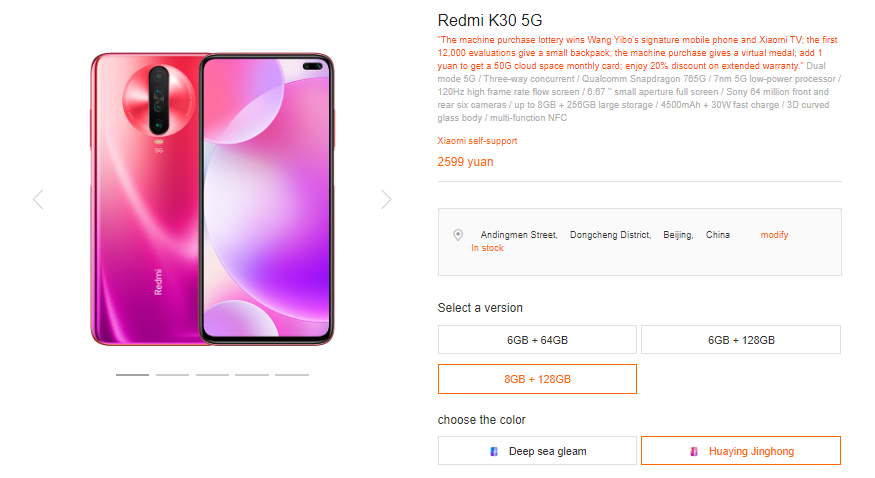
On Jan. 7, Redmi had started the sales of the Redmi K30 5G smartphone for the first time. Although the company had announced four variants for the smartphone at its launch event last month, only the 8 GB RAM + 128 GB storage edition was made available for purchase last week. After running the pre-sales from Jan. 12, Redmi has started the sales of the two 6 GB RAM variants of the Redmi K30 5G from today.
As it can be seen in the screenshot below, the Redmi K30 5G is now available in 6 GB RAM + 64 GB storage and 6 GB RAM + 128 GB storage apart from its 8 GB RAM + 128 GB storage variant. The two 6 GB RAM editions of the Redmi K30 5G are respectively priced at 1,999 Yuan (~$290) and 2,299 Yuan (~$333) and they can be availed in Deep Sea Blue color.
The 8 GB RAM + 128 GB storage of the Redmi K30 5G that is priced at 2,599 Yuan (~$377) was only made available in Deep Sea Blue color last week. From today, it can be sold be bought in Huaying Jinghong (red purple gradient) color variant. Redmi is yet to carry out the sales of the remaining 8 GB RAM + 256 GB storage version.
The Redmi K30 5G features a 6.67-inch IPS LCD display. There is an elliptical punch-hole on the screen at the top-right corner which houses a dual selfie camera system. The latter constitutes of a primary 20-megapixel lens and a depth sensor of 2-megapixel. The rear side of the phone has a vertical quad camera system. It includes the Sony IMX686 64-megapixel main lens, an 8-megapixel ultrawide sensor, a 2-megapixel depth assist lens and a 2-megapixel macro lens.
The Snapdragon 765G is present under the hood of the Redmi K30 5G. The phone draws power from a 4,500mAh battery that is coupled with 30W fast charging support. It is equipped with a side-mounted fingerprint scanner. For expanding the phone’s storage, it features a microSD card slot. The MIUI 11 based Android 1O OS comes preloaded on the Redmi K30 5G.
The Galaxy S20 series will launch in less than a month from today and there are already tons of leaks floating around the web. One of the latest ones reveals key details of the Galaxy S20 Ultra 5G which is the top model of all five Galaxy S20 phones expected to launch on February 11.
The source of the leak is Max Weinbach of XDA Developers, the same source that leaked live photos of the Galaxy S20+ 5G. His tweet reveals some key specs of the device. They are mixed up, so we will start with the cameras.
According to him, the Galaxy S20 Ultra 5G will have a 108MP primary camera paired with a 48MP camera with 10x optical zoom, and a 12MP ultrawide angle camera. There are actually four cameras but only three are mentioned.
Moving on from the camera to the RAM and storage configuration, the Galaxy S20 Ultra 5G will be available in just two RAM variants – 12GB and 16GB. Yes, you read that right. 16GB RAM phones are coming this year. Apart from that, it is also interesting to see that the base model has 12GB of RAM. We are equally surprised.
The S20 Ultra 5G is going to keep the SD Card slot. Support for up to 1TB.
It will also be available in 128GB/256GB/512GB and have a 12GB and 16GB RAM option.
108MP main, 48MP 10x optical, 12MP ultra wide.
5000 mAh battery with 45W option fast charge. 0 to 100% in 74 min.
There will be three storage options – a 128GB base model, 256GB for those who want more, and 512GB for the highest configuration. If that is not enough for you, Max says the Galaxy S20 Ultra 5G will keep the MicroSD card slot with support for up to 1TB of additional space.
That is not all as he also states that the phone will pack a 5000mAh battery with support for 45W fast charge. This will allow owners to charge the phone from empty to full in 74 minutes.
Samsung has always released its flagships in single SIM and Dual SIM variants. In a separate tweet, Max said all the S20 phones should have eSIM support. This may mean the end of Samsung flagship phones with physical Dual SIM slots or it may be the end of “Single SIM” Samsung flagships. We believe it may be the latter as there are still several markets where having 2 physical SIM slots is a much-needed feature.
If you live in Asia and you are looking for an affordable high-end smartphone, you have three important choices among the most recent devices: Oppo Reno3 Pro, Realme X2 Pro, and Honor V30 Pro. We chose to include them in a specs comparison because we believe they are among the most impressive options you can get with a modest price tag if you are a power user or you need high-end specifications. So, let’s discover together which device is better for specific users’ needs.
Triple 40 + 8 + 12 MP, f/1.6, f/2.4 and f/2.2
Dual 32 + 8 MP f/2.0 front camera
Quad 48 + 13 + 8 + 2 MP, f/1.7, f/2.4, f/2.2 and f/2.4
32 MP f/2.4 front camera
BATTERY
4000 mAh, fast charging 50W with SuperVOOC Flash Charge
4100 mAh, fast charging 40W and fast wireless charging 27W
4025 mAh, fast charging 30W with VOOC Flash Charge 4.0
ADDITIONAL FEATURES
Dual SIM slot
Dual SIM slot, reverse wireless charging, 5G
Dual SIM slot, 5G
Design
There is no challenge here: Oppo Reno3 Pro is the clear winner. Overall, it has the best design. It is one of the thinnest devices to sport a battery above 4000 mAh, it has an incredibly high screen-to-body ratio thanks to its punch-hole display, and it even comes with an almost totally clean glass back as every element related to the rear cameras is included in the camera module. Oppo Reno3 Pro is even the most compact device of the trio, so if you are really searching for the most beautiful handset, in my opinion, Oppo Reno3 Pro is a lot better. Right after, there is Honor V30 Pro with a dual punch-hole display, at least according to my tastes.
Display
Besides having the most amazing design, Oppo Reno3 Pro even comes with a more convincing display, alongside the Realme X2 Pro. It is a 6.5-inch panel with very high color accuracy and image reproduction. It comes with high DCI P3 coverage, a high HDR10+ and a 90 Hz refresh rate, as well as a very high brightness. Realme X2 Pro is more or less at the same level. Honor V30 Pro has a disappointing display if we consider that it is a flagship: it comes with a classic IPS panel that you can find on a lot of mid-rangers.
Hardware/Software
With the amazing Snapdragon 855+ chipset, up to 12 GB of RAM and up to 256 GB of UFS 3.0 internal storage, Realme X2 Pro wins the performance comparison. It is faster, better for gaming and every advanced task. But there are two cons if you choose this device. First, it does not have 5G, unlike both its rivals. Second, it is still based on Android 9 Pie, while Honor V30 Pro and Oppo Reno3 boast Android 10 out of the box.
Camera
When it comes to cameras, Oppo Reno3 Pro and Honor V30 Pro take the award with their better sensors and departments. We still did not test it thoroughly, but Oppo Reno3 Pro looks more promising on the paper when it comes to rear cameras, while Honor V30 Pro has a better front camera department. It is one of the few phones to include an ultrawide front camera with a dual configuration. Realme X2 Pro has just a midrange camera department with a Samsung GW1 sensor and no OIS. It is a good camera phone, but far from the top tier ones.
Battery
Due to similar battery capacities, there are no huge differences in the battery life of Honor V30 Pro, Oppo Reno3 Pro, and Realme X2 Pro. What matters more are charging technologies. Realme X2 Pro has the fastest charging technology, but you can only charge it via a cable. Honor V30 Pro offers both wireless charging and reverse wireless charging.
Price
The price of Honor V30 Pro in China is around $550/€495, Oppo Reno3 Pro starts from $580/€520, and Realme X2 Pro starts from $380/€340. Overall, Realme X2 Pro offers the highest performance and value for money, but it lacks 5G and a high-end camera. Honor V30 Pro is the most complete flagship, but Oppo Reno3 Pro offers a way better design and amazing cameras. Which one would you pick?
Over the years, smartphones have steadily seen upgrades in their displays and each successive year has come with its own innovative upgrade to the display technology. Yesterday, there was a proliferation of punch-hole displays and adoption of higher display refresh rates. This year isn’t likely going to be different as there are already glaring signs that OEMs will still focus heavily on improving the display quality on this year’s flagships.
BBK subsidiary OPPO has revealed that it is teaming up with renowned display firm Pixelworks to help develop displays on its new smartphones. According to a statement by James Wang, VP, Supply Chain of OPPO, it wants to “push the boundaries of high refresh rate displays with key technologies from Pixelworks that enhance motion appearance, color depth and clarity of smartphone displays.”
“It is our pleasure to be working closely with Pixelworks as OPPO Group companies prepare to shake up the mobile world with breakthrough imaging advancements that will redefine the standards of visual quality in smartphones, delivering experiences that are unforgettably smooth, immersive and authentic as life itself”, the OPPO VP stated.
Recall that Pixelworks’ display technology has featured on devices like the Nokia 7.2 which was received rave reviews for its amazing display which made “movies, TV shows, and YouTube clips much more enjoyable”. If the display on a mid-range smartphone can receive such commendations, there is no doubt OPPO’s partnership with Pixelworks will result in some interesting displays.
Both companies expect to launch the first device built as a result of this collaboration in the first half of 2020. OnePlus had earlier hinted that it is also working on advanced displays for its upcoming smartphone. So, apart from upgrades in cameras and processing power, display screens will likely steal the show this year.
We use cookies on our website to give you the most relevant experience by remembering your preferences and repeat visits. By clicking “Accept”, you consent to the use of ALL the cookies.
This website uses cookies to improve your experience while you navigate through the website. Out of these, the cookies that are categorized as necessary are stored on your browser as they are essential for the working of basic functionalities of the website. We also use third-party cookies that help us analyze and understand how you use this website. These cookies will be stored in your browser only with your consent. You also have the option to opt-out of these cookies. But opting out of some of these cookies may affect your browsing experience.
Necessary cookies are absolutely essential for the website to function properly. This category only includes cookies that ensures basic functionalities and security features of the website. These cookies do not store any personal information.
Any cookies that may not be particularly necessary for the website to function and is used specifically to collect user personal data via analytics, ads, other embedded contents are termed as non-necessary cookies. It is mandatory to procure user consent prior to running these cookies on your website.