Advertisement

New iQOO Z10 Lite appears with Snapdragon 685 and AMOLED display

iQOO has rolled out a refreshed Z10 Lite in Russia, bringing a new chipset, better display, and a few other upgrades over the model launched in India earlier this year.

The screen now uses a 6.67-inch Full HD+ AMOLED panel with a 120Hz refresh rate and 1,200 nits peak brightness. That’s a solid jump from the 90Hz HD+ LCD on the Indian variant. The slightly smaller size — down from 6.74 inches — also means a higher pixel density.

Battery capacity stays at 6,000mAh, but charging speed climbs from 15W to 44W. iQOO claims a 1% to 50% top-up in just 34 minutes. The phone is also thinner at 7.99mm (from 8.2mm) and swaps the side-mounted fingerprint reader for an in-display one. Water and dust protection also improves from IP64 to IP68/IP69, with support for underwater photography.

The cameras see a modest upgrade too: an 8MP front shooter (up from 5MP) joins a 50MP Sony IMX582 main sensor and a 2MP depth camera on the back.

The trade-off is in performance. This model runs on the Snapdragon 685 instead of the Dimensity 6300. It’s a step down in CPU and GPU power and lacks 5G support — a notable omission in 2025. You still get Android 15 with Funtouch OS 15, up to 8GB RAM, and 256GB storage, but there’s no microSD slot.

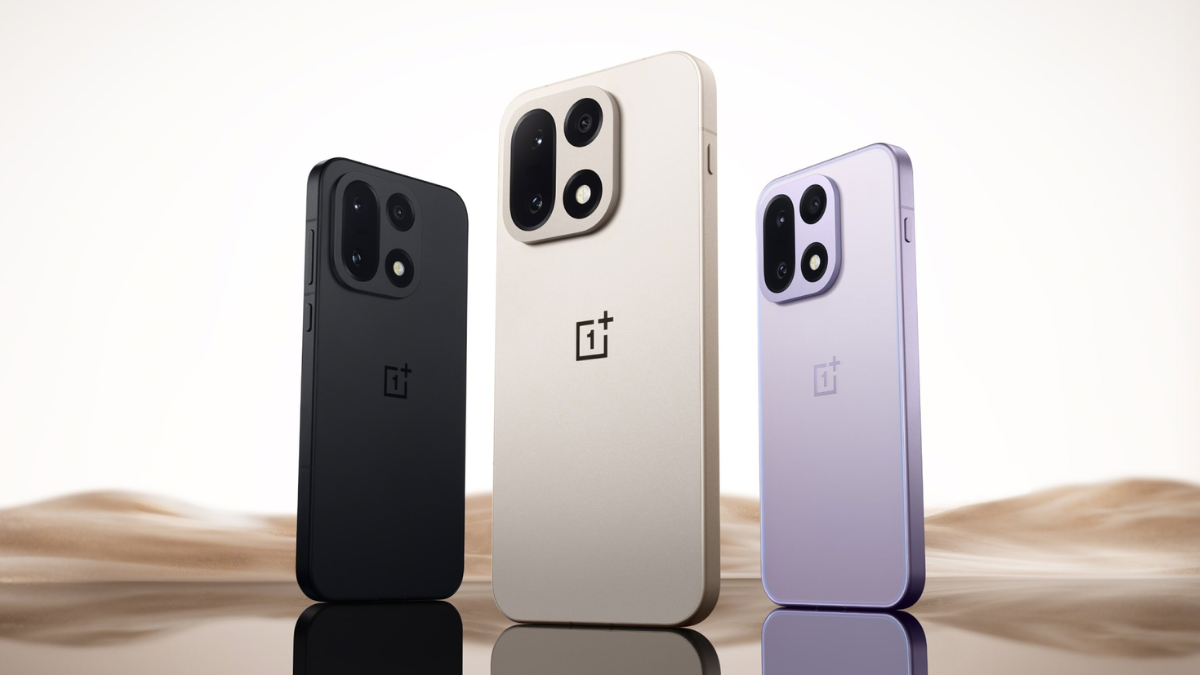
Essentially a rebranded vivo Y400 4G, the phone comes in Taiga (green) and Glacier (white). It’s priced at RUB 16,999 (~$185) for the 8GB/128GB model, with sales starting in August.

Don’t miss a thing! Join our Telegram community for instant updates and grab our free daily newsletter for the best tech stories!

For more daily updates, please visit our News Section

(Source: 1, 2)

DeepSeek-R2 August launch hype dismissed by insider as pressure mounts on AI ambitions

Earlier today, we reported that DeepSeek’s next-generation large language model, R2, was rumored to launch later this month, based on speculation circulating in Chinese tech circles and even hinted at by DeepSeek’s own AI.

The model, in response to user queries, suggested a release window between August 15 and 30. But just hours after this surfaced, a source close to DeepSeek has categorically denied the claim, confirming that there are no plans to launch DeepSeek-R2 in August.

Deepseek
Image Credit: Reuters

What’s Slowing Down DeepSeek-R2?

This isn’t the first time DeepSeek’s roadmap has stirred confusion. Similar rumors made the rounds earlier this year with an alleged March 17 release, which also turned out to be false. Despite the public anticipation, the company has yet to officially confirm a release date or even disclose key technical specifications of the R2 model.

That hasn’t stopped speculation. DeepSeek-R2 is widely expected to be a major leap forward, improving multilingual reasoning and code generation, and rivaling top-tier models like GPT-4/5. But progress has reportedly hit a wall. According to insiders cited by The Information in June, DeepSeek CEO Liang Wenfeng remains dissatisfied with the model’s performance, even after months of intense development.

The delay isn’t just a matter of refinement; it may also reflect infrastructure concerns. DeepSeek has been operating under limited compute availability, especially after Nvidia’s H20 chips were banned from export to China. Sources suggest the company fears launching R2 too soon could backfire if usage spikes overwhelm its systems. It’s a real concern in the AI race, where performance alone isn’t enough; scalability matters too.

To address the shortfall, DeepSeek is believed to be training R2 on Huawei’s Ascend 910B chips. Huawei’s compute cluster reportedly delivers 512 PFLOPS of FP16 performance at 82% utilization, equivalent to about 91% of the performance of Nvidia’s A100 cluster. While this shows promise, it’s unclear whether the setup can meet the scale required for a major model rollout.

Meanwhile, the chip supply picture may be improving. Just days ago, Nvidia and AMD agreed to a revenue-sharing deal with the US government, allowing them to continue selling AI chips in China in exchange for handing over 15% of their China revenue. The agreement may eventually ease supply constraints for companies like DeepSeek. However, any immediate benefit remains uncertain, as Chinese authorities have reportedly discouraged domestic firms from using Nvidia’s H20 chips.

So while DeepSeek’s own model might have teased an imminent release, the company’s actual position appears far more cautious. R2 is real. It’s under active testing. But it’s not ready for prime time. And in a hyper-competitive AI landscape, DeepSeek needs more than a good model; it needs one that’s stable, scalable, and market-ready.

Until then, the spotlight stays on DeepSeek, as the world waits to see if R2 can live up to the growing expectations.

For more daily updates, please visit our News Section.

Stay ahead in tech! Join our Telegram community and sign up for our daily newsletter of top stories! 💡

(Via)

Huawei Pura 80 Ultra Steals DXOMARK’s Top Camera Phone Title From Oppo’s Find X8 Ultra

Huawei‘s latest flagship smartphone has proven itself again. Despite the various restrictions faced by the brand, its Pura 80 Ultra model has been crowned as the best camera smartphone by DxOMark, dethroning Oppo’s best with a highest ever score of 175 points.

Huawei Pura 80 Ultra Outshines Oppo Find X8 Ultra in DxOMark

To recall, the Oppo Find X8 Ultra achieved the top spot in the DxOMark rankings back in June with an impressive score of 169 points. This model received praise in almost every aspect of the testing. But just a short while after, Huawei dethroned it with the Pura 80 Ultra. DxOMark’s test had the company’s newest flagship achieve the best scores for main camera performance, bokeh shots, and telephoto images.

Huawei Pura 80 Ultra

Even the video department got an excellent rating of 166 points (180 points in photos). DxOMark stated that the Pura 80 Ultra offers great detail in both photos and videos in nearly every condition. Despite facing some inconsistencies in color and slight overexposure, Huawei’s premium model featured great autofocus, good skin tones, wide dynamic range, lower noise levels, and the best phone for portraits.

For those unaware, the Chinese tech giant announced the Pura 80 Ultra with its proprietary XMAGE tech. The main camera is a 50MP 1-inch sensor with a f/1.6-4 variable aperture. This is paired with a 40MP ultra wide angle lens, a 1.5MP spectrum sensor, and a 50MP + 12.5MP dual periscope telephoto lens setup, which offers 3.7x and 9.4x optical zoom (83mm and 212mm focal length, respectively).

For more daily updates, please visit our News Section.

Tech enthusiast? Get the latest news first! Follow our Telegram channel and subscribe to our free newsletter for your daily tech fix! ⚡

List of Samsung devices eligible for 7 major Android updates

Samsung 7 major Android updates device list

Samsung is one of the best brands when it comes to software updates. Not only does it provide quicker updates, but it also offers extended software support that most Android brands can’t match. Most of them are limited to a maximum of four or five Android upgrades, but Samsung offers up to seven major upgrades — the best software support on any Android device.

The Galaxy S24 was the company’s first phone to come with a promise of seven years of Android updates. The same treatment has been extended to newer high-end Galaxy phones and tablets. Although it’s not official, Samsung is likely to offer seven major updates to all the upcoming phones and tablets in the flagship segment.

We’ve prepared a list of Samsung phones and tablets that promise seven years of Android updates. Whether you already have a high-end phone or are considering getting one, this list can be helpful.

Samsung devices eligible for seven major Android updates

  • Galaxy S25
  • Galaxy S25+
  • Galaxy S25 Ultra
  • Galaxy S25 Edge
  • Galaxy S24
  • Galaxy S24+
  • Galaxy S24 Ultra
  • Galaxy S24 FE
  • Galaxy Z Fold 7
  • Galaxy Z Flip 7
  • Galaxy Z Flip 7 FE
  • Galaxy Z Fold Special Edition
  • Galaxy Z Fold 6
  • Galaxy Z Flip 6
  • Galaxy Tab S10
  • Galaxy Tab S10+
  • Galaxy Tab S10 FE
  • Galaxy Tab S10 FE+
  • Galaxy XCover 7 Pro

We will regularly update the list as Samsung launches new Galaxy devices with seven years of software support.

Samsung is not the only brand that offers seven years of Android upgrades. Google also does it. In fact, Google was the first to introduce it, and it was quickly followed by Samsung. However, Samsung users will likely benefit more, as the company releases more flagship phones than Google does.

Also Read:
1. Every Samsung phone eligible for six major Android updates
2. Every Samsung phone eligible for four major Android updates
3. One UI 8 update: here’s everything you need to know

Remember to visit our Samsung section once in a while to get the latest updates on One UI updates. You can also follow our Telegram channel and subscribe to our free newsletter for your daily dose of tech!

Lenovo Xiaoxin Pad Pro GT Review: The Pad with the best value is back?

The Lenovo tablet lineup is really something we can’t miss out on. There is the Xiaoxin Pad line, and another Legion line for gaming. Depending on the region you are in, the naming and spec may vary. And right now, we have this new Xiaoxin Pad Pro GT, with a new design, a powerful 8 Gen 3 chip, 11.1 inches in size, and some new system features. Overall, this one should suit most people’s needs, and can be used for a long time to come. So if you are interested in it already, you can head to GeekWills for your purchase, there is a promotion going on.

Where to buy

Buy Xiaoxin Pad Pro GT on Geekwills

Unboxing

Let’s do a quick unboxing first. Here is the box, white, with a little bit of style. In the box, there is the pad. Then the 68W charger, and a 1m long C to C cable. Unfortunately, we didn’t get the case and keyboard, but I always think the official accessories are always well-made, you can consider getting them with the tablet.

Design

Honestly, I was not quite a fan of the previous Xiaoxin Pad, the design is rather mediocre, and too boxy which is not quite comfortable to hold, but not for the new Xiaoxin Pad Pro GT. As you can see, it is very thin and light, and the edges are rounded. To help you visualize how thin it is, here is the Type-C port, the tablet itself is just a bit thicker than it, right? The size is just like the iPad Air 11 inches, and the weight is also the same.

Now let’s look at the back. At a glance, does it remind you of any other product? Oh right, the Samsung S25 edge. I mean, I don’t care if it copies the design, as long as it looks good, we get the benefit anyway. Then the edges have been softened, very friendly to the hand. At the front, thin and equal bezels all around. Now on a scale from 1 to 10, what score would you give to the design of this Pad? Let us know in the comments section.

Performance

Since it uses the Snapdragon 8 Gen 3, BUT! It is a six-core version, meaning it is a downgraded 8 Gen 3, and the performance is just slightly better than 8s Gen 3. The Benchmark test shows it is still a powerful tablet, so we ran a gaming test with Genshin Impact.

Here is the graph, what do you think about the performance? Oh btw, there isn’t a dedicated gaming center for it, that’s how you know the focus is not gaming.

Daily Experience

You probably won’t be gaming too much on an 11-inch tablet, that’s the task for the Legion tablet. So this one is more for the balance of everything, like for daily use, and work stuff.

Then let’s take a look at the screen first. It is:

  • 11.1-inch LCD screen on top
  • aspect ratio 16:10
  • resolution 3200 x 2000
  • refresh rate up to 144Hz.

When watching some videos, the colors are vibrant, details are also very good. The highest brightness is about 700nits, and 900nits under harsh light. The screen is also eye-friendly, with TUV certification.

And there are two eye protection modes. In the color mode, all the colors are still there, but much toned down; Then in the black and white mode, it is just pure black and white. You can choose either mode the entire time, or assign the mode to certain Apps, like black and white for the reading App, so you will feel more comfortable reading for a long time.

There are two parts that make the whole user experience complete, the PC mode and the case. Let’s start with the accessories. As you can see, this half of the case is made of PU leather, very finely made, and it snaps on the pad with a magnet, although it does not protect the edge of the pad. There are multiple angles this piece can form, so it is great for watching movies, drawing and writing, or doing some work stuff, which is very useful for many people. Then the keyboard also snaps onto the pad, and it connects by the pins. The keyboard has all the keys you want, including the arrow keys. Best of all, there is a Trackpad.

Then the PC mode, it is a different UI other than the ZUXOS as the basic skin. Look at that, it is just like Windows OS. Paired up with the keyboard and the pen, the usability is even better than a PC, because you can always touch control the screen. Now for some regular Apps, they are not that different from the tablet OS, but only two things are better. One is that, the Apps can stack up however you want, and you can adjust the size of the App however you want, more freely than the tablet OS. Then there is the bar at the bottom, thinner but still holds the Apps open, for you to use it within reach. The only complaint I have is that there isn’t any shortcut to go from the Tablet OS to the PC mode.

The AI feature also comes in handy. There is an official AI agent called Tianxi inside, alongside DeepSeek, you can choose and interact with it like all those AIs out there, but it is still in Chinese. Then the generative AI, when you are editing something, and you can ask the AI to draw some info from the internet, but be careful it is not the newest AI, because when I asked it to summarize the features of itself, it just made something up, which totally not true. Now in the browser, you can ask AI to explain, translate or summarize an article for you. And of course, the AI can also be used on docs and files.

The battery size is 8660mAh, to its size, it is very big. And with a 68W charger, it can last for a day of use without any problem.  

Verdict

So I think the Xiaoxin Pad Pro GT is a great tablet option, the size is perfect, and the design is much better, at least I think so. Although the UI is not to my taste, it still has a very good PC mode. Plus, with the powerful 8 Gen 3 chip, a whole pack of accessories, it can be a work and entertainment device all in one. If you are interested, you can head to Geekwills for it. There is a promotion going on, grab the discount while you still can.    

Samsung launches world’s first 500Hz OLED gaming monitor in the US

Samsung Electronics America has launched the Odyssey OLED G6 G60SF, the world’s first OLED gaming monitor with a 500Hz refresh rate. The 27-inch QHD monitor is now available for purchase in the US, alongside two new curved displays in the Odyssey G7 series, a 37-inch and a 40-inch model. Samsung initially showcased the OLED G6 at CES 2025 and later released it in select Asian markets, including Singapore, Thailand, Vietnam, and Malaysia.

Samsung Odyssey OLED G6

Samsung Odyssey OLED G6 Specifications

The Odyssey OLED G6 features a 500Hz refresh rate, a 0.03ms response time, and a QHD (2560 x 1440) resolution powered by QD-OLED technology. Samsung has equipped the monitor with support for both Nvidia G-Sync and AMD FreeSync Premium Pro to deliver smooth, tear-free visuals. It holds VESA DisplayHDR True Black 500 certification and can reach a peak brightness of 1,000 nits.

Samsung has focused on long-session gaming performance by including OLED Safeguard+ technology. The system uses a dynamic cooling setup with a Pulsating Heat Pipe, brightness modulation algorithms, screen savers, and logo detection to minimize the risk of burn-in. The company also offers a three-year warranty that covers burn-in from normal usage.

Samsung Odyssey OLED G6

The display includes Pantone Validation and covers 99% of the DCI-P3 color gamut. It supports over 2,100 Pantone-certified colors and more than 110 SkinTone shades. Samsung has added Glare Free technology to reduce reflections, making the screen usable in various lighting conditions.

The Odyssey OLED G6 features a slim metal design with an adjustable stand that supports tilt, height, pivot, and swivel adjustments. The monitor also includes CoreSync and CoreLighting+ technology to extend ambient lighting effects beyond the display.

For connectivity, it includes two HDMI 2.1 ports, one DisplayPort 1.4, USB Type-A ports, and a headphone jack. The monitor does not feature built-in speakers or a USB-C port.

The new Odyssey OLED G6 is available through Samsung.com and joins the brand’s broader push in the high-end gaming monitor market.

In related updates, LG has launched the UltraGear 27G810A gaming monitor with dual-mode support for 4K 180Hz and FHD 360Hz, while AOC has introduced a massive 4K HDR monitor priced lower than many midrange smartphones.

Please Note: When you buy something using the links in our articles, we may earn a small commission at no cost to you.

For more daily updates, please visit our News Section.

Stay ahead in tech! Join our Telegram community and sign up for our daily newsletter of top stories! 💡
DeepSeek-R2 may launch late August as China pushes for AI independence

DeepSeek is preparing to launch its next-generation large language model, DeepSeek-R2, sometime between August 15 and August 30, 2025. The launch window came to light during an interaction with DeepSeek’s own AI model, hinting at an imminent rollout just days after the release of ChatGPT-5.

Photo Credit: Reuters

DeepSeek-R2 is expected to make a significant leap in architecture by adopting a more advanced Mixture of Experts (MoE) setup. It will also integrate a smarter gating network to better handle inference-heavy workloads. According to sources familiar with its development, the model could scale up to 1.2 trillion parameters, nearly double that of DeepSeek-R1, which had 671 billion. This will still be lower than ChatGPT-4/5, which has over 1.8 trillion parameters.

China looking for domestic AI self-sufficiency

In a strategic move toward domestic AI self-sufficiency, the model has been entirely trained on Huawei’s Ascend 910B chips. Huawei’s compute cluster, delivering 512 PFLOPS of FP16 performance at 82% utilization, reportedly achieves 91% of the performance of Nvidia’s A100 cluster. Analysts see this as a critical step in reducing China’s reliance on US-made AI hardware.

DeepSeek-R2’s training reportedly cost 97% less than GPT-4, thanks to local hardware and optimization techniques. Analysts expect DeepSeek to offer API access at lower prices, which could shake up current pricing models dominated by OpenAI and Anthropic.

The anticipation around DeepSeek-R2 has already sparked movement in Chinese tech stocks. AI chipmaker Cambricon saw a 20% surge in its share price, pushing its market cap past 355 billion yuan (around $49.7 billion).

In related news, Huawei has rolled out a new AI inference framework called Unified Cache Manager (UCM). Designed to accelerate model inference, UCM optimizes how KV Cache data is handled across memory tiers like HBM, DRAM, and SSDs. In tests with China UnionPay, Huawei reported up to a 90% reduction in latency and a 22x boost in throughput. The company plans to open-source UCM in September.

Together, the launch of DeepSeek-R2 and the introduction of Huawei’s UCM framework signal a major shift in China’s AI ambitions. These developments point to a future where China builds and runs high-performance AI systems without relying on Western chips or software tools.

For more daily updates, please visit our News Section.

Stay ahead in tech! Join our Telegram community and sign up for our daily newsletter of top stories! 💡

(Via)

Sony Launches ULT Series Speakers for Party-Ready Bass and Big Sound

Sony is cranking up the volume with its all-new ULT series party speakers. These models expand on the existing ULT lineup by adding new portable speakers alongside large tower speakers, which bring big sound and powerful bass. The lineup includes the compact ULT Field 3 and ULT Field 5 for on-the-go jams, alongside the towering ULT Tower 9 and ULT Tower 9AC for full-blown parties. So let’s check them out.

Sony ULT Field 3 & ULT Field 5

Sony ULT Field 3
Sony ULT Field 3

Talking about the portable speakers first, we have the ULT Field 3 and ULT Field 5. The company announced the larger ULT Field 7 alongside the ULT Wear and ULT Field 1 last year, and these new models earlier this year in China. Now, these have just debuted in India. The ULT Field 3 features an 83mm x 46mm X-Balanced mid-bass driver and a 20mm dome tweeter, supported by a passive radiator. It features Sony’s ULT mode, accessible via a dedicated button, which boosts low-end frequencies and expands the sound stage to simulate the feel of a full-sized speaker.

Sony ULT Field 5
Sony ULT Field 5

You also get an IP67 rating and MIL-STD-810H-certified drop protection. The speakers support up to 24 hours of battery life on a single full charge. On the other hand, the ULT Field 5 has a larger 107mm × 79mm woofer, dual 46mm tweeters, and side passive radiators that can output 91dB SPL and offer a non-plugged maximum output of 110W. Just like the other model, it also supports the ULT mode. Other notable features include Bluetooth 5.3, a 3.5mm headphone jack, 25 hours of battery life, RGB lighting, and much more.

Sony ULT Field 3 and ULT Field 5

ULT Tower 9 & Tower 9AC

With the new ULT Tower 9 and ULT Tower 9AC, Sony is growing its party speaker lineup as well. The former arrives with a portable design with built in wheels and a handle, along with a water resistant top panel. Thanks to its large battery, it can even double as a power bank for charging devices. Meanwhile, the ULT Tower 9AC needs to be plugged. Both models offer 360° Party Sound and RGB Party Light. The ULT Tower 9 offers up to 25 hours of audio playback and supports fast charging. These house 7 drives in total, consisting of one woofer, two mid, two tweeters, and two rear firing tweeters.

Sony ULT Tower 9
Sony ULT Tower 9

Pricing

Sony announced the new ULT Towers and Field series speakers with the ULT Mic 1, which is sold for 14,990 INR. The Ultra Tower 9 costs 84,990 INR, while the Tower 9AC is listed for 69,990 INR. There are also the ULT Field 3 and ULT Field 5, which cost 17,990 INR and 24,990 INR respectively. The Field 5 is available in Off White and Black, and the Field 3 adds another Forest Gray option as well.

Please Note: When you buy something using the links in our articles, we may earn a small commission at no cost to you.

For more daily updates, please visit our News Section.

Tech enthusiast? Get the latest news first! Follow our Telegram channel and subscribe to our free newsletter for your daily tech fix! ⚡

Samsung launches 37″ and 40″ Odyssey G7 G75F curved monitors with up to 5K2K & 180Hz refresh rate

Samsung has expanded its Odyssey gaming monitor lineup with the launch of two new curved displays, the 37-inch and 40-inch Odyssey G7 G75F models. The 37-inch version first appeared on Samsung’s Malaysian website last week, and both monitors are now available in the US via Samsung.com.

Samsung Odyssey G7 G75F

Samsung Odyssey G7 G75F Specifications

The new Odyssey G7 monitors feature a 1000R curvature designed to enhance immersion during gameplay and multitasking. The 40-inch model comes with a 21:9 aspect ratio and WUHD resolution of 5120 x 2160. It supports a maximum refresh rate of 180Hz and a 1ms GtG response time. The 37-inch model uses a 16:9 4K UHD panel with a 3840 x 2160 resolution, a 165Hz refresh rate, and the same 1ms response time.

Samsung has equipped both monitors with VA LCD panels that deliver 350 nits of typical brightness, a static contrast ratio of 3000:1, and 90% DCI-P3 color gamut coverage. Both displays are certified with VESA DisplayHDR 600 and support HDR10+ and HDR10+ Gaming standards.

Samsung Odyssey G7 G75F

The monitors support AMD FreeSync Premium Pro to reduce screen tearing and input lag. They also include features aimed at productivity and usability, such as Auto Source Switch+, which automatically detects active input sources, and support for Picture-by-Picture and Picture-in-Picture modes. The 40-inch model adds split-screen functionality for multitasking across different input sources.

The design includes Samsung’s CoreSync and CoreLighting+ technologies, which match ambient lighting with on-screen colors. Both monitors offer ergonomic stands with height adjustment, tilt, and swivel functionality. In terms of connectivity, these feature two HDMI 2.1 ports, one DisplayPort 1.4, a headphone jack, and USB-A ports for peripherals.

Samsung confirmed that both displays come factory-tuned with Pantone-validated color accuracy. The 37-inch Odyssey G7 is priced at $899.99, while the 40-inch version is listed at $1,199.99.

In related news, LG recently introduced the UltraGear 27G810A gaming monitor with support for both 4K 180Hz and FHD 360Hz modes, while AOC has launched a massive 4K HDR monitor priced lower than a typical midrange smartphone.

For more daily updates, please visit our News Section.

Stay ahead in tech! Join our Telegram community and sign up for our daily newsletter of top stories! 💡
Portronics launches ChargeMate Trio: 3-in-1 wireless charger with travel utility kit

Portronics has announced the launch of the ChargeMate Trio, a compact 3-in-1 wireless charging station integrated with a travel utility kit. The device is designed to charge a smartphone, smartwatch, and earbuds simultaneously, while also providing essential travel tools in a foldable, portable form factor.

Portronics ChargeMate Trio

Portronics ChargeMate Trio Specifications

The ChargeMate Trio supports wireless charging for smartphones at up to 15W, smartwatches at 2.5W, and compatible earbuds. It features a triple-fold magnetic design that ensures secure device alignment and allows for easy packing in travel bags or pockets.

Portronics has built a storage compartment into one of the charger’s modules. The compartment holds a 60W USB-C fast charging cable and multiple interchangeable connectors. These include USB-A, USB-C, Lightning, and Micro USB, making it compatible with a wide range of phones, tablets, laptops, and accessories.

The ChargeMate Trio also includes a dedicated slot for storing SIM and SD cards, along with a built-in SIM ejector tool. This setup is aimed at users who frequently switch devices or travel across regions.

The product is made from ABS plastic and comes in a matte white finish. Portronics has designed it to be both durable and visually minimal, with a focus on portability and everyday utility. The company recommends using an 18W or higher power adapter for optimal charging performance.

According to Portronics, the ChargeMate Trio is only fully compatible with iPhones and Qi-supported earbuds. It may not provide reliable wireless charging for supported Android smartphones unless used with a good-quality magnetic case.

Pricing and Availability

The ChargeMate Trio is priced at Rs. 1,399 ($16). It is currently available for purchase on the Portronics website and will soon be listed on major e-commerce platforms such as Amazon and Flipkart. It will also be sold through offline retailers across India. The product comes with a six-month warranty.

Please Note: When you buy something using the links in our articles, we may earn a small commission at no cost to you.

In related news, Portronics recently launched the Movo, a 3-in-1 device that combines a wireless charger, LED mirror, and Bluetooth speaker. The company has also introduced the Apollo 20 Bluetooth speaker, featuring 25W audio output, dual karaoke microphones, and RGB lighting.

For more daily updates, please visit our News Section.

Stay ahead in tech! Join our Telegram community and sign up for our daily newsletter of top stories! 💡
Vivo X300 series phones receive radio certification, hints September launch

MediaTek will reportedly unveil the Dimensity 9500 flagship chipset on Sept. 22 in China. Reports have claimed that the Vivo X300 and X300 Pro will debut as the world’s first Dimensity 9500-powered smartphones. It appears that Vivo may launch its next X-series flagships in September, as alleged X300 series phones have received radio certification in China.

Vivo X300 series phones radio certified

The above images show that two new Vivo phones bearing the model numbers V2502A and V2502DA have received radio certification in China. Chinese tech bloggers like Digital Chat Station and Why Lab have claimed that the model number V2502A belongs to the standard Vivo X300. On the other hand, the V2502DA is said to be a variant of the phone, but with additional support for Beidou satellite short messaging service.

Two other phones, such as the V2509A and V2505A, have also received radio certification. While the identity of the V2509A is not known yet, DCS claims that the V2505A model number belongs to the iQOO 15.

With radio certification under the belt, the Vivo X300 series and iQOO 15 are expected to soon bag other remaining Chinese certifications like 3C and TENAA in the coming days. Likely, the X300 series may go official by the end of September in China, whereas the iQOO 15 powered by the forthcoming Snapdragon 8 Elite 2 chipset may break cover in October.

As of this writing, there is no clarity on whether there will be a Pro Mini model like last year’s X200 Pro Mini. Rumours surrounding the X300’s screen size suggest it could be reduced to 6.3 inches, like the X200 Pro Mini. The Vivo X300 series and iQOO 15 lineup are also expected to include the Vivo X300 Ultra and the iQOO 15 Ultra. These Ultra-branded models may launch in the first half of 2026.

For more daily updates, please visit our News Section.

Stay ahead in tech! Join our Telegram community and sign up for our daily newsletter of top stories.

DOOGEE U11 Tablet Upgraded to Android 16: Smarter, Faster, and Now Just $119.99 (Coupon)

DOOGEE U11 has received a major upgrade with the rollout of Android 16, delivering faster performance, improved intelligence, and better usability. Already popular with students and young professionals, this tablet now offers new tools for productivity, entertainment, and everyday convenience, all while remaining affordable.

Discount & Availability

The DOOGEE U11 Android 16 Tablet is now available on Amazon with a limited-time offer. Use the promo code: 23CKOPTL at checkout to get an impressive 46% off, bringing the final price down to just $119.99. Don’t miss this deal while stocks last.

For UK consumers, the tablet is also available on Amazon UK here with an offer. Use the promo code: 3G76W2MO to get an even greater 50% off. Get the tablet for the final price down to just £94.99, which is also a great deal for value.

Major Android 16 Upgrade Highlights

Android 16 introduces a cleaner and more responsive interface, faster animations, and smarter privacy and notification controls. It also brings two powerful features, Game Space Mode for optimized gaming and App Cloner for running multiple accounts of the same app. These additions make the U11 more versatile for both work and play.

App Cloner: Work and Life on One Device

With App Cloner, you can log in to two accounts of the same app, such as WhatsApp, Messenger, or Facebook. Each version is clearly labeled, making it easy to switch between work and personal profiles. This feature is especially useful for students, freelancers, and remote workers who need to manage multiple accounts on the go.

Game Space Mode: Better Gaming Performance

The Game Space Mode is found in Settings > Display > Game Space and enhances mobile gaming with SDR-to-HDR color upgrades, texture optimization, and CPU/GPU performance boosts. Popular games like PUBG Mobile, Free Fire, Honor of Kings, and LoL: Wild Rift run smoother and look better thanks to this dedicated gaming hub.

Gemini AI: Your Smart Assistant

Built-in Gemini AI turns the U11 into a powerful tool for learning and creativity. It can summarize documents, translate languages in real time, analyze images, assist with content creation, and even generate code. Features like Gemini Live allow natural two-way conversations, while Gemini Deep Research compiles information from hundreds of sources into concise, linked reports.

Display and Design

The DOOGEE U11 features an 11-inch Full HD IPS screen with a 90Hz refresh rate for smooth scrolling, gaming, and video playback. The Widevine L1 certification ensures you can stream 1080P HD content on platforms like Netflix, Prime Video, YouTube, and HBO. Its slim 8.0mm metal body weighs just 537g, combining durability with portability.

Performance and Storage

Powered by the MediaTek Unisoc T7200 Octa-Core processor, the U11 handles multitasking, HD video playback, and light gaming with ease. It comes with 4GB of LPDDR4X physical RAM plus 12GB of virtual RAM, for a total of 16GB. Internal storage is 128GB, expandable up to 2TB via TF card, giving you plenty of room for apps, media, and files.

Battery and Audio

The 8580mAh battery offers extended use, making it perfect for streaming movies, listening to music, or studying for hours without frequent charging. Dual stereo speakers deliver immersive, professionally tuned sound for both entertainment and calls.

Cameras and Security

The U11 is equipped with a 13MP rear camera for sharp photos and a 5MP front camera for video calls and selfies. Face Unlock ensures quick and secure access to your device, adding convenience without compromising safety.

Connectivity and Extras

With dual-band WiFi (2.4GHz/5GHz), the DOOGEE U11 ensures stable internet speeds. It also includes a USB Type-C port, 3.5mm headphone jack, and OTG support with 5W reverse charging, allowing it to power other devices. GMS certification ensures compatibility with all Google apps and services.

Rugged Kingbull Discover 2.0 series launched with 750W motor, 60-mile range, and 400lbs load capacity

Kingbull has introduced its new torque-sensing ‘Discover 2.0’ series, built for riders seeking strength, style, and reliability in one rugged, all-terrain package. The lineup includes the Discover 2.0 with a sporty step-over frame, and the Discover ST 2.0 with a more accessible step-thru frame for shorter riders or those prioritising comfort. Designed for exploration, both models combine powerful performance, advanced battery technology, and enhanced ride quality.

Kingbull Discover 2.0 series specifications and features

Kingbull Discover 2.0 series

The Discover series is powered by a Bafang 750W rear hub motor paired with a 48V 22A controller, delivering 85Nm of torque for tackling up to 35° inclines. Riders can choose between 5 pedal-assist levels or use the throttle for effortless cruising. The TROG-1B torque sensor measures pedal input in real time, adjusting motor power instantly for a smooth, efficient, and responsive ride without lag. Out of the box, the bikes are Class 3 with a 28mph top speed, but can be adjusted for Class 2 compliance.

A 48V 15Ah (720Wh) Samsung lithium-ion battery provides up to 60 miles of range on a single charge. Housed in the downtube for better balance, the battery is removable, lockable, UL-certified, and paired with a 3.0A fast charger for reduced downtime. The torque sensor ensures optimal battery use by delivering the right power at the right time.

Kingbull Discover 2.0

Safety features include Zoom HB-875-E hydraulic disc brakes with 180mm rotors on both wheels for all-weather stopping power, motor cut-off brake levers, an integrated 48V LED headlight, a brake-activated tail light, and an electric horn.

The Discover series is equipped with 26 x 4.0-inch CST fat tyres for excellent grip and stability across various terrains. An OS-D26 front suspension fork with 80mm travel, lockout, and preload adjustability smooths out bumps. The Shimano Altus 7-speed drivetrain offers seamless gear changes for varied riding conditions. Comfort is further enhanced by a plush eco-leather saddle, ergonomic handlebars, and a KB35H colour display showing speed, battery level, PAS setting, and ride metrics.

Kingbull Discover ST 2.0

Built on a heavy-duty all-aluminium frame with a 400lbs maximum payload, the Discover series can carry rider gear with ease. Despite its rugged build, the bikes weigh only 76.5lbs (Discover 2.0) and 77lbs (Discover ST 2.0). A rear rack rated at 150lbs supports panniers, child seats, or cargo, while dual fenders and a side kickstand come standard.

Kingbull Discover 2.0 series pricing and availability

Both Discover 2.0 series e-bikes are priced at $1,299, with a limited-time offer of an additional $200 off when purchasing two bikes. The Discover 2.0 is offered in Space Grey, while the ST 2.0 is available in White and Pink.

For more daily updates, please visit our News Section.

Stay ahead in tech! Join our Telegram community and sign up for our daily newsletter of top stories.

OPPO Reno 14 5G or Realme GT Neo 6: Which Upper Mid-Range Phone Wins?

Oppo Reno 14 5G and Realme GT Neo 6 target tech-savvy users who demand strong performance, striking displays, and premium features in the upper mid-range segment. While both phones offer modern designs and flagship-like capabilities, they differ significantly in durability, camera versatility, and charging technology. This comparison is important for buyers deciding between a feature-packed all-rounder and a performance-driven powerhouse.

1. Design and Display

OPPO Reno 14
OPPO Reno 14

Build and Feel:
The Oppo Reno 14 5G features a premium glass front and back with an aluminum alloy frame, offering IP68/IP69 certification for dust tightness and high-pressure water resistance. This makes it more resilient against extreme environments than the Realme GT Neo 6, which has an IP65 rating, protecting only against low-pressure water jets. While both include an IR blaster, the Reno 14 5G’s stronger water resistance and sleeker frame construction make it better suited for durability-focused users.

Display Quality:
The Reno 14 5G’s 6.59-inch AMOLED supports HDR10+, 120Hz refresh rate, 3840Hz PWM dimming, and up to 1200 nits peak in HBM mode. The Realme GT Neo 6 offers a slightly larger 6.78-inch LTPO AMOLED with HDR, 120Hz, higher brightness peaks (6000 nits), and better efficiency via LTPO technology. The GT Neo 6’s higher peak brightness is excellent for sunlight visibility, though Reno 14’s higher PWM dimming may be better for eye comfort.

Verdict:
For build, the Reno 14 5G wins due to stronger water resistance and a premium material feel. For display performance, the Realme GT Neo 6 edges ahead with its LTPO panel and extreme brightness, making it the better choice for outdoor visibility.

Please Note: When you buy something using the links in our articles, we may earn a small commission at no cost to you.

2. Specifications 

Realme GT Neo 6

Performance:
Oppo Reno 14 5G runs on the MediaTek Dimensity 8350 with Mali-G615 GPU, while the Realme GT Neo 6 uses the Snapdragon 8s Gen 3 with Adreno 735. The Snapdragon chip offers stronger AI capabilities, slightly better gaming efficiency, and faster UFS 4.0 storage over Reno 14’s UFS 3.1. For heavy multitasking or gaming, the GT Neo 6 delivers a smoother, more future-proof experience.

Battery and Charging:
The Reno 14 5G packs a massive 6000mAh battery with 80W fast charging, 13.5W PD, and 33W PPS support, plus reverse wired charging. The Realme GT Neo 6 has a slightly smaller 5500mAh battery but charges significantly faster at 120W, hitting 50% in 10 minutes. Reno’s battery will last longer per charge, while GT Neo 6 prioritizes rapid refills.

Verdict:
Performance goes to the Realme GT Neo 6 for its stronger processor and faster storage. Battery endurance belongs to the Reno 14 5G, though the GT Neo 6 wins in charging speed.

3. Camera

OPPO Reno 14
OPPO Reno 14

Main and Secondary Lenses:
The Reno 14 5G offers a triple-lens setup: 50MP wide, 50MP telephoto with 3.5x optical zoom, and 8MP ultrawide. This gives it versatility in zoom photography. The Realme GT Neo 6 has a dual-camera setup: 50MP wide and 8MP ultrawide, lacking telephoto zoom. For users interested in portraits or distant shots, Reno 14’s telephoto OIS system provides a clear advantage.

Selfie Camera:
The Reno 14 5G leads with a 50MP AF selfie camera capable of 4K60 recording, while the GT Neo 6 offers a 32MP fixed-focus front camera with 4K30 recording. Reno’s autofocus and higher resolution make it more adaptable for varied angles and sharper close-ups.

Verdict:
The Reno 14 5G is superior in camera versatility, especially for zoom and high-quality selfies, while the GT Neo 6 caters more to casual shooters without specialized zoom needs.

4. Pricing

Realme GT Neo 6

The Oppo Reno 14 5G is priced around $600, while the Realme GT Neo 6 is generally expected in the $450–$500 range. For the extra $100–$150, Reno offers better build quality, stronger water resistance, a telephoto camera, and larger battery capacity. However, the GT Neo 6 delivers higher performance and faster charging at a lower price, making it a strong value choice.

5. Conclusion

Realme GT Neo 6

The Reno 14 5G stands out with IP69 water resistance, a 6000mAh battery, a dedicated telephoto zoom lens, and high-frequency PWM dimming for eye comfort. The Realme GT Neo 6 excels with its Snapdragon 8s Gen 3, blazing-fast 120W charging, LTPO AMOLED panel, and extreme 6000-nit brightness.

Verdict:
Choose the Oppo Reno 14 5G if durability, zoom photography, and long battery life matter most. Pick the Realme GT Neo 6 if you want cutting-edge speed, brighter display performance, and ultra-fast charging at a more affordable price.

Read More:

Android 16 will be the last major upgrade for these Vivo phones

Vivo Android 16 last update

Vivo has been doing good work lately with software rollouts. In fact, last year, it released the Android 15 update well before other brands, even before Google released it to their Pixel devices. That was surprising. Vivo users may be expecting a quicker rollout this year, too, and the good news is that the brand is already working on it.

The Android 16 update for Vivo phones will come with Funtouch OS 16 skin on top, which will likely bring a host of new features and improvements. The update will soon start rolling out to Vivo phones. Unfortunately, for some devices, Android 16 will be the end of the road. In other words, these Vivo phones will spend the rest of their lives running Android 16. 

We’ve prepared a list of Vivo phones that will receive Android 16 (with Funtouch OS 16) as their final major upgrade. Review the list to find out if you’ll need to upgrade sometime next year.

Vivo phones getting Android 16 as their last major upgrade

Vivo has not officially confirmed the list. So, this is based on the current update policy and a little bit of guesswork.

  • Vivo X90, X90 Pro, X90 Pro+, X90s
  • Vivo V40, V40e, V40 Pro, V40 Lite, V40 SE
  • Vivo V30, V30e, V30 Pro, V30 SE, V30 Lite 4G
  • Vivo T3, T3 Pro, T3 Ultra, T3 Lite, T3x
  • Vivo Y300, Y300 Plus, Y300 Pro
  • Vivo Y200 4G, Y200e, Y200 Pro, Y200+, Y200 GT, Y200i, Y200t
  • Vivo Y100 4G
  • Vivo Y39
  • Vivo Y29 4G, Y29s
  • Vivo Y19
  • iQOO 11, 11 Pro
  • iQOO 11 Pro
  • iQOO Z9, Z9x, Z9 Lite, Z9s, Z9s Pro

While this list will be mostly accurate, I still recommend double-checking with the official announcements next year for the final confirmation.

If your device is on the list, expect no major upgrades beyond Android 16. However, the device will continue to receive security updates for a while. To keep receiving new features and the latest enhancements, you may need to upgrade to a newer model next year.

What does Vivo’s software update policy look like?

While the brand has been pretty consistent with software rollouts, its update policy is a bit of a mess. Vivo phones lack a transparent software update policy, particularly for mid-range and cheaper models. This means no certainty about future OS updates.

Premium models, however, get a nice treat — faster updates and extended software support. Take the X200 series, for example: it promises four OS updates. Previously, flagship devices were limited to 3 OS updates. Several iQOO models, such as the iQOO 13 and iQOO 12 series, have also been promised the same extended software support.

The Vivo V50 series also received an additional OS update, previously limited to just two. Meanwhile, the Vivo T and Y series phones usually get just two. The iQOO Z series follows the same trend, but recent Neo models now receive up to three major updates.

While Vivo is gradually improving its update policy, it still falls short compared to industry leaders like Google and Samsung. Both these companies now offer up to seven years of updates on premium models. More importantly, they have a transparent update policy for every phone.

On the plus side, Vivo is a reliable brand when it comes to software updates, and it has recently started offering extended software support on various models. However, there’s still a big room for improvement — especially when it comes to transparency and consistency for lower-tier models. Hopefully, things will continue to improve over time across all price segments.

Remember to visit our Android 16 section regularly for the latets news and updates. You can also follow our Telegram channel and subscribe to our free newsletter for your daily dose of tech!

Infinix Hot 60i 5G with Dimensity 6400, 6000mAh battery is launching on August 16

Last month, Infinix unveiled the Infinix Hot 60 5G in India. Priced at Rs 10,499, the device offered key features such as a 6.7-inch 120Hz display, a Dimensity 7020 chipset, and a 5,200mAh battery. Today, the brand confirmed that it will unveil the Hot 60i 5G on Aug. 16 in the country. The microsite of the phone available on Flipkart has confirmed a few key specifications of the device.

Infinix Hot 60i 5G design, key specifications

Infinix Hot 60i 5G design

According to the Flipkart listing, the Infinix Hot 60i 5G features a 6.75-inch LCD panel that supports an HD+ resolution and a 120Hz refresh rate. The device will come preinstalled with XOS 15-based Android 15. It will offer AI features such as Circle to Search, AI Eraser, and AI Extender. Additionally, it also features the One Tap AI physical button for accessing AI features.

While there is no information about the Infinix Hot 60i’s front camera, it features a 50-megapixel rear camera. The primary camera will support features like AIGC portraits, and 10 camera modes including Super Night mode.

The Infinix Hot 60i 5G is powered by the Dimensity 6400 SoC, paired with 4GB of RAM, 4GB of virtual RAM, and 128GB of storage. The device packs a 6,000mAh battery, which comes with support for reverse charging.

Infinix Hot 60i 5G key specs

While the Infinix Hot 60i 5G features a waterdrop notch display on the front, it has a refreshed rear design. Like the recently unveiled Lava Blaze AMOLED 2, the Hot 60i is equipped with a horizontal camera module. It will be available in three shades: black, blue, and turquoise. Since it has 4GB of RAM onboard, it will be positioned lower than the Hot 60, which features 6GB of RAM. Therefore, it is likely to arrive with a sub-Rs 10,000 price tag.

For more daily updates, please visit our News Section.

Stay ahead in tech! Join our Telegram community and sign up for our daily newsletter of top stories.

Poco M7 Plus 5G for Rs 13,999 brings 144Hz display, 7,000mAh battery, Snapdragon 6s Gen 3

Poco has launched the Poco M7 Plus 5G in India, expanding its M7-series, which already includes the Poco M7 5G and M7 Pro 5G. Key highlights include a large 6.9-inch display with up to 144Hz refresh rate, the Snapdragon 6s Gen 3 chipset, and a massive 7,000mAh battery with 33W charging. Read on for the complete specifications, features, and pricing details.

Poco M7 Plus 5G specifications and features

Poco M7 Plus 5G
Poco M7 Plus 5G

The Poco M7 Plus 5G measures 168.48 x 80.45 x 8.4mm, weighs 217 grams, and comes with an IP64 rating for dust and water resistance. On the front, it sports a 6.9-inch FHD+ LCD panel offering up to 144Hz refresh rate and 850nits peak brightness.

Under the hood, the phone is powered by the Snapdragon 6s Gen 3 processor. It comes in two memory options, up to 8GB LPDDR4X RAM along with 6GB of virtual RAM, and 128GB of UFS 2.2 storage, which can be expanded via a microSD card slot. Powering the device is a 7,000mAh battery with support for 33W fast charging and 18W reverse charging.

The Poco M7 Plus 5G runs Android 15 with HyperOS, and the company promises two major Android OS upgrades along with four years of security updates. For photography, it offers a dual rear camera setup led by a 50-megapixel primary sensor and an 8-megapixel front camera for selfies. Other features include a side-mounted fingerprint sensor, single speaker, USB-C port, and an IR blaster.

Poco M7 Plus 5G price and availability

The Poco M7 Plus 5G comes in two variants – 6GB+128GB priced at Rs 13,999 and 8GB+128GB priced at Rs 14,999. Colour options include Aqua Blue, Cosmic Black, and Chrome Silver. The device will go on sale from August 19 via Flipkart. Launch offers include a Rs 1,000 instant bank discount (HDFC/SBI/ICICI) or an exchange bonus of Rs 1,000.

For more daily updates, please visit our News Section.

Stay ahead in tech! Join our Telegram community and sign up for our daily newsletter of top stories.

Redmi Note 15 Pro+ Could Launch With Same Processor as Last Year

Xiaomi’s upcoming Redmi Note 15 Pro+ is expected to retain the same processor as the one found in its predecessor. This reveals that the brand is playing it safe and doesn’t plan a performance upgrade for this year’s mid range refresh. So here’s what we know.

Redmi Note 15 Pro+ Sticks with Snapdragon 7s Gen 3

According to tipster PaperKing13, the Chinese tech giant isn’t bringing an upgrade in this year’s Redmi Note lineup. Even the top end Redmi Note 15 Pro+ model might still use Qualcomm’s Snapdragon 7s Gen 3 SoC (SM7635) same as the Redmi Note 14 Pro+. This is a bit disappointing since we are not getting any performance upgrade on the newer model, while some competitors are getting more powerful chipsets like the Snapdragon 7 Gen 4 (powers the Vivo V60).

Redmi Note 14 Pro+
Redmi Note 14 Pro+

Apart from this, the tipster did not reveal any other finer details regarding the Note 15 Pro+. So we still have no idea regarding its other features like camera, display, and battery. However, PaperKing13 did touch on the processors for the rest of the Redmi Note 15 lineup. This hints that the Note 15 5G could pack another Qualcomm chip, while the Note 15 Pro 5G could be equipped with a MediaTek Dimensity processor.

Xiaomi is likely working on a Redmi Note 15 4G and a Note 15 Pro 4G for this series as well. However, there is still no word regarding these devices. Keep in mind that this is still an unconfirmed report, so take this news with a pinch of salt for now and stay tuned for more as the Redmi Note 15 Pro series is expected to launch later this month.

For more daily updates, please visit our News Section.

Don’t miss a thing! Join our Telegram community for instant updates and grab our free daily newsletter for the best tech stories!

(Via)

iQOO 15’s October launch tipped, 2K Samsung AMOLED screen, in-house gaming chip, Snapdragon 8 Elite 2 tipped

Chinese smartphone brands are gearing up to launch new flagship phones in the last few months of this year in China. While Xiaomi could be the only brand expected to unveil the Xiaomi 16 flagship series in September, many other brands are anticipated to launch new flagships in October. A new Weibo post by tipster Smart Pikachu reveals that October will see the arrival of flagship offerings from Realme and iQOO.

iQOO 15 October launch, key specifications tipped

Realme and iQOO flagships launching in October this year, claims DCS

Realme has already confirmed that the Realme GT 8 series will be unveiled in October this year in China. The lineup is expected to feature the Realme GT 8 and GT 8 Pro, both powered by the Snapdragon 8 Elite 2 chip.

While iQOO has already started teasing the iQOO 15’s arrival, it is still too early for the brand to confirm its launch date. As seen in the above screenshot, tipster Smart Pikachu claims that the iQOO 15 will be unveiled in October. The lineup also includes the iQOO 15 Ultra, but a recent report revealed that its launch has been pushed to the first half of next year.

The tipster also claimed that the iQOO 15 will feature a Samsung AMOLED screen with support for 2K resolution. Apart from the Snapdragon 8 Elite 2 chip, the iQOO 15 will arrive with a self-developed gaming chip.

Previous reports have revealed that it will feature a 6.85-inch LTPO screen integrated with an ultrasonic fingerprint sensor and a triple 50-megapixel camera setup, including a 3x periscope telephoto camera, on the back. It may house a 7,000mAh battery and run on OriginOS 6-based Android 16. The Ultra edition arriving next year is expected to feature additional elements like a built-in cooling fan, gaming trigger buttons, and wireless charging.

For more daily updates, please visit our News Section.

Stay ahead in tech! Join our Telegram community and sign up for our daily newsletter of top stories.

Accidentally Deleted Photos on Samsung? Here’s How to Get Them Back

Losing precious photos on your Samsung phone can be stressful. Whether it’s due to an SD card failure, software glitches, or accidental deletion, the good news is that in most cases, recovery is possible. This guide explains where Samsung photos are stored, different recovery methods, and tips to prevent future photo loss.

Where Samsung Photos Are Stored

On Samsung devices, photos are usually saved in the DCIM/Camera folder inside your internal storage. If you use an SD card, your pictures might be stored there instead. The recovery process depends on where your images are located, as recovery tools treat internal storage and SD cards differently.

To check the location, open your Gallery or Camera app and review the storage settings. Knowing the exact location will make the recovery process easier.

Recovering Photos from an SD Card

If your deleted photos were stored on an SD card, you can use a powerful recovery tool like Wondershare Recoverit Photo Recovery. This software is designed to handle cases like system crashes, device formatting, and other technical issues. It uses a deep scanning algorithm with a 96% success rate, supports over 120 file formats (including RAW, PNG, and JPG), and allows you to preview photos before recovering them.

Quick Tutorial: Recover Deleted Photos from a Samsung SD Card

  1. Step 1: Open Recoverit and Connect Your SD Card
    Launch Wondershare Recoverit on your computer. Insert your SD card into a card reader and connect it to the PC. On the main screen, choose the “SD Card Recovery” option and click Scan to start the process.

  1. Step 2: Scan and Restore Your Photos
    While the scan is running, look through the results to find your lost images. Use the Preview feature to check their quality before restoring. Once you confirm the right photos, click Recover and save them to a safe location.
  1. For a more detailed walkthrough, you can watch the official Wondershare Recoverit video tutorial.

Recovering Photos from Internal Memory

If your deleted images were stored in your phone’s internal storage, you can try cloud-based options first.

Samsung Cloud (OneDrive Integration): If Gallery sync is enabled, your photos might be saved in OneDrive. Go to Settings → Account → Samsung Cloud and enable Gallery sync. Log in to OneDrive, check your albums, and restore any missing photos.

Google Photos: If you use Google Photos, check the Trash Bin, which stores deleted images for up to 60 days. Open Google Photos, go to Bin, select the photo you want, and tap Restore.

Is Photo Recovery Possible?

Yes. When you delete a photo, it doesn’t disappear instantly; it remains until it’s overwritten by new data. This means recovery is often possible, especially if you act quickly. Tools like Recoverit speed up the process and improve your chances of getting back permanently deleted images.

Tips to Prevent Photo Loss and Recover Photos

  • Stop using your device immediately to avoid overwriting deleted data.
  • Check the Trash or Recycle Bin in apps like Google Photos before using recovery tools.
  • Use one recovery method at a time for better success rates.
  • Run an SD card error check if you suspect corruption.
  • Preview files before recovery to ensure you restore the right images.
  • Recover files to a different storage location to prevent further data loss.
  • Act quickly; the longer you wait, the harder it becomes to retrieve lost photos.

Accidental photo deletion can happen to anyone, but with the right tools and quick action, you can recover most lost images. Cloud services like Samsung Cloud and Google Photos work well for recently deleted files, while Wondershare Recoverit is the best option for deeply deleted or lost photos from both internal storage and SD cards. Acting fast and keeping regular backups is the key to ensuring your memories are always safe.

About Wondershare Technology

Wondershare is a globally recognized software company founded in 2003, known for its innovative solutions in creativity and productivity. Driven by the mission “Creativity Simplified”, Wondershare offers a range of tools, including Filmora, Virbo for video editing, PDFelement for document management, EdrawMax, EdrawMind for diagramming, and SelfyzAI, Pixpic, FaceHub for image recovery and editing. With over 1.5 billion users across 200+ countries and regions, Wondershare empowers the next generation of creators with intuitive software and trendy creative resources, continually expanding the possibilities of creativity worldwide.