Vivo has today revealed that the company’s next-generation Apex-series smartphone — Vivo APEX 2020 Concept Smartphone will be officially unveiled in its home country China on 28th February at 11:00 AM local time.
The company was expected to announce its APEX 2020 Concept Smartphone at the Mobile World Congress 2020 in Barcelona, Spain. However, as the MWC 2020 conference got cancelled due to concerns related to coronavirus, Vivo was forced to change it launch schedule and has now revealed that the phone will be showcased on 28th February in Beijing, China.
Making this announcement, Vivo said that the upcoming APEX 2020 represents vivo’s prediction and layout of mobile phone development and technological innovation in 2020, said the company.
The company has also released the first teaser poster for the smartphone that shows faintly curved screen and the number “120” which could be 120Hz screen or something complete different. Another image shows the back of the phone with periscope zoom camera for loss-less zoom.
For those who are unaware, Vivo’s Apex series for smartphones is known for launching devices with the latest as well as experimental technology. The upcoming device also hints at what we could expect from the company’s upcoming flagship smartphones.
Previously leaked renders of the upcoming smartphone suggest that the Vivo APEX 2020 will continue to have bezel-less design and apparently a super-high screen-to-body ratio. The device will utilise the in-display fingerprint sensor and would have a curved-edge display design.
It is also said that while APEX 2018 and APEX 2019 utilised a pop-up camera design, this year’s model will likely ditch that and may have an under-screen selfie camera. On the back side, there’s a circular Oreo-shaped main camera module with a rectangular optical zoom lens. The upcoming device will also come with 5G connectivity and fast charging technology support.
Xiaomi unveiled two premium flagship phones including the Mi 10 and the Mi 10 Pro via an online-only event in China earlier this month. As part of Xiaomi’s attempt to make its foray into the premium category segment, the two devices have been integrated with top-notch specs and high-end features.
Both, the Mi 10 and the Mi 10 Pro seem to adopt similar design elements including a curved display and a rear-mounted quad-camera setup. Xiaomi has reduced the display chin to just 3.32mm in a bid to increase the screen to body ratio on the new devices.
Multiple color and storage options of the 5G-ready Xiaomi Mi 10, as well as the Mi 10 Pro smartphones, have now gone up for pre-order through Giztop. Let’s check out the details.
Xiaomi Mi 10 5G
The Mi 10 was first made available in China on February 14th and as expected, it was sold out within a few minutes. Xiaomi even had to prepone the second sale, which was slated to take place on February 21st, to February 18th at 10:00 AM.
Available in black, gold and ice blue color option, you can pre-order the 5G-enable Mi 10 through Giztop. The 12GB RAM+256GB ROM variant would set you back $789. The 8GB RAM+128GB ROM model, on the other hand, is available for $669.
The 8GB RAM+256GB ROM Xiaomi Mi 10 5G model is currently available for pre-order for $719 through Giztop. Note that the estimated delivery of the phone is by the end of this month. You can visit this link to place your pre-order. You can check out the Xiaomi Mi 10 5G features below:
Just like the Mi 10 5G smartphone, various color and storage options of the Mi 10 Pro 5G are currently up for pre-order on Giztop. The blue-tinted 12GB RAM+256GB ROM model carries a $909 price tag, while the slightly larger model that ships with 12GB of RAM and 512GB of internal storage would set you back $989. This model is available in blue and white color options.
Alternatively, you can go for the 12GB RAM+256GB ROM variant which is available in just white color option for $909. Likewise, you can place your pre-order for the 8GB RAM+256GB ROM Xiaomi Mi 10 Pro 5G variant if you are willing to shell out $829. This variant comes in blue and white color options.
The irresistible Xiaomi Mi 10 Pro 5G boasts an array of impressive features that you can check out below:
6.67-inch Curved AMOLED punch-hole display
Qualcomm Snapdragon 865 5G Octa-core processor
Adreno 650 GPU
108MP+8MP+12MP+20MP rear cameras
20MP AI front camera
MIUI 11 based on Android 10 OS
4500mAh battery
It is worth noting that the estimated delivery of the phone is by the end of February this year. You can follow this link to place your pre-order now.
The Gizmochina Coupons is a community that finds, reports and evaluates deals and coupons of Chinese products from online shops. Please visit it here to find more coupons to save money on mobiles and smart gadgets.
Last weekend should have been an exciting one for mobile phone lovers if MWC 2020 wasn’t canceled. Manufacturers such as TCL, OPPO, HMD Global, and Xiaomi had originally scheduled their product launches for the weekend but had to reschedule following the announcement that MWC will not hold this year due to the Coronavirus outbreak.
Sony, on the other hand, scheduled its own event for today but has switched it to an online event that will be live-streamed on YouTube. Ahead of the launch, specs and renders of two new phones – the Xperia 1 II and the Xperia 10 II – have been posted online.
Xperia 1 II
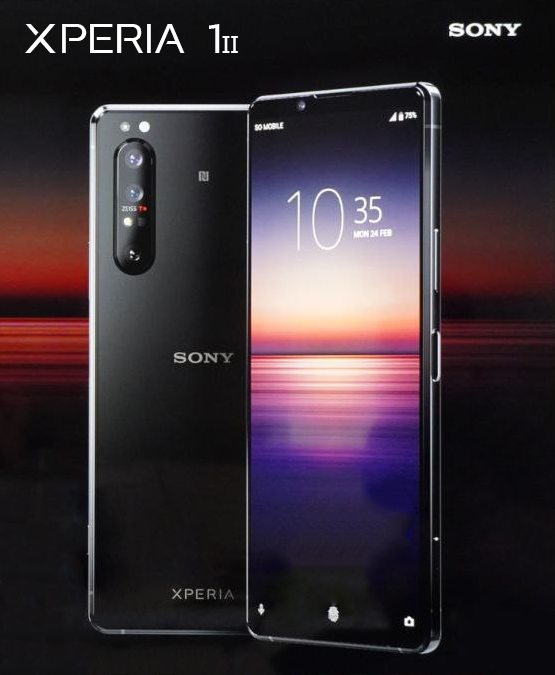
The Xperia 1 II is a flagship and the successor to the Xperia 1 released last year. The phone has been slightly designed and comes with significant upgrades and features.
Sony is sticking to the 6.5” screen size and 21:9 aspect ratio. There is no notch or punch hole but we still have bezels. The OLED screen has a 4K resolution and Sony has added what it calls Motion Blur Reduction which provides the same benefit as having a 90Hz refresh rate according to the spec sheet.
Sony Xperia 1 II
There is a Snapdragon 865 processor under the hood and it is paired with 8GB of RAM and 256GB of storage. We do not know if there will be other configurations, especially in Sony’s home country.
The Sony Xperia 1 II has four rear cameras. There is a 12MP 16mm 1/2.6” sensor with Dual-PD autofocus. It is paired with a 12MP 24mm 1/1.7” sensor with Dual-PD autofocus and OIS. You also get a third 12MP sensor with a 70mm focal length, 1/3.4” sensor size, PDAF, OIS, and 3x optical zoom. The last rear camera is a 3D ToF camera with autofocus.
The rear cameras use ZEISS lens and have features such as Real-time Eye Autofocus and 20fps AF/AE tracking burst. The selfie camera is an 8MP sensor.
The Xperia 1 II has stereo front speakers, Dolby Atmos, Hi-Res Audio, and even has an audio jack, unlike its predecessor. There is a 4000mAh battery inside it with support for wireless charging but there no mention of the charging speed. The phone also has an IP65/IP68 rating which means it is dustproof and waterproof.
The spec sheet also mentions features such as 21:9 gaming support, DualShock 4 direct connection, Elite Gaming, and Game Enhancer.
The Xperia 1 II will be available in black and purple.
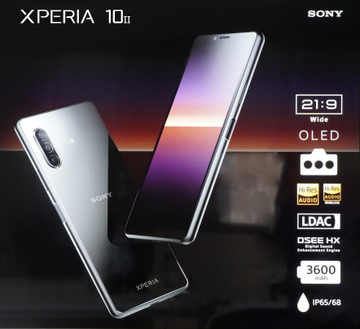
Sony’s second phone is the mid-range Xperia 10 II. It doesn’t have 5G support like the flagship phone but it comes with more cameras and bigger battery capacity than its predecessor, the Xperia 10.
The display is a 6.0-inch 21:9 FHD+ OLED panel with Video Image Optimisation. There are bezels at the top and bottom of the screen.
Xperia 10 II
Sony has replaced the Snapdragon 630 with the Snapdragon 665 processor and paired it with 4GB of RAM and 128GB of storage.
It has three rear cameras arranged vertically on the left side. It includes a 26mm 12MP sensor with PDAF, a 52mm 8MP sensor, and a 16mm 8MP sensor. The spec sheet says it has color reproduction know-how from Digital Imaging. Users also get an 8MP front-facing camera.
The Xperia 10 II has an audio jack, Hi-Res Audio (wired and wireless), LDAC support, DSEE HX Digital Sound Enhancement Engine. It packs a 3600mAh battery and also has an IP65/68 rating. There is a side-mounted fingerprint scanner and NFC.
Sony will release the phone in black and white colorways.
We should know about the prices and availability of the two new phones when they launch later today.
Earlier this month, Redmi had said that it will be stopping the sales of Redmi K20 Pro in China. Today, the company has officially confirmed that it has delisted the Redmi K20 Pro. While the Redmi K20 Pro Premium Edition is still listed on the Xiaomi China’s website, it is no longer available for purchase. The delisting of Redmi K20 Pro is a good hint that the arrival of the Redmi K30 Pro is close at hand.
Redmi’s Weibo post that confirms the delisting of the Redmi K20 Pro highlights the good reception that it received from some of the best tech portals of the world. The company claims that it sold 5 million units of the Redmi K20 series across the globe. At the bottom of the poster, the text “Redmi K30 Pro is coming soon” (machine translated) can be seen. Based on the past reports, it can be said that the Redmi K30 Pro may break cover in March.
Like the Redmi K20 Pro, the Redmi K30 Pro smartphone will be arriving with a notch-less OLED screen and a pop-up selfie camera. A leaked render of the phone that surfaced recently revealed that it is equipped with a pop-up selfie camera system includes two front-facing cameras. Also, the back panel of the phone has a vertical camera setup placed inside a circular ring like the Redmi K30.
The image revealed that the rear camera setup of the Redmi K30 Pro has three camera sensors and two LED flash units in between. There is a fourth camera placed outside the circular ring. It is said that the Sony IMX686 64-megapixel lens which is also available on the Redmi K30 will be the primary lens of the Redmi K30 Pro.
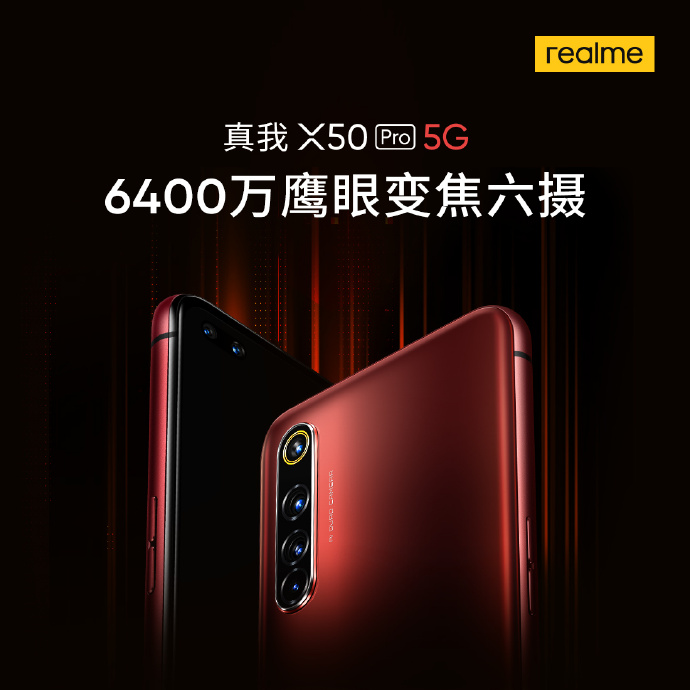
Realme is all set to launch its latest flagship smartphone in a few hours — Realme X50 Pro 5G. While the company has already shared several details related to the device, it has now revealed details about the phone’s color.
Xu Qi, Vice President of Realme and President for Global Marketing has revealed that the Realme X50 Pro 5G smartphone will come in Moss Green color, which he claims has never been launched before.
Recently, Realme India CEO Madhav Sheth had announced that the X50 Pro 5G has achieved benchmark score of 603,871 on AnTuTu, making it the first smartphone to surpass the score of 600,000.
The company has confirmed that the Realme X50 Pro 5G will come with a Super AMOLED screen from Samsung with a refresh rate of 90Hz and E3 light-emitting material. As per the earlier reports, the phone will feature a Full HD+ display with a screen resolution of 2400 x 1080 pixels and 20:9 aspect ratio.
Under the hood, the device will be powered by the latest Qualcomm Snapdragon 865 SoC along with Snapdragon X55 5G modem that enables dual-mode 5G. It is also said to pack up to 12GB of LPDDR5 RAM and 256GB of internal storage.
Realme recently confirmed that the phone will come with a 64MP primary sensor in the quad-camera setup. It has also been revealed that the camera will come with features like 20X hybrid zoom support, Realme’s SAT smooth zoom technology, seamless switching between photo and video mode, among others.
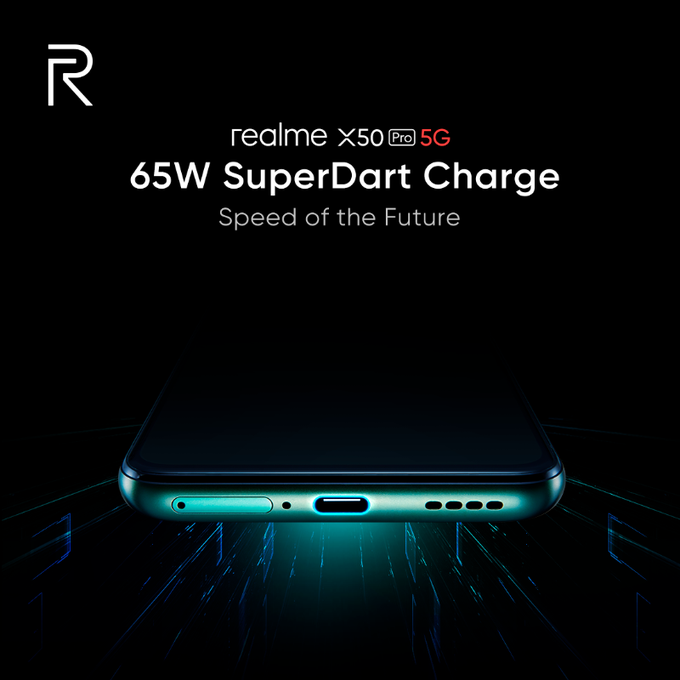
Coming to the battery department, Realme has confirmed that the X50 Pro 5G will come with a 65W SuperDart fast charging technology. The technology is most likely based on the SuperVOOC 2.0 charging tech used by OPPO in its last year’s Reno Ace model.
A recent report suggested the pricing of this upcoming smartphone for the Indian market. Press Trust of India quoted the company’s executive revealing that the X50 Pro 5G will be priced around ₹50,000 (~$696) in India.
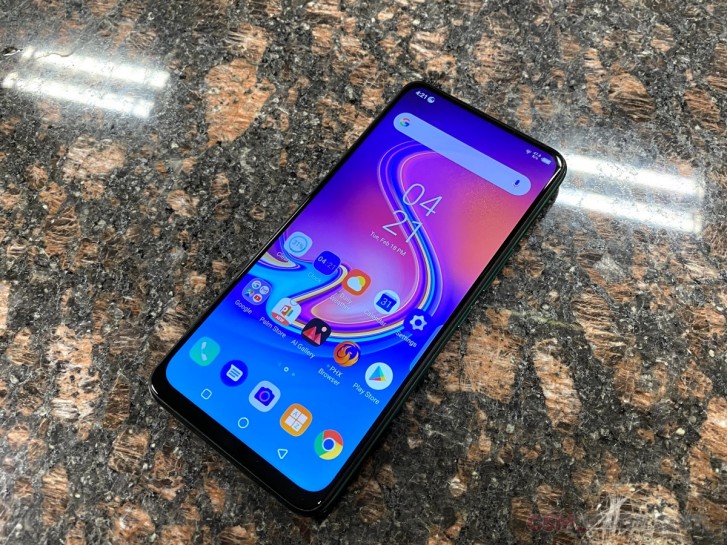
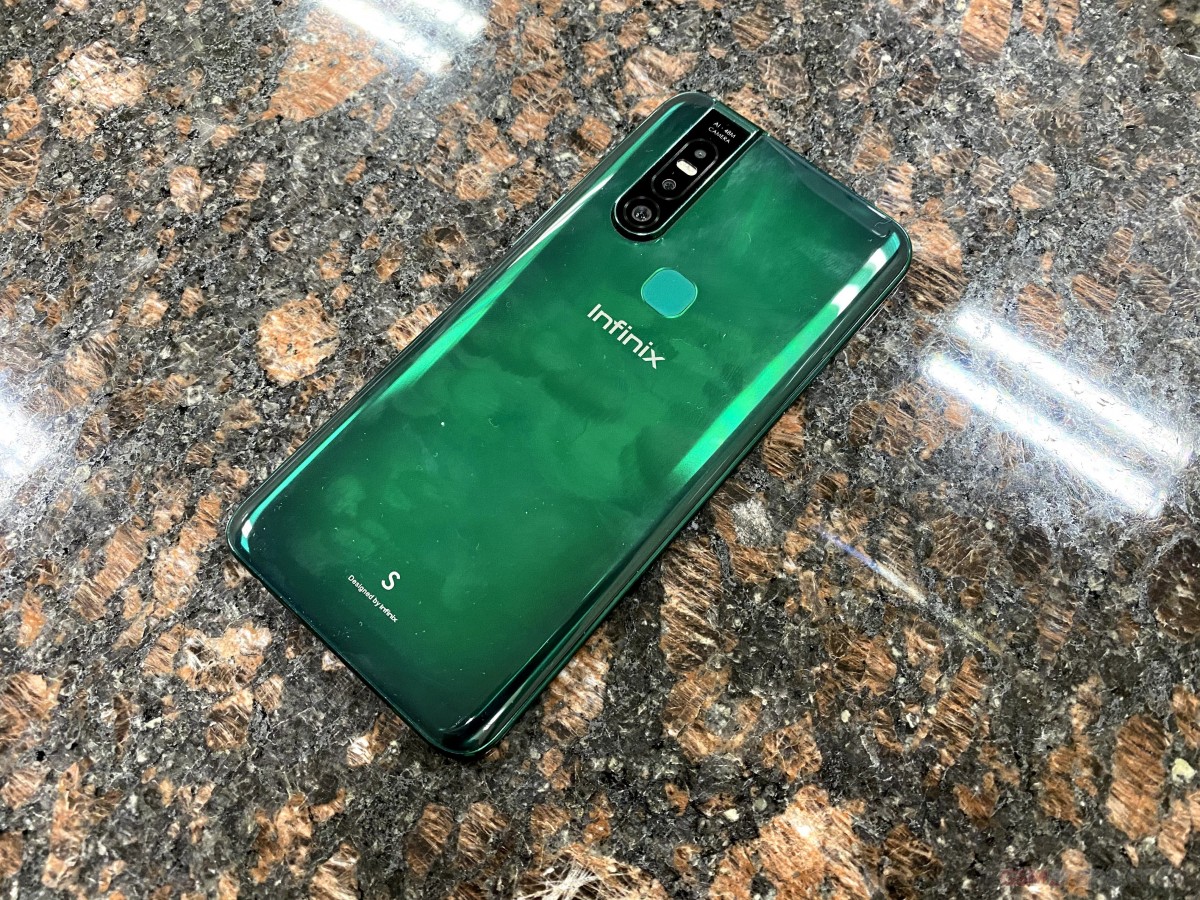
Infinix could soon launch a new smartphone named Infinix S5 Pro and ahead of the phone’s official launch, a few images of the same have leaked online, revealing its design as well as some key specs and features.
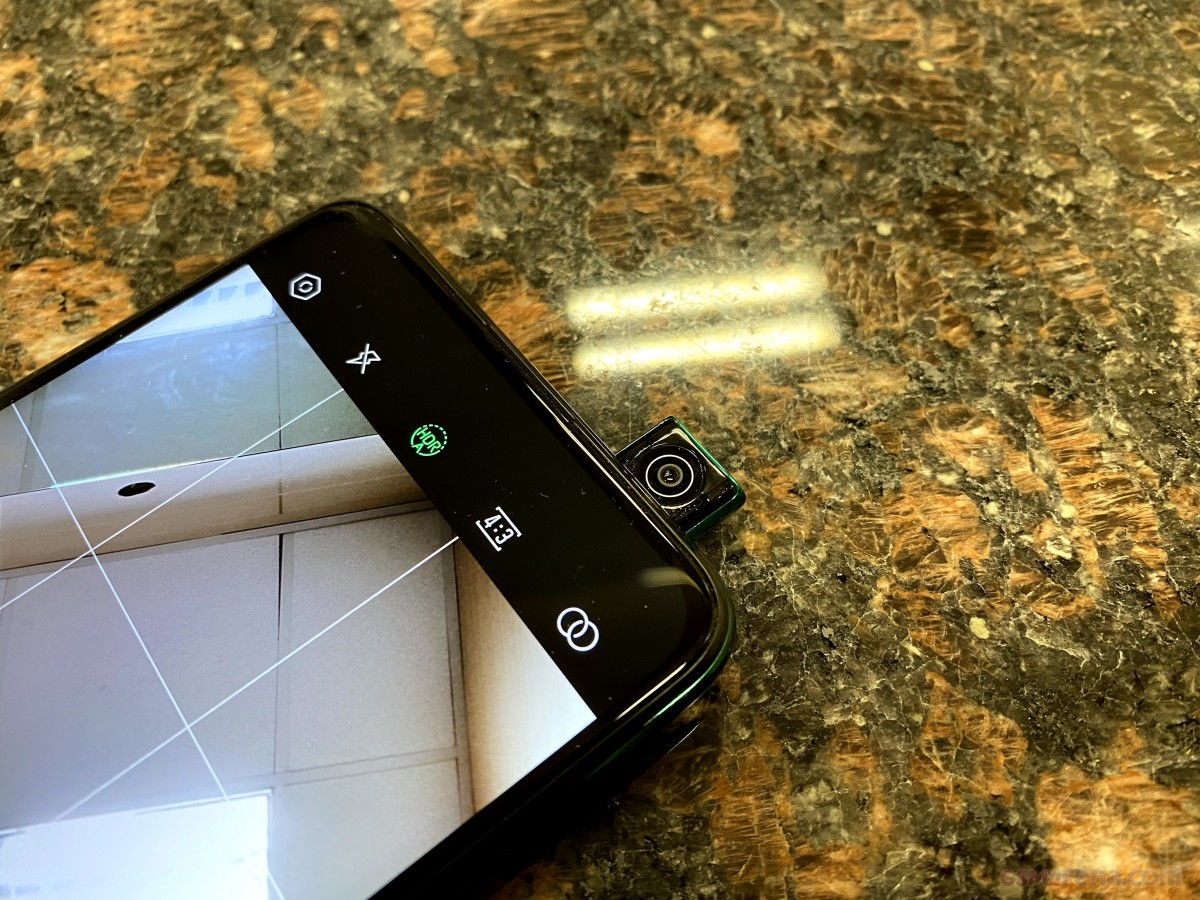
The leak suggests that the device will come with a 6.6-inch display and the screen won’t have any kind of notch on top. Instead, the company has opted for pop-up mechanism for the front-facing camera sensor.
As for the camera department, the smartphone will feature a triple-camera setup on the back, consisting of a 48-megapixel primary sensor. Details about the other two sensors are not yet known.
Recently, it was reported that the device will come equipped with a 4,000mAh battery along with AI smart power management feature. The phone could be fuelled by MediaTek SoC and it may house a rear-facing fingerprint reader.
According to some reports, the device could be made available in India in two color options — Green and Violet. It is said to be priced under ₹10,000 (~$139) which means that it could arrive as the cheapest phone with pop-up selfie snapper in India.
This will be the third model in the company’s S5 line after the standard Infinix S5 and S5 Lite. As for the specs, the Infinix S5 features 6.6-inch full HD+ punch-hole display whereas the Infinix S5 Lite sports a same-sized HD+ screen with punch-hole design.
Both phones are powered by Helio P22 chipset and 4GB of RAM along with 64GB of native storage. The Android 9 Pie OS comes preloaded on both devices along with XOS UI. The Infinix S5 and S5 Lite are packed with 4,000mAh batteries.
In the camera department, while S5 has 32-megapixel selfie camera with f/2.0 aperture the Lite variant comes with a 16-megapixel selfie shooter with f/2.0 aperture. While the standard model has a triple camera setup, the Lite variant has a dual-camera setup. The S5 and S5 Lite are priced at ₹7,999 (~$111) and ₹8,999 (~$125), respectively.
Roborock Technology Co. Ltd., known as Roborock, which is backed by Chinese smartphone maker Xiaomi, raised around 4.5 billion yuan which is approximately $641 million through Initial Public Offering (IPO).
In the company’s trading debut on Shanghai’s STAR Market, the company’s share skyrocketed by 84.5 percent from its IPO price of 271.1 yuan and with that, Roborock’s market cap surged past 33 billion yuan, which is around $4.7 billion.
The listing price of 271.12 yuan per share for Roborock is the highest issue price on the A-share market since 2010. It will use the IPO proceeds to develop next-generation robotic home cleaners and a data analysis platform.
For those who are unaware, China-based Xiaomi owns about 24.7% of Roborock, a robotic cleaning appliances provider, through its associated companies Tianjin Jinmi Investment Partnership and Shunwei Capital. Other investors in the company include Gaorong Capital and Qiming Venture Partners.
The company was founded in the year 2014 and as said, it designs and sells intelligent home cleaners and other cleaning appliances. The first product from the startup was launched in 2016, named Mi Home Robotic Vacuum Cleaner.
For its second product — Roborock Robotic Vacuum Cleaner, which was launched in 2017, the firm took the route of crowdfunding and raised more than 10 million yuan in just four hours of going live.
Soon after Huawei was put on the “Entity List” by the United States, effectively banning the company from doing business with the US-based companies, Google stopped support for the Chinese company, prohibiting it from using Android on Huawei’s smartphones.
Now, Google has published a new article in which the company clarifies that it has been prohibited from working with Huawei on new device models or providing Google’s applications, including Gmail, Maps, YouTube, the Play Store and others for preload or download on these devices.
It also added that the company has continued to work with Huawei in compliance with government regulations to provide security updates and updates to Google’s apps and services on existing devices and says that it will continue to do so.
For those who are unaware, Google is only allowed to work with Huawei on device models available to the public on or before May 16, 2019. The company has also warned users not to sideload its applications on new Huawei phones.
It the blog post, it writes that “sideloaded Google apps will not work reliably because we do not allow these services to run on uncertified devices where security may be compromised. Sideloading Google’s apps also carries a high risk of installing an app that has been altered or tampered with in ways that can compromise user security.”
Meanwhile, Huawei has launched Huawei Mobile Services aka HMS which is being seen as an alternative to GMS in order to reduce its reliance on Google. The company is also planning to invest billions of dollars to boost its app ecosystem.
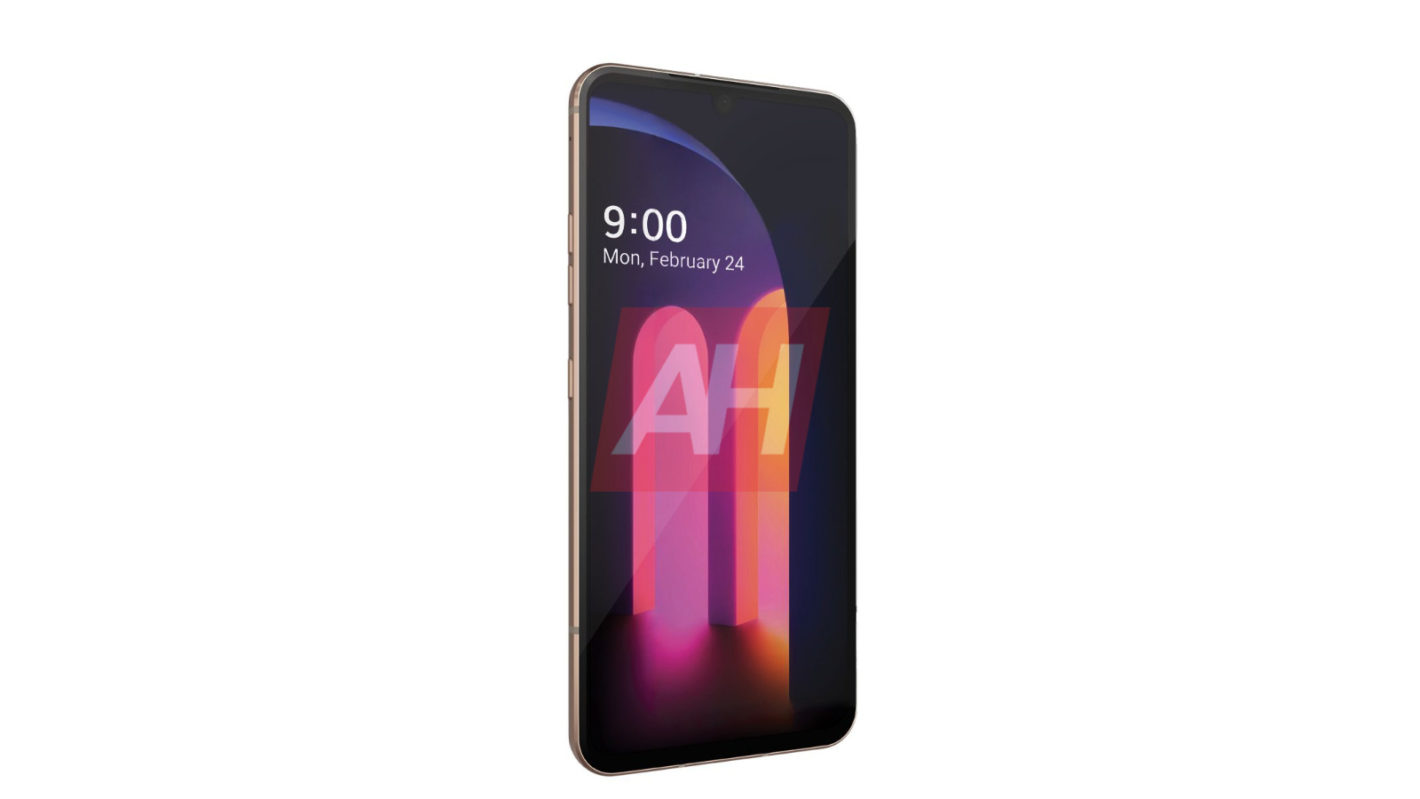
LG’s upcoming flagship smartphone — LG V60 ThinQ smartphone was leaked earlier this month, revealing some of its key specifications. Now, ahead of the launch details, official-looking renders of the V60 ThinQ has leaked online.
This is the first clear at the flagship smartphone that we’ve seen so far. From the renders, it’s clear that the device will come with a waterdrop notch on top of the display for housing a single selfie camera.
In comparison, the LG V50S feature dual front-facing camera while the V50 packs a single camera sensor on the front side. However, the bezels around the display seems quite thin and there’s also an earpiece on the top bezel which seems a bit wider, indicating the presence of dual speakers.
On the left side, there’s a volume rocker key as well as a dedicated Google Assistant button while the power button is placed on the right side. However, that button is not visible on the rendered image.
The phone is said to come with a quad-camera setup on the back where the sensors will be arranged horizontally. The device is also expected to come powered by a 5,000mAh battery, an upgraded compared to the V50S ThinQ‘s 4,000mAh battery. We also expect the smartphone to come with fast charging technology.
Interestingly, the lock screen on the leaked render of the phone shows 24th February, which was the scheduled launch date. However, since the Mobile World Congress 2020 has been cancelled, the new launch date for the same is not yet known.
While the company has not yet announced the new launch date for the LG V60 ThinQ smartphone, we expect the device to go official next month, i.e. March 2020.
In less than one day Realme will officially launch its next flagship. The successor of the Realme X2 Pro will be called Realme X50 Pro 5G and besides being a flagship carrying a great price tag, it will also be the first 5G smartphone from the company launched by Oppo. Thanks to several leaks and official teasers, we do not need to wait for tomorrow in order to know the main specifications of the new “affordable flagship”. This is a rumor roundup listing all the known specs and features of the Realme X50 Pro 5G ahead of the official launch.
Realme X50 Pro 5G Rumor Roundup
Design
The design of the Realme X50 Pro 5G will not be so different from its more affordable sibling Realme X50 5G launched last month. Just like the vanilla X50, the Realme X50 Pro 5G will come with a dual punch-hole display, the same shape for the camera module (four rear cameras arranged vertically with a LED flash on the right), a glass back and a metal frame, as confirmed in official renders which partially showed the phone design.
But the color variants will be different: Realme X50 Pro 5G will be available in Rust Red and Most Green, as you can read on the official teaser on Realme’s website. On the bottom border of the phone, there will be a SIM tray placed on the left, a microphone, a USB Type-C port to charge the battery and a speaker. The volume balancer will be placed on the right side of the phone, while the power key should be on the right side.
Display
Realme X50 Pro 5G will boast an amazing display. It will be an AMOLED panel with a high 90 Hz refresh ratio and an in-display fingerprint reader and these are official details just like the ones listed in the design paragraph above. According to a leaked screenshot, the display will have a 20:9 aspect ratio and a Full HD+ resolution of 1080 x 2400 pixels. It will be a dual punch-hole display with two front cameras embedded. We still do not know the exact size of the display; Realme X50 5G is equipped with a 6.57-inch panel, but this does not mean anything.
Under the hood, Realme X50 Pro 5G will pack the most powerful Qualcomm’s chipset: we are talking about the octa-core Snapdragon 865 with a dual mode 5G modem (Snapdragon X55) supporting both sub-6 GHz frequencies and mmWave. The SoC will be paired with 12 GB of LPDDR5 RAM and 256 GB of UFS 3.0 native storage. The phone is also expected to come in more affordable configurations with less RAM and storage.
Users will find Android 10 out of the box, customized by the new Realme UI 1.0. According to leaked benchmarks, Realme X50 Pro 5G will be one of the devices with the highest performance in the whole market. On AnTuTu, the device broke every record with a total score superior to 600,000 points. However, even though Realme’s CMO Xu Qi Chase shared a screenshot with that result, AnTuTu did not confirm it. This means it might be an offline test. In a previous test, the handset scored 574,986 points.
In a promotional teaser published on the microblogging platform Weibo, the company revealed that the Realme X50 Pro 5G will come with a 64 MP quad-camera setup. The camera will feature 20x hybrid zoom support, Realme’s SAT smooth zoom technology and seamless switching between photo and video mode. The rest of the rear camera configuration is not yet confirmed.
According to rumors, the telephoto lens will come with a 13 MP resolution. On the front side, there will be a dual selfie camera including a 32 MP main sensor with UIS Max Super Video Stabilization, as confirmed on another official teaser shared on Weibo. The main sensor will be paired with an ultra wide angle lens with a 105 degree field of view. It looks like the camera department has improved a lot if we compare the device to the Realme X2 Pro. Its predecessor had its cameras as the weakest point since they can be considered as the only midrange feature of the handset.
Unfortunately, Realme did not confirm the battery capacity of the Realme X50 Pro 5G and this does not leave us optimistic about it. We expect a battery capacity superior to 4000 mAh, but it might be just slightly above that threshold. On the other hand, Realme X50 Pro 5G will be one of the fastest charging smartphones out there. It will support the new SuperDart Charge technology with a power 65W. We do not know how much time it will take for a complete charge, it will depend on the battery capacity.
Oppo Reno Ace is another device featuring a 65W fast charging technology and it brings its 4000 mAh battery from 0 to 100 percent in just 30 minutes. Blazing speeds. According to the CMO Xu Qi Chase, Realme X50 Pro 5G will ship with a 65W charger out of the box. It will be a GaN charger, so much more compact and lighter than other high speed chargers such as the one of the Xiaomi Mi 10 Pro. Consider that, besides being more compact, GaN chargers are usually much more expensive than regular ones.
Realme X50 Pro 5G – Launch, price and availability
Realme X50 Pro 5G was initially scheduled to launch at MWC 2020 in Barcellona. But after the MWC 2020’s cancellation due to the Coronavirus outbreak, the company will announce its flagship in an online launch event in Madrid on February 24, at 10:00 AM CET. The company will also hold an event in New Delhi (India) on February 24 at 2:30 local time (same time as the Madrid launch).
The flagship was advertised as India’s first 5G smartphone, but it will not launch in India only. It will also come to the European market. The Chinese giant still did not reveal the official pricing, but according to rumors, the handset will be priced around ₹50,000 in India, which roughly translates into $696.
When it comes to purchasing phones this year, there will be a new factor for buyers to consider – 4G or 5G. The sales of 5G smartphones are expected to increase this year even though most parts of the world, including key markets such as India, are yet to have 5G networks. However, there will still be lots of 4G smartphones too released alongside 5G models.
On the other hand, the Xiaomi Mi 10 and Mi 10 Pro launched in China doesn’t have a “non-5G” model. However, that might change when it gets a global launch especially in markets that are yet to have 5G networks. Xiaomi may even decide to announce a different 4G flagship for these markets.
So for this week’s poll, we want to know if you will be picking up a 5G phone this year. Will you get a 5G device because there is 5G where you live or will you pick up one even though 5G service is yet to roll out where you reside? Do take the poll and also share your opinions in the comment section.
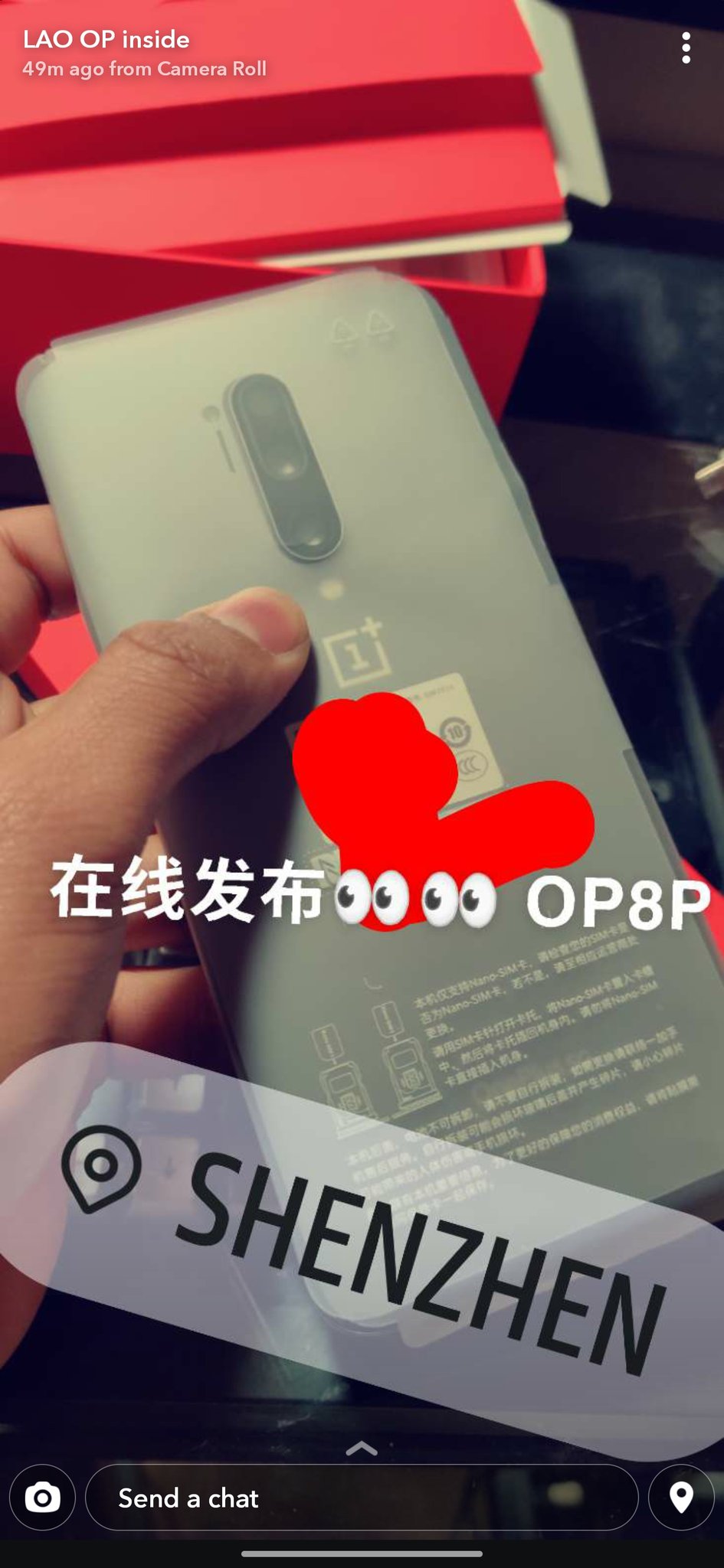
The OnePlus 8 Pro is one of three phones OnePlus is expected to announce in the first half of the year. We already know what the device looks like thanks to leaked renders that were posted on the web as early as last year. Now, live photos of the flagship have been posted on the web and they confirm what we already know.
OnePlus is sticking with the same vertical camera arrangement it used for the OnePlus 7 Pro and the OnePlus 7T Pro. The image shows the camera housing holds three sensors just like its predecessors. However, the setup is now flanked by an extra camera on the left. This camera has been reported to be a 3D ToF camera. There is also a slit below the 3D camera while the LED flash sits below the camera housing.
Sadly, the image does not show the front of the device so we can’t get a good look at the punch-hole display. The OnePlus 8 Pro will have a curved display with a hole-punch on the top left corner for a single front-facing camera.
Other than a new display and an extra camera, the OnePlus 8 Pro will also have support for wireless charging. The standard/non-pro OnePlus 8 has also been reported to have wireless charging which is good news for those who plan to save some bucks and pick it up over the Pro model.
Qualcomm’s Snapdragon 865 processor will power the OnePlus 8 Pro and it will have a Snapdragon X55 modem for 5G network support alongside.
The launch date is still unknown and there are reports that it will launch earlier than its predecessor did last year. Nevertheless, when it does launch, it will be held online (at least in China) due to the coronavirus outbreak.
This year the latest Galaxy S lineup is composed of three flagships: Samsung Galaxy S20, Galaxy S20+, and Galaxy S20 Ultra. For the first time, the Plus variant is not the most advanced one anymore and there is an even more awesome version: the Ultra variant. While everyone already knows which is the best variant and which is the inferior one, for a lot of people it is not easy to realize which variant is the best for their needs and which provides the highest value for money. That is why we decided to publish this comparison highlighting the differences between the specifications of Galaxy S20, S20 Plus, and S20 Ultra.
Samsung Galaxy S20 vs Samsung Galaxy S20+ vs Samsung Galaxy S20 Ultra
Samsung Galaxy S20
Samsung Galaxy S20+
Samsung Galaxy S20 Ultra
DIMENSIONS AND WEIGHT
151.7 x 69.1 x 7.9 mm, 163 g
161.9 x 73.7 x 7.8 mm, 188 grams
166.9 x 76 x 8.8 mm, 222 g
DISPLAY
6.2 inches, 1440 x 3200p (Quad HD+), Dynamic AMOLED 2X
The vanilla version of the Samsung Galaxy S20 lineup provides the most elegant and minimalistic design since it features the smallest camera bump on the rear side. Further, the vanilla S20 is also a more compact device than Galaxy S20+ and S20 Ultra, since it features a smaller display. But it looks like Galaxy S20+ has a slightly higher screen-to-body ratio than both Galaxy S20 and S20 Ultra. Further, its camera module is not much bigger than the vanilla S20. In each case, you get a waterproof phone with both the front and back sides protected by Gorilla Glass 6, so an outstanding build quality.
Display
The displays of Galaxy S20, S20 Plus, and S20 Ultra come with the same flagship-level specifications. They are all Dynamic AMOLED 2X panels with HDR10+, a Quad HD+ resolution, and a refresh rate up to 120 Hz (you can enable the 120 Hz refresh rate only if you opt for the Full HD+ resolution, otherwise you have to stick to 60 Hz. What really changes between these handsets is the display diagonal: Galaxy S20 has a compact 6.2-inch display, Galaxy S20+ has a 6.7-inch screen and Galaxy S20 Ultra has a wide 6.9-inch display. Bigger displays are better for productivity and multimedia lovers, while smaller ones allow easy one-handed use and transportability.
Hardware/Software
The whole Samsung Galaxy S20 lineup is fueled by either a Snapdragon 865 or an Exynos 990 chipset depending on the market, paired with 12 GB of RAM in every configuration (except for the Galaxy S20 Ultra which comes in a higher-end configuration with 16 GB of RAM). So you get essentially the same performance. And all of these devices have 5G variants. What changes is the internal storage: for the vanilla S20 you only have the 128 GB option, while for the S20 Plus and the S20 Ultra you get up to 512 GB of internal storage. All the devices come with UFS 3.0 storage expandable with a micro SD. They pack Android 10 out of the box, customized by One UI 2.
Camera
The best camera phone of the trio (on the paper it is even the best camera phone of the whole market, currently) is the Galaxy S20 Ultra. Unlike its cheaper siblings, it supports up to 100x zoom and it comes with the main sensor boasting a 108 MP resolution. The second place goes to Galaxy S20+ which differs from the vanilla S20 for an additional TOF 3D camera.
Battery
Samsung Galaxy S20 Ultra is the most amazing even when it comes to the battery life, thanks to a big 5000 mAh battery. Right after we got the S20 Plus with a 4500 mAh battery.
Price
Samsung Galaxy S20 starts from €999/$999 (5G), S20+ costs €1,099/$1,199 (5G) in its base variant, and Galaxy S20 Ultra (5G) has a starting price of €1,349/$1,399. Galaxy S20 Ultra is obviously the winner, but if you do not need the best cameras and a 4500 mAh battery is sufficient for you, S20+ is enough. Galaxy S20 has a compact display and not everyone likes this. Further, it has a way smaller 4000 mAh battery. If you do not care about those two compromises, then the Galaxy S20 remains a good deal which will allow you saving some money.
Chuwi has a reputation for offering top-end technology to its huge customer base across the globe. The company offers amazing products including Windows OS-based tablets and laptops at unbeatable prices.
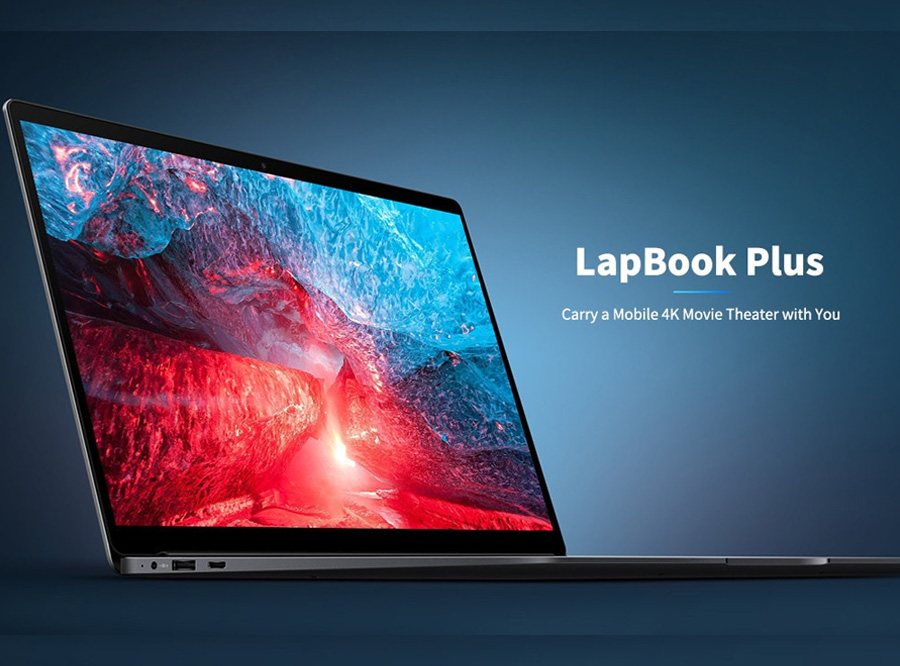
Last year, Chuwi unveiled a new entrant in its already impressive range of laptop lineup. Dubbed as the LapBook Plus, the new 4K display laptop is housed in a compact frame. Despite its ultra-slim form factor, the LapBook Plus is loaded with an array of impressive features and top-end specifications.
A feature-rich laptop would normally set you back a pretty penny, and the Chuwi LapBook Plus is no exception as it carries a steep price tag of $499.99 for the 8GB RAM+256GB ROM variant. Much to the relief of those on a tight budget, Giztop is now offering this model for a lowered price of just $479.99, giving you an unmissable chance to save $20.As mentioned earlier, the Chuwi LapBook Plus is loaded with amazing features. First off, it sports a crystal clear 15.6-inch display with an FHD 4K resolution of 3840×2160 pixels that enhances your viewing experience. It packs a powerful Apollo Lake X7-E3950 quad-core four-thread processor along with a highly competent Intel HD Graphics 505 GPU.
Furthermore, the laptop houses a 2-megapixel camera at the front for video calling. To deliver a power-packed performance and seamless user experience, the Laptop Plus runs the Windows 10 operating system. It uses a Li-ion battery for delivering up to two hours of standby time.
You can follow this link to check out more details about the Chuwi LapBook Plus and place your order.
The Gizmochina Coupons is a community that finds, reports and evaluates deals and coupons of Chinese products from online shops. Please visit it here to find more coupons to save money on mobiles and smart gadgets.
Last year, OnePlus announced its long-awaited OnePlus 7T series of phones at a dedicated launch event in China. The new line of smartphones comprised the OnePlus 7T and 7T Pro.
The OnePlus 7T and 7T Pro smartphones were made available to the public at 10:00 AM (local time) through OnePlus’ official online store and JD.com on October 22nd, 2019. While even months after hitting the store shelves, these phones continue to garner popularity among smartphone lovers, the OnePlus 7T has gone up for sale for a lowered price via Giztop.
The popular Chinese e-tailer is offering noteworthy discounts on two models. First off, the 8GB RAM+128GB ROM OnePlus 7T variant that usually retails for $549 is now up for grabs carrying a reduced price of just $469.
If you fancy using a smartphone with more storage space, you can go for the slightly larger OnePlus 7T model that ships with 8GB of RAM and offers a hefty 256GB of internal storage space for you to save your favorite multimedia content.
This model usually retails for $599, but you can buy it for just $519 from Giztop. The aforesaid variant is available in an eye-catching Glacier Blue color option. The OnePlus 7T is an irresistible smartphone that sports a 6.55-inch 90Hz Fluid AMOLED display with HDR10+ and the world’s fastest screen unlock.
Furthermore, it is powered by the 7nm Qualcomm Snapdragon 855 Plus Octa-core AI Soc and packs an Adreno 640 GPU under the hood. On the photography front, the phone features 48MP+12MP+16MP triple Circular cameras at the back. Upfront, it houses a 16MP camera with EIS for selfies and video calling.
The OnePlus 7T runs Original Oxygen OS based on Android 10 OS and draws its juices from a 3800mAh battery that supports Warp Charge 30T Fast Charging. To know more about the handset and to grab the discount, don’t forget to visit this link before the promotion comes to an end.
The Gizmochina Coupons is a community that finds, reports and evaluates deals and coupons of Chinese products from online shops. Please visit it here to find more coupons to save money on mobiles and smart gadgets.
While the market is teeming with high-end music accessories from leading manufacturers such as Apple and Samsung, low-priced Bluetooth earphones are still popular.
Xiaomi offers a wide range of music accessories under its popular sub-brand QCY, which has a reputation for offering reasonably-priced Bluetooth earphones. The latest entrant in the QCY series dubbed the QCY T5 TWS Bluetooth 5.0 Earphones has now gone up for sale for a lowered price through Gearbest.
To get your hands on the QCY T5 TWS Bluetooth 5.0 Earphones, you’d normally end up shelling out $28.66, but you can purchase these amazing Bluetooth earphones through Gearbest for just $21.59. In other words, the popular Chinese e-tailer is currently doling out a noteworthy 25 percent off on the earphone’s original asking price.
The stylish QCY T5 is a great choice for both business person, as well as athletes. These earphones adopt the latest Bluetooth V5.0 technology for delivering twice higher-speed transmission. Moreover, it uses an improved anti-interference to ensure a stable connection.
Moreover, it offers a 65ms game delay, which means you do not need to wait while playing your favorite games. It minimizes latency by 2/3 for a superior and immersive gaming experience. It comes with high sensitivity silicone mic and uses CVC 6.0andDSP noise reduction technology to enhance speech recognition during calls.
The QCY T5’s take-out-to use design simplifies and expedites the process of using these earphones while offering hands-free convenience. It comes with a compact charging case and has a capacity of 380mAh that delivers 25 hours of battery life. Weighing in at just 4.3g, these earphones are designed ergonomically to ensure they fit the contours of the ears.
If you are interested in knowing more about the QCY T5 TWS Bluetooth 5.0 Earphones and purchasing them for a lowered price, simply follow this link. With more than 70 pieces sold at the time of writing, the promo is slated to end in just one day.
The Gizmochina Coupons is a community that finds, reports and evaluates deals and coupons of Chinese products from online shops. Please visit it here to find more coupons to save money on mobiles and smart gadgets.
5G networks are still in an early stage in most of the world and most of the users still do not need a 5G phone. That is why several smartphone manufacturers are still launching smartphones without 5G. They allow to cut costs and they carry more affordable prices. After releasing Oppo Reno3 Pro 5G, Oppo also launched a 4G version of its latest high-end device, then the company made it available to pre-order for the Indian market. We still do not know its price, but we got most of its specifications and we can compare it with the concurrence. We chose the Poco X2 and the Redmi K20 Pro for this comparison because we believe they are the greatest deals in India in a similar price range.
Oppo Reno3 Pro 4G vs Poco X2 vs Redmi K20 Pro
Oppo Reno3 Pro 4G
Xiaomi Redmi K20 Pro
Xiaomi Poco X2
DIMENSIONS AND WEIGHT
159.4 x 72.4 x 7.7 mm
156.7 x 74.3 x 8.8 mm, 191 grams
165.3 x 76.6 x 8.8 mm, 208 grams
DISPLAY
6.5 inches, 1080 x 2400p (Full HD+), 405 ppi, Super AMOLED
6.39 inches, 1080 x 2340p (Full HD+), 403 ppi, 19.5:9 ratio, Super AMOLED
Quad 64 + 13 + 8 + 2 MP f/1.7, f/2.4, f/2.2 and f/2.4
Dual 44 MP front camera
Triple 48 + 8 + 13 MP f/1.8, f/2.4 and f/2.4
20 MP f/2.2 front camera
Quad 64 + 8 + 2 + 2 MP f/1.9, f/2.2, f/2.4 and f/2.4
Dual 20 + 2 MP f/2.2 and f/2.4 front camera
BATTERY
4025 mAh, fast charging 30W
4000 mAh, Fast Charging 27W with Quick Charge 4+
4500 mAh, fast charging 27W
ADDITIONAL FEATURES
Dual SIM slot
Dual SIM slot
Hybrid Dual SIM slot
Design
Oppo Reno3 Pro and Poco X2 come with a dual punch-hole design, while Redmi K20 Pro comes with a notch-less and borderless display thanks to a pop-up camera. While the front side of the Redmi K20 Pro looks more futuristic because it is hole-less when it comes to the rear side I personally prefer the Oppo Reno3 Pro because it is more minimalistic. Further, the Oppo Reno 3 Pro is a thinner device. But tastes play an important role in such a decision: all of these devices are built with premium materials and they have a premium design, despite they are not top-tier flagships.
Display
The most attractive display is undoubtedly the one found on the Oppo Reno3 Pro. It has a higher refresh rate, a great AMOLED panel, a high DCI-P3 coverage, and a very high brightness. Redmi K20 Pro has a high color accuracy, but it comes with a standard refresh rate. The Poco X2 has a higher refresh rate than Oppo Reno3 Pro (up to 120 Hz) but it has a classic IPS panel and it does not feature an in-display fingerprint reader. Oppo Reno3 Pro has a more complete display.
Specs & Software
The hardware department is the strongest point of the Redmi K20 Pro. It is the only with flagship-grade hardware composed of a Snapdragon 855 chipset, up to 8 GB of RAM and up to 256 GB of internal storage. Both Oppo Reno3 Pro and Poco X2 are just mid-rangers. The SoC model of the former is still unknown (it is rumored to be an Helio P95), while the second is fueled by a Snapdragon 730G chipset. Oppo Reno3 Pro and Poco X2 have Android 10 out of the box, while Redmi K20 Pro is older and it ships with Android Pie. But it still wins the specs comparison.
Camera
Oppo Reno3 Pro is an advanced camera phone and it wins the camera comparison. It is the only handset of this trio to feature OIS, as well as the only with a telephoto sensor carrying the support for optical zoom. It even comes with a useful monochromatic sensor instead of the classic depth sensor found on most of the midrange devices. Last but not least, it has one of the best front cameras out there: a dual setup with a 44 MP main lens. The specifications of the secondary sensor are still unknown.
Battery
With a 4500 mAh, the Poco X2 is the best battery phone here. But the Oppo Reno3 Pro has the fastest charging technology: with a 30W power and VOOC Flash Charge 4.0, it reaches 50 percent of charge in just 20 minutes.
Price
We still do not know how much Oppo Reno3 Pro will cost in India. Poco X2 has an Rs. 15,999 / €205 / $222 starting price, while Redmi K20 Pro costs about Rs. 23,290 / €300 / $325 in its 6/128 GB configuration. There is not a universal winner of this comparison: you should go for the Oppo Reno3 Pro if you want the best camera and the most interesting display, Redmi K20 Pro is the only with flagship-level performance, and Poco X2 has the longest battery life. Overall, Oppo Reno3 Pro looks slightly more interesting.
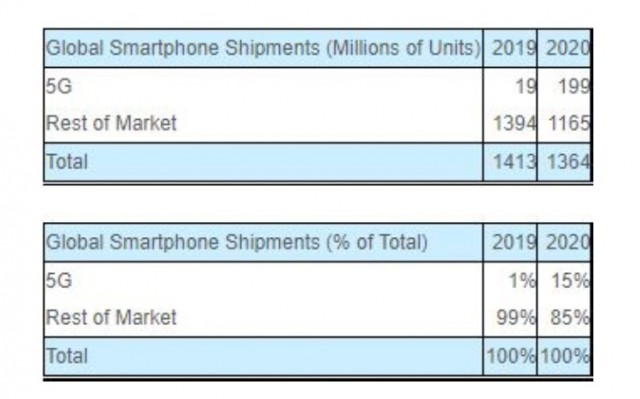
A research report by Strategy Analytics has forecasted a surge in the number of 5G smartphones by 2020. The report predicts that global shipments of 5G-enabled phones will peak at 199 million shipments worldwide. This will translate to an estimated 15% of all smartphone shipments. This is a huge leap from the 1% market share enjoyed by 5G phones in 2019.
5G will be at the forefront of new technologies
The report also estimates that China, the United States, South Korea, Japan and Germany will account for 90% of all 5G smartphone sales. This is, no doubt related to the roll-out of 5G services in those countries.
Strategy Analytics equally recognised that the deadly Coronavirus epidemic presently ravaging some parts of China will have an effect on 5G phone shipments. Of particular interest, is the disclosure that most of the shipments will happen in the second half of 2020 as the first half will witness slower than expected shipments for smartphones supporting the next-gen network standard.
In addition, the report recognised India and Indonesia as the two important markets lagging behind in 5G adoption rates as they are not expected to have mass-market 5G networks for at least another year.
Apple recently launched its new true-wireless earbuds named AirPods Pro, which comes with the much anticipated active noise cancellation feature. However, it seems that the tech giant isn’t done yet and is set to launch a new version of AirPods Pro.
Taiwan-based publication DigiTimes has shared a preview of its upcoming story to its subscribers in which it continues to claim that Apple is planning to launch a new version of the AirPods Pro.
In the story preview, the publication writes: “USI likely to enter supply chain of AirPods Pro, sources say: Taiwan-based Universal Scientific Industrial (USI), a unit of ASE Technology, is likely to obtain system-in-package (SiP) orders for the upcoming AirPods Pro, according to industry sources.”
It seems that the upcoming AirPods Pro models are the same that the publication had previously referred as AirPods Pro Lite. This means these are entry-level earbuds and will be priced lower than the current AirPods Pro available in the market.
However, there’s no information available about the specs and features of the AirPods Pro Lite. The report further claims that the production for the same is likely to begin by the end of Q2 2020 or later given the current situation in China because of coronavirus outbreak.
We are not sure if the company will call the upcoming earbuds “AirPods Pro Lite” which doesn’t make sense as it has both “Pro” and “Lite” in its name. However, the essence of the report is that an affordable variant of the Apple AirPods Pro with similar sound design, quality will launch, but without active noise cancellation.
Currently, there’s nothing much known about this upcoming product but if the report is true, we expect to know more about the device in the coming weeks.
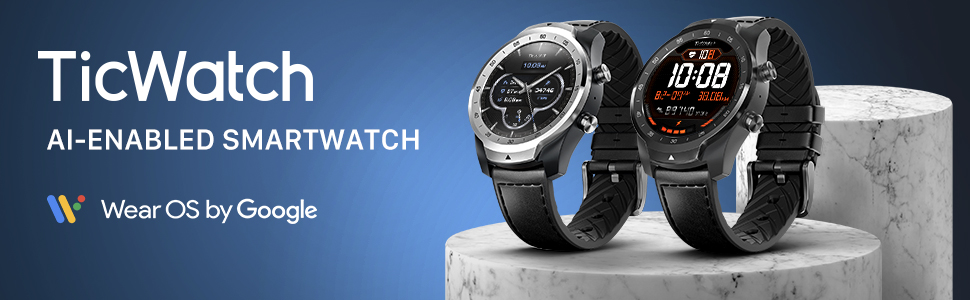
Renowned smartwatch maker Mobvoi has launched a new watch – the TicWatch Pro 2020. The TicWatch Pro lineup was first introduced last year and later in the year, Mobvoi introduced an upgraded version with 4G LTE connectivity. The TicWatch Pro 2020 comes with several upgrades over the past cycle including expanded RAM, presently going up to 1 GB of RAM rather than 512 MB of RAM. It’s additionally progressively tough, being evaluated MIL-STD-810G for protection from shock, dust, water, and extraordinary weather conditions. It’s IP68-rated and can stay inside the water of depth up to 1.50m for close to an hour.
As for the watch itself, it’ll come in two hues – Shadow Black and Liquid Metal Silver. The strap is made from calfskin or skin-friendly silicone, while the screen is protected by a layer of Gorilla Glass 3. It retains a 1.39-inch AMOLED FSTN Touch Screen with a resolution of 00 x 400 pixels. The case is made of Polyamide and Glass Fiber while the bezel is made from Stainless Steel. the watch has a diameter of 45mm and is 12.6mm thick, weighing in at 58.5g.
One major drawback to this upgraded model is that it still utilizes the old Snapdragon 2100 processor. Since this is an upgrade, we expected it to come with a newer SoC. Yes, the improved RAM may help with execution, however easily overlooked details like battery life would have profited from an improved processor.
The TicWatch Pro 2020 is already available to buy on Amazon and goes on sale on Mobvoi’s website from the beginning of March. It is priced at $259.
We use cookies on our website to give you the most relevant experience by remembering your preferences and repeat visits. By clicking “Accept”, you consent to the use of ALL the cookies.
This website uses cookies to improve your experience while you navigate through the website. Out of these, the cookies that are categorized as necessary are stored on your browser as they are essential for the working of basic functionalities of the website. We also use third-party cookies that help us analyze and understand how you use this website. These cookies will be stored in your browser only with your consent. You also have the option to opt-out of these cookies. But opting out of some of these cookies may affect your browsing experience.
Necessary cookies are absolutely essential for the website to function properly. This category only includes cookies that ensures basic functionalities and security features of the website. These cookies do not store any personal information.
Any cookies that may not be particularly necessary for the website to function and is used specifically to collect user personal data via analytics, ads, other embedded contents are termed as non-necessary cookies. It is mandatory to procure user consent prior to running these cookies on your website.















 As mentioned earlier, the Chuwi LapBook Plus is loaded with amazing features. First off, it sports a crystal clear 15.6-inch display with an FHD 4K resolution of 3840×2160 pixels that enhances your viewing experience. It packs a powerful Apollo Lake X7-E3950 quad-core four-thread processor along with a highly competent Intel HD Graphics 505 GPU.


 Xiaomi offers a wide range of music accessories under its popular sub-brand QCY, which has a reputation for offering reasonably-priced Bluetooth earphones. The latest entrant in the QCY series dubbed the QCY T5 TWS Bluetooth 5.0 Earphones has now gone up for sale for a lowered price through Gearbest.