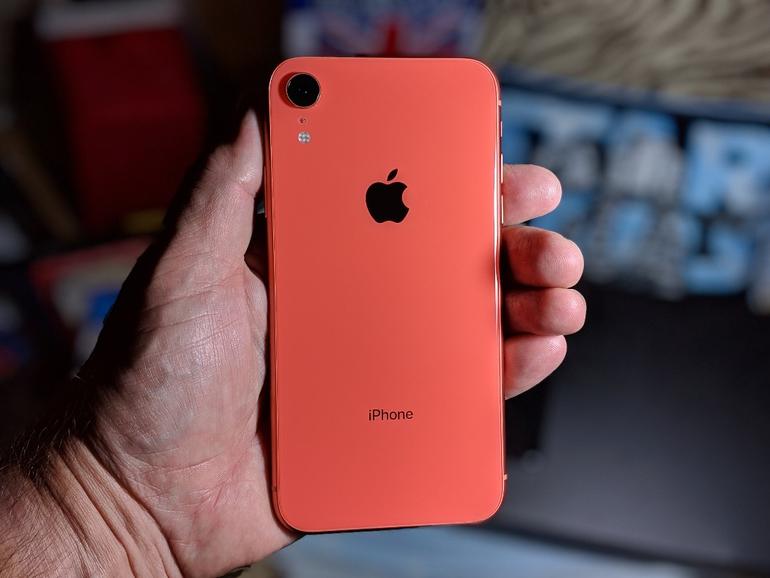
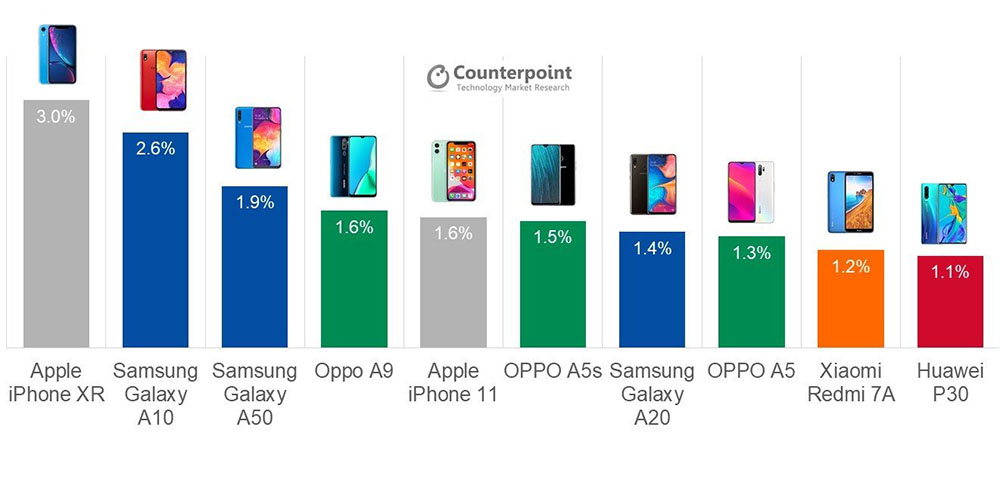
For as compelling as Apple’s flagship iPhone models are, consumers still seem to be flocking towards the company’s more budget-oriented devices. According to a new report from Counterpoint Research, the iPhone XR isn’t just the top-selling iPhone, but also generally the best selling device in every single quarter throughout 2019.
The report published by 9to5Mac says that with the exception of its launch quarter of September 2018, the iPhone XR has been the best-selling model worldwide in every single quarter since Q4 2018. This, of course, includes Q3 2019 too, which means even the availability of the new models hasn’t affected the popularity of the iPhone XR.
Samsung had three models in the top 10, all from the A series. The new devices came with competitive specs and design features, affordable price tags and Samsung’s strong brand perception, especially in the mid-range segment, which provided an excellent value proposition. However, there were no flagships from Samsung in the top 10 list.
OPPO also had three devices as its A series continued to do well in China and other regions. We’ve got the OPPO A9, A5s, and A5 became the top models from the companys’s portfolio. Xiaomi only had Redmi 7A in the top 10. This was driven by India, which contributed to over half of the total sales of the model during the quarter,” the report adds.
The final outlier of the list is the Huawei P30. Overall, it seems like consumers are more attracted to reasonably priced phones with respectable specifications, and for that very reason, Samsung is said to be readying the stripped-down variants of the Galaxy S10 and Galaxy Note 10, so that they can compete with the iPhone XR and iPhone 11.
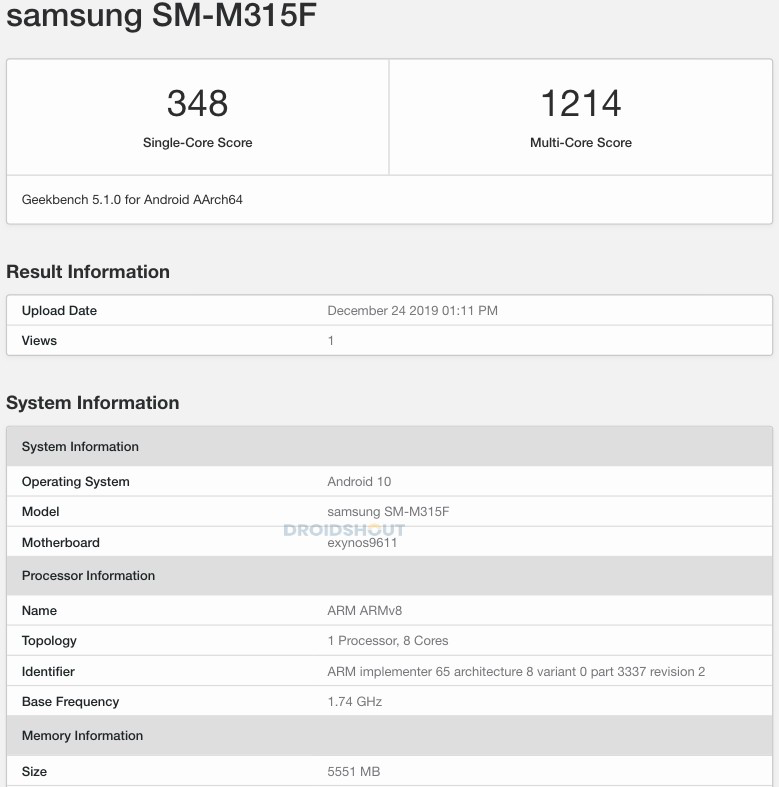
Recent reports have revealed that Samsung is working on a successor handset for Galaxy M30 / Galaxy M30s. The rumored Galaxy M31 that has a model number of SM-M315 may break cover in the beginning months of 2020. Only few details of the phone have surfaced in the news so far. The said phone has paid visit to Geekbench through some of its key details have been revealed.
According to the listing of SM-M315F Samsung phone on Geekbench 5, it is fueled by Exynos 9611 chipset that has a base frequency of 1.74GHz. The SoC is coupled with 6 GB of RAM. The phone is loaded with Android 10 OS. In the single-core test, it has scored 348 and it has recorded a score 1214 in the multi-core test.
A recent report had revealed that the Samsung India has started working on Galaxy M31 and Galaxy M11 (SM-M115F) smartphones. The Galaxy M31 could be coming with a built-in storage of 64 GB whereas the M11 is expected to come with a native storage of 32 GB. The M11 has also received certification from Bureau of Indian Standards (BIS). The Galaxy M30s excelled in the battery department as it came with a behemoth battery of 6,000mAh capacity. There is a possibility that the South Korean company may retain the large battery of the Galaxy M31. The M31 is also expected to arrive with triple rear cameras with a 48-megapixel primary lens.
Apart from M11, other Samsung phones such as Galaxy A1 (SM-A115F), Galaxy Fold 2 (SM-F700F) and an unknown SM-A465F smartphones have been approved by India’s BIS agency. The rumor mill has also revealed some details on the Galaxy M21 and Galaxy M41 smartphones. The M21 is expected to be fueled by Exynos 9609 chipset and 4 GB of RAM. It could be equipped with a 24-megapixel + 5-megapixel (depth) dual camera setup on its back. The Galaxy M41 is rumored to equipped with a 64-megapixel triple camera system on its back. Hopefully, more details on the specs of the new Galaxy M-series will appear at the beginning of the coming year.
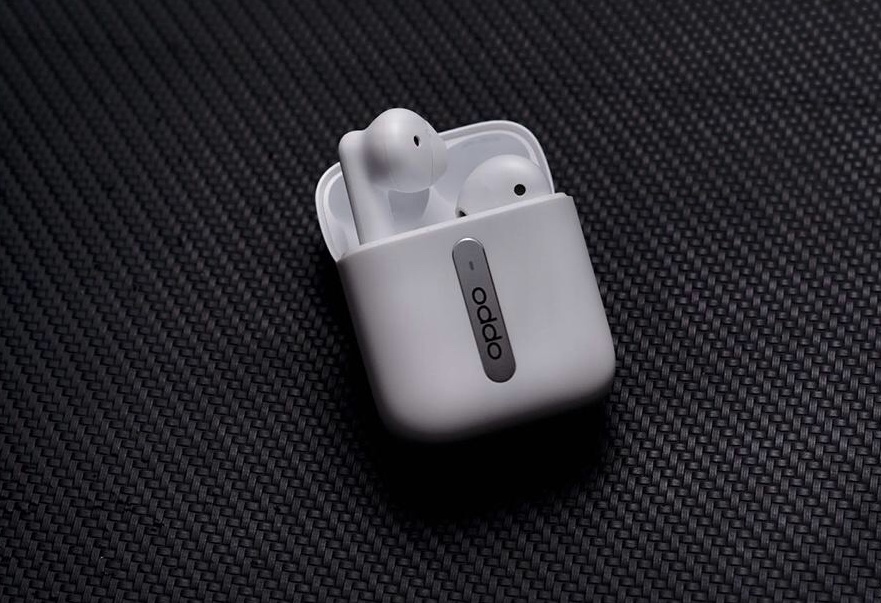
Oppo has already teased the launch of Oppo Enco Free true wireless earbuds in its home market China for 26th December, along with the company’s Reno3 and Reno3 Pro 5G smartphones.
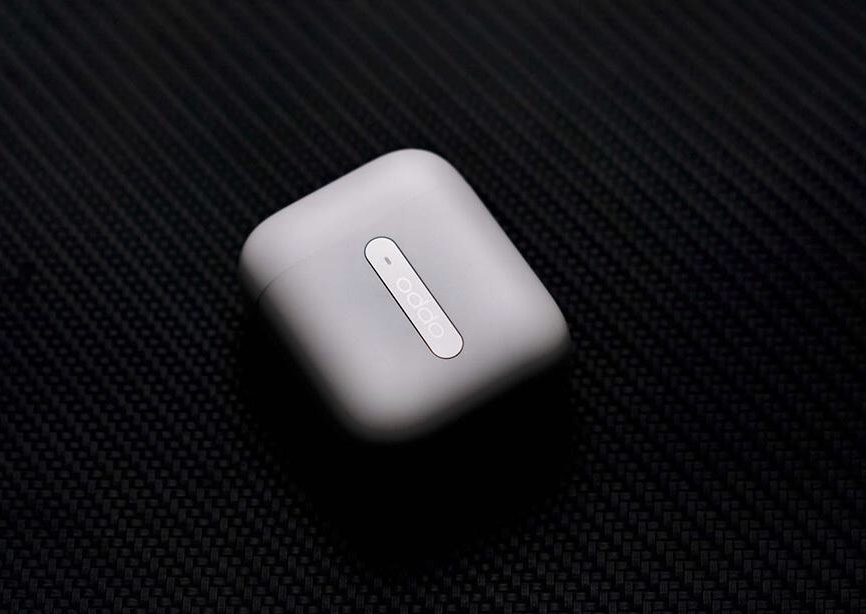
Now, ahead of the launch, hands-on images of the Oppo Enco Free earbuds have been leaked online, giving us details about the product’s design. It shows how the device is similar or different compared to other products in the market.
The design of the earbuds and its carrying case is quite similar to the Apple AirPods. Most other manufacturers, including Huawei and Realme have continued with the same design for their FreeBuds 3 and Air Buds respectively. You can check out our review of the Huawei FreeBuds 3 here.
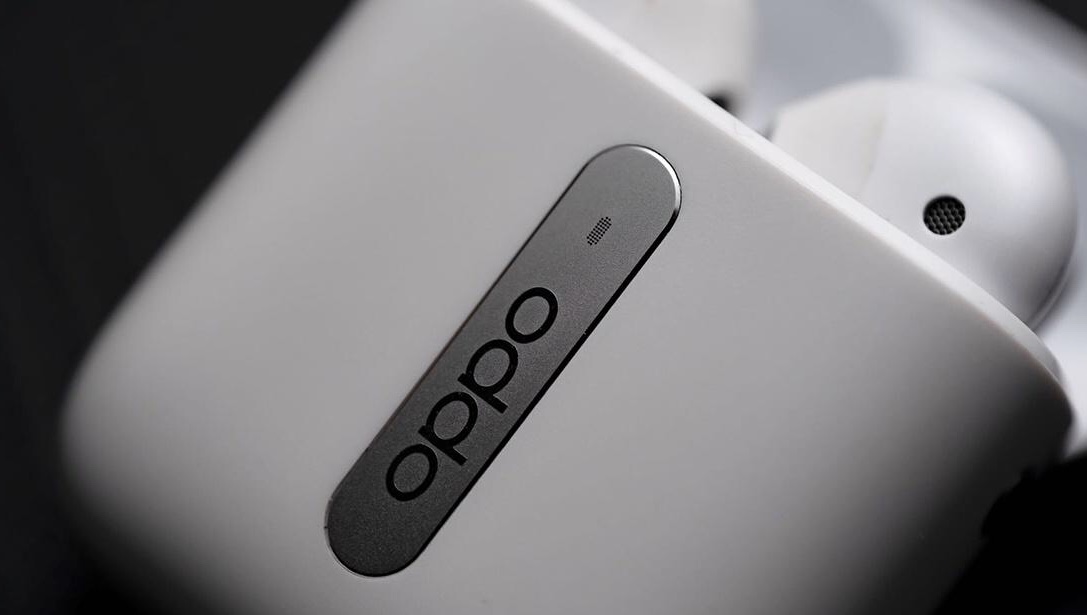
As for the Enco Free, there’s a strip area on the frosted case at the front with radium carving. It carries OPPO branding, continuing the design trend that the company adopted with the Reno series of smartphones.
On the grey strip of the charging/carrying case, there’s an LED status indicator. Function keys are located on the right side while there’s a USB Type-C charging port at the bottom of the case. It is said that the company will ship the earbuds with three silicone tips of different sizes, so users can switch to the one that provides the best fit.
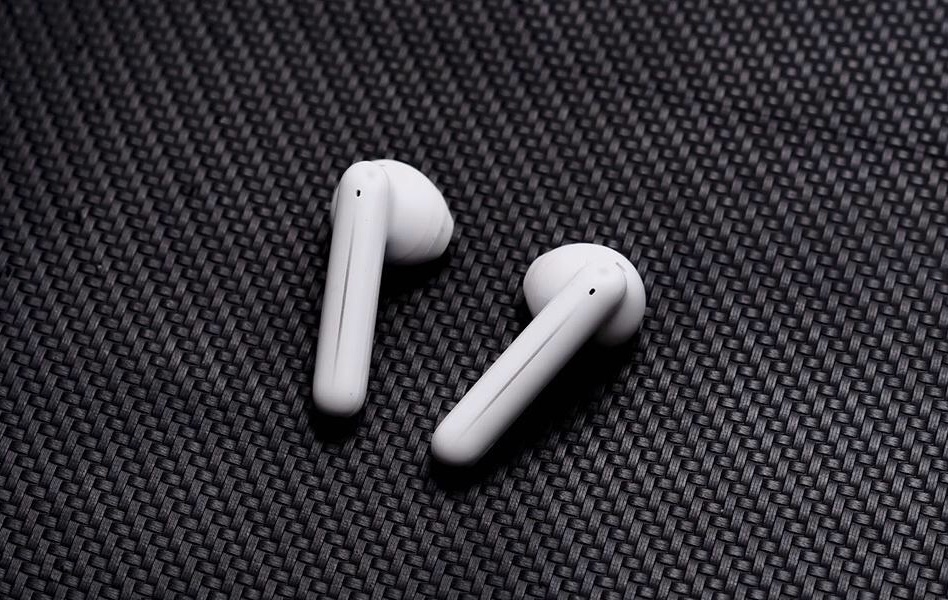
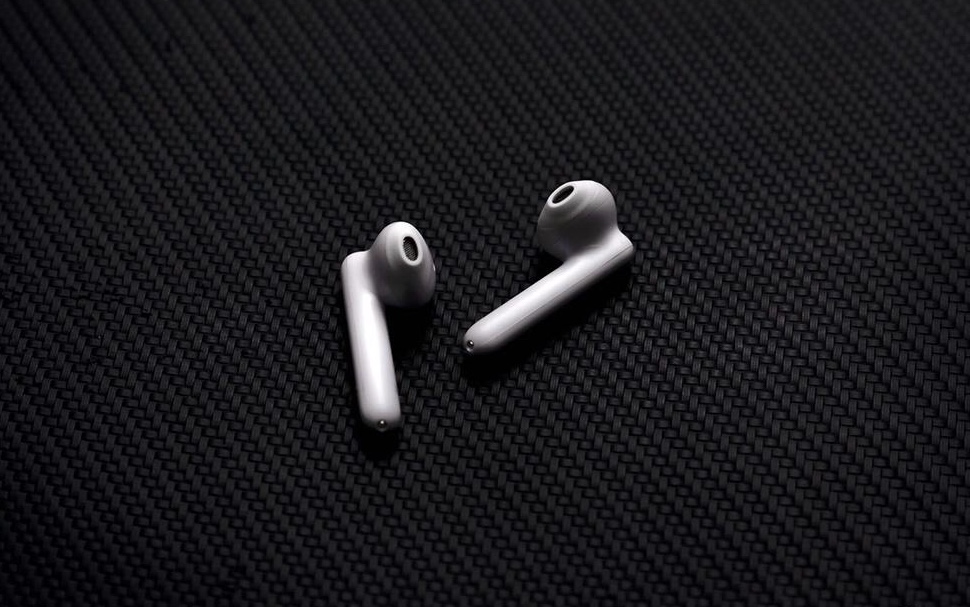
Coming to the earbuds itself, the body and make seems similar to that of its charging case which gives matte finish and feel. It looks like there’s a pressure relief hole inside the earphone and there’s a noise reduction microphones at the outside. It also carries the iconic grey-colored strip at the back of the earbuds.
During a recent event in Malaysia, Oppo revealed that the Enco Free uses AI uplink noise cancellation. It also features wear detection, so it pauses and resumes playback when you take it out or put it back in your ear. As for the battery life, it offers a 5-hour battery life and goes up to 25 hours with the charging case.
As for the pricing, the Oppo Enco Free will be sold for 499 Malaysian Ringgit (approx. $120) in the Malaysian market when it goes on sale from January 2020. As said, the earbuds are scheduled to launch in China tomorrow.
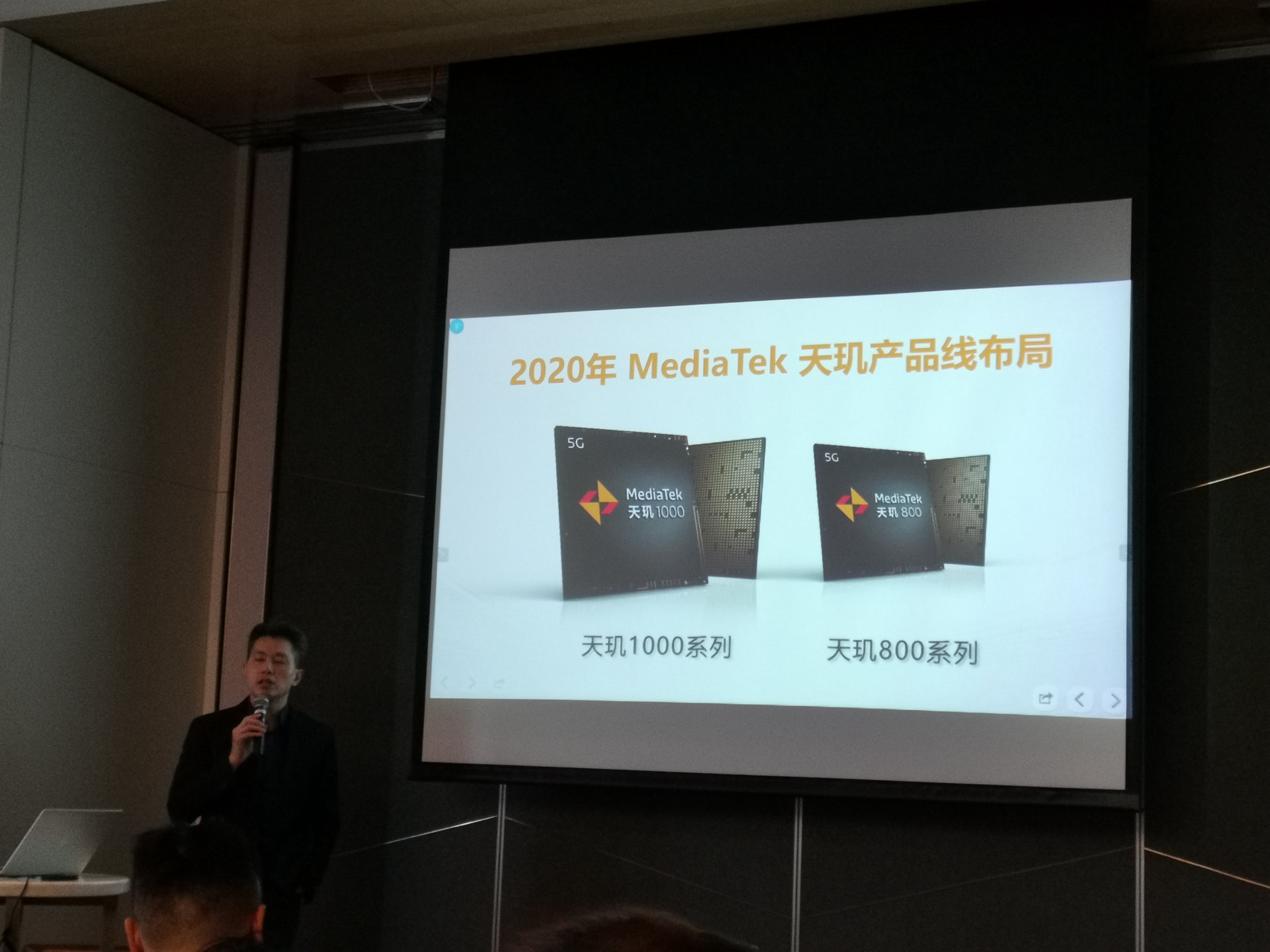
Today, at MediaTek’s Product Communication Conference, the company has announced a new chipset — MediaTek Dimensity 800. This new processor from the company seems to be positioned for the mid-range and upper mid-range smartphones.
It has also been revealed that smartphones powered by this MediaTek Dimensity 800 processor will be making their way to the market in the second quarter of next year, i.e. Q2 2020 and the chipset will be officially launched in Q1 2020.
While the company has unveiled the chipset and teased a timeline for its availability in the market, MediaTek has not yet revealed anything related to the chipset’s technical specifications and features.
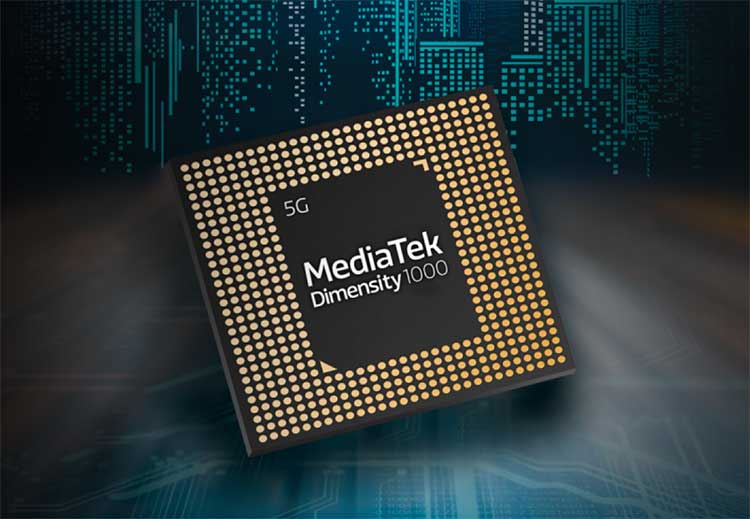
The announcement of this new chipset comes week after MediaTek announced its Dimensity 1000 5G chipset, marking the company’s comeback in the high-end segment that will take on the likes of Snapdragon 865 and Kirin 990.
The processor features four high-end Cortex-A77 based BIG cores clocked at 2.6GHz and four Cortex-A55 power-efficient cores clocked at 2.2GHz. It comes with a dual cluster arrangement instead of the tri-cluster arrangements that we’ve been seeing on high-end processors like Kirin 990, Snapdragon 855 and even Exynos 990.
The new MediaTek chip comes with the new Mali-G77 MP9 GPU, which is the same one found on the Exynos 990 with a couple of cores less. It comes with an integrated Helio M70 5G modem that saves space and is efficient at the same time and is the world’s fastest throughput SoC with 4.7Gbps downlink and 2.5Gbps uplink speeds and supports both standalone and non-standalone networks (Sa/NSA).
The upcoming Oppo Reno3 smartphone is confirmed to come powered by MediaTek Dimensity 1000L 5G processor, which is also known as MediaTek MT6885. The benchmark result showed the processor has a Mali-G77 GPU. We presume it also has Cortex-A77 CPU cores like the Dimensity 1000 but at a lower clock speed.
The first smartphones with Dimensity 1000 5G chipset will launch in Q1 2020 in markets like China and other Asian countries while USA and EU will get the new chip powered devices in the second half of 2020.
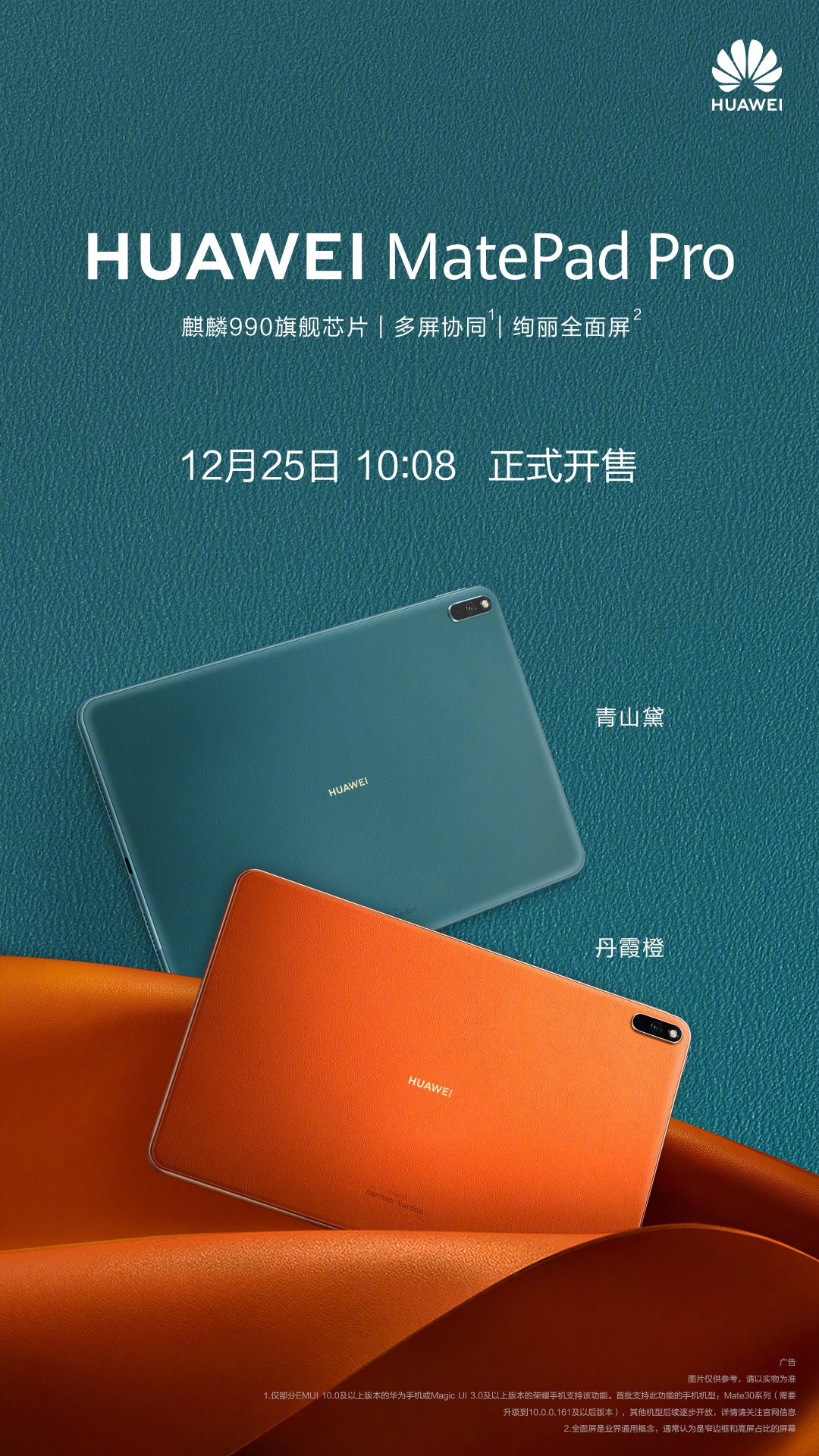
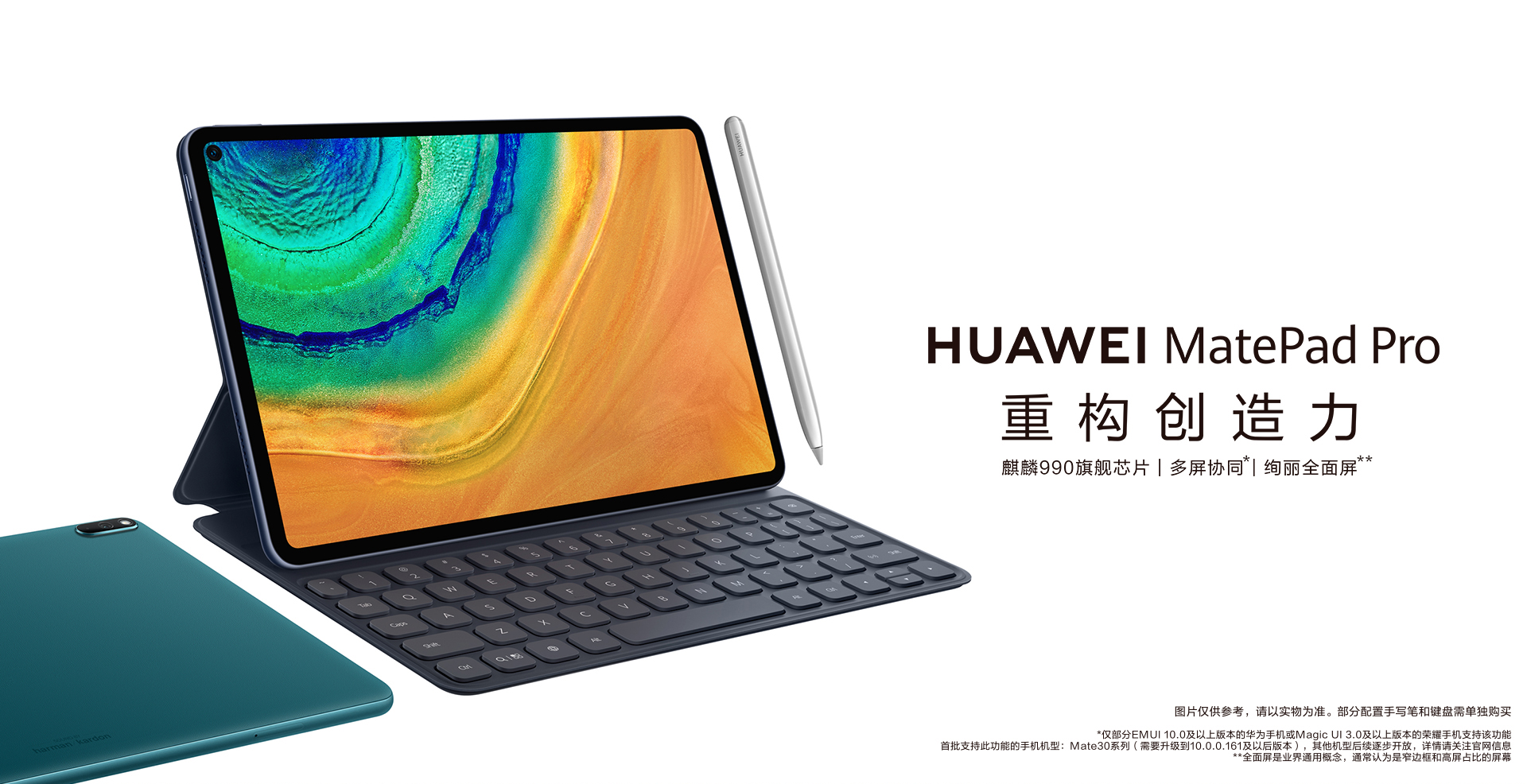
Last month, Chinese tech giant Huawei launched its high-end tablet in the market — Huawei MatePad Pro. It was announced in four color options — Danxia Orange, Castle Peak, Fritillaria White, and Night Ash.
The device went on sale in China earlier this month but only White and Ash variants have been available for purchase. However, from today, Danxia Orange and Castle Peak color variants, which comes with a leather finish, will be available for purchase in China.
Unlike the other two color variants, the orange and green leather variants are limited to two configurations only and they are the WiFi-only 8GB + 256GB version and the 8GB + 512GB LTE version.
Both of them are priced at ¥4999 (~$713) and ¥5999 (~$856) respectively on Vmall. These models are more expensive than the other variants of the same configuration because they ship with the M-Pencil and the keyboard included.
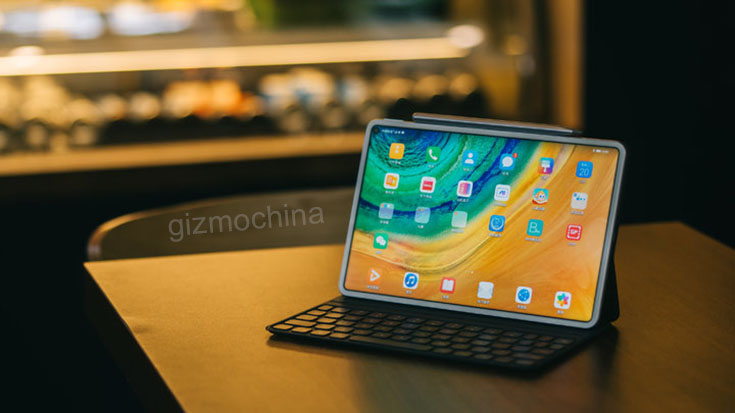
Coming to the specifications, the Huawei MatePad Pro comes with a 10.8-inch display with rounded corners. The IPS LCD display features a punch-hole for the front camera and supports quad HD+ resolution of 2560 x 1600 pixels and DCI-P3 color gamut, and also offers a screen-to-body ratio of 90 percent.
Under the hood, the device is powered by the company’s own Kirin 990 chipset. There is a nanoSD card slot onboard for expanding its storage. The tablet is equipped with a huge 7,250mAh battery that support 40W rapid charging. However, the device ships with 20W fast charger. There is also support for 15W wireless charging and 7.5W reverse wireless charging on the MatePad Pro.
It has a 13-megapixel main camera with f/1.8 aperture and comes with features like phase detection autofocus and LED flash. On the front, there’s an 8-megapixel camera with f/20 aperture. The device comes with support for M-Pencil stylus that 4096-level pressure sensitivity nib. The stylus can be charged wirelessly by simply attaching to the device.
Huawei MatePad Pro
The tablet runs Android 10 operating system-based EMUI 10 user interface. There is a multi-screen collaborative feature on the MatePad Pro that allow users to clone the phone’s interface on its screen. By connecting the optional keyboard, the tablet’s interface will switch to computer mode to offers users with a friendly desktop PC experience.
Huawei has also announced that it will be launching the MatePad Pro 5G edition in the first quarter of 2020. The device is expected to be powered by the Kirin 990 5G chipset and could get announced at the launch event of the Huawei P40 and P40 Pro flagship phones.
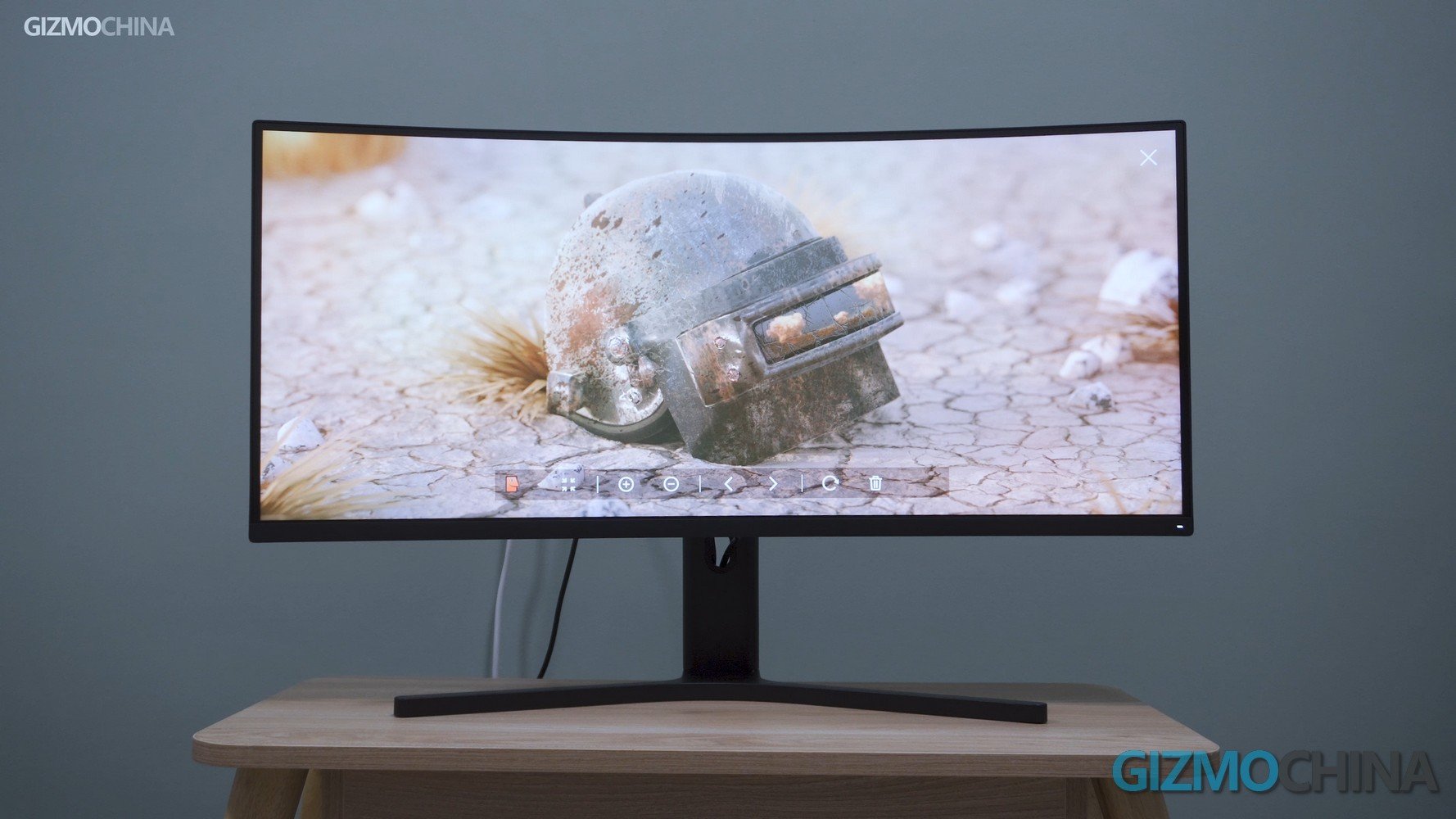
Since Xiaomi started producing digital devices beyond smartphones, we’ve seen how they enhanced their product variety and boosted the market share of different product types. One of its greatest advantages is pricing. This time the Mi surface display is only sold in China. As usual, Xiaomi attached its minimalistic design to the Mi Surface with relatively reliable manufacturing.
Design&Specs
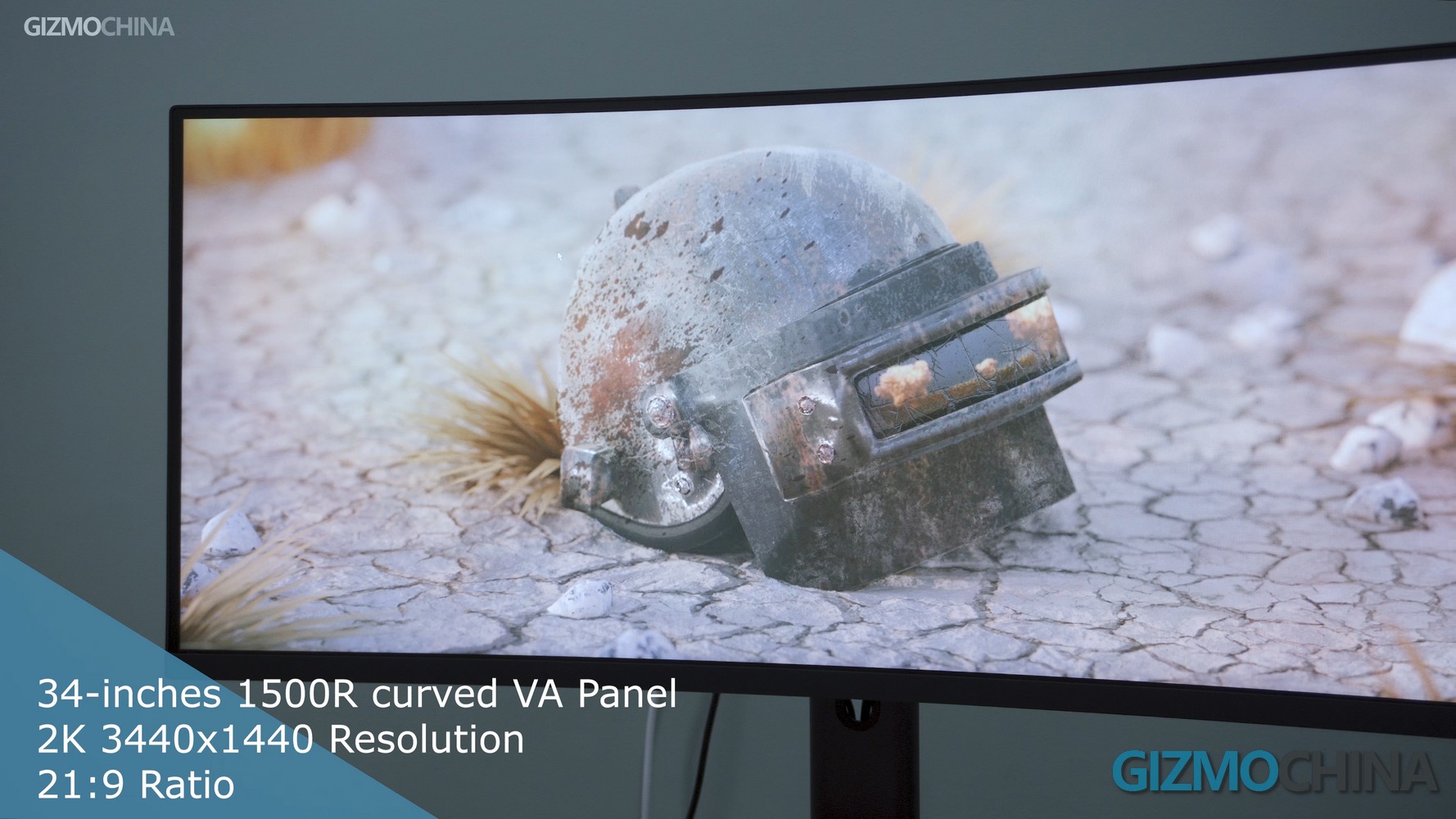
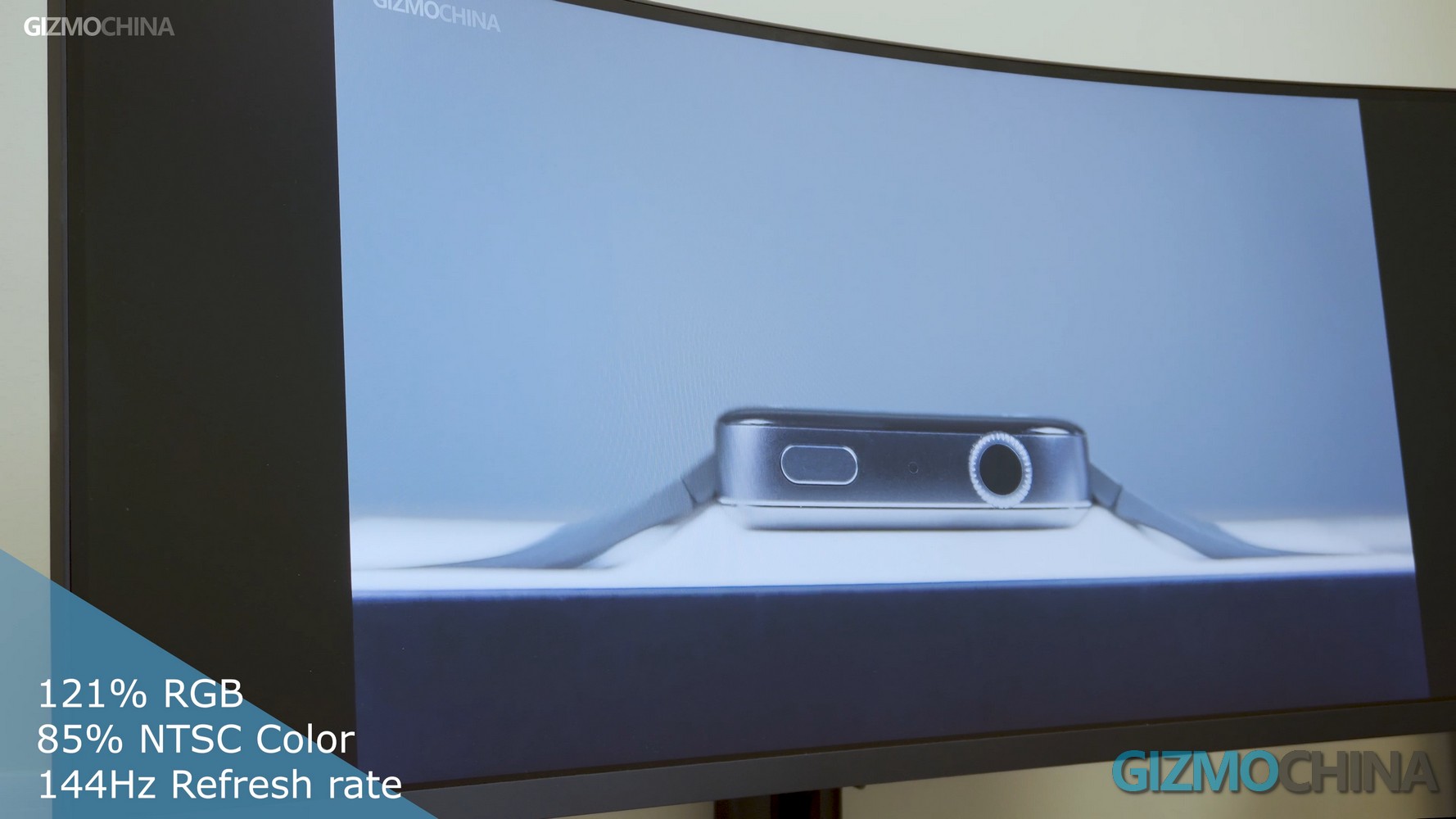
The Mi surface display comes with 2K, 3440×1440 ultra-clear resolution. And it is 34 inches in diagonal length and has a cinematic 21:9 aspect ratio. It can display 16.7 million colors with a typical 3000:1 contrast ratio and up to 300nit brightness, and Xiaomi claims that it covers 121% of the sRGB and 85% of the NTSC color gamut. Meanwhile, it features a 144Hz refresh rate and AMD’S FreeSync synchronization technology and 1500R curvature design. According to unofficial sources, the LCD seems to use a VA panel from SAMSUNG Display.
The Mi surface display was released in October with a pre-order price at 286USD, but right now it sells at around 357USD. Even though, it’s still one of the best budgets at such pricing.
From these specs, it’s no doubt that the Mi Surface is a competitive new entrant in its Market. The Mi surface was designed primarily for gamers and multimedia enthusiasts, which is why it has a 4ms GtG response time as well as a refresh rate of 144Hz strengthened by AMD’s FreeSync technology.
Appearance
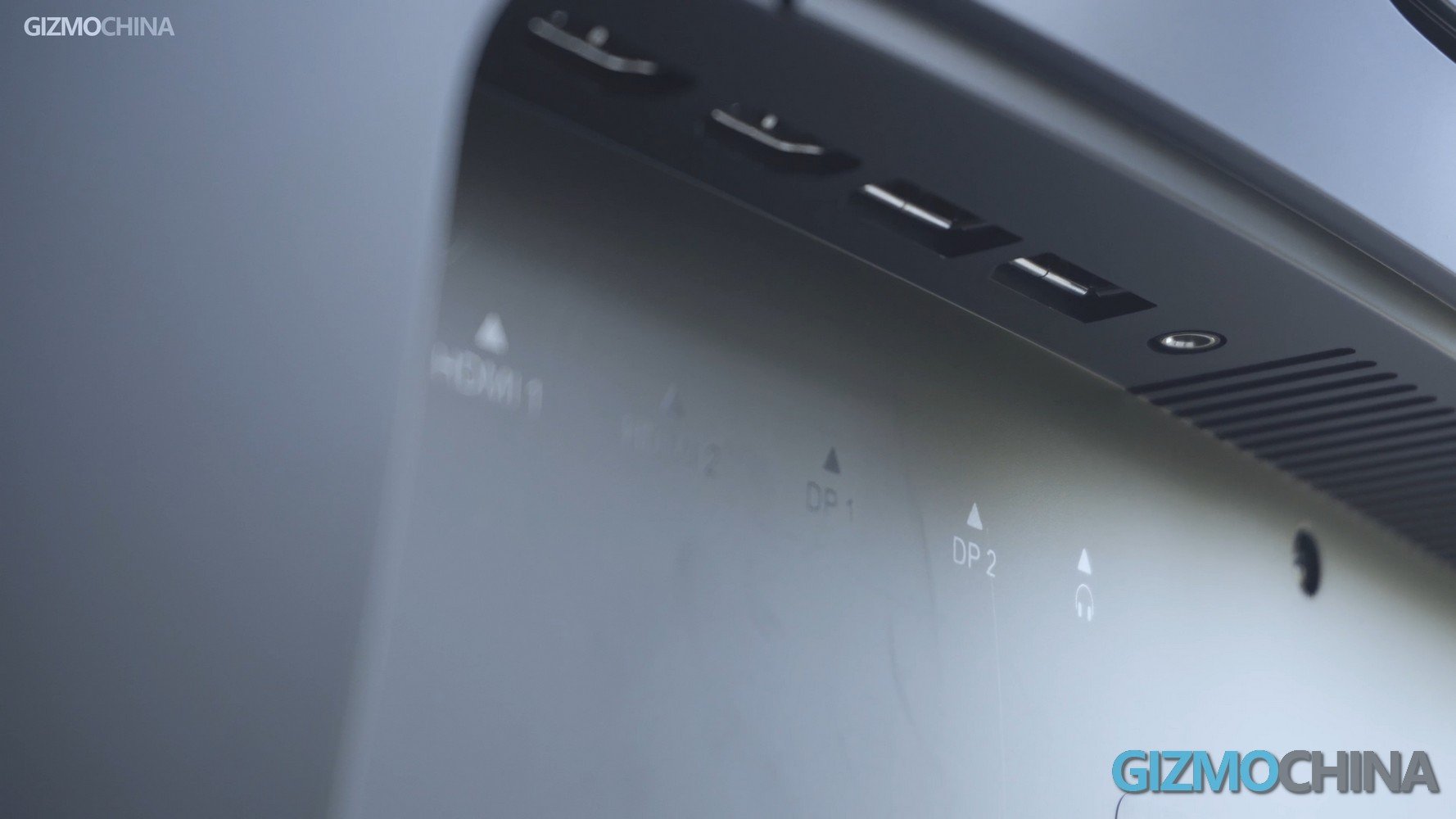
At first glance, the narrow bezels on three of its sides are very impressive. About the Mi surface appearance, it features a minimalistic design, which is much smarter than most traditional gaming display manufacturers. It makes it look much lighter and more integrated. And the horizontal wide aspect ratio definitely gave me an incredible vision and gaming experience. Talking about its connectors, the Mi Surface display has 2 HDMI inputs, 2 DP inputs and an audio output, which could have great compatibility for gamers or general users to connect multiple devices.
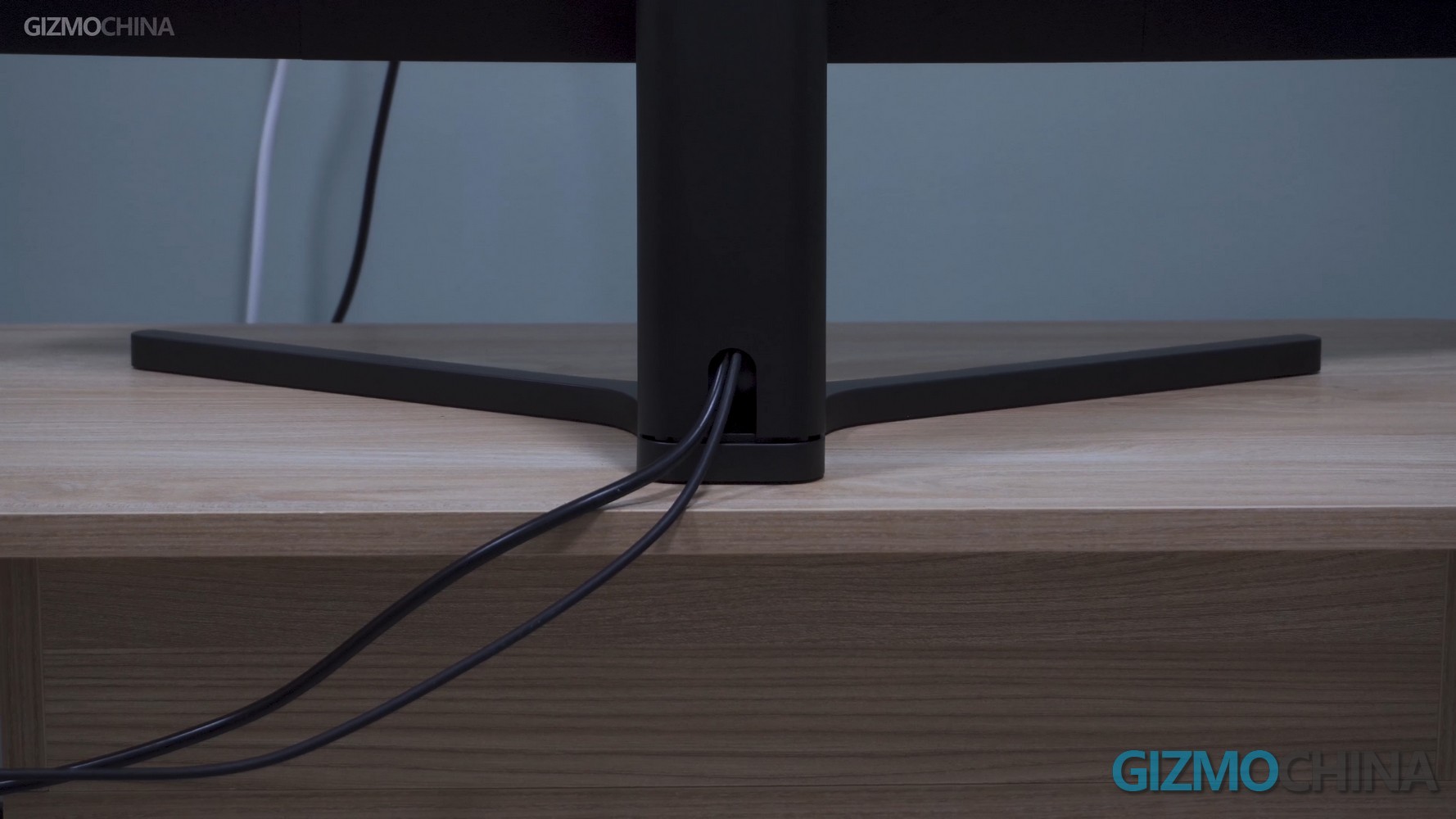
Similar to many other displays, the buttons are placed on the back of the indicators, and we can see the Xiaomi LOGO on the back as well. the adjustable bracket of the display supports lifting, rotating and tilting. And it can be replaced with a wall-mounted bracket. The input voltage is from 100V to 240V, which means that it supports almost all voltage standards on this planet. Another great feature is that the bracket also supports cable management. You can open the cover and view the installation instructions.
Color coverage
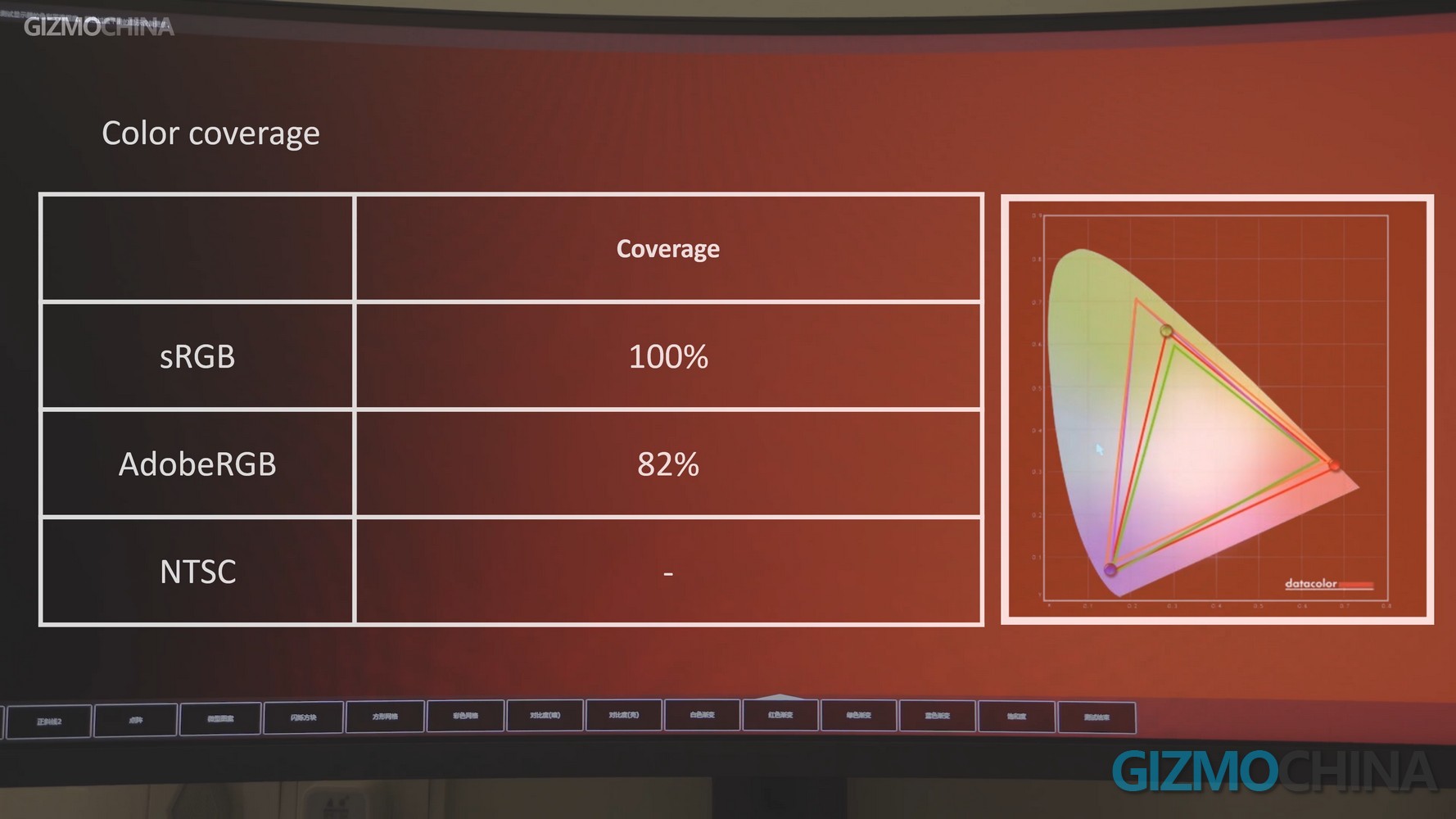
To learn how exactly the display performance, we did some quality tests. Start from color coverage. The results showed that it reached a value of 100%sRGB and 82% AdobeRGB. Though the NTSC gamut was not marked, it should be close to the color gamut of AdobeRGB. 100% sRGB coverage is good enough to cover the most widely used color space on the internet. As a gaming display, it’s already better than most rivals.
Contrast
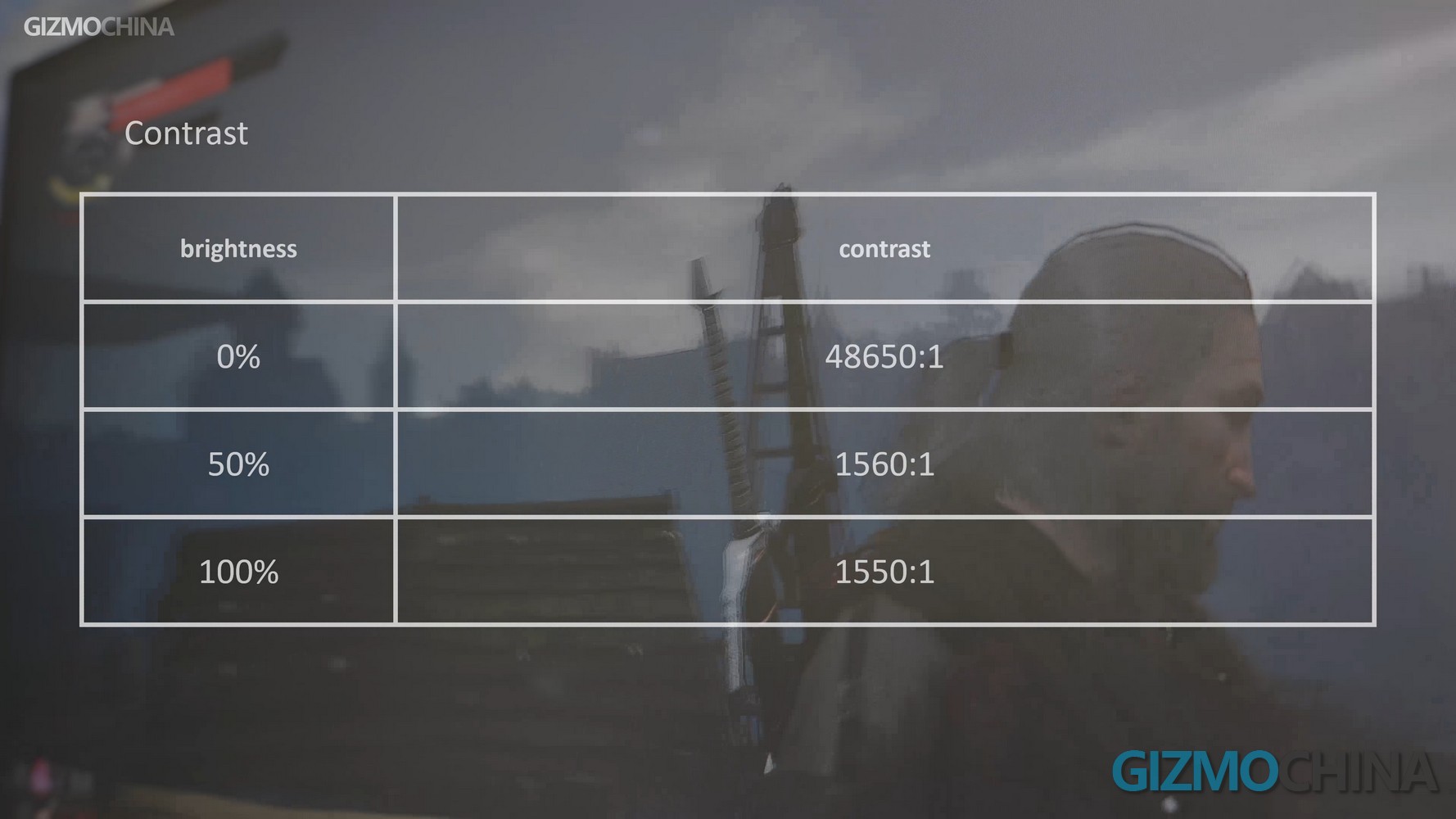
As for its brightness and contrast performance, under high brightness, the contrast stably remained at about 1550:1, which is quite a good result. And the brightness changes were also pretty stable and uniform without significant distinction when having brightness adjustment.
Color uniformity
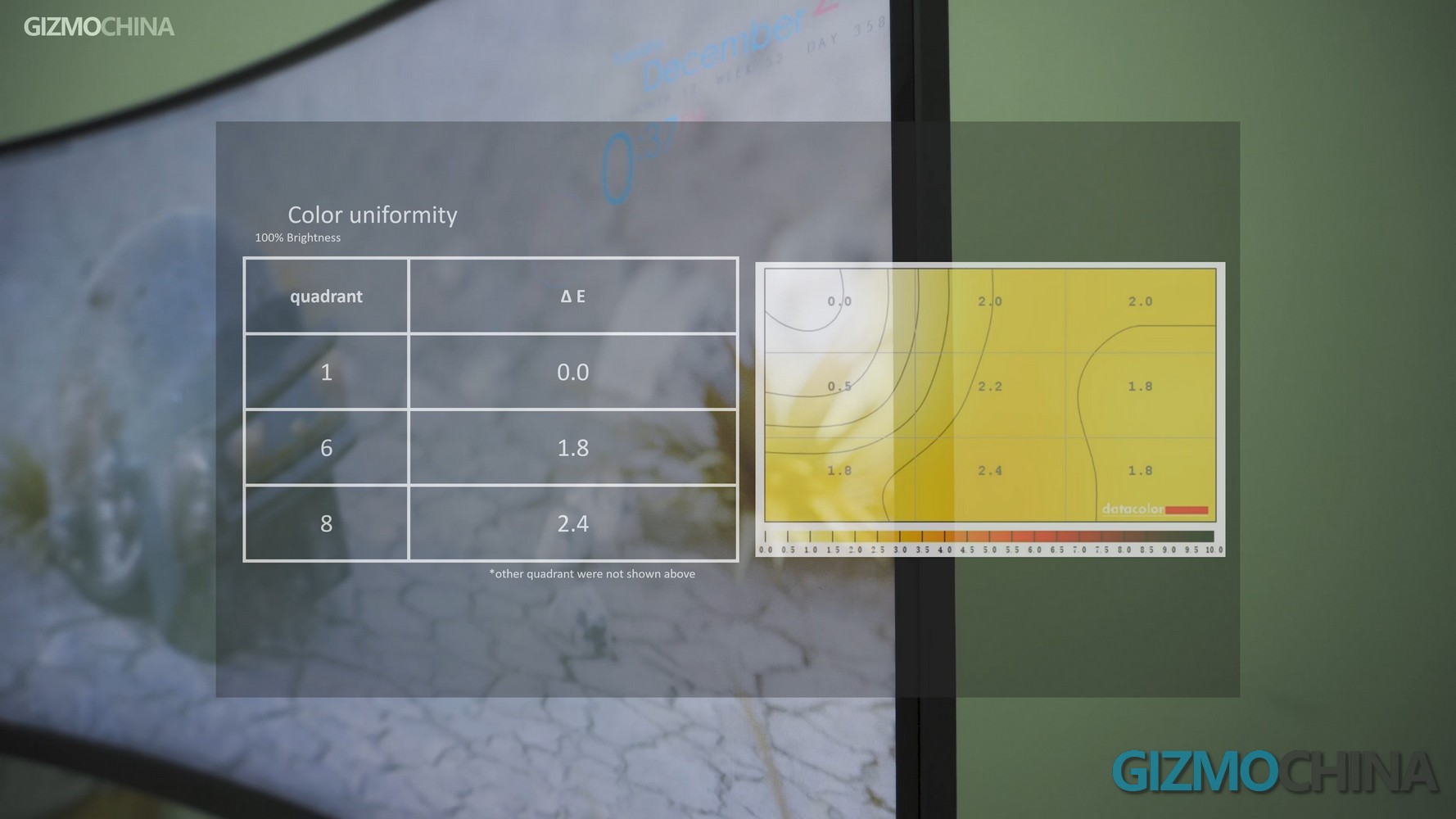
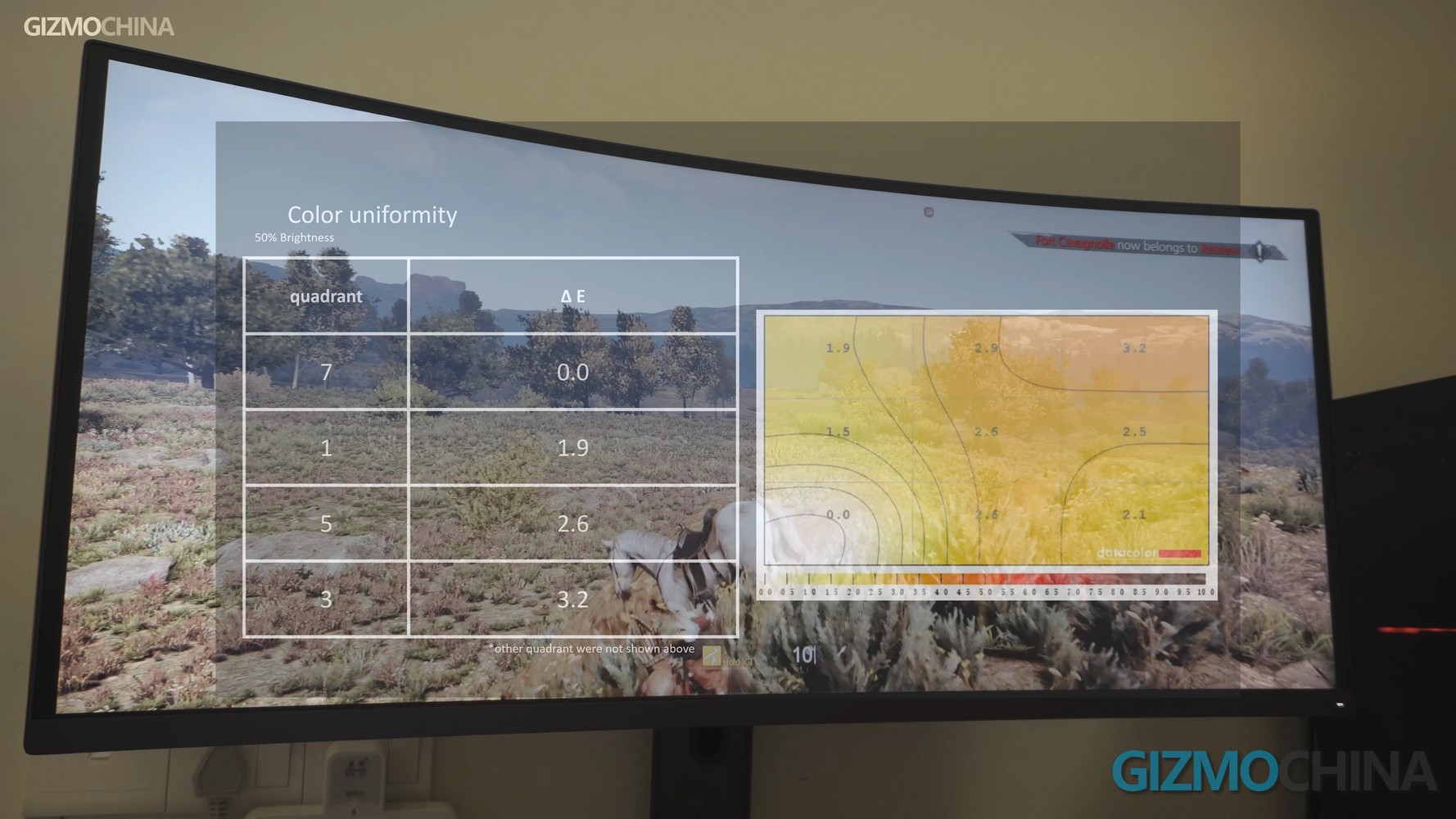
And then we tested its color uniformity. At 100% brightness, the colors across the screen performed pretty well with a delta E under 2.4. At 50% brightness, the delta E is at a range from 0 to 3.2. Combined with other results, the panel was able to maintain pretty good color uniformity. We should know that it was not positioned as a professional display for image processing.
1 of 2
Color uniformity-Mi surface
Color uniformity-Mi surface
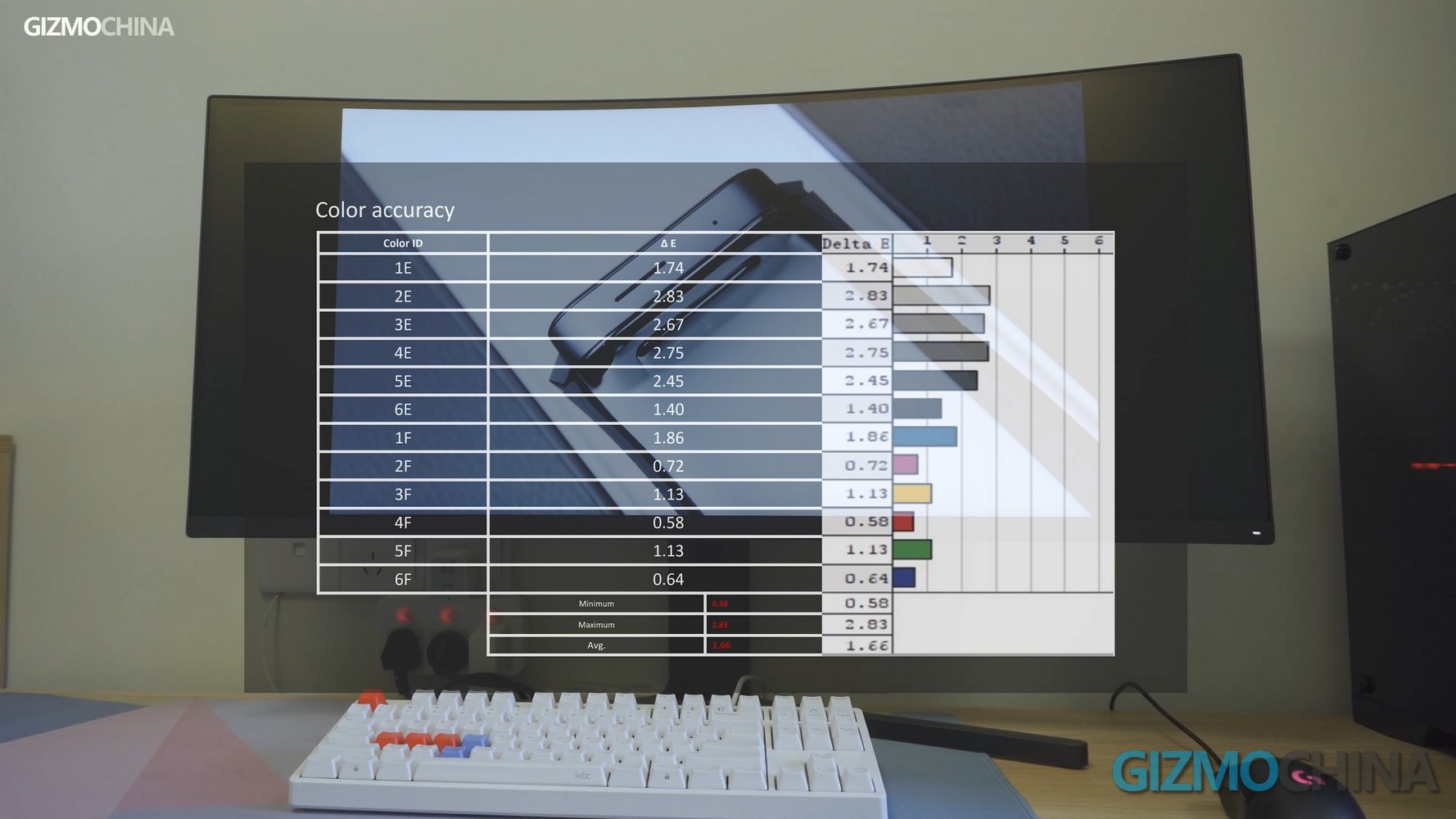
Color accuracy
About its color accuracy, the average delta E is 1.66, and the maximum is 2.83, which is very impressive as a gaming display.
OSD MENU
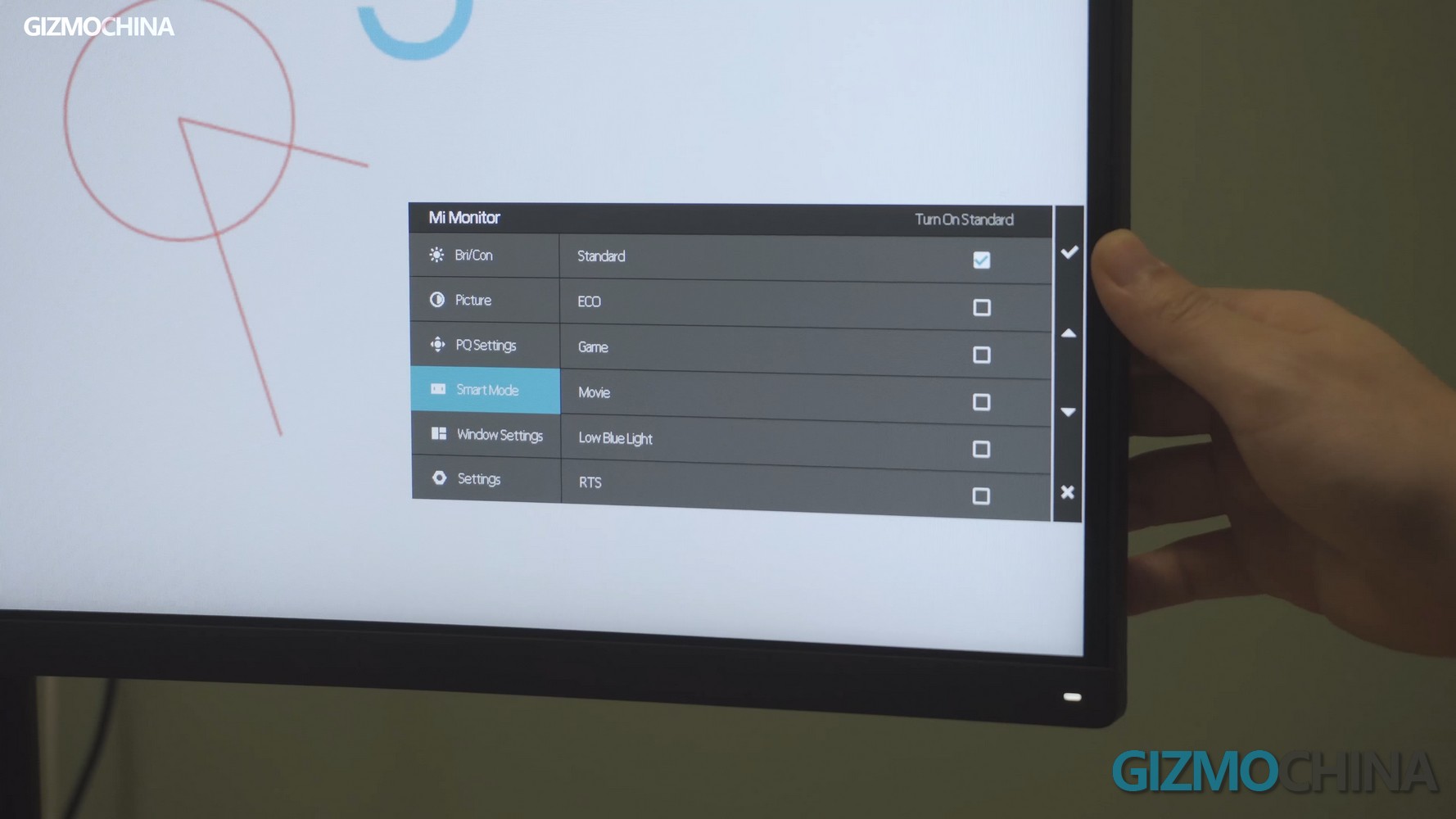
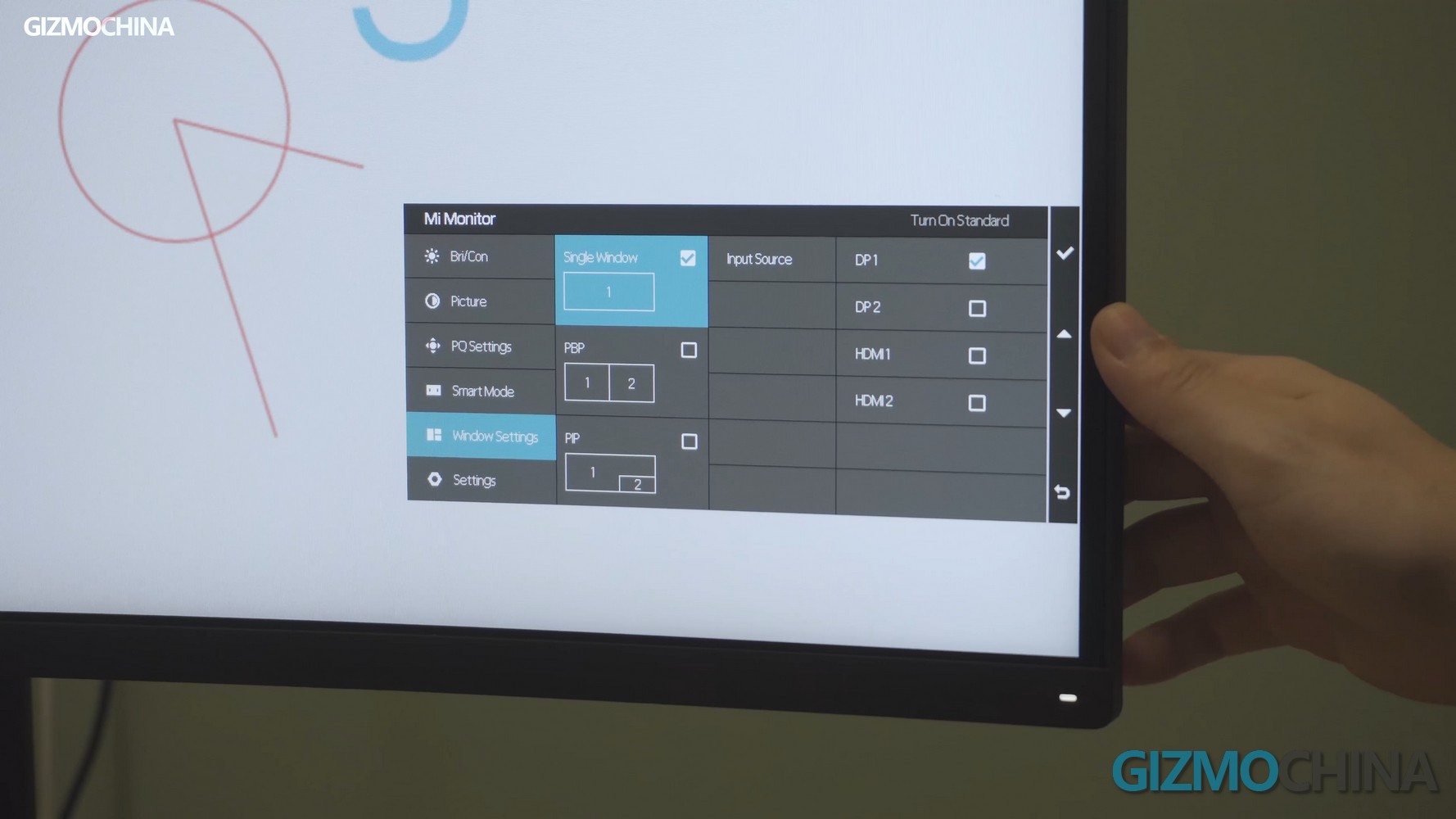
In addition to the quality of the screen, Xiaomi brought a practical OSD menu for the Mi surface. Through software optimization, users can slightly improve the gaming experience. It provides a variety of setting options, not just the common brightness, contrast, color gamma and so on, but also including multiple image-presets, multi-window modes, response speed settings, and LowBlue mode.
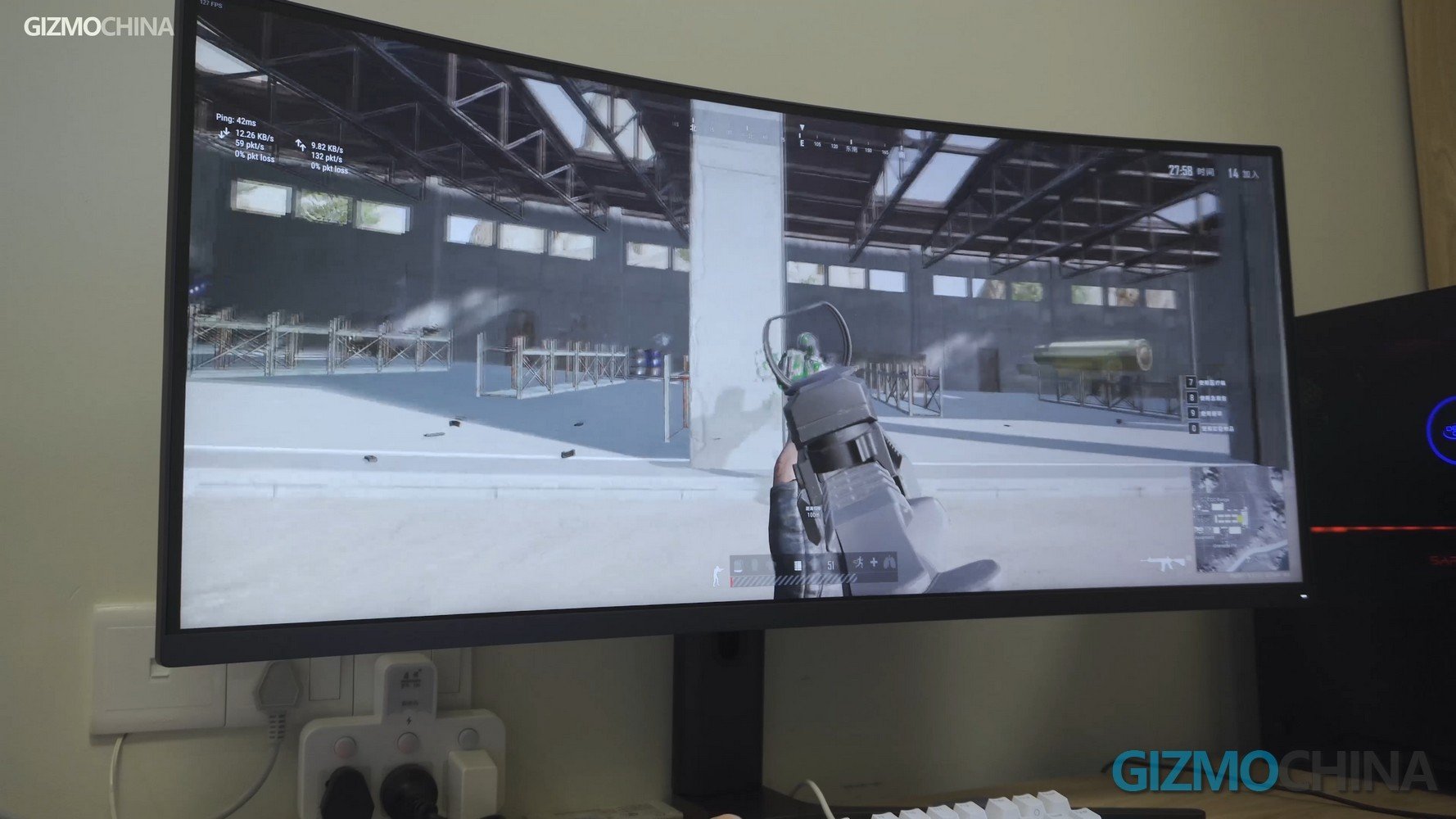
The 144Hz refresh rate is a great option for first-person shooting games. the high refresh rate can provide a smoother experience. Especially you can turn on the high response speed mode to get a better competitive state when you’re playing FPS games.
Streaking is one of the disadvantages of VA panels. Mi Surface display is no exception. But users can open the high response speed settings to reduce the streaking problem.
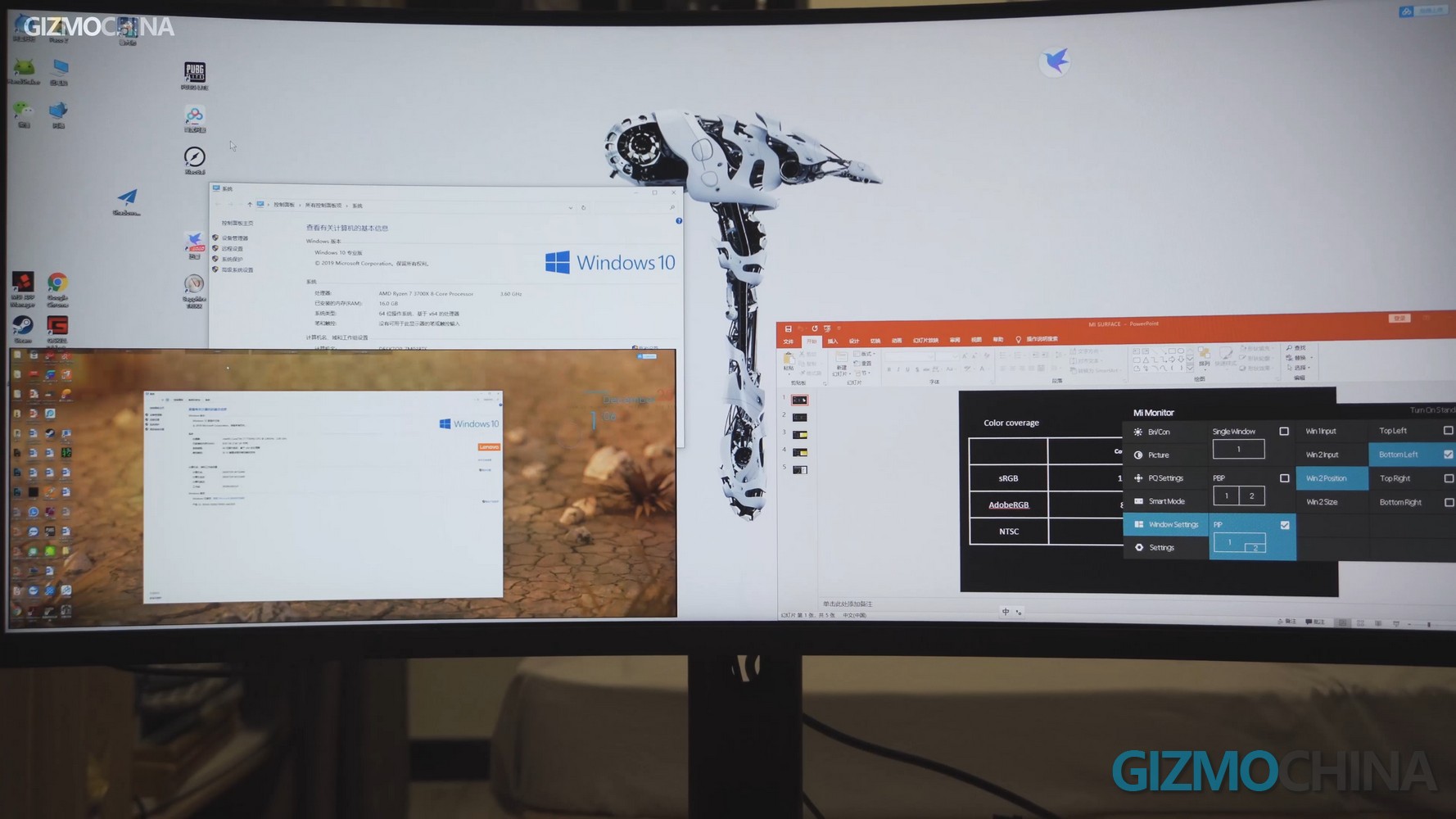
As I used it for a while, I found that the Multi-window modes are the most useful feature in the OSD menu. The 34-inch size plus a 21:9 aspect ratio is suitable for multitasking operation. Not just under win10 system, you can also use the option of split-screen setting to display two signal sources, and can be set to left-and-right-split mode and in-picture mode.
It’s really hard to believe that the Mi surface display is the first monitor product of this brand. A very competitive price plus relatively high performance. there is no doubt that it will become one of the best gaming displays at such a price level.
Oppo is all set to launch its all-new Oppo Reno3 series smartphones in its home market China tomorrow, i.e. 26th December. Last week, the company had started taking reservations for the upcoming smartphone series.
Now, the total reservations for the Oppo Reno3 series smartphones have crossed the 500,000 mark. This is when the company has only revealed color options and memory variants of the phone and not the actual price.
So far, the company has revealed that the Oppo Reno3 will be available in two variants — 8GB RAM + 128GB storage and 12GB RAM + 128GB storage and will be offered in four colors — Moonlight Black, Moonlight White, Sunrise Impression, and Blue Starry Night.
On the other hand, the Reno3 Pro is revealed to come in 8GB RAM + 128GB storage and 12GB RAM + 256GB storage models and will be offered in three color variants — Fog Moon White, Sunrise Impression, and Blue Starry Night.
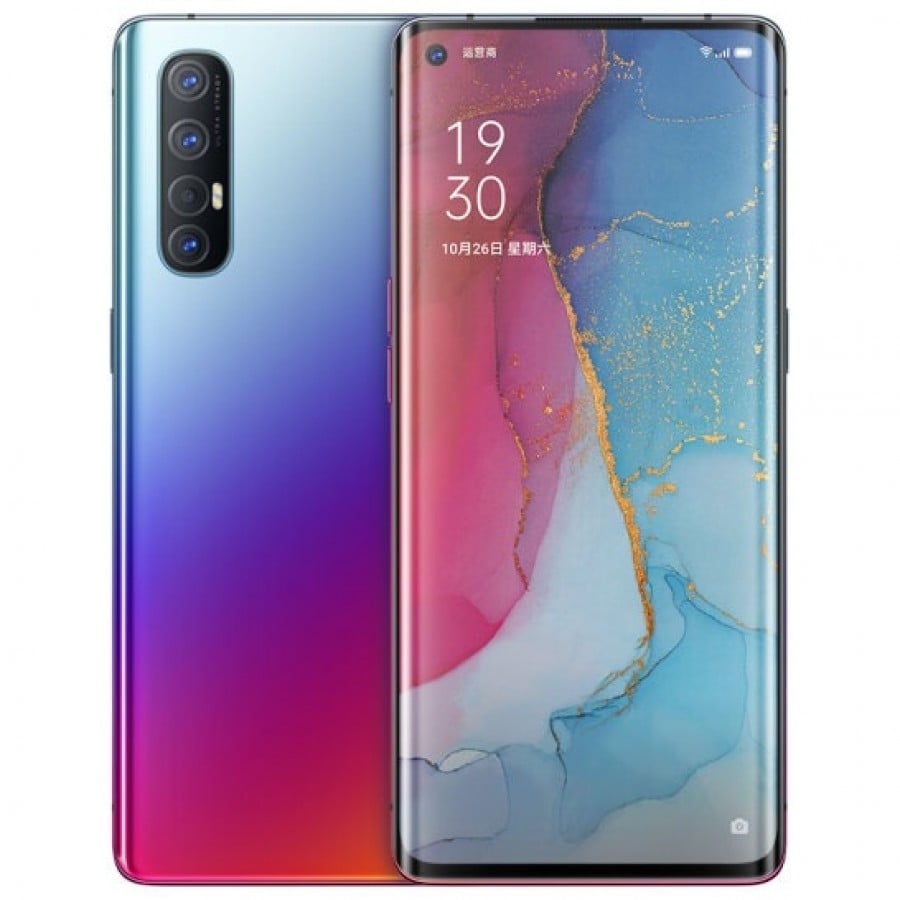
As per the leaks, the Reno3 5G has a full HD+ 6.4-inch AMOLED display with waterdrop notch. On the other side, the Reno3 Pro 5G has a full HD+ curved AMOLED punch-hole display with 90Hz refresh rate support. Both phones feature in-display fingerprint scanner. The MediaTek Dimensity 1000L chipset powers the Reno3 5G while the Qualcomm Snapdragon 765G SoC is fuelling the Reno3 Pro 5G.
As for the camera configuration, both devices have 32-megapixel selfie cameras. The Reno3 5G is fitted with a 48-megapixel + 8-megapixel + 2-megapixel + 2-megapixel quad camera setup whereas the Reno3 Pro 5G features a 64-megapixel + 8-megapixel + 2-megapixel + 2-megapixel quad camera system.
Both phones have 4,025mAh battery and they carry support for the enhanced version of 30W VOOC 4.0 Flash Charge technology. The Android 10 operating system with ColorOS 7 custom user interface will come loaded on the Reno3 series.
According to the leaks, the base model of the Reno3 Pro 5G will be priced at 3,699 Yuan (~$529) and its higher model will cost 4,199 Yuan (~$601). However, we advise you to take the pricing leak with a grain of salt as there is no concrete evidence to prove if the reports are authentic.
The FreeBuds 3 is Huawei’s latest wireless earbuds. It launched back in September with a custom Kirin A1 chipset and Bluetooth 5.1. Early this month, Huawei announced a new color variant called Honey Red. Today, it has announced a special antique case for the Freebuds 3.
The special case is handmade and Huawei claims it took more than 700 hours from design to finish. It has an embroidery design done by hand as well as pearl inlays on the sides. It also has a lanyard with pearls. The case comes in different designs but Huawei is yet to reveal the price and details about availability.
The Freebuds 3 has a Dolphin Bionic design and is the first earbuds with open-fit noise cancellation. It has a 4-hour battery life that goes up to 20 hours with the charging case. Huawei claims it is great for gaming as it has a latency of 190ms. Connection is via Bluetooth 5.1 and it charges via a USB Type-C port and also supports wireless charging.
Xiaomi just launched the Mi Note 10 Pro in Europe: it is now available in Spain. In case you missed it, the new device is a rebrand of the handset known as the Xiaomi Mi CC9 Pro Premium Edition in China and it is an advanced variant of the Mi Note 10. It is definitely one of the best camera phones out there, that is why we decided to compare it with Huawei P30 Pro, a phone which reinvented the world of photography. Then, we decided to bring even the OnePlus 7T in the comparison since it is available at a not so different price and it offers way better performance. Let’s discover who is better together.
Xiaomi Mi Note 10 Pro vs OnePlus 7T vs Huawei P30 Pro
Huawei P30 Pro
Xiaomi Mi Note 10 Pro
OnePlus 7T
DIMENSIONS AND WEIGHT
158 x 73.4 x 8.4 mm, 192 g
157.8 x 74.2 x 9.7 mm, 208 grams
160.9 x 74.4 x 8.1 mm, 190 g
DISPLAY
6.47 inches, 1080 x 2340p (Full HD+), OLED
6.47 inches, 1080 x 2340p (Full HD+), Super AMOLED
6.55 inches, 1080 x 2400p (Full HD+), Fluid AMOLED
The OnePlus 7T does not shine for its design, while Xiaomi Mi Note 10 Pro and Huawei P30 Pro look a lot more attractive with their curved edge-to-edge displays and high screen-to-body ratios. The Huawei P30 Pro is the most borderless phone and it even offers higher builds quality. In this comparison, it is the only device with the IP68 certification, which means it is dust resistant and waterproof up to 2 meters deep for max 30 minutes. That is why Huawei P30 Pro is my favorite phone here. It even comes in more color choices.
Display
OnePlus 7T packs the most advanced display. It is the only with a 90 Hz refresh rate for smoother user experience and even the one offering the HDR10+ certification for richer image quality. Further, it has full DCI P3 coverage and a wider display diagonal with 6.55 inches. The quality of the panels found on Huawei P30 Pro and Xiaomi Mi Note 10 Pro is not that different, both support HDR10, both have OLED panels and both have high DCI P3 coverage as well as a high brightness. But OnePlus 7T is the winner.
Hardware/Software
Besides having a better display, OnePlus 7T packs a better hardware department. The Snapdragon 855+ chipset found on the OnePlus 7T is way more powerful than Snapdragon 730G and Kirin 980, better for advanced users, modders and gamers. OnePlus 7T even offers UFS 3.0 internal storage for faster transfer speeds. Last but not least, it has a better optimized software which is close to Android stock. And unlike its rivals, it runs Android 10 out of the box. Do you need more?
Xiaomi Mi Note 10 Pro is the only device of the trio with midrange-class hardware.
Camera
OnePlus 7T is a great phone when it comes to display and performance, but it can not compete with Xiaomi Mi Note 10 Pro and Huawei P30 Pro when it comes to cameras. The Xiaomi Mi Note 10 Pro is one of the best camera phones available in terms of photo quality, thanks to a Penta-camera including a 108 MP main sensor and 5x optical zoom. Right after, there is Huawei P30 Pro, still one of the best camera phones, but we think it is slightly inferior to the Xiaomi Mi Note 10 Pro. There are a lot of better camera phones than OnePlus 7T.
Battery
With its huge 5260 mAh battery, Xiaomi Mi Note 10 Pro wins the battery comparison. But unlike the Huawei P30 Pro, it does not support wireless charging and reverse wireless charging.
Price
Xiaomi Mi Note 10 Pro just launched with a €640/$710 listing price, OnePlus 7T starts from €599 (but you can get it for €450/$500 thanks to online street prices), and Huawei P30 Pro is actually available for less than €640/$710. Xiaomi Mi Note 10 Pro has a longer battery life and the best cameras, while OnePlus 7T has a better display and better performance. But the Xiaomi Mi Note 10 Pro has just midrange hardware and OnePlus 7T has average cameras. That is why we think Huawei P30 Pro is the perfect compromise: it offers flagship-class hardware, amazing cameras, a big battery and (unlike its rivals) even very advanced features such as waterproof certification and reverse wireless charging. We think it is currently the most complete device of this trio, but keep in mind that its current street prices are a lot higher than OnePlus 7T.
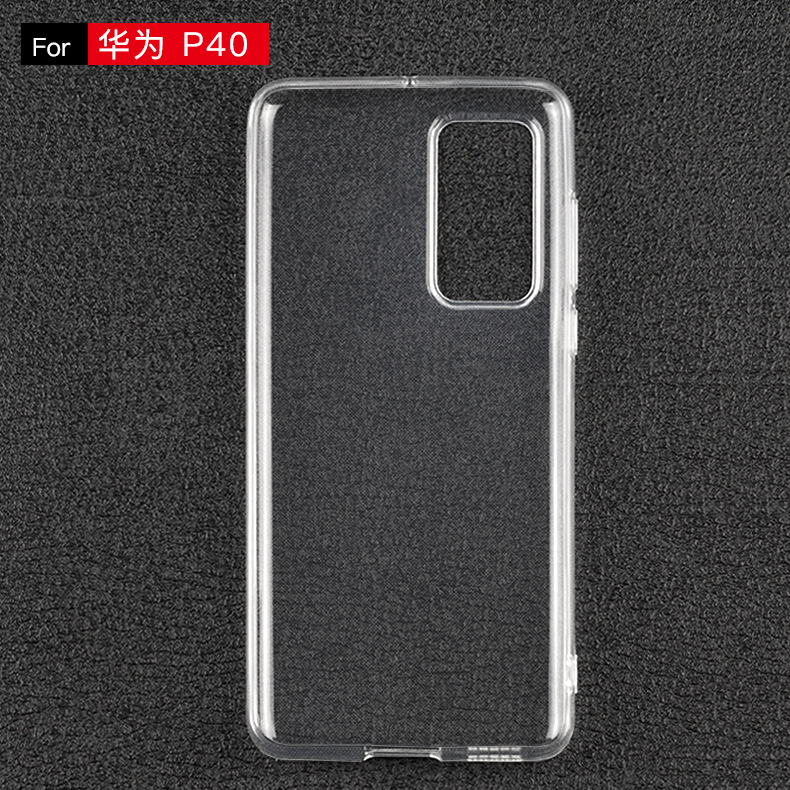
Huawei is expected to start the year 2020 in its usual fashion, that is with the launch of the Huawei P40 flagship smartphone in March 2020. The P40 has been the subject of several leaks/rumours, one of which is that the device will be the first Huawei model to use graphene battery but that rumour was squashed by the Chinese giant. The design of the Huawei P40 has also been leaked in several renders. We now have a new P40 leak in town and it is the TPU protective case for the device.
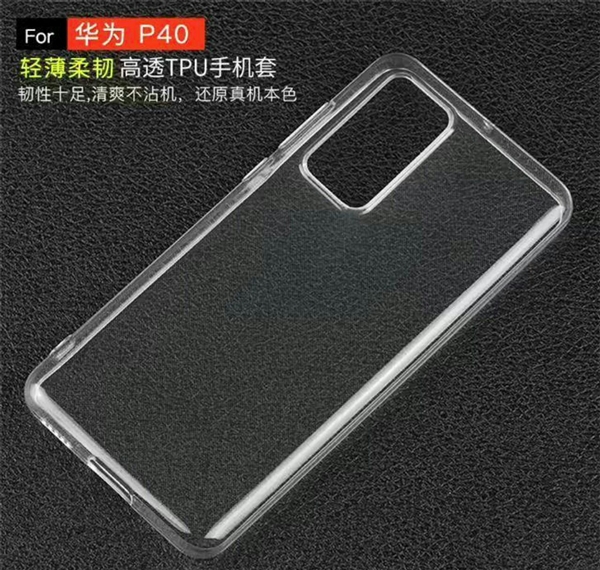
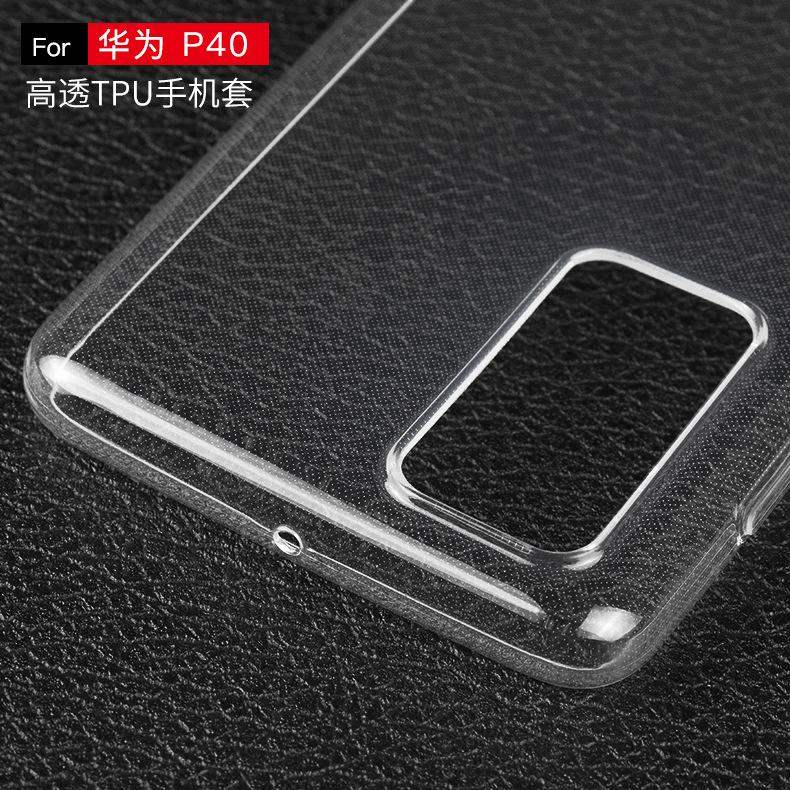
The TPU case gives us an idea of how the rear design of the P40 would look like. The device will likely join the Galaxy S11 series in having rectangular camera housing design. This design has been spotted on the leaked render and the TPU case has a wide rectangular cut out to project the rear camera. The device is reported to feature a quad-camera setup which is one sensor more than that of the P30. The edges of the casing around the camera protrudes and that is because the camera housing will have a protrusion from the rest of the glass body. Save for the cameras, the back of the phone is bare.
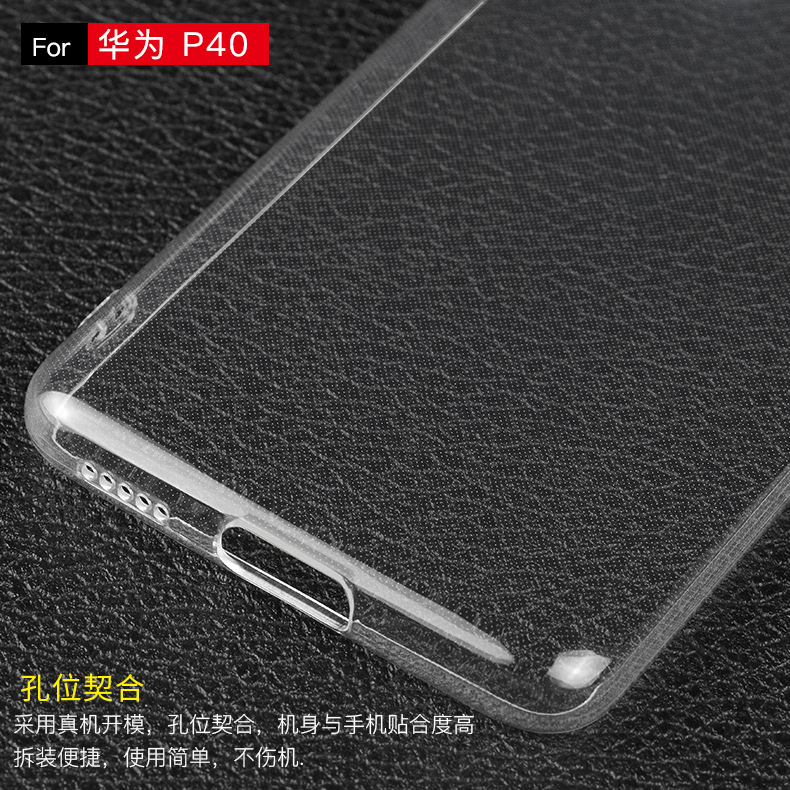
There is a USB Type-C port at the bottom of the Huawei P40 along with a speaker grill on the right. The device is said to have a SIM tray on the left but there is understandably no cutout there. You’ll have to remove the TPU case to eject the SIM tray as with other phones. The power button and volume rocker are on the right side of the metal frame. Unfortunately, the P40 ditches the audio jack as there is no cut out for that anywhere.
As for the front design, previously leaked images suggest Huawei is adopting the same style it used this year for the Huawei P30 series. That is a flat display for the standard model and a curved display for the Pro.
The Huawei P40’s screen is put at between 6.1-inch and 6.2-inch and should, of course, be an AMOLED display panel. The renders do not show if it has a notch or punch hole neither is there any mention of a pop-up selfie camera. Huawei may opt for the punch-hole design which seems to be gathering momentum.
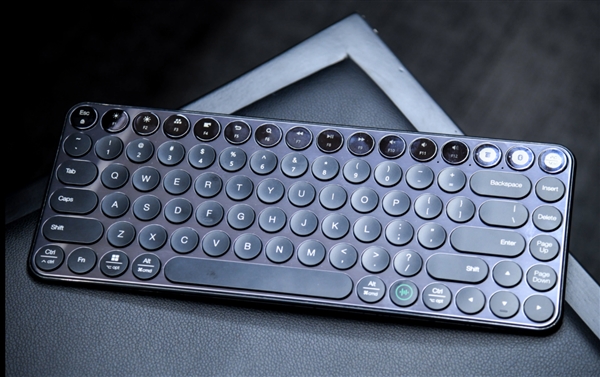
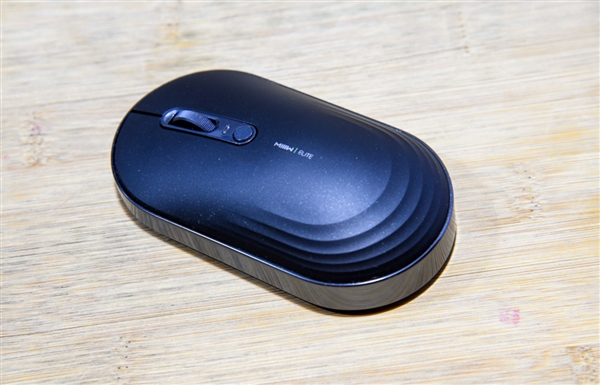
Xiaomi‘s ecological chain company MIIW Technology today held a product launch conference earlier today where it took the wraps off a couple of gadgets. The product consists of two mechanical keyboards and a wireless mouse.
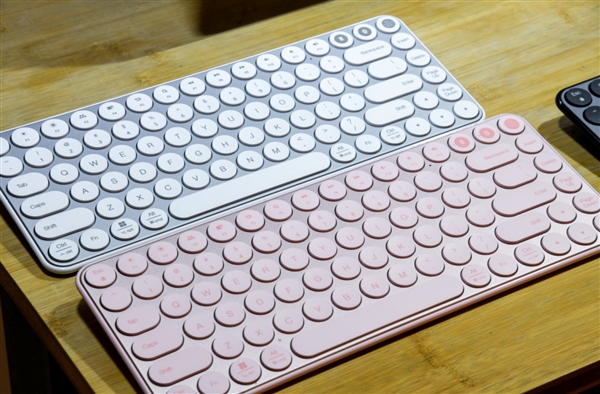
The MIIW Elite keyboard uses an 85-key design with scissor keys. The keycap is round, the corners are rounded, the thickness is 7.8 mm, and the frameless design is very compact. The keyboard supports dual-mode connection, that is it can be connected via Bluetooth and also via a dedicated USB wireless receiver. Also, the keyboard has support for Windows and MacOS.
In addition, there is a voice prompt key between the “Alt” and “Ctrl” keys, to the right of the space bar. The key activates the HKUST Xunfei Voice Pack, which can not only input text by long-pressing the voice key but also double-clicking activates a series of smart operations on the PC such as querying weather and opening tables.
The MIIW Elite Mouse also supports dual-mode connection of Bluetooth and USB wireless receivers. In terms of the design, the wireless mouse presents with a symmetrical design, non-slip texture on the back, and a magnetic back shell design that supports height elevation to achieve different grip feelings.
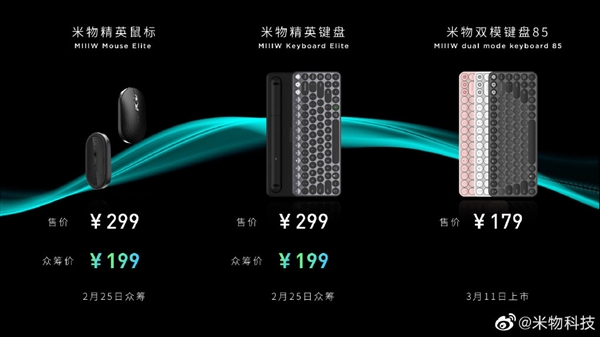
Finally, the MIIW dual-mode keyboard 85 also has an 85-key layout, and the appearance design is basically the same as the MIIW Elite keyboard with richer colors. However, the voice key isn’t included on this model instead a Function (Fn) key takes its place.
All three products will be available on Xiaomi Youpin for crowdfunding from February next year. Specifically, the MIIW Elite keyboard and MIIW Elite mouse are priced at 299 yuan ($42) each and be launched on Xiaomi Youpin on February 25. The crowdfunding price will be lower, though – 199 yuan ($28). On the other hand, the MIIW dual-mode keyboard 85 comes with a 179 yuan ($25) price tag and will be available on Xiaomi Youpin on March 11.
Fast charging got a big boost this year both in the wired and wireless categories. We now have commercially available phones that can charge at 65W (Reno Ace) and those that can charge wirelessly at 30W (Mi 9 Pro 5G). Samsung also boosted its fast charging game too; replacing its old 15W Adaptive Fast Charging with faster ones such as 25W (Galaxy Note10) and 45W (Galaxy Note10+) fast charging technologies.
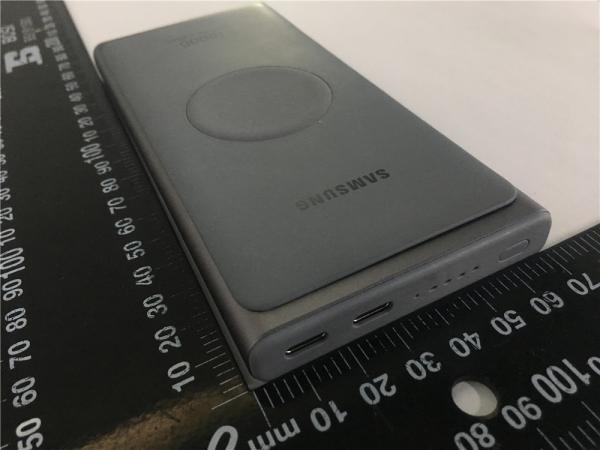
With its phones now supporting faster charging technologies, Samsung is also following up with accessories that support these new fast-charging speeds. It has been reported that the FCC has certified a new power bank with model number EB-U3300. The power bank has support for wireless charging and 25W fast wired charging.
An image of the power bank shows that it doesn’t have a full-sized USB-A port but two USB Type-C ports instead. There are also five LEDs to indicate the battery level as well as the power button to the right of the ports. The top of the power bank is where the charging coil is.
There is no info at the power rating for wireless charging but it should remain 15W as previous models since that is what Samsung still uses.
The new power bank may launch before or alongside the Galaxy S20 series.
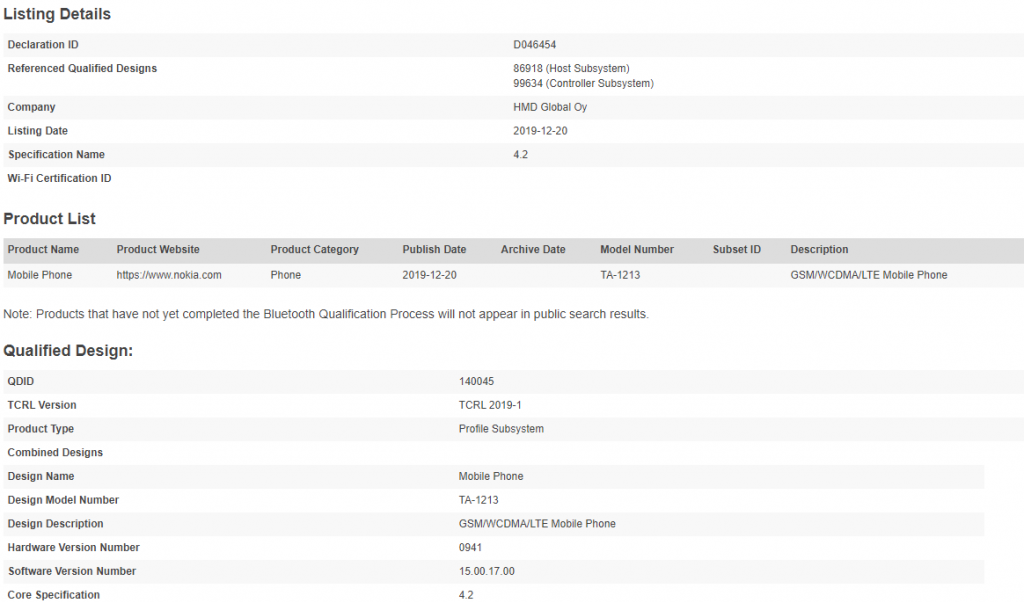
HMD Global’s Nokia seems to focus more on the mid-range and budget segments as we have only seen a few flagship models from the company this year. The release spree of budget phones continued recently with the launch of the Nokia 2.3 which is the company’s latest budget Android One smartphone and the successor of Nokia 2.2. The company seems to have got another budget model in the works. The model appeared recently with the model number TA-1213 on the Bluetooth SIG website where it received Bluetooth certification.
The Nokia TA-1213 appears to be a low-end smartphone similar to the Nokia C1 Android Go Edition and Nokia 2.3. It may likely launch as Nokia 1.3 and could be the successor of the Nokia 1 Plus. The device is listed to feature a Qualcomm Snapdragon 2xx series chipset which is expected to be the Snapdragon 215 SoC. The smartphone also brings support for Bluetooth 4.2.
As of now, other details of the purported Nokia 1.3 are still unknown but being a budget or low-end smartphone, don’t expect anything eye-popping. We expect the phone to go official soon.
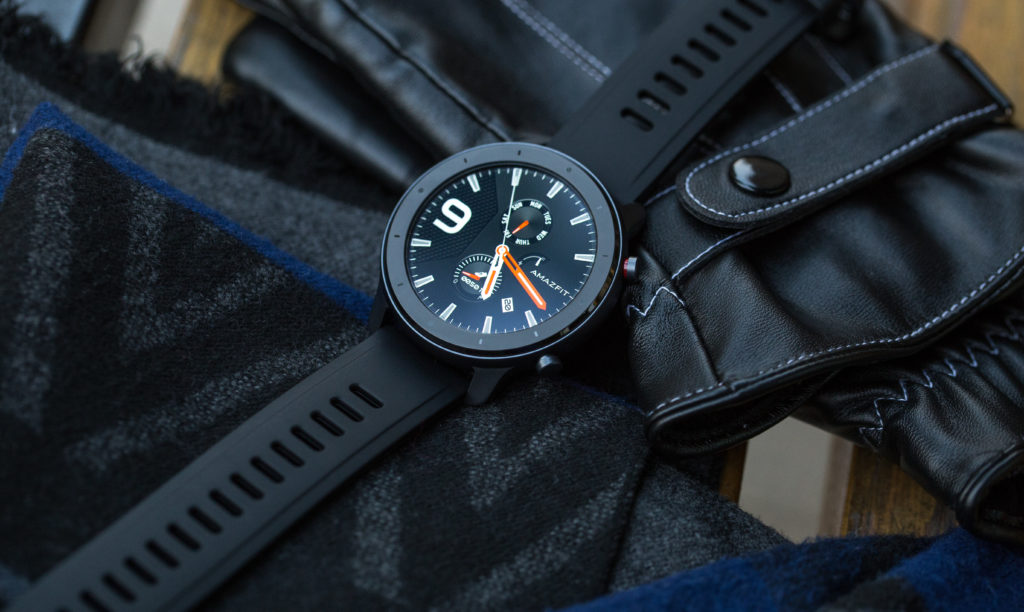
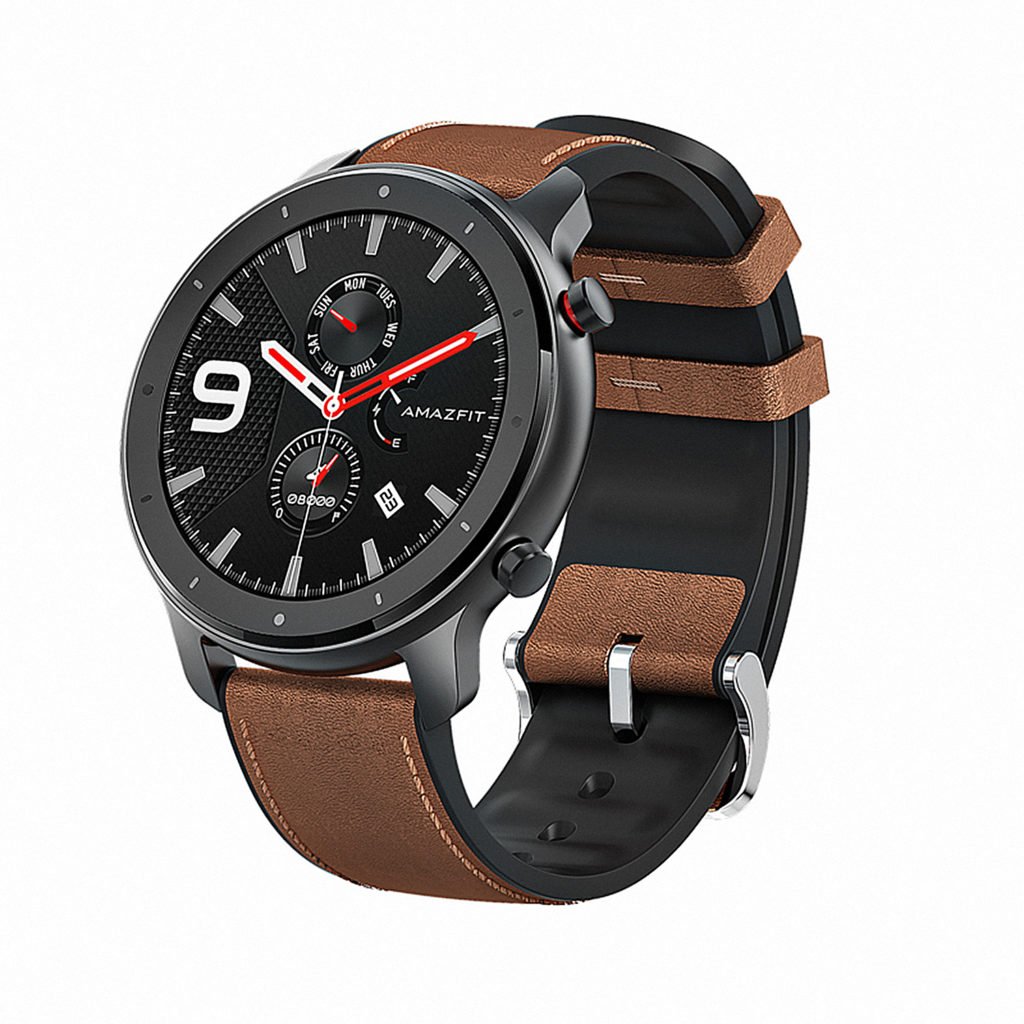
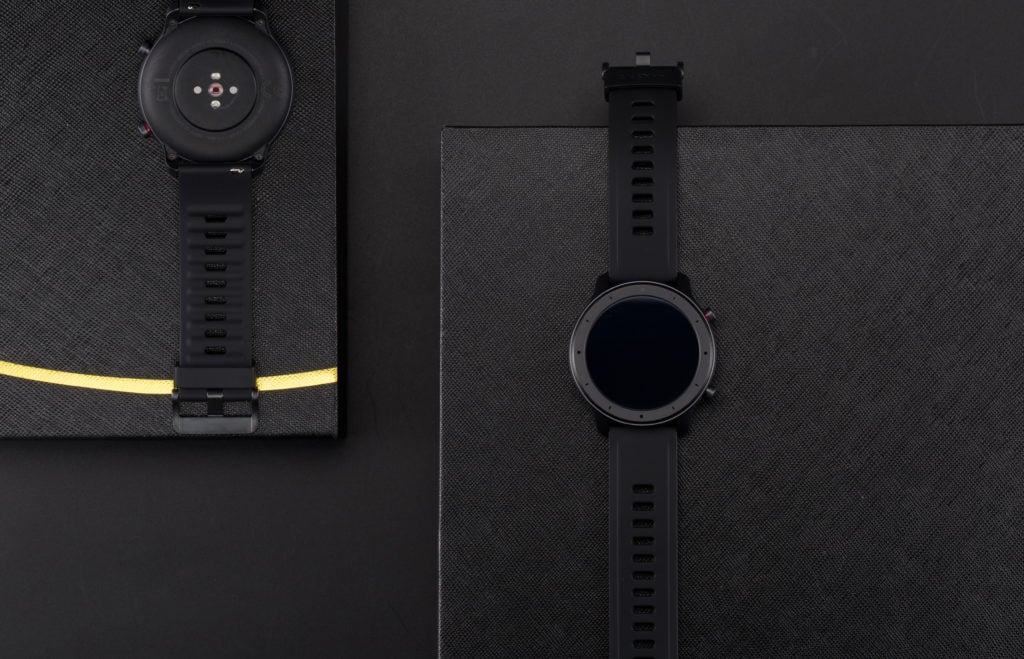
Touted as one of the world’s largest wearables companies, Huami recently announced the Amazfit GTR Lite 47mm smartwatch.
The company describes the Amazfit GTR Lite 47mm as one of its most stylish and fashionable smartwatches, which went on sale via one of China’s most popular e-tailers, Gearbest on December 23rd.
Amazfit GTR Lite 47mm Edition Overview
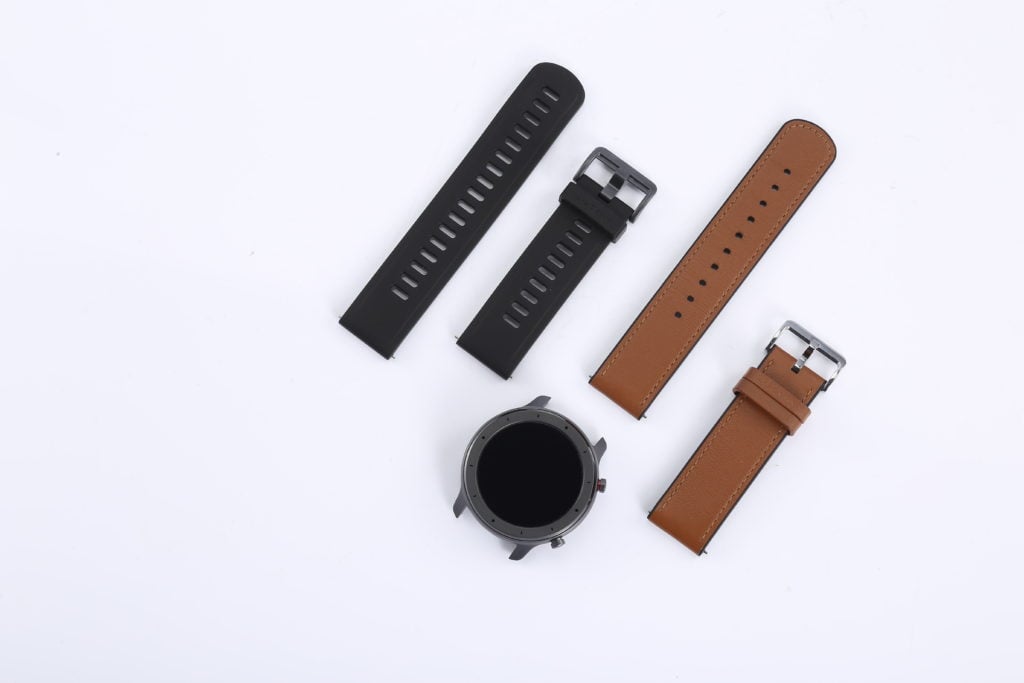
The Amazfit GTR Lite 47mm Edition is a revolutionary smartwatch as far as elegance and craftsmanship are concerned. Representing the crowning point of smartwatch fashion, the Amazfit GTR 47mm Lite Edition features an exercise-friendly black silicon strap that can efficiently resist sweat when you are working out.
Moreover, it gives you freedom from frequent charging as it offers up to a whopping 24 days long life on just a single charge. Huami deems long battery life as one of the most important factors when it comes to offering a ‘next-level’ smartwatch as long battery life is more essential than ever, given that the electric implements executed by users continue to increase. Taking that into consideration, the Amazfit GTR Lite 47mm provides a battery life that meets every individual’s needs.
The highly-appealing, interface adopts a classic design and has been optimized with a larger display so that the icon and notifications are easily readable and visible at first glance. The smartwatch features the Biotracker sensor for monitoring various aspects of bodily health.
Among a slew of other important functions, the Amazfit GTR 47mm Lite boasts 24-hour heart-rate monitoring and sleep monitoring. The highly advantageous heart monitor enables the user to keep a track of the stresses on their heart without interrupting their daily activities in any way.
The user-friendly interface comes in handy for conducting analysis and checking beats-per-minute data. Moreover, the app can be customized to inform the wearer via a notification alarm when their heart-rate reaches an irregular level. The app stores historic data that can be used to make a more detailed analysis.
An ideal smartwatch for fitness and sports enthusiasts, the Amazfit GTR 47mm Lite features a 6-axis acceleration sensor. It is a perfect companion for sports and exercise as it comes with 8 different sports modes including several varieties of running, cycling, swimming, and other popular sports and exercise routines.
Once the activity is over, the smartwatch will show the relevant data such as distance covered, pace, heart beats-per-minute, range, laps completed, time per lap and many other functions that it collected during the activity.
Availability
The Amazfit GTR 47mm Lite was firstly made available on December 23rd through Gearbest in the overseas market for an unbeatable price of $109.99.
About Amazfit
Amazfit is a registered brand owned by Huami (NYSE: HMI), which is a biometric and activity data-driven company that has a considerable amount of experience and expertise as far as smart wearable technology is concerned. Huami also provides wearable technology to Xiaomi and is the sole manufacturer of the company’s popular Mi Band.
Huami has been using the Amazfit brand to market smart wearable products for the middle to high-end market since September 2015. Note that these products are neither designed nor manufactured for Xiaomi. Frost & Sullivan Report revealed that Huami sold 11.6 million units of smart wearable devices in the first nine months of 2017, which is relatively more than any other company across the globe.
Since Huami’s inception in 2013, 56.5 million devices were sold. A staggering 18.1 million units of smart wearable devices were sold in the entirety of 2017.
Huami, Mi Fit, and Amazfit mobile apps are designed to work together with smart wearable devices, offering users a comprehensive view and analysis of their biometric and activity data. As of December 31st, 2017, there were 56 million registered Huami’s mobile app users.
By radically improving smart wearable technology and data-driven innovations, Huami continues to transform how individuals connect with the internet and each other. The company’s mission is to make the world more connected. Huami was listed on the New York Stock Exchange on February 8th, 2018. You can visit this link for more details.
2019 was a fabulous year for smartphones. Companies were bolder and aggressive with their devices this year, so much so, that we have four to five different types of front camera solutions in the market right now. Smartphones, in general, offer more value for money than ever before and we have brands like Xiaomi and Realme almost always exceeding our expectations in the budget price segment.
After hours of discussions and elimination rounds, we have finally compiled the list of the Best Budget Smartphones of 2019. Believe me, picking the best phones in this highly competitive segment wasn’t easy at all, but the smartphones that have finally made it to this list offer exceptional value to its buyers.
A Xiaomi phone dominating the budget segment? Not all surprising, right?
Xiaomi knows how to give you the best value for your money and competitors have a hard time matching Redmi’s budget offerings. The Redmi Note 8 comes with Snapdragon 665, a large 4000mAh battery with an 18W charger out of the box, GG5 protected 6.3-inch 1080p display and a beautiful design that’s as good as any premium device. Plus, it comes with a camera setup that features a 48MP primary, 8MP wide-angle sensor, and 2MP depth and macro cameras, giving users a wide variety of camera options at a budget price tag.
Starting at Rs. 9999 and 179.90 Euros for the 4GB + 64GB RAM variant in India and Europe respectively, the Redmi Note 8 offers value like no other device in this segment. You simply can’t go wrong with this well-packaged best seller.
Vivo smartphones are good, but they have never really been famous for offering incredible value for money. Xiaomi and Realme have traditionally dominated that club. But with the new Vivo U20, the brand is giving the Redmi Note 8 a run for its money. And in some ways, the U20 is even better than the Redmi Note 8!
For example, the Vivo U20 offers up to 6GB of RAM and 64GB of storage at Rs. 11,990. In comparison, the 6GB RAM and 128GB storage variant of the Note 8 costs Rs. 13,000 in India. And did I mention the U20 features UFS 2.1 instead of the slower eMMC storage standard used in the RN8? It also features the Snapdragon 675 processor with a large 5000mAh battery with 18W fast charging.
However, U20’s cameras aren’t as strong as the Redmi Note 8. It comes with a 16MP(f/1.78)+8MP(f/2.2)+2MP(f/2.4) setup that’s decent in real life but nothing to boast about. Also, for some reason, Vivo is still using MicroUSB on the U20. But if you are okay with MicroUSB and with the brand’s bloated FunTouch OS, the Vivo U20 offers incredible value for your money in 2019!
Even if your budget is extremely low, as low as Rs. 7,999 in India (4GB+64GB) or €149/ €179.90 (3GB+32GB/ 4GB+64GB) in Europe, the Redmi 8 will ensure you have a solid smartphone in your hands. The phone is powered by the octa-core Cortex A53 powered Snapdragon 439. There’s an HD 6.22inch IPS LCD display with Gorilla Glass 5 protection and a fingerprint sensor at the back. There are multiple color options available including a fancy green color shade like the Redmi Note 8 Pro.
In terms of features, the Redmi 8 beats almost all phones in its price segment. And with MIUI on board, you are promised timely updates. So, it’s no surprise the phone makes it to our Best Budget Phones of 2019 list!
Yet another Xiaomi phone makes it here! But it’s not exactly a pure Xiaomi smartphone since it comes with Android One instead of MIUI. And that’s why the A3 gets a unique status in the budget segment.
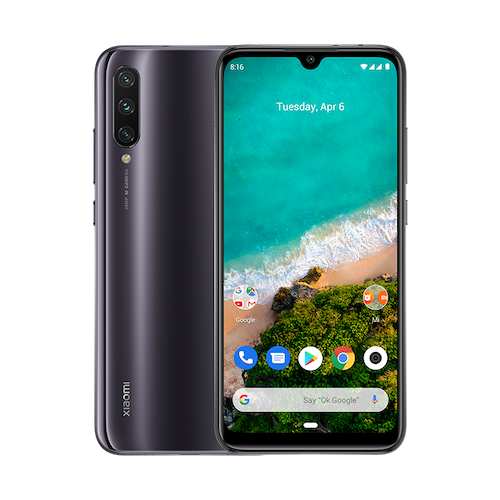
The Xiaomi Mi A3 comes with Snapdragon 665 with 4GB RAM as standard and 6GB as optional. The highlight of the device is its 6.09-inch Super AMOLED display, which despite its HD+ resolution, looks pretty good. The phone features the seventh-gen. screen fingerprint solution under its display and is the only device in this list with this technology. A 48 MP, f/1.8 primary camera with an 8 MP, f/2.2 ultrawide lens and a 2 MP depth sensor ensures you have a very capable camera unit on board. Plus, there’s a huge 32MP sensor up front for selfies.
Realme 5 was the first smartphone to bring a quad-camera setup in the budget segment. The phone featured a 12MP f/1.8 main camera, an 8MP ultra wide-angle sensor, a 2MP macro lens, and a 2MP depth sensor. Before the Realme 5, nobody would have even imagined such a power-packed camera setup on a budget smartphone. So the phone definitely deserves a place on this list.
The cameras on the Realme 5 are capable, especially in daylight, and the wide-angle and portrait cameras are definitely usable. With Snapdragon 665 and a large 5000mAh battery, the Realme 5 offers incredible value to buyers in 2019. It does cut down on a couple of useful features to keep its price low, like display resolution (HD+) and charging speeds (10W). But if you can look past these minor drawbacks, the phone offers more value than most other devices in its price segment.
So that was it, the Best Budget Smartphones of 2019.
Do you think any other device deserves a mention in this list? Let us know in the comments below.
Since Xiaomi took the wraps off the latest MIUI 11 in September this year, the Chinese tech giant has been testing several new features. The company has previously tested an app drawer and app shortcuts and new categories for the stock MIUI 11 launcher. There have also been tests for HEIC support for the MIUI Camera app. Just recently, the latest nightly MIUI 11 build was spotted with new advanced display calibration controls. Yet another new feature for MIUI 11 has been spotted and it is an equalizer for the Mi Music app on MIUI 11.
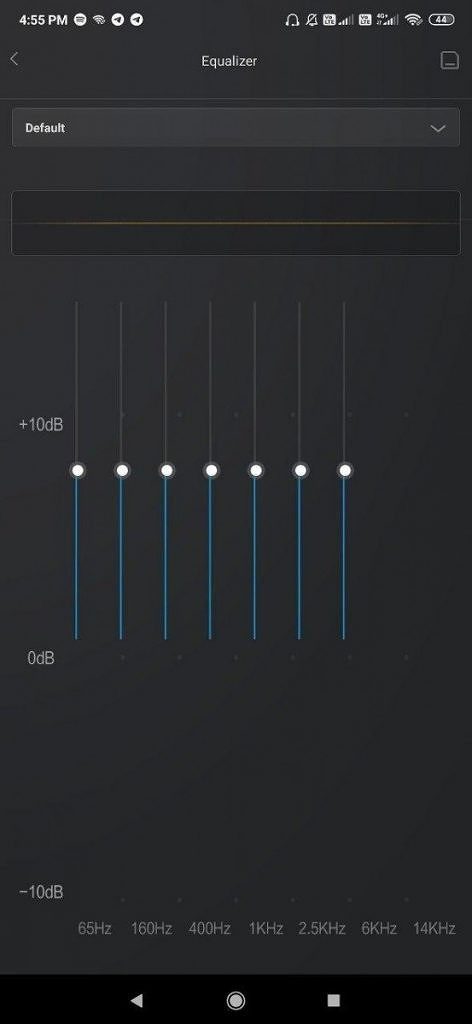
An MIUI user recently discovered code for an equalizer in the Mi Music app on the latest MIUI 11 nightly (v9.12.19). The equalizer was enabled manually by LineageOS contributor and XDA Senior Member abhishek987 who also shared screenshots of the feature.
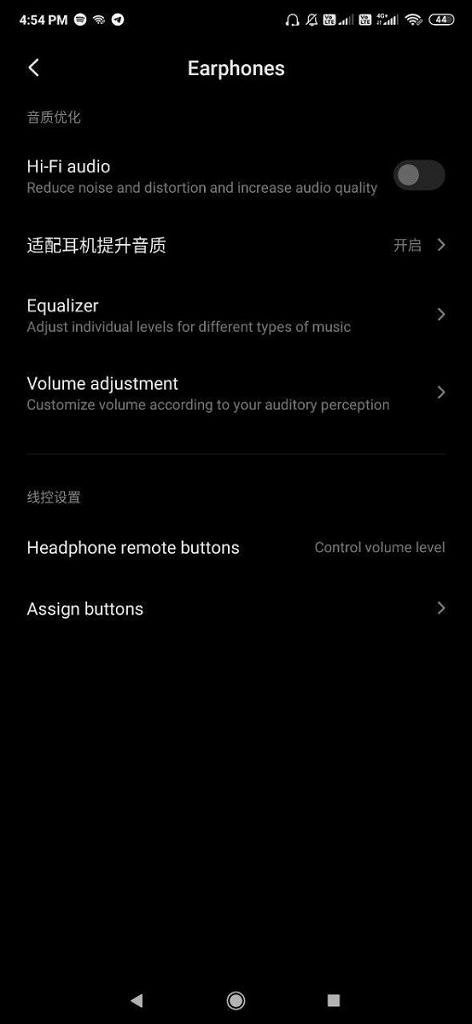
As seen in the screenshots, the new equalizer can be found within the Earphones option inside advanced settings on the settings menu of the custom music app. On present versions of MIUI 11, the equalizer option is disabled and can’t be operated. However, the leak shows the option allows you to completely adjust the sound profile as per your preference.
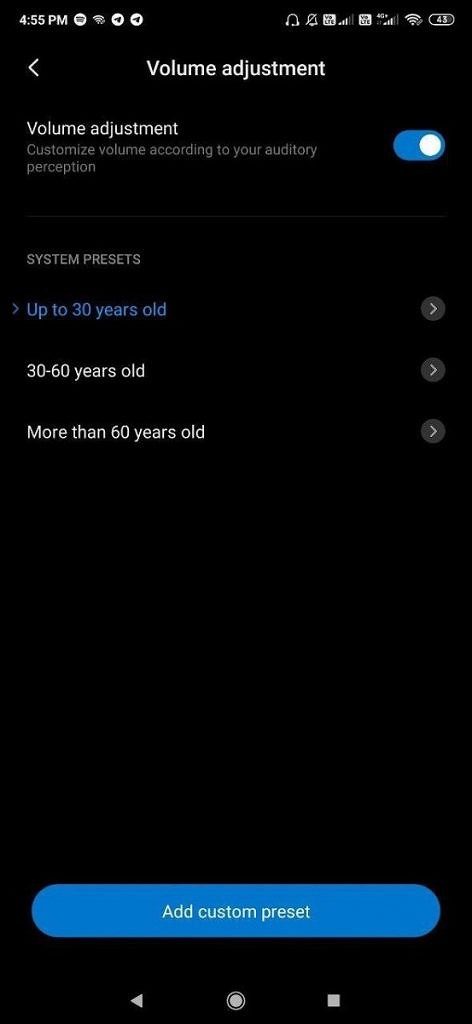
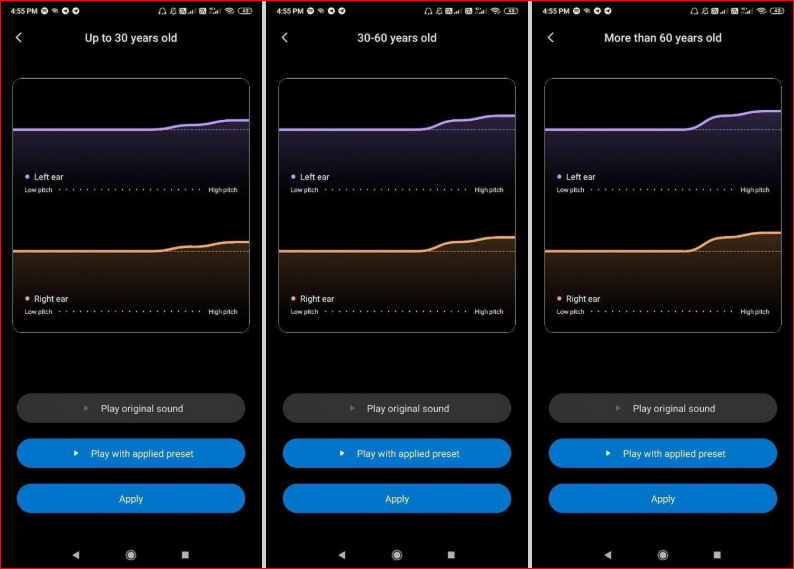
Apart from the new equalizer, the update will also bring access to a new Volume adjustment feature that will let you adjust the earphone volume depending on your age group. There are three group options to choose from — Up to 30 years old, 30-60 years old, and More than 60 years old — along with a custom preset option that allows you to make your own volume adjustments.
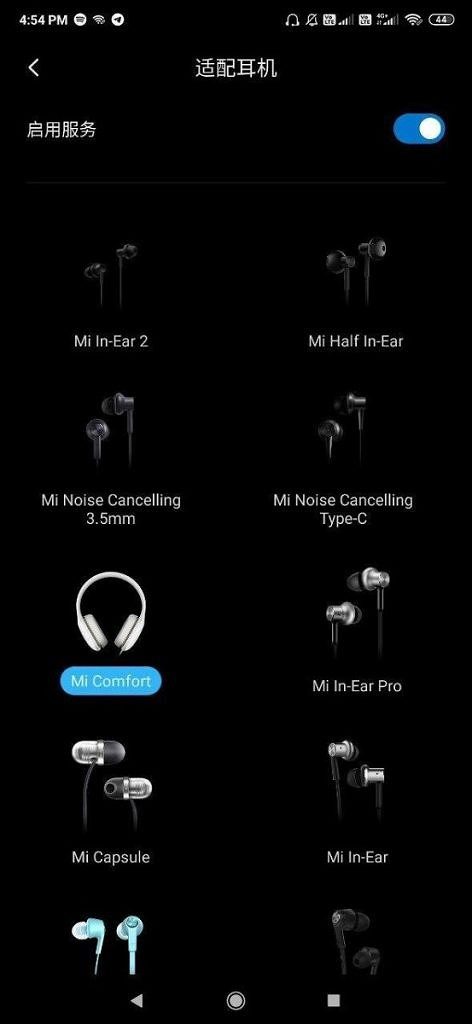
Selecting an age group gives you access to even more granular adjustments for the left and right ear volume levels, along with options to test the original sound profile and the adjusted sound profile. On top of all that, the app also lets you select the type of earphone/headphone you’re using for more accurate sound profiles.
Since the equalizer function has been disabled for a long while, even on earlier MIUI versions, we expect this feature to become available soon. However, there is no indication as to when that would happen.
The Huawei MatePad Pro comes in four color variants – Danxia Orange, Castle Peak, Fritillaria White, and Night Ash. Since it went on sale nearly two weeks ago, only the White and Ash variants have been available for purchase. However, starting tomorrow the Danxia Orange and Castle Peak colorways which have a different material finish, actually leather, will become available for purchase.
Unlike the other two color variants, the orange and green leather variants are limited to two configurations only and they are the WiFi-only 8GB + 256GB version and the 8GB + 512GB LTE version. Both are priced at ¥4999 (~$713) and ¥5999 (~$856) respectively on Vmall. They are more expensive than the other variants of the same configuration because they ship with the M-Pencil and the keyboard included.
The MatePad Pro is the first tablet in the world with a punch-hole display. The screen measures 10.8-inches in size and has a 2560 x 1600 QHD resolution. There is a Kirin 990 processor under the hood and along with the aforementioned configurations, there are also 6GB + 128GB WiFi-only and LTE variants. Irrespective of the version you purchase, there is support for storage expansion.
The MatePad Pro has a single 13MP f/1.8 camera on the rear while an 8MP f/2.0 camera sits inside the punch-hole. It has quad speakers but no audio jack, Bluetooth 5.1, and a USB Type-C port. It packs a 7250mAh battery with support for 40W SuperCharge wired charging and 15W wireless charging. It also supports 7.5W reverse wireless charging. The M-Pencil charges wirelessly when placed at the top (in landscape mode) of the tablet.
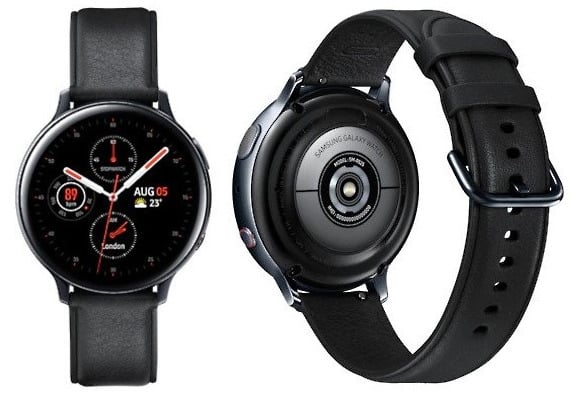
South Korean giant Samsung had recently launched the Galaxy Watch Active2 and Galaxy Watch 4G in India but the Watch Active2 didn’t feature 4G LTE connectivity. However, today, Samsung India launched the Galaxy Watch Active2 4G, expanding its smartwatch portfolio in the country.
The Samsung Galaxy Watch Active2 features a stainless-steel case and comes with a 1.4-inch Super AMOLED display with a screen resolution of 360 x 360 pixels. The full-color Always-On display is protected by Corning Gorilla Glass DX+ on top.
Under the hood, the device is powered by a Samsung’s Exynos 9110 dual-core processor clocked at 1.15GHz and is paired with 1.5GB of RAM and 4GB of internal storage. The device is running Tizen-based Wearable OS, making the device compatible with Android 5.0 or above with more than 1.5GB RAM (Samsung/Non-Samsung), and iPhone 5 and above running iOS 9.0 or above.
The smartwatch has a rotating touch bezel that turns both clockwise and counter-clockwise to advance screens so you can easily select favorite apps. It can manually track more than 39 workouts with seven of them automatically activated, including running, walking, cycling, swimming, rowing machine, elliptical machine, and dynamic workouts.
The Samsung Galaxy Watch Active2 also has new health sensors on the back, which take in readings faster and the watch also helps you track real-time stress levels through Samsung Health, provides access to guided meditation programs through integration with Calm.
The smartwatch also comes with Heart Rate Monitoring (with 8 Photodiodes), Electrocardiogram (ECG), Accelerometer (measure up to 32g of force), Gyroscope, Barometer, and Ambient Light sensor.
It is also rated 5ATM as well as IP68, making the Galaxy Watch Active2 water and dust resistant and the device is also MIL-STD-810G certified for durability. The device comes with connectivity features like Bluetooth 5.0, Wi-Fi b/g/n, NFC, A-GPS/ GLONASS/ Beidou.
It supports e-SIM, 4G LTE B1, B2, B3, B4, B5, B7, B8, B12, B13, B20, and B66. The device measures 44 x 44 x 10.9 mm and is powered by a 340mAh battery which also comes with support for WPC-based wireless charging.
Samsung Galaxy Watch Active2 4G comes with a 44mm steel dial in Silver, Black and Gold color options for a price of ₹35,990 (~$505). It is now available in Samsung e-store, Samsung Opera House, e-commerce websites, and offline stores.
Two recent patents by unmanned aerial vehicle (drone) manufacturer DJI were recently revealed showing what the company may have in the works presently. DJI is known for its range of drones and camera gimbals but these new patents show the company is planning to expand the capabilities of its products.
The first patent comes with the patent number CN209756678U_ vehicle and its lifting device. It is an unmanned vehicle similar to an RC car that can be equipped with a universal bracket. According to the patent description, this is a motorized rover with a camera on top. The camera car has four 360-degree rotating wheels. The large and sturdy wheels suggest that its design can be adapted for off-road use. The wheels are separated from the camera by a rod that can be moved up and down. The camera is placed on the top of the car while there is a damper below it. There is also a shock absorber on the bracket to better eliminate the shake. The camera can also be replaced. In addition, the vehicle’s chassis can be raised according to the driving speed and road conditions or lowered to adapt to various driving situations.
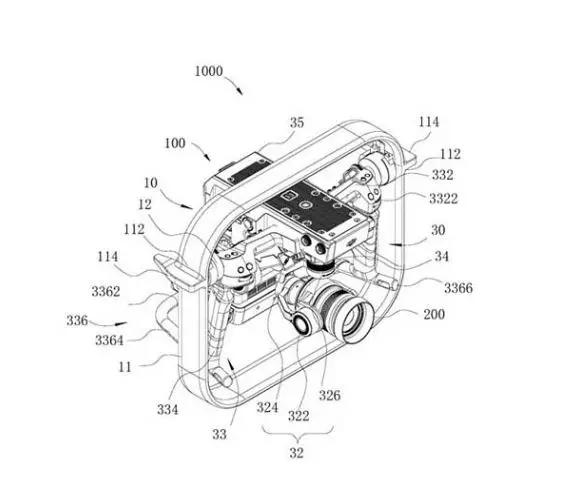
The second patent is a handheld gimbal that looks like a smaller version of DJI Ronin 2 with a patent number – CN110573786A_ Stabilizing device and handheld gimbal device.
These patents were applied for in December 2019 so, there is a high probability that in 2020 DJI may launch the two new products.
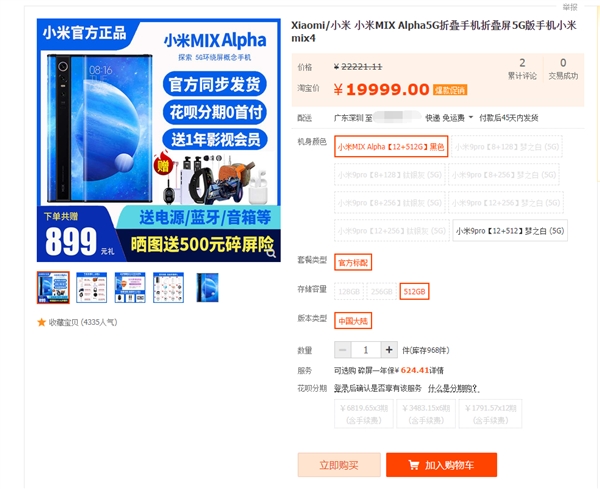
On the retailer’s website, the release information and other crucial details regarding its launch have not been disclosed. Apparently, “the shipment will be synchronized with the official website.” In other words, the Mi Mix Alpha Concept 5G smartphone will be available when Xiaomi officially starts the sale of the handset. Additionally, the price of the concept device is also listed online with the Mi Mix Alpha priced at 19,999 Yuan (Or roughly 2,854 US Dollars)
Notably, there already appears to be two buyer reviews on the Mi Mix Alpha booking already, although that is likely a bug. As a concept smartphone, the launch of the handset is being highly anticipated by many enthusiasts; and one of the device’s key distinct characteristics is its lack of any form of physical buttons.
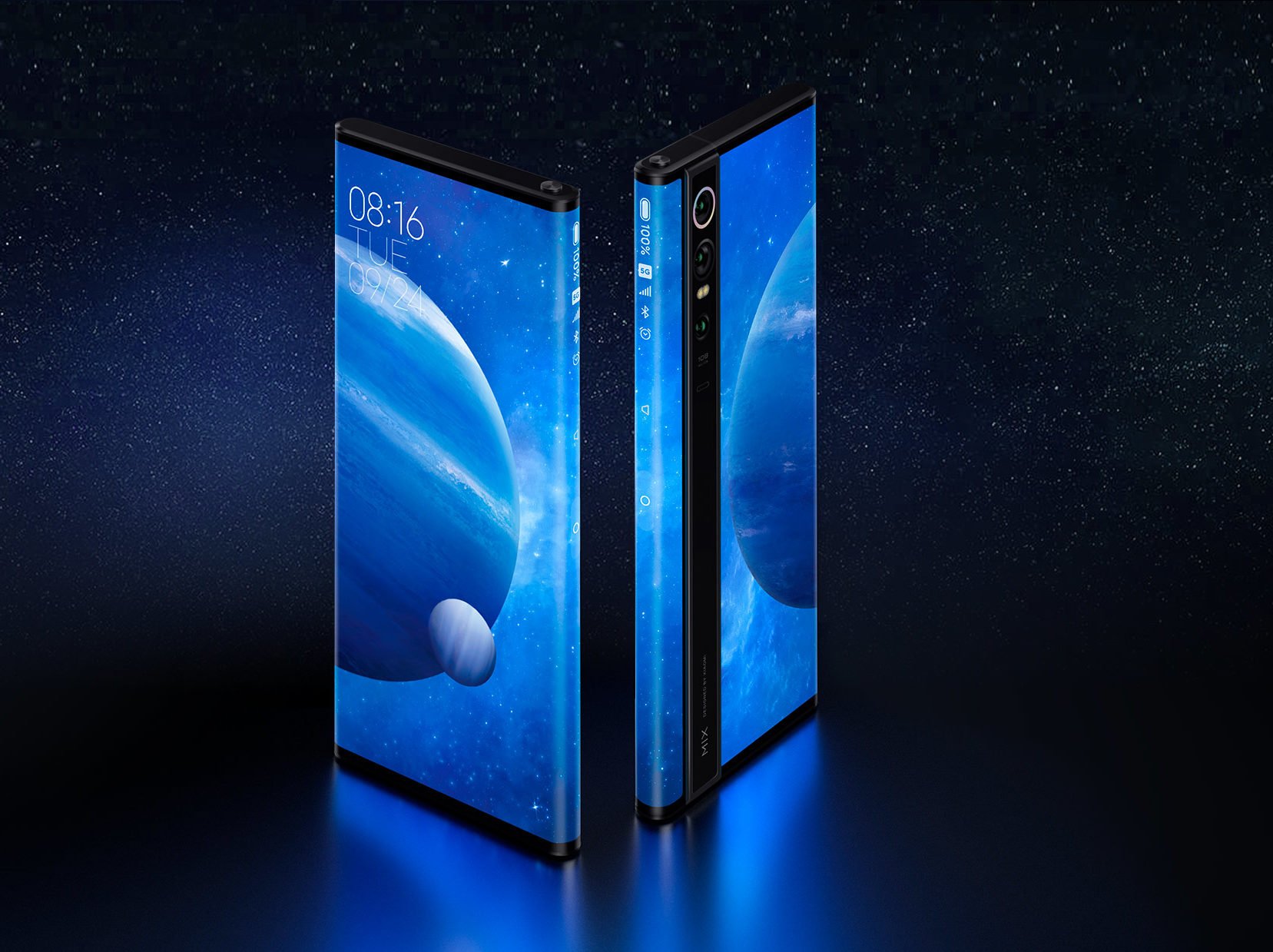
Xiaomi Mi Mix Alpha without physical buttons and the unique flexible screen
The Mi Mix Alpha achieves this unique design philosophy by including an innovative flexible display that rounds the corners of the device. Thus, users end up with one of the highest screens to body ratio of all time, especially considering it even covers most of the rear as well.
We use cookies on our website to give you the most relevant experience by remembering your preferences and repeat visits. By clicking “Accept”, you consent to the use of ALL the cookies.
This website uses cookies to improve your experience while you navigate through the website. Out of these, the cookies that are categorized as necessary are stored on your browser as they are essential for the working of basic functionalities of the website. We also use third-party cookies that help us analyze and understand how you use this website. These cookies will be stored in your browser only with your consent. You also have the option to opt-out of these cookies. But opting out of some of these cookies may affect your browsing experience.
Necessary cookies are absolutely essential for the website to function properly. This category only includes cookies that ensures basic functionalities and security features of the website. These cookies do not store any personal information.
Any cookies that may not be particularly necessary for the website to function and is used specifically to collect user personal data via analytics, ads, other embedded contents are termed as non-necessary cookies. It is mandatory to procure user consent prior to running these cookies on your website.