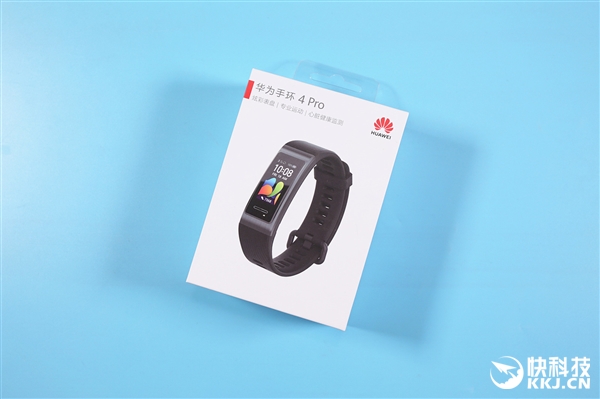
The Huawei Band 4 Pro was announced last week alongside the Nova 6 series. The smart band is priced at 399 yuan ($56) and will officially go on sale on December 12 in China. The smart wearable may likely hit the international market soon. While we await that, here are some unboxing/hands-on pictures of the Band 4 Pro to help us better appreciate the design style.
The design of the Band 4 Pro is quite similar to that of the Band 4 that was launched in October. However, as the name implies, this model is a Pro version with several hardware improvements and some slight changes in the design.
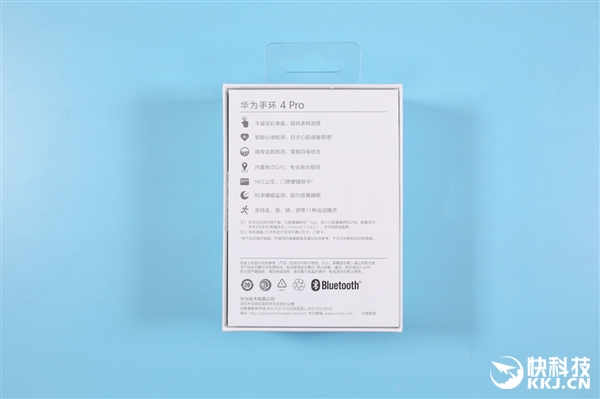
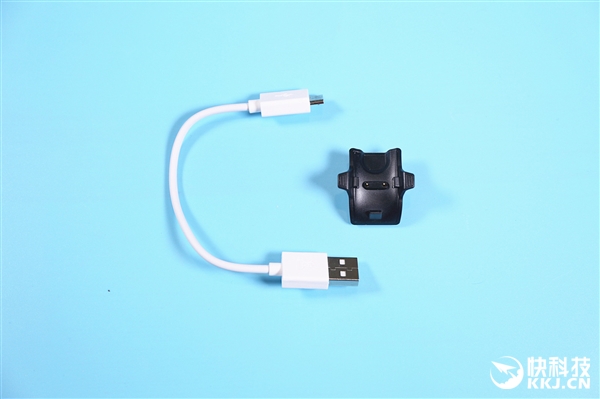
The packaging box is similar to that of the Band 4 but the content is slightly different. The box contains the Band 4 Pro, a USB-A to USB-2.0 cord and a spring-loaded pin (pogo pin) connector. This is different from the Band 4 which is connected directly via a USB 2.0 port. With this design, you don’t need to remove the strap to charge the phone. Just to slot the Pogo pin connector in and plug to a power source.
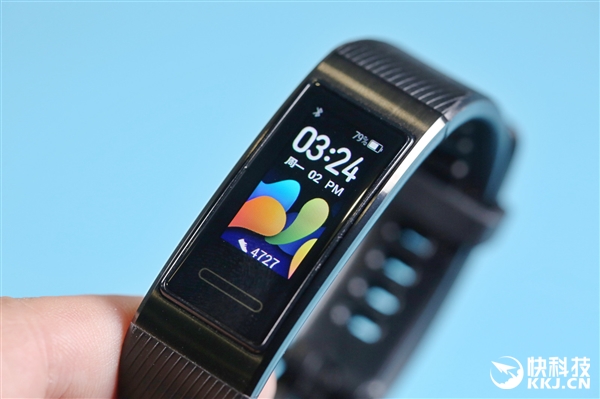
The display remains a 0.95-inch AMOLED high-definition colour screen with a brushed metal frame as well as a skin-friendly silicone strap. The rubber strap is comfortable to wear and lightweight.
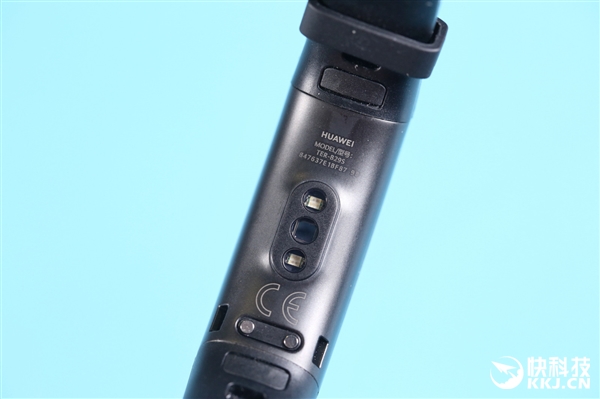
In terms of the internals, what distinguishes the Band 4 Pro from its sibling is the presence of a standalone NFC which supports payment of access cards and 252 city transportation cards and also supports Alipay scan code payment. There is also a built-in GPS which expands the tracking features of the smartwatch. The smartwatch is also said to feature up to 11 different sports modes and can keep track of over 127 different sports data. There is also an independent built-in GPS tracker on board. The Band 4 Pro houses a SpO2 meter which monitors the oxygen saturation rate of the blood. It also comes with the usual heart rate monitor as well as sleep tracker.
Check out more pictures of the Huawei Band 4 Pro from below.
A slew of exciting products from Xiaomi is slated to launch on December 10th, including the new Mijia laser projector that boasts an impressive array of features and useful functions.
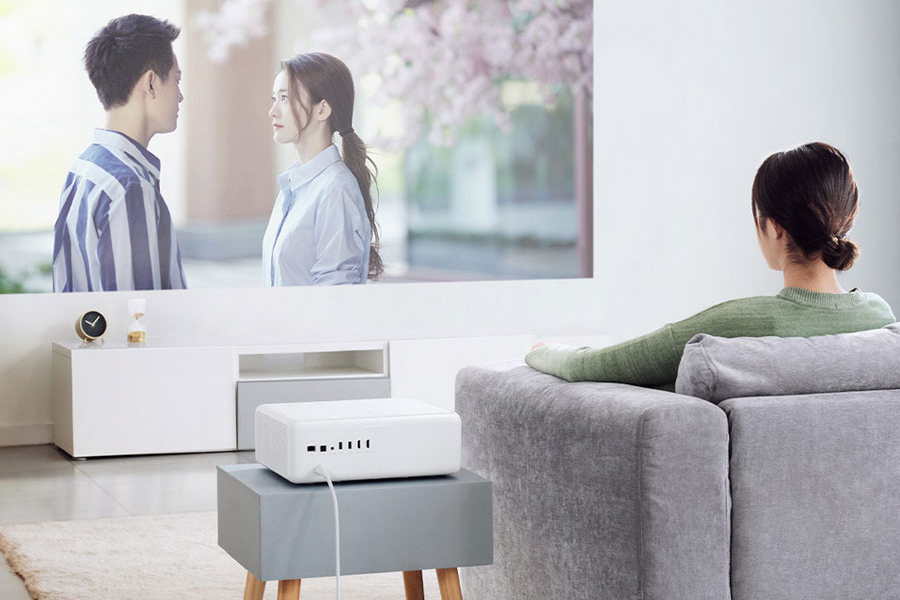
A great choice for cinephiles who prefer watching their favorite TV shows, movies, etc without leaving the comfort of their homes, Xiaomi Mijia Laser Projector is crafted to offer a versatile viewing experience. This feature-laden laser projector from the Chinese electronics giant has now gone up for pre-order for $1,099 on Giztop.
An absolute steal at this price, the Mijia Laser Projector supports 8K video decoding and is compatible with up to a 150-inches screen. Moreover, you can place it directly in the TV cabinet to get a large screen of 60-150 inches.
Furthermore, it adopts the ALPD 3.0, cinema-grade laser source technology for an immersive visual experience. The laser projector retains an average brightness of 2,400 ANSI luminosity to ensure the screen remains visible even during the day, which means you don’t need to pull up the curtains for the Mijia laser projector.
For superior sound, the Mijia Laser Projector features dual 10W speakers. It is powered by an Amlogic T972 chipset that offers the highest frequency of 1.9GHz. The XiaoAI Voice Control feature enables you to just press and hold the voice button on the remote control to view content that you can see directly.
On top of that, the Mijia Laser Projector surpasses the ordinary 2400 ANSI lumens. With the help of Appotronics ALPD 3.0 laser light source technology, the laser projector provides a lamp life of 25000 hours. In short, you can use it for about a whopping 17 years, even if you use it for four hours daily.
As far as interfaces are concerned, the Mijia Laser Projector features Gigabit Ethernet ports and 2 HDMI ports. Aside from that, there is a 2.4G / 5G dual-band Wi-Fi mode, and HD videos do not freeze.
You can follow this link to check out more details about the Xiaomi Mijia Laser Projector and place your pre-order from Giztop. Note that the estimated delivery of the laser projector is set for the middle of December.
Since the Xperia 1 was released, Sony‘s new naming pattern became as confusing as the sales performance of the brand’s phones. After the Xperia 1, Sony has released the Xperia 8 and the Xperia 5. Right now, there are rumours of an Xperia 3 model coming soon and the rumour is gaining ground rapidly.
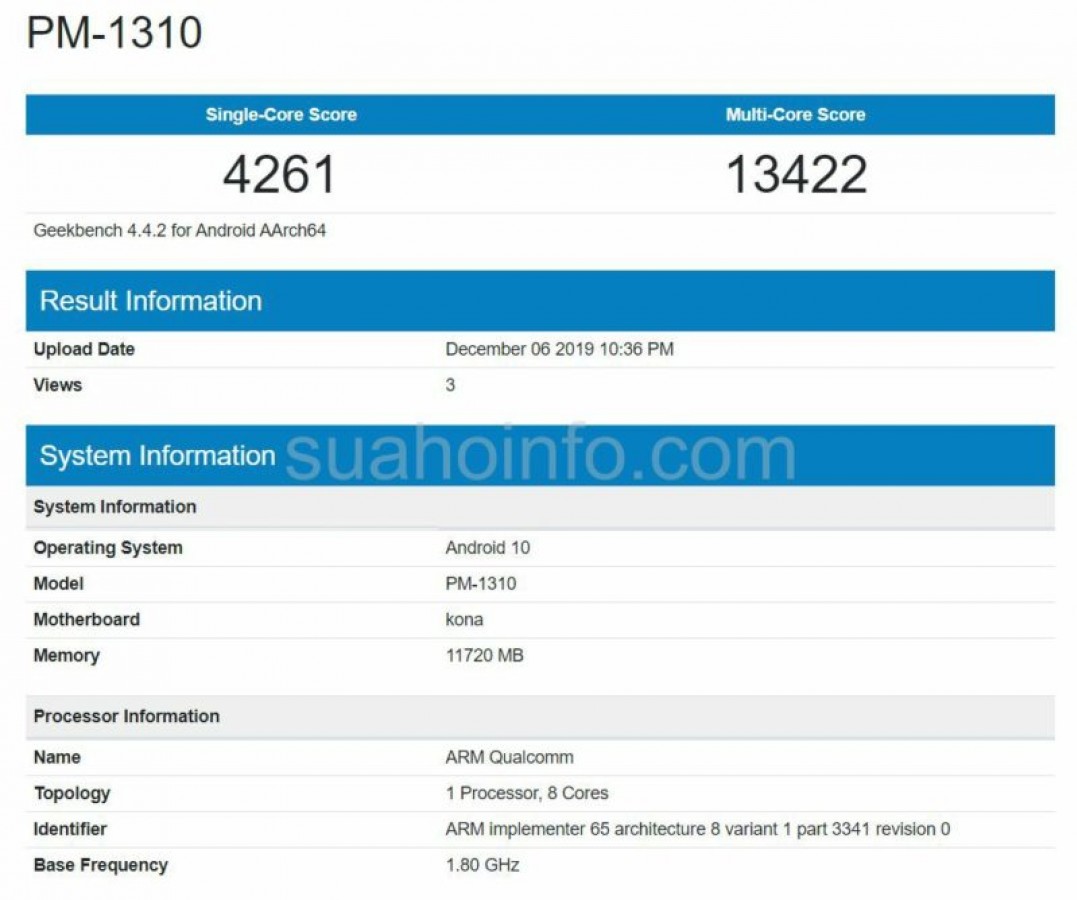
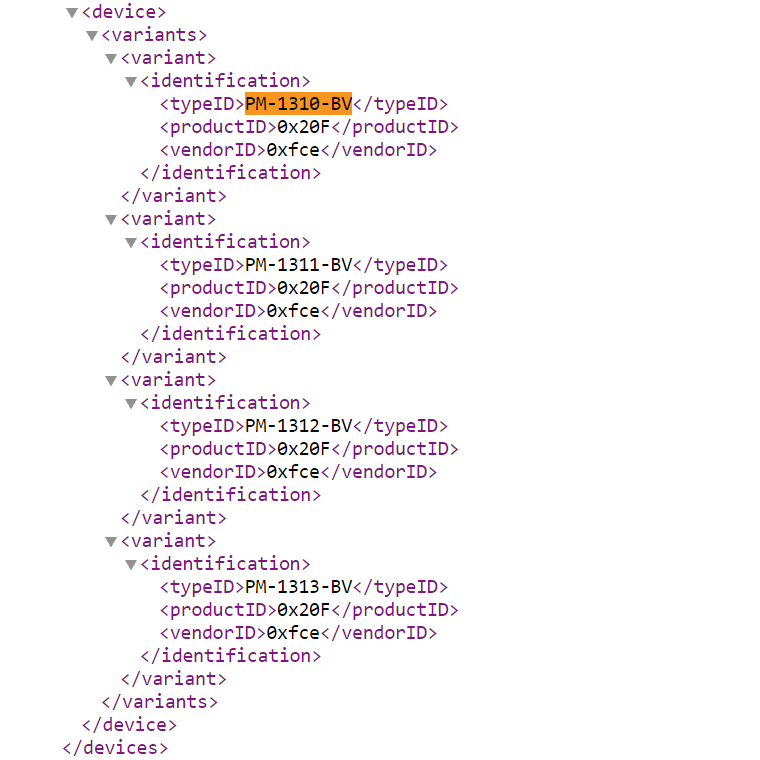
The Xperia 3 has now been reportedly spotted on the database of benchmarking website GeekBench. The model isn’t explicitly listed as Xperia 3 but there are clues that point to this being the upcoming Sony flagship. The device is listed as PM-1310. While this may be confusing, this pseudo-name was spotted in this list of supported devices hosted on SonyMobile.com. Also, the Xperia 1 is listed as PM-122X. So, this may just be the OEM ID naming scheme used by Sony.
The purported Xperia 3 is shown to be powered by the motherboard “Kona” which is the code-name for the Snapdragon 865. It also features 12GB of RAM and runs Android 10. The flagship model is also expected to pack a QHD display just like its predecessor and may even have a curved back. Previously, alleged renders of a Snapdragon 865-powered Sony flagship showed a six-camera setup. The phone is expected to be released in 2020.
Redmi has finally made the long-awaited Redmi K30 available in China along with a slew of other exciting products including the Redmibook 13, its first router, as well as the Redmi smart speaker.
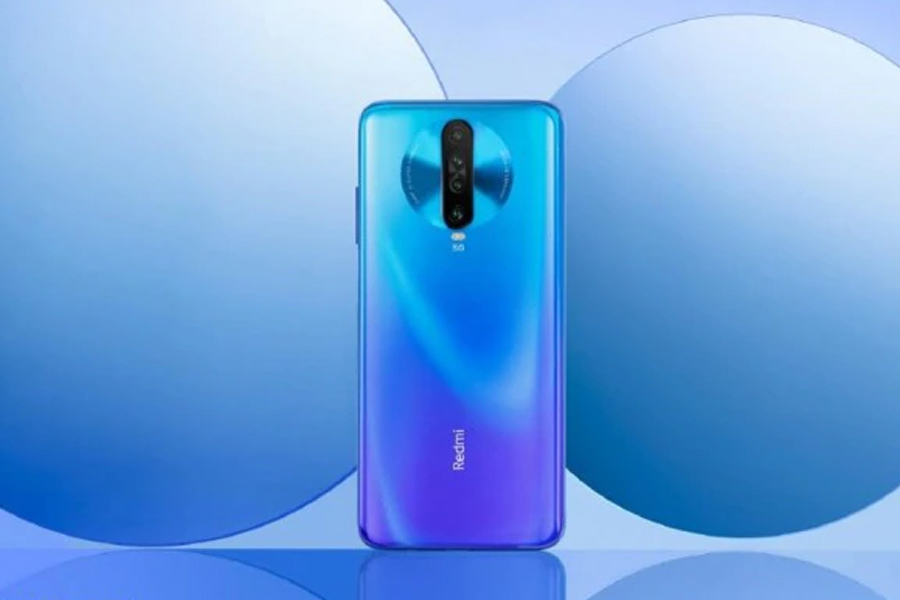
Available in 4G, as well as 5G-ready variants, the Redmi K30 has gone up for sale through Giztop. The popular Chinese e-tailer is offering multiple colors and storage options of the K30 4G model at the best prices.
Carrying a $279 price tag, the blue-tinted 6GB RAM+64GB ROM variant is the most affordable K30 4G-ready model. Those willing pay $30 more can go for the 6GB RAM+128GB ROM version that is currently available for $309 in blue, purple and red color options on Giztop.
Alternatively, you can go for the larger variant that ships with 8GB of RAM and offers 128GB of internal storage space if you don’t mind shelling out $339. Available in blue, purple and red, the aforesaid model will set you back $339 if you order it through Giztop.
Those who fancy having more storage space on their phones to save their favorite multimedia content might want to check out the 8GB RAM+256GB ROM variant, which comes in blue, purple and red color options. This model is available on Giztop for $399.
The Xiaomi Redmi K30 4G phone boasts an array of exciting features including:
6.67-inch IPS LCD punch-hole FHD+ display with 1080 x 2340 pixels resolution and a refresh rate of 120Hz
Realme has confirmed it is making its way into the wireless earbuds market on December 17 with the Realme Buds Air. The price tag of the earbuds which will be available in yellow, black, and white, has now been revealed by Flipkart.
According to screenshots of a listing that seems to have been pulled down now, the Realme Buds Air will be sold for INR 4,999 (~$71) in India. The product listing also revealed the earbuds will ship with a USB Type-C cable which means it has a USB Type-C port.
[envira-gallery id=”294412″]
The product image shows the earbuds have a glossy finish just as the charging case. There is also an LED on the front of the case to indicate when charging.
The Realme Buds Air will connect via Bluetooth 5.0, have Google Assistant, and instant connection with your phone when you open the case. It has also been reported to have a 12mm driver.
Although the smartphone industry has been experiencing some decline as users tend to hold onto their phones longer, OEMs have not relented in coming out with new models at an ever-increasing pace. It is December already but we still see new smartphone releases. Apart from Xiaomi which just launched the Redmi K30 5G, Vivo and OPPO are also billed to launch new dual-mode 5G smartphones before the year runs out.
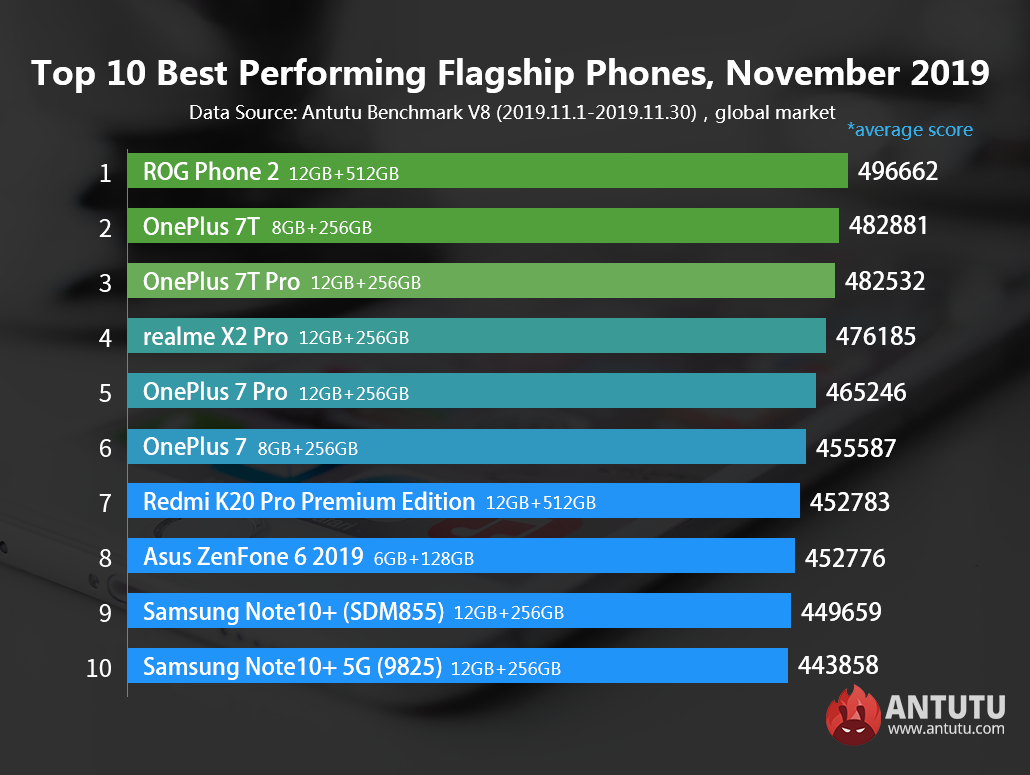
AnTuTu has released a list of the top 10 best-performing Android phones for the month of November. This list is based on data collected throughout the month of November spanning November 1- November 30, 2019. The benchmark outfit also clarified that the list consists of Android devices that have at least 1,000 units running Antutu benchmark V8. The scores listed against each model is the average and not just the highest recorded score. This makes the results more representative.
In November, the Asus ROG Phone 2 with 12GB of RAM and 512GB of storage continued to occupy the first place with an average Antutu score of 496,662 points. The phone is powered by a Snapdragon 855+ SoC and this surely contributed to its performance. Also, the phone comes with the speedy UFS 3.0 storage, 12GB of RAM and a unique three-layer cooling system that allows the phone to run with high performance for a long time without overheating.
The One Plus 7T Pro 8GB RAM+256GB storage variant ranked second with an average Antutu score of 482,881 points, followed closely by the One Plus 7T Pro 12GB RAM +256GB storage variant that achieved an average score of 482,532 points.
In the fourth spot is the realme X2 Pro 12GB RAM +256GB storage variant with an average AnTuTu score of 476,185 points. The phone is Realme’s first flagship model and indeed, the brand’s most powerful smartphone in terms of hardware performance.
The rest of the top 10 list is made up of the OnePlus 7 8GB RAM +256GB storage variant with an average score of 455,587, Redmi K20 Pro Premium Edition 12GB RAM +512GB storage variant with an average score of 452,783, Asus ZenFone 6 2019 6GB RAM +128GB storage variant (average score of 452,776), Samsung Note10+ (SDM855) 12GB RAM +256GB storage variant (average score of 449,659), and Samsung Galaxy Note 10+ 5G (Exynos 9825) 12GB RAM+256GB storage variant with an average score of 443,858.
Apart from the entry of the Realme X2 Pro and Redmi K20 Pro Premium Edition into the list, the ranking isn’t very different from that of the previous month (October). You may have noticed that the Mate 30 series didn’t make the cut. That may be as a result of not so many Mate 30 models passing through AnTuTu last month and isn’t in any way related to the performance of the Kirin 990-powered phone.
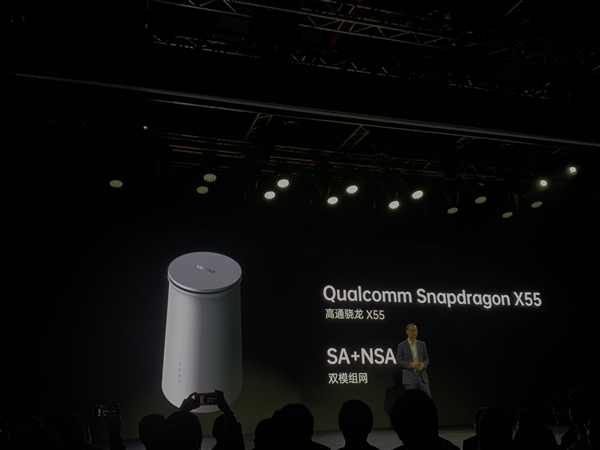
At the OPPO Inno Day event, the Chinese manufacturer unveiled its 5G CPE. The CPE has a cylindrical design, sort of looks a bit like a nuclear reactor, and has Qualcomm’s Snapdragon X55 modem inside.
OPPO says the 5G CPE has a SIM slot at the bottom for a 5G SIM and can be connected to more than 1000 devices at the same time. The device supports both SA and NSA 5G networks.
The CPE will be marketed to homes and small businesses and is scheduled to launch in Q1 2020, probably during the launch of its flagship phone scheduled to launch at the same time. With the CPE, non-5G devices can get connected to it and experience 5G speeds.
1 of 2
OPPO 5G CPE
OPPO says with the arrival of 5G, mobile phone companies will shift their business from a phone-only model to a more diverse one. OPPO itself says it will announce smartwatches, headphones, and smart displays in the future. The company will be playing catch-up to competitors such as Huawei and Xiaomi who both have a very diverse portfolio and a large ecosystem of connected products.
According to a new report, the demand for Lens is expected to rise for many Chinese smartphone manufacturers. This surge in demand is speculated due to many brands such as Huawei, Oppo, Vivo, Xiaomi and more seeing high units being shipped in the year 2020.
Huawei, the Chinese tech giant, is reportedly stated to ship approximately 200 million units in 2020 alone. On the other hand, the various other brands like Oppo, Vivo, and Xiaomi are expected to ship 100 million units at the very least respectively. This new rise in demand is being accredited to more and more smartphone OEMs adopting triple camera setup or even quad-camera modules.
Redmi K30 5G with a Quad camera setup
Due to this, a single popular Chinese brand is reported to order anywhere between 400 to 500 million optical lenses in 2020. Furthermore, the smartphone lens module specs are becoming increasingly more complicated and require more sophisticated hardware and software integration. This also makes it harder for OEMs to find appropriate suppliers.
Owing to their capabilities, companies like Largan Precision, Sunny Optical Technology, Ofilm Tech, Q Technology and Truly Opto-Electronics to name a few will be sharing most of these lens orders by Chinese smartphone vendors in 2020. These names include Chinese and Taiwanese based companies as well, that are set to expand their production capacities to meet the upcoming surge in demand.
Apple’s iPhone 11 Pro with a Triple camera setup
Additionally, popular brands like Huawei, Vivo, Oppo, Xiaomi, and Apple were the top five smartphone manufacturers in terms of the Chinese smartphone market share in the third quarter of 2019. These companies combined shared 95 percent of all total shipments. Hence, looking at the massive numbers of unit shipments the rise of lens demand is to be expected.
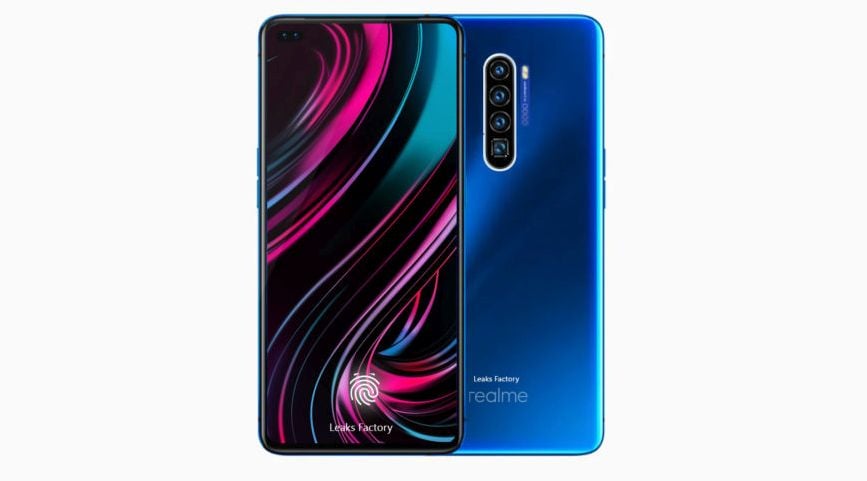
Realme X50 5G smartphone which is Realme’s first 5G phone is expected to debut in China in this month. Only few details of the smartphone have been officially confirmed by the manufacturer. First, the Realme X50 5G will be sporting a dual punch-hole display that will house two selfie snappers. Second, the phone will be driven by the Snapdragon 765G SoC. A leaked render of the smartphone has surfaced today to reveal its front and rear design.
As it can be seen in the leaked render, the display of the Realme X50 5G phone is fitted with a pill-shaped cutout at the upper-left corner. The screen is surrounded by slim bezels and is embedded with an in-display fingerprint reader.
The color gradient back of the Realme X50 5G could be made out of glass. The upper half of its rear features a vertical camera setup that includes four lenses and alongside the module is a two-tone LED flash. The fourth lens in the setup is a periscope sensor.
According to the source of the leaked render, Snapdragon 765G powered the Realme X50 5G smartphone is equipped with 12 GB of RAM and its runs on ColorOS 7 flavored Android OS. The internal storage of the device is 128 GB. The smartphone carries support for 50W rapid charging.
The source also claims that the Realme X50 5G series will launch in February 2020. Probably, the SD765G driven Realme X50 5G may debut this month and there could be a flagship edition arriving in the first quarter of 2020. The company is also rumored to be working on Realme X50 5G Youth Edition (Realme X50 Lite).
Readers are advised to digest the leaked details in this post with a pinch of salt as its authenticity could not be confirmed. It is advisable to wait for further reports on Realme X50 5G to know more on its design and specs.
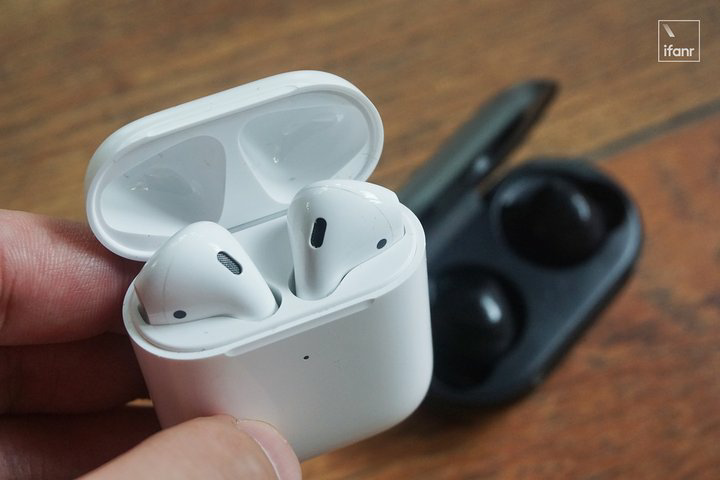
According to IDC (International Data Corporation), the wearables industry has seen a significant rise in the third quarter of 2019. The firm attributes this surge to one particular subcategory that had the highest impact which is the “hearables” market.
In the report, the wearables industry saw a significant growth of 94.6 percent in the third quarter of 2019 compared to 2018’s third quarter. The “hearables” category, that includes wireless earphones, headphones and more of the sort, had a major impact in the industry. The report accredited this major popularity rise to Apple with its AirPods.
Apple AirPods and Samsung Galaxy Buds
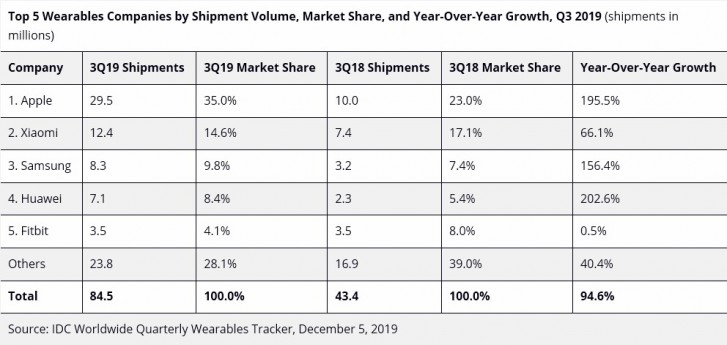
Since its release, the AirPods have created a massive trend that saw many companies produce either look-alikes or similarly functioning audio gadgets. Currently, the Cupertino-based company is the world leader in terms of market share in the wearables category with 29.5 million units being shipped in Q3 2019 in comparison to just 10 million units in Q3 2018. This showcases a notable growth of 195.5 percent and a total market share of 35 percent this quarter thanks to its strong AirPods sales and popularity.
Xiaomi, the Chinese tech giant, arrives second with a 14.6 percent total market share. Furthermore, the company saw a sizeable growth of 66.1 percent from Q3 2018 to Q3 2019. On the other hand, Samsung took spot number three with a 9.8 percent market share owing to 8.3 million units being shipped in this quarter in comparison to 3.2 million in Q3 2018. Huawei arrives behind Samsung with a big leap of 7.1 million units being shipped over 2.3 million over last year’s third quarter, taking 8.4 percent of the total market share.
Wearable Companies Market Share (Courtesy: IDC)
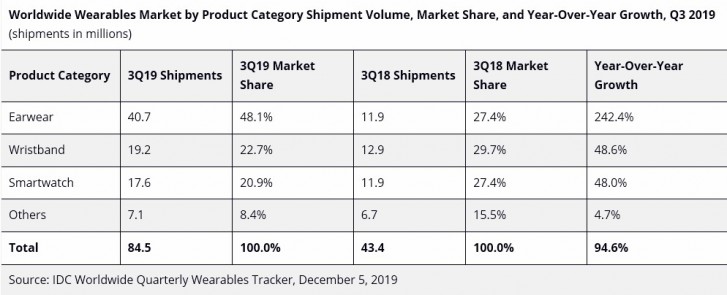
The report also offers a breakdown of exact wearables subcategories to indicate growth. Thus, we see earwear (earphones and headphones) seeing massive growth. With a total of 40.7 million units shipped over last years 11.8 million, earwear alone sees a Year-on-Year growth of a whopping 242.4 percent.
Other categories like wristbands and smartwatches saw a YoY growth as well but were nowhere near the “hearables” subcategory. And with more and more smartphone OEMs moving away from the 3.5mm headphone jack, the industry is expected to continue rising at a strong pace.
A recent report had revealed that Vivo India is gearing up to launch the 8 GB RAM edition of the Vivo U20 smartphone. The Chinese firm has finally today introduced the 8 GB RAM version of the smartphone in the country with a price tag of Rs. 17,990. The variant is now aimed towards the offline markets.
The buyers of Vivo U20 8 GB RAM edition can take advantage of 5 percent cashback with HDFC credit card, ICICI Bank credit / debit cards and Axis Bank credit / debit cards until Dec. 31. Buyers can also avail EMI offers from Bajaj, IDFC First Bank, HDB, and Home Credit. Jio is offering benefits worth Rs. 6,000 (~$85).
The Vivo U20 8 GB RAM that is priced at Rs. 17,990 (~$252) can be bought in colors like Racing Black and Blaze Blue. The other models of the phone such as 4 GB RAM + 64 GB storage and 6 GB RAM + 64 GB storage are priced at Rs. 10,990 (~$155) and Rs/ 11,990 (~$169), respectively. These two variants of the Vivo U20 are available for purchase online.
The Vivo U20 features a 6.53-inch IPS LCD display. The waterdrop notch screen offers full HD+ resolution. The Snapdragon 675 AIE mobile platform powers the phone. It draws power from a 5,000mAh battery that supports 18W dual-engine fast charging.
The rear shell of the phone features 16-megapixel + 8-megapixel + 2-megapixel triple camera system. On its front is a 16-meapixel selfie camera. The Android 9 Pie OS on the device is customized with FunTouch OS 9.2 UI. It has a rear-mounted fingerprint reader.
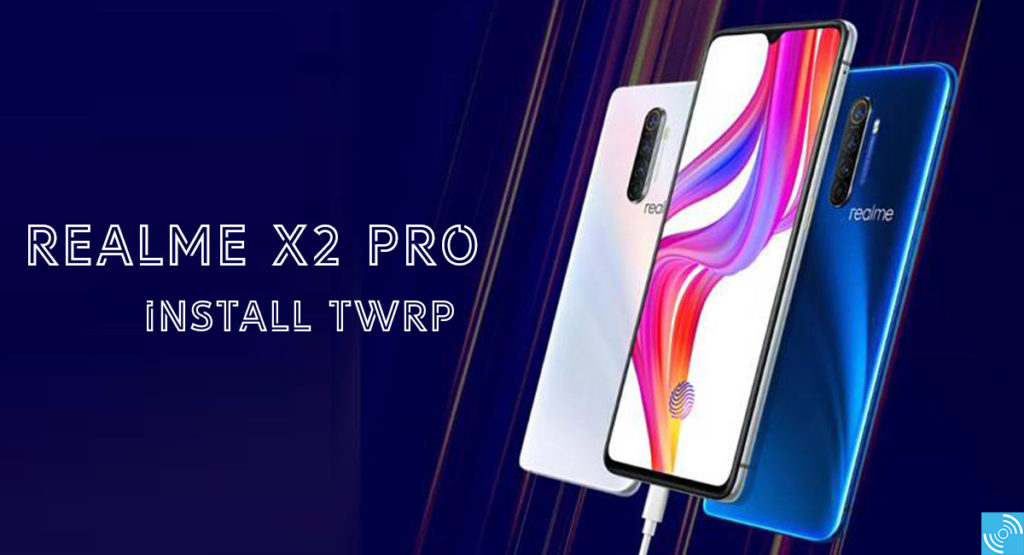
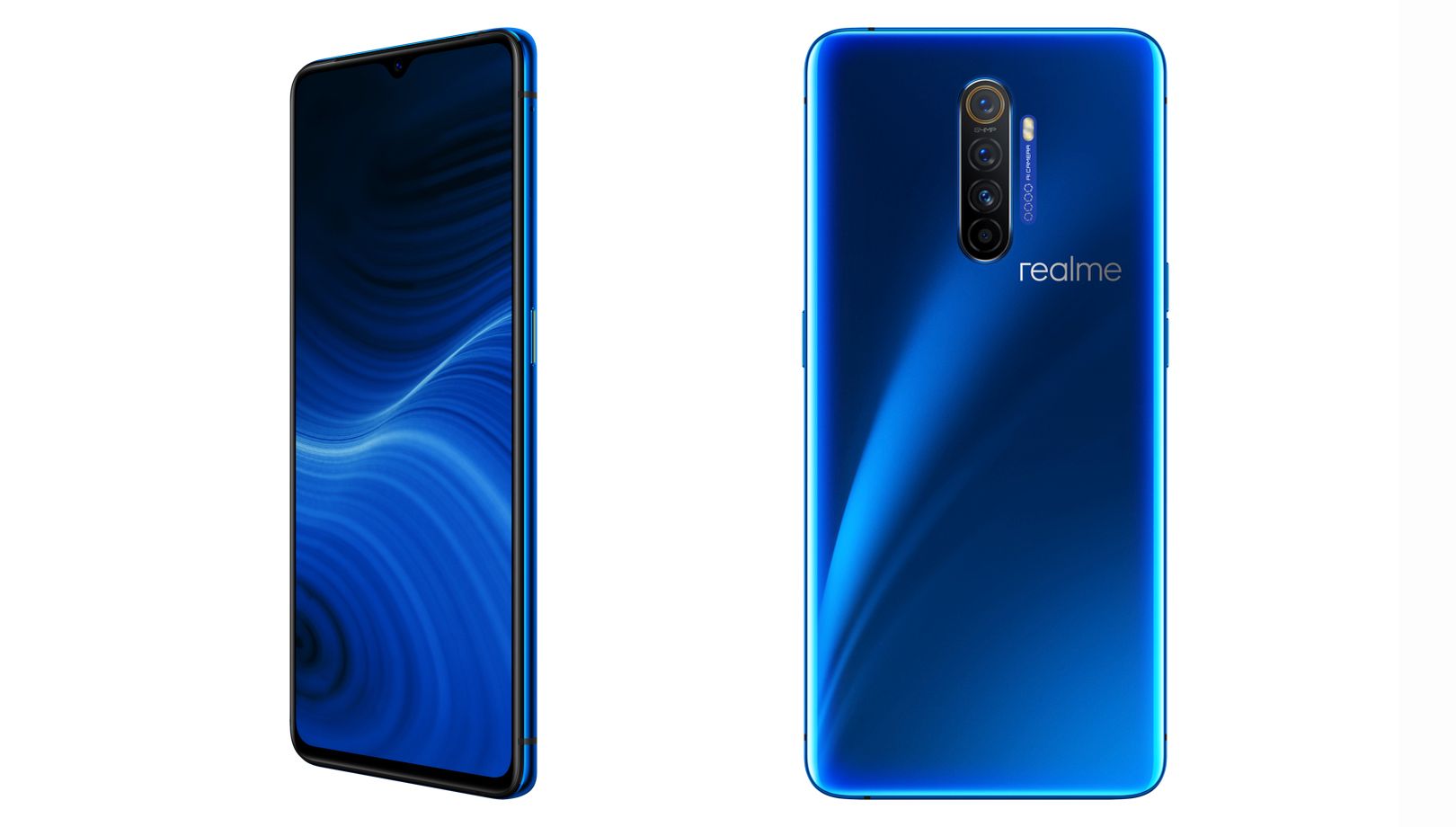
Realme recently launched Realme X2 Pro in India for Rs. 29,999 (~$417). It is the first premium flagship device from Realme. It is garnering huge sales in India. The new smartphone has even got massive support as it is becoming favourite among the buyers. Even the third-party development has spiked since the official support for TWRP arrived.
There are various advantages of using the TWRP custom recovery on the Realme X2 Pro. It helps users to install custom ROMs, MODs and other frameworks without any hassle.
TWRP stands for Team Win Recovery Project. It is a fully touch-based custom recovery developed for most of the Android smartphones. It offers the ability to root the device using a third party MOD. It can be used to restore the device to factory default settings, update the ROM and perform other diagnostic tasks.
Advantages of TWRP
GUI based interface to flash MODs, Tweaks
A gateway to install custom ROMs and Kernels.
Ability to wipe and remove data and cache from the phone.
Support for Nandroid Full Backup.
Ability to Mount and Unmount partitions.
Even helps to unbrick smartphones.
Helps to root and install GApps.
Allows removing all the bloatware.
Overclock or underclock the smartphone for better efficiency or performance.
Realme X2 Pro Specifications
Realme X2 Pro houses a 6.5-inch Super AMOLED capacitive touchscreen with 1080 x 2400 pixels resolution and 20:9 aspect ratio. The display features 1000 nits of the maximum brightness with 90Hz refresh rate and HDR10+ support. It is the best display configuration with 402 ppi pixel density while sporting 84.9% screen-to-body ratio.
It is powered with Qualcomm Snapdragon 855+ chipset featuring an octa-core processor with 2.96 GHz clocking speed. The Graphics processing is handled by Adreno 640 GPU. It is available in different storage variants of 64GB + 6GB RAM, 128GB + 8GB RAM, 256GB + 12GB RAM (64GB UFS2.1, 128/256GB UFS3.0).
In optics, the smartphone comes with a quad rear camera featuring a 64-megapixel primary camera, a 13-megapixel telephoto lens, an 8-megapixel ultrawide shooter and a 2-megapixel depth sensor. It is packed along with a dual-LED flash and supports HDR and Panorama modes. On the front, there’s a single 16-megapixel camera for selfies and video calling.
Realme X2 Pro hosts a 4000 mAh Li-Po battery with 50W fast charging technology. It comes with a WiFI, Bluetooth 5.0, NFC, GPS, FM Radio and USB 2.0 Type-C reversible connector. An under-display fingerprint sensor is present along with the accelerometer, gyroscope, proximity and compass. It is available in four different colours of Lunar white, Red Master Edition, Gray Master Edition, Neptune Blue.
Note: Rooting device will void your manufacturer’s warranty. User can also brick the smartphone if steps are not followed carefully. GizmoChina.com is not liable for any damage to smartphone or data.
You’ve successfully flashed the TWRP on Realme X2 Pro.
We hope you have successfully installed the TWRP recovery on Realme X2 Pro. If you get any problem while installing the TWRP, then make sure to comment below. We will try to unfold the error in every possible way.
Owing to smartphone manufacturers skipping the 3.5mm headphone jack, the wireless earphones market has been booming. The market growth of the audio device has been on the rise and competition is already stiff and is bound to grow more intense. Now, OnePlus, the smartphone manufacturer is reportedly also looking into entering this cut-throat market to tackle other major brands like Apple and Samsung.
OnePlus Truly Wireless Earphones Promotion (Concept Via Max J.)
According to Max J, the known leakster (for Samsung related information) stated that OnePlus is getting ready to enter the wireless earphones market. In a tweet, he shared an image of a truly wireless earphone promotion concept which he claimed was from OnePlus. Unfortunately, since no official confirmation or announcement has been made, it is uncertain as to what the upcoming earphones might actually look like.
Furthermore, the image carries the words “listen without the cords in your way” which is a clear hint at truly wireless earphones. Hence, it might follow a similar design philosophy as a regular Bullets Wireless lineup but without the cords. Although, what useful and unique function OnePlus adds to the gadget is a mystery for now.
Apple AirPods & Samsung Galaxy Buds
Currently, Apple dominates the wireless earphones market with its AirPods. Thus, the move from OnePlus seems probable as it may seek to rival both Samsung (Galaxy Buds) and Apple in the market. Since the company already offers wireless earphones, these new additions might just prove to be a great push to its periphery gadget sales; and knowing OnePlus, the company might undercut its mainstream rivals by a notable margin in terms of pricing.
Last week, HMD Global announced it has begun rolling out the Android 10 stable update to the flagship Nokia 9 PureView. The Nokia 9 PureView is its second phone to get the Android 10 update after the Nokia 8.1. The Android 10 roll-out has been pretty slow for a company that has received praise for being great at software support. It appears HMD Global listened to complaints and has decided to speed things up seeing has it has just been announced that Android 10 is now rolling out to the Nokia 7.1.
The update brings exciting features such as smart replies, new notification customizations, more control over location data, dark mode, and new gesture-based navigation.
The Nokia 7.1 was announced in October 2018. It has a 5.84-inch 1080 x 2280 display with a notch at the top and a thick chin. The phone is powered by the Snapdragon 636 processor with 3GB or 4GB of RAM and 32GB or 64GB of expandable storage.
There is an 8MP camera inside the notch while a 12MP + 5MP dual-camera setup sits on the back. The Nokia 7.1 packs a 3060mAh battery with support for 18W fast charge. It also has NFC, a rear-mounted fingerprint scanner, and an audio jack.
When it launched, it ran Android 8.1 Oreo out of the box and later got updated to Android 9 Pie. HMD Global promises two years of OS upgrades and 3 years of security updates, so we expect the Nokia 7.1 will get Android 11 too since that should be released within its second year of life.
Based on the Android 10 roadmap, the Nokia 6.1, Nokia 6.1 Plus and the Nokia 7 Plus are next in line to get updated. Let’s see if HMD Global can pull off one more device update before the year ends.
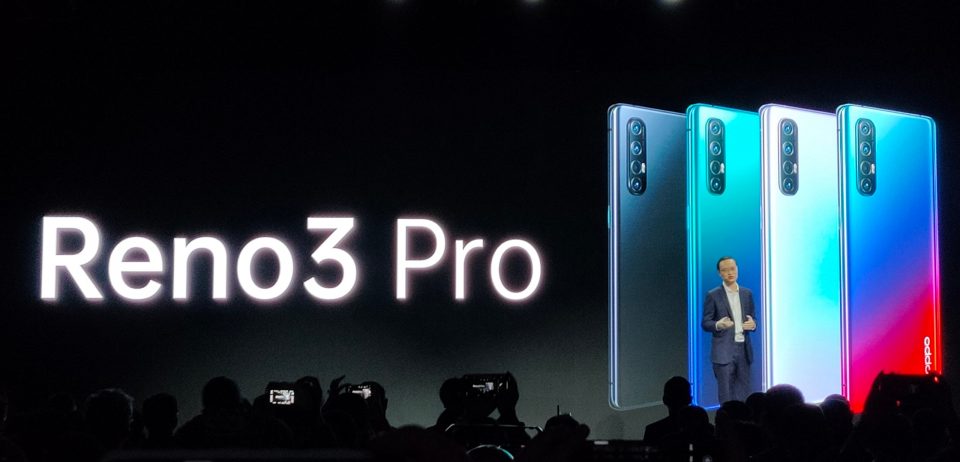
OPPO held its annual INNO global technology convention in China today where the company revealed its roadmap into the future. The highlights of the event include a new 5G consumer premise equipment (CPE), AR glasses, smartwatches, TVs and headphones. The company also showcased key developments in imaging and software optimization, and flash charging. At the event, OPPO further confirmed that the upcoming OPPO Reno3 Pro 5G will be available in four color variants. While it is certain that the Reno3 Pro 5G will launch in December, the exact date is yet to be announced.
The Reno3 Pro 5G will be available in black, blue, white, as well as blue-red gradient color editions. The specs sheet of the smartphone that had leaked online this morning on TENAA had also confirmed the same color variants. The Reno3 Pro sports a vertically-aligned quad-camera setup towards the left corner, complete with an LED flash module. The camera hump slightly protrudes from the body. The rear panel also has a gradient color scheme.
The display houses a punch-hole camera at the top left corner. While the volume rockers and power button are placed on opposite edges of the body. The smartphone has thin bezels on three sides and a slightly wider chin. At the rear, the device.
According to the TENAA listing of the OPPO Reno3 Pro 5G (model number PCRM00/PCRT00) smartphone, it flaunts a 6.5-inch AMOLED display with a resolution of 2400 x 1080 pixels. The smartphone draws power from a 2.4Ghz octa-core Snapdragon 765G processor with 8 GB of RAM and 128 GB of storage. In terms of optics, the Reno3 Pro 5G features a 48-megapixel primary sensor along with 13-megapixel, 8-megapixel, and 2-megapixel sensors. The device sports a 32-megapixel selfie camera module.
The Reno3 Pro draws power from a 3935mAh (~4025 mAh) battery. The 3C certification of the phone has suggested that it will support 30W VOOC 4.0 Flash Charge technology.. The device sports an in-display fingerprint scanner and runs on Android 10 out-of-the-box. The smartphone measures 159.4 x 7.24 x 7.7mm.
Yesterday Huawei‘s big media conference, Huawei President Dr. Wang Chenglu revealed that starting next year, HarmonyOS will finally be making its long awaited appearance on smartphones. We were pretty excited for all the possibilities a new Android competitor could bring the table, but it seems our hopes have already been dashed as Huawei have already gone back on their statement.
Earlier today, a Huawei spokesperson claimed that Huawei would definitely be introducing HarmonyOS to more devices, the only catch was that none of these devices were going to be smartphones. Instead, we’re It’s a bit of a surprise to us, we didn’t consider that they’d contradict themselves so quickly. Also, HarmonyOS won’t be available on tablets or laptops.
We’re also unsure whether this only applies to the availability of HarmonyOS on smartphones or if all of yesterday’s conference interview has been rendered moot. If the latter is the case, then we probably won’t be seeing an open source HarmonyOS anytime soon, nor will it be marketed internationally as an Android alternative.
This is definitely some pretty disappointing news for us, as we were looking forward to a new operating system to shake things up a bit. As it stands, it appears Huawei won’t be budging from Android and EMUI anytime soon. Do you think this is good thing, or are you also disappointed? Tell us your thoughts down in the comments section below.
Previously, Realme was expected to launch the Realme XT 730G variant in India soon. And so far, the device was referred by the same name as its predecessor which was launched with Qualcomm’s Snapdragon 712 SoC. However, Madhav Seth, CEO of the company, has now addressed the smartphone as Realme X2 which is similar to its Chinese counterpart that launched with the same name.
It's time to welcome the 2nd surprise! Launching #64MPPerformanceXpert#realmeX2 with: -SD 730G Processor -30W SuperVOOC -32MP Front Camera And much more
According to the tweet by the Senior Executive, Realme X2 will arrive with Qualcomm’s Snapdragon 730G SoC which is an octa-core processor. Furthermore, the official Twitter handle of the CEO also gave out other key information about the device. The Realme X2 will feature 30W SuperVOOC which is a proprietary fast-charge technology from the company. On the front, the device is also confirmed to be equipped with a large 32MP selfie camera.
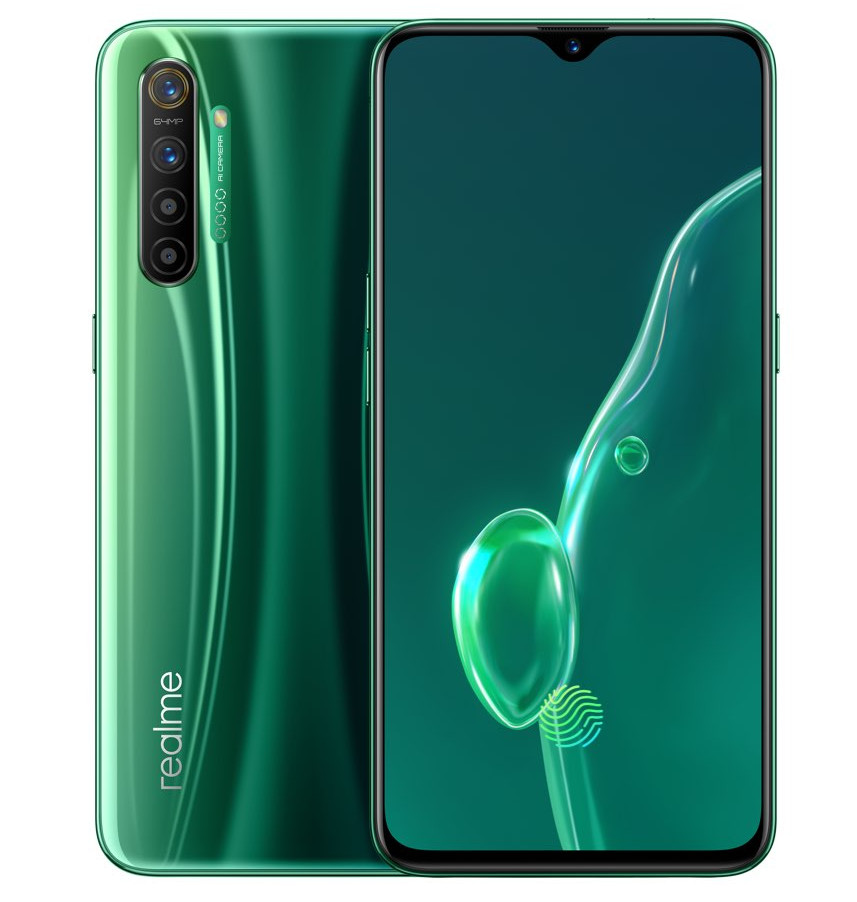
Realme X2 Avocado Green
Currently, not much is known about the Indian version of the Realme X2 but if it is similar to the Chinese version than a few speculations can be made. The Chinese X2 featured a 6.4-inch full-HD+ (1080×2340 pixels) Super AMOLED display with a waterdrop-style notch. It was also paired had an in-display fingerprint scanner as well. It sported Qualcomm’s Snapdragon 730G SoC paired with 6GB and 8GB LPDDR4X RAM options.
On the rear, it featured a quad-camera setup that includes a 64MP primary Samsung GW1 sensor alongside a wide-angle lens, depth sensor, and a macro lens. Similar to the Twitter reveal, Realme X2 also features a 32MP front camera, so both smartphones might be the same handset but with minor differences. However, since no official confirmation has been received, no concrete statements can be made.
Realme X2 Pro Poseidon
Notably, the tweet also stated that Twitter users that reshare the original post stand a chance at winning free tickets to the upcoming new Star Wars movie. So, we can expect a special model that collaborates with the Disney production.
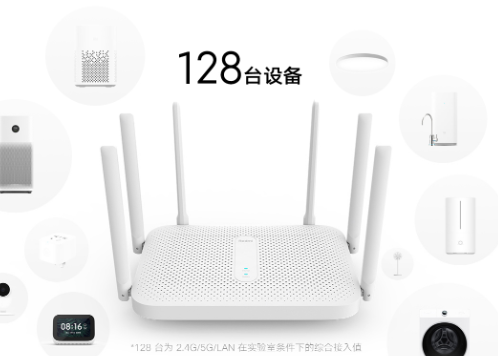
The Redmi Router AC2100 is the first Redmi-branded router and marks the subsidiary’s entry into another product category its parent company is known for. Redmi has not only entered into the router game but the name of its first router not unique has Xiaomi also has a router called the AC2100 but with an entirely different design and features.
The Redmi Router AC2100 has a rectangular shape with holes at the top and bottom to help with heat dissipation. The router has six omnidirectional high-gain antennas and six high-performance signal amplifiers.
It is powered by an 800MHz dual-core four-threaded CPU paired with 128MB of RAM. The Redmi Router AC2100 has anti-snooping features that protect your security cameras from being hijacked and prevent eavesdropping by smart speakers. Redmi also adds that it supports IPV6 which is much more efficient than IPV4 and supports autoconfiguration of IP addresses.
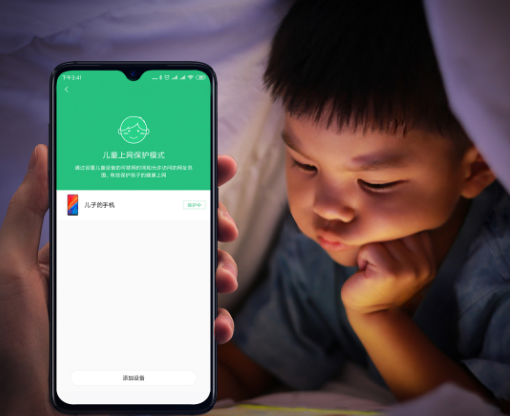
A maximum number of 128 devices can be connected to the Redmi Router AC2100 and if you have kids on the network, you can configure usage time, URL ranges, and history using the new Xiaomi MiWiFi app 5.0. The app will also alert you when a device comes online, that way you can identify unknown devices that are connected to the router.
The Redmi Router AC2100 also works with the Mi Home App and has been optimized to work seamlessly with Xiaomi smart home devices. Redmi says your smart home devices connect automatically without the need for passwords.
Another feature of the router is a free 3-month NetEase UU Game Booster subscription. The game booster allows you to enjoy lag-free gaming and a stable connection while gaming.
The Redmi Router AC2100 has a ¥169 (~$24) price tag. It is already available for pre-order on the Youpin store and will go on sale on December 12.
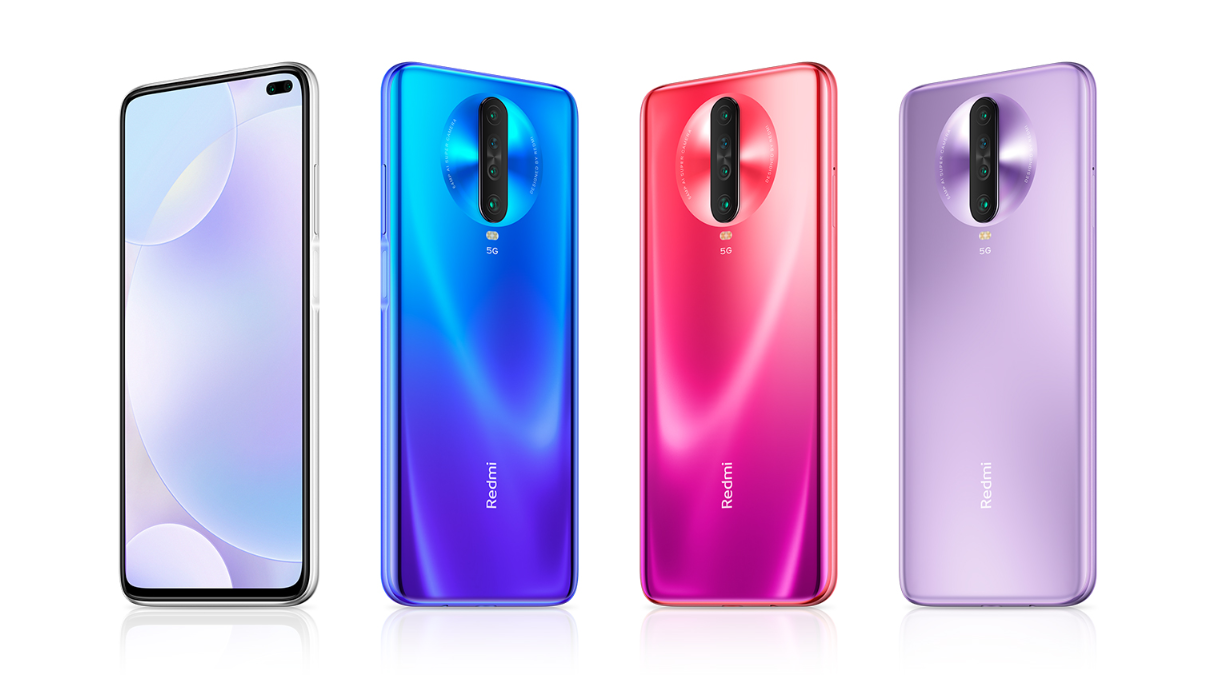
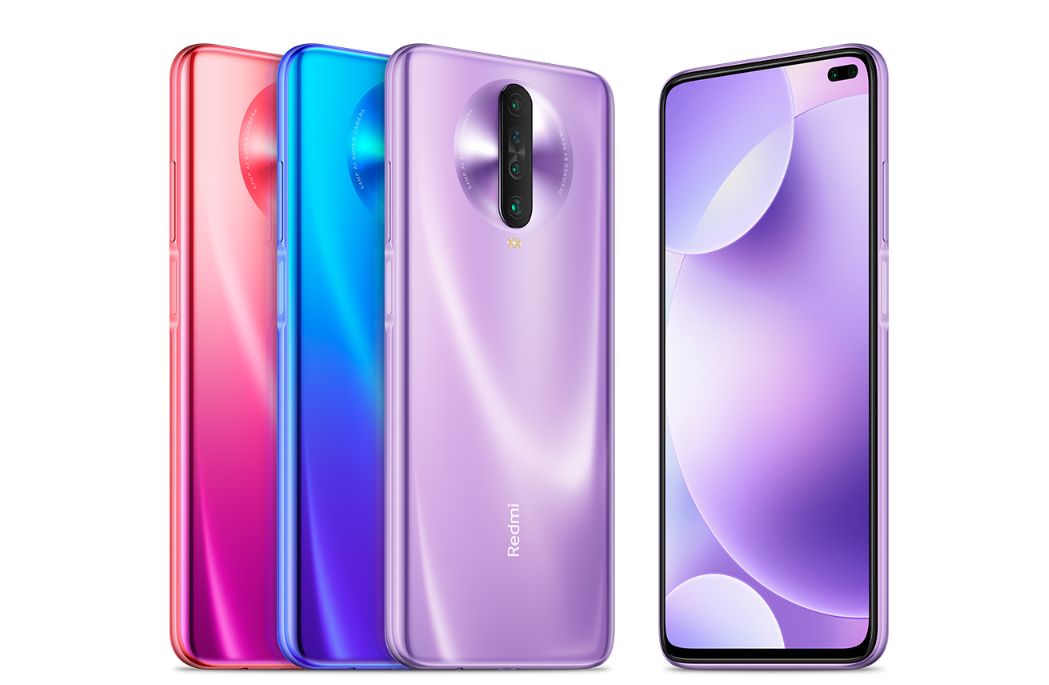
Xiaomi’s subsidiary has just launched the Redmi K30 today (10th December 2019). It is the latest smartphone from the Chinese company and is a successor to the popular Redmi K20. Notably, the handset arrives in both 4G and 5G variants, which also makes the device the first 5G smartphone from the company.
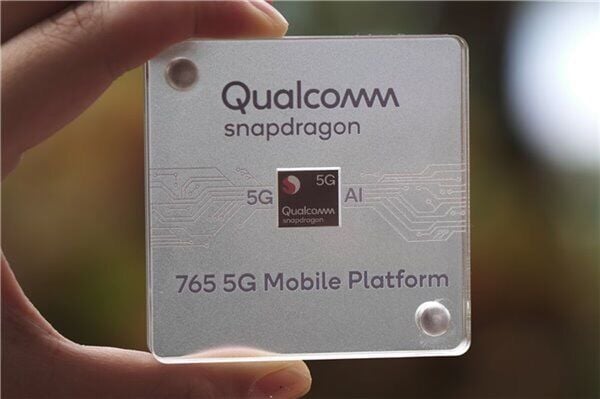
Redmi K30 5G is the latest entry in the company’s flagship series and is equipped with top-notch specs. Under the hood, it sports Qualcomm’s 7nm Snapdragon 765G SoC which features an integrated X52 Modem for 5G networking. It also sports HDR 10 complaint 6.67-inch IPS LCD FHD+ display (1080 x 2400 pixels) with an aspect ratio of 20:9 that supports 120Hz refresh rate for smooth interface and gaming.
Qualcomm Snapdragon 765G
Redmi K30 5G is powered by a large 4,500mAh battery that supports 30W fast charging as well. One of the device’s most notable features is its camera that includes a punch-hole dual selfie camera at the front and vertically stacked quad-camera setup on the rear. According to officials, the smartphone will be available for purchase in January 2020 and launch in 4 unique colors that include Time Monologue, Purple Jade Fantasy, Deep Sea Glow and Flower Shadow.
Redmi K30 4G is a more affordable variant in comparison to its 5G counterpart. The smartphone is similar to the more expensive version in most regards but features a Snapdragon 730 SoC instead of the 5G SD765G processor. This processor was also used in the last year’s Redmi K20 series as well.
4 GB RAM + 64 GB storage – 1,599 Yuan (~$227)
6 GB RAM + 64 GB storage – 1,699 Yuan (~$241)
8 GB RAM + 128 GB storage – 1,899 Yuan (~$270)
8 GB RAM + 256 GB storage – 2,199 Yuan (~$312)
Redmi K30 4G
Additionally, the device only supports 27W fast charging instead of 30W. However, other configurations like the camera, memory, and storage remain the same between both variants. The Redmi K30 4G will be available for purchase 10 pm on 12th December 2019 in China.
OPPO‘s been having a very busy day, but they’re not done announcing things yet. At Future Technology Conference 2019, Liu Chang, vice president of OPPO and dean of the research institute, said in an interview that the Oppo folding phone is in development, which we already knew. The more interesting information is in regards to the OS.
The OPPO folding phone will have an adaptable OS, which means that the OS will seamlessly transition from mode to mode according to what the user does. We’ve seen this before with Samsung’s Galaxy Fold and the Huawei Mate X, and it’ll be interesting to see how OPPO’s implementation works.
Liu also states that he believes folding phones are the future of smartphones. OPPO’s folding screen products are currently undergoing intensive research and development to ensure that they’re well optimized. As of right now, folding screen technology is still full of problems and that will need to be fixed, as well as reservations towards it.
We use cookies on our website to give you the most relevant experience by remembering your preferences and repeat visits. By clicking “Accept”, you consent to the use of ALL the cookies.
This website uses cookies to improve your experience while you navigate through the website. Out of these, the cookies that are categorized as necessary are stored on your browser as they are essential for the working of basic functionalities of the website. We also use third-party cookies that help us analyze and understand how you use this website. These cookies will be stored in your browser only with your consent. You also have the option to opt-out of these cookies. But opting out of some of these cookies may affect your browsing experience.
Necessary cookies are absolutely essential for the website to function properly. This category only includes cookies that ensures basic functionalities and security features of the website. These cookies do not store any personal information.
Any cookies that may not be particularly necessary for the website to function and is used specifically to collect user personal data via analytics, ads, other embedded contents are termed as non-necessary cookies. It is mandatory to procure user consent prior to running these cookies on your website.

 The smartwatch is also said to feature up to 11 different sports modes and can keep track of over 127 different sports data. There is also an independent built-in GPS tracker on board. The Band 4 Pro houses a SpO2 meter which monitors the oxygen saturation rate of the blood. It also comes with the usual heart rate monitor as well as sleep tracker.