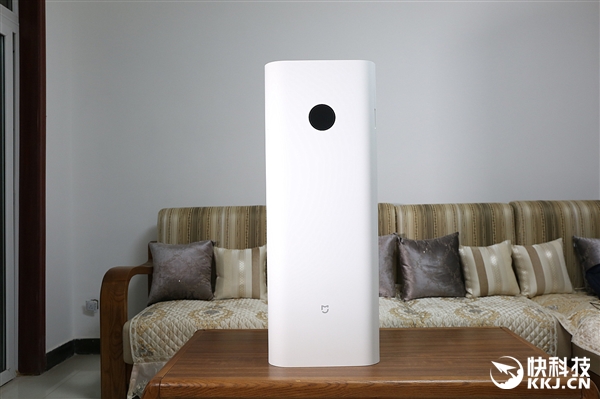
The Redmi Router AC2100 is the first Redmi-branded router and marks the subsidiary’s entry into another product category its parent company is known for. Redmi has not only entered into the router game but the name of its first router not unique has Xiaomi also has a router called the AC2100 but with an entirely different design and features.
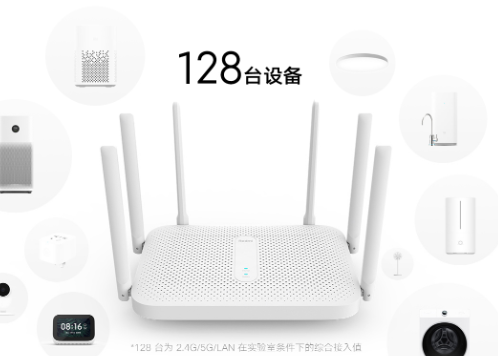
The Redmi Router AC2100 has a rectangular shape with holes at the top and bottom to help with heat dissipation. The router has six omnidirectional high-gain antennas and six high-performance signal amplifiers.
It is powered by an 800MHz dual-core four-threaded CPU paired with 128MB of RAM. The Redmi Router AC2100 has anti-snooping features that protect your security cameras from being hijacked and prevent eavesdropping by smart speakers. Redmi also adds that it supports IPV6 which is much more efficient than IPV4 and supports autoconfiguration of IP addresses.
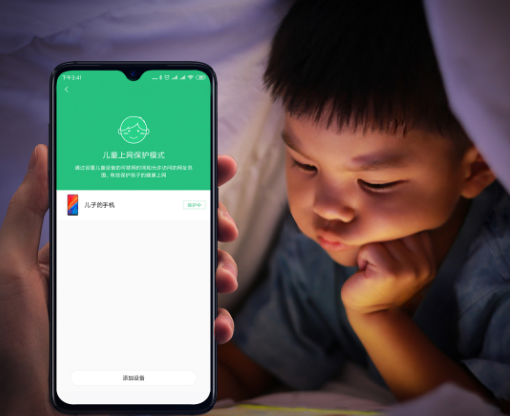
A maximum number of 128 devices can be connected to the Redmi Router AC2100 and if you have kids on the network, you can configure usage time, URL ranges, and history using the new Xiaomi MiWiFi app 5.0. The app will also alert you when a device comes online, that way you can identify unknown devices that are connected to the router.
The Redmi Router AC2100 also works with the Mi Home App and has been optimized to work seamlessly with Xiaomi smart home devices. Redmi says your smart home devices connect automatically without the need for passwords.
Another feature of the router is a free 3-month NetEase UU Game Booster subscription. The game booster allows you to enjoy lag-free gaming and a stable connection while gaming.
The Redmi Router AC2100 has a ¥169 (~$24) price tag. It is already available for pre-order on the Youpin store and will go on sale on December 12.
Xiaomi’s subsidiary has just launched the Redmi K30 today (10th December 2019). It is the latest smartphone from the Chinese company and is a successor to the popular Redmi K20. Notably, the handset arrives in both 4G and 5G variants, which also makes the device the first 5G smartphone from the company.
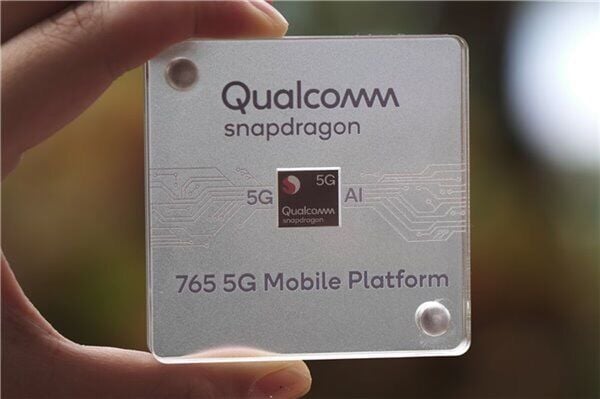
Redmi K30 5G is the latest entry in the company’s flagship series and is equipped with top-notch specs. Under the hood, it sports Qualcomm’s 7nm Snapdragon 765G SoC which features an integrated X52 Modem for 5G networking. It also sports HDR 10 complaint 6.67-inch IPS LCD FHD+ display (1080 x 2400 pixels) with an aspect ratio of 20:9 that supports 120Hz refresh rate for smooth interface and gaming.
Qualcomm Snapdragon 765G
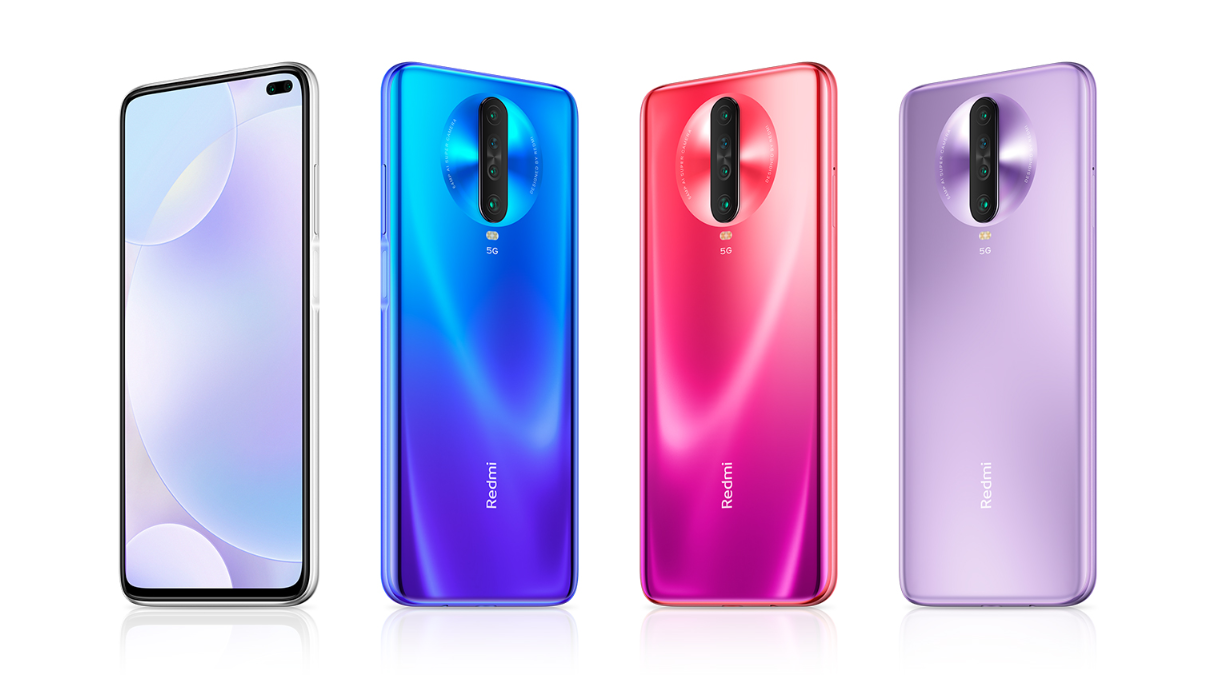
Redmi K30 5G is powered by a large 4,500mAh battery that supports 30W fast charging as well. One of the device’s most notable features is its camera that includes a punch-hole dual selfie camera at the front and vertically stacked quad-camera setup on the rear. According to officials, the smartphone will be available for purchase in January 2020 and launch in 4 unique colors that include Time Monologue, Purple Jade Fantasy, Deep Sea Glow and Flower Shadow.
Redmi K30 4G is a more affordable variant in comparison to its 5G counterpart. The smartphone is similar to the more expensive version in most regards but features a Snapdragon 730 SoC instead of the 5G SD765G processor. This processor was also used in the last year’s Redmi K20 series as well.
4 GB RAM + 64 GB storage – 1,599 Yuan (~$227)
6 GB RAM + 64 GB storage – 1,699 Yuan (~$241)
8 GB RAM + 128 GB storage – 1,899 Yuan (~$270)
8 GB RAM + 256 GB storage – 2,199 Yuan (~$312)
Redmi K30 4G
Additionally, the device only supports 27W fast charging instead of 30W. However, other configurations like the camera, memory, and storage remain the same between both variants. The Redmi K30 4G will be available for purchase 10 pm on 12th December 2019 in China.
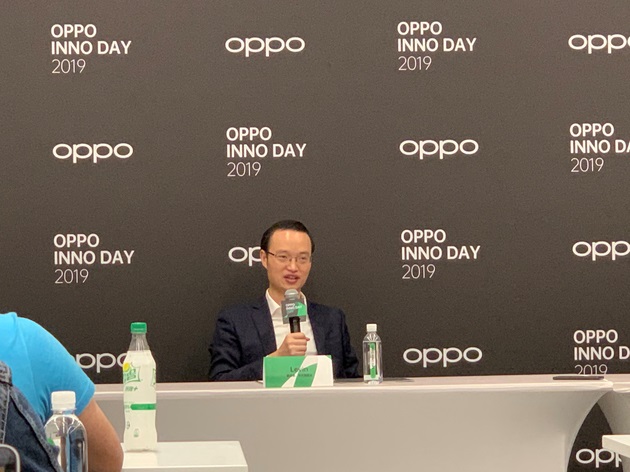
OPPO‘s been having a very busy day, but they’re not done announcing things yet. At Future Technology Conference 2019, Liu Chang, vice president of OPPO and dean of the research institute, said in an interview that the Oppo folding phone is in development, which we already knew. The more interesting information is in regards to the OS.
The OPPO folding phone will have an adaptable OS, which means that the OS will seamlessly transition from mode to mode according to what the user does. We’ve seen this before with Samsung’s Galaxy Fold and the Huawei Mate X, and it’ll be interesting to see how OPPO’s implementation works.
Liu also states that he believes folding phones are the future of smartphones. OPPO’s folding screen products are currently undergoing intensive research and development to ensure that they’re well optimized. As of right now, folding screen technology is still full of problems and that will need to be fixed, as well as reservations towards it.
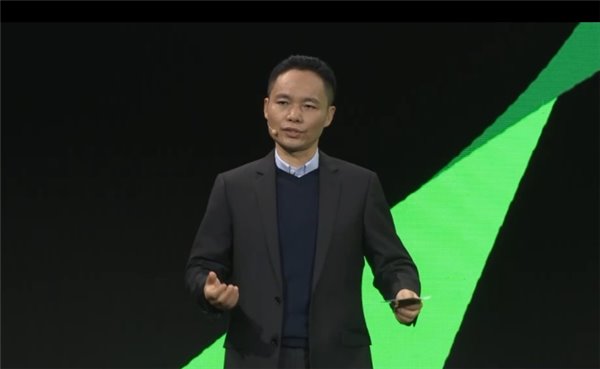
On 10th December 2019, Oppo held a special event at the Shenzhen headquarters for its Future Technology Conference 2019. The event saw many notable announcements and attendees which included CEO Chen Mingyong, who has been away from media and public events for the past 6 years. It also saw the company showcase the real-life prototypes with new technological solution that will arrive in the near future. This includes a highly anticipated under-display camera on a prototype smartphone.
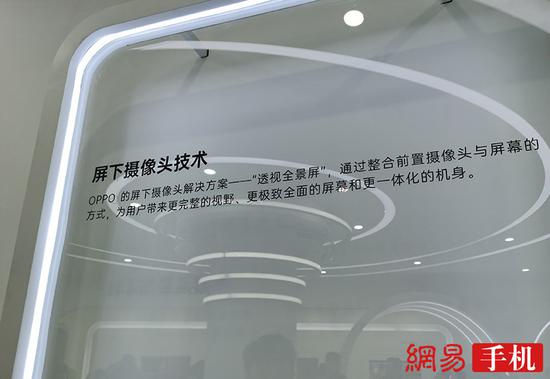
Oppo Showcases Under Display Camera Technology (Image via CNBeta)
In Oppo’s product technology display area, the Chinese company had showcased many upcoming devices and products with cutting-edge technologies. One of which is the “Perspective Panoramic Screen” or in other words an under-display camera. According to the company, the new technology allows users to have a more complete field of vision by completely integrating the front camera into the display.
Oppo Provides a peek into the future in its Product Technology Display area
Currently, most smartphone manufacturers opt for either a pop-up camera for a full unintrusive display or a punch hole/waterdrop notch selfie camera at the front to achieve almost similar results. However, many people are still skeptical of cameras on motor mechanisms and almost is still not 100 percent. Hence, the process of having the camera built under the display seems to be the best solution so far. To date, no OEM has released a device ready for mass production with the technology.
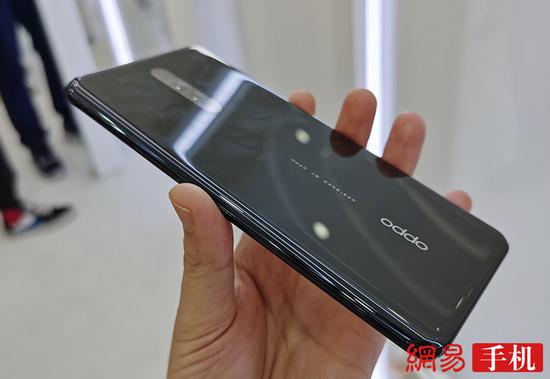
According to the source, the prototype that featured this new camera technology also showcased possible designs for future smartphones. It had no visible seams, ports or openings even for charging and its likely wireless powered back up. Furthermore, the selfie camera interface was mostly hidden but was noticeable with light-colored wallpapers or backgrounds. This shows that the technology is incomplete and is still a while away from commercial launch.
Oppo Prototype with no ports or seams (Image Via CNBeta)
Oppo has stated that the “perspective panoramic screen” will solve these minor details and hitches over the next few years before starting mass production. Reportedly, we might even be seeing more widespread adoption of this technology in the next three to five years from different companies.
Various Chinese smartphone brands have launched 5G-ready phones in the home market. All the 5G phones that are available in China are flagship devices and the most affordable 5G flagship phone starts at 3,299 Yuan in China. Today, Xiaomi’s sub-brand Redmi has introduced the Redmi K30 5G phone. With a starting price of 1,999 Yuan (~$284), it currently stands as the cheapest 5G enabled smartphone in the world. Also, it is the first smartphone ever to feature the all new Snapdragon 765G gaming-centric 5G chipset. The new SoC brings support for dual-mode 5G connectivity on the Redmi K30 Pro 5G. Another first on the Redmi K30 is the presence of the brand new Sony IMX686 64-megapixel sensor. The smartphone also comes with other exciting features 120Hz refresh rate display, dual front-facing cameras, quad rear cameras and a big sized battery. The company also announced 4G LTE version of the Redmi K30 alongside its 5G sibling.
Redmi K30 5G Specifications and Features
Redmi K30 5G
The Redmi K30 5G has a 3D glass body that is curved on all four side. The smartphone features Gorilla Glass 5 panels on its front and rear. The Redmi K30 5G smartphone that houses a 6.67-inch IPS LCD display. It has a pill-shaped punch-hole at the top-right corner. The size of the punch-hole is 4.38mm only. The HDR 10 complaint display produces a tall aspect ratio of 20:9 and offers full HD+ resolution of 1080 x 2400 pixels. It is the first Redmi phone to arrive with support for 120Hz refresh rate which not only promises smoother scrolling, but also stutter-free gaming experience. The company claims that many apps already support the phone’s high frame rate mode.
Compared to the predecessor Snapdragon 730G, the new 7nm Snapdragon 765G promises 10 percent better performance. The smartphone comes with up to 8 GB of LPDDR4x RAM and inbuilt storage of up to 256 GB UFS 2.1 storage. A microSD card slot is available on the device for more storage. It is the company first phone to arrive with Android 10 OS which is overlaid with the latest MIUI 11 skin. The Mi Turbo 2.0 optimized the system performance whereas Game Turbo 2.0 enhances the device for gaming.
The back panel of the phone features a vertical quad camera setup which is placed inside a glossy round pattern. It features the Sony IMX686 64-megapixel primary lens with an f/1.89 aperture and a 1/1.73″ sensor size. The main lens support for 4-in-1 pixel binning. The other sensor of the Redmi K30 5G’s rear facing camera setup includes an 8-megapixel ultrawide lens with 120-degree field-of-view, a 5-megapixel macro lens and a 2-megapixdel depth assist lens. The company claims that the Redmi K30 5G has the same camera algorithms that is available on the Xiaomi Mi CC9 Pro that features 108-megapixel penta-lens camera setup. Hence, the Redmi K30 5G promises to deliver better photo shooting experience in dim-light conditions.
The dual LED flash enabled quad cameras offers features like AI Scene Camera, Super Night Scene 2.0, movie mode, professional mode, background blur, 30fps 4K video shooting and 1080p slow-motion video at 120fps. On the front, the Redmi K30 5G features an AI powered dual camera setup that includes a 20-megapixel main lens and a 2-megapixel depth sensor. The front camera supports 30fps full HD video shooting.
The Redmi K30 5G is fueled by a 4,500mAh battery. The device carries support for 30W fast charging. The smartphone is equipped with an independent high-efficiency charge pump with a charging conversion efficiency of up to 97 percent. The handset is incorporated with a copper tube for liquid cooling and heat dissipation which can effectively reduce the internal temperature by up to 7 degrees Celsius.
The other features that are available on the Redmi K30 include dual-SIM support, Wi-Fi 802.11ac, Bluetooth 5.0, dual-band GPS, IR blaster, NFC, Hi-Res Audio, 1217 super line speaker with Smart PA louds speaker, USB-C, 3.5mm audio jack and a side-mounted fingerprint reader. The handset measures 165.3x 76.6 x 8.79mm and it weighs 208 grams.
Redmi K30 4G Edition Specifications
Redimi K30 4G
The Redmi K30 4G edition is a cheaper alternative for its 5G model. The device borrows most of its specs from the Redmi K30 5G. The only major difference is that it is powered by the 8nm Snapdragon 730G mobile platform. The predecessor Redmi K20 phone had featured the Snapdragon 730 SoC. It carries support for 27W fast charging. In the quad camera setup, there is a 2-megapixel macro lens instead of the 5-megapixel one found on the 5G variant. It also lacks support for dual-frequency GPS. The rest of the specs of the 4G variant are identical with Redmi K30 5G.
Redmi K30 Pricing and Availability
Here is the pricing of the different variants of the Redmi K30:
Redmi K30 4G
6 GB RAM + 64 GB storage – 1,599 Yuan (~$227)
6 GB RAM + 128 GB storage – 1,699 Yuan (~$241)
8 GB RAM + 128 GB storage – 1,899 Yuan (~$270)
8 GB RAM + 256 GB storage – 2,199 Yuan (~$312)
Color variants: Amethyst Fantasy, Deep Water Blue and Shimmering Purple
Redmi K30 5G
6 GB RAM + 64 GB storage- 1,999 Yuan (~$284)
6 GB RAM + 128 GB storage – 2,299 Yuan (~$326)
8 GB RAM + 128 GB storage – 2,599 Yuan (~$369)
8 GB RAM + 256 GB storage – 2,899 Yuan (~$412)
Color variants: Time Monologue, Purple Jade Fantasy, Deep Sea Glow and Flower Shadow
The Redmi K30 5G model will be available for purchase in January 2020. The pre-sale of the 4G model has started in China and its first sale will be held on Dec. 12 at 10 AM (local time).
Rumors have it that the Redmi K30 Pro 5G will break cover in January 2020. It is also speculated that the Redmi K30 will be coming soon to other markets including India in the near future.
What do you think about the specs and pricing of the Redmi K30 5G and 4G models? Share us your views by posting your comments below.
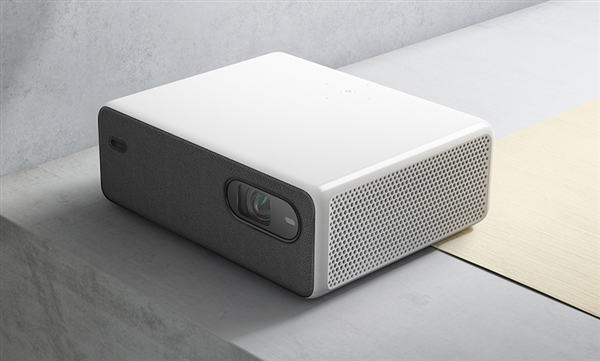
It is a big day for Xiaomi with multiple products in line for release today (10th December 2019). One of these products from the company includes the new Mijia laser projector that offers many useful functions for a versatile viewing experience.
Specifications & Features
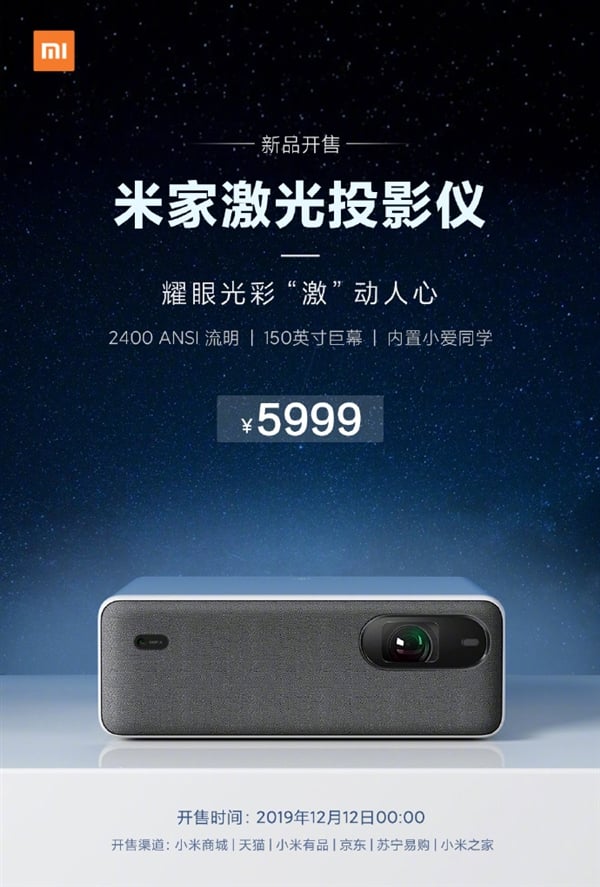
The new Mijia laser projector is compatible with up to a 150-inch screen and is able to maintain an average brightness of 2,400 ANSI luminosity. This enables it to be clearly viewable even during the day so users won’t need to darken the room or pull up the curtains for this one. Its projection ratio sits in at 1.2:1 and has a projection distance of about 3.9 meters.
Xiaomi Mijia Laser Projector
Xiaomi’s new laser projector supports ALPD 3.0 display technology which translates to more natural and vibrant looking colors being displayed. It also features a four-way keystone correction that can enable it to be used in small rooms as well. Furthermore, the device is equipped with a built-in microphone array composed of 4 highly sensitive sensors. These functions together to produce strong anti-noise recognition technology. This also allows it to wake up on command by locating the source of the sound and offers various audio commands for navigation during screening.
Under the hood, the Mijia laser projector is equipped with a new high-performance Amlogic T972 that has a maximum frequency of 1.9GHz. In comparison to its predecessor, it is noticeably faster by over 63 percent and has reduced power consumption by over 55 percent. Notably, the device also supports 8K video decoding. Xiaomi’s laser projector also ships with certain safety features like dimming laser intensity if it detects an obstruction during screening to protect eyes. It lessens the diffusion of blue light to reduce the radiation to the human eye and visual fatigue as well.
Audio
Xiaomi’s Mijia laser projector is equipped with dual 10W speakers. Each measure at 1.75-inches and are full-frequency high fidelity speakers. The lower end of the audio spectrum can also see it dive to a 60Hz for intense moments. Even when the projector is turned off, the device can simply be used as a smart speaker.
Xiaomi Mijia Laser Projector Speakers
Design & Ports
The Mijia laser projector follows a very minimalistic design philosophy with simple aesthetics. Its shell is made of high-quality gloss PC material on a plain white rounded body or a dark gray fabric panel. This allows it to blend seamlessly with most home background environments. Xiaomi’s new laser projector also ships with the MIUI TV system from the company. This includes its massive viewing gallery and an intelligent Patchwall system for recommending content based on user preferences.
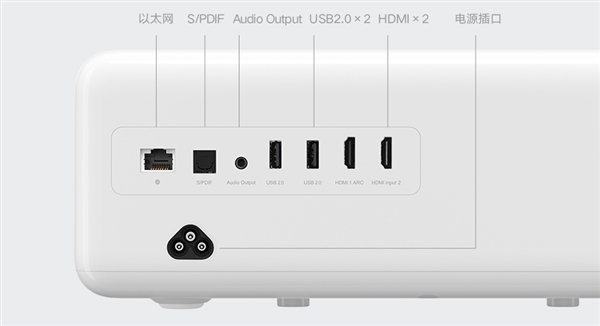
Xiaomi Mijia Laser Projector Ports
For connectivity, the device features 2 HDMI ports alongside the LAN network port. It also supports Wi-Fi and high definition video content. 3rd party software is not needed to go with the device which is capable of a one-touch connection to mobile phones, tablets, laptops and more of the sort.
Availability & Pricing
Xiaomi’s Mijia laser projector is priced at 5,999 Yuan (or roughly $852) and will officially be available for purchase from the 12th of December 2019. On the first day of purchase, consumers will receive a free film membership card of 148 Yuan ($21) which will be issued before 26th December 2019.
Along with the RedmiBook 13 and the much-awaited Redmi K30 smartphone, the Xiaomi-backed company has also launched its first smart speaker, as the company had earlier promised. The new smart speaker is dubbed as Redmi XiaoAI Speaker Play.
It has a 1.75-inch high-quality 5W speaker unit which comes in a U-shaped duct design. The speaker also has a 350cc large sound cavity which aims to delivery outstanding sound quality for the users.
The company has said that the Redmi XiaoAI Speaker Play users the latest generation of Bluetooth Mesh gateway which makes it a good option for controlling smart home products such as smart door locks and light bulbs.
It also comes with built-in third-generation “small love classmates” to support Little Love Male Voice. The speaker also has a new self-developed voiceprint recognition which listen to sound and with time, understands the user better.
This Redmi XiaoAI Speaker Play comes in several vibrant color options, including White, Blue, Green, and Pink. Priced at 79 yuan (approximately $11), it will be up for pre-order in China from today 4:30 PM local time but the company has confirmed that the sale will start from 12th December.
WhatsApp constantly keeps adding new features to facilitate smooth messaging and calling experience for the users. After introducing the new grouped stickers and fingerprint authentication feature last month, the social messaging app has added a new call waiting facility. It will intimate the users about the incoming call when they are on a call with another user.
Since the inception of the calling feature on Whatsapp, the users were looking for options to put a call on hold, or on waiting. Thanks to the team, which has paid heed to the users’ demand after years.
Earlier, the WhatsApp was not adequately handling the incoming calls while you’re busy talking with others. With the recent update, WhatsApp will alert the users with a tone. It has been made possible for the users to either disconnect the existing call or can ignore the call. However, it is not the same feature as putting a call on hold.
The new call waiting feature is now rolling out on all the Android devices. The users can head over to the Play Store to get the WhatsApp version 2.19.352. It is also available on the beta version 2.19.357 and version 2.19.358 of the app. However, it is already present on the iOS since late last month with WhatsApp v2.19.120.
Since it is a staged rollout, the update will be available to all the users in the upcoming few weeks. Surprisingly, interested users can also sideload the apk by downloading it from the APKMirror.
The newer WhatsApp version also includes the broader rollout of the group privacy feature. The users can now control the privacy to decide who can add them to a WhatsApp group. You can change the privacy by heading to the Account > Privacy > Groups.
Xiaomi-backed Redmi had promised to launch four category of products at today’s launch event in China — laptop, router, smart speaker, and smartphones. As promised, the company has introduced new RedmiBook series.
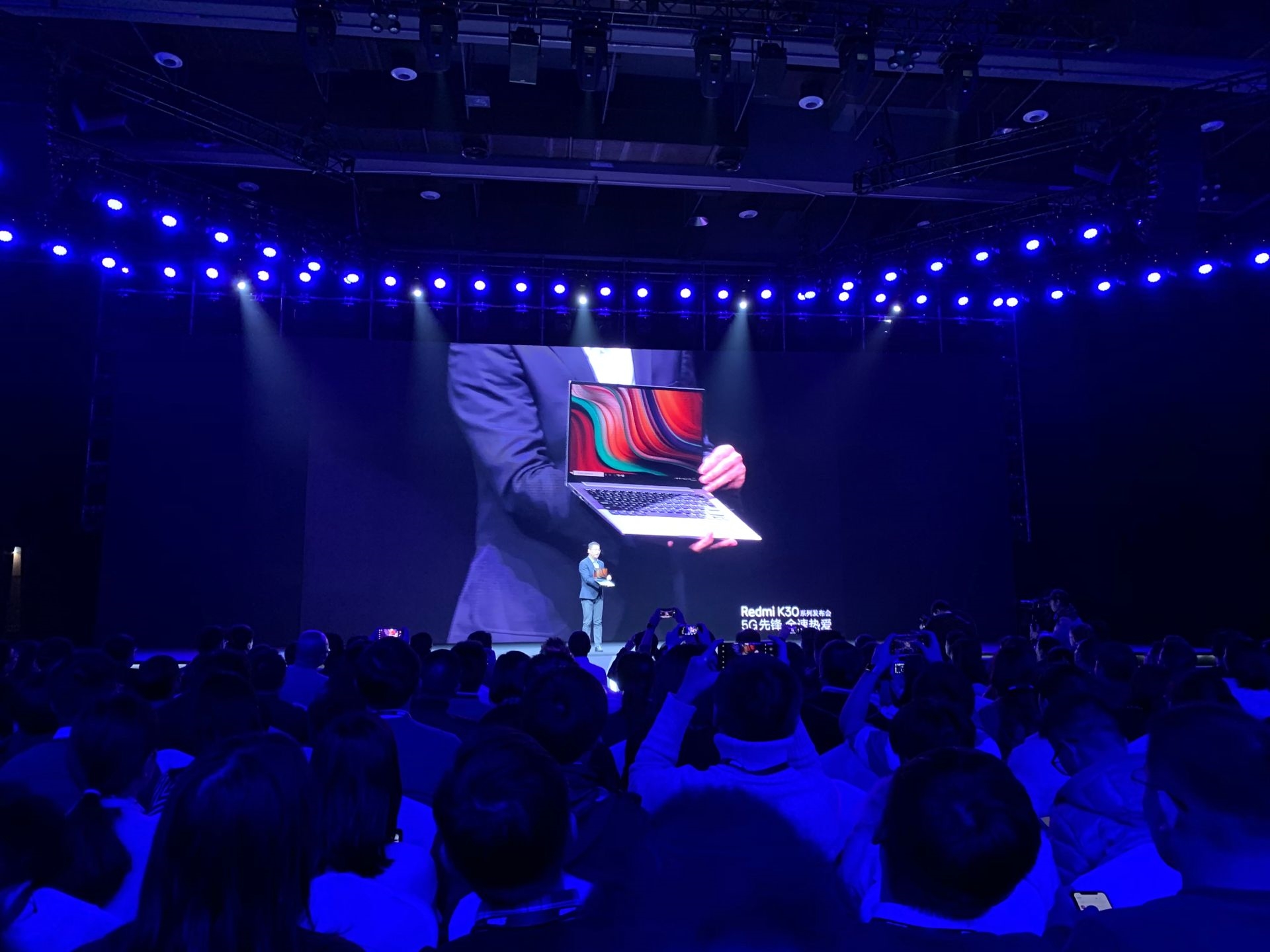
The RedmiBook 13 is making its debut today and Lu Weibing, now Chairman of Xiaomi China, has emphasised that the device comes with narrow bezels on all four sides to offer full-screen experience to users.
As the name itself suggests, the RedmiBook 13 comes with a 13.3-inch Full HD+ display that offers 89 percent screen-to-body ratio. The company says that the size of the laptop is even smaller than that of A4-sized paper as it covers only 96 percent of A4 paper.
To make sure that the device remains cool even after heavy usage, the company has added an advanced cooling system. This new laptop from Redmi comes with a new hurricane cooling system which includes a wing fan and a built-in 6mm diameter double heat pipe, which increases the maximum heat transfer by 70 percent.
Further, the new RedmiBook 13 also comes with Xiaomi’s mutual transmission support which the company claims can achieve network-less transmission between PC and mobile phone as well as between PC and PC. The laptop is running on Microsoft Windows 10 Home operating system and comes with pre-installed Office Student edition.
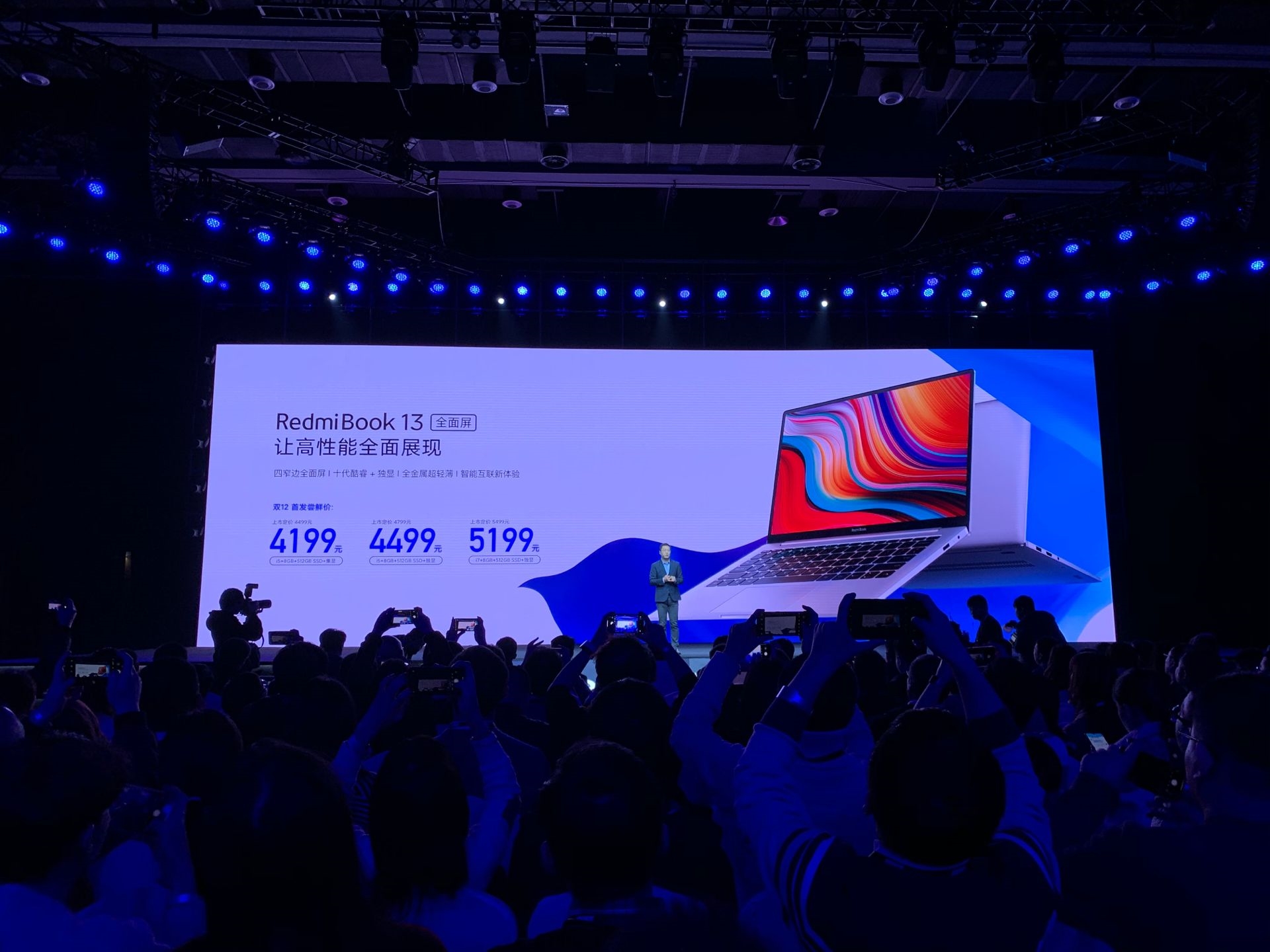
The RedmiBook 13 comes in three variants, which are all powered by 10th-generation Intel Core processors. The company has promised 11 hours long battery life with support for 1C fast charge that can charge up to 50% in 35 minutes.
The base model is priced at 4,199 yuan (approximately $597) while the model with Core i5 processor and NVIDIA MX250 GPU is priced at 4,499 yuan, which roughly converts to $640. The top-end model of the laptop, which comes packed with the Intel Core i7 processor and NVIDIA MX250 graphics processor, costs 5,199, which is roughly $739.
While the RedmiBook 13 will be up for pre-order from today itself, the device will go on sale in China from 12th December.
We’ve know for a while now that OPPO were trying to produce their own chips, but we didn’t expect them to announce it so soon. The company filed a trademark named the “OPPO M1” just late last month, and we were expecting a formal announcement to be made at MWC 2020 at the earliest. The fact that they’re announcing it now is huge.
The company has invested a lot in research and development, so this doesn’t come as a big surprise. For example, VOOC flash charging chips are independently developed by them. However, OPPO’s entry into the chip business will definitely bring big changes to its products. An in-house chip can ensure better communication between its products just as Apple’s products work better with each other.
There are no details about the specifications of the OPPO M1 yet but there are speculations we may find out more early next year. Now that the company has formally acknowledgeg the chip, it’s possibly they may reveal details about the processor at MWC 2020 or at next year’s edition of Semicon China scheduled to hold in March. It’s not necessarily set in stone though, we could see it much later in the year at Mobile World Congress Shanghai.
Accoding to Liu, it is very important that OPPO achieves chip production soon. He claims that developing their own chips will allow them to do business with more partners and make demands from them. Chip companies aren’t very close to consumers, but their products are integral to the user experience, so OPPO wants to make their own chips to better fit the needs of their users.
Earlier today we saw OPPO announce their first pair of AR Glasses. The announcement comes at a time when the smartphone company has said that it is now focusing on diversifying its portfolio of product categories, but now we’ve got more details of what that entails courtesy OPPO founder Chen Mingyong at the 2019 Future Technology Conference.
According to Chen, in the future we might just see a plethora of smart devices and gadgets from the company including smartwatches, smart TVs and even robots. This is a much more diverse set of products compared to the company’s current smartphone lineup, and it would certainly fit the goal of expanding OPPO’s product portfolio.
Chen Mingyong also announced again at the conference that OPPO will invest 50 billion yuan in the company’s research and development budget for the next three years, focusing on 5G /6G technology, artificial intelligence, AR, big data and other cutting-edge technologies like core hardware technologies, software engineering and system capabilities.
On top of all this, OPPO also revealed that smart watches and headphones will be commercially available in Q1 of 2020. These will fit in nicely with the newly announced Oppo AR Glasses, and really mark a step forward for the Chinese company to expand its presence in many different branches of the technology market. We’re looking forward to what else Oppo comes up with, and we’re eager to find out more.
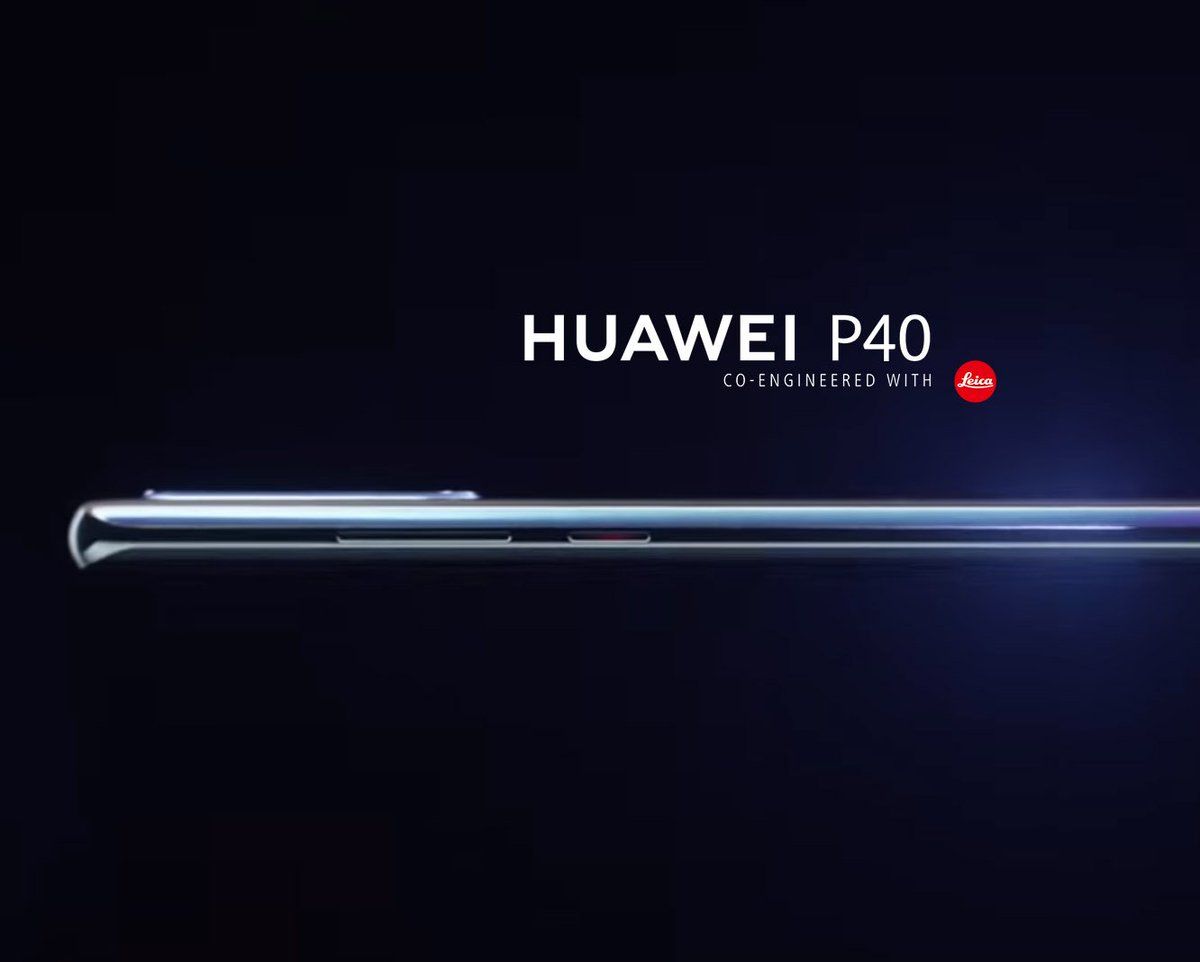
Huawei is reportedly working on Huawei P40 and P40 Pro as successor editions of the Huawei P30 and Huawei P30 Pro that had debuted in the first quarter of this year. The Huawei P40 series is expected to break cover by Q1 2020. A fresh leak has revealed the key specifications of the Huawei P40 Pro. The leak also states that the phone could be backed by a 5,500mAh graphene battery and it may arrive with 50W fast charging technology.
According to the leak, the volume of the 5,500mAh graphene battery that will be powering the Huawei P40 Pro will be only 70 percent of that of lithium batteries. The graphene battery could be coupled with the newly developed 50W rapid charging technology from Huawei which will take only 45 minutes to charge it completely.
The leak has further revealed that the Huawei P40 Pro will be coming with a 6.5-inch waterfall display. The OLED screen will support quad HD+ resolution and 120Hz refresh rate. It may offer a high screen-to-body ratio of around 98 percent. The display of the phone may bear a pill-shaped cutout for dual selfie snappers.
The Kirin 990 5G is expected to be powered the Huawei P40 series. The back panel of the Huawei P40 Pro could be fitted with a Leica engineered penta-lens setup that may include Sony IMX700 or IMX686 primary lens with OIS support and RYYB color arrangement, a 20-megapixel ultrawide lens, a 12-megapixel periscope telephoto lens, a macro lens and a ToF sensor. The rear cameras may support 4K video recording.
The P40 Pro may come with main sensor + ultrawide lens dual selfie camera system like the Huawei Nova 6 5G phone. The leak states that the Huawei P40 series will run on Android 10 customized with EMUI 10 skin.
The leak has no information on the launch date and pricing of the Huawei P40 series. Readers are advised to digest the above report with a grain of salt. The P30 series were made official in March this year. Hence, the P40 and P40 Pro may break cover around the same time next year. A recent report had revealed that Huawei will be selling the Huawei P40 series in the global markets.
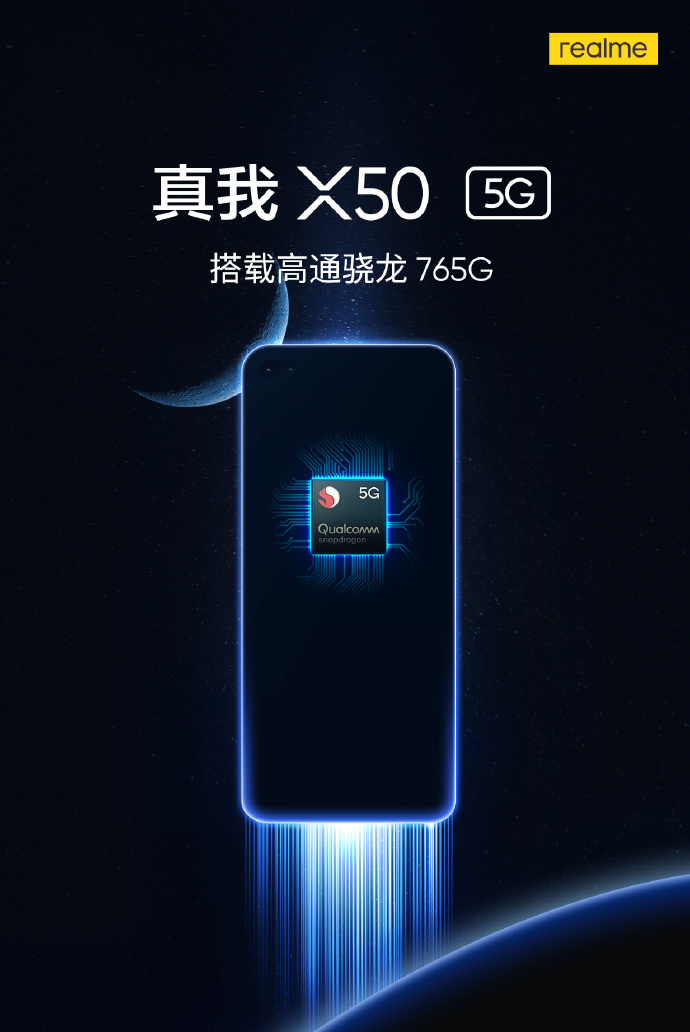
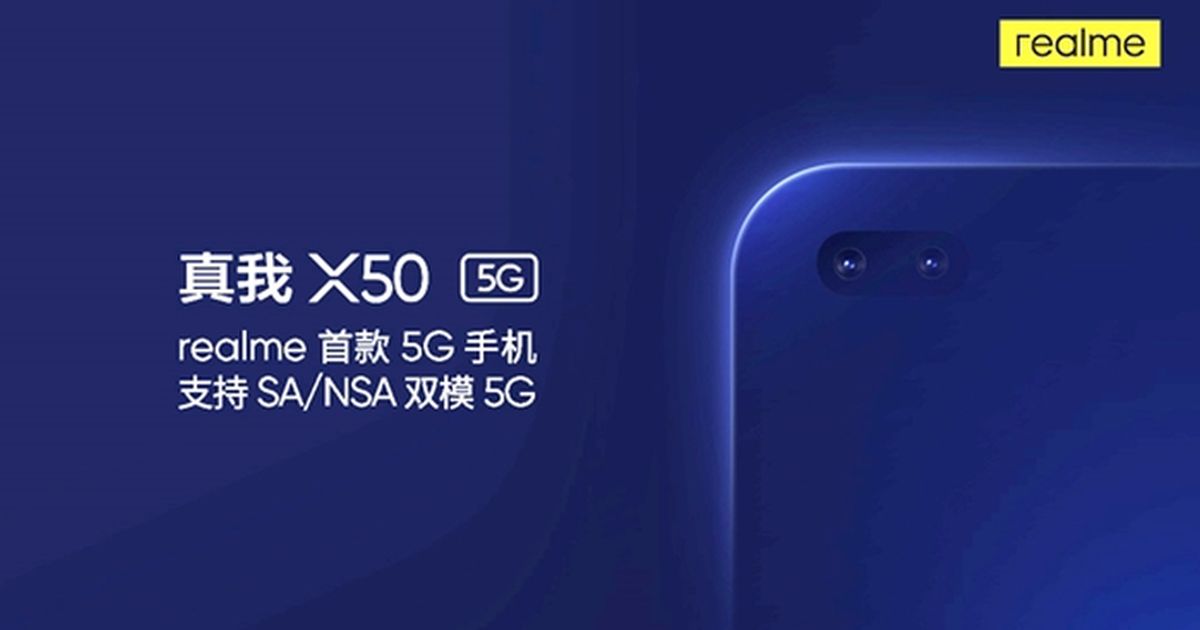
Realme had confirmed in November that the Realme X50 will be debuting as the company’s first 5G-ready phone. The first teaser that was released by the company had confirmed that the phone will be equipped with a display that features a pill-shaped cutout at its top-left corner for the two front-facing cameras. Today, the Chinese manufacturer has confirmed that the Realme X50 5G will be fueled by the Snapdragon 765G mobile platform.
With SD765G onboard, the Realme X50 5G will be a dual-mode 5G ready smartphone. Since it is driven by a mid-range processor that it is integrated with a 5G modem, the handset is expected to arrive in China with an attractive price tag. The upcoming OPPO Reno 3 Pro 5G and the Redmi K30 Pro 5G are also powered by the same SoC. In fact, the Realme X50 5G will be rivaling with a Redmi K30 Pro 5G as it also features a similar display design.
A recent report had claimed that the Realme X50 5G will be equipped with a 6.44-inch AMOLED display with 90Hz refresh rate. It could be coming with Sony IMX686 60-megapixel + 8-megapixel + 2-megapixel + 2-megapixel quad rear cameras and 32-megapixel + 8-megapixel dual front cameras. The device could be backed by a 4,500mAh battery with VOOC 4.0 Flash Charge technology. The handset may come with up of 12 GB of RAM and 256 GB of native storage.
The company also unleash the Realme X50 Youth Edition alongside the Realme X50. The smartphone may arrive with a 6.55-inch IPS LCD 60Hz refresh rate display. It could be featuring the MediaTek MT6885 5G SoC. Its rear could be fitted with 16-megapixel + 8-megapixel + 2-megapixel + 2-megapixel quad cameras and it may come with a single front camera of 32-megapixel. The device may house a 5,000mAh battery with VOOC 4.0 Flash Charge support. The Realme X50 Youth Edition may arrive with up to 6 GB of RAM and up to 128 GB of storage.
The Realme smartphone brand was introduced in China only few months ago and it has already gained good popularity in the home market. Realme had launched the Realme X phone with pop-up selfie camera and a notch-less display in May. The company had also launched the Realme X Lite alongside as the rebranded version of the Realme 3 Pro. In September, the Realme Q, a rebadged version of the Realme 5 Pro was unveiled in China alongside The Snapdragon 730G SOC powered Realme X2 had also debuted in the same month. In October, the company introduced the Realme X2 Pro as it first flagship phone. And now, the company is all set to launch the Snapdragon 765G powered Realme X50 5G phone. Probably, the smartphone will be made official later this month.
At its on-going Oppo Inno Day 2019 conference, the Chinese company has today announced its first AR Glasses. The announcement comes at a time when the smartphone company has said that it is now focusing on diversifying its portfolio of product categories.
The Oppo AR Glasses is a step forward for the Chinese company to expand its presence in the augmented reality space, which remains widely untapped even though VR and AR were touted to be the next big thing.
As per the reports, the Oppo AR Glasses offers three-dimensional reproduction and is also equipped to offer 3D surround sound. It is reportedly using diffractive optical waveguide technology to achieve thinness and high transmittance.
It also comes with various modes of interaction, including gestures and voice recognition. Coming to the software part, the device comes packed with various AR content, including games and services.
The Oppo AR Glasses features dual fisheye cameras on the front along with an HD camera. On the side, it appears that there are two buttons styled in green. The company claims that the Oppo AR Glasses are thinner in size and lighter in weight compared to the Hololens.
Oppo has not revealed much details about this new product it has announced but the company has said that it will be launched in the first quarter of next year, i.e. Q1 2020 but has not revealed specific details.
In a few hours, the Redmi K30 smartphone will be officially launched in China. While the company has not revealed anything about the phone’s availability in other regions so far, it seems that the India launch of Redmi K30 isn’t far away.
The Redmi K30 smartphone has passed through India’s BIS certification process. The listing reveals that the phone will carry a model number M191G7BI and will be assembled in the county by Flextronics Technologies.
While the exact launch date isn’t revealed, it could be just weeks after China launch today or early 2020. However, the Redmi K30 4G-only variant should be coming to India as the 5G infrastructure isn’t ready in the country.
As per the rumors, the 4G variant of the smartphone is expected to come powered by Qualcomm Snapdragon 730G processor. Its display will also be a 6.66-inch LCD panel with a 120Hz refresh rate and a Full HD+ 1080 x 2400 resolution. The leaked live photos showed that it will have 64GB of storage and run MIUI 11 out-of-the-box.
A leak has revealed that the smartphone will come with a 64MP main camera along with an 8MP telephoto camera, a 13MP ultrawide camera, and a 2MP sensor. It also said it will pack a 4500mAh battery with support for 27W fast charging. The 5G version has the same battery capacity but with 30W fast charging.
The device is also rumored to have 20MP + 2MP dual front-facing cameras, a side-mounted fingerprint scanner, NFC, IR blaster, and an audio jack. On the other hand, the 5G variant will come with support for SA and NSA dual-mode.
To know for sure what the company has planned for the Redmi K30 series of smartphone, we’ll have to wait for a few more hours as the launch event will start soon.
Realme has confirmed that the company is all set to launch the Realme XT 730G smartphone as well as Realme Buds Air in the Indian market on 17th December. Now, it seems that a special Star Wars Edition of the smartphone will also get unveiled.
Madhav Sheth, CEO of Realme India has shared a poster of Star Wars: The Rise of Skywalker, hinting that a special Realme XT 730G Star Wars Edition will be launched at the 17th December event in India.
This comes at a time when the Realme X2 Star Wars Edition is coming to China. For those who are unaware, the upcoming Realme XT 730G smartphone is the rebranded version of the Realme X2 smartphone that has already been launched in China.
A promotional teaser poster of the Realme X2 Star Wars Edition shows a new, spunky gradient paint job and special edition Star Wars-themed wallpapers that will definitely excite Star Wars fanatics.
As for the Realme XT 730G, the smartphone will look exactly the same as the Realme XT that was launched in India a couple of months ago. The only major difference will be the processor. While XT packs Snapdragon 712 SoC, the XT 730G will come powered by Qualcomm Snapdragon 730G chipset.
The device will be packed with 8GB of RAM and 256GB of internal storage. However, we expect the company to offer the device will multiple memory variants. But the Star Wars Edition is likely to be offered in the top-end variant only.
The smartphone will feature a 6.4-inch Full HD+ AMOLED display with Corning Corning Gorilla Glass 5 protection. In the camera department, it’ll come with the same setup as the XT — 64-megapixel Samsung ISOCELL Bright GW1 primary sensor, an 8-megapixel 119 degree ultra-wide-angle lens, a 2-megapixel depth sensor, and a 2 MP macro sensor.
On the front side, the device will be equipped with a 32-megapixel single camera sensor which will be placed in a waterdrop notch on the display. It could be running Android 9 Pie operating system out-of-the-box with the company’s own ColorOS custom user interface. The phone will come powered by a 4,000mAh battery with support for 30W VOOC fast charging technology.
Update: TENAA has updated the listing with a 12GB RAM + 256GB version.
The Reno3 Pro 5G is launching this month but the date is still under wraps. While we await an official announcement regarding the phone’s launch date from OPPO, its full specs have now been published on TENAA’s database.
The Reno3 Pro 5G (PCRM00 and PCRT00) has a 6.5-inch AMOLED display with a 2400 x 1080 resolution. Official renders have shown the phone has a punch hole in the top left corner.
The smartphone is powered by an octa-core processor with a 2.4GHz clockspeed. This is the clockspeed of the new Snapdragon 765G 5G which OPPO has confirmed will power the Reno3 5G. There is 8GB of RAM and 128GB of storage. There are no other configurations of the phone neither is there support for storage expansion.
[envira-gallery id=”294215″]
The Reno3 Pro 5G has four rear cameras – a 48MP primary sensor paired with a 13MP, an 8MP, and a 2MP camera most likely in the ultrawide angle, telephoto, and depth/macro arrangement. There is a 32MP camera in front for video calls and selfies.
TENAA says it has an in-display fingerprint scanner but doesn’t mention support for fast charging. The Reno3 5G will run Android 10 out of the box and will support Band 41 and Band 78 NSA and SA mobile networks.
It will pack a 3935mAh (~4025mAh) battery and be available in white, blue, red, and black. The phone weighs 172 grams and measures 159.4 x 7.24 x 7.7 millimeters.
Xiaomi has rolled out the drums to celebrate the 5 years anniversary of its popular MIJIA Air Purifier brand. The company disclosed the milestone achievement via a Weibo post which also revealed that over 10 million units of the air purifier have been sold worldwide since it was first launched.
Official information shows the MIJIA Air Purifier first hit the market on January 1, 2015, and with sales exceeding 10 million units, an average of 3.8 units were sold per minute. We can’t be so sure if that analysis is accurate. Most of the sales are likely in China where the MIJIA Air Purifier series turned out to be a very popular product. Air pollution is a major health hazard and source for concern for many in most Chinese cities. Even the cheap Airwear face mask Xiaomi launched in 2016 was a success. The air purifiers are equipped with high-precision laser particle sensors and in recent time, an OLED display which shows several parameters like the PM2.5 level, room temperature, humidity etc. The gadget can even be controlled remotely from a smartphone or smart speaker using the MIJIA app or XiaoAI.They are said to be highly efficient against aldehydes and haze.
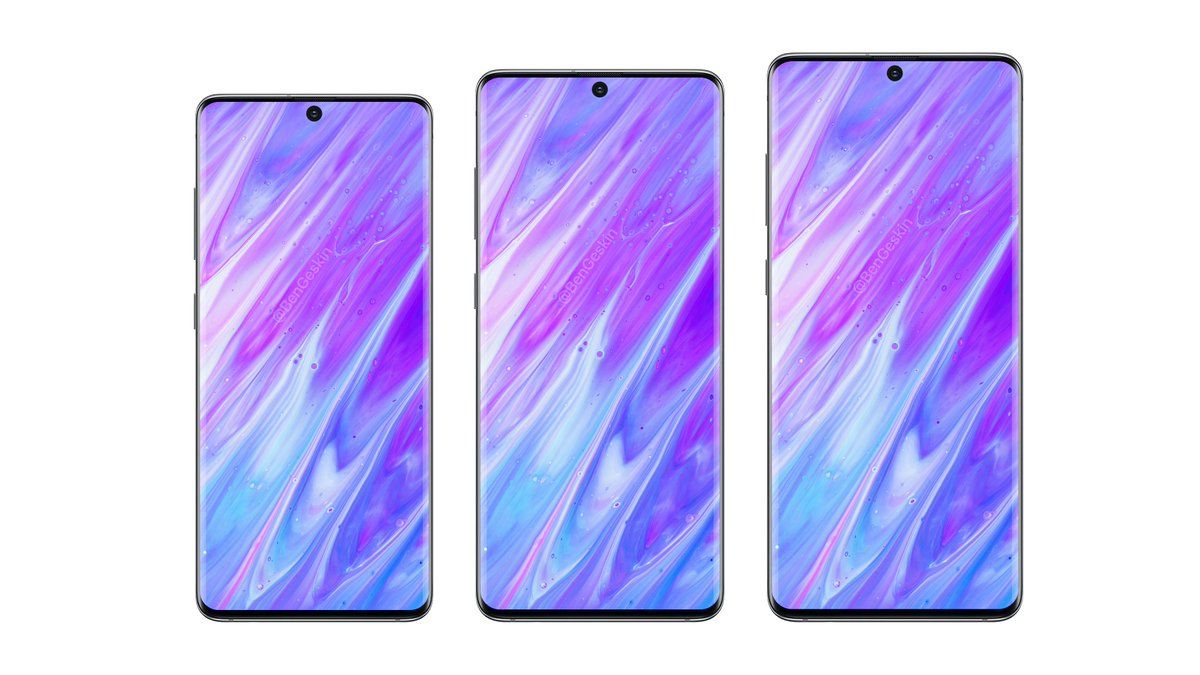
Spy images of the upcoming Samsung Galaxy S11 have just surfaced online, revealing quite a few key design elements of the smartphone. This is the first time the device was seen in the flesh. However, since it was covered by a leakproof case preventing the entire exterior from becoming public.
The two leaked images showcase a protruding rear camera setup, which is in line with previous reports claiming that the rear camera hump adds 1.1mm thickness to the S11’s body. The Galaxy S11 is likely to feature a wide camera cutout, which should leave a considerable gap between the phone and the surface on which it rests. The hump is an unavoidable part of the design, as the Galaxy S11 accommodates a 108-megapixel primary sensor along with a telephoto lens capable of 5x optical zoom.
What is Known About the Samsung Galaxy S11 So Far…
According to the latest rumors, the Samsung Galaxy S11+ is likely to sport a massive 5,000 mAh battery. This is a major update over the existing Galaxy S10+, which sports a 4,100 mAh battery. The increase in battery capacity perfectly complements the additional energy requirements of the display, which is expected to offer a 120Hz refresh rate. Staying in tune with the S11 series, the S11e is also slated to feature a bigger battery, as Samsung is likely to introduce a display with a 90Hz refresh rate on the device.
The Galaxy S11 is slated to arrive in two variants. One with the recently-unveiled Qualcomm Snapdragon 865, and the other with the Exynos 990 (Exynos 9830). Both chipsets are 5G-enabled and feature up to 12GB of RAM and 512GB of native storage depending on the variant. Unlike the Exynos 990, Qualcomm confirmed that the SD865 does not feature a built-in 5G modem. Samsung reportedly plans to introduce the Snapdragon variant in the Asian market, including Malaysia and India. The company previously sold flagships with Exynos processors in the region.
Samsung Galaxy S11 series early renders by Benjanim Geskin
The Galaxy S11 is also likely to sport wireless charging, IP68 certification, and an in-display fingerprint scanner. Samsung is currently working on its upgraded UI, One UI 2.0, which should also make an appearance on the S11. The smartphone will run on Android 10 out-of-the-box. Samsung will offer the Galaxy S11 with both 4G and 5G compatibility, instead of only offering 5G.
Samsung Galaxy S11 Price and Availability (Rumored)
Keeping up with its tradition, Samsung will likely launch the Galaxy S11 lineup in February 2020. The devices are expected to hit the showrooms by March. There is no word on pricing yet. However, rumors suggest that the S11 series will be priced similarly to the S10 range. While the 8GB + 128GB of the Galaxy S10 was priced at $899.99, the 8GB + 512GB variant sported a $1149.99 price tag. Even though Samsung might stick to the same prices, it is better to anticipate higher pricing. Viewers are requested to read the information with a pinch of salt, as Samsung is yet to officially confirm any of these claims.
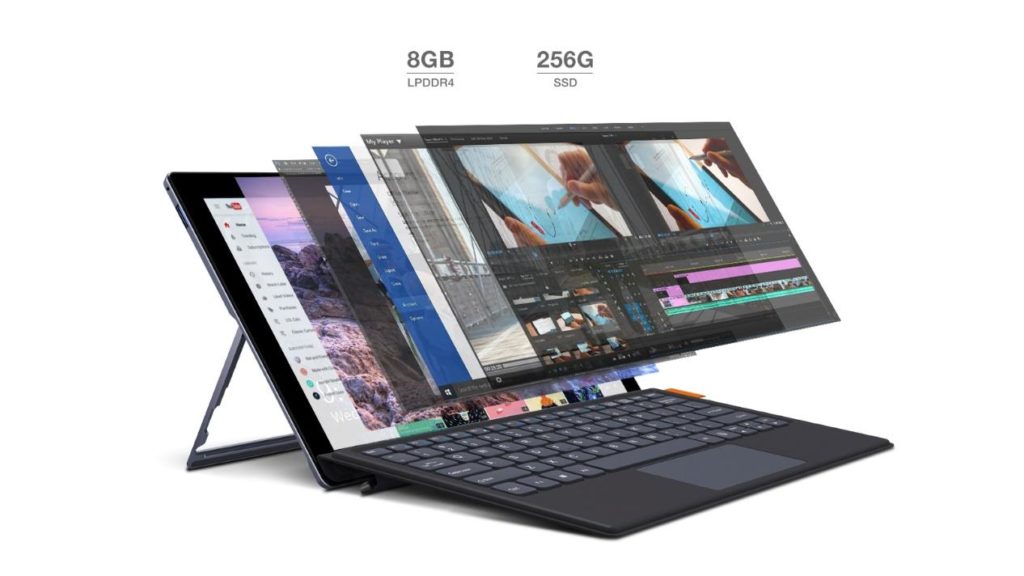
A famous Chinese tablet maker – Chuwi has relaunched the Chuwi UBook with several advancements. The new Chuwi is directly giving competition to teh Microsoft’s Surface Go in terms of cost-effectivity. The upgraded Chuwi UBook has received a whole new processor, SSD drive, and interface expansion ports. The Chuwi UBook is more powerful, energy-efficient, and faster.
The new Chuwi UBook is powered with Intel N4100 instead of the Intel 6Y30. It features quad-core and four threads with the highest frequency of 2.4GHz. The new chipset has low power consumption boosting smooth and efficient performance. In the graphics area, UBook got an upgrade to Intel UHD 600 from Intel UHD 515 for easy 4k video decoding.
ChuWI UBook houses an 11.6-inch display having the resolution of 1920×1080 pixels and a 16:9 aspect ratio. It even supports 1024 Pressure Stylus for creating smooth writing and designing tasks.
To further boost the speed, Chuwi has added upgraded its eMMC storage with a 256GB SSD Drive for better reading and writing speeds. The interested users can expand it upto 1TB via the M.2Port. It even improves the booting time and applciation response time. It can quickly handle multiple tasks with 8GB LPDDR4 RAM. Chuwi UBook always competes with the Microsoft’s Surface Go tablet, but there’s a huge price difference that makes buyers shift towards Chuwi UBook.
At a price similar to the Microsoft Surface Go, Chuwi UBook offers 8GB RAM and 256GB SSD Storage instead of the 5GB RAM and 64GB internal storage space. There’s a massive difference between the reading and writing speed among both the tablets, and Chuwi remains ahead in this battle. Backlit Keyboard makes it more comfortable and fluent while typing.
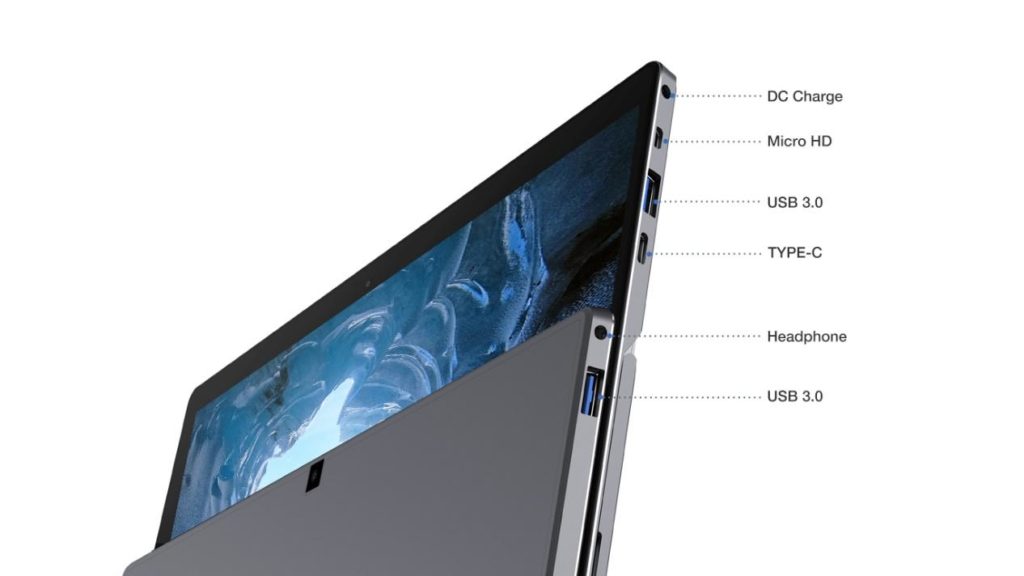
Multiple interface port on the Chuwi Ubook makes the device uncomparable against the Surface Go. The UBook comes with a USB Type-C, USB 3.0, a headphone jack, DC charging port, micro HDMI, and MicroSD slot. Whereas, Surface GO only has USB-C, headphone jack, and MicroSD port, making it difficult for the users to exchange data and use peripheral devices.
Many new upgrades are part of the Chuwi Ubook 2-in-1 tablet. It is available for the retail price of $350. You can check more details about the Chuwi Ubook on their official website.
We use cookies on our website to give you the most relevant experience by remembering your preferences and repeat visits. By clicking “Accept”, you consent to the use of ALL the cookies.
This website uses cookies to improve your experience while you navigate through the website. Out of these, the cookies that are categorized as necessary are stored on your browser as they are essential for the working of basic functionalities of the website. We also use third-party cookies that help us analyze and understand how you use this website. These cookies will be stored in your browser only with your consent. You also have the option to opt-out of these cookies. But opting out of some of these cookies may affect your browsing experience.
Necessary cookies are absolutely essential for the website to function properly. This category only includes cookies that ensures basic functionalities and security features of the website. These cookies do not store any personal information.
Any cookies that may not be particularly necessary for the website to function and is used specifically to collect user personal data via analytics, ads, other embedded contents are termed as non-necessary cookies. It is mandatory to procure user consent prior to running these cookies on your website.