Advertisement

UMIDIGI A3S, the cheapest smartphone with stock Android 10 coming on December 9th

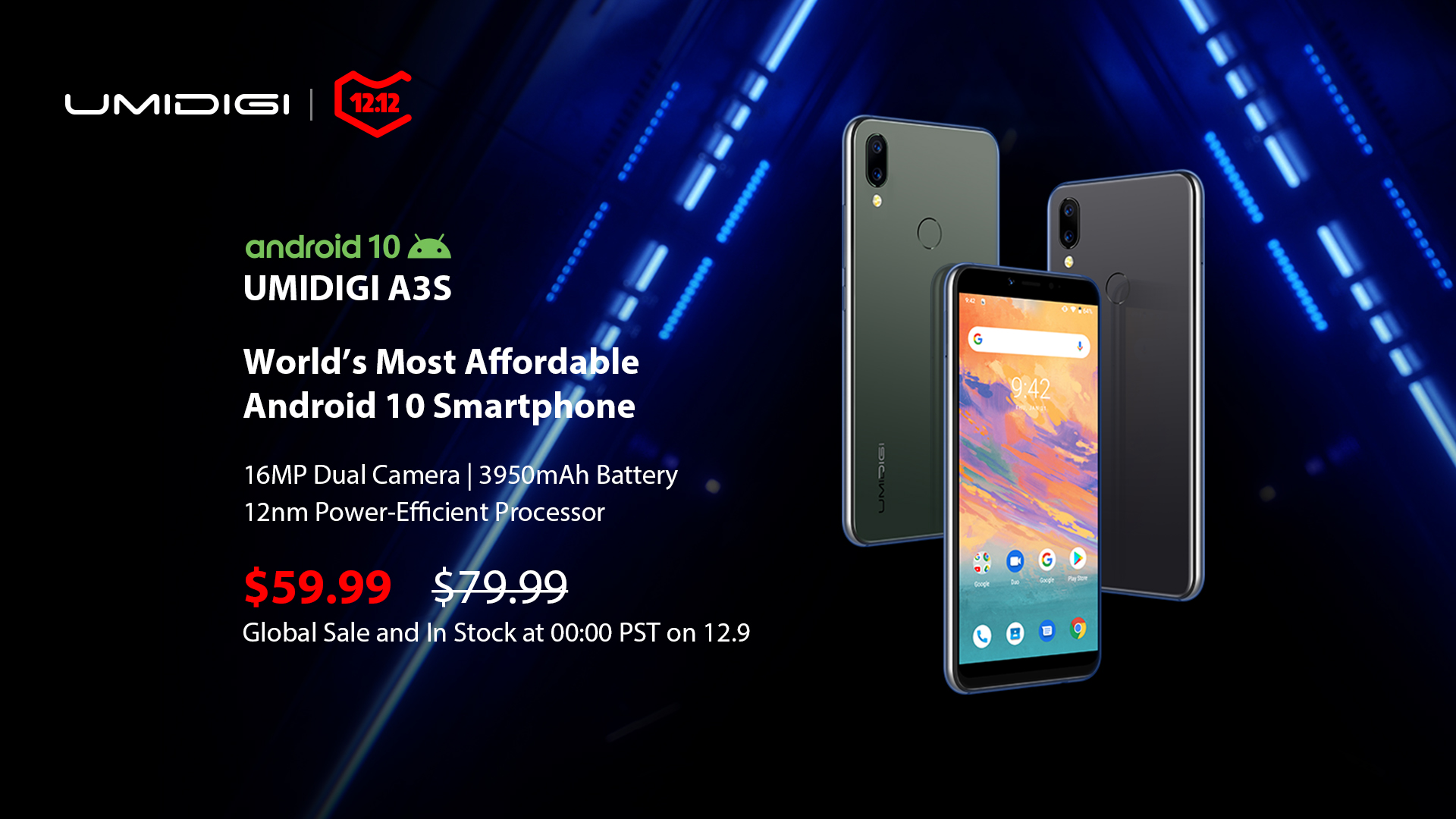
The A Series from UMIDIGI is the most popular for the company as it offers entry-level devices with affordable prices and competitive specs. So, today, the company announced a new member of the Series, UMIDIGI A3S that comes with stock Android 10 and a super-low price of just $59.99 at launch! The phone -together with the bit more powerful A3X- will go live on December 9th.
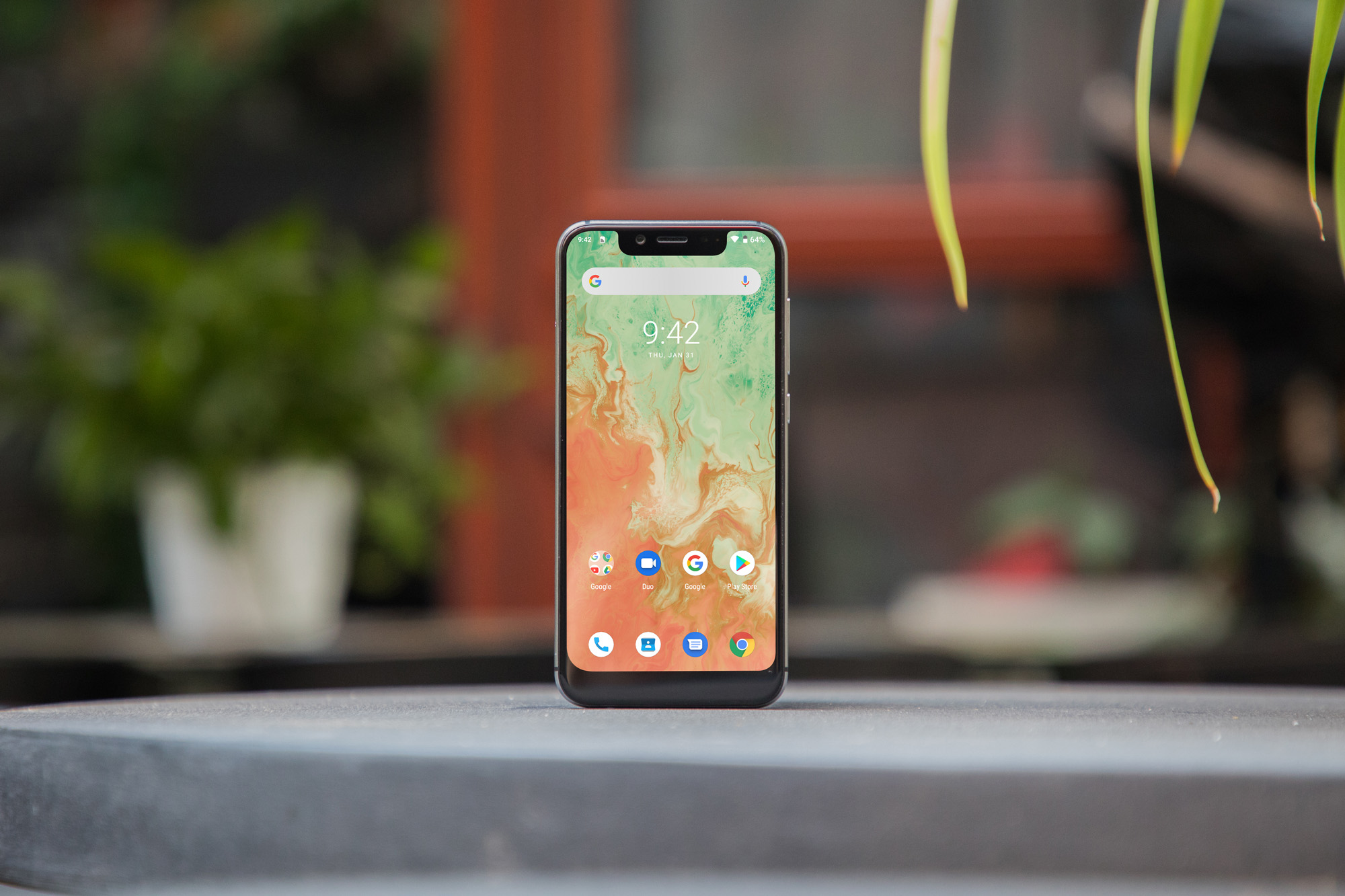
UMIDIGI A3S

Undoubtedly, the killer feature of the new device is the pure stock Android 10 running on it. Not many devices come with Android 10 right now and even fewer belong to the entry-level segment. So it is a big step for the company as they go ahead of other, more expensive devices, on the software front. Of course, the A3S provides the new Android 10 features such as system-wide dark mode and privacy controls.
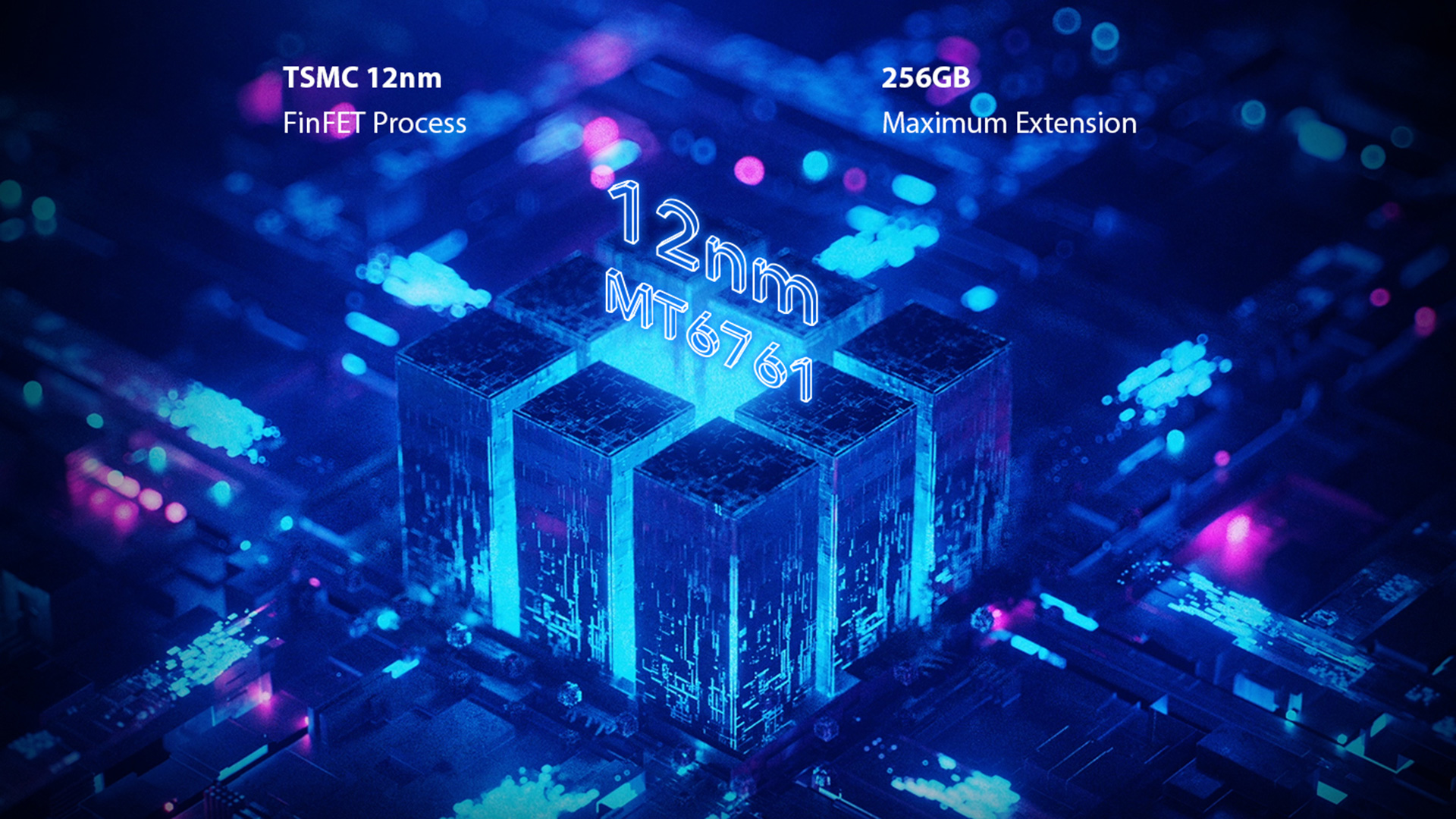
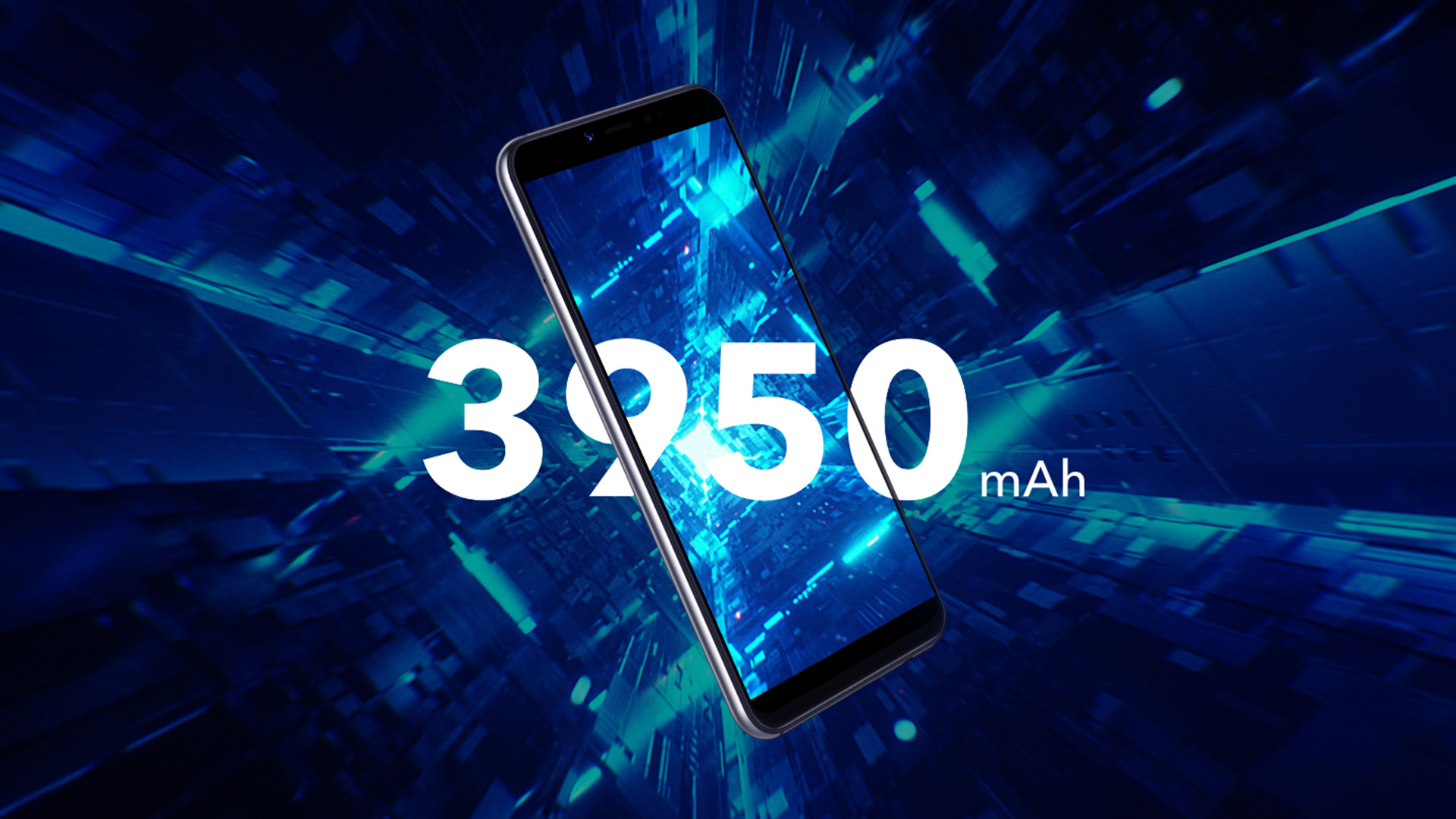
But will it be usable? We are pretty sure it will be as it comes with the 12nm MT6761 SoC which is pretty competent. Also, the phone houses a big 3950mAh battery that combined with the rest of the hardware should last more than a day on a single charge. What’s more, there is a dual rear camera comprising of a 16MP main lens and a 5MP depth lens for bokeh effect.
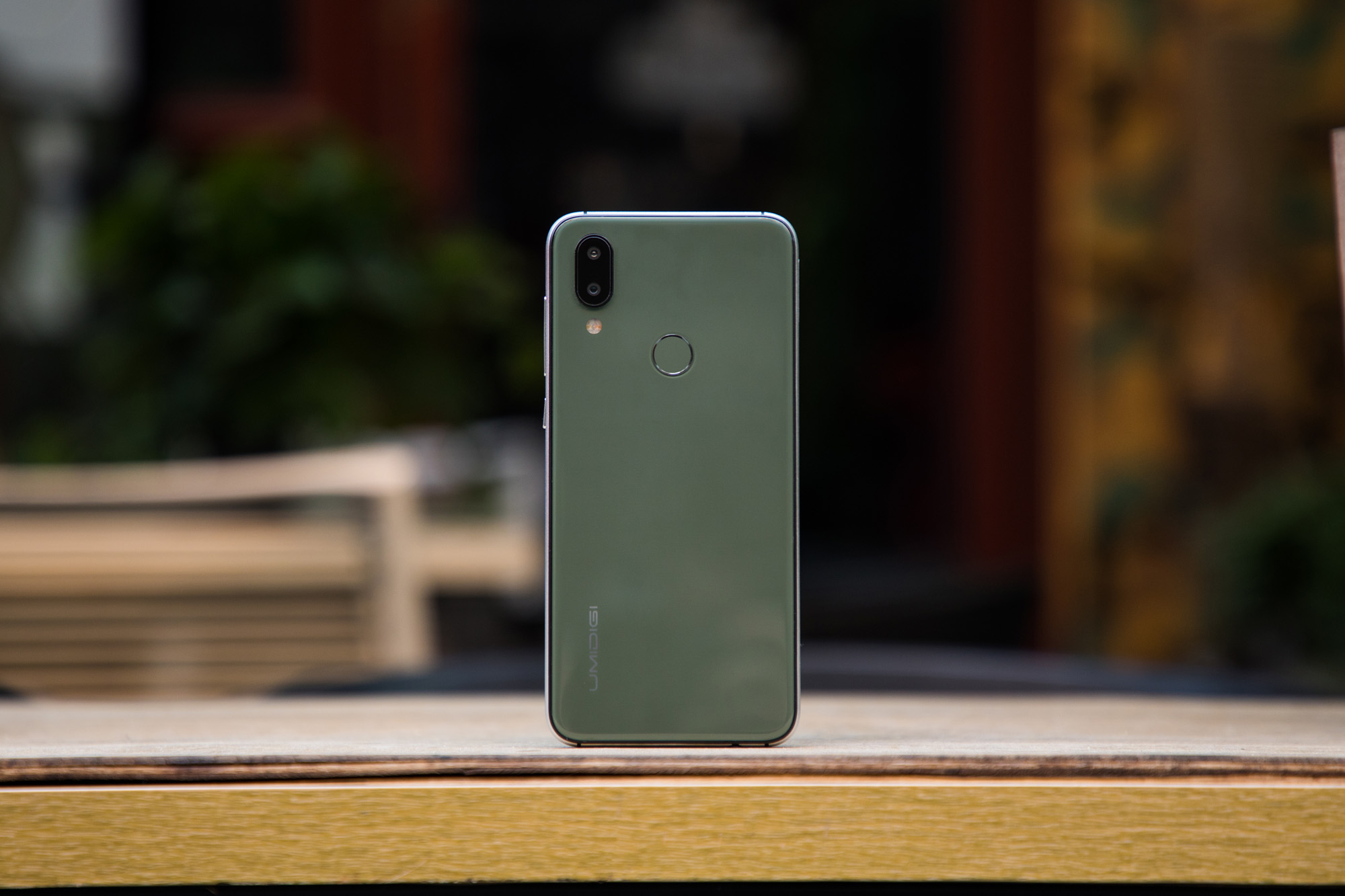
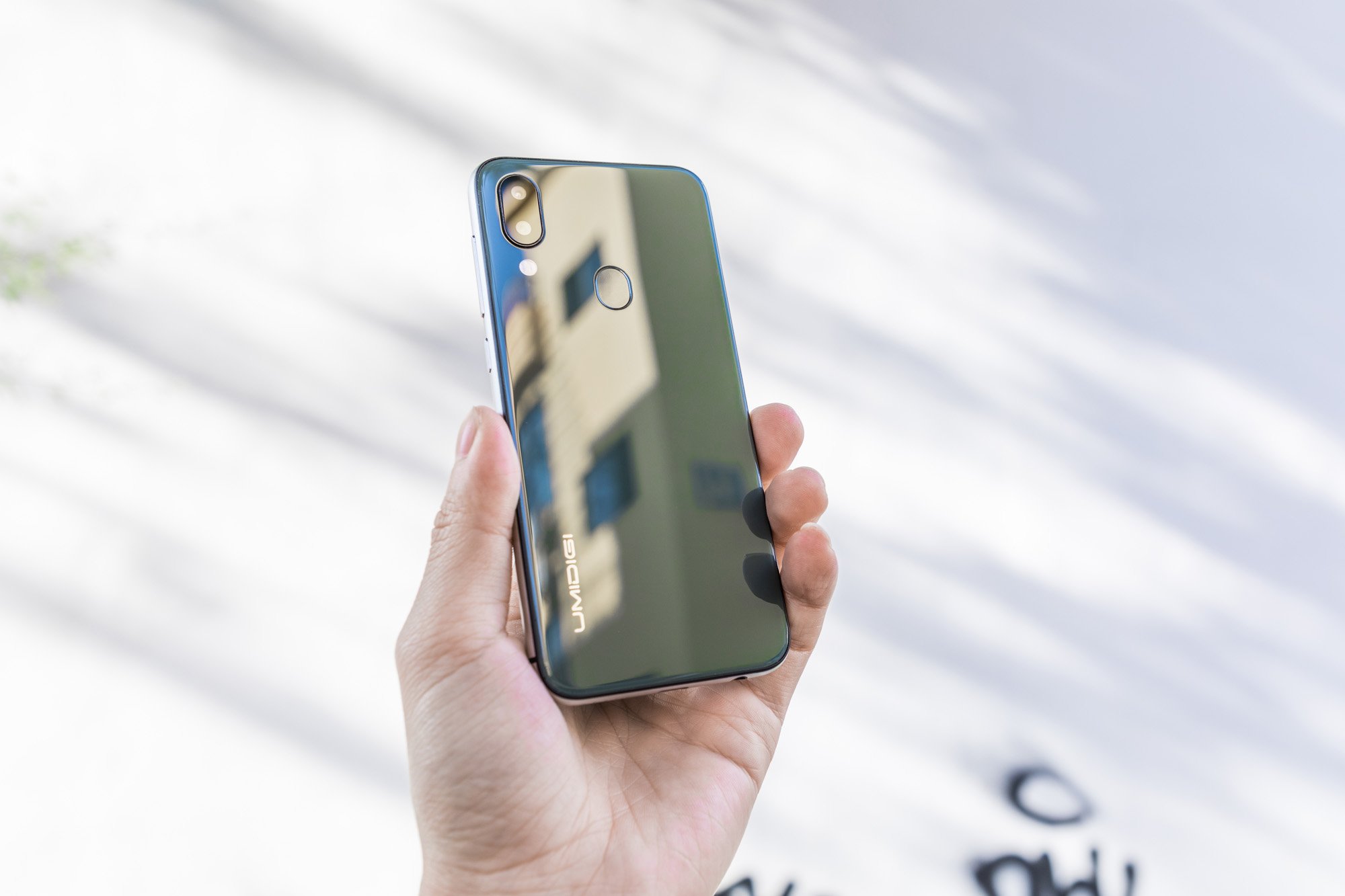
In addition, there is a rear-mounted fingerprint sensor that is missing from most entry-level phones at this price range. The device comes with double-sided 2.5D glass and a metal frame and also supports triple card slots; you can use 2 SIM cards and a microSD at the same time. Lastly, there’s also Bluetooth 5.0, global network bands support as well as and dual-4G/VoLTE support.
UMIDIGI A3S

The UMIDIGI A3S will go on global sales at a discounted price of $59.99 on 9th December together with the A3X that will feature a higher screen/body ratio and more RAM for $69.99. According to the company, when it hits the market both of them will be in stock and will be shipped out fast. You can add them to your cart now at UMIDIGI Aliexpress official store in case you miss the discounted open sale price.
UMIDIGI A3S UWatch 3

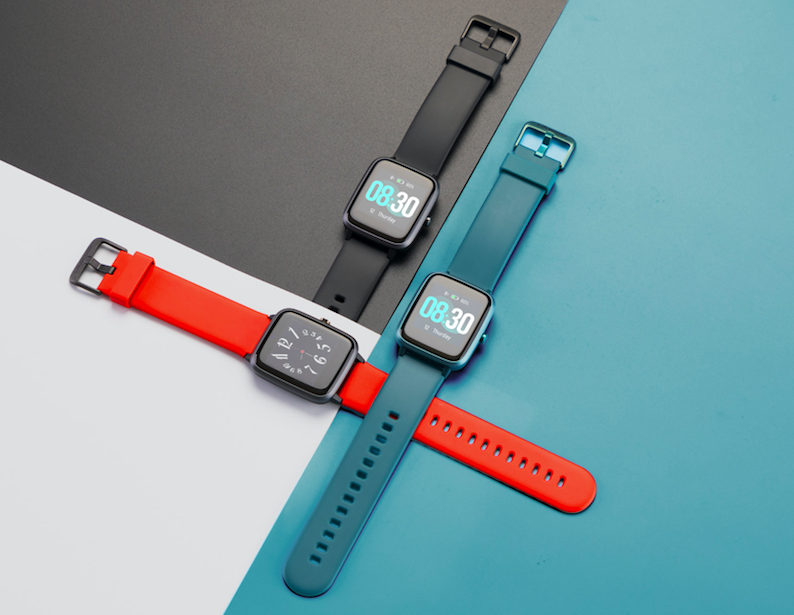
What’s more, if you order the A3S until December 13th, you will have the chance to get the UMIDIGI Uwatch 3 smartwatch for free! To learn about the way you can win the watch and see the rules applied, visit the promotion page here.
UMIDIGI A3S

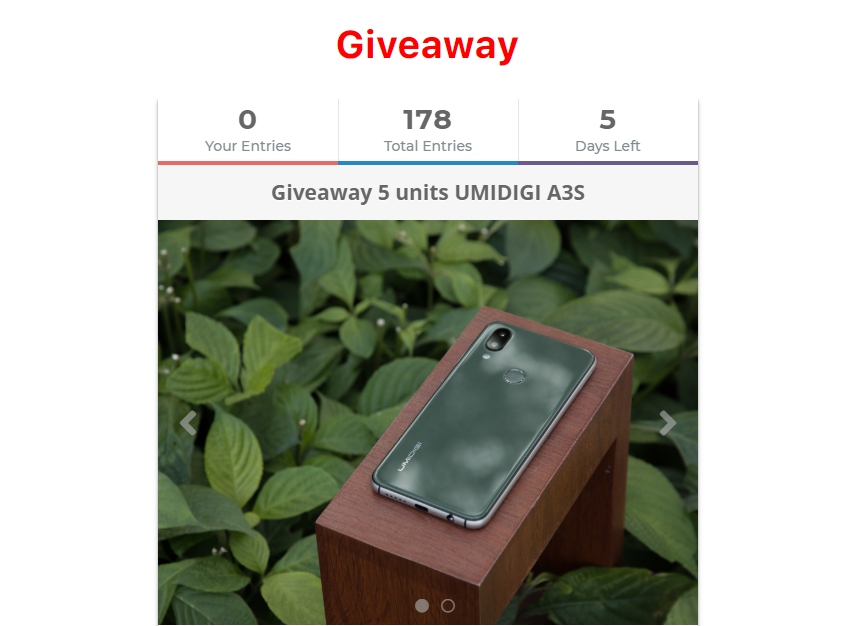
Lastly, UMIDIGI is running a big giveaway once more to recruit 5 trial users for UMIDIGI A3S. You can check out all the details and specs about the phones and join the giveaway on their official website here.
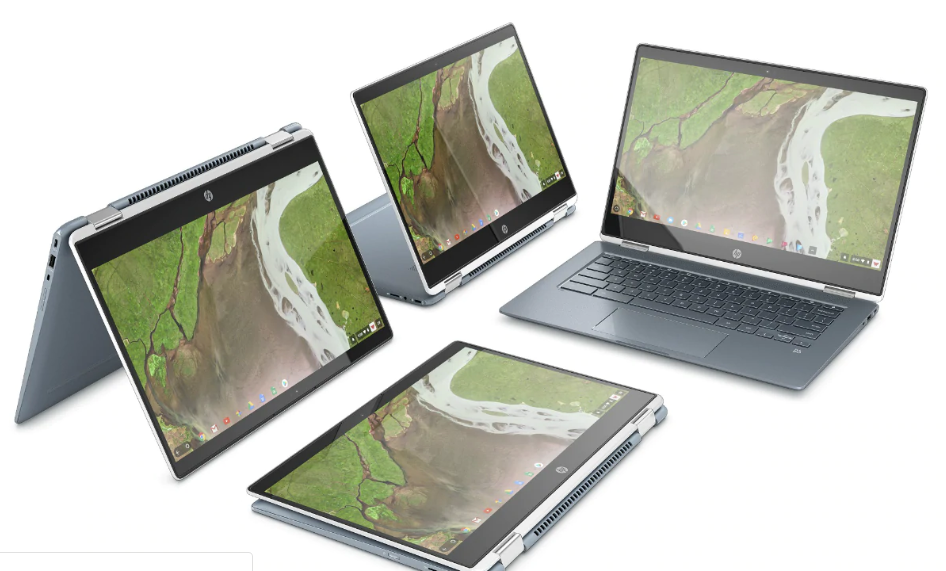
HP Chromebook x360 launched in India for Rs. 29,990 (~$419)

HP announced its latest Chromebook in India dubbed the Chromebook x360. The device comes preloaded with Google Assistant, Google Play Store and Google One. The 2-in-1 Chromebook x360 is designed for the youth and is available in two variants with 12-inch and 14-inch displays.

Chrome OS was once counted amongst the lightest operating systems for portable computers. However, that quickly changed as Android apps came into the picture. The hardware on previous-generation Chromebooks proved insufficient for high-performance applications. The Chromebook x360 is, however, a different story. Boasting of superior hardware components offering higher performance, a lightweight and thin form factor, and slim bezels, the HP Chromebook x360 is a stunner! The device features a 360-degree hinge that quickly transforms the laptop into a tablet on-the-go.

HP Chromebook x360
HP Chromebook x360

HP Chromebook x360 Specifications, Price and Availability in India

The HP Chromebook x360 features 12-inch and 14-inch HD+ touchscreen displays with a resolution of 1366 x 912 pixels and 1366 x 768 pixels respectively and an aspect ratio of 3:2. The device is powered by a dual-core Intel Gemini Lake processor. HP is offering a free one-year subscription of Google One totaling 100GB. The internal storage is expandable up to 256Gb via a MicroSD card. Both variants support the Universal Stylus Initiative or USI pen and offer up to 11 hours of backup on a single charge. The device flaunts stereo speakers tuned by B&O for an immersive audio experience. HP claims the Chromebook x360 features a quieter fan-less design, further improving portability.

The 12-inch variant of the HP Chromebook x360 is priced at Rs. 29,990 (~$419). The 14-inch variant starts from Rs. 39,990 (~$559). Both variants are available online via Flipkart and Amazon India, and across leading offline retail chains like Croma, Vijay Sales, and Reliance. Both variants are available in Ceramic White. The USI pen costs Rs. 3,999 (~$56) when purchased separately.


Ulefone Armor 7 48MP Triple Camera review (video)

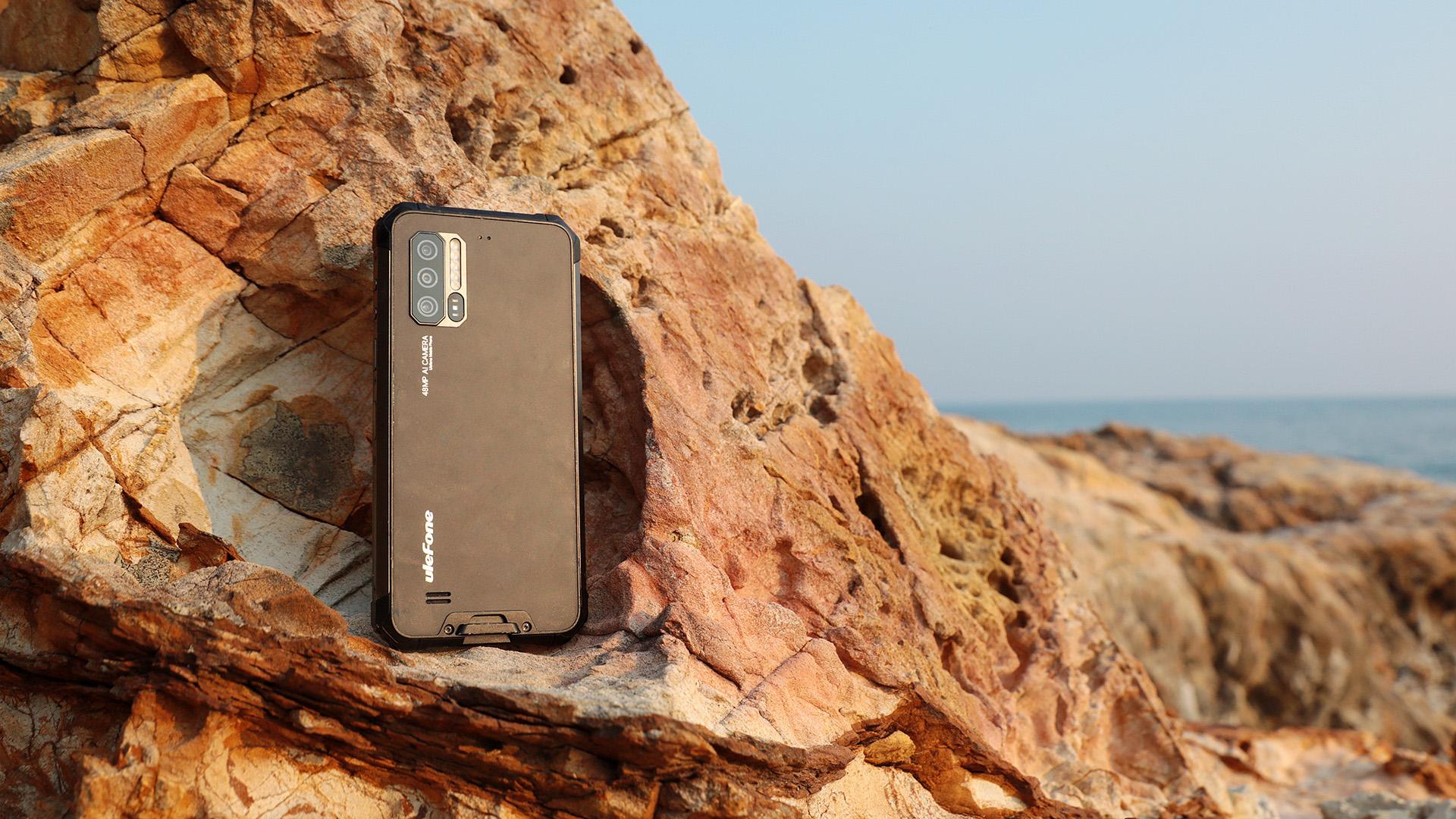
The latest rugged flagship of Ulefone -Armor 7- is already on the market for some time now. The Armor 7 features a 48MP triple rear camera with AI support, night shot, and telephoto lens as well as a 16MP selfie shooter. Today, the Chinese manufacturer released a video to demonstrate the phone’s camera capabilities. Let’s watch it.

In the video we can see the main camera having a pretty decent dynamic range and colors are very close to the original. The 48MP sensor offers detailed photos with low noise and even if you zoom in, photos come out just fine. Also, the AI scene recognition can intelligently detect many kinds of scenes and automatically adjust the brightness, contrast, and saturation, making shooting effortless.

Ulefone Armor 7

The 16MP Night Shot camera isn’t bad either. Of course, it can’t reach expensive flagship cameras but it gets the job done thanks to the pixel binning of the 48MP sensor that combines 4 pixels into 1 to allow more light in. What’s more, the selfie shooter is average with nice colors and details but with the beauty mode on, some details are missing due to the smoothing effect it applies on the skin. So, if you like natural and real photos, we suggest you take selfies using the normal mode.

Ulefone Armor 7

As for the video recording, Armor 7 supports up to 4K and also features slow-motion, time-lapse, pro mode, underwater camera mode, GIF etc. Pretty neat for an affordable and rugged flagship that sports the Helio P90 AI SoC bundled with 8GB of RAM and 128GB of internal storage. Also, the big 5500mAh battery, NFC with Google Pay, global network bands support, quad positioning system, and Android 9 Pie.

Right now, Armor 7 is on sale over at Aliexpress and Banggood with a discounted price of $369.99. If you are interested, go ahead and grab one. For more details, visit the Ulefone official website.

Purported Xiaomi Mix 4 pictures leak showing in-display dual selfie cameras

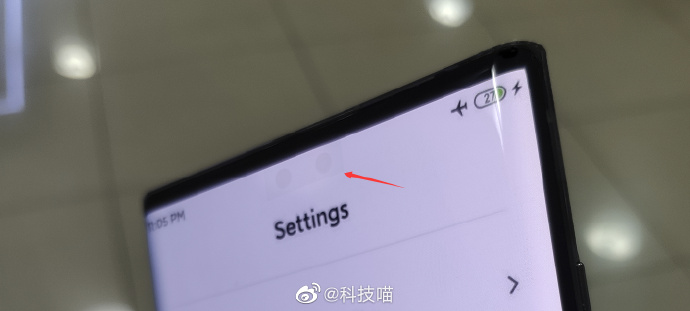
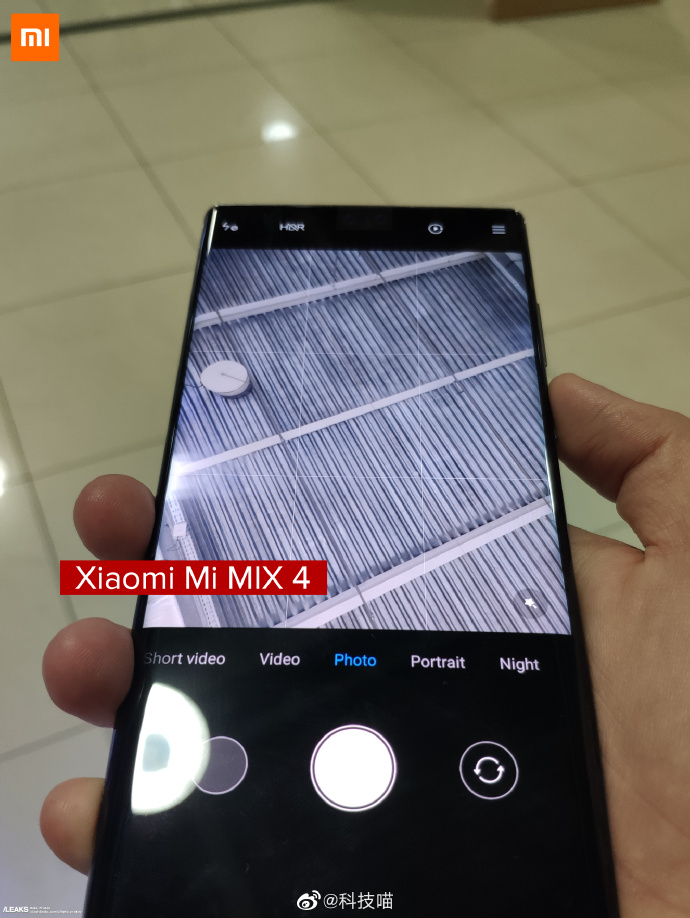
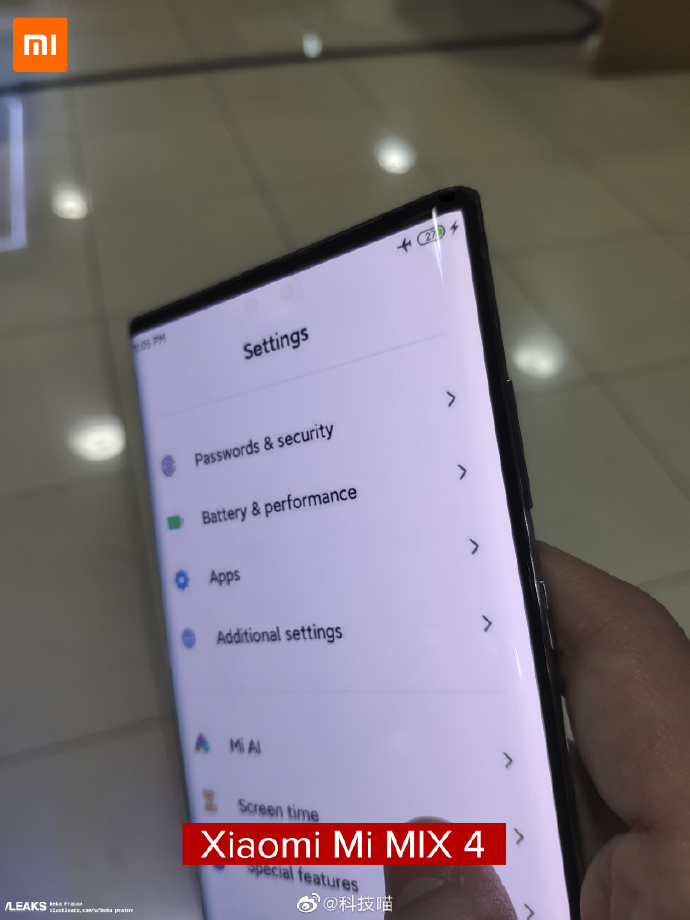
Xiaomi Mi Mix 4 has been in the rumour mills for a long time running now. When we expected the Chinese tech giant to deliver the Mix 4, we instead got the Mix Alpha concept which won’t be available to buy just yet. That has kept the rumours alive. A recent listing for the Mix 4 on Jingdong did not help matters. The latest leak about the Mi Mix 4 is a couple of live pictures said to be of the device.Mi mix 4

The pictures first appeared on Slashleak but have been labelled as fake by Xiaomi’s product director Wang Teng Thomas via Weibo. However, the images look real and contain some interesting features that would be amazing to have on the Mix 4. Besides, we really can’t take Xiaomi for its word since we have seen them backtrack on several occasions on statements made, in order to spring up a surprise. This may be one of such statement meant to keep the surprise intact.

The most prominent of this is the in-display selfie camera design instead of a pop-up, notch or punch-hole design. The two sensors are located centrally at the top of the display. Xiaomi had patented the in-display dual-camera design in September this year in China. However, it is very unlikely that the design will be used on the Mix 4 even though we can’t be so sure.

The leak also tips the Xiaomi Mix 4 to come with a curved display with QuadHD resolution It will be powered by a Snapdragon 855+ SoC and come with UFS 3.0 flash storage. The display will also have support for 60, 90 and 120HZ refresh rates. The in-display selfie camera is said to be a 12MP+2MP combo while at the rear, there is a quad-camera setup of 108MP + 20MP + 12MP + 5MP sensors.

We expect Xiaomi to spring up a surprise pretty soon regarding the Mix 4 launch.

(source 1, 2)


Motorola One Hyper official images leaked ahead of launch

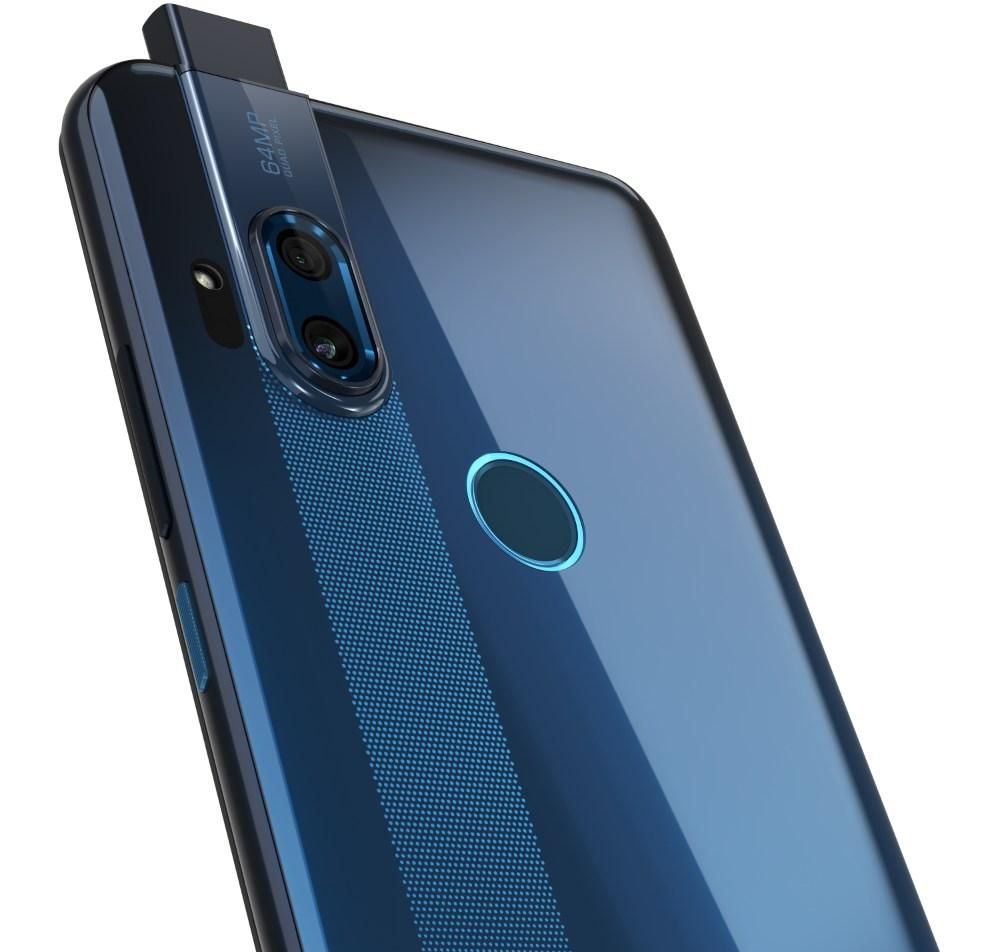
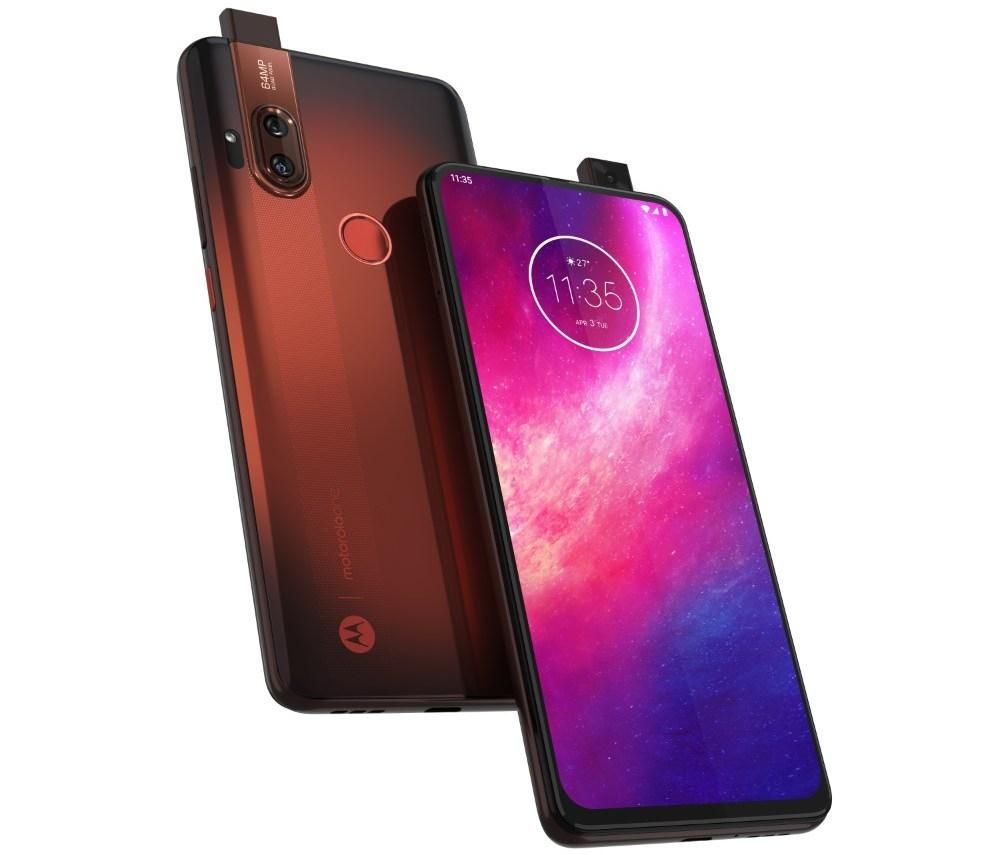
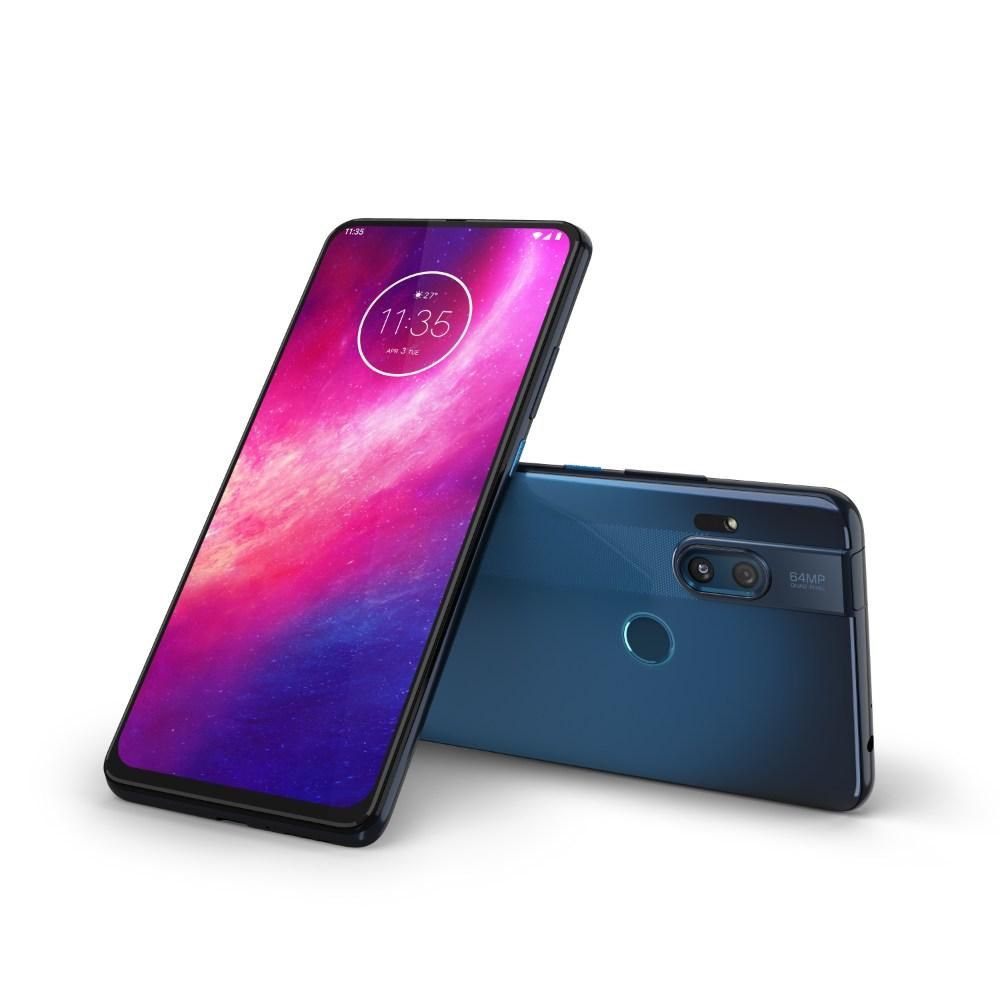
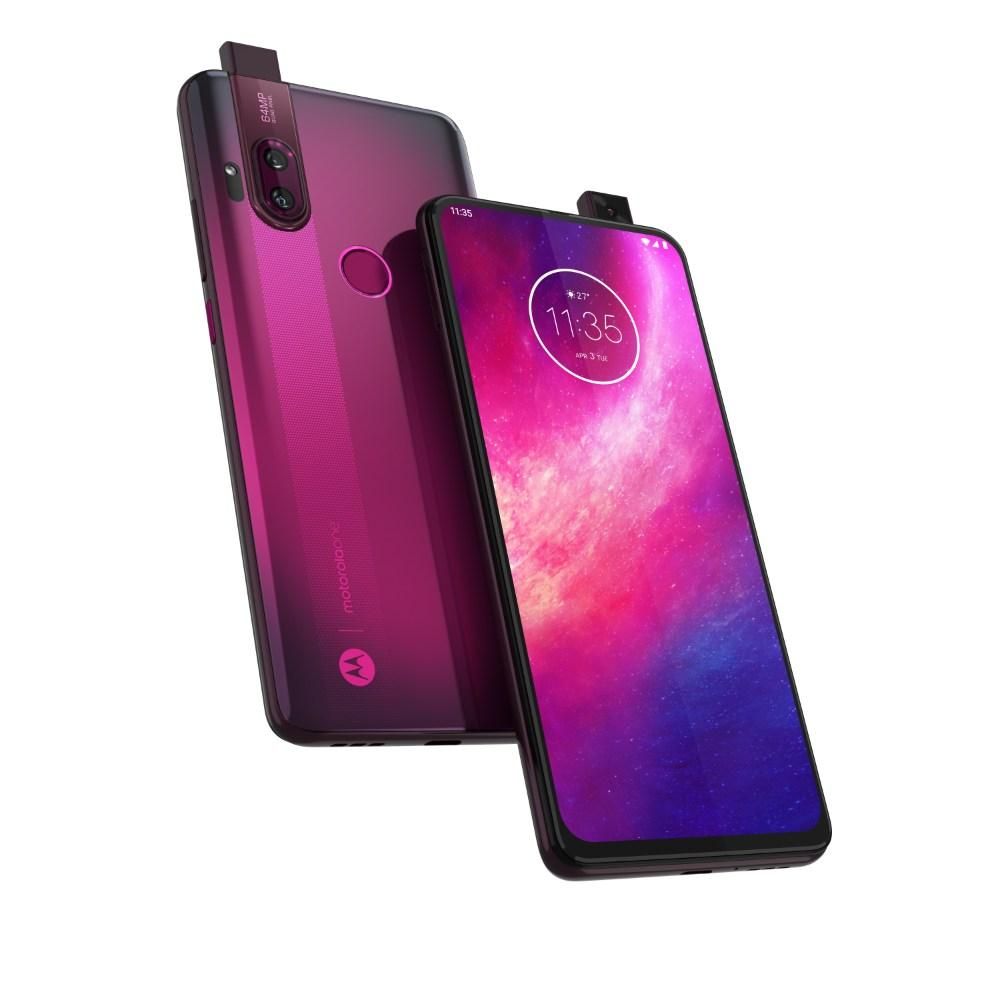
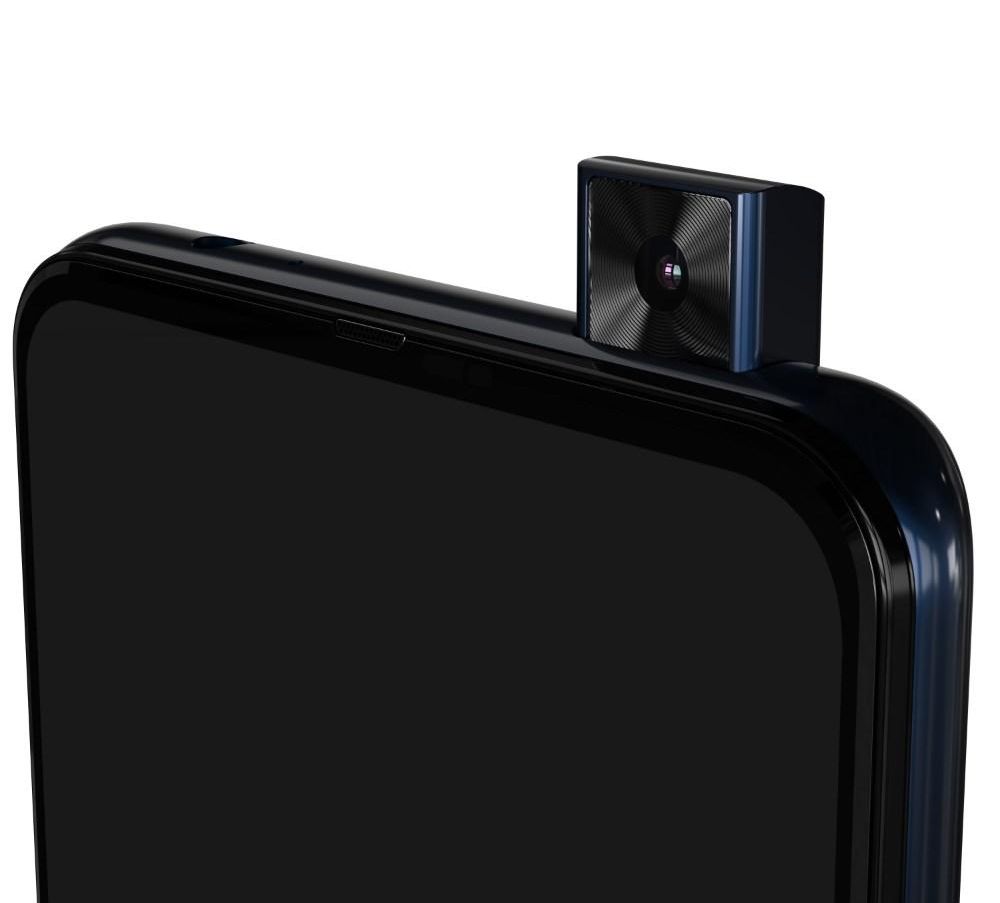
Motorola will today launch the One Hyper smartphone in Brazil. It is the company’s first smartphone to arrive with a notch-less display and a pop-up selfie camera. The official marketing images of the phone have leaked ahead of the launch event to completely reveal its design.

Motorola One Hyper Design

According to Winfuture.de, the below shown images have appeared on the servers of Motorola Brazil. The report reveals that the One Hyper features a pop-up selfie camera and a notch-less display that a slightly thick bottom bezel. The rear side of the phone features a dual camera setup. There is a laser autofocus module onboard along with an LED flash.  Starting below the camera setup, there is a dotted strip that can extends all the way to bottom of the back panel. A fingerprint scanner is available on the backside of the device.

An earpiece is lodged in the slim-sized top bezel of the One Hyper.  A 3.5mm audio jack is available on the top edge of the smartphone. A volume rocker and a power key are placed on the right edge of the device. At the bottom, there is a microUSB port, a microphone and an external speaker.

Motorola One Hyper Specifications (Rumored)

The Motorola One Hyper has a 6.39-inch IPS LCD display that offers full HD+ resolution of 1080 x 2340 pixels. The phone is preloaded with Android 10 OS. The report claims that it may not belong to Android One program.

The Snapdragon 675 mobile platform along with 4 GB of RAM powers the One Hyper phone. The internal storage of the device is 128 GB.  The smartphone could be equipped with a microSD card slot. The One Hyper draws power from a 3,600mAh battery. Probably, it will arrive with rapid charging technology.

The dual camera setup placed on the backside of the Motorola One Hyper has an f/1.8 aperture primary lens of 64-megapixel and an f/2.2 aperture 8-megapixel depth sensor. For shooting selfies, the phone is equipped with a pop-up selfie snapper of 32-megapixel. The handset can be seen in color editions such as Blue, Red and Violet.

Apart from launching in Brazil, the Motorola One Hyper phone is also expected to arrive in Germany. The pricing of the phone is currently under the wraps.

What’s your opinion on the design of the Motorola One Hyper? Share us your views by posting your comments below.


(source)

Huami: No Exclusive deal signed with Xiaomi for Smart Wearables

Smart wearables have seen an increase in popularity in recent years. The best examples of this would be smart bands (like Fitbit or the Mi Band series) or smartwatches (like the Apple Watch). Huami is one such company that deals in the former category and has historically been backed by Xiaomi, the smartphone manufacturer.

However, the company stated in an annual strategic media communications meeting today that it had not signed any exclusive deal or agreement with Xiaomi regarding the latter’s Mi Band lineup of smart wearables.

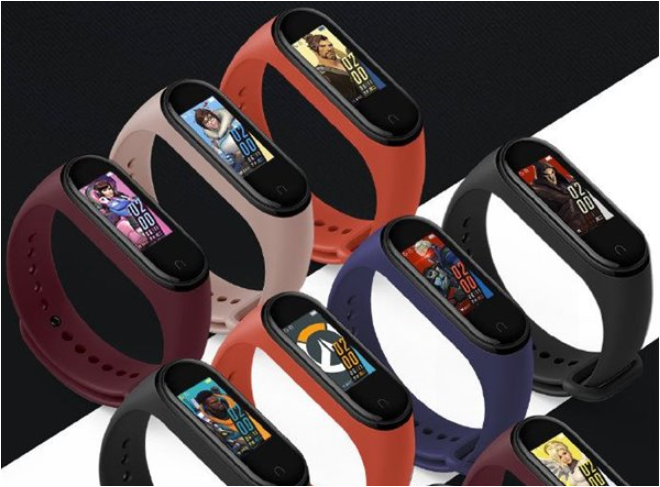
Huami Xiaomi Mi Band 4
Xiaomi Mi Band 4

Earlier this year, Xiaomi launched the Mi Band 4 in China. Promptly after this, reports surfaced that suggested that Huami was already working on the 5th installment in the series. The CEO of Huami confirmed that both companies have been “co-working” on multiple projects in a partnership but are not signed under an exclusive deal to manufacture or develop Xiaomi wearable products.

Xiaomi Mi Band 4Huang Wang, the CEO also stated that there has been a misunderstanding of the cooperation between Huami and Xiaomi. To back this statement, he even mentioned that the two companies are preferred partners under the same conditions which favor both sides. This indicates a two-way choice between the two partner companies.

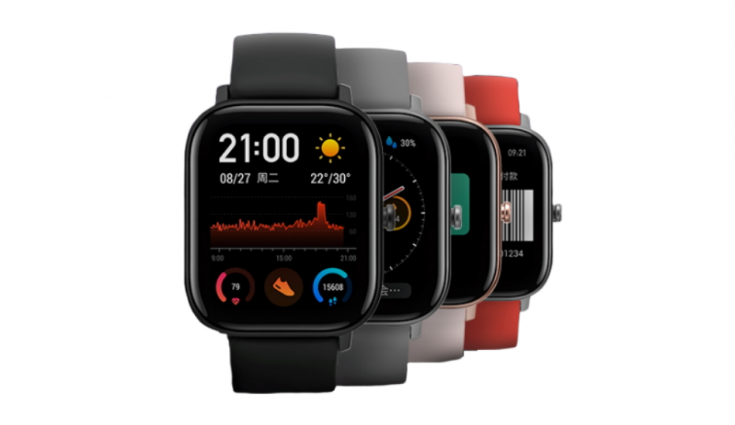
Huami Amazfit GTS
Huami Amazfit GTS

In other words, Huami has not been contracted by Xiaomi to develop the Mi Band 5 but are collaborating due to extended partnership. The two companies are distinctly independent but collaborate often owing to healthy business relations. Notably, the Mi Band 4 lacked prominent feature like NFC and microphone support in its global versions so it will be interesting to see what improvements the collaboration brings to the latest Xiaomi’s smart wearable.


(Via)

Huami hints the Amazfit X smartwatch mass production will begin in 2020

Chinese smartwatch maker and Xiaomi ecological chain company Huami Technology today held its Annual Strategic Media Communication Conference for 2019. During the conference, the company shed some light on the availability of its latest products including the Amazfit GTS and Amazfit Sports Watch 3. The company also revealed that the Amazfit X Concept smartwatch will be mass-produced in the first half of 2020.

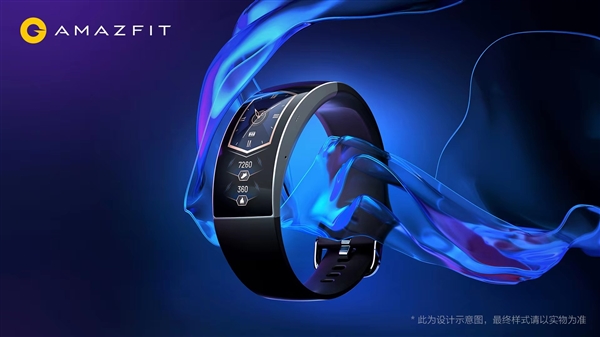
Amazfit X
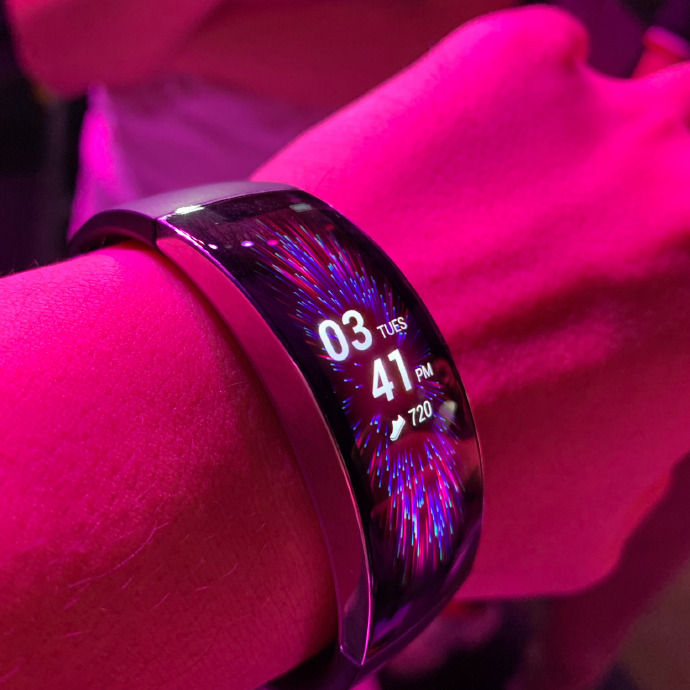
Amazfit X concept watch with a flexible display

The Amazfit X was first announced in August this year and was scheduled to start shipping in 2020. With the latest disclosure, the watch won’t ship until the second half of 2020 at the earliest. However, this is a confirmation that the watch won’t at being a concept device but a commercial one. What we can’t say is if the watch will gain popularity or will end up as the Nubia Alpha with which it shares some similarities in design.

As a reminder, the Amazfit X adopts an all-metal integrated design with hidden electronic buttons that replace the traditional buttons. The watch features a proprietary 2.07-inch flexible curved screen with a super-arc curvature of 92°. The curvature is said to have been achieved by heating the metal body through an ultra-high temperature of 700°C with a 6-bend bending process.Amazfit X

The Amazfit X is shaped like a new moon and has a larger display area of up to 244% compared to the display area of wearable devices with similar size. The screen also has 326ppi, 100% NTSC high color saturation and up to 430nits screen brightness. The watch uses a 220mAh curved lithium battery which is said to have support for up to 7 days battery life. Since the motherboard can’t be curved, the Amazfit X uses a 3-segment motherboard in order to adapt to the curvature.


(source)

OPPO PCPM00 appears on TENAA; Could it be OPPO Reno 3

Recently, OPPO VP Brian Shen confirmed the existence of a phone called OPPO Reno 3 Pro 5G which indicated that the OPPO may launch another phone named Reno 3 alongside it. Shen has shared only few details on the Reno 3 Pro 5G which will be debuting this month as the company’s first phone with dual-mode 5G. Today, a new OPPO phone that has a model number of PCPM00 has appeared on TENAA. The listing lacks its images but has revealed few details on its specs.

The OPPO PCPM00 is not a 5G smartphone. The device measures 160.2 x 73.3 x 7.9mm. It is slightly thicker than the OPPO Reno 3 Pro 5G that is officially confirmed to arrive with a chassis that has a thickness of 7.7mm.

The Reno 3 Pro 5G is lightweight device even though it features a battery of 4,025mAh capacity whereas the PCPM00 phone that has been spotted has a minimum rated battery of 3,935mAh capacity. Its typical could be 4,025mAh. Lastly, TENAA has revealed the OPPO PCPM00 phone has a 6.4-inch. It remains to be seen whether it will be arriving with a punch-hole screen like the Reno 3 Pro 5G. Hopefully, the TENAA listing of the PCPM00 gets updated soon with its image and entire specifications. The OPPO PCPM00 is yet to appear on the database of 3C.

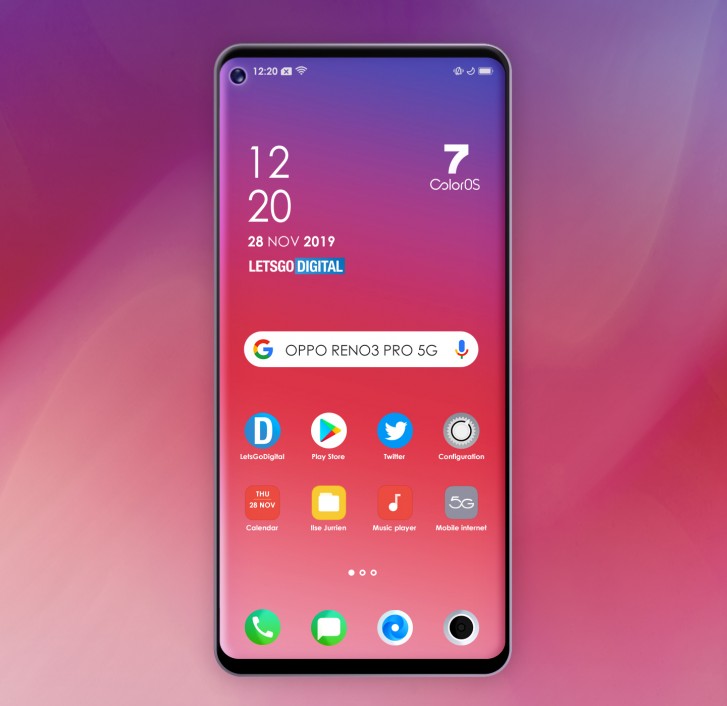
In related news, new OPPO phones with model numbers CPH2015 and CPH2025 were recently certified by the Eurasian Economic Commission (EEC). The listing did not reveal any details on the specs of these phones. However, it is being said that these could be the OPPO Reno 3 and Reno 3 Pro 5G smartphones. Shown above is the render of the rumored Reno 3 Pro 5G that is expected to arrive with a punch-hole display.

Rumors have it that the Reno 3 Pro 5G could be debuting as the first phone powered by Qualcomm’s 5G chipset. The Redmi K30 5G that is debuting on Dec. 10 will also be powered by a 5G chipset from the US based chip maker. The Snapdragon 735 5G that will debut soon is expected to power both devices. Coming back to Reno 3 series, these phones will be the first devices from the company to arrive with ColorOS 7 based Android 10 OS. OPPO is expected to debut the Reno 3 series by mid-December.


(source)

Redmi K30 series features 12 antennas that are 2.4 times that of 4G smartphones

Redmi, a subsidiary of Xiaomi, has teased the upcoming Redmi K30 series again this afternoon (3rd December 2019). This time, the company went on to mention the handsets networking prowess. On the official Redmi Weibo account, the Redmi K30 was seen alongside certain details regarding the new 12 antenna designs.

Redmi K30
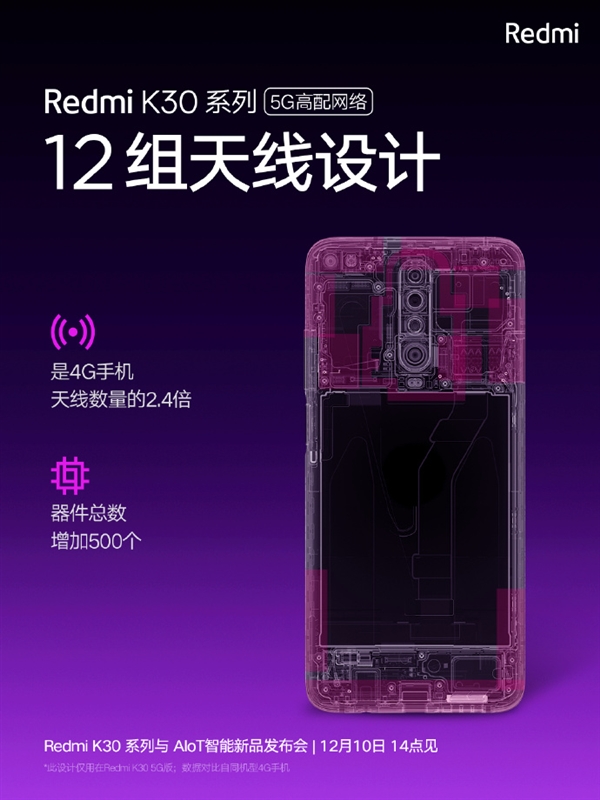
Redmi’s Weibo Account: Redmi K30 Antenna

According to the post, the upcoming Redmi K30 series has its networking capabilities improved upon over its previous entry in the series. Reportedly, the whole set of 12 antennas is 2.4 times the number that is found in 4G smartphones. It is also mentioned the company is now using a new structural design and complex RF solution to make 5G signals stronger and much more stable.

Previously, it has already been confirmed by officials that the Redmi K30 will be equipped with Qualcomm‘s latest 5G processor which supports SA and NSA dual-mode 5G. The exact name of the processor is currently unknown but is likely to be a 5G SoC from the Snapdragon 700 series family. The Redmi K30 series is expected to be officially unveiled on 10th December 2019 and will be the first of the ten 5G smartphones from Xiaomi.

Redmi K30 5G Qualcomm Processor
Lu Weibing: Redmi K30 5G Qualcomm Processor

Notably, the Redmi K30 series will also be the first 5G smartphone launched by the company. Thus, staying true to its slogan “5G Pioneer.” Additionally, the device is expected to follow the philosophy of its predecessor, Redmi K20, by delivering high performance at a reasonable price. In other words, the company will provide top-notch or even flagship-grade specs on a medium segment budget. However, we will have to wait for official announcements before making concrete confirmations.


(Source,Via)


Huawei planning to relocate US R&D center to Canada

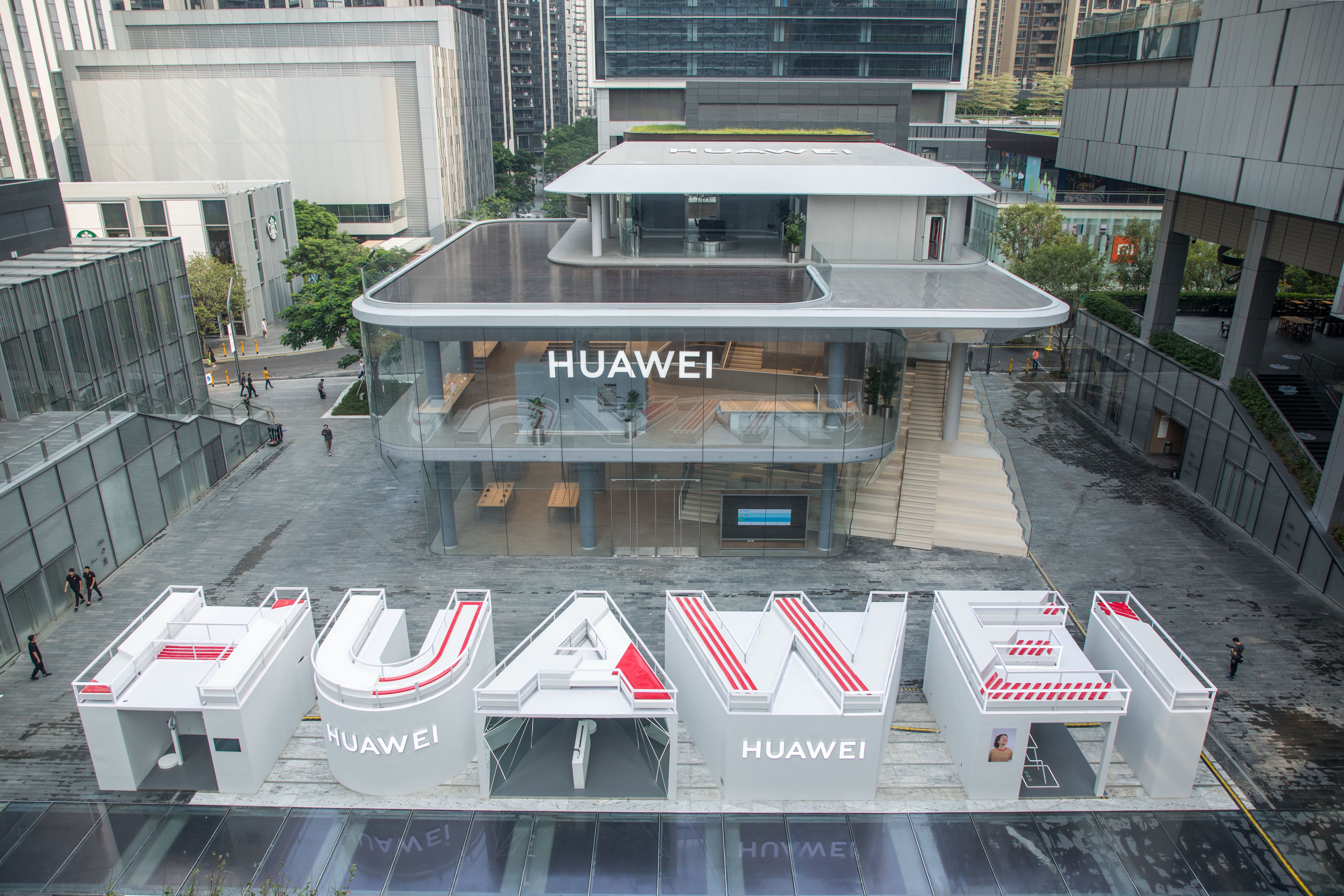
Huawei‘s founder Ren Zhengfei has been quoted to have hinted that the company is planning to move its R&D centre from the US to Canada. The company’s US R&D arm is known as Futurewei. At the start of the US sanctions, the US arm had tried to extricate itself from the parent company but that did little to help it gain the trust of the US government.Huawei store logo official featured 03

The move will also see the Chinese tech giant manufacture some of its mobile network equipment outside China. The move is no doubt to free itself from the prying eyes of the US authorities. We recall cases of parcels being re-routed and packages getting opened while in transit from China to the US centre. The move may also be to get the Canadian government to release Huawei’s Chief financial officer and founder’s daughter Meng Wanzhou, who has been under house arrest in Canada awaiting a court decision whether she should be extradited to the US or not.

Huawei rise to fame is heavily hinged on the firm’s investment in R&D. The company invested $15.3 billion in R&D last year, making it one of the top 5 companies to invest in R&D alongside Alphabet and Samsung. Huawei’s director and dean of the Strategic Research Institute Xu Wenwei had earlier revealed that the firm currently has more than 80,000 R&D personnel worldwide, accounting for about 45% of the total workforce.


(via)


New RedmiBook 13 laptops confirmed to get launched on December 12

Xiaomi‘s self-operated store on JD.com has started taking reservations for two new RedmiBook 13 products and the last date for the pre-booking is 12th December. This confirms that the new RedmiBook 13 devices will get launched in the company’s home market China on 12th December.

RedmiBook 13 teaser

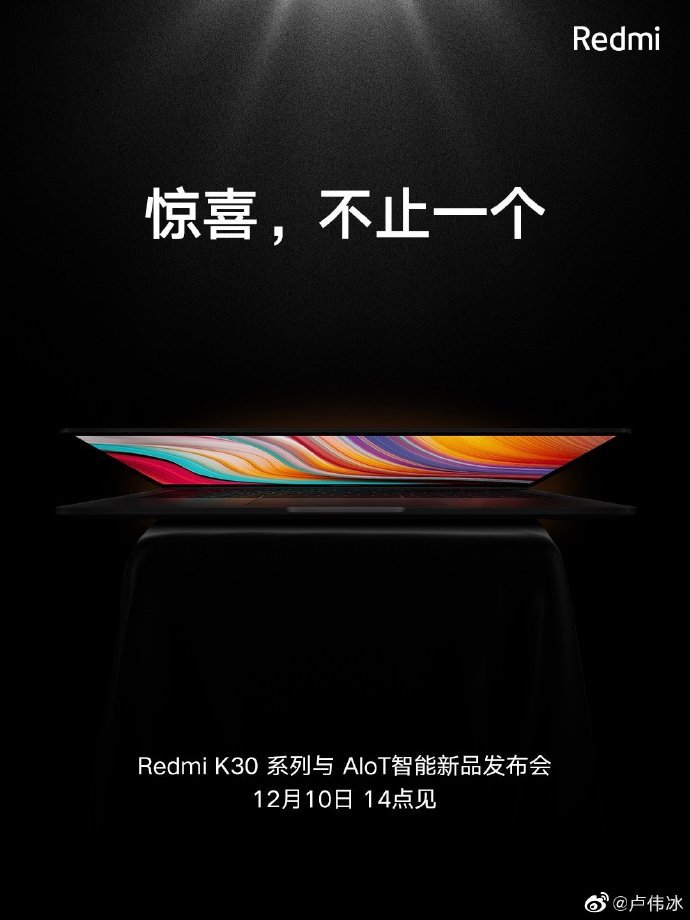
This is interesting given that the company has not yet officially launched these two new products but has started reservations for the same. Redmi is hosting a launch event in China on 10th December to launch the Redmi K30 smartphone and there’s a possibility that the RedmiBook 13 could go official at that event.

Recently, the company launched two new notebooks in the RedmiBook series — RedmiBook 14 Ryzen Edition and RedmiBook 14 Enhanced Edition which comes powered by Ryzen and 10th Generation Intel Core-series processors, with price starting at 3,299 Yuan.

Now, after 15.6-inch and 14-inch models, it seems that the company will be adding a new 13-inch display variants for the same notebooks that were launched a few days ago. It remains to be seen how the company prices the upcoming models.


iQOO Neo SD855+ benchmarked on AnTuTu with 503K+ scores

iQOO is expected to announce the Snapdragon 855+ chipset version of the iQOO Neo SD855 phone soon. The company hasn’t confirmed on its launch date, but its arrival seems to be close at hand as the device that has a model number of V1936AL has appeared with full specs on TENAA. The device has been spotted on the database of 3C and it has also been benchmarked by Master Lu. The handset has also appeared on the database of the Android Enterprise. Now, the V1936AL that is believed to debut as iQOO Neo SD855+ has been benchmarked on AnTuTu through which some of its key specs have been revealed again.

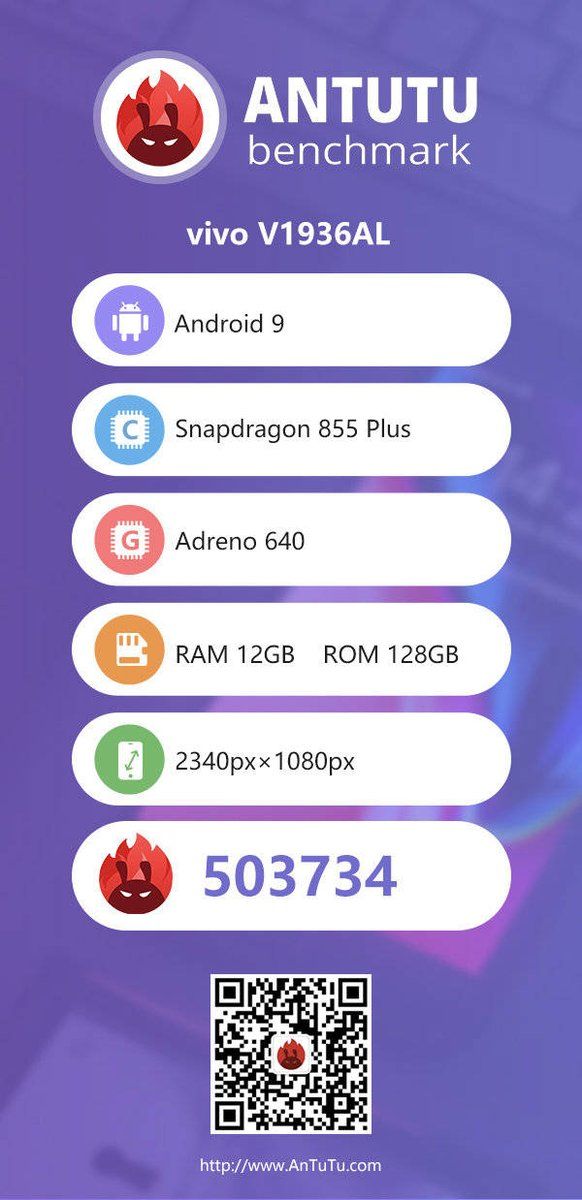
The iQOO Neo SD855+ has recorded a score of 503,734 on AnTuTu benchmarks. It is an average of 143,608 points scored in CPU test, 196,507 points scored in GPU test, 90,100 points recorded in memory test and 73,519 points in the UX test.

iQOO Neo SD855+ AnTuTu

The AnTuTu benchmarks of the iQOO Neo SD855+ V1936AL phone reveals that is powered by the Snapdragon 855+ mobile platform that includes Adreno 640 graphics. The phone is loaded with Android 9 Pie and it has 128 GB of native storage. The SD855+ SoC is coupled with 12 GB of RAM. The listing has not revealed the exact size of the phone’s display. However, it has confirmed that it will offer full HD+ resolution of 1080 x 2340 pixels. Also, the phone is equipped with UFS 3.0 storage.

iQOO Neo SD855+ Specifications

The TENAA listing of the Vivo V1936AL has its entire specifications along with its images. The listing revealed that the device measures 159.53 x 75.23 x 8.13 and it weighs 198.5 grams. The phone come with a 6.38-inch AMOLED display that includes an in-screen fingerprint reader. The display offers 19.5:9 aspect ratio and full HD+ resolution of 1080 x 2340 pixels. The device houses a 4,500mAh battery. The 3C appearance of the phone revealed that it may ship with a charger that supports up to 33W rapid charging.

The Snapdragon 855+ that includes a 2.96GHz octa-core processor powers the smartphone. The 8 GB and 12 GB RAM variants of the phone may ship with 128 GB of native storage. It may come with a front-facing camera of 16-megapixel. The device could be fitted with a 12-megapixel + 8-megapixel + 2-megapixel triple camera system. There is no external storage slot on the device.


(source)

Lu Weibing confirms Redmi K30 5G has a Qualcomm processor

Almost everyone is eager to know the processor that will power the upcoming Redmi K30 5G. There have been speculations it may be a chipset from MediaTek while others say it will be supplied by Qualcomm. This morning, Redmi’s General Manager, Lu Weibing, confirmed that the phone will be powered by a Qualcomm processor.

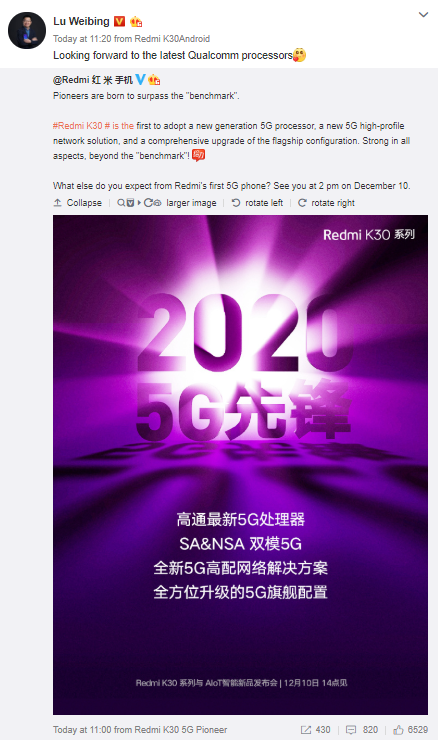
The company executive had quoted a Weibo post made by the official Redmi account. The original post said the Redmi K30 is the first device to be powered by a new generation 5G processor. This chipset is said to be strong in all areas and not only in achieving a high benchmark score.

Redmi K30 5G Qualcomm Processor

Lu Weibing then quoted the post with a statement that roughly translates into “Looking forward to the latest Qualcomm processors”, confirming that the Redmi K30 will be powered by a Qualcomm chipset.

This chipset is expected to be the SM7250 5G processor with support for SA and NSA networks. Qualcomm is expected to announce the new processor today at the Snapdragon Tech Summit holding in Hawaii. The keynote will begin at 7 PM GMT (12:30 AM IST on Wednesday, December 4).

The Redmi K30 5G will have a 6.6-inch FHD+ display with a punch hole for two cameras. and a 120Hz refresh rate. It will also have quad rear cameras, a side-mounted fingerprint scanner, and NFC. Its battery capacity is rumored to be either 4500mAh or 5000mAh with support for 27W fast charging. The phone should run MIUI 11 out of the box.


Huawei Nova 6 and Nova 6 5G specification sheet leaks

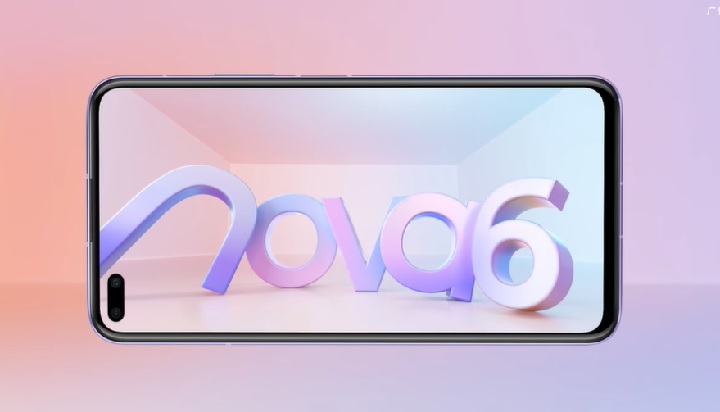
This week, Huawei will announce the Nova 6 series at an event in China. The series includes the Nova 6 and the Nova 6 5G, and the spec sheet for both devices has leaked just a few days to the launch.

Nova 6 5G featured

Nova 6 Specifications

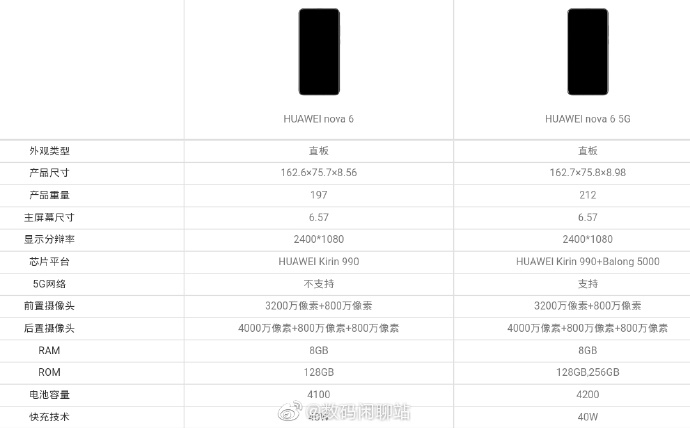
The Huawei Nova 6 will have a 6.57-inch display with a 2400 x 1080 resolution. Inside the device will be the Kirin 990 processor and it will be paired with 8GB of RAM and 128GB of storage.

The Nova 6 will have 32MP + 8MP dual front-facing cameras for ultrawide angle selfies while the rear will house a 40MP primary sensor paired with two 8MP sensors. It will also have a 4100mAh battery with support for 40W SuperCharge wired fast charging.

The spec sheet says the phone weighs 197 grams and measures 162.6 x 75.7 x 8.56 millimeters.

Huawei Nova 6 and Nova 6 5G specs

Nova 6 5G specifications

The Nova 6 5G will have the same 6.57-inch 2400 x 1080 display as the LTE model. It will also have the same camera configuration on both sides. However, the phone will add the Balong 5000 5G modem to the Kirin 990 processor for 5G. Huawei is also shipping it with 8GB of RAM but it will be available in 128GB and 256GB variants.

The Nova 6 5G will have a slightly bigger 4200mAh battery with support for 40W SuperCharge wired fast charging. The phone will weigh 212 grams thanks to the extra antennas and bigger battery and measure 162.7 x 75.8 x 8.98 millimeters.

Although the spec sheet doesn’t say, both phones will run EMUI 10 based on Android 10 out of the box. We also know the Nova 6 5G will be available in Black, Blue, Purple, and Red thanks

Other than the Nova 6 and Nova 6 5G, Huawei is also expected to announce the Nova 6 SE which will have four rear cameras and a single front-facing camera. It will also have a Kirin 810 processor powering it.


(Source)

China now requires smartphone users to provide facial data to the Government

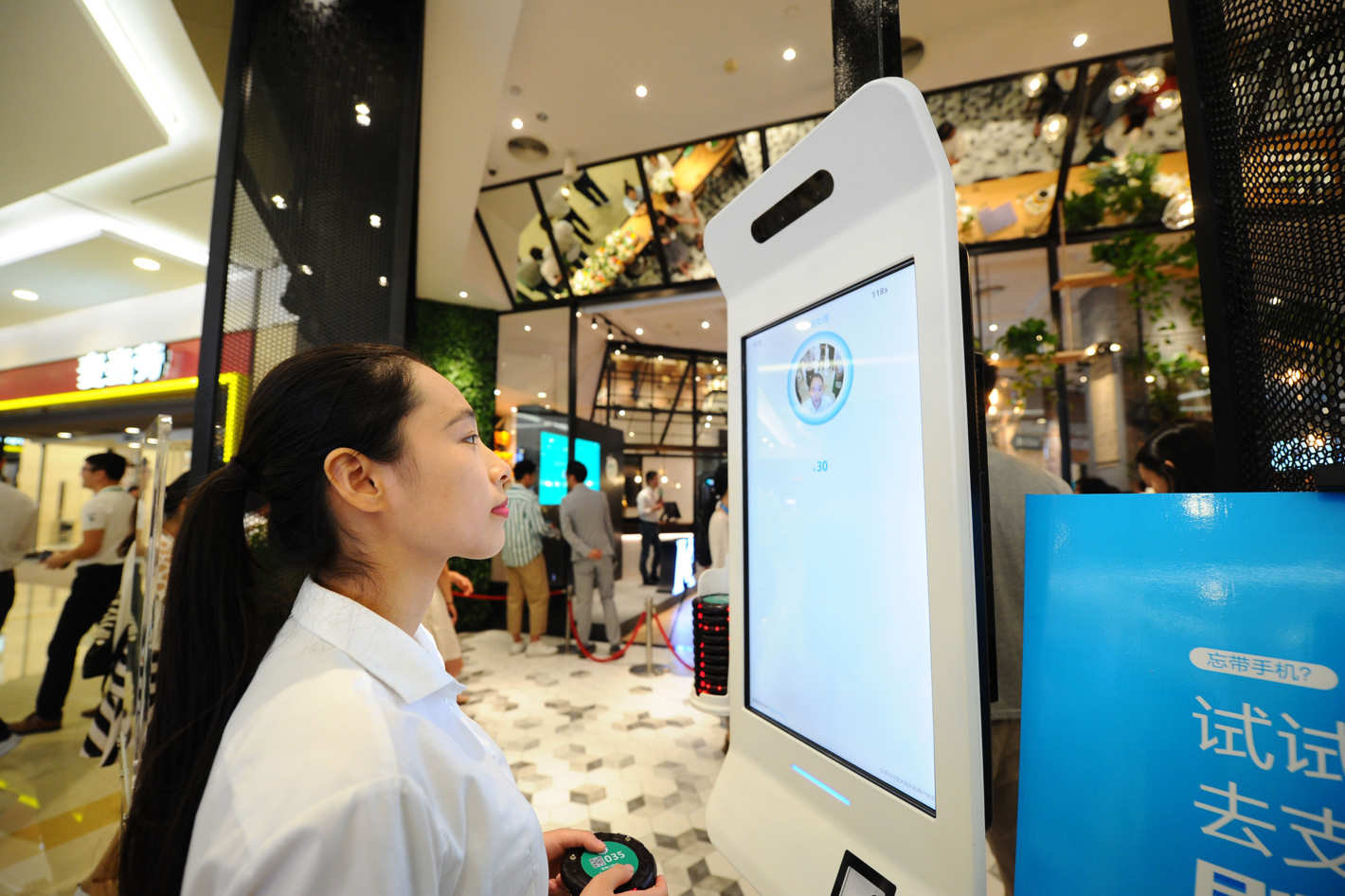
According to a new rule, any Chinese citizen registering for a new SIM card must submit facial recognition scans starting this Sunday. So for those that wish to register their new smartphones with their telecom operators in China, must now send facial scans from their devices to the said operator.

The guidelines were initial issued in September and require telecom companies to check the identities of individuals registering SIM cards through facial recognition and other technical methods. Notably, physical stores of the telecom operators had until 1st December to begin implementing the new standards in China.

kfc facial recognition
Facial Recognition in Chinese retailers

The ministry of industry and information of China has described the new measures as a means to “protect the legitimate rights and interest of citizens in cyberspace.” But, this also makes the Chinese smartphone and internet users much easier to track and identify. At present, Chinese citizens already need to provide identity cards or passports to register a new SIM card. Furthermore, numerous social media platforms also require users to sign up with their “real-name-identities” via their phone numbers.

The new rule has already started raising security and privacy concerns as it employs in a wide field ranging from middle schools, concert venues to even public transport. Additionally, general unrest has plagued the public in regard to this decision due to the uncertainty of its regulations and standards; with lawsuits against the measure already surfacing.

China Mandates Facial Recognition
Public Monitoring

The ministry has said the rule will protect citizens from phone scams and prevent the reselling of SIM cards as part of cybersecurity and anti-terrorism campaigns in China. However, human rights advocates described the new rule as another step towards a “dystopian surveillance state” where citizens are constantly monitored for dissent or signs of unrest.


(Via)

Huawei faces public outrage after ex-employee detained for eight months over false charges

Huawei has come under fire in its own country as members of the public rallied behind a former employee detained for eight months after demanding severance pay from the company. Weibo users expressed anger at Huawei’s treatment of the former employee, reversing some of the firm’s positive sentiment generated following its US blacklisting.

The case became public on November 30, when Li Hongyuan posted a message on the website of Huawei’s Xinsheng Community, titled “An Open Letter to President Ren”. The event prompted speculations on the Chinese internet over allegations that the employee could have been framed by his former managers, who were unhappy with the amount of compensation he demanded.

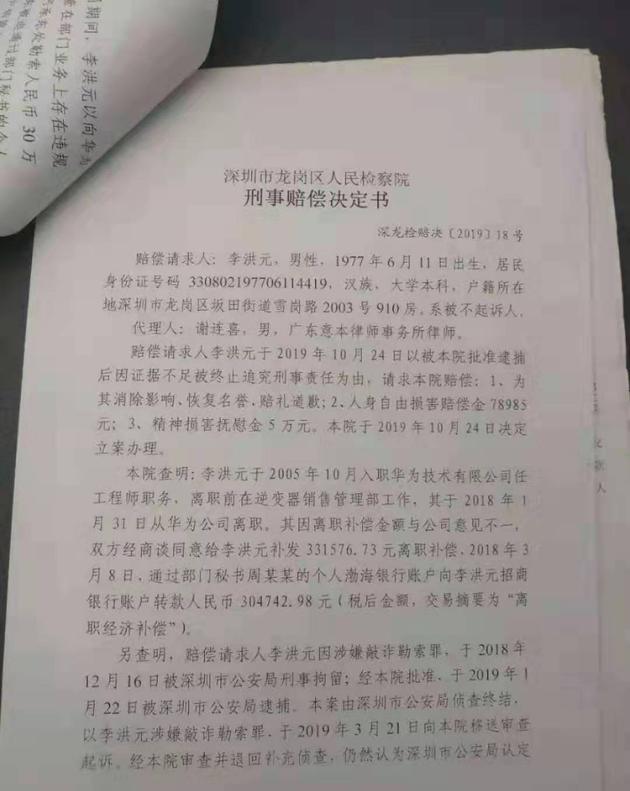
Last January, Li Hongyuan, a Huawei employee of 13 years, was arrested on extortion charges and detained until August, when he was released because of “unclear criminal facts and insufficient evidence”, according to the court documents posted online by Li.

Li Hongyuan joined Huawei in 2005 and worked for its inverter department. When his last employment contract expired on Dec. 31, 2013, Huawei refused to re-sign but offered compensation of CNY380,000 (USD54,000), twice his monthly salary multiplied by the number of years he spent at the company, as a severance payout.

Court documents shared by Li Hongyuan


In March 2018, the secretary of Li’s department transferred 304,742 yuan to him through a private account instead of a corporate one. Li claims that after further inquiry he learned that it was a standard procedure and that at least five of his former colleagues received their compensation in a similar way. However, it seems that the use of a private bank account raised suspicion about the nature of the transfer.

Therefore, Li Hongyuan began to sue Huawei for compensation for the year-end award. During the period, he also held several court trials. He also hoped to expand the influence through the media. As of October 2018, the outcome of the lawsuit was inconclusive and all parties were waiting for a resolution.

This is when things take a surprising turn for Li Hongyuan. On December 16, 2018, Li was detained by the Shenzhen Public Security Bureau on suspicion of extortion and was arrested on January 22, 2019. He was released on August 23, 2019, due to “unclear criminal facts and insufficient evidence”, having spent a total of 251 days in custody.

Huawei said it has the right and an obligation to report to judicial authorities of suspected illegal activities. “We respect the decisions. If Li believes his rights have been harmed, we support his use of legal measures to defend his rights, including suing Huawei. It also shows that all are equal under the law,” Huawei said in a statement on Sunday.

Global Times’ source, on condition of anonymity, revealed that Li is facing huge psychological pressure after he found himself at the epicenter of public attention. “In regards to my detention, my father was shocked and passed away, and my child was scared,” he added. “I hope I can take some of your time for a cup of coffee.” For now, they are unsure as to whether they will pursue legal action or not.

On Nov 25, the Shenzhen Longgang district people’s procuratorate decided to give state compensation to Li, awarding 79,300.94 yuan for personal liberty damage and 27,755 yuan for emotional damage, as well as sent a letter to Huawei and his father’s company to remove any stain to his reputation caused by the detainment.

The case sparked heated debate over the weekend. Some netizens raised concerns about whether there are significant flaws in Huawei’s management system. While some netizens argued that a telecoms empire like Huawei, with more than 100,000 employees, should have a more mature management mechanism.

(Source)

Apple may launch iPhones twice a year strategy from 2021

Apple Inc is likely to change its smartphone launch schedule starting 2021, according to J.P Morgan analysts. The prediction appeared publicly yesterday and is based on Apple’s future supply chains. Apple has been launching a new iPhone every fall, leading to the holiday season, but that could change to twice a year depending on the supply schedule.

According to the report, the new strategy will give Apple additional flexibility to update or change its line-up within a 6-month period, allowing it to compete with other players that launch smartphones throughout the year. Starting from 2011, Apple has been launching new smartphones between September and October every year. Hence making the last quarter of every year quite crucial for the company in terms of sales. With this shift in strategy, Apple’s sales figures could be homogeneous around the year.

Commenting on the topic, Samik Chatterjee, J.P Morgan Analyst said, “Based on the upcoming supply schedule, it is safe to say that Apple’s sales figures will no longer be seasonal. As the company plans to launch two new devices in 1H21, followed by two more in 2H21”. This shift in strategy will help Apple compete with major rivals like Samsung and Huawei that launch two flagship smartphones per year. Since Apple does not have a budget line-up and unveils smartphones once a year, the company’s revenue is heavily dependent on sales during the holiday season.

Apple

J.P Morgan also predicted Apple’s 2020 lineup on Monday, and the report mentions the launch of four new devices in September 2020. That is a major change from Apple’s current three smartphones per year strategy. The analysts suggest Apple plans to launch a low-cost smartphone based on the iPhone 8 in spring 2020. While all four devices will flaunt OLED displays and support 5G, the low-end variants might not feature the extremely high-frequency mmWave technology that promises superior performance.

According to J.P Morgan analysts, the new iPhones will feature three display sizes, measuring 5.4-inch, 6.1-inch, and 6.7-inch. The device with the largest display reportedly features shift sensors that allow better quality images and videos while capturing in motion. The higher-end models also support the world-facing 3D sensor and triple camera setup. None of these reports have been officially confirmed by Apple yet, and are simply based on supply chain checks.

5G aims to usher ultra-fast wireless network speeds, aiding smartphone innovations and technical advancements including self-driving vehicles. Following the launch of the iPhone 11 this year, Apple was heavily criticized for holding off a 5G-capable device till 2020. Apple’s global sales have slumped recently, and the company’s decision to further delay a 5G product did no go down well with the loyalists.

Apple’s recent migration from Qualcomm to Intel’s hardware is reportedly the reason behind the delay in the development of 5G modems. It is interesting to note that major US carriers like AT&T, Verizon, and T-Mobile currently offer limited 5G connectivity in the nation. The service is scheduled to improve by 2021.


(source)

Buy Xiaomi Smart Rubik Cube for Just $24.99 from Giztop

Earlier this year, Xiaomi launched a smart Rubik’s Cube under the Mi Mall crowdfunding platform.

Xiaomi Smart Rubik Cube

Invented back in 1974 by Ernő Rubik, Rubik’s Cube can be described as a 3-D combination puzzle, Licensed by Rubik, the puzzle was originally called the Magic Cube and it was sold by Ideal Toy Corp. As the name suggests, Xiaomi’s Smart Rubik’s Cube offers a slew of smart features and is currently up for grabs for just $24.99 on Giztop.

You can calculate reduction steps within 30 steps with the Xiaomi Smart Rubik Cube App. If you are a beginner, you can use the 3D dynamic graphics teaching, guide for step by step instructions. You will be notified when you make a wrong move.

While this smart Rubik’s cube looks a lot like the regular Rubik’s cube, it has a more concave feel as it uses a magnetic positioning design inside. Its smooth body structure ensures it neither gets stuck nor falls apart.

Xiaomi Smart Rubik Cube

Xiaomi Smart Rubik Cube App intelligently finds a new route and instantly restores the Rubik’s cube. The app offers nine different gaming levels, with each level offering a different level of difficulty.

Furthermore, the Smart Rubik Cube is backed by a built-in replaceable coin cell battery. For longer battery life, it adopts a low power consumption design. The Smart Rubik cube has a six-axis sensing system that enables it to automatically capture every rotation and color change.

To get real-time data synchronization, all you need to do is to connect the device with your smartphone through Bluetooth. You can also pair the Xiaomi Smart Rubik Cube with the MIJIA app and connect it with all your smart home devices via Bluetooth 5.0.

You can control smart home products simply by turning the Xiaomi Smart Rubik Cube. To know more about Xiaomi Smart Rubik Cube and place your pre-order from Giztop, follow this link now.

Realme confirms these phones won’t get ColorOS 7 (Android 10)

Last week Realme released the roadmap for the rollout of ColorOS 7 based on Android 10 for its phones. The rollout has 11 devices in total and is scheduled to end in Q3 2020. However, there are a number of devices missing from the list. A few days ago, Realme confirmed those phones will not be getting the update.

Apparently, there is a petition for Realme to release ColorOS 7 for the Realme 1, Realme 2, Realme C1, and Realme U1 seeing as they are missing from the rollout schedule. In response to a tweet urging the manufacturer to update the devices, the official Twitter account for Realme India Support replied the aforementioned phones will not get the ColorOS 7 update based on Android 10.

That response will surely break the hearts of owners of these devices considering the fact that all four phones were released last year.

In our opinion, we wish Realme adopted Xiaomi‘s style of updating its devices whereby older devices get new features but still stay on their current Android version.

It is no surprise that Realme has left out some devices judging from its large portfolio in about 18 months. This is bound to happen when a manufacturer keeps churning out phones. Realme is not the only manufacturer guilty of this and that isn’t to say there aren’t manufacturers with fewer products who do not abandon devices after they have been released.

Nevertheless, we believe owners of these devices will keep clamoring for an update and may be lucky enough to get Realme to change their stance.


(Source, Via)

Samsung to set up a new Chip Plant in Vietnam?

According to a new report, Samsung might be looking into Vietnam as a potential site for its new chip-making plant. In a private meeting in Seoul, the Prime Minister of Vietnam asked the Vice Chairman of Samsung Electronics to consider building a chip manufacturing facility in the country.

The South Korean tech giant has already set up numerous plants and assembly lines for its mobile phones and IoT devices in the country. Additionally, the offer from the political leader is reported to carry certain benefits and incentives for the company. Samsung will also further benefit from lower labor costs in the Southeast Asian country and its economic growth prospects. Unfortunately, the exact details regarding the incentives being provided are still unknown but the deal may be a winning strategy for both sides.

Korean Herald: Samsung Electronics Vice Chairman Lee Jae-yong (left) and Vietnamese Prime Minister Nguyen Xuan Phuc (right)

However, news of the deal actually going through for a new plant is still uncertain due to the basic requirements of the semiconductor business, according to sources and economic experts. Instead, Samsung has promised to hire 3000 Vietnamese engineers for its Samsung Research and Development center which is currently under construction in Hanoi.

Before setting up a plant, chipmakers require local talent (engineers), clients to work with, and also need to be closer to their target markets. Currently, Samsung has chip plants in Xian, China, and Austin, Texas. Austin, in the US, is home to top-level engineering students while the country is the biggest market for Samsung. Similarly, the reason Samsung still operates in China is not for low labor costs but due to market significance and huge potential for growth.

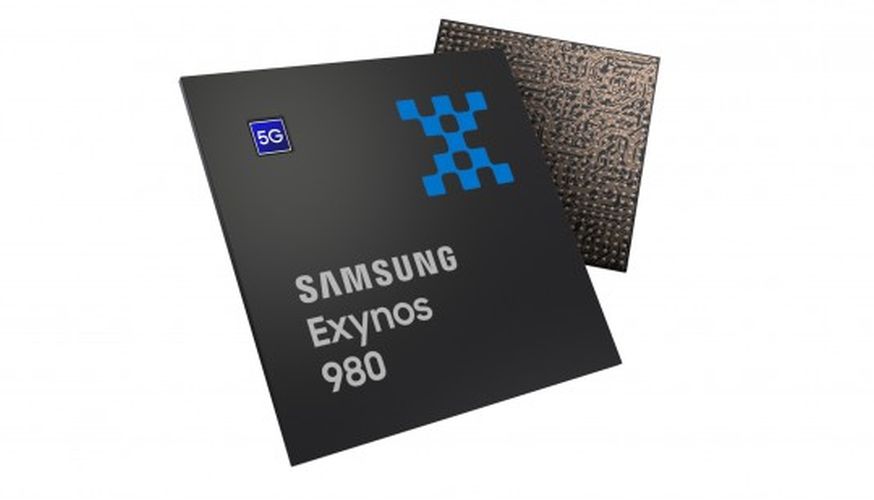
Samsung Exynos 980 5G chipset

Thus, it is unlikely that Samsung takes the Vietnamese Prime Minister’s offer for a new chipmaking plant. The company already has set up advanced smartphones and IT manufacturing facilities (with over 58 percent of Samsung smartphones being sold globally are made in Vietnam). Hence, it might not need another chip plant in a country that is less crucial than either China or the US.


(Source)