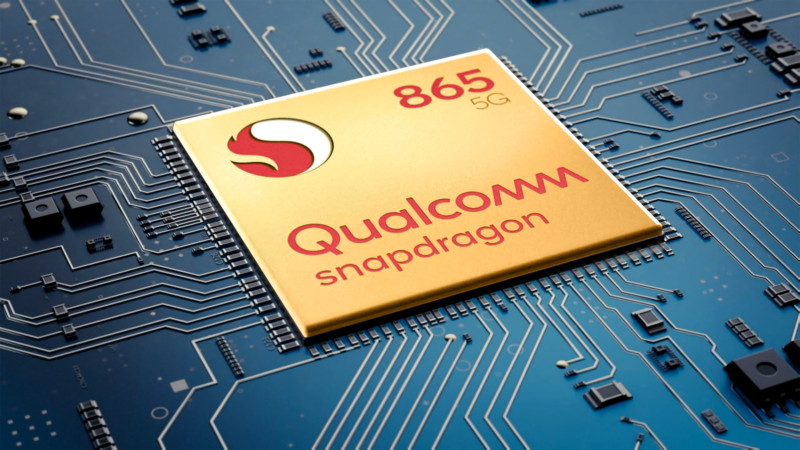
The Snapdragon 865 chipset is now official, and it comes with a slew of upgrades in key areas. The chipset features ARM’s latest Cortex-A77 cores, delivering a 20% boost in performance from last year, and the Adreno 650 GPU has more cores that result in a massive 25% uptick.
There’s one curious new addition that caught our eye though. Qualcomm will start delivering GPU updates to OEMs, who will then update phones through the Play Store, similar to what NVIDIA and AMD do on PCs. This is a in stark contrast to the old update system, where manufacturers would issue the update via monthly hotfixes, if at all.
What benefits would updating your GPU more frequently have? Likely, you’d see more patches to rectify issues like game crashes, optimization for performance on new titles, and potentially support for new features. On top of that, we’d probably also see general performance updates keeping devices fast over longer periods of time.
Qualcomm wouldn’t commit to any exact update schedule or planned upgrades to the Adreno 650 on the Snapdragon 865—which for now is the only GPU that will get these updates—but hopefully the company is able to provide such updates to all of its GPUs moving forward.
So, how is this possible, and why now? Well, it currently seems like updating GPU drivers in Play Store is thanks to Google’s Project Mainline in Android 10. Project Mainline allows users to gain security patches and updated Android system components via the Play Store. For now, this is a step in the right direction, and hopefully we’ll see more mid-tier Adreno chipsets get updates like this in the future.
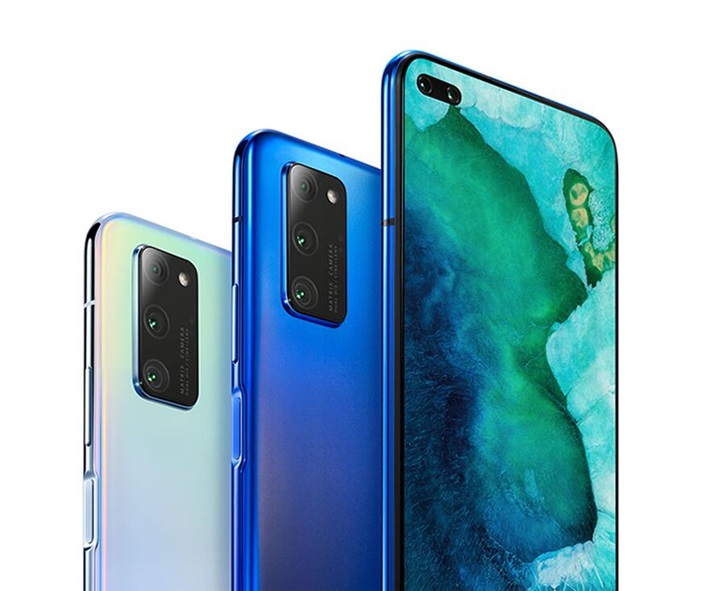
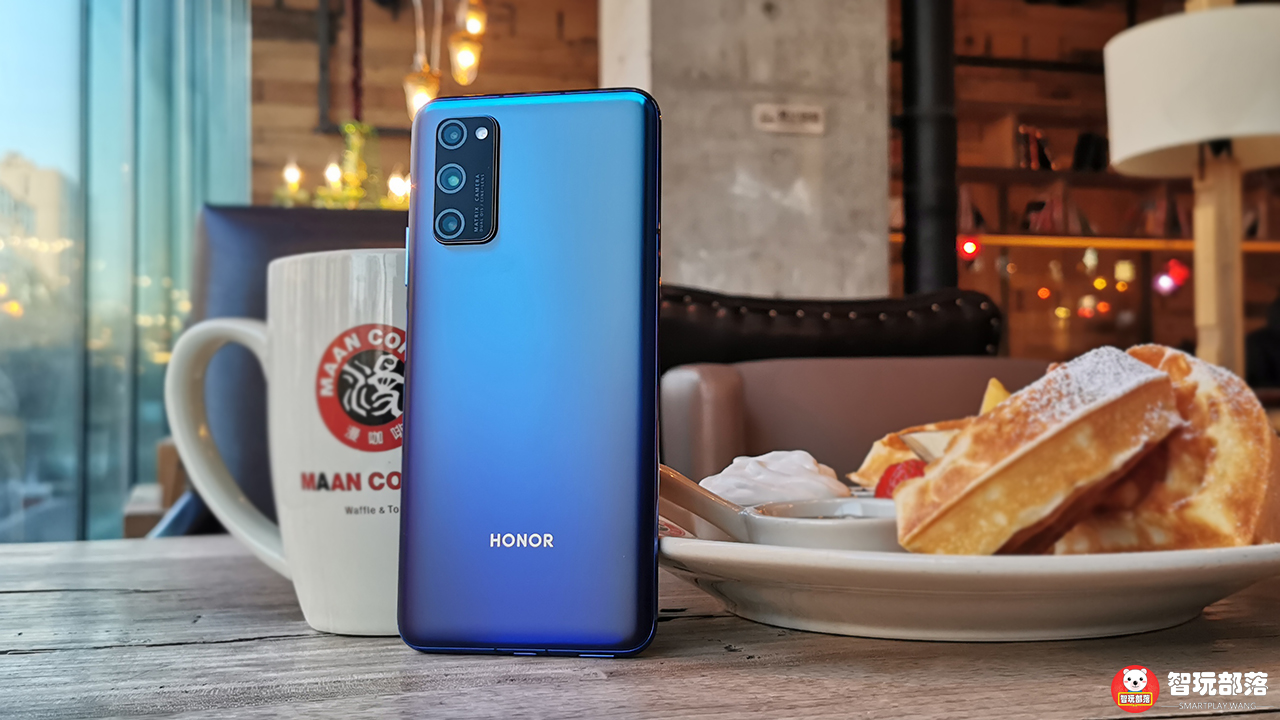
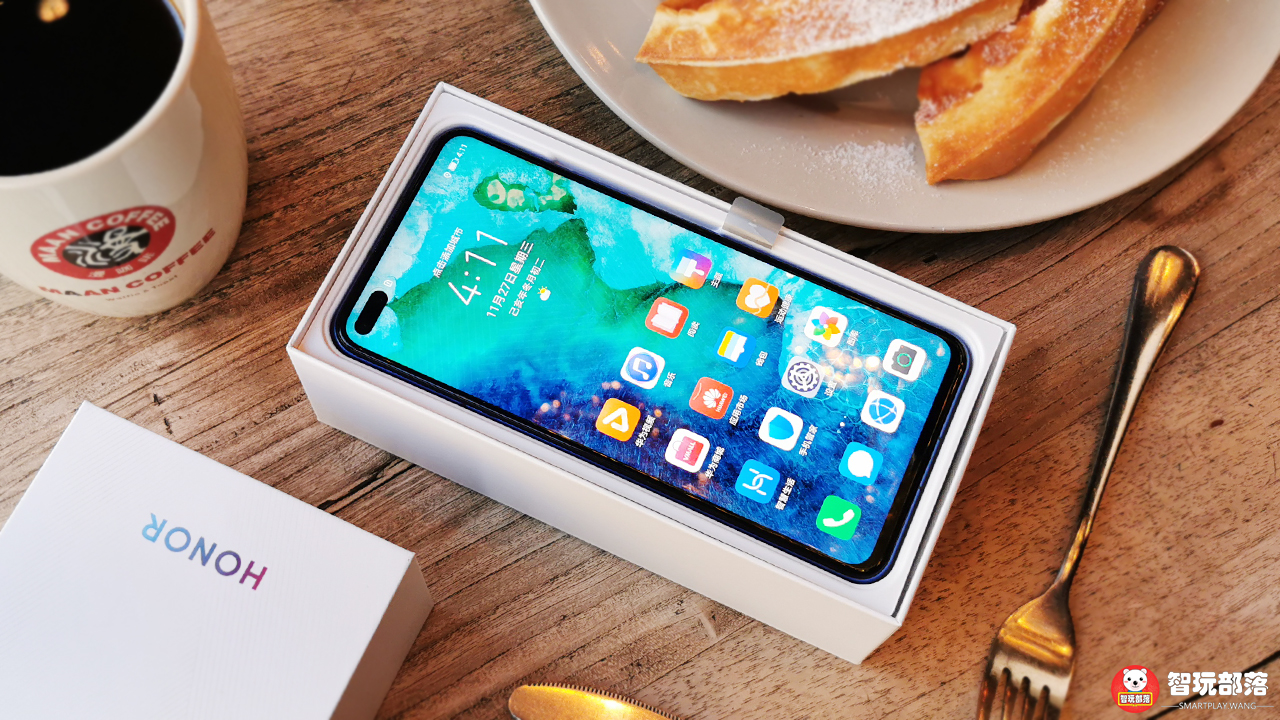
Honor‘s latest 5G smartphone the Honor V30 and V30 Pro went on sale for the first time today. The tech giant has released the sales report of the first flash sale and as expected, it is sensational. According to the company, all available units of the Honor V30 series was sold out in just 3 seconds!
This time around we get to know that a total of 100,000 units of both the V30 and V30 Pro were made available across all platforms such as Vmall, JD.com, Suning and other major retailers. Still, it is an amazing feat that all units were sold out in just 3 seconds. Unfortunately, the phones are yet to be launched for the global market. Even if that is done, the lack of Google Services will be the major challenge Huawei will face in trying to market the phone.
As a reminder, the Honor V30 Pro is the topmost version and it bears the same design as the V30. The two models only differ in a few aspects including their memory configurations. The V30 is available in 6GB RAM and 8GB RAM with just 128GB storage option. While the V30 Pro comes in 8GB of RAM and 128GB and 256GB storage options. The V30 Pro equally has a slightly smaller 4100mAhbattery with 40W wired fast charging support and wireless charging support. Wireless charging is lacking on the V30 even though it packs a slightly larger 4200mAh battery.
Both models feature a 6.57-inch LCD display with Full HD+ resolution. They are both powered by a Kirin 990 chipset with a Balong 5000 modem onboard the V30 Pro bringing 5G support. The phones have their fingerprint scanners located at the side and it doubles as the power button.
The Honor V30 starts at 3,299 Yuan ($470) for the 6GB+128 GB variant while the V30 Pro costs 3,899 yuan ($555) for the 8GB+128GB version. The phone comes in Blue, Pearl White and Black color options.
The Redmi Xiao AI Play will launch on December 10 as Redmi’s first smart speaker. A teaser poster was released two days ago giving us a hint at the speaker’s design and streaming feature. Two more teasers have been released with one highlighting its smart home feature.
The Redmi Xiao AI Play will be able to control smart home devices by voice. As seen in the poster, owners will be able to control Xiaomi smart home products such as lamps, air conditioners, air purifiers, and smart TVs.
The speaker will not only be able to control Xiaomi products but also products from 54 other IoT platforms including Phillips light bulbs and smart door locks thanks to its built-in latest generation Bluetooth mesh gateway.
Another teaser revealed the smart speaker has a 1.75-inch speaker unit, a U-shaped duct for a better bass experience, and a 350cc large sound cavity.
We still haven’t seen any live photos of the Redmi speaker yet but we hope it surfaces before the launch.
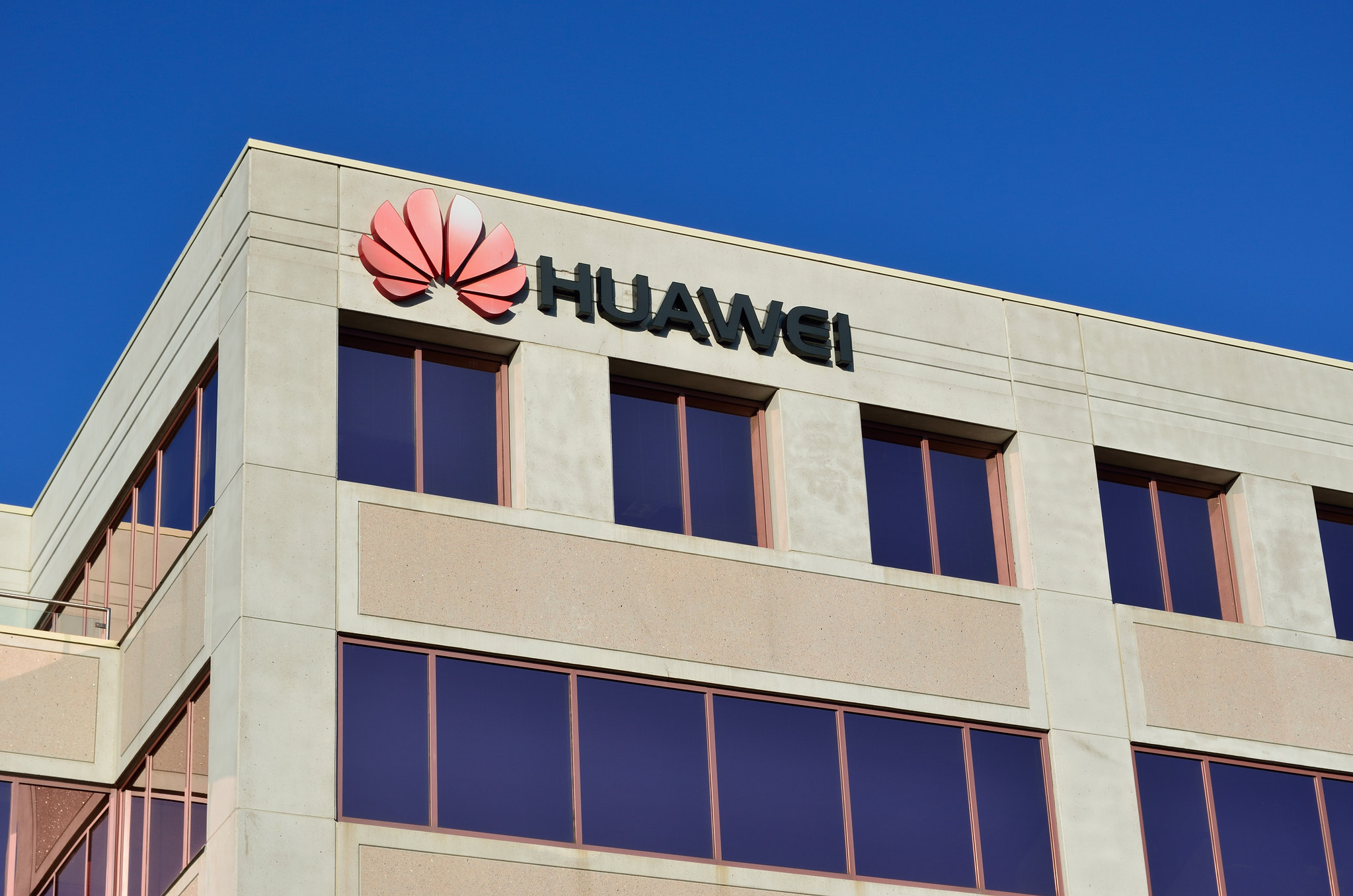
Huawei has sued the U.S. government over the recent FCC restrictions that further curbs what little business the company has left in the U.S. The lawsuit challenges a decision taken by the FCC that prohibits rural carriers in the country from using federal subsidies to purchase Huawei equipment.
This is the second such lawsuit from Huawei in the U.S. after it first challenged the ban on the sale of its products to federal agencies back in March. The latest lawsuit was filed in New Orleans against the FCC after it branded the company as a ‘national security threat’ and restricted the sale of Huawei equipment to rural U.S. carriers by blocking access to the Universal Service Fund (USF) for purchases from both Huawei and ZTE.
Huawei’s business with rural U.S. carriers is minimal in comparison to its massive 105 billion revenue posted in 2018. However, it says that such decisions create a stigma around the company which will affect its ability to grow its business globally. Branding a multinational company like Huawei as a national security threat would indeed affect its reputation around the world.
For example, prime minister Boris Johnson recently said that the UK could block Huawei from investing in its 5G networks. Even Japanese carriers have excluded Huawei from 5G deployment. But the company has already signed 50 5G contracts with carriers around the world. So, it’s very important that Huawei protects its reputation on a global scale.
Huawei argues that the U.S. ban doesn’t provide any proof to support its claims of “backdoor access” or “national security threat”. Also, given how competitors like Nokia and Ericsson make a lot of their telecommunications equipment in China, the claim of China-made gear threatening U.S. security also applies to Huawei’s competitors.
“Both FCC chairman Ajit Pai and other FCC commissioners failed to present any evidence to prove their claim that Huawei constitutes a security threat, and ignored the facts and objections raised by Huawei and rural carriers after the FCC first made the proposal in March 2018,” said Huawei’s Chief Legal Officer Song Liuping at a press conference in Shenzhen that was live-streamed.
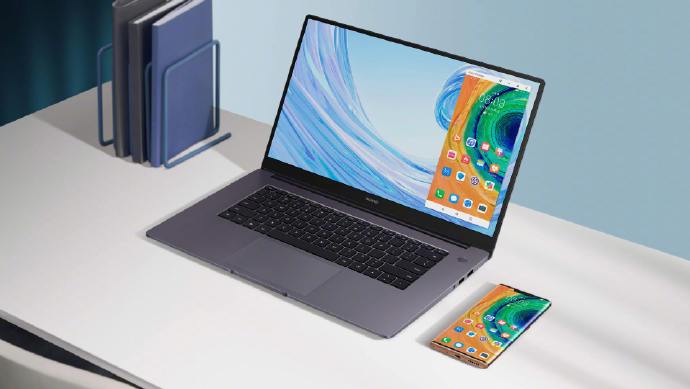
The new Matebook lineup comes with Windows 10 after Microsoft received a license to trade with Huawei
This lawsuit comes at a time when some companies like Microsoft were granted a special license to trade with Huawei. It remains to be seen whether this move from Huawei will have any effect on future license approvals from the U.S. commerce department.
The latest rugged flagship from Ulefone -Armor 7- sports all the useful protective features that Ulefone adopts in its rugged phones like IP68/IP69K certifications and more. But what happens when the glass panel on the front hits the ground? According to the company, the glass features 7H hardness and to prove it, the company released a new video on YouTube to demonstrate the durability of the display.
As you can see in the video, the Chinese manufacturer put the display in a series of hard tests. They even used a drill and a block of concrete and the screen passed all the tortures without even the slightest sign of damage. It seems that when the company refers to the superior durability of its rugged phones, there’s no exaggeration.
Besides being a rugged smartphone, Armor 7 is also a solid performer. It comes with a 6.3″ FHD+ waterdrop screen, a triple rear camera (48MP+16MP+8MP) and 16MP selfie shooter, 8GB/128GB configuration, Qi 10W wireless charging, fingerprint and face unlock, global network bands, and NFC with Google Pay. Also, there is a quadruple navigation system with GPS/GLONASS/Beidou/Galileo support. The device is available on Banggood at a special price of $369.99. To see the rest of the Ulefone lineup, visit their official website.
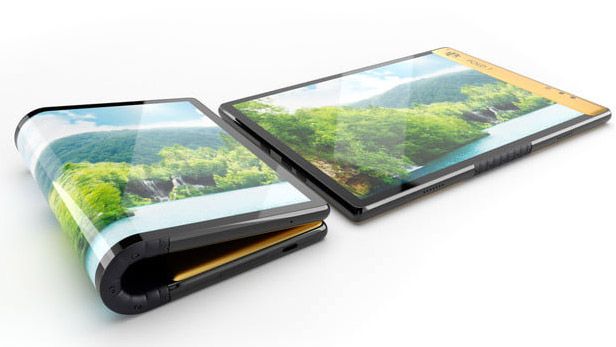
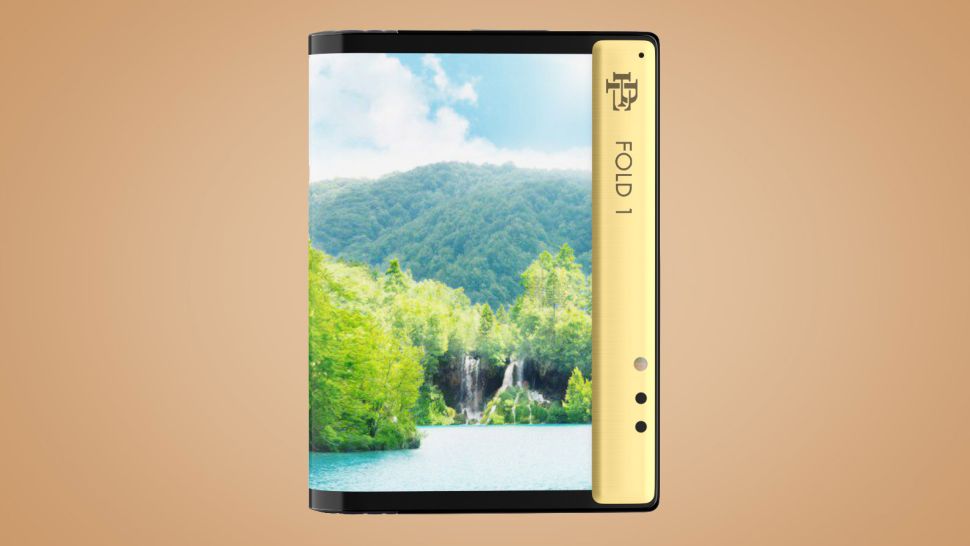
Who would have thought the name Pablo Escobar would be trending for any reason, talk less of a good one? Almost 26 years after the death of the notorious drug lord, a smartphone dubbed Pablo Escobar Fold 1 has been launched. The device comes as a surprise as we never saw it coming. Not only is the smartphone promoted as having a durable design, but the device is also unarguably the cheapest foldable phone that we’ll be seeing for a long time to come. It has a starting price of $349.
Apart from being the cheapest and one of the first foldable smartphones around, the Escobar Fold 1 is equally one of the cheapest Snapdragon 855 phones. Yes, for that amount, you get a snapdragon 855 chipset onboard and wait for it, 8GB of RAM as well as a massive 512GB expandable storage.
The Escobar Fold 1 packs a 7.8-inch flexible AMOLED display with a resolution of 1920 x 1444 that folds outwards in half. For photography, the foldable flagship features a 16MP f/1.8 primary camera and a 20MP secondary shooter. The device is carrier unlocked, works across all networks around the globe, and includes free worldwide shipping.
We must point out that the smartphone looks very much like the Royole Flexpai, fuelling speculations that the device is a rebranded Flexpai. The specifications of both foldable phones also match. However, the outer shell has a gold lining with a fancy Escobar Inc logo engraved across the back.
The Fold 1 is presently available to pre-ordered from Escobar Inc’s website but for that outrageously cheap amount, you may need to tread with caution on this one.
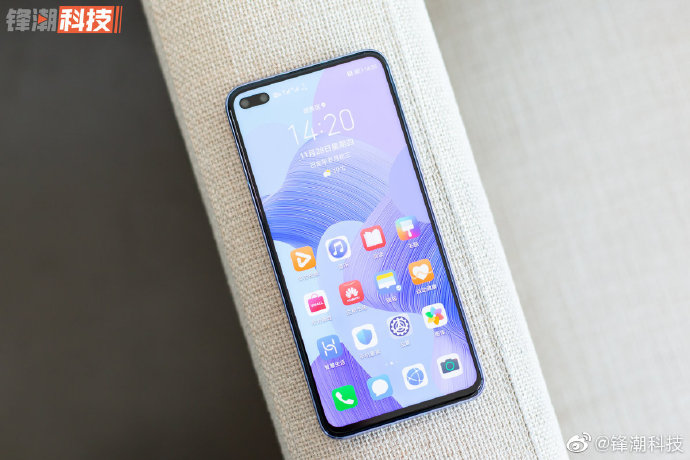
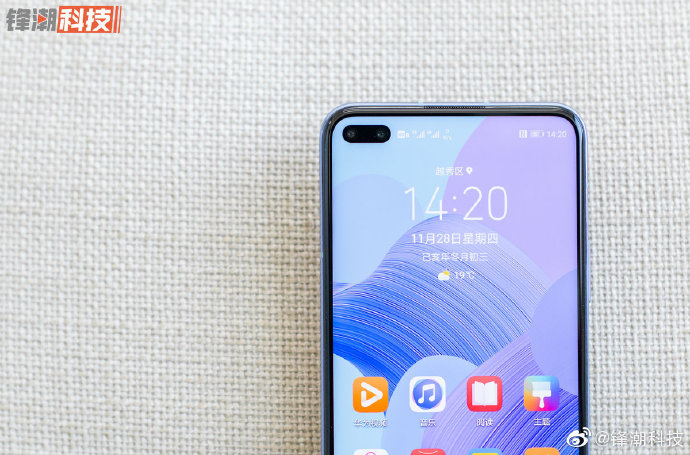
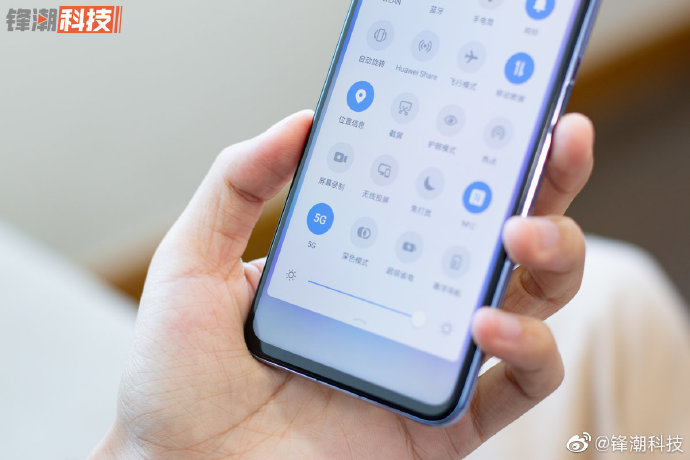
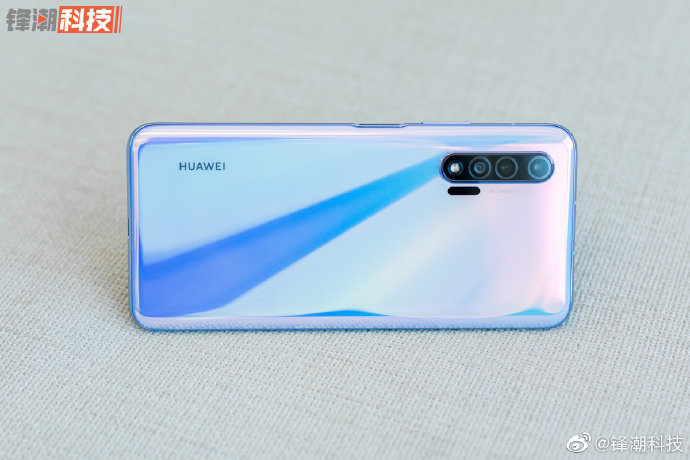
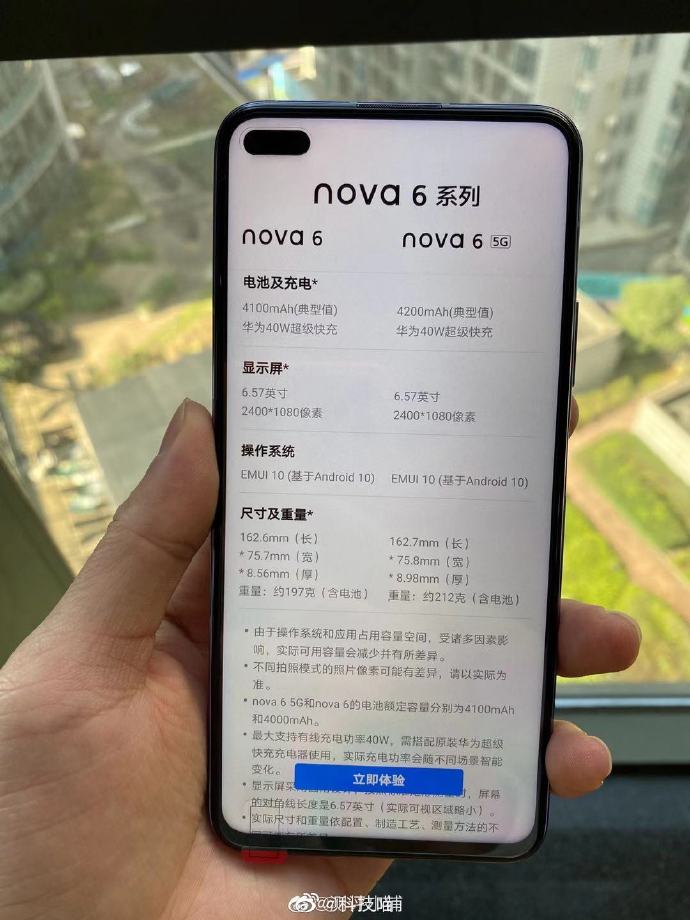
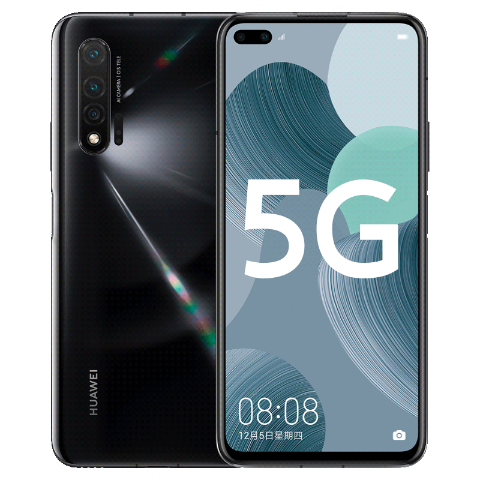
Huawei officially announced the Nova 6 series comprising the Nova 6 5G, Nova 6 4G and Nova 6 SE earlier today. The models utilise the punch-hole selfie camera design that Huawei is gaining a growing reputation for using on its display, albeit on LCD panels. While the Nova 6 SE has a single punch-hole, the Nova 6 comes with a wider selfie punch-hole design which houses two sensors. We take a look at the Nova 6 design as captured in these hands-on pictures.
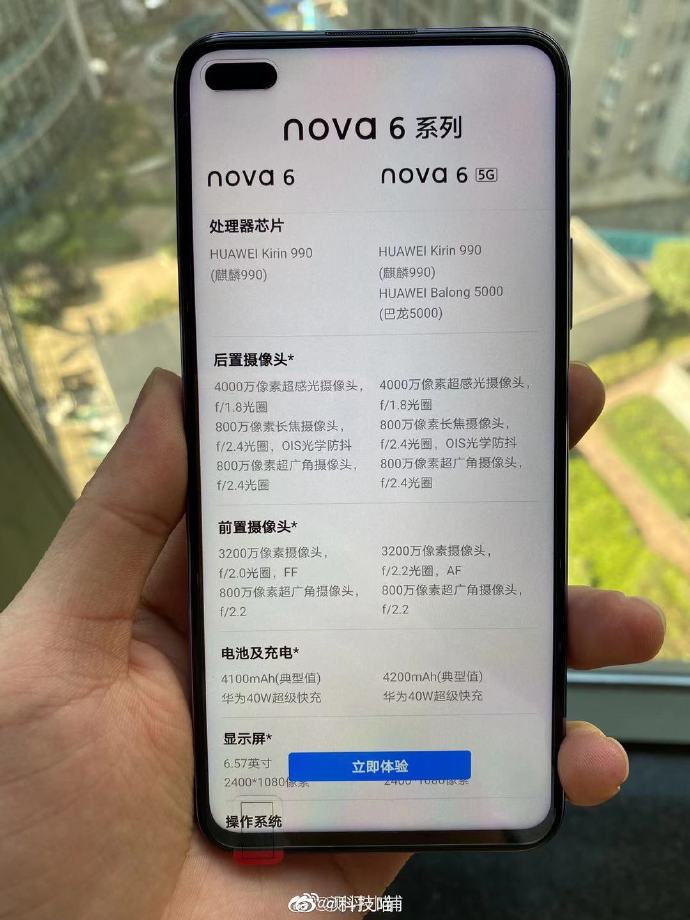
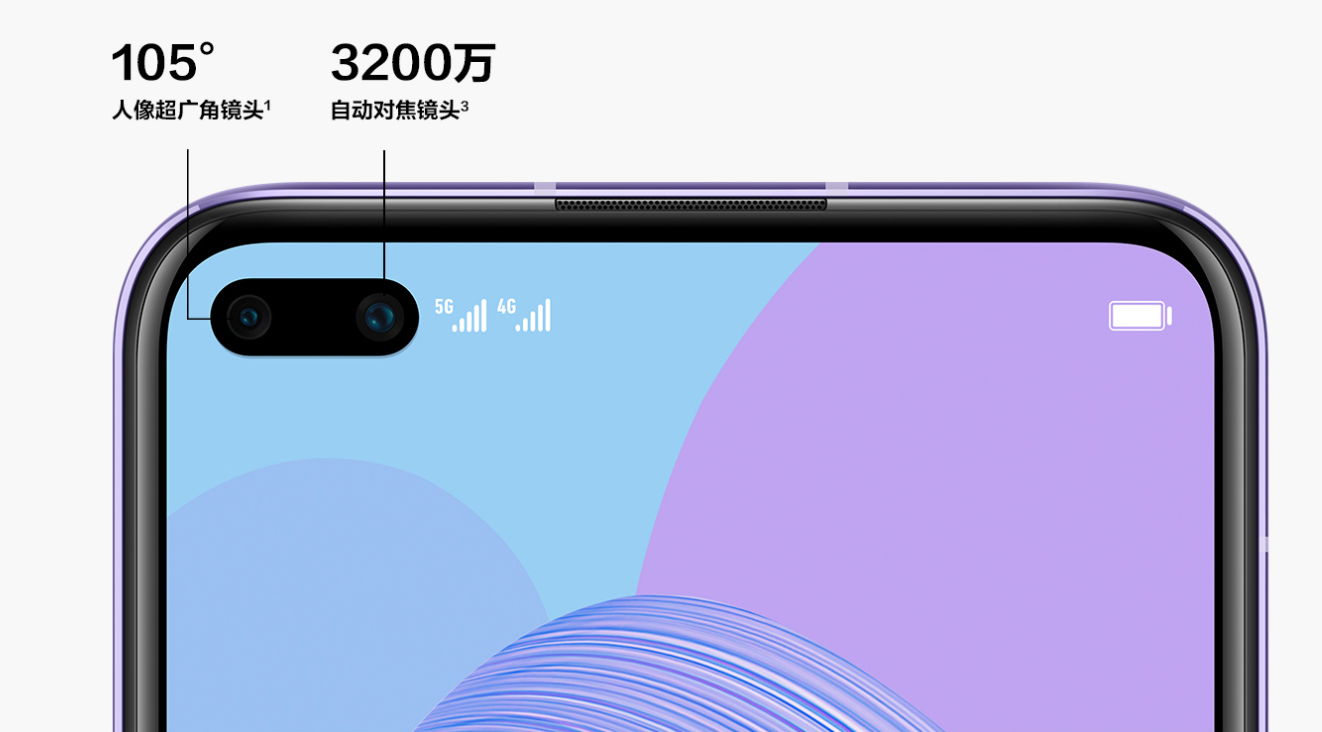
The front design has as its most prominent feature the dual selfie camera located at the top left corner of the display. The two sensors consist of a 32MP Sony IMX616 f/2.2 Autofocus camera paired with an 8MP 105° f/2.2 FF camera so you can take wide-angle selfies. The selfie camera is said to come with EIS, a portrait mode and a Super Night Scene mode. Huawei says it is the first phone to support 4K 30fps HD video recording with the selfie camera. Also, the selfie shooters are ranked by DxOMark as having the best selfie cameras.
The device utilises a 6.57-inch display with an FHD+ resolution of 2400 x 1080 pixels certified by TUV Rheinland. The bezels around the display are as thin as they can be making this one hell of an immersive screen.
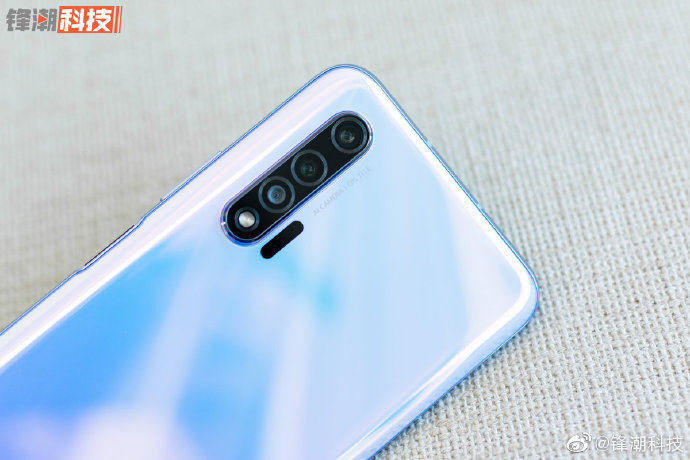
The rear panel is made of glass and is curved on all angle which gives it not just some aesthetic value but makes the phone comfy to handle. The glass is coated using a dual-film dual-plating process with 14 nano-level coatings.
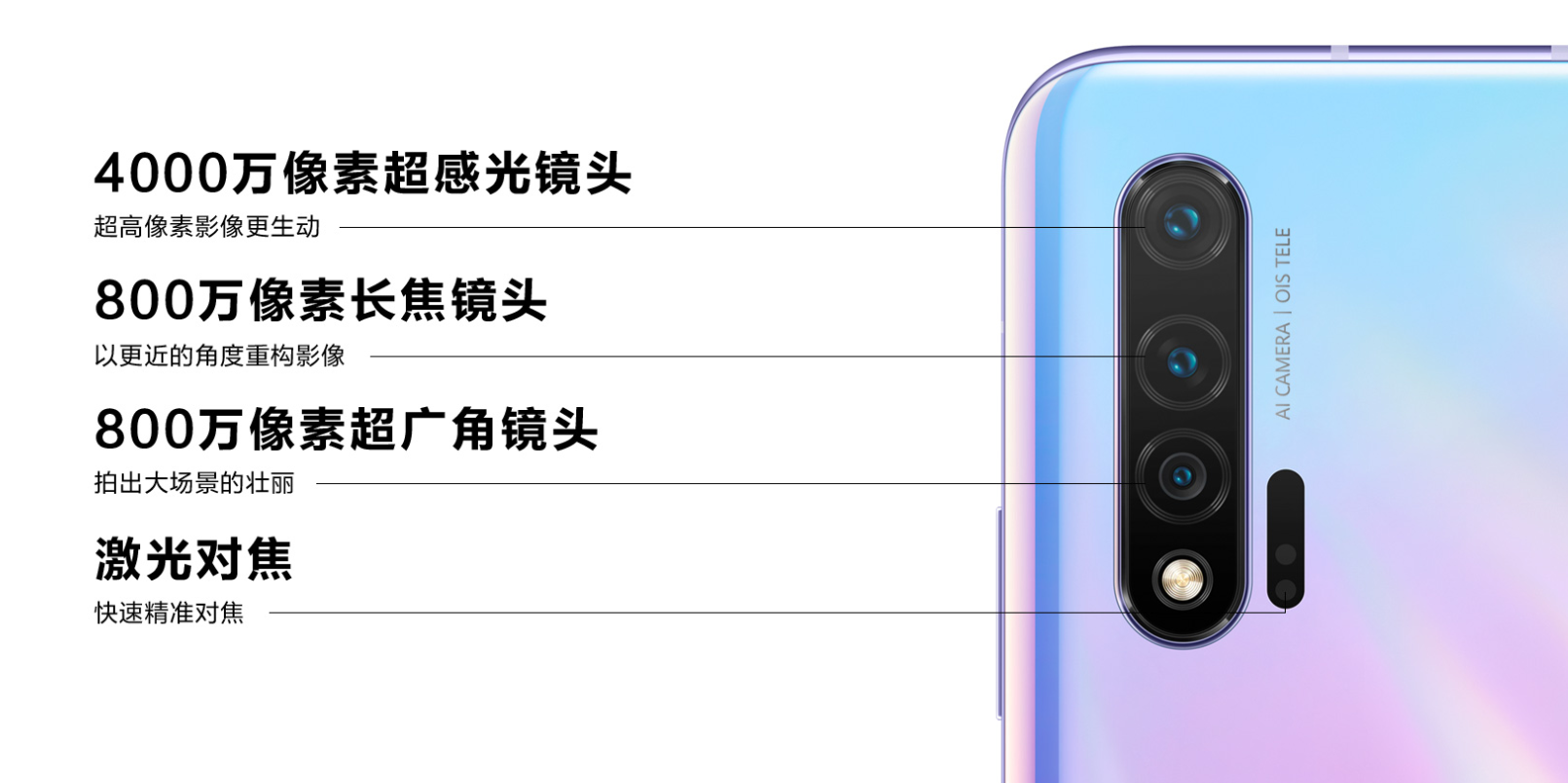
Still, on the rear panel, the Nova 6 5G packs a triple camera setup stacked vertically at the back. The camera setup consists of a 40MP RYYB Sony sensor with an f/1.7 aperture and a 1.2µm pixel size which allows for more light and an ISO of up to 204800. There is also an 8MP f/2.4 120° ultrawide angle camera and an 8MP f/2.4 telephoto camera with 30x ultra-long zoom, AF, and OIS. The phone has EIS and can record 4K HD videos.
The Nova6 also packs a side-mounted fingerprint sensor that doubles as the power button. The scanner/power button is located at the right side of the display alongside the volume rockers. The Kirin 990-powered flagship model also comes with a USB-C port which would deliver super-fast charging to the 4200mAh battery that is on-board the 5G version.
Check out some more pictures from below. You can as well read about more details of the Nova 6 series from our launch article.
The Redmi K30 5G is one of the most anticipated smartphones this month. Redmi has officially confirmed quite a number of the device’s specifications such as its screen size, battery capacity and the processor that will power it. Today, Lu Weibing took to Weibo to confirm that there will be a 4G version of the phone too.
According to the post, he said while 5G is just beginning to roll out, 5G charges by network operators are also quite expensive and not everyone can afford it. Based on that, there will also be a 4G version of the Redmi K30.
This is not new information as the specs of the 4G variant leaked last week. Nevertheless, an official confirmation is welcome.
The Redmi K30 4G is expected to come with a Snapdragon 730G processor. Its display will also be a 6.66-inch LCD panel with a 120Hz refresh rate and a 1080 x 2400 resolution. The leaked live photos showed that it will have 64GB of storage and run MIUI 11 out of the box.
A leak revealed the phone will have a 64MP main camera along with an 8MP telephoto camera, a 13MP ultrawide camera, and a 2MP sensor. It also said it will pack a 4500mAh battery with support for 27W fast charging. The 5G version has the same battery capacity but with 30W fast charging that Redmi says can charge the phone from empty to full in 1 hour.
The Redmi K30 4G is also rumored to have 20MP + 2MP dual front-facing cameras, a side-mounted fingerprint scanner, NFC, IR blaster, and an audio jack. Its starting price is put at ¥1999 (~$285).
The official twitter account for Nokia Mobile has announced that Android 10 is now rolling out to the Nokia 9 PureView.
#Nokia9PureView owners, listen up! 🎉 The latest Android 10 update has made its way to your phones. Tap into an upgraded experience and access the latest features today. Make sure that your phone has Security Patch installed to upgrade your phone to Android 10 🙌 pic.twitter.com/FBWookt6y6
The update brings Smart Reply, new gesture navigation, dark mode, more controls over privacy and location data, and family link settings under Digital Wellbeing.
With the Nokia 9 PureView out of the way, the Nokia 7.1 is now next in line to get the update this quarter.
The Nokia 9 PureView was launched in February. It has a Snapdragon 845 processor, 6GB of RAM, and 128GB of storage with no support for expansion. The display is a 5.99-inch P-OLED panel with a 1440 x 2880 resolution.
The phone’s selling point is its 6 rear cameras – five of which are 12MP sensors (2 are RGB and the remaining are Monochrome sensors). The 6th camera is a TOF 3D camera. It also has a 20MP selfie camera.
The Nokia 9 PureView has an in-display fingerprint scanner, a 3320mAh battery with support for 18W fast charging and 10W wireless charging. When the phone launched, it ran Android 9 pie out of the box.
Nokia is set to announce a new phone today in Egypt today but it most likely won’t be a flagship phone.
This Smart TV is not a product made by HMD Global who has a license to manufacture Nokia-branded smartphones but is the result of another licensing-agreement between Flipkart and Nokia for the former to make Smart TVs with the Nokia brand name. So this is actually a Flipkart product. The retail giant handles the manufacturing, distribution, and sales of the TV.
Nokia Smart TV (JBL Audio Technology)
Specifications
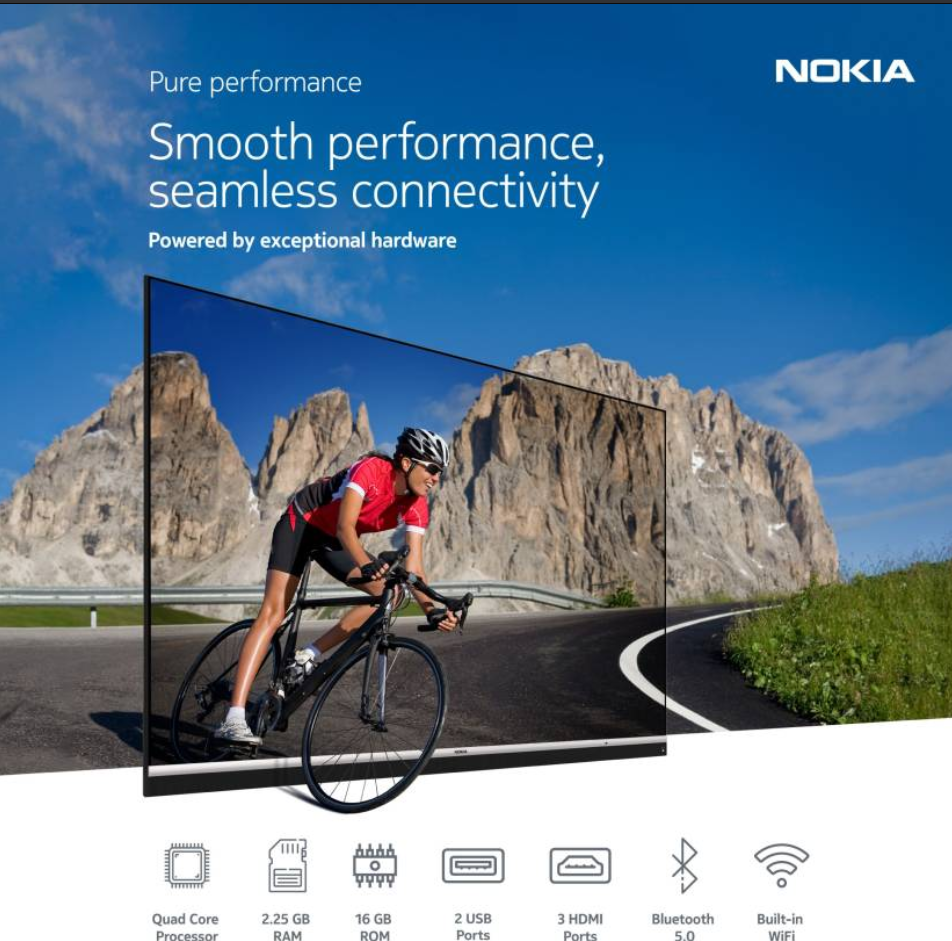
Nokia’s new Smart TV arrives with a 55-inch 4K UHD display. Being a smart TV, it runs the Android 9.0 Operating System for its UI. In terms of audio, the Smart TV is equipped with JBL’s (a known audio electronics based company) audio technology to deliver superior sound quality and packs 24 Watt speakers. The audio quality is one of the main selling points of the TV as it also features Dolby Audio enhancements for a better overall audio experience.
The smart TV is powered by a quad-core processor paired with 2.25GB of RAM. For storage, Nokia’s Smart TV is equipped with 16GB of internal storage. Additionally, the device offers a bunch of different ports for connectivity which includes HDMI and two USB ports(2.0 and 3.0). It is also equipped with Bluetooth 5.0 and Wi-Fi.
Nokia Smart TV (Specifications)
Availability
Nokia’s Smart TV will be available on Flipkart for the price of 41,999 INR (roughly 4,139 CNY or 588 USD). The smart TV will begin sale on 10th December 2019 through the e-retailer. On purchase, the device will be bundled with a stand as well as a wall mount, a Bluetooth remote and support from Google Assistant for voice input controls. Flipkart is also offering a 10 percent discount on prepaid transactions as well as a Complete TV Protection coverage which includes a 3-year warranty against manufacturing defects and accidental damages at just Rs. 999 (roughy 98 CNY or 14 USD).
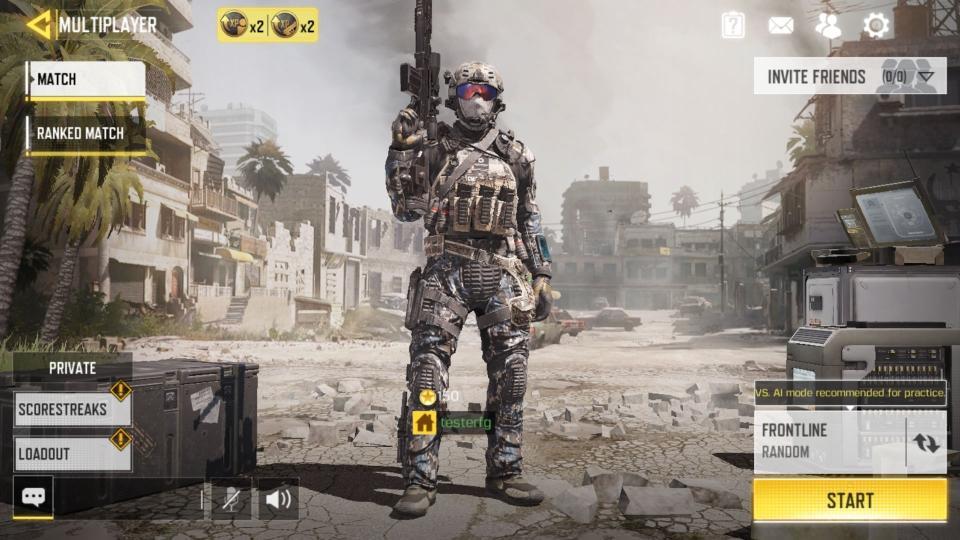
Call of Duty: Mobile from Activision and Tencent has achieved a massive 172 million downloads in just two months. The known game publisher partnered with Chinese gaming studio to bring the popular first-person shooter title to smartphones which has since become extremely successful.
According to a new report, Activision has generated 87 million dollars from player spending after its latest mobile title garners 172 million downloads. After its initial launch, the game picked up about 146 million downloads within the first month while November saw just over 21 million downloads.
Call of Duty: Mobile (Avatars)
Call of Duty: Mobile has proven to be successful in the United States where 28.5 million or 16.6 percent of all downloads have taken place. India arrives second with 17.5 million installs or 10.2 percent and Brazil third with 12 million installs or 7 percent of total downloads. The majority of the downloads took place via Google’s Play Store app which garnered up to 89 million downloads accounting for 52 percent of all installs. On the other hand, iOS version saw 83 million downloads or 48 percent of the total share
Alongside the growing number of downloads, Call of Duty: Mobile generated most of its revenue in the first month in October 2019. It grossed over 55 million US dollars compared to 31 million US dollars in November 2019. So far, the US has accounted for the largest share of the revenue with players spending 36 million dollars (or 42 percent of the total player bases’ expenditure). Meanwhile, Japanese players were the second-highest spenders in the game with 11 million dollars or 13.2 percent of total player expenditure while Great Britain arrived third with 2.6 million dollars or just 3 percent in total share.
Call of Duty: Mobile (Main Screen)
Regardless of declining spending in the game, Call of Duty: Mobile is ranked in the top 25 grossing titles in its key markets. The online multiplayer mobile game is free to play and offers fresh content with every new update, similar to PUBG Mobile. It is yet another example of a popular PC/Console game finding success in the mobile gaming market.
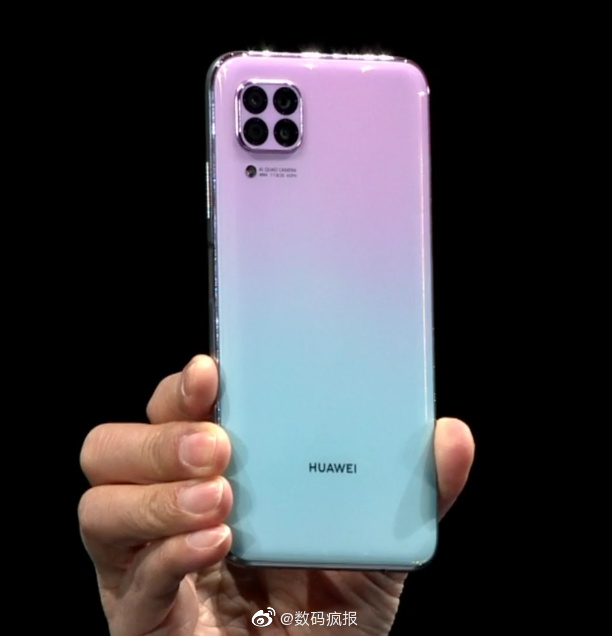
Huawei today held a launch event in China where a number of products were released including the Nova 6 5G as well as a 4G version, a smart Weighing scale and the Huawei Band 4 Pro. The company also sprang a surprise by unveiling the Nova 6 SE, a smartphone that falls on the mid-range segment but with an impressive design. Huawei Nova 6 SE has as its most outstanding feature a rear camera design that looks like that of Apple’s latest iPhone 11.
The Huawei Nova 6 SE utilises a single punch-hole display design unlike the Nova 6 with a wider cut-out that houses two selfie cameras. The punch-hole is situated at the top left corner of the display and does a great job in ensuring the device has an extremely reduced bezel at the top. The bezel at the chin is also at its barest minimum as well as the side bezels.
At the back, the camera design is the most prominent feature. The Nova 6 SE packs a quad camera setup. What makes it stand out is that the cameras are sitting on a square-shaped module which looks very similar to what Apple did on the iPhone 11 series. Apple may have been the first to utilise such design style but it is safe to speculate that Huawei had the iPhone 11 in mind when choosing the design. The Nova 6 SE utilises four rear camera arranged symmetrically on the module while the LED flash is just under the module. The main camera is a 48MP sensor with AI/beauty features. The front punch-hole houses a 16MP camera for selfies.
The Huawei Nova 6 SE is equipped with a 6.4-inch full-screen LCD display and is powered by an Hisilicon Kirin 810 chipset. The device comes in 8GB RAM and 128GB storage option. It packs a decent 4200mAh battery under the hood with support for 40W super-fast charging. The device doesn’t have a fingerprint sensor at the rear instead, it utilises a side-mounted sensor located at the left edge of the display.
The Nova 6 SE is available in three colors: magic night black, cherry snow clear sky, and Qijing Forest. As for the pricing and availability, the Nova6 SE is priced at 2199 yuan ($311). Pre-sale is billed to commence at 10:08 AM on December 18 while it will officially on sale on December 25.
Six months after announcing the Nova 5, Huawei has announced a successor or rather successors. The Nova 6 family launched today in Wuhan, China and includes the Nova 6, Nova 6 5G, and the Nova 6 SE.
Nova 6 5G
The Nova 6 5G is the first Nova phone with support for 5G. It is more of a successor to the Nova 5 Pro rather than the Nova 5.
With respect to design, this is also the first Huawei phone with a large punch-hole that is home to two selfie cameras. It has an LCD display, so there is no in-display fingerprint scanner. Instead, Huawei has once again adopted the side-mounted fingerprint position where it doubles as the power button.
Huawei says the rear of the phone has a dual-film dual-plating process with 14 nano-level coatings. The material is glass and it is curved on all four sides for more comfortable handling.
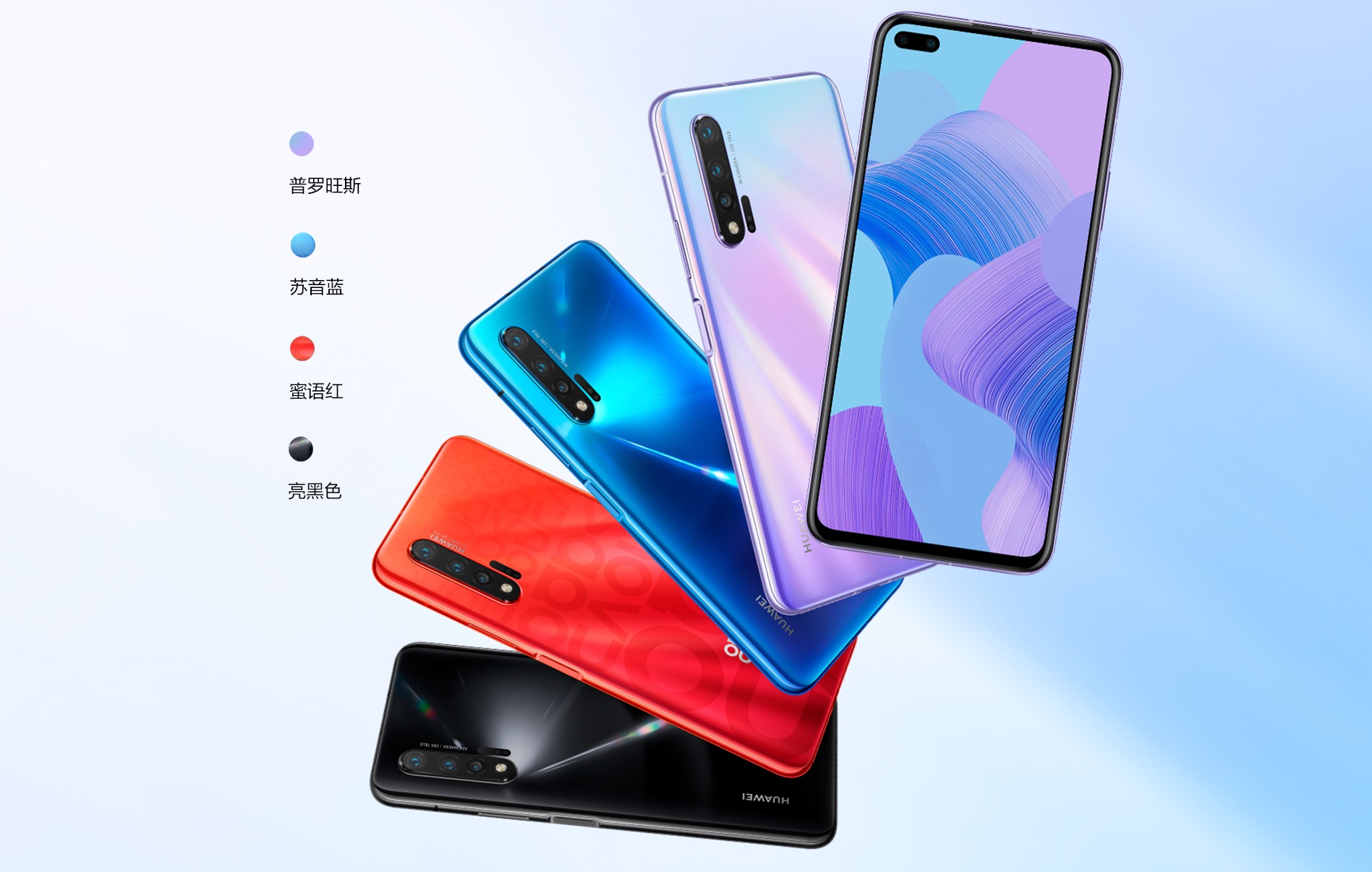
The Nova 6 5G is available in four color variants – a color-changing purple, soy blue, black, and honey red. Of all four color variants, only the red variant has the Nova logo. The other three have Huawei’s own logo at the bottom.
Nova 6 5G Specs
Coming to specs, the Nova 6 5G (WLZ-AN00) has a 6.57-inch FHD+ 2400 x 1080 display that is certified by TUV Rheinland. The phone is powered by a Kirin 990 processor and it is paired with the Balong 5000 modem which brings support for NSA and SA 5G networks. The processor draws power from a 4200mAh battery with support for 40W SuperCharge Wired Charging. Huawei says the Nova 6 5G is the first phone to obtain a TUV Rheinland 5G mobile phone performance and experience certificate.
There is 8GB of RAM and 128GB/256GB of storage. It also has dual-SIM support (nano-only) and both SIM slots support 5G. However, only one SIM can use 5G at a time.
The Nova 6 5G has triple rear cameras – a 40MP RYYB Sony sensor with an f/1.7 aperture and a 1.2µm pixel size which allows for more light and an ISO of up to 204800. There is also an 8MP f/2.4 120° ultrawide angle camera and an 8MP f/2.4 telephoto camera with 30x ultra-long zoom, AF, and OIS. The phone has EIS and can record 4K HD videos.
The Nova 6 5G has a 32MP Sony IMX616 f/2.2 Autofocus camera that is paired with an 8MP 105° f/2.2 FF camera so you can take wide-angle selfies. The selfie camera has EIS, a portrait mode and a Super Night Scene mode. Huawei says it is the first phone to support 4K 30fps HD video recording with the selfie camera. The Nova 6 5G ranks first on DxOMark’s list of phones with the best selfie cameras.
The Nova 6 5G has NFC, Bluetooth 5.1, dual-band WiFi support, and dual-frequency GPS. It also supports reverse wired charging (5V 1A) via OTG. It runs EMUI 10 based on Android 10 out of the box.
Nova 6 5G Price and Availability
The Nova 6 5G has a price tag of ¥3799 (~$539) for the 128GB version and ¥4199 (~596) for the 256GB version. It will go on sale on December 12 at 10:08 AM.
The Nova 6 (WLZ-AL10) has the same design and even shares some of the specs of the 5G version but there are some key differences too.
It has the same 6.57-inch FHD+ display with the same punch hole but its 32MP selfie camera has a fixed focus. It also has an f/2.0 aperture. You still get an 8MP f/2.2 ultrawide angle secondary selfie camera.
Another difference is the primary 40MP camera has an f/1.8 aperture and not f/1.7. It is paired with the same 8MP telephoto camera and 8MP ultrawide angle camera as the 5G version.
The Nova 6 has a Kirin 990 processor under the hood and is only available in one configuration – 8GB RAM + 128GB. It has a slightly smaller 4100mAh battery but still supports 40W SuperCharge wired fast charge. It also has Bluetooth 5.1, dual-band WiFi support, dual-frequency GPS, and reverse wired charging (5V 1A) via OTG. It runs EMUI 10 based on Android 10 out of the box too.
Nova 6 Price and Availability
The Nova 6 is priced at ¥3199 (~$454) and is available in Black, Blue, and the color-shifting purple. The Honeymoon Red is exclusive to the 5G version.
Disney’s latest animated film, Frozen 2, is being released all over the world. The movie is a sequel to the original Frozen that released back in 2013. The movie in its opening week has already set the record for the highest-grossing animated movie in the weekend box office. Following this, Samsung has partnered up with Disney to launch a series of Frozen 2 based accessories in Taiwan.
Samsung Galaxy Note 10+ (Frozen 2 Edition Cover)
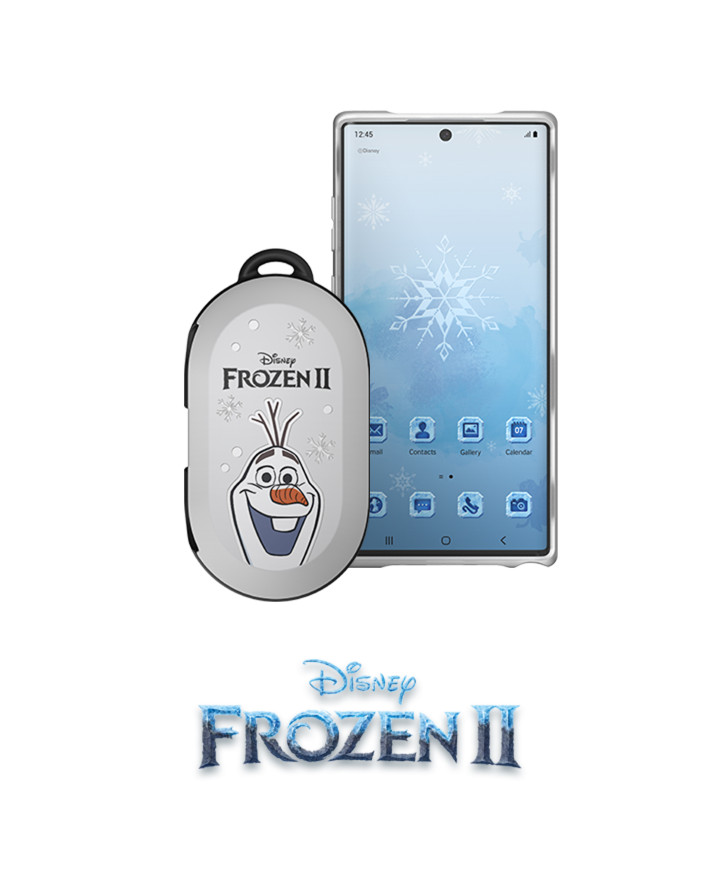
Samsung’s Galaxy Friends Frozen 2 themed accessories are primarily for the Galaxy Note 10+ series and the Galaxy Bud. The handset receives a new smart back cover while the wireless earphones receives a new case. The smart back cover arrives in two distinct styles, namely “Snow Treasure” and “Journey.” Both covers depict different plot settings in the movie. For the Galaxy Buds, Samsung has introduced a snowball themed case for the wireless earphones.
The smart cover for the Galaxy Note 10+ primarily features ice crystals with snowflakes and the mysterious magic forest silhouettes. Within this design, users can either opt for a depiction of the snowman character reading or of the main characters’ brave journey.
Samsung Galaxy Note 10+ (Frozen 2 Edition Cover)
For the Galaxy Buds, the new case automatically downloads the new Frozen 2 theme when paired with a Galaxy smartphone bringing unique animations from the movie characters. Additionally, the Always-On Display can be customized alongside new wallpapers and a full set of snow and ice themes as well.
Galaxy Buds Frozen 2 Edition
Samsung’s Frozen 2 themed Galaxy Note 10+ smart cover is offered at a price of 1490 NT (roughly 343 CNY or 48 USD) while the new Galaxy Bud case is priced at 890 NT (roughly 206 CNY or 29 USD).
Apple is set to finally introduce 5G networking which will be seen in the 2020 iPhone lineup. Furthermore, one of its suppliers named Murata Manufacturing has recently developed a new “ultrasmall” version of a key electronic component for 5G modems. This will allow Apple to free up more valuable space in its upcoming 5G iPhones.
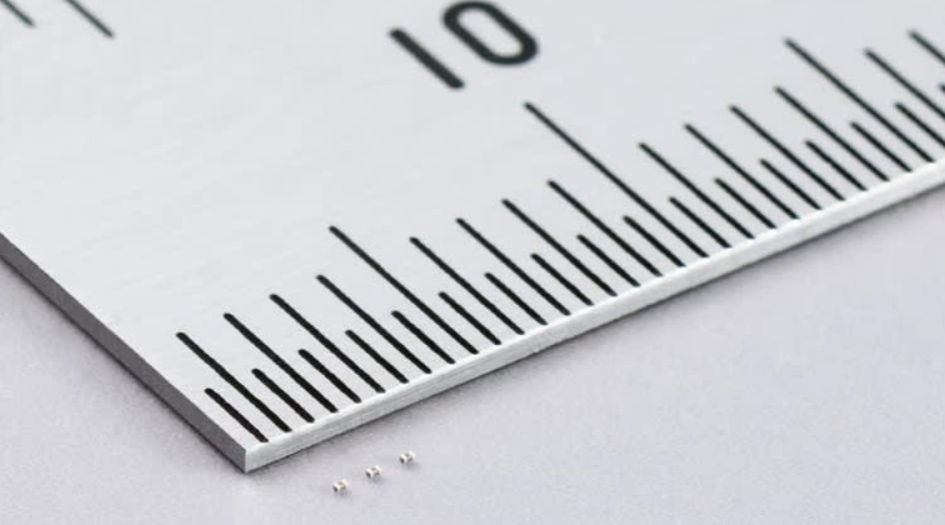
According to a new report, Murata Manufacturing is set to start the mass production of the tiny multilayer ceramic capacitors which is one-fifth the size of existing capacitors. In other words, a key component which is 80 percent smaller but offering 10 times the electrical storage capacity.
Murata’s (Apple Supplier) New Ultrasmall Capacitators
Each of the newly developed individual capacitors measures in at 0.25mm by 0.125mm and is designed to regulate power usage within circuits used in the iPhones. Murata refined ceramic powder that acts as the base material for the sheets used to produce the ultrasmall capacitors. This allows for more sheets being stacked upon one another for higher capacity whilst not consuming any additional circuit board space.
Notably, the drain on the smartphone’s battery is higher due to 5G technology or 4G. Hence, the need for larger batteries and efficient capacitors. Thus, Murata’s new capacitors will give smartphone manufacturers like Apple the ability to use the new freed up space for other crucial components, such as higher battery capacity.
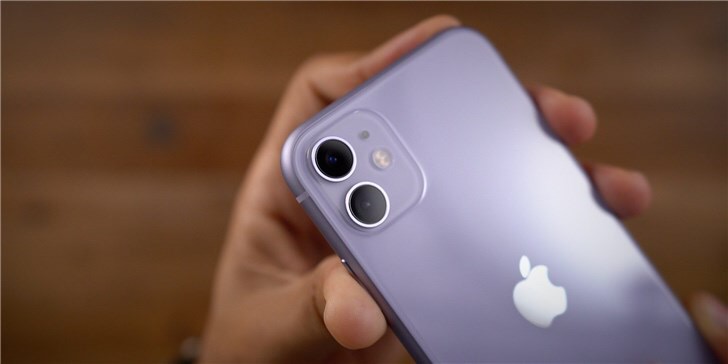
Apple iPhone 11
Currently, there is no official confirmation if the Cupertino based tech giant will utilize the new technology by Murata. However, it is likely considering the latter is a known supplier of Apple. Additionally, Murata also partners with other smartphone brands like Huawei.
In 2020, Apple is planning on releasing at least three new iPhones by fall. All of which are expected to include 5G technology. This would enable the iPhones to better take on their Android competitors by utilizing 5G networks.
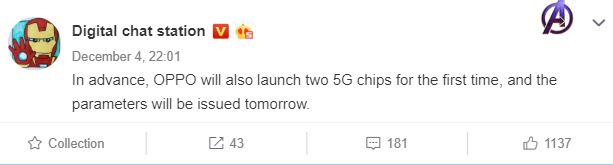
Yesterday, OPPO confirmed they will launch a 5G phone powered by the Snapdragon 765G processor. This phone will arrive as the Reno3 Pro. A new leak says the Chinese phone company actually has two mid-range 5G flagship phones planned with the second powered by MediaTek’s MT6885 processor. The alleged specs of this phone have now been leaked.
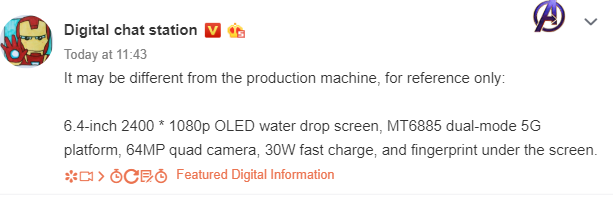
The info comes from @Digital Chat Station. He first posted on Weibo yesterday that OPPO will launch two 5G phones with two different chipsets. The post then said the specifications will be posted today. According to him, the final specs may be different, so we advise our readers to take the info with a grain of salt.
The unnamed OPPO phone will have a 6.4-inch OLED display with a waterdrop notch and a 2400 x 1080 resolution. It will be powered by MediaTek’s MT6885 dual-mode 5G processor. MediaTek is yet to announce the official name of the processor as well as its full specifications. However, we believe the phone will launch under the new Dimensity family.
The leak says the OPPO phone will also have 64MP quad rear cameras but we are not sure if it will be Samsung’s 64MP sensor or Sony’s new IMX686. The phone will also have support for 30W VOOC fast charge and an in-display fingerprint scanner.
The Reno3 family will be a big one like its predecessor and there is a chance that this MediaTek 5G phone may also arrive with the Reno name. We hope more details surface soon.
Redmi, a Xiaomi subsidiary, officially released a new poster for the Redmi K30 series this morning (5th December 2019). The notable difference in the image shared over previous ones is that the upcoming handset is seen in a white variant in the hands of Wang Yibo.
Redmi K30 5G (Rear)
According to previous official announcements, it is known that the device will also arrive in a purple variant (Purple Jade) and a red variant. The Redmi K30 series sports a 6.67-inch screen with a punch hole dual front camera system on the front. Under the hood, the base variant is equipped with Qualcomm‘s latest 5G SoC in the 700 series, Snapdragon 765G. It is speculated that the device is a part of the ten 5G smartphones that the Xiaomi Group is planning on launching before 2020 ends.
The Redmi K30 is the first 5G smartphone from the company and features SA / NSA 5G dual-mode support. The device is expected to be powered by a large 4,500mAh battery with 30W fast charging as well. Notably, a major design overhaul, over its predecessor, arrives in the form of a side-mounted fingerprint sensor. On the rear, a quad-camera module is present which is surrounded by a new ring design.
Redmi K30 5G (Front)
Redmi’s K30 series of smartphones will officially be unveiled on 10the December 2019. It is also expected to arrive alongside Redmi router AC2100, Redmi Speaker Play and RedmiBook notebooks.
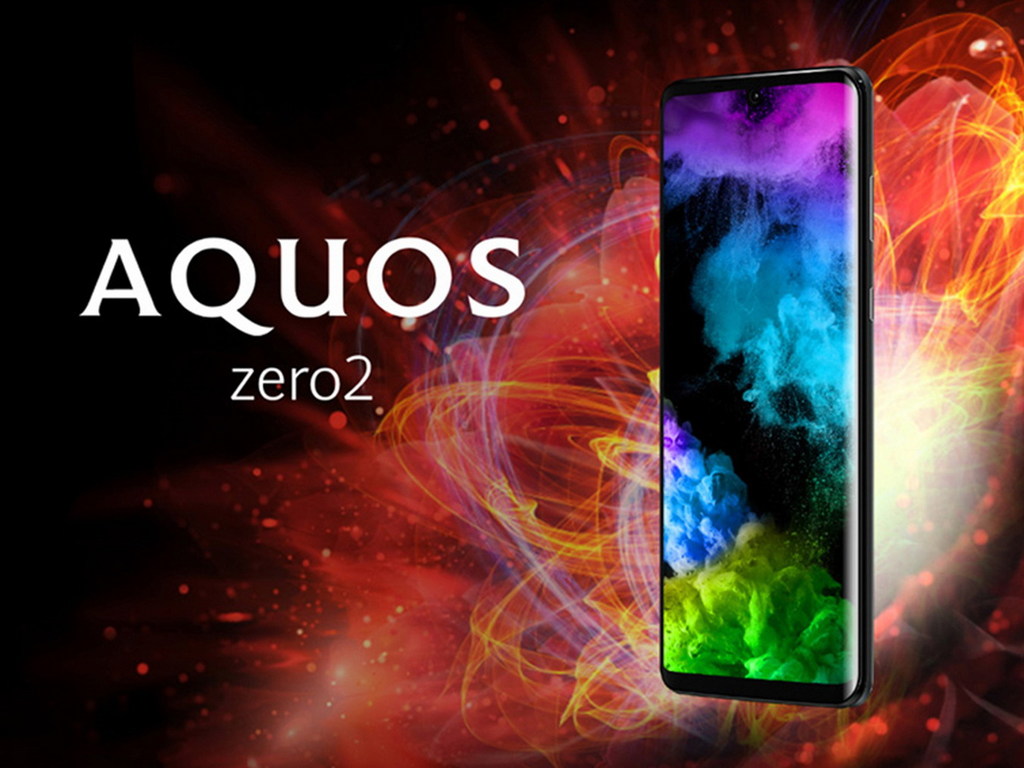
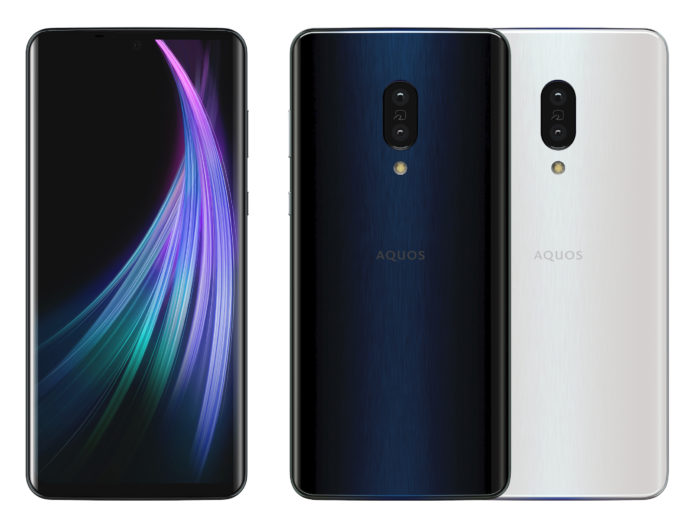
Earlier this year, Japanese electronics maker, Sharp launched the AQUOS Zero2. It was announced in Japan back in September when it made headlines for featuring a 240Hz display, making it a world’s first. Today, the company has officially launched the device in Taiwan, though it’s still not available for purchase.
Sharp’s product manager said in an interview that the Sharp AQUOS Zero2 is still awaiting certification in Taiwan, so the device won’t be going on sale there yet. Instead, the device will predictably be released in Japan in the first quarter of 2020. After that, Sharp will push to have the AQUOS Zero2 go on sale in Taiwan as quickly as possible.
The Sharp AQUOS Zero2 features a 6.4-inch OLED display that has a resolution of 2340×1080. Like a lot of other modern devices, it features the controversial waterdrop notch above the display that houses an 8 MP selfie camera. Most importantly however, AQUOS Zero2 is the world’s first 240Hz smartphone, which is a pretty big deal.
On top of all this, the device also features the Snapdragon 855 SoC which consists of an octa-core CPU and Adreno 640 GPU. In terms of memory and storage, it packs 8 GB of RAM and 256 GB UFS 3.0 ROM. For safely and securely logging into the UI, it features an in-display fingerprint sensor. Besides it also supports facial recognition.
On the back, we’ve got a dual-camera setup which consists of an f/1.7 aperture equipped 12 MP sensor and a wide-angle sensor. Keeping everything running is a 3,130mAh battery and runs on the latest version of Google’s mobile operating system, Android 10. The smartphone comes in two colour options which include Astro Black and Misty White.
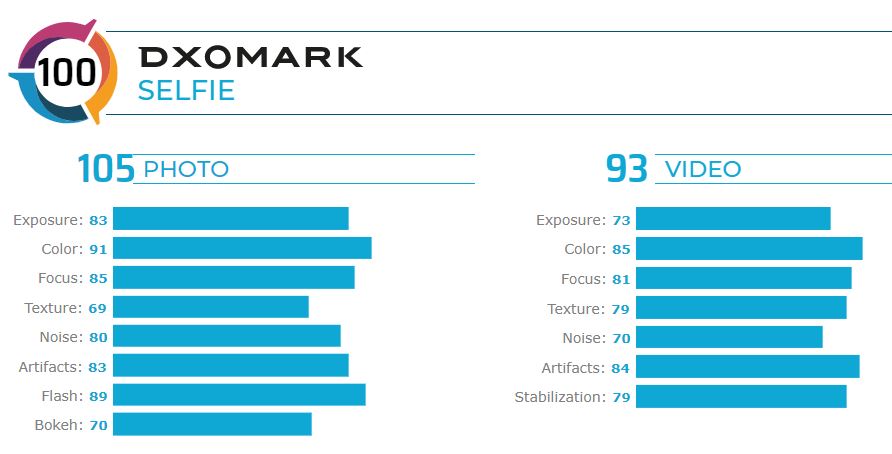
Huawei’s recently announced Nova 6 has been placed at the top of the selfie rating by DxOMark. The new 5G smartphone that arrives today features dual selfie cameras on the front which has helped it achieve the highest score of 100. Previously, the DxOMark ratings used to primarily focus on dedicated cameras like DSLR’s and digital cameras but have since started benchmarking smartphones as well.
Huawei Nova 6 5G DxOMark Rating
The rating company announced today that Huawei’s Nova 6 5G, which features a 32MP selfie camera alongside an ultra-wide-angle lens, has scored a 100 points. This arrives just before the launch of the smartphone and has officially given it the top spot for selfies amongst its competitors. Notably, the Samsung Galaxy Note 10 5G arrives a close second with a score of 99 points.
Huawei Nova 6 5G Key Camera Specs:
Dual front camera
1/2.8-inch 32MP sensor with f/2.2 aperture lens, 26mm equivalent
To achieve the score, DxOMark analyzed the smartphone’s front cameras with over 1,500 test images and more than 2 hours worth of video footage. This was done in controlled lab environments, and in natural indoor and outdoor settings, using the camera’s default settings.
Huawei Nova 6 5G
Huawei’s Nova 6 5G was stated to show good exposure in every condition, owing to its HDR processing technique. It was also capable of a wide dynamic range (helps in high contrast shots), accurate white balancing and also offers beautification filters. DxOMark has recommended the smartphone for any ‘ambitious selfie shooter’ that is in need of a smartphone with a great front camera setup.
On the second day of the Qualcomm Snapdragon Summit, many more technical details regarding the Snapdragon 865 have been revealed. We now have a pretty good picture of what the next-generation high-end phones will be capable of, especially when it comes to photography.
The Snapdragon 865 is set to be quite the beast, at least in terms of numbers. Qualcomm said that it’s been working with camera sensor makers to develop 200MP sensors, usable exclusively on the Snapdragon 865 platform. Qualcomm says that the reason for this is that it allows users to zoom in much further on a picture while preserving detail.
So, how does it work? Well, the Snapdragon 865 platform camera performance is based around what Qualcomm calls Gigapixel speed. This means the Spectra 480 ISP (image signal processor) can read and process an insane amount of pixels (2 Gigapixel) coming from the sensor. This translates to an effective sensor size of up to 200 Megapixels.
To achieve this feat, Qualcomm has redesigned the three Spectra modules: first, the HiSpeed Capture module, to read four pixels per clock (RGGB), instead of one. It’s a big boost, and even allows for lower silicon frequency, resulting in more efficiency. However, maximum frequency and speed can be turned on to achieve that 2 Gigapixel speed.
In addition to this, Qualcomm also announced a few other features enabled by its latest chipset. For example, thanks to the improved image processing, you can take high-resolution snapshots while recording 4K video. Currently, taking snapshots while recording is limited to the resolution of the video, but the new chipset will lift that restriction.
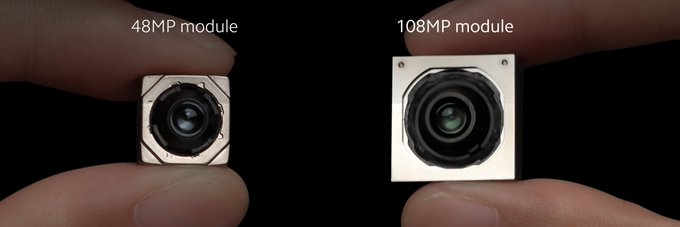
While this is all interesting, it seems a bit like Qualcomm may be bringing back the pixel wars. After a hiatus of nearly a decade, late 2018 sparked a megapixel race, with 40MP and 48MP sensors. Then in 2019, 64MP and 108MP sensors have made appearances. With 200MP sensors imminent, we wonder where we’ll draw the limit this time.
We use cookies on our website to give you the most relevant experience by remembering your preferences and repeat visits. By clicking “Accept”, you consent to the use of ALL the cookies.
This website uses cookies to improve your experience while you navigate through the website. Out of these, the cookies that are categorized as necessary are stored on your browser as they are essential for the working of basic functionalities of the website. We also use third-party cookies that help us analyze and understand how you use this website. These cookies will be stored in your browser only with your consent. You also have the option to opt-out of these cookies. But opting out of some of these cookies may affect your browsing experience.
Necessary cookies are absolutely essential for the website to function properly. This category only includes cookies that ensures basic functionalities and security features of the website. These cookies do not store any personal information.
Any cookies that may not be particularly necessary for the website to function and is used specifically to collect user personal data via analytics, ads, other embedded contents are termed as non-necessary cookies. It is mandatory to procure user consent prior to running these cookies on your website.