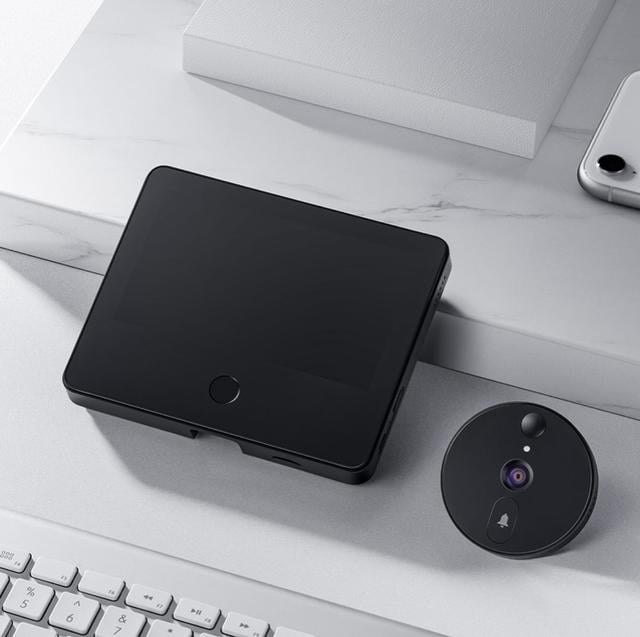
Xiaomi has launched a new product under the Youpin crowdfunding platform. It is a smart cat eye with a 5-inch IPS display. The device comes with a 369 yuan ($52) price tag and will start shipping on January 16, 2020.
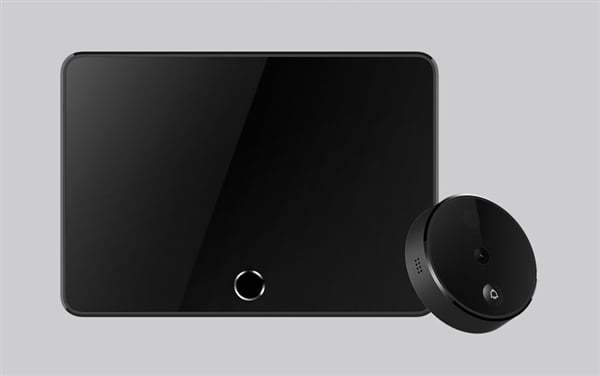
The design of the Chuangmi Smart Cat Eye Doorbell comes in two different parts; one is a large smart display screen and the other is a camera placed on the door. The overall color tone is a relatively stable black.
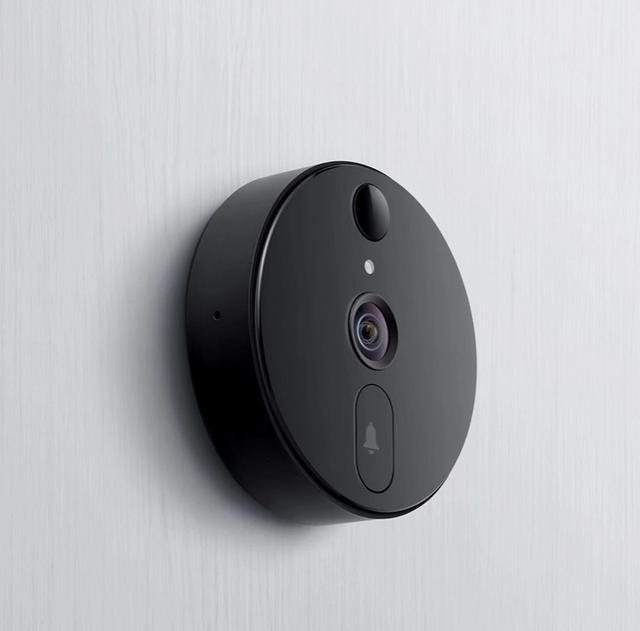
The Smart Cat Eye camera is equipped with a 161 ° wide-angle camera, which has a wide field of view and can recognize the overall shape of outsiders and doesn’t just capture headshots. The camera also has a night vision function, which can identify visitors in the dark at night.
What’s more interesting is that Cat’s Eye can be paired with Xiaomi’s XiaoAI smart speakers. As long as someone knocks on the doorbell, you can directly view it in the smart speaker’s display in real-time. In this way, you can use the door camera without the 5-inch IPS large screen. However, the two components cannot be sold separately.
The camera is also a recorder that can perform 24-hour outdoor monitoring. It also comes with several AI features such as face recognition and human shape detection, thus reducing the false alarm rate.
In addition, the response voice can be changed during voice communication with guests. This feature is a good one especially for girls who live alone. This device can be linked with Mijia APP and other Mijia smart devices.
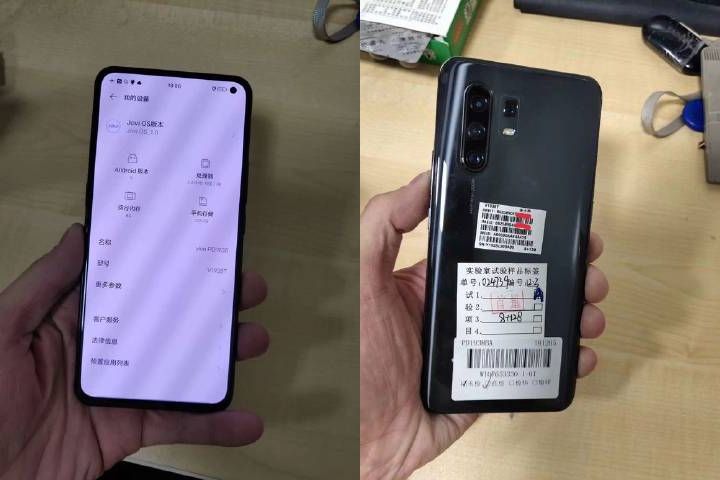
Last week, Vivo China confirmed that it will be launching the Vivo X30 series of 5G phones on Dec. 16. The X30 series is rumored to include at least two devices such as Vivo X30 and Vivo X30 Pro. Official teaser video and live shots of the Vivo X30 phone that surfaced in the recent past have revealed its design and color variants. A pair of new real-life images of the Vivo X30 smartphone have appeared on Weibo. The new images have not only showcased the front and rear design of the smartphone, but also they have revealed its key specifications.
The leaked hands-on images of the Vivo X30 show that it features a punch-hole display. The phone seems to be equipped with an in-screen fingerprint reader. The glass rear of the phone has a vertical triple camera setup at the top-left corner. Alongside it is the fourth lens with a squarish design. It seems to be a periscope lens and below it is a dual-tone LED flash. The text imprinted below the camera setup reveals that it will come with a 64-megapixel main camera.
The leaked image has further revealed that the Vivo X30 is powered by Samsung-made Exynos 980 chipset that includes a 2.2 GHz octa-core processor. The new chip will bring support for dual-mode 5G connectivity on the device. The SoC is assisted by 8 GB of RAM. The native storage of the X30 phone is 128 GB.
The leaked image has also revealed that the model number of the Vivo X30 smartphone is V1938T. The V1938T phone had received approval from the 3C authority of China. The 3C certification had revealed that the X30 phone may ship with a 33W rapid charger in China. Hopefully, the smartphone will appear with all its specifications on the database of China’s TENAA telecom authority in the next few days before its launch.
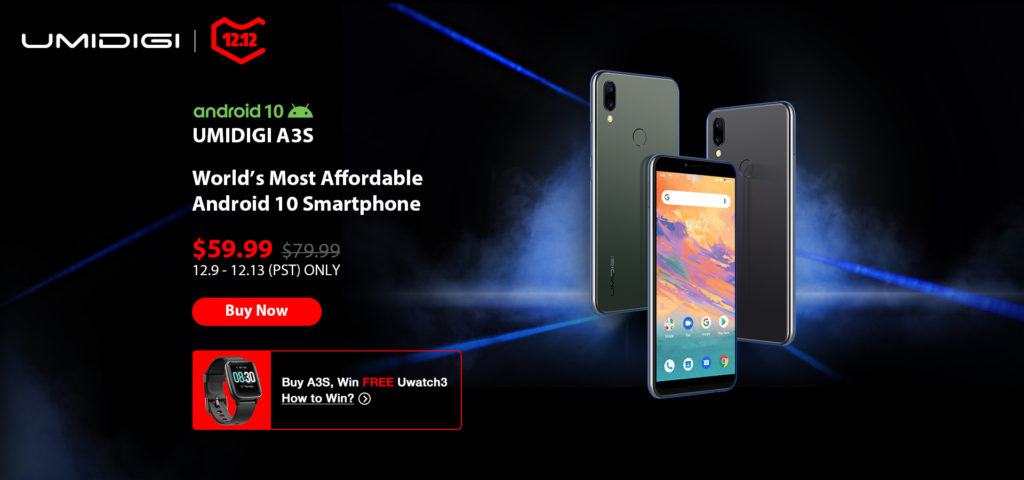
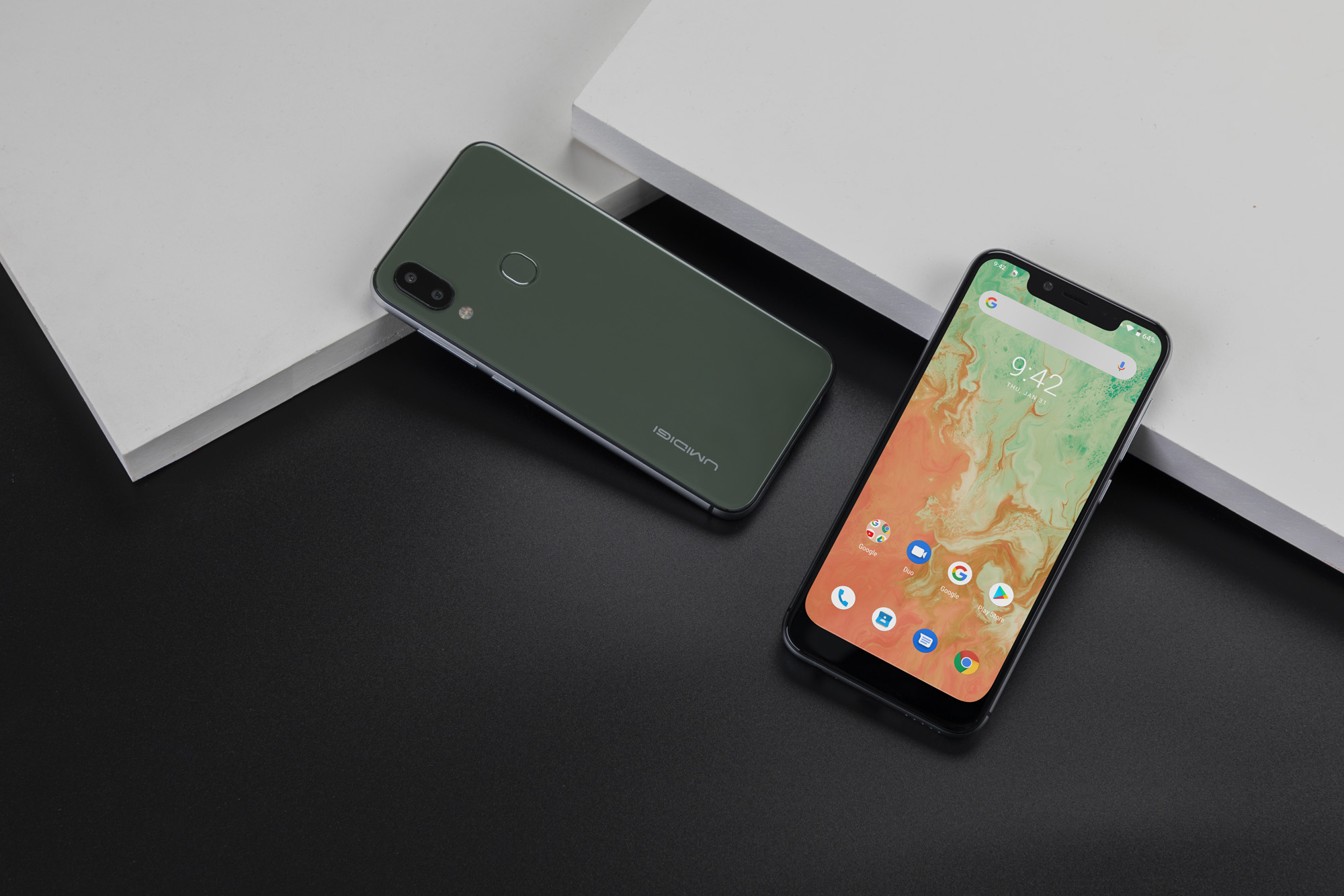
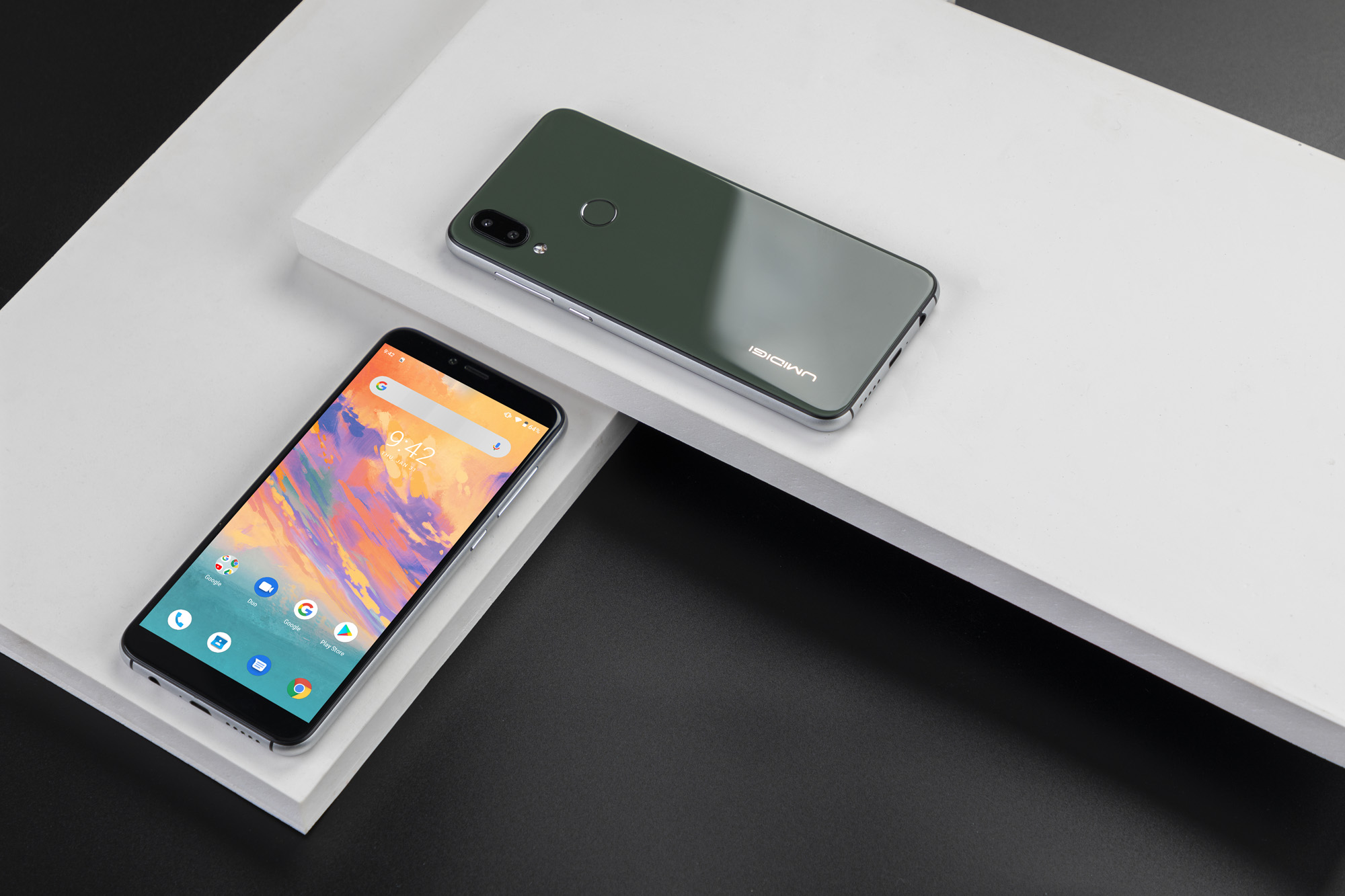
UMIDIGI is always known for its affordable smartphone devices. The Chinese smartphone manufacturer doesn’t disappoint when it comes to discounts and offers on its smartphone devices. Similarly, as per the aspirations, the UMIDIGI has announced the Global Sale of UMIDIGI A3S at $59.99. The ultimate Galaxy A10 competitor is available for a much lesser price and is the world’s most affordable smartphone running stock Android 10.
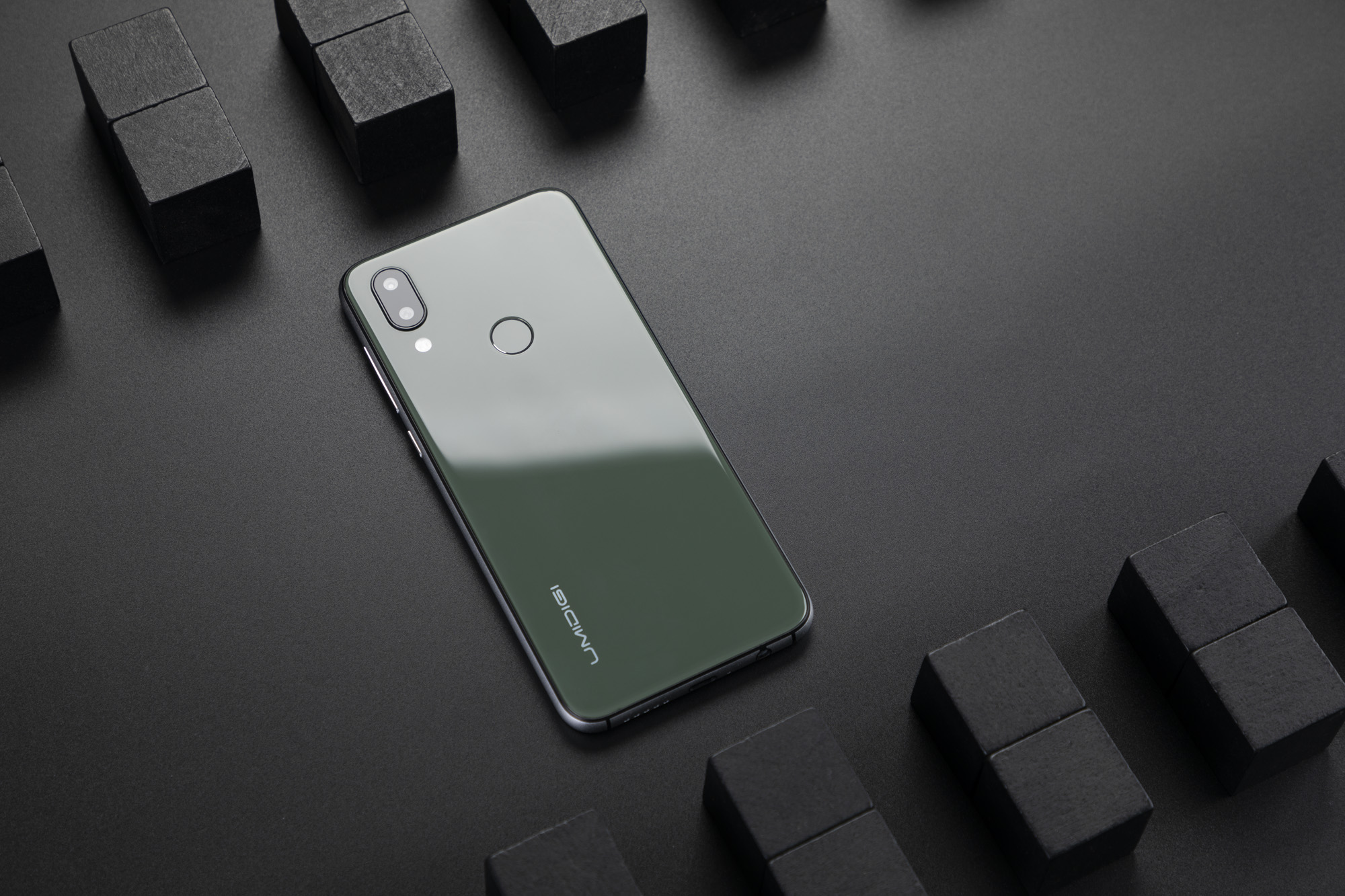
UMIDIGI A3S packs a 5.7-inch Incell HD+ Full-Screen Display. There’s a dual rear camera featuring a 16-megapixel primary camera and a 5-megapixel depth camera. However, the Galaxy A10 comes with a single 13-megapixel shooter. A 13-megapixel front shooter is present for video calling and selfies. The power-efficient 12nm MT6761 chip at 2.0GHz powers the device. It comes with a 2GB RAM and 16GB internal storage.
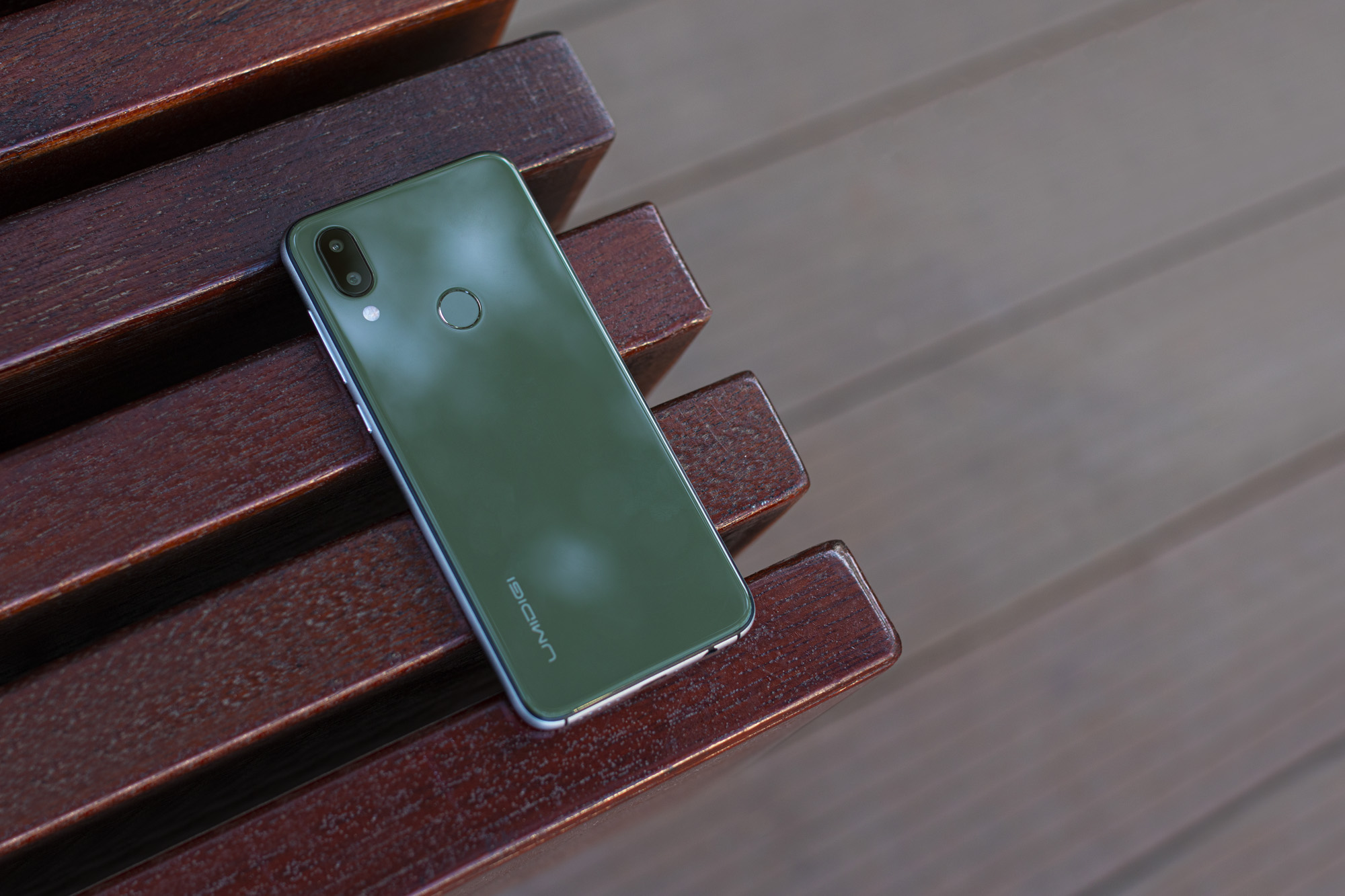
The entry-level smartphone houses a 3950 mAh battery that can sustain upto a couple of days. A metallic frame body with a double-sided 2.5D curved glass makes it sturdy. The Galaxy A10 is made out of plastic and doesn’t have a fingerprint reader. It comes with a fingerprint scanner and supports more bands than the Galaxy A10.
1 of 7
Umidigi A3S is an entry-level smartphone that comes with stock Android 10. Whereas, the Galaxy A10 runs on Android 9.0 Pie. You can watch its hands-on video to feel the features that are on board the UMIDIGI A3S.
UMIDIGI A3S vs Samsung Galaxy A10 Specs Comparison
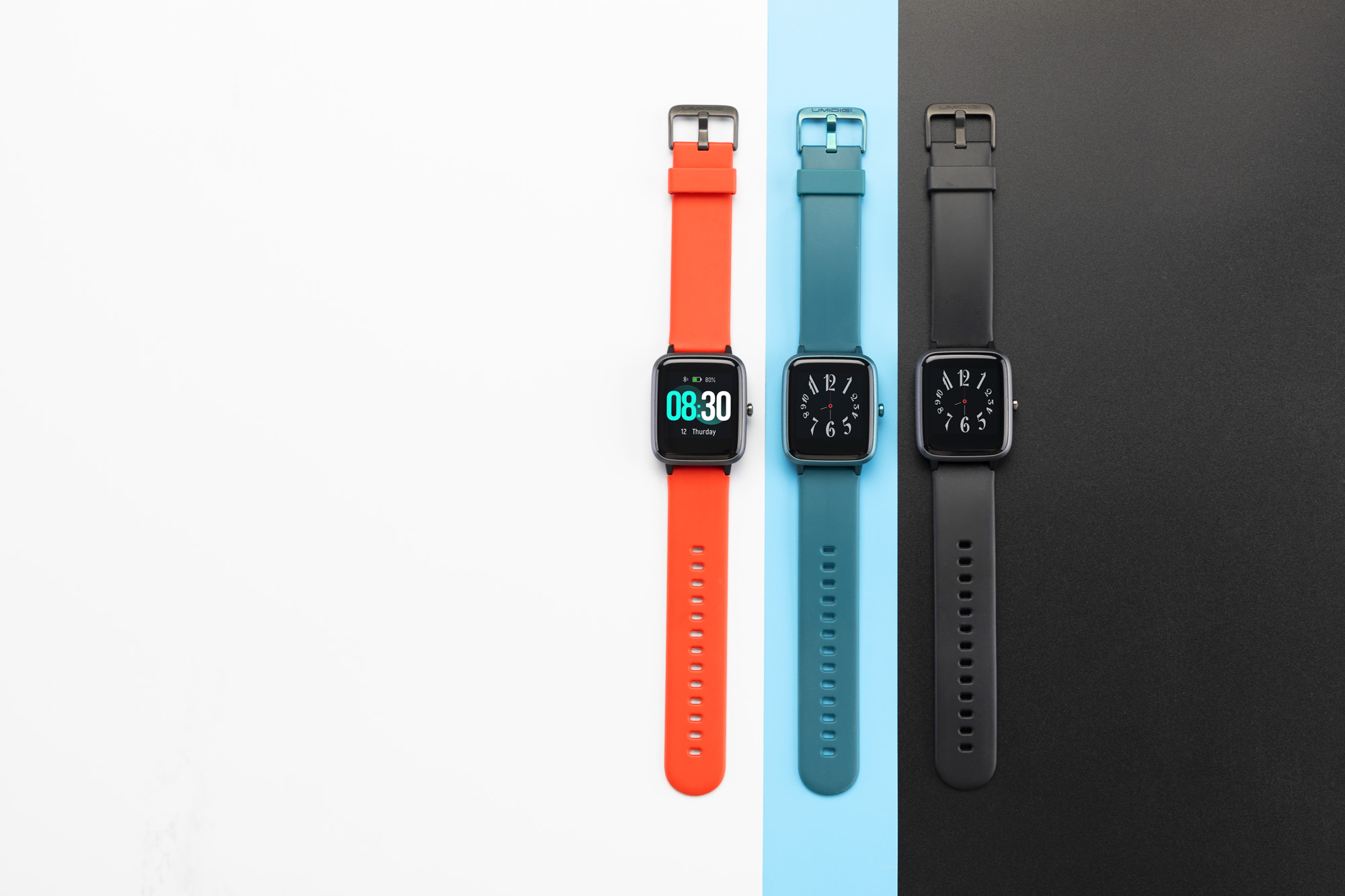
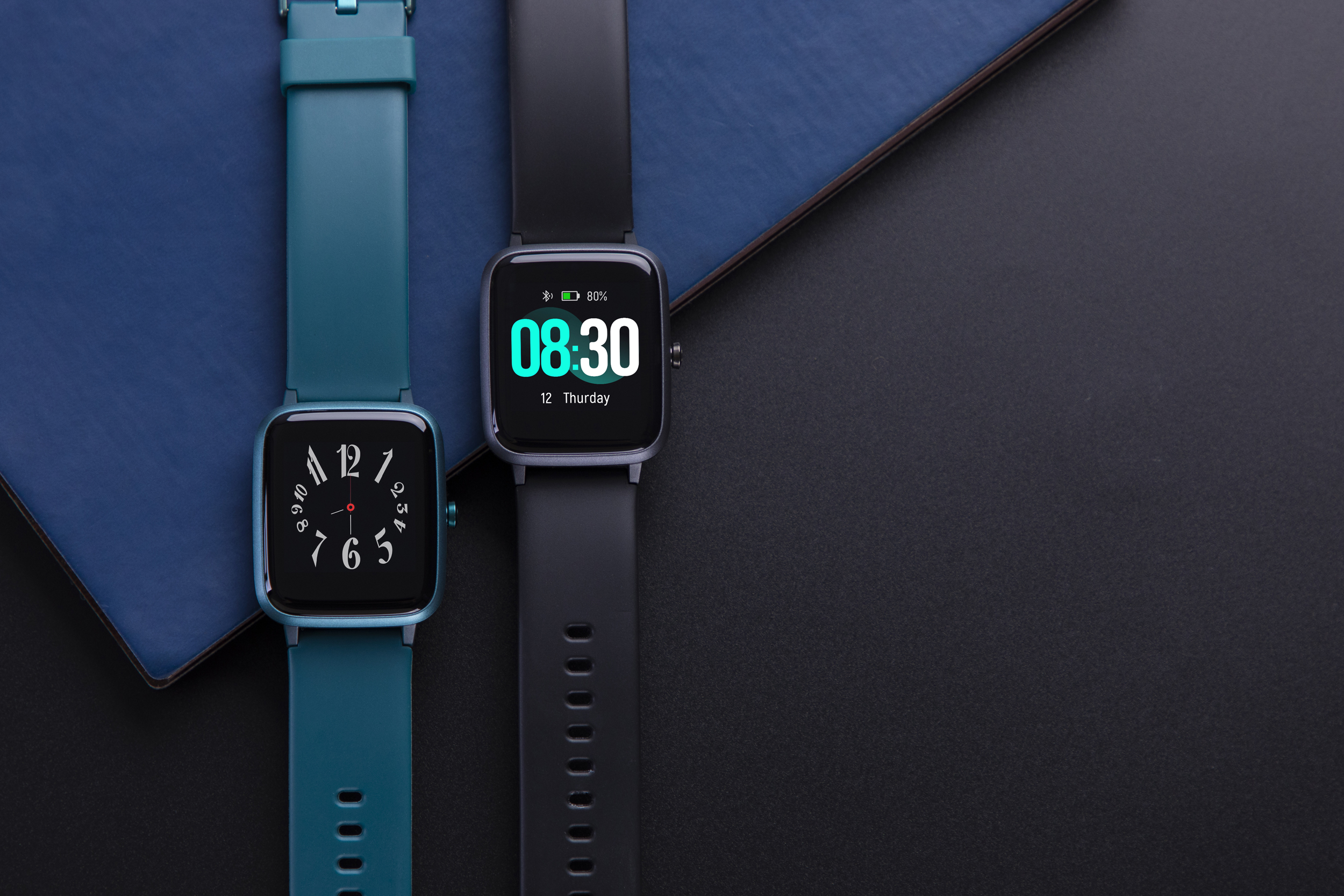
UMIDIGI A3S is on sale for the starting price of $59.99 from Aliexpress until December 13. The buyers even have the chance to win a brand new UMIDIGI Uwatch 3 as they will be given a chance to enter the giveaway. To learn about the way you can win the watch and see the rules applied, visit the promotion page here. The Chinese smartphone maker is also offering UMIDIGI A3X for the discounted price of $69.99 from Aliexpress. The Samsung Galaxy A10 usually retails at $140.
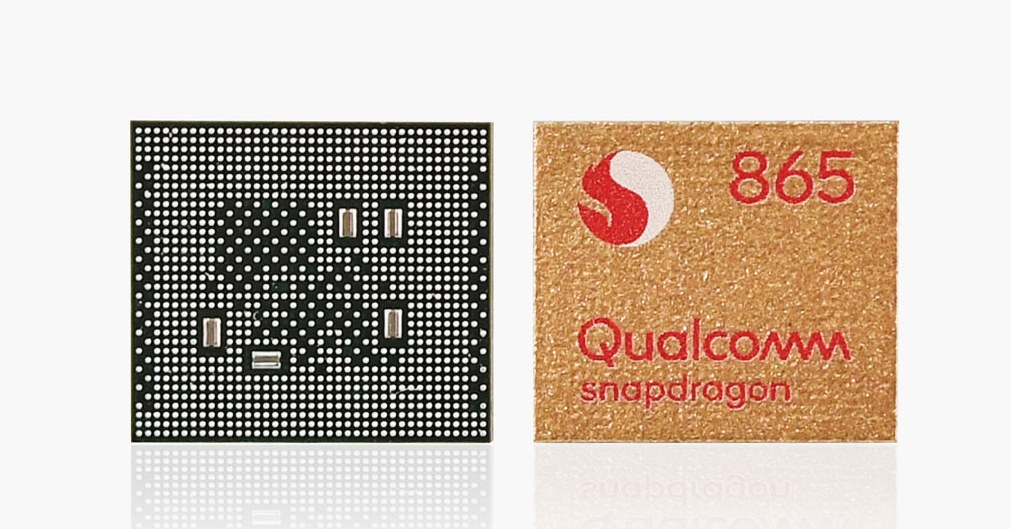
Qualcomm has recently officially unveiled its flagship chipset, the Snapdragon 865 SoC, alongside its mid-range Snapdragon 765G/ 765 processor which are manufactured using TSMC 7nm and Samsung’s 8nm processes. But questions arise as to why Qualcomm used two different processes and why the SD865 chip didn’t feature an integrated 5G modem, unlike the SD765G. And with the availability of EUV methods, why did the chipmaking company not utilize the new technology?
Qualcomm Snapdragon 765G
Keith Kressin, Senior Vice President of Product Management at Qualcomm, answered these questions in an interview. He stated that for each distinct chip many factors are taken into account. It includes technical parameters and commercial considerations such as power consumption, package size, wafer availability, speed of production and supply chain diversity.
Qualcomm Snapdragon 865
From a technical standpoint, the performance between the processes produces similar power consumption and performance results; and with the shipments planned for the Snapdragon 865 and 765 being very large, commercial considerations were taken to ensure adequacy and diversity of supply. In other words, both Samsung and TSMC processes were used due to commercial constraints but, rest assured, deliver similar performance.
Kressin also went on to address why Snapdragon 865 doesn’t utilize the second-generation 7nm EUV (Extreme Ultraviolet Lithography) technology. He stated that even if the new processing method is more efficient with production times, it does not have any real material impact on the end-user experience. For consumers, the most important aspect will always be power consumption and performance which will still be delivered regardless of production time. Furthermore, there is still some time before Qualcomm shifts to the new method to save time on production and processing.
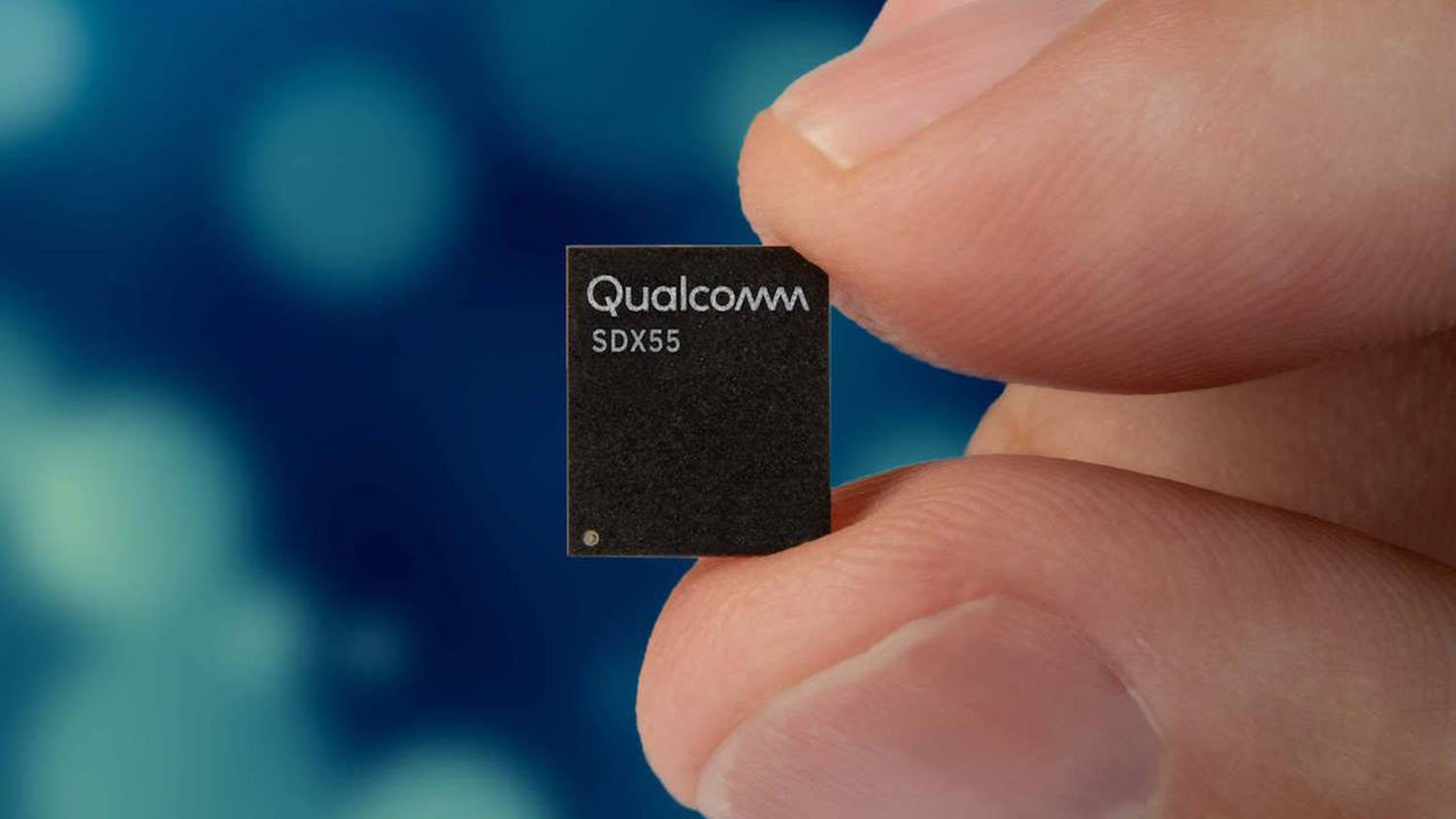
Qualcomm Snapdragon X55 5G Modem
Lastly, unlike the Snapdragon 765, the flagship SD865 is bundled with the X55 5G Modem while the former has an integrated X52 5G Modem. Although an integrated modem saves on battery life and space, the X55 modem on the SD865 improves on space consumption and power limitations without sacrificing power. In simpler terms, Qualcomm did not integrate a 5G modem in the SoC so it could provide the newer and faster X55 platform (which also does not suffer from issues related to non-integrated modems.)
OnePlus has announced a new TV remote for the OnePlus TV Q1 and OnePlus TV Q1 Pro. The new remote is called the Netflix Remote and that is because it has a dedicated Netflix button, unlike the one that currently ships with the TVs. It also has a completely new design. The good news is that existing customers get it for free.
The OnePlus Netflix Remote (RC-002A) is black with a polycarbonate body. It has a curvier design compared to the original remote but is also thicker, which is no surprise since it uses AAA batteries rather than a built-in rechargeable remote. The thickness is also an advantage as quite a number of reviews complained about how uncomfortably thin the original remote is.
Gone is the squircle D-pad at the top. It has now been replaced with a circular navigation control that should be easier to use. There is a circular button in the middle of the d-pad that serves as the OK button.
The Netflix Remote also has its volume control buttons in a more accessible location rather than on the side. There is a Google Assistant button in between the volume buttons, and above it are the return and home buttons. There is a OnePlus button to access Oxygen Play as well as a mute button at the top right corner.
[envira-gallery id=”294124″]
Even though this is called the Netflix Remote, there are dedicated buttons for Amazon’s Prime Video as well as YouTube. There is also an input source button to switch between inputs.
OnePlus says existing customers will get the Netflix Remote for free. All you have to do is follow the steps below:
Get your TV’s Serial Number. This is available under Settings > More Settings > About > Status and scroll down to the serial number.
Verify your Serial Number and get an Invitation Code: Enter your Serial Number here and you will get an Invitation Code.
Select Buy with Invitation Code on the purchase page.
OnePlus says only those who received the RC-001A (without Netflix Button) in the box are eligible for this remote. Based on this, there is a possibility, newer production units of the OnePlus TV series will ship with the new remote in the box rather than the rechargeable one.
LG Electronics Inc. has announced its re-entry into Japan’s premium smartphone market after 23 months with the launch of its flagship dual-screen smartphone – LG G8X ThinQ. The G8X ThinQ was launch in partnership with Japan’s Softbank and will be sold at some 5,000 stores in major Japanese cities. This is coming barely two months after the G8X ThinQ was first launched in September.
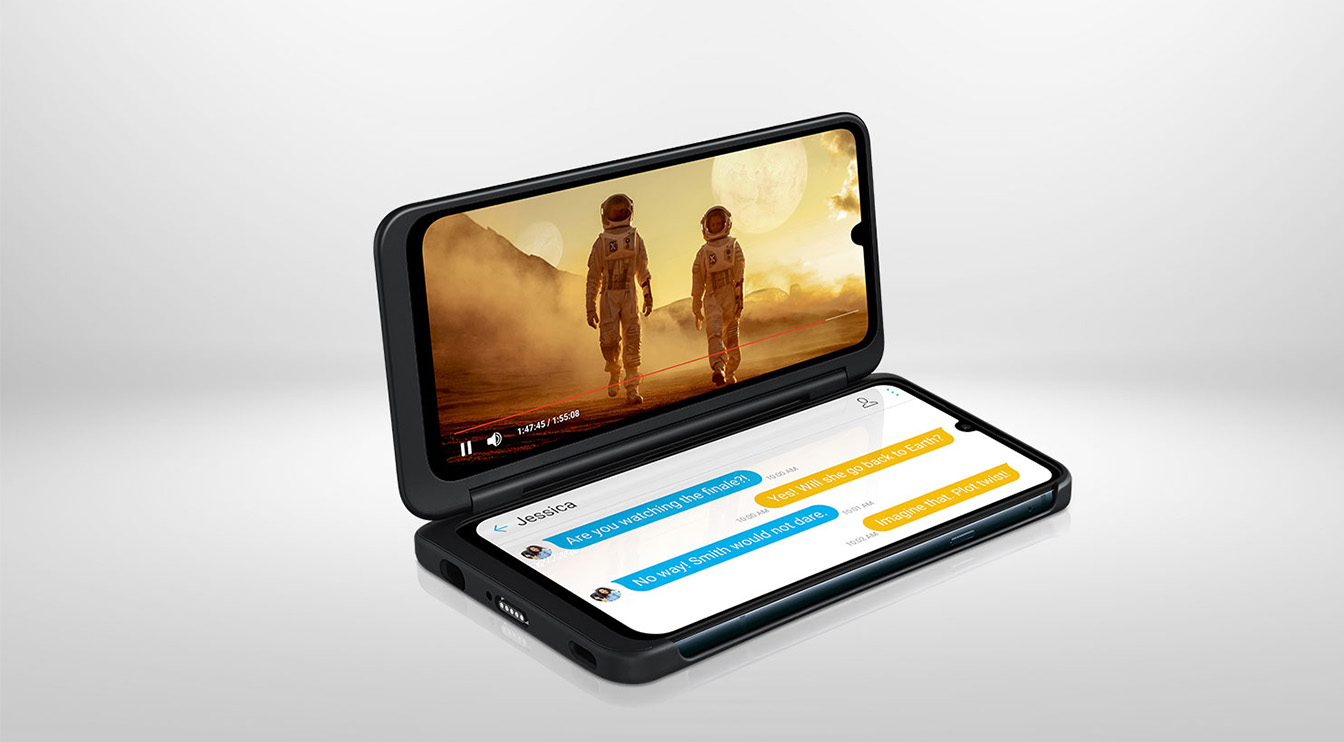
The LG G8X ThinQ is an updated version of the LG G8 ThinQ. It is the first LG phone to feature an in-screen fingerprint reader. The phone also features an improved edition of the DualScreen flip case. The updated DualScreen accessory has a waterdrop notch-enabled 6.4-inch display like the G8X ThinQ and it is also equipped with a 2.1-inch monochrome OLED display on its other side. The 360-degree hinge on the device allows users to view at any angle. While using the DualScreen with G8X ThinQ, users can make use of the second screen as a gamepad or a larger keyboard or it can be also used to accessed two apps side by side.
The LG G8X ThinQ has a MIL-STD 810G grade chassis. It is also an IP68 rated dustproof and waterproof device. The front and rear sides of the phone is flanked with Gorilla Glass 6 panels. The handset is equipped with a 32-bit quad DAC and 3.5mm audio jack for audiophiles. The phone is powered by the Snapdragon 855 mobile platform paired with 6 GB of RAM. It has a native storage of 128 GB. A microSD card slot is available on the device for additional storage. Under the hood is a 4,000mAh battery. The smartphone runs on LG UX 9.0 based on Android 9 Pie OS.
For photography, the G8X ThinQ has a horizontal dual camera setup. It includes a 12-megapixel main sensor with f/1.8 aperture and OIS and a 13-megapixel ultrawide lens with 136-degree field of view. It has a 32-megapixel front-facing camera.
The DualScreen case has no battery. Hence, it relies on the large battery of the G8X ThinQ. The other way to charge it is to make use of the pogo pins available at its bottom through the supplied adapter. The accessory weighs 134 grams and adds on the G8X ThinQ weigh of 192 grams.
LG said it is in talks with other major Japanese telecommunication service operators for the supply of its 5G premium smartphones.
Xiaomi is hosting a launch event in China tomorrow, i.e. on 10th December where the company will be launching its much-anticipated 5G smartphone — Redmi K30. As the name itself suggests, it is a successor to Redmi K20.
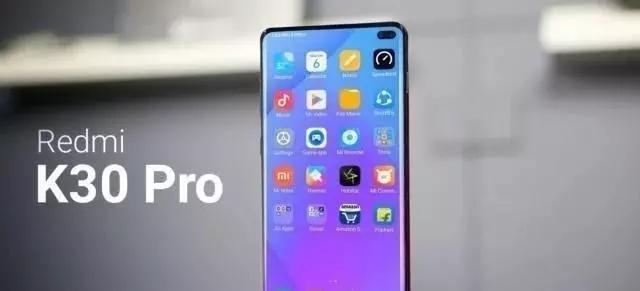
While the Redmi K30 is getting launched tomorrow, its Pro variant, named Redmi K30 Pro is believed to get launched next year. Now, reports indicate that the upcoming Redmi K30 Pro smartphone will go official in March 2020.
Further, the report also adds that the smartphone will be powered by the latest Qualcomm Snapdragon 865 octa-core processor, coupled with Snapdragon X55 5G modem. Earlier reports have claimed 120Hz refresh rate for the phone’s display.
As for the Redmi K30, the smartphone is said to feature a 6.67-inch Full HD+ display with a punch-hole cut-out for housing front-facing camera sensors. The device will come with a side-mounted fingerprint sensor for added security.
In terms of optics, the Redmi K30 will have a 64MP Sony IMX686 primary sensor and likely to be aided by a 13MP wide-angle lens, a 2MP depth sensor, and an 8MP telephoto lens. On the front, it could have a 32MP sensor and a ToF sensor for 3D face recognition.
The smartphone is expected to come powered by a 4,500mAh battery with 30W fast-charging support. While the 5G version of Redmi K30 will get a Snapdragon 765 SoC, the Redmi K30 4G model, which is expected to come to India, will likely be powered by Qualcomm Snapdragon 730G SoC.
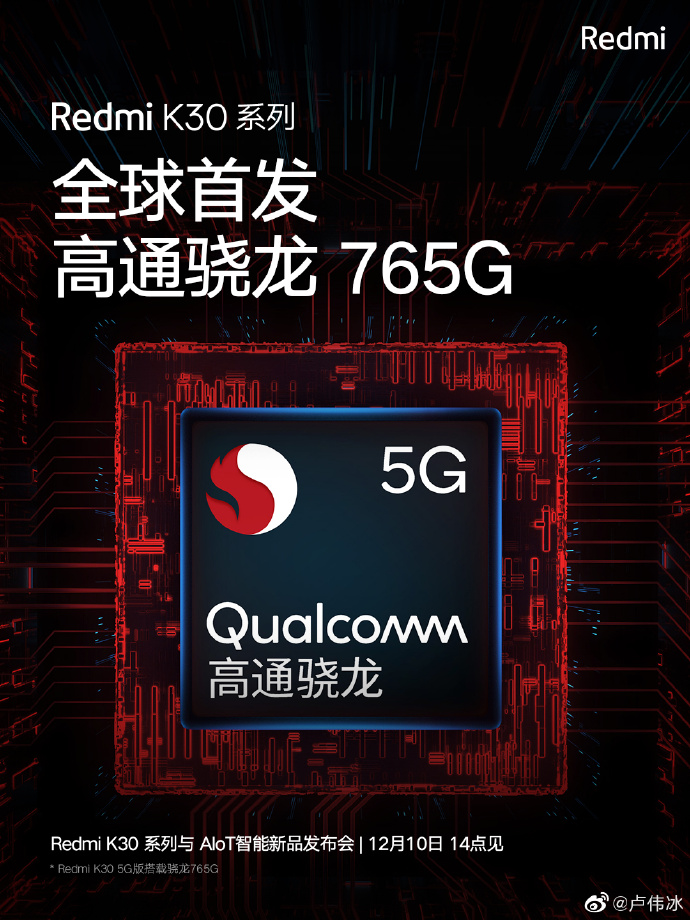
The Snapdragon 765G chipset on the Redmi K30 will come with an integrated Snapdragon X52 5G modem that supports SA and NSA 5G dual-modes and fifth-generation Qualcomm AIE artificial intelligence engine.
To know more about the Redmi K30 smartphone, including its memory variants, pricing, and availability details, we’ll have to wait for a few more hours. The company also provide some details about the Redmi K30 Pro at the same event.
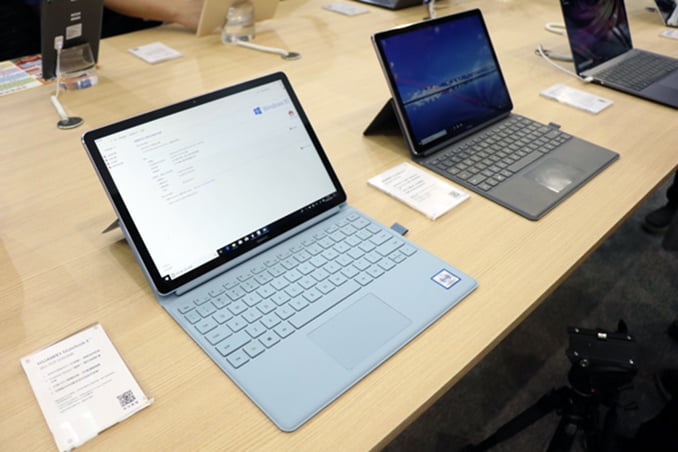
Redmi will be holding the launch event for the Redmi K30 series tomorrow, 10th December 2019. It is not strictly a smartphone conference and will also feature the new products from the company like its new notebook computer, RedmiBook. However, prior to the official announcement, the live images of the RedmiBook have already surfaced online.
RedmiBook Live Images
According to the images, we can observe the design of the RedmiBook. The yet to be announced notebook features minimal bezels on surrounding the screen with a high screen to body ratio. Furthermore, RedmiBook is a relatively small laptop with a screen size closer to 13-inches. It is no surprise considering it was labeled as a “lightweight player” by the Xiaomi subsidiary, although larger variants might also be announced.
Under the hood, the RedmiBook is confirmed to arrive with top notch specifications. This includes the Intel Core i7 processor of the latest 10th Generation which features a maximum core frequency of 4.9GHz. For graphics, it will feature NVIDIA‘s MX250 graphics card with 2GB of VRAM that is great for gaming and productivity purposes. In other words, the specs show that it is a capable ultrabook.
RedmiBook 14 Enhanced Edition
Previously, we had reported on a new RedmiBook 13 laptop being launched on 12th December 2019, and these might be the same notebook in question. Notably, the company has already launched the 15.6 inch and 14 inch models which also featured similar specs with 10th Gen Intel processors. Lastly, the 14 inch Enhanced Edition carried a price tag of 3,299 Yuan, so the 13 inch model is could be priced similarly or lower than its larger variant.
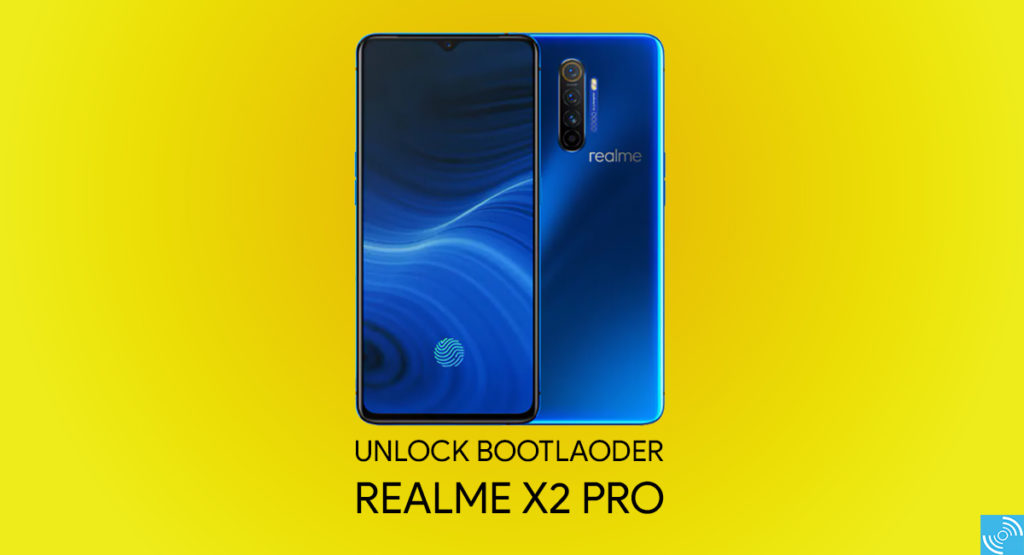
Oppo’s sub-brand – Realme recently unveiled Realme X2 Pro featuring Snapdragon 855 Plus chipset and a high-end Super AMOLED display. Realme made an entry into an affordable premium smartphone market with the Realme X2 Pro. It is set to compete against the OnePlus 7T Pro and Redmi K20 Pro. Apart from the hardware specs, the third-party development has also become a reason before buying a smartphone. In today’s article, we will guide users to unlock the bootloader of Realme X2 Pro easily (RMX1931).
Unlocking the bootloader of any Android smartphone is like a window to unlimited customizations. It opens doors to rooting the device and installing third-party recovery like TWRP. However, bootloader unlocking will void the warranty of your device. It is always recommended to follow the instructions carefully. Otherwise, you will end up with a bricked device. The Bootloader can also be relocked if it is not needed anymore.
The Realme X2 Pro is the company’s maiden premium flagship smartphone featuring a Qualcomm Snapdragon 855 Plus chipset coupled with Adreno 640 GPU. It is available in different storage variants including a 6GB + 64GB, 8GB + 128GB and 12GB + 256GB UFS 3.0 internal storage.
The smartphones feature a 6.5-inch Super AMOLED 90Hz refresh rate display having the resolution of 1080 x 2400 pixels. Moreover, its display supports 1000 nits maximum brightness level and supports HDR 10+. The device is encased in an aluminium frame and comes with a Corning Gorilla Glass 5 to protect against the frequent falls.
In optics, the Realme X2 Pro comes with a quad-camera module featuring a 64-MP primary camera, an 8-MP ultra-wide lens, a 13-MP telephoto lens, and a 2-MP depth sensor. There’s a 16-MP selfie camera on the front having an f/2.0 aperture for video calling.
The smartphone is backed by a 4000 mAh battery with 65W Super VOOC Flash Charge fast charging technology. There’s an in-display fingerprint sensor along with an accelerometer, proximity, gyroscope, and compass sensor.
Realme X2 Pro Bootloader Unlocking Guide
You can follow our simple guide below to unlock the bootloader of Realme X2 Pro.
Note: GizmoChina.com is not responsible for any damage to smartphone and data while unlocking the bootloader. The process will void your warranty.
Note: Widevine L3 will replace Widevine L1, and the fingerprint sensor will stop working until the bootloader is locked again.
Prerequisites:
Keep battery charged atleast upto 50% for smooth unlocking.
Make sure to back up essential data on any external media. The phone will be fully formatted, resulting in loss of data.
Update the Realme X2 Pro to the latest firmware version.
Download and Install the Bootloader Unlock tool apk from the link above.
Open the unlock tool and press start applying the In-depth test.
After reading the disclaimer, tap the checkbox and submit your applciation.
After submission, the unlock tool will show “Review successful” after an hour. The user can now proceed for the next steps.
Tap “Start the in-depth test” and the device will reboot. Note: The device will display fast boot_unlock_verify ok string.
Download and extract the fastboot tool in a folder via the above link in the download section.
Connect the phone to the PC via a USB cable.
Enter the following command to reboot into the bootloader mode.
adb reboot bootloader
Now execute the command below to unlock the bootloader of Realme X2 Pro.
fastboot flashing unlock
Now, press Volume Up to unlock the bootloader.
After, unlocking completes, Type the following command to boot the device.
fastboot reboot
The phone will take some time to boot, and all the data will be erased.
The bootloader of Realme X2 Pro is successfully unlocked!
We hope you have successfully unlocked the bootloader of Realme X2 Pro. If you have any glitch while performing the above tasks, then make sure to comment below.
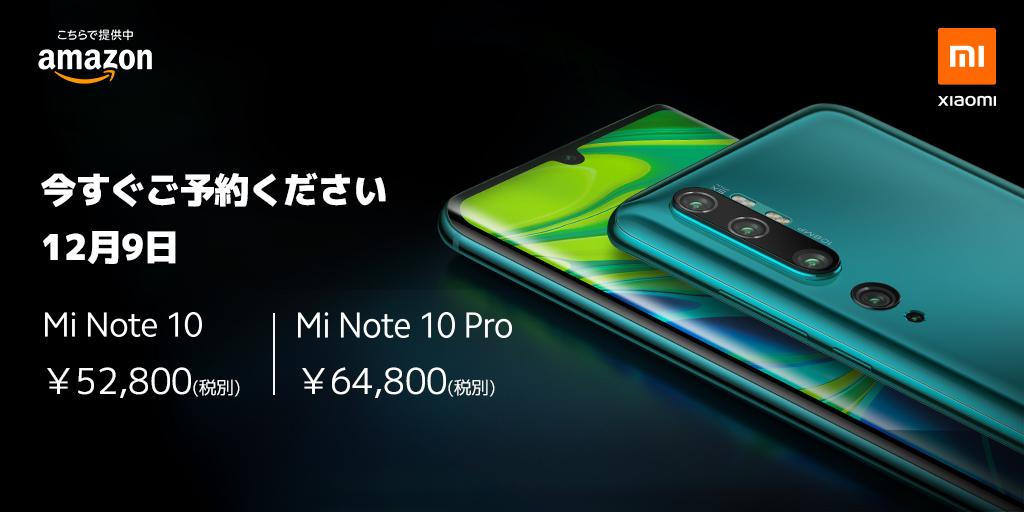
Xiaomi had an event today in Japan to mark its official entry into the island nation. The Chinese tech giant was supposed to launch in the country next year but decided to make it early. At the event today, Xiaomi announced five products including the Mi Note 10 series, the Mi Smart Band 4, Mi Power Bank 3
Mi Note 10 Series
The Mi Note 10 series are the only smartphones Xiaomi announced at the event today. The Mi Note 10 (6GB + 128GB) has a price tag of JPY 52,800 (~$489) excluding tax while the Mi Note 10 Pro (8GB + 256GB) will sell for JPY 64,800 (~$597) excluding tax. Both phones will be sold by Amazon Japan. Pre-order starts today for the two devices but the Mi Note 10 will go on sale on December 16 while the Mi Note 10 Pro will go on sale on December 23.
The Mi Note 10 has a 6.47-inch AMOLED FHD+ display with a waterdrop notch and Gorilla Glass 5. It is powered by the Snapdragon 730G processor and packs a 5260mAh battery with support for 30W fast charging that allows you to charge the device from empty to full in just 65 minutes.
The phone has a 32MP selfie camera and a 108MP penta-camera setup on the back. The primary sensor is paired with a 12MP telephoto lens with 2x optical zoom, another 5MP 5x optical zoom camera, a 20MP ultrawide angle camera, and a 2MP macro camera. There is NFC, Bluetooth 5.0, dual SIM support, an audio jack, a USB Type-C port, and an in-display fingerprint scanner.
The Mi Note 10 Pro has nearly the same specs but its 108MP camera has an 8P lens and not a 7P lens like the standard version. It also has more RAM and storage.
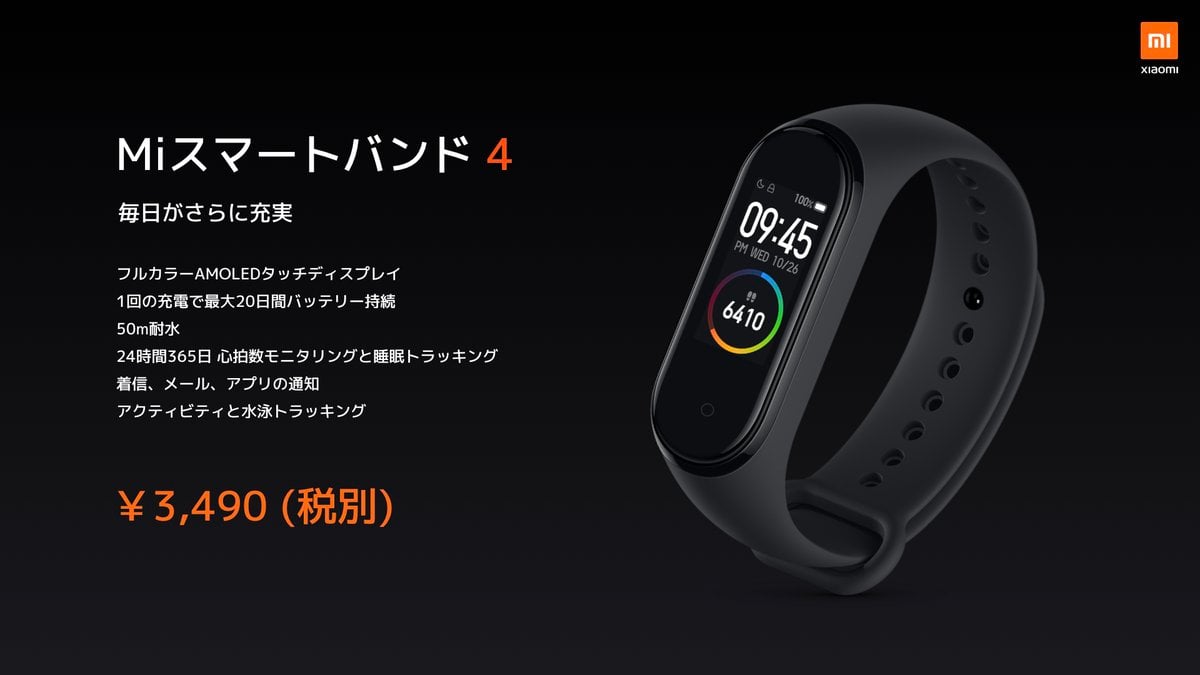
Mi Smart Band 4
The Mi Smart Band 4 is Xiaomi’s latest fitness tracker and it has made its way to Japan. The Mi Smart Band 4 will be sold for JPY 3490 (~$32) excluding tax by Amazon Japan. Pre-orders begin today while sale begins on December 23.
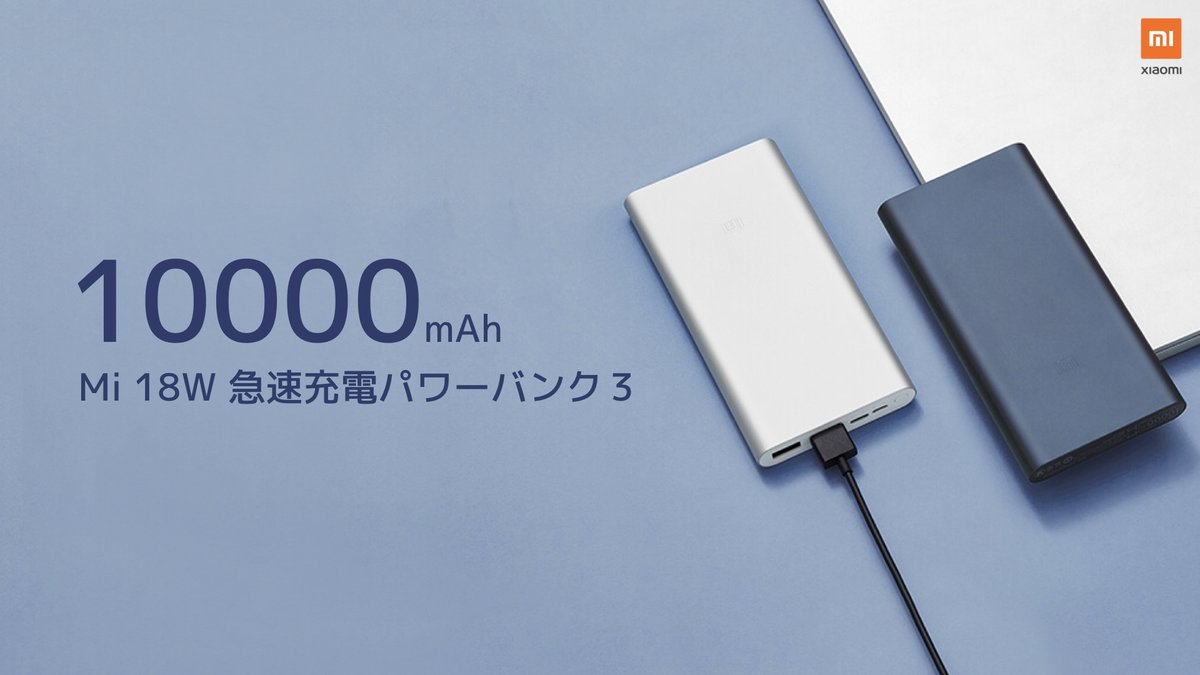
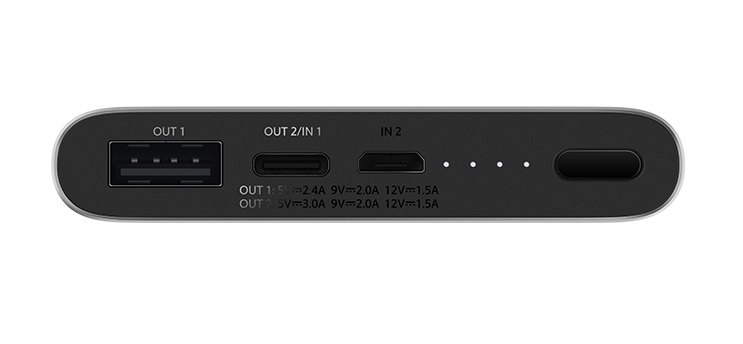
The Mi Power Bank 3 10000mah version brings 18W fast charging support for JPY 1899 (~$18) excluding tax. The power bank will be available in blue and silver and sold by Amazon but there is no mention of when it will be available for purchase.
Mi Power Bank 3 10000mAh Japanese version
Mi Power Bank 3 10000mAh Chinese version
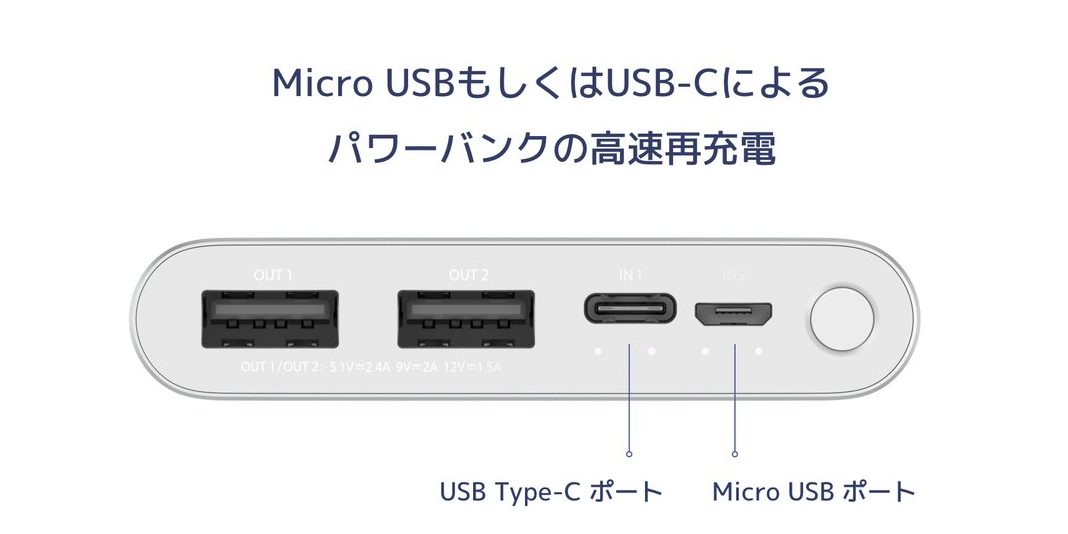
The Mi Power 3 10000mAh is different from the one that launched in China early this year. The one sold in Japan has two full-size USB output ports rather than one. Its USB Type-C port is also only an input port, not a 2-way port. The power button is also a circle and no pill-shaped. You still get a MicroUSB port.
Xiaomi says the power bank is also allowed on flights.
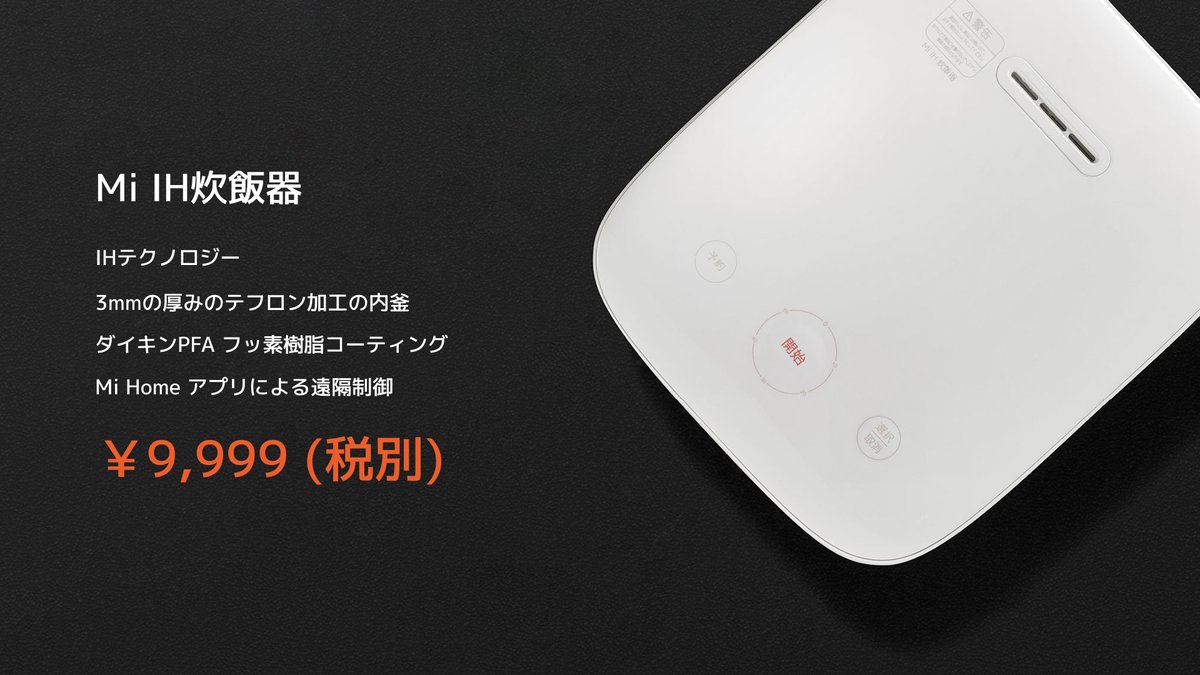
Mi IH Rice Cooker
Rice is a pretty popular food in Japan, so it is a smart move for Xiaomi to launch its Mi IH Rice Cooker in the market. This is a smart home product, so it works with the Mi Home App.
The rice cooker will sell for JPY 9,999 (~$92) excluding tax. There is no info on availability.
Mi Luggage
If you are a frequent traveler, then Xiaomi’s Mi Luggage will surely interest you. It will be available in Japan in two versions: a metal version with an aviation-grade aluminum body and a JPY 17,990 price tag and a more affordable JPY 7990 (~$74) version made of Makrolon. These suitcases will also be sold by Amazon.
[envira-gallery id=”294076″]
The metal version comes in silver while the Makrolon version is available in blue, gray, and black. Both are 20-inch suitcases with TSA approved locks and adjustable handles.
Xiaomi also had the Mi MIX Alpha on display at the event but it was in a sealed box and could not be touched. Surprisingly, no Redmi products were announced at the event.
Samsung Vietnam will be holding a launch event on Dec. 12 to announce a new 2020 Galaxy A-series phone. The launch teaser had revealed that the new Galaxy A phone will be arriving with a display that features a punch-hole at the top-center position. This suggested that the company may announce the Galaxy A51 or Galaxy A71 or both phones on Dec. 12 since these devices are rumored to arrive with aforementioned punch-hole styled display. A leaked promo video of the Galaxy A51 smartphone has appeared to confirm on its design, color variants and key specifications
Samsung Galaxy A51 Promo Video
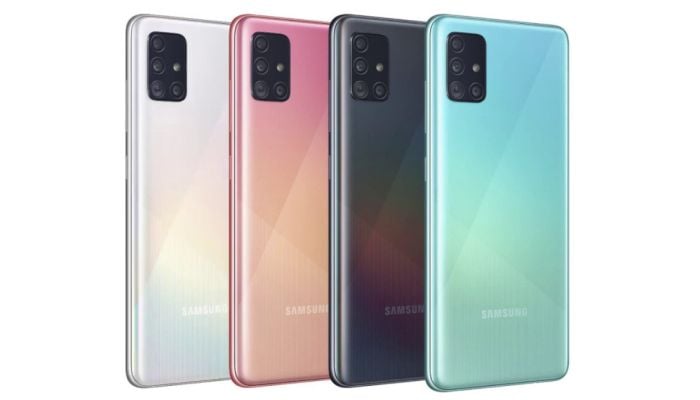
The leaked promo video revels that the Samsung Galaxy A51 that has a “Rhythmic Pattern” rear will be arriving in color editions like Prism Crush Blue, Prism Crush Black, Prism Crush Pink, and Prism Crush White. As it can be seen in the snapshot taken from the video, the phone is fitted with a rectangle-shaped camera module on its back. It is equipped with quad cameras arranged in ‘L’ pattern along with an LED flash.
There is no fingerprint sensor on the backside of the Galaxy A51. It appears that the handset will be arriving with an in-display fingerprint reader like the predecessor Galaxy A50 and Galaxy A50s smartphones.
The Galaxy A51 is fitted with an Infinity-O AMOLED display like the Galaxy Note 10. The size of the screen is 6.5 inches and it carries support for full HD+ resolution. The punch-hole on the display houses a 32-megapixel camera. The quad camera system on its rear has an f/2.0 aperture 48-megapixel primary sensor, an ultrawide 12-megapixel lens, a 5-megapixel depth assist sensor and a 5-megapixel macro lens. There is Super Steady Mode for recording jerk-free videos. The handset is backed by a 4,000mAh battery.
Past reports have revealed that the Exynos 9611 chipset is present under the hood of the Galaxy A51 phone. The SoC is assisted by 4 GB of RAM. The phone may hit the market in storage choices like 64 GB and 128 GB. The handset may come with 15W rapid charging support. The Galaxy A51 will be preinstalled with One UI 2.0 based Android 10 OS. Apart from Vietnam, India is one of the countries to receive the Galaxy A51 phone. There is no word on the pricing of the smartphone.
According to a new report, the Co-founder and President of Xiaomi Group, Lin Bin, played a role in naming Qualcomm’s new mobile chipset. Earlier today, the senior executive also reposted Lu Weibing’s (CEO and Co-founder) Weibo post on the Redmi K30, which features Snapdragon 765G SoC, that launches tomorrow (10th December 2019).
Snapdragon 765G on the Redmi K30
On the Chinese social media website, the Founder praised Qualcomm’s Snapdragon 765G which is a 5G processor. He stated that the chipset had an impressive CPU, GPU, and AI performance. Alongside this, the senior executive also revealed that the name of the fifth-generation artificial intelligence engine (AIE) used by Qualcomm came from a private dinner between the Founder and Qualcomm’s Product manages at the CES conference last year.
This is yet another example of the strong partnership between the smartphone manufacturer and the chipmaking giant. Historically, the Chinese company’s smartphones have prominently featured Snapdragon processors of every segment in low, mid to even high-end flagship models. Hence, it is not surprising that the Xiaomi Founder played a part in the naming of Qualcomm’s product.
Redmi K30 Gradient Blue
The Snapdragon 765G is expected to arrive with AI hardware accelerator HTA 220 with a main frequency of up to 700MHz, which is also found in the flagship Snapdragon 865 SoC. Furthermore, it also features 1.4Ghz HVX that means that the AI performance will be double in comparison to the fourth generation AIE with up to 5.5 trillion operations per second being performed.
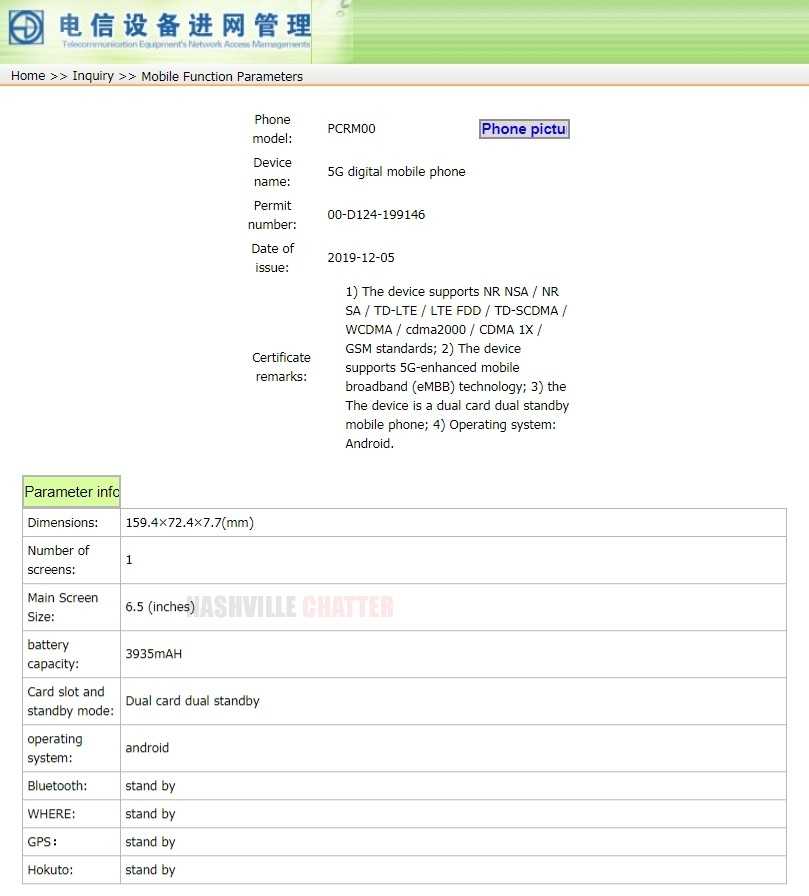
OPPO will be launching the OPPO Reno 3 series of smartphones later this month. The Chinese manufacturer has already confirmed that the upcoming Reno 3 and Reno 3 Pro are dual-mode 5G-ready phones. The Reno 3 series is now for reservations on the official website in China. Recently, a mysterious OPPO PCRM00 / PCRT00 smartphone was spotted on the database of China’s 3C authority through which it was confirmed that it is an upcoming 5G phone from the company. Today, the phone has appeared on TENNA authority’s database. The listing lacks images of the phone, but it has revealed some of its key specs. The preliminary specs of the PCRM00 / PCRT00 5G phone suggests that it could be the Reno 3 Pro 5G phone.
According to the TENAA listing of PCRM00 / PCRT00 5G, it measures 159.4 x 72.4 x 7.7mm. The device is fitted with a 6.5-inch display and it houses a 3,935mAh minimum rated battery. The 3C listing of the phone reveals that it could be shipped with a charger that supports 30W rapid charger.
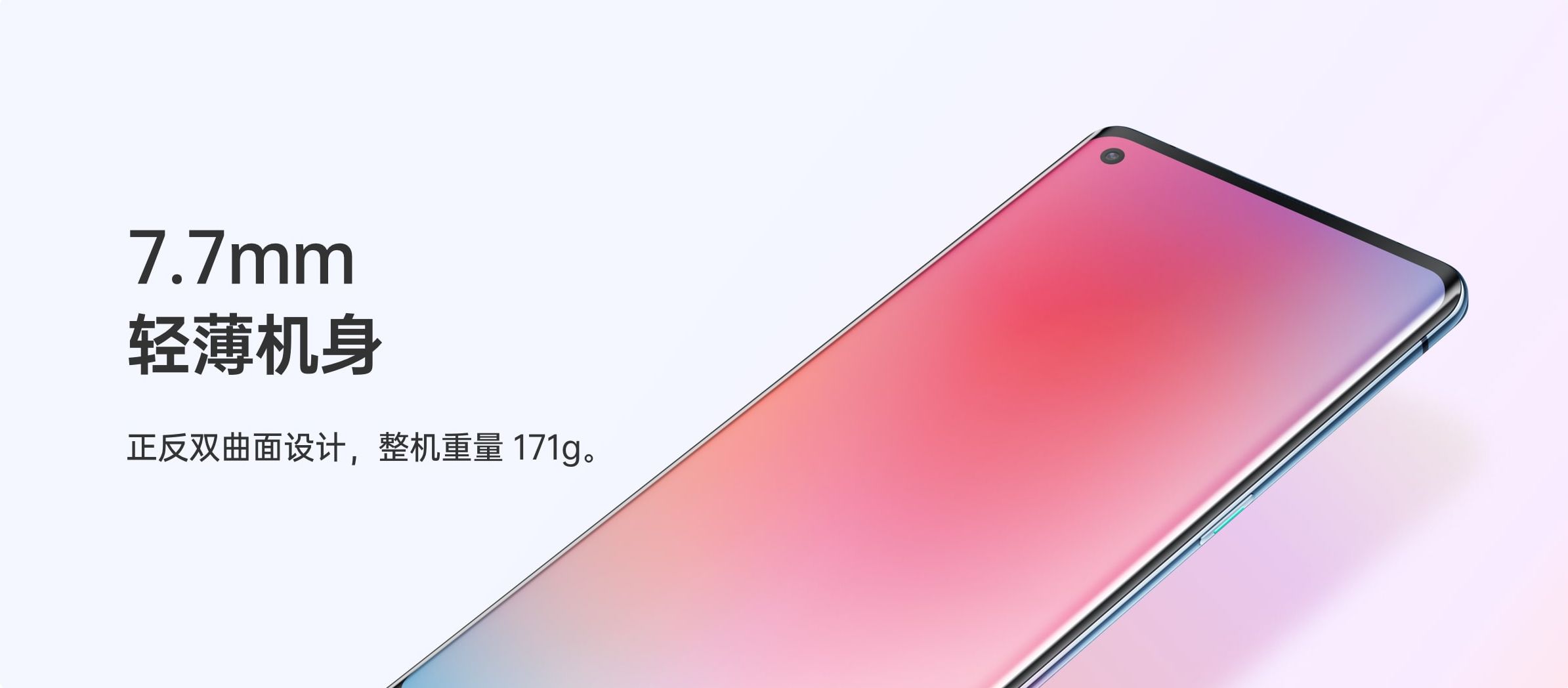
OPPO has already confirmed that the Reno 3 Pro 5G has a slim profile of 7.7mm and it houses a battery of 4,025mAhv which seems to be its typical capacity. Rumors have it that it will be arriving with a 6.5-inch AMOLED display. Hence, it appears that the newly spotted PCRM00 / PCRT00 5G smartphone could be the OPPO Reno 3 Pro 5G.
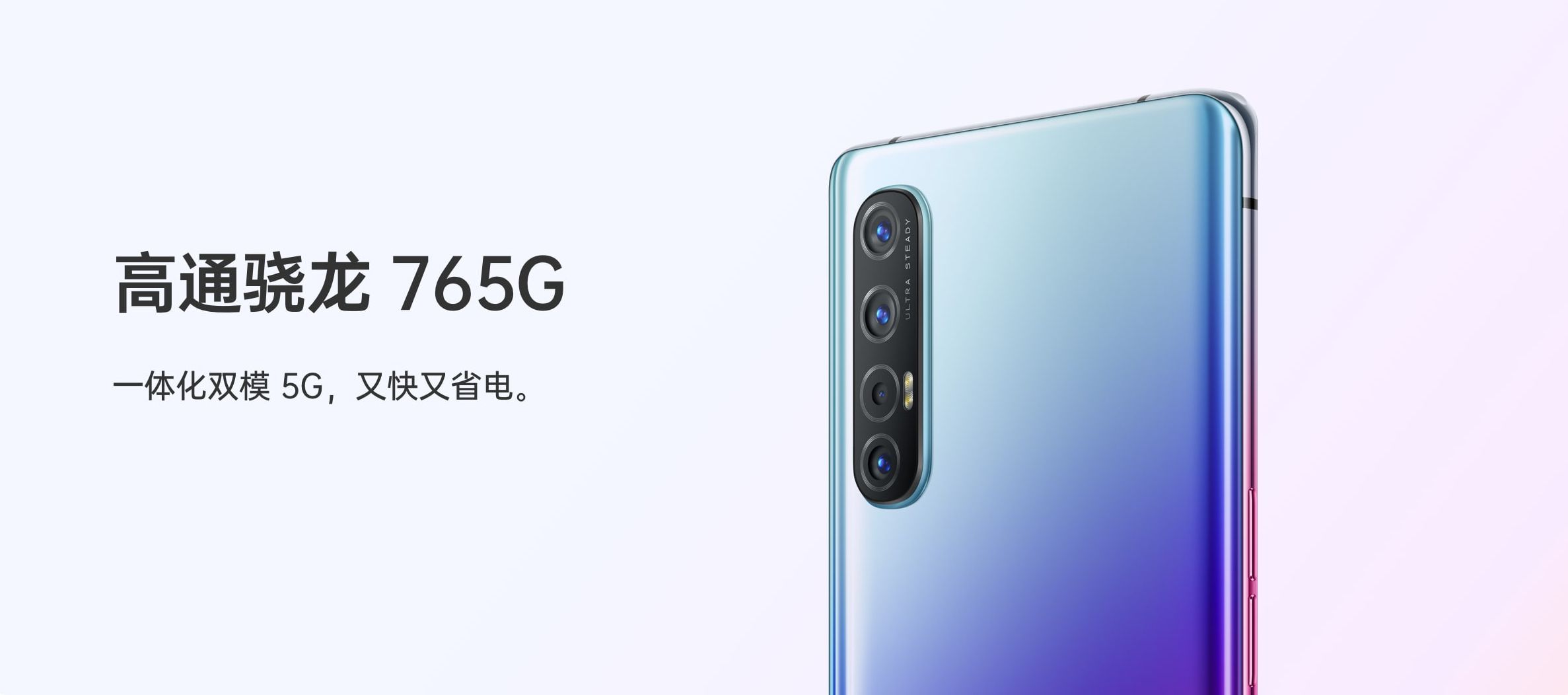
The Chinese manufacturer has already confirmed that the Snapdragon 765G mobile platform will be powering the Reno 3 Pro 5G. It will be the second phone after the Redmi K30 Pro that debuts tomorrow to feature the SD765G chipset. OPPO has already revealed that the Reno 3 Pro 5G has an AMOLED display with punch-hole placed at its top-left corner. The display seems to be curved towards the edges. Rumors are rife that it carries support for 90Hz refresh rate and 180Hz touch sampling rate. It will arrive with an in-screen fingerprint reader.
It is speculated that the Reno 3 Pro 5G could be coming with 12 GB of RAM. Its rear side could be fitted with an OIS assisted 48-megapixel + 8-megapixel + 13-megapixel + 2-megapixel quad camera setup.
Meizu, the Chinese smartphone brand, has been teasing its new products with puzzles since quite some time. Most of the times, netizens have been able to guess what product or feature the company is teasing.
Today, the company has shared a new teaser image with words “OMA” written over the poster. It also confirms that the launch event for the same will take place in China on 13th December. However, guessing the product getting launched next week is proving to be more difficult this time.
It remains a mystery what the three letters “OMA” means. Given that the poster showcases a crowded place in the background, some are claiming that the device is question should have something to do with active noise cancellation. However, others are suggesting that it could be hinting at One Mind Aicy smart stream, enhancing the capabilities of the company’s own smart voice assistant system.
To know for sure what’s up the company’s sleeves this time, we’ll have to wait for the official launch event to take place in China on 13th December. Since there are still few days left for that, we expect the company to share more details about this in the coming days.
Huawei recently introduced the Kunpeng D920S10 desktop motherboard. What this does is allow Huawei’s Kunpeng 920 processor to power PCs, which increases the likelihood of Huawei launching an ARM PC pretty soon. Technically nothing is set in stone, but there’s no way the company isn’t at least slightly interested in an ARM PC with their own chipset.
The Kunpeng 920 chip is a 7nm ARMv8 processor with a top speed of 2.6 GHz that will be available in quad-core or octa-core varieties (although the server versions of the chip can come with up to 64 CPU cores. Huawei’s D920S10 board will support up to 64GB of DDR-2400 RAM (with four slots for memory) and up to six SATA 3.0 hard drives. It also has two M.2 slots for solid state storage, and three PCIe slots.
While Windows 10 on ARM was initially referred to by Qualcomm as “Windows 10 on Snapdragon,” it is now referred to as “Windows 10 on ARM,” which leaves things open for other chipset manufacturers in the future. Whether Huawei’s ARM-PC actually materializes in the future remains to be seen, though we’d definitely like to see it.
OnePlus is celebrating its 6th anniversary this month. As part of the festive deal, the company is offering up to Rs. 10,000 (~$141) discounts on the OnePlus 7T and the 7 Pro. The sale went live on December 6 and will continue till December 17 on Amazon India. The company is also offering instant discounts of Rs. 1,500 (~$21), Rs. 2,000 (~$28) and Rs. 3,000 (~$42) on the OnePlus 7 Pro, OnePlus 7T and the OnePlus 7T Pro respectively.
The BBK Electronics-owned smartphone giant was established in 2013 and has managed to carve a niche market out of itself over the years. OnePlus is the most sought-after premium smartphone brand in quite a few Asian markets, including India, where it claims to be number one. Potential Indian customers can also avail No Cost EMI offers up to six months on the official OnePlus website, authorized dealers and Amazon India.
OnePlus 6th Anniversary Discount and Benefits
As part of the 6th Anniversary celebratory offer, the 8GB + 128GB variant of the OnePlus 7T is available at Rs. 34,999 (~$492), down from the usual Rs. 37,999 (~$534). The 8GB + 256GB variant is priced at Rs. 37,999 (~$534). Customers are entitled to an additional discount of Rs. 1,500 (~$21) using an HDFC bank card.
The 8GB + 256GB of the OnePlus 7 Pro is now priced at Rs. 42,999 (~$604). The device was launched for Rs. 52,999 (~$745). The 6GB + 128GB variant sports a Rs. 39,999 (~$562) price tag instead of the Rs. 48,999 (~$689) sticker price at the time of launch. Potential customers can also avail additional discounts worth Rs. 2,000 (~$28) using an HDFC Bank Credit or Debit card.
Potential customers interested in owning the OnePlus 7T Pro can avail Rs. 3,000 (~$42) instant discount. OnePlus is also offering additional discounts up to Rs. 2,000 (~$28) on the exchange of old OnePlus devices in lieu of 7-series smartphones.
OnePlus 7T and OnePlus 7 Pro Specifications and Features
The OnePlus 7T flaunts a 6.55-inch Fluid AMOLED capacitive display with a resolution of 2400 x 1080 pixels. The device draws power from an octa-core Qualcomm Snapdragon 855+ SoC with 8GB of RAM and 128GB/256GB of storage. The triple-camera on the rear consists of a 48-megapixel primary sensor, a 12-megapixel sensor with 2x optical zoom, and a 16-megapixel ultrawide sensor. The smartphone features a 16-megapixel selfie camera along with an in-display fingerprint sensor. The device draws power from a 3,800 mAh battery with 30W Warp Charge support, and runs on Android 10-based OxygenOS 10.
The OnePlus 7 Pro flaunts a 6.67-inch Optic AMOLED display with a resolution of 3120 x 1440 pixels. The device draws power from an octa-core Qualcomm Snapdragon 855 chipset with up to 12 GB of RAM and 256GB of storage. The rear camera features a 48-megapixel primary sensor with a 16-megapixel lens and an 8-megapixel sensor. The pop-up selfie camera uses a 16-megapixel lens. The smartphone draws power from a 4,000 mAh battery with Warp Charge support and runs on Android 9.0 Pie-based OxygenOS 9.
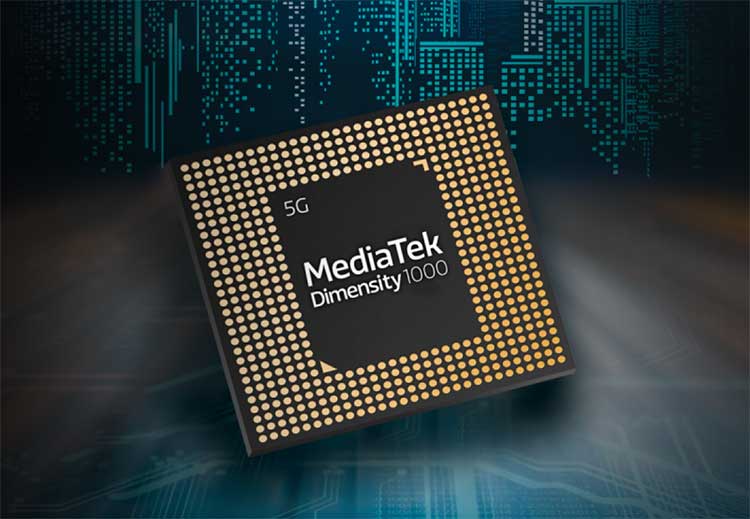
According to a new report, MediaTek might be supplying Samsung with 5G chipsets for its low-end range of smartphones in the near future. The former has already formed partnerships with various other brands like Oppo, Vivo, and Xiaomi and may now also supply the South Korean tech giant for its affordable range of smartphones.
MediaTek has just recently launched its Dimensity 1000 which is a high-end 5G SoC. It will be seen in various smartphones from the aforementioned brands in 2020. Alongside this, the company has also announced two mid-range 5G SoC with designated model numbers MT6885 and MT6873 which may soon be found in Samsung’s low-end handsets as well. Notably, MediaTek chipsets are also expected to be featured in Huawei’s affordable lineup of smartphones in 2020.
MediaTek Dimensity 1000 5G SoC
Reportedly, Samsung is currently in contact with MediaTek for the introduction of mainstream and affordable 5G smartphone chips in the Samsung Galaxy A series and other low-end models. With two of the most popular smartphone brands partnering up with MediaTek, the shipments of the company’s new 5G SoC are expected to reach record-breaking levels.
Furthermore, Samsung has closed its ODM (Original Design Manufacturer) factory in Mainland China and is seeking to outsource low to medium segment devices to others. This provides an opportunity for companies like MediaTek that can receive large sums of orders for Samsung’s affordable range of smartphones.
Samsung Galaxy A30s
MediaTek is one of the leading companies for 5G networking in terms of mobile chipsets. Its latest modems also support most of the current global telecommunication operator’s specifications as well. This makes it a key player in the global markets for 5G bandwidths. Additionally, MediaTek is also developing a more advanced millimeter ware (mmWave) frequency band, which will be faster than current 5G solutions and is expected to arrive by 2021.
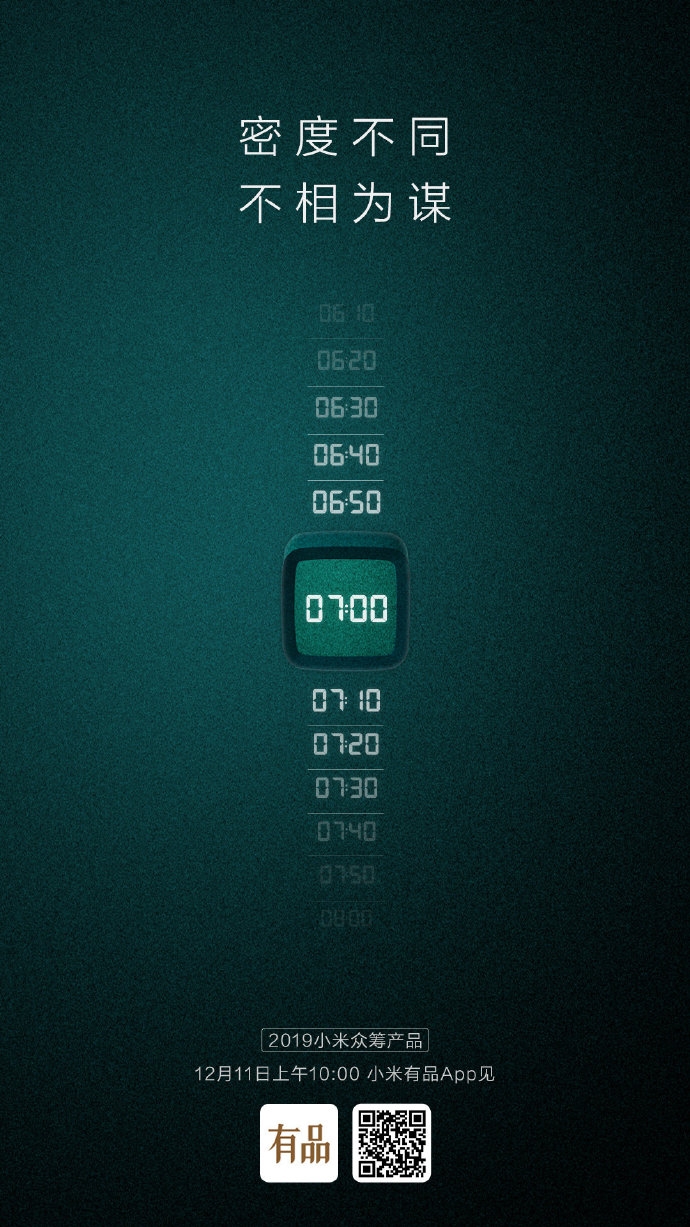
Earlier today, the Xiaomi Youpin official Weibo announced that it will be launching a new time related product at 10 am on December 11. For the uninitiated, Xiaomi Youpin is the company’s crowdfunding platform, responsible for all the wonderful odd products that get released by them on an almost biweekly basis. Now we’ve got something new coming up.
As we can see from the teaser poster, the new product is probably going to be some sort of clock, possibly an alarm clock. The post mention that the clock supports 16 settings, which they don’t elaborate on. The interesting thing is that Xiaomi already has an alarm clock. It’s one of their most popular products on the crowdfunding platform.
The Xiaomi XiaoAI Smart Alarm Clock, which is possibly one of the most feature-rich alarm clocks in existence, launched in September last year to great reception. It can set 30 separate alarms, use dynamic alarms, broadcast the weather in real time, generate good white noise, setup snooze reminders and even syncs with your phone for reminders.
What we’re getting at here is that the Xiaomi XiaoAI Smart Alarm Clock is an excellent device, so whatever Xiaomi launches will need to improve on it. It’s a high barrier, but it’s also not too hard to imagine an incremental update to the device. We aren’t sure it really warrants a big launch announcement otherwise, so we hope it lives up to the hype.
Vivo V17 is the latest V-series phone to debut in India after the Vivo V17 Pro that had gone official in October. Priced at Rs. 22,990, the Vivo V17 smartphone comes with some exciting features like punch-hole display, quad rear cameras and a large-sized battery with fast charging support. Last month, the Vivo had launched the Vivo V17 smartphone in Russia. The Indian edition differs from the Russia model in terms of design and specs.
Vivo V17 Specifications and Features
The Vivo V17 measures 159.03 x 74.17 x 8.54mm and weighs 176 grams. Unlike the Vivo V17 Pro that features a notch-less display and a pop-up selfie camera setup, the V17 that belongs to the same series has a display that sports a different design. The rear shell of the phone has a glossy finish.
The Vivo V17 has a 6.44-inch punch-hole display which is dubbed as iView Display by the Chinese firm. The E3 Super AMOLED display offers 1080 x 2400 pixels full HD+ resolution, a tall aspect ratio of 20:9 and carries support for DCI-P3 color gamut. The smartphone delivers a screen-to-body ratio of 91.38 percent. The display can effectively filter out 42 percent of blue light. The marvelous display of the Vivo V17 is embedded with an in-screen fingerprint reader.
The Snapdragon 675 mobile platform that fuels the Vivo V17 Pro is also the driving force of the Vivo V17. The SoC is coupled with 8 GB of RAM. The native storage available on the device is 128 GB. The Vivo V17 has a microSD card slot for more storage. The Android 9 Pie OS that is skinned with the latest FunTouch OS 9.2 UI runs on the V17.
The Vivo V17 has a front-facing camera of 32-megapixel with f/2.45 aperture. On its back is a rectangular camera module that includes four cameras and an LED flash. It has a primary lens of 48-megapixel with f/1.8 aperture, a 120-degree 8-megapixel lens, a 2-megapixel portrait lens with f/2.4 aperture and 4cm focal length support and a 2-megapixel macro sensor with f/2.4 aperture. Vivo has included support for Super Night Mode for the front-facing as well as rear-mounted cameras. The front camera of the Vivo V17 supports other features like AR stickers, Pose Master, AI Makeup, AI HDR and more. The rear cameras come with features like Super EIS, super macro, portrait framing, slow-motion video shooting, AR stickers, Pose Master, AI Makeup, AI HDR and more.
The device is backed by a 4,500mAh battery that comes with support for 9V/2A dual-engine fast charging through USB-C. There is support for Multi-Turbo that enhances the overall user experience on the Vivo V17. With Game Center, users of Vivo V17 can take advantage of its gaming arena. For gamers, the Vivo V17 also offer other features like Ultra Game Mode, Voice Changer and Off-Screen Autoplay. The connectivity features available on the Vivo V17 include dual 4G VoLTE, Wi-Fi 802.11ac, Bluetooth 5.0, GPS, USB-C and 3.5mm audio jack.
Vivo V17 Pricing and Availability
The Vivo V17 has landed in India in two colors like Midnight Ocean and Glacier Ice. The phone comes in 8 GB RAM + 128 GB storage option only and it is priced at Rs. 22,990 (~$323). The sales of the phone will begin on Dec. 17 through Vivo’s online store, popular e-commerce sites and offline stores. The retail box package of the phone includes Vivo XE710 earphones that is generally priced at Rs. 1,999 (~$28).
Android 10 has been out for a couple of months at this point. Apart from Google, some phone makers have been able to offer the update relatively quickly. Honor have been making a decent effort to push updates faster, and now they’re looking for Honor 9X Pro and Honor 9X users to beta test EMUI 10 based on Android 10.
The company is looking for 500 users of the log version and 1500 users of the non-log version of its beta program. You can sign up via this link right over here. The signup deadline is on December 15, and users are required to run EMUI 9.1.1.160 or above to be eligible for the EMUI 10 beta program.
EMUI 10 features various new advancements and performance tweaks. It comes with a whole new UX inspired by a Magazine style layout depicting cleaner UI elements, new screen transitions, menus and notifications panel. The new colourful Always-On-Display brings a unique charm to the device.
Dark Mode support
Enhanced security with a distributed system.
Mutual aid sharing to improve hardware capabilities.
One-Touch Screen Sharing
Multi-Screen Sharing collaboration
Huawei HiCar
ARK Compiler
GPU Turbo
Super File System
Lin Turbo
Also, it finally brings Android 10 to the devices, which will improve the overall performance and security of the device. It’s good to see Huawei and Honor pushing forward with updates for their devices, and we’re looking forward to seeing Android 10 come to more devices in their long list.
We use cookies on our website to give you the most relevant experience by remembering your preferences and repeat visits. By clicking “Accept”, you consent to the use of ALL the cookies.
This website uses cookies to improve your experience while you navigate through the website. Out of these, the cookies that are categorized as necessary are stored on your browser as they are essential for the working of basic functionalities of the website. We also use third-party cookies that help us analyze and understand how you use this website. These cookies will be stored in your browser only with your consent. You also have the option to opt-out of these cookies. But opting out of some of these cookies may affect your browsing experience.
Necessary cookies are absolutely essential for the website to function properly. This category only includes cookies that ensures basic functionalities and security features of the website. These cookies do not store any personal information.
Any cookies that may not be particularly necessary for the website to function and is used specifically to collect user personal data via analytics, ads, other embedded contents are termed as non-necessary cookies. It is mandatory to procure user consent prior to running these cookies on your website.