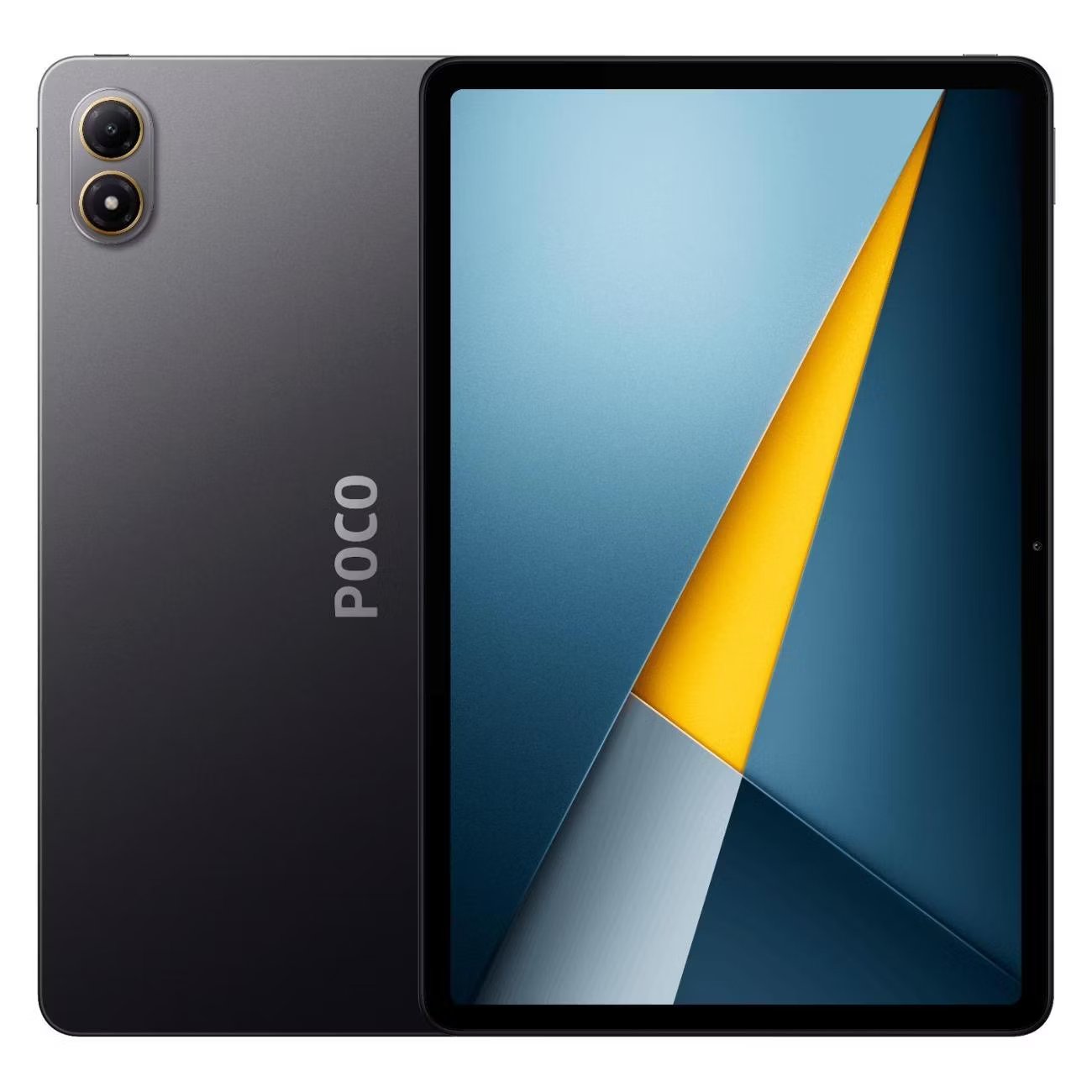
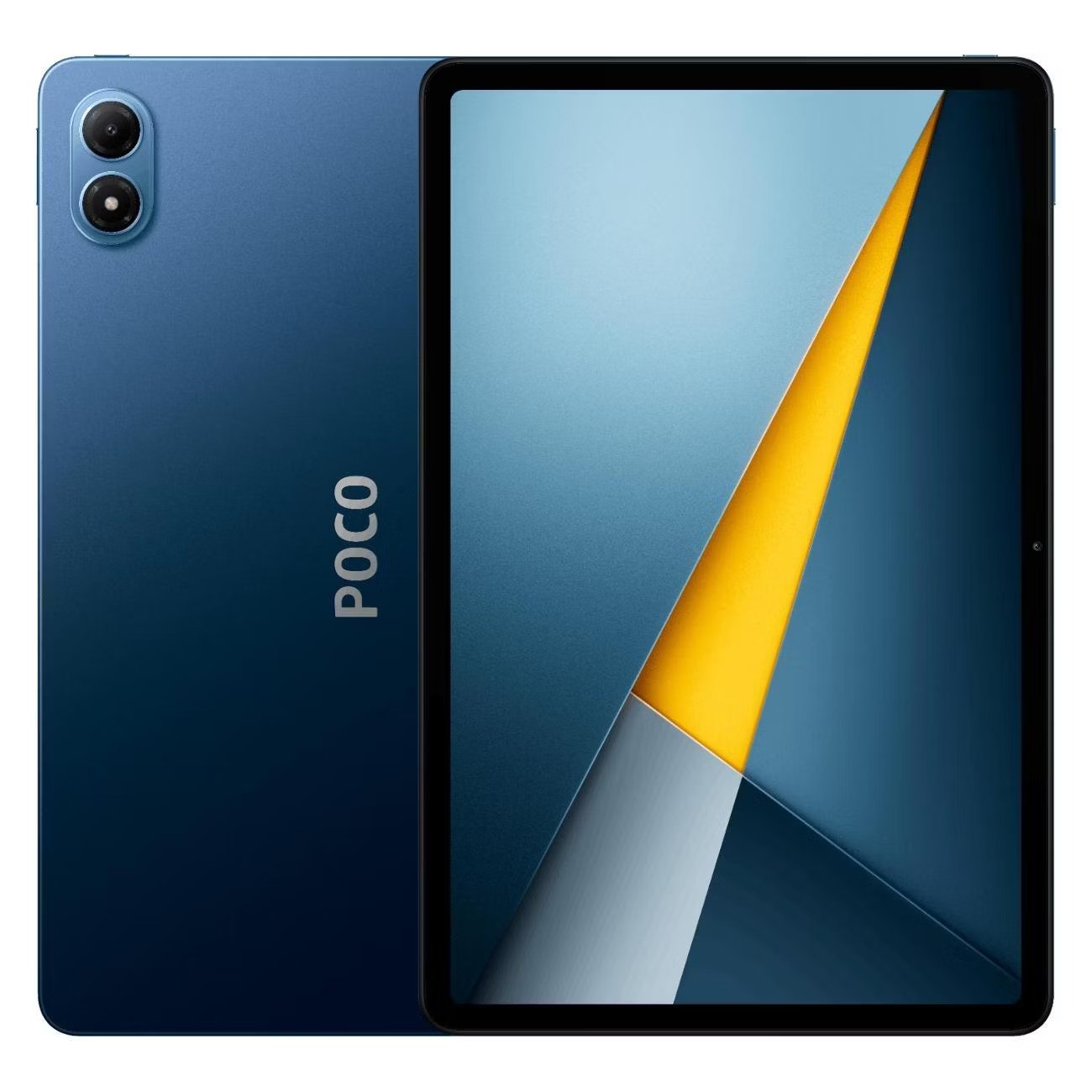
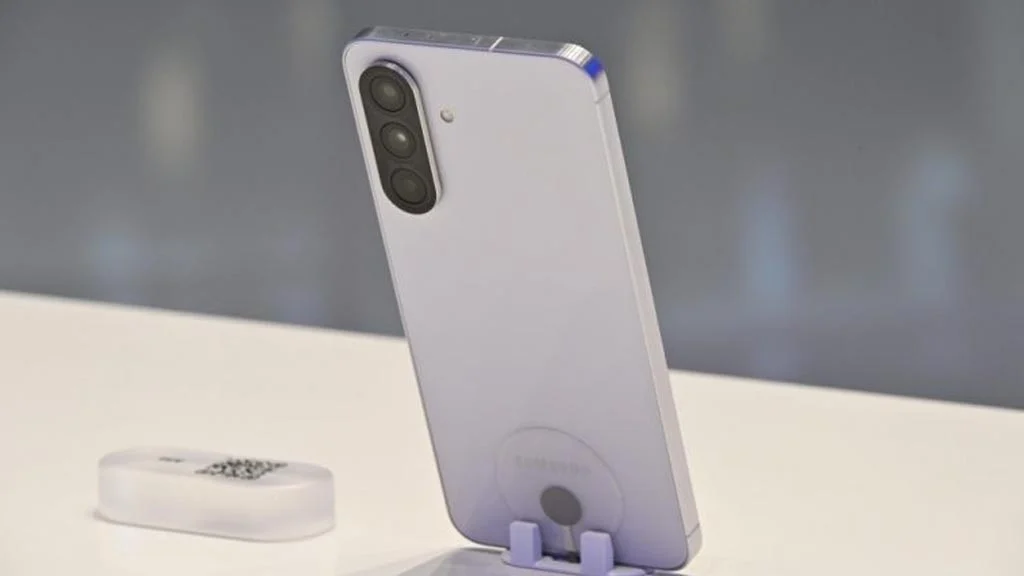
A fresh leak has outlined what Poco may be planning for its upcoming Poco Pad M1, which is expected to be a rebranded version of the Redmi Pad 2 Pro. Poco is reportedly gearing up to launch the Poco F8 Pro and F8 Ultra in the coming weeks. Likely, the Pad M1 may debut alongside the F8 duo. Here’s a look at what to expect from the company’s next tablet.
Poco Pad M1 specifications (rumored)
Poco Pad M1Poco Pad M1
According to the leak, the Poco Pad M1 may feature a 12.1-inch LCD panel with a 120Hz refresh rate and a 1600 x 2560 resolution. It is tipped to run on the Snapdragon 7s Gen 4 chipset paired with LPDDR4X RAM and UFS 2.2 storage, with support for microSD expansion.
The tablet could include an 8-megapixel rear camera and an 8-megapixel front camera for video calls. It may ship with HyperOS 2, based on Android 15 and come with quad speakers for a better multimedia experience. The tablet reportedly measures around 278 x 181.65 x 7.5mm, weighs close to 610g, and may feature a 3.5mm headphone jack.
A 12,000mAh battery with 33W wired charging support is also expected, along with connectivity options such as Wi-Fi 6, Bluetooth 5.4 and USB 2.0. An IP54 rating is also mentioned for limited dust and splash resistance.
Poco Pad M1 price, colour options (rumored)
The leak suggests a price of EUR 349 (~$400) for the 8GB RAM and 256GB storage variant. The tablet may launch in two colour finishes: dark blue and grey. Since its specifications closely match the Redmi Pad 2 Pro, the Poco Pad M1 is believed to be prepared for selected global markets as a rebranded version of that model.
For more daily updates, please visit our News Section.
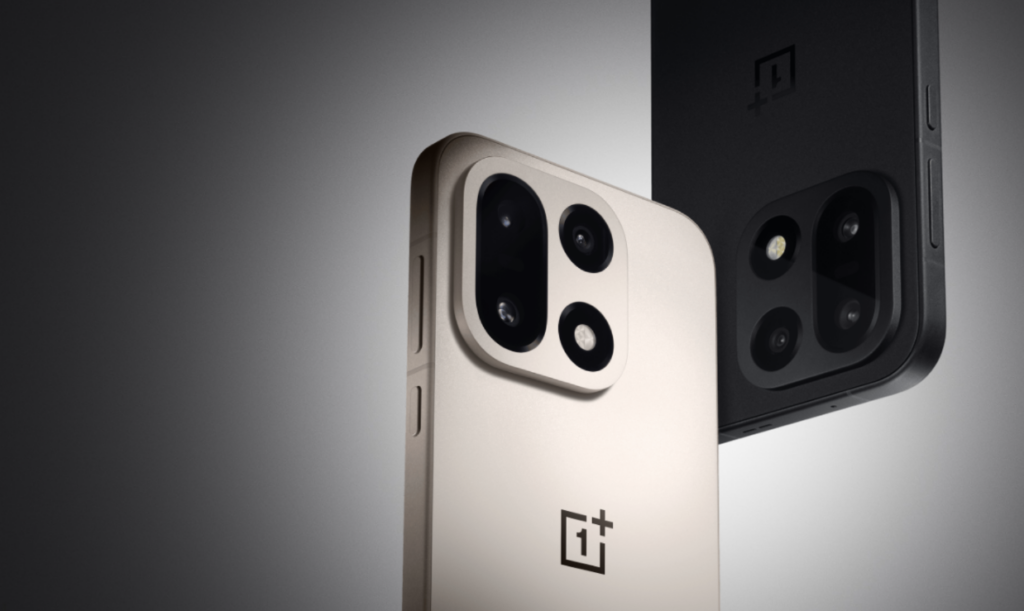
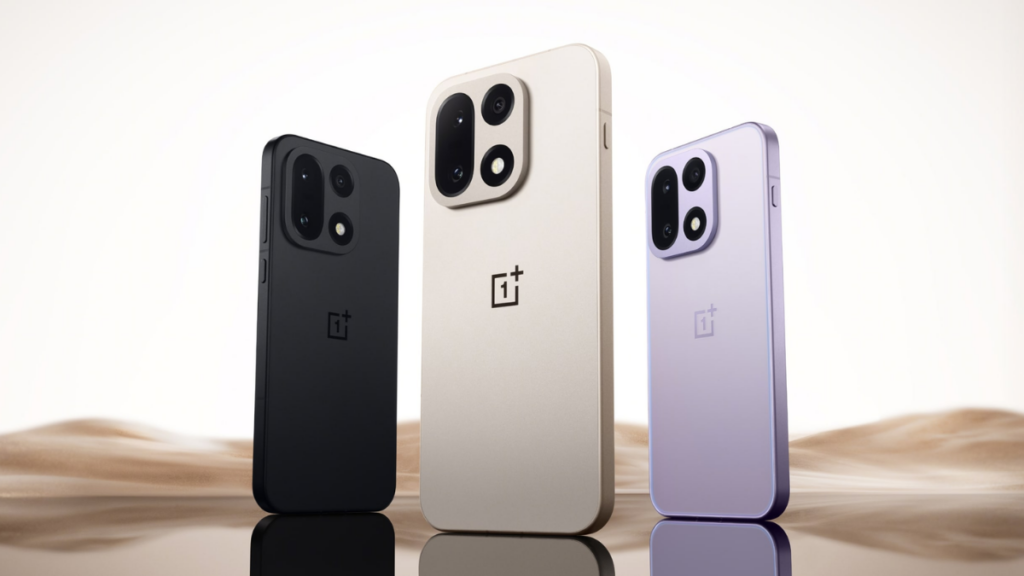
The OnePlus 15 may look identical across its memory options, but there’s a small detail buried in the specs that gives the 16GB model a quiet advantage. It doesn’t just have more RAM — it has faster RAM.
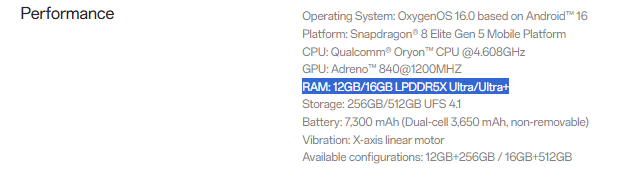
According to the listing, OnePlus is using two different LPDDR5X chips depending on the configuration:
12GB model: LPDDR5X Ultra rated at 9,600 Mbps
16GB model: LPDDR5X Ultra+ rated at 10,667 Mbps
That’s an 11% speed bump for the higher-tier version. Both are technically LPDDR5X, but the “Ultra+” label points to a newer Samsung memory generation. Vivo used the same branding on its X300 Pro Satellite Edition, so the terminology checks out.
The 10,667 Mbps peak on the 16GB variant also happens to match the baseline speed of LPDDR6, which is expected to roll out in mainstream phones next year. In other words, the 16GB OnePlus 15 is already brushing up against next-gen memory bandwidth.
In day-to-day use, faster RAM can help with things like app switching, multitasking, and a faster on-device AI experience.
The 12GB model is still no slouch. Its 9,600 Mbps LPDDR5X is a solid jump from the OnePlus 13’s 8,533 Mbps memory. But if you want the absolute fastest speeds the OnePlus 15 can offer, the 16GB version is the one that gets the “Ultra+” treatment.
Overall, it’s interesting to see how OnePlus has been leaning harder into performance lately. From the completely flat design to shifting its budget toward a custom router-grade Wi-Fi chip and dedicated touch-response hardware—while using less capable camera hardware than the OnePlus 13 and ending the Hasselblad partnership—it’s clear the company is positioning its latest flagship as a gaming phone that can also double as a regular flagship for many users.
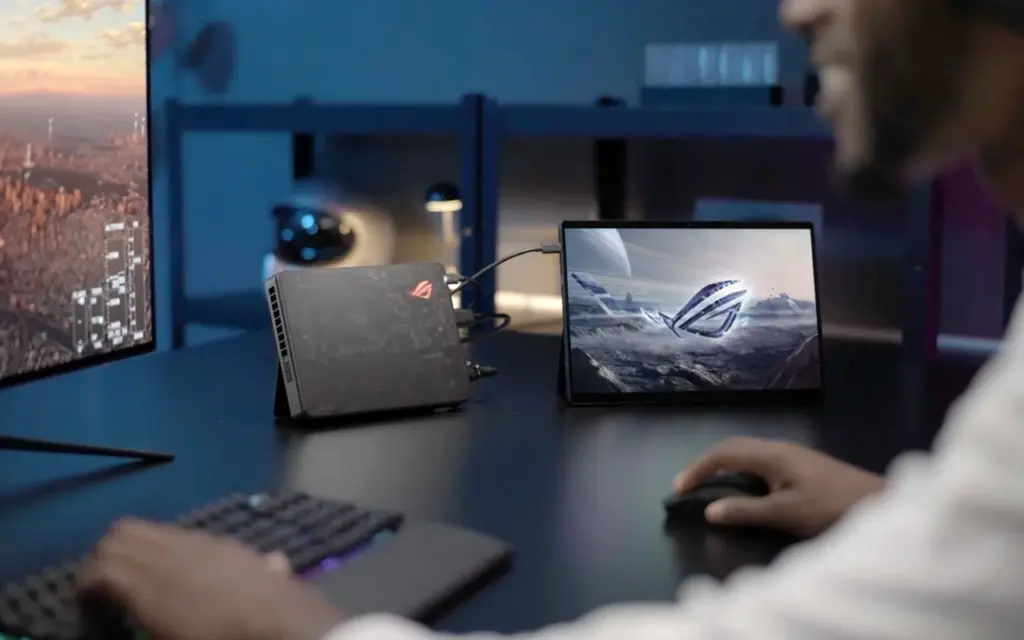
Asus is finally rolling out its beefiest eGPU (external Graphics Processing Unit) yet. After teasing it back at CES 2025, the new ROG XG Mobile (2025) is now shipping globally, giving handheld owners a way to bolt on Nvidia’s top-end laptop graphics—if they’re willing to pay for it.
The dock is now available in the US, Canada, and Australia, with more markets coming soon. Retailers like EXcaliber PC quietly stocked units a couple of weeks ago, but Asus’ own listings are now live.
The lineup starts with the RTX 5070 Ti model (12GB GDDR7), priced at $1,299.99 in the US. For those chasing max performance, the RTX 5090 version (24GB GDDR7) comes in at a hefty $2,499, adding a redesigned vapor chamber, a 330W power supply, and 120Gbps Thunderbolt 5 support.
Pricing varies by region: £1,399 in the UK, AU$4,999 in Australia, and CA$1,999 for Canada. Newegg currently has both configurations on backorder, while B&H Photo lists the RTX 5090 model as “coming soon.”
Early testing from Cyber Dopamine and ETA Prime shows the RTX 5090 eGPU delivering serious gains. In 3DMark Steel Nomad and Time Spy, the dock pushes performance close to what you’d expect from a full-blown gaming laptop. Geekbench 6 OpenCL runs show more than a 3x jump over the Radeon 890M iGPU in the ROG Ally X.
I/O Ports
2 x USB 3.2 Gen2 Type-A
1xSD Card reader(Standard)/UHS-II(312MB/s)
1xRJ-45 LAN port
1xHDMI 2.1
1xDC input jack
1xDisplayPort™ 2.1
1xThunderbolt™ 5 Type-C/Power Delivery 3.0 (27W)
There is one catch: today’s handhelds are still limited to USB4/Thunderbolt 4 speeds, meaning they can’t take full advantage of Thunderbolt 5’s bandwidth. You’ll still see a huge uplift in games, but the dock won’t hit its absolute ceiling until TB5 handhelds arrive.
If you’re willing to spend big, the ROG XG Mobile (2025) turns Asus’ handhelds into proper 4K-capable machines while keeping everything portable. For Ally X users looking to push beyond integrated graphics, this could be the most meaningful upgrade yet.
It measures 20.8 x 15.5 x 2.96 cm and weighs 0.932 kg.
OnePlus has pushed out the first software update for the OnePlus 15 less 24 hours after the phone’s launch. The company is rolling out OxygenOS 16.0.1.303 in both India and the EU. The update is available as version CPH2745_16.0.1.303(EX01) in India and CPH2747_16.0.1.303(EX01) in the EU. OnePlus says the rollout is incremental, with a wider release planned over the next few days.
The update includes the November 2025 Android security patch and several functional changes. OnePlus has focused on faster app launch speeds from the home screen, new customization options, and upgrades to the system’s security and network features.
Users can now resize the clock when editing select Flux themes, rename widgets, and stack widgets by dragging them onto others of the same size. Photos gets a small but useful improvement with automatic straightening for portrait and architectural shots when cropping or rotating. The update also adds the option to set videos as ringtones. Phone Manager now scans for threats faster, and the Lock screen’s “Ring” fingerprint animation gains a glowing effect.
On the network side, OnePlus has added a new interface for the AI LinkBoost Network Engine. Users can check how many network optimizations have been applied and view details on reduced lag. Real-time alerts for network acceleration will now appear when the phone detects poor connectivity. The update also includes tools to test network speed, latency, and upload and download rates.
OnePlus notes that the OTA may arrive at different times depending on the region. The company also reminds Indian users that they can report device issues directly from the OnePlus Community App under the Bug Report section, or by dialing *#800# to access the feedback tool.
Casio has just unveiled a new series of G-Shock watches that feature a full metal design. The G-Shock GMW-BZ5000 lineup arrives in three distinct colors with a premium finish. These have just been announced in the Japanese market, so here’s what you need to know.
G-Shock GMW-BZ5000 Launches in Three Full-Metal Finishes
The popular watch maker’s new G-Shock watches include the GMW-BZ5000D-1, GMW-BZ5000BD-1, and GMW-BZ5000GD-9. These include three distinct colors, namely silver and black, black and gold, and gold and black finishes, respectively. All three models feature a Full Metal design with a stainless steel casing and a solid metal strap. You also get multiband 6 and Bluetooth connectivity for Smartphone Link. This feature can be accessed by the Casio Watches app.
Casio GMW-BZ5000 series in three classic finishes
Casio offers support for two time zone setups, a countdown timer, a 1/100th second stopwatch, up to five daily alarms, and a digital display. The brand unveiled the new G-Shock GMW-BZ5000 watches in Japan, with the GMW-BZ5000D-1 being available for 93,500 Japanese Yen (roughly 605 US Dollars). Meanwhile, the other two variants have a heftier 102,300 Japanese Yen (roughly 661 US Dollars) price tag.
In related news, four new Baby-G watches were spotted listed in Japan earlier this month. Similarly, Casio also unveiled the 30th Anniversary Pro Trek PRW-61ANS-3 and PRG-340ANS-3 watches for adventurers. The new Casio G-Shock GMW-BZ5000 lineup is expected to arrive in the UK soon, although an exact launch date is still unclear. It is also unknown whether these watches will roll out in other regions like Europe or North America. This is all the info we have at the moment, so stick around for more.
For more daily updates, please visit our News Section.
While Honor has confirmed the design, colour options and memory configurations of the Honor 500 and Honor 500 Pro, it has yet to announce the launch date or key specifications. A recent leak by tipster Digital Chat Station revealed several details about the Honor 500 Pro but did not specify the exact camera configuration. A new leak that surfaced on Weibo has now confirmed the camera setup and also dismissed rumours claiming the device would feature a 64-megapixel periscope telephoto camera.
Honor 500 Pro camera specifications (rumored)
Honor 500 Pro camera specs
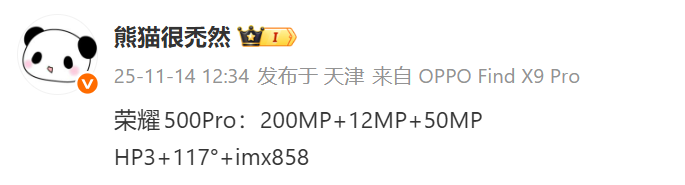
Earlier reports suggested the Honor 500 Pro would use a 64-megapixel OmniVision OV64B periscope lens, but tipster Bald Panda states that the phone actually features a 50-megapixel Sony IMX858 periscope camera instead.
According to the tipster, the Honor 500 Pro’s rear camera system will also include a 200-megapixel Samsung HP3 primary camera and a 12-megapixel ultra-wide lens offering a 117-degree field of view. While the front camera was not specified, the device is expected to offer a 50-megapixel selfie camera based on previous reports.
Honor 500 Pro specifications (rumored)
The Honor 500 Pro is said to feature a 6.55-inch display with a 2736 x 1264 pixels resolution and a 120Hz refresh rate. Inside, the phone is tipped to run on the Snapdragon 8 Elite chipset, placing it in the flagship category for performance.
Powering the device could be an 8000mAh silicon battery, which is expected to support 80W wired charging and 50W wireless charging. The software experience may be based on MagicOS 10 layered over Android 16.
Additional hardware features reportedly include a 3D ultrasonic fingerprint sensor, Honor’s C1+ RF enhancement chip to improve network stability and an E2 energy efficiency chip designed to optimise battery usage.
In terms of variants, the Honor 500 Pro is expected to be available in 12GB+256GB, 12GB+512GB and 16GB+512GB options, with a top-end 16GB+1TB version. Colour options are said to include Aquamarine, Starlight Powder, Obsidian Black and Moonlight Silver.
For more daily updates, please visit our News Section.
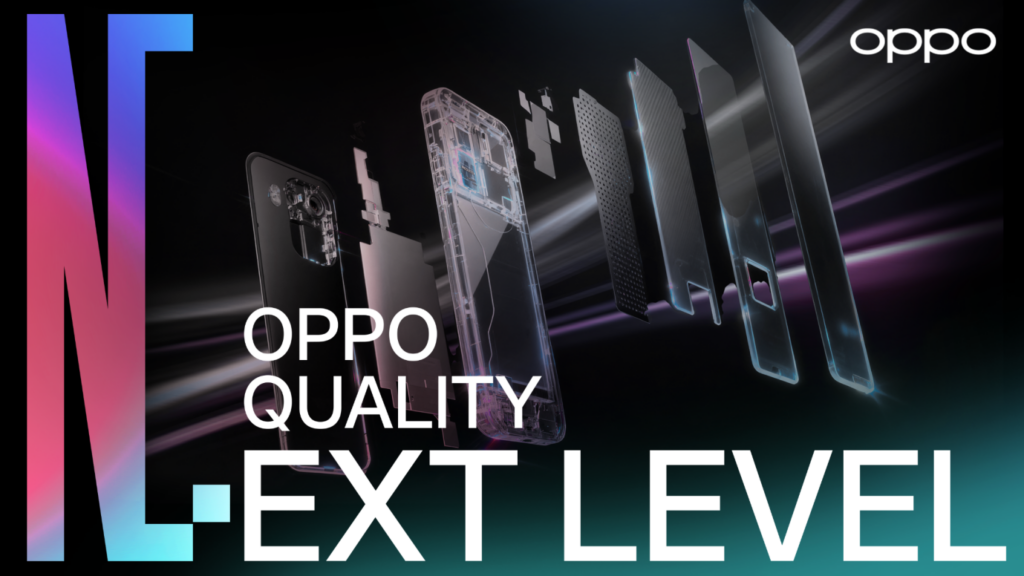
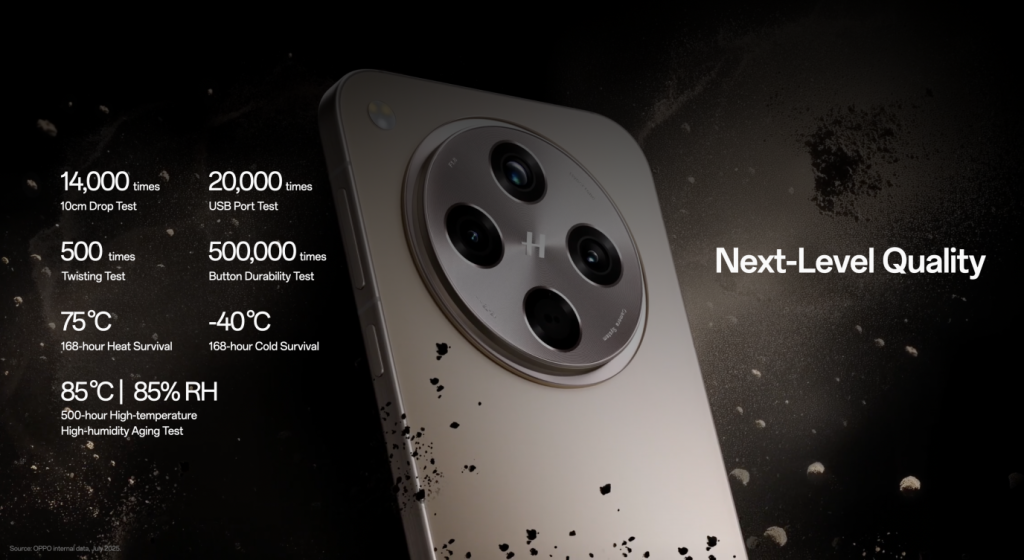
Oppo has unveiled its new Apex Guard initiative, outlining a major shift in how the company approaches long-term smartphone quality. The new suite is designed to improve reliability, durability and overall smoothness across upcoming devices. The announcement sets the stage for a deeper look into how Oppo intends to shape future product lifespans and user experience.
Apex Guard: A new approach to hardware quality
Oppo Apex Guard
Apex Guard is Oppo’s latest commitment to strengthening its entire product ecosystem. It is built around three main pillars aimed at improving reliability beyond daily use, extending the life of the device, and raising internal testing standards.
The company is focusing on more resilient structural engineering, including materials such as ultra-high-strength steel and AM04 aerospace-grade aluminium alloy. Solutions like Armour Shield further enhance resistance to drops, water exposure and everyday wear.
Another part of the suite is the silicon-carbon battery, which uses a customized silicon-carbon material to extend cell life by an additional 400 cycles, contributing to longer device endurance over the years.
Next-level software experience and long-term smoothness
Oppo has also integrated software developments into Apex Guard to maintain consistency in performance throughout the device’s lifespan. ColorOS 16 brings a refreshed animation engine for smoother transitions, while Chip-Level Dynamic Frame Sync adjusts rendering during heavy multitasking.
Sensor-Offload reduces power consumption when recording 4K 60fps video by shifting key sensor operations to the chipset. The company has introduced Instant Refresh for entry-level phones to reduce data fragmentation, and each device undergoes extended aging simulations covering 48, 60 or 72 months.
Oppo also evaluates real-world smoothness using internal testing standards such as the Parallel Animation Standard 6 Zero to ensure apps launch and switch without lag or stutter.
For more daily updates, please visit our News Section.
Huawei appears to be skipping a number again. Instead of a Mate X7, the company is reportedly jumping straight to Mate X8, and the early leaks suggest it’ll come with 20GB of RAM and a noticeably revamped design.
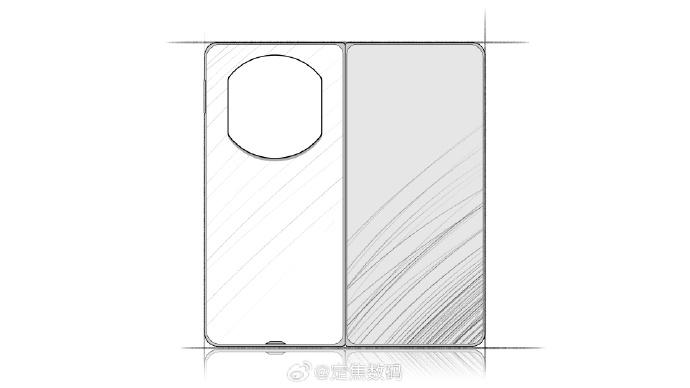
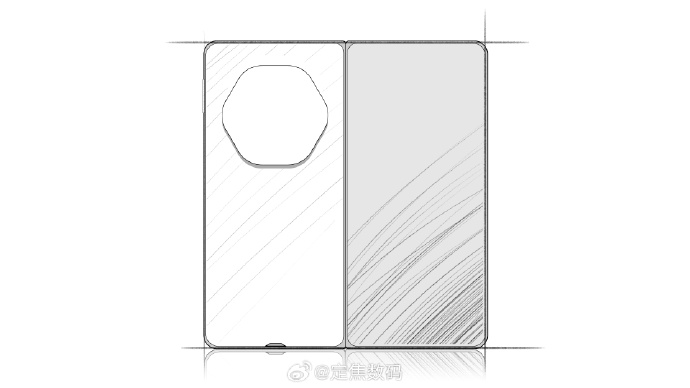
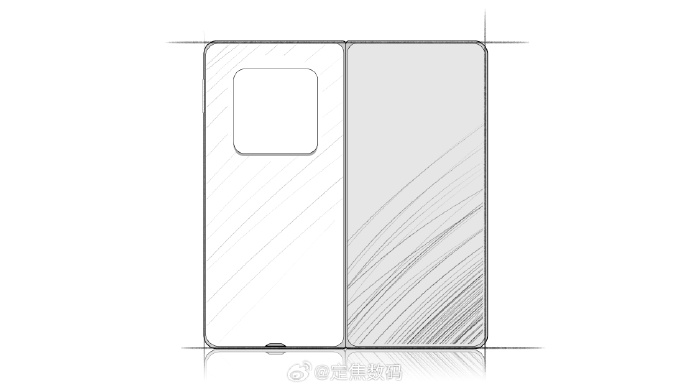
Huawei Mate X8 concept design 1
Much like the jump from the Mate X3 to the Mate X5, Huawei seems ready to sidestep the “7” branding entirely. Accessory makers have already been spotted preparing screen protectors and cases labeled “Mate X8,” which adds weight to the idea that the X7 simply won’t exist.
The Mate X8 is rumored to ship with 20GB of RAM, up from 16GB on the Mate X6 (our review). That’s a big leap for a foldable and clearly aimed at users juggling heavy apps and on-device AI features. If accurate, it could make the X8 one of the most memory-packed foldables available at launch. It could be paired with Huawei’s new Kirin 9030 chip, the successor to the Kirin 9020 found in the Mate X6. The Mate 80 series is also rumored to offer the same RAM configuration, paired with the Kirin 9030.
Concept 2Concept 3
Leaker Fixed Focus Digital claims the X8 will arrive with a “completely revamped” resign compared to last year’s model. The source posted several concept sketches, saying that one of them is close to the real design—but didn’t say which one. That hints at a meaningful change to the camera deco design.
Most 2025 book-style foldables have already had their moment—the Pixel 10 Pro Fold, Vivo X Fold5, Honor Magic V5, Oppo Find N5, and Samsung Galaxy Z Fold7 among them. Xiaomi is also switching up its naming, planning the Xiaomi 17 Fold for early 2026.
Huawei, meanwhile, seems to be taking a different route: skip a number, bump the RAM size, and offer a new look. If these leaks hold, the Mate X8 could be one of the more interesting foldables headed into next year.
Poco is expected to soon unveil the Poco F8 Pro and F8 Ultra for the global market. The announcement does not seem to be far away as the F8 Ultra was seen at multiple certifications, and it was also spotted at Geekbench recently. Now, in a new development, even the Pro version has surfaced on the said benchmarking platform.
Poco F8 Pro Geekbench listing
Poco F8 Pro Geekbench listing
The above screenshot reveals that a new Xiaomi phone with model number 2510DPC44G has appeared in Geekbench’s database. The CPU and GPU details available in the listing suggest that it is powered by the Snapdragon 8 Elite.
The listing further mentions the device has 12GB of RAM and Android 16. It scored 2,288 and 8,494 points in the single-core and multi-core tests, respectively.
There have been reports that the Poco F8 Pro could be a rebranded version of the Snapdragon 8 Elite-powered Redmi K90, which recently debuted in China. The Geekbench listing of the F8 Pro further hints that this assumption could be correct.
Reports have also claimed that there will be one major difference between the Poco F8 Pro and Redmi K90, which is in the battery department. While the K90 Pro has a massive 7,100mAh battery, the F8 Pro could be equipped with a smaller battery, but its exact size is not known yet.
Poco F8 Pro specifications (expected)
Likely, the Poco F8 Pro may arrive with a 6.59-inch OLED 1.5K 120Hz display, a 20-megapixel front camera, and a 50-megapixel (main) + 8-megapixel (ultra-wide) + 58-megapixel (2.5x telephoto) triple camera setup. It may come with 12GB+256GB and 12GB+512GB configurations and could be available in shades like black, blue, and silver.
For more daily updates, please visit our News Section.
Samsung’s next mid-range chip is inching closer to launch, and its latest stop is the Bluetooth SIG database. The Exynos 1680 has now been certified with support for Bluetooth 6.1, giving us one of the first concrete specs for the upcoming silicon.
Galaxy A56
The Galaxy A56 came with the Exynos 1580, succeeding the A55 that packed the Exynos 1480, and—as you’d expect—the upcoming A57 is widely expected to be the first phone powered by the Exynos 1680. This listing also suggests Samsung is lining things up for a release in early 2026.
The listing was spotted by Mohammed Khatri. The Exynos 1580 only supported Bluetooth 5.3, so moving to 6.1 should bring better privacy features, smoother pairing, and slightly lower power use during wireless streaming or accessories. It’s a relatively small number bump, but these low-level improvements do matter over time — especially for mid-range phones where power efficiency usually comes before brute force performance.
Samsung has been pushing the 1680 through the usual certification rounds lately, which suggests the launch is a bit behind schedule. The Exynos 1580 was announced in October 2024, and Samsung usually refreshes this lineup annually, so the 1680 showing up now points to a delayed but imminent debut.
An early Geekbench sighting has already revealed what the CPU and GPU look like. The chip seems to use an eight-core layout: one “prime” core clocked at 2.0GHz, four performance cores at 1.95GHz, and three efficiency cores running at 1.70GHz. Graphics duties fall to an Xclipse 550 GPU with two compute units at 1,306MHz, based on AMD’s RDNA 3.5 architecture. That alone should give the A57 a small graphics lift compared to last year’s model.
With Bluetooth 6.1 now confirmed, the Exynos 1680 is shaping up as a well-balanced upgrade — nothing flashy, but a solid step forward for Samsung’s mid-range lineup. Now we just have to wait for Samsung to make it official.
Samsung has expanded its premium monitor lineup with the launch of two new Movingstyle touchscreen monitors. Samsung’s The Movingstyle (LSM7F) and Movingstyle M7 Smart Monitor (M70F) have just been announced in the US, bringing various practical features for productivity and other versatile workloads. So let’s check it out.
Samsung The Movingstyle and Movingstyle M7 touchscreen smart monitors
Samsung’s The Movingstyle (LSM7F) model has just debuted with a more portable 27-inch LED display that offers QHD resolution (1440p), a 120Hz refresh rate, touchscreen support, and HDR10+. I mentioned portable since the monitor houses a 69.3Wh battery pack, which enabled it to work without a power connection. This model supports WiFi 5, Bluetooth 5.3, HDMI, and 2 USB-C ports for connectivity. Users get over 4000 pieces of art with The Movingstyle, which can be accessed via the Samsung Art Store.
You get 3 hours of battery life, although it comes with a 100W power adapter for power and charging. So, it can function as a standalone tablet. This model runs on the Tizen OS that supports Bixby, Alexa, Google Assistant, and Samsung TV Plus. For audio, there is a 10W speaker setup with Dolby Atmos support. The monitor arrives with a rollable stand that has an adjustable height, tilt, swivel, and pivot support. You also get a dedicated report and SlimFit Cam support.
2. Samsung Movingstyle M7 Smart Monitor (M70F)
Meanwhile, the Movingstyle M7 smart monitor brings a taller 32-inch flat VA panel that offers a higher 4K resolution, a standard 60Hz refresh rate, HDR10, 1 billion colors, 72 percent NTSC color gamut, and a 4ms response time. Just like the other model, it is also built for productivity; however, it offers a bigger and better screen while trading it with standalone use since it lacks a battery. But this is another smart monitor that runs on the Tizen OS that supports multi device features like Mobile to Screen, Screen Mirroring, Sound Mirroring, and more.
This also brings access to Now Brief widgets, Samsung Gaming Hub, and Samsung Vision AI. It features Samsung Knox for security, along with up to 7 years of OS updates. For connectivity options, the Movingstyle M7 supports WiFi 5, Bluetooth 5.2, HDMI 2, USB 3, and a USB Type-C. You also get 10W speakers with Adaptive Sound+. The stand with adjustable height makes a return here, with pivot and swing support. It runs on an AC 100-240V power adapter and comes with a dedicated remote control.
3. Pricing and Availability
Samsung has just announced The Movingstyle and Movingstyle M7 in the US market. It is available from the brand’s official website and select retail partners. The Movingstyle (LSM7F) was just announced for 1,199 US Dollars, while the Movinstyle M7 Smart Monitor is listed for 699.99 US Dollars. There is also a limited time deal that brings a 200 US Dollar credit that can be availed at Samsung.com.
For more daily updates, please visit our News Section.
Huawei Habo has made a major move in the field of physical artificial intelligence by investing in GigaAI, a young but fast-growing startup focused on world-model-based general intelligence. The investment marks a key milestone in Huawei’s strategy to expand deeper into embodied intelligence and next-generation autonomous systems.
Funding Overview
GigaAI recently completed its hundred-million-yuan Series A1 funding round in early November. The round was jointly led by Huawei Habo Investment and Huakong Fund, showing strong backing from major industry players.
This comes just two months after GigaVision, part of GigaAI’s ecosystem, secured several hundred million yuan in its Pre-A and Pre-A+ rounds in August. Together, the rapid funding rounds signal rising confidence in GigaAI’s technology and potential.
About GigaAI
Founded in 2023, GigaAI is positioned as China’s first startup dedicated to world model research in physical AI. The company focuses on developing world-model-driven general intelligence that can operate effectively in real-world environments.
Its mission is to build the next generation of intelligent systems that understand, predict, and interact with the physical world, enabling breakthroughs in autonomous driving, robotics, and embodied AI.
GigaAI’s Product Ecosystem and Technology
GigaAI operates through a full-stack ecosystem that combines both software and hardware:
GigaWorld Platform: Built for driving intelligence and advanced embodied intelligence.
GigaBrain Foundational Model: A core model enabling adaptive, world-model-based AI decisions.
Maker General Embodied Ontology: A structured knowledge layer for physical agents and developers.
By integrating these components, GigaAI provides end-to-end solutions for complex physical environments. Its technology is already being applied to areas such as autonomous driving, robotics, and general embodied AI systems.
source: AI Generated image
Huawei’s Strategic Vision Behind the Investment
The investment reflects Huawei’s broader shift from traditional VLA (Vision-Language-Action) models, which rely heavily on language models, to a WA (World Action) strategy.
WA emphasizes using vision and physical signals directly to control vehicles and intelligent agents. This approach, supported by Huawei Intelligent Automotive Solutions BU CEO Jin Yuzhi, is now a central part of Huawei’s long-term AI roadmap.
By backing GigaAI, Huawei aims to accelerate developments in world models, physical AI, and embodied intelligence, strengthening its position in the next wave of autonomous and intelligent mobility technologies.
Impact on Everyday Consumers and Global Competition
For the general public, this development could translate into practical improvements such as safer autonomous vehicles, smarter home and service robots, and more reliable AI assistants that can understand and react to real-world situations, not just digital inputs.
Analysts believe this shift toward physical AI may trigger a technological transformation similar to the rise of smartphones, bringing intelligent machines into daily life in more meaningful ways.
On a global scale, Huawei’s move increases competitive pressure on the United States, particularly in fields like robotics, autonomous driving, and world-model research. As China strengthens its capabilities in physical AI, it could intensify the ongoing technology rivalry and prompt the US to accelerate its own advancements in next-generation autonomous systems.
Industry Significance and Future
Industry experts view this investment as more than financial support. It represents a strategic partnership that could speed up the development of world-model-driven AI and expand Huawei’s capabilities in real-world automation.
GigaAI’s strong full-stack capabilities and rapid funding growth position it as a rising leader in physical AI. The collaboration is expected to drive new advances in autonomous driving, robotics, and large-scale embodied AI deployment, marking a significant step toward the future of intelligent systems in China.
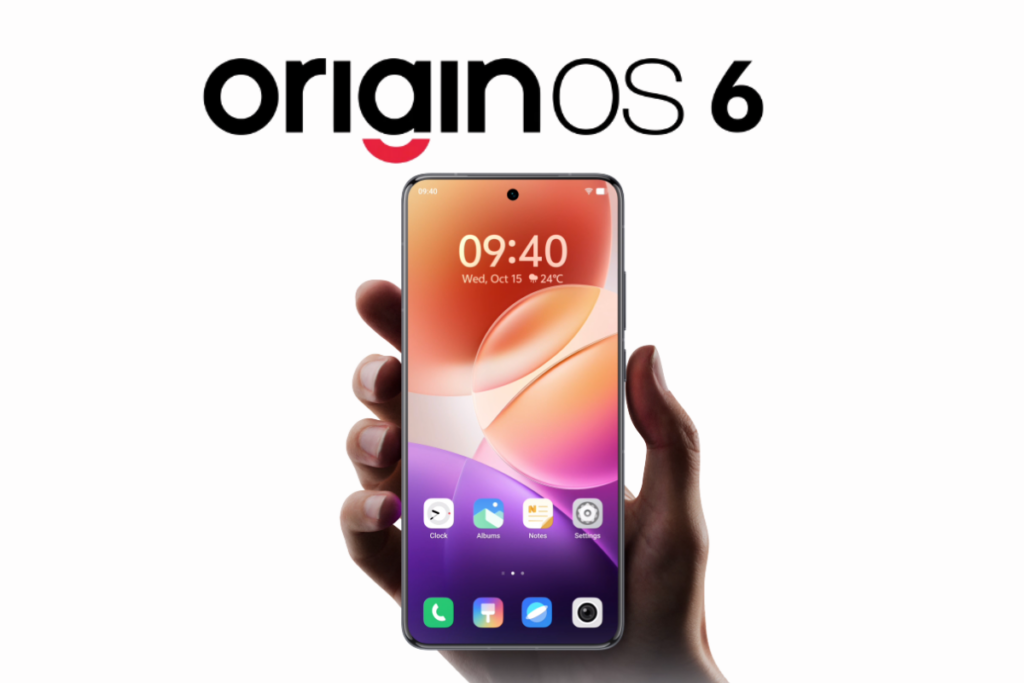
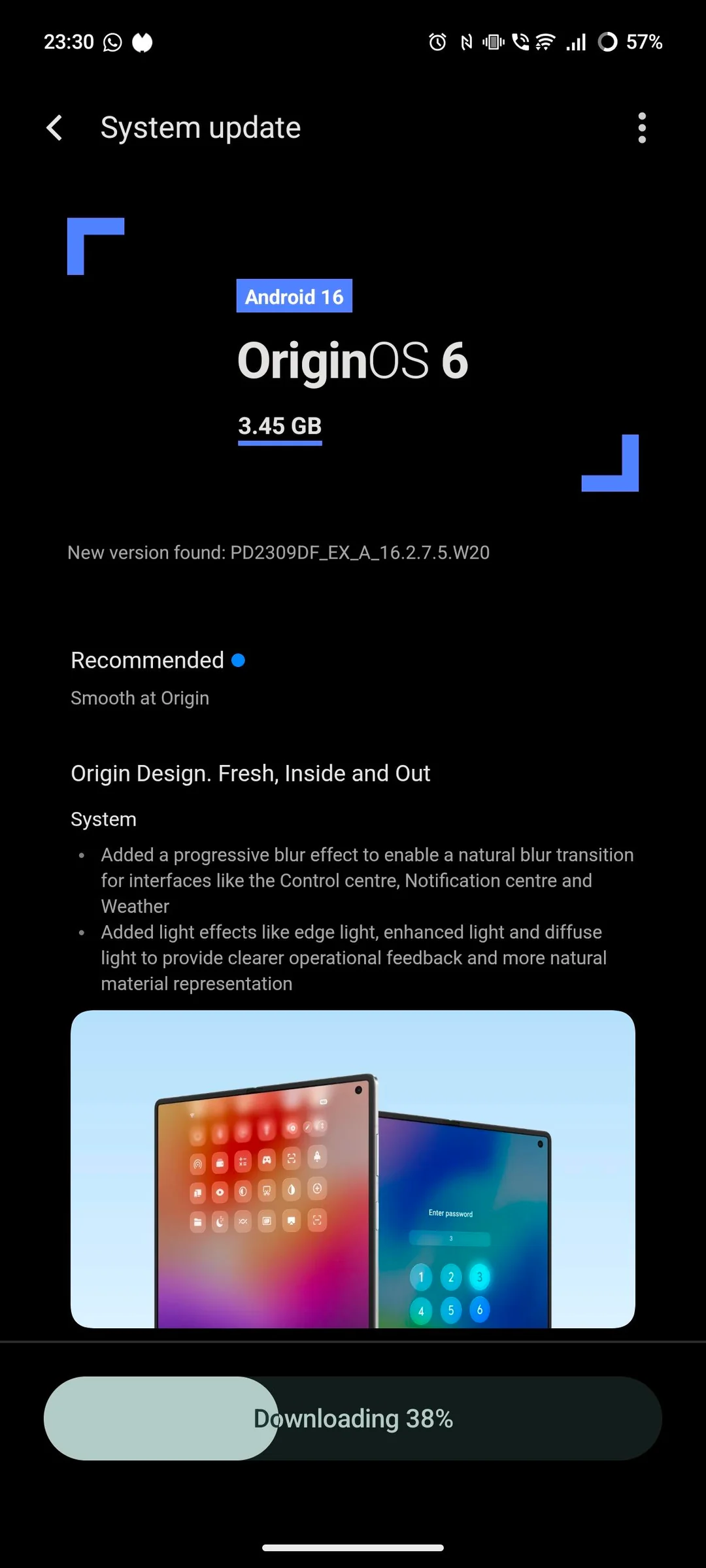
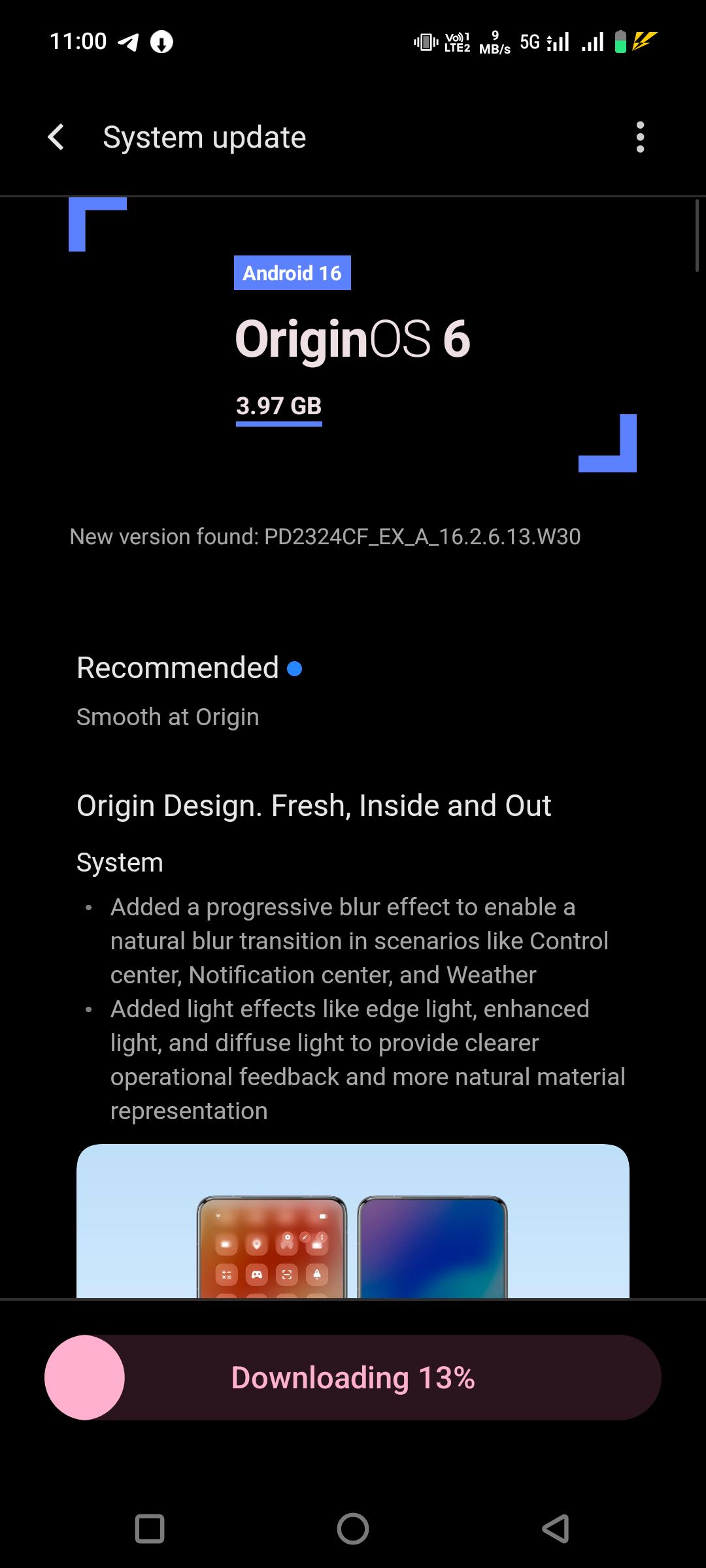
As promised, Vivo has released the OriginOS 6 update for the Vivo X100 and X100 Pro in mid-November. The update is currently available as a trial version (another name for a beta version), though the stable release should also be around the corner.
The OriginOS 6 trial version for the Vivo X100 comes with the firmware version PD2309F_EX_16.2.7.5.W30, whereas the X100 Pro is tagged as PD2324F_EX_A_16.2.6.13.W30. This is one of the biggest upgrades to Vivo phones in recent years, and that also reflects in the package size, which measures nearly 4GB. It’s best to switch to a reliable Wi-Fi connection to download such massive update packages.
If you have a Vivo X100 or X100 Pro and want to install the OriginOS 6 trial version, navigate to Settings > About phone > System updates, tap the three dots icon, and select Trial version. You should see the OriginOS 6 update on your screen. Before downloading the update, ensure that your device has sufficient storage and that it has at least 50% battery before installing it. You can also back up important data beforehand for additional protection.
Here’s the complete changelog OriginOS 6 changelog:
System
Added light effects like edge light, enhanced light, and diffuse light to provide clearer operational feedback and more natural material representation
Added a card list to present complex information in a more intuitive and organized way
Added global G2 rounded corners by reconstructing the underlying rendering mechanism, making rounded corner display more real-time and stable
Added vivo Sans system font with stepless weight adjustment, providing a comfortable and natural reading experience. This feature is supported in some system languages only
Optimized system materials, background blur, and transparency to enhance the visual texture and transparency of the system
Optimized the title bar to improve browsing efficiency and layout consistency
Optimized the styles and dynamic effects of empty-state icons on empty pages
Optimized the visual design of system controls to enhance the visual experience during browsing and tapping
Optimized Landscape mode controls to improve usability
Optimized color system for a comfortable and natural browsing experience
Optimized app theme colors to give apps more personalized
Lock screen
Added classic and personalized clock styles for the lock screen, allowing you to choose different clock styles to match the wallpaper
Added the classic clock font and weight editing capability, allowing you to change fonts and weight
Added the custom HSL color feature for the clock, allowing you to choose clock colors to match the lock screen wallpaper. You can separately set colors for the hour and minute hands for some personalized clocks
Added the clock position adjustment capability, allowing you to tap and hold the clock on the integrated settings page and lock screen editing page and drag it to a required position Added the font height editing capability for the personalized clock, allowing you to drag the clock area on the lock screen editing page to adjust its size
Added the lock screen kit feature, which allows you to view
important information such as weather, step count, and device battery level on the lock screen and combine kits to enrich the overall visual effect of the lock screen
Added lock screen notification display methods, allowing you to set the default notification display as number, stack, or list Improved lock screen bottom layout for better space efficiency.
Optimized the lock screen notification display by repositioning it to the bottom of the screen
Home screen
Added 4×7 home screen layout and integrated Klotski Grid for a neater and more visually appealing look
Added the features of pinning apps to top and creating folders in Drawer mode
Added the batch operation feature in Drawer mode, allowing you to batch add apps to the home screen and group therm into folders
Optimized app recommendation logic in Drawer mode, supporting app recommendations based on time, location, and habits
Optimized folder morphing, supporting 2×1 and 1×2 layouts with custom colors
Widgets
Added more widgets and optimized widget display, increasing variety and upgrading visuals
Control Center
Added the separated Control center. You can swipe down from the upper left or upper right corner to bring up Notification center or Control center respectively, enabling more similar content to be displayed on the same page and improving display efficiency.
Added an expanded volume adjustment bar for easier volume adjustment in the merged Control center.
Optimized the overall layout of the merged Control center to enhance overall visual experience with materials and style
Notification center
Added new notification card styles with upgrades to icons and layout
Origin smooth engine
Added super-core computing. The new scheduling system improves computing efficiency, quickens app startup, response, and loading, and improves slide smoothness and multitasking use smoothness
Added storage fusion with a self-developed storage transmission framework, building a storage VIP channel to significantly improve file transfer efficiency and enable instant loading of massive photos
Added a dual rendering architecture of “Unified rendering architecture” + “Decoupled rendering architecture”, significantly improving rendering efficiency and making system animations more natural
Added Rapid response, a new app startup process with optimized touch and rendering pipelines, powered by a computing power priority scheduling algorithm to boost launch speed.
Added Snap-up engine to help you secure tickets and deals faster in IRCTC and Bookmyshow apps
Added more dynamic effect styles for scenarios like charging, fingerprint unlock, and USB connection
Added morphing animations for expanding and collapsing Origin island and ripple effects for moving home screen apps and kits, bringing a comfortable and expressive visual experience.
Origin island
Added Origin islant, a global information transfer window providing intuitive notifications to help you efficiently know about systern status changes, key information, and music playback details. Go to Settings Notifications & status bar Origin island.
Added Copy & go, providing a suggested app thesed on your copied information for quick sccess to the app. Go-to Settings > Notifications & status bar > Origin island > Context suggestions > Copy & go
Added Drag & go, enabling informetion sharing by dragging across apps. Go to Settings > Notifications & status bar > Origin island > Drag & go
Added Contest suggestions, offering proactive and considerate recommendations for cortetuting and office meeting summaries. Do to Settings > Notifications & status bar > Origin island > Context suggestions
Super Dragging
Added Super Dragging, allowing you to transfer sundert a apps by tapping and holding content and dragging it to another app window or Origin island. Go to Settings > Shortcuts & accessibility > Super Dragging
Al Captions
Added the Al Captions system service, which converts speech to text in real-time for seamless communication and offers. Al services like live speech recognition, multilingual translation and intelligent text summary to improve information access efficiency across all scenarios
Al Creation
Optimized the feature panel of Al Creation, with upgrades to layout and visual effects for a better experience
Global search
Added Al Search, supporting anarch for documents, notes, and settings on the device by using natural language description in multiple languages, and supporting Al analysts and summary for higher efficiency
Office Kit
Added the Office Kill app. You can download and install the app by visiting ac vivaglobal com on your computer to ty features such as device connectivity and data transfer between your phone and Mac or Windows computers
Added screen mirroring to Windows and Mac computers, allowing real-time control without touching the phone and supporting image, video, and file transfer by dragging across
Added the cross-device file transfer capability, which allows you to transfer data between phones and Windows or Mac computers during sharing or in Ongin island after signing in to your account and connecting to a network, with no limits on the number and file format (Including entire folders).
Added Notes for Windows and Mac computers, enabling note taking and viewing anytime, anywhere. Offered a comprehentaive range of note organization and management features, meluding categorization, label managerment and search-making it easy to organize and find your notes
Added the task handoff feature, allowing ongoing tasks to be quickly handed off from the phone to a Windows or Mac computer, such as phone notifications and screenshots
Added the Super Clipboard feature, slowing you to copy and paste phone text or images to a Windows or Mac computer via the clipboard with one tap
Vivo DocMaster
Added the vivo DarMaster app, which you to open documents in different formats like PDF, Word, PPT, Excel, TAT Markdown, and Visin. The app also provides the PDF annotation capability to improve document handling efficiency
Added multiple document format conversions, such as PDF and Word/Excel/PPT to PDF or images
File Manager
Added the File Manager app, which allows you to search for files by file type, source app, or storage path, and add frequently used apps or folders to the “Quick access for quick access
Notes
Added the separate to-do feature, which allows you to record view, and manage daily to-dos, and set reminders and home screen to-do list to avoid missing important tasks.
Added note style and effect tools with rich text formats symbols, and parting lines for personalized editing of notes
Added multi-level folders, allowing you to create nested folders for clearer note management
Recorder
Added the features of Skip silent segments, Recently deleted, and Loop to make Recorder easier to use
Albums
Added Immersive view for a more engaging nenew of your past memories. Go to Albums > Photos page > More > Immersive view
Added a navigation bar at the bottom of the large image view for quick photo switching and free video playback control
Optimized the layout of the image and video editing feature for better editing experience
Added reversible editing, which supports saving and edit restoration
Optimized live photo editing, which supports live photo
Battery life
Added global Bypass Charging, which adjusts temperature and power during use to balance user experience and charging heat
Added energy efficiency engine, optimize CPU and cache scheduling, and shortened cache access path to improve overall battery-performance
Optimized system lightweight design and improved system app load and battery usage to enhance overall battery performance
Private space
Added Private space, to which you can download apps and move files to protect your personal privacy, Go to Settings > security & privacy > Private space
Security & Private
Added clipboard privacy recoginition to recognize and protect sensitive content, preventing apps from accessing private data
Added blank data authorization for any requests to access Call logs, SMS, Contacts, and Events, ensuring functionality while reducing privacy leakage risks
Display, brightness & eye protection
Added Motion prompts, allowing you to relieve motion sickness when riding public transport by using supporting dots. Path: Settings > Shortcuts & accessibility > Motion prompts. You can also turn it on in Control center
Added Sleep comfort mode, which fine-tunes screen color temperature before bedtime to reduce blue light impact and improve sleep quality. Go to Settings > Display, brightness, & eye protection > Sleep comfort mode
Optimized Dark mode visibility and comfort, ensuring readability during the day and preventing eye strain at night
Upgraded Eye comfort and protection and integrated capabilities like Eye Protection and Sleep comfort mode, providing all-day eye protection experience for all users in different scenarios
More
Health
Added the Origin Health built-in app, which tracks your daily activity rings and health, empowering you to live a healthier life
Settings
Optimized group and order settings for clearer display and more consistent experience
Screen Mirroring
Added the quick access to Screen Mirroring from Albums for smoother file sharing
Added the audio switching feature to allow you to choose sound output from a large screen or phone screen
Added the screen mirroring annotation feature to annotate and highlight shared content for clearer explanation
Clock
Added features such as setting alarms by date, flipping the phone to turn off alarms, and customizing alarm repetition modes to better fit daily alarm use scenarios
iManager
Optimized Phone Manager design for a quick overview of storage, security, and data usage
Sound and vibration
Added stepless adjustment of vibration intensity, allowing precise customization of vibration intensity via a touch slider. Go to Settings > Sounds & vibration > Vibration intensity > Haptic feedback
Added haptic feedback for scenarios like Setup Wizard, volume button tap-and-hold, and background task clearing
Network
Optimized the accuracy of recognizing scenarios like leaving home and entering an elevator and switched to a data network in advance to improve network access smoothness in these scenarios. Go to Wi-Fi > Network assistant > Auto-switch data network, Data network acceleration, or Select best Wi-Fi network to turn it on
Regularly visit our Android 16 section for the latest updates. Also, don’t forget to join our Telegram channel for instant updates about the latest happenings in tech.
For the past few years, OnePlus has been launching its numbered flagship along with “R” branded sub-flagship together . while the brand globally unveiled the Oneplus 15 yesterday, the OnePlus 15R was missing from the scene. However, at the end of launch livestream, the brand did confirm its existence and told fans to stay tuned.
OnePlus 15R: what to expect?
OnePlus 15R officially confirmed
Likely, the OnePlus 15R could either be based on the OnePlus Ace 6 or the Ace 6T designed for the Chinese market. While then Snapdragon 8 Elite-powered Ace 6 is already available in china, the company is expected to announce the Ace 6T with the all-new Snapdragon 8 Gen 5 onboard.
OnePlus Ace 6T, Ace 6 specifications
As per reports, the OnePlus Ace 6T will feature a 1.5K 165Hz OLED screen. Under the hood, it will feature the Snapdragon 8 Gen 5 chip and an 8,000mah battery with 100W charging support. The Ace 6T will feature a 32-megapixel front camera and a 50-megapixel + 8-megapizel dual camera setup on the back. It will have other features, such as ColorOS 16-based Android 16, a metal middle frame, an ultrasonic in-display fingerprint sensor, an X-axis linear motor, dual speakers, and NFC support.
On the other hand, the Snapdragon 8 Elite-powered Ace 6 has a larger 6.83-inch OLED screen with resolution and refresh rate and a slightly smaller 7800mah battery with 120W charging. it has a 16 megapixel front camera and it’s rest specs are nearly identical to the Ace 6T.
For more daily updates, please visit our News Section.
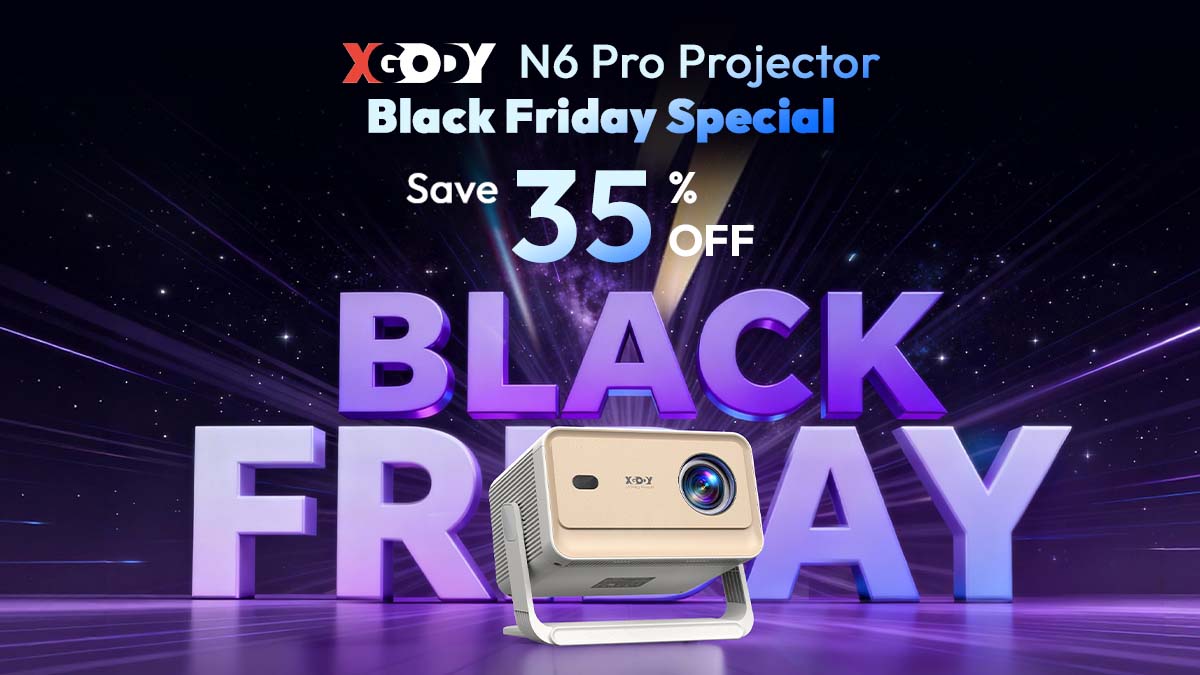
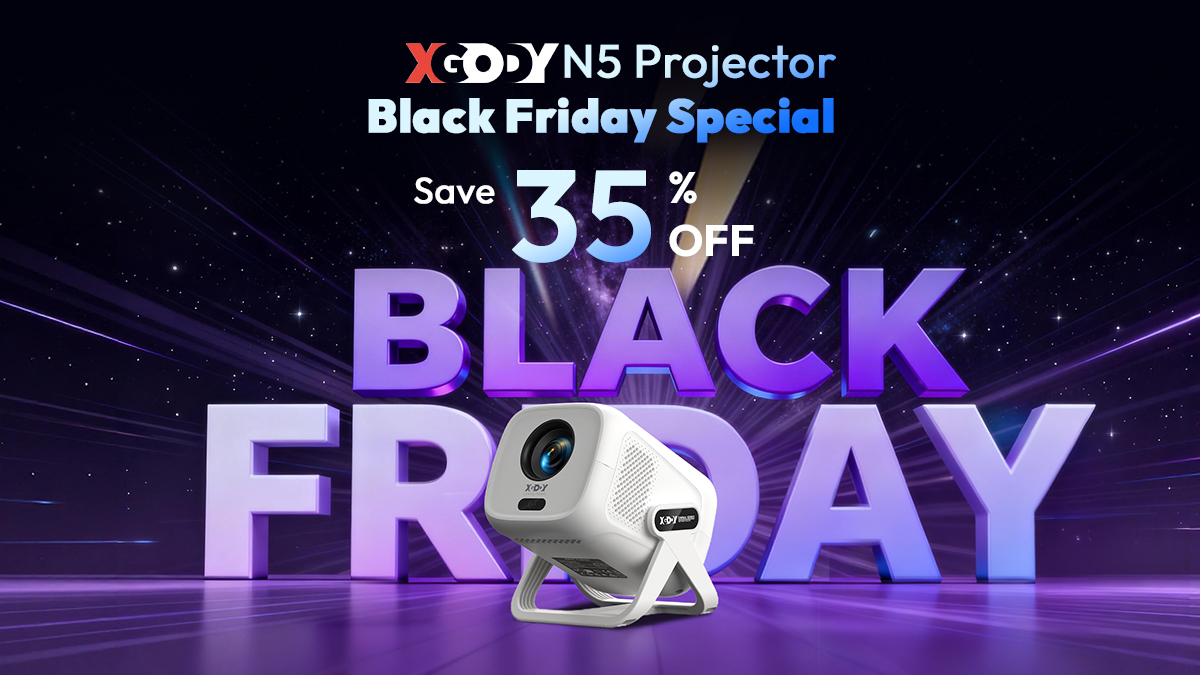
As more people look for flexible and immersive ways to enjoy movies, games, and online content, projectors have become a smart alternative to traditional TVs. They offer bigger screens, easier portability, and the freedom to transform any wall into a viewing space. Among the brands bringing this experience into everyday homes, XGODY stands out with its practical, user-friendly approach. The company’s N6Pro and N5 projectors are designed to give users clear visuals, simple setup, and smart streaming features for modern entertainment needs, and they are now available at massive discounts for a limited time.
XGODY N6Pro: Smarter Projection With Premium Visual Quality
High-Definition Display & Eye-Friendly Brightness
The XGODY N6Pro delivers clear and detailed visuals with native 1080P resolution and HDR10 support, making movies, shows, and games appear sharp and lifelike. With 700 ANSI lumens and a 5000:1 contrast ratio, the colors remain bright and vivid, while darker scenes maintain depth and clarity. The projector offers three brightness levels, ensuring comfortable viewing whether you use it during the day or at night.
Built-In Smart Streaming With Whale OS
The N6Pro runs on Whale OS, an intelligent and user-friendly system that includes official Netflix certification. It comes pre-installed with major apps like Netflix, YouTube, Prime Video, and Disney+, and supports more than 8,000 additional applications. With 32GB of storage, users can install multiple apps without worrying about space.
Fast Connectivity & Flexible Casting
Equipped with WiFi 6.0 and Bluetooth 5.4, the N6Pro ensures smooth streaming and quick pairing with speakers and other devices. It supports AirPlay, Miracast, Transscreen, and TV Cast, making it compatible with both iOS and Android devices. It also works well with Fire TV Stick, gaming consoles, and Bluetooth soundbars.
Instant Setup With Smart Auto Adjustments
The projector features auto focus, remote focus, auto keystone correction, auto obstacle avoidance, and auto screen alignment, allowing it to adjust the image in just seconds. This makes the setup process effortless, even in tight or uneven spaces.
Designed for Versatility
With an integrated 135° rotating stand, the N6Pro can project on walls, ceilings, or angled surfaces. It includes an AI voice control remote and a built-in 5W speaker, delivering convenient operation and crisp audio. Whether used in the living room or during a backyard movie night, it easily adapts to different environments.
XGODY N5: Smart, Compact, and Built for Everyday Viewing
Clear and Vibrant Visuals
The XGODY N5 features native 1080P resolution, 4K decoding, and HDR10, offering excellent clarity and color accuracy. With 450 ANSI lumens and a 3000:1 contrast ratio, the N5 provides bright, vibrant images suitable for films, presentations, and streaming. It supports up to 1 billion colors, ensuring smooth gradients and realistic visuals.
Smart OS With Certified Apps
Like the N6Pro, the N5 is powered by Whale OS and includes official Netflix certification. It comes pre-installed with popular apps such as Netflix, YouTube, Prime Video, and Disney+. The interface is smooth, responsive, and easy for all age groups to navigate.
Reliable Connectivity & Casting Support
The N5 offers WiFi 6.0 and Bluetooth 5.2, giving users stable wireless performance for streaming and pairing devices. It supports Transscreen, TV Cast, and Miracast for both iOS and Android phones. It also works perfectly with Fire TV Stick, consoles, and Bluetooth speakers, providing a flexible viewing setup.
Smart Auto Adjustments & Easy Use
The projector includes auto focus and auto keystone correction, allowing it to fine-tune the picture automatically within seconds. This makes it ideal for quick setups in any room.
Practical Design With Immersive Audio
The N5 features a built-in 135° swivel mount, eliminating the need for a tripod. It also includes AI voice control and supports Dolby audio, enhancing the overall viewing experience with clear and immersive sound.
Promotions Available
Both the XGODY N6Pro and XGODY N5 currently have special promotions and discounts available, making them even more accessible for users looking to upgrade their home entertainment setup. Here are the exclusive 35% discount ($50 off) codes – “XGDN6R88” and “XGDN5R88 ” for the XGODY N6 Pro and XGODY N5, respectively, on Amazon.
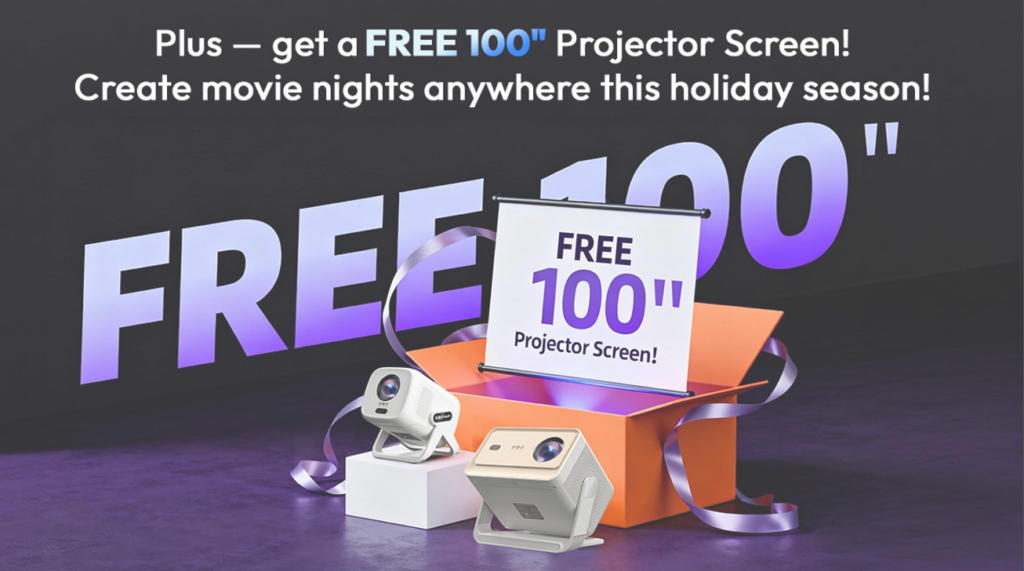
The brand has announced a limited-time giveaway campaign for early buyers, which runs from November 18 to January 31, 2026. Users can register through the banner on the official website or by contacting XGODY via email or social media. And customers can find these offers on Amazon and the official XGODY website for a limited time.
Xiaomi has officially begun rolling out the HyperOS 3 update for a bunch of 13 Xiaomi and Redmi devices. These smartphones and tablets are getting the official stable build of the Android 16 based custom UI, bringing various upgrades and changes to Xiaomi’s vision of Android skin. So here are all the details.
The Chinese tech giant recently released the HyperOS 3 stable build for the Xiaomi Pad 7. Later this month, a bunch of other models were also confirmed to receive the major OS upgrade. And now, the company is rolling out the update for a batch of 13 Xiaomi and Redmi branded devices. Considering the big changes in the HyperOS 3, the update has a hefty download size, which is around 7.3GB to 7.6GB.
So here is the full list of devices that are receiving the update:
Xiaomi Pad 6S Pro 12.4
Xiaomi 14 Ultra
Xiaomi 14 Ultra Titanium Special Edition
Xiaomi 14 Pro
Xiaomi 14 Pro Titanium Special Edition
Xiaomi 14
Xiaomi MIX Fold 4
Xiaomi MIX Flip
Xiaomi Civi 4 Pro
Redmi K70 Pro
Redmi K70 Ultimate Edition
Redmi K70
Redmi K70E
Based on what we know so far, the company is set to release the HyperOS 3 update for a bunch of other models as well, which include:
POCO F7 Pro
POCO F7
POCO X7 Pro
POCO X7 Pro Iron Man Edition
POCO X7
Redmi Note 14 Pro+
Redmi Note 14 Pro 5G
Redmi Note 14 Pro
Redmi Note 14
For more daily updates, please visit our News Section.
BenQ has introduced the BenQ ScreenBar Halo 2 for users who work in dim or shifting lighting conditions. The desk lighting solution is designed for professionals, gamers and creators. Continue reading to learn everything revealed about the new model.
BenQ ScreenBar Halo 2 specifications and features
BenQ ScreenBar Halo 2
The BenQ ScreenBar Halo 2 arrives as a refined monitor light developed after several years of research and user studies. It features a dual-light system and a triple-curvature backlight arrangement that spreads illumination much wider than the previous generation. This broader coverage helps lower the contrast between the screen and the surrounding area, reducing visual fatigue during long work sessions.
BenQ’s ASYM-Light optical technology directs light at an 18-degree cut-off angle so it falls on the desk instead of the monitor surface, eliminating reflections and maintaining clarity. The light can be adjusted using a redesigned wireless control dial with an anti-fingerprint finish. Users can smoothly tune brightness from 0 to 100 percent and shift the colour temperature between 2700K and 6500K. The new zinc alloy mounting clamp supports a range of monitor designs, including curved and ultra-slim models, while resting gently on the display without applying pressure.
Additional features include auto-dimming based on surrounding light, motion detection that turns the light on when the user returns, and memory settings that store preferred brightness and warmth levels. The Halo 2 has been co-designed with MINIMAL Design and carries a clean metallic look that matches BenQ’s PD, RD, MOBIUZ and MA series monitors.
BenQ ScreenBar Halo 2 price in India, availability
The BenQ ScreenBar Halo 2 is available for purchase in India for Rs 17,490 (~$200). It can be bought through the BenQ India E-Store, Amazon India and select retail outlets. BenQ has not indicated any special editions or alternate versions for other markets at the moment.
Samsung has expanded its Galaxy Book 5 lineup with a new model that stands apart from the existing standard, Pro and 360 versions. Spotted by XpertPick, the newly listed Galaxy Book 5 Edge 5G introduces built-in 5G connectivity, making it the only version in the series capable of offering mobile data access through a SIM card. Here’s everything you need to know about the new Galaxy Book 5 variant.
Samsung Galaxy Book 5 Edge 5G specifications and features
Samsung Galaxy Book 5 Edge 5G
The Galaxy Book 5 Edge 5G features a 15.6-inch Full HD IPS screen with an anti-glare finish, designed for comfortable viewing during long hours of use. It weighs around 1.66kg and has a slim 15.5mm profile, making it easy to carry despite its large display size. For audio, Samsung includes stereo speakers tuned with Dolby Atmos for a more immersive sound experience.
Under the hood, the device runs on the Snapdragon X processor (X1-26-100) paired with Adreno graphics. It comes with 16GB of LPDDR5X RAM and offers 512GB of eUFS storage, giving users enough performance headroom for multitasking, productivity and entertainment needs.
Samsung Galaxy Book 5 Edge 5G price
The laptop is equipped with a 61.2Wh battery that supports superfast charging through the included 65W USB-C adapter. Connectivity options are extensive, including 5G Sub6 support via SIM slot, Wi-Fi 7, Bluetooth 5.4, two USB 4.0 ports, USB 3.2, HDMI 2.1 for 4K output at 60Hz, a microSD card slot and a headphone/mic combo jack.
Samsung Galaxy Book 5 Edge 5G price and availability
Samsung has priced the Galaxy Book 5 Edge 5G at £949 (approximately Rs 1,10,680) on the UK website. The model is available only in a Sapphire Blue colour and is currently listed in a single 512GB configuration. For now, Samsung has not confirmed whether the Galaxy Book 5 Edge 5G will debut in other global markets.
For more daily updates, please visit our News Section.
Asus finally begins rolling out the Android 16 update, and it’s none other than the Zenfone 12 Ultra and ROG Phone 9 getting the first bites. Both devices were also part of the beta program, which began in August, and after three months, they are now receiving the stable version.
The Android 16 update for the Zenfone 12 Ultra and ROG Phone 9 comes with the firmware version 36.0810.1810.43. Since it’s a major upgrade, the download size should be over a gigabyte; hence, it’s recommended to switch to a Wi-Fi connection to download such large update packages.
If you’re rocking a Zenone 12 Ultra or ROG Phone 9, go to Settings > System and tap System updates to check if the update is available. As the rollout usually happens in batches, the update may take a few days to reach all users.
The Android 16 upgrade for Zenfone 12 Ultra and ROG Phone 9 doesn’t bring groundbreaking features or major UI changes, but it brings notable improvements and minor additions to further improve the software experience, including a new way to trigger predictive back gesture, a new skip countdown button to the screen recording feature, and the ability to trigger digital assistant by long-pressing the power button.
The update also fixes the occasional no sound issue during calls with Bluetooth headsets. For ROG phones, Android 16 includes updated game profiles, updated AirTrigger profiles, and updated Macro profiles in ROG Instant Master for many popular games.
Here’s the complete Android 16 changelog:
Adjusted the system navigation settings. The Predictive Back animation can be triggered by either the back gesture or long-pressing the back button.
Added a power button option in the advanced setting, allowing users to configure quick access to the digital assistant by long-pressing the power button.
Added the skip countdown button to the screen recording feature.
In About Phone > Status setting, users can long-press the IMEI or Serial number field to copy the content.
Fix the issue of occasional no sound during calls with Bluetooth headsets.
Some 3rd-party apps are not compatible with Android 16 yet.
Updated game profiles for the following games: Arena of Valor (TW), Arena of Valor (US), Garena Delta Force (TW) (Cooler X Pro), Delta Force (WW) (Cooler X Pro), Genshin Impact (WW), Free Fire (WW), KartRider Rush+ (WW), Mobile Legends: Bang Bang (WW).
Updated AirTrigger profiles in ROG Instant Master for the following games: NEW STATE: NEW ERA OF BR (WW), Brawl Stars (WW), Genshin Impact (WW), Black Desert Mobile (WW), GODDESS OF VICTORY: NIKKE (TW) (Cooler X Pro), GODDESS OF VICTORY: NIKKE (WW) (Cooler X Pro), Racing Master (SEA)(Cooler X Pro), Need for Speed Mobile (TW).
Updated Macro profiles in ROG Instant Master for the following games: Arena of Valor (TW), Arena of Valor (US), Zenless Zone Zero (WW), Mobile Legends: Bang Bang (WW), Genshin Impact (WW), Honor of Kings (WW), League of Legends: Wild Rift (TW), League of Legends: Wild Rift (US).
The gaming-related changes (last three bullet points) do not apply to the Zenfone 12 Ultra.
Both Asus phones were launched with Android 15 out of the box, and therefore, it’s the first major Android upgrade for them. Sadly, they will receive just one more OS upgrade before reaching the end of major upgrades. However, they will continue to receive security updates for a few more years.
Remember to visit the Asus section on Gizmochina regularly to get the latest updates. Alternatively, you can join our Telegram channel to get instant notification about latest software updates, product launches, and breaking tech news.
But now we’re getting the closest thing to a full reveal. Reliable tipster Digital Chat Station has posted what looks like the complete spec sheet for the Honor 500 Pro on Weibo.
Honor 500 Pro Specifications
The Honor 500 Pro seems to mix familiar mid-range features with a few specs you usually see on premium phones. On the front, the device reportedly comes with a 6.55-inch display with a 2736×1264 resolution and a 120Hz refresh rate.
The design also sticks to the recent trend of clean, simple shapes, featuring a large flat panel with rounded corners and a metal frame.
Honor 500 Pro
Inside, the phone is said to run on the Snapdragon 8 Elite processor. It’s said to be paired with 16GB of RAM and a massive 1TB of storage, but that’s likely the highest-tier option. We are expecting the lineup to start at 12GB of RAM and 256GB of storage, like its predecessor.
One of the biggest highlights is the 8000mAh silicon battery. And previous leaks add that it will support 80W wired and 50W wireless charging. The device will run on MagicOS 10 based on Android 16.
Honor is also going big on cameras this year. The phone reportedly has a 200MP main sensor, although DCS says that the final image quality may not match early prototypes because of “limitations in image processing.”
Other hardware extras round out the package. It has a 3D ultrasonic fingerprint sensor, Honor’s self-developed C1+ RF enhancement chip for improved signal performance, and an E2 energy efficiency chip to help manage the large battery.
For more daily updates, please visit our News Section.
We use cookies on our website to give you the most relevant experience by remembering your preferences and repeat visits. By clicking “Accept”, you consent to the use of ALL the cookies.
This website uses cookies to improve your experience while you navigate through the website. Out of these, the cookies that are categorized as necessary are stored on your browser as they are essential for the working of basic functionalities of the website. We also use third-party cookies that help us analyze and understand how you use this website. These cookies will be stored in your browser only with your consent. You also have the option to opt-out of these cookies. But opting out of some of these cookies may affect your browsing experience.
Necessary cookies are absolutely essential for the website to function properly. This category only includes cookies that ensures basic functionalities and security features of the website. These cookies do not store any personal information.
Any cookies that may not be particularly necessary for the website to function and is used specifically to collect user personal data via analytics, ads, other embedded contents are termed as non-necessary cookies. It is mandatory to procure user consent prior to running these cookies on your website.