Samsung Electronics spent a massive amount on Research and Development in 2019 according to the latest report from the company. Despite the fact, Samsung recorded one of its worst performances in the last five years due to a slow-moving chip business. The chaebol invested heavily in its R&D wing to focus on developing new growth drivers.
The South Korean tech conglomerate revealed its total expenditure on R&D last Wednesday, which stands at a massive 20.19 trillion won, roughly $16.6 billion. The figures are up by 8.3 percent from 18.65 trillion won, roughly $15.3 billion, back in 2018. Samsung invested heavily in R&D despite operating revenue falling by 52.8% YoY to 27.76 trillion won (~$22.75 billion).
Samsung mostly directed its investments into the growth businesses including system chip development and quantum-dot display. The company announced plans to invest roughly 133 trillion won (~$109 billion) into the network by 2030. Judging by the current scenario, Samsung could soon be the world’s top chip provider. Its investments paid off recently with the breakthrough in the 3nm chip technology this January.
The company announced last October that it plans to invest 13 trillion won (~$) to enhance display production capabilities at its Tangjeong facility. 3.1 trillion won (~$2.5 billion) would be directed towards the development of next-generation display technology. Samsung had also pledged 180 trillion won (~$1.47 billion) towards improving 5G network and automotive enhancement components back in 2018.
Samsung paid 8.69 trillion won (~$7.13 billion) in corporate taxes in 2019, down 48.3% since 2018 due to poor sales. The figure accounts for 3.8% of Samsung’s annual earnings, which was also down by 6.9% in 2019 since the previous year.
UP NEXT: Samsung kicks off mass production of 16GB LPDDR5 RAM, Expect Premium Flagships to feature it soon
(source)
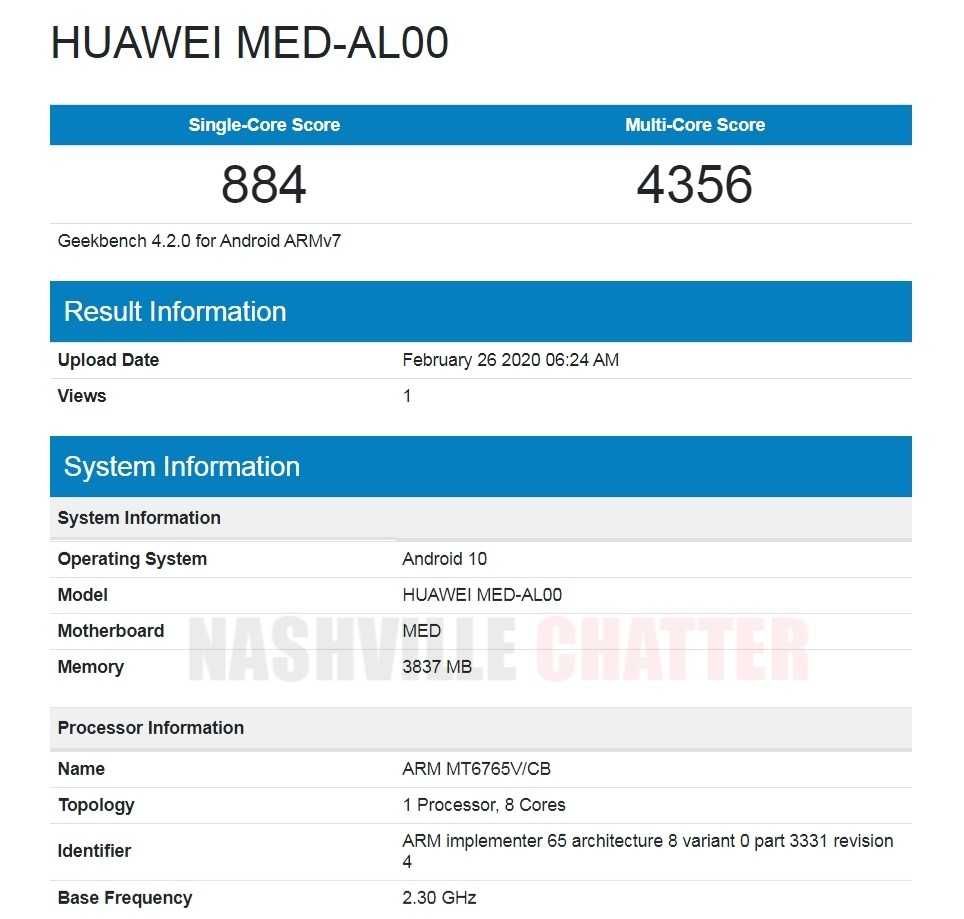
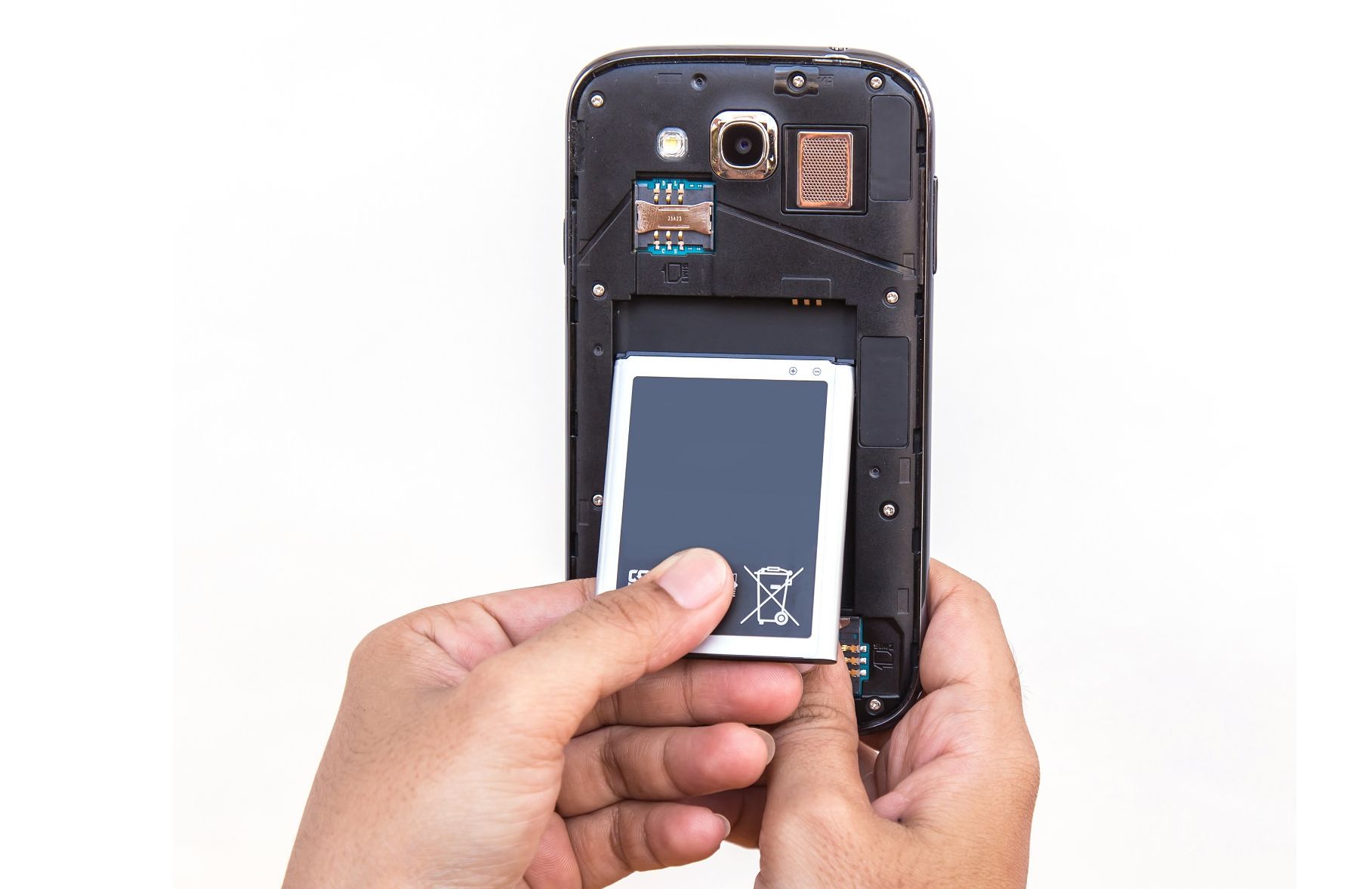
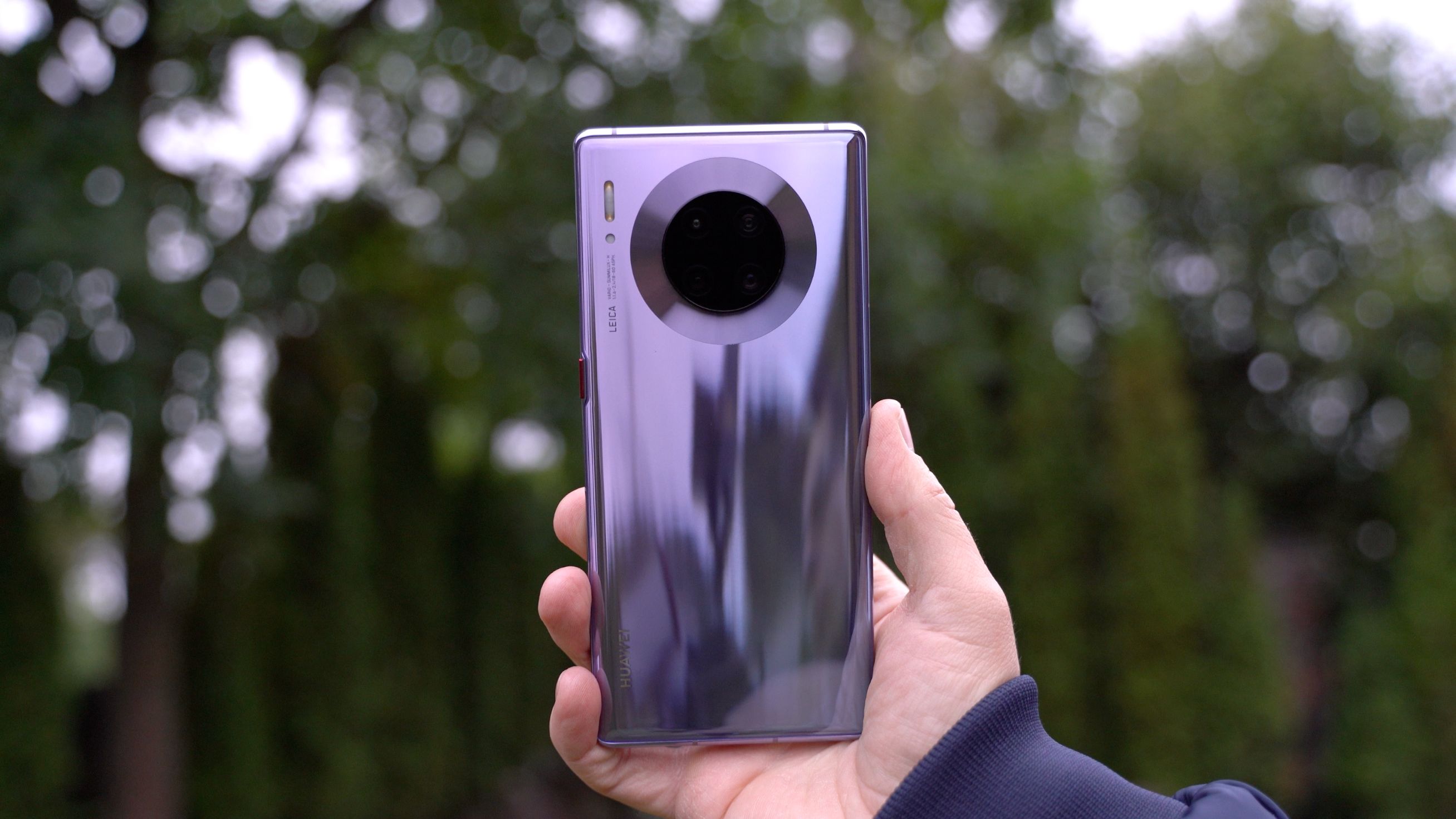
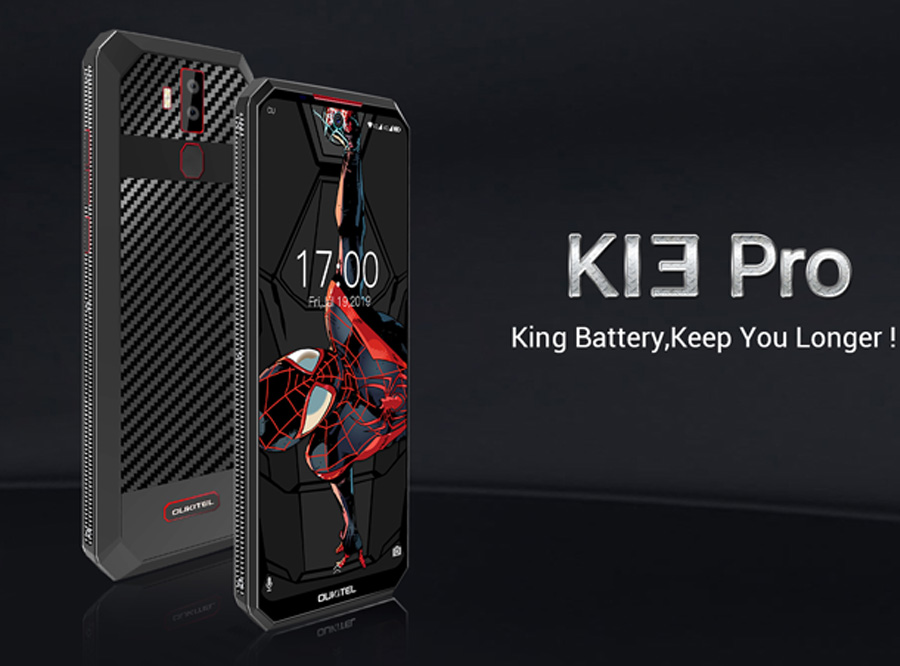
 Sporting a tagline that reads ‘King Battery, Keep You Longer!,’ the K13 Pro sports a 6.41-inch HD+ display with 1560 x 720 pixels resolution and an impressive 90.3 percent screen-to-body ratio. It packs a powerful MT6762 Octa-core chipset, paired with 4GB of RAM and 64GB of native storage. The phone uses an IMG GE8320 (up to 650Mhz) GPU.
 In the optics department, the K13 Pro houses a dual-camera setup comprising a 16.0MP camera and a 2.0MP camera at the back, and an 8.0MP front shooter for selfies and video calling. Furthermore, it is backed by a super large 11000mAh battery that delivers a standby time of 31 days.
 The dual-SIM phone runs Android 9.0 Pie OS and comes with an NFC sensor so that you can use Google Pay and other on-vehicle payment. Aside from that, the phone features a Gravity sensor.