When it comes to the country with the most number of startups that are valued over $ 1 billion, China tops the list. Giving it a lead over the U.S which is currenlty on a trade-war with the former.
According to Hurun Global Unicorn List 2019, which was released on the 21st of October, their are 494 tech startups around the globe founded in the 2000s that are valued over $ 1 billion that have not yet gone public. Out of which, 206 such firms which are referred to as “Unicorn” are from China. The number two spot is held by U.S that is home 203 such firms. Following the two nations are India, UK and Germany that have 21, 13 and 7 unicorns, in respective order.
Rupert Hoogewerf who is the chairman and chief researcher of Shanghai-based Hurun Report, after revealing the 2019 report, made the following statement:
China and the US dominate over 80 per cent of the world’s known unicorns, despite representing only half of the world’s GDP and a quarter of the world’s population. The rest of the world needs to wake up to creating an environment that allows unicorns to flourish.
Noteworthy, three unicorns which inlcude Ant Financial Services, the operator of Alipay; ByteDance, the owner of TikTok and taxi booking company, Didi Chuxing have an astounding comined valuation of $ 280 billion.
Among cities, Beijing is ranked the world’s unicorn capital with 82 Unicorns followed by San Francisco with 55, Shanghai with 47, New York with 25 and Hangzhou with 19. Having said that, due to the U.S-China trade war, the value of investments in the Chinese country have seen a significant downfall. As investments fell to just $9.4 billion in Q2 of 2019 which is 77% down from last year during the same time frame.
Speaking of top venture capitalists, the number one spot in the list is held by Sequoia Capital (American) that has investment in 92 unicorns, followed by Tencent holdings (Chiness) that holds share in 46 unicorns and SoftBank Group (Japnese) that has investment in 42 such firms.
Lastly, talking about the sectors that these firms are involved in, 192 of them are in e-commerce while 118 are in the cloud computing, AI (artificial intelligence) and logistics sectors.
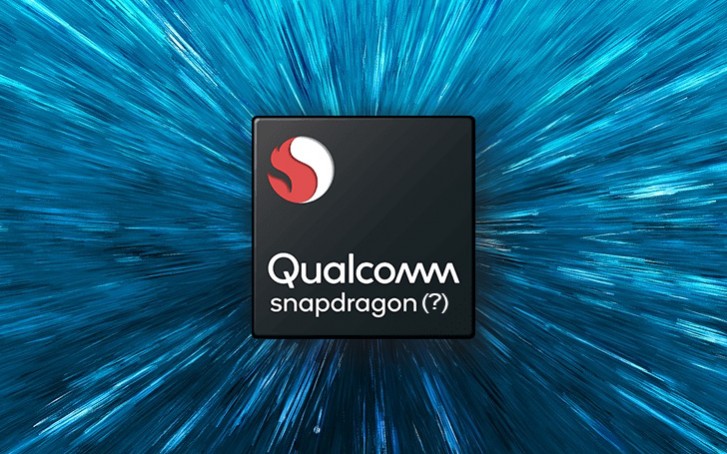
According to Twitter tipster Sudhansu Ambhoe, Qualcomm‘s upcoming Snapdragon 735 chipset will be built on a 7nm process. This is interestingly different from the 8nm LLP architecture which the current-gen Snapdragon 730 and 730G utilise. The US fabless chip manufacturer had launched the Snapdragon 730 and 730G back in April with components that confirm their target market is the upper midrange smartphone segment
The tipster claimed to have extracted the specs from a document, asserting this one to be the authentic details. They are noticeably different from the previously leaked details that ave popped online previously. The new detail reveals the chipset goes by the codename SM7250. It utilises a big Cortex-A76-based Kryo core clocked at 2.36 GHz and a second similar core clocked at 2.32 GHz. The chipset has an octa-core arrangement, so the rest of the CPU consists of six Cortex-A55 units, all clocked at 1.73 GHz. Powering the graphics (GPU) will be an Adreno 620, which is likely an upgrade over the Adreno 618, used on the Snapdragon 730.
Suggest Phone had leaked the purported specs details of the Snapdragon 735 back in April but these details are obviously different with the SoC having a more realistic CPU architecture.
Qualcomm will likely unveil the chipset before the end of this year, perhaps at its event in Hawaii.
Master Lu, the benchmarking platform the smartphones, has released a report for the third quarter of this year, i.e. Q3 2019, which reveals that the Nubia Red Magic 3S and the Black Shark 2 Pro were the top performing smartphones, grabbing the first and the second position respectively.
Both of them are gaming smartphones powered by the recently announced Qualcomm Snapdragon 855 Plus octa-core processor clocked at 2.96GHz, and are using UFS 3.0 for the internal storage.
The leading smartphone in the list — Nubia Red Magic 3S managed to score 489,460 points. The third spot in this ranking was grabbed by the Huawei Mate 30 Pro smartphone, which is powered by the company’s own Kirin 990 chipset.
However, in terms of fluency or smoothness, the Mate 30 Pro was the leading device, followed by Nubia Red Magic 3S and the OnePlus 7 Pro. As for the chipsets, Qualcomm’s Snapdragon 855 Plus scored the most, followed by Huawei’s Kirin 990 and the Snapdragon 855 came third. Among the top 10 smartphones, the devices powered by the Qualcomm Snapdragon series processors occupied five spots.
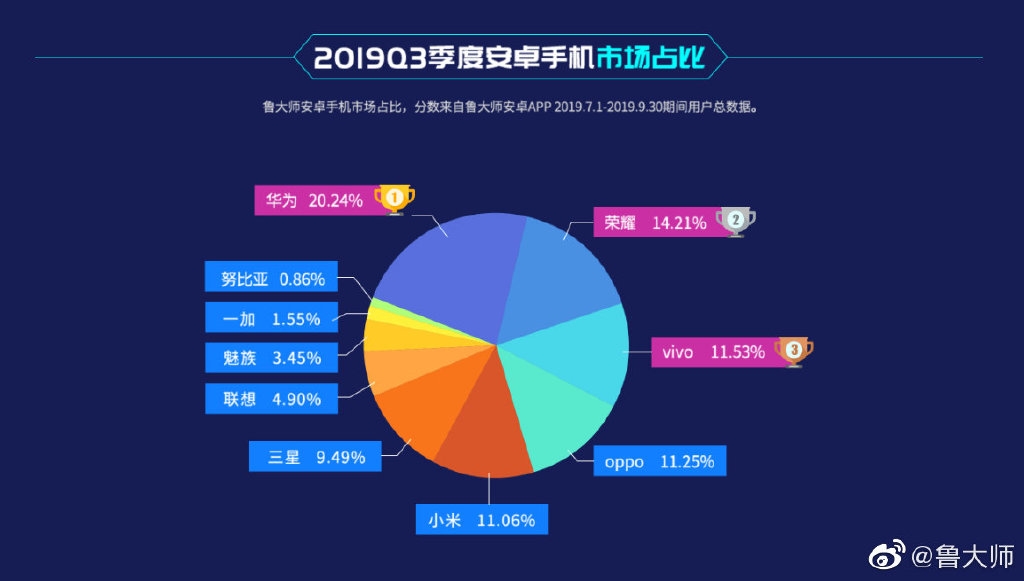
Master Lu has also published data about the market share of Android smartphones in China for the third quarter. It reveals that Huawei is leading the list with 20.24 percent market share, followed by Honor with 14.21 percent market share.
OPPO, Vivo, and Xiaomi gets the third, fourth, and fifth ranks with 11.53 percent, 11.25 percent, and 11.06 percent market share respectively. Comparing the result with the same duration last year, OPPO and Vivo have registered significant increase in terms of share.
Other companies that makes it to the top 10 list include Samsung, Lenovo, Meizu, OnePlus, and Nubia with a market share of 9.49 percent, 4.9 percent, 3.45 percent, 1.55 percent, and 0.86 percent respectively.
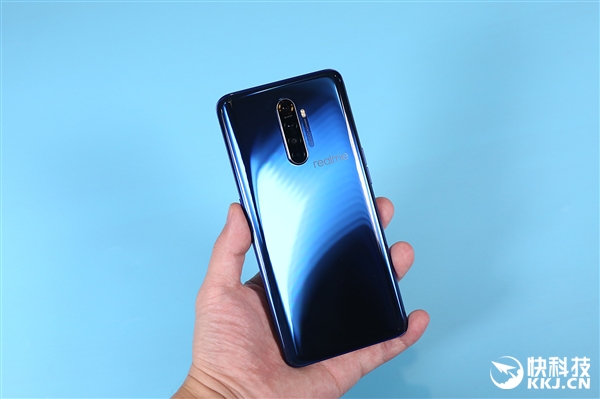
Realme which came into existence only over a year ago has already surpassed a number of Android smartphone manufacturers when it comes to sales figures and popularity. Last week, the company expanded its reach to Europe when it launched the Realme 5 Pro, Realme X2 and its “Pro” variant in Spain.
During the event, journalists questioned Levi Lee, the Director of Realme Europe what are the reasons behind his company’s explosive growth. To which he replied with the following statement
First, I think the product quality is great and second the specs are great, third the design is great. That is what we care about. If you sell a device to consumers at a very cheap price, but the device is not good, the quality is not good, it’s not sustainable.
Just as a reminder, Realme came into existence as a sub-brand of Oppo, however, now it has been turned into an independent brand. Nonetheless, both these brands still have a common parent, BBK electronics. Therefore, Realme is able to offer devices as feature-laden as the X2 Pro at an economical price.
Besides, the senior Realme official was also questioned “whether his company plans to launch any gaming-centric smartphones?” like the Asus ROG Phone lineup or Xioami’s Black Shark lineup, both of which have had worthwhile success.
To which Levi Lee replied with “It is not for the common consumers, it’s not what we are after.”. In simple words, we won’t be seeing any gaming-focused smartphone from Realme at least in the near future. He further added that the Realme X2 Pro is already an excellent gaming smartphone even if it’s not a dedicated gaming device.
Moreover, it already is known that Realme X2 Pro features a vapor cooling chamber and 4×4 MIMO antenna which help in steady network connections. Both these features are usually seen on gaming handsets like the ones that were previously mentioned.
To wrap things up, we agree with Realme’s approach, it clearly makes more sense for the company to further expand its reach as its offerings are already performing well in terms of sales.
After the success of consecutive devices in the Redmi Note series, the Chinese smartphone manufacturer has recently launched the successor to Redmi Note 7. The new Redmi Note 8 series was initially launched in China and now the launch has taken place in India. The Redmi Note 8 is the company’s first premium mid-range device carrying high-end specifications and features.
Despite being a premium mid-range smartphone, the company has made it available for an affordable price of Rs 14,999 which roughly translates to ~$211. The regressive pricing of Xiaomi Redmi Note 8 Pro has made it garner huge sales both in India and China. The sudden popularity has led the manufacturers to mint new cases for Redmi Note 8 Pro. There is a vast variety of cases for Redmi Note 8 Pro available from being stylish to enhance the build of the device.
Redmi Note 8 Pro Specifications
Redmi Note 8 Pro is the first device to feature MediaTek Helio G90T chipset coupled with Mali-G76 MP4 GPU. It is available in different memory configurations of 6GB + 64GB and 8GB + 128GB internal storage version. A huge 6.53-inch IPS LCD display houses on the front side with a resolution of 1080 x 2340 pixels and a 91.4% screen-to-body ratio. A 20-megapixel selfie camera resides in the waterdrop notch of the display on the front. There are special features such as IP52 splash resistant TUV Rheinland certification to counter harmful blue rays.
In the optics department, there’s a quad rear camera module consisting of a 64-megapixel primary sensor, an 8-megapixel ultrawide sensor with f/2.2 aperture, a 2-megapixel sensor, and another 2MP sensor. Apart from the highly sufficient camera hardware, Xiaomi also facilitated the device with features such as panorama shot, HDR, AI beauty and several other software-based features.
In connectivity, Redmi Note 8 Pro features Wi-Fi, hotspot, Bluetooth 5.0, GPS, NFC, and a USB port. As far as the sensors are concerned, there’s a rear fingerprint scanner along with accelerometer, gyroscope, proximity and compass sensor on the front side.
We are listing below some best and beautiful Redmi Note 8 Pro cases which will also ensure security from usual falls.
Classic Fabric Case
A texturized Redmi Note 8 Pro case looks stunning with beautiful cloth patterns. The interested users can grab the Fabric case in four different colors of Grey, Black, Blue, and Red. The shockproof design brings 360-degree all-around protection with creative design. Moreover, you can also remove the stains by washing cover without any issue.
The Fine Fabric and TPU are inherited in such a way that the case becomes soft and flexible. The ultra-slim case also helps to dissipate heat through the tiny pores of the cover.
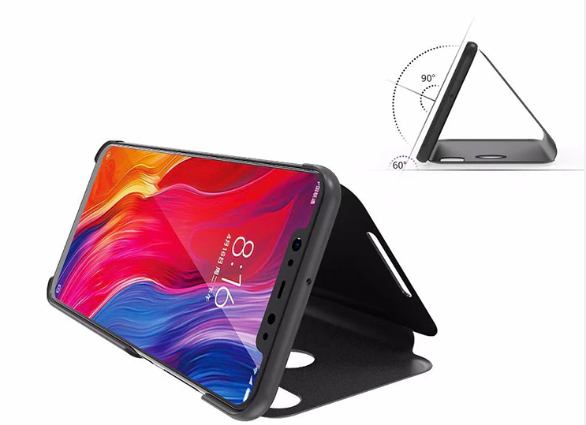
Flip cases are not a cup of tea for everyone. There are only limited users who would love to own this elegantly built Smart Mirror Flip Case. The smart sleep and wake up design makes the display to automatically power on and off while opening and closing the flip cover. Adding to its convenience, it displays SMS, Call, date and time from the smart mirror surface.
It is elegantly designed to match your phone’s exact shape while protecting the phone’s back, fingerprint, camera, and display from scratches and dust. The shockproof design protects it from falls.
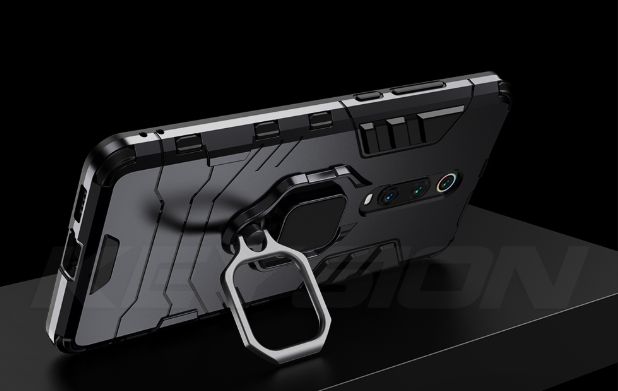
it is another armor case with military-grade anti-drop mechanisms. It can sustain your device without any damage if dropped from 3 meters or less height. The double protection layer of both Hard PC and TPU makes it more protective and resistance to any damage.
The cover follows anti-fall measures to save the device from usual falls. Apart from its sturdiness, the case also features an invisible 360 degree toated ring bracket to let you watch videos without any support. A magnetic surface on the rear helps to make it stick easily in your vehicle’s magnetic accessory. The cover fully engulfs the display and camera to prevent wear and tear. Despite such a rugged design, it has appropriate openings to dissipate heat.
It is always necessary to protect smartphones with a sturdy case. The hybrid case for Redmi Note 8 Pro is made of Air Cushion Technology and Hybrid drop protection to efficiently protect the device from all corners. It is made of high-quality soft silicone rubber gel material and is fitted with perfect cutouts for speakers and other ports. The transparent design doesn’t hide the beauty of Redmi Note 8 Pro.
The raised bezels offer protection for screen and camera. The beveled controls on volume and power button ease the access to all the controls.
It is a simple yet attractive case for Redmi Note 8 Pro. The user can easily pull it oof or on without any issue. The Liquid Silicone Case uses the same materials as Apple silicone cases. It feels like touching baby skin and providing a silky soft touch while holding the smartphone. Along with making it attractive, the case also helps to protest screen from scratches. The slim design of the cover makes it look minimal and also extends Qi wireless charging support.
The bumps and cameras are fully protected with the cover. The user can even easily wash out the usual stains.
Are you looking for a fully rugged case for Redmi Note 8 Pro? Then the RIGGEAR Fortify is the case you should buy as it is certified with Official MIL-STD 810G Drop test. It is crafted out of premium TPU Bumper and Hard Acrylic PC. The Shockproof Airbags are instilled on the corners to make it fully secure around the corners.
The transparent on the backside allows the Redmi to show its beautiful rear side flaunting gradient finish. All the cutouts have dwelled with precision cut technology.
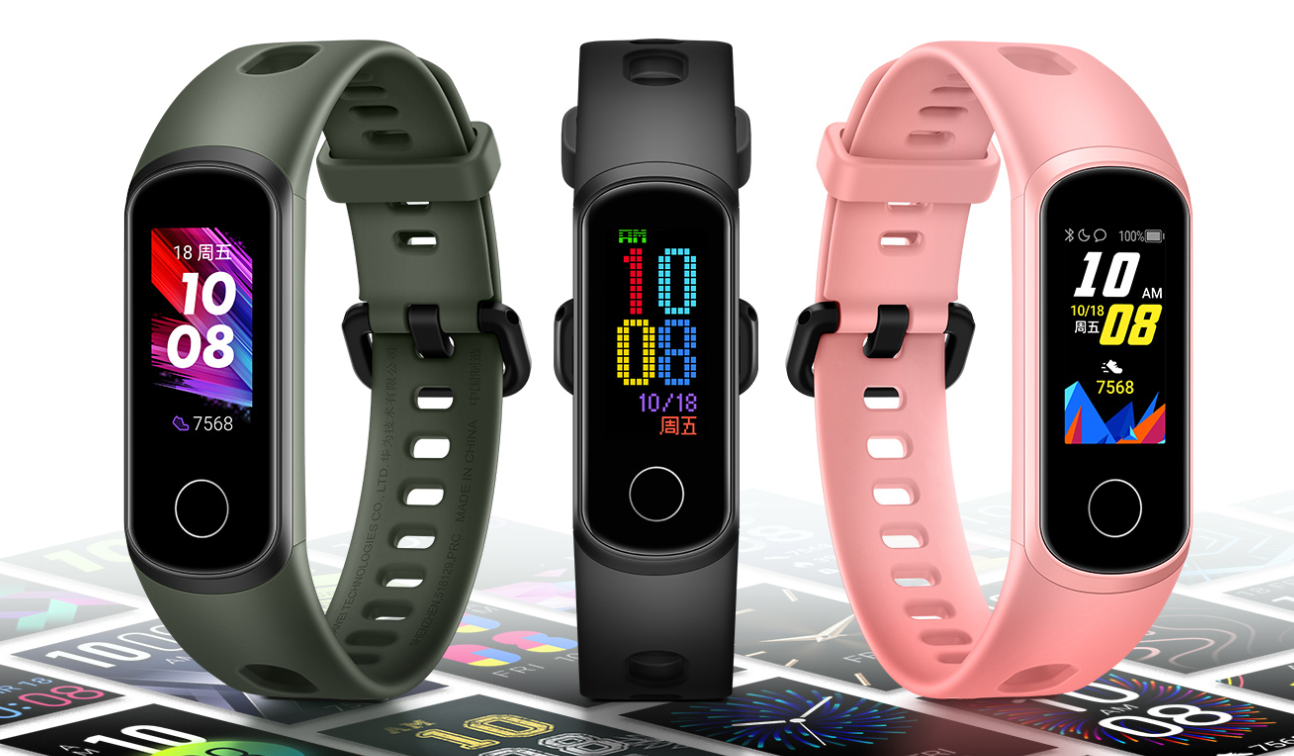
Alongside the Honor 20 Lite (Youth Edition), Honor also announced a new fitness tracker called the honor Band 5i. The Honor fitness tracker addresses a major flaw in the design of other fitness trackers including some of Honor’s own previous models.
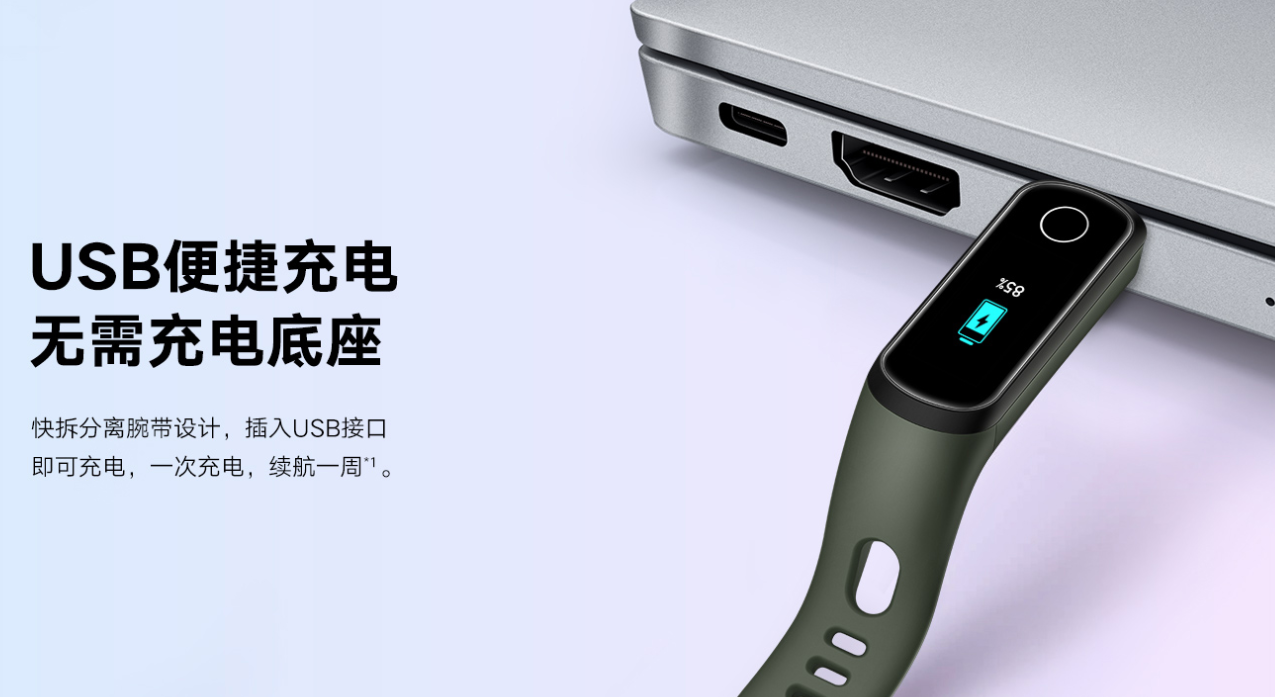
Unlike a lot of other fitness trackers that have a proprietary charging connector for charging them, the Honor Band 5i can be charged by simply plugging it into a USB port. This design eliminates the need to take a charger along with you if you are on a trip and also prevents your fitness tracker from becoming useless if your charger gets damaged or stolen.
Coming to its specs, the Honor Band 5i has a 0.96-inch TFT full-color touchscreen display with an 80 x 160 resolution and a capacitive home button below it. The screen can display up to 30 characters at a time and there are several watchfaces to choose from.
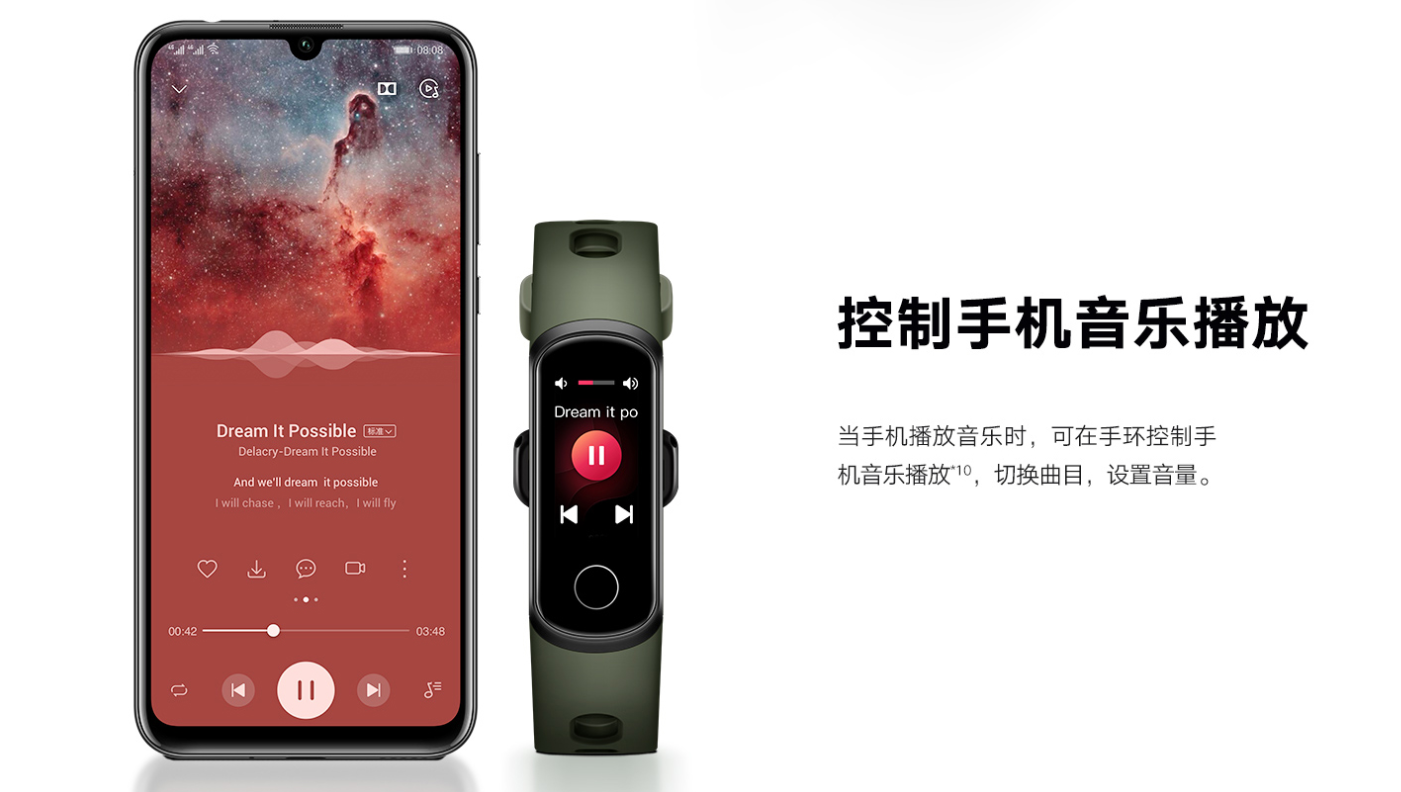
The Honor band 5i can measure SpO2 levels and has TruSeen 3.5 heart rate monitoring. It also has sleep tracking, up to 9 sport modes, and has music playback controls. Honor says it is also water-resistant up to 50 meters. It has a 91mAh battery which can last between 7 to 9 days on a single charge depending on usage.
The new fitness tracker is priced at ¥159 (~$22) but those who pre-order will get it for ¥149 (~$21). Pre-order begins today on Vmall and runs until October 31. The Honor Band 5i will be available for purchase starting November 1. It is available in Meteorite Black, Olive Green, and Coral Pink.
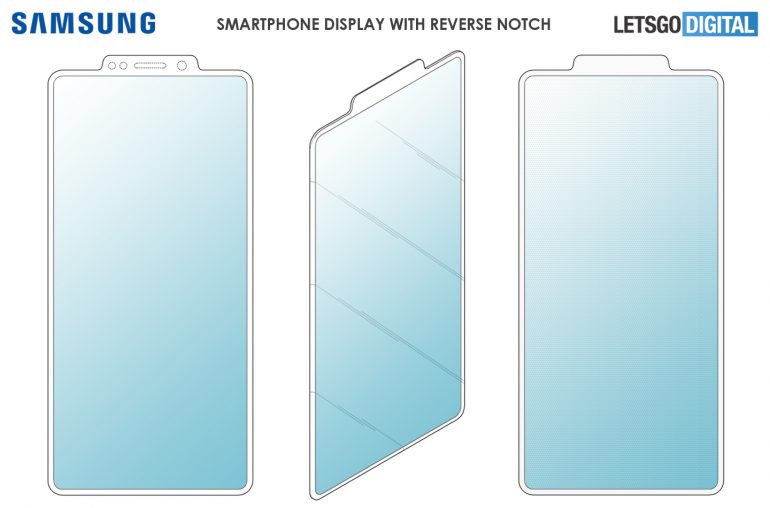
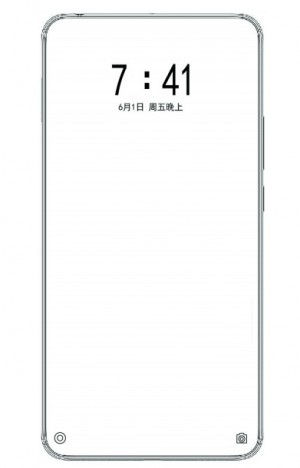
Samsung filed a patent request with the Korean Intellectual Property Office (KIPO) last year for the reverse notch. The request was approved in September this year. Mockup renders of the technology have just surfaced According to the patent description, the design features a display module attached to the back of the cover, including a protruding portion at the top centre of the smartphone. The screen size can be effectively maximized by placing the front camera, sensors and speaker within the protruding notch.
Although this is an innovative solution from a functional point-of-view, it is a design nightmare. Smartphones such as the Sharp Aquos R3 have been presented with alternate designs such as the dual notch, but Samsung’s reverse notch is a first. In fact, every uniquely-designed smartphone in the recent past aims to fight this space crunch. Be it with the pop-up camera, waterdrop notch, punch-hole screens, rotating camera or dual-display.
The under-display camera module is the latest attempt to create a truly bezel-less smartphone. However, it is too early to comment since the technology is in the early stages of development. Samsung, Xiaomi and Oppo are the frontrunners at the moment, although, other manufacturers might be secretly working on a similar technology.
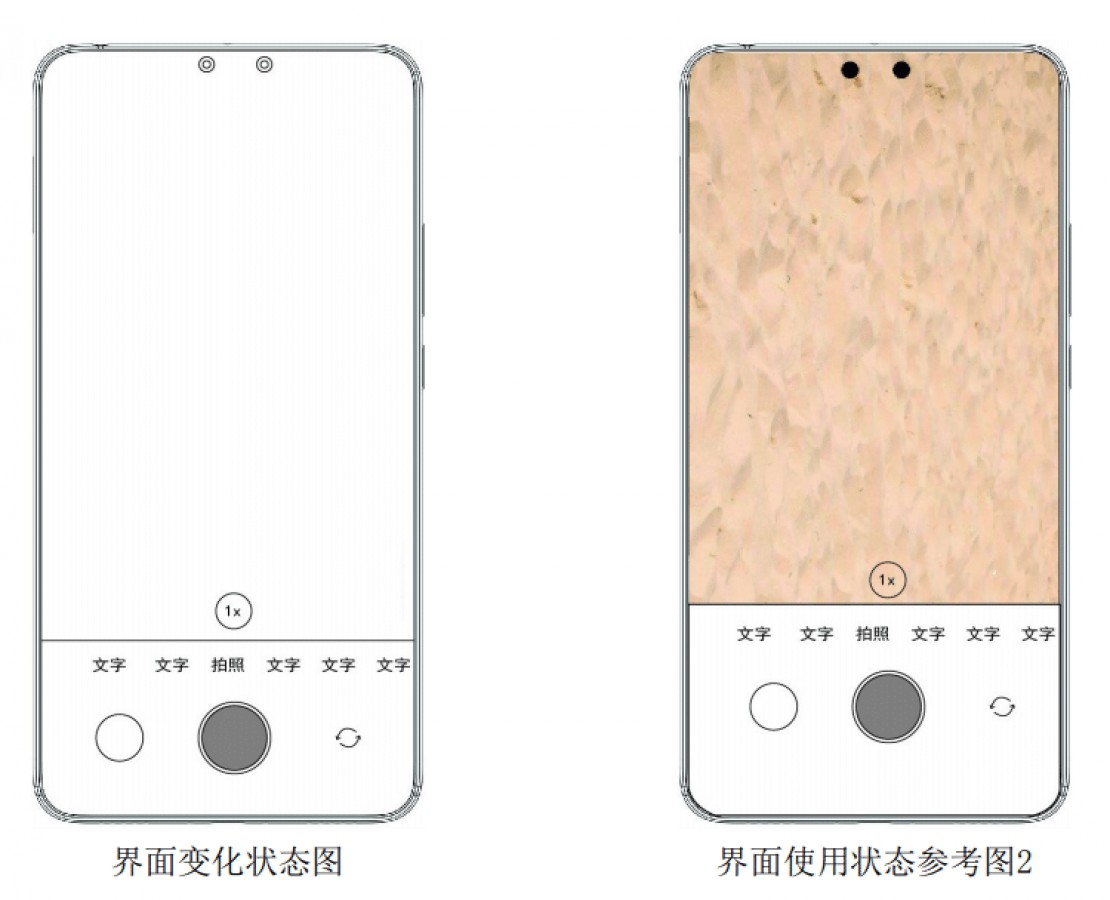
Just a few days ago reports of Samsung’s under-display camera or UDC were making headlines. Samsung plans to mass produce the technology soon. In reality, the South Korean tech giants are not the only players in the game. Oppo announced its plans for an in-screen camera setup in the recent past, followed by Xiaomi teasing their version of the technology on Twitter. The latest inputs from Xiaomi come from TigerMobiles that claim the Chinese electronics behemoth has filed for a patent for their in-display camera technology.
The patent granted by the China National Intellectual Property Administration (CNIPA) on Sept. 30th depict the designs for a smartphone with an under-display dual-camera setup. If implemented successfully, the in-screen camera will phase out the notch, punch-hole and the numerous iterations of the pop-up selfie camera without hampering the screen-to-body ratio.
Most variations of the technology today involve increasing the transparency of the display in order to maximize the image quality. This is a major hurdle that the researchers are trying to overcome, since even the minute obtrusion in the display panel dissipates light, reducing the quality of the image.
The under-screen camera technology is still in its nascent stage. Manufacturers are expected to introduce the technology in budget and mid-range smartphones before implementing them on flagship devices.
Earlier this year, the U.S Commerce Department designated Huawei to a blacklist which enforced all American companies to end trade relations with the Chinese coportation. The ban was based on allegations that the networking equipment developed by Huawei has hidden back doors which can be used to steal sensitive user data when compelled by the Chinese government. Even though Huawei has not been proven guilty, however, if this turns out true, these equipment could pose a serious threat to national security claims the U.S.
Morevover, the U.S has been asking its allies to not purchase equipment from the company otherwise it would punish them in some manner. Clearly, this move has had a negative impact on Huawei’s smartphone business which despite running Android do not support Google services.
Surprisingly, Huawei’s aggregate revenue jumped 24.4% in first three quarters of 2019 when compared to last year. Besides, Huawei CEO Ren Zhengfei has made yet another unanticipated statment that the “the U.S ban has helped the company positively”. He explained that Huawei employee’s who are afraid of the company’s death, have started working even harder and their efforts are the reason that company managed to increase revenue despite tough times.
Falling in line with his current statement, Huawei CEO had previously said that the 90 day window provided by the U.S “doesn’t make much sense, we are ready.”. This means that Huawei has accepted that the ban imposed on it is unlikely to be lifted in the future. Henceforth, it will reiterate its business strategies and product portfolios to continue growth and render the ban irrelevant.
As we have previously said multiple times, Huawei is dealing with this tricky situation in a bold and postive manner which supposedly is the only way out.
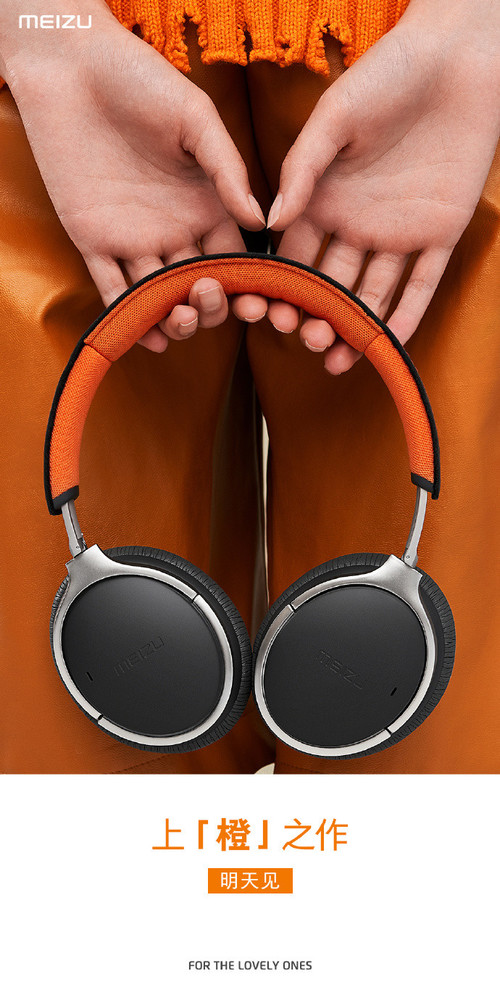
Over the past few years, I have used a couple of headphones from Meizu. And I can vouch for their quality. Today, Meizu has officially confirmed that the successor to the Meizu HD50 is coming our way tomorrow, dubbed the Meizu HD60. What’s even more interesting is that the over-ear headphones will come in a chic orange shade.
The new Meizu HD60 headphones will ditch the wires and embrace the new-age Bluetooth connection. From the image teased by the company, the new headphones look refined and feature an oval earcup as compared to the HD50’s round one. This could mean that the HD60 will probably have a better fit, unlike its predecessor. Given that there’s a funky orange shade for the HD60, we might see other interesting color options as well.
Back in 2016, I had the opportunity to review the Meizu HD50, and they were fantastic for the $50 price tag! I was also using the Meizu TW50 (first-gen) true wireless earbuds for nearly a year (TW50 review here) until I lost them during a trip. Both these headphones offered terrific sound quality for their price. So, I’m excited about the HD60 that launches tomorrow. Hopefully, it’ll be under $100 at launch.
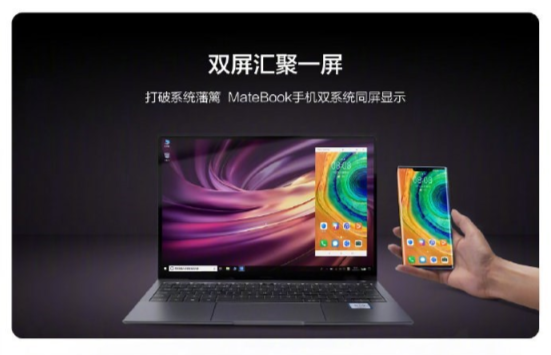
At the EMUI 10 launch, Huawei announced a unique feature to improve the productivity of users: Multi-Screen collaboration. This was a special feature in EMUI 10 that enabled cross-system and cross-device collaboration. In simple terms, it allowed your Huawei smartphone to connect to your Matebook laptop for quick sharing of resources. Not just that, you could essentially mirror your smartphone to your laptop’s screen.
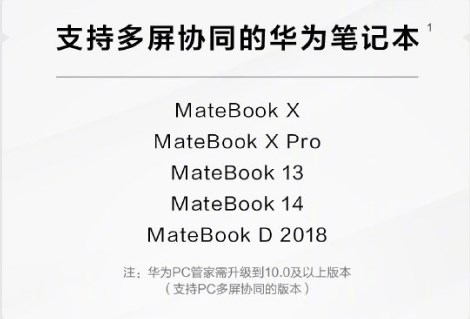
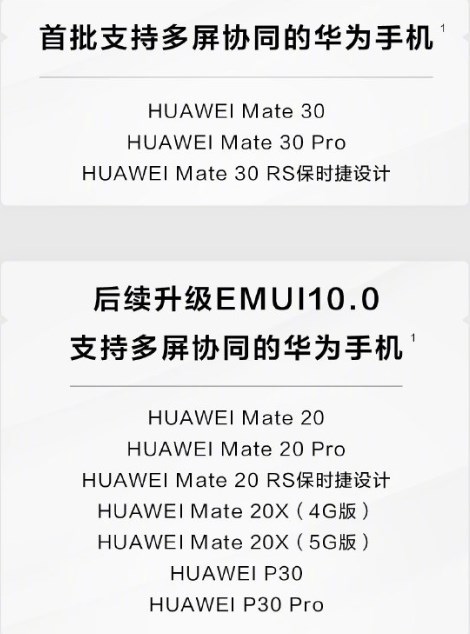
Today, Huawei has officially confirmed Multi-Screen Collaboration support for 3 EMUI 10 based devices and 5 MateBook laptops.
1 of 2
The 3 devices that currently support this feature are all from the new Mate 30 series:
Multi-screen collaboration is part of EMUI 10’s feature that connects your Huawei smartphone to the MateBook laptop. Once you connect the phone to the notebook via One Touch, QR Code, or Close Range Auto-Discovery, you can mirror its screen on your laptop. Once connected, you can control the apps on the phone via your MateBook laptop. You can even drag and drop files and texts from the mirrored screen directly to the notebook. The information transfer comes with end-to-end encryption, and only authenticated devices can connect to the laptop.
Unfortunately, MateBook laptops aren’t very popular in China. So, despite being a useful feature, only a handful of laptops will benefit from this.
Xiaomi recently introduced Xiaomi Mi Notebook Pro 15.6 Enhanced Edition packing high-end specifications and minimalistic design. Apart from certain hardware upgrades, the Xiaomi introduced several new software-based features including the Mi Mutual transmission feature. Xiaomi has explained the Mi Mutual Transfer feature in the latest post on Mi Community. It is aimed to rapidly transfer files between Xiaomi Notebooks without any internet connection. The new feature will use WiFi Hotspot to transfer files between two Notebooks.
It can be used to transfer documents, media and other files in a more efficient and fast way. The new feature is prebuilt on Xiaomi Mi Note Pro 15.6 Enhanced Edition. However, a software upgrade is needed for the Mi Notebook 14 Enhanced edition to support it.
In order to transfer files using Mi Mutual Transfer, both the devices should support the new feature.
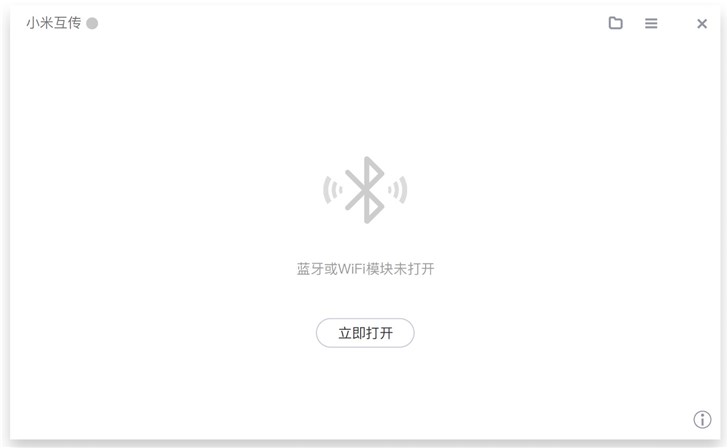
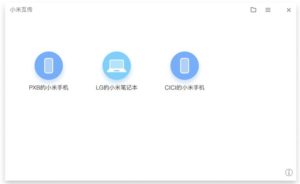
After installing, open the new software from menu shortcuts or click on the Mutual Transfer icon on the Windows toolbar. It will open as follows:
All the settings and features are embedded in the software toolbar. The user can open the default download folder and can view all tasks. An indicator depicting Online, Offline and Incognito Mode is also present on the tool bard.
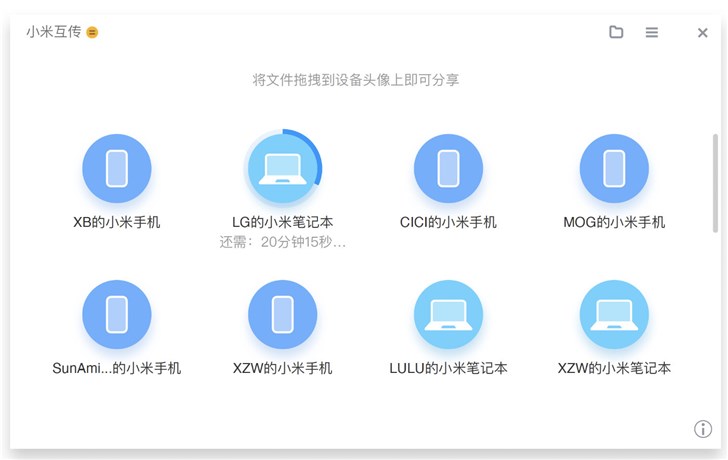
To start the transfer, click the Open Now button. Now, it will start searching the devices and the status indicator in the upper left corner will turn green. Note: The device name will be based on a Windows user name.
Send Files: Now you can drag and drop or right-click the device to send files. Upon confirmation from the recipient, the transfer progress will be displayed. Time remaining and the progress for the transfer can be seen in the lower-right corner of windows desktop.
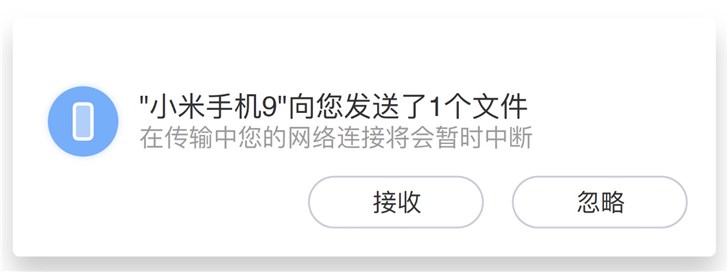
Receive Files: To receive files via the Xiaomi Mi Mutual transfer, you should open the software. Accept the request via prompt which will pop-up asking to receive files. Note: Your internet connection might get disconnected while transferring the files.
The Mi Mutual transfer option can be turned off by switching status to offline in the toolbar of the software. It is always recommended to temporarily turn off the internet connection for a smooth transfer.
If any problem arises while using the Mi Mutual Transfer on Mi Notebooks, then make sure your devices are not too far away or the receiving device is not sharing the hotspot.
Xiaomi smartphones already have a similar Mi Drop feature to seamlessly transfer files across the Xiaomi devices.
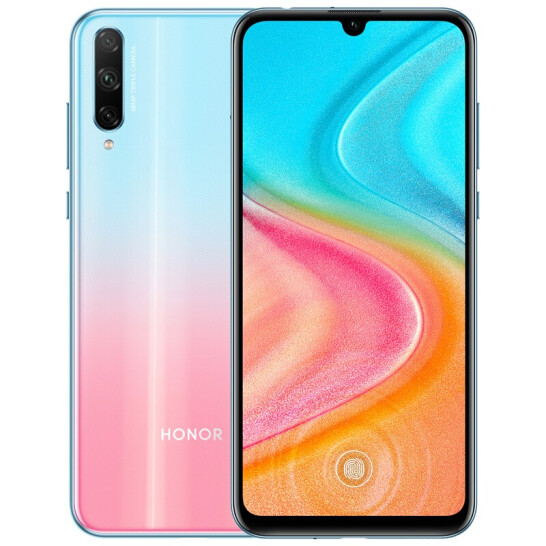
Honor 20 Lite (Youth Edition) is the latest addition to Honor 20 lineup of smartphones. With a starting price of 1,399 Yuan (~$198), the newly unveiled Honor 20 Lite comes with features like 20:9 aspect ratio display, Kirin 710F, 48-megapixel triple rear cameras and fast charging support. It has arrived as the successor of the Honor 10 Lite smartphone from last year.
Honor 20 Lite (Youth Edition) Specifications and Features
The Honor 20 Lite (Youth Edition) is a glass-bodied smartphone with a metallic frame. Its dimensions are 157.2 x 73.2 x 7.65mm and it weighs 172.5 grams. The smartphone is fitted with an OLED display of 6.3 inches that produces full HD+ resolution of 1080 x 2400 pixels. The TUV Rheinland certified display of Honor 20 Lite can curb the harmful blue rays coming out of it. The AMOLED panel of the phone is embedded with an in-screen fingerprint reader. The display supports DCI-P3 wide color gamut and always-on display (AOD).
Honor 20 Lite Blue Water Jade
The Kirin 710F is present under the hood of the Honor 20 Lite (Youth Edition). The SoC is coupled with up to 8 GB of RAM. When it comes to storage, the handset offers an internal capacity of up to 128 GB. For expanding its storage, users can add a microSD card to the device.
The display notch of the Honor 20 Lite is the home for its 16-megapixel AI selfie camera. The upper-left corner of the glass rear has a vertical strip of cameras. It has a 48-megapixel main lens with f/.8 aperture, an 8-megapixel ultrawide lens and a 2-megapixel depth sensor. The triple cameras offer features like AIS handheld super night scene mode, AI scene recognition, portrait mode and more.
Honor 20 Lite Midnight Black
The EMUI 9.1.1 based Android 9 Pie OS runs on the Honor 20 Lite (Youth Edition). It brings along Ark Compiler, EROFS file system and GPU Turbo 3.0. It is packed with a 4,000mAh battery that carries support for 22.5W rapid charging. The connectivity features that are available on the device are dual-SIM support, 4G VoLTE, Wi-Fi 802.11 b/g/n, Bluetooth 4.2, GPS, USB-C and 3.5mm audio jack. Lastly, the double face recognition feature makes it possible to examine two face information simultaneously for unlocking the device.
Honor 20 Lite (Youth Edition) Price and Availability
Here is the pricing of the different variants of the Honor 20 Lite:
4 GB RAM + 64 GB storage – 1,399 Yuan (~$198)
6 GB RAM + 64 GB storage – 1,499 Yuan (~$212)
6 GB RAM + 128 GB storage – 1,699 Yuan (~$240)
8 GB RAM + 128 GB storage – 1,899 Yuan (~$268)
Color variants: Magic Night Black, Blue Water Jade and Icelandic Fantasy
The pre-orders of the Honor 20 Lite (Youth Edition) begins today in China. The 6 GB and 8 GB RAM editions of the phone will go on sale on Oct. 25 whereas the base model with 4 GB of RAM will be available from Nov. 11.
What’s your opinion on the Honor 20 Lite? Share us your views by posting your comments below.
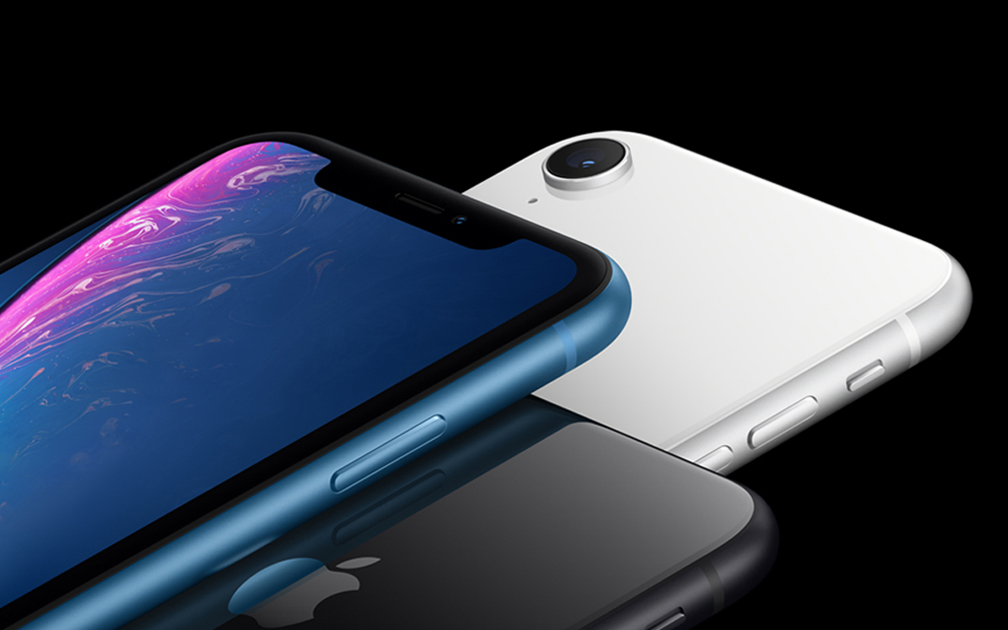
Apple iPhone XR, a popular smartphone from the US-based tech giant which was launched last year, is now getting assembled in India. As per the reports, Apple has now started selling locally assembled iPhone XR in the Indian market.
The company’s iPhone XR boxes with an “Assembled in India” tag were seen on Monday in many of the country’s electronic product retailers, including Croma, with a price tag of ₹49,900 (roughly £542) for the 64GB version.
It seems like the company is looking to expand its market share in India, the world’s second-largest smartphone market. The company has been struggling in India mostly because of the pricing of iPhones and India is now a hub of value-for-money offerings from the Chinese brands.
If the reports are to be believed, then the Apple iPhone XR are being assembled at the contract manufacturer Foxconn’s India factory in Chennai. This is being done by Apple to avoid high levies on the import of fully-built devices as well as to meet local sourcing norms for opening its own retail stores in India.
Reports indicate that the company is expected to save over 20 percent on import duties as it starts assembling devices in India. The development also comes at a time when the United States and China are involved in a trade war and thus Apple is now looking for alternatives to manufacturing phones in China.
Thus, companies like Apple are now looking to use India as an export hub to soften the impact of an ongoing trade war between the United States and China. Earlier this year, Reuters had reported that Apple would start assembling its top-end iPhones in India.
Meizu is a less known electronics manufacturer from China when compared to the likes of globally present Huawei and Xiaomi. The company is set to launch its latest flagship smartphone, the Meizu 16T on the 23rd of October. At the same event, it will also unveil four other products, out of which one will be a “toothbrush with sonic vibrations”. Noteworthy, the toothbrush has been co-developed with Baibo oral which is a 100-year-old company.
The company has shared a comparison of its upcoming product with Philips 9-series electric toothbrush which retails for about 1,000 Yuan and is one of the most popular oral gadgets in China. The video exhibits the vibratory motion of both the Philips and Meizu electric toothbrush. While toothpaste on the former falls right off as it turned on, this is not the case with the latter.
Meizu claims that this a major flaw with current offerings before the toothbrush head comes in contact with users teeth, the toothpaste tends to slip off resulting in an annoying situation. Even though it is currently unknown how the company has managed to achieve this result, it is likely that Meizu has discovered optimum vibration speed settings.
While we do not know, will Meizu price its electric toothbrush lower than Philips 9-series. However, this is likely as Chinese corporations generally tend to price their offerings less than their competitors to quickly grab the attention of potential customers. Lastly, we won’t have to wait for long as the launch of the oral accessory is set for tomorrow i.e October 23.
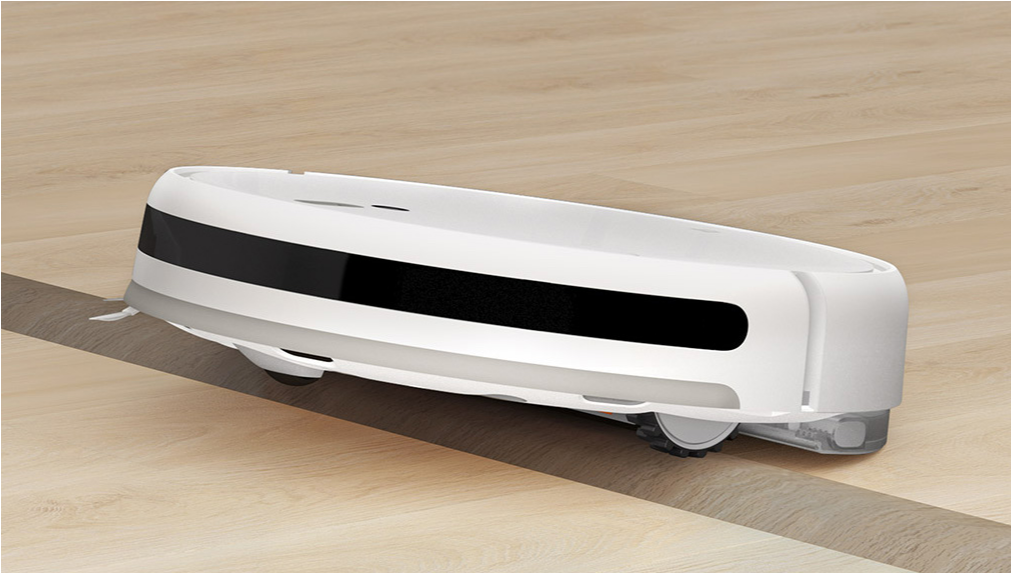
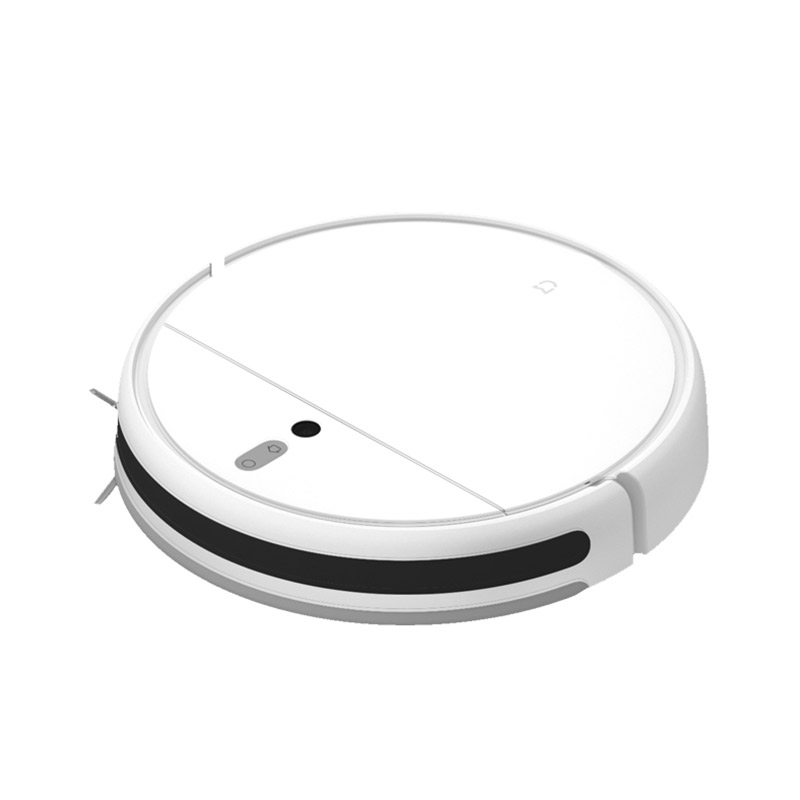
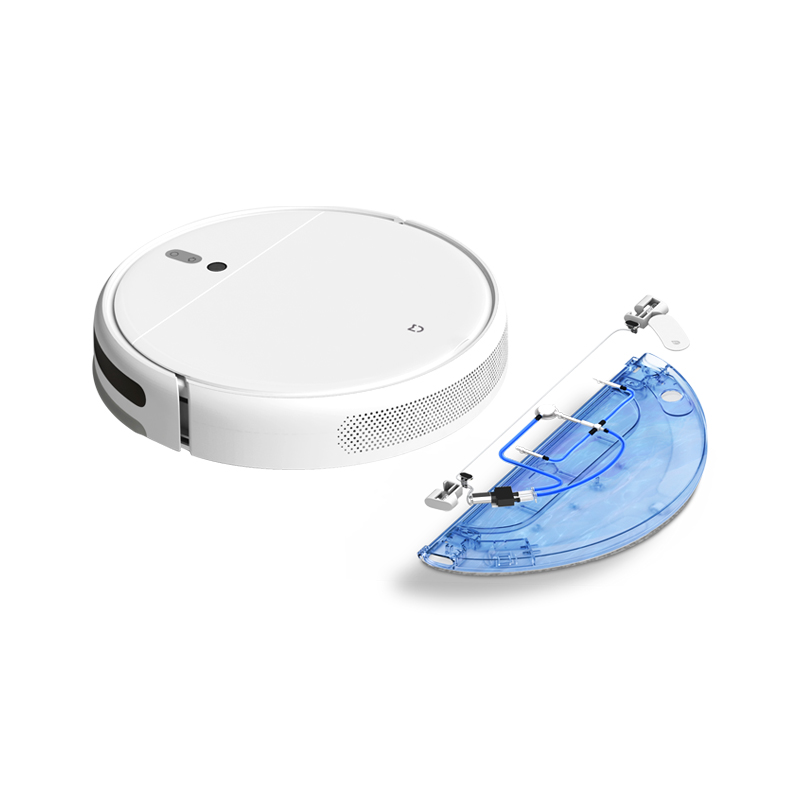
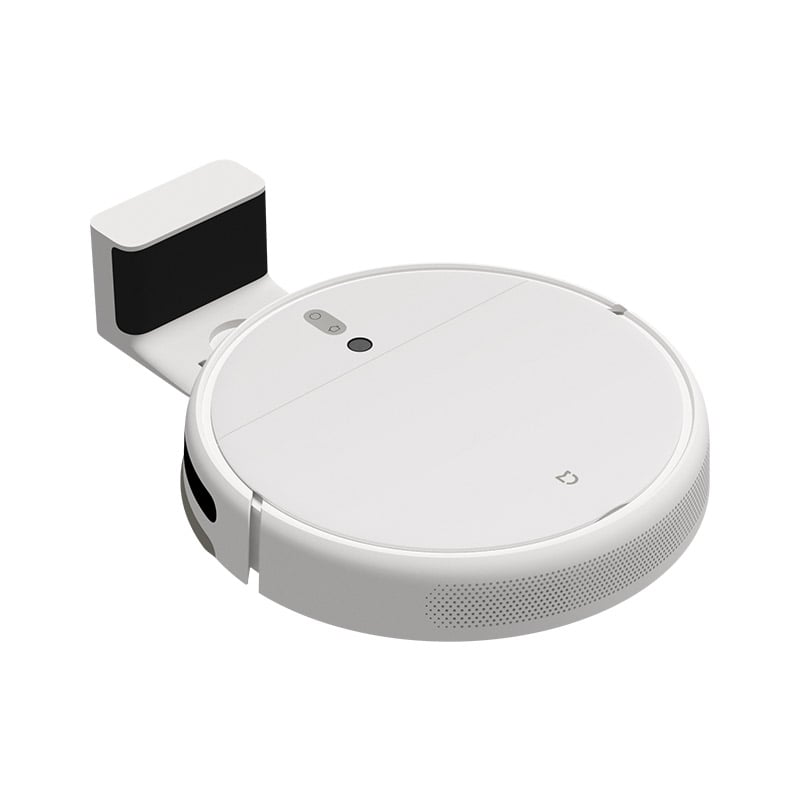
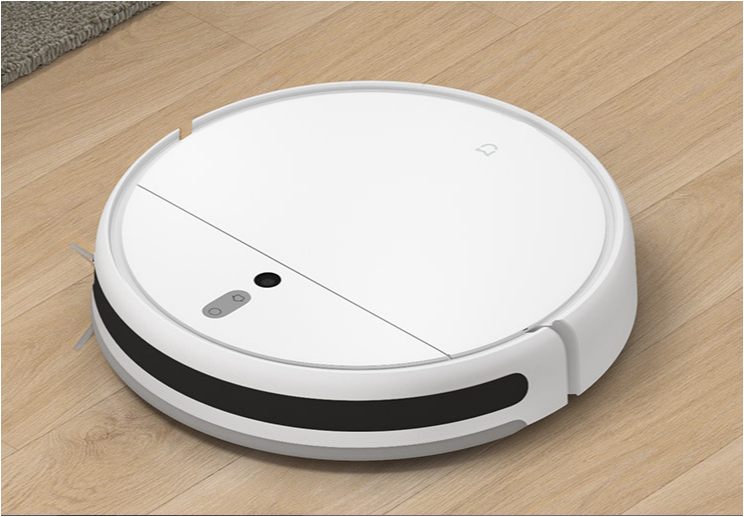
It is 9 years since Xiaomi started launching products under the MIJIA platform. We may have lost count of the products but the brand identity is so strong that almost every product turns out to be popular. The MIJIA Robot Vacuum series is a good example. First launched a few years, the original version has remained popular and a hot-selling product despite having a couple of successors. Xiaomi has now launched yet another successive model dubbed MIJIA Robot Vacuum Cleaner 1C. The gadget is already available to pre-order on Xiaomi Mall for 1299 yuan ($183).
The MIJIA Robot Vacuum Cleaner 1C is equipped with a built-in smart electronic control water tank and has a superb 2500Pa suction power. The improvements on the new robot Vacuum Cleaner extends right from the navigation system as the model is equipped with a high-speed visual navigation system which facilitates the collection of feature points at a speed of 30,000/s. This helps to quickly capture coordinate information, extract complex spatial features, and create faster and more accurate maps. The visual navigation teams up with a dual gyroscope and the optical flow sensor with multiple auxiliary positioning. So it can obtain the position information more accurately and completely.
It also uses a professional Omnivision camera sensor to simulate the neural network algorithm. Combined with a path calculation speed of 50 times/second, the robot can maintain a dynamic survey during the journey. This brings precision, accuracy and efficiency to the map drawing.
Talking of the hardware, the Mijia Robot Vacuum cleaner is powered by a CortexTM-A7 Quad-core data processing chip as well as a Dual-core Mali-400 Image Processing Unit. It also deploys the VSLAM algorithm which gives it more computing power. It can locate the exact position of the robot in real-time and intelligently draw the working path. For suction, it uses a Japanese powerful brushless motor of NIDEC with strong suction of 2500Pa. This is higher than the suction power of the MIJIA Robot Vacuum cleaner Laser Detection Version that was launched recently with 2100Pa suction power.
Furthermore, the MIJIA Robot vacuum cleaner is equipped with a 200ml smart electronically-controlled water tank. The water output during operation is automatically controlled when the vacuum cleaner is working. This keeps the floor protected and the water is used smartly and economically.
Also crammed inside the round fuselage are 15 different high-precision sensors. The sensors allow the robot vacuum to be better adapted to the environment, avoid falling, collision and obstacles, among other functions.
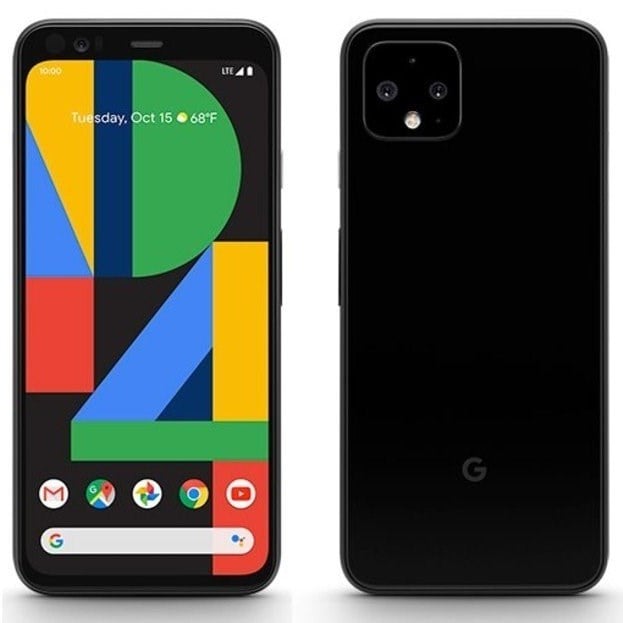
Google recently launched its next-generation flagship smartphones — Google Pixel 4 and Pixel 4 XL. Both the phones come with almost the same set of features and specifications, except for the screen size and battery.
As usual, one of the major highlight of the smartphone is the camera department. While the Pixel series phones have always been known for their camera performance, this time the company has gone a step ahead to make sure it maintains the lead.
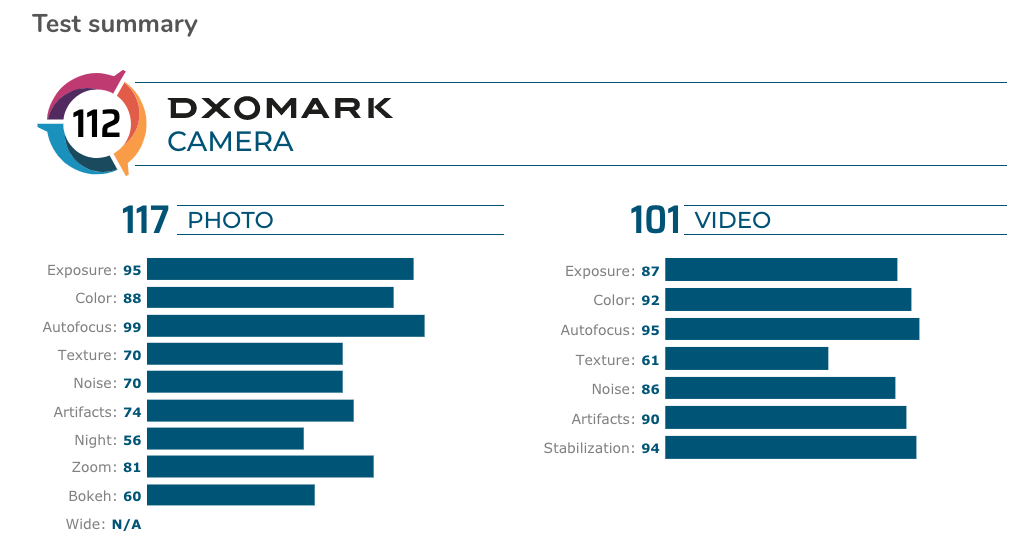
Now, DxOMark has published the result of their camera review for the Google Pixel 4 in which the smartphone has scored 112 points overall. The photography department has scored 117 points while the video department scored 101 points.
With an overall score of 112, the Google Pixel 4 is ranked among the top ten smartphone devices in DxOMark database. The report adds that Google’s latest device offers a nice step forward for stills over its predecessor, with noticeable improvements in most areas and a notable jump in the quality of zoom shots.
The phone remains slightly behind the Huawei Mate 30 Pro, mainly because of the lack of both an ultra-wide camera and a time-of-flight (ToF) sensor. These omissions put the Google’s device at an immediate disadvantage compared to the triple- and quad-cam devices in our wide-angle and bokeh testing, and that affects its overall ranking, says DxOMark.
What works for the Pixel 4 in terms of photos is vivid and pleasant colors in bright light, good exposure in all conditions, fast and accurate autofocus in bright light, good color and exposure in flash-auto mode, and good detail at close and medium range zoom. However, it has couple of issues such as loss of detail and visible noise and occasional depth estimation artifacts in bokeh mode.
As for the specifications, the phone features a 12.2-megapixel primary sensor on the back with f/1.7 aperture along with a 16-megapixel telephoto lens with f/2.4 aperture. On the front side, the device comes with an 8-megapixel snapper for taking selfies.
The Google Pixel 4 features an OLED display with 90Hz refresh rate and comes powered by Qualcomm Snapdragon 855 SoC along with 6GB RAM and 64GB or 128GB internal storage. It runs Android 10 operating system out-of-the-box and is backed by a 2,800mAh battery with 18W fast charging support.
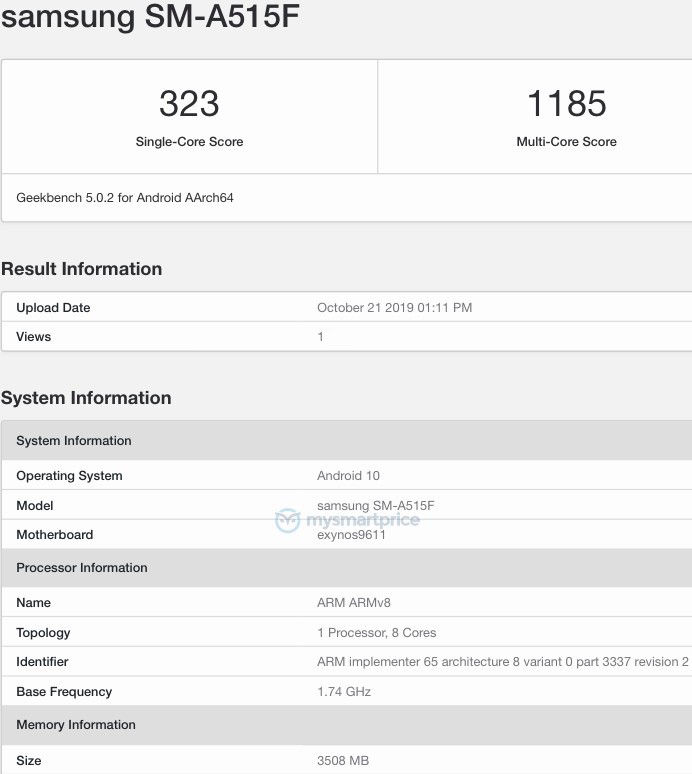
In August, Samsung announced the Galaxy A50s smartphone. It had arrived as an enhanced version of the Galaxy A50 phone that was made official at the beginning of this year. Rumors are rife that the South Korean tech giant will launch refresh A-series of smartphones in 2020. A new Samsung phone with model number SM-A515F has been benchmarked on Geekbench. It is believed to be the upcoming Galaxy A51 smartphone. As usual, the Geekbench listing has revealed keys pecs of the smartphone.
The SM-A515F Geekbench listing reveals it is an Exynos 9611 powered smartphone that has scored 323 in the single-core and 1185 in the multi-core tests. The SoC that has a base frequency of 1.74GHz is coupled with 4 GB of RAM. The handset is loaded with Android 10 which indicates that the next-generation A-series smartphones will be arriving with the latest version of Android. The Android 10 OS on Galaxy A51 could be customized with the latest One UI 2.0 from Samsung.
The Exynos 9611 is a relatively new processor that was made official in the previous month. The 10nm is an enhanced edition of the existing Exynos 9610 chipset. It includes four cores of Cortex-A73 CPU working at a max speed of 2.3GHz and four cores of Cortex-A53 clocking at 1.7GHz. The SoC also includes Mali-G72 MP2 graphics. The Galaxy A50s and Galaxy M30s are both powered by the Exynos 9611 SoC.
Past reports have revealed only few details on the Galaxy A51. The smartphone is expected to arrive in 64 GB and 182 GB storage editions. Its rumored color variants include Silver, Black and Blue. Mid-range phones from Xiaomi and Realme are equipped with quad rear cameras. It is speculated that the Galaxy A51 could be also featuring a quad camera setup on its rear. It is expected to feature a 32-megapixel main lens, a 12-megapixel wide-angle lens, a 12-megapixel telephoto lens with 2x optical zoom and a 5-megapixel depth sensor.
Samsung Galaxy A50s
The other details of the Galaxy A51 smartphone are currently under the wraps. It is likely to go official in the first quarter of the coming year as the Galaxy A50 had gone official in February.
Vivo’s sub-brand for premium smartphones, iQOO was launched earlier this year and the company has released a few devices in the past few months. Now, the company is all set to launch a new smartphone — iQOO Neo SD855 Edition.
The upcoming handset is an upgraded variant of the iQOO Neo smartphone launched a couple of months ago. As the name itself suggests, the device will be powered by the Qualcomm Snapdragon 855 octa-core processor.
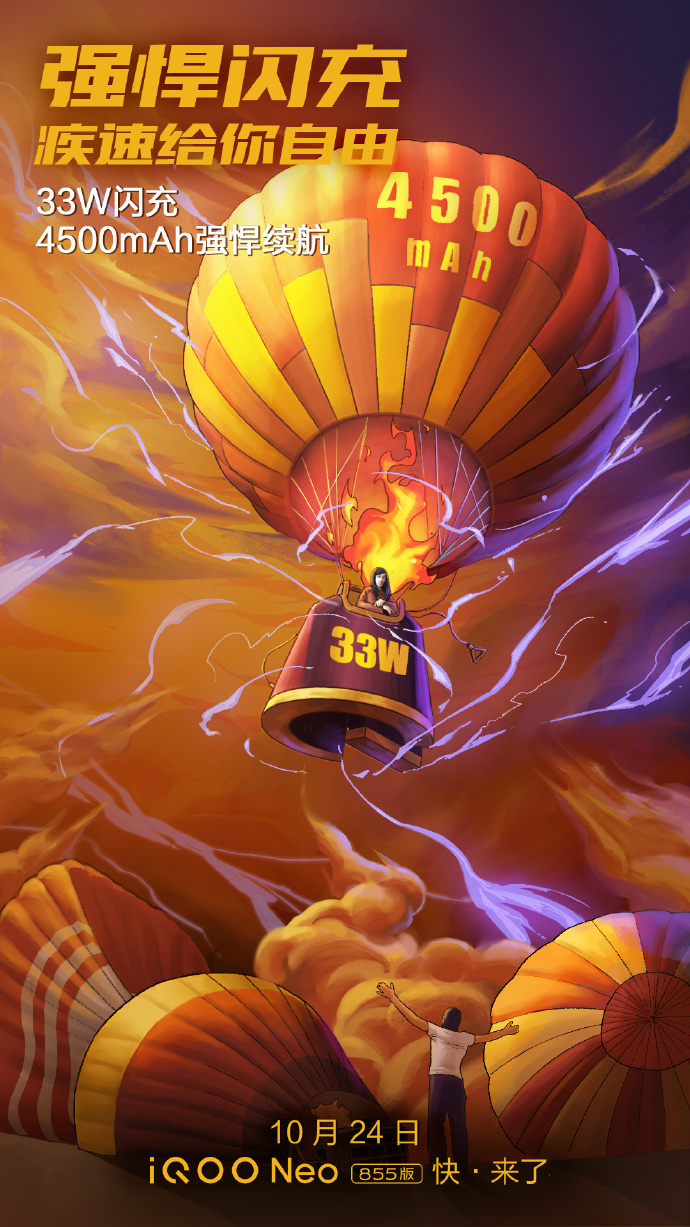
The company has been shared features of the upcoming smartphone through teaser posters and in the latest poster, it has been confirmed that the device will be powered by a 4,500mAh battery with 33W fast charging support.
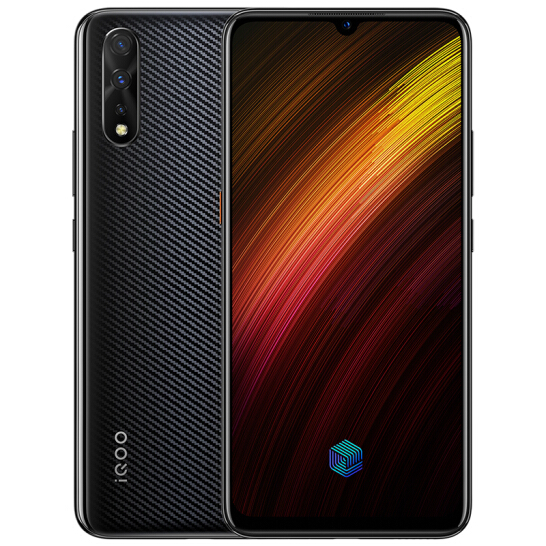
The specifications of the device have already been leaked online, thanks to the TENAA listing. It revealed that the phone features a 6.38-inch AMOLED display that supports Full HD+ screen resolution of 1080 x 2340 pixels.
The renders of the phone in the listing reveals that the device will have a waterdrop notch on top of the display. As known, the device will be powered by Snapdragon 855 SoC clocked at 2.84GHz and will come with 6GB RAM and 8GB RAM variants.
It will be offered in three storage options — 64GB, 128GB, and 256GB. The company has already confirmed that the device will come with UFS 3.0 storage. However, there won’t be microSD card slot for expanding the storage capacity on the device.
Coming to the camera setup, the device will have a triple-camera setup on the back, consisting of a 12-megapixel primary sensor, an 8-megapixel secondary wide-angle sensor, and a 2-megapixel tertiary depth sensor. On the front side, it is expected to come with a 12-megapixel snapper.
The smartphone will be offered in three colors — Carbon Black, Electro-optic Purple, and Icelandic Aurora. The iQOO Neo Snapdragon 855 Edition is now up for reservation in China and will be available for purchase from 1st November.
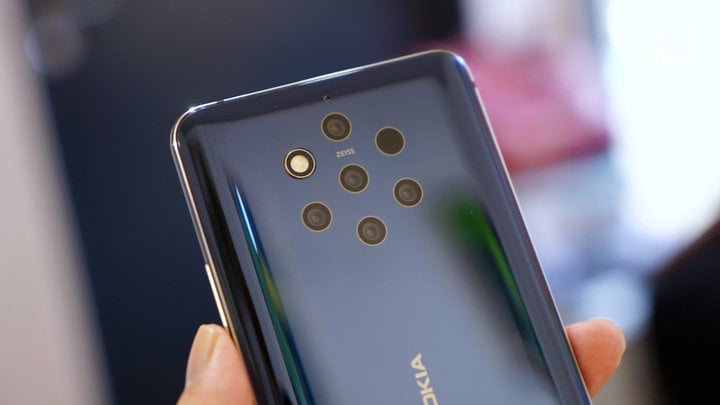
A report that had surfaced few months ago had revealed that the HMD Global is working on the successor for Nokia 9 PureView smartphone. The report had revealed that the Finnish firm may launch the Nokia 9.1 PureView smartphone by the end of this year. However, industry insider Nokia anewhas claimed that the Nokia 9.1 PureView will not be made official until the second quarter of 2020.
HMD Global is known for announcing new phones at Mobile World Congress (MWC) tech exhibition that is held in the first quarter of each year. However, on the basis of the fresh information it can be said that the Nokia 9.1 PureView may not get announced at the MWC 2020 event. The reason behind the delay of the smartphone’s arrival is not known yet.
The Nokia 9 PureView that was made official in MWC 2019 earlier this year featured Snapdragon 845 chipset. While the SD845 is a good chipset, it was disappointment to see HMD Global use an outdated SoC for it instead of the Snapdragon 855 that powered most flagship phones this year. The Nokia 9.1 PureView may arrive with Snapdragon 855 chipset when most flagship phones in the coming year will be equipped with Snapdragon 865.
Nokia 9 Pureview
The leaked details that had appeared in July had claimed HMD Global will continue to work with Light’s camera technology for the Nokia 9.1 PureView. The smartphone is expected to deliver better low-light performance and better videography capabilities. The smartphone may feature a punch-hole display and is expected to run on Android One edition of Android 10. Also, the Nokia 9.1 PureView is expected to arrive with support for 5G connectivity.
Speaking of 5G, HMD Global is rumored to be working on the Nokia 8.2 5G phone. Rumors have it that it will be equipped with the upcoming 7nm Snapdragon 735 mobile platform and up to 8 GB of RAM. The handset is expected to come in variants such as 4 GB RAM + 64 GB storage, 6 Gb RAM + 128 GB storage and 8 GB RAM + 256 GB storage. The Nokia 8.2 5G is expected to offer a high screen space and it could be equipped with a pop-up selfie snapper. The rear side of the phone may sport a circular camera module with a 64-megapixel primary lens. The smartphone may get showcased at MWC 2020.
We use cookies on our website to give you the most relevant experience by remembering your preferences and repeat visits. By clicking “Accept”, you consent to the use of ALL the cookies.
This website uses cookies to improve your experience while you navigate through the website. Out of these, the cookies that are categorized as necessary are stored on your browser as they are essential for the working of basic functionalities of the website. We also use third-party cookies that help us analyze and understand how you use this website. These cookies will be stored in your browser only with your consent. You also have the option to opt-out of these cookies. But opting out of some of these cookies may affect your browsing experience.
Necessary cookies are absolutely essential for the website to function properly. This category only includes cookies that ensures basic functionalities and security features of the website. These cookies do not store any personal information.
Any cookies that may not be particularly necessary for the website to function and is used specifically to collect user personal data via analytics, ads, other embedded contents are termed as non-necessary cookies. It is mandatory to procure user consent prior to running these cookies on your website.

 During the event, journalists questioned Levi Lee, the Director of Realme Europe what are the reasons behind his company’s explosive growth. To which he replied with the following statement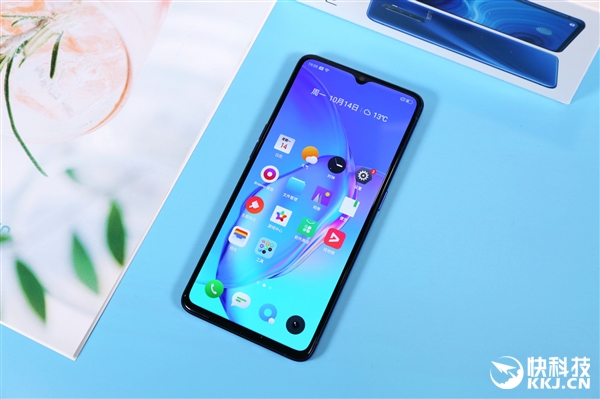





 Surprisingly, Huawei’s aggregate revenue jumped 24.4% in first three quarters of 2019 when compared to last year. Besides, Huawei CEO Ren Zhengfei has made yet another unanticipated statment that the “the U.S ban has helped the company positively”. He explained that Huawei employee’s who are afraid of the company’s death, have started working even harder and their efforts are the reason that company managed to increase revenue despite tough times.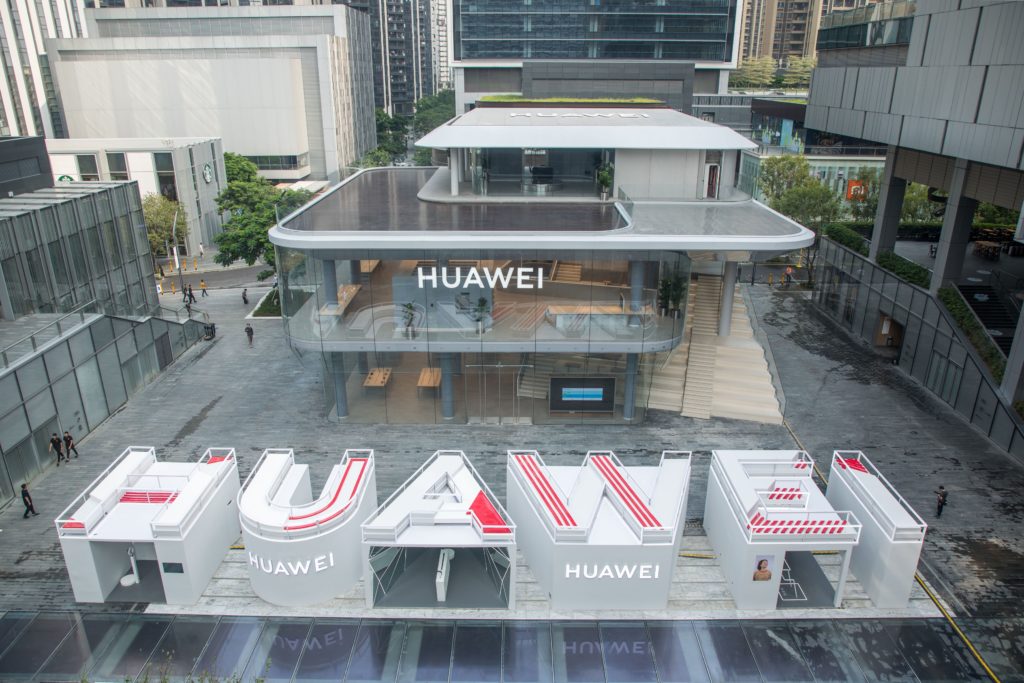




 The Mi Mutual transfer option can be turned off by switching status to offline in the toolbar of the software. It is always recommended to temporarily turn off the internet connection for a smooth transfer.