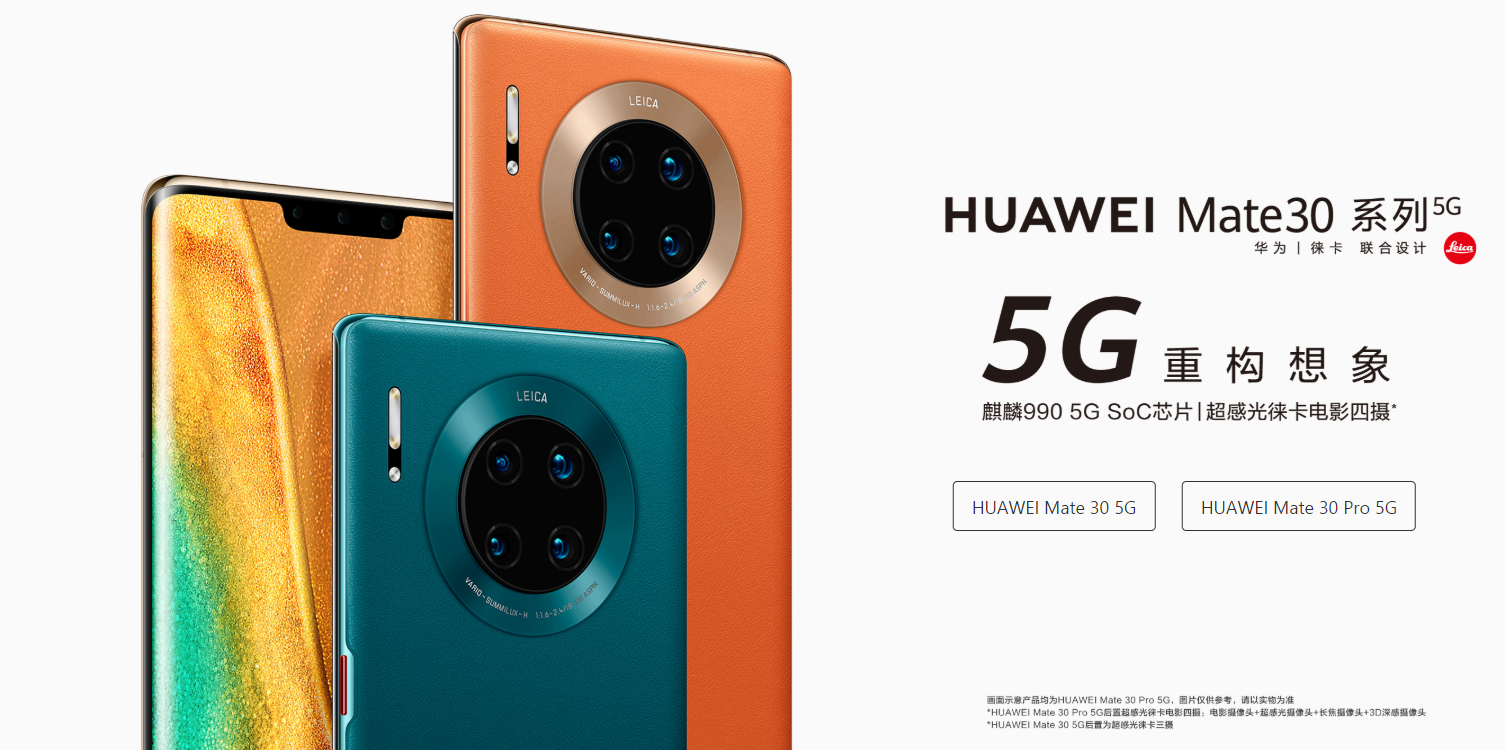
Huawei has already started selling its latest flagship smartphones — Mate 30 and Mate 30 Pro in its home market China. Now, the company has started taking reservations of the 5G variants of the same.
While the Huawei Mate 30 5G and Mate 30 Pro 5G are up for reservation in China, the company will start selling the smartphones from 1st November. The phone will carry a starting price of 4,999 Yuan which roughly converts to $706.
The Mate 30 5G comes in two variants based on memory configuration – 8GB + 125GB version with a ¥4999 (~$706) price and the 8GB + 256GB version priced at ¥5499 (~$777). On the other hand, the Mate 30 Pro 5G 8GB + 256GB version is priced at ¥6899 (~$975) while the 8GB RAM + 512GB version is priced at ¥7899 (~$1116).
Both the smartphones are powered by the company’s own Kirin 990 5G 7nm + EUV processor. It not only has a built-in 5G modem but its NPU chip also has two big cores and one small core while the regular Kirin 990 has one big core and one small core. Its cores are also clocked higher than the standard variant.
Further, both the devices have a total of 21 antennas each where 14 are for 5G, more than double the 6-antenna design of other 5G phones. Both 5G phones come in Vegan Leather Orange and Vegan Leather Forest Green color options.
The Huawei Mate 30 series is apparently doing extremely well in its home country. At the start of this month, it was reported that the company has already sold over a million units of the Mate 30 and Mate 30 Pro since the phones went on sale in China on September 26. This is pretty impressive considering they achieved it in less than a week, and that’s not even the end of it.
Apparently, Huawei managed to reach this goal in the span of a three hours, as Richard Yu made the announcement during the opening of a Huawei flagship store in Shenzhen. Including the online orders, Huawei was bringing in CNY 500 million a minute, implying a rate of 100,000 sales per minute. Now those are some pretty big numbers.
It’s noteworthy that the Mate 30 series comes without support for Google apps and services. While it may be a big deal in other markets, it isn’t so in China where most Android phones don’t come pre-installed with Google Play Services.
Gizmochina along with Banggood is conducting 1 unit Xiaomi Mijia LCD Writing Tablet with Pen as giveaway gift to a lucky reader. Like always, you just have to follow the steps mentioned on the Gleam widget to get a chance to win this amazing gift.
Xiaomi Mijia LCD Small Blackboard adopts customized liquid crystal film formula, blue-green handwriting, clear and eye-catching display, both the real writing experience of traditional paper and the smooth experience of LCD screen. The Xiaomi Mijia LCD Blackboard ships with a pen, and you can paint whenever you want and record the moment of inspiration. The weight of the pen is only 7g, and the whole machine adopts four neodymium iron boron magnets, which have strong adsorption capacity and long-lasting magnetic force. Also, the machine has slim body, which is light and portable, reducing the burden of travel.
Share this giveaway contest on Facebook, Twitter and Reddit.
Terms & Conditions:
1. The giveaway is an international giveaway. 2. We are not responsible for lost shipments. 3. We are not responsible for any duties, import taxes that you may incur. 4. We reserve all rights to make any changes to this giveaway. 5. The prize will be shipped in a month when the giveaway end.
Just follow the steps mentioned in the Gleam widget to participate in the giveaway.
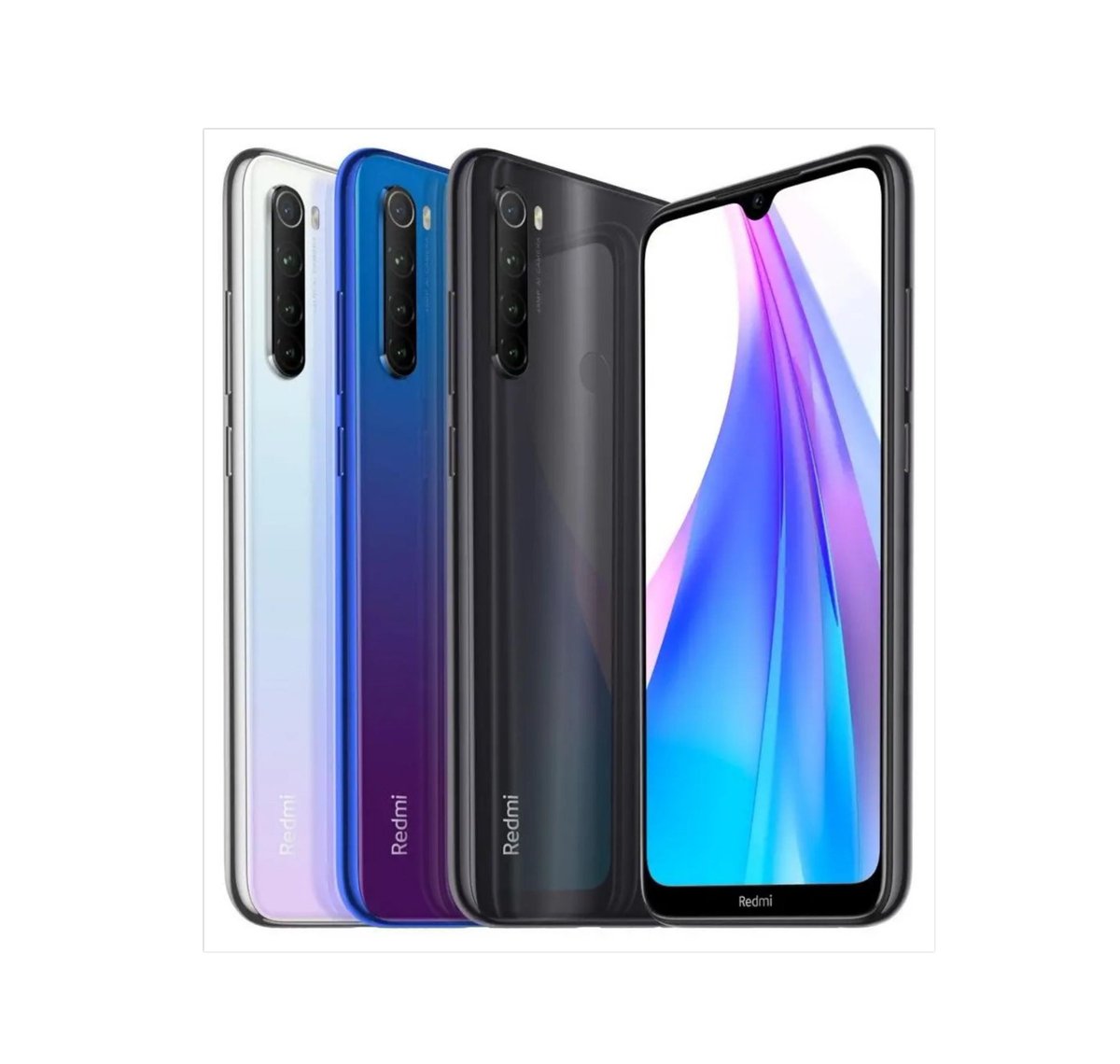
It appears that the arrival of the Xiaomi Redmi Note 8T smartphone is drawing near. Yesterday, a tipster had shared the images of the rear panel of the smartphone. Now, the same leakster has shared leaked renders of the Redmi Note 8T that reveals it front and rear design. The Redmi Note 8T is identical with Redmi Note 8 phone.
In the below shown images, the Redmi Note 8T can be seen in Black and gradient colors of White and Blue. The rear side of the phone is fitted with a vertical quad camera system and a fingerprint scanner. The frontside of the phone is also similar to the Note 8 phone. It has a waterdrop notch on its display and the chin of the device is slightly thick compared to other bezels. The Redmi branding can be seen in the bottom bezel like the Note 8 smartphone.
The Redmi Note 8T was previously rumored to arrive with Snapdragon 730G processor. However, considering the fact that its no design is not different from the Redmi Note 8, it is unlikely that the Note 8T will come with a better processor. Moreover, the leakster has maintained that the Redmi Note 8T is same phone as Note 8 and the only major difference is that the ‘T’ variant comes with NFC connectivity. It is advisable to wait for further leaks to know more about the phone.
The Redmi Note 8 has a 6.3-inch IPS LCD display that offers full HD+ resolution and 19.5:9 aspect ratio. The Snapdragon 665 chipset is the driving force of the smartphone. It can be purchased in 4 GB and 6 GB RAM editions and storage options like 64 GB and 128 GB. There is a microSD card slot onboard for more storage.
The rear shell of the Redmi Note 8T has a Sony IMX586 48-megapixel + 8-megapixel + 2-megapixel + 2-megapixel quad camera system. Placed on the frontside of the smartphone is a 13-megapixel selfie shooter. The MIUI 10 based Android 9 Pie OS runs on the device. The 4,000mAh battery of the Redmi Note 8T is backed by 18W fast charging technology. The phone comes in color editions like Neptune Blue, Morning White and Space Black.
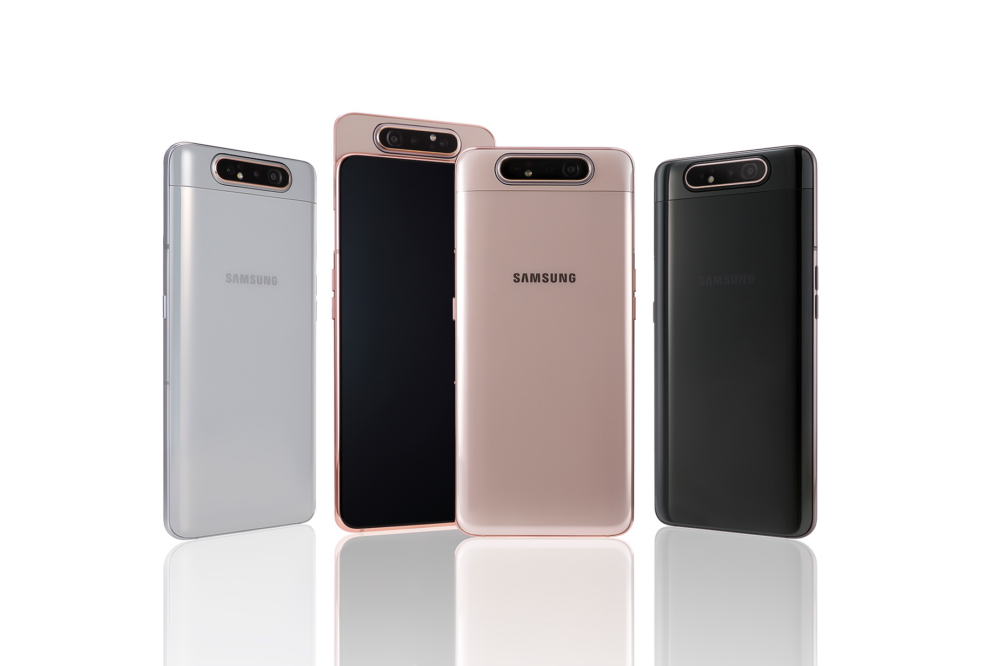
Samsung had launched the Galaxy A80 smartphone in India in July this year for a price of ₹47,990 (~$676). Now, months after its launch, the company has announced a massive price cut of ₹8,000 (~$113), bringing the cost down to ₹39,990 (roughly $564).
The smartphone is now being sold at this new pricing through online stores such as Amazon and this new pricing is also applicable to the device being sold through offline channels in the country.
As for the specifications, the Samsung Galaxy A80 flaunts a 6.7-inch AMOLED display with New Infinity notch-less design. It offers a tall aspect ratio of 20:9 and carries support for 1080 x 2500 pixels Full HD+ resolution. The display of the smartphone is fitted with an in-screen fingerprint sensor for added security.
Under the hood, the device is powered by Qualcomm Snapdragon 730G 8nm octa-core processor which is clocked at 2.2GHz, coupled with Adreno 618 graphics. The phone comes packed with 8GB of RAM and has 128GB of internal storage.
It comes with a triple camera setup that includes an f/2.0 aperture 48-megapixel main lens, an f/2.2 aperture 8-megapixel ultra-wide lens and a 3D ToF (Time of Flight) lens. There is no front-facing camera on the device. The rear positioned triple camera setup can move up at rotate to function as front-facing cameras for capturing selfies.
The phone is running Android 9 Pie operating system with the company’s own One UI on top. The South Korean company has included a 3,700mAh battery inside the Galaxy A80 along with support for 25W fast charging support.
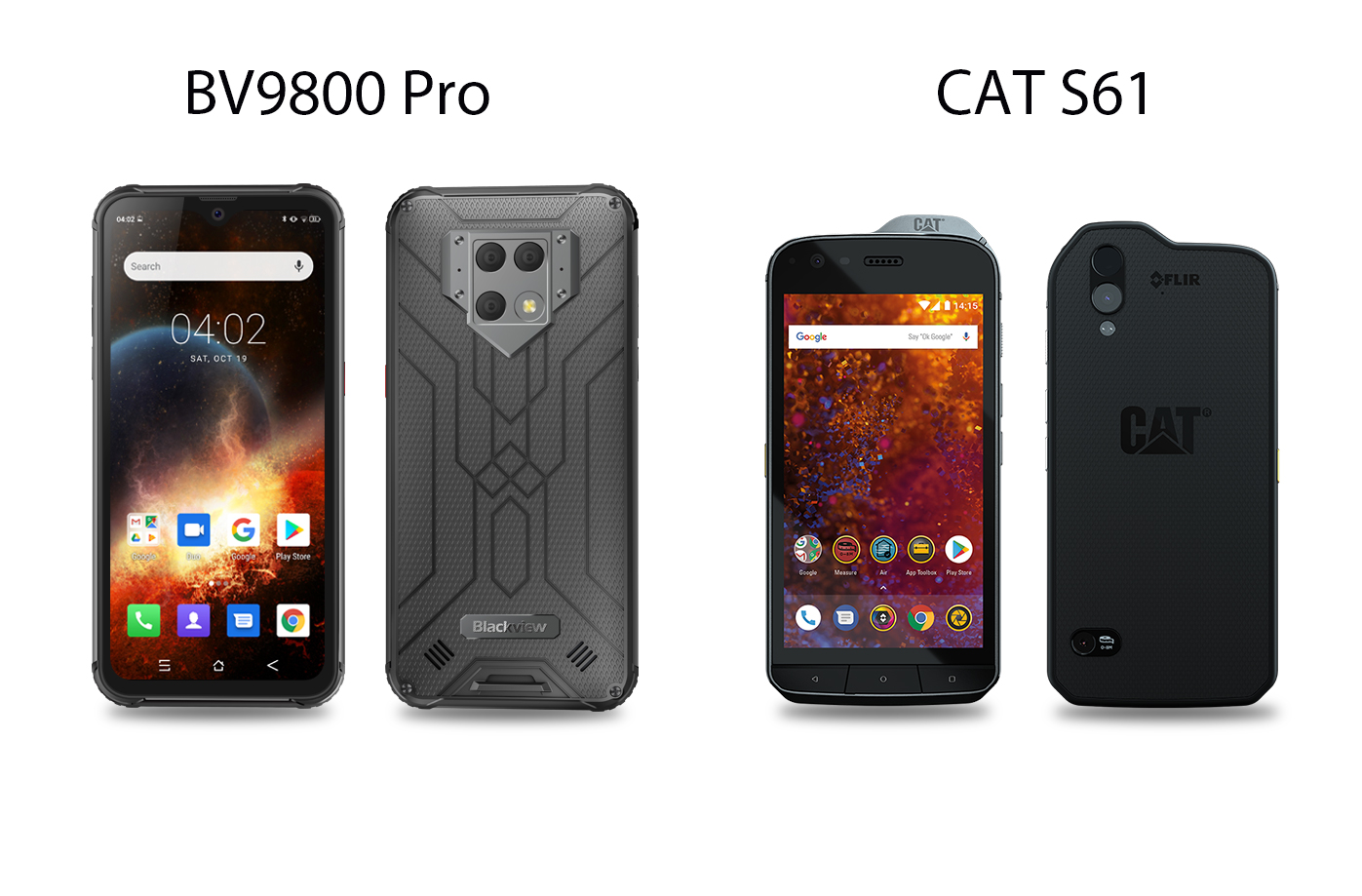
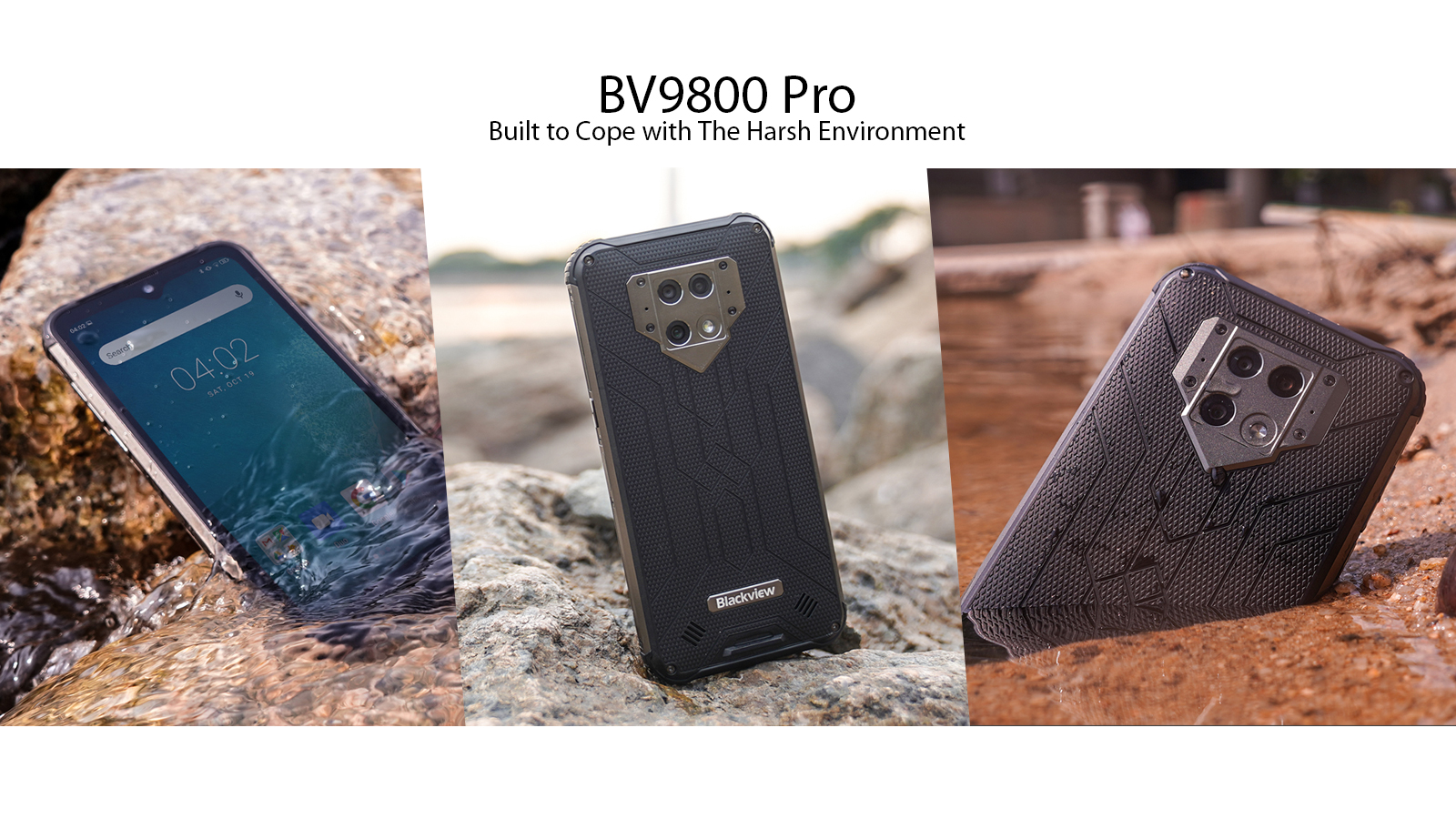
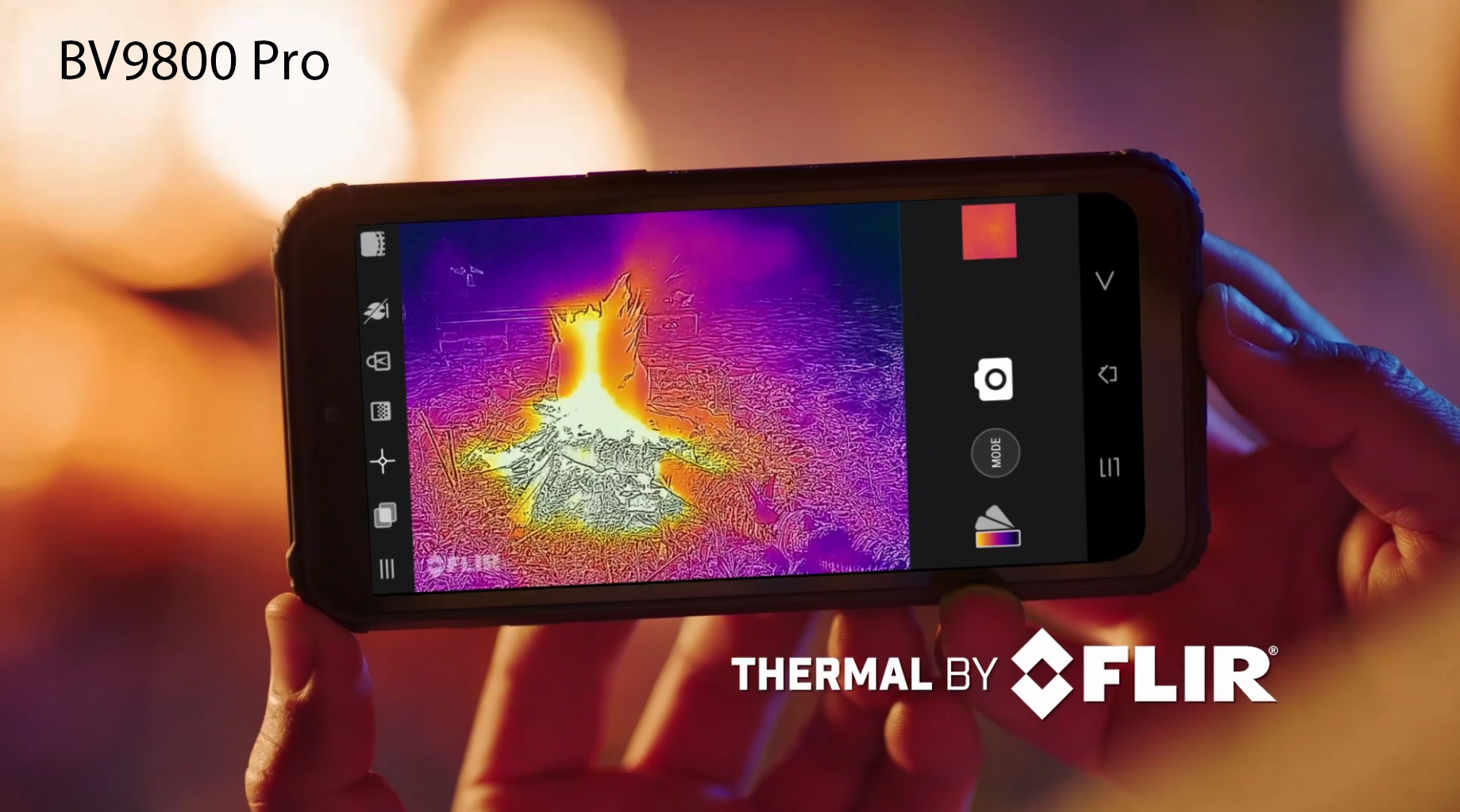
The first thing that came to mind when referring to a thermal camera on a smartphone, was CAT S61/S60. That changed recently as Blackview announced the BV9800 Pro rugged outdoor smartphone that comes with a Thermal camera by FLIR® and boasts a Sony® 48MP camera. The feature went viral last month when the company started the “warm-up” marketing campaign. Almost 2 months later, someone would say that the Blackview BV9800 Pro is a late-comer but let’s see how both the smartphones stack up against each other.
Display & Design
The Blackview BV9800 Pro and the CAT S61 boast the most impressive design and build quality. Both phones boast excellent design and build quality and both have a super rugged body that is waterproof, drop-proof, and dustproof (IP68/IP69K/MIL-STD-810G certified). But when it comes to the display, the BV9800 Pro is a clear winner since it comes with a 6.3″ IPS FHD+ display with 19.5:9. On the other hand, the CAT S61 sports a smallish 5.2″ FHD IPS display with the classic 16:9 aspect ratio. The BV9800 Pro looks more fresh and modern thanks to its thin bezels and waterdrop notch while the CAT S61 looks like it came from the past (and it did).
Hardware & Software
If the design and display aren’t your first priorities when buying a rugged phone, then hardware and software definitely are, especially if you consider the price tag. Blackview’s phone is powered by a MediaTek chipset while the CAT S61 is fueled by a Qualcomm chipset. MediaTek’s Helio P70 8-core SoC runs @2.0GHz coupled with 6GB of RAM and 128GB of storage and the S61 uses Qualcomm Snapdragon 630 8-core @2.2GHz backed by just 4GB of RAM and 64GB of storage. The BV9800 Pro comes with Android 9 Pie out-of-the-box while S61 runs on Android Oreo, with an update to Pie. With these specs in mind, the BV9800 Pro is a clear winner both in hardware and software.
Camera
Moving on to the optics found in both phones, the brand-new Blackview phone comes with Sony’s popular 48MP sensor with night shot mode support as a part of a triple camera setup. The camera setup also includes a FLIR® Lepton® thermal imaging sensor and a 5MP sensor assisting with thermal imaging, with an extra flash. Also, there is a 16MP front shooter. The CAT S61 is apparently weaker in this part as it sports a 16MP single rear camera with dual LED flash and an 8MP front shooter.
Battery
Here things are even clearer, as BV9800 Pro houses an enormous 6580mAh battery with wireless charging support. That’s almost 47% bigger than the 4500mAh battery found in CAT S61. Both phones come with an 18W charger though.
Price
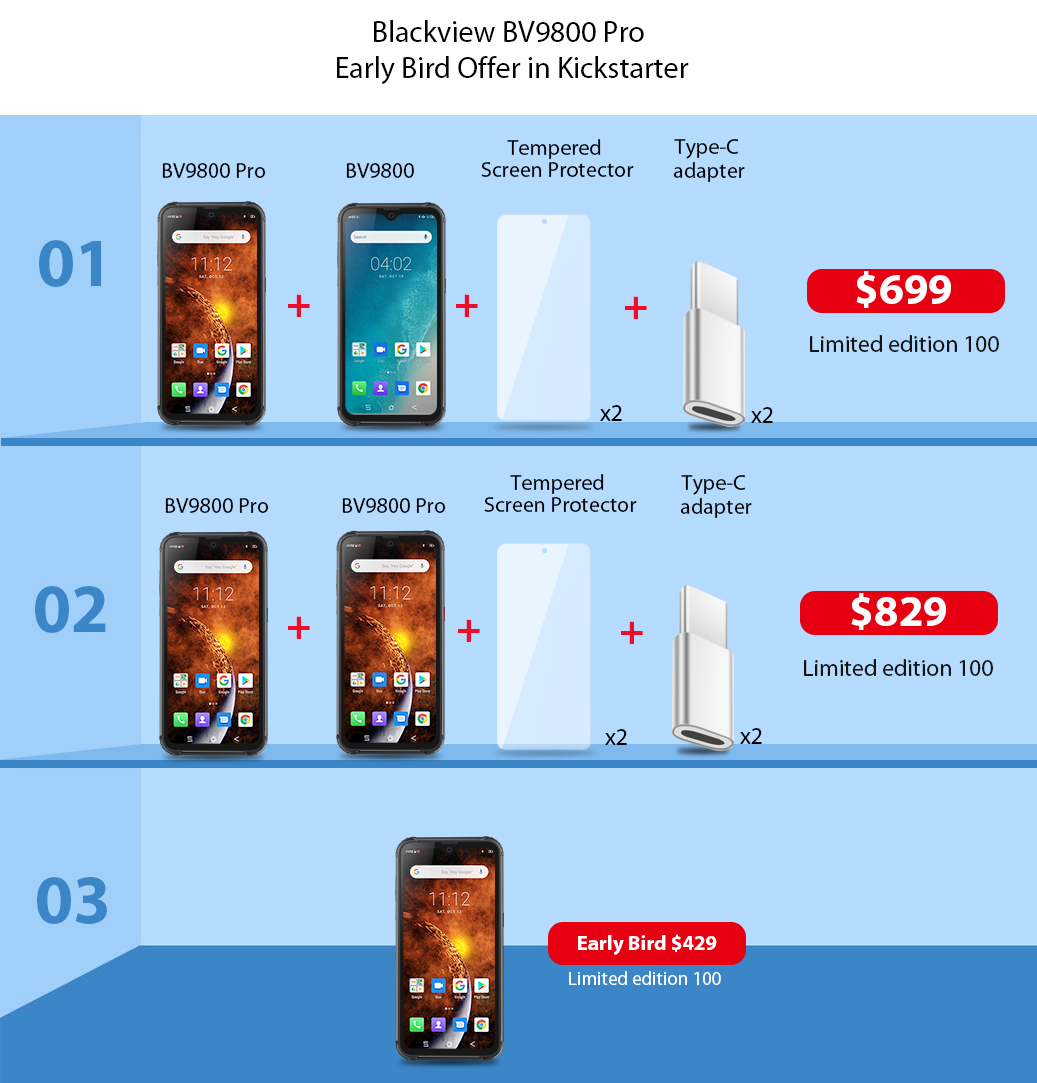
Blackview BV9800 Pro is a clear winner in all the factors that matter when it comes to a good user experience so the final factor is the price tag. Believe it or not, the Blackview BV9800 Pro boasts a price that is more than 50% less than that of the CAT S61. The price during the crowdfunding campaign on Kickstarter is $429 while at the same time the S61 costs around $999! The Kickstarter campaign is in full swing and more than 700 backers have contributred over $290,000. Thanks to that support, the Super Early Bird and Early Bird offers have gone. The good news is Blackview has added a new perks scheme that is the following:
1. $699 for 1 x BV9800 Pro & 1 x BV9800, with a gift of 2*tempered screen protector & 2*Type-C adapter, limited to 100 2. $829 for 2 x BV9800 Pro, with a gift of 2*tempered screen protector & 2*Type-C adapter, limited to 100 3. Re-activate BV9800 Pro US$429 Early Bird offer, limited to 100 this time.
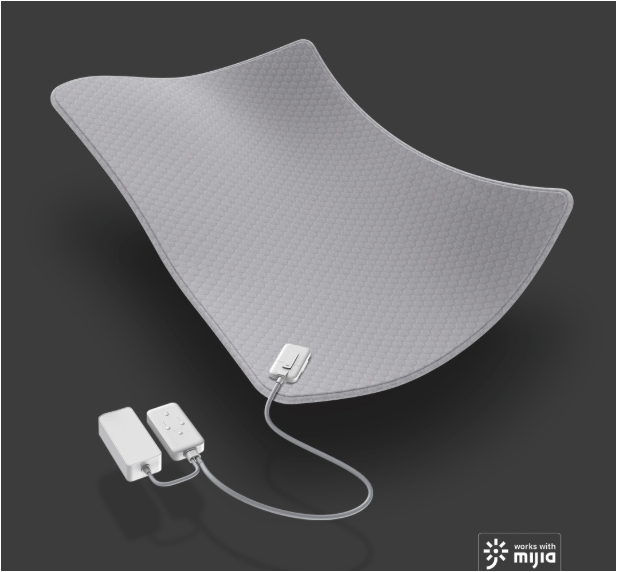
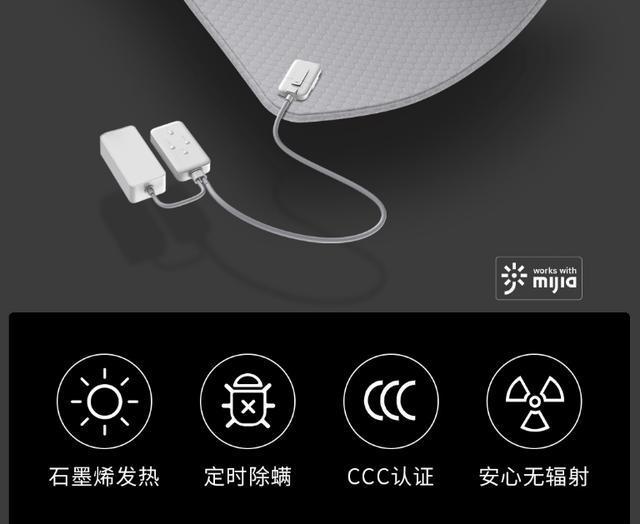
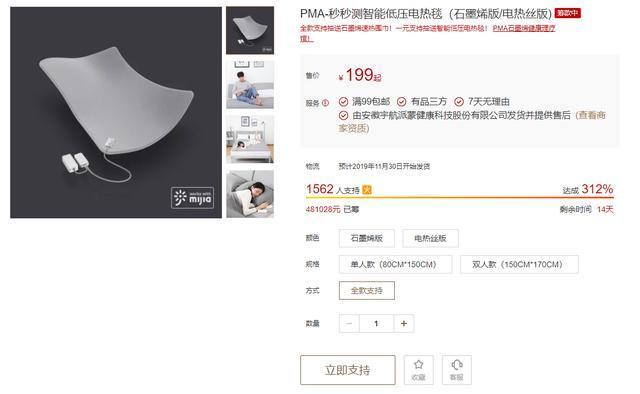
The electric blanket keeps up with the minimalist design for which Xiaomi’s products are known. It comes in two versions a graphene version and an electric heating wire version. It uses very low voltage power output of 24V, making it safe for use. The voltage rating is lower than 36V which the human body can still absolve.
Further, the smart electric blanket features a smart sleep mode which keeps the temperature at a dynamic level in sync with the body temperature. This ensures the user is kept warm all through the winter. It is available in two sizes; 80 x 150cm referred to as Single model and 150x170cm, referred to as Double model.
The electric blanket can be controlled via the XiaoAI voice assistant but also via the MIJIA app. Thus, you can remotely turn on the heated blanket while still on your way back home.
Pricing starts at 199 yuan ($28) for the electric wire pad with a single 80cm x 150cm size. The graphene pad version goes for 399 yuan ($56). The bigger pad gets a slightly higher price tag. The product is expected to start shipping in China on November 29. We doubt if it will be launched outside China.
Rather than announce a foldable device with a flexible display like Samsung, LG is going with dual-displays via an accessory that you can attach to the phone. Last month at IFA 2019, LG announced the LG G8X ThinQ which comes with the new and improved LG Dual Screen accessory. However, LG didn’t reveal a release date and neither did it mention the price at the launch.
Earlier today, LG announced that the LG G8X ThinQ will be available in the US beginning November 1 for just $699.99. That isn’t a bad price if we are being honest.
The LG G8 ThinQ can be used in a variety of ways with its LG Dual Screen accessory attached. LG says the screen can lock into any angle for example at 120°, you can use one screen as a game controller; at 140° you can use the phone as a mini laptop; stand it or use it as a tent at 270°; or flip it back 360° to receive a call.
The LG G8 ThinQ has a 6.4-inch OLED screen with a waterdrop notch, a Snapdragon 855 processor, 6GB of RAM, and 128GB of storage that can be expanded up to 2TB via a MicroSD card slot. The LG Dual Screen accessory has the same 6.4-inch FHD+ OLED display and connects to the phone via a USB Type-C port.
The phone has a 12MP f/1.8 primary rear camera whiile a 13MP f/2.4 super wide-angle camera is the second sensor. Its selfie camera is a 32MP f/1.9 sensor. The LG G8 ThinQ has features such as Night View, 4K Time Lapse, AI Action Shot, Cine Shot, and Studio Mode.
Other features are an in-display fingerprint scanner, 2.4W stereo speaker, dedicated Google Assistant button, DTS:X Surround Sound, IP68 water and dust resistance, and a 4000mAh battery with support for Quick Charge 3.0.
The LG G8X ThinQ will be available at Amazon, AT&T, and Sprint. It will ship with a free LG Dual Screen Accessory. LG said promotions for pre-orders will be announced by partners later. However, some eligible buyers will be able to get the phone for just $399.
When the Pixel 4 launched last week, reviewers who got the phone shared photos of their review units online. Apparently, Google handed them a customized pizza box with a space for the Pixel 4 and of course real pizza. See Tech YouTuber SuperSaf’s unit below.
Google has begun shipping orders this week and those who have received their unit also got a surprise though not as exciting as getting free pizza along with your phone. Instead, Google is shipping the phone in a custom box of cereal. Yes, you read that right.
The Pixel 4 phones are arriving in a colorful cereal box branded Google Pixel 4. The package also mentions some of the phone’s features such as the camera (astrophotography), quick gestures, and the new Google Assistant. It also mentions the RAM which is 6GB and also states that there is unlimited online storage with Google Photos.
[envira-gallery id=”284687″]
Inside the cereal box is the Pixel 4 or Pixel 4XL as well as a pack of cereal. A message inside the box reveals the special package is for those who pre-ordered the Pixel 4 from Google Store UK. It also states that those who purchase the Pixel 4 are eligible for a free HP Chromebook 14 which they have to claim between 14 to 45 days from the date of purchase.
The Pixel 4 has a 5.7-inch FHD+ OLED display with a 90Hz refresh rate while the Pixel 4XL has a 6.3-inch QHD+ 90Hz OLED display. Both phones are powered by the Snapdragon 855 paired with 6Gb of RAM and 64GB/128GB of storage.
There is a 12MP primary rear camera along with a 16MP telephoto camera on the back of the device. The selfie camera is an 8MP sensor and you also get Face Unlock and hands-free gesture control thanks to the Soli radar in the device. The smaller Pixel has a 2800mAh battery while the XL has a 3700mAh battery. Both phones run Android 10 out of the box.
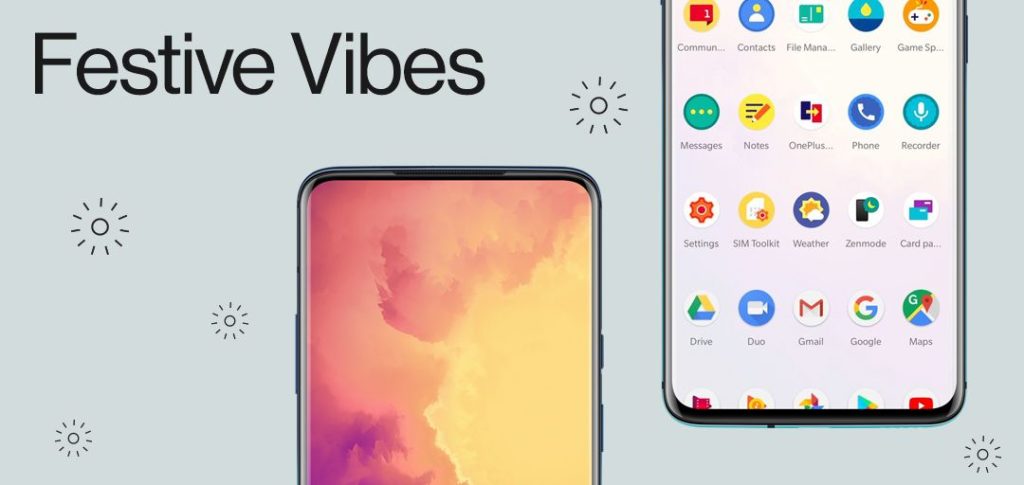
The festival of lights – Diwali is just a few days away, and the smartphone manufacturers are offering huge discounts on the occasion to celebrate. Unlike the others, OnePlus is doing something different along with usual discounts on flagships. It has introduced a new Festival Icon Pack and a Wallpaper for users to celebrate the famous Indian festival.
OnePlus introduced the Icon Pack and Wallpaper while introducing the new designing team at its Hyderabad HQ in India. In the official forum post, OnePlus posted download links for the Festive Icon pack and Wallpaper specially designed for OnePlus 7T and OnePlus 7T Pro. However, you can also use the wallpaper on any other smartphone.
While speaking on the occasion Ujjawal V, Head of OnePlus Indian Design team said, “One of our team’s fun exercises is the Festive icon pack and wallpaper. And while we’re amidst the celebrations, we have an opportunity for our Indian users to delve into and experience this occasion. You can choose to install the wallpaper and the icon pack for a high-spirited and cheerful vibe to your home page. We hope you’ll explore the creation of our team, designed and inspired by the culture and beliefs of India.”
The Indian users can now expect more India centric features getting dwelled into the OnePlus devices. The aim of the team is to bring immersive experience for OxygenOS users.
OnePlus recently launched the OnePlus 7T series in India with improved hardware and software features. The changes include the presence of new Qualcomm Snapdragon 855 Plus with a better rear camera module and design.
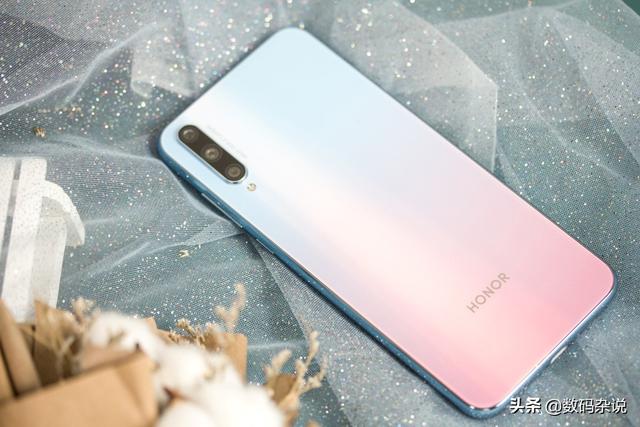
Huawei‘s US ban is casting a veil over the Chinese company’s sleek smartphones but that has not deterred the tech giant from releasing more amazing ones. One of such is the new Honor 20 Lite. Don’t get it twisted, this is entirely different in terms of the design and hardware from the Huawei Honor 20 Lite that was launched in Europe a couple of months back.
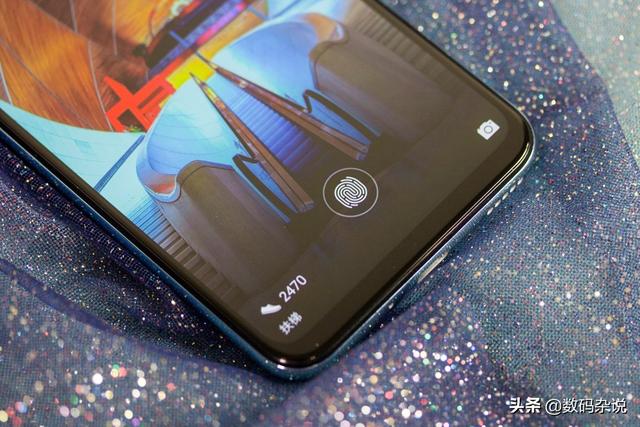
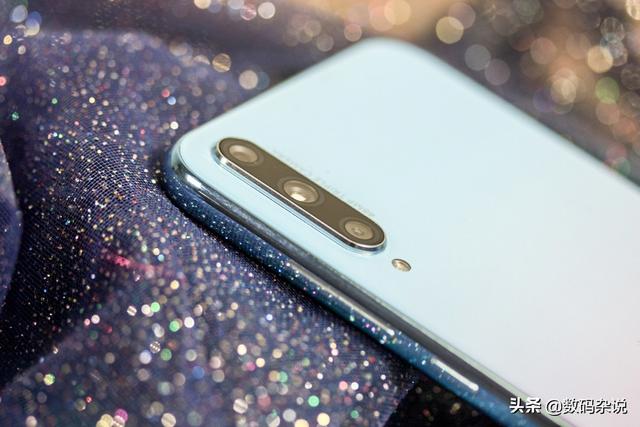
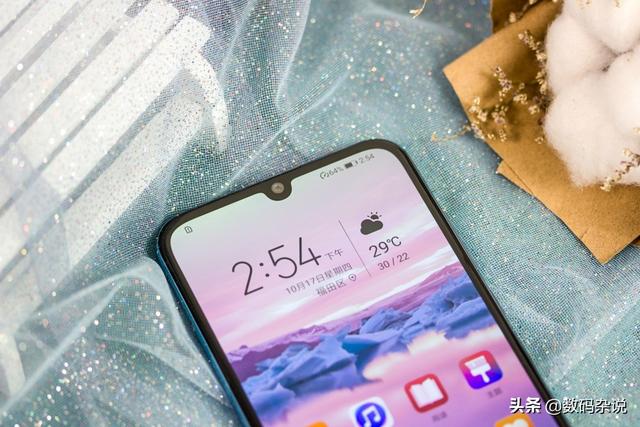
The new Honor 20 Lite which is also translated as Honor 20 Youth Edition, presents with a triple camera and a waterdrop notch design at the front, two features it shares with the Honor 20 Lite for Europe. The Europe version has a rear fingerprint sensor but this China model packs an under-display fingerprint sensor, leaving the back panel bare.
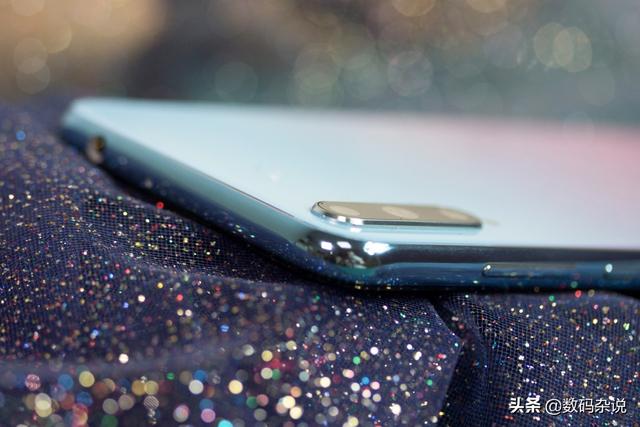
The processor is upgraded from a Kirin 710 chipset for Europe to a Kirin 710F chipset on this new model. The rear panel also adopts a gradient glass design which adds to the beauty of the device. Since we are talking of an under-display fingerprint sensor, the Honor 20 Lite (China) presents with a 6.3-inch OLED display with fullHD+ resolution of 1080 x 2400 pixels.
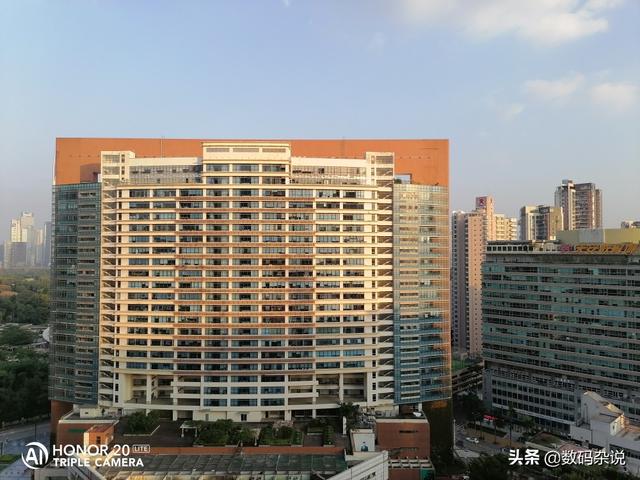
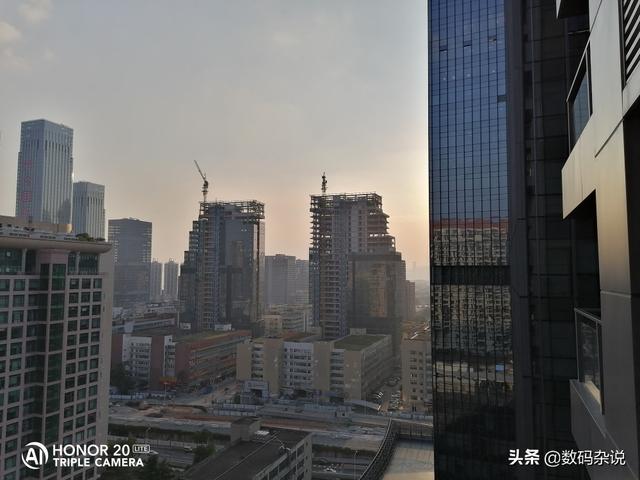
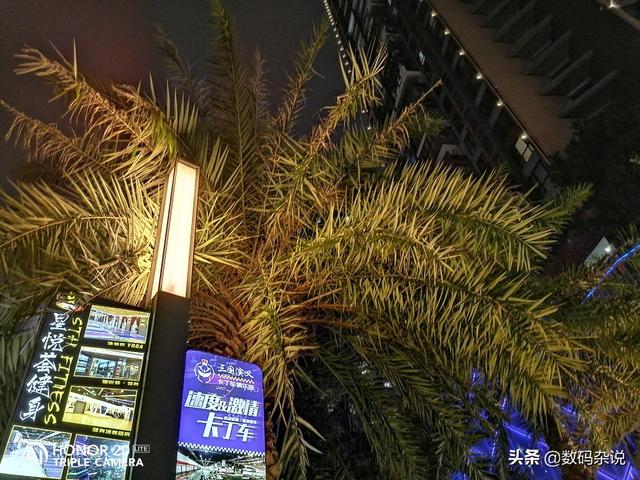
We also came across a couple of camera samples captured by the Honor 20 Lite rear cameras. To recall, the camera setup includes a 48MP sensor with f1.8 aperture, as well as an 8 MP wide-angle. len and a 2MP depth sensor. The camera offers AI scene recognition of up to 22 scenes, AIS handheld super night scene mode 2.0, portrait mode and more. AI also enables real-time orientation optimization, faster map recognition, faster image processing, and can automatically recommend “Portrait”, “Night Scene”, “Wide Angle” and other photo modes.
The camera samples are pretty impressive. I particularly find the shot of a green plant captured under wet conditions extremely awesome. No doubt the camera also performed incredibly under low light conditions with absolutely no noise.
Check out the photos of the Honor 20 Lite Icelandic Fantasy variant and some camera samples from below. Also, let us know what you think about the Honor 20 Lite in the comments section.
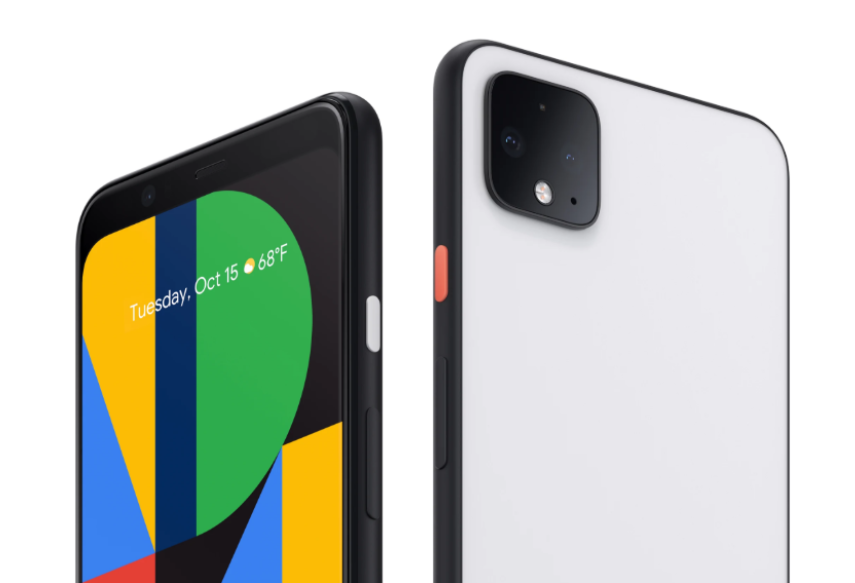
The Pixel 4 and Pixel 4 XL are already shipping to owners and more details are surfacing about the device. Some of these details are interesting while others may be considered as not so important to the average consumer.
Of those important to the average consumer is charging, and according to new info, the new Pixel phones support more than 10W wireless charging. Actually, they support up to 15W wireless charging according to one of the tweets below.
According to the Wireless Power Consortium, the Pixel 4 and Pixel 4 XL have a maximum received power of 11W. The info was shared on Twitter by Mishaal Rahman. However, one of the comments under the tweet by @Coloradowise said Google Support confirmed to him that the device supports up to 15W wirelessly.
Google support confirmed to me last night that it would support up to 15w wirelessly. Is this 11w limit from the handset or the charger?
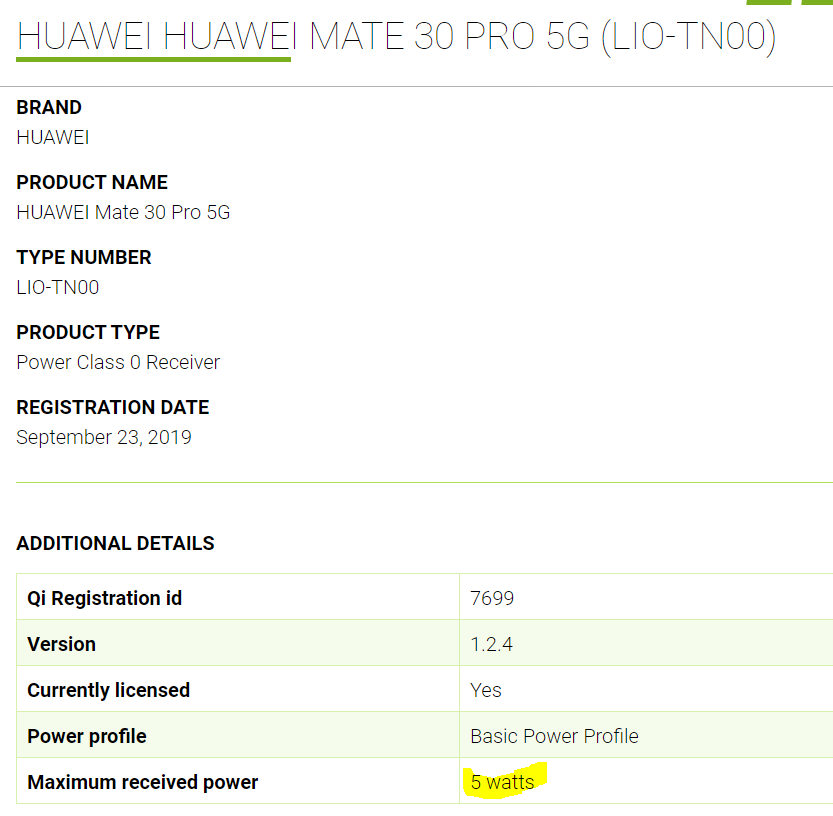
It turns out that the Maximum Received Power stated by the Wireless Power Consortium can be higher. Take for example the Maximum Received Power of the Huawei Mate 30 Pro 5G which is stated as 5W but we know the device actually supports 27W wireless fast charging.
It is surprising why Google omitted this very important info at the launch event. They also didn’t announce a new Pixel Stand, and the current one supports only 10W. So if you have a wireless charger that supports 15W or higher, you may want to give it a try.
With wireless charging out of the way, let’s return to wired charging which most people use.
The Pixel 4 and Pixel 4 XL ship with an 18W charger but it actually supports 20W wired charging too. Oh! This applies to the Pixel 3 too. All you have to do is get a USB Power Delivery charger that supports 20W or more. The Pixel 3 supporting 20W wired charging was reported as far back as February but a lot of folks may not be aware.
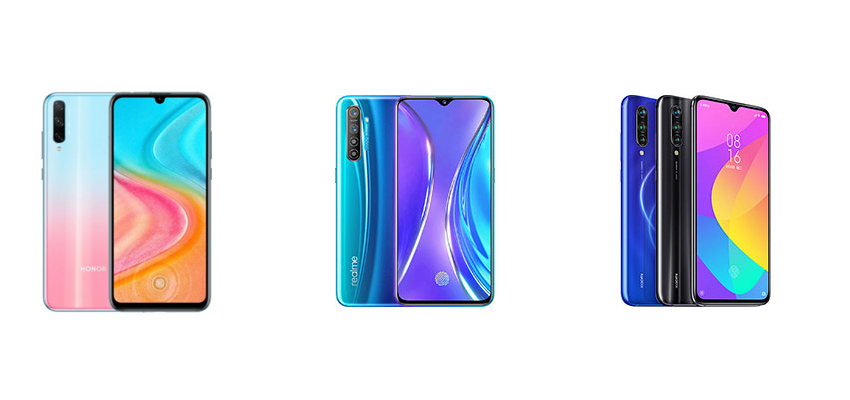
Huawei just launched Honor 20 Lite. Yes, probably you are living a Deja Vu since an Honor 20 Lite has already been in commerce for months. Well, it is a new variant for the Chinese market and its complete name is Honor 20 Lite Youth Edition. So Huawei launched yet another midrange, and that is why it is time to compare it with its main rivals. We chose the Xiaomi Mi 9 Lite (also known in China as the Mi CC9) and the Realme X2 since we believe they are among the best midrange choices released recently. Here is full comparison between their specifications.
Huawei Honor 20 Lite vs Xiaomi Mi 9 Lite vs Oppo Realme X2
Oppo Realme X2
Xiaomi Mi 9 Lite
Huawei Honor 20 Lite
DIMENSIONS AND WEIGHT
158.7 x 75.2 x 8.6 mm, 182 g
156.8 x 74.5 x 8.7 mm, 179 grams
157.2 x 73.2 x 7.65 mm, 172.5 g
DISPLAY
6.4 inches, 1080 x 2340p (Full HD+), Super AMOLED
6.39 inches, 1080 x 2340p (Full HD+), Super AMOLED
Quad 64 + 8 + 2 + 2 MP, f/1.8, f/2.3, f/2.4 and f/2.4
32 MP f/2.0 front camera
Triple 48 + 8 + 2 MP, f/1.8
32 MP f/2.0 front camera
Triple 48 + 8 + 2 + 2 MP, f/1.8
16 MP f/2.0 front camera
BATTERY
4000 mAh, fast charging 30W with VOOC Flash Charge 4.0
4030 mAh, fast charging 18W
4000 mAh, fast charging 22.5W
ADDITIONAL FEATURES
Dual SIM slot
Hybrid Dual SIM slot
Hybrid Dual SIM slot
Design
The design and the build quality are not the strong points of the Realme X2. If we consider all the devices of this comparison, it is the only with a plastic frame, while both the Honor 20 Lite and Xiaomi Mi 9 Lite come with an aluminum frame besides their glass backs. Between Honor 20 Lite and Xiaomi Mi 9 Lite, the one I prefer is the latter since it comes with a more suggestive glass back thanks to its light effects. Xiaomi Mi 9 Lite has even a thinner chin making it even more attractive. Last but not least, its glass back is covered by Corning’s Gorilla Glass 5.
Display
Besides winning the design comparison, Xiaomi Mi 9 Lite is superior even if we talk about displays. First of all, it supports the HDR technology which allows watching multimedia content with richer video quality. Further, it has a very high peak brightness for its AMOLED panel. Honor 20 Lite Youth Edition has high DCI-P3 coverage, but I personally prefer the Xiaomi Mi 9 Lite on the paper, Realme X2 has a classic AMOLED display which lacks the support to HDR and a wide DCI-P3 coverage, so it loses the comparison again.
Hardware/Software
Finally, Realme X2 neutralizes its rivals. All thanks to its amazing Snapdragon 730G: the best midrange-class processor by Qualcomm. If you want a better Qualcomm chipset, you must go for the Snapdragon 8xx flagship series. The Snapdragon 730G is a chipset meant especially for gamers and it provides high graphics performance as well as low energy consumption. Another advantage of the Realme X2 is its higher-end memory configuration: it sports up to 8 GB of RAM and up to 256 GB of UFS 2.1 storage, while Xiaomi Mi 9 Lite and Honor 20 Lite Youth Edition stop at 128 GB. Between Xiaomi Mi 9 Lite and Honor 20 Lite Youth Edition, the former wins since it has a more powerful chipset. Android 9 Pie is installed out of the box in each case.
Camera
The presence of a quad camera with a 64 MP main sensor and a dedicated macro camera makes the Realme X2 a better camera phone than both its opponents. It even comes with a great 32 MP selfie camera. The second place goes to the Xiaomi Mi 9 Lite which sports a triple camera setup and another 32 MP selfie camera.
Battery
In each case, you get a 4000 mAh battery. What changes the battery life is the efficiency of the components. Given that Realme X2 is equipped with a chipset built at just 7 nm, it should provide a longer battery life. And it even has a faster charging technology: it charges up to 67 percent in just 30 minutes.
Price
Realme X2 starts from less than €250/$280 in China, Xiaomi Mi 9 Lite costs less than €230/$255, and Honor 20 Lite Youth Edition starts from less than €180/$200. Overall Xiaomi Mi 9 Lite is a more complete phone since it has a premium build quality, an amazing display, and a well balanced specs sheet. But Realme X2 provides higher performance and cameras. Honor 20 Lite is way more affordable, but it is overall inferior.
Motorola has an event scheduled for October 24 in Brazil where it will announce the 8th-Gen Moto G series. We expect at least three phones will be unveiled on Thursday and they are the Moto G8, Moto G8 Plus, and the Moto G8 Play. However, these are not the only Motorola phones we are expecting to launch before the end of the year. The Lenovo-owned company is expected to launch its first phone with a pop-up selfie camera too, and new info reveals it may arrive as the Motorola One Hyper.
The info comes from a tweet by Mishaal Rahman, Editor-in-Chief of XDA-Developers. The tweet which was posted a few days ago says the Motorola One Hyper is likely the same phone with a pop-up camera that first leaked back in August and was followed by a couple of live photos a few weeks ago. Prior to this, the phone was originally called the Motorola One which itself is weird since there is already a phone with that name.
Motorola One Hyper (XT2027-1). Qualcomm Snapdragon 675. Android 10.
The Motorola One Hyper has the model number XT027-1. It is powered by a Snapdragon 675 processor and will run Android 10 out of the box. If it is indeed the Motorola phone with a pop-up camera then it should also have a 6.39-inch FHD+ IPS LCD display, a 32MP pop-up selfie camera, 64MP + 8MP dual rear cameras, 4GB RAM, 128GB storage, a rear-mounted fingerprint scanner, NFC, and a 3600mAh battery.
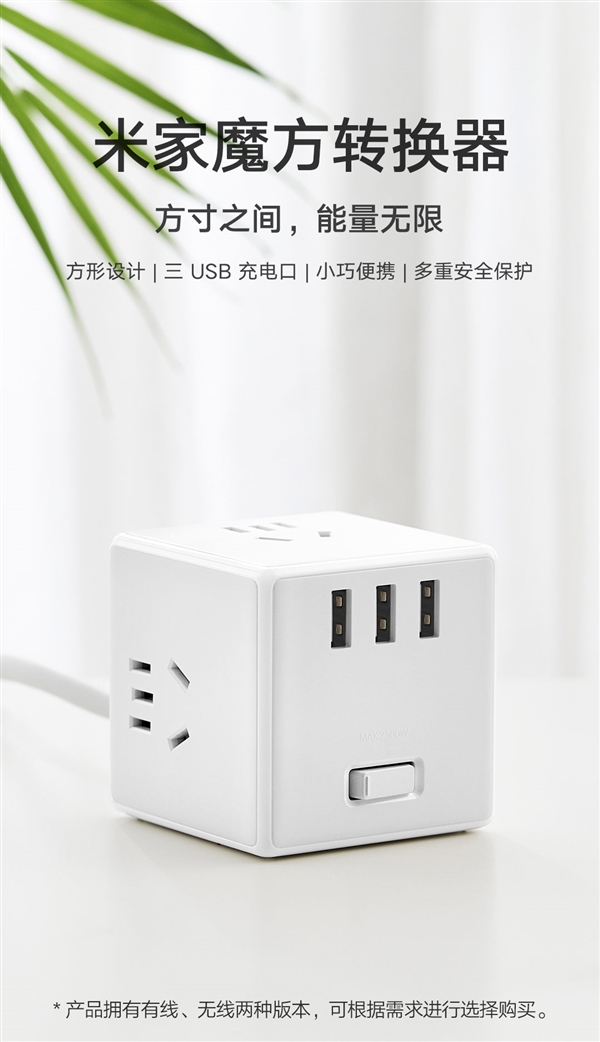
Xiaomi‘s crowdfunding has brought us the brand new Mijia Rubik’s Cube. Thankfully, it’s quite an interesting new device. It’s not an actual Rubik’s cube, but instead a power strip shaped like a cube, a novel idea. Apparently, it’s also an idea that the Chinese audience really likes, as they’re simply eating it up.
The Mijia Rubik’s Cube is one of the hottest selling Xiaomi crowdfunders in recent memory. With a crowdfunding price of only 59 yuan ($9), the little power strip didn’t just reach its goal, but surpassed it by 300%. As if that weren’t enough, it accomplished all this in a mere one and a half hour, which is rather impressive.
For ports, the Mijia Rubik’s Cube features four standard Chinese outlets on all sides, except for the front. For that side, the Rubik’s Cube power strip has three USB charging ports. The Mijia Rubik’s Cube Converter is available in two versions. One comes with a 5 meter wired power cord, while the other doesn’t.
One of the best features of the Rubik’s Cube is that it’s got safety countermeasures in place in case things go wrong. When the electric current exceeds the limit of 10A MAX, the Rubik’s Cube will automatically cut off the power supply to ensure the safety of the items being charged. After the overload, the converter switch can be manually turned back on.
The ZTE Blade V10 Vita launched in February as an affordable entry-level device powered by a Unisoc processor. Going by the timeline it launched, its successor should arrive in February next year during MWC 2020. However, there is a chance the Blade V10’s successor will not launch as the Blade V11 Vita based on ZTE’s recent trademark applications.
ZTE Blade V10 Vita
ZTE applied for a bunch of trademarks at the World Intellectual Property Office (WIPO) last week and the database shows there is no device called the Blade V11 Vita. Instead, we have the Blade V12 Vita, the Blade V13 Vita and it goes on up to Blade V18 Vita. There is also no Blade V17 Vita.
It is not unusual for a manufacturer to skip a number when it comes to the naming of their products. Popular examples include OnePlus skipping the OnePlus 4 name and Samsung skipping the Galaxy Note6.
Based on the trademarks, it is safe to say the Blade V10 Vita’s successor will be the Blade V12 Vita. Its specs are unknown and may remain that way up until January 2020 but it should remain an entry-level device.
The Galaxy Note 10 line-up was the first of the Note series that Samsung released more than one device at once. The company took the wraps off the Galaxy Note 10 and the Galaxy Note 10 Plus version, as well as 5G variants for both models. Despite getting launched around the period when Google announced the Android 10, the Note 10 camera with Android 9 Pie-based One UI.
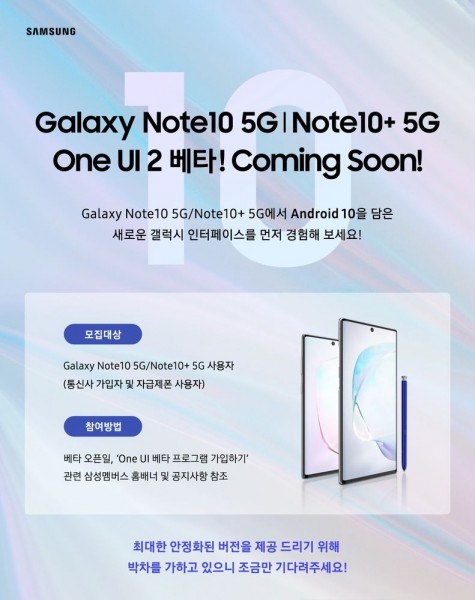
Samsung is now set to kick-off the Android 10-based One UI 2.0 beta program for the Galaxy Note 10 series. This is coming just a week after the beta program rolled out for the Galaxy S10. This latest information comes thanks to a poster on the company’s Korean website. The poster confirms One UI 2.0 beta will be available for the Galaxy Note10, Note10+, and their 5G versions.
Registration for the beta program is yet to commence but once it does, you can enrol from the Samsung Members app but that’ll be exclusive to users in Korea. The date for the global rollout of the update is not yet confirmed officially but the company’s customer care representative recently said that it’s delayed until October 24.
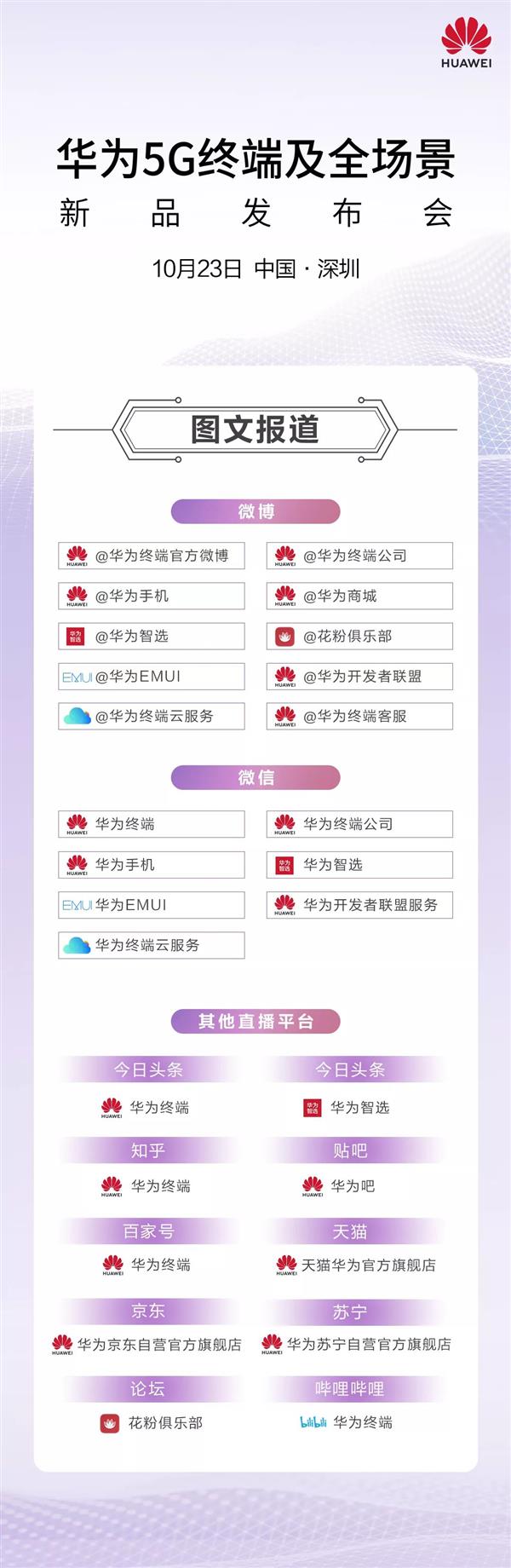
The Huawei Mate X was revealed in February but the initial launch was delayed to fix the device further. Since then, we haven’t really heard much about the device’s launch date, though there have been plenty of rumors and leaks. Now however, it seems possible that we might be seeing the device launch tomorrow at Huawei‘s 5G conference.
The new date is quite likely, as Huawei CEO Richard Yu revealed during the Mate 30 series launch that the Mate X will begin shipping in a month. Considering the device’s 5G capabilities, it’s not unreasonable for it to launch at a 5G focused event. A video that surfaced on YouTube a few days ago revealed the device now has a button for releasing the screen when folded into phone mode.
Huawei Mate X 5G will be powered by the latest Kirin 990 chipset with 5G support (all thanks to the Balong 5000 5G modem) as compared to the original variant of the Mate X foldable phone, which was powered by the Kirin 980 chipset. This is paired with 12GB of RAM, up to 512GB of storage, 4500mAh of battery, and a new TOF sensor, alongside the triple camera setup.
The Kirin 980 model will have a price tag of ¥9999 (~$1414) while the Kirin 990 5G version will sell for ¥13,999 (~$1979). The price of both models is significantly cheaper when compared to the launch price of €2299 (~$2563) announced in Europe back in February, which of course is for the Kirin 980 version.
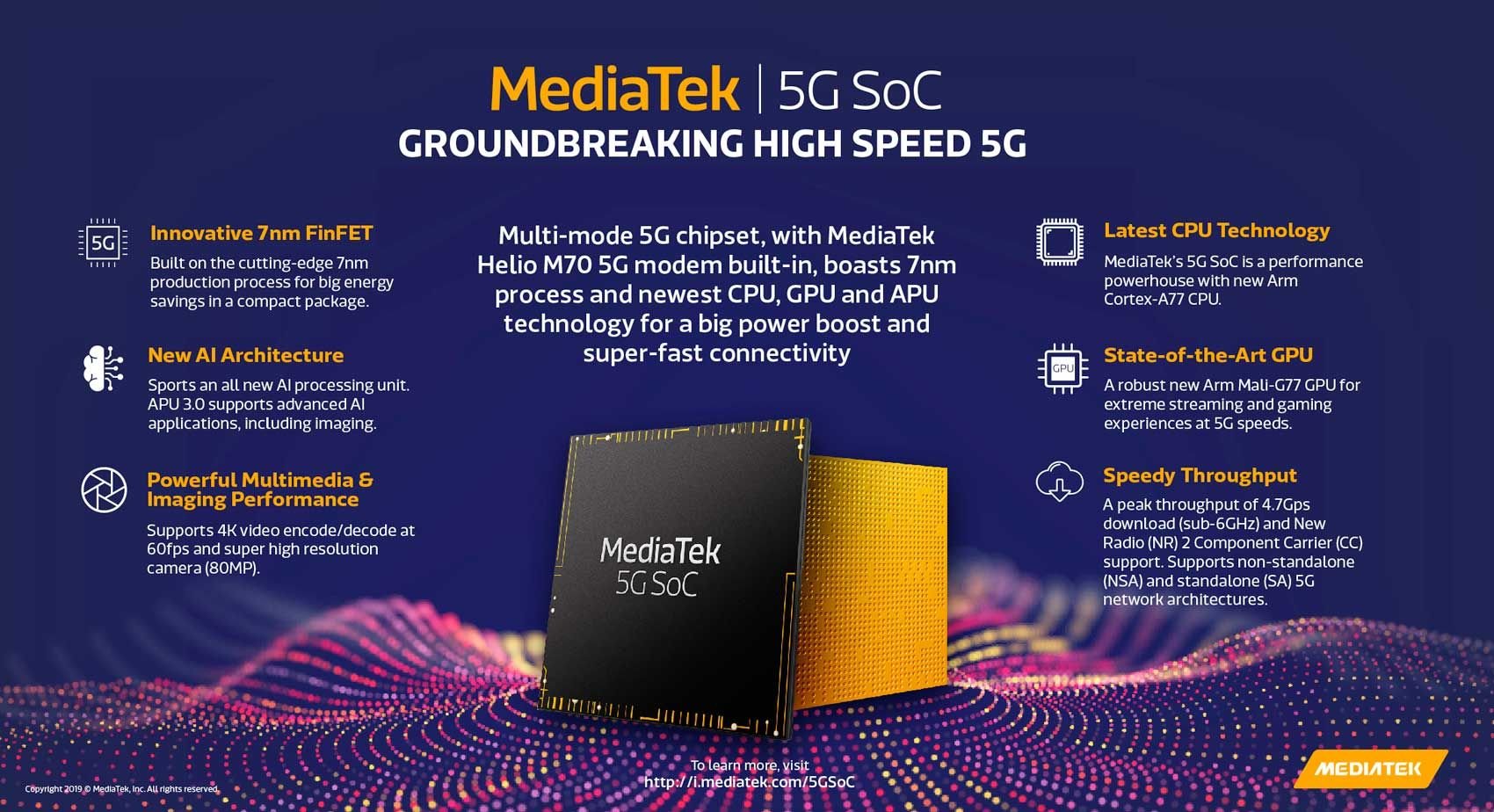
Taiwanese fabless chipmaker MediaTek has been missing on the flagship chip segment for a long while due to the dominance of Qualcomm in that segment. The company instead shifted its focus to the midrange and budget chip segment and it has been a successful move so far. The company is looking to relaunch its product in the flagship segment with the emerging 5G connectivity.
Mediatek 5G SOC
Already, the company is reportedly set to start shipping its 5G chipset by Q4 2019. The Helio M70 which is MediaTek’s first 5G chipset modem was first announced last year.
While shifting attention to the flagship segment, the Taiwanese chipmaker isn’t losing sight of its stronghold- the midrange segment. A report from China claims the company is planning to launch another 7nm chipset that would be used on its midrange 5G chipsets. Of course, this will bring more affordable pricing. The report carried by Chinese blog MyDrivers hinted that the architecture should be the same as the MT6885, the same chipset that has an Helio M70 modem. However, the chip said to go by the codename “MT6873” will come with a smaller size and will be more affordable. The company is expected to commence mass production in Q2 2020, which means it could find its way into smartphones by Q3 or Q4 2020. The company expects to ship about 100 million sold chips in 2020 with the upcoming MT6885 and MT6873 5G SoCs expected to account for half of its shipments next year.
Further, the Taiwanese fabless semiconductor giant is expected to switch to TSMC’s 6nm EUV process after it is done with the two chipsets. The 6nm SoC will be the first EUV product for the Taiwanese company. There are four designs in total, all of them with an upgrade of the CPU and the GPU.
When it comes to the country with the most number of startups that are valued over $ 1 billion, China tops the list. Giving it a lead over the U.S which is currenlty on a trade-war with the former.
According to Hurun Global Unicorn List 2019, which was released on the 21st of October, their are 494 tech startups around the globe founded in the 2000s that are valued over $ 1 billion that have not yet gone public. Out of which, 206 such firms which are referred to as “Unicorn” are from China. The number two spot is held by U.S that is home 203 such firms. Following the two nations are India, UK and Germany that have 21, 13 and 7 unicorns, in respective order.
Rupert Hoogewerf who is the chairman and chief researcher of Shanghai-based Hurun Report, after revealing the 2019 report, made the following statement:
China and the US dominate over 80 per cent of the world’s known unicorns, despite representing only half of the world’s GDP and a quarter of the world’s population. The rest of the world needs to wake up to creating an environment that allows unicorns to flourish.
Noteworthy, three unicorns which inlcude Ant Financial Services, the operator of Alipay; ByteDance, the owner of TikTok and taxi booking company, Didi Chuxing have an astounding comined valuation of $ 280 billion.
Among cities, Beijing is ranked the world’s unicorn capital with 82 Unicorns followed by San Francisco with 55, Shanghai with 47, New York with 25 and Hangzhou with 19. Having said that, due to the U.S-China trade war, the value of investments in the Chinese country have seen a significant downfall. As investments fell to just $9.4 billion in Q2 of 2019 which is 77% down from last year during the same time frame.
Speaking of top venture capitalists, the number one spot in the list is held by Sequoia Capital (American) that has investment in 92 unicorns, followed by Tencent holdings (Chiness) that holds share in 46 unicorns and SoftBank Group (Japnese) that has investment in 42 such firms.
Lastly, talking about the sectors that these firms are involved in, 192 of them are in e-commerce while 118 are in the cloud computing, AI (artificial intelligence) and logistics sectors.
According to Twitter tipster Sudhansu Ambhoe, Qualcomm‘s upcoming Snapdragon 735 chipset will be built on a 7nm process. This is interestingly different from the 8nm LLP architecture which the current-gen Snapdragon 730 and 730G utilise. The US fabless chip manufacturer had launched the Snapdragon 730 and 730G back in April with components that confirm their target market is the upper midrange smartphone segment
The tipster claimed to have extracted the specs from a document, asserting this one to be the authentic details. They are noticeably different from the previously leaked details that ave popped online previously. The new detail reveals the chipset goes by the codename SM7250. It utilises a big Cortex-A76-based Kryo core clocked at 2.36 GHz and a second similar core clocked at 2.32 GHz. The chipset has an octa-core arrangement, so the rest of the CPU consists of six Cortex-A55 units, all clocked at 1.73 GHz. Powering the graphics (GPU) will be an Adreno 620, which is likely an upgrade over the Adreno 618, used on the Snapdragon 730.
Suggest Phone had leaked the purported specs details of the Snapdragon 735 back in April but these details are obviously different with the SoC having a more realistic CPU architecture.
Qualcomm will likely unveil the chipset before the end of this year, perhaps at its event in Hawaii.
We use cookies on our website to give you the most relevant experience by remembering your preferences and repeat visits. By clicking “Accept”, you consent to the use of ALL the cookies.
This website uses cookies to improve your experience while you navigate through the website. Out of these, the cookies that are categorized as necessary are stored on your browser as they are essential for the working of basic functionalities of the website. We also use third-party cookies that help us analyze and understand how you use this website. These cookies will be stored in your browser only with your consent. You also have the option to opt-out of these cookies. But opting out of some of these cookies may affect your browsing experience.
Necessary cookies are absolutely essential for the website to function properly. This category only includes cookies that ensures basic functionalities and security features of the website. These cookies do not store any personal information.
Any cookies that may not be particularly necessary for the website to function and is used specifically to collect user personal data via analytics, ads, other embedded contents are termed as non-necessary cookies. It is mandatory to procure user consent prior to running these cookies on your website.