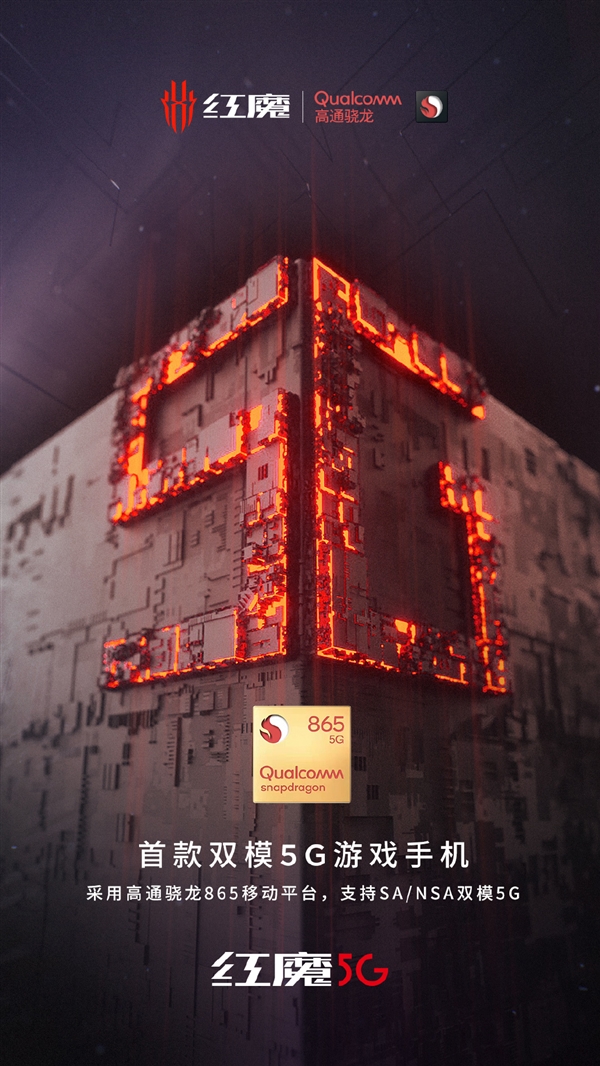
The Vivo iQOO Pro 5G smartphone that was made official in August last year is the first 5G-ready gaming-centric handset. Smartphone OEMs are expected to announce 5G ready gaming phones this year. While Xiaomi is rumored to be working on its next iteration of Black Shark gaming phone, Nubia has already jumped the gun to confirm the arrival of its 5G-ready gaming phone. Today, it took to Weibo to reveal that the next Red Magic phone will carry support for 5G connectivity.
As the poster reveals, the forthcoming Red Magic smartphone will be fueled by Snapdragon 865 mobile platform that will tag along X55 5G modem for 5G connectivity. Thus, the next Red Magic phone will arrive with support Non-Standalone (NSA) and Standalone (SA) 5G networks in the home market. Apart from these details, nothing is known about the upcoming Red Magic phone. It is likely to come preloaded with the latest Android 10 OS. The iQOO Pro 5G didn’t carry support for dual-mode 5G, but the next Red Magic phone will feature it.
The name of the device is also currently under the wraps. Could be called Red Magic 4? Well, Chinese manufacturers are known for skipping number 4 on the names of their products as it is looked upon as a bad omen. Probably, the successor of the Red Magic 3 and Red Magic 3s will break cover as Red Magic 5.
At the start of December, Qualcomm had unleashed the Snapdragon 865 mobile platform. After its announcement, some smartphone manufacturers including Nubia confirmed to launch SD865 fueled flagship phones in 2020. The Chinese firm had claimed that the 5G enabled Red Magic phone with SD865 will be made official as soon as early 2020. The Red Magic 3 was announced in April last year. Since Nubia has teased its next gaming phone on the very first day of year 2020, it appears that it may get an early debut this year.
India will be amongst the first markets to receive the new Red Magic phone. Since it is not a 5G-ready country yet, it may receive only the 4G LTE version of the phone. In the coming days, the Chinese firm will hopefully release more teasers of the next Red Magic 5G phone to confirm on its specs and features.
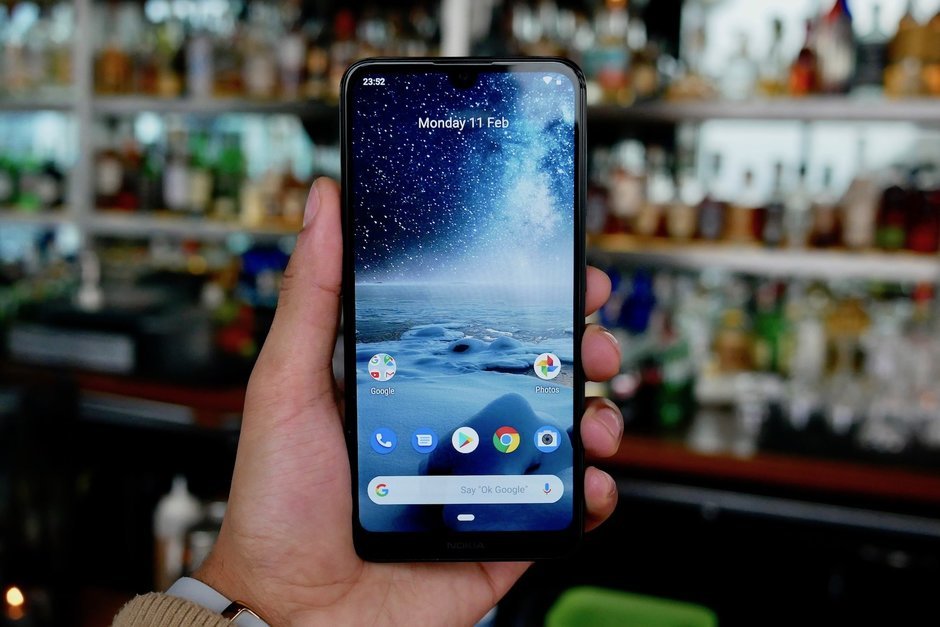
Nokia 4.2 budget smartphone was officially launched in India in May 2019 and just a month after that, the Nokia 3.2 and Nokia 4.2 both received a price cut. Now, the Nokia 4.2 has received a price cut yet again in the Indian market.
When the phone was launched, it was priced at ₹10,990 but was made available for ₹10,490 just a month after its launch. Later, the phone got another price cut in September, bringing down the cost to ₹9,499.
Now, the Nokia 4.2 smartphone has received yet another price cut in India and the phone is available for purchase at a price of ₹6,999 (approximately $98). While Amazon India has this new pricing list, the revised pricing is expected to be reflected soon on Flipkart and Nokia India eStore as well.
To remind you of the phone’s specifications, the Nokia 4.2 flaunts a 5.71-inch IPS LCD display with a water drop notch and an HD+ screen resolution of 1520 x 720 pixels and 19:9 aspect ratio.
The device is powered by the Snapdragon 439 chipset and comes in 3GB RAM + 32GB storage model in India. The company has not launched the 2GB RAM variant in India. It comes with a 13-megapixel rear camera along with a 2-megapixel secondary camera for portrait shots and an 8-megapixel camera sensor on the front.
The phone comes with a dedicated Google Assistant button and runs stock version of Android operating system. The device is fuelled by a 3,000mAh battery and is available in two color options — Pink Sand and Black.
The Consumer Electronics Show (CES) tech exhibition will be held in the coming week in Las Vegas, US. Samsung is expected to unleash couple of new phones at the event. It is also likely to launch the rumored Galaxy S10 Lite and Galaxy Note 10 Lite smartphones. The specifications of both smartphones had appeared in the previous month which indicated that are likely to go official in January. TechTalk TV has shared some real-life images of the Galaxy Note 10 Lite smartphone. The new images showcase the front and rear design of the Note 10 Lite.
Samsung Galaxy Note 10 Lite images
The Galaxy Note 10 Lite images reveal that it borrows the Infinity-O top-center punch-hole display design from the Galaxy Note 10 and Note 10+ smartphones. The display Note 10 Lite is flat and it is integrated with a fingerprint reader. One of the images showcases Bluetooth ready S Pen of the smartphone.
Moving on to the backside of the Galaxy Note 10 Lite reveals its square-shaped camera module that includes three lenses and an LED flash. The back panel of the phone is made out of glass which curves towards the edges. The right side of the phone features a volume rocker and a power button. The SIM / microSD card tray is available on the left spine of the device. The upper and lower edges are not seen in the images. However, past reports have revealed that the phone will feature a 3.5mm audio jack and a USB-C.
The Galaxy Note 10 Lite (SM-N770F model number) has a 6.7-inch S-AMOLED display that supports full HD+ resolution of 1080 x 2400 pixels. Its punch-hole features a 32-megapixel selfie camera. The triple camera system of the Note 10 Lite has three 12-megapixel sensors. One of them is ultrawide lens and another is a telephoto lens with 2x optical zoom.
The only low point of the Note 10 Lite is that it features an older Exynos 9810 chipset that powered 2018 flagship phones such as Galaxy S9 series and Galaxy Note 9. The SoC is coupled with 6 GB of RAM and the device features an internal storage of 128 GB. The One UI 2.0 based Android 10 OS will come preloaded on the device.
The Galaxy Note 10 Lite draws power from a 4,500mAh battery. It will arrive with support for 25W fast charging. The handset is expected to be available in colors like Aura Black, Aura Red and Aura Glowpress (gradient). The device could be priced at 609 euros (~$680) in Europe.
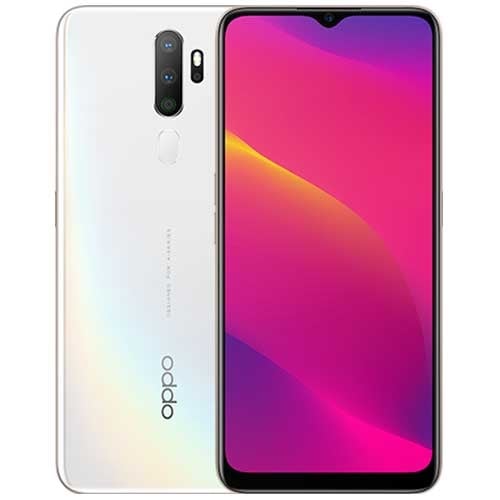
In September last year, Chinese smartphone maker Oppo launched the Oppo A5 2020 smartphone in India and later introduced the 6GB RAM model of the same device. Now, just days after the 6GB RAM model launched in India, the company has slashed the pricing of other variants.
With the new permanent price cut, the 3GB RAM model of the Oppo A5 2020 is now available for ₹11,490 instead of ₹11,990 while the 4GB RAM variant is available for ₹12,990 instead of its earlier pricing of ₹11,990.
Notably, this is the second price cut for the latest A-series handset from the brand since its launch. It has been confirmed that this new pricing will be applicable to retail stores across the country from January 1st.
OPPO A5 2020 Specifications and Features
The OPPO A5 2020 comes with a 6.5-inch display with an HD+ screen resolution of 1600 x 720 pixels and an aspect ratio of 19:9 and the smartphone delivers a screen-to-body ratio of 89 percent. It features a waterdrop notch housing the front camera.
Under the hood, the device is powered by Qualcomm Snapdragon 665 octa-core processor that includes Adreno 610 GPU, and is available in three variants based on the memory configuration, having 3GB, 4GB, and 6GB RAM. The storage on all three devices is further expandable through a microSD card.
Coming to the camera section, the device has a quad-camera setup on the back that consists of a 12-megapixel primary sensor coupled with an 8-megapixel ultrawide lens with a 119-degree field of view, and two 2-megapixel cameras for depth sensing and macro photography. On the front side, the device comes with an 8-megapixel selfie camera having an aperture ratio of f/2.0.
The phone features a rear-mounted fingerprint scanner, and sports dual Dolby Atmos speakers for an immersive audio experience. Connectivity options include dual SIM 4G VoLTE, Bluetooth 5.0, Wi-Fi 802.11 ac, USB-C, GPS and 3.5mm audio jack. Running on Android 9 Pie operating system with ColorOS 6.1 on top, the smartphone drives power from a 5,000mAh battery. The OPPO A5 2020 comes in two colour options – Dazzling White and Mirror Black.
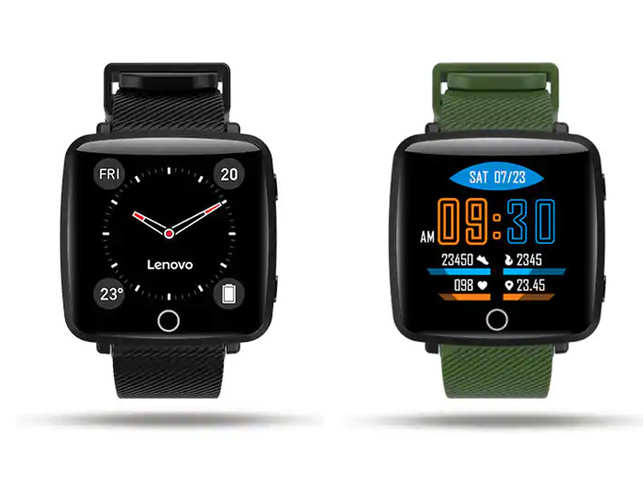
Chinese tech giant Lenovo recently introduced its budget smartwatch, the Carme HW25P, on Amazon India. The device was initially available only on Croma and Flipkart. The Carme blends the perfect balance between ergonomic design and cutting-edge technology. It is ideal for fitness enthusiasts with its slew of lifestyle and health-related features. The smartwatch is available for Rs. 3,499 (~$49).
Lenovo Carme LW25P Specifications and Features
The Lenovo Carme flaunts a 1.3-inch IPS LCD display with a one-touch sensor, and IP68 dust and water-resistant certification. Users can confidently wear the LW25P on rainy days or take a dip in the swimming pool without worrying about warranties. The 2.5D glass curvature ensures there are no blind angles while viewing, and enables users to read notifications even under direct sunlight. The device is equipped with Bluetooth 4.2 and is compatible with both iOS and Android devices.
The Lenovo Carme sports quite a few key features, including a heart-rate sensor capable of monitoring your heartbeat round the clock, sleep monitor, step counter, weather forecast, alarm reminder, smart notification, stopwatch, Find My Phone, and Pedometer. Lenovo claims a battery life of up to 7 days on a single charge depending on usage. The smartwatch has 8 sport modes for walking, running, swimming, cycling, skipping, football, and basketball. Carme is available in two color options, namely black and green.
Apple Inc. is on the verge of ordering OLED displays for the iPhone 12 from Chinese supplier BOE. The Cupertino company is expected to purchase close to 45 million panels in time for the 2021 iPhone. It remains to be seen whether the initial batch will be used for test purposes or will make it to final production.
According to the South Korean media, this order will make BOE Apple’s second-largest OLED panel distributor. Samsung continues to be the largest distributor while LG drops to third place. The recent claims are yet to be officially confirmed. However, it corroborates with BOE’s recent ambitions of becoming an OLED supplier for iPhones.
Supplying OLED panels for Apple is not BOE’s first major break per se, as the company currently manufactures OLED panels for Huawei. Apple, on the other hand, is looking to move beyond depending on a single supplier, and in turn, reduce prices by introducing competition. Apple began working with LG Electronics back in 2018 with a similar vision.
Apple also invested heavily in Japan Display Inc. ramping up efforts to develop OLED panels. JDI was a leading manufacturer of LCD displays but fell short in the race to OLED supremacy. In related news, Apple is believed to use its latest A14 chipset in the iPhone 12. The processor is rumored to commence trial production starting 2020, and proceed to mass production by Q2 2020.
Xiaomi made a disruptive move in 2018 when it chose to execute ads in MIUI. Truth be told, rival brand Realme even ridiculed Xiaomi for making this decision. Now, Realme has apparently bitten the bullet and declared that it will offer advertisements on its mobile phones as well. The smartphone brand made the declaration on its forum, saying that models with ColorOS 6 or higher will offer ads.
The tech giant affirmed that advertisements will show up in the Phone Manager and on the Security Check page subsequent to putting in new applications. However, imagine a scenario where you would prefer not to get advertisements on your Realme mobile phone. The brand offers a basic method to incapacitate them:
Tap settings > additional settings > get recommendations
It’s fascinating to take note of that the get recommendations toggle likewise alludes to the Download Management page as one scene for advertisements. It’s hazy whether this is a third area where ads will be placed.
While this is one of the several turn arounds we have witnessed in the industry. We recall how Samsung and Google mocked Apple for dumping the headphone jack and then inevitably did likewise. Google likewise opined that a second rear camera was pointless before adding one to the Pixel 4. Realme’s decision is quite understandable considering that their smartphones are super cheap, likely just above the profit margin. Thus, the company has to think out of the box of ways to generate income in order to maintain low pricing. Placing ads on the UI is one way.
The keyboard retains the 87-key design and the 299 yuan price tag. It utilises an aluminium alloy body but the 87 keycaps present with a dual-colour design made from both TTC red shaft and ABS materials.
It retains the dimensions at 358mm x 128mm x 31.6mm and weighs 940g. The keyboard has a 6-layer design and the body is made of an H32 aluminium alloy steel with an excellent finish and offers more wear resistance.
It also comes with 4 different levels of LED backlight. The keyboard has a built-in 32-bit ARM main control chip, 1000Hz refresh rate, 1ms response time and support for up to 11 key presses without contradictions.
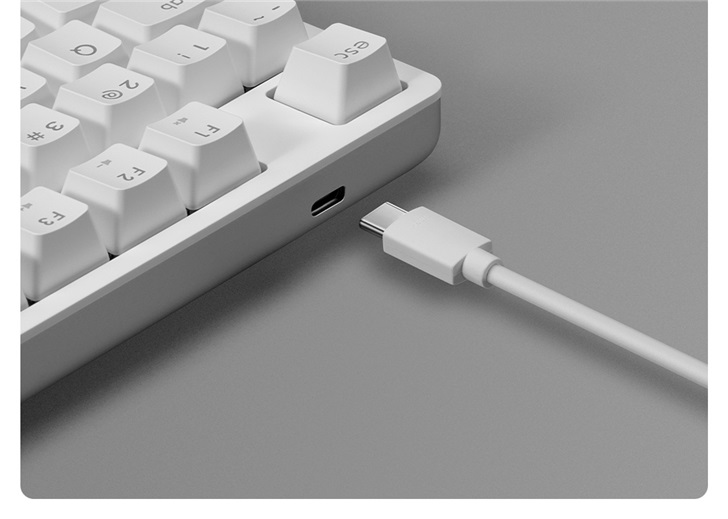
The second generation of Yuemi mechanical keyboard adopts a USB Type-C interface connection and works by the simple plug and play pattern.
The mechanical keyboard is presently available to buy on Xiaomi Youpin.
Years ago Chinese technology used to be despised. Not that it has completely changed now but a whole lot more people have warmed up to it. Quite a number of Chinese companies have also been pioneers of new technologies, some of which their western counterparts are yet to achieve, talk less of surpass. However, not all products or technology of Chinese origin have been a success. This post takes a look at 10 of those products and technologies that flopped or failed and are now buried in the tech graveyard.
1. HotKnot
HotKnot was announced back in 2013 by Goodix but most people associate it with MediaTek because it was available only on devices powered by MTK processors. It worked like NFC but required less hardware (no need for antennas and RF receivers).
With HotKnot users could transfer files between phones by touching the capacitive screens of the two devices together. Unfortunately, HotKnot was pretty slow with respect to transfer speeds and unreliable at times.
Now, there is hardly any phone that has HotKnot. Bluetooth is now much faster when it comes to file transfer and there are apps that allow you to share files over WiFi at incredible speeds.
2. MediaTek Pump Express
MediaTek’s Pump Express was the Taiwanese manufacturer’s answer to Qualcomm’s Quick Charge technology. Just like HotKnot, it was also a feature found mainly on devices with a MediaTek processor.
The last version of the fast charging technology was called Pump Express 4.0 and it launched in 2018. However, there are very few phones that support the fast charging standard, which is no surprise as most of the top manufacturers such as Huawei, Xiaomi, OPPO, Vivo, and OnePlus have developed their own fast charging technology while other manufacturers use Qualcomm’s Quick Charge technology.
3. Xiaomi Mi 5c
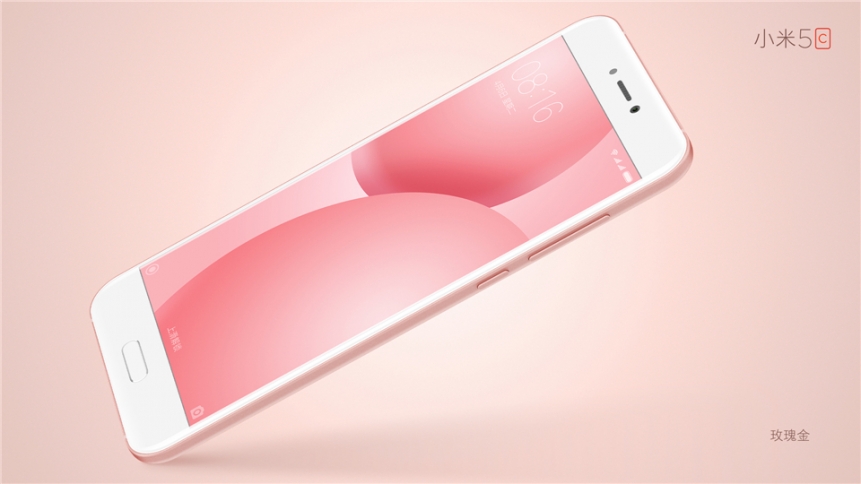
The Mi 5c was the first Xiaomi smartphone powered by an in-house processor – the Surge S1. The phone packed mid-range specs and a price tag of under $250. However, it wasn’t a success as Xiaomi didn’t release a successor neither did it release the long-awaited Surge S2 processor. It didn’t even get an update to Android Oreo and was only updated to MIUI 9. Based on Xiaomi’s decision to not support it further after just one year, it is safe to say the Mi 5c was a flop.
4. LeEco
LeEco might as well be one of the biggest Chinese fails of the decade. The smartphone company went under due to unpaid debts owed by its founder, Jia Yueting. LeEco’s problems started with its rapid expansion and its big dreams of conquering the overseas markets with smart TVs, a smart car, and an Android-powered smart bicycle. Part of the company’s woes includes its failed attempt to acquire the American TV maker, Vizio, and which has resulted in a 60 million USD lawsuit.
5. OnePlus 2
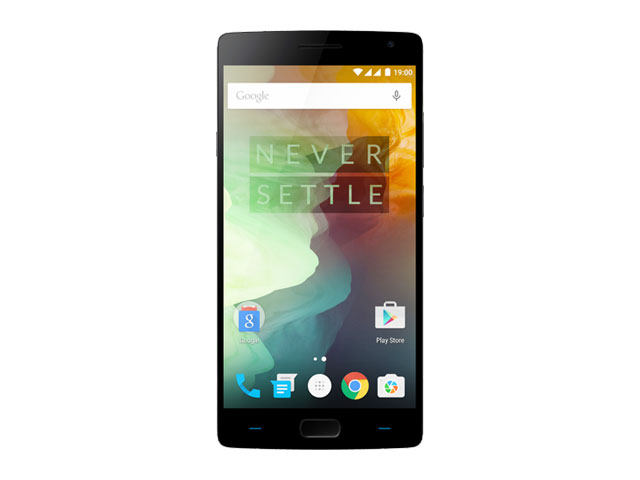
Following the success of the OnePlus One, fans of the new brand were eagerly awaiting the successor to the flagship killer, however, the OnePlus 2 was a disappointment.
The phone launched without NFC, a feature its predecessor had but was removed. OnePlus’s reason for its removal was that it was underutilized. The phone also had a buggy fingerprint scanner/home button, was powered by the ill-fated Snapdragon 810 known for its heating problems, and then OnePlus refused to update it to Android Nougat.
OnePlus did make up for its blunders the following year with the OnePlus 3 and OnePlus 3T; with the latter touted as one of its best phones ever.
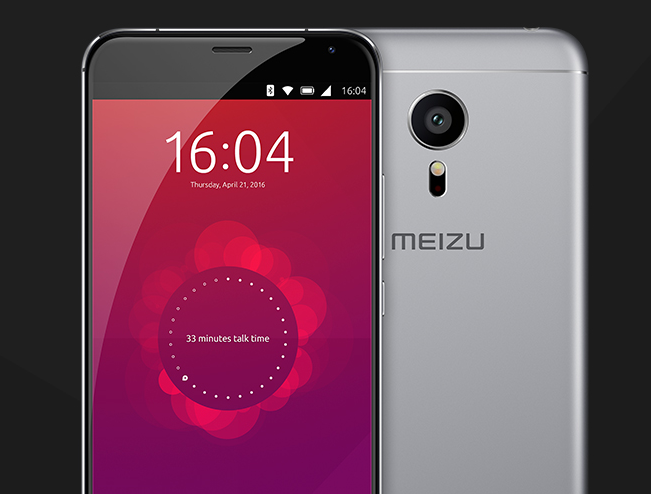
6. Meizu PRO 5 Ubuntu Edition
Between 2015 and 2016, there were a handful of phones and tablets running Ubuntu Touch, and the Meizu PRO 5 was one of them. There was the Meizu UX4 Ubuntu Edition before it, making the PRO 5 its second Ubuntu Touch device. The PRO 5 was also the highest-configured Ubuntu phone.
Sadly, the phone was considered a failure due to its lack of apps and its slow performance caused by the OS even though it packed flagship specs.
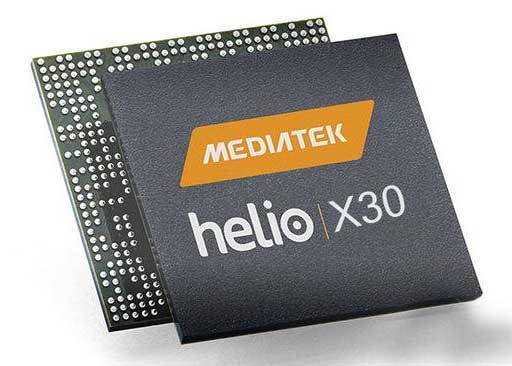
7. Helio X30
Another MediaTek product appears on the list again. This time it is their 2017 flagship processor, the Helio X30. We had high hopes for the Helio X30 which was its first 10nm processor.
The processor eventually appeared in the Meizu PRO 7 series in 2017 as well as the Vernee Apollo 2 but no other manufacturer announced an Helio X30-powered phone other than these two.
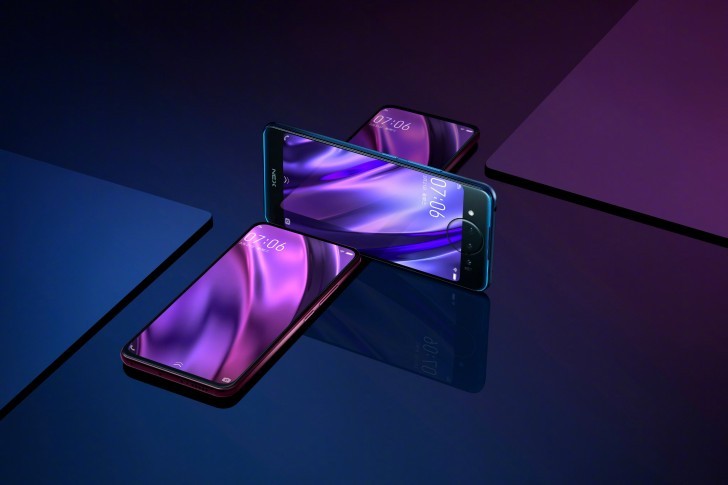
Dual-screen phones have been in existence for a while now in various designs. There are those that have a second screen for improved productivity allowing you to use the phone as a large tablet and there are those that actually have a display on each side. For the sake of this post, we are talking about the latter category.
This dual-display trend began with the 2017 Meizu PRO 7 series with its 2-inch AMOLED secondary display on the back. The following year, Nubia and Vivo joined the train with the Nubia X and Vivo NEX Dual Display respectively. Both of these phones have secondary displays that are more than double the size of the Meizu Pro 7 series’ secondary display.
Reviews of the Meizu Pro 7 said the secondary display didn’t add much in functional value and could be done without. For the Nubia X and Vivo NEX Dual Display, the design was one of the methods Chinese manufacturers adopted for a full-screen design. This means you had one display practically covering the whole stretch of one side for an all-screen appearance while the second and smaller display had bezels around it for the cameras and logo.
Thankfully, there are now better ways to achieve an all-screen design such as with the pop-up selfie camera design and the punch-hole display.
Lenovo Z5 Pro
9. Slider Phones
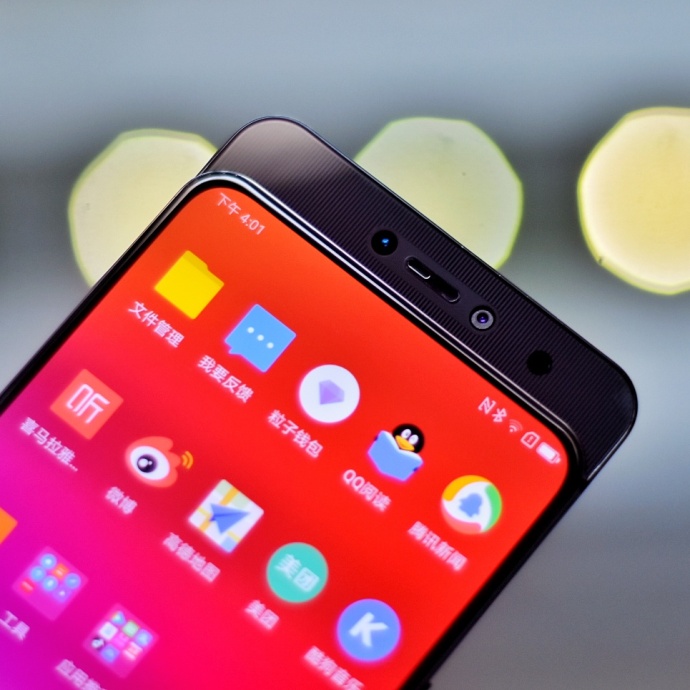
Slider phones were a thing last year and were a delight as they brought a breath of fresh air to the way mobile phones look. The OPPO Find X, Mi MIX 3, Lenovo Z5 Pro, Lenovo Z5 Pro GT and the Honor Magic 2 were the slider phones of 2018 and they were actually one of the methods adopted to achieve a full-screen design.
However, no new slider phones were launched this year which means manufacturers have abandoned the design.
10. Meizu Zero
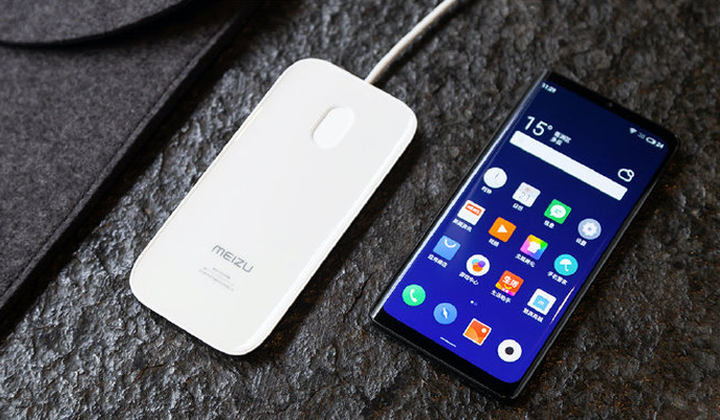
Earlier this year, Meizu showcased a smartphone called the Meizu Zero with no ports or “holes” and was called the world’s first holeless phone. The phone has an eSIM, so there is no need for a physical SIM tray; it supports only wireless charging; it has linear motors on the side rather than physical buttons, and it uses screen sound technology rather than a traditional speaker.
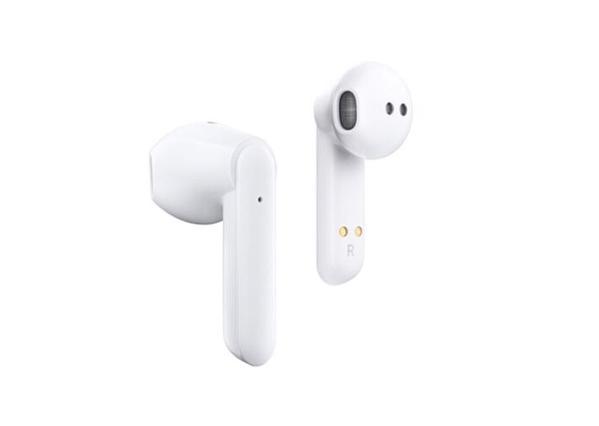
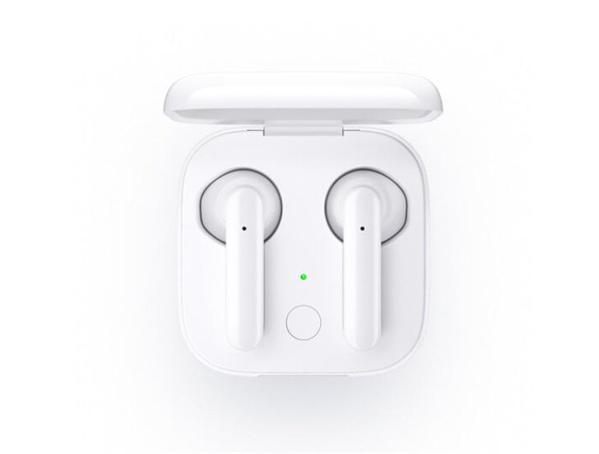
True Wireless headsets have trended the most in the hearable segment, thanks to improved sound output and battery life with Apple’s AirPod at the forefront. We’ve lost count of the number of truly wireless earbuds that have been released this year and more keep coming. Smartisan has unveiled the Nuts True Wireless Bluetooth headset.
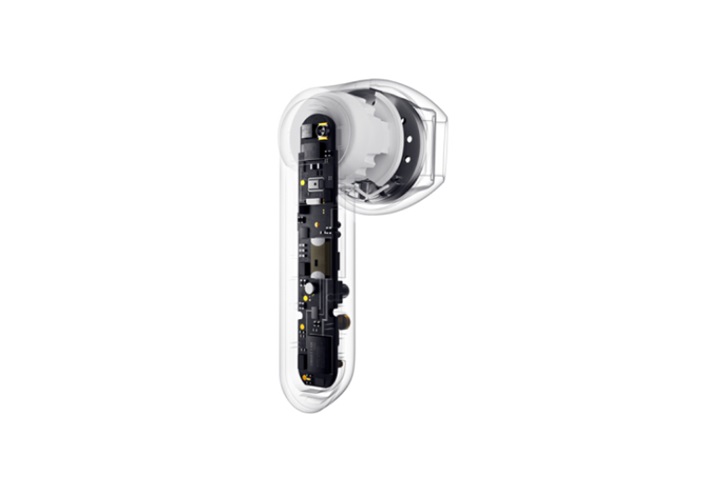
The Bluetooth headset features support for smart touch and is equipped with a dynamic sound unit. it utilises a half-in-ear design while the storage box is shaped like a square with well-chamfered curved edges. In terms of battery life, the headset alone has a battery life of 4.5 hours and when combined with the storage/charging box, the battery life is up to 18 hours. It supports fast charging and the charging box uses a Type-C interface.
The Nuts True Wireless Bluetooth Headset uses a Bluetooth 5.0 chip and a loop ceramic antenna and supports touch audio control. In terms of acoustic parameters, it is equipped with a 13mm moving coil, an impedance of 32Ω, a frequency response range of 20Hz-20000Hz, and a sensitivity of 103dB.
The Nuts TWS headset will open for appointment on Jingdong from January and will go on sale on January 5. It is priced at 199 yuan ($28).
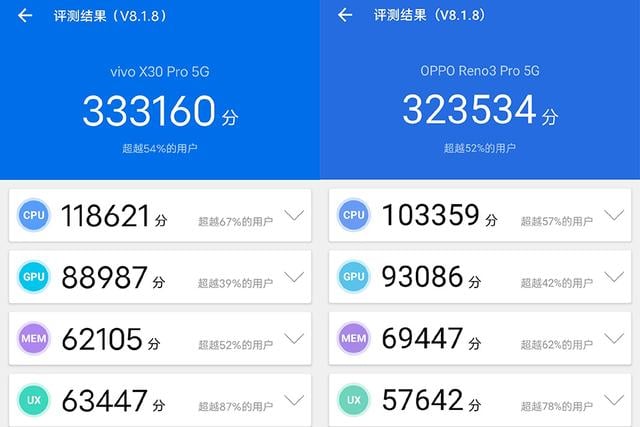
BBK subsidiaries OPPO and Vivo released new smartphones powered by some of the most impressive chipsets you’ll find around. The Vivo X30 Pro 5G came with a Samsung Exynos 980 processor which is a relatively unpopular SoC. On the other hand, OPPO Reno3 Pro uses a Qualcomm Snapdragon 765G, a new generation 5G sub-flagship SoC. Here is a comparison of the AnTuTu score of the two chipsets to determine which one is more powerful.
Overall, the Exynos 980-powered Vivo X30 Pro had a total score of 333160 points while the OPPO Reno3 powered by a Snapdragon 765G SoC scored 323534 points. The Exynos 980 shines in the CPU test with a total score of 118621 points as against 103359 points for the Reno3. But the Snapdragon 765G had a better GPU score of 93,086 while Exynos 980 scored 88987 points.
The Reno3 had a better 69447 points mem test score whereas the Exynos 980 had a 62,105 points score. Finally, in terms of the user interface (UX), the Vivo X30 Pro scored 63447 points while the OPPO Reno3 had a score of 57642 points.
OPPO Reno3 Pro
The difference between the total AnTuTu benchmark score of the two mobile phones is 10,000 points, which is less than 3%. This slight difference in score can’t be felt by everyday users of phones with both SoCs. So even though we are comparing the Samsung Exynos 980 and Qualcomm Snapdragon 765G AnTuTu benchmarks, the differences in running points have no practical significance because it does not affect anything noticeable at all.
The year 2019 is at its end and it is just fitting that we look back at the products released by our fan-favourite brand Xiaomi. Here’s is an inventory of all the Xiaomi phones released in 2019, including Redmi models.
According to records, Xiaomi (including Redmi) released a total of 22 models in 2019, covering budget, mid-range and flagship models.
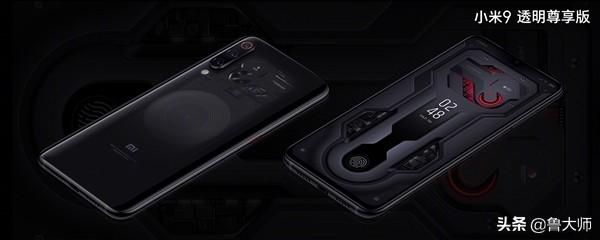
Xiaomi Mi 9
Xiaomi Mi 9 was released in February 2019 making it the first Xiaomi phone to go official this year. It also emerged as the first Snapdragon 855 model. The device also comes with a holographic magic color, 48MP AI triple cameras, 20W wireless fast charging and other impressive selling points. The sales were marred by a lack of stock in the early stages and later on, better-equipped models made it difficult to sell. The device has been removed from Xiaomi’s official website.
Mi 9 Explorer
Xiaomi Mi 9 Explorer Edition
Xiaomi Mi 9 Explorer Edition, as the name suggests, is transparent on the back. The design is more unique than the Mi 9’s. The specification is also more powerful and the price is affordable.
The Mi 9 Explorer Edition is a limited edition and is also equipped with a Snapdragon 855 SoC paired with 12GB RAM and 256GB storage. The phone is equipped with a 48MP ultra wide-angle macro rear cameras and supports 20W wireless charging.
Mi 9 SE
Xiaomi Mi 9 SE
Xiaomi Mi 9 SE is a trimmed down version of the Mi 9. It presents with a smaller 5.97-inch waterdrop screen with a screen ratio of 90.47%. It also comes with an on-screen fingerprint scanner. The device is powered by a Snapdragon 712 SoC, a 3070 mAh battery, triple rear cameras and 18W fast charging. It also comes with NFC and infrared remote control.
Mi CC9
Xiaomi Mi CC9
Xiaomi’s CC series is known as a trendy camera phone for young people around the world. Among them, CC stands for Camera + Camera, which refers to strong photography prowess from the front and rear cameras. The new series was launched in July this year.
Xiaomi CC9 has a 6.39-inch waterdrop screen and is powered by a Snapdragon 710 AIE chipset. For photography, it packs a 32MP selfie camera while at the rear, there is a 48MP main camera + 8MP super wide-angle + 2MP depth of field sensors. It packs a built-in 4030mAh battery with standard 18W charger. It also supports full functions NFC and infrared remote control.
Xiaomi Mi CC9e
Xiaomi CC9e is a trimmed down version of CC9 with a 6.08-inch waterdrop screen. It gets its juice from a Snapdragon 665. There is also a triple camera setup and 32MP selfie shooter. Under the hood is a 4030mAh battery but it ships with a 10W fast charger.
Xiaomi CC9 Meitu customized version is similar to the Mi CC9 except that the camera is 100% developed by Meitu, and the “XIAOMI” LOGO logo on the back of the fuselage has been replaced with the customized version of the “MEITU” logo.
Xiaomi Mi 9 Pro
Xiaomi 9 Pro 5G was released in September this year and is the second 5G phone under Xiaomi. The device is equipped with a 6.39-inch waterdrop screen and powered by a Snapdragon 855 Plus chipset with a Snapdragon X50 baseband. Thus, it comes with 5G support.
Xiaomi CC9 Pro
Xiaomi CC9 Pro is the world’s first 100-megapixel mobile phone and has a DXOMark score of 121. TheMi CC9 Pro is equipped with a 6.47-inch hyperboloid screen and is powered by a Snapdragon 730G chipset. It packs a huge 5260mAh battery which supports 30W flash charge and is compatible with the PD protocol.
Xiaomi MIX Alpha
Xiaomi MIX Alpha is the most spectacular smartphone announced by Xiaomi this year. It is also Xiaomi’s first mobile phone with a listing price of over 10,000 yuan. It is priced at 19,999 yuan but is yet to go on sale.
The phone presents with a 7.92-inch OLED surround screen, Snapdragon 855 Plus, 12GB + 512GB UFS 3.0 storage, a 100-megapixel main camera, and a 4050mAh battery.
REDMI MODELS
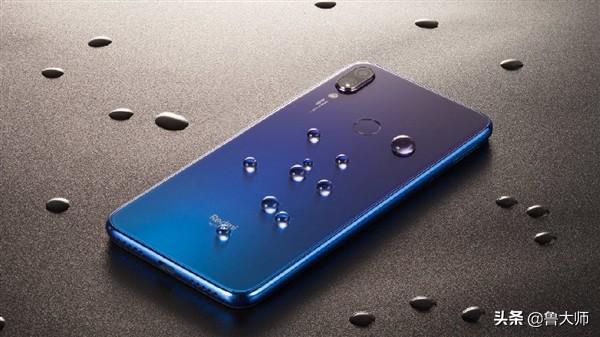
These are the only 8 Xiaomi models released this year in China. Do note that there are other Mi models launched in other markets outside China like the stock Android-packing Mi A3, Mi 9T, Mi 9T Pro, MiNote 10 and Mi Note 10 Pro (these models are similar to the Mi CC9 Pro and Mi CC9 Pro Premium Edition) and the Mi Mix 3 5G. All others are from the Redmi lineup which unveiled a total of 14 models. They include the Redmi Note 7 powered by Snapdragon 660, Redmi Note 7 Pro powered by a Snapdragon 675 SoC, the entry-level Redmi 7. The Redmi K20 was also launched as the first Redmi flagship ever. It is powered by a Snapdragon 730 chipset. The Redmi K20 Pro was also unveiled with a Snapdragon 855 SoC and the Redmi K20 Pro Exclusive Edition with the more powerful Snapdragon 855 Plus chipset.
Redmi also launched the Redmi 7A in 2019, the Redmi Note 8, Redmi Note 8 Pro and
Redmi 8. In a surprise twist, the Redmi 8A was also launched in the same year with the Redmi 7A.
Further, the Redmi K30 4G was launched as Xiaomi’s first punch-hole packing model. It utilises a dual punch-hole design. The most amazing Redmi model for 2019 is no doubt the Redmi K30 5G which is offered in 4G and 5G versions.
Here you have it, these are all the Xiaomi models launched in 2019. Tell us which of them is your favourite in the comments section.
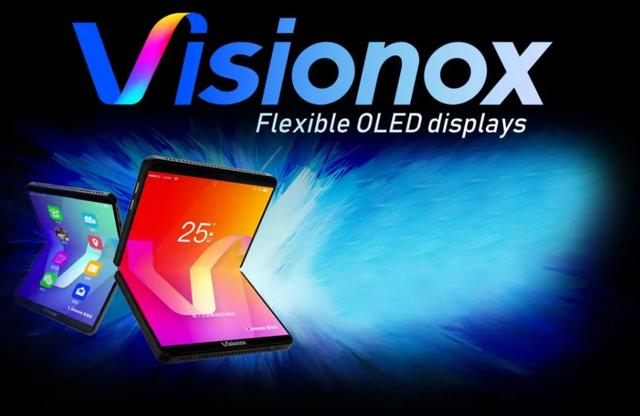
Outside China, Visionox Co Ltd may not be a popular brand but the firm is a leading Chinese manufacturer of organic light-emitting diode screens popularly known as OLED screens. Some of the popular products you know have OLED panels supplied by Visionox onboard like the Xiaomi Mix Alpha, Mi CC9 Pro, ZTE’s first 5G mobile phone Axon10 Pro, Nubia Red Devils 3, China Mobile 5G mobile phone pioneer X1, LG mobile phones, etc. Sources close to the company have disclosed that Visionox has entered into a partnership with Huawei to supply display panels for some of the tech giant’s product lines.
The sources hinted that Visionox has already received Huawei’s official supplier code and will provide samples for Huawei from February 2020. They also disclosed that the mass production of the screens will commence a month later in March. The company will reportedly supply Huawei with display panels for the Honor and Nova series.
However, there are concerns that Visionox current production capacity may not be able to meet up with Huawei’s demand. Huawei is expected to order 5-10 million mobile phone screens from Visionox in 2020. This may likely include punch-hole OLED displays which have been elusive from Huawei’s product line.
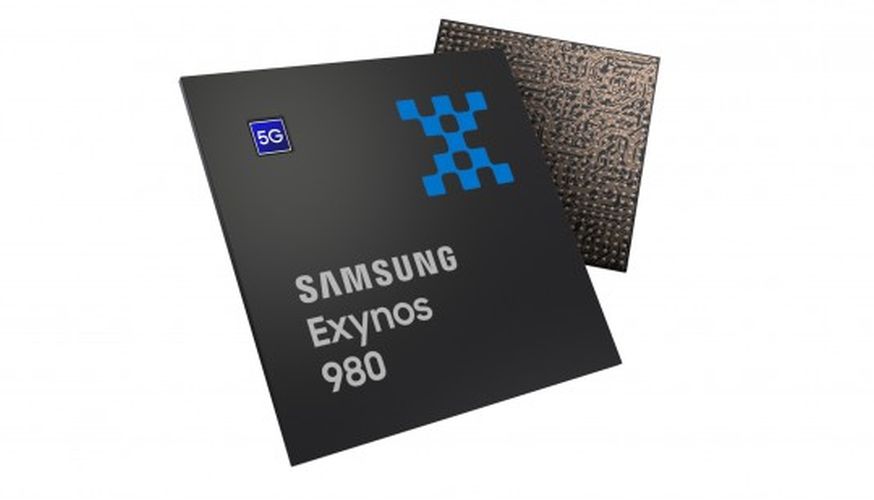
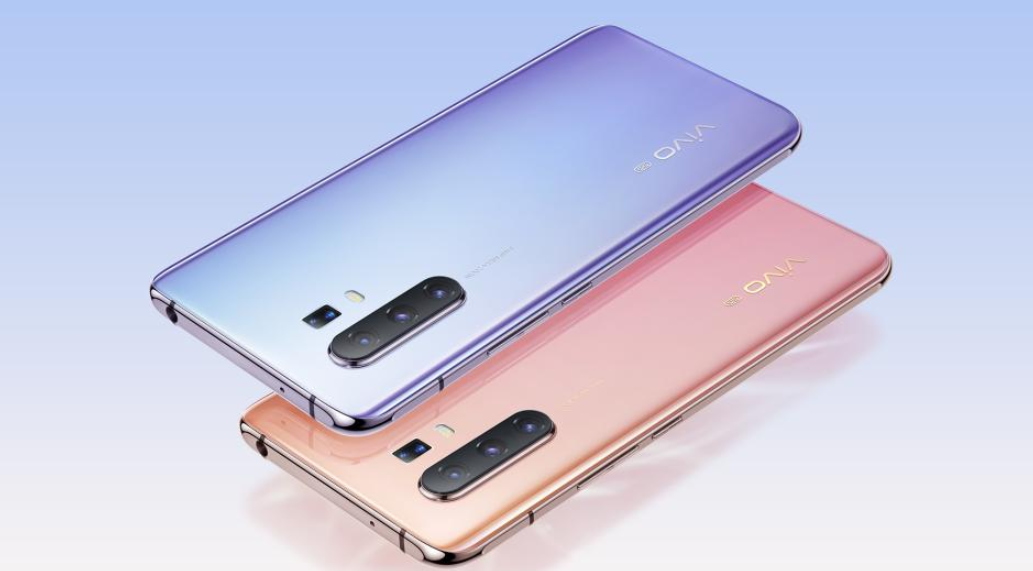
Vivo announced the Vivo X30 series smartphones on December 16 in China. The new lineup is important for the Chinese smartphone maker for two main reasons. First, the Vivo X30 and the X30 Pro expands the company’s 5G product portfolio in China. Second, it is the world’s first pair of smartphones to be powered by the 5G integrated Exynos 980 chipset. This is a newfound relationship between Vivo & Samsung with the company revealing that it even contributed in the development of the chip.
Vivo X30 vs Vivo X30 Pro: Design
When you look at Vivo X30 vs Vivo X30 Pro, there are hardly any differences. They have an almost identical design, which includes a vertical camera setup at the back and a punch-hole display with a small 2.98mm diameter hole for the selfie camera on the top right corner.
However, the only difference between the two devices, in terms of both specifications as well as design is its camera setup. While the X30 gets a triple camera setup at the back, there’s an additional periscope shooter on the Pro variant, making it a quad-camera setup. Both phones come in a glass back and have the same color variants.
Vivo X30 vs Vivo X30 Pro: Specifications
Once again, there are hardly any differences between the two devices in terms of core specifications. Both smartphones are powered by the 5G-integrated Exynos 980 chipset that features 2 x Cortex A77 cores and 6 x Cortex A55 cores. The 5G modem inside the Exynos 980 chip supports SA and NSA networks (n41 and n78 bands). Both phones come with 2.4GHz, 5GHz, 5.8GHz WiFi; Bluetooth 5.0, NFC, and an audio jack. Yes, both the devices have a dedicated 3.5mm headphone jack, unlike competitors like the Reno3 series.
There’s 8GB of RAM onboard with two storage variants; 128GB and 256GB. Note that the storages are UFS 2.1 and not UFS 3.0 like the OnePlus 7T. You get the exact same 6.44-inch Super AMOLED HDR display on both the devices with an in-display fingerprint sensor. A 4350mAh battery powers both the devices with 30W fast charging.
Vivo X30 vs Vivo X30 Pro: Camera
So far, the Vivo X30 and the X30 Pro have been identical. But there’s a $100 difference between the two devices! And Vivo justifies that with the fourth additional camera on the Vivo X30 Pro.
The standard X30 comes with a 64MP f/1.8 primary camera (OIS), a 32MP f/2.0 telephoto shooter with 2x optical zoom, 20x digital zoom, and 50mm focal length, and an 8MP f/2.2 ultra-wide shooter. The setup on the Vivo X30 Pro is exactly the same as the basic X30 model. But the fourth camera on the side is the real game-changer. It’s a special periscope 13MP camera with f/3.0 aperture shooter featuring 5x optical zoom and a whopping 60x digital zoom. It’s no surprise that the X30 Pro gets its own special moon mode as well. It’s also worth adding that each of the three cameras (except for the ultrawide lens) have OIS on board.
Upfront, a 32MP f/2.4 shooter takes care of your selfie needs on both the devices.
Vivo X30 vs Vivo X30 Pro: Price
With the additional periscope camera being the only addition on the X30 Pro, a $100 price difference seems a bit too much. The standard Vivo X30 is priced at ¥3298 (~$472) for the 128GB version and ¥3598 (~$515) for the 256GB version. On the other hand, the Vivo X30 Pro starts at ¥3998 (~$573) for the 128GB version and goes up to ¥4298 (~$616) for the 256GB version. Both the phones are on sale in China right now, but no word on an international release date yet.
Do you think the $100 price difference between the two models is justified?
The year 2019 was an eventful year in the tech industry resplendent with several defining moments like when Xiaomi launched the Mi 9 as the first Snapdragon 855 model. The Huawei P30 also made its entrance, taking mobile photography to another level. In terms of cost-effective pricing, Redmi continued to blaze the trail but Vivo‘s iQOO join the trail. Realme also delivered some cost-effective smartphones this year.
Of all the features that made the headlines, 5G dominated. The new technology is expected to usher in a new vista in the mobile phone industry. It also played a key role in all the Systems-on-Chip we saw this year as OEMs strive not to be left behind. Here’s AnTuTu’s review of all the major mobile phone SoCs released in 2019. Their ratings are based on several criteria such as flagship performance, technology innovation, cost-effectiveness and others. Do not tat this rating is restricted to Android phone SoCs and doesn’t include Apple’s.
The major Android mobile phone SoCs include Qualcomm’s Snapdragon, Huawei’s Kirin, MediaTek’s, and Samsung’s Exynos. The SoCs from these fabless chipmakers comes with several improvements such as high performance, high refresh rates, high pixels, and 5G. technology.
AnTuTu 2019 SoC Awards: Strongest performance – Snapdragon 855 Plus
Unlike previous years when only one flagship was launched, this year’s Qualcomm also launched the Snapdragon 855 Plus with stronger GPU performance, which quickly became the flagship standard in the second half of 2019. With an average score of 480,000 (Antutu Evaluation V8), the Snapdragon 855 Plus emerged as the SoC with the best performance.
The Snapdragon 855 Plus is built using a 7nm process. The CPU and Snapdragon 855 are also based on the Kryo 485 architecture modified from the Cortex-A76 magic, but the main frequency has been increased from 2.84GHz to 2.96GHz. The GPU uses Adreno 640, the frequency has been increased from 585MHz of Snapdragon 855 to 675MHz, and supports a series of technologies such as Vulkan 1.1 API, 10bit HDR, 4K HDR display (support external), H.265 specification and VP9 decoding.
Although the Snapdragon 855 Plus does not have a built-in 5G baseband, its performance is obvious to all.
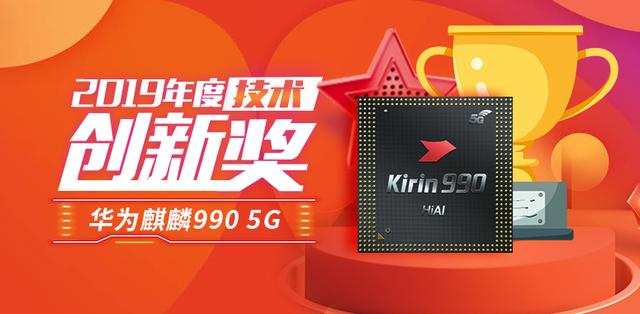
Technology Innovation Award: Huawei Kirin 990 5G
This year’s Huawei Kirin SoC is undoubtedly the most spectacular. The latest Kirin 990 5G is the industry’s first integrated 5G baseband SoC, which in a sense surpasses the world’s top manufacturers.
The Kirin 990 5G is manufactured using TSMC’s 7nm + EUV extreme ultraviolet lithography process, integrating up to 10.3 billion transistors. It is the industry’s first mobile SoC to break the 10 billion mark in terms of transistors. The CPU part integrates two 2.86GHz Cortex-A76 cores, two 2.36GHz Cortex-A76 cores and four 1.95GHz Cortex-A55 cores. The GPU has been upgraded to a 16-core Mali-G76 MP16, which has 6 cores more than the Kirin 980. Baseband supports 2/3/4 / 5G networks, NSA / SA dual-mode, TDD / FDD full frequency bands, and full Netcom 5G.
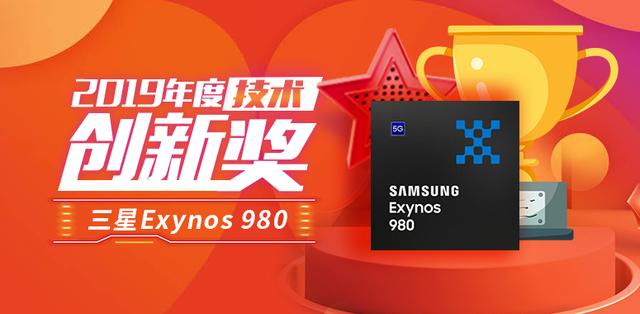
Technology Innovation Award: Samsung Exynos 980
There is no doubt that the integration of 5G baseband is a recognized development trend of future manufacturers. Samsung Exynos 980 is a mid-end SoC with built-in 5G baseband and supporting dual-mode 5G.
The Exynos 980 is built on an 8nm process. It has two 2.2GHz Cortex-A77 cores and six 1.8GHz A55 cores. The GPU is Mali-G76 MP5. In terms of communication performance, the Exynos 980 can be the fastest in the sub-6GHz band with 5G network speed of up to 2.55Gbps, 4G speed of up to 1Gbps, and dual-mode parallel speed of up to 3.55Gbps.
Although Samsung Electronics disbanded the self-developed CPU team this year, this is not necessarily bad news, because this means that Samsung Exynos is returning to the arms of ARM again, which may further improve the power consumption of the SoC.
At the Snapdragon Technology Summit in December, Qualcomm released the annual flagship Snapdragon 865, along with the Snapdragon 765 / 765G, and if you look closely at their characteristics, you will find that the two SoCs are integrated in process and baseband. It is excellent in many aspects and even surpasses the flagship Snapdragon 865.
As the Snapdragon 765 is not yet on the market but the Snapdragon 765G has already been utilised on a commercial smartphone – OPPO Reno 3 Pro. The SoC uses a 7nm EUV process, built-in eight-core Kryo 475 CPU, and a three-cluster architecture of 1 + 1 + 6, including a 2.4GHz super Large core, a 2.2GHz performance core, six 1.8GHz efficiency cores, GPU is Adreno 620, and the same architecture as the new flagship Snapdragon 865.
In terms of paper parameters, the Snapdragon 765G is the largest upgrade since the release of the Snapdragon 7 series. The GPU performance has increased significantly by 40% and the AI computing power has increased by 100%. It is straightforward to say that its performance is basically close to Qualcomm ’s Snapdragon 845.
Since this SoC is listed on the last day of this year, we are also included in this list. From its comprehensive performance, we can see that the Snapdragon 765G is likely to become the hottest match for mid-range 5G mobile phones next year.
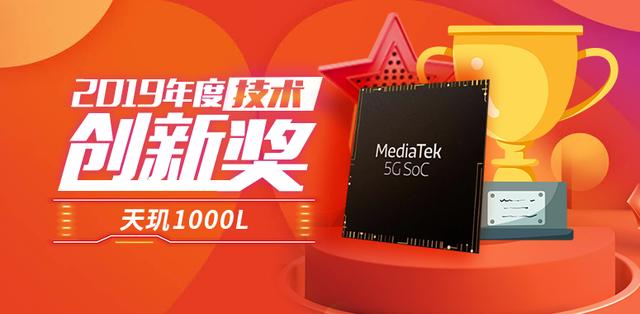
Technological Innovation Award: Dimensity 1000L
MediaTek, which has been quiet for a while, came up with a brand new Dimensity series this year including its first 5G SoC – Dimensity 1000. OPPO first launched Dimensity 1000L at the end of the year onboard the Reno3 series. The Dimensity 1000L may be viewed as a lower version of the Dimensity 1000 but is equally an impressive SoC.
The Dimensity 1000L is built with a 7nm process, has built-in eight cores, and uses the Cortex-A77 architecture, while the GPU uses the G77 architecture. The SoC also comes with built-in 5G baseband, and supports NSA / SA dual-mode 5G.
Most cost-effective award: Huawei Kirin 810
In June this year, Huawei released the Kirin 810. The biggest change is that it no longer uses the Cambrian NPU instead, it adopts Huawei’s self-developed DaVinci architecture. At the same time, it uses a 7nm process, making Kirin the world’s first to have two 7nm SoCs.
The Kirin 810-powered Honor 9X si presently sold for as low as 1,199 yuan which makes it one of the most cost-effective SoC around.
The Kirin 810 is built using a 7nm process, built with two 2.27GHz Cortex-A76 cores and six 1.88GHz A55s. The GPU is upgraded to Mali-G52 for customization and supports Kirin Gaming + technology.
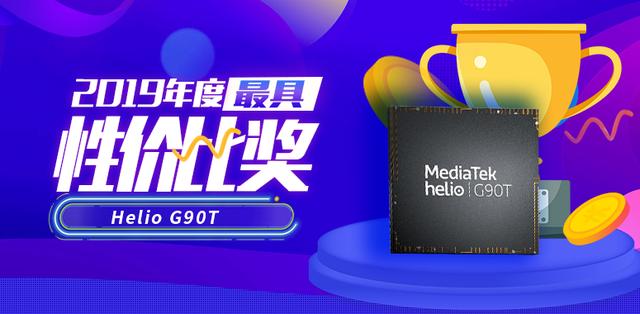
Most cost-effective award: Helio G90T
MediaTek changed its trend this year and successively launched Helio G90T, Dimensity 1000 and other mid-to-high-end SoCs. Among them, Helio G90T is positioned at the mid-range in the same league with Qualcomm’s Snapdragon 730 series.
The chipset was first launched onboard the Redmi Note 8 Pro and that remains the only model with the SoC. In terms of pricing, the Redmi Note 8 Pro also sells for around 1,199 yuan as at press time. That is yet another dope offer as the device equally comes with a 64MP Sony camera sensor.
The Helio G90T is built with a 12nm process. The CPU uses the same Cortex-A76 architecture as the Kirin 810. It has two ARM Cortex-A76 cores and six Cortex-A55 small cores. The frequency is up to 2.05GHz. The GPU is equipped with ARM Mali-G76. 3EEMC4, clocked at 800MHz, and built-in dual-core APU, combined with CPU and GPU can provide 1TMACs AI computing power.
For 2020, we see 5G playing a more prominent role in the calibre of the flagship to midrange and budget SoCs that would be released.
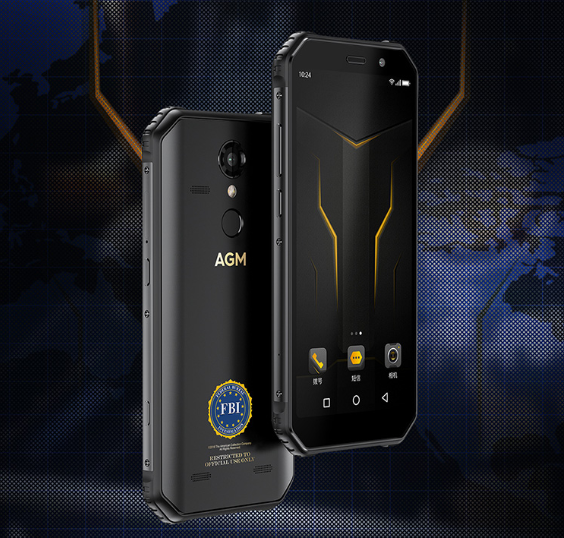
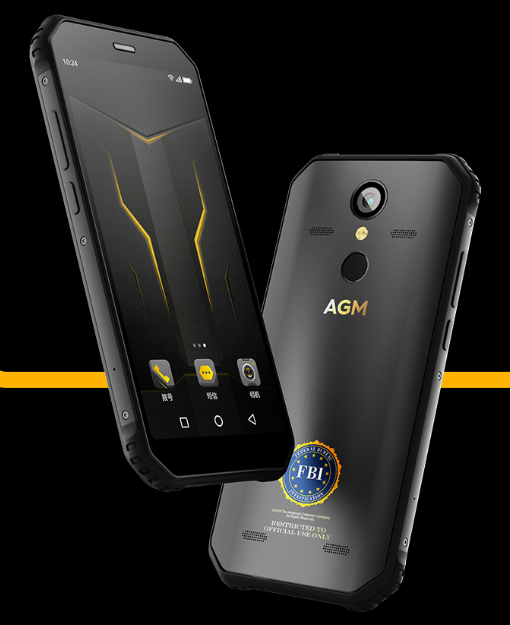
We have seen manufacturers release limited edition models of their phones based on movies, sports teams, and even festivals, but never have we seen a limited edition phone that is based on a government intelligence agency until today. Chinese rugged phone manufacturer, AGM, today announced the AGM H1 FBI Edition, a mid-range smartphone with the FBI’s logo on the back.
AGM H1 FBI Edition Specs
The phone has a 5.99-inch FHD+ (2160 x 1080) display. It is powered by Qualcomm’s Snapdragon 450 processor and has 4GB of RAM and 64GB of storage. There is a 12MP camera on the back along with a dual-tone LED flash and a fingerprint scanner while a 16MP camera is in front for video calls and selfies.
The AGM H1 FBI Edition has support for dual SIM and packs a 5400mAh battery with support for Quick Charge 3.0. The phone also has quad speakers on the back but no audio jack. Even without an audio jack, the phone has an FM radio. There is a USB Type-C port at the bottom for charging and a dedicated AI assistant button on the left.
AGM says the phone runs X OS 3.0 which is based on Android 8.1 Oreo. The operating system is said to be secure and private and boast features such as dual-apps and full-screen gesture navigation.
The AGM H1 is a rugged phone like AGM’s other devices. It has an IP68-rating and is MIL-STD-810G certified. The manufacturer claims it will also survive drops from heights up to 1.5 meters.
Price and Availability
AGM says only 199 units of the phone are available and it will go on sale on the 8th of January, 2020 at midnight. Interested buyers can purchase the AGM H1 FBI Edition on JD.com.
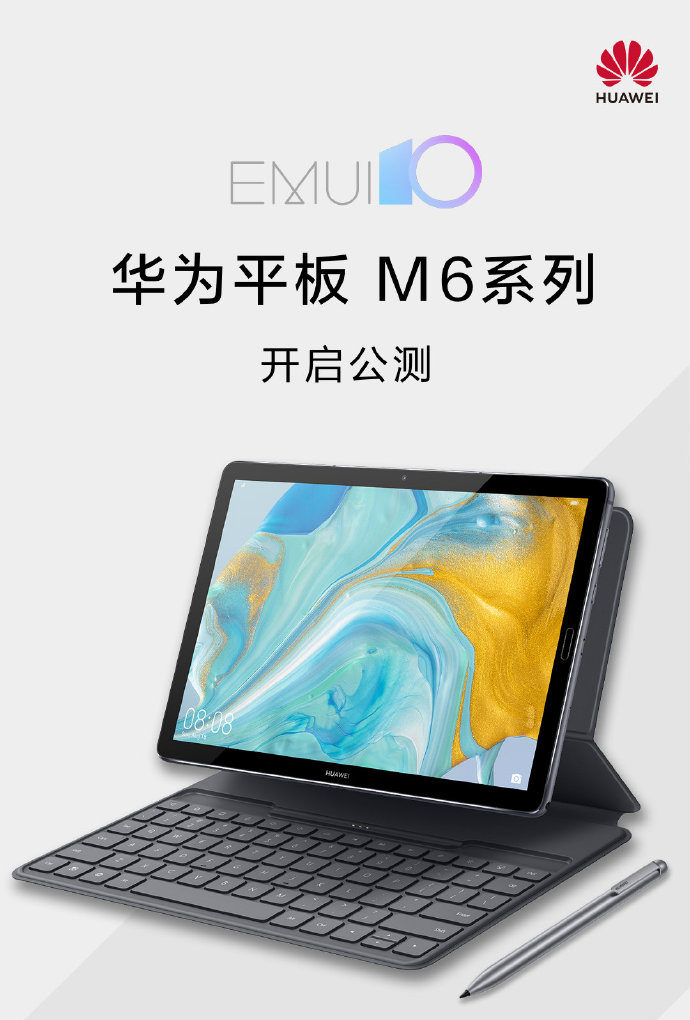
When they launched, all three tablets ran EMUI 9.1 based on Android Pie out of the box. Yesterday, Huawei announced that an open beta version of EMUI 10 is now available for the three tablets. This version of EMUI is based on Android 10.
Huawei says the open beta update brings an improvement in system performance and an improved AI assistant. You should also get a new user interface and a system-wide dark mode.
To get the beta update, you will have to go to the Huawei Club app and select EMUI Zone at the top right corner. There should be an option to select “Beta Upgrade”.
The MediaPad M6 series all have IPS LCD displays, the same 13MP rear camera, and 8MP front-facing camera. While the 8.4-inch and 10.8-inch versions are available in 4GB + 64GB, and 4GB + 128GB, the Turbo Edition comes in only one configuration – 6GB + 128GB.
The 10.8-inch model is also the only model with a fingerprint scanner and an audio jack. It also packs a larger battery capacity of 7500mAh against the 8.4-inch models 6100mAh battery capacity.
India has joined the list of countries that have given embattled Chinese tech company Huawei the green light to participate in 5G trials. This decision will see the Chinese giant help the world’s second-largest internet market build its 5G network.
This was disclosed by Ravi Shankar Prasad, the country’s minister for technology at an event in New Delhi. “We have taken a decision to give 5G [bandwidth] for trial to all the players,” he said.
This news comes as a welcome reprieve for Huawei who is facing severe sanctions from the US government. The US has urged allies to shun Huawei’s 5G infrastructure citing security concern. The US government says China could use Huawei products to spy on other nations. Huawei is presently the world’s largest telecommunications equipment maker and a leading smartphone brand and was in a good position to clinch a majority of the world’s 5G equipment contract before the US debacle began. The leading smartphone maker has consistently insisted that it has no link with Beijing and that its products don’t pose a national security risk.
This is coming just days after Britain’s security chiefs reportedly gave Prime Minister Boris Johnson the nod to allow Huawei provide non-core 5G equipment. Earlier this month, one of Germany’s biggest mobile carriers announced that it would use the Chinese company’s equipment in its 5G networks. India’s 5G trials are expected to begin in January 2020.
The Redmi K30 5G will go on sale on January 7, 2020. The phone which was announced earlier this month is the first in the world to be powered by the Snapdragon 765G.
When it goes on sale, it will be available in four configurations with the base model having 6GB of RAM and 64GB of storage while the highest configuration will have 8GB of RAM and 256GB of storage.
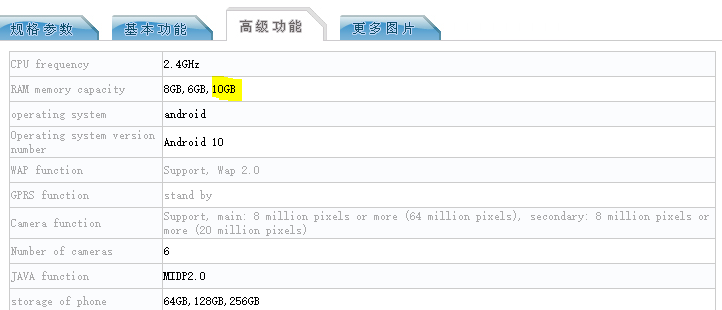
Shortly after the launch, the device appeared on TENAA’s database, and the listing revealed there is a 12GB RAM + 512GB version that wasn’t announced at the event. Now another TENAA listing has been published and this mentions a 10GB RAM version.
This new listing has a slightly different model number which is M2001G7AC, unlike the first listing whose model number is M2001G7AE. The spec sheet lists three RAM variants – 6GB, 8GB, and the new 10GB while the available storage variants are 64GB, 128GB, and 256GB. This means the 10GB RAM version should have 256GB of storage.
Of course, the Redmi K30 5G is not the first phone with 10GB of RAM, however, very few manufacturers have actually announced a phone with 10GB of RAM this year. Most of them actually skip 10 and jump to 12GB.
We do not know when this model will be announced and if it will be announced before, alongside, or after the 12GB RAM version. Nevertheless, it is good to know that there will probably be more variants available for purchase in the future.
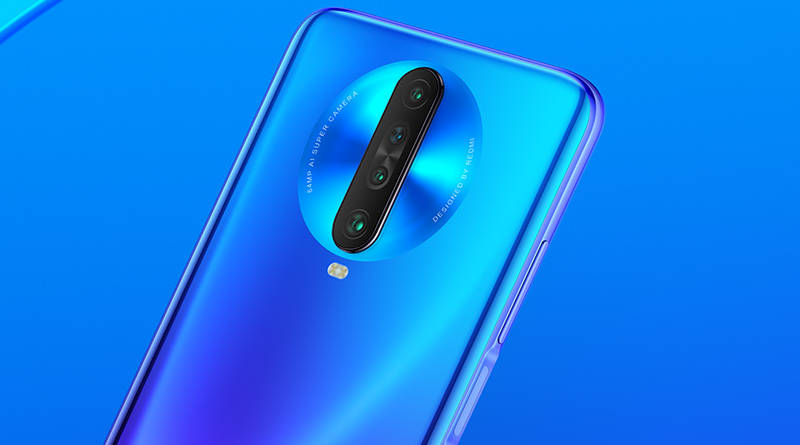
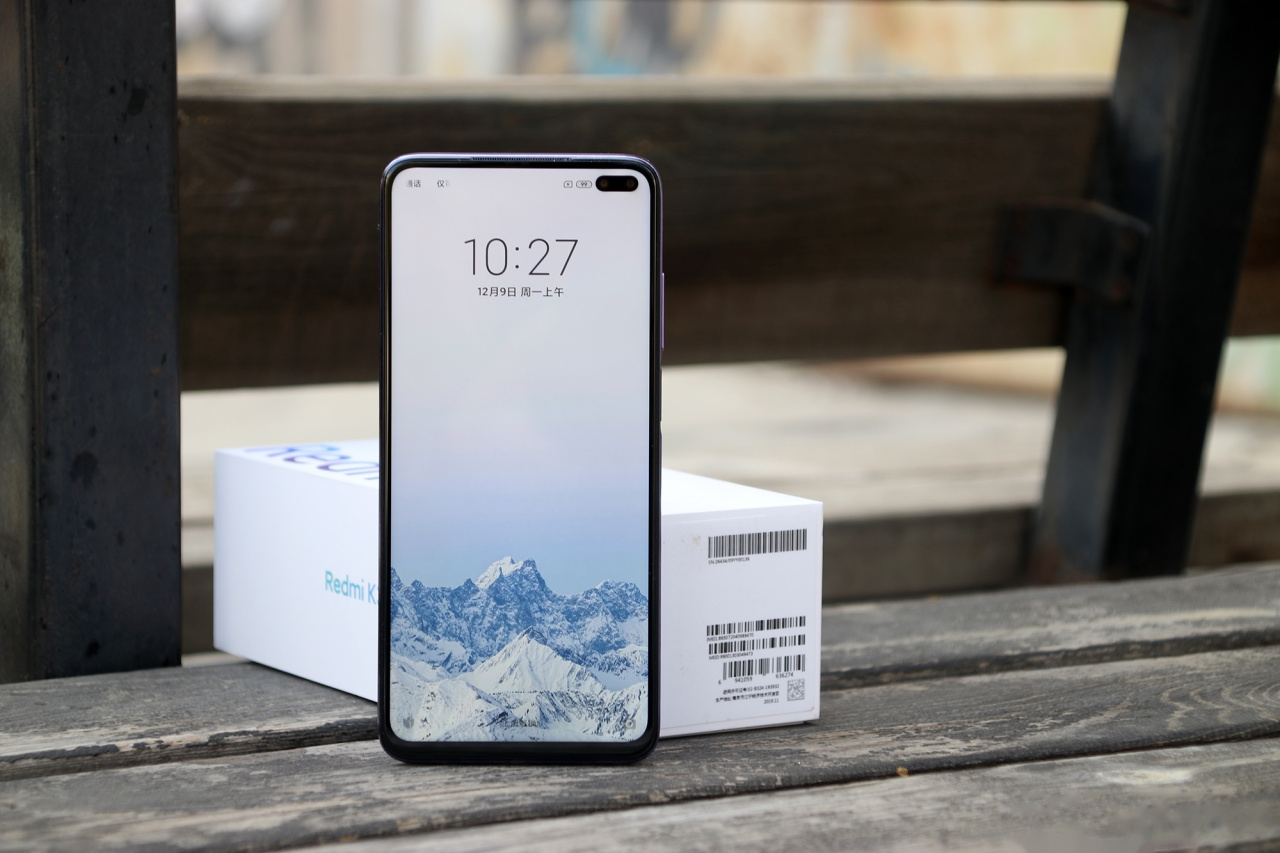
The Redmi K30 5G has a 6.67-inch FHD+ LCD display with two punch holes at the top right corner for the two front-facing cameras. It has a 120Hz refresh rate and supports HDR10. There is Gorilla Glass 5 on the screen as well as on the back of the device.
There are four cameras on the back of the phone. The primary sensor is a 64MP camera and it is paired with an 8MP 120° ultrawide angle camera, a 2CM 5MP macro camera, and a 2MP depth sensor. The phone can record in 4K at 30fps, slow-motion at 960fps, and also has 10x digital zoom. The front-facing cameras are a 20MP primary sensor and a 2MP depth sensor.
The Redmi K30 5G packs a 4500mAh battery with support for 30W fast flash charge. There is a side-mounted fingerprint scanner on the right. The phone also has NFC, Dual SIM support, and Bluetooth 5.1. It will run MIUI 11 based on Android 10 out of the box.
The Redmi K30 series has some pretty big shoes to fill this year. Redmi K20 and the K20 Pro offered extremely good value for its price and even made it to our Best Mid-Range and Best Flagship Killer Smartphones of 2019 lists. And in most ways, the Redmi K30 upholds the reputation of its predecessor, bringing in powerful specifications at an extremely affordable price tag. Unlike the OPPO Reno3 series and the Vivo X30 series that doesn’t feature a 4G variant, the Redmi K30 comes with a 5G as well as a 4G model. But is that the only difference between the two models? That’s what we check in this Redmi K30 vs Redmi K30 5G comparison.
Redmi K30 vs Redmi K30 5G: Design
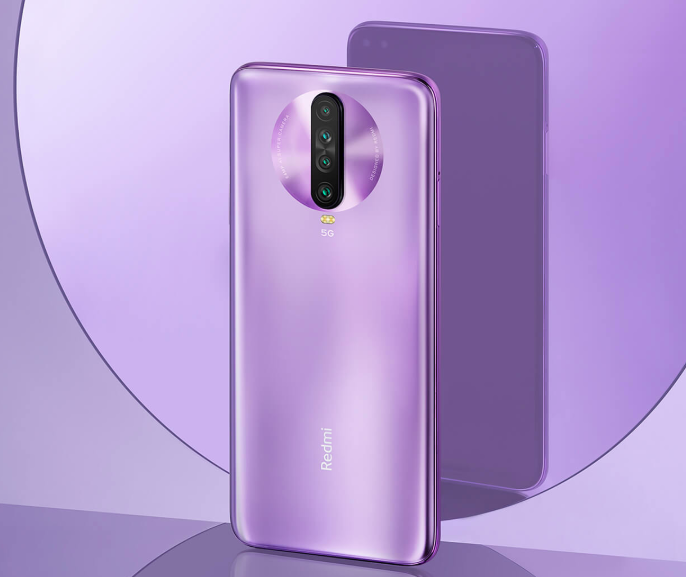
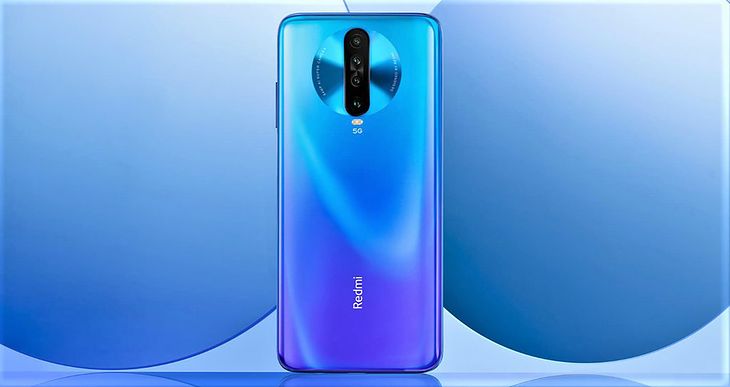
The Redmi K30 duo share the exact same design with the exact same dimensions: 165.3 x 76.6 x 8.8 mm and weight: 208 grams too! The only minute difference between the two models is the 5G logo on the back of the K30 5G model.
4G variant doesn’t have any logo on its back
5G model
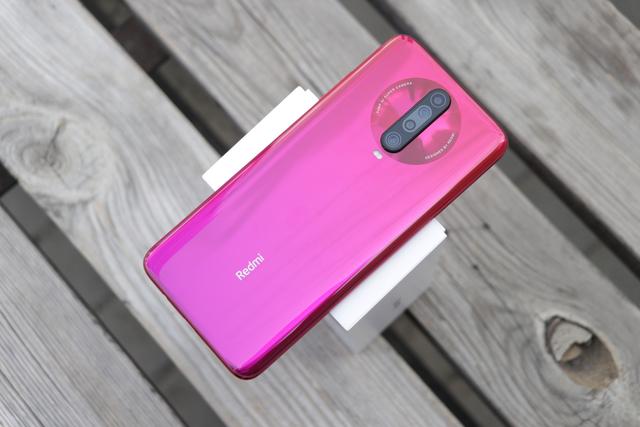
Both the models come in a gradient back in Blue, Red, and Purple color options. There’s a single pill-shaped vertical camera strip on the top half of the device featuring four sensors. At the lower half of the back, you’ll find the Redmi logo. The front of the device is a lot more interesting. Both the 4G & 5G models feature dual punch-hole cameras on the top right corner. It’s actually two separate cameras joined together with a black background. While the K30 isn’t the first Xiaomi smartphone to feature dual front-facing shooters, it’s the first Mi / Redmi device to feature a punch-hole camera setup.
Note that both the devices feature a dedicated 3.5mm headphone jack.
While the design of the Redmi K30 duo was identical, they differ slightly in terms of specifications. The Redmi K30 comes with the good old Snapdragon 730G octa-core processor from Qualcomm, while the Redmi K30 5G features the Snapdragon 765G chip. It is Qualcomm’s first 5G-integrated SoC in the market and the K30 5G was the first phone to feature it. The K30 5G features both SA and NSA 5G networks and supports a maximum download speed of up to 3.7Gbps. So in terms of network speeds, the K30 5G model is way ahead of its 4G variant.
Redmi K30
Other specs, including the camera setup on both the models are identical. The two models start off at 6GB RAM + 64GB storage and take it all the way up to 8GB RAM and 256GB of internal storage. Note that they feature a hybrid MicroSD card slot (SIM2). One of the highlights of the Redmi K30 duo is its screen. Despite being a 6.67-inch 1080 x 2400 pixels IPS LCD panel, the two models ensure you get a good viewing experience with the help of HDR10 support and a high 120Hz screen refresh rate. It is also the first Xiaomi smartphone to feature such a high refresh rate.
The quad-camera setup on both the models feature a 64MP f/1.9 primary shooter paired with an 8MP f/2.2 ultrawide sensor, a 2MP f/2.4 macro camera, and a 2MP f/2.4 depth sensor. Up front, the dual punch-hole camera setup houses 20MP primary selfie shooter with a 2MP depth sensor. One big change as compared to the older Redmi K20 series is the presence of a physical fingerprint sensor. The company decided to use a less-traditional side-mounted fingerprint sensor on the K30 duo instead of an in-display fingerprint shooter. Well, the presence of an IPS LCD display was a giveaway that it couldn’t have an in-display sensor, but hopefully, by 2020, this in-screen fingerprint tech won’t just be exclusive to AMOLEDs.
While the battery capacity on both the models are identical: 4500mAh, the K30 maxes out at 27W fast charging while the K30 5G gets a slightly faster 30W charging technology.
Color variants: Time Monologue, Purple Jade Fantasy, Deep Sea Glow and Flower Shadow
In terms of specifications, the K30 and the K30 5G models are very similar. They even have the exact same camera setup unlike the Vivo X30 duo (Pro model had an additional periscope camera).
Personally, the Redmi K30 4G makes for an excellent purchase in a non-5G dominated market. And even if you need 5G, you just have to shell out around $60 more to enjoy extremely fast Gbps speeds on your smartphone. No wonder the K30 5G is the cheapest 5G smartphone in the world right now!
We use cookies on our website to give you the most relevant experience by remembering your preferences and repeat visits. By clicking “Accept”, you consent to the use of ALL the cookies.
This website uses cookies to improve your experience while you navigate through the website. Out of these, the cookies that are categorized as necessary are stored on your browser as they are essential for the working of basic functionalities of the website. We also use third-party cookies that help us analyze and understand how you use this website. These cookies will be stored in your browser only with your consent. You also have the option to opt-out of these cookies. But opting out of some of these cookies may affect your browsing experience.
Necessary cookies are absolutely essential for the website to function properly. This category only includes cookies that ensures basic functionalities and security features of the website. These cookies do not store any personal information.
Any cookies that may not be particularly necessary for the website to function and is used specifically to collect user personal data via analytics, ads, other embedded contents are termed as non-necessary cookies. It is mandatory to procure user consent prior to running these cookies on your website.